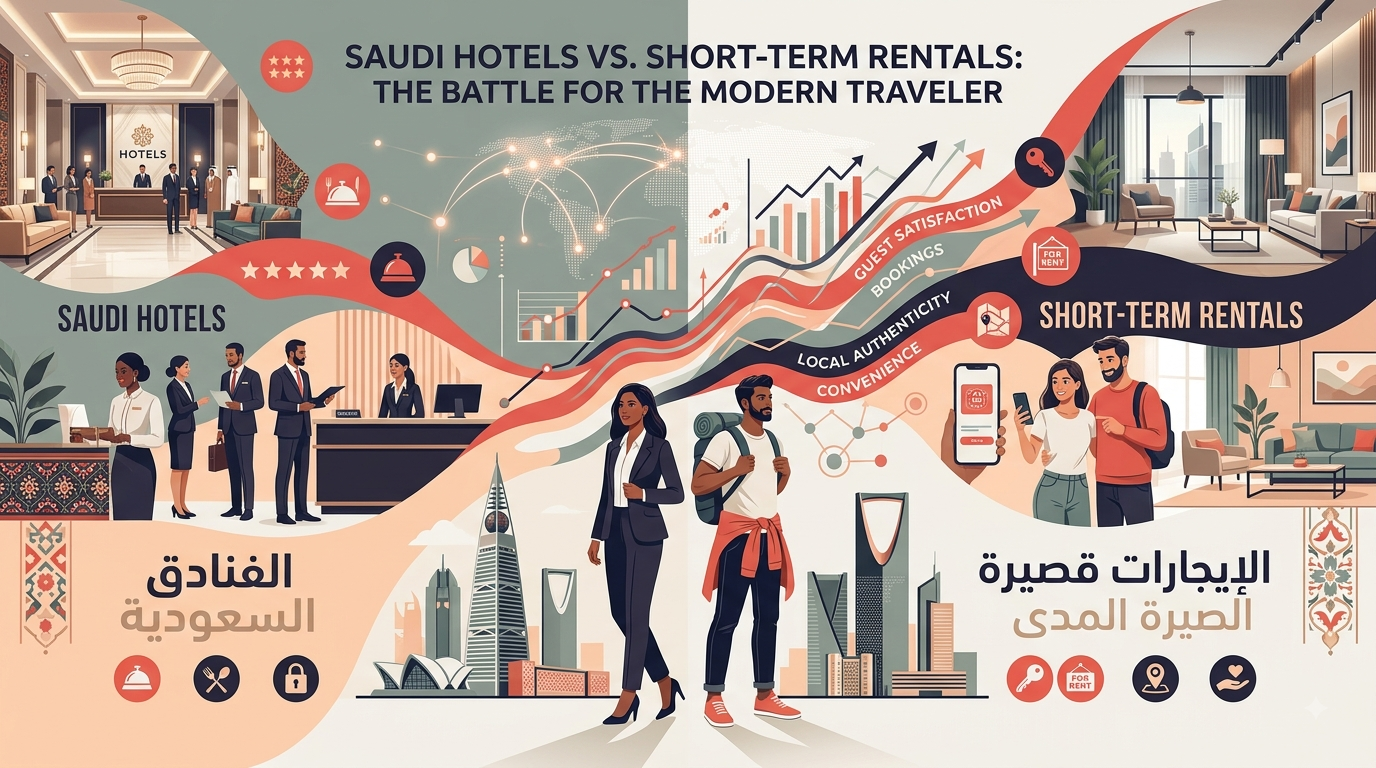
Planning a trip to Saudi Arabia or anywhere else in the world? One of the first decisions you will face is choosing between a hostel and a hotel. Both offer accommodation, but they cater to very different types of travelers, budgets, and experiences. With Saudi Arabia’s tourism sector booming under Vision 2030 — welcoming over 100 million visitors annually — understanding the key differences between hostels and hotels has never been more important. Whether you are a solo backpacker exploring the Red Sea coast, a business traveler attending a conference in Riyadh, or a family visiting historical sites in AlUla, this comprehensive guide will help you decide which option suits your needs best.
In this article, we break down the differences in cost, privacy, amenities, social atmosphere, location, and more. We also look at how the Saudi hospitality market is evolving to include both luxury hotels and modern, regulation‑compliant hostels. By the end, you will know exactly when to book a hostel and when to choose a hotel.
Key Insight: According to the Saudi Ministry of Tourism, budget accommodation (including hostels and economy hotels) has grown by 40% since 2022, reflecting the rise of young, independent travelers as part of Vision 2030’s diversification strategy.
What is a Hotel? What is a Hostel?
Before diving into comparisons, let's define each term clearly.
Hotel
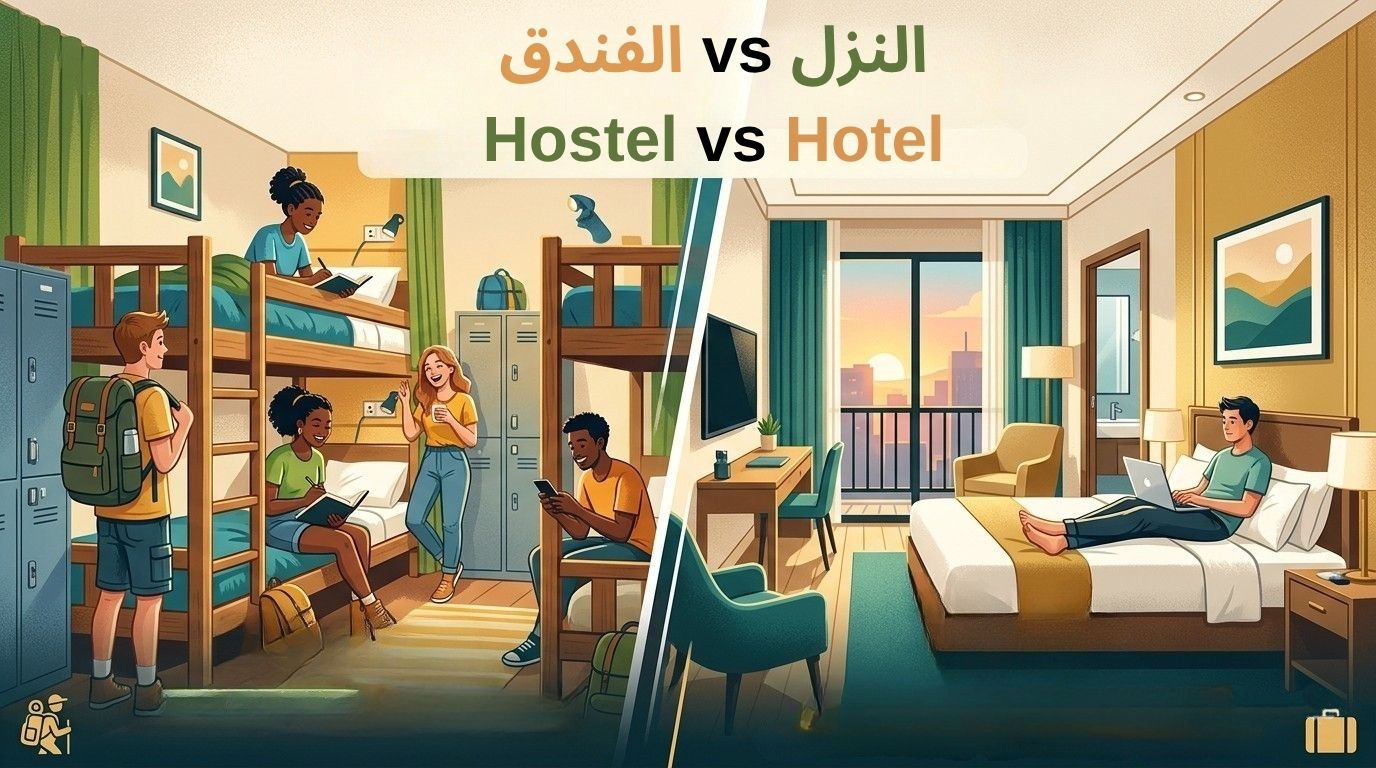
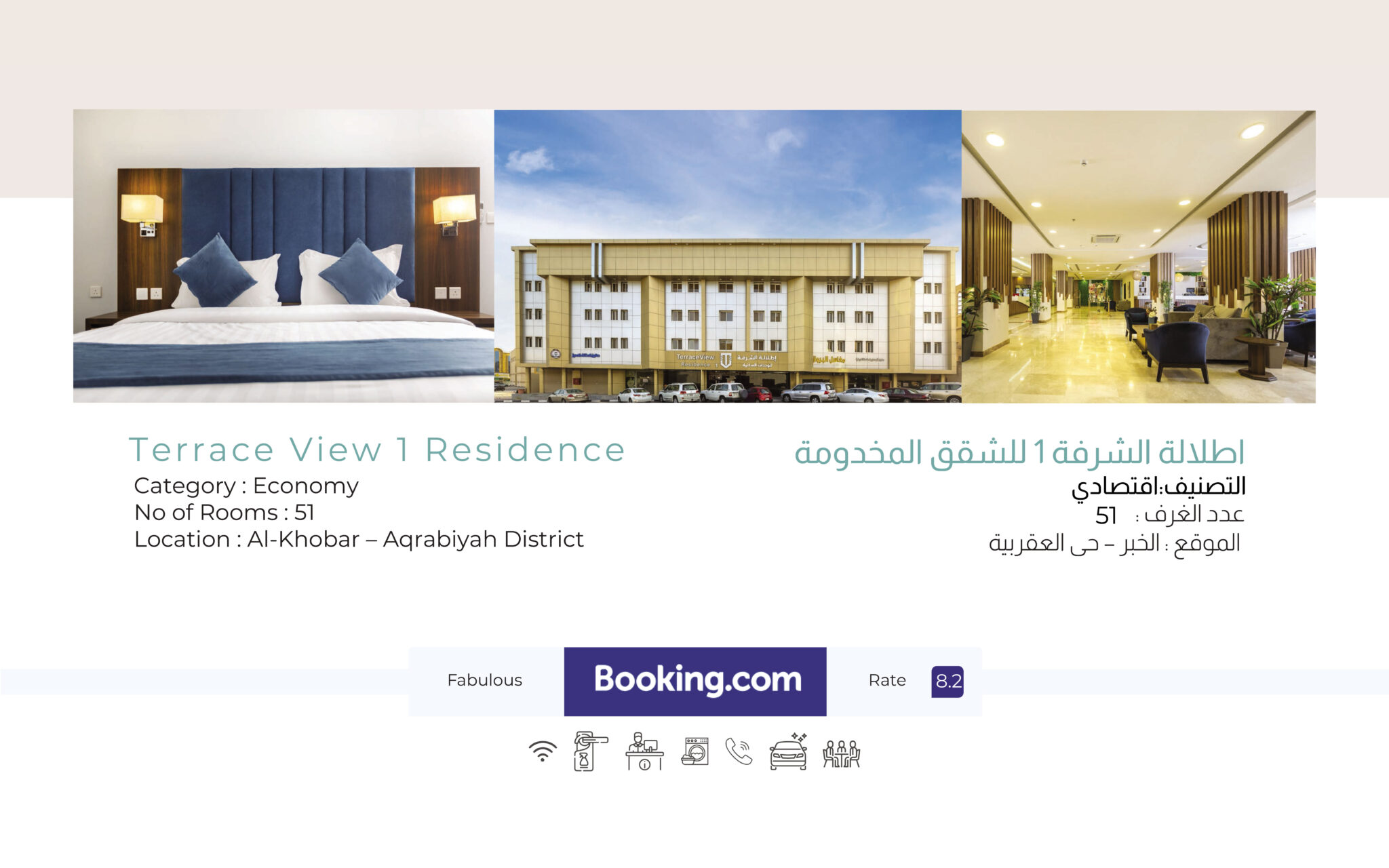
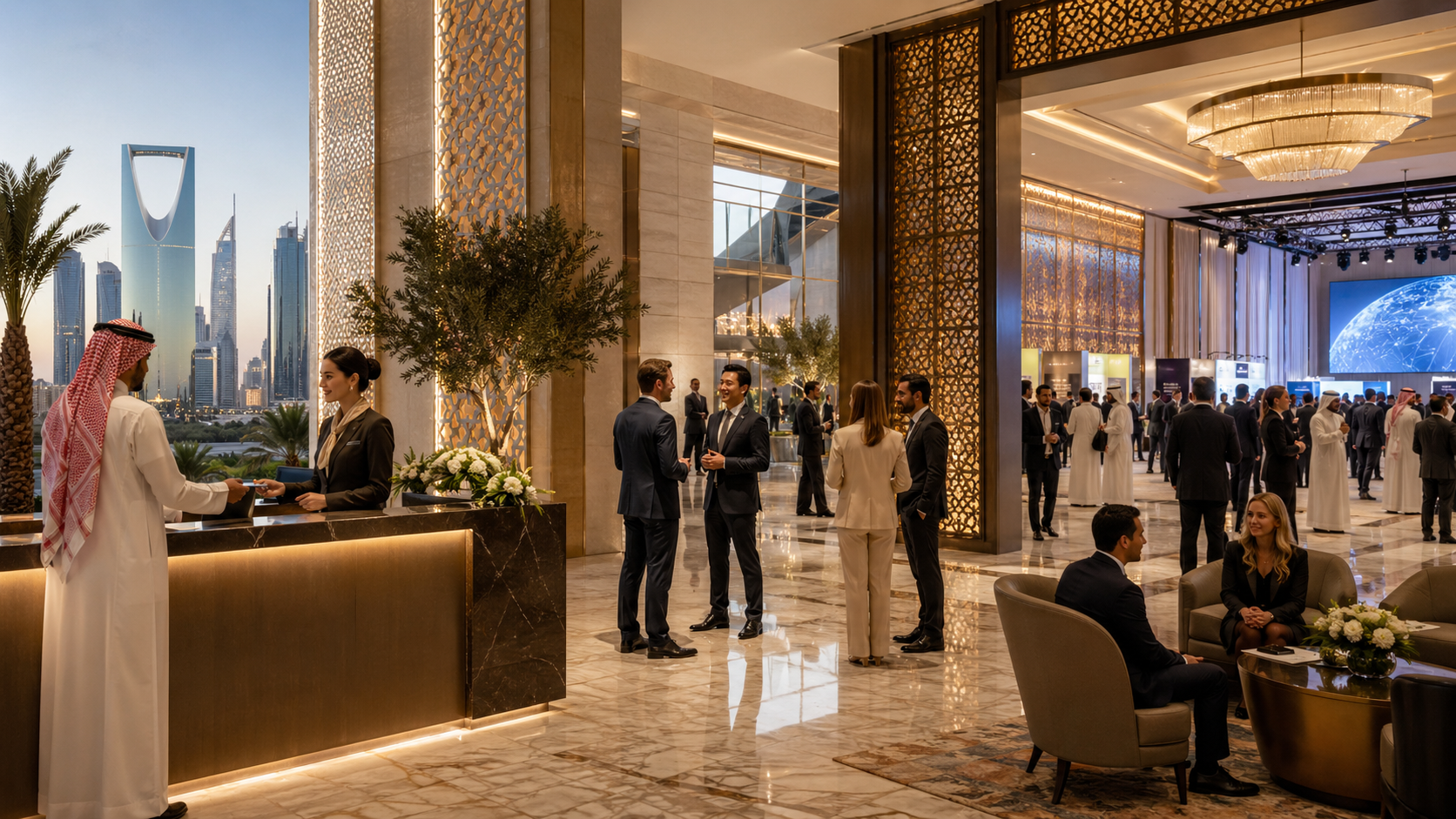
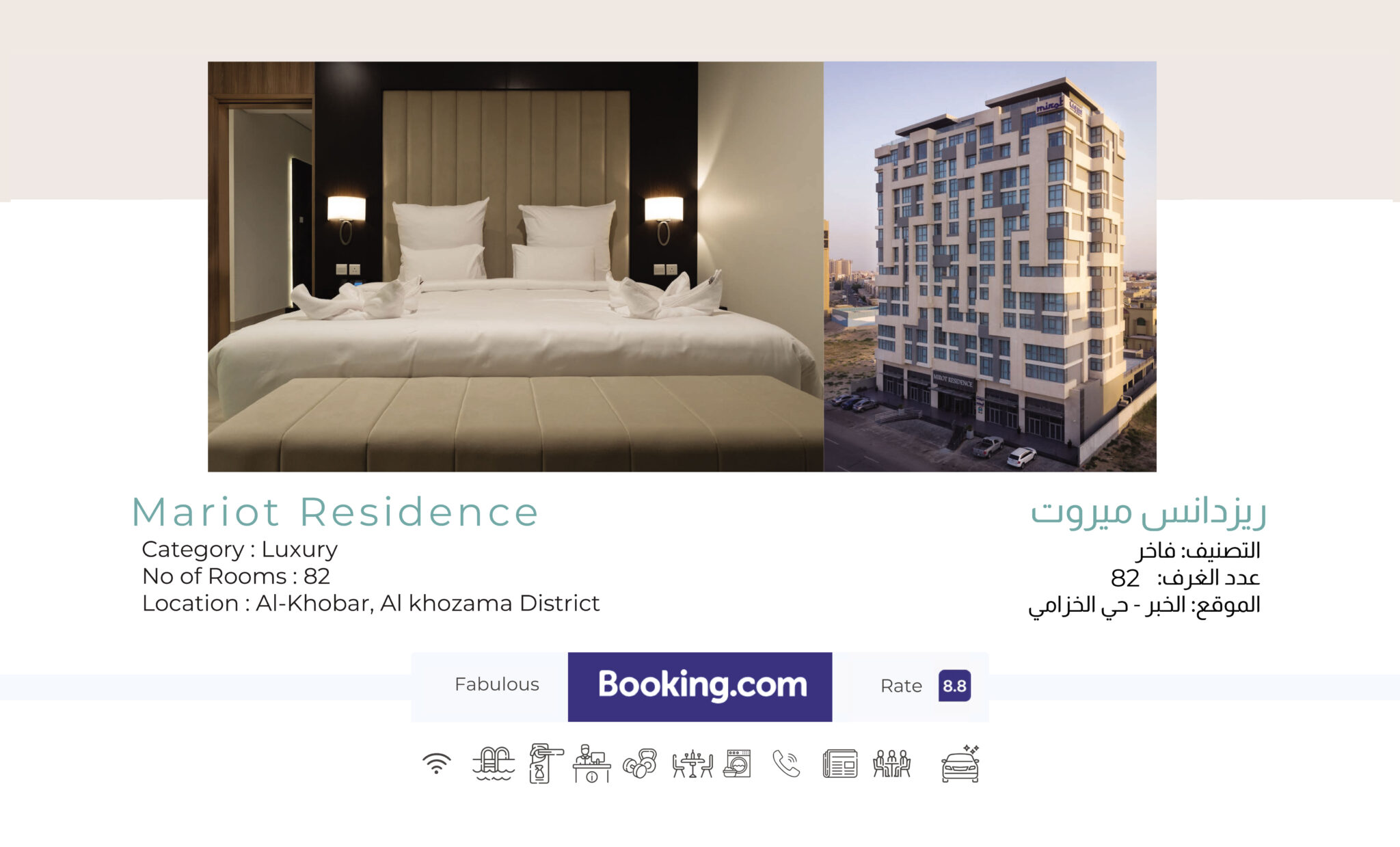
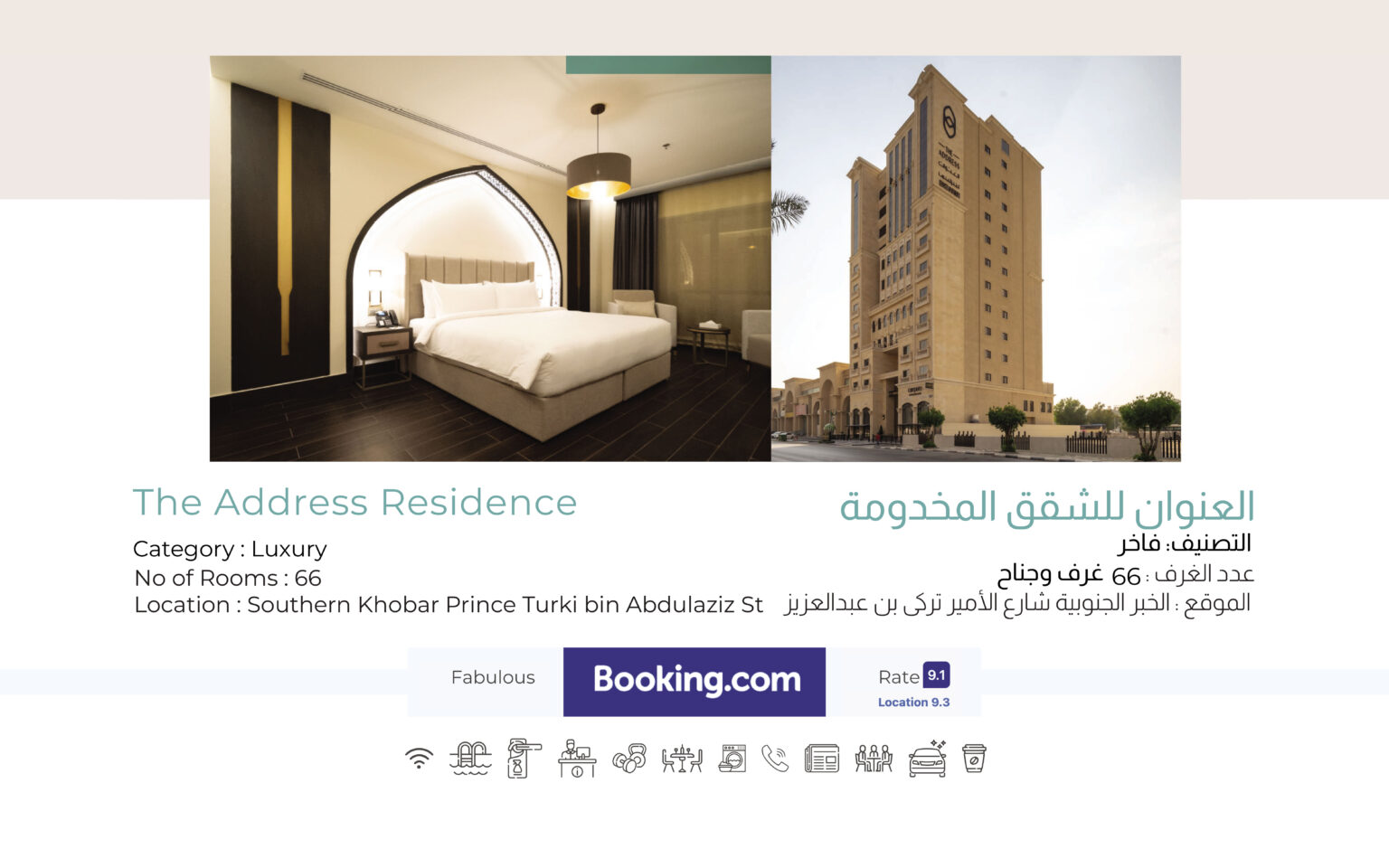
A hotel is a commercial establishment that provides paid lodging, usually on a short‑term basis. Hotels range from budget (1‑2 stars) to luxury (5 stars and above). They typically offer private rooms with ensuite bathrooms, daily housekeeping, room service, and a variety of amenities such as restaurants, swimming pools, gyms, and conference facilities. Hotels prioritize privacy, comfort, and convenience.
Hostel
A hostel is a budget‑focused shared accommodation that usually offers dormitory‑style rooms with bunk beds, shared bathrooms, and common areas like kitchens, lounges, and sometimes bars. Private rooms are also available in many modern hostels. The main appeal is low cost and a social atmosphere that encourages interaction among travelers. Hostels are popular among backpackers, solo adventurers, students, and young tourists who prioritize meeting people over luxury.
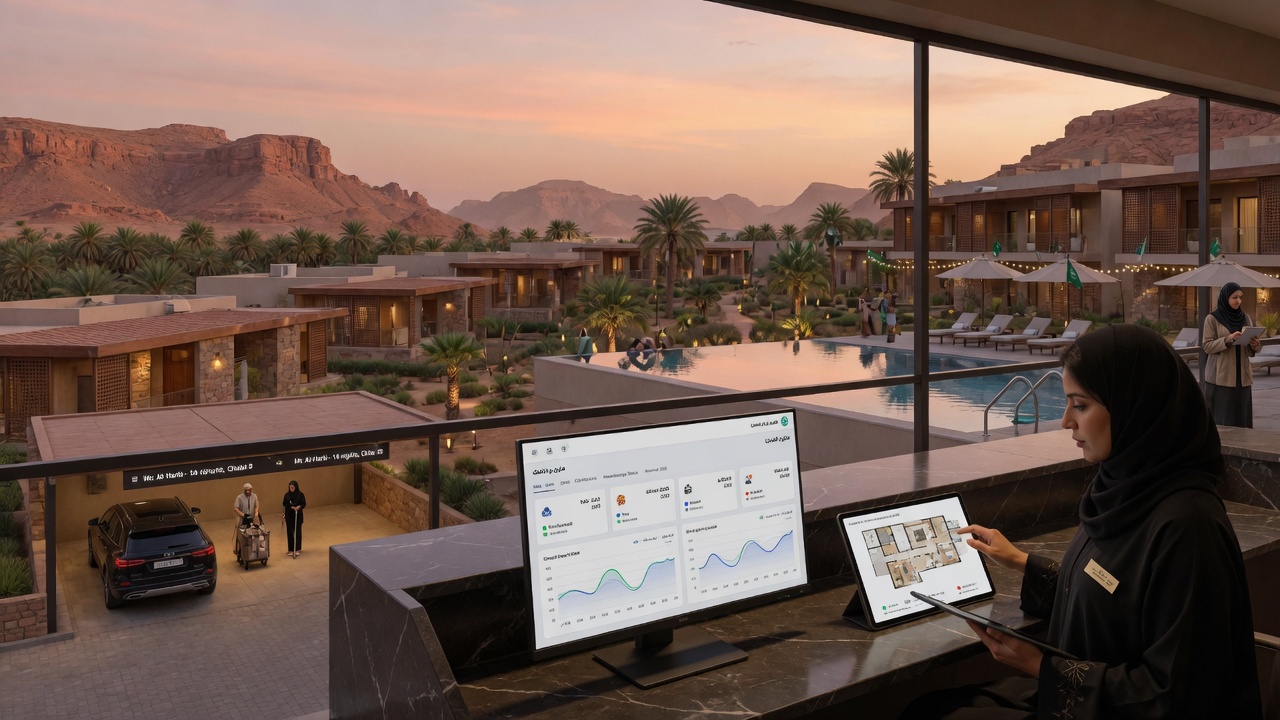
In Saudi Arabia, hostels are a relatively new concept but are growing quickly, especially in cities like Riyadh, Jeddah, and Dammam, as well as tourist destinations like AlUla and the Red Sea. They must comply with local regulations, including guest registration via Shomoos and safety standards.
Key Differences Between Hostels and Hotels
90% lower nightly rate (hostel dorm vs hotel)
100% private room (hotel standard)
24/7 reception (most hotels)
Social vs private experience
- Cost: Hostels are significantly cheaper. A dorm bed in a Saudi hostel can cost between SAR 40–120 per night, while a budget hotel room starts from SAR 200–400. Luxury hotels can exceed SAR 1,000. This makes hostels ideal for long‑term travelers and students.
- Privacy: Hotels offer private rooms and bathrooms. Hostels mostly offer shared dorms (4–12 beds), though private rooms are available at a higher price. If you value solitude or are a light sleeper, a hotel is better.
- Social Atmosphere: Hostels are designed for socializing — common rooms, group dinners, pub crawls, and organized tours. Hotels are more formal and private; you may barely interact with other guests. Solo travelers often prefer hostels to make friends.
- Amenities: Hotels provide daily housekeeping, toiletries, towels, room service, gyms, pools, and often restaurants. Hostels usually provide basic bedding and shared bathrooms; you may need to bring your own towel and padlock for lockers. Some upscale hostels offer free breakfast and Wi‑Fi.
- Safety and Security: Both can be safe, but hotels typically have 24/7 front desk, security cameras, and in‑room safes. Hostels provide lockers for valuables (bring your own lock). In Saudi Arabia, licensed hostels must follow strict safety regulations, so they are generally secure.
- Location: Hotels are often in prime central locations (downtown, near airports, tourist attractions). Hostels are sometimes in less central areas to keep costs low, but many modern hostels are strategically placed near public transport.
- Flexibility: Hostels usually have more relaxed cancellation policies and allow last‑minute bookings. Hotels may have stricter cancellation terms, especially during peak seasons like Hajj or Riyadh Season.
- Target Audience: Hotels cater to families, business travelers, couples, and anyone seeking comfort. Hostels target solo travelers, backpackers, students, and budget‑conscious groups.
Saudi‑specific tip: If you are a female solo traveler, many hotels and hostels in Saudi Arabia now offer female‑only floors or dorms. Always check the property's policies before booking.
Use Cases: When to Choose a Hostel vs a Hotel in Saudi Arabia
Real scenarios to help you decide:
1. Solo Backpacker Exploring AlUla & The Red Sea
Recommendation: Hostel. You want to meet other travelers, share transport costs, and keep your budget low. Many hostels in AlUla and Jeddah organize group trips to heritage sites, saving you money and providing instant friends.
2. Business Trip to Riyadh for a Conference
Recommendation: Hotel (preferably 3–5 star). You need a quiet workspace, reliable Wi‑Fi, room service, and a professional environment. Hotels also offer meeting rooms and easy access to business districts.
3. Family Vacation to the Red Sea (e.g., Jeddah or NEOM)
Recommendation: Hotel or serviced apartment. You need private rooms, child‑friendly amenities, and possibly a pool. Hotels also provide housekeeping, which is a must for families.
4. Young Student Group Visiting Makkah for Umrah
Recommendation: Hostel or budget hotel. Cost is the main factor. Many hostels near the Haram area offer shared dorms specifically for pilgrims, allowing you to save money for other expenses.
5. Couple Seeking a Romantic Getaway in the Asir Mountains
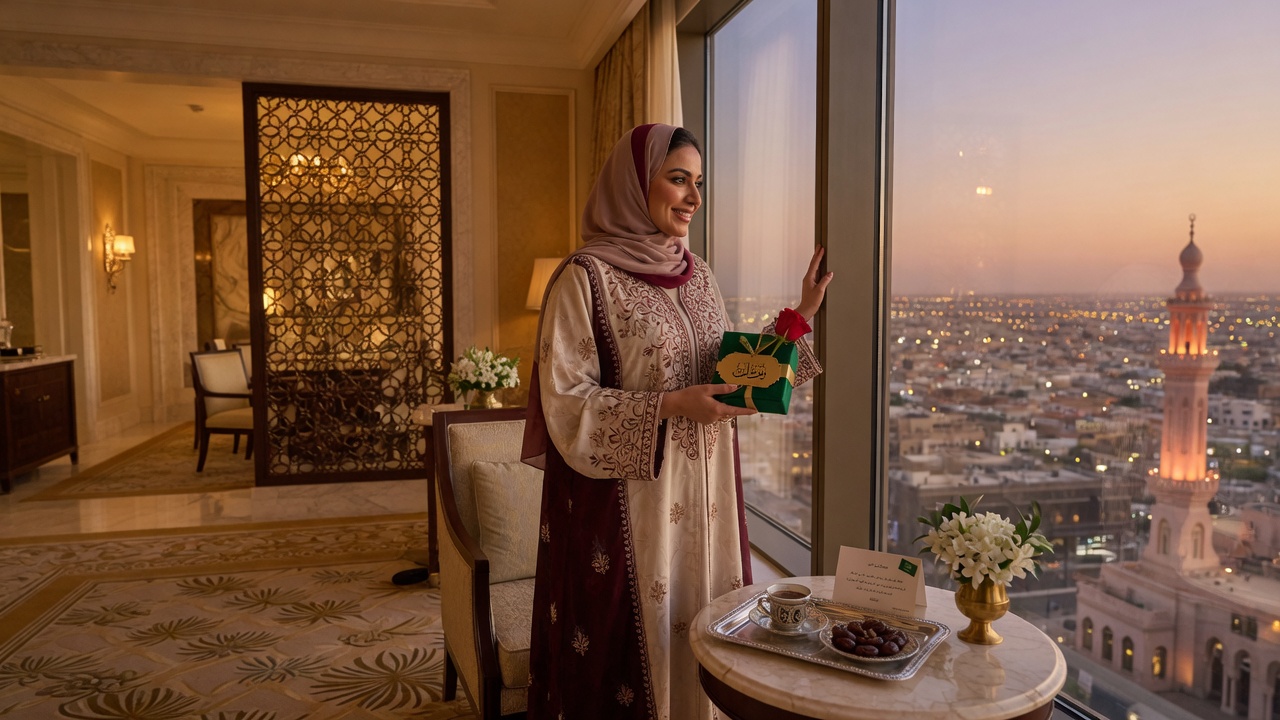
Recommendation: Boutique hotel or resort. Privacy, ambiance, and amenities like a balcony with a view matter more than cost. A hostel dorm would not suit this purpose.
Comparison at a Glance: Hostel vs Hotel
| Feature | Hostel | Hotel |
|---|
| Average nightly cost (SAR) | 40–120 (dorm), 150–300 (private) | 200–600 (budget), 600–2000+ (luxury) |
| Room type | Shared dorm (4–12 beds) or private room | Private room (single, double, suite) |
| Bathroom | Shared (or ensuite in private rooms) | Private ensuite |
| Social opportunities | High – common areas, events, tours | Low – formal, private |
| Privacy | Low in dorms, medium in private rooms | High |
| Housekeeping | Usually not daily (or for a fee) | Daily included |
| Amenities (gym, pool, restaurant) | Rare (except upscale hostels) | Common (especially in 3+ star hotels) |
| Reception hours | May not be 24/7 (check in advance) | Usually 24/7 |
| Best for | Solo travelers, students, backpackers, budget groups | Families, couples, business travelers, luxury seekers |
Future Trends: How Vision 2030 is Shaping Hostel & Hotel Options
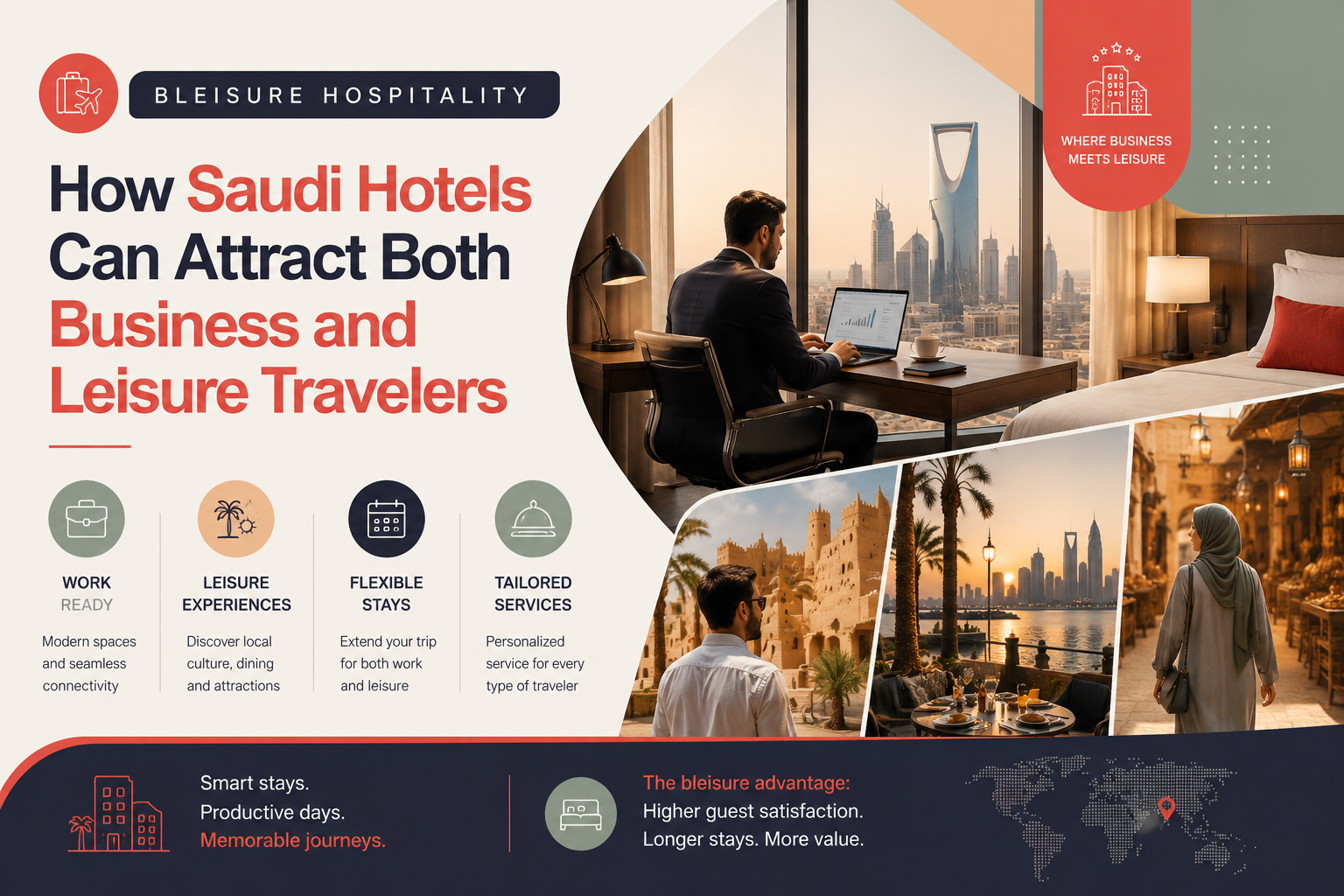
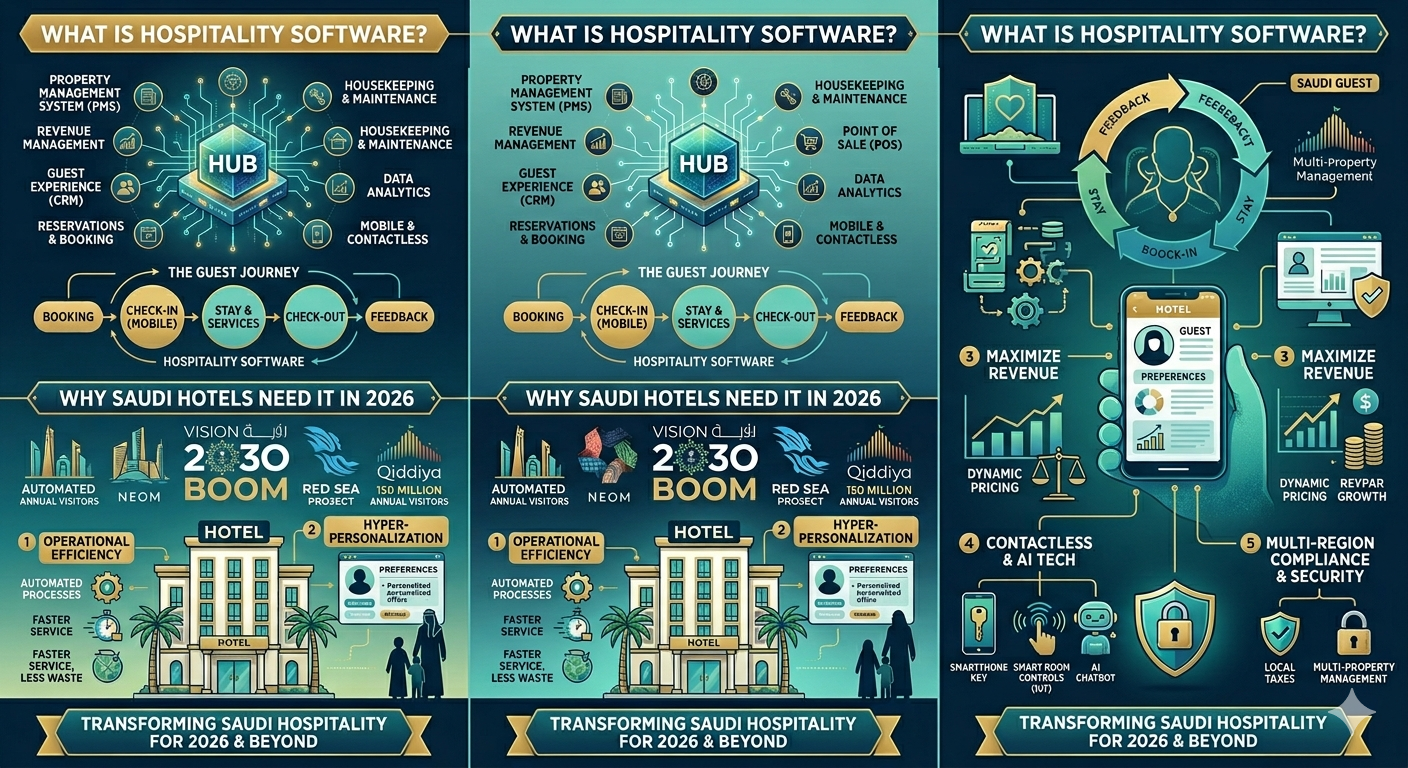
Saudi Arabia’s Vision 2030 aims to attract 150 million visits annually by 2030. This massive influx of tourists — including young, budget‑conscious travelers — has led to several important developments:
- Rise of “Hybrid” Accommodation: New properties are blending hostel and hotel features — private rooms with shared common spaces, rooftop lounges, and co‑working areas. These “poshtels” appeal to digital nomads and young professionals.
- Licensed Hostels Expansion: The Ministry of Tourism has simplified licensing for hostels, leading to a 50% increase in registered hostels since 2023. Cities like Riyadh, Jeddah, and Dammam now have modern, regulation‑compliant hostels.
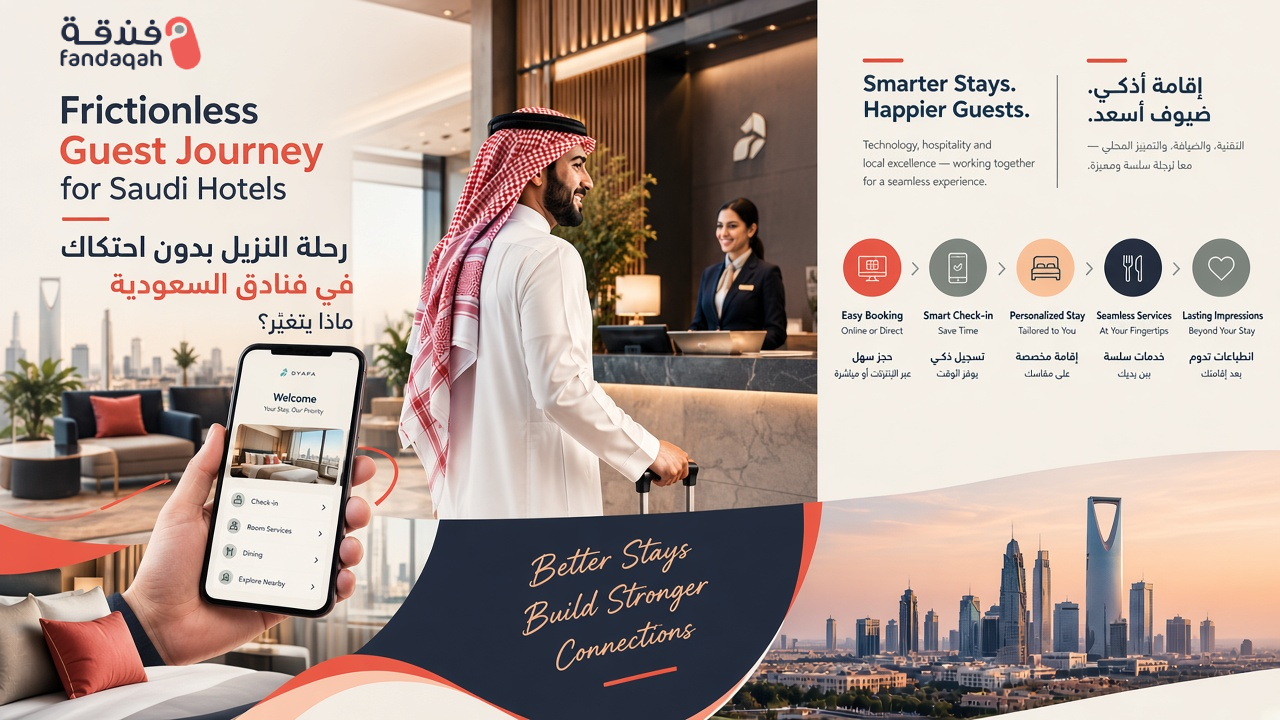
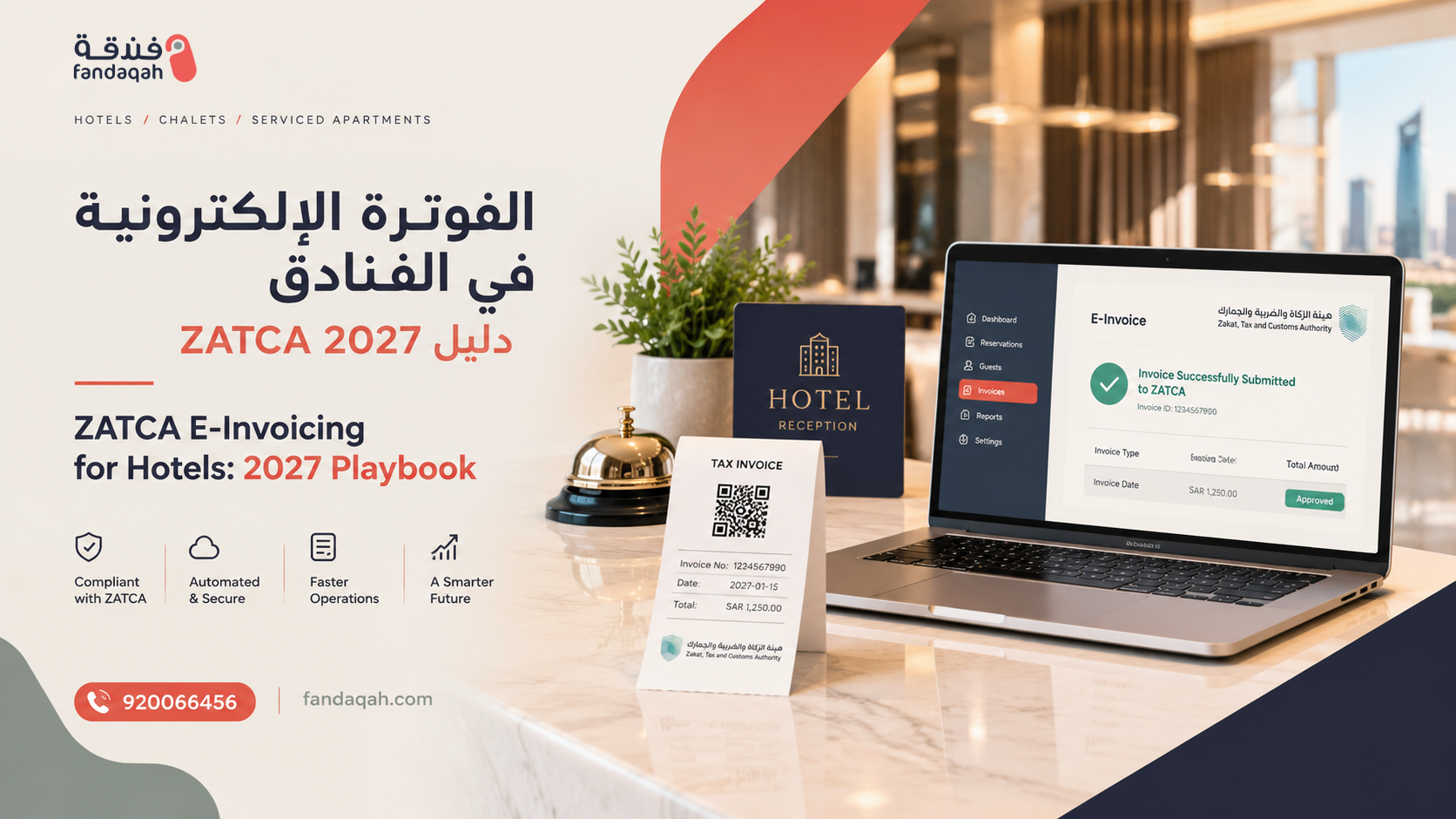
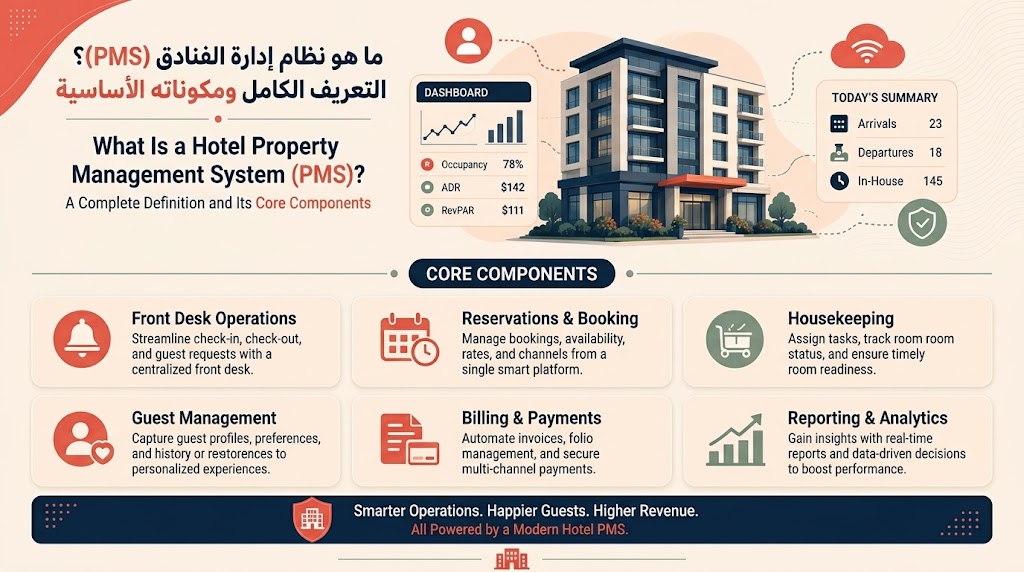
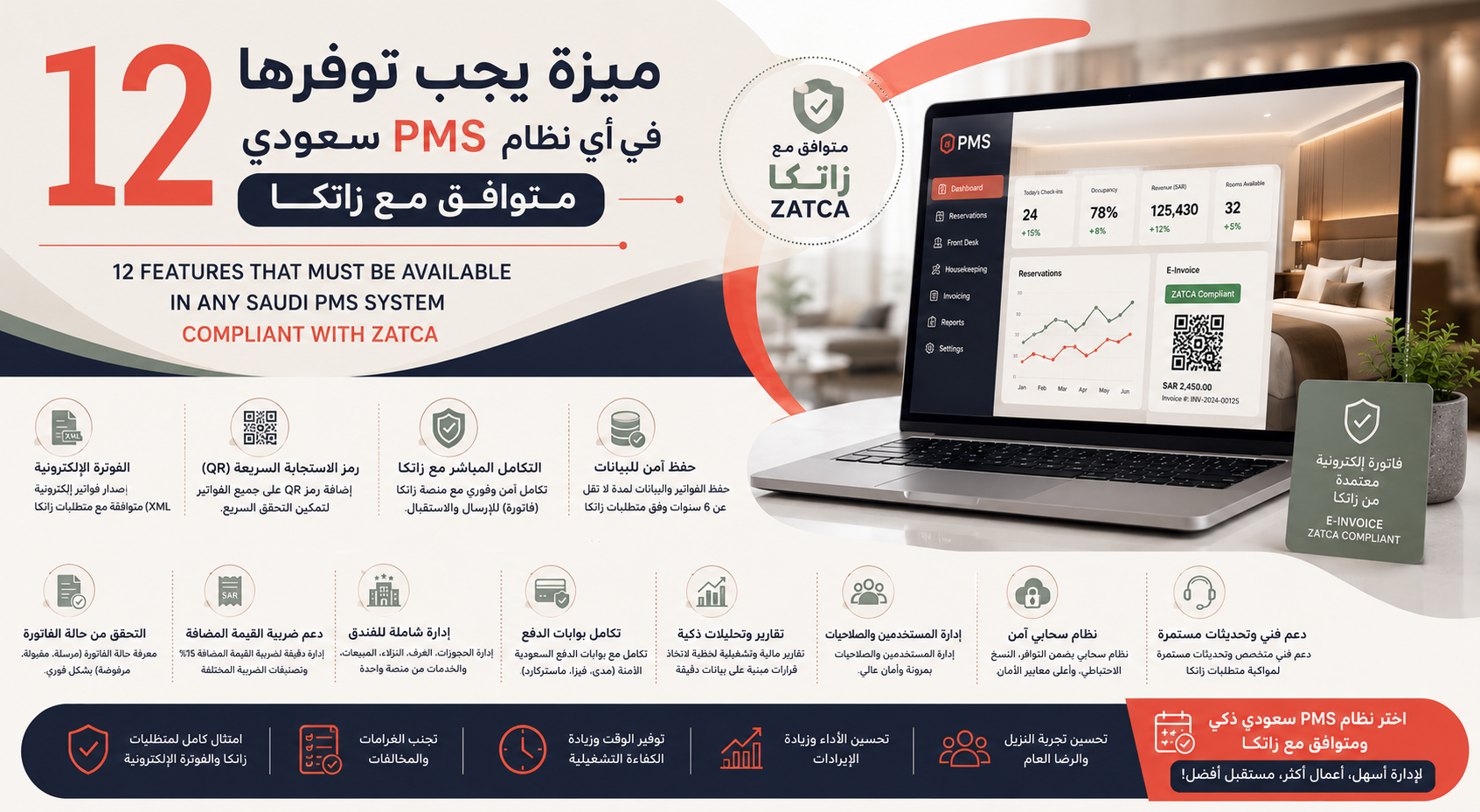
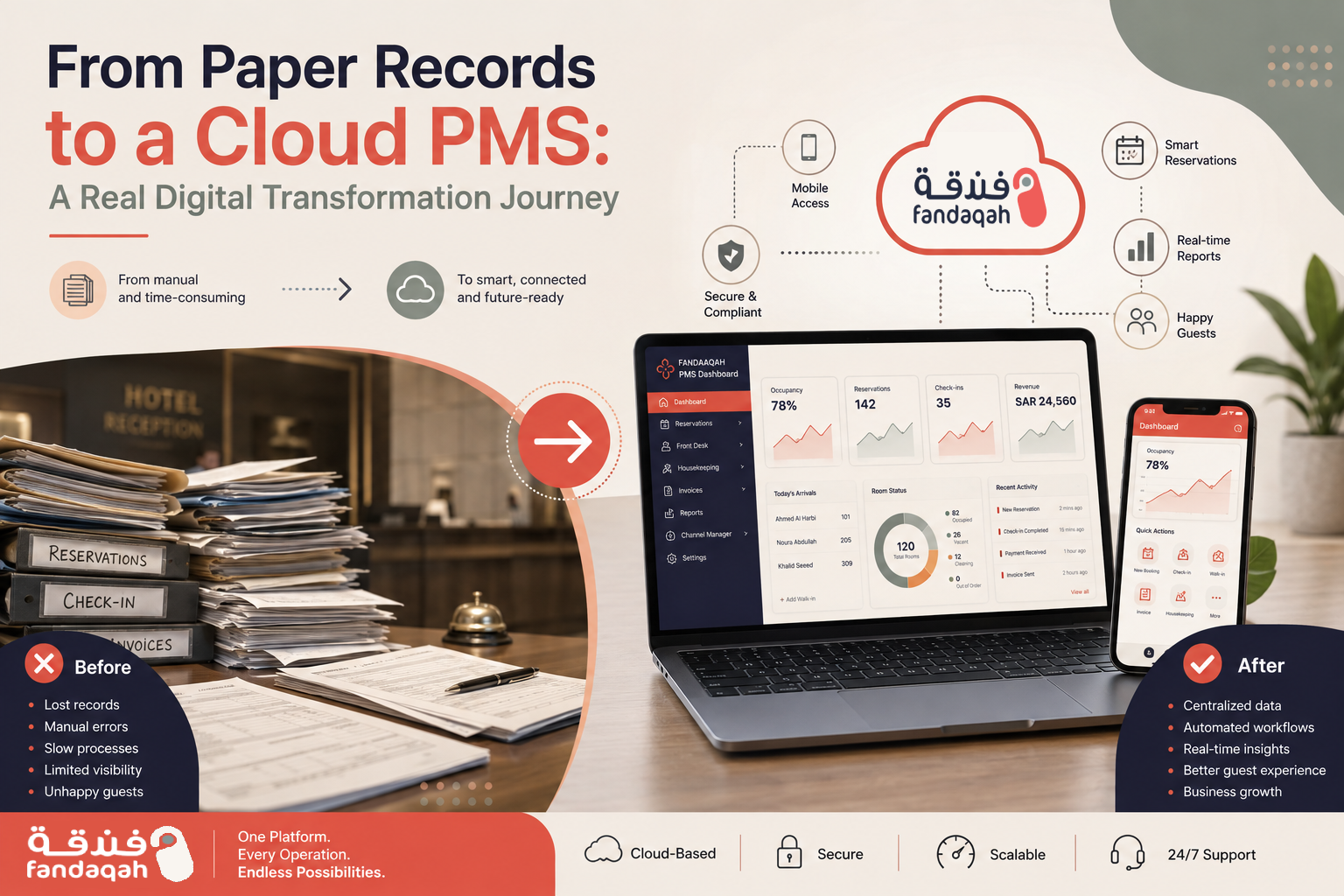
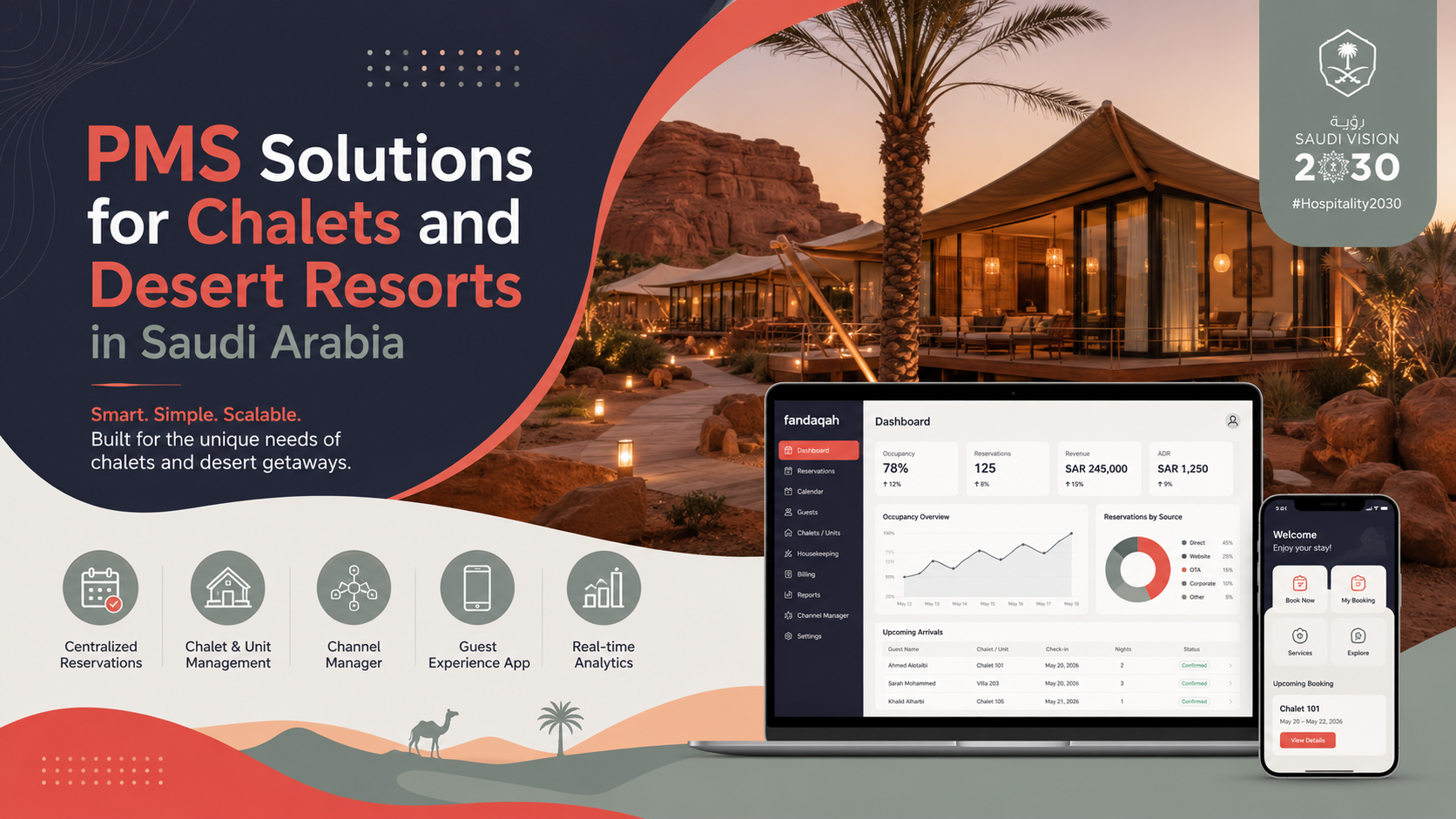
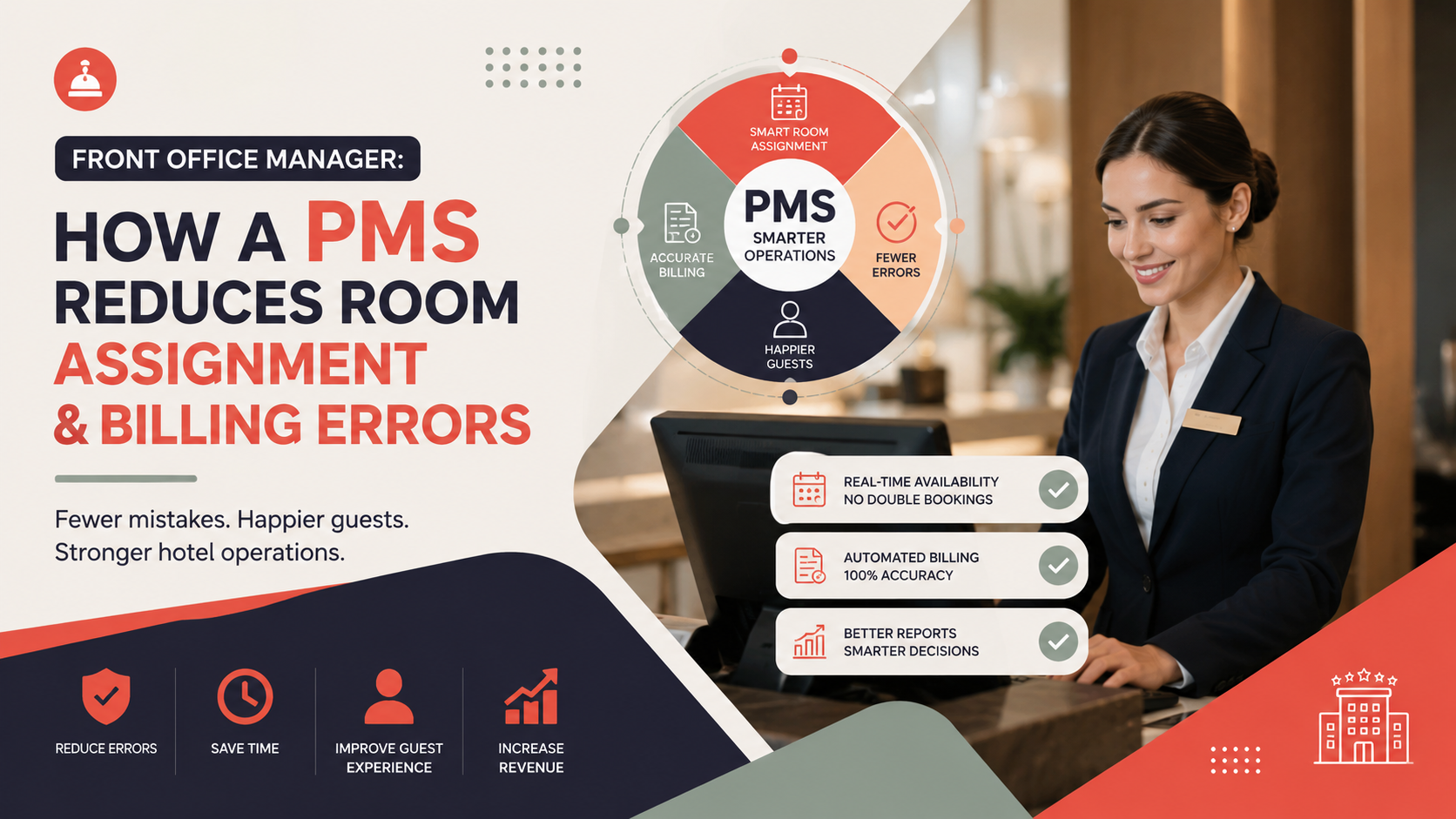
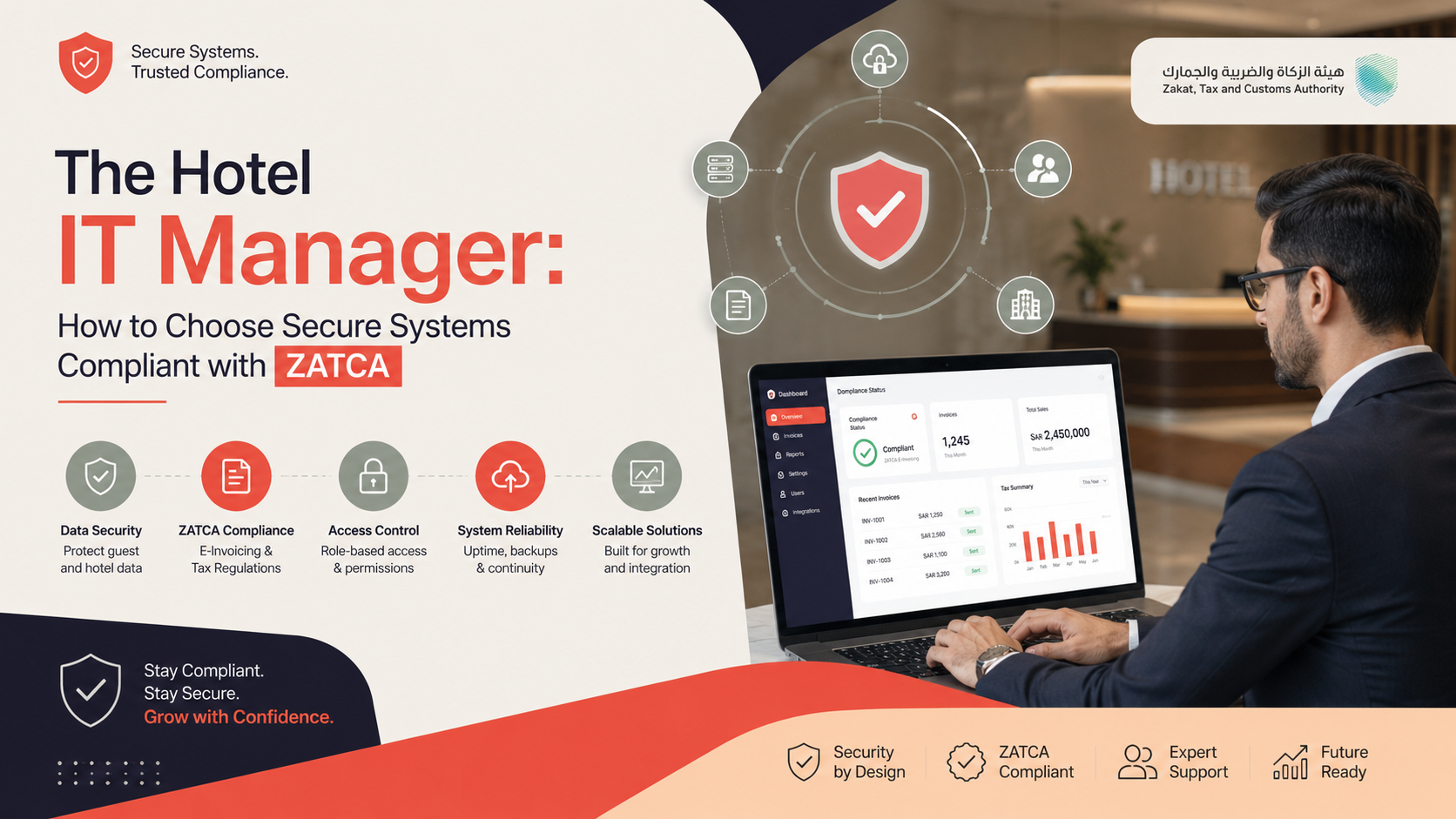
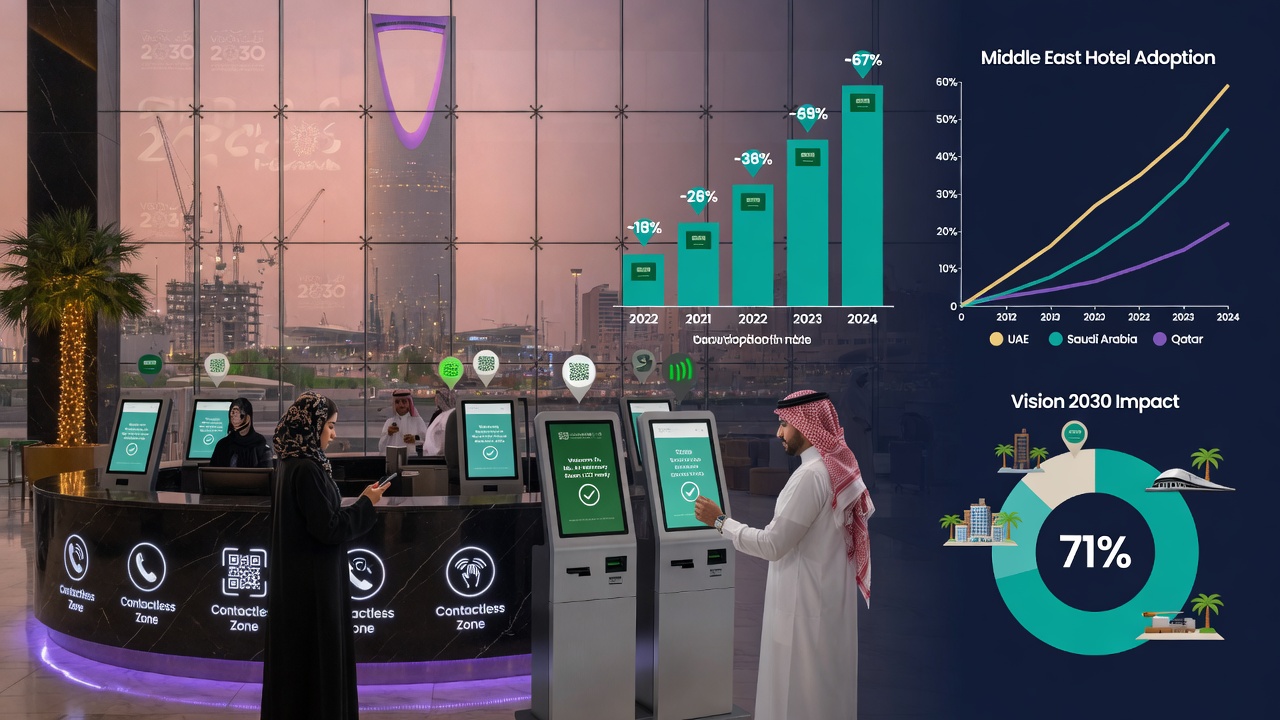
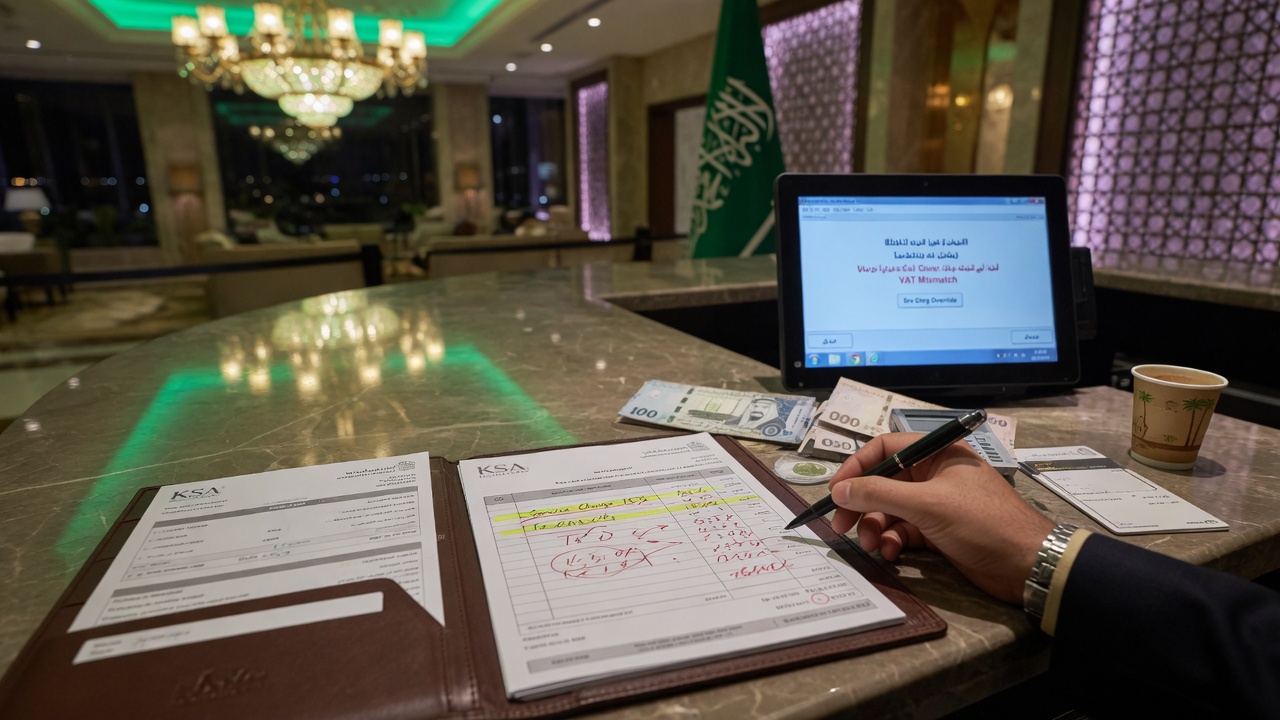
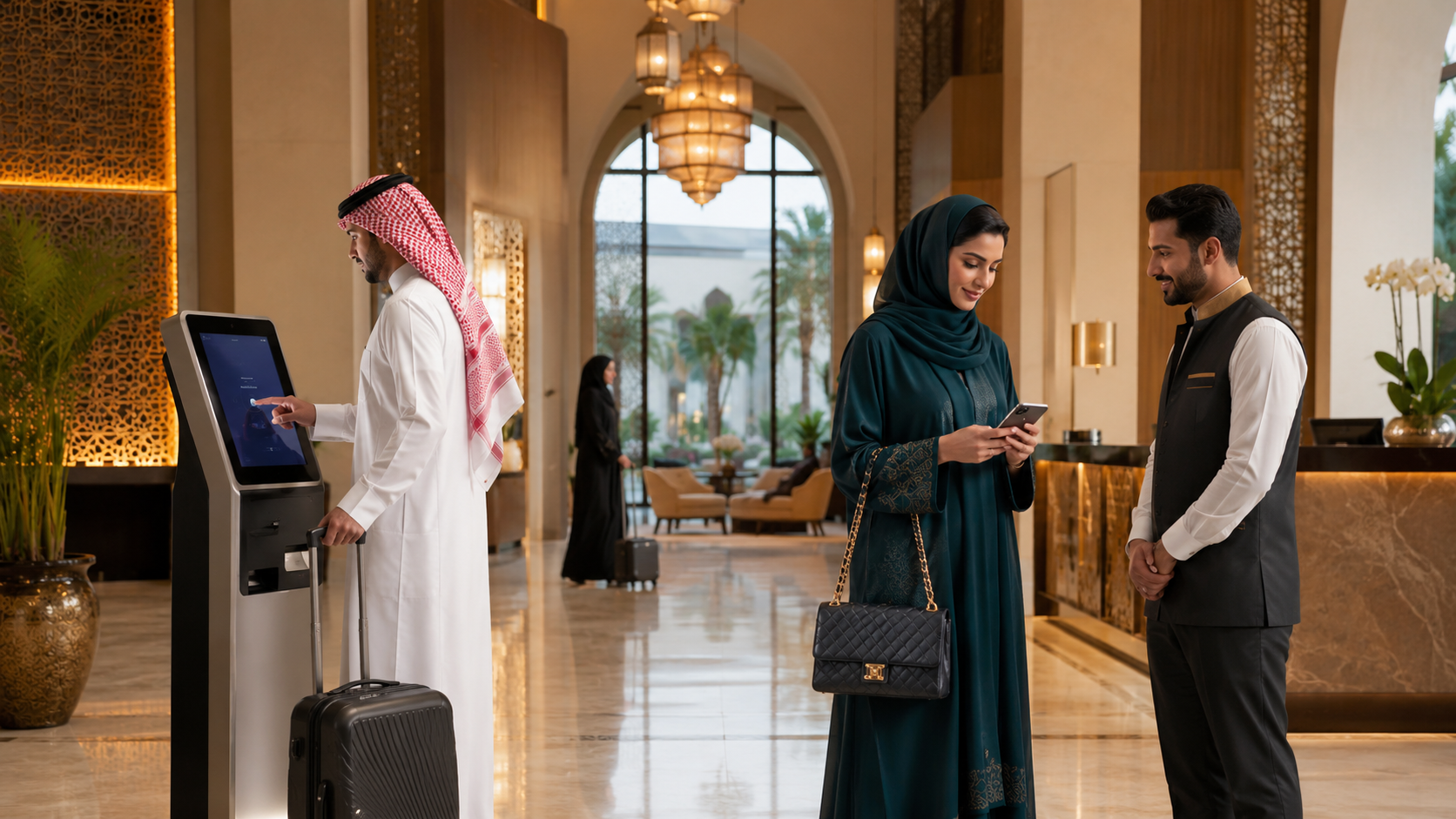
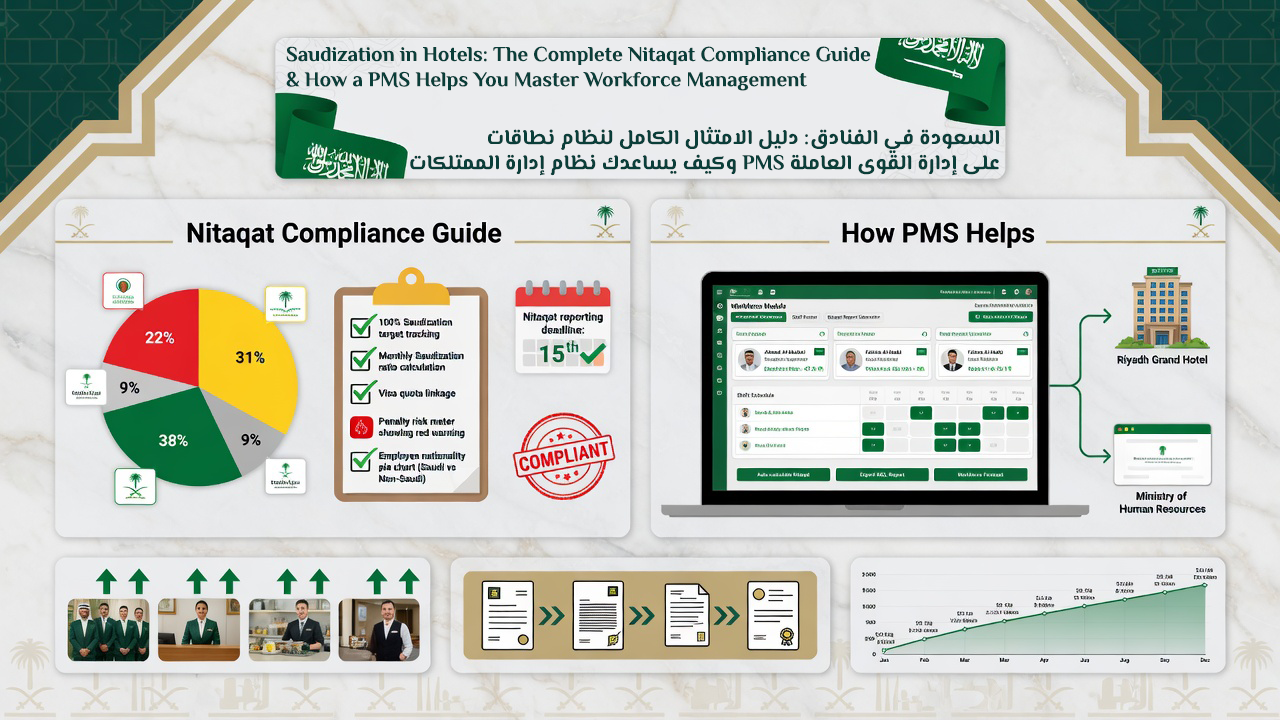
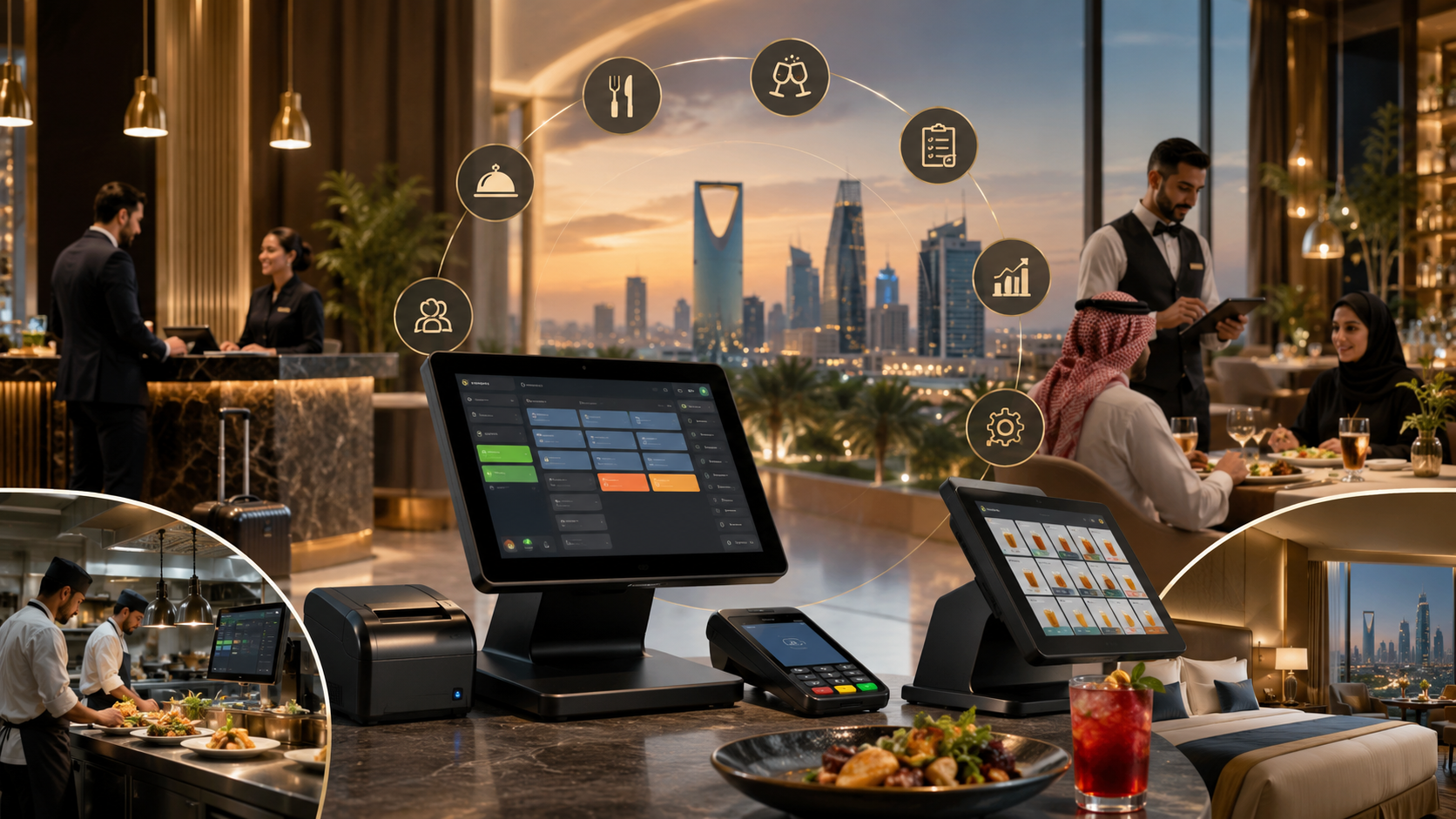
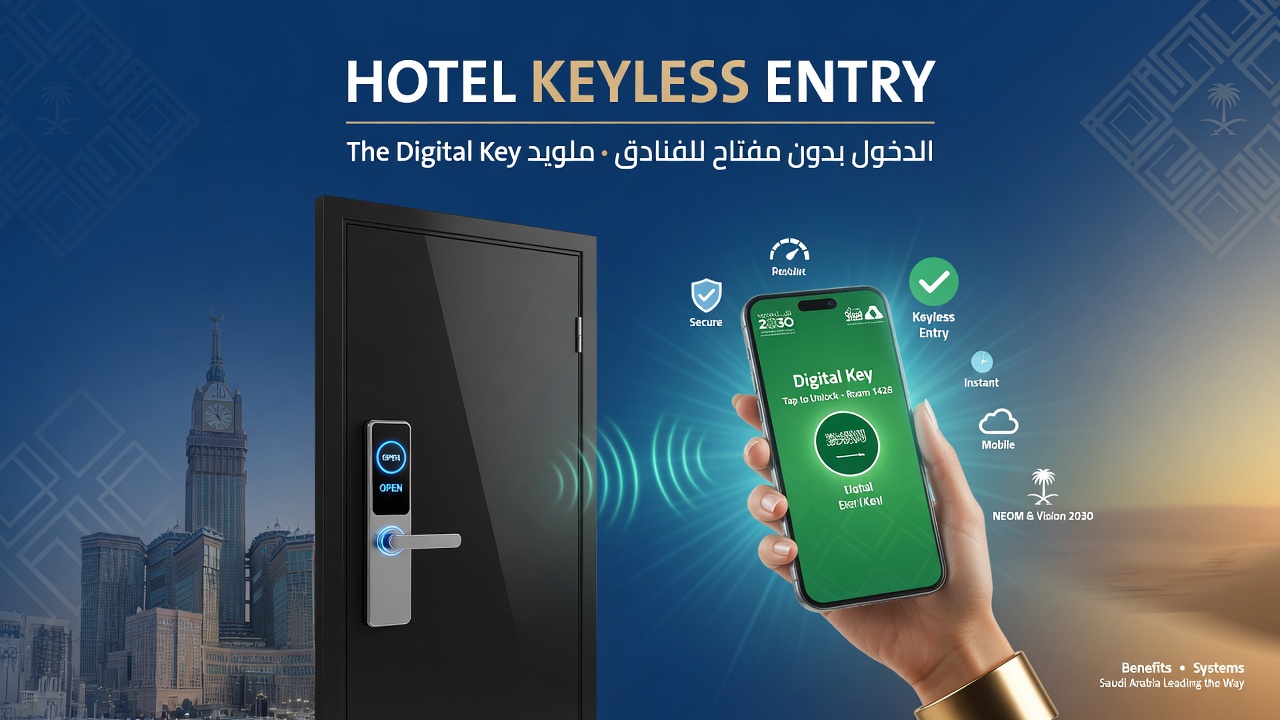
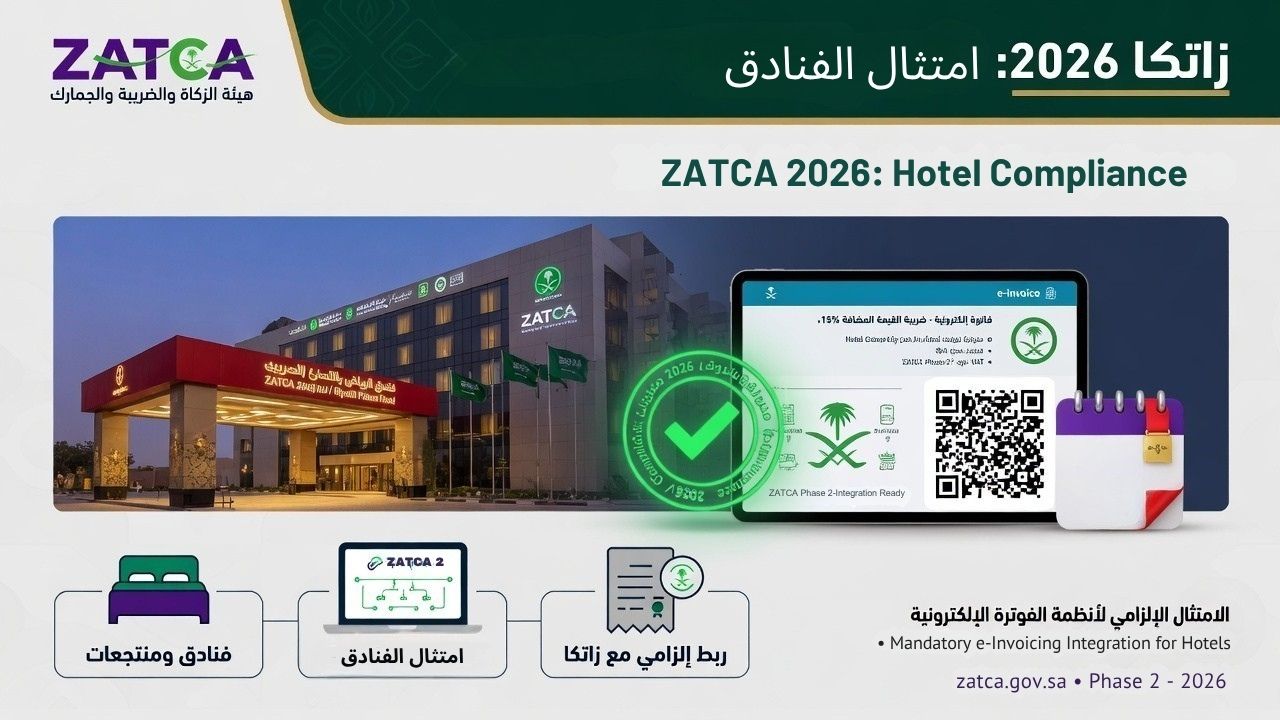
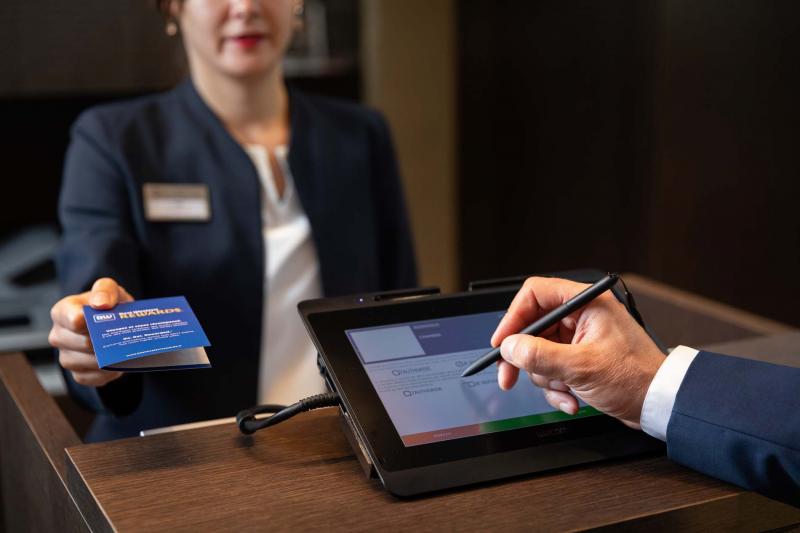
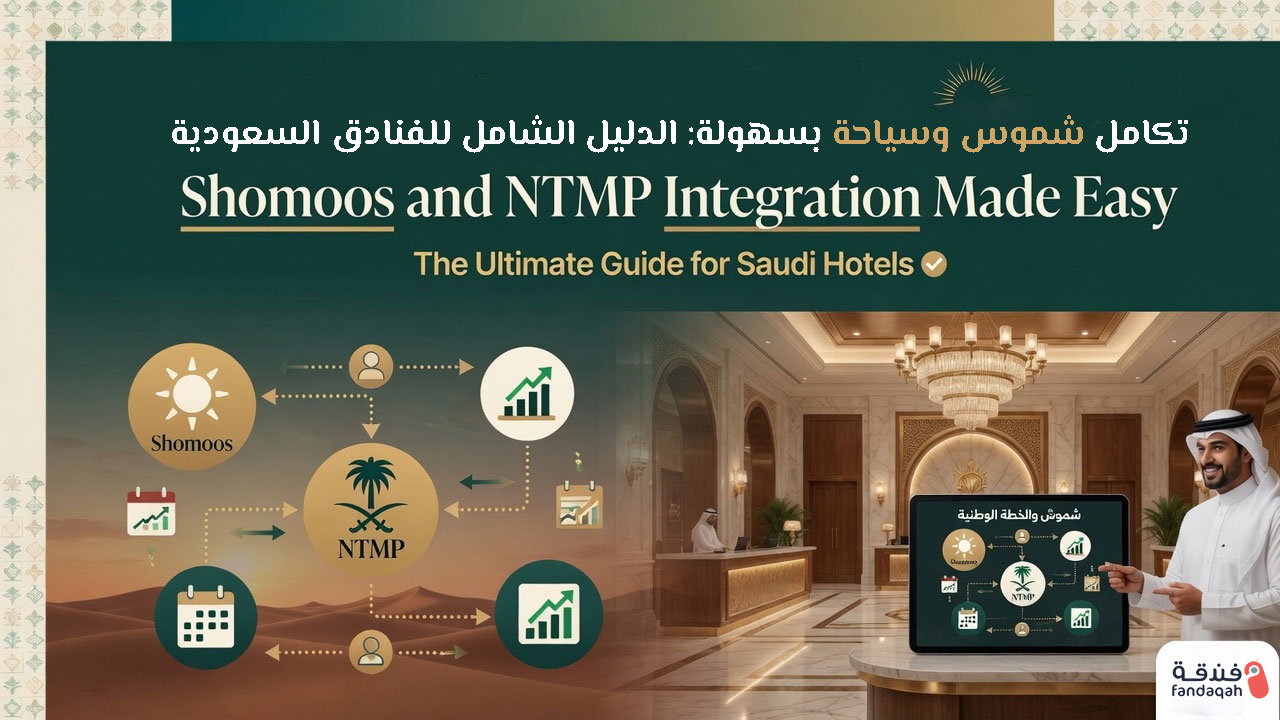
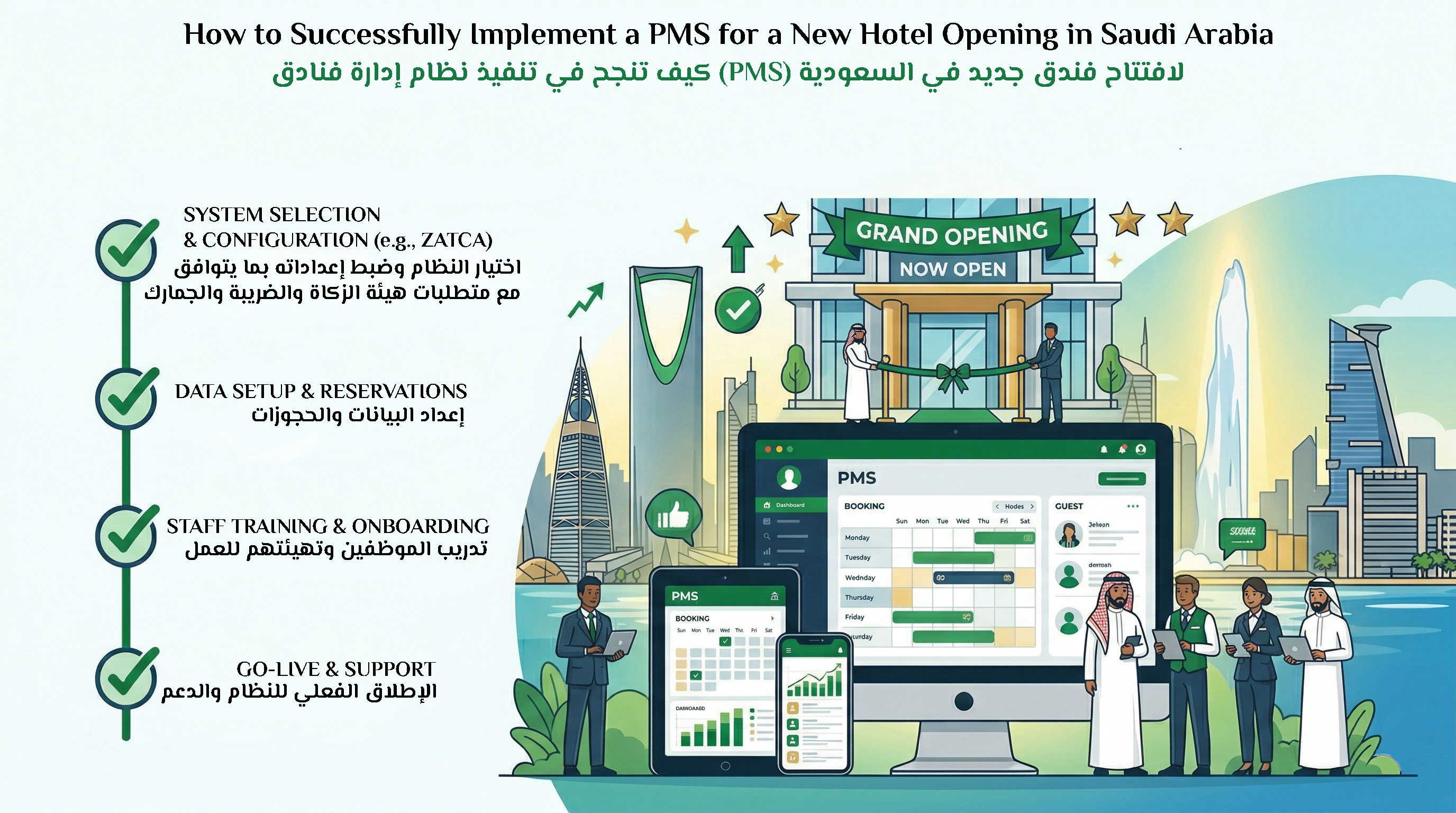
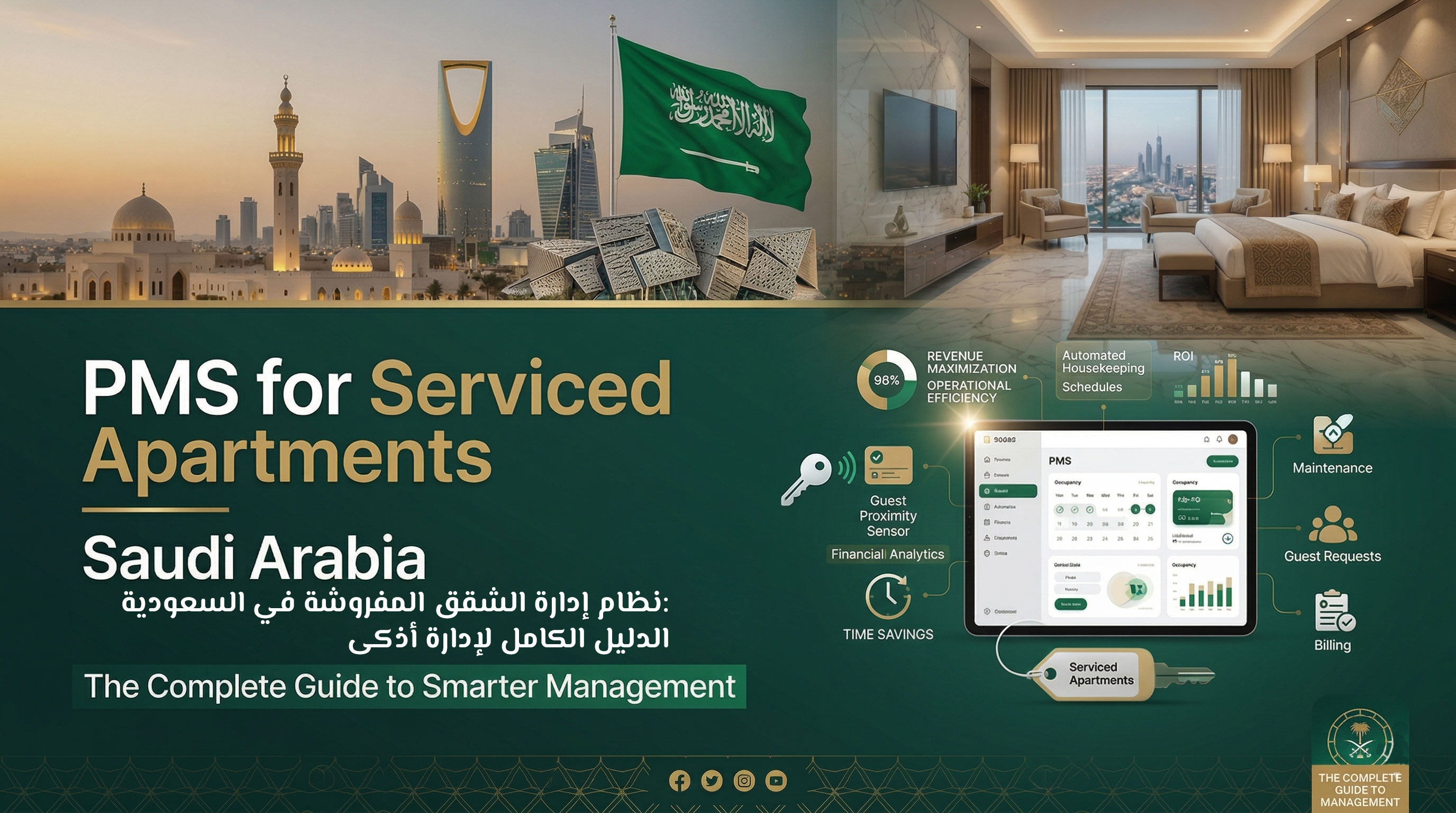
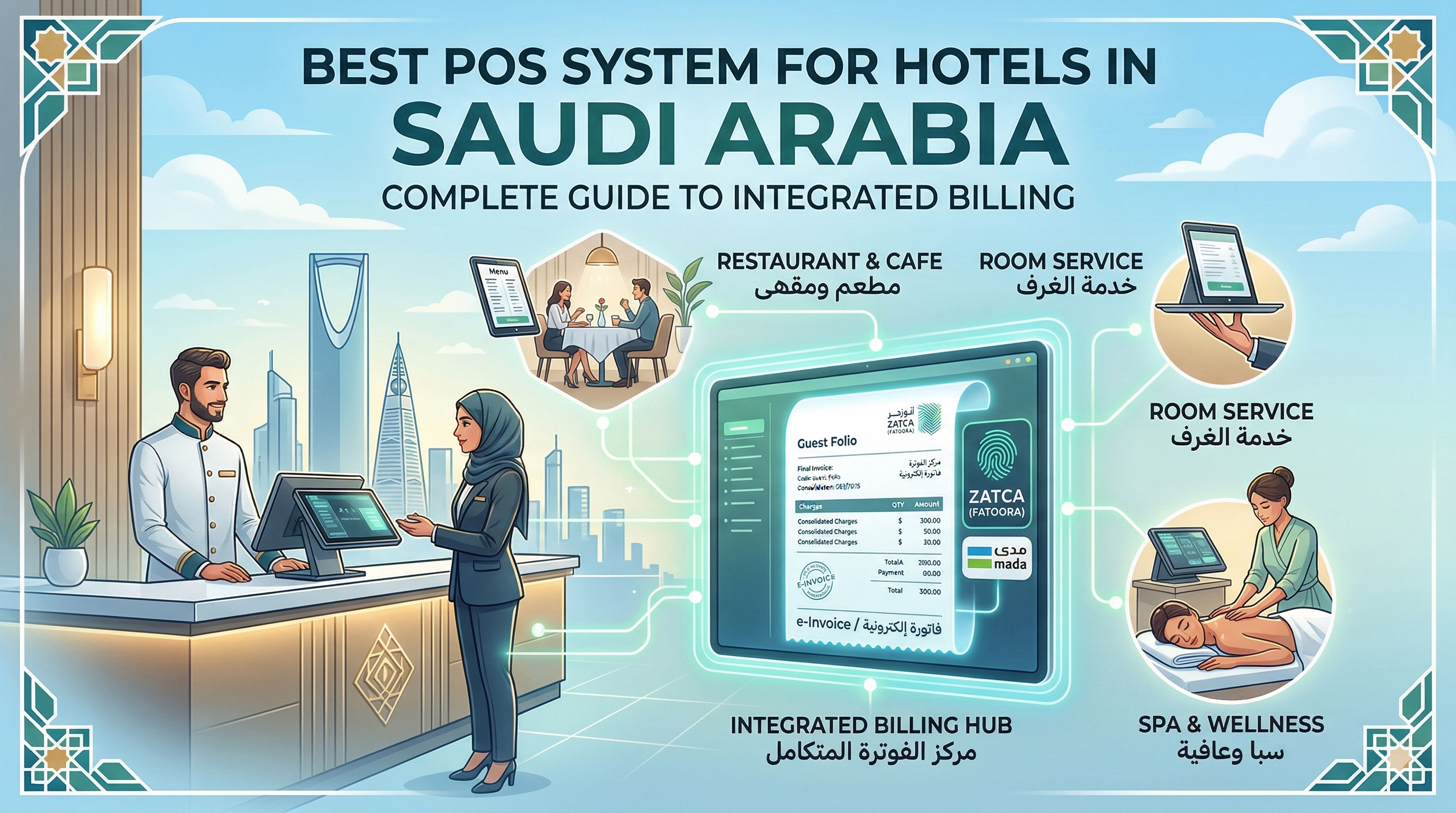
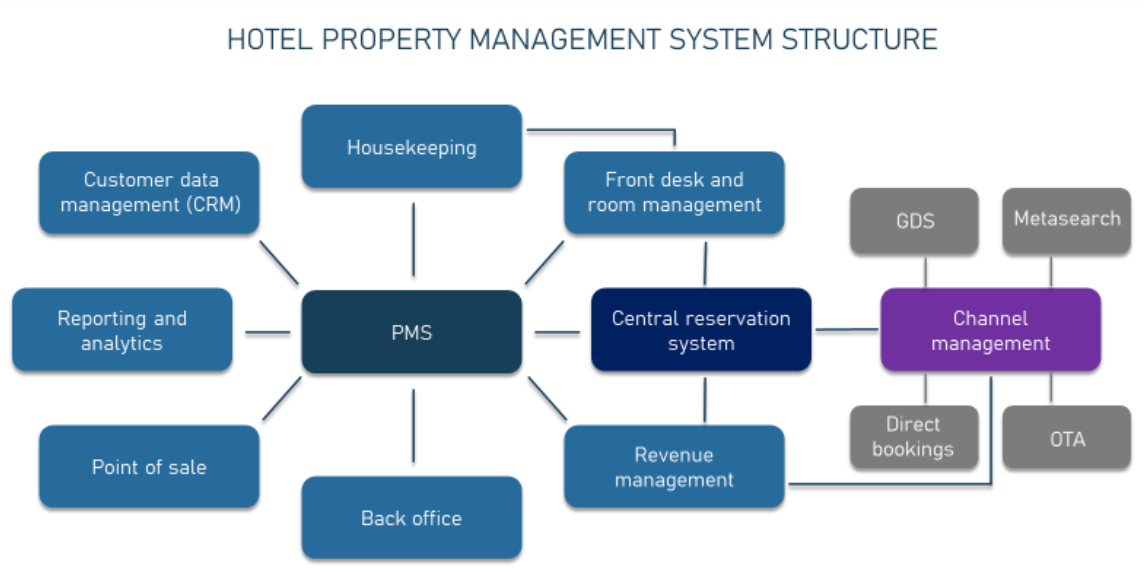
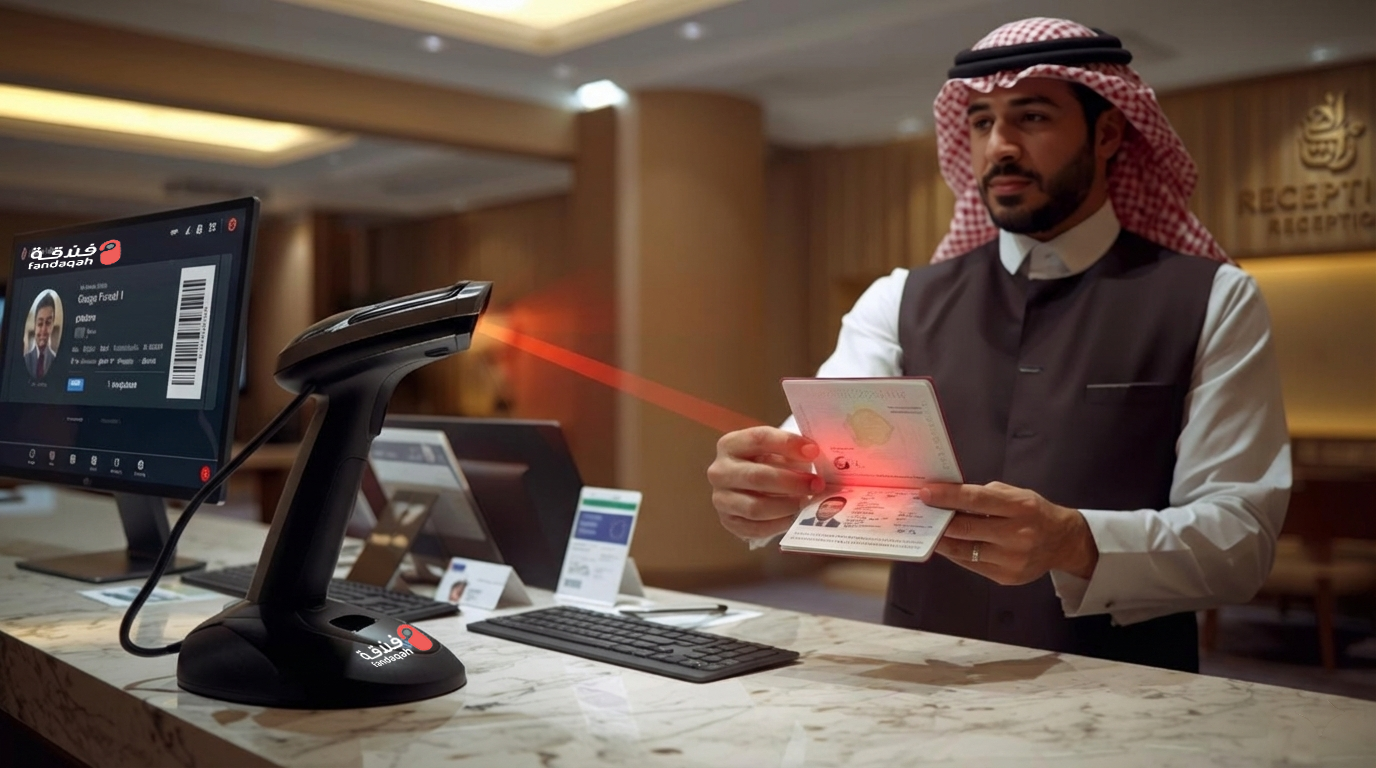
- Technology Integration: Both hostels and hotels are adopting mobile check‑in, digital keys, and automated compliance with ZATCA e‑invoicing and Shomoos guest registration. Even budget hostels now use PMS systems to streamline operations.
- Sustainable and Local Experiences: Many new hostels focus on eco‑friendly design and community‑based tourism, aligning with Saudi Green Initiative goals. Hotels are also incorporating local architecture and cultural elements.
- Female‑Friendly Options: To attract more solo female travelers, both hostels and hotels are introducing female‑only floors, dorms, and enhanced security measures.
These trends mean that travelers to Saudi Arabia will have more choices than ever — whether you want a SAR 50 dorm bed or a SAR 2,000 luxury suite.
Pros and Cons at a Glance
✅ Hostel Pros: Cheap, social, great for solo travelers, flexible cancellation, easy to meet people, often includes free activities.
❌ Hostel Cons: Lack of privacy, noise, shared bathrooms, fewer amenities, less security for valuables (lockers provided).
✅ Hotel Pros: Privacy, comfort, consistent service, amenities (pool, gym, restaurant), 24/7 reception, better for families and business.
❌ Hotel Cons: Expensive, less social, sometimes impersonal, stricter cancellation policies.
Conclusion: Which One Should You Choose?
The choice between a hostel and a hotel ultimately depends on your travel style, budget, and purpose. Here is a simple decision guide:
- Choose a hostel if: You are traveling solo or with a small group of friends, you want to save money, you enjoy meeting new people, and you don’t mind shared spaces.
- Choose a hotel if: You value privacy, you are traveling with family, you need amenities like a pool or gym, you are on a business trip, or you simply prefer comfort over cost.
In Saudi Arabia, both options are widely available and constantly improving. Thanks to Vision 2030, the hospitality sector now offers something for every type of traveler — from the most budget‑conscious backpacker to the most discerning luxury seeker. Always read recent reviews, check cancellation policies, and ensure the property is licensed by the Ministry of Tourism for a safe and enjoyable stay.
Final thought: The best accommodation is not about “hostel vs hotel” but about what fits your needs at that moment. Sometimes a hostel is perfect; other times, a hotel is worth every riyal. Choose wisely and enjoy your journey!
Ready to Book Your Stay in Saudi Arabia?
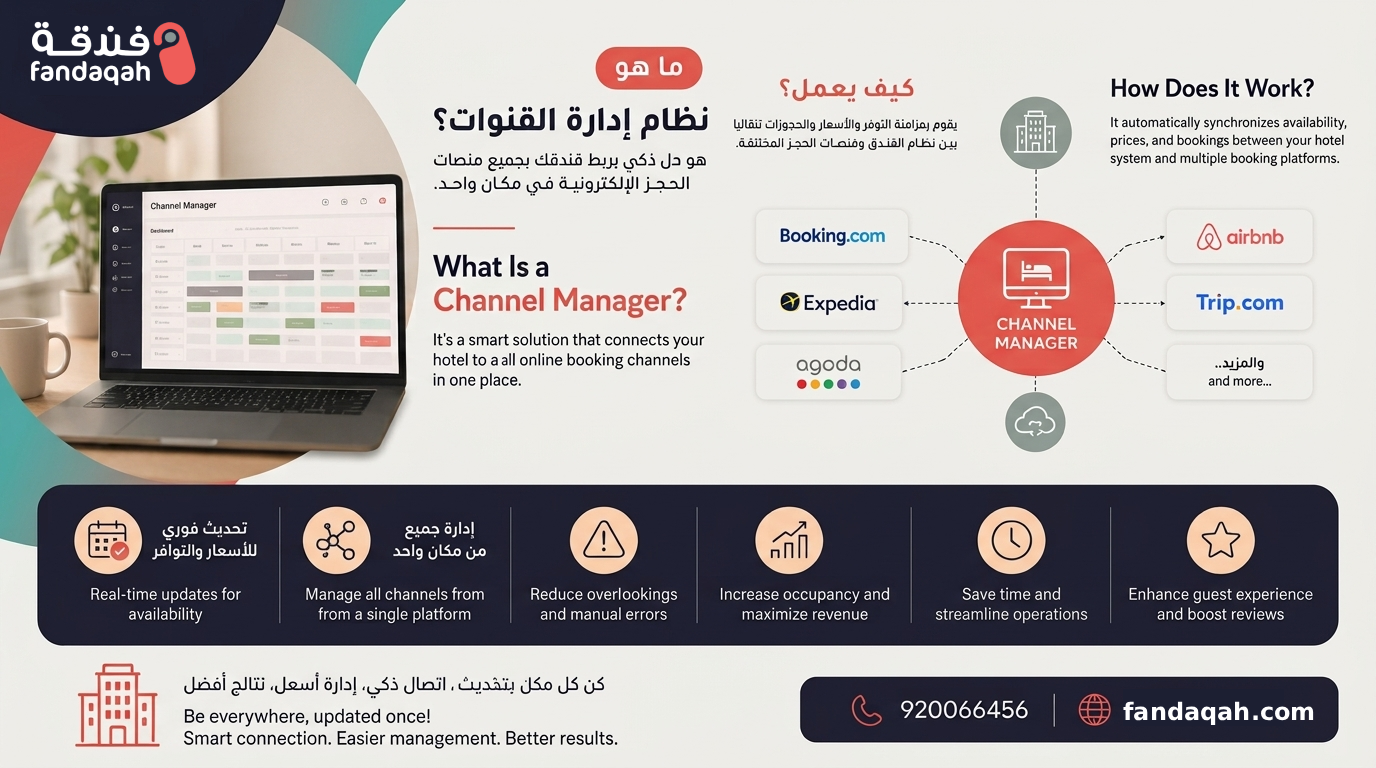
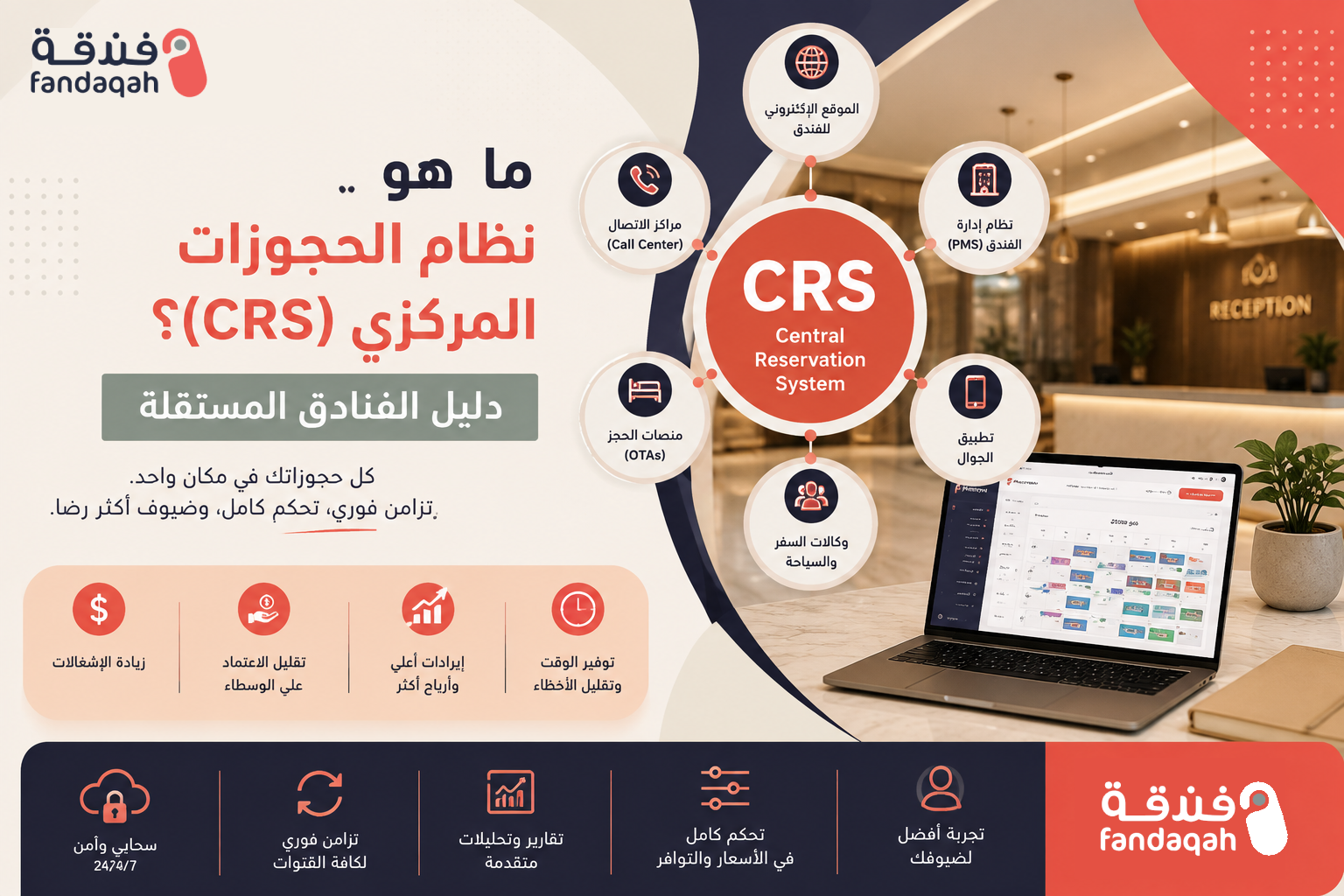
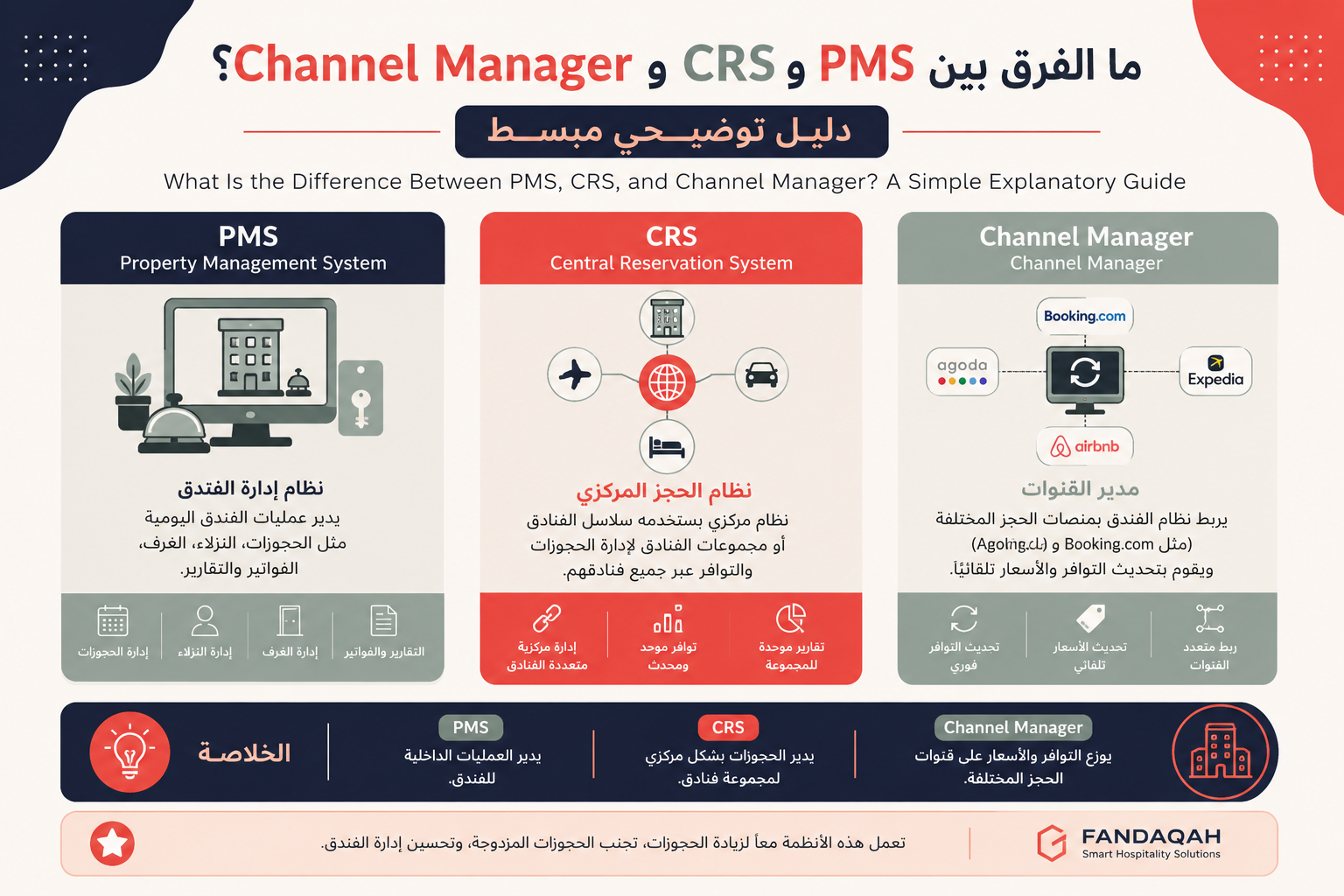
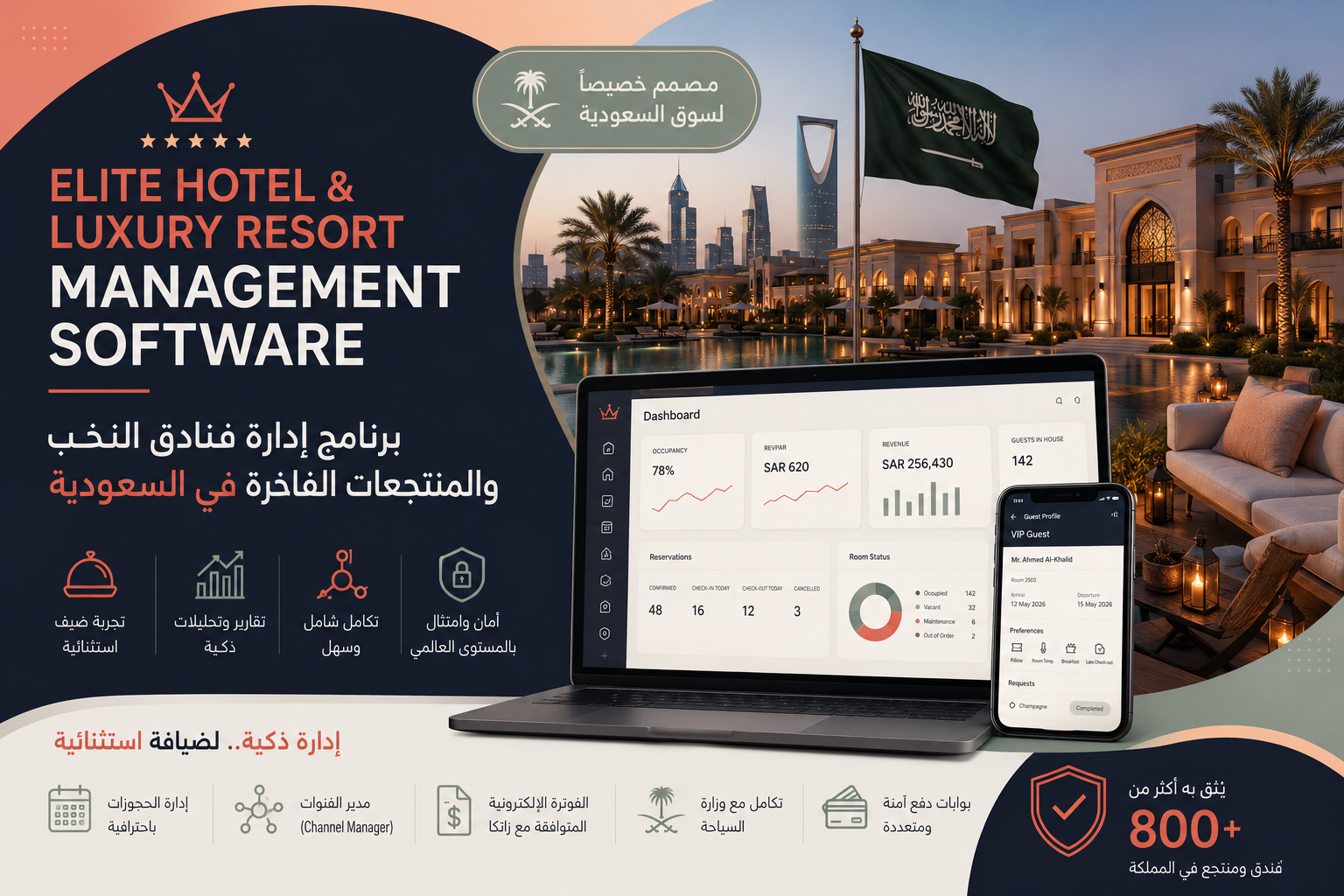
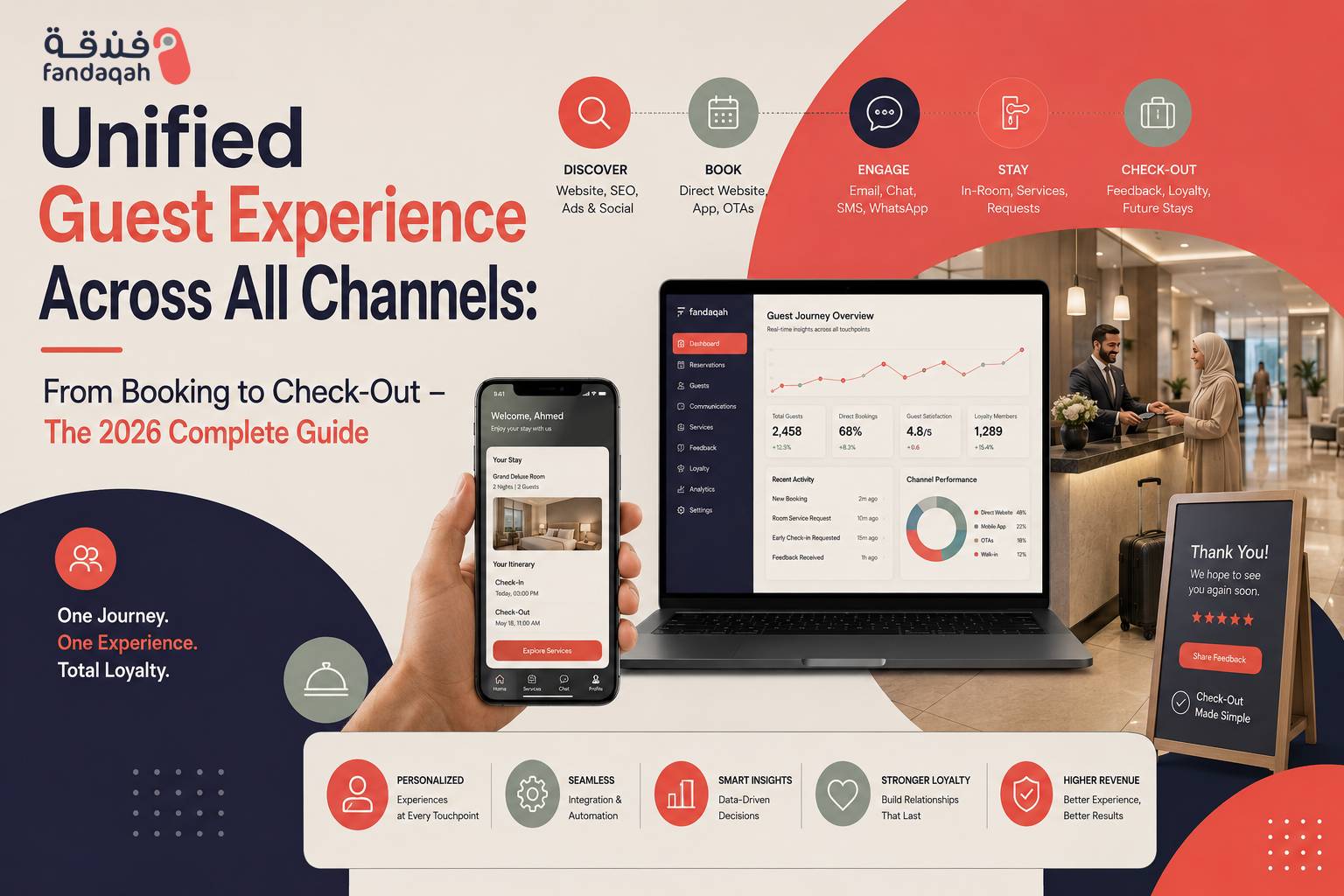
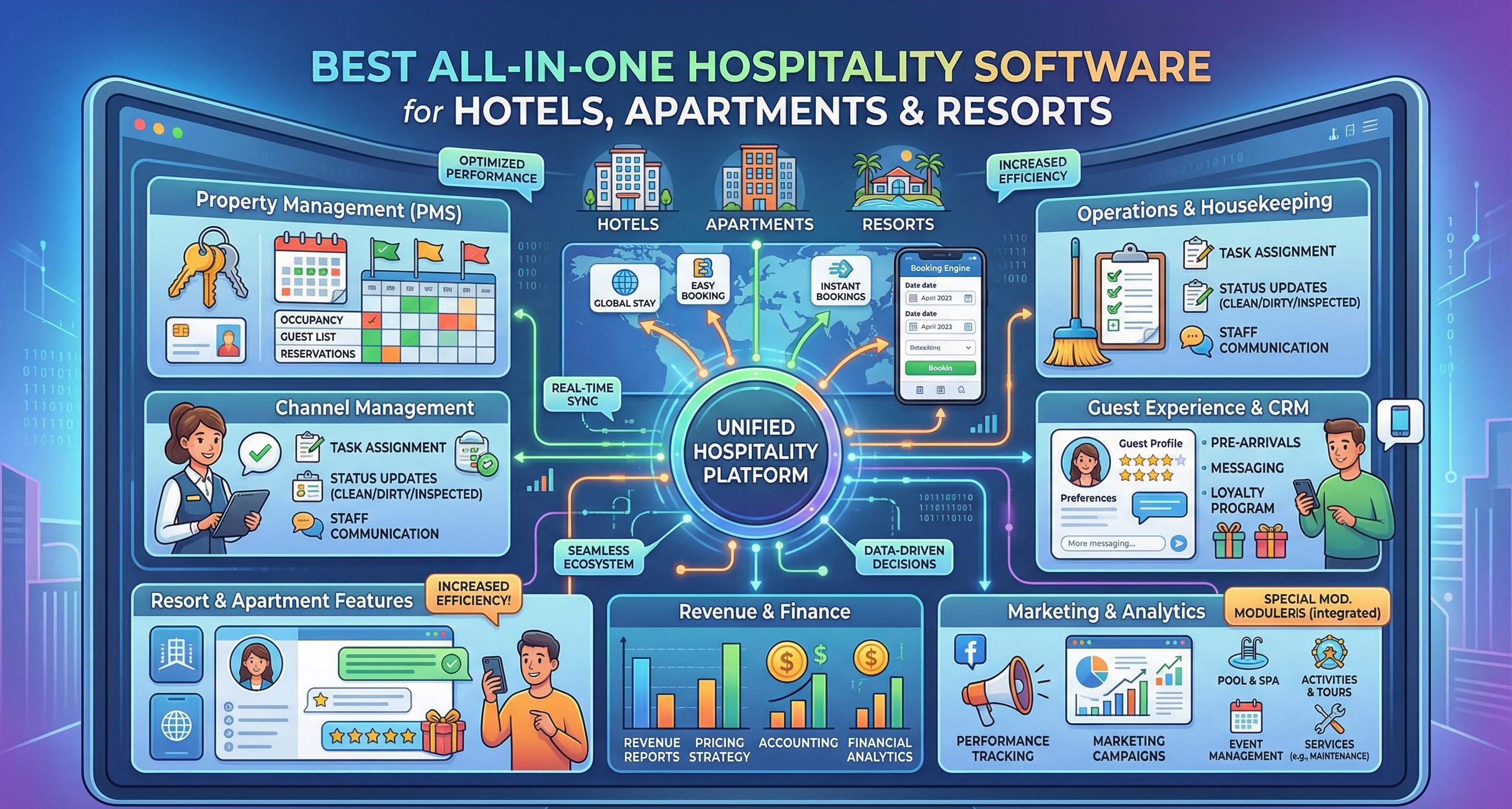
Whether you decide on a hostel or a hotel, make sure your booking is seamless and compliant. Fandaqah offers property management solutions for hosts and hoteliers, ensuring smooth operations, ZATCA e‑invoicing, and Shomoos integration. For travelers, we recommend using licensed accommodation only.
Need help managing your hostel or hotel? Contact Fandaqah for a free demo of our all‑in‑one PMS and channel manager.
Get Your Free Demo Today
Trusted by 800+ Saudi hospitality properties • Arabic & English support