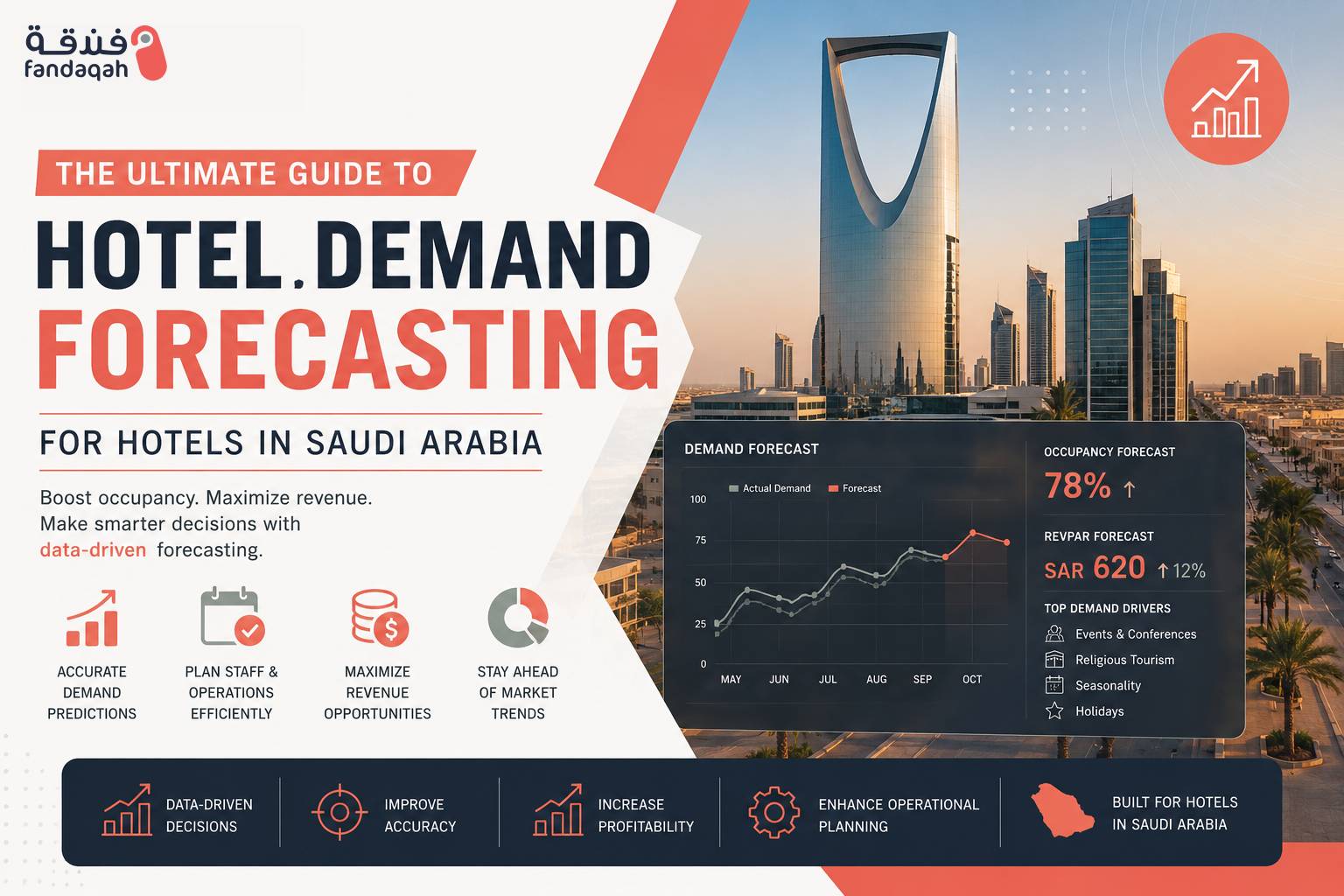
In the rapidly expanding Saudi hospitality market, running a successful hotel is no longer just about excellent service or a prime location. The true difference between a hotel generating sustainable profits and one struggling to survive lies in a single word: data. This is where hotel demand forecasting emerges as one of the most critical tools for modern hotels—helping refine pricing strategies, boost hotel revenue management, and secure the highest occupancy rates in every season. In this comprehensive guide, we dive deep into the mechanics of hotel demand forecasting and explore how hotels across the Kingdom of Saudi Arabia can harness its power to align with the ambitious Vision 2030 goal of welcoming 150 million visitors annually.
What Is Hotel Demand Forecasting?
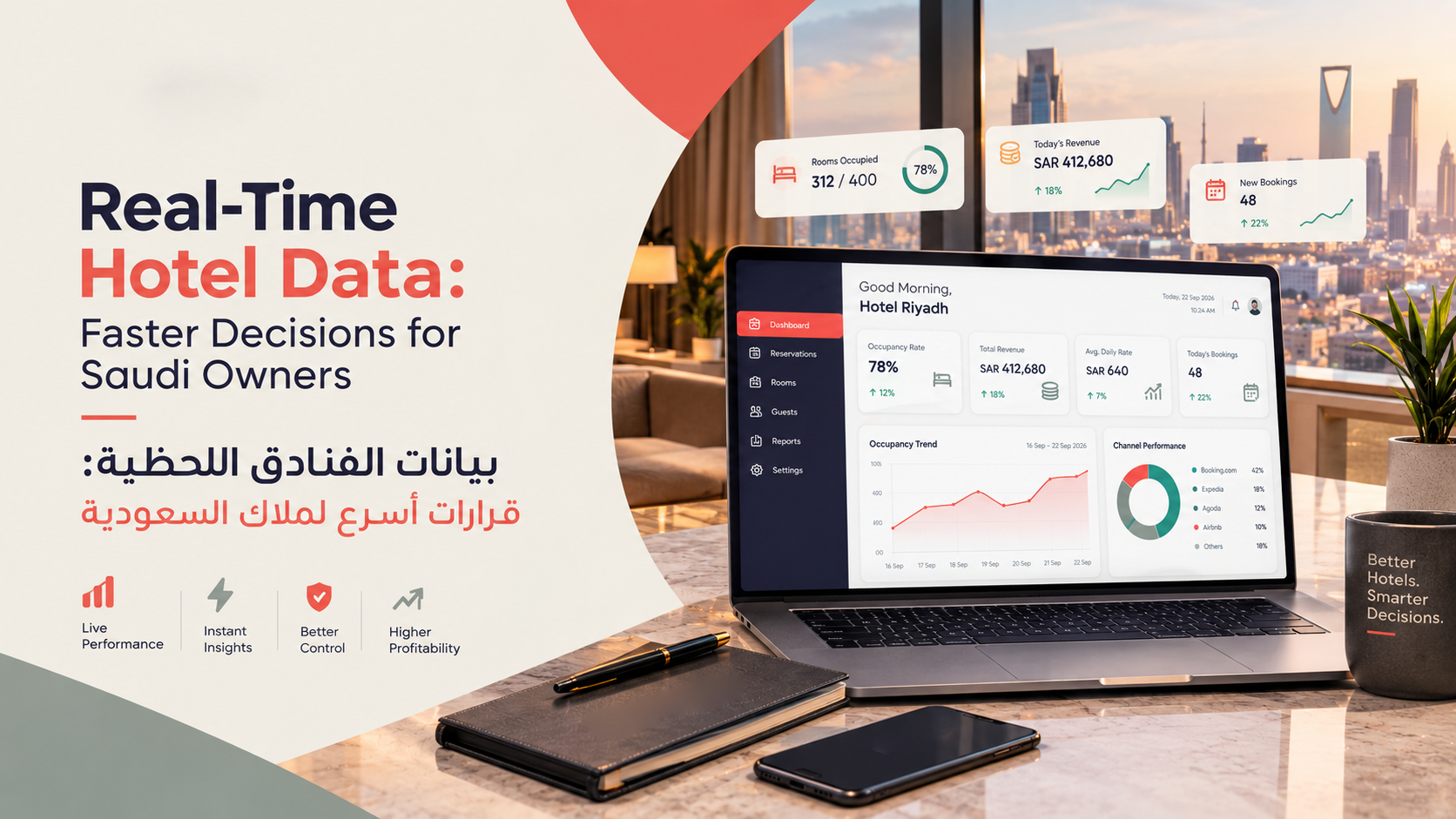
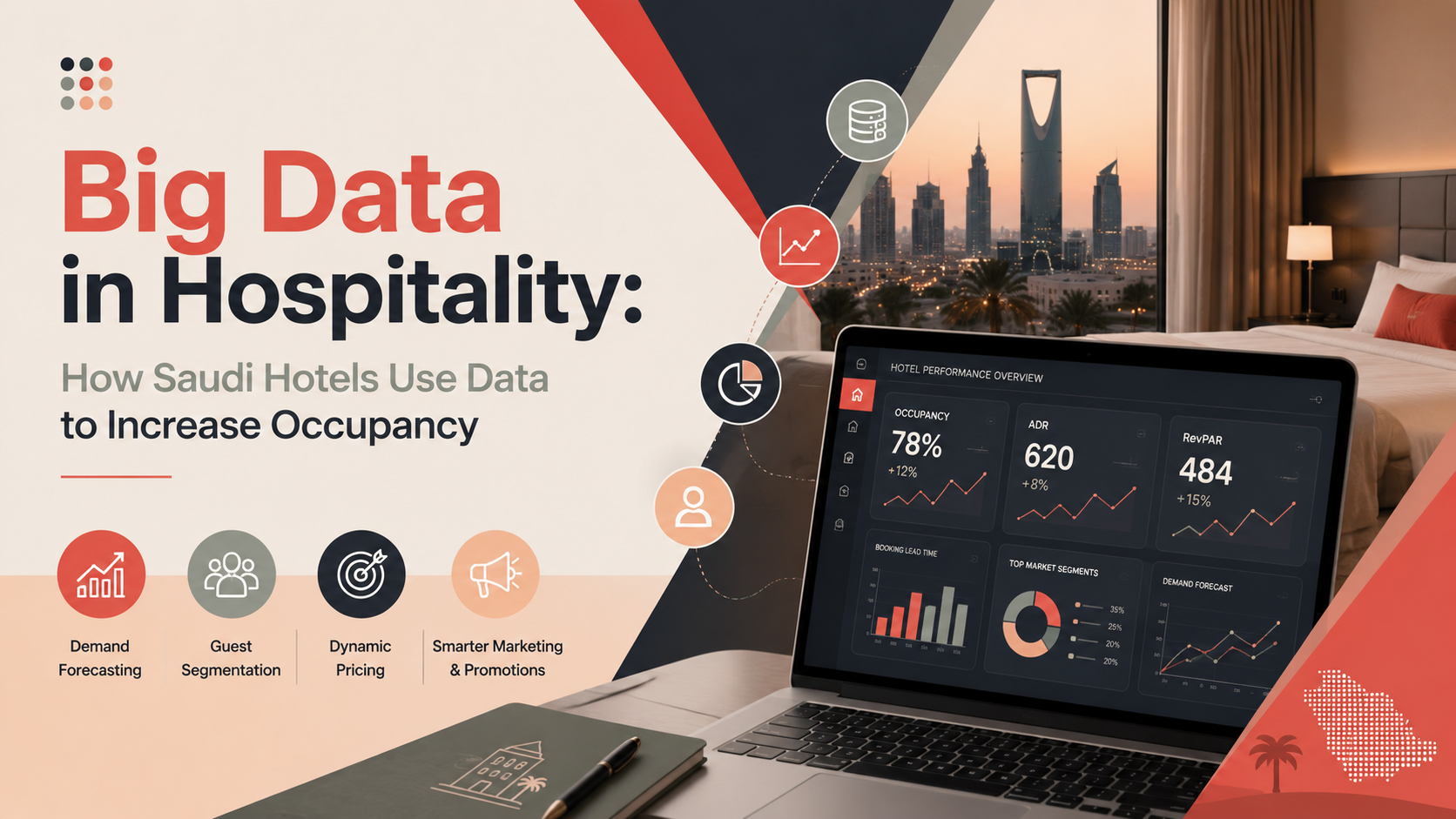
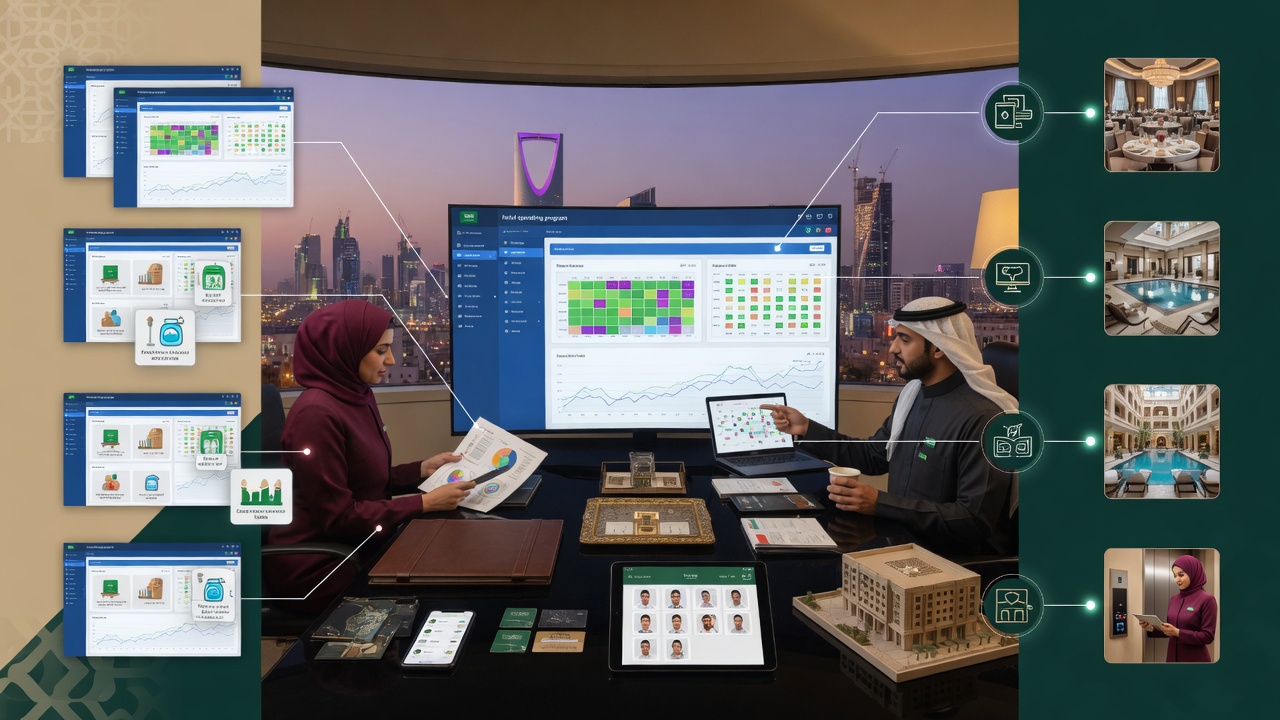
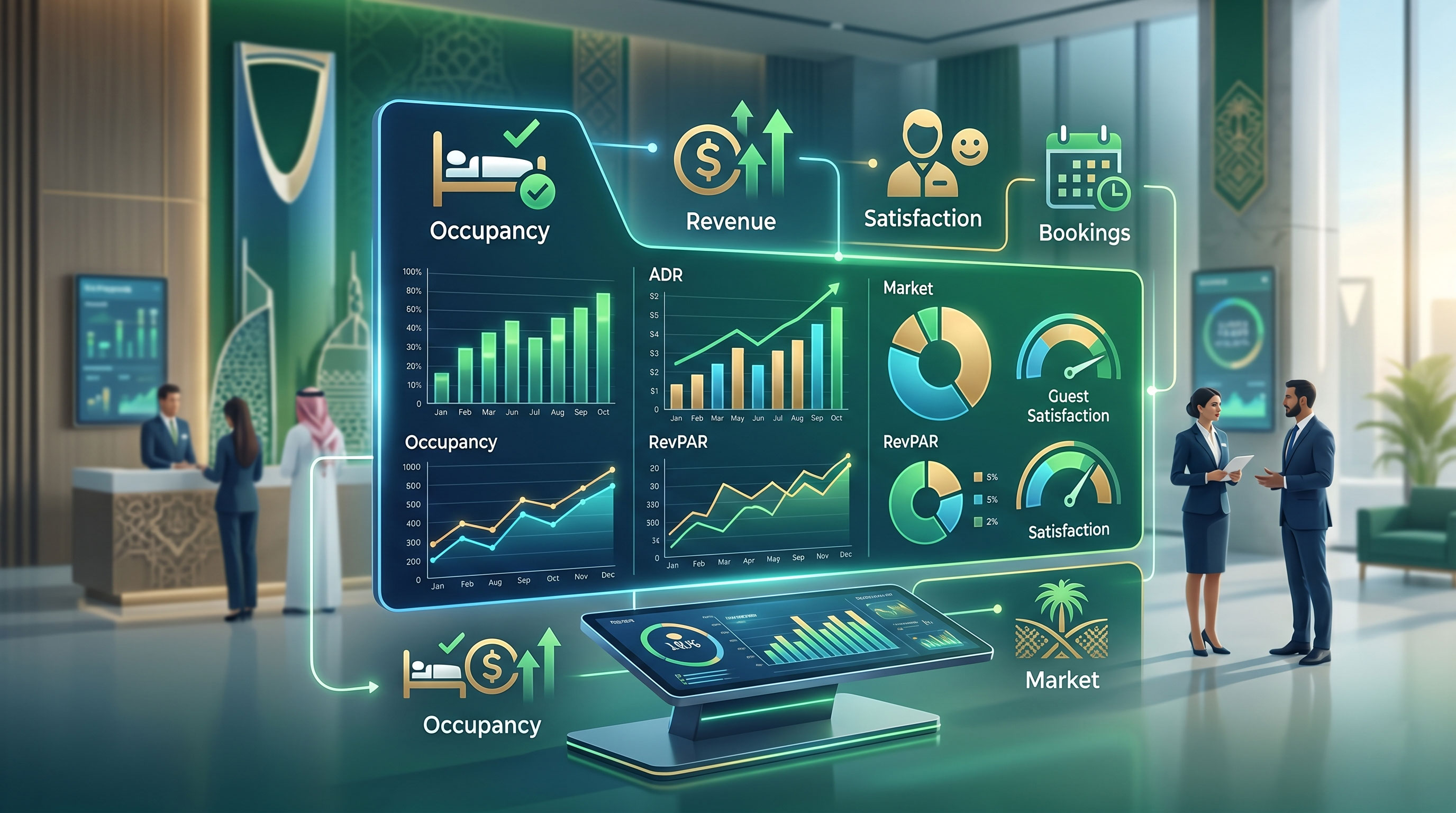
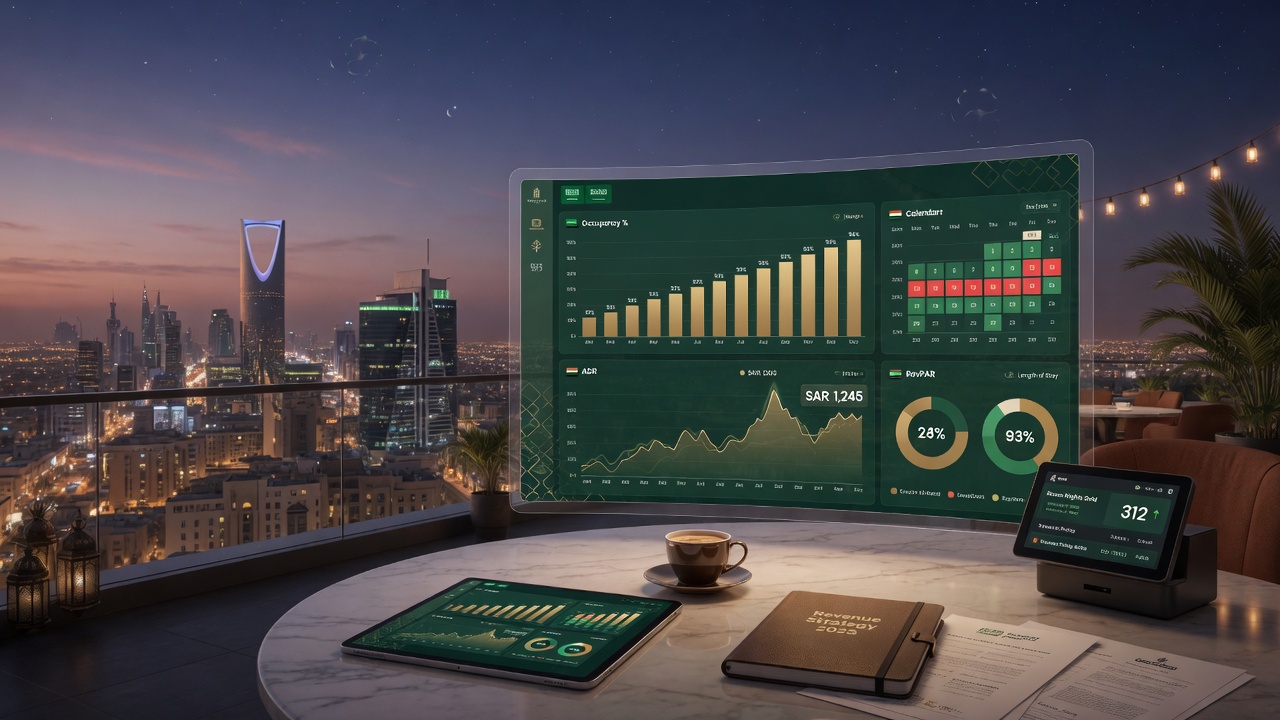
Hotel demand forecasting is an analytical process that uses historical, current, and forward-looking data to estimate the expected demand for hotel rooms over a specific time period. It involves studying past booking patterns, tracking local and international events, monitoring competitor movements, and evaluating broader economic indicators. The ultimate goal is to transform raw data into actionable insights, enabling hotel managers to make precise decisions about dynamic pricing hotels and inventory management.
In simple terms, demand forecasting helps you answer critical questions: How many rooms should I sell today at a premium price? When should I lower rates to attract more bookings? Should I hold some rooms for last-minute, high-value reservations? These questions lie at the heart of modern hotel revenue management.
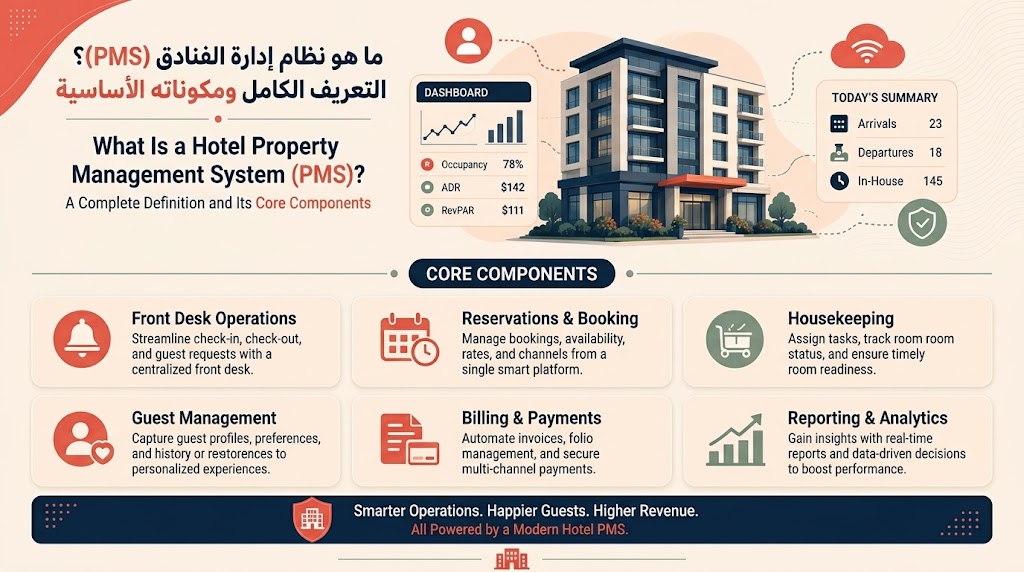
Quick Tip: Don't rely on intuition alone. Even small hotels can now use free or low-cost tools to analyze historical booking data and extract clear seasonal patterns. Start by gathering your data from your hotel's property management system (PMS).
Why Hotel Demand Forecasting Is Crucial in the Saudi Market
The Kingdom of Saudi Arabia has a unique hotel demand profile that differs markedly from most global markets. In addition to traditional tourist seasons, there is the exceptional Hajj and Umrah season—a massive demand driver—and major events hosted as part of Vision 2030, such as Riyadh Season, Jeddah Season, Formula 1, and global summits. This diversity creates sharp demand fluctuations, making hotel demand forecasting Saudi Arabia not a luxury but a strategic necessity.
Hotels that master demand forecasting can:
- Achieve 15–25% higher revenues compared to those using static pricing.
- Reduce sellouts during unexpected peak periods.
- Avoid losses from underpricing rooms when demand is high.
- Optimize staffing and operational planning based on accurate occupancy forecasts.
"In the Saudi market, the difference between a hotel selling a room at SAR 400 and another selling it at SAR 900 on the same night isn't luck—it's the ability to read demand before it happens. Demand forecasting is the compass guiding every pricing decision."
Key Benefits of Hotel Demand Forecasting
When implemented correctly, hotel demand forecasting extends its benefits across every facet of hotel operations. Here are the main advantages that make this practice the cornerstone of modern hotel management:
1. Smarter Dynamic Pricing
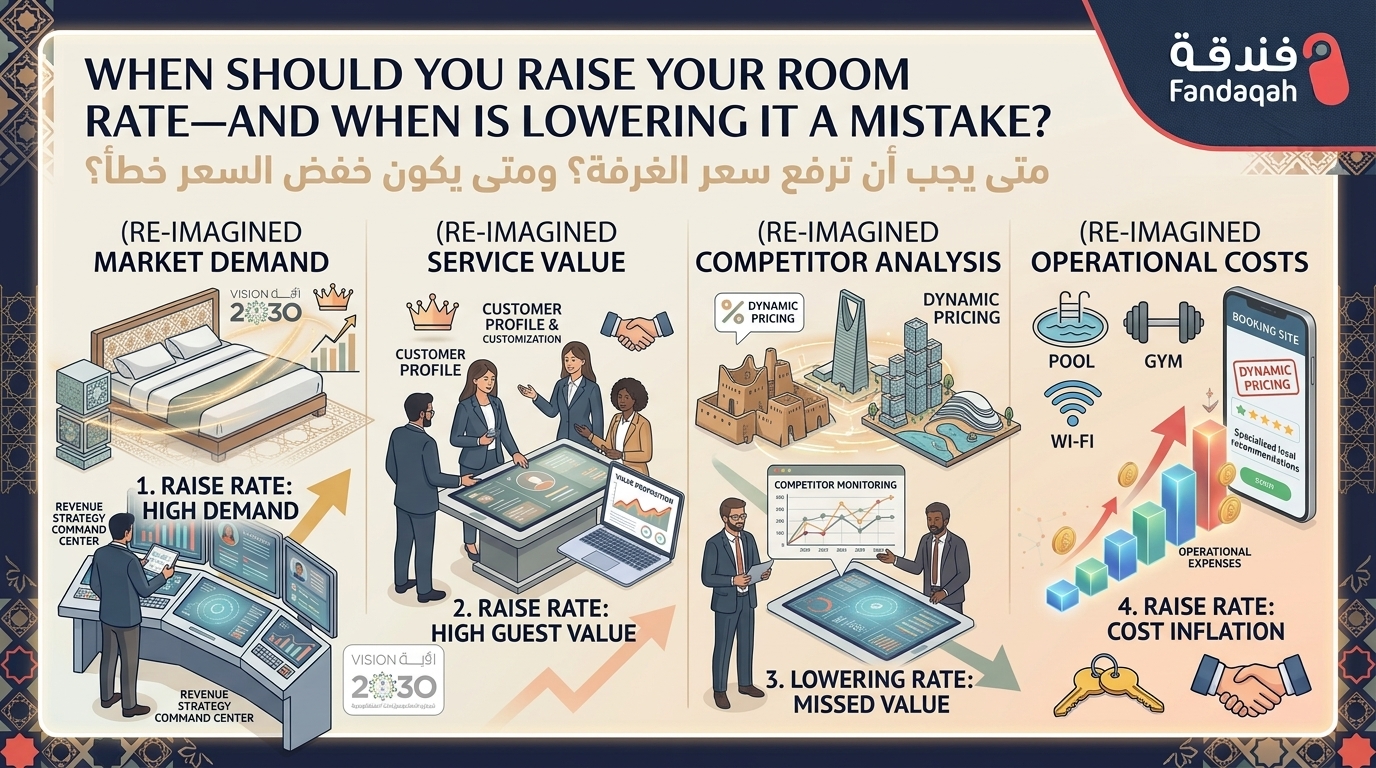
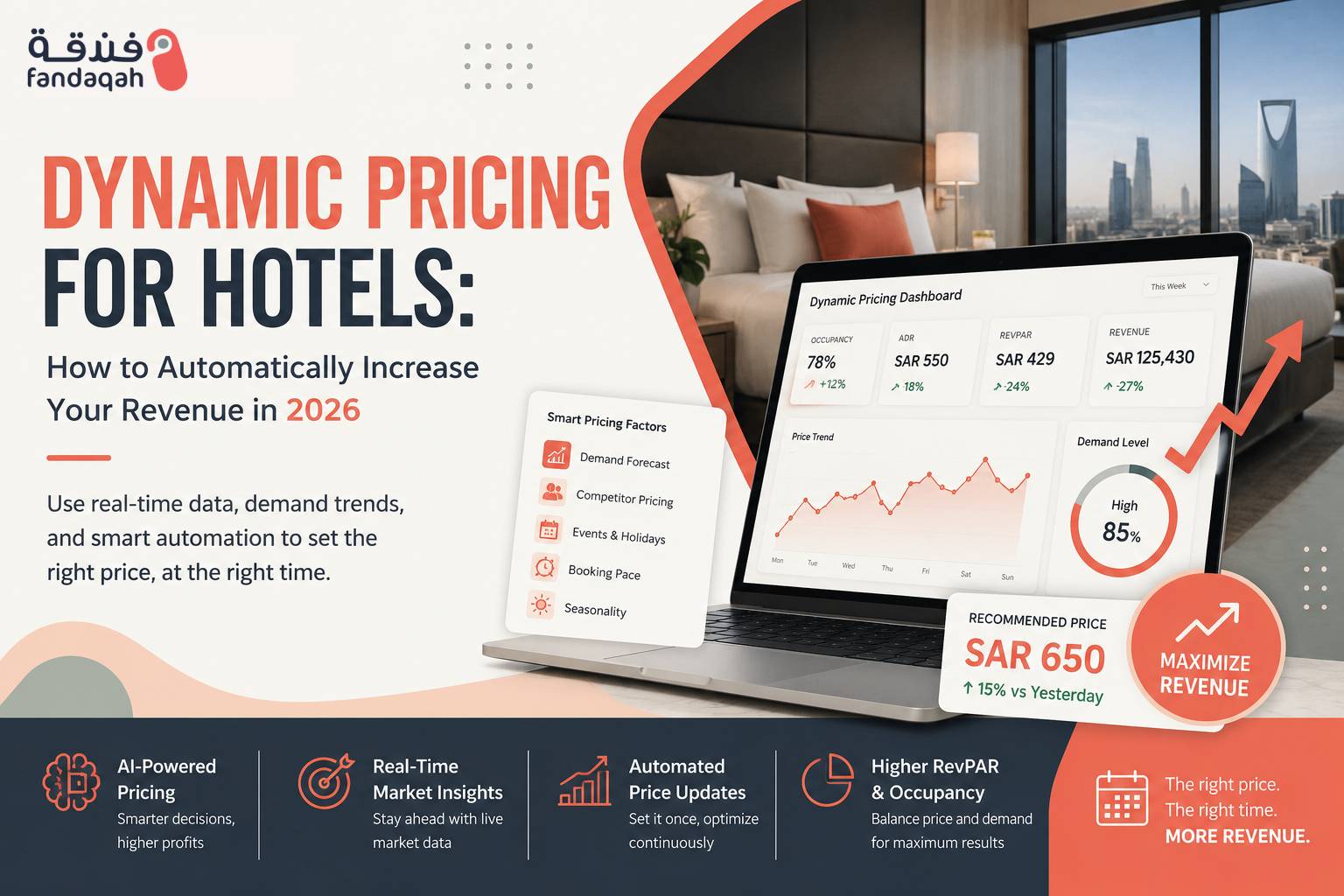
Adjust room rates daily—or even hourly—based on demand predictions. When the model signals a rise in demand, prices increase automatically to capture maximum value. When expected demand dips, rates are lowered to stimulate bookings.
2. Intelligent Inventory Management
Forecasting helps you decide how many rooms to allocate to each rate segment and how many to hold for late-arriving, high-value reservations—maximizing occupancy rates Saudi Arabia without sacrificing your average daily rate (ADR).
3. Better Resource Planning
Knowing the expected guest count in advance allows you to schedule staff efficiently, plan food and beverage purchasing, and schedule preventive maintenance during quieter periods—cutting operational costs.
4. Enhanced Competitive Edge
Hotels using advanced hotel data analytics and demand forecasting tools gain a clear competitive advantage, particularly in Saudi cities with fierce competition such as Riyadh, Jeddah, Makkah, and Madinah.
Important Note: Forecast accuracy depends heavily on the quality of input data. Clean your historical data from anomalies like group cancellations or incomplete bookings before building any predictive model.
Hotel Demand Forecasting Use Cases Across Saudi Arabia
The Kingdom offers an ideal environment for applying hotel demand forecasting models, thanks to its diverse demand drivers. Here are prominent use cases with a focus on Saudi cities and seasons:
Hajj & Umrah: Managing Exceptional Demand
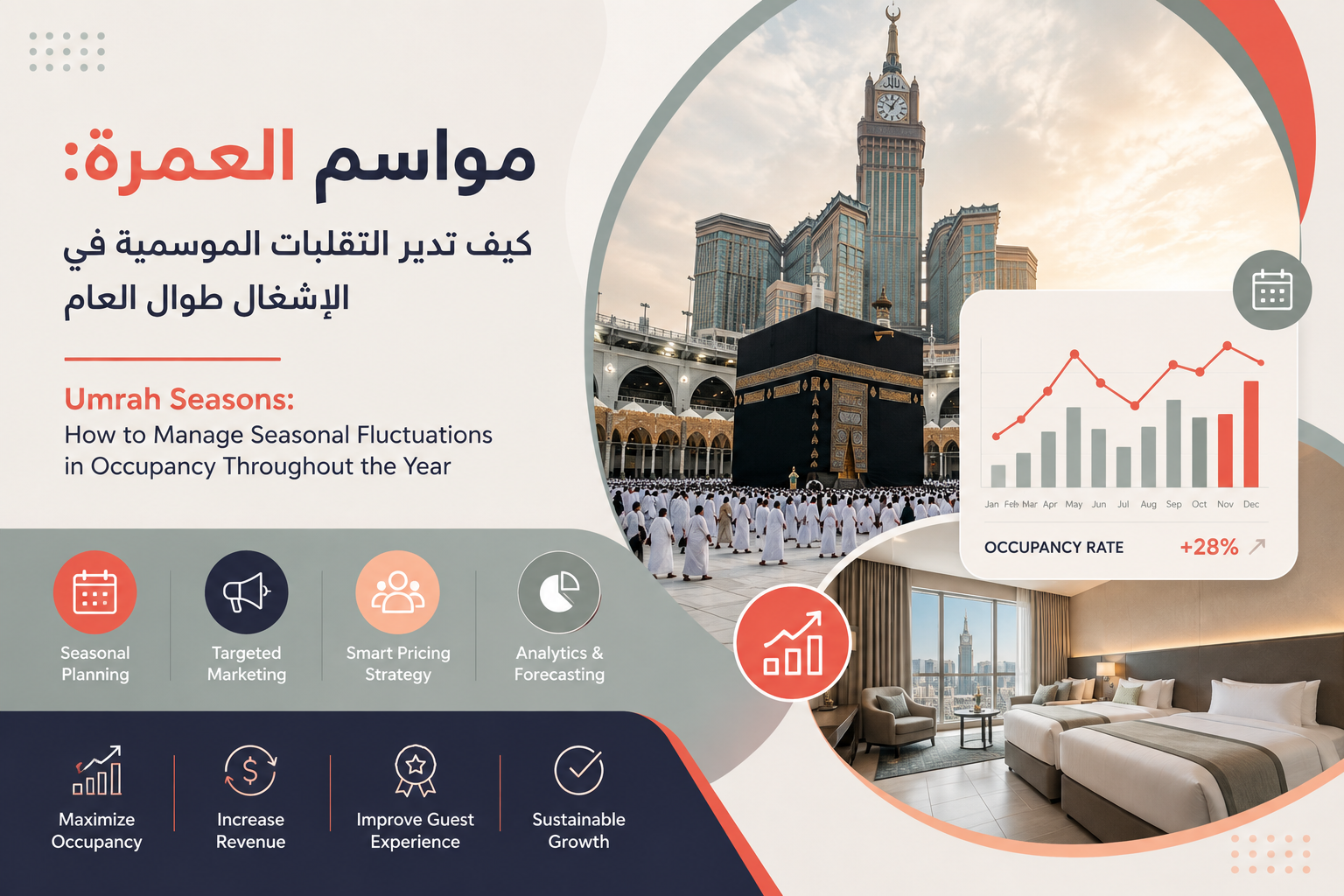
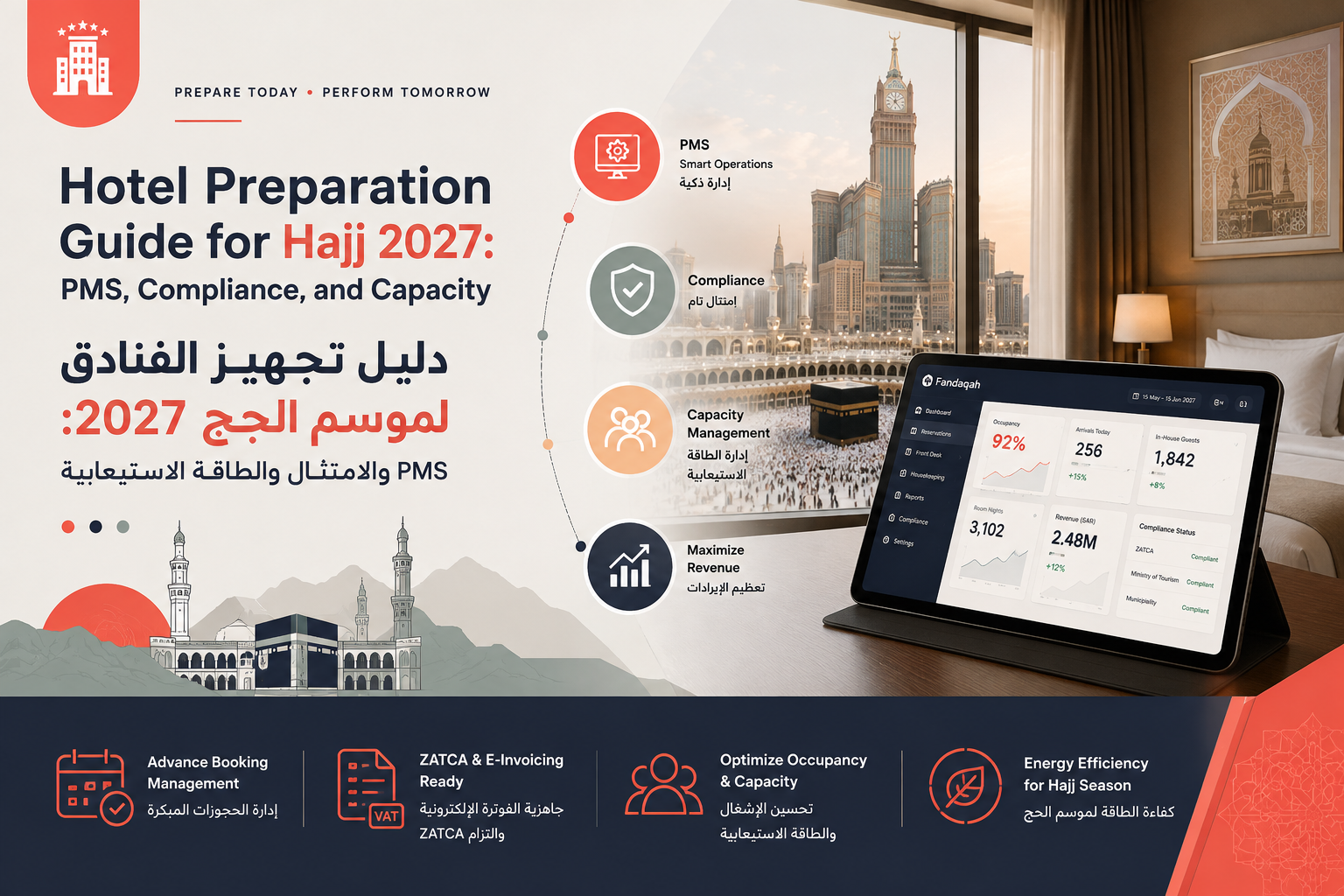
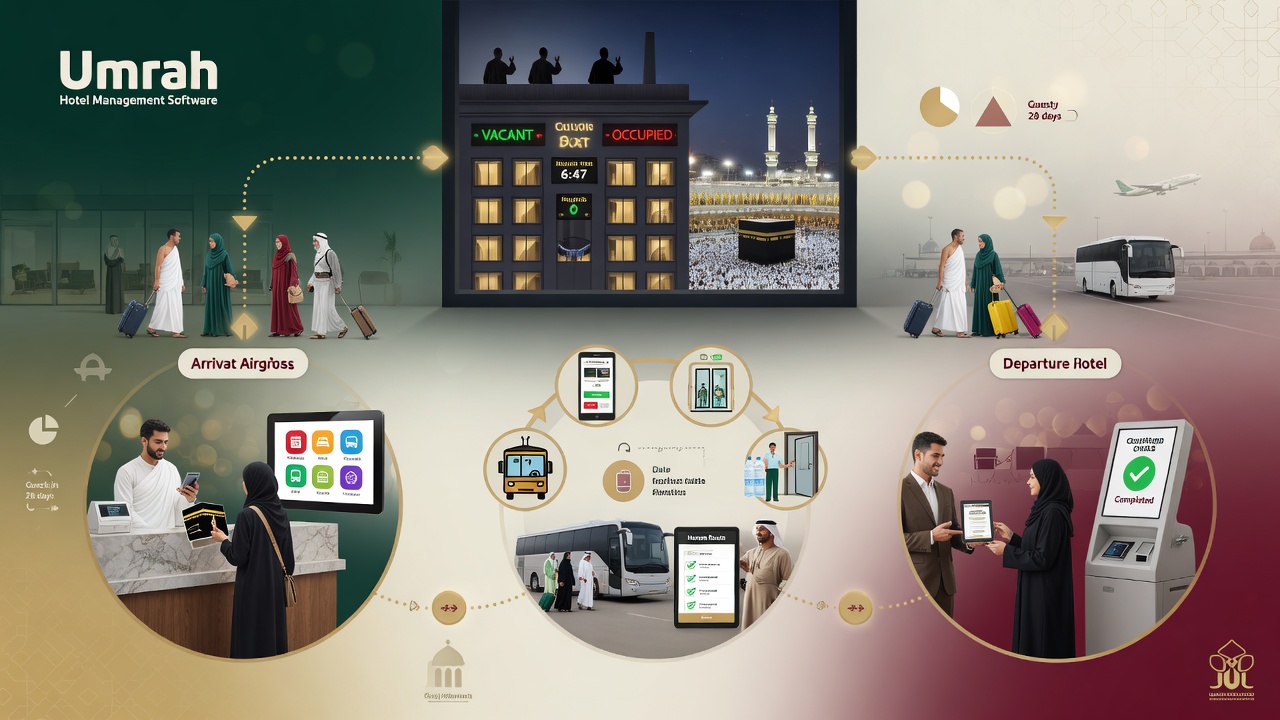
In Makkah and Madinah, hotel demand forecasting during Hajj season poses a unique challenge. Millions of pilgrims arrive within tight time windows, demanding meticulous planning. Advanced forecasting enables hotels in these holy cities to anticipate peak periods with greater precision and manage inventory to maximize seasonal returns while maintaining service quality.
Riyadh: The Hub of Events & Conferences
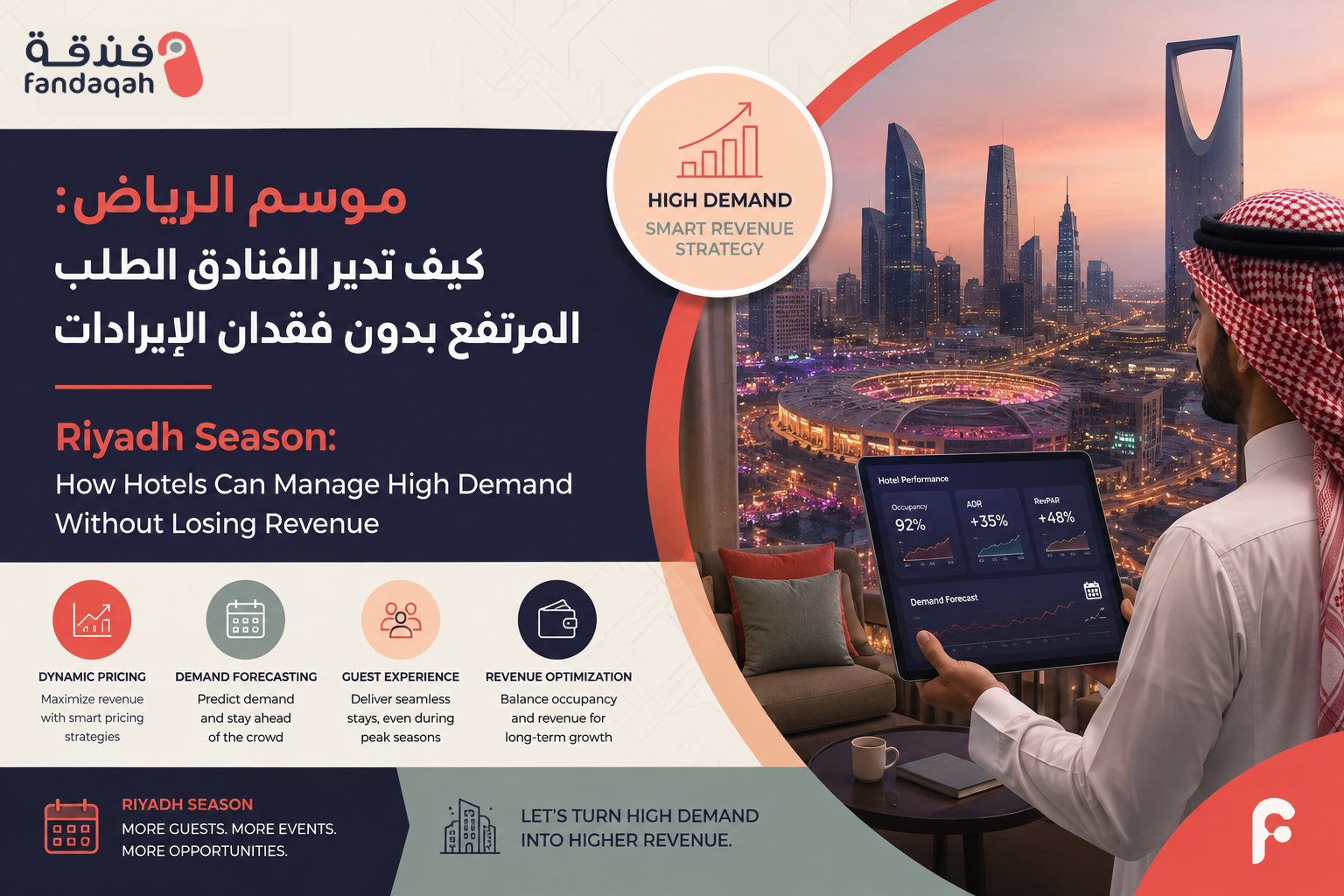
With Riyadh hosting mega-events like Riyadh Season and international investment forums, hotels in the capital witness sharp demand swings. How to forecast hotel demand in Riyadh requires models that consider both announced and sometimes unannounced event dates.
Jeddah: Gateway to Coastal Tourism
Amid ambitious Red Sea projects, Jeddah is undergoing a tourism transformation. Hotels using best demand forecasting tools for hotels can adapt to shifting patterns that blend business and leisure travel.
Mega Events & Vision 2030
The Kingdom regularly hosts global sporting and cultural events. The ability to forecast demand linked to these events gives hotels a golden opportunity to maximize revenue. Hotel demand forecasting and Vision 2030 are deeply intertwined—more accurate forecasts enable hotels to support national hospitality goals more efficiently.
Traditional vs. AI-Powered Hotel Demand Forecasting
To understand the evolution of hotel demand forecasting tools, here is a comparison between traditional methods still used by some hotels and modern AI-powered systems:
| Comparison Aspect |
Traditional Methods |
AI-Powered Methods |
| Data Sources |
Only past bookings |
Multi-source: bookings, events, weather, competitors, search trends |
| Forecast Accuracy |
Moderate (60–75%) |
Very High (85–95%) |
| Update Frequency |
Manual or weekly |
Real-time, automated 24/7 |
| Approximate Cost |
Low |
Medium to high (system-dependent) |
| Handling Sudden Events |
Very poor |
Excellent via instant analysis of new data |
| Integration with PMS |
Limited |
Full integration with PMS, CRM, and booking platforms |
| Ease of Use |
Requires analytical expertise |
User-friendly dashboards with automated recommendations |
⚠️ Caution: Moving from traditional to AI methods isn't just a tech shift—it requires a cultural change within the hotel. Ensure your hotel revenue management team is trained to understand and trust the new system's outputs.
Future Trends in Hotel Demand Forecasting Aligned with Vision 2030
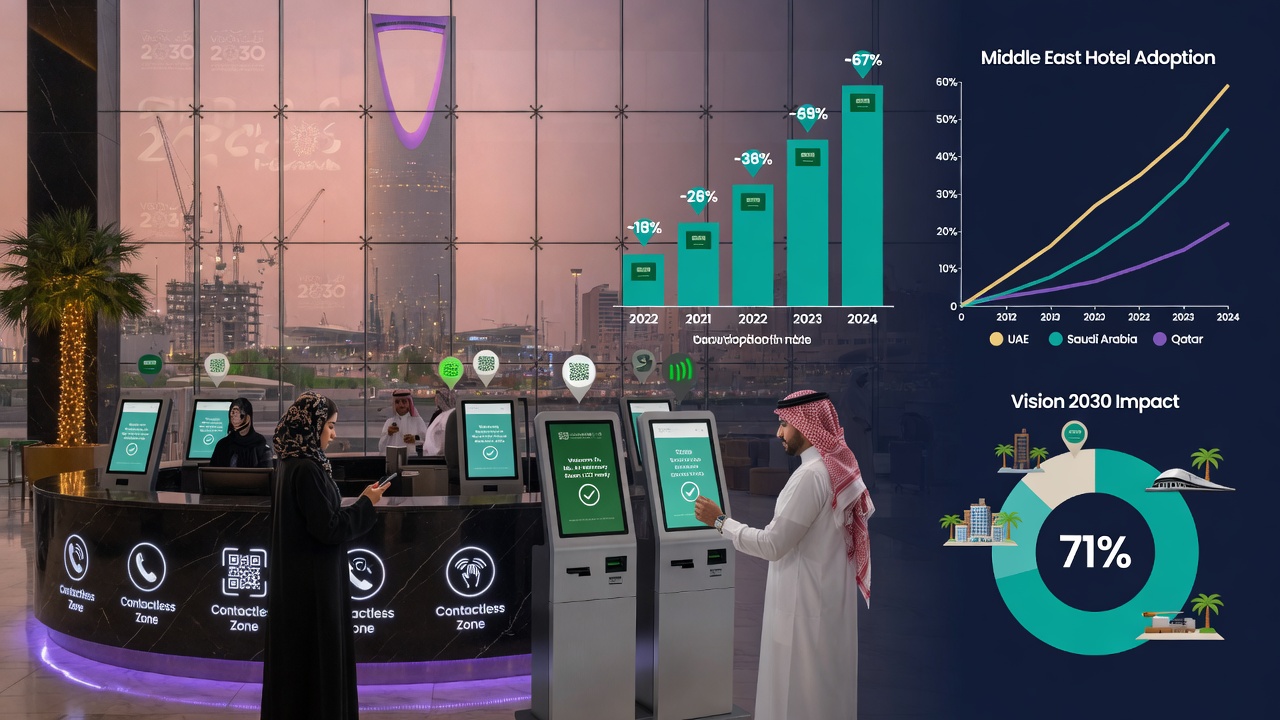
As Saudi Arabia advances toward its Vision 2030 targets, expected to attract 150 million visitors annually, the hospitality sector will face unprecedented demand. This growth compels hotels to adopt cutting-edge forecasting technologies. Here are the key future trends:
1. Generative AI in Forecasting
Hotel demand forecasting systems are beginning to leverage generative AI models that not only predict demand but also suggest optimal pricing strategies and write actionable recommendations for revenue teams.
2. Integration with Smart City Data
Within futuristic projects like NEOM, Qiddiya, and the Red Sea, hotels will access live data on visitor flows and transportation, feeding forecasting models with hyper-accurate real-time information.
3. Destination-Level Demand Forecasting
Instead of hotels working in isolation, collaborative platforms will allow hotels in a destination to share aggregated data (preserving competitive privacy) to obtain more accurate city-wide or regional forecasts.
4. Full Automation of the Revenue Cycle
The future points to systems that close the loop entirely: predict demand, price rooms, distribute rates across channels, and then learn from outcomes to refine the next forecast—fully automated. This represents the pinnacle of hotel revenue optimization Saudi strategies.
Frequently Asked Questions About Hotel Demand Forecasting
1. What is the difference between demand forecasting and revenue management?
Hotel demand forecasting is a core component of hotel revenue management. Forecasting tells you the expected demand volume, while revenue management uses that information to make pricing and inventory decisions. Think of forecasting as the engine and revenue management as the entire car.
2. Can small hotels benefit from demand forecasting?
Absolutely. Even boutique and small hotels can use simple tools like analyzing booking data in Excel spreadsheets or subscribing to low-cost cloud platforms that offer best demand forecasting tools for hotels scaled to hotel size. The key is to start collecting and organizing data.
3. How do I start implementing demand forecasting in my Saudi hotel?
Begin with three steps: First, ensure your PMS records all data accurately. Second, analyze at least the past two years of data to identify seasonal patterns. Third, consult certified hotel revenue management solution providers in the Saudi market to choose the right system for your property.
4. What are the best hotel demand forecasting software options?
Global solutions like IDeaS, Duetto, and Atomize exist, along with regional tools emerging to meet the specific needs of the Saudi hospitality market. The choice depends on your hotel size, room count, budget, and required integration level with your existing systems.
5. How much do demand forecasting systems cost?
Costs vary significantly. They start from a few hundred Saudi Riyals per month for small hotels using simple cloud solutions, and can reach thousands per month for larger hotels using integrated systems with advanced hotel data analytics. Return on investment typically becomes clear within a few months.
6. How does Hajj season affect demand forecasting models?
Hajj season presents a unique challenge for hotel demand forecasting during Hajj season because demand is almost guaranteed but highly concentrated in time. Advanced models treat this season as a separate case with special parameters, paying close attention to the Hijri calendar dates that shift annually.
7. Can you forecast demand in a new market with no historical data?
Yes, you can use data from comparable markets (such as Dubai or Doha) as a starting point, adjusted for local characteristics. You can also rely on Google search data and air travel trends as early indicators. This approach is valuable for new hotels in emerging destinations under Vision 2030.
Conclusion: Demand Forecasting Is Your Compass in a Rapidly Changing Market
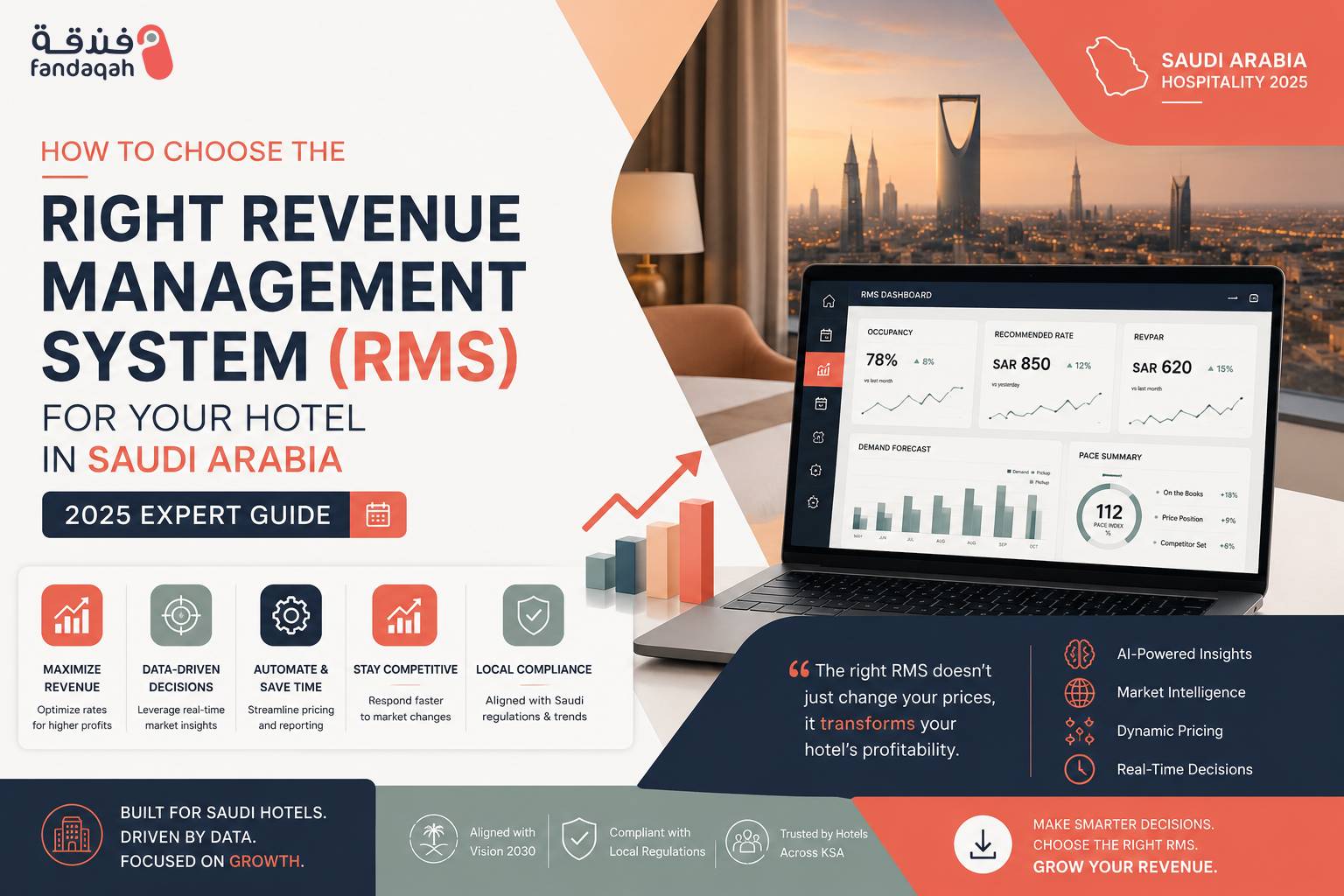
Ultimately, hotel demand forecasting is no longer a technical luxury or a practice reserved for luxury hotels. Today, it is an indispensable tool for every hotel aiming to survive and thrive in the dynamic Saudi hospitality market. From mastering how to forecast hotel demand in Saudi Arabia to applying advanced hotel revenue optimization Saudi strategies, every step on this path is a direct investment in your hotel's profitability and long-term sustainability.
The Kingdom of Saudi Arabia is undergoing a historic transformation in its hospitality sector. The hotels that will lead the industry in the coming years are those that adopt a culture of data-driven decisions today and invest in hotel demand forecasting tools that provide clear foresight. Whether you manage a hotel in Makkah, Riyadh, Jeddah, or any other Saudi city, the perfect time to start is now.
Remember: every night without smart pricing is a lost revenue opportunity. Embed hotel demand forecasting into your operational DNA, and watch the results speak for themselves on your bottom line.
Ready to Maximize Your Hotel's Revenue?
Stop leaving money on the table. Start implementing hotel demand forecasting strategies tailored specifically for the Saudi market. Our team is ready to help you choose the ideal solution for your property.
Get a Free Consultation Now
Tags:
Hotel Demand Forecasting
Hotel Revenue Management
Occupancy Rates Saudi Arabia
Saudi Hospitality Market
Dynamic Pricing Hotels
Vision 2030 Tourism
Hotel Data Analytics
Hajj and Umrah Demand
Hotel Revenue Optimization Saudi
AI in Hospitality
Best Demand Forecasting Tools
Hotel Management Saudi Arabia