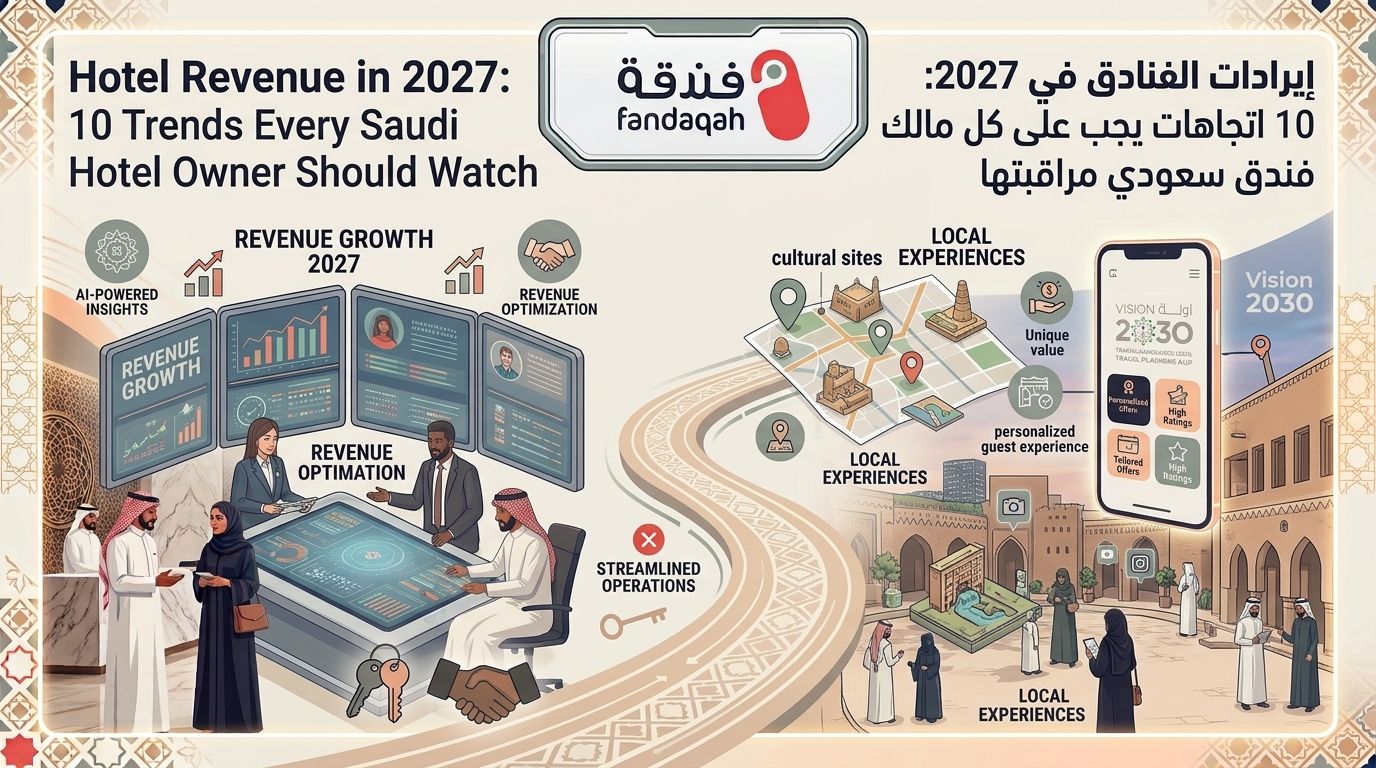
Hotel Revenue in 2027: 10 Trends Every Saudi Hotel Owner Should Watch

Hotel Revenue in 2027: 10 Trends Every Saudi Hotel Owner Should Watch

Saudi Hotel Revenue in 2027: 10 Pivotal Trends for Strategic Growth

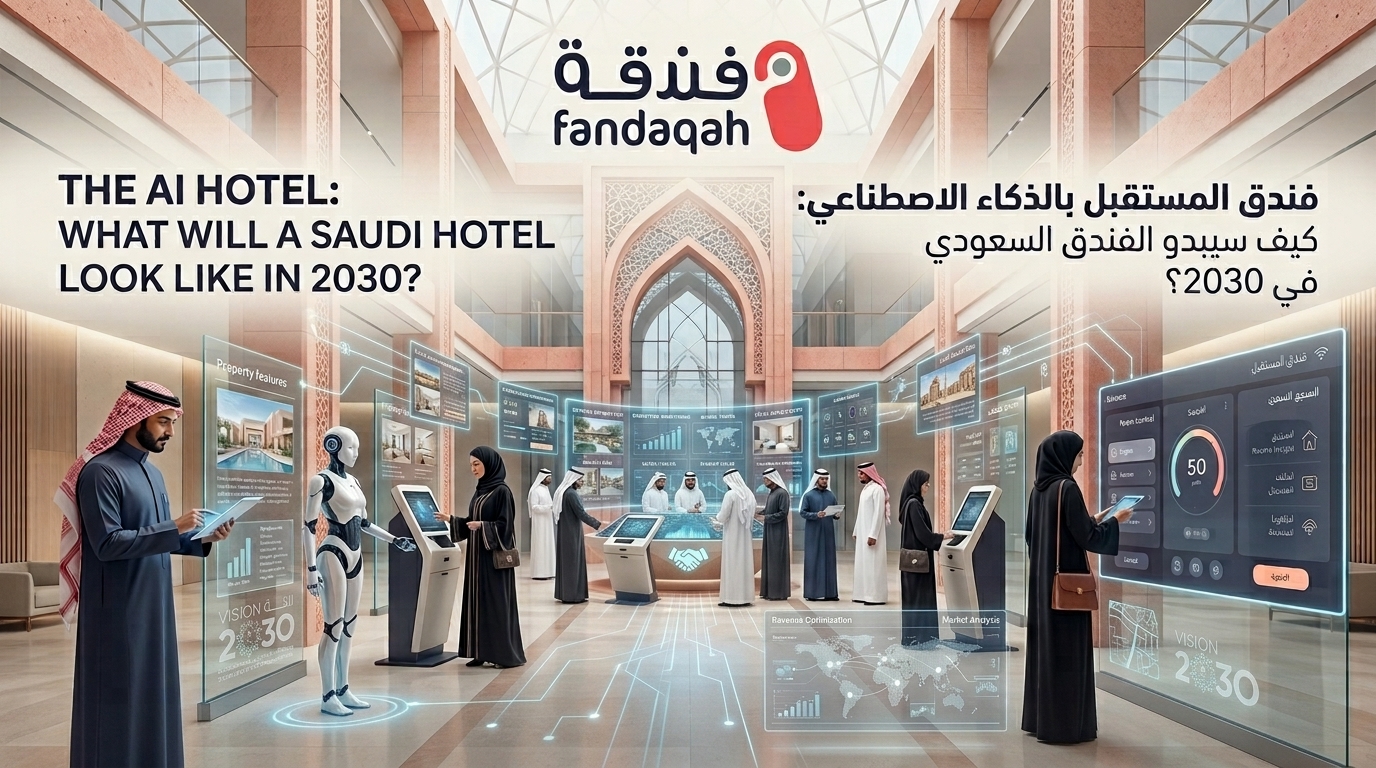
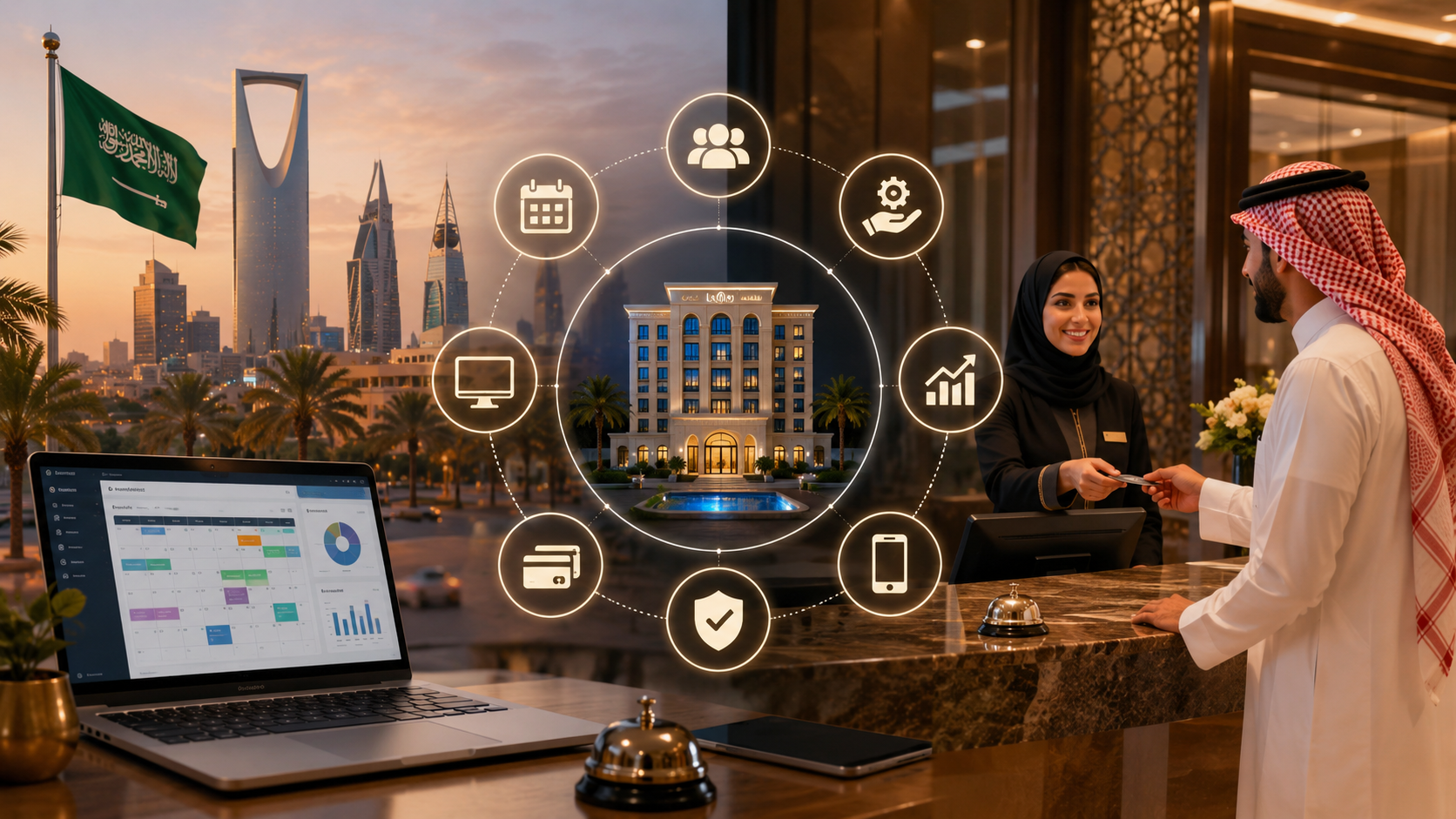
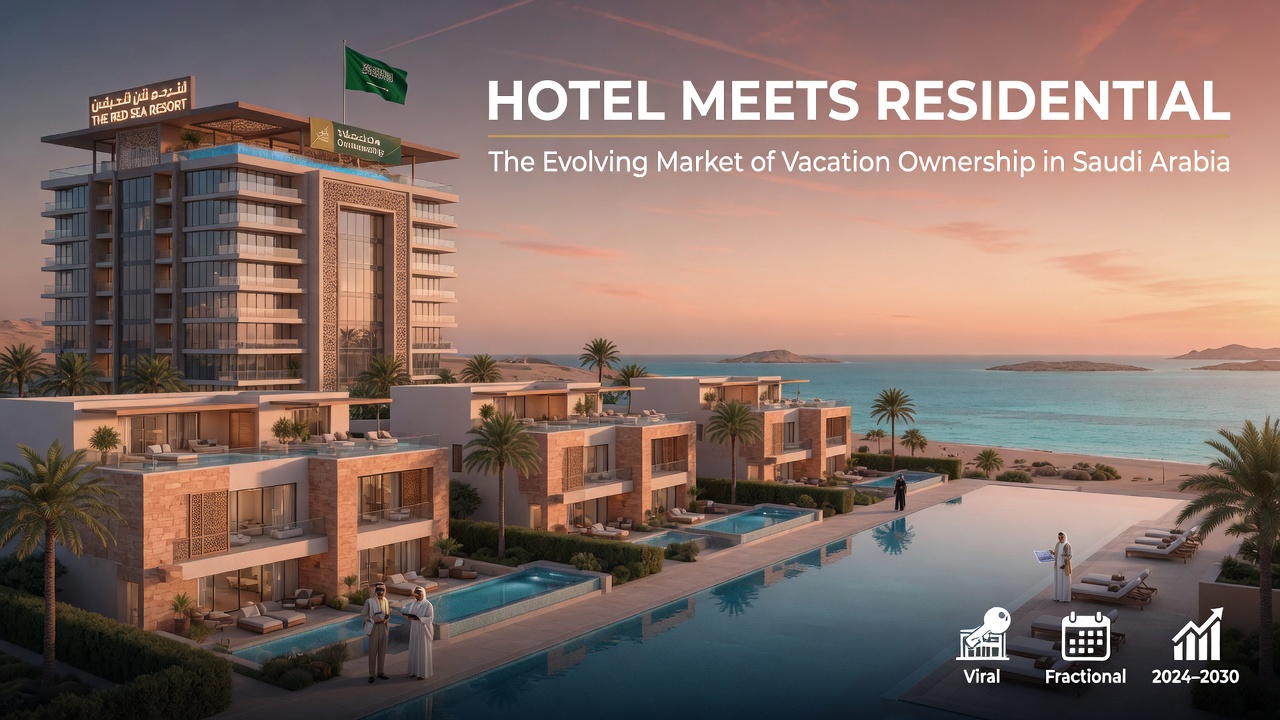
The hospitality landscape in Saudi Arabia is undergoing an unprecedented transformation. Driven by Vision 2030, a burgeoning tourism sector, and massive infrastructure projects, the Kingdom is rapidly emerging as a global destination. For hotel owners, understanding future revenue dynamics is not merely beneficial—it’s essential for survival and prosperity. As we look towards 2027, a confluence of technological advancements, evolving guest expectations, and macro-economic shifts will redefine how hotels generate income.
This article delves into the ten most critical trends that every Saudi hotel owner must meticulously monitor and integrate into their strategic planning. From hyper-personalization powered by AI to the growing influence of sustainability, these insights will equip you to navigate the competitive market, optimize operations, and secure a robust financial future.

The Digital Transformation Imperative: AI, Data, and Seamless Experiences

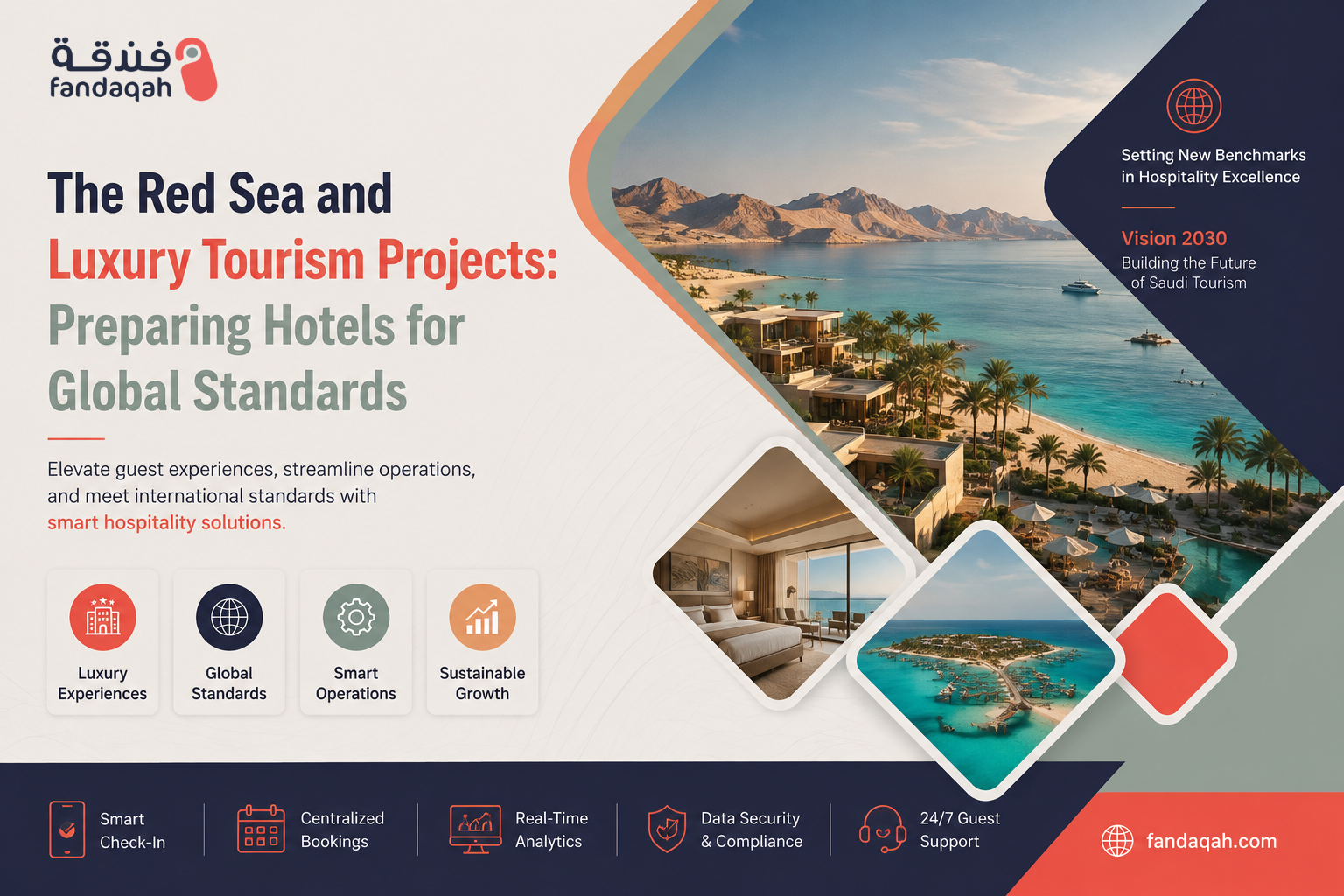
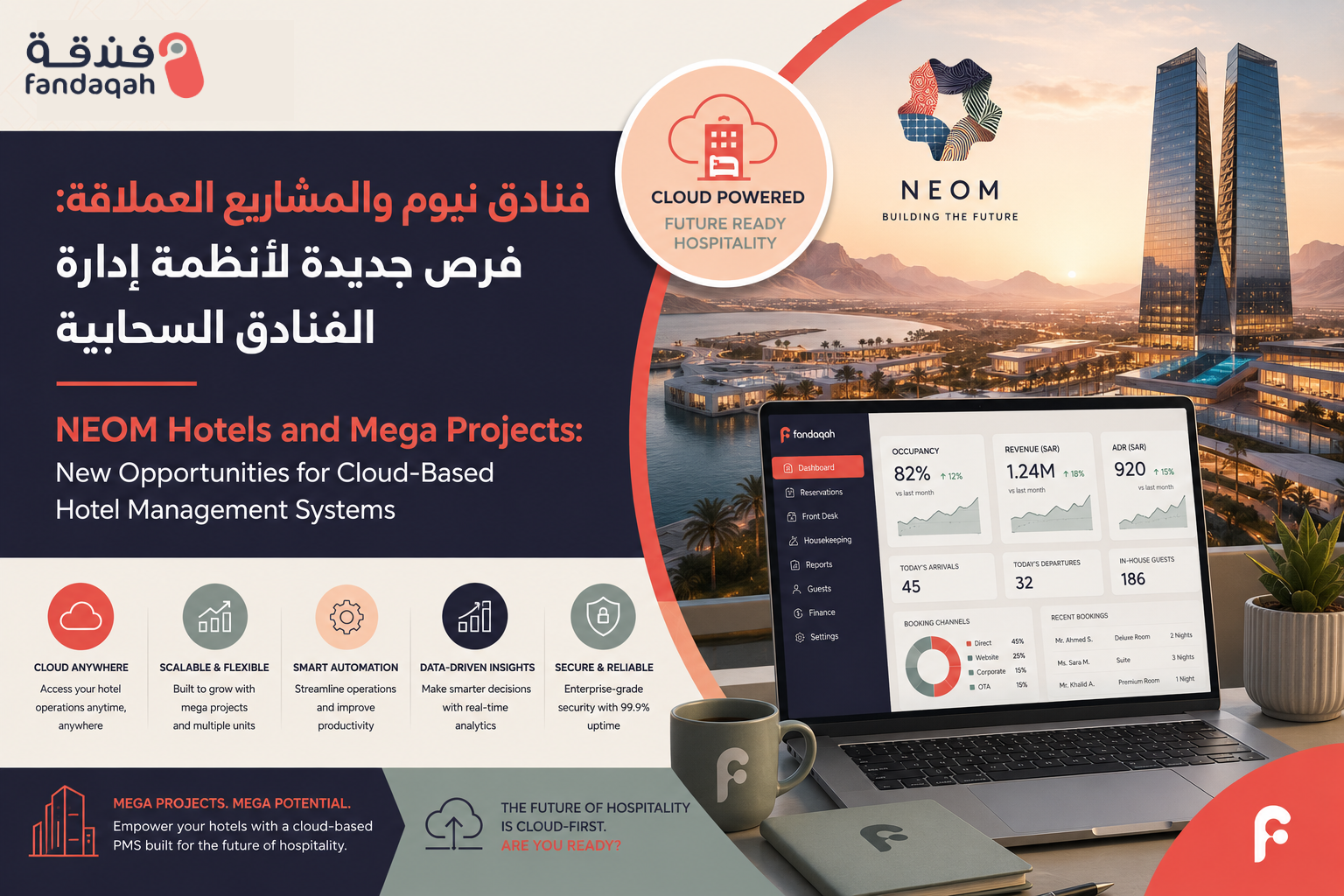
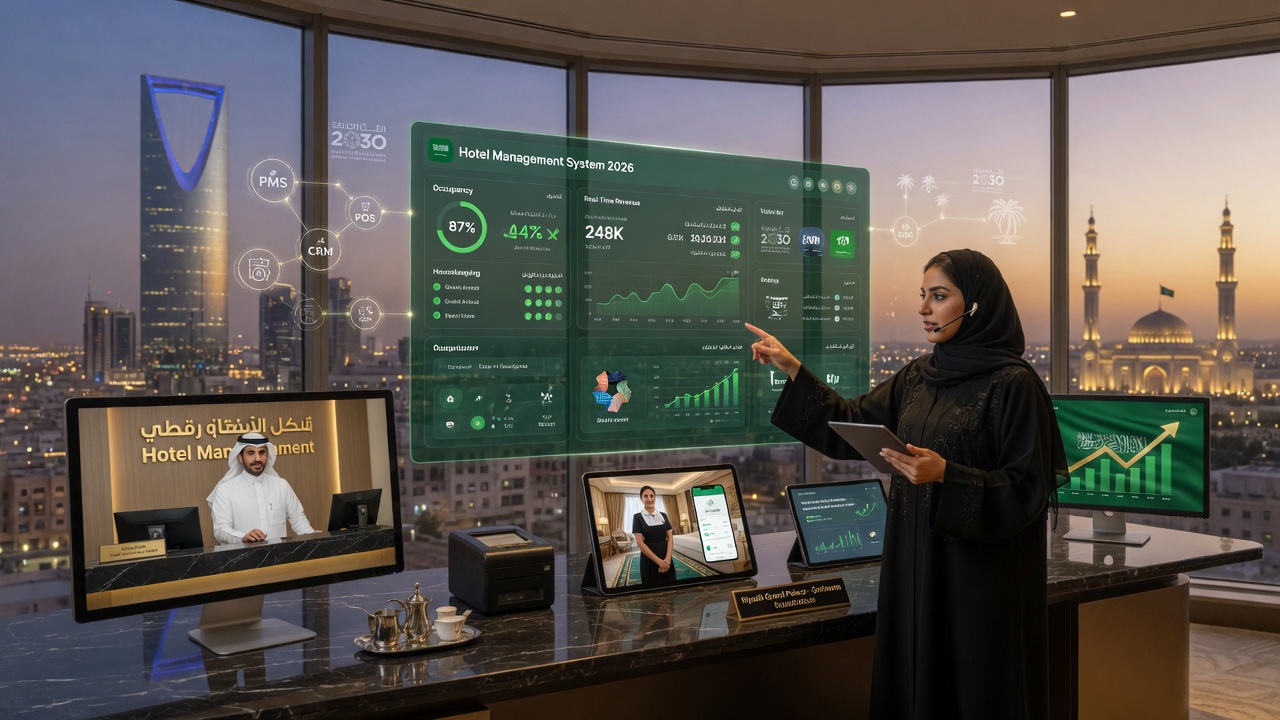
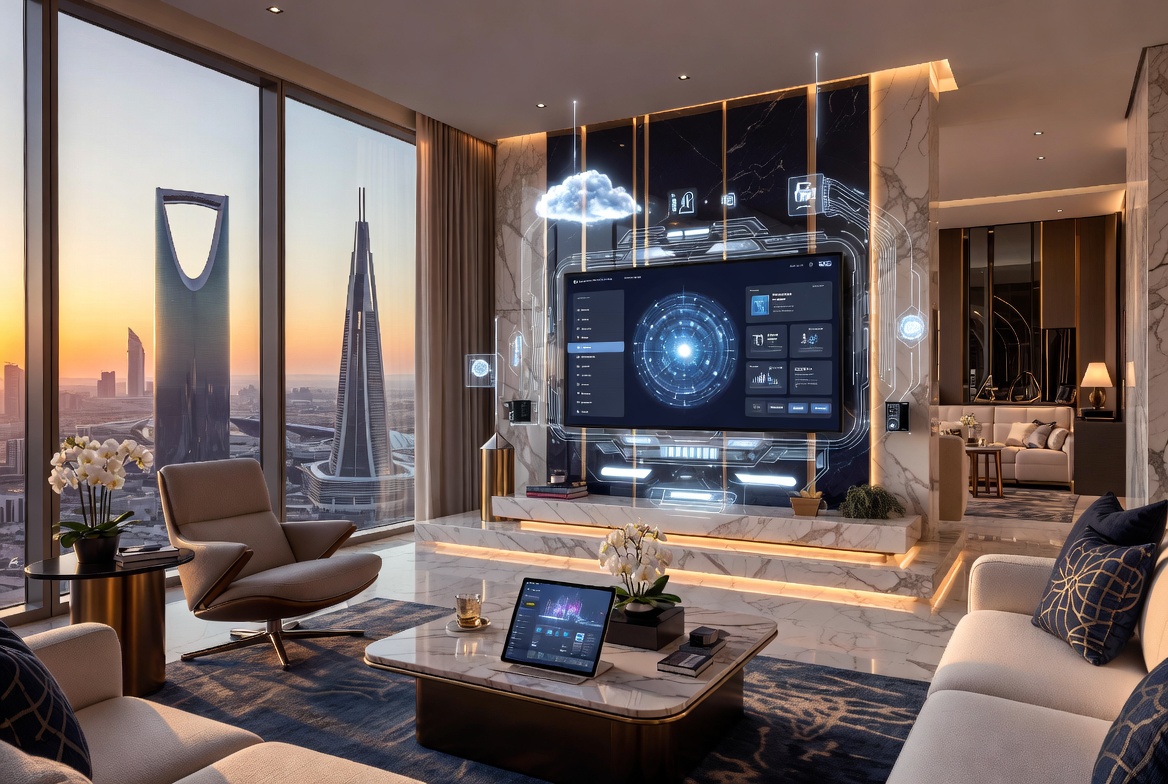
Technology is no longer just a support function; it's a core driver of revenue. The hotel sector in Saudi Arabia, particularly with its futuristic projects like NEOM and the Red Sea Project, is poised to lead in adopting cutting-edge digital solutions.

1. AI-Driven Personalization and Dynamic Pricing

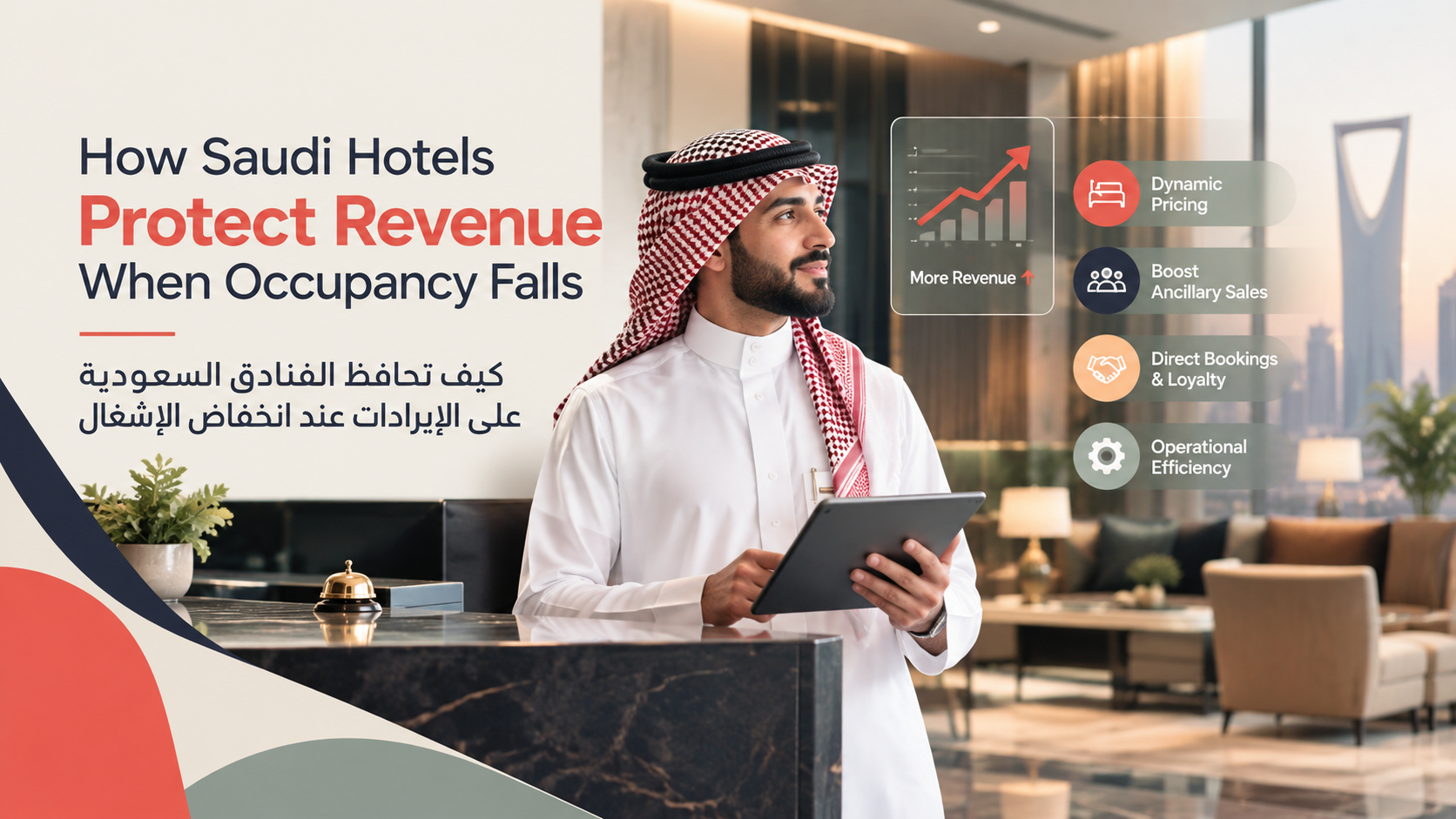
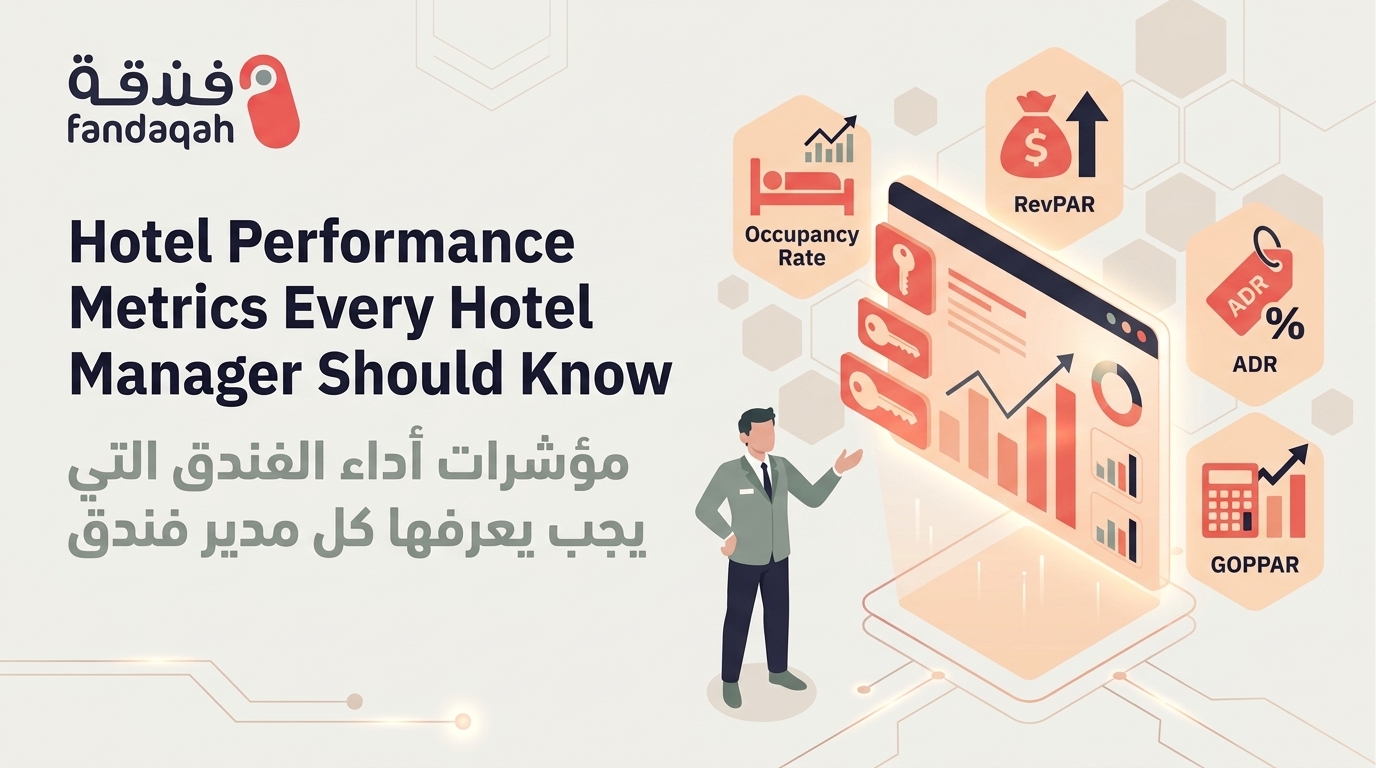
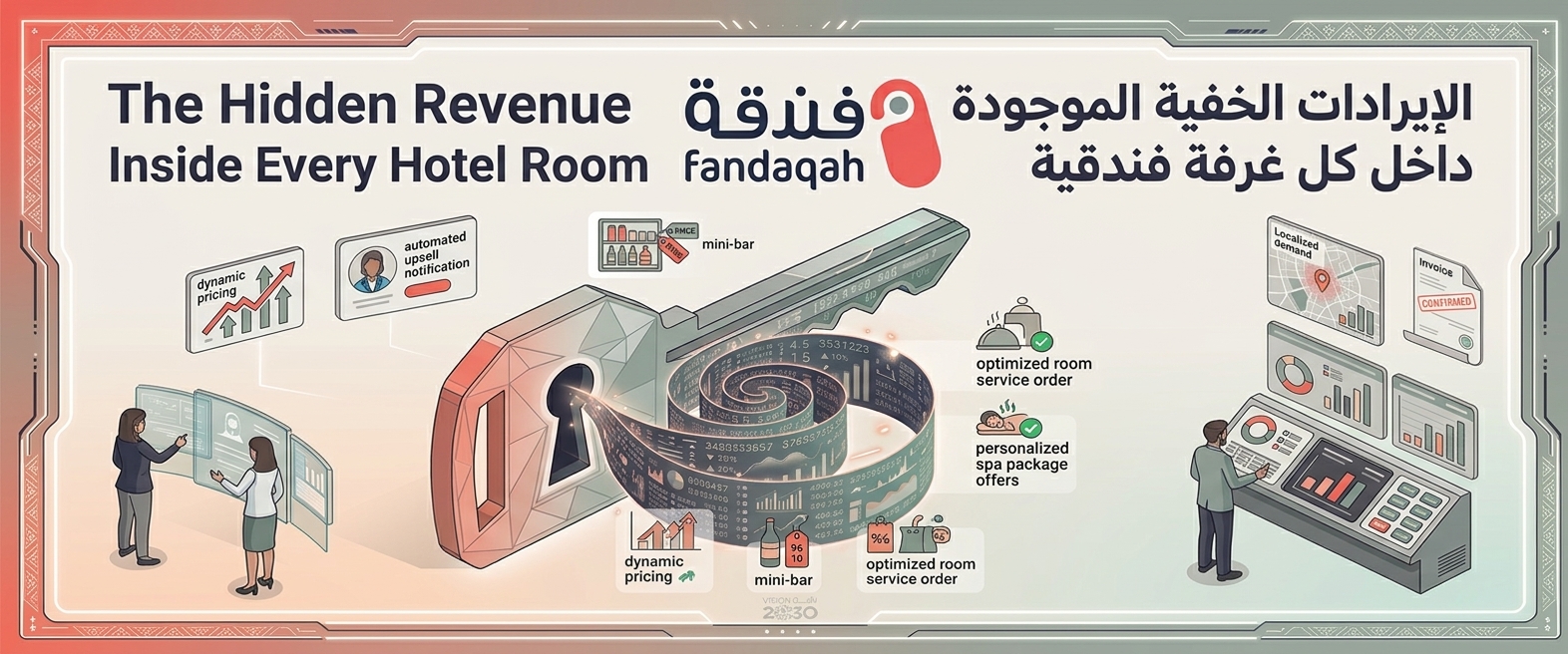
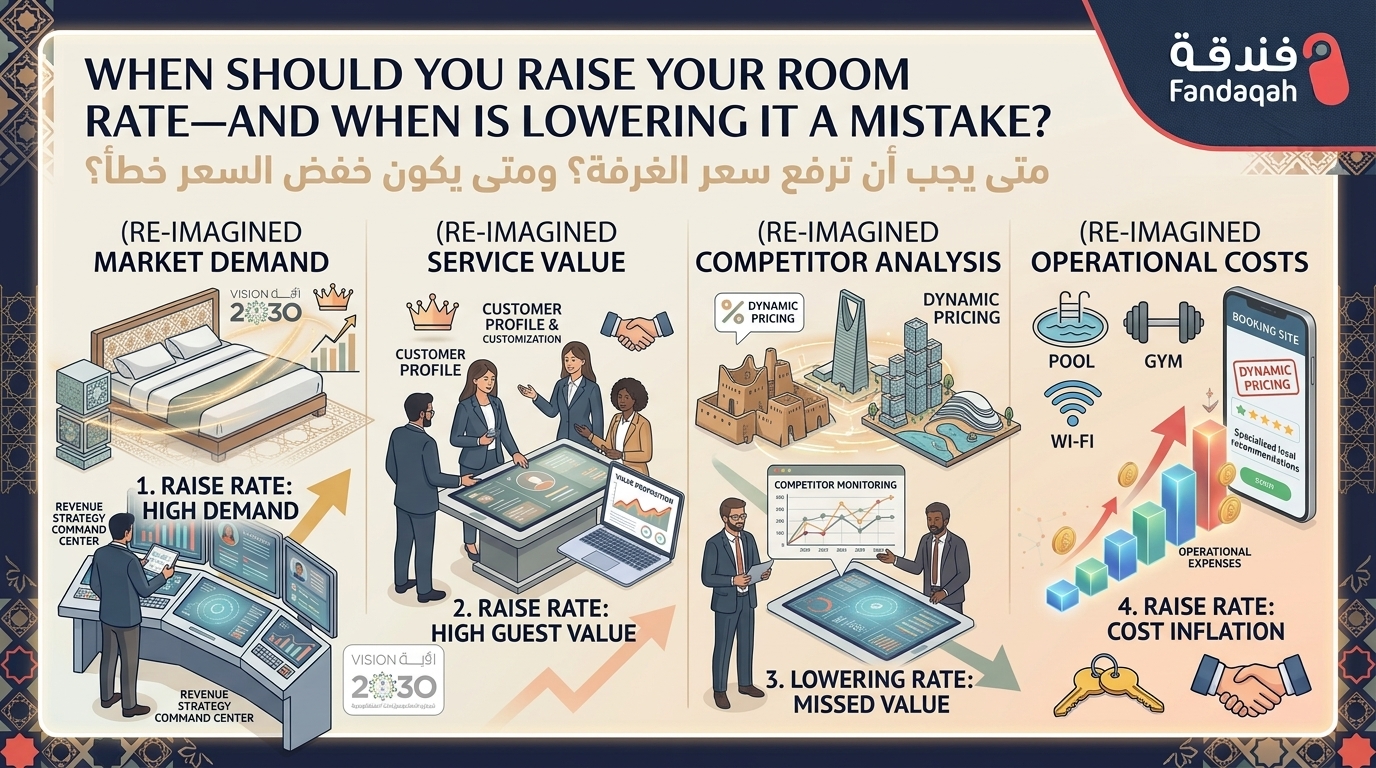
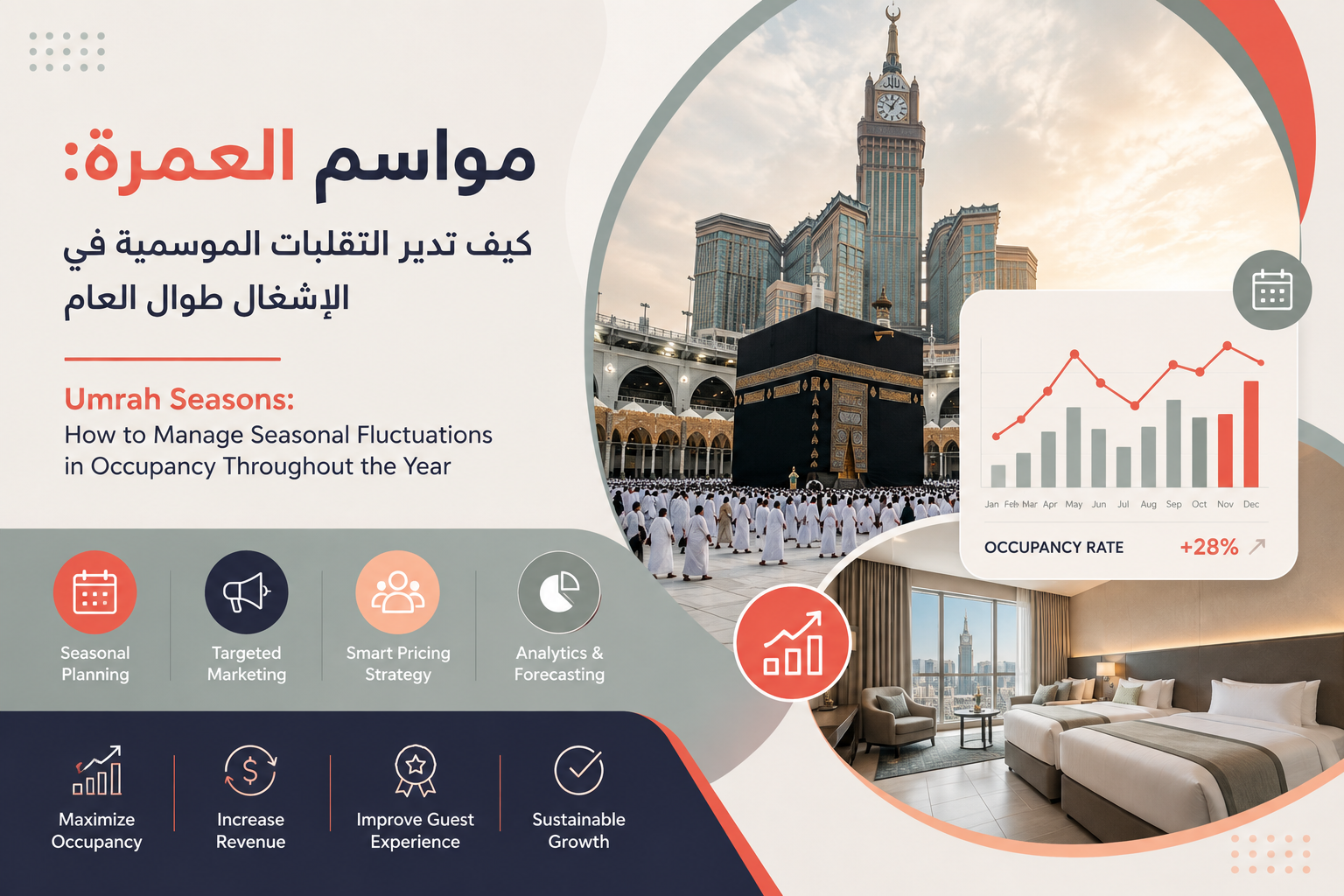
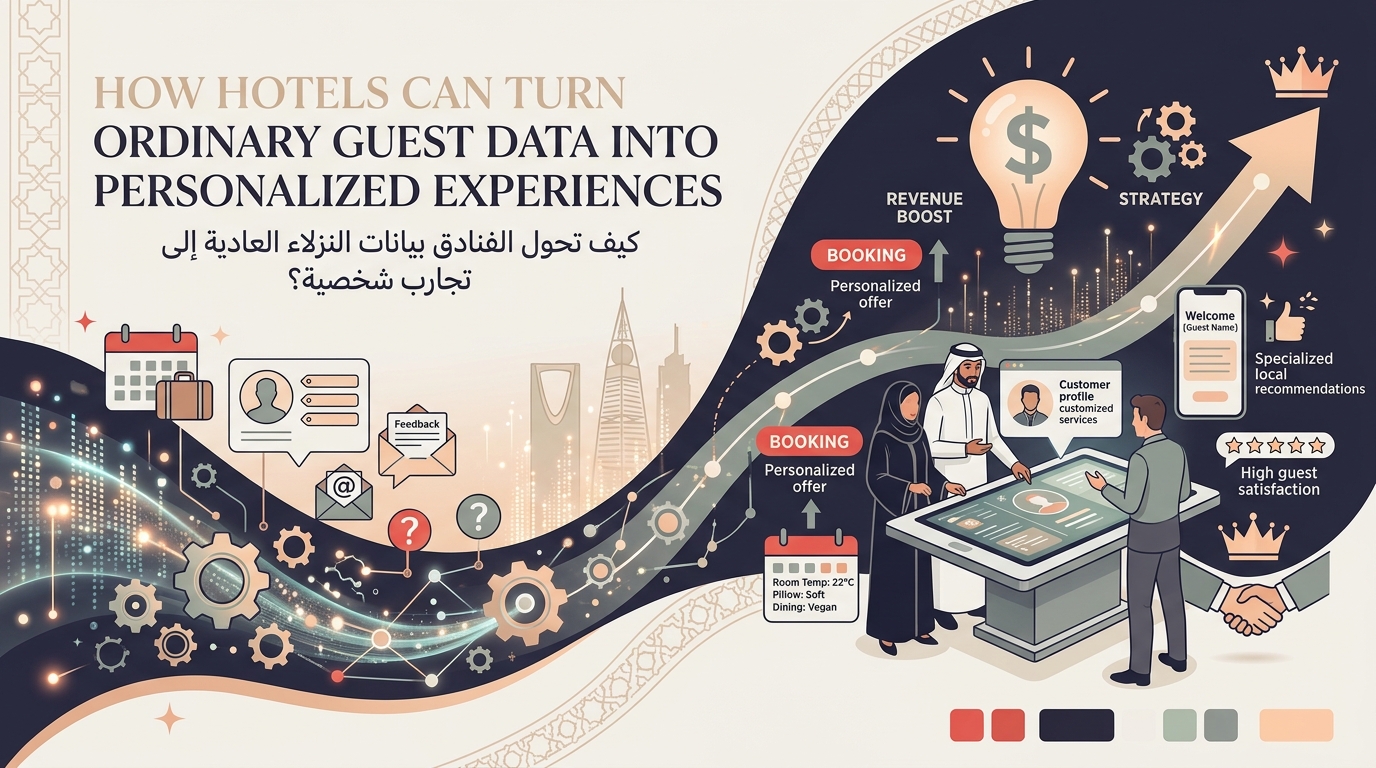
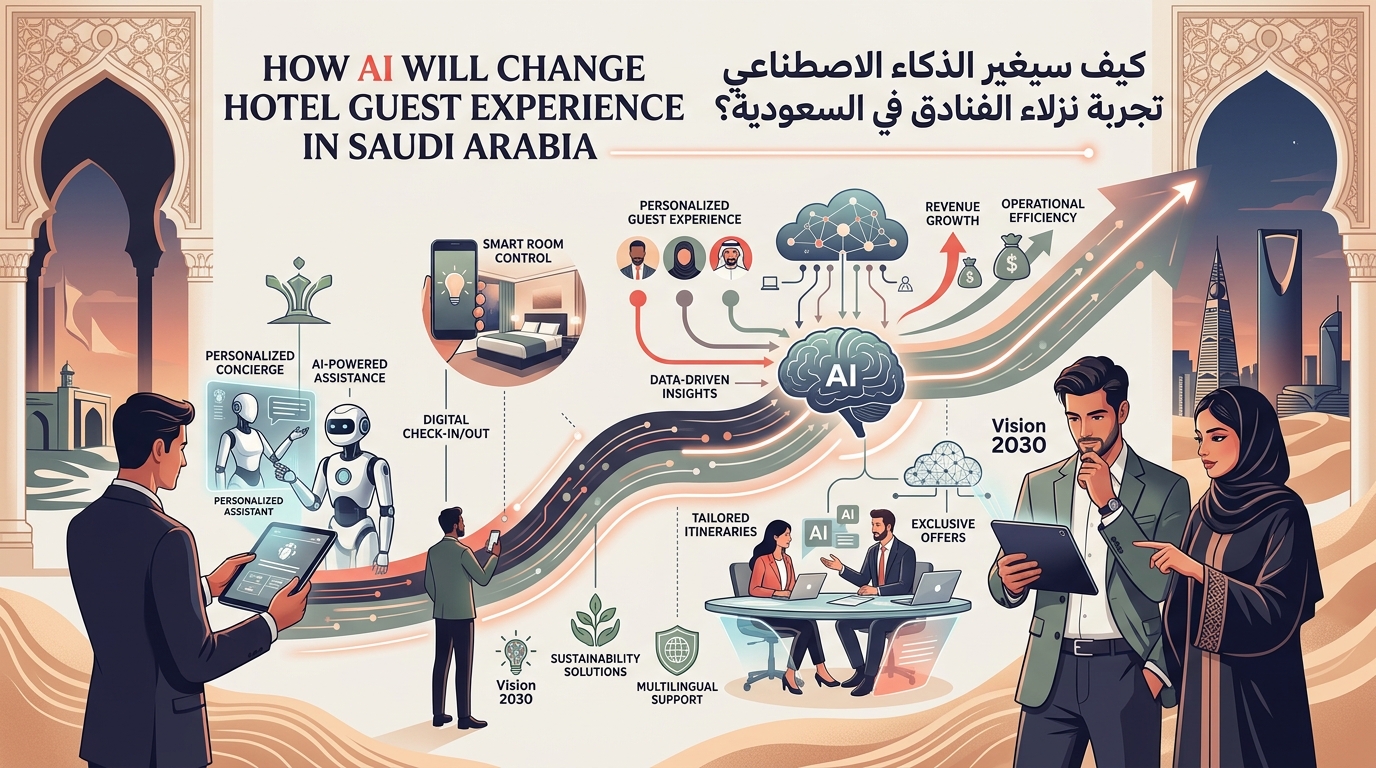
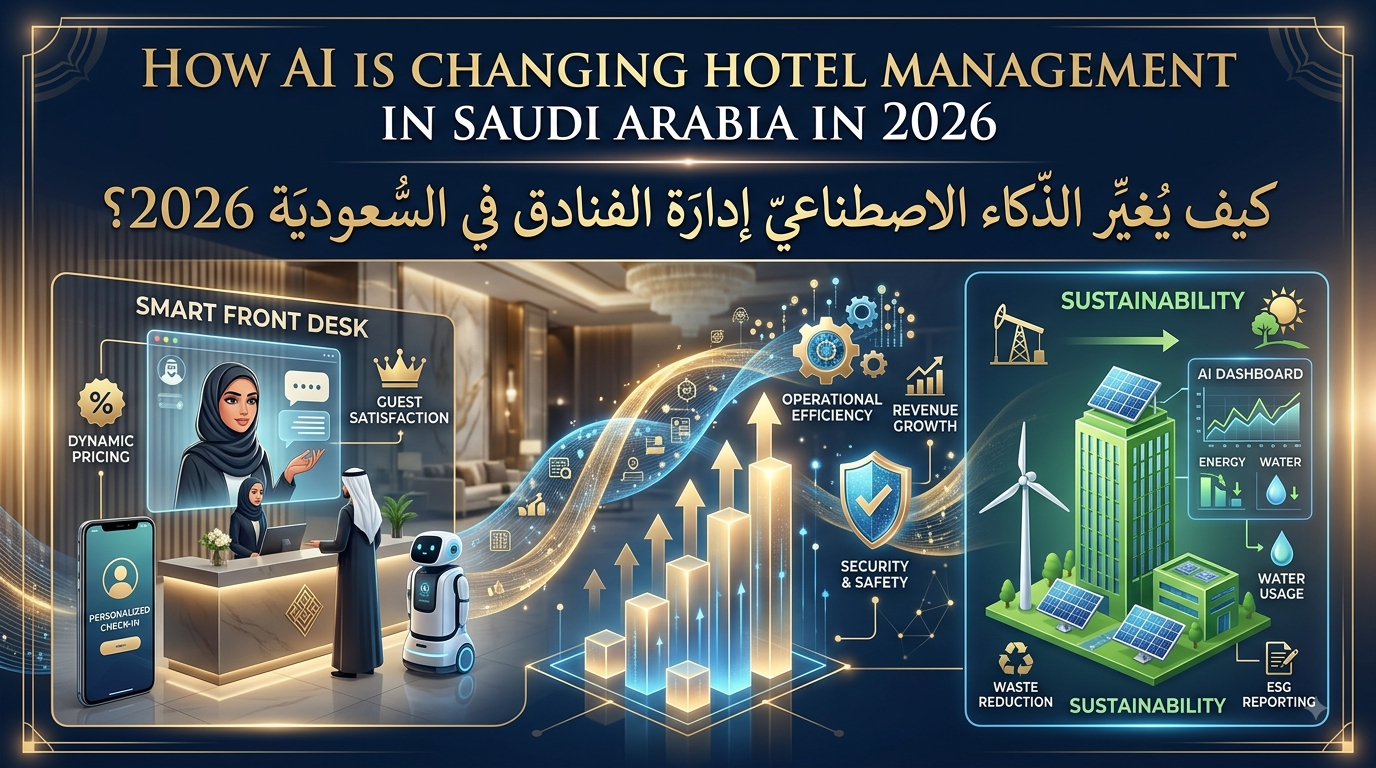
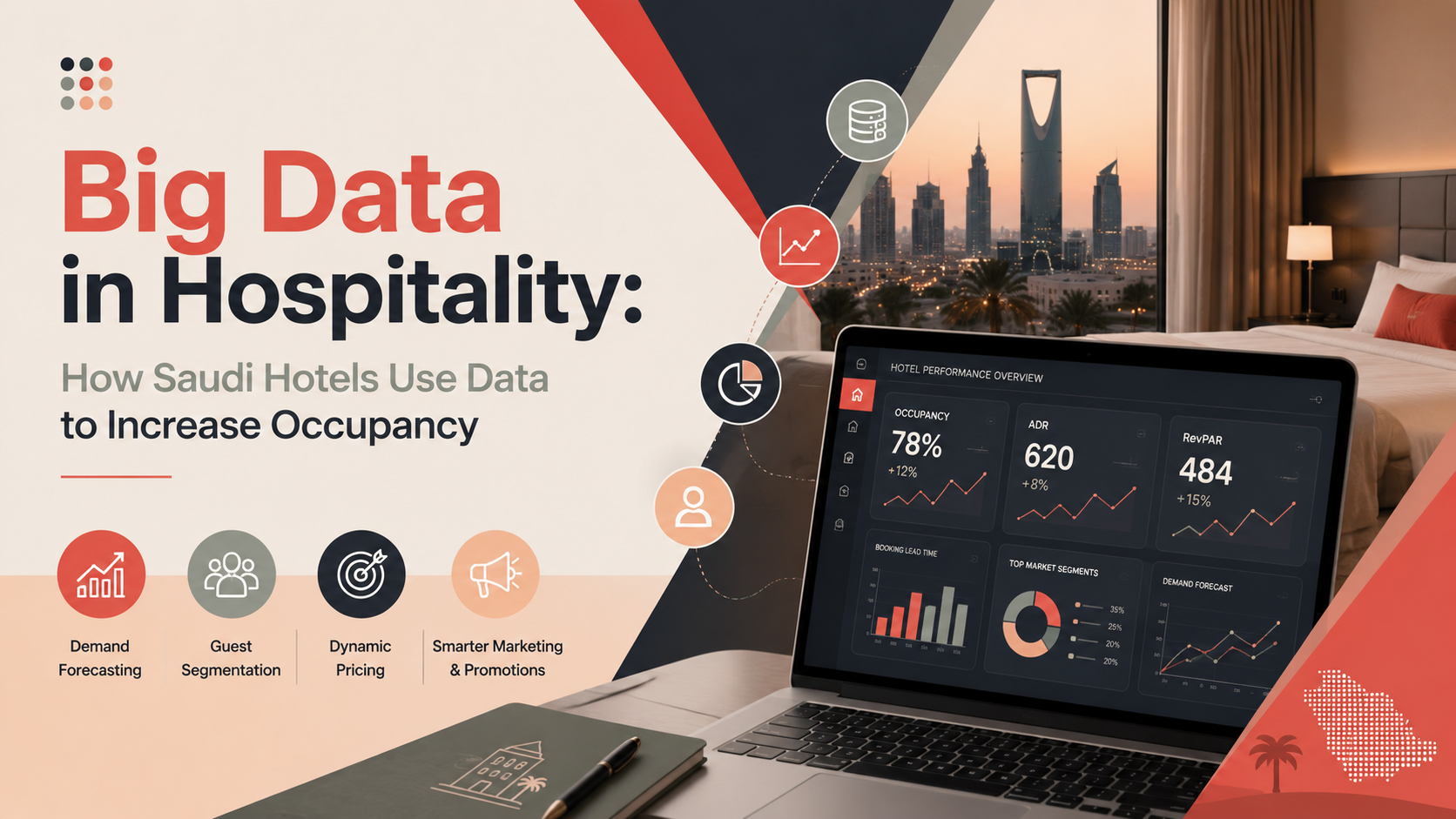
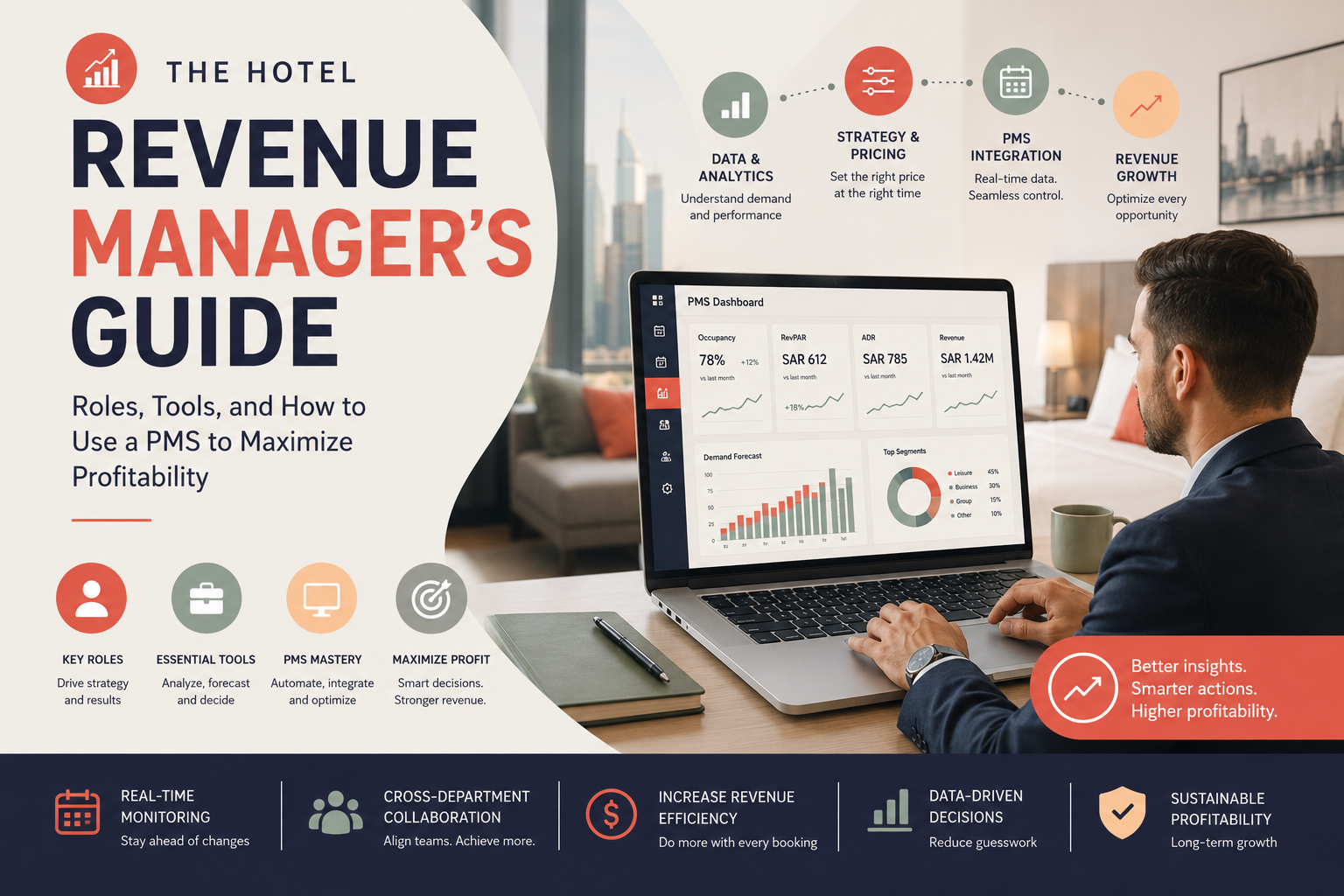
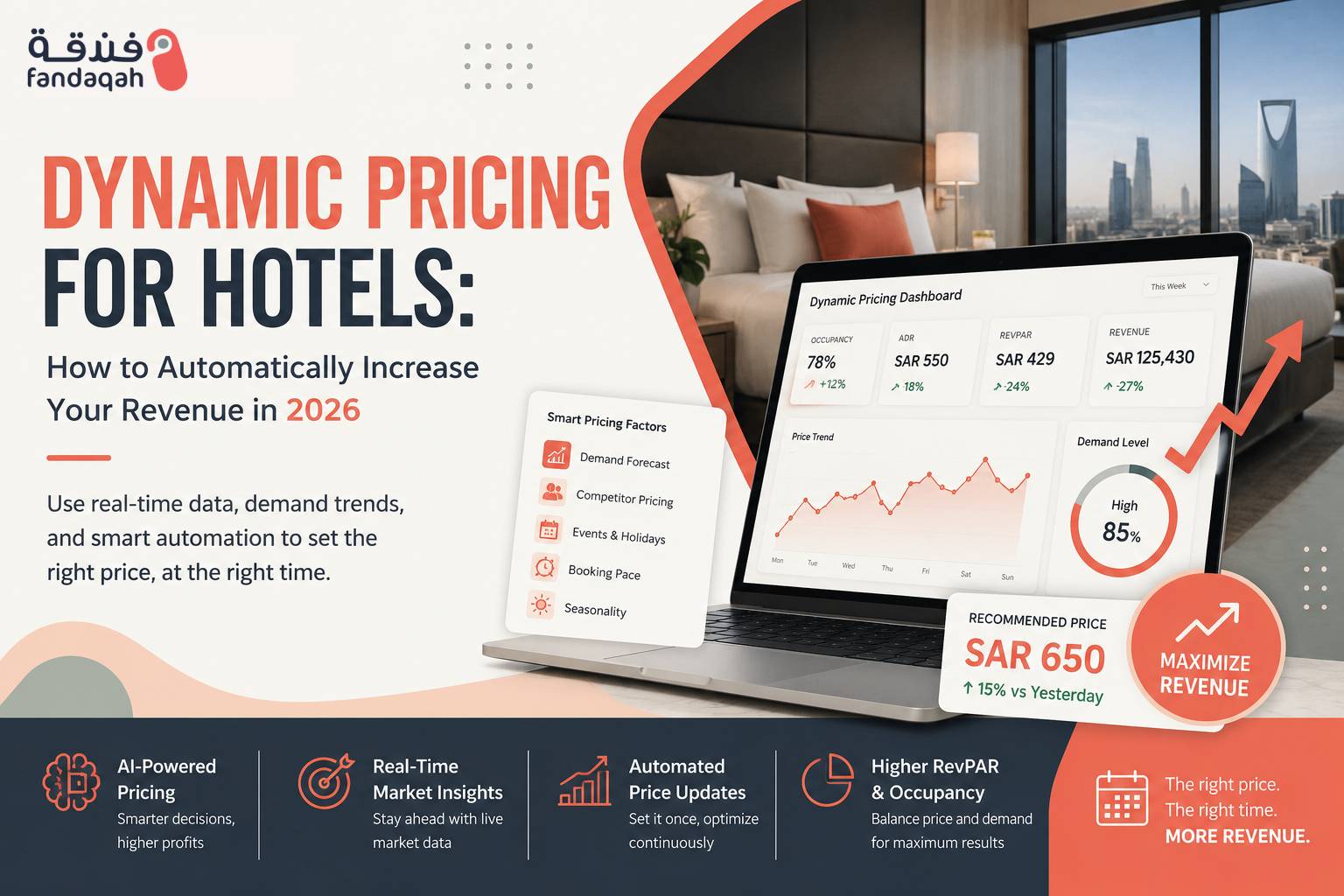
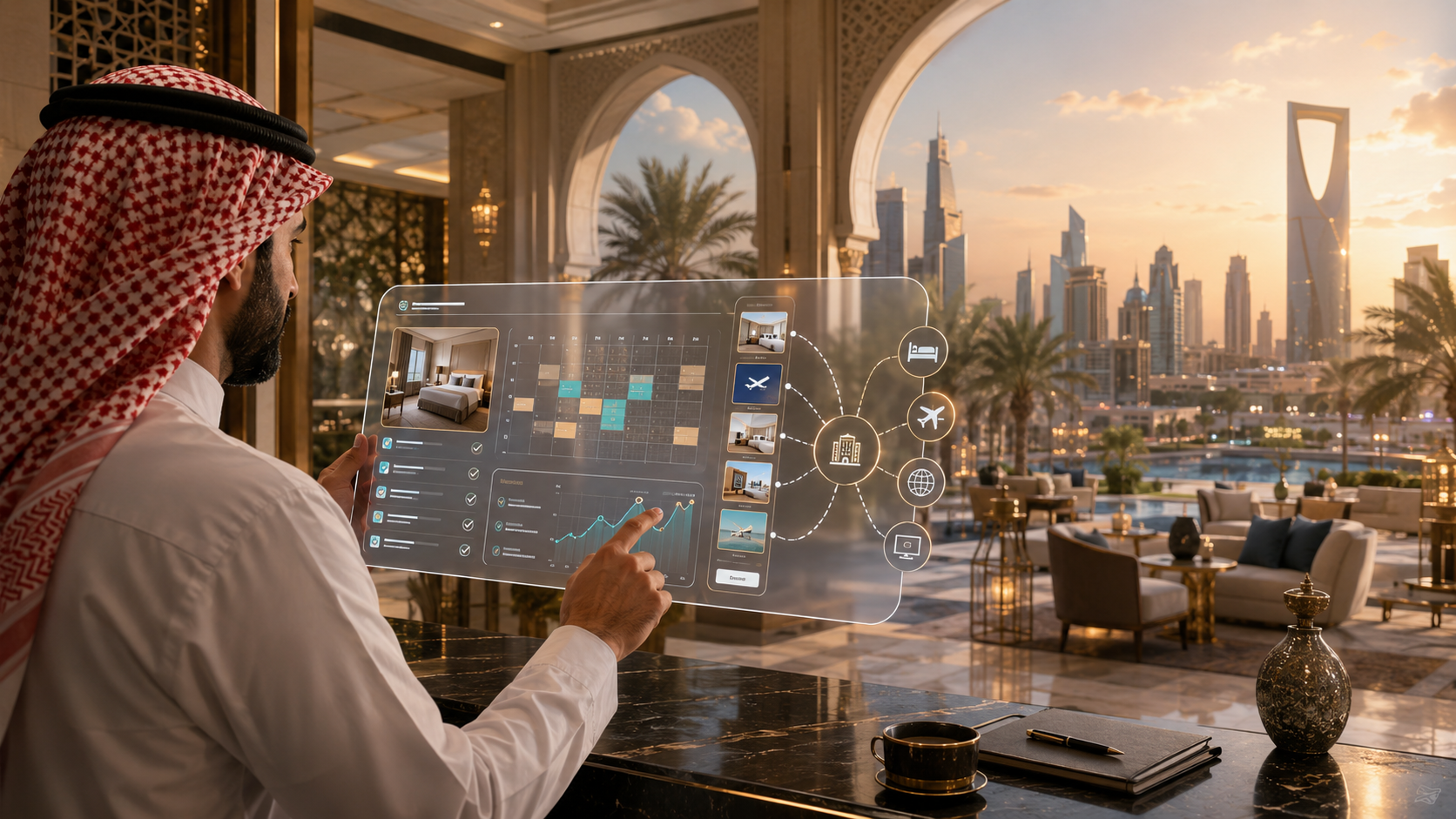
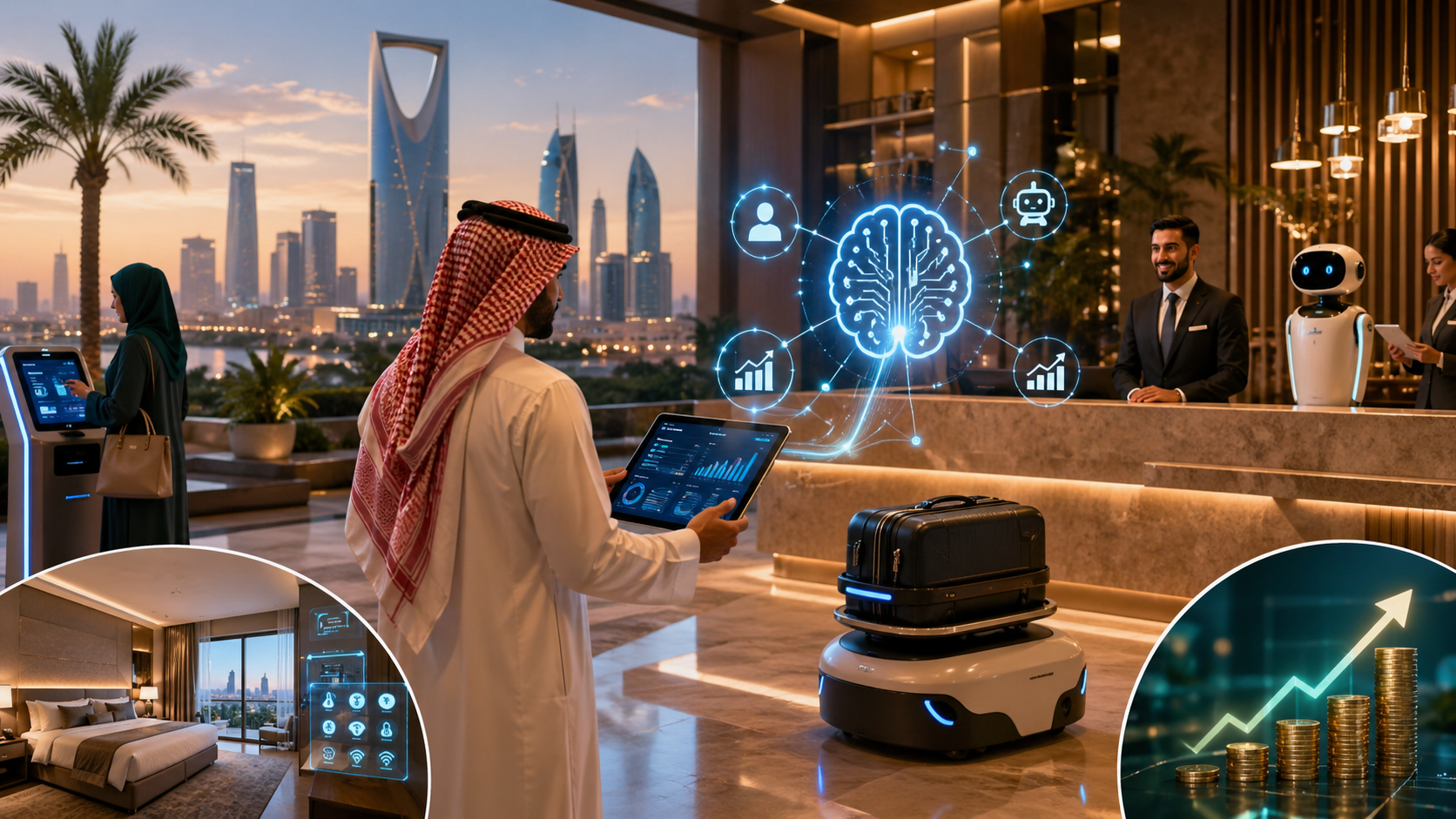
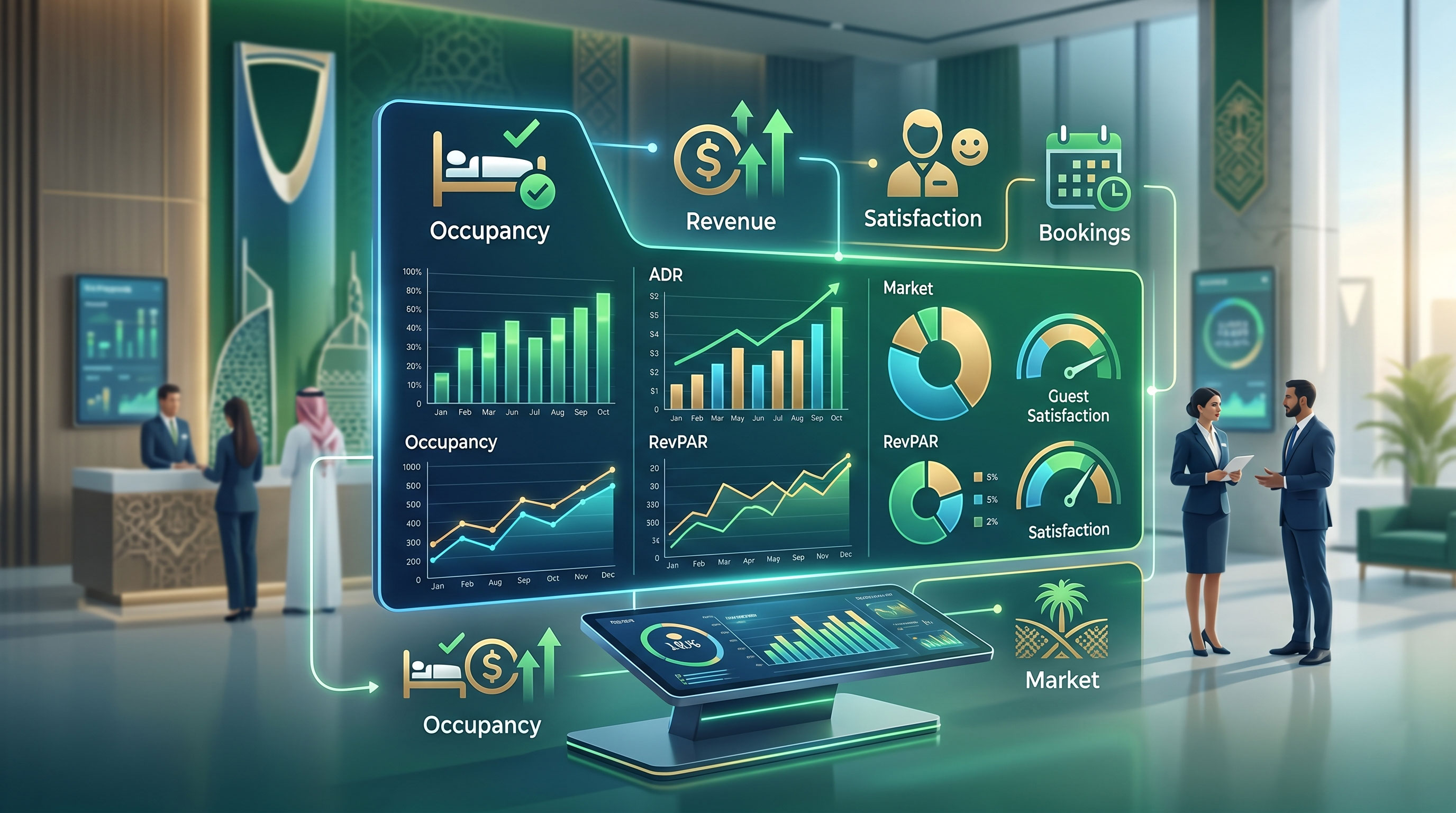
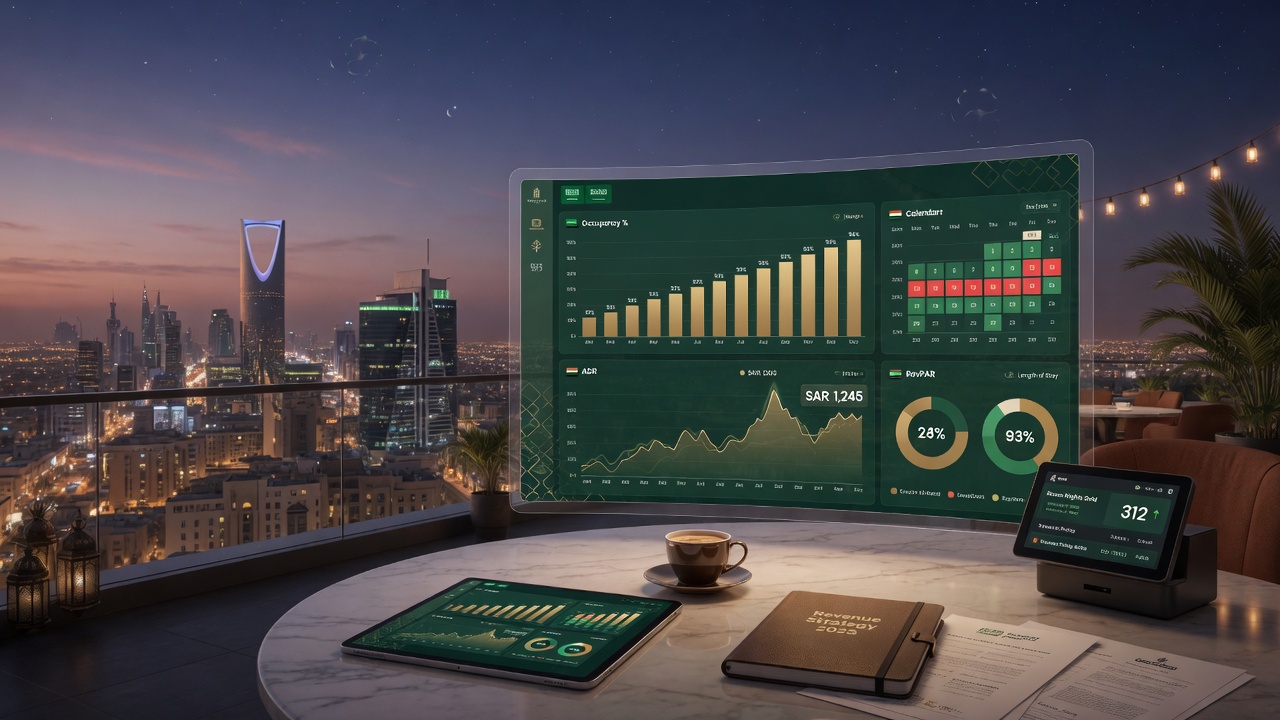
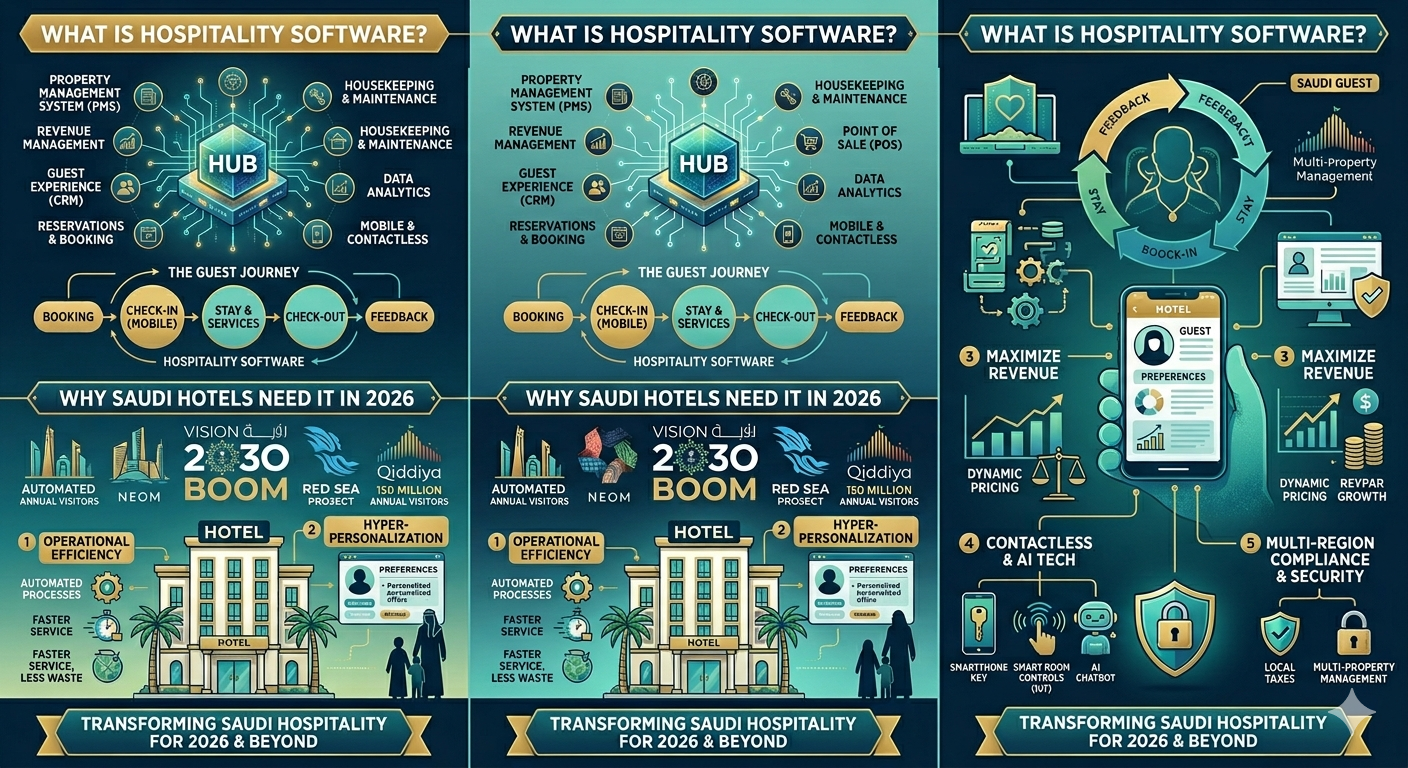
Artificial intelligence will move beyond chatbots to power hyper-personalization across the guest journey. AI algorithms will analyze guest data (preferences, past stays, spending habits) to offer tailored recommendations, upsells, and even room configurations before arrival. This bespoke experience drives higher satisfaction and increased ancillary revenue. Crucially, AI will also optimize dynamic pricing models, allowing hotels to adjust rates in real-time based on demand, competitor pricing, local events, and even weather forecasts, maximizing RevPAR (Revenue Per Available Room).

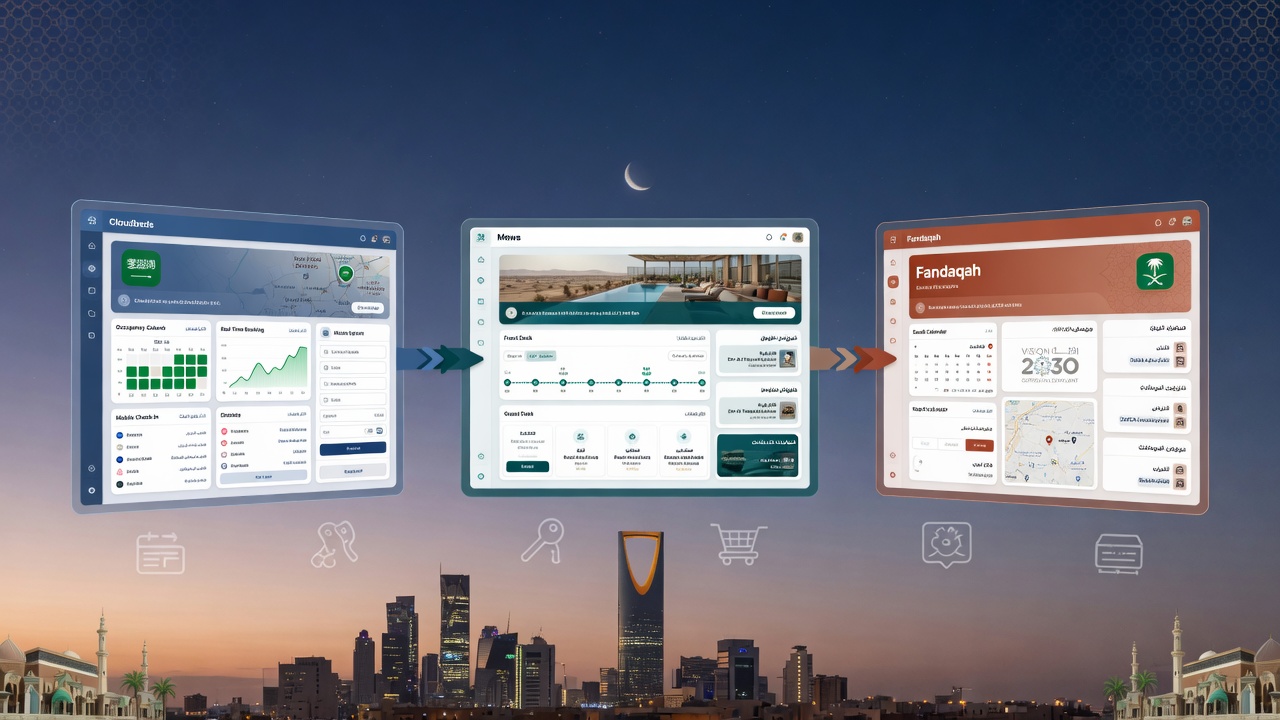
2. Advanced Revenue Management Systems (RMS)

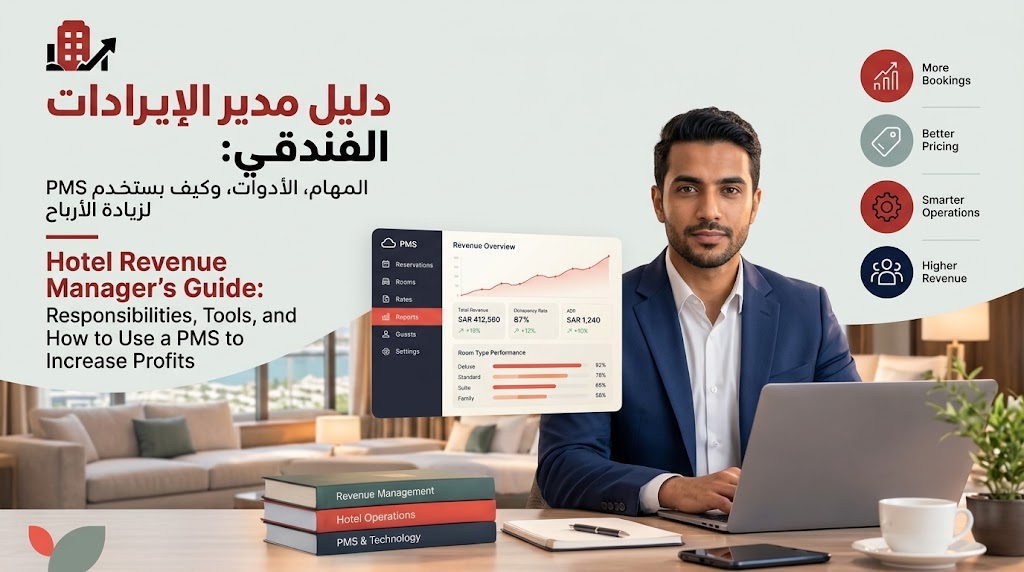
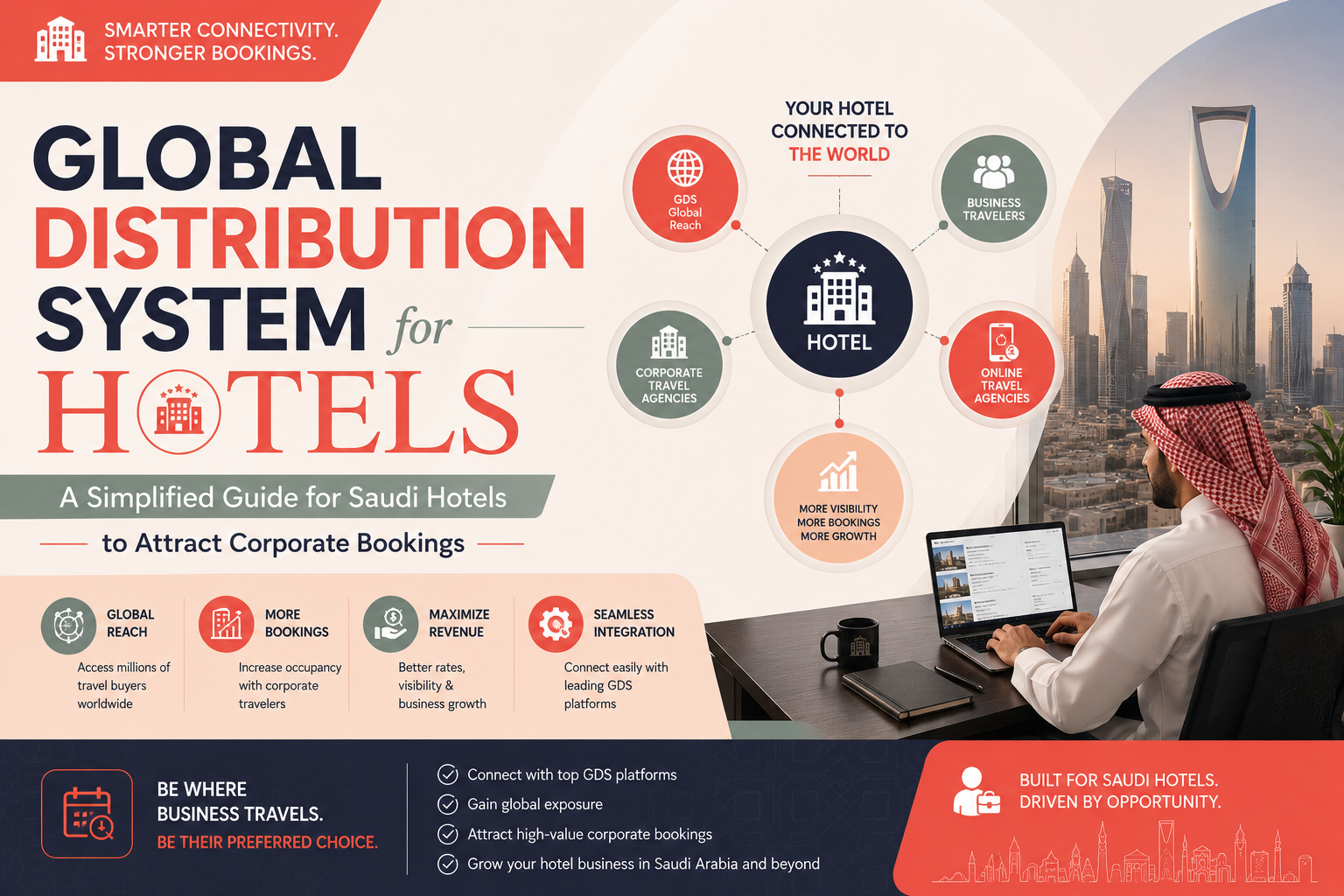
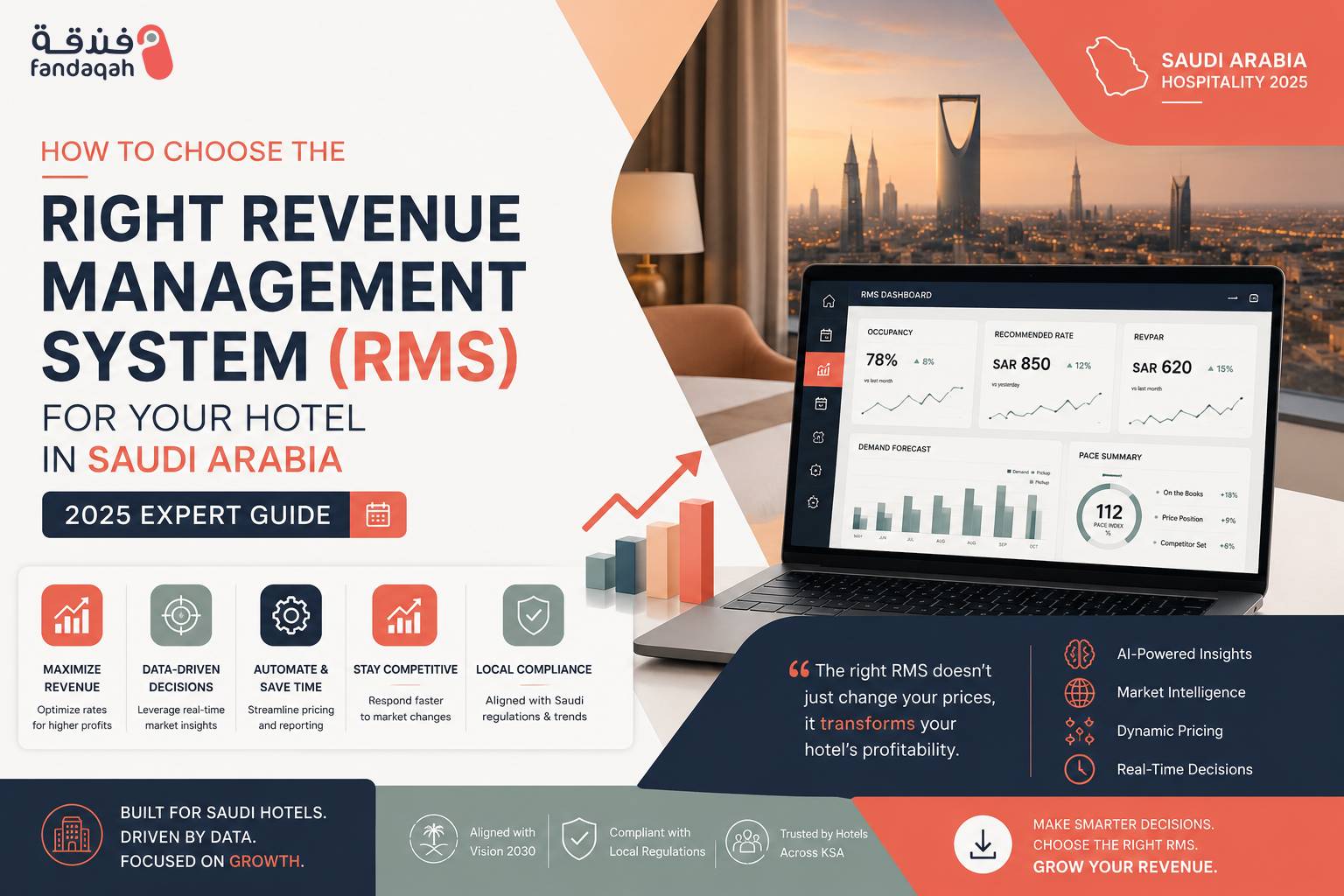
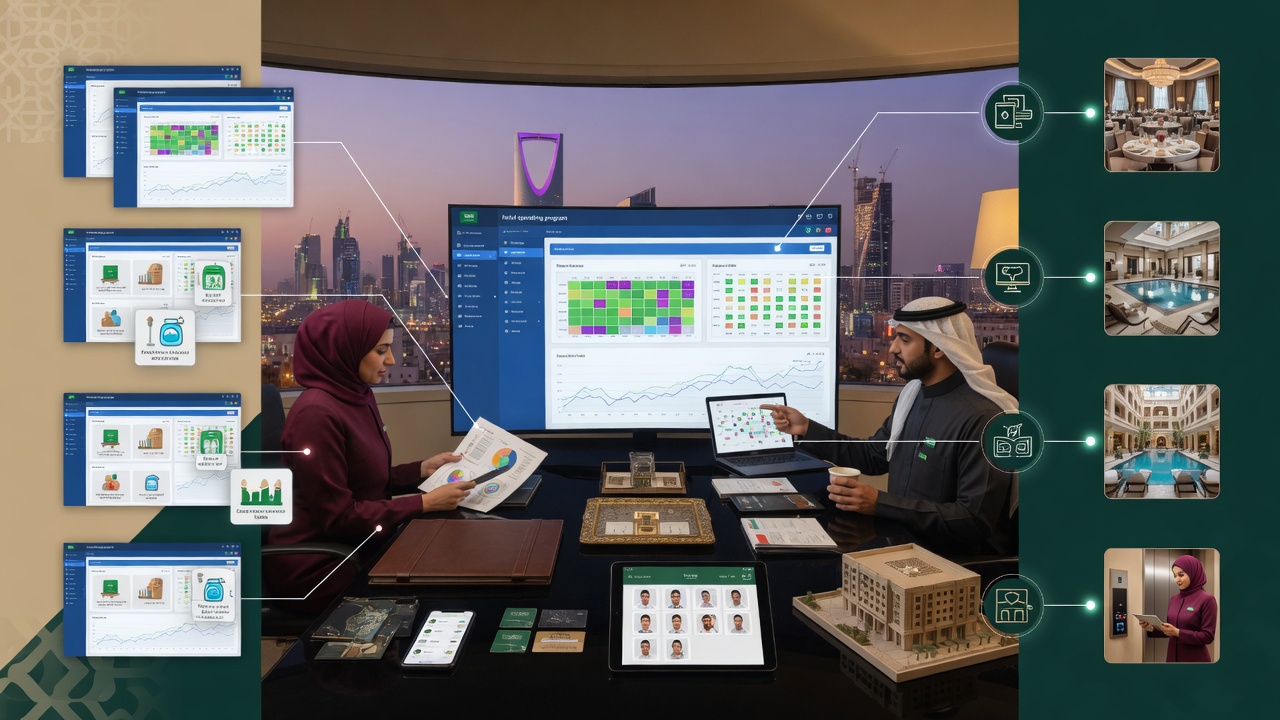
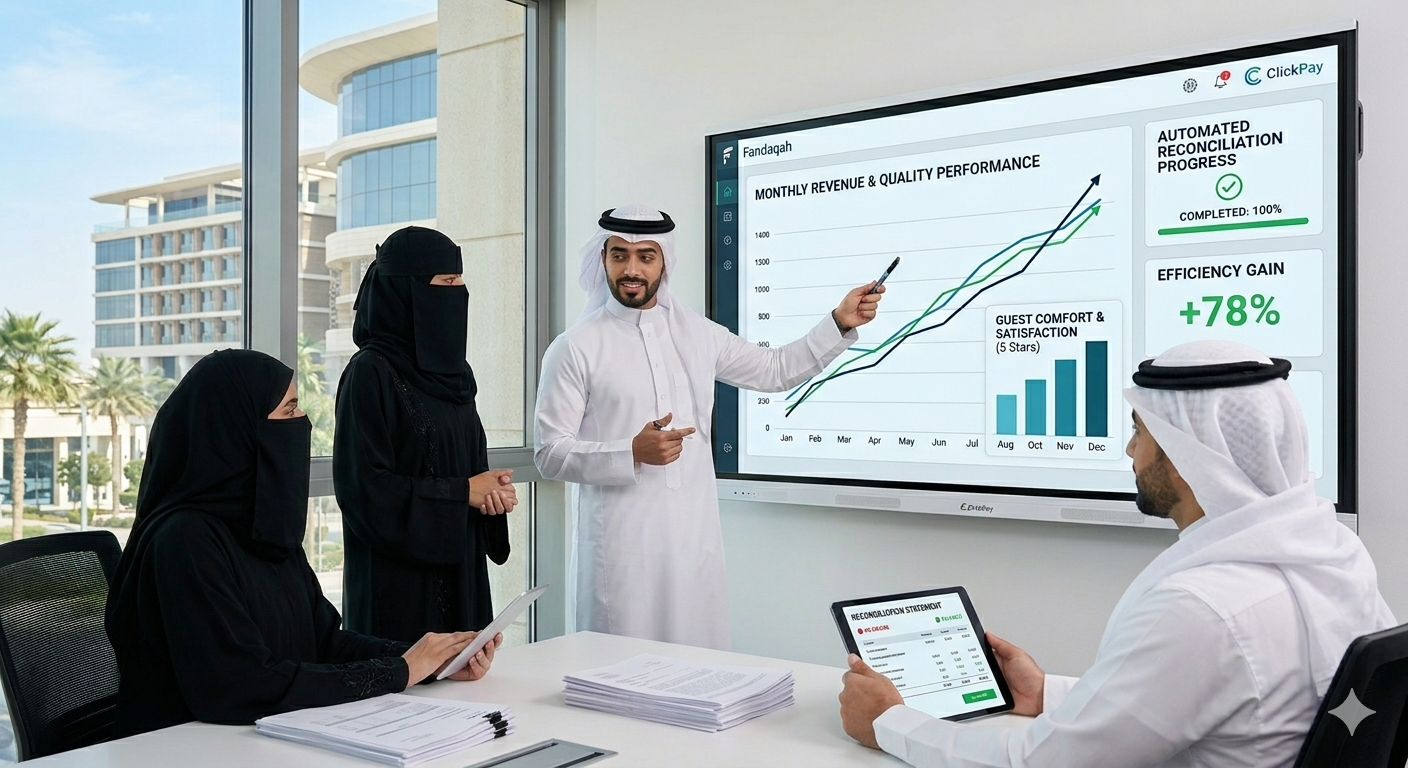
Traditional RMS will evolve to incorporate predictive analytics with greater accuracy, integrating vast datasets including social media sentiment, flight arrival data, and local event calendars. These sophisticated systems will empower revenue managers to make more informed decisions, identify optimal booking windows, and strategically allocate inventory across various distribution channels, preventing revenue leakage and capitalizing on demand peaks.

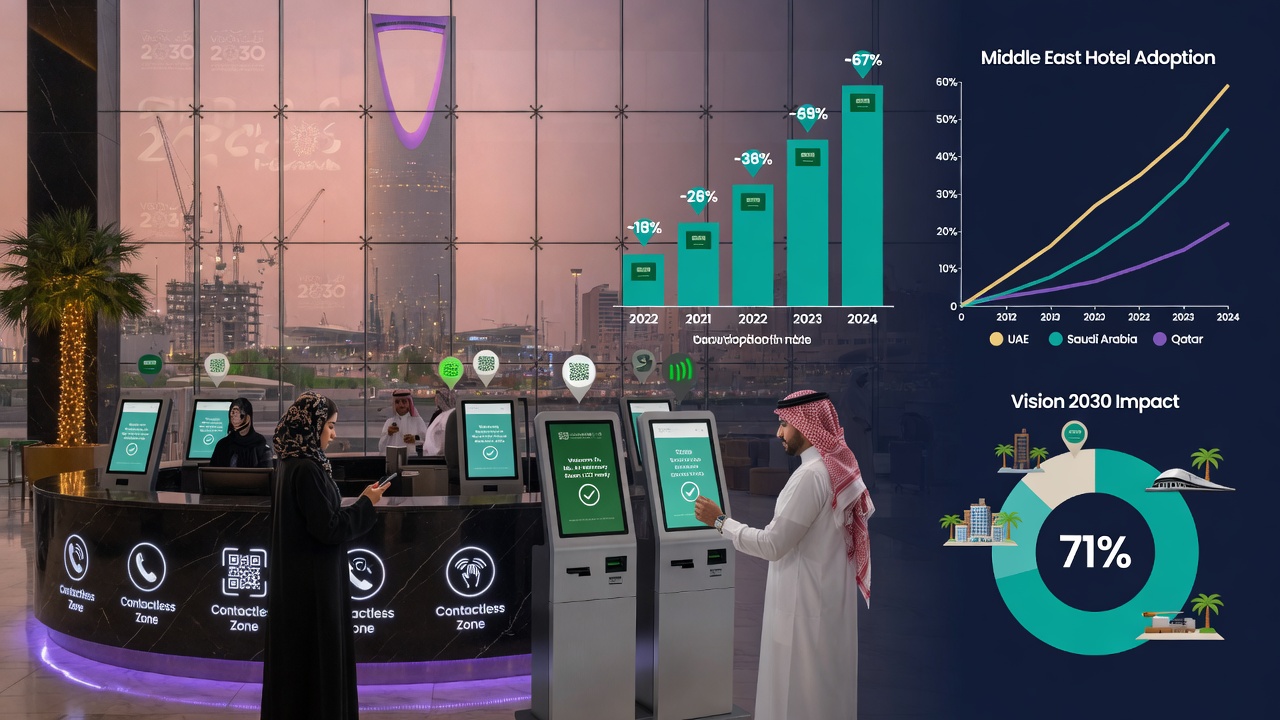
3. Contactless Technology and Seamless Guest Journeys

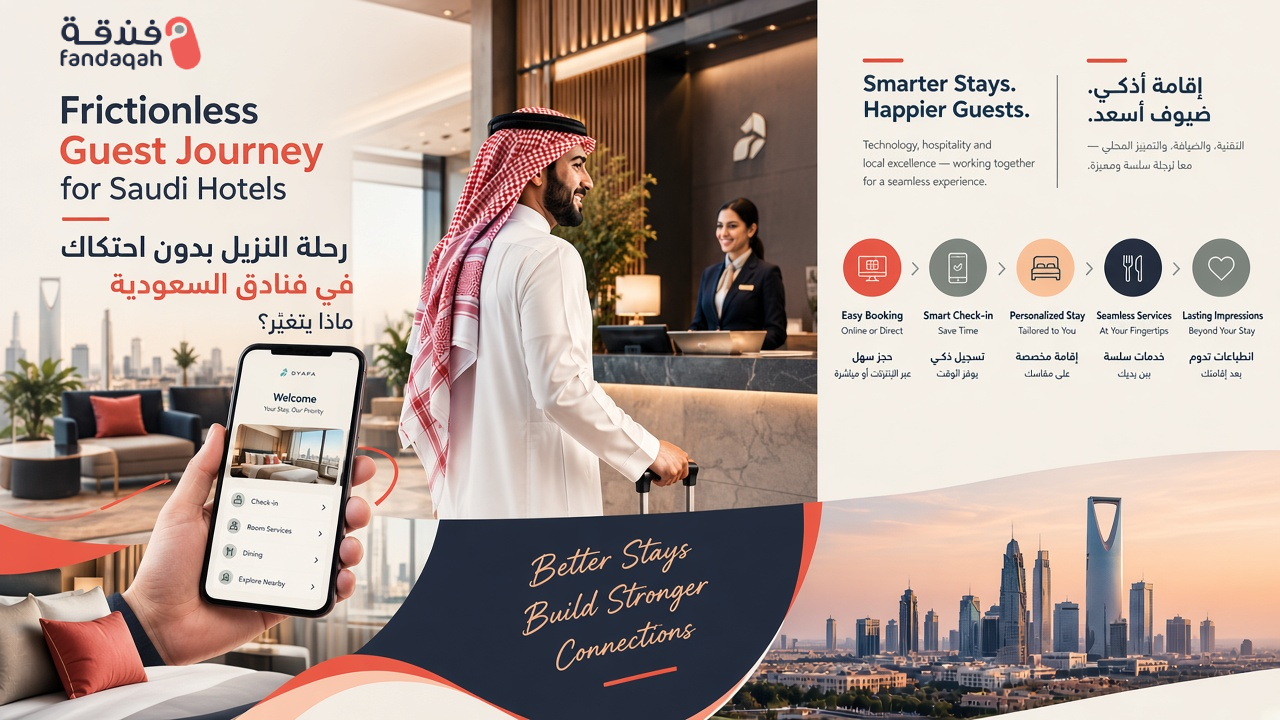
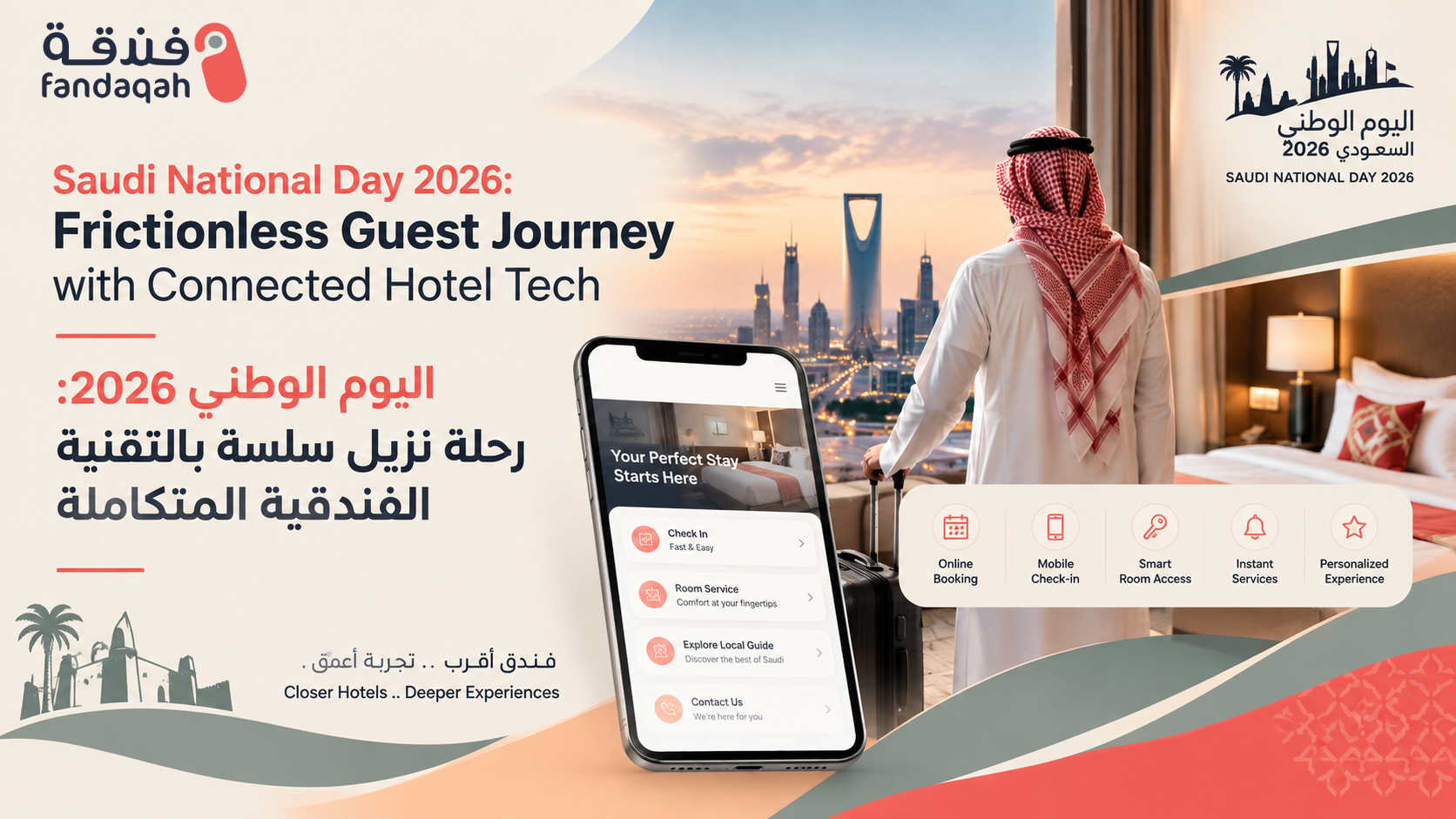
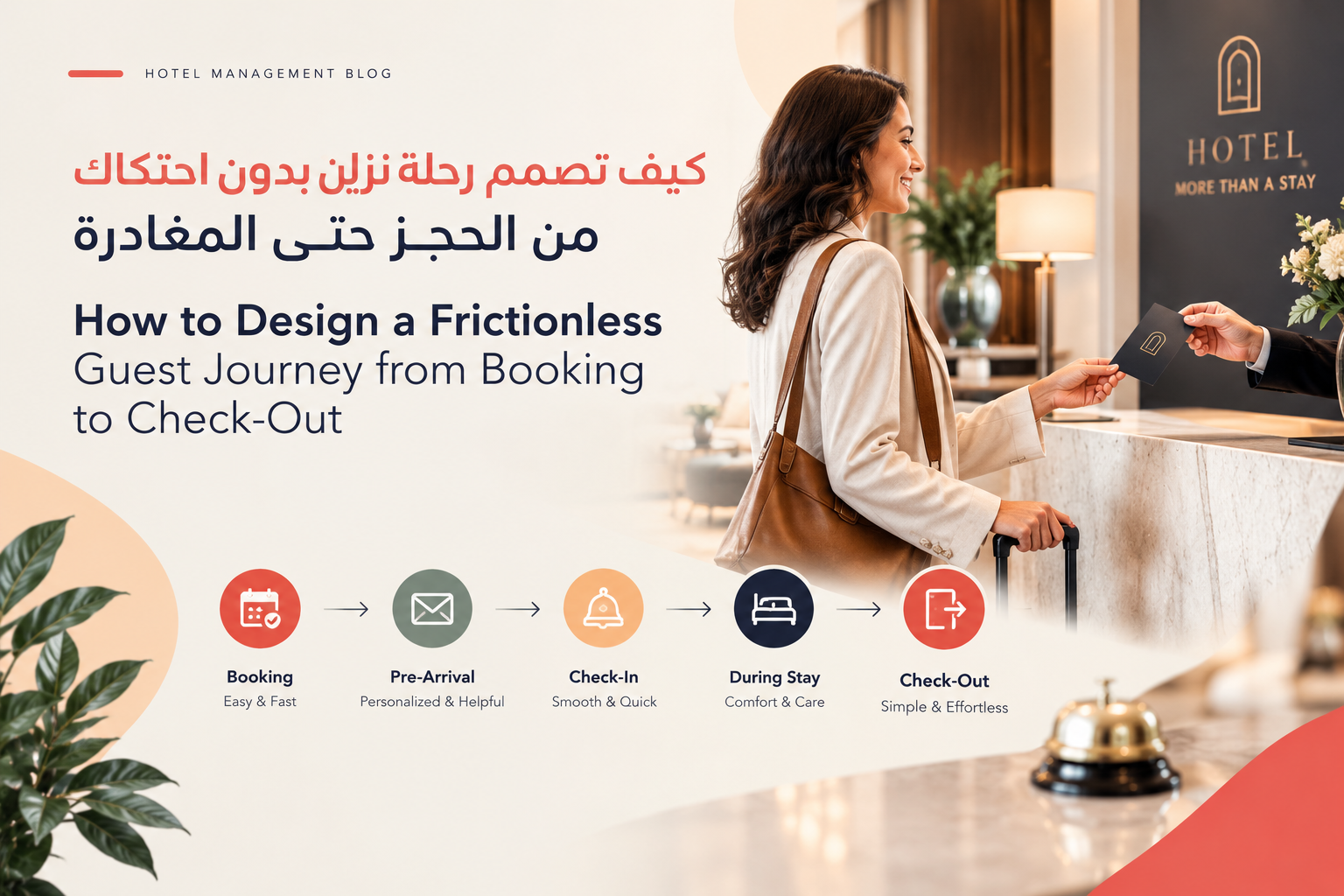
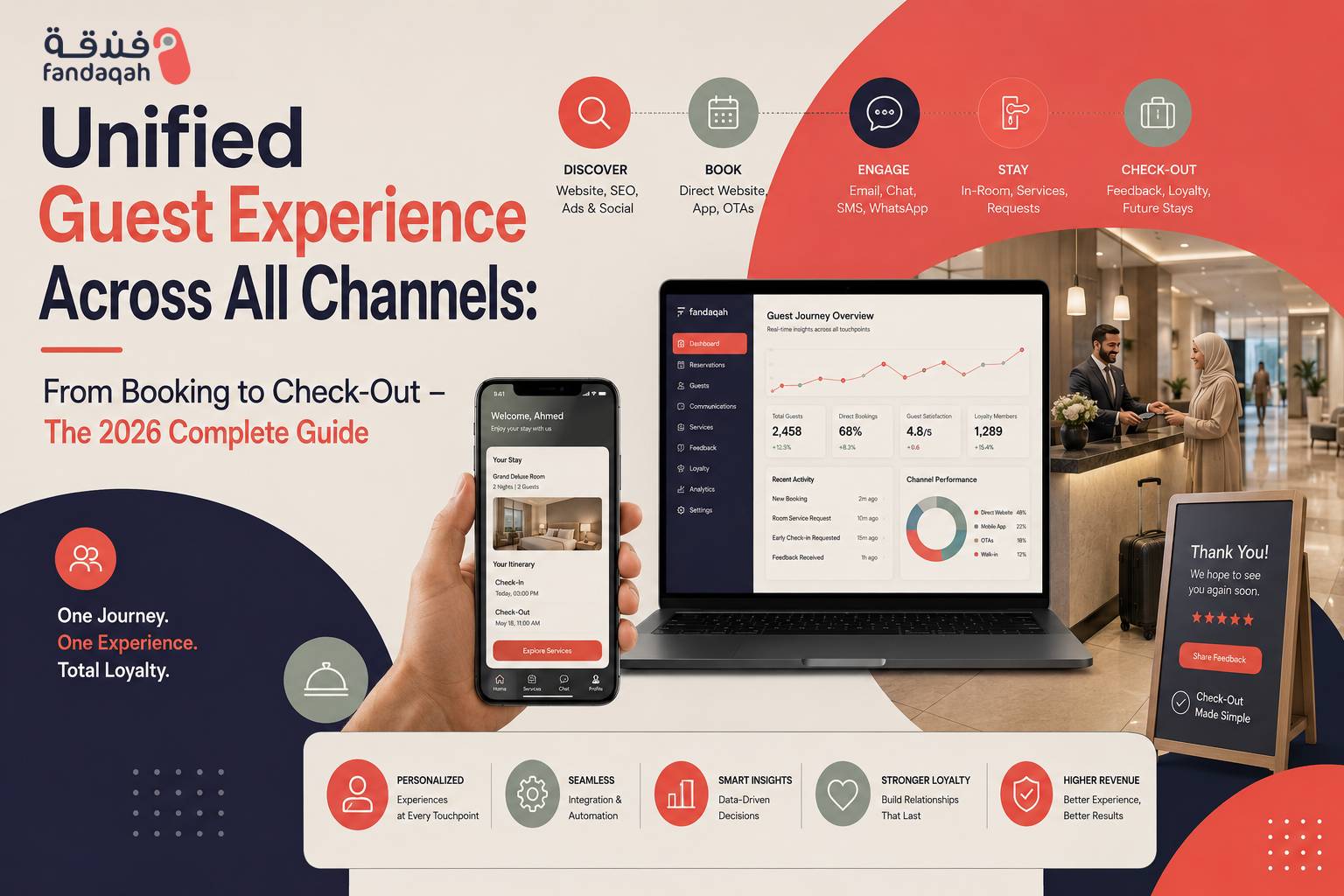
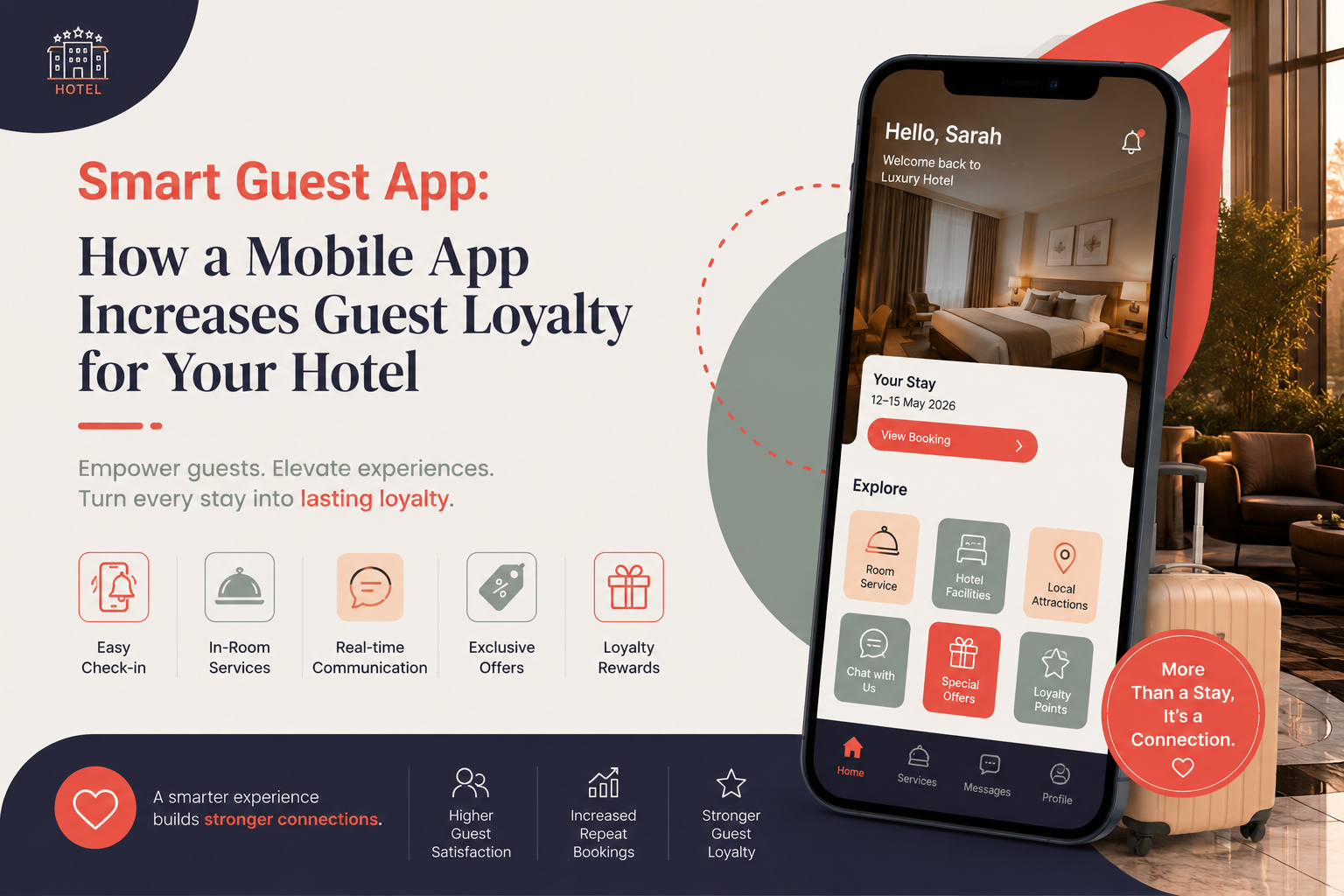
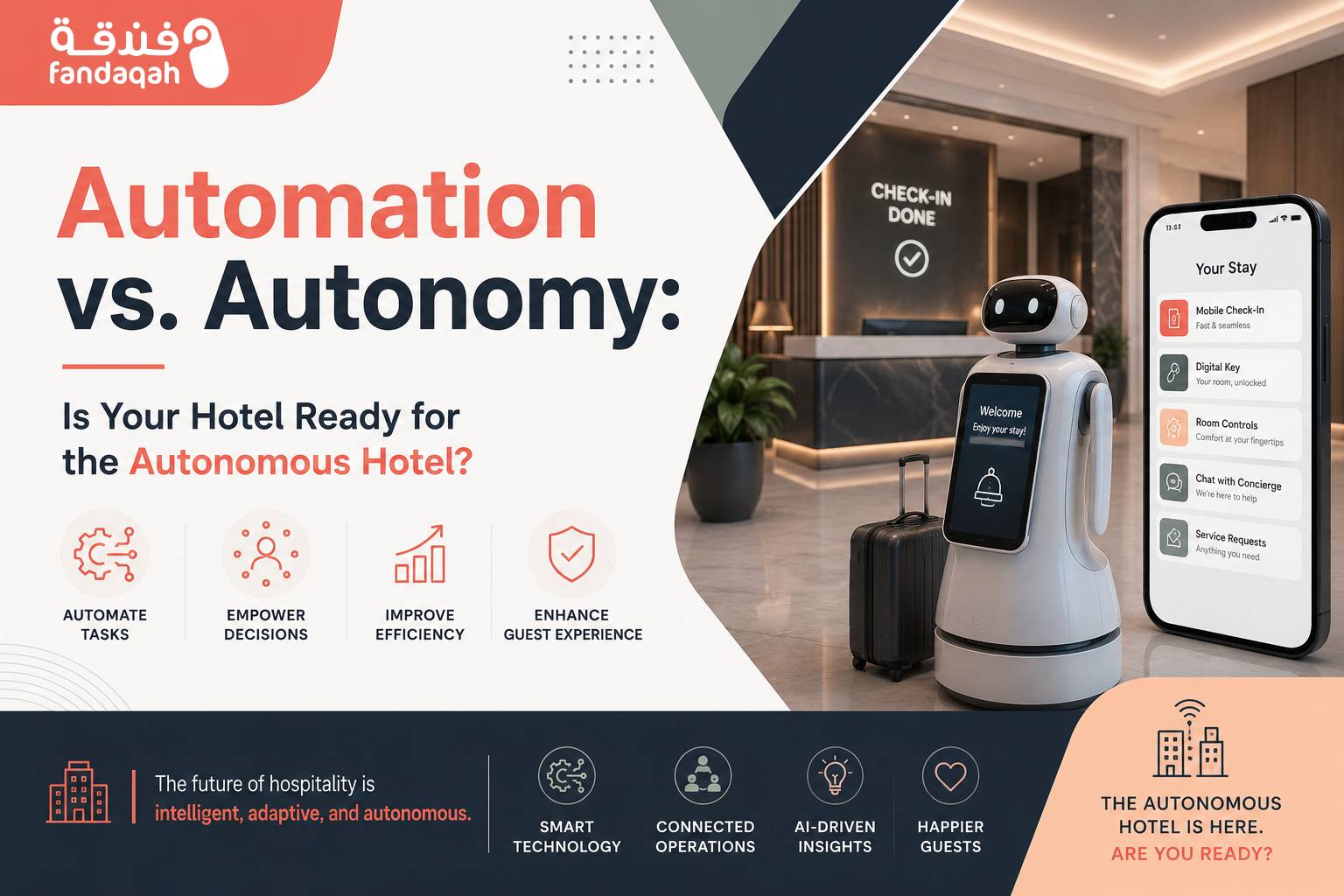
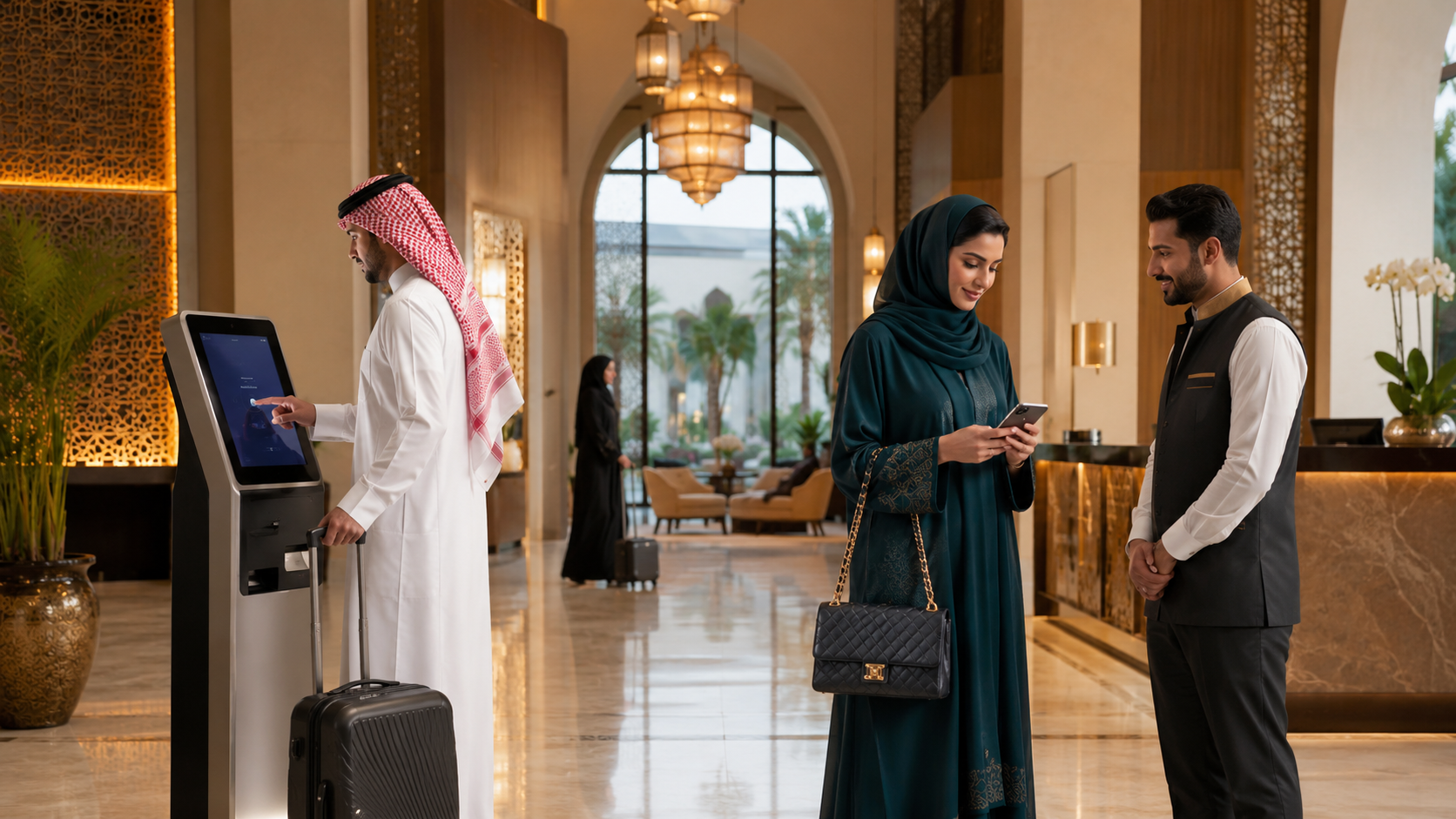
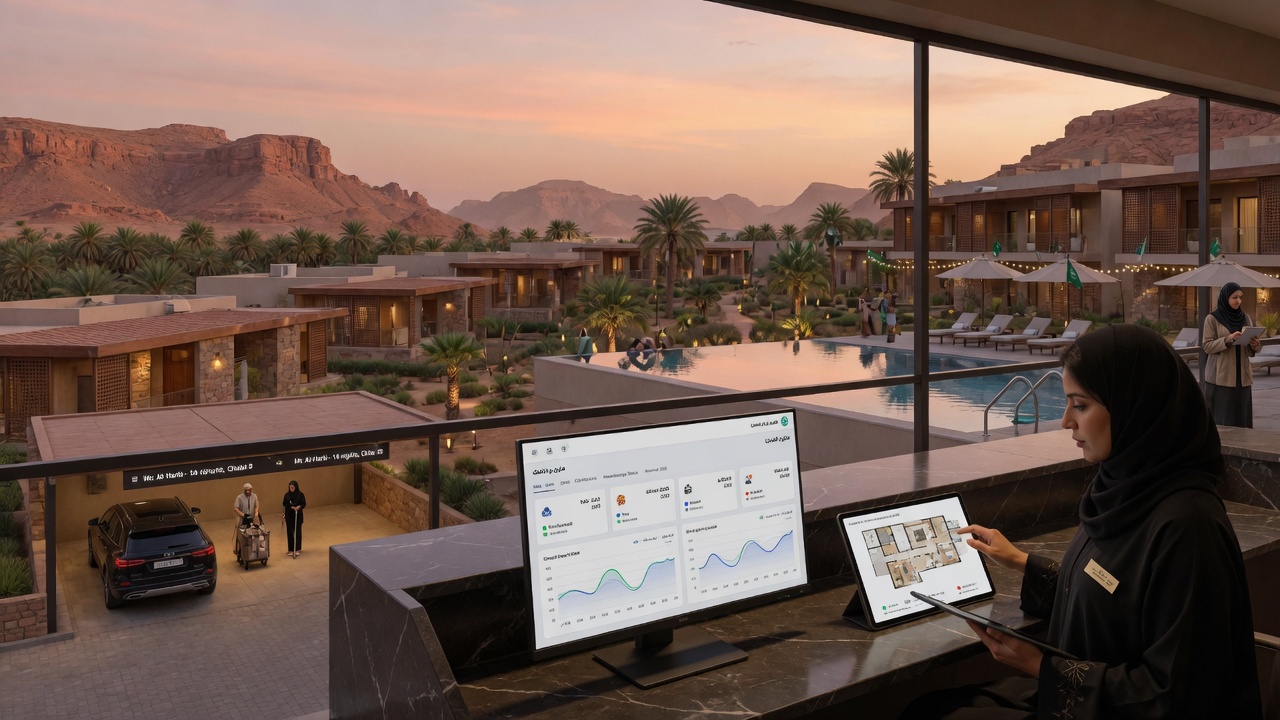
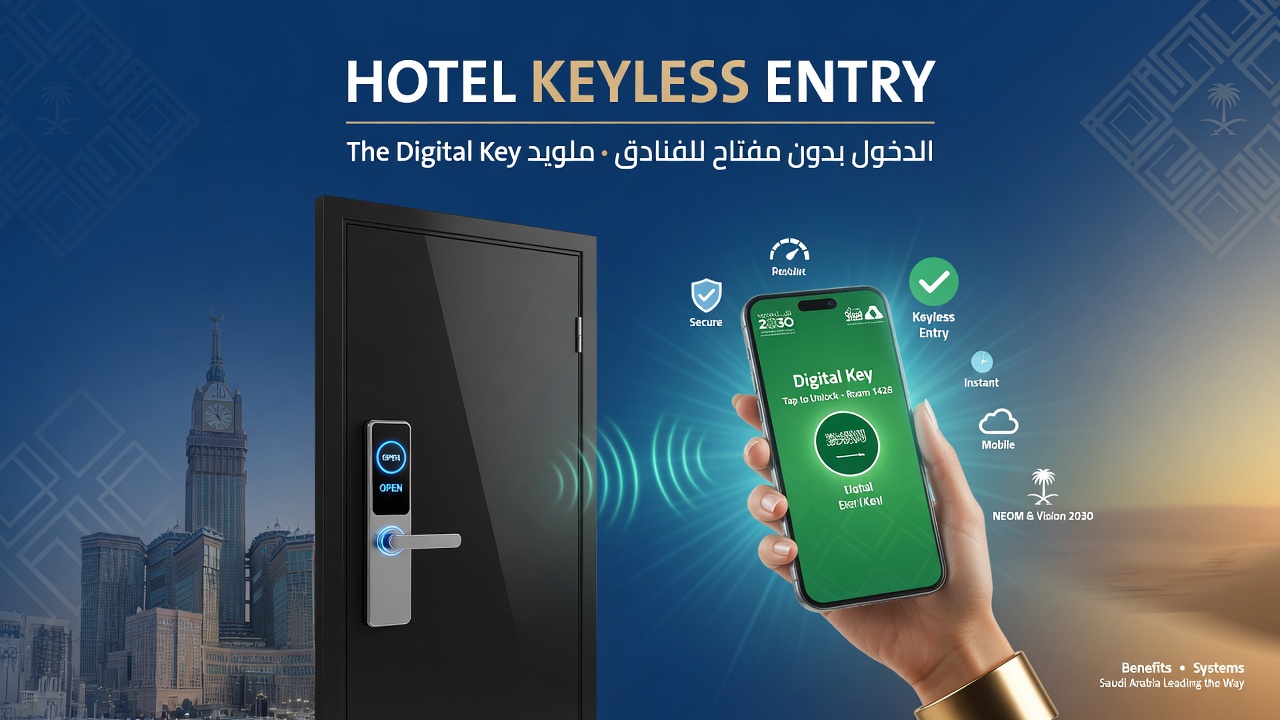
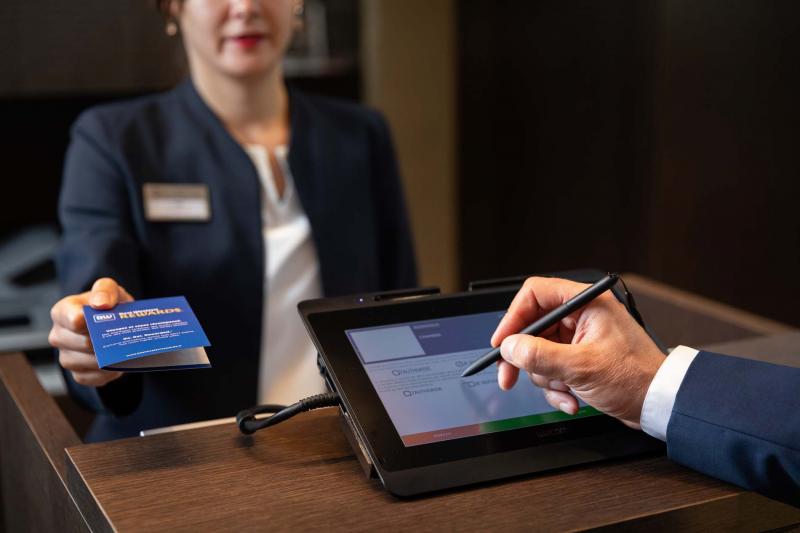
The demand for frictionless experiences will intensify. Mobile check-in/check-out, keyless entry via smartphones, in-room voice assistants for services, and digital concierge services will become standard. These technologies not only enhance guest convenience and safety but also streamline operations, reduce staffing costs, and provide valuable data on guest preferences, indirectly boosting revenue through efficiency and satisfaction.

4. Data Analytics for Strategic Decision-Making

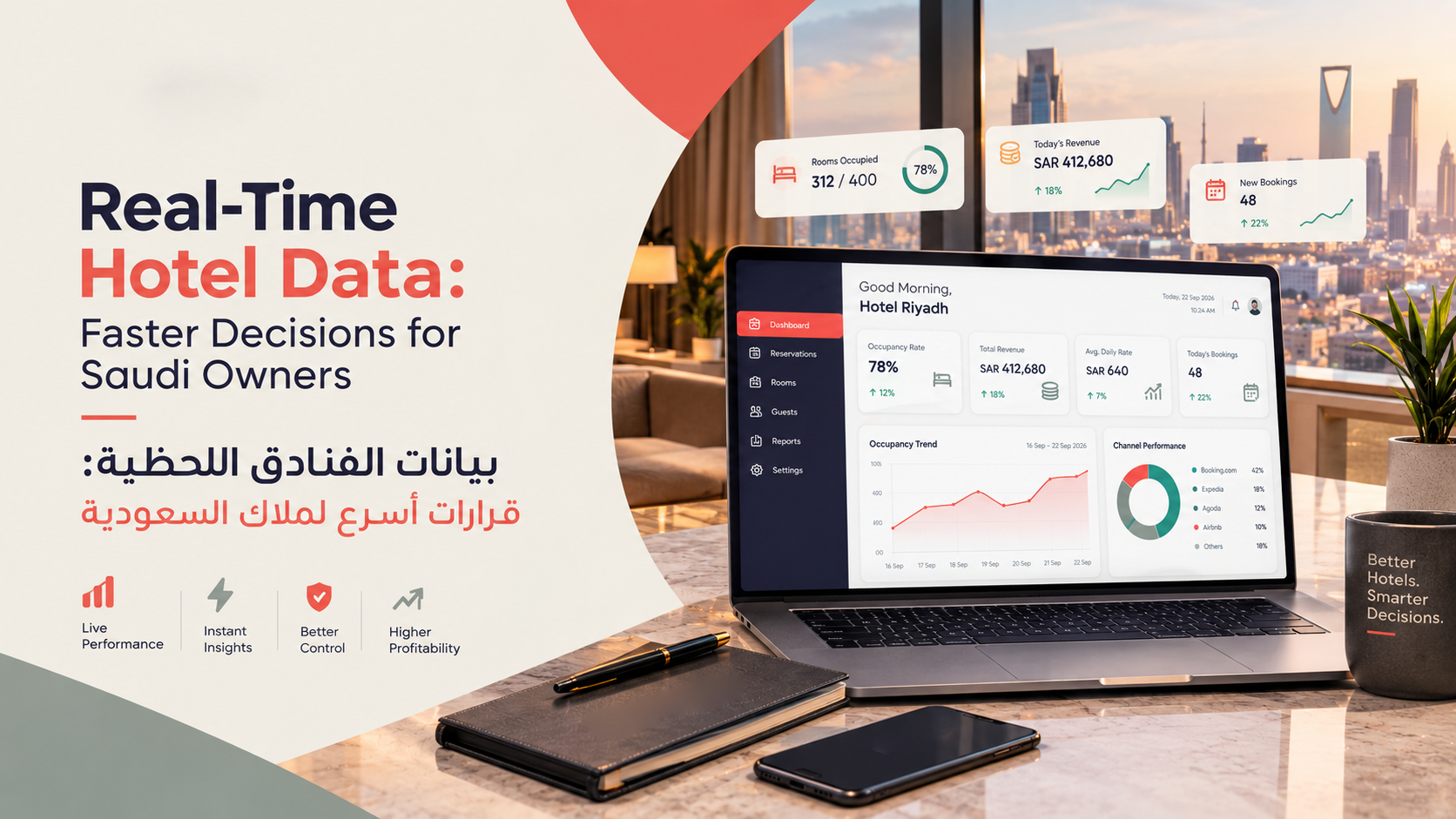
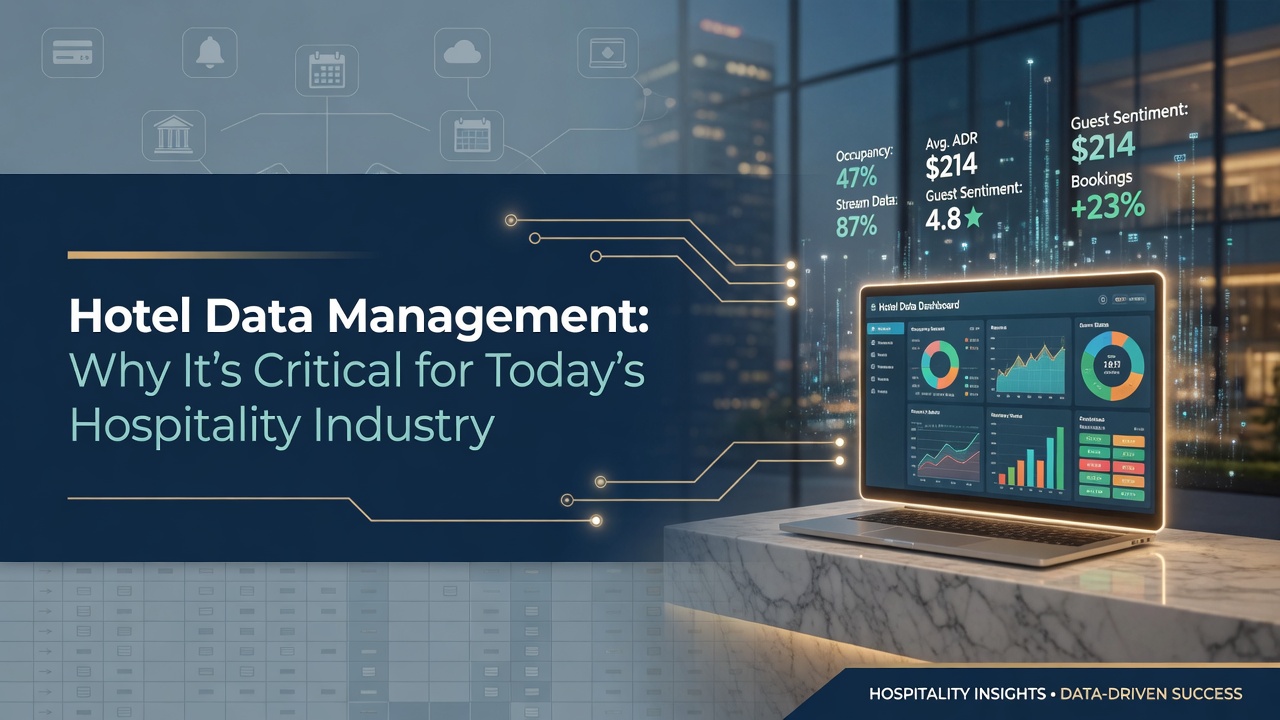
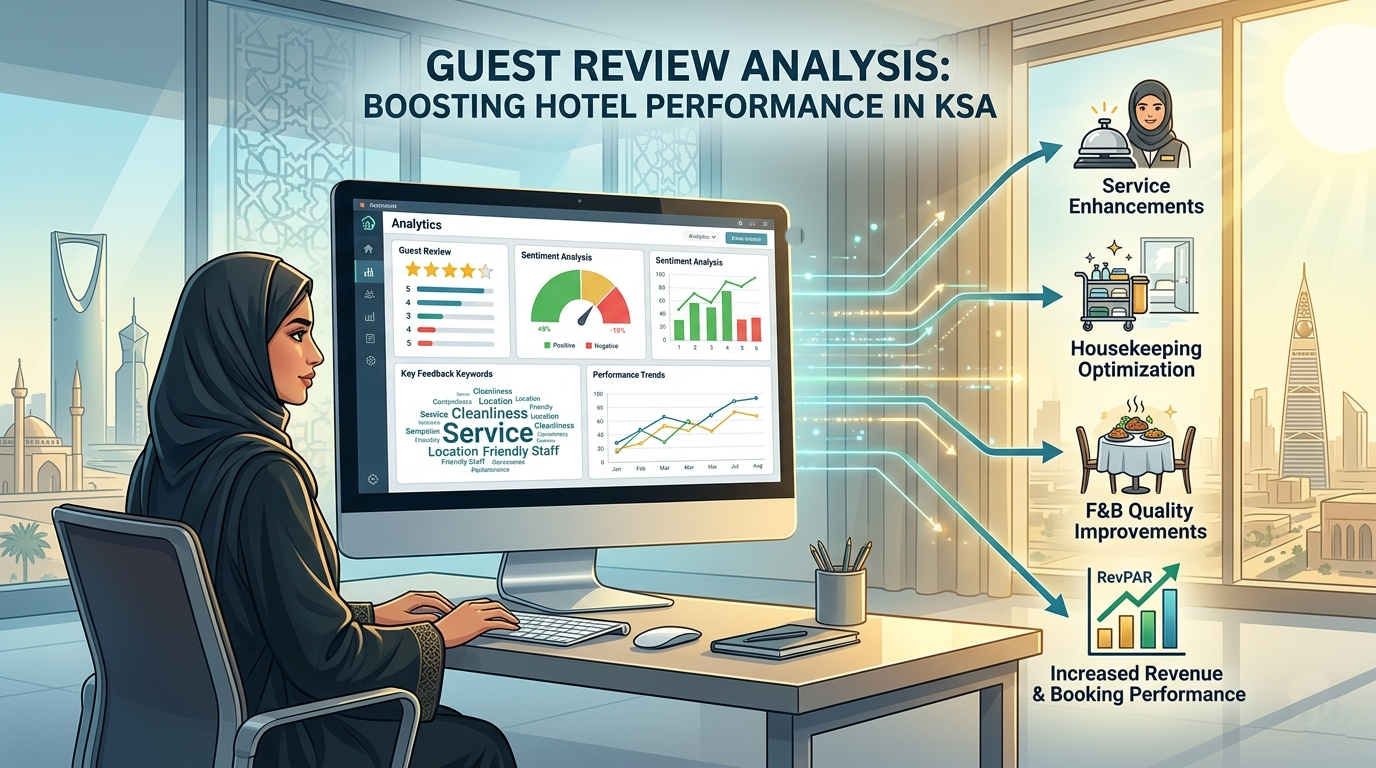
Hotels will leverage big data analytics more aggressively to understand guest behavior, operational efficiencies, and market trends. This includes analyzing everything from F&B purchase patterns to spa booking frequencies. Insights derived from this data will inform targeted marketing campaigns, optimize staffing levels, personalize service offerings, and identify new revenue streams, moving hotels from reactive to proactive decision-making.

Shifting Guest Expectations: Experiences, Values, and Loyalty

Modern travelers, especially those visiting Saudi Arabia, are seeking more than just a place to sleep. They desire authentic experiences, value sustainability, and expect their loyalty to be recognized and rewarded.

5. The Rise of Experiential Tourism and Local Immersion

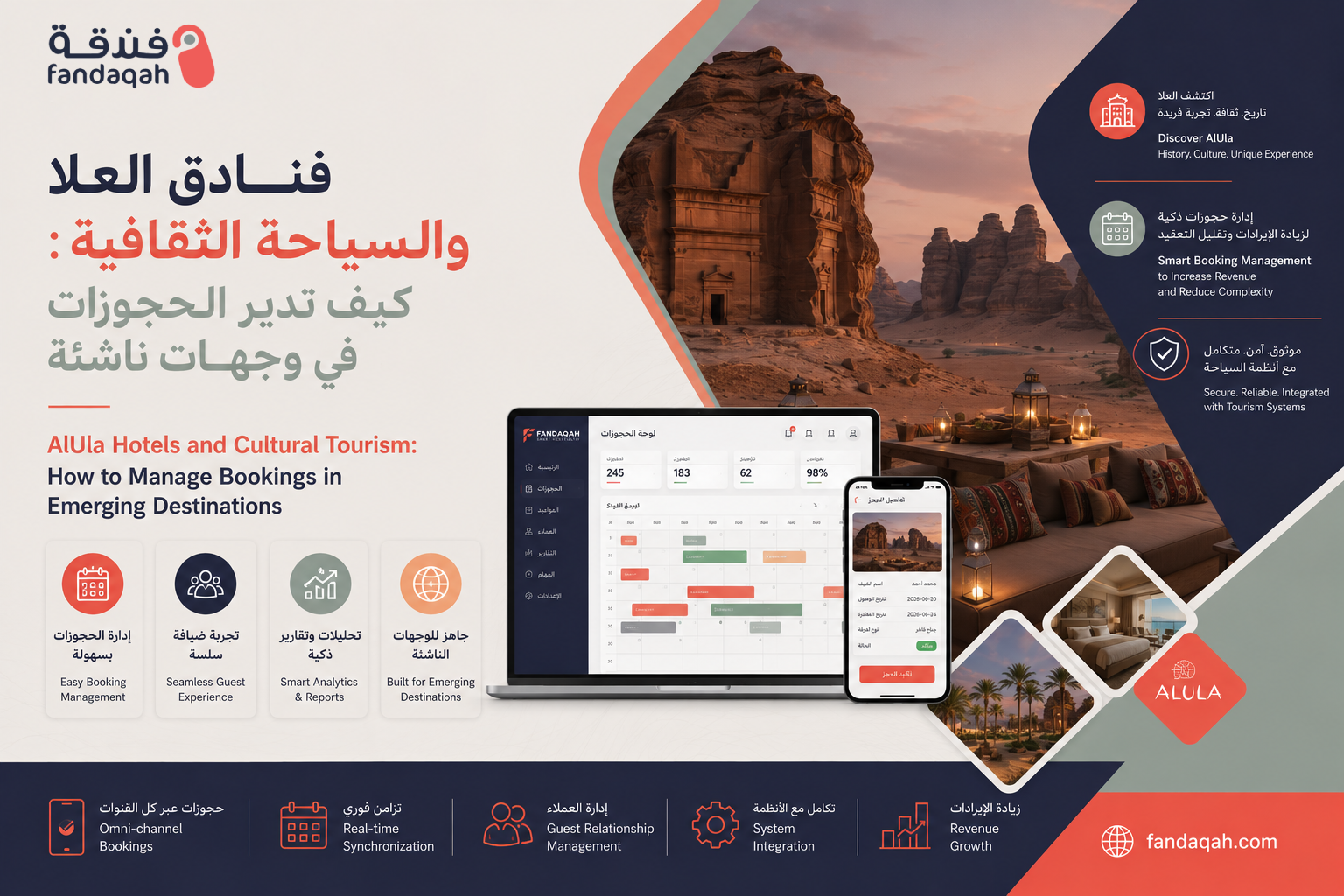
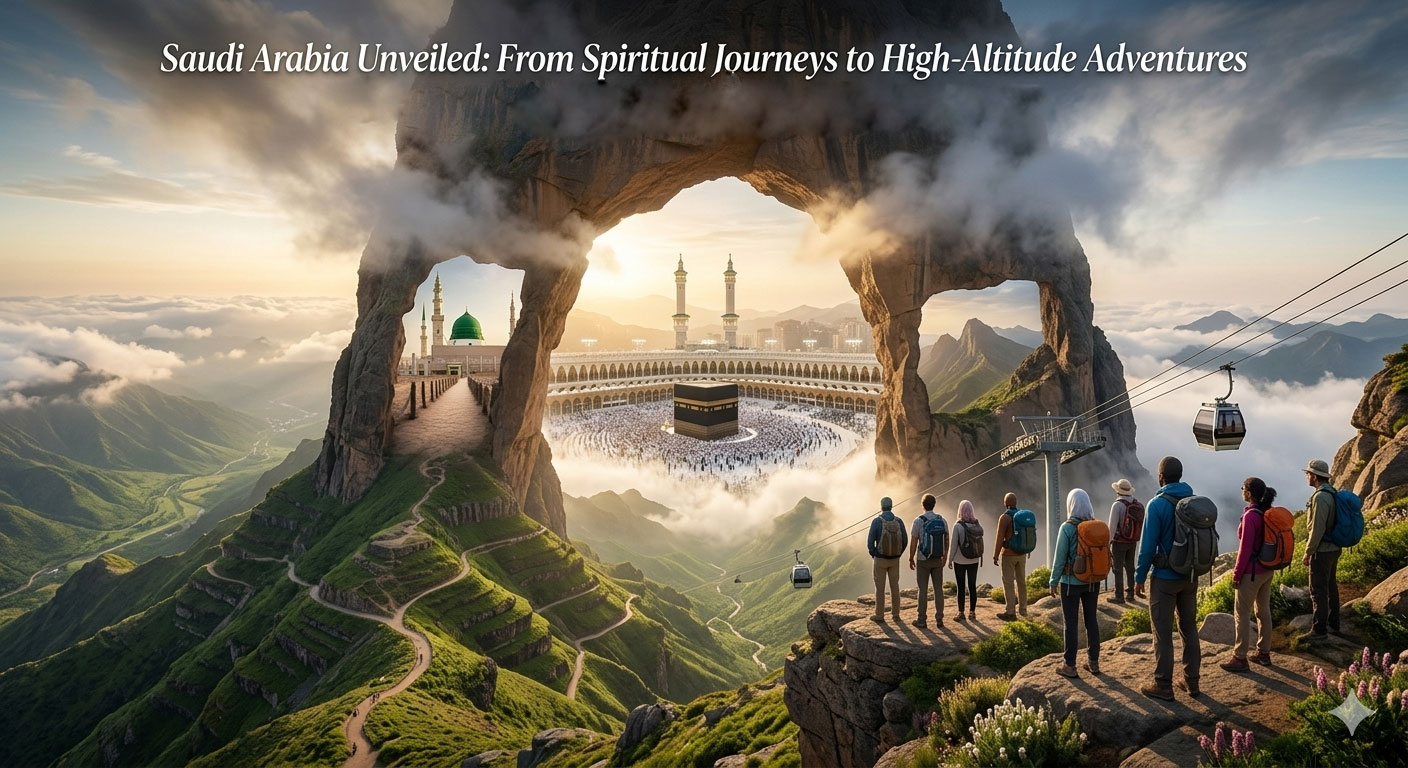
Saudi Arabia's push for cultural and adventure tourism (e.g., AlUla, Diriyah Gate) means hotels must pivot from purely accommodation providers to experience curators. Hotels that offer unique, localized experiences—culinary tours, cultural workshops, desert excursions, spiritual journeys—will capture a larger share of the market and command higher rates. Collaborations with local artisans, guides, and businesses will be key, driving both guest satisfaction and community engagement.

6. Sustainability and Ethical Tourism Demands

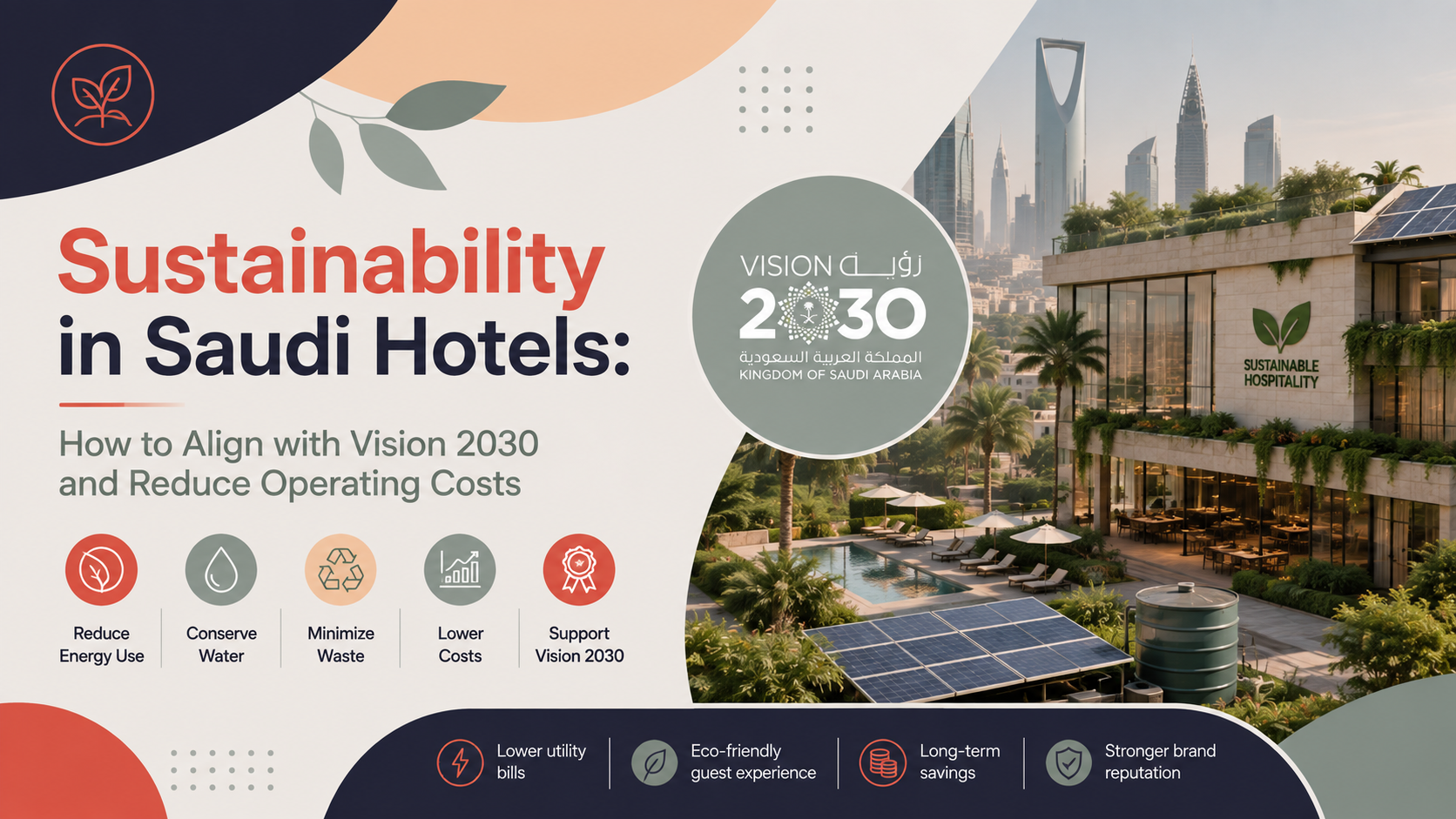
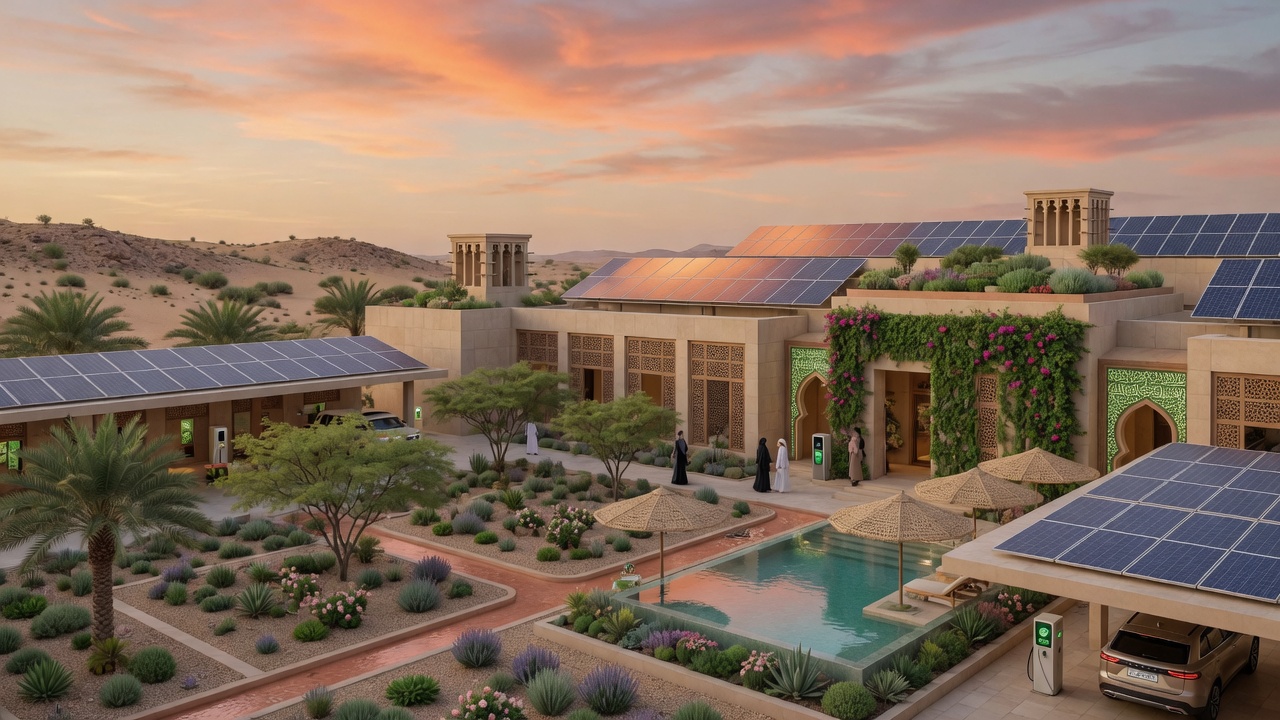
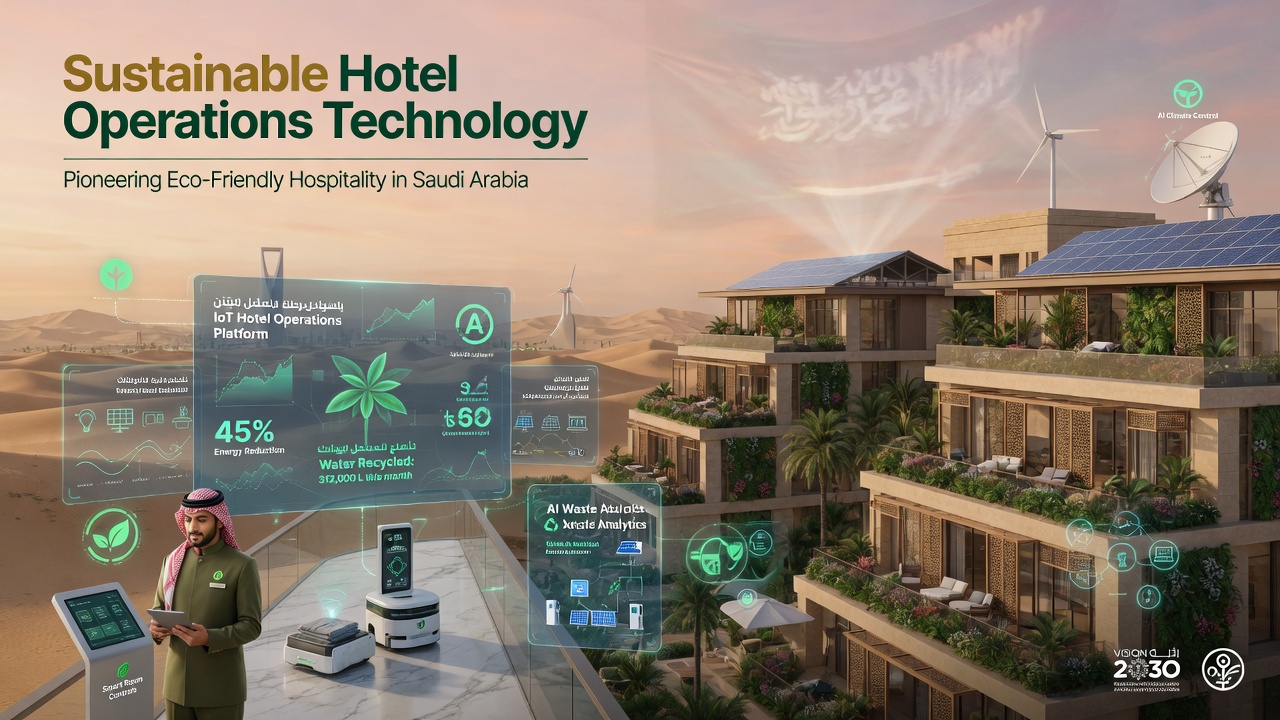
Environmental consciousness is no longer a niche concern; it's a mainstream expectation. Guests, particularly younger demographics, are actively seeking out hotels with robust sustainability practices. This includes energy efficiency, waste reduction, water conservation, locally sourced food, and ethical labor practices. Hotels that visibly commit to these principles will attract a growing segment of travelers willing to pay a premium for responsible tourism, enhancing brand reputation and potentially reducing operational costs.

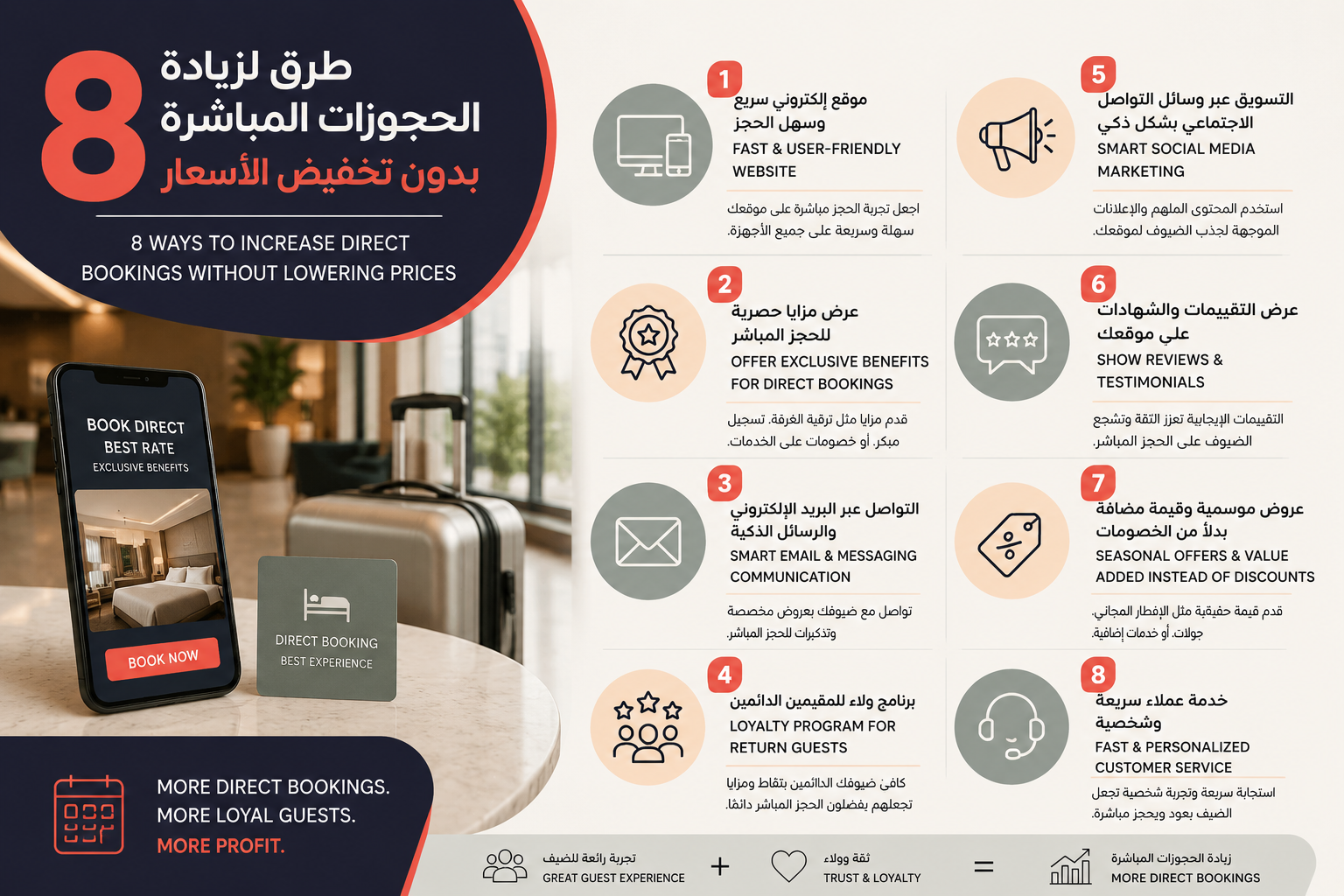
7. Hyper-Targeted Loyalty Programs and Direct Bookings

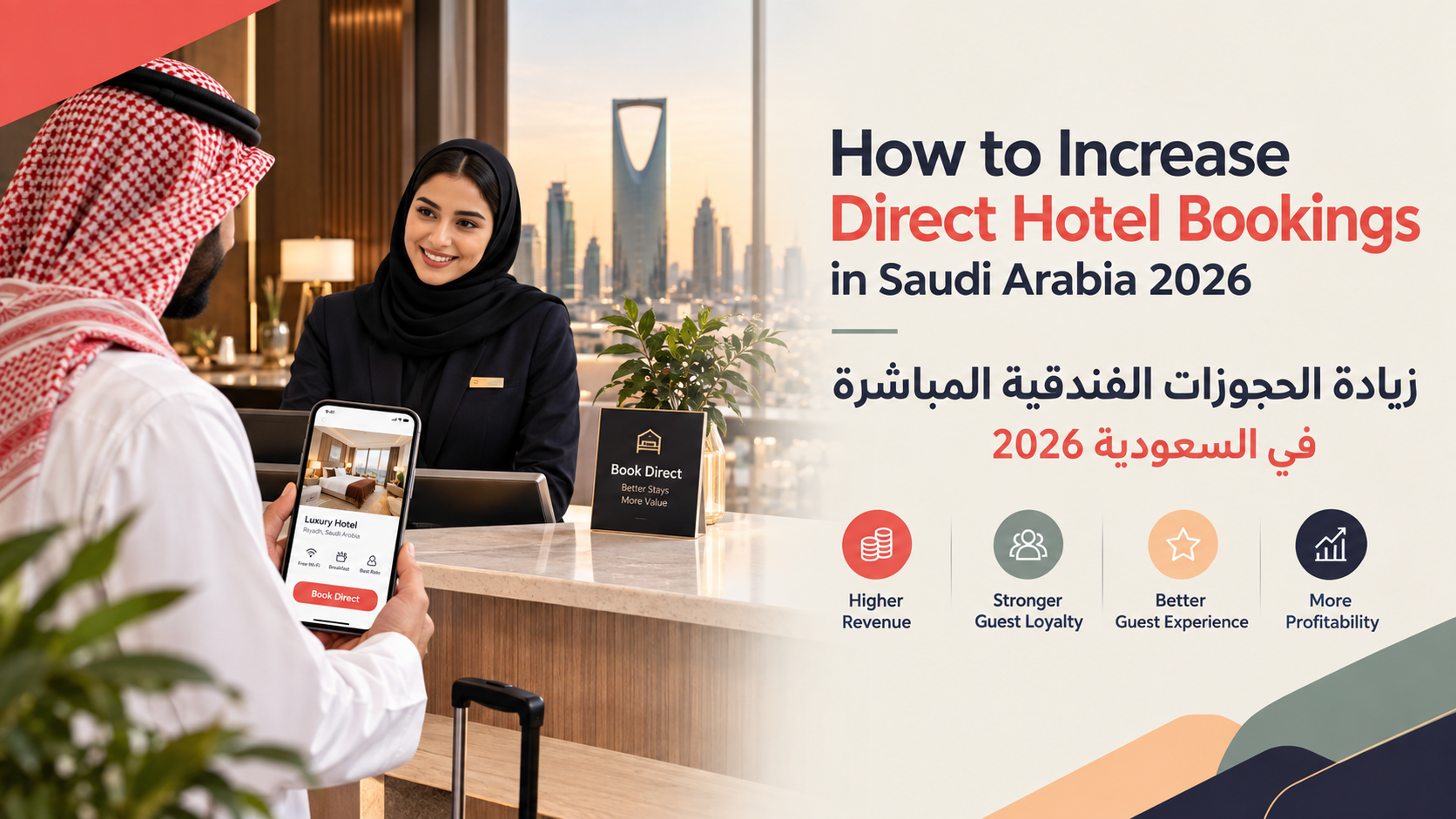
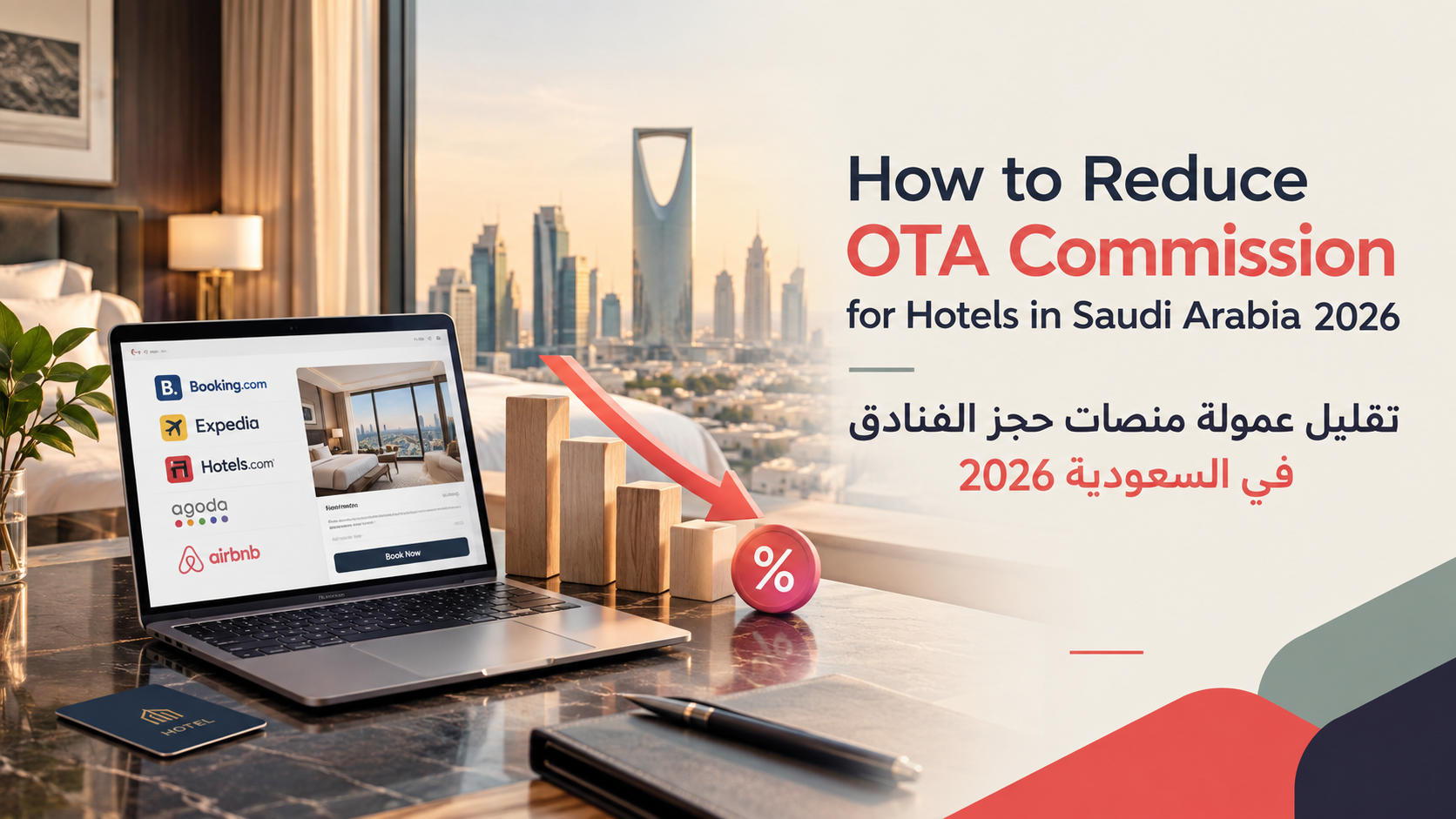
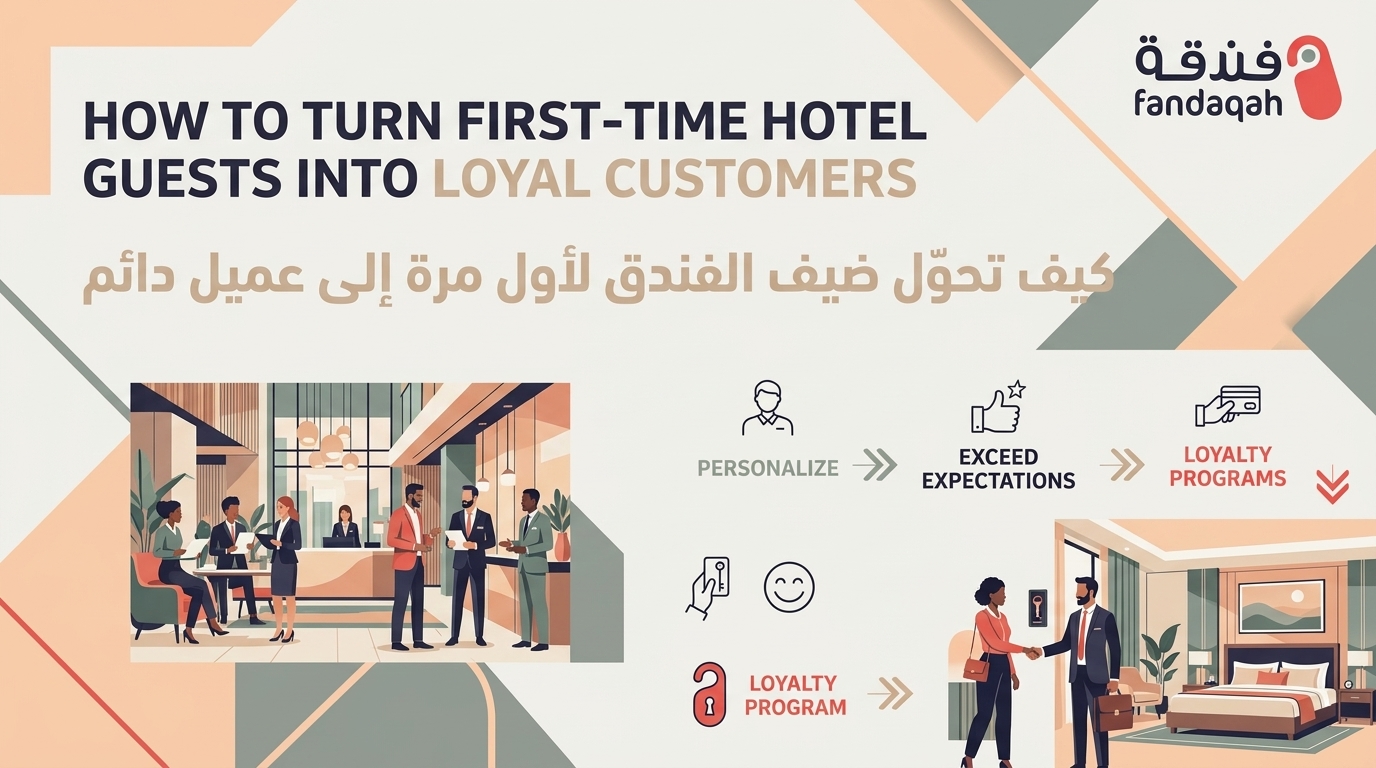
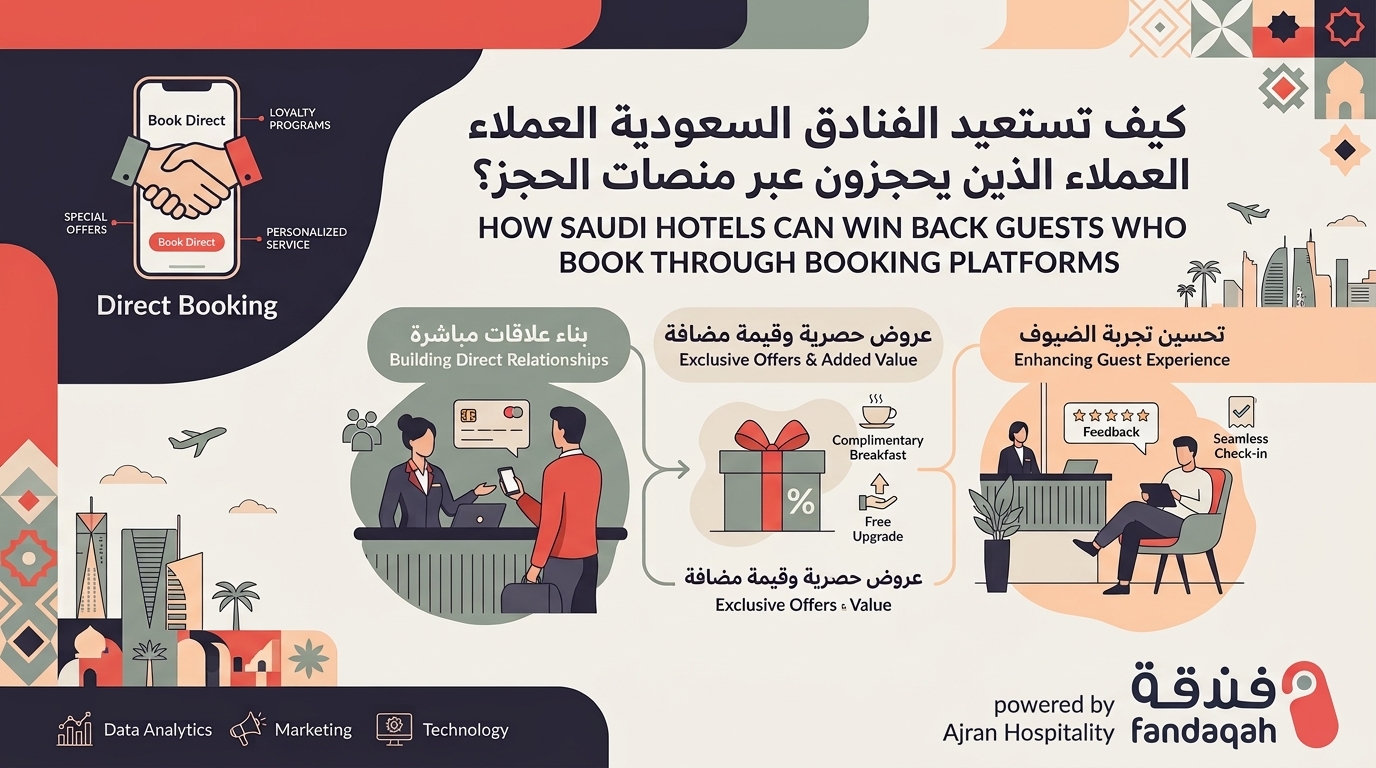
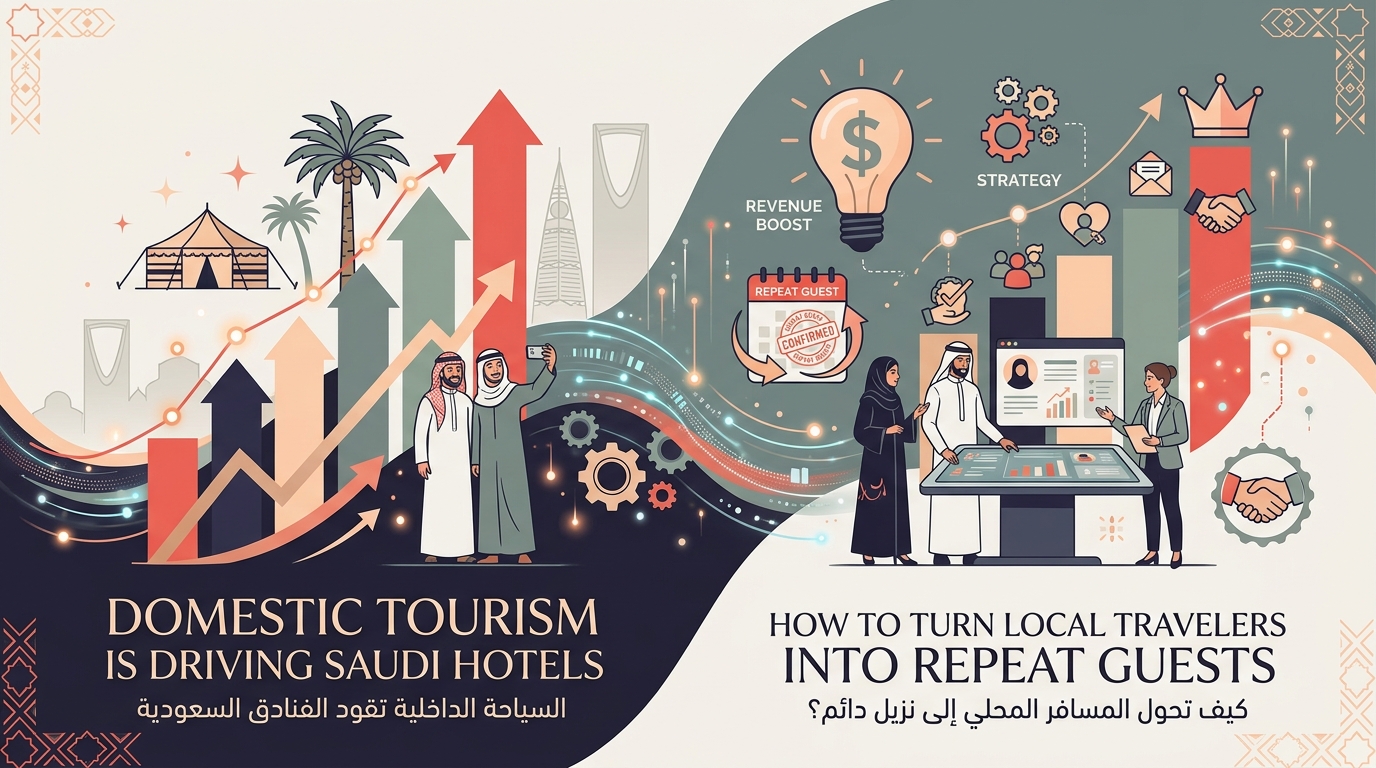
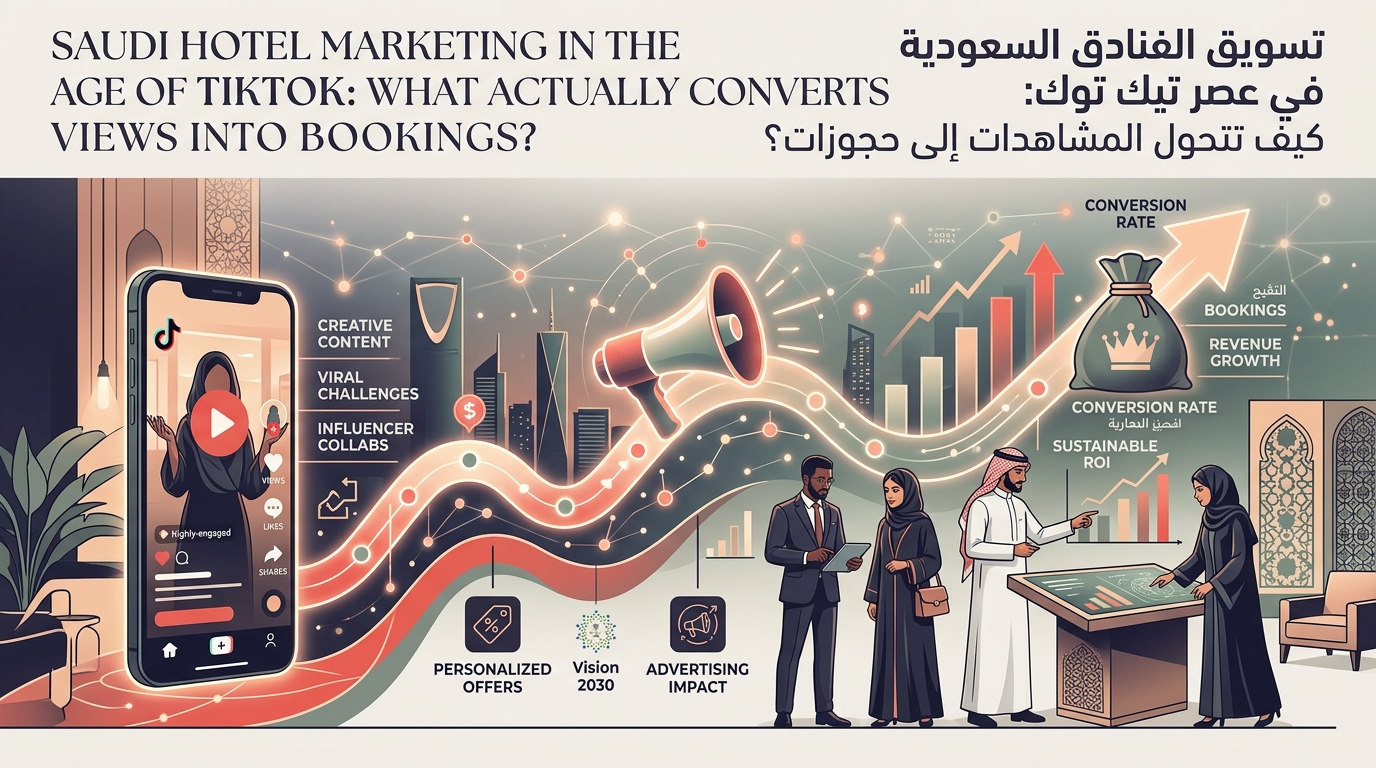
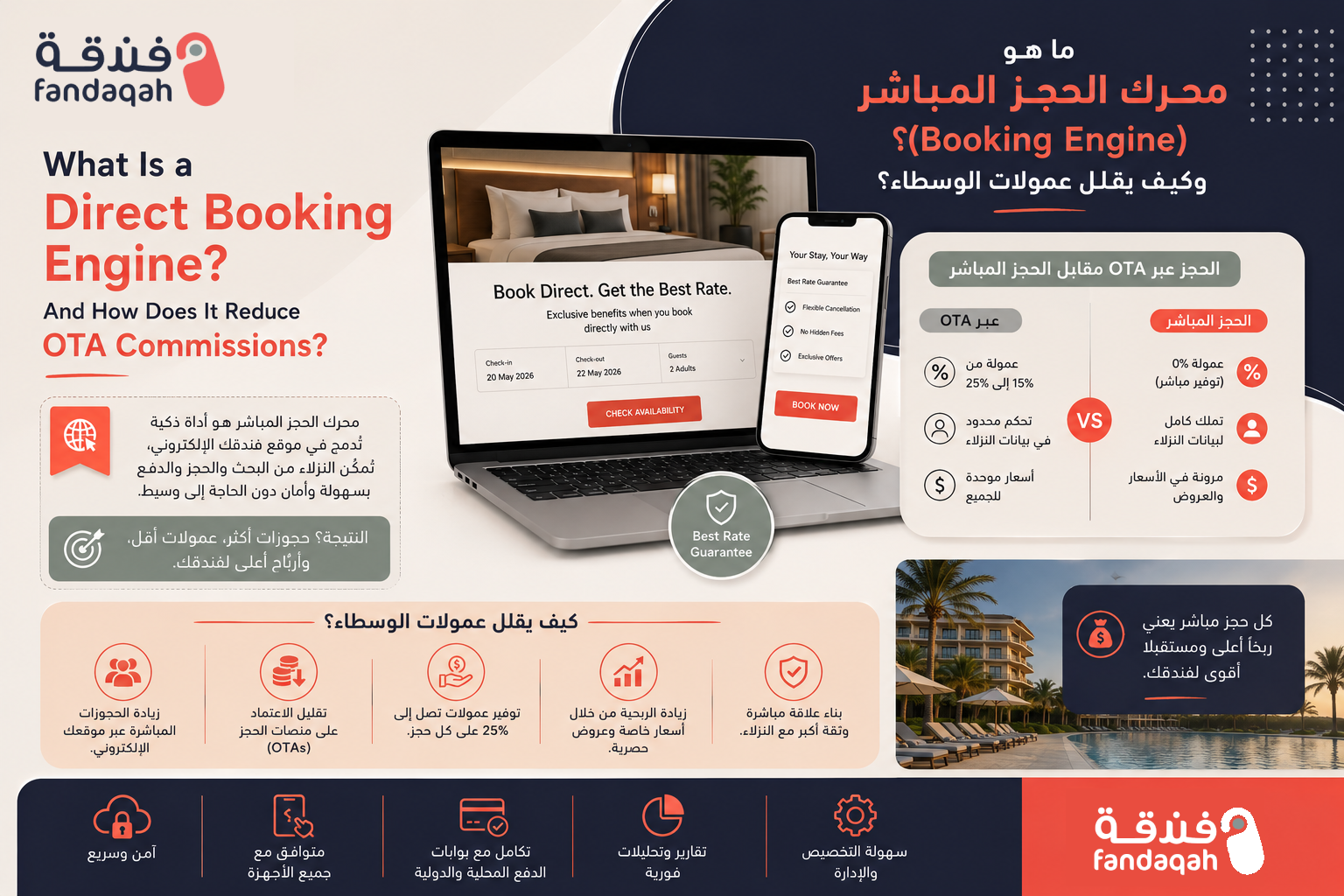
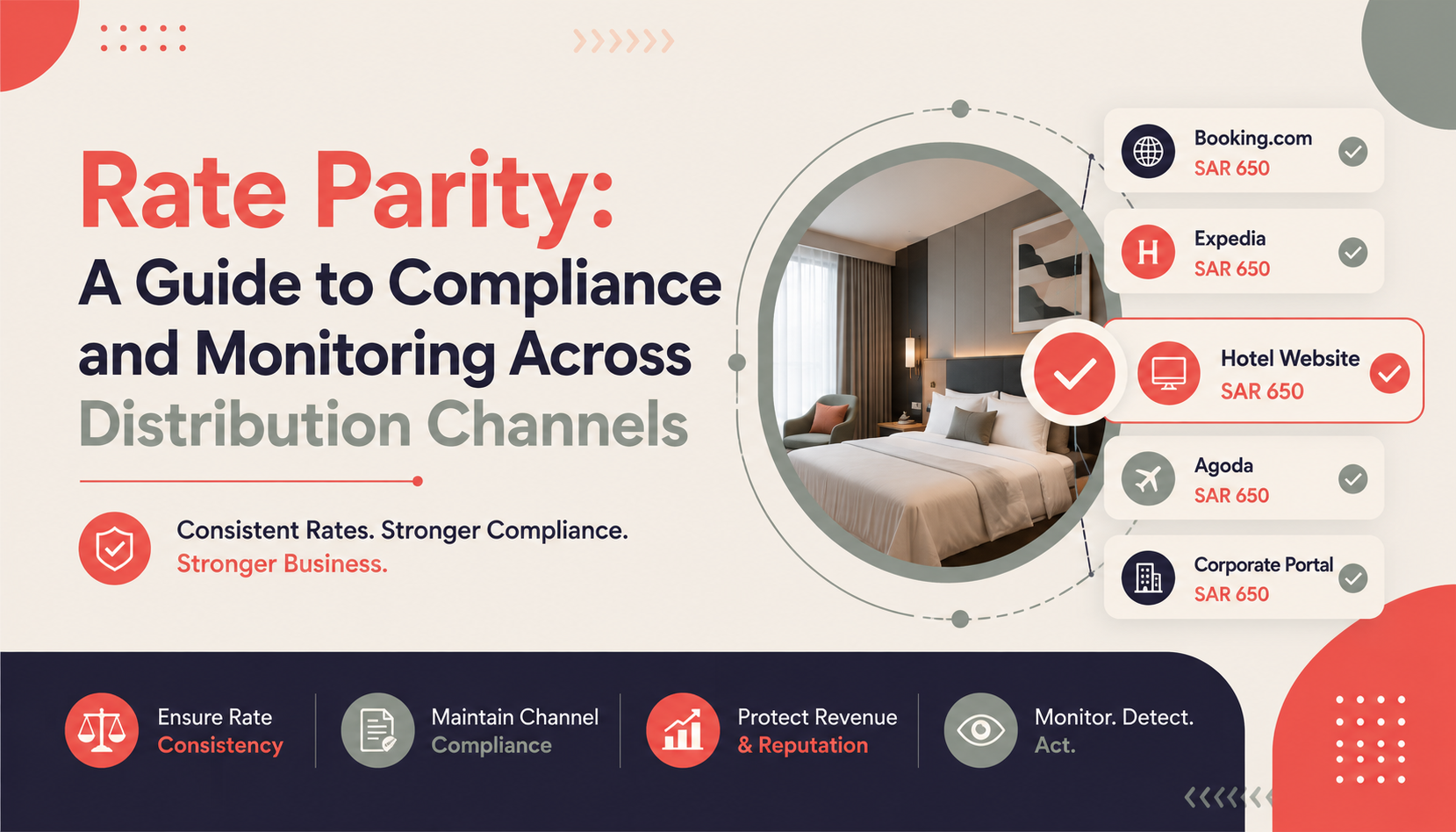
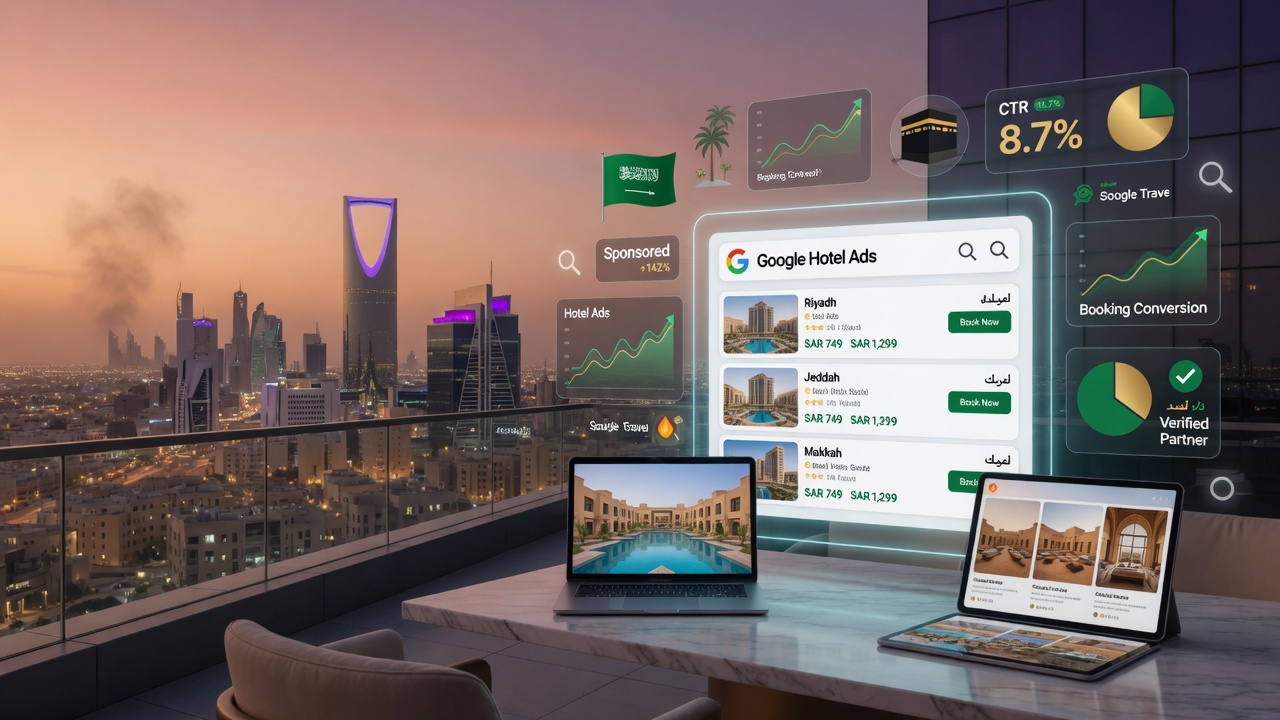
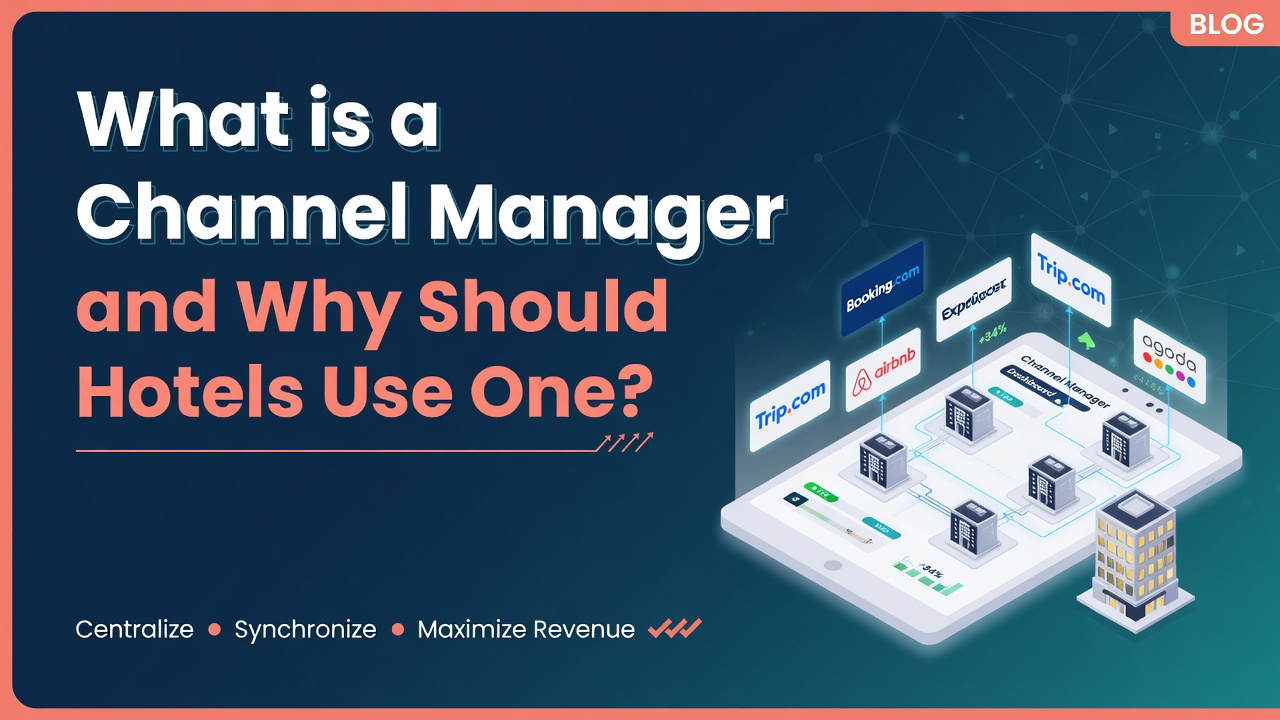
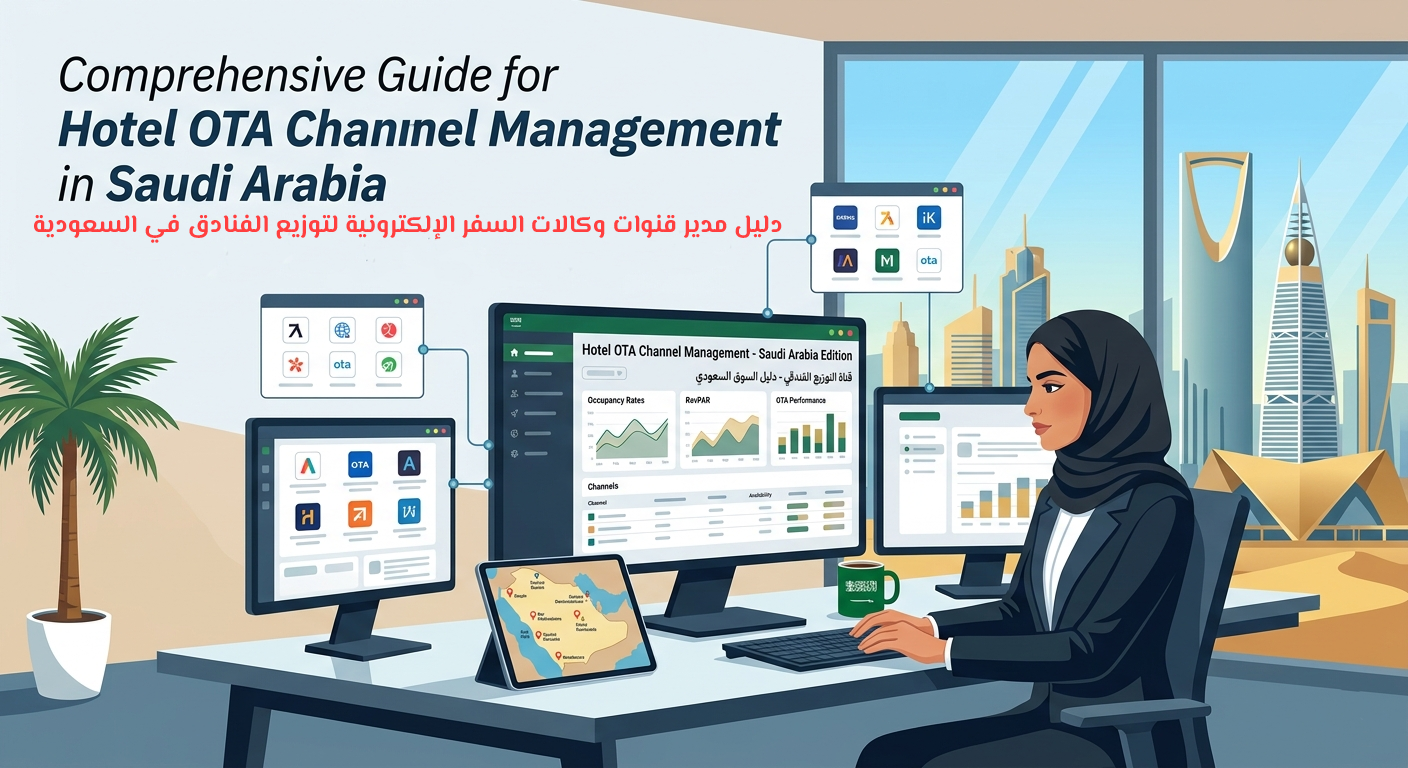
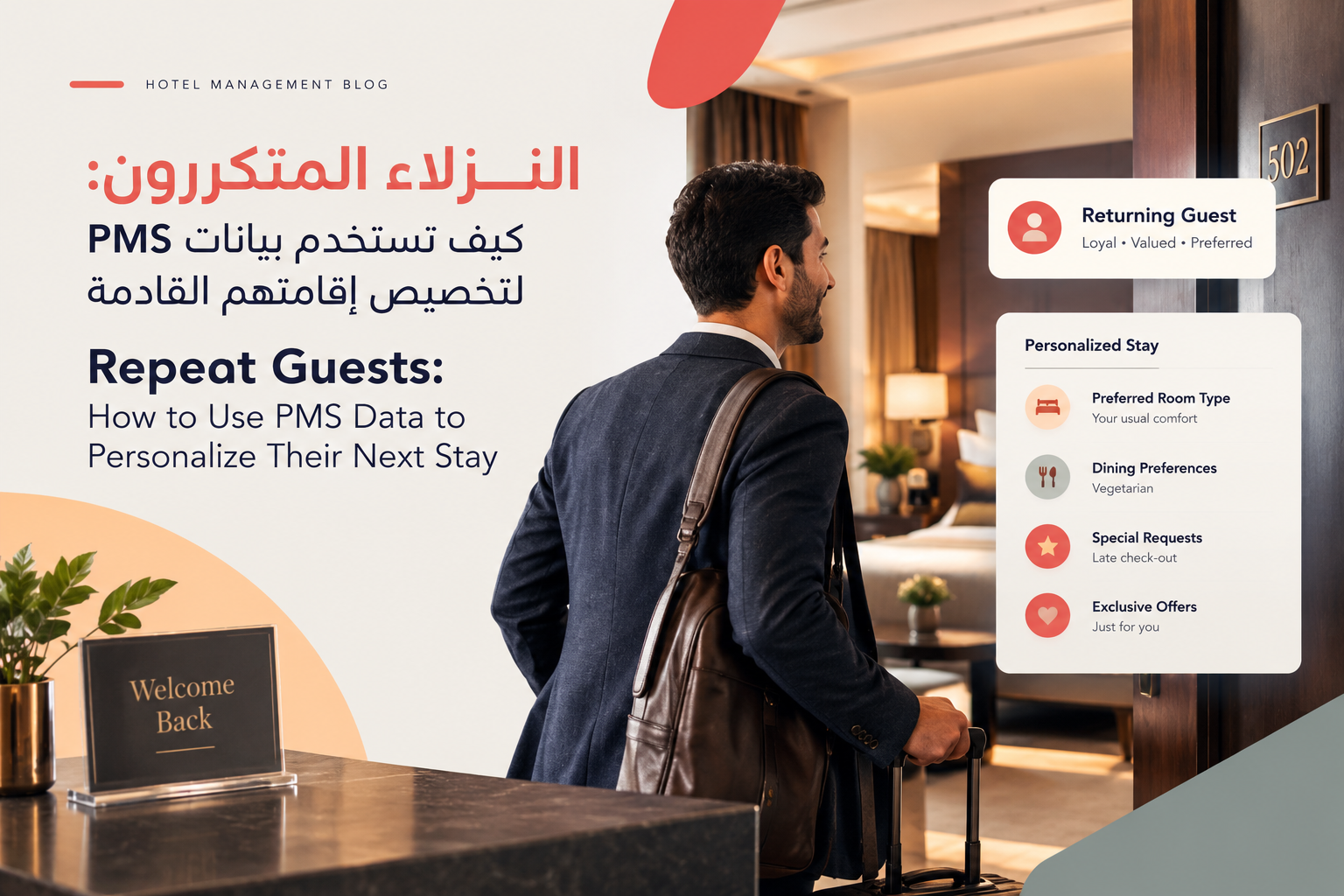
Generic loyalty programs will fade. Future programs will be hyper-personalized, offering flexible rewards tailored to individual guest preferences and spending habits. Emphasis will be placed on exclusive experiences, upgrades, and direct booking incentives. Strengthening direct booking channels reduces reliance on OTAs (Online Travel Agencies), significantly cutting commission costs and directly impacting net revenue per booking. Strategic content marketing and personalized offers will be crucial for driving these direct channels.

Evolving Market Dynamics: New Segments and Competitive Pressures

The Saudi market is expanding rapidly, bringing new opportunities but also intensified competition. Understanding these shifts is vital for market positioning.

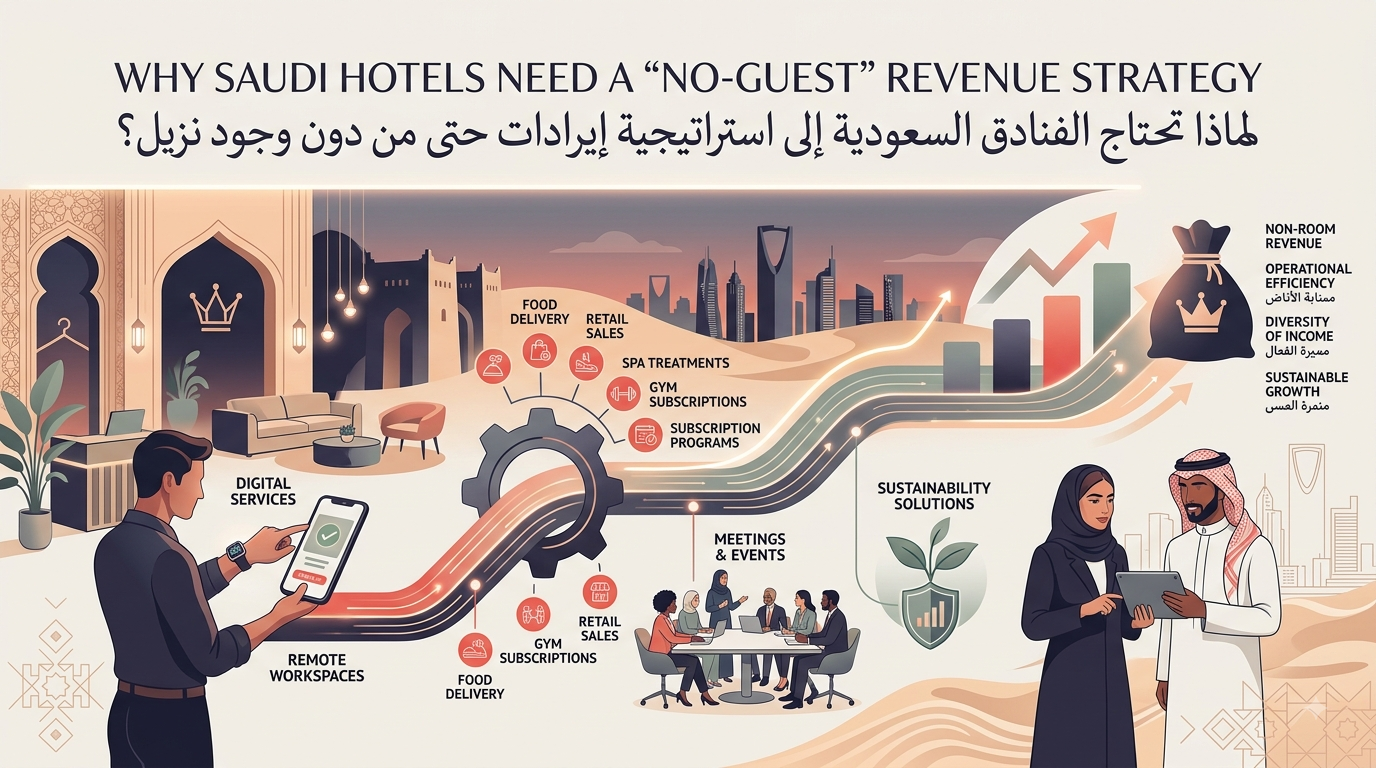
8. Diversification of Revenue Streams Beyond Rooms

Reliance solely on room revenue is risky. Hotels will increasingly diversify their income streams by optimizing and expanding non-room offerings. This includes:

Co-working spaces: Catering to digital nomads and business travelers.

Wellness and medical tourism: Expanding spa, fitness, and specialized health services.

Bespoke event spaces: Offering unique venues for corporate events, weddings, and social gatherings.

Retail partnerships: Curated local artisan products or luxury brand pop-ups.

Subscription models: For specific services like gym access or F&B discounts.

F&B innovation: Themed restaurants, pop-up concepts, and premium dining experiences.

9. Growth of Niche Markets: MICE, Medical, and Bleisure

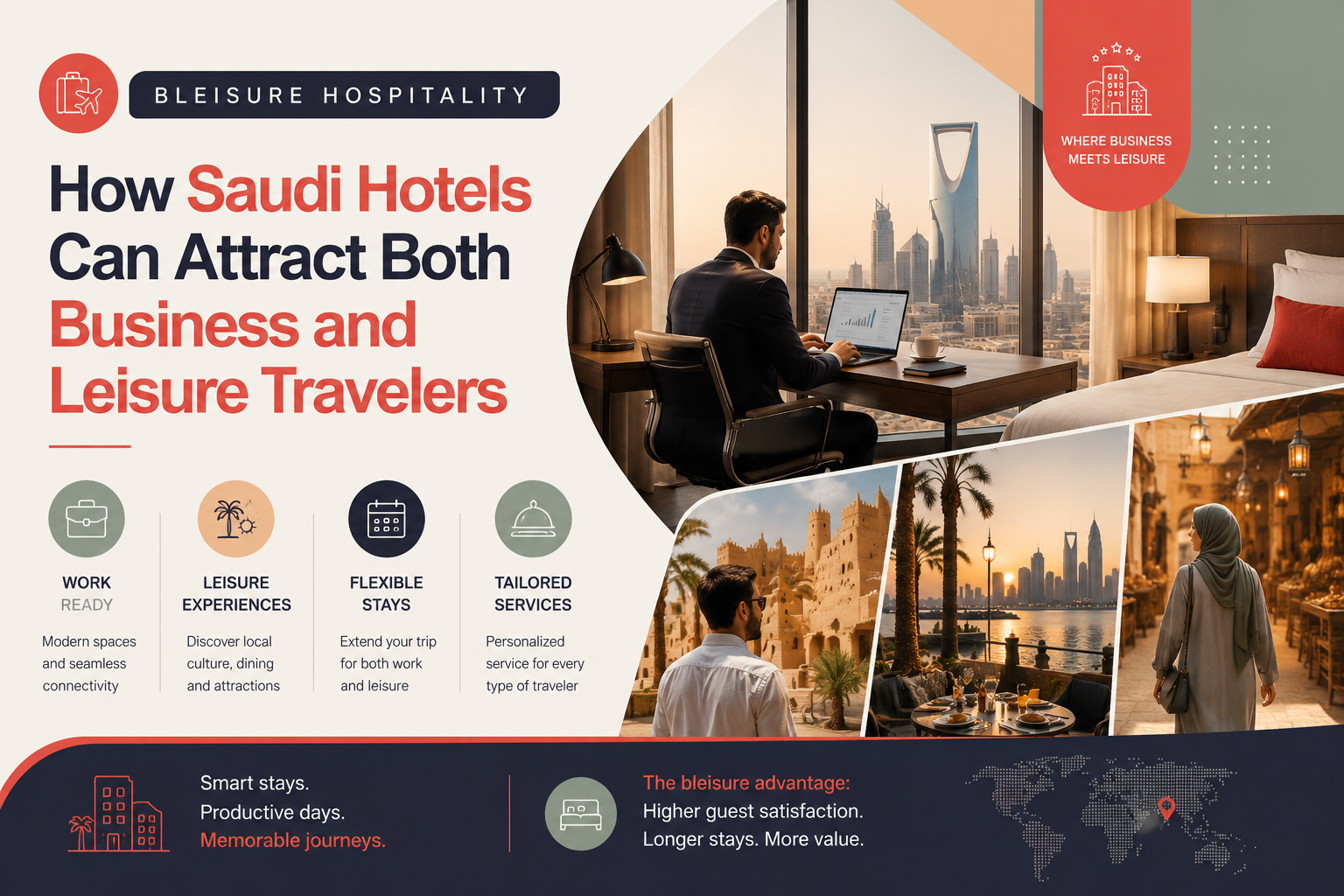
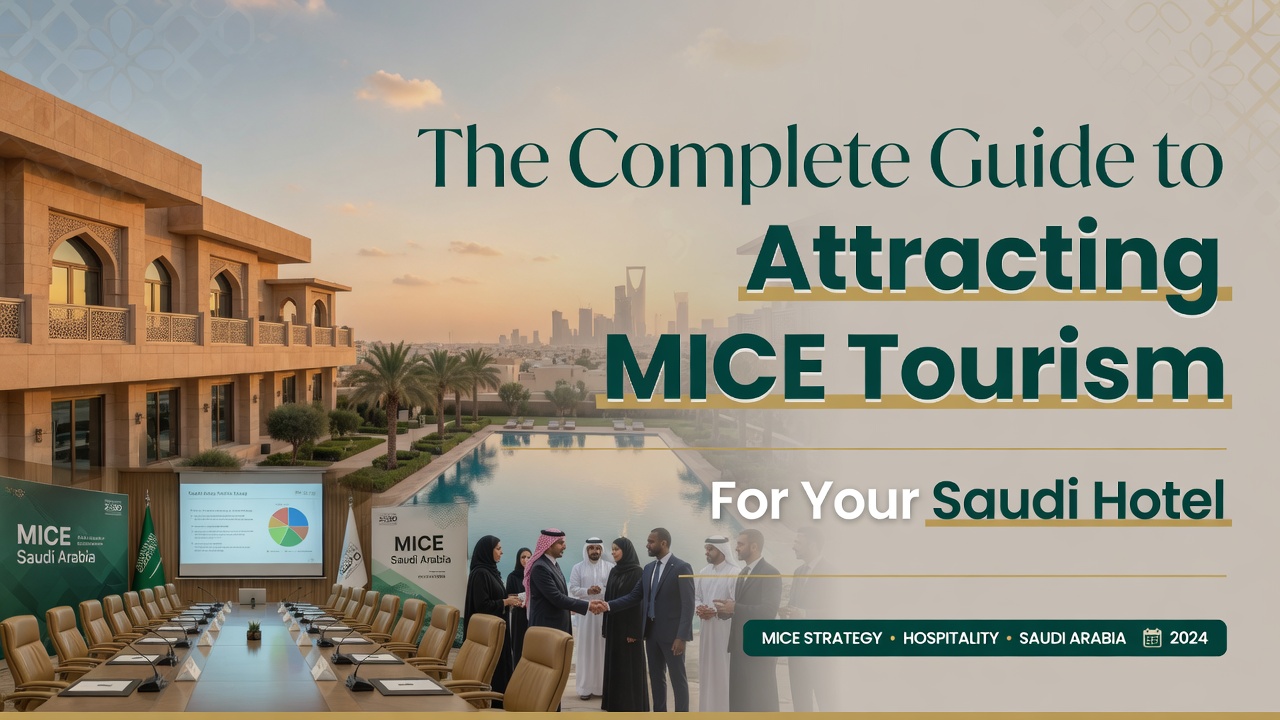
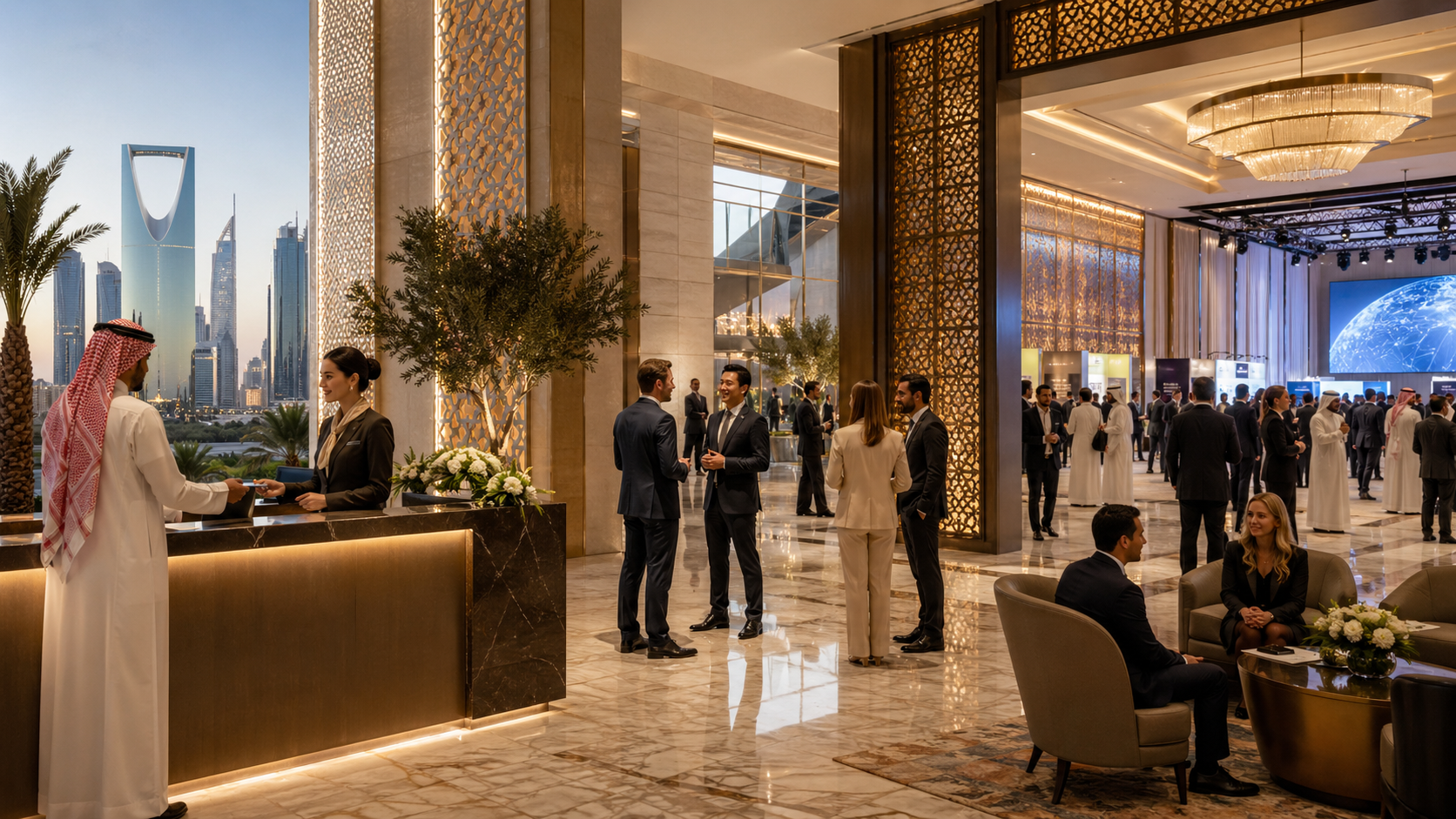
Saudi Arabia is actively developing its MICE (Meetings, Incentives, Conferences, Exhibitions), medical tourism, and "bleisure" (business + leisure) segments. Hotels must tailor their offerings to these specific groups. For MICE, this means state-of-the-art convention facilities and specialized event services. For medical tourism, it implies partnerships with healthcare providers and accessible, comfortable accommodations. Bleisure travelers will seek seamless transitions between work and leisure, valuing amenities like robust Wi-Fi, meeting facilities, and unique local experiences.

10. Human Capital Development and Service Excellence

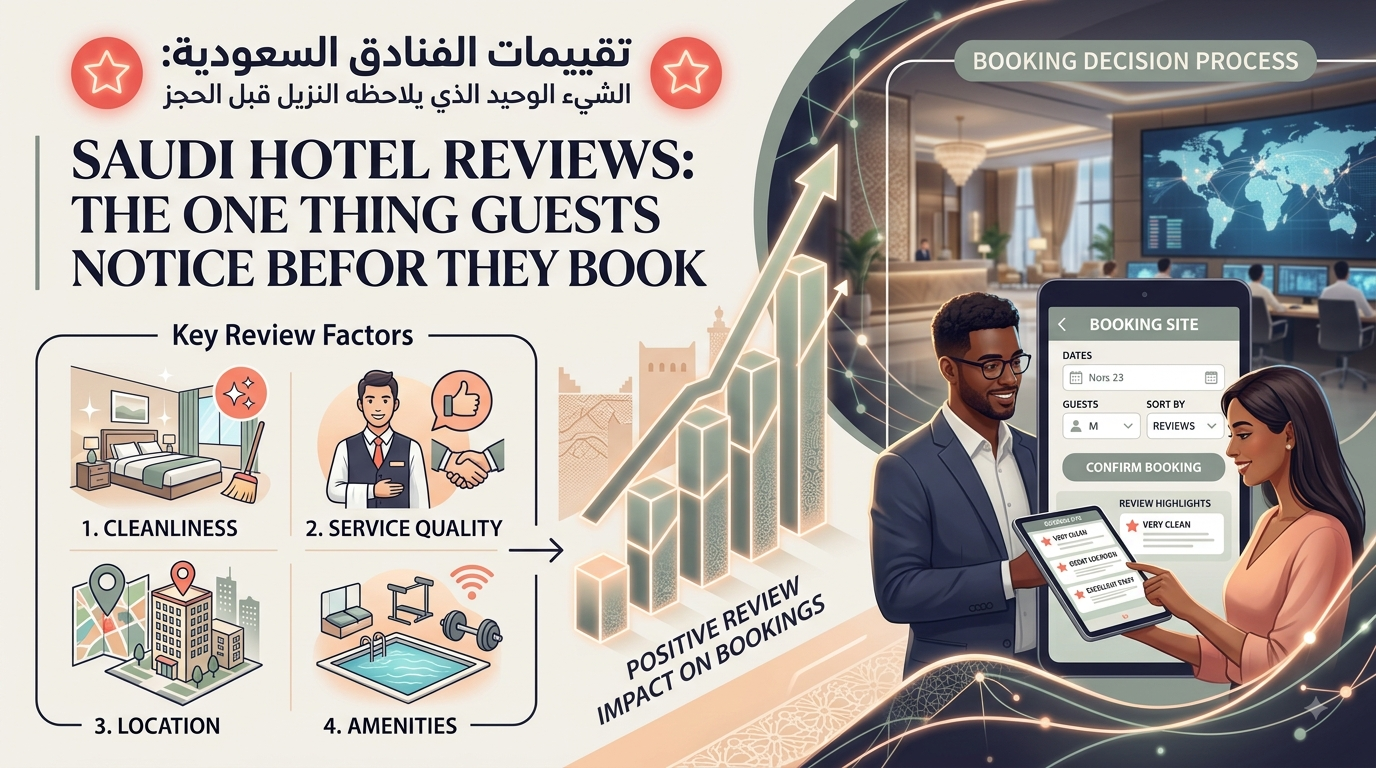
Despite technological advancements, the human element remains paramount in hospitality. As competition grows, exceptional service will be a key differentiator. Investing in rigorous training for staff, fostering a culture of genuine hospitality, and empowering employees to deliver personalized guest experiences will directly translate into higher guest satisfaction, repeat business, positive reviews, and increased willingness to spend. The ability to attract, retain, and develop skilled multilingual talent will be critical for hotels looking to cater to an international clientele.

Conclusion: Navigating the Future of Saudi Hospitality

The Saudi Arabian hotel sector is on the cusp of an extraordinary future, brimming with growth opportunities for those who are prepared. The trends outlined above—from the intelligent application of AI and data to a deep understanding of evolving guest values and the diversification of revenue streams—are not merely predictions; they are actionable insights.

To thrive in 2027 and beyond, Saudi hotel owners must embrace innovation, prioritize guest-centric strategies, and commit to sustainable practices. Proactive investment in technology, continuous staff development, and a flexible approach to market demands will be the hallmarks of successful establishments.

Seize the future: Analyze these trends, re-evaluate your current strategies, and begin implementing the necessary changes today to ensure your property not only survives but excels in Saudi Arabia's dynamic hospitality landscape.

More posts
Affiliate Pro