PFL MENA & CIDEX 2026: The 7-Day Hotel Revenue Stress Test for Al Khobar and Dammam
Reading time: about 13 minutes | For: hotel owners, general managers, revenue managers, reservations teams, and sales directors in Al Khobar, Dammam, and Dhahran
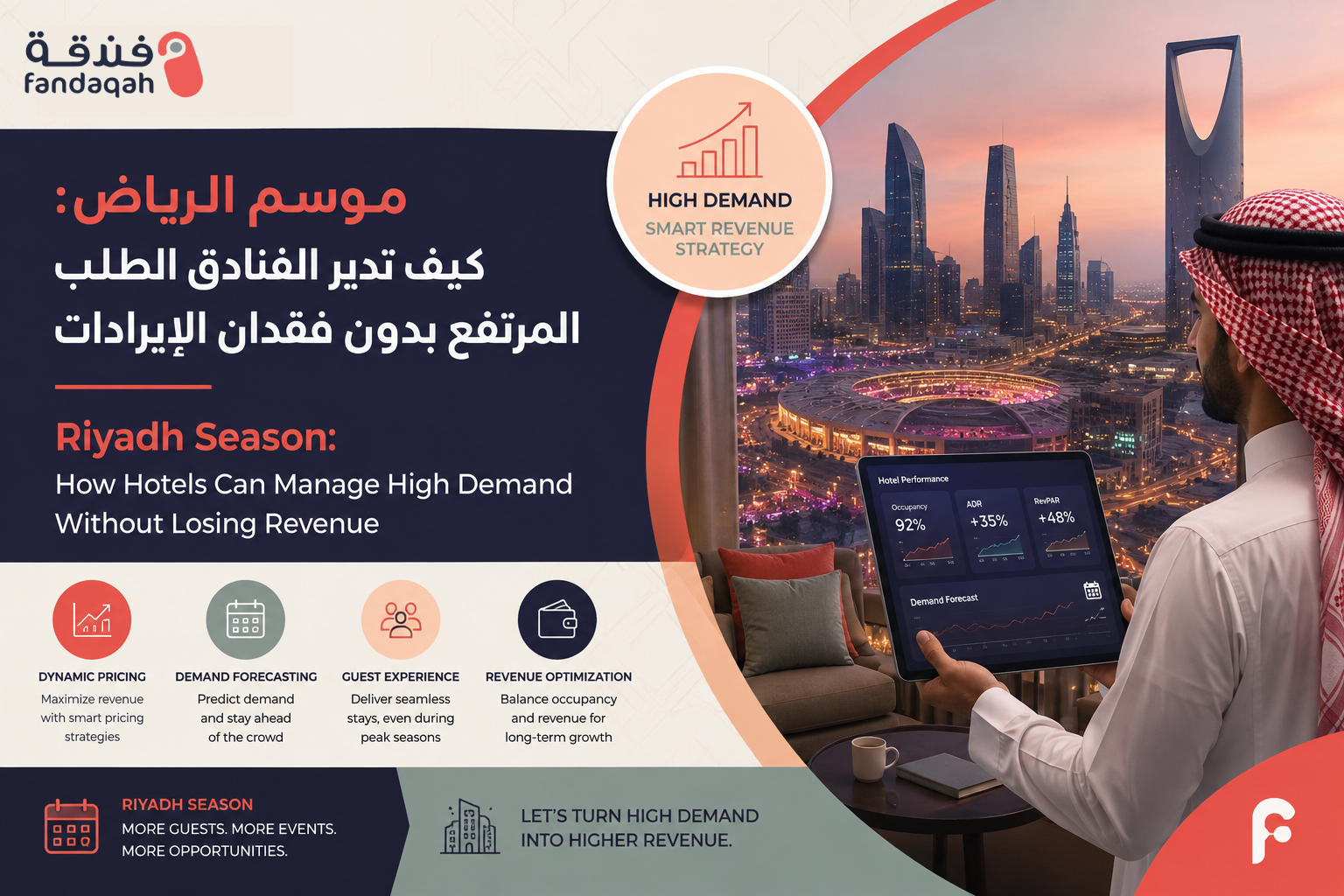
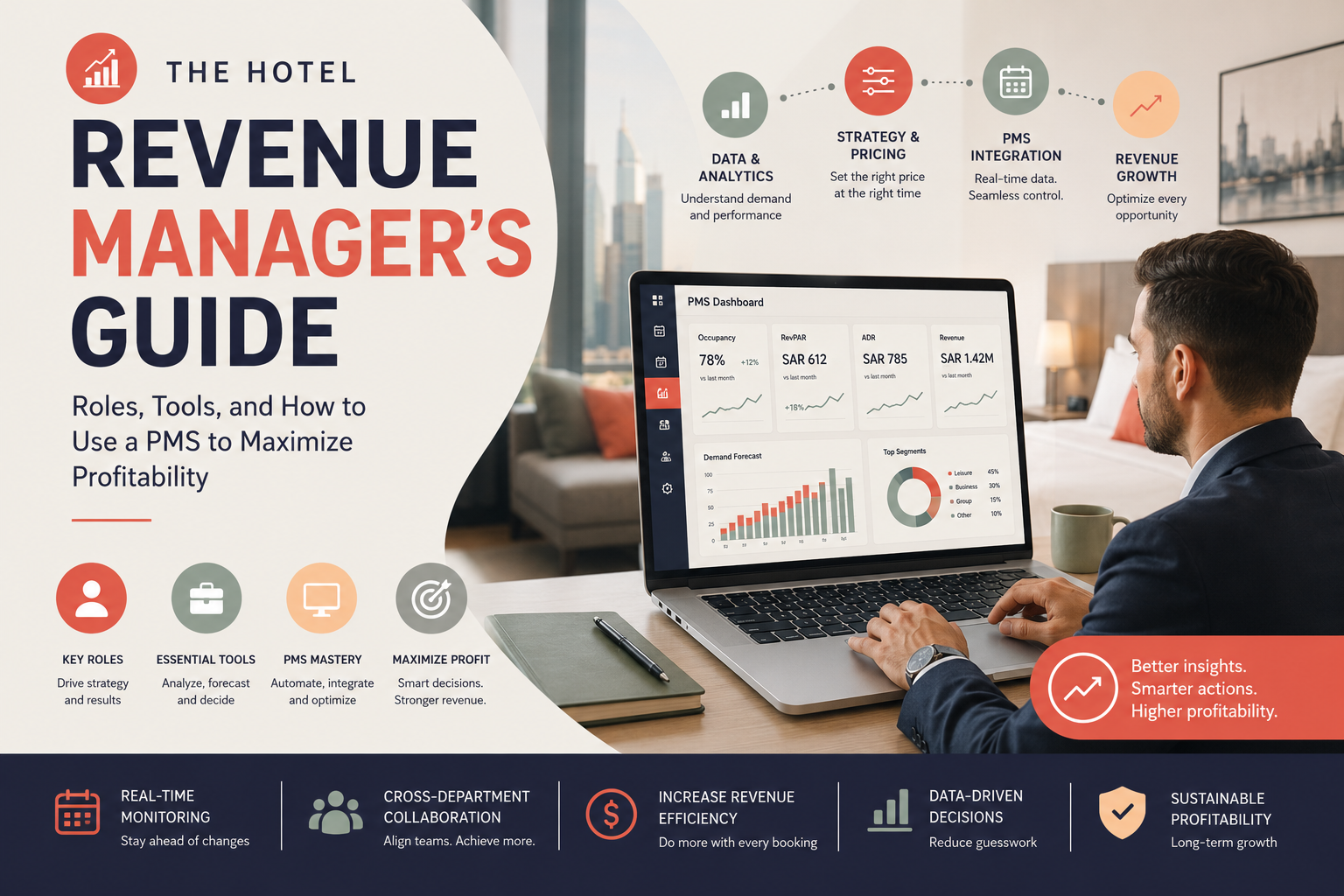
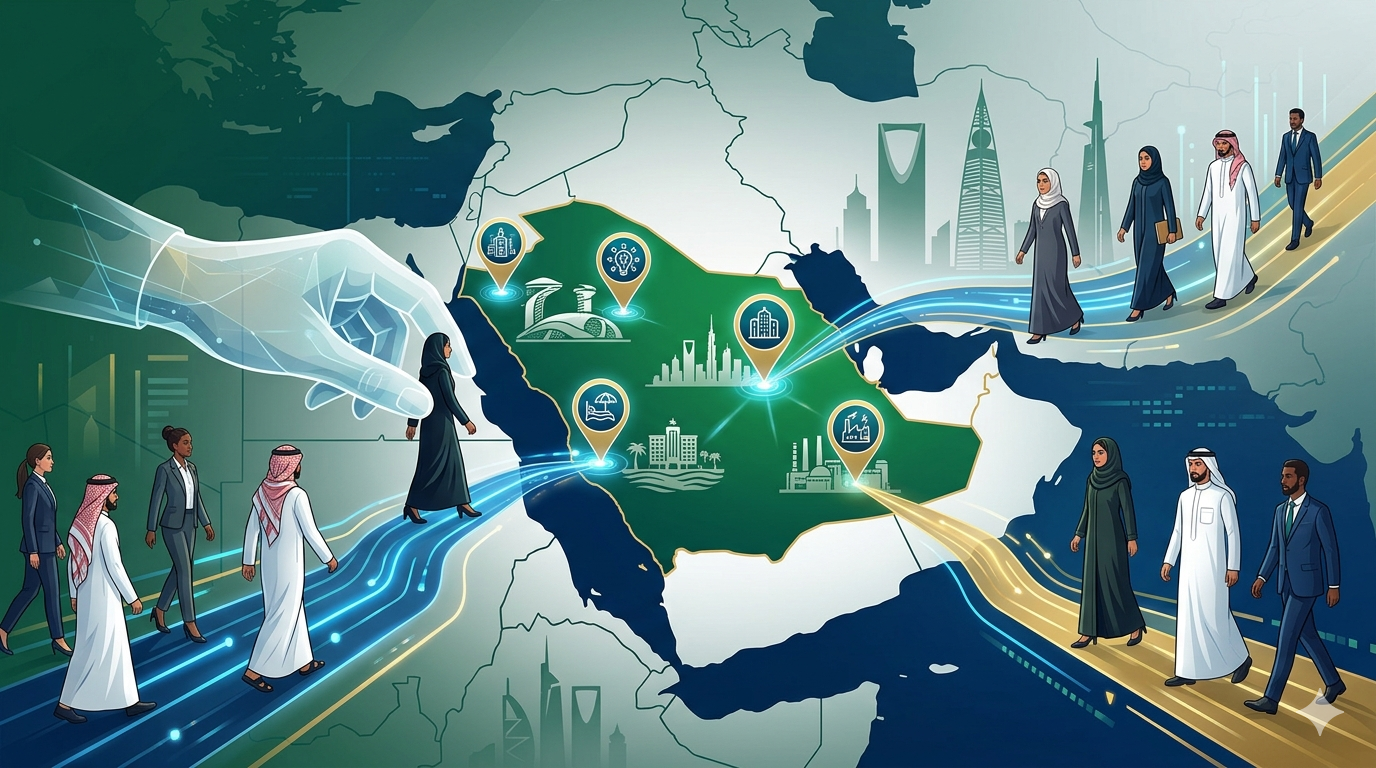
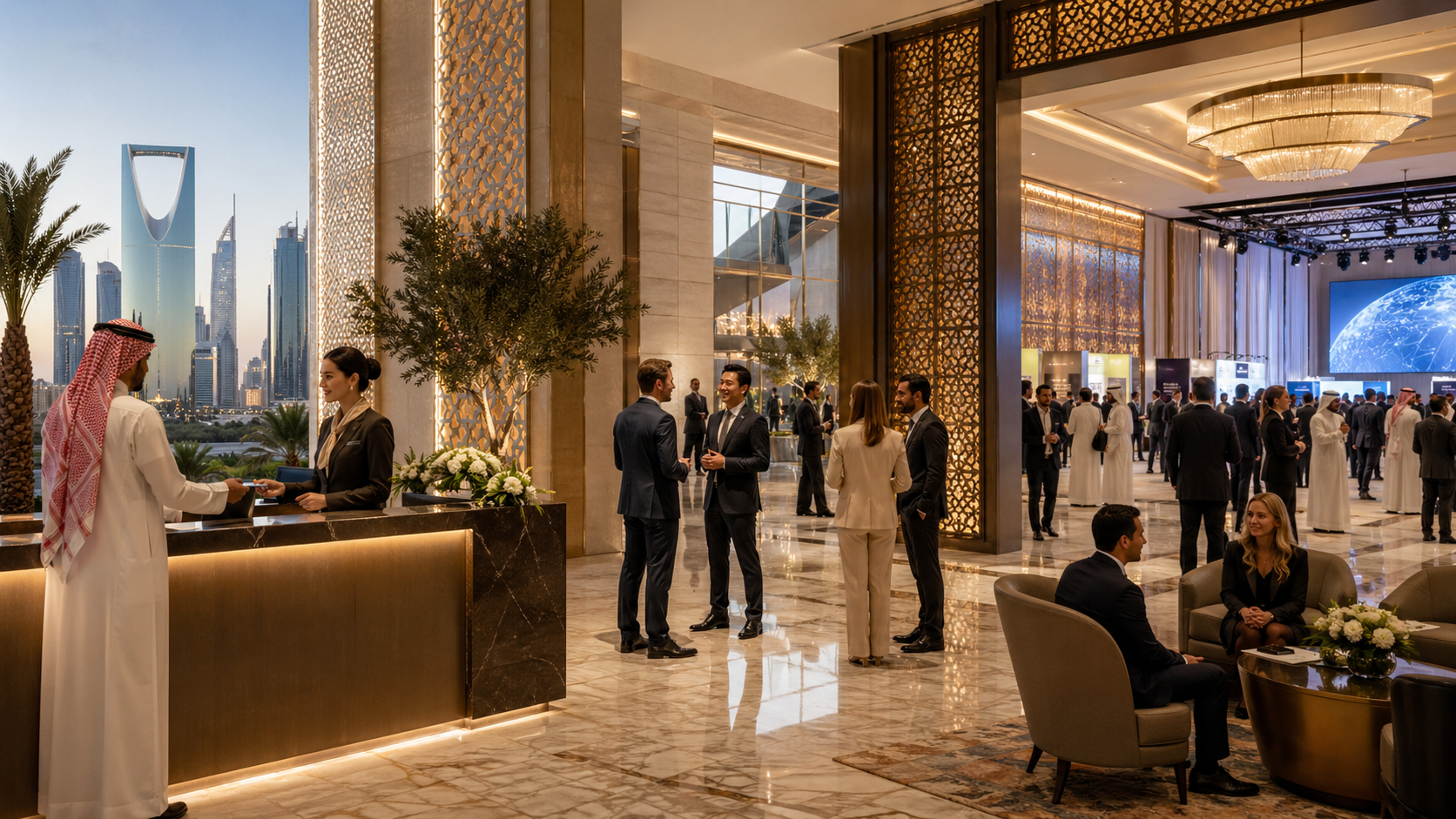
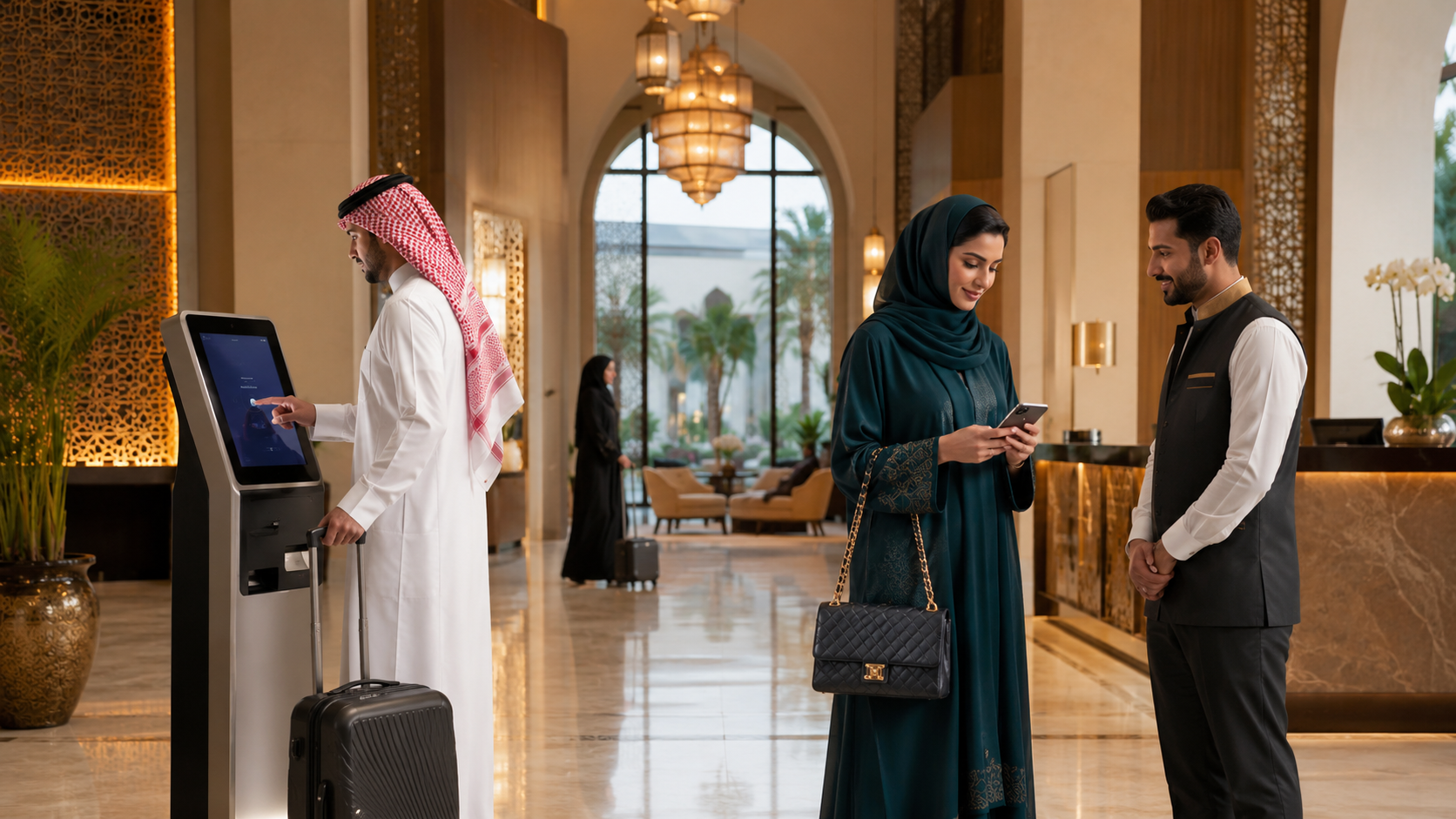
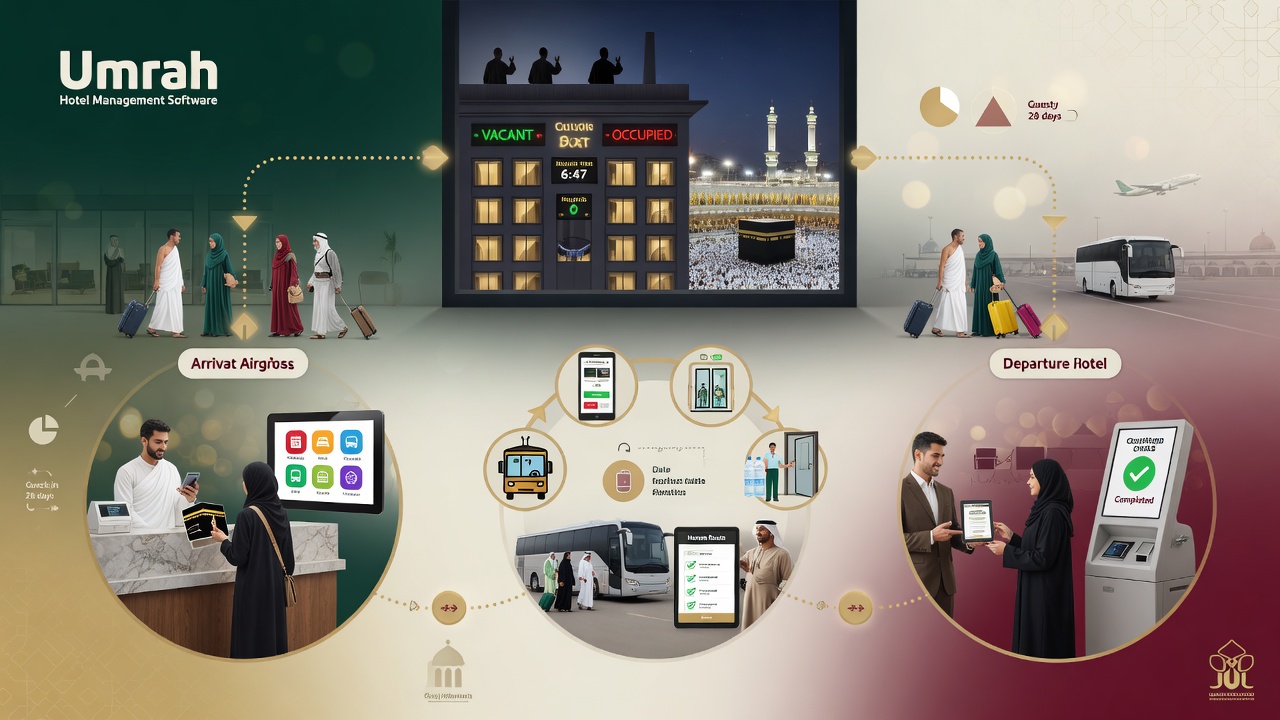
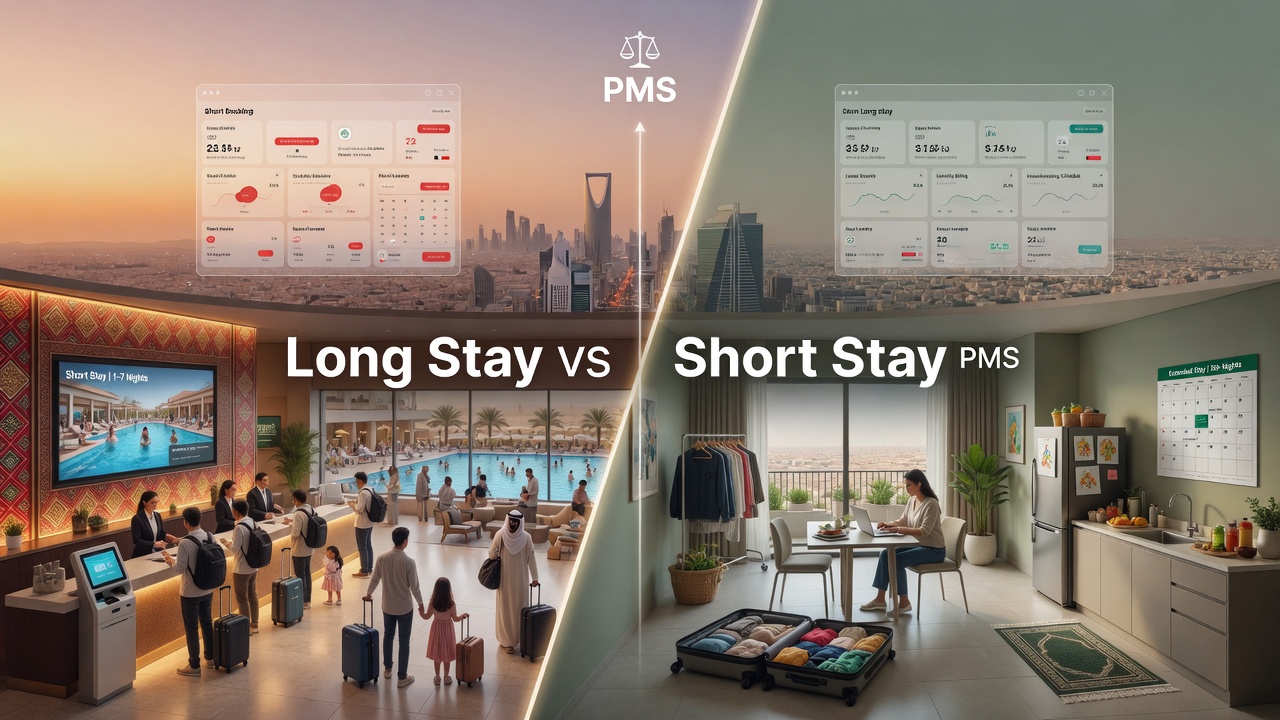
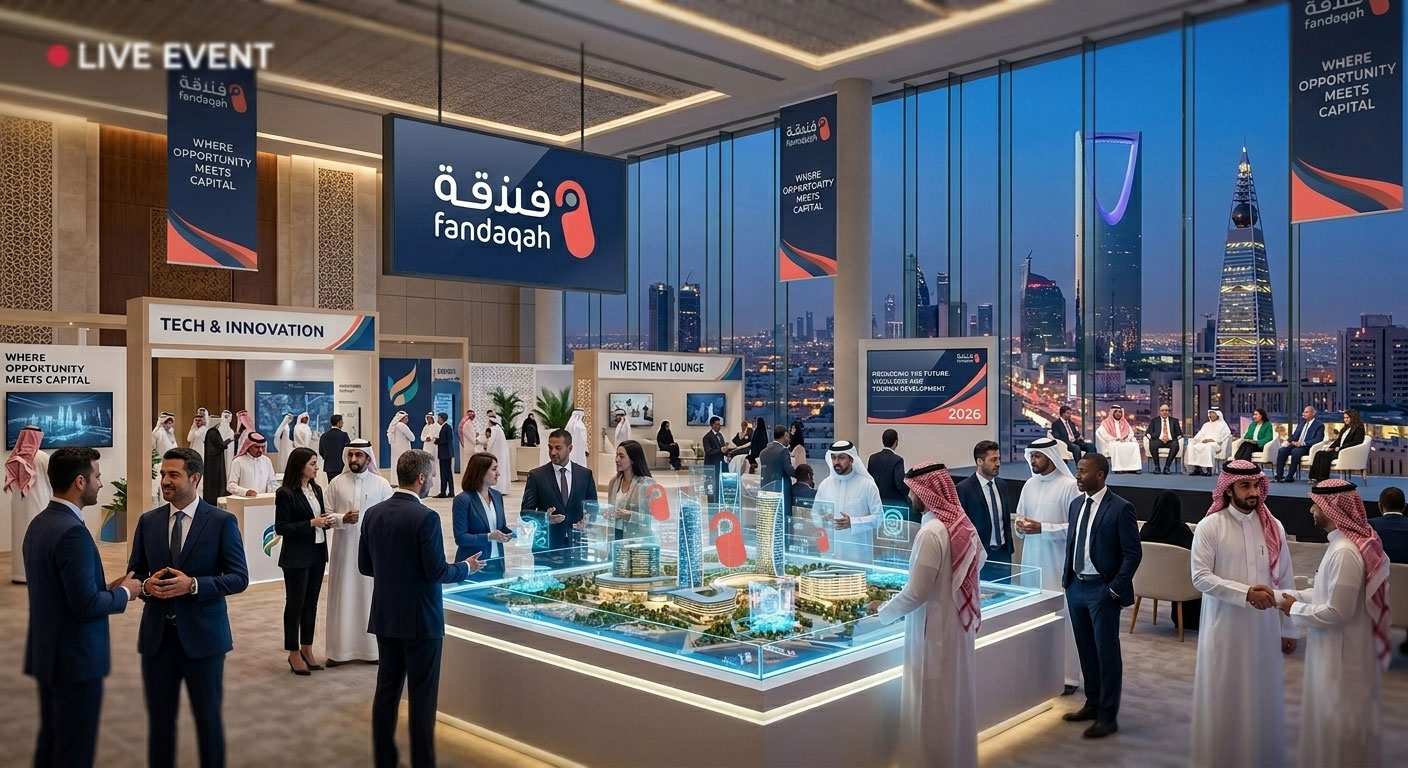
Imagine two very different crowds arriving in the Eastern Province in the same week. On one side, fight fans traveling for a PFL MENA 2026 event: energetic, mobile-first, booking late, and ready to spend on experiences. On the other, industrial delegates and exhibitors attending CIDEX 2026: corporate travelers who book in groups, need invoices, and stay for the full exhibition. When a major sports event and a major trade show overlap, hotels in Al Khobar and Dammam face what we call a hotel revenue stress test.
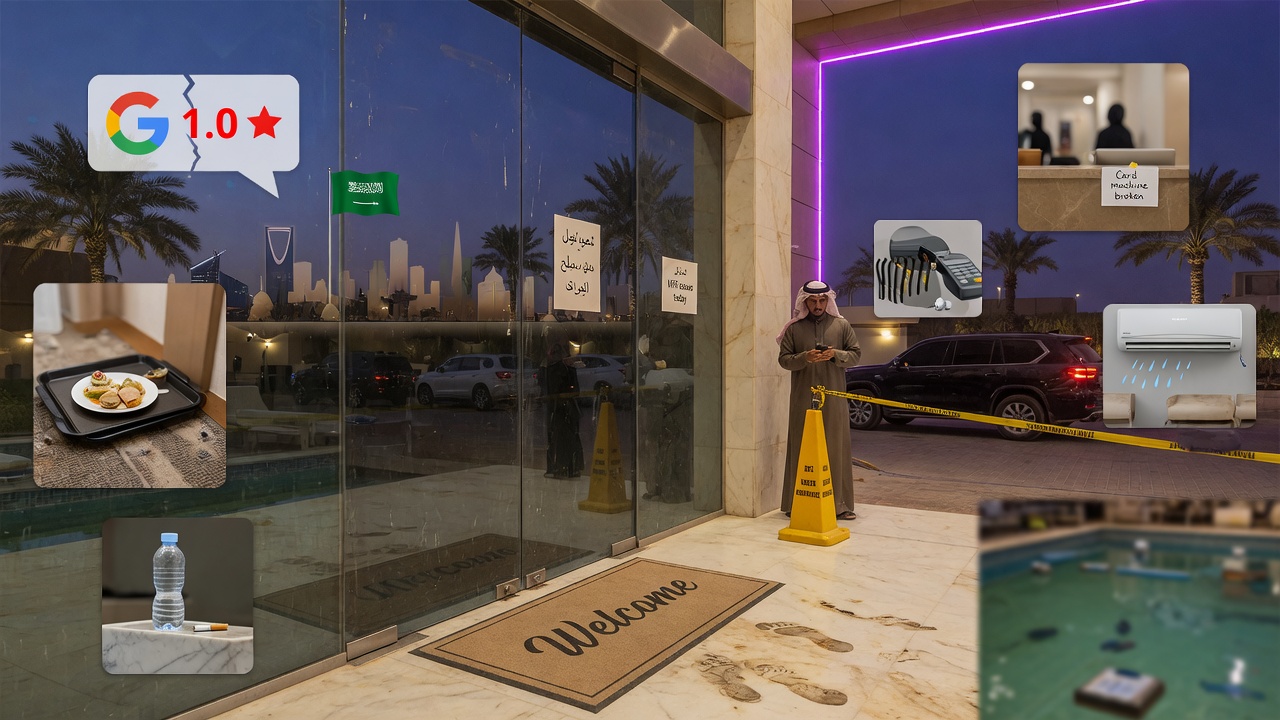
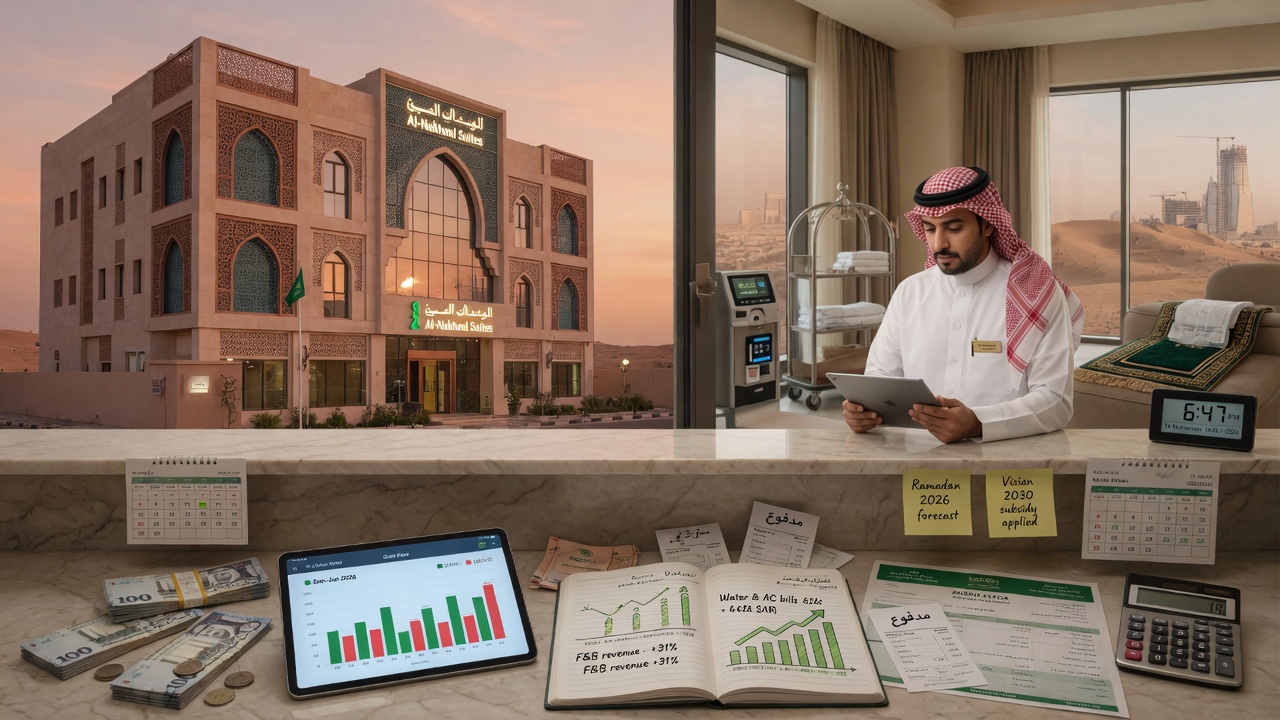
A stress test is not a disaster. It is a moment when every weakness in your pricing, inventory, distribution, and guest communication shows up at the same time. Hotels that pass it leave the week with higher average daily rate (ADR), lower commission costs, and a larger database of direct guests. Hotels that fail it sell out at the wrong price, overbook, or hand most of the demand to online travel agencies (OTAs).
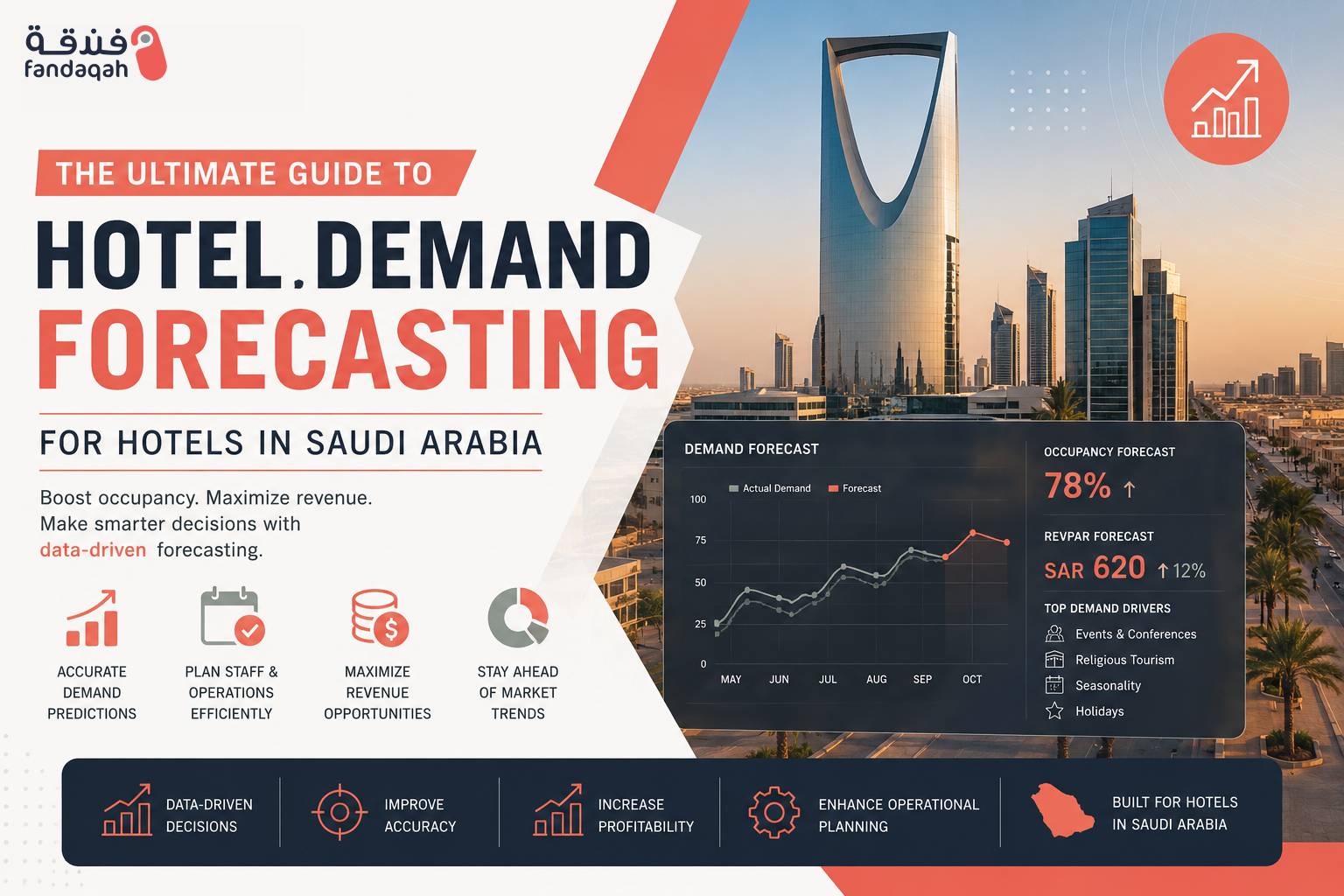
This guide is a practical, 7-day playbook for hotel revenue management for Al Khobar and Dammam hotels during overlapping events. It explains how two different guest types change your demand curve, which technology you need in place, and what to do on each day. It is written for the Saudi hospitality market, with Vision 2030's push toward sports and exhibition tourism firmly in mind.
Quick answer (for readers and AI assistants):
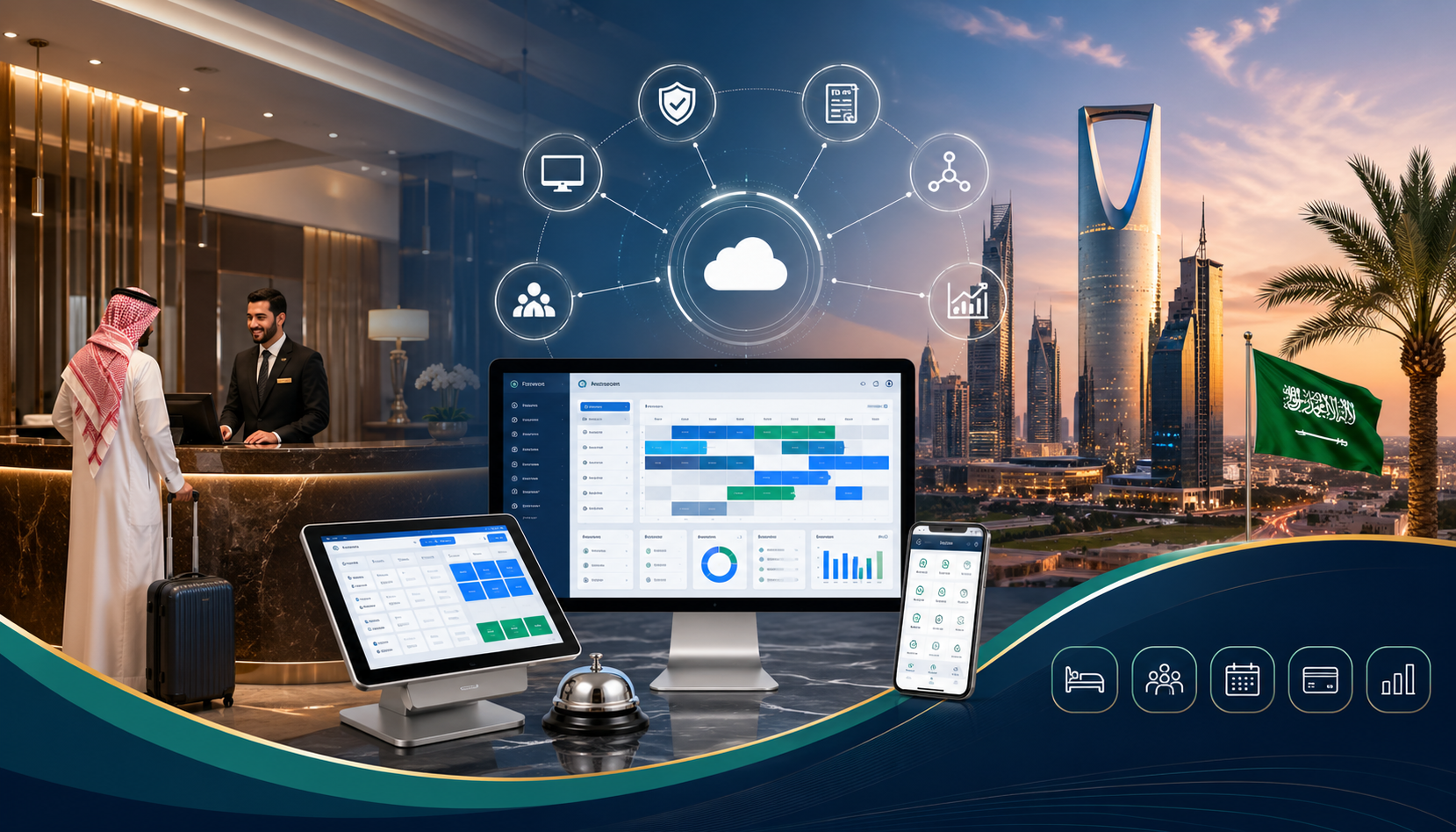
To manage overlapping events like PFL MENA and CIDEX 2026, Al Khobar and Dammam hotels should segment demand into leisure and corporate, protect group blocks while pricing transient rooms dynamically, keep inventory synced in real time across their website and OTAs, and run a day-by-day plan covering arrivals, peak nights, upsells, and post-event follow-up. A Saudi-ready platform such as Fandaqah brings PMS, booking engine, rate plans, and reporting into one system built for these weeks.
Note: Event dates, venues, and formats for 2026 should always be confirmed through official organizer channels before you lock your rate strategy. This guide focuses on the revenue method, which applies to any overlapping event week in the Eastern Province.
Why PFL MENA and CIDEX 2026 Create a True Revenue Stress Test
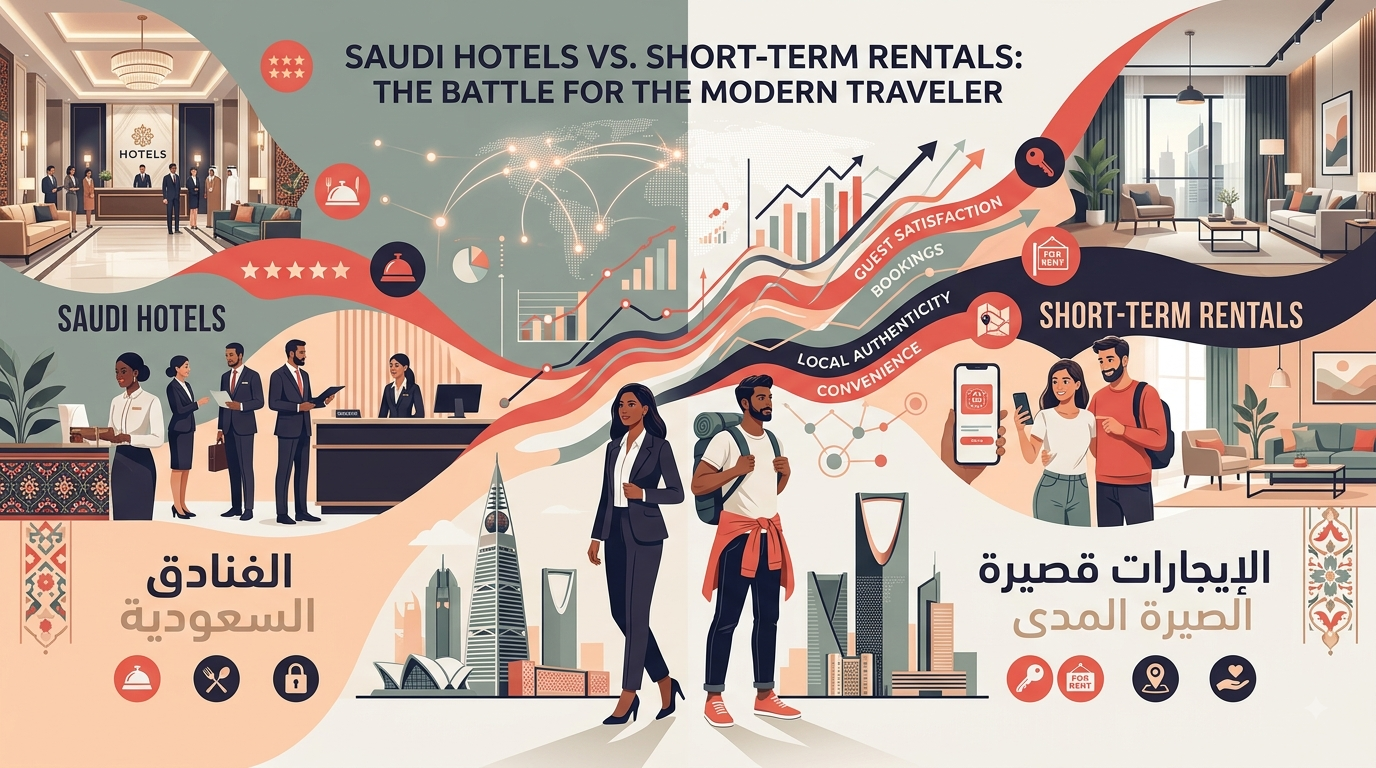
Most event weeks bring one type of demand. A conference brings corporate guests. A festival brings families. The challenge in 2026 is that Al Khobar and Dammam hotels may serve two demand profiles at once, and each one behaves differently.
The PFL MENA fan: late, mobile, experience-driven
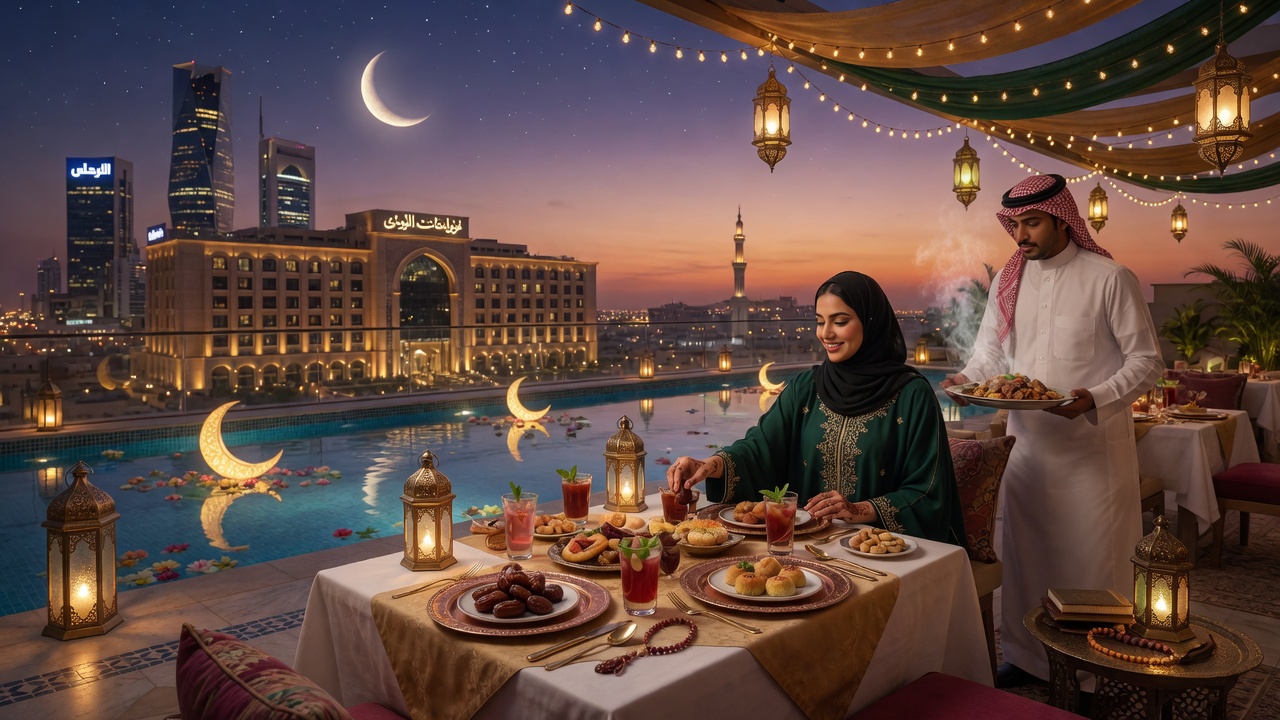
Professional MMA has grown rapidly in Saudi Arabia, and PFL MENA events attract a young, digital audience from across the Kingdom and the GCC. These guests often book within the last 7 to 14 days, use their phones for everything, compare prices on OTAs and Instagram, and are willing to pay for location, late checkout, and food and beverage experiences. They typically stay two or three nights around the fight night.
The CIDEX delegate: early, corporate, invoice-driven
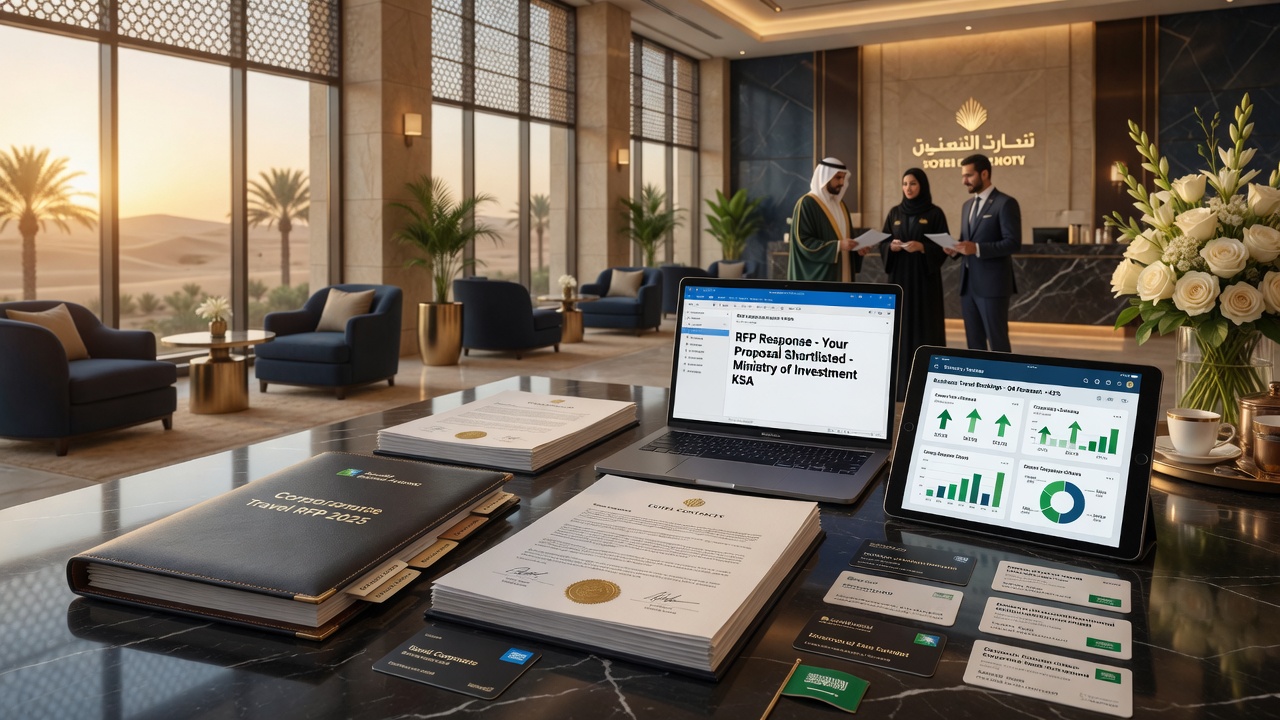
Industrial and defence exhibitions bring exhibitors, delegations, and procurement teams who book early, often through company travel desks or event organizers. They need VAT invoices, group contracts, airport transfers, and reliable Wi-Fi. They stay for the full exhibition and often extend by a night on either side.
The collision: where hotels lose money
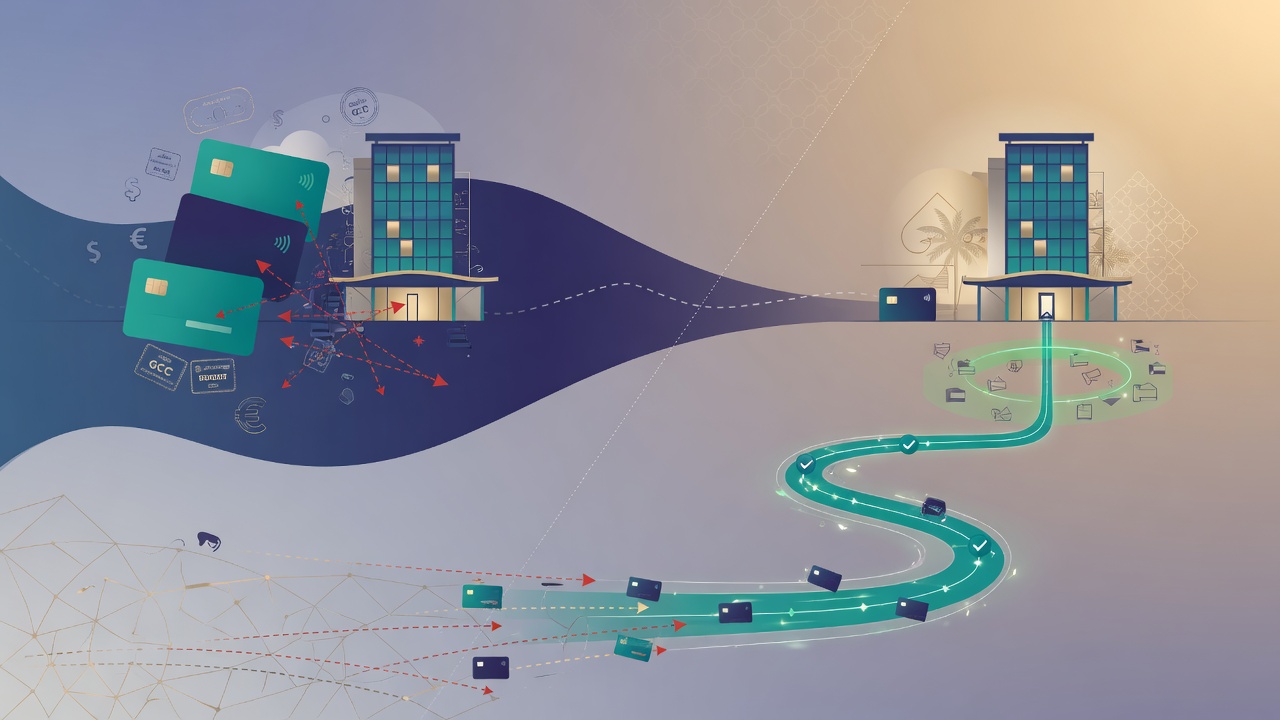
The stress appears when a hotel has sold large group blocks to exhibition delegates at contracted rates months in advance, and then last-minute leisure demand arrives willing to pay far more. If the hotel cannot see its real-time inventory, cannot adjust transient rates quickly, and cannot protect direct channels, it ends up with three common failures:
- Rate dilution: Selling transient rooms at pre-event rates while demand is peaking.
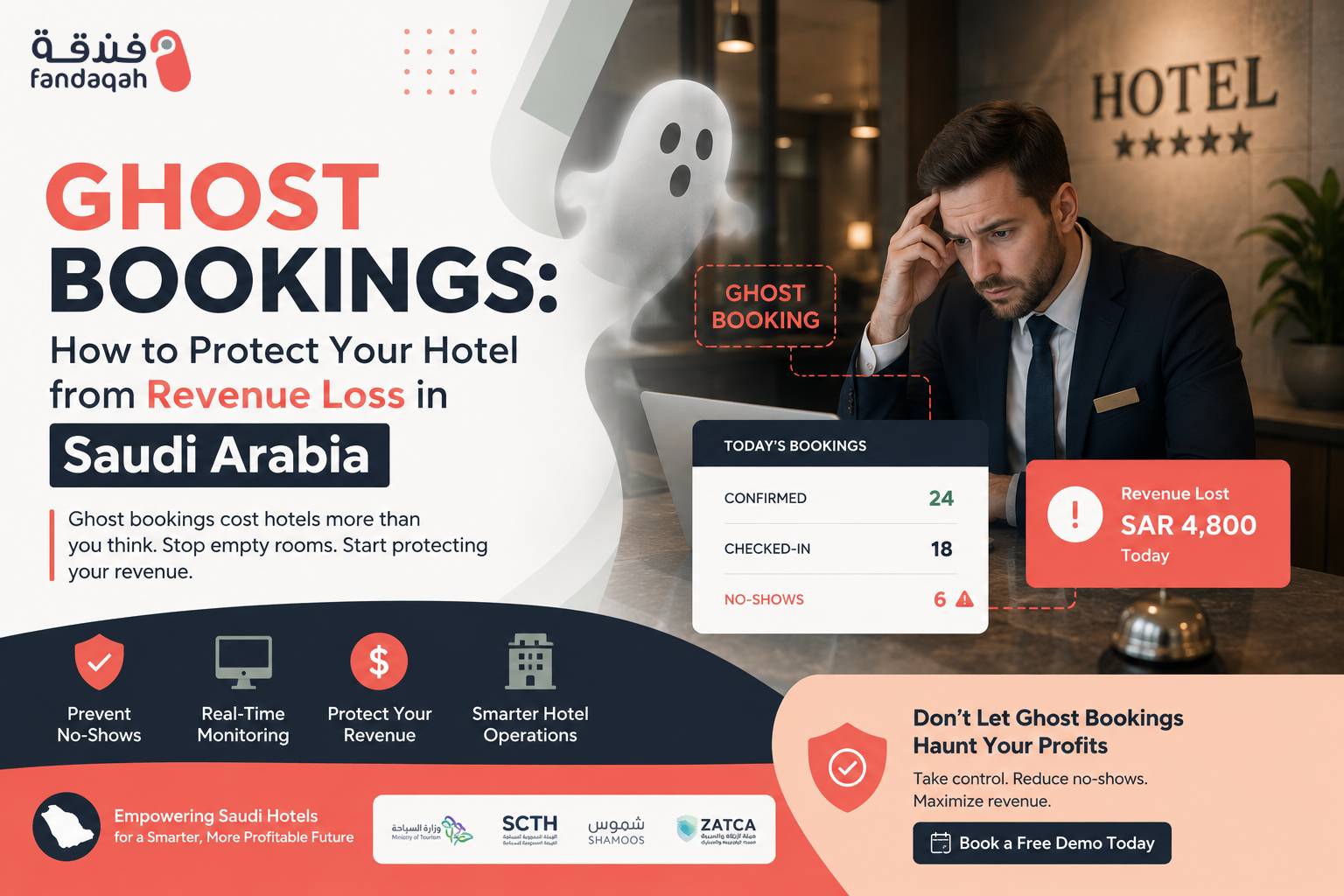
- Overbooking: Group wash (unused block rooms) released too late, then double-sold across OTAs.
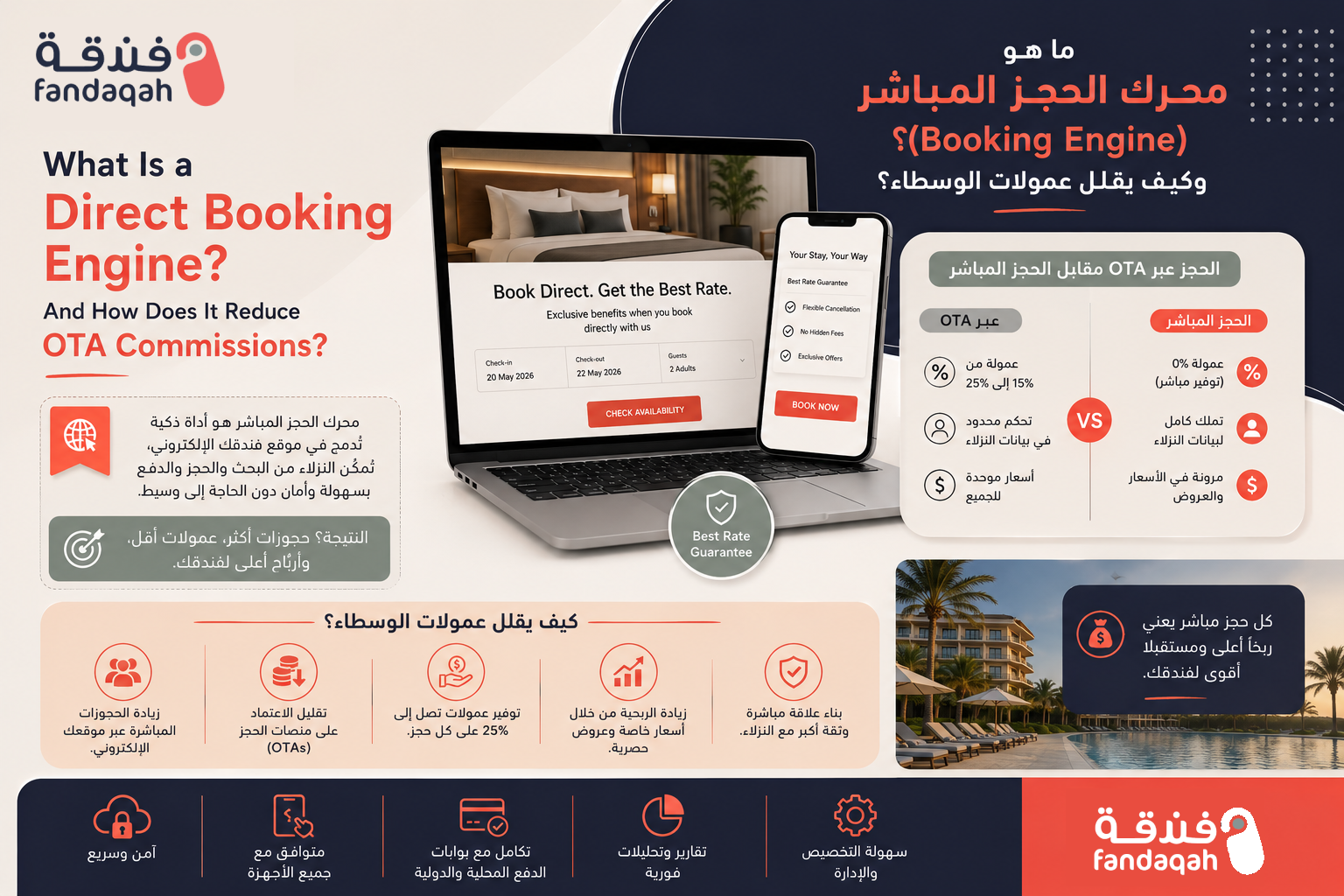
- Commission leakage: Paying 15 to 25 percent on fans who would have booked directly if the website had been competitive.
"Overlapping events do not test how many rooms you have. They test how fast you can see, price, and sell the rooms you have left."
What Is a Hotel Revenue Stress Test?
A hotel revenue stress test is a structured review of how your property performs when demand, segmentation complexity, and operational pressure peak at the same time. It asks five questions:
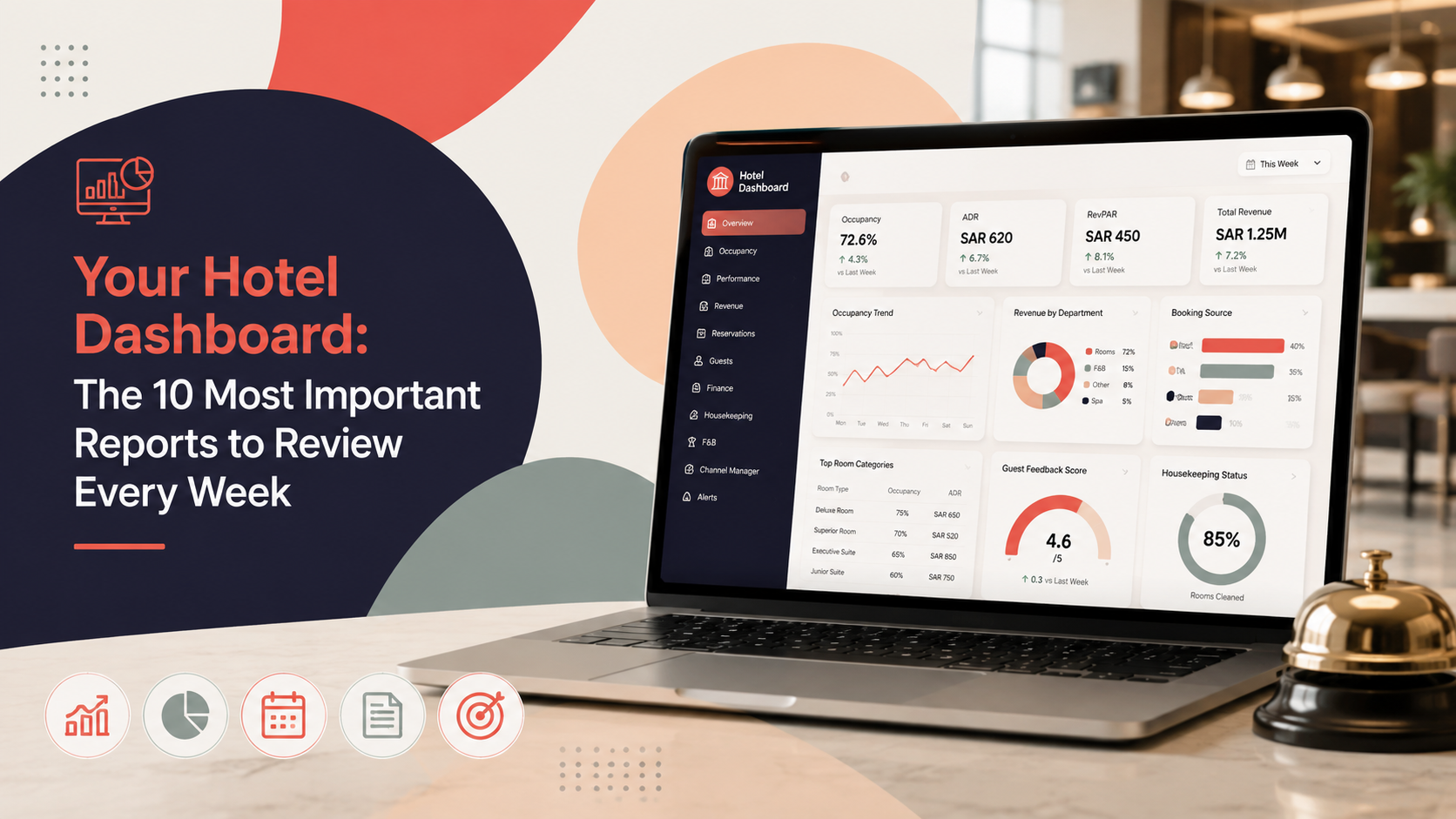
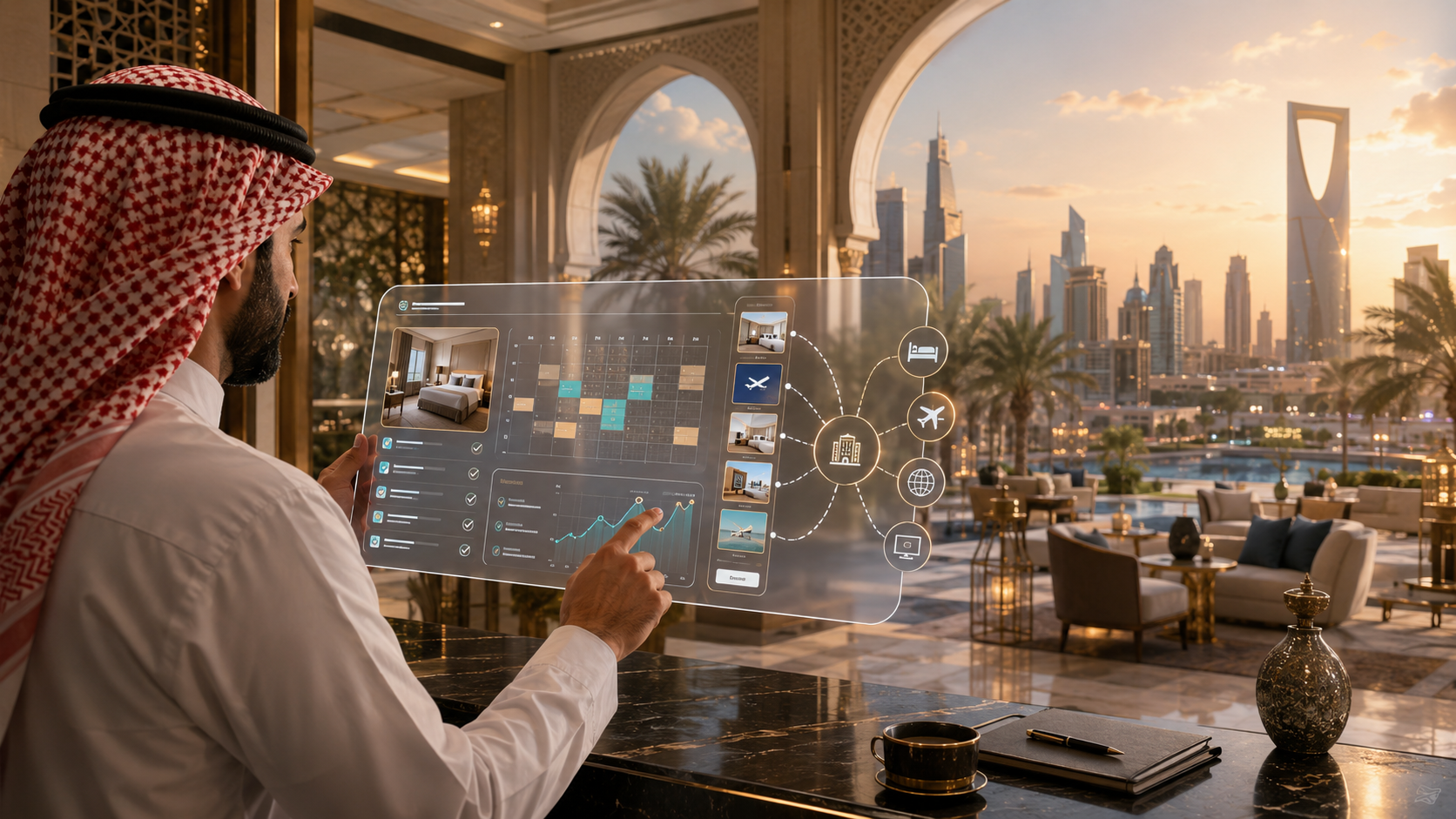
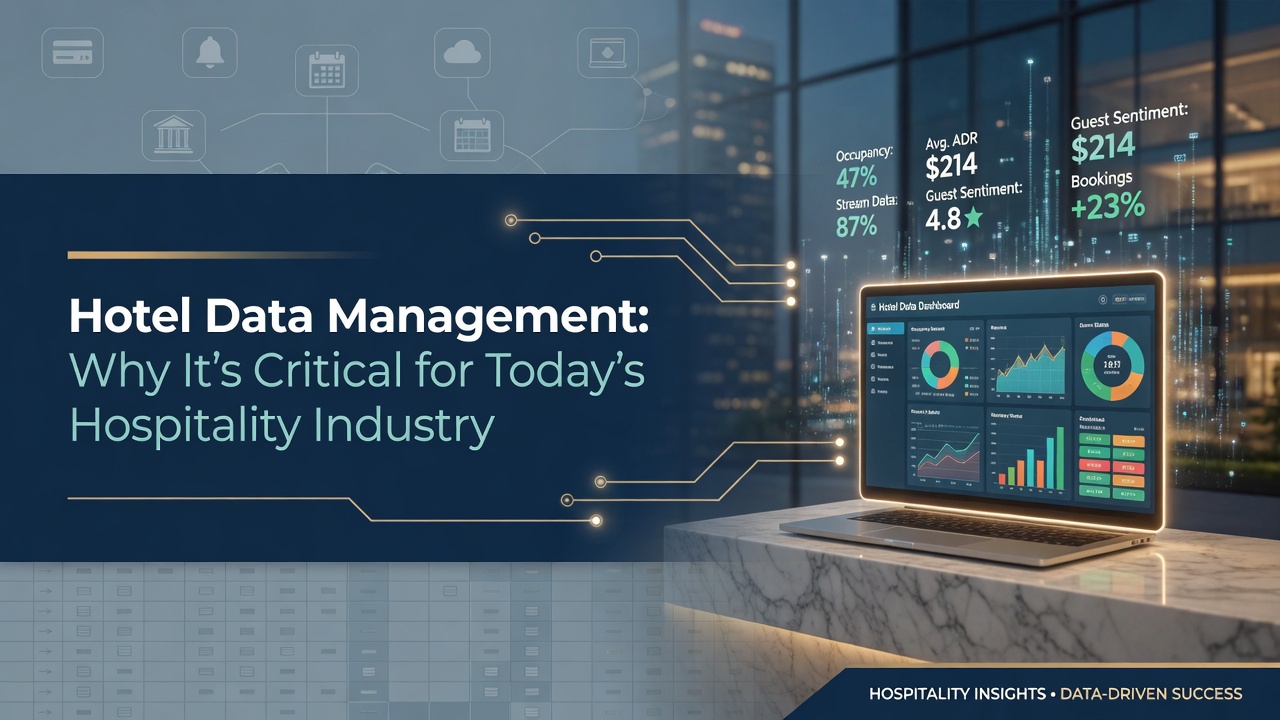
- Visibility: Can you see live occupancy, pickup, and group block status in one dashboard?
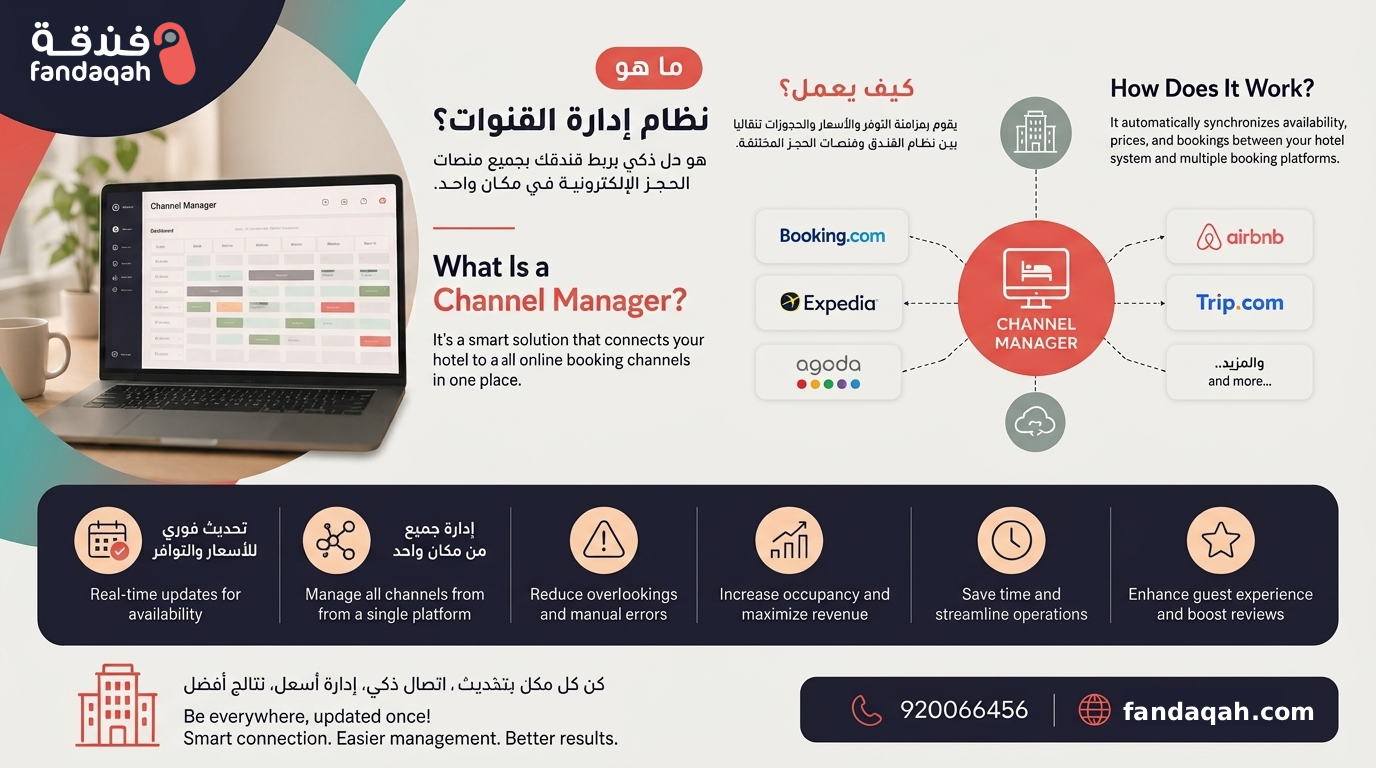
- Pricing speed: Can you change a rate once and have it reach your website and every OTA within minutes?
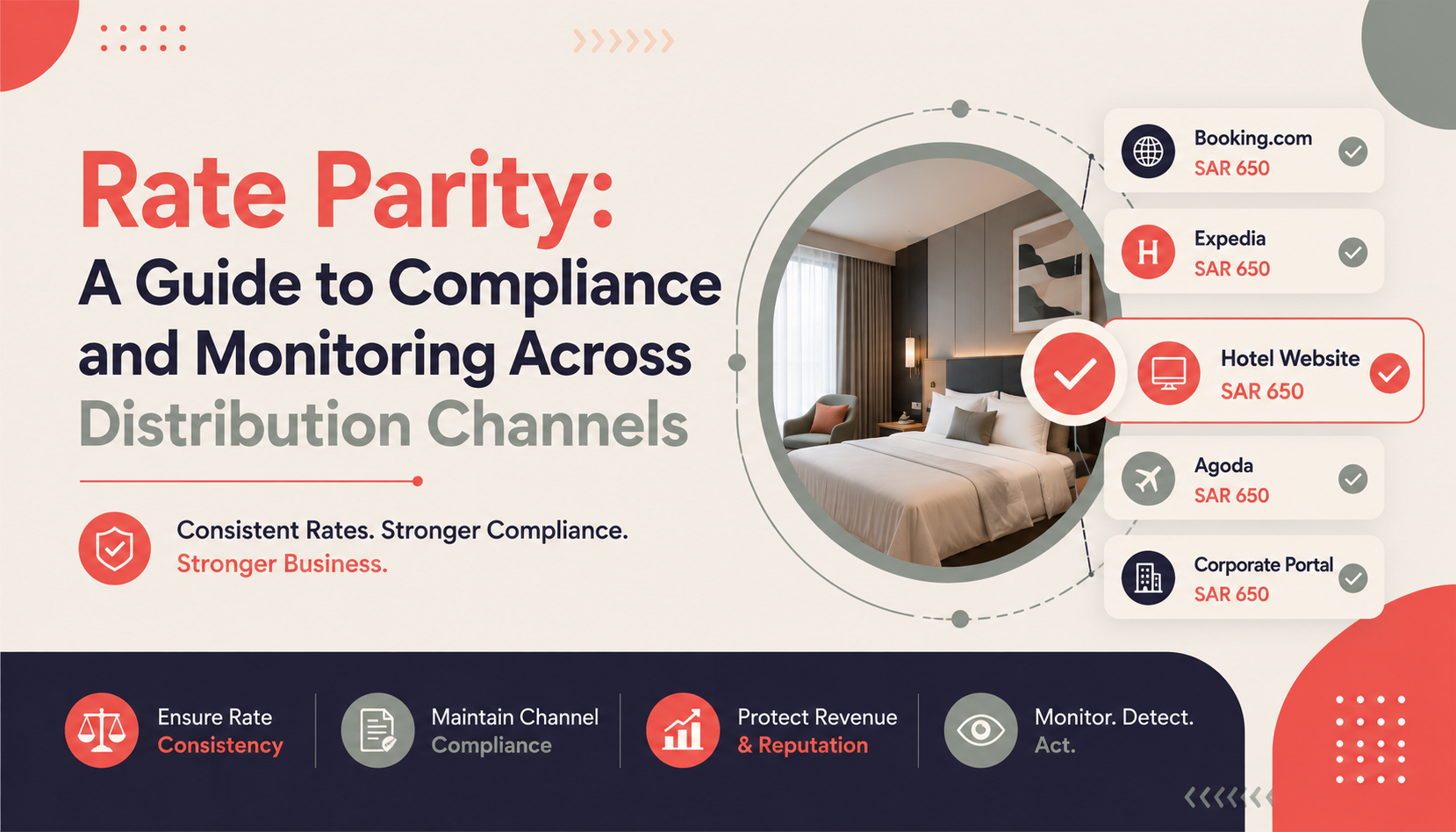
- Channel control: Can you stop-sell OTAs for specific room types while keeping your direct booking engine open?
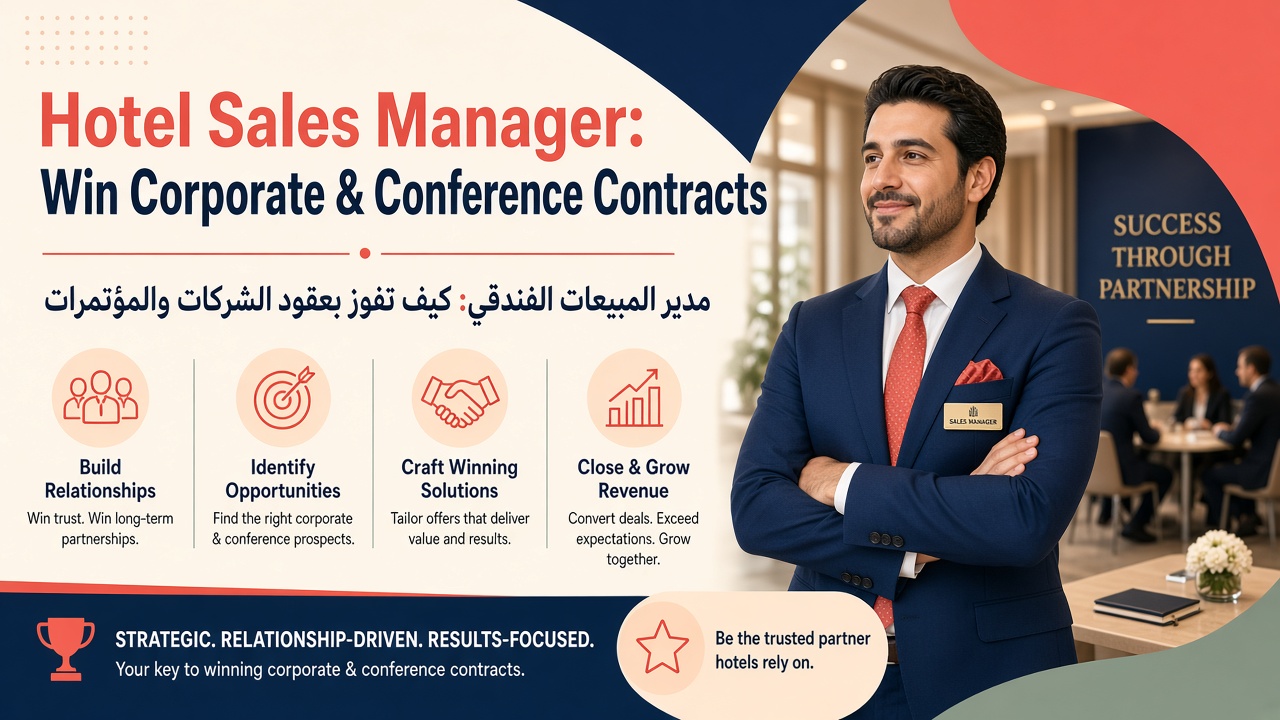
- Segmentation: Can you hold corporate blocks, price leisure rooms separately, and report on both?
- Guest communication: Can you message hundreds of arrivals in Arabic and English without manual work?
If the answer to any of these is "not really," the week will expose it. The good news is that modern hotel PMS and booking engine technology for Saudi Arabia can close most of these gaps in weeks, not years.
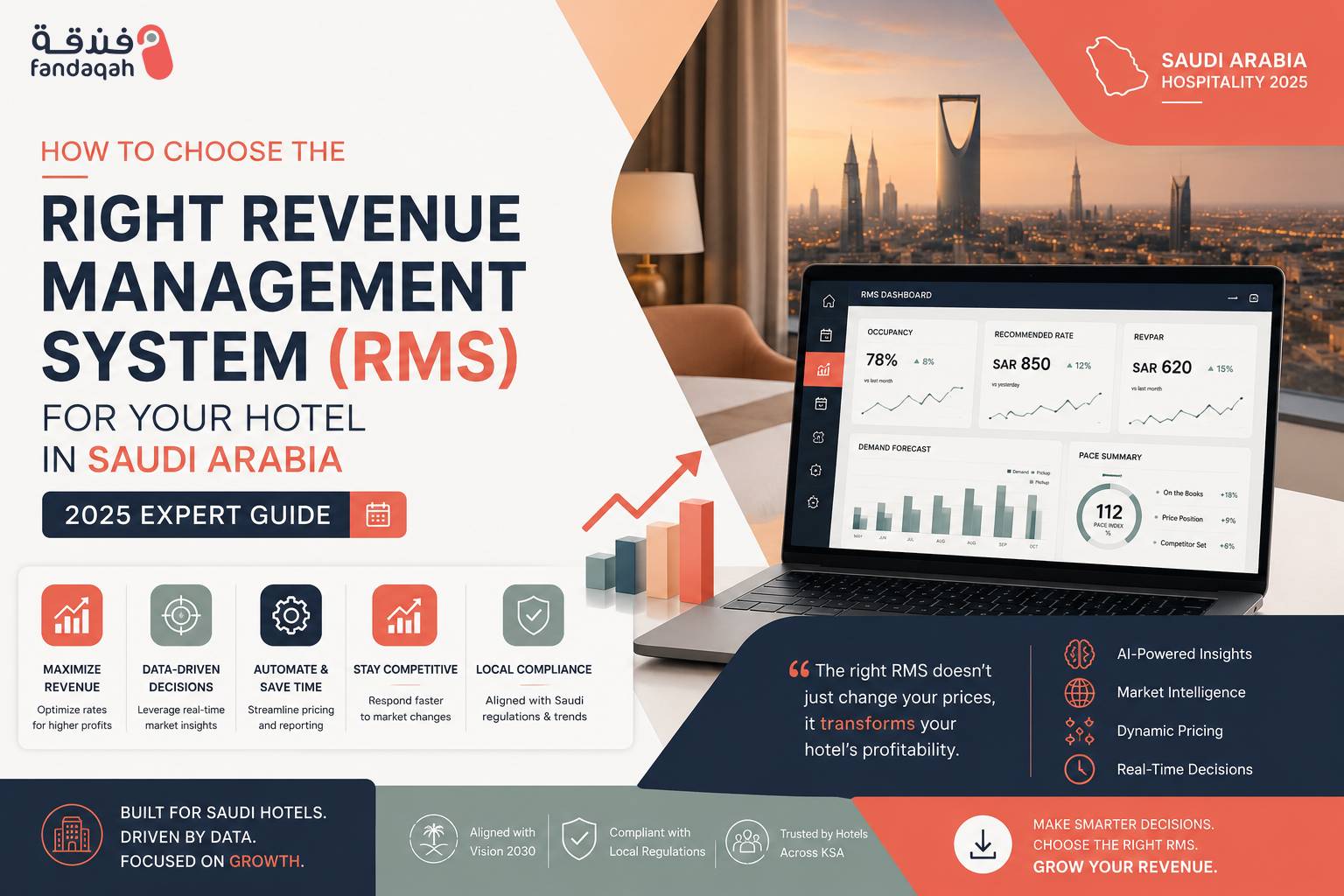
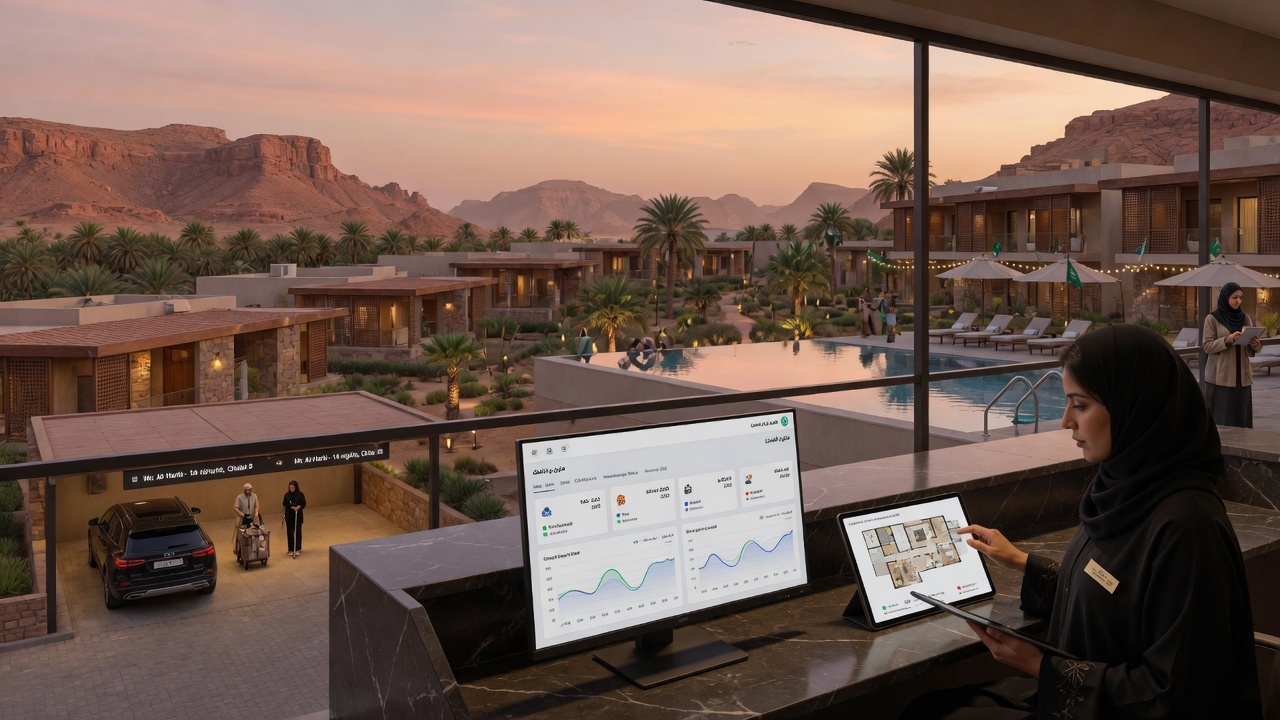
Key Technology Features Al Khobar and Dammam Hotels Need Before Event Week
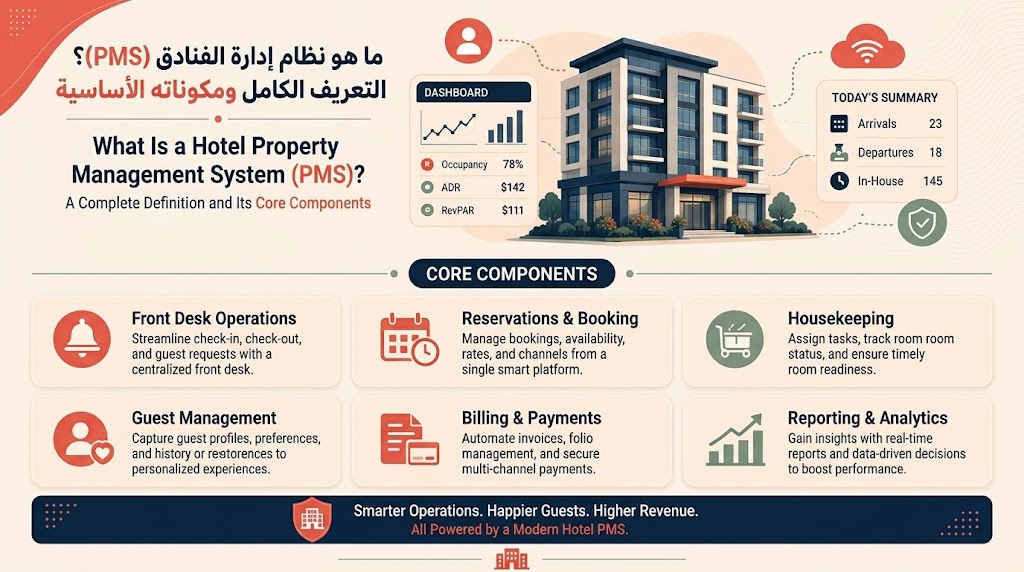
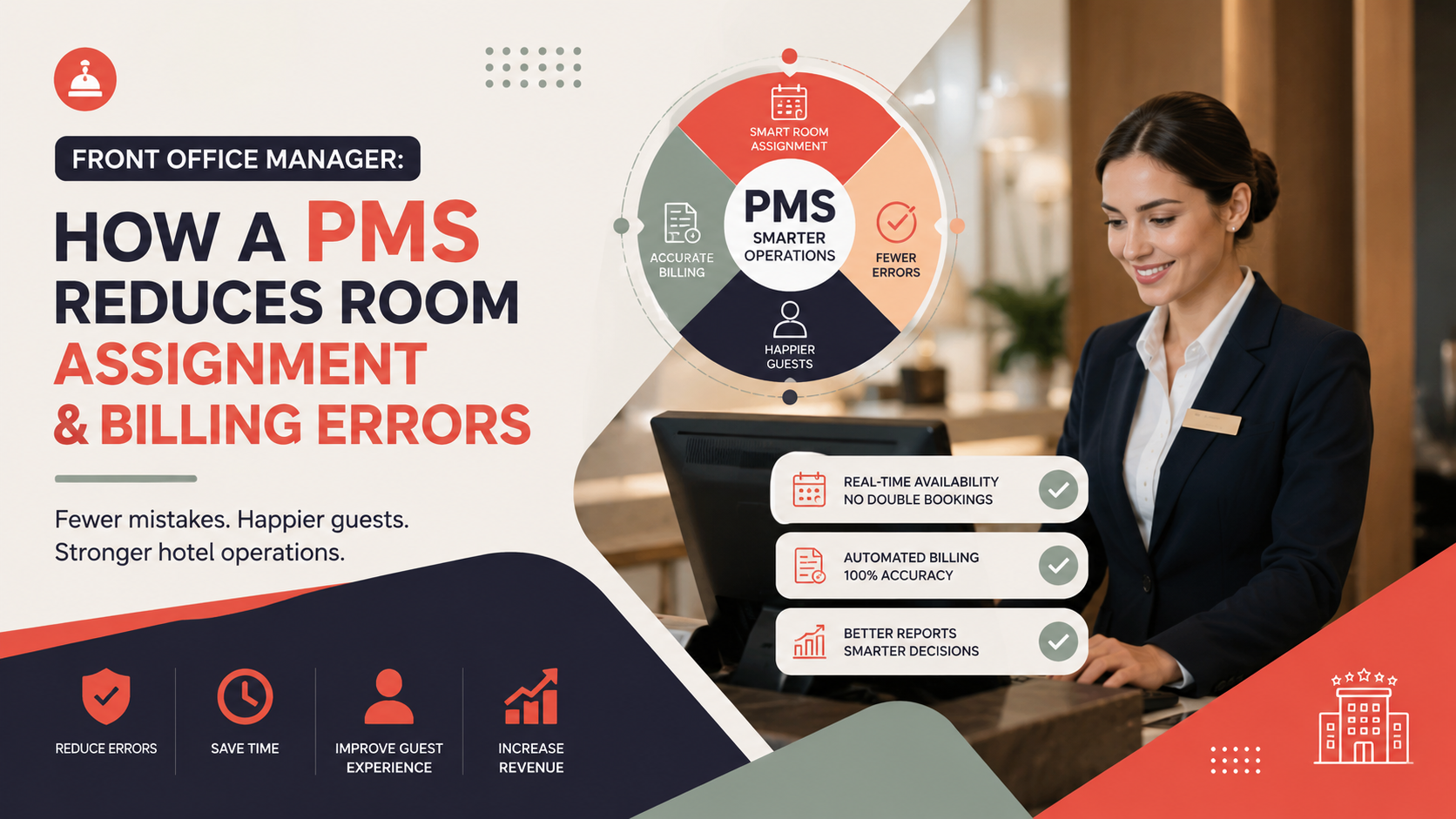
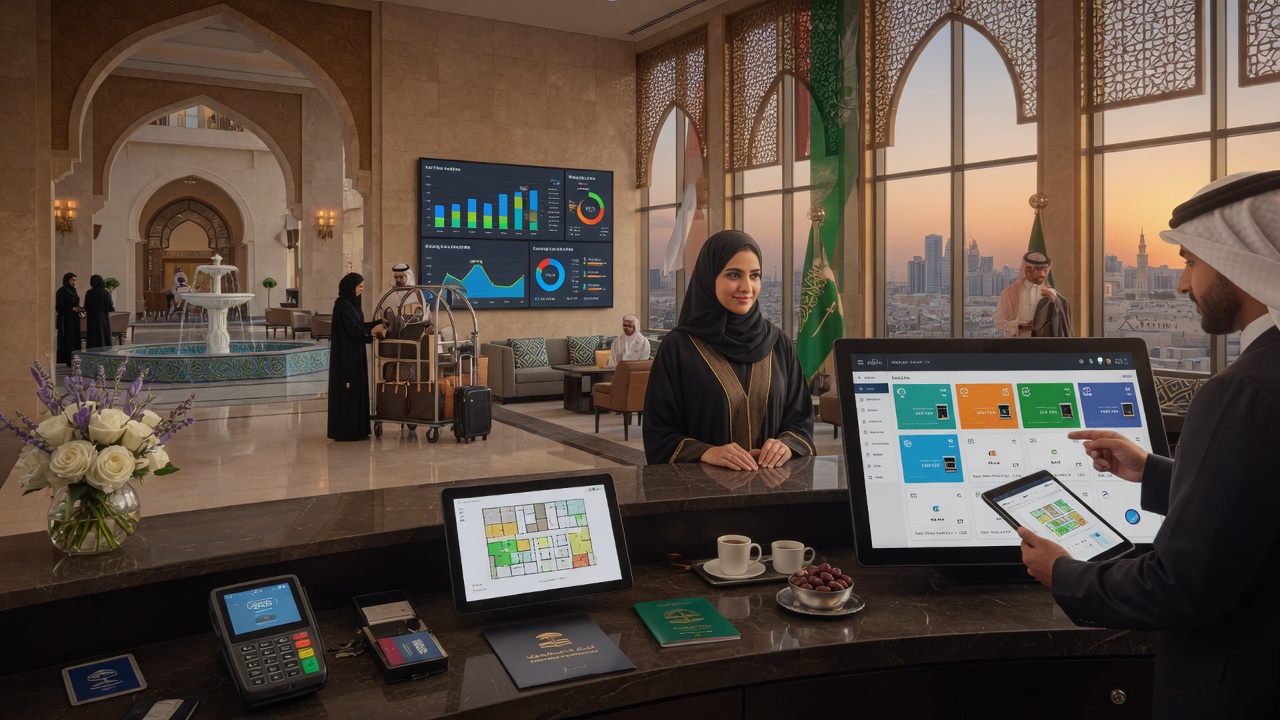
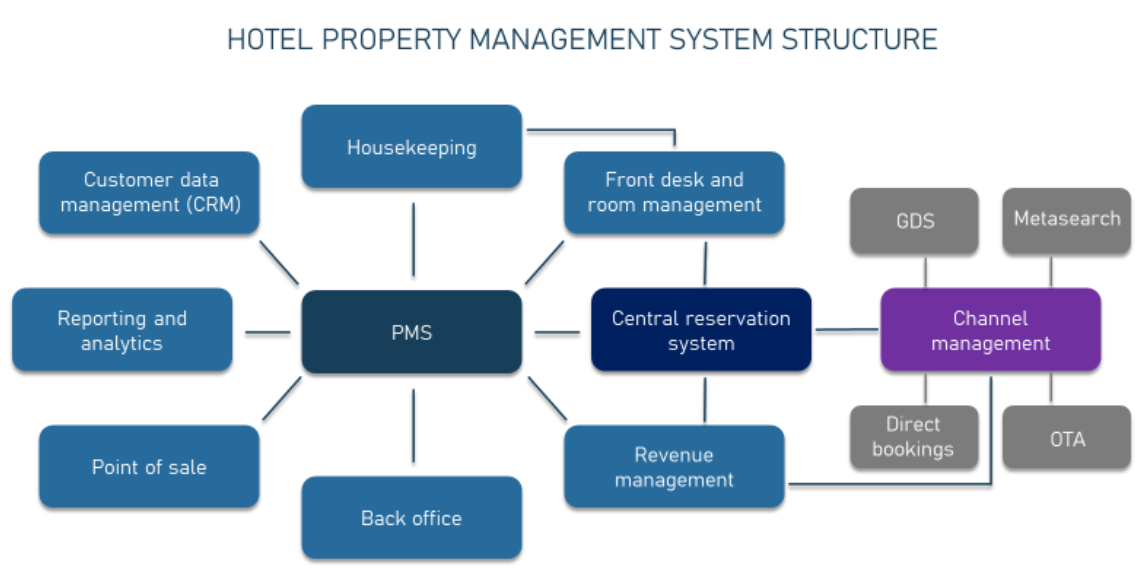
- Cloud PMS with real-time inventory: A single source of truth for rooms, blocks, and availability across the front desk, website, and OTAs.
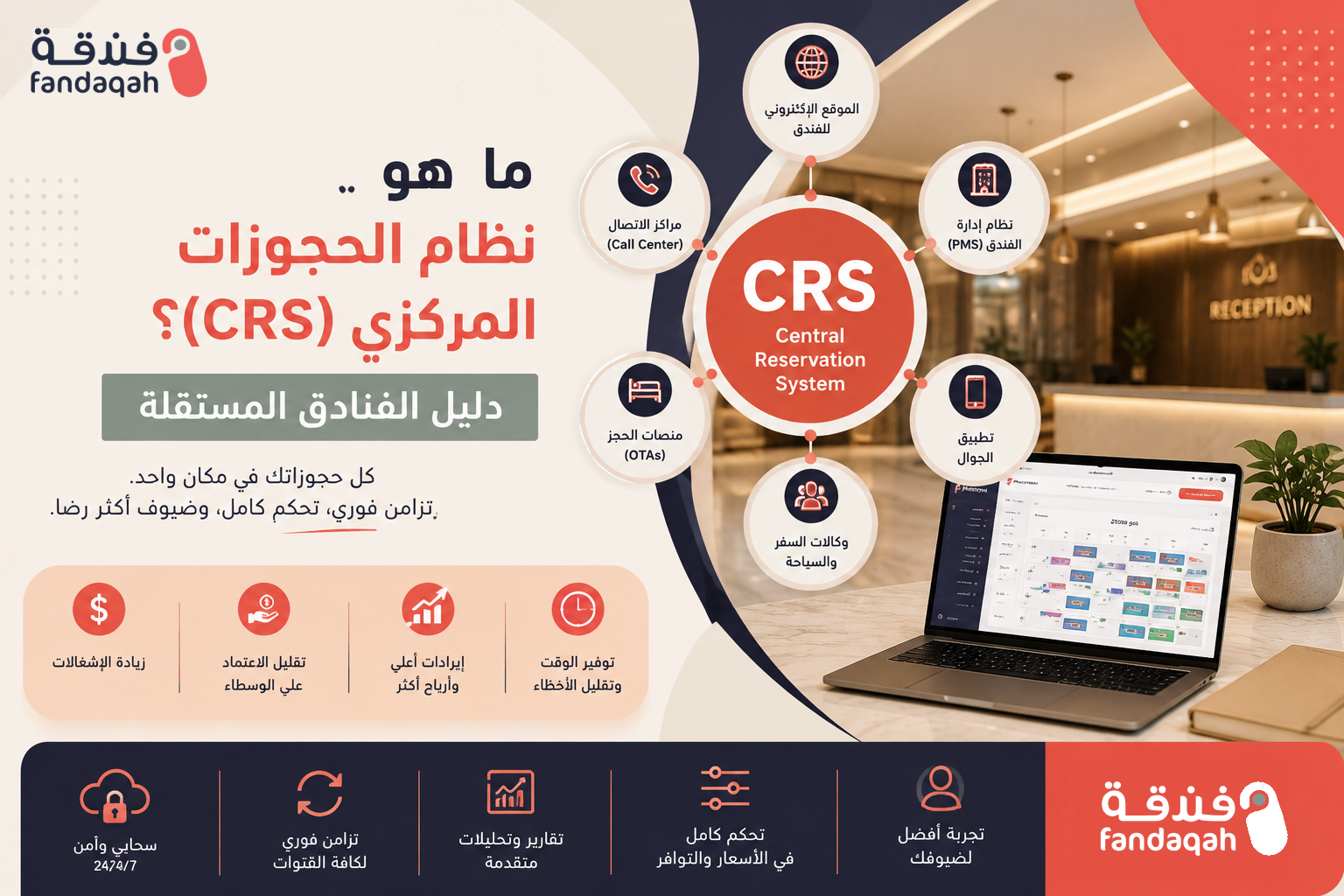
- Group and block management: Create exhibition blocks with cut-off dates, track pickup, and release unused rooms automatically.
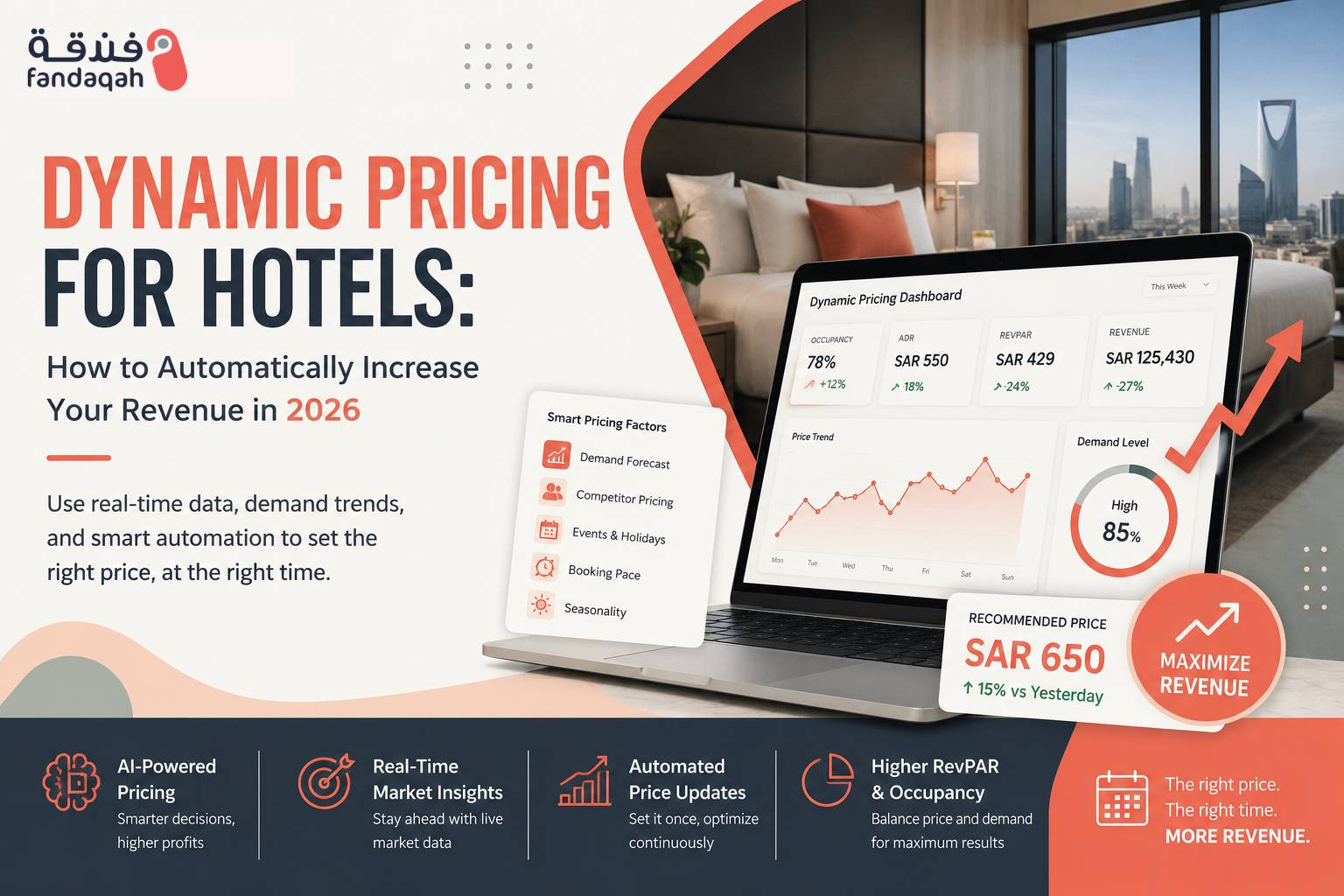
- Dynamic pricing and rate rules: Occupancy-based rate increases, minimum-stay rules for fight night, and separate rate plans for corporate and leisure.
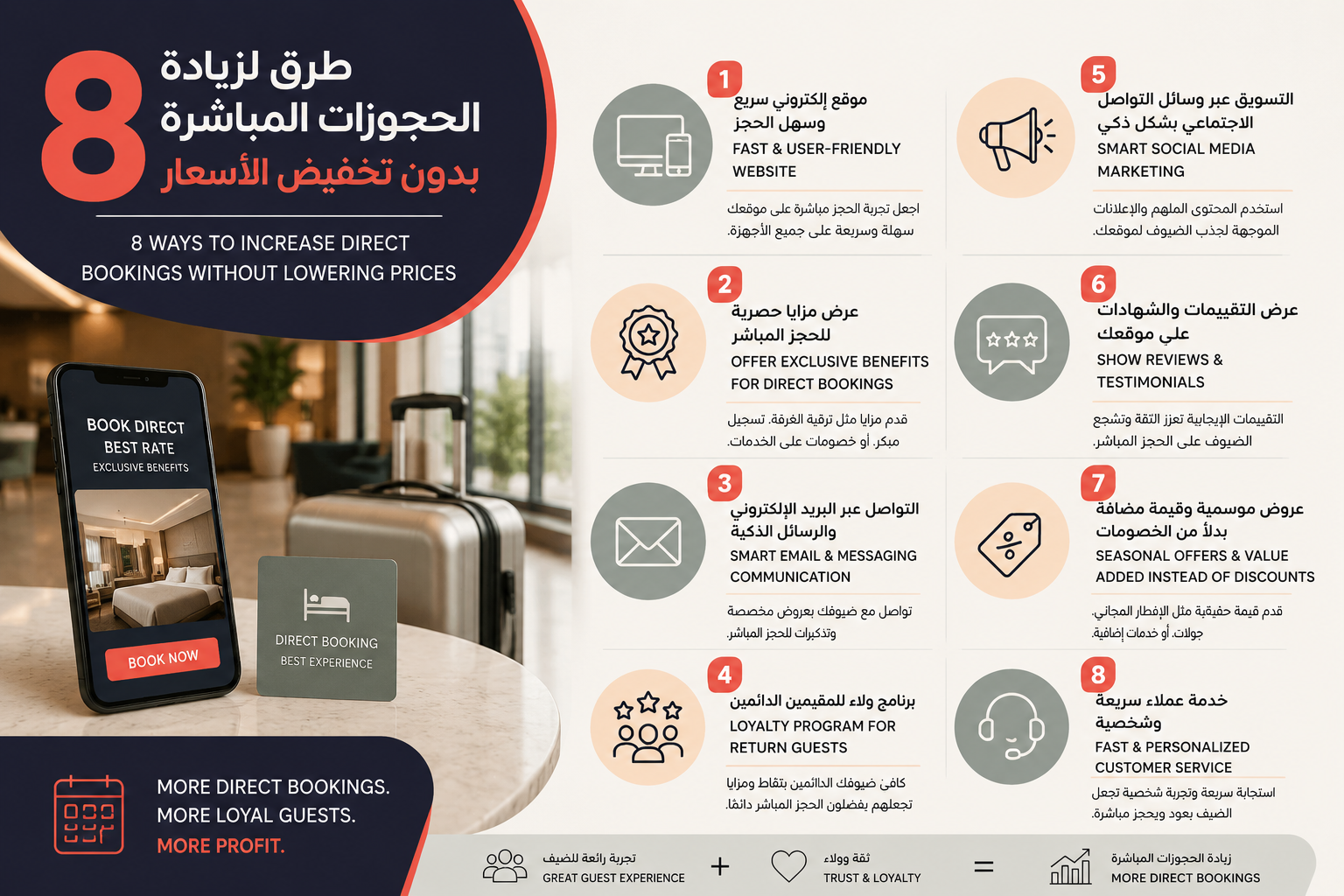
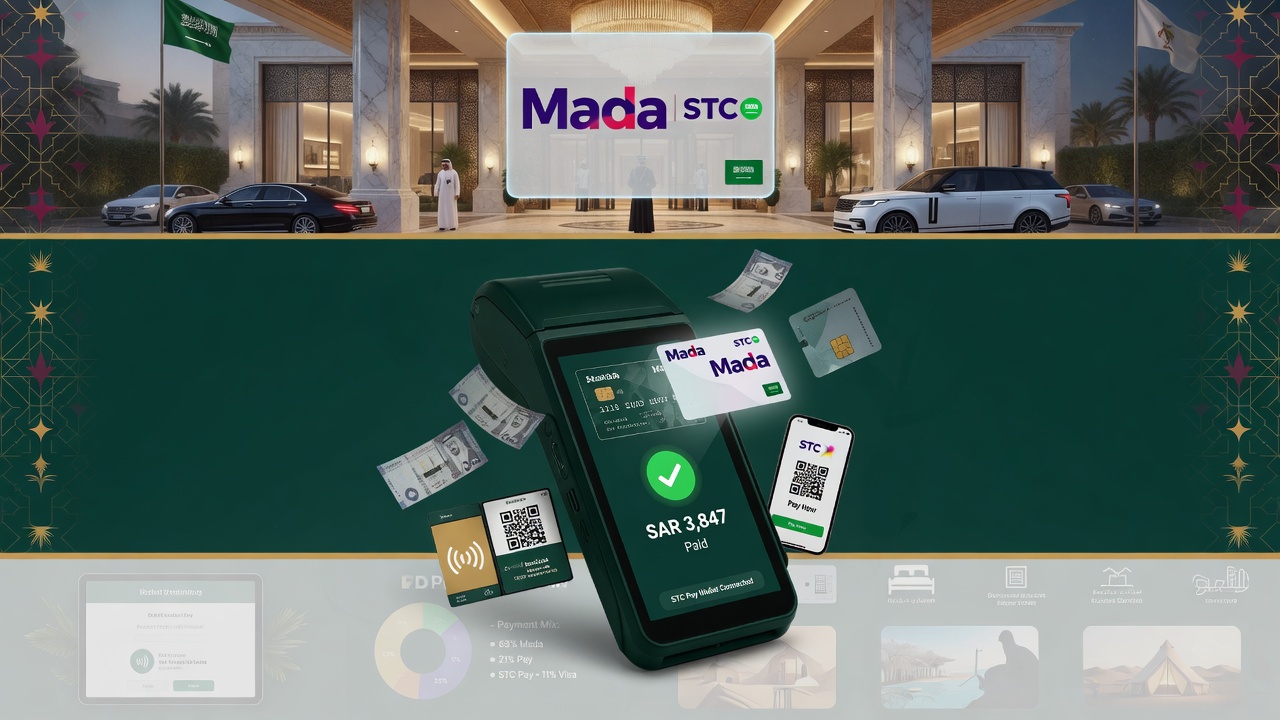
- Direct booking engine in Arabic and English: Mobile-first, supporting mada, Apple Pay, and major cards, with promo codes for event packages.
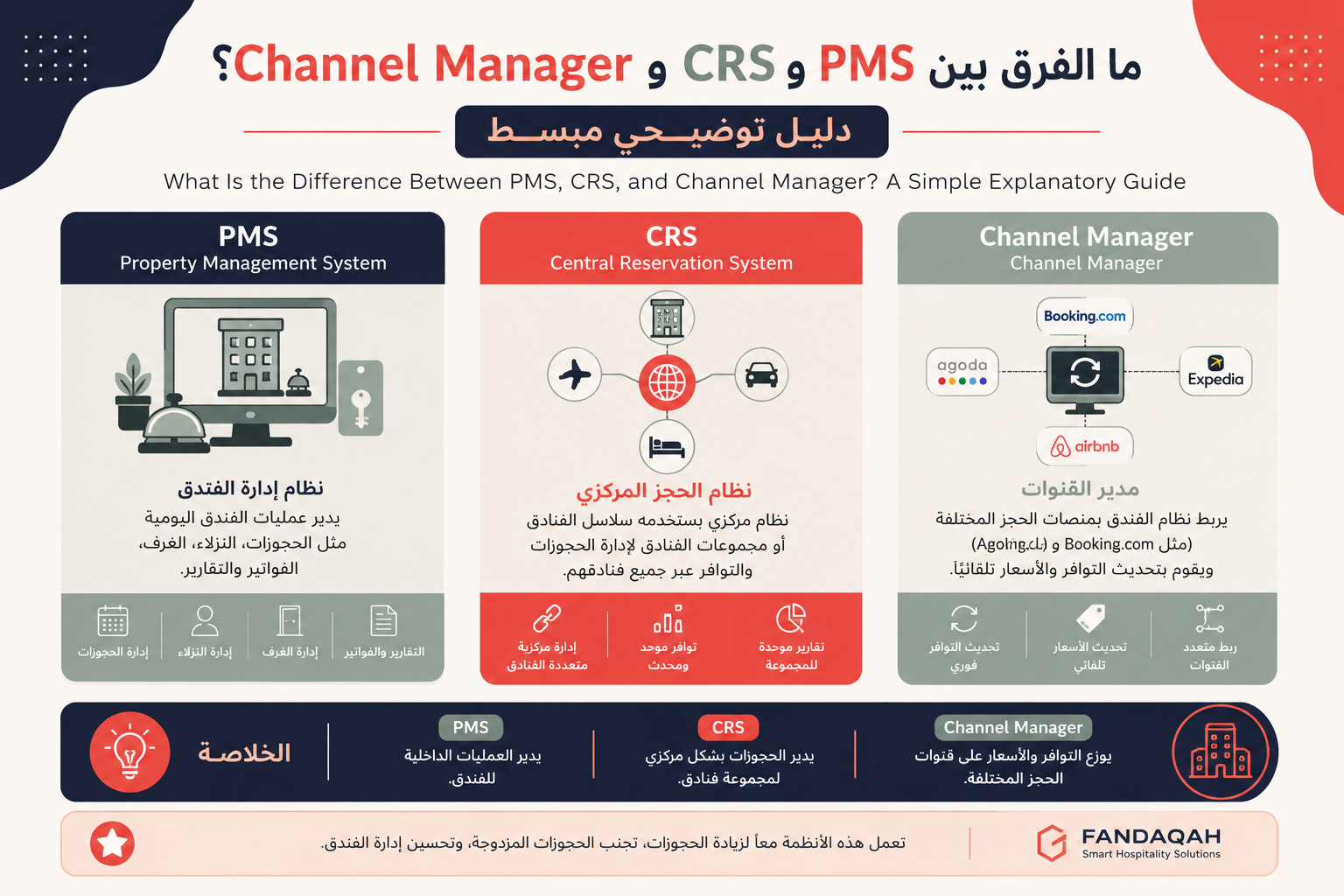
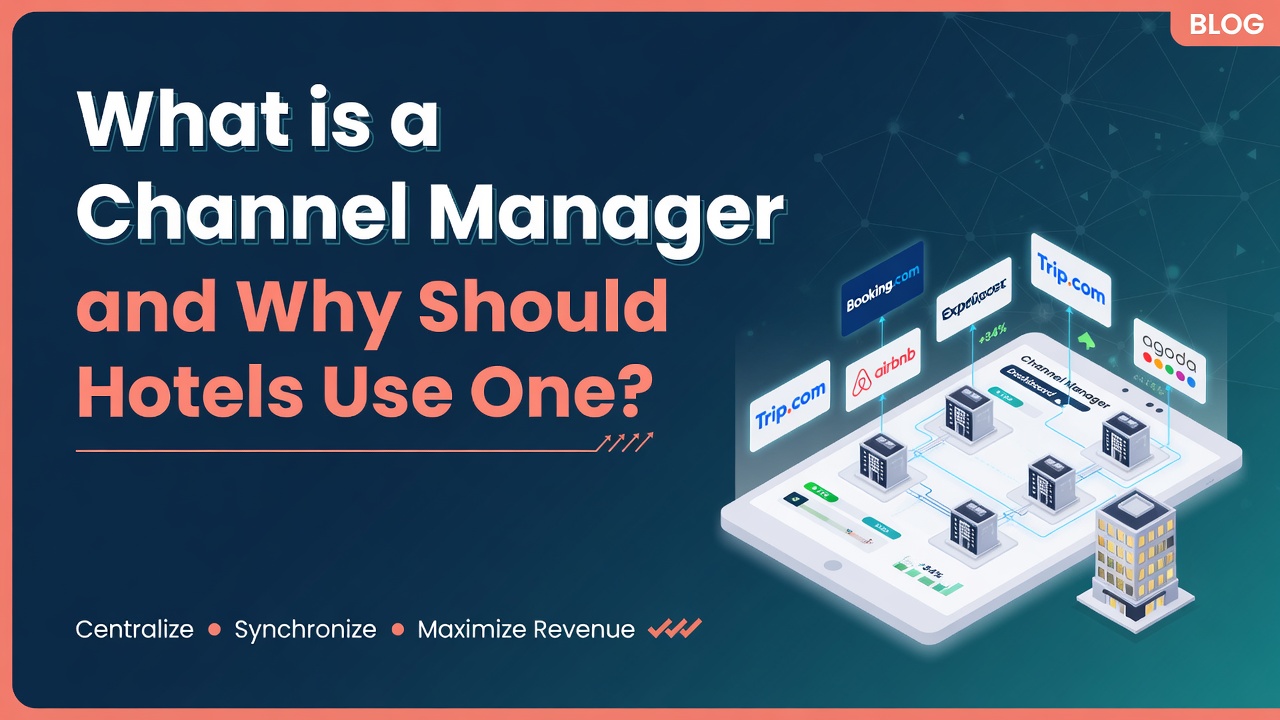
- Channel manager connectivity: Two-way sync with OTAs so rate changes and stop-sells take effect quickly.
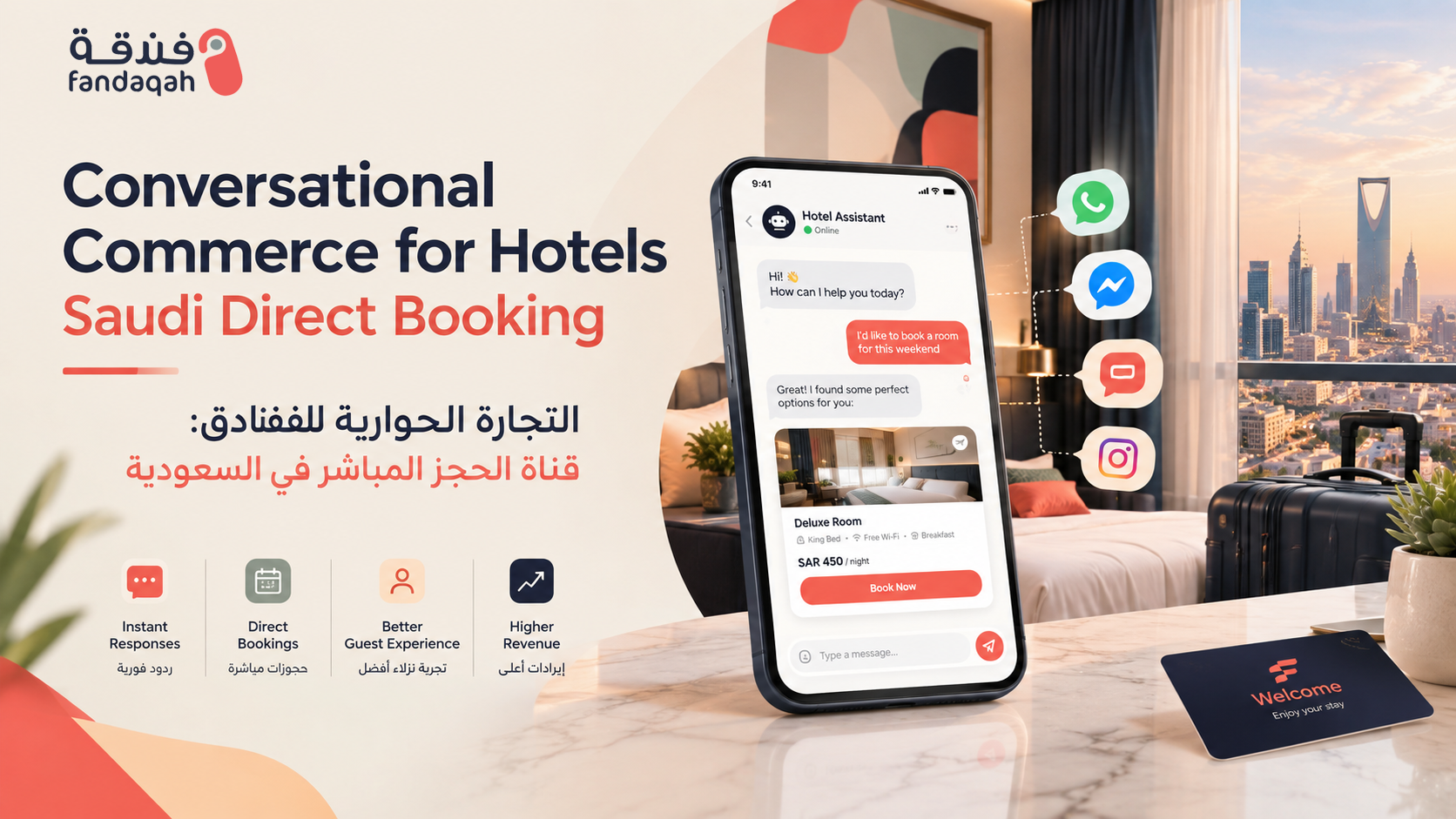
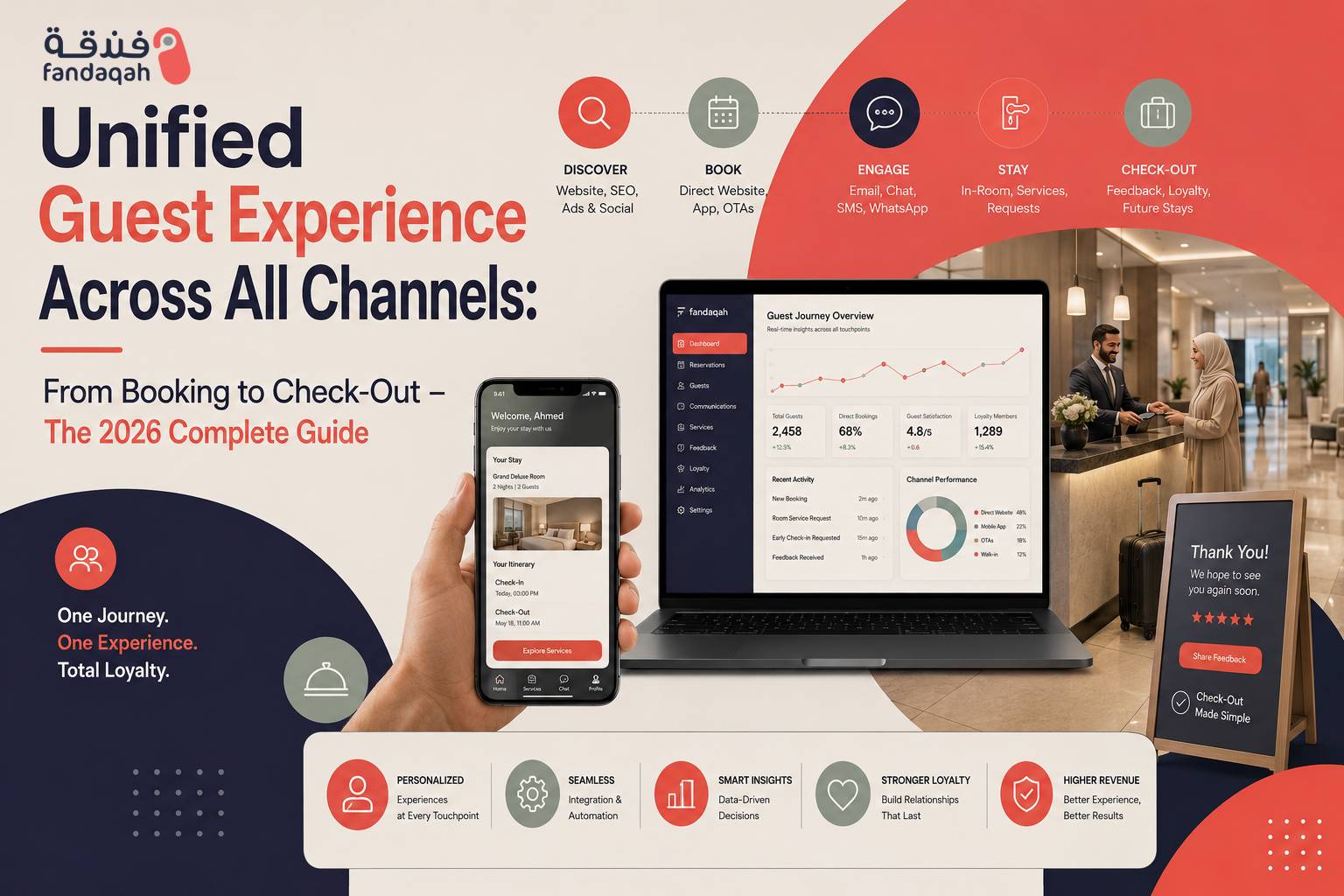
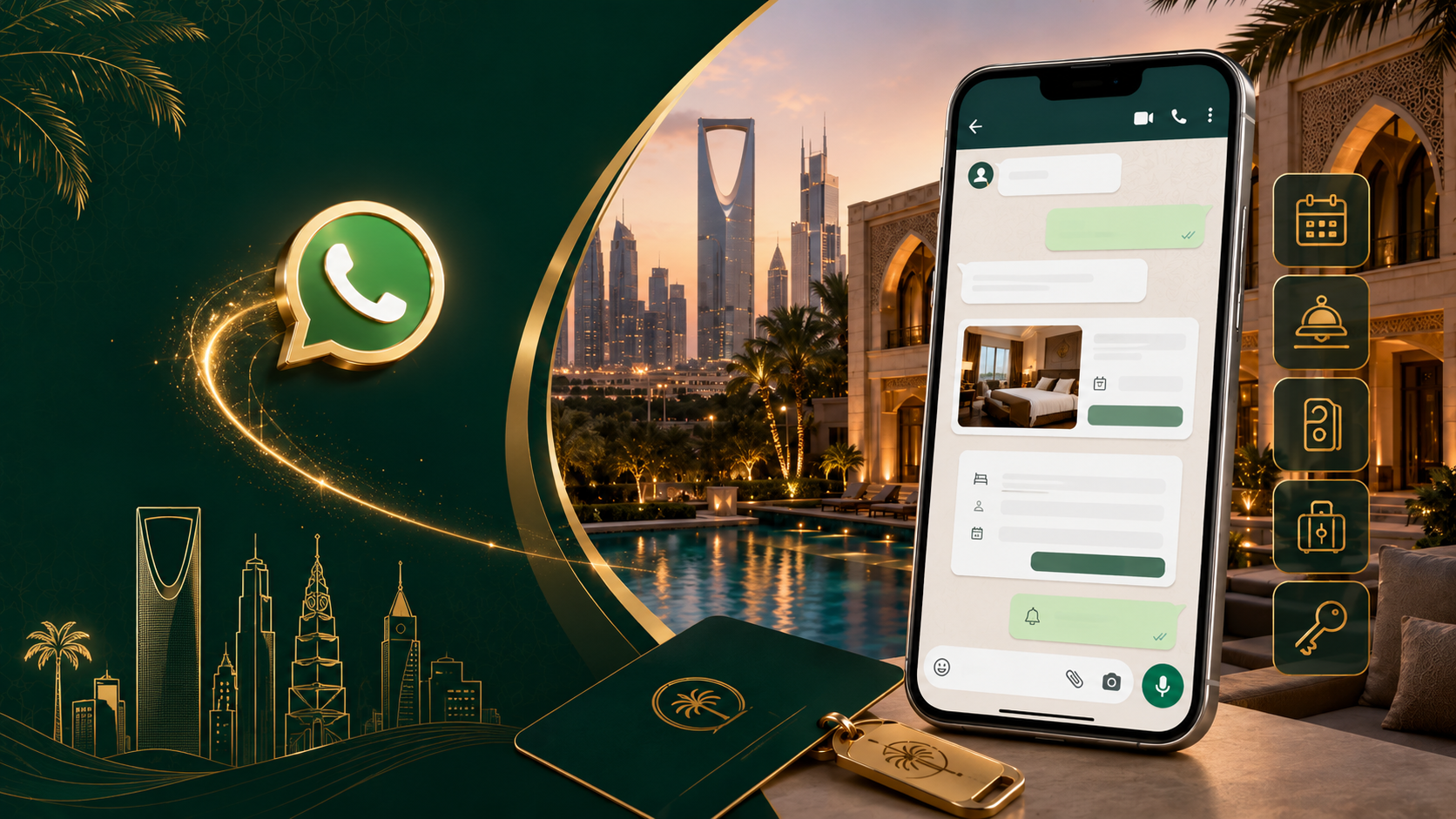
- Automated guest messaging: WhatsApp and email flows for pre-arrival, in-stay upsells, and post-stay offers.
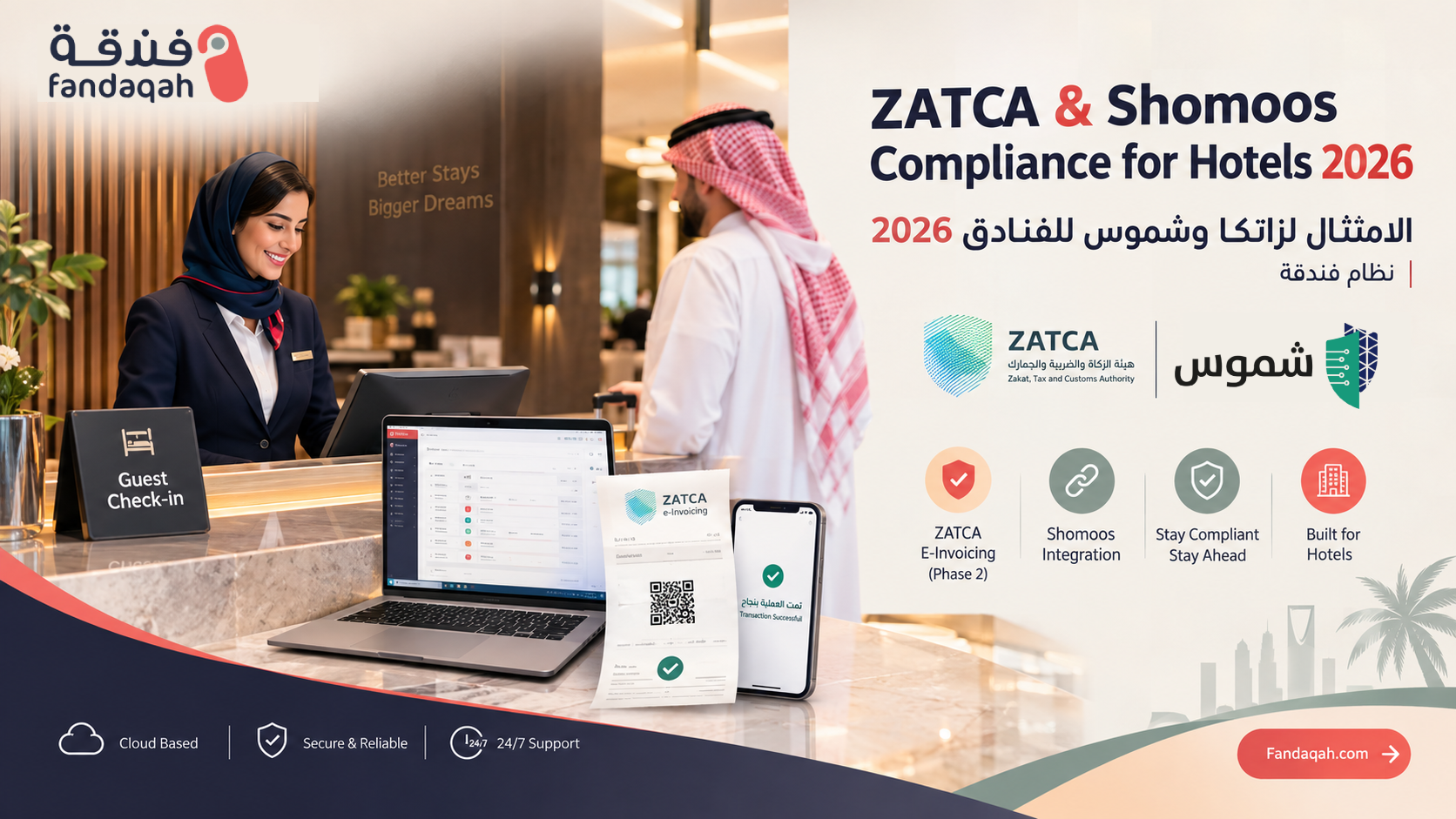
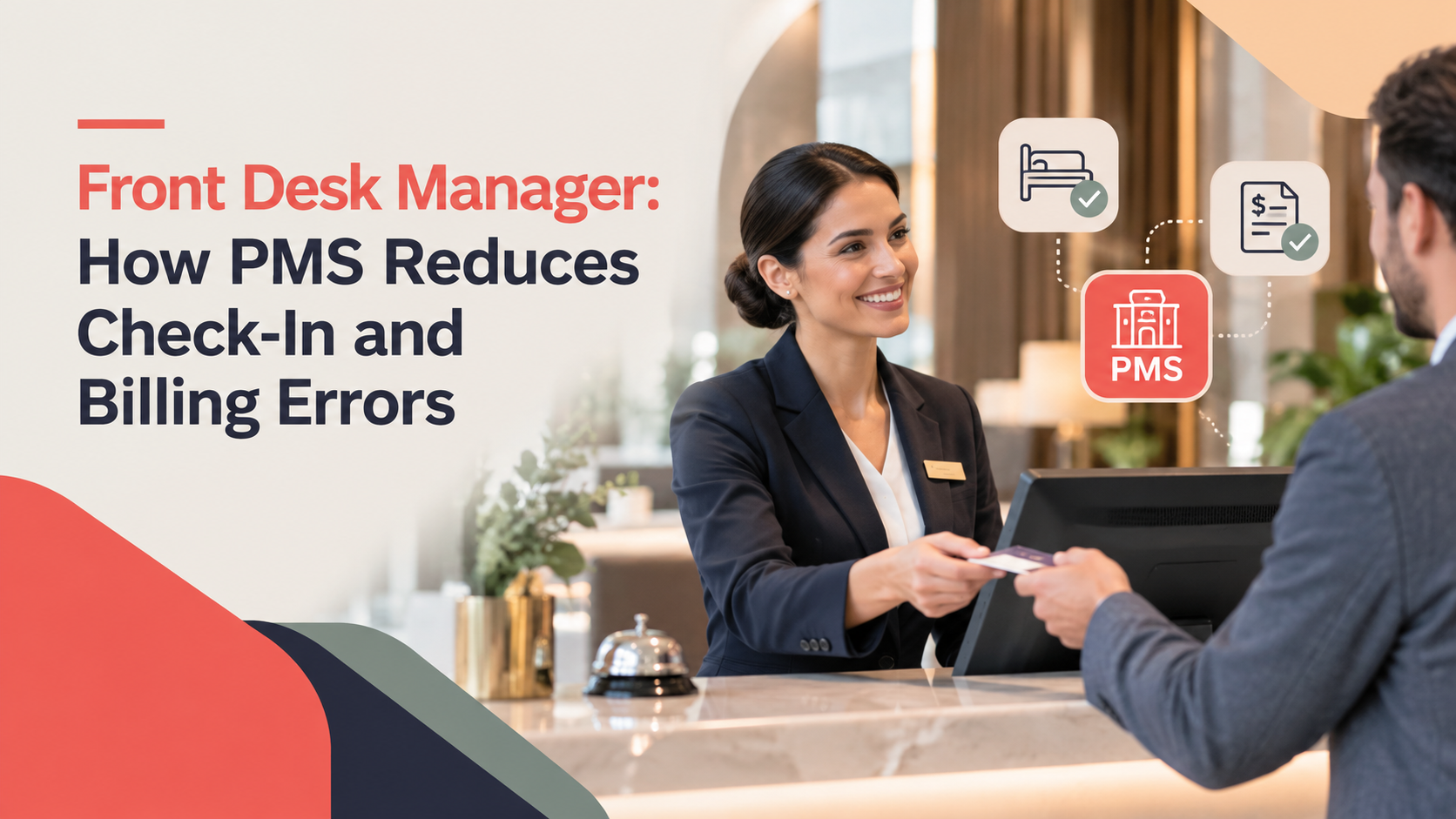
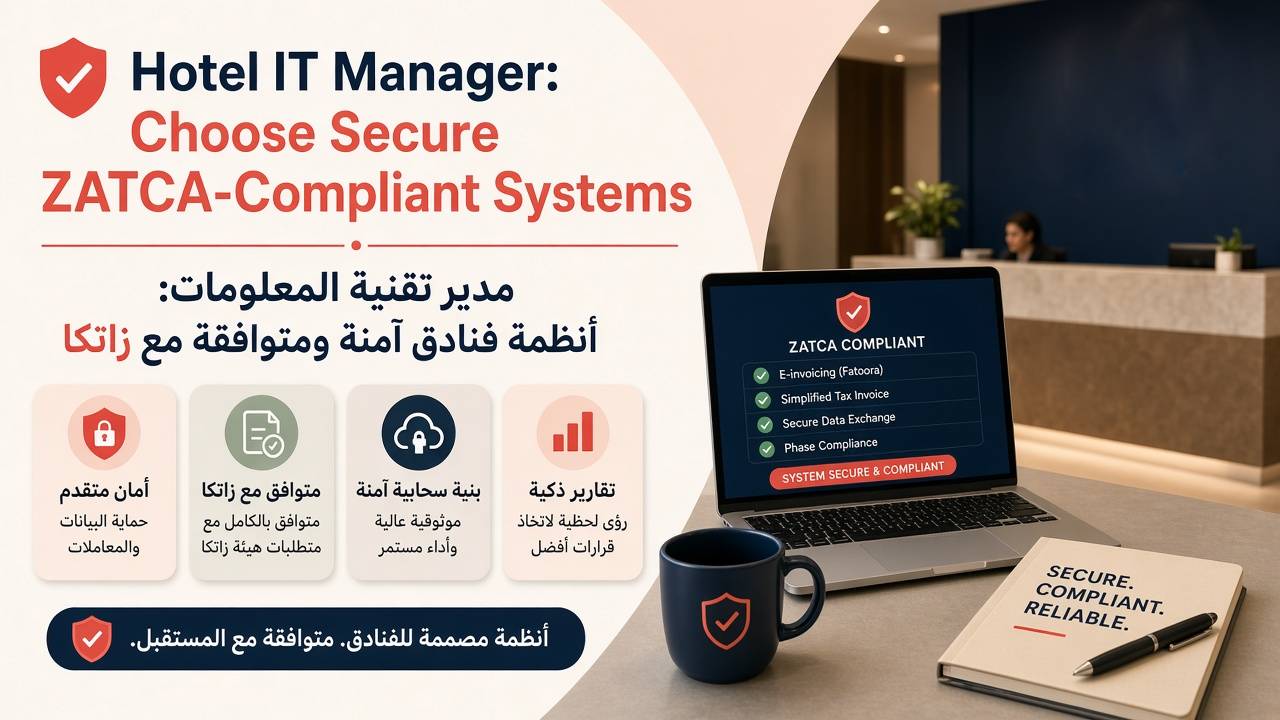
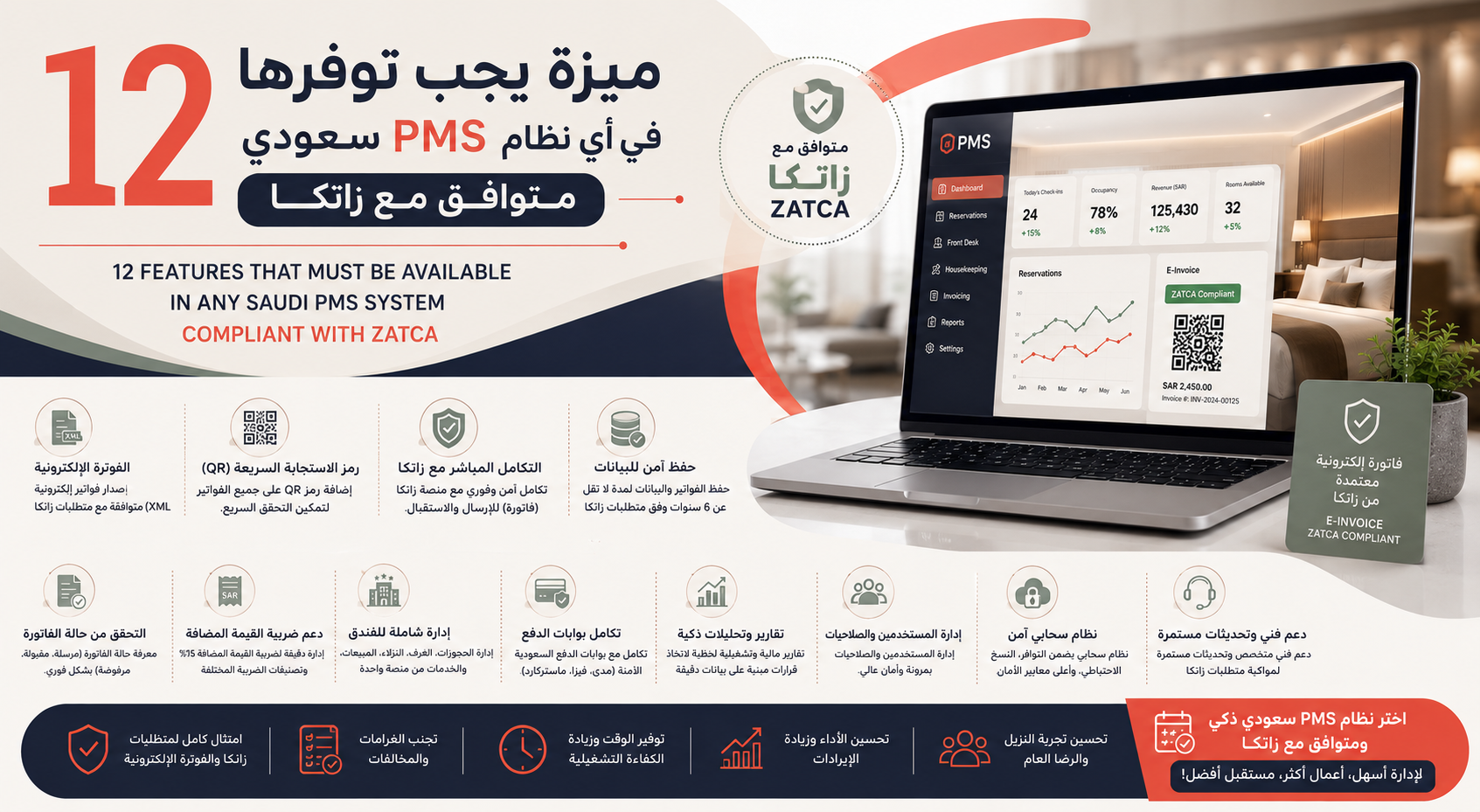
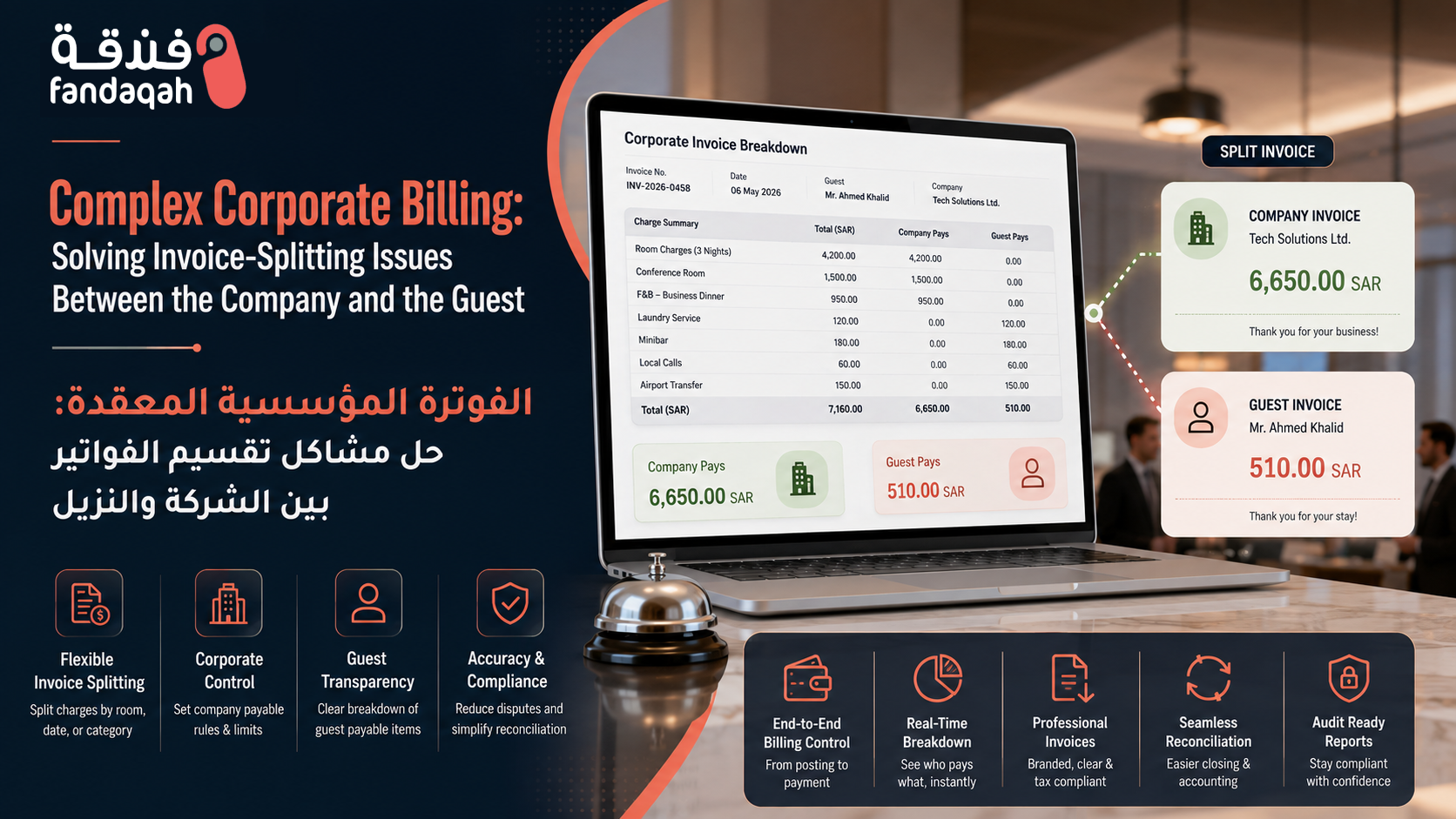
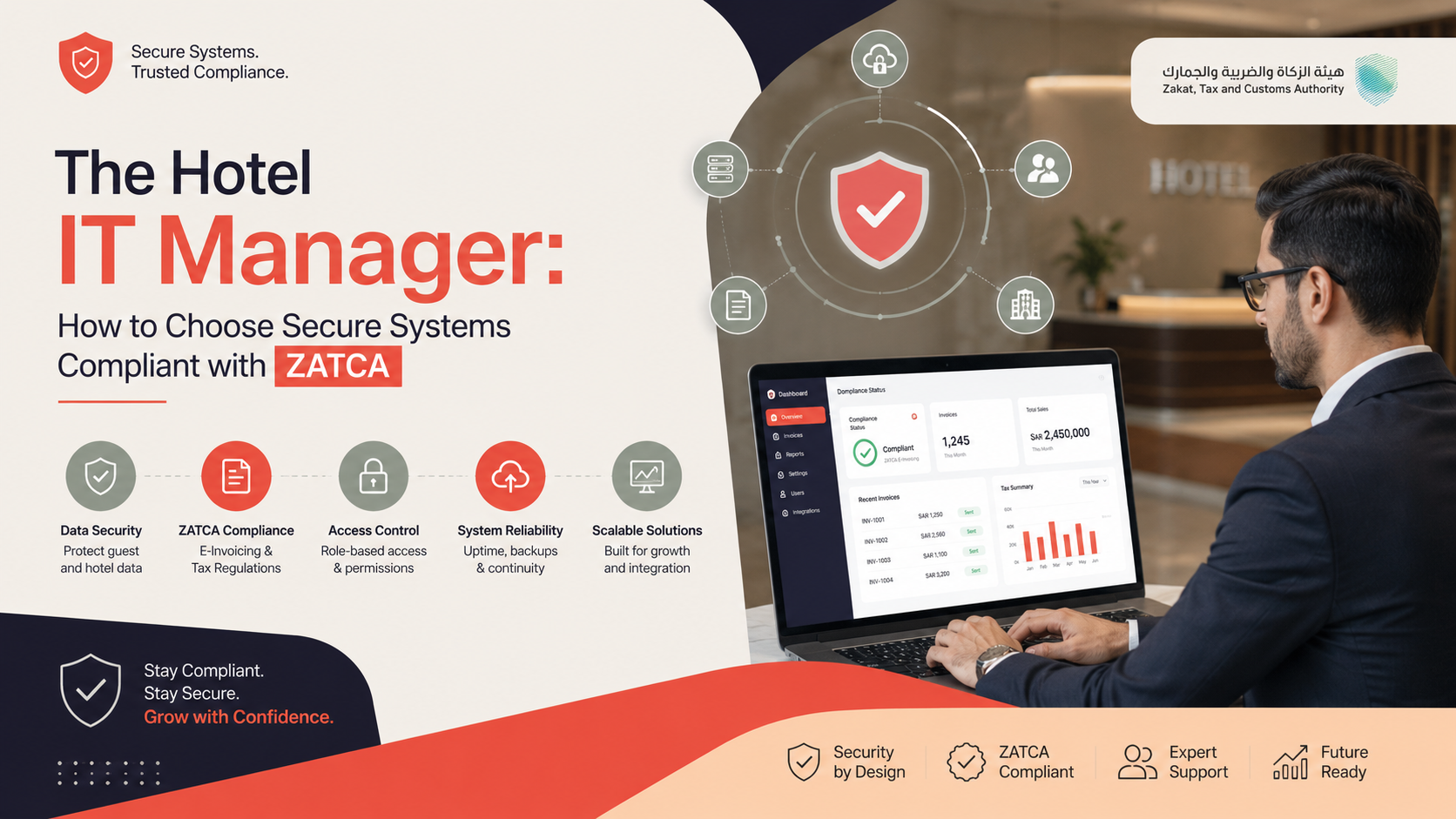
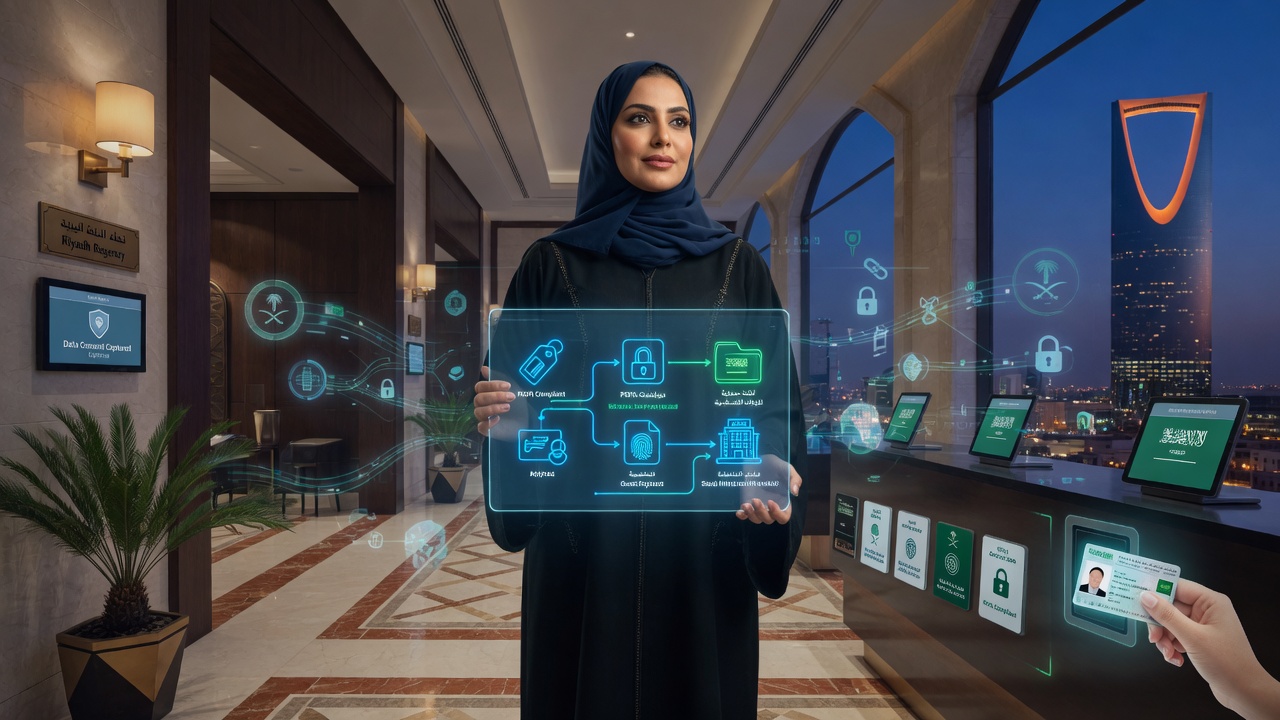
- ZATCA-compliant e-invoicing: Automatic VAT invoices for corporate delegates and group accounts.
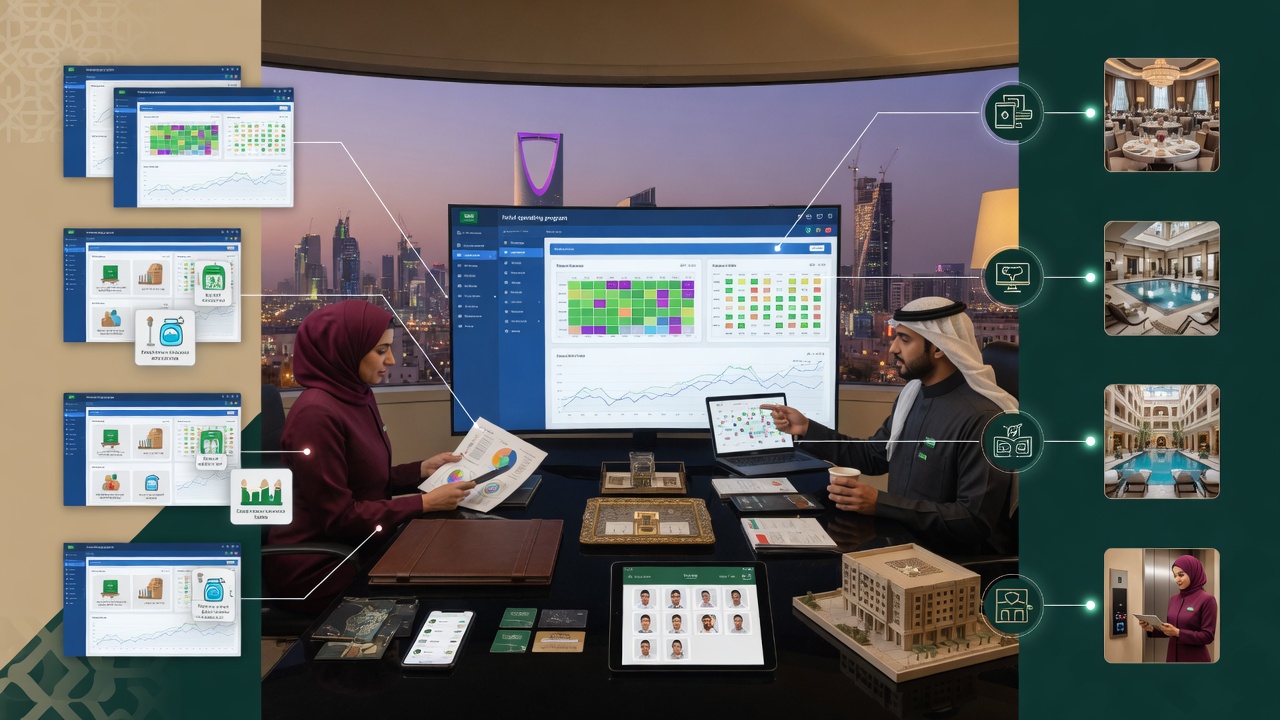
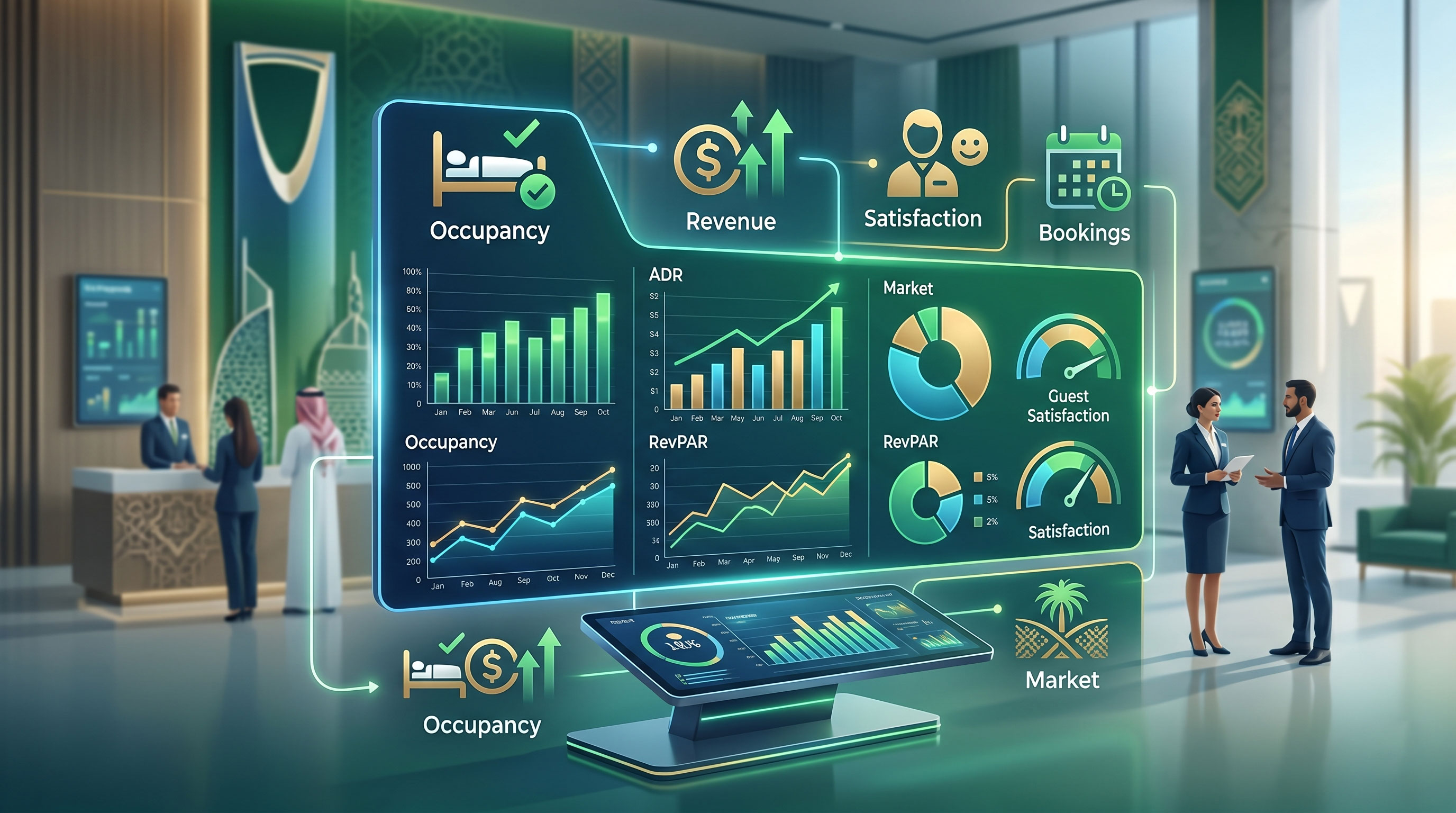
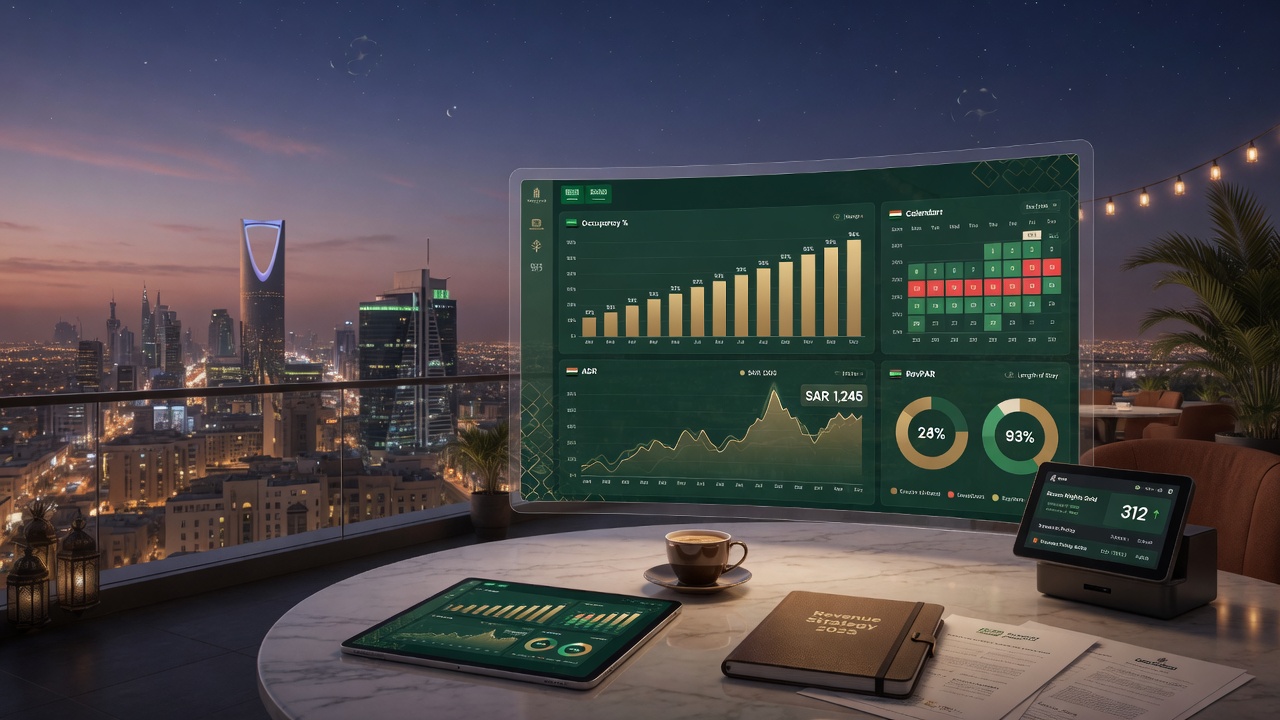
- Segment and channel reporting: Daily views of corporate versus leisure, direct versus OTA, and ADR by segment.
Benefit summary:
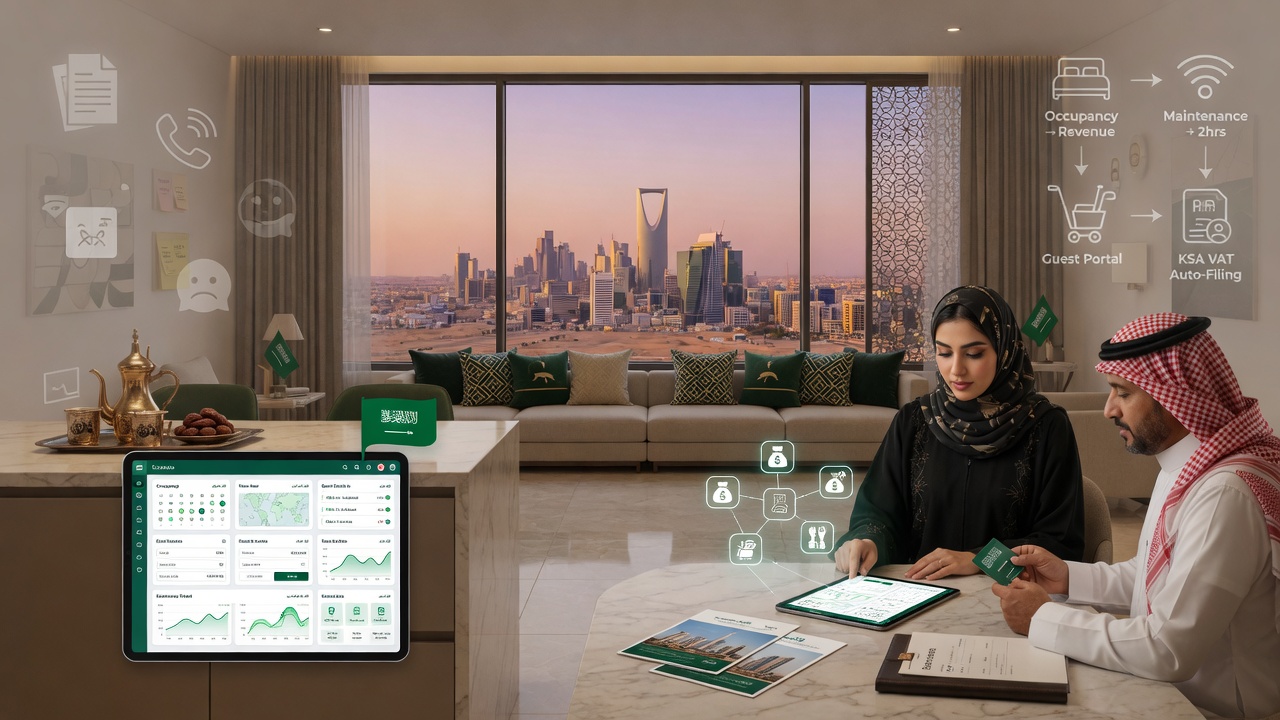
With these capabilities connected, a hotel can protect contracted corporate revenue, capture premium leisure demand at the right price, cut OTA commission on last-minute bookings, and finish the week with clean data and a stronger direct guest database.
The 7-Day Hotel Revenue Stress Test Playbook
This plan assumes a seven-day window that includes the exhibition days and the fight night. Adjust the day numbers to match the confirmed 2026 schedule. Each day has a revenue goal, a technology action, and a guest-facing action.
Day 1: Delegate arrivals – protect the blocks, open the upsell
Revenue goal: Clean check-ins for groups and zero block errors.
Technology action: Verify every exhibition block in the PMS against the organizer's rooming list. Confirm cut-off dates and release any rooms not picked up. Set corporate rate plans to "closed to new bookings" so leisure guests do not access contracted rates.
Guest action: Send delegates a WhatsApp welcome with exhibition venue directions, shuttle times, and a link to pre-book airport transfers and late checkout.
Day 2: Exhibition day one – read the pickup, raise the floor
Revenue goal: Establish the leisure rate floor for the fight-night window.
Technology action: Review pickup pace for the fight-night dates. If transient occupancy for those nights passes 70 percent, trigger the first dynamic rate increase and apply a two-night minimum stay. Keep your direct booking engine rate slightly better than OTA rates through a direct-only perk such as free breakfast.
Guest action: Promote a "Fight Weekend Package" on your website and Instagram with a QR code that opens the booking engine directly.
Day 3: Exhibition day two – manage group wash and release smartly
Revenue goal: Turn unused block rooms into premium leisure sales.
Technology action: Release group wash into general inventory, but route it to your website first and OTAs an hour later. This gives direct bookers the first chance at rooms. Monitor the channel report to confirm direct share is rising.
Guest action: Email your consented database of past leisure guests with a direct offer for the fight-night window.
Day 4: Exhibition close – shift the hotel from corporate to leisure mode
Revenue goal: Smooth transition with no empty-night gap.
Technology action: Apply stop-sells on OTAs for your premium room categories if direct demand is strong. Offer departing delegates a one-night extension at a special rate so rooms stay occupied before fans arrive.
Guest action: Issue final VAT invoices automatically to corporate accounts and request feedback while the experience is fresh.
Day 5: Fan arrivals – sell the experience, not just the room
Revenue goal: Maximize revenue per guest through upsells.
Technology action: Trigger automated in-stay offers: late checkout, room upgrades, food and beverage packages, and transport to the arena. Keep rates for any remaining fight-night rooms at the top of your range.
Guest action: Front desk staff mention the same offers shown in the app or website, so pricing feels consistent and trustworthy.
Day 6: Fight night – protect the peak and capture walk-ins
Revenue goal: Highest ADR of the week with zero overbookings.
Technology action: Enable a same-day "Tonight in Dammam" or "Tonight in Al Khobar" rate visible only on your booking engine. Keep real-time sync active so any early departures are re-sold instantly.
Guest action: Place QR codes in the lobby and restaurant so walk-in fans book directly and enter your guest database.
Day 7: Departures – measure the test and bank the relationships
Revenue goal: Convert this week's guests into next year's direct bookers.
Technology action: Export a full report: ADR and occupancy by segment, direct versus OTA share, commission paid, upsell revenue, and group block performance. Compare it to your pre-event forecast and record what to change for the next event.
Guest action: Send a thank-you message with a direct booking link for upcoming Eastern Province events and a short survey.
Tip:
Build your rate strategy around two separate forecasts: one for the exhibition window and one for the fight-night window. Blending them into a single average hides the peak and causes hotels to under-price their most valuable nights.
Use Cases: How Eastern Province Hotels Can Apply the Playbook
Use case 1: Business hotel in Dammam near the exhibition district
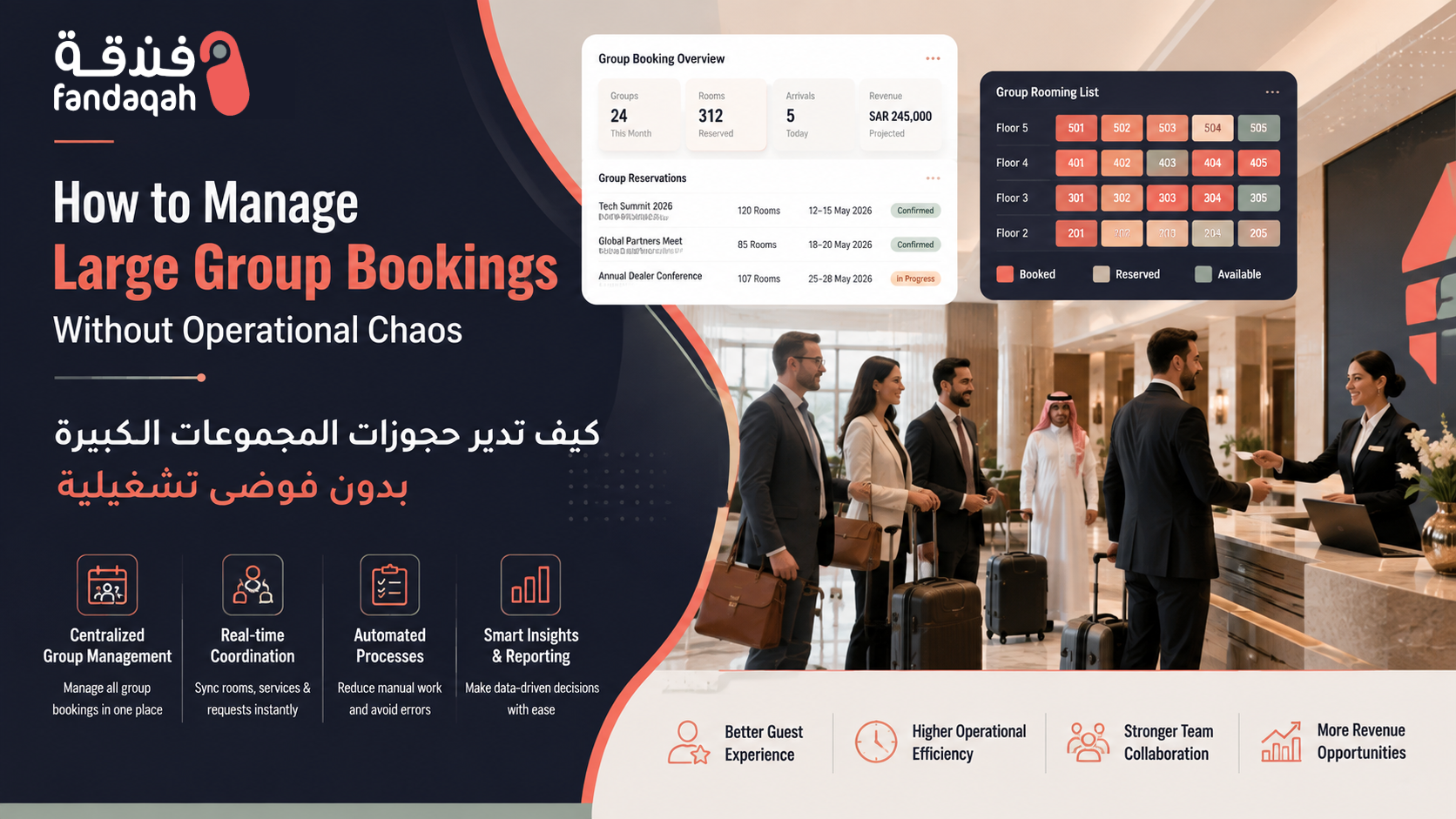
A 180-room business hotel sells 60 percent of its inventory to exhibition blocks months ahead. Using block management in its PMS, it sets a cut-off date, watches pickup daily, and releases wash rooms to its website first. The remaining 40 percent is priced dynamically for leisure demand around the fight night, lifting weekly ADR well above the contracted corporate rate.
Use case 2: Lifestyle hotel on the Al Khobar Corniche
A 90-room lifestyle property targets fight fans with a "Fight Weekend Package" that includes late checkout and a rooftop dinner. The package exists only on the hotel's booking engine, promoted through Instagram and WhatsApp broadcasts to past guests. Direct share rises during the week, and the hotel builds a database of young domestic travelers for future sports events.
Use case 3: Serviced apartments in Dhahran for delegations
Exhibitor teams and delegations need multi-bedroom units and consolidated invoicing. A serviced apartment operator uses group booking tools and automated ZATCA-compliant invoices per company, winning repeat corporate business that never touches an OTA.
Use case 4: Multi-property operator across Al Khobar and Dammam
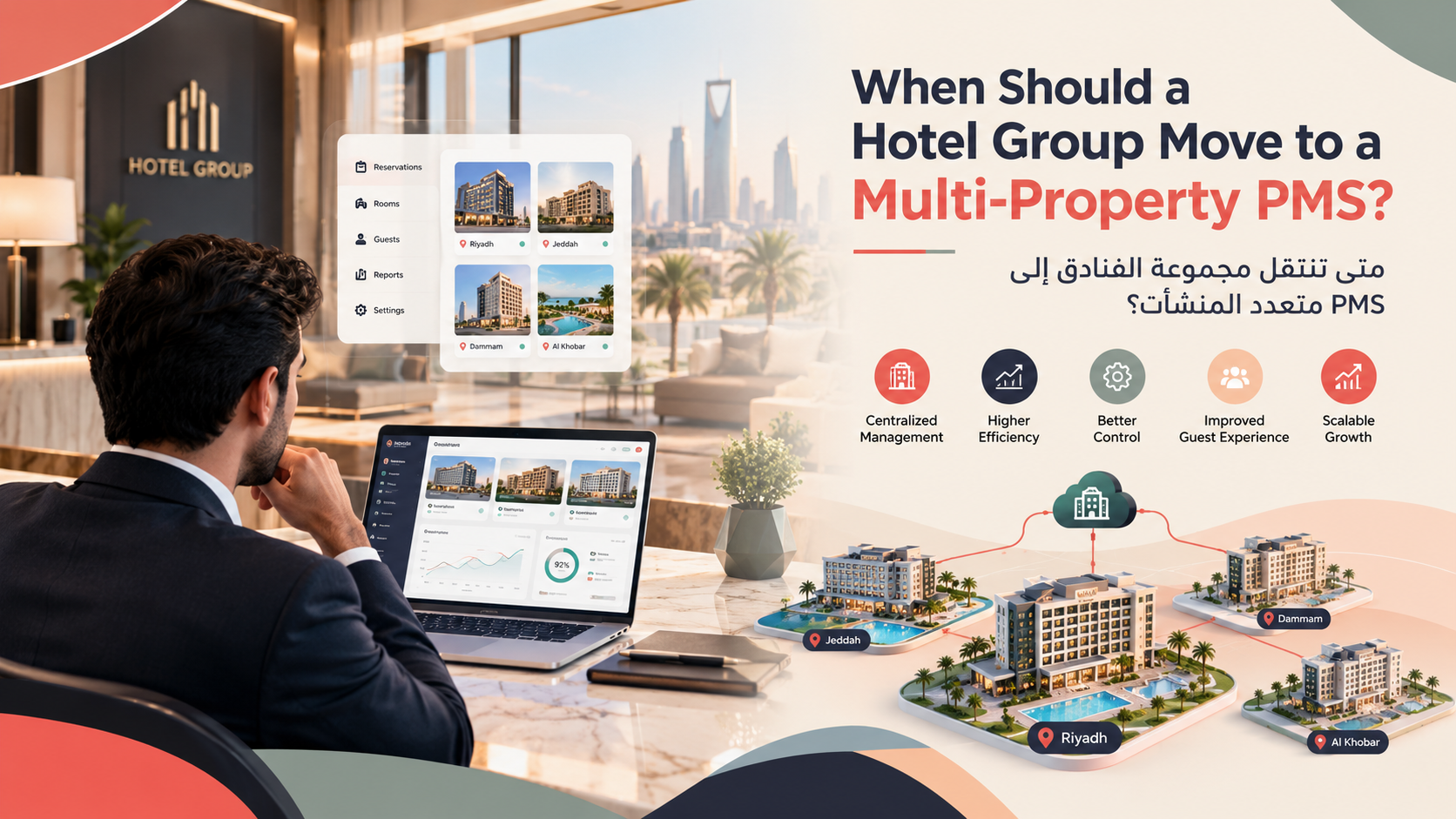
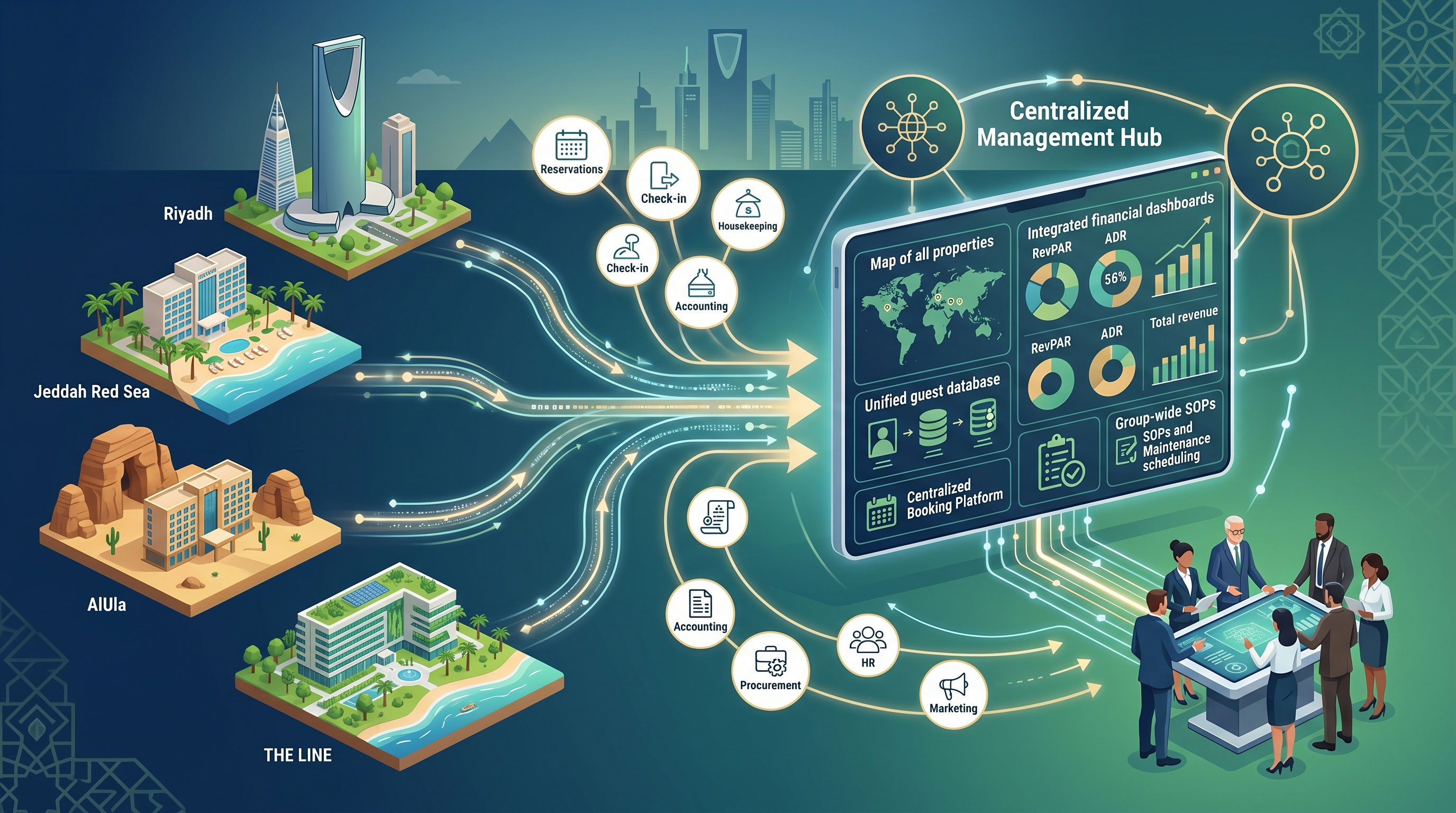
An operator with properties in both cities uses a multi-property PMS to see demand across the portfolio. When the Dammam property fills with delegates, the booking engine redirects leisure demand to the Al Khobar property, keeping bookings inside the group rather than losing them to competitors or OTAs.
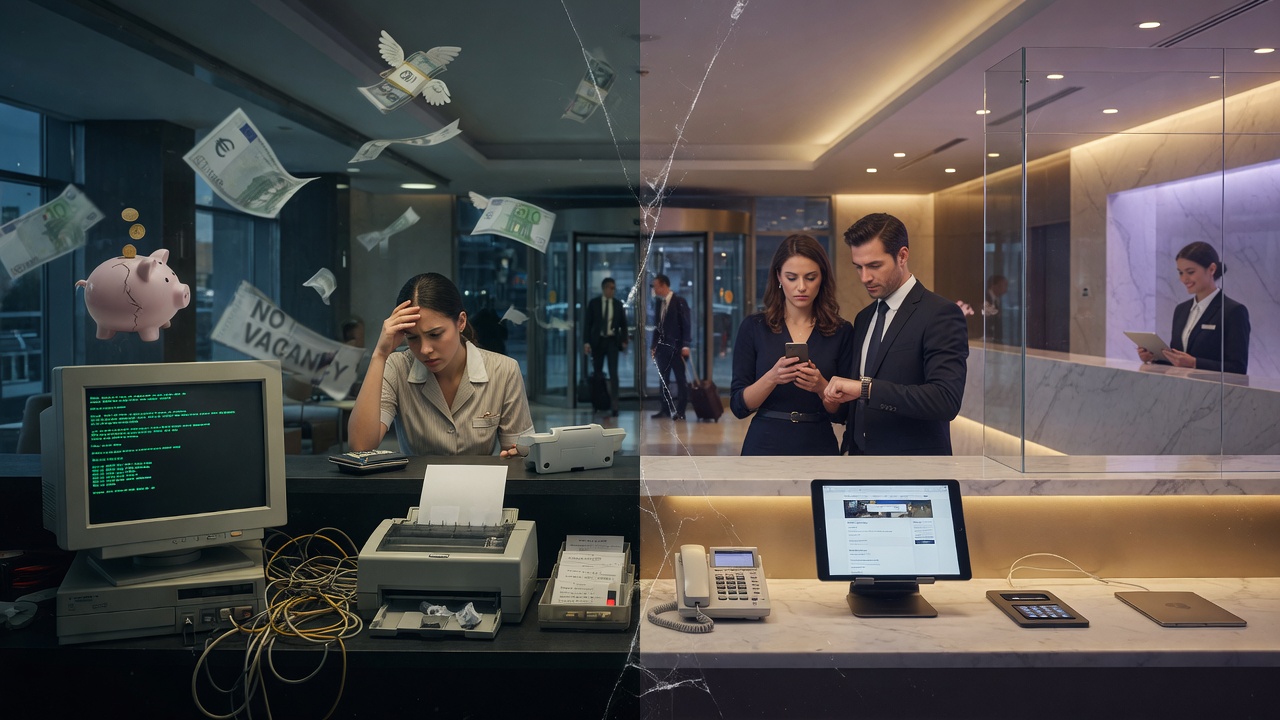
Comparison: Unprepared vs Prepared Hotel During Overlapping Events
| Stress Test Area | Unprepared Hotel | Prepared Hotel |
|---|---|---|
| Group blocks | Tracked in spreadsheets; wash released late | Managed in the PMS with cut-offs and automatic release |
| Leisure pricing | Static rates set weeks earlier | Dynamic rates rising with occupancy and pickup |
| Channel mix | Majority OTA; commission on peak nights | Direct-first with OTAs for gap filling |
| Overbooking risk | High on fight night | Low with real-time inventory sync |
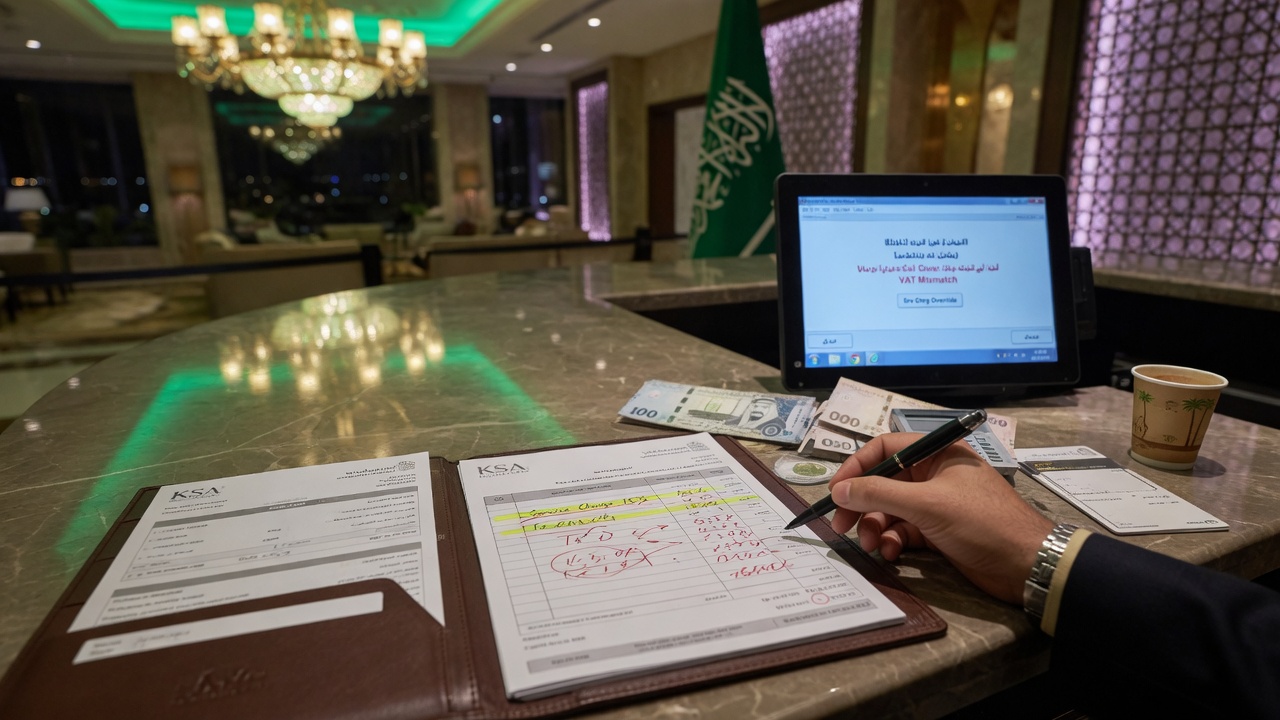
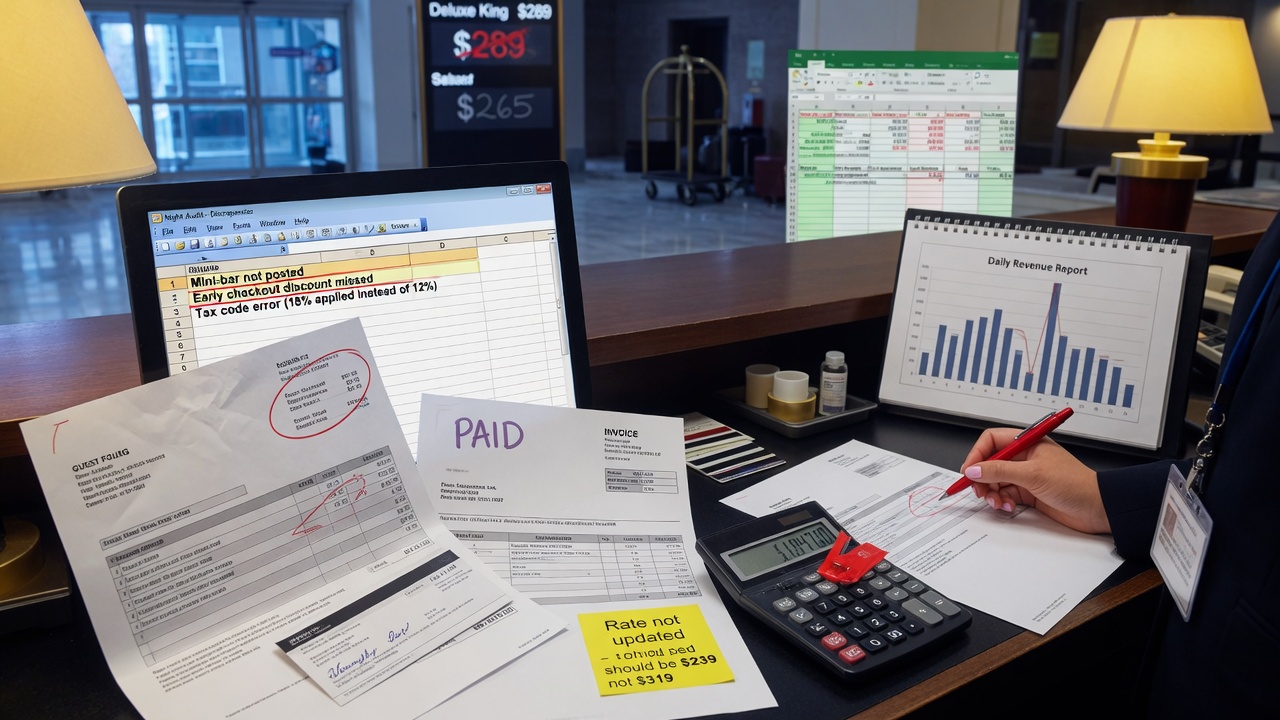
| Invoicing | Manual, delayed, error-prone | Automated ZATCA-compliant e-invoices |
| Guest communication | Phone calls and manual emails | Automated WhatsApp and email flows in Arabic and English |
| Post-event data | Scattered across systems | One report by segment and channel |
The difference is not luck. It is whether the hotel's technology lets a small team make fast, confident decisions while two very different guest groups move through the property.
How Fandaqah Helps Al Khobar and Dammam Hotels Pass the Stress Test
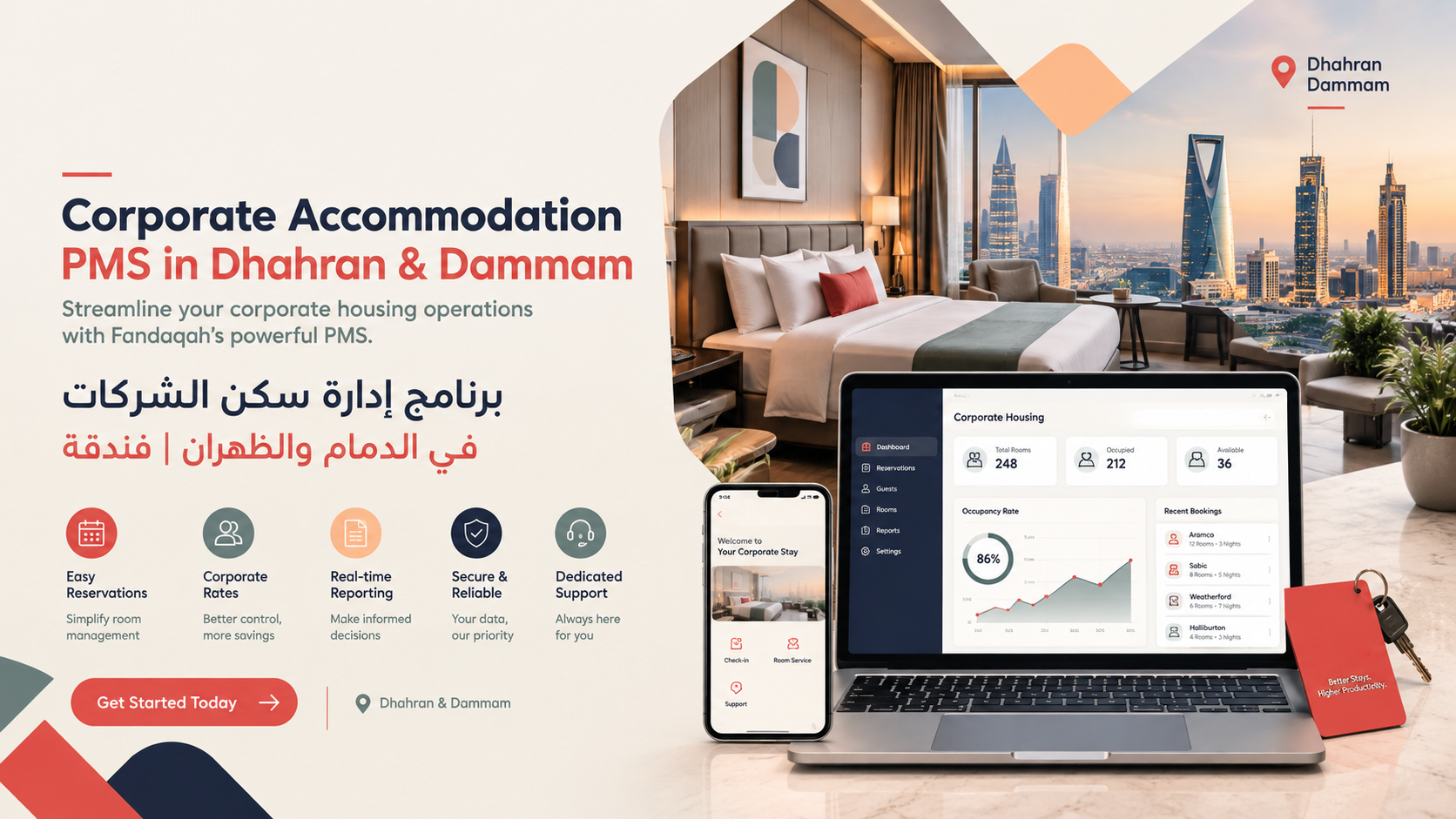
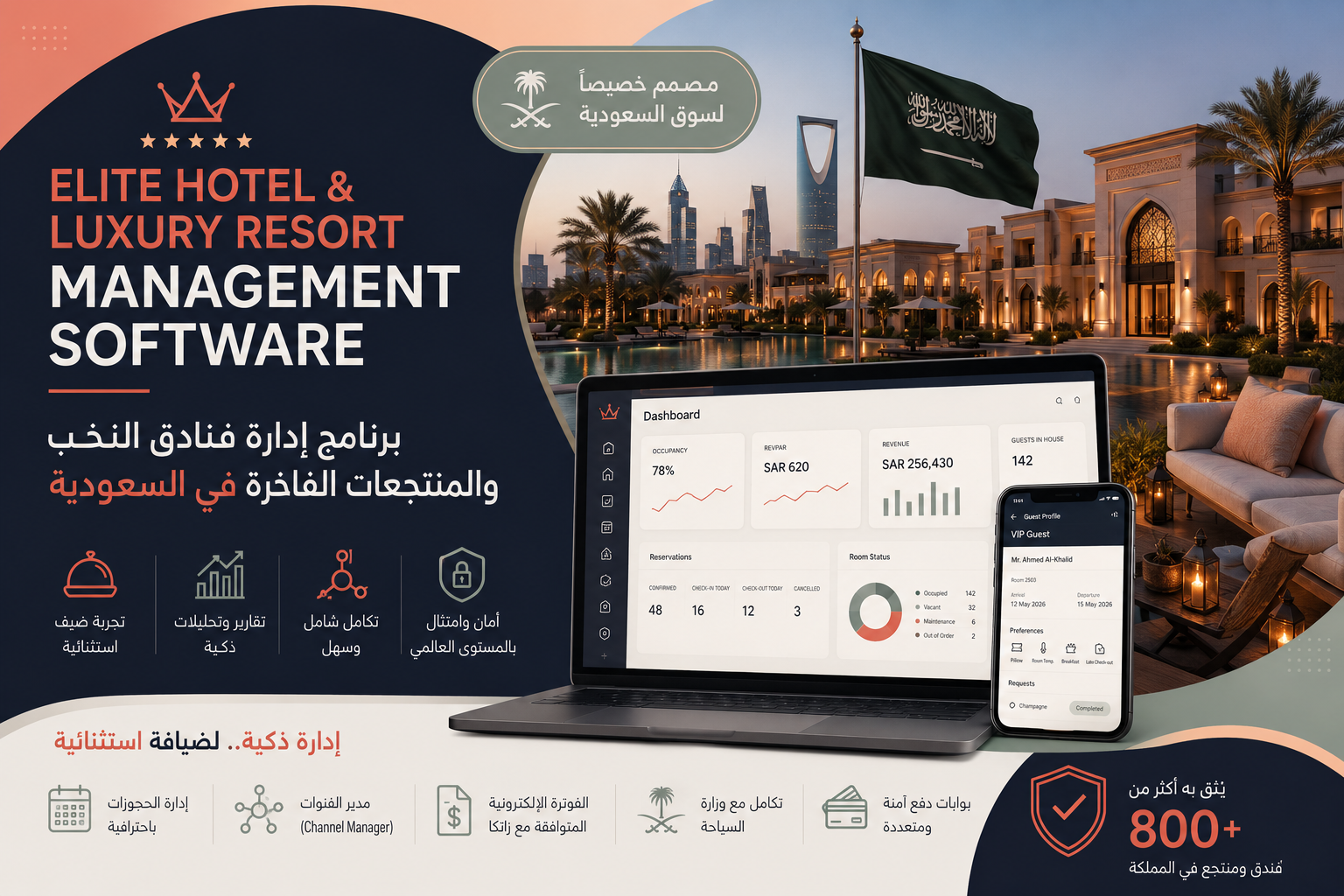
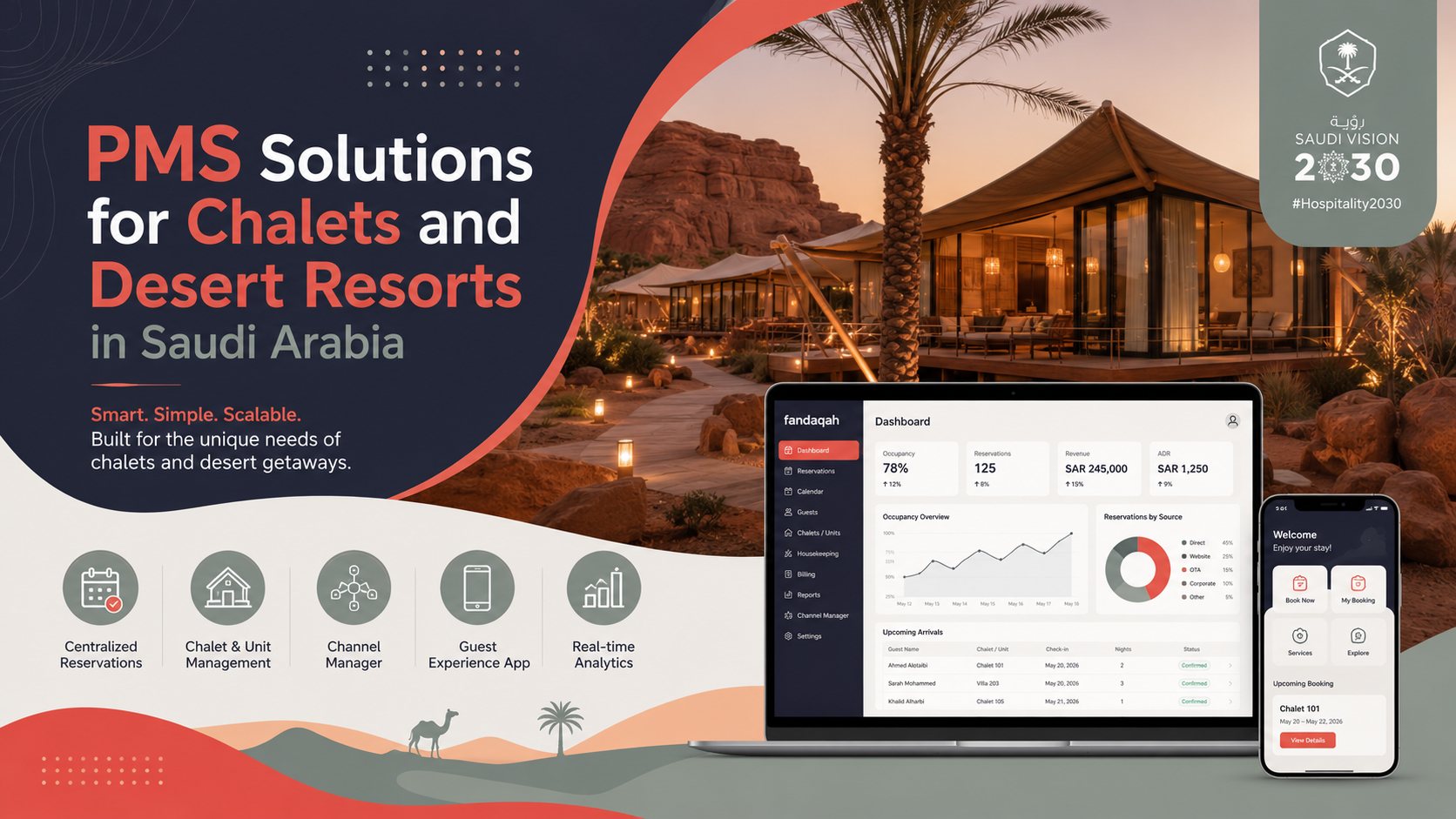
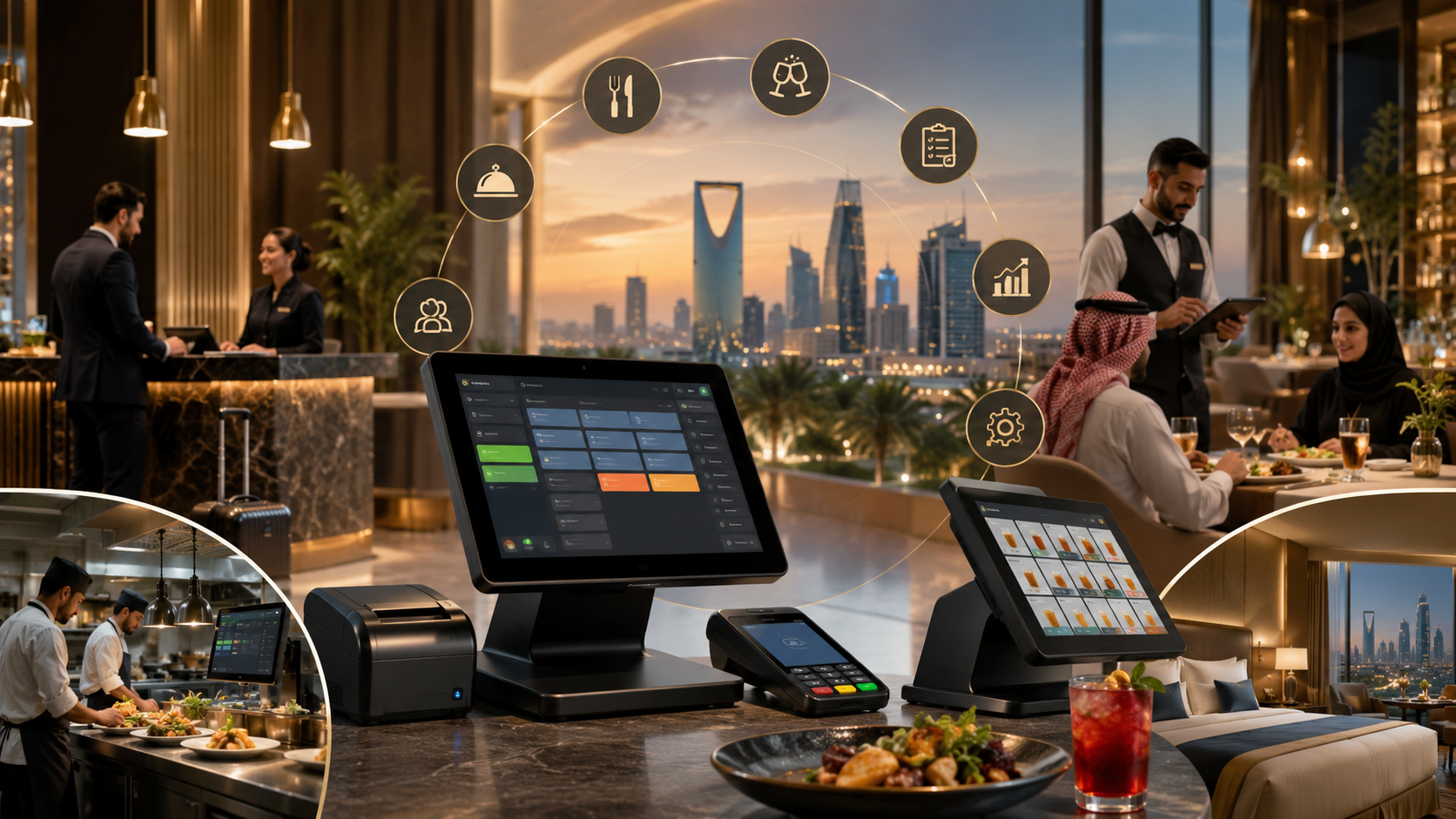
Fandaqah is a hospitality technology platform built for Saudi and Gulf hotels. Instead of assembling a global PMS, a separate booking engine, a third-party invoicing tool, and a messaging add-on, Fandaqah is designed to bring the core revenue and distribution functions into one system that works in Arabic, supports local payments, and aligns with Saudi compliance requirements.
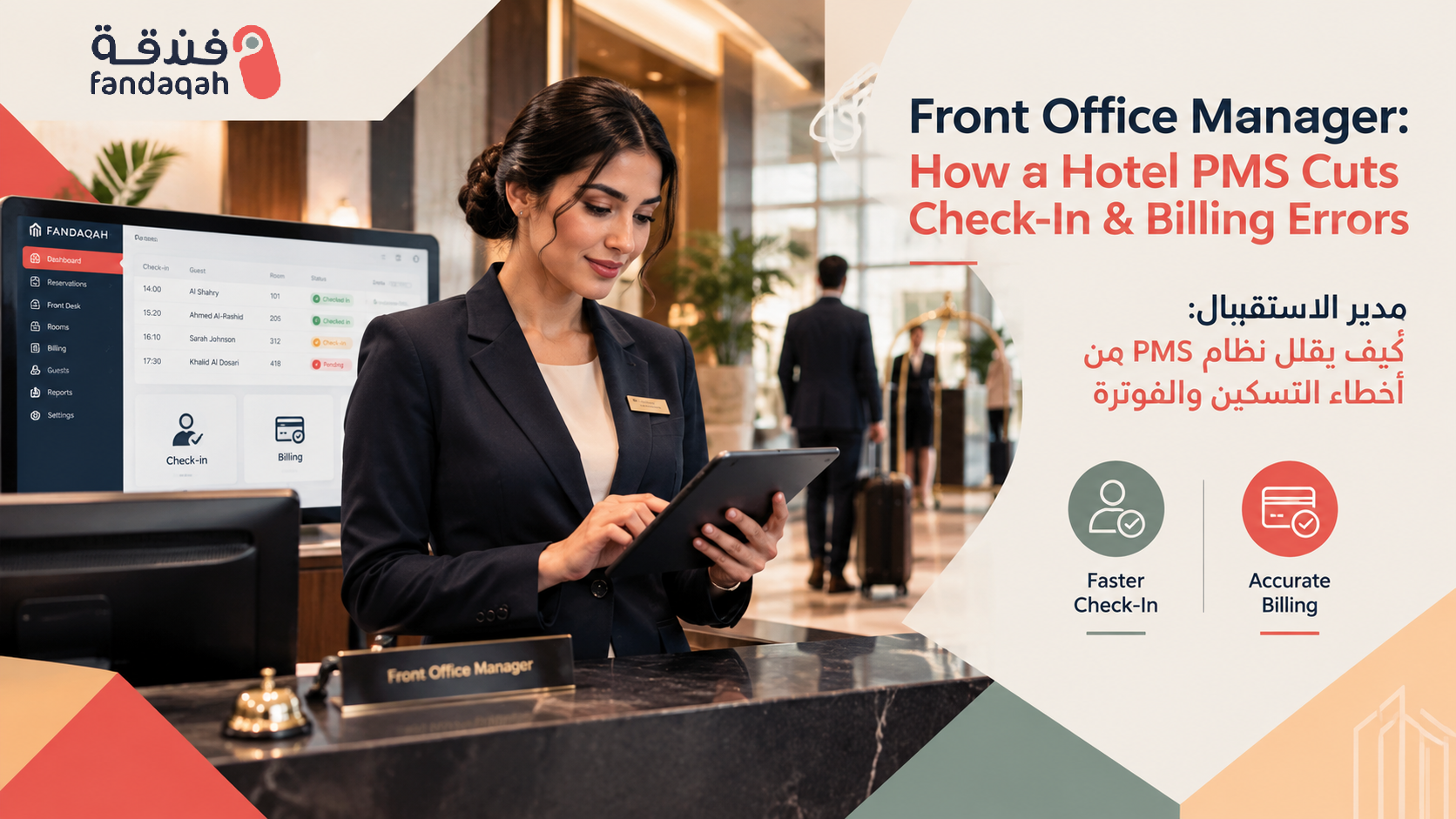
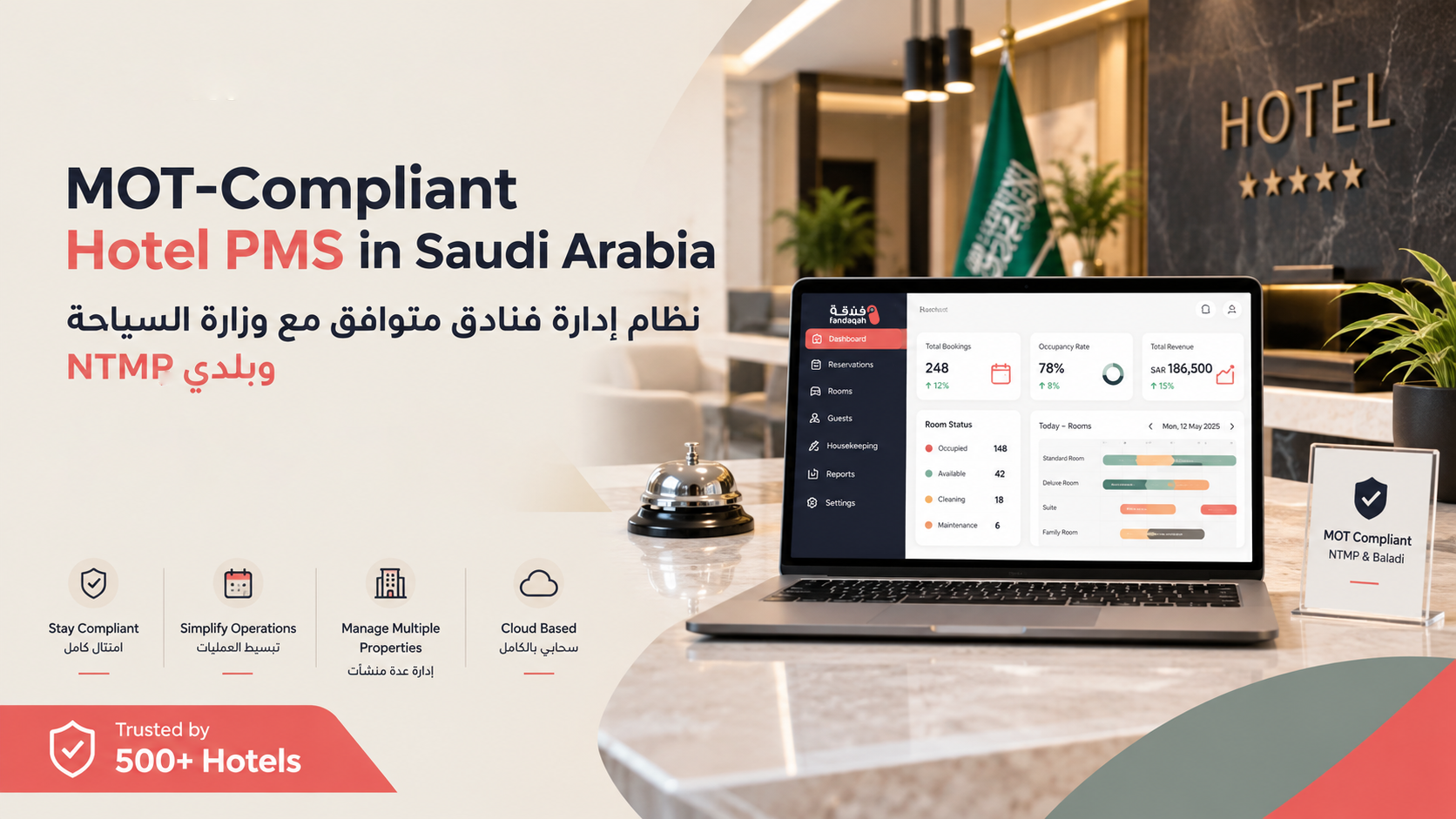
- Cloud PMS with live inventory: Front desk, website, and OTA availability stay in sync, which is the foundation of every day in this playbook.
- Rate plans by segment: Separate corporate and leisure rate plans with promo codes for event packages such as a Fight Weekend offer.
- Direct booking engine: Bilingual, mobile-first booking flows that let last-minute fans book directly instead of through OTAs.
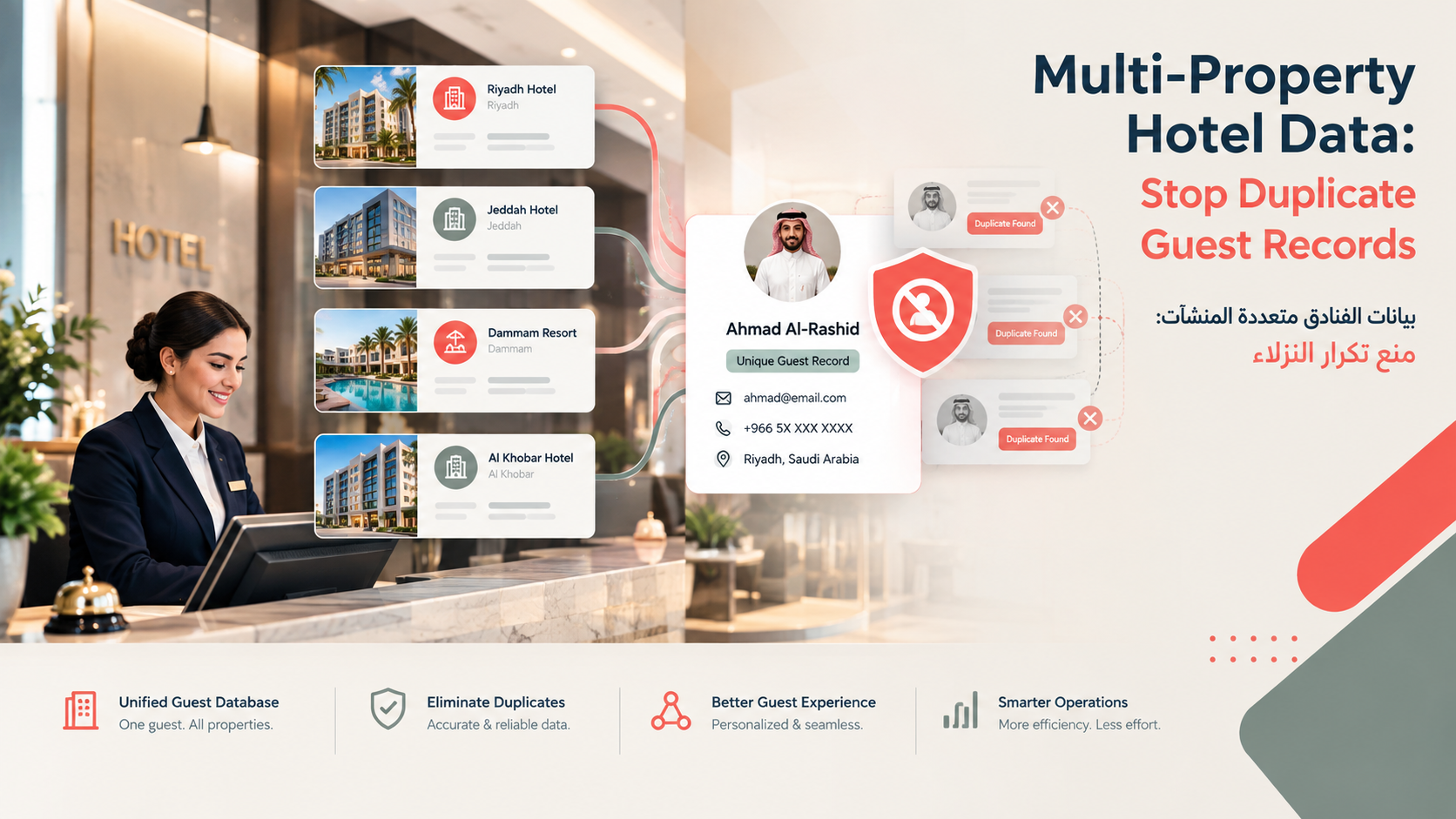
- Guest profiles and communication: Store contact details and preferences so delegates and fans alike become future direct bookers.
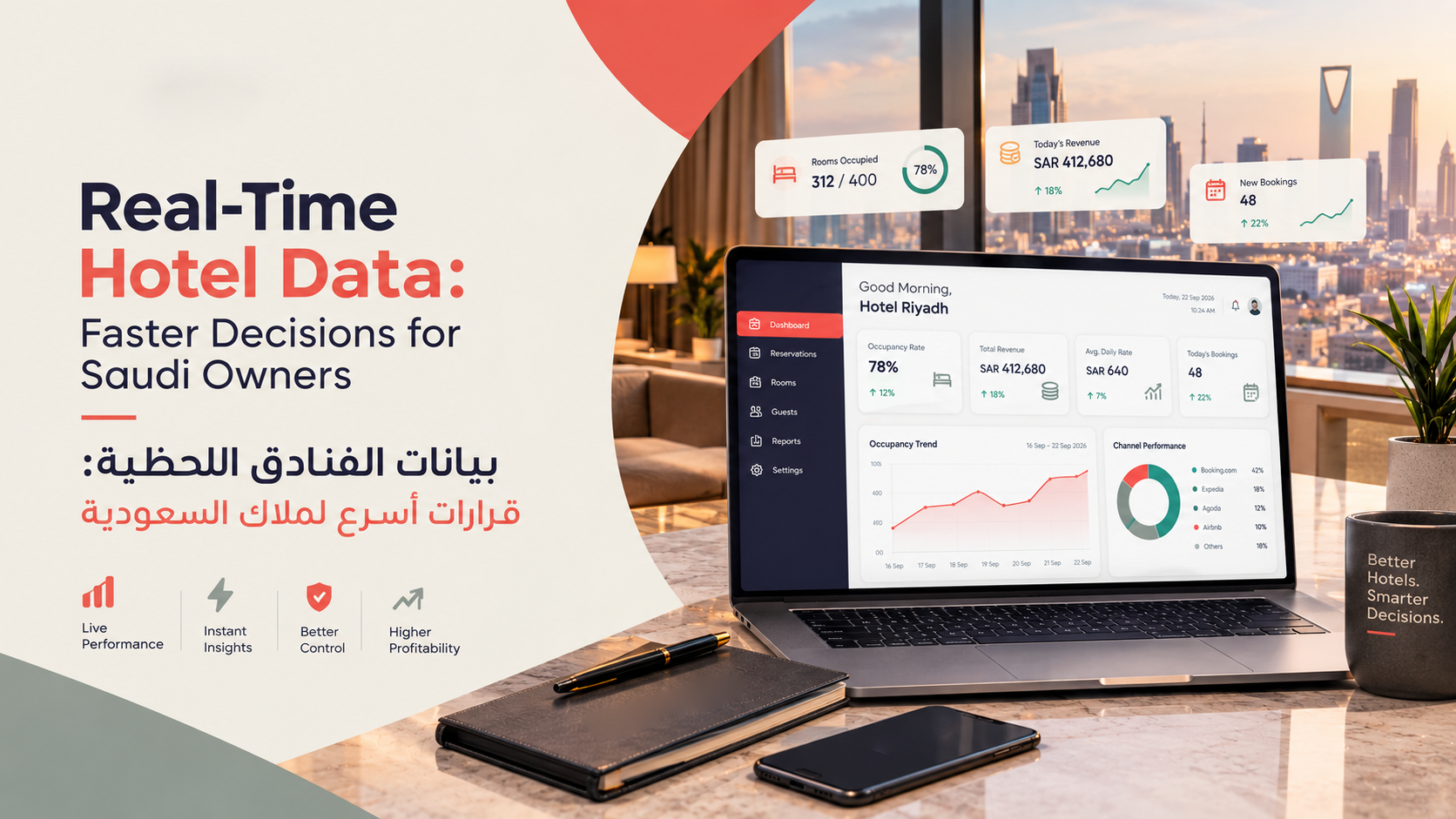
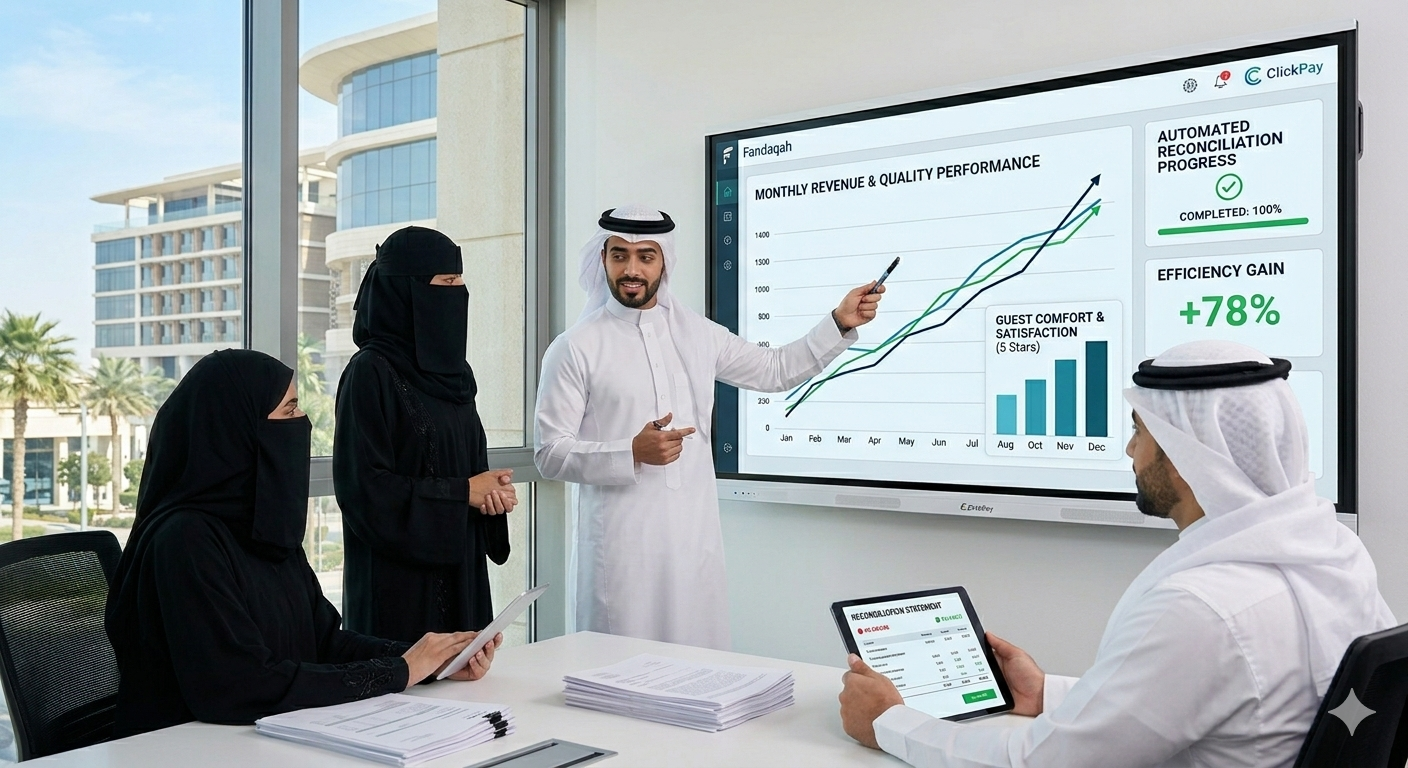
- Reporting by channel and segment: See the stress test results daily, not at month end.
- Saudi compliance built in: VAT invoicing aligned with Kingdom requirements for both individuals and corporate accounts.
For an Eastern Province hotel preparing for 2026's busy calendar, the practical advantage is one dashboard, one support team, and one system that understands how Saudi guests book and pay. Visit fandaqah.com to see how the platform fits your property.
Note:
Technology enables the plan, but people run it. Brief your front desk, reservations, and sales teams on the two guest profiles before the week begins. A delegate expecting a quiet corporate stay and a fan group celebrating after the main event need different floors, different messaging, and different upsells.
Future Trends: Sports, Exhibitions, and Vision 2030 in the Eastern Province
Saudi Vision 2030 has made sports and business events a national priority. The Kingdom is hosting more international combat sports, football, motorsport, and esports, while its exhibition and conference sector is expanding beyond Riyadh into Jeddah and the Eastern Province. For hotels in Al Khobar and Dammam, this means the overlapping-event week of 2026 is a preview, not an exception.
1. Event stacking will become common
As the national calendar fills, hotels will regularly face sports, exhibitions, and cultural programs in the same week. A repeatable stress-test playbook turns this from a risk into a growth engine.
2. Domestic sports tourism is young and digital
Saudi sports fans book on their phones, in Arabic, and pay with mada or Apple Pay. Hotels whose booking engines are not mobile-first and Arabic-native will keep losing these guests to OTAs.
3. Corporate travel will demand automation
Exhibition organizers and corporate travel desks expect digital rooming lists, instant e-invoices, and group booking links. Manual group handling will become a competitive disadvantage.
4. AI search will shape hotel discovery
Fans and delegates increasingly ask AI assistants questions such as "hotels near the Dammam exhibition center for next week." Hotels with clear, structured, up-to-date event content on their own websites, and a booking engine ready to convert, will be recommended more often. This is why Generative Engine Optimization now belongs in a hotel's revenue toolkit.
5. Data ownership will separate winners from the rest
The hotels that collect consented guest data during every event will fill rooms faster and cheaper in the next one. Every stress test becomes an opportunity to grow the direct database.
Frequently Asked Questions: Hotel Revenue Management During PFL MENA and CIDEX 2026
What is a hotel revenue stress test?
A hotel revenue stress test is a structured review of how a property performs when demand, segmentation complexity, and operational pressure peak at the same time, such as during overlapping sports and exhibition events. It examines inventory visibility, pricing speed, channel control, segmentation, and guest communication.
How should Al Khobar and Dammam hotels price rooms when PFL MENA and CIDEX overlap?
Hotels should run two separate forecasts: one for the exhibition window with contracted corporate rates, and one for the fight-night window with dynamic leisure rates. Protect group blocks, price transient rooms by occupancy and pickup, and apply minimum-stay rules on the peak nights.
How can hotels reduce OTA commission during peak event weeks?
Keep the direct booking engine competitive with a direct-only perk, apply OTA stop-sells on premium room types when direct demand is strong, release group wash to the website first, and use QR codes and WhatsApp to convert walk-in and last-minute guests directly.
What is group wash and why does it matter during exhibitions?
Group wash is the portion of a contracted room block that is never picked up by the group. If it is released too late, those rooms go unsold or get double-sold. A PMS with block cut-off dates and automatic release turns wash into premium leisure revenue.
What is the best hotel PMS for Saudi Arabia event weeks?
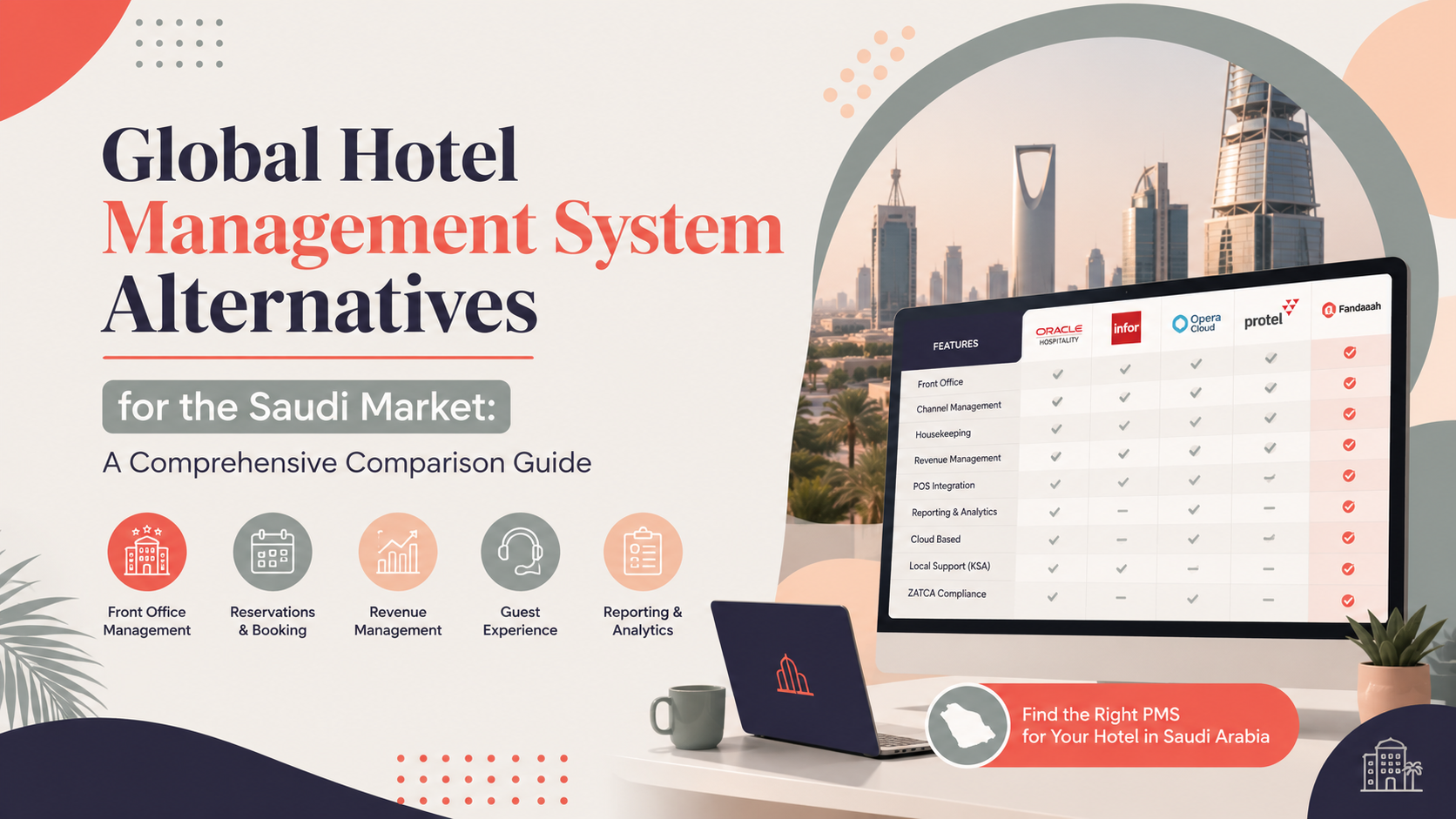
The best PMS for Saudi event weeks offers real-time inventory sync, group block management, dynamic rate rules, a bilingual direct booking engine, local payment support, automated guest messaging, and ZATCA-compliant e-invoicing. Fandaqah is built around these requirements for the Saudi market.
How do hotels prevent overbooking on fight night?
By keeping one live inventory in a cloud PMS connected to the website and all OTAs. When any room sells on any channel, availability updates everywhere instantly, so the same room is never sold twice.
Why is Vision 2030 relevant to hotel revenue management in the Eastern Province?
Vision 2030 is expanding sports, exhibition, and cultural tourism across the Kingdom, including Al Khobar and Dammam. More events mean more overlapping demand peaks, which require technology and processes that can handle segmentation, pricing, and compliance at scale.
Conclusion: Pass the 2026 Stress Test and Build a Repeatable Advantage
PFL MENA and CIDEX 2026 will bring two powerful demand streams to the Eastern Province in a short window. For Al Khobar and Dammam hotels, that week is a hotel revenue stress test: a chance to prove that pricing, inventory, distribution, and guest communication can work together under pressure. Hotels that prepare will protect contracted corporate revenue, capture premium leisure rates, reduce OTA commission, and finish with a larger direct guest database.
Use the 7-day playbook as your operating plan: protect blocks on Day 1, set the leisure floor on Day 2, release wash smartly on Day 3, transition modes on Day 4, upsell on Day 5, protect the peak on Day 6, and measure everything on Day 7. Then repeat it for every overlapping event the Kingdom's growing calendar sends your way.
Ready to Stress-Test Your Hotel Before 2026's Biggest Week?
Discover how Fandaqah's Saudi-ready PMS, direct booking engine, rate plans, and reporting help Al Khobar and Dammam hotels manage overlapping events with confidence.
Tags: PFL MENA 2026, CIDEX 2026, hotel revenue management Al Khobar, hotel revenue management Dammam, hotel revenue stress test, event-driven hotel demand, overlapping events hotel strategy, dynamic pricing hotels Saudi Arabia, direct booking engine Saudi Arabia, hotel PMS Saudi Arabia, group block management hotels, reduce OTA commission, Eastern Province hotels, sports tourism Saudi Arabia, exhibition tourism Dammam, Vision 2030 hospitality, ZATCA hotel e-invoicing, WhatsApp hotel automation, 7-day hotel revenue playbook, Fandaqah