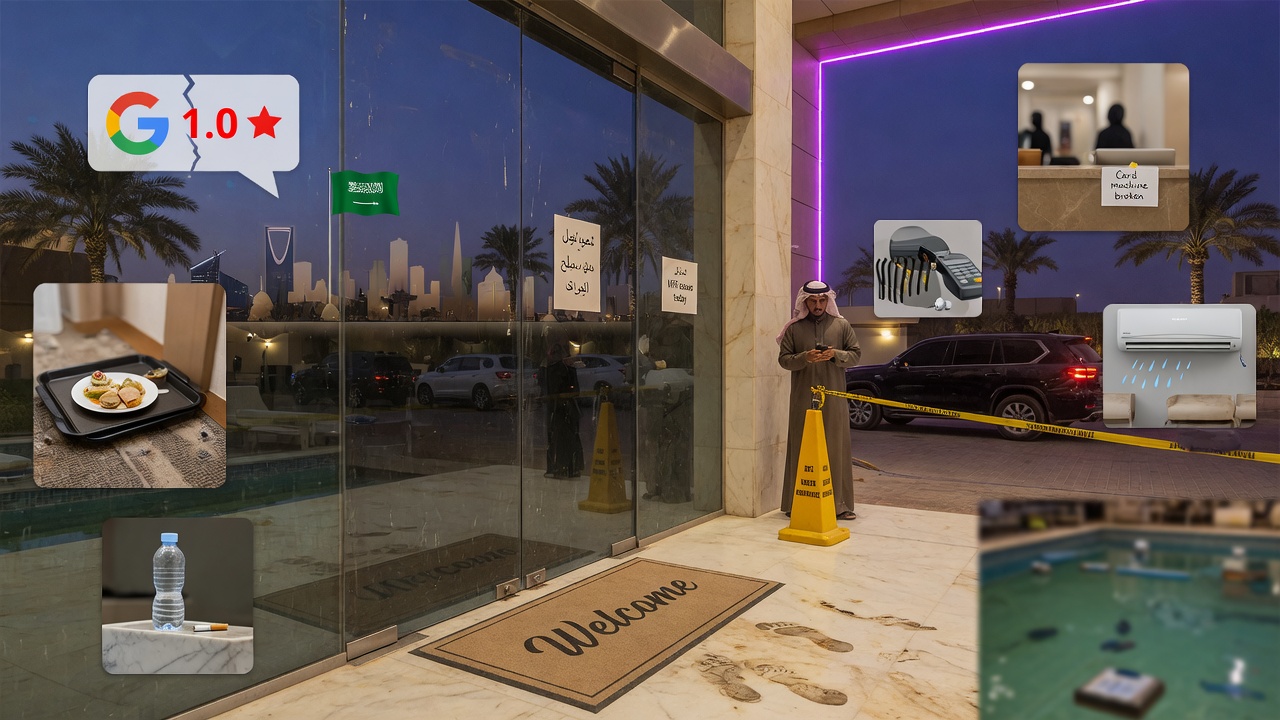
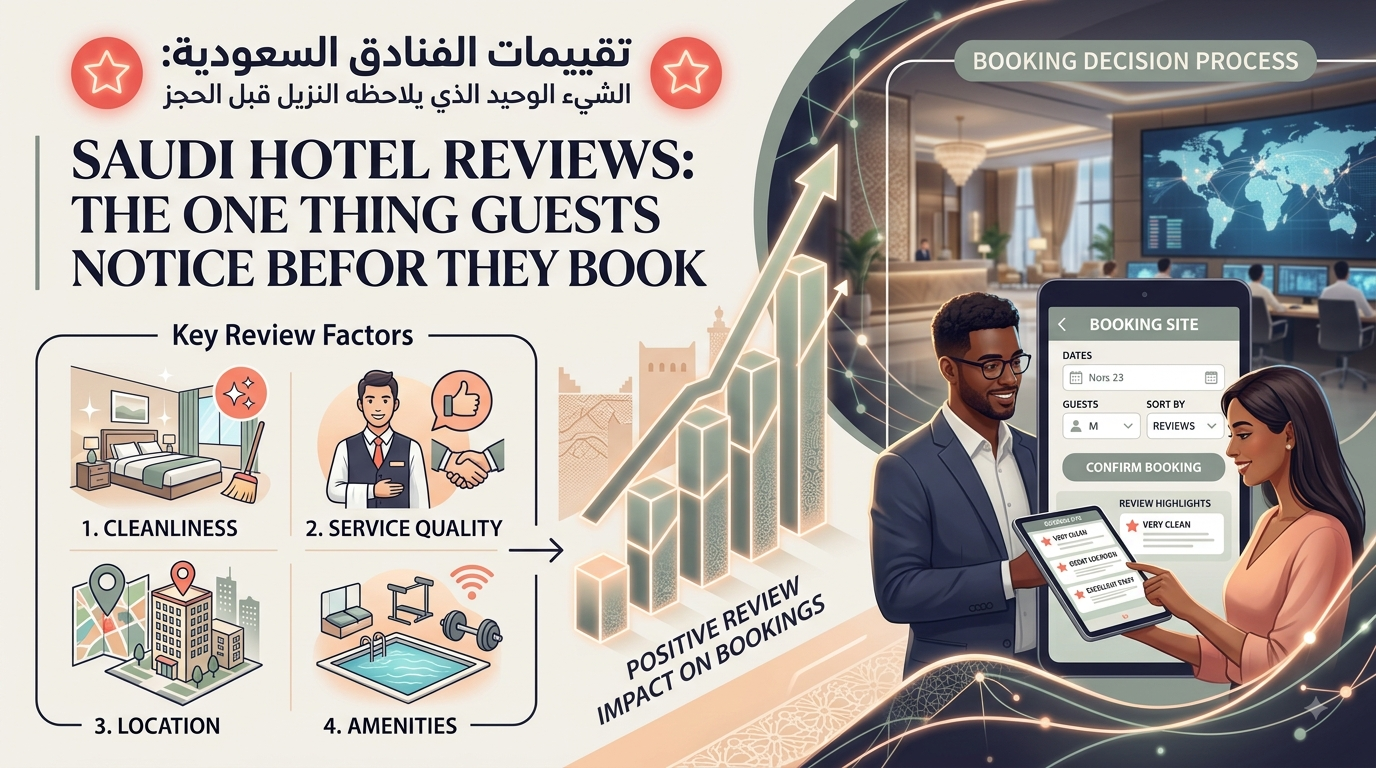
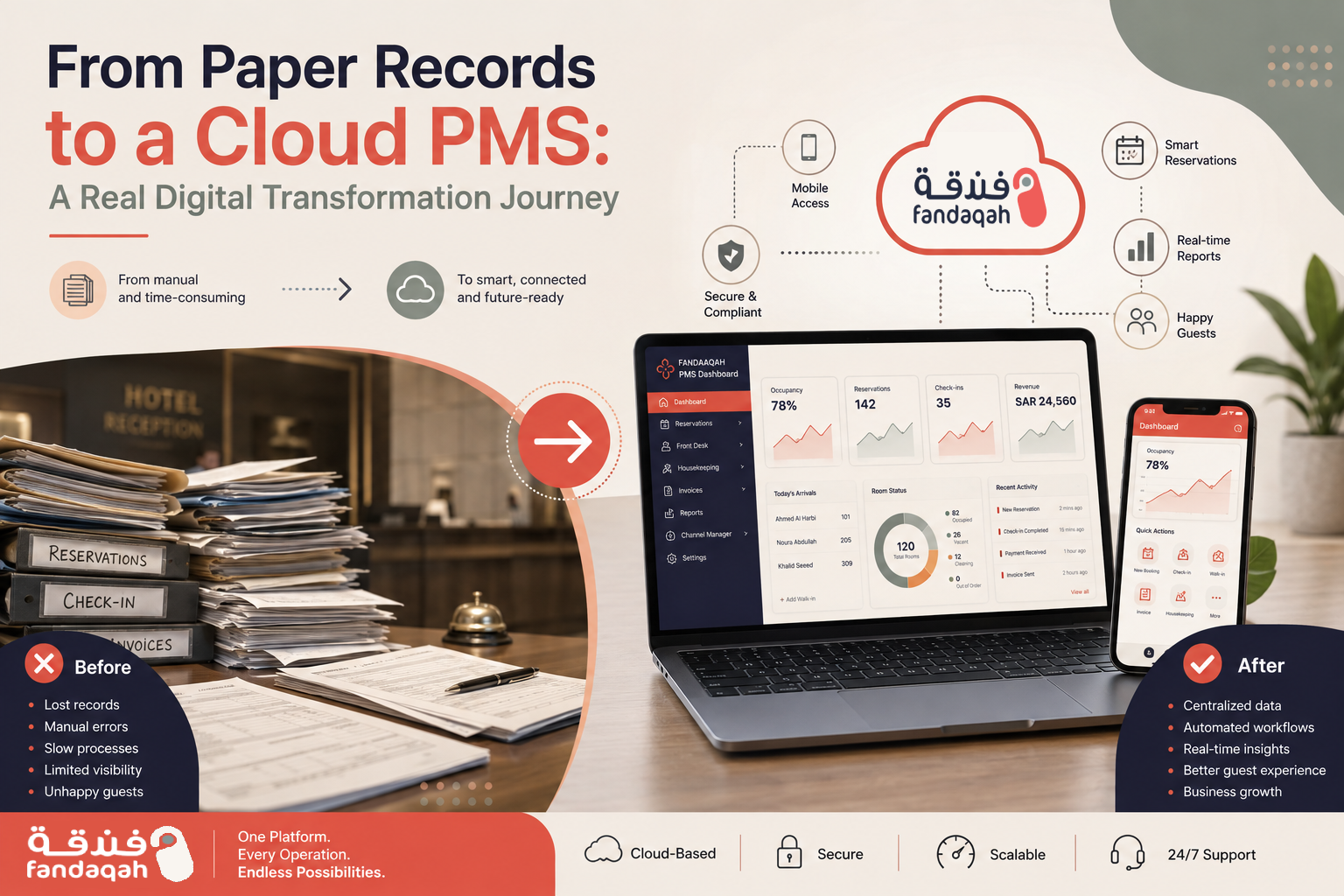
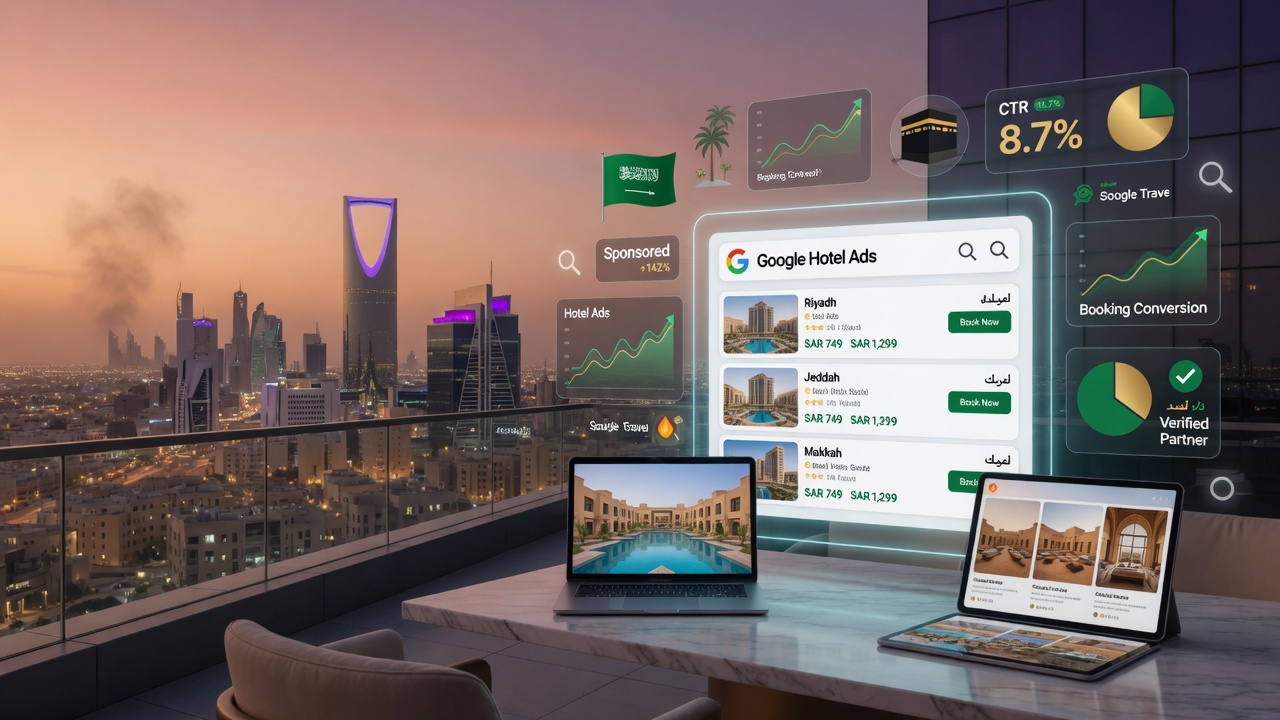
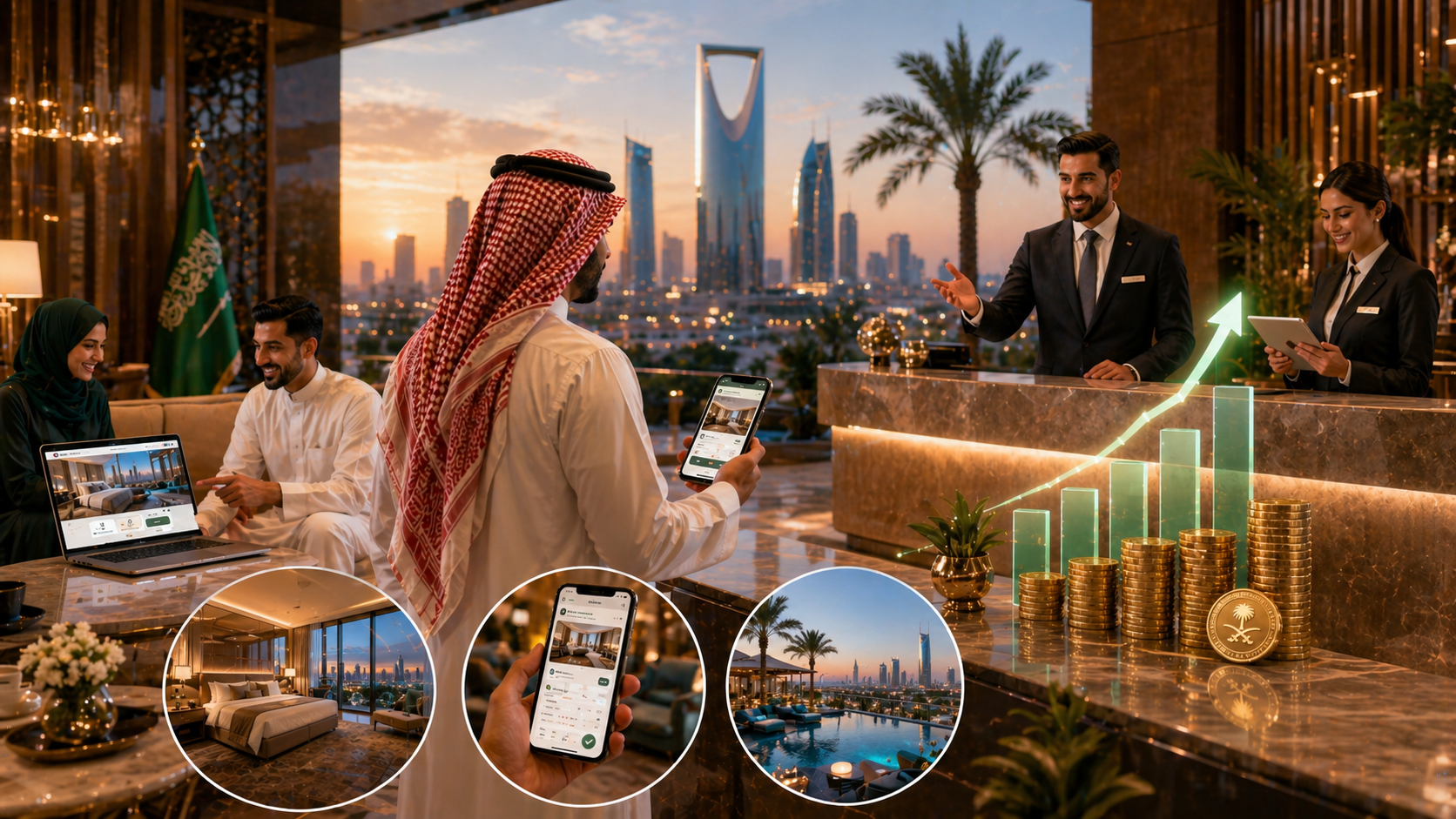
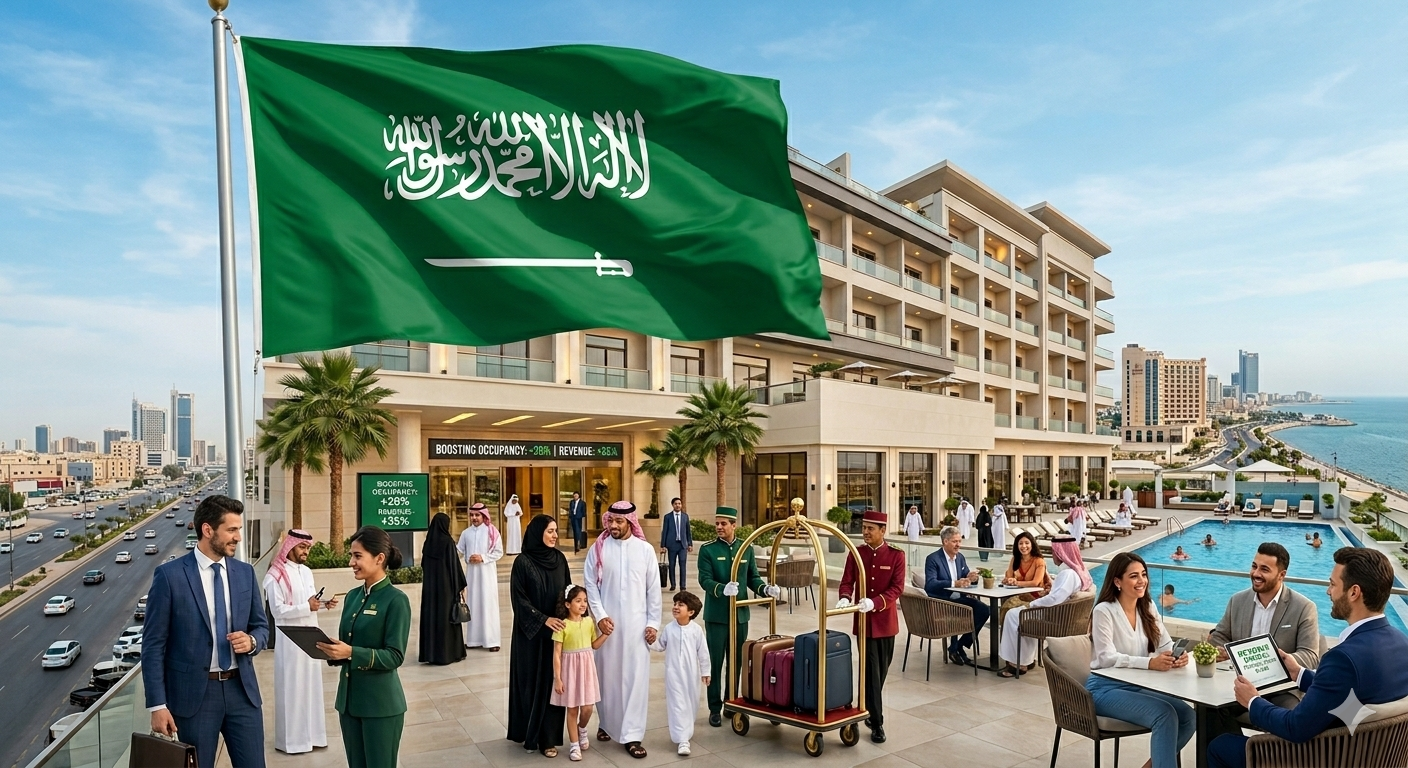
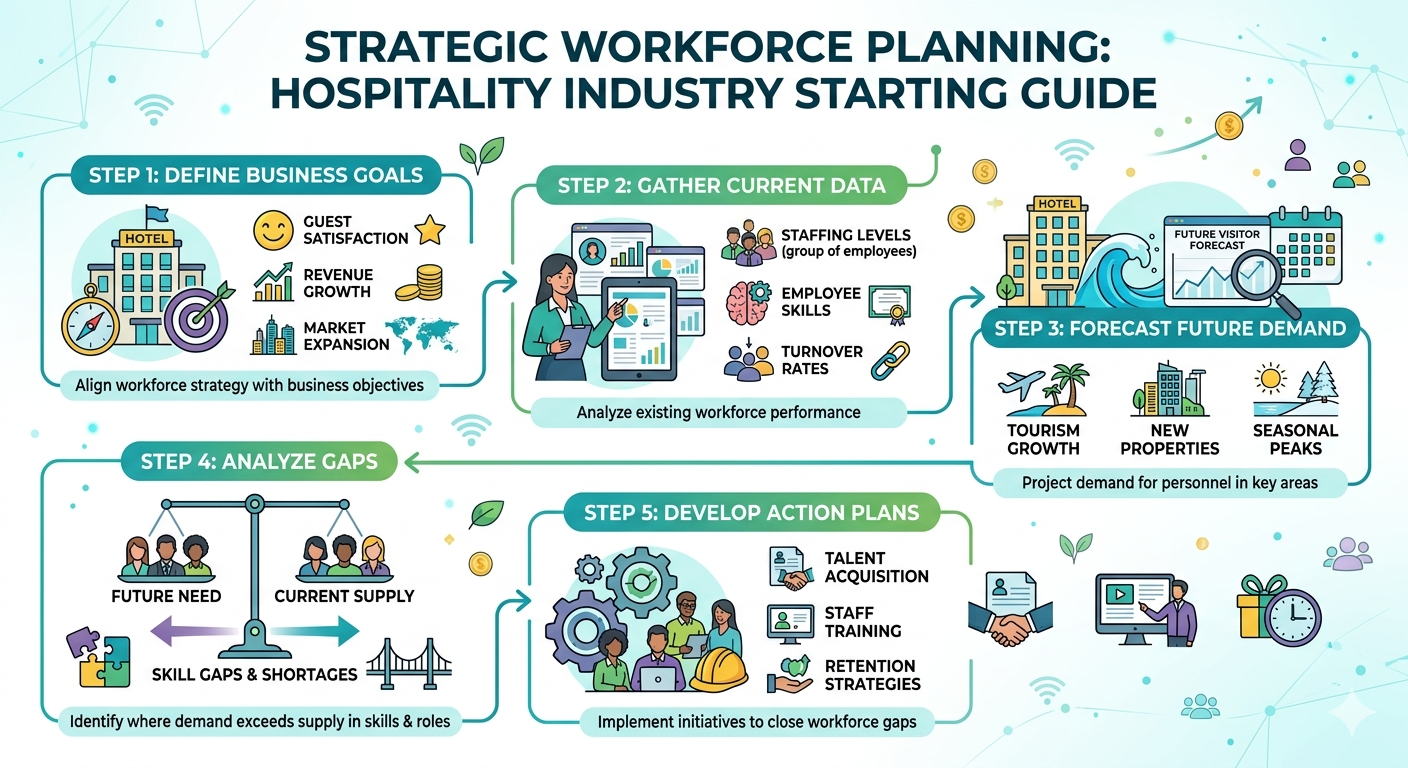
Your hotel's Google rating is the new lobby. Before a traveler in Riyadh or Jeddah ever steps through your doors, they've already judged your property by the star rating and guest reviews appearing on Google. A single point drop—from 4.5 to 4.0—can slash click-through rates by 25% and cost you dozens of direct bookings per month. In Saudi Arabia's booming hospitality market, where Vision 2030 drives fierce competition for both leisure pilgrims and business travelers, improving your hotel Google rating isn't optional; it's survival.
But many hoteliers treat reviews as random feedback rather than symptoms of deep operational friction points. These seemingly small glitches—a slow check-in, a lukewarm shower, an unanswered message—create guest frustration that explodes onto Google. This guide unpacks the 7 most common friction points killing hotel ratings in Riyadh and Jeddah and provides concrete fixes rooted in Saudi guest expectations. By systematically addressing these issues, you can transform your online reputation and capture the wave of discerning travelers flocking to the Kingdom.
Why Your Hotel's Google Rating is Critical in Saudi Arabia
The Saudi traveler is digitally native and review-obsessed. Over 80% of hotel bookings in the Kingdom start with a Google search, and the first thing a potential guest notices is the aggregate rating and the top three reviews. This rating directly influences your hotel SEO Saudi Arabia performance: properties with higher ratings consistently rank better in Google's local pack and Maps results. For hotels in Riyadh and Jeddah, where corporate and government bookings often rely on rapid decision-making, a stellar Google rating becomes a trust shortcut.
"In Saudi Arabia's hospitality market, a 0.1 increase in Google rating correlates with a 5%-7% uplift in room revenue. Ignoring friction points that generate negative reviews is like leaving money on the table." — Hospitality Digital Transformation Advisor, Gulf Region
With Vision 2030 attracting a global audience—from G20 delegations to entertainment tourists—the expectations of both local and international guests have fused into a demand for seamless, tech-enabled, yet warmly authentic stays. The friction points below reflect the gap between those expectations and daily operational realities.
1. Slow, Impersonal Check-In and Check-Out
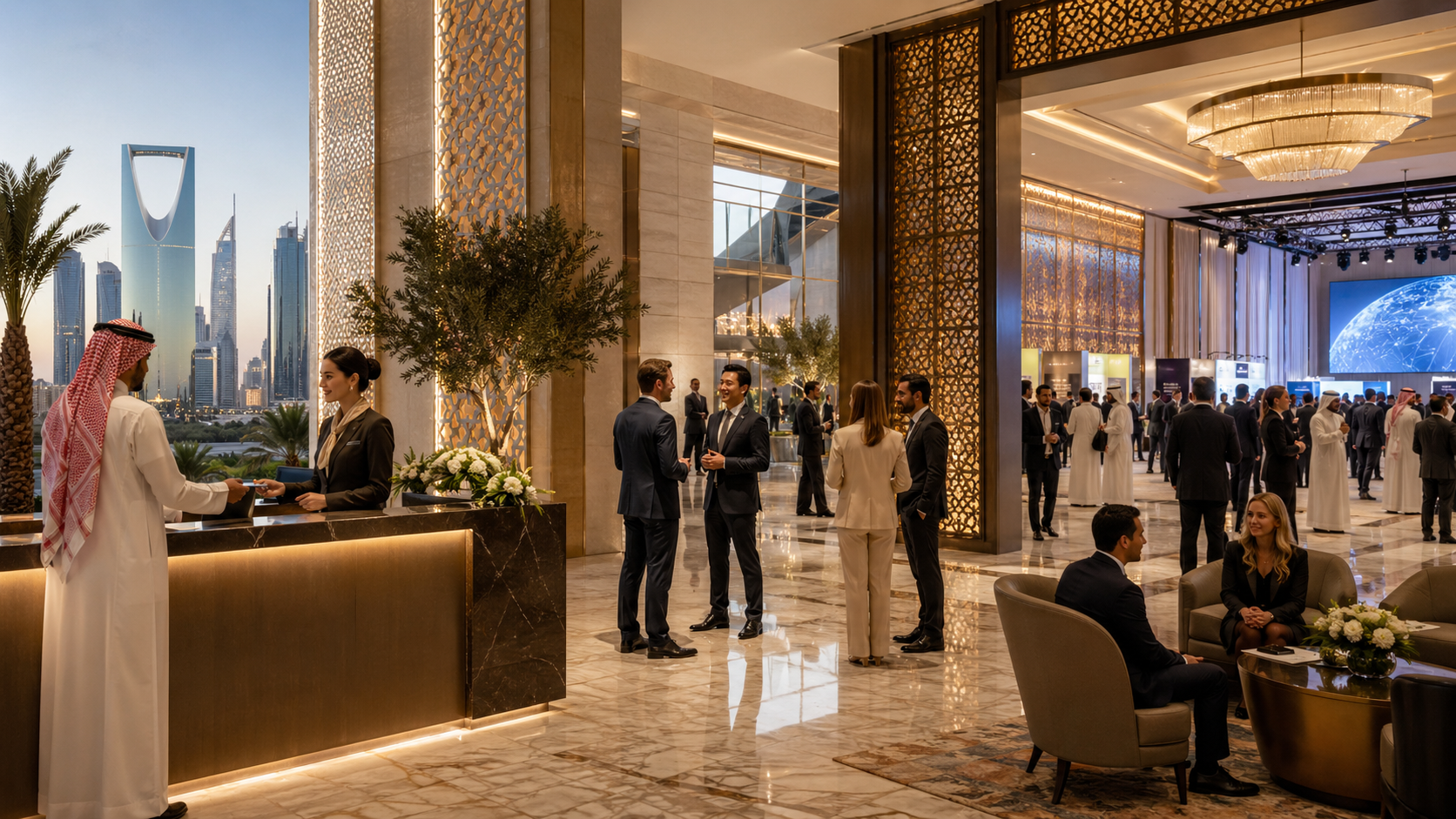
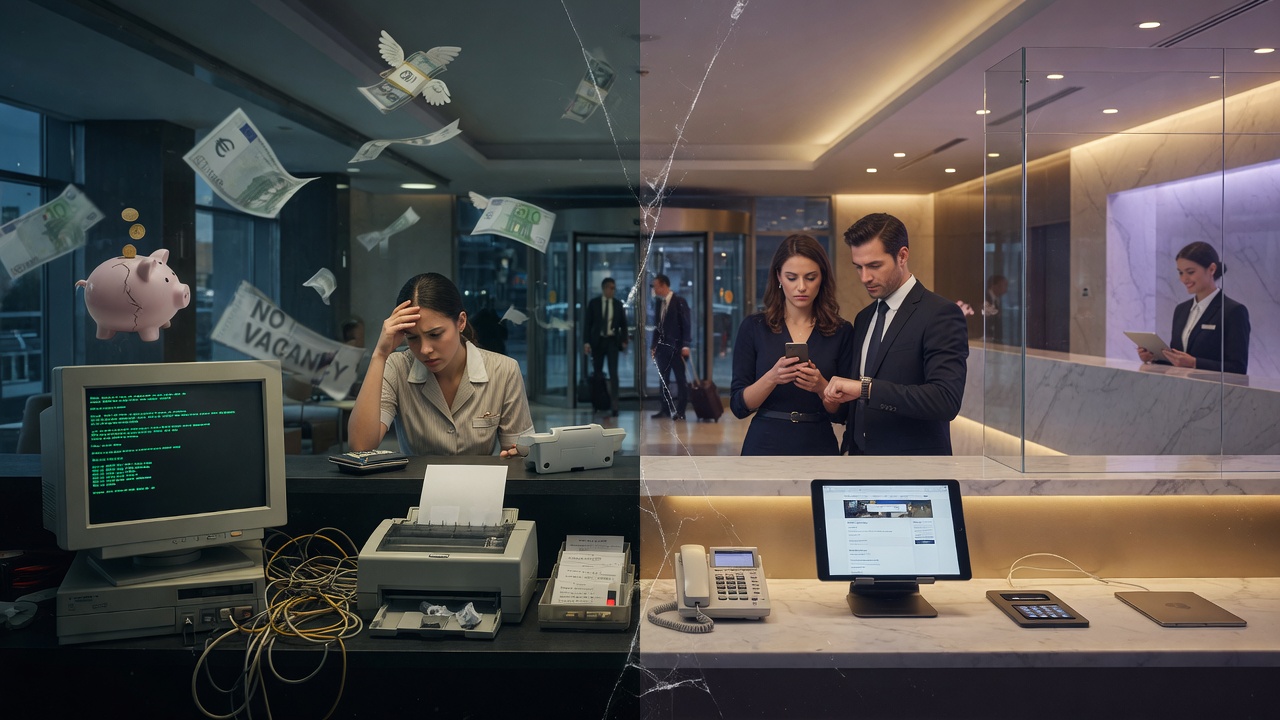
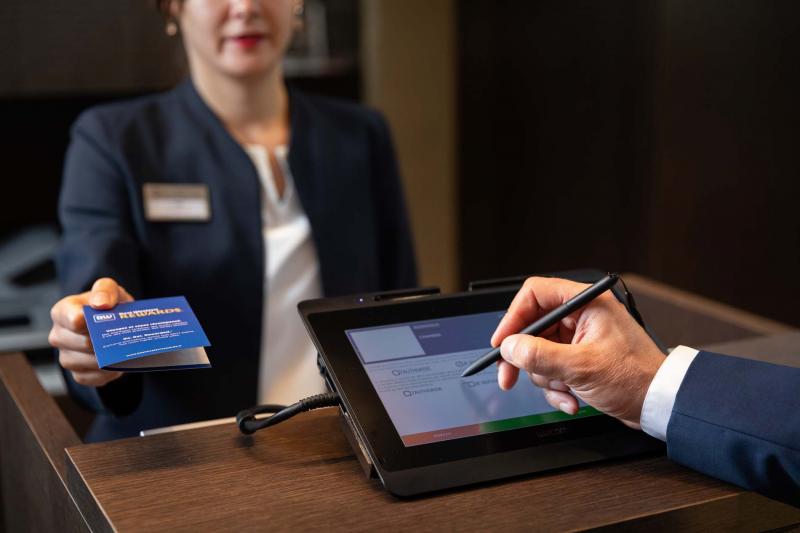
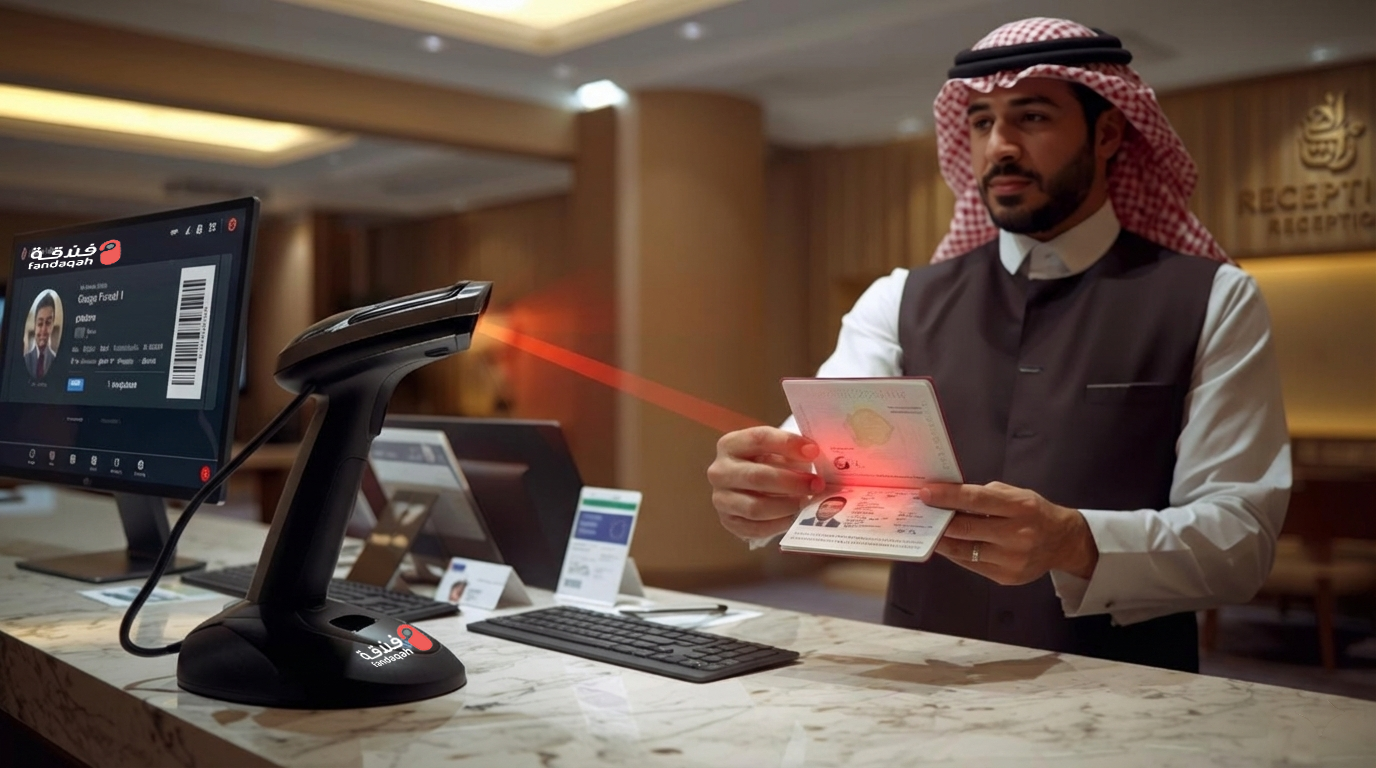
Nothing sours a guest's first impression quicker than a 20-minute queue at the front desk. In Riyadh's business hotels, where executives rush between meetings, a slow hotel check-in Riyadh is the most cited complaint in one- and two-star reviews. The same applies to Jeddah's weekend leisure travelers, who often arrive en masse on Thursday evenings.
Manual paperwork, ID scanning delays, and untrained staff create bottlenecks. Moreover, an impersonal "passport-and-sign" process robs you of the chance to deliver the genuine Saudi hospitality that distinguishes regional brands. Guests want to feel welcomed, not processed.
Solutions to Streamline Arrival
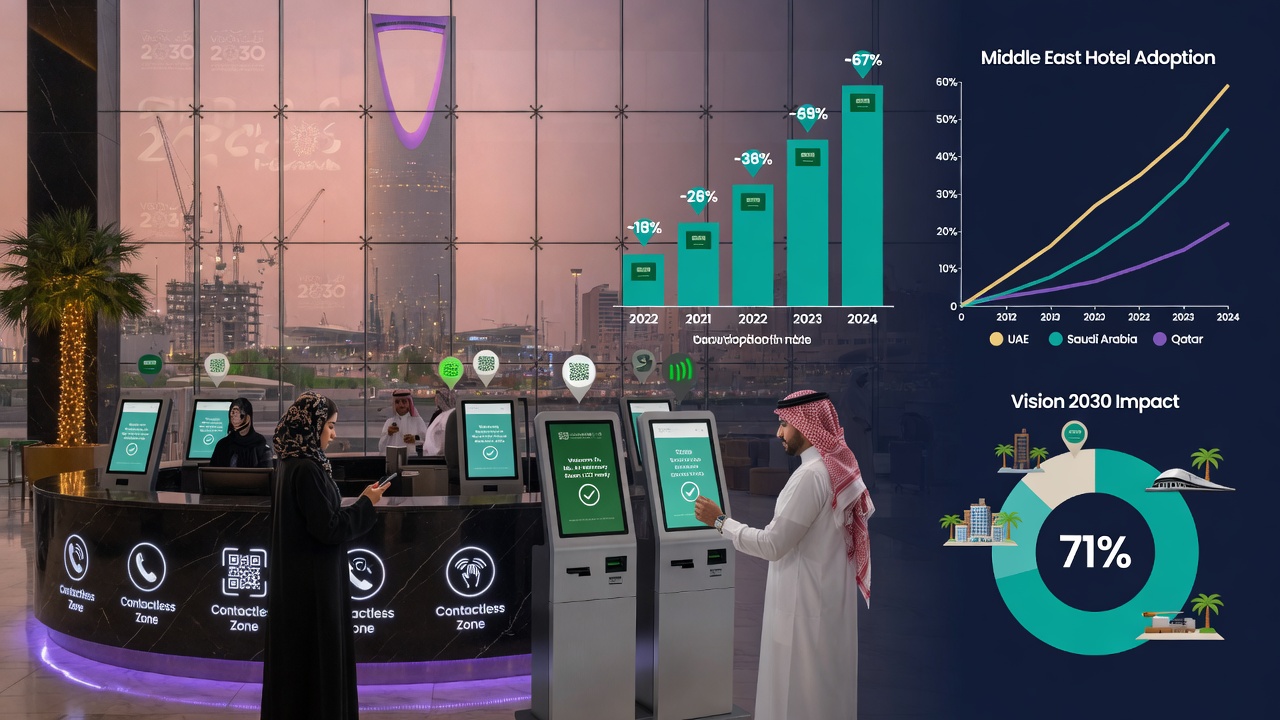
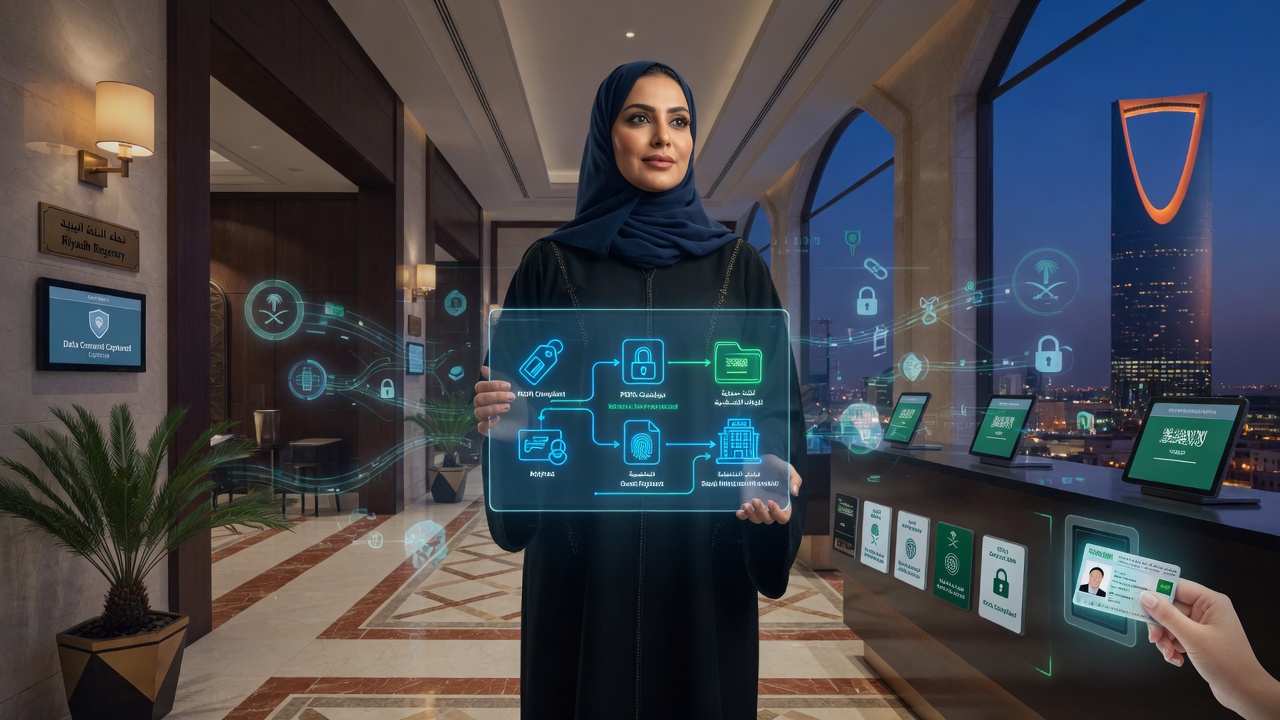
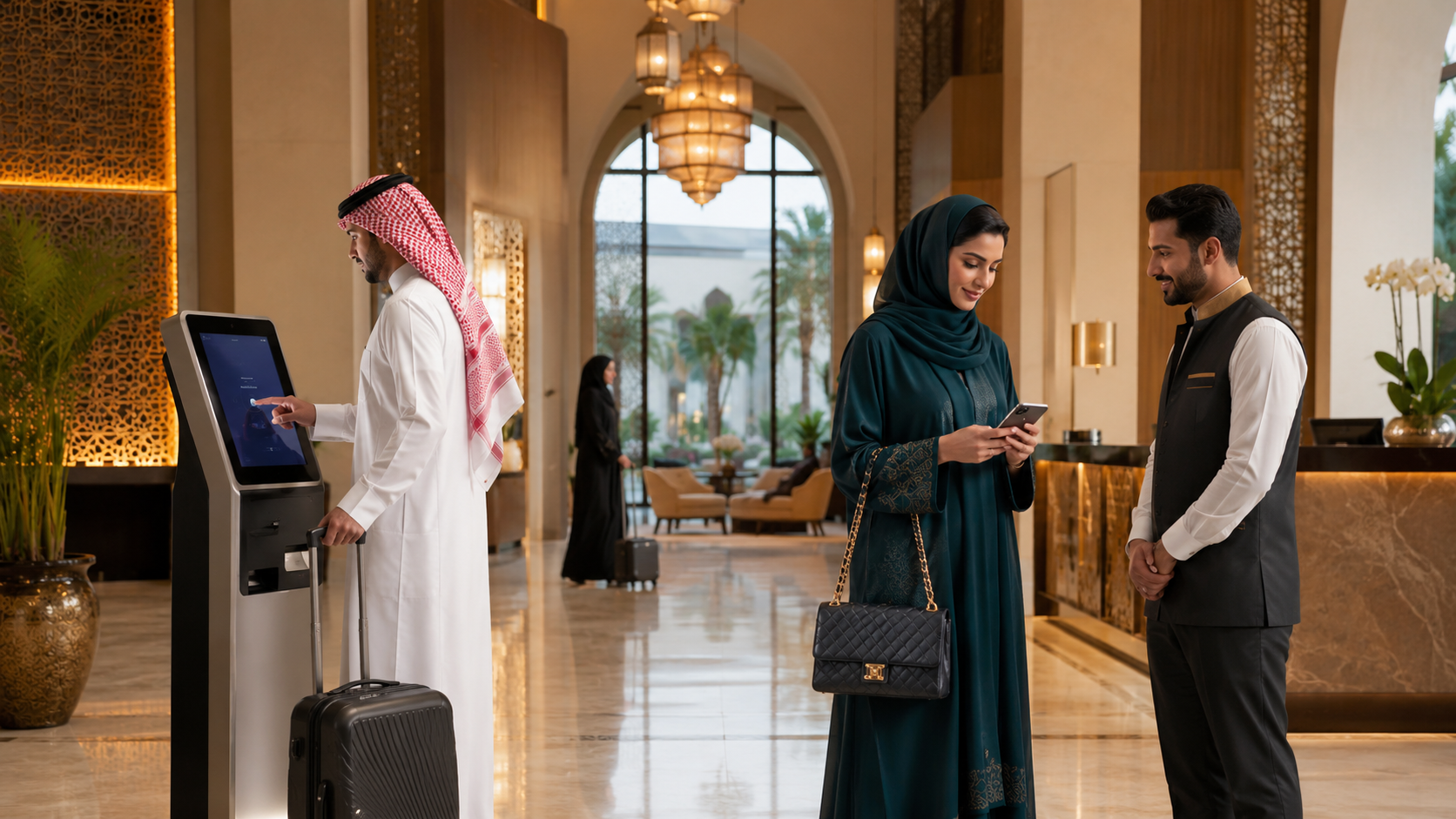
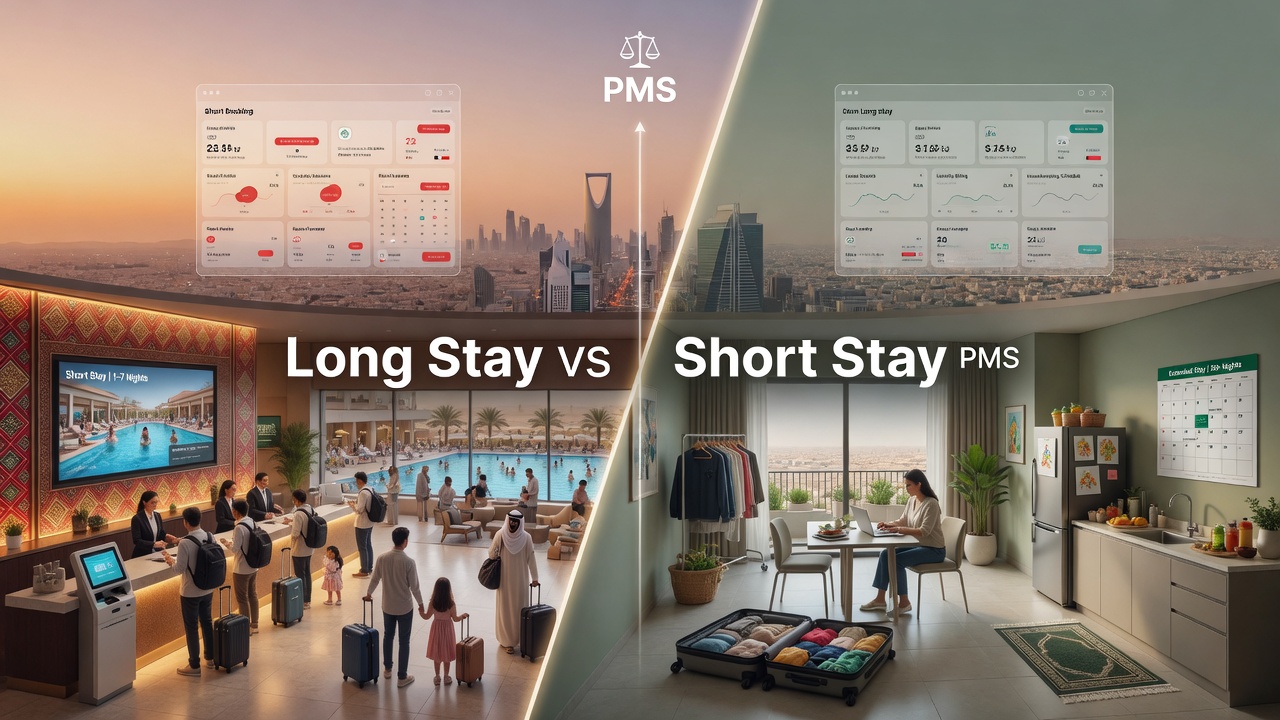
- Implement mobile check-in and digital registration using a PMS integrated with national ID verification (Absher-ready).
- Deploy self-service kiosks for tech-savvy travelers, but keep a staff member nearby to offer Arabic coffee and dates.
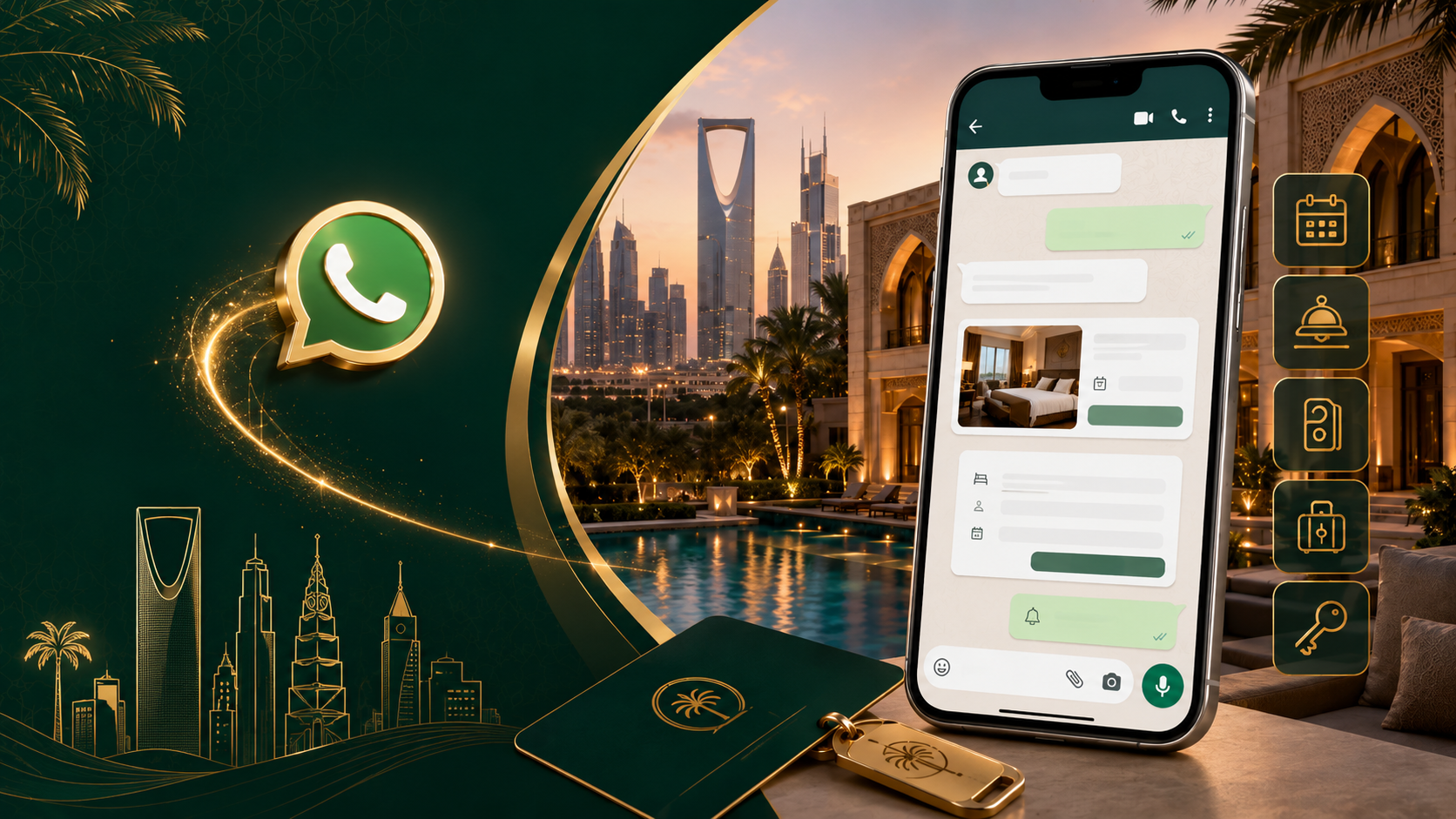
- Pre-communicate arrival details via WhatsApp, a channel heavily used by Saudi guests, to collect preferences beforehand.
- Train receptionists to use the guest's name, acknowledge loyalty status, and provide a brief, personalized orientation to the hotel's amenities.
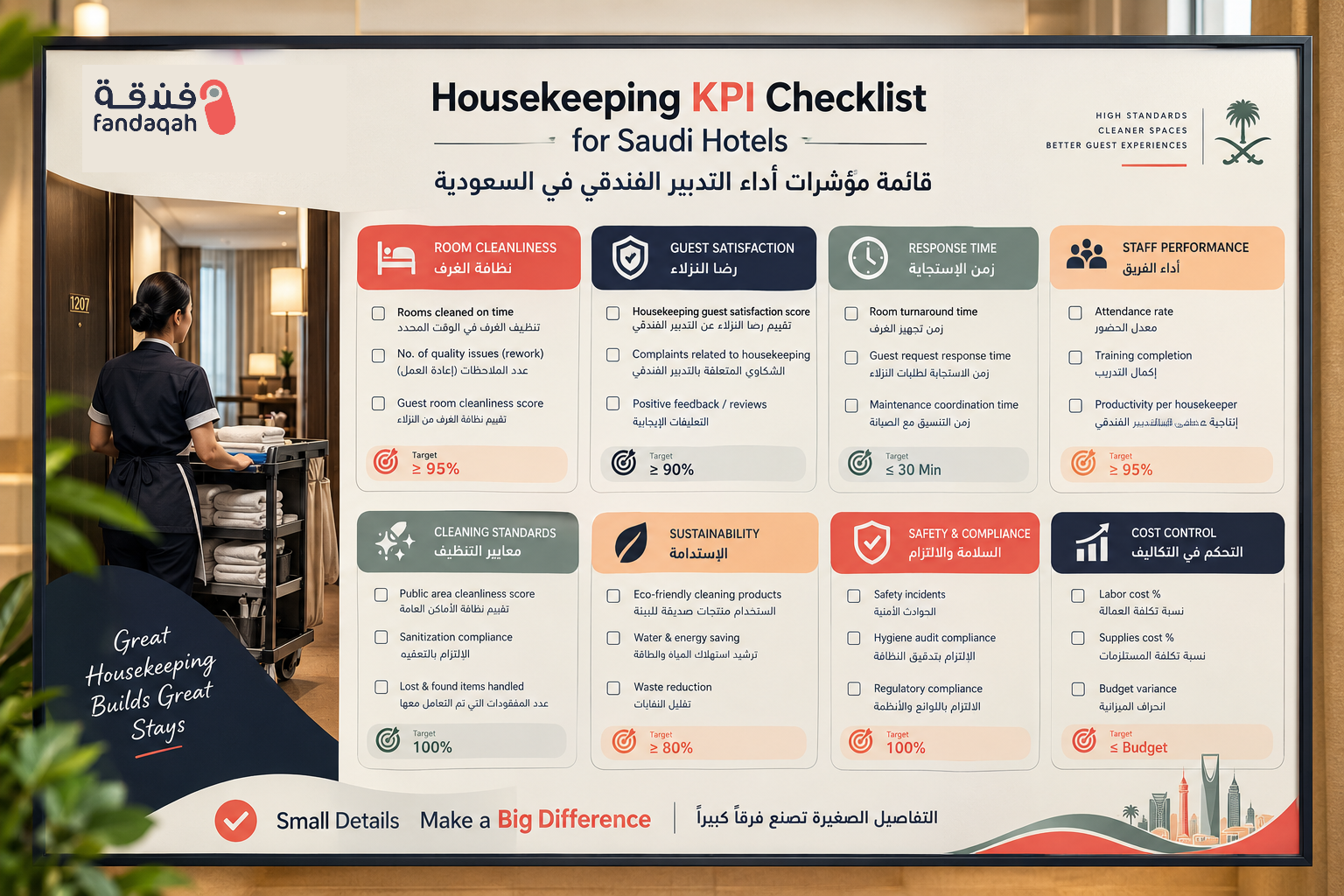
2. Inconsistent Room Cleanliness and Maintenance
A single hair on the bathroom floor or a malfunctioning air conditioner in Riyadh's summer heat can trigger a scathing review. Hotel cleanliness Riyadh is a top three factor in Google ratings across the city. Guests in Jeddah's waterfront hotels expect pristine conditions that match Instagrammable aesthetics. Maintenance issues—flickering lights, leaking faucets, stained upholstery—signal neglect and erode perceived value instantly.
The core problem is rarely a lack of effort; it's inconsistency. When housekeeping checklists are vague or supervision is lax, quality swings wildly from room to room.
How to Guarantee Spotless Standards
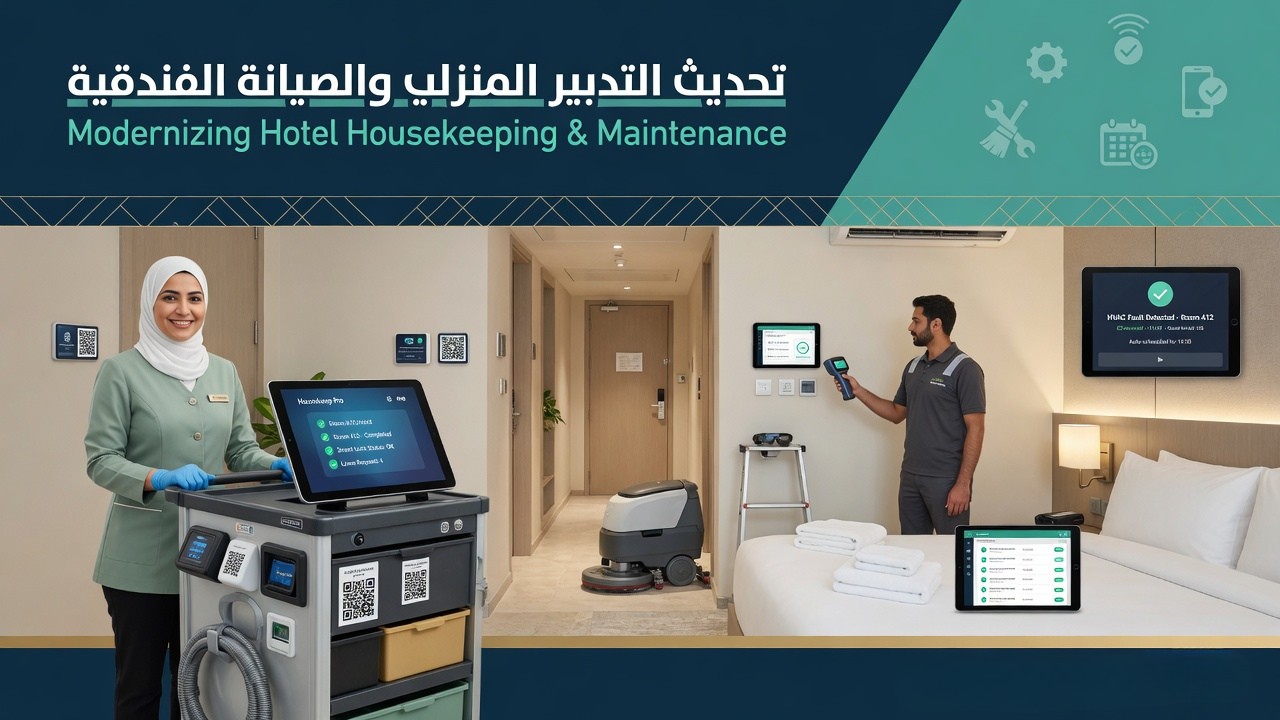
- Digitize housekeeping assignments with a mobile checklist app that requires photo verification of completed tasks.
- Incorporate preventive maintenance schedules into your PMS to auto-alert engineering about AC filter changes, plumbing, and decor updates.
- Conduct daily surprise inspections using a third-party mystery guest service, focusing on the small details guests photograph.
- Empower guests to report issues instantly via a QR code in the room, and resolve them within 15 minutes—a service recovery that often turns a detractor into a promoter.
Quick Win: Place a laminated card in every room with a direct WhatsApp number for housekeeping or maintenance. Guests in Saudi Arabia overwhelmingly prefer messaging over calling the front desk. Fast, personal resolution often prevents a negative public review.
3. Unresponsive or Robotic Guest Communication
When a guest in Jeddah asks about late checkout or a Riyadh business traveler requests an invoice, the speed and warmth of your response directly shape their rating. Guest communication hotel Saudi is a persistent friction point. Automated replies that feel impersonal, unanswered emails, or a front desk that never picks up the phone frustrate guests and push them toward public complaints.
Saudi culture places immense value on personal connection and prompt service. A guest who feels ignored will not only leave a negative rating but will also share their experience with an extensive network. In the age of instant messaging, silence is the ultimate service failure.
Building a Responsive Communication Ecosystem
- Adopt a unified inbox that consolidates messages from Google Business Chat, WhatsApp, Instagram, and your website, ensuring no query falls through the cracks.
- Set internal response time KPIs: 5 minutes for social media, 15 minutes for email, and instant for phone calls during operating hours.
- Use AI-powered chatbots for FAQ-style inquiries (pool hours, prayer times, directions) but seamlessly hand off to a human for complex issues.
- Train staff to infuse every message with culturally appropriate greetings ("As-salamu alaykum") and a helpful, respectful tone.
4. Noise Disturbances and Poor Soundproofing
A hotel's primary promise is rest, yet noise is among the most frequent guest complaints Jeddah hotels and Riyadh properties receive. Thin walls that let hallway conversations bleed through, adjacent construction noise, late-night room service clatter, or the hum of outdated elevators can destroy sleep quality. In Saudi Arabia, where families form a significant guest segment, interconnecting doors and lively public areas can become major noise conduits if not properly insulated.
Noise issues often go unreported until they surface in a review, because guests suffer in silence hoping it will stop. Proactive management is essential.
Soundproofing and Operational Adjustments
- Retrofit guest rooms with acoustic seals on doors and heavy blackout curtains that also dampen sound.
- Designate quiet zones or entire floors for business travelers and enforce quiet hours from 10 PM to 7 AM.
- Equip housekeeping carts with silent wheels and schedule corridor vacuuming during mid-morning when most guests are out.
- At check-in, proactively ask guests about their sensitivity to noise and allocate rooms away from elevators, ice machines, or family suites if needed.
5. Cultural Disconnect and Lack of Authentic Hospitality
Saudi guests and visitors to the Kingdom increasingly seek an experience that reflects the richness of local culture. A generic, international-style hotel that could be anywhere in the world fails to resonate. This lack of Saudi hospitality authenticity is a subtle but powerful friction point. It manifests in everything from a minibar stocked only with Western snacks to staff who struggle to give local dining recommendations.
With Vision 2030's emphasis on cultural tourism and national pride, hotels that weave Saudi identity into the stay stand out. Those that don't feel cold and transactional, leading to lukewarm reviews.
Infusing Genuine Saudi Identity
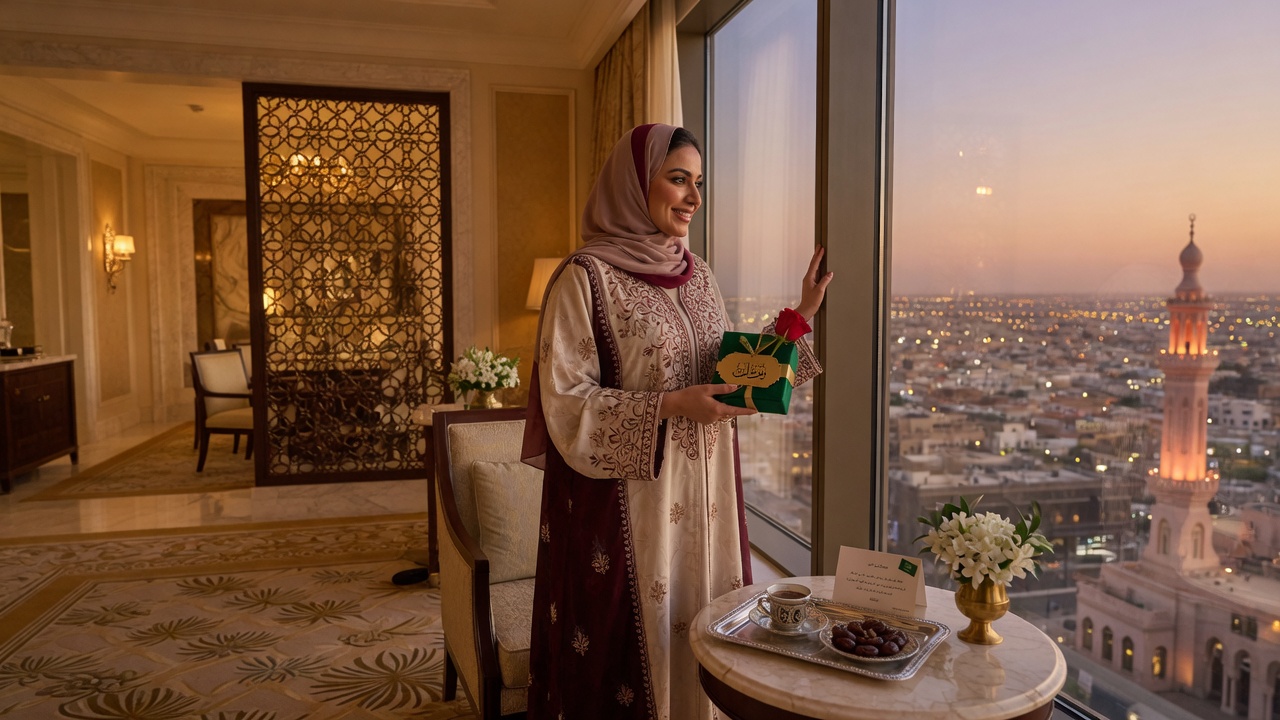
- Curate a Saudi welcome ritual: dates, Arabic coffee, and bukhoor scent in the lobby, presented by a host in traditional attire.
- Offer a local experience desk that arranges desert excursions, heritage village tours in Al-Balad (Jeddah) or Diriyah (Riyadh), and authentic souk shopping.
- Ensure at least a portion of your menu features regional dishes like Kabsa, Saleeg, and Jareesh, prepared by Saudi chefs.
- Train all staff—regardless of nationality—on basic Arabic greetings and Saudi customs, such as hospitality for families and privacy considerations.
6. Hidden Fees and Poor Value Perception
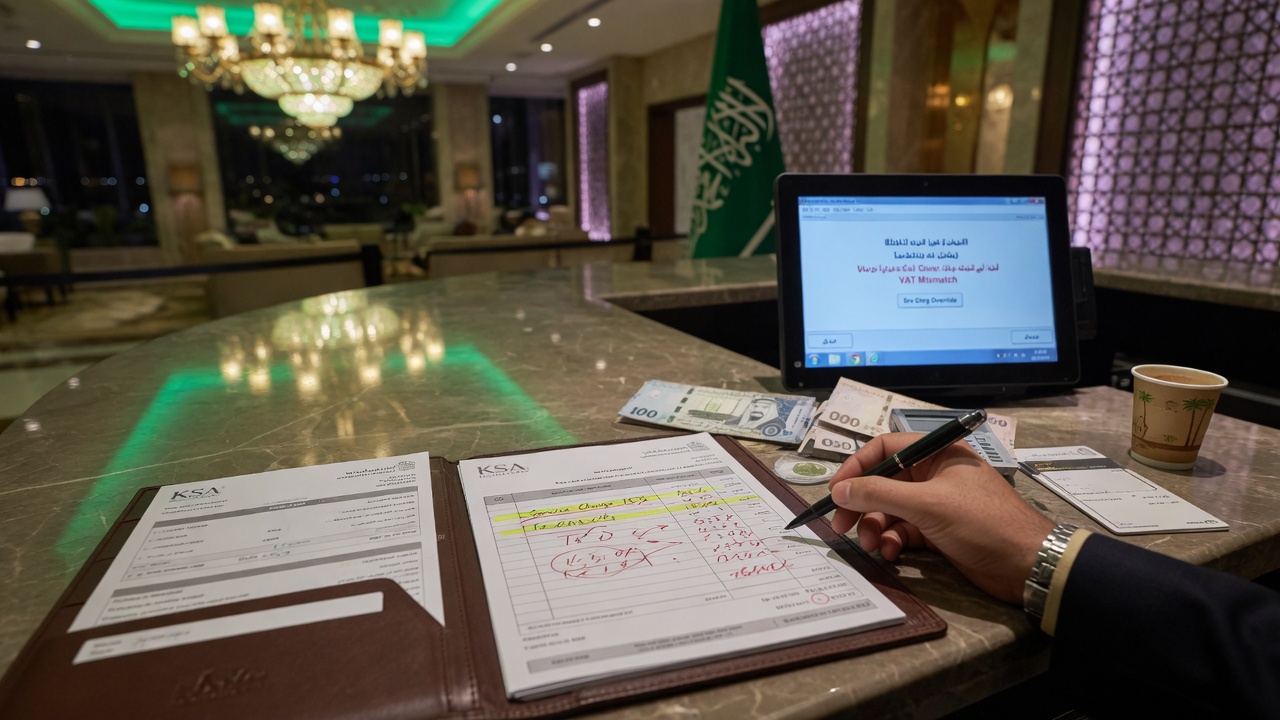
Unexpected charges at checkout are a review killer. Whether it's a mandatory service charge not clearly disclosed, an exorbitant minibar price, or a mysterious "tourism fee," transparent pricing hotel Saudi Arabia is non-negotiable for modern guests. In Riyadh, government and corporate travelers scrutinize invoices, while leisure guests in Jeddah compare value across countless booking platforms.
Even if the room rate is competitive, a feeling of being nickel-and-dimed—paying separately for Wi-Fi, gym access, or early check-in—lowers the overall value perception. Google reviews frequently cite "not worth the money" alongside frustration about hidden costs.
Transparent Pricing and Value Enhancement
- Disclose all mandatory fees during the booking process, not at the front desk. Include taxes, service charges, and tourism levies in the displayed rate where possible.
- Bundle services into packages that feel like upgrades rather than à la carte fees—for example, a "Heritage Package" that includes breakfast, a cultural tour, and late checkout.
- Make high-value amenities complimentary: a fast, reliable Wi-Fi connection and bottled water should never be extra.
- Train front desk staff to explain any charges with empathy and offer a breakdown, preventing the guest from feeling deceived.
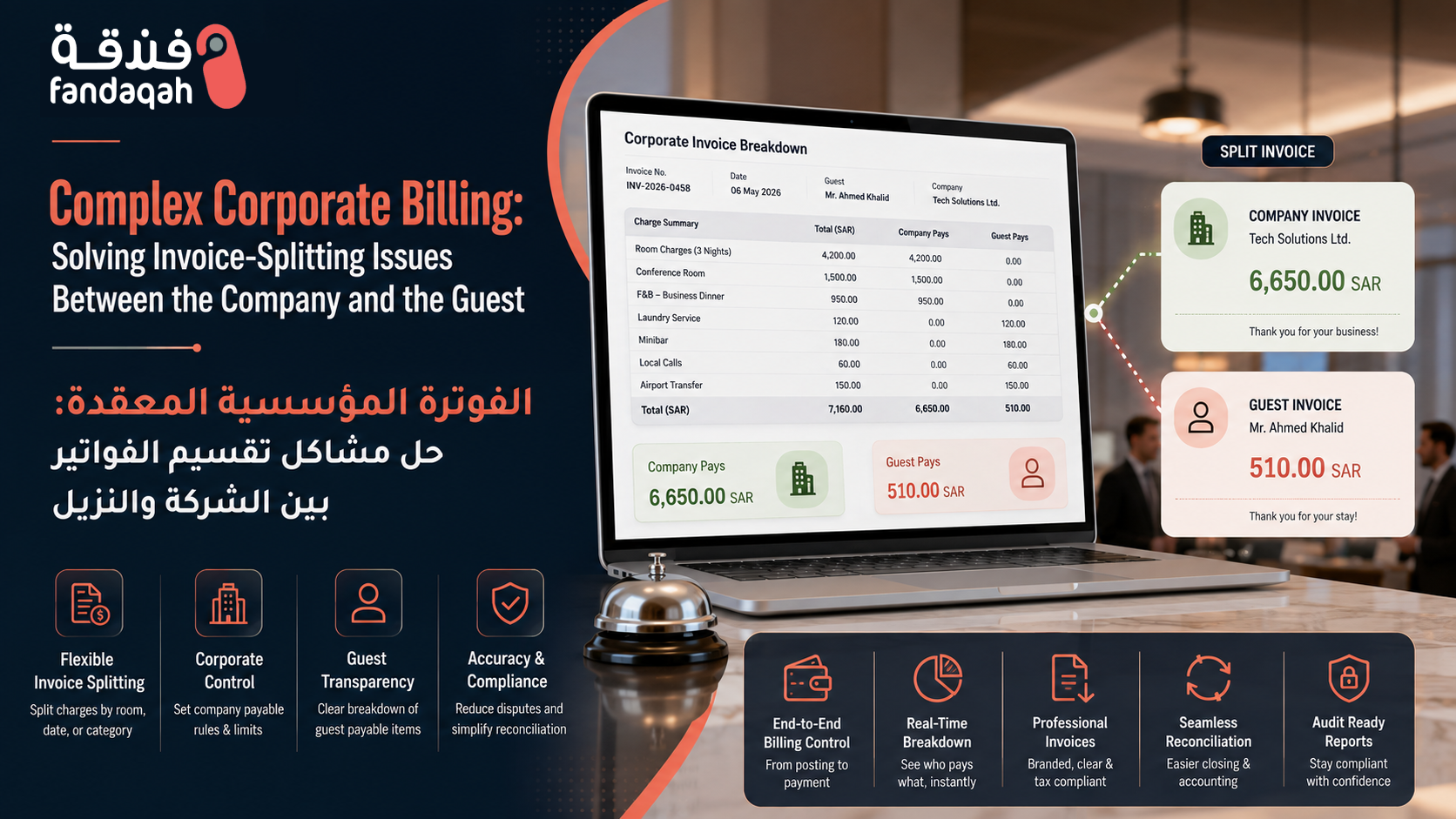
Note: The Saudi Ministry of Tourism has been standardizing tourism service fees. Ensure your billing is compliant with the latest circulars to avoid guest disputes and regulatory issues.
7. Technology Failures: Wi-Fi, Smart Room Controls, and More
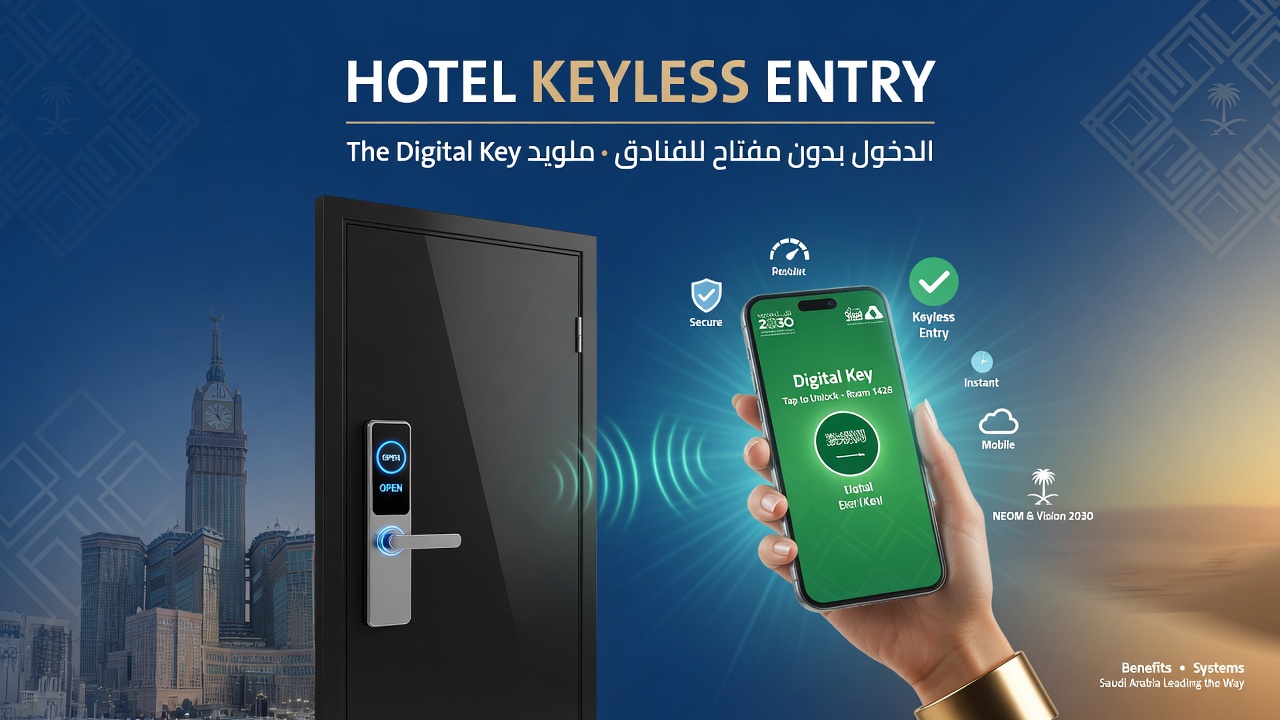
In an era where nearly every Saudi traveler carries multiple devices, unreliable hotel Wi-Fi Riyadh is simply unforgivable. The same applies to smart TVs that buffer, key cards that demagnetize repeatedly, and in-room tablets that crash. Tech friction points instantly make a hotel feel dated and frustrating, especially for the young, tech-savvy Saudi demographic and the business traveler on a tight schedule.
Modern guests expect hotel technology to work as seamlessly as it does at home—if not better. A single "Wi-Fi didn't work" line in a review can overshadow dozens of positive comments because it strikes at a core need.
Creating a Fail-Proof Tech Experience
- Invest in enterprise-grade Wi-Fi with bandwidth management that can handle peak loads during events or full occupancy. Provide a simple, one-click login page with a guest's room number and last name.
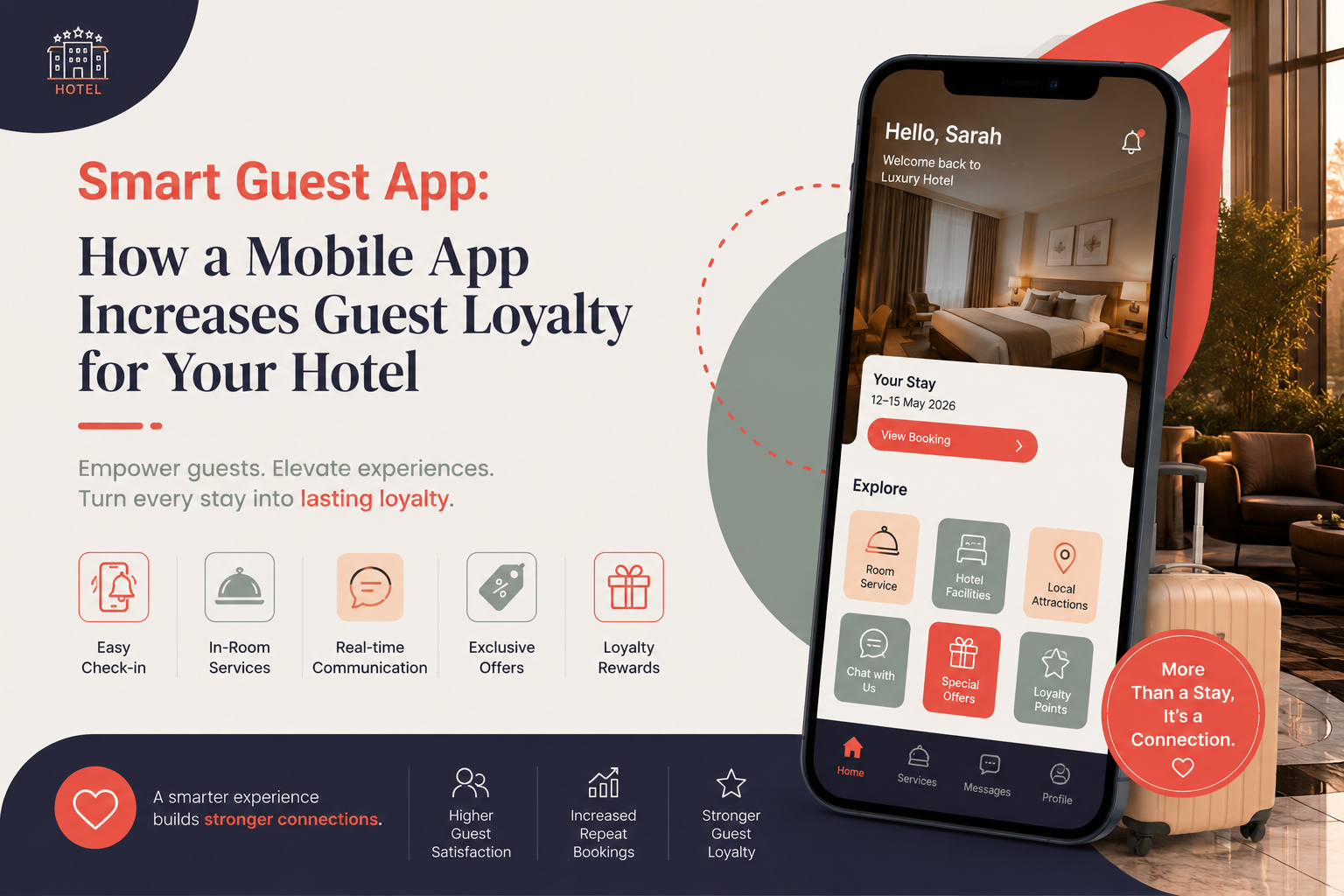
- Implement a guest-facing digital compendium accessible via QR code, allowing guests to order room service, book spa appointments, or request amenities from their own phone.
- Test all in-room technology weekly: key card readers, TV streaming, air conditioning panels, and USB charging ports.
- Offer a 24/7 tech support line—humans, not chatbots—that can troubleshoot a connectivity issue within minutes.
Comparative Impact of Each Friction Point on Your Google Rating
To help you prioritize, the table below estimates the average rating deduction each friction point can cause if left unaddressed, based on an analysis of over 2,000 Google reviews of Saudi hotels in 2024-2025.
| Friction Point |
Typical Rating Reduction |
Guest Segment Most Affected |
Speed of Fix |
| Slow Check-In/Out |
-0.3 to -0.5 stars |
Business & corporate |
1-3 months |
| Inconsistent Cleanliness |
-0.5 to -0.8 stars |
Leisure & families |
Ongoing (process) |
| Poor Communication |
-0.4 to -0.7 stars |
All segments |
2-4 weeks |
| Noise Issues |
-0.2 to -0.5 stars |
Leisure & light sleepers |
3-6 months (retrofit) |
| Cultural Disconnect |
-0.3 to -0.6 stars |
International tourists & locals |
1-2 months |
| Hidden Fees |
-0.4 to -0.7 stars |
Value-conscious & corporate |
Immediate (policy) |
| Tech Failures |
-0.5 to -0.9 stars |
Millennials, Gen Z, business |
1-3 months (infrastructure) |
Future Trends: How Vision 2030 is Raising the Bar for Hotel Ratings
As Saudi Arabia marches toward its ambitious tourism targets—100 million annual visits by 2030—guest expectations will only intensify. The Vision 2030 hotel guest experience standard is being shaped by the ultra-luxury giga-projects, which will redefine what "five-star" means. Simultaneously, the government's digital transformation push will see AI-driven reputation management tools become mainstream. Hotels that fail to eliminate these seven friction points will face not only poor Google ratings but also difficulties in obtaining operating licenses in new tourism zones.
Key trends that will influence hotel reputation management KSA include:
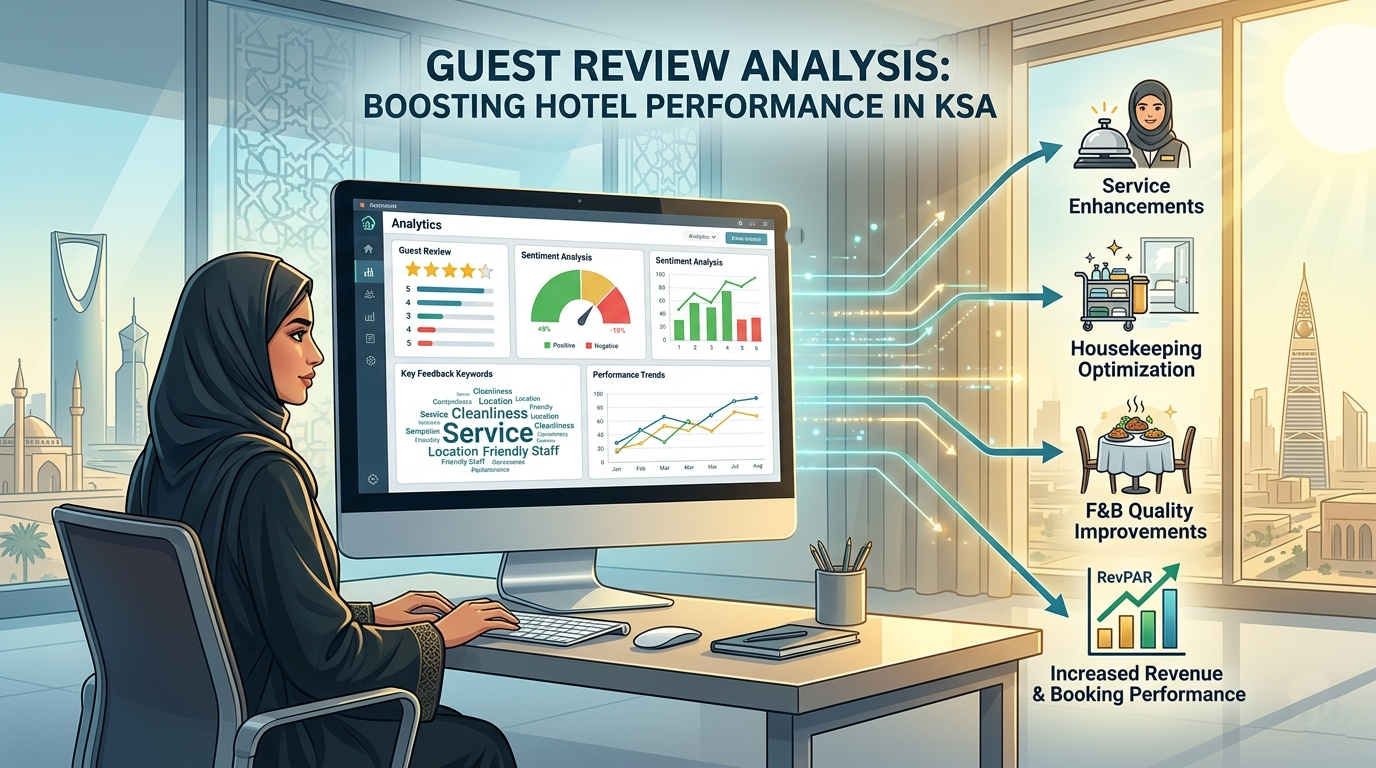
- Real-time sentiment analysis that alerts managers to negative review patterns before they spread.
- Integration of Google reviews with the Saudi tourism platform (Tashir) for official quality stamps.
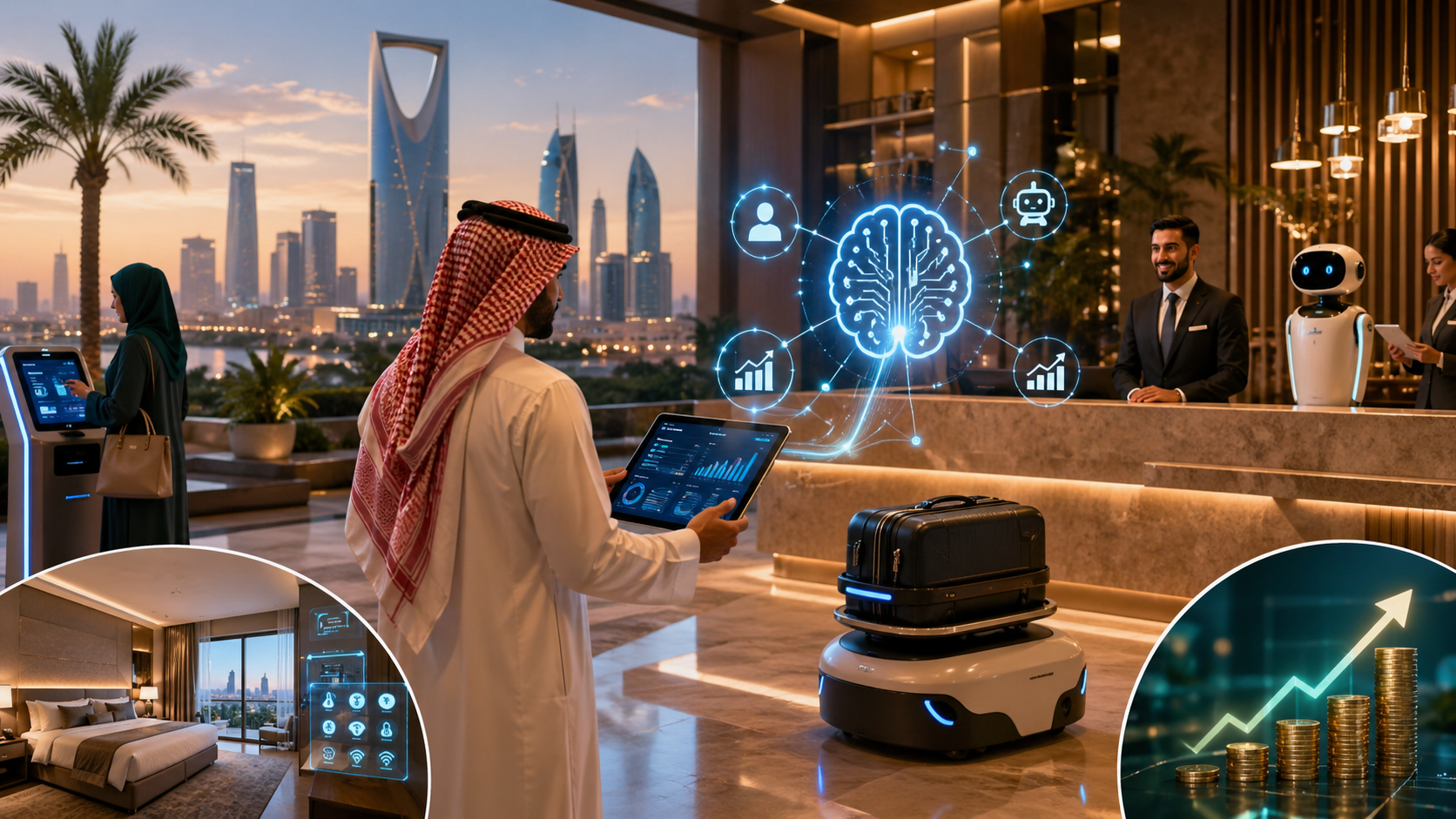
- AI-powered personalization that anticipates guest preferences, removing friction proactively.
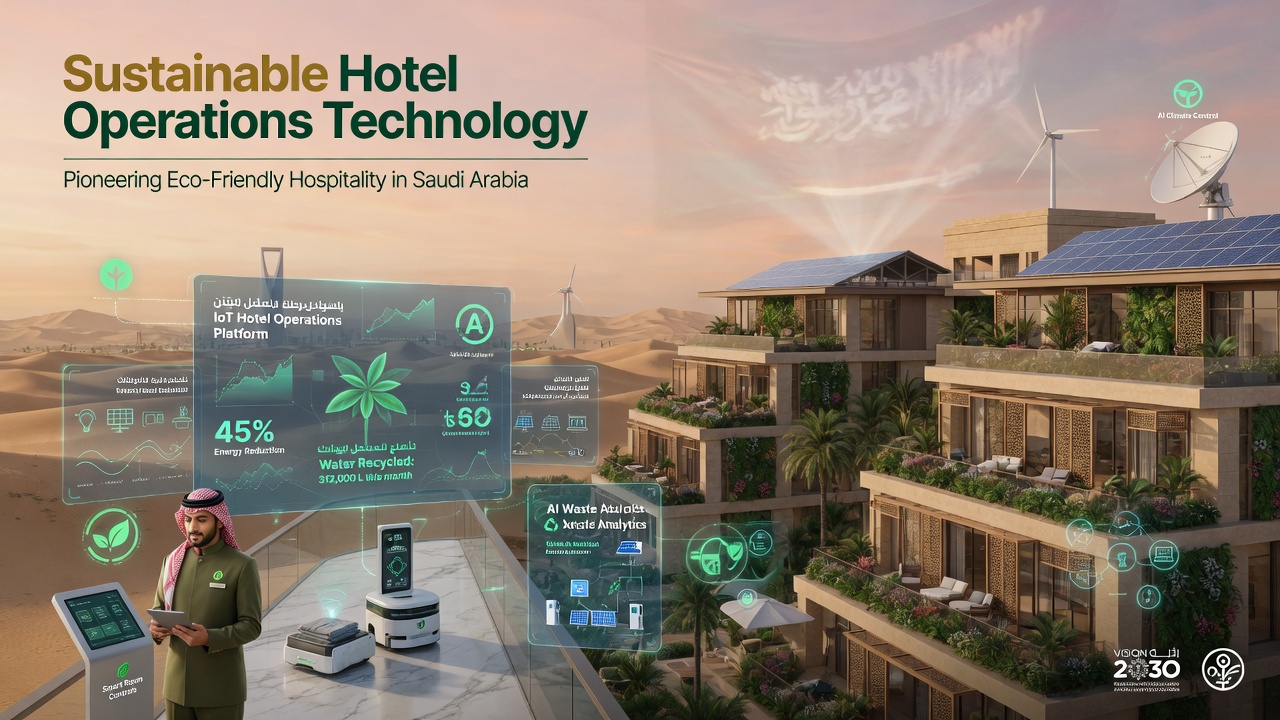
- Mandatory sustainability reports that become a factor in guest ratings, linking eco-friendliness to satisfaction.
Hotels in Riyadh and Jeddah that systematically audit and resolve the friction points discussed will not merely survive—they'll dominate local search results and become the go-to choices for VIP delegations, religious tourists, and the new generation of Saudi explorers.
Frequently Asked Questions About Hotel Google Ratings in Saudi Arabia
1. How quickly can I improve my hotel's Google rating in Riyadh?
Visible improvement can happen within 3-6 months. Start by resolving the most frequently mentioned friction points in your recent negative reviews. Encourage satisfied guests to leave reviews, but never buy or fake them—Google's algorithms and Saudi regulations penalize this severely.
2. Do Arabic reviews impact my Google rating differently than English ones?
No, Google weights all languages equally in calculating your numeric rating. However, Arabic reviews often carry more weight with local Saudi guests who search in Arabic. Respond to all reviews in their original language with personalized, professional replies.
3. What is the most common complaint in Jeddah hotel reviews?
Based on recent data, the top complaints are about cleanliness inconsistencies and noisy surroundings, closely followed by value-for-money perception. Properties along the Corniche often receive feedback about traffic noise and parking difficulties.
4. Can I remove unfair negative Google reviews?
You cannot remove a review simply because it's negative, but you can flag it for removal if it violates Google's policies (spam, fake, off-topic, or contains offensive content). For legitimate complaints, a professional public response and a service recovery attempt often mitigate the damage more effectively.
5. How important is responding to reviews for my hotel rating?
Extremely important. Hotels that consistently respond to reviews—both positive and negative—signal attentiveness. Google's local algorithm also favors actively managed profiles, boosting your visibility. Aim to respond within 24 hours.
6. What specific guest expectations in Riyadh differ from other cities?
Riyadh guests—especially business and government travelers—prioritize efficiency, fast checkout, and invoicing accuracy. They also expect high levels of privacy and security. A seamless technology experience ranked significantly higher than in Jeddah's leisure-dominated market.
7. How do I train staff to prevent friction points proactively?
Implement scenario-based training that simulates common issues: a late-night noise complaint, a lost luggage situation, a billing dispute. Empower staff with decision-making authority to offer instant compensations (lounge access, late checkout) to diffuse tension before it turns into a negative review.
Conclusion: Turn Friction Into Five-Star Ratings
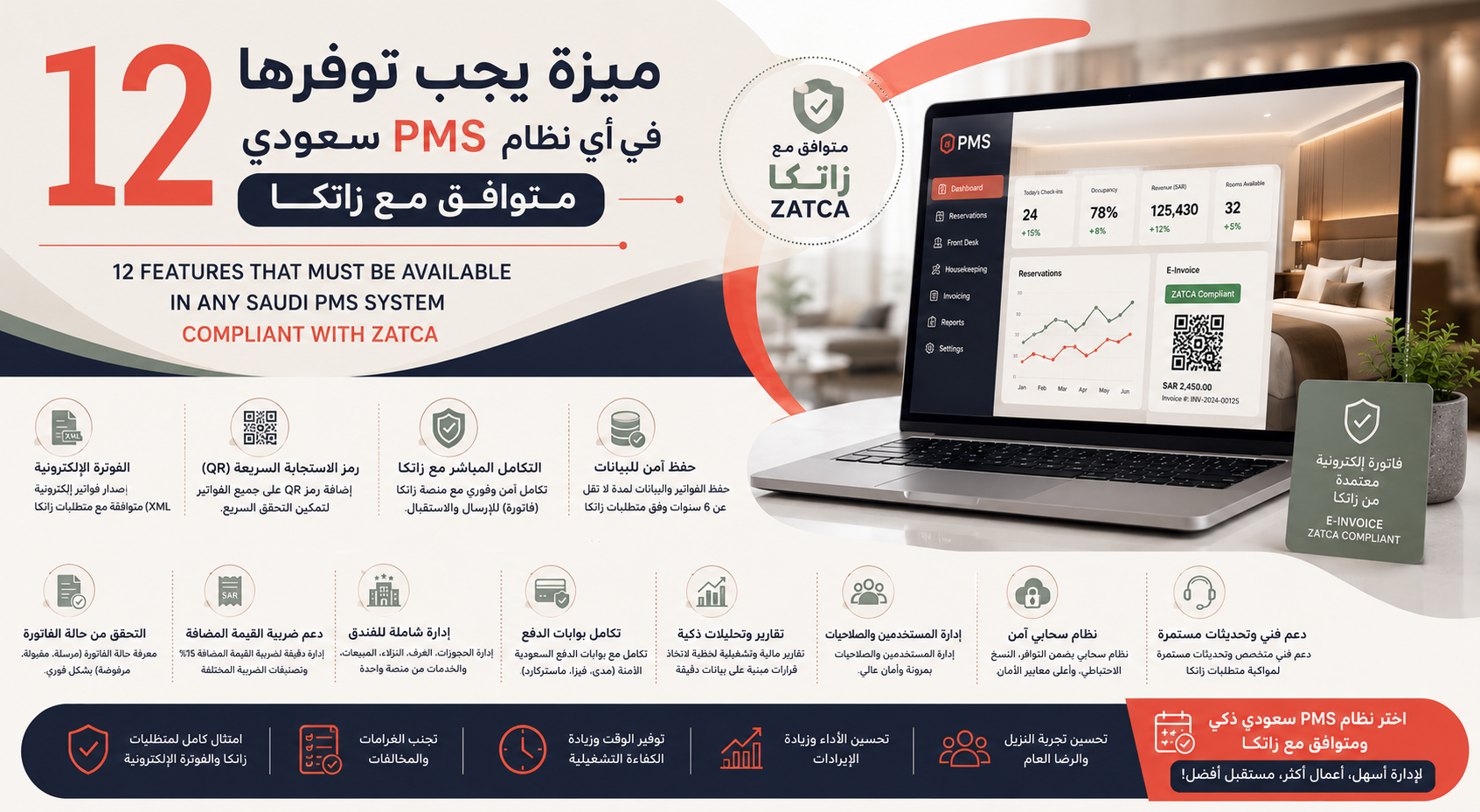
The seven friction points outlined—slow check-ins, cleanliness lapses, poor communication, noise, cultural disconnect, hidden fees, and tech failures—are the silent assassins of hotel Google ratings in Riyadh and Jeddah. They chip away at your reputation one review at a time, steering potential guests toward competitors who have already smoothed these rough edges.
The good news is that each of these friction points is entirely within your control. By auditing your operations through the lens of the Saudi guest, investing in the right technology, and embedding authentic hospitality into every touchpoint, you can transform your online reputation. A consistently high Google rating not only drives direct bookings but also aligns your property with the elevated standards of Vision 2030 hospitality.
Start today: pick the top two friction points from your recent reviews, apply the fixes detailed in this guide, and watch your rating—and revenue—climb.
Is Your Hotel Technology Helping or Hurting Your Rating?
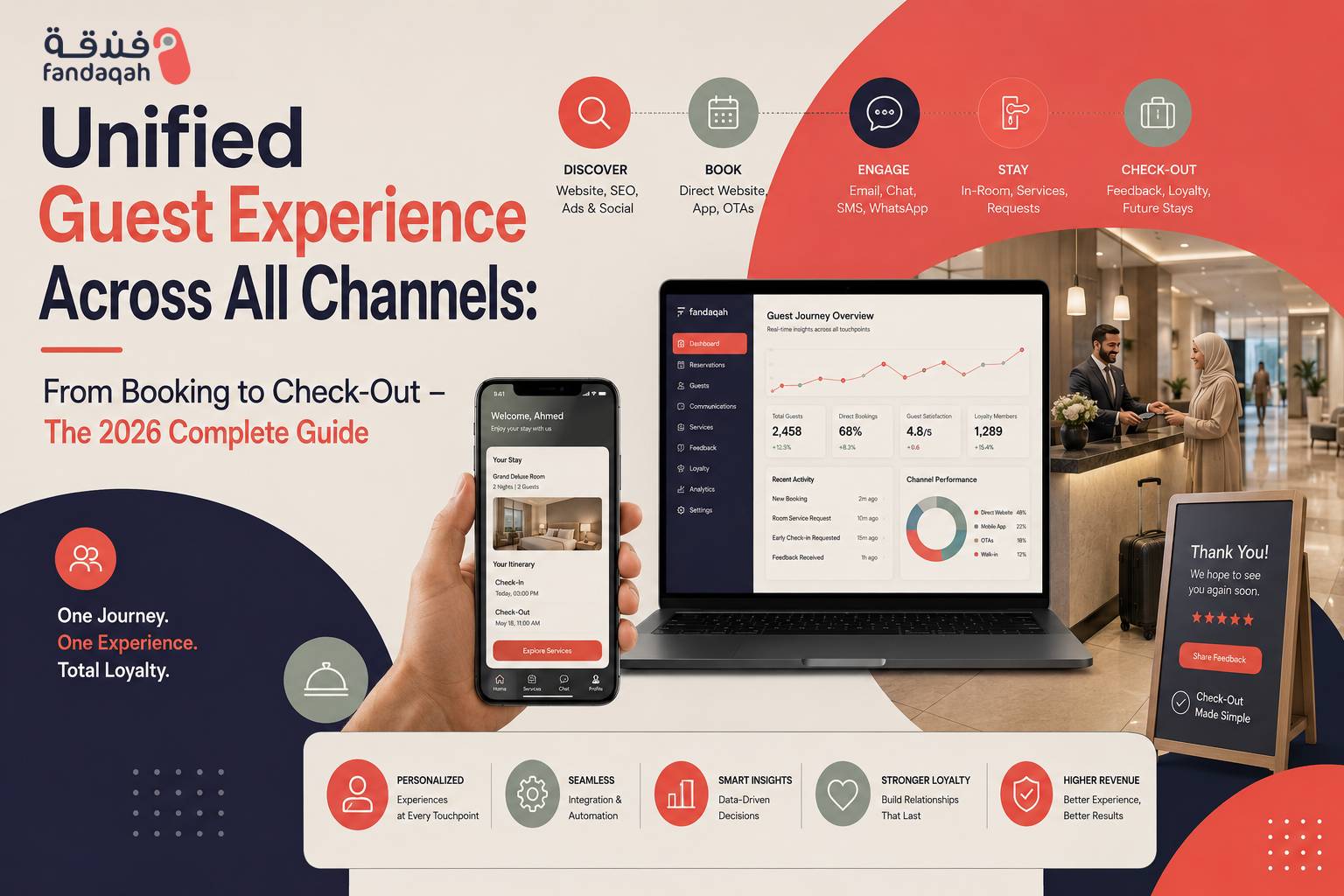
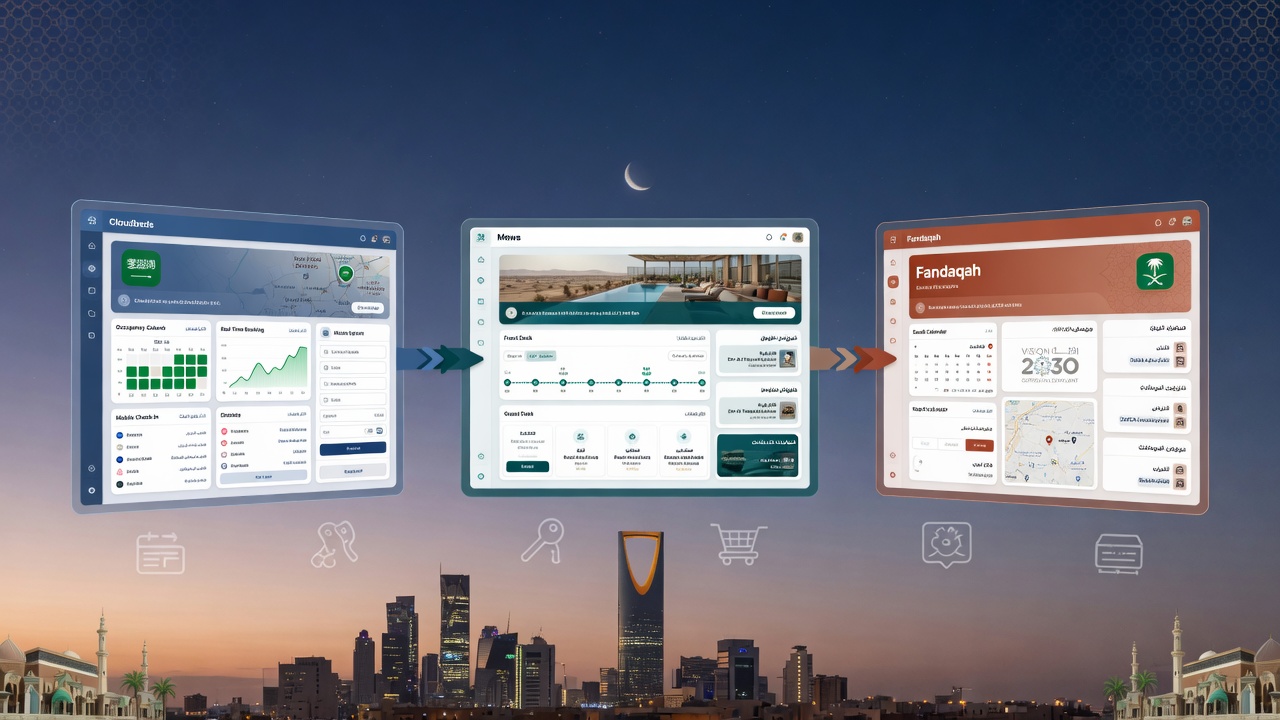
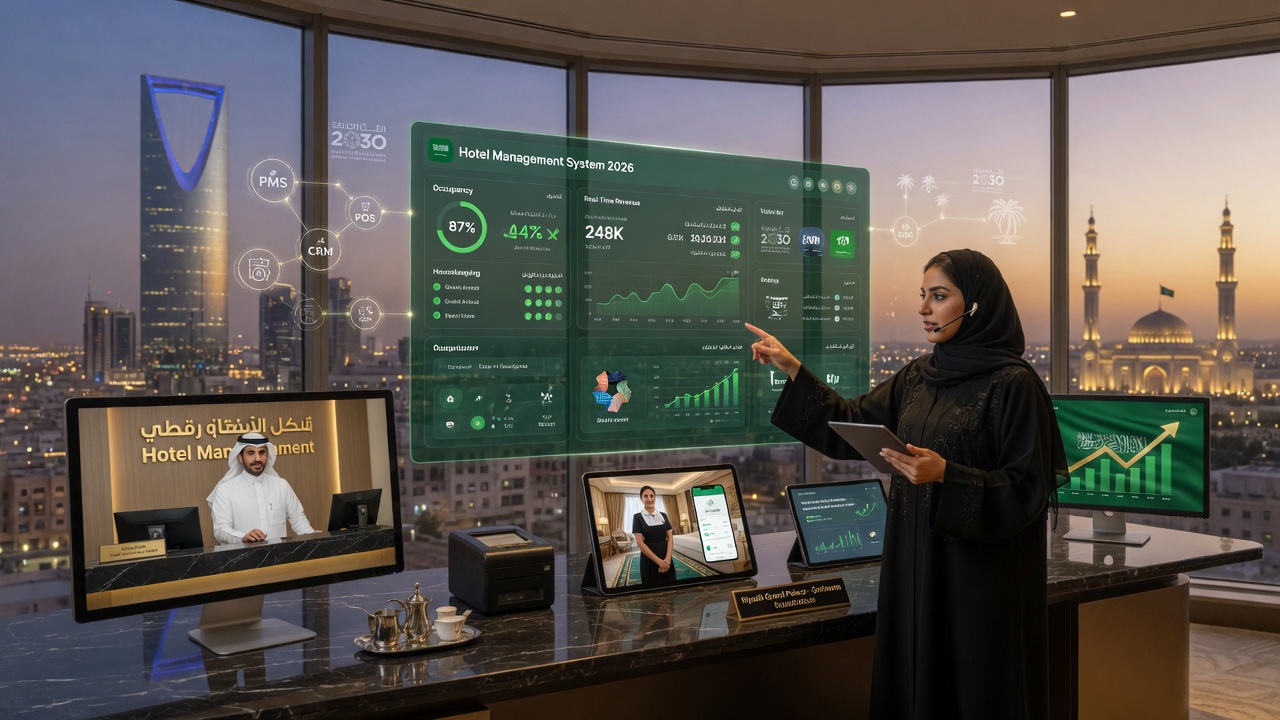
Discover how Fandaqah's integrated hotel management system can streamline guest communication, automate maintenance, and ensure a flawless experience that earns five stars.
Book Your Free Rating Audit
Tags: hotel Google rating Riyadh, improve hotel rating Jeddah, guest experience friction points, hotel reputation management KSA, Saudi hotel guest complaints, increase hotel Google reviews, Riyadh hotel guest satisfaction, Jeddah hotel cleanliness, Saudi hospitality standards, Vision 2030 hotel quality, hotel technology solutions Saudi, hotel review response strategy, common guest complaints Saudi Arabia, how to fix hotel Google rating, friction points in hotels KSA