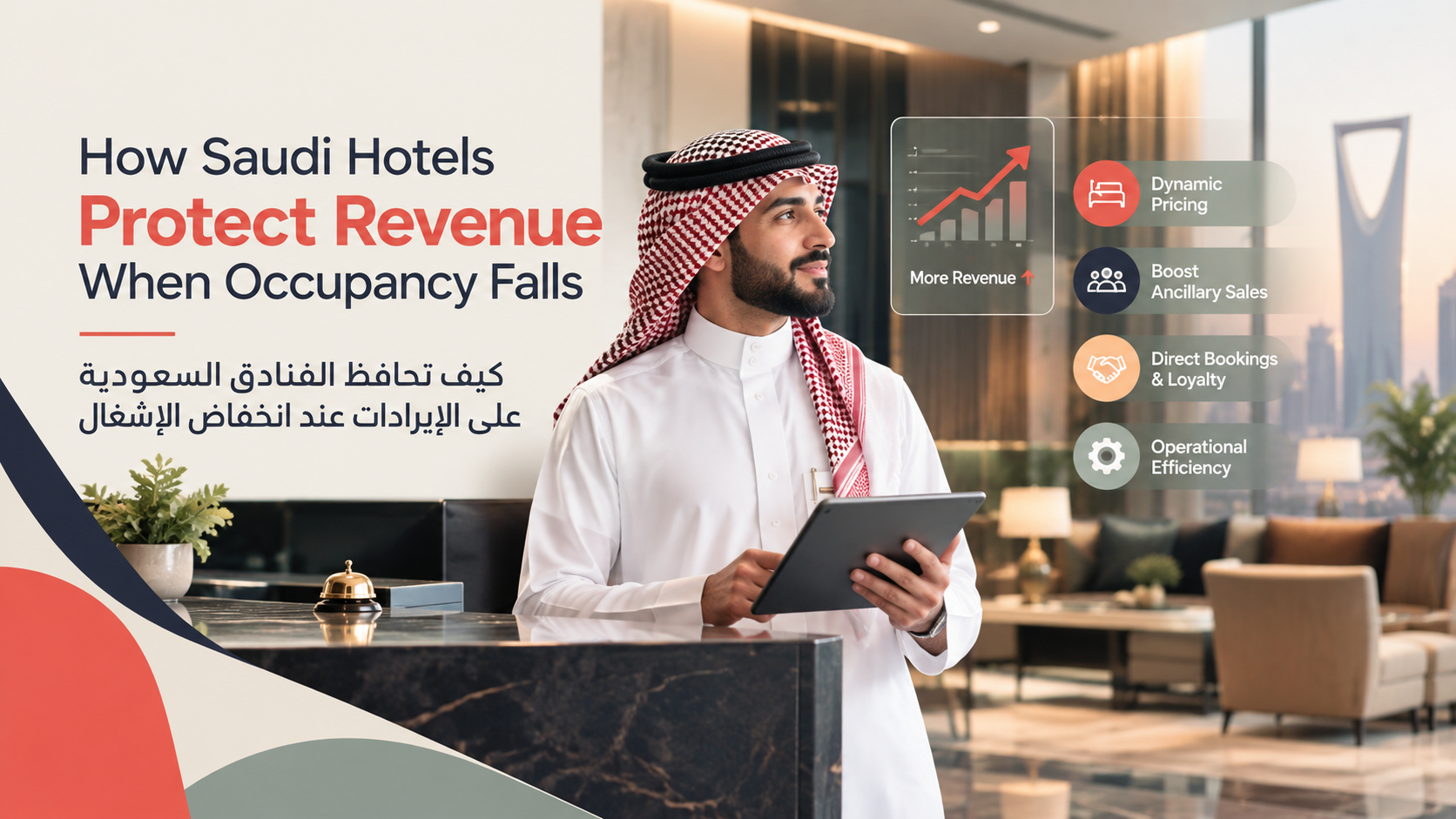
How Saudi Hotels Can Protect Revenue When Occupancy Falls: A Complete Hotel Revenue Management Guide
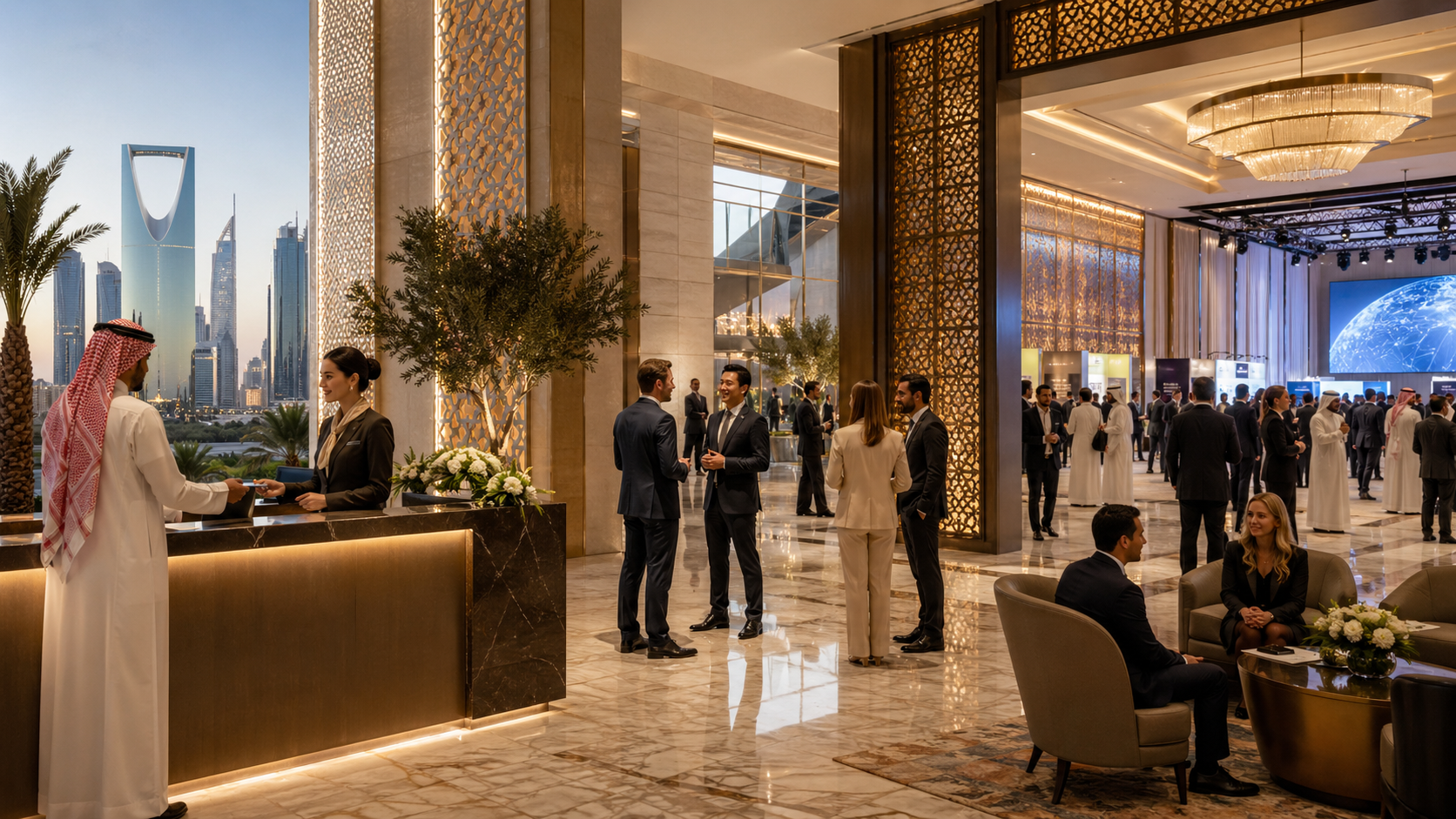
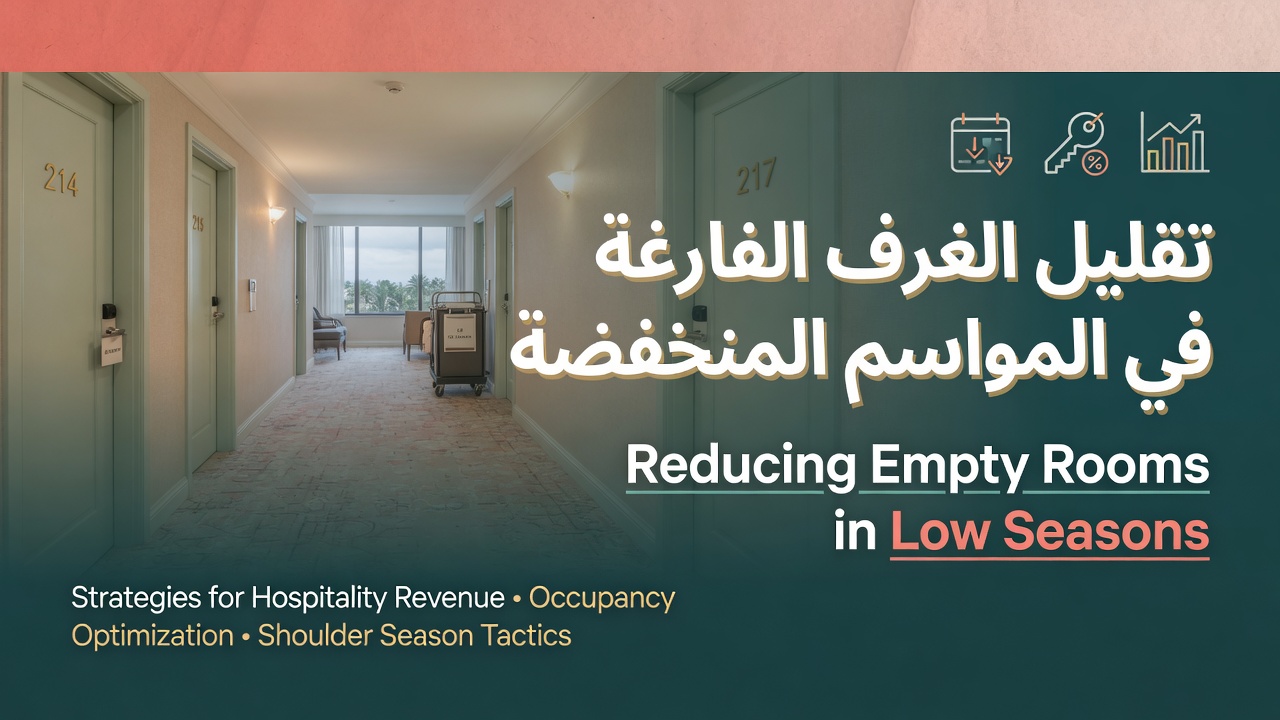
Hotel revenue management in Saudi Arabia is no longer optional — it is the difference between a property that survives a slow month and a property that thrives through it. Every hotel in the Kingdom, from a boutique property in Al Khobar to a 500-room tower near the Haram in Makkah, faces the same challenge: occupancy is seasonal, but costs are not. When rooms sit empty, payroll, utilities, and maintenance bills still arrive on time.
The good news? Low occupancy does not have to mean low revenue. In this guide, we explain exactly how Saudi hotels can protect revenue when occupancy falls — using dynamic pricing, upselling, direct booking strategies, ancillary revenue, and smart segmentation designed specifically for the Saudi hospitality market. Whether you manage a hotel in Riyadh, Jeddah, Madinah, AlUla, or the Eastern Province, these strategies apply to you.
Quick Answer (AEO): Saudi hotels protect revenue during low occupancy by shifting focus from occupancy percentage to RevPAR and TRevPAR, using dynamic pricing instead of blanket discounts, targeting domestic staycation and Umrah-extension travelers, selling ancillary services (F&B, spa, meeting rooms, late checkout), and increasing direct bookings to cut OTA commissions of 15–25%.
Why Occupancy Drops Hurt Saudi Hotels More Than You Think
Hotels are a high fixed-cost business. Roughly 60–70% of a typical hotel's operating costs — salaries, Iqama and GOSI obligations, electricity, licensing, insurance, and property maintenance — do not decrease when occupancy drops from 85% to 45%. This means every percentage point of lost occupancy hits profit far harder than it hits revenue.
Saudi Arabia's hotel market also has unique demand patterns that make occupancy volatile:
- Religious seasonality: Makkah and Madinah hotels swing dramatically between Ramadan, Hajj season, and quieter months.
- Event-driven demand: Riyadh Season, Jeddah Season, Formula 1, LEAP, and major conferences create spikes followed by sharp corrections.
- Corporate cycles: Business hotels in Riyadh and Dammam empty out on weekends and during summer travel months.
- Rapid supply growth: Under Vision 2030, tens of thousands of new hotel rooms are entering the market, increasing competition for the same guest.
The instinctive reaction — slashing room rates — is usually the most damaging one. Deep discounting trains guests to wait for deals, erodes brand positioning, and drags down your ADR (Average Daily Rate) for months after demand recovers. Protecting revenue requires a smarter playbook.
"You can always lower a rate in one click. Rebuilding a rate — and the brand perception behind it — can take a full year. The best Saudi hoteliers defend rate integrity and sell value, not desperation."
The Metrics That Matter: Stop Managing Occupancy, Start Managing Revenue
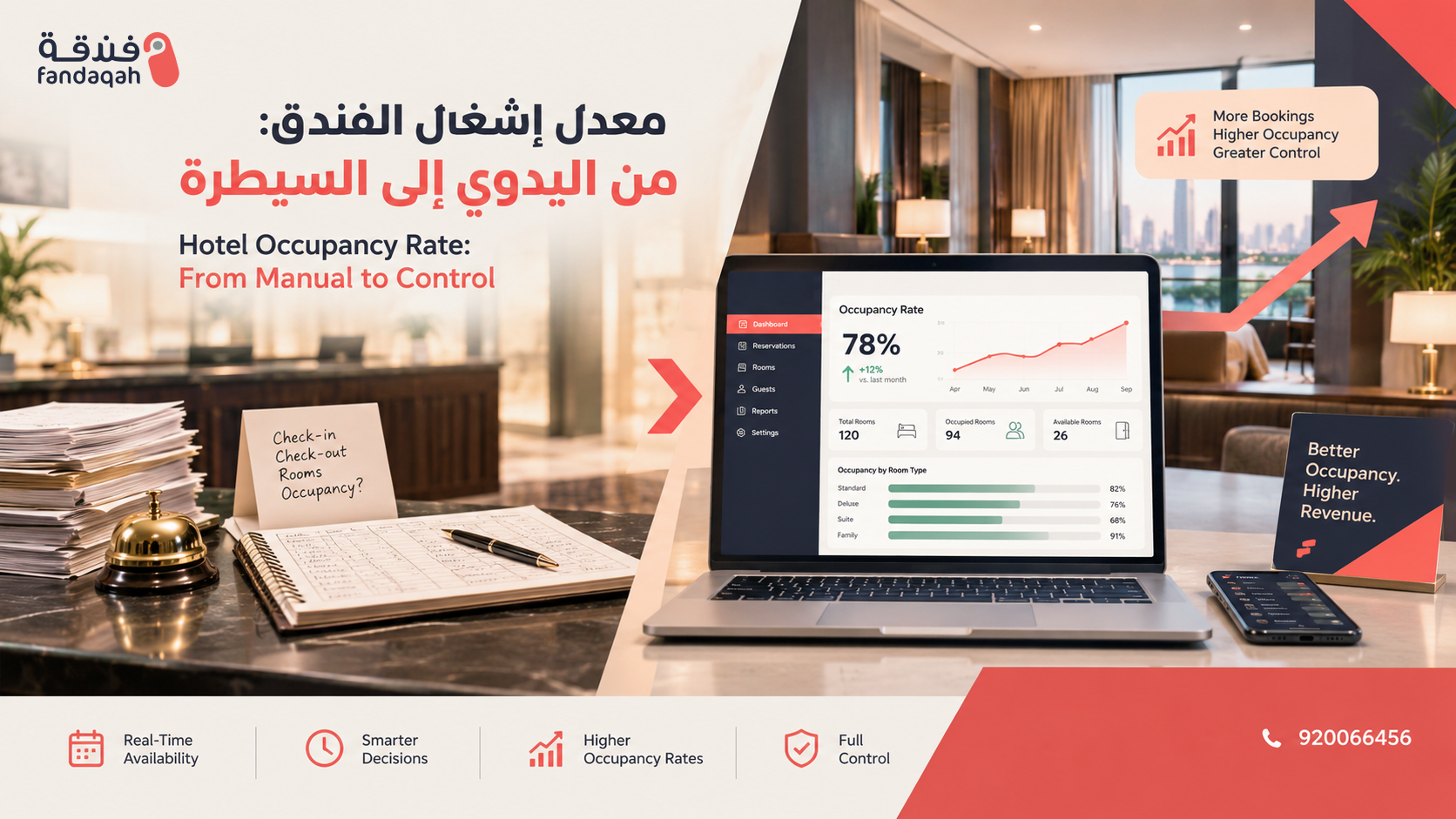
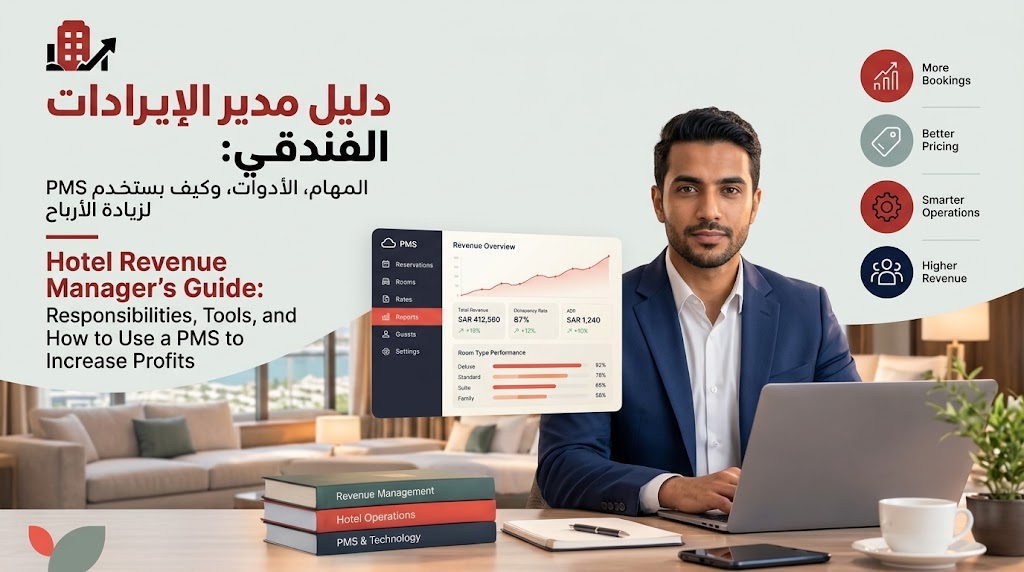
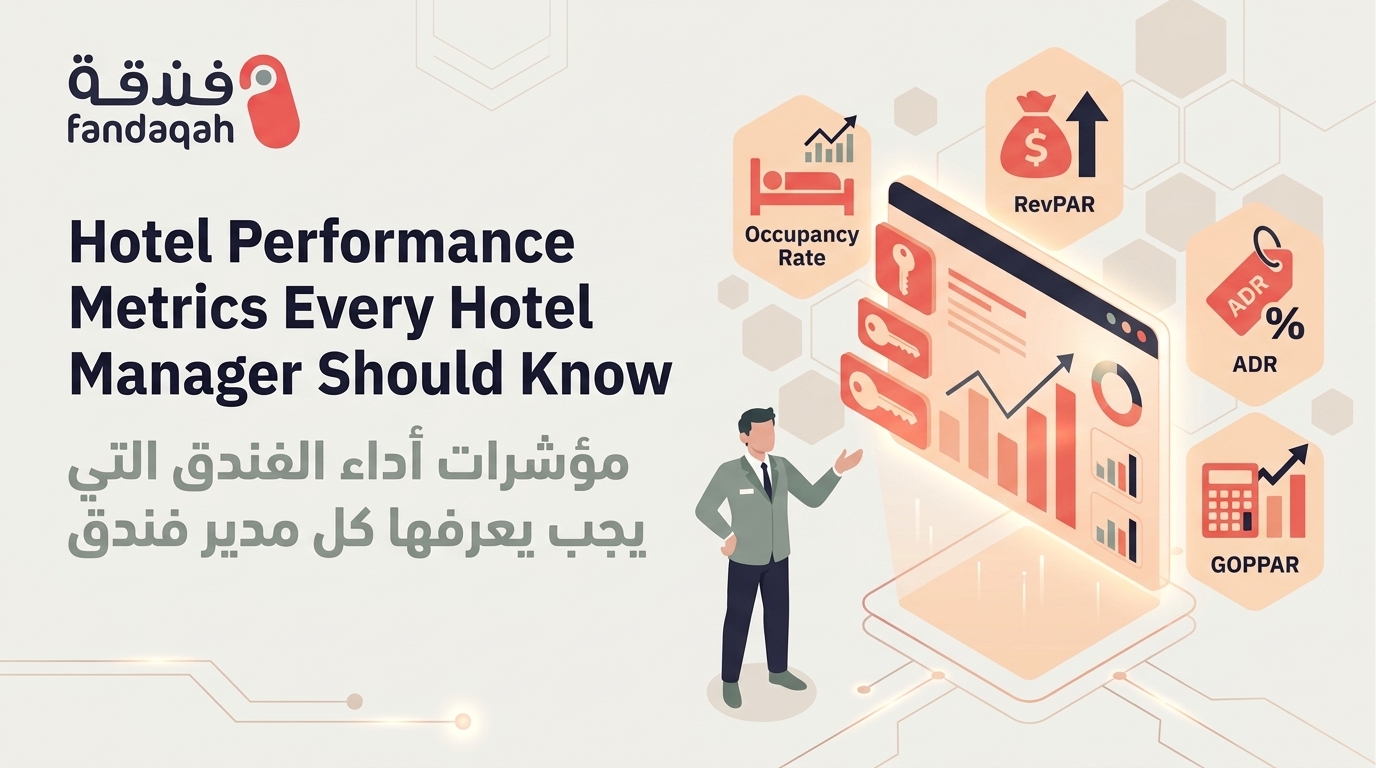
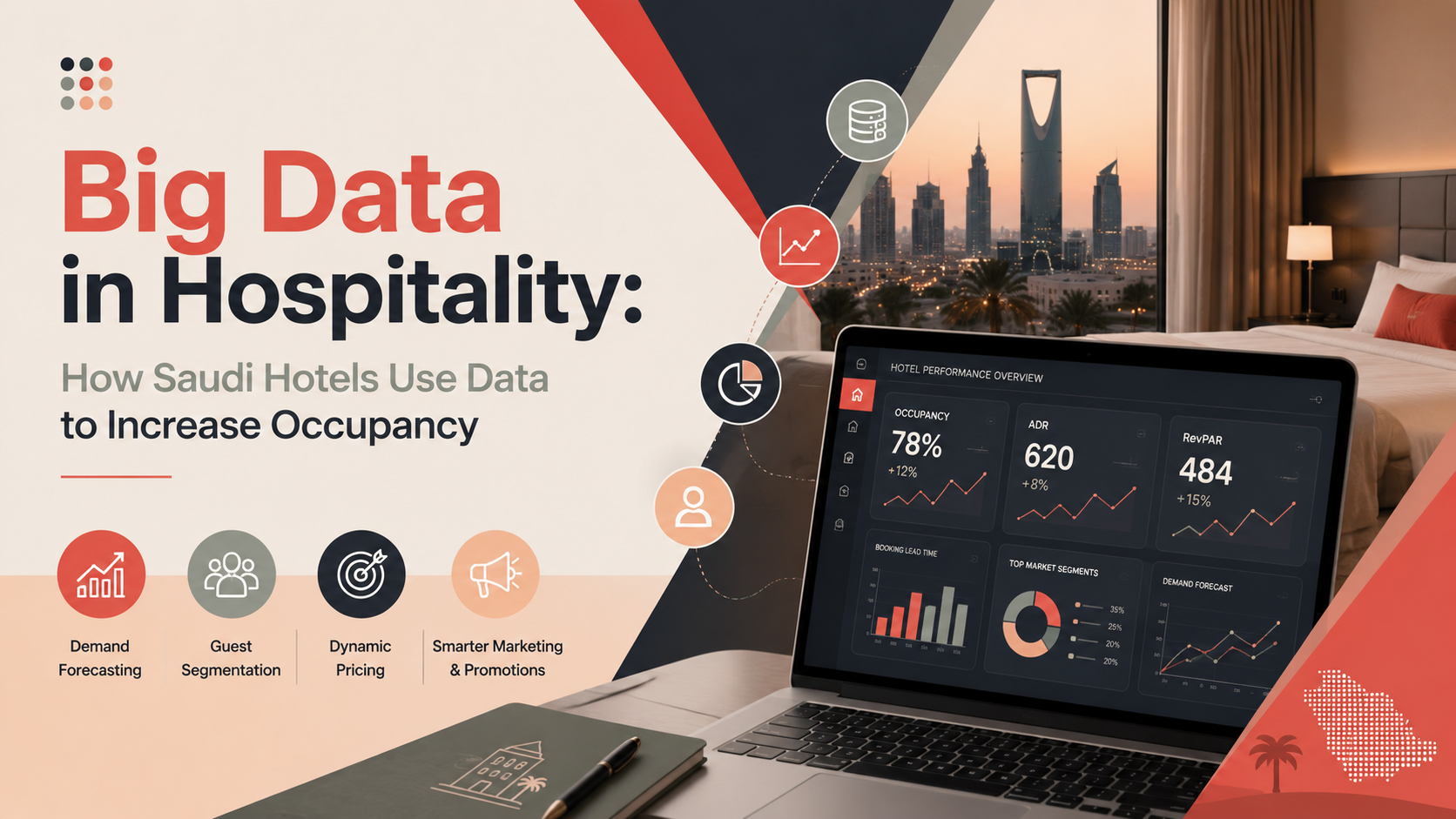
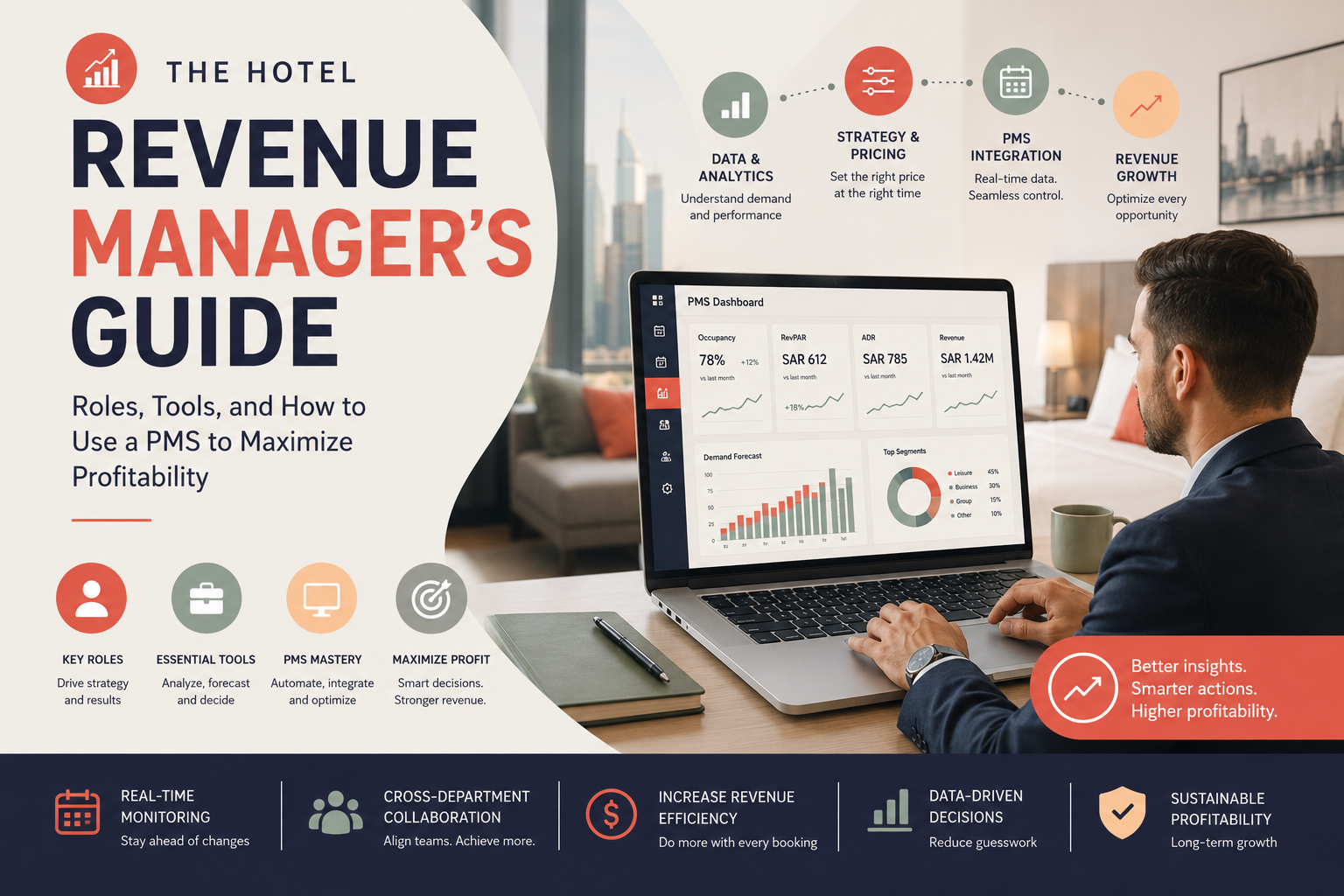
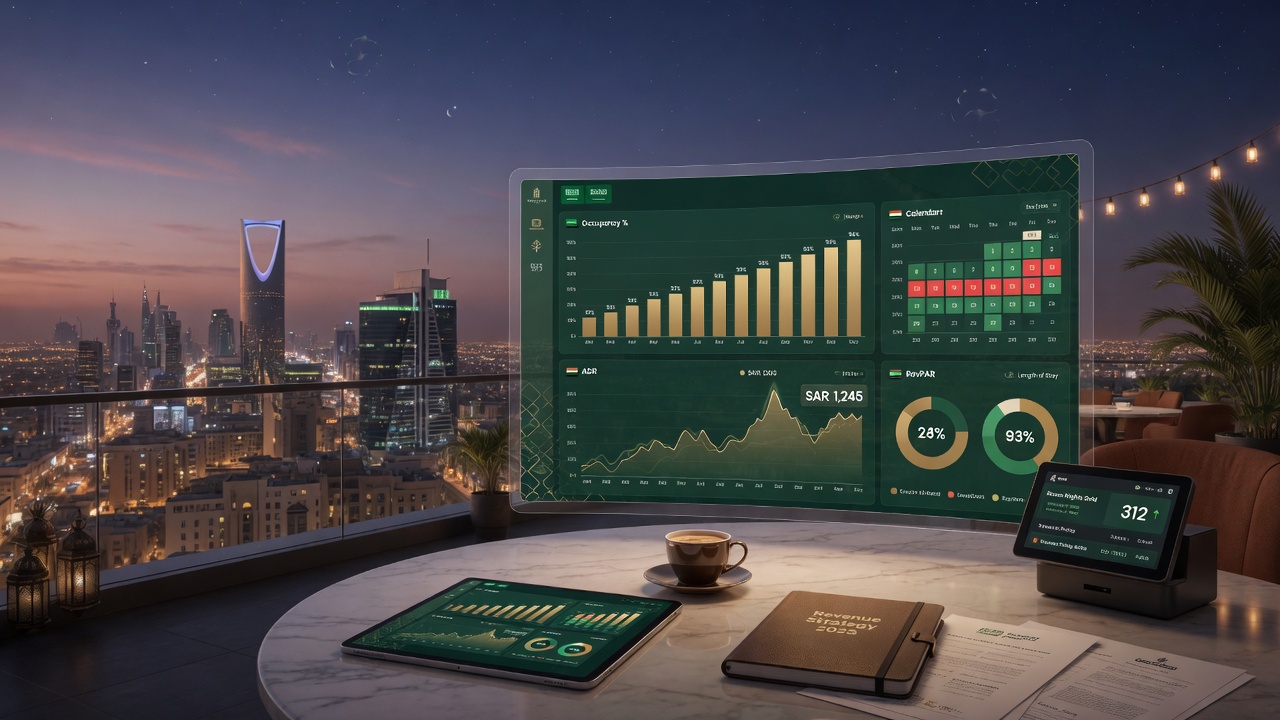
Many Saudi hotel owners still judge performance by one number: occupancy. But a hotel at 90% occupancy with heavily discounted rates can earn less profit than a hotel at 65% occupancy with healthy rates and strong ancillary spend. To protect revenue when occupancy falls, track these three metrics daily:
1. RevPAR (Revenue Per Available Room)
RevPAR = ADR × Occupancy. It tells you how well you monetize your entire inventory, not just sold rooms. During low seasons, the goal is to maximize RevPAR — which sometimes means accepting slightly lower occupancy at a stronger rate.
2. TRevPAR (Total Revenue Per Available Room)
TRevPAR includes everything a guest spends: rooms, restaurants, room service, spa, laundry, parking, meeting rooms, and events. In slow months, TRevPAR is your survival metric — because non-room revenue can offset weak room demand.
3. Net RevPAR (After Distribution Costs)
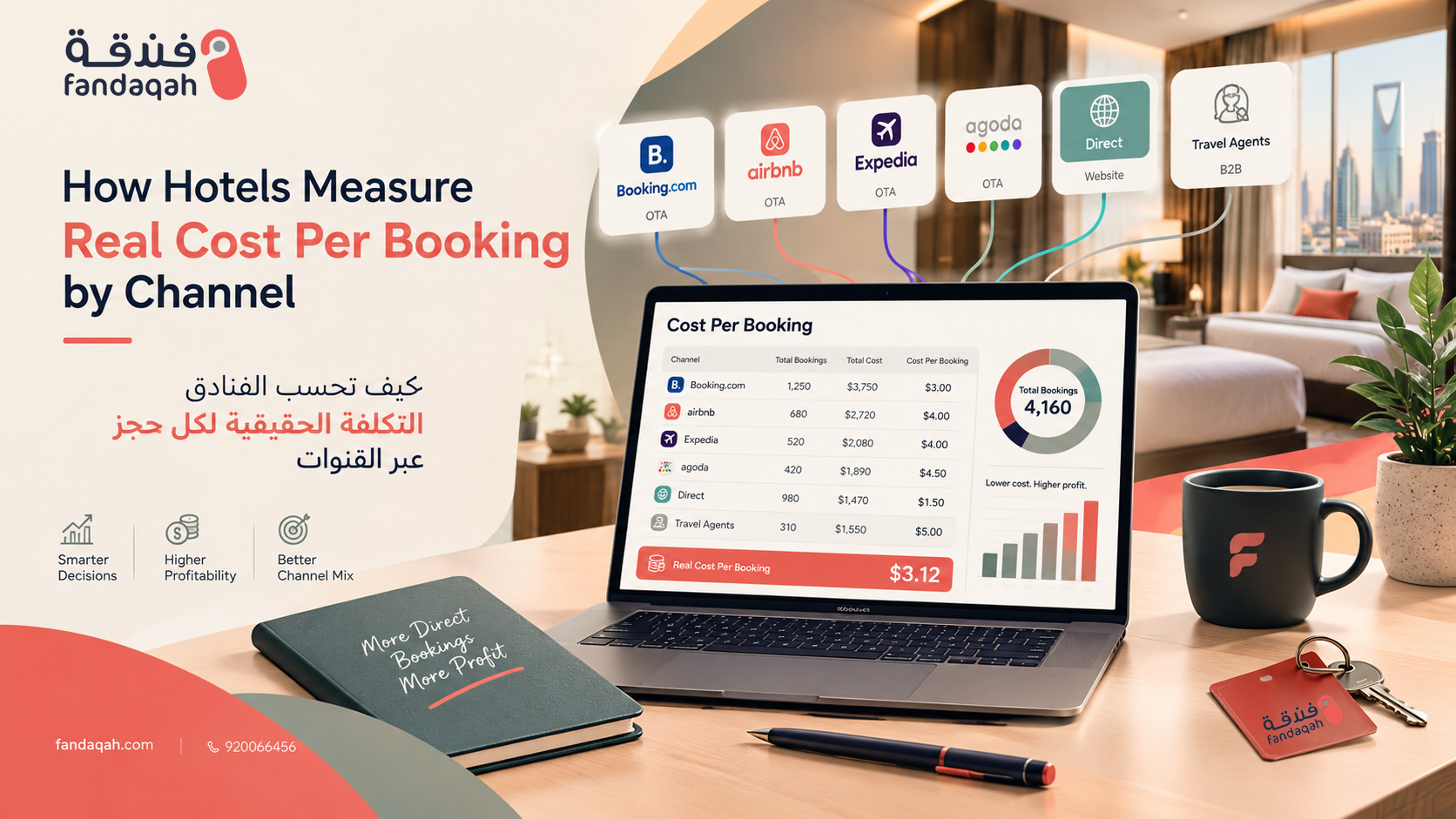
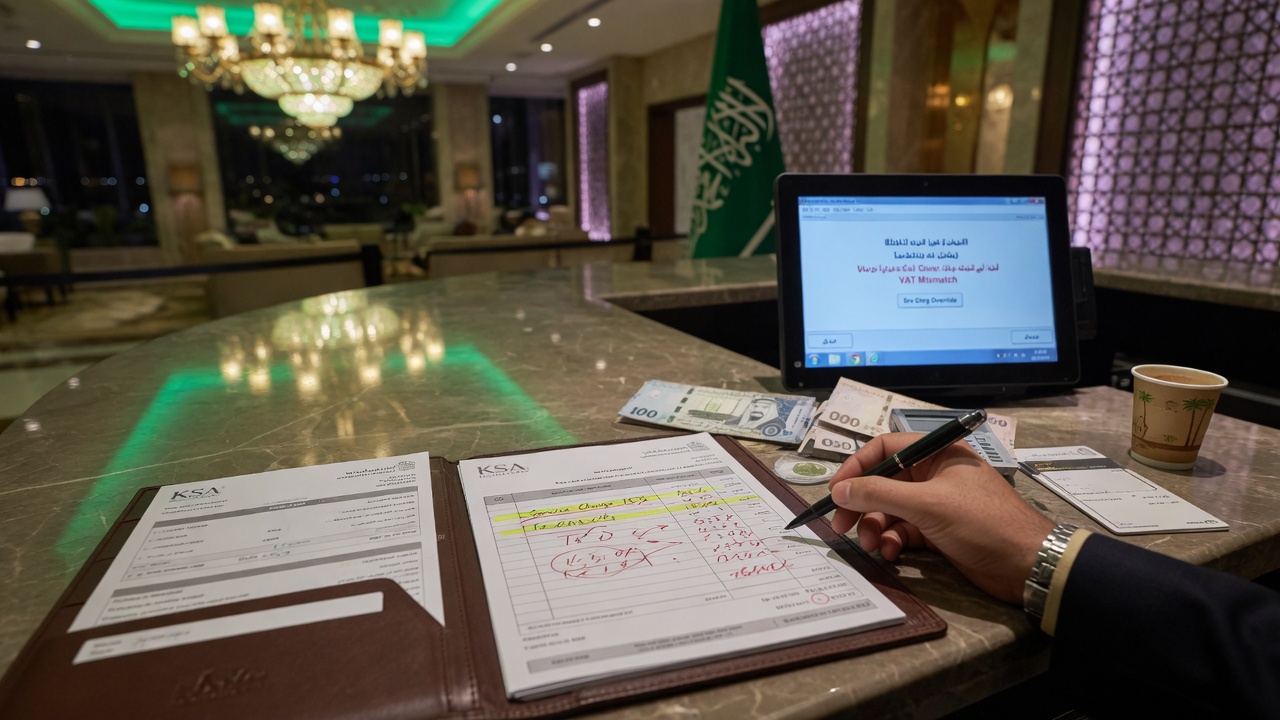
A booking through an OTA at SAR 400 with a 20% commission nets you SAR 320. A direct booking at SAR 380 nets you SAR 380. Net RevPAR reveals the true value of each channel — and why direct bookings become critical when every riyal counts.
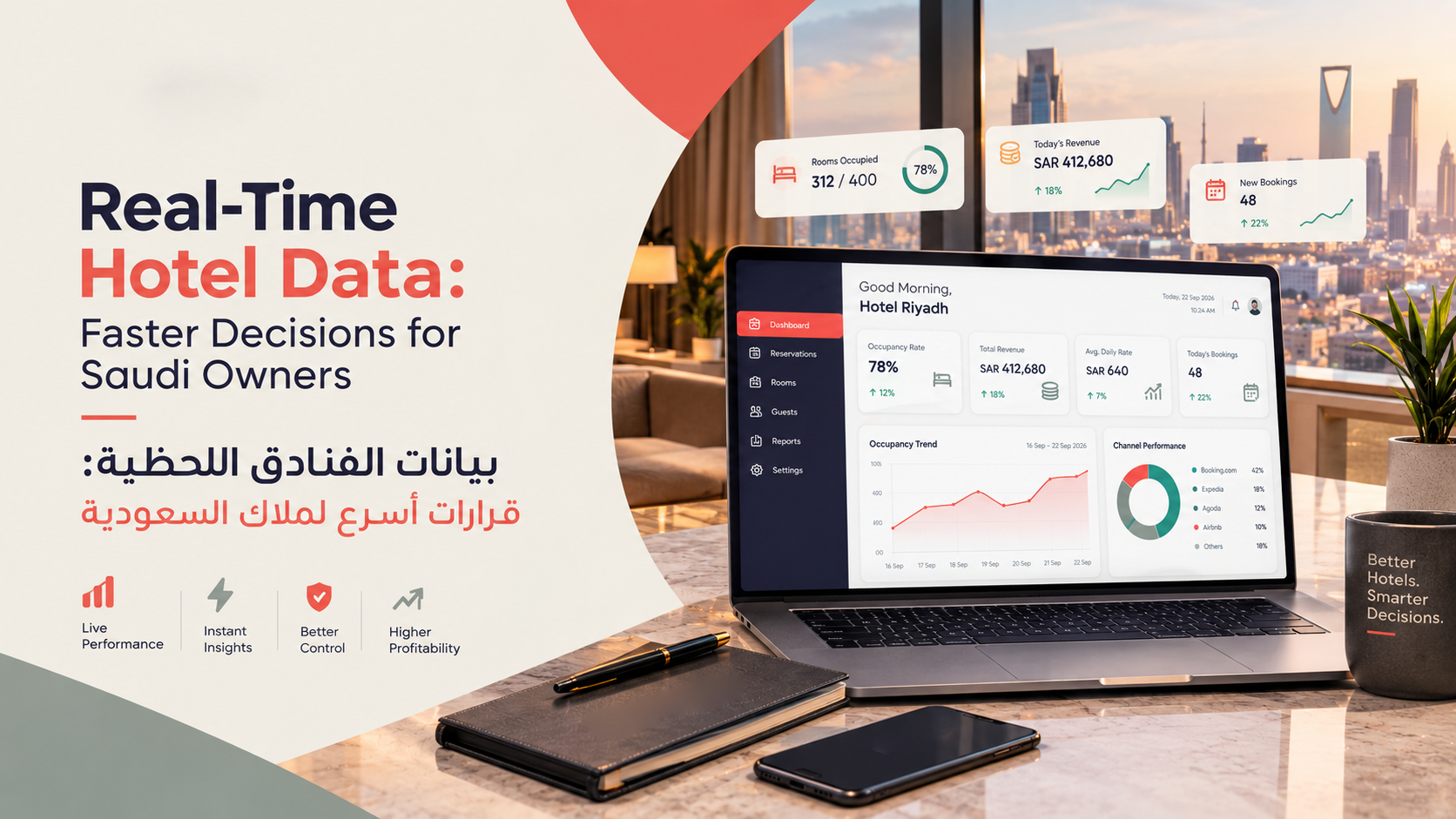
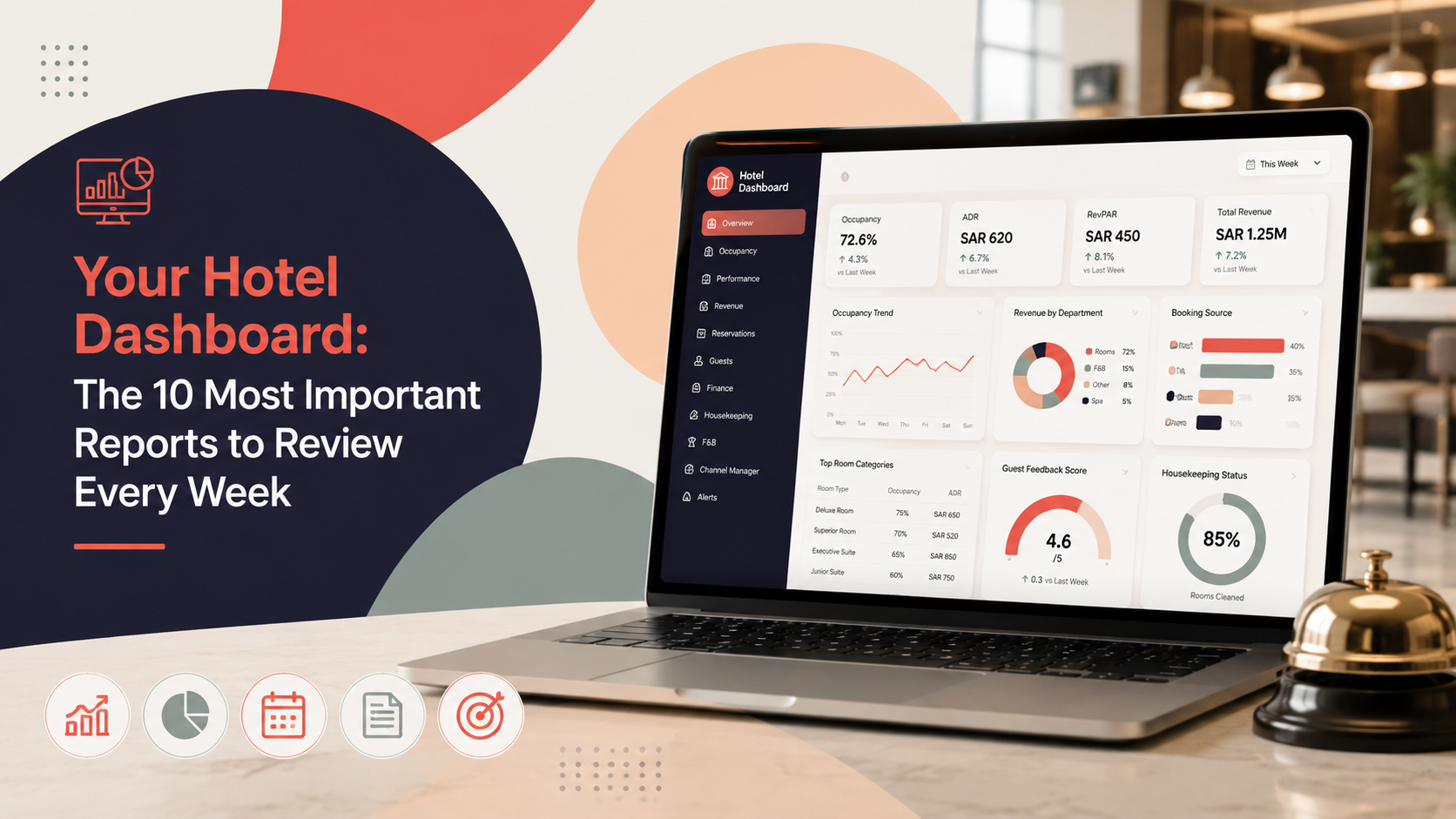
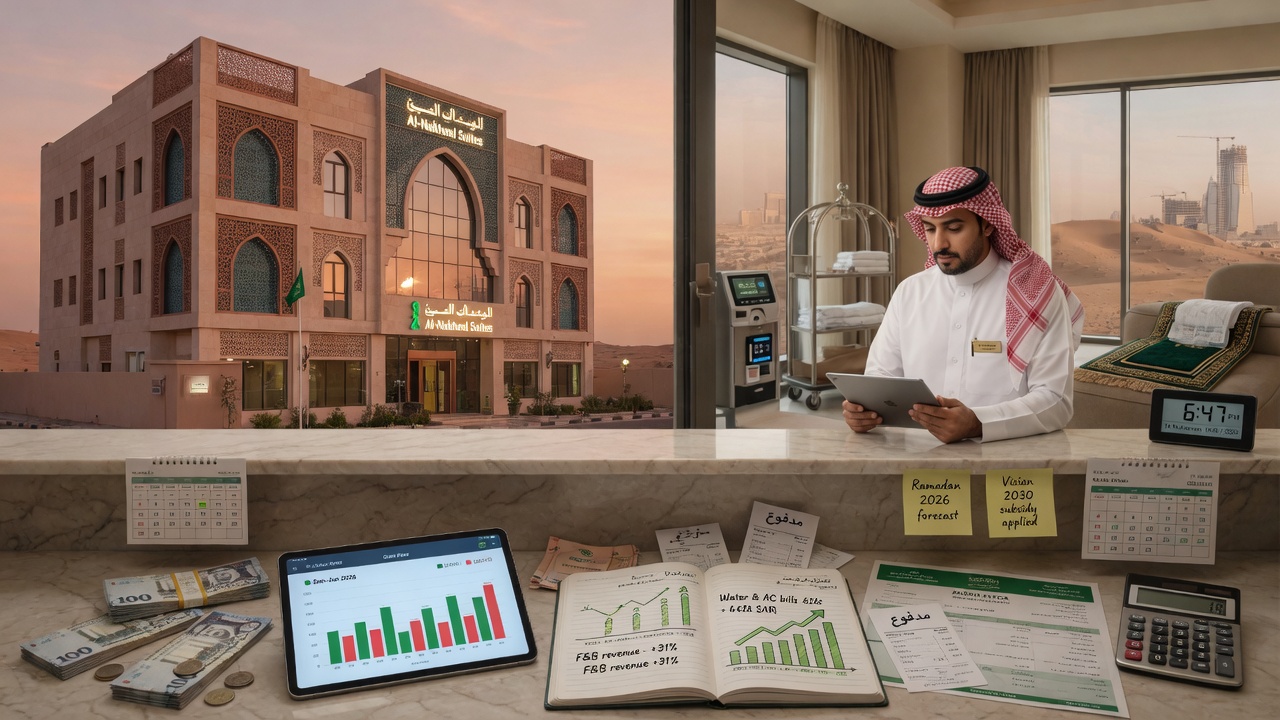
???? Tip Box: Set a simple daily dashboard: yesterday's occupancy, ADR, RevPAR, pickup for the next 30 days, and OTA vs direct booking mix. Fifteen minutes of daily review beats a month-end surprise. Even a small hotel can do this in a spreadsheet.
7 Proven Strategies to Protect Hotel Revenue in Low Occupancy Periods
Strategy 1: Use Dynamic Pricing — Not Blanket Discounts
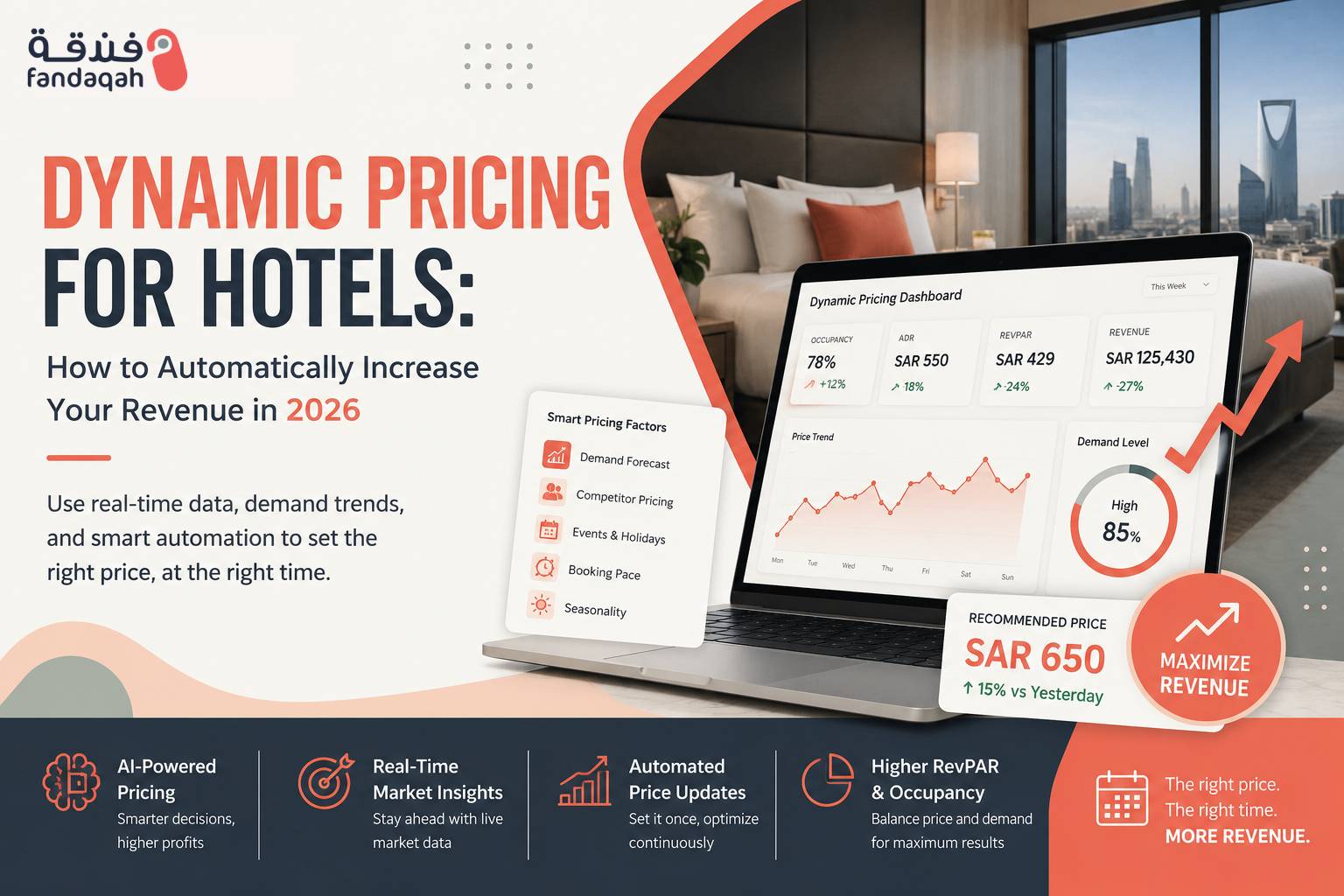
Dynamic pricing for hotels means adjusting rates based on real demand signals: booking pace, day of week, events, competitor rates, and lead time. Instead of dropping all rates 30%, a smart revenue manager might:
- Keep weekend rates firm (leisure demand holds) while softening midweek rates only.
- Open lower-priced fenced rates — non-refundable, advance-purchase, or minimum 3-night stays — that protect the public rate.
- Close discounts automatically once pickup improves.
Strategy 2: Sell Value, Not Price — Bundle and Package
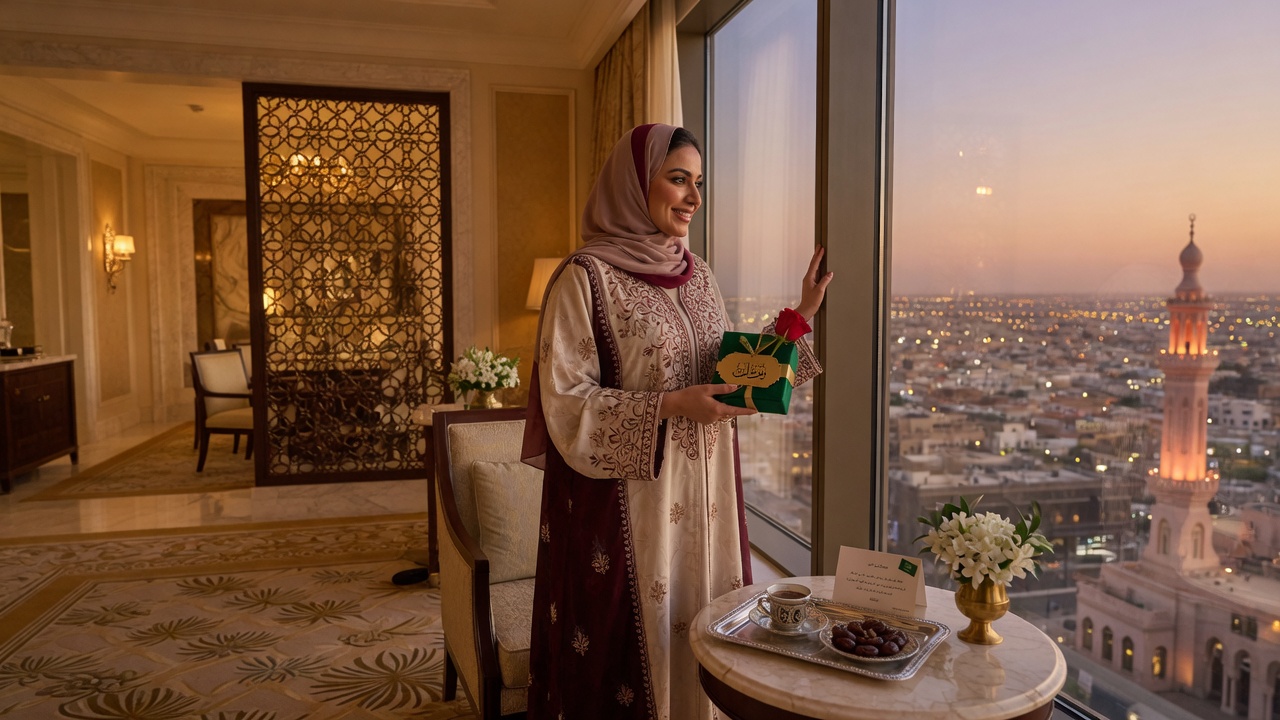
A "Riyadh Weekend Escape" at SAR 650 including breakfast, late checkout, and kids-stay-free feels like a deal — without publicly cutting your SAR 550 room rate. Packages hide the discount inside added value, protect your ADR history, and increase F&B revenue. Popular bundles in the Saudi market include family staycation packages, Umrah comfort packages (transport + early check-in), and business traveler bundles (laundry + airport transfer + workspace).
Strategy 3: Grow Direct Bookings and Cut Commission Leakage
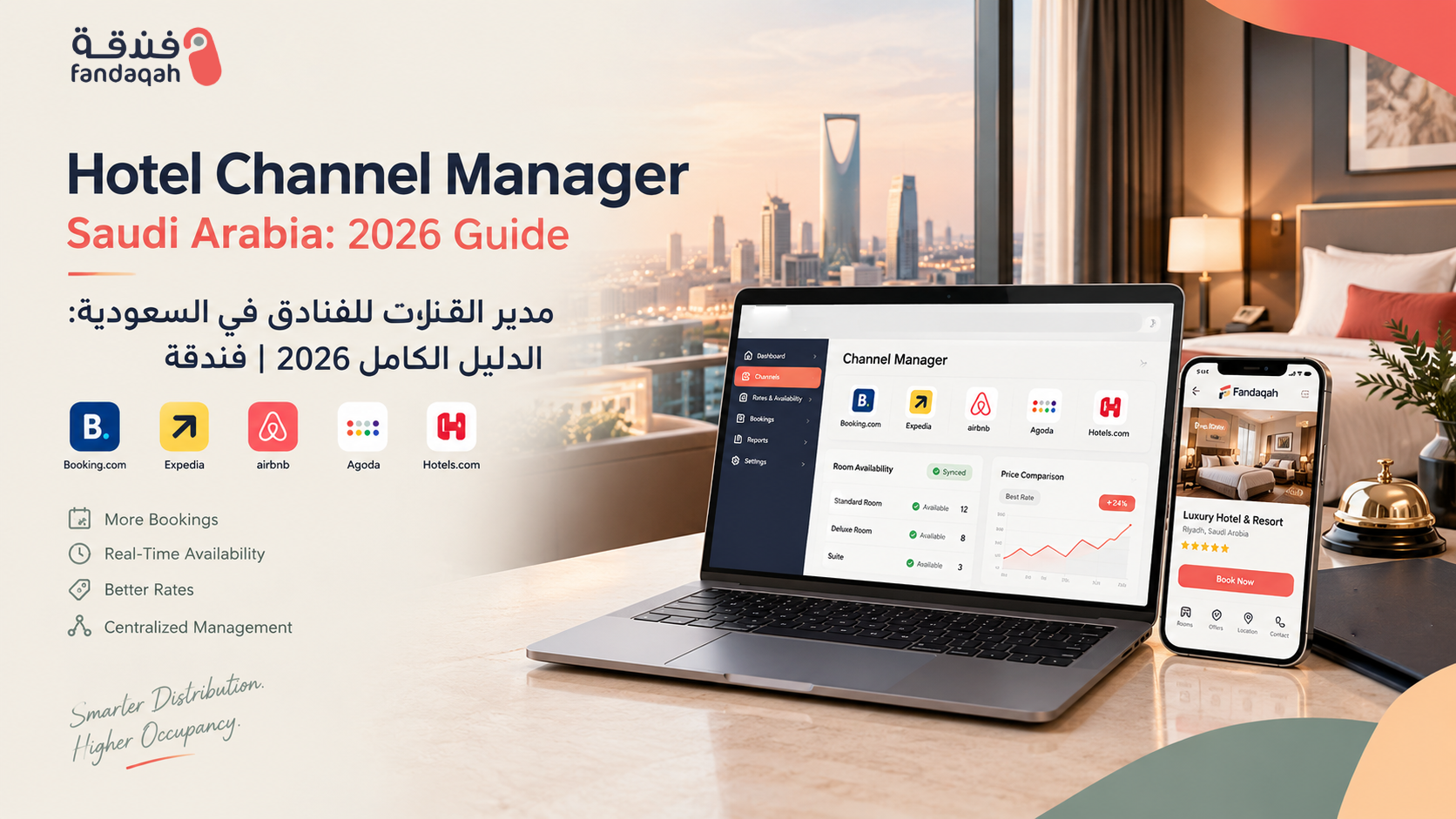
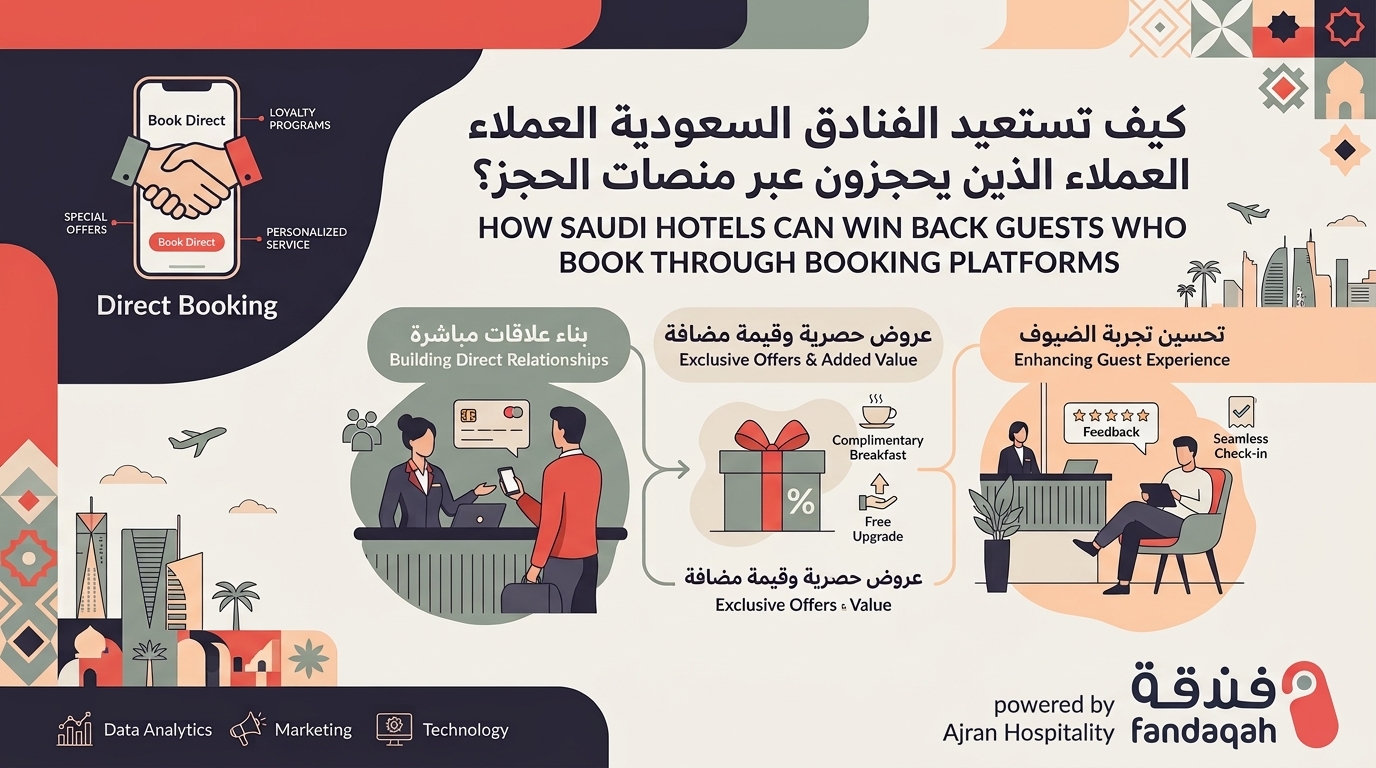
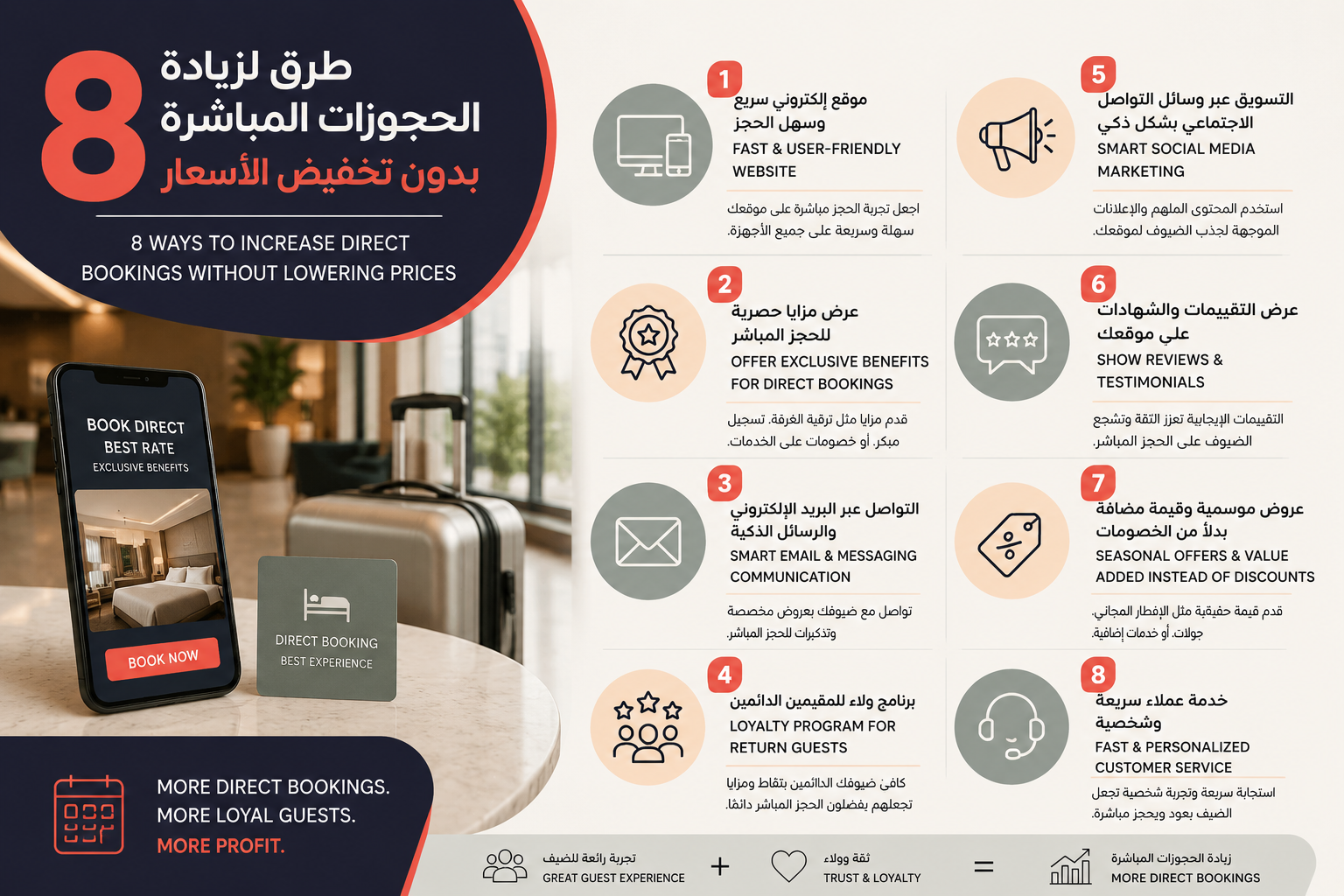
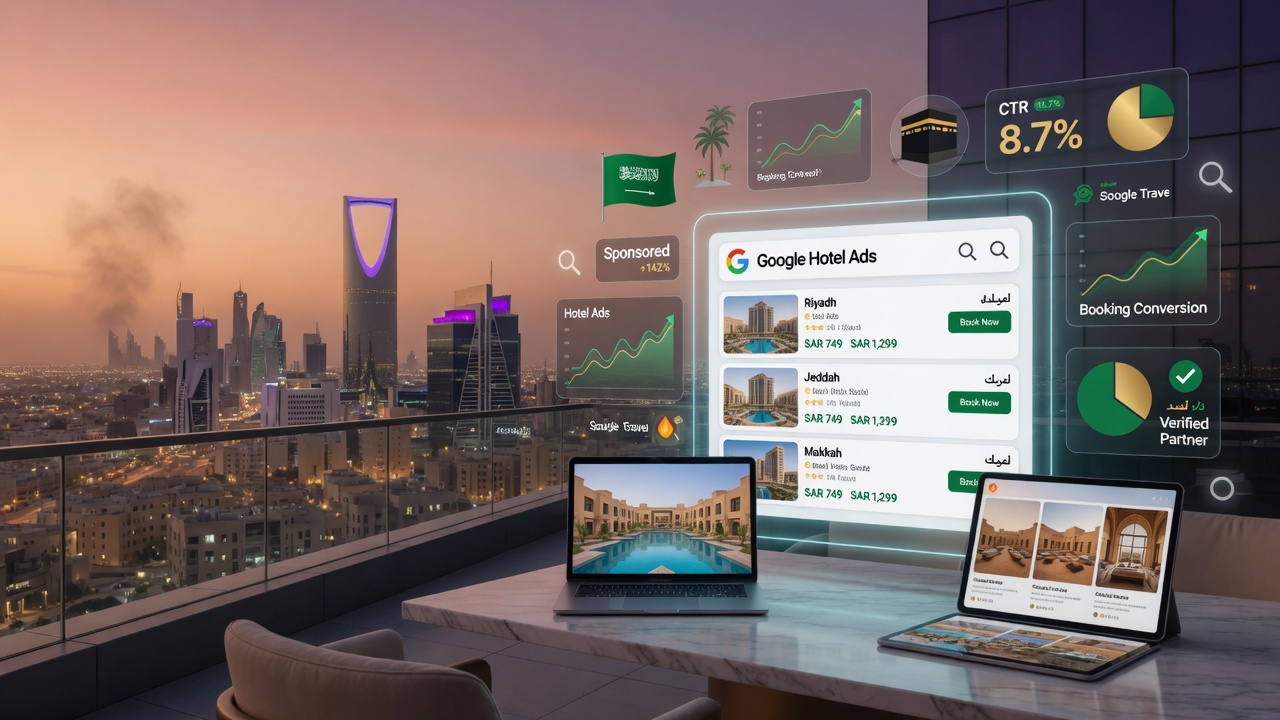
When occupancy falls, OTA commissions of 15–25% become painful. Push direct hotel bookings with: a fast Arabic/English booking engine, WhatsApp booking support (essential for Saudi guests), member-only rates, free upgrades for direct bookers, and retargeting past guests via SMS and email. Every direct booking during a slow month is nearly pure margin recovery.
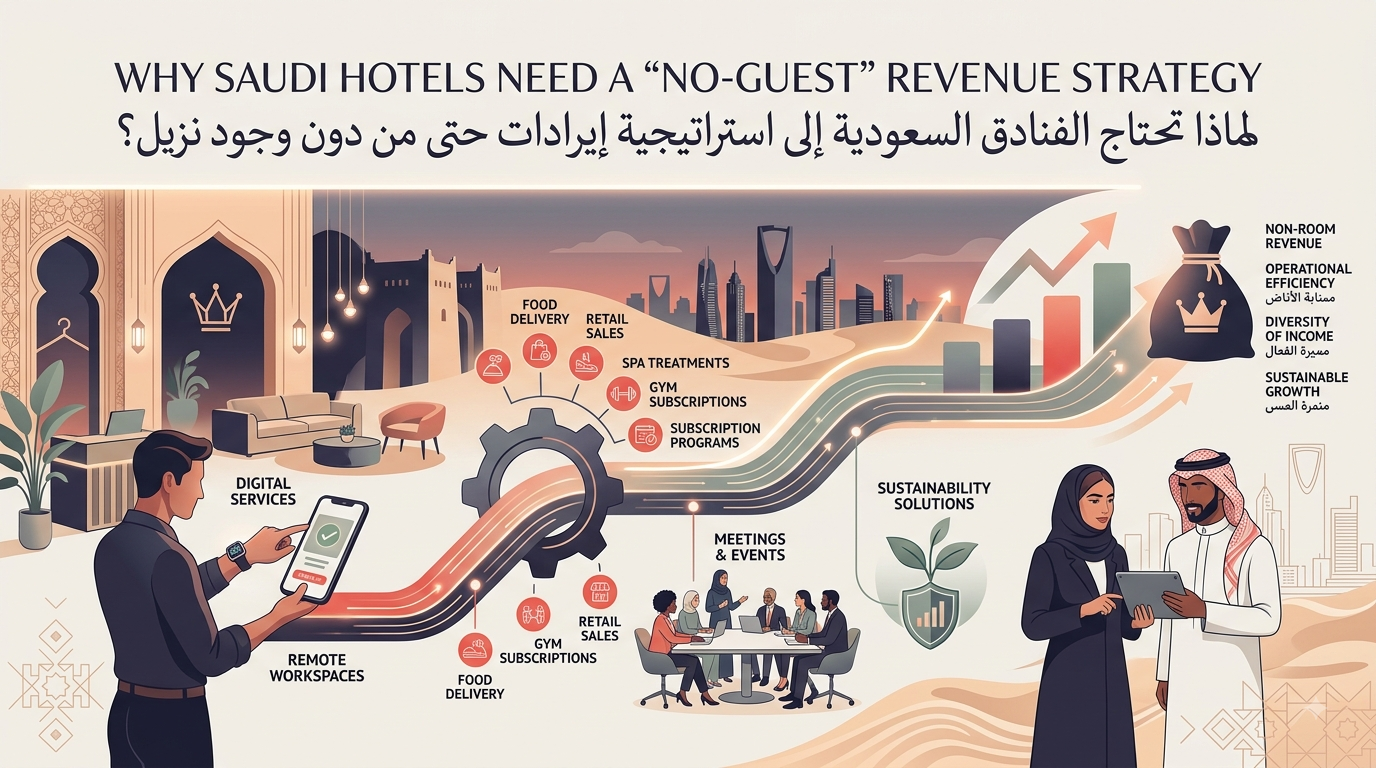
Strategy 4: Maximize Ancillary and Non-Room Revenue
Empty rooms are lost forever, but your facilities can sell even without room guests:
- Day-use rooms for business travelers and transit Umrah pilgrims.
- Meeting rooms and majlis spaces for local companies, training sessions, and family gatherings.
- F&B events: Friday family breakfast, business lunch deals, seasonal buffets, and Ramadan iftar/suhoor tents (a major revenue driver across the Kingdom).
- Pool, gym, and spa day passes or monthly local memberships.
- Paid upsells at check-in: room upgrades, early check-in, late checkout, and airport transfers.
Strategy 5: Target the Domestic and Staycation Market
Saudi domestic tourism is one of the strongest in the region, and the staycation trend in Saudi Arabia keeps growing. When international or corporate demand dips, pivot marketing toward local families and young Saudi travelers: weekend family offers, ladies' spa days, gaming and entertainment packages, and partnerships with local attractions. Market in Arabic first, on the channels Saudis actually use — Snapchat, TikTok, X, and Instagram.
Strategy 6: Diversify Segments — Groups, Government, and Long Stays
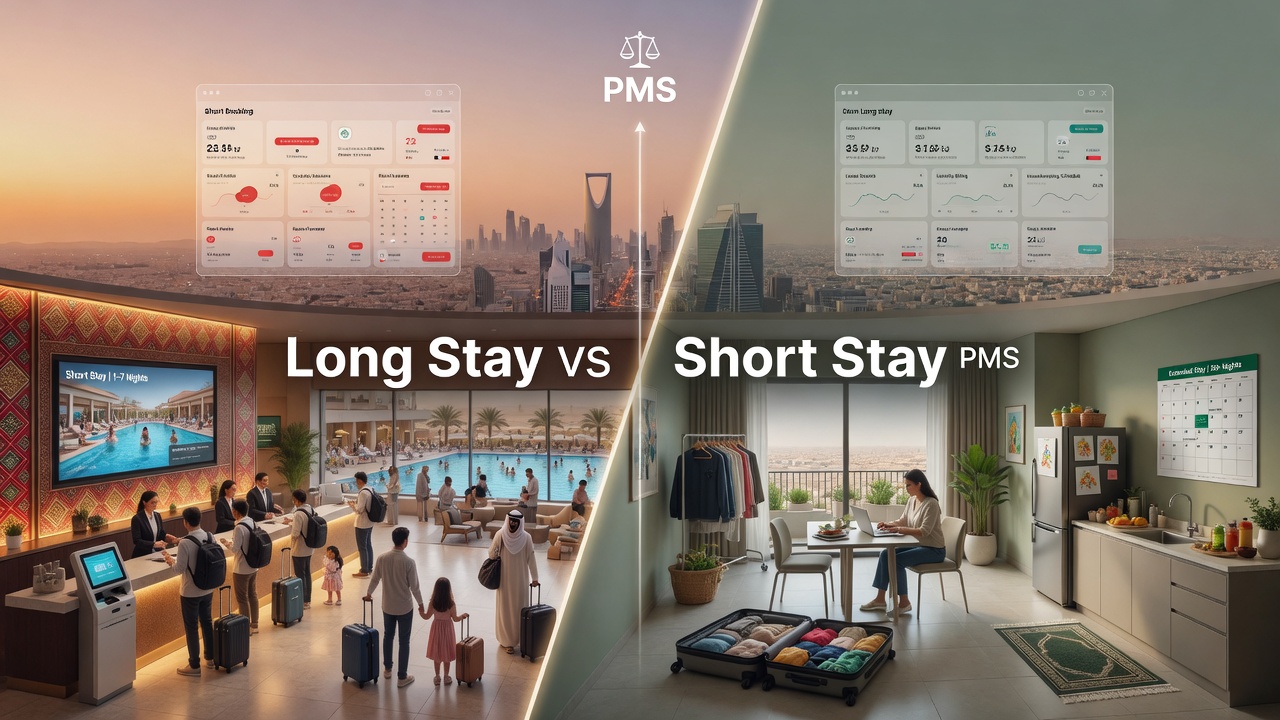
One weak segment shouldn't sink the whole hotel. Build a base of business that fills low periods: government and semi-government contracts, project crews and corporate long stays (especially near giga-project sites), airline crews, sports teams, training groups, and travel agency series for Umrah. Long-stay guests at moderate rates provide predictable cash flow that stabilizes RevPAR through slow months.
Strategy 7: Control Costs Without Cutting the Guest Experience
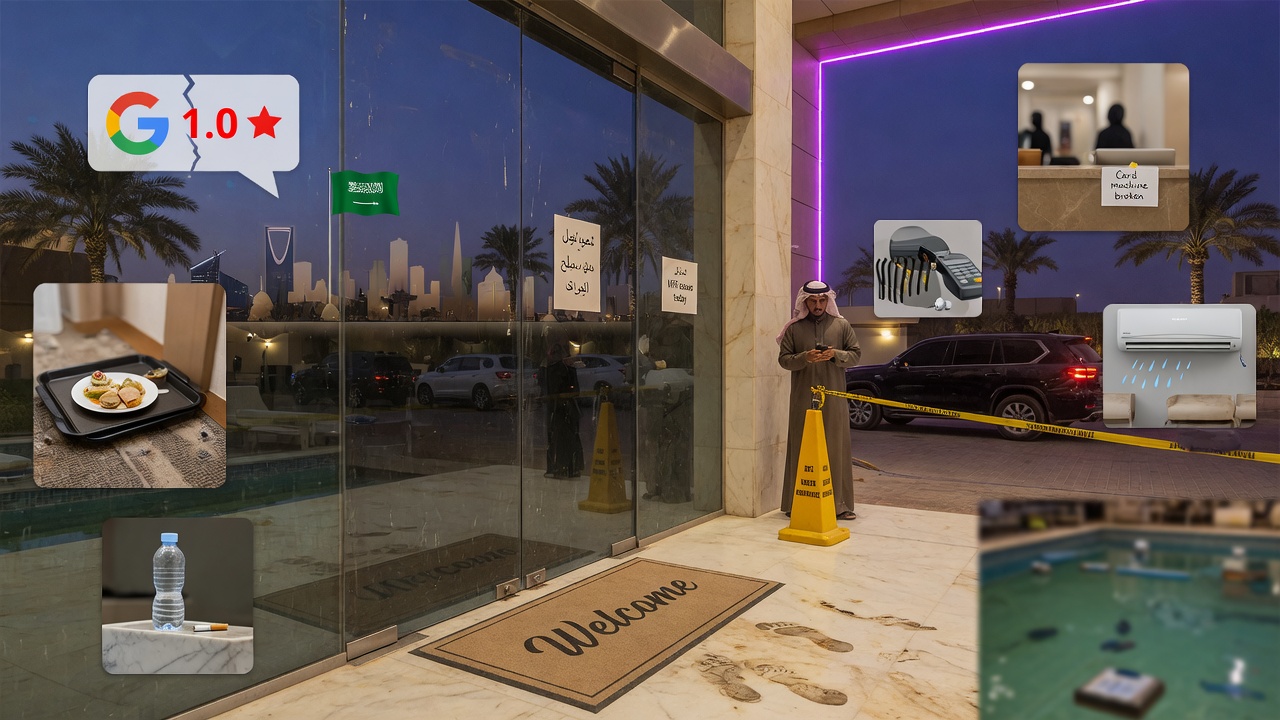
Revenue protection has a cost side too. Flex your operation to demand: close unneeded floors to save energy, align staff scheduling with forecasted occupancy, renegotiate supplier contracts, and cross-train team members. The rule: cut what the guest never sees, never what the guest feels. Poor reviews during a slow season create a second slow season.
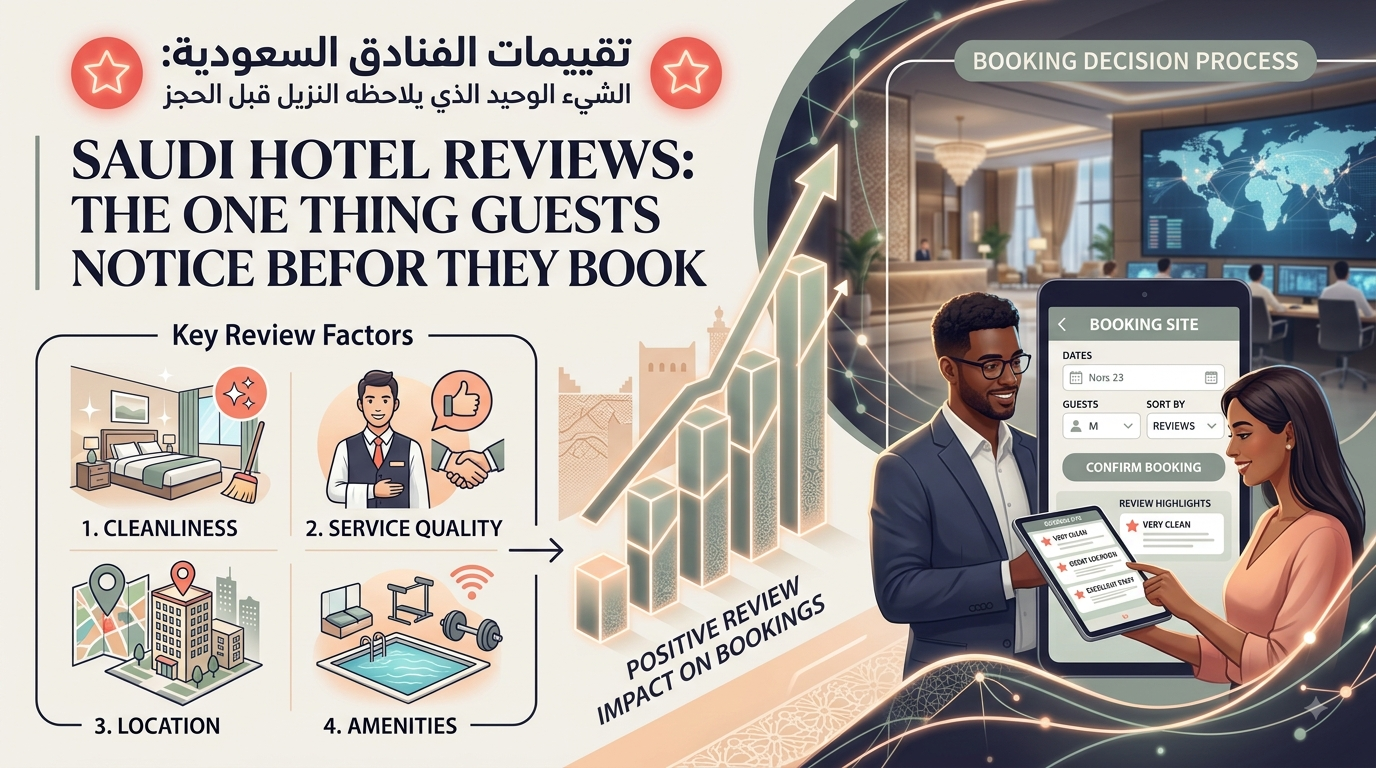
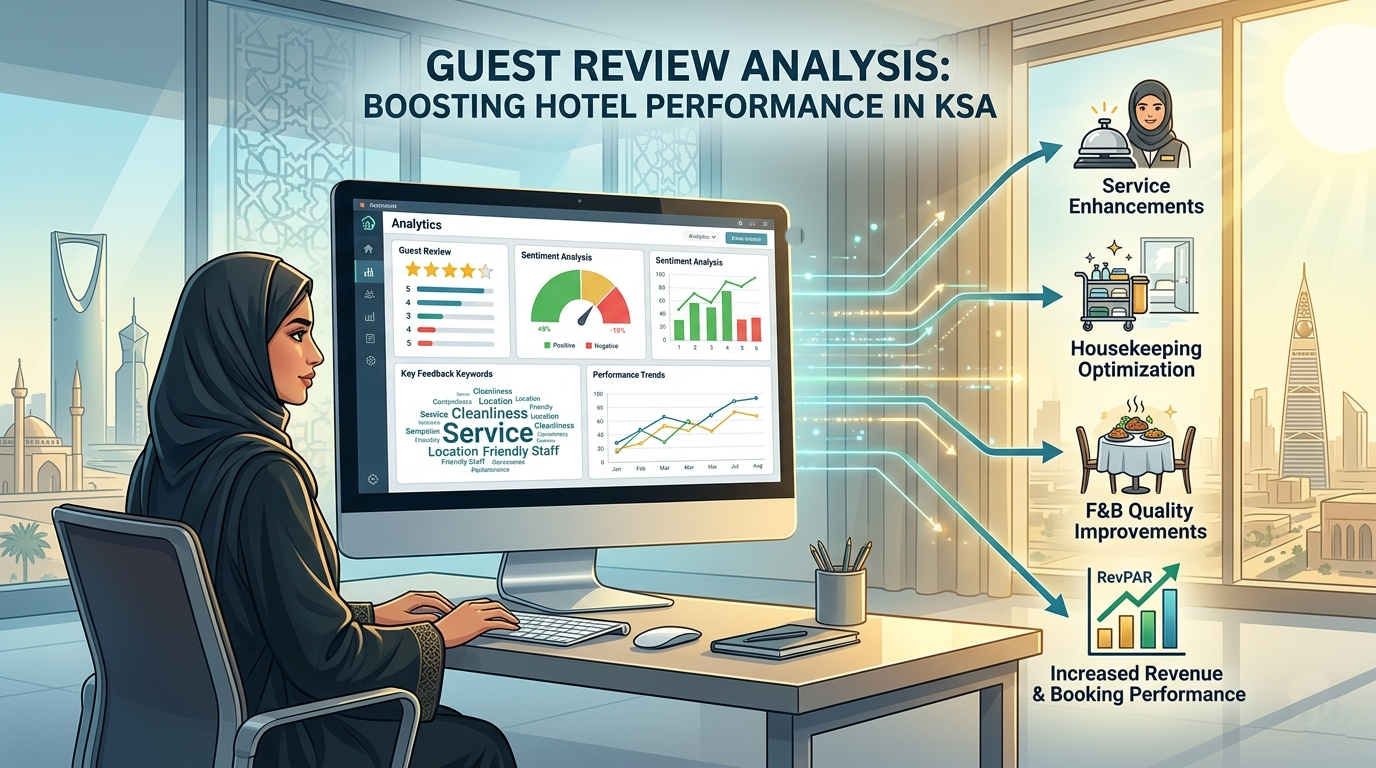
???? Note Box: Guest reviews are a revenue tool. A hotel rated 8.7 can command 10–15% higher rates than a comparable hotel rated 7.9 in the same neighborhood. During low occupancy, invest the extra staff time you have into service quality and review responses — it directly raises your future pricing power.
Real Saudi Use Cases: How This Works City by City
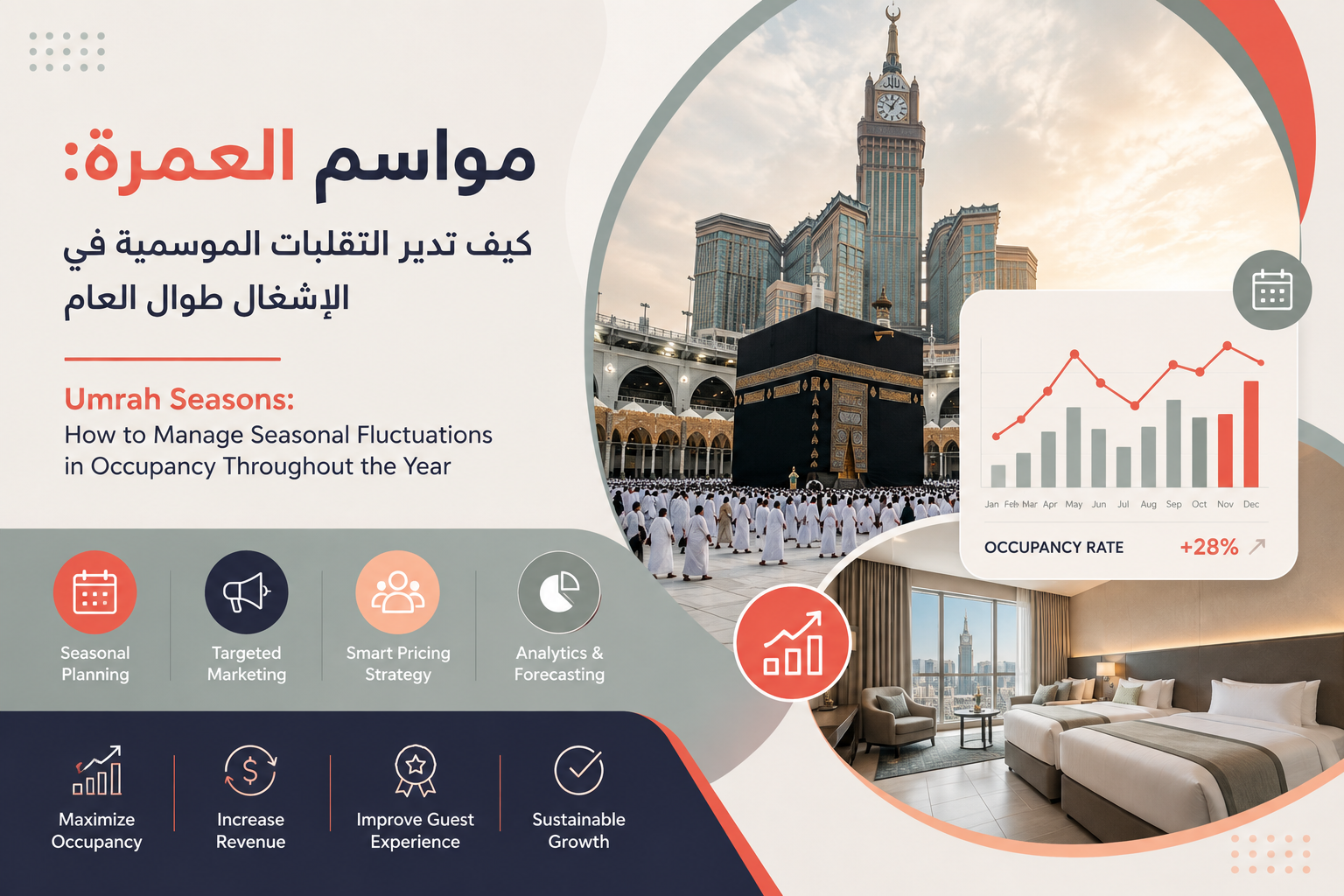
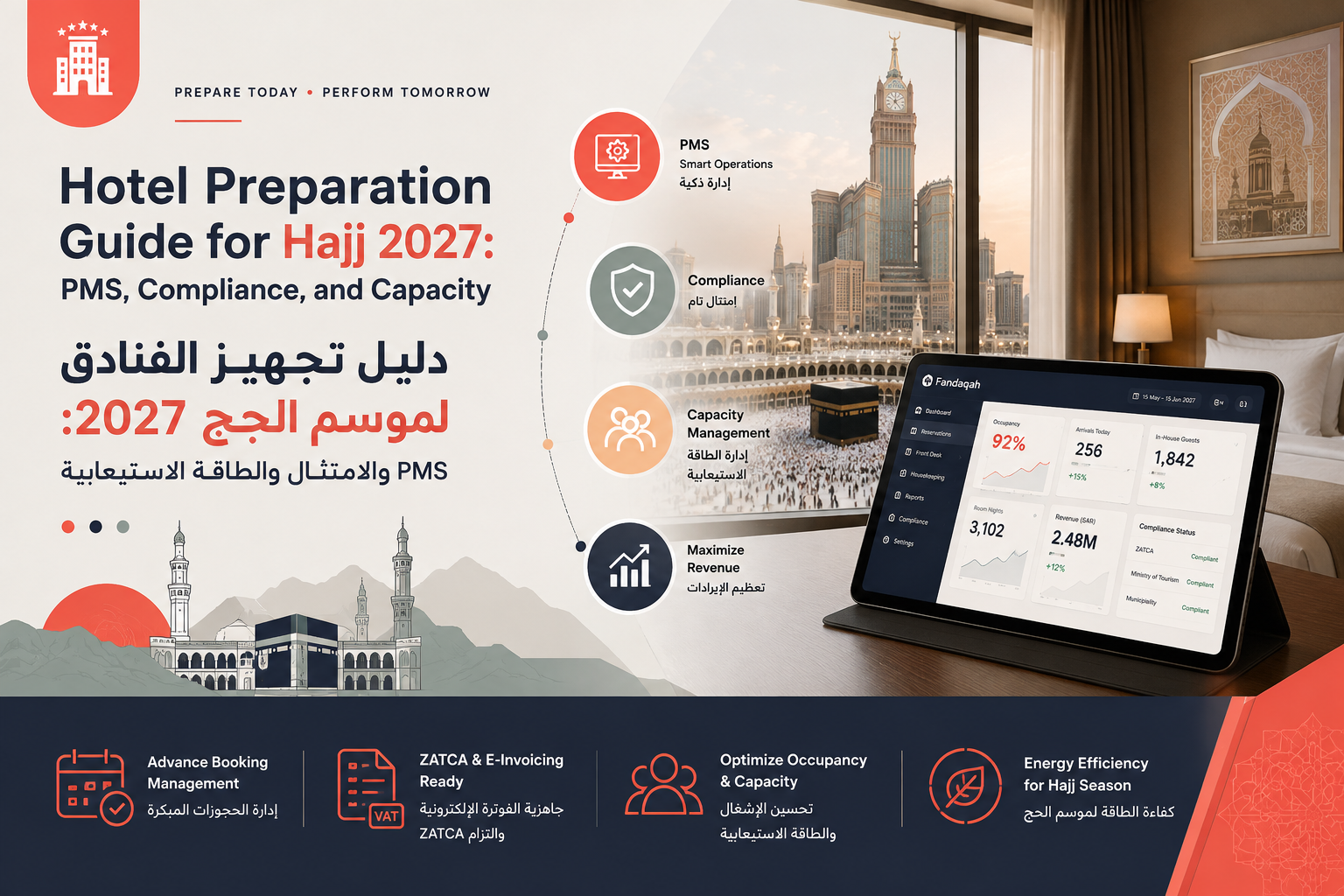
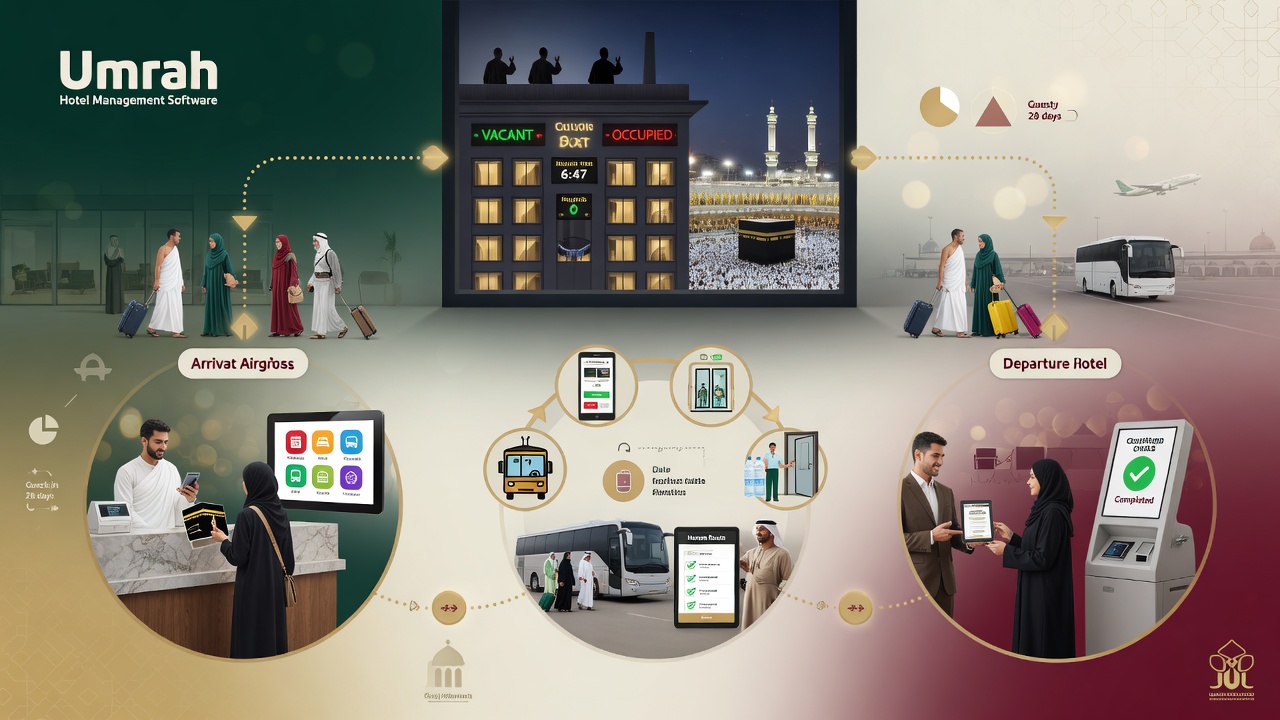
Makkah & Madinah: Between peak Umrah waves, hotels fill gaps with day-use rooms for transit pilgrims, extended-stay packages for scholars and organized groups, and dynamic pricing tied to the Islamic calendar rather than the Gregorian one. Partnerships with Umrah operators through the Nusuk ecosystem provide base business.
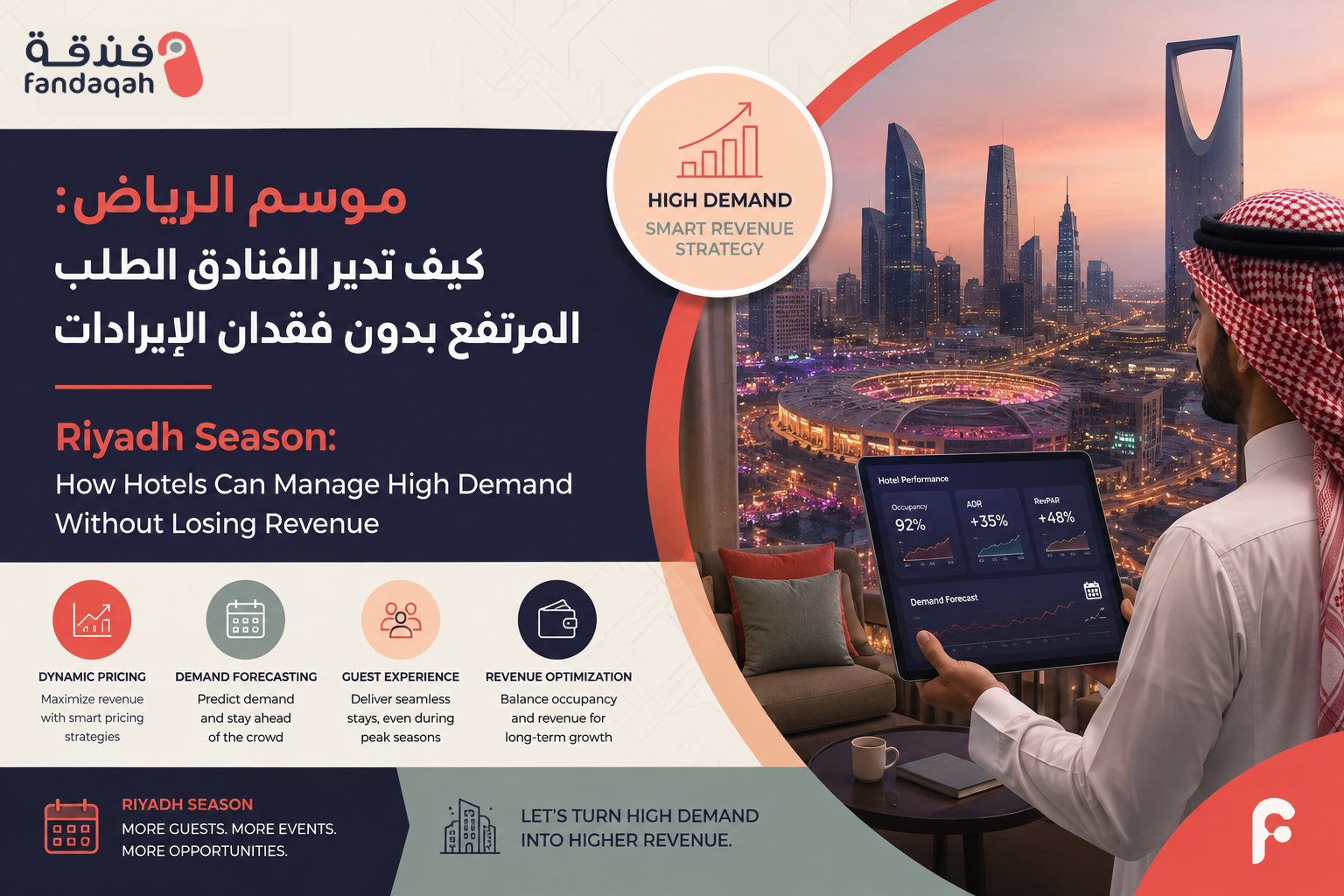
Riyadh: Corporate hotels suffering weekend dips convert Thursday–Saturday into staycation inventory: family packages, brunch offers, and event tie-ins with Boulevard City and Riyadh Season. Meeting rooms sell to startups and training providers midsummer when corporate travel slows.
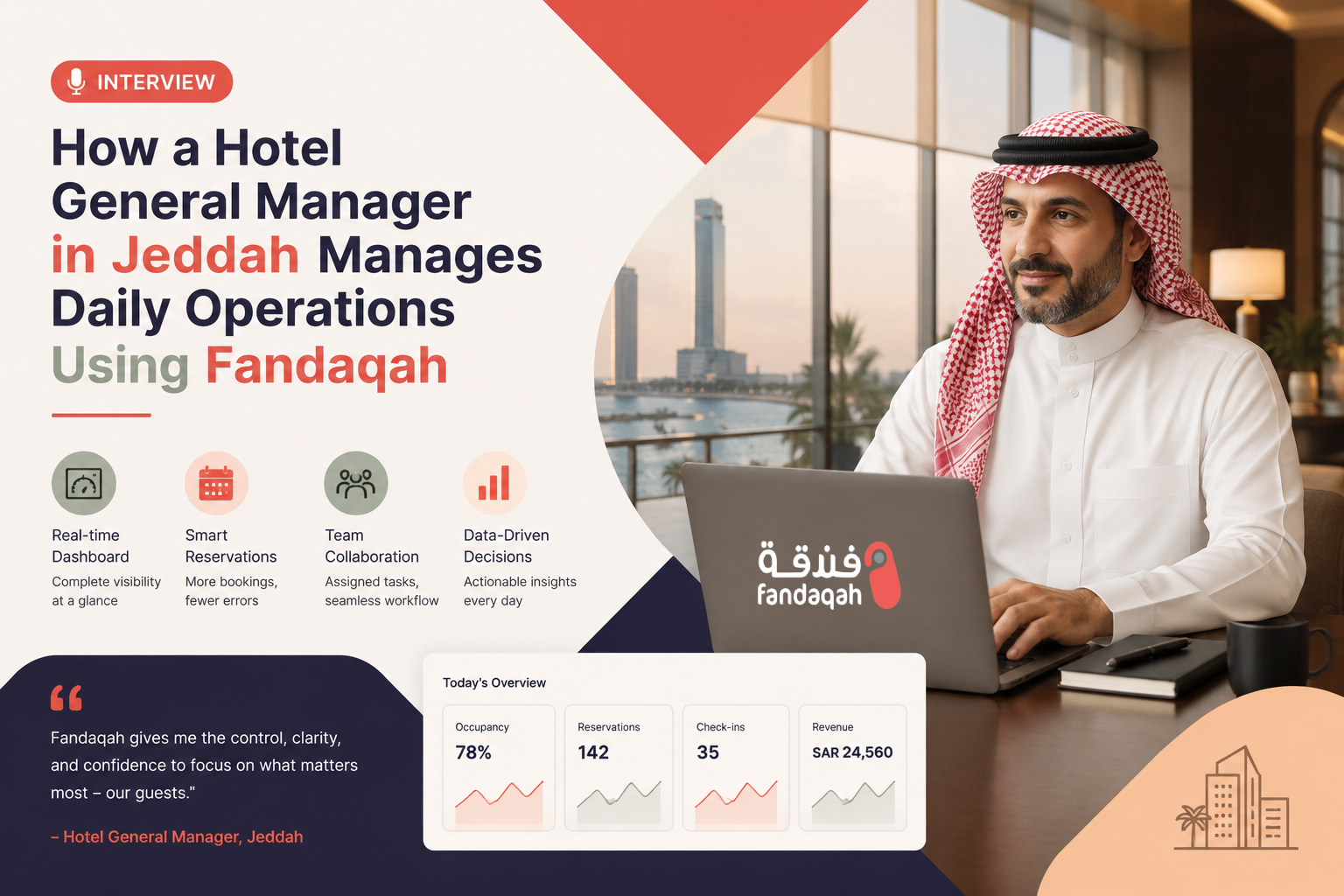
Jeddah: Coastal properties push domestic leisure year-round, with Red Sea waterfront packages, wedding and event business, and Formula 1 / Jeddah Season rate strategies that bank high-season profits to cushion quieter months.
Eastern Province (Dammam, Al Khobar): Hotels balance Aramco-driven corporate demand with weekend visitors from Bahrain roadway traffic and GCC families, plus long-stay contracts for industrial project teams.
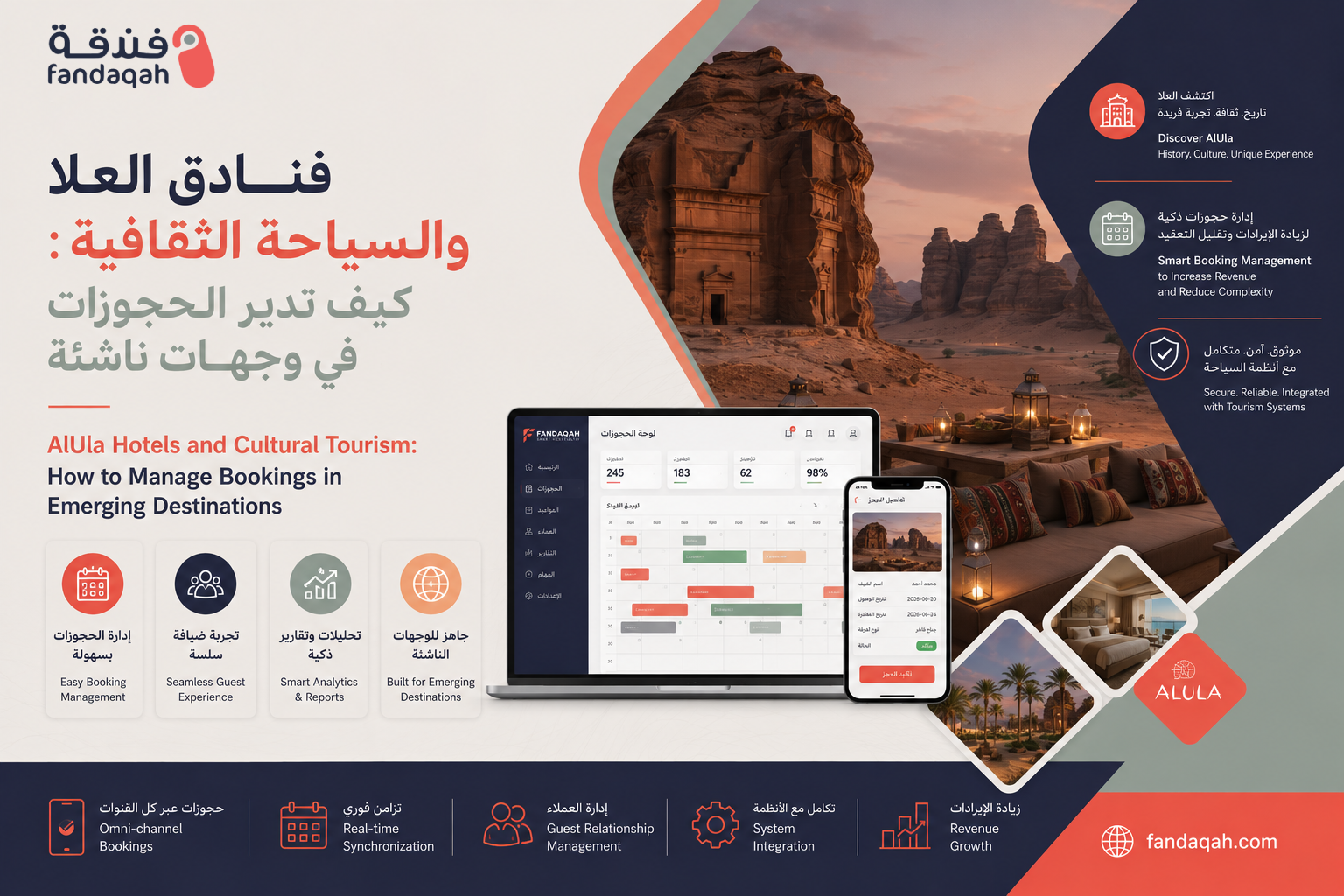
AlUla, Abha & Emerging Destinations: Highly seasonal leisure destinations extend shoulder seasons with experience-led packages — heritage tours, stargazing, cooler-climate summer escapes in Asir — sold as complete experiences rather than room nights.
Comparison: Panic Discounting vs Strategic Revenue Protection
| Factor |
Panic Discounting ❌ |
Strategic Revenue Protection ✅ |
| Rate approach |
Blanket 30–40% cuts on all channels |
Fenced, targeted, dynamic rates by segment and day |
| ADR impact |
Long-term erosion; guests wait for deals |
Public rate protected; value added instead |
| Revenue sources |
Rooms only |
Rooms + F&B + events + day-use + upsells (TRevPAR) |
| Channel mix |
OTA-heavy; 15–25% commission leakage |
Direct booking growth; higher Net RevPAR |
| Brand perception |
"Cheap hotel" positioning |
Premium value; stronger reviews and loyalty |
| Recovery speed |
Slow — rates take months to rebuild |
Fast — rates already positioned for high season |
Future Trends: Vision 2030 and the New Saudi Hospitality Economy
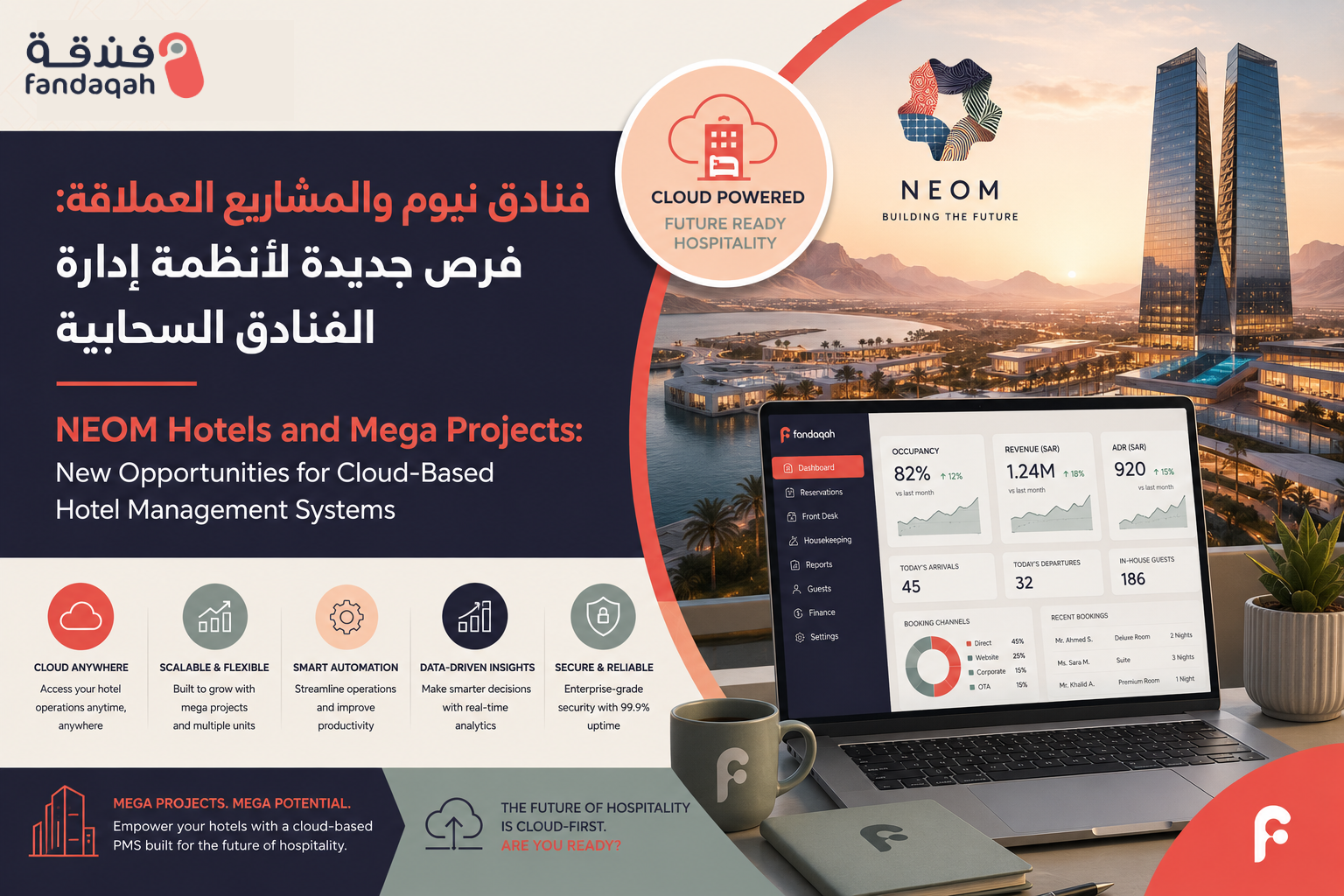
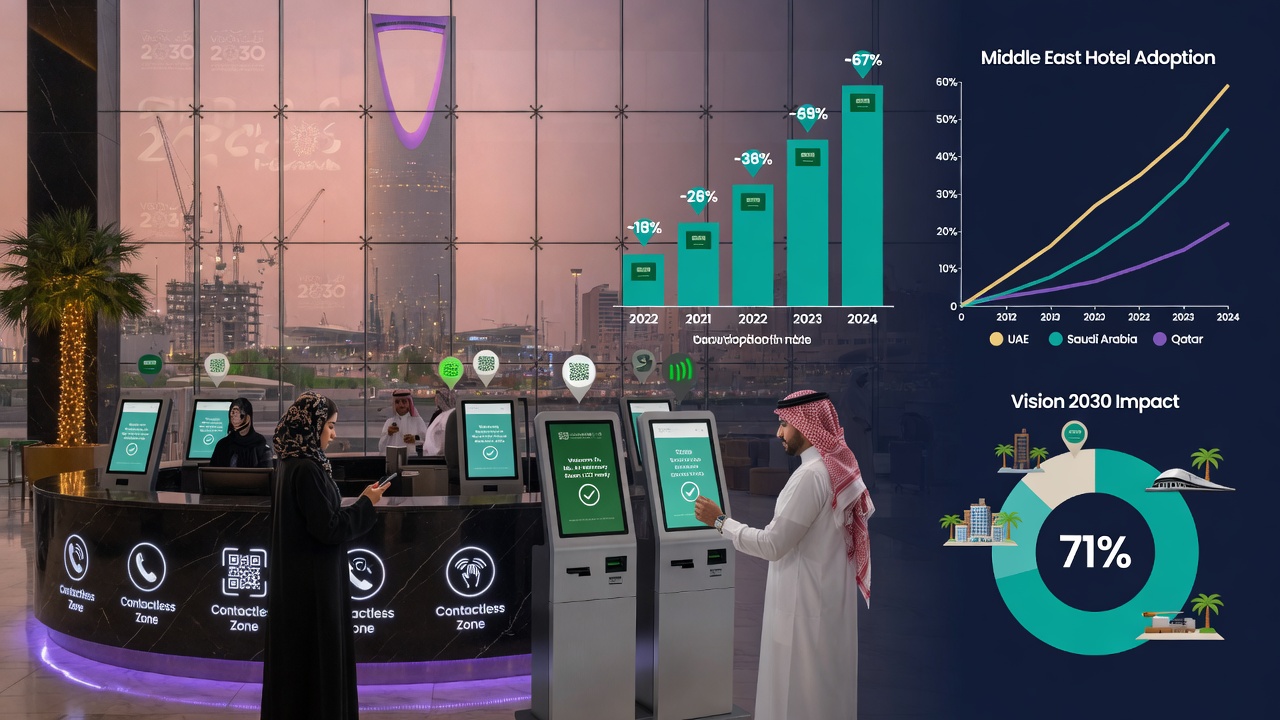
Saudi Arabia's Vision 2030 targets over 150 million annual visits and aims for tourism to contribute 10% of GDP. Giga-projects — NEOM, the Red Sea destinations, Qiddiya, Diriyah, and AlUla — plus Expo 2030 in Riyadh and the FIFA World Cup 2034 will multiply both demand and supply. For hoteliers, this means:
- More competition: New internationally branded rooms will make revenue discipline essential, not optional.
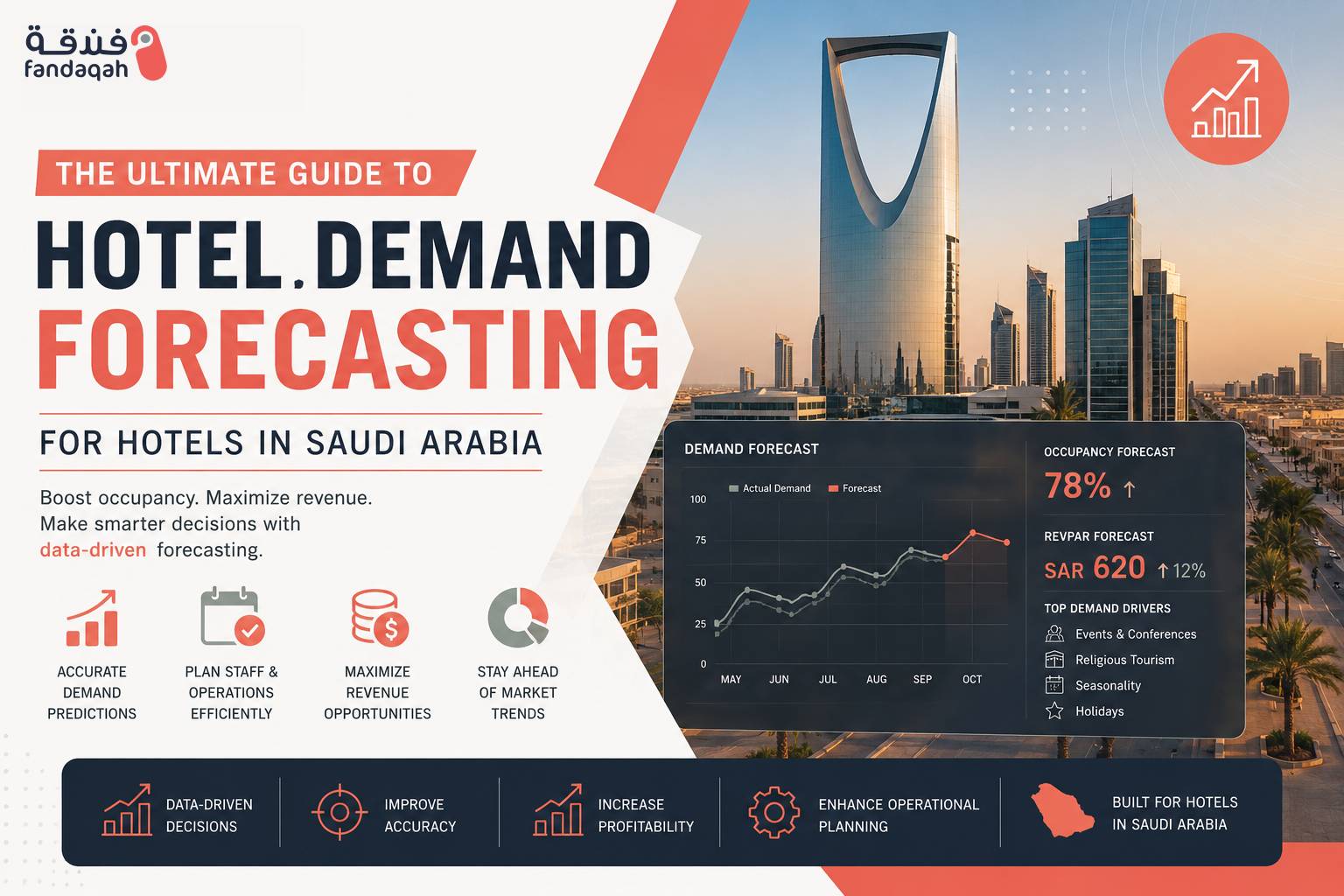
- AI-driven revenue management: Modern RMS tools forecast demand, price rooms hourly, and detect booking-pace anomalies far faster than manual spreadsheets.
- Data-rich guests: Personalization — remembering a returning guest's preferred room, prayer-time housekeeping schedules, family setups — becomes a rate premium, not a luxury.
- Experience economy: Guests increasingly buy experiences, not beds. Hotels that package culture, entertainment, and wellness will out-earn hotels selling square meters.
- Year-round event calendars: Government-driven seasons (Riyadh Season, Jeddah Season, AlUla Moments) are flattening old seasonality — hotels that plan around this calendar will suffer fewer occupancy troughs.
The hotels that win under Vision 2030 will be those that treat revenue management as a daily discipline — reading demand, defending rate, and monetizing every square meter of the property.
FAQ: Hotel Revenue Protection in Saudi Arabia
Should a hotel lower prices when occupancy drops?
Not with blanket discounts. Lower prices selectively using fenced rates (non-refundable, advance purchase, minimum stay) and targeted segments, while protecting your public rate. Blanket cuts erode ADR and train guests to wait for discounts.
What is a good RevPAR strategy for Saudi hotels in low season?
Combine modest, fenced rate flexibility with strong ancillary sales and domestic marketing. Aim to maximize RevPAR and TRevPAR rather than occupancy alone — a 65% occupancy at healthy rates often beats 85% at slashed rates.
How can hotels in Makkah and Madinah manage seasonality between Umrah peaks?
Price around the Islamic calendar, sell day-use rooms to transit pilgrims, offer long-stay packages for organized groups, and build partnerships with Umrah operators and the Nusuk platform for consistent base business.
How do direct bookings protect hotel revenue?
Direct bookings avoid OTA commissions of 15–25%, so each booking delivers a higher Net RevPAR. Offer member rates, WhatsApp booking, free upgrades, and email/SMS retargeting of past guests to shift share away from OTAs.
What non-room revenue works best in the Saudi market?
Ramadan iftar and suhoor events, Friday family breakfasts, meeting room and majlis rentals, spa and pool day passes, day-use rooms, wedding and event hosting, and check-in upsells like late checkout and airport transfers.
Is the staycation market in Saudi Arabia really significant?
Yes. Domestic tourism is a core Vision 2030 pillar, and Saudi families and young travelers increasingly book local weekend escapes. Family packages, entertainment tie-ins, and Arabic-first social marketing convert this demand effectively.
What metrics should a small hotel track daily?
Occupancy, ADR, RevPAR, 30-day booking pace (pickup), channel mix (direct vs OTA), and review score. Fifteen minutes daily on these numbers prevents month-end surprises.
Do hotels need revenue management software, or can they manage manually?
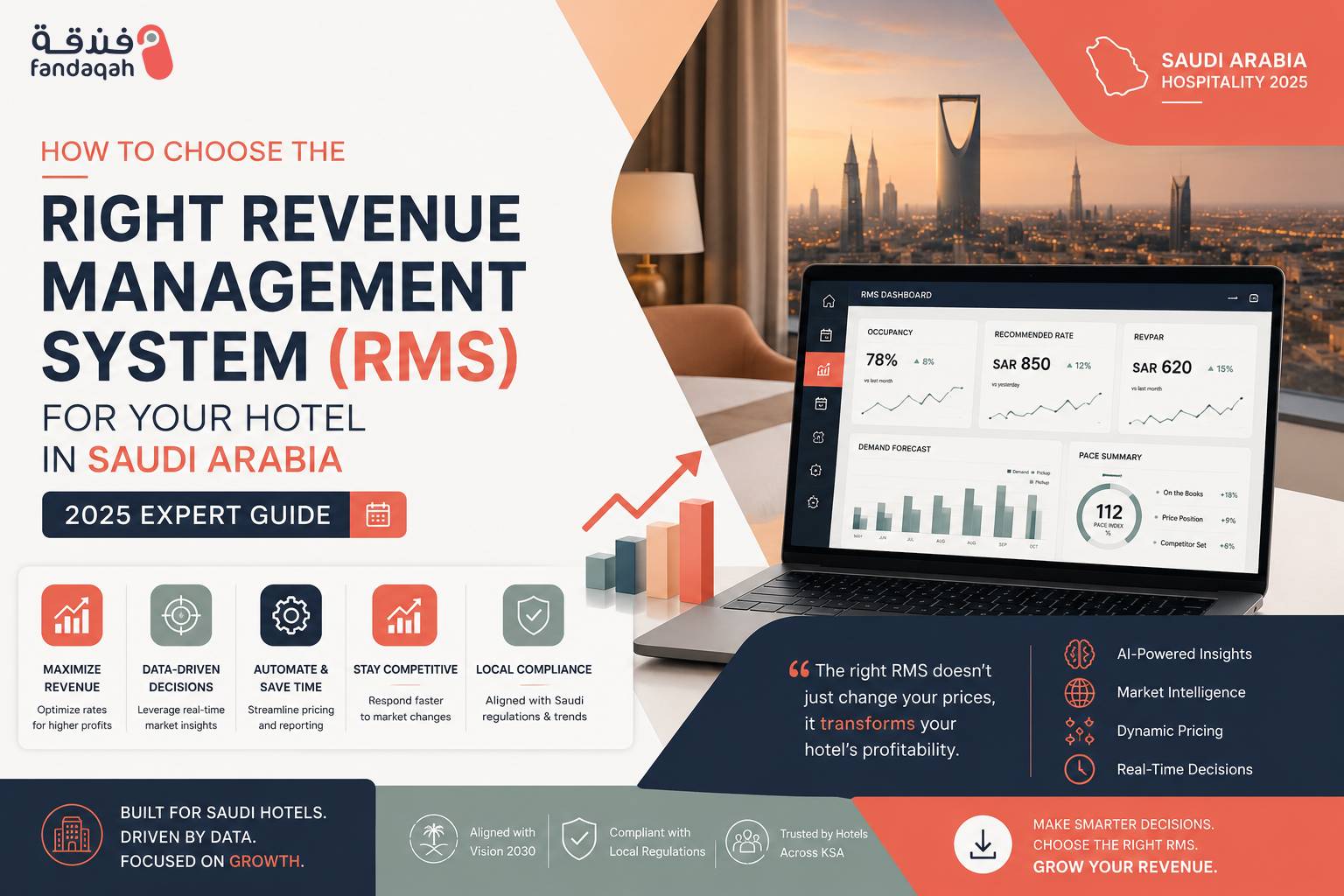
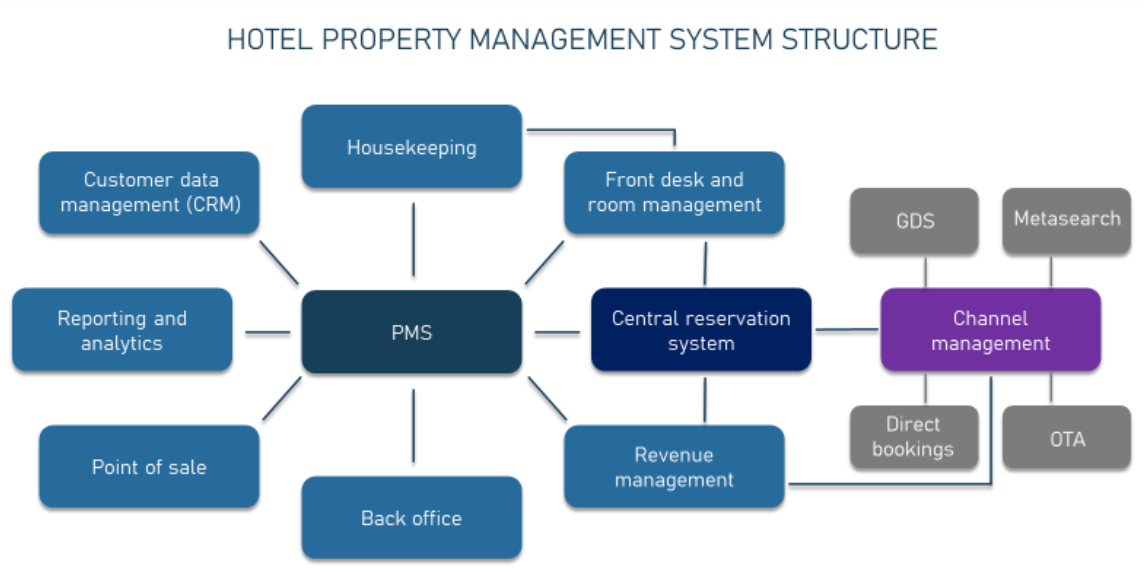
Small properties can start with disciplined spreadsheets, but as competition grows under Vision 2030, an RMS (revenue management system) connected to your PMS and channel manager pays for itself through better pricing decisions and time savings.
Conclusion: Empty Rooms Are a Challenge — Not a Verdict
Low occupancy is inevitable in any hotel market — but low revenue is a choice. Saudi hotels that protect revenue in slow periods share the same habits: they manage RevPAR and TRevPAR instead of chasing occupancy, they use dynamic pricing and fenced offers instead of panic discounts, they grow direct bookings to stop commission leakage, they monetize F&B, events, and day-use inventory, and they pivot fast toward the powerful Saudi domestic and staycation market.
With Vision 2030 reshaping the Kingdom's hospitality landscape — new destinations, new supply, and year-round event calendars — revenue discipline is the skill that separates future market leaders from properties that merely survive. Start with one strategy this week, measure it, and build from there.
Tags: hotel revenue management Saudi Arabia, protect hotel revenue low occupancy, RevPAR strategy, TRevPAR, dynamic pricing for hotels, direct hotel bookings, reduce OTA commissions, hotel ancillary revenue, staycation Saudi Arabia, Saudi domestic tourism, hotel occupancy strategies, Makkah Madinah hotel seasonality, Umrah hotel demand, Vision 2030 hospitality, Riyadh hotel market, Jeddah hotels, hotel upselling techniques, hotel revenue KPIs, ADR protection, day-use hotel rooms, hotel F&B revenue, Ramadan iftar hotel events, revenue management system RMS, fandaqah