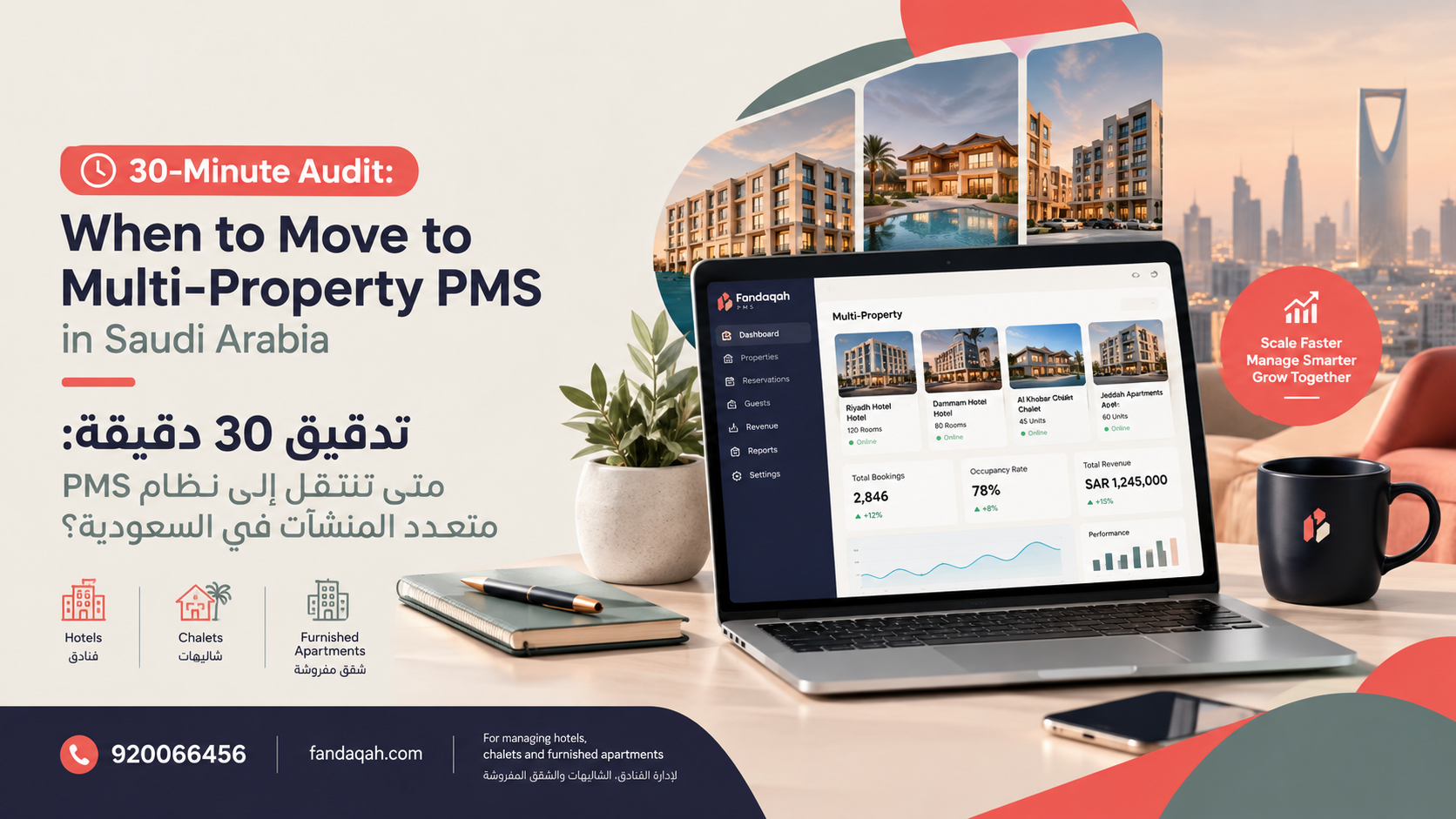
The 30-Minute Audit: When Should Your Hotel Move to a Multi-Property PMS for Saudi Guests?
Reading time: 12 minutes | Audit time: 30 minutes | Audience: Owners, GMs, and revenue leaders of hotels with two or more properties in the Kingdom
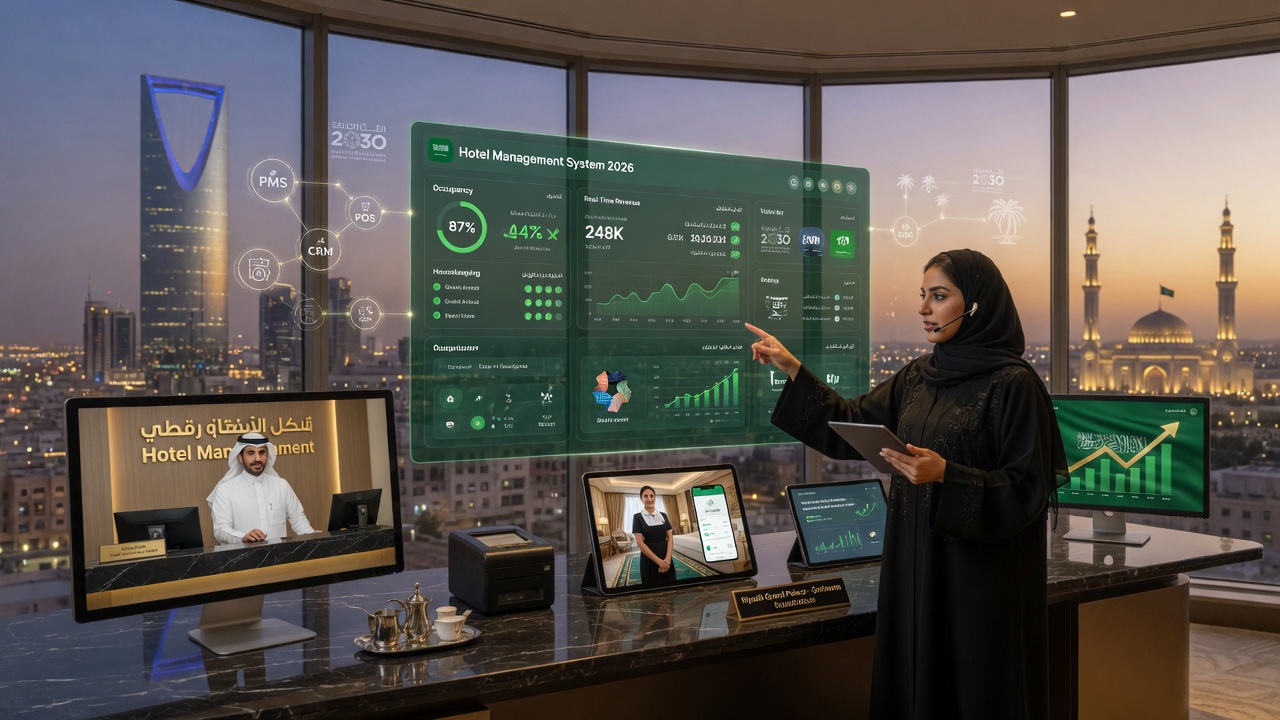
If you run more than one hotel, serviced apartment, or resort in Saudi Arabia, you have probably asked yourself a hard question: is it time to move to a multi-property PMS for hotels in Saudi Arabia, or can we keep stretching our current single-property system a little longer?
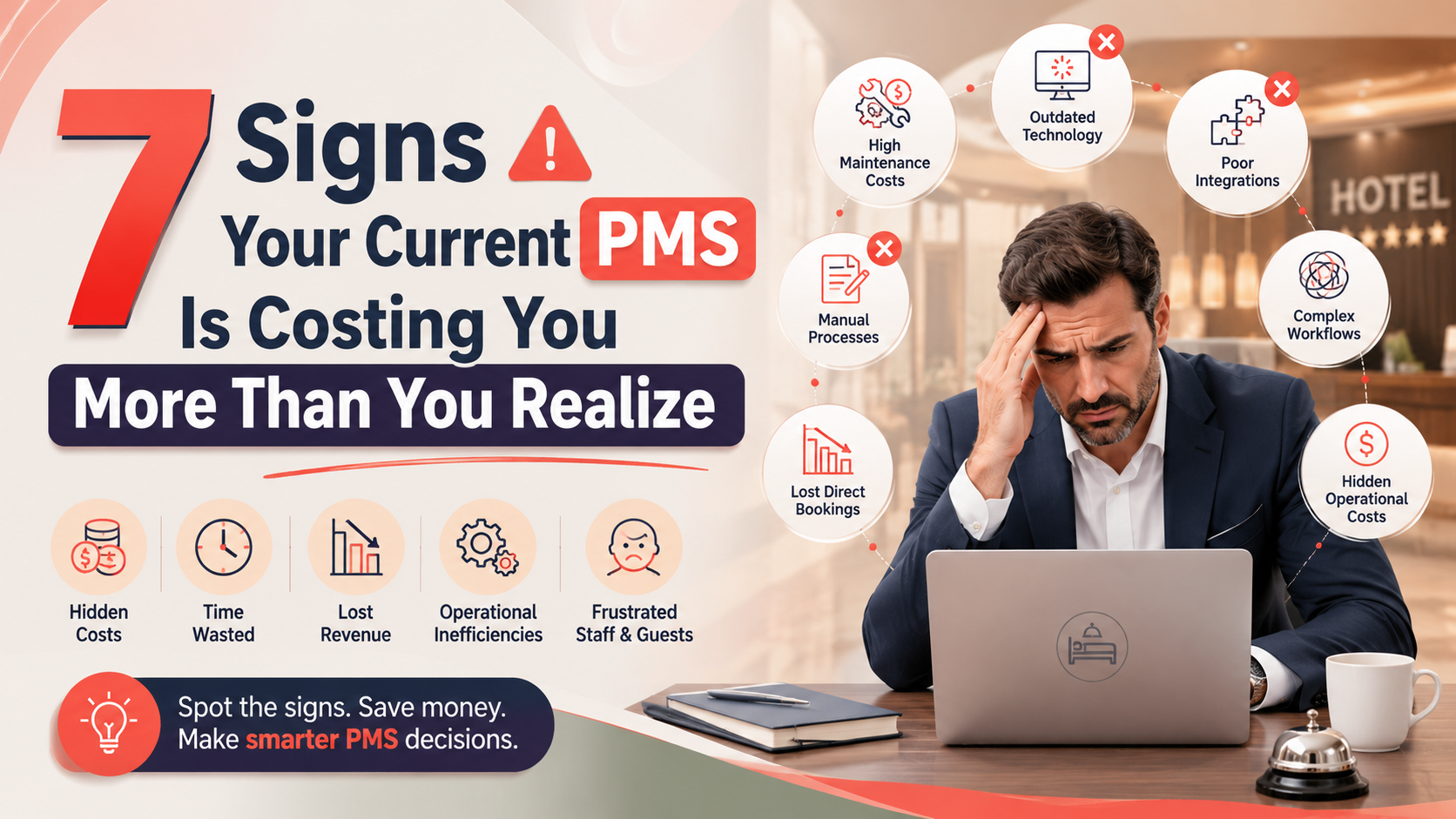
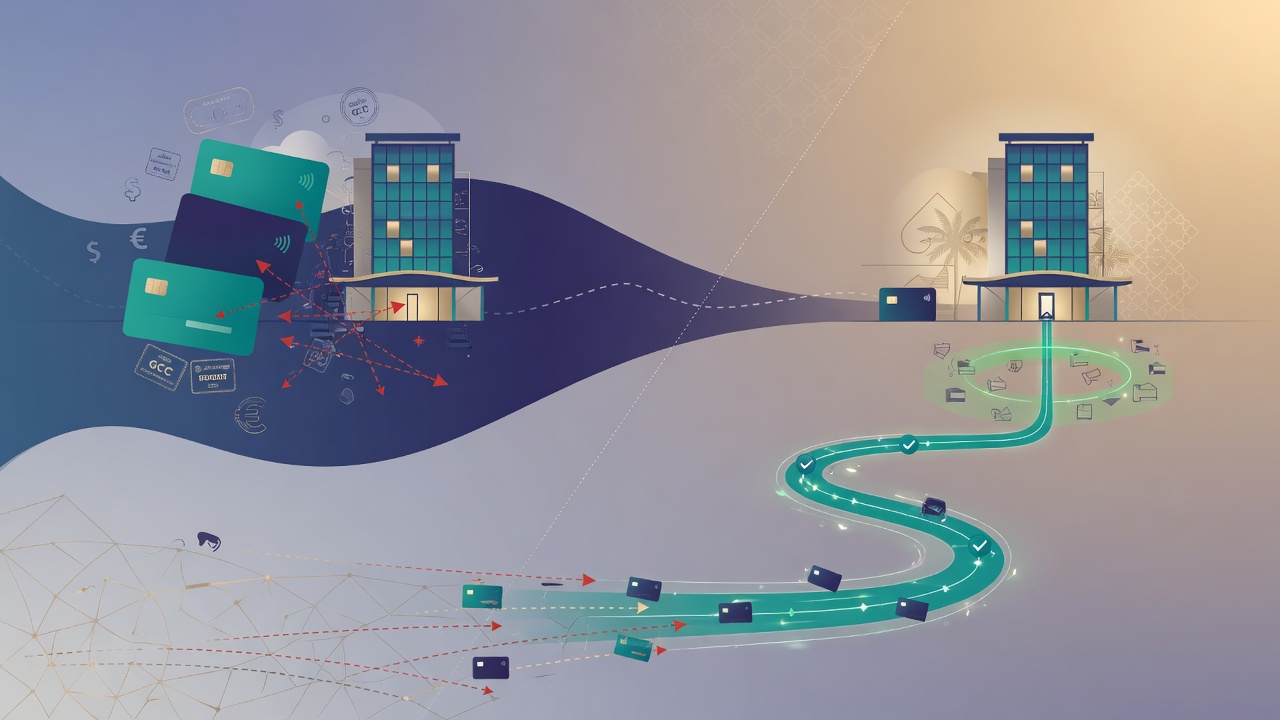
The honest answer is that most hotel groups wait too long. They lose a few bookings during Ramadan because availability was synced by hand. They spend two days every month merging spreadsheets for ownership reports. They discover a returning Saudi guest who stayed in Riyadh last quarter is treated like a stranger in Jeddah. None of these problems feels urgent on its own, but together they quietly erode revenue, guest loyalty, and staff morale.
This guide gives you a 30-minute hotel PMS audit you can run this week. It covers the clear signs your hotel needs a multi-property PMS, a side-by-side comparison of single property vs multi-property PMS, real-world use cases from the Saudi hospitality market, and a look at how Vision 2030 is reshaping hotel technology requirements. By the end, you will know whether you should migrate now, prepare to migrate in six months, or confidently stay where you are.
Quick Answer (for busy readers)
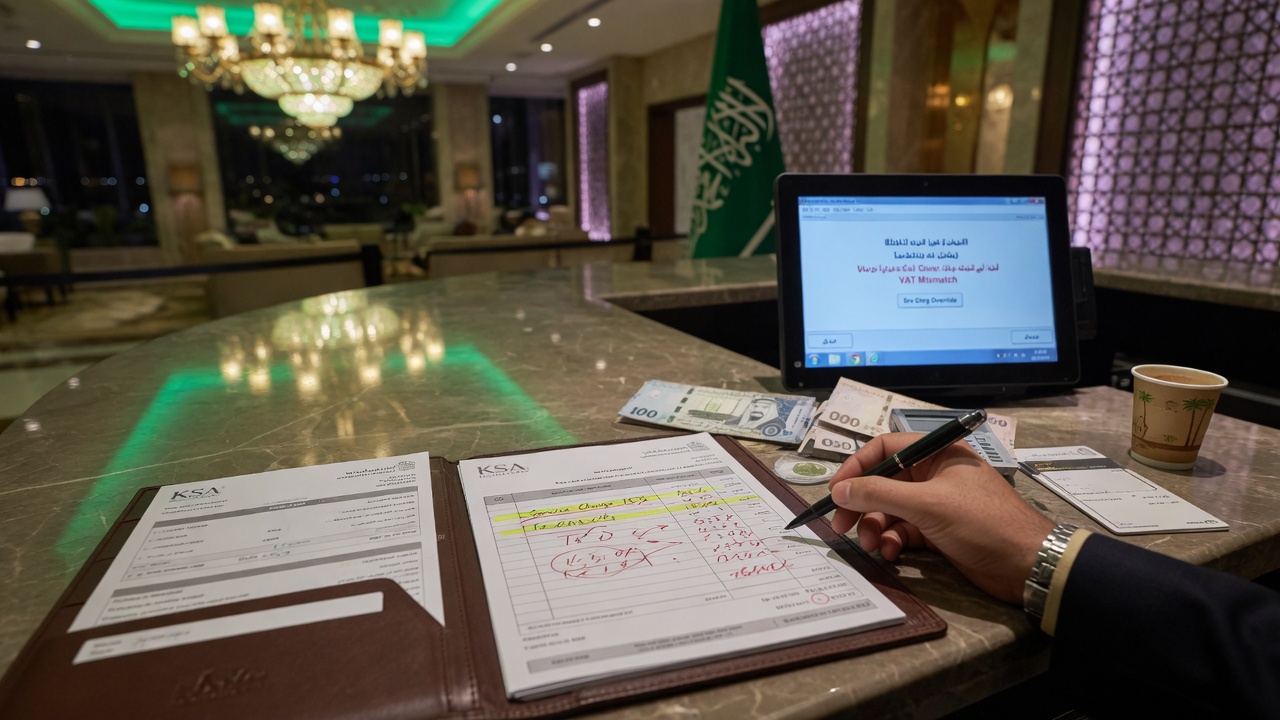
You should move to a multi-property PMS when you manage two or more properties and you score 4 or more on the 10-point audit below. The most common triggers are: manual rate and availability updates across properties, no unified guest profile, ownership reports that take more than a day to build, and compliance tasks (ZATCA e-invoicing, Tourism Ministry reporting) handled separately at each site.
What Is a Multi-Property PMS and Why Does It Matter in Saudi Arabia?
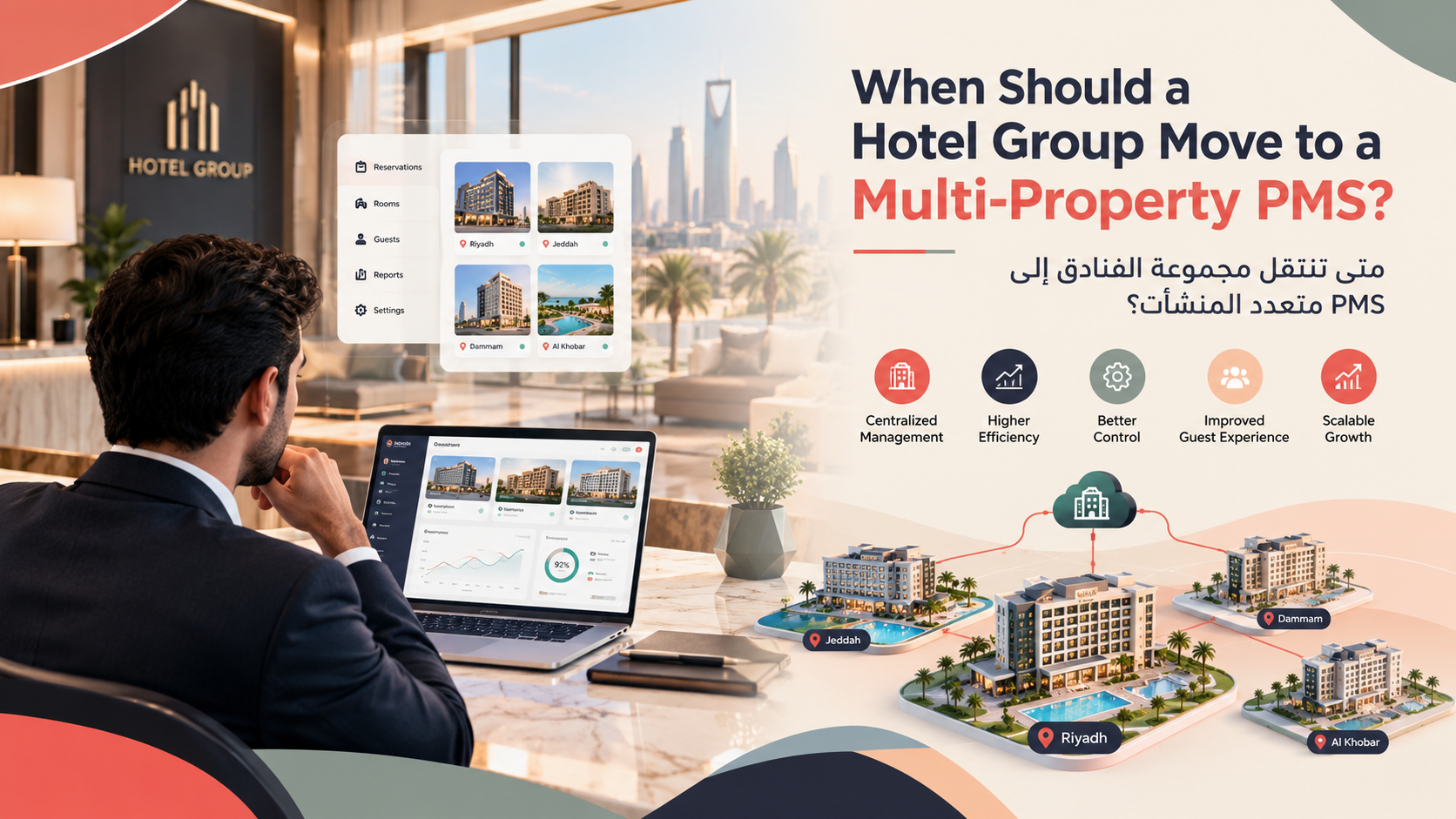
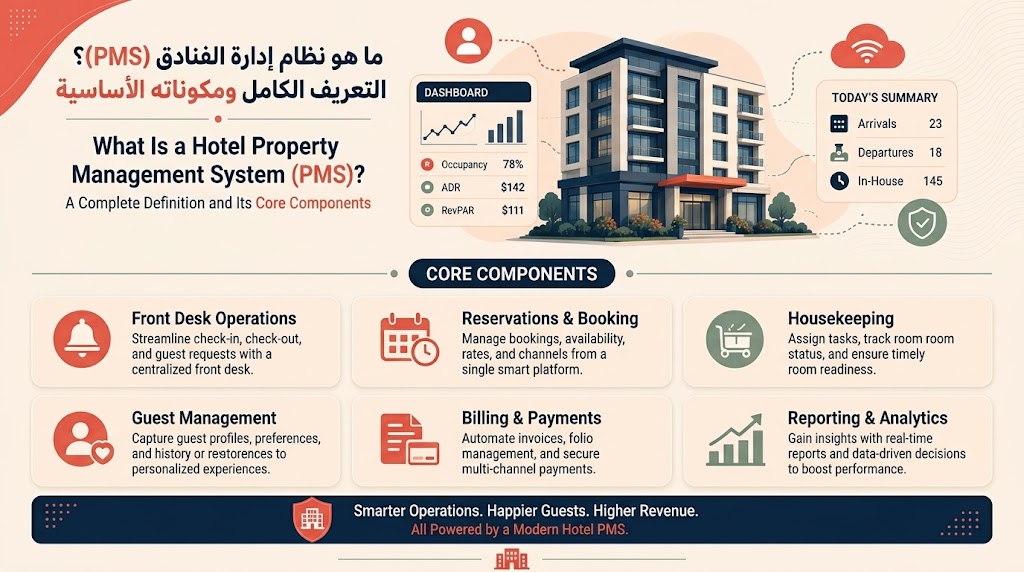
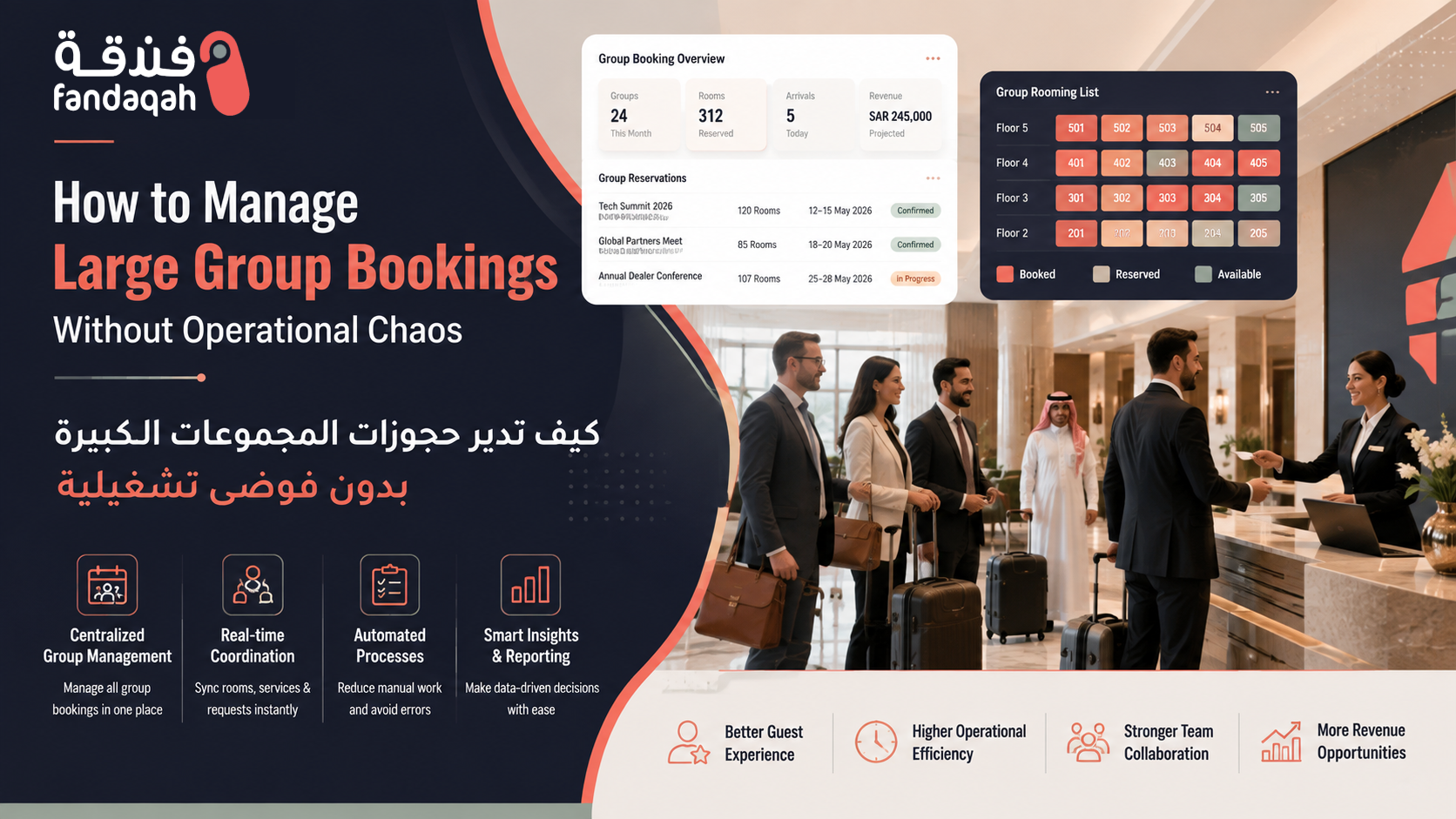
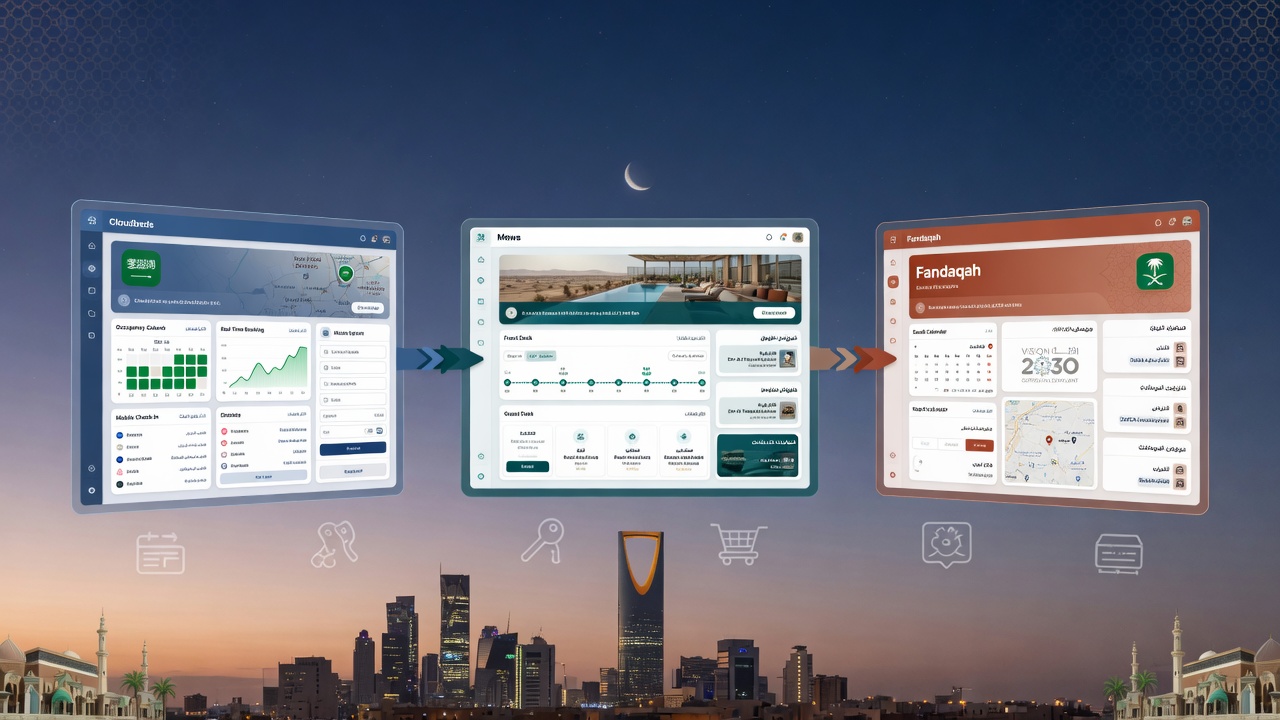
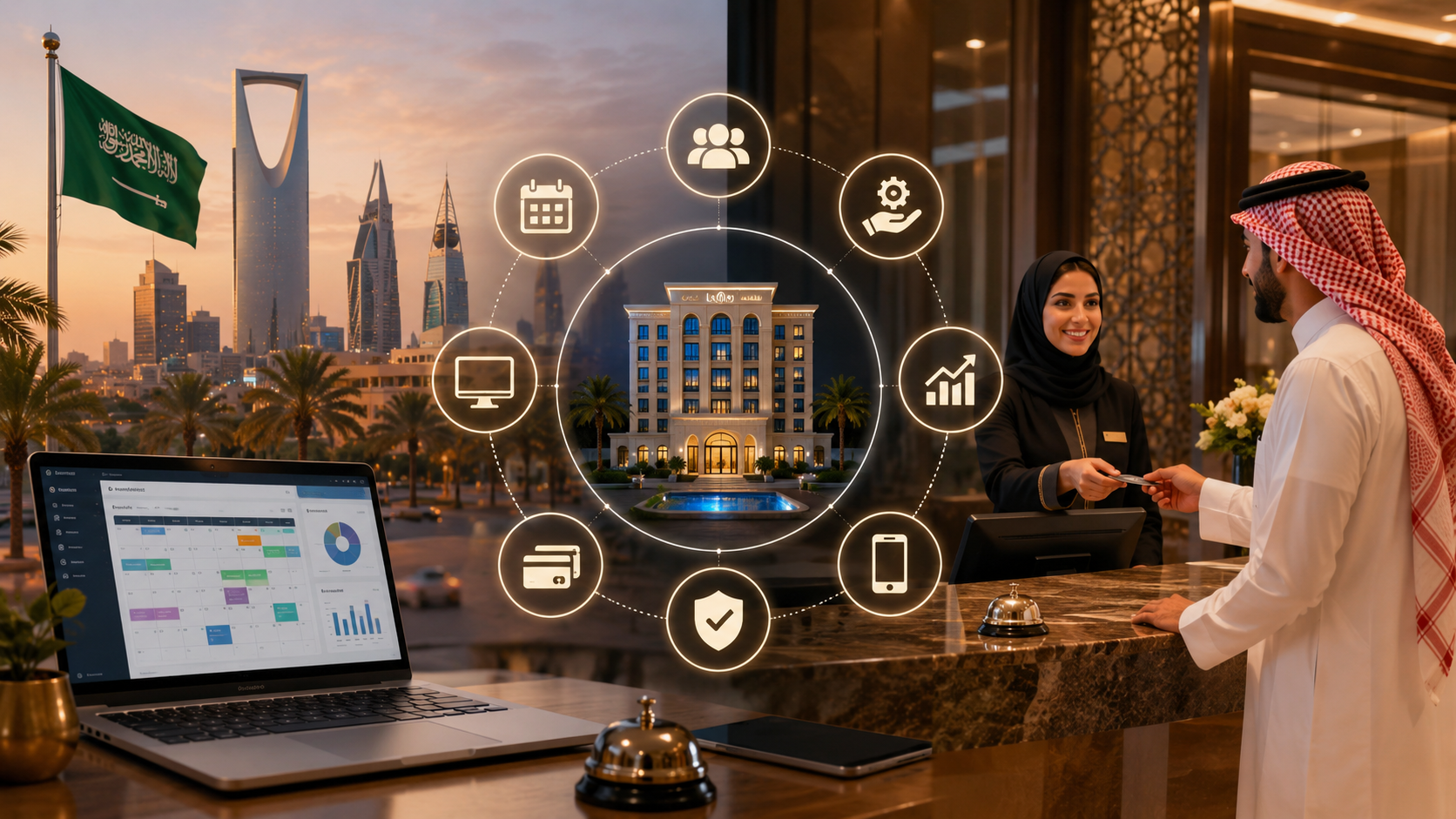
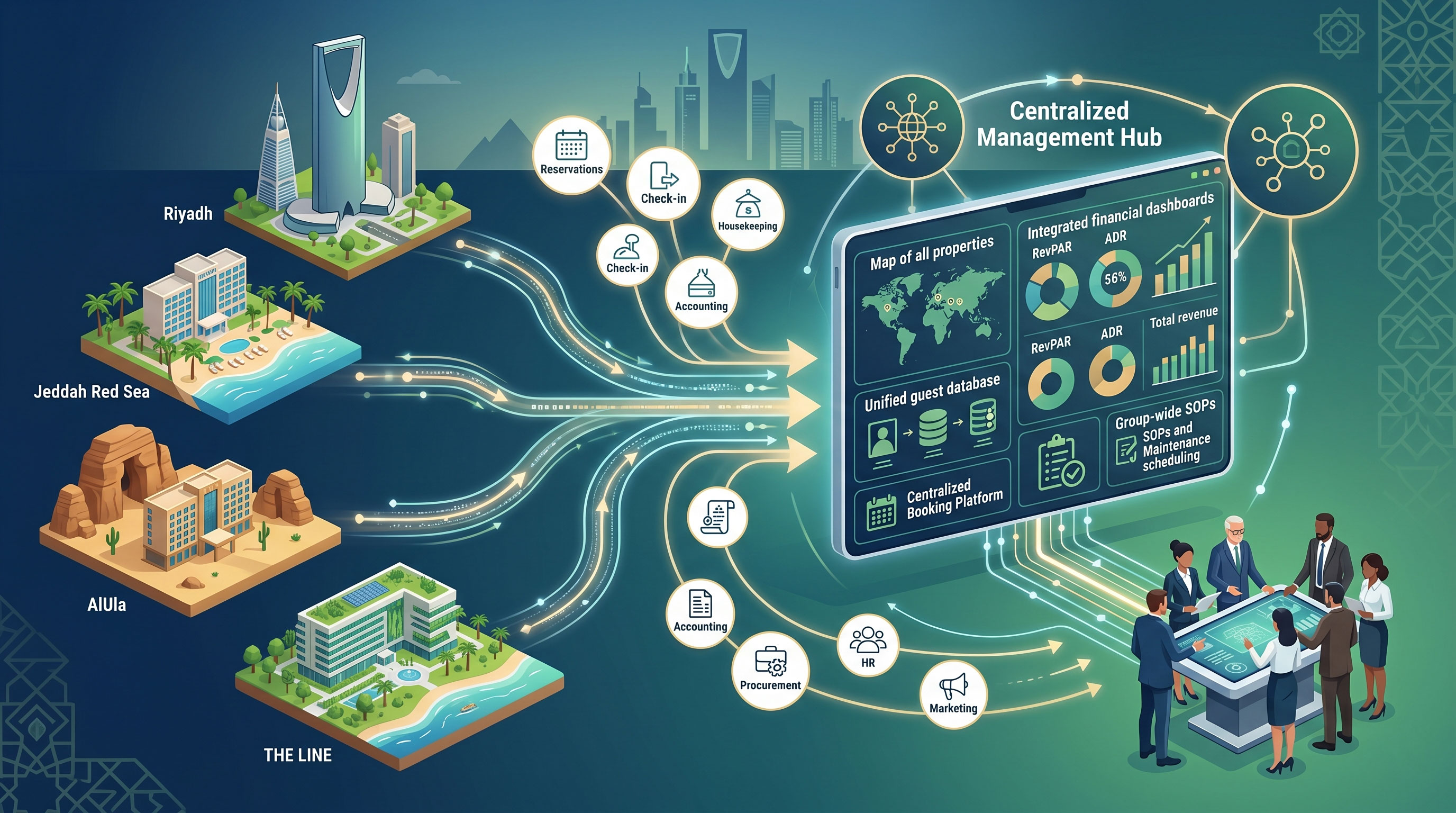
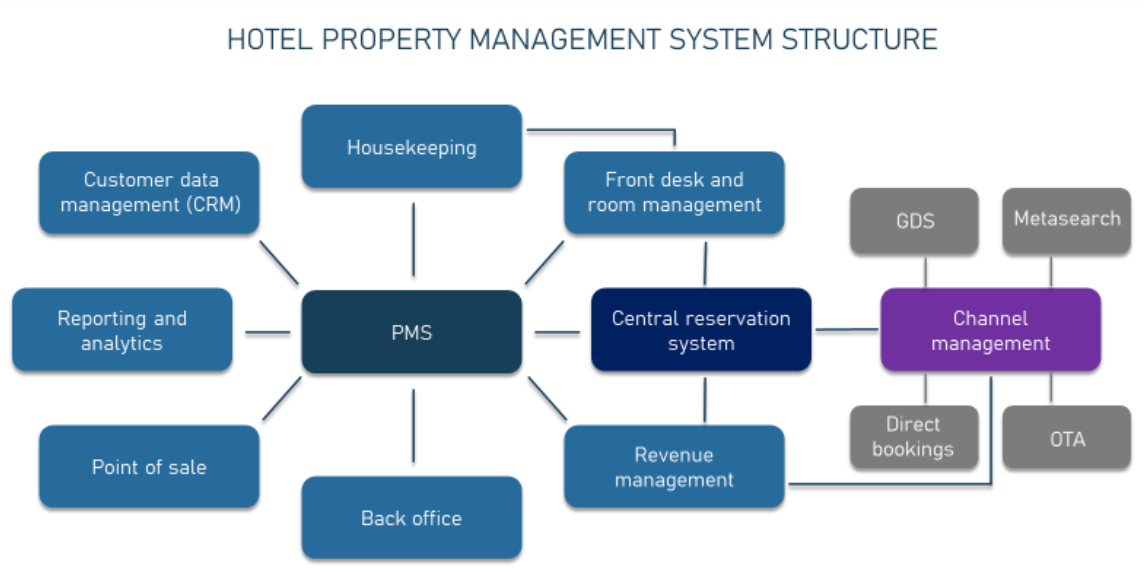
A hotel property management system (PMS) is the operational heart of a hotel. It manages reservations, check-in and check-out, room assignments, housekeeping, folios, and invoicing. A single-property PMS does this for one hotel. A multi-property PMS does it for several hotels from one central database, one login, and one set of rules, while still allowing each property to keep its own identity, rates, and workflows.
Think of it like the difference between running three separate restaurants with three separate kitchens, versus running three restaurants with a central kitchen that still lets each chef adjust the menu. The second model is faster, more consistent, and far easier to manage as you grow.
Why the Saudi market makes this decision more urgent
Saudi Arabia is one of the fastest-growing hospitality markets in the world. The Kingdom has set an ambitious target of welcoming 150 million annual visits by 2030, with hundreds of thousands of new hotel keys planned across Riyadh, Jeddah, Makkah, Madinah, AlUla, the Red Sea, NEOM, and Diriyah. For hotel operators, this creates three pressures at once:
- Growth pressure: Operators who ran one or two properties are now managing four, six, or ten, often across multiple cities.
- Guest expectation pressure: Saudi guests are digitally confident. They expect fast check-in, Arabic and English communication, mobile payments, and recognition when they return to any property in your group.
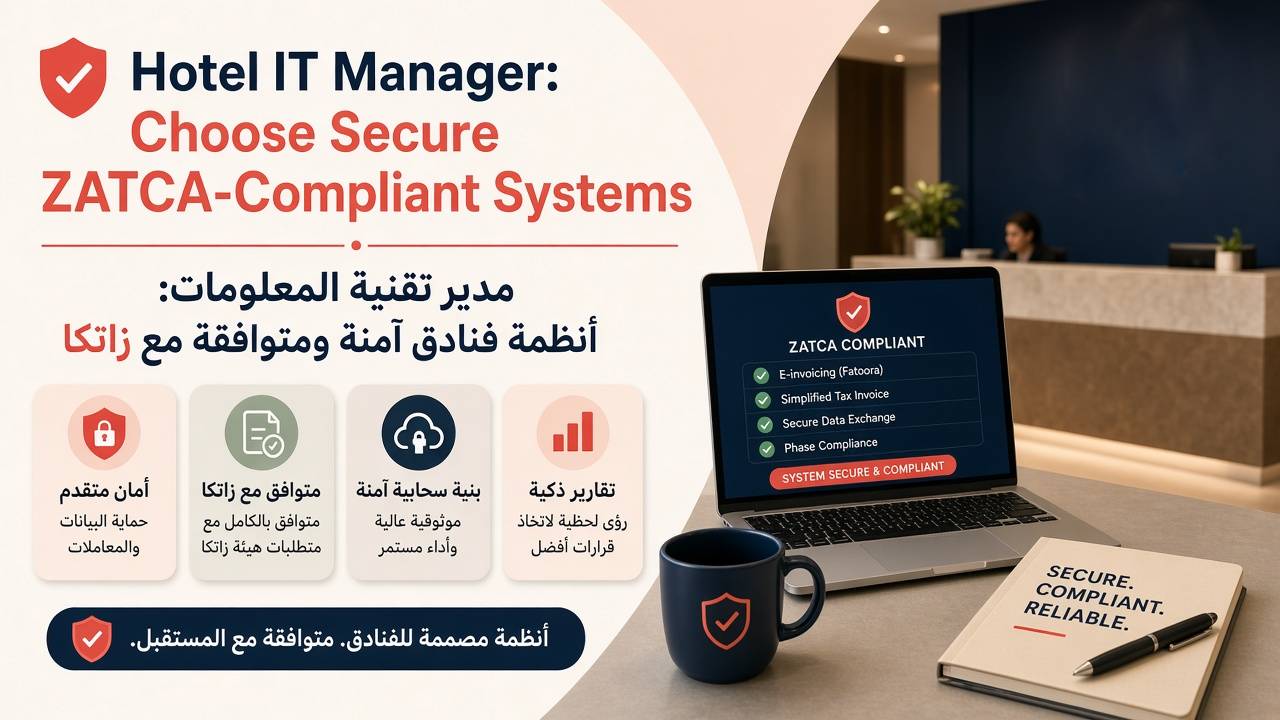
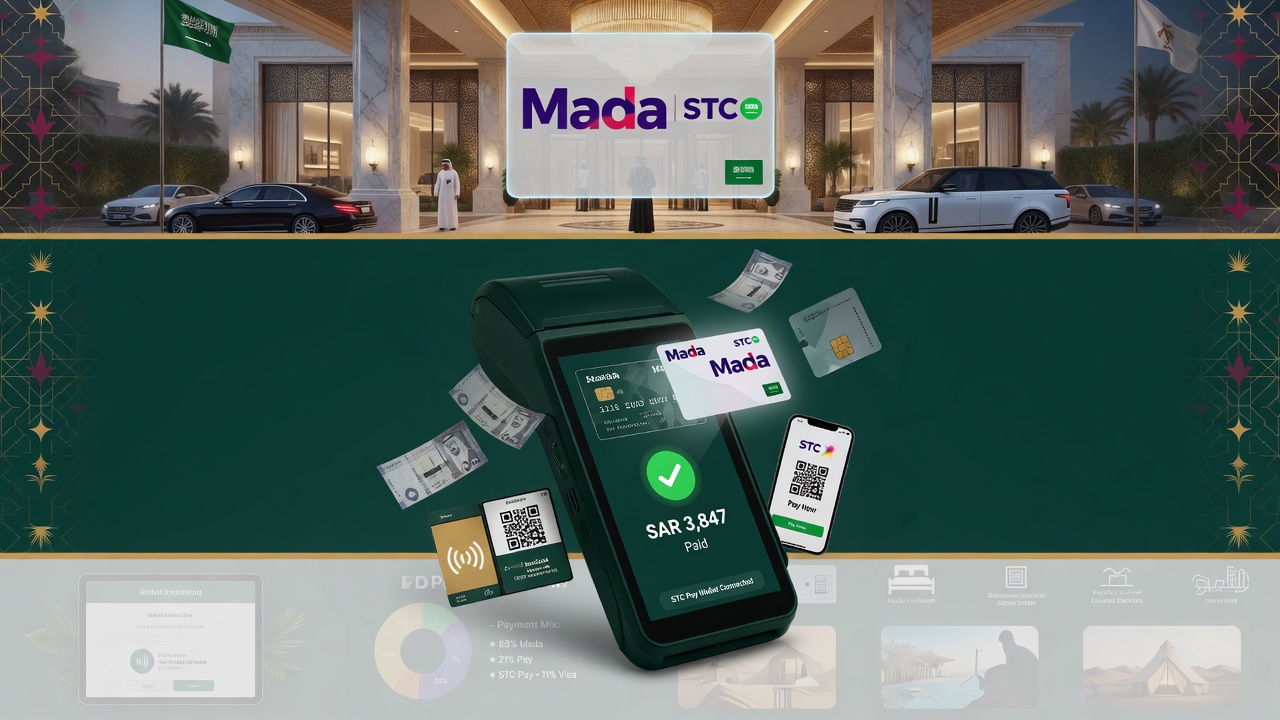
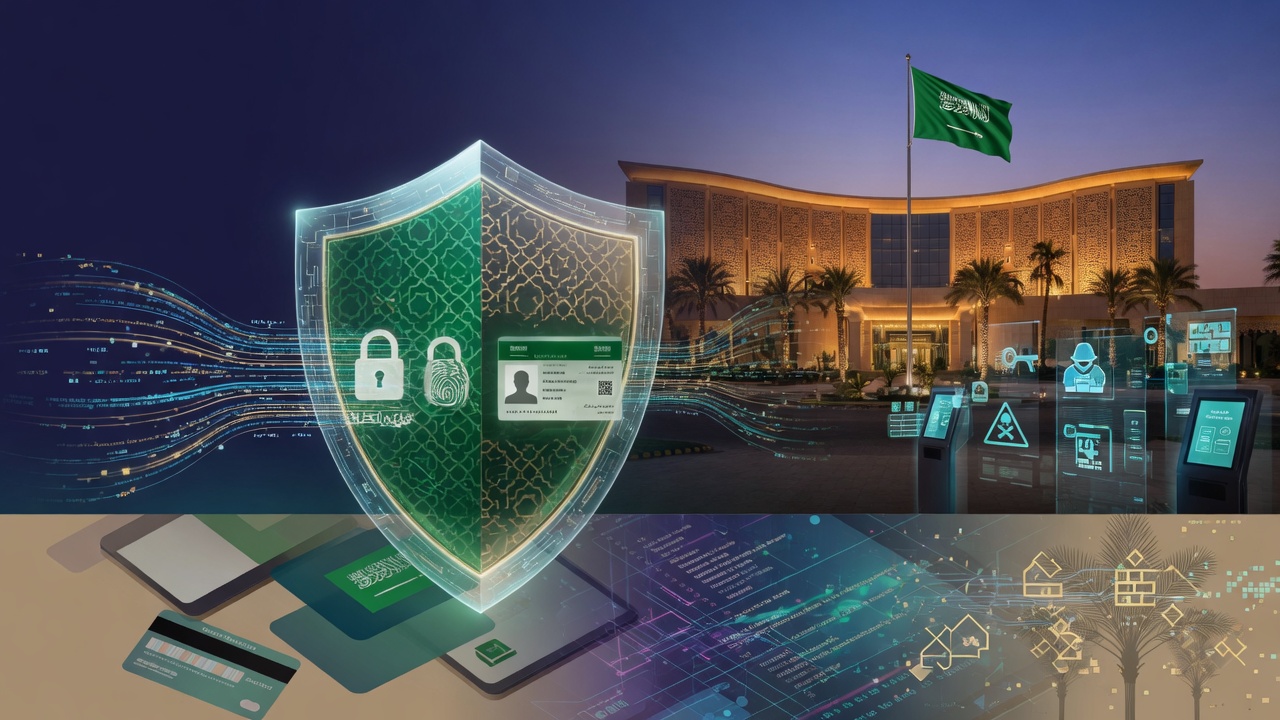
- Regulatory pressure: ZATCA e-invoicing (Fatoora), Ministry of Tourism licensing and reporting, and data protection rules under the Personal Data Protection Law (PDPL) all require accurate, consistent, auditable data.
A single-property PMS, duplicated across sites, struggles with all three. A centralized hotel management platform is built for exactly this environment.
The 30-Minute Hotel PMS Audit: 10 Questions, 10 Points
Set a timer for 30 minutes. Gather your general manager, your revenue or reservations lead, and your finance person. Go through the ten questions below. Give yourself 1 point for every "yes." Be honest; this audit only works if you describe how things actually happen, not how they are supposed to happen.
Part 1: Operations (Minutes 0–10)
| # |
Audit Question |
Why It Matters |
| 1 |
Does a staff member log into more than one PMS (or more than one database) during a normal shift? |
Every extra login is wasted time and a chance for error. |
| 2 |
When one property is full, can your team move a guest to a sister property in under two minutes without a phone call? |
Cross-property walking is a core revenue protector during Hajj, Umrah peaks, and Riyadh Season. |
| 3 |
Are rates, promotions, or stop-sells updated property by property rather than once for the group? |
Manual updates cause rate parity errors and overbookings on OTAs. |
| 4 |
Does housekeeping or maintenance status at one property remain invisible to head office? |
You cannot manage quality you cannot see. |
Part 2: Guests and Revenue (Minutes 10–20)
| # |
Audit Question |
Why It Matters |
| 5 |
If a guest stayed at Property A last month and books Property B today, does the front desk at B see their history and preferences? |
A unified guest profile is the foundation of loyalty and upselling. |
| 6 |
Does it take more than one hour to produce a group-wide occupancy, ADR, and RevPAR report for today? |
Slow reporting means slow decisions, especially during high-demand events. |
| 7 |
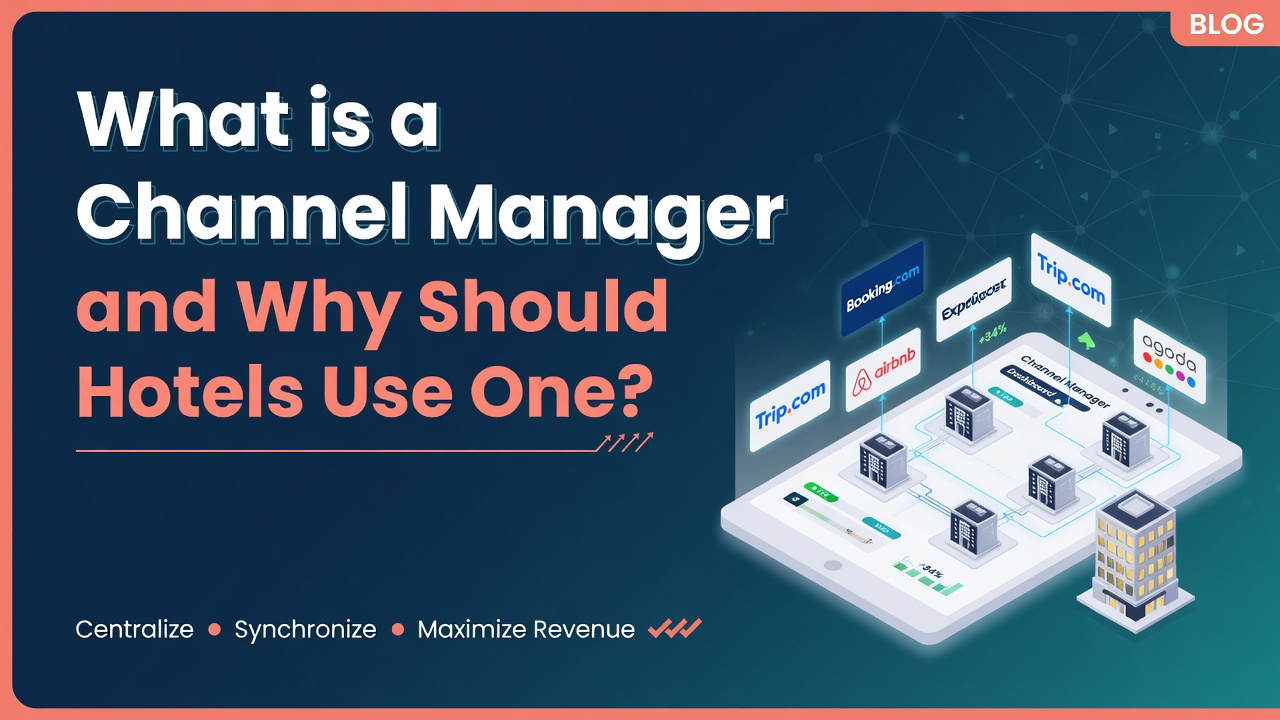
Do you run separate channel manager or booking engine setups for each property? |
Duplicate integrations multiply cost and failure points. |
Part 3: Finance and Compliance (Minutes 20–30)
| # |
Audit Question |
Why It Matters |
| 8 |
Is ZATCA e-invoicing configured and monitored separately at each property? |
Separate setups mean separate risks of non-compliance and penalties. |
| 9 |
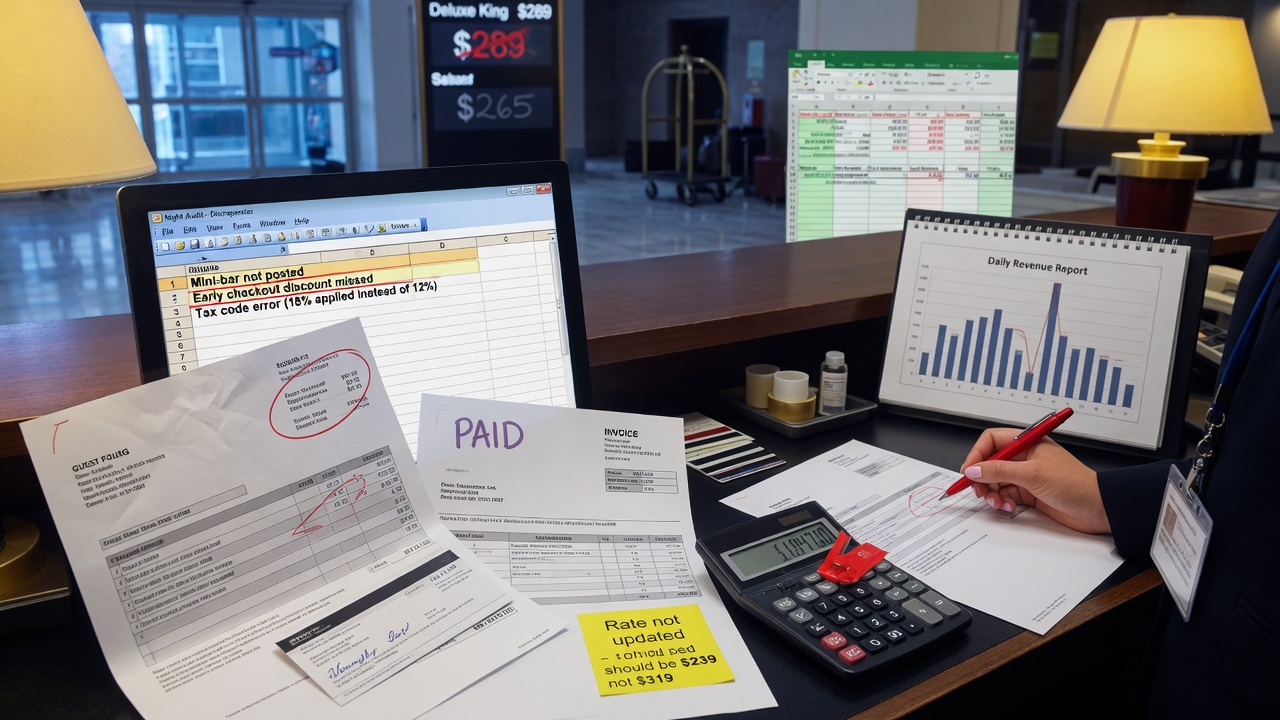
Does month-end consolidation for owners or investors involve exporting data from multiple systems into spreadsheets? |
Spreadsheet consolidation is slow, error-prone, and hard to audit. |
| 10 |
Are you planning to open, acquire, or manage at least one additional property in the next 18 months? |
Migrating before expansion is far cheaper than migrating during it. |
How to Read Your Score
- 0–3 points: Your current setup is holding. Revisit this audit in six months or before your next opening.
- 4–6 points: You are paying a hidden "fragmentation tax." Start evaluating multi-property hotel software now and plan a migration within 6–12 months.
- 7–10 points: Every month of delay is costing you measurable revenue and compliance risk. Prioritise a PMS migration this quarter.
Key Features and Benefits of a Multi-Property PMS
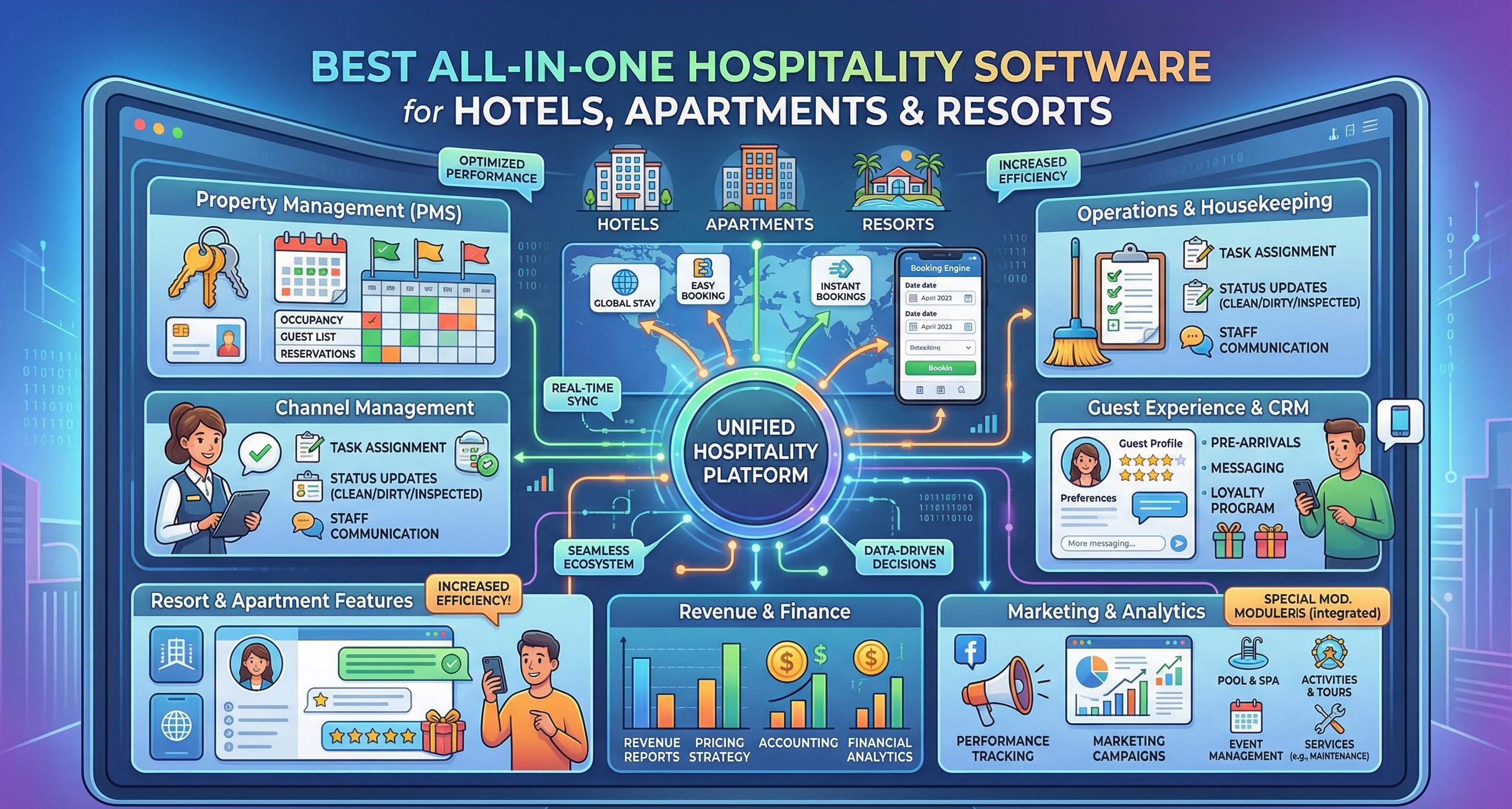
Once your audit points toward migration, it helps to know exactly what you are buying. A strong hotel group PMS should deliver the following capabilities out of the box.
Core features to look for
- Single central database: One source of truth for all properties, with property-level permissions so a Jeddah receptionist sees only what they need.
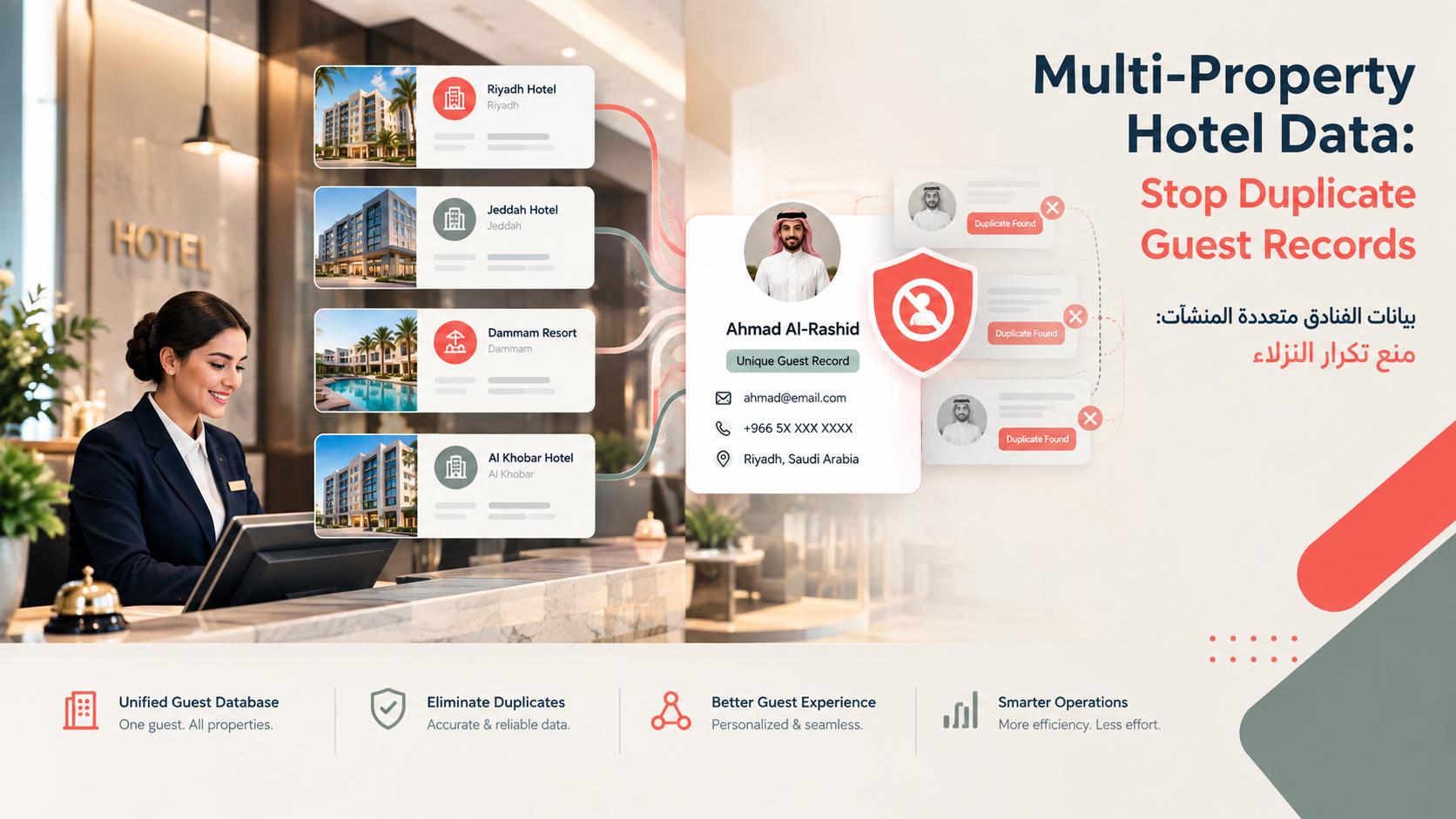
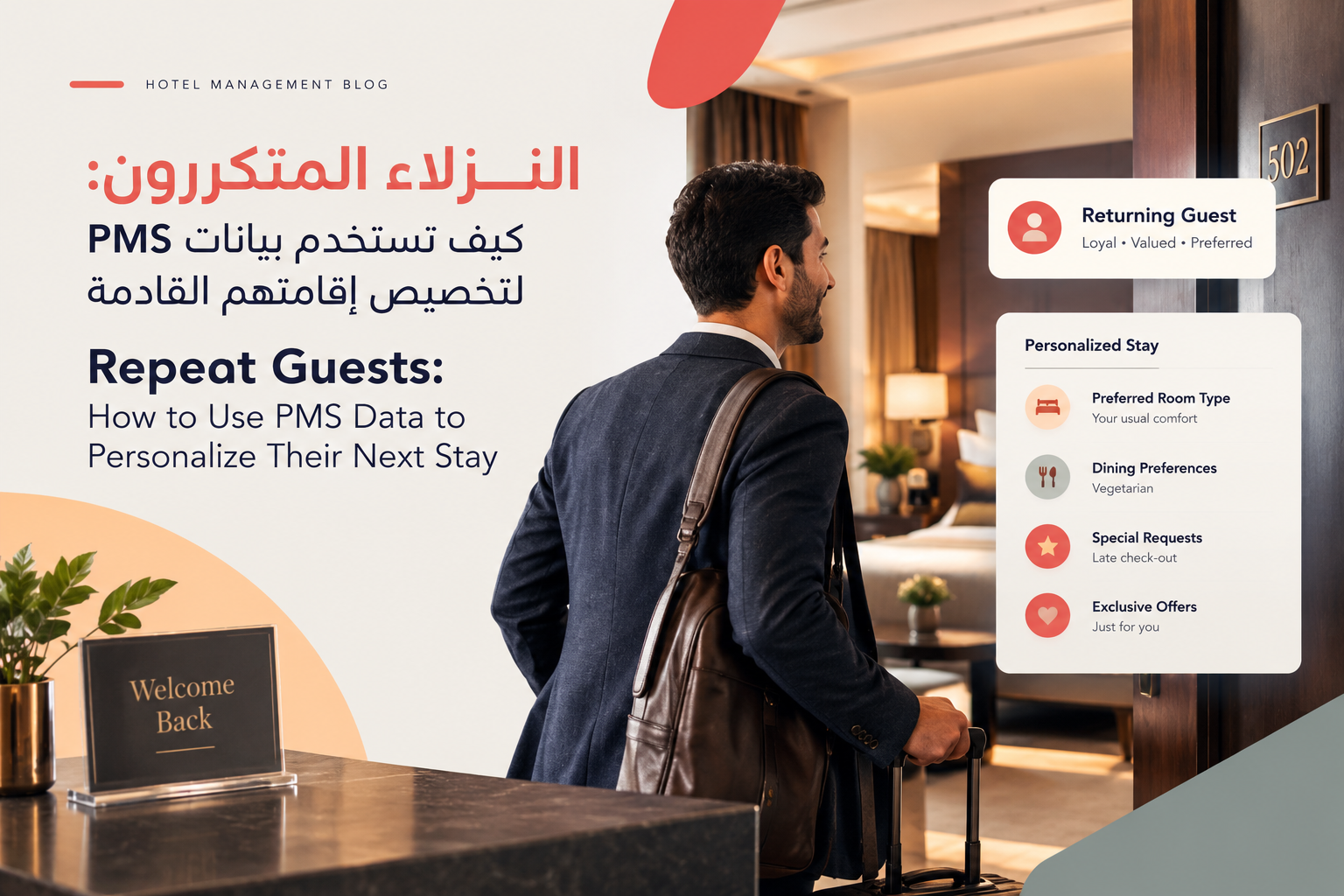
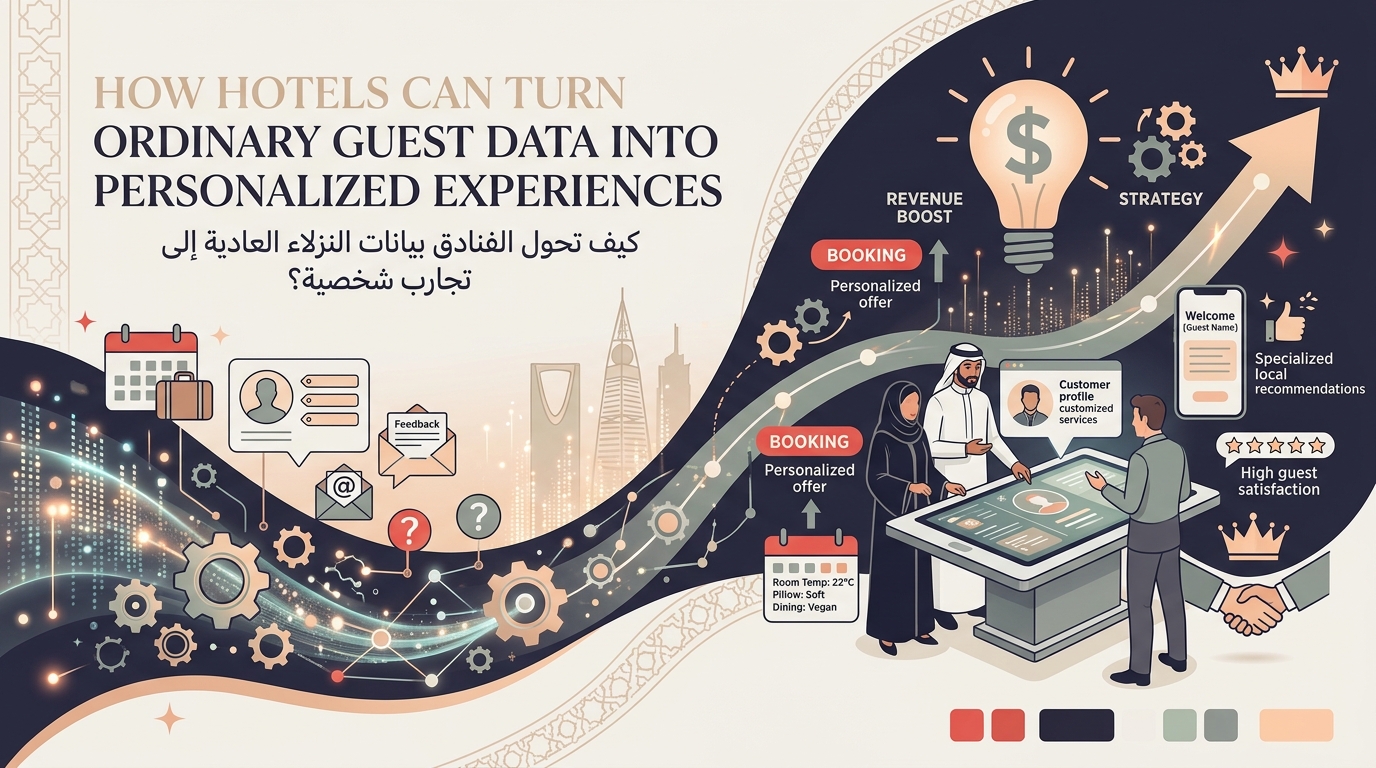
- Unified guest profiles: One record per guest across every hotel, including stay history, preferences, nationality, ID documents, and loyalty status.
- Cross-property reservations: Book, modify, or move a guest between properties from one screen.
- Group-level rate and inventory management: Push a promotion to all properties, or to a selected cluster, in one action.
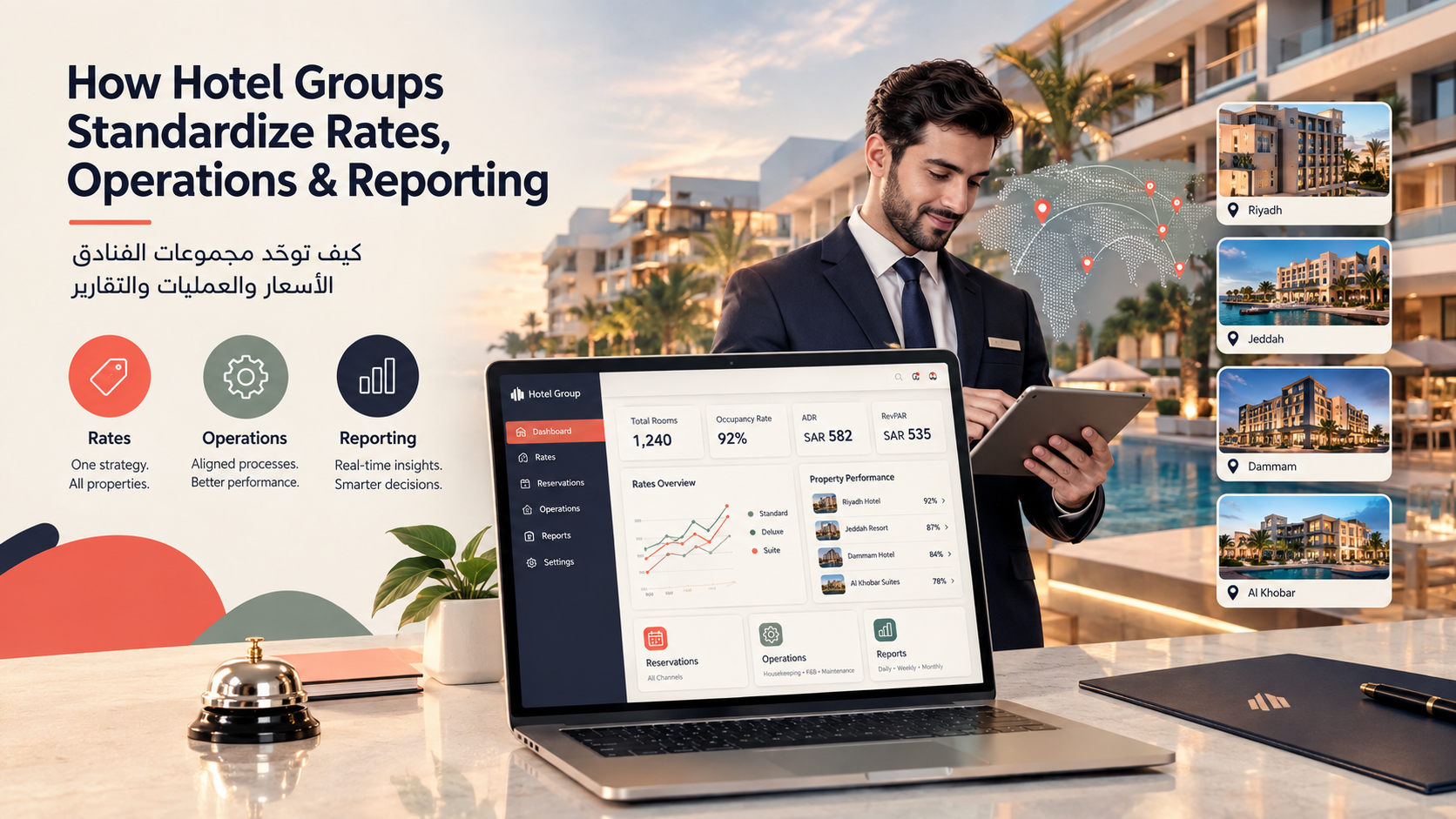
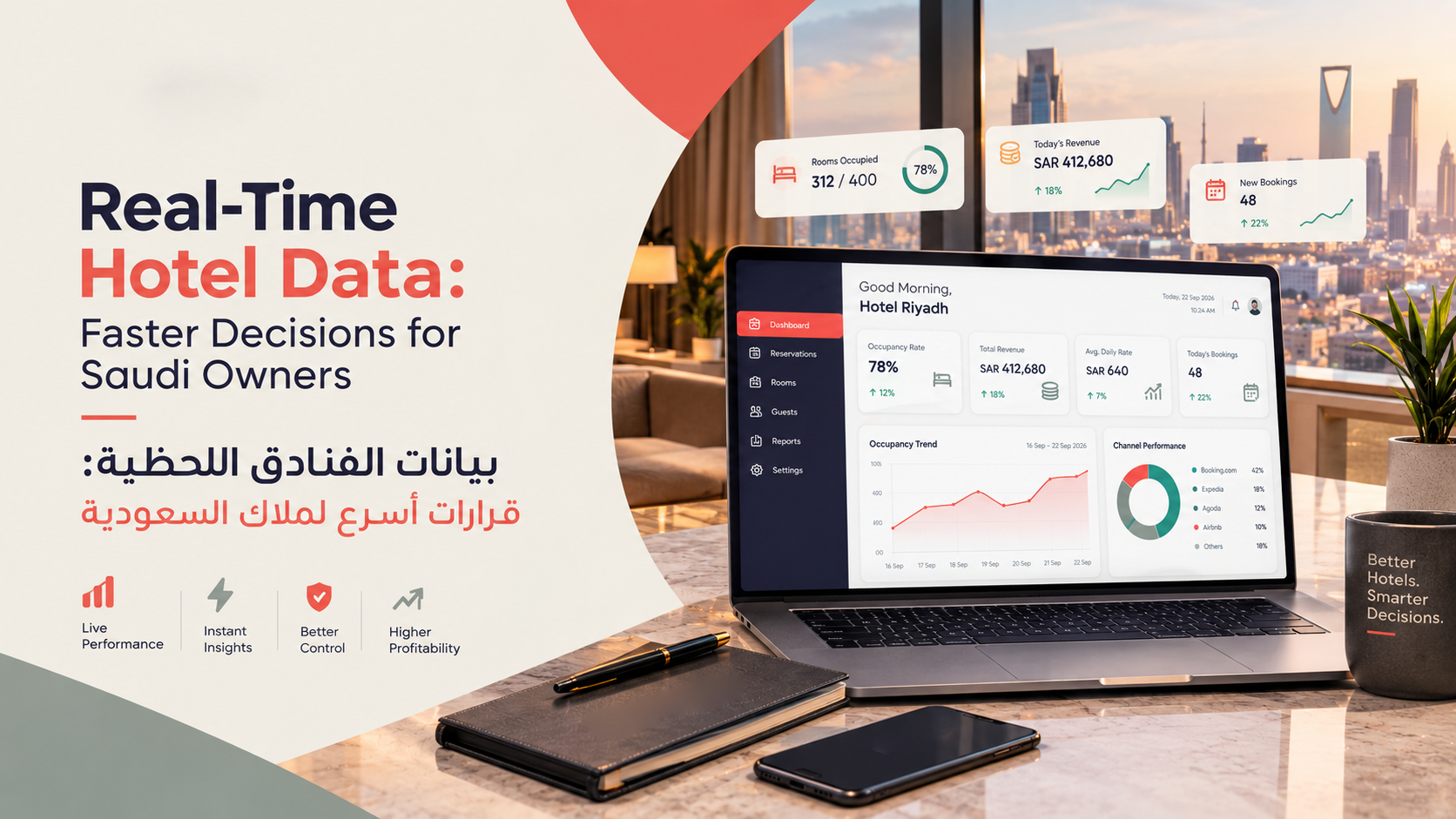
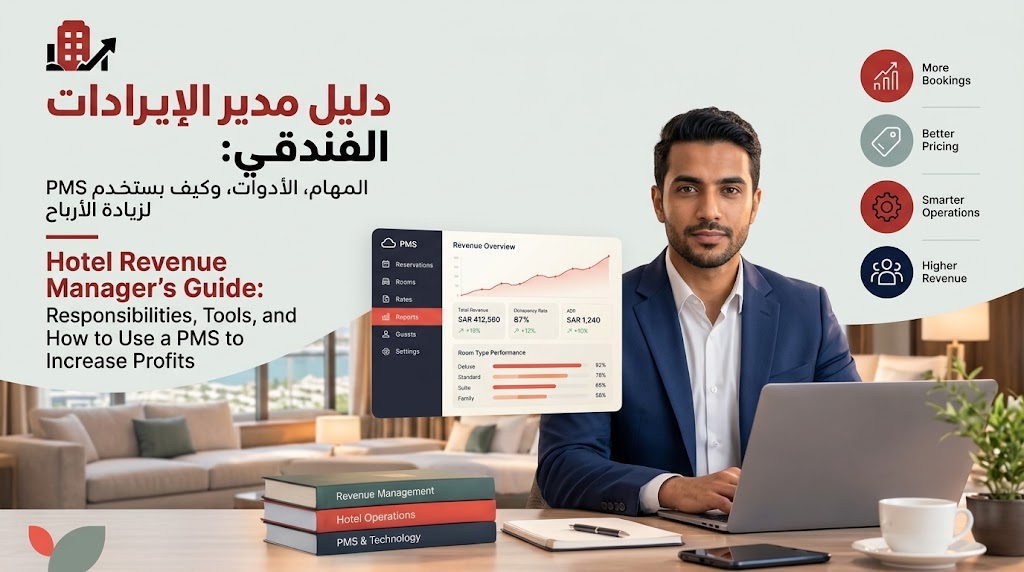
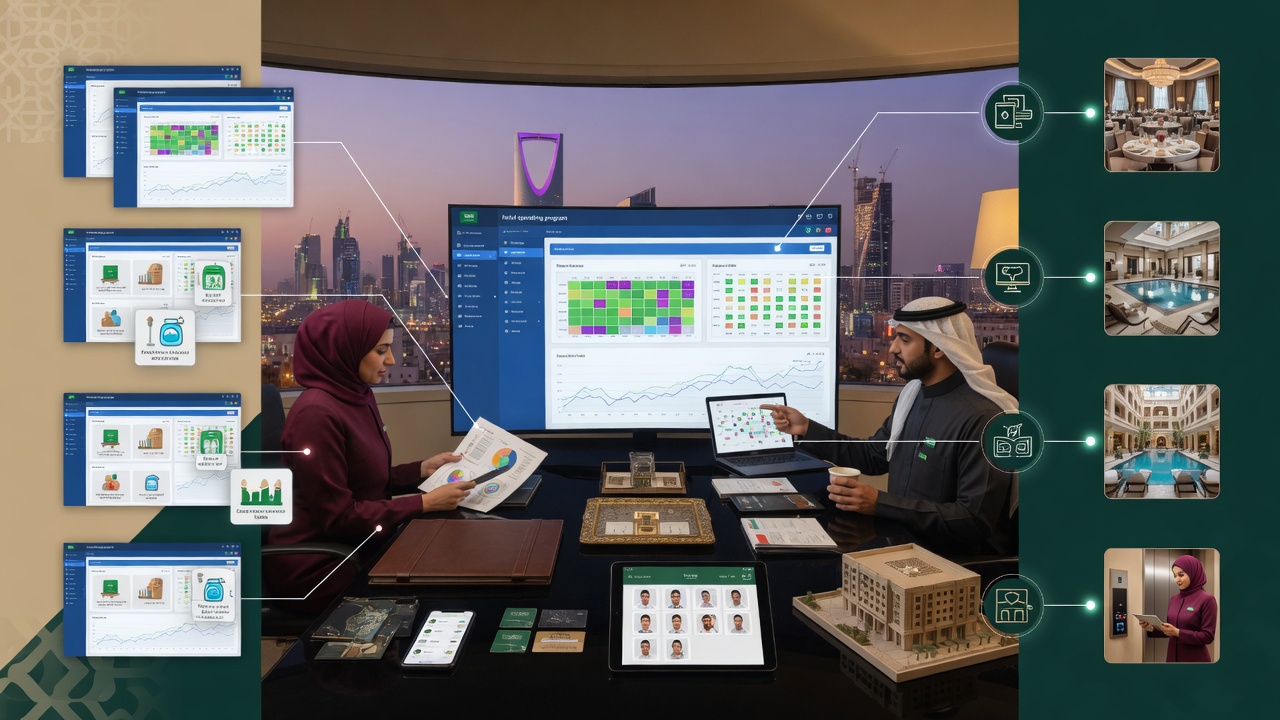
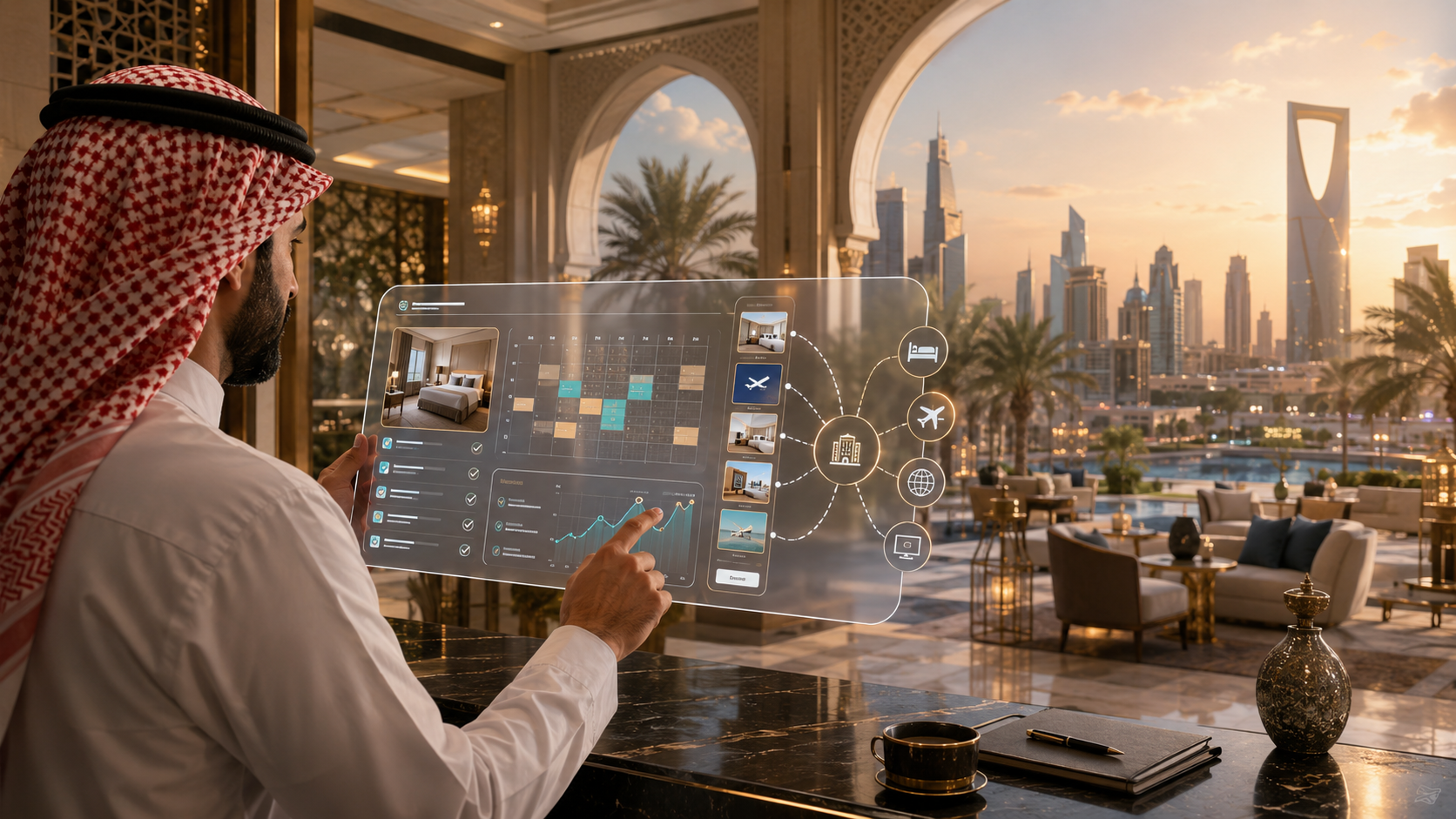
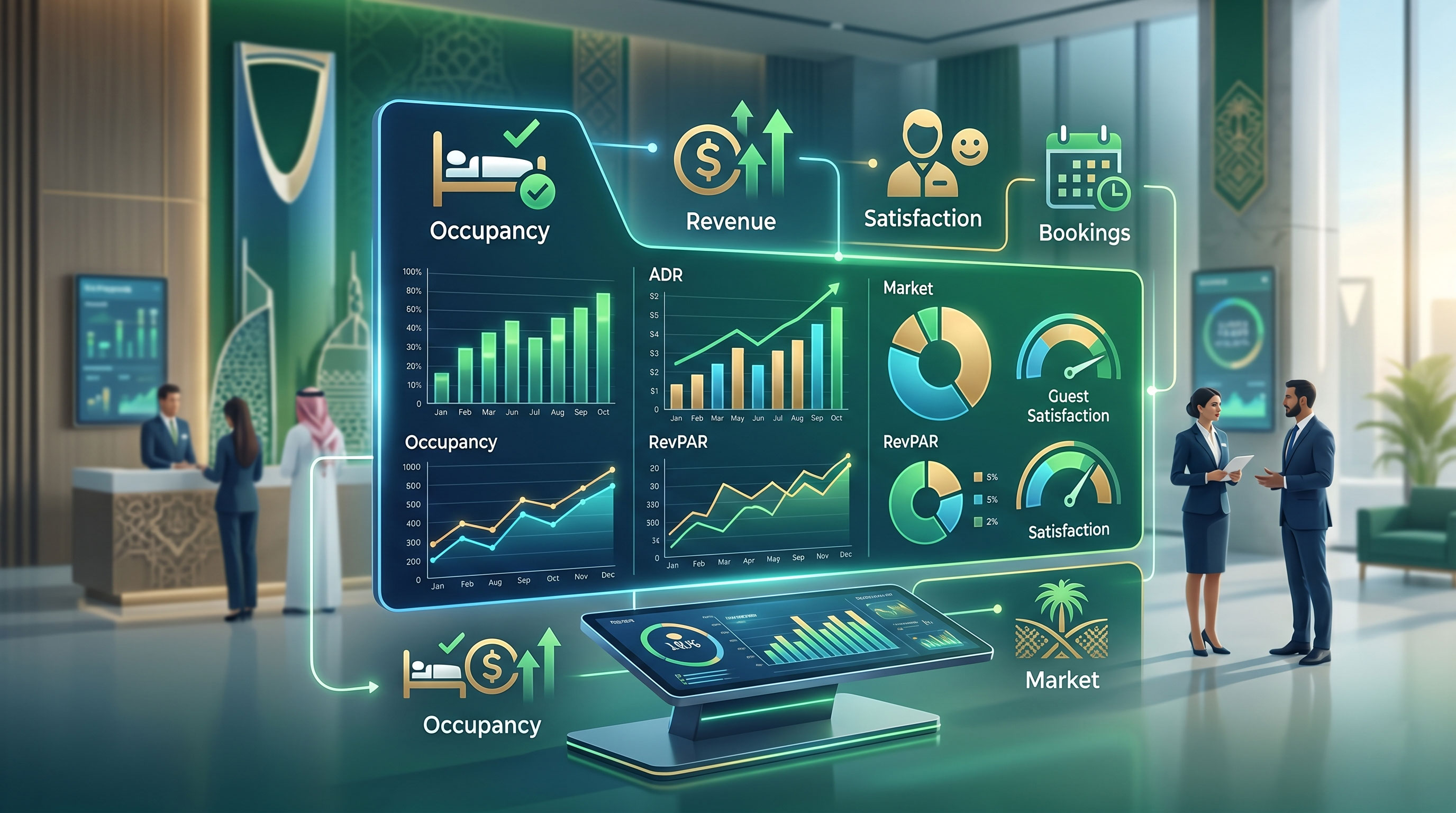
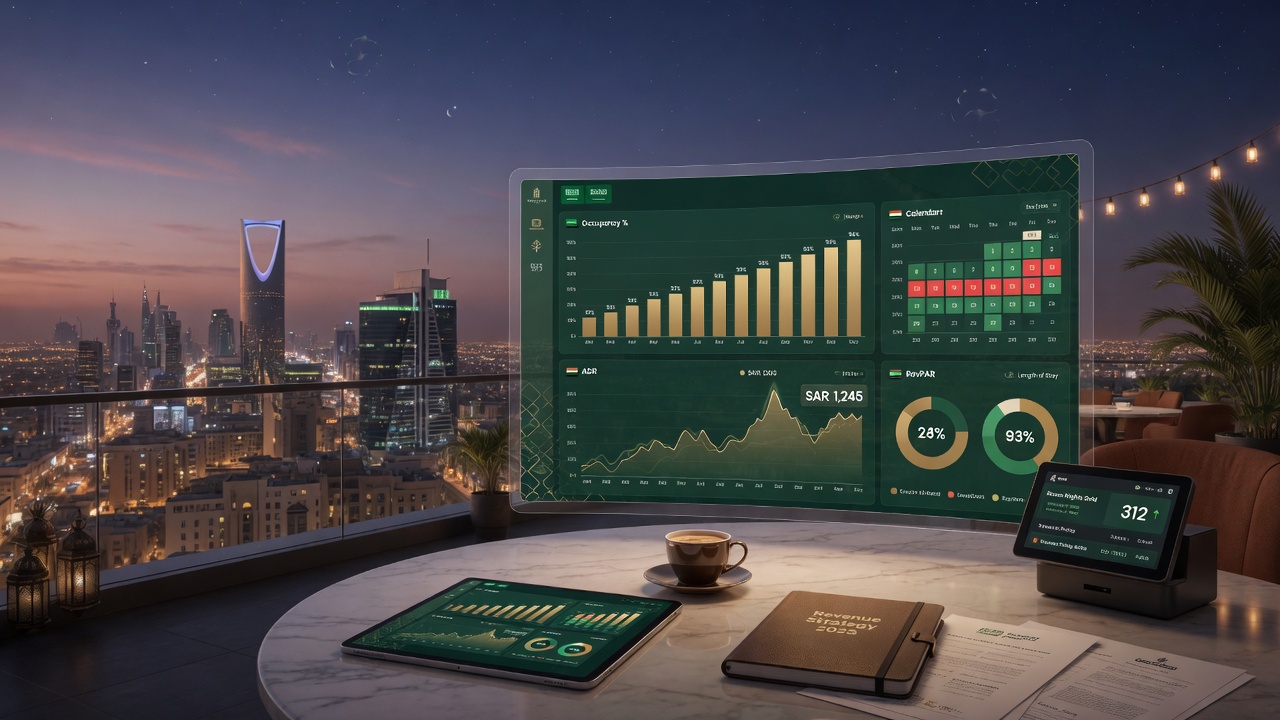
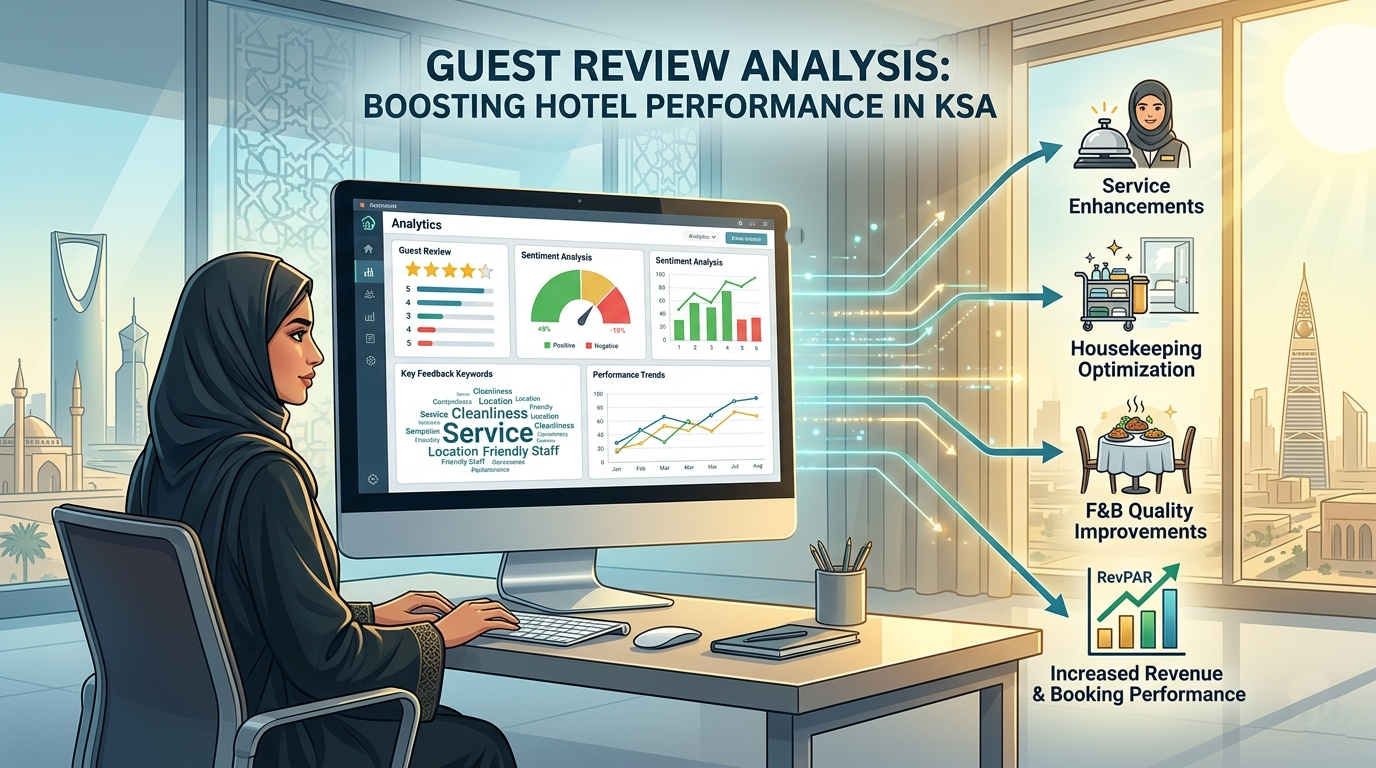
- Consolidated reporting dashboards: Live occupancy, ADR, RevPAR, and revenue by property, city, brand, or owner.
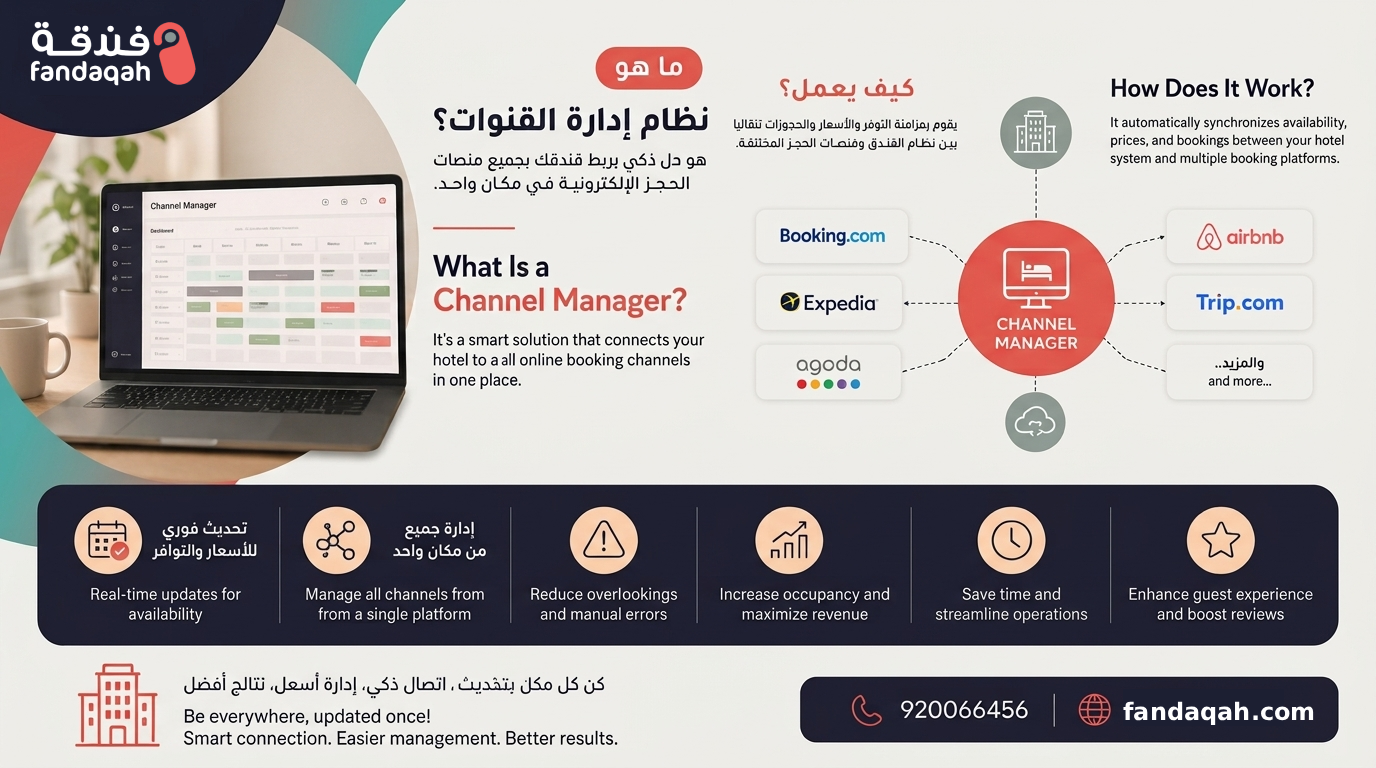
- Centralized integrations: One connection to your channel manager, booking engine, payment gateway, accounting software, and revenue management system, shared across all properties.
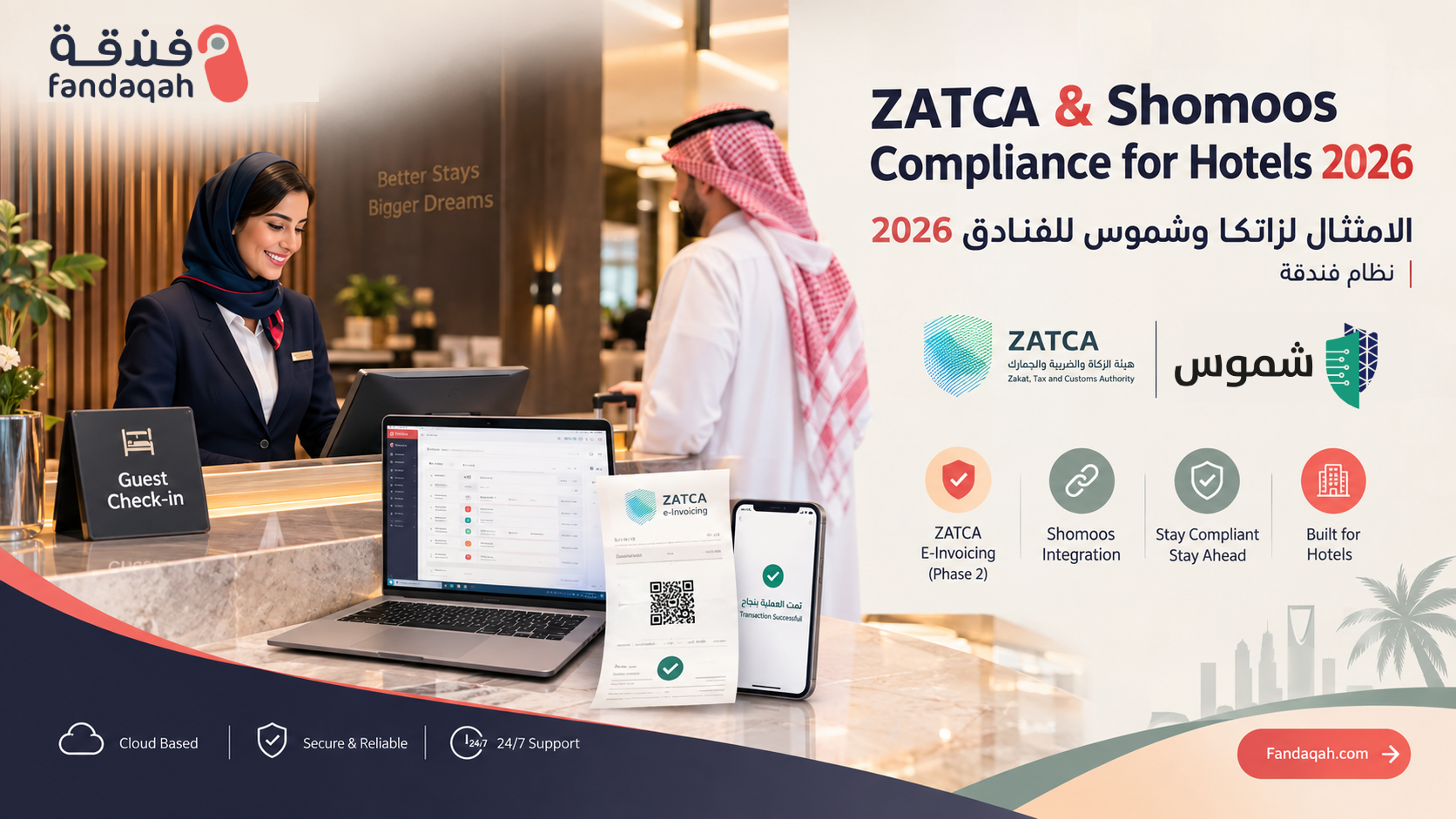
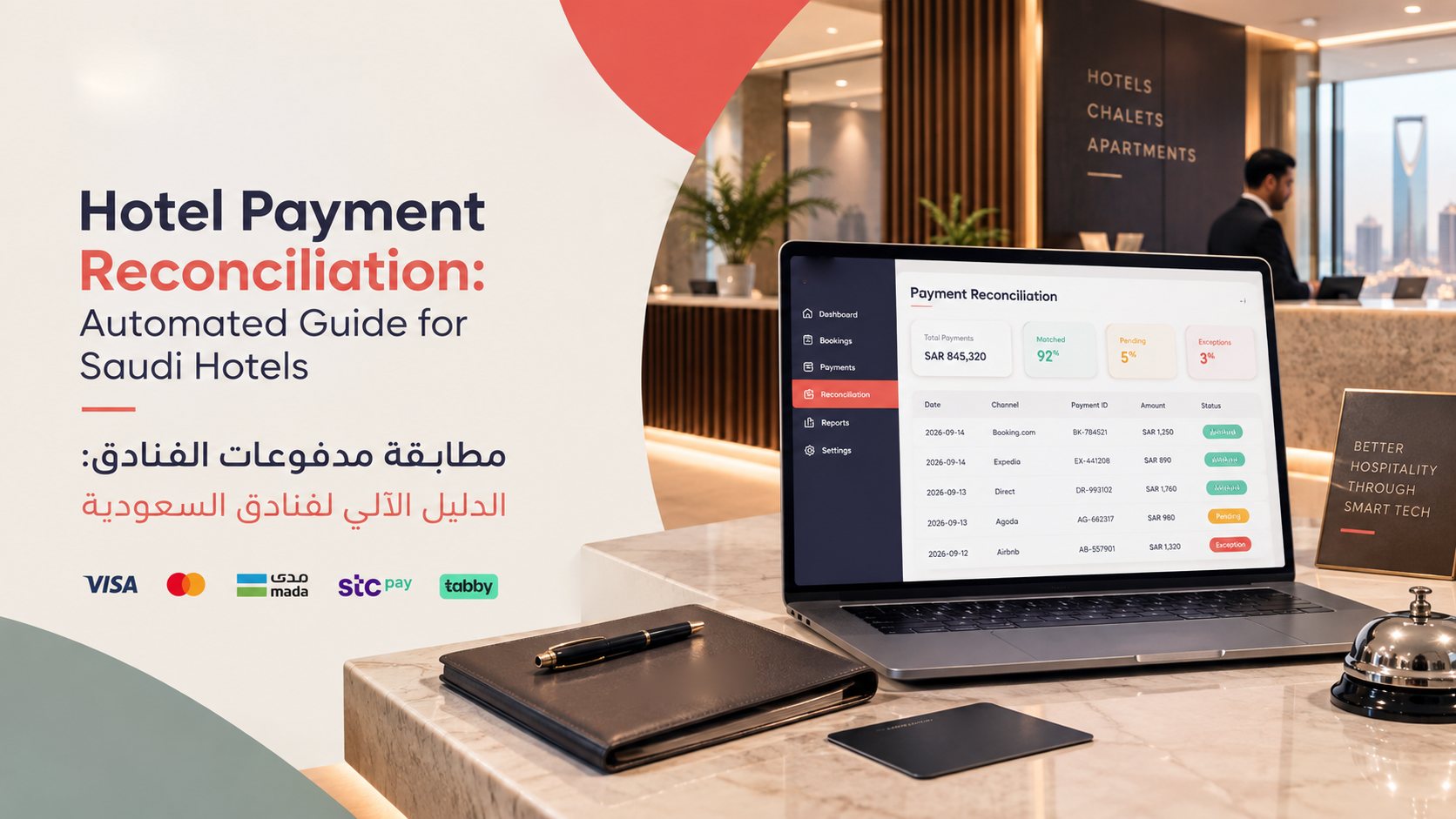
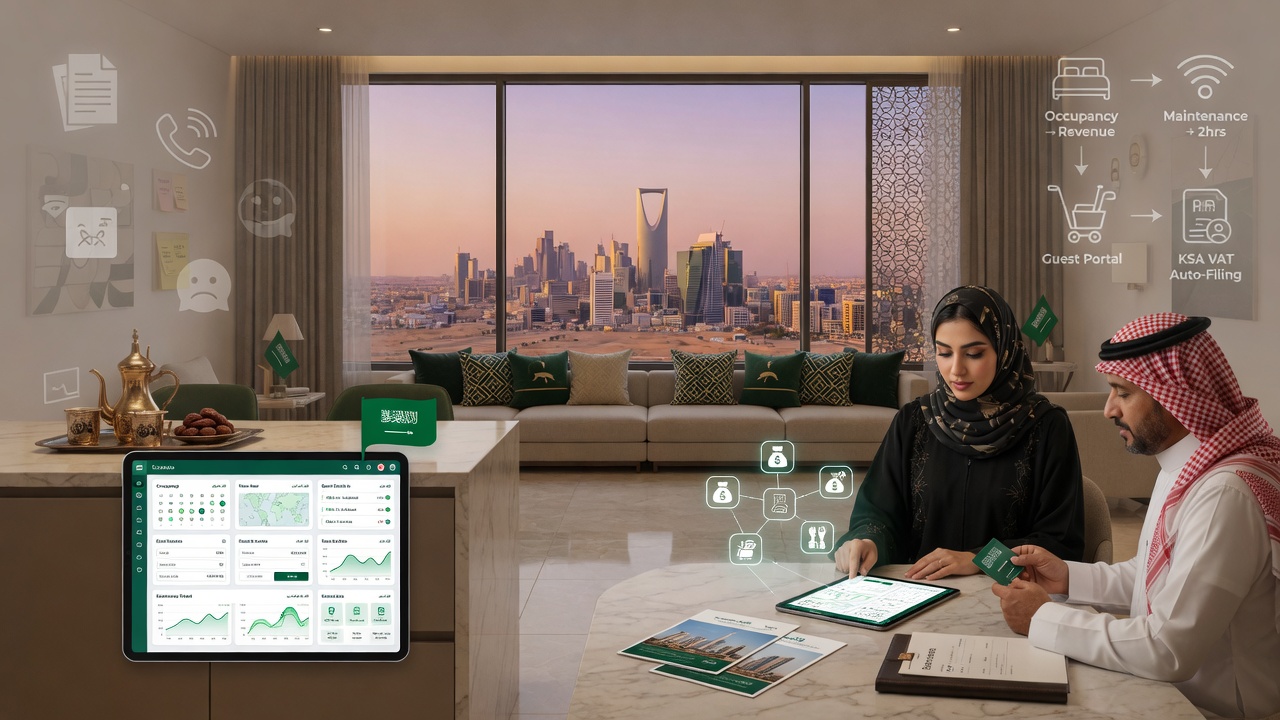
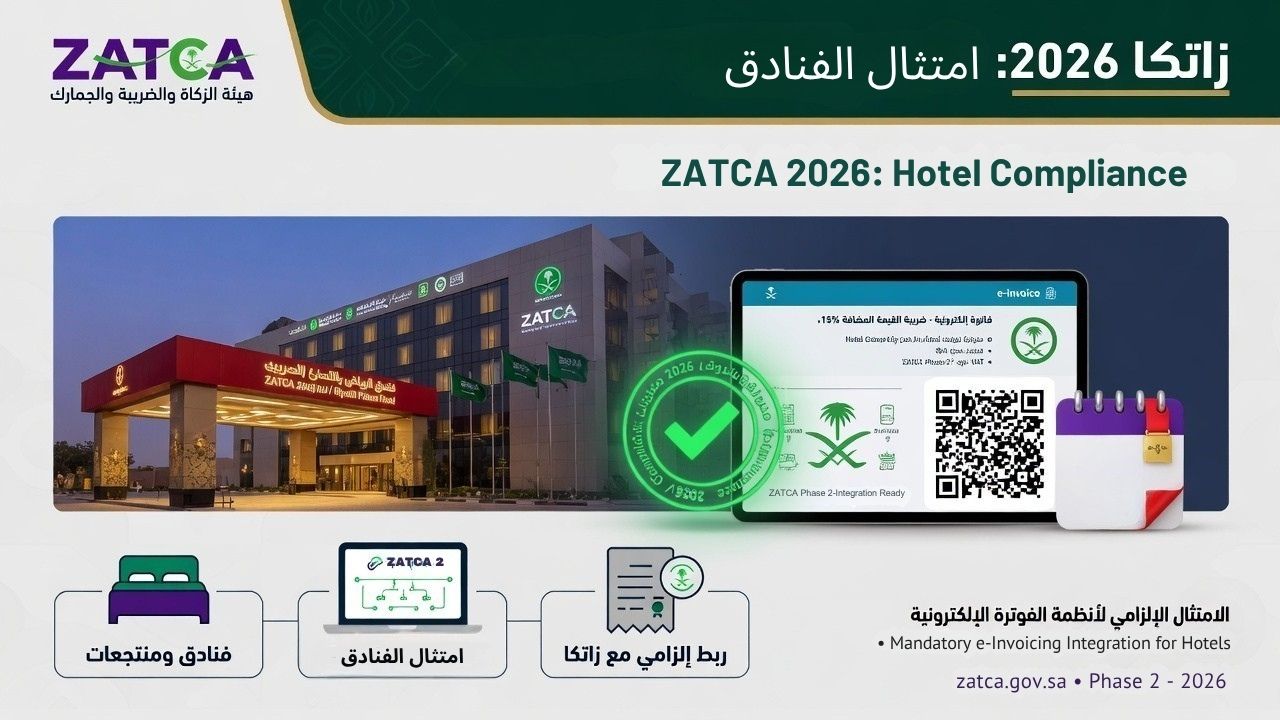
- Built-in compliance tooling: ZATCA Phase 2 (integration phase) e-invoicing, VAT handling, and tourism-authority reporting templates.
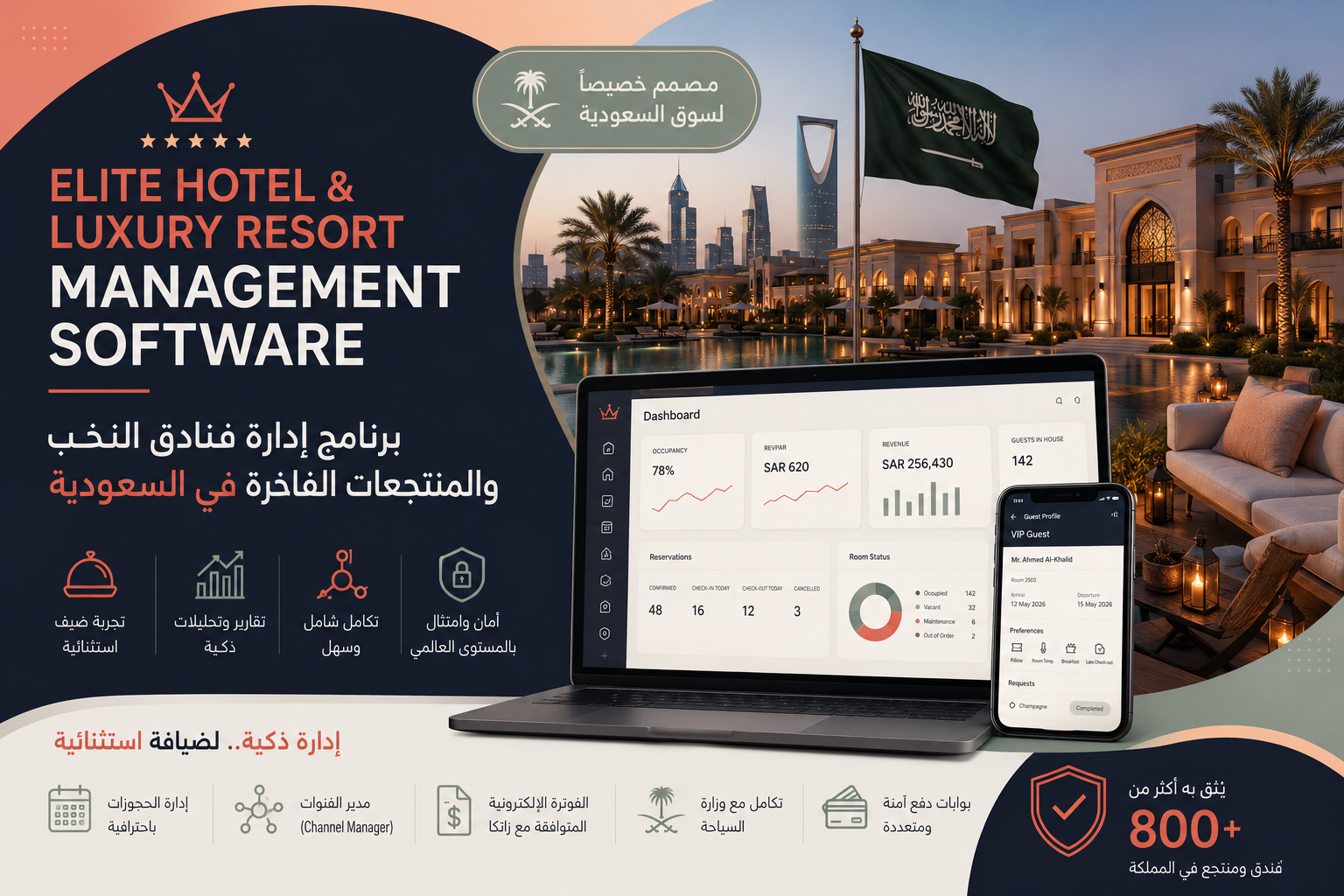
- Arabic and English interface: Full right-to-left support for staff and guest-facing documents.
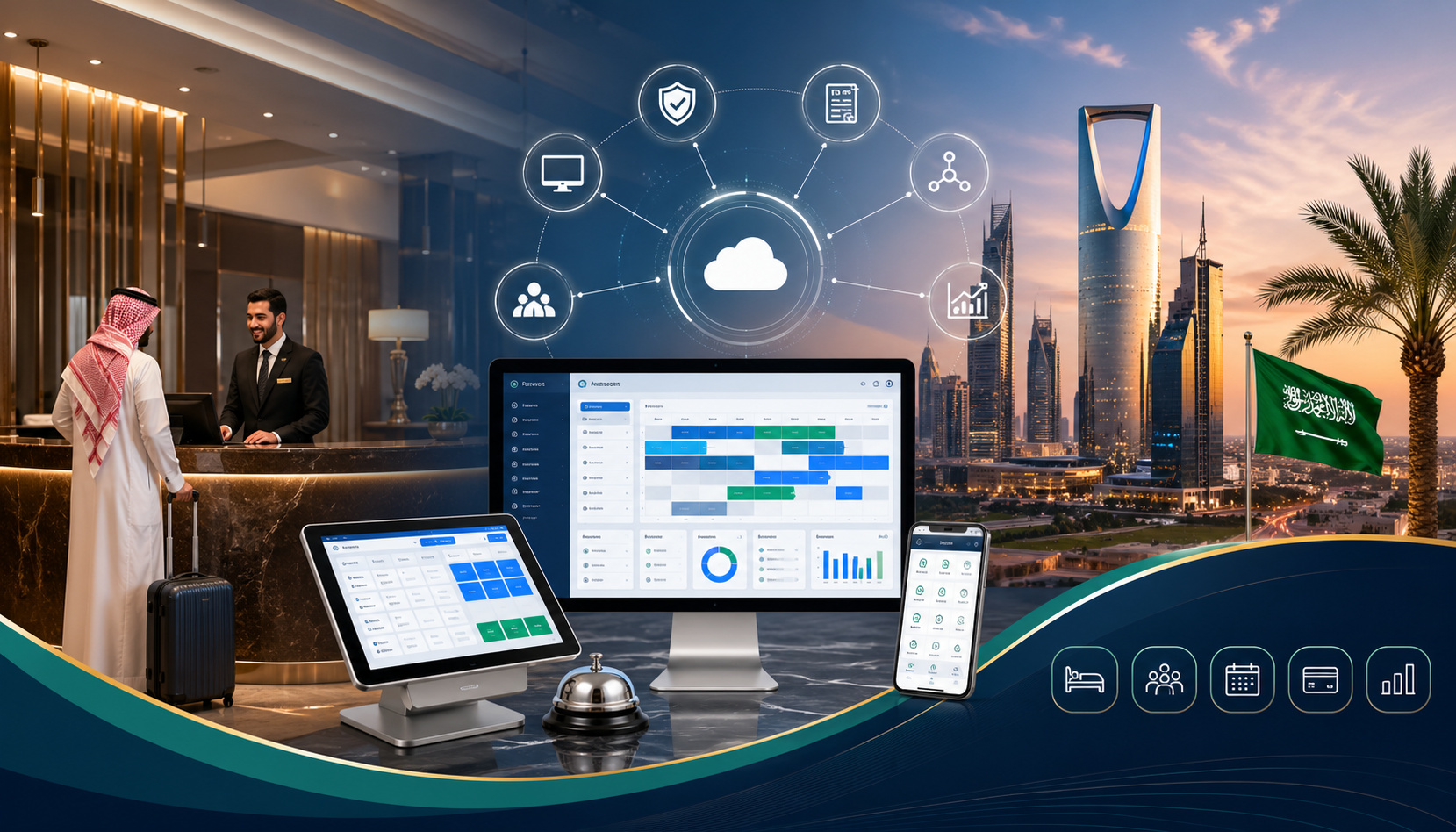
- Cloud architecture: A cloud PMS in Saudi Arabia removes on-premise servers at each site and gives head office real-time visibility from anywhere.
The business benefits in plain terms
- Lower operating cost: Fewer licences, fewer servers, fewer duplicate integrations, and less time spent on manual data entry.
- Higher revenue capture: Faster rate changes, fewer overbookings, and the ability to redirect demand to sister properties.
- Stronger guest loyalty: Recognition across the group turns a one-time Riyadh business traveller into a repeat guest in Jeddah and AlUla.
- Faster, safer compliance: One configuration for e-invoicing and reporting, monitored centrally.
- Scalability: Adding a new property becomes a configuration task measured in days, not a project measured in months.
"The real cost of a single-property PMS is not the licence fee. It is the thousand small decisions your team makes slowly, or not at all, because the information they need lives in another building."
— A principle every multi-property operator in the Kingdom eventually learns
Use Cases: How Multi-Property PMS Solves Real Problems for Hotels Serving Saudi Guests
The scenarios below are composites drawn from common patterns across the Saudi hospitality market. Names and figures are illustrative, but the problems and solutions are very real.
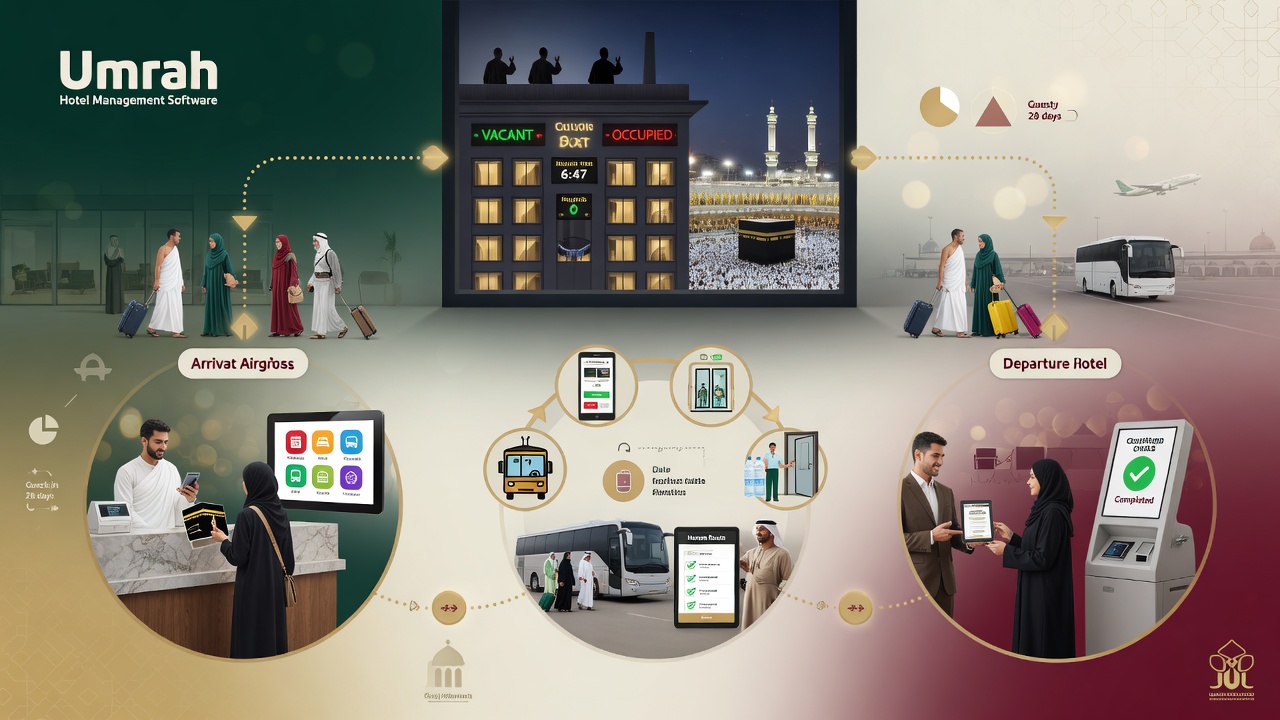
Use case 1: The Makkah and Madinah pilgrim operator
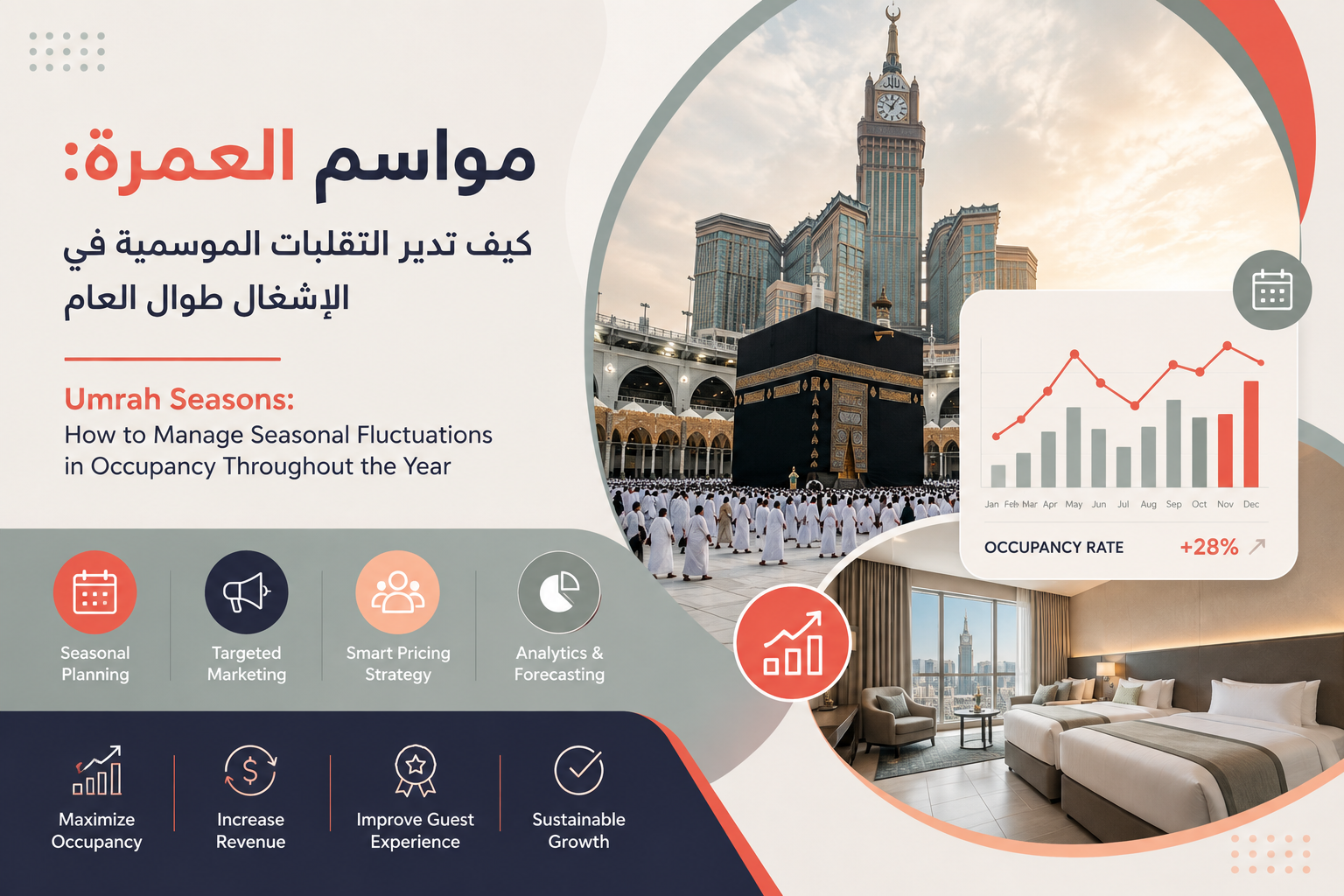
A family-owned group runs three hotels near the Haram in Makkah and two in Madinah. During Umrah season, demand spikes unpredictably as tour operators release and cancel blocks. With separate systems, the reservations team spent hours each day phoning between properties to find rooms for walk-in groups.
With a multi-property PMS: the central reservations desk sees live availability across all five hotels. When a 40-room group arrives in Makkah and only 25 rooms are free at the booked hotel, the remaining 15 are placed at the sister property 300 metres away in a single transaction, with one group folio and one invoice. Lost revenue from turned-away groups drops sharply, and the tour operator relationship strengthens because the group was never told "no."
Use case 2: The Riyadh corporate and events cluster
A management company operates four business hotels across Riyadh, serving corporate travellers, government delegations, and Riyadh Season visitors. Corporate accounts negotiated a single rate across all properties, but each hotel entered the rate manually, leading to billing disputes.
With a multi-property PMS: corporate rate codes are created once at group level and inherited by every property. The account manager sees total spend by company across the cluster, which makes annual negotiations fact-based. Government delegation bookings, which often shift between hotels at the last minute, are moved without re-entering guest data or re-issuing invoices.
Use case 3: The Red Sea and AlUla leisure portfolio
A newer operator manages boutique resorts in AlUla and on the Red Sea coast, with a planned opening in Jeddah. These properties serve a mix of Saudi domestic tourists and international visitors on multi-destination itineraries.
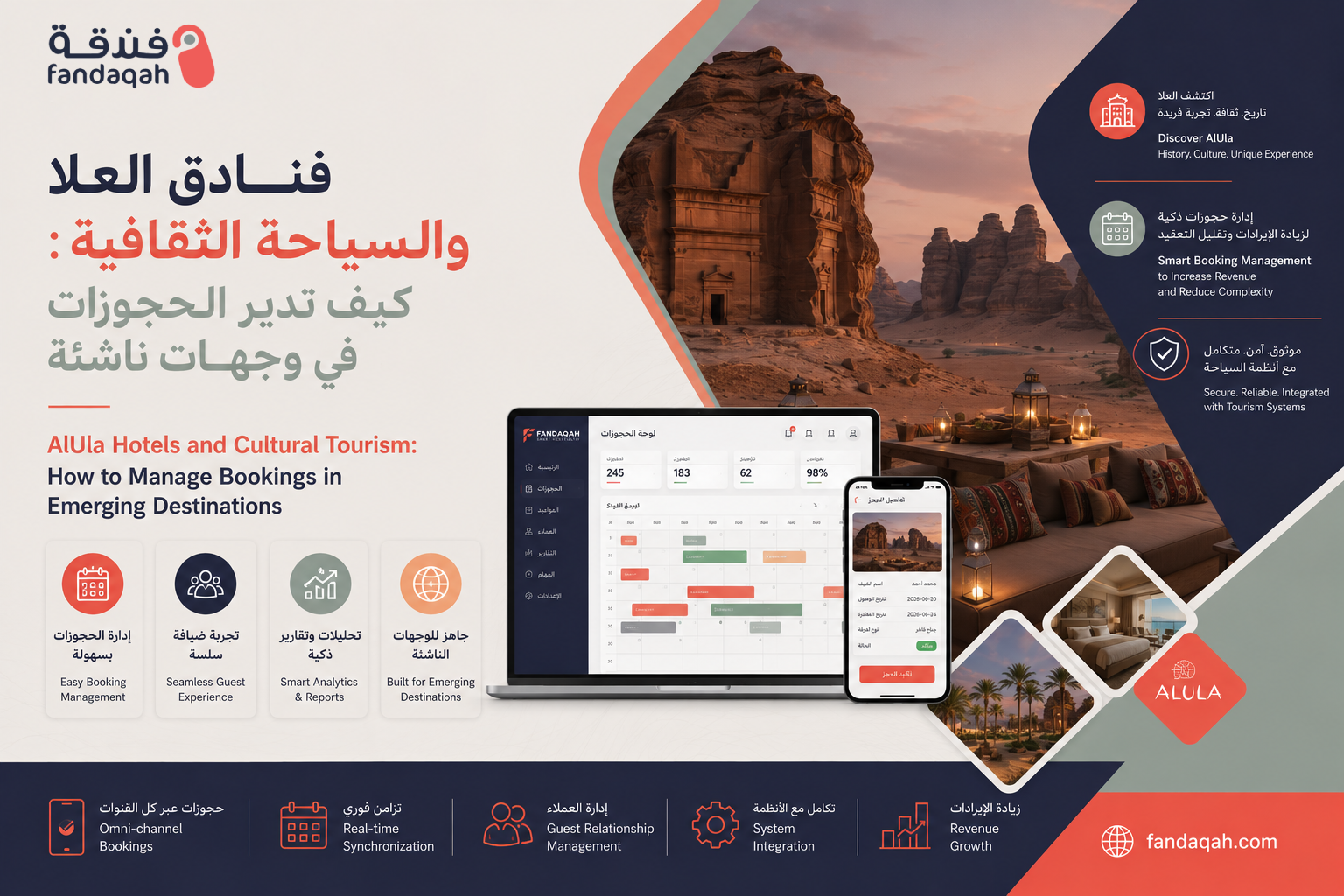
With a multi-property PMS: a Saudi family who stays in AlUla in winter is recognised when they book the Red Sea resort in spring. Their preference for connecting rooms, late check-out, and a specific dietary requirement follows them. The group builds a loyalty programme without a separate loyalty platform, because the unified guest profile already exists. When the Jeddah property opens, it is added to the system in days and inherits all integrations.
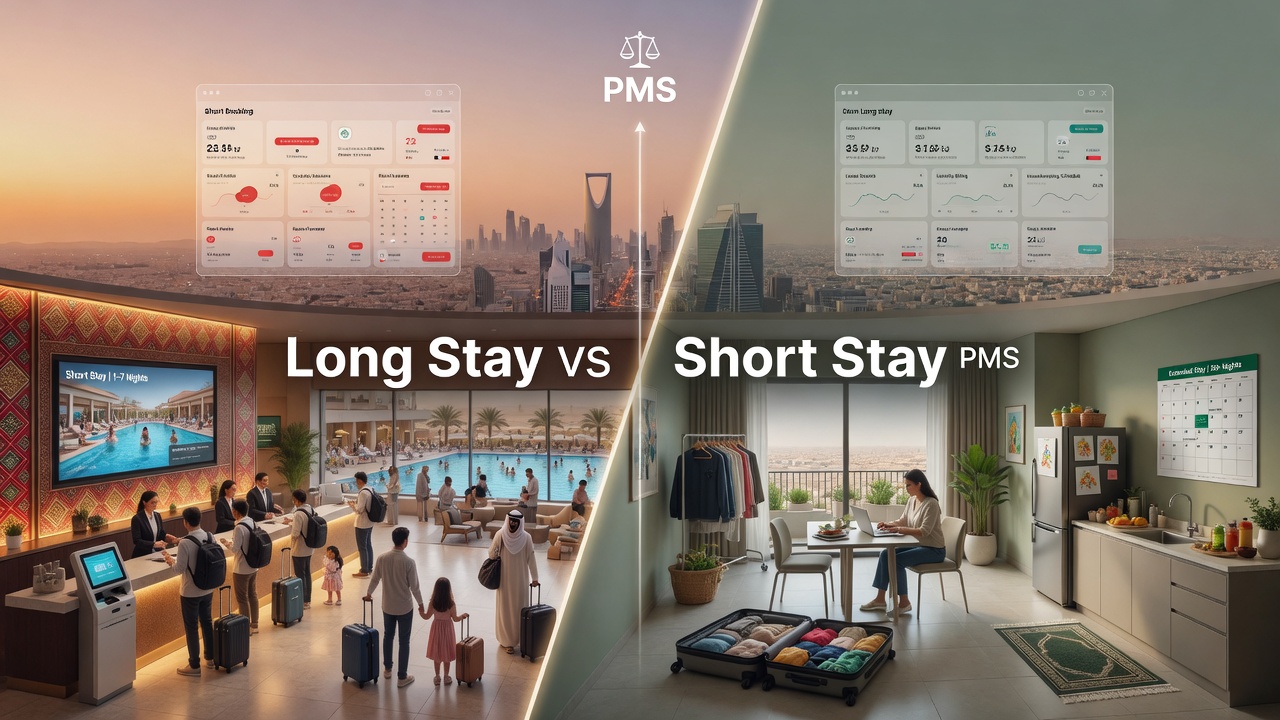
Use case 4: The serviced apartment operator with long-stay guests
An operator runs six branded apartment buildings across Riyadh, Dammam, and Khobar, serving relocating professionals and Saudi families on extended stays. Monthly invoicing, deposit handling, and ZATCA compliance were managed by six separate finance clerks.
With a multi-property PMS: recurring monthly invoices are generated centrally and submitted to ZATCA from one configured endpoint. Finance headcount is redeployed to guest service, and owner reports for each building are produced from the same dataset on the first business day of the month.
Note on evidence
When evaluating vendors, ask for Saudi-specific references: hotels of a similar size, in similar cities, with ZATCA Phase 2 live. Ask to see the consolidated dashboard with real (anonymised) data, not a demo environment. A vendor who cannot show you a working multi-property setup in the Kingdom should be treated with caution, no matter how polished the sales deck.
Comparison: Single-Property PMS vs Multi-Property PMS
The table below summarises the practical differences for a hotel group operating in Saudi Arabia. Use it as a reference when speaking with vendors or presenting the case to owners.
| Dimension |
Single-Property PMS (duplicated per site) |
Multi-Property PMS |
| Guest data |
Separate profiles at each hotel; duplicates common |
One profile per guest across the group |
| Rate updates |
Entered manually at each property |
Entered once; applied to selected properties |
| Cross-property moves |
Phone call, re-entry, new folio |
Single transaction, folio follows the guest |
| Group reporting |
Exports merged in spreadsheets; hours or days |
Live dashboard; seconds |
| Integrations |
One set per property (channel manager, payments, accounting) |
One set shared by all properties |
| ZATCA e-invoicing |
Configured and monitored per site |
Centrally configured, centrally monitored |
| Adding a new hotel |
New installation, new integrations, new training |
New property record; inherits integrations and templates |
| IT footprint |
Often on-premise servers at each hotel |
Cloud-hosted; browser access from any location |
| Best suited for |
Independent hotels with no expansion plans |
Groups of 2+ properties, or 1 property planning growth |
A note on the "stay put" option
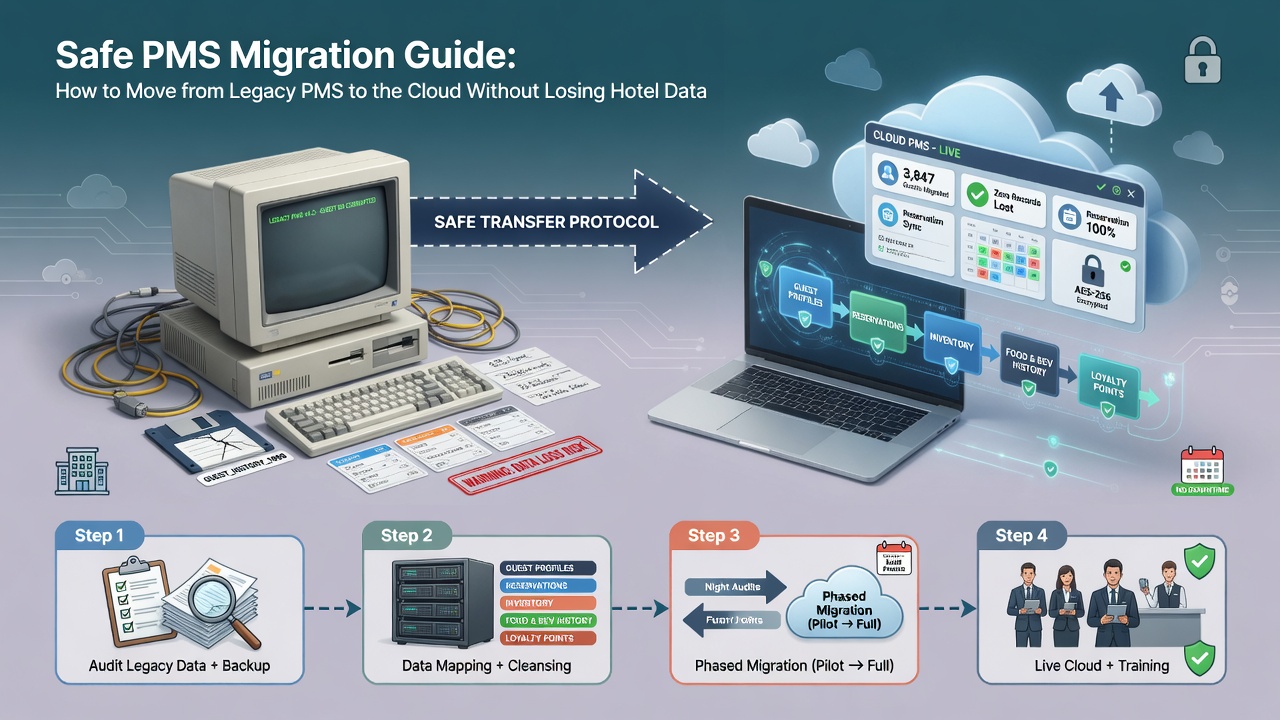
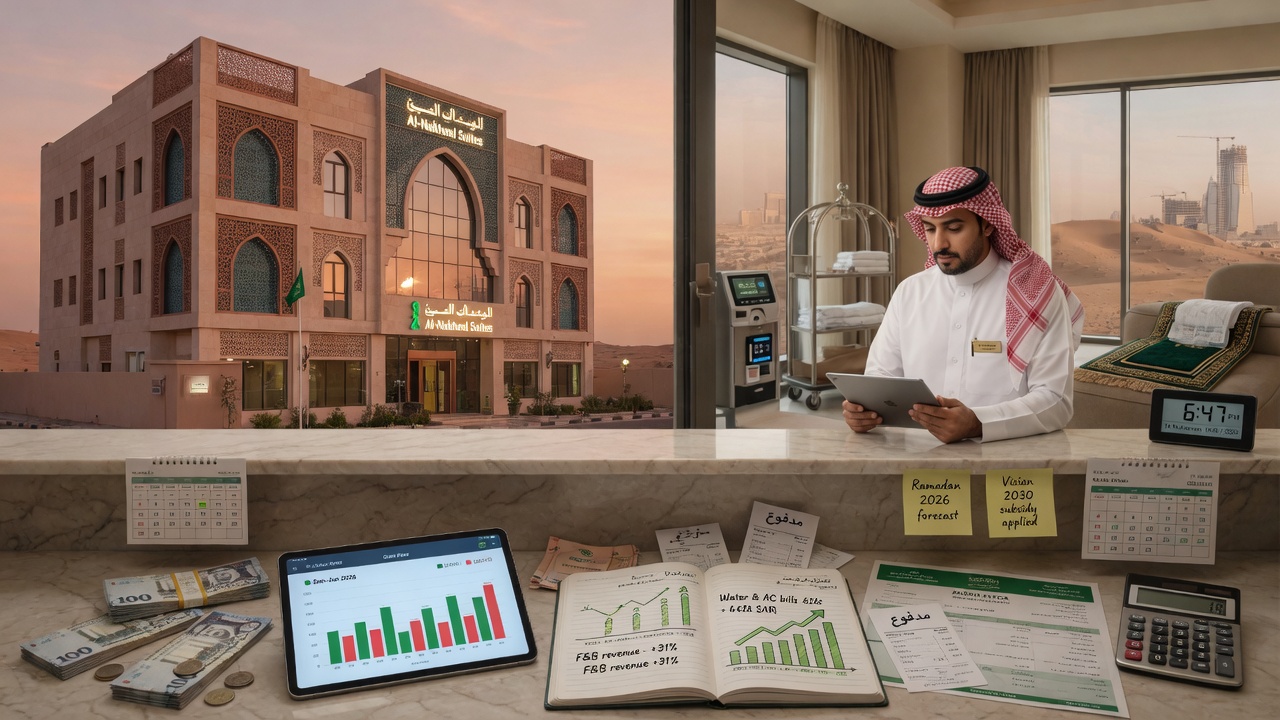
Switching systems is not free. Migration involves data cleansing, staff training, parallel running, and a period of reduced productivity. If your audit score is low and you have no expansion plans, staying on a well-run single-property PMS is a perfectly rational choice. The goal of this guide is not to push every hotel toward migration, but to help you recognise the moment when the cost of staying exceeds the cost of moving.
Future Trends: Vision 2030 and the Next Generation of Hotel Technology in Saudi Arabia
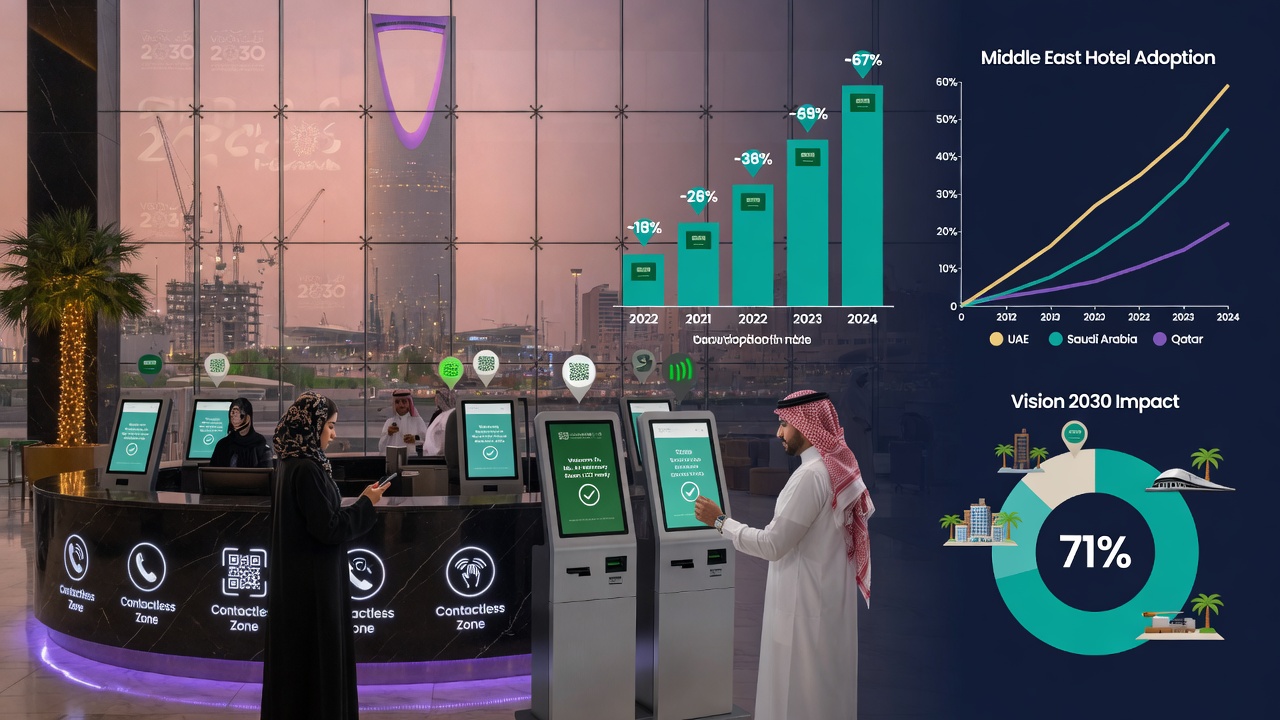
Saudi Arabia's Vision 2030 places tourism at the centre of economic diversification. The National Tourism Strategy, the giga-projects, and a rapidly expanding domestic travel culture are reshaping what guests expect and what regulators require. Here is how those forces will affect your PMS decision over the next few years.
1. Portfolio growth will be the norm, not the exception
With the pipeline of new hotel keys concentrated in a handful of destinations, many operators will find themselves managing clusters within a single city or region. Multi-property architecture will become a baseline requirement rather than an enterprise luxury.
2. Digital identity and seamless check-in
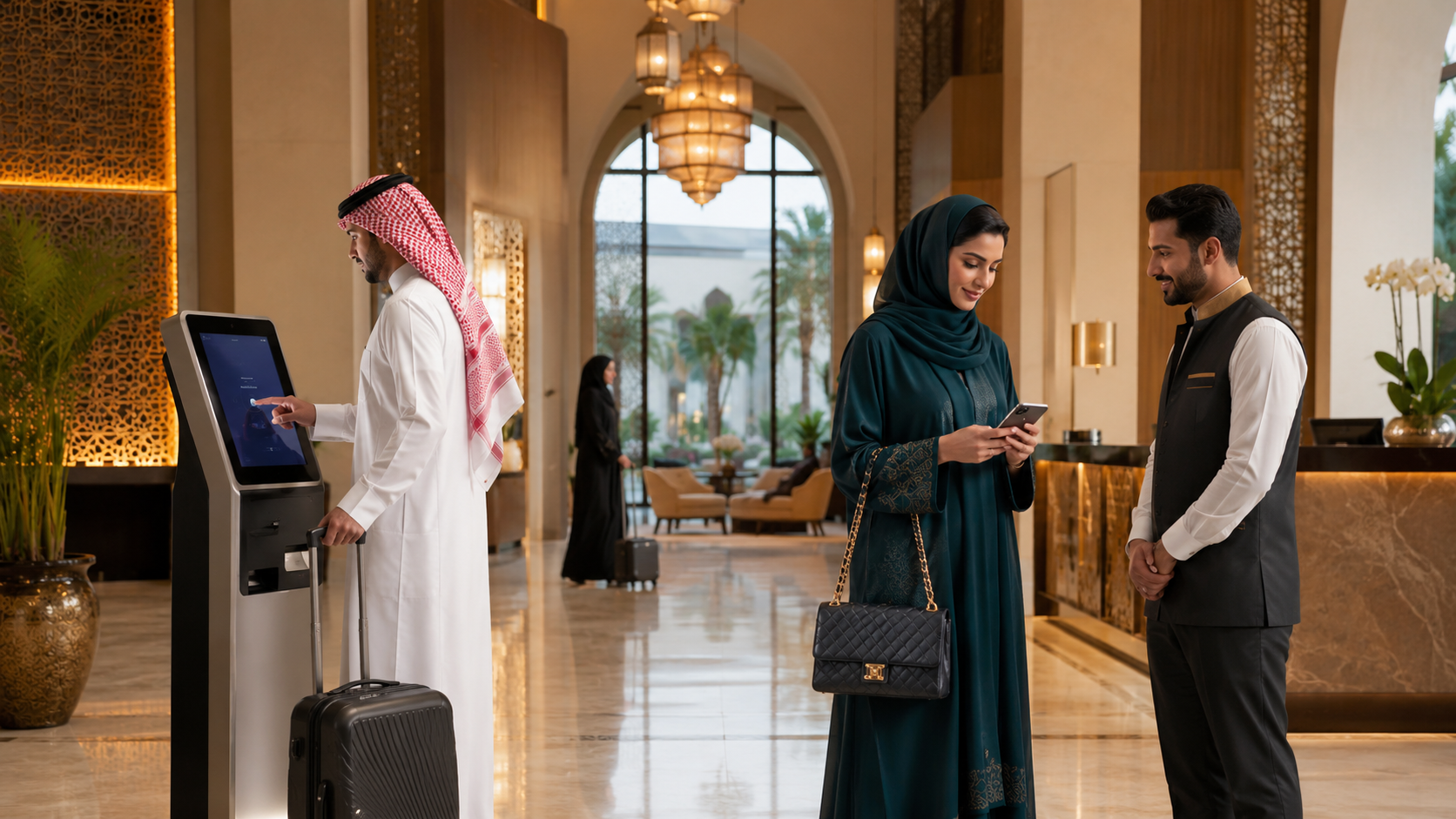
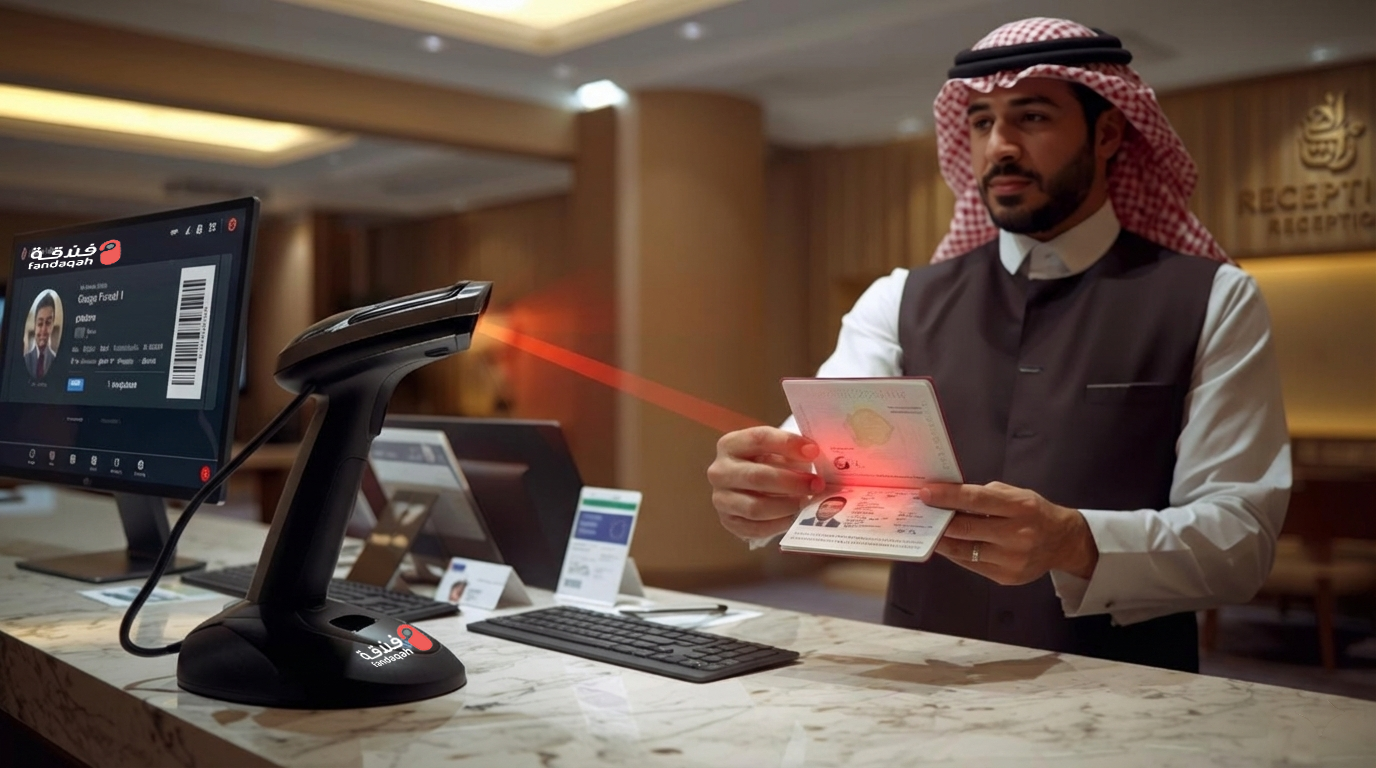
National digital identity platforms such as Absher and Nafath, together with the growing expectation of mobile check-in, mean guest data will increasingly flow directly into your PMS. A central guest database makes it possible to verify a guest once and recognise them everywhere.
3. Tighter, more automated compliance
ZATCA's e-invoicing waves continue to expand, and tourism authorities are moving toward more frequent, digital reporting of occupancy and guest statistics. Operators with centralised data will meet these requirements with configuration changes; operators with fragmented data will meet them with overtime.
4. Data-driven revenue management across destinations
As Saudi travellers combine Riyadh business trips with AlUla weekends and Red Sea holidays, the operators who can see demand patterns across their whole portfolio will price more intelligently. Cross-property data is the raw material for this kind of revenue strategy.
5. Saudization and the talent equation
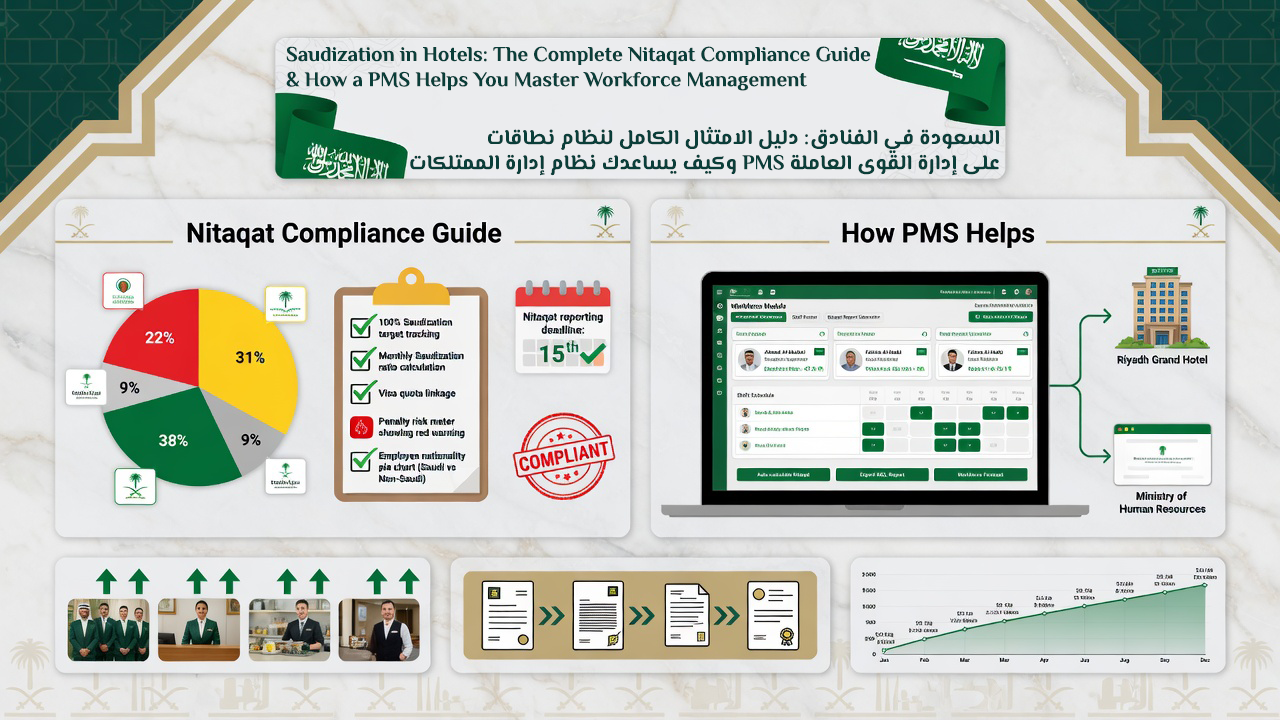
Growing a skilled Saudi hospitality workforce is a national priority. Centralised systems reduce repetitive data entry and let staff focus on guest-facing roles, which makes hospitality careers more attractive and training more consistent across properties.
Pro Tip
When you shortlist vendors, ask how they handle Hijri calendar dates, Arabic-language guest documents, SAR-first pricing with VAT inclusive display, and data hosting location. These four details separate platforms that were truly built for the Saudi market from platforms that were simply translated.
Frequently Asked Questions About Multi-Property PMS for Hotels in Saudi Arabia
What is a multi-property PMS?
A multi-property PMS is a hotel property management system that manages reservations, guests, rates, housekeeping, and billing for several hotels from a single central database. Each property keeps its own identity and settings, but head office gains unified reporting, shared guest profiles, and centralised control.
When should a hotel group switch to a multi-property PMS?
The clearest signal is operating two or more properties while still updating rates, guest data, and reports manually at each site. If your 30-minute audit score is 4 or higher, or if you plan to open another property within 18 months, it is time to evaluate multi-property hotel software.
Can a multi-property PMS handle ZATCA e-invoicing in Saudi Arabia?
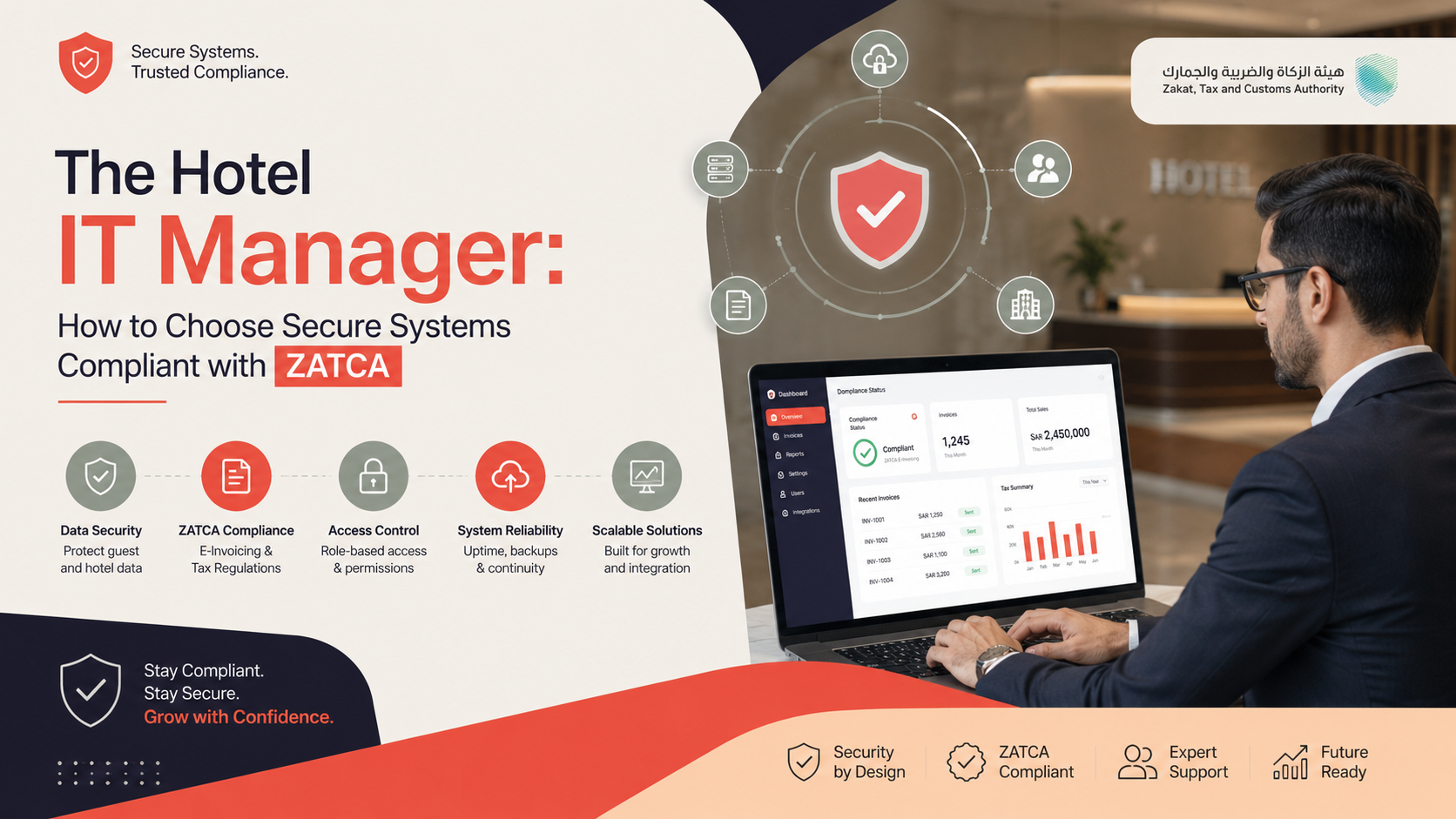
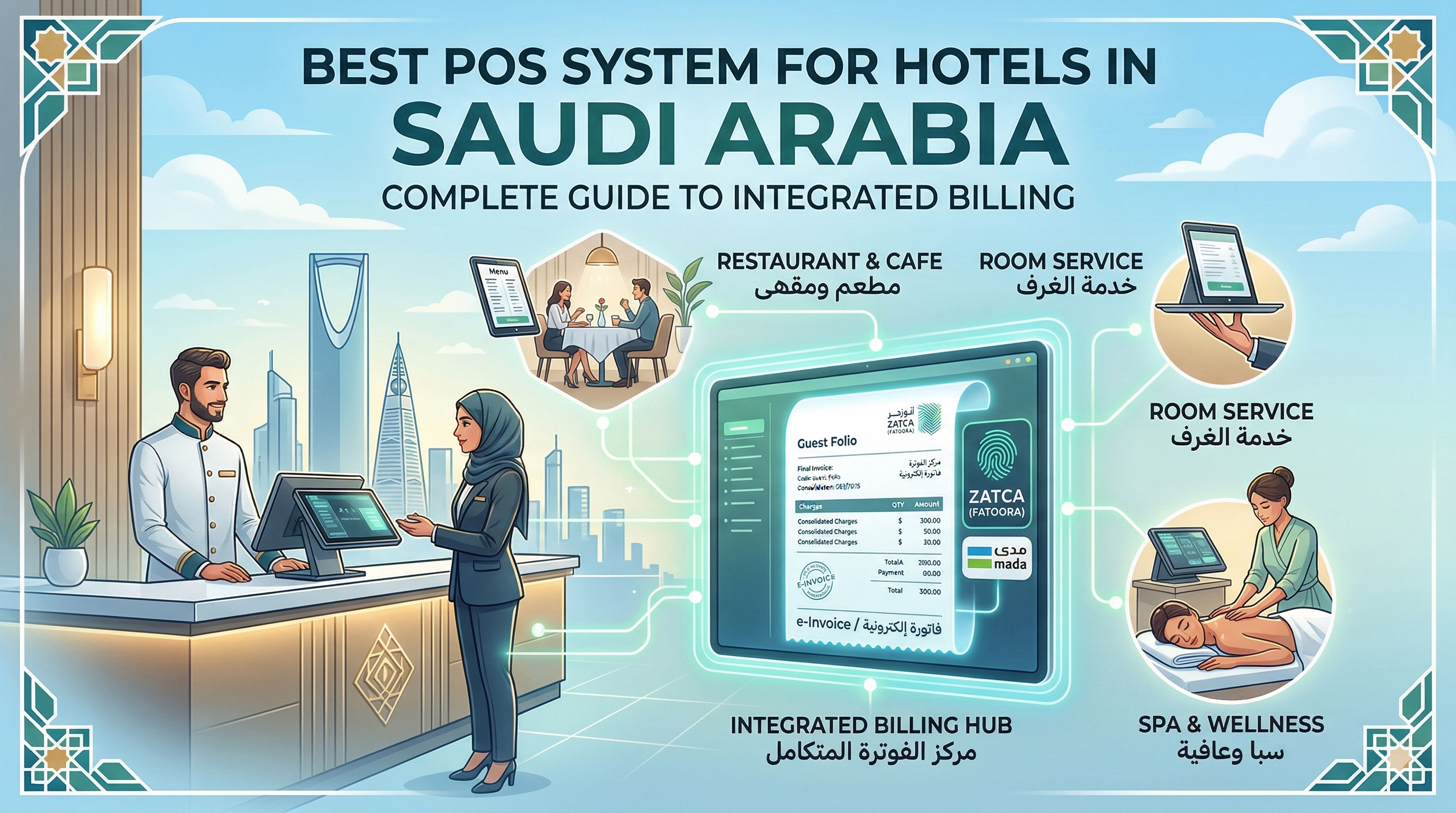
Leading platforms serving the Kingdom support ZATCA Phase 2 (integration phase) e-invoicing, including QR codes, UUIDs, and clearance or reporting of invoices. The advantage of a multi-property system is that this is configured and monitored once for all properties rather than separately at each hotel. Always confirm the vendor's ZATCA status before signing.
How long does a PMS migration take for a hotel group?
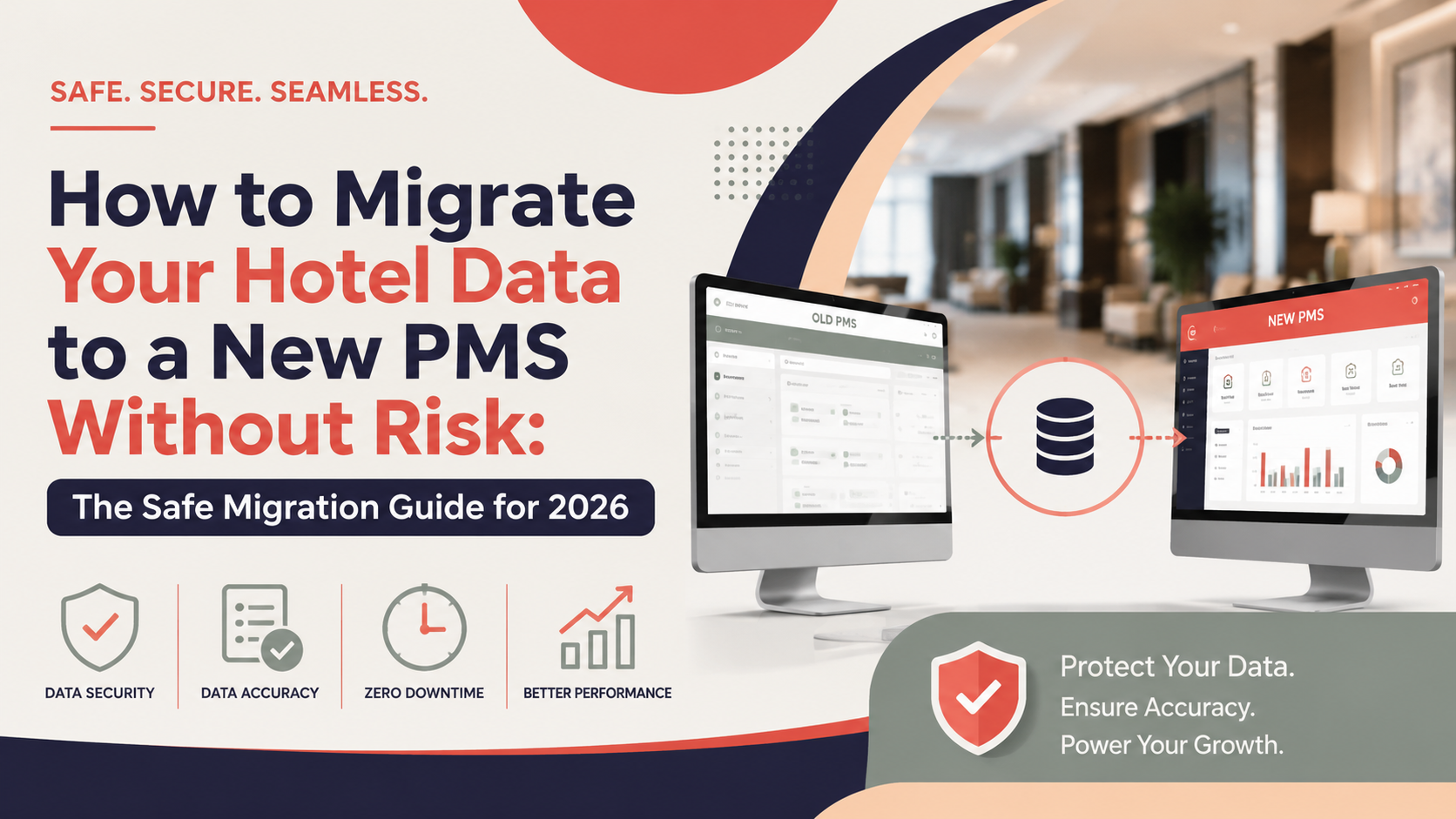
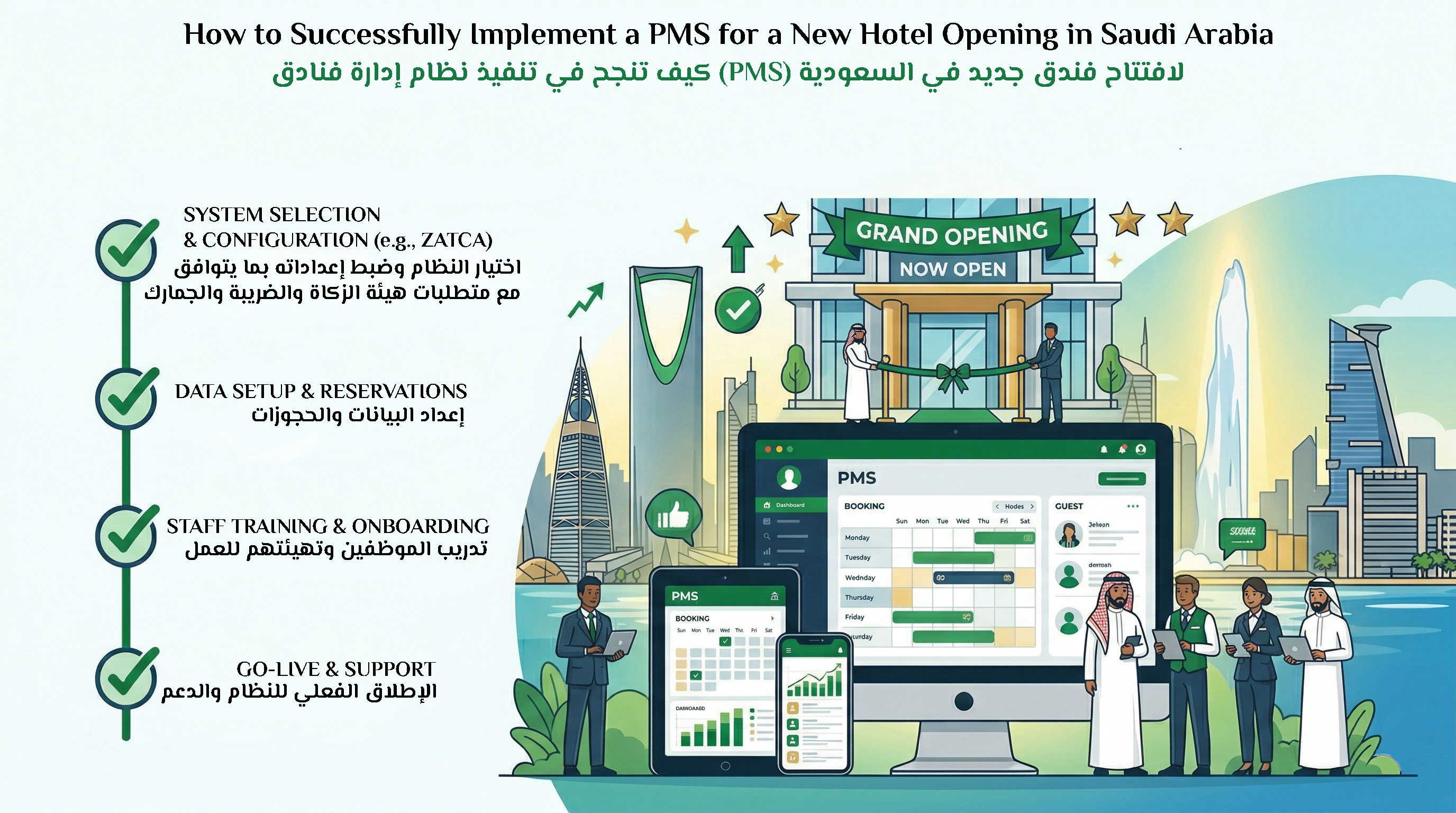
For a group of three to six properties, a well-planned migration typically takes two to four months from contract to full go-live, including data cleansing, configuration, staff training, and a phased rollout property by property. Larger portfolios or complex integrations may take longer. Avoid scheduling go-live during Ramadan, Hajj, or major events.
Is a cloud PMS secure enough for hotels in Saudi Arabia?
Reputable cloud PMS providers offer encryption, role-based access, audit logs, and regular backups that exceed what most individual hotels maintain on-premise. For compliance with the Saudi Personal Data Protection Law, ask vendors where guest data is hosted and how cross-border transfers are handled.
What is the difference between a multi-property PMS and a central reservation system (CRS)?
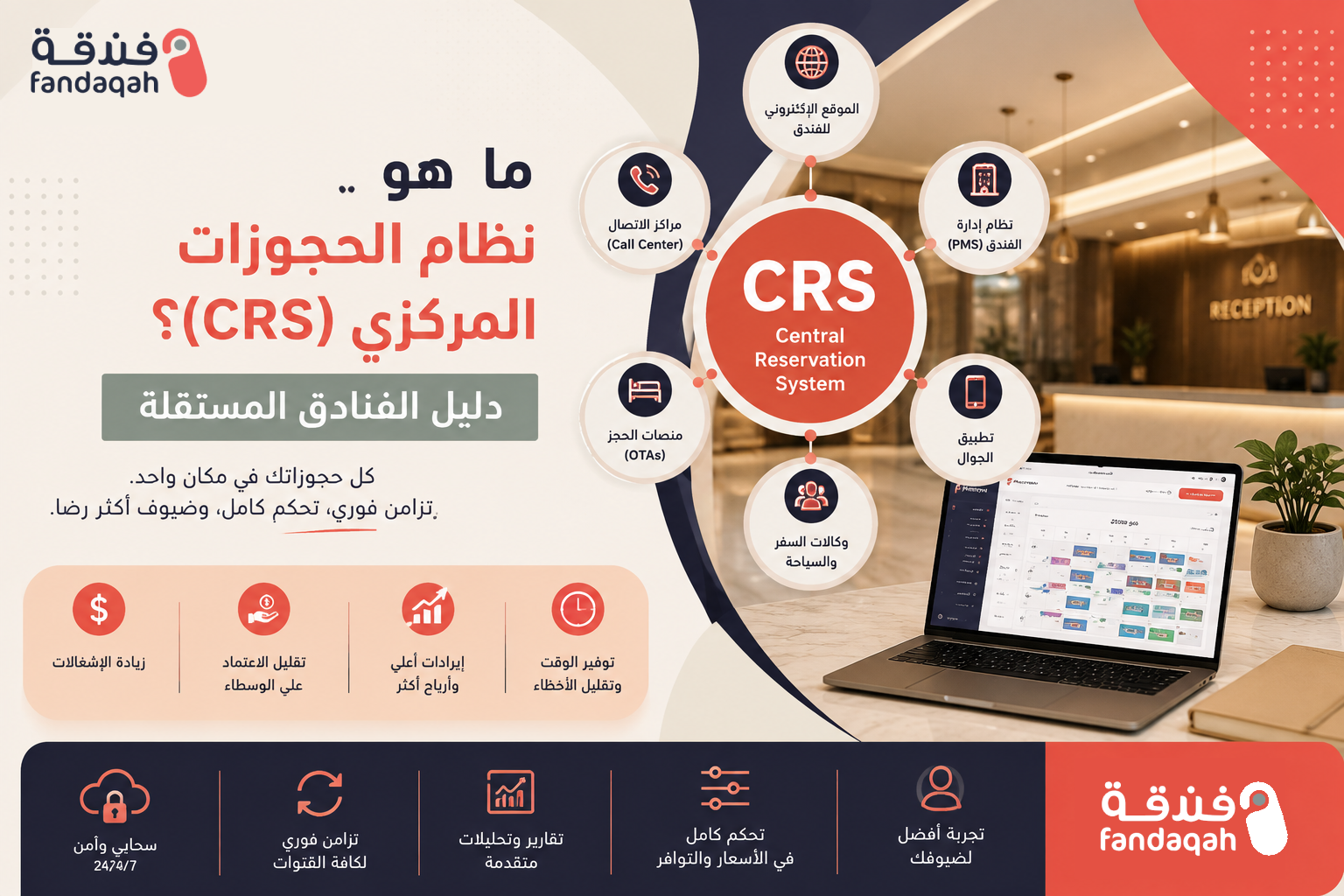
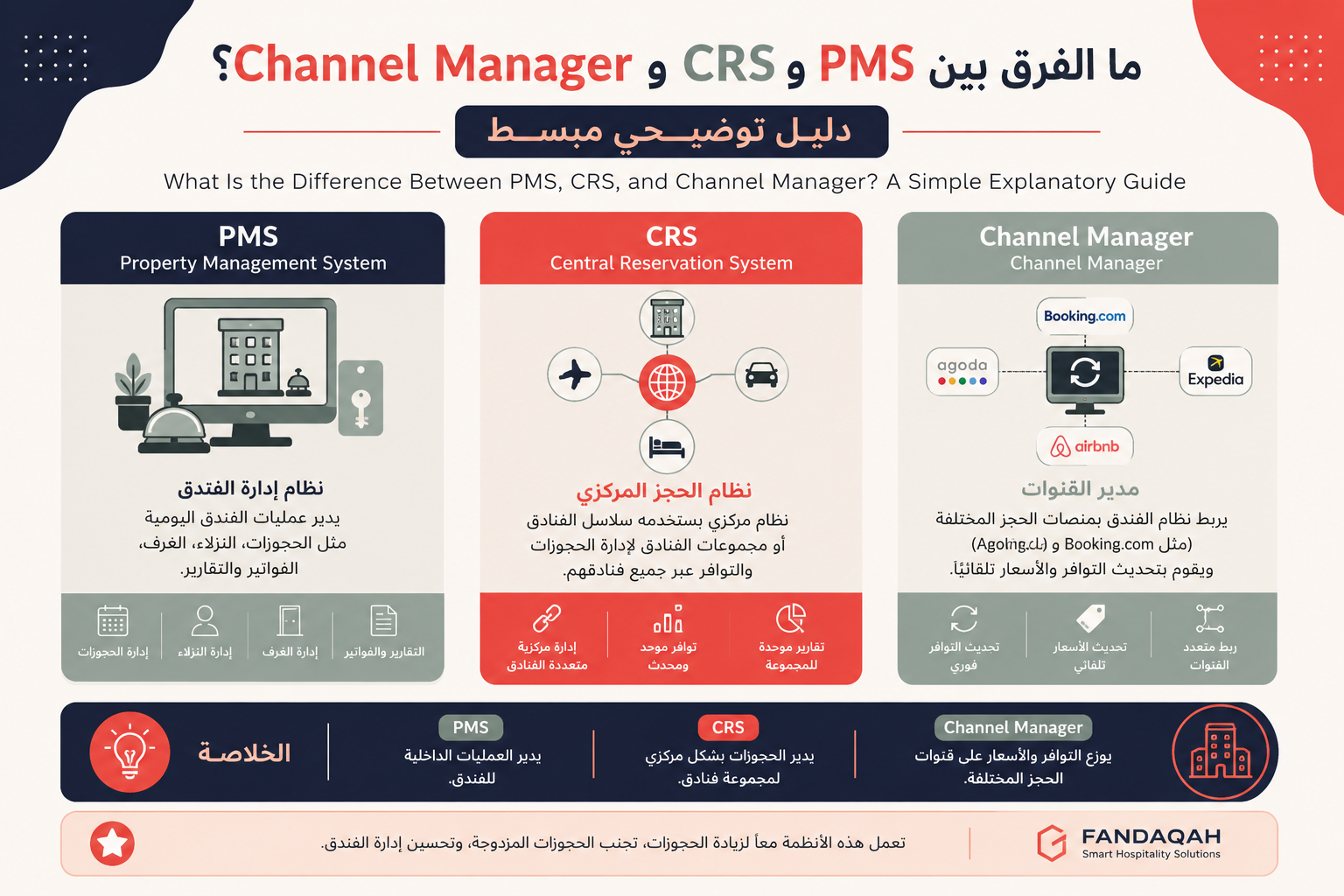
A CRS focuses on distributing inventory and taking bookings across properties. A multi-property PMS does that and also runs daily operations: check-in, housekeeping, folios, and invoicing. Many modern platforms combine both, but it is important to confirm that operational functions, not just reservations, are centralised.
Does a multi-property PMS work for serviced apartments and hotel apartments?
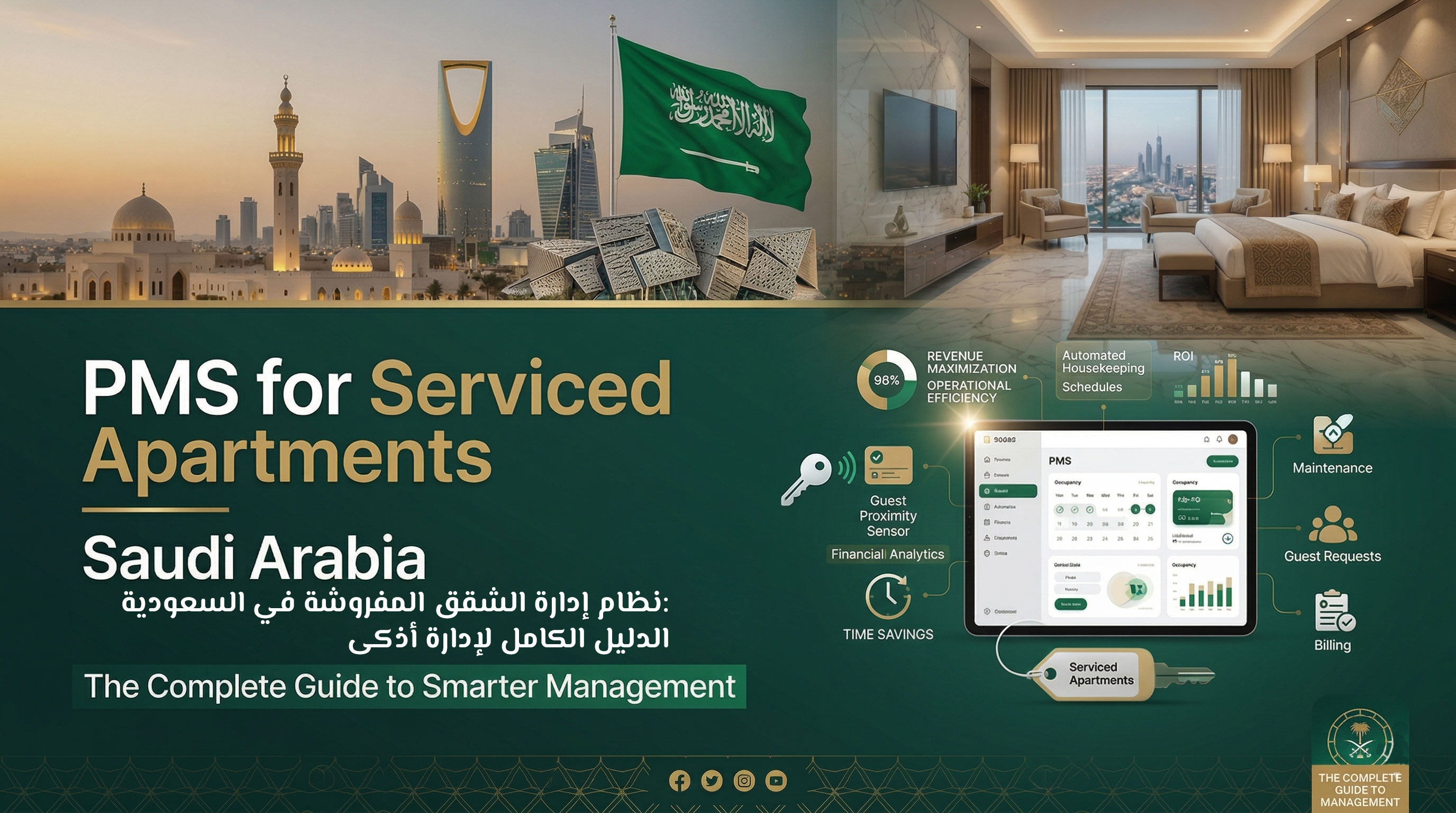
Yes. Serviced apartment operators in Saudi Arabia benefit especially from centralised recurring invoicing, long-stay rate plans, and consolidated owner reporting. Confirm that the platform supports monthly billing cycles and deposit management.
How much does a multi-property PMS cost compared to separate systems?
Pricing models vary, but most cloud multi-property platforms charge per room per month with volume discounts across the group. When comparing, include the hidden costs of your current setup: duplicate integrations, on-premise hardware, IT support at each site, and staff hours spent on manual consolidation. Many groups find the total cost of ownership is lower after migration.
Conclusion: Run the Audit, Then Decide With Confidence
The decision to move to a multi-property PMS for hotels in Saudi Arabia should not be driven by vendor pressure or by frustration after one bad month. It should be driven by evidence. The 30-minute audit in this guide gives you that evidence: ten honest questions about operations, guests, revenue, finance, and compliance.
If your score is low, you have confirmed that your current system is serving you well, and you can revisit the question when growth plans change. If your score is high, you now have a structured, owner-ready case for change, backed by a clear comparison of single property vs multi-property PMS and grounded in the realities of serving Saudi guests under Vision 2030.
Either way, you have replaced uncertainty with a plan. In a market moving as fast as the Kingdom's hospitality sector, that clarity is worth far more than thirty minutes.
Ready to Run Your 30-Minute PMS Audit?
Gather your GM, revenue lead, and finance manager this week. Score your properties on the ten questions above. Then book a demo with a vendor who can show you a live multi-property setup serving Saudi hotels, with ZATCA e-invoicing already in production.
Request a Multi-Property PMS Consultation
Ask for Saudi references, a consolidated dashboard demo, and a migration timeline that avoids your peak season.
Tags
multi-property PMS for hotels in Saudi Arabia, hotel property management system Saudi Arabia, multi-property hotel software, centralized hotel management, hotel group PMS, cloud PMS Saudi Arabia, hotel chain management software, PMS migration checklist, Saudi hospitality technology, hotel operations audit, when to switch to a multi-property PMS, 30-minute hotel PMS audit, signs your hotel needs a multi-property PMS, single property vs multi-property PMS, best PMS for hotel groups serving Saudi guests, Vision 2030 hotel technology, ZATCA e-invoicing hotel PMS, Makkah hotel management software, Riyadh hotel PMS, serviced apartment PMS Saudi Arabia, unified guest profile hotels, hotel revenue management Saudi Arabia