Your Complete Guide to Complying with the Personal Data Protection Law and Building Guest Trust in the Kingdom
Every guest who walks through your hotel lobby entrusts you with something more valuable than their luggage — their personal data. In Saudi Arabia, that trust is now legally protected by the Personal Data Protection Law (PDPL), enforced by the Saudi Data and Artificial Intelligence Authority (SDAIA). For hoteliers across Riyadh, Jeddah, Makkah, and beyond, PDPL compliance is no longer optional — it is a legal mandate, a competitive differentiator, and a cornerstone of guest confidence in an increasingly digital hospitality landscape.
This comprehensive roadmap walks you through exactly what PDPL hotel compliance in Saudi Arabia means for your property, how to align your operations with SDAIA hospitality regulations, and why getting data privacy right can become your strongest marketing asset under Saudi Vision 2030. Whether you operate a boutique hotel in AlUla or a 500-room chain property in the capital, this guide equips you with actionable steps to protect guest data, avoid severe penalties, and build lasting loyalty.
What Is the PDPL and Why Does It Matter for Hotels?
The Personal Data Protection Law (PDPL), issued by Royal Decree No. M/19 and amended by Royal Decree No. M/148, establishes a comprehensive framework for how personal data must be collected, processed, stored, and destroyed within the Kingdom of Saudi Arabia. Enforced by SDAIA — the Saudi Data and Artificial Intelligence Authority — the law applies to any entity that processes personal data inside the Kingdom, including every hotel, resort, and serviced apartment operator.
For the hospitality sector specifically, Saudi data privacy law for hotels carries profound implications. Consider the sheer volume of sensitive guest information your property handles daily:
- ● Passport numbers and national ID details collected at check-in
- ● Credit card information and billing addresses processed through your PMS
- ● Contact details submitted through your direct booking engine
- ● Special requests revealing health conditions, dietary restrictions, or accessibility needs
- ● CCTV footage from lobby areas, corridors, and parking facilities
- ● Loyalty program profiles containing stay histories and personal preferences
⚠ Key Insight: Under PDPL, your hotel is considered a "data controller" — meaning you determine the purposes and means of processing personal data. This places the primary legal responsibility squarely on your shoulders. Your PMS provider, channel manager, or booking engine vendor may act as a "data processor," but the accountability for compliance ultimately rests with you as the hotel operator.
Core PDPL Requirements Every Saudi Hotelier Must Know
Understanding the PDPL requirements for hospitality begins with recognizing the law's foundational principles. SDAIA has modeled much of the framework on globally recognized standards, but with specific provisions tailored to the Saudi context. Here are the non-negotiable obligations your hotel must meet:
1. Lawful Basis for Data Processing
You may only process guest personal data if you have a valid legal basis. For hotels, the most common bases are explicit consent (obtained at booking or check-in), contractual necessity (fulfilling a reservation), and legitimate interest (such as fraud prevention). Critically, consent must be freely given, specific, informed, and unambiguous — pre-ticked boxes buried in terms and conditions will not satisfy SDAIA auditors.
2. Data Minimization and Purpose Limitation
Collect only the personal data you genuinely need. If you ask for a guest's date of birth to verify age eligibility for a promotional rate, you cannot then use that information for unrelated marketing without separate consent. Personal data protection in hotels KSA demands discipline: every data field in your PMS should have a clearly documented purpose.
3. Data Subject Rights
Guests have enforceable rights under PDPL, including the right to access their data, request corrections, and — in certain circumstances — demand deletion. Your front desk and reservations teams must be trained to recognize and escalate these requests promptly. The law mandates responses within specified timeframes, and failure to comply can trigger regulatory action.
4. Cross-Border Data Transfer Restrictions
If your hotel uses a cloud PMS hosted outside Saudi Arabia — or if guest data flows to an international chain's central reservation system — you must ensure the destination country offers adequate protection or that appropriate safeguards are in place. Cross-border data transfer rules for Saudi hotels are among the most stringent provisions, and non-compliance carries severe penalties.
5. Data Breach Notification
In the event of a data breach involving guest personal information, hotels must notify SDAIA within the legally mandated timeframe. Data breach notification requirements for Saudi hospitality are strict: delays can compound penalties, and attempting to conceal a breach is treated as an aggravating factor. Having an incident response plan is no longer best practice — it is a compliance necessity.
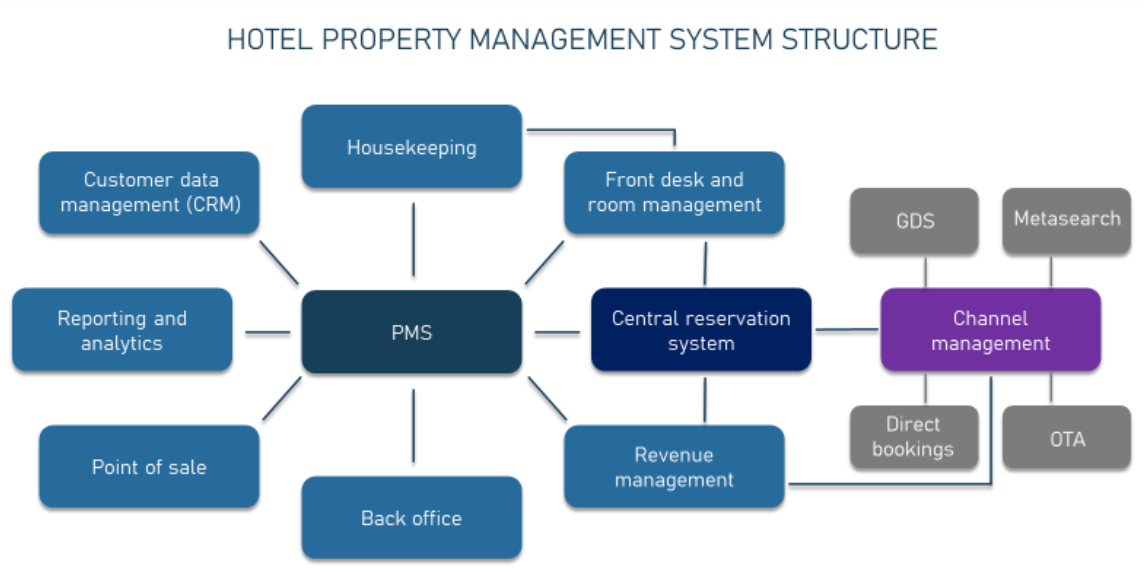
Pro Tip: Map your data flows before SDAIA asks. Create a simple diagram showing every touchpoint where guest data enters your hotel systems — from the online booking form and Wi-Fi login portal to the restaurant reservation tablet and spa intake form. Knowing where data lives is the first step toward controlling it.
PDPL Compliance Roadmap: A Hotelier's Checklist
| Compliance Area |
Action Required |
Priority Level |
Hotel Department Responsible |
| Data Mapping & Inventory |
Document all guest data collection points, storage locations, and processing activities across PMS, CRM, and third-party tools. |
Critical |
IT / Operations Manager |
| Consent Management |
Implement clear, granular consent mechanisms at booking, check-in, and for marketing communications. |
Critical |
Front Office / Marketing |
| Privacy Policy Update |
Draft and publish a PDPL-compliant privacy policy in both Arabic and English, covering all guest-facing touchpoints. |
High |
Legal / General Manager |
| Vendor Due Diligence |
Review contracts with PMS providers, channel managers, and booking engines for PDPL-aligned data processing agreements. |
High |
Procurement / IT |
| Staff Training Program |
Conduct mandatory PDPL awareness training for all employees who handle guest data, including housekeeping and F&B staff. |
Ongoing |
HR / Department Heads |
| Incident Response Plan |
Develop and test a data breach response protocol including SDAIA notification procedures and guest communication templates. |
Ongoing |
IT / Crisis Management Team |
Step-by-Step PDPL Implementation for Saudi Hotels
Achieving SDAIA compliance in hospitality requires a structured, phased approach. The following roadmap is designed specifically for hotel operators in the Kingdom — from independent properties to multi-property groups — and accounts for the unique operational realities of Saudi Arabia's hospitality sector.
Phase 1: Discovery and Gap Analysis (Weeks 1–4)
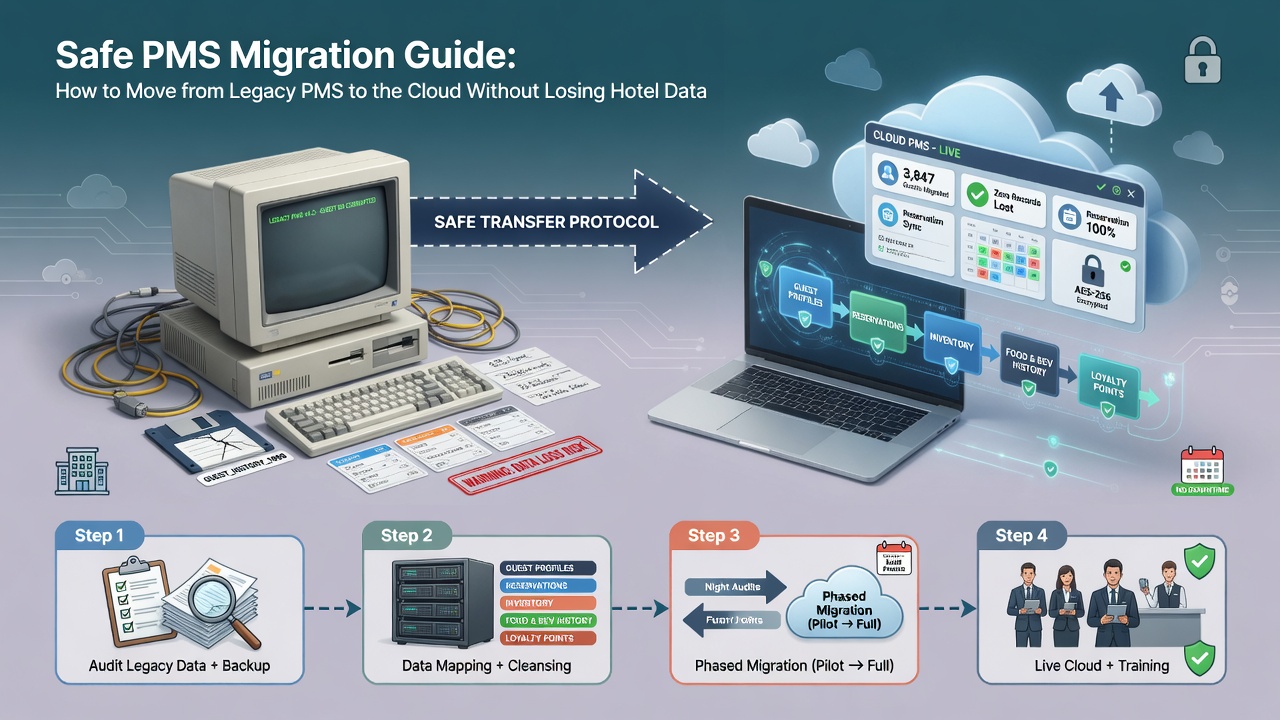
Begin by forming a small compliance task force led by your General Manager or Operations Director. Conduct a thorough audit of all guest data touchpoints: your property management system (PMS), channel manager, direct booking engine, Wi-Fi authentication portal, email marketing platform, and even physical registration cards stored in filing cabinets. Map every data flow and identify gaps against PDPL requirements. This is also the moment to review your hotel PMS data compliance status — many legacy systems lack adequate encryption, access controls, or data minimization features.
Phase 2: Policy and Documentation (Weeks 5–8)
With your gap analysis complete, draft the essential documentation: a public-facing privacy policy (in both Arabic and English), an internal data protection policy for staff, and a data processing agreement template for your technology vendors. Your privacy policy must clearly explain what personal data you collect, why you collect it, how long you retain it, and how guests can exercise their rights. This is the cornerstone of PDPL consent management for hospitality — transparency builds trust, and trust drives direct bookings.
Phase 3: Technical Safeguards (Weeks 9–14)
Implement technical measures to protect guest data. At minimum, this includes encryption for data at rest and in transit, role-based access controls within your PMS, multi-factor authentication for all administrative accounts, and secure backup protocols. If your property is considering a cloud migration, now is the time to evaluate cloud security for hotels in Saudi Arabia and ensure your provider offers data residency within the Kingdom or in jurisdictions recognized as adequate by SDAIA.
Phase 4: Training and Culture (Ongoing)
The strongest technical safeguards mean nothing if a front desk agent leaves a guest's passport copy on an unattended desk or a reservations clerk emails unencrypted credit card details. Build a culture of data stewardship through regular, role-specific training. Housekeeping staff should understand their obligations when they encounter guest documents in rooms; F&B teams must know how to handle dietary restriction data sensitively. This is how hotel guest data security in Saudi Arabia becomes embedded in your daily operations rather than treated as an annual compliance checkbox.
"Data protection in hospitality is not about saying 'no' to innovation. It is about saying 'yes' to guest trust. Every Saudi hotelier who embraces PDPL as an opportunity rather than a burden will find themselves with a powerful competitive advantage — because trust is the most valuable currency in our industry."
— Industry Insight from Saudi Hospitality Compliance Specialists
PDPL in Action: Saudi Hospitality Use Cases
Understanding how PDPL hotel compliance in Saudi Arabia plays out in real-world scenarios helps translate legal requirements into operational reality. Here are four common situations Saudi hoteliers face and how to handle them compliantly:
Use Case 1: The Pilgrim Group Booking
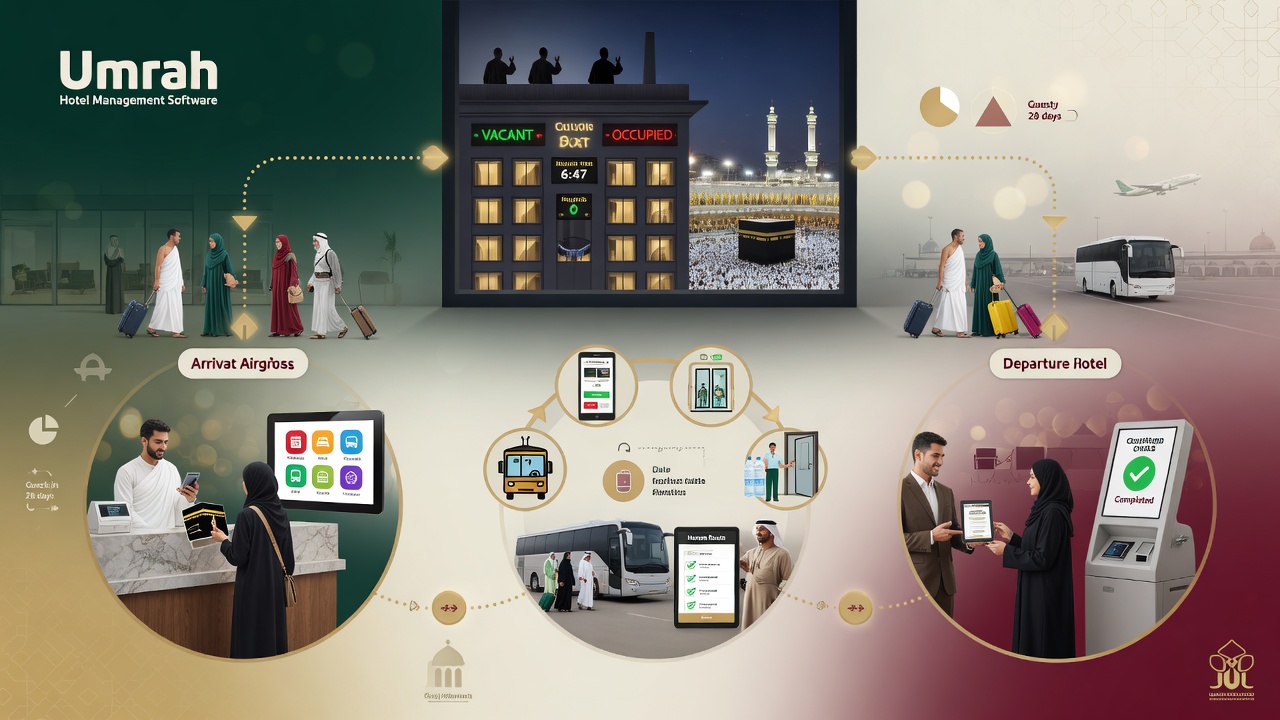
Your hotel receives a booking for 40 Umrah pilgrims through a travel agent. You receive a spreadsheet containing passport scans, visa numbers, and emergency contact details for every guest. Under PDPL, you must verify that the travel agent obtained proper consent to share this data with your property. You must also ensure the data is stored securely in your PMS with access limited to authorized staff only, and that it is deleted according to your retention schedule once the pilgrims depart and the statutory period expires.
Use Case 2: The Wi-Fi Login Portal
Your hotel offers complimentary Wi-Fi, but the login portal asks guests for their full name, email address, phone number, and room number. Under PDPL's data minimization principle, you likely do not need all of these data points simply to provide internet access. Review your portal to collect only what is strictly necessary — perhaps just a room number and a one-time access code. If you wish to use the email address for post-stay marketing, you must obtain separate, explicit consent with a clear opt-in mechanism.
Use Case 3: The Direct Booking Engine Transaction
A guest books directly through your website, entering their name, contact details, and credit card information. Your booking engine must encrypt this data in transit using HTTPS and store it securely. If your booking engine is provided by a third-party vendor hosted outside Saudi Arabia, you must have a data processing agreement in place that addresses cross-border data transfer rules for Saudi hotels and ensures the vendor's practices align with PDPL standards.
Use Case 4: The Loyalty Program Profile
Your hotel chain maintains a loyalty program that tracks guest stay history, room preferences, spending patterns, and even dietary restrictions. This is sensitive data that requires heightened protection. Ensure your CRM system allows guests to access their own profiles, correct inaccuracies, and — if they choose — withdraw consent and request deletion. Under Saudi data privacy law for hotels, loyalty program data must not be retained indefinitely without a clear, documented justification.
PDPL and Saudi Vision 2030: Data Privacy as a Tourism Enabler
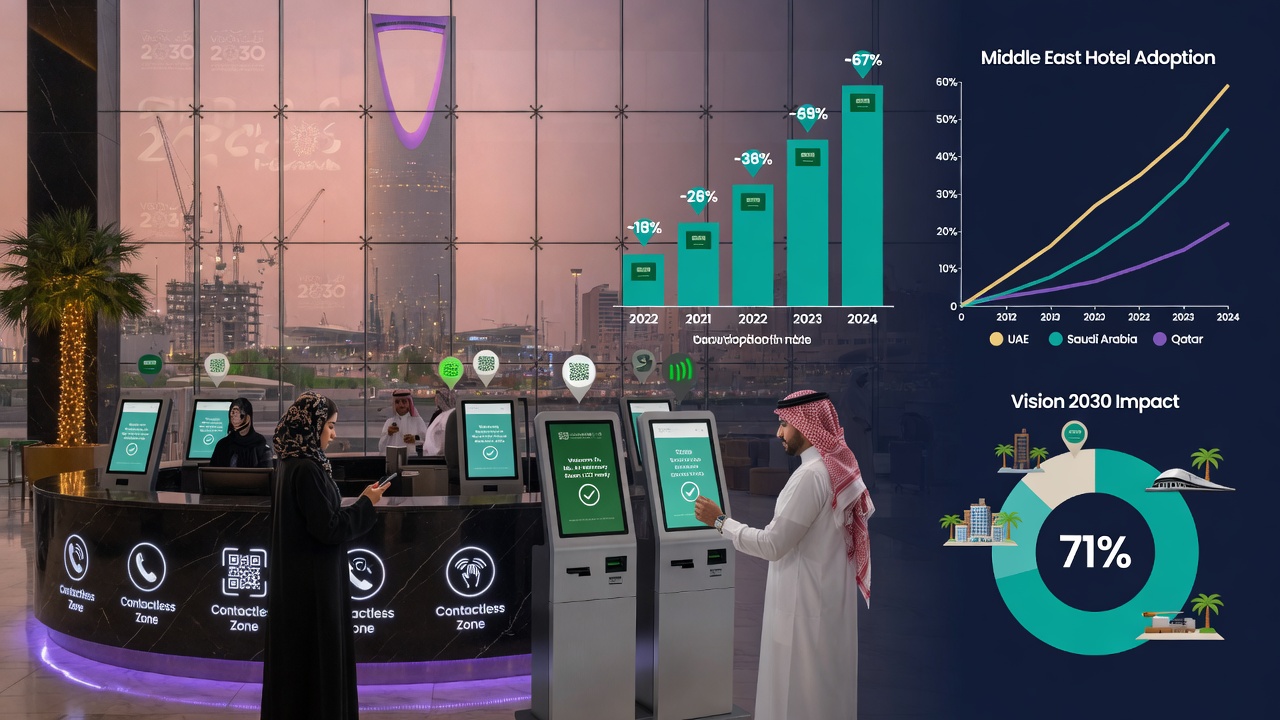
The PDPL hotel compliance Saudi Arabia journey cannot be separated from the broader national transformation under Saudi Vision 2030. The Kingdom aims to welcome 150 million annual visits by 2030, with tourism contributing 10% of GDP. This influx of international travelers — many from jurisdictions with their own strict data protection expectations, such as the European GDPR — means Saudi hotels must demonstrate world-class data stewardship to compete on the global stage.
Far from being a regulatory burden, Saudi Vision 2030 data privacy alignment positions your hotel as a trusted destination for discerning travelers. When a guest from London, Berlin, or Singapore sees that your property has a clear, PDPL-compliant privacy policy, they are more likely to book directly — reducing your reliance on OTAs and their associated commission costs. Data privacy becomes a direct driver of revenue and profitability.
Moreover, SDAIA itself is a product of Vision 2030's emphasis on building a digital economy. The authority's mandate extends beyond enforcement to include fostering innovation in data and AI. Hotels that embrace SDAIA compliance in hospitality early will be well-positioned to leverage emerging technologies — from AI-driven revenue management to personalized guest experiences — within a clear, trusted legal framework.
The Cost of Non-Compliance: Penalties and Reputational Damage
Understanding penalties for PDPL non-compliance in hotels provides powerful motivation for action. The PDPL empowers SDAIA to impose significant sanctions, including:
- ⚠ Financial penalties that can reach substantial amounts depending on the severity and nature of the violation
- ⚠ Orders to cease data processing activities, effectively halting your ability to take online bookings
- ⚠ Mandatory notification to affected guests in the event of a breach
- ⚠ Reputational damage that can devastate a hotel's online ratings and corporate travel partnerships
In an industry where a single negative review about "mishandled personal information" can deter hundreds of potential bookings, the reputational risk of hotel guest data security Saudi failures often outweighs even the financial penalties. Corporate travel managers, tour operators, and event planners increasingly include data protection clauses in their contracts — and they will not hesitate to blacklist non-compliant properties.
Frequently Asked Questions About PDPL for Saudi Hotels
Q: When does PDPL enforcement begin for hotels in Saudi Arabia?
The PDPL was published in September 2021, and the amended version was issued in March 2023. Enforcement timelines have been communicated by SDAIA in phases. Hotels should assume immediate applicability and begin their compliance journey without delay, as SDAIA has been actively engaging with businesses across sectors to ensure readiness.
Q: Does PDPL apply to small boutique hotels and serviced apartments?
Yes. The PDPL applies to any entity that processes personal data within the Kingdom, regardless of size. A 15-room boutique hotel in AlUla has the same core obligations as a 600-room luxury property in Riyadh. The scale of your data processing may affect the complexity of your compliance measures, but the legal duties remain.
Q: How can I get a SDAIA data privacy checklist for my hotel?
SDAIA publishes guidance documents and compliance resources through its official channels. Additionally, qualified legal consultants specializing in Saudi data protection law can provide a tailored SDAIA data privacy checklist for hotels based on your specific operations. We recommend engaging a specialist familiar with hospitality workflows.
Q: What happens if a guest requests deletion of their reservation data?
You must respond to the request within the legally specified timeframe. However, deletion rights are not absolute — if you have a legal obligation to retain certain data (for example, for tax purposes under ZATCA regulations or for compliance with Ministry of Tourism requirements), you may refuse the deletion request for those specific data elements while honoring it for others. Document your reasoning carefully.
Q: Can I use a cloud PMS hosted outside Saudi Arabia and still comply with PDPL?
It is possible, but it requires careful attention to cross-border data transfer rules for Saudi hotels. You must ensure the destination jurisdiction offers adequate protection as determined by SDAIA, or that you have implemented appropriate safeguards such as binding corporate rules or standard contractual clauses. Many hotels are now prioritizing cloud security for hotels in Saudi Arabia with local data residency to simplify compliance.
Q: Is staff training on PDPL mandatory for hotels?
While the law requires organizations to implement appropriate technical and organizational measures, staff training is widely recognized as an essential component of compliance. SDAIA expects data controllers to ensure their employees understand their obligations. Document all training sessions as evidence of your compliance program.
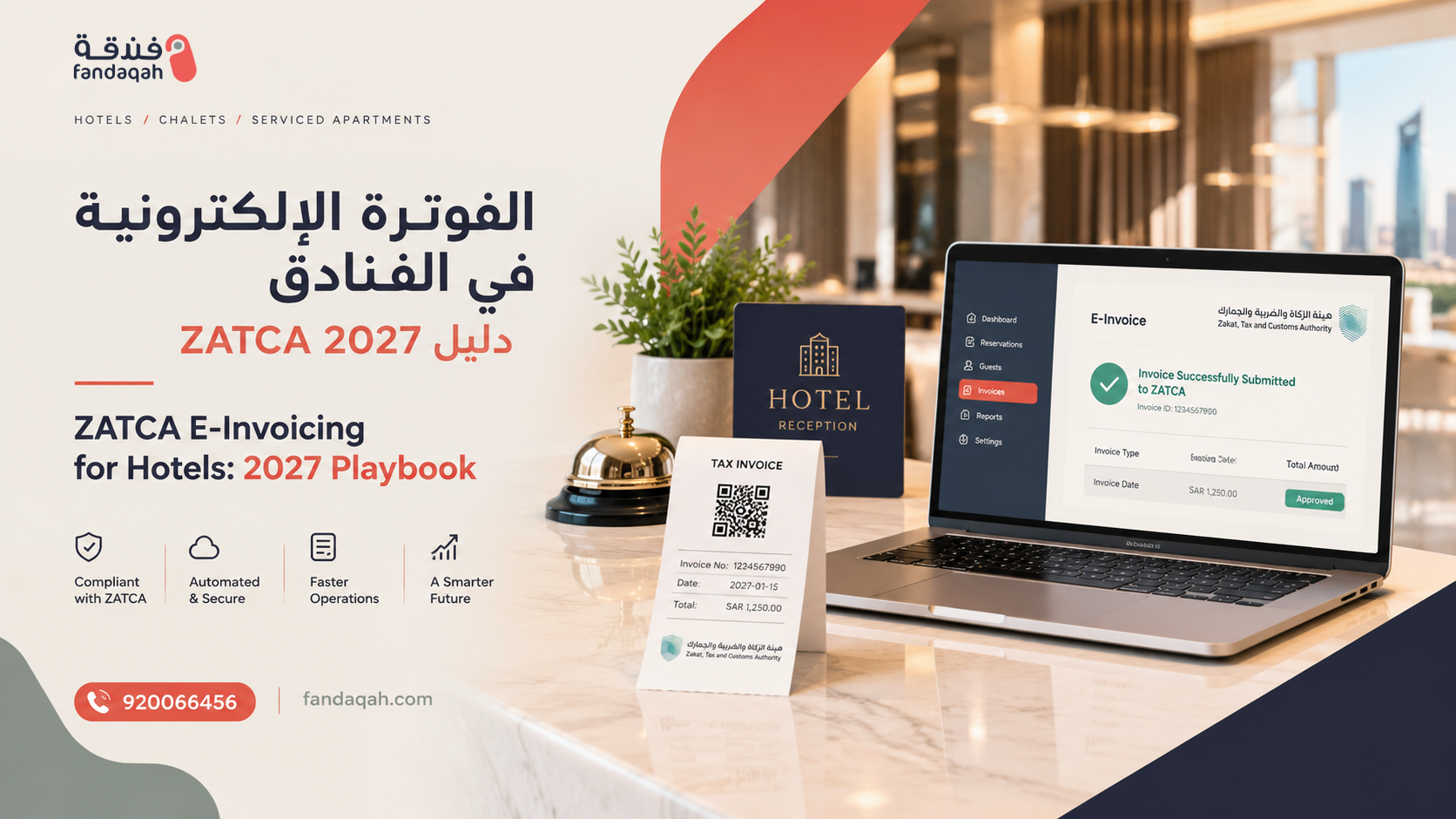
Q: How does PDPL interact with other Saudi regulations like ZATCA e-invoicing?
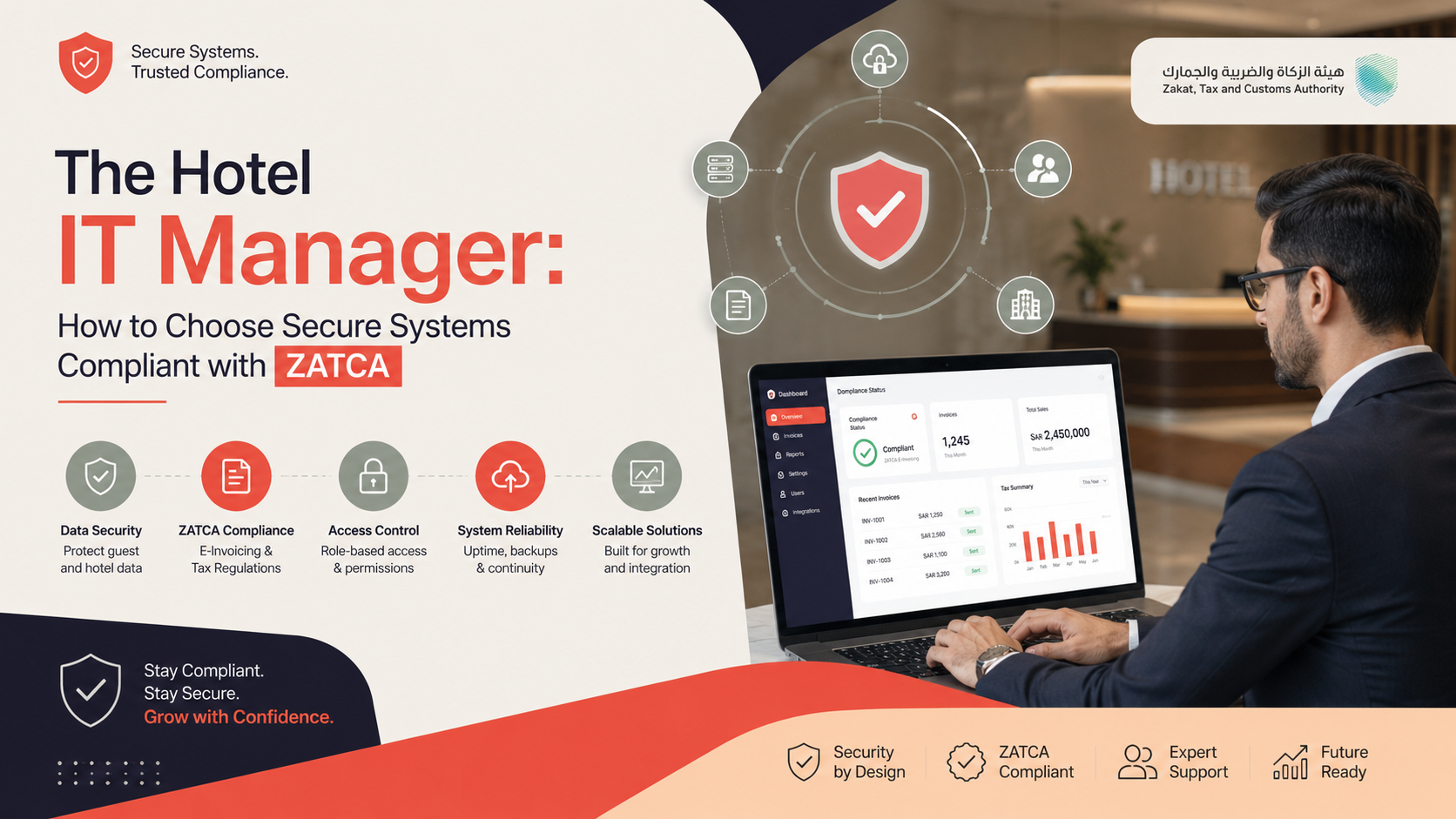
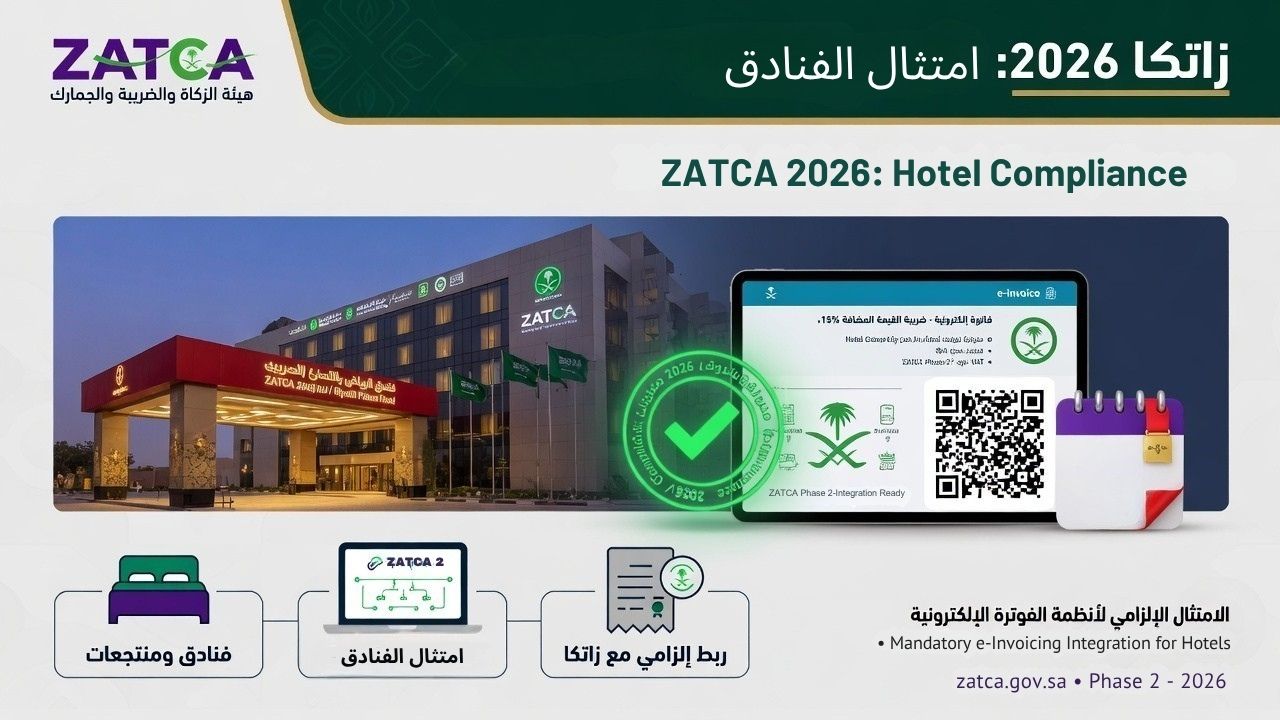
PDPL and ZATCA (Fatoora) e-invoicing requirements operate in parallel but intersect when personal data appears on invoices. Ensure your billing system masks or minimizes personal data on invoices where possible, and that your e-invoicing solution provider is contractually bound to PDPL-compliant data handling practices.
Q: Do I need to appoint a Data Protection Officer for my hotel?
The PDPL does not mandate a Data Protection Officer (DPO) for all organizations in the same way GDPR does for certain entities. However, SDAIA strongly encourages designating a responsible individual or team to oversee data protection compliance. For hotel groups and larger properties, appointing a DPO — or outsourcing the function — is considered best practice and demonstrates commitment to personal data protection hotels KSA.
The Future of Data Privacy in Saudi Hospitality
As Saudi Arabia accelerates toward its Vision 2030 goals, the intersection of data privacy and hospitality technology will only deepen. Several trends are already emerging that forward-thinking hoteliers should monitor:
AI and Personalized Guest Experiences
AI-driven personalization requires vast amounts of guest data. Hotels will need to balance the demand for hyper-personalized stays with PDPL's data minimization and consent principles. Privacy-enhancing technologies like federated learning may offer solutions.
Sovereign Cloud Infrastructure
Expect increased investment in Saudi-based cloud infrastructure designed specifically for regulated industries. Hotels will benefit from cloud security hotels Saudi solutions that offer PDPL compliance by design, with data residency guaranteed within the Kingdom.
Biometric Data Regulation
As facial recognition check-in and biometric room access gain traction, SDAIA is expected to issue specific guidance on biometric data processing. Hotels piloting these technologies should build PDPL compliance into their design from day one.
Building Guest Trust Through Data Privacy Excellence
Navigating PDPL hotel compliance in Saudi Arabia is a journey — not a destination. The law establishes a framework, but the real work lies in embedding data protection into the fabric of your hotel's culture, technology, and guest relationships. Every well-trained front desk agent, every securely configured PMS, and every transparent privacy notice contributes to a single, powerful outcome: guest trust.
In a market as competitive and fast-growing as Saudi Arabia's hospitality sector, trust is the ultimate differentiator. Guests who feel confident that their personal data is safe with you are guests who return, who recommend, and who book direct. As the Kingdom continues its remarkable transformation under Vision 2030, hotels that lead on data privacy will lead on everything else — from occupancy and ADR to brand reputation and long-term profitability.
The roadmap is clear. The tools are available. The timeline is now. Embrace Saudi data privacy law for hotels not as a compliance burden, but as a strategic investment in the future of your property and the trust of every guest who chooses to stay with you.
Ready to Make Your Hotel PDPL-Compliant?
Protect your guests, protect your reputation, and unlock the competitive advantage of data privacy trust. Explore our suite of compliance resources, tools, and expert guidance tailored specifically for Saudi Arabian hotels.
Get Expert PDPL Guidance Now →
Trusted by Saudi hoteliers across Riyadh, Jeddah, Makkah, and beyond.
Article Tags
PDPL hotel compliance Saudi Arabia, Saudi data privacy law hotels, SDAIA compliance hospitality, personal data protection hotels KSA, hotel guest data security Saudi, PDPL requirements hospitality, Saudi Vision 2030 data privacy, hotel PMS data compliance, cloud security hotels Saudi, PDPL consent management for hospitality, cross-border data transfer rules Saudi hotels, penalties for PDPL non-compliance hotels, data breach notification requirements Saudi hospitality, SDAIA data privacy checklist for hotels, how to comply with PDPL for hotels in Saudi Arabia, hotel guest data protection requirements KSA, personal data protection law hospitality, Saudi Arabia hotel privacy policy, PDPL hotel training program, data protection officer hospitality KSA
Disclaimer: This article provides general information about PDPL compliance for Saudi Arabian hotels and does not constitute legal advice. Hotels should consult qualified legal professionals for guidance specific to their operations and circumstances. Regulatory requirements may change; always refer to official SDAIA publications for the most current information.