
The Hidden Revenue Inside Every Hotel Room

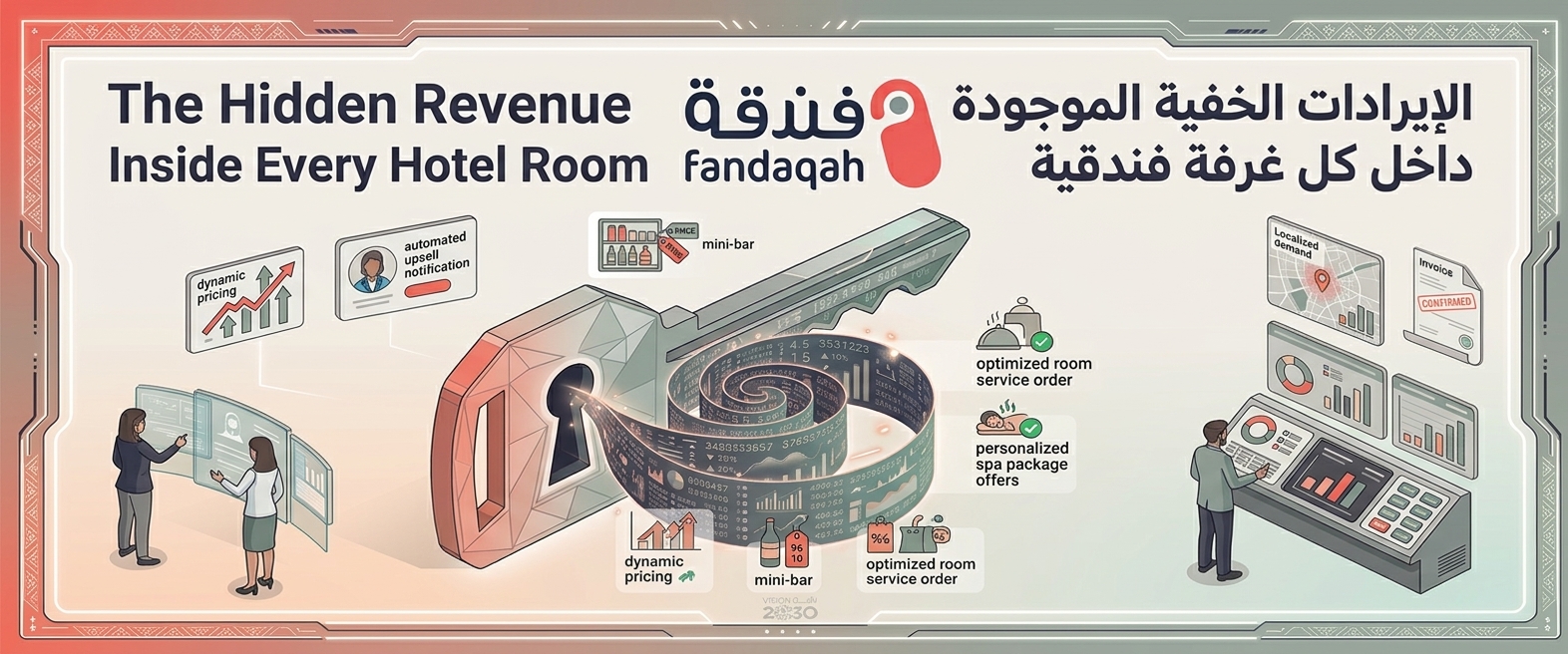
The Hidden Revenue Inside Every Hotel Room

The Unseen Goldmine: Unlocking Hidden Revenue Potential Within Hotel Rooms

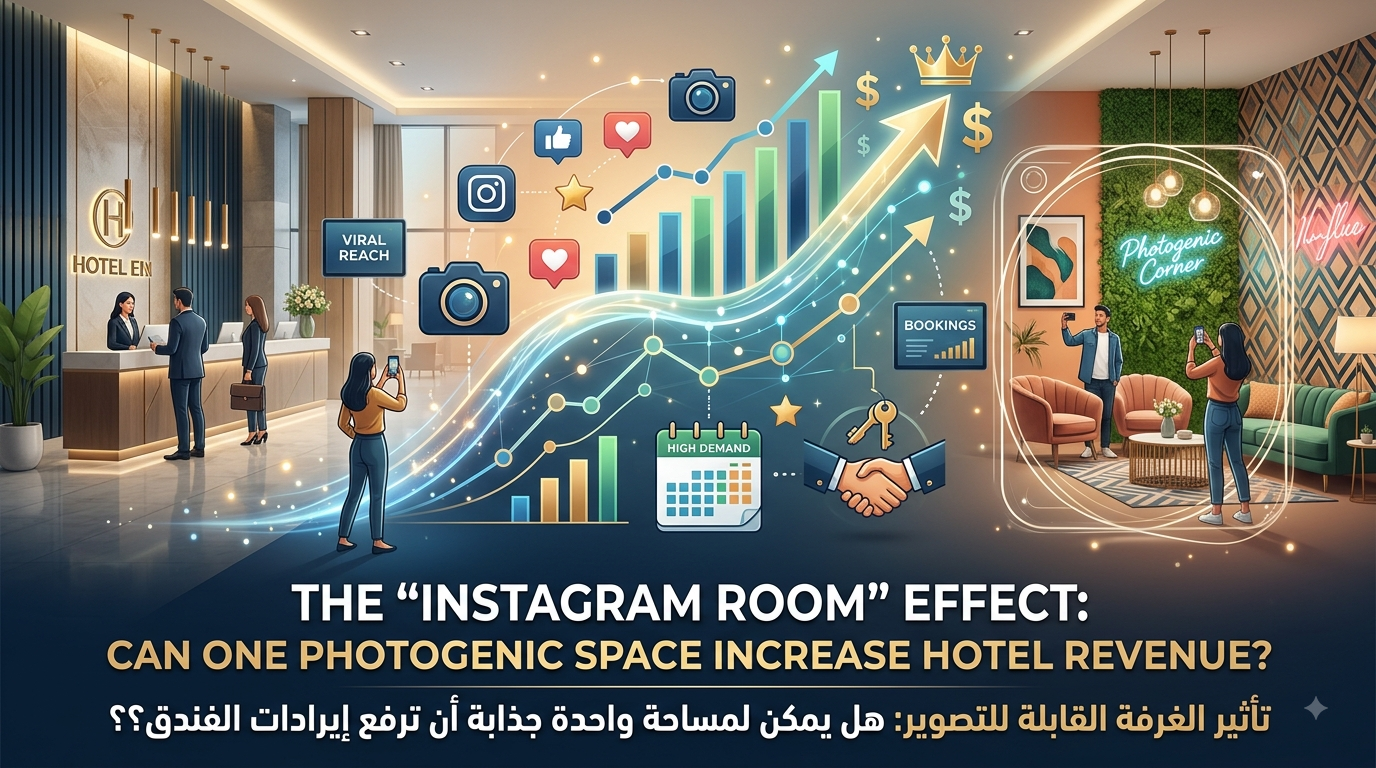
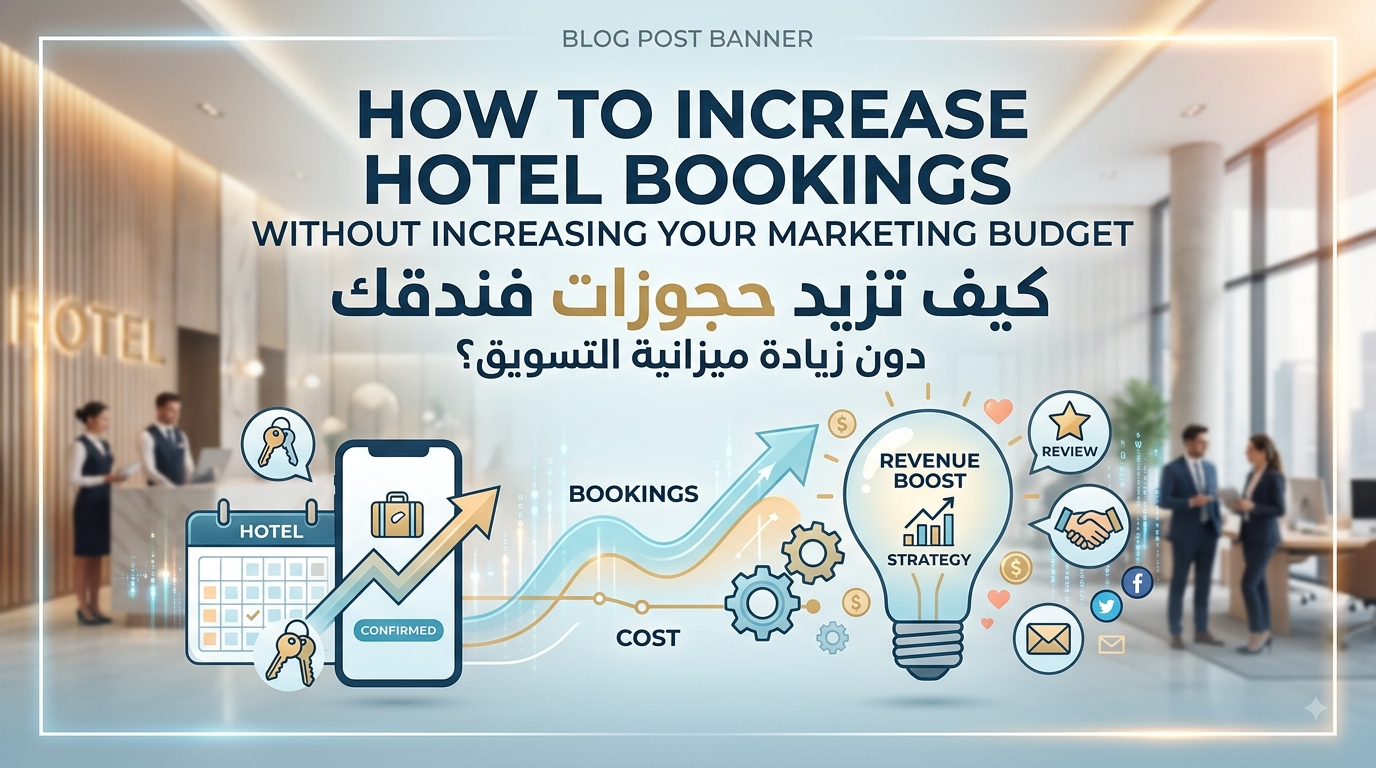
Every hotelier dreams of full occupancy, but true profitability lies not just in filling beds, but in maximizing the revenue generated from each guest stay. Beyond the nightly rate, a hotel room is a microcosm of opportunities waiting to be tapped. This article delves into the strategies and technologies that empower hotels to uncover and leverage the "hidden revenue" residing within their very walls, transforming standard rooms into profit centers and enhancing the guest experience simultaneously.
Moving Beyond the Rack Rate: Understanding the Revenue Ecosystem

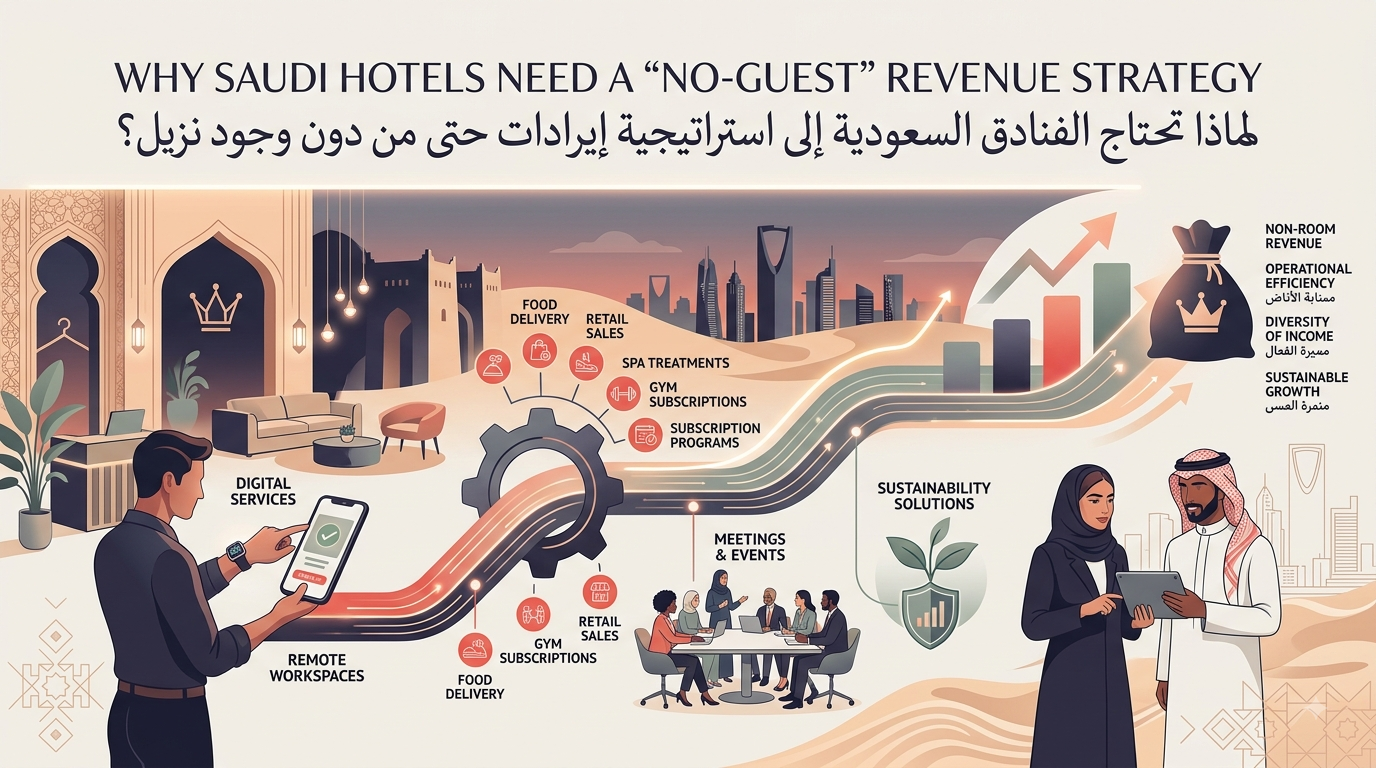
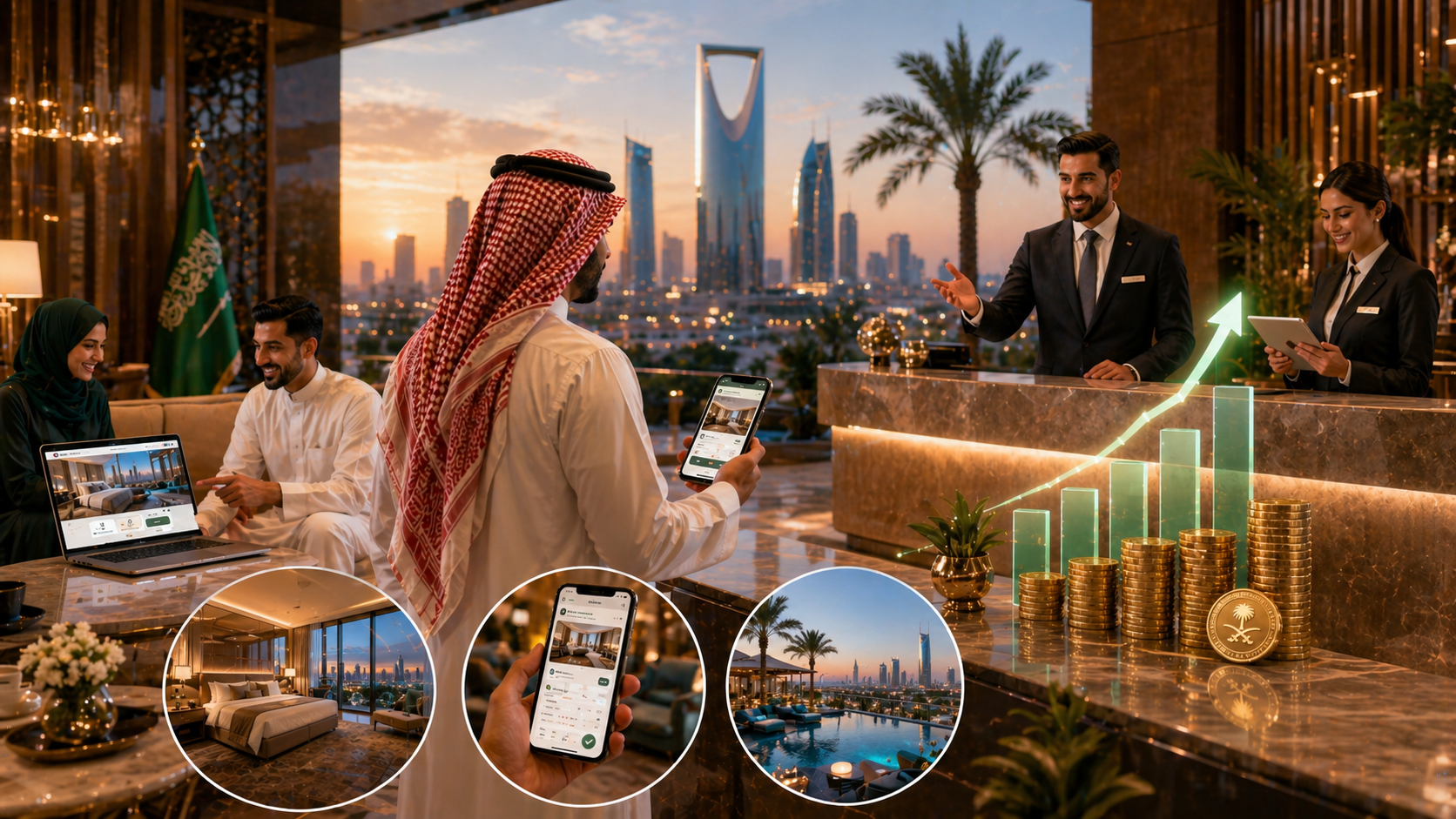
Historically, a hotel's primary revenue stream was the room rate itself. While still foundational, modern hospitality demands a more nuanced approach. The concept of "hidden revenue" refers to the additional income generated from products, services, and experiences offered to or from guests during their stay, often within or directly influenced by the room environment. This isn't about nickel-and-diming guests; it's about understanding their needs, anticipating desires, and offering valuable solutions that enrich their stay while benefiting the hotel's bottom line.

This ecosystem includes everything from in-room dining and mini-bar sales to premium amenities, technology upgrades, and even data-driven insights. By viewing the room not just as a sleeping space but as a platform for personalized services and curated experiences, hoteliers can unlock significant, often overlooked, profit opportunities.

Personalization and Upselling: Tailoring the Guest Experience for Profit

The modern traveler expects more than just a clean room; they crave personalized experiences. This expectation creates a prime opportunity for targeted upsells and cross-sells that feel like valuable additions rather than mere charges.

Key Strategies:

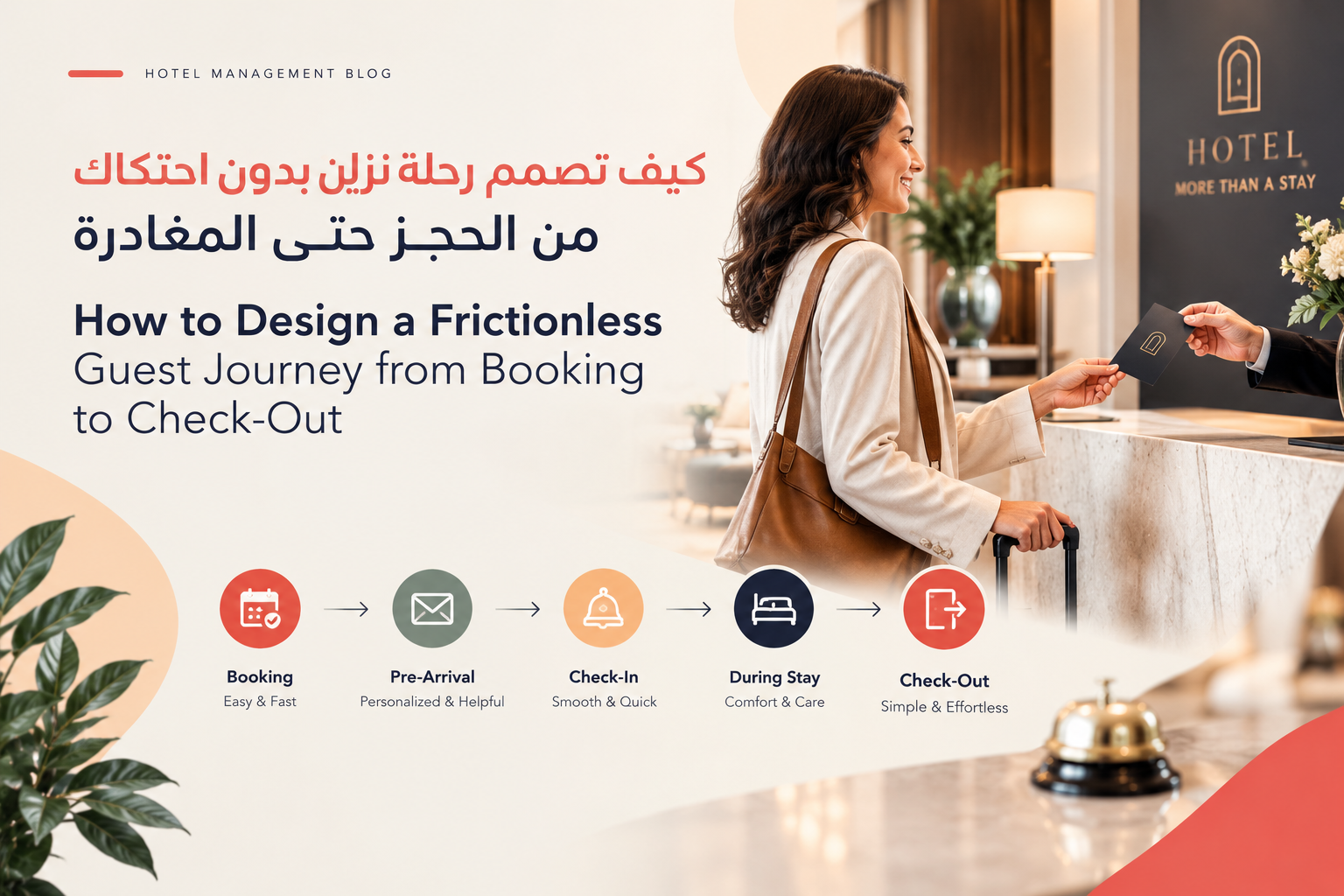
Pre-Arrival Customization: Engage guests before they even arrive. Offer room upgrades (e.g., larger space, better view, suite with a Jacuzzi), early check-in/late check-out, or special packages (e.g., romantic getaway, family fun, business traveler bundle) at discounted rates. Utilize confirmation emails, dedicated landing pages, or mobile apps for these offers.

Dynamic Pricing for Amenities: Just as room rates fluctuate, so too can the pricing of in-room amenities. Offer premium coffee makers, high-end toiletries, or pillow menus at varying price points based on demand or guest segment.

In-Room Service Reinvention: Move beyond traditional room service menus. Partner with local restaurants for curated delivery options, offer unique "chef's specials" delivered to the room, or provide DIY meal kits for a unique experience. Focus on presentation and ease of ordering (e.g., via QR codes, in-room tablets).

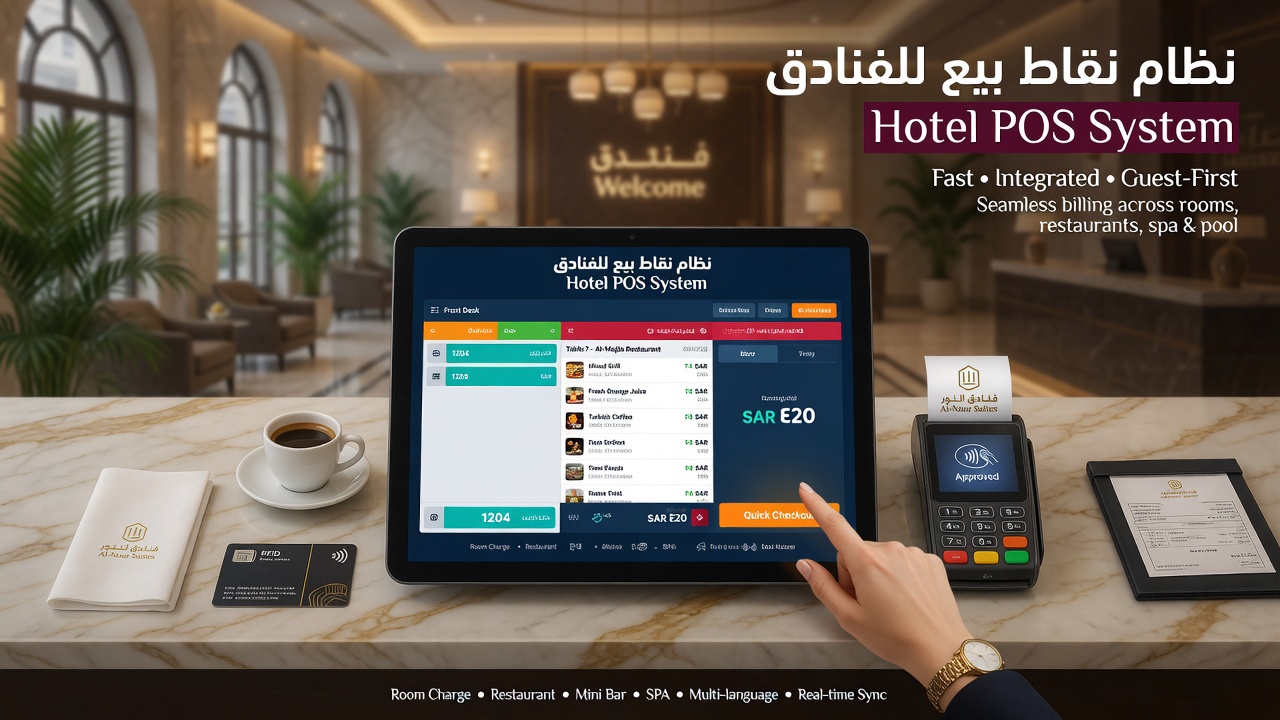
Mini-Bar Modernization: The classic mini-bar often underperforms. Reimagine it as a curated retail experience. Stock local artisan snacks, craft beverages, travel essentials, or even small luxury items. Use smart mini-bars that automatically track consumption and bill guests, reducing labor costs and spoilage.

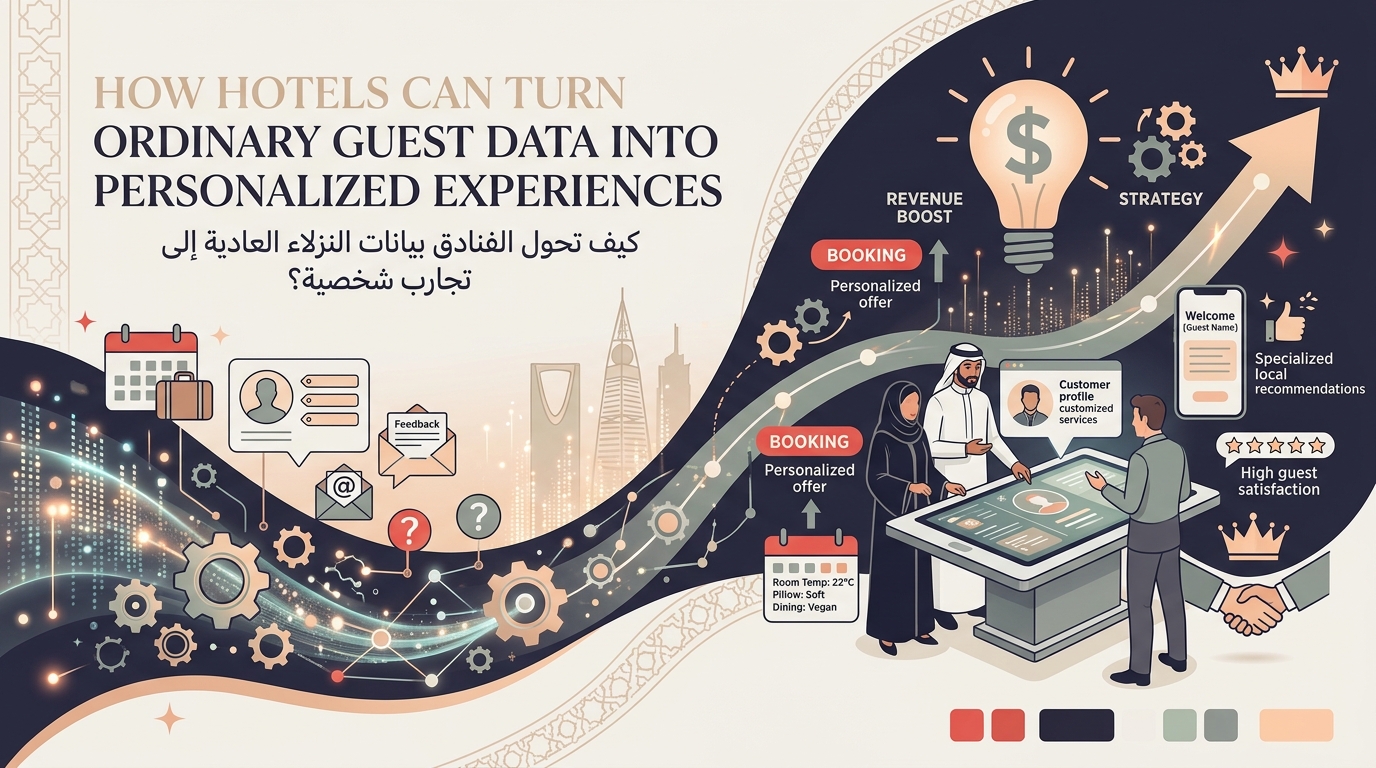
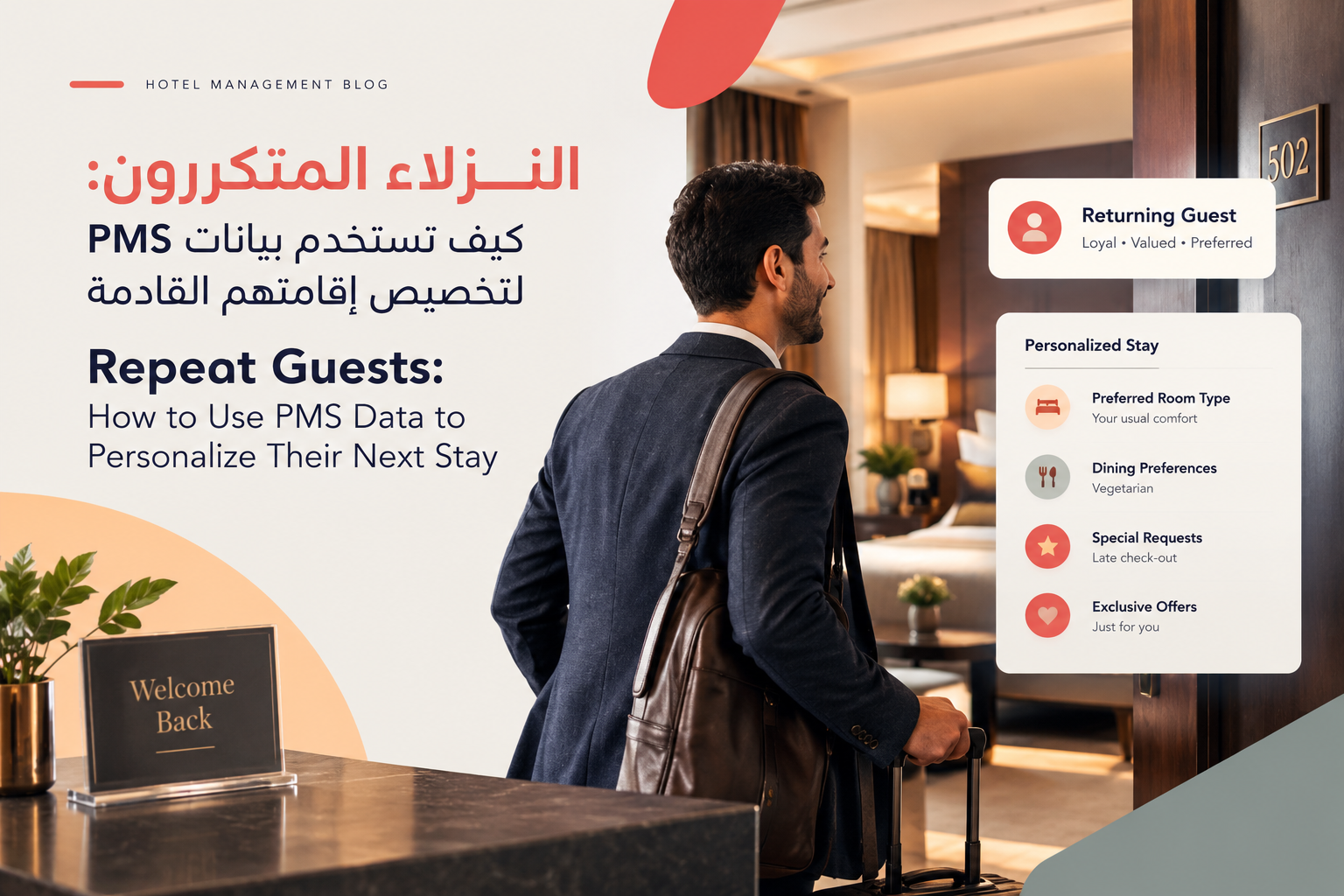
The key to successful personalization and upselling is relevance. Understand your guest segments (business, leisure, families, couples) and tailor offers accordingly. Leverage guest history and loyalty program data to anticipate needs and preferences.

Leveraging Technology: Smart Rooms, Smart Revenue

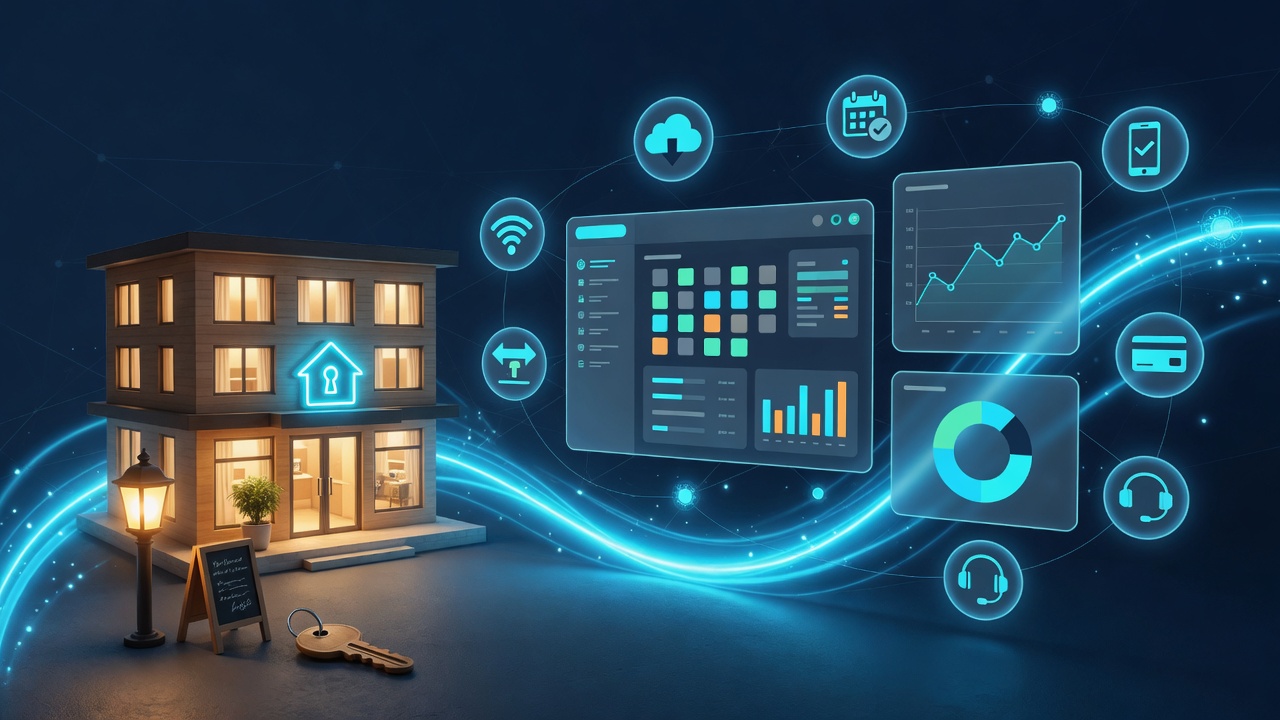
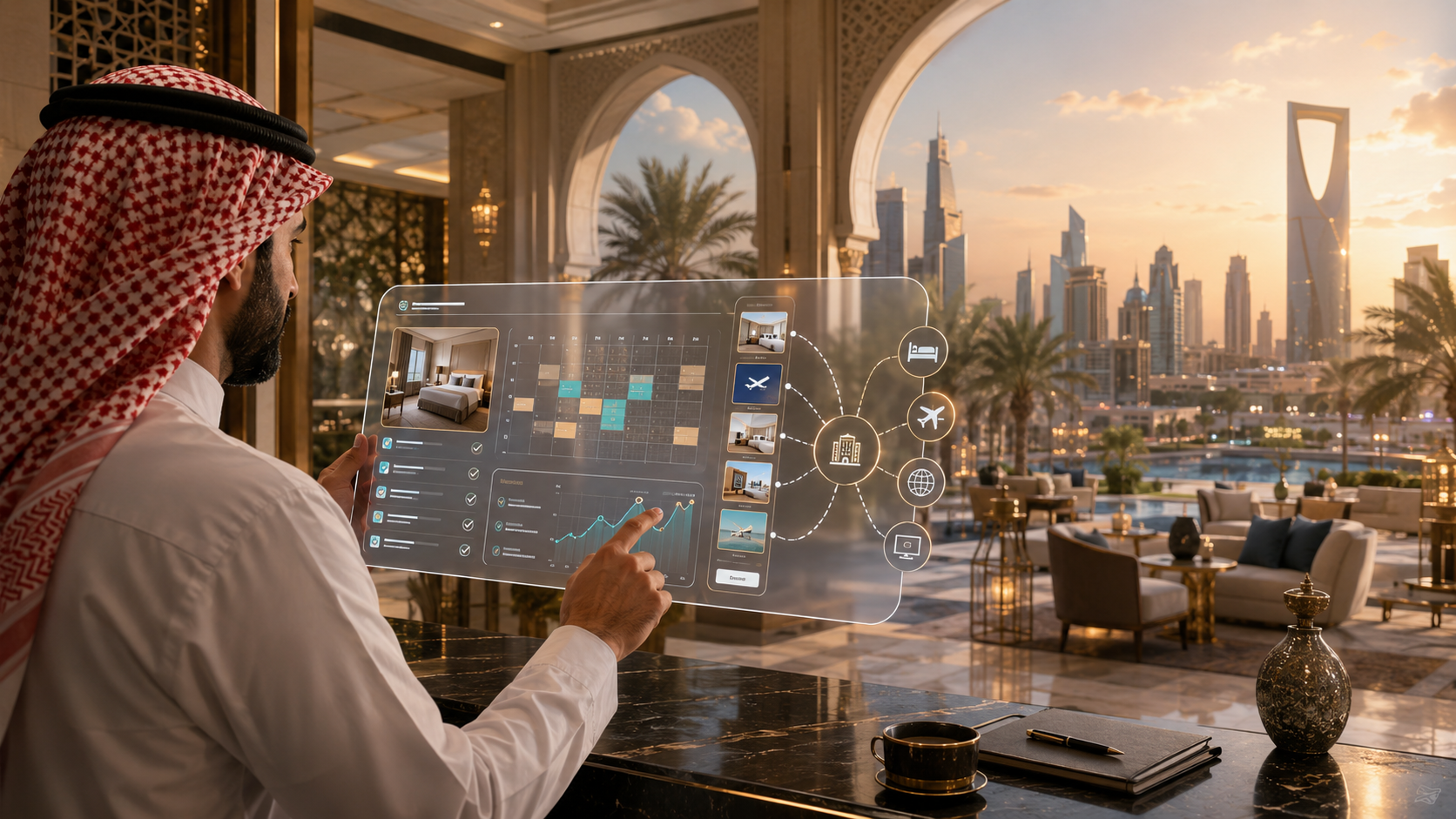
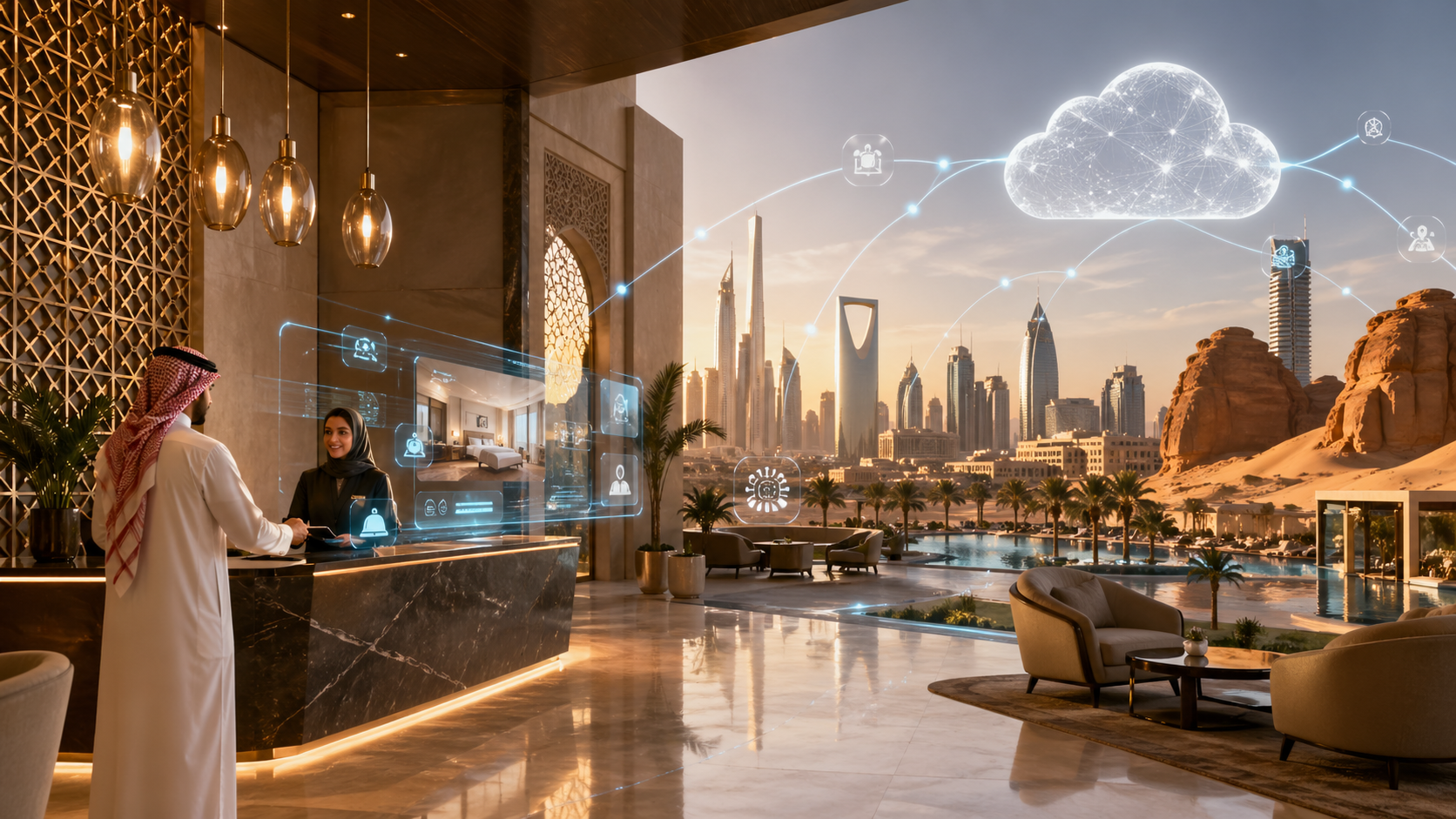
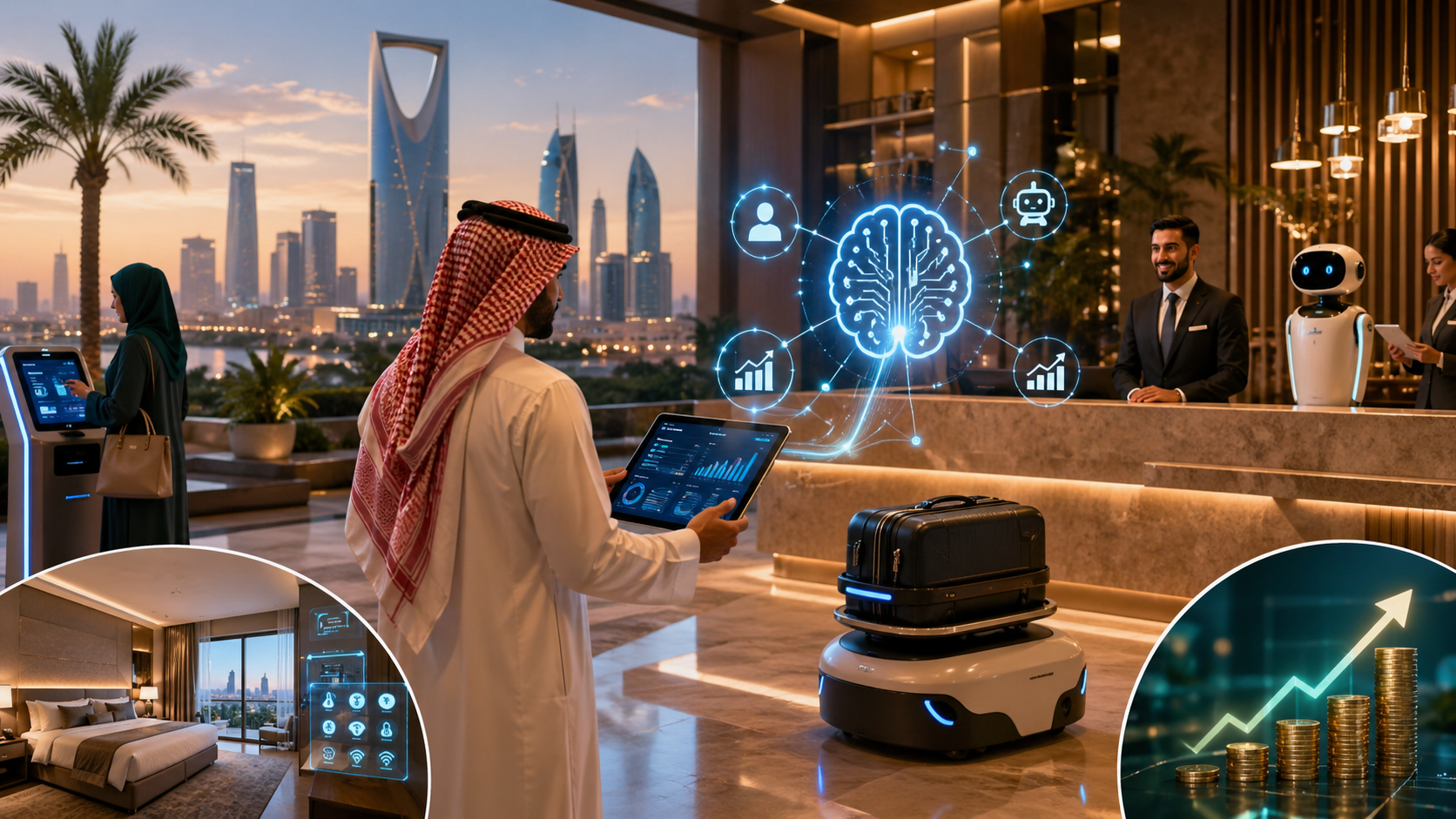
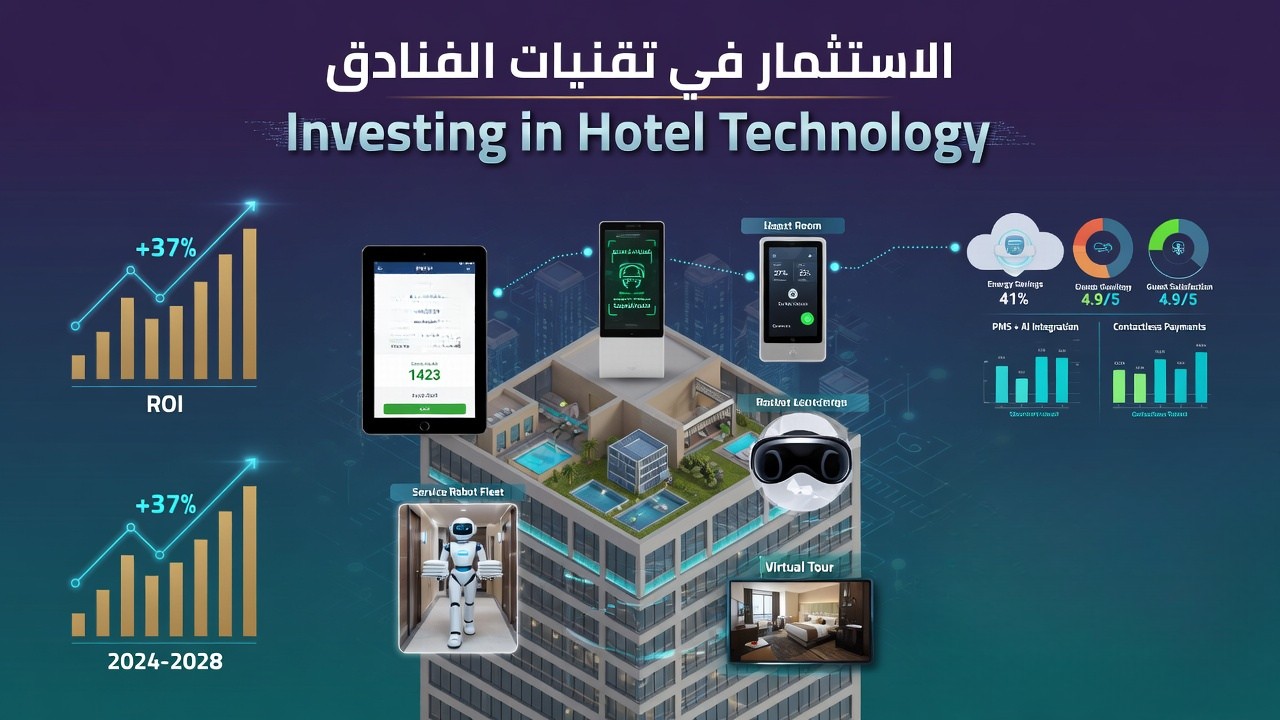
Technology is no longer a luxury; it's a necessity for enhancing both guest experience and operational efficiency, directly contributing to hidden revenue. Smart room technologies can elevate a stay while simultaneously creating new monetization avenues.

Technological Opportunities:

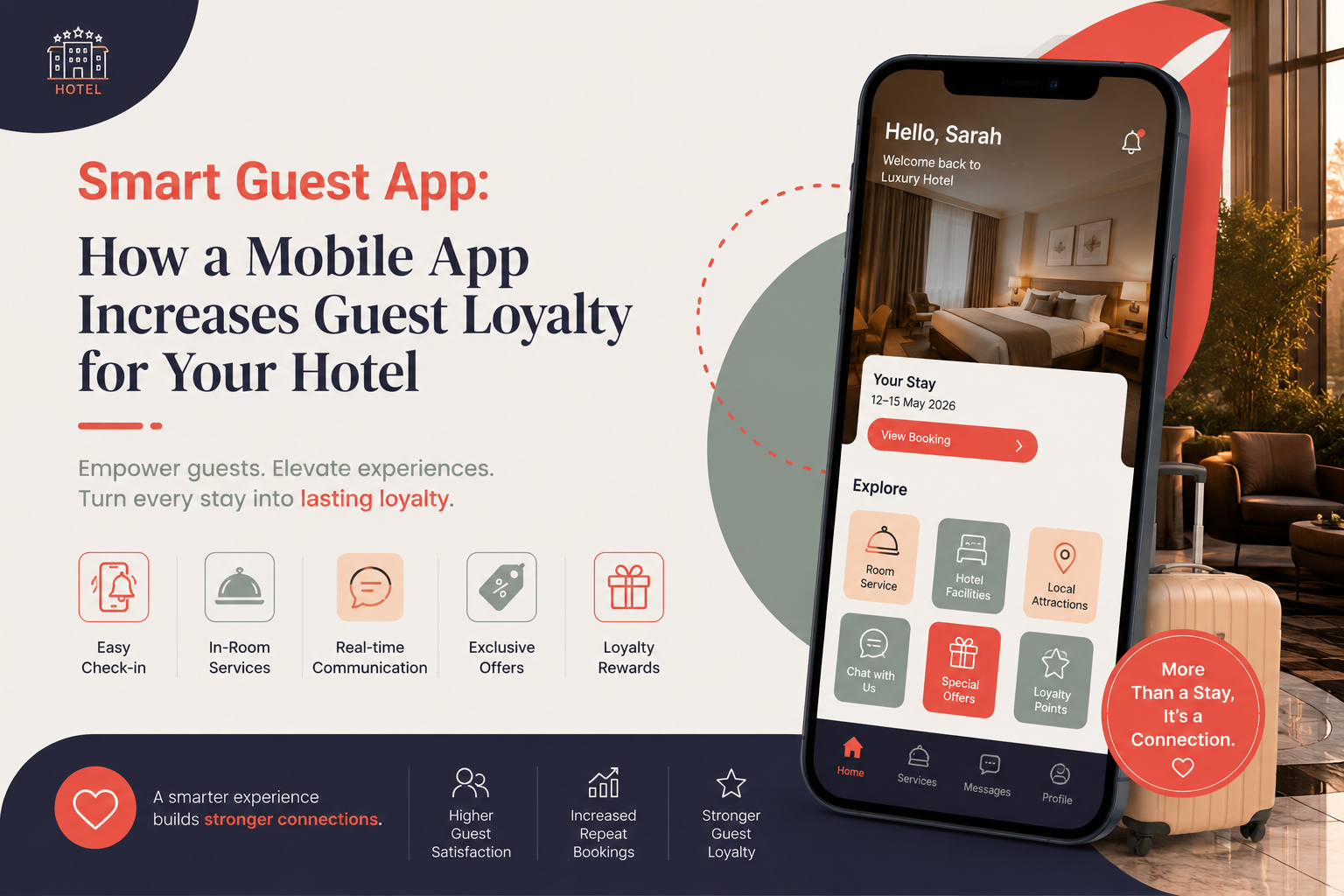
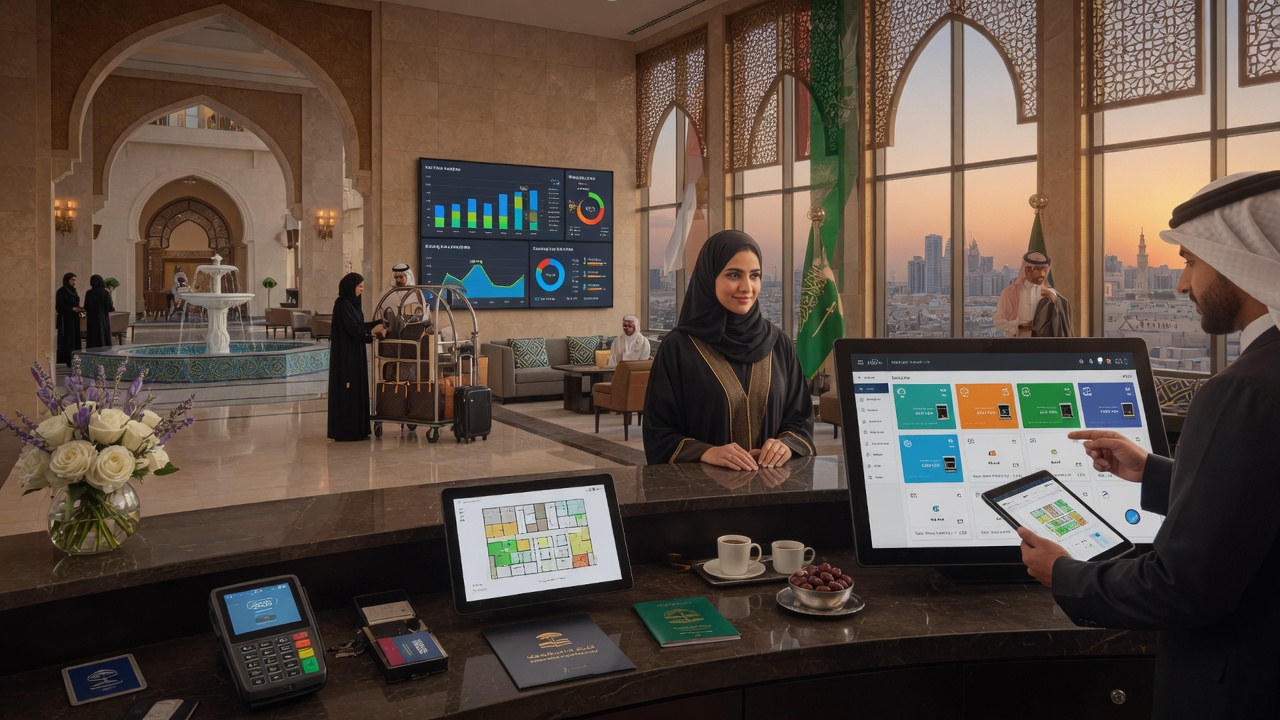
In-Room Tablets/Smart Hubs: These devices can act as a central command center for guests.

Direct Ordering: Facilitate seamless ordering of room service, spa treatments, concierge services, and even retail items from the hotel gift shop.

Upsell Prompts: Display targeted offers for upgrades, local tours, or premium services based on guest profile and duration of stay.

Guest Feedback: Collect real-time feedback, allowing for immediate service recovery and improving future offerings.

IoT-Enabled Controls: Smart lighting, temperature, and entertainment systems offer convenience. While primarily enhancing comfort, they also open doors for premium "comfort packages" or energy-saving incentives if guests opt for eco-friendly settings.

High-Speed Premium Wi-Fi: Basic Wi-Fi is now an expectation. Offer tiered, premium high-speed internet access for business travelers or guests who need higher bandwidth for streaming or gaming. This is a common and highly effective hidden revenue generator.

Streaming Services & On-Demand Content: Beyond basic cable, offer access to a library of movies, premium TV channels, or even integration with guests' personal streaming accounts (securely). Tiered access or pay-per-view options for new releases can be monetized.

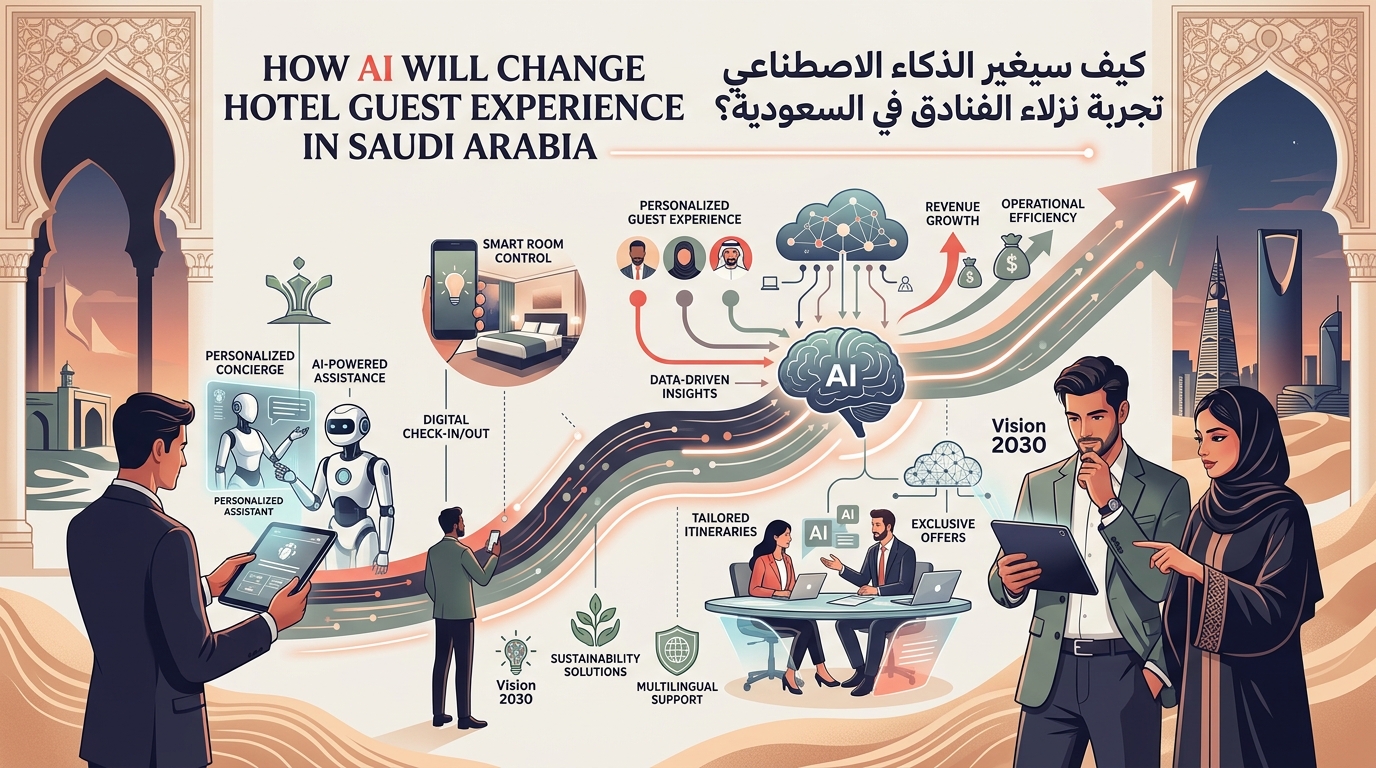
Digital Concierge Services: Provide an AI-powered concierge through the in-room tablet or voice assistant. While offering convenience, this can also highlight and facilitate booking of hotel services or local partner attractions for which the hotel receives a commission.

Implementing these technologies requires careful planning and integration, but the return on investment through increased guest satisfaction, operational efficiency, and direct revenue generation can be substantial.

Beyond the Four Walls: Data-Driven Insights and Partnerships

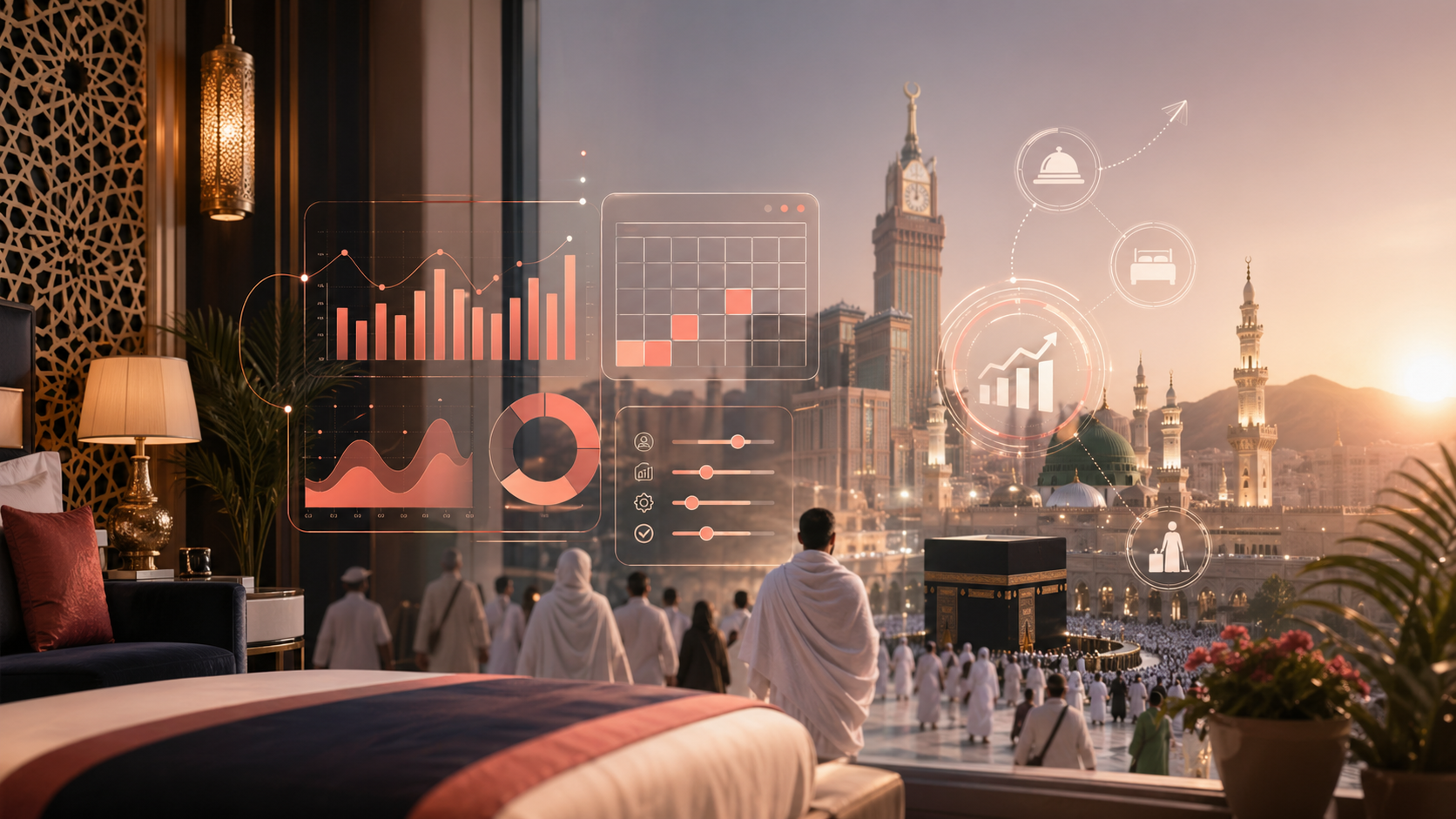
The hotel room doesn't exist in isolation. The data generated within it, combined with strategic partnerships, can reveal powerful insights and create entirely new revenue streams.

Harnessing Data:

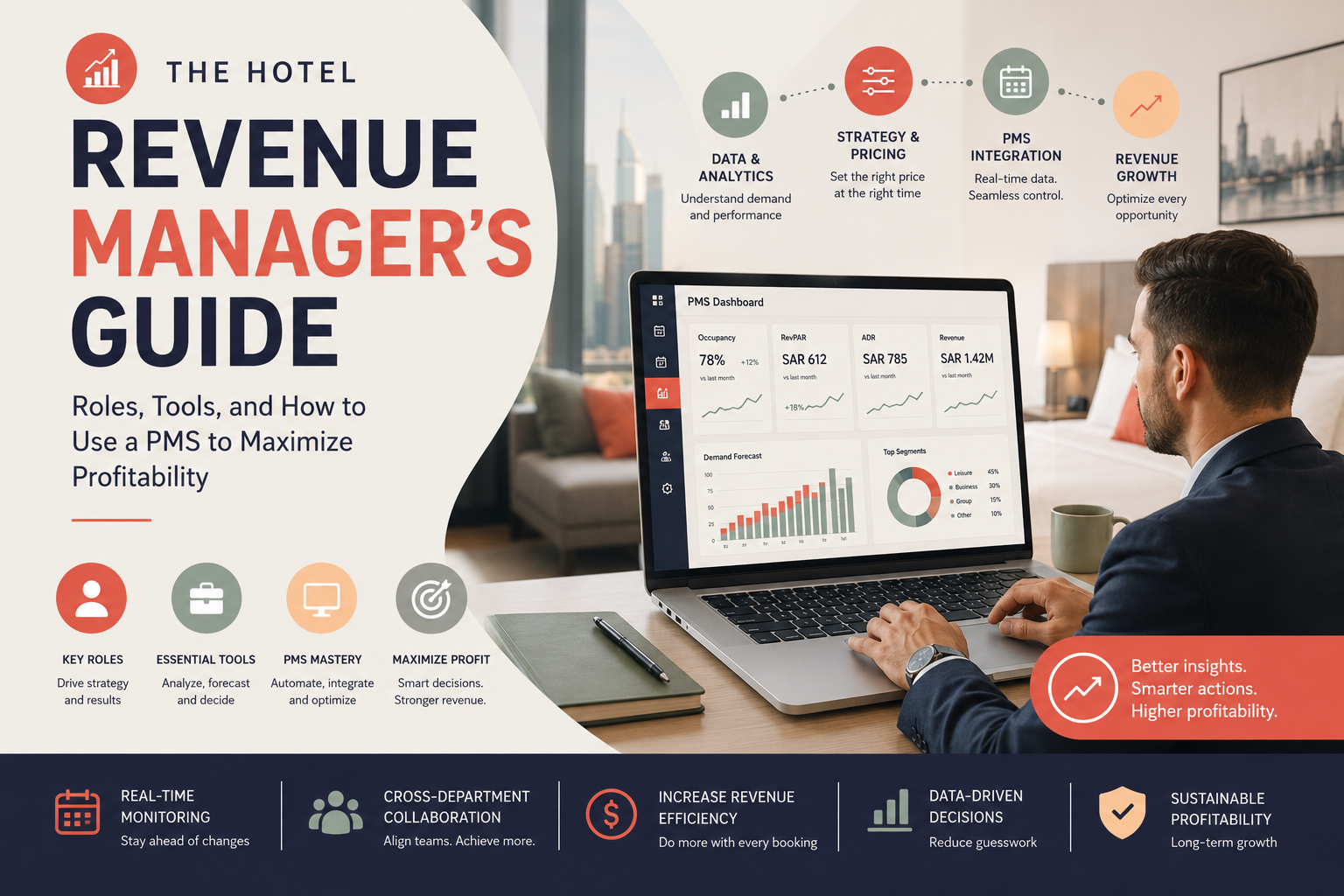
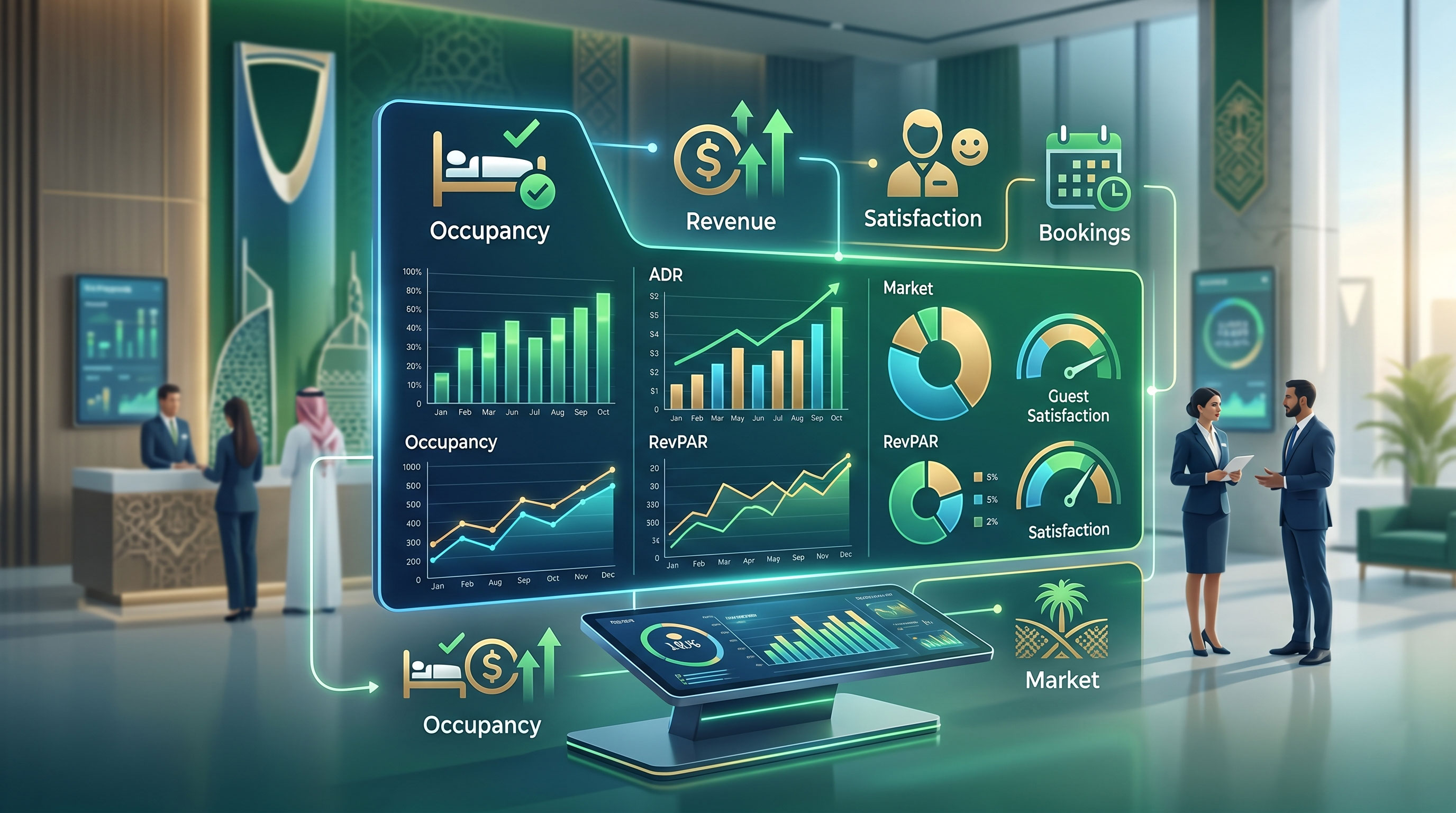
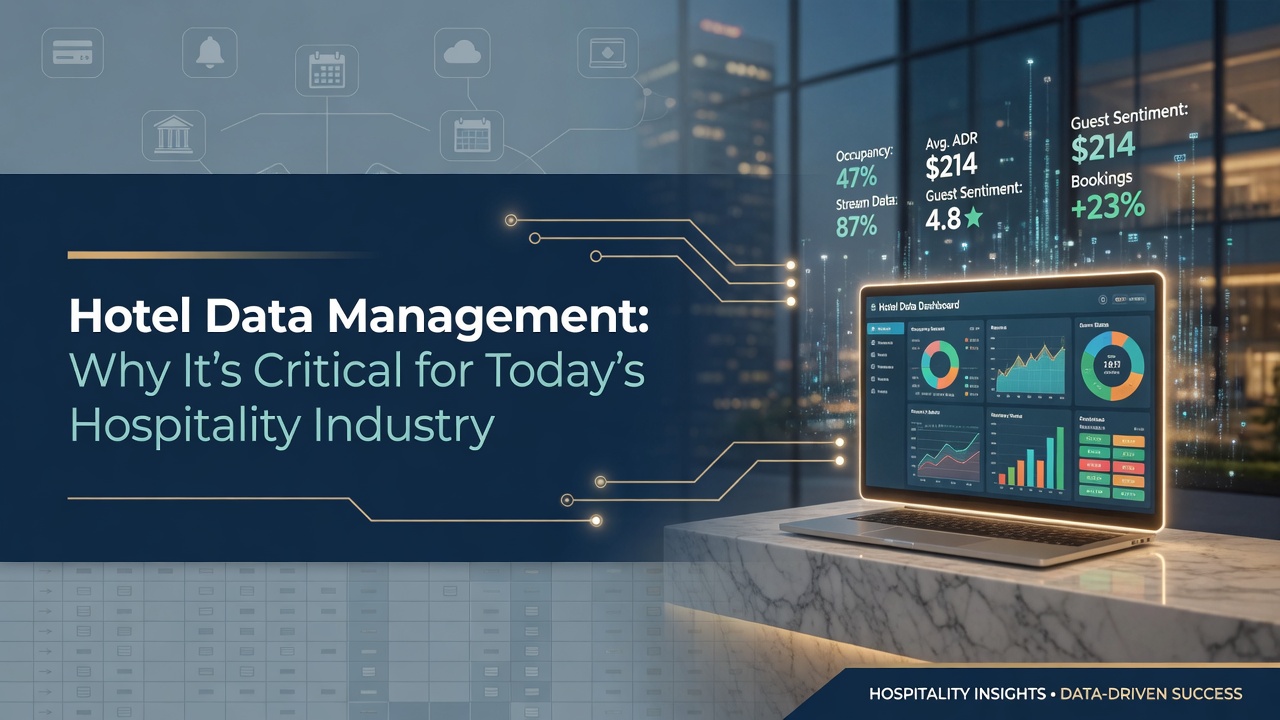
Guest Preference Tracking: Analyze what guests order, what services they use, what upgrades they accept. This data is invaluable for refining personalization strategies and predicting future demand.

Behavioral Analytics: Understand patterns in mini-bar consumption, entertainment choices, and service requests. This can inform inventory management, pricing strategies, and marketing campaigns.

Operational Efficiency Metrics: Data from smart rooms (e.g., energy consumption, maintenance requests) can optimize operations, leading to cost savings that indirectly boost profitability.

Predictive Modeling: Use historical data to forecast demand for specific amenities or services, allowing for proactive stocking and staffing.

Strategic Partnerships:

Local Experiences: Collaborate with local tour operators, adventure companies, museums, or restaurants. Offer curated packages or exclusive discounts to guests, earning a commission on bookings.

Retail & Wellness: Partner with local spas, boutique shops, or fitness centers to offer in-room services (e.g., private yoga, massage) or exclusive discounts on products/services.

Transportation Services: Offer premium airport transfers, car rentals, or private chauffeur services, often earning a referral fee.

Event & Business Services: For corporate guests, offer in-room meeting equipment rentals, secretarial services, or printing/shipping assistance.

By analyzing data and forging strong partnerships, hotels can extend their revenue reach far beyond the physical confines of the room, creating a seamless and integrated guest experience.

Optimizing for Profit: Staff Training and Service Delivery

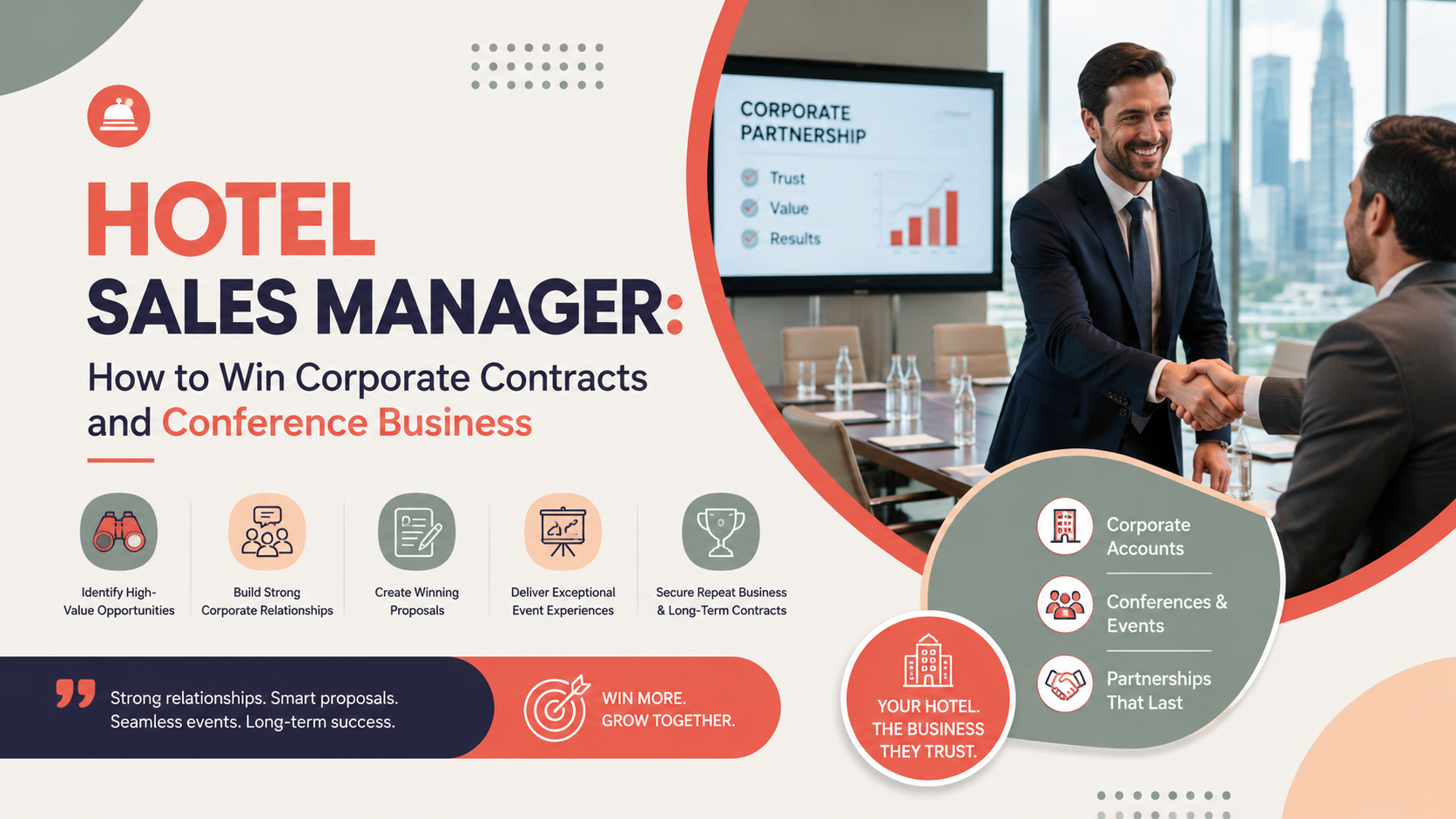
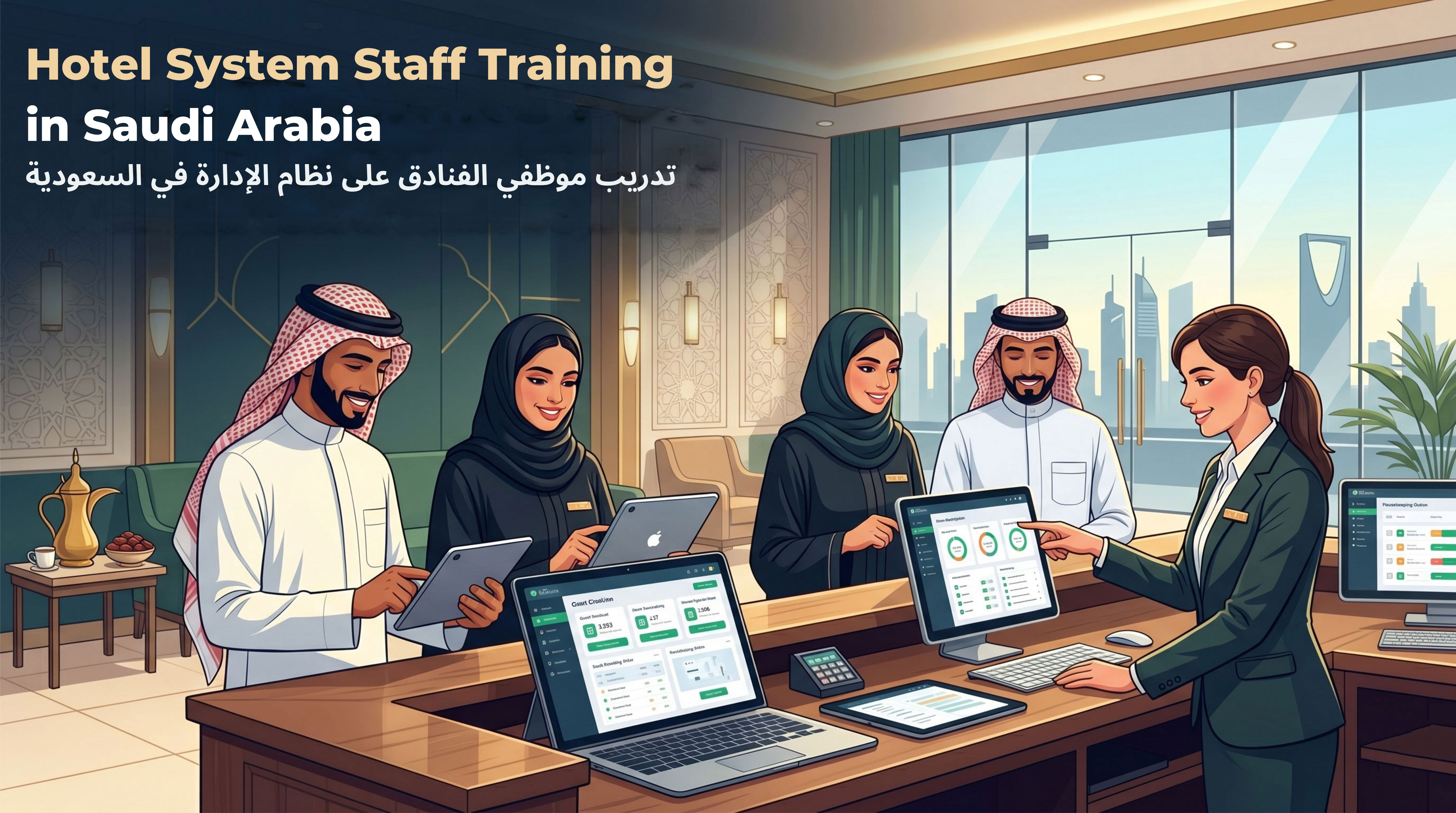
Even the most sophisticated technology and well-planned strategies will falter without a trained and motivated team. Front-line staff, housekeeping, and concierge teams are critical in identifying opportunities and delivering services that drive hidden revenue.

Key Areas for Optimization:

Upselling Training: Equip front desk and reservations staff with the skills and confidence to subtly suggest room upgrades, package deals, or premium amenities during booking or check-in. This isn't about being pushy, but about highlighting value.

Concierge Expertise: Train concierge staff to be not just information providers, but true experience curators. They should be knowledgeable about hotel offerings and local attractions, able to recommend and book services that generate revenue.

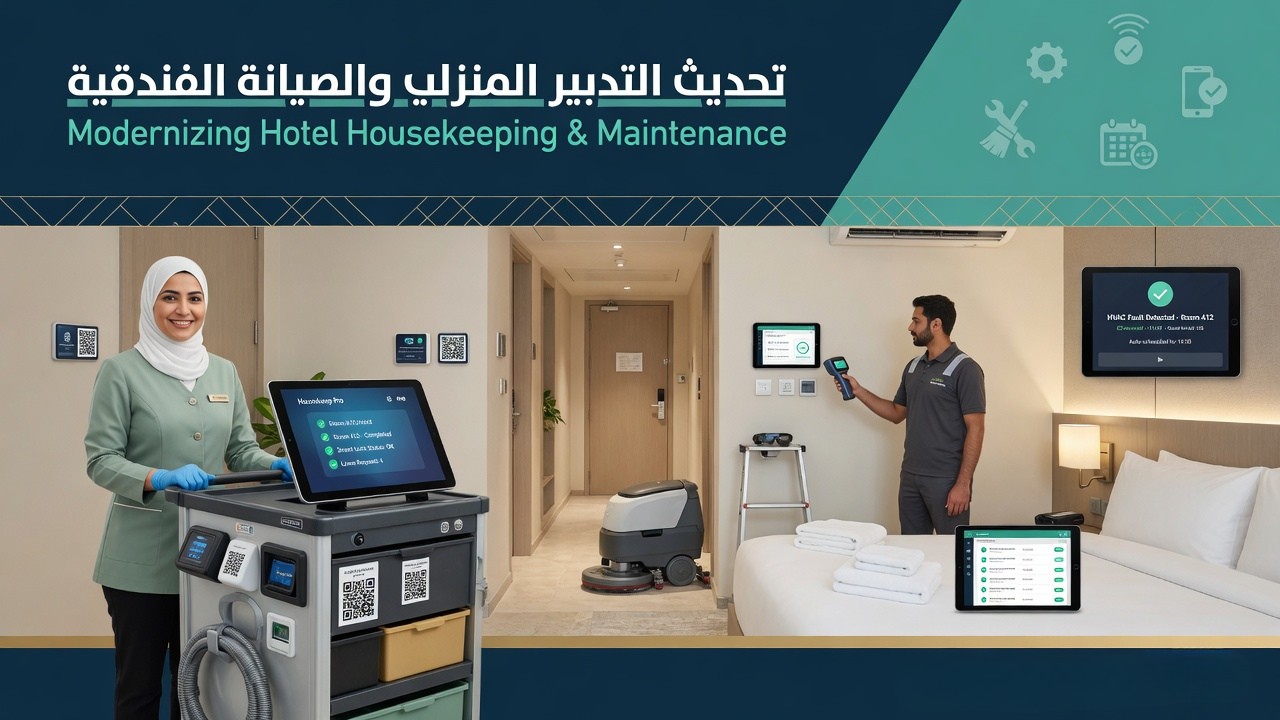
Housekeeping Awareness: Housekeeping staff are in the rooms daily. Train them to identify mini-bar consumption, report maintenance issues promptly (preventing costly repairs), and even discreetly upsell through in-room signage for premium services.

Seamless Service Delivery: Ensure that all requested services – from room service to spa appointments – are delivered promptly and professionally. A positive service experience reinforces the value of paid amenities and encourages future purchases.

Incentive Programs: Motivate staff by implementing incentive programs tied to upsells, positive guest feedback related to additional services, or specific revenue targets. A motivated team is more likely to engage with guests and identify revenue opportunities.

Investing in staff training and fostering a service-oriented culture ensures that every touchpoint with a guest becomes a potential opportunity to enhance their stay and increase the hotel's profitability.

Conclusion: The Art of Uncovering Value

The revenue potential within a hotel room is far greater than its nightly rate suggests. By adopting a holistic approach that embraces personalization, leverages cutting-edge technology, harnesses data-driven insights, fosters strategic partnerships, and empowers a well-trained staff, hoteliers can transform their rooms into dynamic profit centers. Uncovering this hidden revenue isn't just about financial gain; it's about enriching the guest experience, building loyalty, and positioning your property for long-term success in an ever-evolving hospitality landscape.

Ready to unlock the full potential of your hotel rooms? Start by auditing your current offerings, analyzing guest data, and empowering your team to identify and deliver value at every turn. The goldmine is waiting within. 

More posts
Affiliate Pro