Hotel Cost Control in Saudi Arabia 2026: How Hotels Reduce Inventory Waste, Stock Shortages & Purchasing Costs
Reading time: 12 minutes | Audience: Hotel owners, general managers, purchasing and F&B managers in Saudi Arabia | Updated: November 2026
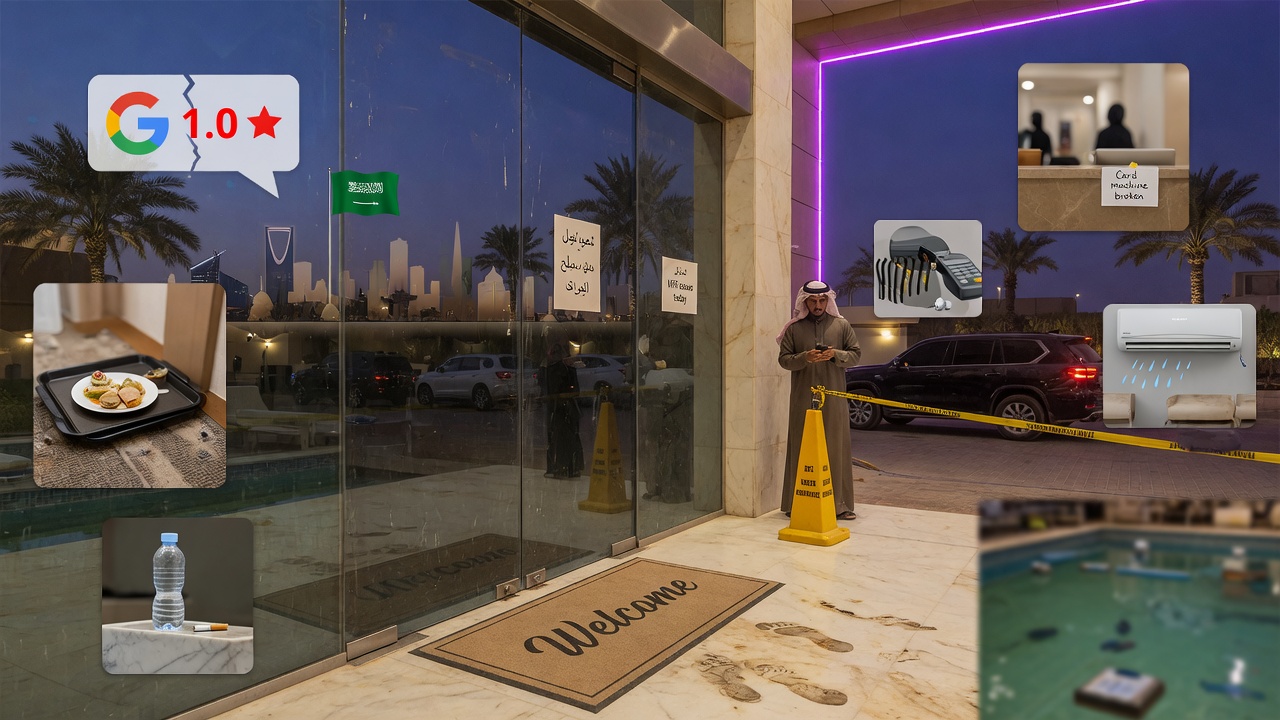
Hotel cost control in Saudi Arabia has become one of the most important skills for any hotel owner or manager in 2026. Room rates are competitive, guest expectations are rising, and the cost of food, cleaning supplies, linen, and amenities keeps changing. At the same time, the Kingdom is welcoming record numbers of pilgrims, tourists, and business travelers under Vision 2030. Hotels that cannot control what they buy, what they store, and what they waste are quietly losing profit every single day.
The good news is that most of this loss is avoidable. Inventory waste, unexpected stock shortages, and inflated purchasing costs are not random problems. They come from the same root causes: no live visibility of stock, buying decisions made by guesswork, weak supplier management, and systems that do not talk to each other. Fix the system, and the savings follow.
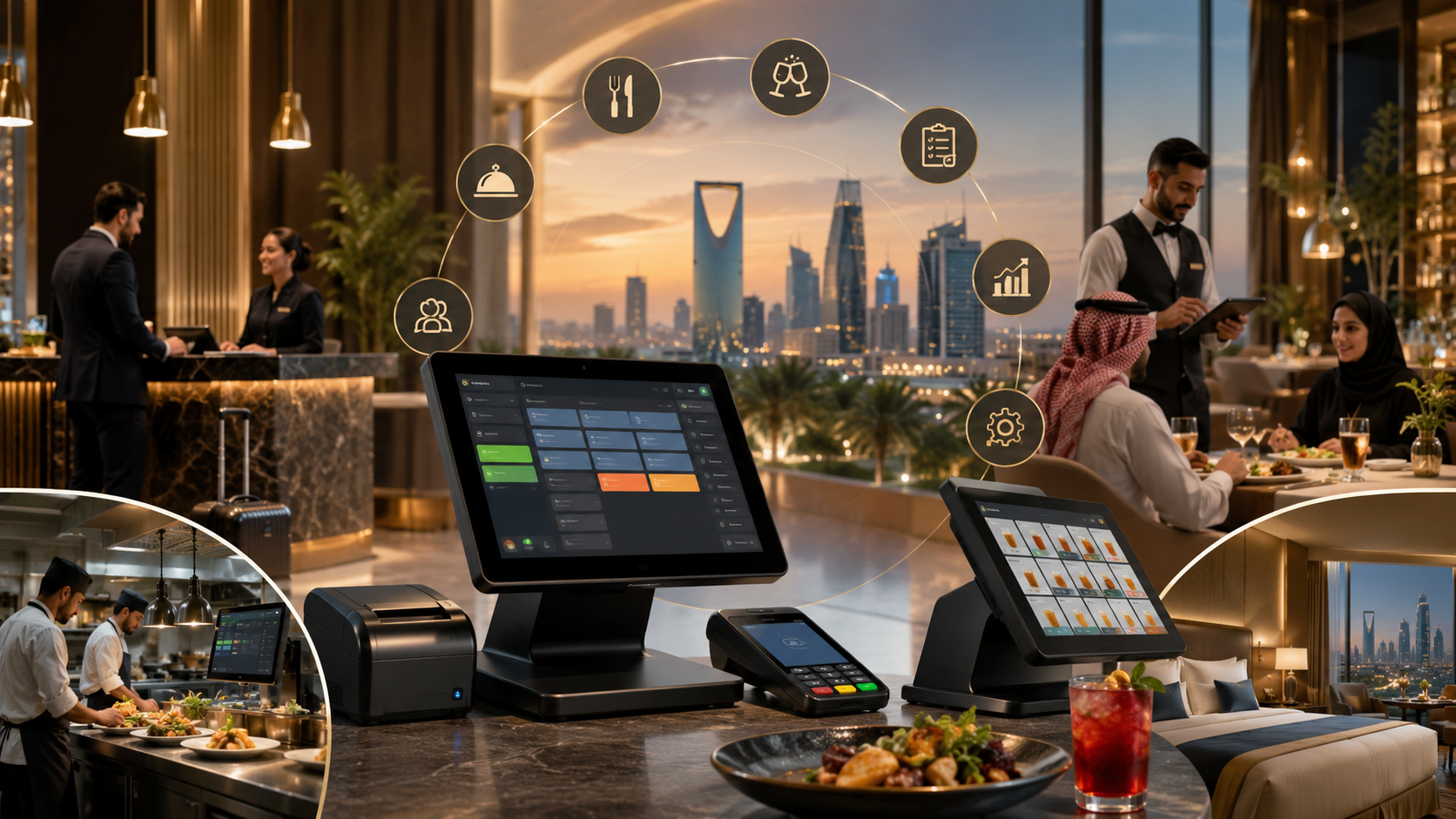
In this guide, we explain how modern Saudi hotels approach hotel inventory management and hotel purchasing costs in 2026. You will learn where the money leaks, how to stop it, what the best-run hotels in Riyadh, Jeddah, Makkah, Madinah, and the Eastern Province are doing differently, and how an integrated hotel PMS like Fandaqah turns cost control from a monthly headache into a daily habit.
Quick Answer
Hotels in Saudi Arabia reduce inventory waste, stock shortages, and purchasing costs by combining three things: real-time stock tracking with par levels, data-driven purchasing tied to occupancy forecasts, and structured supplier management with ZATCA-compliant digital invoicing. Hotels that move these processes into one connected system typically see purchasing savings of 5–15% and sharply fewer emergency orders within the first few months.
What Is Hotel Cost Control and Why Does It Matter More in 2026?
Hotel cost control is the process of planning, tracking, and reducing the operational expenses of a property without lowering guest satisfaction. It covers everything a hotel buys and consumes: food and beverage ingredients, housekeeping chemicals, guest amenities, linen and towels, minibar items, maintenance parts, office supplies, and even energy.
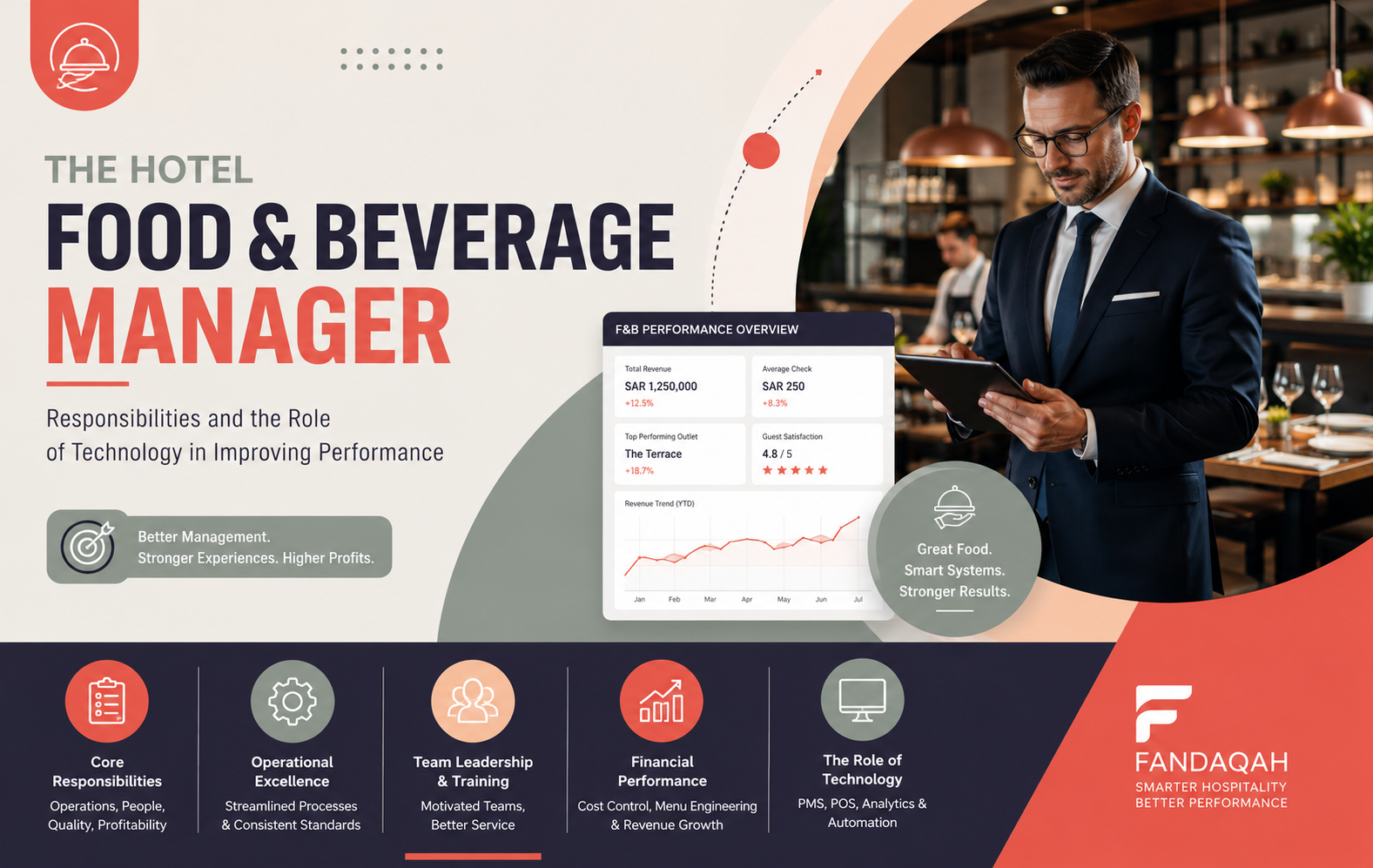
In a typical mid-size Saudi hotel, these consumable and purchasing costs can represent 25–35% of total operating expenses. Food and beverage alone often runs at 28–35% of F&B revenue in well-managed hotels and far higher in poorly managed ones. A few percentage points of improvement here are worth more than many room-rate increases, because every riyal saved in purchasing goes straight to the bottom line.
The three cost leaks every hotel faces
- Inventory waste: expired food, spoiled produce, over-portioned dishes, chemicals poured away, linen lost or damaged, amenities that quietly disappear from stores.
- Stock shortages: running out of bottled water, breakfast items, or cleaning supplies on a full-occupancy weekend, forcing expensive last-minute purchases and unhappy guests.
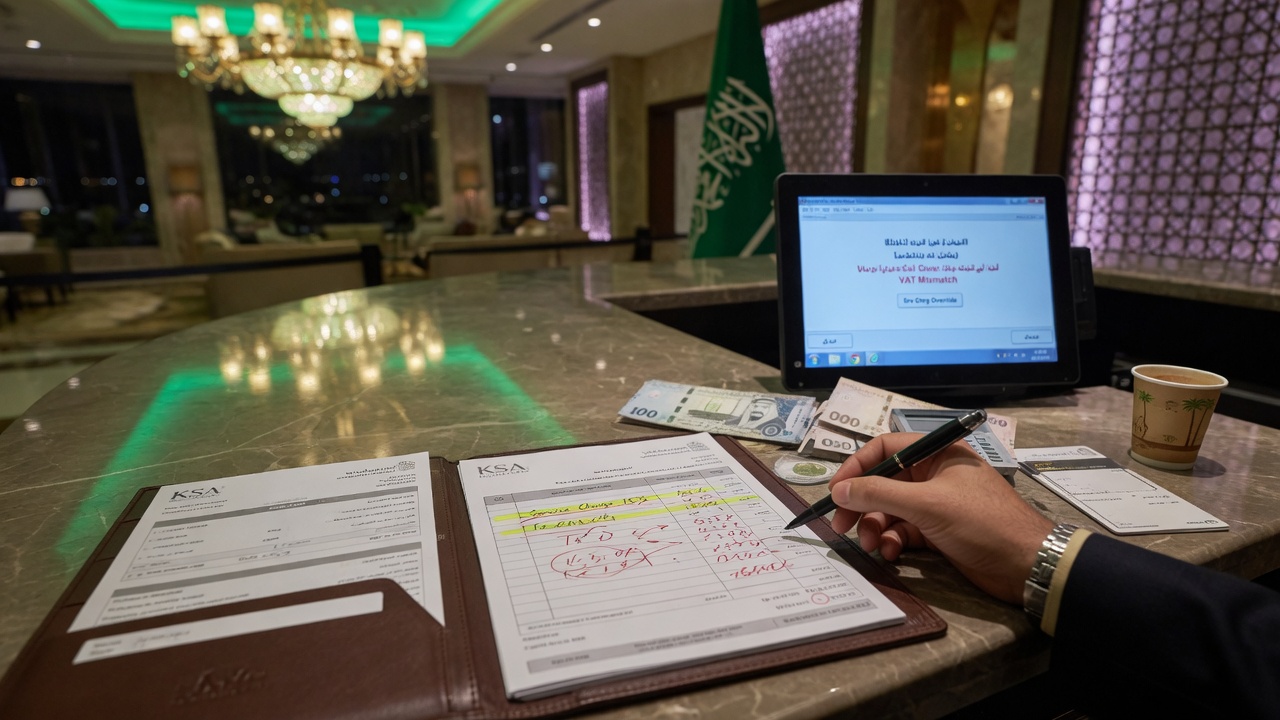
- Inflated purchasing costs: paying different prices to different suppliers for the same product, ordering without a budget, duplicate orders, missing volume discounts, and invoices that do not match delivery notes.
Why 2026 is different for Saudi hotels
Several forces are pushing cost control to the top of the agenda. Saudi Arabia continues to expand its hotel supply at record speed, especially in Makkah, Madinah, Riyadh, and the Red Sea destinations. More rooms mean more competition on price, which makes operating efficiency essential. Pilgrim volumes during Hajj and Umrah season create sharp demand peaks that stress inventory planning. ZATCA e-invoicing (Fatoora) now requires structured, digital purchasing records. And owners increasingly expect general managers to report on cost ratios with the same precision they report on occupancy and ADR.
"You cannot manage what you cannot see. Most hotels do not have a waste problem or a purchasing problem. They have a visibility problem. Once stock, orders, and consumption are visible in one place, the savings almost find themselves."
— Common insight from hotel finance and procurement leaders across the GCC
How Saudi Hotels Reduce Inventory Waste in 2026
Reducing hotel inventory waste starts with knowing exactly what you have, where it is, and how fast it is being used. Here are the methods that deliver the biggest results.
1. Set par levels for every stock item
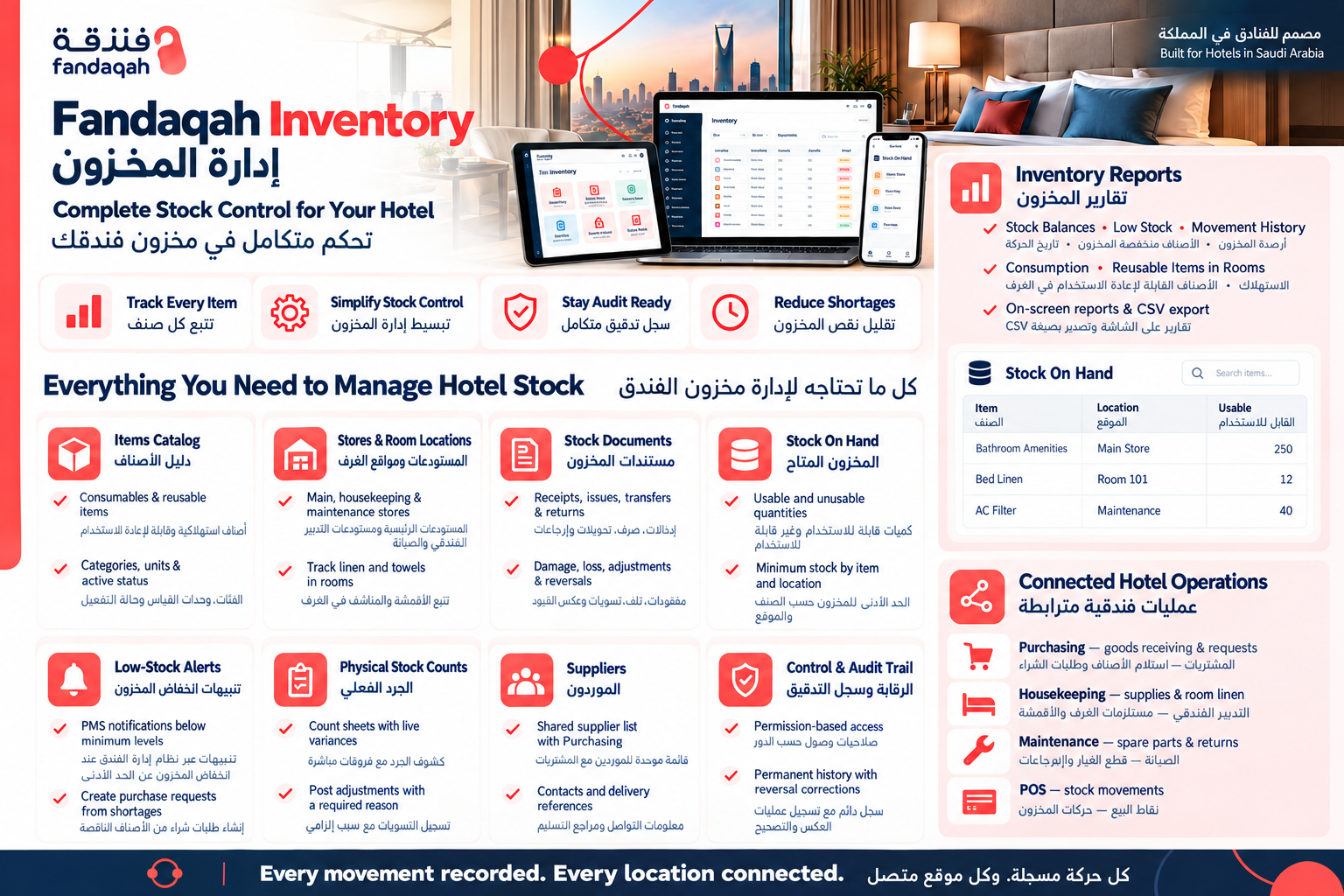
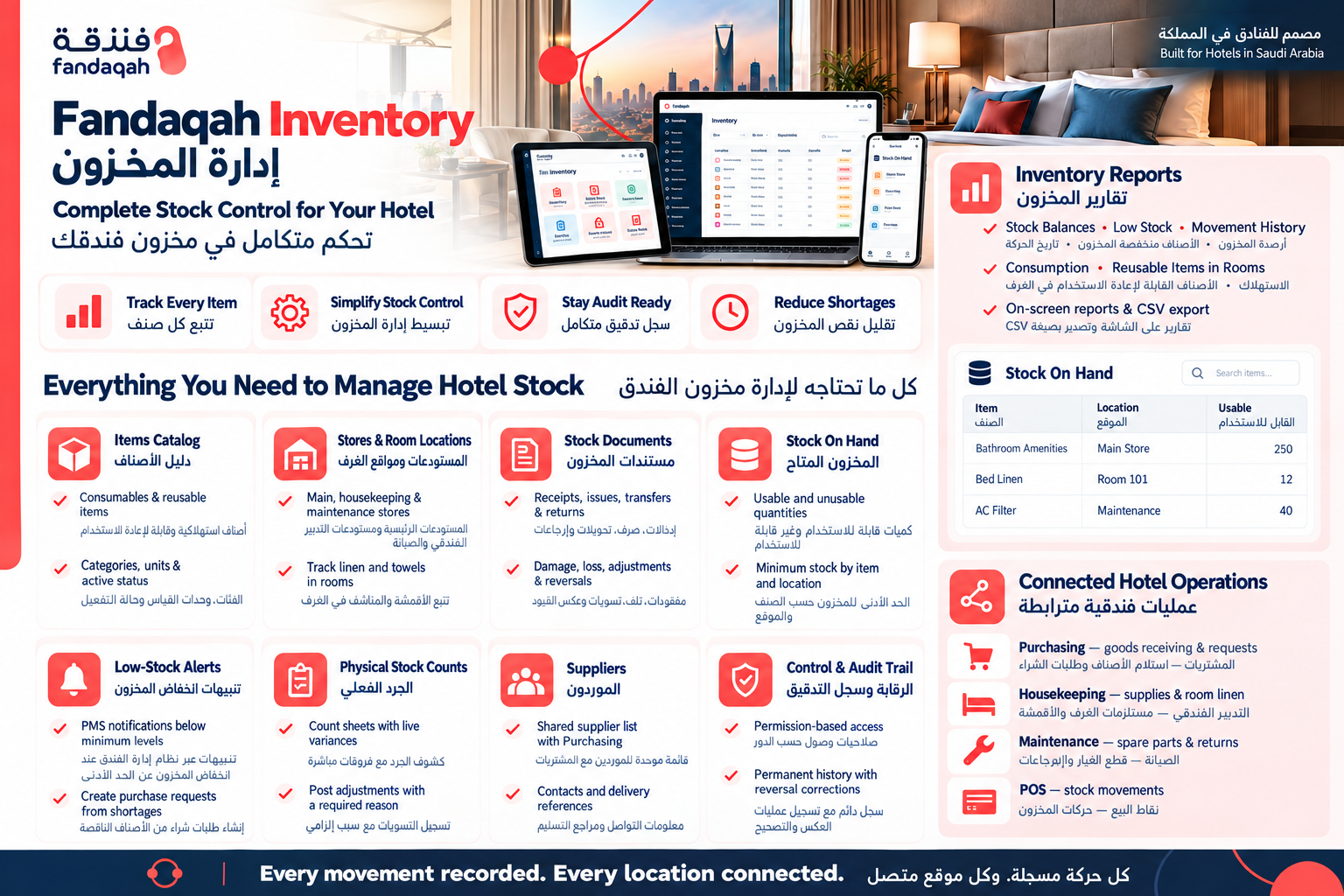
A par level is the minimum quantity of an item you must keep on hand to run smoothly until the next delivery. Setting par levels for food, beverages, cleaning chemicals, and amenities prevents both over-ordering (which causes waste) and under-ordering (which causes shortages). In a modern hotel PMS in Saudi Arabia like Fandaqah, par levels are stored per item and per store location, and the system flags anything that drops below the threshold.
2. Use FIFO and expiry tracking
First-In, First-Out (FIFO) rotation is simple, but it only works when staff know the receiving date of every batch. Digital receiving records with expiry dates allow kitchens and housekeeping to use the oldest stock first and get alerts before items expire. This single practice can cut food spoilage significantly, especially for dairy, bakery, and fresh produce used in large Saudi breakfast buffets.
3. Standardize recipes and portions
Standard recipes with exact portion sizes let the hotel calculate the theoretical cost of every dish. When you compare theoretical consumption with actual stock movement, the gap reveals waste, over-portioning, or theft. Hotels that track this "variance" weekly usually bring F&B cost ratios down within a quarter.
4. Run regular, fast stock counts
Monthly full counts are not enough in a high-turnover property. Leading hotels run short weekly cycle counts of high-value or high-waste categories (meat, seafood, minibar, chemicals) and reconcile them against system quantities. With mobile or tablet-based counting inside the PMS, a count that used to take a full day can take an hour.
5. Track consumption per occupied room
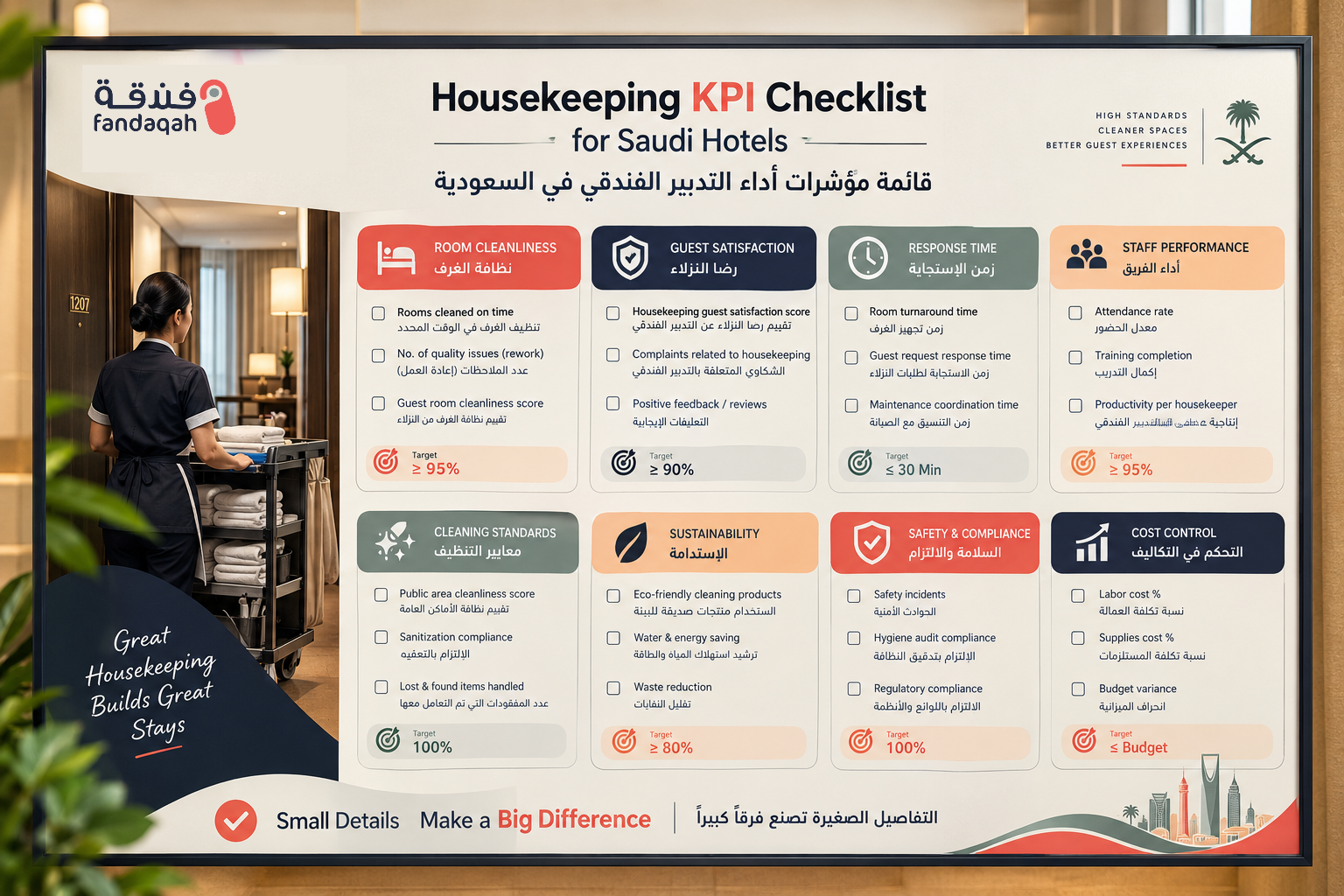
Instead of looking at raw spend, look at cost per occupied room (CPOR) for housekeeping and amenities, and cost per cover for F&B. These ratios make waste obvious. If amenity cost per room jumps 20% while occupancy is flat, something is wrong in the storeroom, not in demand.
???? Tip Box: The 80/20 rule of hotel waste
In most hotels, roughly 20% of inventory items generate 80% of the waste value. Start your cost control program with your top 30–50 items by spend (usually meat, poultry, dairy, bottled water, chemicals, and guest amenities). Control those tightly first, then expand to the rest of the catalog.
How Hotels Prevent Stock Shortages During Peak Seasons
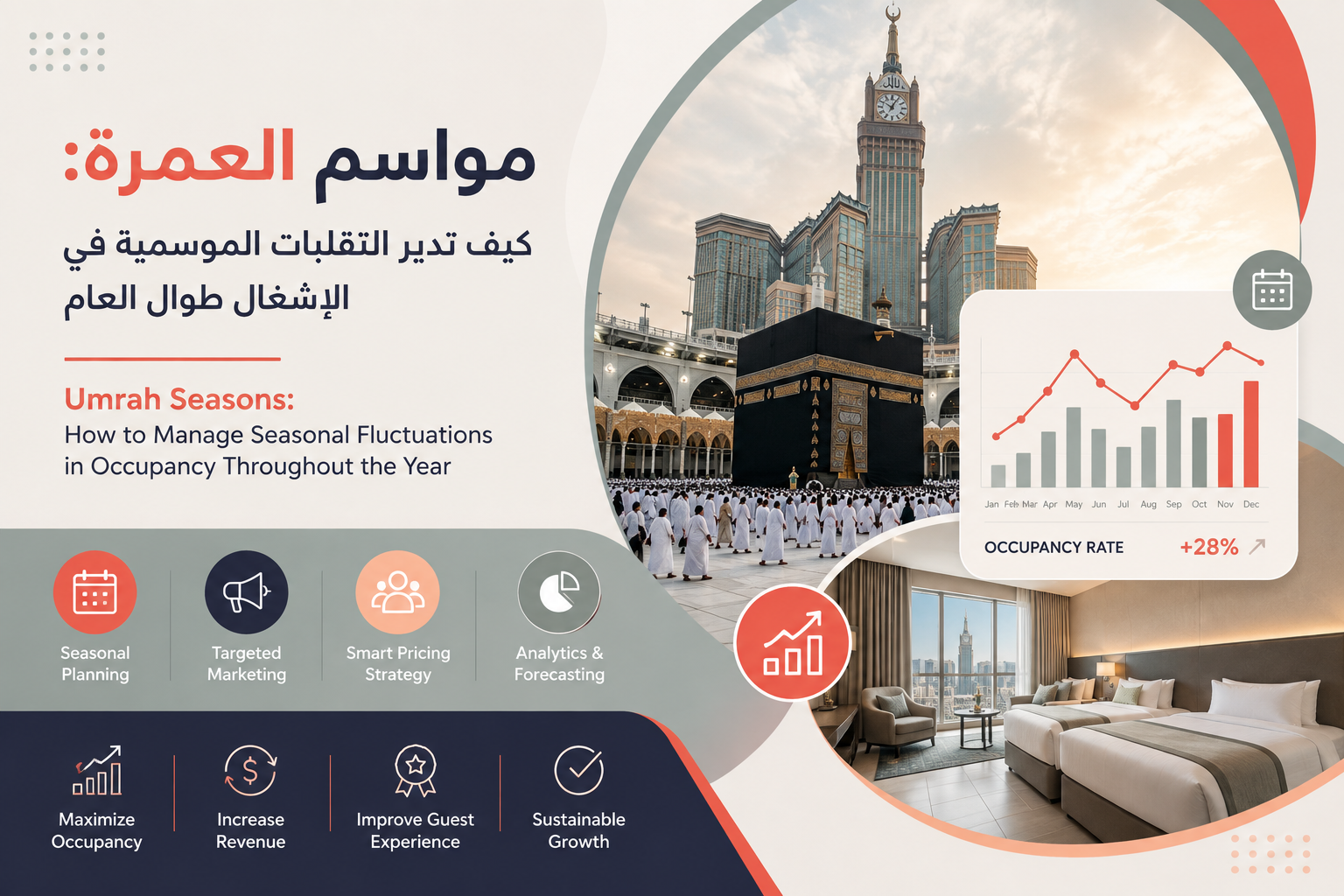
Hotel stock shortages are expensive in two ways: the emergency purchase itself (often at 20–40% above contract price) and the damage to the guest experience. In Saudi Arabia, shortages cluster around predictable peaks: Ramadan, Hajj, Umrah seasons, Riyadh Season, Eid holidays, major conferences, and sporting or entertainment events. Because these peaks are predictable, shortages are preventable.
Link purchasing to the occupancy forecast
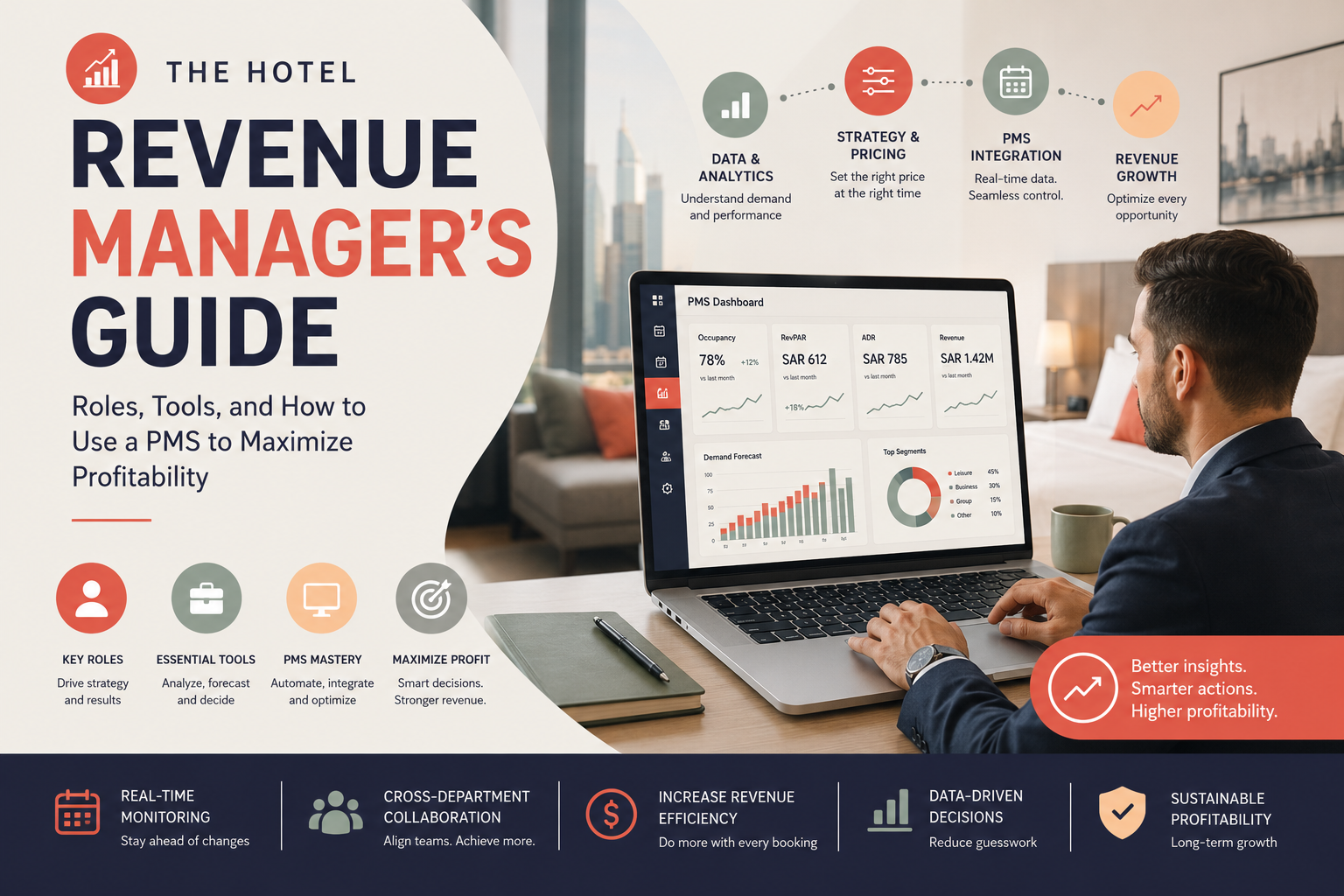
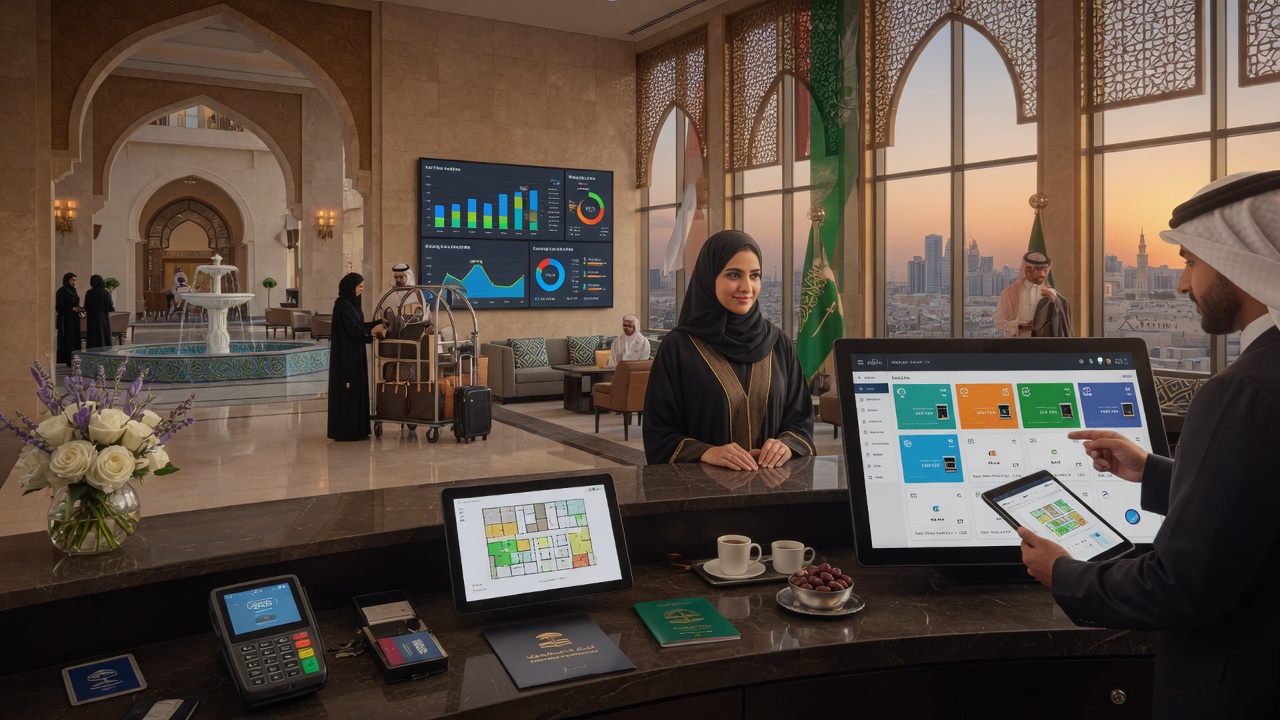
The most powerful change a hotel can make is connecting the purchasing plan to the reservation forecast. If the PMS already knows that next week is 95% occupancy with a large group from Egypt, the purchasing module can project consumption for breakfast, amenities, and housekeeping supplies and generate suggested purchase orders automatically. This is a key advantage of an all-in-one platform such as Fandaqah, where reservations, front office, and inventory share the same database.
Automated reorder points and alerts
When an item falls below its reorder point, the system should notify the purchasing manager and, ideally, draft a purchase order to the preferred supplier. Automated alerts remove the dependency on one person remembering to check the storeroom.
Multi-store visibility
Many hotels have several storage points: the main store, kitchen store, housekeeping floor pantries, bar store, and sometimes a second building. A shortage in one pantry often exists alongside a surplus in another. Multi-location stock tracking lets managers transfer internally before buying externally.
Supplier lead-time management
Record the actual lead time of every supplier and build it into reorder points. A supplier in Dammam serving a hotel in Al Khobar may deliver next day; a specialty importer may need ten days. Peak-season planning should also include backup suppliers for critical items such as bottled water, bread, and dates.
Hotel Purchasing Cost Reduction Strategies for 2026
Controlling hotel purchasing costs is not only about negotiating lower prices. It is about buying the right quantity, from the right supplier, at the right time, with full control over approvals and documentation. Here are the strategies Saudi hotels are using today.
- Centralized purchase orders: every purchase goes through a numbered PO with an approval workflow. No PO, no payment. This eliminates duplicate orders and unauthorized spending.
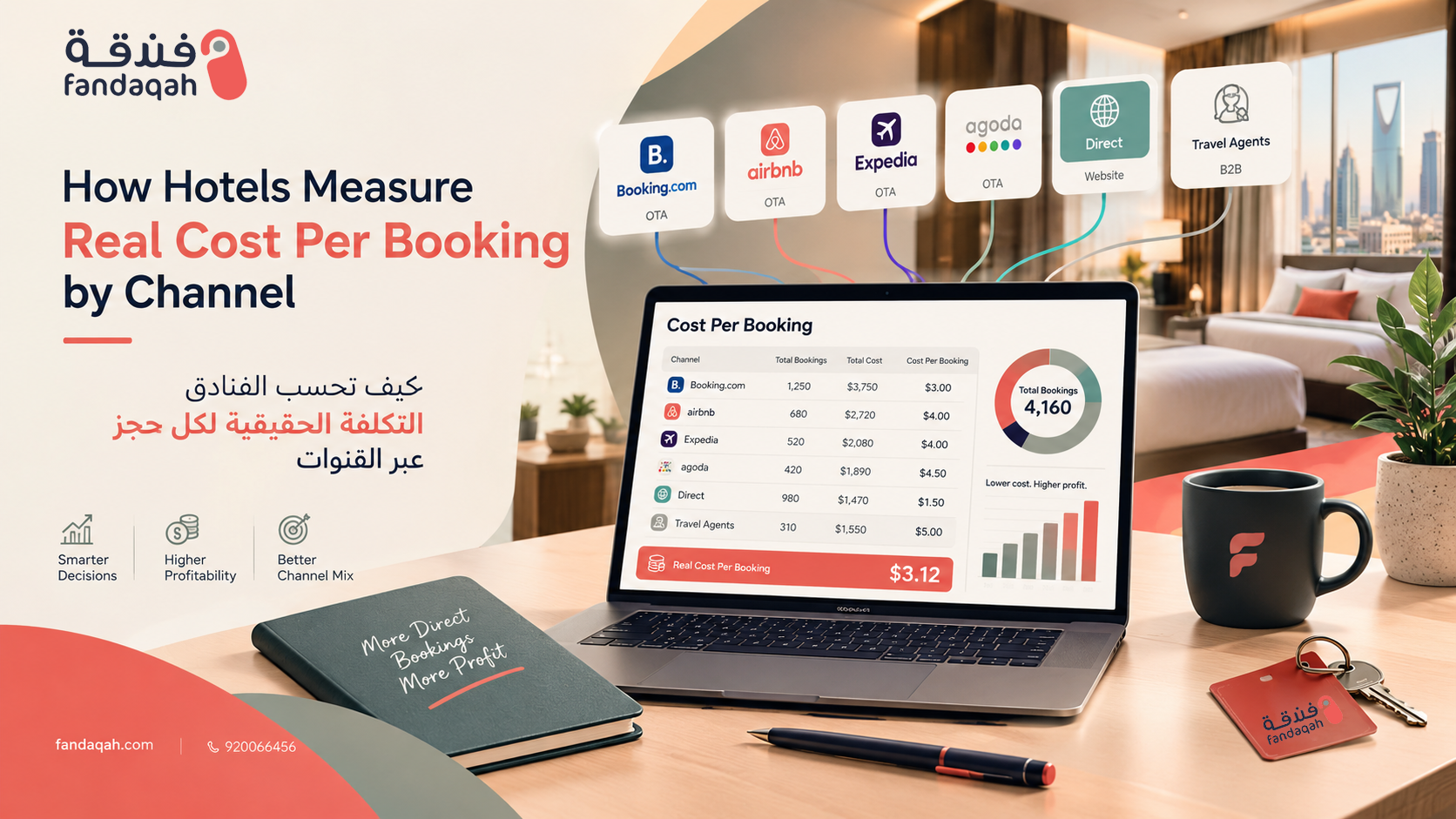
- Supplier price lists and comparisons: store contracted prices per supplier so the system can show, at order time, who offers the best price for each item. Hotels are often surprised to find they pay three different prices for the same brand of cooking oil.
- Three-way matching: match the PO, the goods received note, and the supplier invoice before approving payment. Short deliveries and overbilling are caught automatically.
- Volume consolidation: group orders across departments or sister properties to unlock volume discounts from suppliers in Riyadh, Jeddah, or Dammam.
- Budget control by department: set monthly purchasing budgets for F&B, housekeeping, and engineering, and have the system warn when an order would exceed the budget.
- Local sourcing: Saudi-grown produce, local dairy, and domestic manufacturers of amenities and chemicals often cost less and arrive faster than imported alternatives, and they align with Vision 2030 local-content goals.
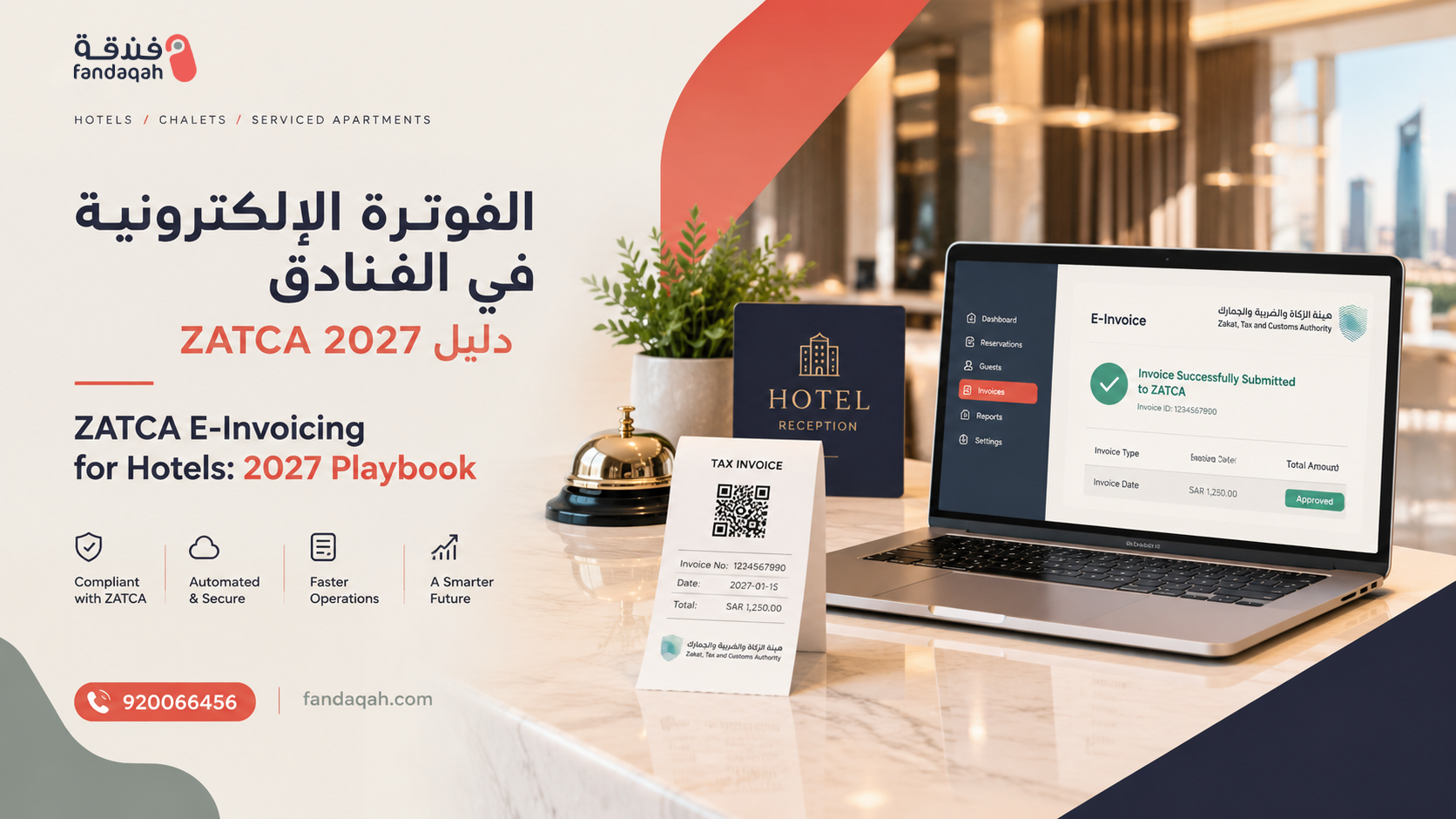
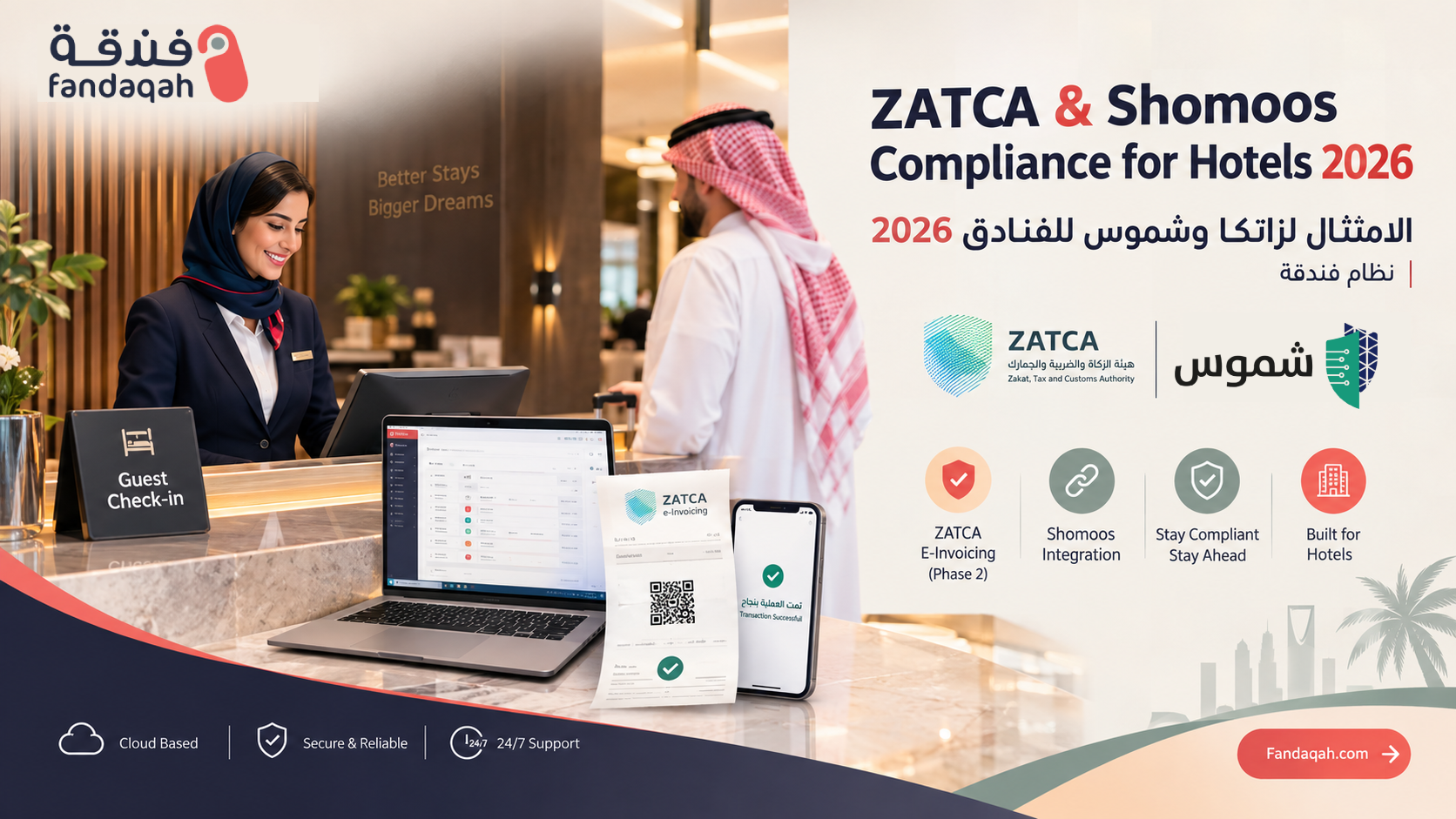
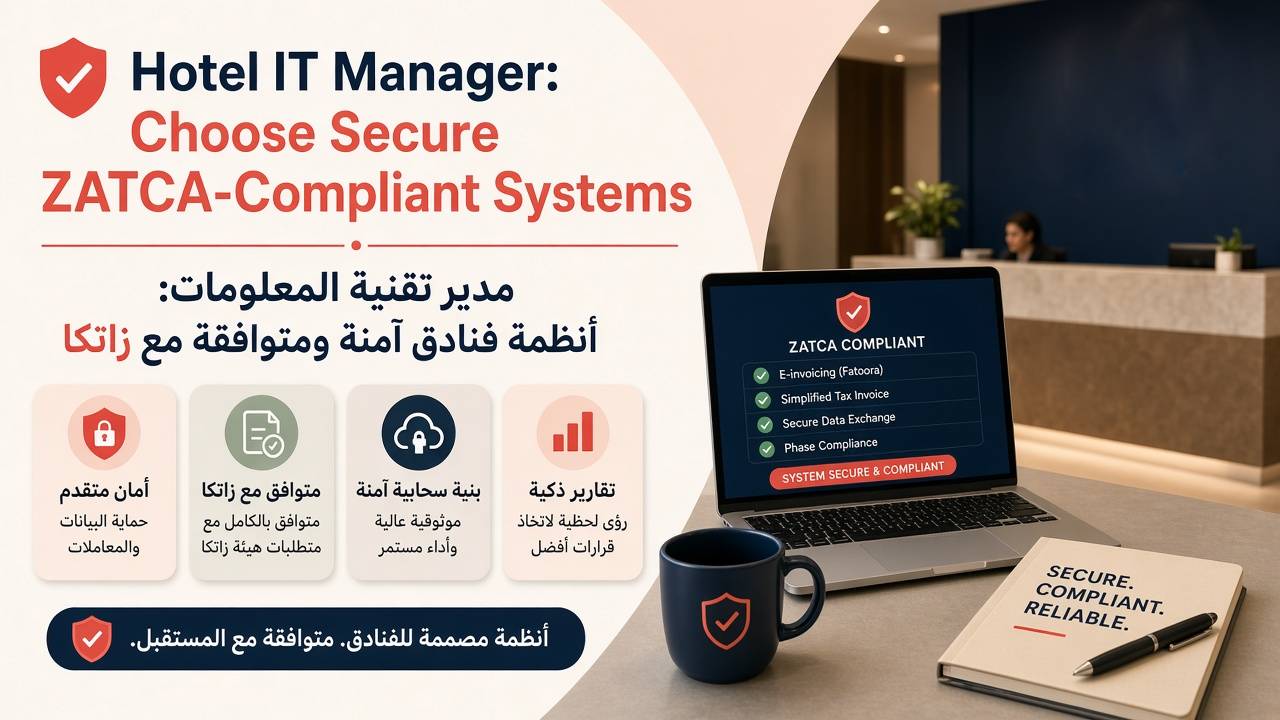
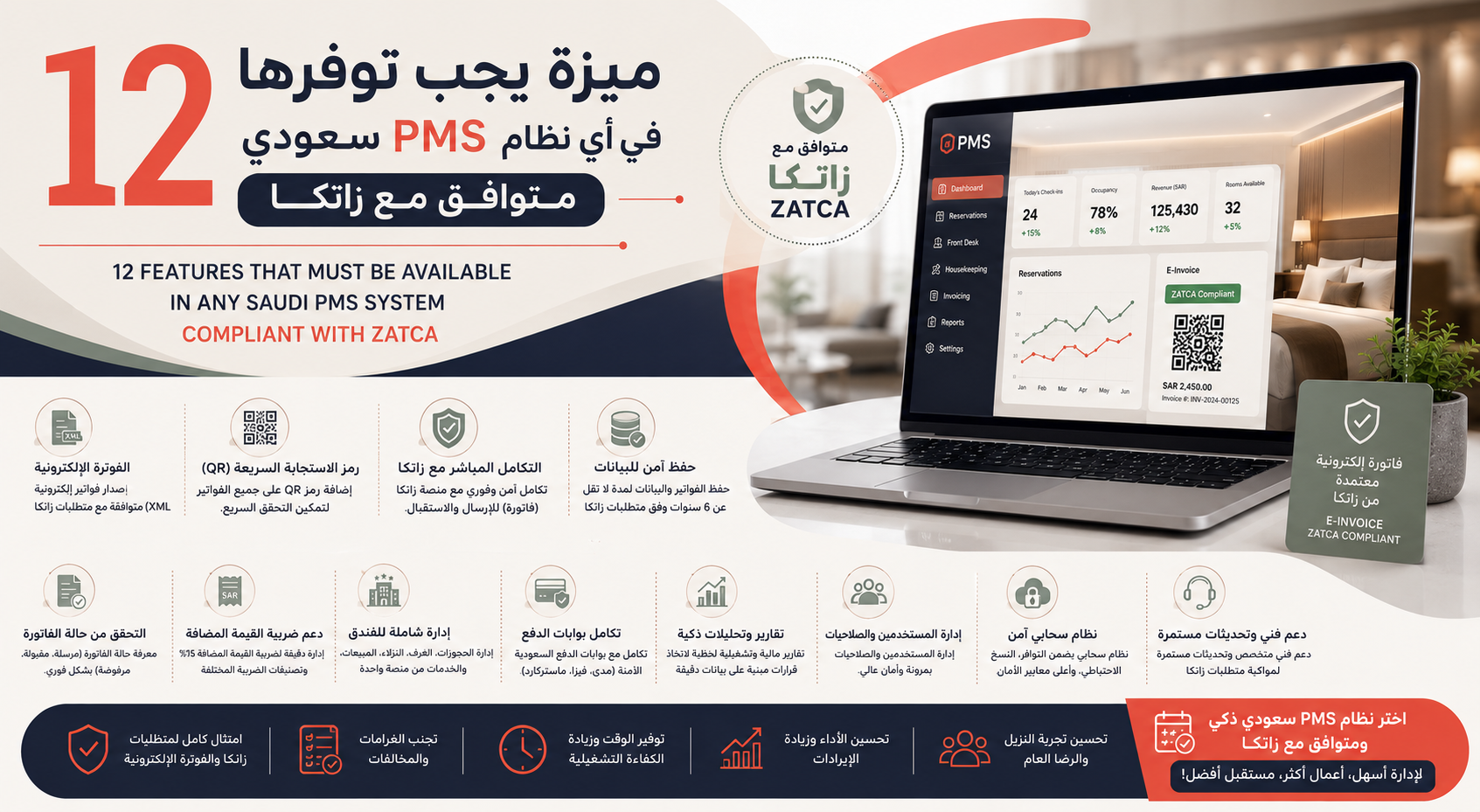
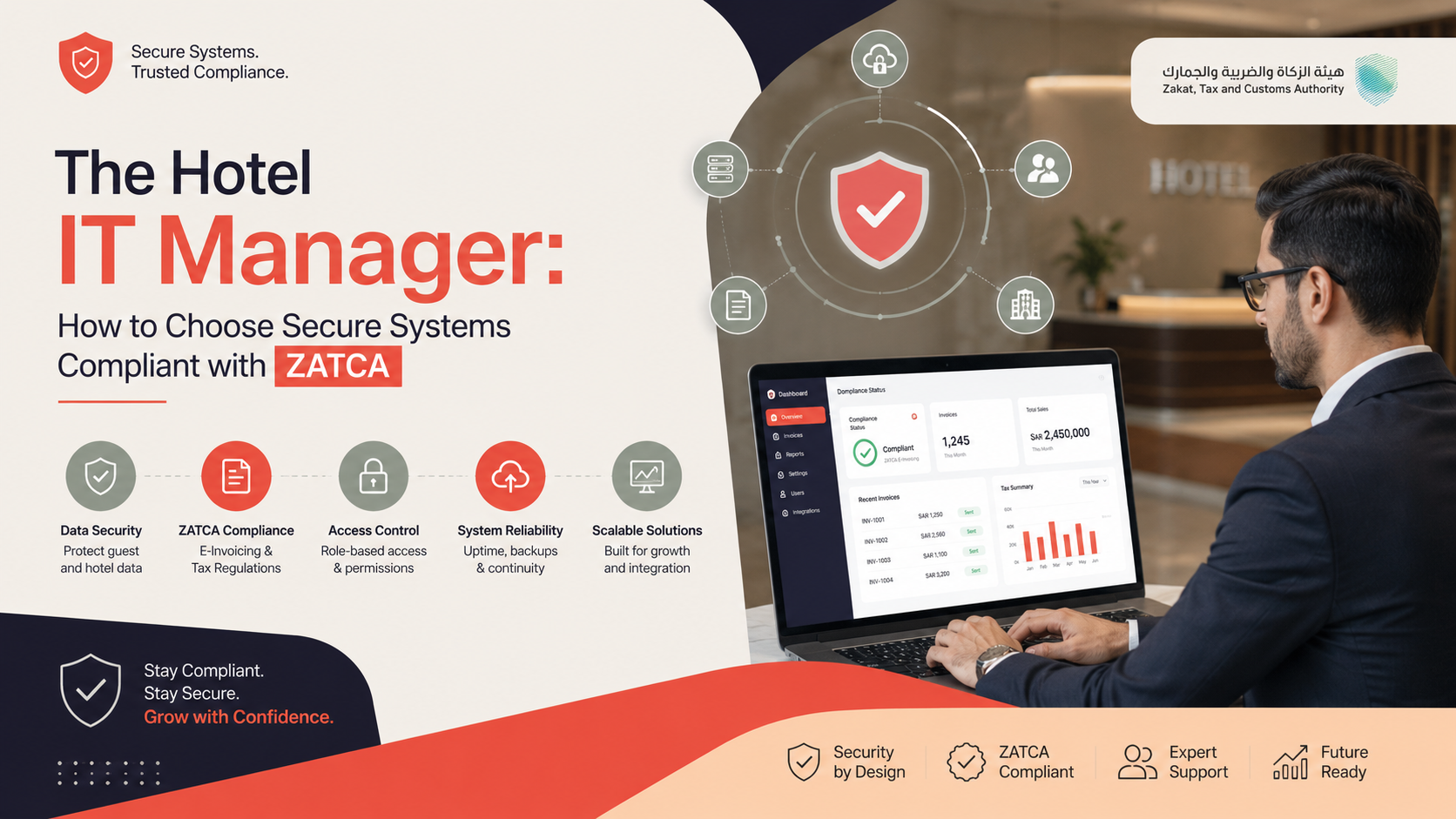
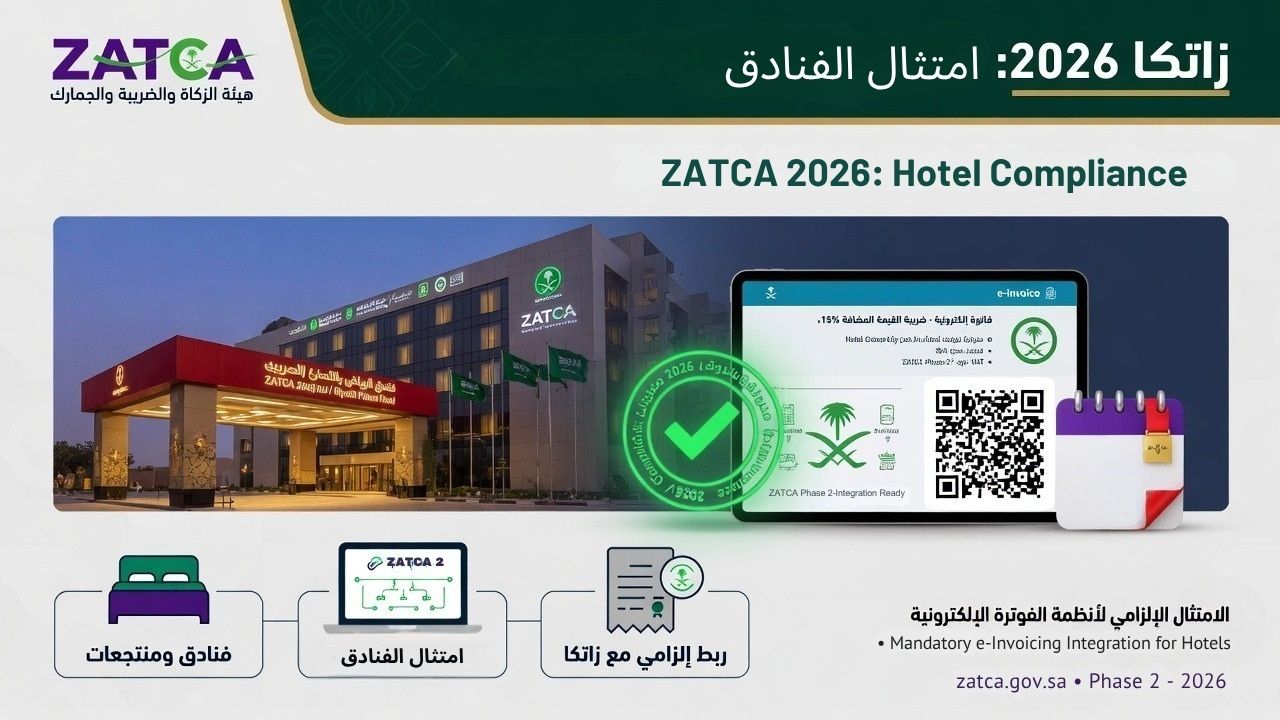
- ZATCA-compliant digital invoicing: capturing supplier e-invoices directly into the purchasing system reduces manual entry errors and keeps VAT reporting clean.
???? Note Box: Purchasing and the ZATCA e-invoicing requirement
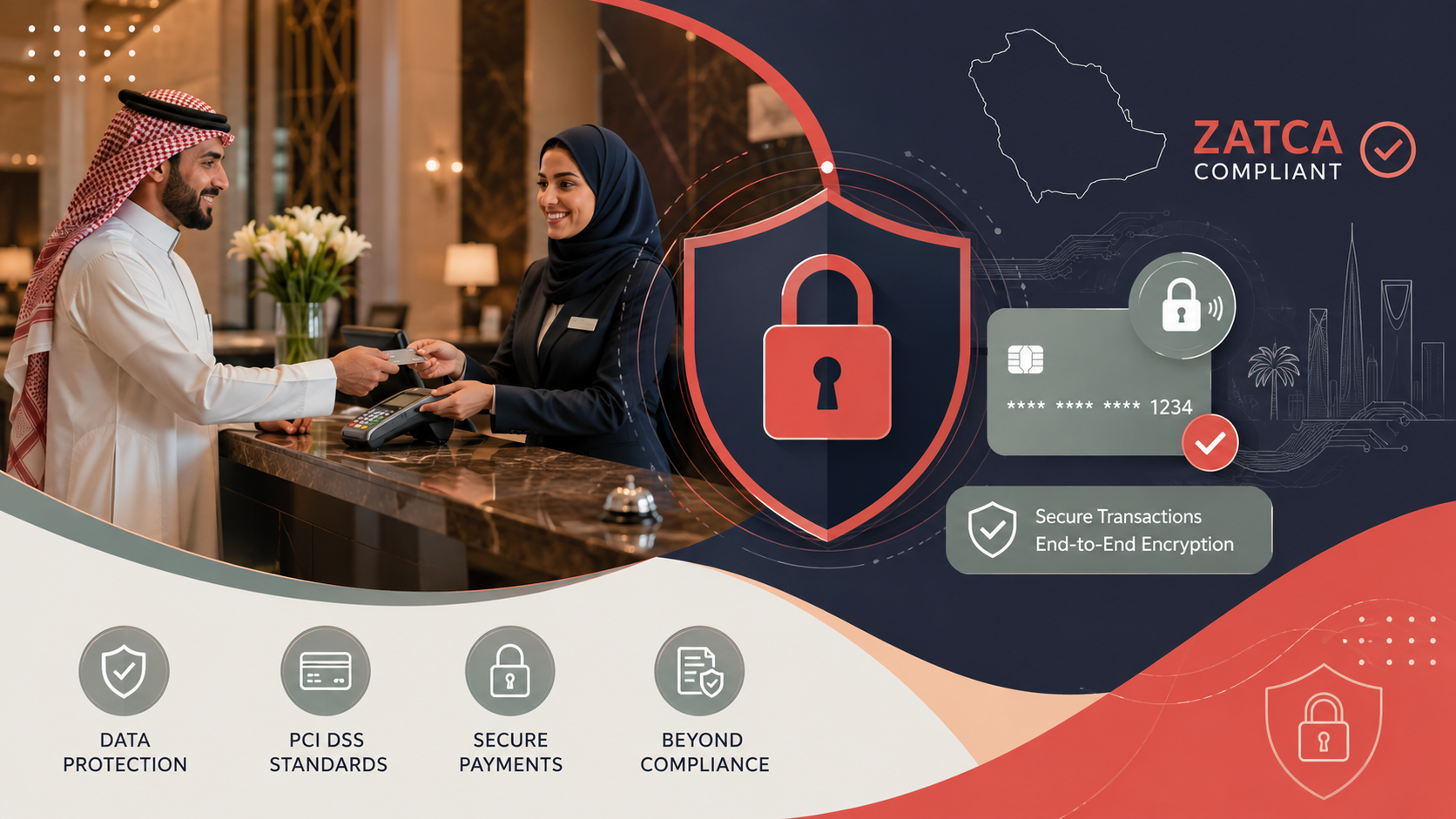
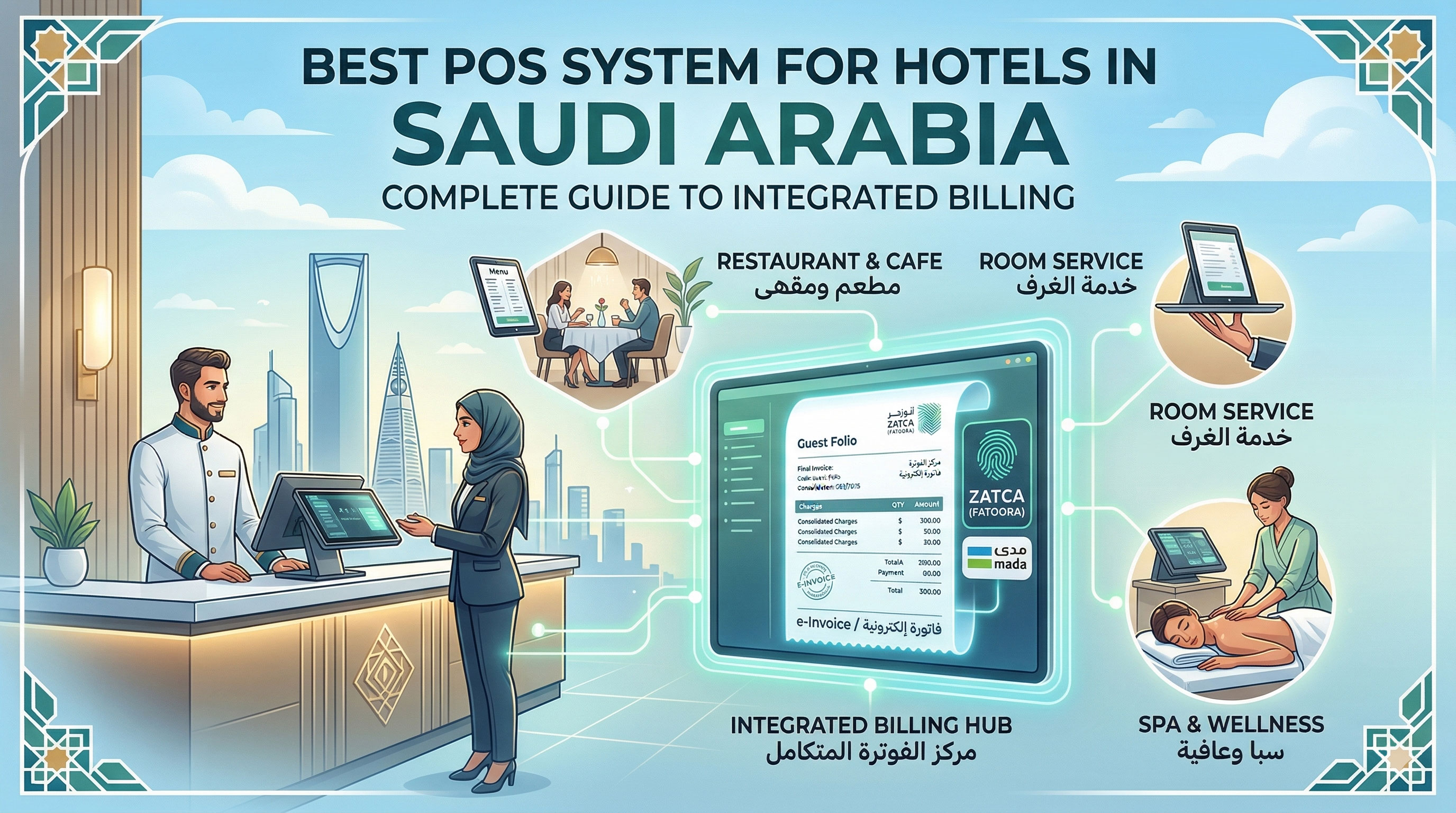
Saudi Arabia's e-invoicing (Fatoora) rules mean hotels must handle supplier invoices in structured electronic form, with correct VAT details. A procurement process that still runs on paper invoices and Excel creates compliance risk and audit stress. A ZATCA-compliant hotel procurement system stores every PO, delivery note, and invoice together, ready for the accountant and for any review.
Key Features of Effective Hotel Inventory & Purchasing Control
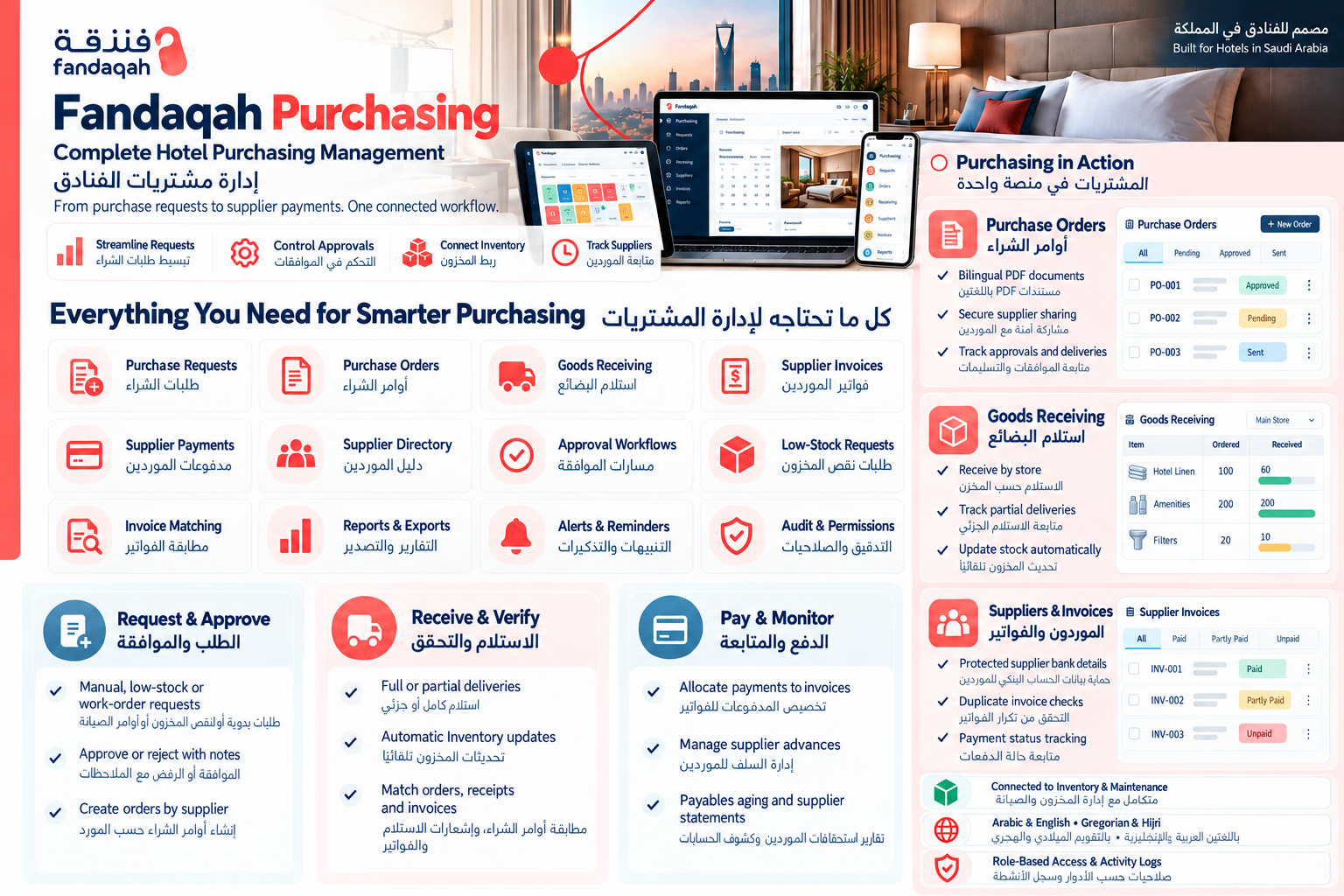
Whether you run a 40-room boutique hotel in Al Ula or a 600-room property near the Haram, the capabilities that matter are the same. The best hotel inventory management software in Saudi Arabia should deliver:
- Real-time stock levels across all stores and departments, updated with every receipt, issue, and transfer.
- Par levels and automatic reorder alerts so nothing runs out and nothing is over-ordered.
- Purchase order workflow with approvals, supplier price lists, and budget checks.
- Goods receiving and three-way matching to stop overbilling and short deliveries.
- Supplier management with contact details, contracts, lead times, performance history, and VAT records.
- Consumption and variance reports comparing theoretical usage with actual stock movement.
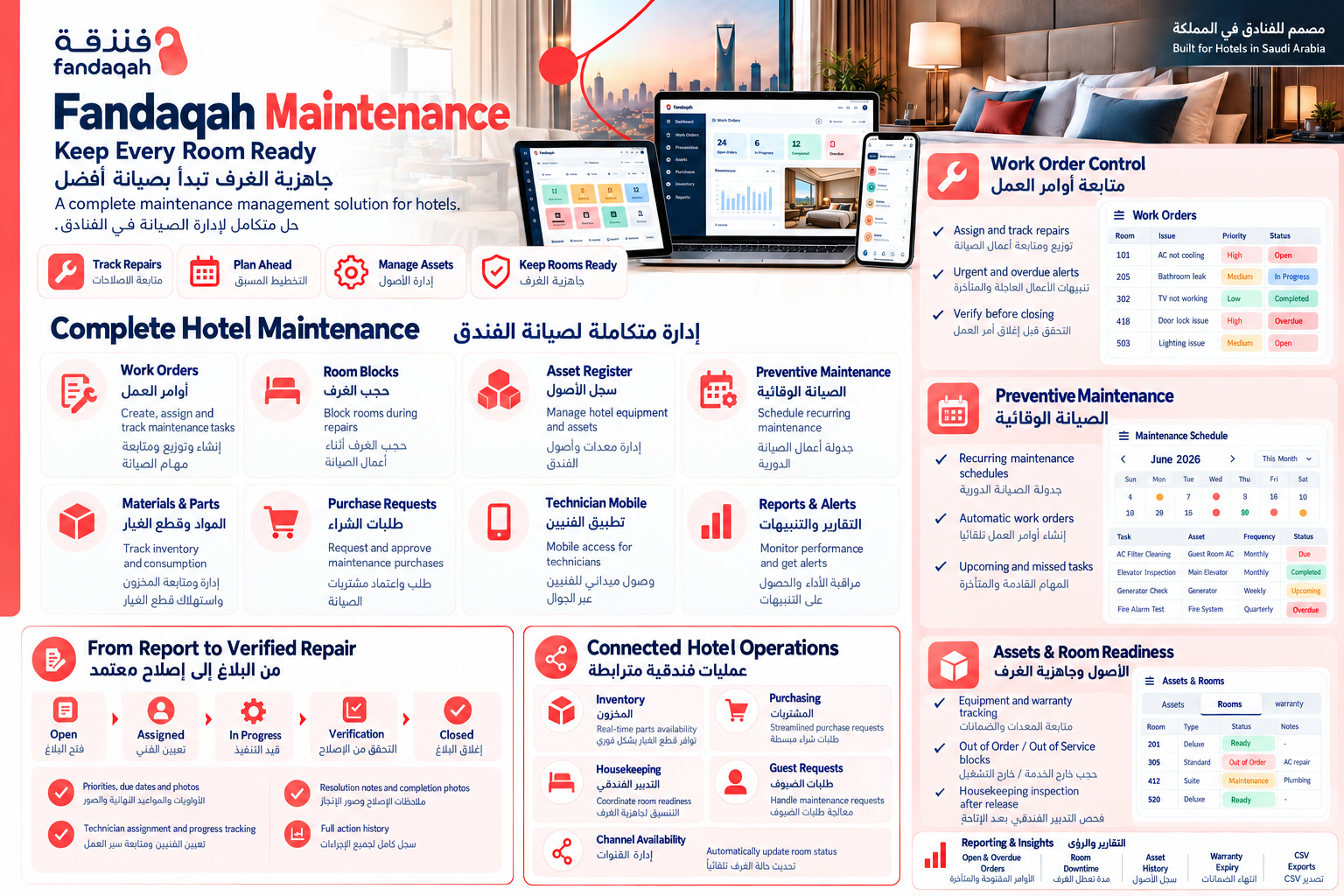
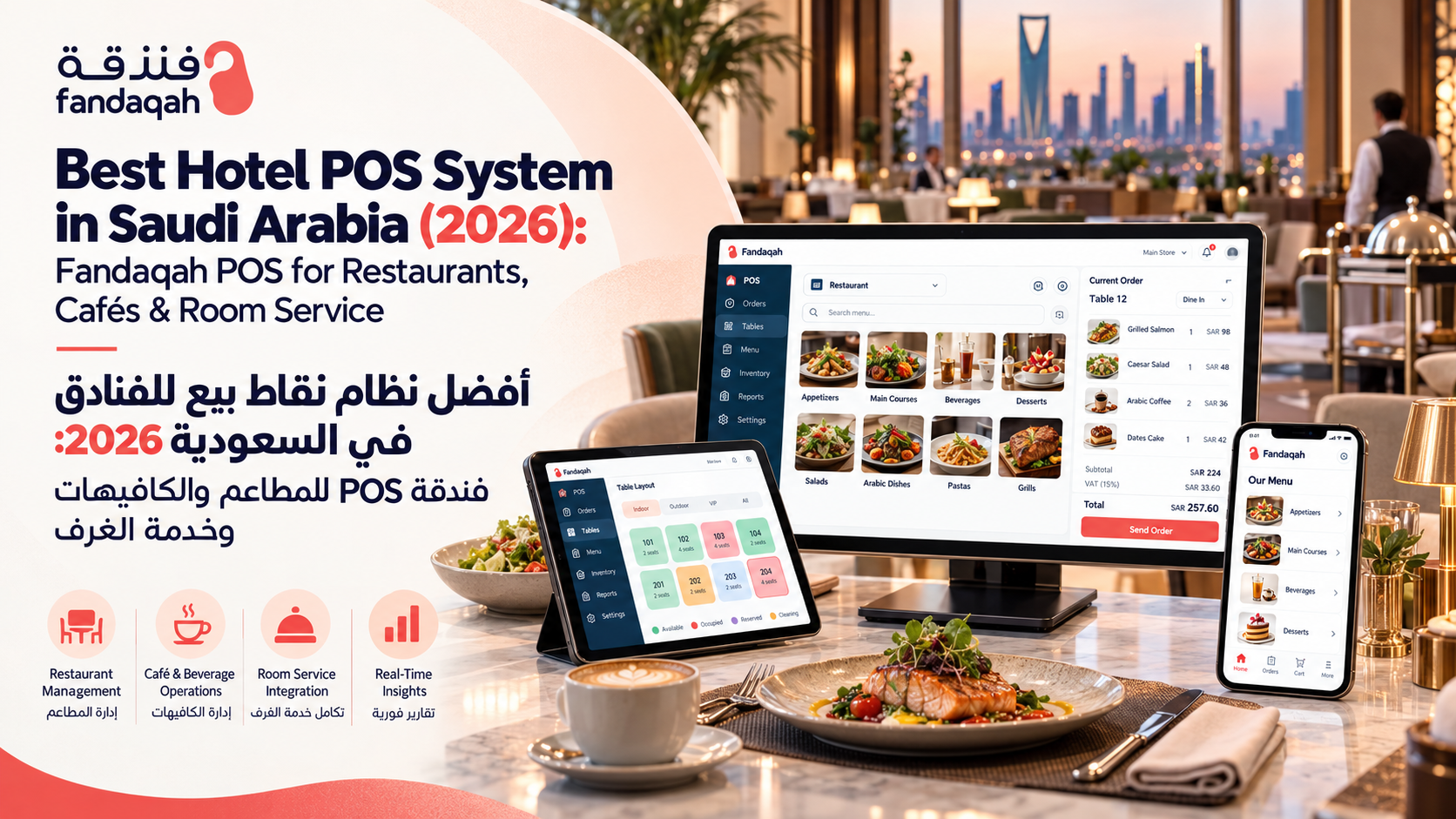
- Integration with the PMS and POS so occupancy, room service, and restaurant sales drive inventory deductions automatically.
- Arabic and English interface so storekeepers, chefs, and accountants all work in the language they prefer.
- Cloud access on mobile for counting, receiving, and approvals from anywhere in the property.
The benefits follow directly: lower food and supply costs, fewer emergency purchases, less spoilage, cleaner audits, faster month-end closing, and managers who spend their time improving service instead of chasing spreadsheets.
Real-World Use Cases: Hotel Cost Control Across Saudi Arabia
The following scenarios are illustrative and reflect the patterns we see most often in Saudi properties. Figures are typical ranges, not promises.
Case 1: A 180-room pilgrim hotel in Makkah during Umrah season
The challenge: occupancy swings from 55% in quiet weeks to 100% during Ramadan and the Umrah peaks, with large group arrivals that need breakfast for hundreds of guests. The hotel repeatedly ran out of dates, water, and juice, then over-ordered to compensate and threw away unused perishables after the peak.
The approach: the hotel linked its purchasing to the reservation forecast in its PMS, set par levels per item for "peak" and "normal" modes, and added a backup supplier for water and bread. Result in this type of scenario: emergency purchases fall sharply, food waste after peaks drops, and the F&B cost ratio typically improves by several percentage points within one season.
Case 2: A business hotel in Riyadh with uncontrolled amenity costs
The challenge: amenity and housekeeping chemical costs per occupied room rose for three months with no change in occupancy. Floor pantries were restocked freely from the main store with no records.
The approach: every issue from the main store to a floor pantry was logged in the inventory module, and housekeeping consumption was reported per occupied room weekly. The data quickly showed one floor consuming twice the average. After retraining and controlled issuing, CPOR returned to normal. This is a classic example of how housekeeping supplies management pays for itself.
Case 3: A small hotel group in Jeddah paying three prices for one product
The challenge: three properties under one owner each bought cleaning supplies and bottled water from different suppliers at different prices, with no shared visibility.
The approach: a central supplier price list inside the group's PMS, consolidated monthly orders, and one negotiated contract. Typical outcome for this kind of consolidation: purchasing savings in the 8–15% range on the consolidated categories, plus far less admin work.
Case 4: An Eastern Province hotel preparing for a ZATCA audit
The challenge: supplier invoices were scattered between email, WhatsApp photos, and paper files. Matching them to deliveries took the accountant days.
The approach: all receiving and invoicing moved into the purchasing module with three-way matching. Month-end closing shortened from more than a week to a few days, and the audit trail became complete and searchable.
Comparison: Manual Methods vs Spreadsheets vs an Integrated Hotel PMS
Many Saudi hotels still manage inventory on paper or in Excel. The table below shows how each approach performs on the factors that drive cost.
| Factor |
Paper & Manual Counts |
Excel Spreadsheets |
Integrated PMS (e.g. Fandaqah) |
| Stock visibility |
Only at count time |
Delayed, depends on manual entry |
Real time, all locations |
| Reorder alerts |
None |
Manual formulas, often ignored |
Automatic, par-level based |
| Link to occupancy forecast |
No |
No |
Yes, shared reservation data |
| Purchase order approvals |
Verbal or paper |
Email chains |
Built-in workflow with budgets |
| Three-way matching |
Rare |
Manual, error-prone |
Automatic PO / GRN / invoice match |
| ZATCA / VAT readiness |
Weak |
Partial |
Structured digital records |
| Time per monthly stock count |
1–2 days |
1 day |
Hours, with mobile counting |
| Typical waste & cost impact |
High waste, frequent shortages |
Moderate improvement |
Lowest waste, fewest shortages |
Why Fandaqah fits Saudi hotels specifically
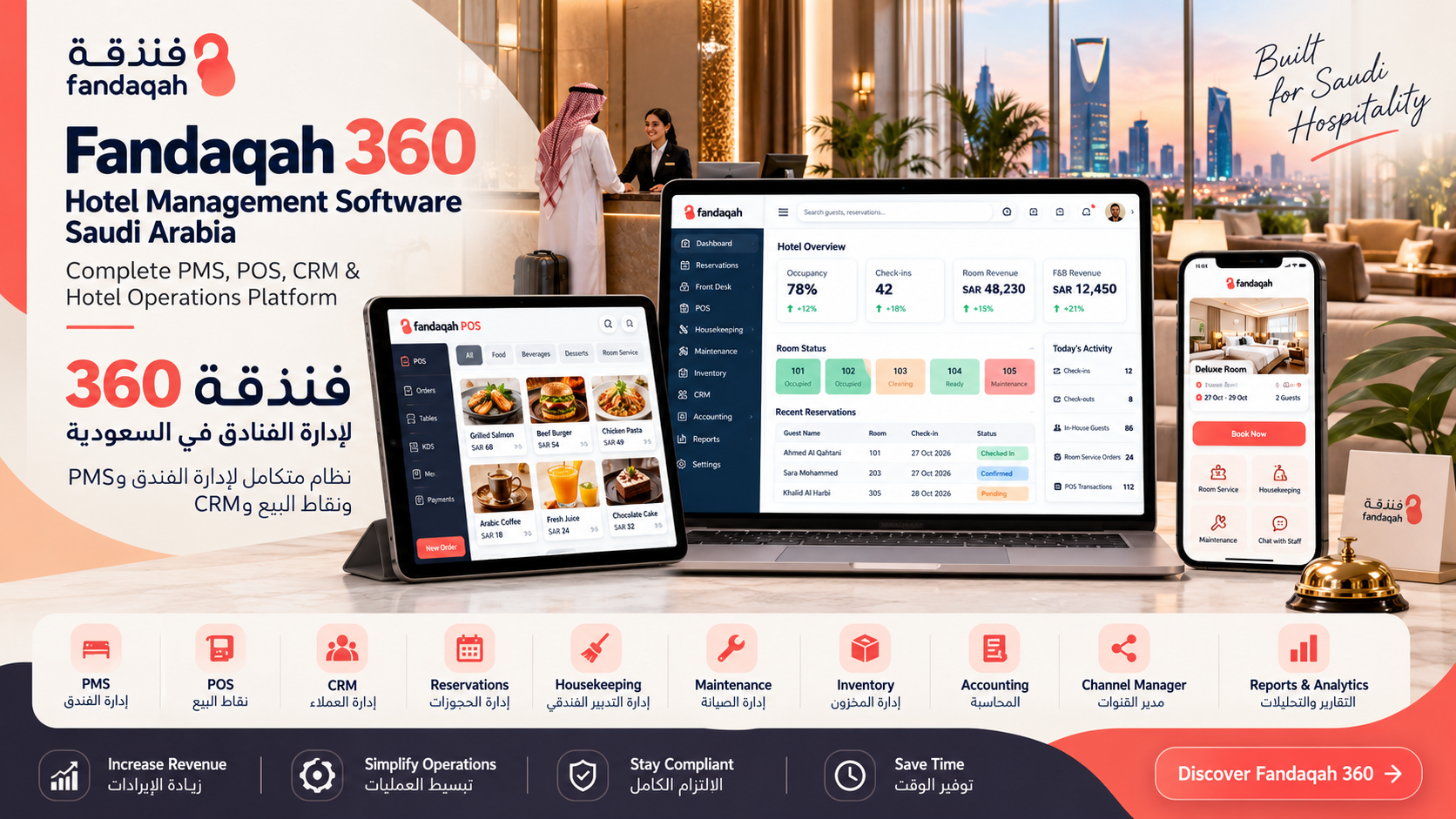
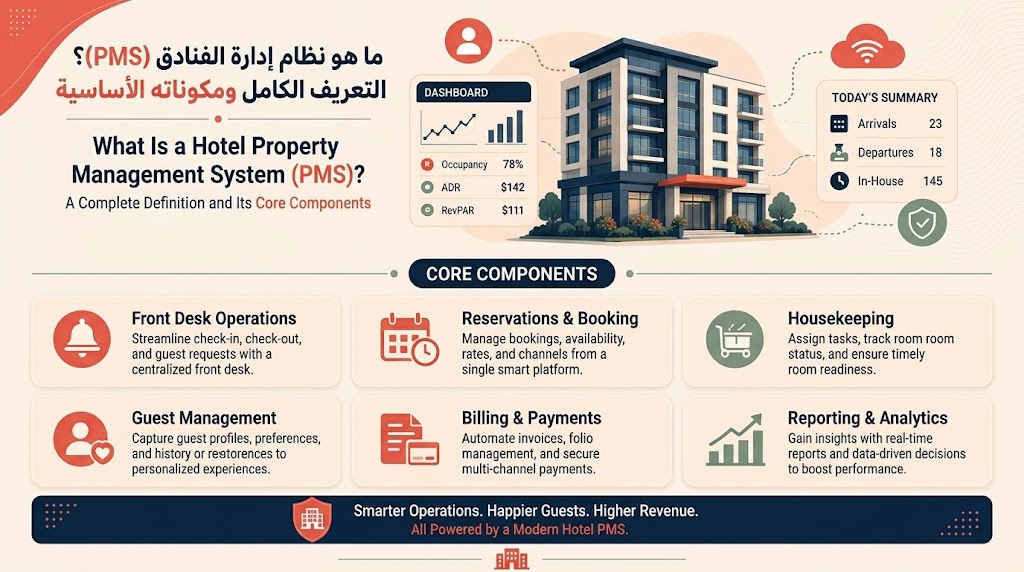
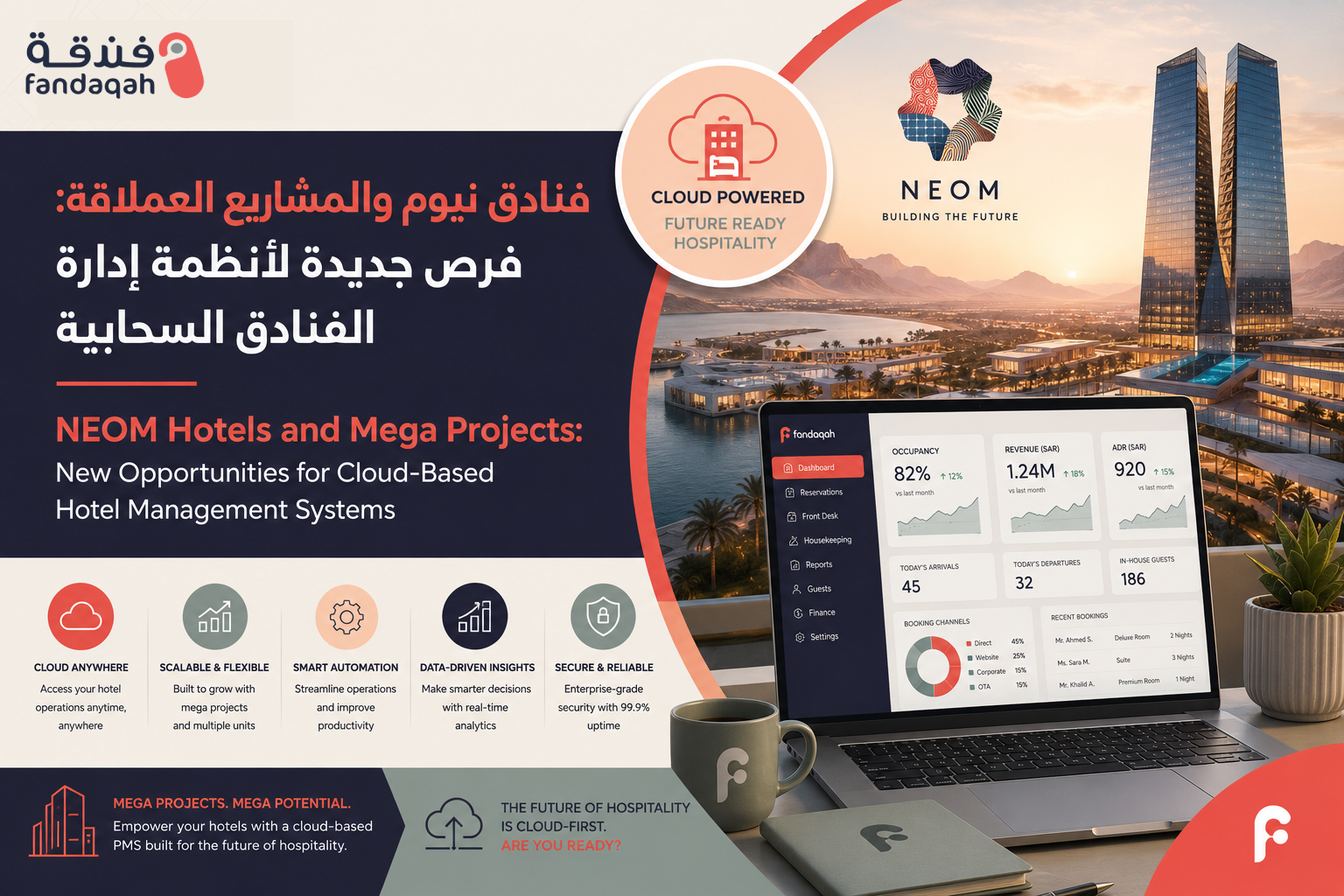
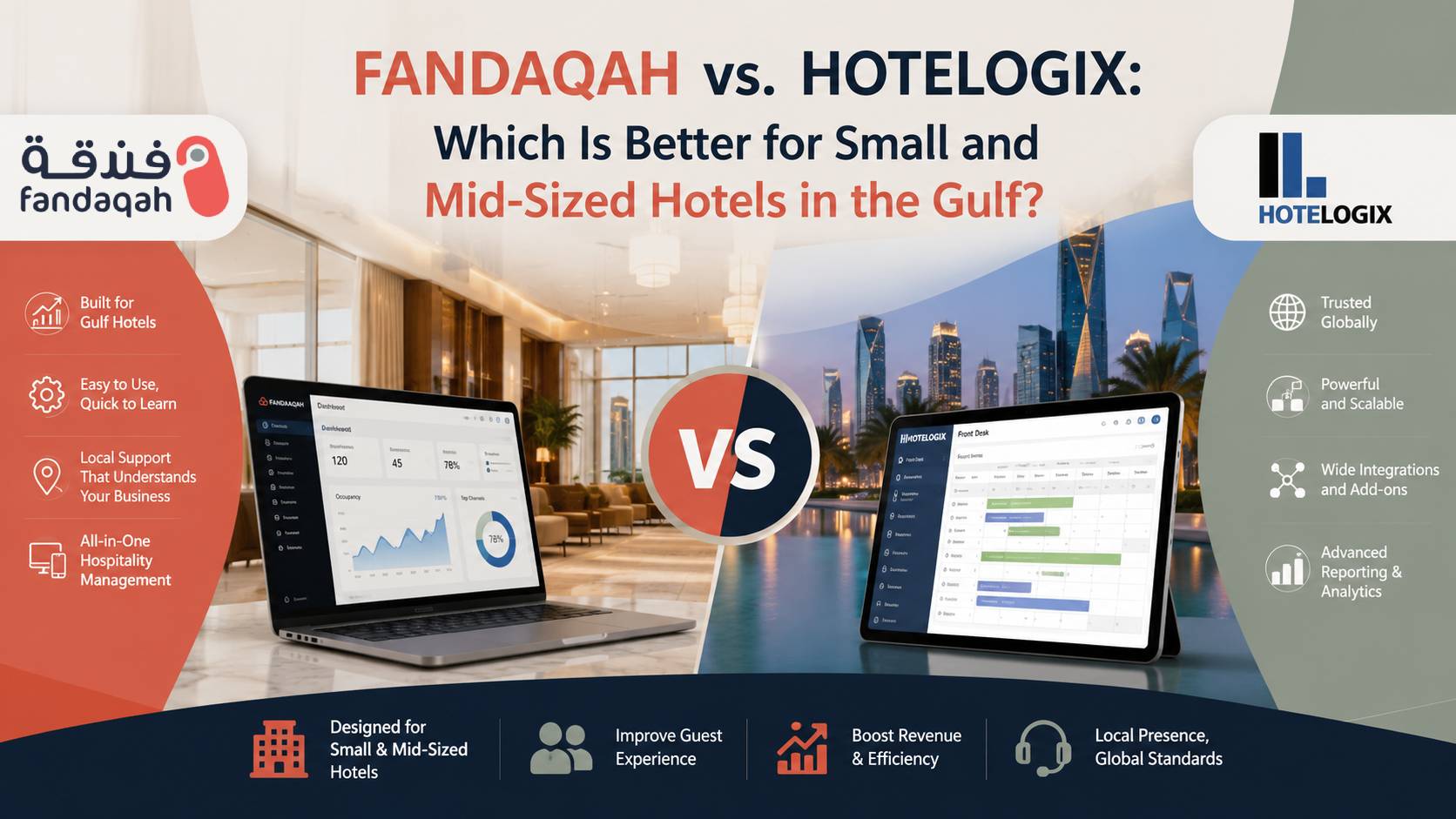
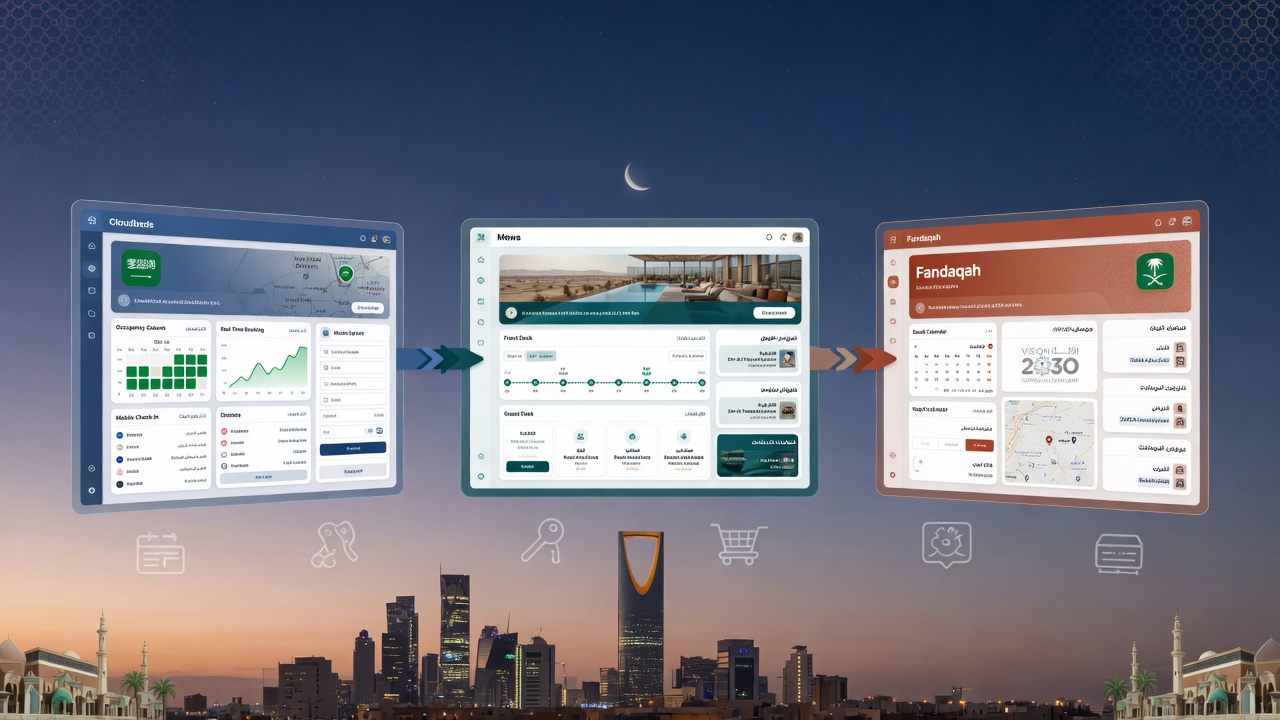
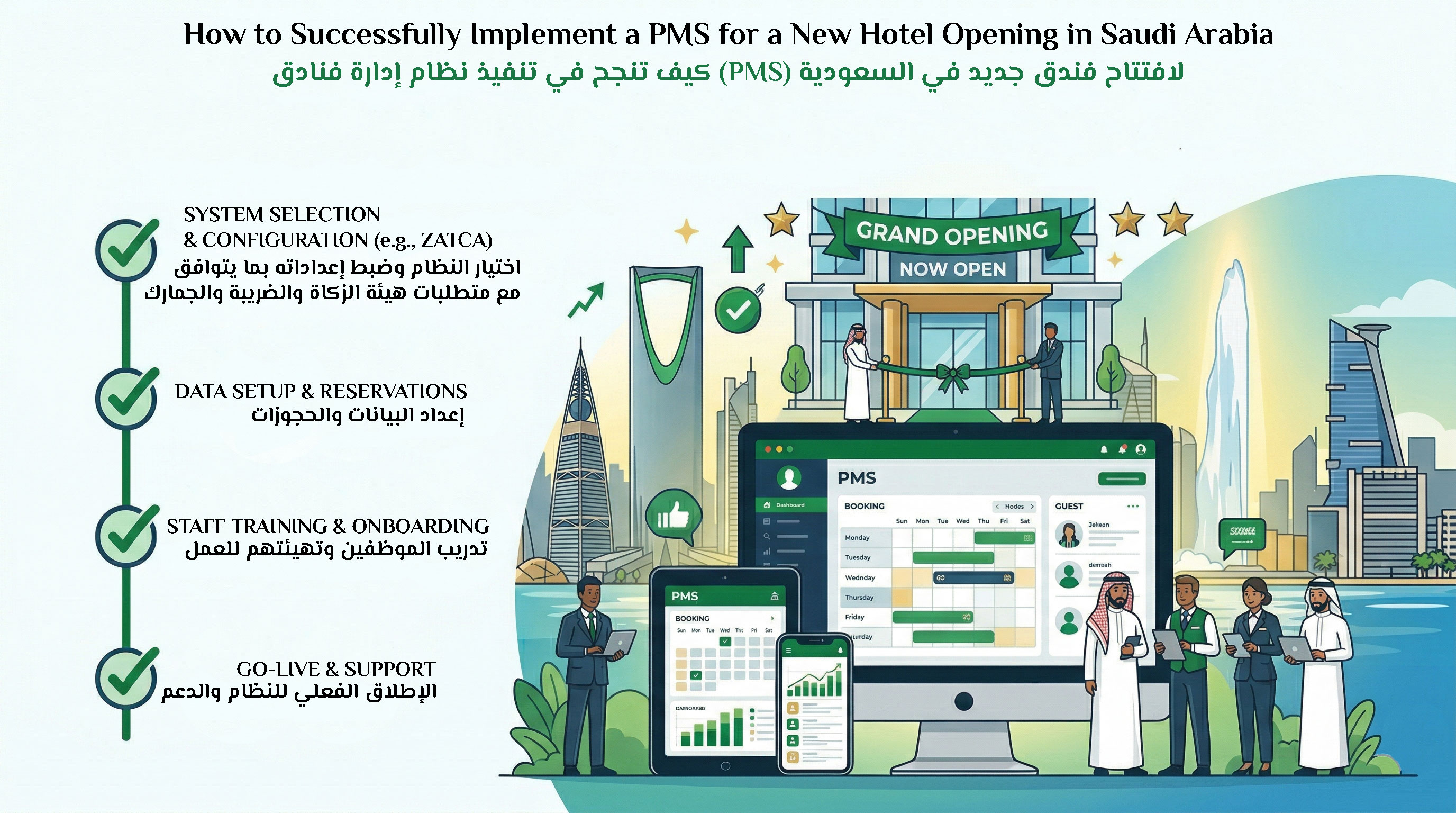
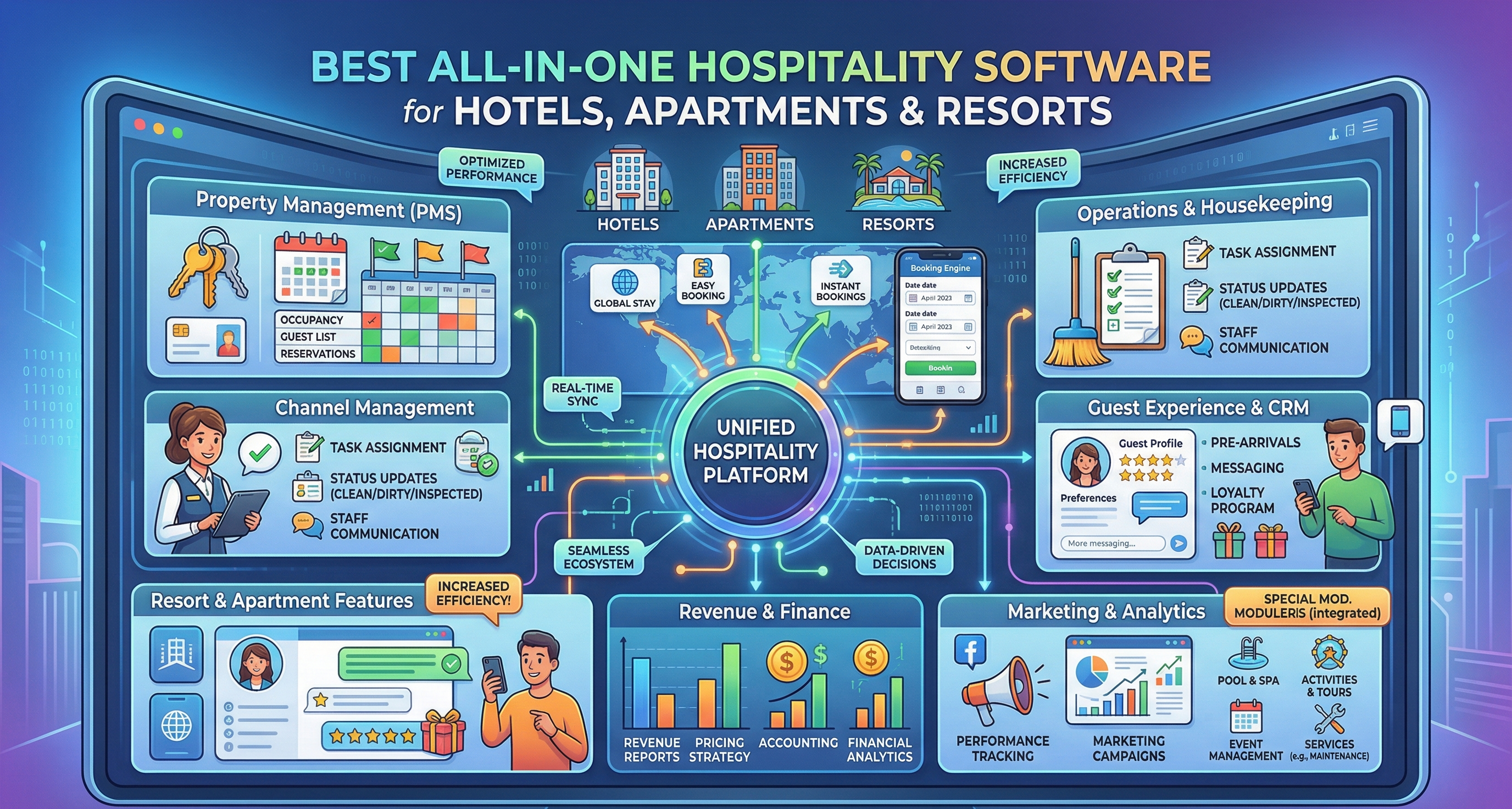
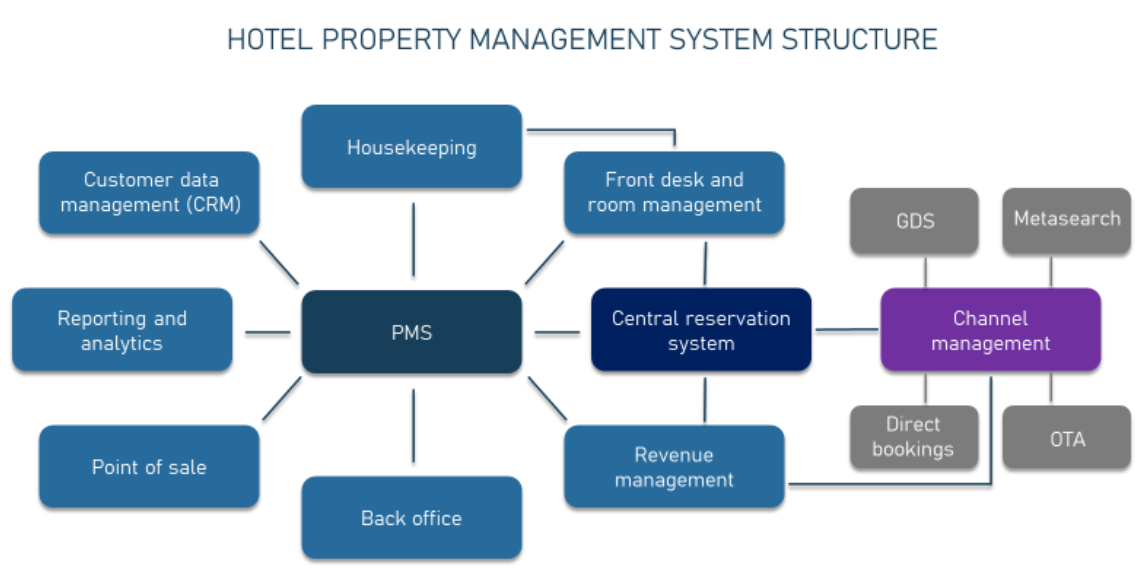
Fandaqah was built for the Saudi and GCC hospitality market rather than adapted from a generic international product. In practice that means: an Arabic-first interface alongside English, VAT and ZATCA-aware documents, support for the Hijri calendar and local seasonality, and a single cloud platform where reservations, front office, housekeeping, point of sale, inventory, and purchasing share the same data. Instead of paying for a PMS, a separate inventory tool, and a separate purchasing tool and then trying to connect them, hotels get cost control as a built-in part of daily operations.
Hotel Cost Control Checklist for 2026
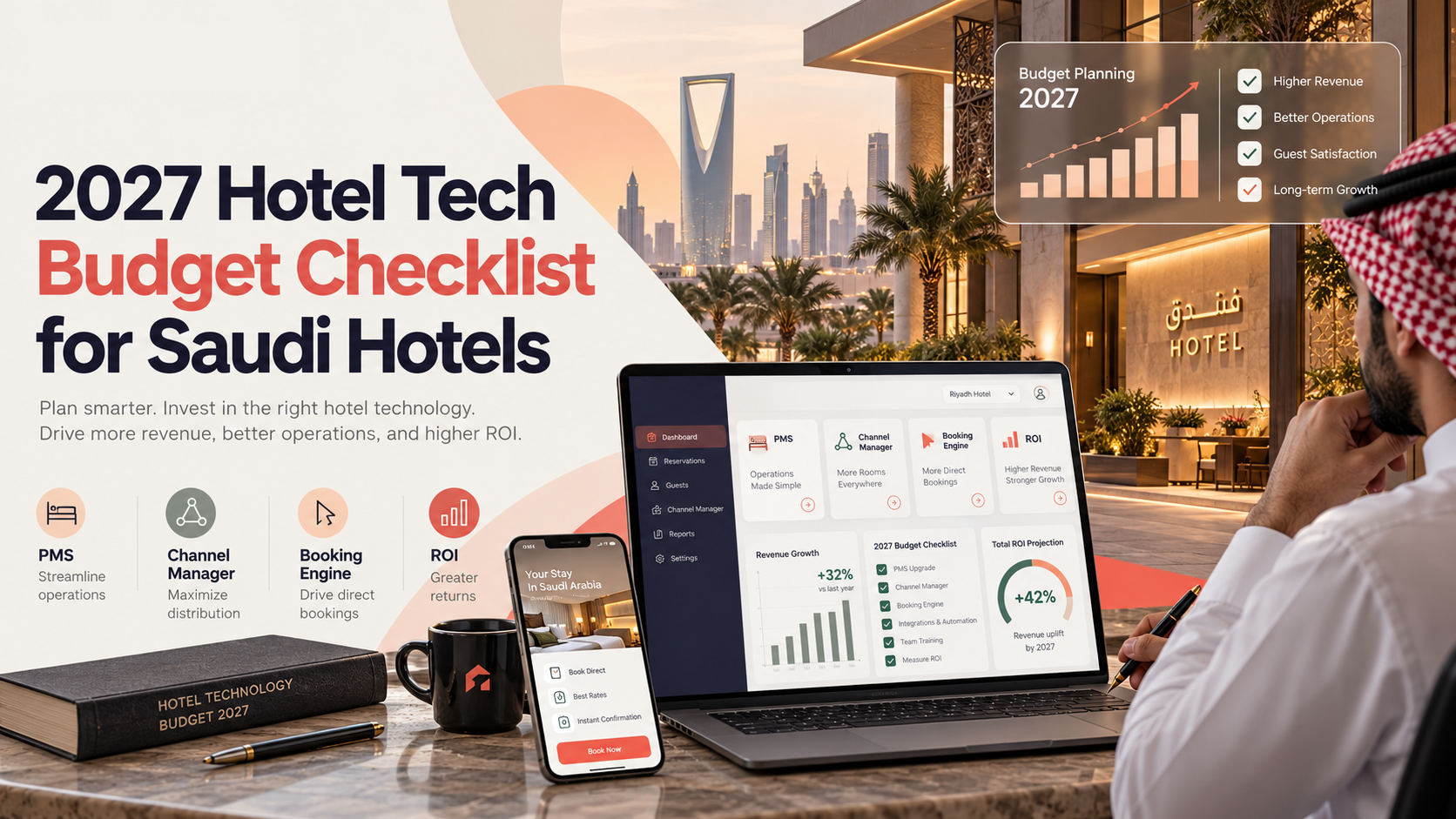
Use this practical checklist to assess your property. It works equally well as a hotel cost control checklist for small hotels in Riyadh or for a large resort on the Red Sea.
- Every stock item has a par level and a reorder point.
- All purchases go through a numbered PO with an approval step.
- Supplier contract prices are stored and compared at order time.
- Deliveries are received against the PO and checked for quantity and quality.
- Invoices are matched to PO and delivery before payment.
- High-value items are cycle-counted weekly.
- F&B cost ratio and CPOR for housekeeping are reviewed every week.
- Purchasing plans are reviewed against the 30-day occupancy forecast.
- Backup suppliers exist for the ten most critical items.
- All purchasing records are stored digitally and ready for ZATCA and VAT reporting.
Future Trends: Hotel Cost Control and Vision 2030
Saudi Vision 2030 aims to make the Kingdom a leading global tourism destination, with ambitious targets for visitor numbers, new hotel keys, and tourism's share of GDP. Giga-projects such as NEOM, the Red Sea, Diriyah, Qiddiya, and AlUla are adding thousands of rooms. For hotel operators, this growth brings opportunity and pressure at the same time. Here is where cost control is heading.
AI-assisted demand and purchasing forecasts
Expect purchasing suggestions that learn from past seasons, holiday calendars, and booking pace. The system will tell a hotel in Madinah how much of each breakfast item to order for the coming Umrah peak based on actual consumption history, not guesswork.
Sustainability and food-waste reporting
Reducing waste is becoming a reporting requirement, not just a cost objective. Saudi hotels aligned with national sustainability goals will track food waste by weight and value, and inventory systems will supply that data automatically.
Local supplier ecosystems
Local-content policies and the growth of Saudi food, textile, and amenity manufacturers will shift sourcing closer to home. Procurement tools that make it easy to compare and onboard local suppliers will have an edge.
Fully digital compliance
As ZATCA e-invoicing phases continue, the entire purchase-to-pay chain in hotels will be digital by default. Properties that adopt this early will spend less on compliance and gain cleaner financial data.
Multi-property, centralized procurement
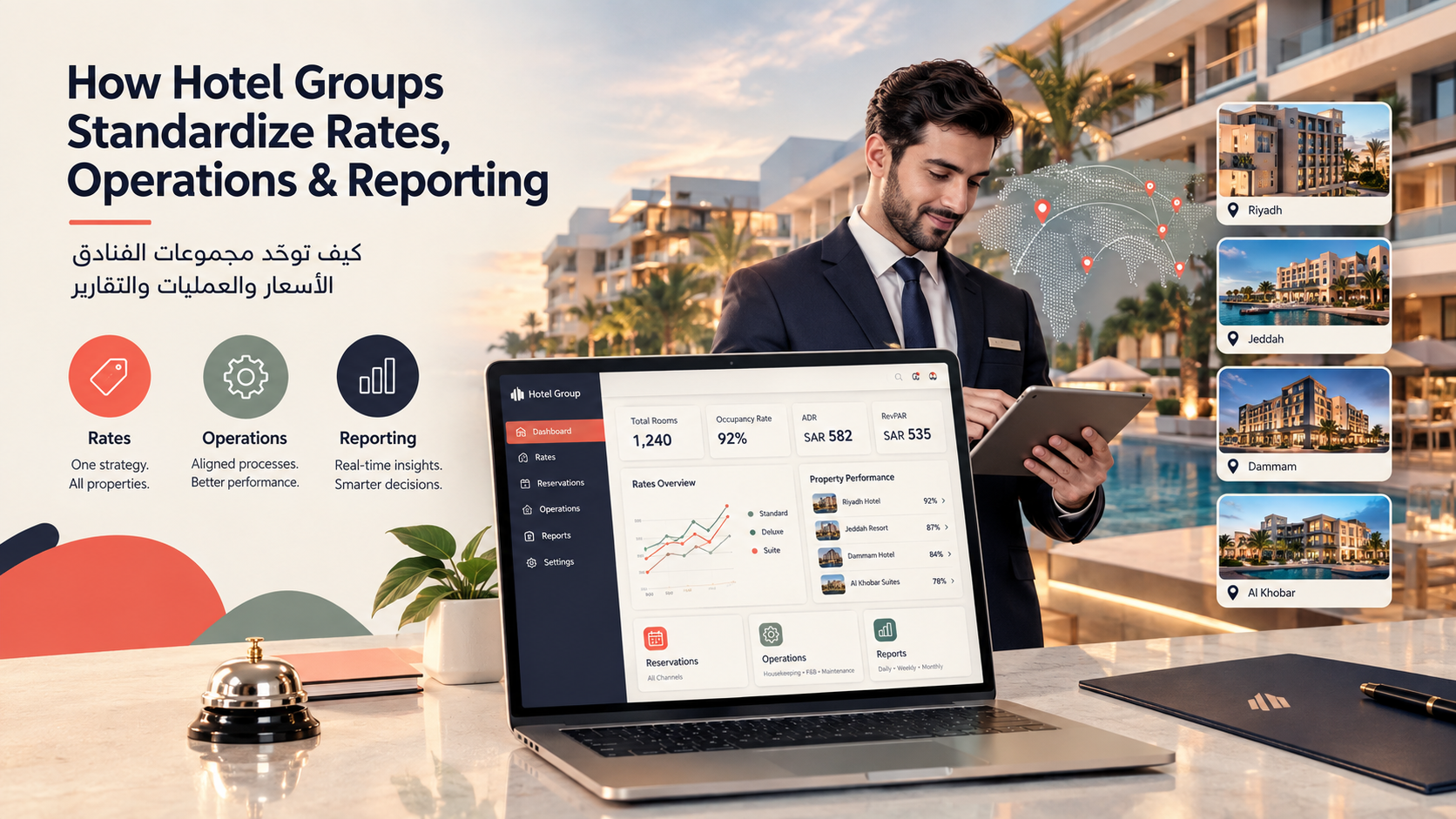
With hotel groups expanding across cities, centralized purchasing with property-level visibility will become standard. Cloud platforms like Fandaqah allow an owner in Riyadh to see stock and spending in a property in Abha in real time.
Frequently Asked Questions About Hotel Cost Control in Saudi Arabia
What is hotel cost control?
Hotel cost control is the set of processes a hotel uses to plan, monitor, and reduce operating expenses such as food, beverages, housekeeping supplies, amenities, and maintenance items, without reducing guest satisfaction. It relies on accurate inventory tracking, controlled purchasing, and regular review of cost ratios.
How do hotels in Saudi Arabia reduce inventory waste?
Saudi hotels reduce inventory waste by setting par levels, using FIFO rotation with expiry tracking, standardizing recipes and portions, running weekly cycle counts of high-value items, and tracking consumption per occupied room or per cover. Moving these controls into an integrated PMS such as Fandaqah makes them consistent and visible every day.
How can hotels prevent stock shortages during Hajj and Umrah season?
Hotels prevent shortages by linking purchasing to the occupancy forecast, setting separate peak-season par levels, automating reorder alerts, tracking supplier lead times, and keeping backup suppliers for critical items like water, dates, bread, and cleaning supplies.
What is a good food cost percentage for a hotel?
Many well-managed hotels target a food cost ratio of roughly 28–35% of food revenue, though the right figure depends on the concept, buffet versus à la carte service, and pricing. The key is to measure it weekly and investigate any sudden increase.
What is the best hotel inventory management software in Saudi Arabia?
The best option is a system that combines inventory, purchasing, and the PMS in one platform, supports Arabic and English, is ZATCA and VAT aware, and works on mobile. Fandaqah is designed for Saudi and GCC hotels with these requirements built in, so cost control becomes part of normal operations rather than a separate tool.
How much can a hotel save with better purchasing control?
Results vary by property, but hotels that introduce centralized purchase orders, supplier price comparisons, and three-way matching commonly report purchasing savings in the range of 5–15% on controlled categories, along with fewer emergency purchases and faster month-end closing.
Does a small hotel really need inventory software?
Yes. Small hotels often have the thinnest margins and the least staff time for manual counting. A cloud PMS with built-in inventory and purchasing gives a 30- or 50-room hotel the same control a large chain has, at a fraction of the effort and cost.
How does cost control relate to ZATCA e-invoicing?
ZATCA e-invoicing requires structured, digital invoices with correct VAT details. A purchasing system that captures supplier invoices and links them to purchase orders and deliveries keeps your records compliant, reduces manual errors, and makes audits much simpler.
Conclusion: Make Hotel Cost Control a Daily Habit, Not a Monthly Panic
Hotel cost control in Saudi Arabia in 2026 is no longer optional. With rapid hotel supply growth, sharp seasonal peaks, rising guest expectations, and digital compliance requirements, the hotels that win will be the ones that know exactly what they buy, what they hold, and what they waste.
The formula is clear. Reduce hotel inventory waste with par levels, FIFO, standard recipes, and regular counts. Prevent hotel stock shortages by connecting purchasing to the occupancy forecast and managing suppliers properly. Cut hotel purchasing costs with centralized purchase orders, price comparisons, three-way matching, and ZATCA-ready digital records. And bring all of it into one integrated hotel PMS in Saudi Arabia so the controls run every day without extra effort.
Hotels that take this path do not just save money. They run calmer operations, serve guests more reliably during the busiest weeks of the year, and give owners the financial clarity that Vision 2030-era hospitality demands.
Ready to Cut Waste and Purchasing Costs at Your Hotel?
Fandaqah brings reservations, front office, inventory, and purchasing into one Saudi-built cloud platform, so cost control happens automatically, every day.
Request a Free Demo of Fandaqah
Arabic & English • ZATCA-aware • Built for hotels in Saudi Arabia and the GCC
Related reading on Fandaqah:
Tags: hotel cost control in Saudi Arabia, hotel inventory management, hotel purchasing costs, hotel stock shortages, hotel inventory waste, hotel procurement software, hotel PMS Saudi Arabia, F&B cost control, housekeeping supplies management, hotel supplier management, par levels, how to reduce hotel inventory waste in Saudi Arabia, hotel purchasing cost reduction strategies 2026, best hotel inventory management software in Saudi Arabia, how hotels prevent stock shortages during Hajj and Umrah season, ZATCA-compliant hotel procurement system, hotel cost control checklist for small hotels in Riyadh, Vision 2030 hospitality, Fandaqah