From Paper Records to a Cloud PMS: A Real Digital Transformation Journey in Saudi Hospitality
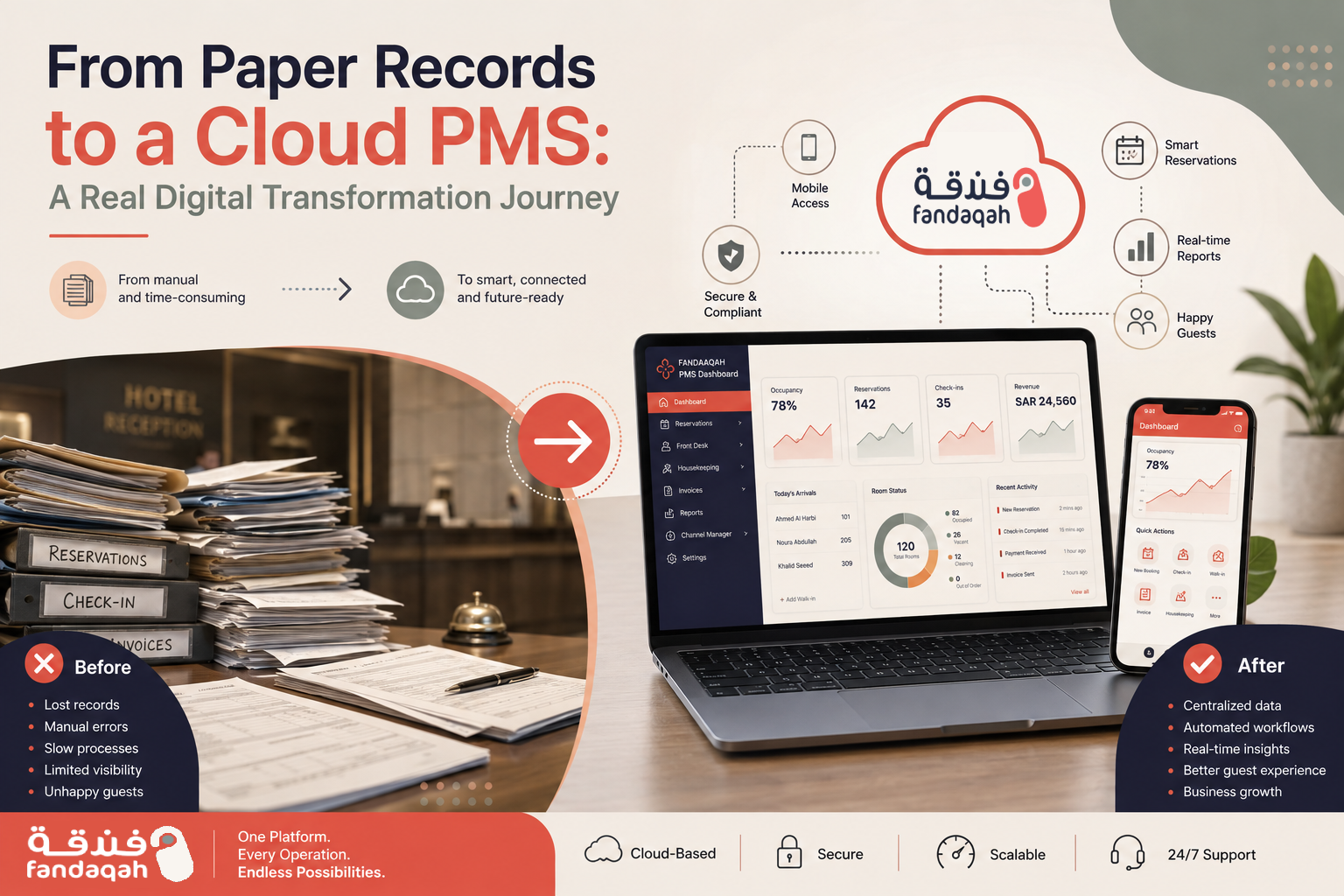
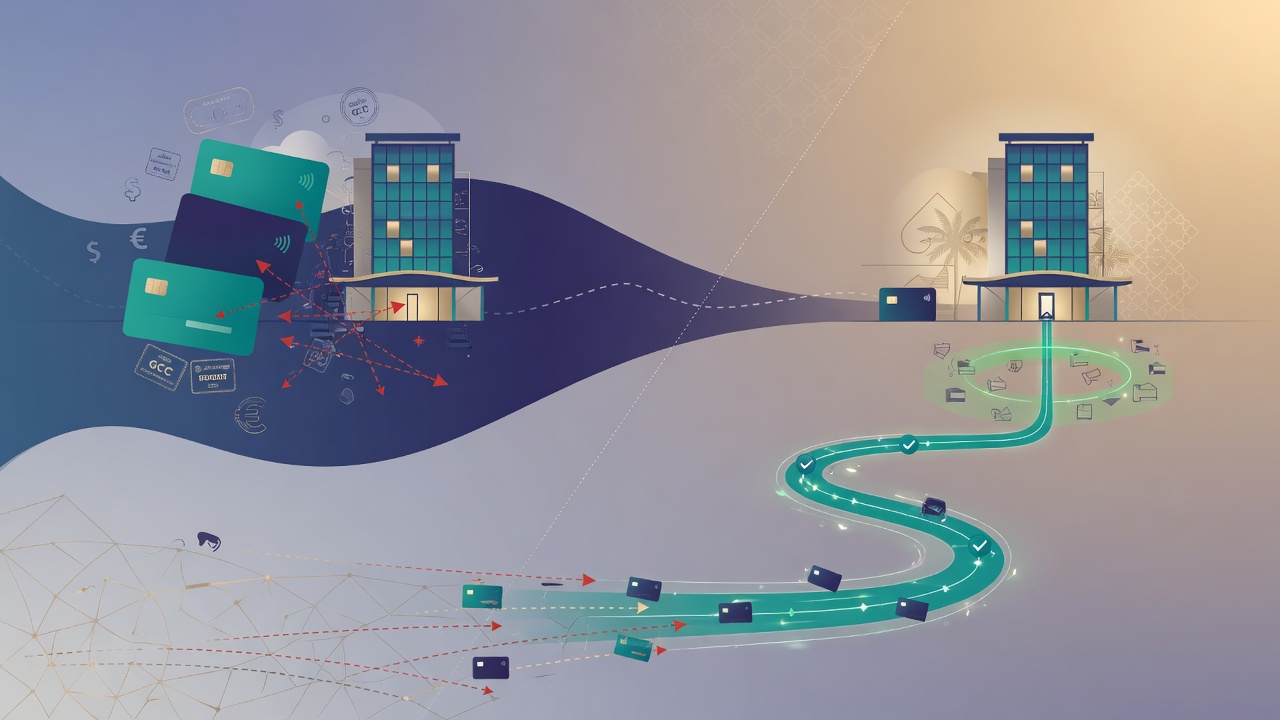
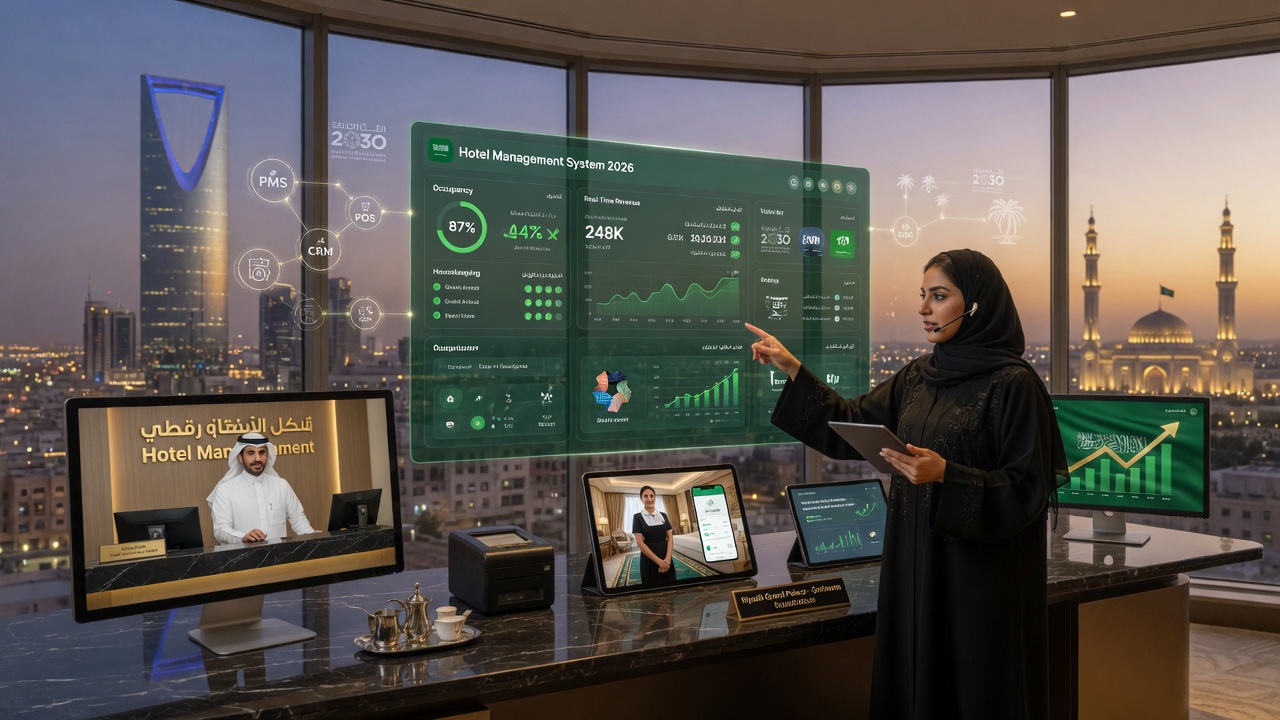
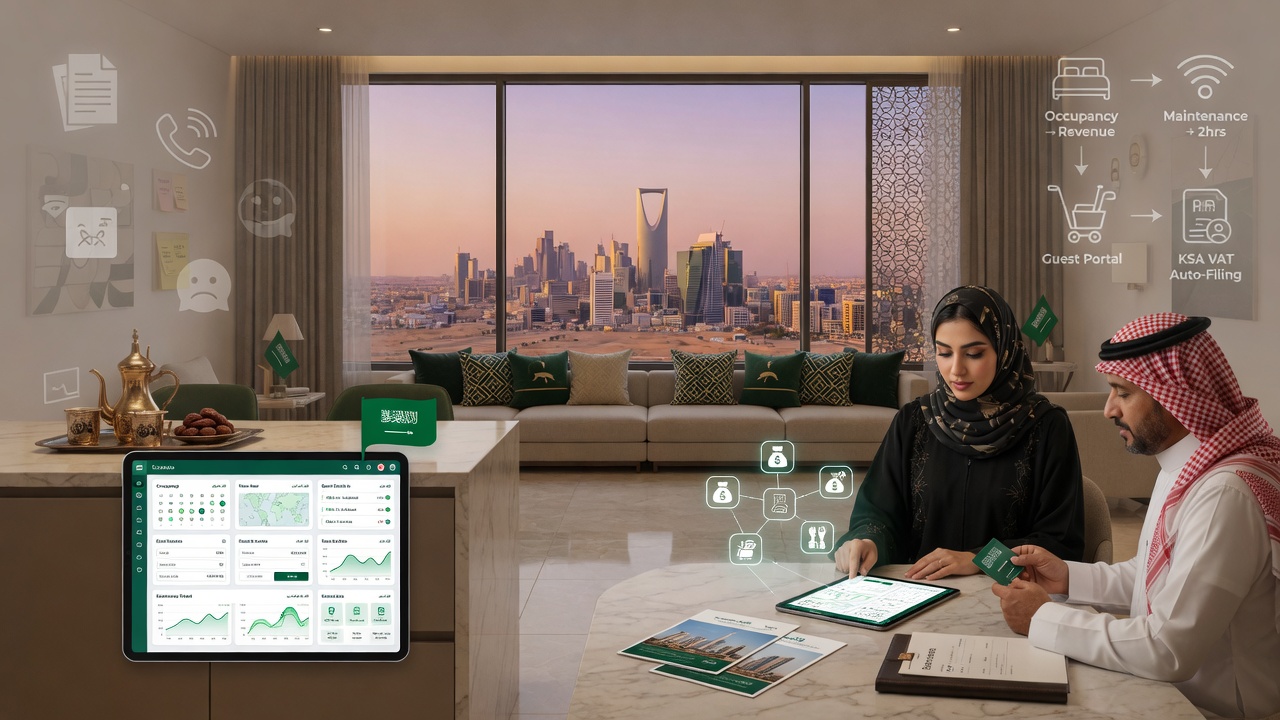
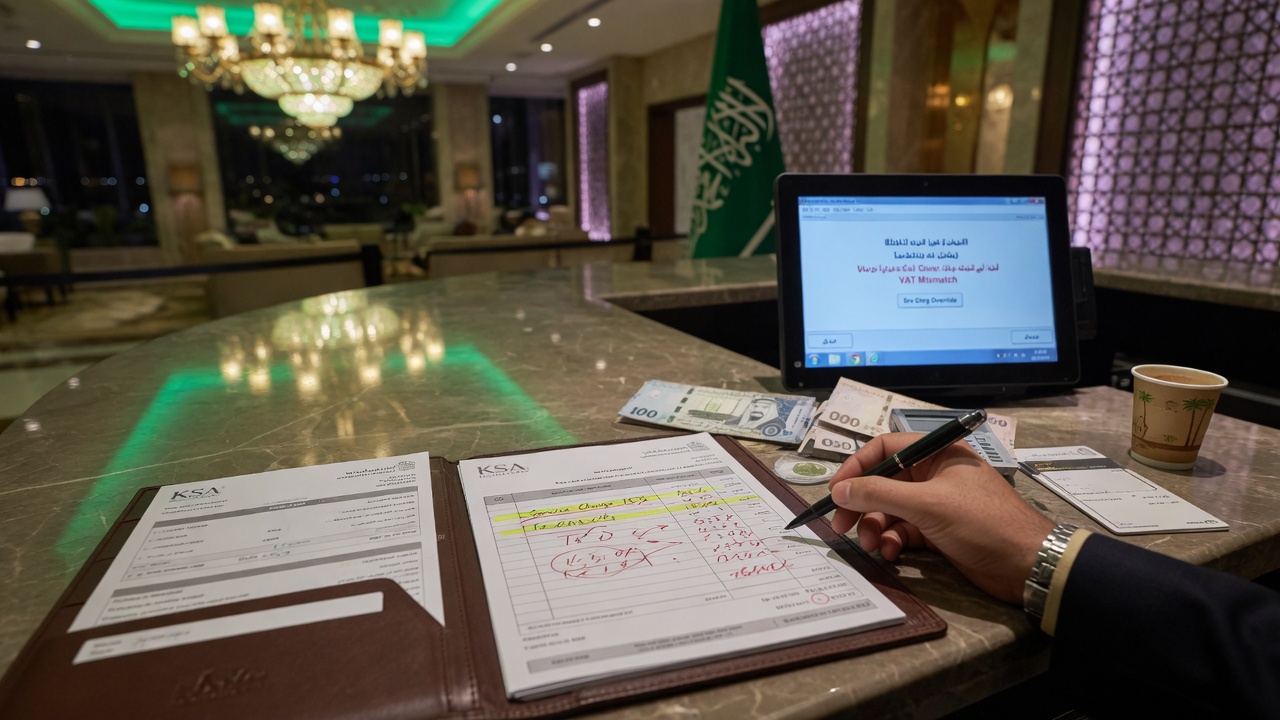
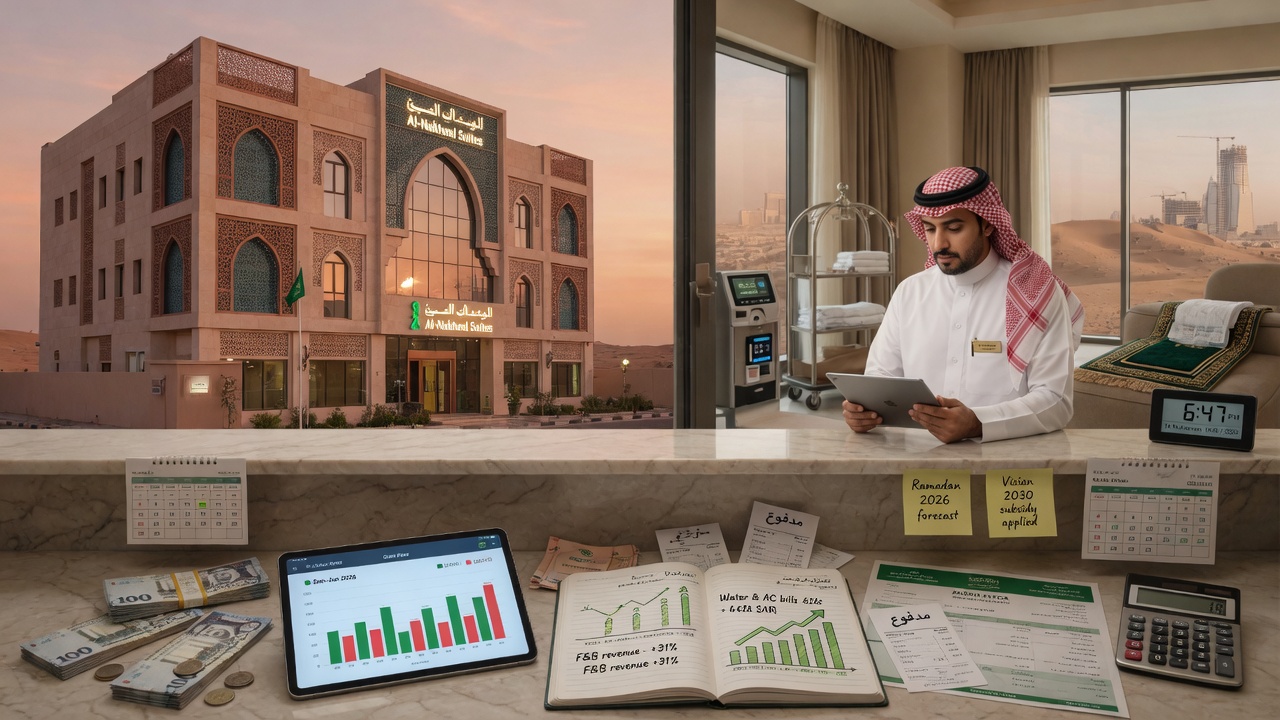
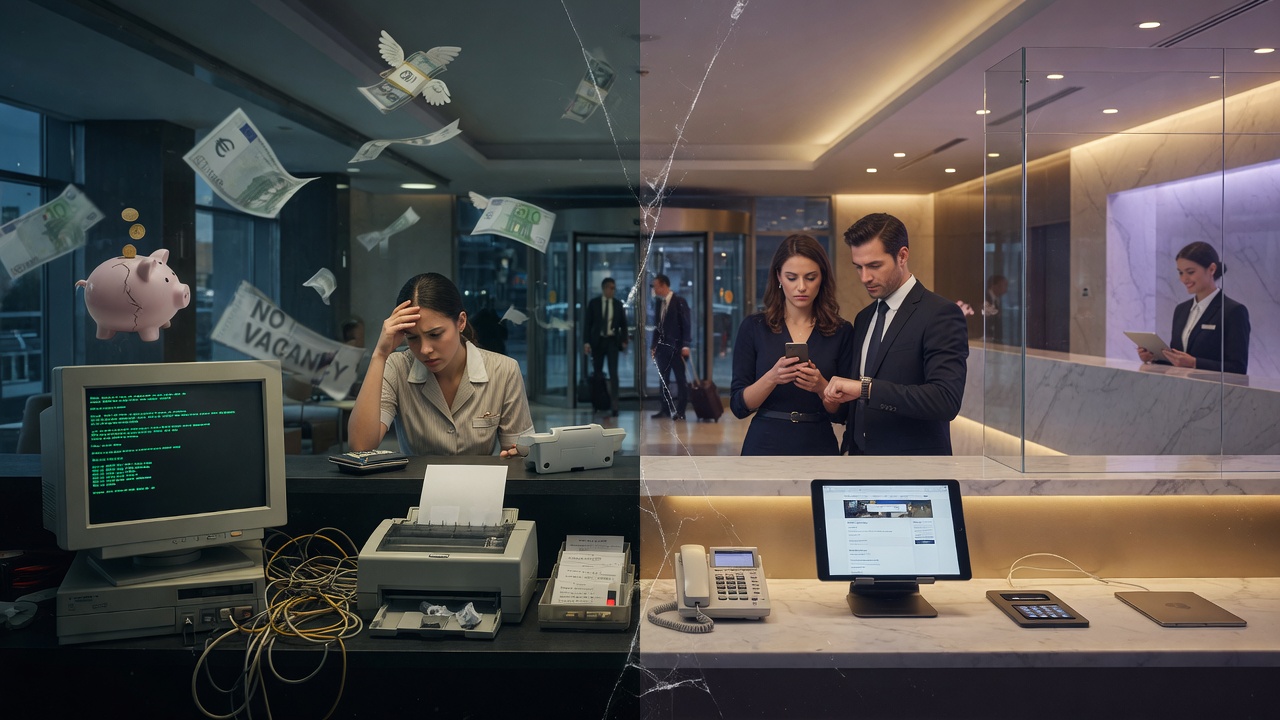
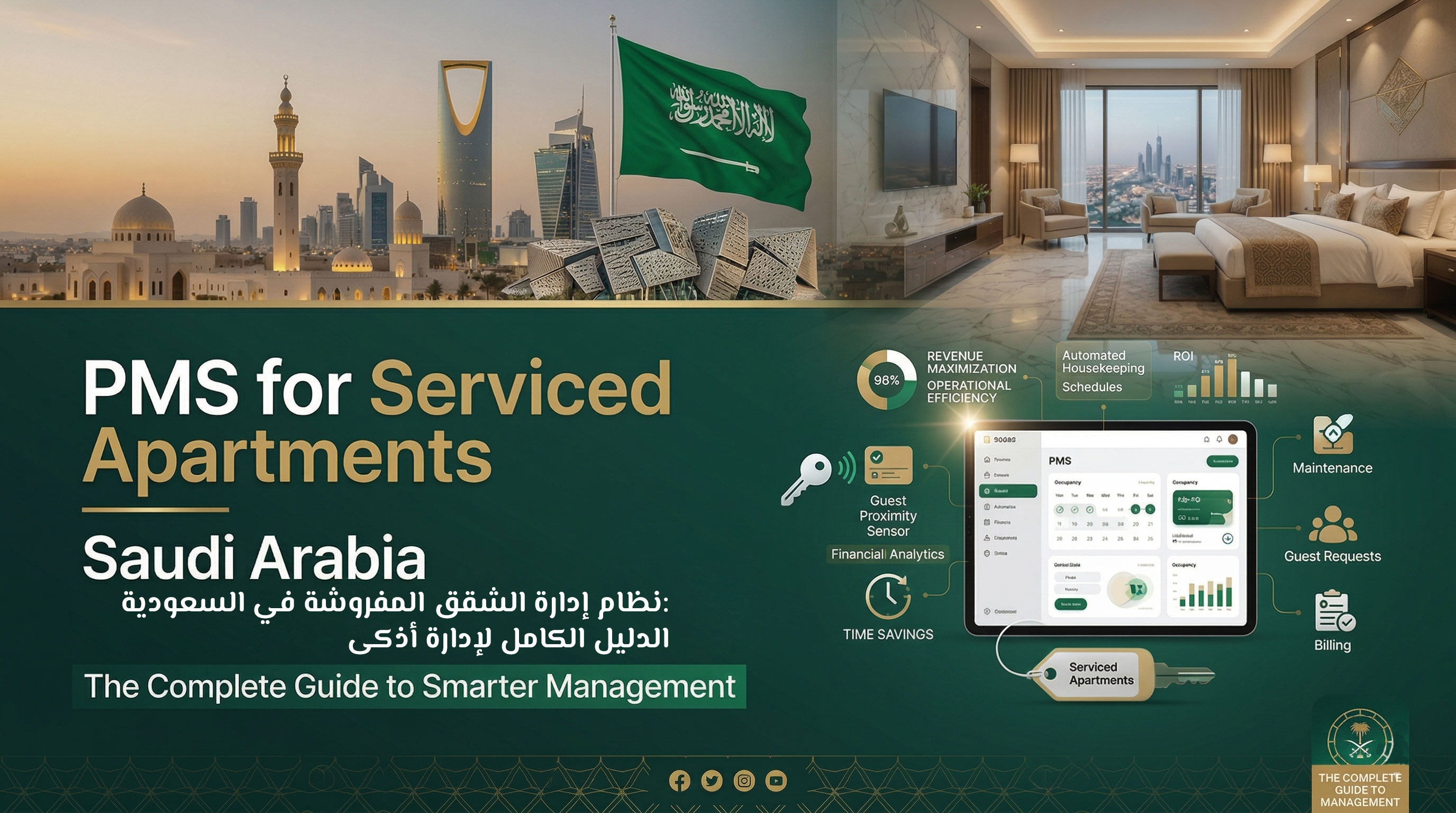
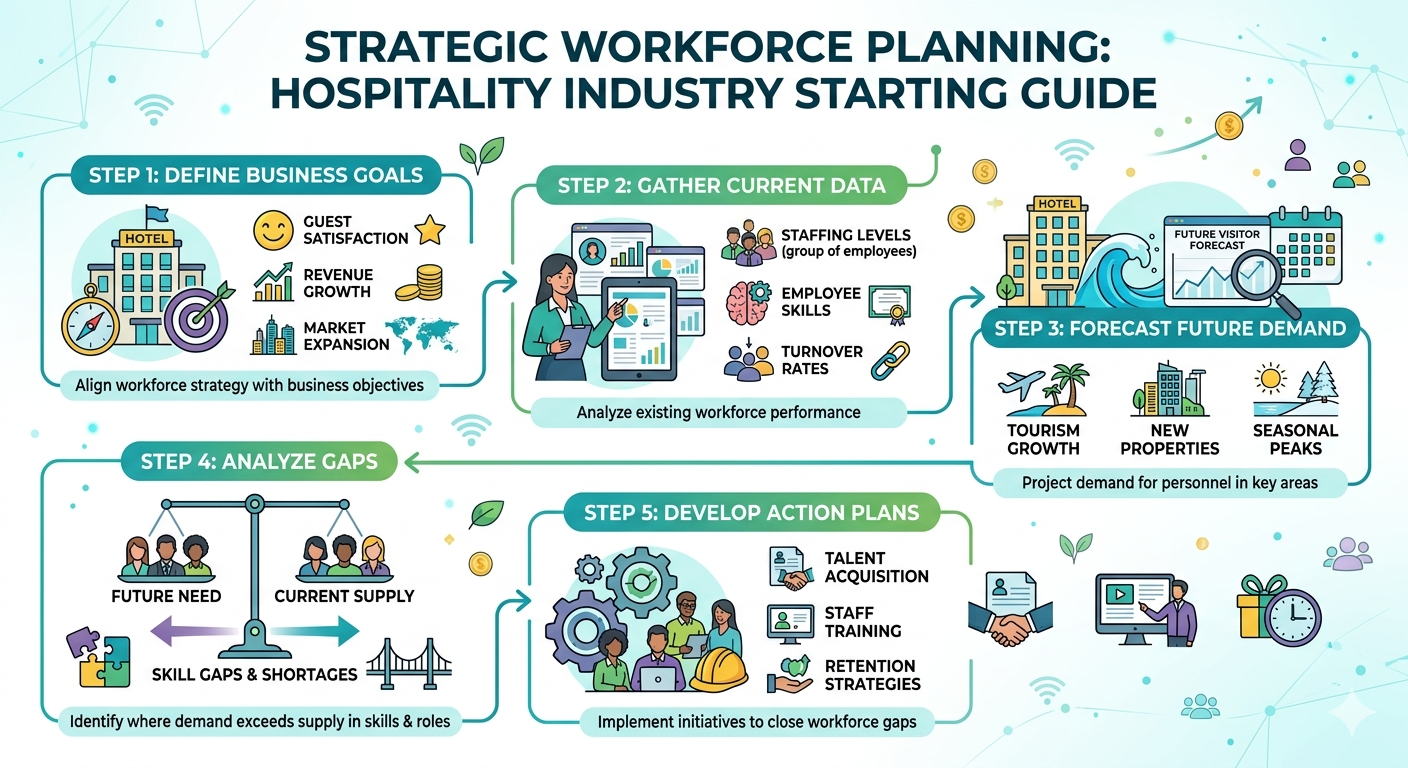
Imagine a bustling hotel front desk in Riyadh during peak season. Stacks of reservation forms, handwritten check-in cards, and three different logbooks for housekeeping, maintenance, and billing. One misplaced sheet can cause a double booking, a billing error, or a delayed checkout. This scenario is still a daily reality for many small and mid-sized properties across Saudi Arabia. Yet, as the Kingdom accelerates toward Saudi Vision 2030, the hospitality sector is undergoing a seismic shift—from paper records to a cloud PMS (Property Management System). This isn't just a software upgrade; it's a complete digital transformation journey that redefines how hotels operate, compete, and delight guests.
In this comprehensive guide, we'll explore why the move to a cloud-based hotel management system is no longer optional, how it directly supports the Kingdom's tourism ambitions, and what a real-world transition looks like—from paperwork chaos to seamless automation. Whether you run a boutique hotel in AlUla, a serviced apartment tower in Jeddah, or a growing chain in Dammam, this journey is yours to take.
Why Paper-Based Hotel Management Is Holding You Back
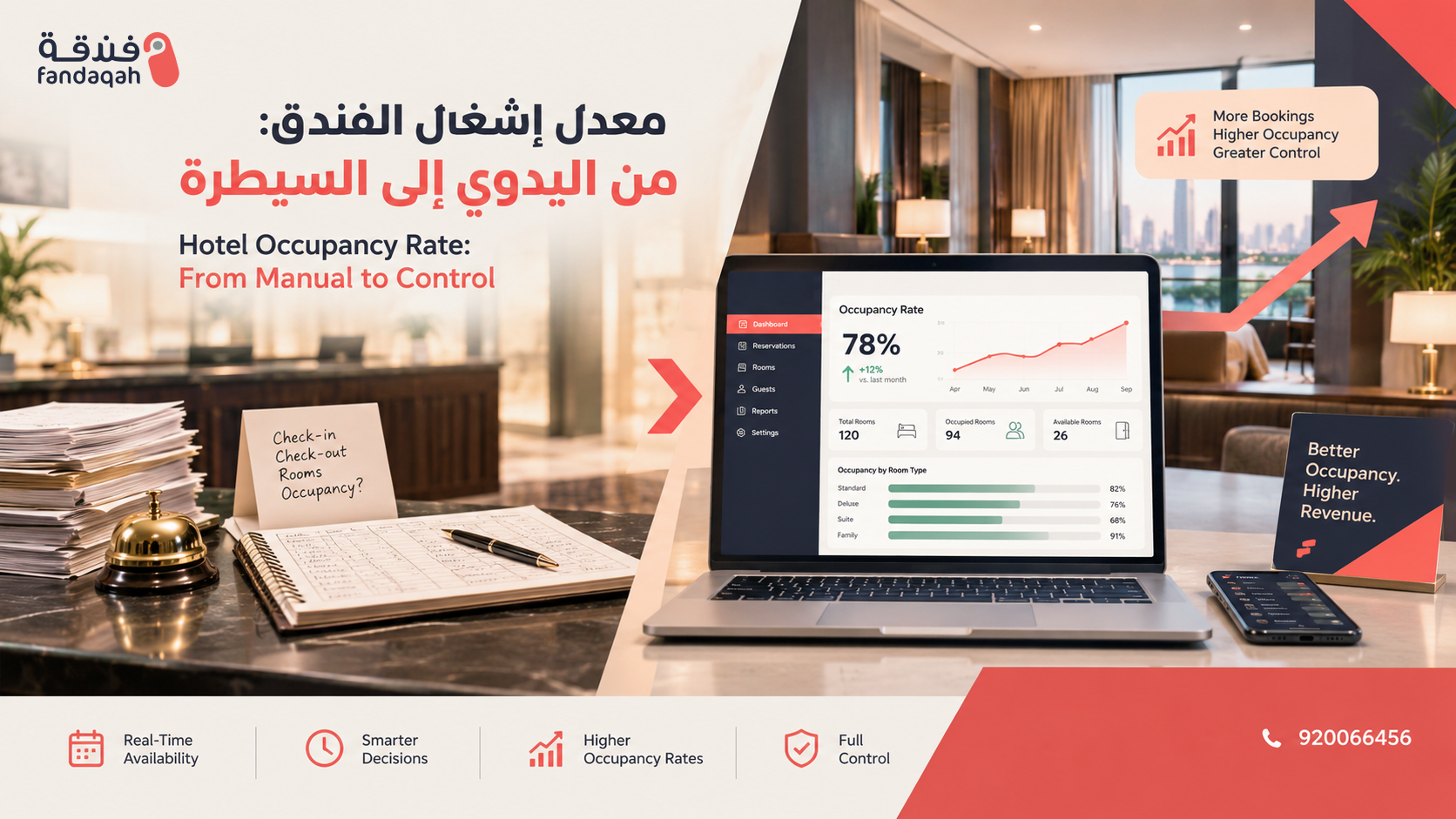
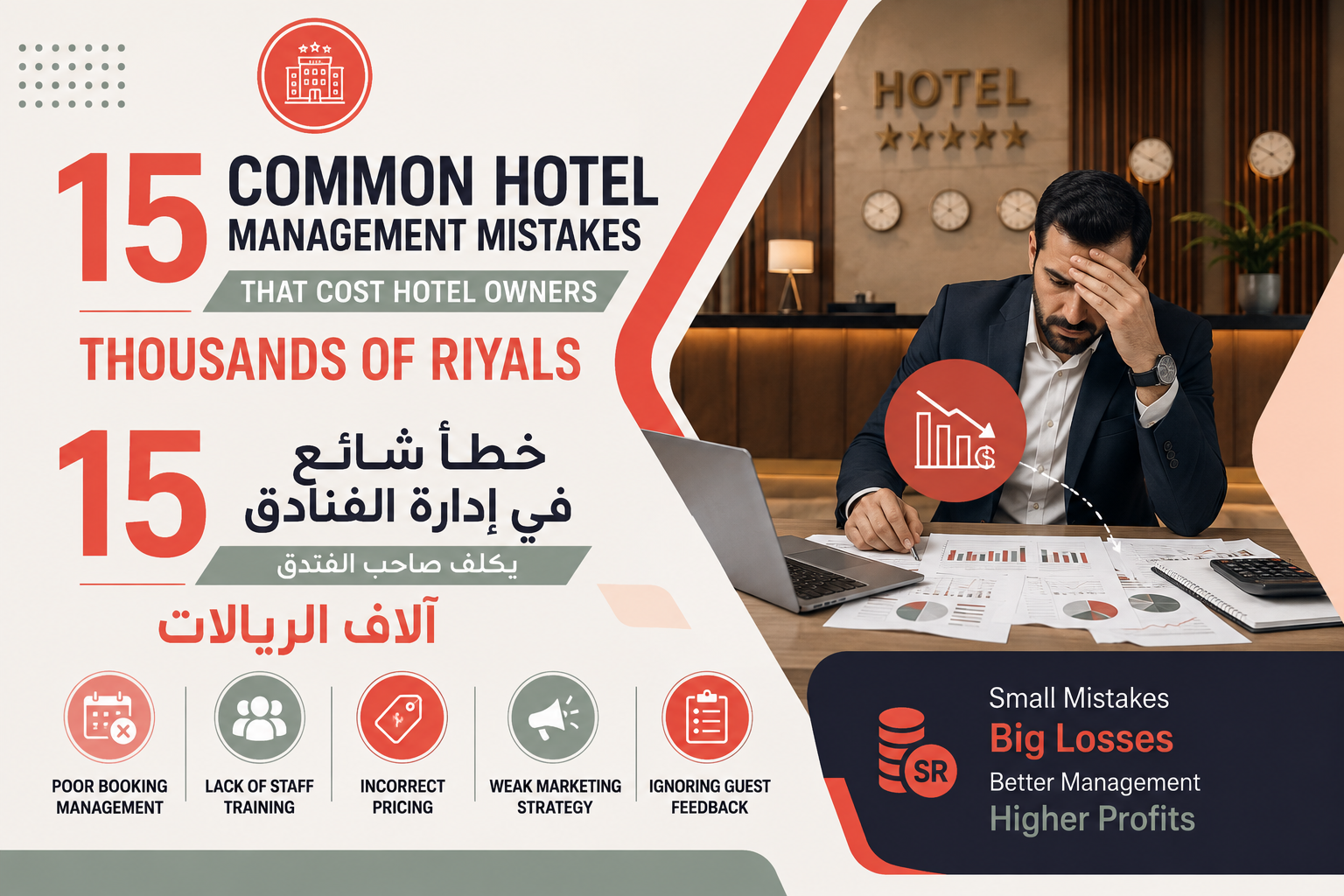
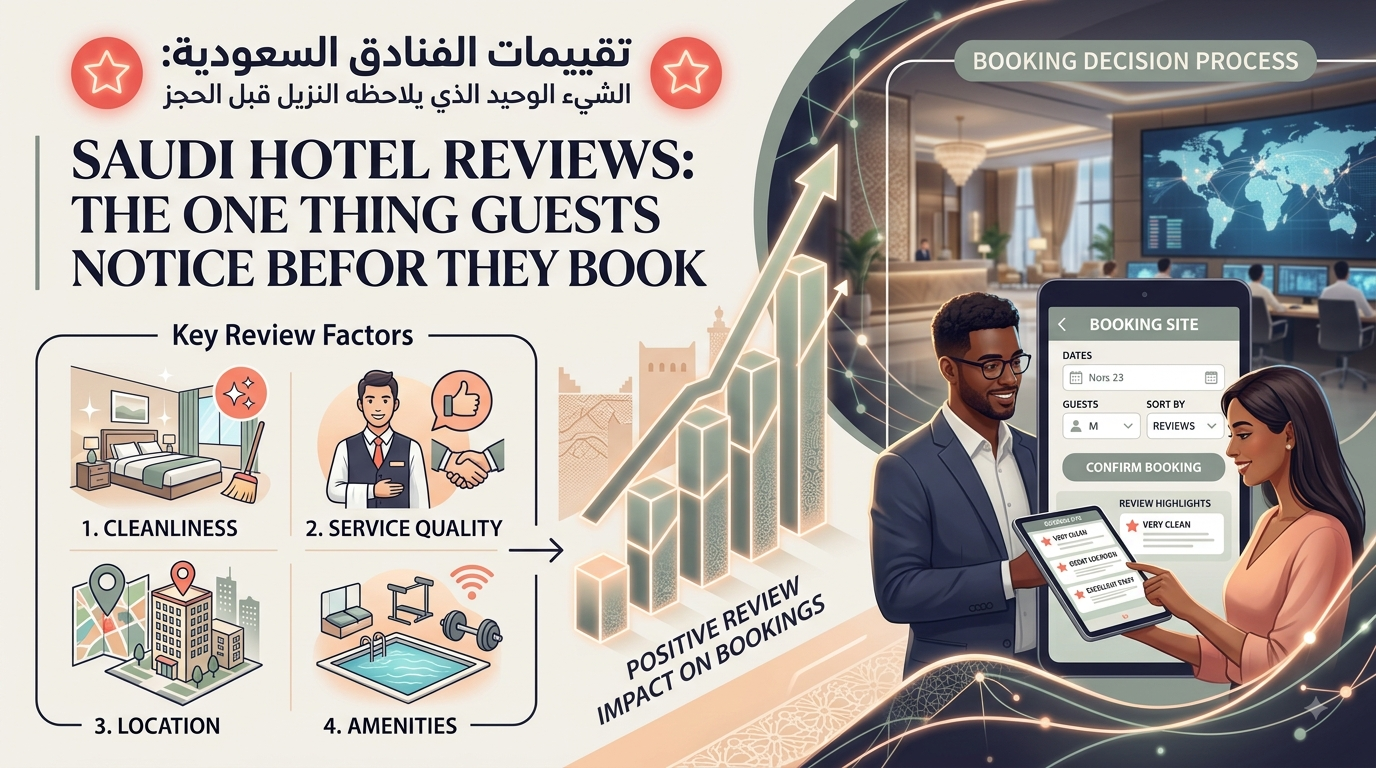
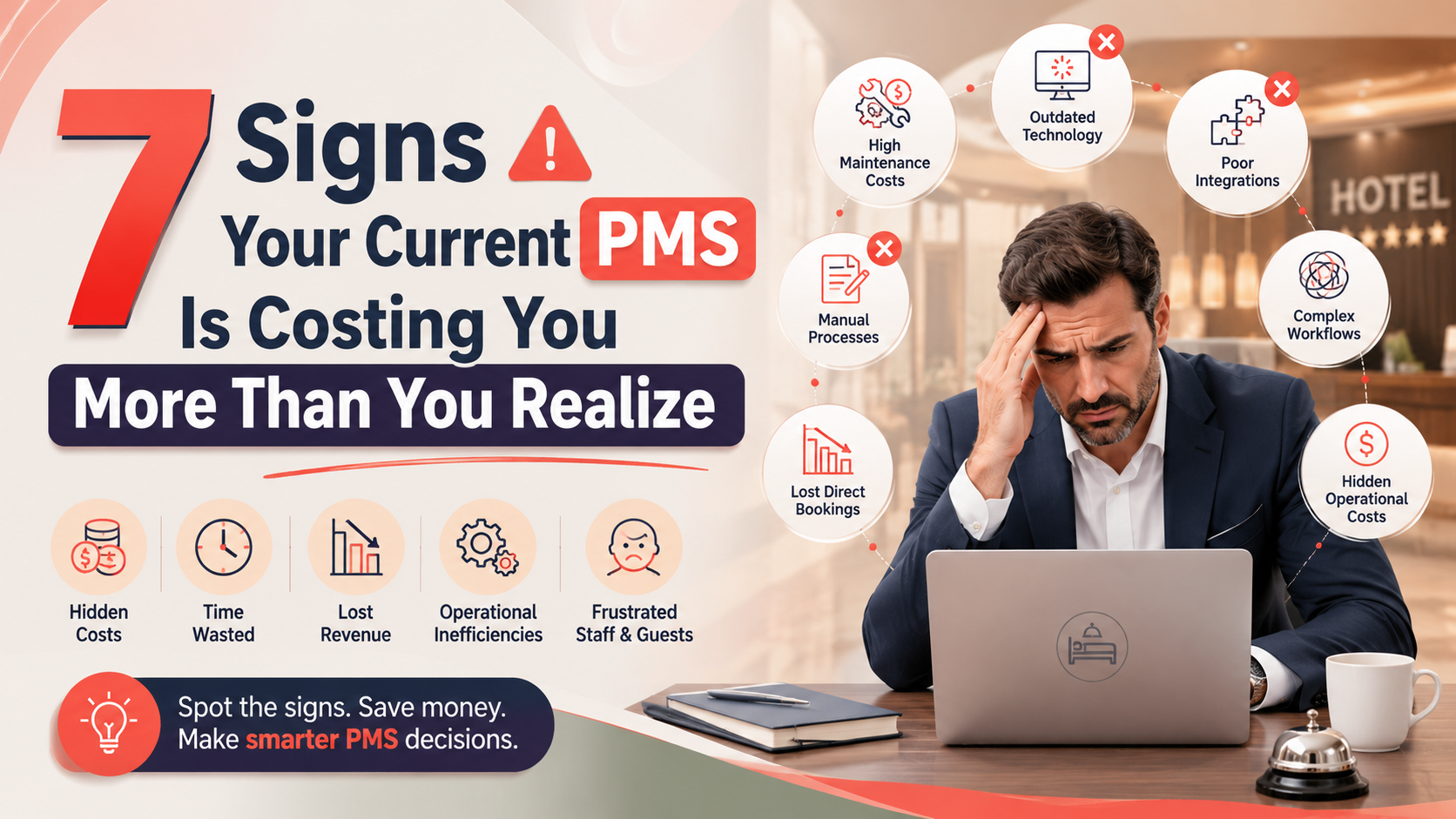
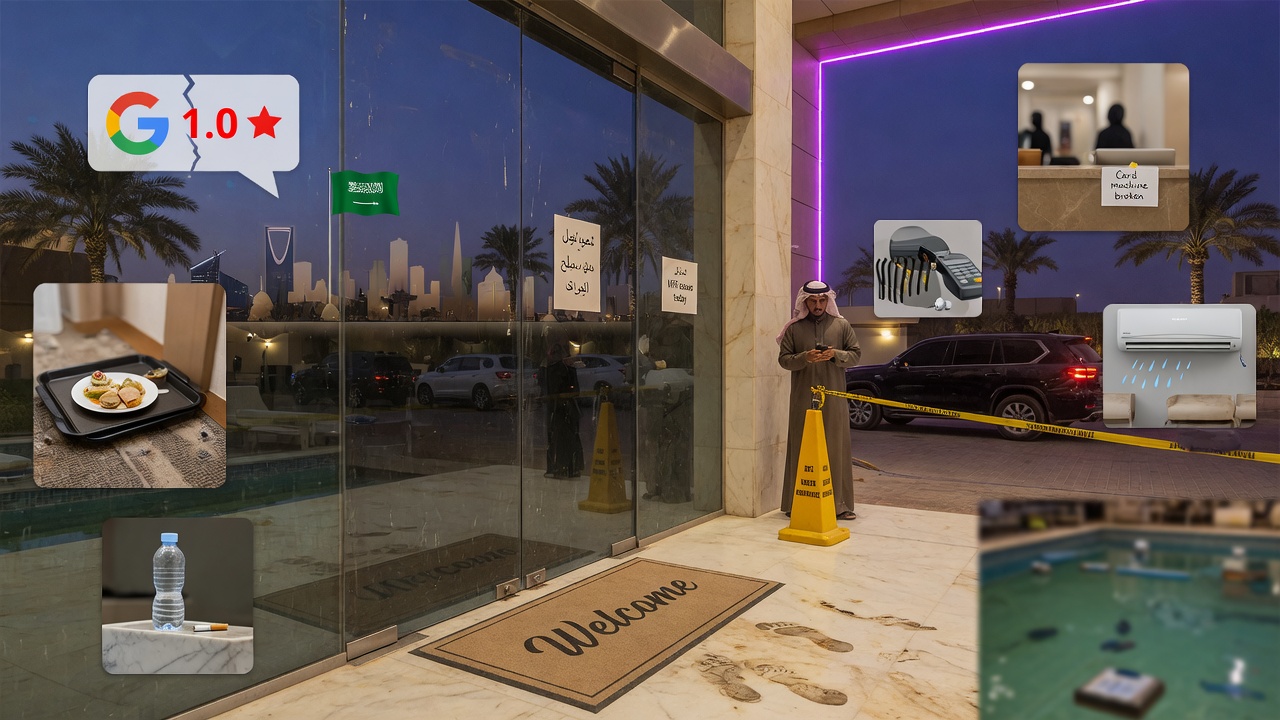
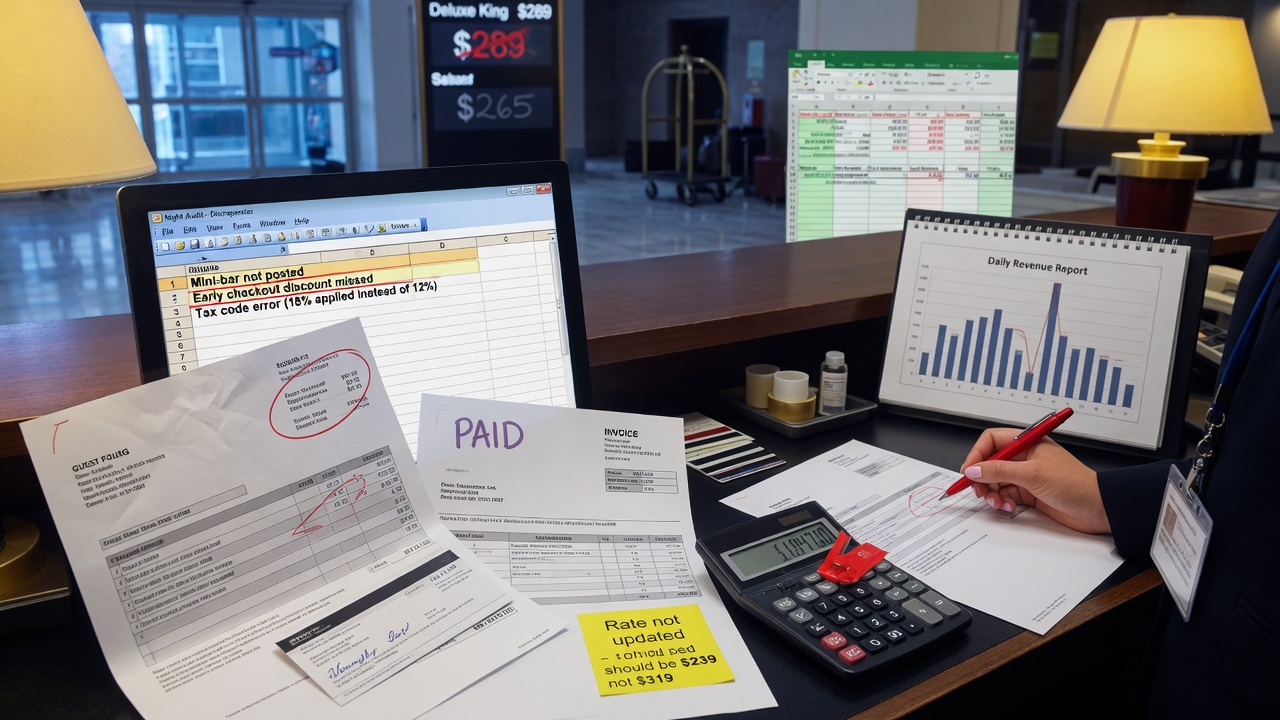
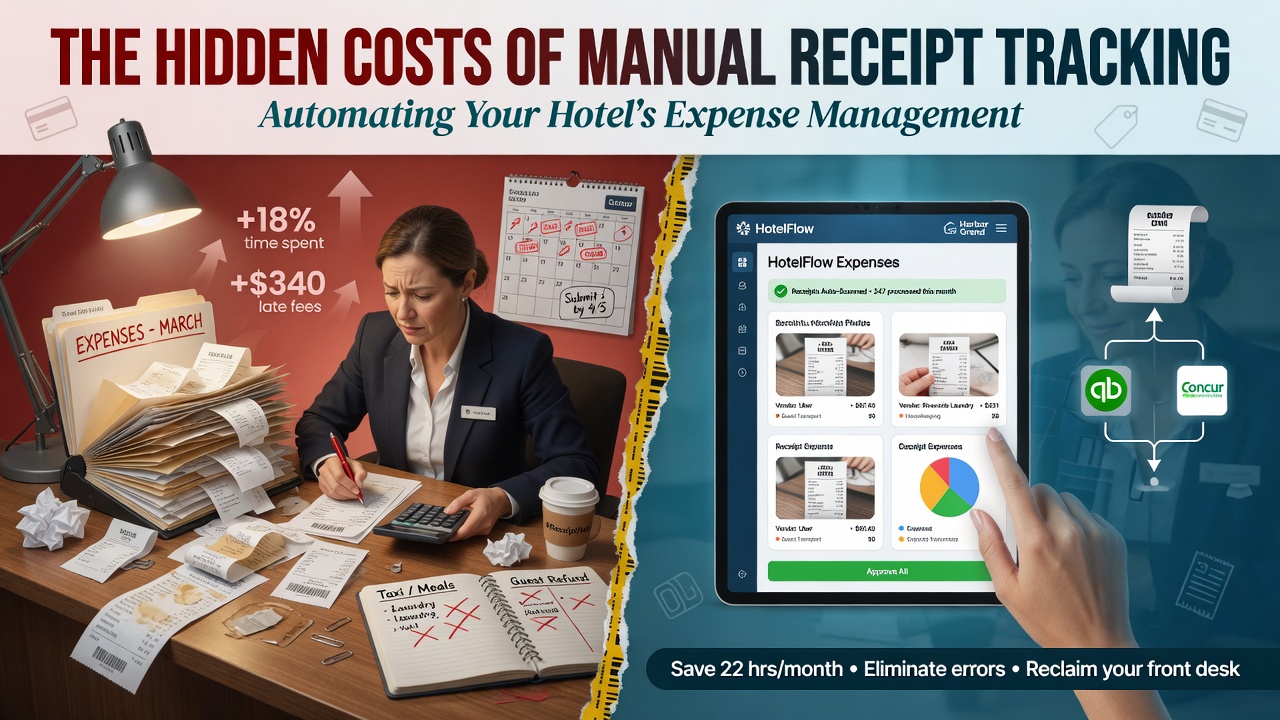
Many hoteliers cling to manual ledgers or basic spreadsheets because it feels familiar and appears cheap. However, the hidden costs of paper-based hotel records are staggering: overbookings, manual data entry errors, lost guest profiles, and slow check-in times. In a market where guest experience is paramount, these inefficiencies lead to negative reviews and revenue leakage.
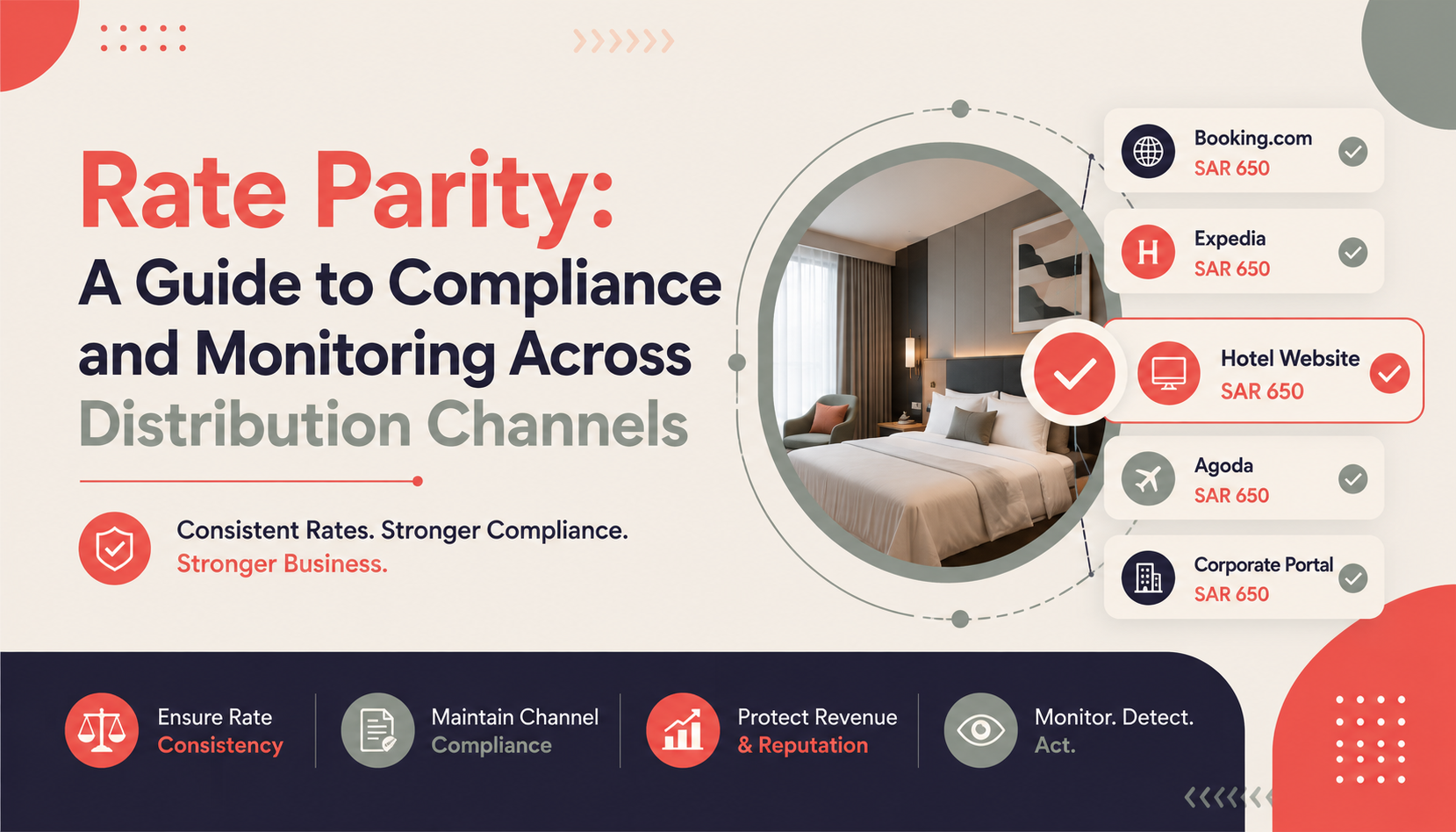
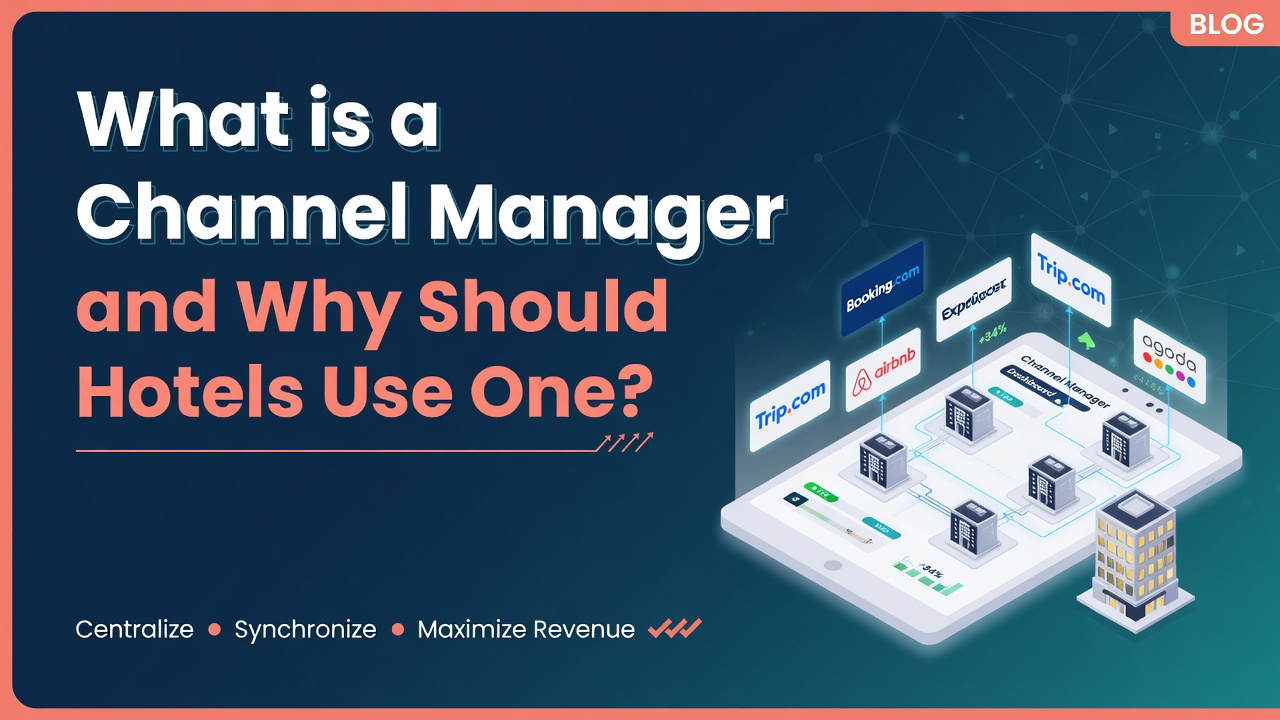
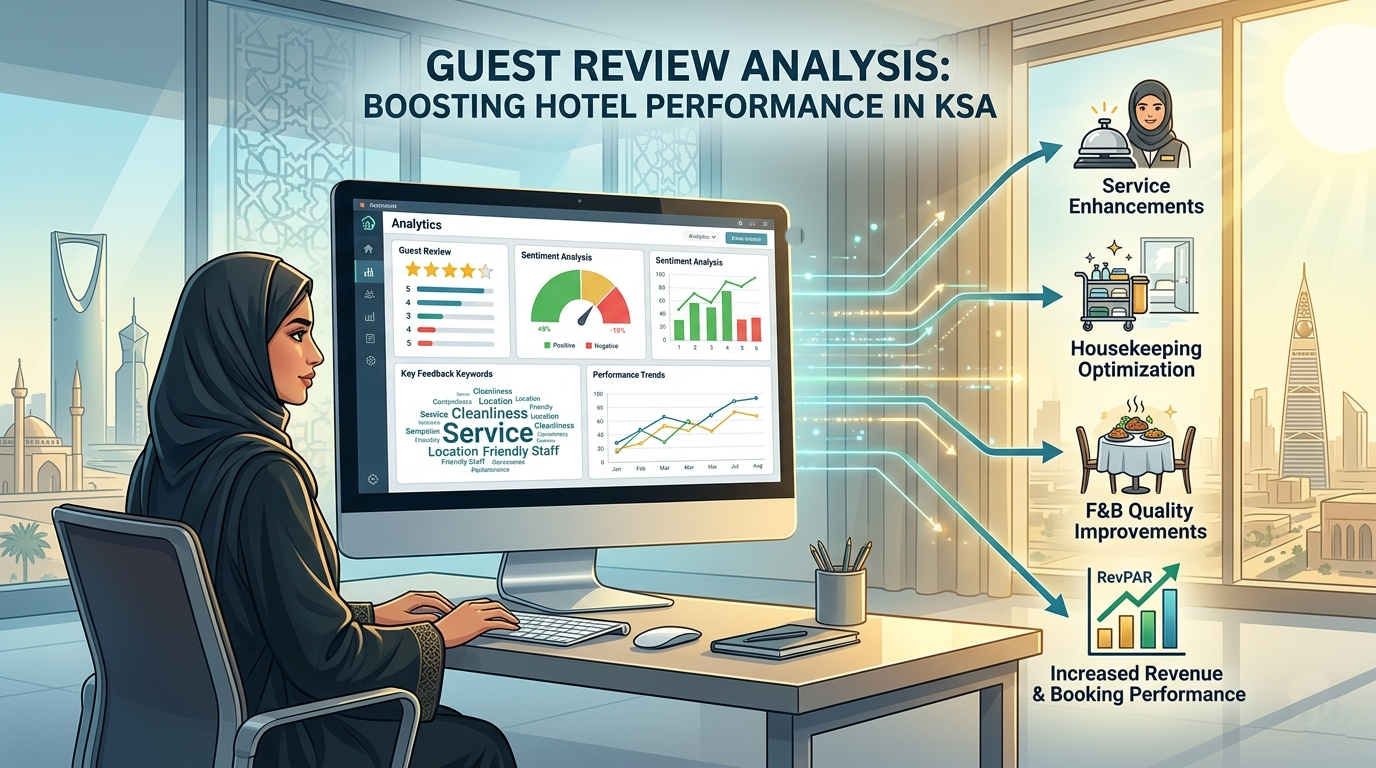
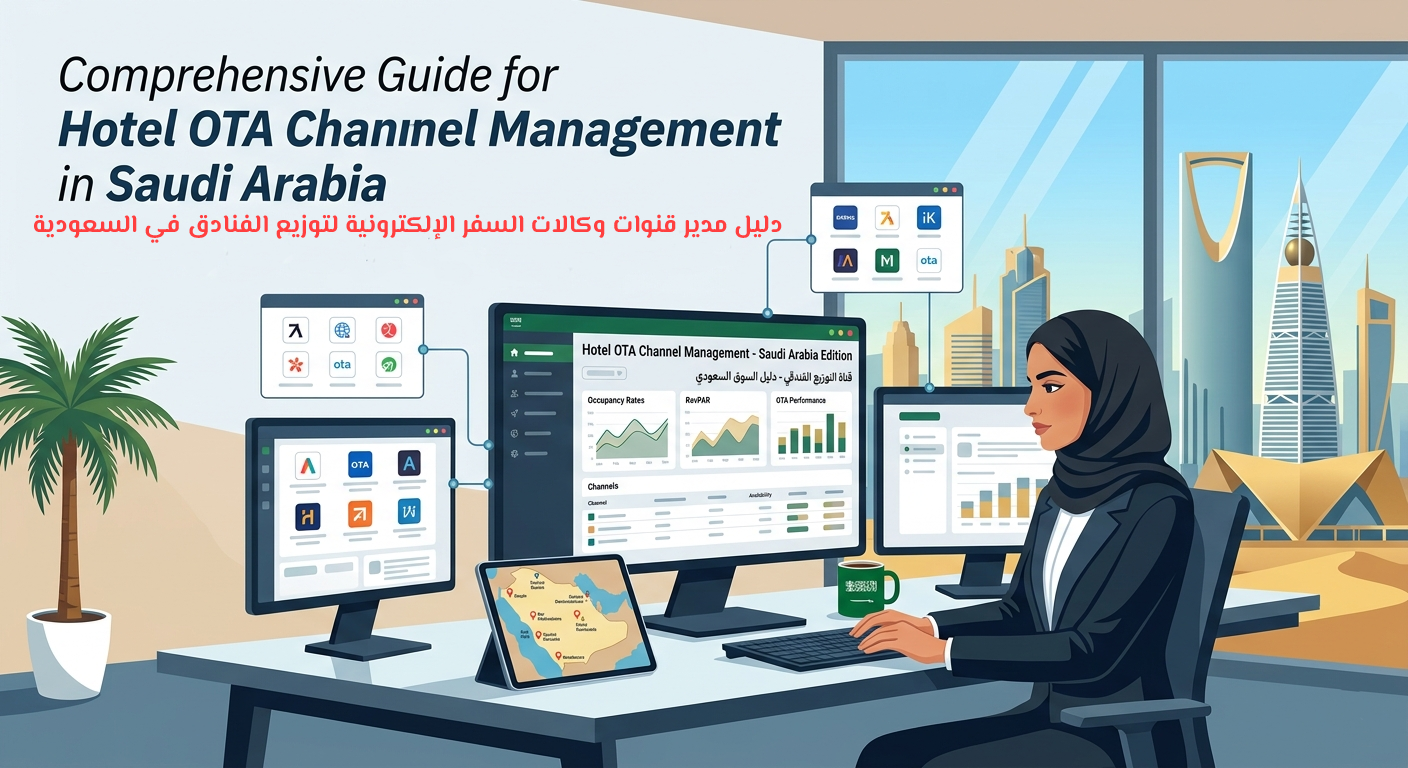
Consider the time spent compiling nightly reports by hand or manually updating room availability across OTAs (Online Travel Agencies) like Booking.com and Expedia. Without a cloud PMS, inventory mismatches are inevitable. Furthermore, paper records make it nearly impossible to analyze guest preferences, track revenue trends, or implement dynamic pricing—critical capabilities in the competitive Saudi hospitality landscape.
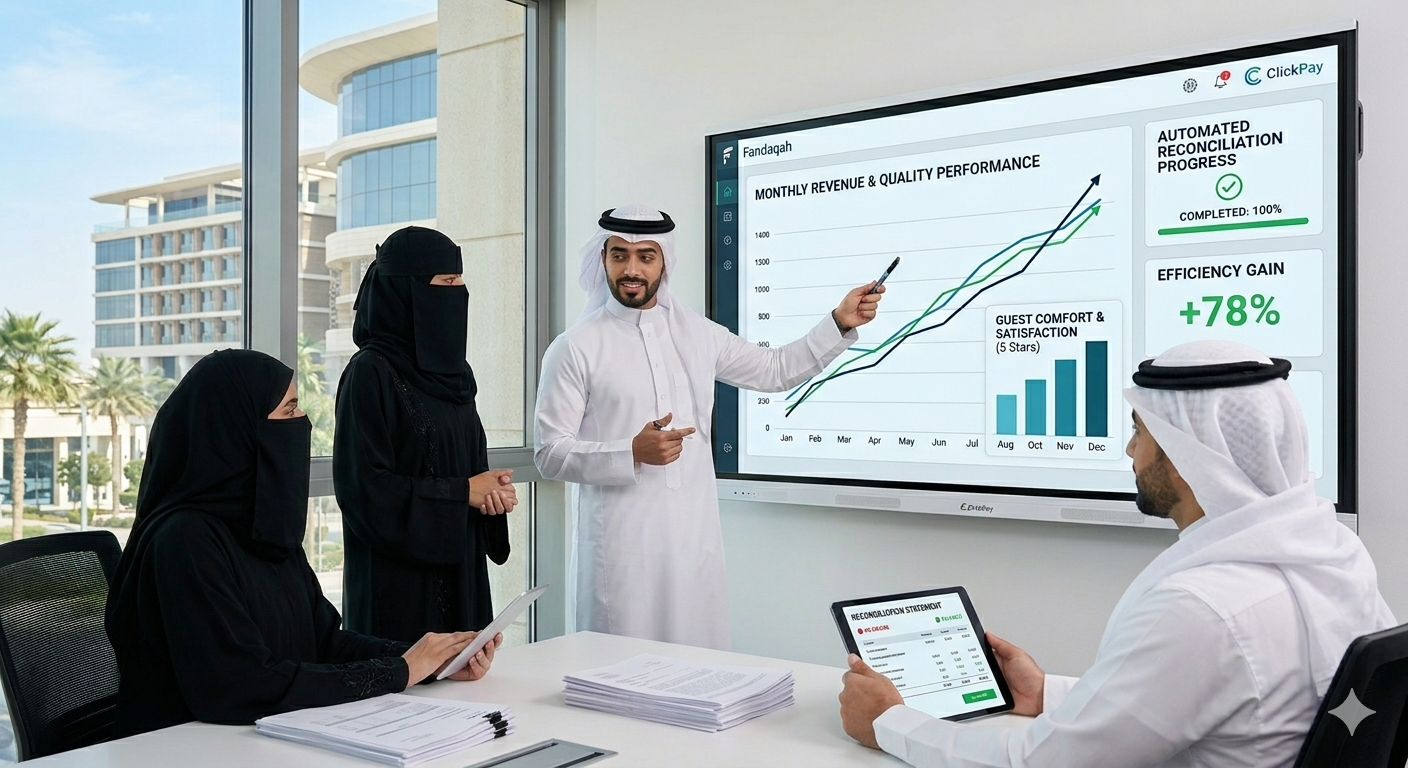
Key Insight: A Cloud PMS isn't just about digitizing forms; it's about transforming data into actionable insights. Hotels that switch to a cloud PMS typically see a 30–40% boost in operational efficiency within the first year.
What Exactly Is a Cloud PMS?
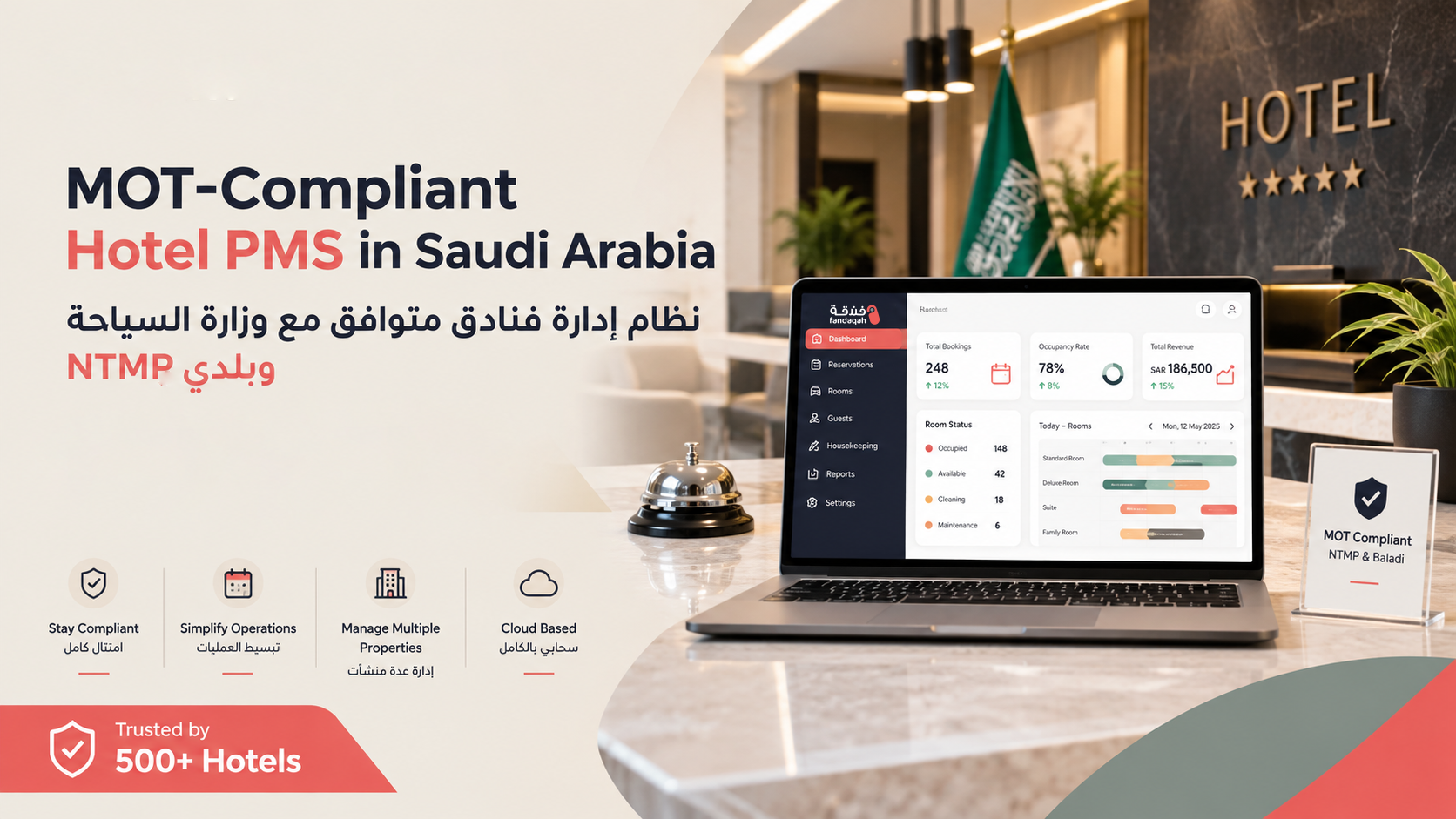
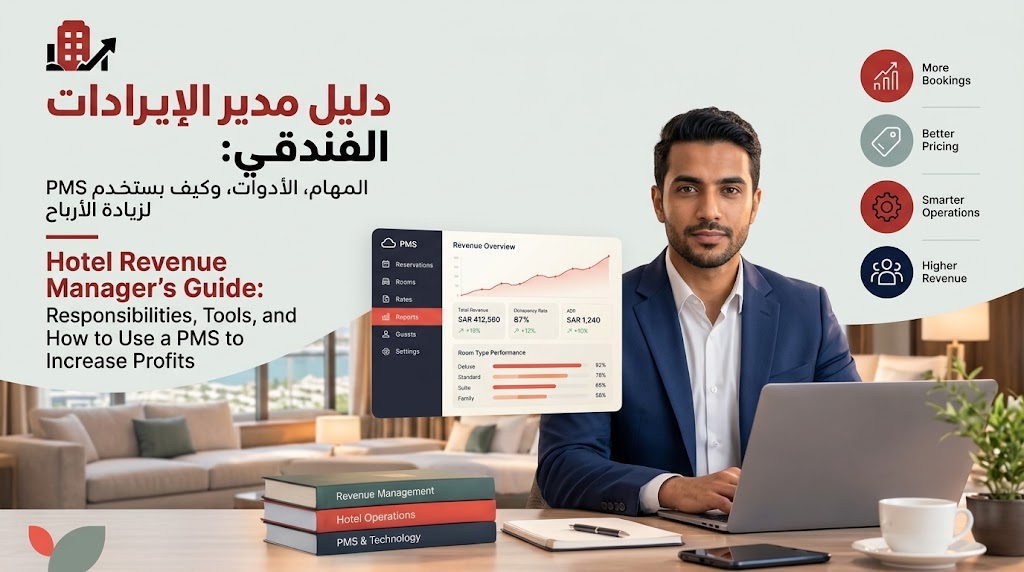
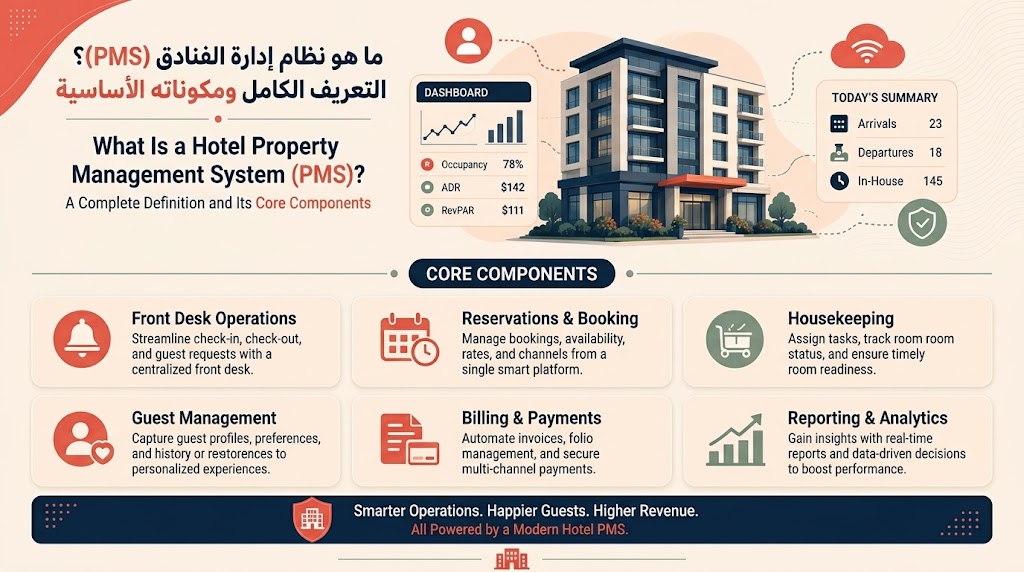
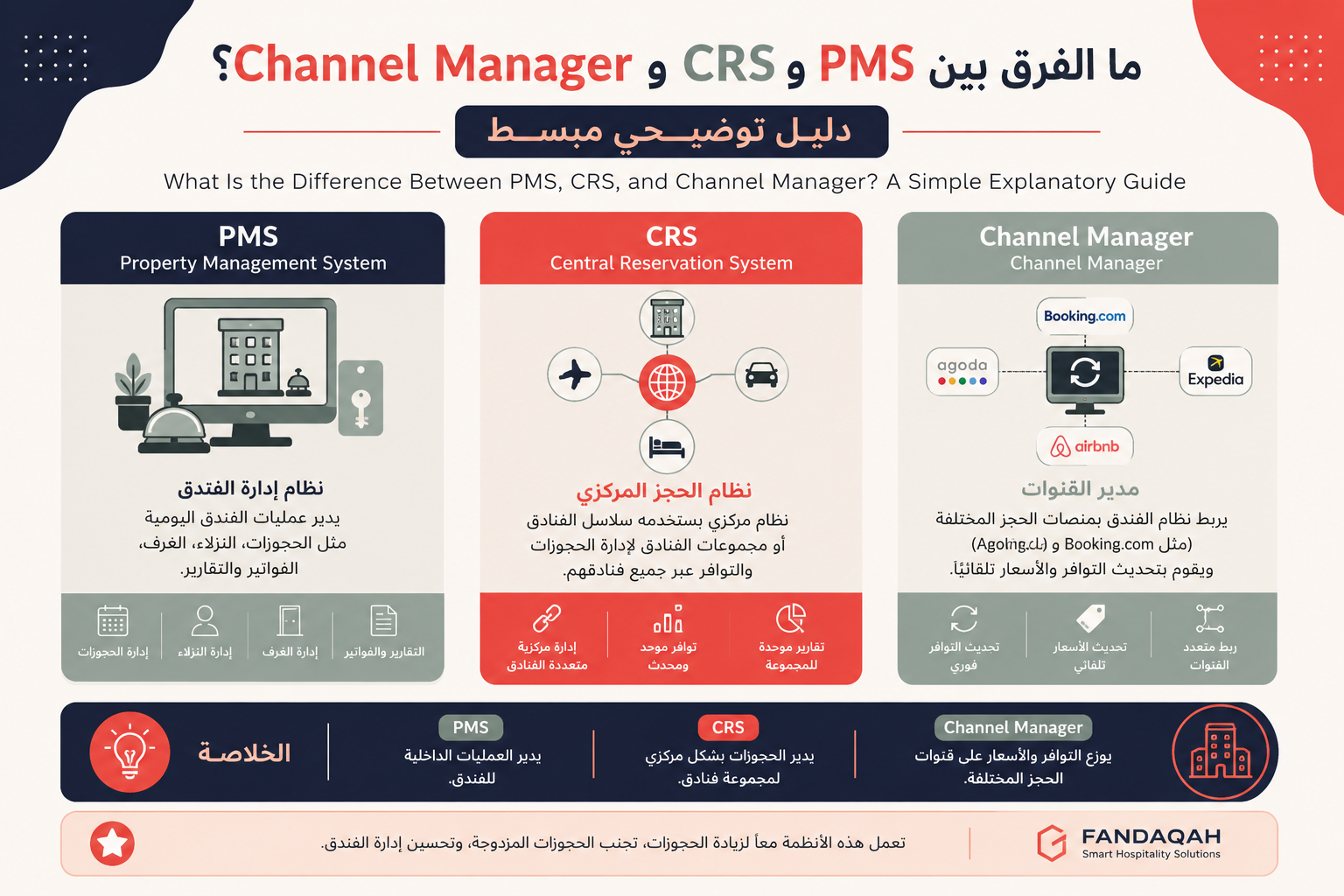
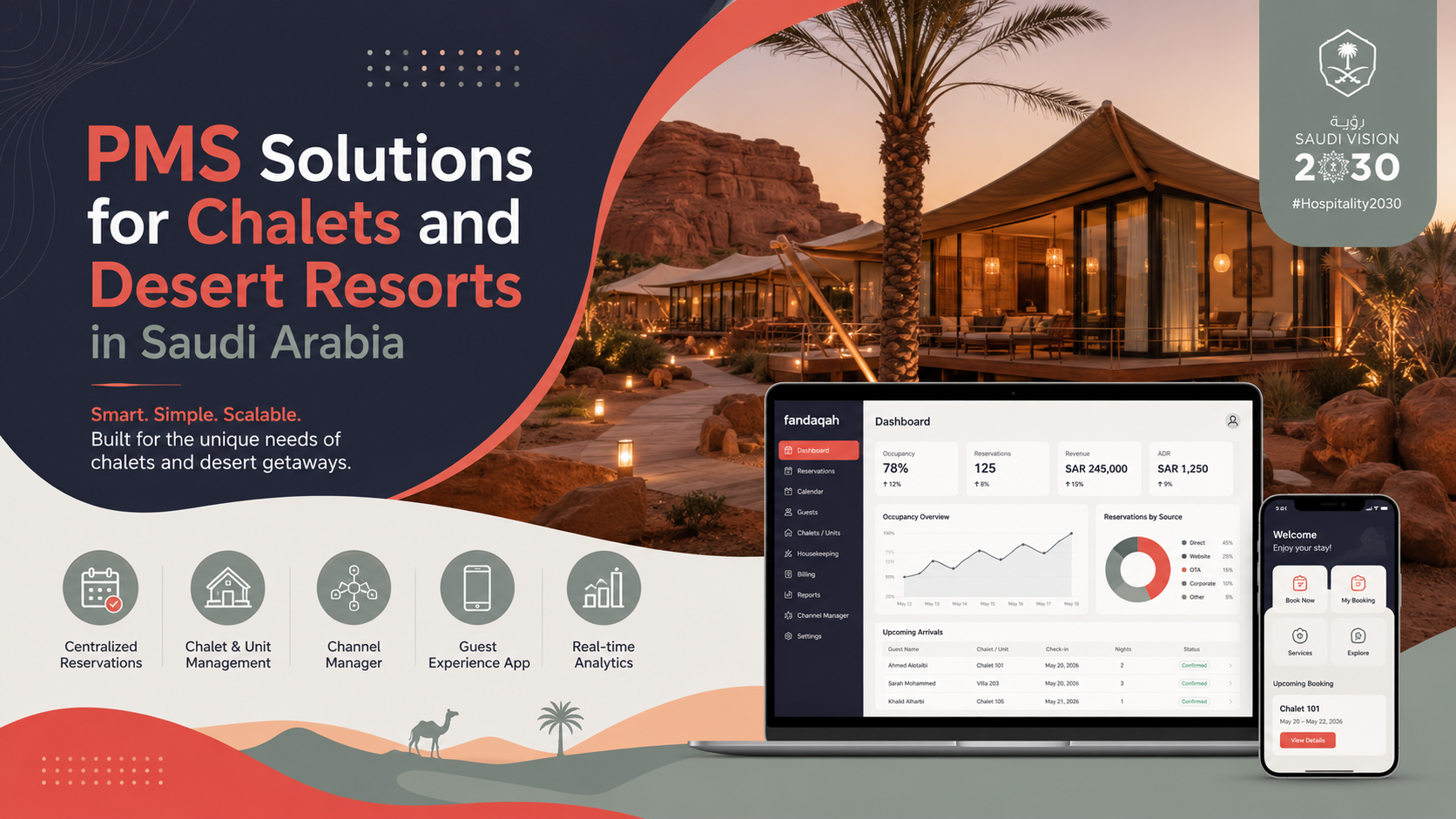
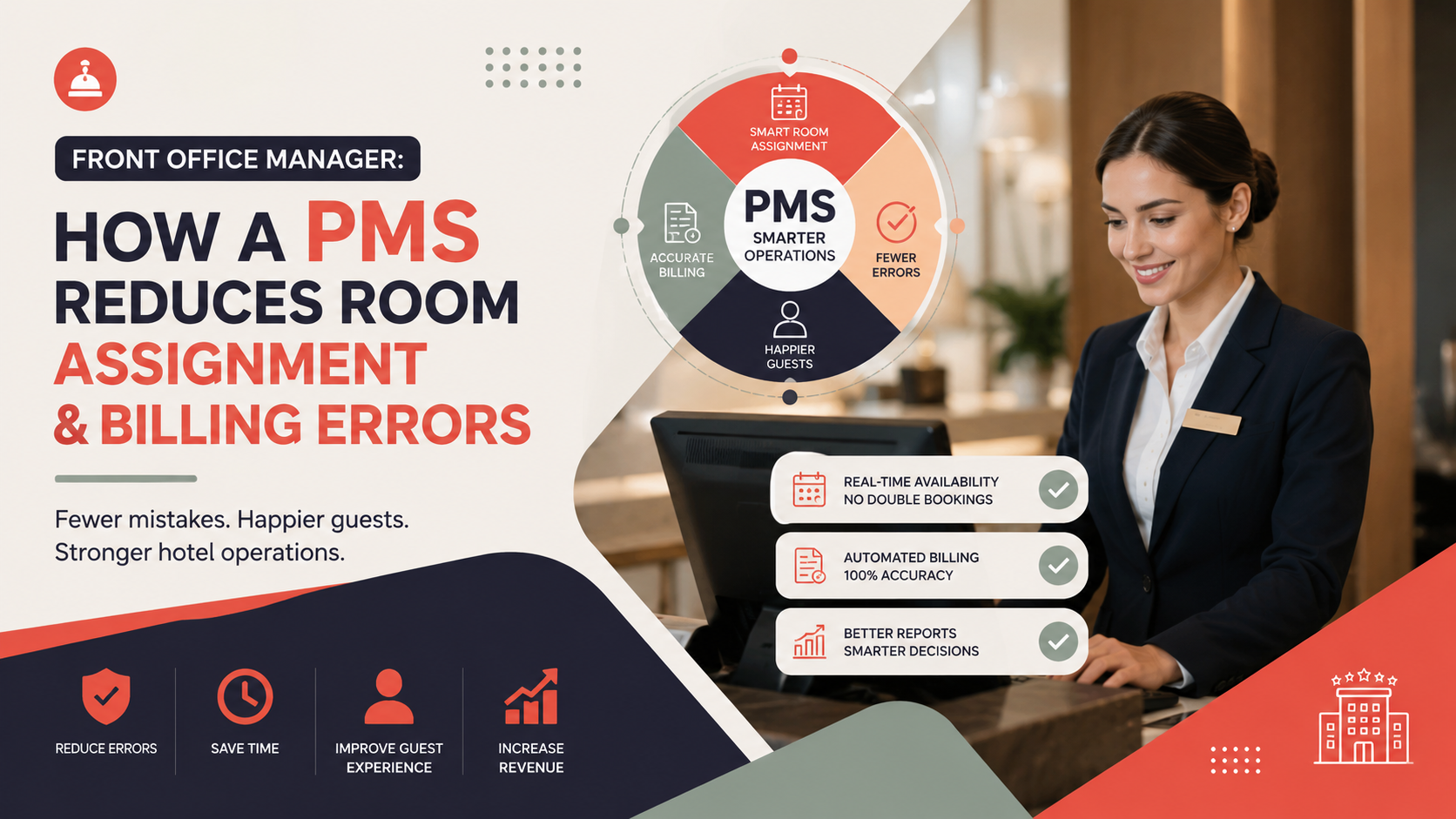
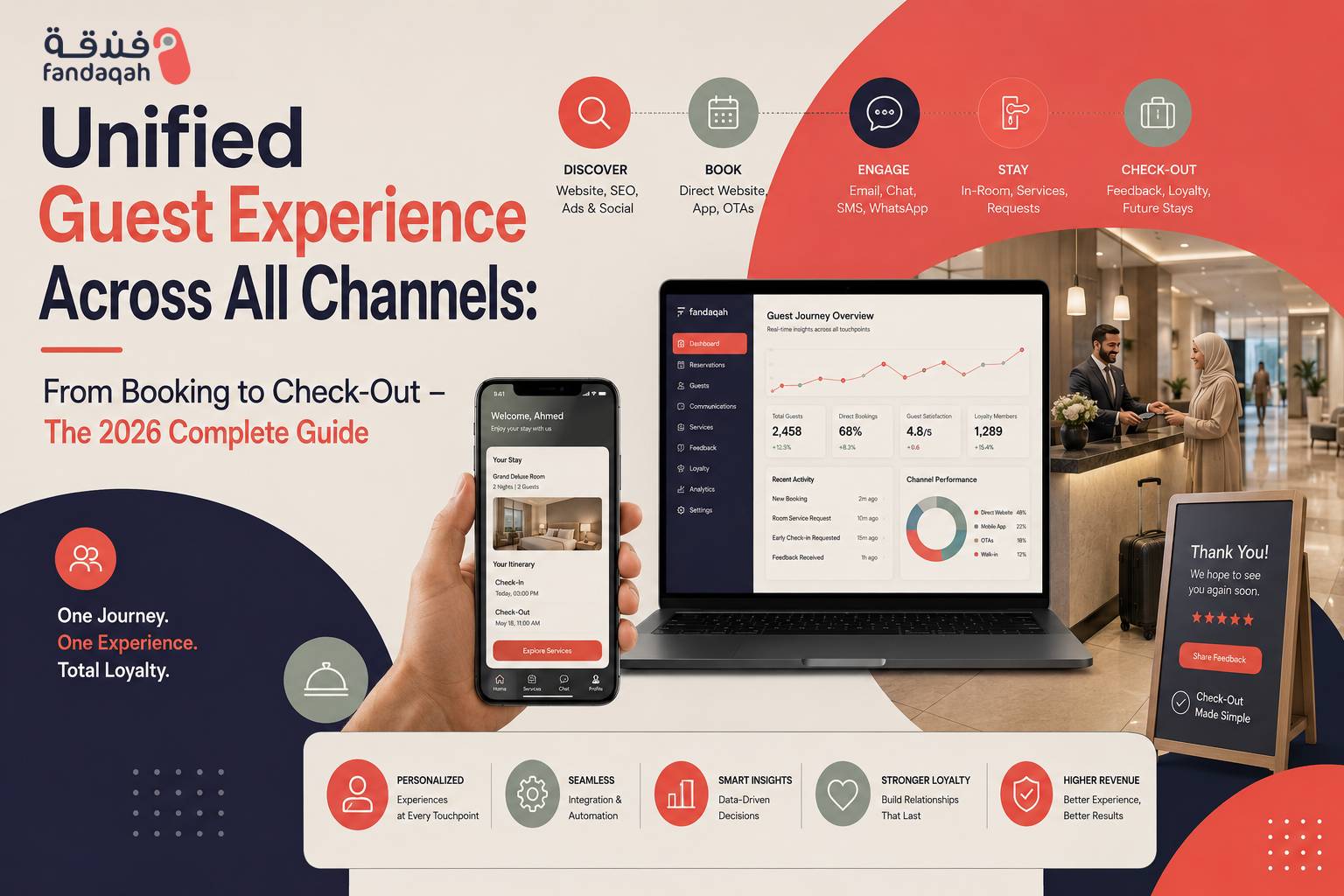
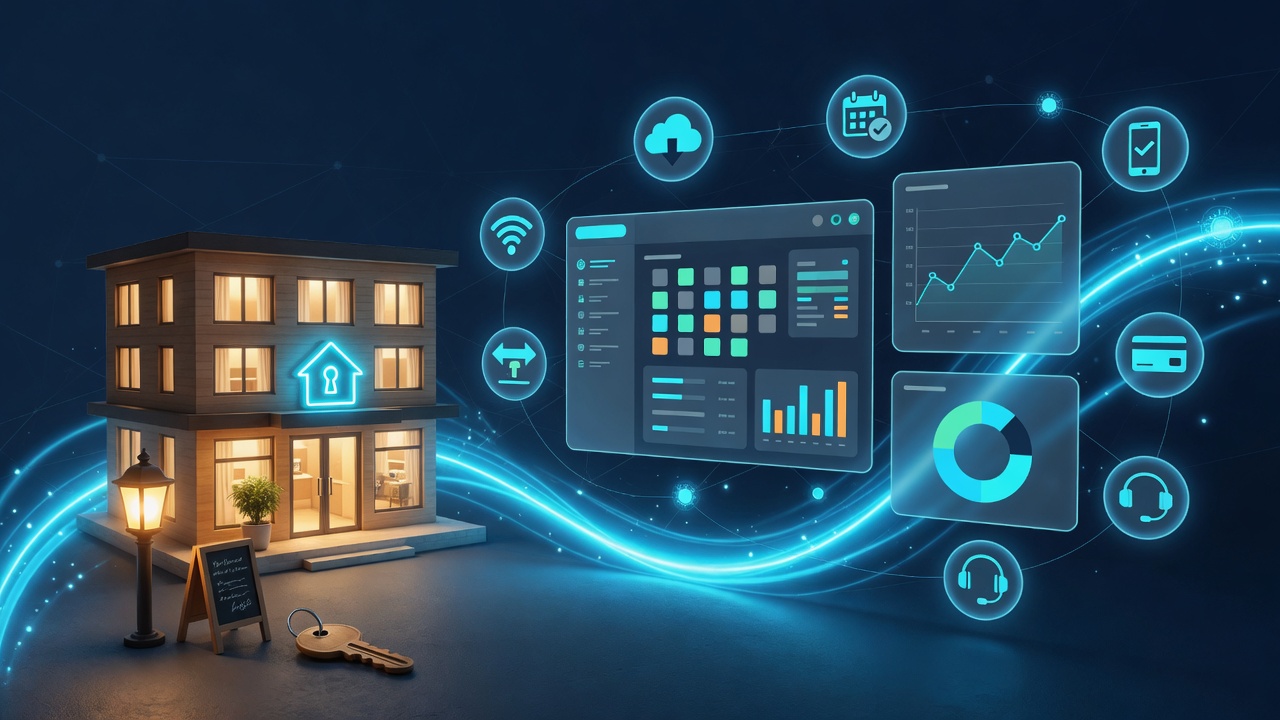
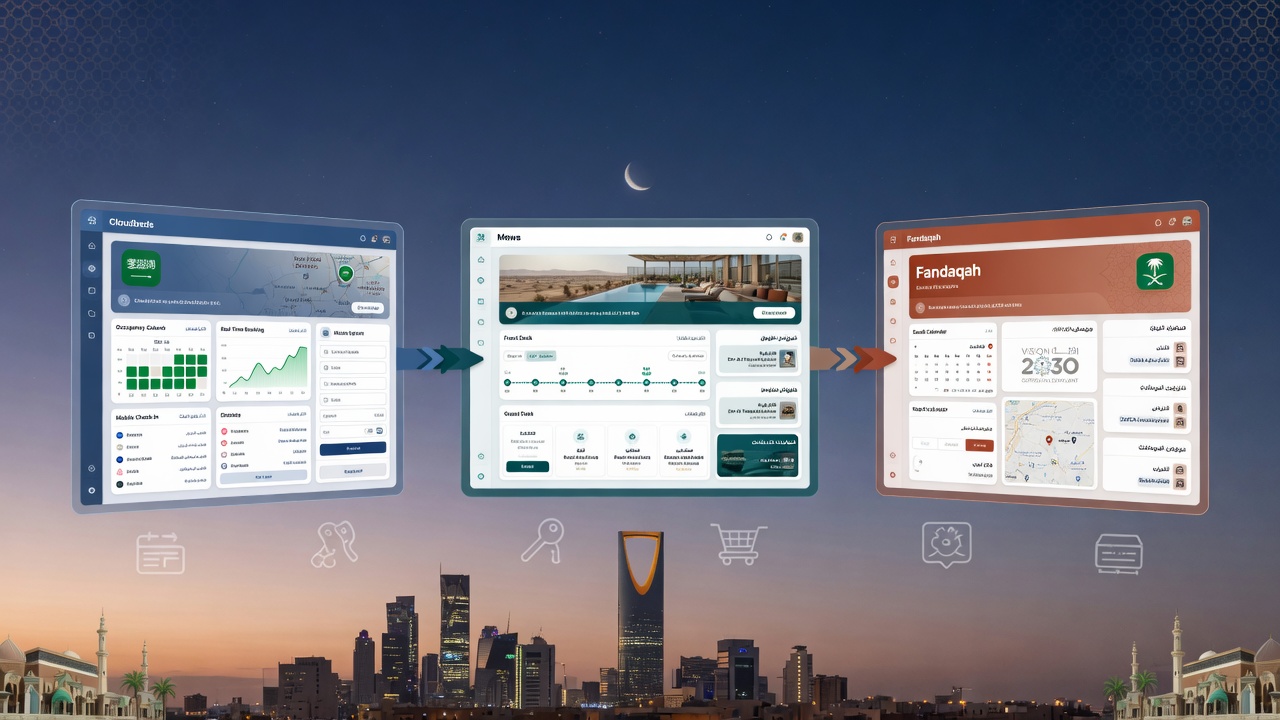
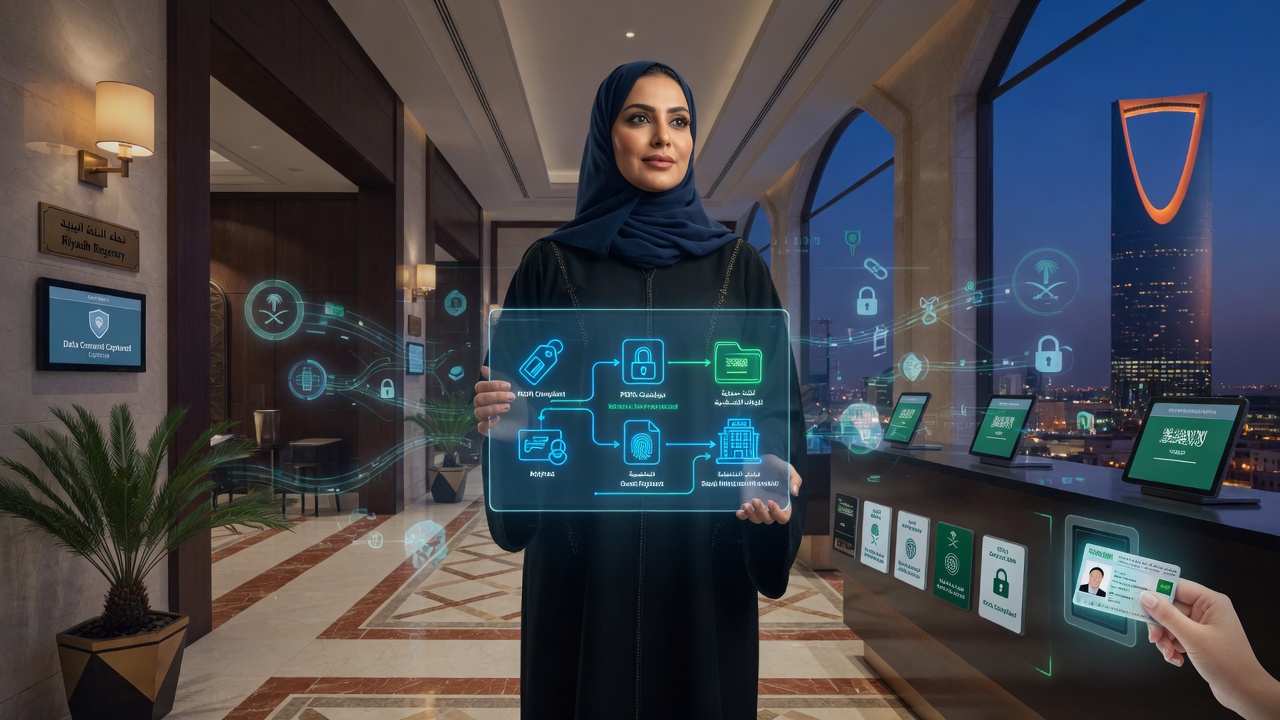
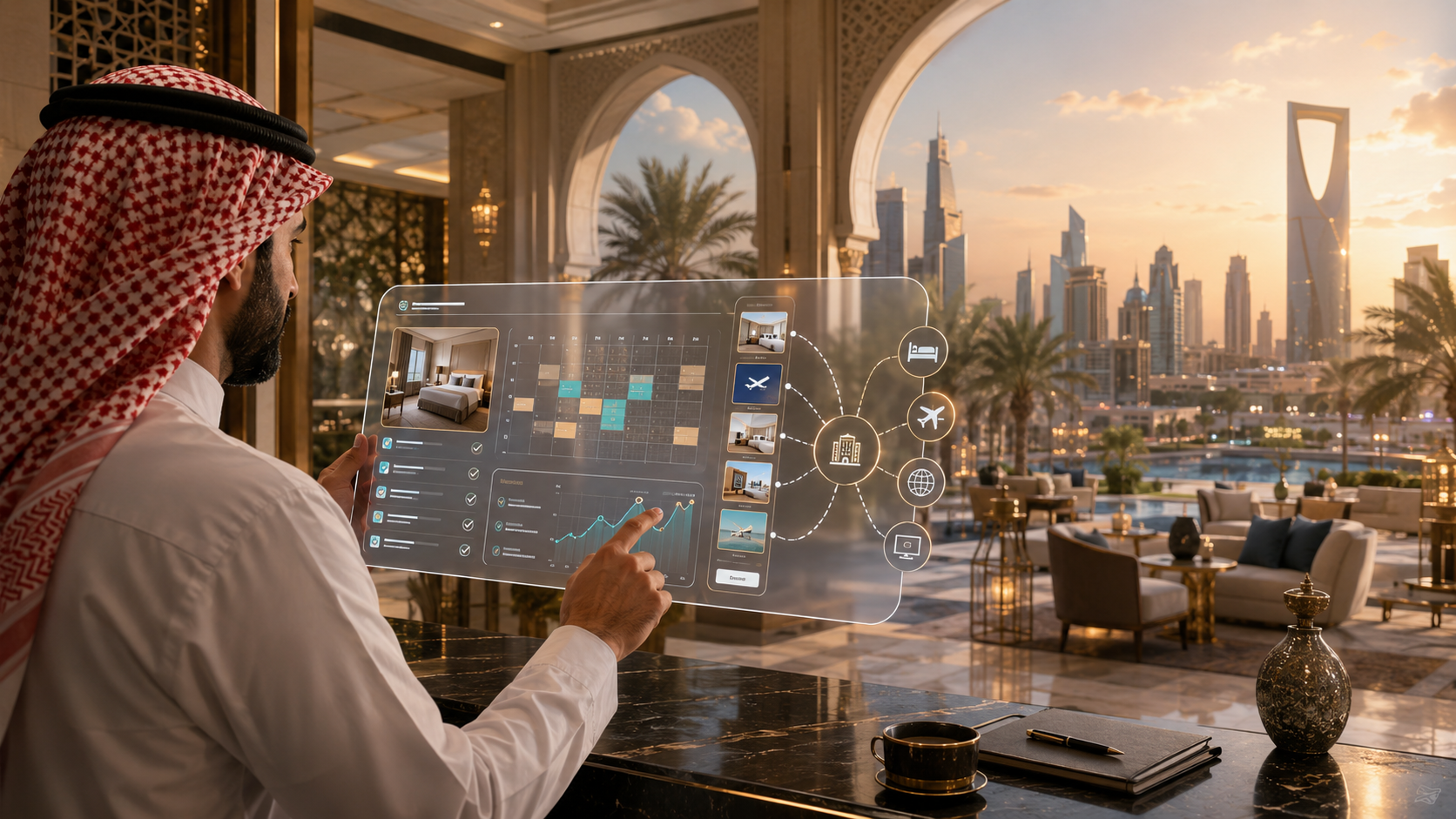
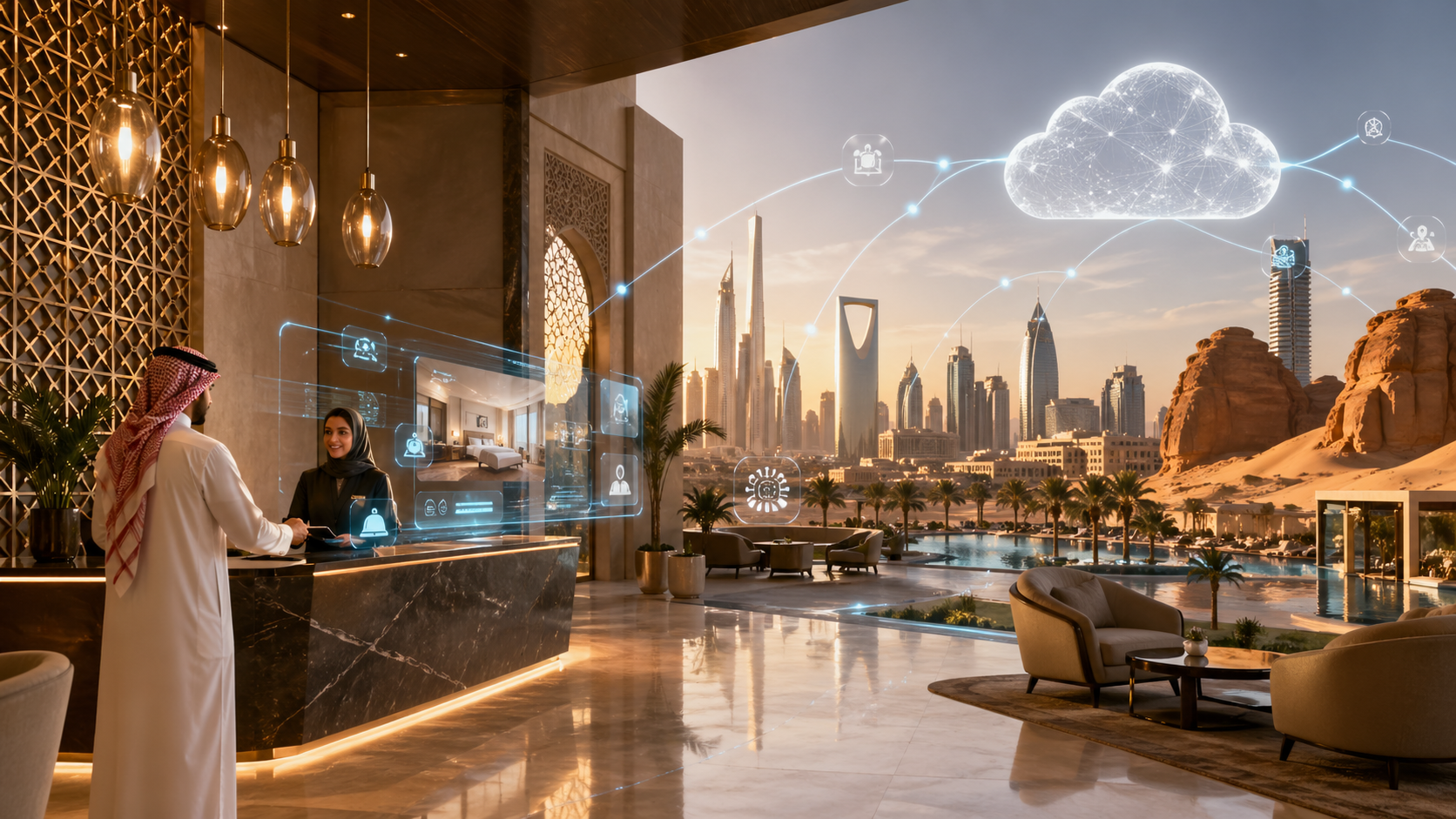
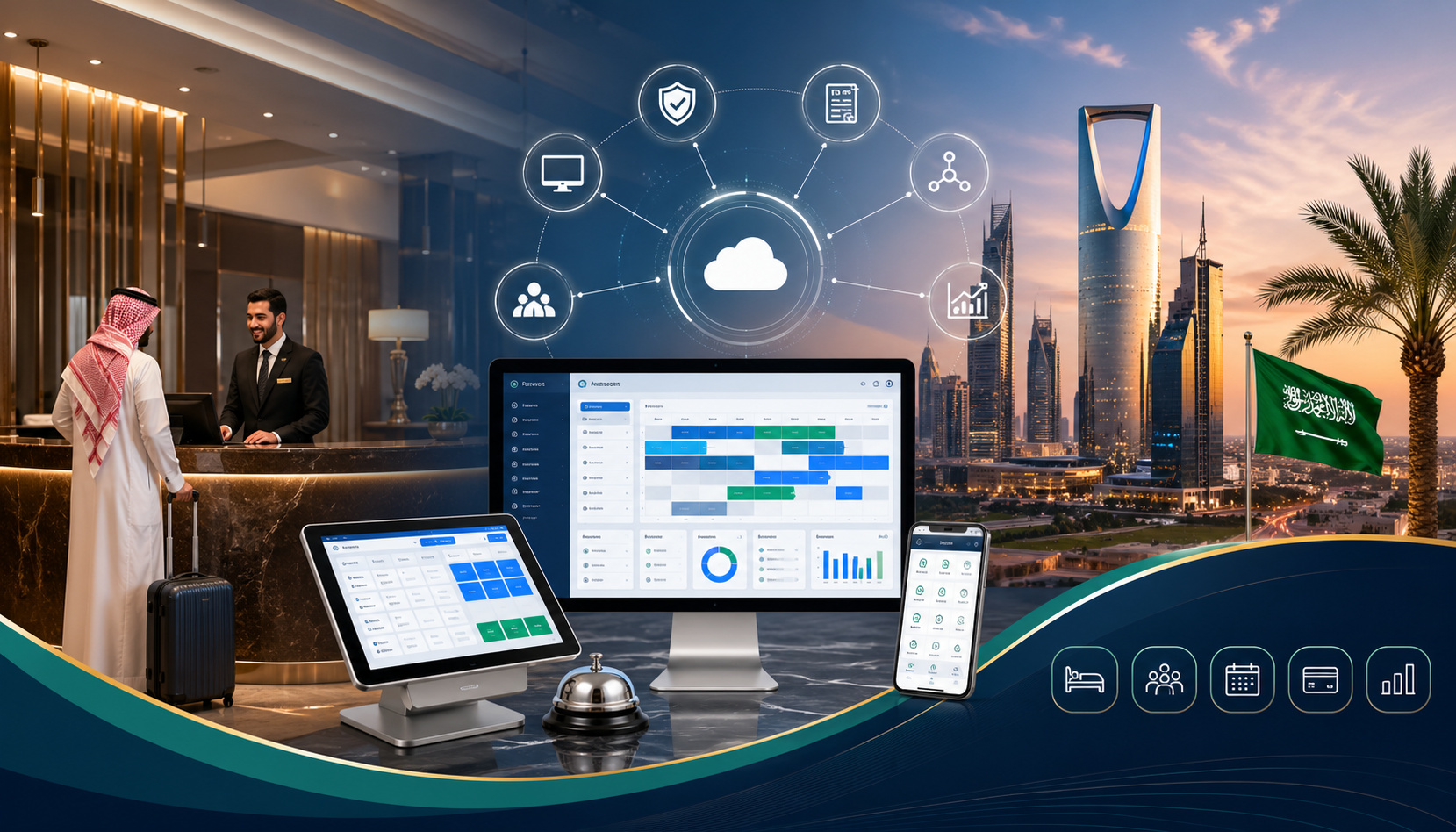
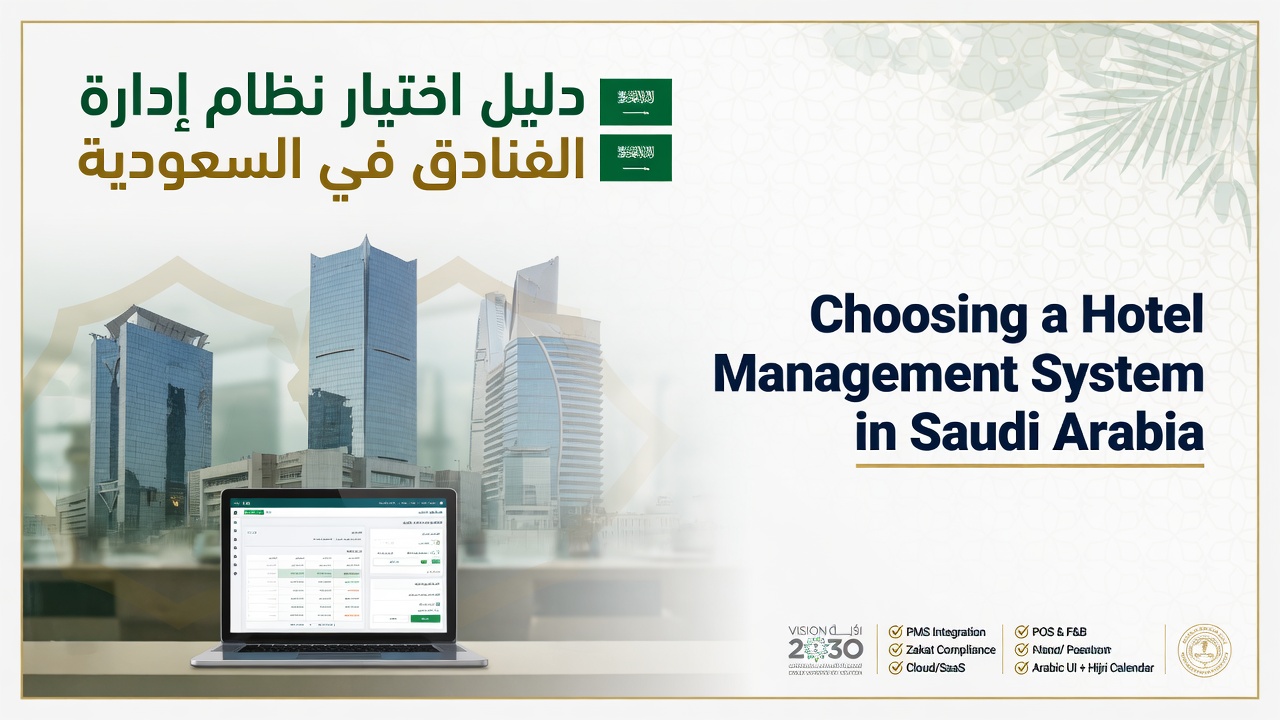
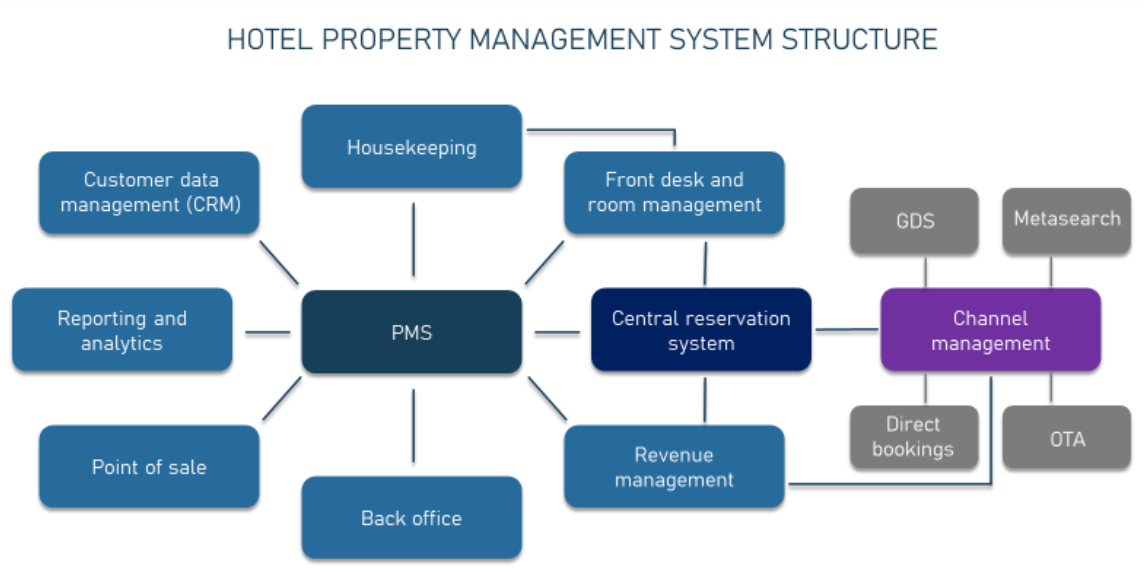
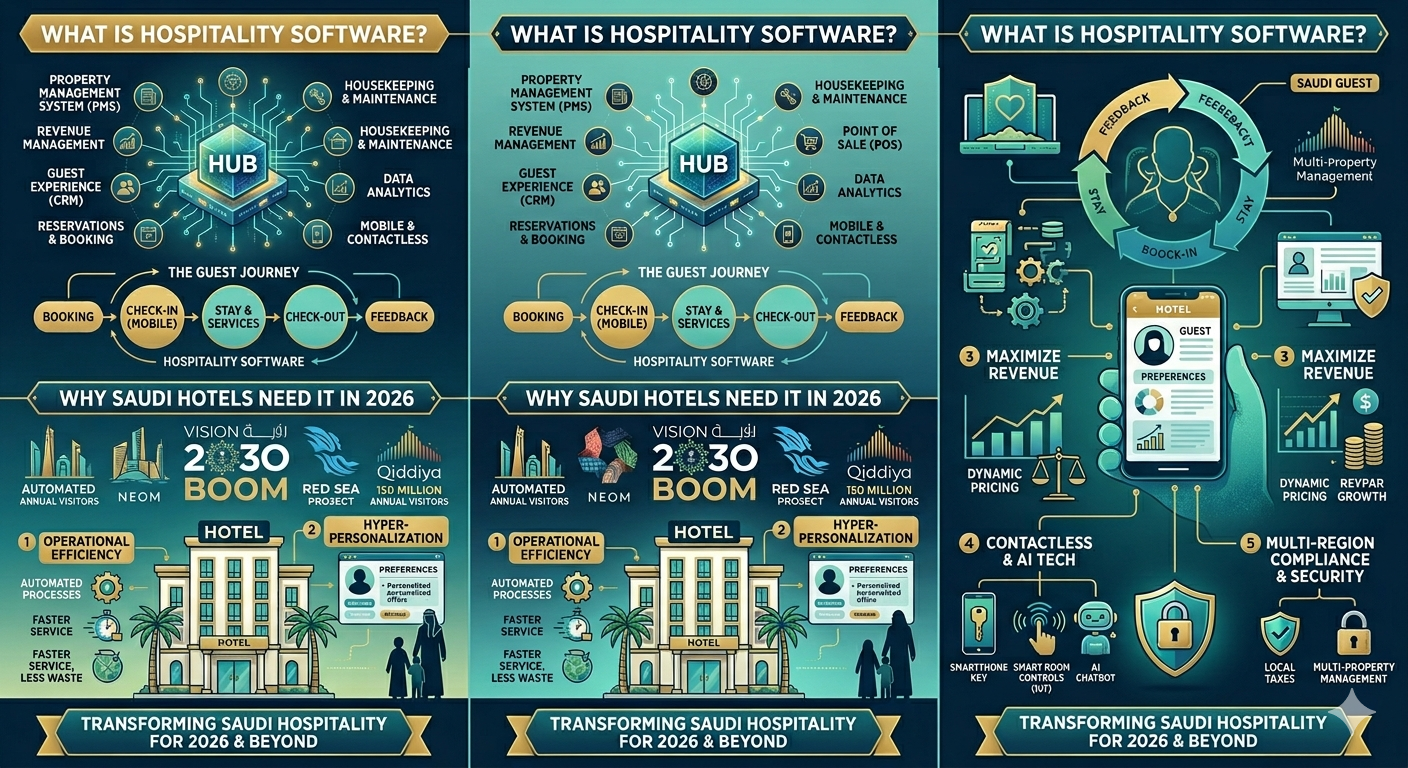
A Property Management System (PMS) is the central nervous system of a hotel. It handles reservations, front desk operations, guest profiles, billing, housekeeping, and reporting. When that PMS is cloud-based, the software is hosted on remote servers and accessed via any web browser or mobile app—no expensive on-site hardware required. This cloud hotel software updates automatically, scales with your business, and allows real-time access from anywhere, making it the foundation of automation in hospitality.
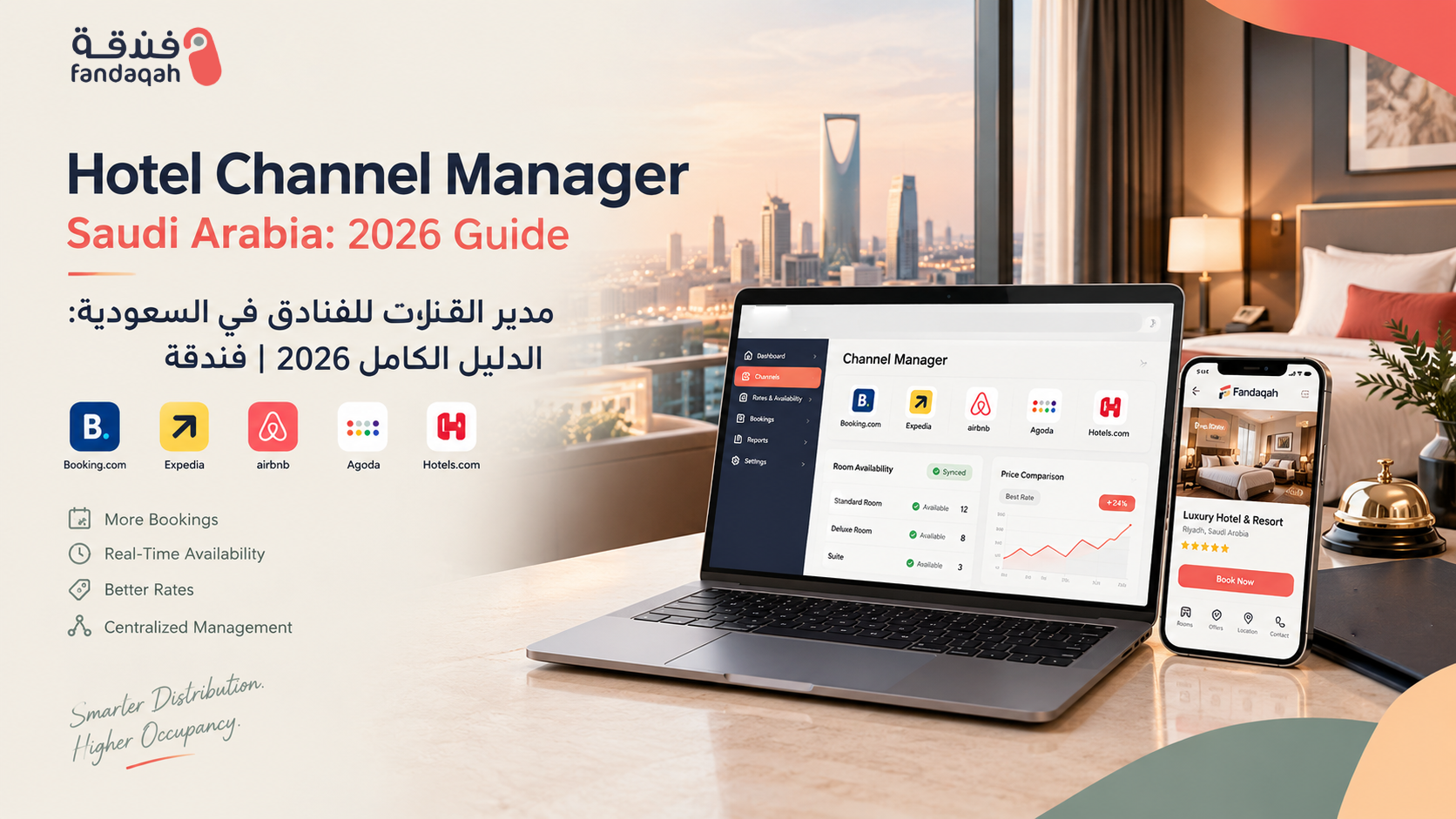
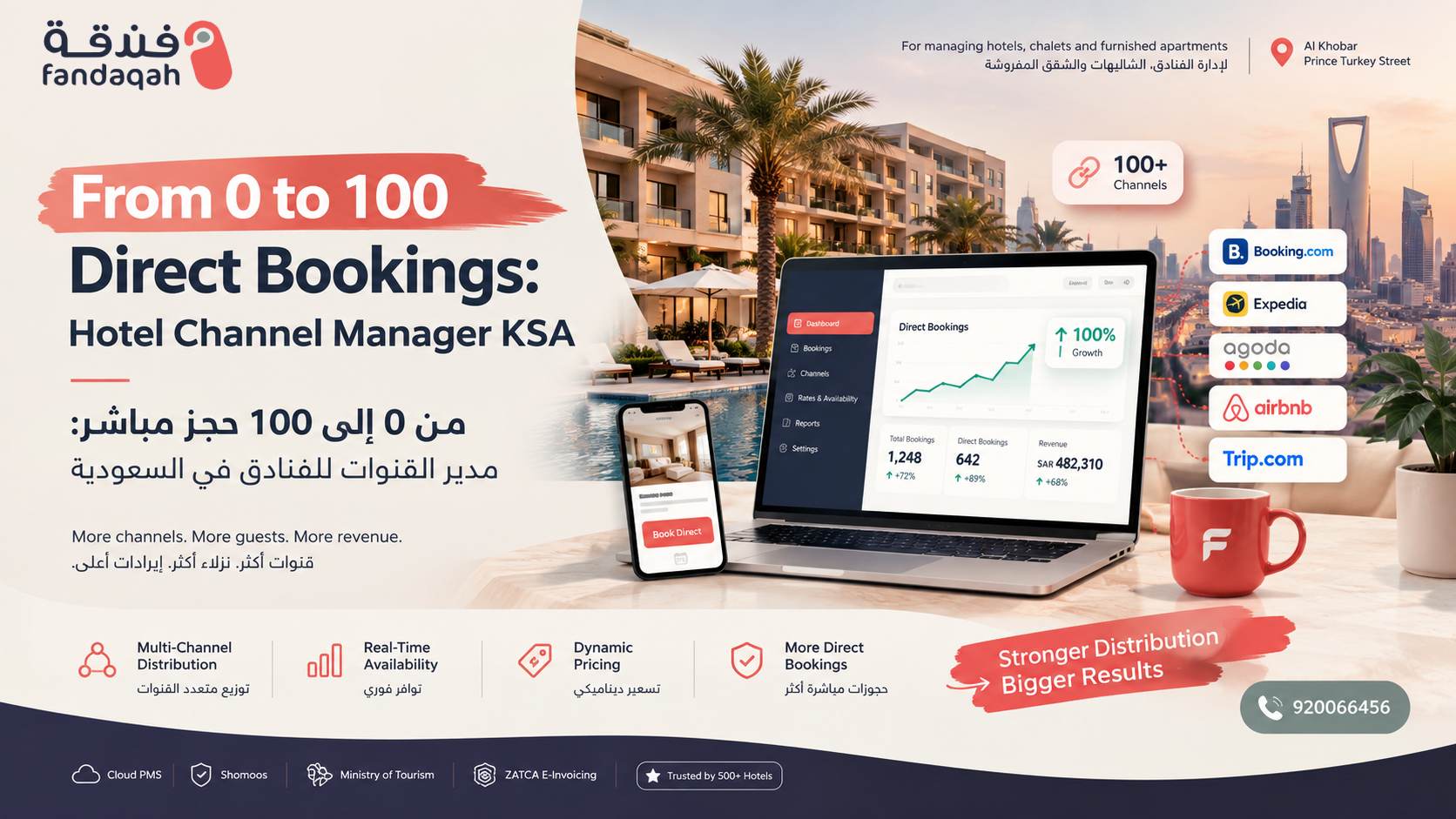
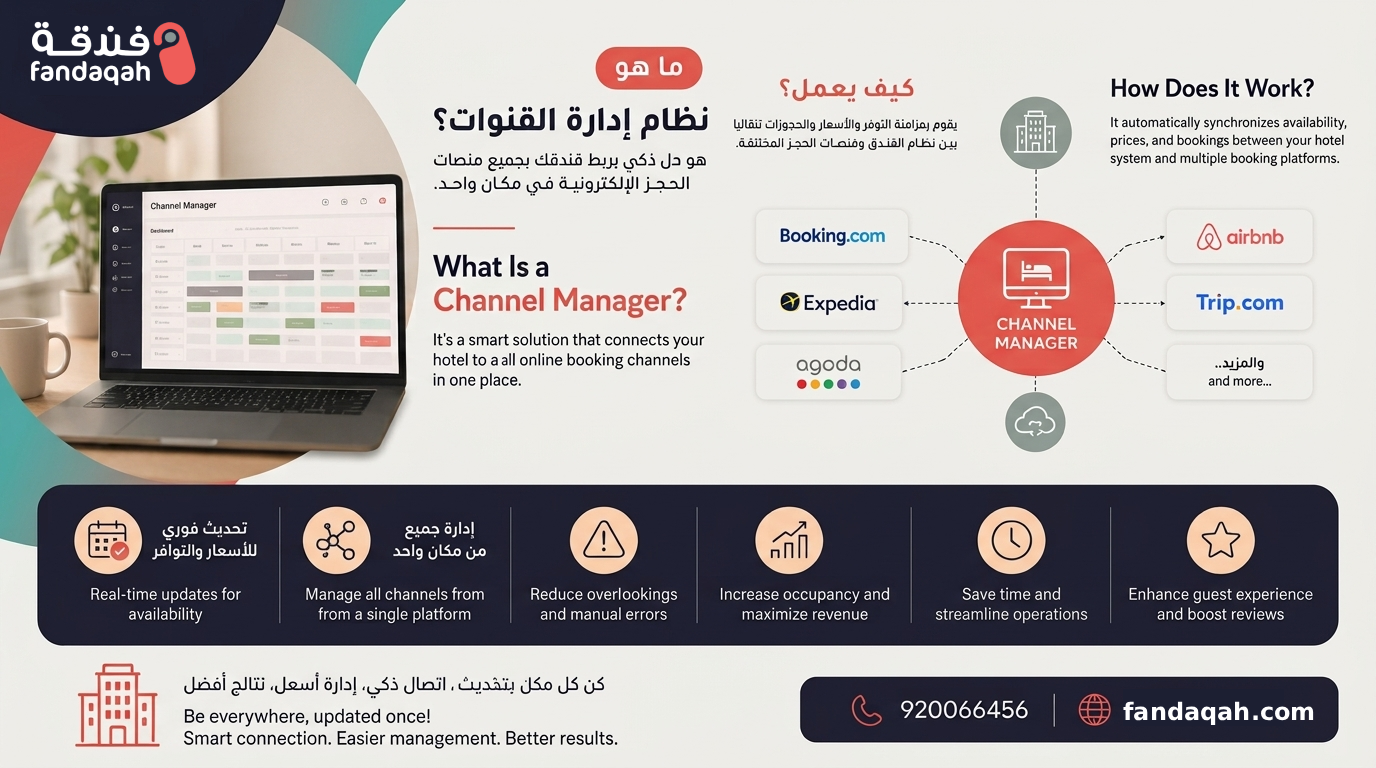
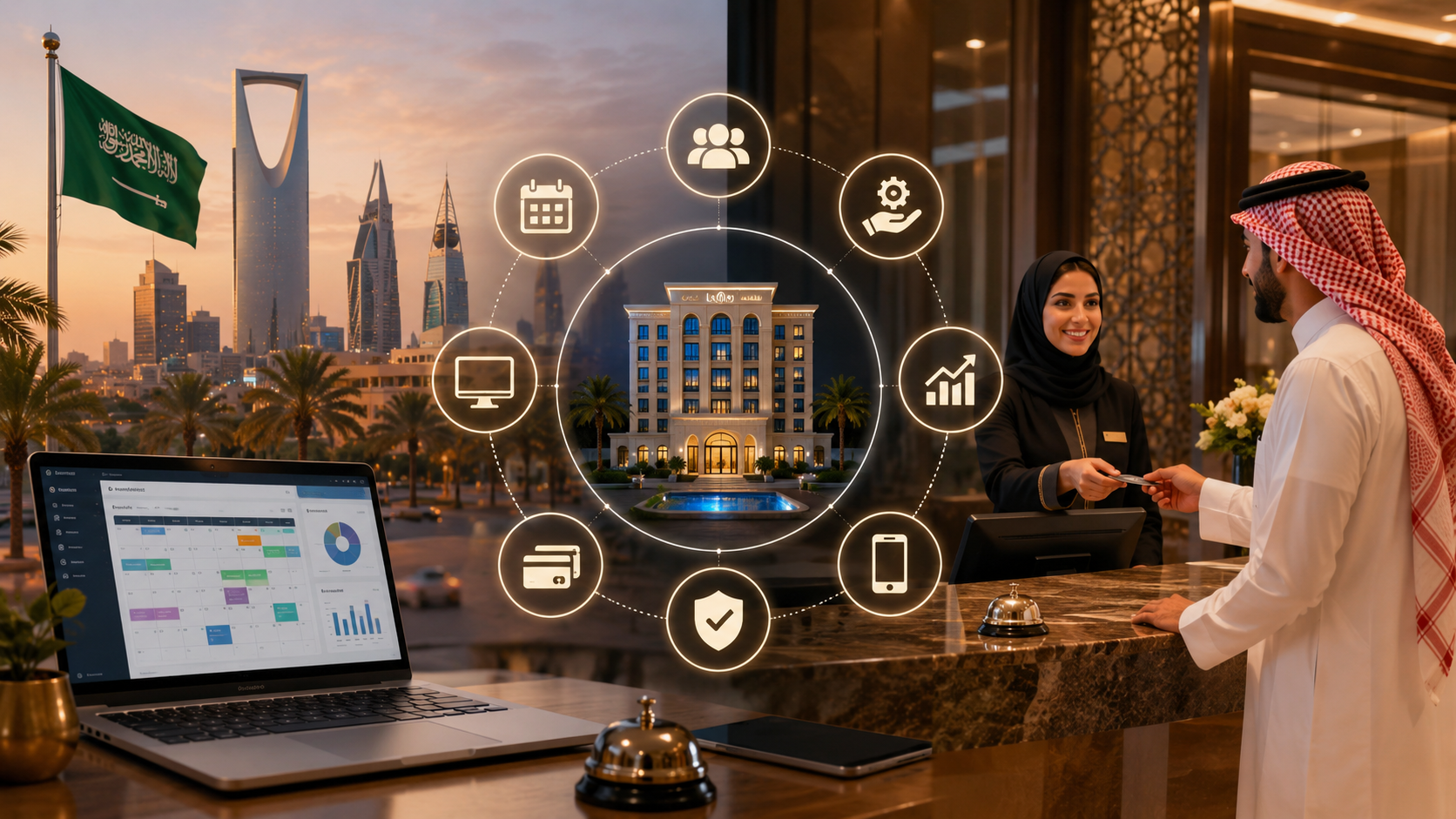
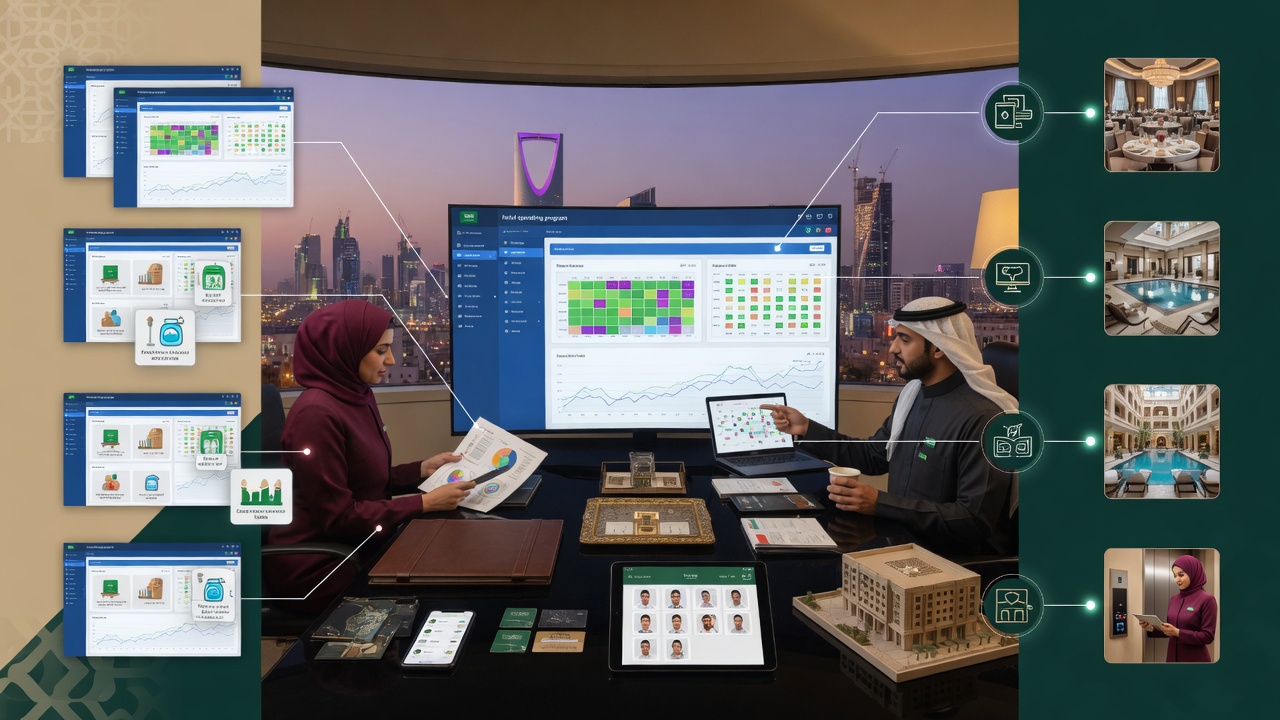
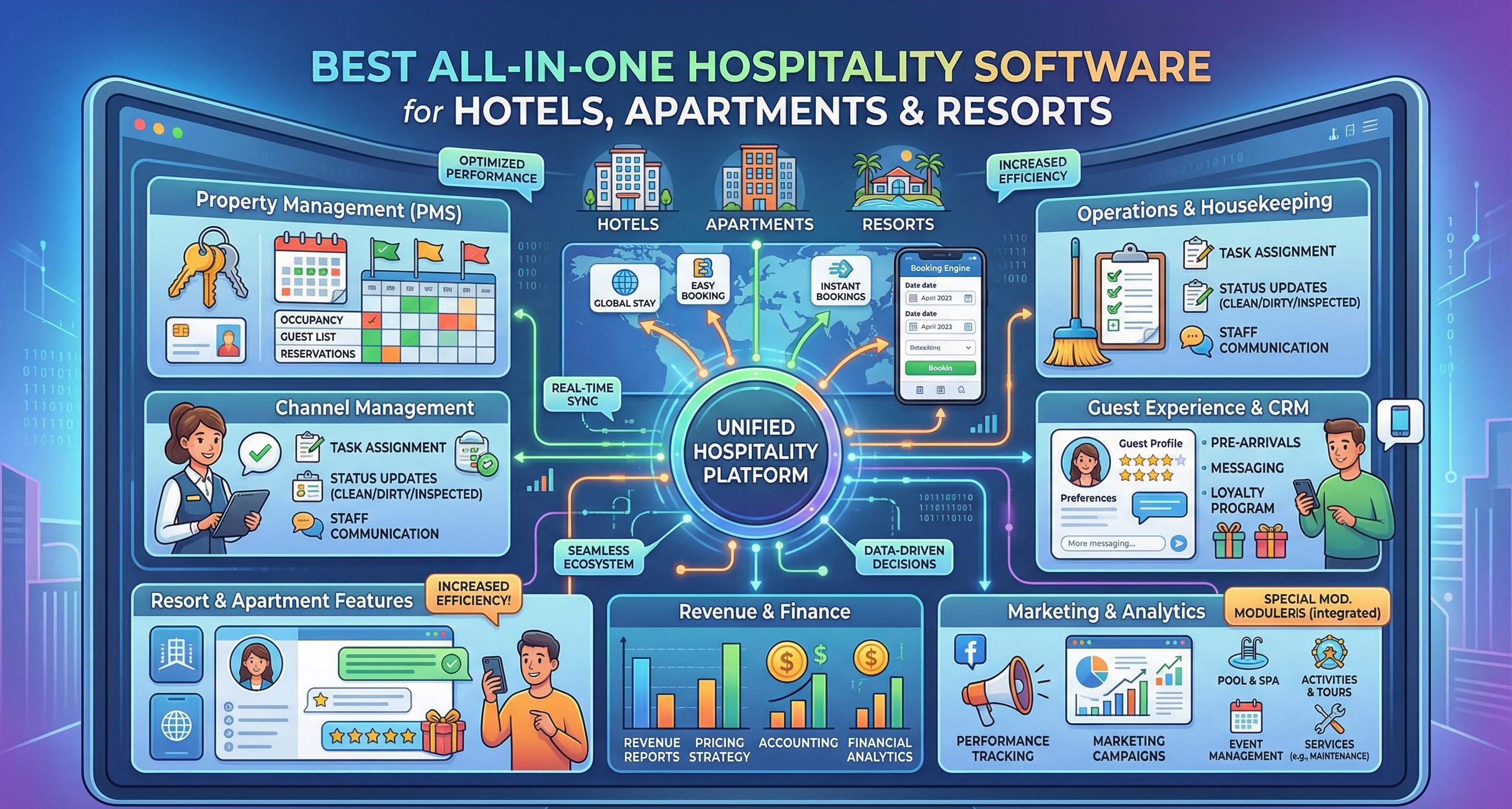
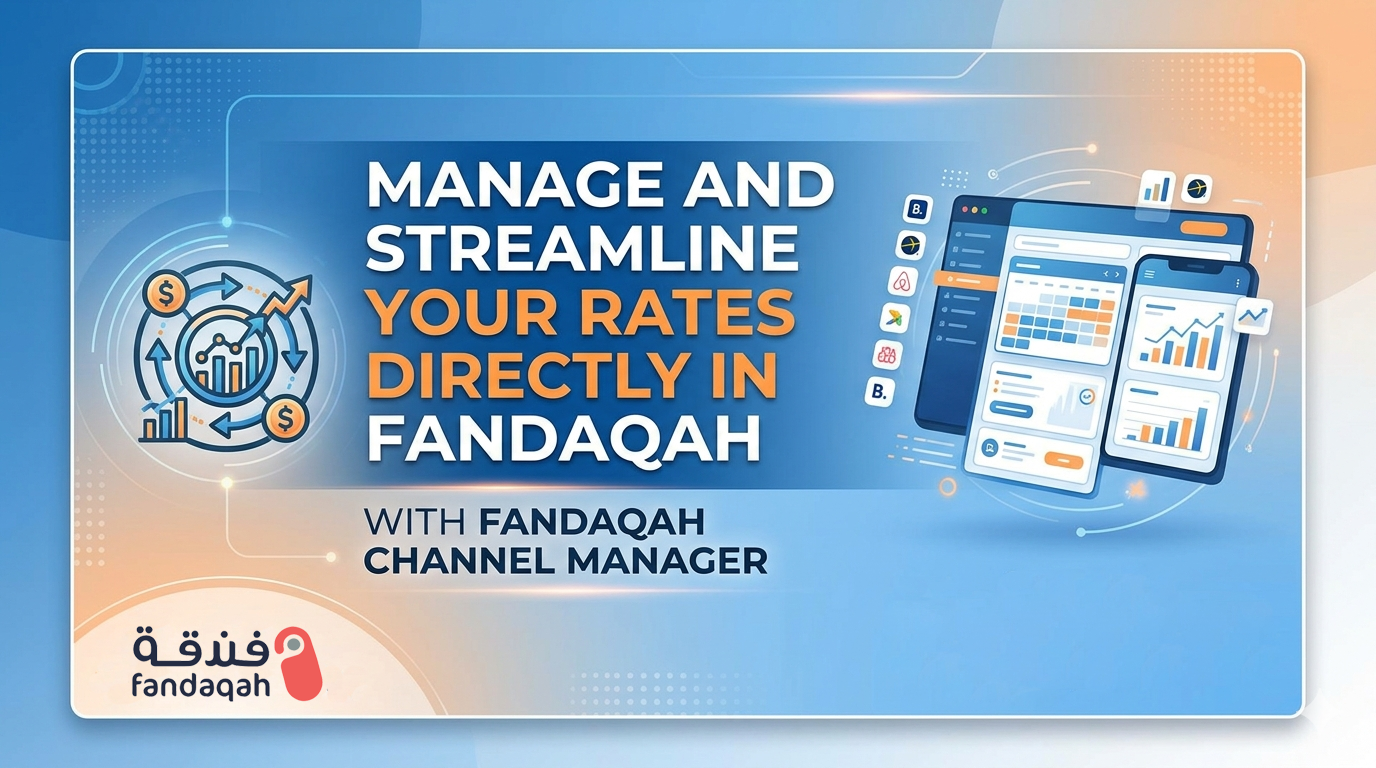
Modern cloud PMS solutions integrate with channel managers, payment gateways, and guest communication tools, creating a unified ecosystem. For Saudi hoteliers, this means fewer manual tasks, more personalized service, and complete alignment with the digital transformation in hospitality that Vision 2030 champions.
Paper Records vs. Cloud PMS: A Side-by-Side Comparison
To truly grasp the transformation, let's put the old and new worlds head-to-head:
| Key Area |
Paper-Based Records |
Cloud PMS |
| Reservation Management |
Handwritten logs, high risk of double bookings and overbooking |
Real-time sync, instant availability updates, channel integration |
| Guest Experience |
Slow manual check-in/out, no guest history |
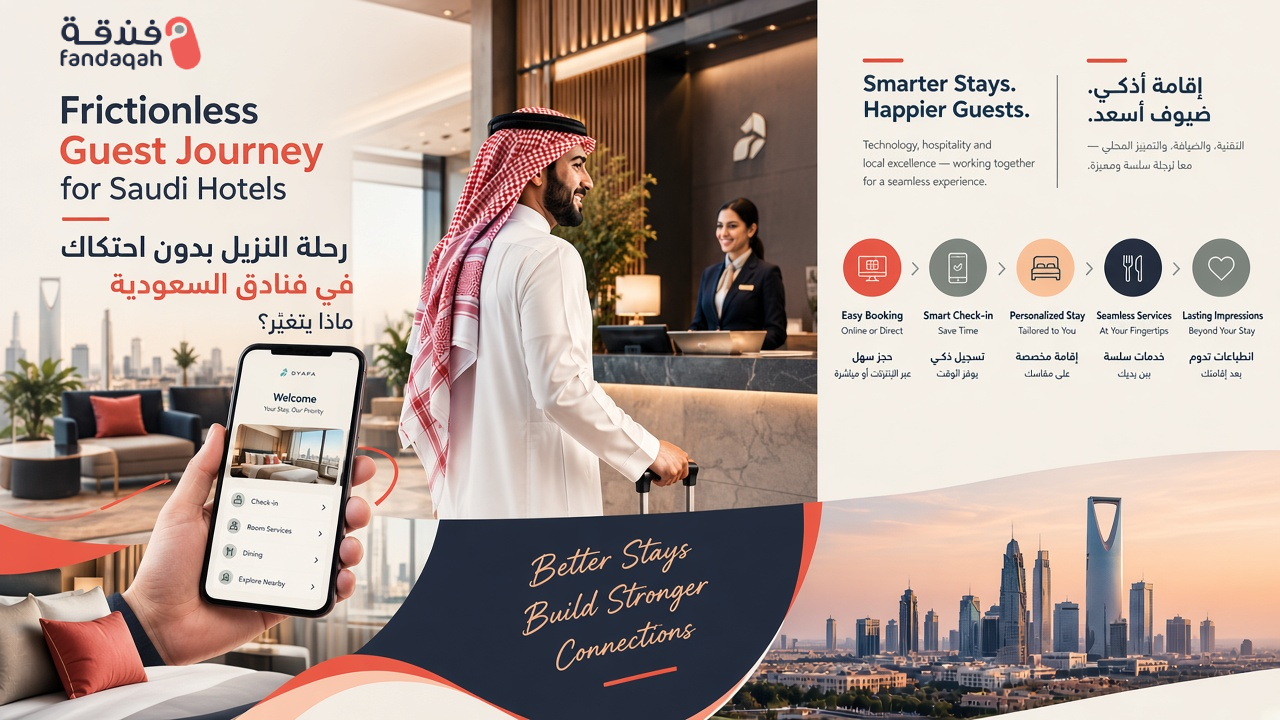
Mobile check-in, personalized preferences, automated communications |
| Reporting & Analytics |
Labor-intensive compilation, often inaccurate |
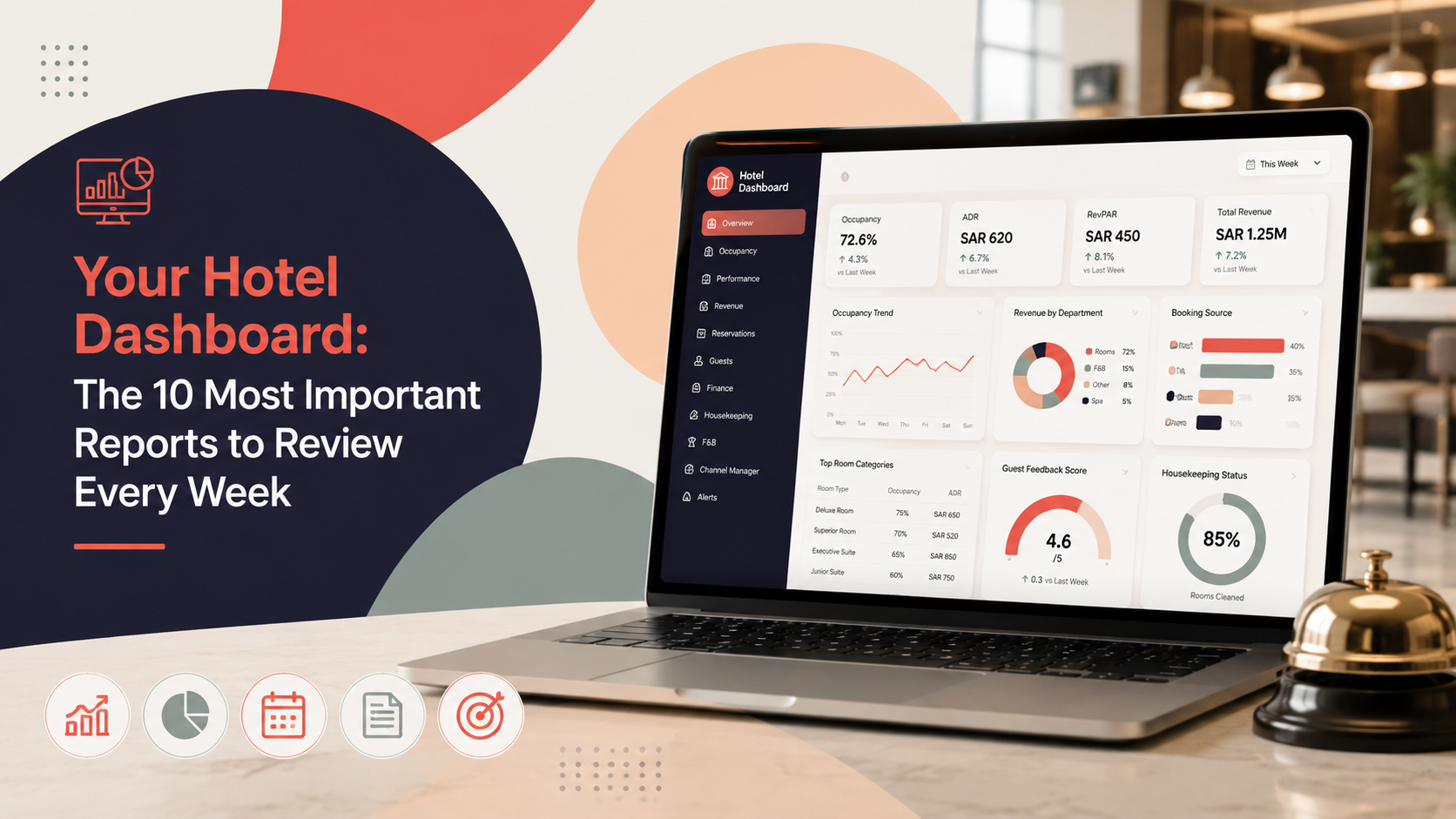
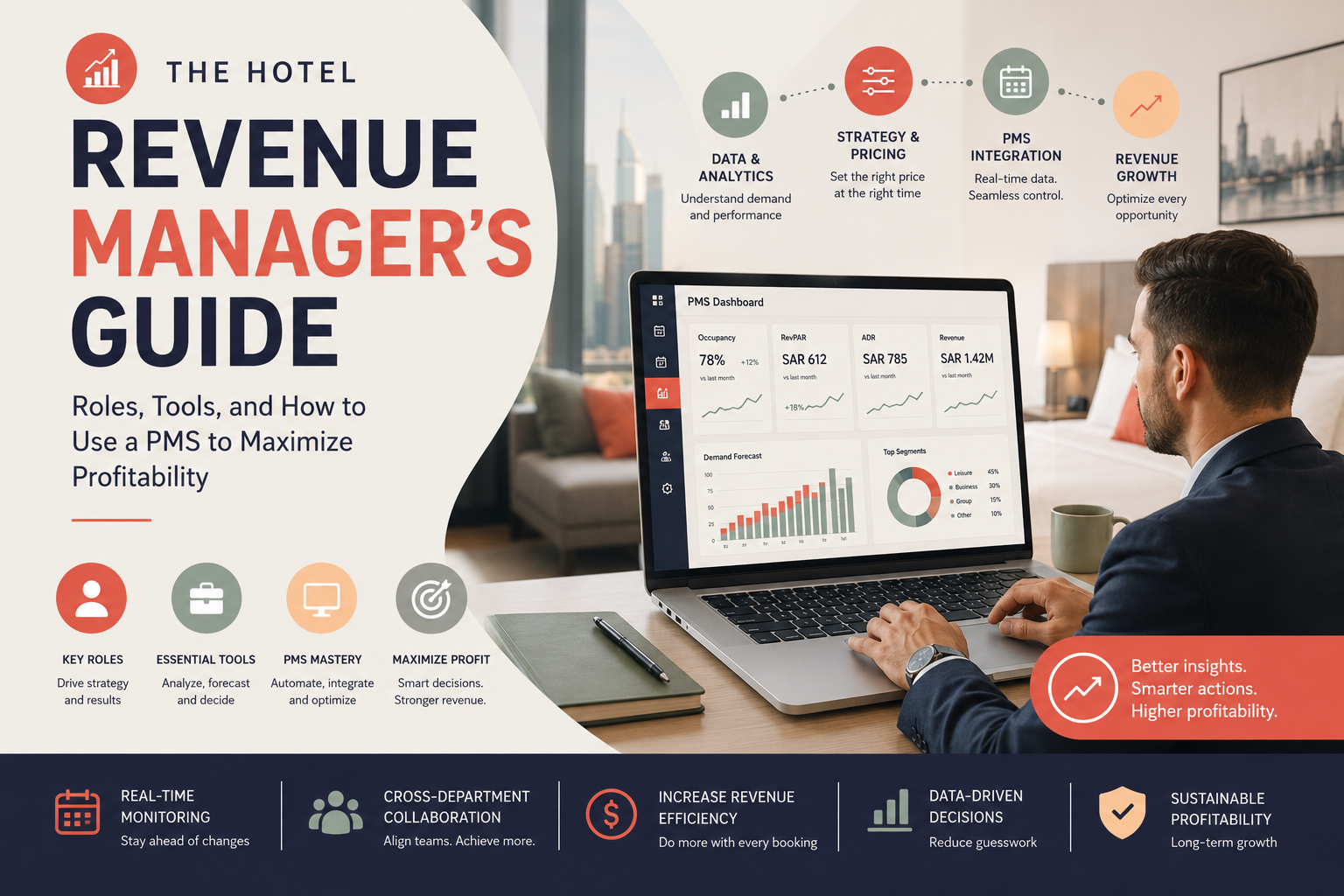
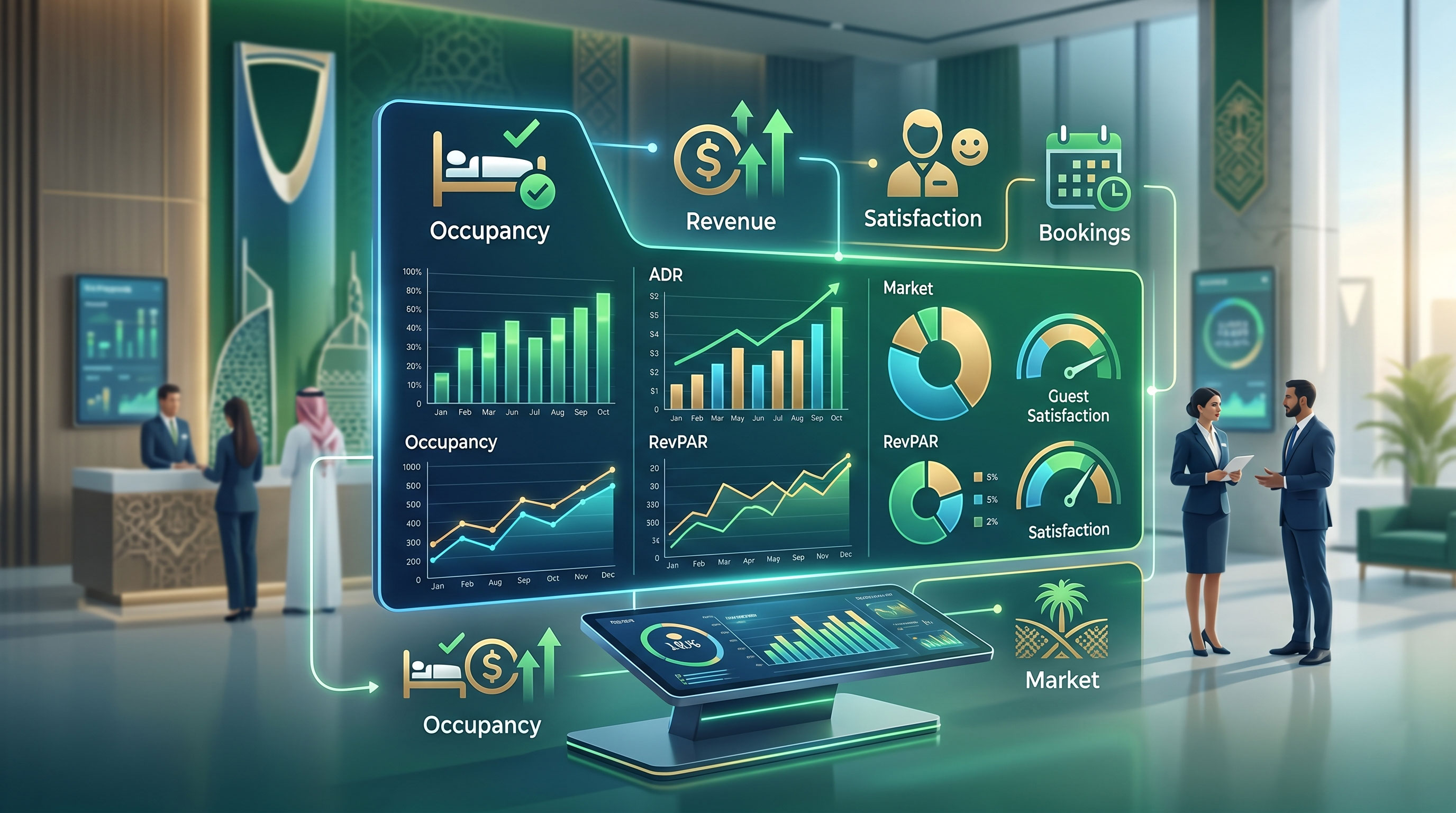
One-click dashboards, RevPAR, occupancy trends, dynamic pricing |
| Data Security |
Physical documents vulnerable to loss, theft, or damage |
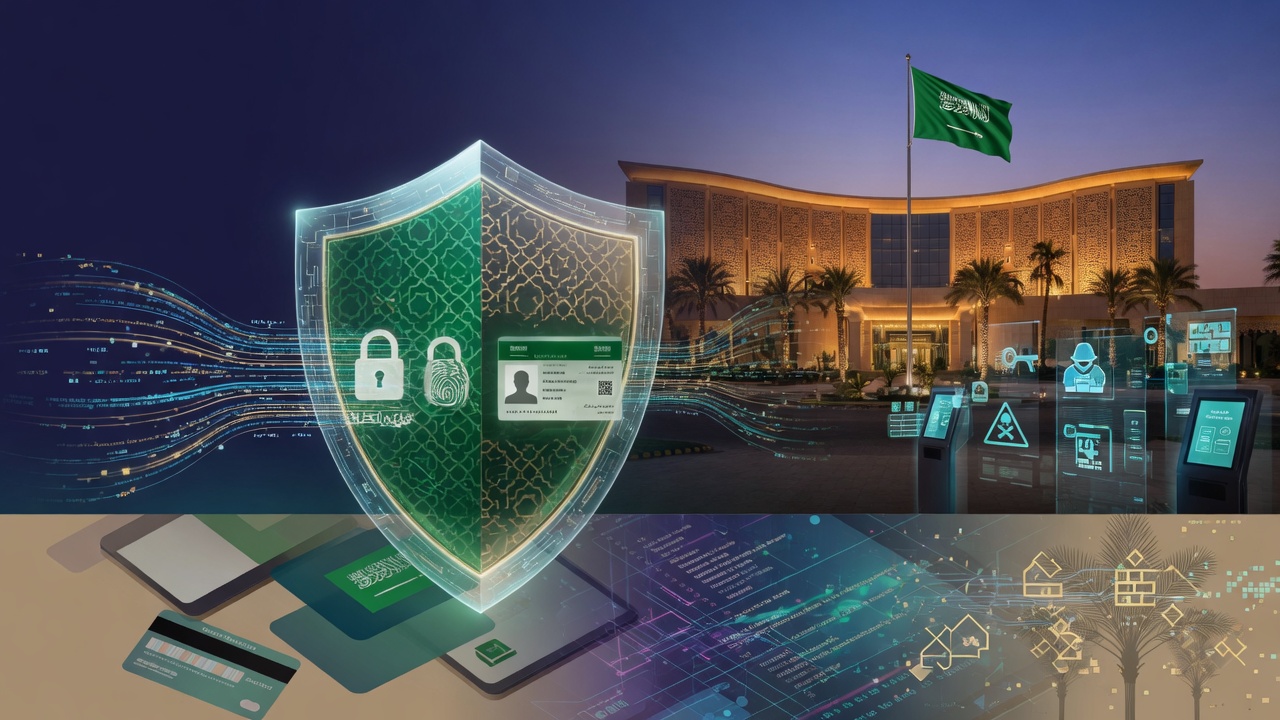
Bank-level encryption, role-based access, automatic backups |
| Integration Capabilities |
None; manual updates to each OTA |
Seamless two-way connection with global and local channels |
| Cost Over Time |
Hidden costs: paper, storage, staff overtime, error correction |
Transparent subscription, lower TCO, fast ROI |
Top Benefits of Migrating to a Cloud PMS
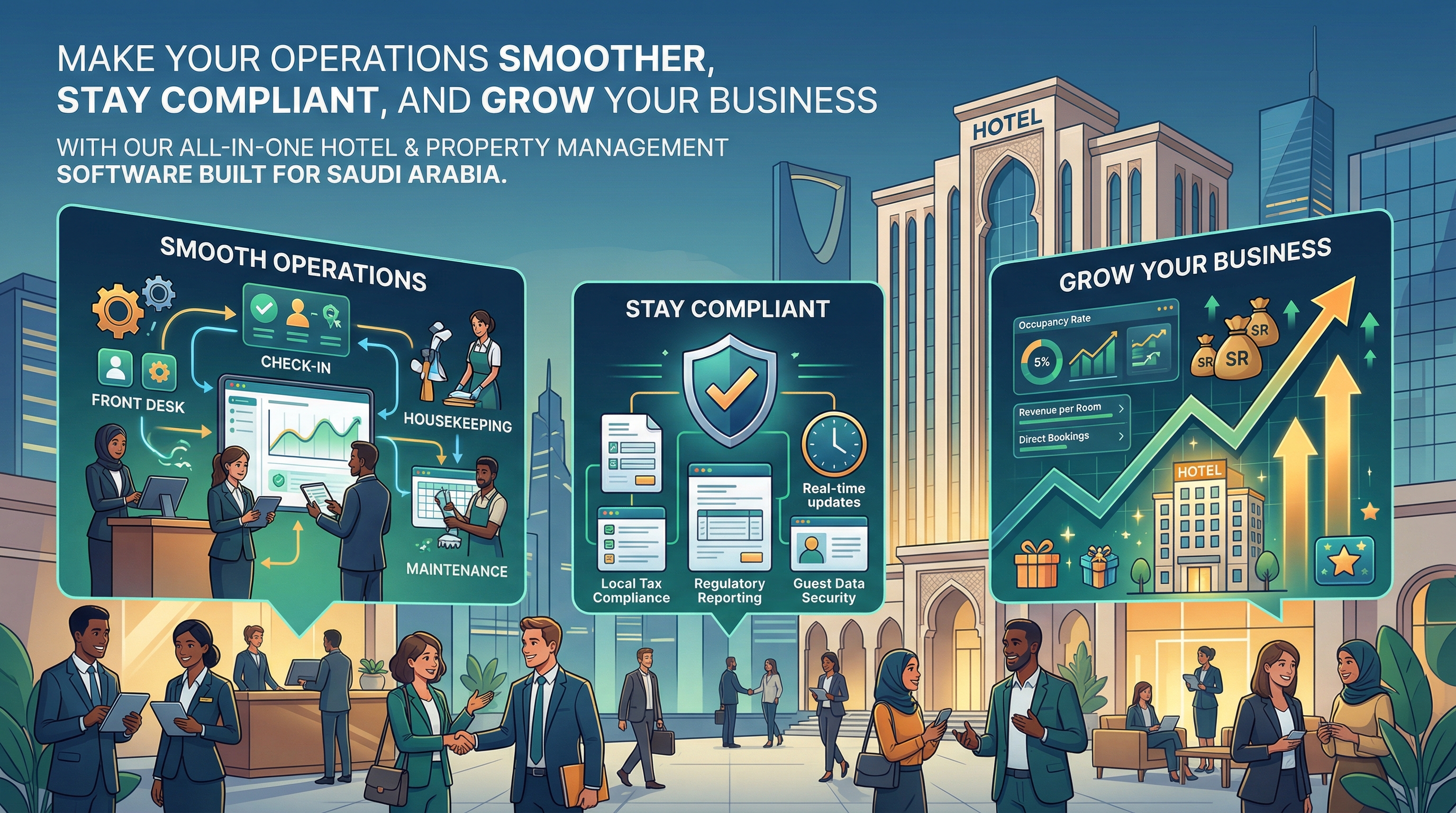
Moving from paper records to a cloud PMS unlocks tangible advantages that directly impact your bottom line. Here are the most impactful:
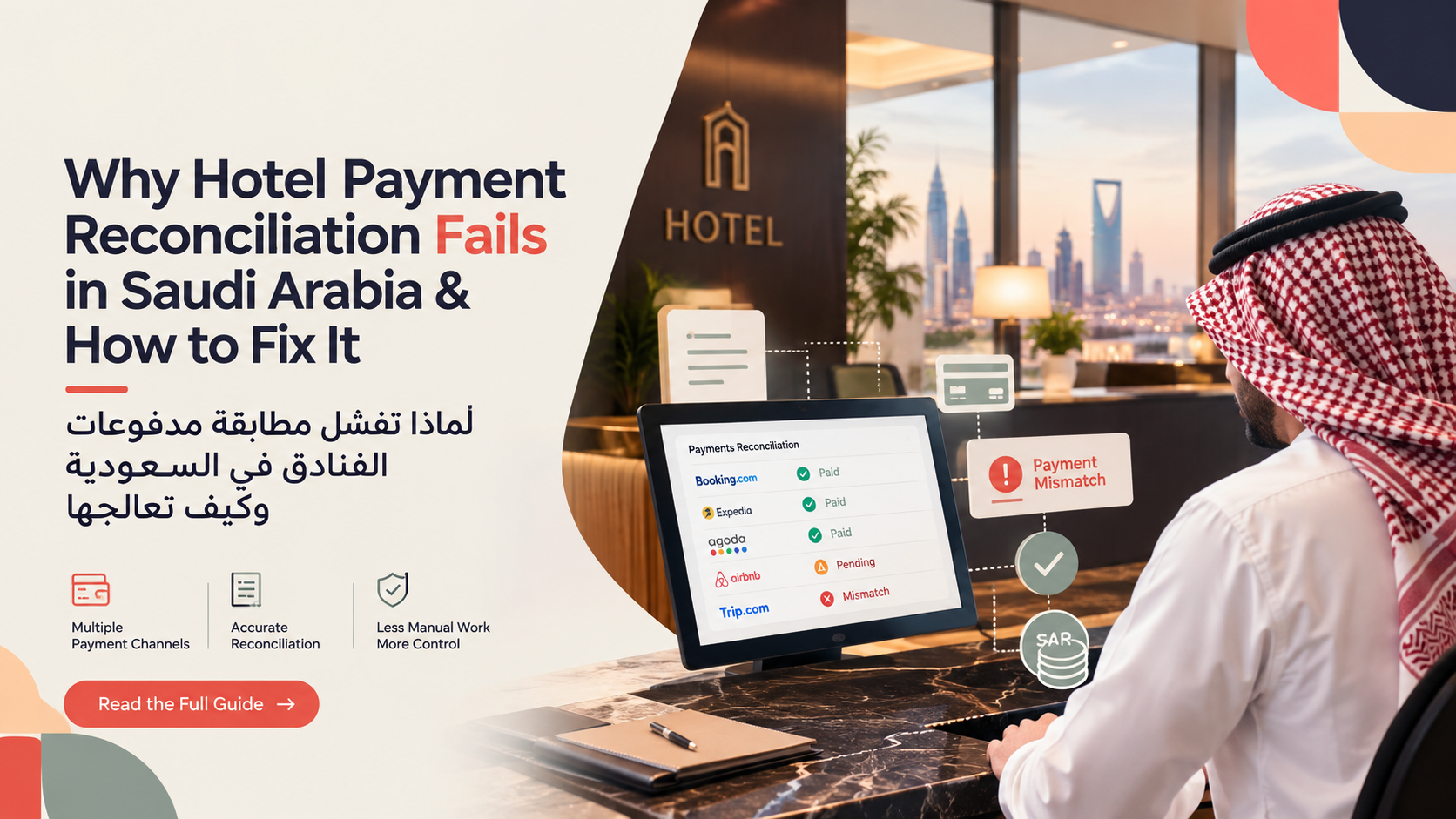
- Unified Reservation Hub: Manage all bookings from your website, OTAs, and walk-ins in one interface, eliminating double bookings and manual reconciliation.
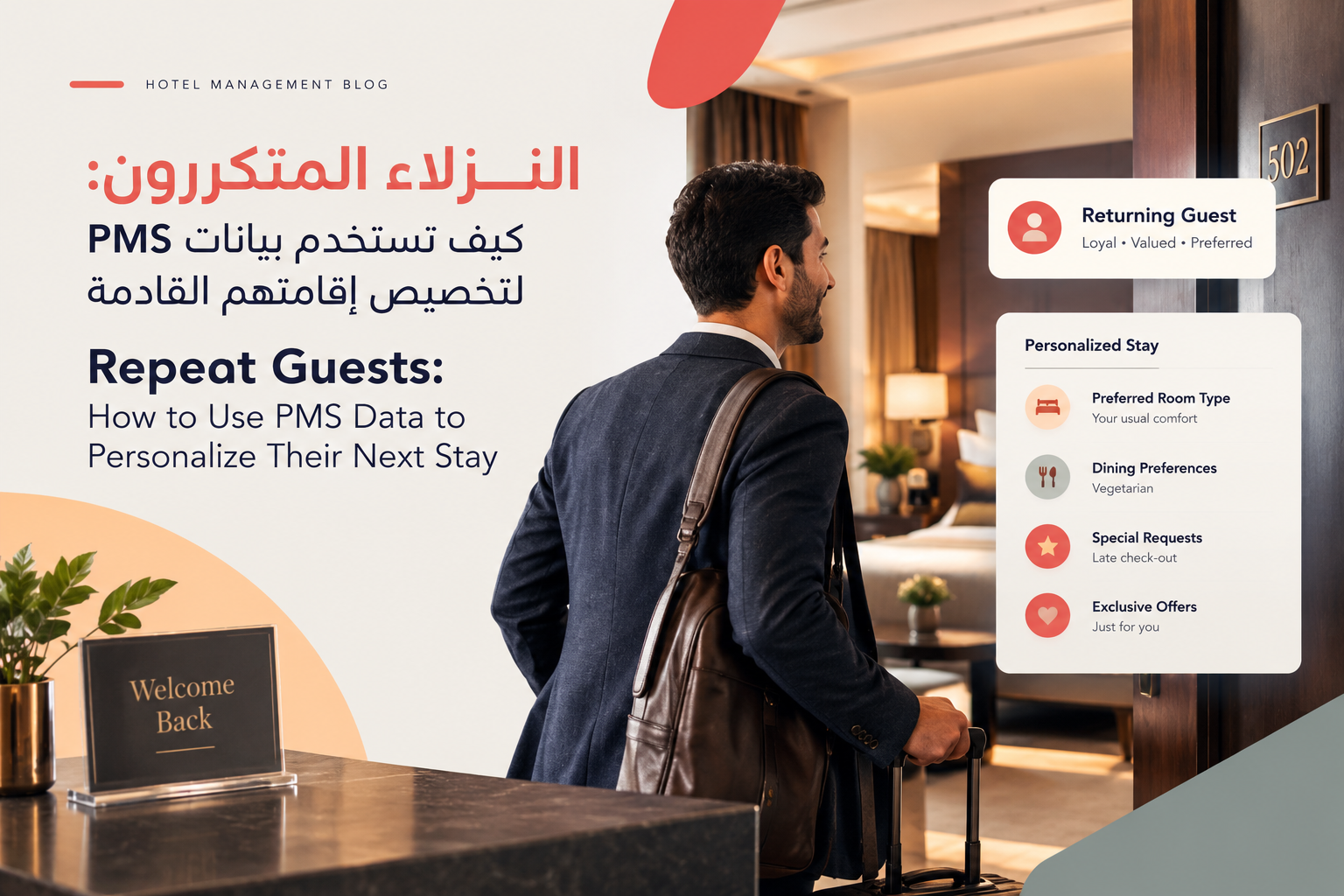
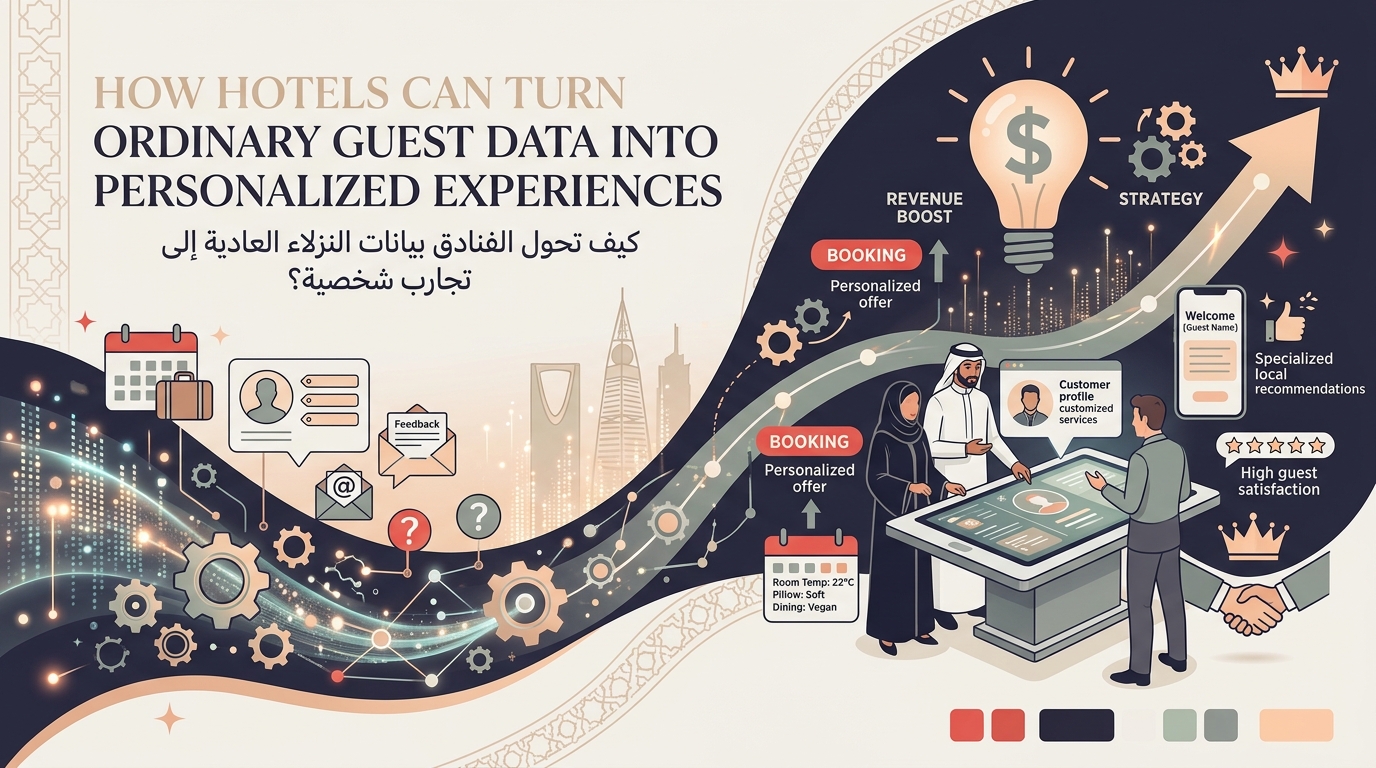
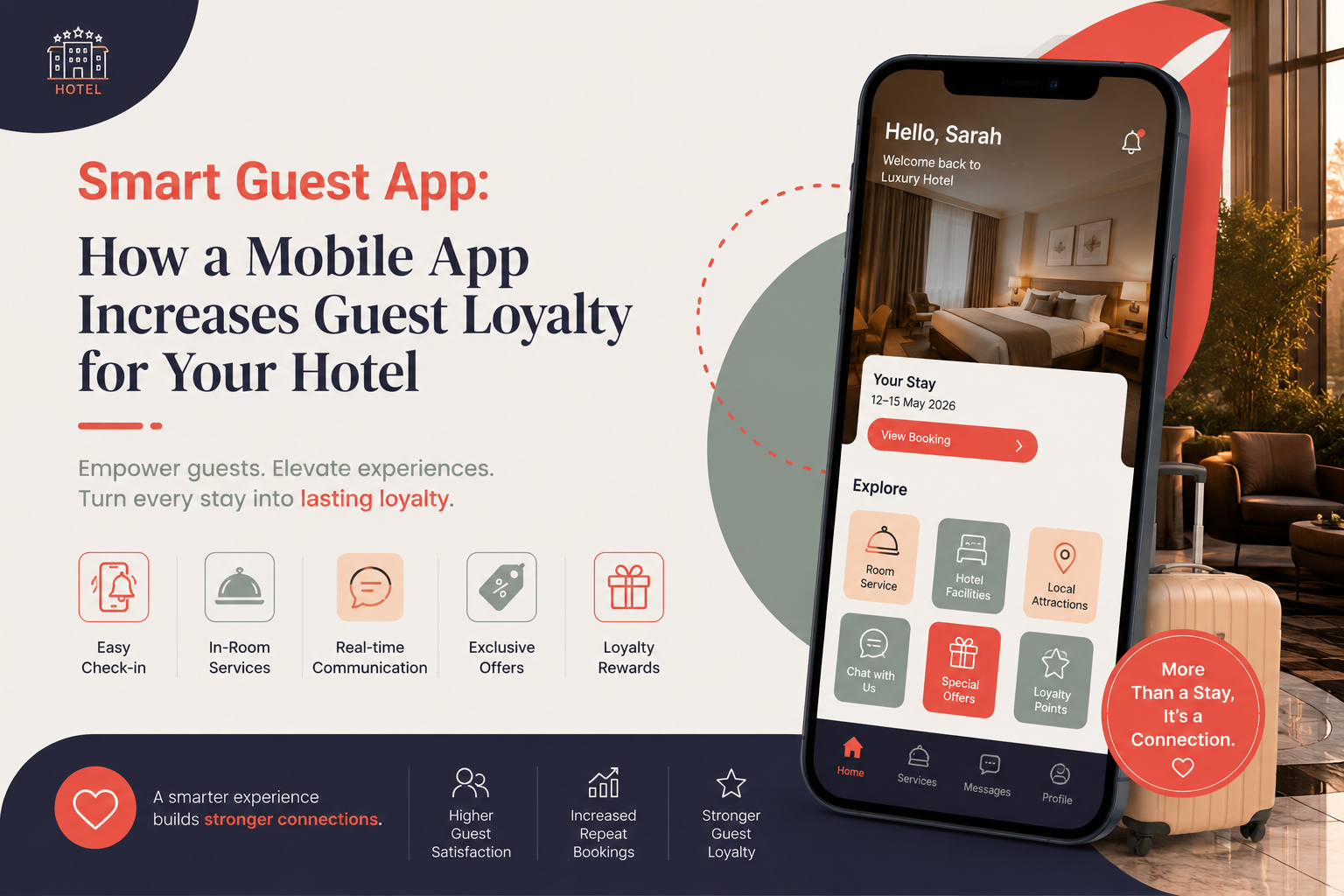
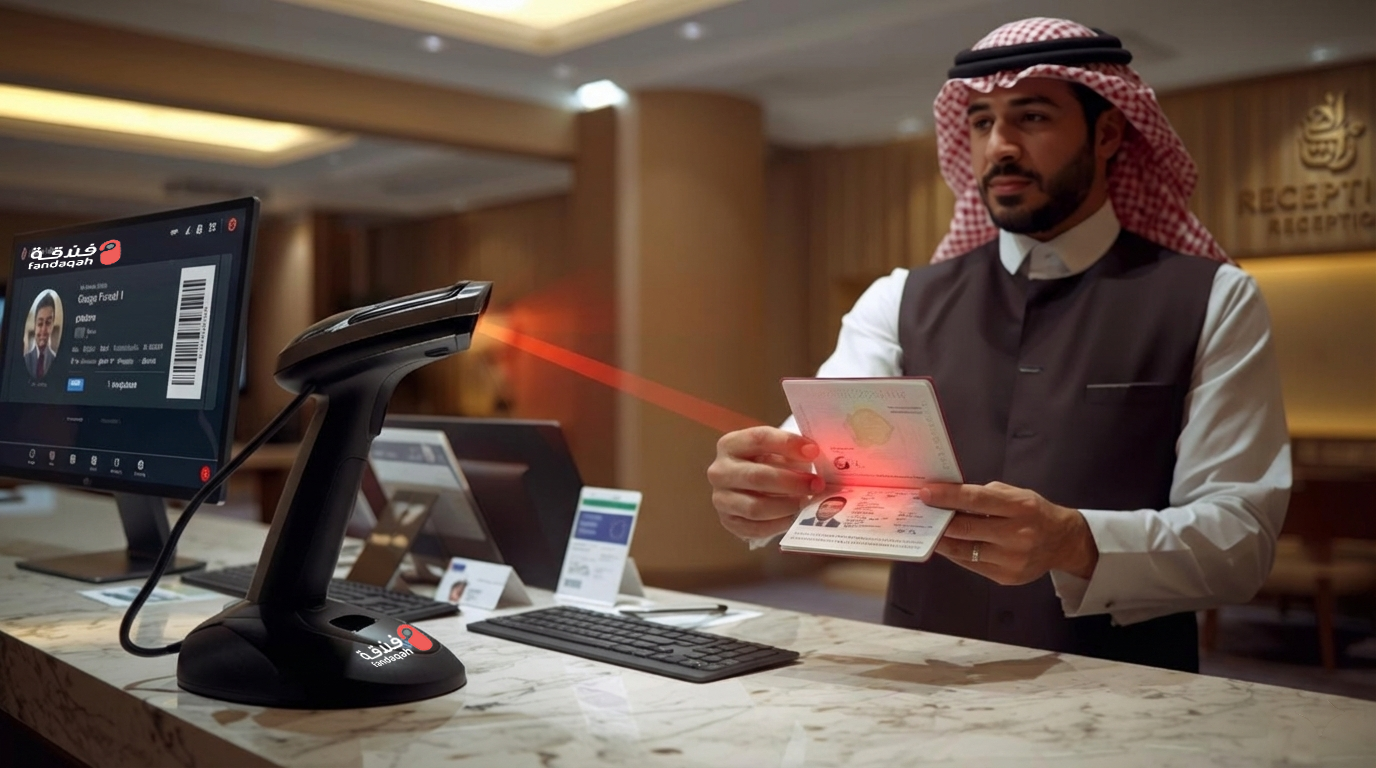
- Enhanced Guest Profiles: Build rich guest histories that enable personalized offers, faster check-ins, and higher loyalty—crucial for the Saudi market's returning visitors.
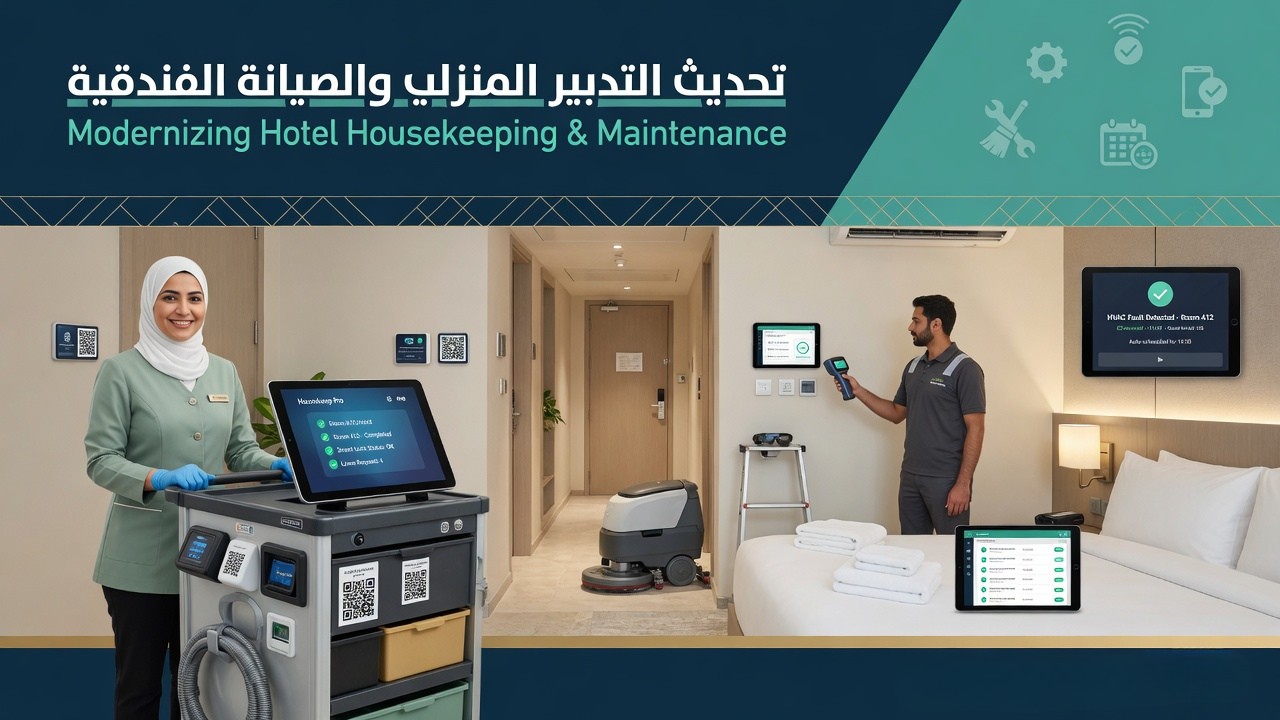
- Automated Housekeeping & Maintenance: Room status updates flow instantly to housekeeping, reducing turnaround time and improving cleanliness scores.
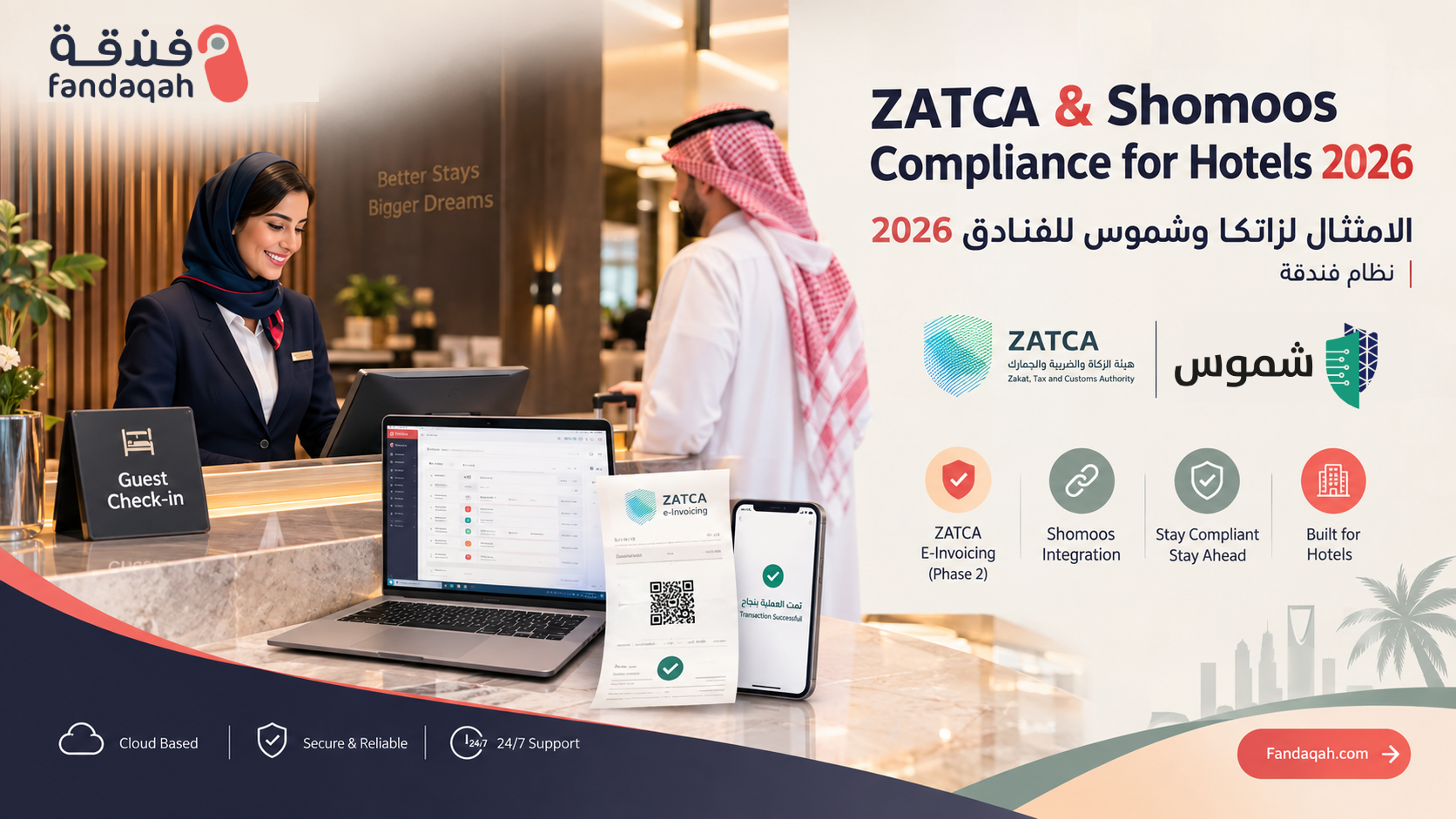
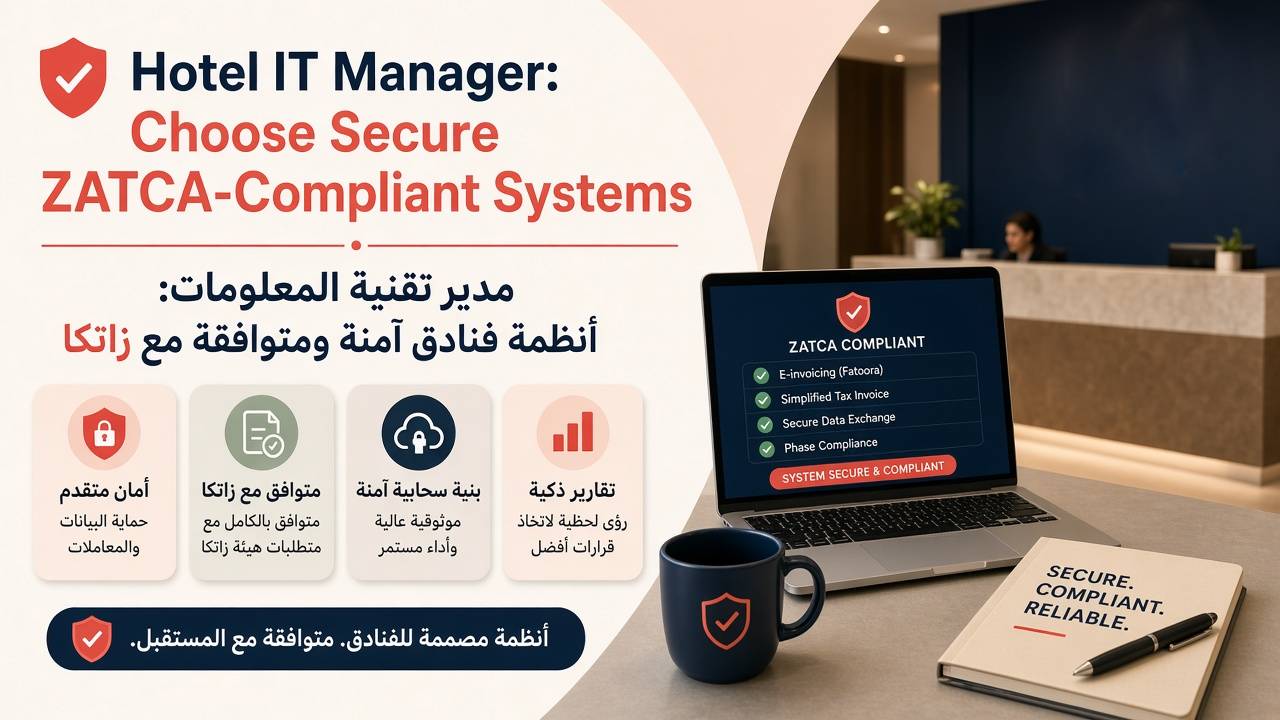
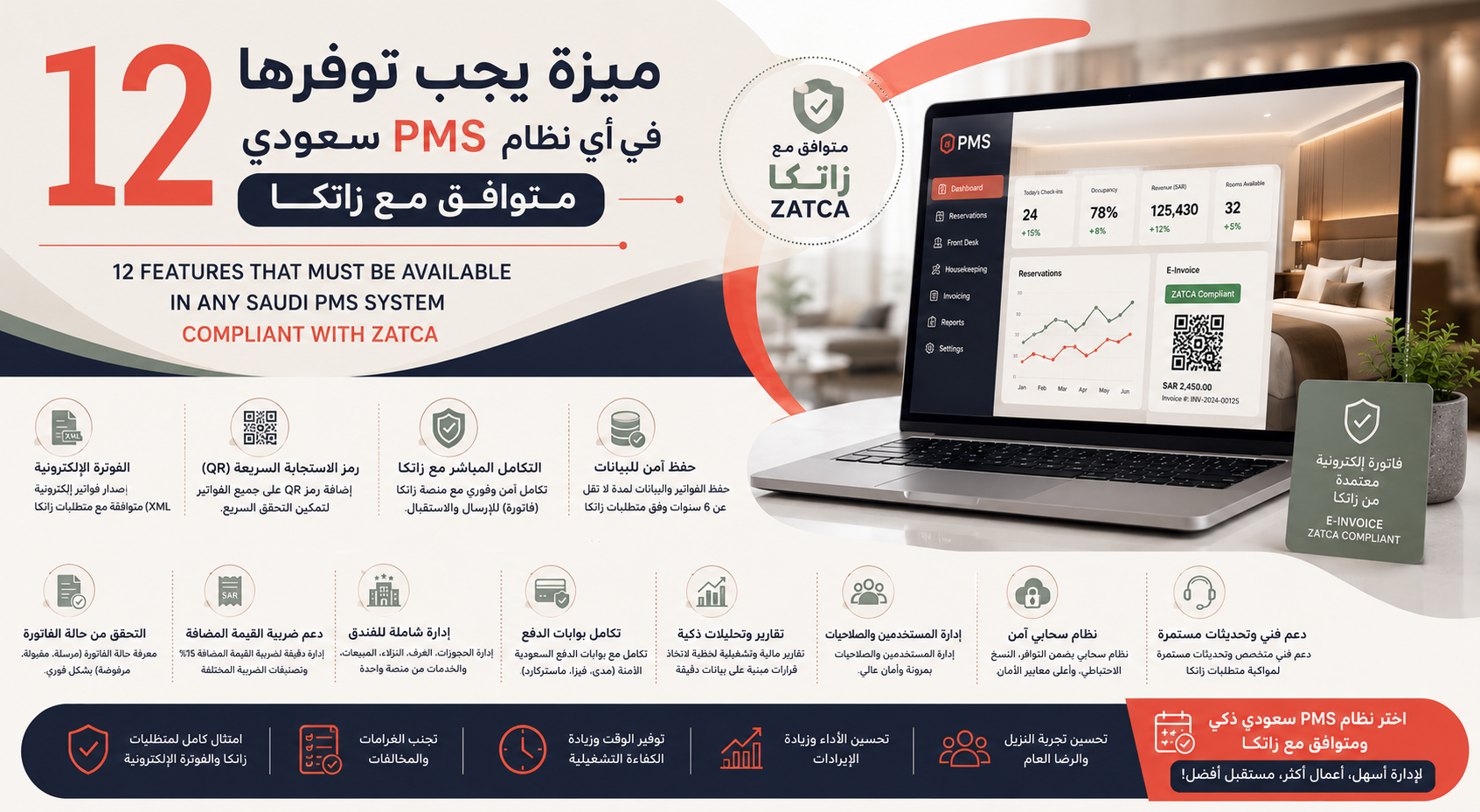
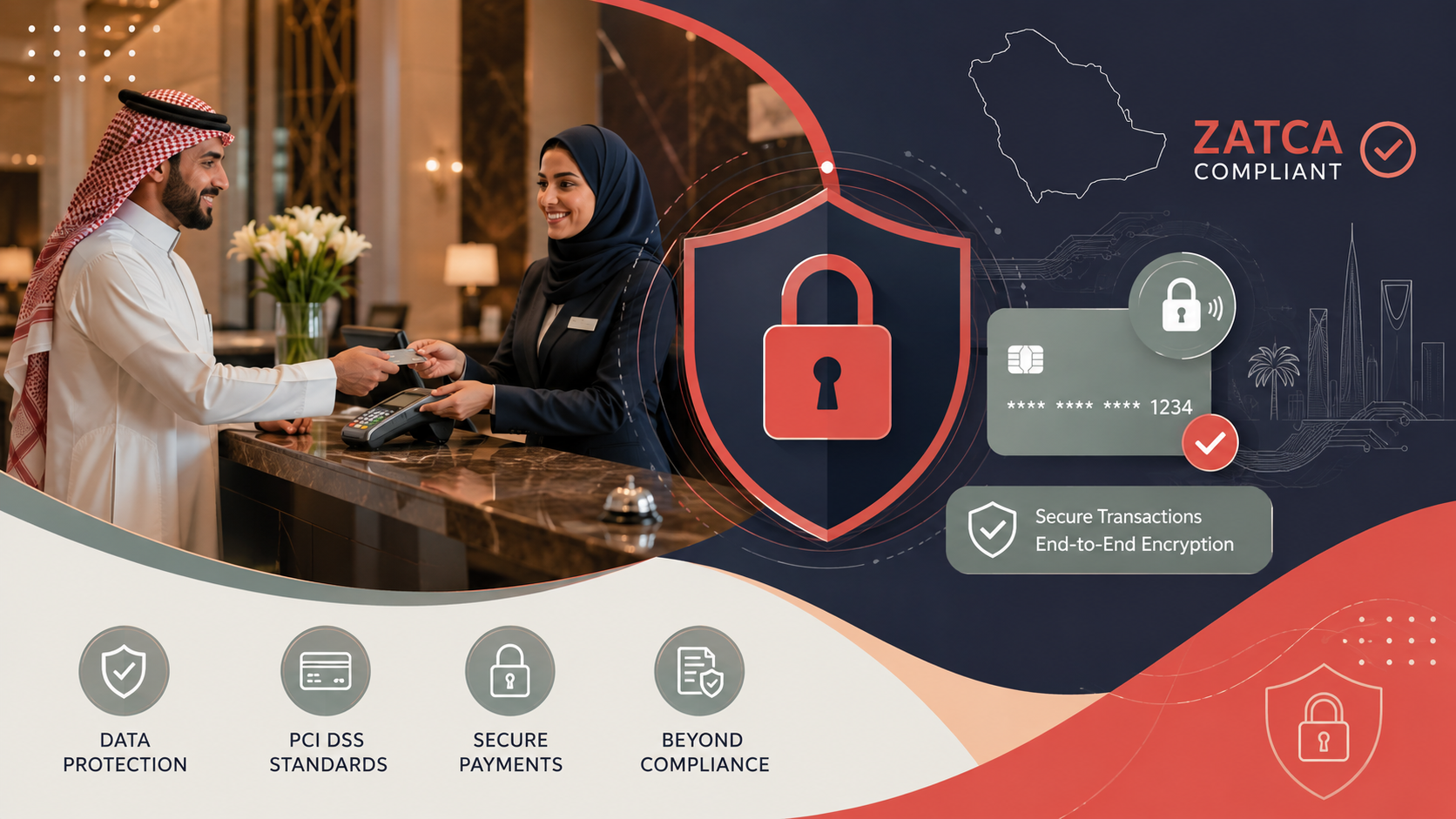
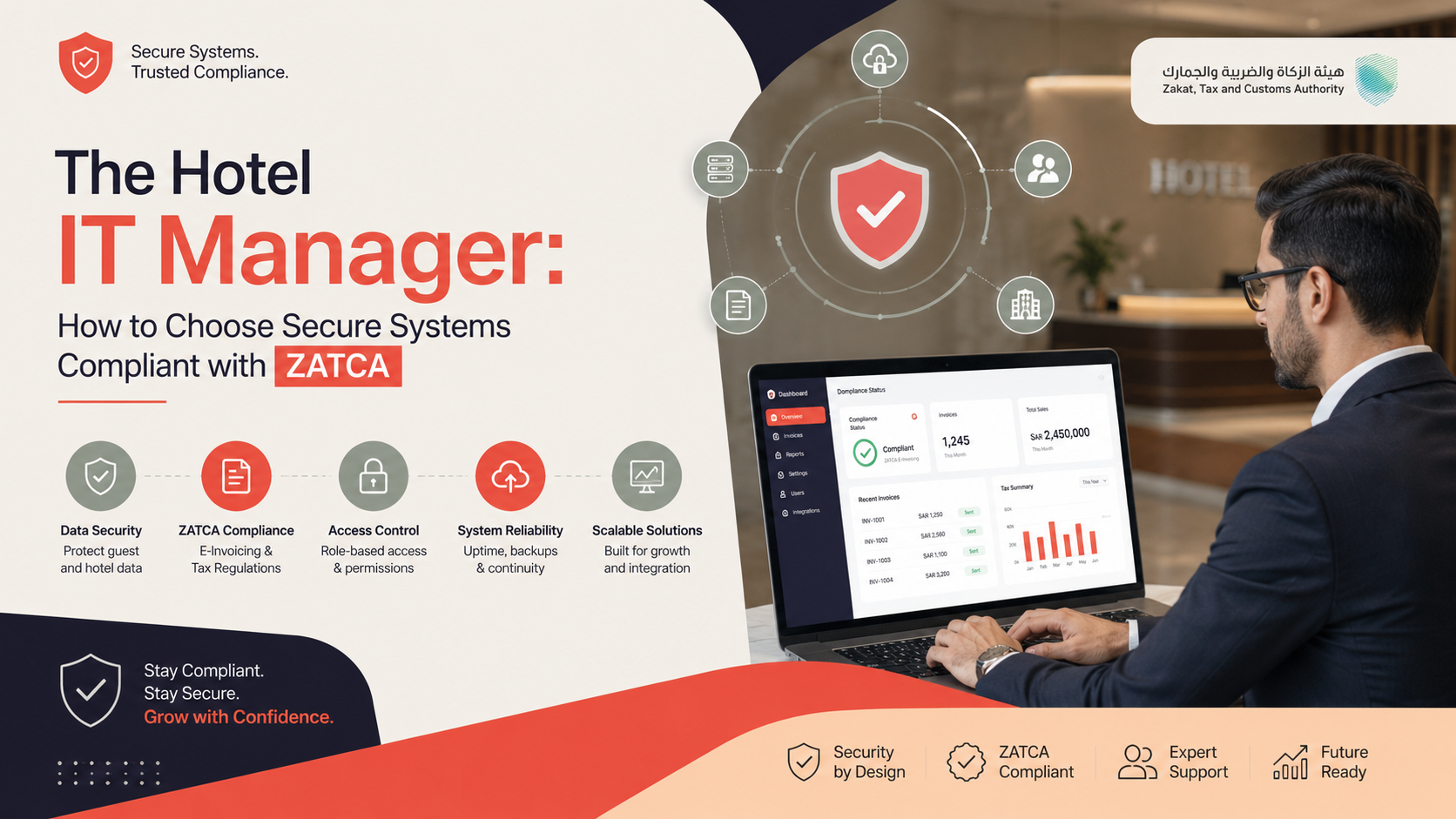
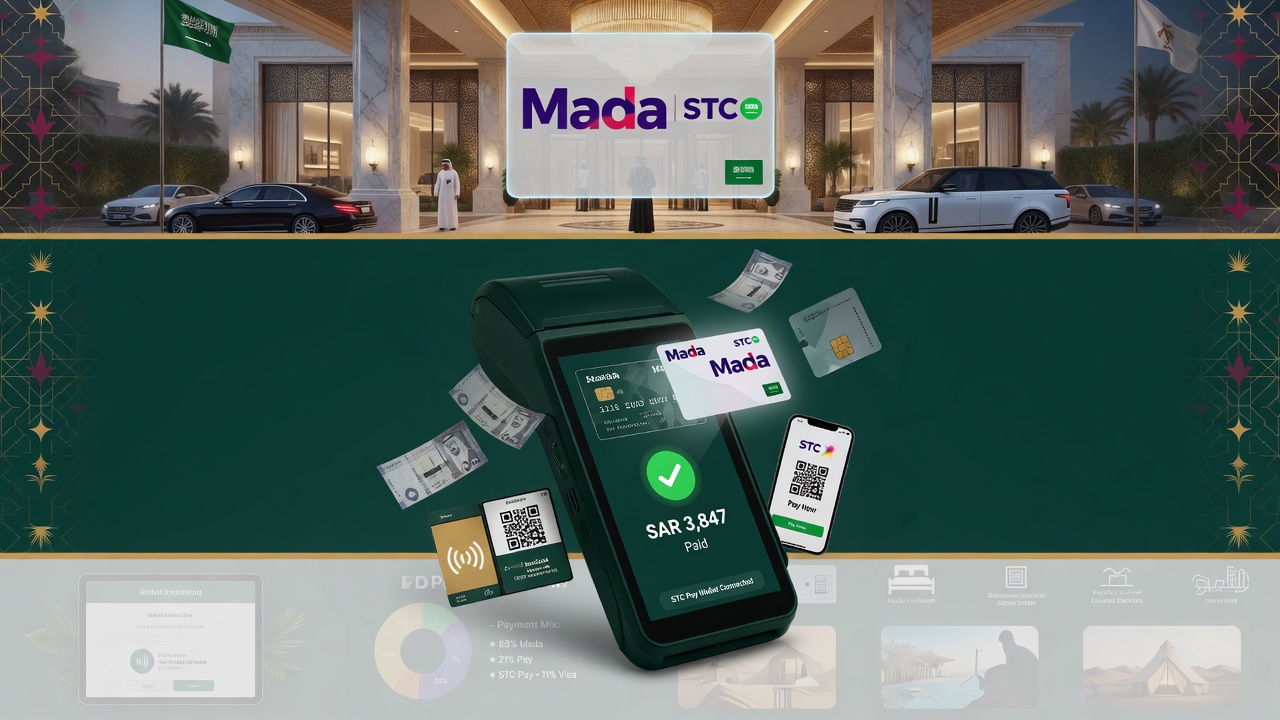
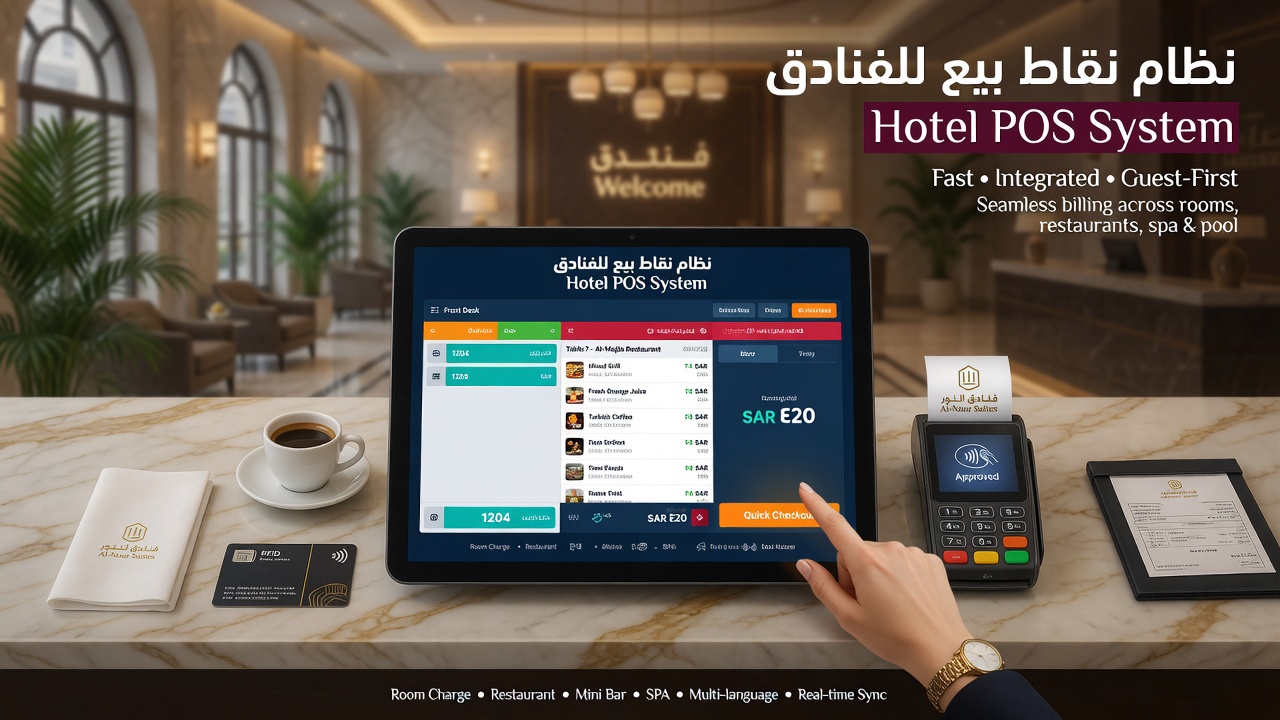
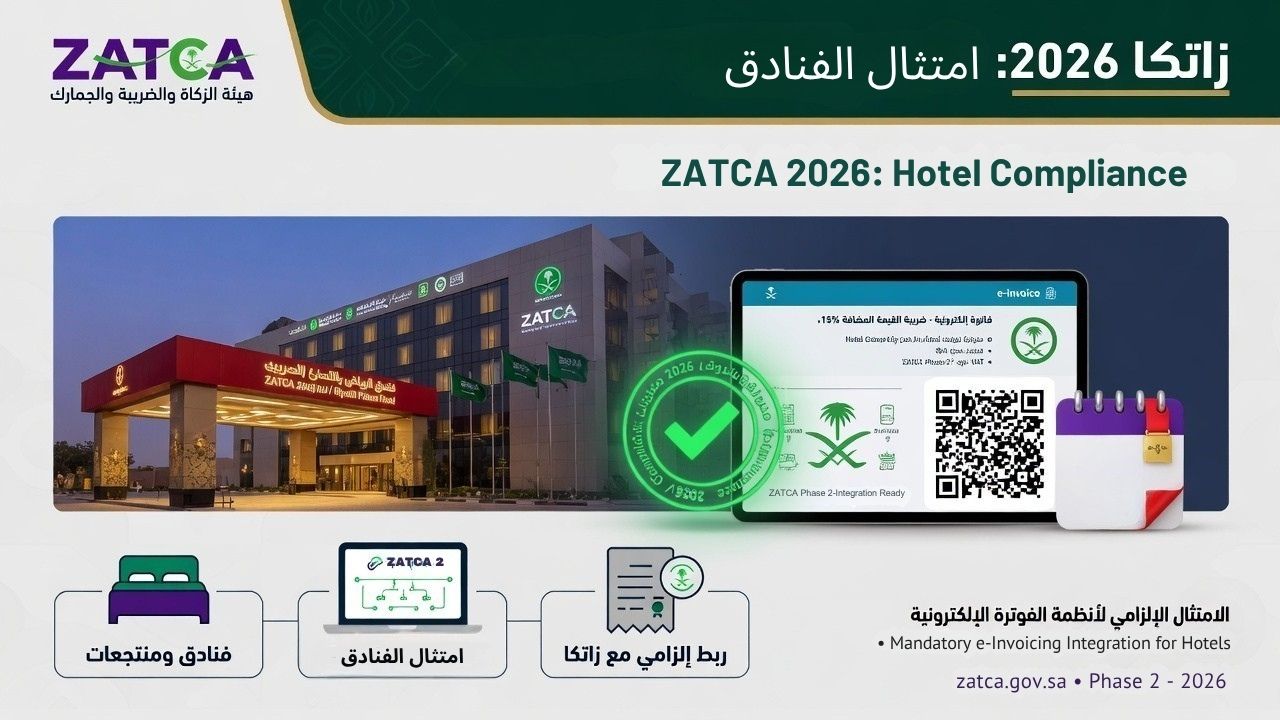
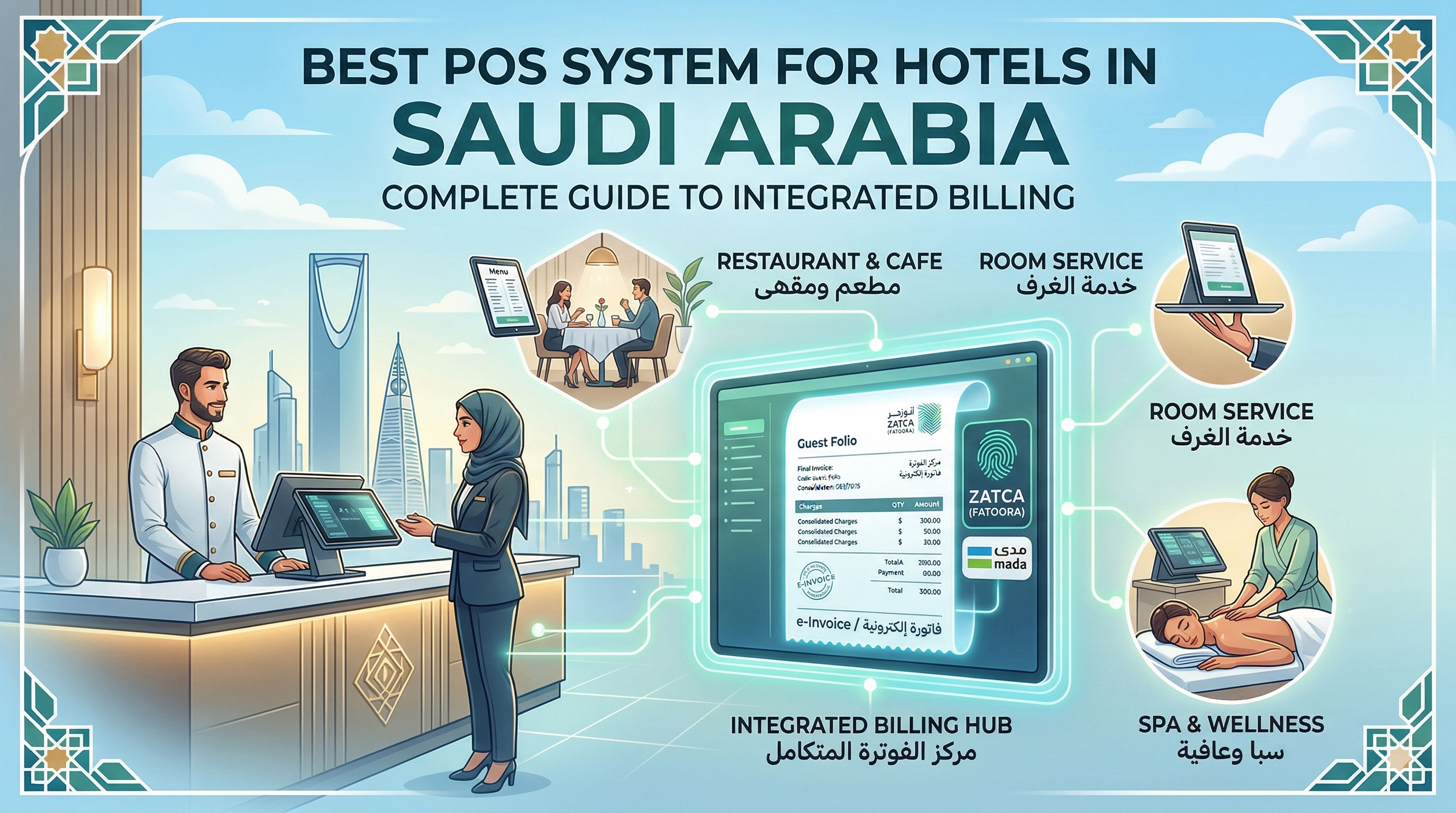
- Real-Time Financial Control: Automatic folio management, integrated payment processing, and direct tax reports that comply with ZATCA (Zakat, Tax and Customs Authority) requirements.
- Remote Management Power: Monitor your property’s performance from anywhere, whether you're at a board meeting in Dubai or relaxing at home.
- Scalability for Growth: Adding new rooms or even a second property becomes as simple as updating your subscription, with no need for extra IT infrastructure.
Pro Tip: When evaluating a cloud PMS for Saudi hotels, prioritize vendors that offer full Arabic language support, integration with the Saudi Tourism Authority’s digital platforms, and local customer service. A solution tailored to Saudi Vision 2030 hospitality goals will keep you ahead of regulatory changes.
Real-World Use Cases in Saudi Arabia
The digital transformation in Saudi hospitality is already unfolding. Here’s how different property types benefit from a cloud PMS:
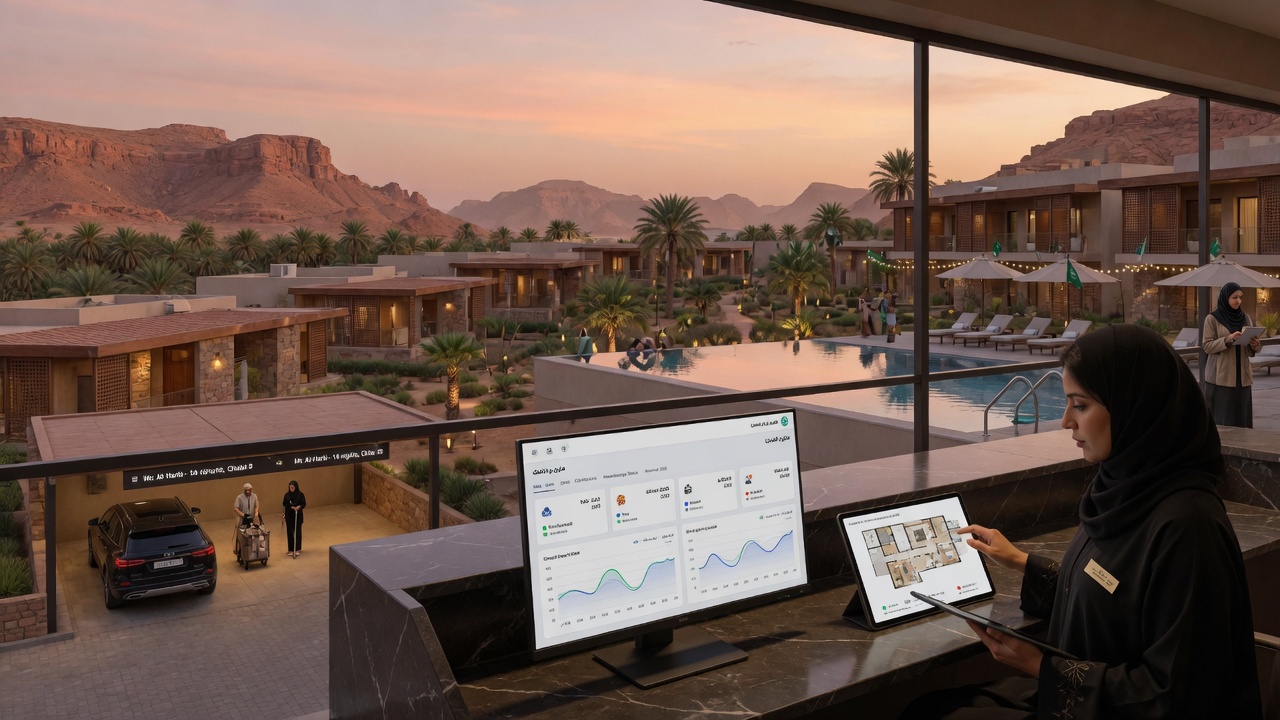
Boutique Heritage Hotels in Diriyah & AlUla
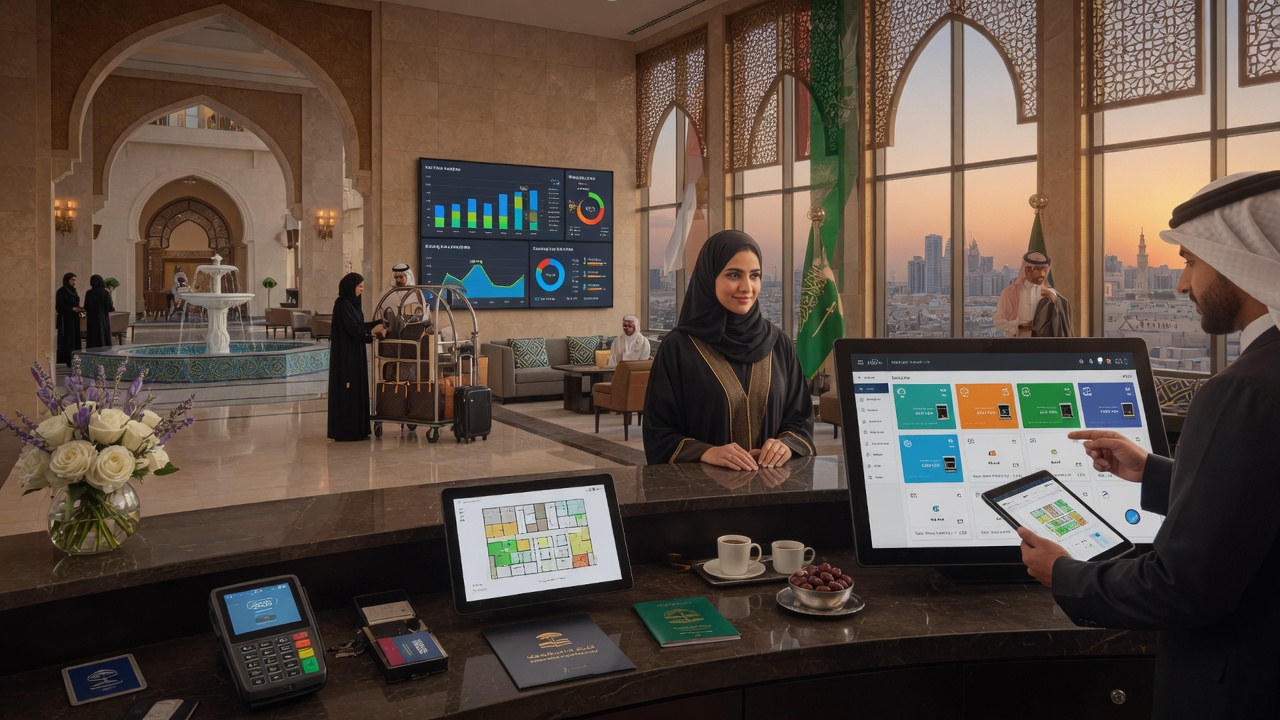
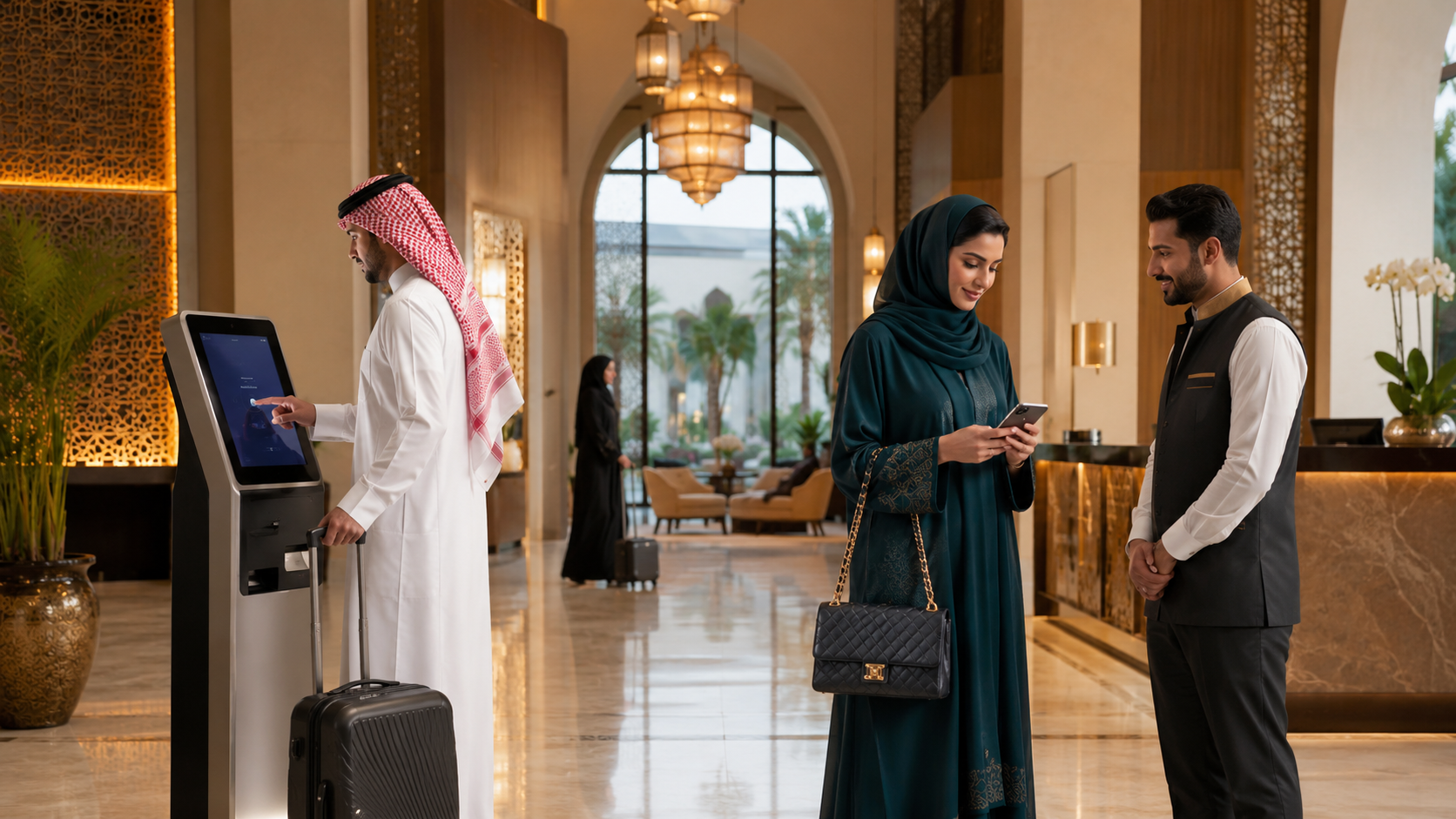
These culturally rich properties need to offer an authentic yet modern experience. A cloud PMS automates back-office tasks so staff can focus on curating unique guest journeys, managing seasonal demand spikes during events like Winter at Tantora, and providing seamless digital check-in that respects tradition while embracing innovation.
Serviced Apartments in Riyadh’s Business Districts
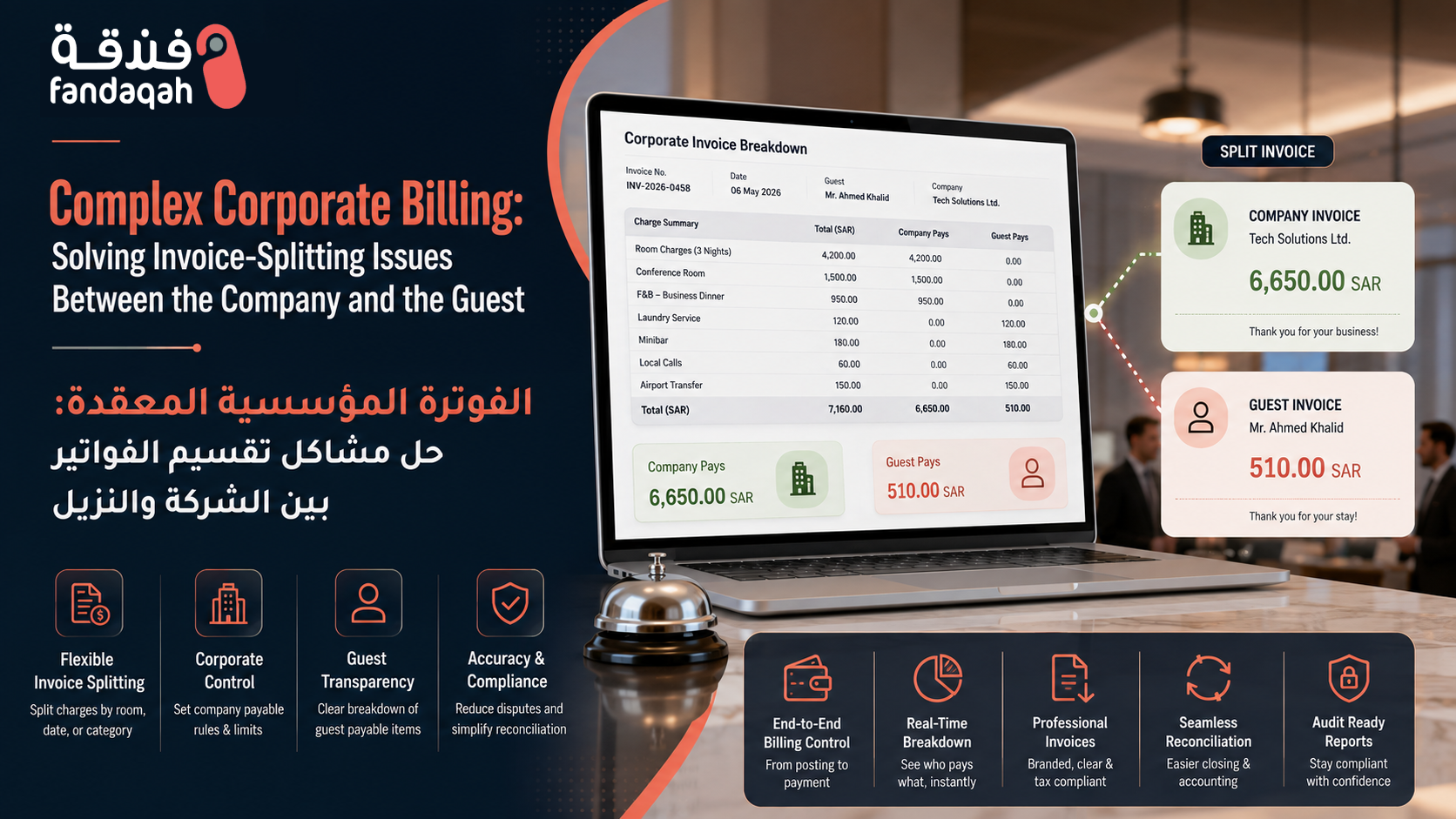
Long-stay corporate guests require detailed invoicing, flexible billing cycles, and service requests. A cloud-based hotel management system efficiently handles monthly statements, tracks incidentals, and integrates with corporate travel platforms—a must for the booming business travel sector driven by mega-projects and foreign investment.
Mid-Size Local Hotel Chains
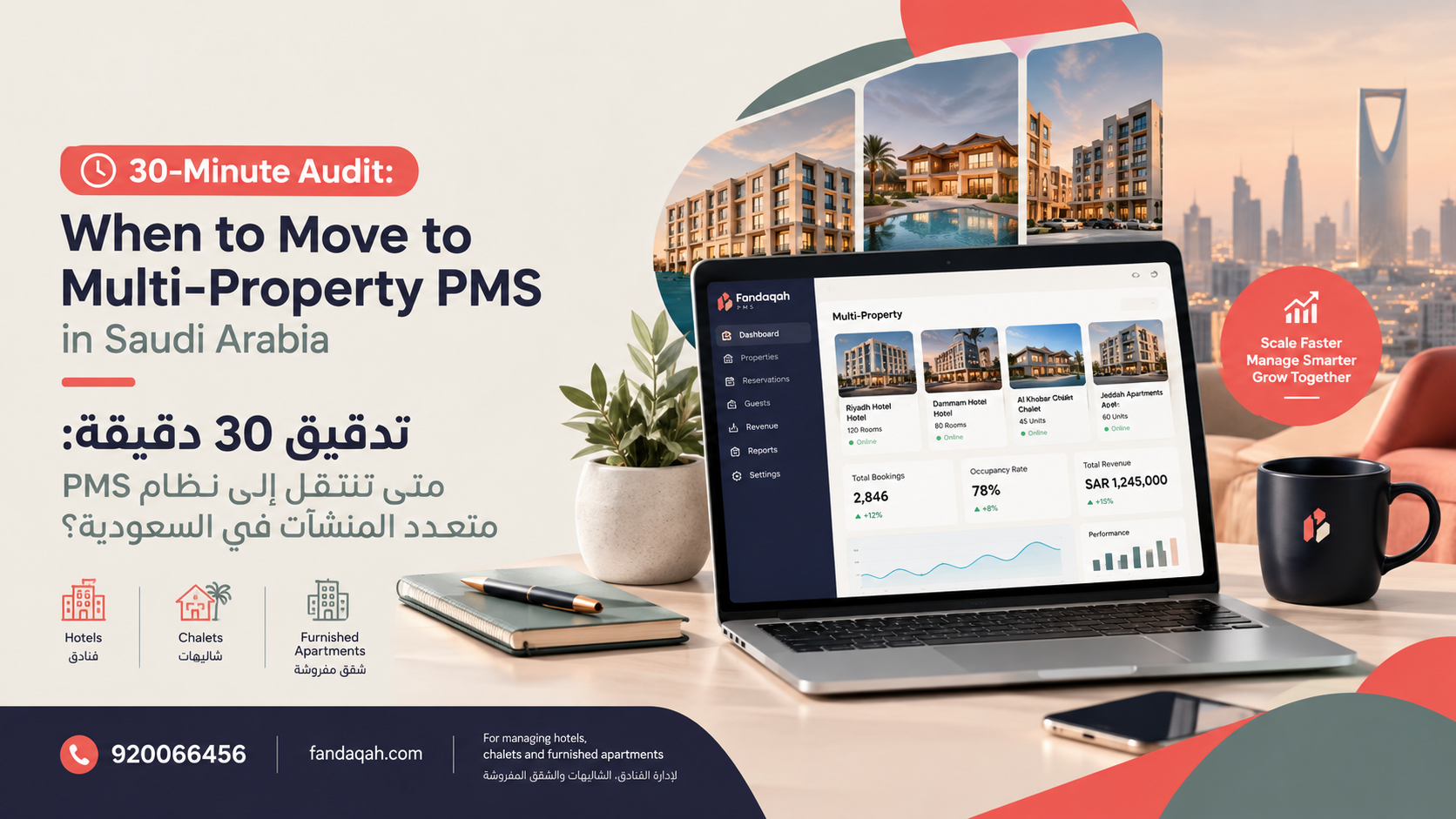
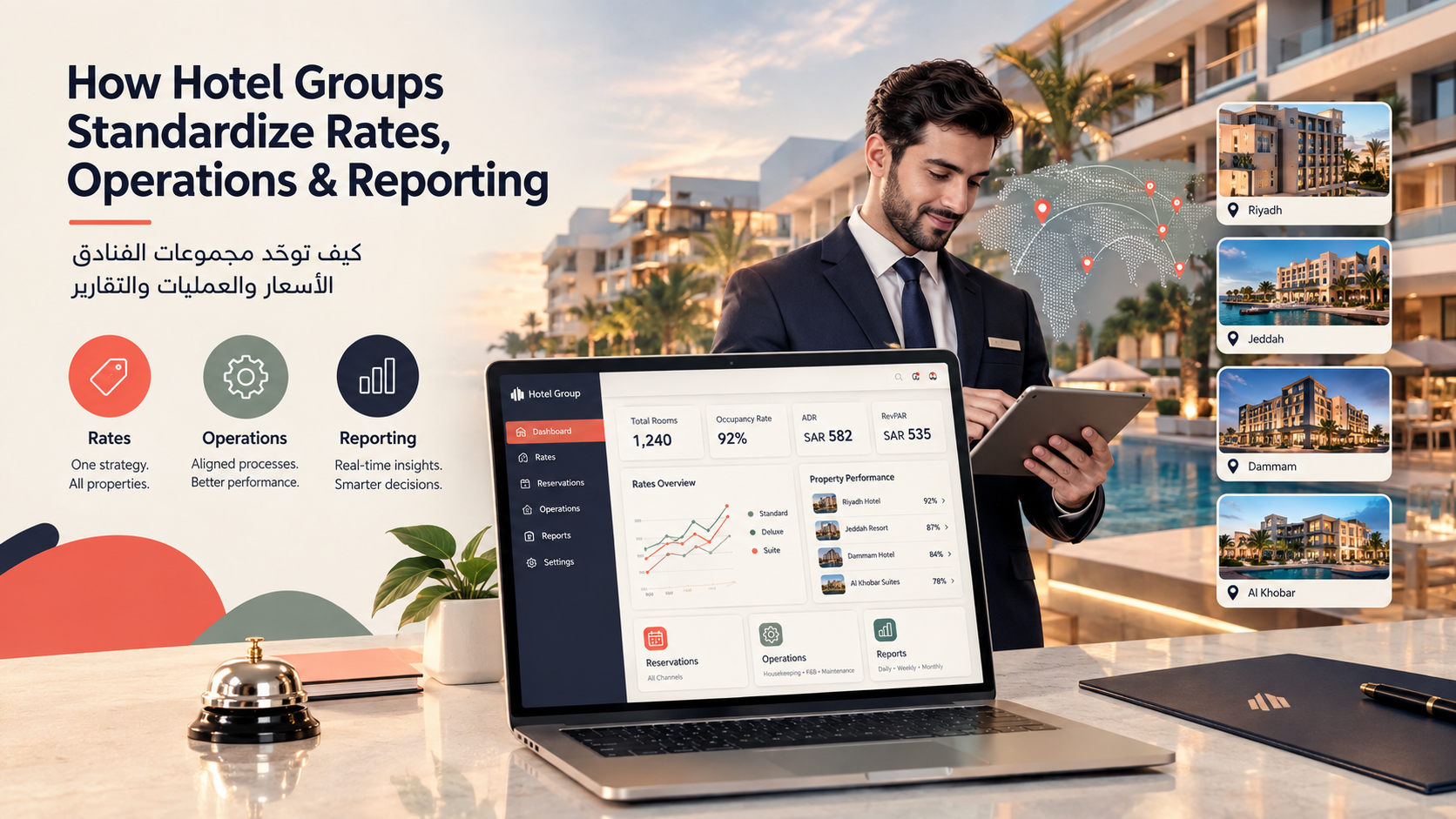
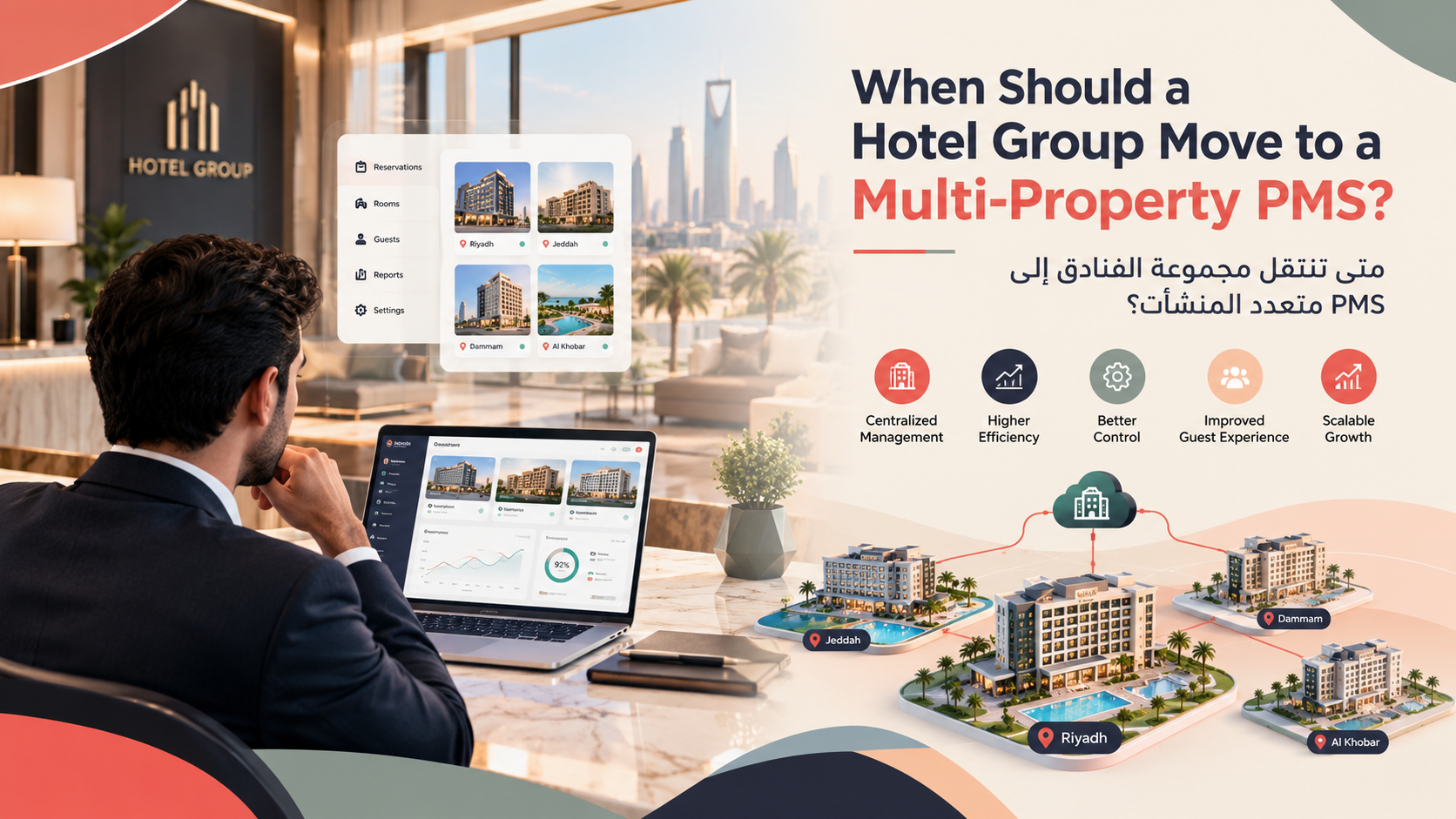
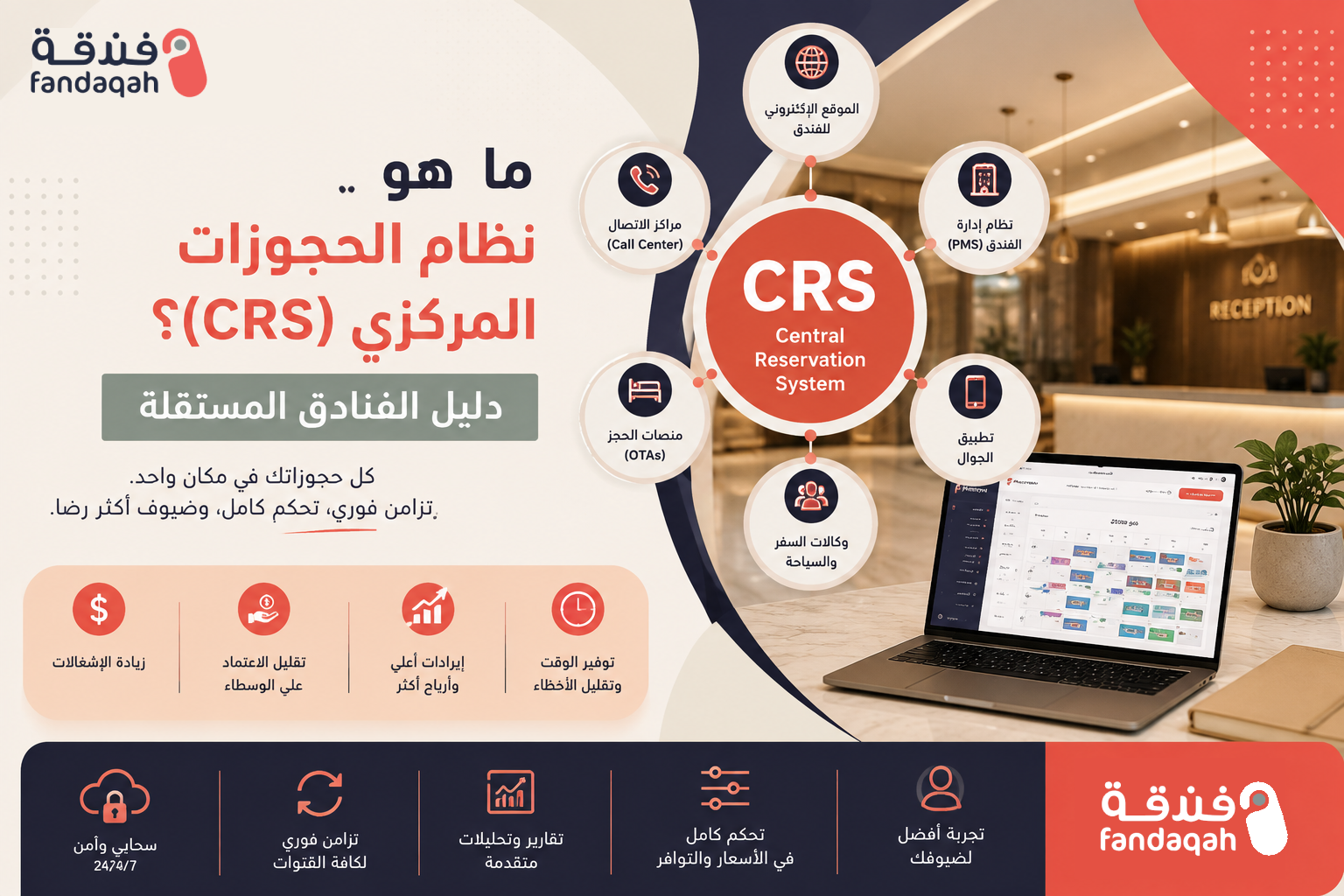
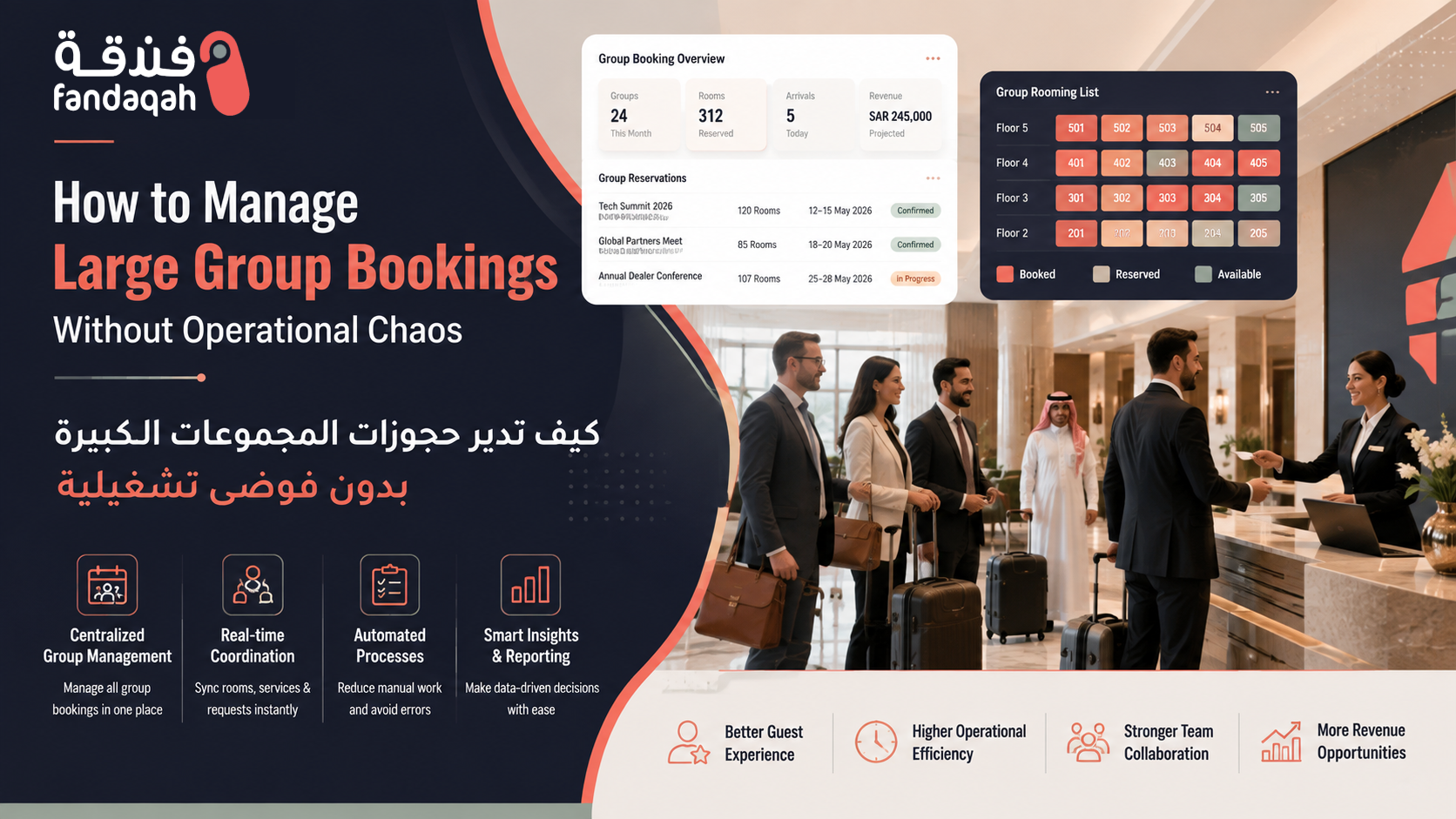
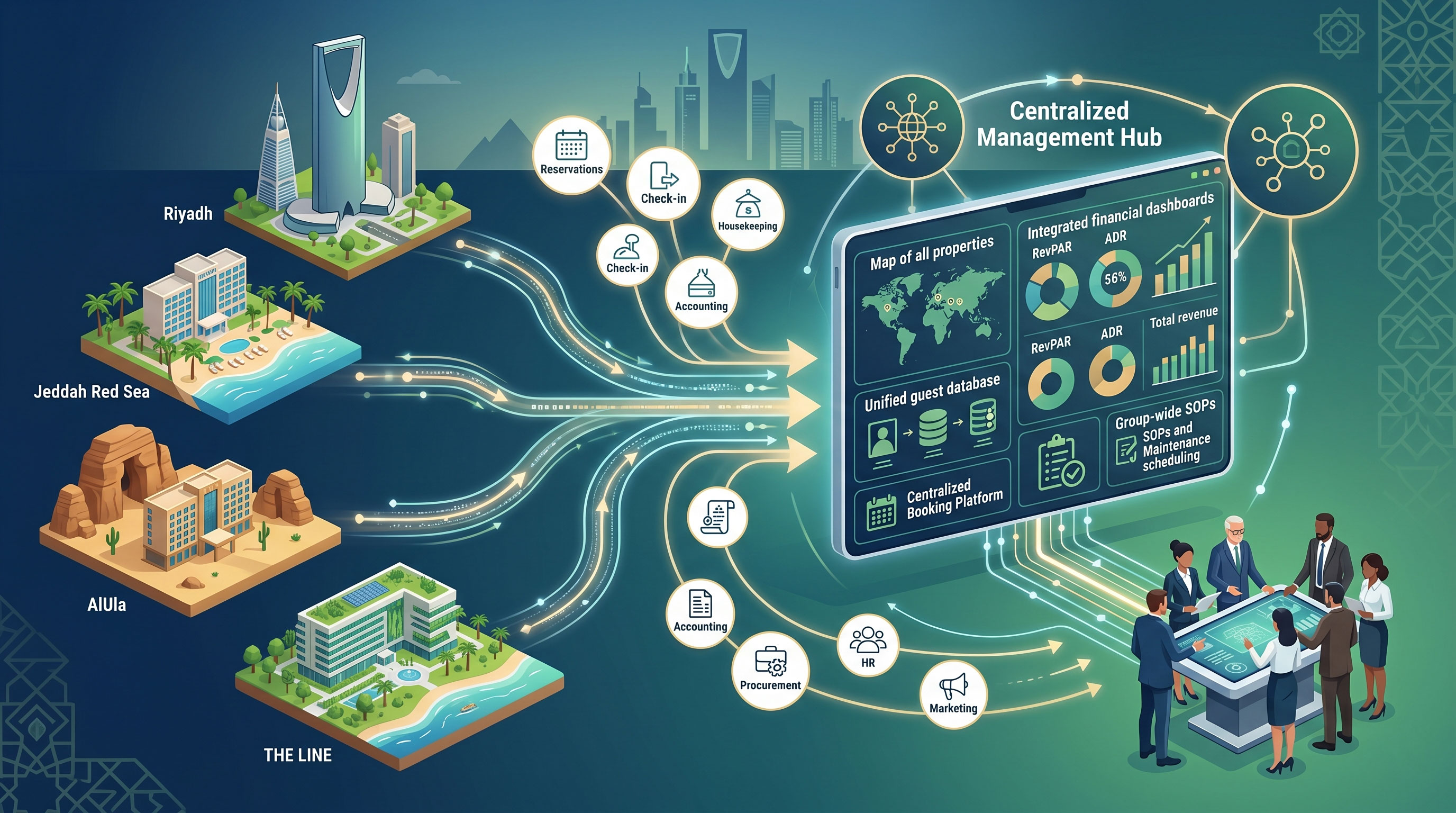
For groups with three to ten properties across Dammam, Jeddah, and Makkah, a centralized cloud PMS provides a single view of operations. It standardizes service quality, simplifies revenue management, and enables cross-property loyalty programs, directly supporting the Kingdom’s goal to attract 150 million annual visits by 2030.
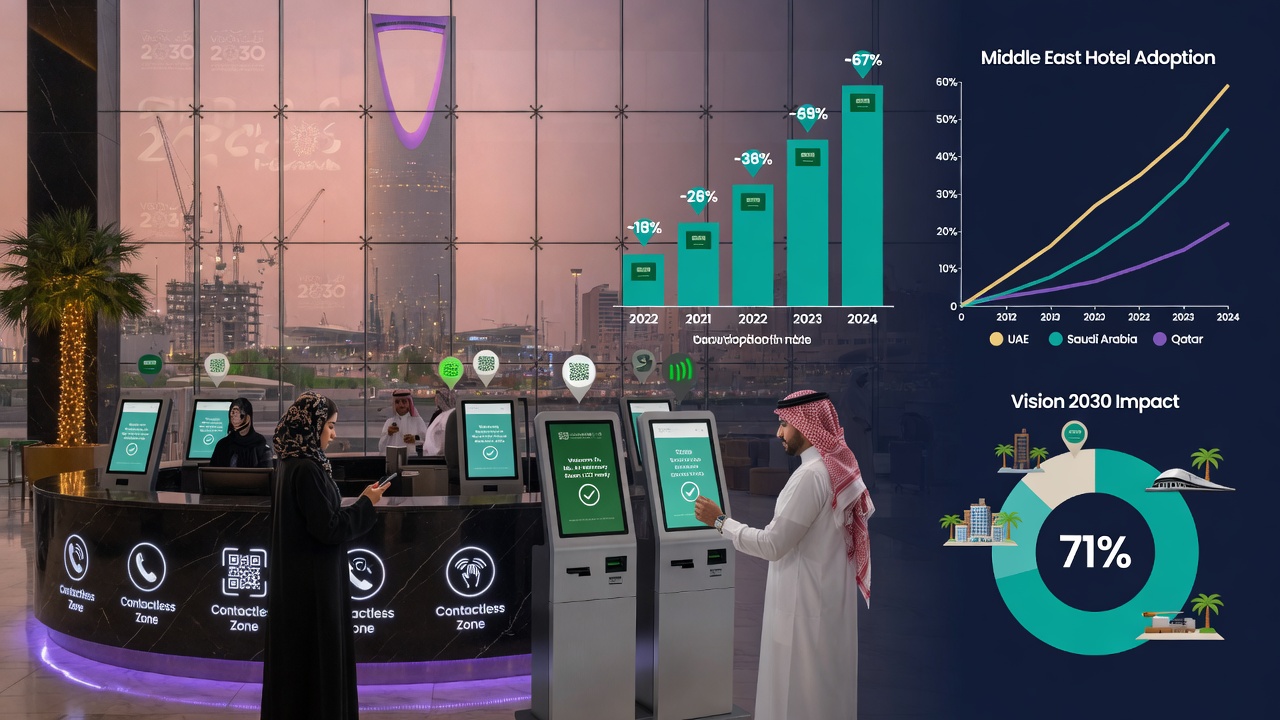
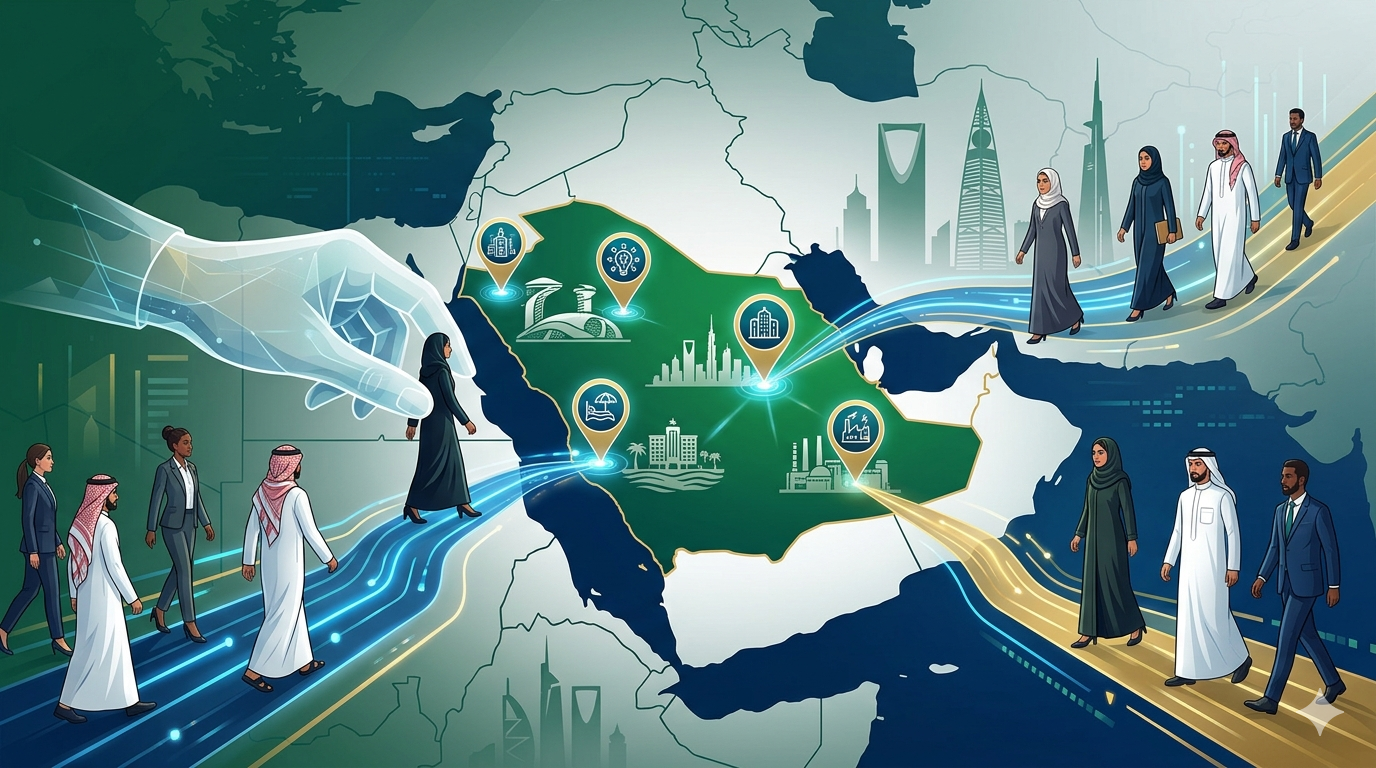
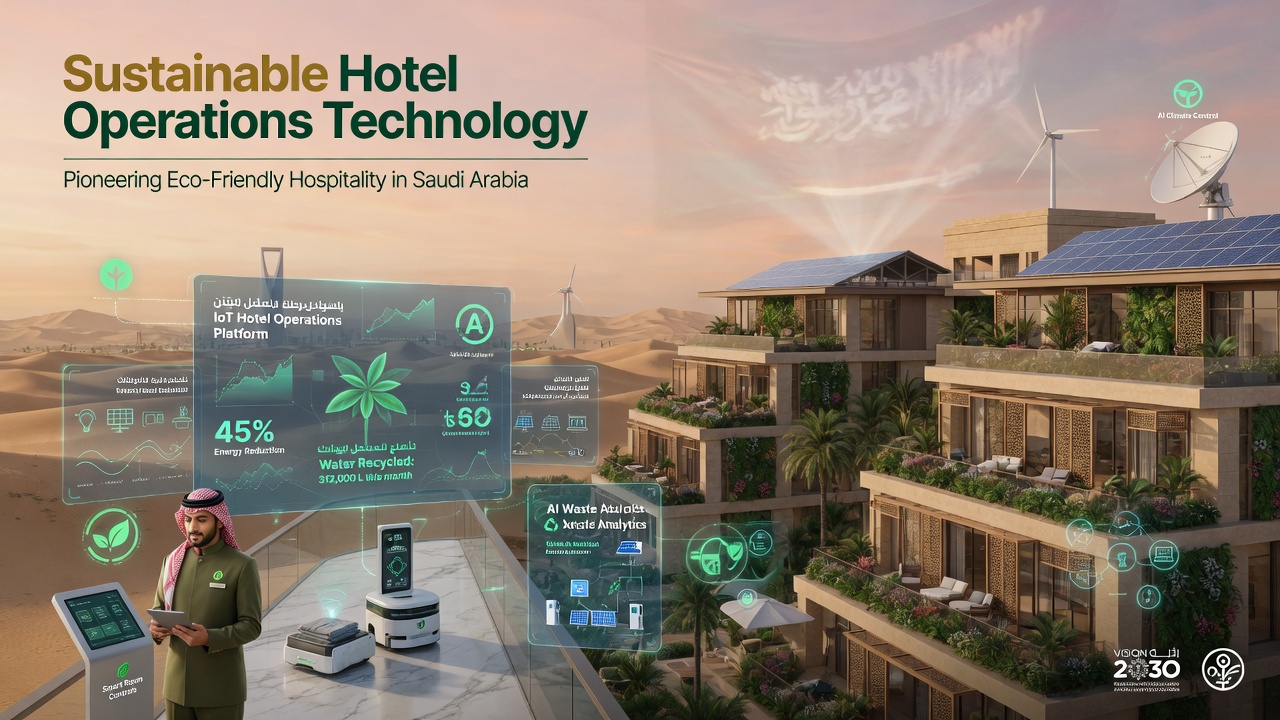
How Cloud PMS Aligns with Saudi Vision 2030
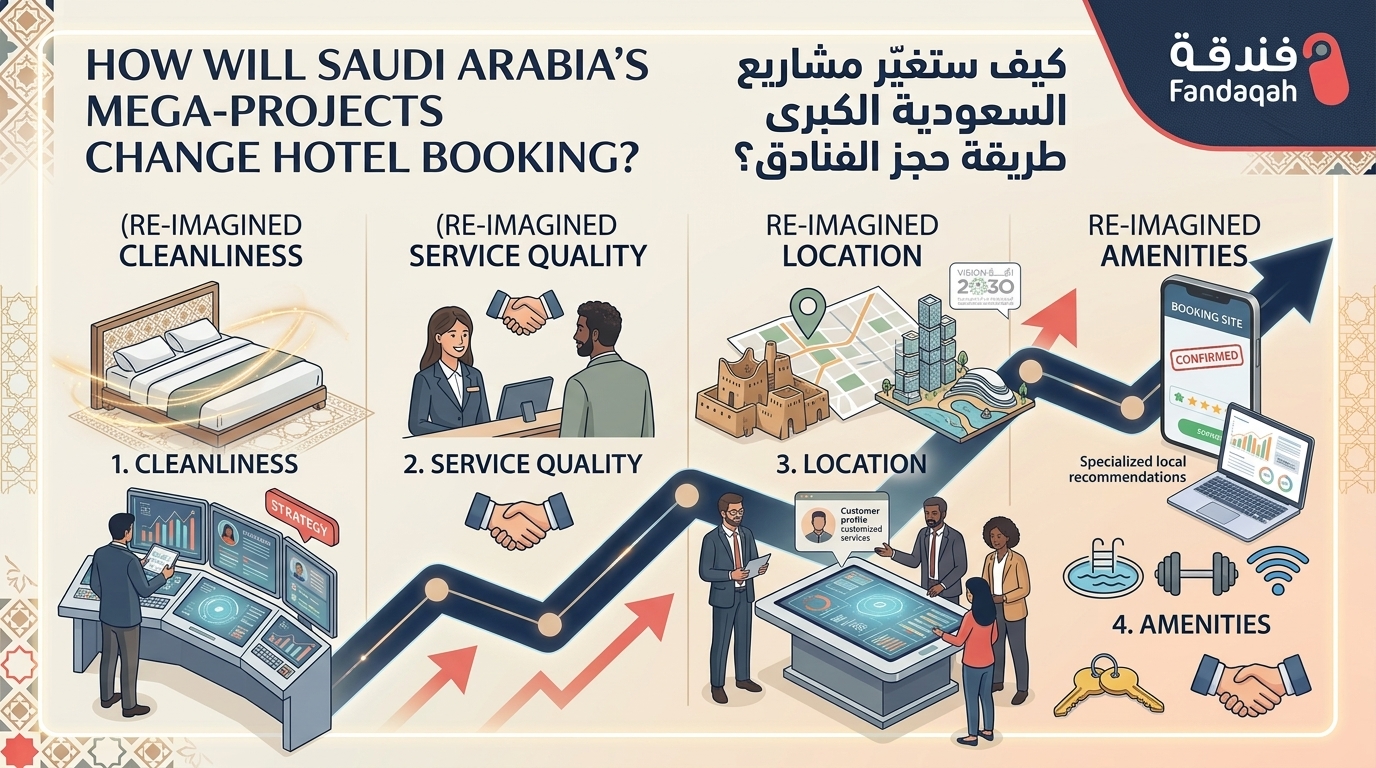
Saudi Vision 2030 aims to diversify the economy and position the Kingdom as a global tourism powerhouse. The hospitality sector is a cornerstone of this vision, and technology adoption is non-negotiable. Implementing a cloud PMS directly contributes to:
- Elevating Service Standards: Digital tools enable world-class guest experiences that rival international destinations.
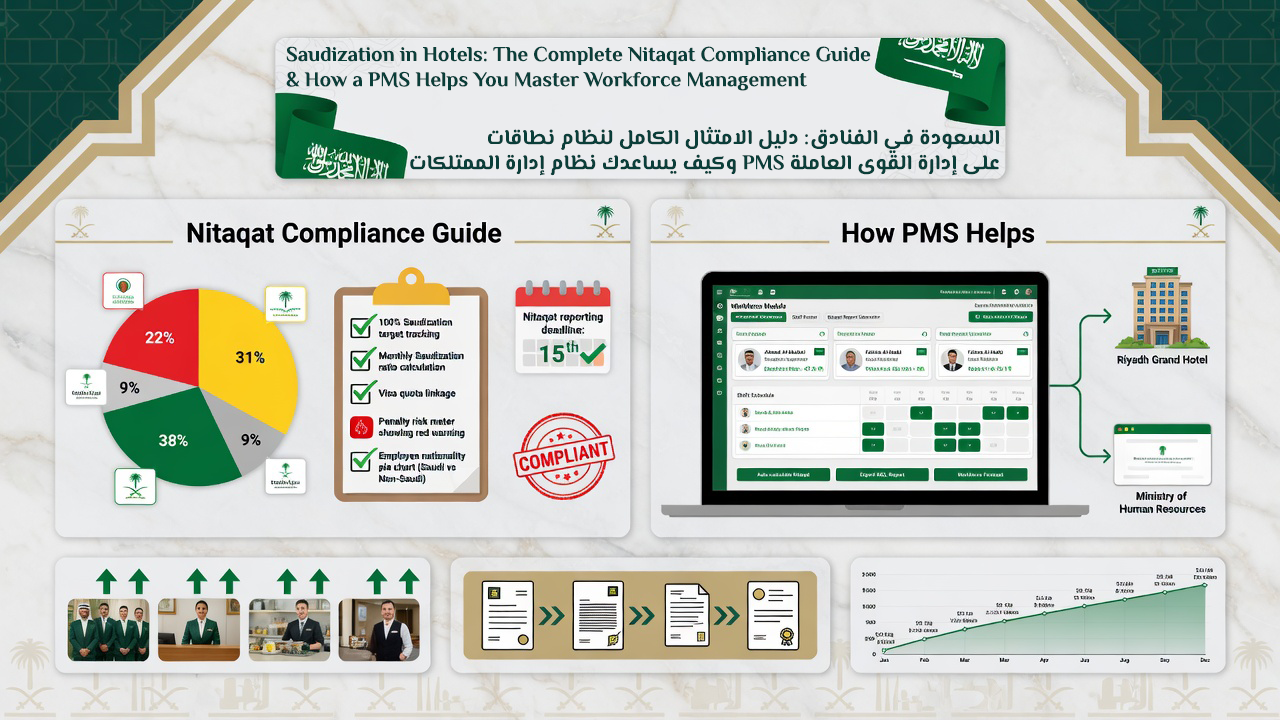
- Streamlining Regulatory Compliance: Instant reporting to government entities like the Saudi Tourism Authority, aiding the national tourism data infrastructure.
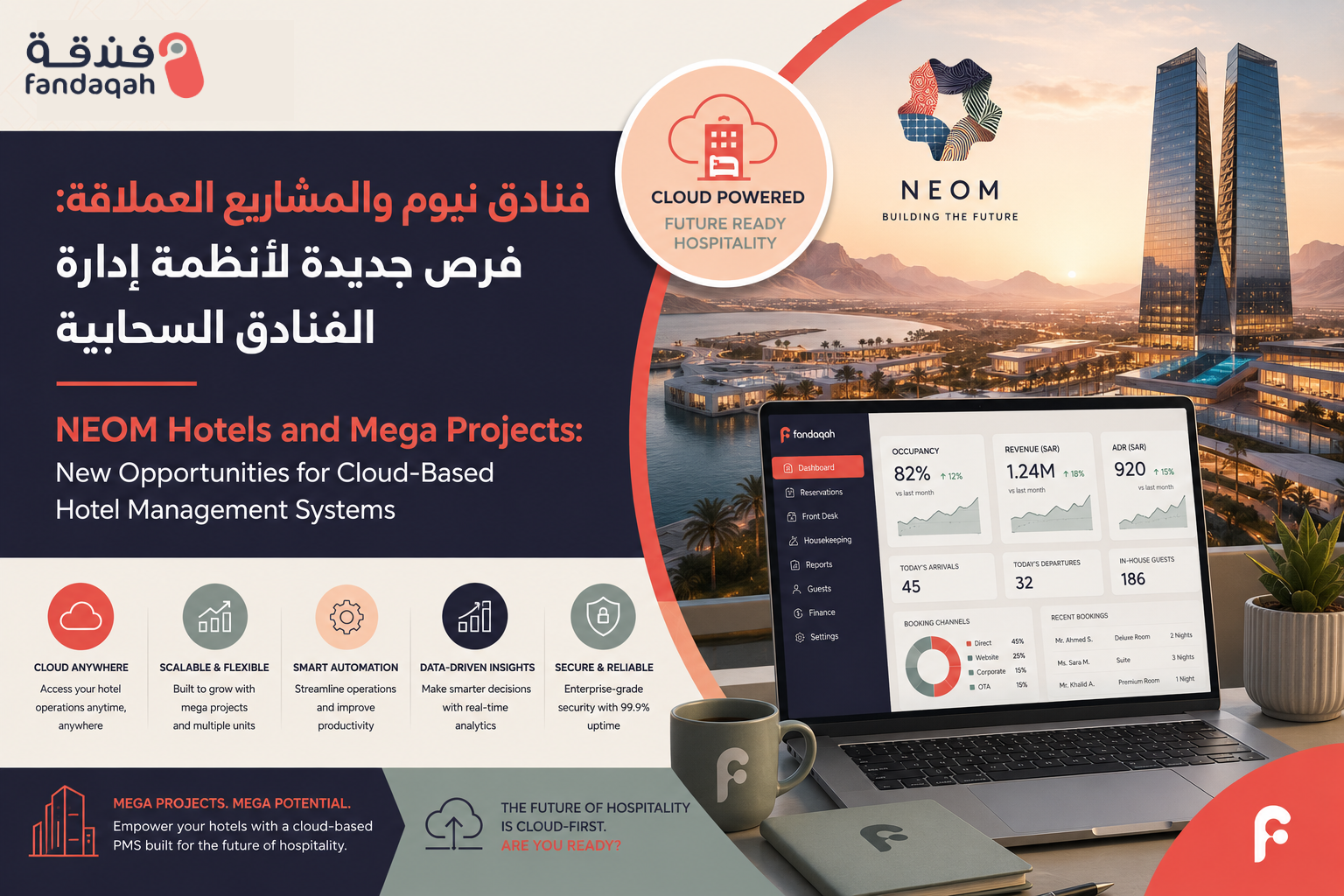
- Enabling Smart Destination Initiatives: Cloud systems can integrate with future NEOM and Red Sea smart city platforms, positioning your property as a tech-forward partner.
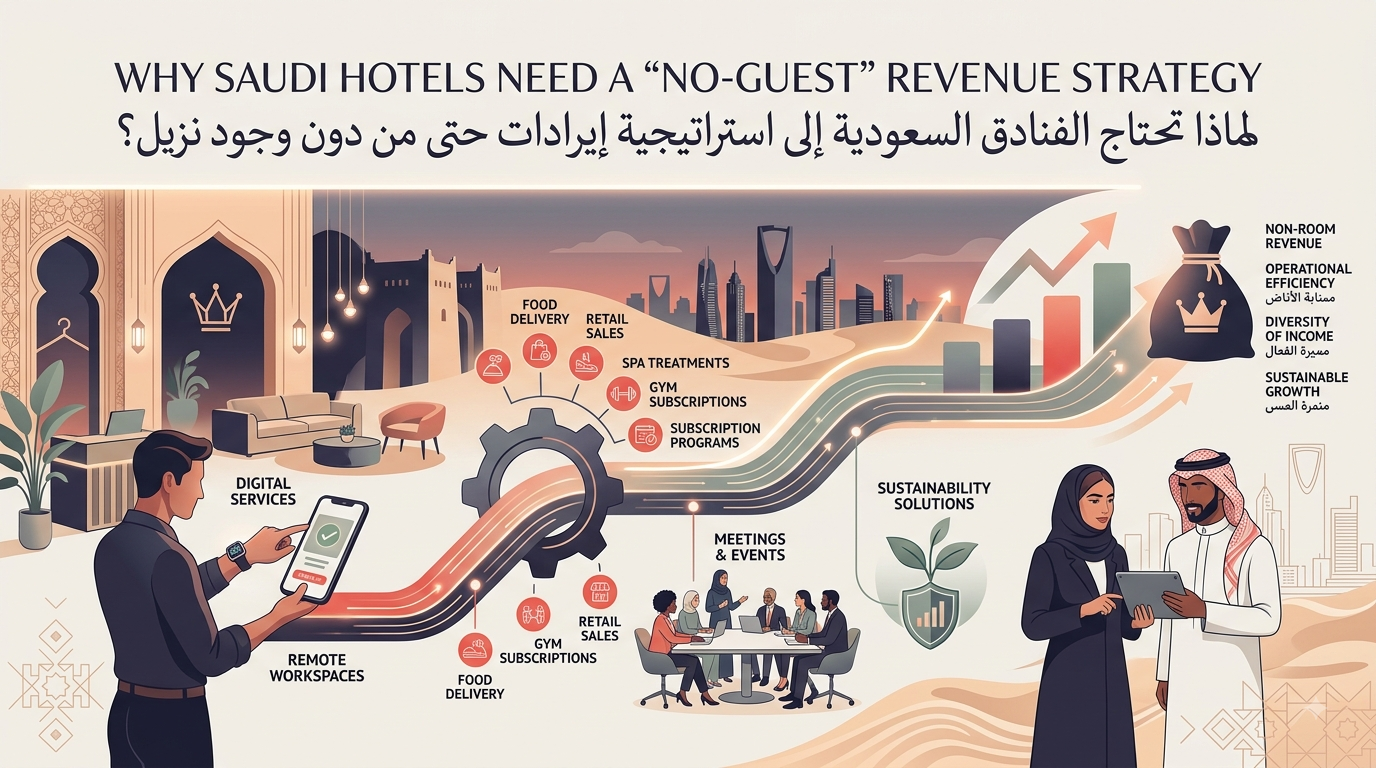
- Supporting SMEs: Affordable subscription models allow small hotels to compete on a global stage, democratizing advanced hotel management software.
"The journey from paper to cloud is more than an IT project—it's a strategic leap that aligns every check-in, every invoice, and every guest interaction with the ambitious spirit of Vision 2030."
Future Trends: AI and the Next-Gen Cloud PMS
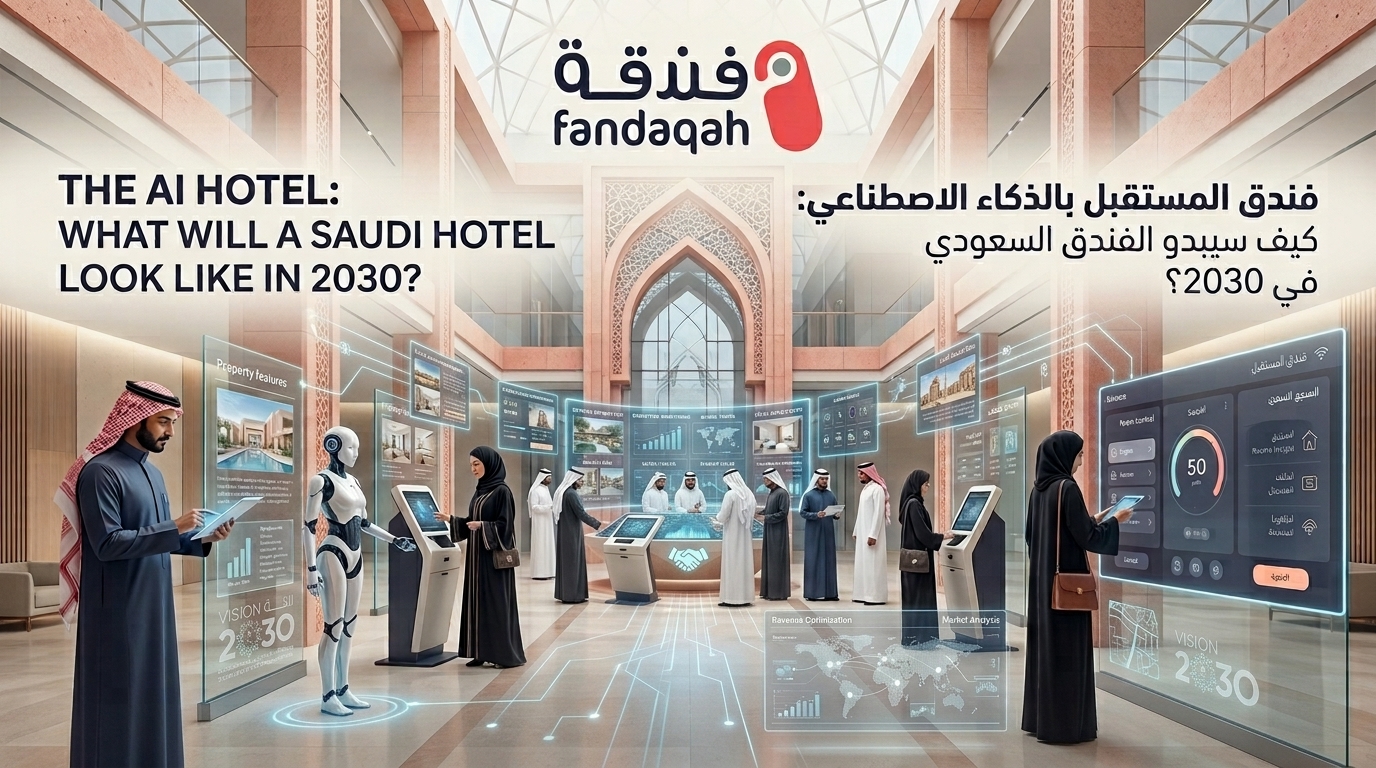
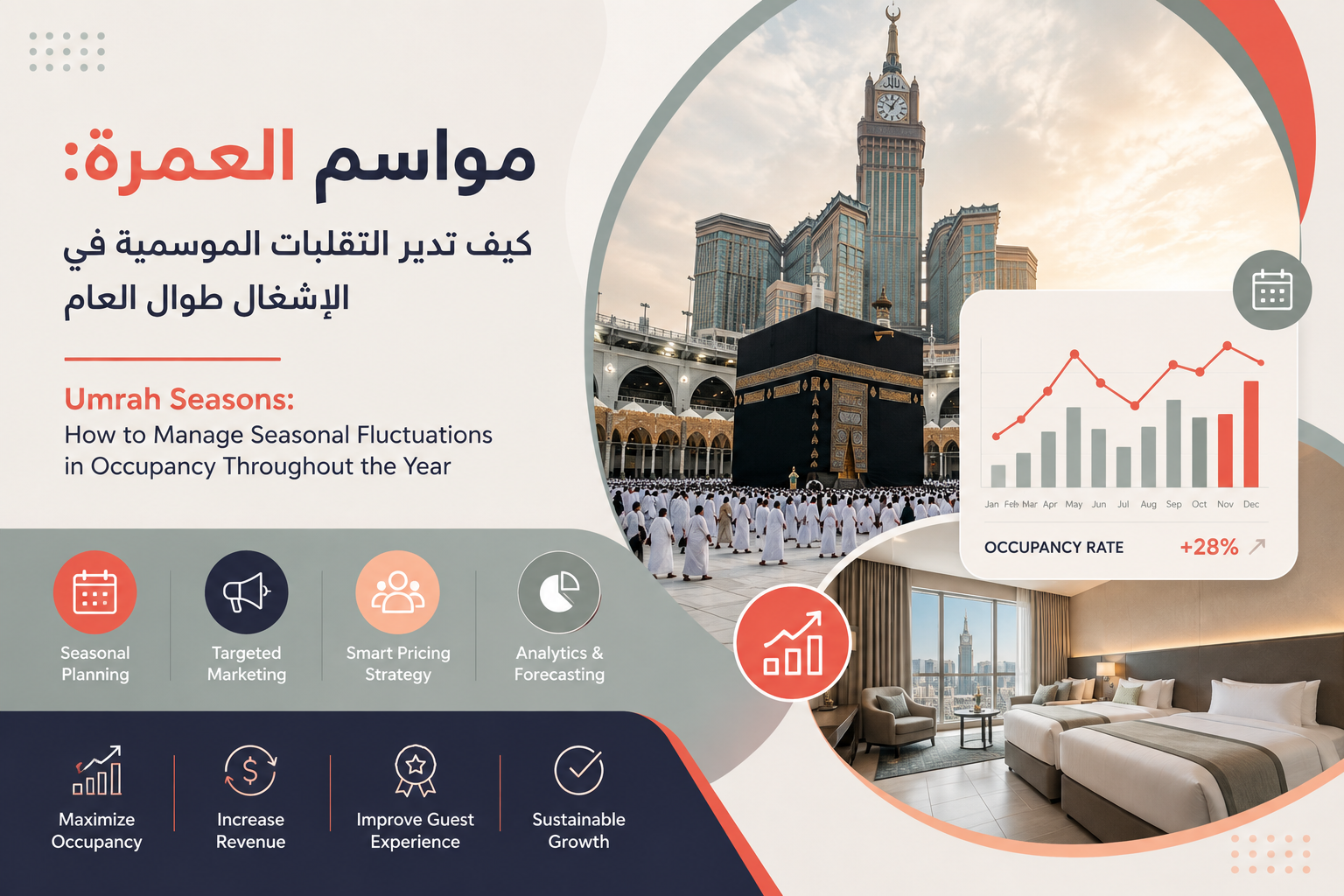
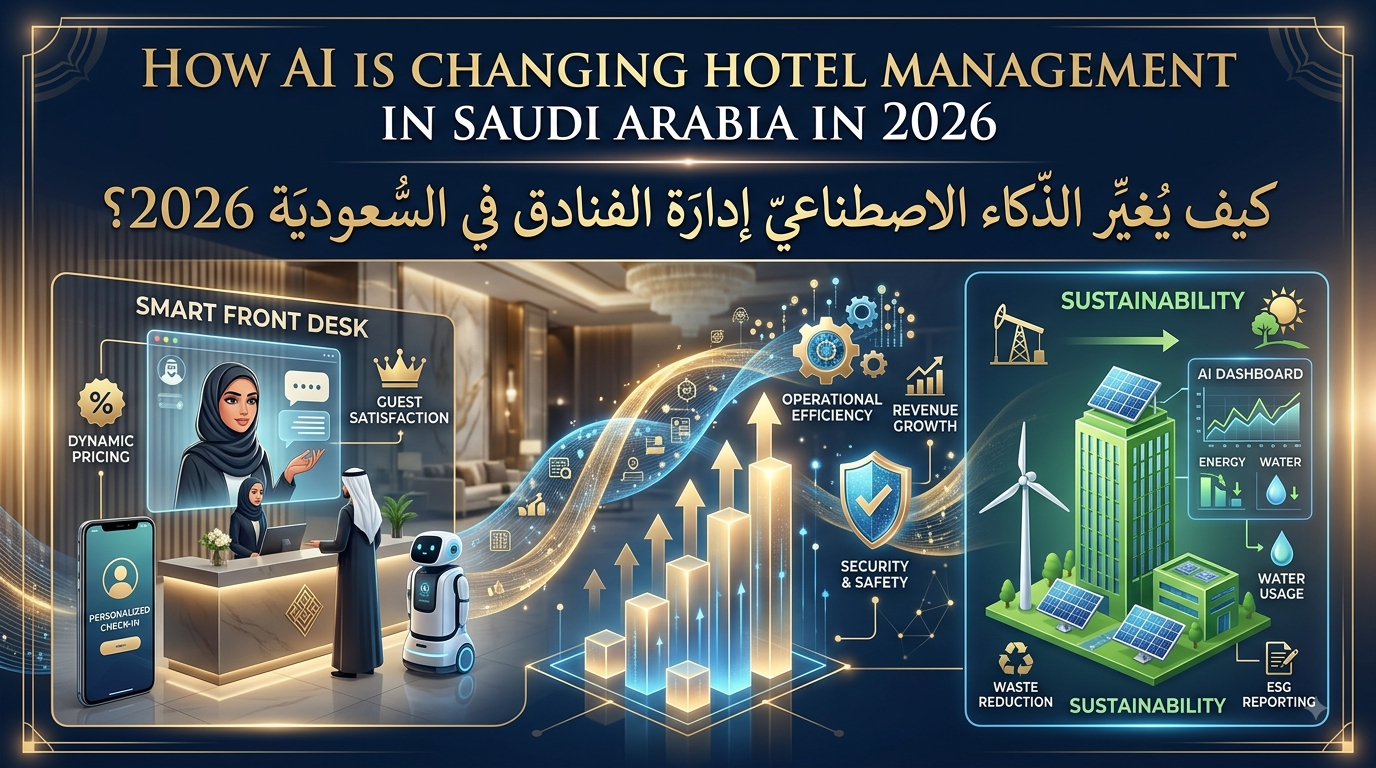
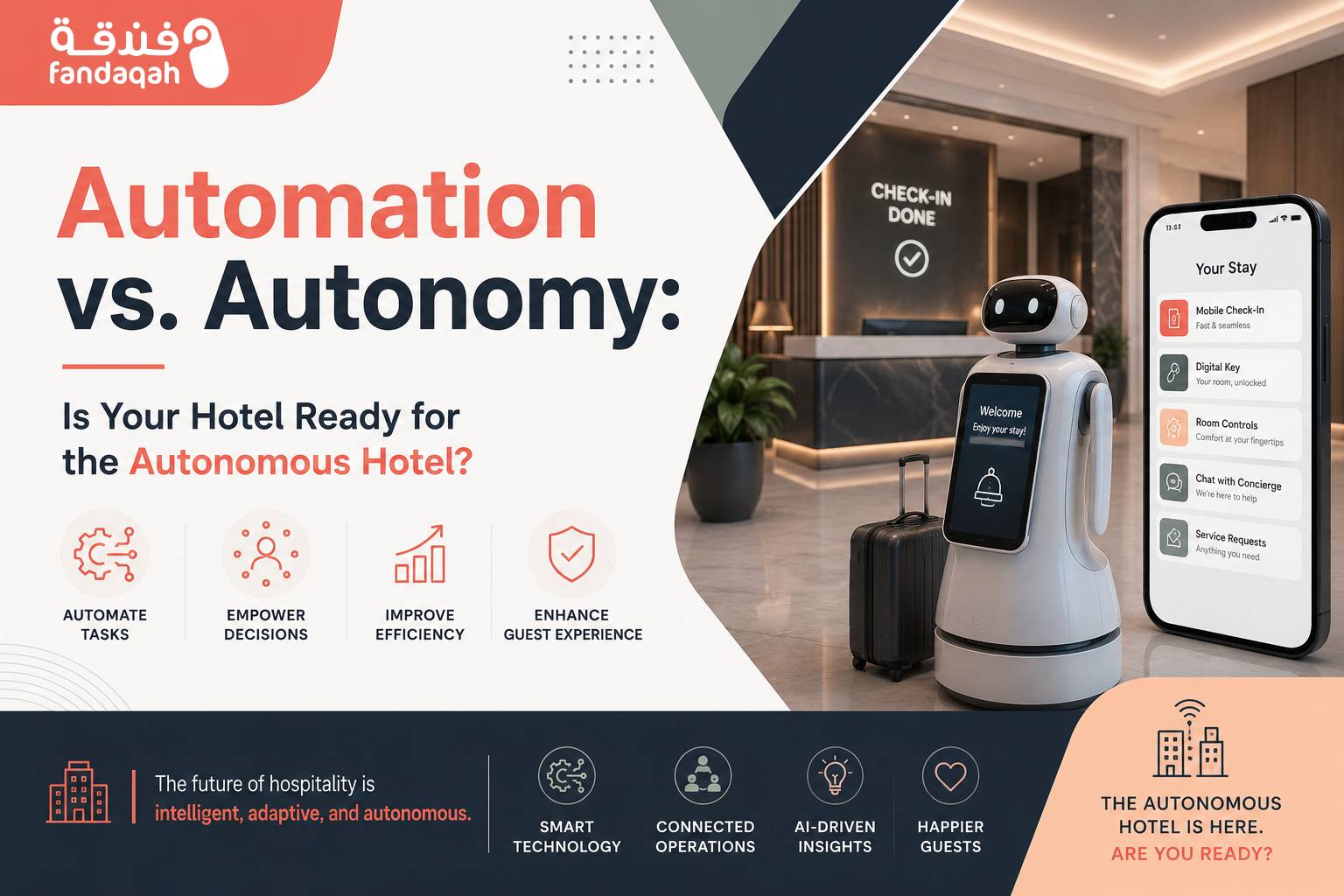
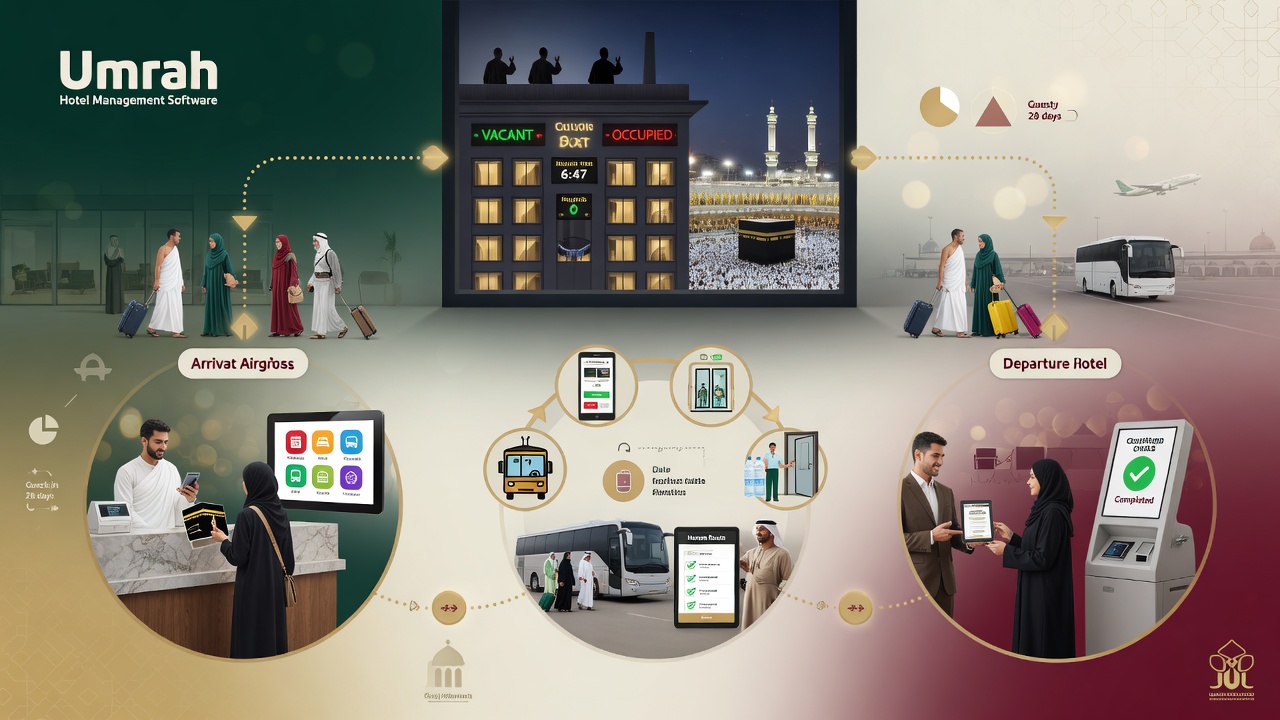
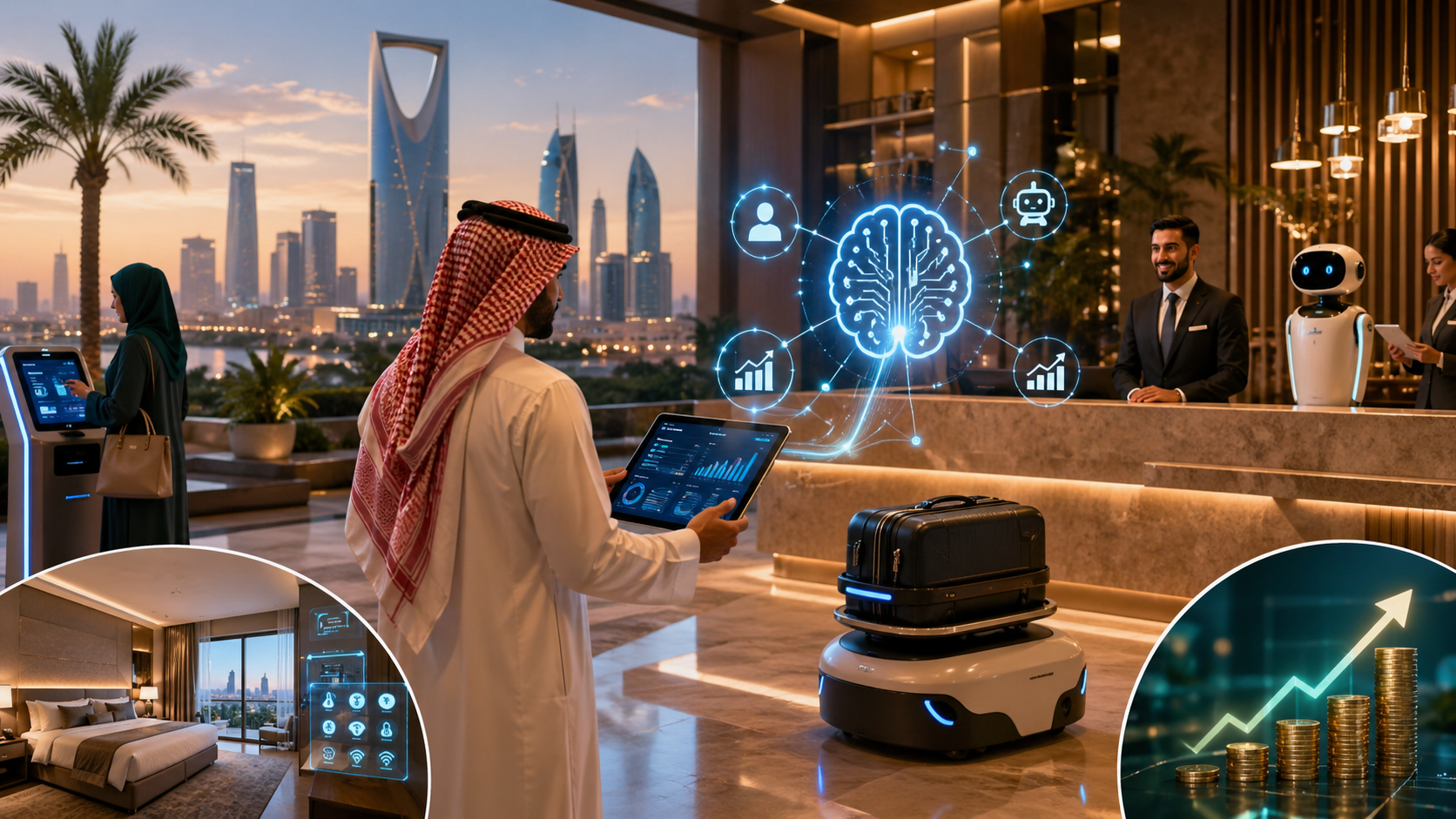
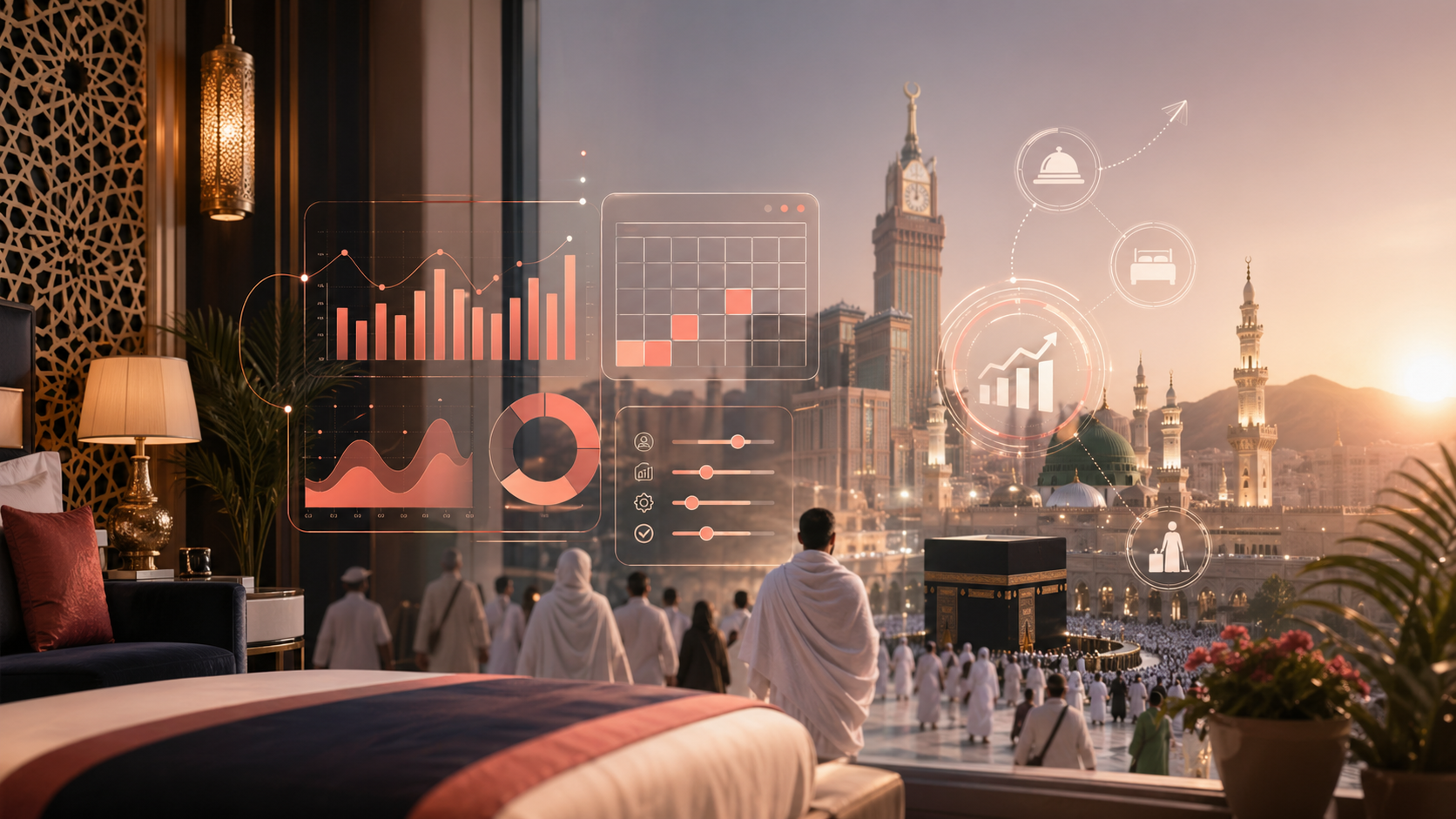
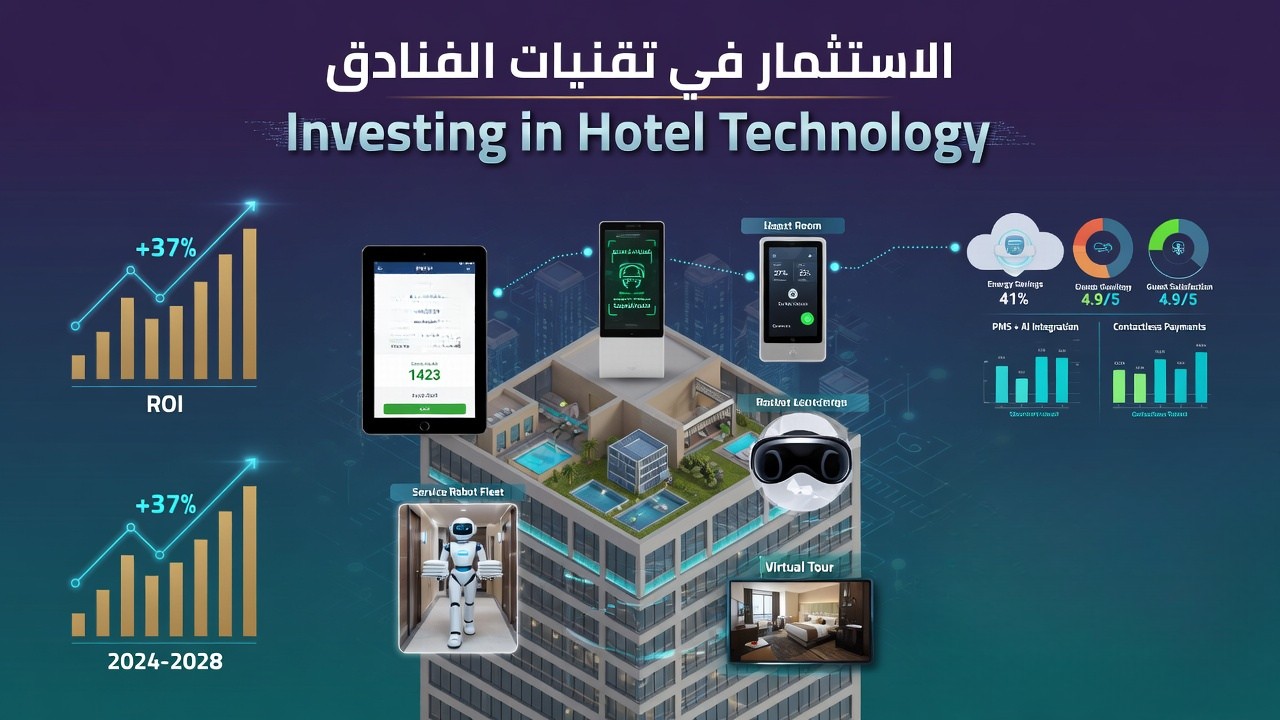
The evolution of cloud PMS technology is accelerating. In the near future, expect AI-driven demand forecasting that adjusts room rates automatically based on local events, weather, and flight data. IoT integrations will allow guests to control room ambiance from their smartphones. For Saudi Arabia, where mega-events like Expo 2030 and Hajj seasons create extreme demand fluctuations, these intelligent systems will be game-changers. A cloud PMS today is your foundation for tomorrow’s autonomous hotel.
Frequently Asked Questions About Cloud PMS Adoption
1. What is the main difference between an on-premise PMS and a cloud PMS?
An on-premise PMS is installed on local computers and requires manual updates, whereas a cloud PMS runs online, updates automatically, and can be accessed from any internet-connected device without heavy hardware investment.
2. Is a cloud PMS secure enough for guest data in Saudi Arabia?
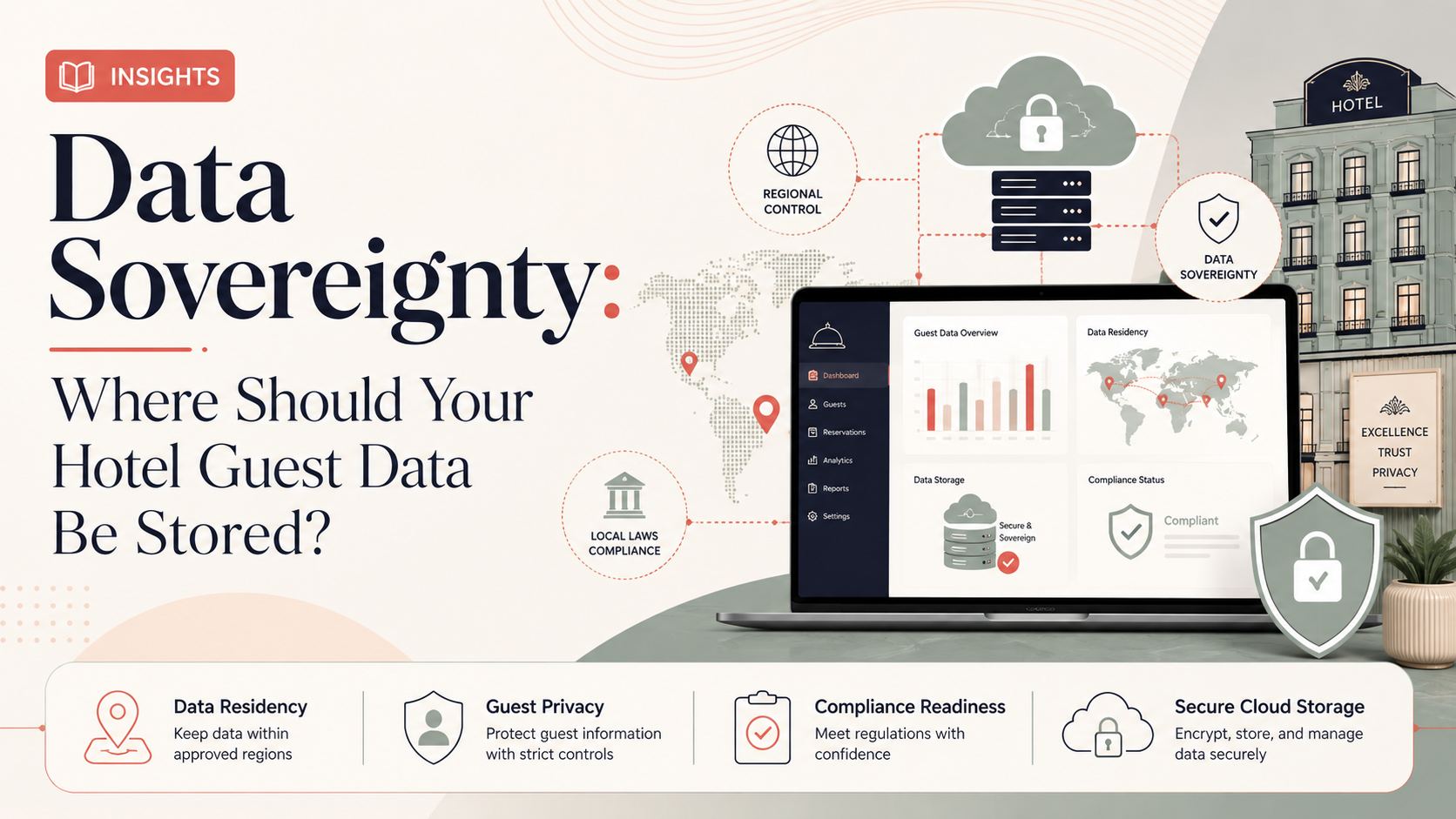
Yes. Reputable cloud PMS providers use enterprise-grade encryption, regular security audits, and comply with KSA data protection laws. Always verify the vendor’s security certifications.
3. How much does a cloud Property Management System cost in Saudi Arabia?
Costs vary by features and room count, but typical monthly subscriptions start at a few hundred SAR, making it an accessible option for small hotels looking for digital transformation. The ROI from reduced errors and increased bookings often covers the fee within months.
4. Can a cloud PMS integrate with my existing accounting software?
Most modern systems offer API integrations with popular accounting platforms like QuickBooks, Xero, or local Saudi accounting solutions, streamlining financial reconciliation and VAT reporting.
5. How long does it take to switch from paper records to a cloud PMS?
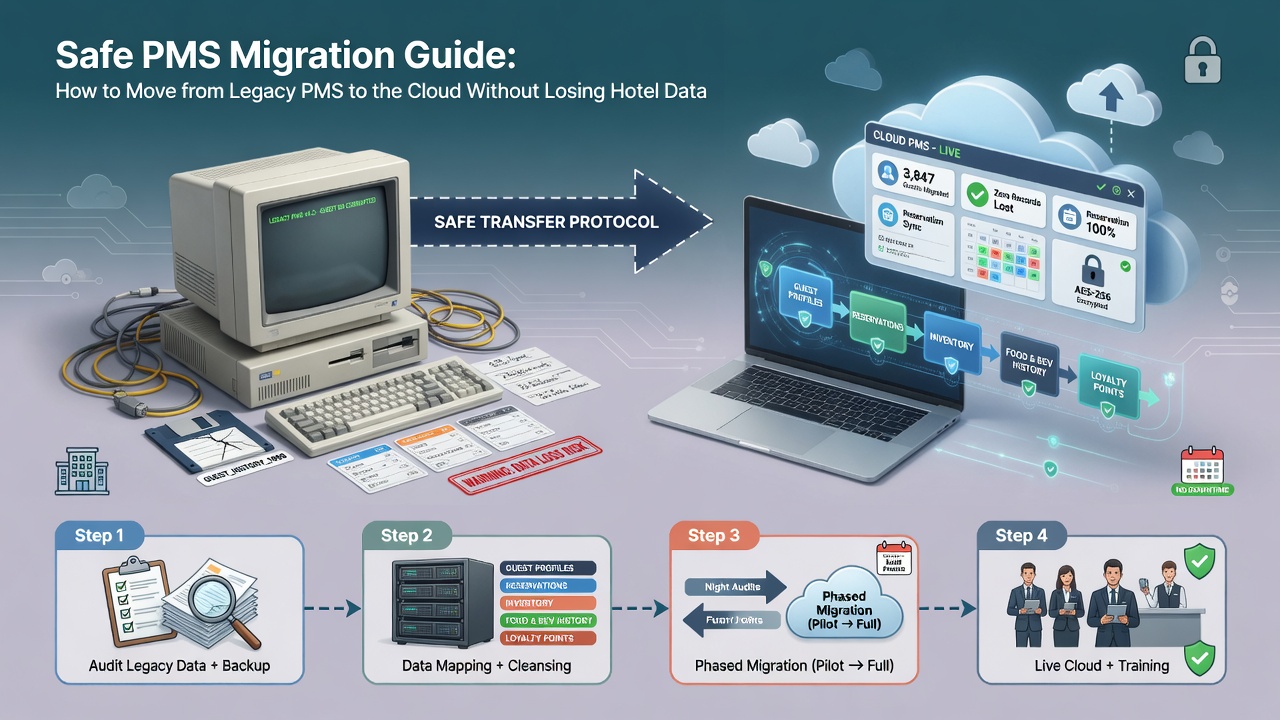
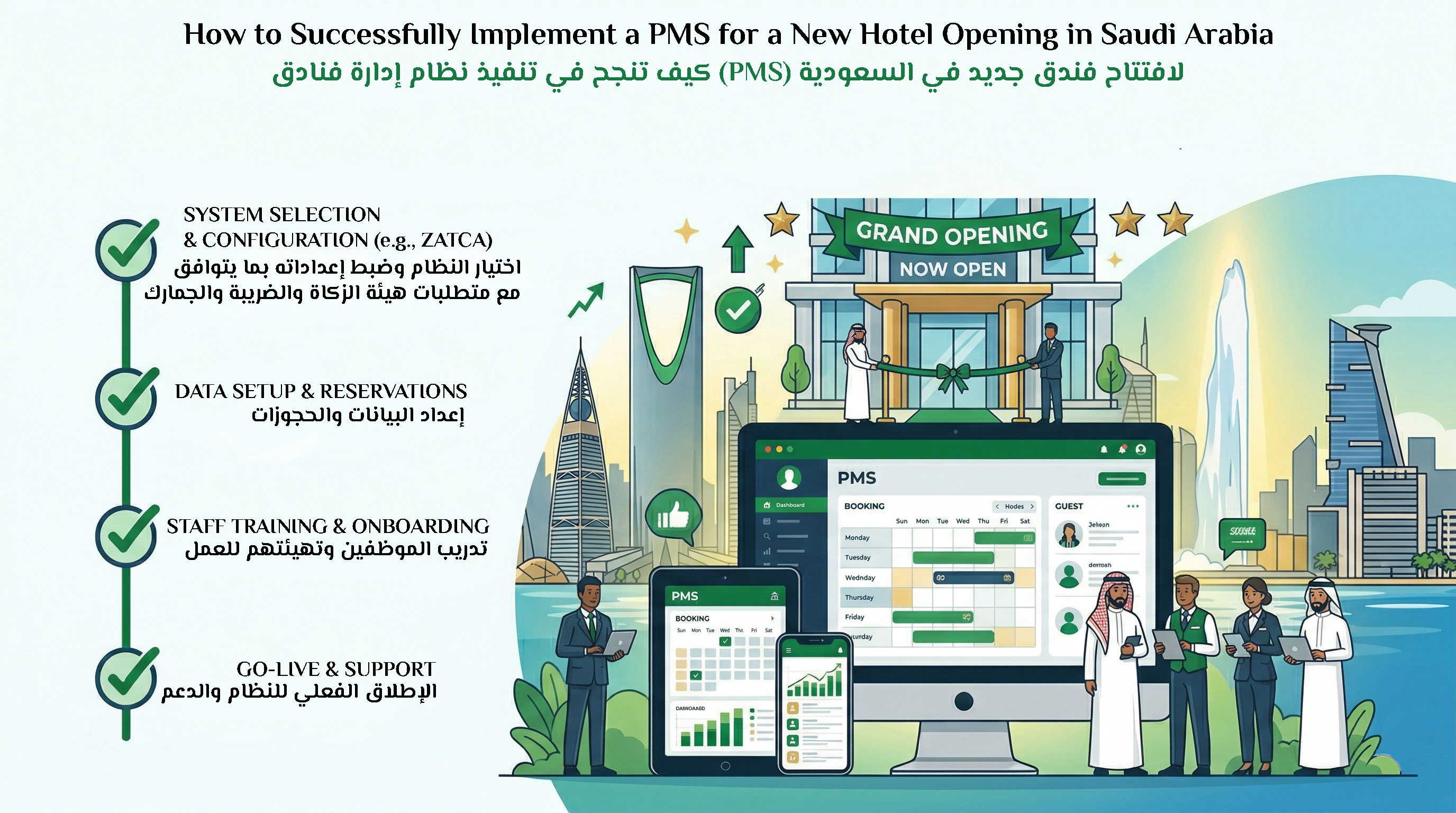
A typical implementation takes 2 to 4 weeks, including data migration, staff training, and go-live support. Phased rollouts minimize disruption.
6. Does a cloud PMS support Arabic and Hijri calendar dates?
Leading solutions for the Saudi market fully support Arabic language interfaces, Hijri date management, and integration with Saudi e-invoicing (Fatoora) requirements.
7. What are the key features to look for in a cloud PMS for Saudi Arabia?
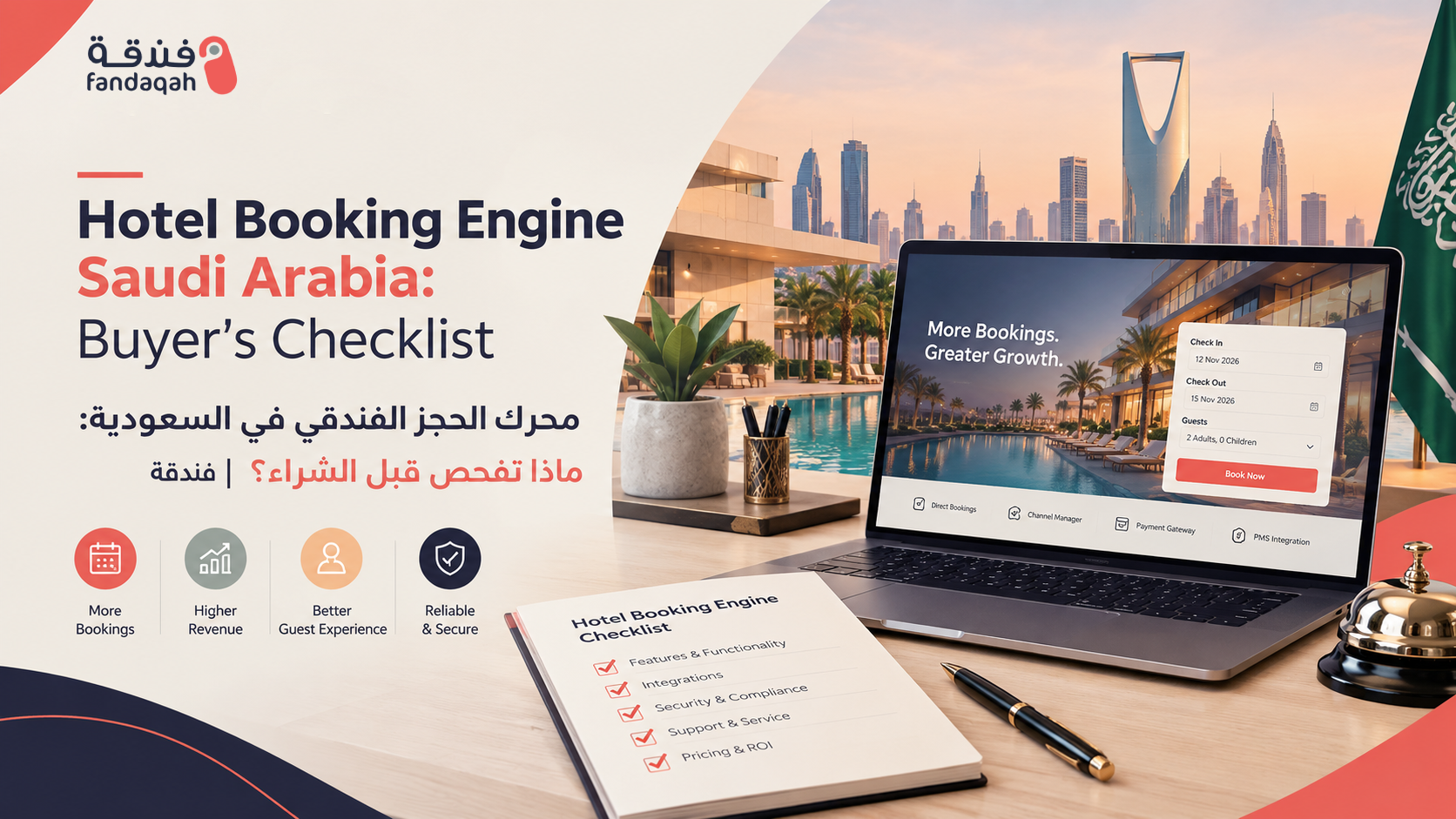
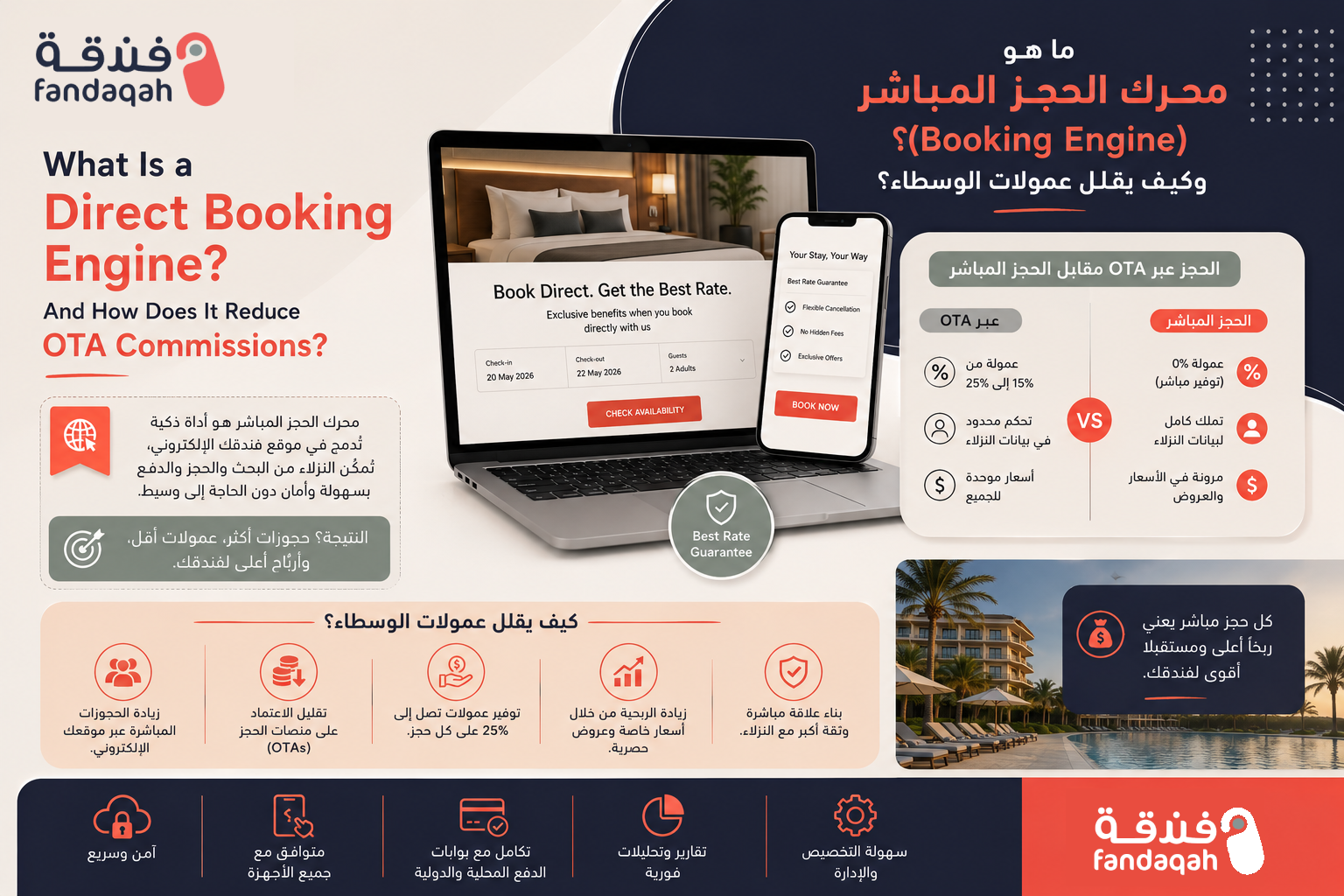
Look for channel management, direct booking engine, housekeeping app, detailed reporting, multi-property capability, and dedicated local support. Automating hotel operations with PMS should cover all front- and back-office tasks.
8. Can a cloud PMS help me attract more international tourists?
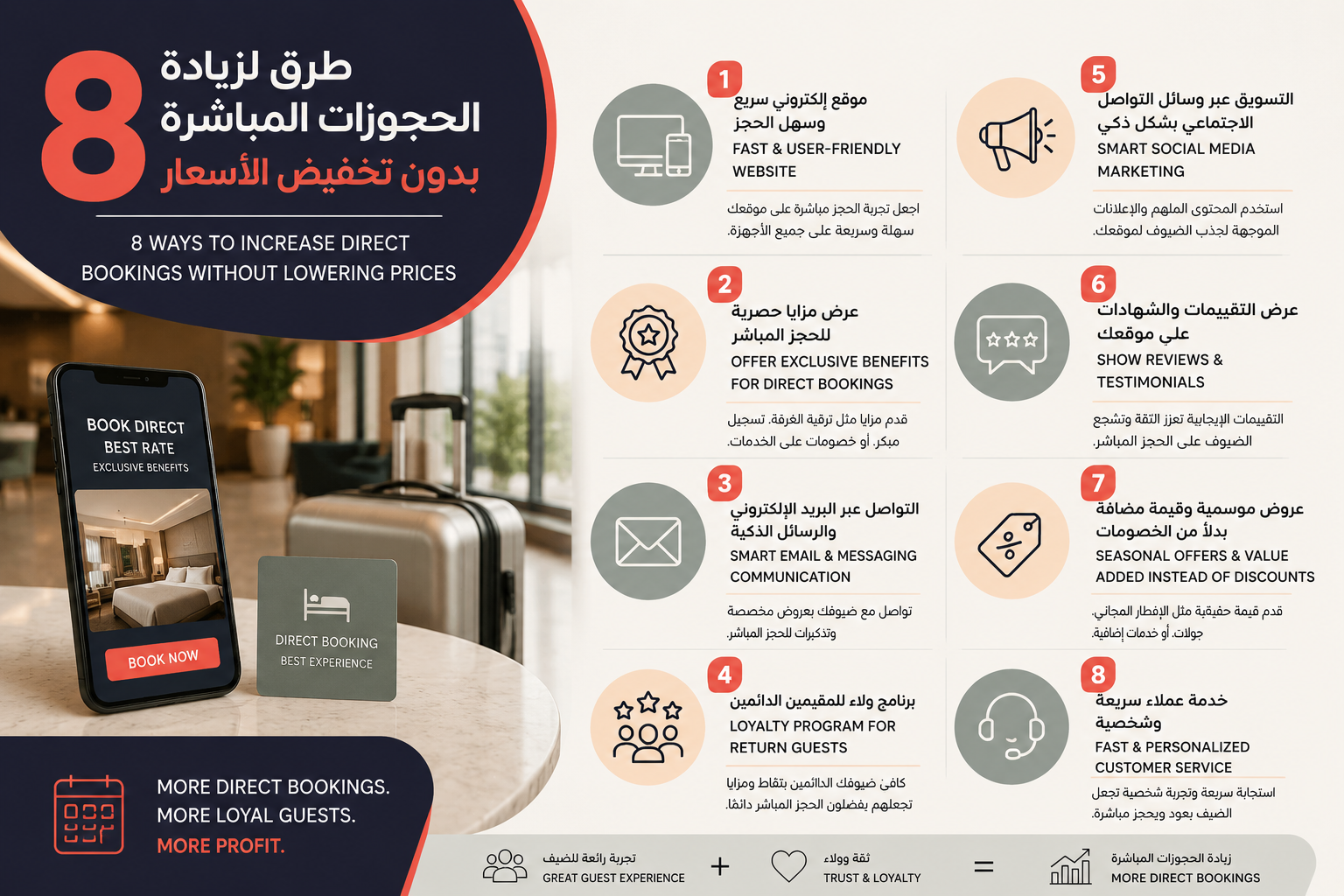
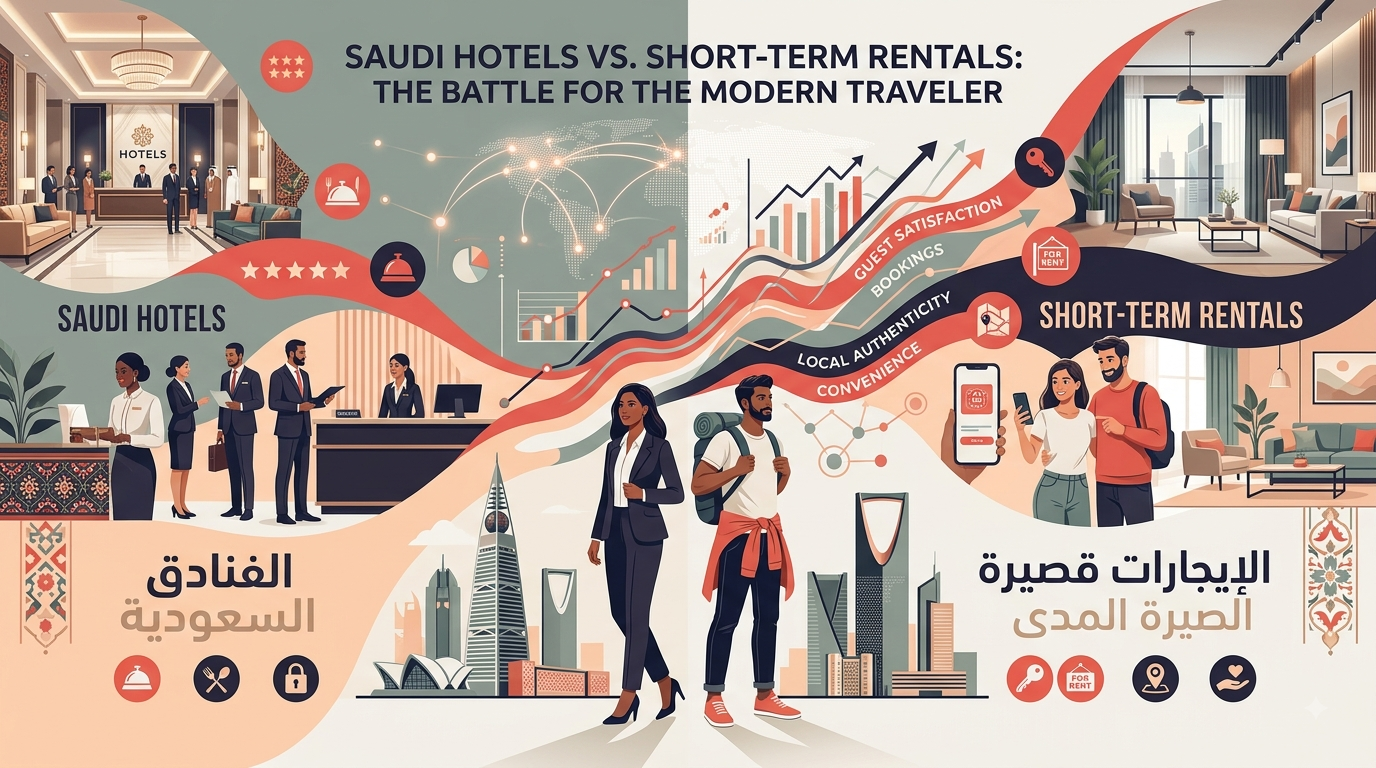
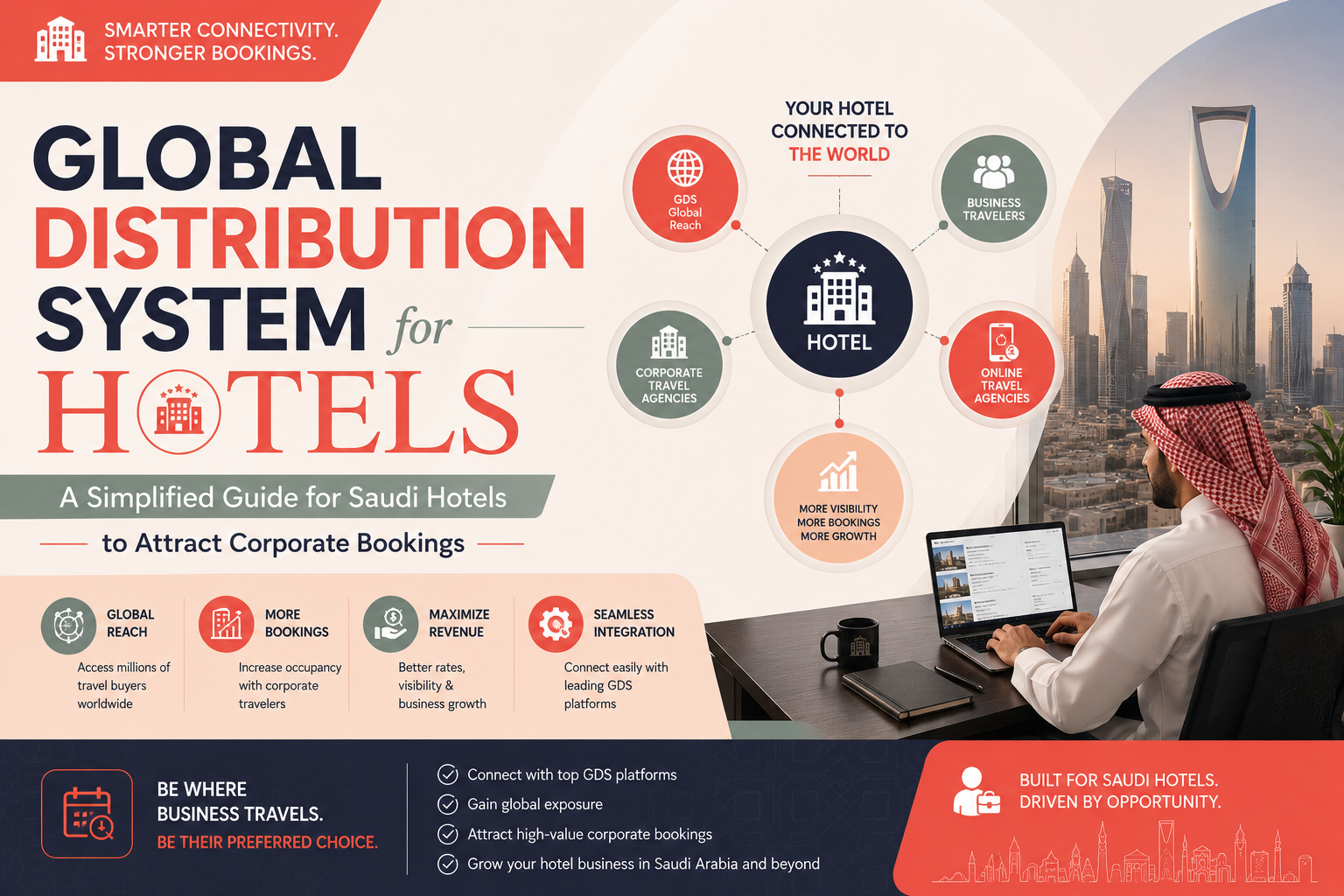
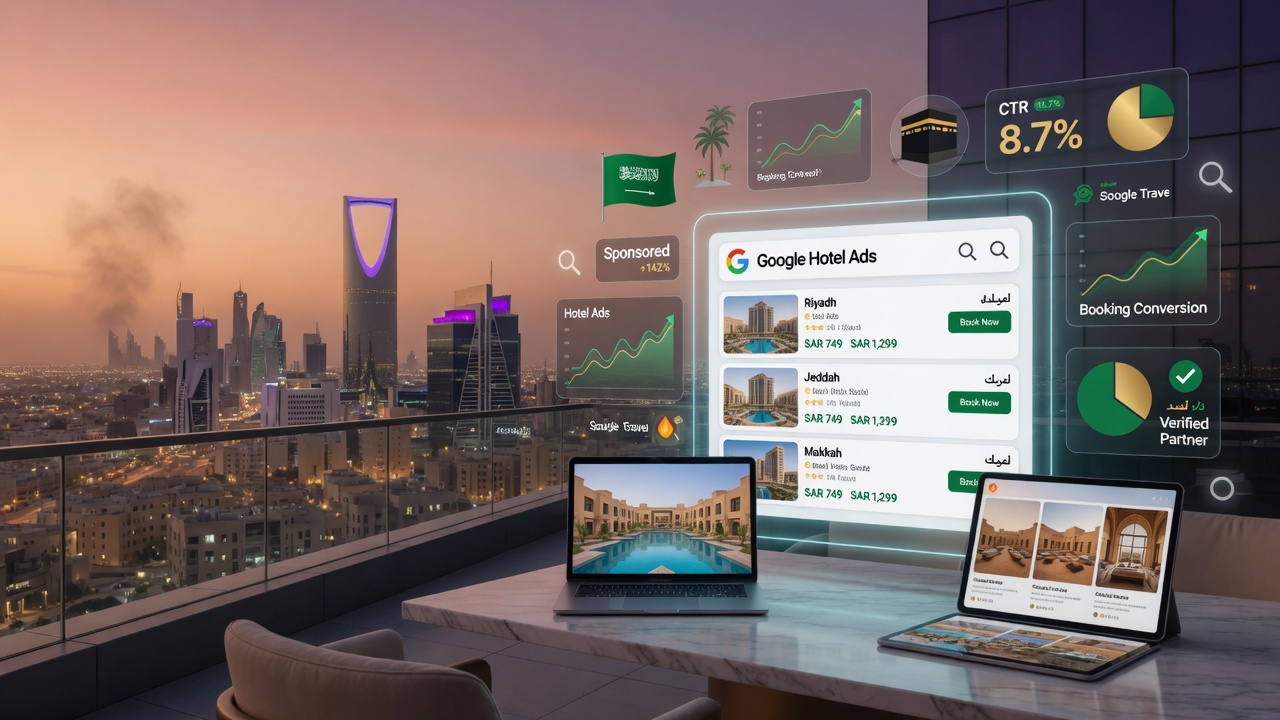
Absolutely. By connecting to global OTAs and offering seamless online booking experiences, a cloud PMS enhances your visibility and credibility, appealing to the growing influx of tourists visiting Saudi Arabia.
Conclusion: Your Digital Transformation Starts Now
The shift from paper records to a cloud PMS is not a distant trend—it's the present reality of successful Saudi hotels. In a country charging toward an extraordinary future, every manual process you eliminate frees up resources to create memorable guest experiences. With benefits ranging from operational efficiency and cost savings to full alignment with Vision 2030, the question is no longer “why?” but “how soon?” Don’t let paperwork slow you down when the future of hospitality is in the cloud.
Ready to Modernize Your Hotel Operations?
Discover the perfect cloud PMS for your property. Contact our experts today for a personalized demo and see how easily you can transform your paper-based chaos into a streamlined digital success story.
Get Your Free Demo Now