Securing suitable housing is one of the most significant milestones in any individual’s life. In the Kingdom of Saudi Arabia, the Housing Allocation Program — often referred to as the Employee Placement (Housing) Program — has emerged as a transformative government initiative designed to bridge the gap between aspiration and reality. Whether you are a public sector employee, a young professional, or a family seeking stability, understanding how the housing allocation program Saudi Arabia works can unlock life-changing opportunities. This comprehensive guide explores every facet of the program, from eligibility criteria and application steps to the profound impact of Vision 2030 on residential allocation across the Kingdom.
Key Insight: Over 1.2 million housing units have been allocated through various government housing programs since the launch of Saudi Vision 2030, with the Housing Allocation Program serving as a cornerstone for employee-focused residential distribution across all 13 provinces.
The employee housing program Saudi ecosystem is not a single monolithic scheme but rather an interconnected network of initiatives under the umbrella of the Ministry of Municipal and Rural Affairs and Housing (MOMRAH) and the Sakani housing platform. These programs prioritize government employees, military personnel, healthcare workers, and educators — the very backbone of the nation’s workforce. In this article, we will dissect the housing placement system, explore how it aligns with Vision 2030 housing goals, and provide actionable steps to help you navigate the government housing allocation landscape with confidence.
In This Guide:
- → What Is the Housing Allocation Program?
- → The Role of Sakani in Employee Housing Placement
- → Eligibility Requirements for the Residential Allocation Program KSA
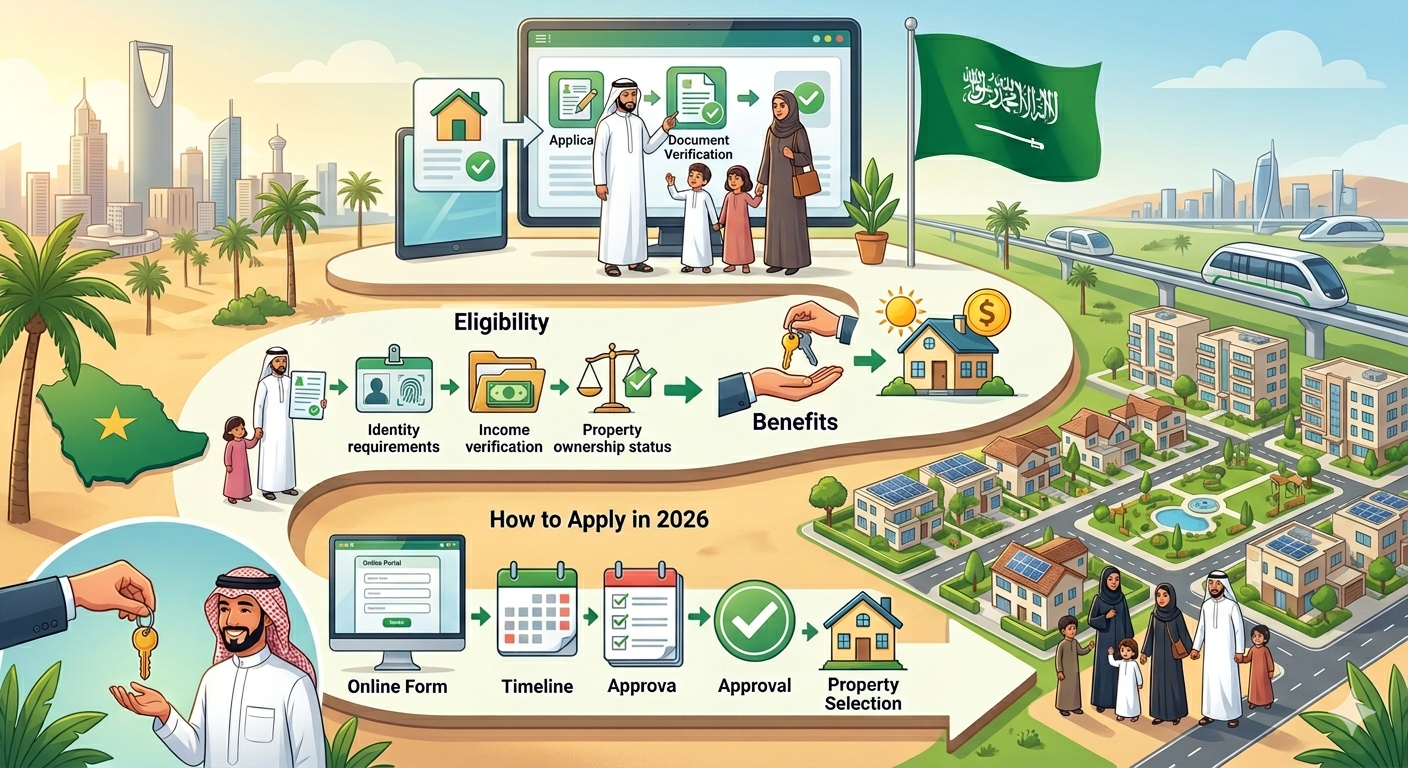
- → Step-by-Step Application Process
- → Benefits and Key Features of Government Housing Allocation
- → Use Cases Relevant to Saudi Arabia
- → Comparison: Housing Allocation Program vs. Sakani vs. Developmental Housing
- → Vision 2030 and Future Trends in Housing Allocation
- → Frequently Asked Questions (FAQ)
What Is the Housing Allocation Program?
The Housing Allocation Program is a structured government initiative in Saudi Arabia that facilitates the distribution of residential units to eligible citizens, with a particular emphasis on public sector employees. Managed under the broader framework of the Ministry of Housing, the program aims to ensure that every qualifying Saudi family has access to adequate, affordable, and well-located housing. The employee placement housing program variant specifically addresses the needs of government workers who are often relocated or require housing near their places of duty.
At its core, the housing allocation program Saudi Arabia operates on a simple yet powerful premise: no eligible citizen should be left behind in the nation’s journey toward prosperity. The program leverages a sophisticated housing placement system that matches applicants with available units based on criteria such as family size, income level, employment sector, geographic preference, and urgency of need. Priority is given to specific categories, including:
- Public sector employees with 5+ years of continuous service
- Military and security personnel across all branches
- Healthcare professionals serving in remote or underserved regions
- Educators and academic staff in public schools and universities
- Widows, divorcees, and families of martyrs (special priority lane)
- Individuals with disabilities and their caregivers
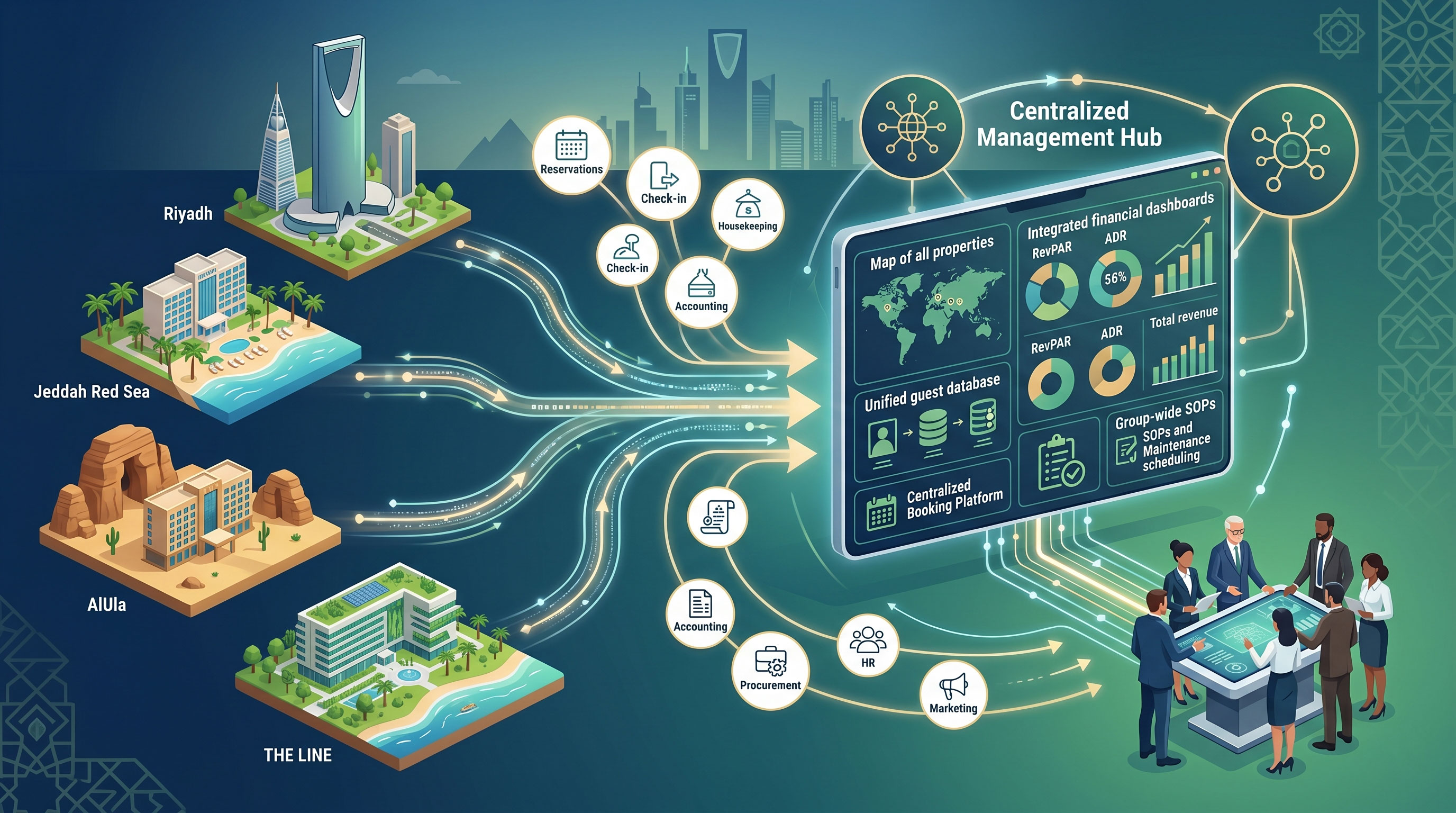
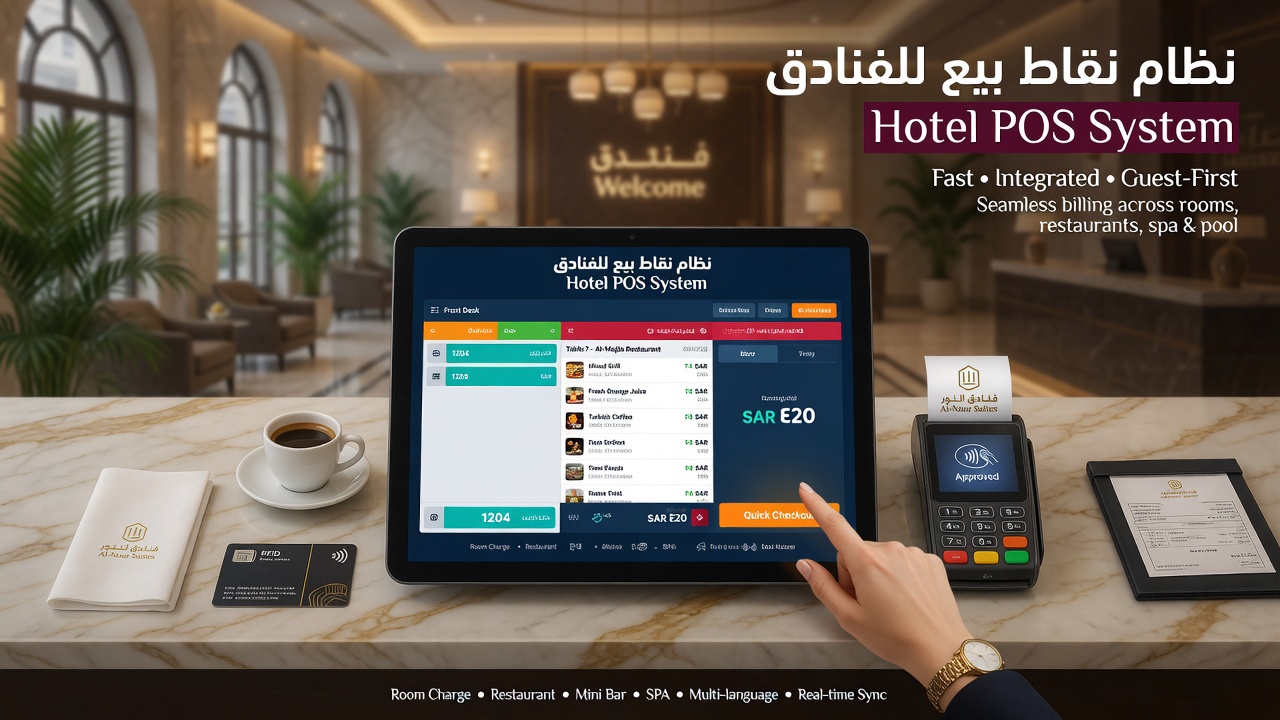
The residential allocation program KSA is deeply integrated with the Sakani digital platform, which serves as the primary gateway for applications, status tracking, and unit selection. This digital-first approach reflects the Kingdom’s commitment to e-governance and transparency in government housing allocation.
Did You Know? The Housing Allocation Program has reduced the average waiting time for government employee housing from 8.5 years in 2018 to just 2.3 years in 2025, according to MOMRAH annual reports — a 73% improvement driven by digital transformation and accelerated construction partnerships.
The Role of Sakani in Employee Housing Placement
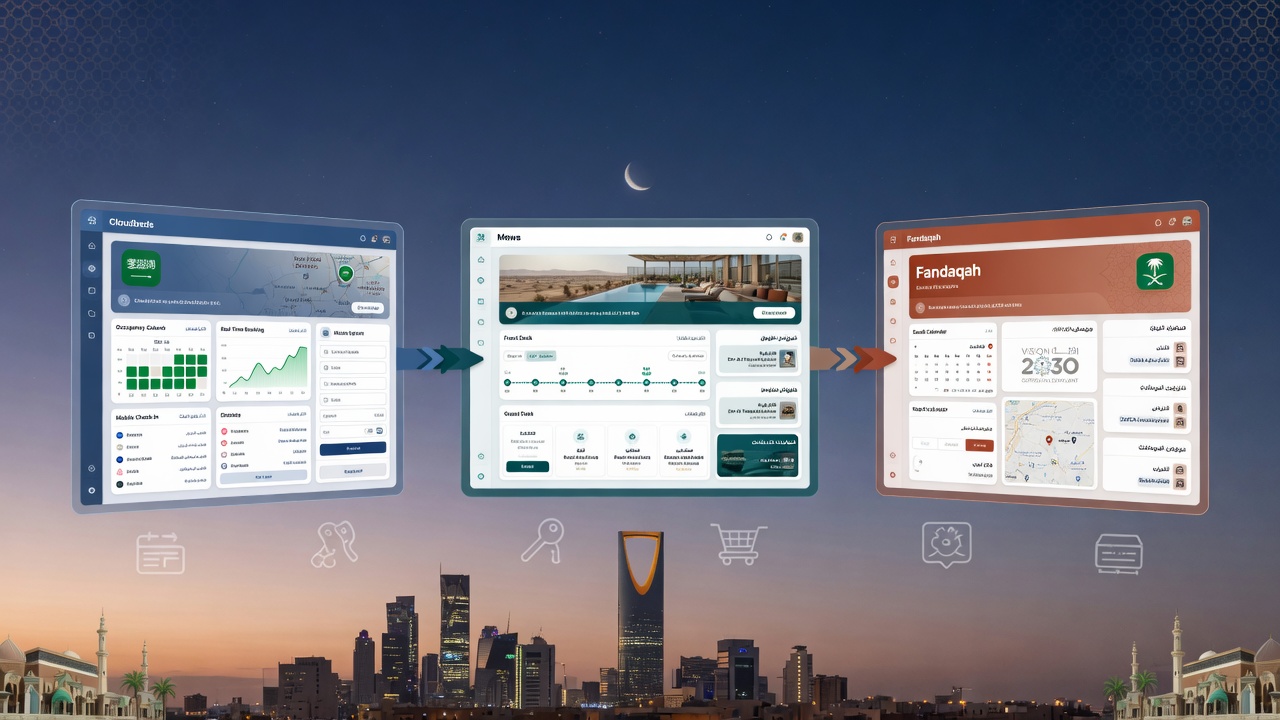
The Sakani housing platform is the digital backbone of Saudi Arabia’s housing ecosystem. Launched in 2017 and continuously upgraded, Sakani (meaning “My Residence” in Arabic) connects citizens directly with housing solutions ranging from ready-built units to off-plan sales and self-construction financing. For participants in the employee housing program Saudi, Sakani is the indispensable tool that streamlines every step of the journey.
Through Sakani, employees can browse available housing placement options, upload required documentation, receive eligibility notifications, and even select their preferred unit from a real-time inventory. The platform also integrates with 18 banks and financial institutions to offer subsidized mortgage rates, making the housing allocation program Saudi Arabia not just about allocation but also about affordability.
“Sakani represents a paradigm shift in how we approach residential allocation. By digitizing the entire value chain, we have empowered citizens with choice, transparency, and speed — three pillars that were once aspirational but are now operational.”
— Senior Official, Ministry of Municipal and Rural Affairs and Housing, 2025
The platform’s data-driven approach allows the housing placement system to prioritize allocations based on real-time demand-supply analytics. For example, if a particular region experiences a surge in healthcare worker recruitment, the system can dynamically adjust allocation quotas to ensure timely employee placement housing for incoming staff.
Eligibility Requirements for the Residential Allocation Program KSA
Understanding the eligibility criteria is crucial before embarking on your application journey. The government housing allocation system has clear, standardized requirements designed to ensure fairness and target those most in need. Below is a comprehensive breakdown:
| Eligibility Criteria | Requirement Details | Important Notes |
|---|---|---|
| Nationality | Saudi citizen (by birth or naturalization) | Non-Saudis not eligible for allocation; may access rental support programs separately |
| Age | Minimum 25 years old (or married) | Exceptions for orphans and special cases reviewed individually |
| Employment Status | Active government employee with verified tenure | Minimum 2–5 years of continuous service depending on sector |
| Income Level | Monthly income between SAR 4,000 – SAR 25,000 | Tiered support; lower-income brackets receive higher subsidies |
| Property Ownership | Must not own a residential property within the last 5 years | First-time homeownership is a core program principle |
| Family Status | Family head or single (with proof of independent living need) | Larger families receive priority for larger units |
| Sakani Registration | Active and verified Sakani account | Registration is free and processed within 48 hours |
For employees specifically, the employee housing program Saudi eligibility extends to all government sectors, including ministries, public authorities, universities, and military branches. Contract-based employees may have different pathways, often through employer-partnered housing schemes rather than direct housing allocation.
How to Apply for the Housing Allocation Program Saudi Arabia: A Step-by-Step Guide
Navigating the housing placement system is straightforward if you follow the correct sequence. Here is a detailed walkthrough to help you apply for the housing allocation program Saudi Arabia successfully:
Step 1 — Register on Sakani
Visit the official Sakani portal (sakani.housing.sa) or download the Sakani mobile app. Create an account using your Absher credentials for instant identity verification. Complete your profile with accurate personal, family, and employment details.
Step 2 — Complete the Eligibility Assessment
The system will automatically evaluate your profile against the residential allocation program KSA criteria. You will receive an eligibility score and category assignment within 48–72 hours. Ensure all uploaded documents are clear and valid.
Step 3 — Select Preferred Region & Unit Type
Browse available government housing allocation options filtered by city, district, unit size, and delivery timeline. You can shortlist up to 5 preferred options for the matching algorithm to consider.
Step 4 — Submit Required Documentation
Upload salary certificates, employment verification letters, family register copies, and any supporting documents for special priority categories. Digital document verification typically takes 5–7 business days.
Step 5 — Receive Allocation Offer
Once matched, you will receive a formal housing placement offer through Sakani. You have 15 days to accept or request an alternative. Upon acceptance, the unit is reserved in your name.
Step 6 — Finalize Financing & Handover
Coordinate with partner banks through the Sakani portal for subsidized mortgage or installment plans. Once financing is secured, schedule the property handover and receive your keys.
Pro Tip: Always keep your Absher profile updated before starting the application. Any discrepancy between your Absher data and Sakani submission can cause delays of up to 3 weeks in the verification process.
Benefits and Key Features of the Employee Housing Placement Program
The employee placement housing program offers a suite of benefits that go far beyond simply receiving a residential unit. These advantages are designed to create long-term stability, financial wellness, and community integration for Saudi families.
- ✅ Subsidized Interest Rates: Mortgage rates as low as 2.59% through partner banks, significantly below market averages of 5–7%, reducing the total cost of homeownership by up to 40% over the loan term.
- ✅ Zero Down Payment Options: Eligible government employees can access 100% financing with no down payment required, removing the most common barrier to homeownership for young professionals.
- ✅ Priority Geographic Placement: Employees can request housing near their workplace, reducing commute times and supporting work-life balance — a critical factor in Vision 2030 housing quality-of-life metrics.
- ✅ Freehold Ownership: Unlike some regional housing models, the housing allocation program Saudi Arabia grants full freehold title, ensuring generational wealth transfer and asset security.
- ✅ Integrated Community Facilities: Allocated units are within master-planned communities featuring schools, healthcare centers, mosques, parks, and retail outlets.
- ✅ Resale Flexibility: After a minimum holding period (typically 5 years), owners can sell or lease their property on the open market, allowing upward mobility.
- ✅ Exemption from Certain Fees: Beneficiaries may receive exemptions from property registration fees and real estate transaction taxes, saving thousands of riyals.
Use Cases: How the Housing Allocation Program Serves Saudi Arabia’s Workforce
The residential allocation program KSA is not a one-size-fits-all solution. It is designed to address diverse real-world scenarios that reflect the unique socio-economic landscape of the Kingdom. Below are illustrative use cases demonstrating the program’s relevance:
Use Case 1: The Relocated Government Employee
Ahmed, a 34-year-old civil engineer with the Ministry of Transport, was transferred from Jeddah to Riyadh to support new metro expansion projects. Through the employee housing program Saudi, Ahmed applied on Sakani, received priority placement due to his inter-city transfer status, and was allocated a 3-bedroom apartment in North Riyadh within 4 months — just 12 kilometers from his new office. The subsidized mortgage meant his monthly payments were 28% lower than market rent in the same district.
Use Case 2: The Healthcare Worker in a Remote Area
Fatima, a nurse practitioner, was posted to a primary healthcare center in Al-Jouf region, an area facing healthcare staffing shortages. The housing placement system recognized her as a high-priority applicant under the remote area healthcare initiative. She received a fully finished villa with a 15-year government-subsidized payment plan, along with additional incentives including a relocation allowance and family support services.
Use Case 3: The Young Family Seeking First Home
Khalid and Noura, a young married couple both working as public school teachers in Dammam, had been renting for 6 years. Their combined income of SAR 18,000 placed them in the middle-income bracket. Through the government housing allocation system on Sakani, they qualified for a 4-bedroom townhouse with a zero-down-payment mortgage at 3.1% interest, reducing their monthly housing cost by SAR 1,500 compared to their previous rent.
Use Case 4: The Family of a Martyr
The housing allocation program Saudi Arabia places families of martyrs at the absolute top of the priority list. When the widow of a fallen security officer applied through the dedicated martyr families portal on Sakani, she received a fully paid, 5-bedroom villa in Madinah within 90 days — with no mortgage, no fees, and lifetime maintenance support included. This reflects the Kingdom’s deep commitment to honoring those who served the nation.
Comparison: Housing Allocation Program vs. Sakani Direct vs. Developmental Housing
Saudi Arabia offers multiple housing pathways, and it is important to understand how the employee placement housing program differs from other initiatives. The table below provides a clear side-by-side comparison:
| Feature | Housing Allocation Program (Employee) | Sakani Direct Purchase | Developmental Housing |
|---|---|---|---|
| Target Audience | Government employees, military, priority sectors | All Saudi citizens meeting income criteria | Low-income families, social welfare cases |
| Subsidy Level | High — up to 35% of unit cost | Moderate — up to 20% of unit cost | Full — up to 100% for eligible cases |
| Employment Requirement | Mandatory (government sector) | Not mandatory | Not mandatory |
| Processing Speed | Fast (2–6 months) | Moderate (4–12 months) | Varies (6–24 months) |
| Geographic Flexibility | Workplace-proximity prioritized | Open choice across all regions | Limited to designated developments |
| Resale Restriction | 5-year minimum holding period | 3-year minimum holding period | 10-year minimum holding period |
This comparison highlights that the employee housing program Saudi offers a balanced mix of speed, subsidy depth, and geographic alignment, making it the preferred route for government workers seeking housing allocation close to their duty stations.
Vision 2030 and the Future of Housing Allocation in Saudi Arabia
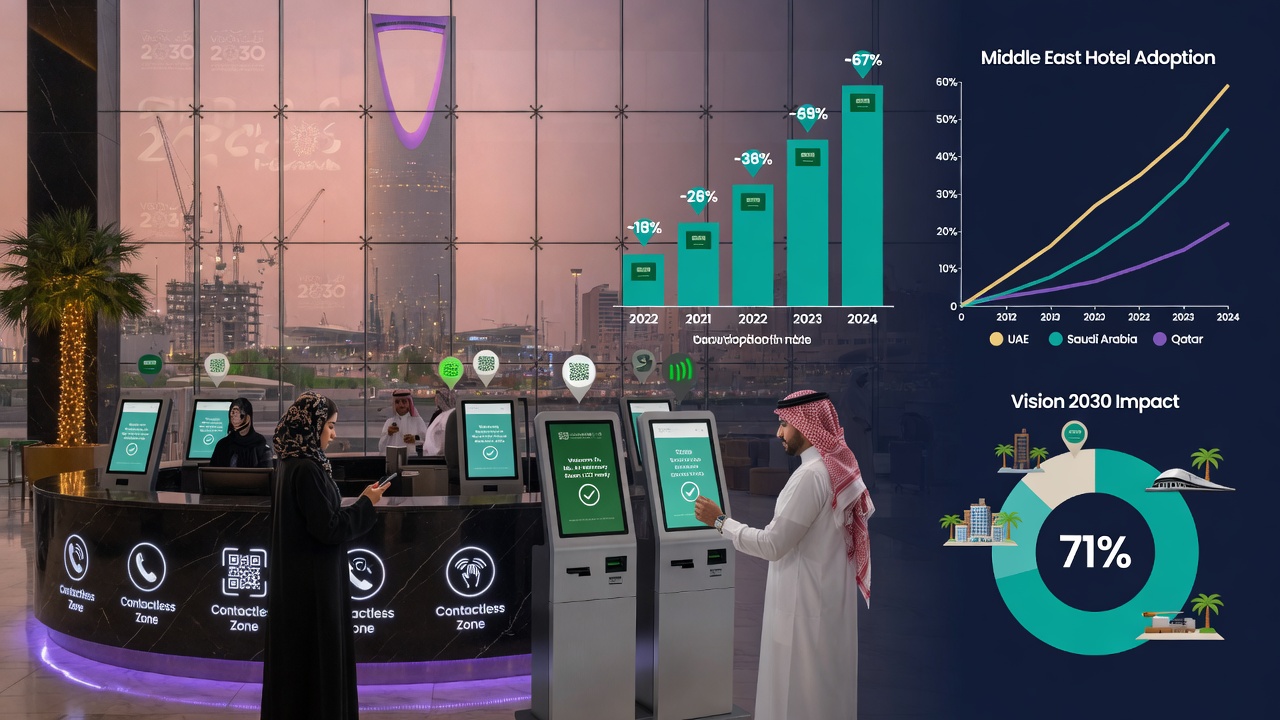
Saudi Arabia’s Vision 2030 housing targets are among the most ambitious in the world. The Kingdom aims to increase homeownership among Saudi citizens to 70% by 2030, up from approximately 47% in 2016. As of early 2026, the rate has already surpassed 64%, placing the target well within reach. The housing allocation program Saudi Arabia is a key driver of this progress.
Several future-forward trends are shaping the evolution of the residential allocation program KSA:
AI-Powered Matching and Predictive Allocation
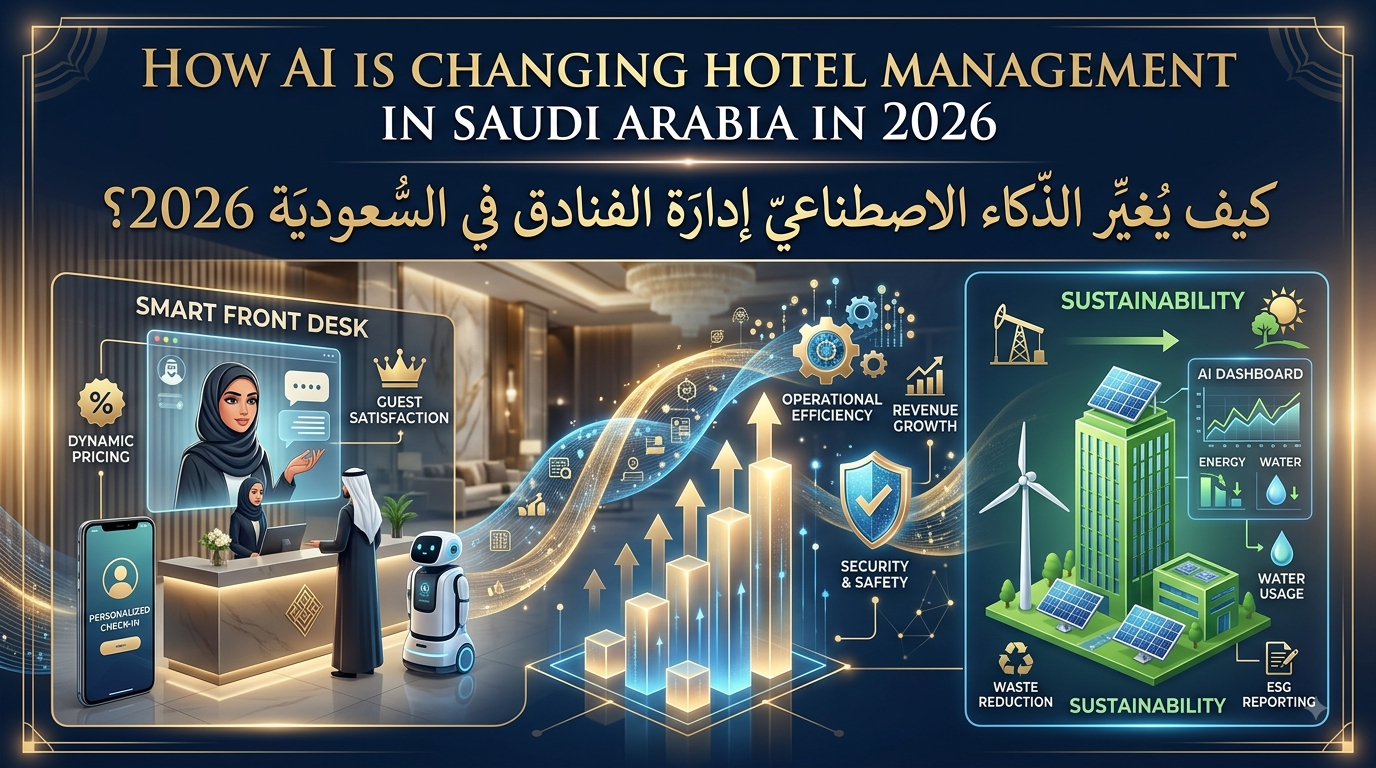
The next generation of the housing placement system will leverage artificial intelligence to predict housing demand based on employment trends, demographic shifts, and infrastructure development. This proactive approach will reduce waiting times further and optimize land use across the Kingdom’s growing urban centers.
Green and Sustainable Housing Communities
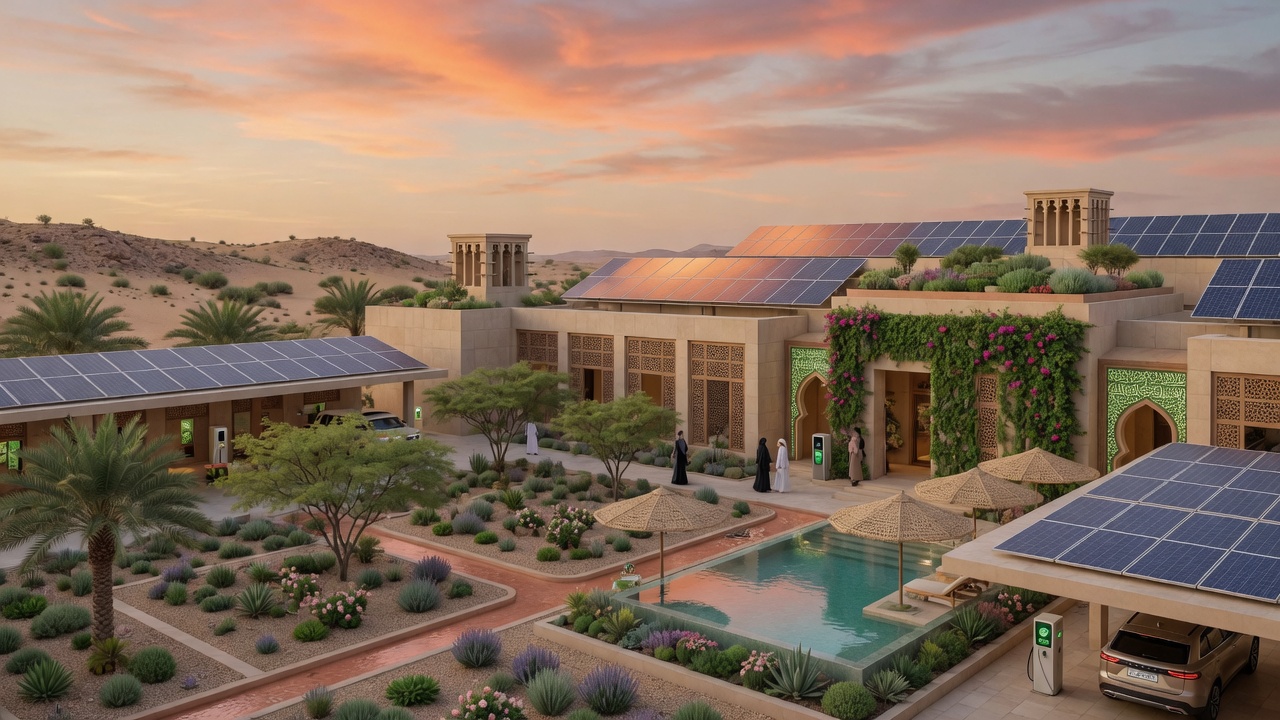
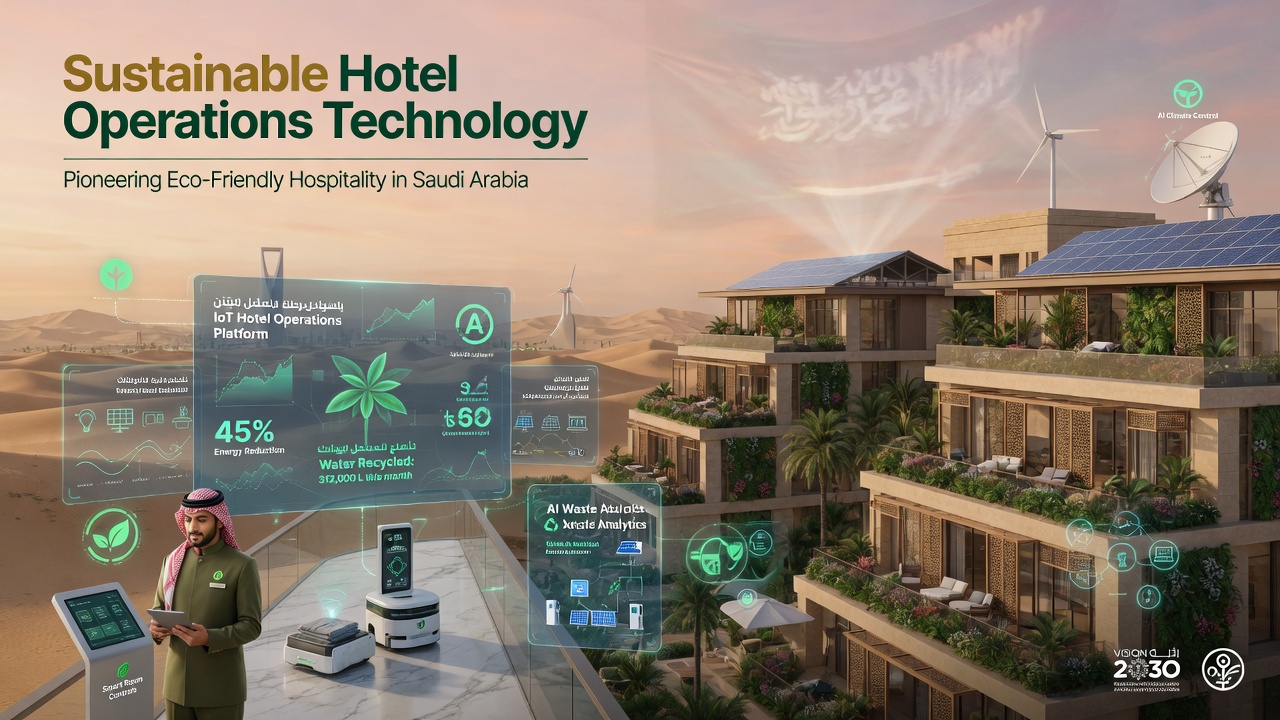
Aligned with the Saudi Green Initiative, new government housing allocation projects are being designed with sustainability at their core — solar panels, greywater recycling, energy-efficient materials, and green building certifications. Employees allocated to these communities will benefit from lower utility costs and a healthier living environment.
Expansion to Semi-Government and Private Sector Partnerships
While the current employee placement housing program focuses on public sector workers, pilot programs are underway to extend similar benefits to employees of strategic private sector entities, particularly those in the technology, renewable energy, and tourism sectors — all pillars of the Vision 2030 economy.
NEOM and Giga-Project Housing Integration
As NEOM, The Red Sea Project, and Qiddiya mature, dedicated housing placement tracks will be created for the tens of thousands of employees staffing these giga-projects. These will feature ultra-modern smart homes with integrated digital services, setting a new benchmark for Vision 2030 housing.
Vision 2030 Housing Target: 70% Homeownership by 2030 — As of Q1 2026, Saudi Arabia has reached 64.2%, driven by accelerated allocation programs, mortgage reforms, and private-sector construction partnerships.
Frequently Asked Questions About the Housing Allocation Program
1. What is the housing allocation program Saudi Arabia and who qualifies?
The housing allocation program Saudi Arabia is a government initiative providing residential units to eligible Saudi citizens, with priority for public sector employees, military personnel, healthcare workers, and educators. Applicants must be Saudi nationals, at least 25 years old or married, employed in the government sector, and must not own a residential property within the last 5 years. Registration is completed through the Sakani digital platform.
2. How do I apply for the employee housing program Saudi Arabia?
To apply for the employee housing program Saudi, first register on the Sakani portal using your Absher credentials. Complete the eligibility assessment, upload required documents (salary certificate, employment verification, family register), select your preferred region and unit type, and await the allocation offer. The entire process is digital and typically takes between 2 to 6 months from application to handover for priority cases.
3. What is the difference between Sakani housing and the housing allocation program?
Sakani housing is the overarching digital platform through which multiple housing programs are accessed, including direct purchase, self-construction financing, and the housing allocation program. The housing allocation program specifically refers to the government-employee-focused track that prioritizes public sector workers for residential unit placement with enhanced subsidies and workplace-proximity benefits.
4. Can non-Saudi residents apply for the government housing allocation program?
No, the government housing allocation program is exclusively for Saudi citizens. Non-Saudi residents may explore alternative housing support through employer-provided accommodation, private rental assistance programs, or specialized expatriate housing schemes that operate separately from the Sakani allocation ecosystem.
5. What are the employee housing benefits in Saudi Arabia under Vision 2030?
Employee housing benefits in Saudi Arabia under Vision 2030 include subsidized mortgage rates as low as 2.59%, zero down payment options for eligible government workers, priority geographic placement near workplaces, full freehold ownership, integrated community facilities, resale flexibility after 5 years, and exemptions from certain property registration fees and taxes.
6. How long does the housing placement system take to allocate a unit?
Processing times vary by applicant category and region. Priority cases (martyrs’ families, remote-area healthcare workers, military personnel) can receive allocation within 2–4 months. Standard government employee applications typically take 4–8 months. The housing placement system has reduced average waiting times from 8.5 years in 2018 to approximately 2.3 years for non-priority applicants as of 2025.
7. Is the residential allocation program KSA available in all cities?
Yes, the residential allocation program KSA covers all 13 provinces of Saudi Arabia, including major cities like Riyadh, Jeddah, Dammam, Madinah, and Makkah, as well as smaller cities and remote regions. Availability of specific unit types may vary by location, with higher inventory concentration in areas undergoing active development under Vision 2030 urban expansion plans.
8. What documents are required for the employee placement housing application?
Required documents include a valid national ID, Absher-registered mobile number, salary certificate from your employer (stamped and dated within 30 days), employment verification letter confirming tenure and position, family register (for married applicants), proof of income (bank statements for 6 months), and any special category documentation (e.g., martyr family certificate, disability verification). All documents must be uploaded digitally through Sakani.
Conclusion: Your Path to Homeownership Starts Here
The Housing Allocation Program represents one of the most impactful social and economic initiatives in modern Saudi Arabia. By providing a transparent, efficient, and equitable housing placement system, the Kingdom is not only building homes but also strengthening families, communities, and the national workforce. Whether you are a teacher in Tabuk, a soldier in the Southern Region, or a ministry employee in Riyadh, the employee housing program Saudi offers a tangible pathway to the security and dignity of homeownership.
With the Sakani housing platform at your fingertips and the full weight of Vision 2030 housing policies behind you, there has never been a better time to explore your eligibility and take the first step. The government housing allocation system has been refined over years of feedback, data analysis, and policy innovation — and it is now more accessible than ever. Understanding how to apply for the housing allocation program Saudi Arabia is no longer a mystery; it is a structured, digital, and citizen-centric process.
As the Kingdom marches confidently toward its 2030 goals, the residential allocation program KSA will continue to evolve, integrating artificial intelligence, sustainable design, and expanded eligibility to serve even more citizens. The dream of owning a home in Saudi Arabia is rapidly becoming a reality for hundreds of thousands of families — and that dream could be yours, too.
Ready to Find Your Home?
Start your journey today on the Sakani platform and explore your eligibility for the Housing Allocation Program. Your future home is waiting.
Tags: housing allocation program Saudi Arabia, employee housing program Saudi, Sakani housing, housing placement system, Vision 2030 housing, government housing allocation, residential allocation program KSA, employee placement housing program, how to apply for housing allocation program Saudi Arabia, employee housing benefits in Saudi Arabia, Sakani housing program eligibility requirements, housing allocation for public sector employees KSA, Vision 2030 housing initiatives Saudi Arabia, government employee housing placement program, Saudi Arabia homeownership program 2026, MOMRAH housing allocation, Saudi housing subsidy program, first-time homebuyer Saudi Arabia, public sector housing benefits KSA
Disclaimer: This article is for informational purposes only. Eligibility criteria, subsidy rates, and program details are subject to change. Always refer to the official Sakani portal and MOMRAH announcements for the most current information. Last updated: May 2026.