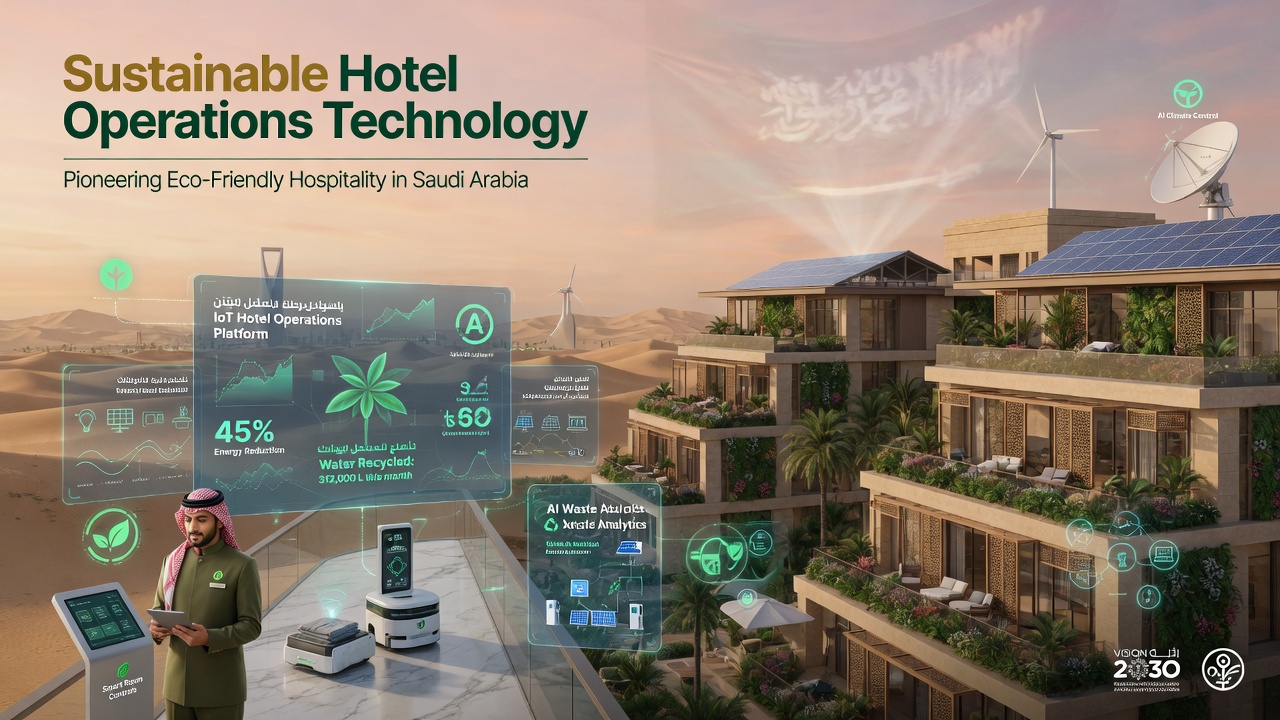
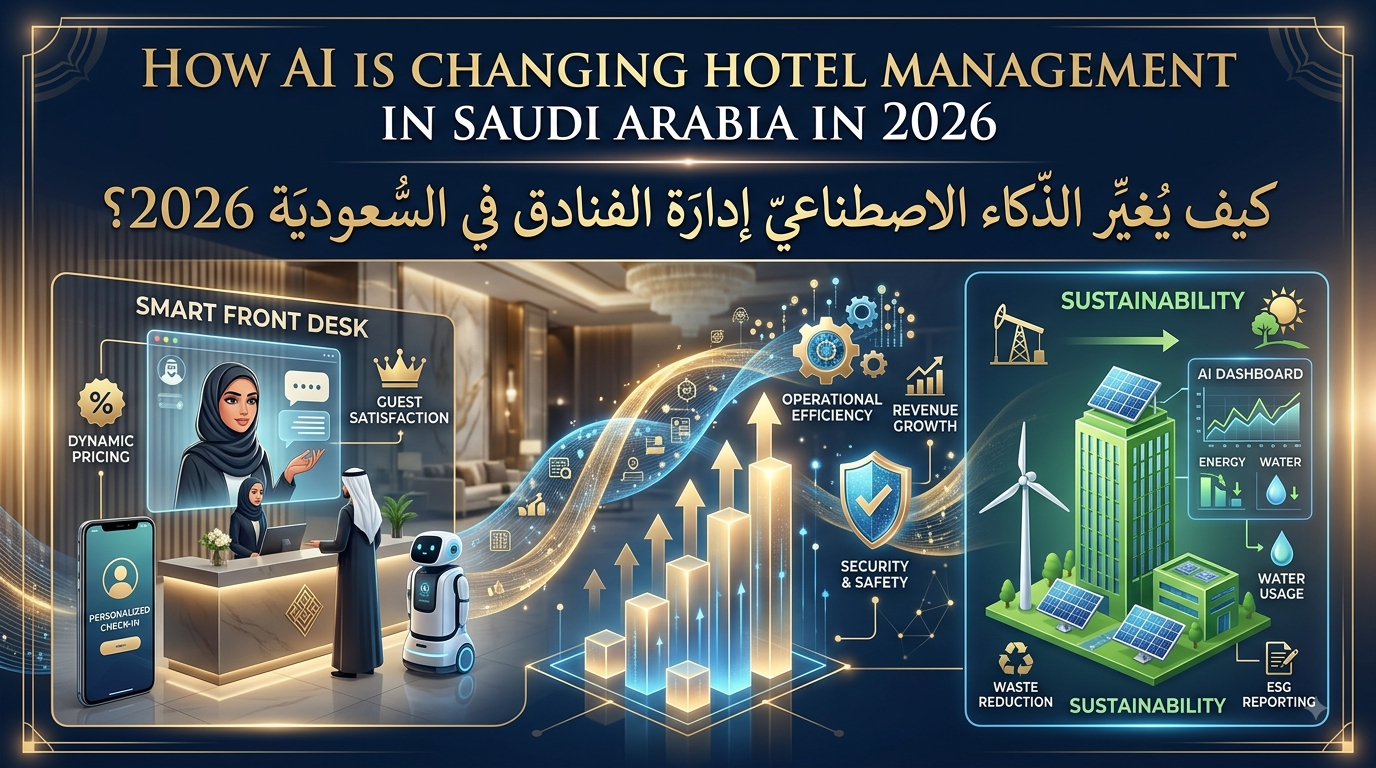
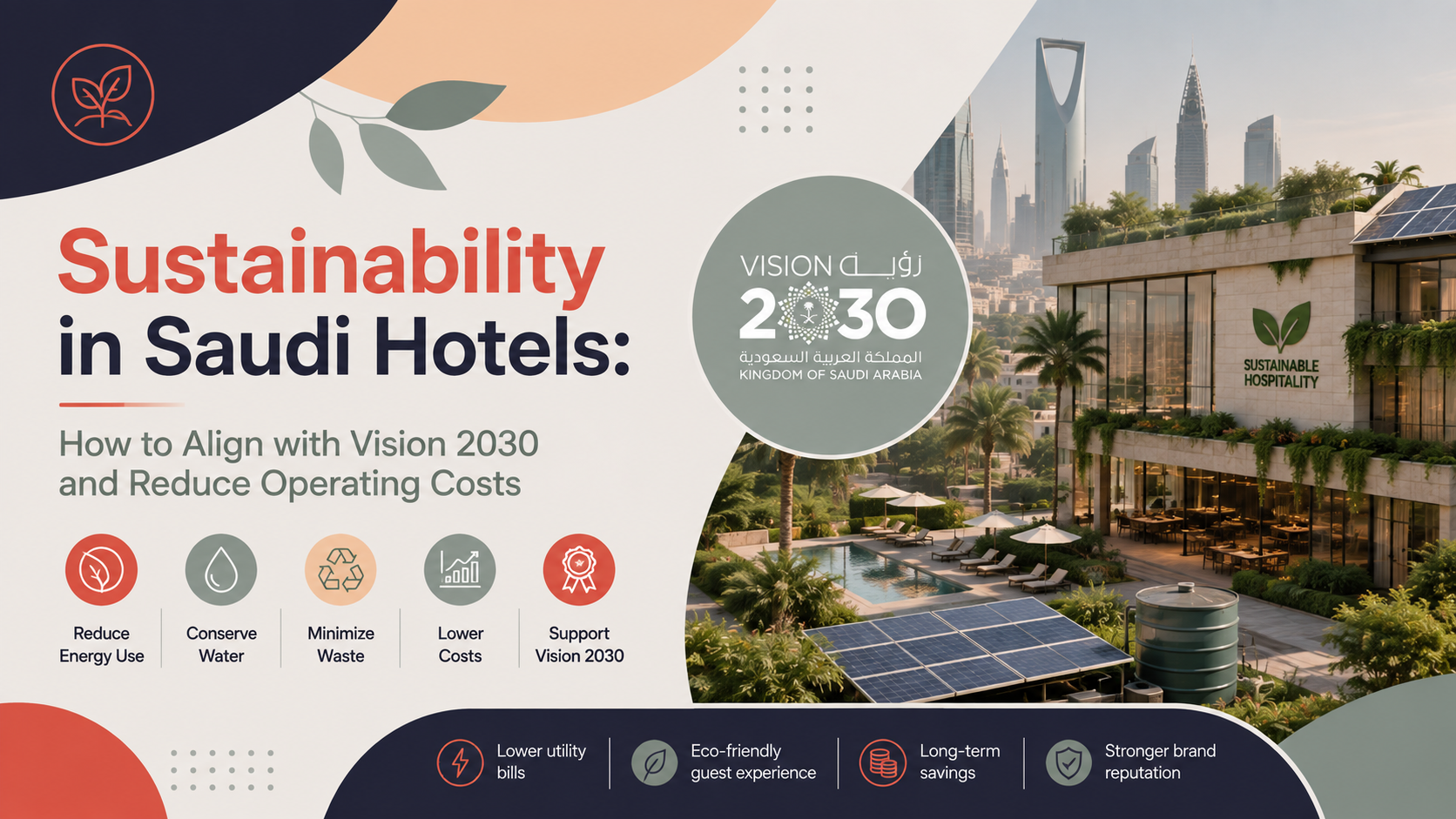
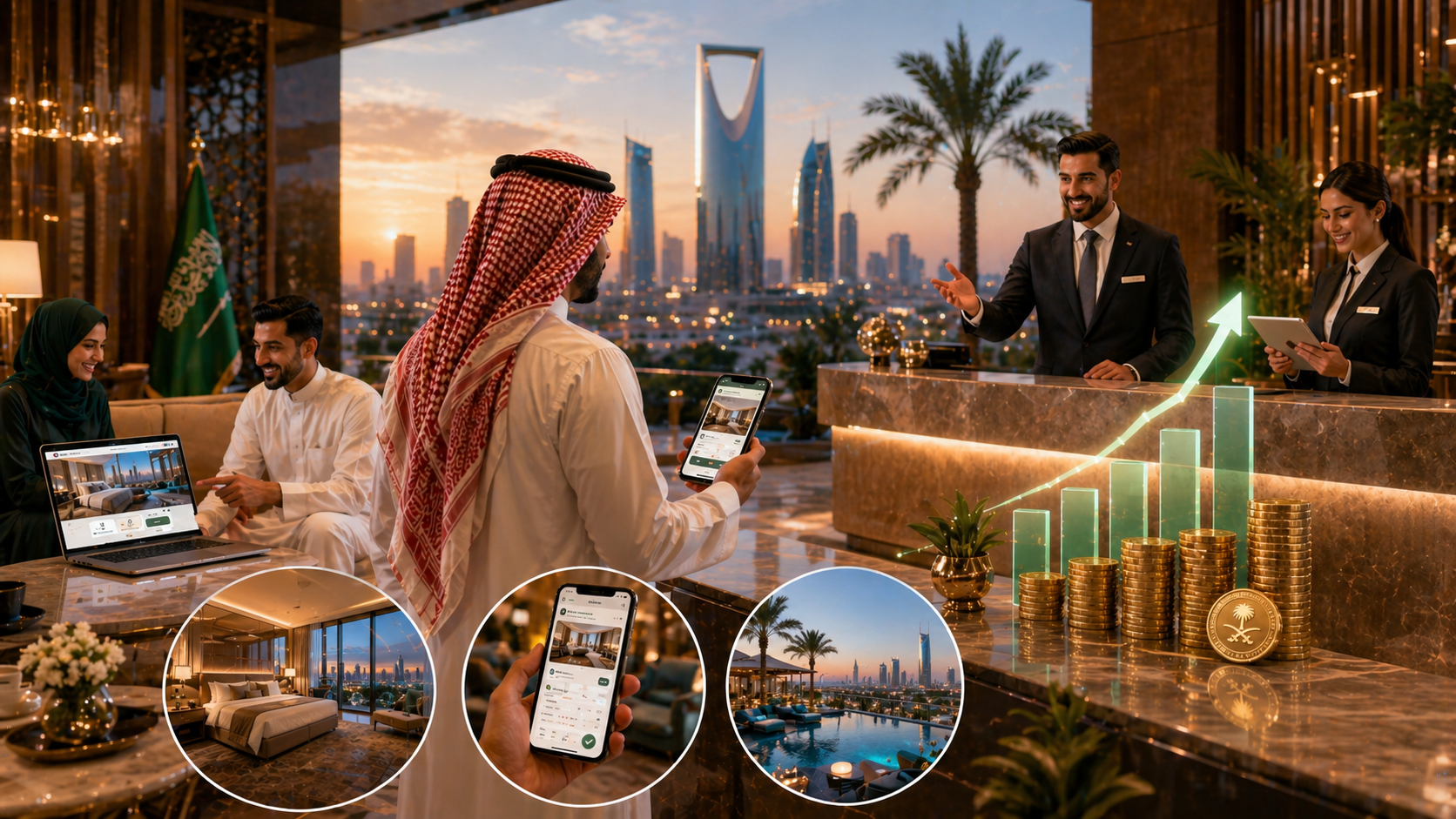
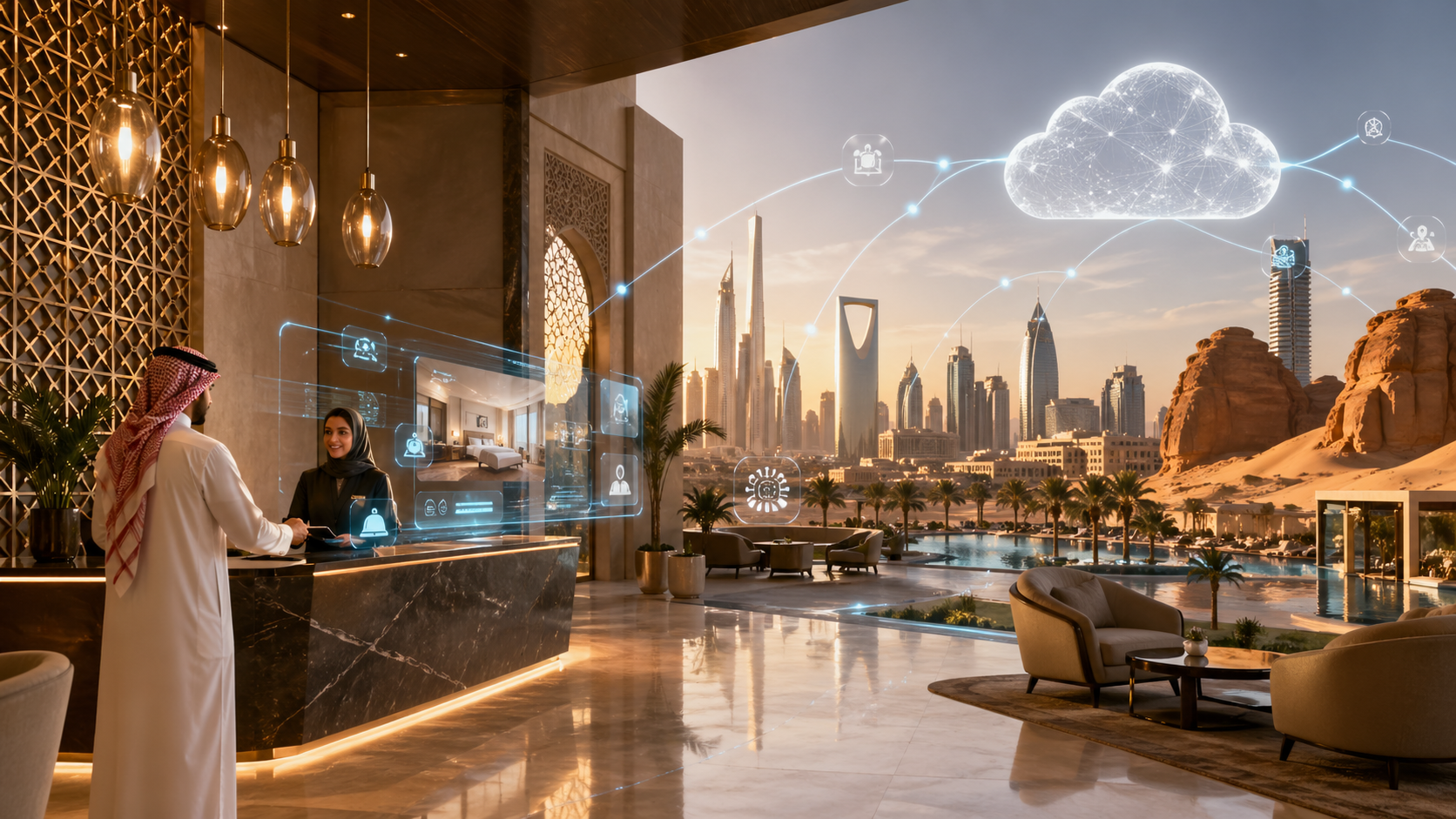
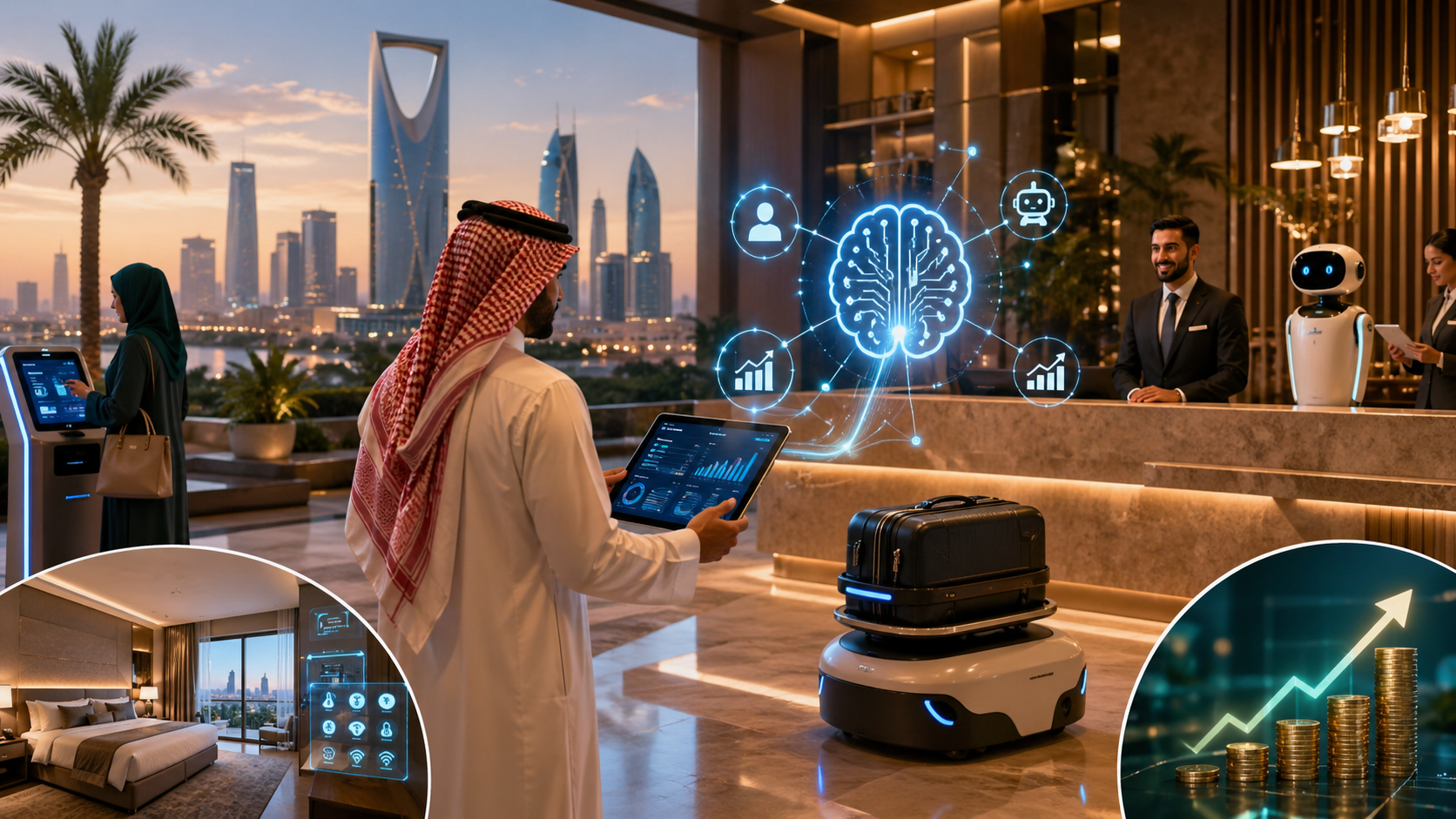
The global hospitality industry is undergoing a green revolution—and technology is the engine driving it. In Saudi Arabia, where Vision 2030 has placed sustainable tourism at the heart of economic diversification, hotels are rapidly adopting cutting‑edge operational technologies to reduce their environmental footprint while enhancing guest experiences. From AI‑powered energy management to IoT‑enabled water conservation, sustainable hotel operations tech is no longer a “nice‑to‑have”—it’s a strategic imperative for profitability, compliance, and brand leadership in the Kingdom’s burgeoning tourism sector.
This comprehensive guide explores how innovative technologies are reshaping hotel operations, why they matter for Saudi Arabia’s unique climate and ambitions, and how properties—from boutique urban hotels in Riyadh to ultra‑luxury resorts along the Red Sea—can harness these tools to achieve both sustainability targets and operational excellence. Whether you’re a hotel owner, operations manager, or sustainability officer, you’ll discover actionable insights and forward‑looking trends aligned with the Kingdom’s green future.
KEY STAT According to the Saudi Green Initiative, the hospitality sector accounts for approximately 8% of the Kingdom’s commercial energy use. Implementing smart building tech can cut energy consumption by 25–40% and water usage by up to 30%—critical savings in a region where resources are precious.
What Is Sustainable Hotel Operations Technology?
Sustainable hotel operations technology refers to the integrated suite of digital tools, hardware, and software solutions designed to minimize a property’s environmental impact while maintaining or improving service quality and profitability. Unlike piecemeal “green” initiatives, modern sustainable tech uses real‑time data, automation, and predictive analytics to optimize resource use across every department—from housekeeping and maintenance to food & beverage and guest services.
At its core, this technology addresses four critical pillars of hotel sustainability:
- Energy efficiency — reducing electricity and fuel consumption through smart HVAC, lighting controls, and renewable integration.
- Water stewardship — monitoring and reducing water usage with leak detection, low‑flow fixtures, and greywater recycling.
- Waste reduction & circularity — tracking waste streams, enabling composting, and digitizing inventory to prevent food waste.
- Carbon footprint management — measuring Scope 1, 2, and 3 emissions and automating reporting for certifications like LEED or Green Key.
In the Saudi context, where summer temperatures soar and water scarcity is a national priority, the adoption of these technologies is not just environmentally responsible—it’s economically essential.
⚙️ Key Technologies Powering Sustainable Hotel Operations
1. Smart Energy Management Systems (EMS)
Energy represents one of the largest operational costs for hotels, especially in Saudi Arabia’s extreme climate where cooling demands are relentless. Smart EMS platforms leverage IoT sensors, machine learning, and cloud analytics to dynamically control HVAC, lighting, and equipment loads based on real‑time occupancy and weather forecasts. For example, when a guest checks out, the system can automatically set the room to a deep‑setback temperature, reducing AC runtime by up to 50% until the next arrival.
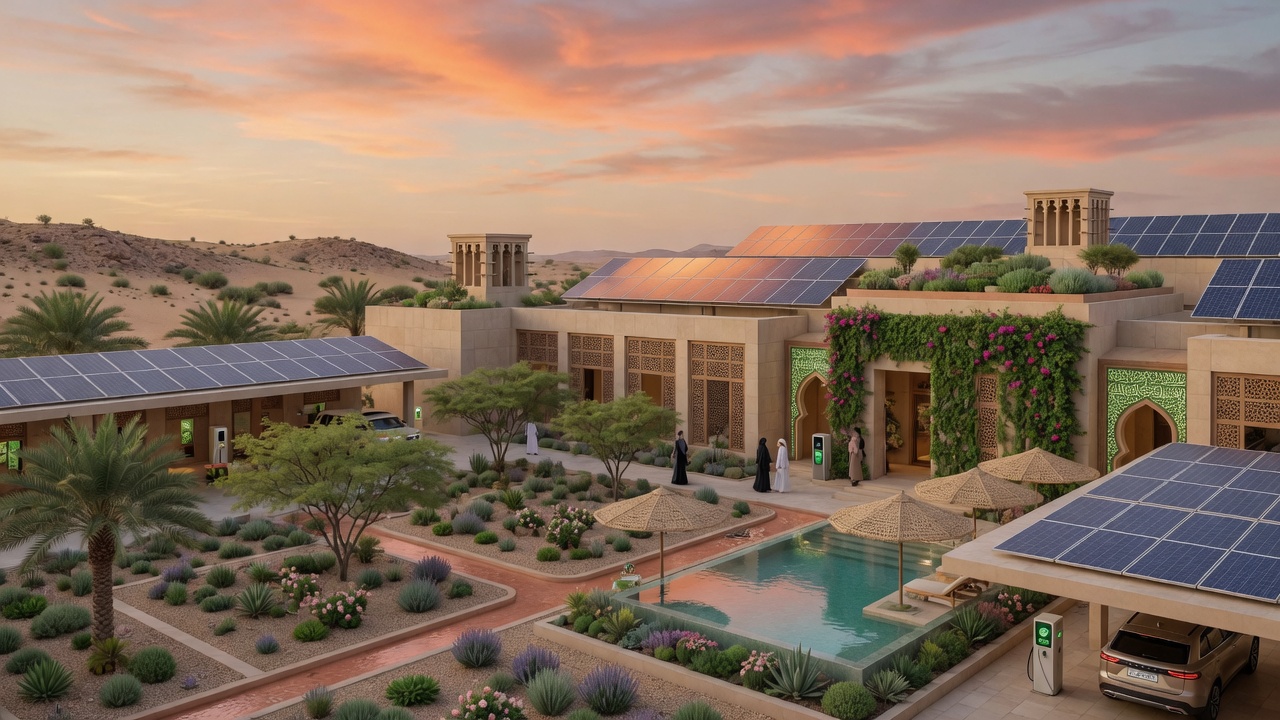
Advanced systems also integrate with on‑site renewable energy sources like rooftop solar panels—a perfect match for Saudi Arabia’s abundant sunshine. By forecasting solar generation and adjusting consumption patterns (e.g., pre‑cooling during peak production hours), hotels can slash grid electricity reliance and lower peak demand charges.
2. IoT‑Enabled Water Management
Water conservation is a cornerstone of Saudi Vision 2030, and hotels are under increasing pressure to reduce their water footprint. IoT water management solutions deploy smart meters and flow sensors across the property—in guest bathrooms, kitchens, laundry, irrigation, and cooling towers. These devices detect anomalies like continuous flow (leaks) or excessive use in real time, sending alerts to maintenance teams via mobile dashboards.
Furthermore, greywater recycling systems paired with smart controls can treat and repurpose water from sinks and showers for toilet flushing or landscape irrigation. In a typical 300‑room hotel, such systems can conserve over 12 million liters of water annually—a substantial saving in arid regions like Riyadh or Jeddah.
3. Waste Analytics & Circular Economy Platforms
Food waste is a notorious challenge in hospitality. AI‑driven food waste tracking systems (e.g., Winnow, Orbisk) use cameras and scales to identify what is being discarded, why, and at what cost. This data empowers chefs and F&B managers to adjust purchasing, portion sizes, and menu design—often cutting food waste by 30–50% and saving thousands of riyals per month.
Beyond the kitchen, digital platforms help hotels manage recycling streams, track single‑use plastic elimination, and connect with local composting or upcycling partners. In Saudi Arabia, where the National Center for Waste Management (MWAN) is pushing for a circular economy, such tech ensures compliance and demonstrates leadership.
4. Smart Building Automation & Guest‑Room Controls
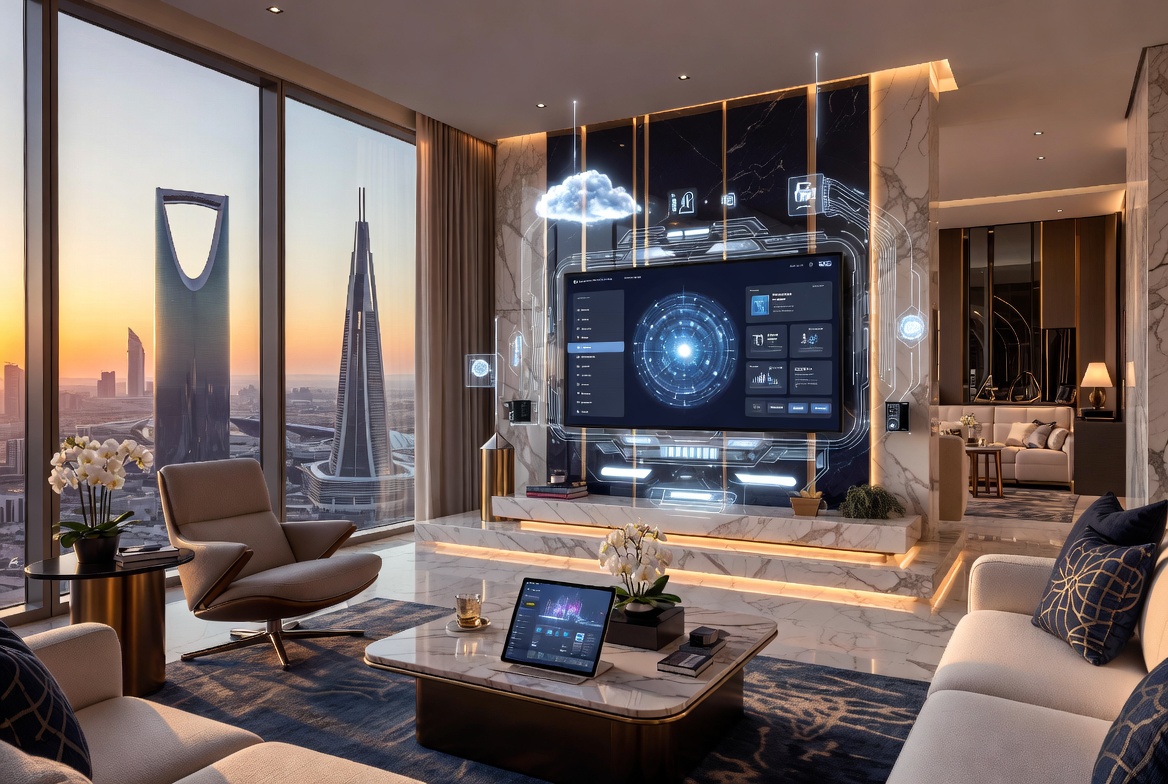
Guest‑room energy management has evolved far beyond key‑card switches. Modern systems use occupancy sensors and connected thermostats that learn guest preferences while maximizing efficiency. Guests can control lighting, blinds, and temperature via a tablet or their own smartphone, enhancing comfort while ensuring that unoccupied rooms aren’t wasting energy. Behind the scenes, building management systems (BMS) optimize entire floors, adjusting ventilation and lighting in corridors and back‑of‑house areas based on time of day and foot traffic.
5. Sustainable Procurement & Supply Chain Tech
Sustainability extends beyond the hotel walls. Digital procurement platforms now enable hotels to source local, organic, and ethically produced goods while tracking supplier sustainability credentials. Blockchain‑based traceability is emerging to verify claims like “locally sourced dates” or “fair‑trade coffee,” adding transparency that appeals to eco‑conscious travelers and aligns with Saudi Arabia’s goal to support local agriculture and SMEs.
PRO TIP: Start with an Energy & Water Audit
Before investing in advanced tech, conduct a detailed audit using temporary IoT sensors. This baseline data reveals the biggest opportunities and ensures you prioritize solutions with the fastest ROI—often lighting upgrades, HVAC scheduling, and leak repairs.
✅ The Multifaceted Benefits of Sustainable Hotel Tech
Adopting sustainable operations technology delivers value far beyond environmental metrics. It reshapes the hotel’s financial resilience, guest loyalty, and competitive positioning.
Significant Cost Reductions
Energy and water savings directly improve the bottom line. According to industry studies, smart building technologies can reduce overall utility costs by 20–35%. For a mid‑size hotel in Saudi Arabia with annual utility bills exceeding SAR 2 million, that translates to savings of SAR 400,000–700,000 per year—funds that can be reinvested into guest experiences or further green upgrades.
Enhanced Guest Experience & Loyalty
Today’s travelers, especially millennials and Gen Z, actively seek eco‑friendly accommodations. A 2024 Booking.com Sustainable Travel Report revealed that 76% of global travelers want to travel more sustainably. In Saudi Arabia, the rise of domestic tourism and international visitors to mega‑projects like NEOM and The Red Sea has heightened expectations for responsible luxury. Smart room controls that allow guests to personalize their environment while knowing they’re minimizing their footprint create a feel‑good factor that drives positive reviews and repeat bookings.
Regulatory Compliance & Future‑Proofing
Saudi Arabia is rapidly advancing its environmental regulations. The Saudi Building Code (SBC) and upcoming energy efficiency standards for commercial buildings will mandate stricter performance. By proactively implementing sustainable tech, hotels avoid costly retrofits later and position themselves as leaders. Moreover, alignment with the Saudi Green Initiative and Vision 2030’s Quality of Life Program can unlock government incentives and favorable financing.
Strengthened Brand Reputation & Marketing Edge
Sustainability is a powerful differentiator in a crowded market. Hotels that can showcase verified green credentials—via certifications like Green Globe, LEED, or the Saudi “Green Hotels” initiative—attract corporate clients with ESG mandates and discerning leisure travelers. The narrative of a tech‑enabled eco‑resort in AlUla or a zero‑waste urban hotel in Jeddah generates compelling PR and social media buzz.
Real‑World Applications: Saudi Arabia’s Sustainable Hospitality Revolution
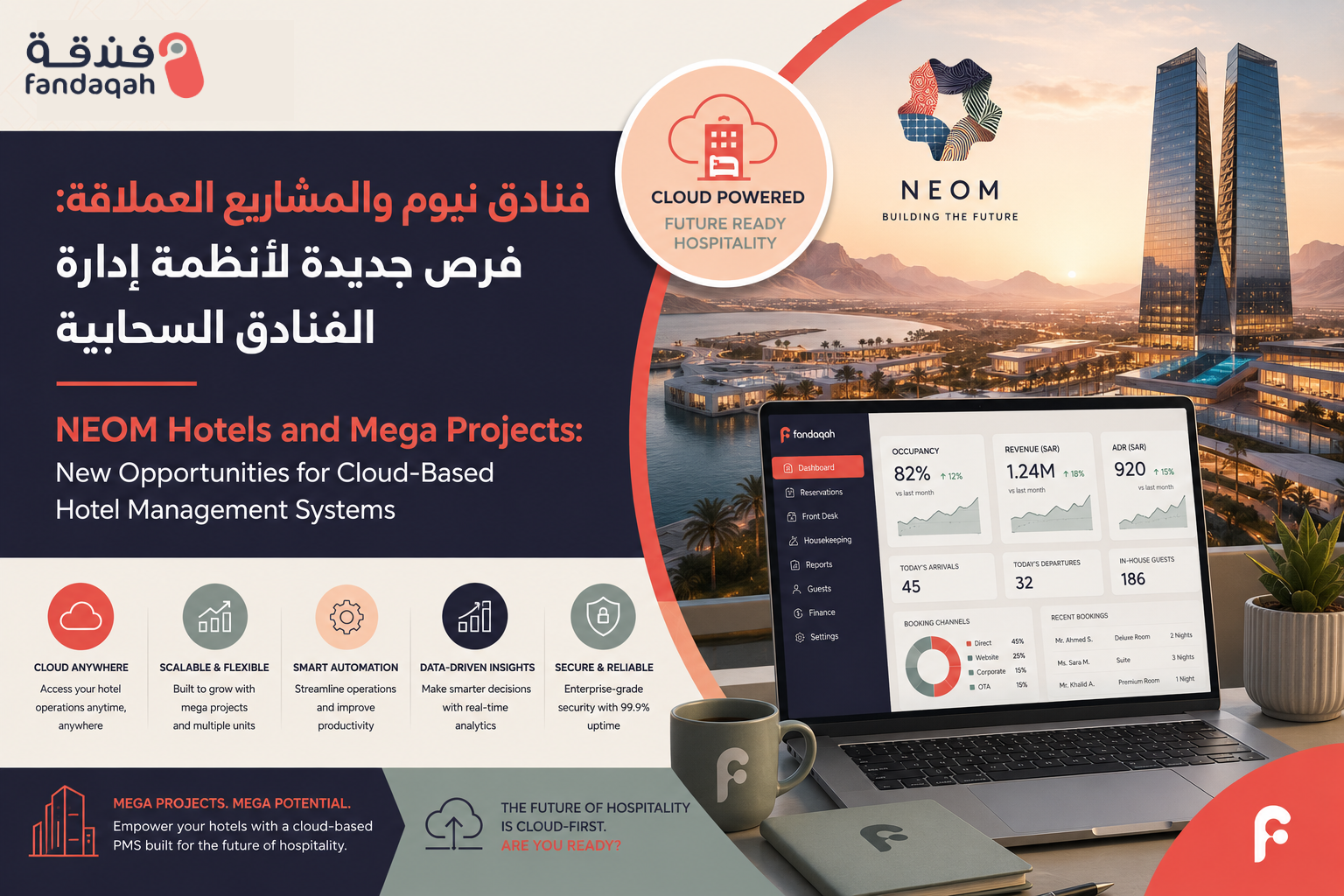
Saudi Arabia is not just talking about sustainable tourism—it’s building it from the ground up. Several flagship projects and existing hotels are already deploying next‑gen operations technology to meet ambitious net‑zero and regenerative goals.
The Red Sea Project: A Global Benchmark
The Red Sea Global (TRSG) destination is designed to be 100% powered by renewable energy and achieve a net‑zero carbon footprint. Behind this vision lies a sophisticated “smart destination” operating system. IoT sensors monitor energy flows from the world’s largest battery storage facility and solar farms, while a central command center optimizes desalination, wastewater treatment, and even marine conservation data. Hotels within the project—such as the Six Senses Southern Dunes and St. Regis Red Sea Resort—use advanced building management systems that are fully integrated with the destination’s sustainability infrastructure.
NEOM: The Cognitive Hotel
NEOM’s hospitality offerings, including the futuristic Sindalah island and Trojena mountain resort, are conceived as “living labs” for sustainable technology. Hotels here will feature AI‑driven resource allocation, autonomous mobility for staff and supplies, and closed‑loop water and waste systems. Guest rooms will be equipped with hyper‑personalized environmental controls that use machine learning to anticipate needs while staying within strict energy budgets. NEOM’s commitment to 100% renewable energy and a circular economy sets a new standard for the region.
Riyadh & Jeddah: Retrofitting Existing Properties
Established hotels in major cities are also embracing sustainable tech. Several five‑star properties in Riyadh’s Diplomatic Quarter have installed smart water meters and AI‑based cooling optimization, achieving 15–20% reductions in utility costs within the first year. In Jeddah, beachfront resorts are deploying solar‑thermal systems for pool heating and laundry, coupled with digital guest engagement platforms that encourage towel and linen reuse.
“Sustainability is no longer an option for Saudi hotels; it’s a cornerstone of our national tourism strategy. Technology is the enabler that turns ambition into measurable results.”
— Saudi Tourism Authority Insight
Traditional vs. Tech‑Enabled Sustainable Hotel Operations
To fully appreciate the impact of technology, it’s helpful to compare conventional practices with a tech‑forward approach.
| Operational Area |
Traditional Approach |
Tech‑Enabled Sustainable Approach |
| Energy Management |
Manual thermostat settings, fixed schedules, reactive maintenance. |
AI‑driven predictive HVAC, occupancy‑based lighting, real‑time analytics. |
| Water Use |
Monthly meter checks, guest awareness signs. |
IoT leak detection, smart irrigation, greywater recycling dashboards. |
| Waste Handling |
Estimated food production, basic recycling bins. |
AI food waste tracking, digital inventory, waste‑to‑value partnerships. |
| Guest Engagement |
Printed cards requesting towel reuse. |
In‑room tablets with real‑time footprint feedback, gamified challenges. |
| Reporting & Compliance |
Manual data entry, annual utility bill review. |
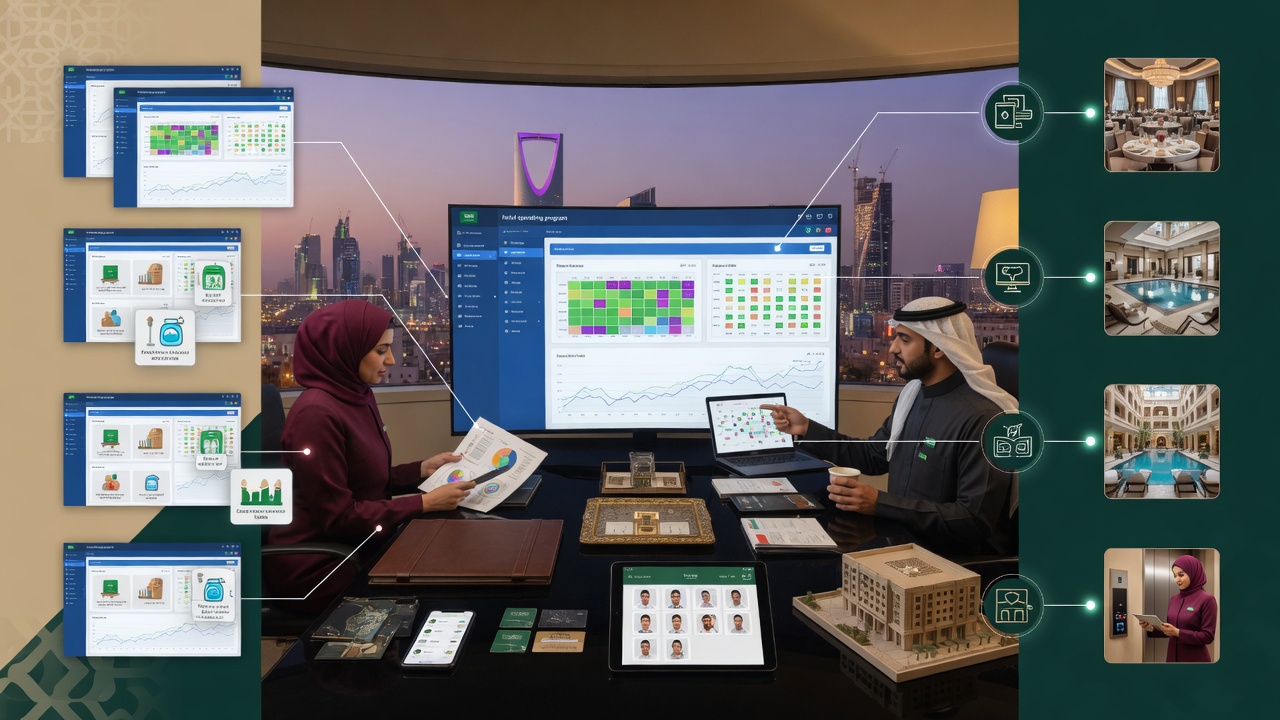
Automated ESG dashboards, carbon accounting, certification ready. |
Future Trends: Where Hotel Sustainability Tech Is Headed
As Saudi Arabia accelerates toward Vision 2030, several emerging technologies will further transform hotel operations. Staying ahead of these trends is essential for long‑term competitiveness.
AI & Predictive Sustainability
Next‑generation AI will move beyond reactive adjustments to predictive resource orchestration. Imagine a system that forecasts a heatwave two days in advance and pre‑cools the building using stored solar energy, then automatically schedules laundry during off‑peak hours. These capabilities will become standard in Saudi Arabia’s giga‑projects.
Blockchain for Transparent Green Claims
Greenwashing is a growing concern. Blockchain technology will enable immutable records of a hotel’s energy mix, water savings, and waste diversion. Guests could scan a QR code and view a verified sustainability ledger, building trust and aligning with the Kingdom’s emphasis on accountability.
⚡ Vehicle‑to‑Grid (V2G) & EV Integration
With Saudi Arabia investing heavily in EV infrastructure, hotels will soon offer smart EV charging that balances grid demand. In the future, hotel parking lots could even become virtual power plants, storing excess solar energy in guest EVs and feeding it back during peak times.
Digital Twins for Holistic Optimization
A digital twin—a virtual replica of the physical hotel—allows operators to simulate changes before implementing them. For instance, a hotel could model the impact of installing a new chiller or retrofitting windows, optimizing for both guest comfort and energy performance. This technology is particularly valuable for Saudi Arabia’s historic building renovations and new eco‑resorts.
Conclusion: A Smarter, Greener Future for Saudi Hospitality
Sustainable hotel operations technology is no longer a distant vision—it’s a tangible, high‑ROI reality reshaping the Kingdom’s hospitality landscape. From the hyper‑connected resorts of the Red Sea to the smart city hotels of NEOM and the retrofitted landmarks of Riyadh, technology is the critical enabler of environmental stewardship and operational excellence.
For hoteliers, the message is clear: investing in smart, sustainable systems today is an investment in resilience, reputation, and long‑term profitability. As Saudi Arabia welcomes the world under Vision 2030, the hotels that lead with technology‑driven sustainability will not only reduce their footprint but also capture the hearts and loyalty of a new generation of conscious travelers.
Ready to Transform Your Hotel Operations?
Whether you manage a boutique hotel in AlUla or a luxury chain in Riyadh, our sustainability technology experts can help you design a customized roadmap that aligns with Vision 2030 and boosts your bottom line.
Schedule a Free Consultation →
Join the Saudi hospitality leaders already reducing costs and carbon.