The Digital Front Desk: Why Hotel Guests Will Choose WhatsApp Over Phone Calls by 2026
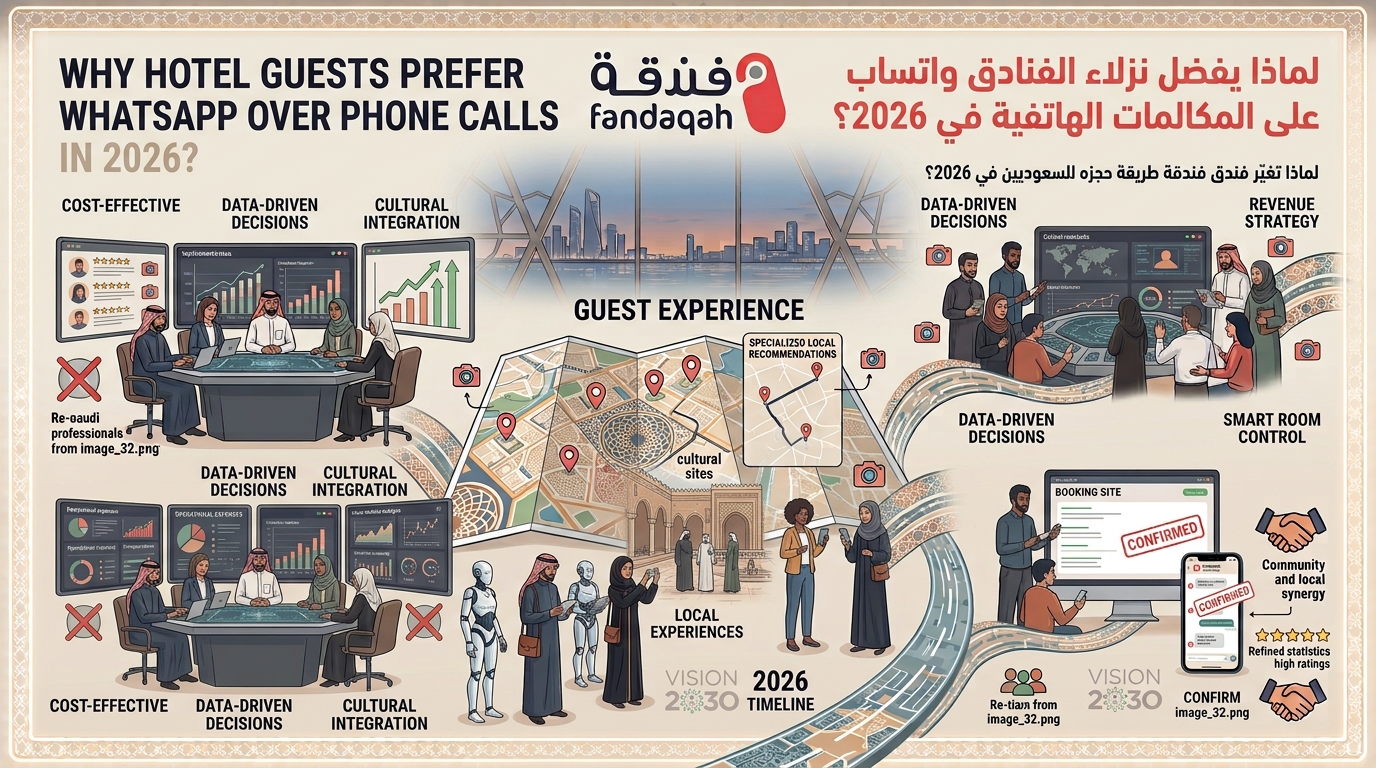
In an ever-connected world, guest expectations for communication are rapidly evolving. For the modern hotel guest, convenience, immediacy, and a personalized experience are paramount. As we look towards 2026, the traditional phone call to the front desk is increasingly being overshadowed by the ubiquitous messaging app: WhatsApp. This shift isn't just a trend; it's a fundamental change in how guests prefer to interact with hotels, driven by technology, lifestyle, and a demand for seamless service.
The Rise of Asynchronous Communication
One of the most significant factors driving the preference for WhatsApp is the power of asynchronous communication. Unlike phone calls, which demand immediate, synchronous attention from both parties, WhatsApp allows guests and hotel staff to communicate at their own pace.
Imagine a guest arriving after a long flight, wanting to know about breakfast hours or requesting extra towels. A phone call requires them to find a quiet spot, mentally prepare for a conversation, and wait on hold. With WhatsApp, they can send a quick message while unpacking, waiting for a lift, or even mid-conversation with a travel companion. The hotel can then respond when a staff member is available, without the guest needing to stay actively engaged. This flexibility aligns perfectly with modern, busy lifestyles, reducing stress and enhancing the overall guest experience.
Instant Answers and Reduced Friction
In an age of instant gratification, waiting on hold for a hotel front desk can be frustrating. WhatsApp bypasses this friction entirely. Guests can send a query and expect a relatively quick response, often within minutes, without the need to speak aloud or interrupt their current activity.
This instant messaging capability is particularly valuable for common requests such as checking Wi-Fi passwords, ordering room service, asking about local attractions, or confirming shuttle times. Instead of navigating an automated phone system or enduring hold music, a simple text message provides a direct line to assistance. This efficiency not only saves guest time but also frees up front desk staff from constantly answering repetitive phone calls, allowing them to focus on more complex in-person interactions.
Personalization and Contextual Communication
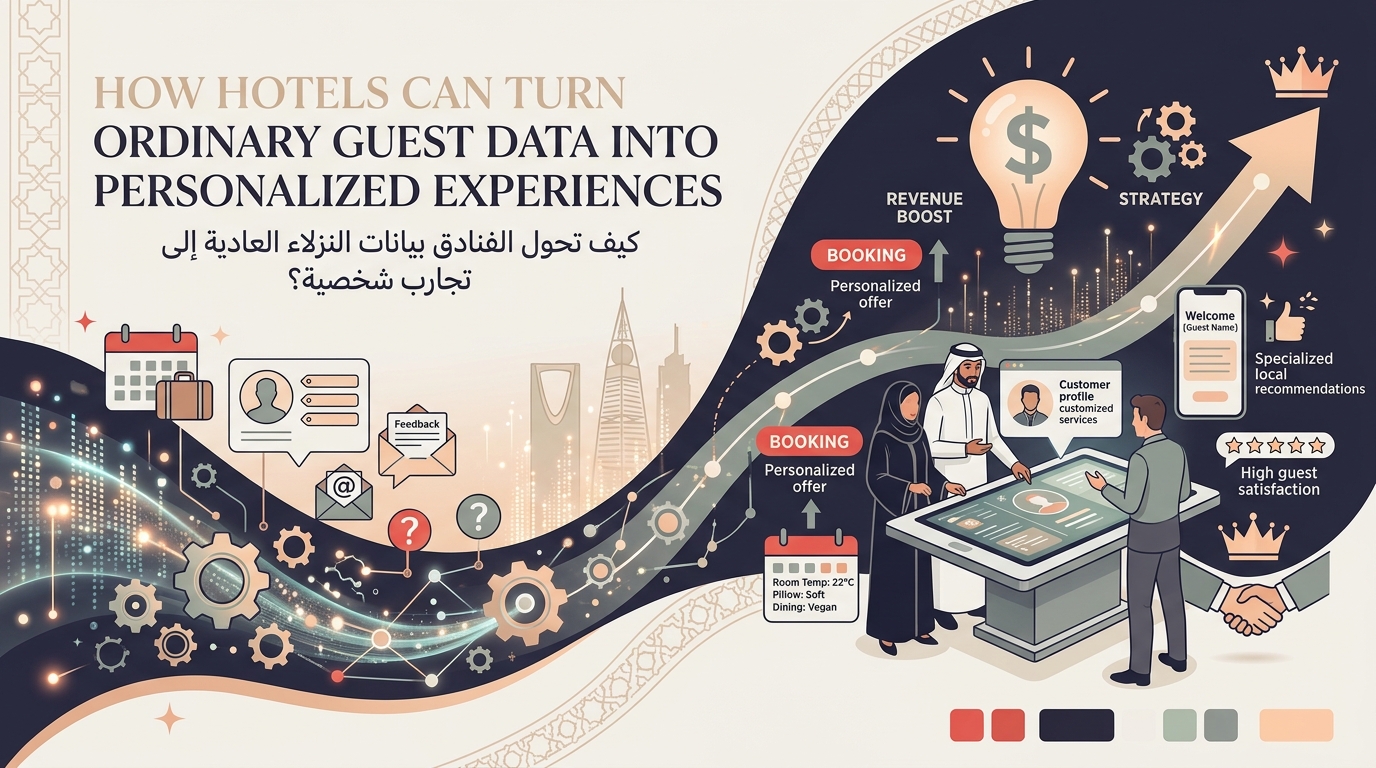
WhatsApp offers a level of personalization that traditional phone calls often lack. Once a guest initiates contact, their conversation history with the hotel remains accessible. This means that staff can easily refer back to previous requests or preferences, providing a more informed and tailored service.
For example, if a guest previously requested a late checkout via WhatsApp, subsequent interactions can acknowledge this, making them feel recognized and valued. Hotels can also use WhatsApp to send personalized updates, such as welcome messages, check-in reminders, local event suggestions, or even wish them a happy birthday if they have that information. This contextual awareness fosters a deeper connection between the guest and the hotel, moving beyond a transactional interaction to a more relationship-focused engagement. Furthermore, emojis and rich media (photos, videos) can be used to convey tone and information more effectively than plain voice alone.
Multilingual Support and Accessibility
Travel is inherently global, and hotel guests come from diverse linguistic backgrounds. While phone calls can present significant language barriers, WhatsApp offers solutions that make communication more accessible. Many guests are comfortable typing in their native language, and modern messaging platforms, often integrated with translation tools, can facilitate easier understanding between guests and staff.
For guests with hearing impairments or those who find phone conversations challenging, WhatsApp provides an invaluable alternative. It ensures that all guests, regardless of their communication preferences or needs, can easily access hotel services and information. This commitment to inclusivity enhances the hotel's reputation and broadens its appeal to a wider demographic of travelers.
Group Communication and Travel Planning
For groups traveling together – families, friends, or business colleagues – WhatsApp is often the default communication channel. Hotels can leverage this by creating temporary group chats for bookings, allowing all members of a party to receive updates, ask questions, and coordinate directly with the hotel.
Imagine a family arriving with different flight times. A single WhatsApp group allows the hotel to update everyone on airport pick-ups, room readiness, and shared activities, eliminating the need for multiple individual phone calls or relaying messages. This streamlined approach to group communication simplifies travel planning and reduces stress for both the guests and the hotel staff, ensuring everyone is on the same page.
The Future is Frictionless: Integrating WhatsApp into Hotel Operations
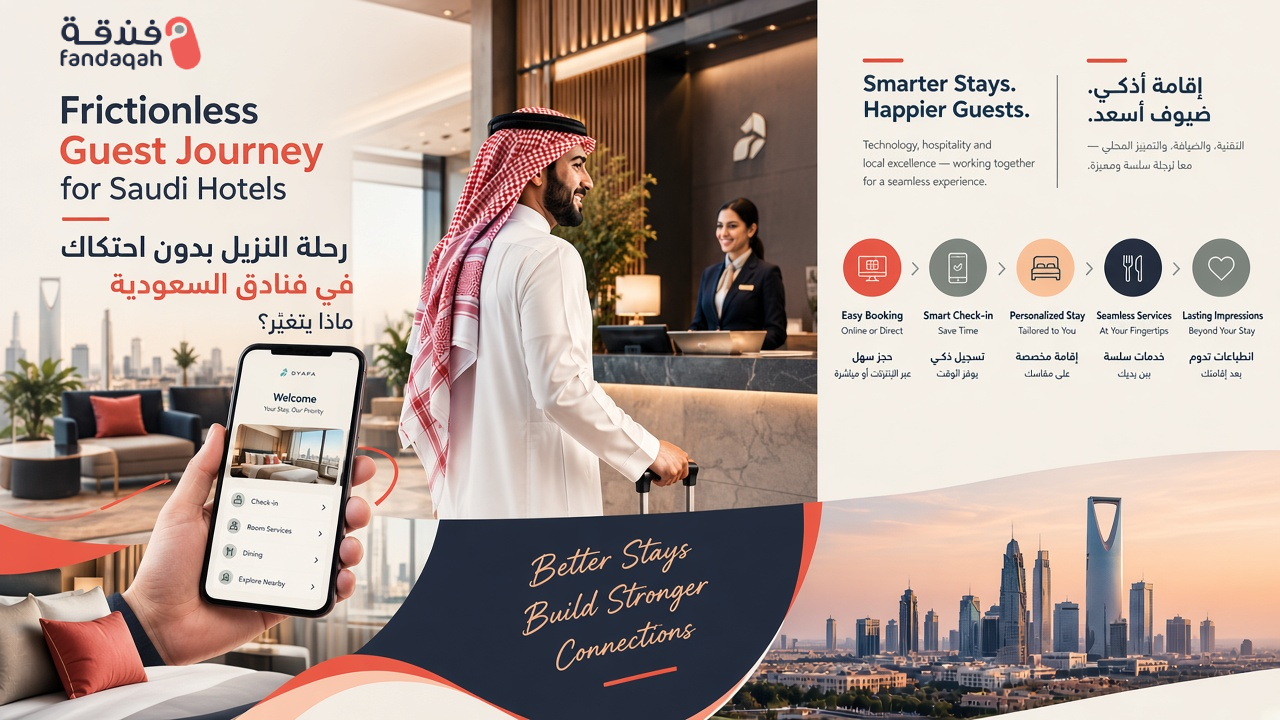
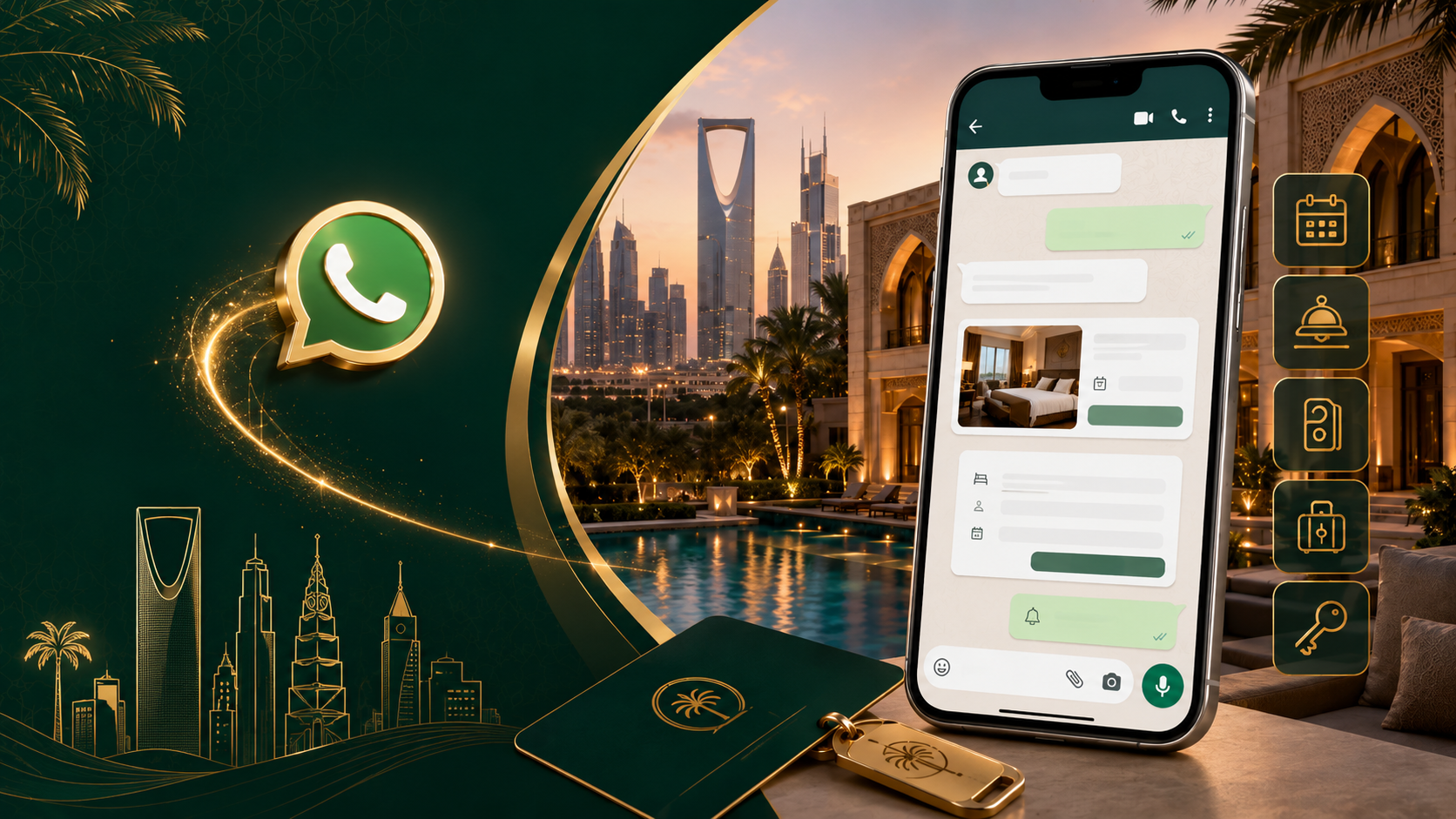
By 2026, hotels that embrace WhatsApp will be seen as forward-thinking and guest-centric. The platform's ability to handle everything from pre-arrival queries and check-in assistance to in-stay requests, dining reservations, and post-stay feedback makes it an indispensable tool. It's not just about replacing phone calls; it's about creating a holistic, frictionless communication ecosystem.
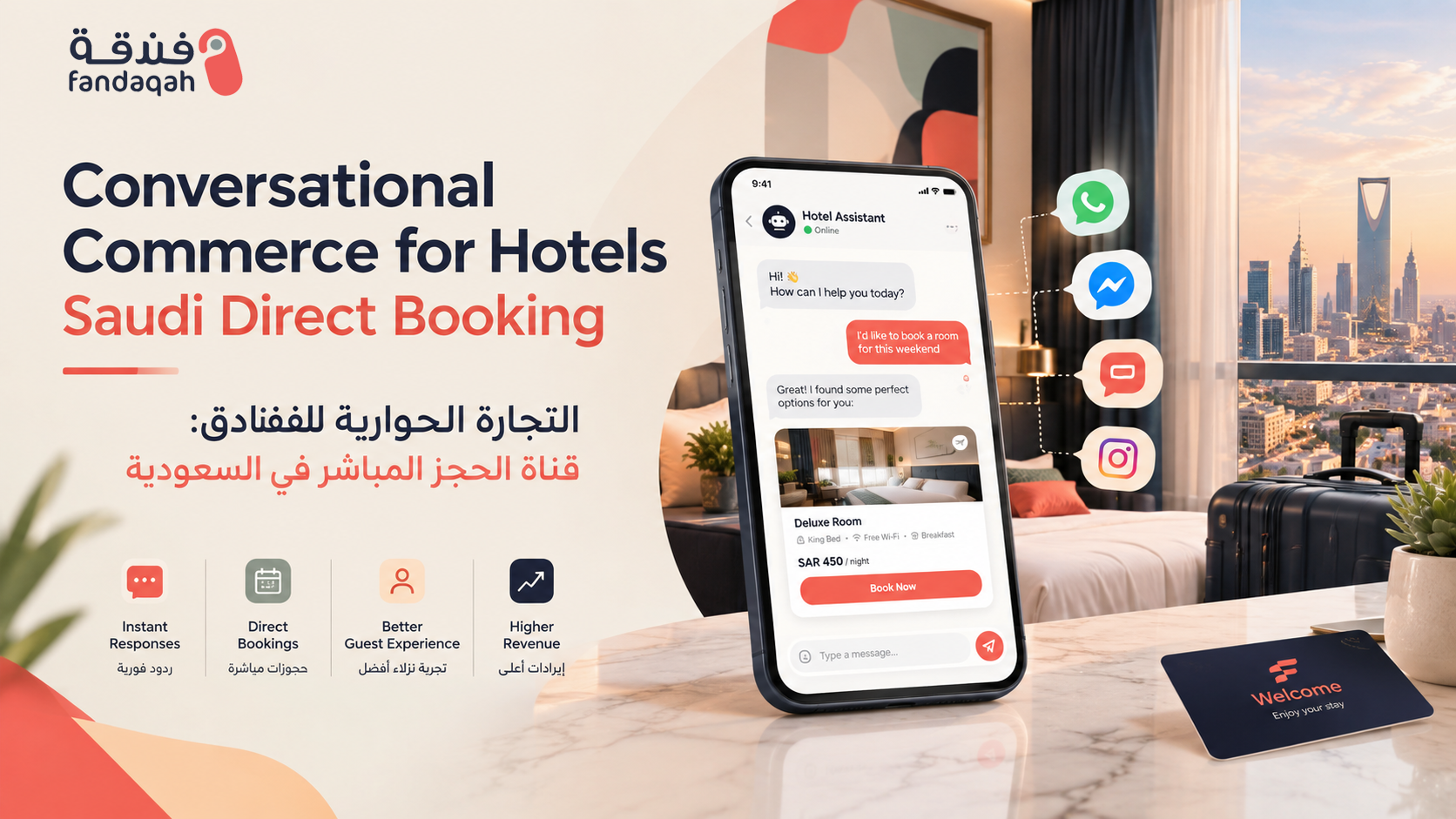
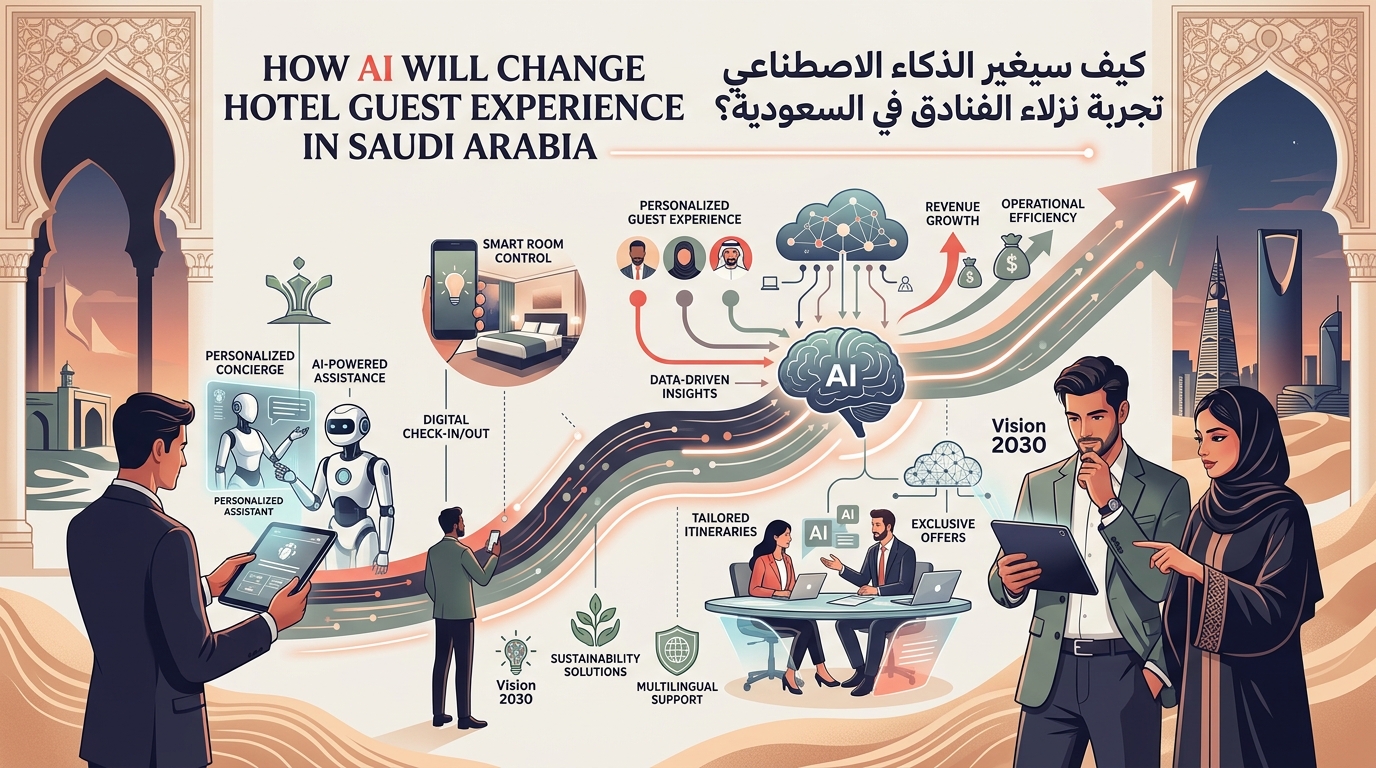
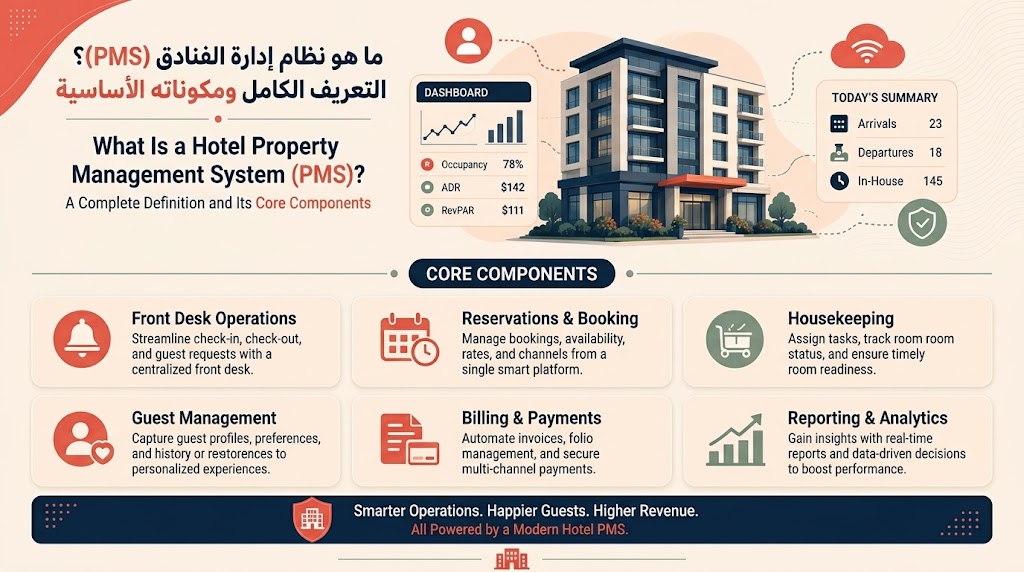
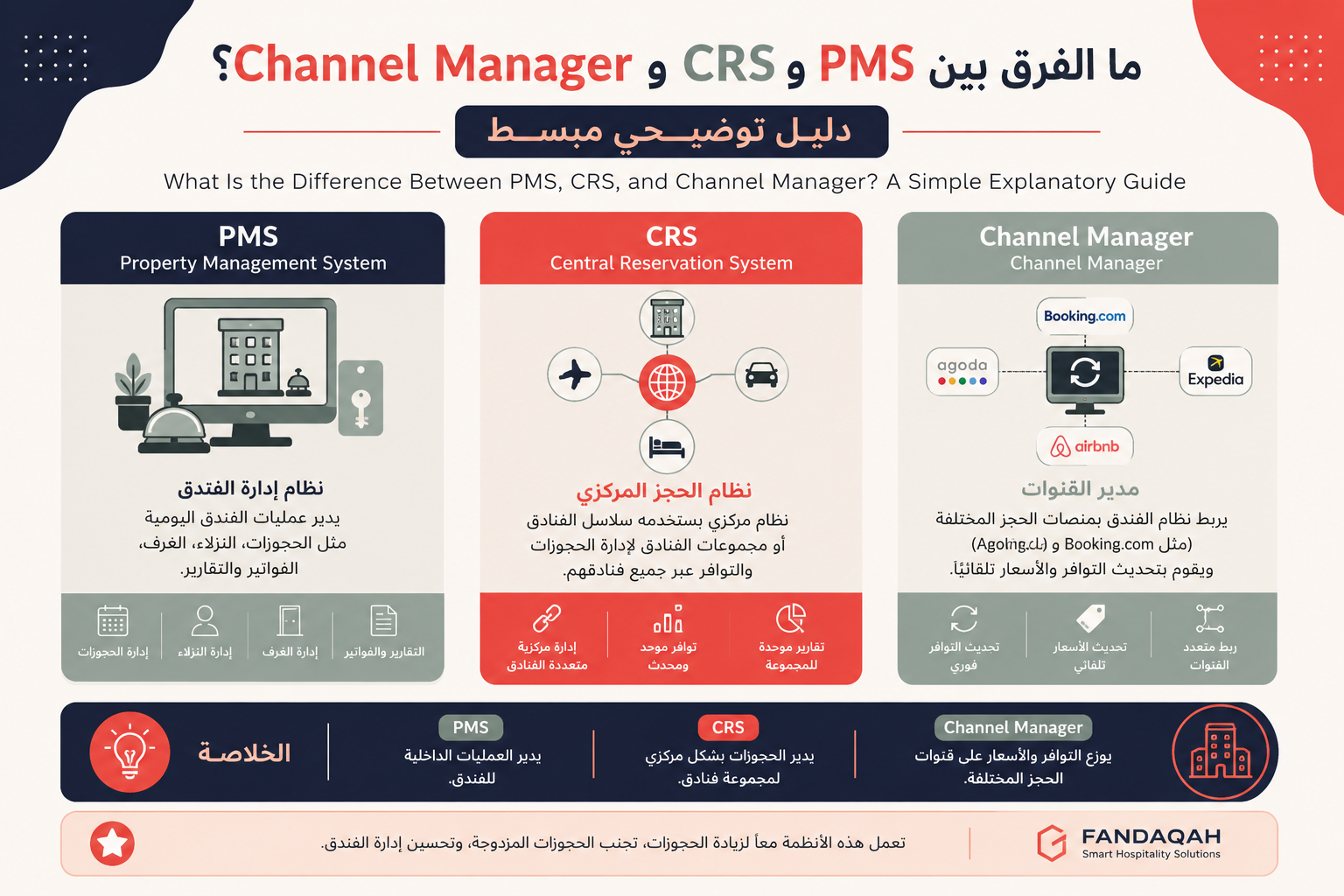
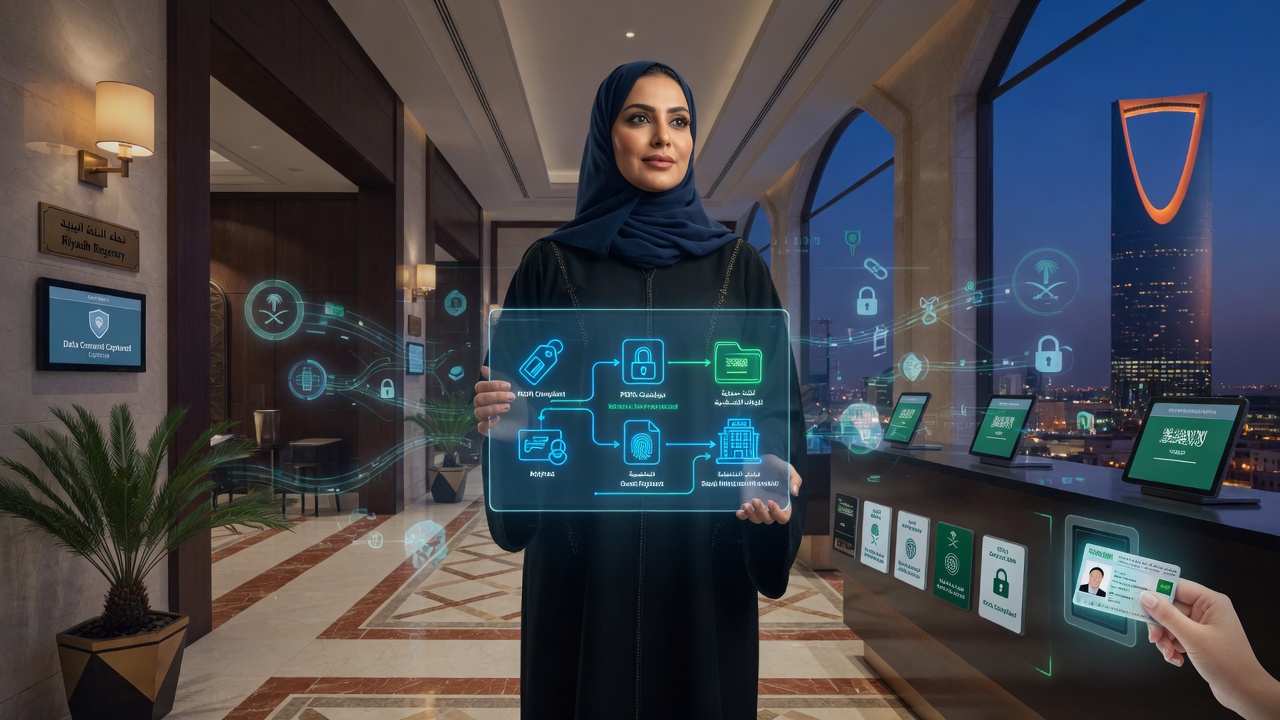
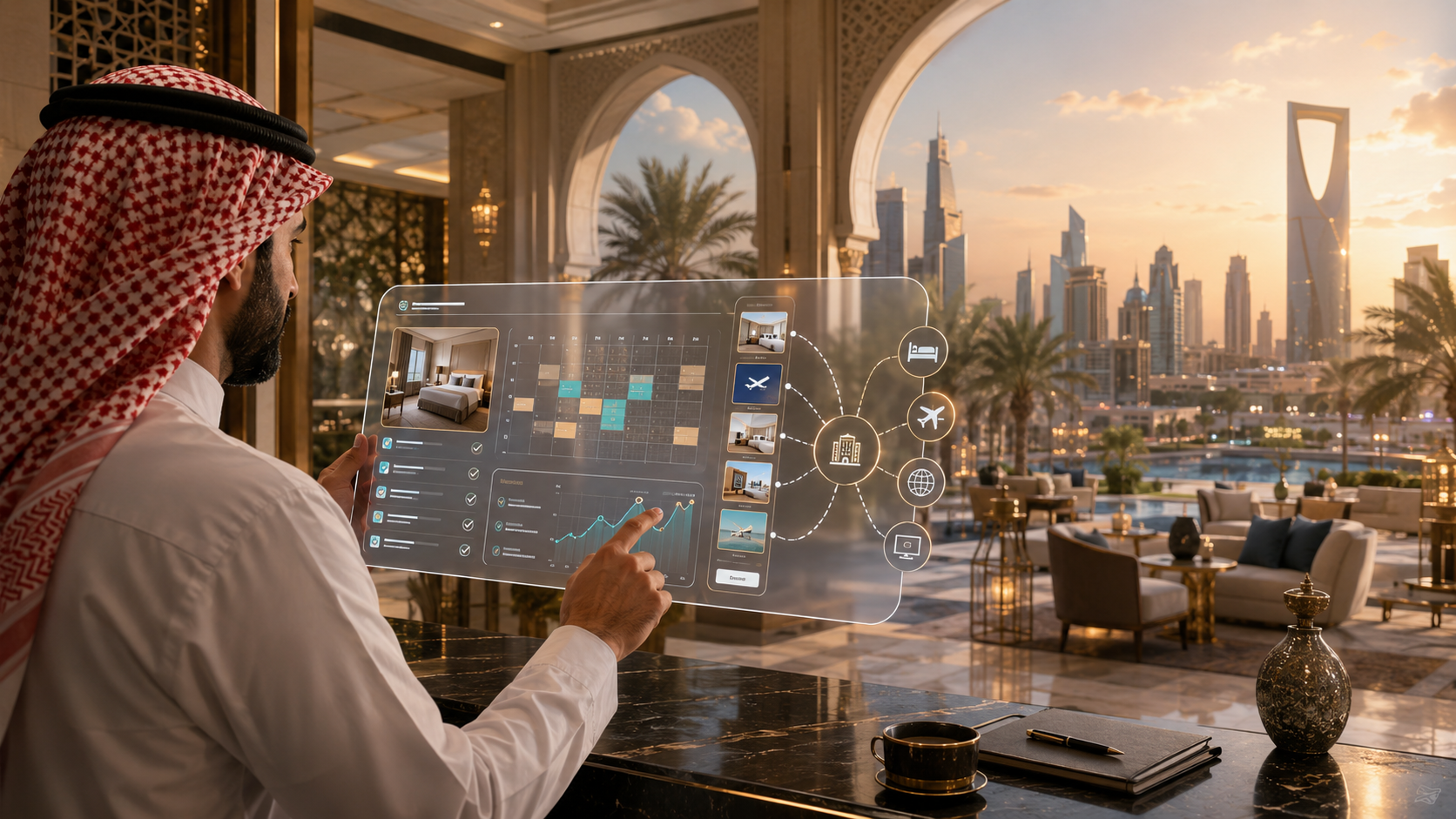
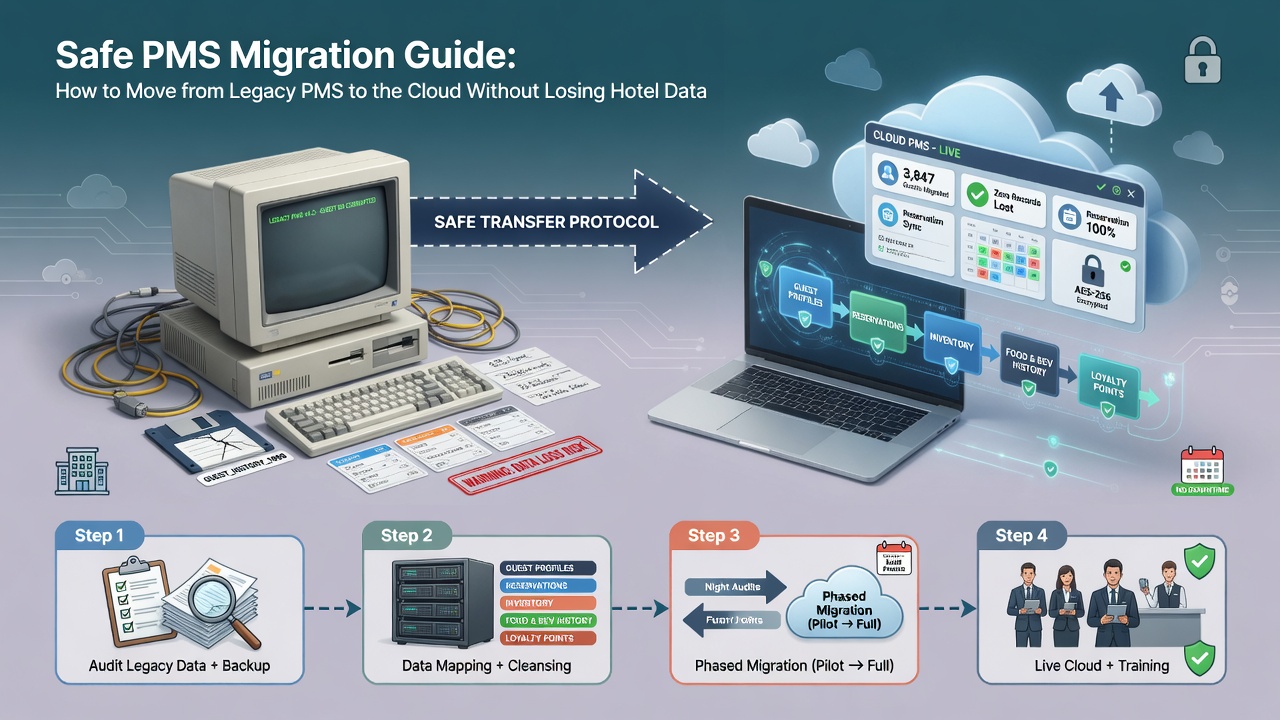
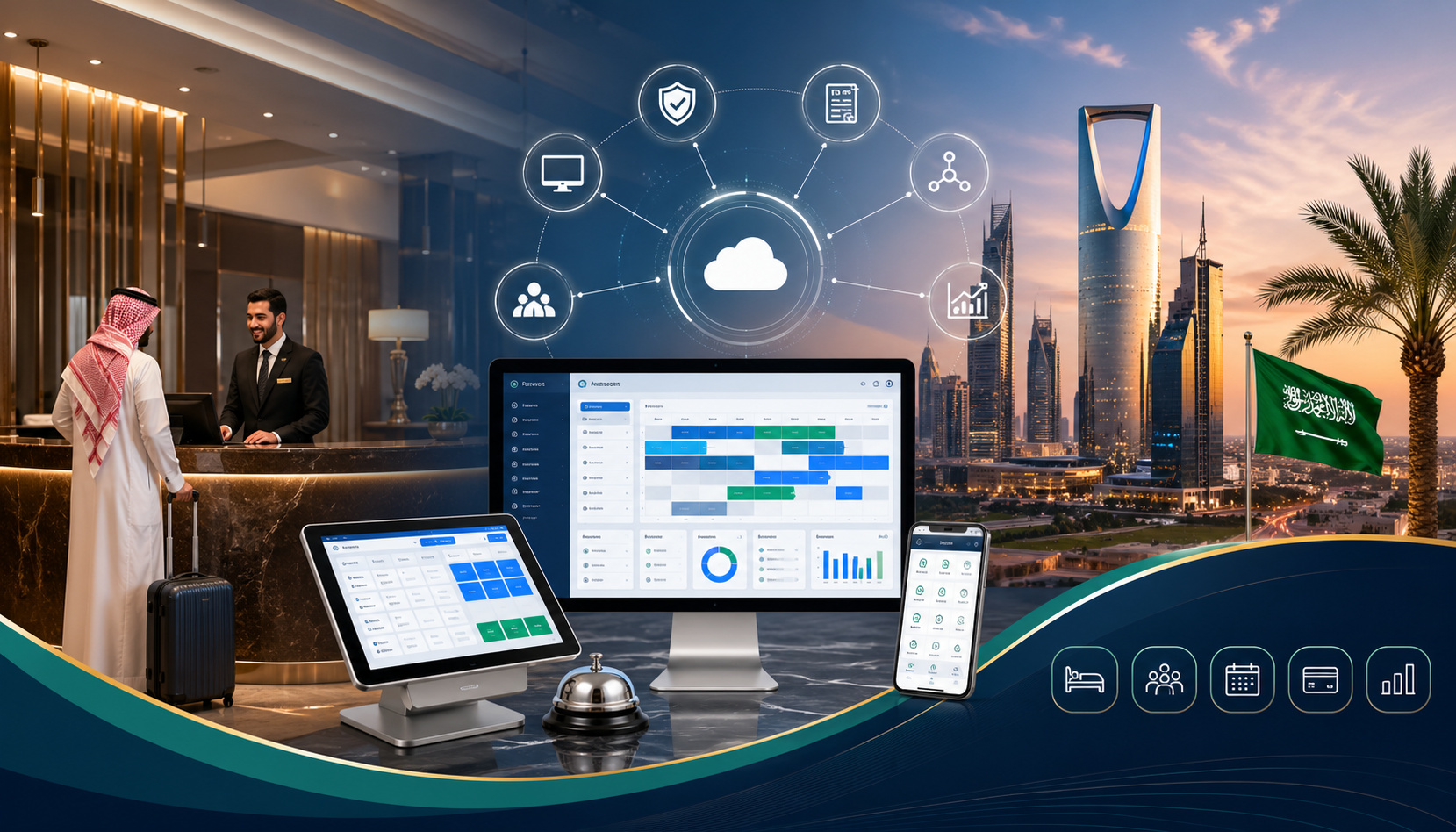
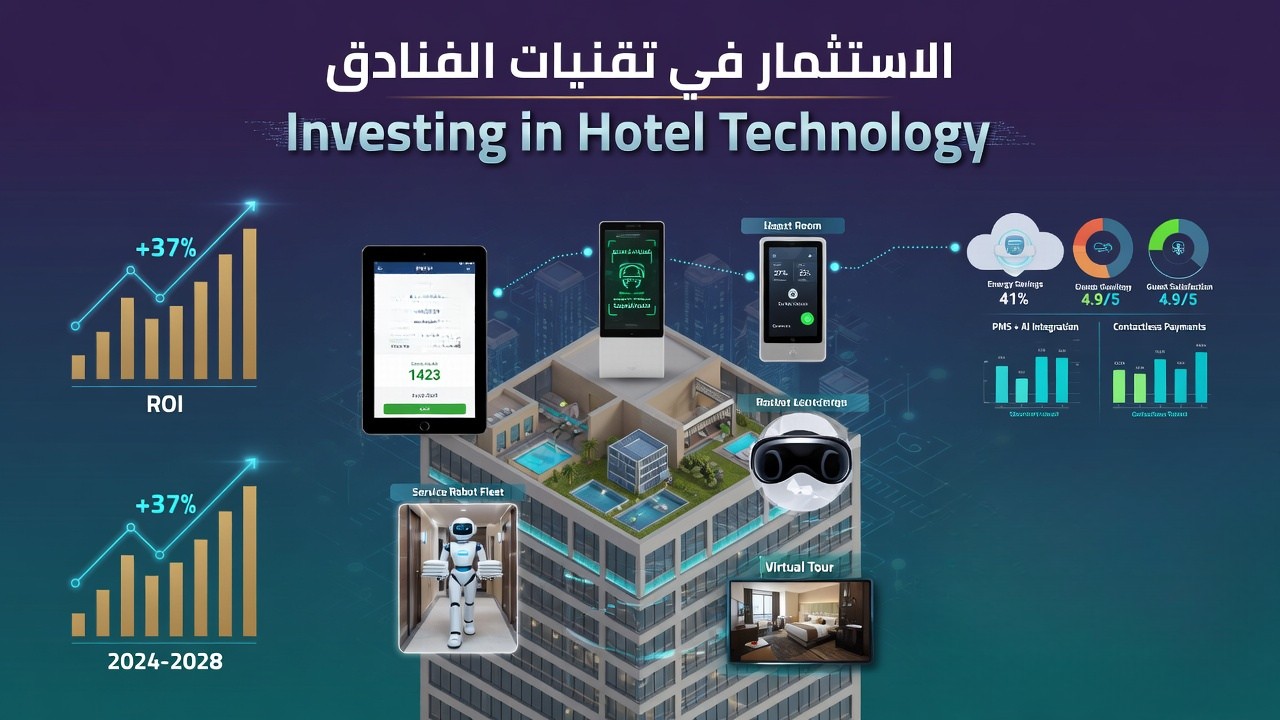
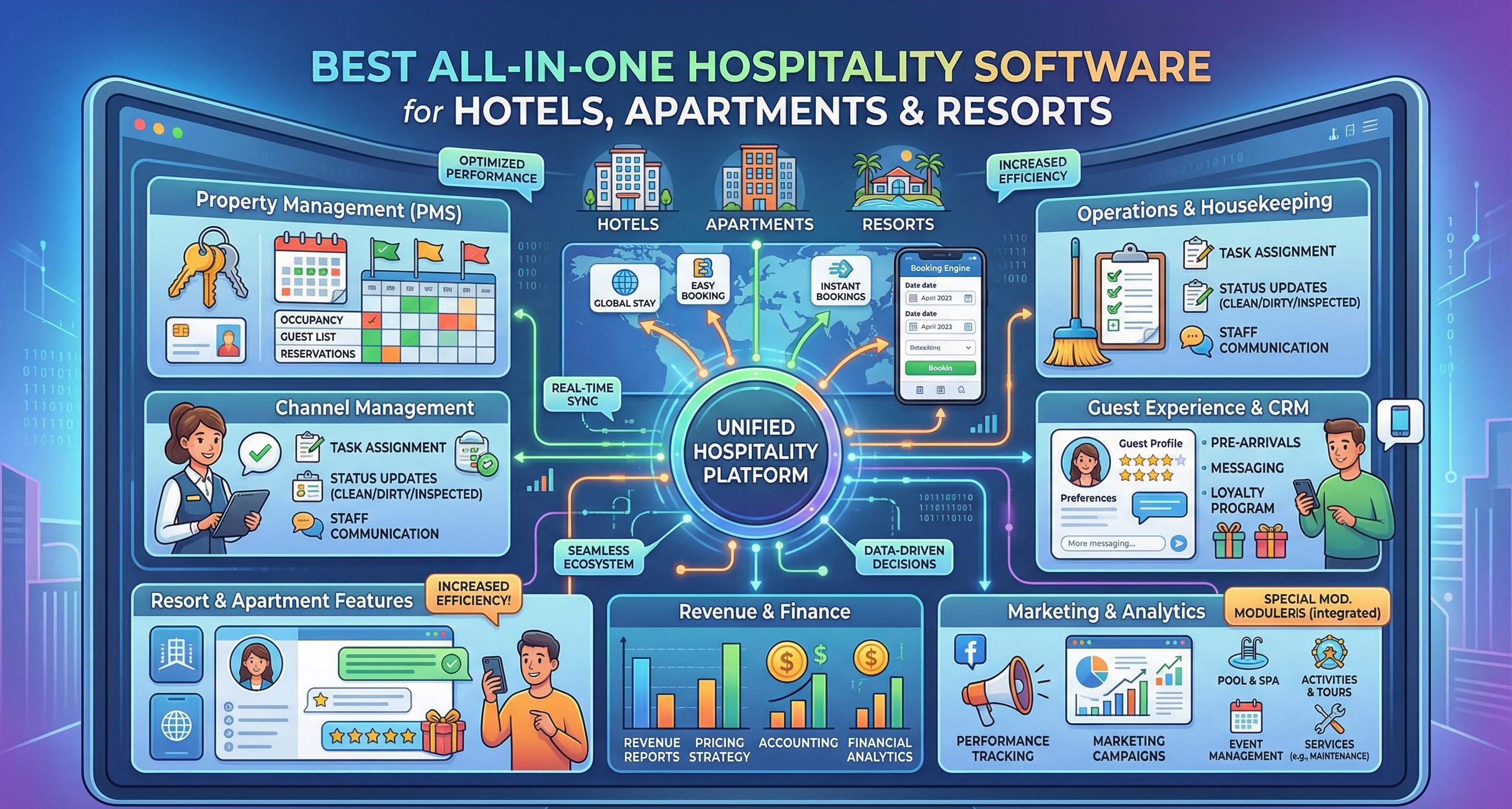
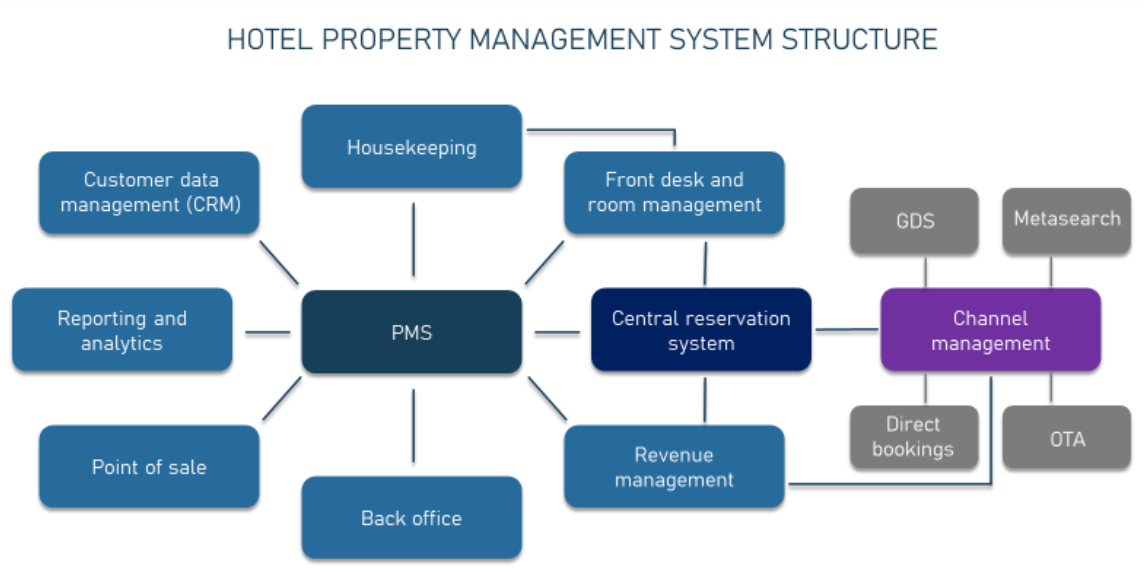
Furthermore, integrating WhatsApp with hotel property management systems (PMS) and customer relationship management (CRM) tools can automate responses to frequent questions, route messages to the appropriate departments, and store guest preferences for future visits. This technological synergy enhances operational efficiency while simultaneously elevating the guest experience to new heights. The data collected from these interactions can also provide invaluable insights into guest needs and service improvements.
Conclusion: Adapting to the Modern Guest's Preferences
The shift from phone calls to WhatsApp in hotel communication is not merely a technological upgrade; it's an adaptation to the modern traveler's preferences for convenience, immediacy, personalization, and seamless interaction. By 2026, hotels that prioritize digital messaging will not only meet guest expectations but also gain a significant competitive advantage. Embracing WhatsApp means fostering deeper connections, streamlining operations, and ultimately, delivering a superior and more memorable guest experience.
Take Action: Is your hotel ready for the digital-first guest? Explore integrating WhatsApp Business solutions to transform your guest communication strategy and stay ahead in the evolving hospitality landscape.