Last Updated: May 2026 | Reading Time: 15 Minutes
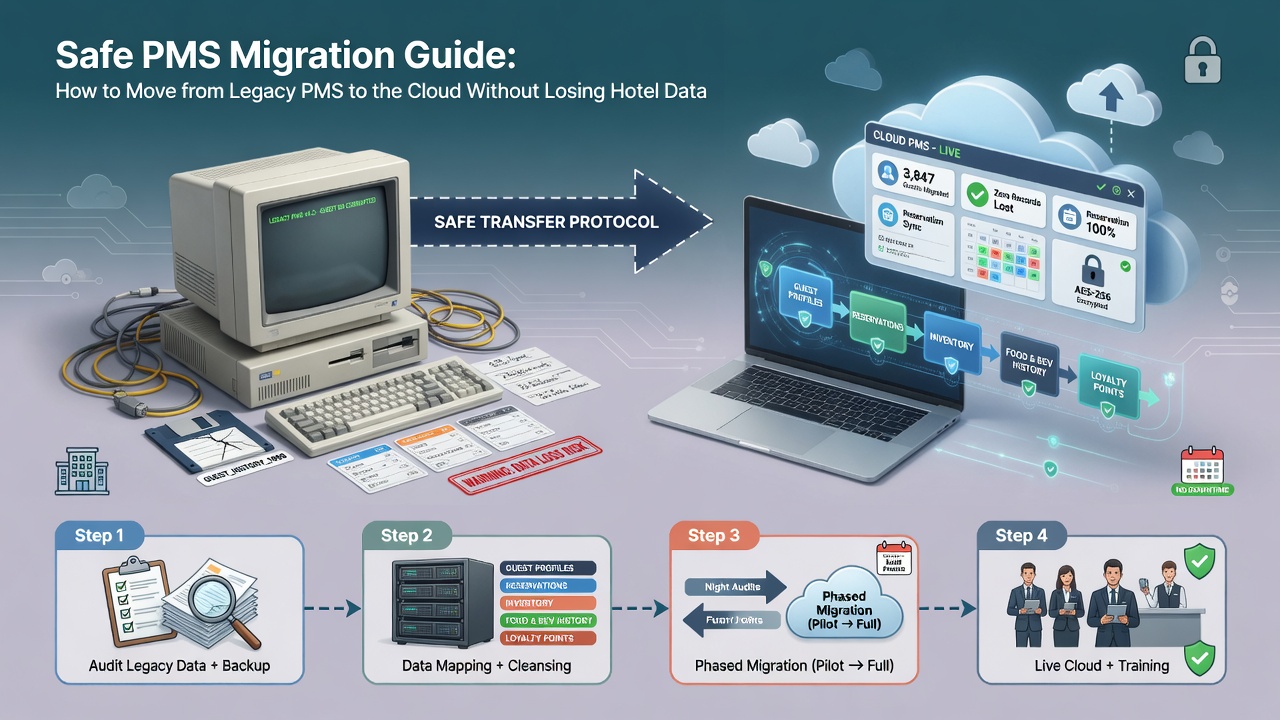
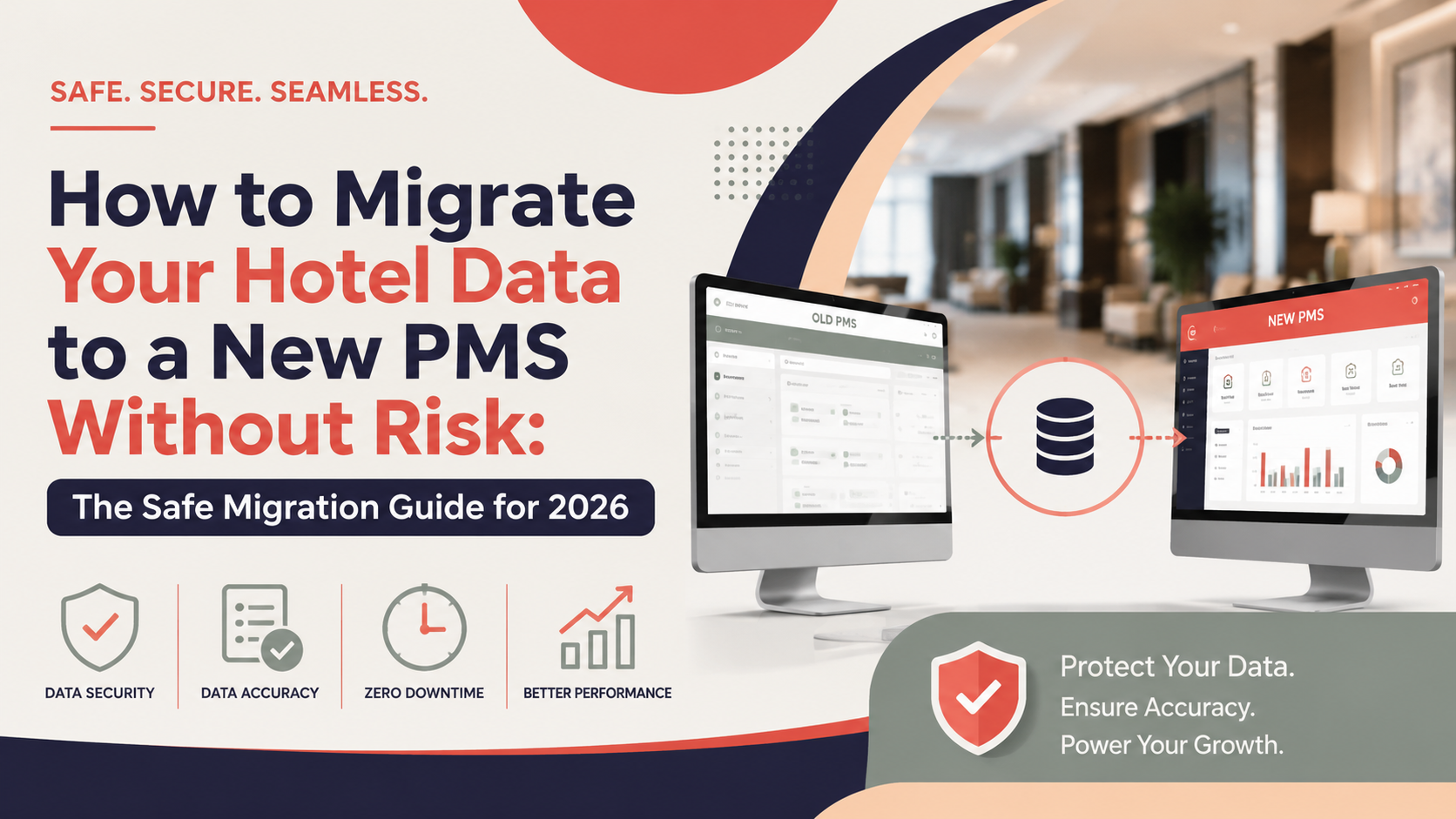
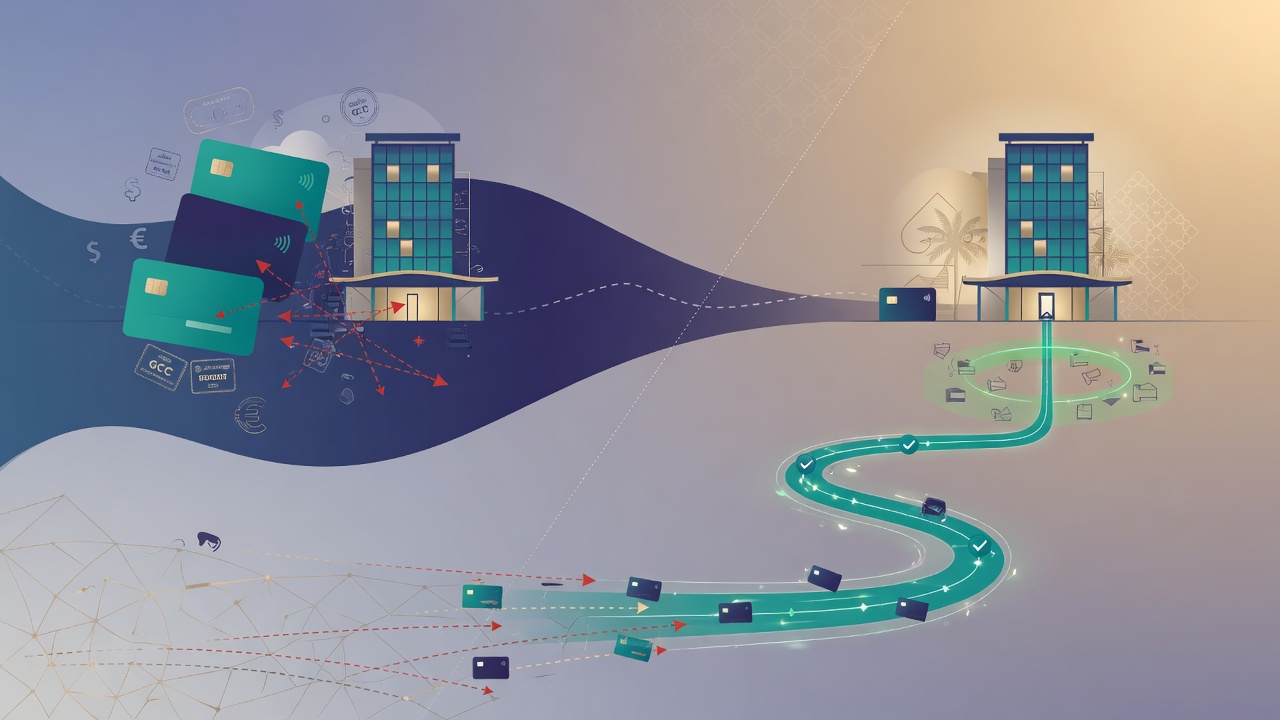
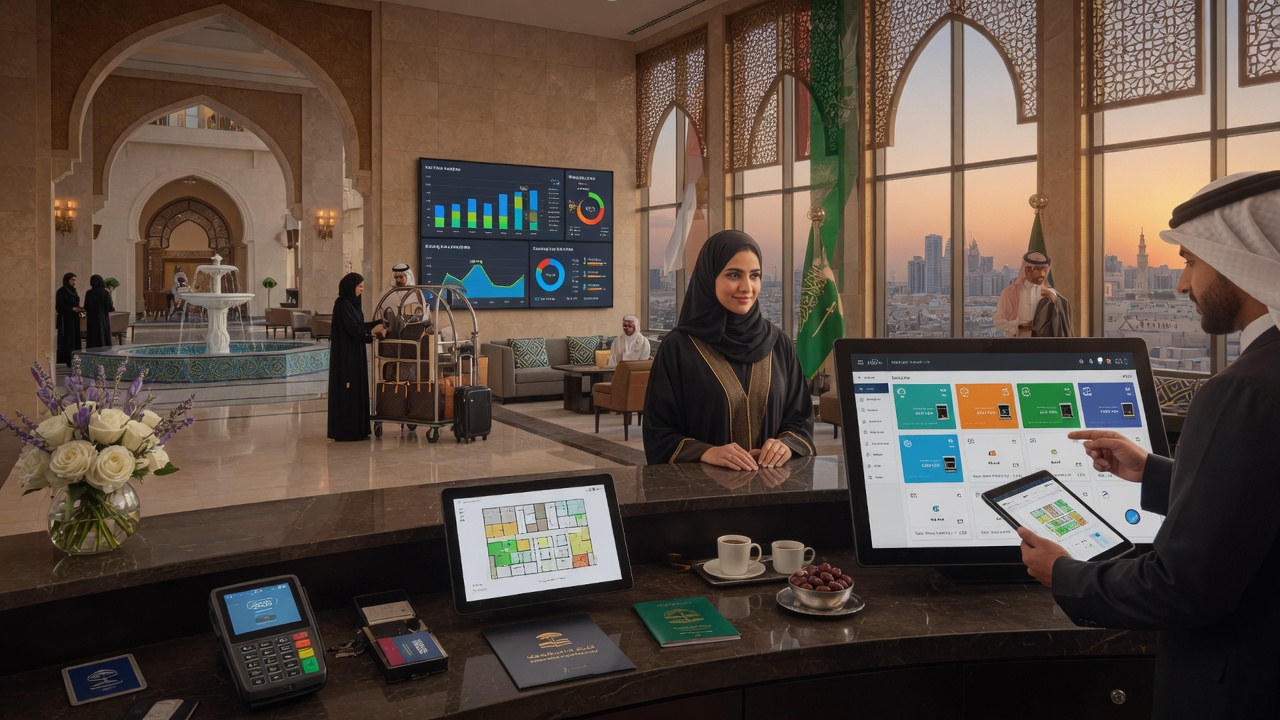
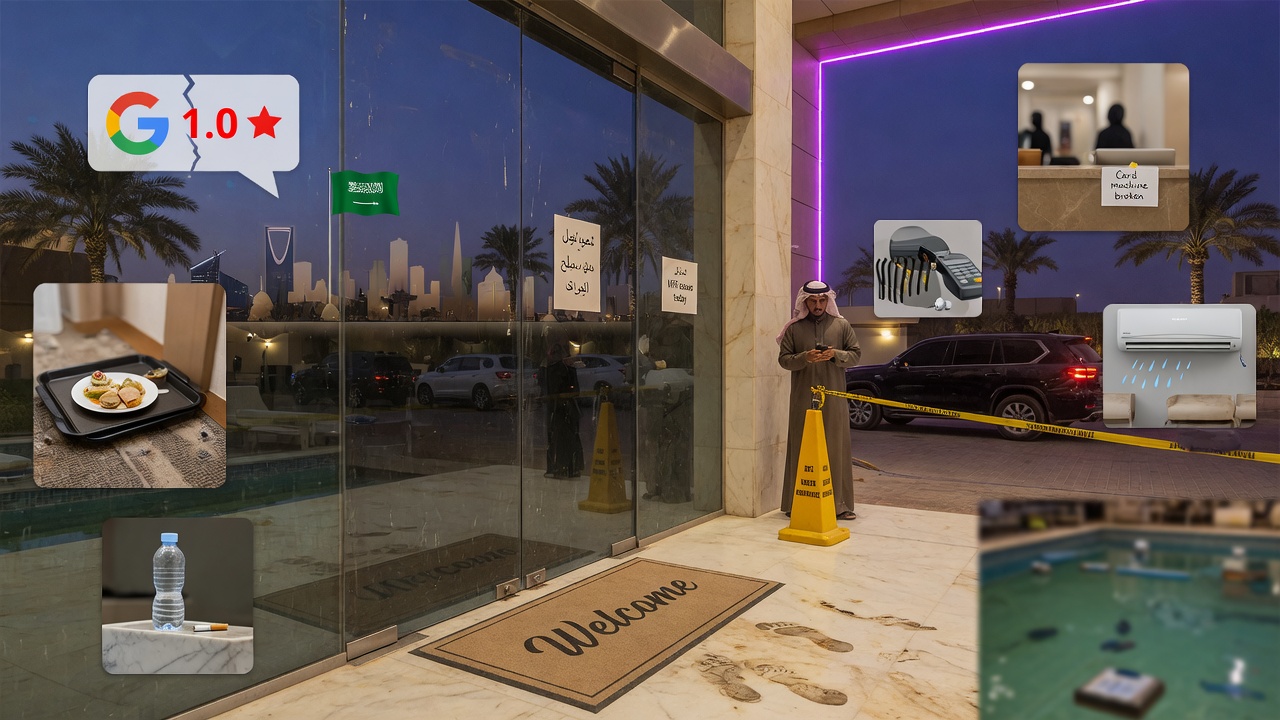
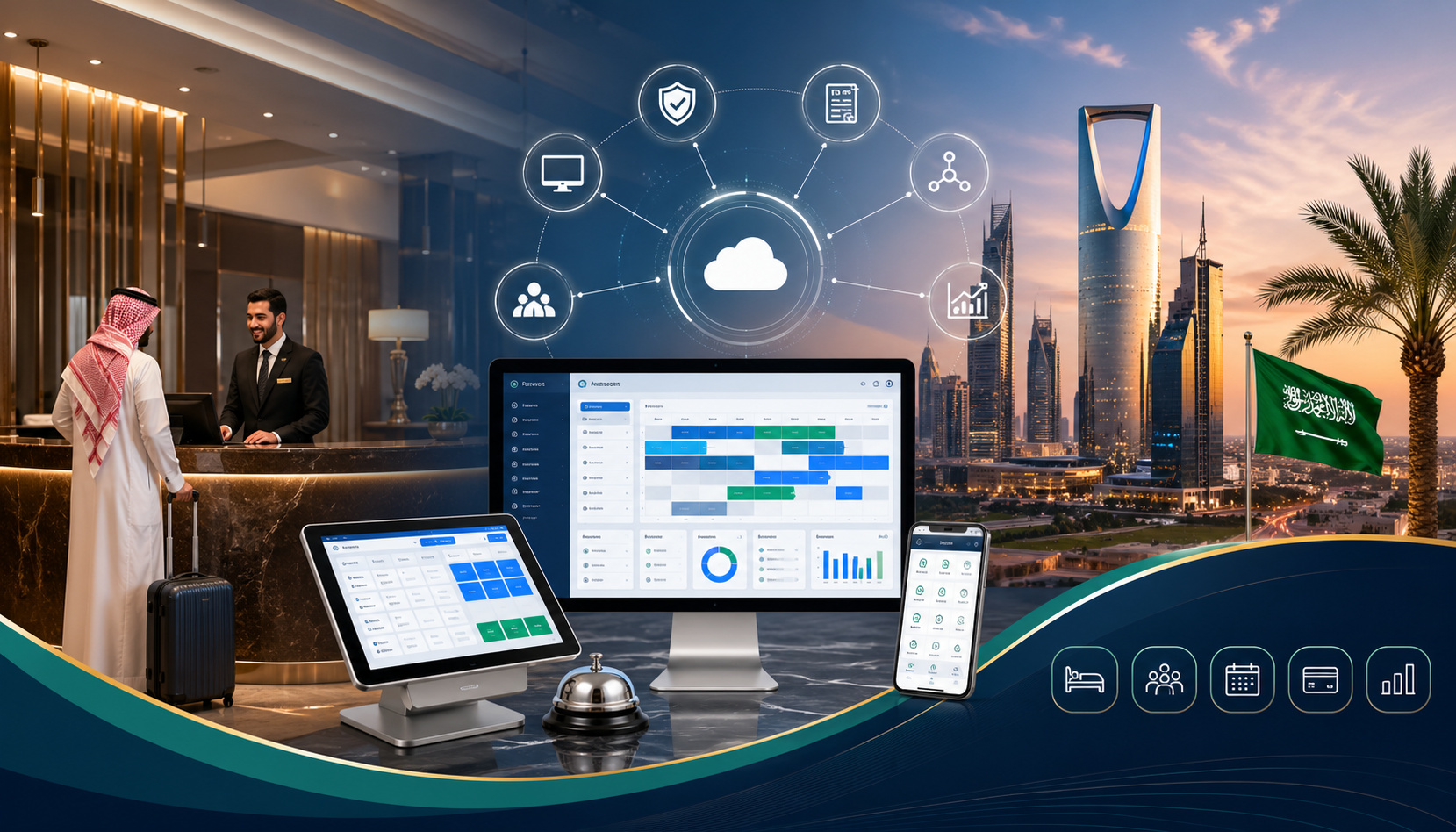
Picture walking into your hotel one morning only to find your Property Management System (PMS) frozen, your on-premise server permanently crashed, and no recent backup in sight. This nightmare scenario is no longer a distant possibility in an era of accelerated digital transformation, where hospitality establishments across the Kingdom of Saudi Arabia face mounting pressure to modernize their legacy systems and transition to a cloud-based PMS. In this hands-on guide, we take you step by step through the journey of safe migration from an old PMS to a fully integrated cloud solution, ensuring the safety of guest data, reservations, financial records, and every piece of critical information that keeps your hotel running without interruption. Whether you manage a boutique hotel in AlUla or a major hotel chain in Riyadh, you will learn the best practices to navigate this phase with confidence and open the door to a world of operational efficiency and cloud flexibility for your property.
Critical Warning:
Hospitality sector statistics indicate that more than 40% of hotel PMS migration projects face delays or partial data loss due to the absence of a rigorous plan. Make sure you read this entire guide before clicking "start migration."
1. Why Migrating Your PMS to the Cloud Has Become a Necessity, Not a Luxury
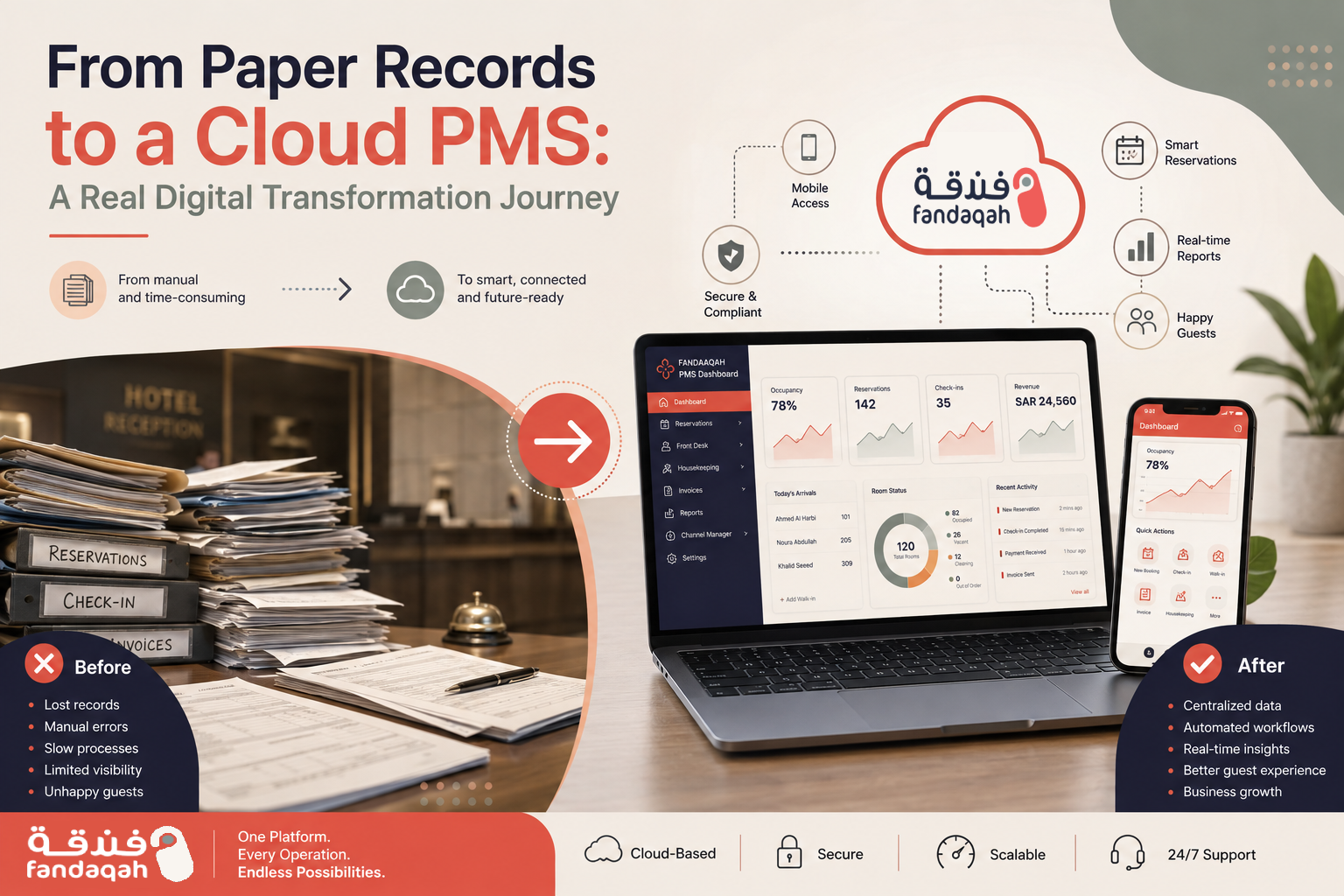
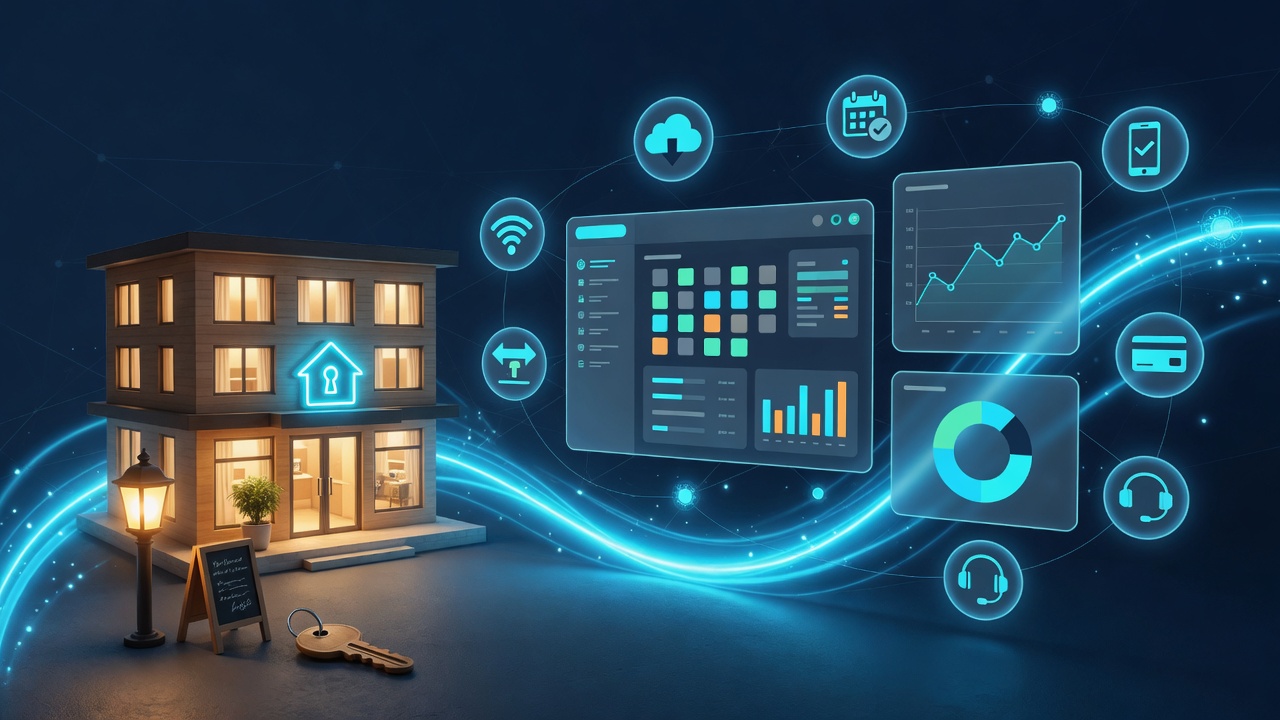
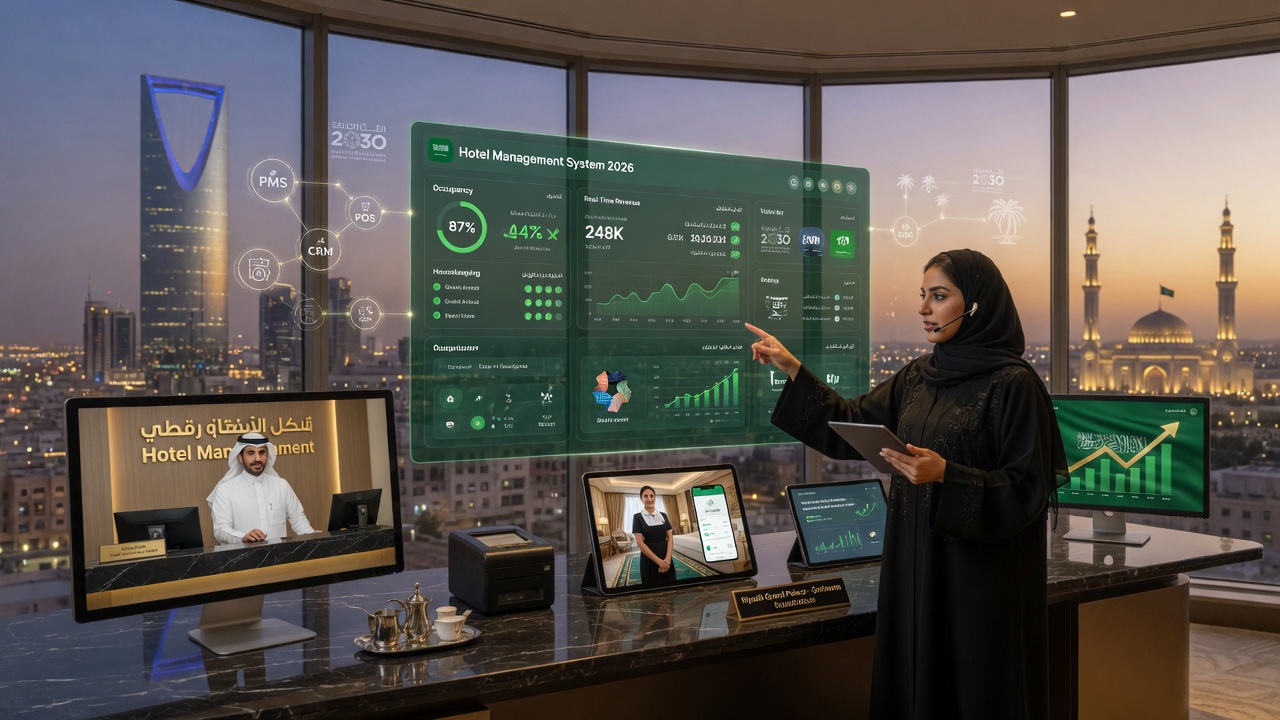
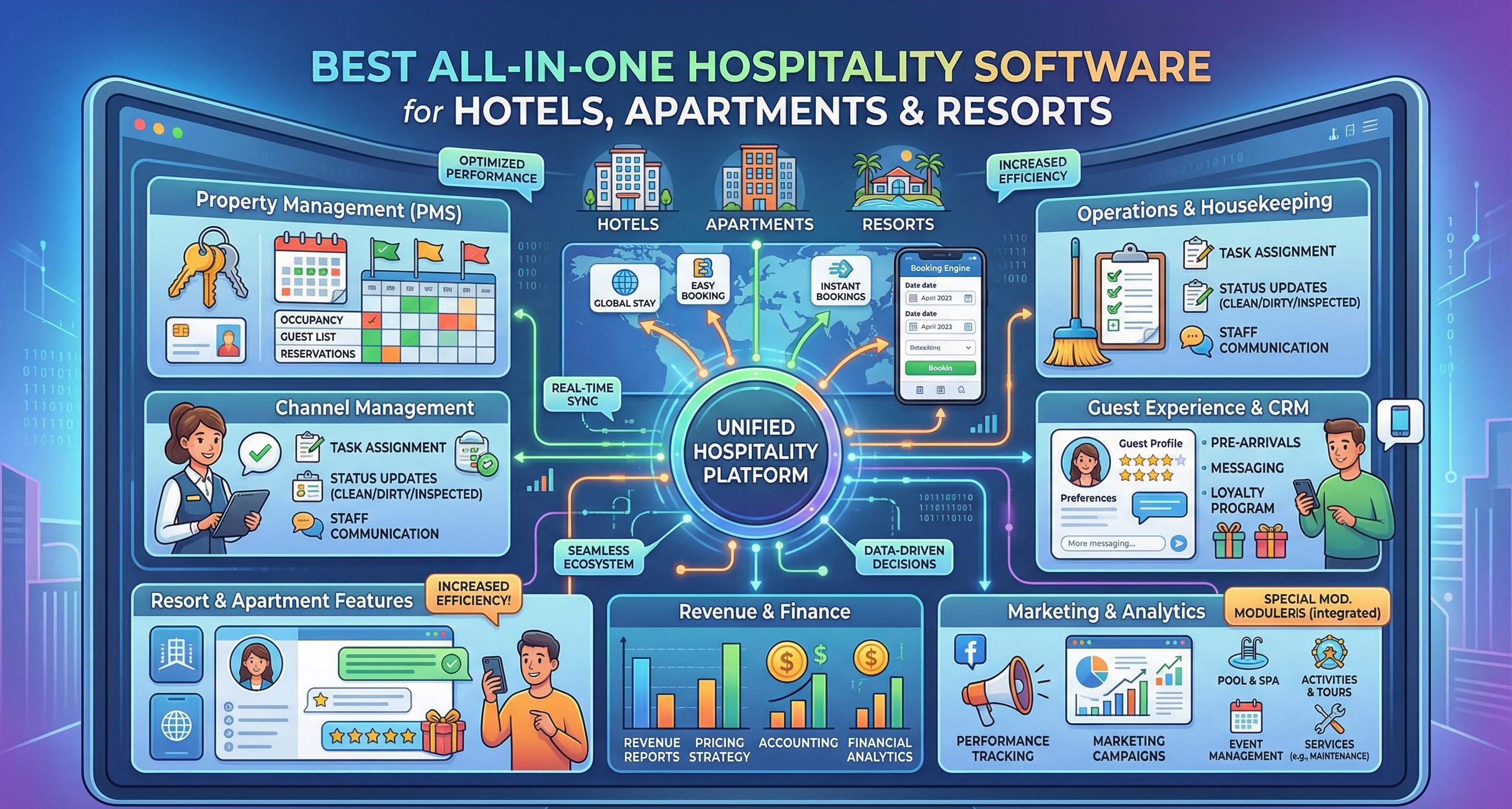
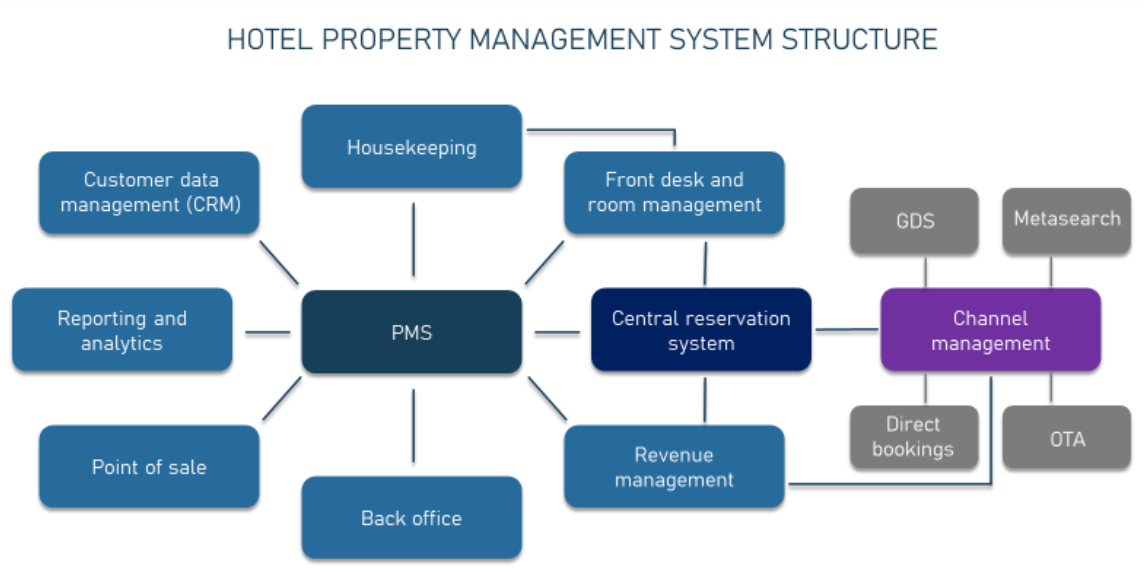
A legacy on-premise PMS that relies on a local server inside the hotel is no longer capable of keeping pace with modern hospitality demands. In contrast, a cloud hotel management system provides access from anywhere and on any device, guarantees business continuity even in emergencies, and seamlessly integrates with online booking engines and smart tourism platforms championed by Vision 2030. With the Kingdom gearing up to host millions of visitors as part of its rapidly growing tourism sector, securing hotel data and ensuring its instant availability becomes imperative for delivering an exceptional guest experience.
Many Saudi hotels still operate on locally installed systems deployed a decade ago, suffering from sluggish performance, difficult maintenance, and zero scalability. Safe migration to a cloud PMS is not merely a technical upgrade—it is a comprehensive digital transformation process designed to protect your informational assets and empower your team with the tools of the future.
2. The Core Features and Benefits of Moving to a Cloud PMS
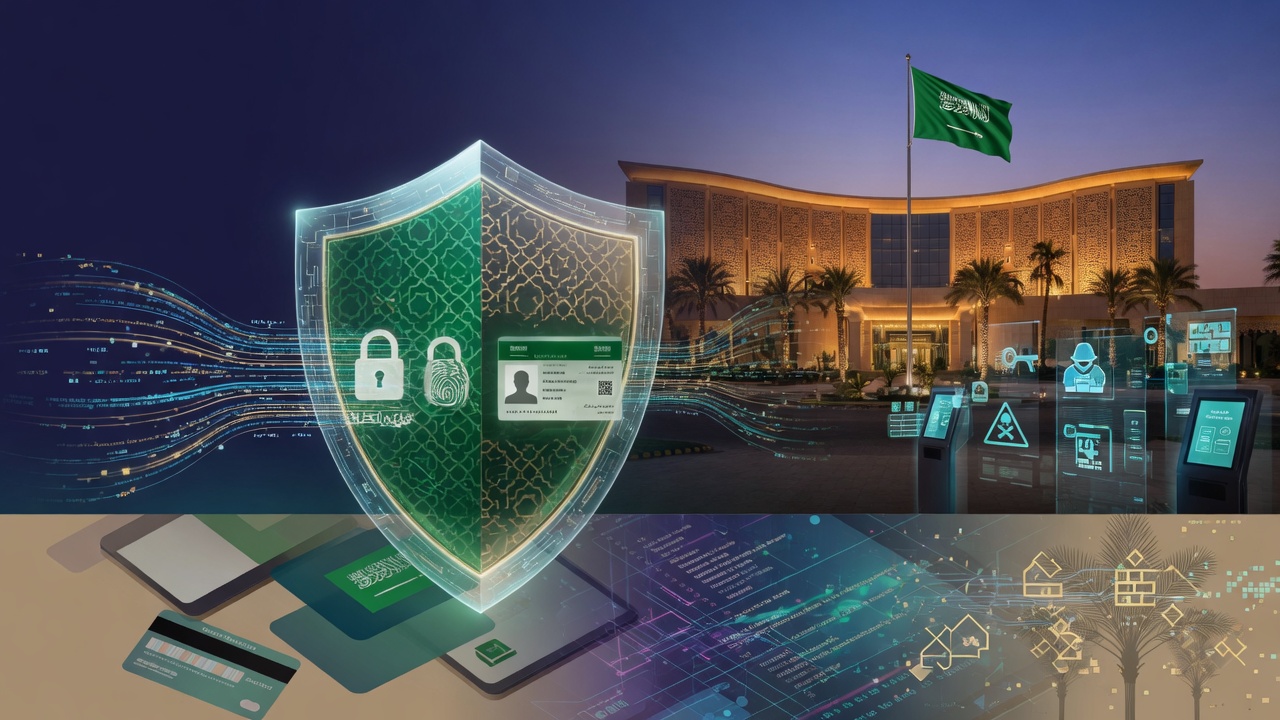
- Enhanced Hotel Data Security: Advanced encryption, multiple automatic backups, and protection against ransomware attacks that target on-premise servers.
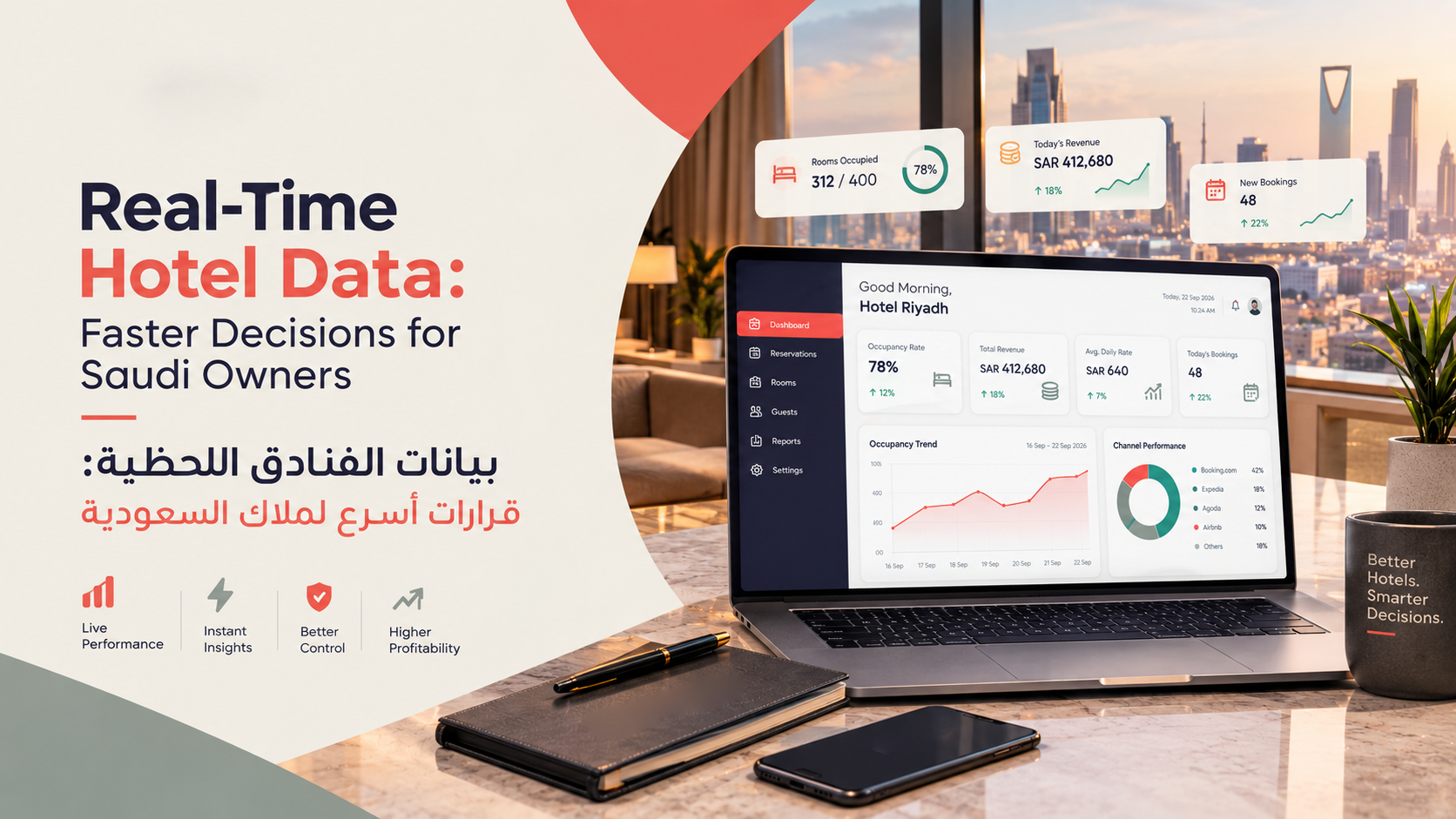
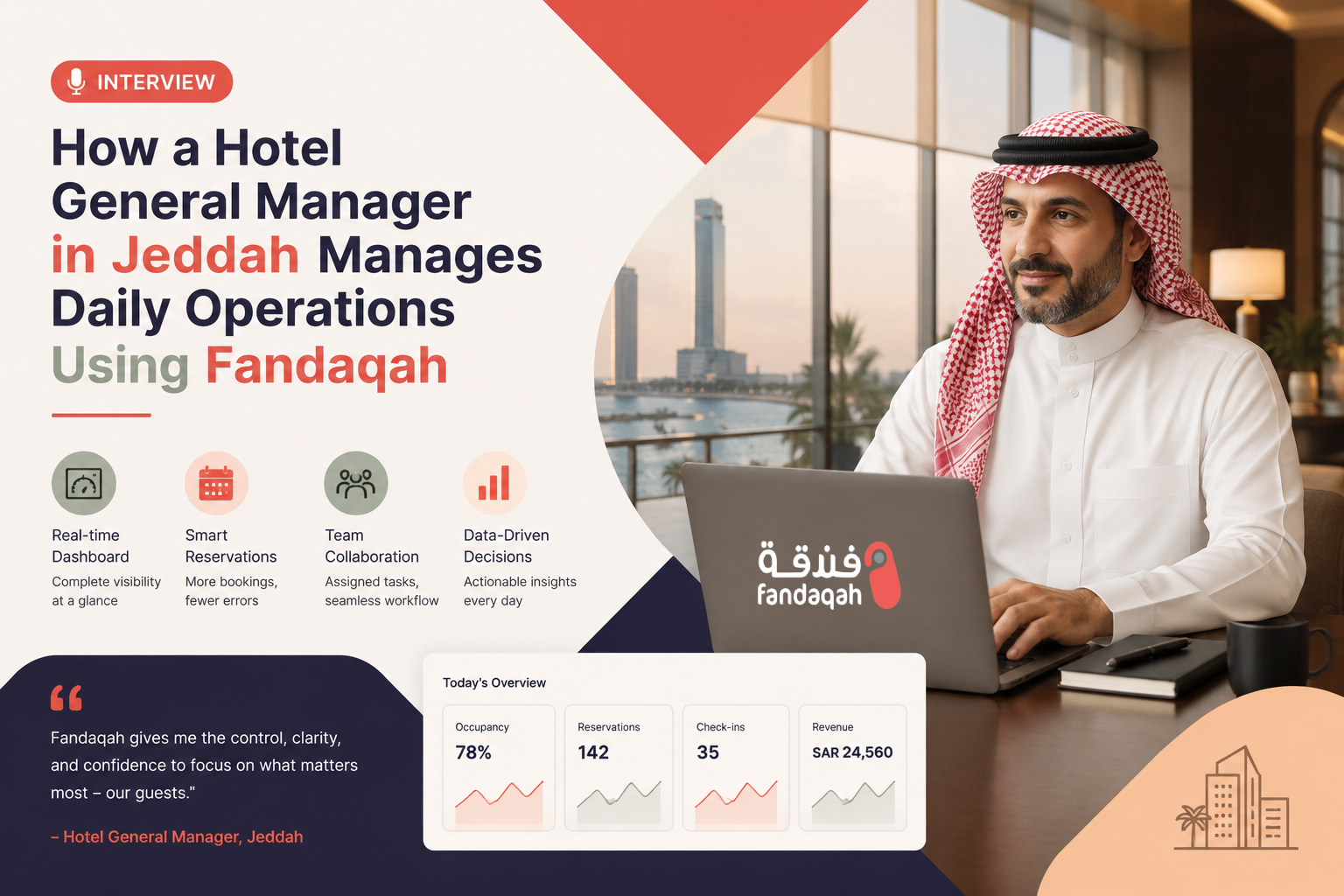
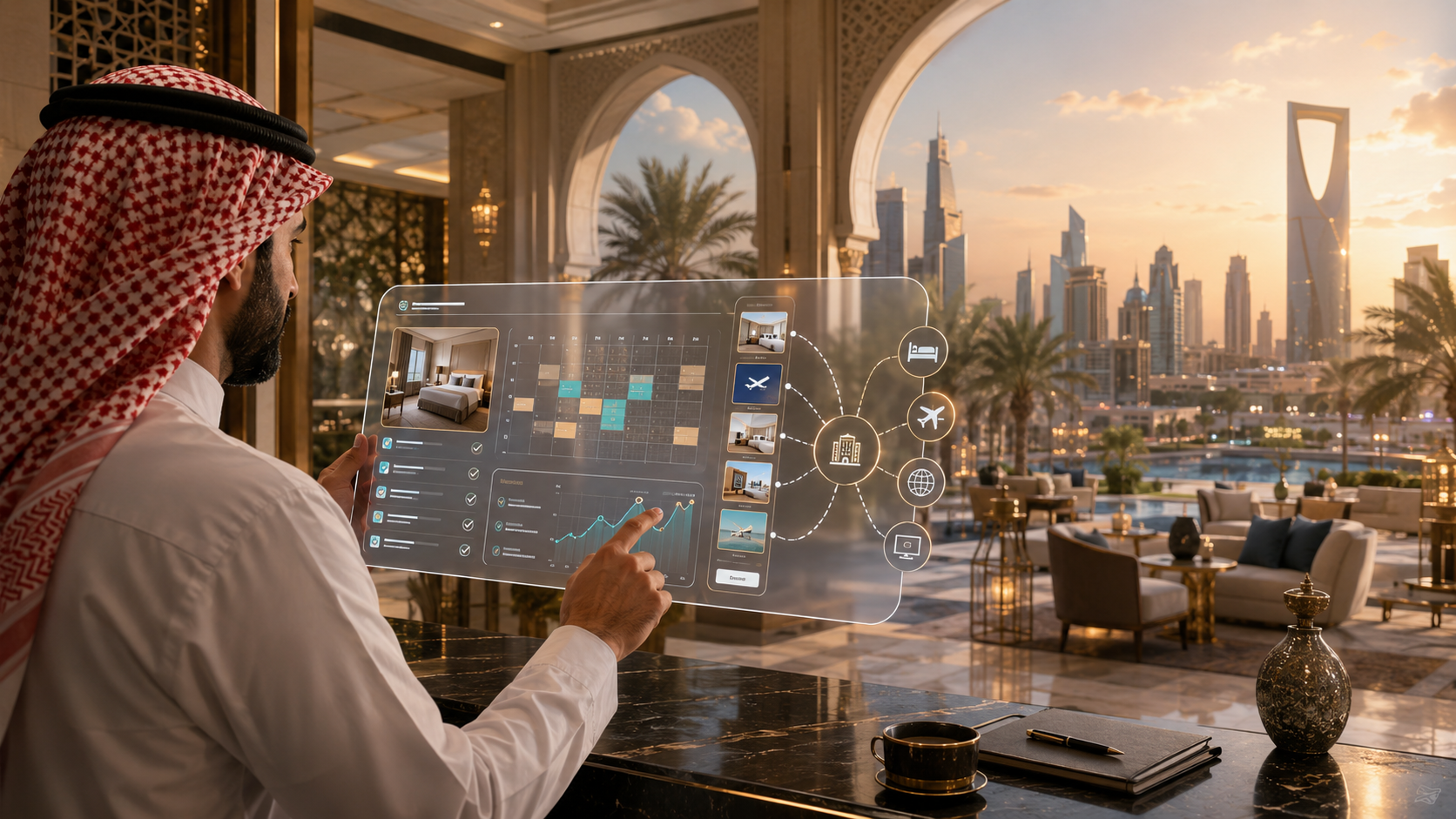
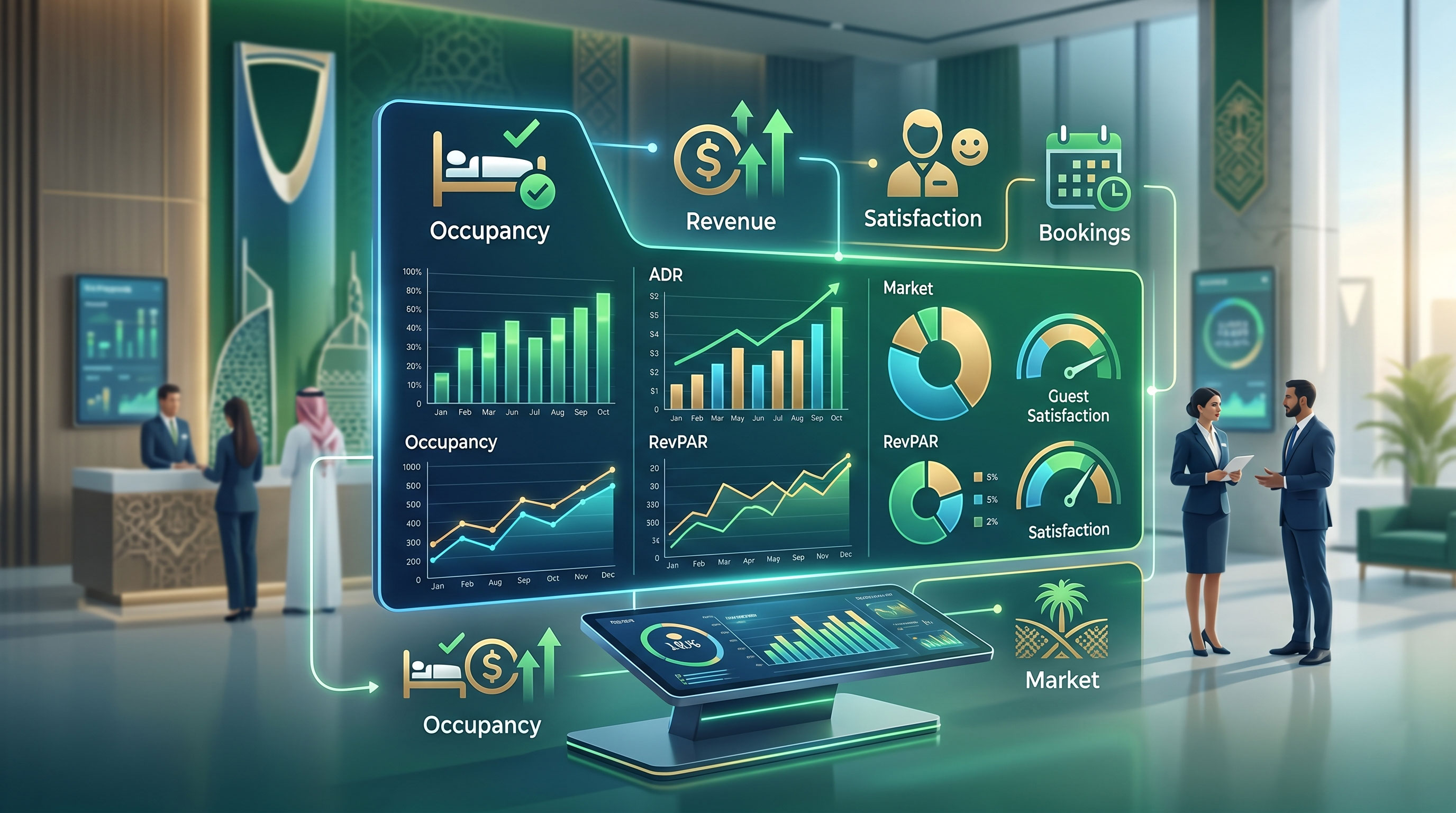
- Flexible Access from Anywhere: A hotel manager can monitor occupancy and revenue from a mobile phone while traveling outside the Kingdom, strengthening hotel decision-making speed.
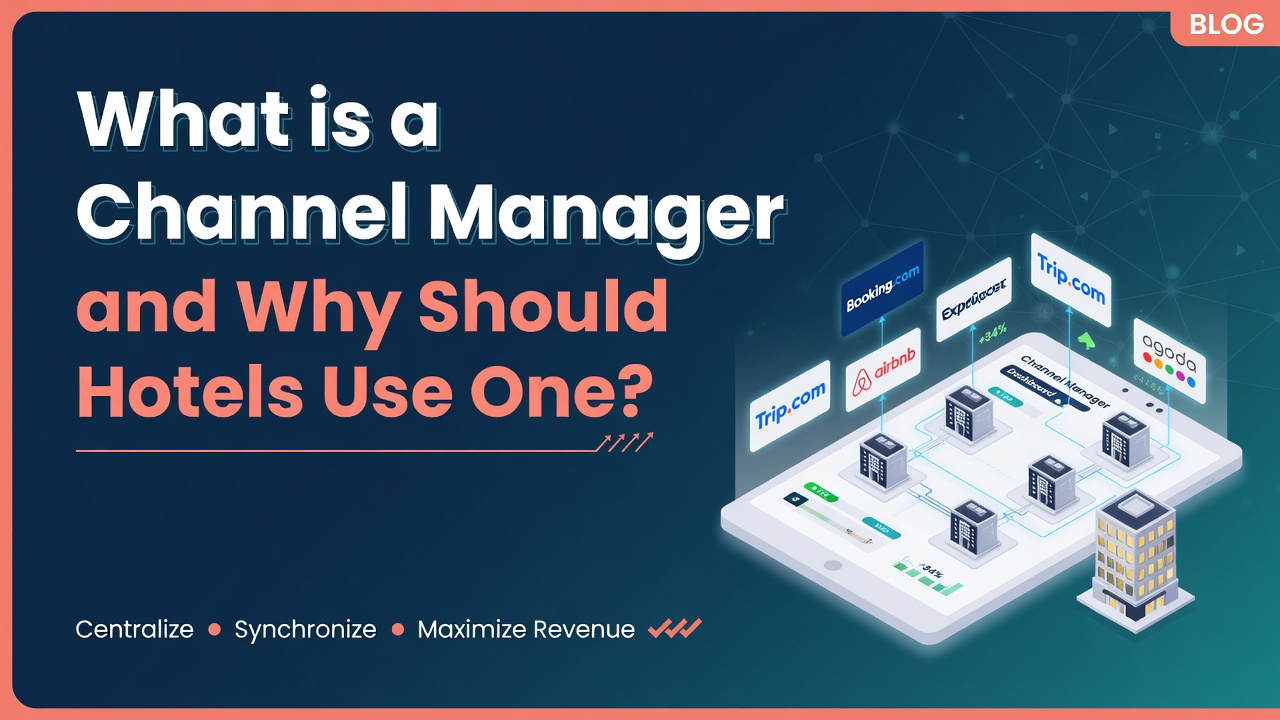
- Instant Integration with Global Booking Platforms: Direct and stable connections with Booking.com, Expedia, and regional platforms without the need for complex middleware.
- Automatic and Continuous Updates: No more costly "periodic maintenance" technician visits—the cloud system evolves on its own with the latest security and compliance standards.
- Unlimited Scalability: Whether your hotel expands to 500 rooms or you open a new branch in Dammam, the system grows with you without additional capital investment in hardware.
- Integration with Saudi Government Platforms: Easy linkage with Nitaqat localization data, ZATCA e-invoicing, and Wage Protection Systems.
"Hotel data migration is not copy-paste—it is precision engineering to ensure every reservation, every guest, and every invoice transitions safely into a smarter environment."
— Hotel Systems Migration Expert, Middle East
3. Saudi Success Stories: Hotels That Successfully Navigated Safe Migration
Case Study One: A Heritage Boutique Hotel in Historic Jeddah
This hotel relied on a legacy on-premise PMS running on an outdated desktop computer, with no automation for online reservations. After undergoing a safe migration to a cloud PMS specifically designed for small hotels, it was able to recover ten years' worth of historical guest data and connect it directly to booking platforms. The result: a 35% increase in direct bookings within three months and a reduction of check-in errors to zero.
Case Study Two: Oasis Hospitality Group in Riyadh
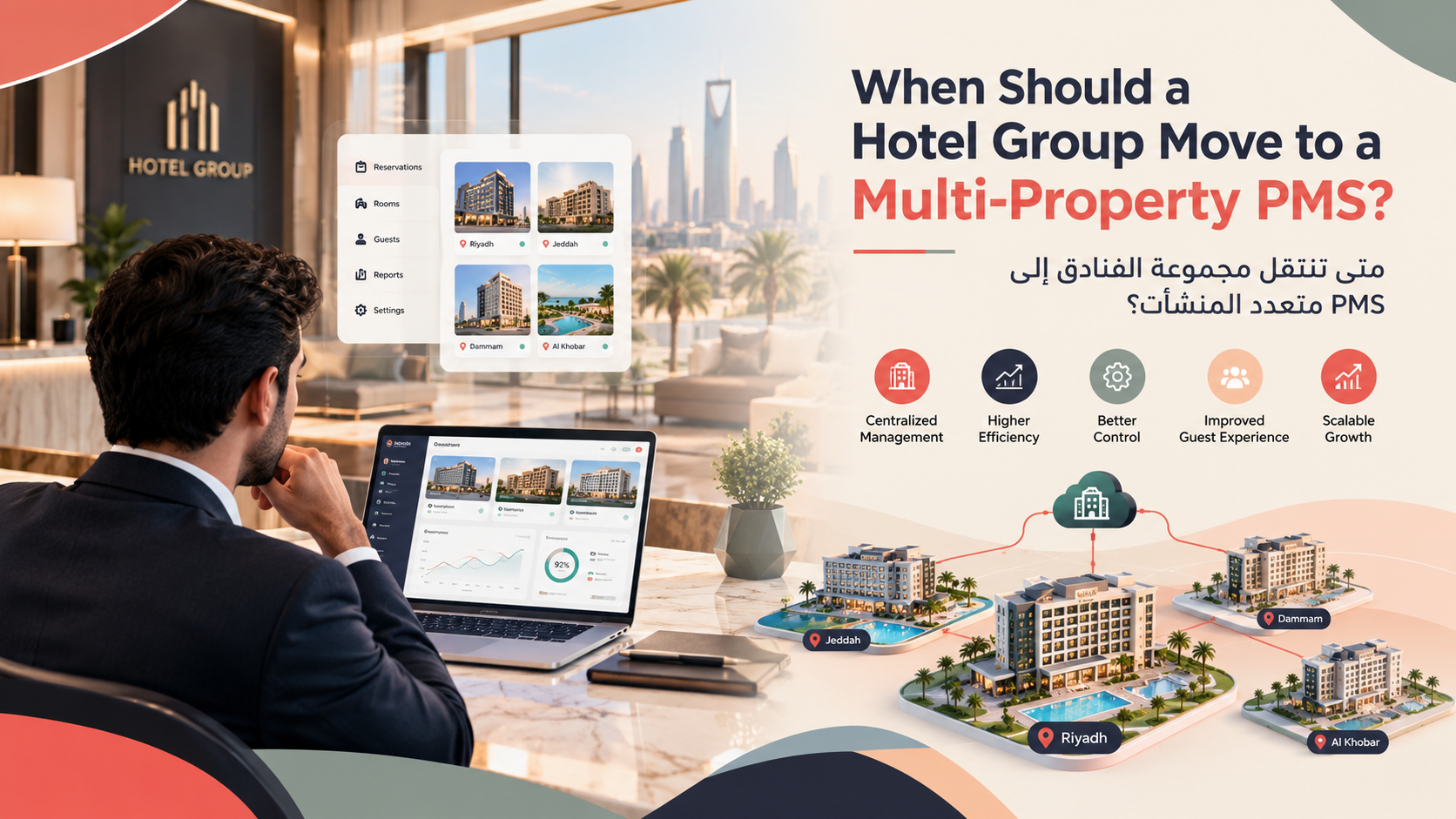
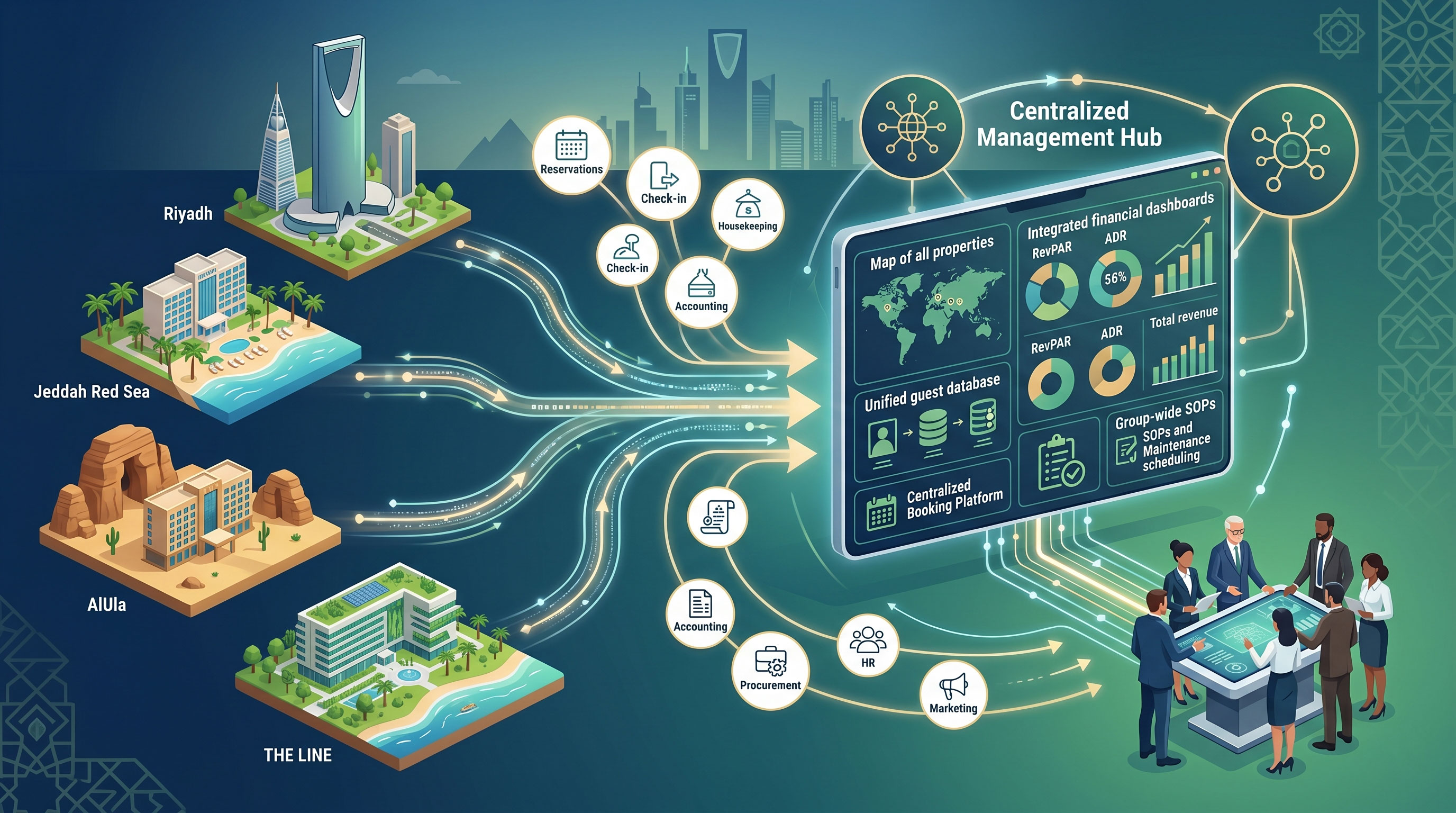
A chain operating four mid-scale hotels struggled with managing each property separately on scattered servers. During migration, the technical team used a phased migration strategy, starting with the reservations module followed by financial data, which ensured uninterrupted daily operations. After fully transitioning to a unified cloud PMS, the regional manager could control occupancy and pricing from a single dashboard, saving 120 administrative working hours each month.
Case Study Three: A Desert Resort in AlUla
The biggest challenge here was the remote geographic location and previously unreliable internet connectivity. A hybrid cloud PMS was selected that supports a temporary offline mode and then automatically syncs data once the network is restored. This is how the resort moved from paper-based records to a fully integrated system without losing any guest data, and gained the ability to electronically submit daily occupancy reports to the tourism authority.
4. Complete Comparison: On-Premise PMS vs. Cloud PMS
| Criteria |
On-Premise PMS |
Cloud PMS |
| Initial Cost |
High (servers, licenses, infrastructure) |
Flexible monthly subscription based on usage |
| Data Security |
Full hotel responsibility, vulnerable to disasters |
Military-grade encryption, multiple copies across distributed data centers |
| Maintenance & Updates |
Manual, requires specialized technician with periodic visits |
Automatic and continuous with zero downtime |
| Scalability |
Limited, requires purchasing additional hardware |
Unlimited, scale capacity with a single click |
| Remote Access |
Complex, requires VPN setup |
Secure from any browser or mobile app |
Comparison based on 2026 Saudi market standards. Always verify the cloud provider's SOC 2 security certification.
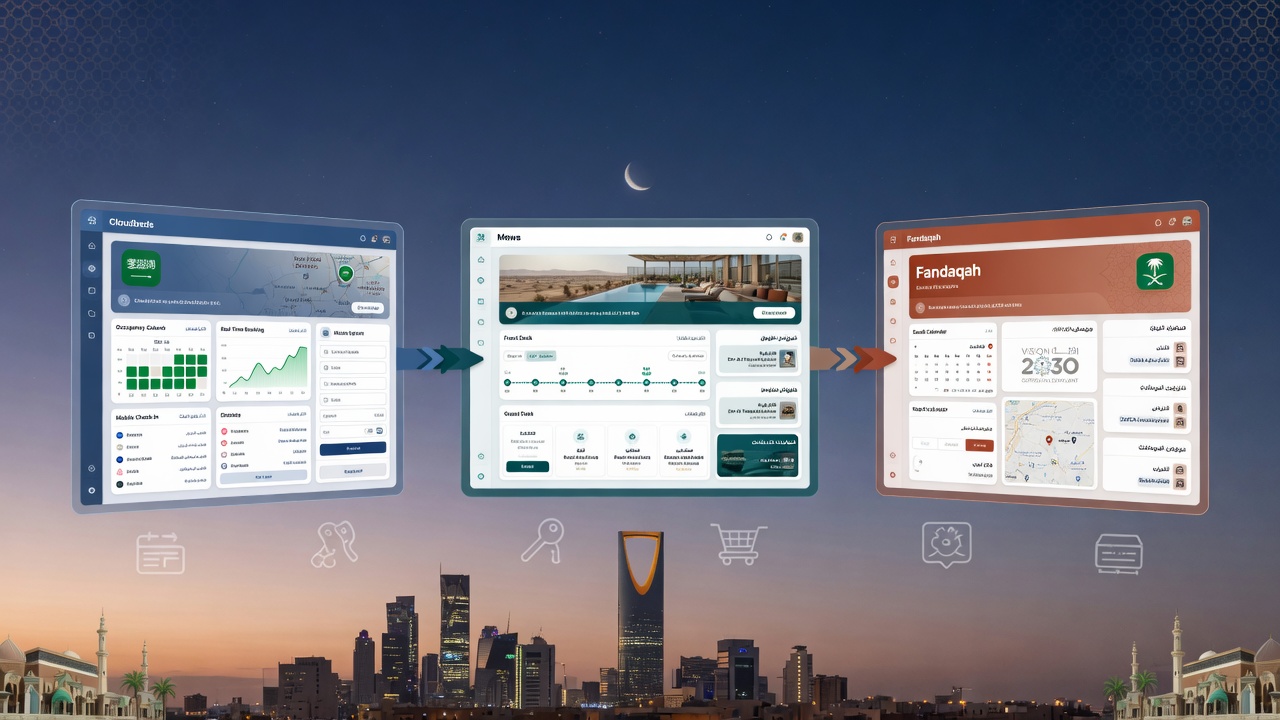
5. The Safe Migration Roadmap: 7 Phases to Guarantee a Successful Transition
Phase 1: Data Auditing and Cleansing
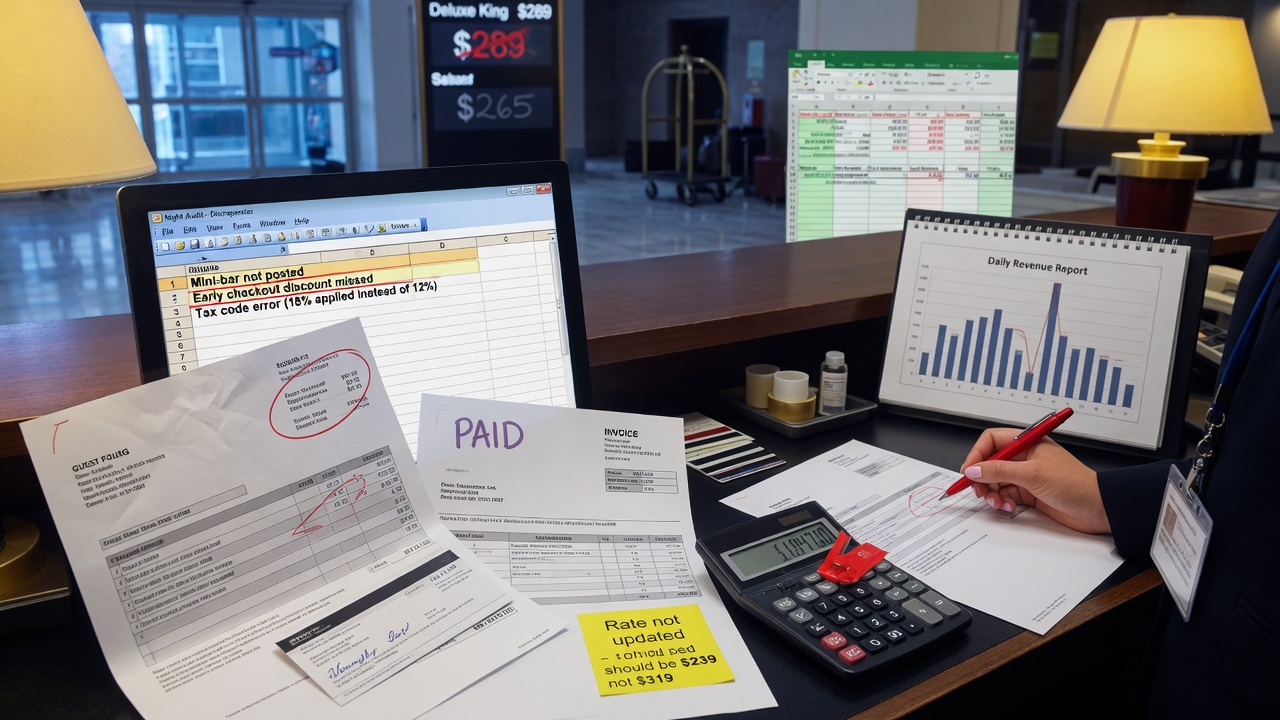
Before any transfer, you must examine your current hotel database: duplicate reservations, guests missing full names, incomplete invoices. Cleanse these impurities first because the cloud system will reflect them with precision. Extract comprehensive reports for every module (reservations, guests, financial accounts, point-of-sale).
Phase 2: Selecting the Right Cloud PMS
Do not pick just any cloud solution. Ensure the system fully supports Arabic language, ZATCA-approved e-invoicing, and integration capability with the Nitaqat portal and local loyalty programs. Request a hands-on trial for at least 14 days.
Phase 3: Setting Up the Cloud Environment and Data Structure
Build the hotel's organizational structure in the cloud: room types, rates, taxes, users and their permissions. This step is akin to constructing the "new house" before moving the furniture in.
Phase 4: Pilot Migration
Begin by transferring a small set of data (for example, just one month's worth of reservations) to the new system and verify it meticulously. Ensure dates, prices, and guest names appear correctly. This test saves you from real disasters.
Phase 5: Full Data Migration
After the pilot succeeds, schedule a time window during operational quiet hours (for example, after midnight) and execute the hotel data transfer in a single batch or in stages according to your plan. Keep the old system running in read-only mode during this period as a reference.
Phase 6: Final Verification and Testing
Compare occupancy and revenue reports between the two systems to ensure 100% accuracy. Test a dummy reservation, a check-in process, and invoice generation. Accept nothing less than complete accuracy.
Phase 7: Training and Final Cutover
Train all front desk and reservations staff on the new system. Provide them with quick reference guides in English and Arabic. After one week of stable parallel operation, you can safely decommission the old system.
Golden Tip:
Do not discard the old system immediately after migration. Retain an archived, read-only copy for at least 6 months to refer back to in case of historical audits or data discrepancies. This practice has saved dozens of hotels from financial auditing crises.
6. Cloud PMS and Vision 2030: The Era of Smart Hospitality
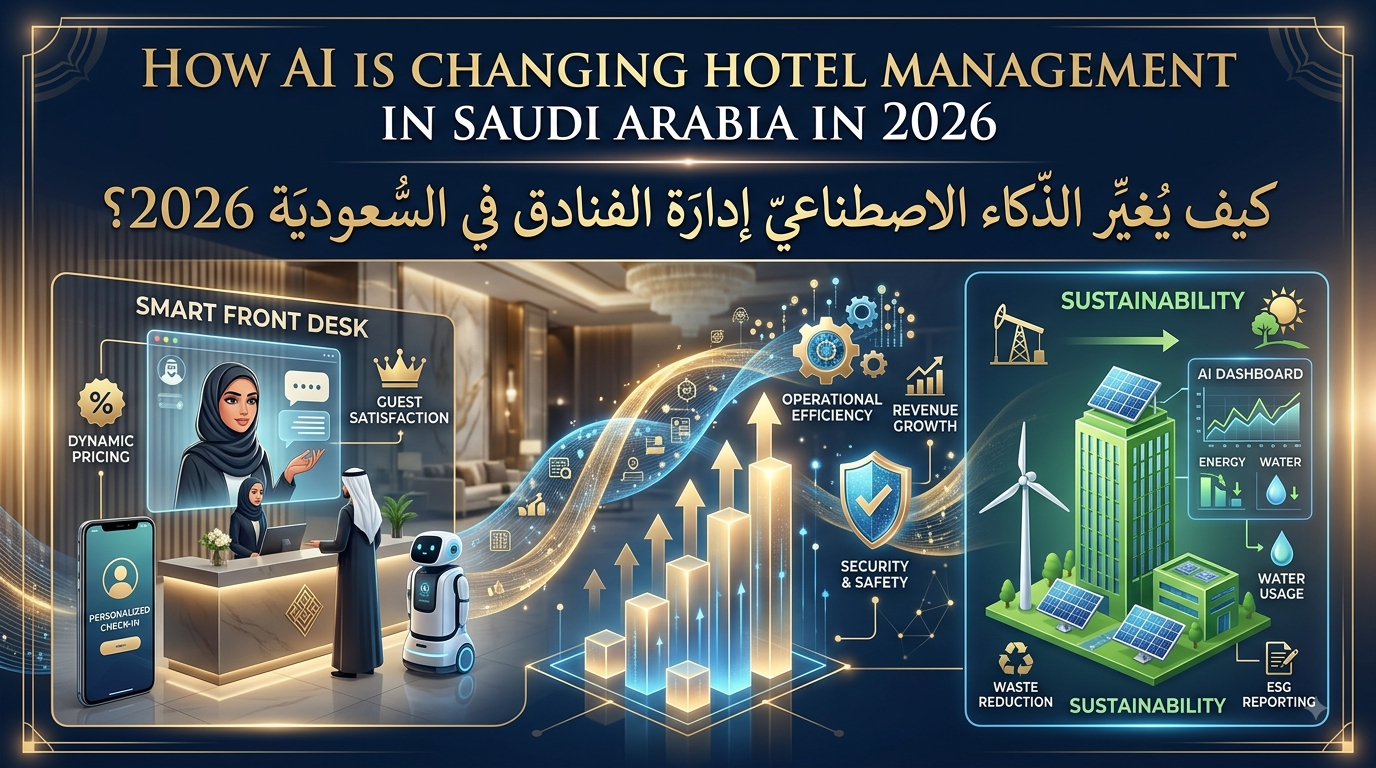
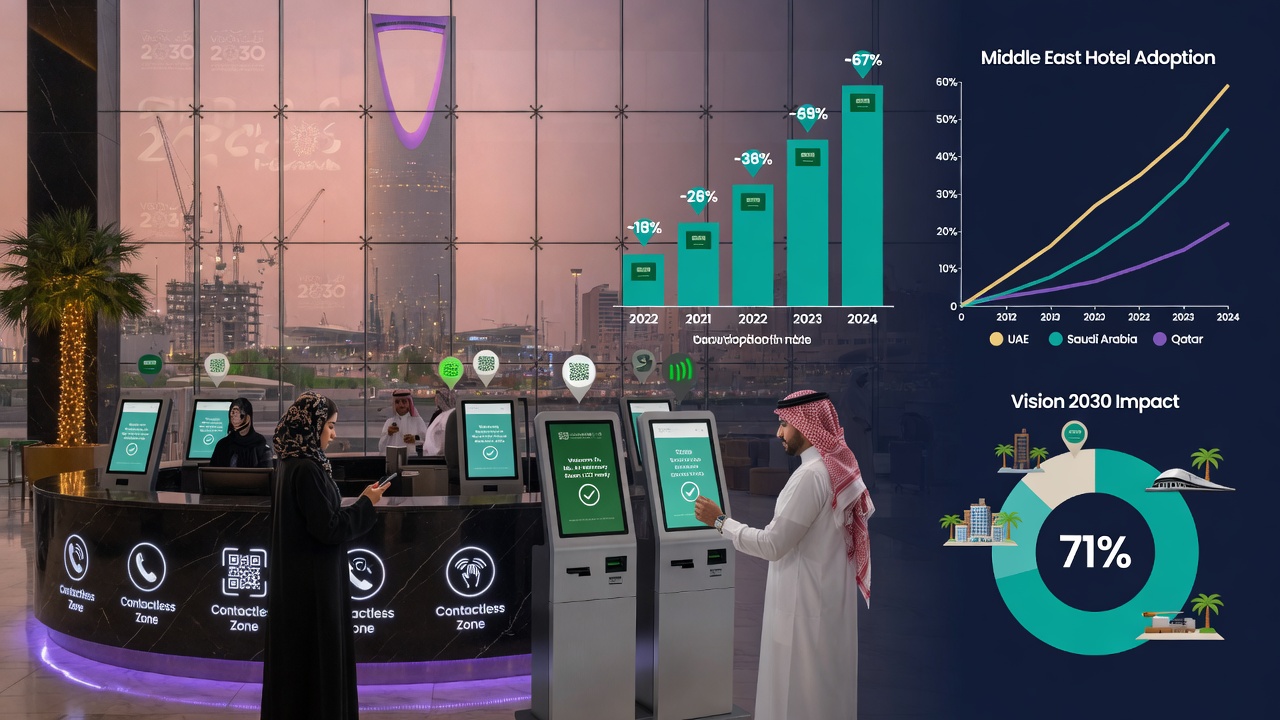
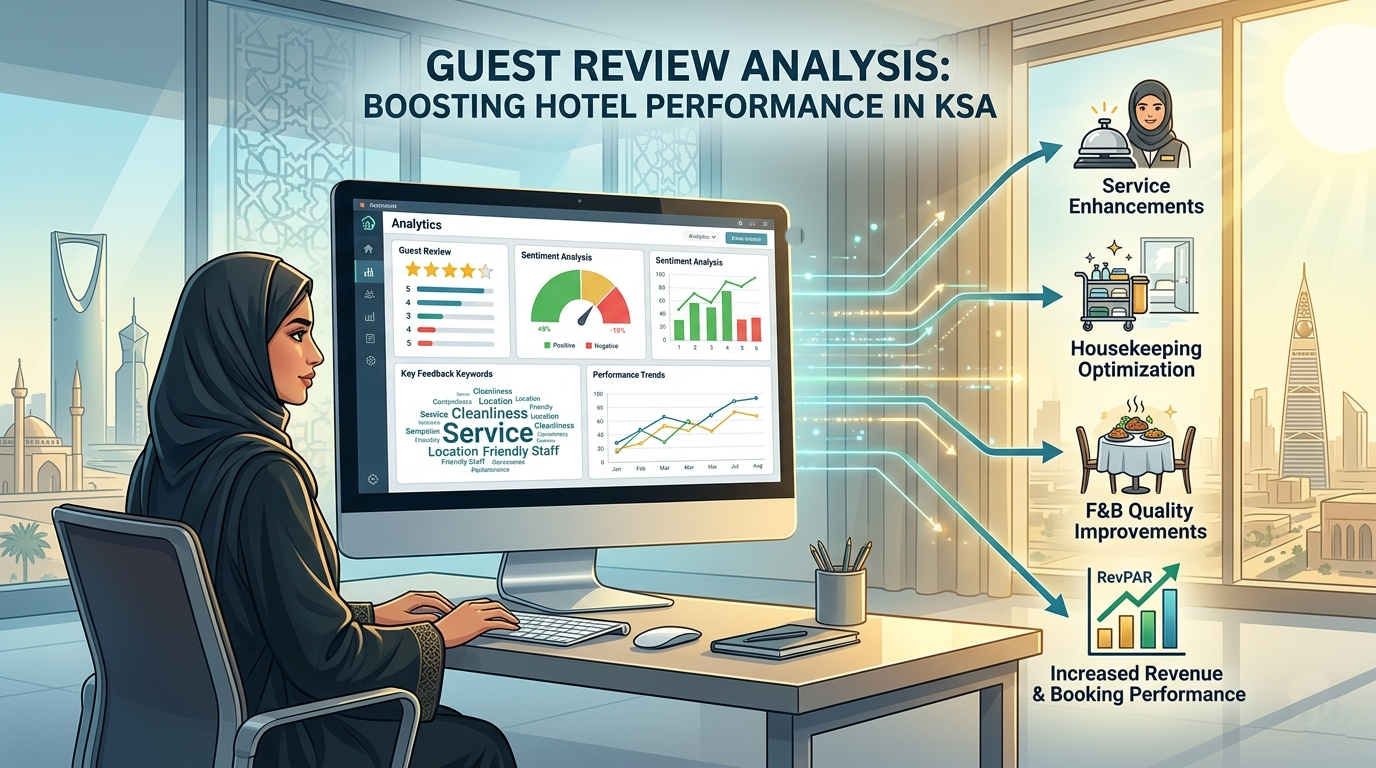
The Kingdom of Saudi Arabia is currently witnessing an unprecedented tourism boom driven by Vision 2030 mega-projects. Owning an advanced cloud PMS is no longer optional—it is a fundamental prerequisite for participating in this renaissance. Hotels connected to an intelligent cloud can integrate directly with platforms such as "Rouh Al Saudi", share real-time data with regulatory bodies, and leverage artificial intelligence to analyze guest behavior and forecast occupancy.
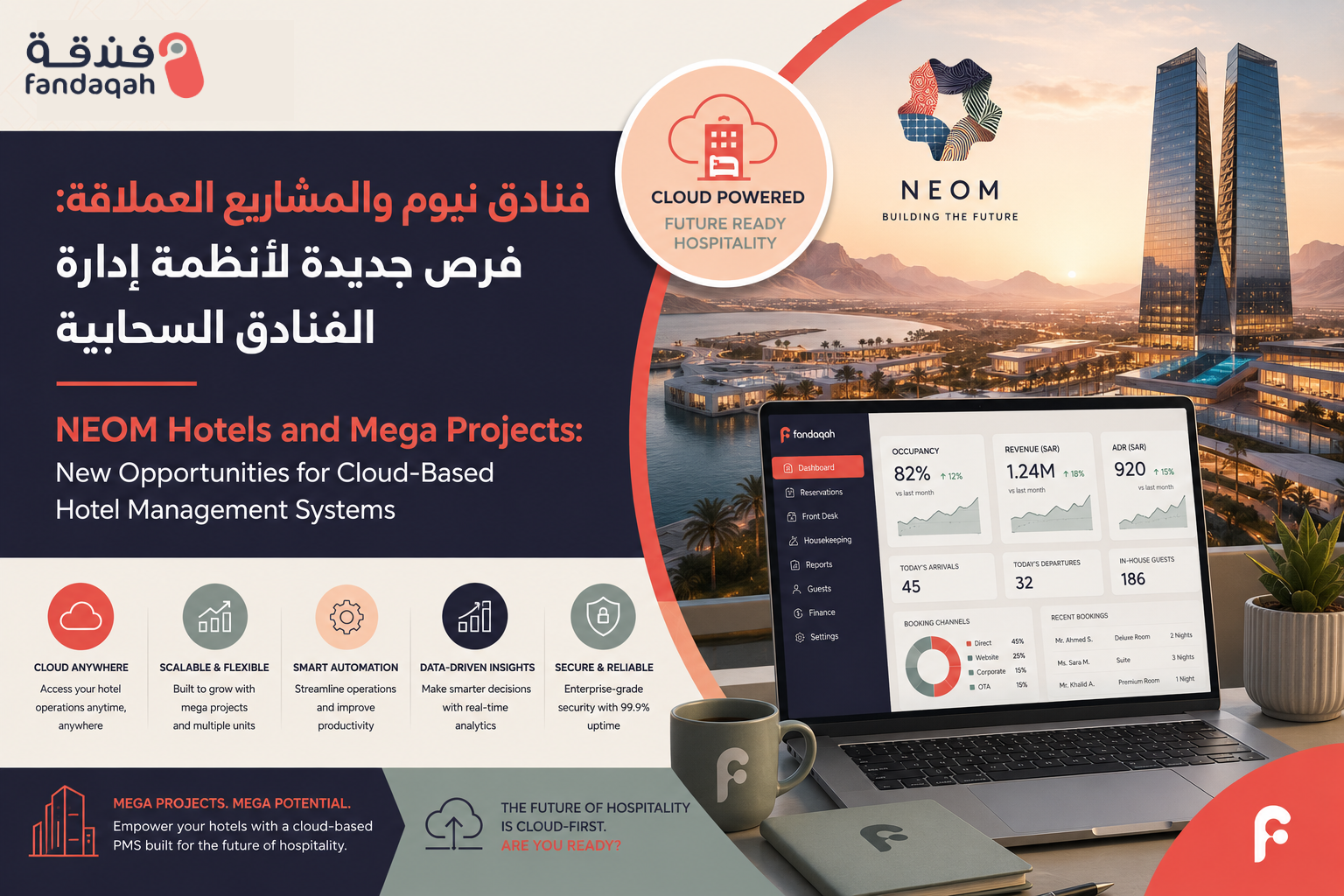
Upcoming trends point to the dominance of technologies like predictive analytics for revenue management, biometric guest recognition integrated with Absher, and direct connectivity with smart city platforms in NEOM and Qiddiya. All of this begins with a robust cloud infrastructure that allows the hotel to be "always connected" rather than merely a standalone facility.
Future Outlook:
By 2027, it is expected that the Ministry of Tourism will require the adoption of cloud PMS platforms certified with the "Saudi Tourism Cloud" seal as a condition for license renewal. Start your migration now to be at the forefront of compliant establishments.
7. Frequently Asked Questions About Migrating Your PMS to the Cloud
Q: How long does a full hotel PMS migration take?
It varies depending on the hotel size and data volume. Generally, migrating a small hotel (under 50 rooms) takes 2 to 3 weeks, while larger hotels (over 200 rooms) may require 6 to 8 weeks, especially if integrations with multiple subsystems are involved.
Q: Could I lose future reservation data during the migration?
If you follow the correct plan, no. Confirmed and pending reservations are accurately transferred as part of the migration process. The key is to freeze any modifications to reservations during the final migration window and compare reservation counts before and after the transition.
Q: How do I ensure guest personal data protection in the cloud?
Choose a cloud service provider that complies with Saudi cybersecurity standards issued by the National Cybersecurity Authority (NCA), and provides end-to-end encryption along with certifications such as ISO 27001. It is also advisable to sign a Data Processing Agreement (DPA) with the provider.
Q: What if the internet goes down? How does the hotel operate with a cloud PMS?
Modern cloud solutions support an offline mode for critical functions such as check-in and check-out. Data is stored locally on a temporary basis and then automatically synced as soon as the internet connection is restored, without any information loss.
Q: Do I need a specialized in-house technical team to manage the cloud system?
No. One of the cloud's greatest advantages is that infrastructure management and maintenance fall on the service provider. You only need one or two staff members trained on using the system, not managing servers. The provider offers 24/7 technical support.
Q: Can I try the cloud system before fully committing?
Yes, most cloud solution providers offer free trial periods ranging from 14 to 30 days, during which you can use the live system and enter real data to verify its suitability for your hotel's workflow.
Q: How much does migrating a PMS to the cloud cost for mid-sized hotels in Saudi Arabia?
Costs vary based on data volume, room count, and required integrations. Generally, an integrated migration service ranges between SAR 5,000 and SAR 25,000 as a one-time setup fee, in addition to the monthly subscription, which can start from SAR 600 per month for small hotels.
8. Conclusion: Begin Your Migration Journey with Confidence and Strength
Ultimately, safe migration to a cloud PMS is an investment in your hotel's future. You will not only protect your data from the risks of loss and corruption but also place your establishment on a path of innovation and readiness for the dynamic demands of the Saudi market. Always remember that a meticulous plan, the right technology partner, and incremental testing are the keys to a successful journey. Your hotel deserves a technology infrastructure that mirrors the ambition of Saudi hospitality in 2030 and beyond.
Do not let the anxiety of change hinder your growth. Start today with one step: review your current infrastructure, prepare a list of the data you need to transfer, and connect with a specialist consultant in cloud PMS solutions for Saudi hotels to map out your own tailored roadmap together.
Article Tags:
PMS migration to cloud
cloud hotel management system
hotel data security
PMS solutions for Saudi hotels
hotel data integration
digital transformation in hospitality
booking platform integration
hotel business continuity planning
cloud computing benefits for hotels
safe reservation data transfer
cloud PMS Vision 2030
on-premise vs cloud PMS comparison