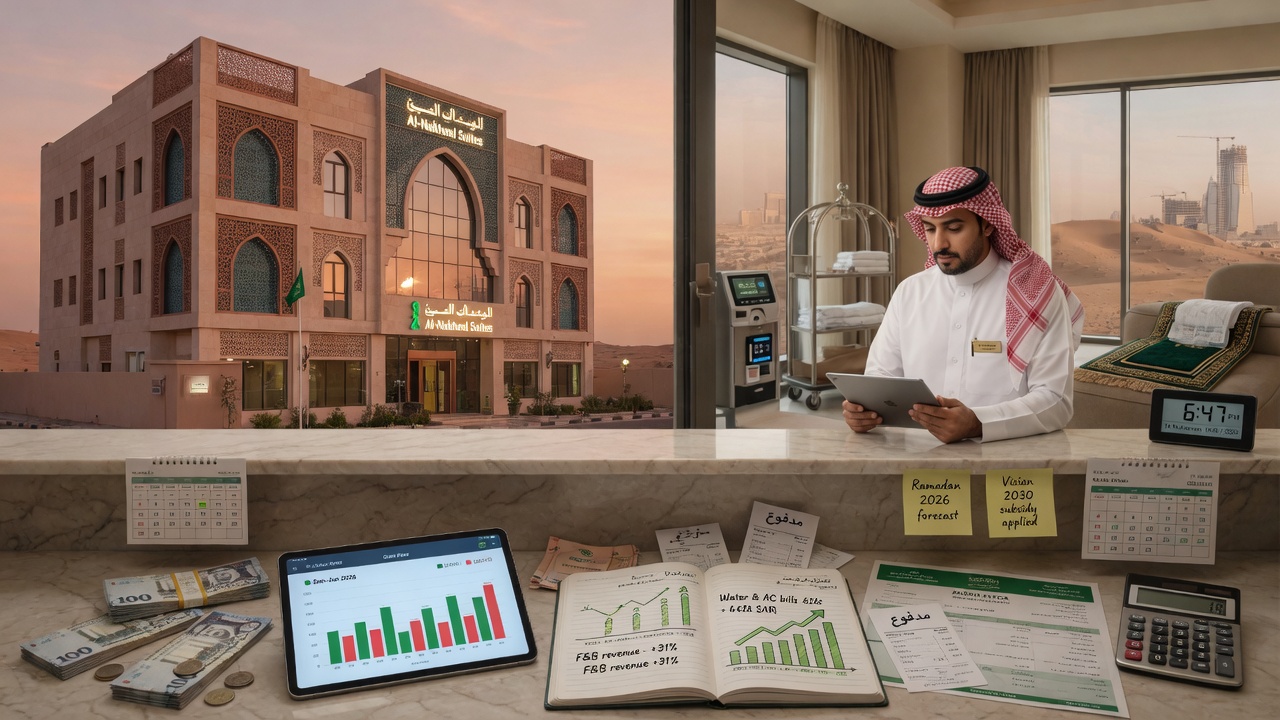
In the fast‑evolving hospitality landscape of Saudi Arabia, accurate financial and operational audits are the backbone of a successful hotel. Whether you run a boutique property in AlUla, a business hotel in Riyadh, or a pilgrim‑focused property in Makkah, understanding hotel audit types, night audit procedures, and essential reports is critical for profitability, compliance, and guest satisfaction. This comprehensive guide covers everything you need to know about hotel auditing in 2026 — from daily night audit tasks to monthly financial reports, and how automation can save time and reduce errors.
As Saudi Arabia accelerates toward Vision 2030, aiming for 150 million annual visits, hotels face increasing pressure to maintain accurate records, comply with ZATCA e‑invoicing and Shomoos guest registration, and optimize revenue. This guide will help you implement a robust audit framework that ensures transparency, prevents revenue leakage, and supports data‑driven decision‑making.
Key Insight: Hotels that automate their audit processes reduce manual errors by up to 90% and save an average of 10–15 hours per week on reconciliation and reporting tasks.
What is a Hotel Audit? Types and Importance
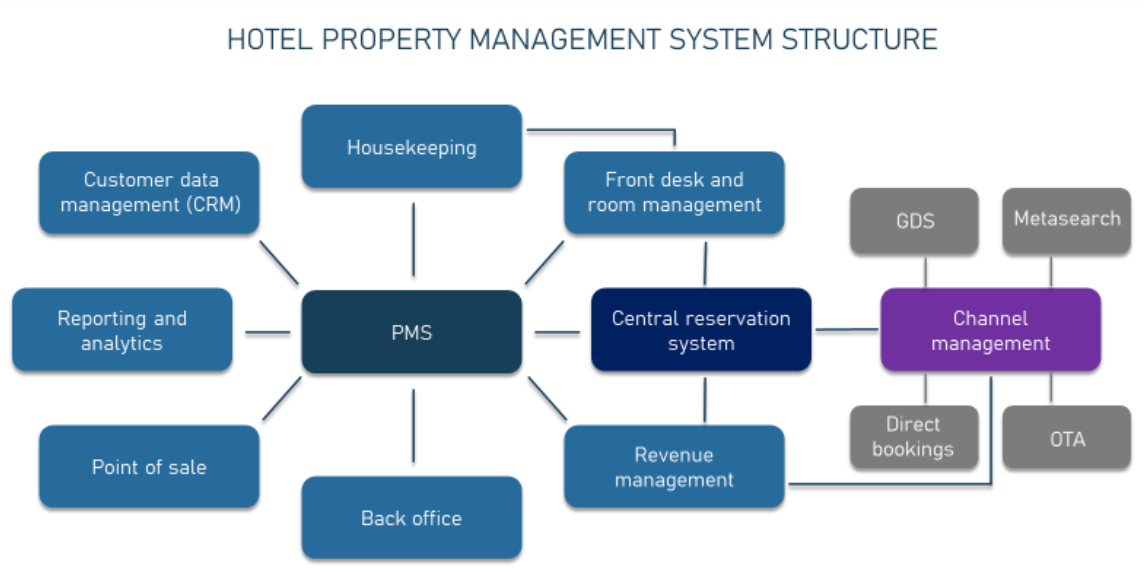
A hotel audit is a systematic review of financial transactions, operational processes, and compliance records to ensure accuracy, detect discrepancies, and identify areas for improvement. In 2026, audits go beyond traditional bookkeeping — they integrate with property management systems (PMS), channel managers, and government platforms like ZATCA and Shomoos.
Main Types of Hotel Audits
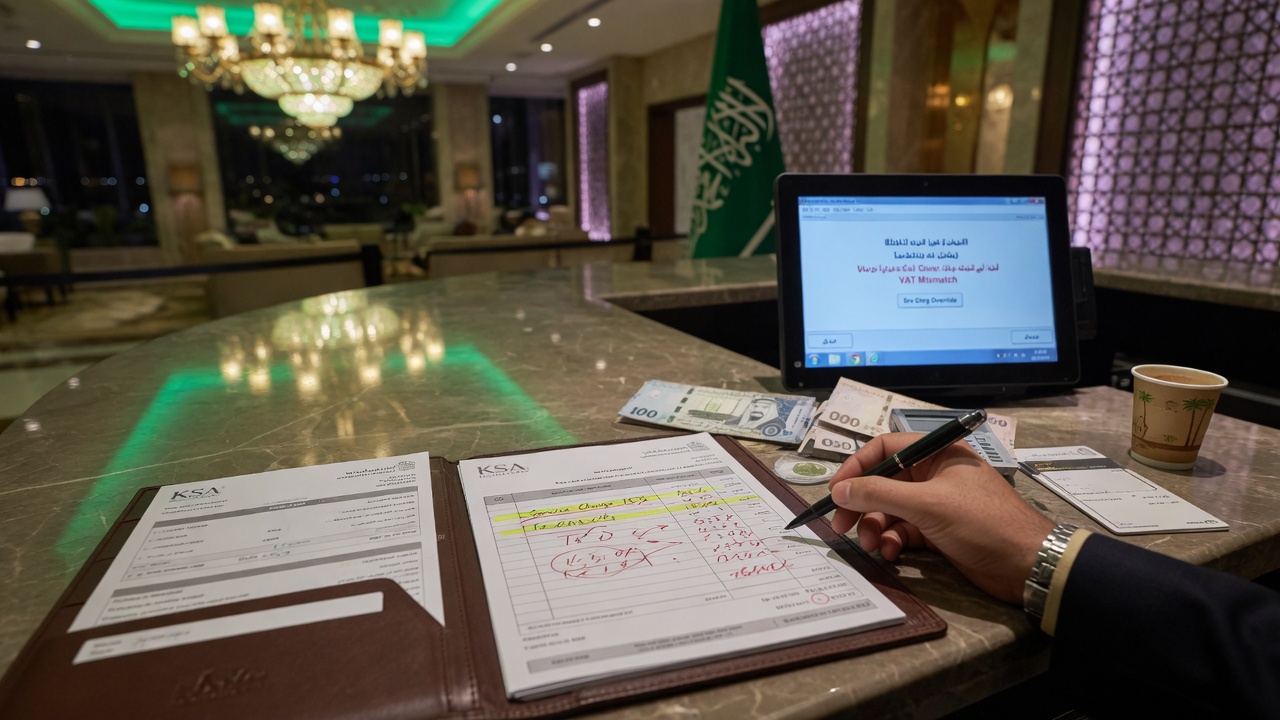
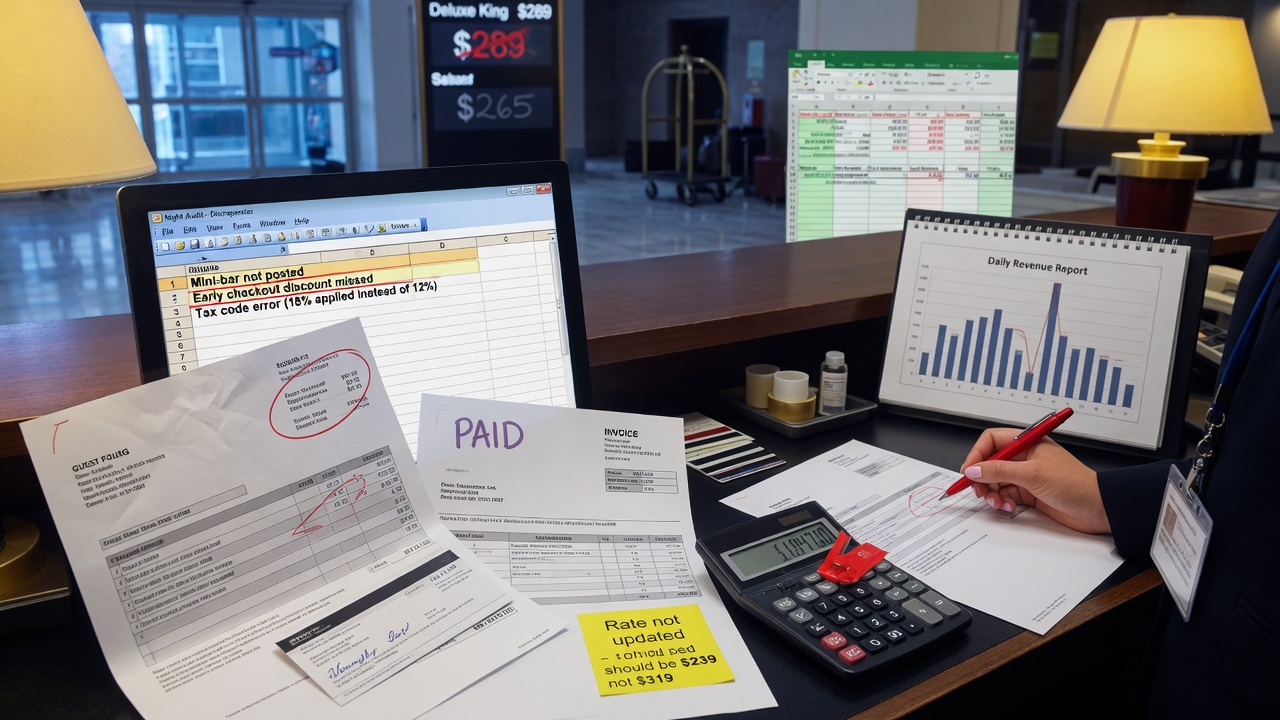
- Night Audit (Daily): The most critical daily audit that reconciles front desk transactions, posts room charges, closes the business day, and generates daily reports. It ensures that all revenues from rooms, food & beverage, and other services are accurately recorded.
- Financial Audit (Monthly/Quarterly): A deeper review of income statements, balance sheets, cash flow, and tax compliance. Includes verification of accounts payable/receivable, payroll, and VAT calculations.
- Operational Audit: Evaluates efficiency of housekeeping, front desk, maintenance, and F&B operations. Identifies bottlenecks and staff performance issues.
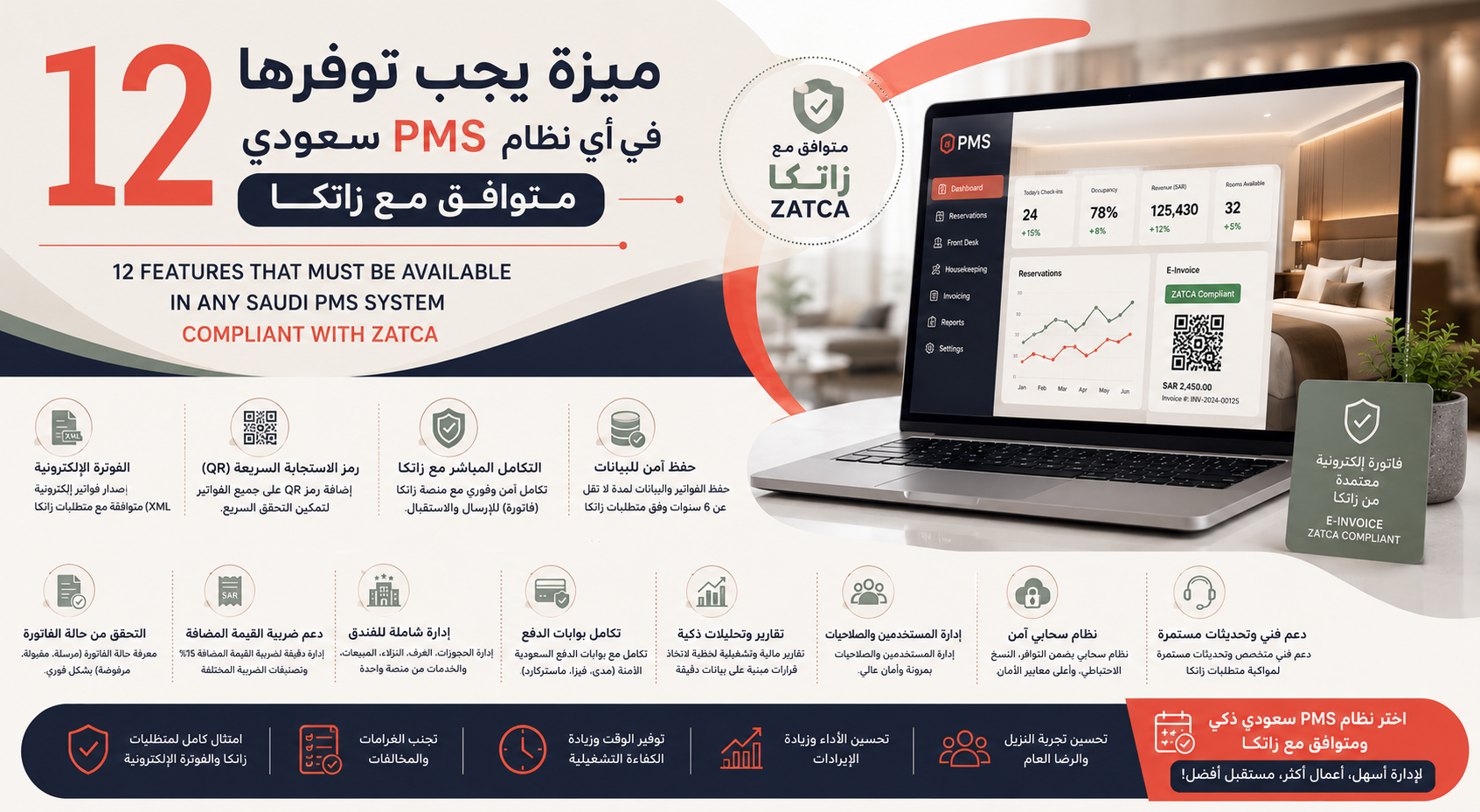
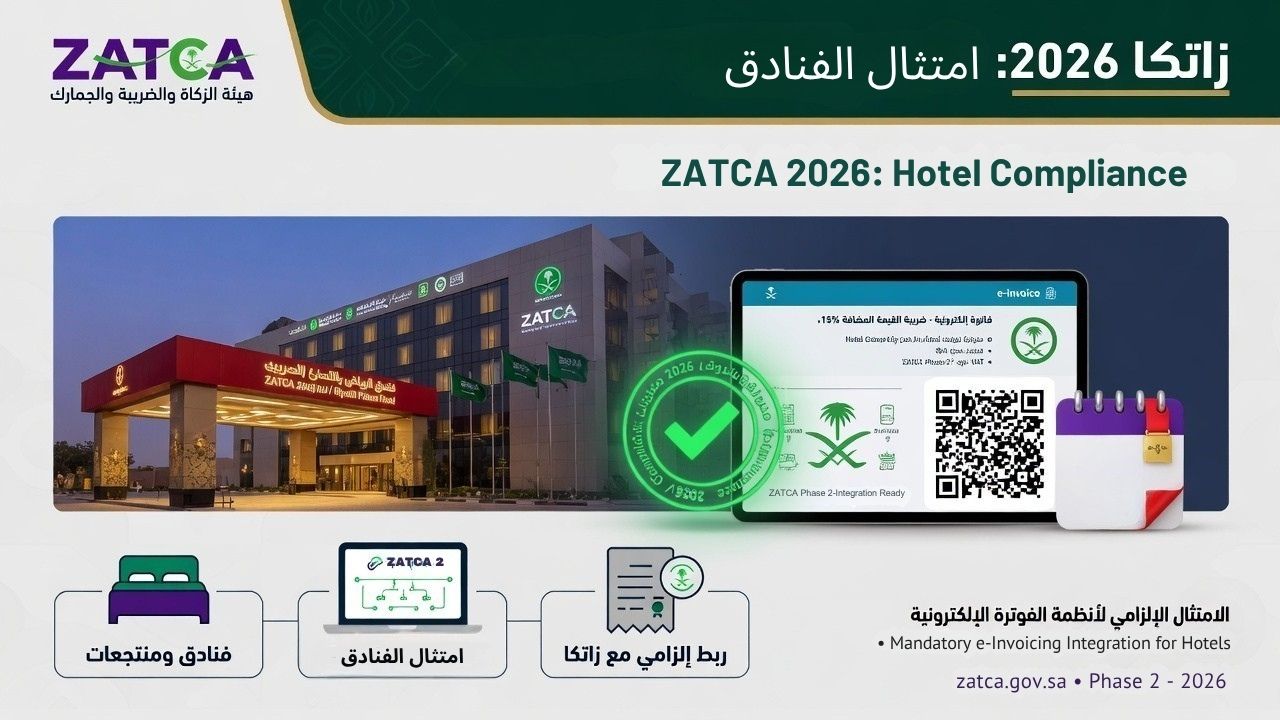
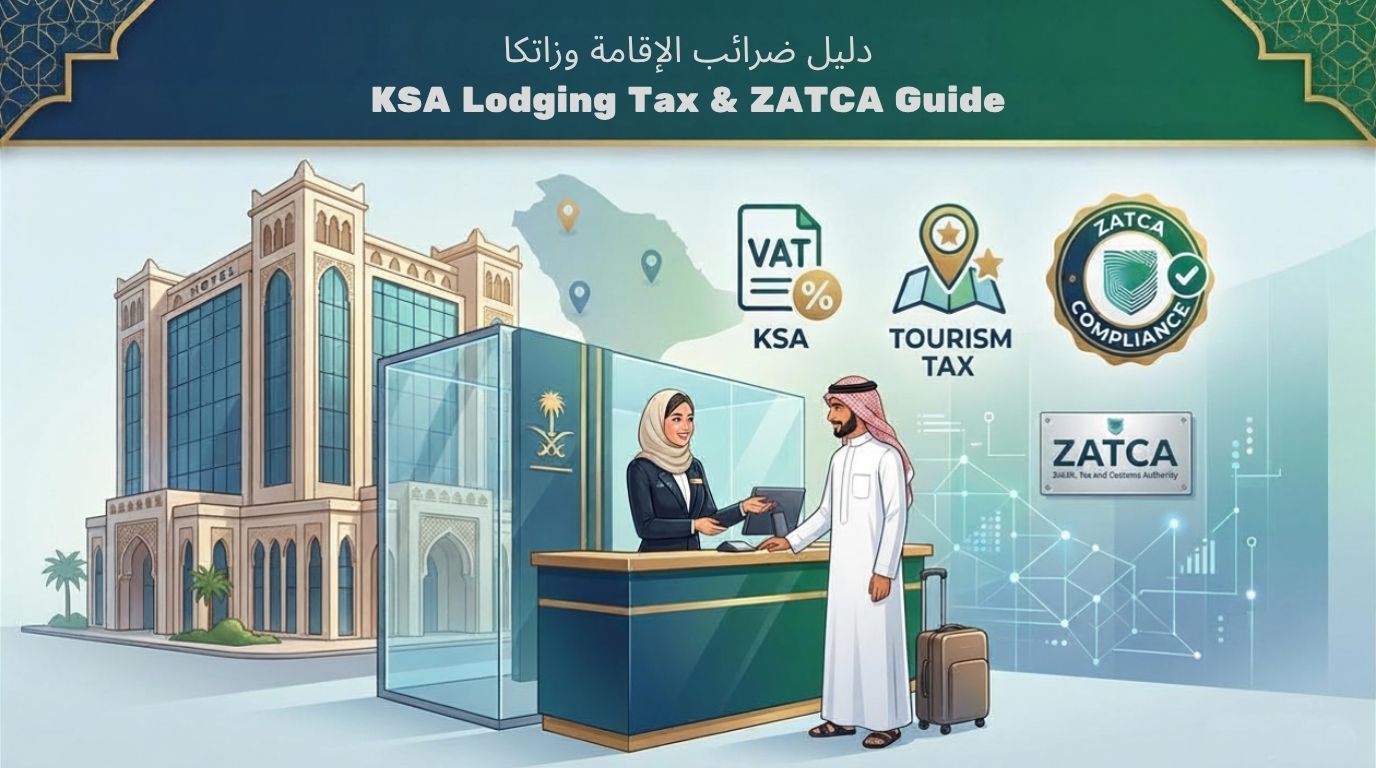
- Compliance Audit: Checks adherence to local regulations: ZATCA e‑invoicing (Phase 2), Shomoos guest data transmission, Ministry of Tourism licensing, and cybersecurity standards (NCA).
- Revenue Audit: Focuses on rate parity, channel performance, OTA commissions, and dynamic pricing effectiveness. Prevents revenue leakage from under‑reporting or incorrect discounts.
- IT & Data Security Audit: Reviews system access logs, data backups, PCI compliance for payment cards, and protection against cyber threats.
Each audit type serves a unique purpose, but they all share a common goal: ensuring that your hotel operates efficiently, legally, and profitably.
The Night Audit: Heart of Daily Hotel Operations
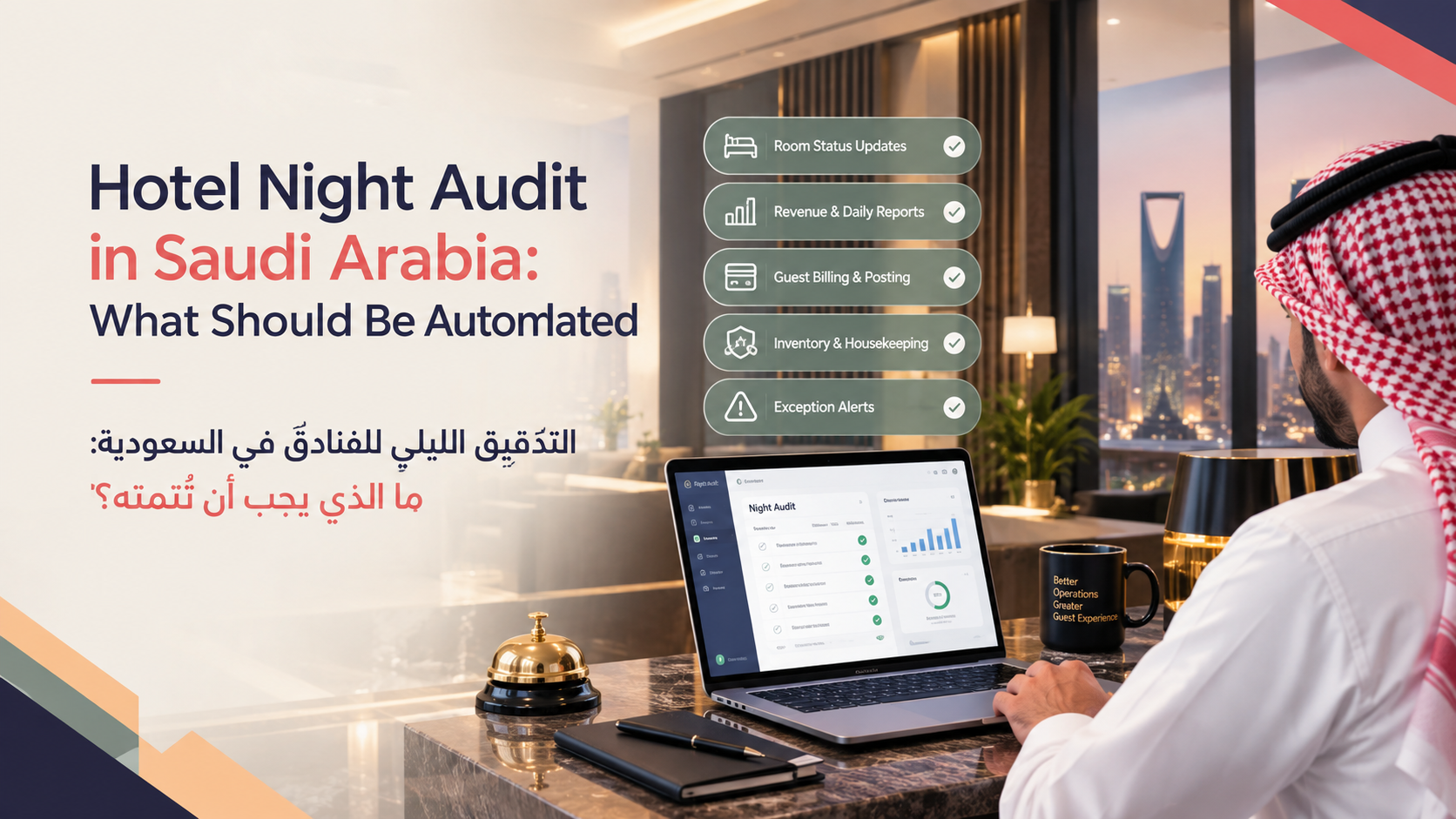
The night audit is performed at the end of each business day (usually after midnight). Its primary functions include:
- Closing the day's transactions: Posting all room charges, incidental expenses, and payments to guest folios.
- Reconciling front desk cash and credit card settlements: Ensuring that payments match system records.
- Verifying room rates and occupancy: Checking that no discrepancies exist between booked rates and actual charges.
- Updating availability: Rolling over the system to the next day, making vacant rooms available for sale.
- Generating daily reports: Flash report, revenue summary, occupancy statistics, and housekeeping status.
- Identifying no‑shows, early departures, and walk‑ins: Adjusting inventory and billing accordingly.
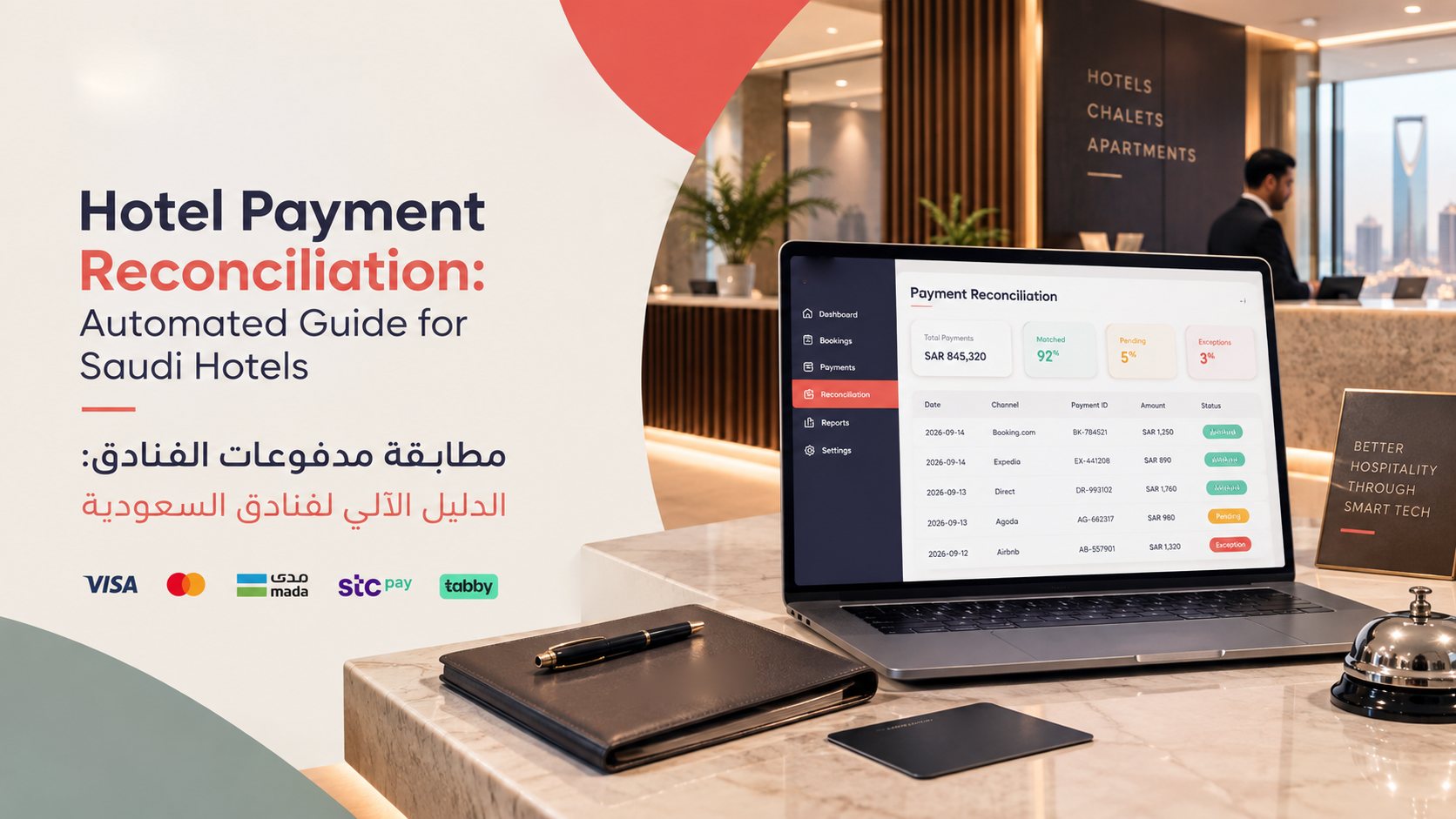
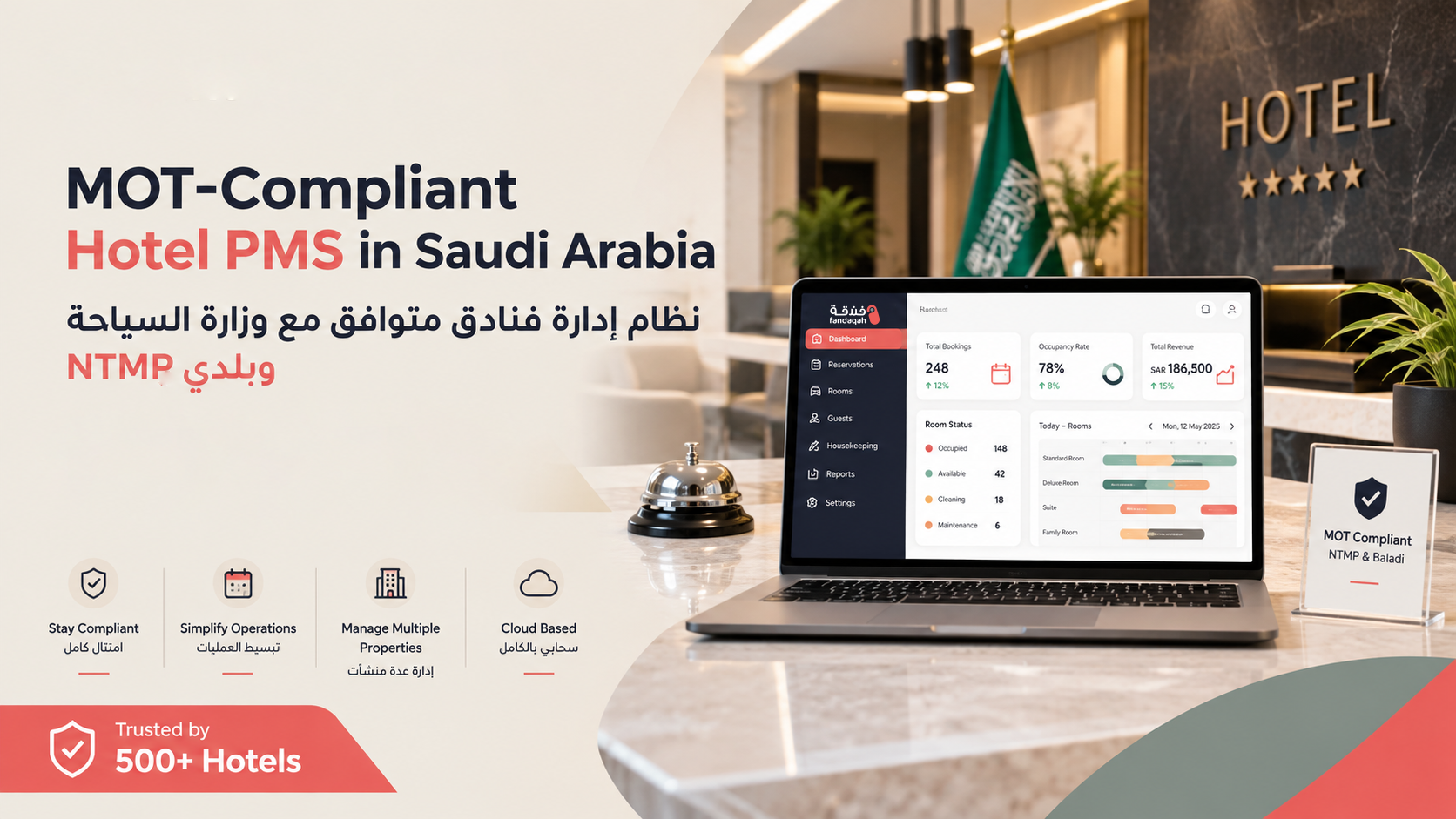
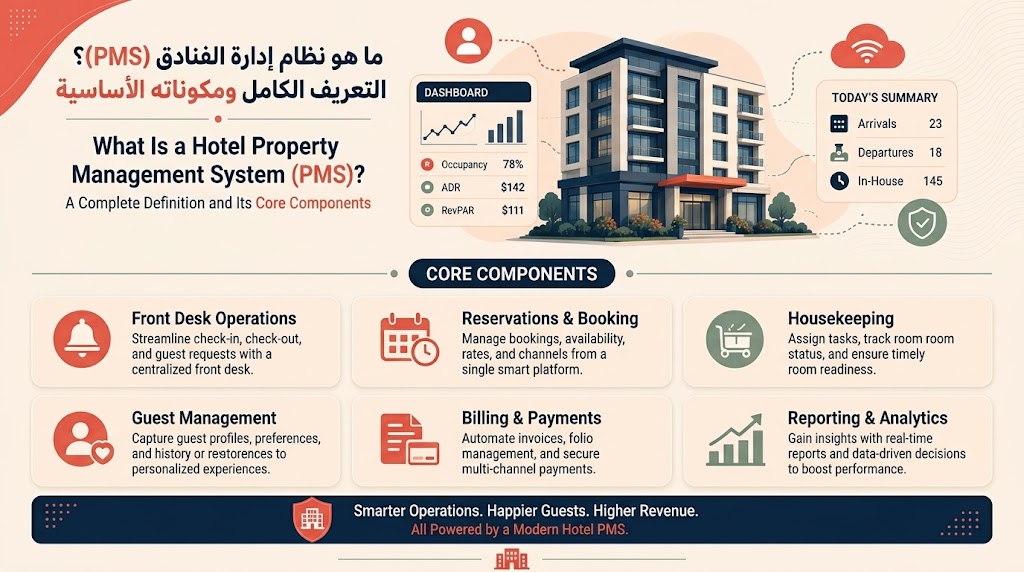
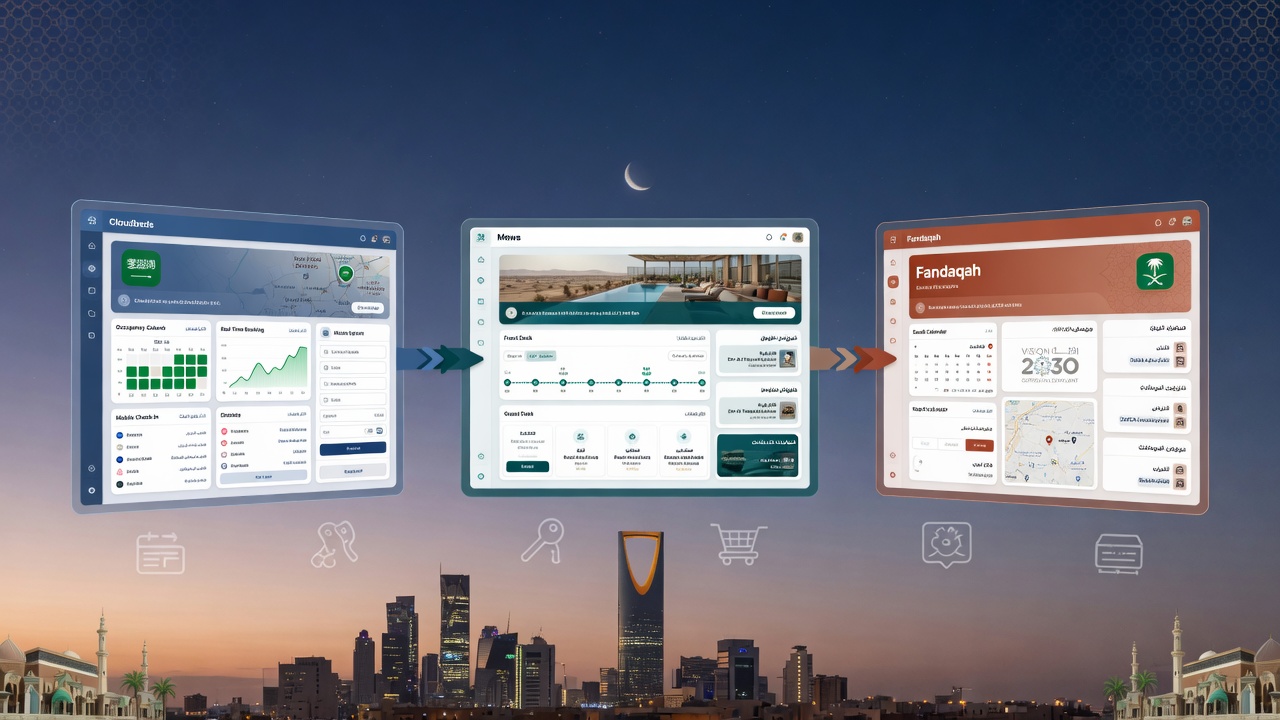
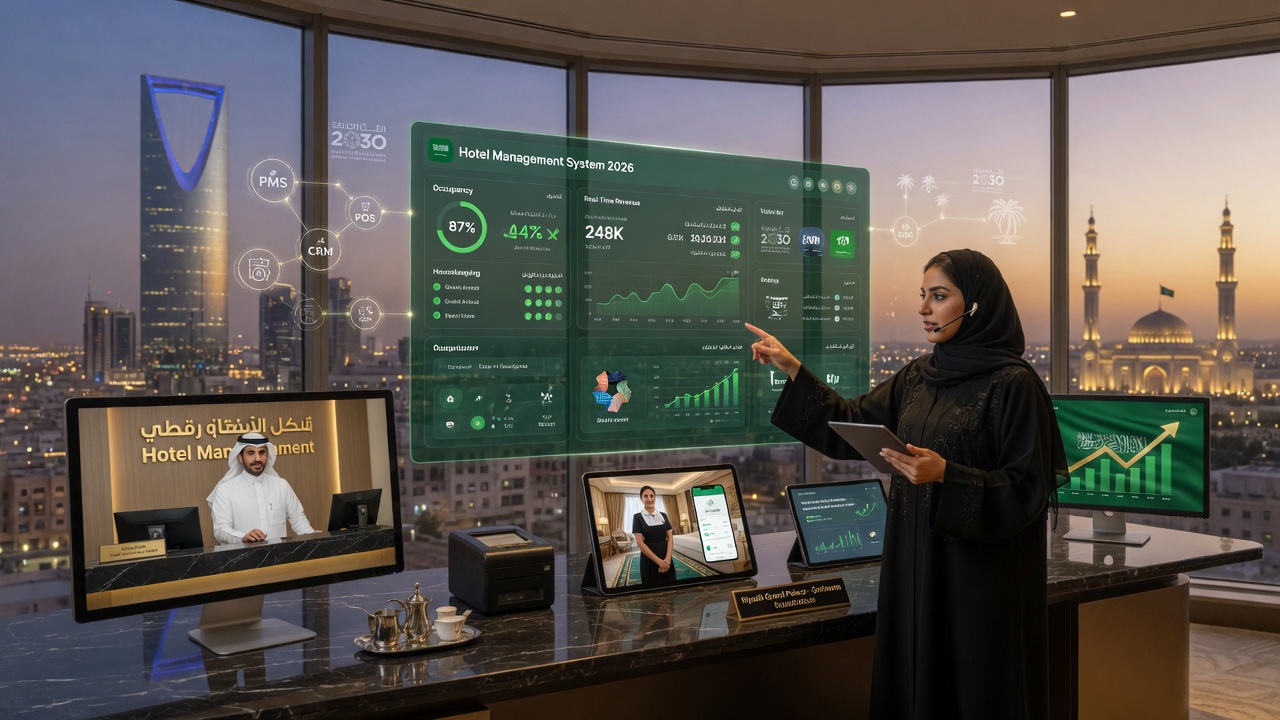
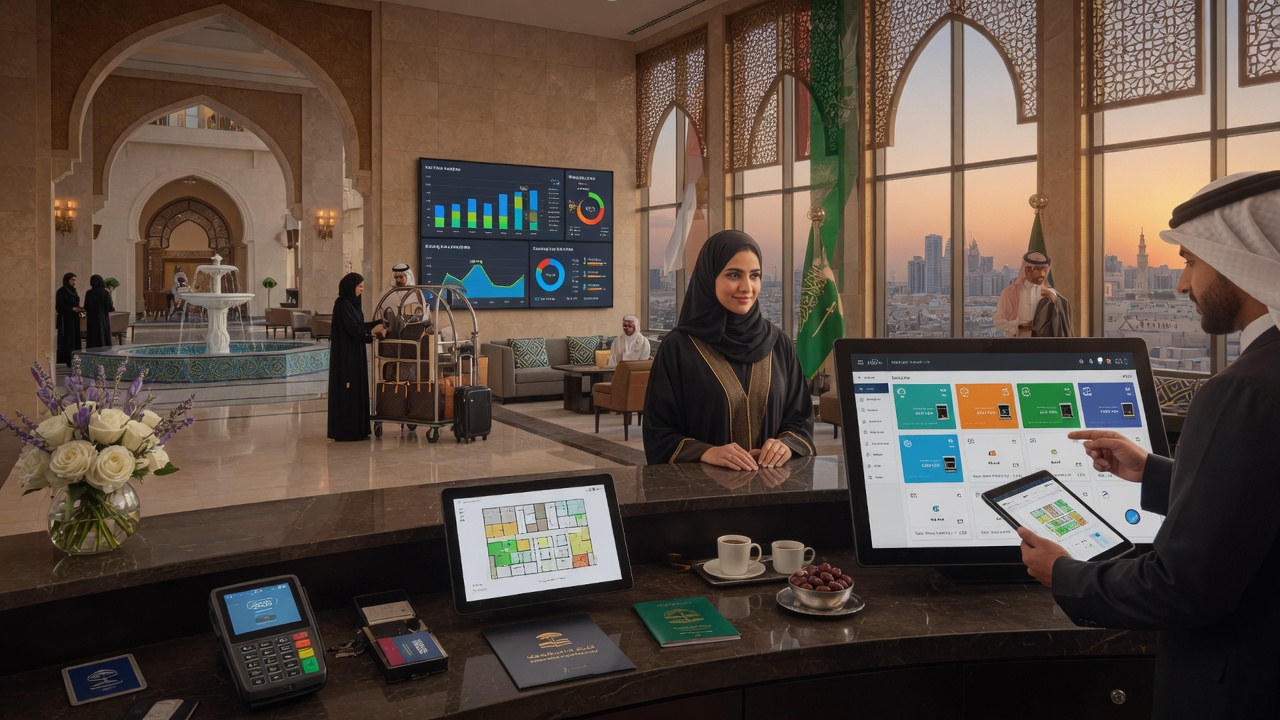
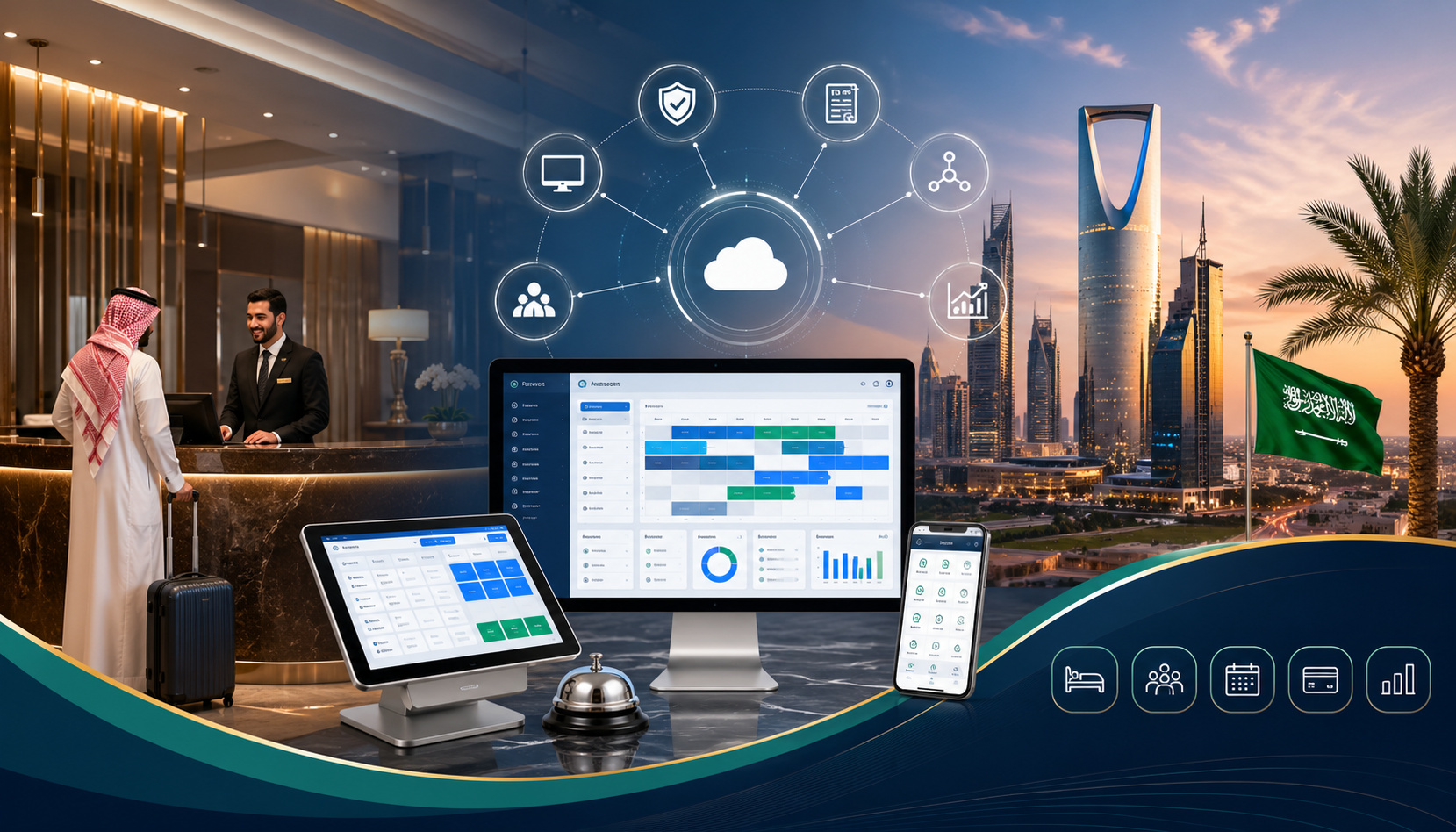
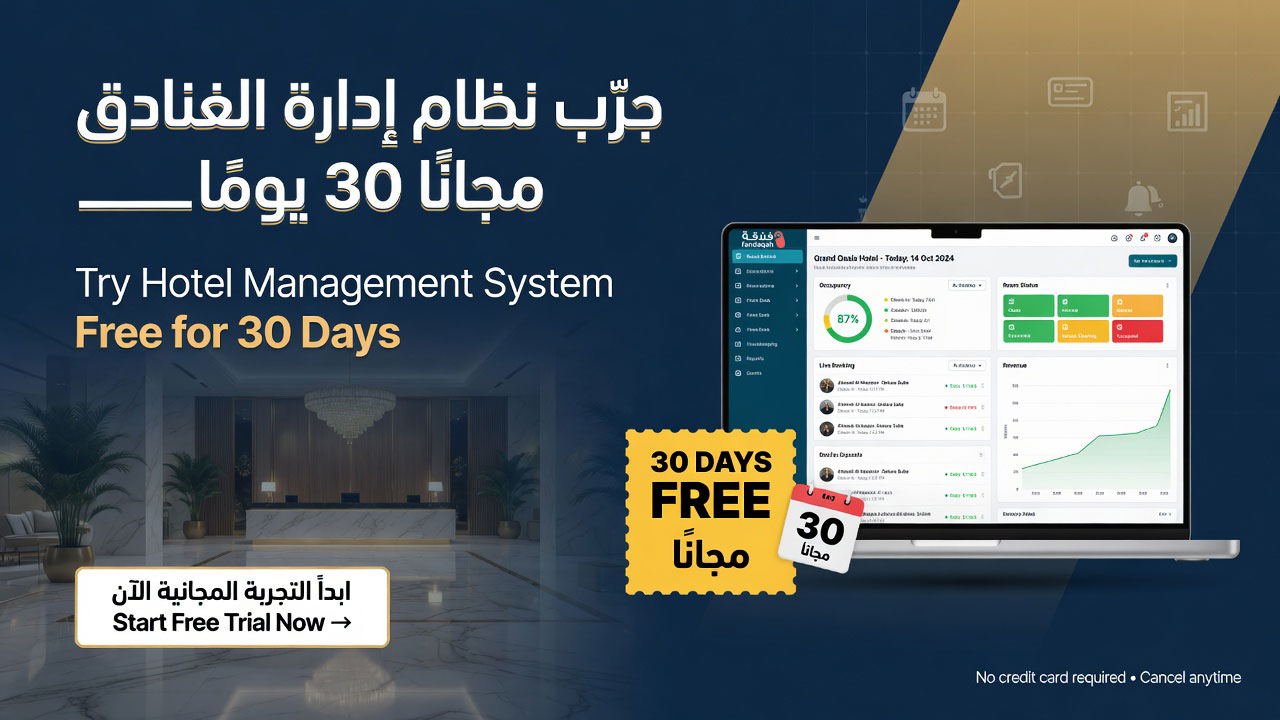
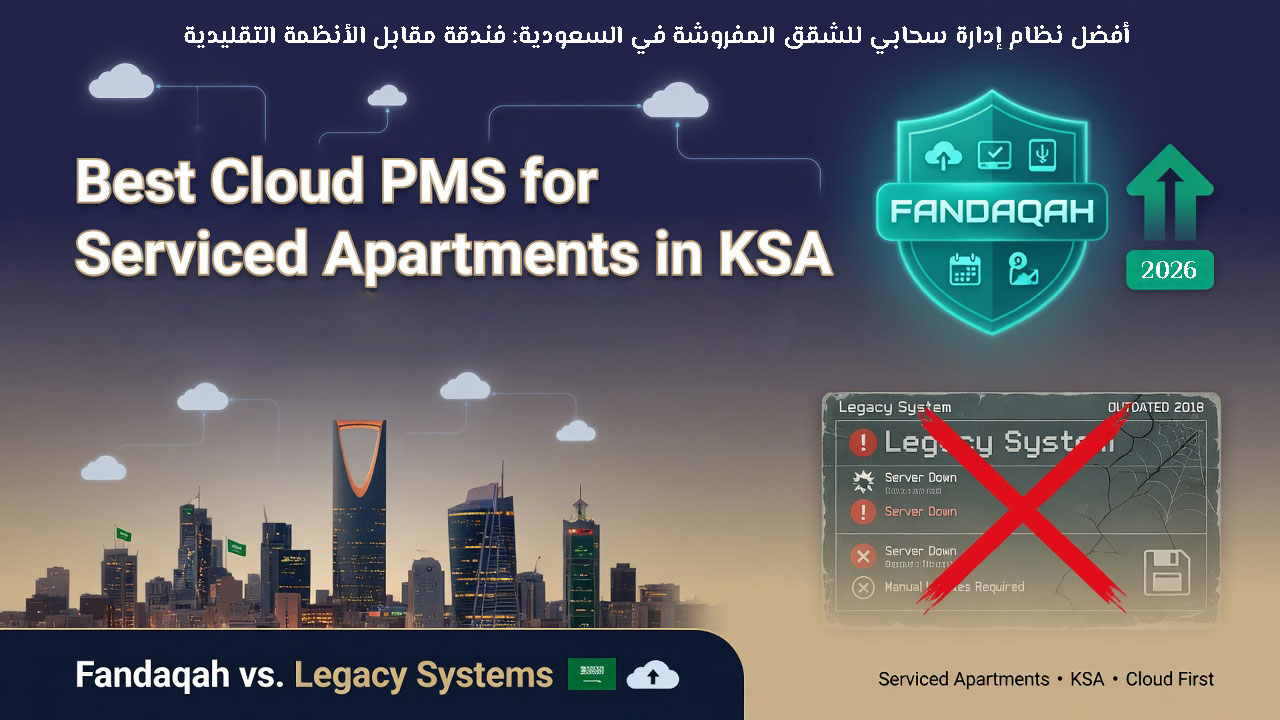
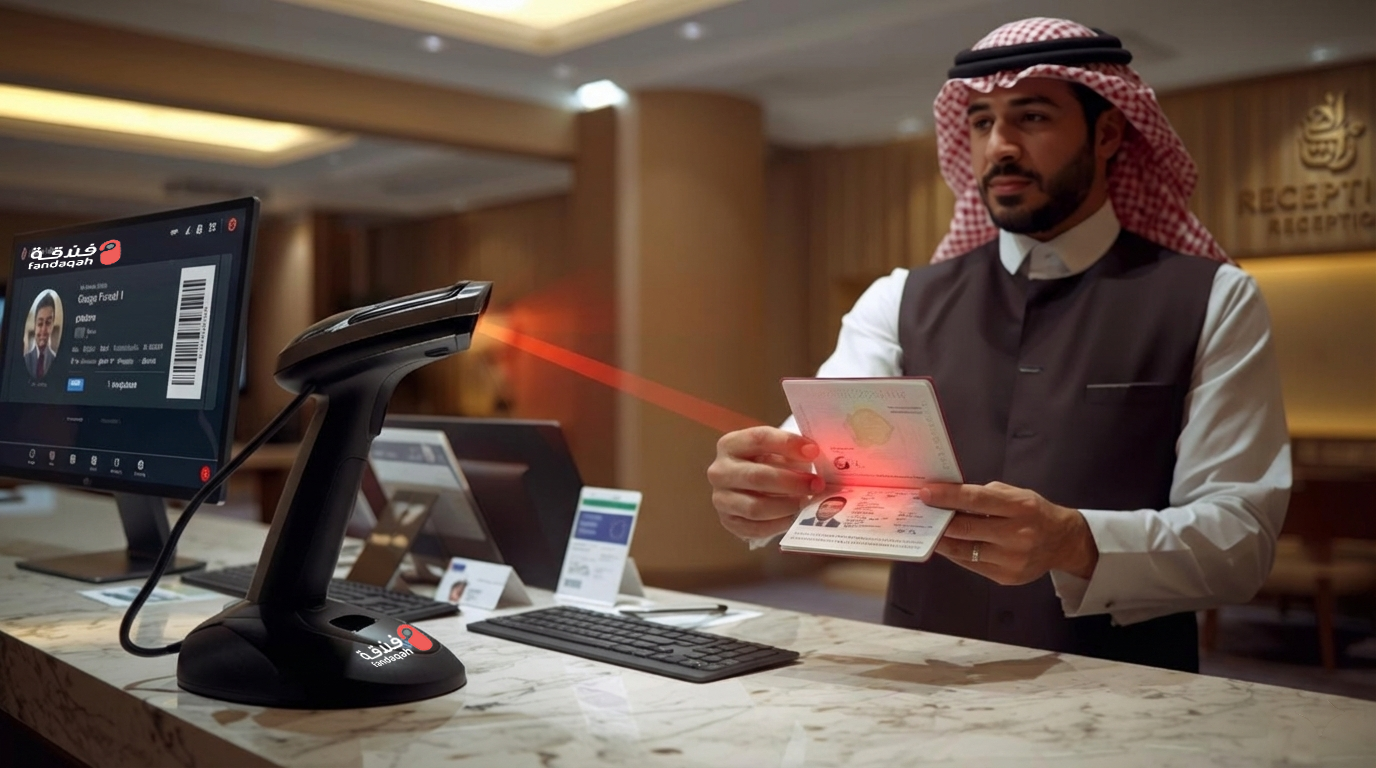
Traditionally, night audit was a manual, time‑consuming process. Modern hotel management systems (like Fandaqah PMS) automate most of these tasks, allowing night auditors to focus on exception handling and analysis rather than data entry.
Key Benefits of a Robust Hotel Audit System
90% fewer manual errors
15h/week saved on reconciliation
100% ZATCA compliance
Real‑time reporting
- Error reduction: Automated calculations and reconciliations eliminate human mistakes in posting charges, taxes, and discounts.
- Time savings: Staff spend less time on manual data entry and more time on guest service and revenue management.
- Revenue protection: Detects under‑payments, missing charges, and OTA commission overcharges.
- Regulatory compliance: Automated audit trails and reports simplify ZATCA e‑invoicing and Shomoos submissions.
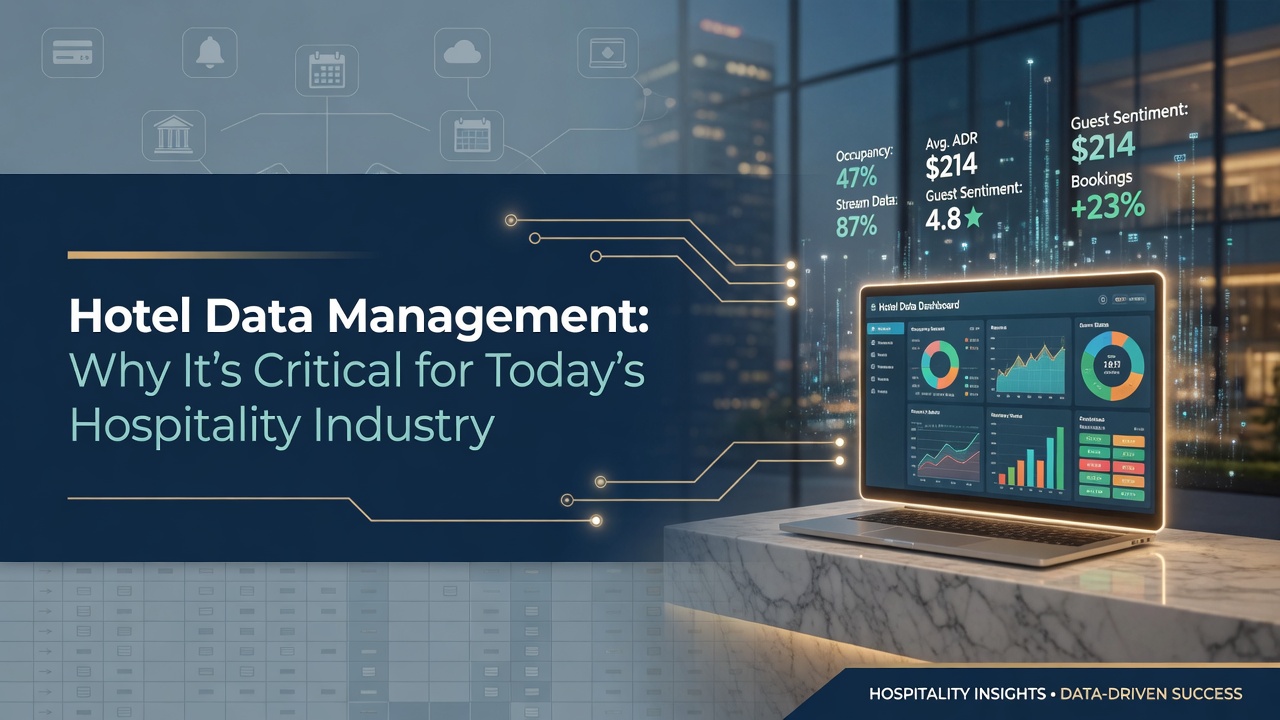
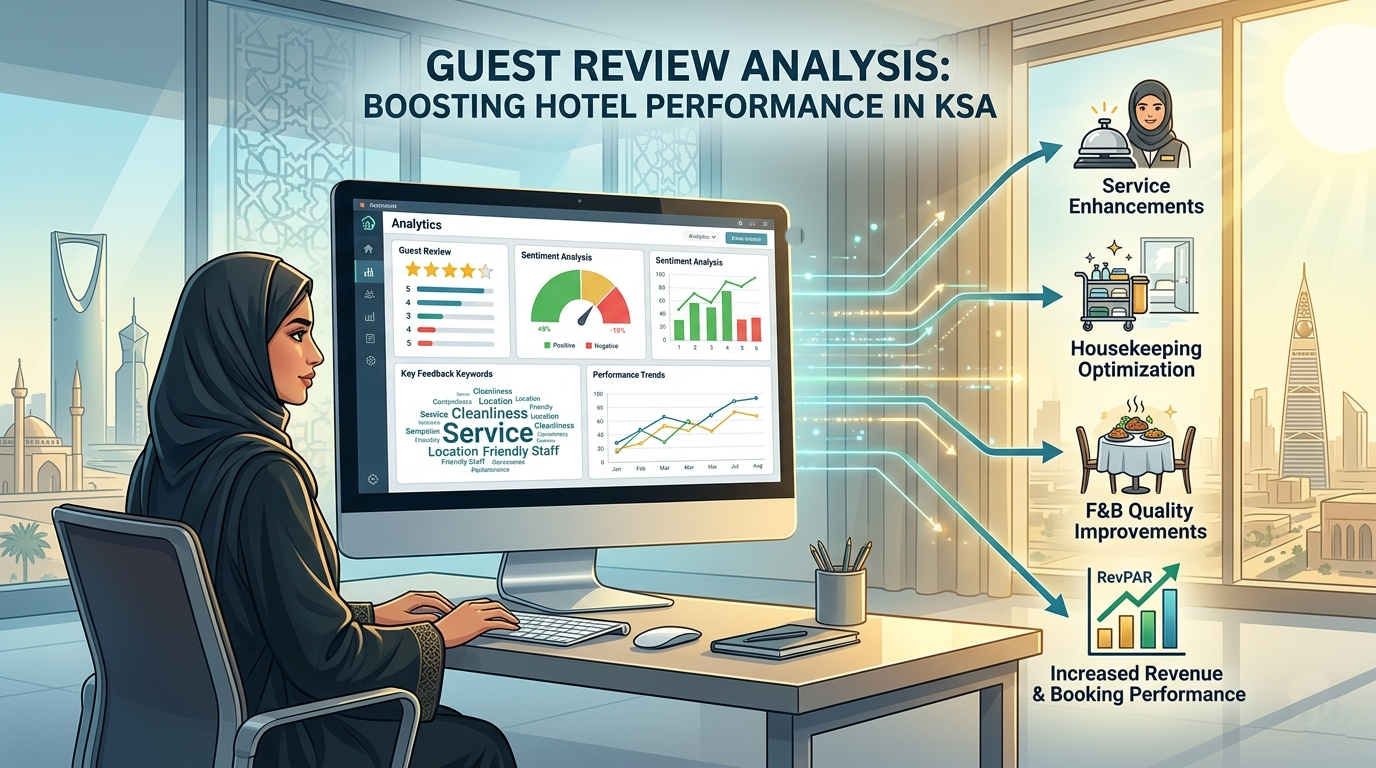
- Better decision‑making: Real‑time dashboards and trend reports help managers adjust pricing, staffing, and marketing strategies.
- Fraud prevention: Audit logs track every transaction, making it easy to identify unauthorized changes or suspicious activity.
- Seamless integration: Modern PMS solutions integrate night audit with channel managers, accounting software, and government portals.
Pro Tip for Saudi Hoteliers: Use automated night audit features to instantly generate ZATCA‑compliant daily sales summaries and guest lists for Shomoos. This reduces end‑of‑month workload and ensures you never miss a reporting deadline.
Essential Hotel Reports: From Night Audit to Monthly Analysis
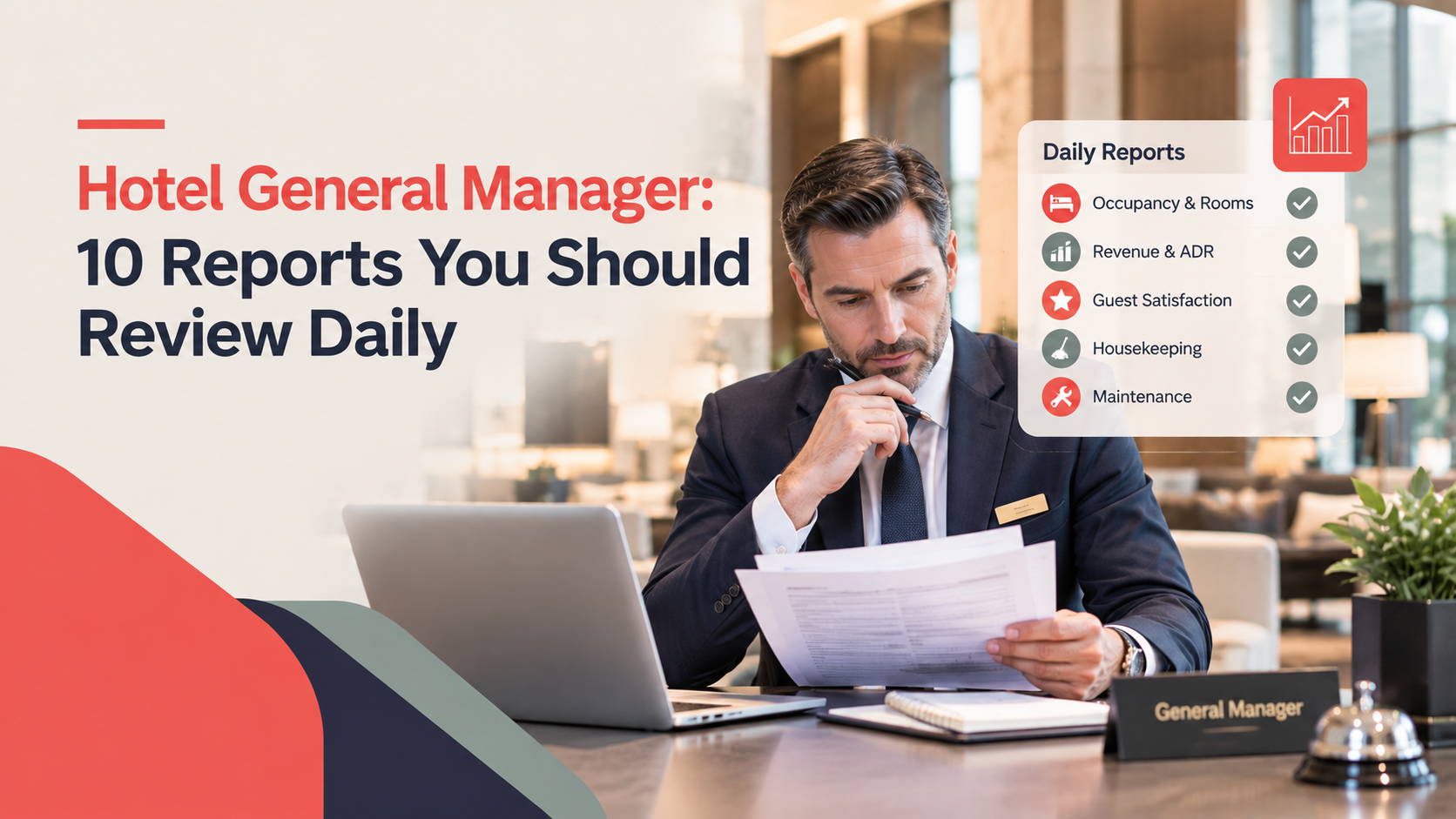
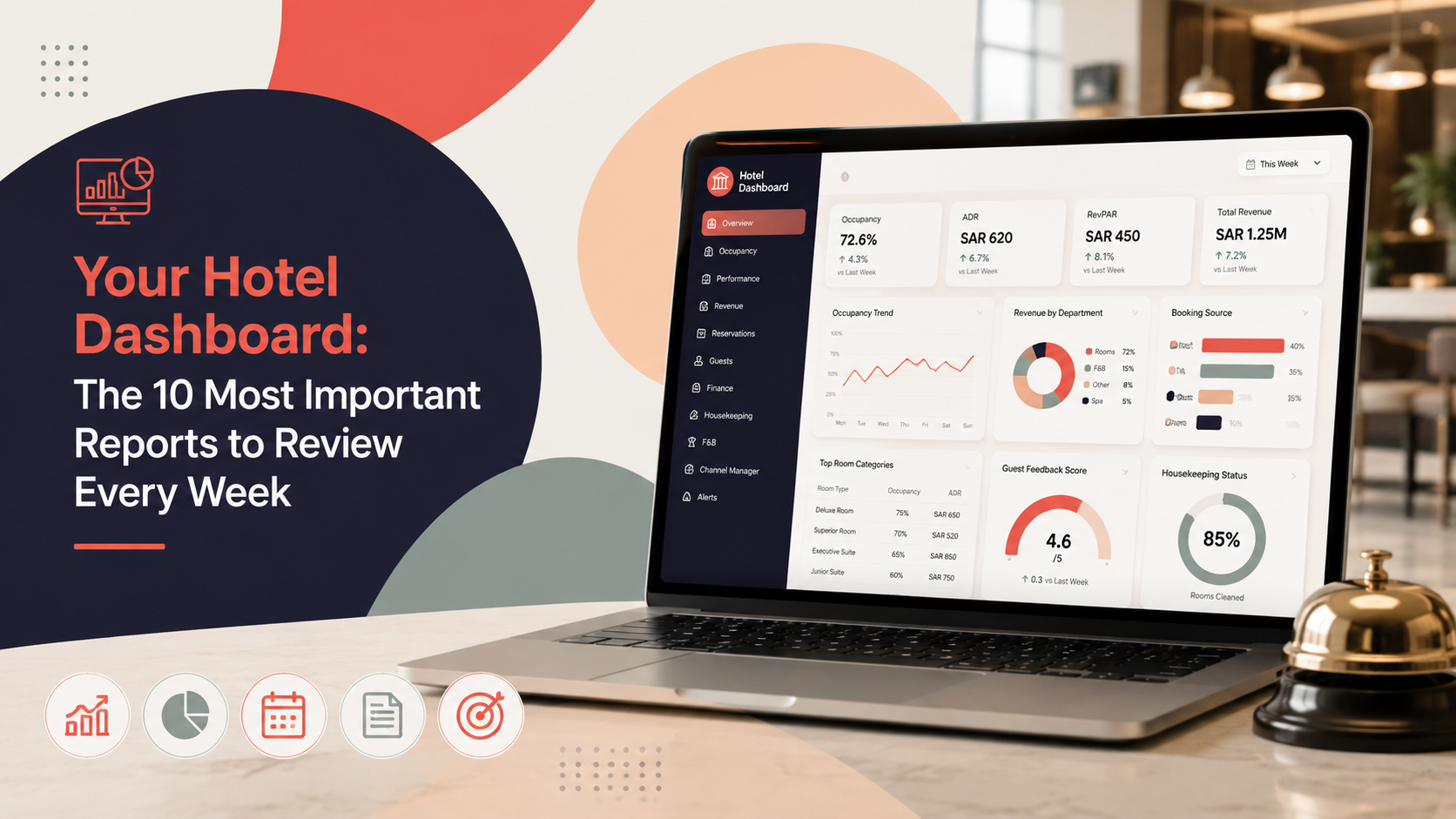
Reports are the output of a good audit system. Here are the most important reports for Saudi hotels in 2026:
Daily Reports (Generated by Night Audit)
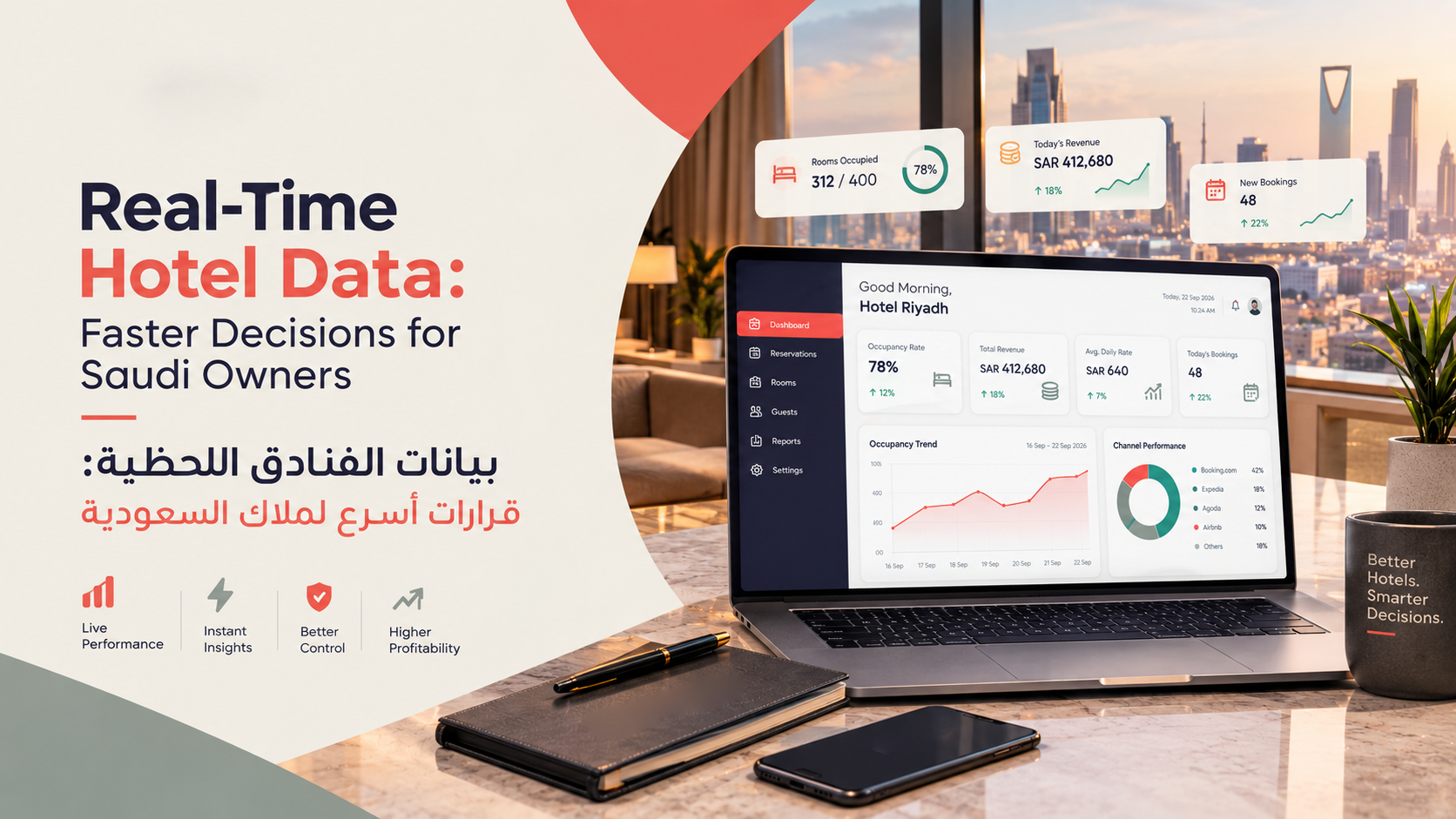
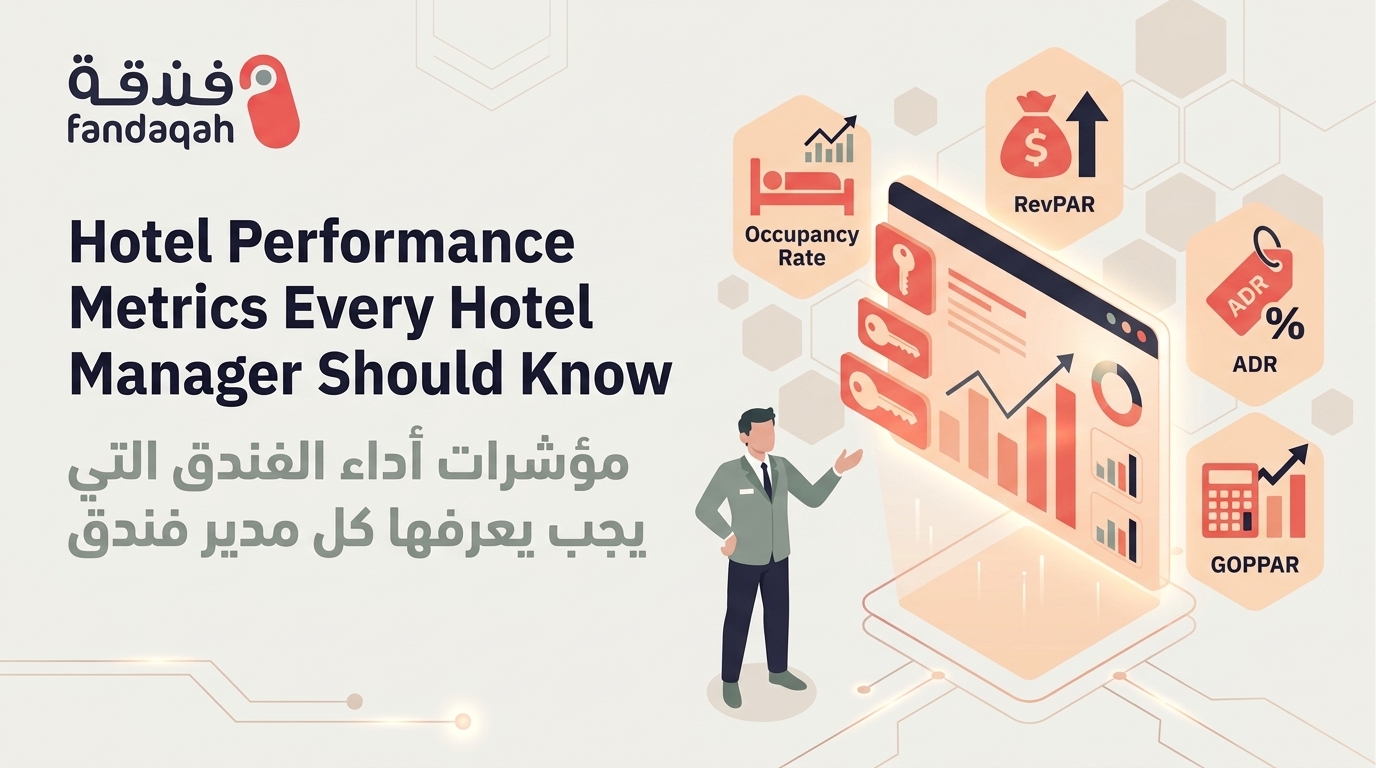
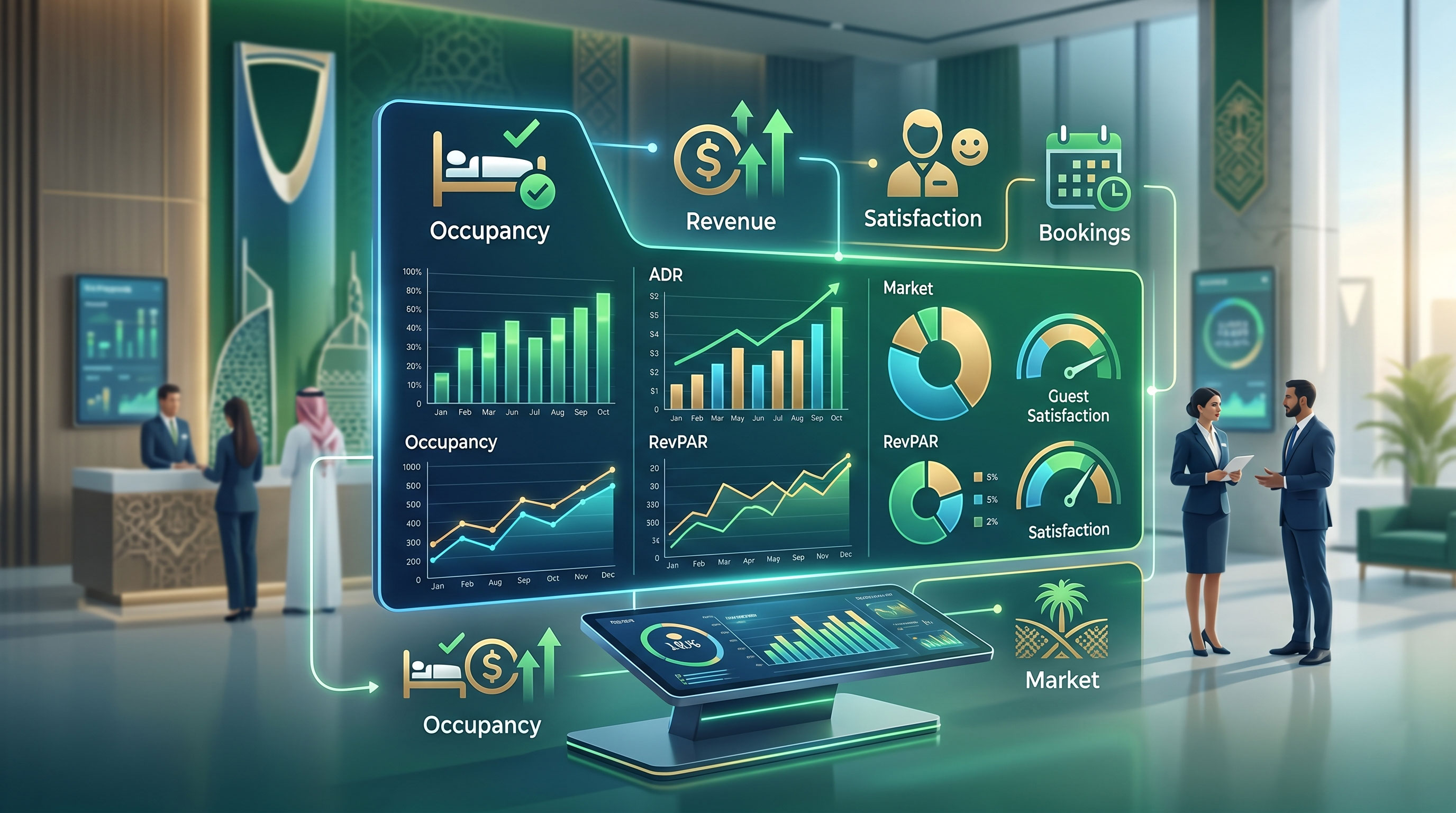
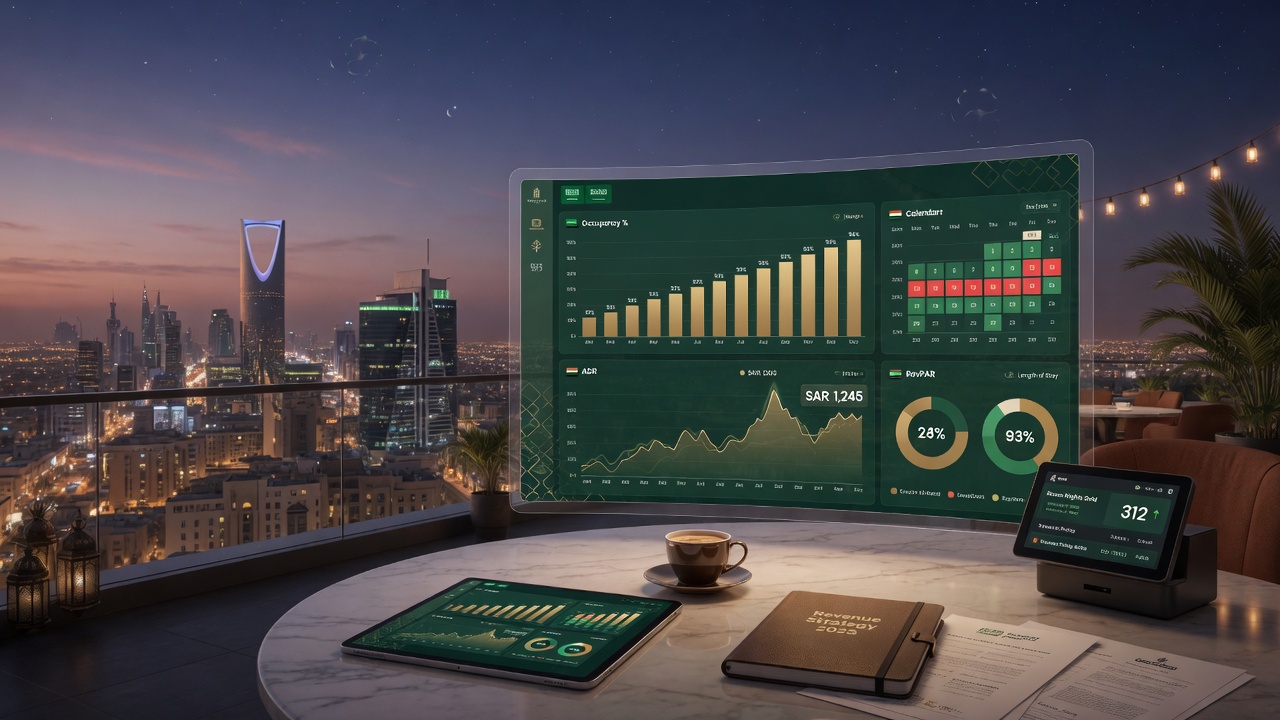
- Flash Report: Snapshot of occupancy, ADR, RevPAR, and total revenue for the day.
- Revenue Summary: Breakdown of revenue by department (rooms, F&B, spa, other).
- Guest Ledger Report: List of all open guest folios with current balances.
- City Ledger Report: Accounts receivable from travel agents, corporate accounts, and OTA commissions.
- Housekeeping Status Report: Occupied, vacant, dirty, and out‑of‑order rooms.
- No‑Show & Cancellation Report: Tracks revenue lost from no‑shows and late cancellations.
Monthly & Strategic Reports
- Profit & Loss Statement: Compares actual revenue and expenses against budget.
- Channel Performance Report: Shows which OTAs and direct channels drive the most bookings and revenue.
- Forecast vs. Actual Report: Compares projected occupancy and revenue with actual results.
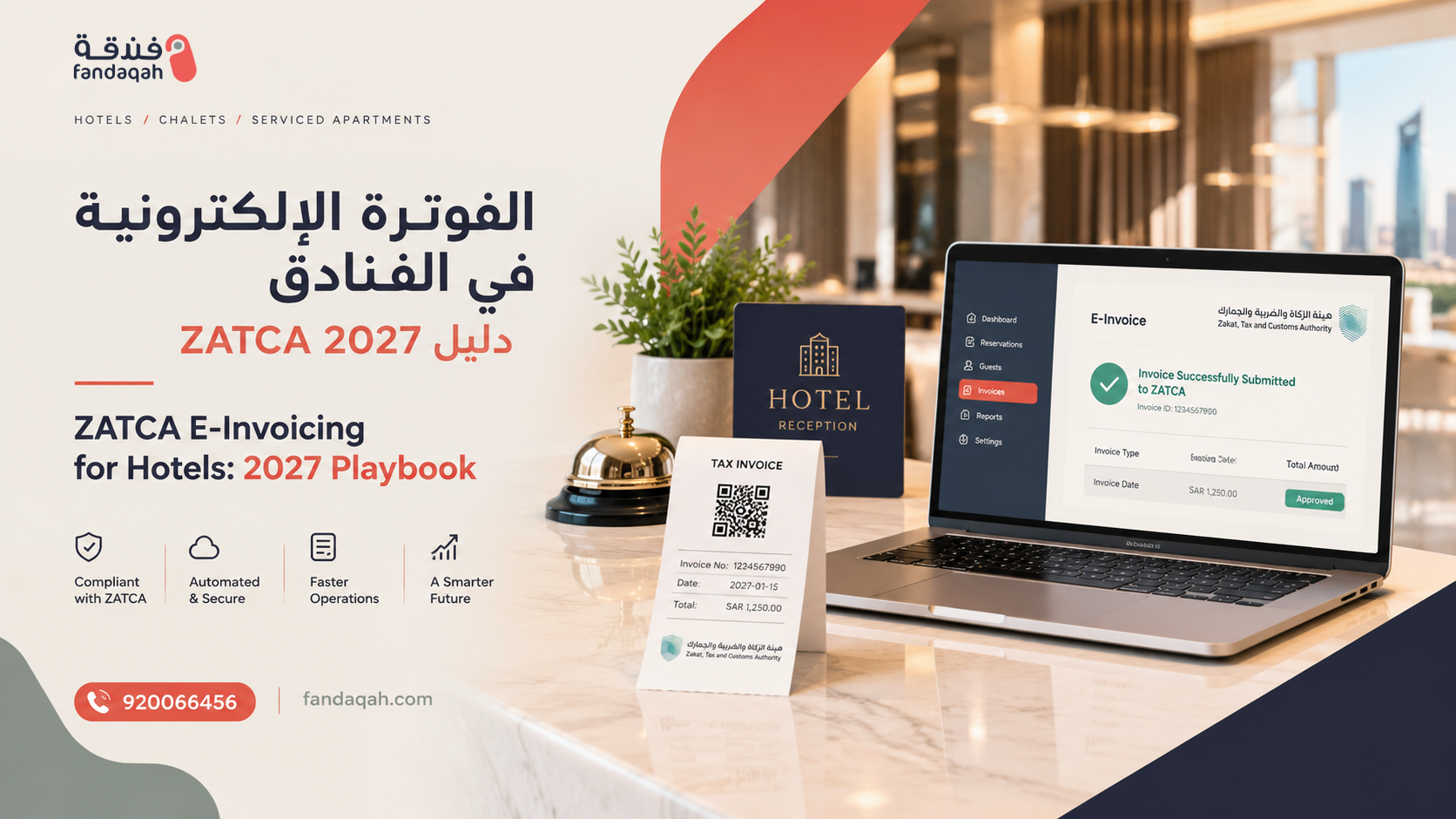
- ZATCA E‑Invoice Log: Complete record of all e‑invoices issued, with QR codes and transmission status.
- Shomoos Guest Registration Report: Confirms all guest data was successfully transmitted to authorities.
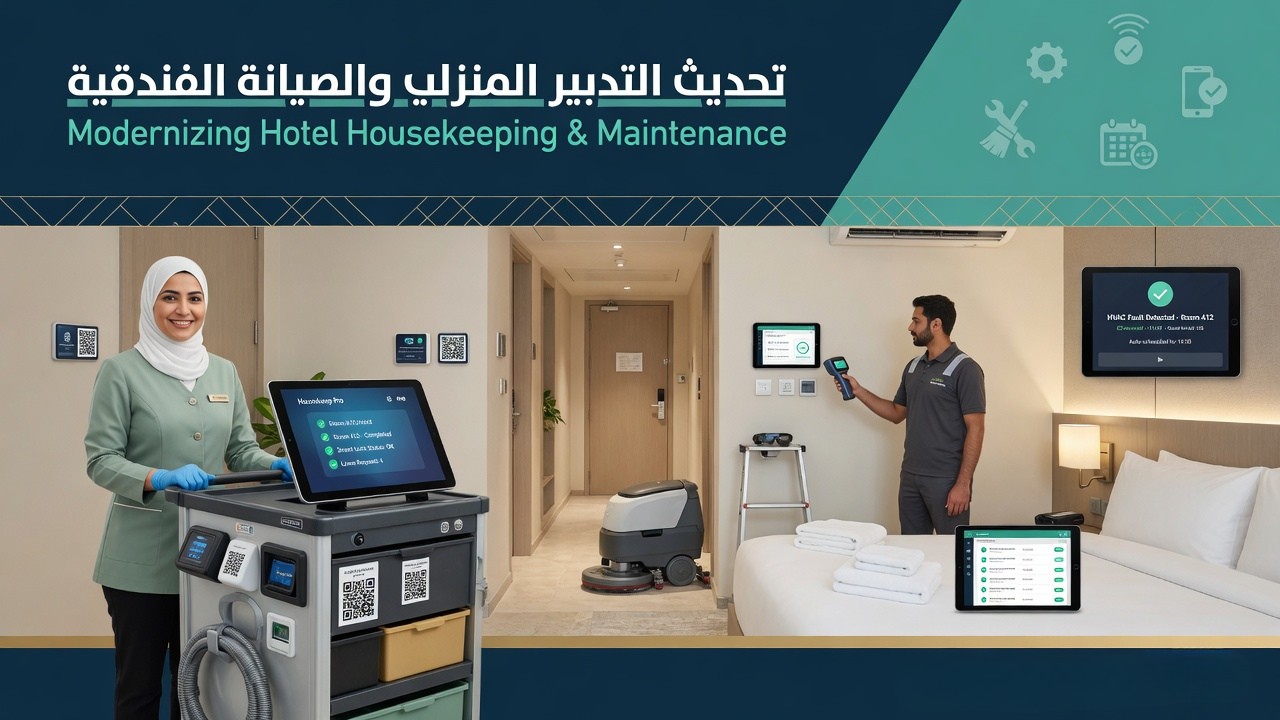
- Staff Productivity Report: Tracks housekeeping cleaning times, front desk check‑in/out durations, and maintenance response times.
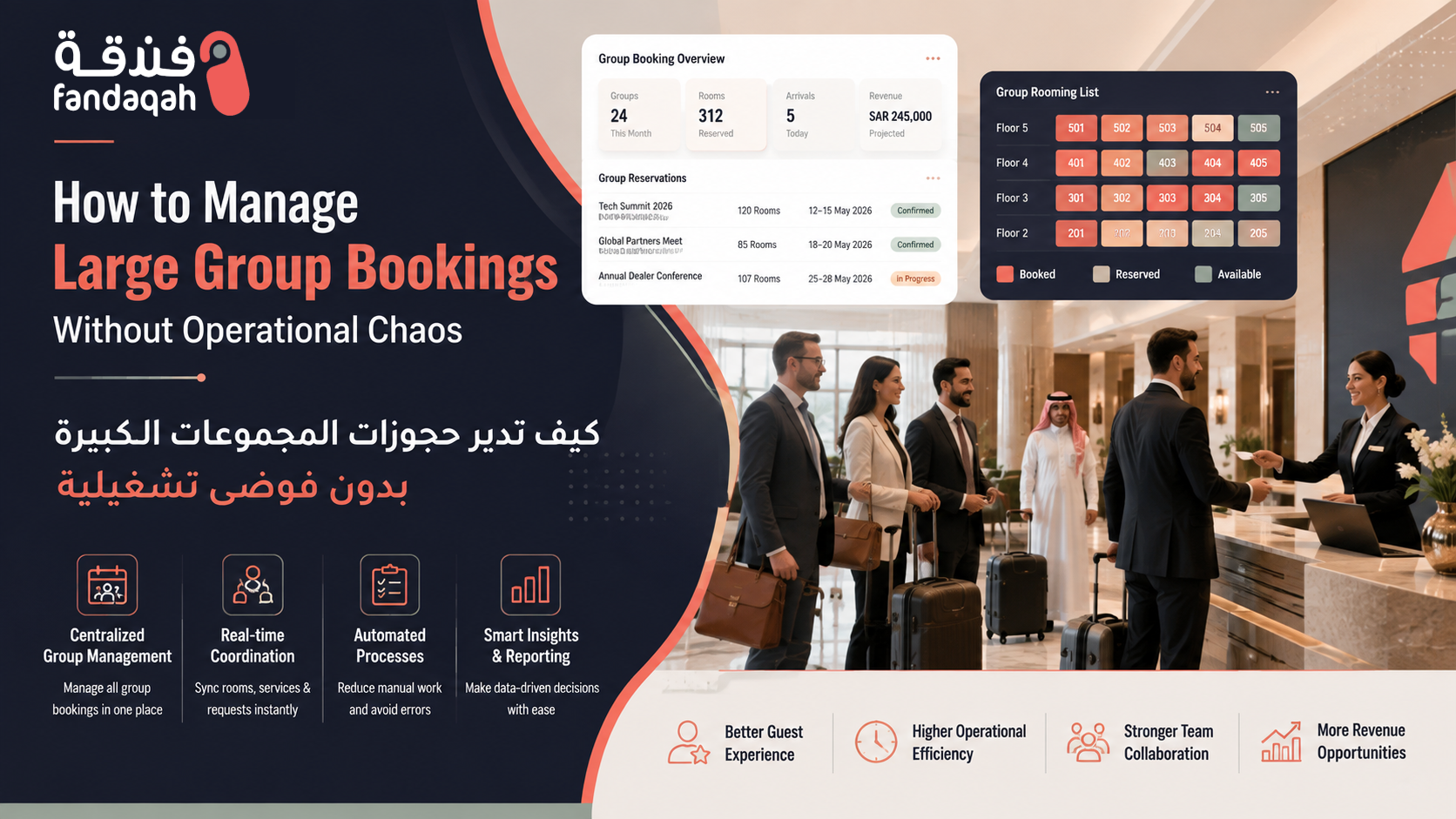
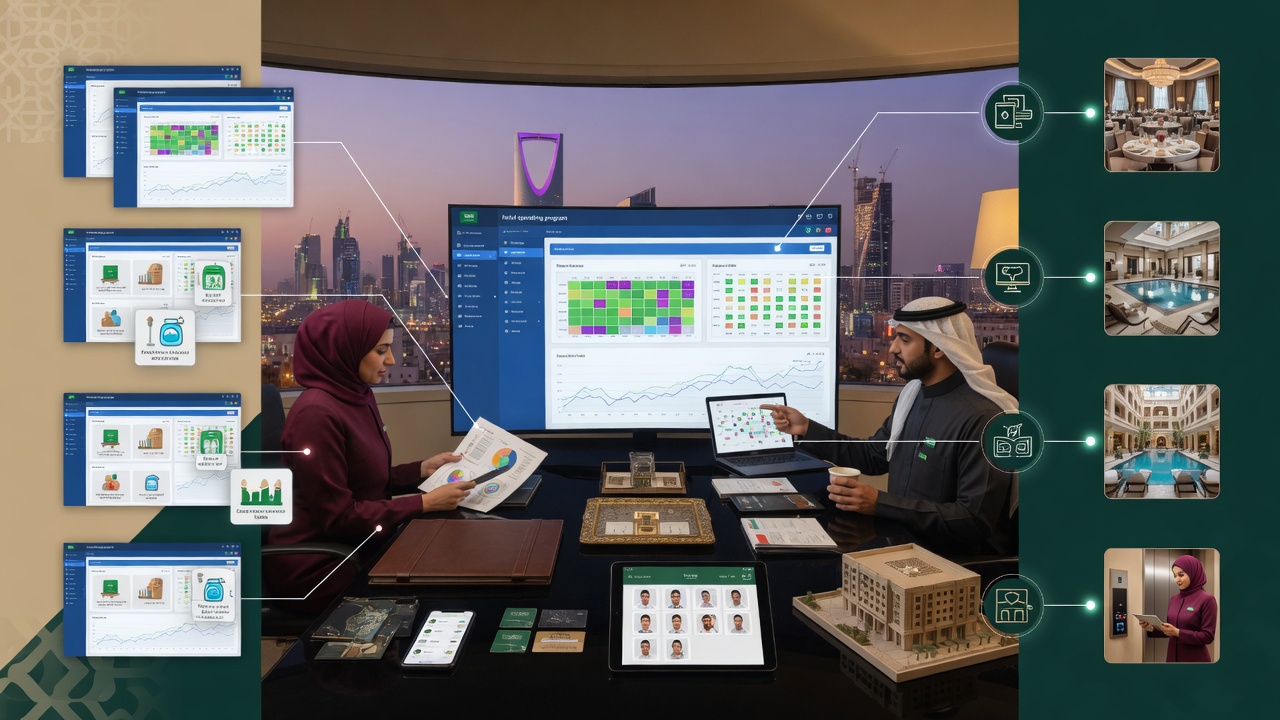
Automated PMS solutions (like Fandaqah) can schedule and email these reports to stakeholders, saving hours of manual compilation.
Use Cases: How Saudi Hotels Benefit from Modern Audit Practices
Real‑world examples from across the Kingdom demonstrate the power of structured audits:
1. Business Hotel in Riyadh – Revenue Leakage Detection
A 200‑room business hotel discovered through automated night audit reports that minibar charges were not being posted to 15% of guest folios. After fixing the process, they recovered SAR 45,000 in the first quarter. The audit also revealed that OTA commissions were miscalculated on extended stays, saving an additional SAR 30,000 annually.
2. Pilgrim Hotel in Makkah – Compliance & Speed
A property near the Grand Mosque struggled with manual Shomoos reporting during Hajj, leading to delays and fines. After implementing an automated audit system integrated with Shomoos, guest data was transmitted in under 30 seconds per check‑in. The hotel achieved 100% compliance and reduced front desk workload by 40% during peak season.
3. Resort in the Red Sea – Multi‑Property Audit
A luxury resort group with three properties used a centralized PMS with consolidated audit reports. They identified that one property consistently under‑reported F&B revenue due to a cash handling issue. After retraining staff and tightening controls, F&B revenue increased by 18% without raising prices.
Comparison: Manual Audit vs. Automated Audit with PMS
| Aspect | Manual Audit | Automated Audit (PMS) |
|---|
| Time per night audit | 2–4 hours | 15–30 minutes (review only) |
| Error rate | 5–10% | <0.5% |
| Report generation | Manual compilation, prone to delays | Instant, scheduled, exportable |
| Compliance integration | Separate logins for ZATCA/Shomoos | Fully automated, real‑time |
| Revenue leakage detection | Often missed | Flagged automatically |
| Staff training required | High (multiple systems) | Low (single interface) |
Automated audit systems not only save time but also provide deeper insights and better compliance, making them a clear choice for hotels aiming to scale under Vision 2030.
Future Trends: Hotel Auditing in the Era of Vision 2030
As Saudi Arabia transforms into a global tourism hub, auditing practices will evolve rapidly:
- AI‑powered anomaly detection: Machine learning algorithms will automatically flag unusual transactions, potential fraud, or revenue leakage without manual review.
- Real‑time compliance dashboards: Integrated views of ZATCA invoice status, Shomoos submission success rates, and Ministry of Tourism reporting deadlines.
- Blockchain for audit trails: Immutable records of all transactions, simplifying external audits and increasing trust with investors and regulators.
- Predictive analytics for revenue audits: Systems will forecast revenue leakage risks before they occur, allowing proactive adjustments.
- Mobile audit approvals: Managers will review and approve night audit reports from smartphones, enabling remote management.
Hotels that adopt modern, integrated PMS solutions with advanced audit features will be best positioned to thrive in this dynamic environment.
Conclusion: Build a Future‑Ready Hotel Audit System
A thorough hotel audit guide for 2026 must go beyond traditional checklists. It requires automated workflows, real‑time reporting, and seamless integration with local compliance platforms like ZATCA and Shomoos. By implementing a modern property management system with built‑in night audit and reporting tools, Saudi hotels can:
- Reduce manual errors and save staff hours.
- Ensure full regulatory compliance and avoid fines.
- Detect revenue leakage and optimize pricing.
- Generate actionable insights for strategic decisions.
Whether you operate a single boutique hotel or a portfolio of properties, investing in an automated audit solution is one of the smartest moves you can make for long‑term profitability and growth.
Final thought: In the competitive Saudi hospitality market, accuracy and speed are your competitive advantages. Let technology handle the numbers while you focus on creating memorable guest experiences.
Ready to Transform Your Hotel Audit Process?
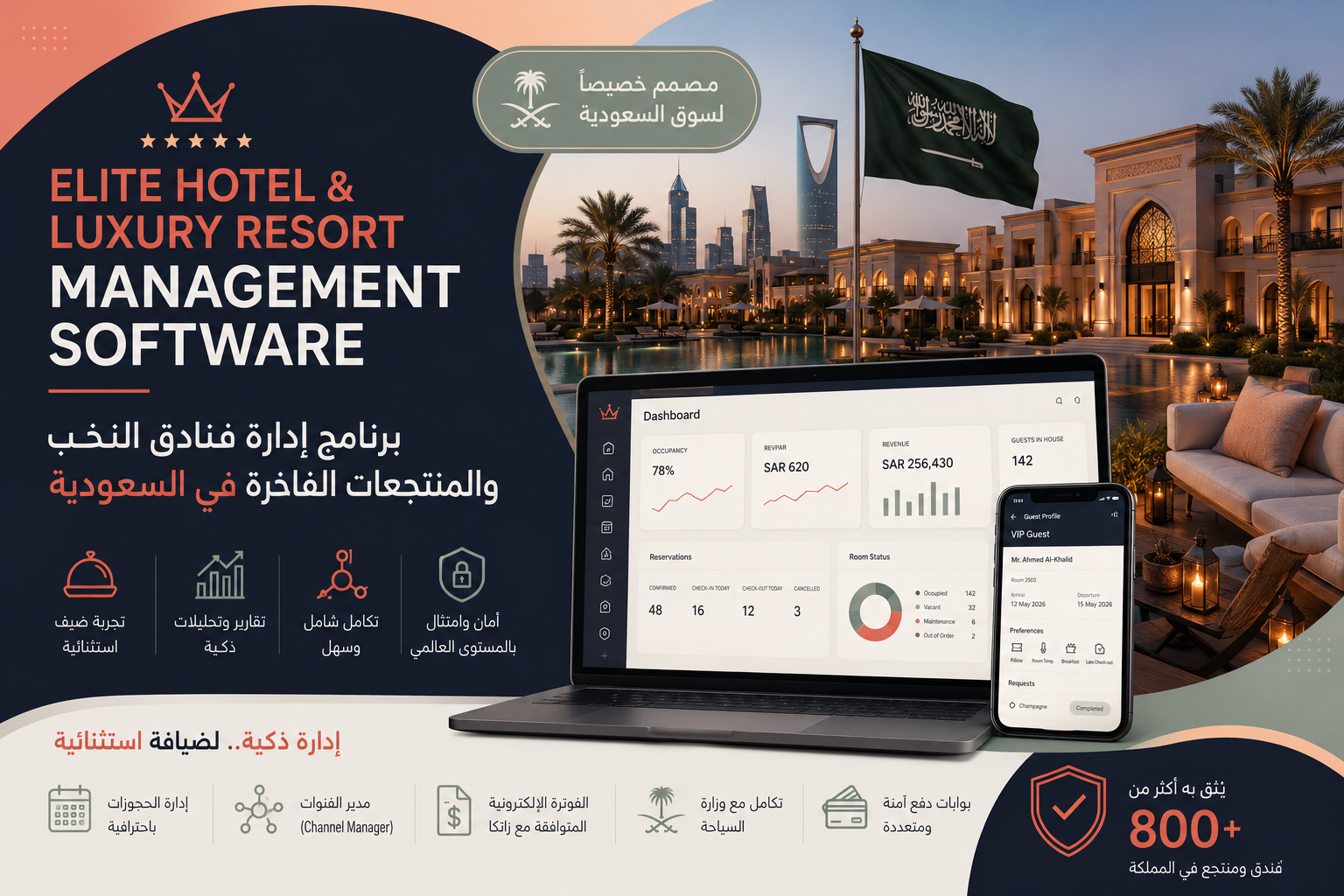
Discover how Fandaqah’s all‑in‑one property management system automates night audit, generates real‑time reports, and ensures full compliance with ZATCA and Shomoos. Join over 800 Saudi hotels that have streamlined their operations and increased profitability.
Book your free personalized demo today and see the difference automation can make.
Get Your Free Demo Now
No obligation • 15+ years of hospitality tech expertise • Arabic & English support