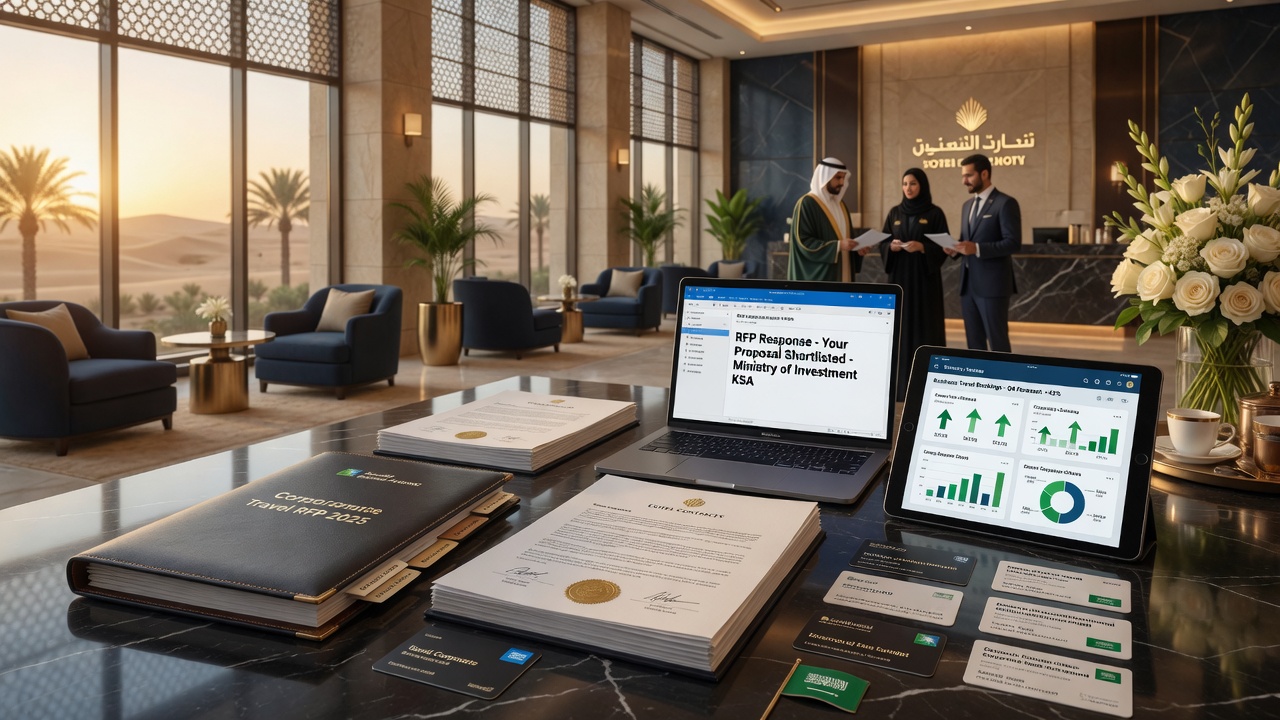
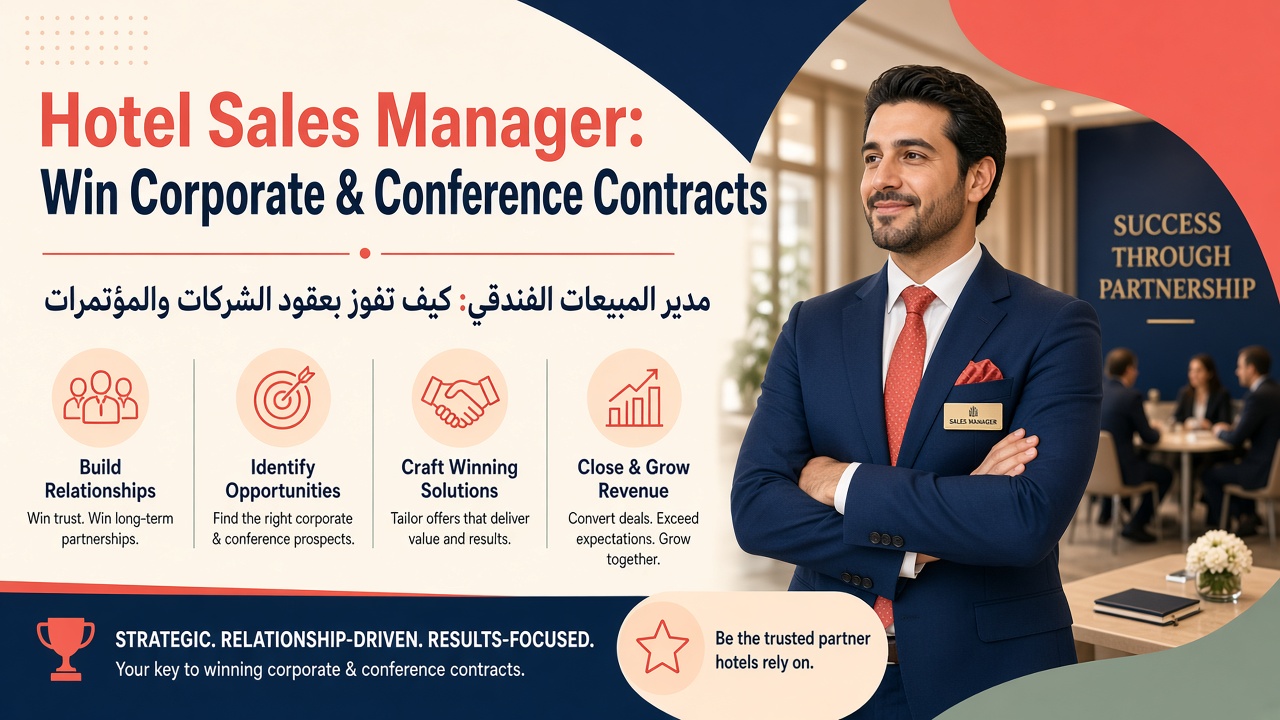
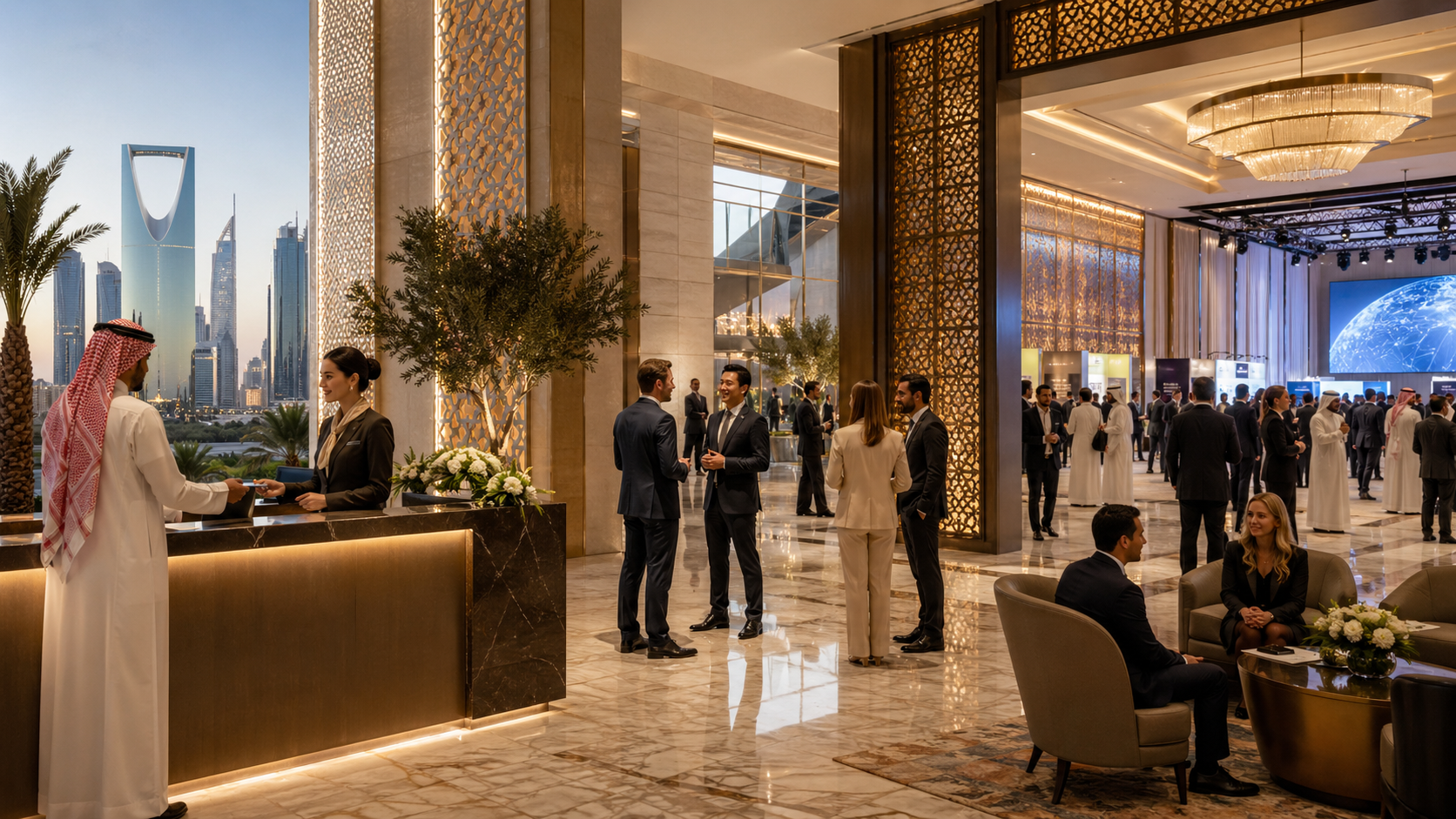
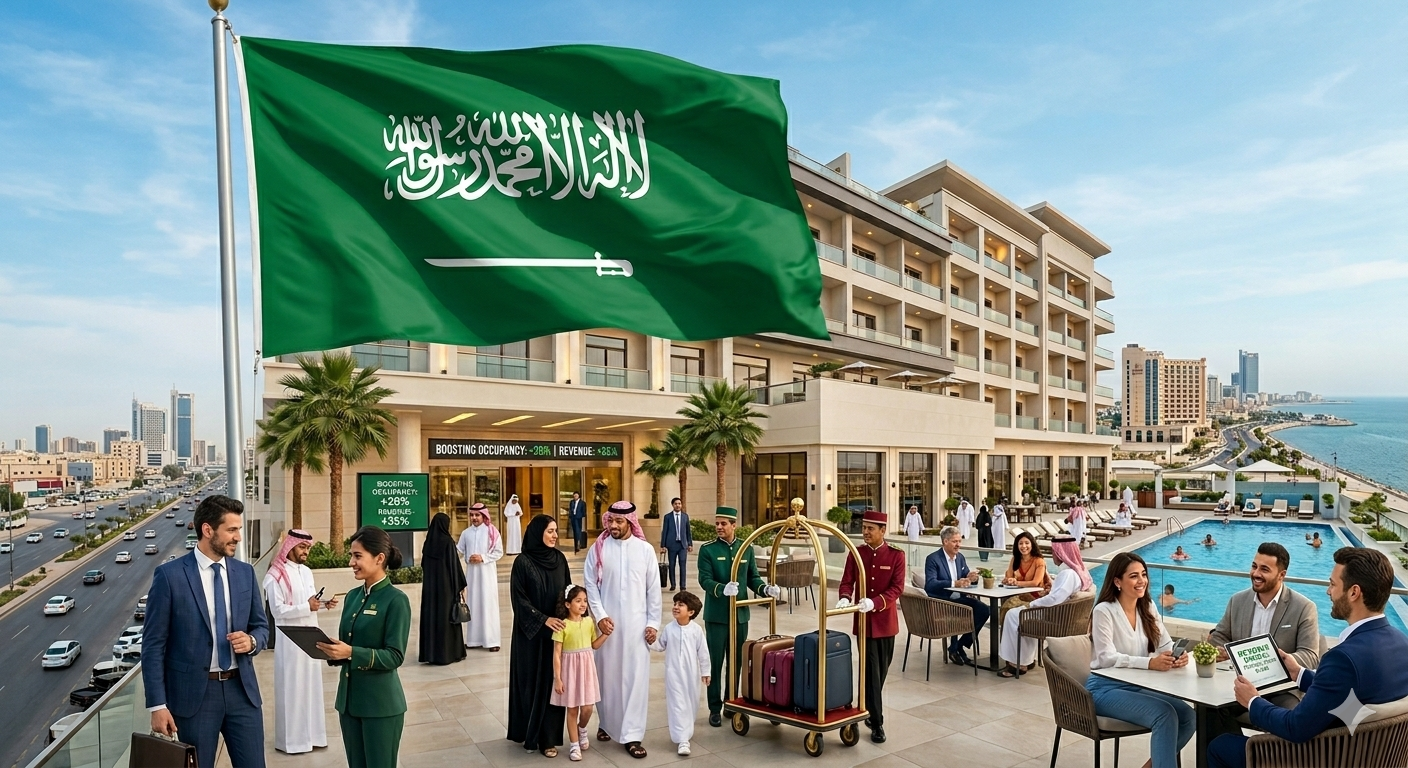
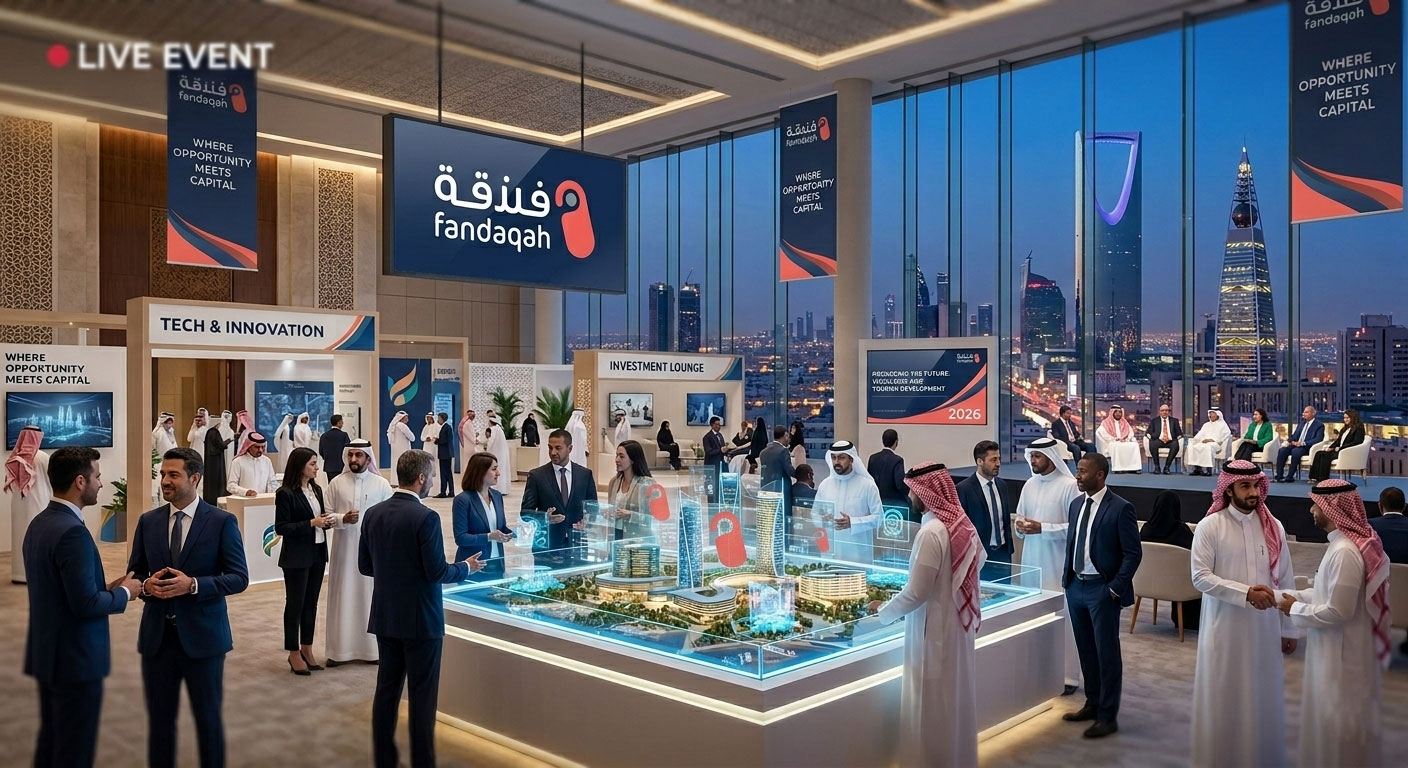
In Saudi Arabia’s fast-growing hospitality market, corporate hotel contracts Saudi Arabia are no longer just an additional revenue channel. They are a strategic foundation for stable occupancy, predictable cash flow, and long-term business growth. For hotels in Riyadh, Jeddah, Dammam, Al Khobar, Makkah, Madinah, NEOM-related zones, and other business hubs, winning a corporate RFP can mean securing hundreds or even thousands of room nights across the year.
A hotel that depends only on leisure travelers, online travel agencies, and seasonal demand may face inconsistent occupancy. A hotel that builds strong business travel bookings through corporate accounts can create a healthier revenue mix. This is especially relevant in Saudi Arabia, where Vision 2030, giga-projects, regional headquarters, government initiatives, exhibitions, consulting projects, construction activity, and business events continue to increase demand for reliable accommodation.
Key Insight: Companies do not choose hotels only because of the lowest rate. They choose hotels that reduce travel friction, simplify billing, support policy compliance, offer consistent guest experience, and provide transparent value.
What Are Corporate Hotel Contracts in Saudi Arabia?
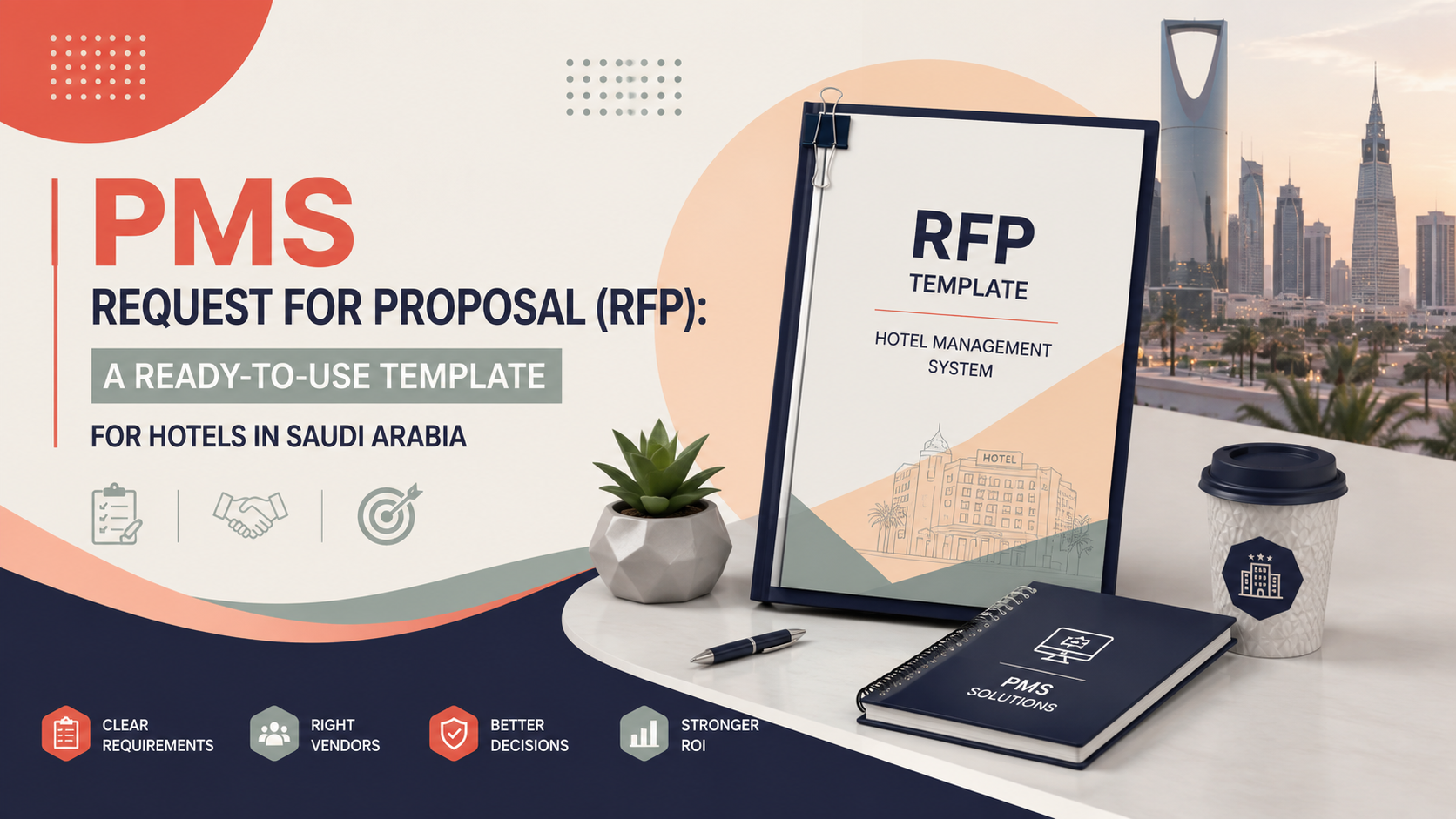
A corporate hotel contract is an agreement between a hotel and a company, government entity, project contractor, travel management company, or business organization. The agreement usually defines special room rates, payment terms, cancellation rules, included services, booking procedures, invoicing requirements, and service expectations. In many cases, the contract is awarded after a formal hotel RFP Saudi Arabia process.
RFP means “Request for Proposal.” A company sends an RFP to multiple hotels and asks them to submit their best offer. The hotel must respond with pricing, benefits, room categories, meeting facilities, payment terms, compliance details, and operational promises. The winning hotel is usually the one that presents the best combination of rate, convenience, service quality, location, flexibility, and billing accuracy.
In Saudi Arabia, corporate hotel contracts are particularly important because many business travelers come for project work, government meetings, consulting assignments, exhibitions, training programs, aviation, healthcare, energy, finance, construction, technology, and tourism development. These travelers often need practical services such as fast Wi-Fi, early breakfast, airport transfers, meeting rooms, flexible check-in, long-stay options, VAT-compliant invoices, and smooth payment processes.
Why Corporate RFPs Matter for Saudi Hotels
Corporate RFPs matter because they help hotels move from short-term booking dependency to long-term account-based revenue. A single company account can generate repeat stays every month. For hotels located near business districts, industrial zones, airports, ministries, conference venues, hospitals, universities, and giga-project sites, the right contract can support occupancy even during slower leisure periods.
- Predictable occupancy: Corporate accounts often travel throughout the year, especially on weekdays.
- Lower distribution cost: Direct corporate bookings can reduce dependence on high-commission online travel channels.
- Better forecasting: Contracted room nights help revenue managers plan pricing and inventory more accurately.
- Stronger brand credibility: Being approved by respected companies improves the hotel’s business reputation.
- Additional revenue: Business guests often spend on food, laundry, meeting rooms, transport, and extended stays.
- Relationship-based growth: A strong account can expand from room bookings to events, trainings, conferences, and long-term stays.
In the Saudi hospitality market, the best corporate hotel contracts are not built around cheap rooms. They are built around trust, operational reliability, transparent billing, and measurable value for both the hotel and the company.
How the Corporate Hotel RFP Process Works
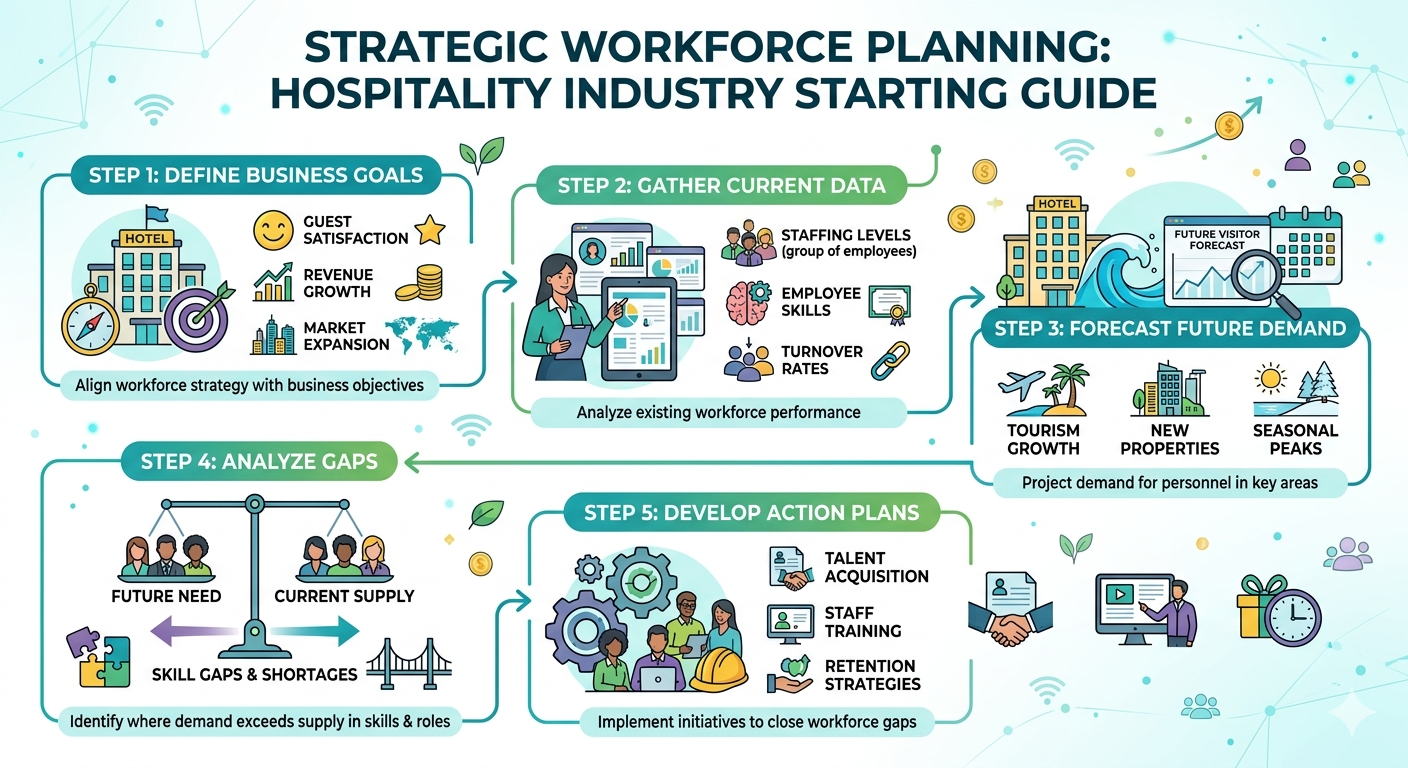
A successful hotel RFP Saudi Arabia process usually follows a structured path. Hotels that understand this journey can prepare better responses, avoid rushed pricing, and present stronger proposals. The process usually starts when a company identifies its travel needs and invites hotels to bid for preferred status.
1. The Company Defines Travel Requirements
The company may estimate annual room nights, preferred locations, traveler profiles, room categories, payment method, cancellation requirements, reporting needs, and approval workflow. In Saudi Arabia, companies may also require VAT-compliant invoices, credit facilities, Arabic and English documentation, and clear support for procurement procedures.
2. Hotels Receive the RFP
The hotel sales team reviews the opportunity and studies whether the account fits the property. A business hotel in Riyadh may prioritize government, consulting, finance, and headquarters-related accounts. A hotel in Dammam or Al Khobar may prioritize energy, industrial, logistics, and project-based corporate accounts.
3. The Hotel Prepares the Proposal
The proposal should include corporate rates, included benefits, room availability rules, cancellation policy, payment terms, tax details, PMS billing workflow, meeting room options, guest services, and account management support. A weak proposal only gives a price. A strong proposal explains why the hotel is the safest and most practical choice.
4. Procurement Compares Offers
Procurement teams compare hotels by rate, location, inclusions, flexibility, service quality, credit terms, compliance, and past experience. In many Saudi companies, the final decision may involve procurement, finance, HR, administration, travel managers, and senior leadership.
5. Negotiation and Contract Finalization
Negotiation may involve rate reductions, breakfast inclusion, airport transfer discounts, complimentary meeting room hours, flexible check-in, extended payment terms, blackout dates, last room availability, and monthly reporting. The best hotel sales teams negotiate value instead of cutting price blindly.
Key Features of a Winning Corporate Hotel Contract
A strong corporate hotel contract must be clear, practical, and easy to operate. It should protect the hotel’s profitability while giving the company confidence that its travelers will receive consistent service. The following features are essential for hotels competing in Saudi Arabia’s business travel market.
- Negotiated corporate rate: A special rate based on expected volume, seasonality, and account value.
- Clear room categories: Standard, deluxe, executive, suite, or long-stay options should be defined.
- Inclusions: Breakfast, Wi-Fi, parking, gym access, meeting room credits, or laundry benefits may improve value.
- Payment terms: The agreement should define whether the guest pays directly, the company pays monthly, or the hotel extends credit.
- VAT and invoice details: Correct company name, VAT number, purchase order reference, and billing address are critical.
- Cancellation policy: Deadlines, no-show charges, group booking rules, and peak-period exceptions must be clear.
- Blackout dates: Hotels should protect high-demand periods such as major events, public holidays, and major conferences.
- Reporting: Monthly room nights, revenue, savings, traveler feedback, and account performance should be shared.
- Account manager: A dedicated contact improves communication and reduces operational issues.
Tip Box: Do not present your corporate rate as a discount only. Present it as a complete business travel solution that includes location advantage, billing reliability, guest comfort, and procurement-friendly terms.
Corporate Rate Models: Fixed Rate vs Dynamic Rate
One of the most important decisions in corporate hotel rates is choosing the right pricing model. Saudi hotels should not use the same approach for every account. A government entity, a multinational company, a construction contractor, and a startup may all need different pricing structures.
| Pricing Model |
Best For |
Hotel Advantage |
Risk |
| Fixed Annual Rate |
Government entities, large companies, predictable accounts |
Easy forecasting and simple communication |
May underprice high-demand dates |
| Dynamic Discount |
Flexible companies, frequent travelers, market-sensitive accounts |
Protects revenue when demand rises |
Company may dislike rate variation |
| Volume-Based Tier Rate |
Accounts with uncertain but growing demand |
Rewards real production, not promises |
Requires accurate tracking |
| Long-Stay Rate |
Project teams, consultants, engineers, relocation guests |
Stable occupancy and lower turnover cost |
May reduce ability to sell higher daily rates |
How Saudi Hotels Can Prepare a Strong RFP Response
To win a corporate RFP, a hotel must respond with precision. Many hotels lose not because their property is weak, but because their proposal is generic, unclear, or too focused on price. A strong RFP response should feel customized to the company’s travel pattern and business needs.
Understand the Company Before Pricing
Before submitting a rate, study the company’s industry, office location, traveler seniority, likely stay duration, payment expectations, and travel frequency. For example, a consulting firm may need flexible cancellation and executive rooms near business districts. A construction company may need long-stay rates, laundry support, parking, and transportation to project sites.
Build Value Around the Rate
Instead of offering a low room rate alone, package the offer with meaningful benefits. In Saudi Arabia, practical inclusions can be powerful: free parking, strong Wi-Fi, breakfast, airport transfer support, late checkout based on availability, meeting room discounts, prayer room access, Arabic-speaking support, and fast invoice handling.
Prove Operational Readiness
Corporate clients want reliability. Your proposal should explain booking channels, reservation contact details, emergency support, invoice process, monthly reporting, guest profile handling, and escalation procedures. A procurement team is more likely to trust a hotel that shows process maturity.
Use Local Relevance
A hotel proposal for Saudi Arabia should reflect local business realities. Mention proximity to ministries, airports, business parks, industrial cities, event venues, religious sites, corporate offices, and major project locations where relevant. A hotel in Riyadh may highlight access to King Abdullah Financial District, ministries, and headquarters areas. A hotel in Jeddah may highlight airport access, business districts, and Red Sea project connectivity.
Saudi Arabia Use Cases for Corporate Hotel Contracts
The Saudi market has several corporate travel segments that hotels can target. Each segment has different needs, budget behavior, and service expectations. Understanding these use cases helps hotels design better offers and improve conversion rates.
- Government and semi-government travel: These accounts often value compliance, official documentation, invoice accuracy, and clear approval processes.
- Regional headquarters and multinational companies: These travelers often require international service standards, loyalty recognition, security, and executive comfort.
- Giga-project contractors: Project teams may need long-stay rates, transport support, laundry, flexible extensions, and group coordination.
- Energy and industrial companies: Hotels in the Eastern Province can target frequent business travelers from energy, petrochemical, logistics, and industrial sectors.
- Healthcare and education institutions: Training programs, visiting specialists, lecturers, and conference attendees can generate repeat bookings.
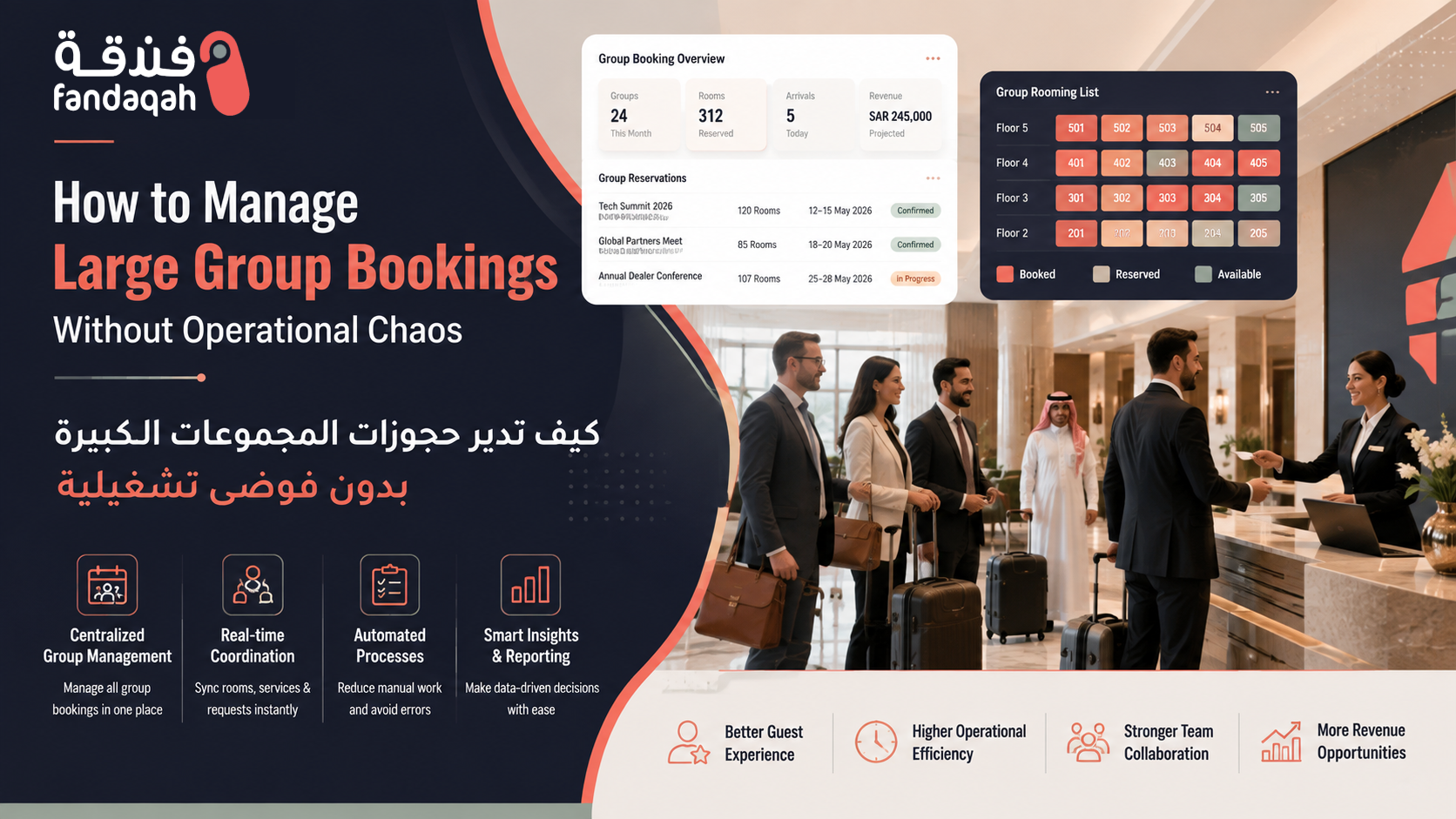
- Exhibition and event companies: Large events can create demand for room blocks, meeting spaces, banquet services, and VIP handling.
- Aviation and crew accommodation: Airlines and aviation service providers may require strict timing, transport coordination, and high operational discipline.
Note Box: The best corporate sales strategy is not to target every company. The best strategy is to target companies whose travel pattern matches your hotel’s location, room inventory, service level, and revenue goals.
PMS Billing for Corporate Hotel Accounts
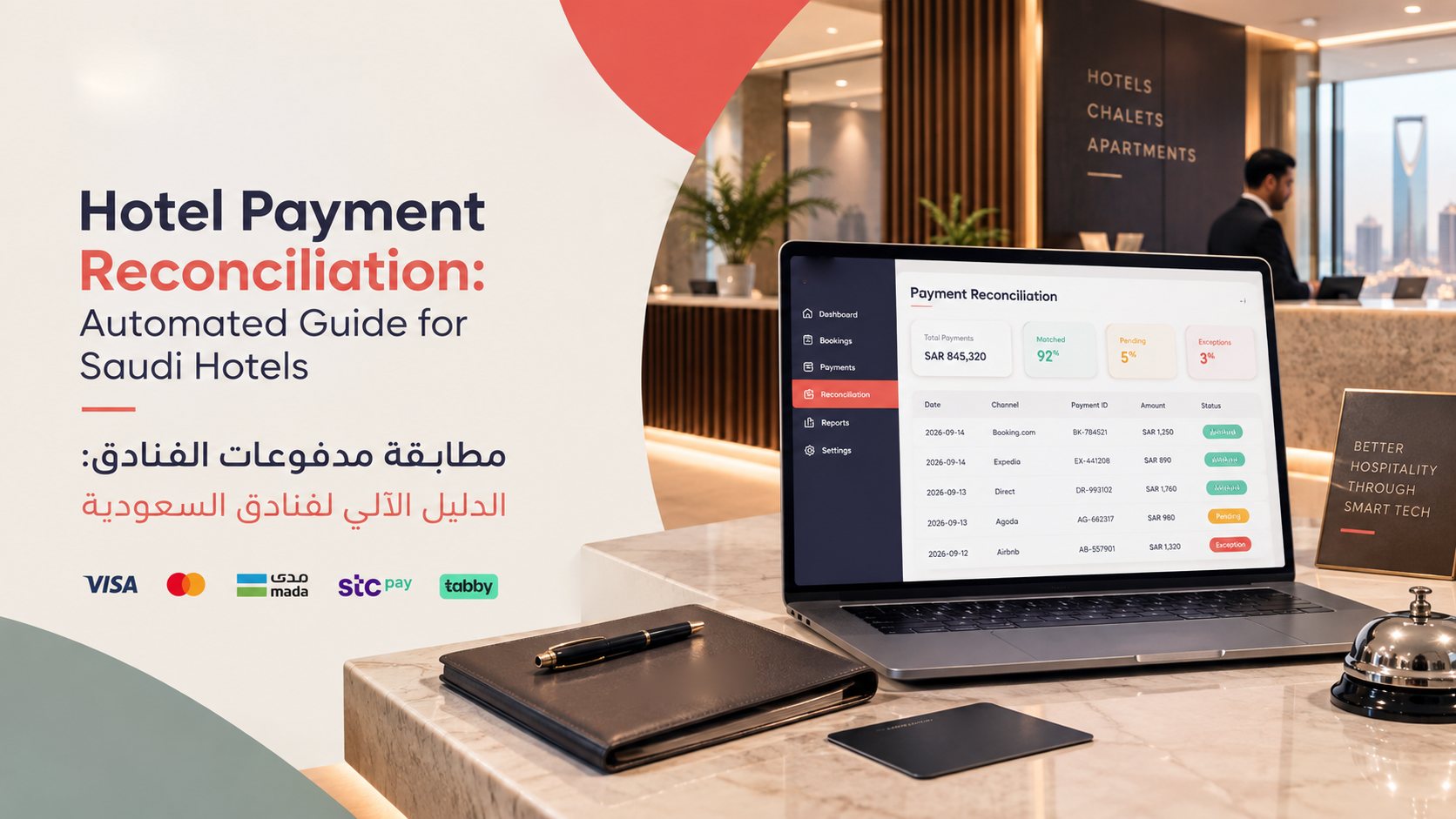
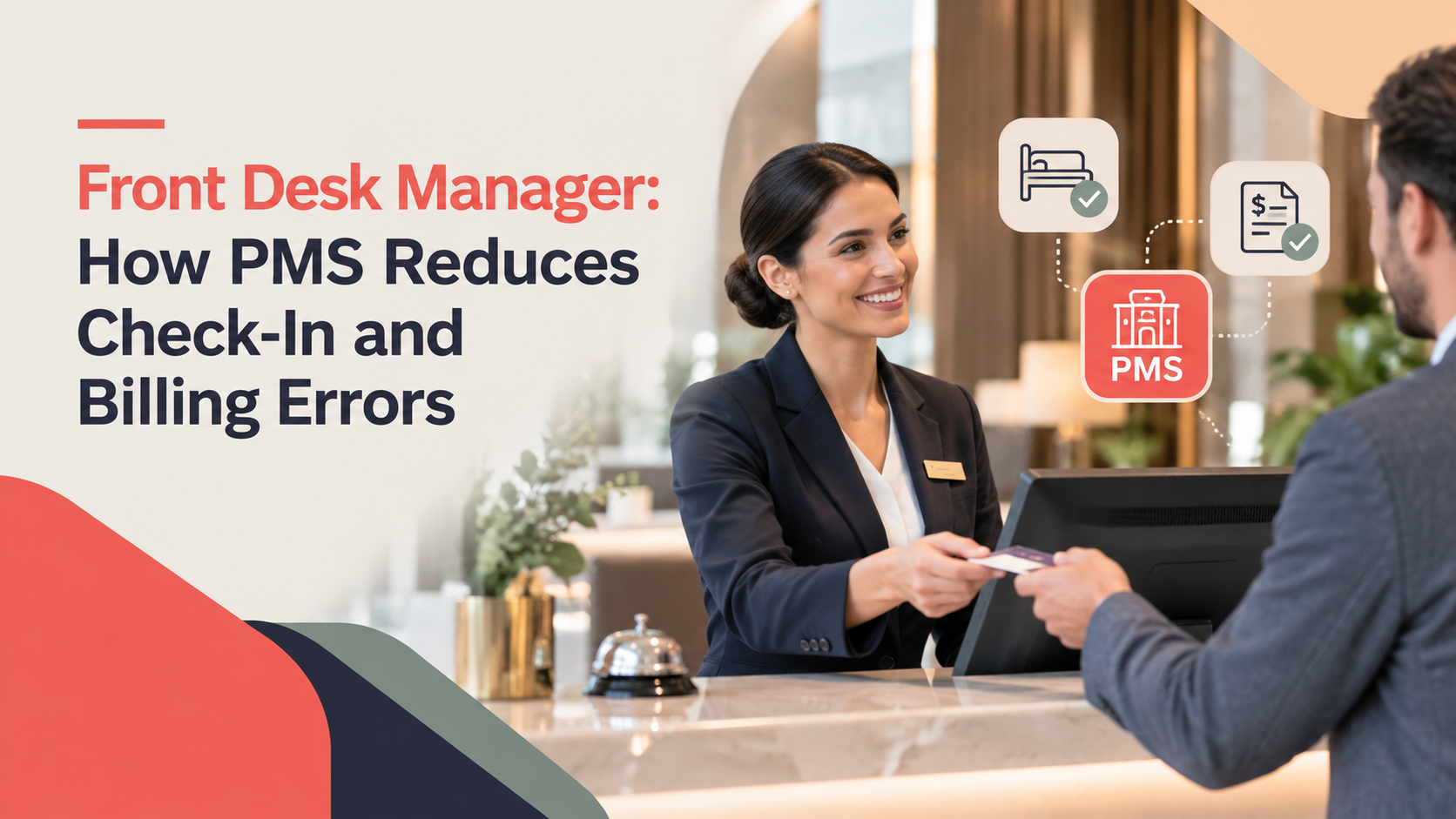
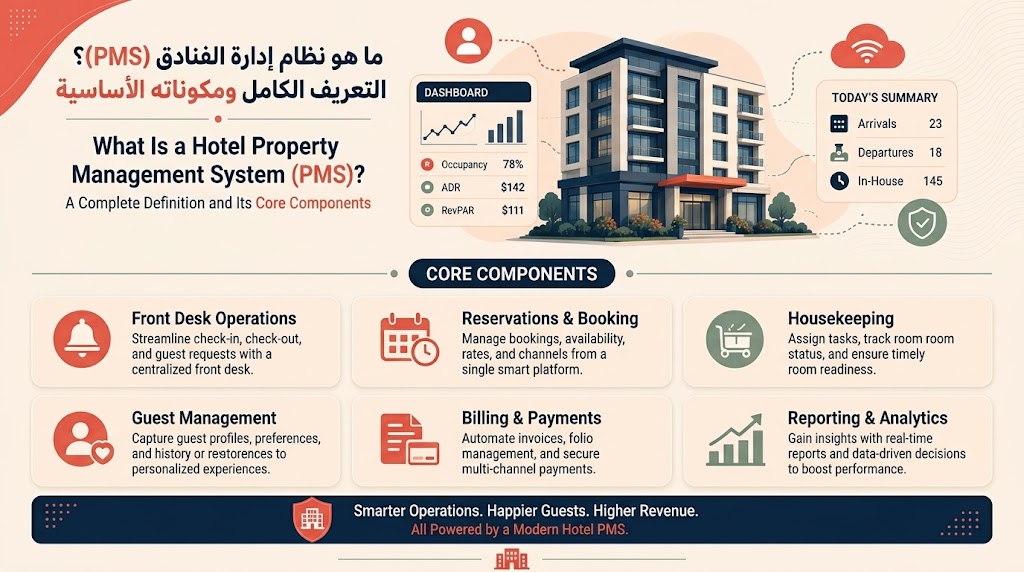
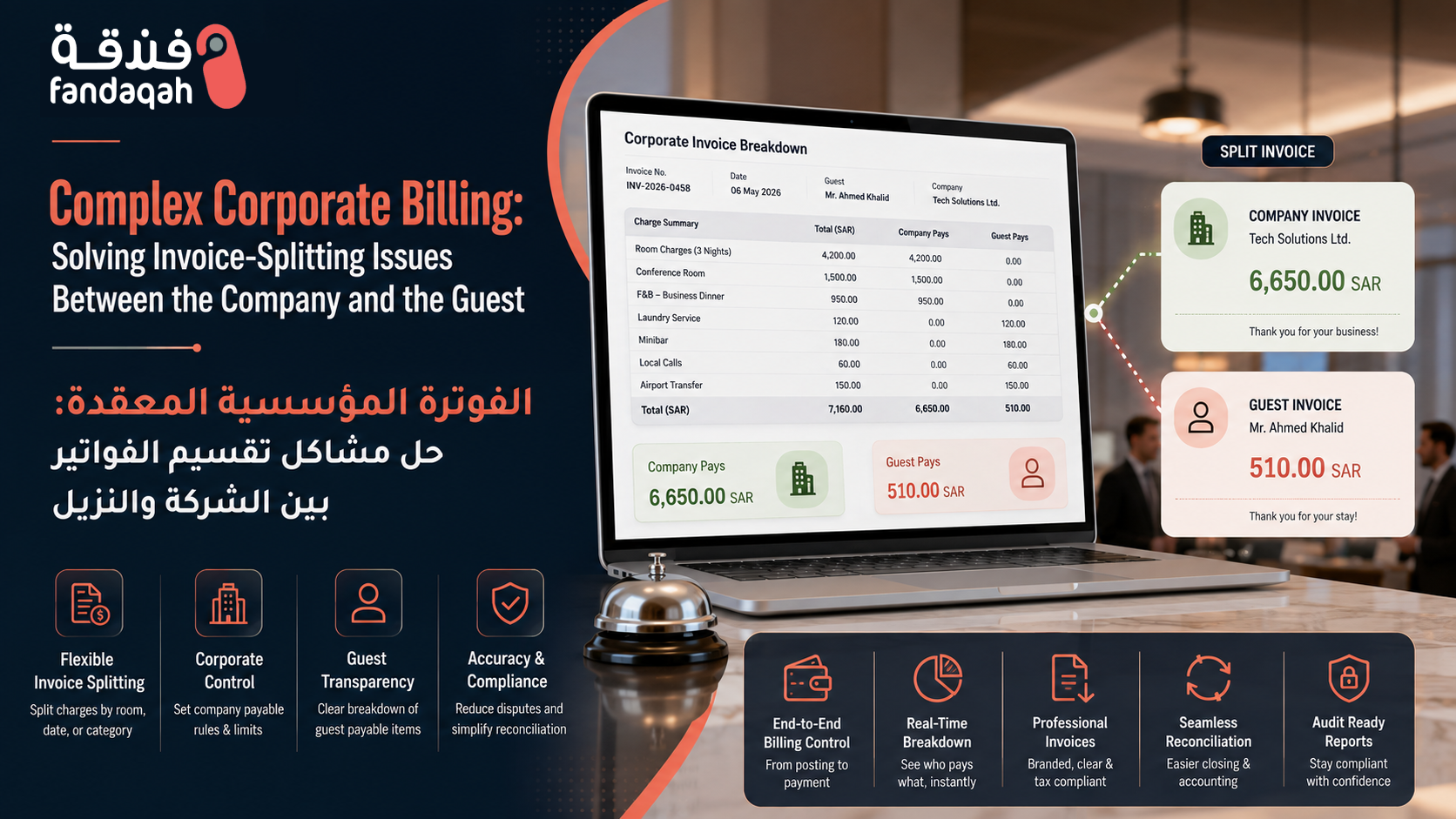
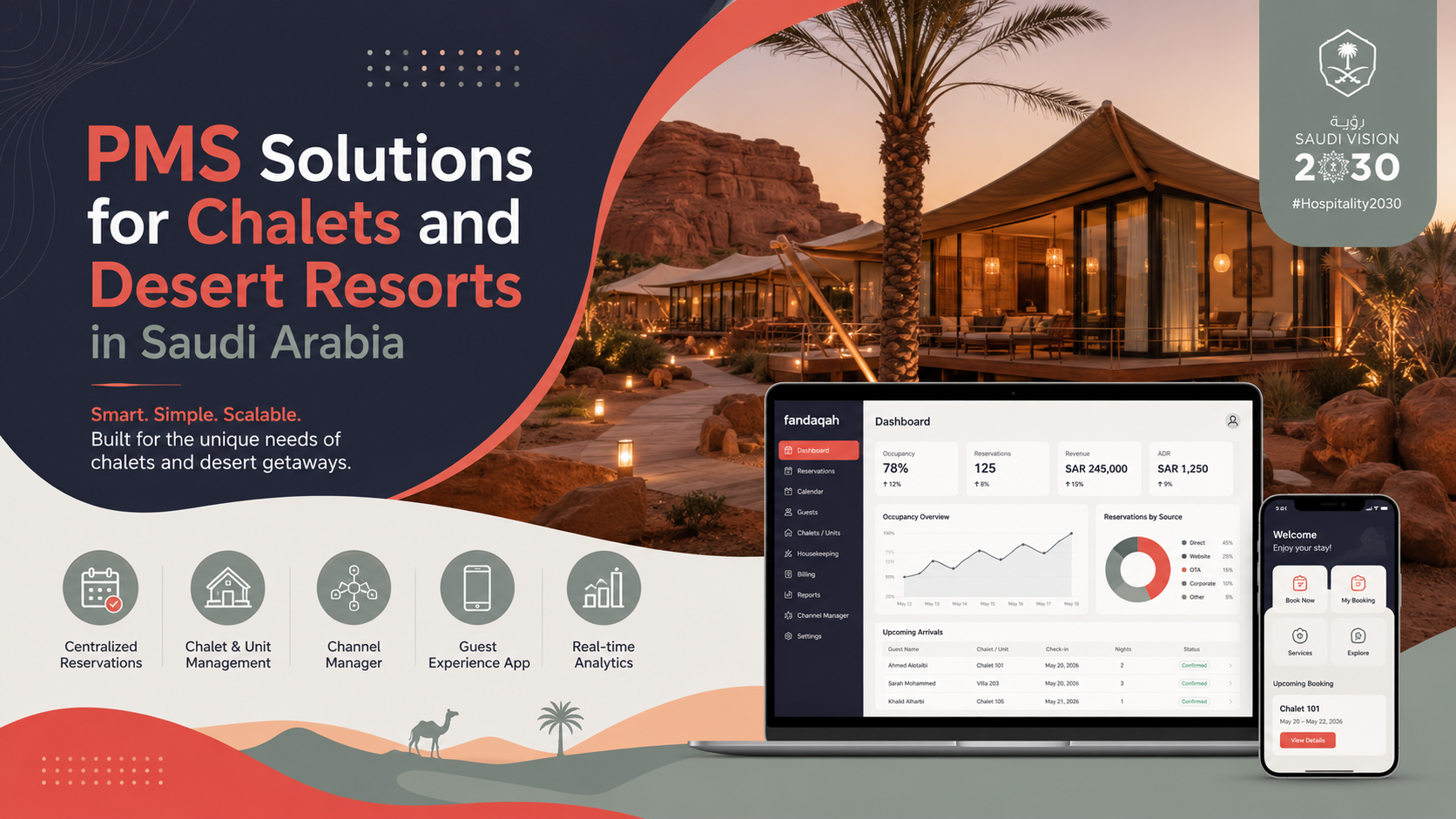
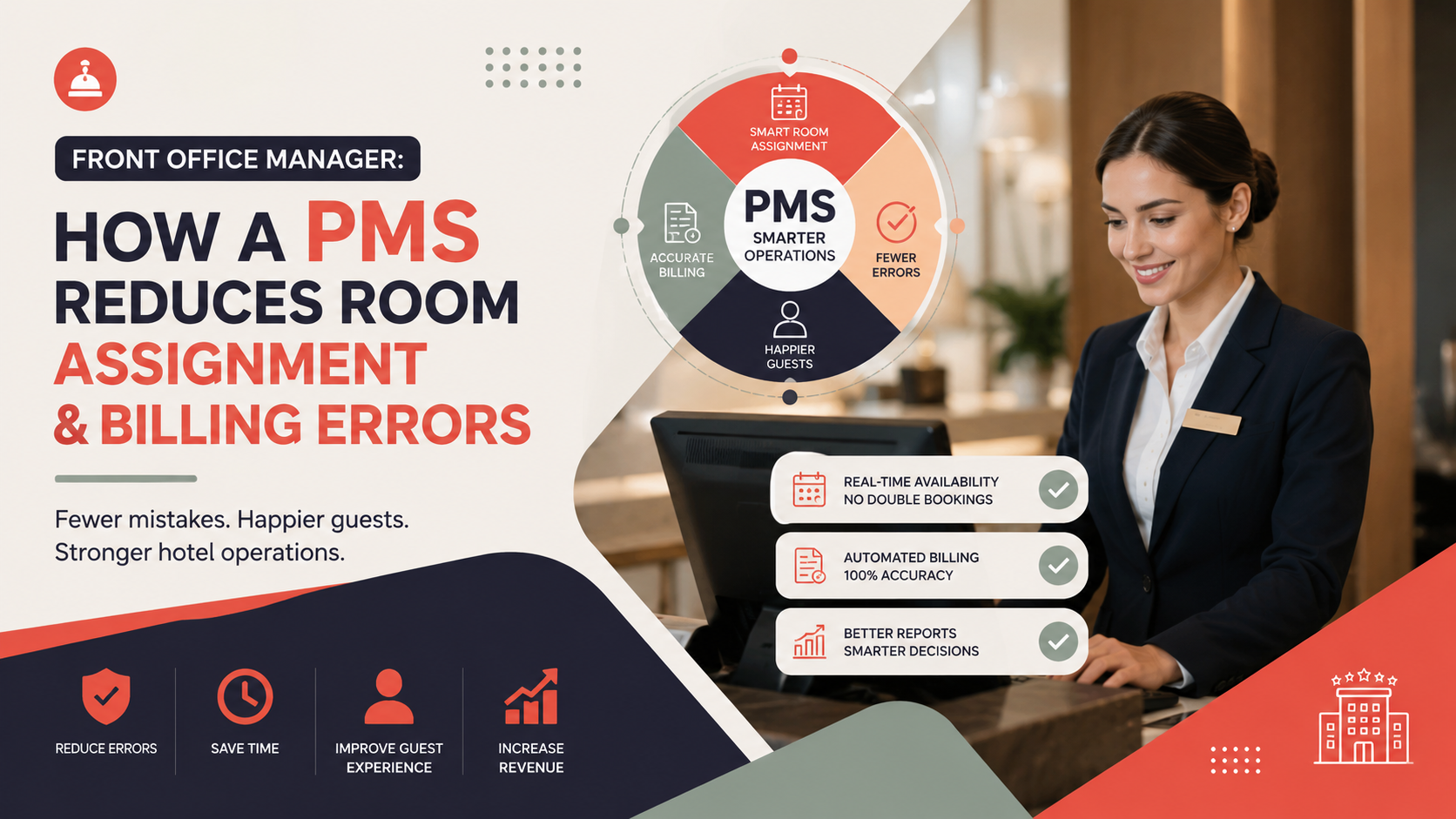
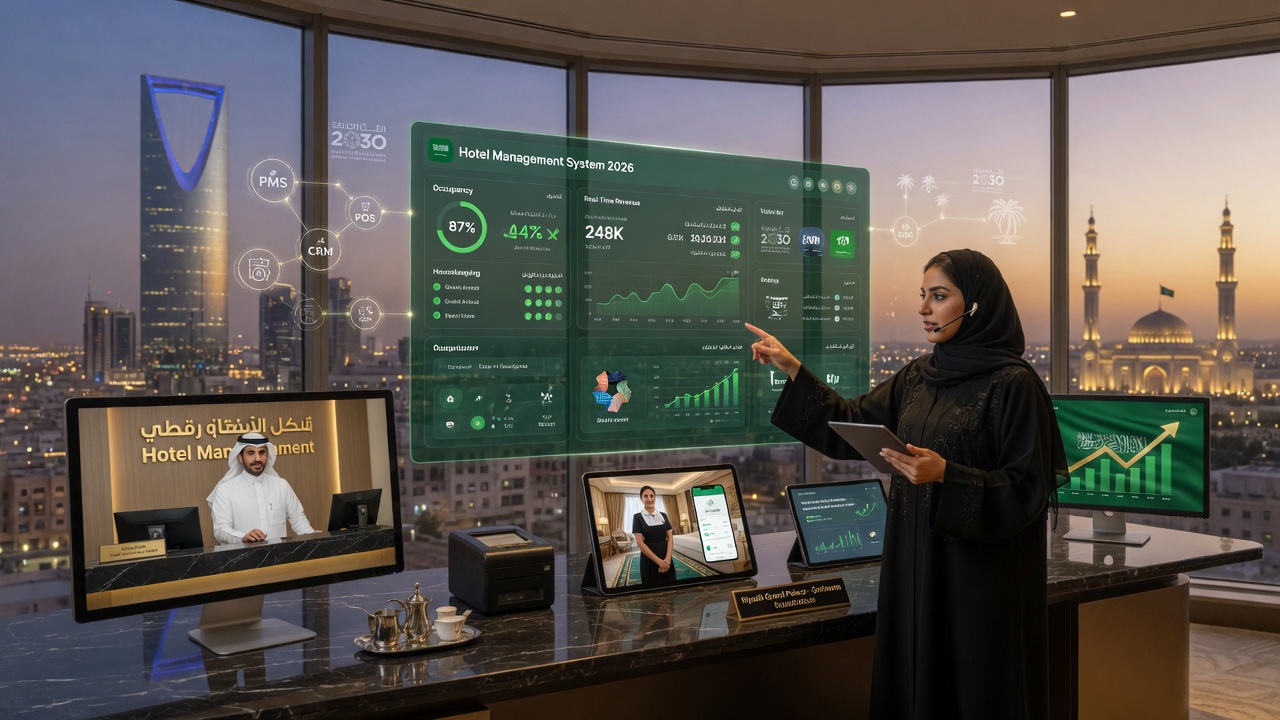
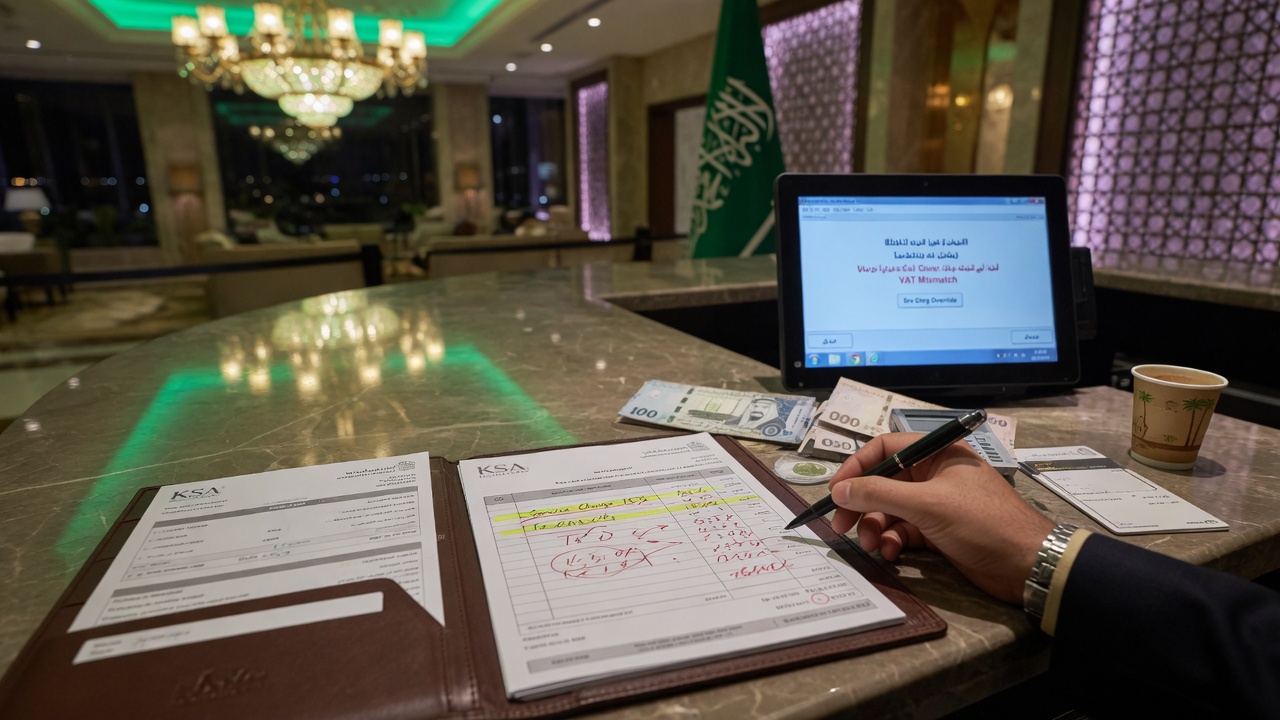
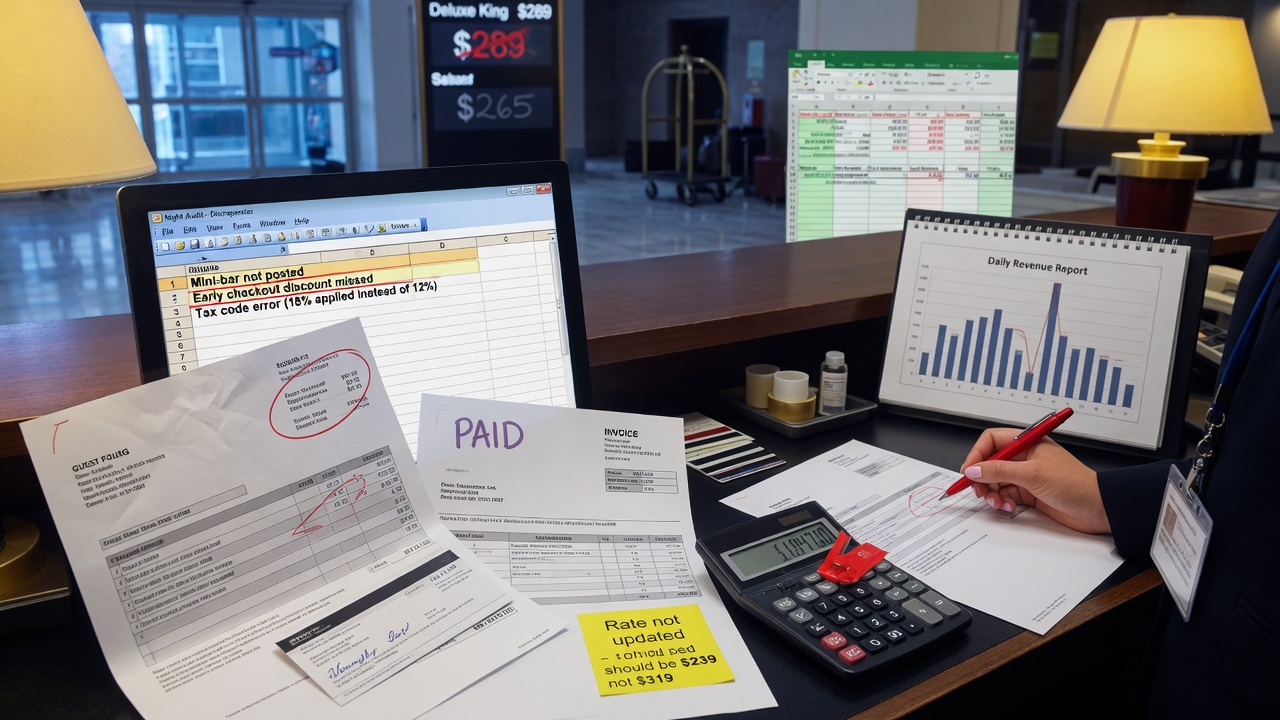
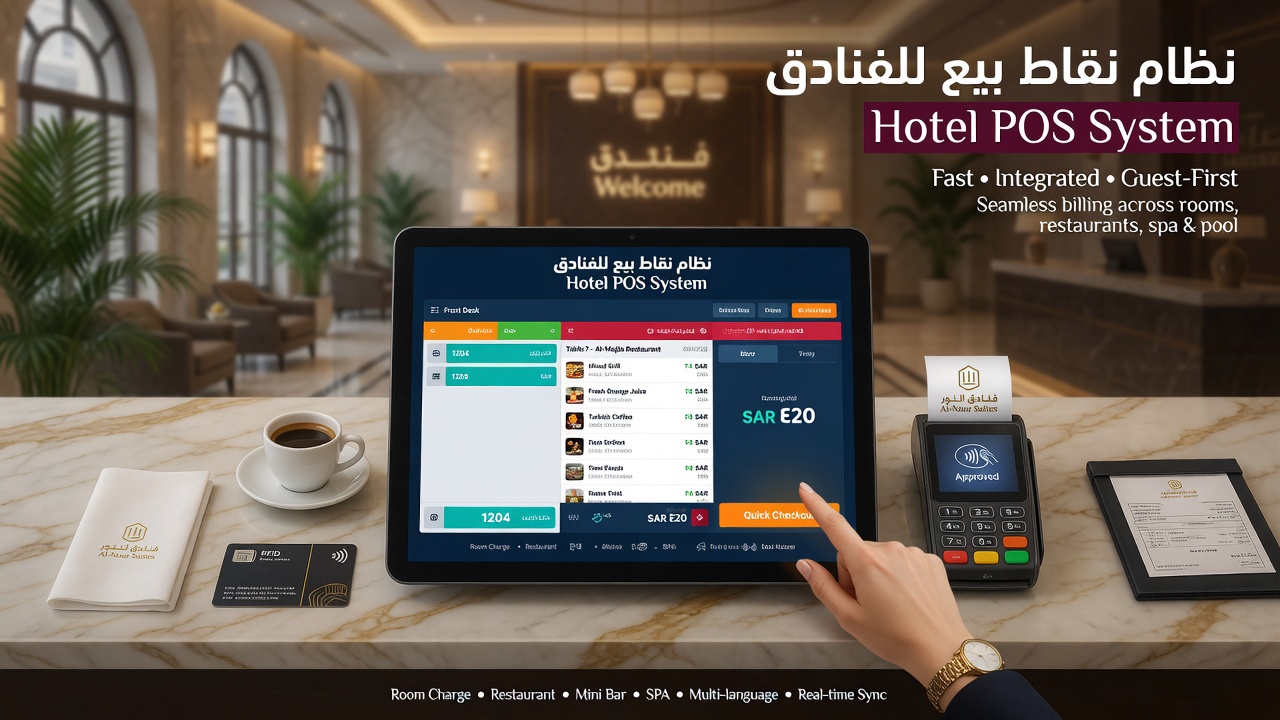
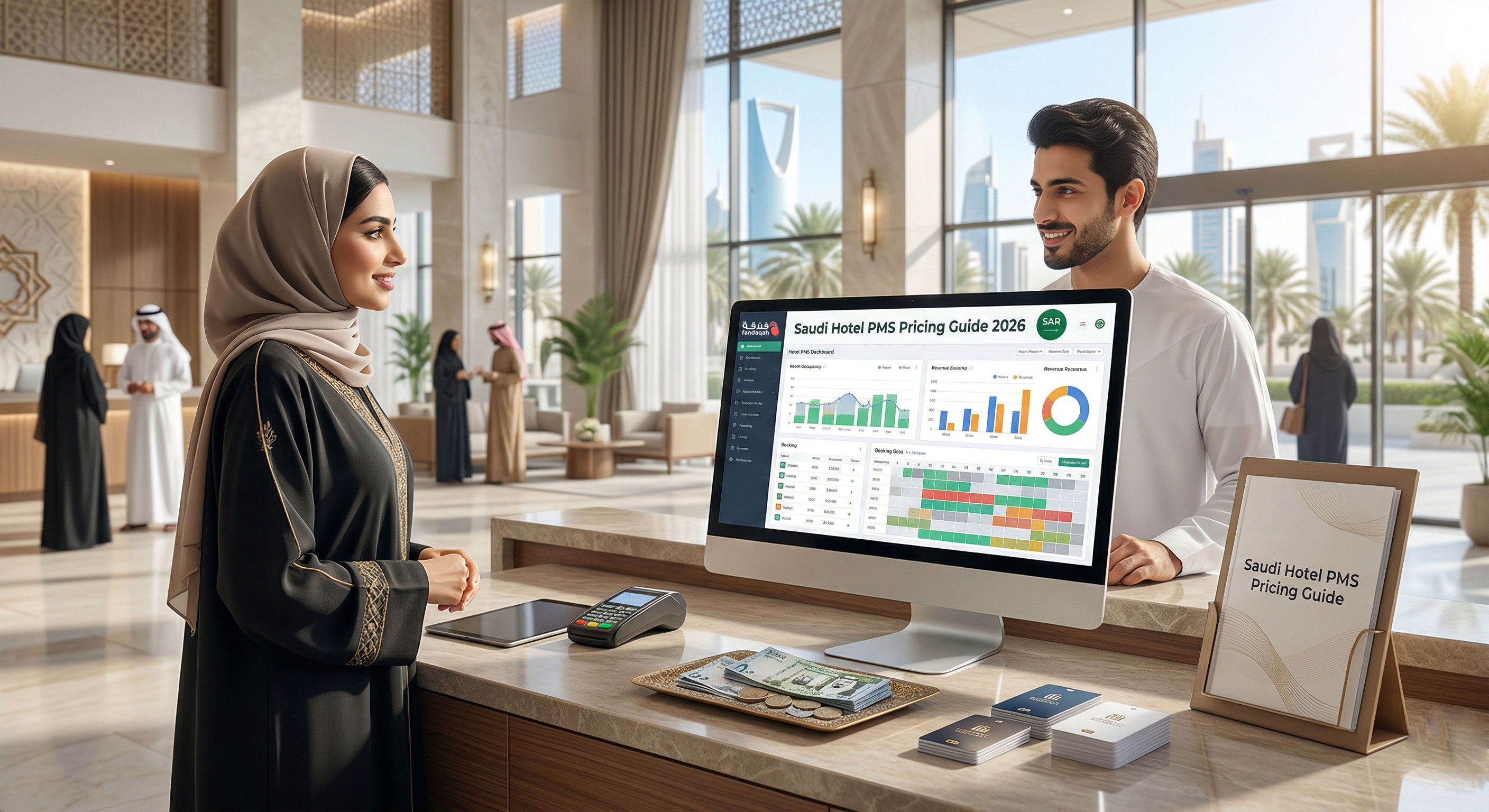
For many Saudi companies, billing accuracy is as important as the room rate. If the hotel cannot issue correct invoices, match purchase orders, apply tax details, and send monthly statements on time, the relationship can quickly weaken. This is why PMS billing for hotels is a major part of corporate contract success.
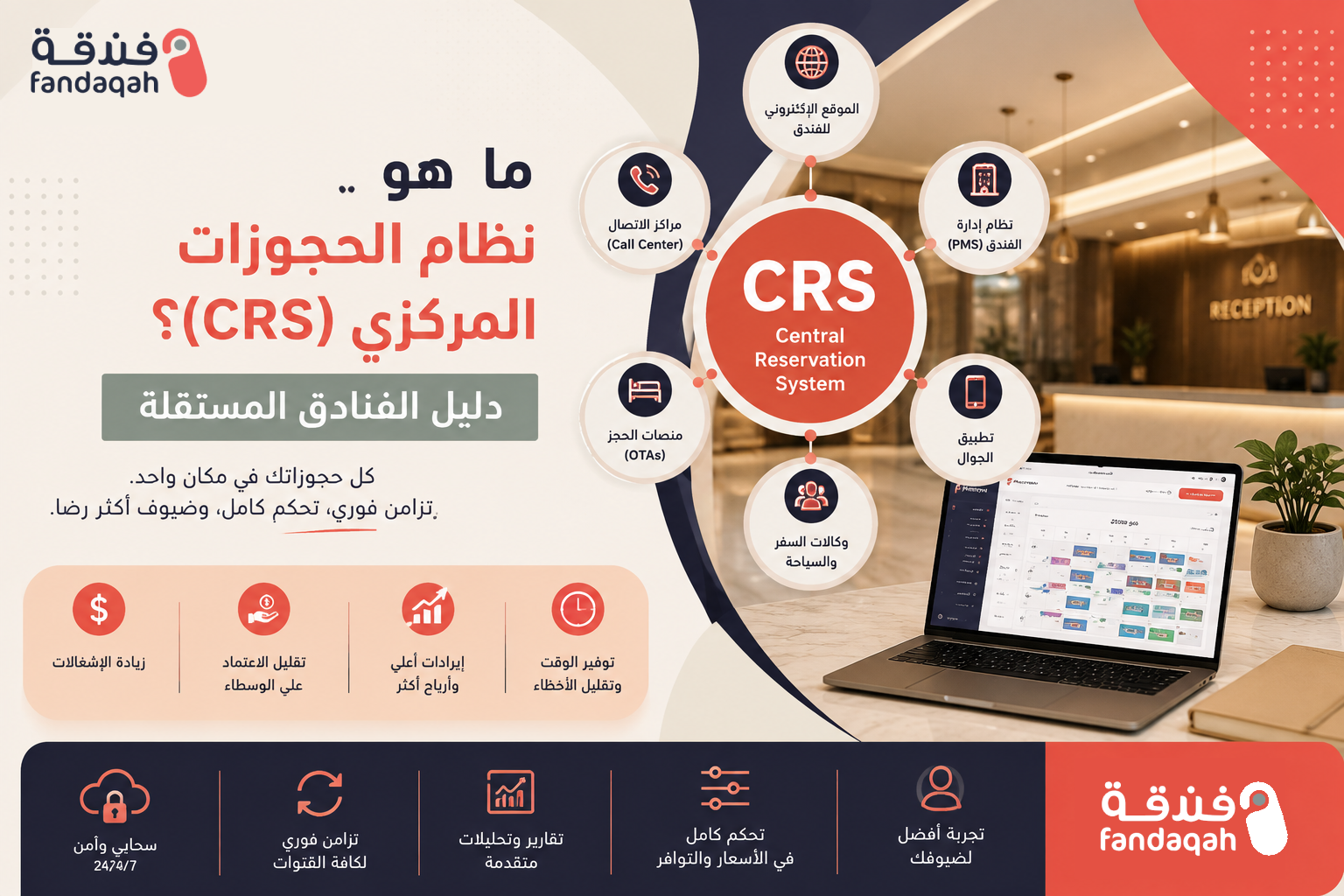
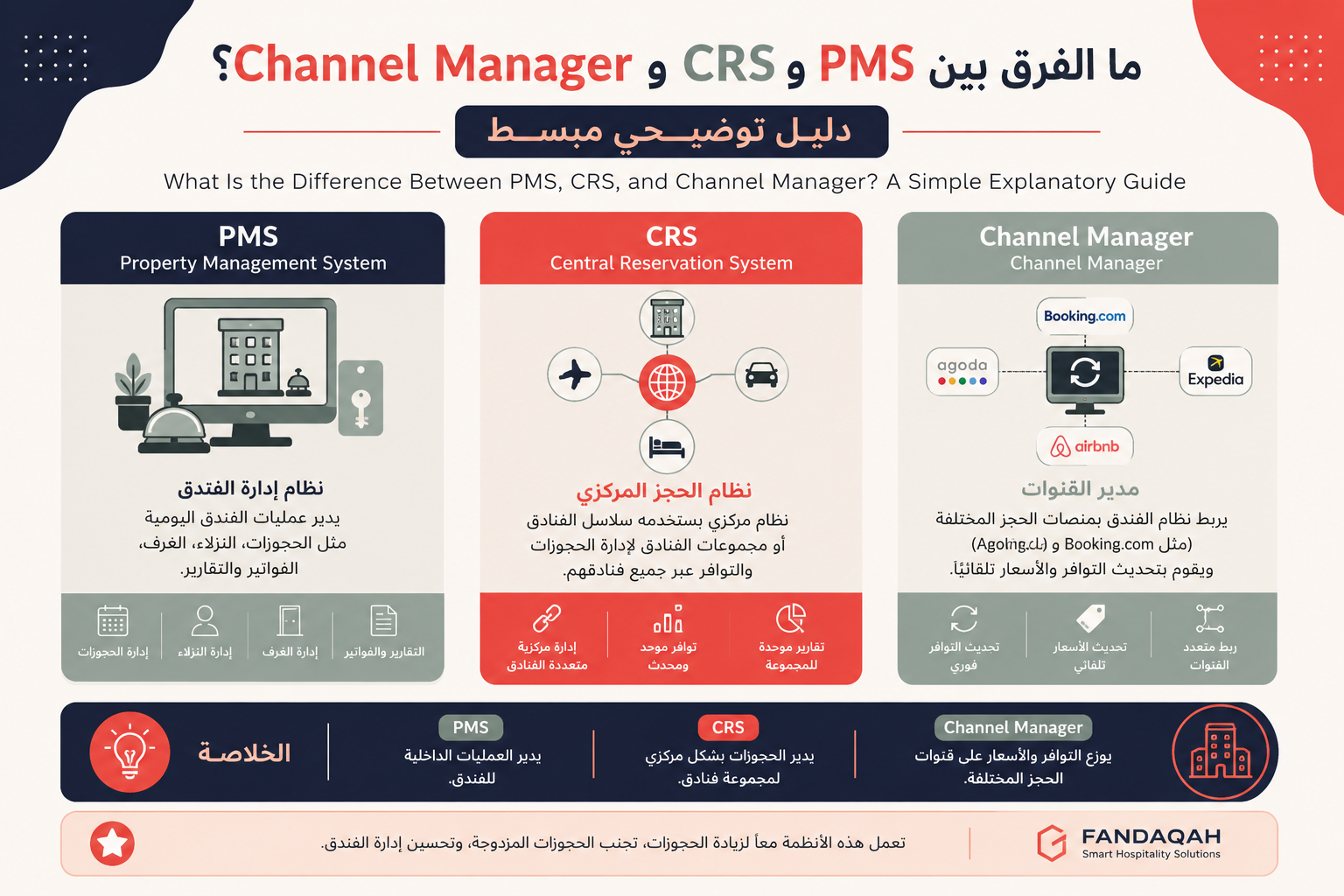
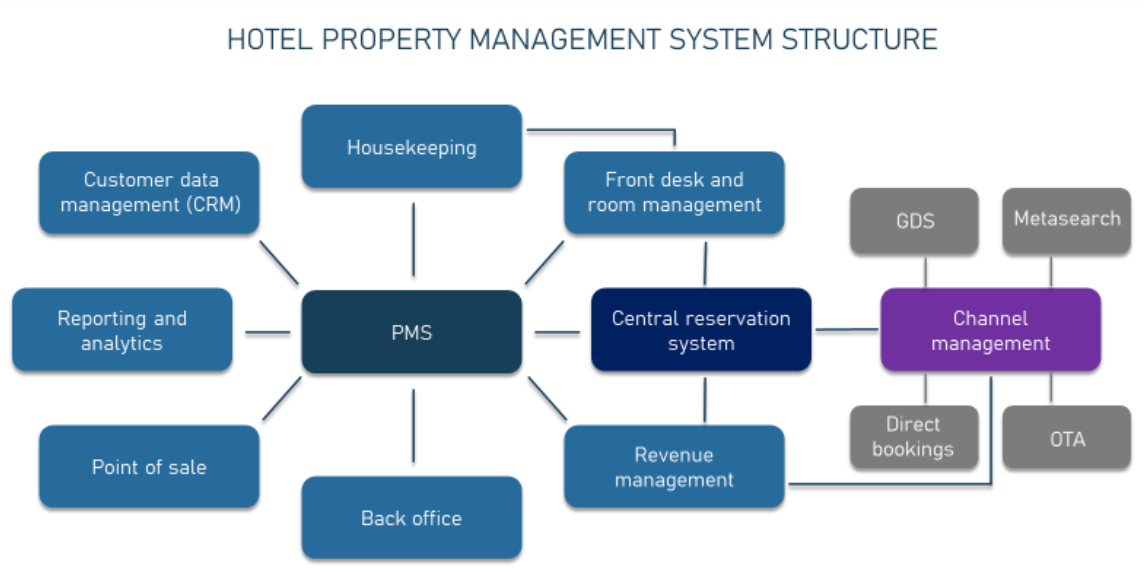
A good property management system should support company profiles, negotiated rate codes, billing instructions, credit limits, VAT details, guest history, package inclusions, and invoice references. The sales team and finance team must work together so that promises made in the contract are correctly reflected in the system.
Important PMS Setup Items
- Company profile: Legal name, address, VAT number, contact person, billing email, and payment terms.
- Rate code: The negotiated rate should be loaded correctly and tested before the contract starts.
- Billing instructions: The hotel must define what is billed to the company and what is paid by the guest.
- Credit control: Finance should monitor outstanding balances and approved credit limits.
- Invoice format: Invoices should include all required references, taxes, and company details.
- Monthly statement: A clear statement helps the company verify usage and supports faster payment.
Common Mistakes Hotels Make in Corporate RFPs
Many hotels in competitive markets lose corporate business because they treat RFPs as simple rate requests. However, corporate buyers are evaluating risk, service quality, compliance, and long-term partnership potential. Avoiding common mistakes can immediately improve your RFP success rate.
- Sending a generic proposal: A company can easily see when the hotel has not customized the offer.
- Discounting too aggressively: A low rate may win the account but damage profitability during high-demand periods.
- Ignoring cancellation rules: Unclear cancellation terms can create disputes and revenue loss.
- Not defining blackout dates: Hotels must protect major event dates and peak demand periods.
- Poor billing setup: Incorrect invoices can delay payment and frustrate finance departments.
- No account follow-up: Winning the contract is only the beginning. Usage must be monitored monthly.
- Weak internal communication: Front office, reservations, finance, and sales must all understand the account terms.
Comparison: Corporate Bookings vs OTA Bookings
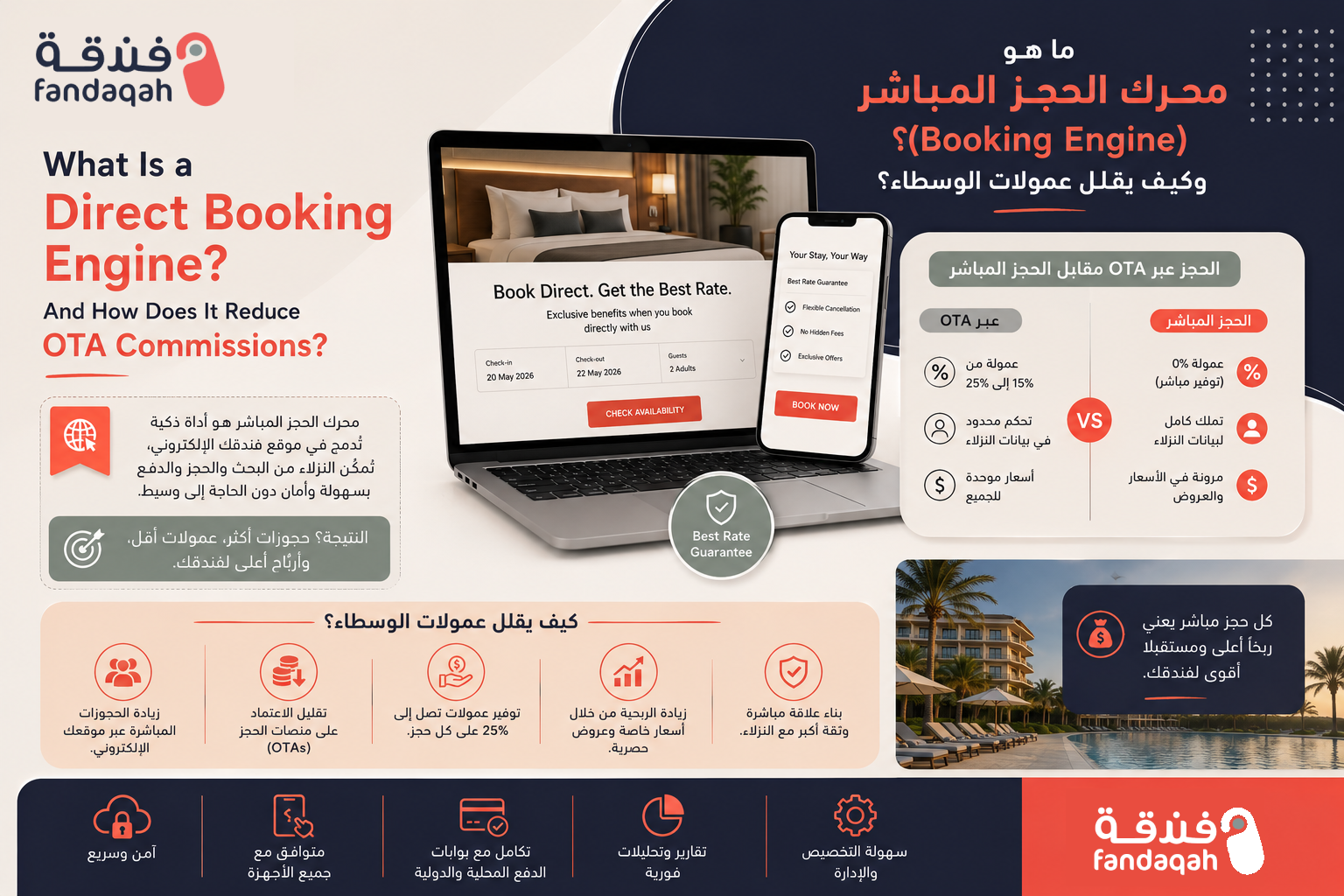
Online travel agencies are useful for visibility and short-term demand, but corporate bookings can create stronger long-term value when managed correctly. Hotels should not abandon online channels, but they should balance them with direct B2B relationships.
| Factor |
Corporate Bookings |
OTA Bookings |
| Revenue Stability |
High when contract is active and account produces regularly |
Can fluctuate strongly with season and competition |
| Distribution Cost |
Often lower for direct accounts |
Usually includes commission |
| Guest Relationship |
Stronger because the hotel knows the company and traveler pattern |
Often controlled by the booking platform |
| Upsell Potential |
High for meetings, dining, laundry, long stays, and events |
Depends on guest behavior and booking type |
Negotiation Strategy: How to Win Without Destroying Rate Integrity
Corporate travel procurement teams often ask for lower rates. Hotels must be ready to negotiate, but negotiation should not mean uncontrolled discounting. A smart hotel protects its value by exchanging benefits carefully.
For example, if a company asks for a major rate reduction, the hotel can ask for guaranteed room nights, shorter payment cycles, reduced cancellation flexibility, exclusion of peak dates, or a minimum production commitment. If the company cannot commit to volume, the hotel can offer a dynamic discount instead of a fixed low annual rate.
- Exchange price for volume: Better rates should require stronger production.
- Exchange flexibility for value: Flexible cancellation may justify a higher rate.
- Exchange inclusions carefully: Free breakfast or parking has a cost and should support conversion.
- Protect peak dates: High-demand periods should not be sold too cheaply.
- Use performance reviews: If the company does not produce promised room nights, adjust the rate.
Future Trends: Vision 2030 and Business Travel in Saudi Arabia
Vision 2030 continues to transform Saudi Arabia’s economy, tourism sector, infrastructure, events industry, and global business profile. This creates powerful opportunities for hotels that can serve corporate travelers professionally. More companies are entering the market, more projects require specialist teams, and more business events are bringing decision-makers into the Kingdom.
- Growth of regional headquarters: Riyadh’s position as a business hub increases demand for executive accommodation and corporate rates.
- Giga-project travel: NEOM, Red Sea developments, Qiddiya, Diriyah, and other projects create long-stay and project-team demand.
- More business events: Conferences, exhibitions, and government forums increase room demand and group business opportunities.
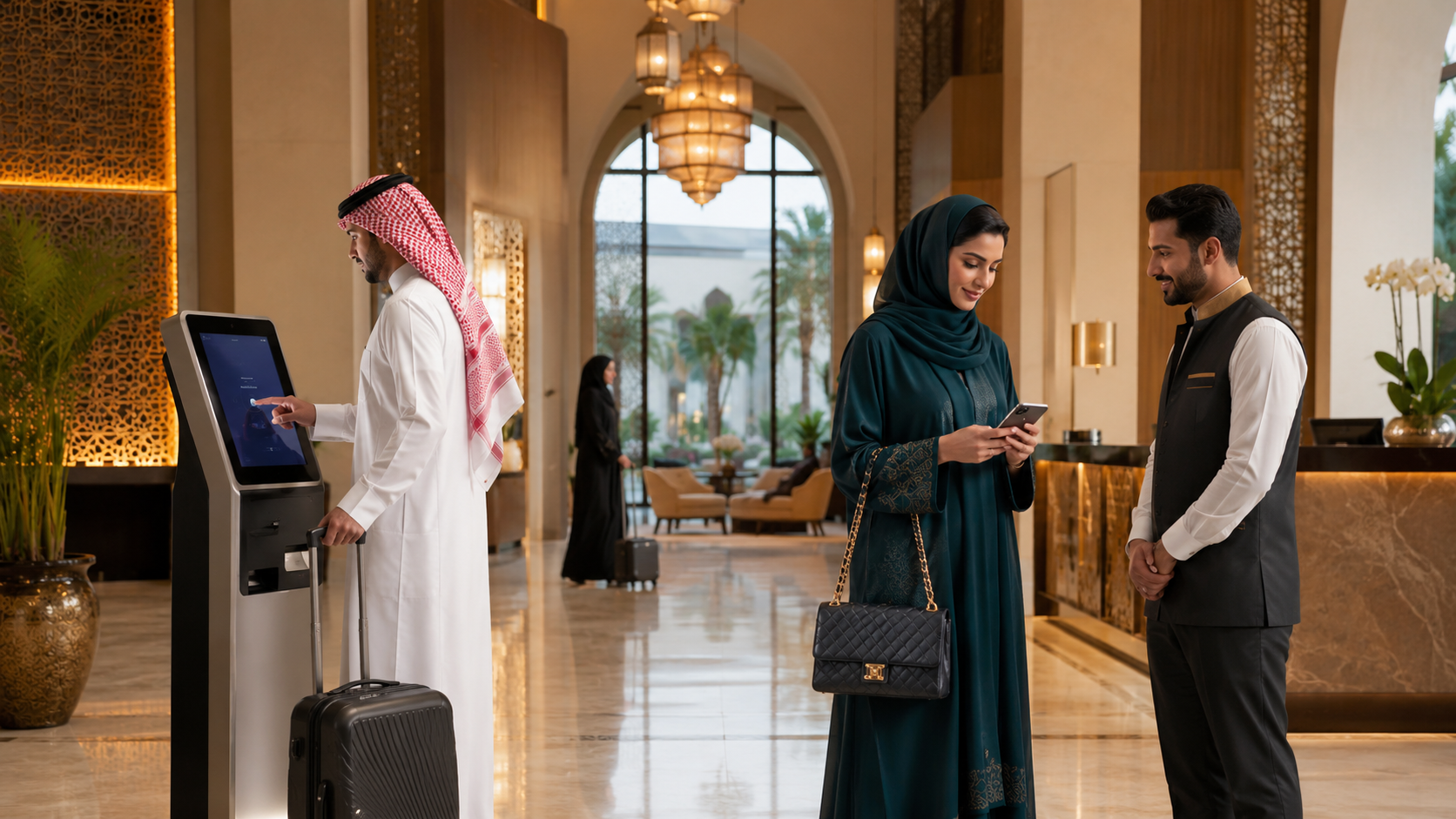
- Higher service expectations: Corporate travelers expect digital convenience, fast service, accurate invoices, and reliable connectivity.
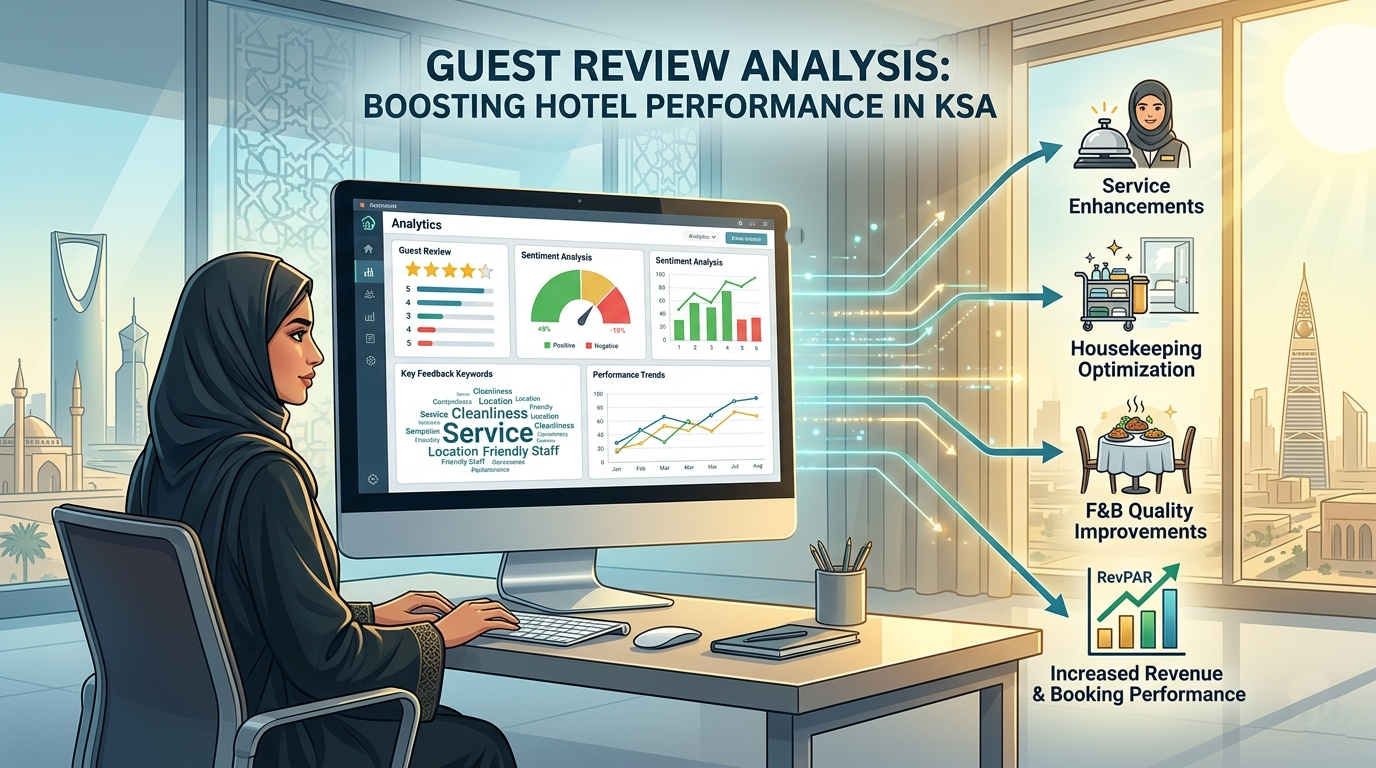
- Data-driven hotel sales: Hotels will increasingly use CRM, PMS reports, and account analytics to manage corporate production.
- Sustainability in procurement: More companies may consider environmental and social practices when selecting hotel partners.
SEO FAQ: Corporate Hotel Contracts Saudi Arabia
1. What is a corporate hotel contract in Saudi Arabia?
A corporate hotel contract in Saudi Arabia is an agreement between a hotel and a company or organization. It usually includes negotiated room rates, payment terms, invoice requirements, cancellation rules, booking process, and special benefits for business travelers.
2. How can a Saudi hotel win a corporate RFP?
A Saudi hotel can win a corporate RFP by submitting a customized proposal that combines competitive pricing, strong location value, clear inclusions, reliable PMS billing, flexible terms, accurate VAT documentation, and professional account management.
3. What should be included in corporate hotel rates?
Corporate hotel rates may include room accommodation, breakfast, Wi-Fi, parking, gym access, late checkout subject to availability, meeting room discounts, laundry benefits, or airport transfer support. The exact inclusions should match the company’s travel needs.
4. Why is PMS billing important for corporate hotel accounts?
PMS billing is important because corporate clients need accurate invoices, correct company details, VAT information, purchase order references, and monthly statements. Poor billing can delay payment and damage the hotel’s relationship with the company.
5. Should hotels offer fixed or dynamic corporate rates?
Hotels should choose based on the account type. Fixed rates are useful for predictable high-volume accounts, while dynamic rates protect hotel revenue during demand changes. Many Saudi hotels use a mix of fixed, dynamic, volume-based, and long-stay pricing.
6. How do business travel bookings help hotel revenue?
Business travel bookings help hotel revenue by creating repeat stays, improving weekday occupancy, reducing reliance on seasonal leisure demand, increasing direct booking share, and generating extra revenue from meetings, dining, laundry, transport, and long-stay services.
7. What mistakes should hotels avoid in corporate RFPs?
Hotels should avoid generic proposals, unclear cancellation policies, missing blackout dates, poor invoice setup, excessive discounting, weak account follow-up, and failure to communicate contract terms internally to reservations, front office, and finance teams.
Conclusion: Corporate Contracts Are a Growth Engine for Saudi Hotels
Winning corporate hotel contracts Saudi Arabia requires more than submitting a room rate. It requires understanding the buyer, designing a clear value proposition, protecting hotel profitability, setting up reliable PMS billing, and managing the account after the contract is signed. Hotels that master this process can build a more stable and profitable business.
The Saudi hospitality market is evolving quickly. Vision 2030, business events, giga-projects, regional headquarters, and rising corporate travel demand are creating major opportunities. Hotels that prepare professional RFP responses, support company travel policies, and deliver consistent guest experiences will be better positioned to win long-term business.
Call To Action:
Review your current corporate rate strategy, audit your PMS billing setup, identify your top potential company accounts, and prepare a stronger RFP proposal before your competitors do. A better corporate contract strategy can turn your hotel into the preferred business travel partner in your city.
Tags
corporate hotel contracts Saudi Arabia, hotel RFP Saudi Arabia, business travel bookings, corporate hotel rates, Saudi hotels, hotel B2B sales, PMS billing for hotels, negotiated hotel rates, Vision 2030 hospitality, hotel revenue management, Saudi hospitality market, corporate travel procurement, hotel sales strategy, company hotel contracts, business hotels Riyadh, corporate bookings Jeddah, long stay hotel contracts Saudi Arabia