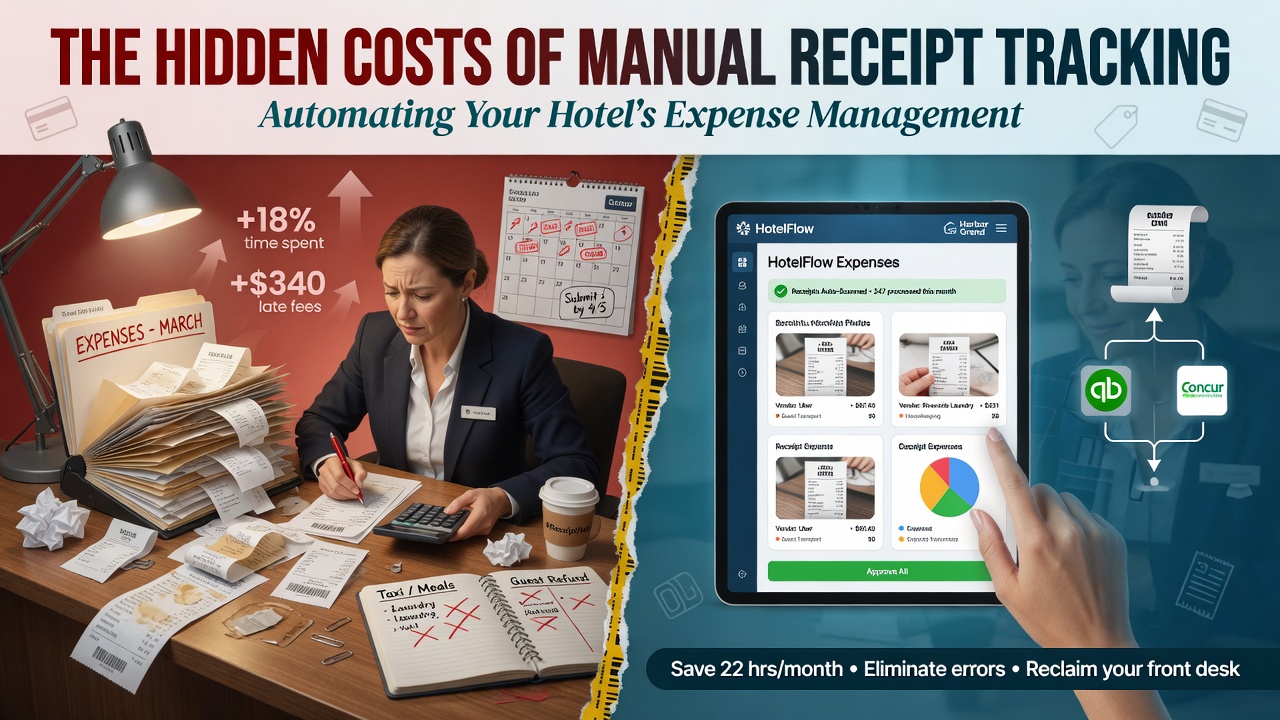
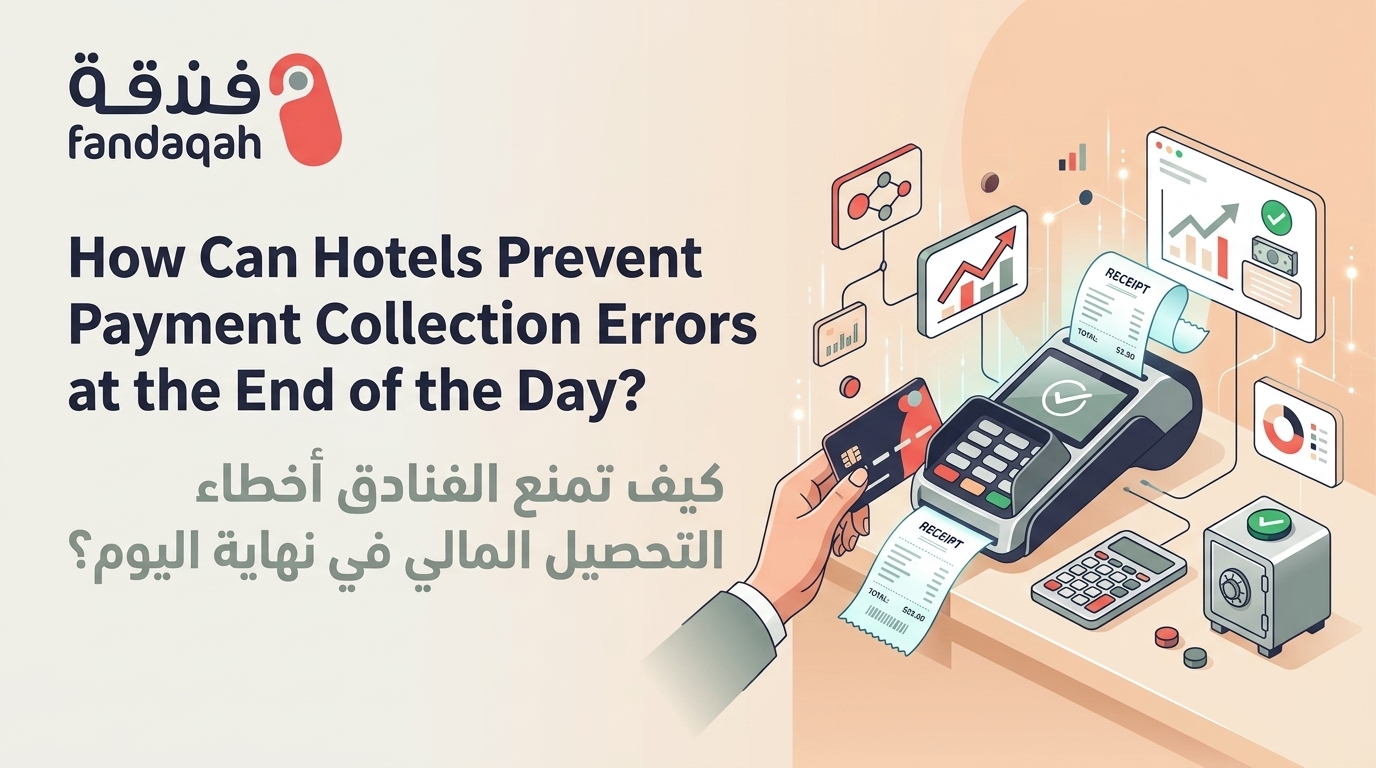
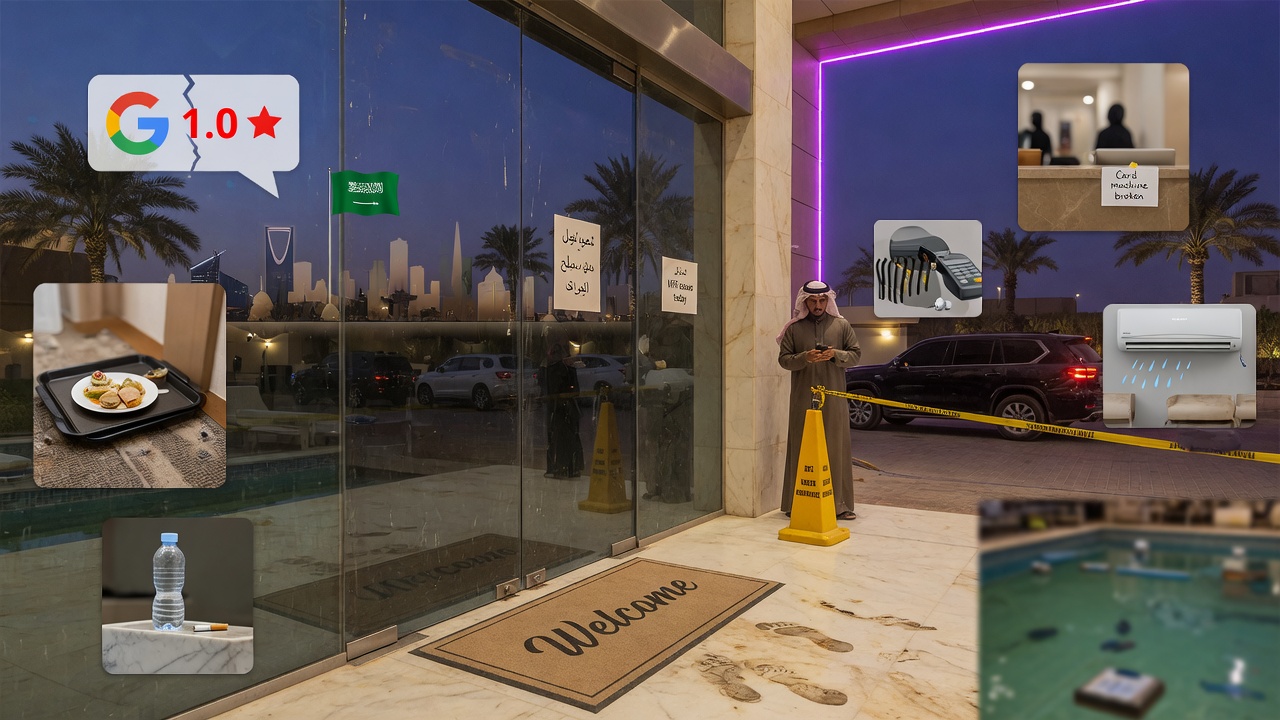
Every crumpled receipt stuffed into an envelope or lost in a desk drawer is quietly draining your hotel's profitability.
In Saudi Arabia’s rapidly expanding hospitality sector—fueled by Vision 2030 and a target of 150 million annual visits—manual receipt tracking is no longer just an administrative nuisance. It's a hidden cost multiplier that impacts cash flow, VAT compliance, employee productivity, and guest experience. This article uncovers the true price of paper-based expense management and shows how automated receipt tracking and hotel expense management software can transform your back-office into a strategic advantage.
Whether you manage a boutique hotel in AlUla, a luxury resort on the Red Sea, or a business hotel in Riyadh, the friction of manual receipt handling affects your bottom line. We’ll explore the hidden costs, the power of automation, and real-world use cases tailored to Saudi Arabia’s hospitality landscape—including ZATCA e-invoicing readiness. By the end, you’ll see why automating expense management is an urgent, ROI-driven upgrade.
The Real Price of Paper Receipts: Hidden Costs Exposed
At first glance, collecting paper receipts seems harmless. But when you multiply that effort across dozens of employees, multiple properties, and hundreds of transactions per week, the hidden costs of manual receipt tracking become staggering. Let’s break down the most damaging—and often overlooked—expenses.
1. Labor Hours Lost to “Shoebox Accounting”
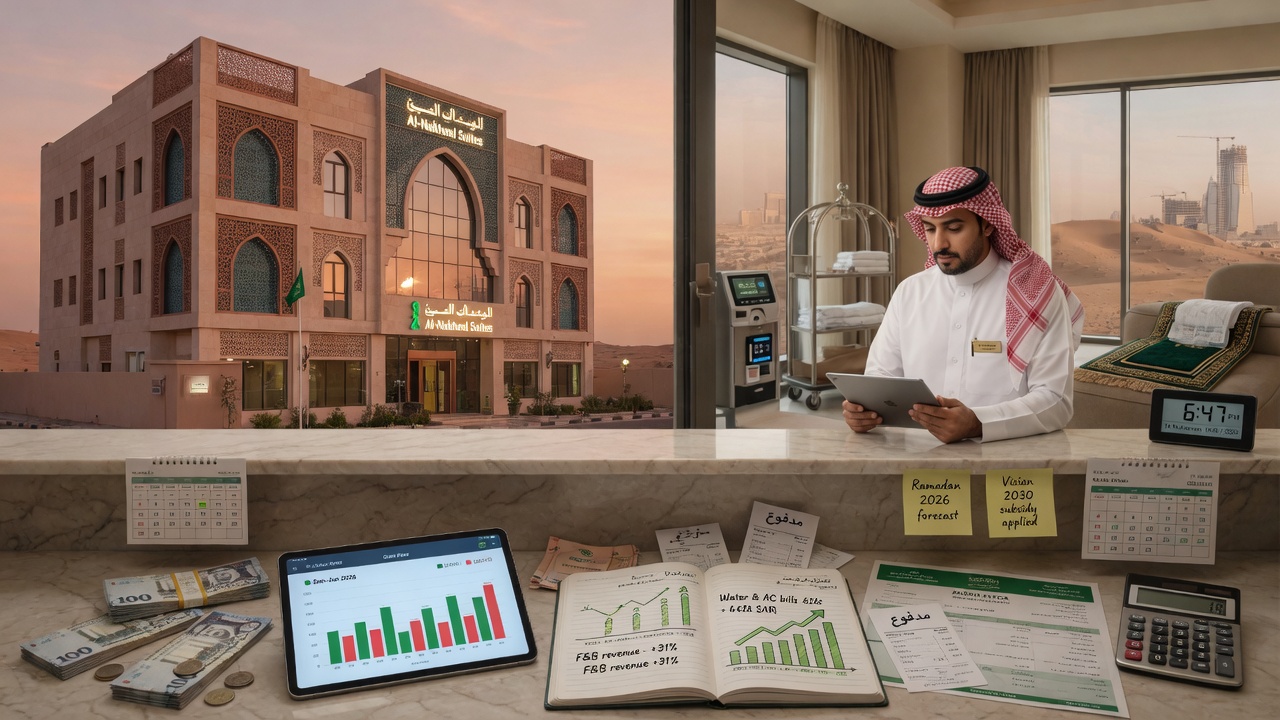
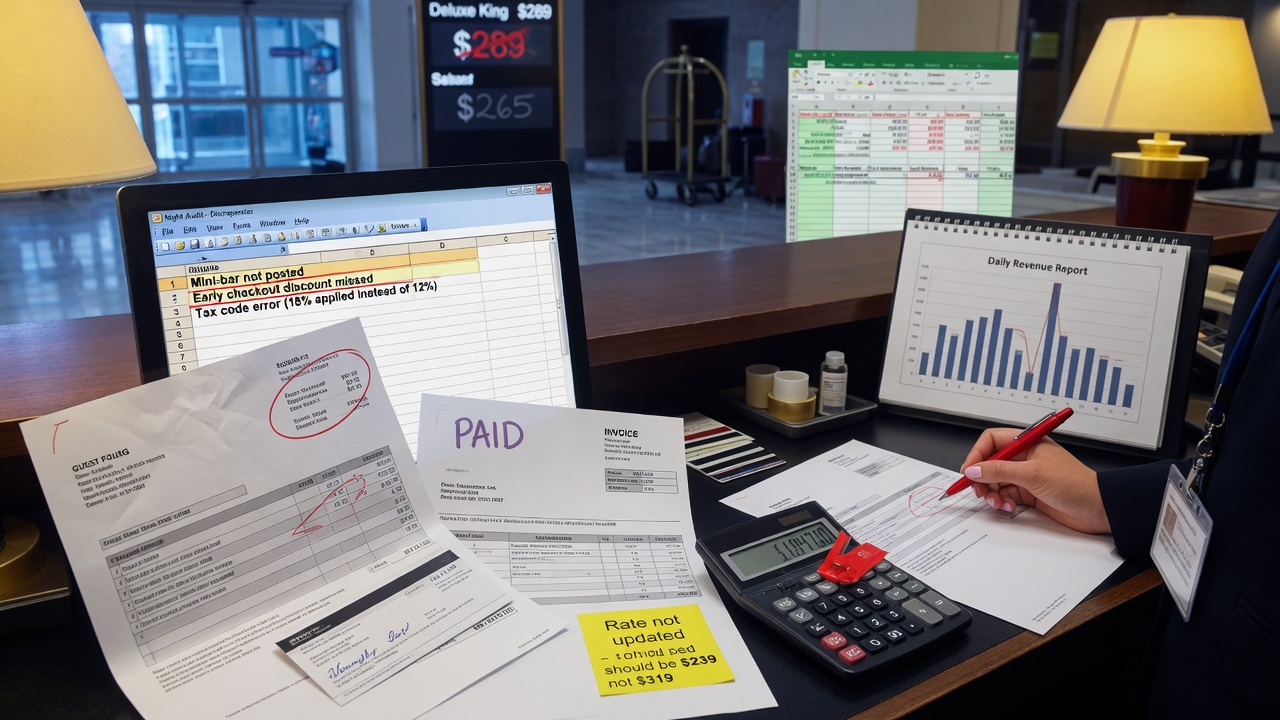
Front desk staff, F&B managers, and maintenance crews spend an average of 4–7 hours per week just sorting, taping, and submitting receipts. Finance teams then spend additional hours chasing missing receipts, deciphering smudged ink, and manually entering data into Excel or legacy PMS systems. In a 100-room hotel, that's easily over 350 hours per year wasted on non-revenue tasks. At Saudi labor rates, that’s tens of thousands of riyals down the drain.
2. Errors, Duplicates, and Fraud Vulnerability
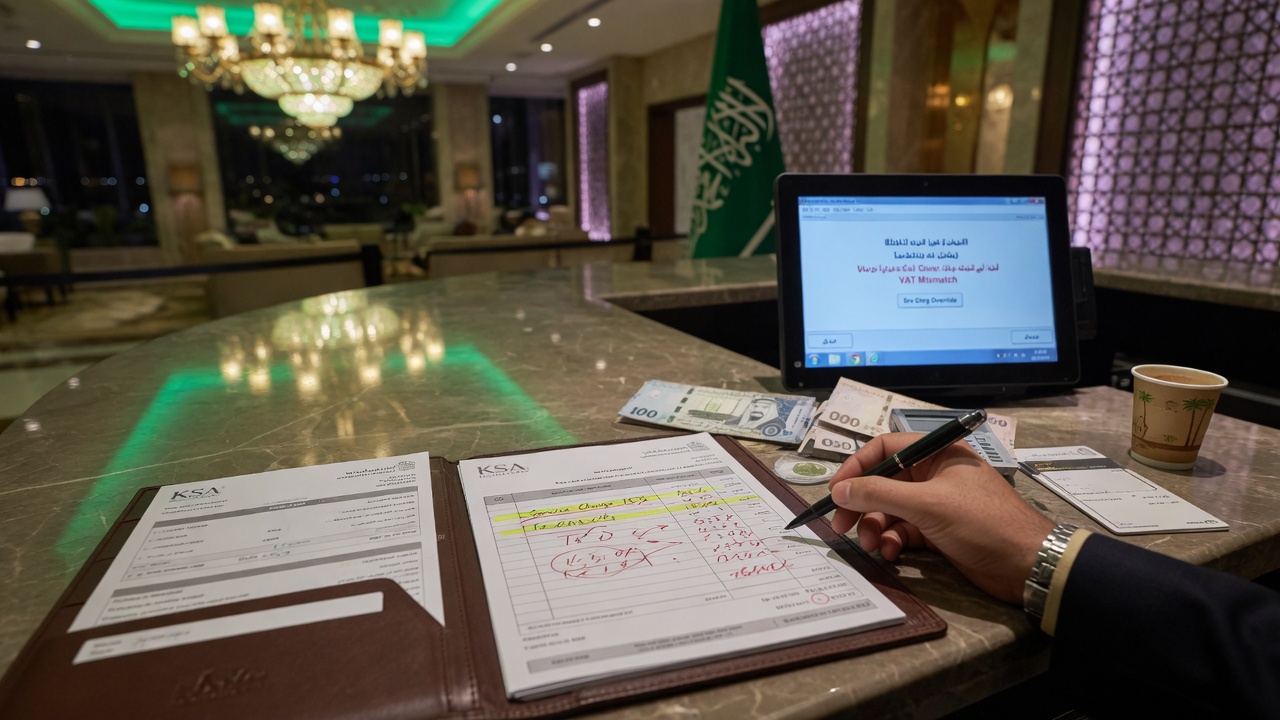
Manual data entry carries a typical error rate of 1–3%. A misplaced decimal or wrong category can skew financial reports and lead to incorrect VAT claims. Worse, paper receipts are easy to duplicate or alter. Without a clear digital audit trail, hotels are exposed to expense fraud—which, according to industry studies, accounts for up to 5% of total spend. In Saudi Arabia’s high-volume tourism periods (Hajj, Umrah, Riyadh Season), the risk multiplies.
Key insight: “One Saudi hotel group discovered that 12% of its petty cash receipts were either missing or illegible during a ZATCA audit, resulting in SAR 87,000 in disallowed VAT deductions.” — Hospitality finance consultant, KSA.
3. Delayed Reimbursements = Unhappy Employees
When staff use their own money for small purchases (guest amenities, emergency maintenance, local transport), they expect quick repayment. Manual processes can stretch reimbursement cycles to 3–4 weeks. This erodes morale and trust, especially among expatriate workers who form a significant part of Saudi hotel teams. In a competitive labor market, slow reimbursements increase turnover and hidden recruitment costs.
4. ZATCA Compliance & E-Invoicing Gaps
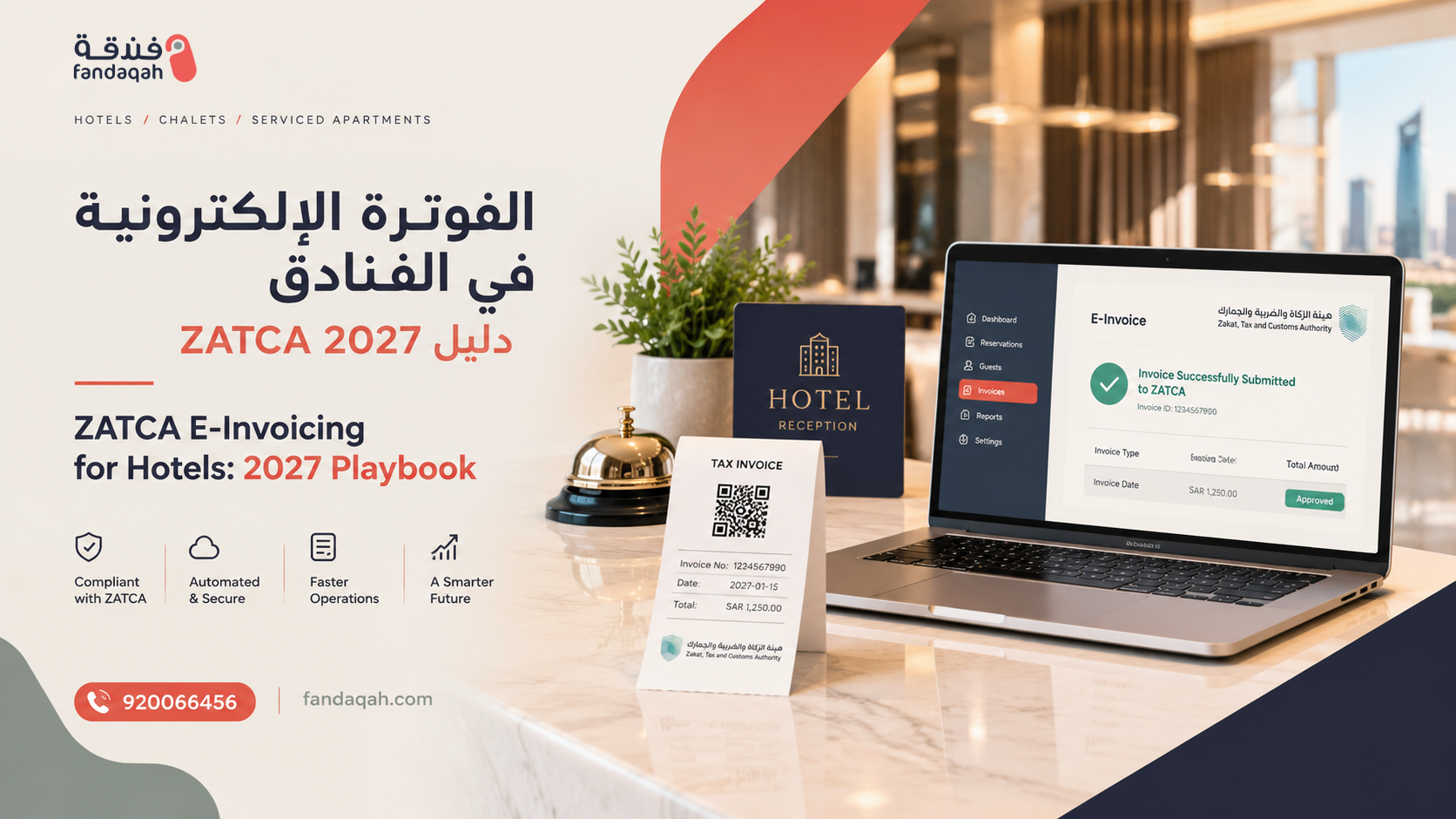
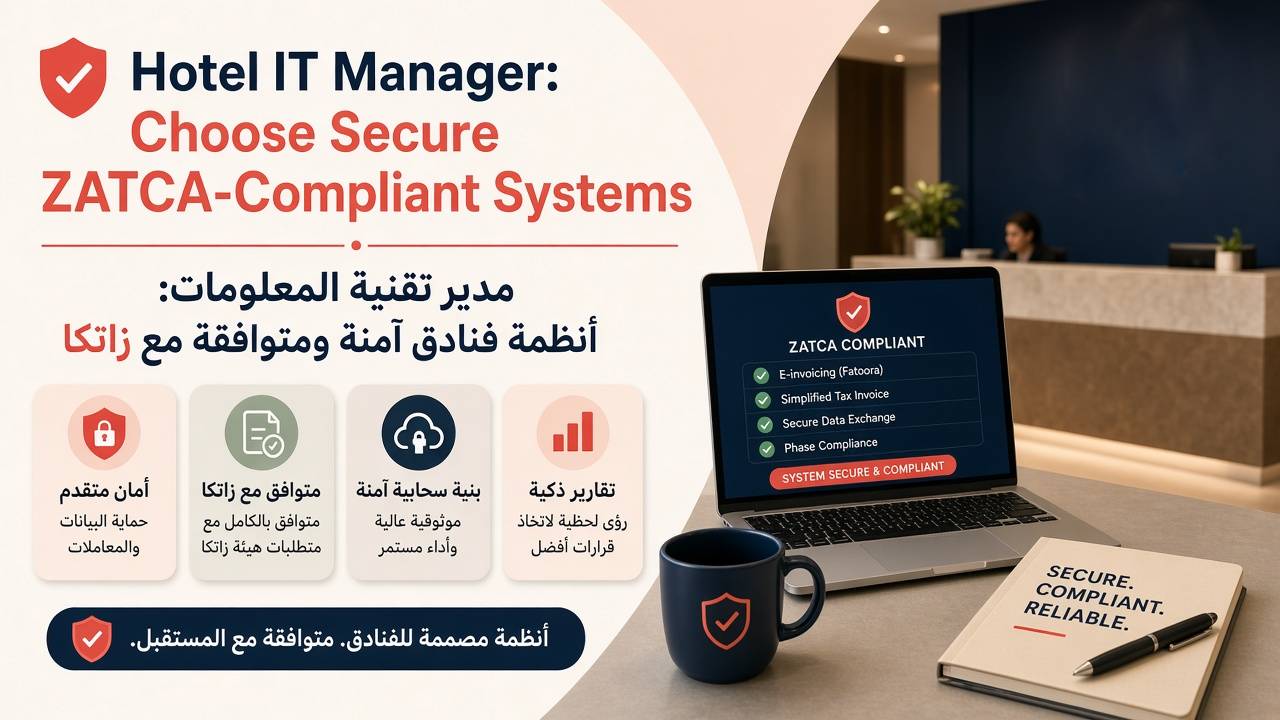
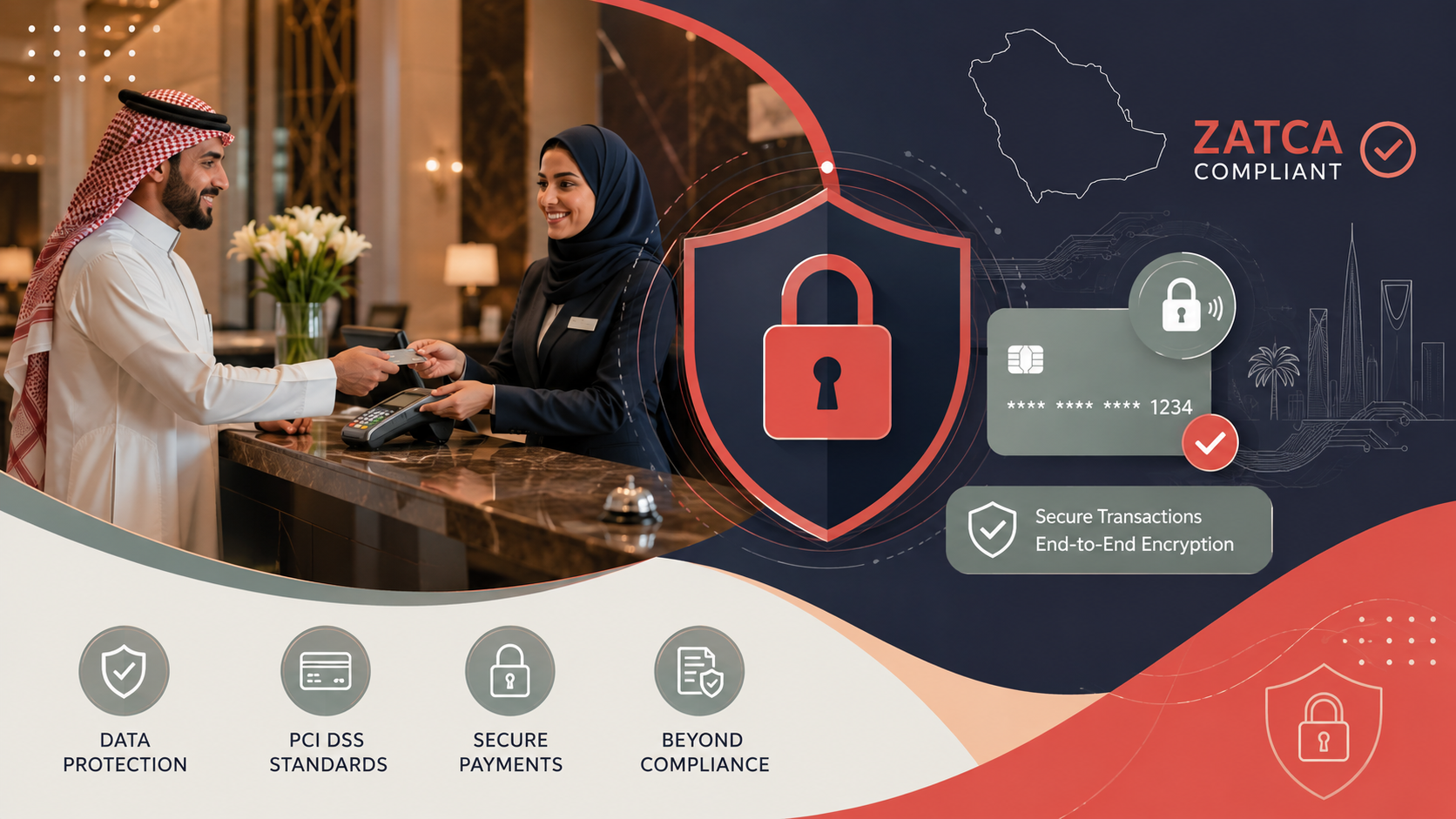
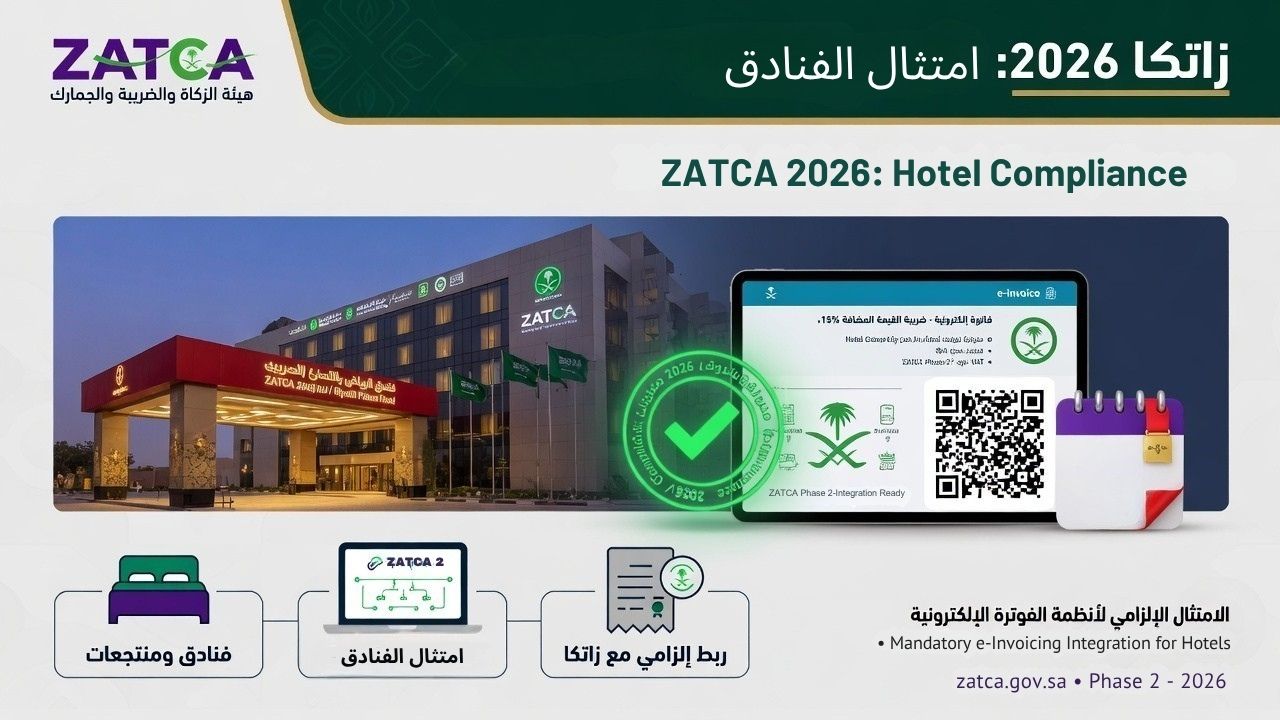
Saudi Arabia’s Zakat, Tax and Customs Authority (ZATCA) has mandated e-invoicing (FATOORAH) for all businesses. While large hotel chains comply at the billing level, expense receipts (supplier invoices, petty cash) often remain analog. Manual receipt tracking makes it nearly impossible to integrate with Phase 2 e-invoicing requirements. Non-compliance penalties can reach SAR 50,000 per violation. The hidden cost of being non-compliant is a ticking time bomb.
5. Lost Visibility & Cash Flow Leakage
Without real-time expense data, hotel managers make decisions in the dark. Are we overspending on F&B supplies at our Jeddah property? Are maintenance costs spiking at the Dammam branch? Manual tracking means reports are always two weeks late. This lack of spend visibility prevents proactive budgeting and can lead to cash flow surprises—especially painful during low season.
???? The True Annual Cost of Manual Receipt Tracking (Example: 150-room Hotel in KSA)
- ???? Labor cost: 350 hours × SAR 45/hour = SAR 15,750
- ???? VAT leakage / missed claims: approx SAR 22,000
- ???? Fraud / duplicate payments: estimated SAR 8,400
- ???? Late payment fees / supplier friction: SAR 5,200
- ???? Employee time / morale: intangible but real
- Total hidden annual cost: ≈ SAR 51,350+ per property
Automating Receipt Tracking: The Smarter Path for Saudi Hotels
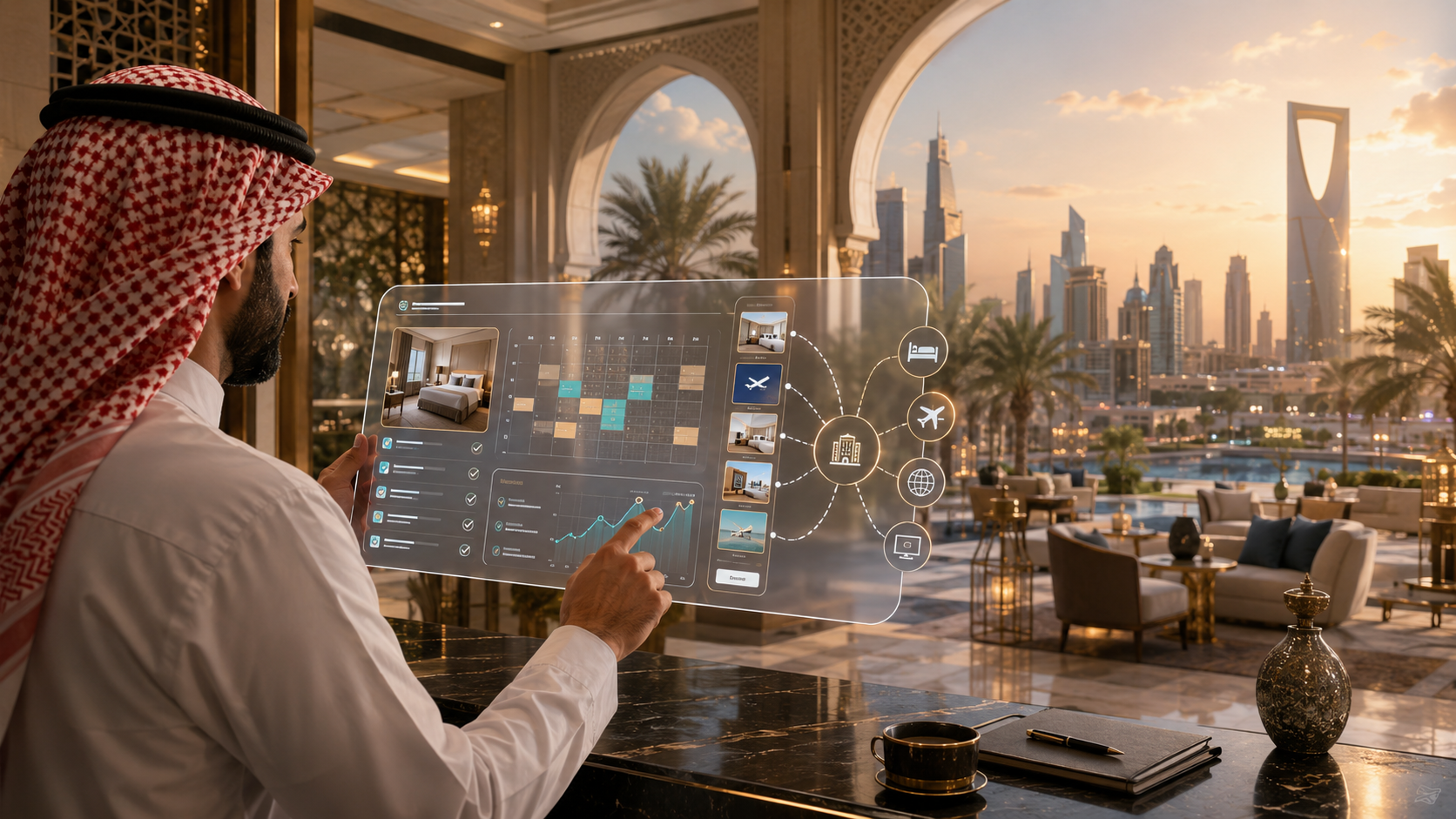
Automated expense management replaces paper chaos with a streamlined digital workflow. Using OCR (Optical Character Recognition), mobile apps, and cloud integration, every receipt is captured at the point of purchase, classified, and synced with your accounting or ERP system. Let's break down what modern hotel expense automation looks like.
How It Works in 3 Simple Steps
- Snap & Submit: Staff use a mobile app (available in Arabic/English) to photograph the receipt. AI-powered OCR extracts merchant name, date, amount, and tax details instantly.
- Smart Approval Workflow: The expense is routed to the appropriate manager based on pre-set rules (department, amount, project). Approvals happen with one tap.
- Seamless Integration: Data flows directly into popular hotel accounting platforms (Oracle, SAP, Xero, or local Saudi systems) and is ready for VAT reporting and ZATCA compliance.
???? Long-tail keyword advantage: “Best expense tracking app for hotels in Saudi Arabia” is a growing search. Automation solutions now offer bilingual interfaces and support for Saudi Riyal (SAR) and VAT (15%) calculation built-in.
Key Benefits of Automating Receipt Tracking for Hotels
Beyond eliminating paper, automation delivers measurable improvements across operations, finance, and guest satisfaction.
✅ Real-Time Expense Visibility & Control
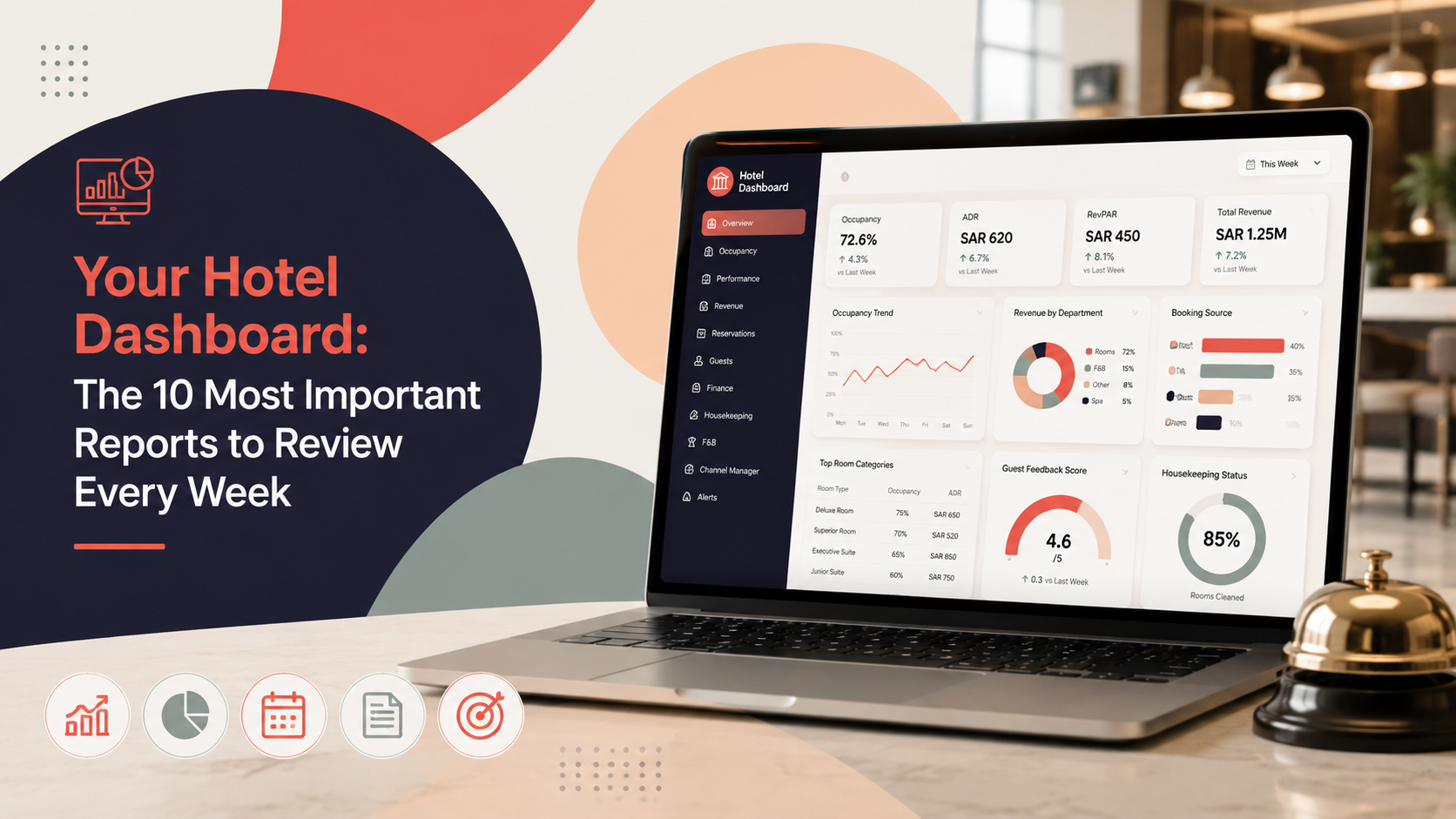
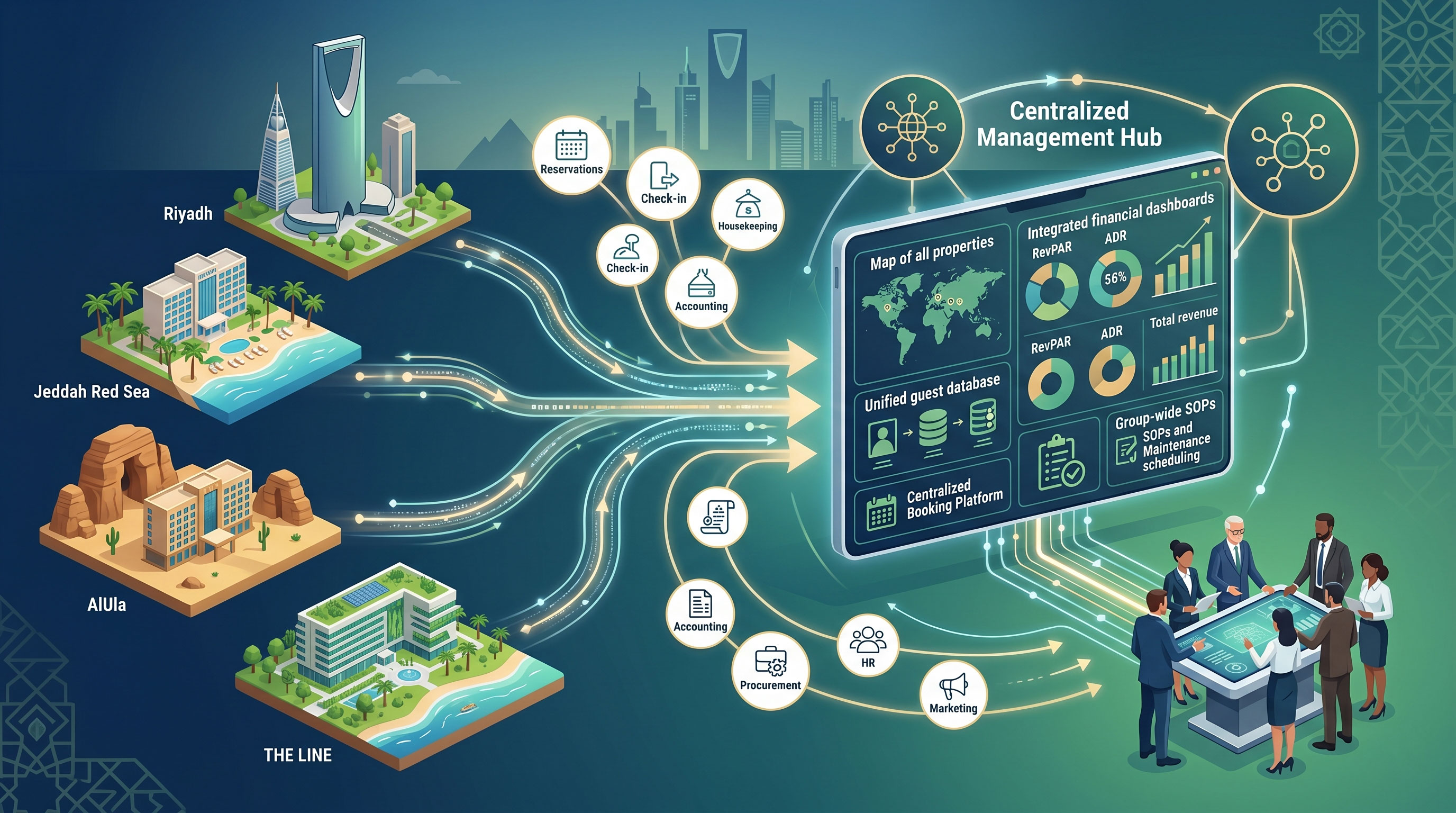
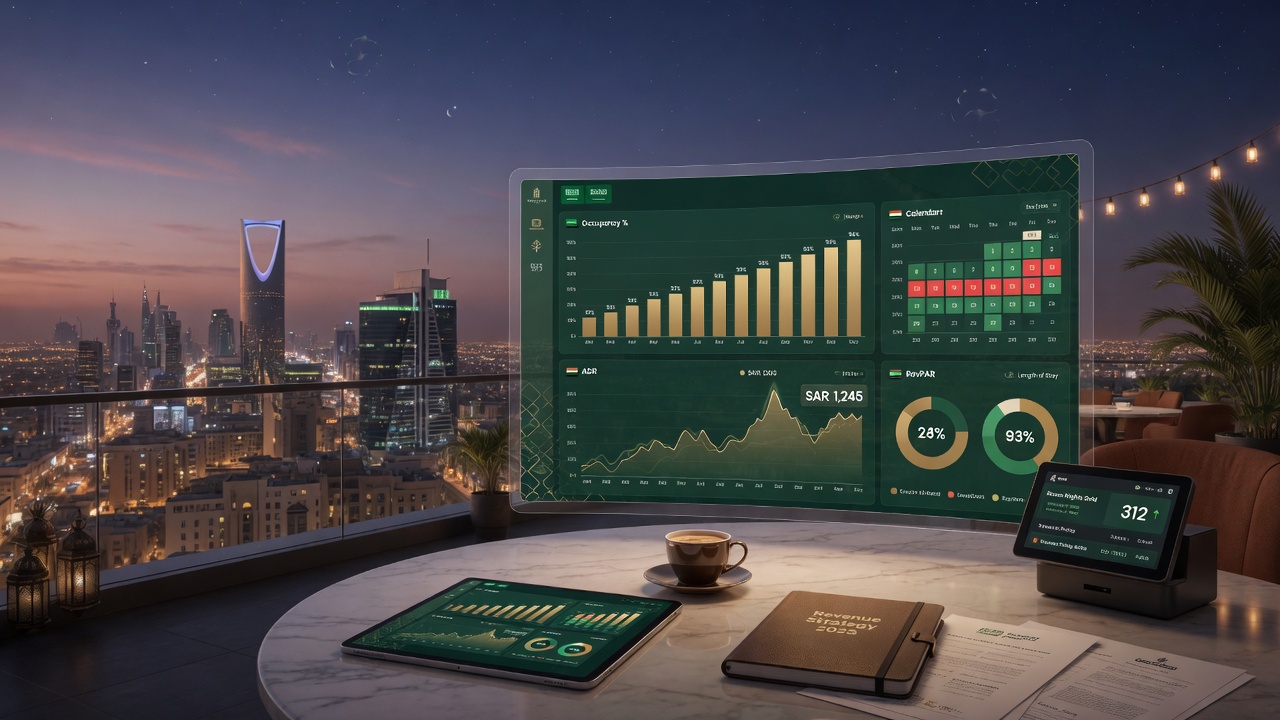
Dashboards show spend by category, department, or property—updated instantly. A GM in Riyadh can spot an overspend on laundry services in Jeddah before month-end. This agility is essential for meeting profit targets in Saudi Arabia's seasonal market.
✅ ZATCA-Ready Digital Audit Trail
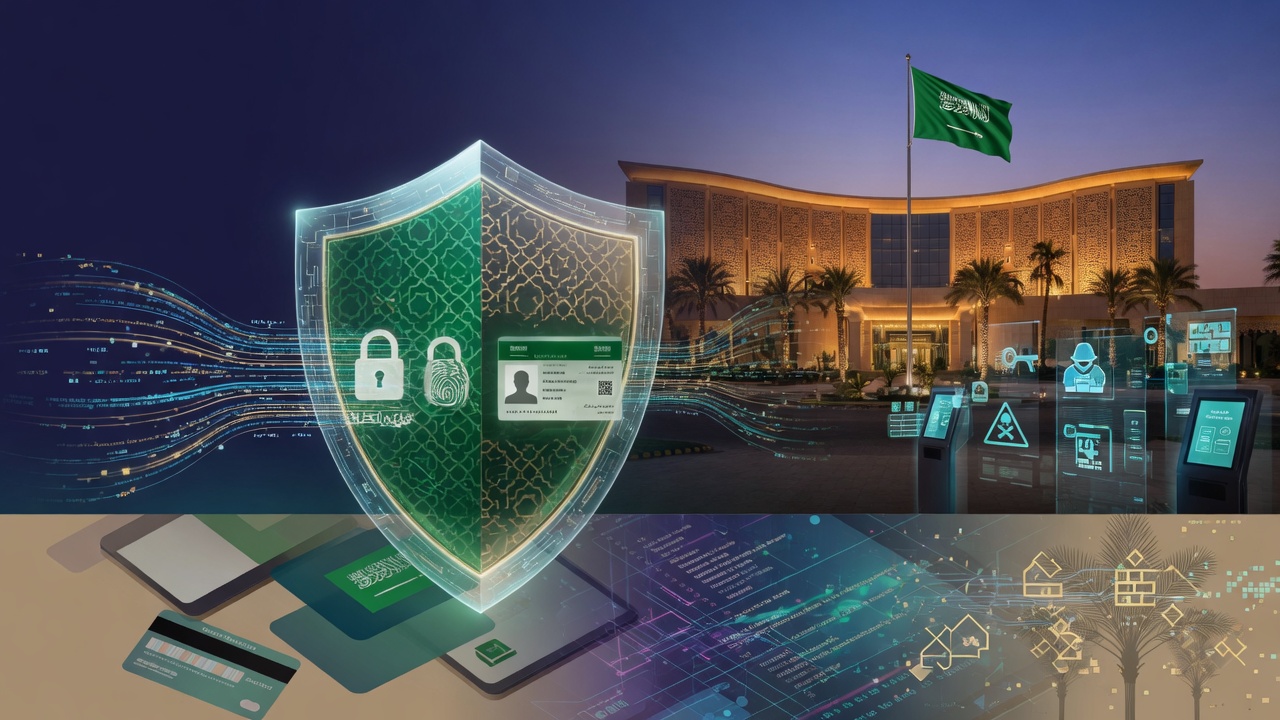
Every receipt is stored securely in the cloud with a clear, time-stamped history. In case of a ZATCA audit, you can produce compliant digital records in seconds, not days. Automated expense systems also support the generation of QR codes and UUIDs required for Phase 2 e-invoicing integration.
✅ Faster Month-End Close & Accurate Financials
Instead of waiting for paper to arrive from remote properties, finance teams can close books 5–7 days faster. Automated VAT extraction ensures you claim every halala you're entitled to. This directly improves cash flow and reduces the need for emergency working capital.
✅ Empowered Employees & Reduced Friction
Reimbursement times drop from weeks to 2–3 days. Staff feel valued, and managers spend less time on low-value approval chores. In a sector where service excellence is key, happy employees deliver better guest experiences.
✅ Scalability for Vision 2030 Mega-Projects
As Saudi Arabia develops giga-projects like NEOM, The Red Sea, and Diriyah Gate, hotel portfolios are expanding. Manual expense tracking simply does not scale. Cloud-based automation allows you to onboard new properties or pop-up seasonal accommodations (e.g., during Hajj) with zero additional back-office burden.
Use Cases: How Saudi Hotels Gain a Competitive Edge with Automation
Let's look at practical scenarios where automated receipt tracking transforms daily operations in the Kingdom.
???? Use Case 1: Front Desk & Petty Cash Management
A guest needs an urgent pharmacy item; the front desk agent pays cash from the float. Instead of a paper chit, the agent snaps a photo of the receipt. The expense is coded to "Guest Relations – Emergency" and instantly visible to the front office manager. Reconciliation at shift end takes minutes, not an hour.
????️ Use Case 2: F&B Procurement & Supplier Invoices
Executive chefs often buy fresh produce from local markets (e.g., Jeddah's central fish market). These handwritten receipts are notorious for fading. With an expense app, the chef captures the receipt immediately. The system automatically calculates 15% VAT and flags any missing tax details—critical for claiming input VAT.
????️ Use Case 3: Maintenance & Engineering Supplies
Maintenance teams running to a hardware store in Al Khobar for an emergency repair can submit expenses on the go. The automation platform integrates with the hotel's CMMS (Computerized Maintenance Management System), linking expenses directly to work orders. This gives the chief engineer true cost-per-repair data.
???? Use Case 4: Seasonal Surge During Hajj & Umrah
During peak pilgrimage seasons, hotels in Makkah and Madinah operate at 200% capacity with temporary staff. Manual receipt tracking becomes a nightmare. Mobile-first expense automation allows temporary workers to submit expenses without training, while management maintains full control and visibility over surge spending.
Manual vs. Automated Expense Tracking: A Side-by-Side Comparison
The difference is not just convenience—it's financial discipline.
| Feature / Metric |
Manual Receipt Tracking |
Automated Expense Management |
| Processing Time per Receipt |
5–8 minutes (data entry, filing) |
< 30 seconds (snap & auto-extract) |
| VAT Compliance (KSA 15%) |
Prone to error, difficult to audit |
Auto-extracts VAT, audit-ready digital archive |
| Fraud Risk |
High (lost, duplicated receipts) |
Low (digital fingerprint, duplicate detection) |
| Employee Reimbursement Time |
2–4 weeks |
2–3 days |
| Visibility for Finance Team |
Historical, up to 30 days late |
Real-time dashboards |
| Scalability (New Hotels) |
Adds more admin headcount |
Seamless, zero marginal admin cost |
| ZATCA E-Invoicing Readiness |
Not integrated, high risk |
Phase 2 compliant with proper solution |
Future Trends: Expense Management & Vision 2030
Saudi Arabia's Vision 2030 is reshaping hospitality with world-class events, tourism growth, and digital transformation mandates. Expense automation aligns perfectly with these goals.
AI-Powered Spend Analytics & Forecasting
Next-gen platforms use artificial intelligence to not only capture receipts but also predict future costs based on occupancy trends. Imagine a system that warns you: “Based on current booking pace, F&B variable expenses are trending 8% above budget—review supplier contracts now.”
Integration with Saudi Government Portals
As ZATCA moves toward full integration, automated expense tools will directly connect with government systems for real-time VAT reporting. Hotels that adopt automation now will be ahead of the compliance curve, avoiding last-minute panic.
Blockchain for Immutable Expense Records
In the future, expense transactions could be anchored on blockchain to provide an indisputable audit trail. This is especially relevant for high-value procurement in luxury hotels and government-related hospitality.
“Under Vision 2030, the Saudi hospitality sector is expected to add 310,000 hotel keys by 2030. Without digital expense management, back-office costs will balloon uncontrollably. Automation is the only sustainable path.” — Saudi Hotel Industry Analyst.
Conclusion: Stop Paying the Hidden Cost of Paper
The hidden costs of manual receipt tracking—wasted time, VAT leakage, compliance risk, and employee frustration—are no longer acceptable in a competitive Saudi hospitality market. Automation is no longer a luxury; it's a fundamental operational necessity. By adopting a modern expense management solution, your hotel can reclaim thousands of hours, protect its margins, and focus on what truly matters: delivering exceptional Saudi hospitality.
Whether you manage a single property or a growing portfolio across the Kingdom, the ROI of automation is clear. The question isn't if you should automate, but how soon.
Ready to Eliminate Hidden Expense Costs?
Join leading Saudi hotels that have transformed their expense workflows. Get a personalized demo tailored to KSA hospitality.
???? Serving Riyadh, Jeddah, Dammam, AlUla, and beyond • Arabic & English support • ZATCA ready