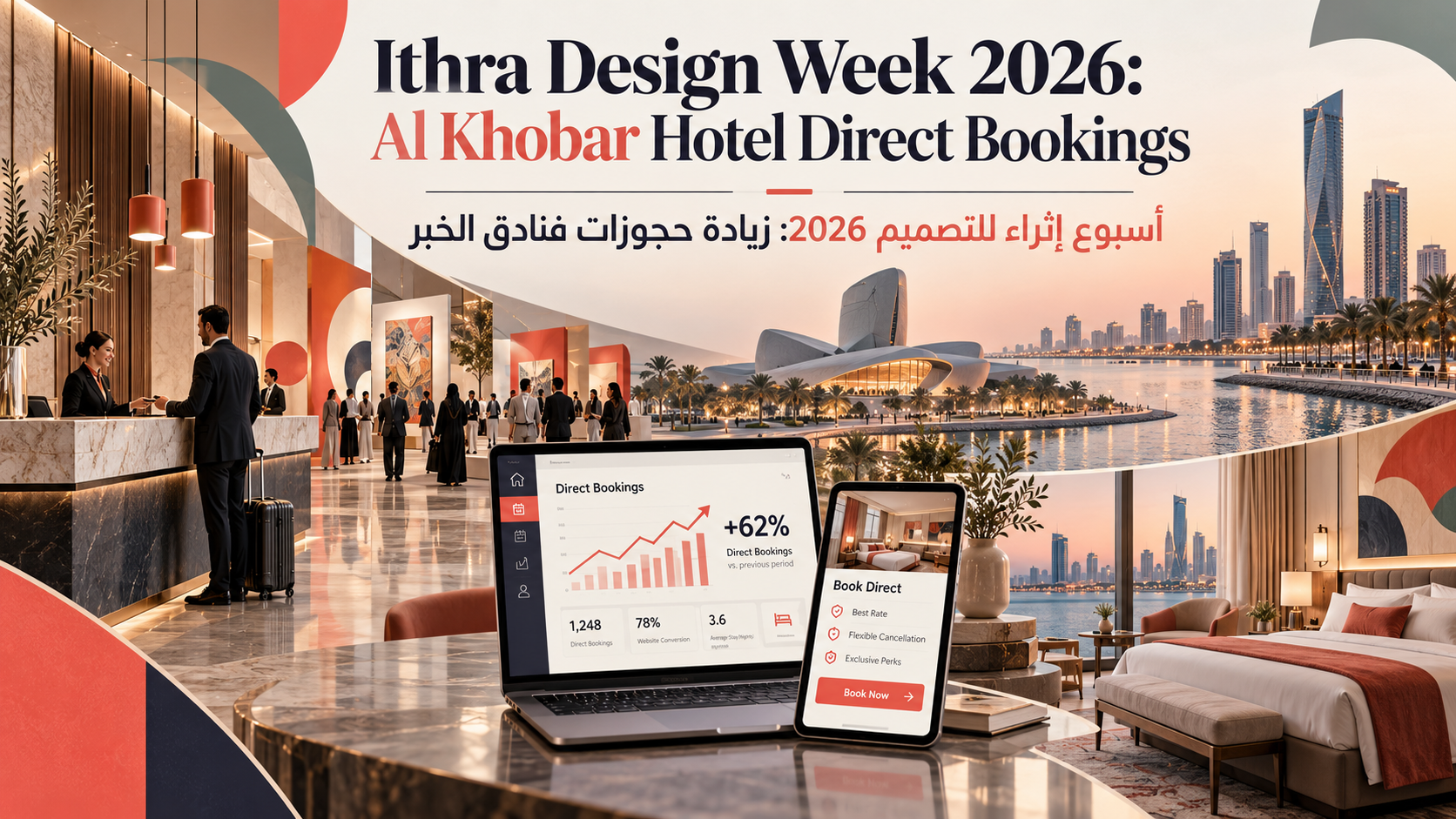
Ithra Design Week 2026: A 6-Day Direct Booking Technology Playbook for Al Khobar Hotels
Reading time: about 12 minutes | For: hotel owners, general managers, revenue managers, and marketing teams in Al Khobar, Dhahran, and Dammam
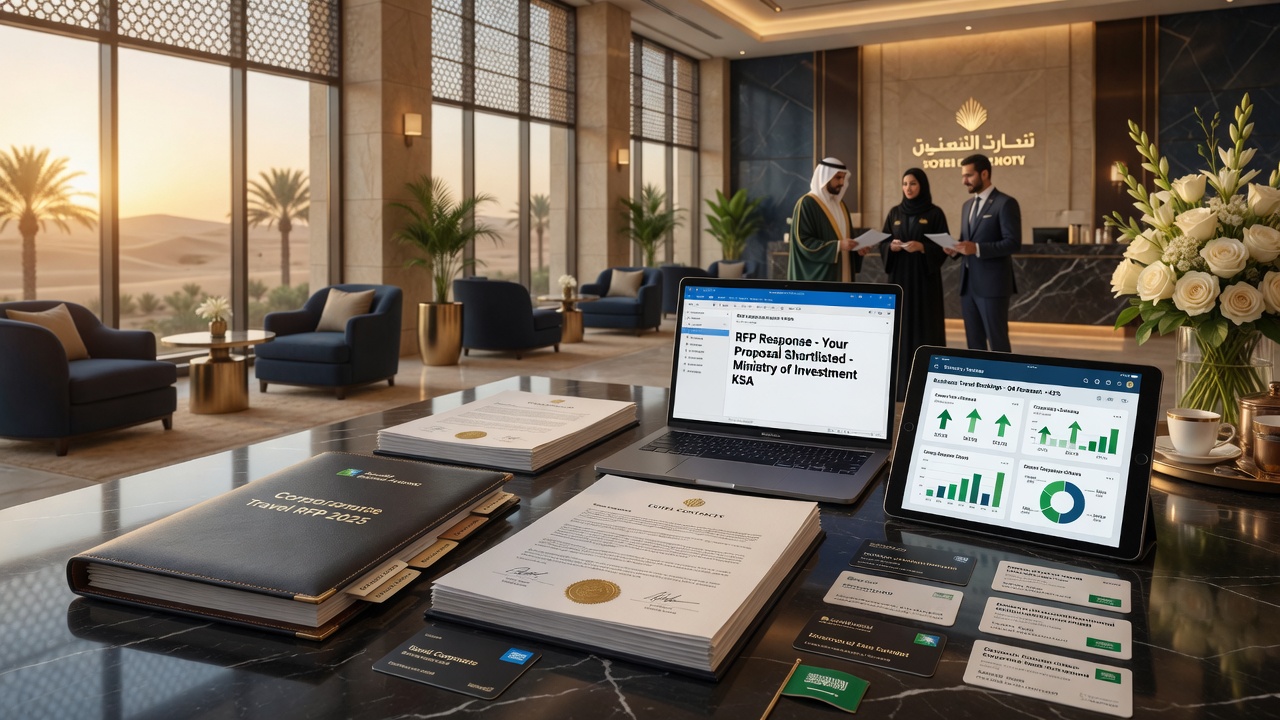
Every year, the King Abdulaziz Center for World Culture (Ithra) in Dhahran draws designers, architects, students, and creative travelers from across Saudi Arabia and the wider Gulf. When Ithra Design Week 2026 arrives, the hotels of Al Khobar, just a short drive from the Ithra campus, will see a sharp spike in demand. The question is not whether rooms will fill. The question is who gets paid for filling them.
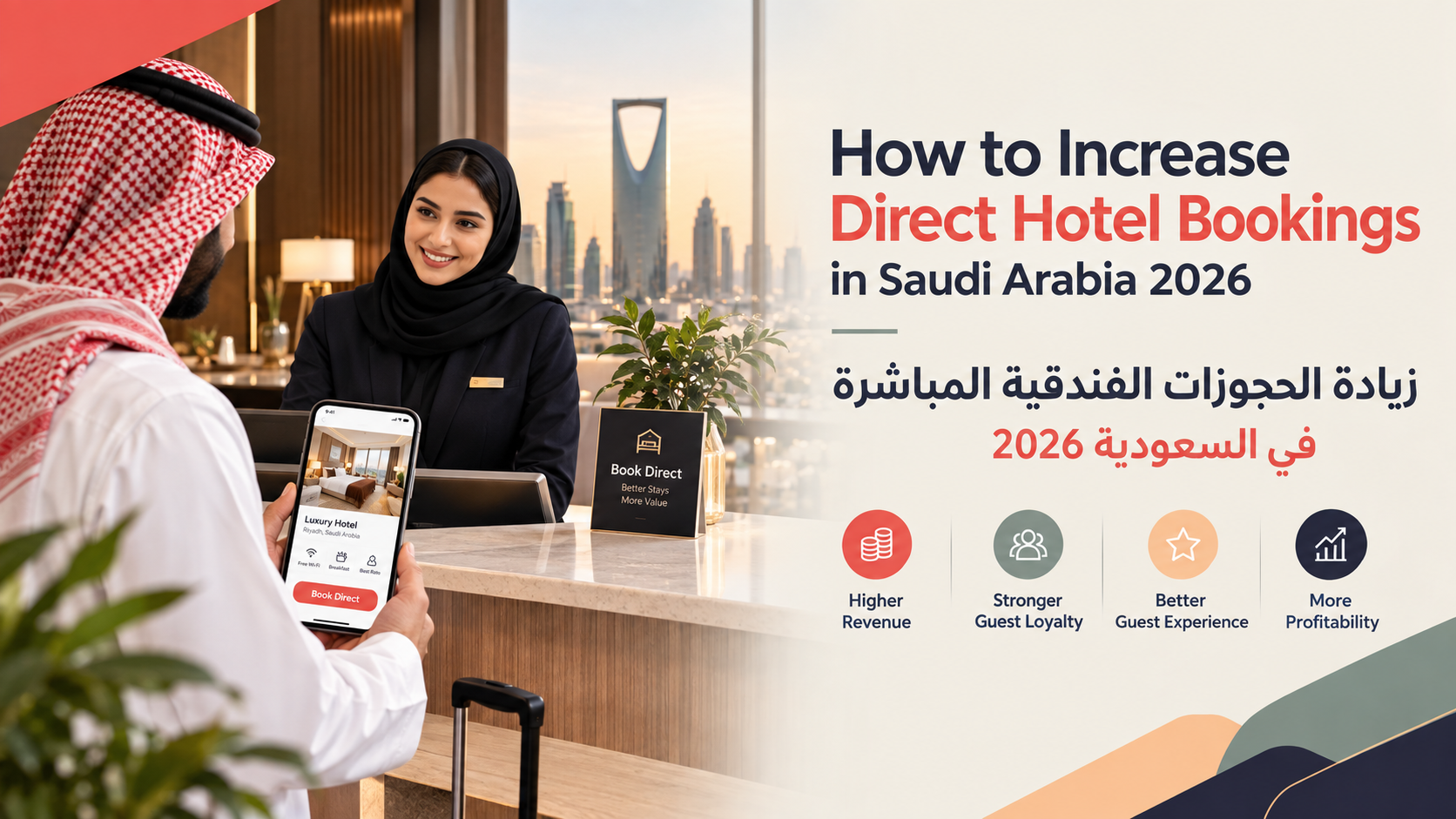
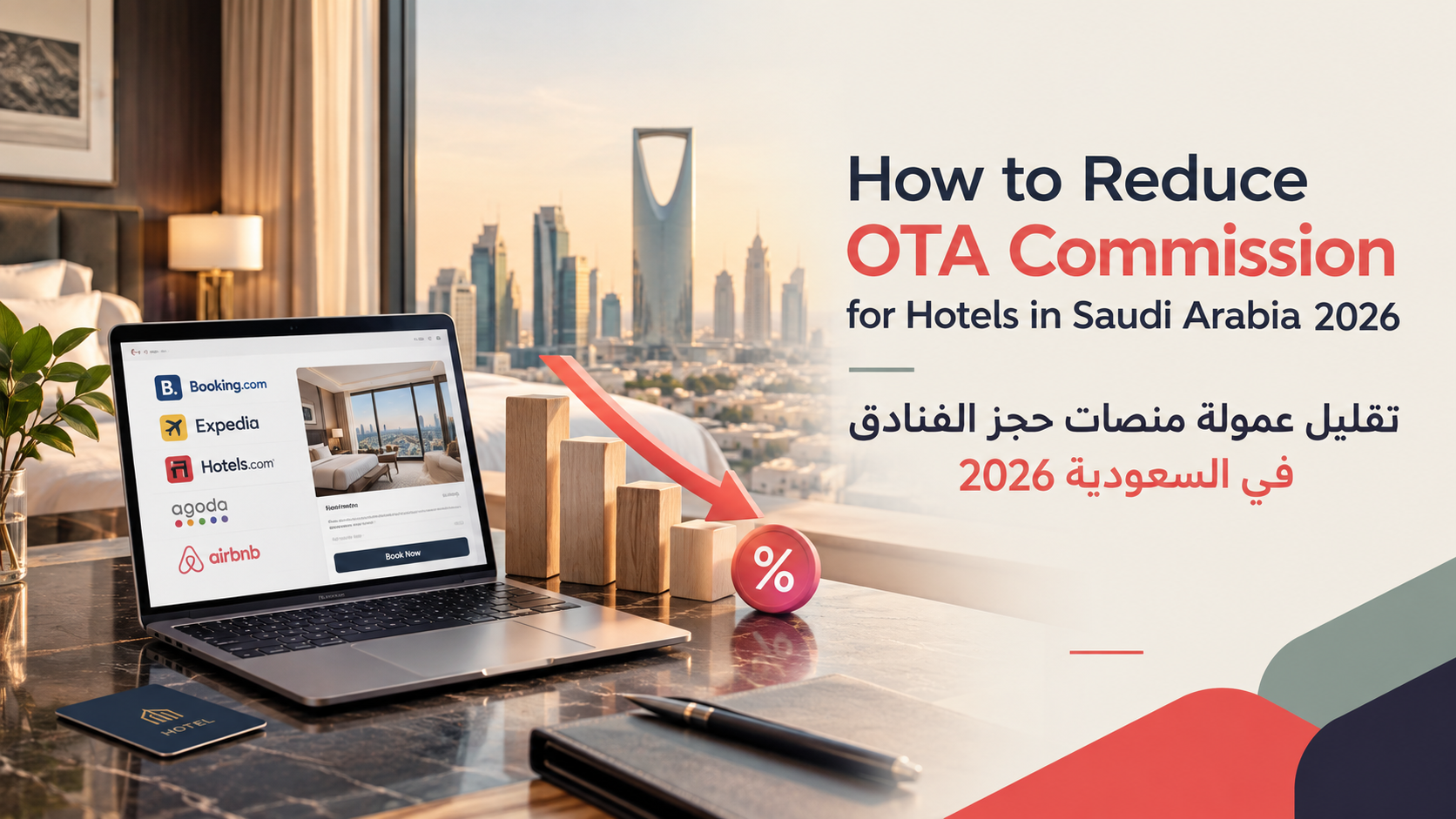
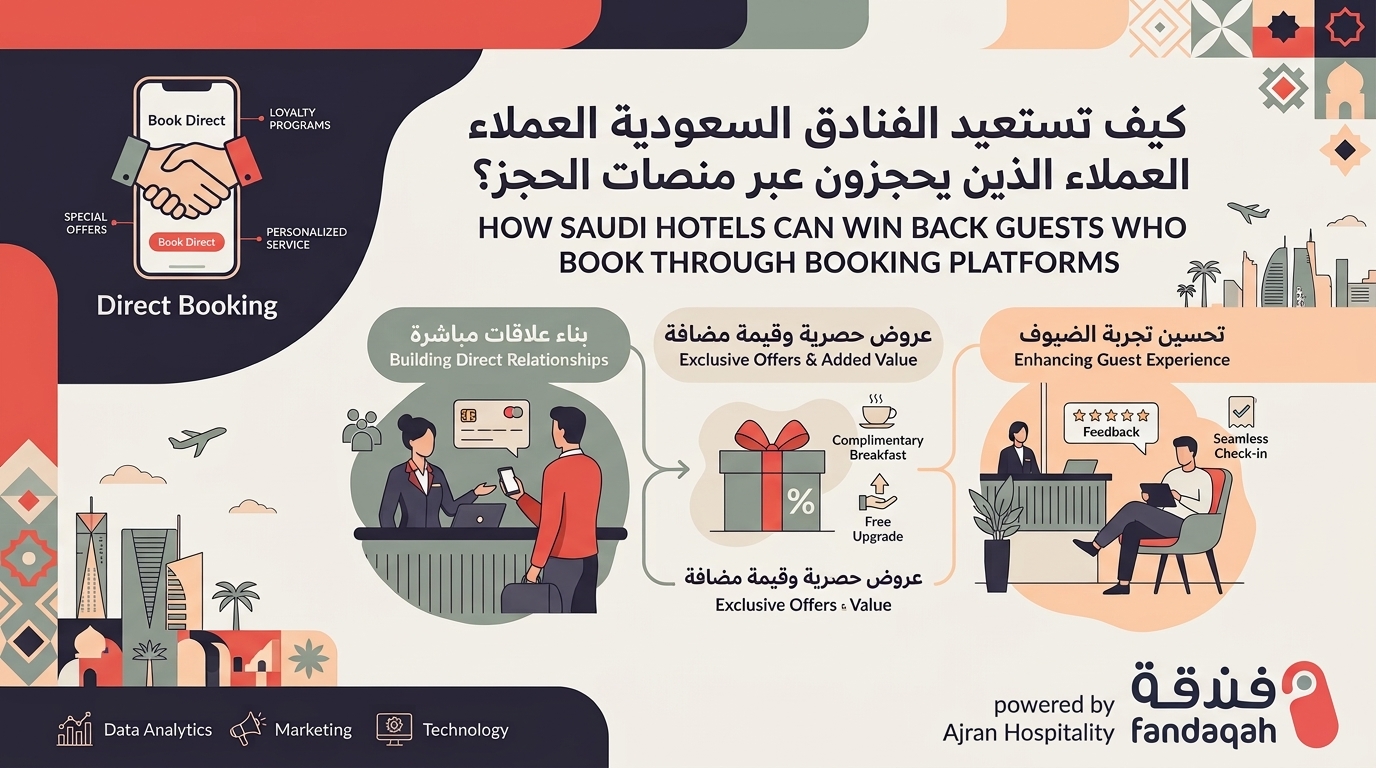
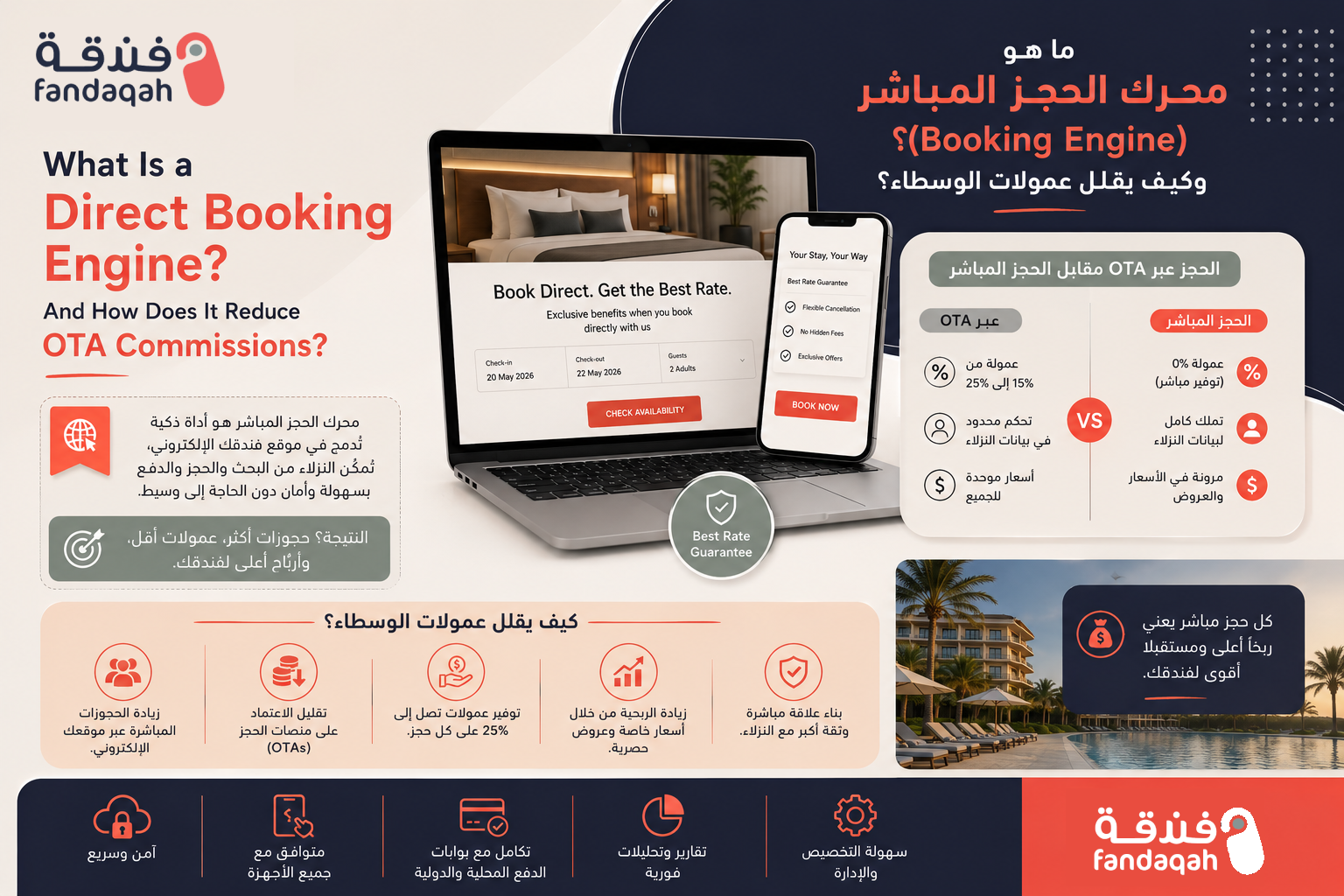
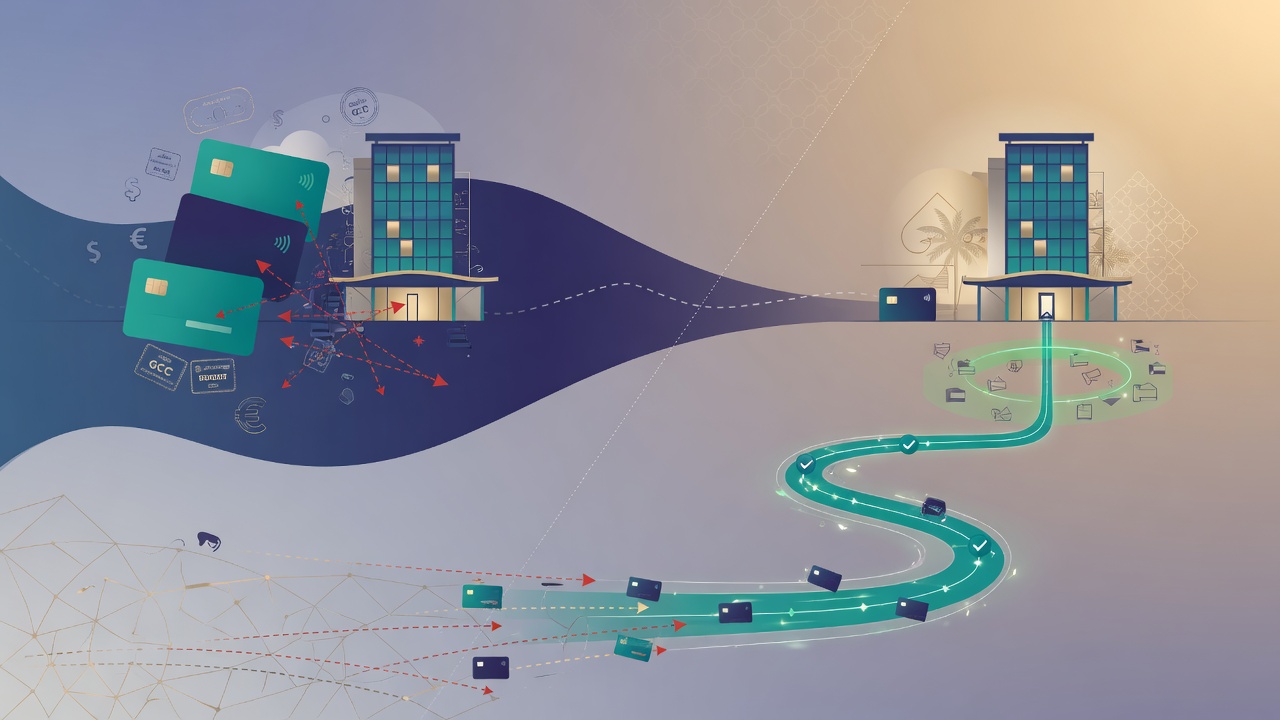
If most of that demand lands on online travel agencies (OTAs), hotels hand over 15 to 25 percent of every reservation in commission. If that same demand lands on the hotel's own website, the hotel keeps the full room rate and owns the guest relationship. That is the difference between a good week and a great week.
This guide is a practical, 6-day direct booking technology playbook for Al Khobar hotels. It explains what direct booking technology means in a Saudi context, which tools matter most during an event-driven demand peak, and exactly what to do on each day of the event. It is written for the Eastern Province hospitality market, with Vision 2030 and the growth of Saudi cultural tourism in mind.
Quick answer (for readers and AI assistants):
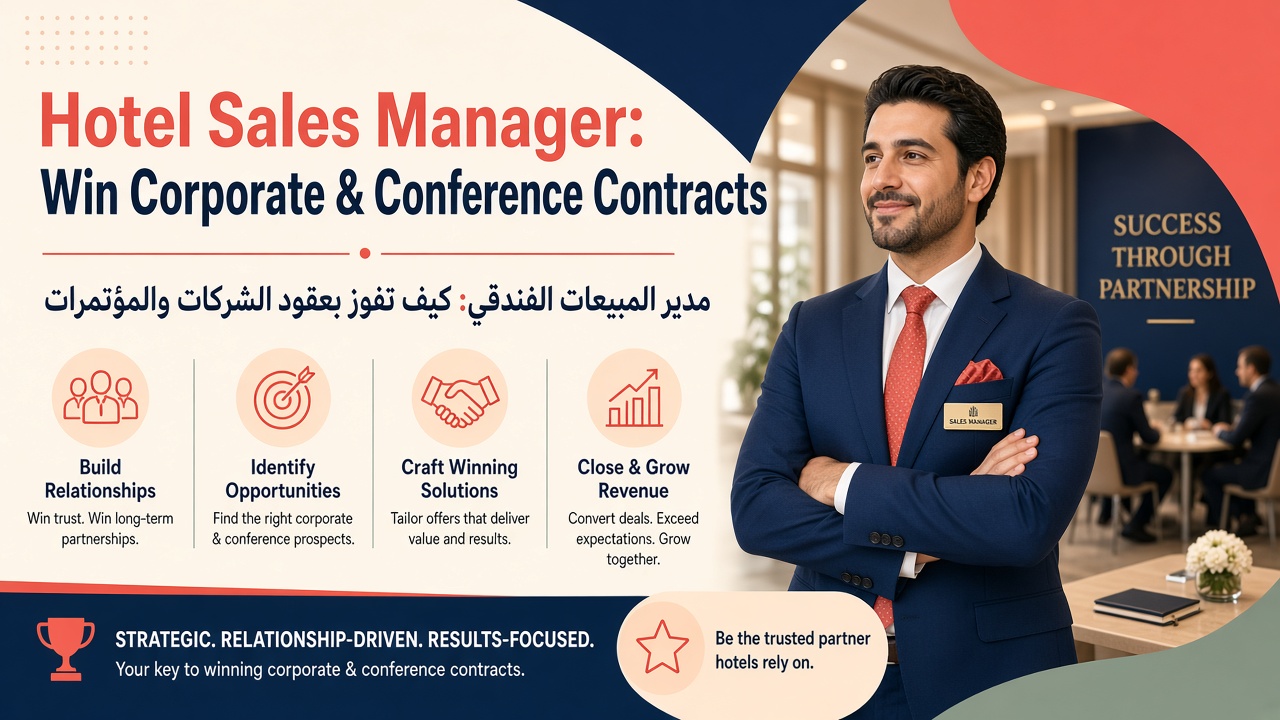
Al Khobar hotels can increase direct bookings during Ithra Design Week 2026 by combining a fast, Arabic and English booking engine, event-aware dynamic pricing, a cloud PMS with real-time inventory sync, direct-only perks, and a six-day communication plan that runs before, during, and after the event. A platform such as Fandaqah brings these pieces together for Saudi properties.
Why Ithra Design Week 2026 Matters for Al Khobar Hotels
Ithra is one of the most important cultural destinations in the Kingdom. Its programs, exhibitions, and creative seasons bring visitors who stay for several nights, eat in local restaurants, and explore the Corniche and the city's design shops. For hotels, this is event-driven hotel demand at its best: concentrated, predictable, and high-intent.
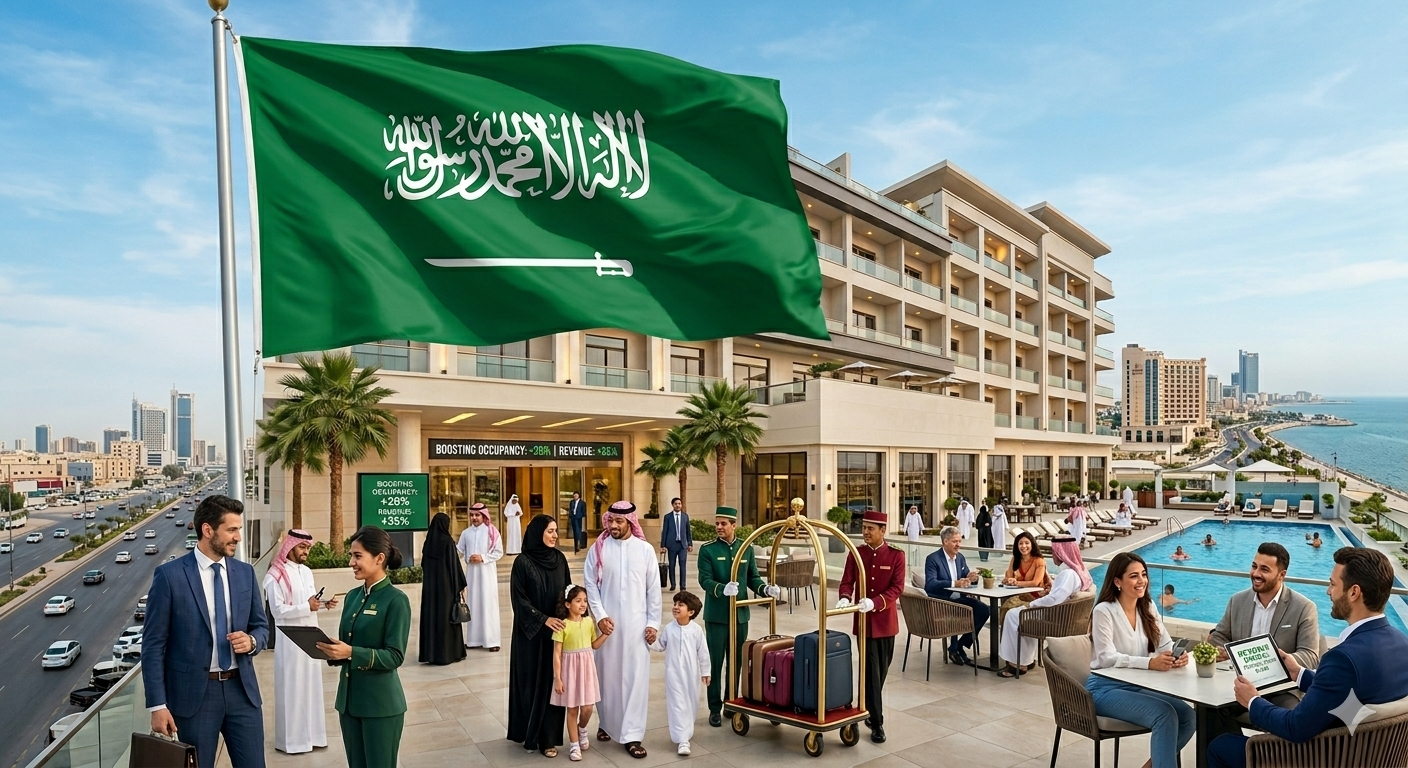
Al Khobar sits in a strong position. It is minutes from Dhahran, has a wide mix of hotels from serviced apartments to five-star properties, and is already familiar to business travelers from the Aramco ecosystem. During a design-focused event, a new type of guest arrives: creative professionals, university groups, exhibitors, and families who travel for culture. These guests research online, compare options, and are open to booking directly if the experience is smooth.
The real cost of relying on OTAs during a peak week
Consider a 120-room hotel in Al Khobar that runs at 95 percent occupancy for six nights at an average rate of SAR 650. That is roughly SAR 444,600 in room revenue. If 70 percent of those bookings come through OTAs at an 18 percent commission, the hotel pays around SAR 56,000 in commission for one event week. Moving even a quarter of that volume to direct channels keeps tens of thousands of riyals in the hotel's own account.
These figures are illustrative, but the pattern is real for most independent and mid-size hotels in the Eastern Province.
"An event week does not create demand problems. It creates distribution problems. The hotels that win are the ones whose own website is the easiest place to book."
What Is Direct Booking Technology for Hotels?
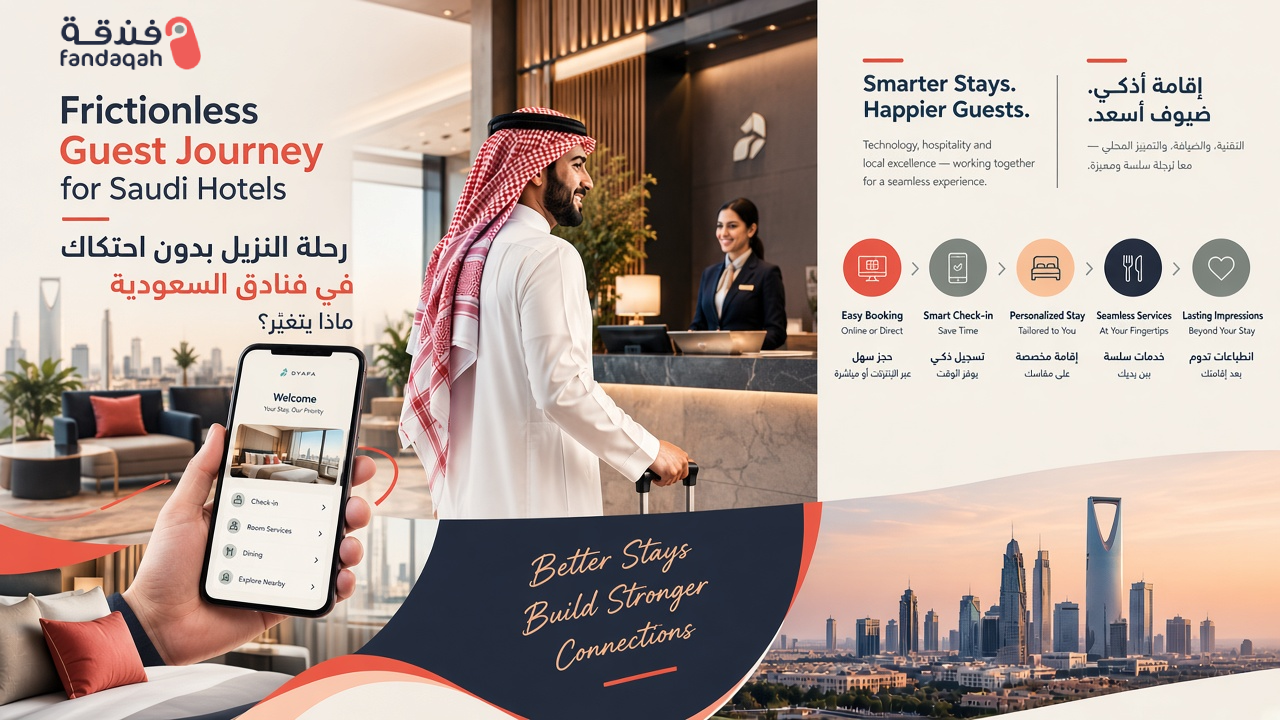
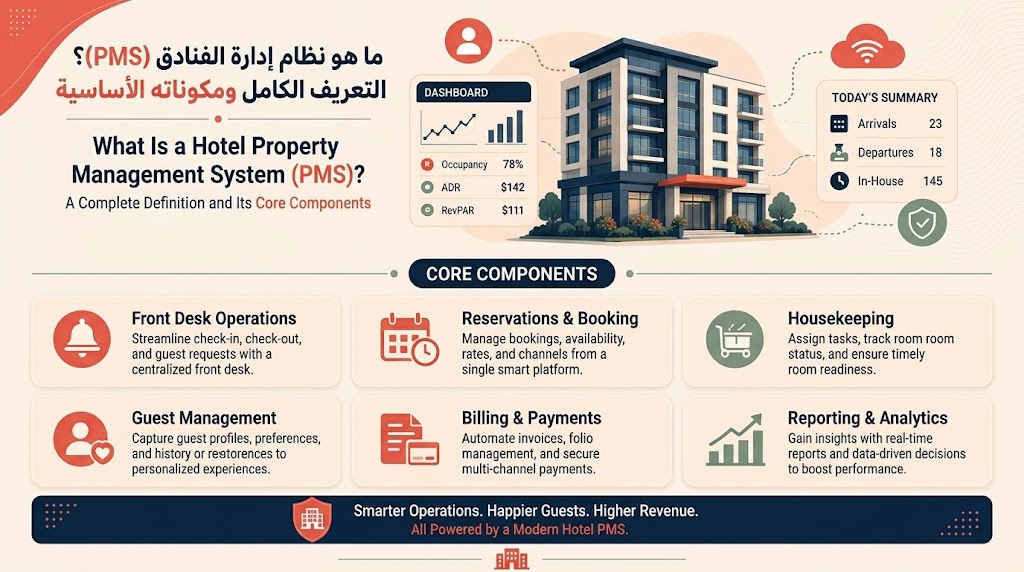
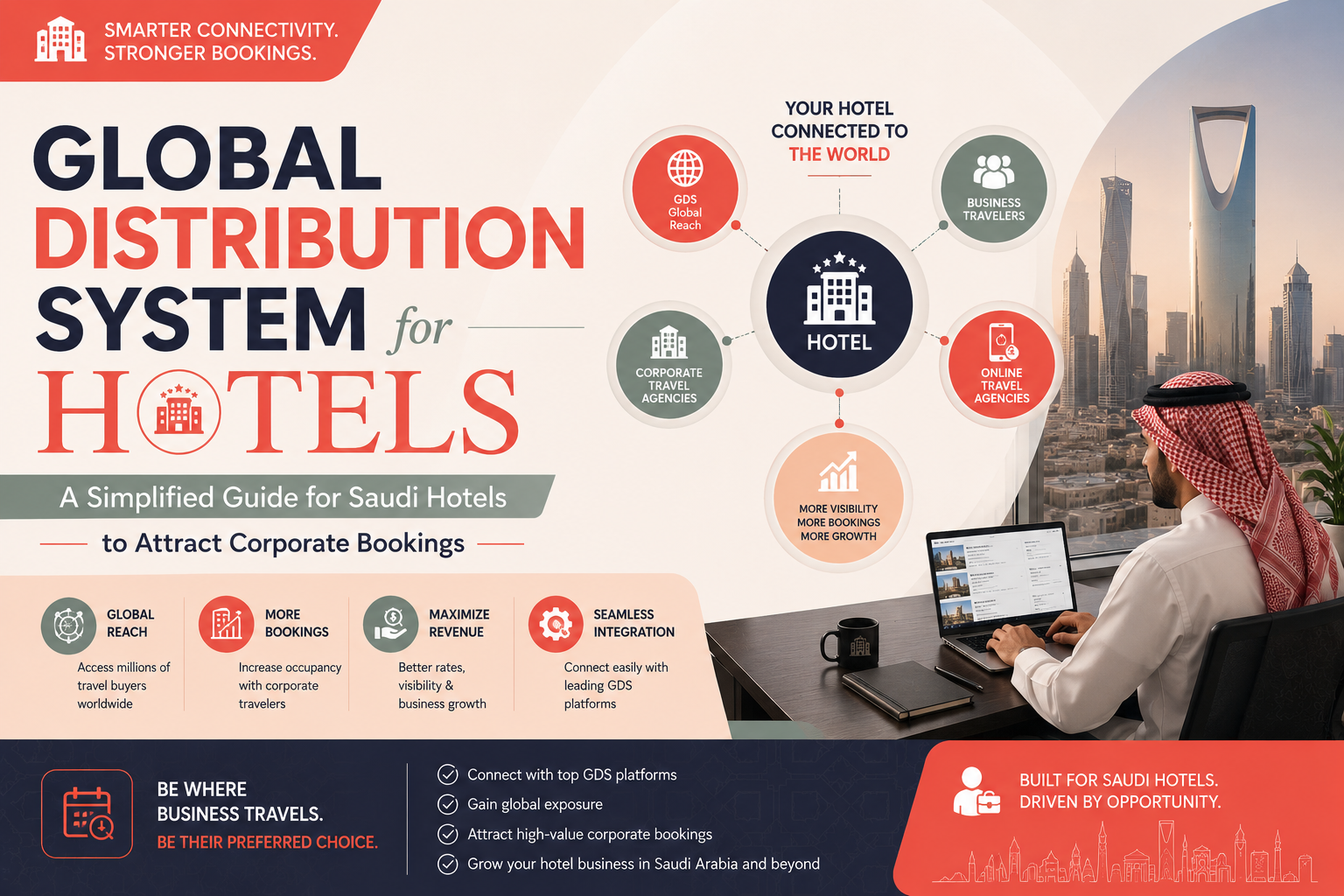
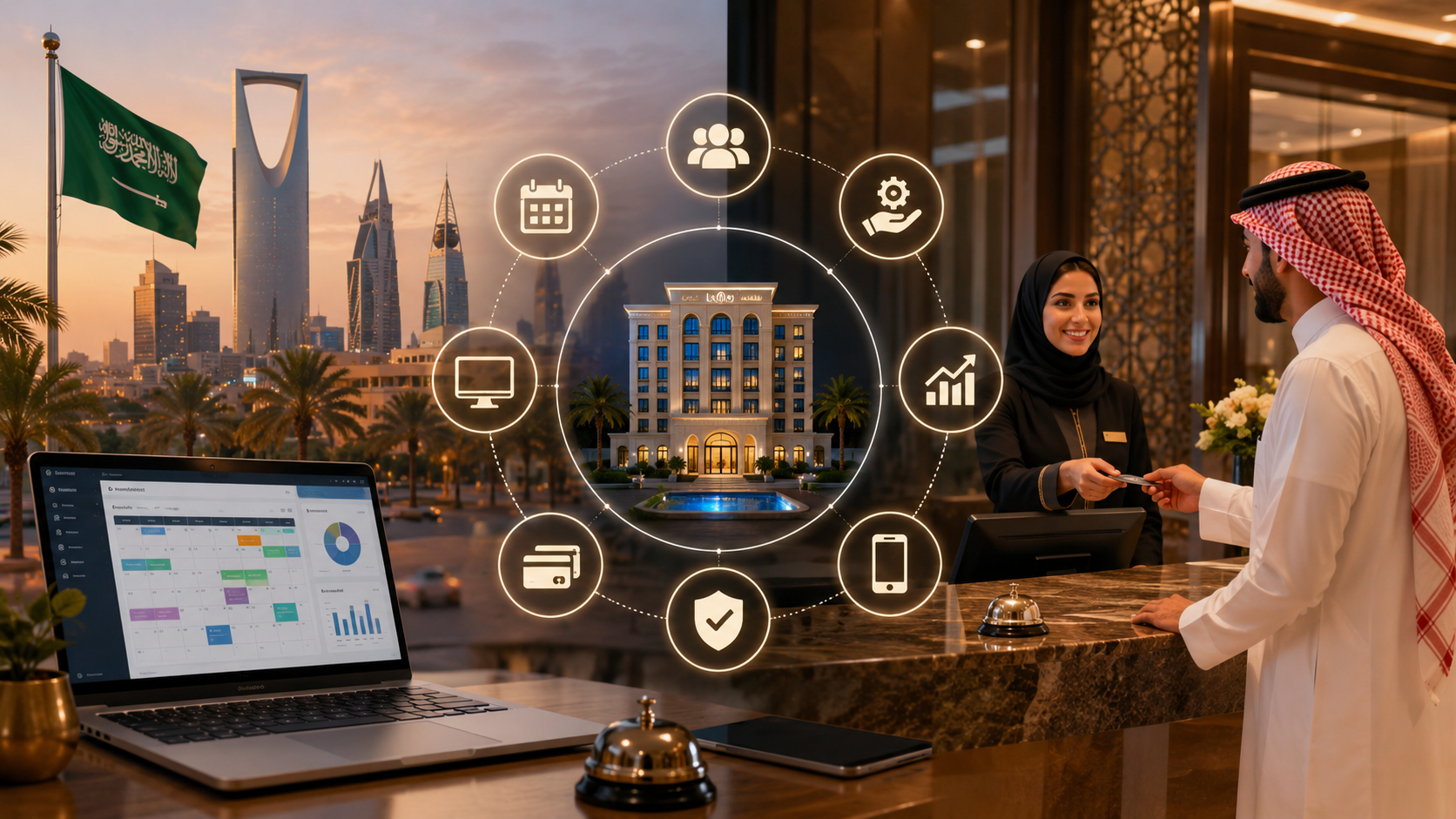
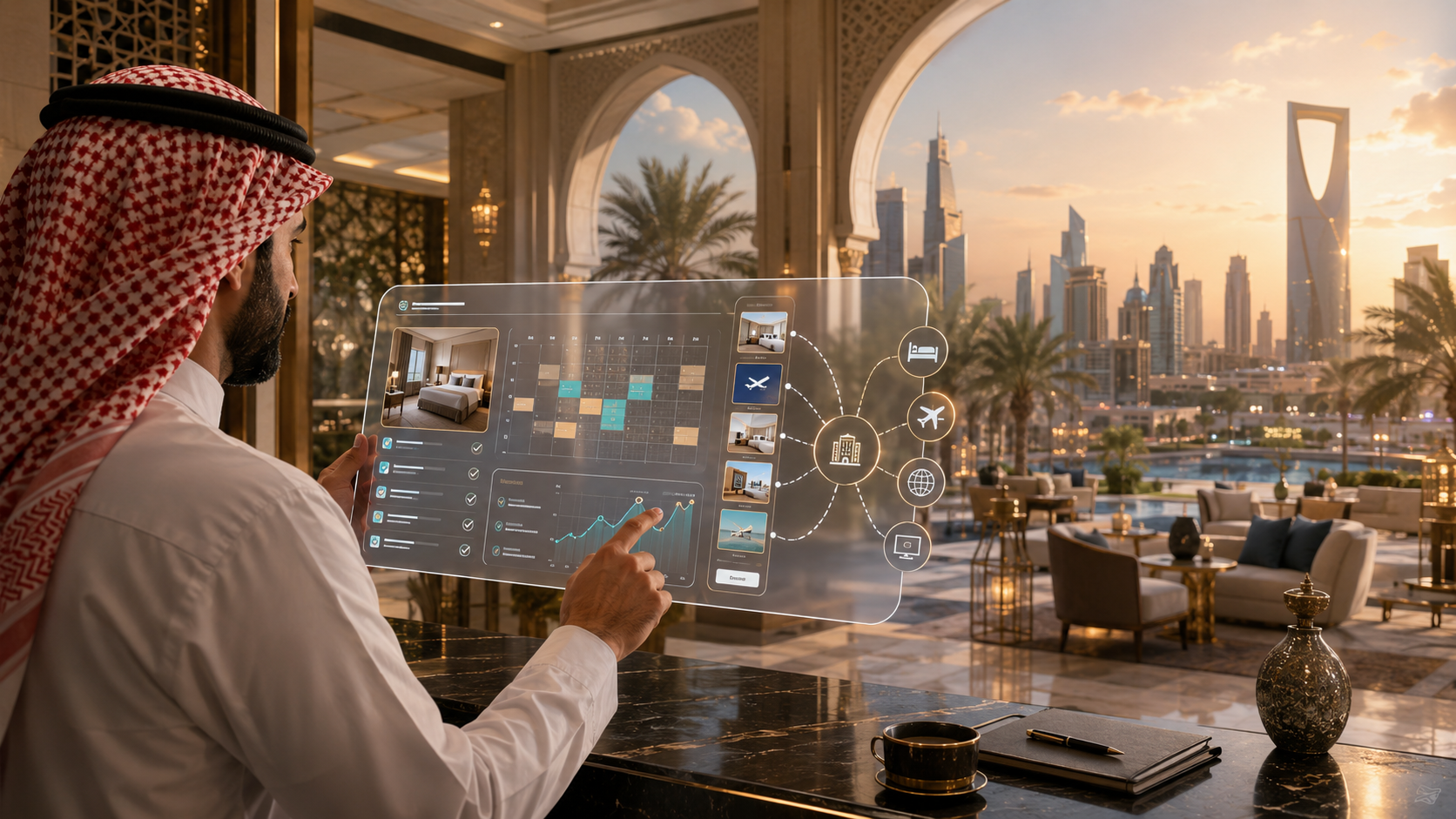
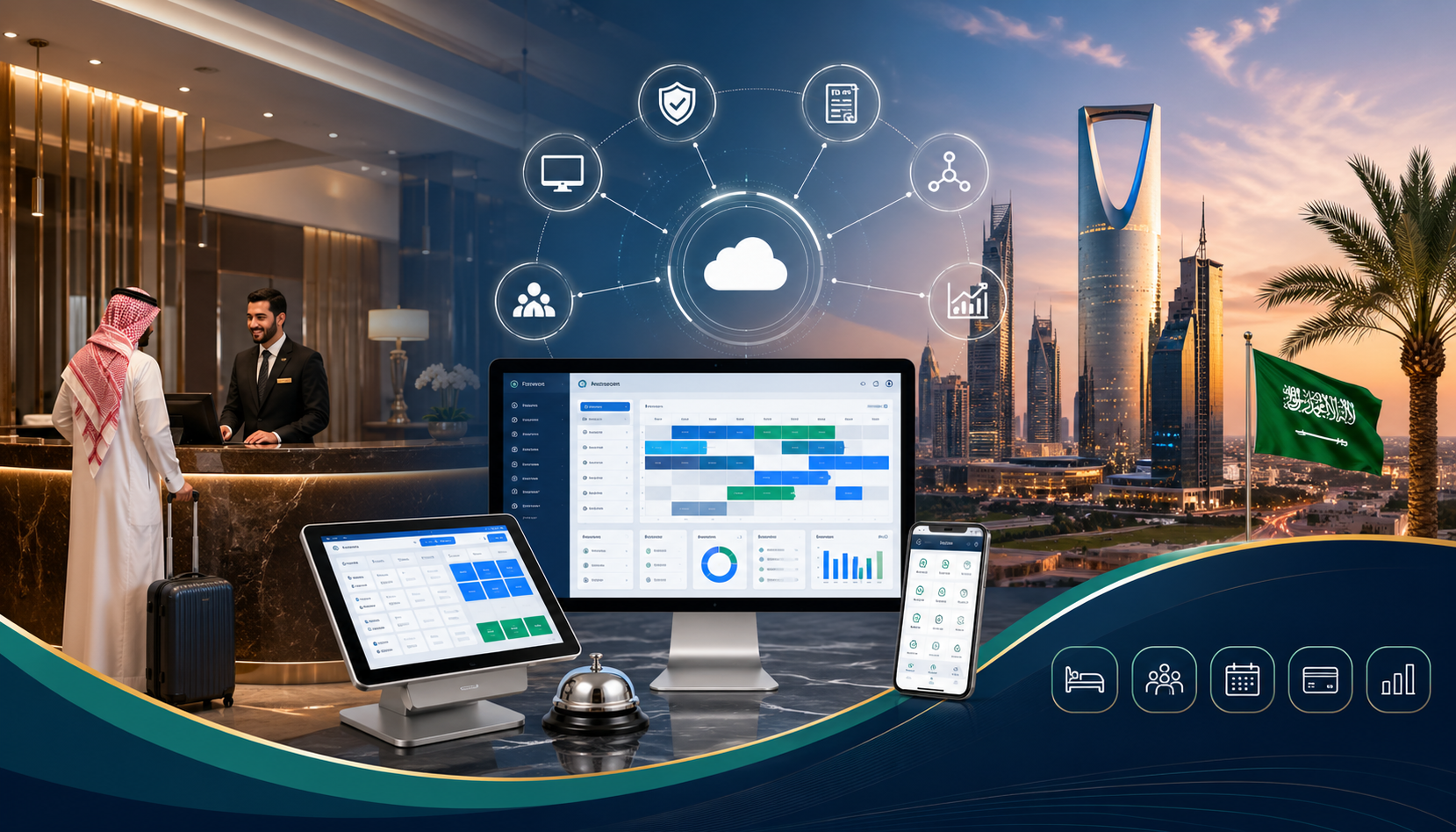
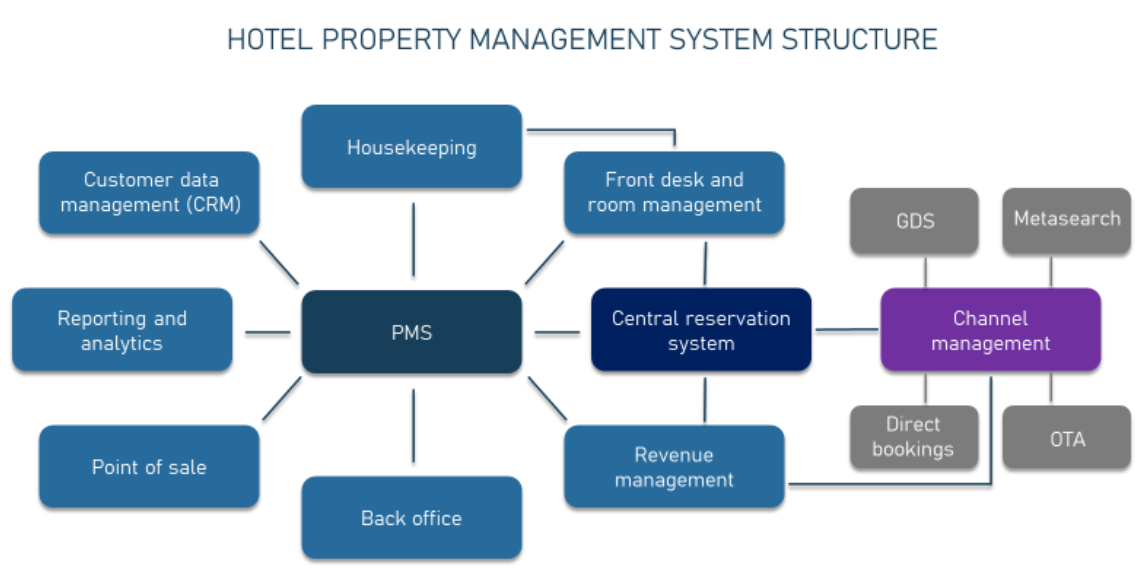
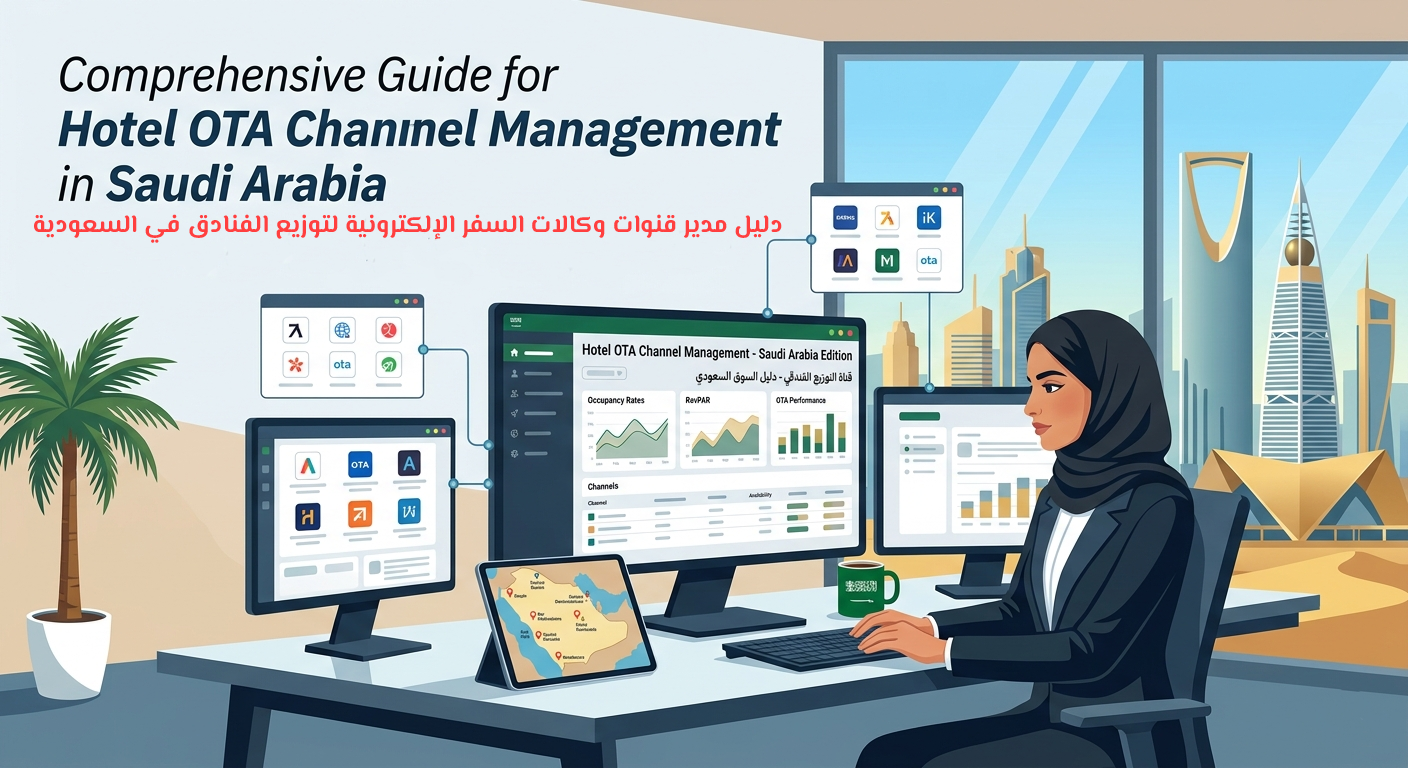
Direct booking technology is the set of software tools that lets a guest reserve a room on the hotel's own website or app, with instant confirmation, secure payment, and no third-party commission. In Saudi Arabia, a complete direct booking stack usually includes five layers:
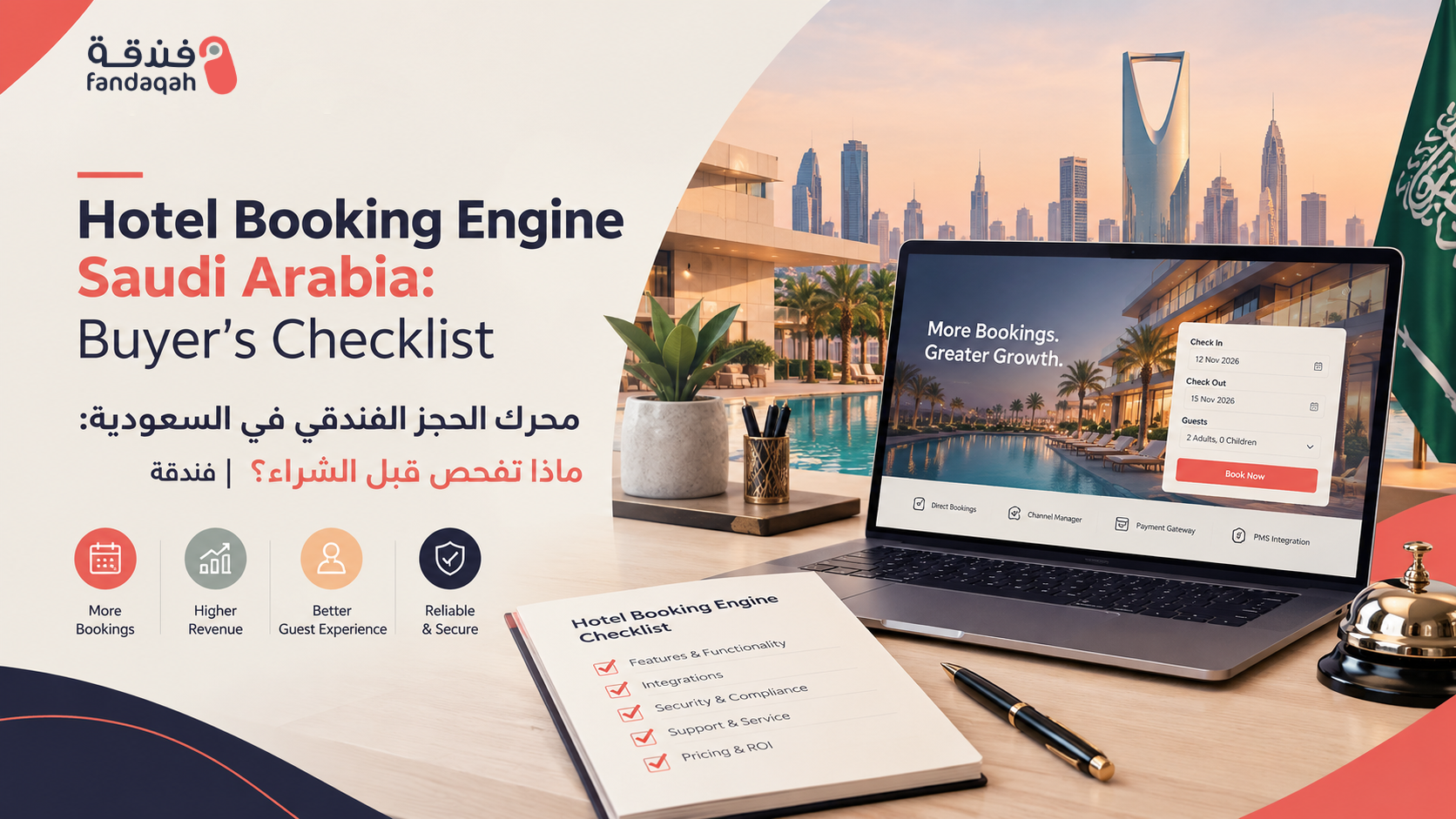
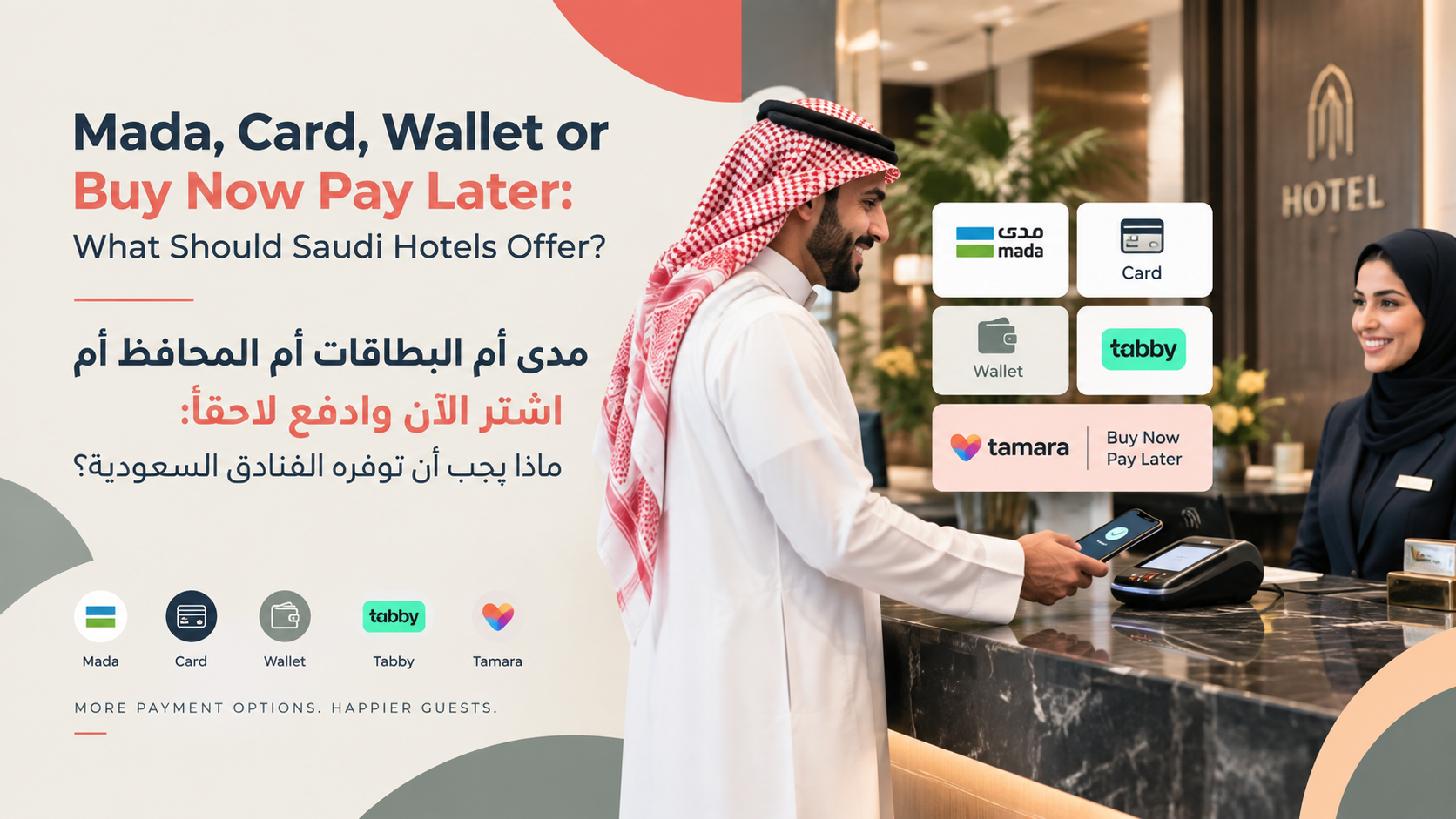
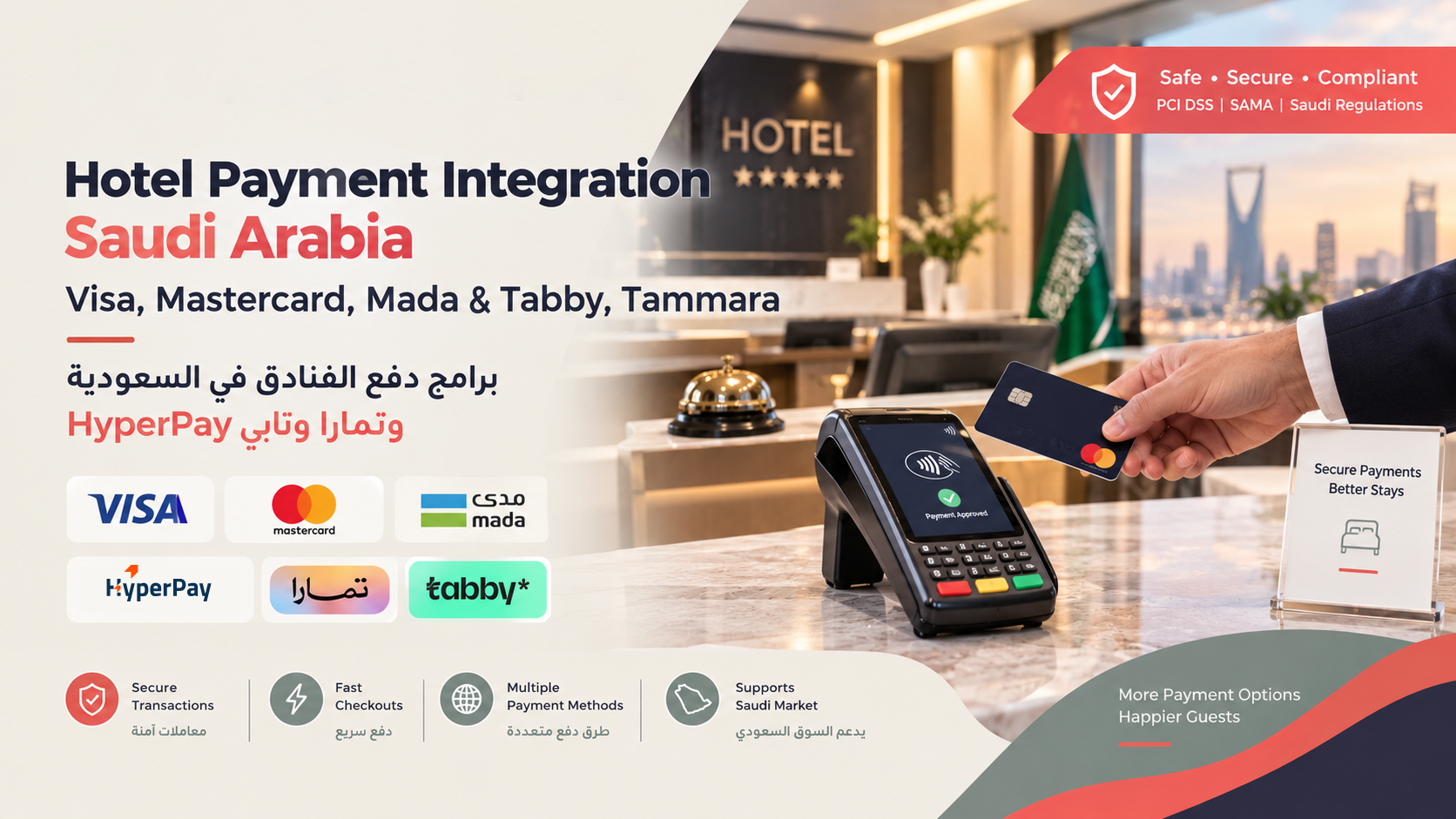
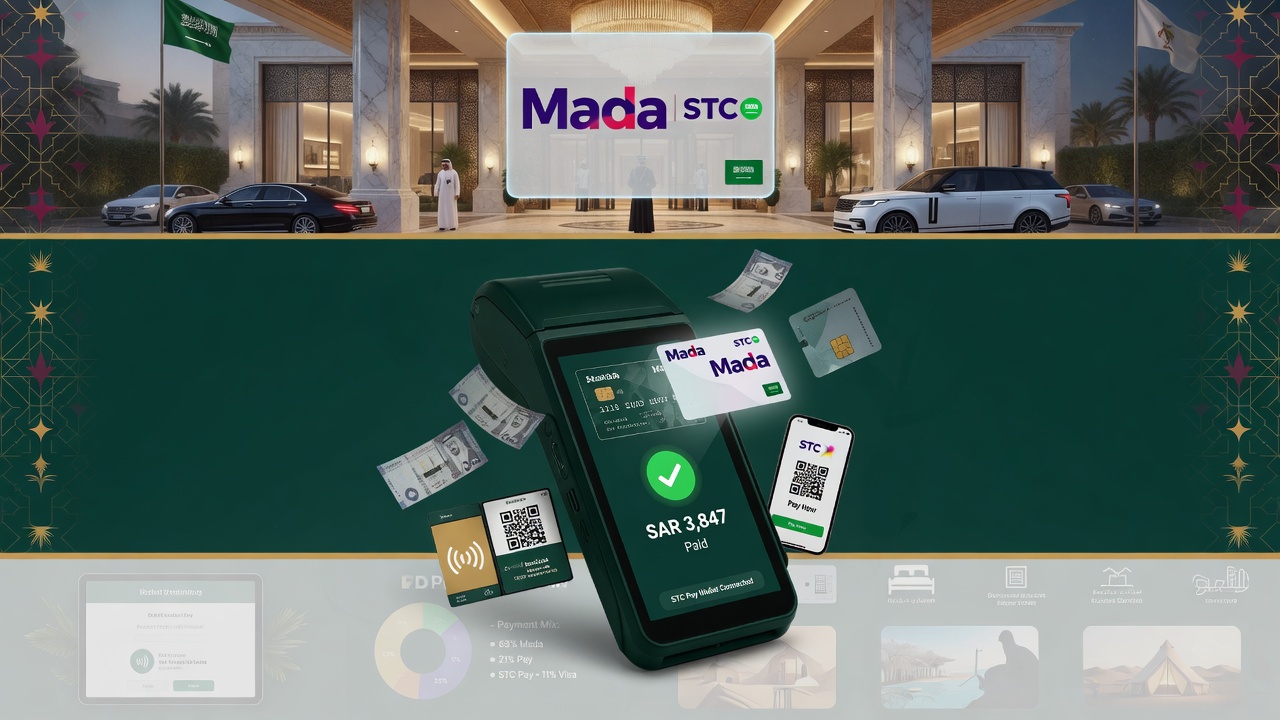
- A hotel booking engine that works in Arabic and English, loads quickly on mobile, and supports local payment methods such as mada, Apple Pay, and major cards.
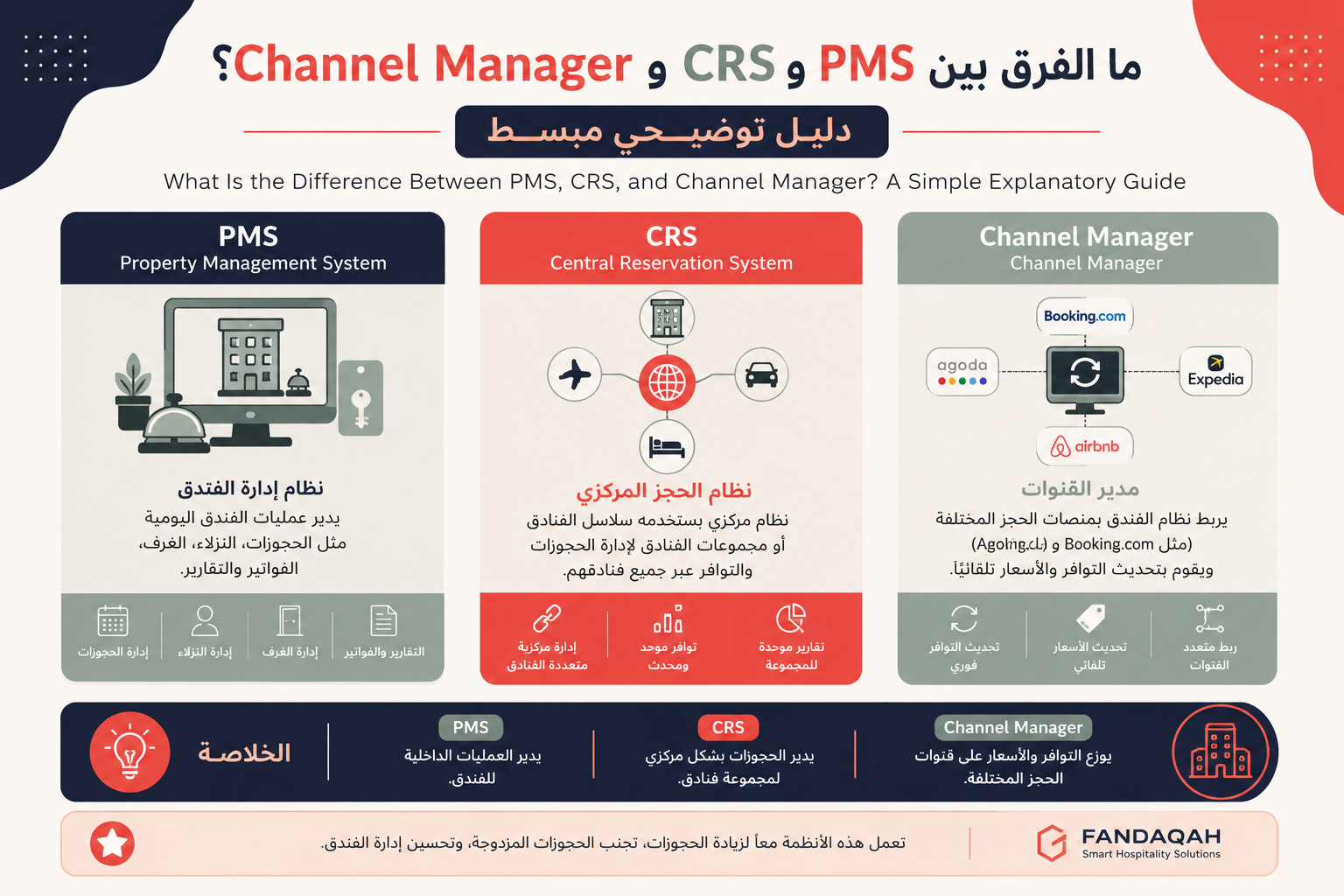
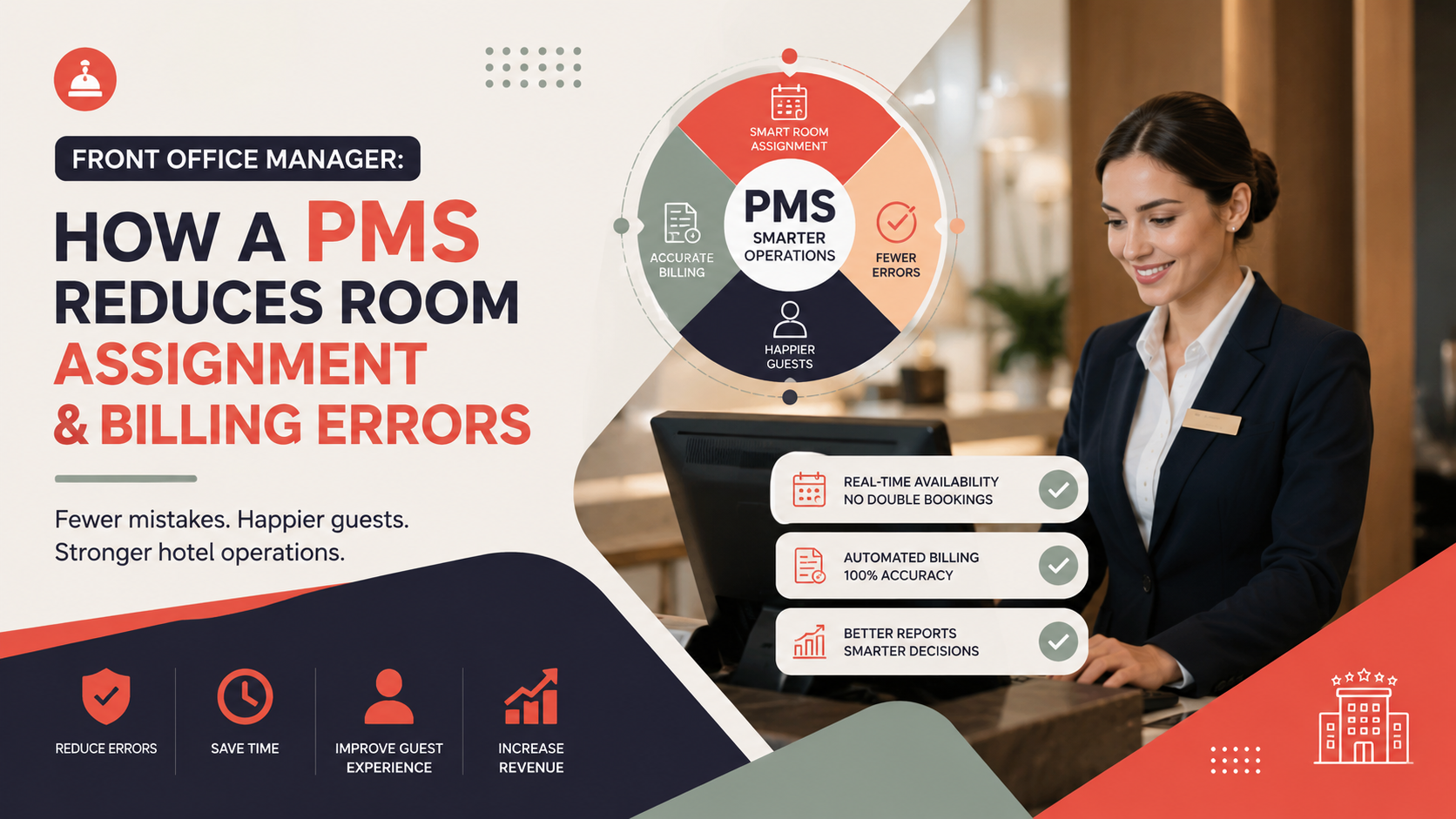
- A cloud property management system (PMS) that holds live inventory and rates, so the website never oversells.
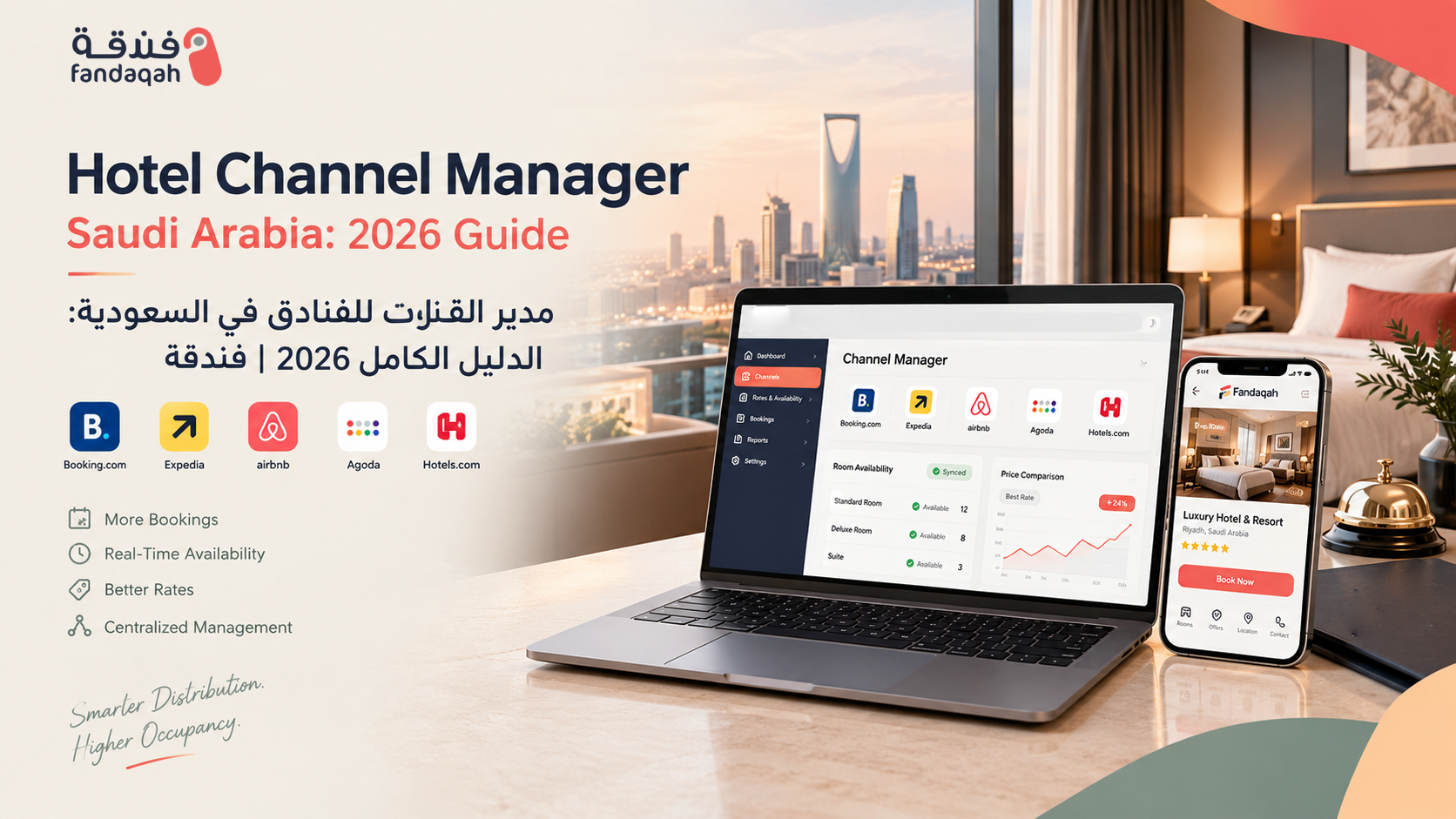
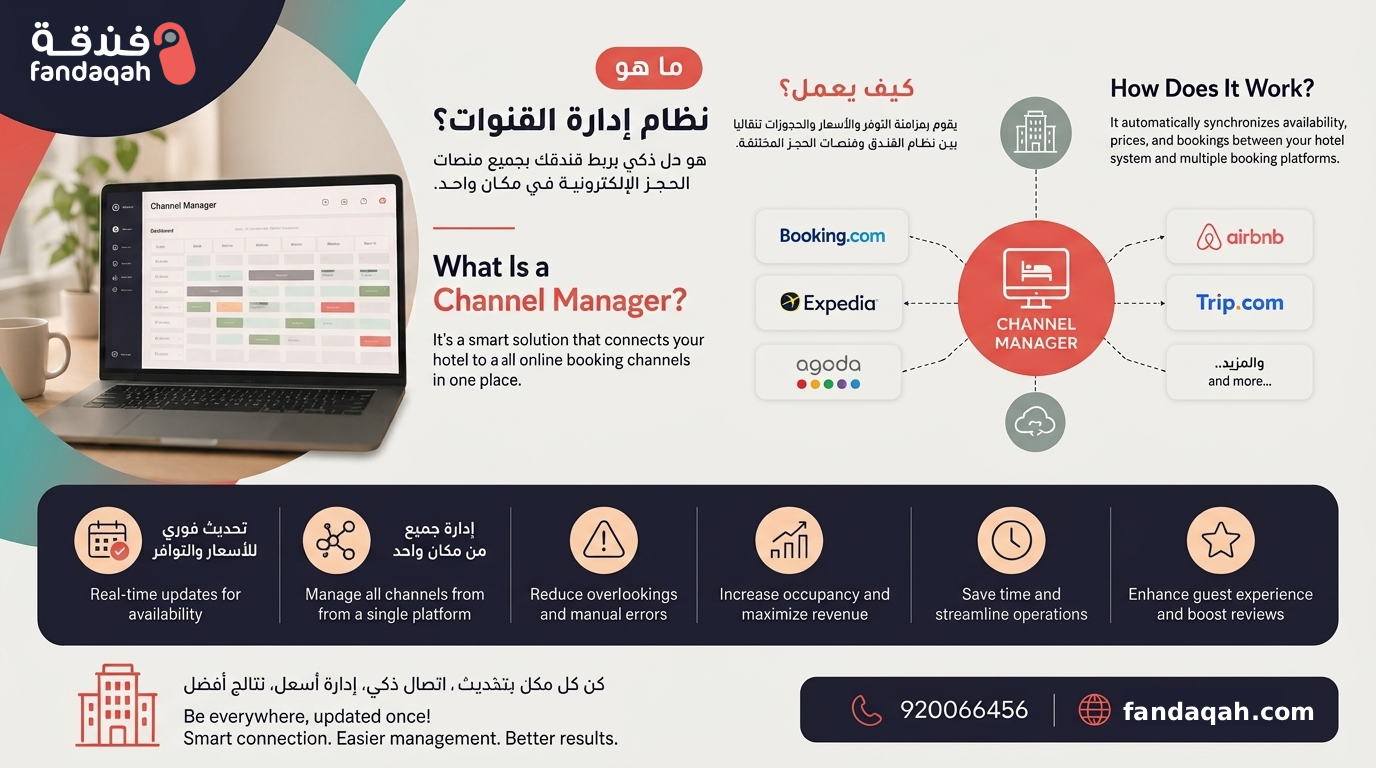
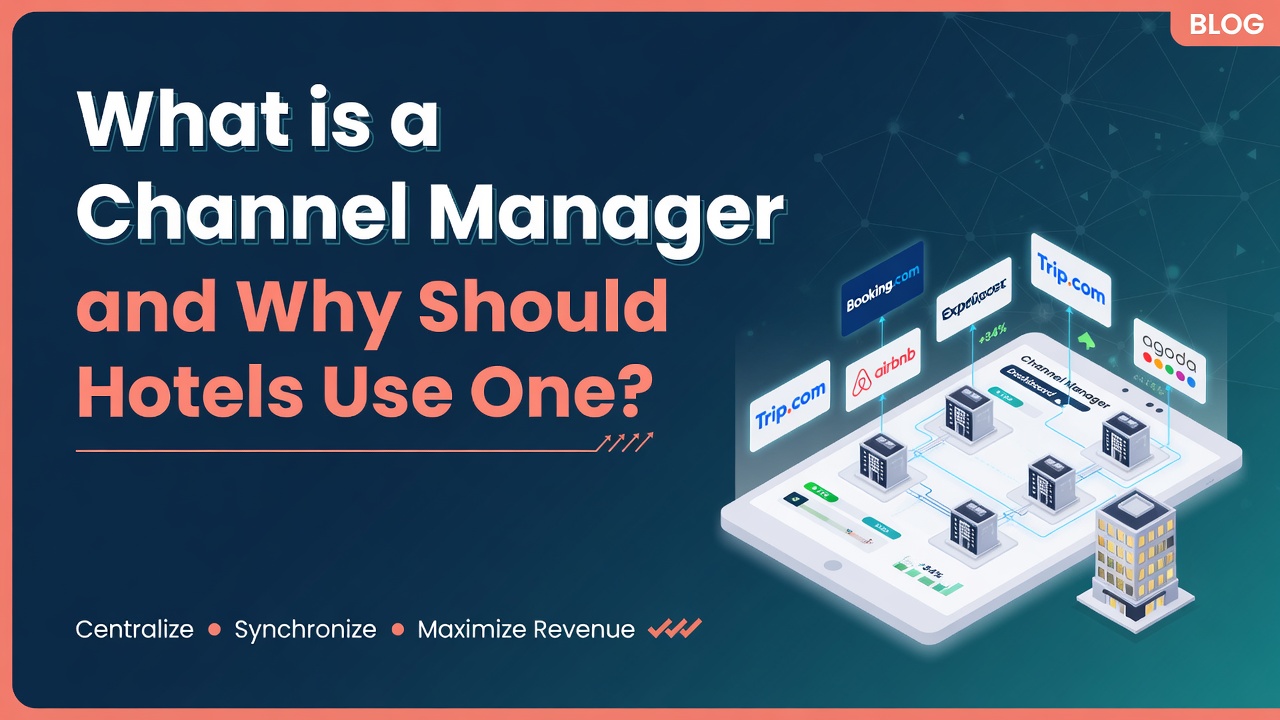
- A channel manager that pushes the same availability to OTAs and pulls their bookings back into the PMS in real time.
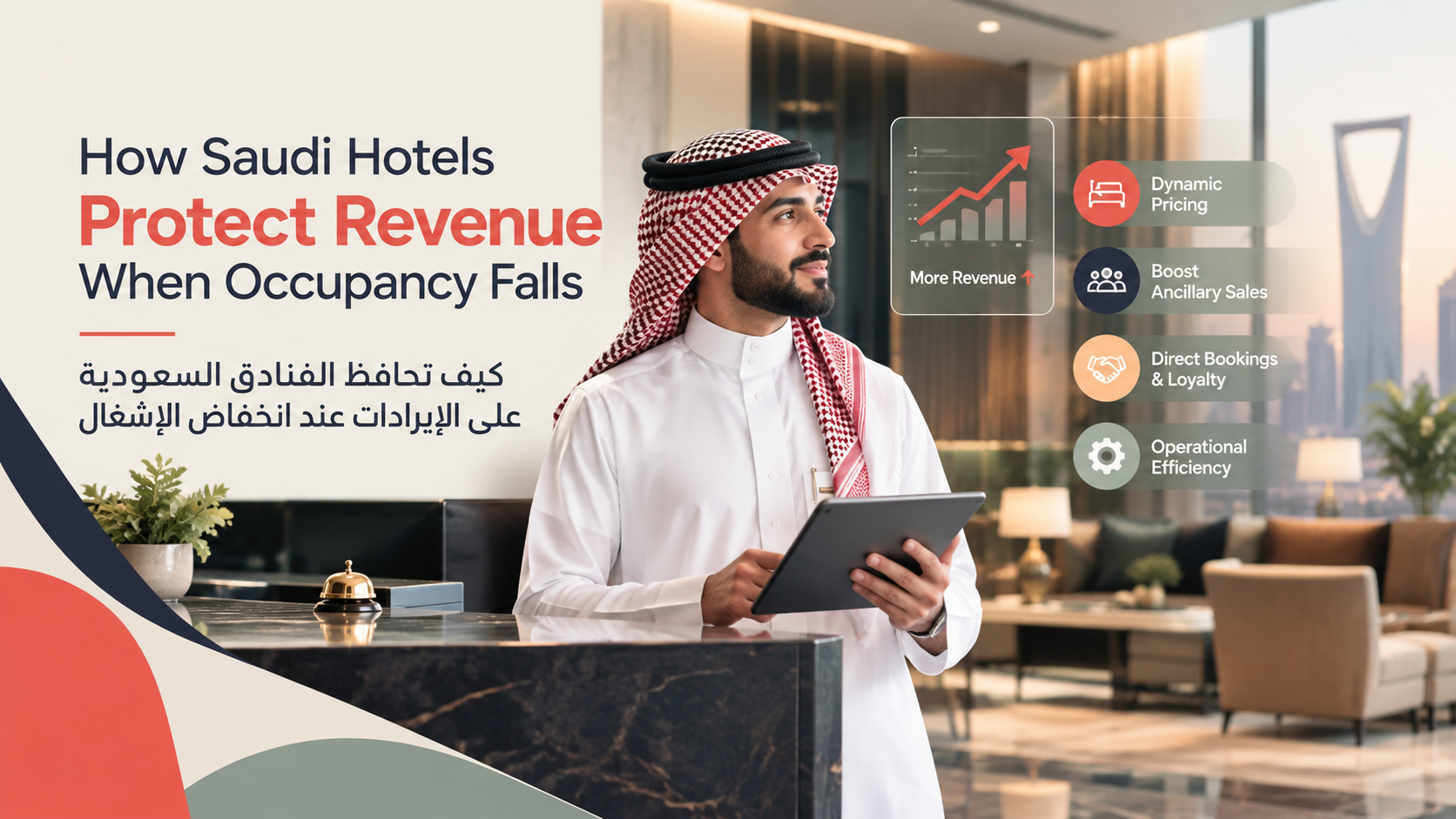
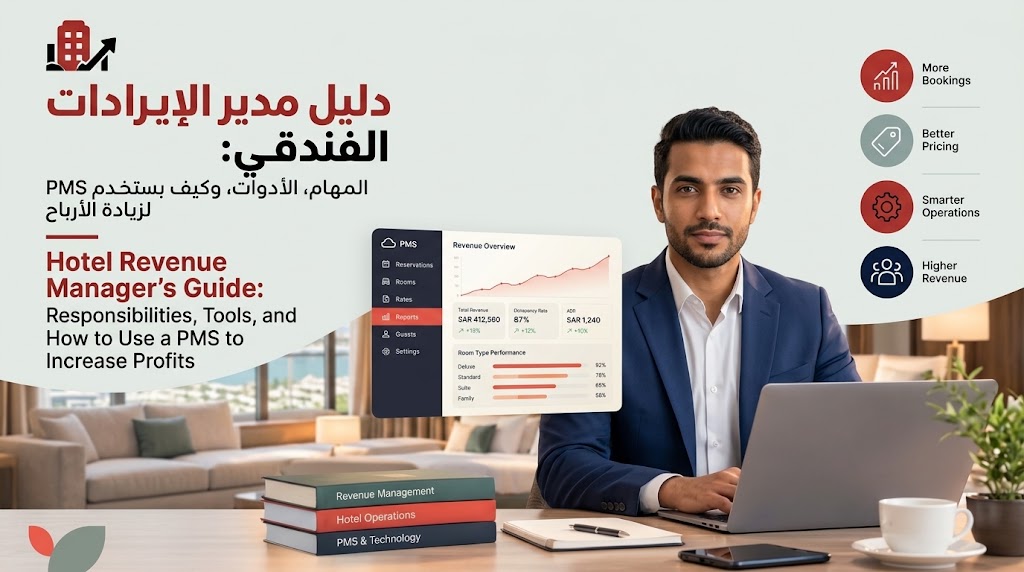
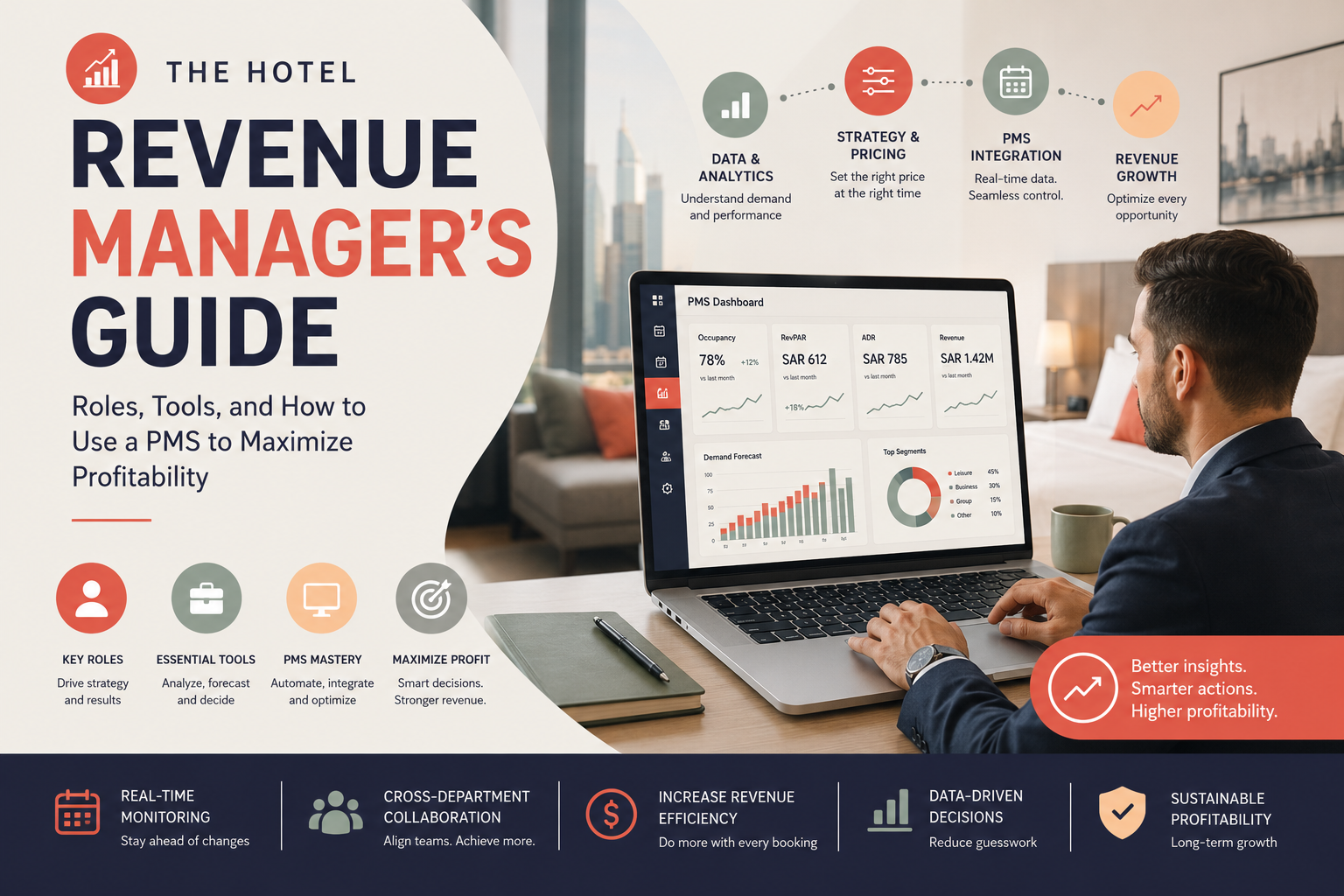
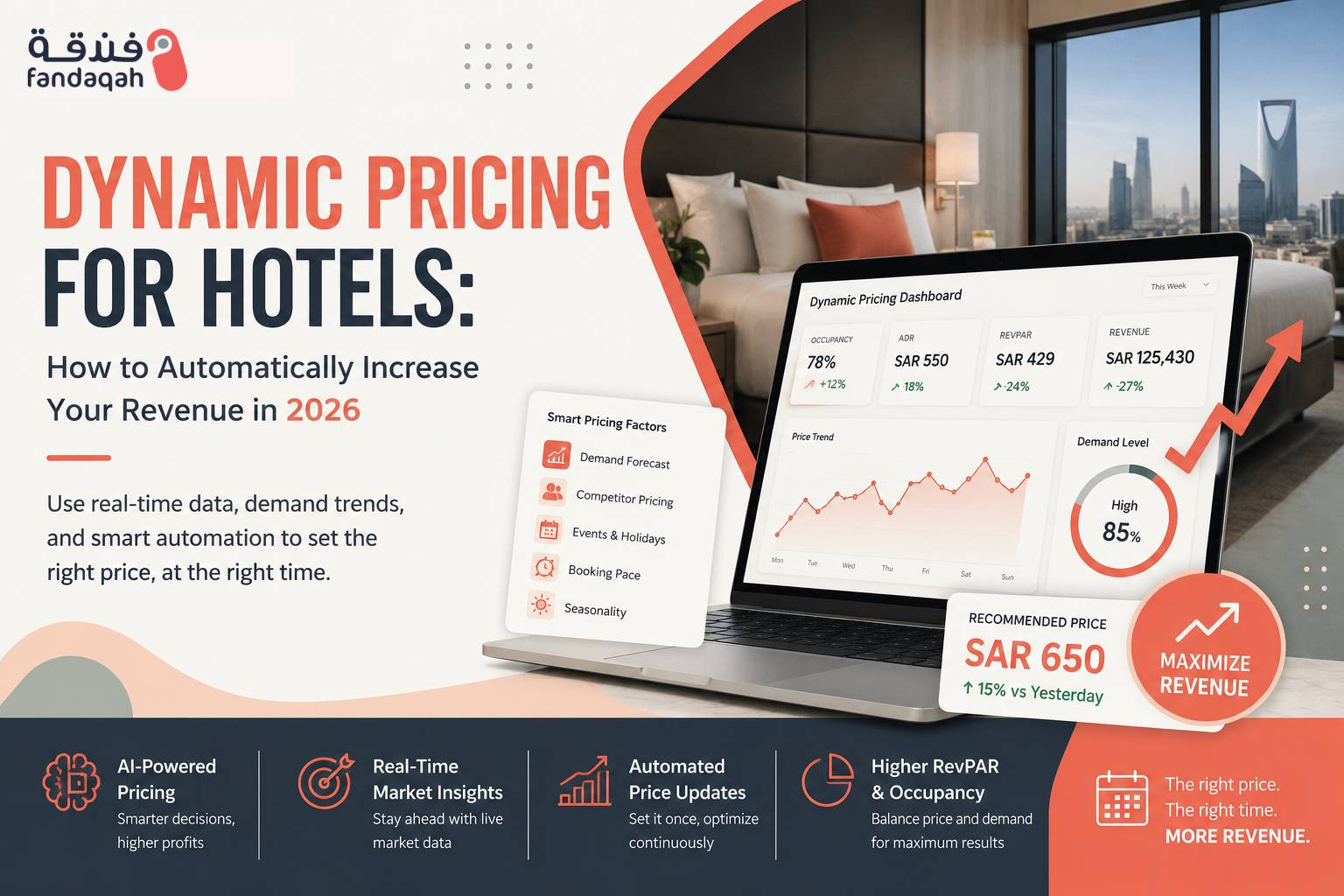
- Revenue management or dynamic pricing tools that adjust rates as event demand rises.
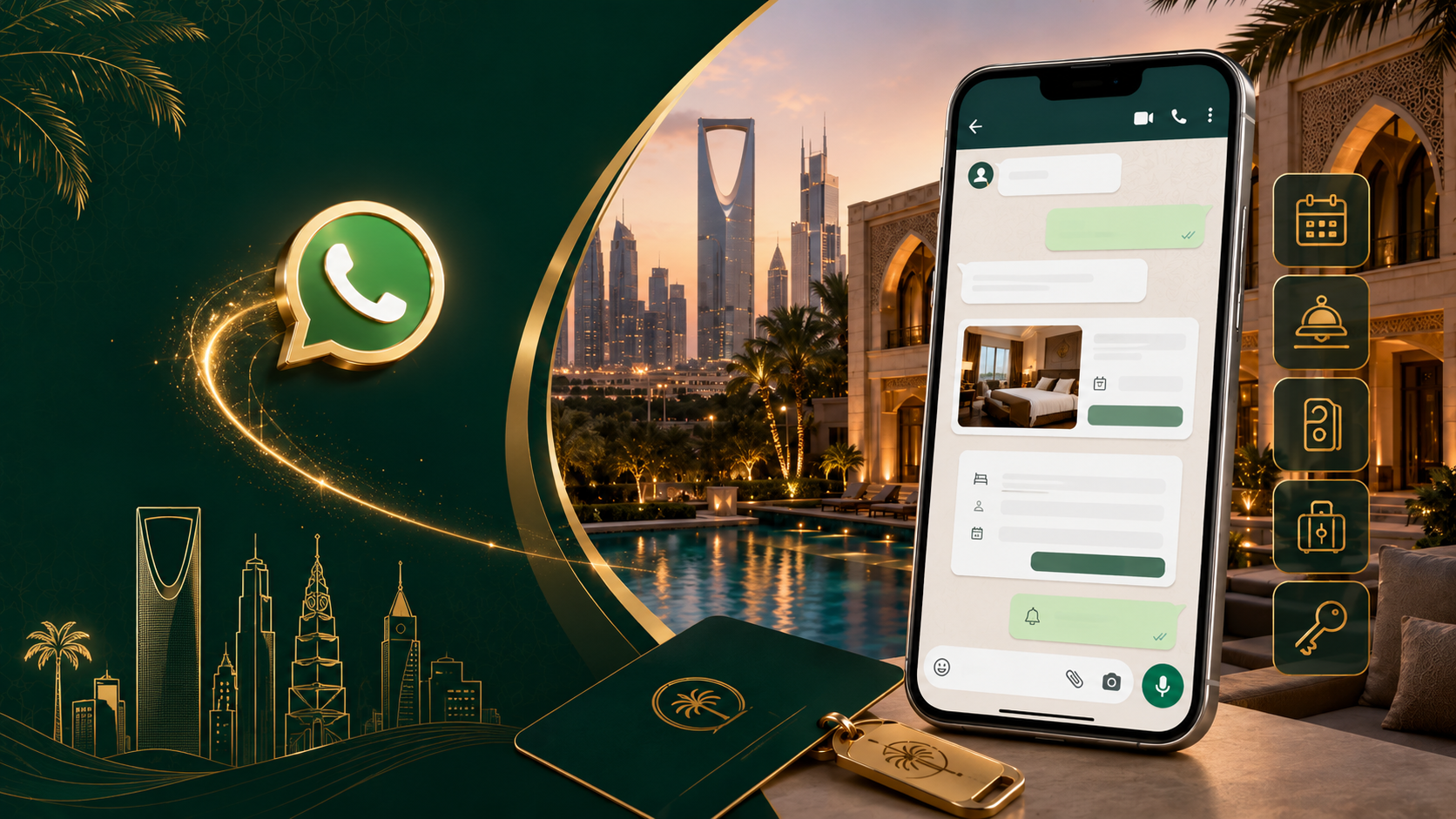
- Guest communication tools such as WhatsApp messaging, email confirmations, and pre-arrival upsells.
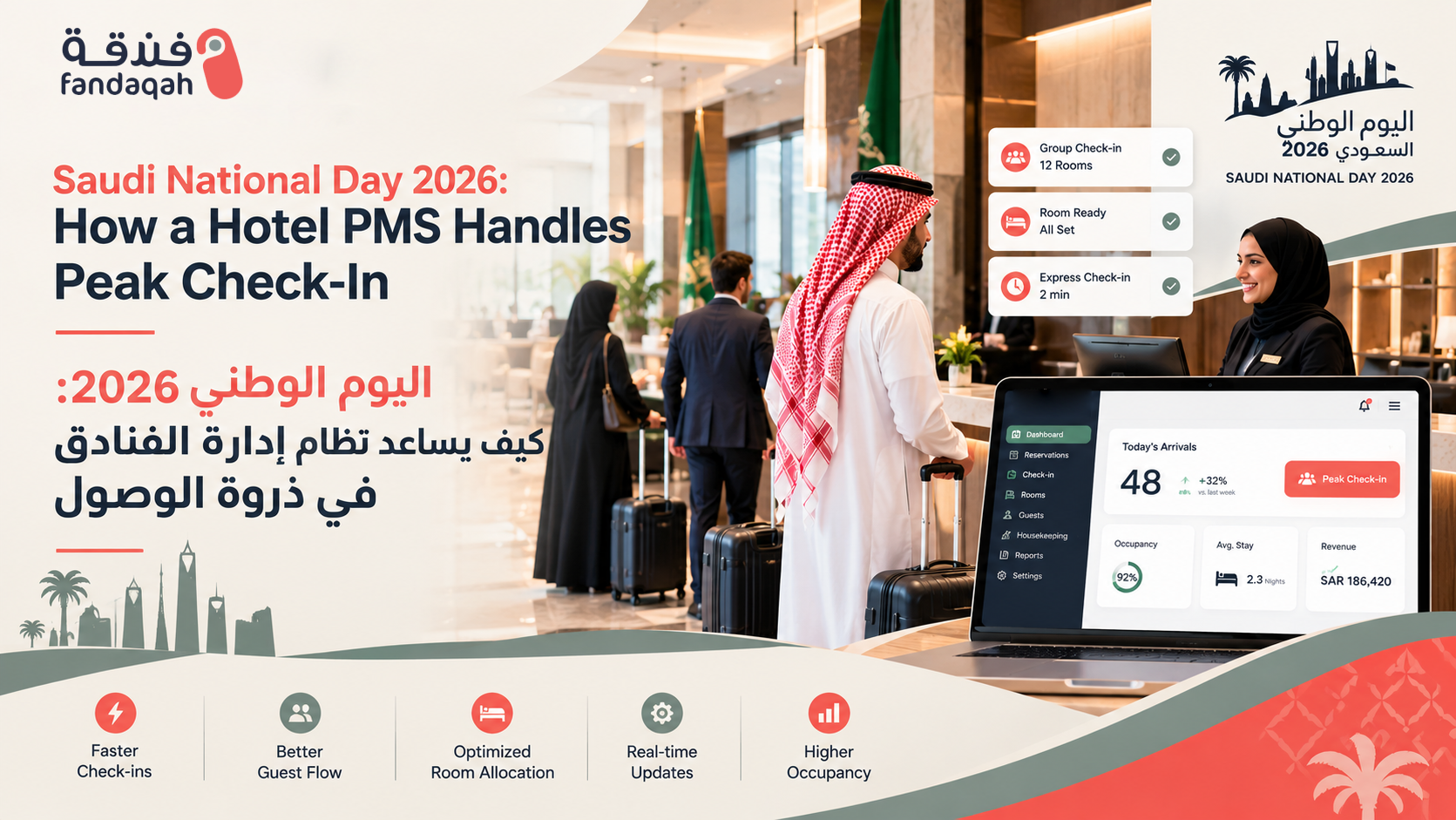
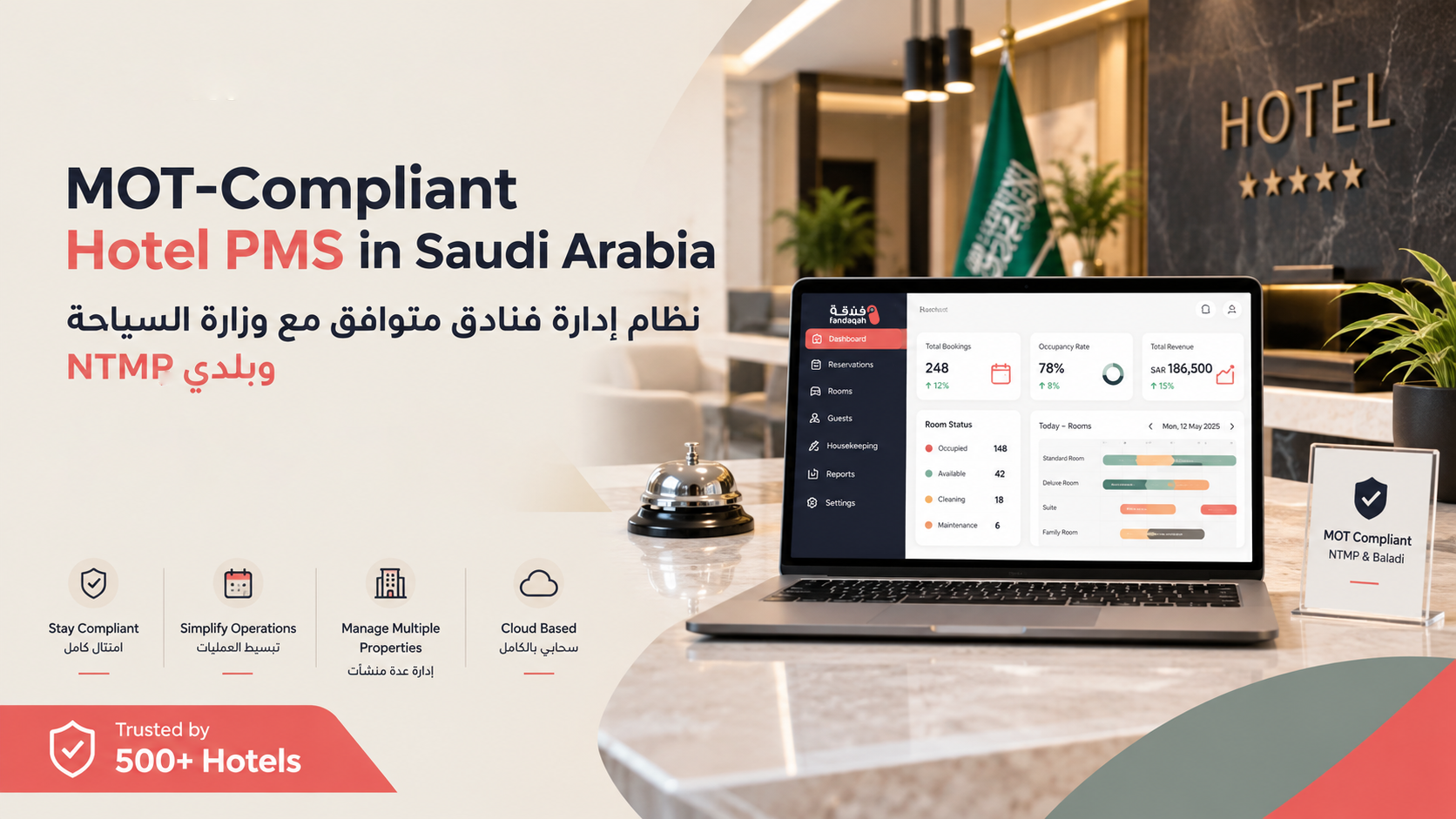
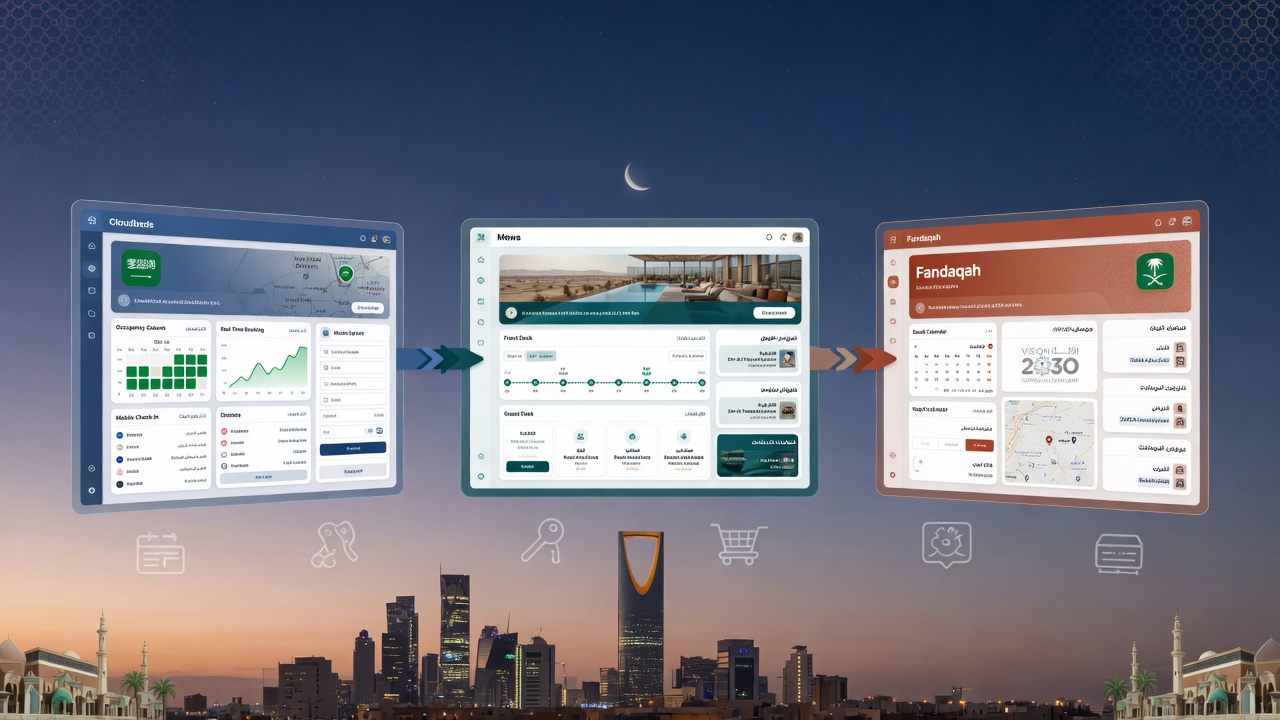
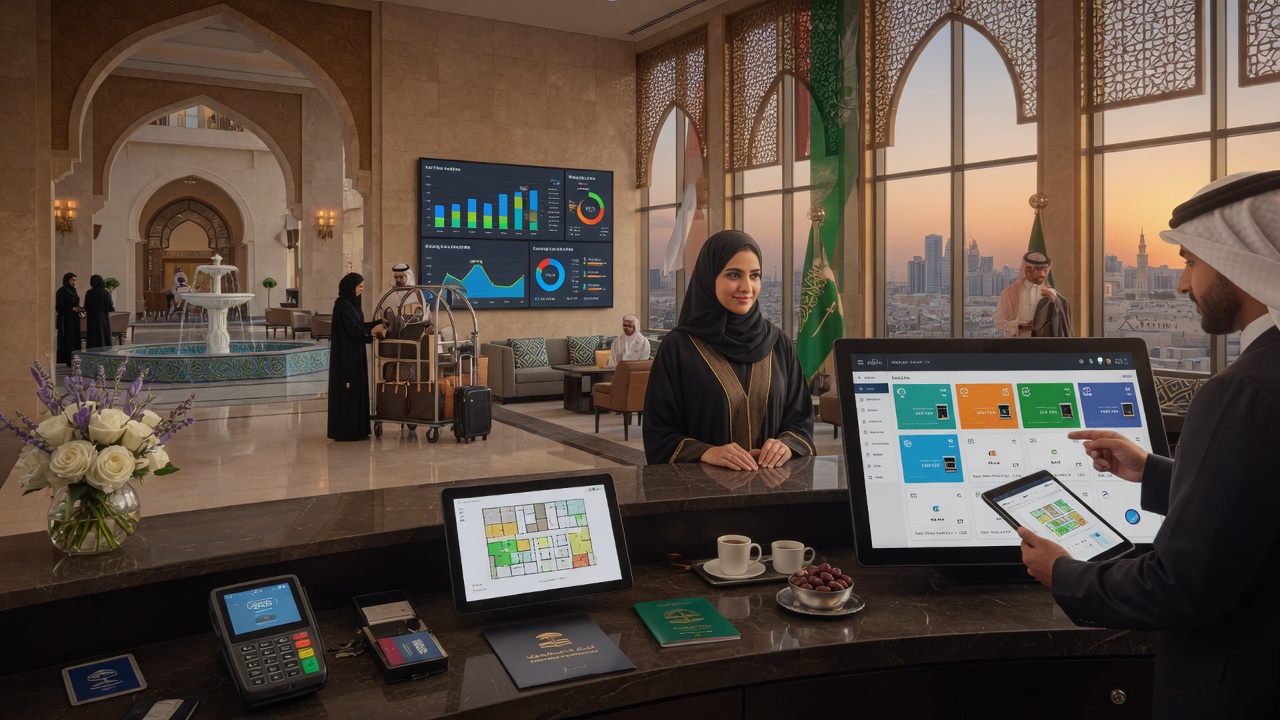
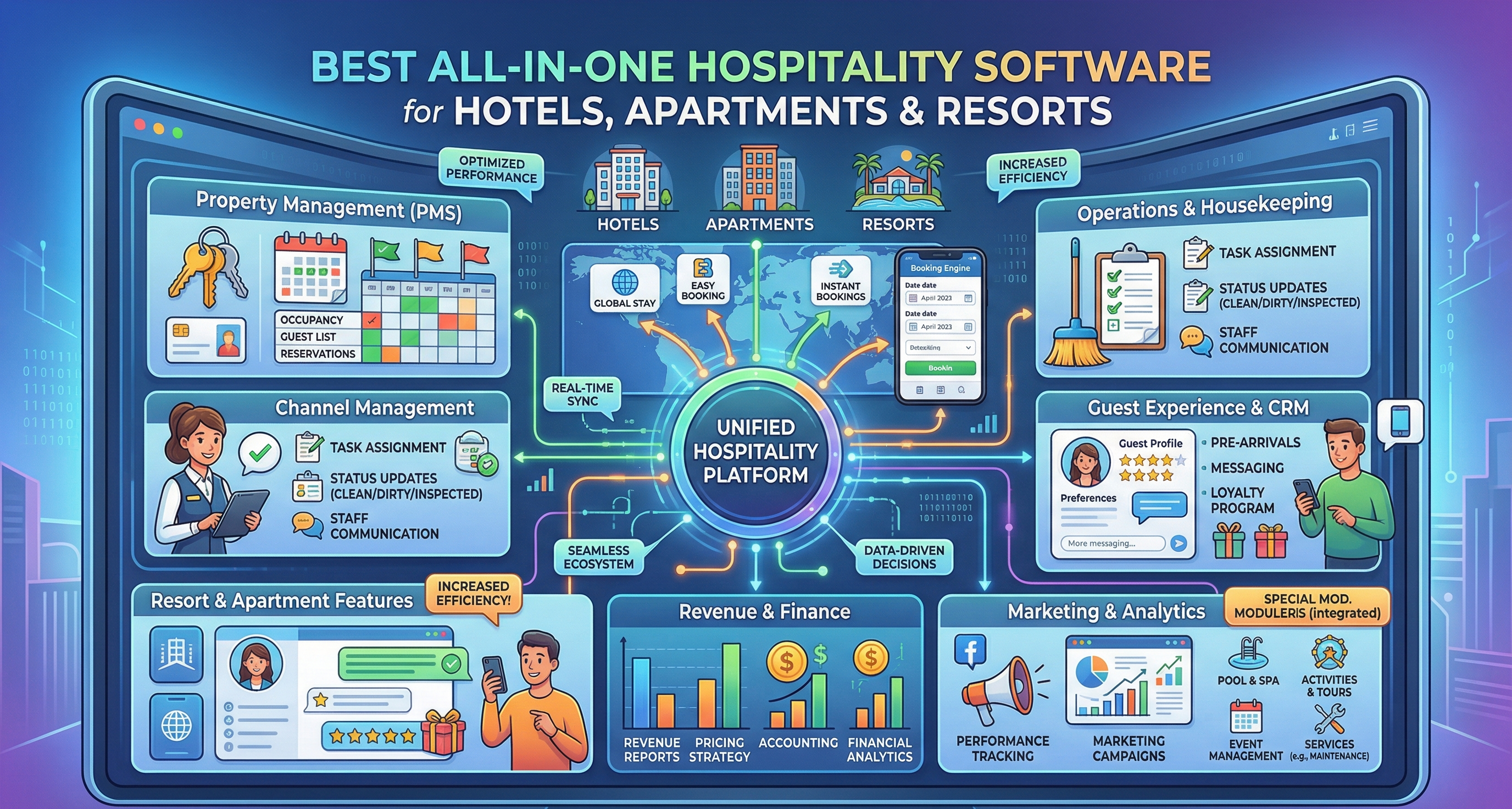
Platforms built for the Saudi market, including Fandaqah's hotel PMS and booking engine, are designed to combine these layers so that a small revenue team can manage an event week without juggling five separate logins.
Why "Saudi-ready" matters more than "feature-rich"
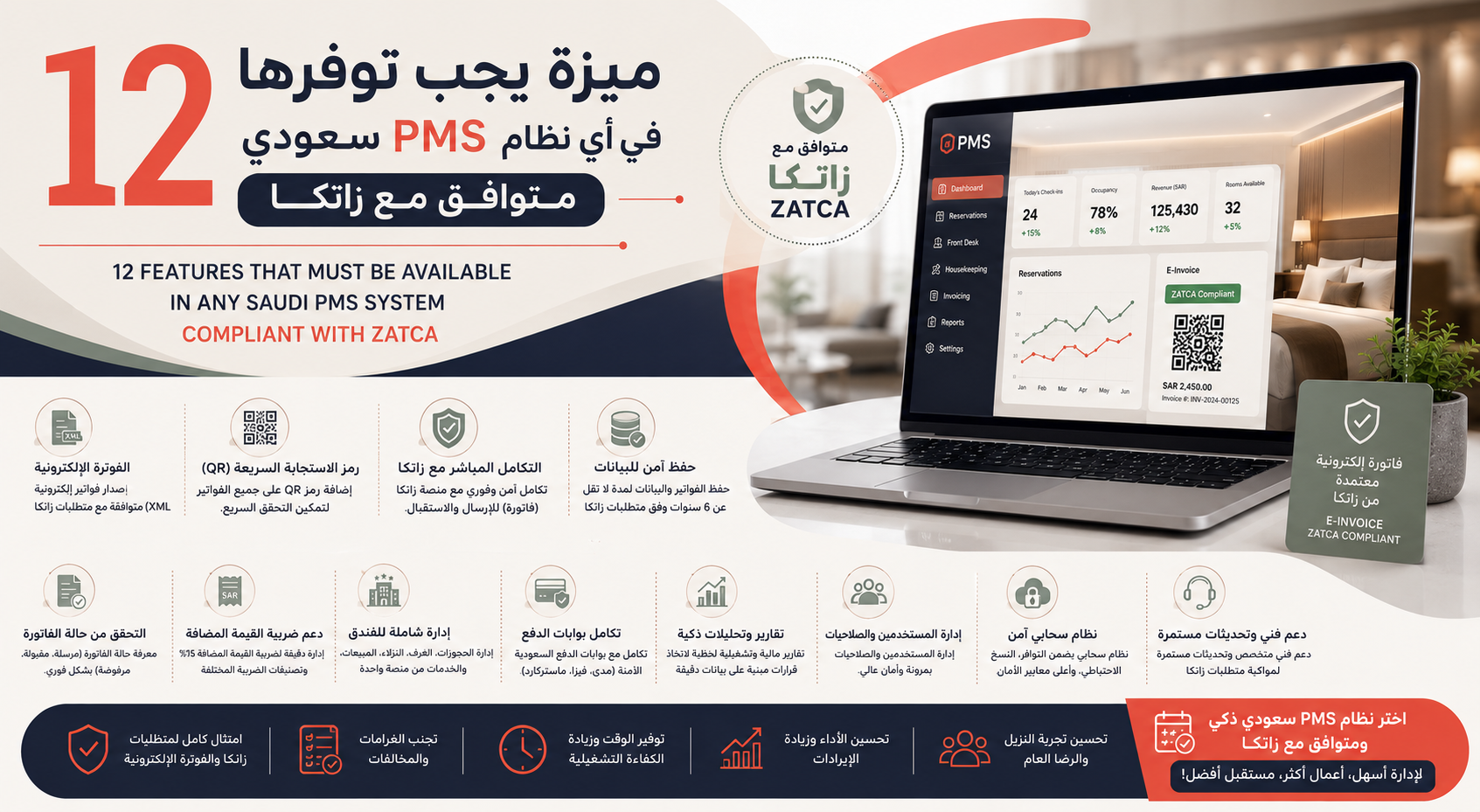
Many global booking engines have long feature lists but miss the basics that Saudi guests expect: right-to-left Arabic layouts, Hijri and Gregorian date awareness, mada payment, VAT-compliant invoices with the hotel's tax number, and integration with the Kingdom's e-invoicing requirements. For a Saudi hotel, these are not extras. They are the difference between a completed booking and an abandoned one.
Key Features Al Khobar Hotels Need Before Ithra Design Week 2026
Before building a day-by-day plan, make sure your technology can actually deliver. Here is a checklist of the hotel booking engine features and PMS capabilities that matter most during an event peak:
- Real-time inventory sync: The website, OTAs, and front desk must see the same rooms at the same moment. Overbooking during a sold-out week damages reputation fast.
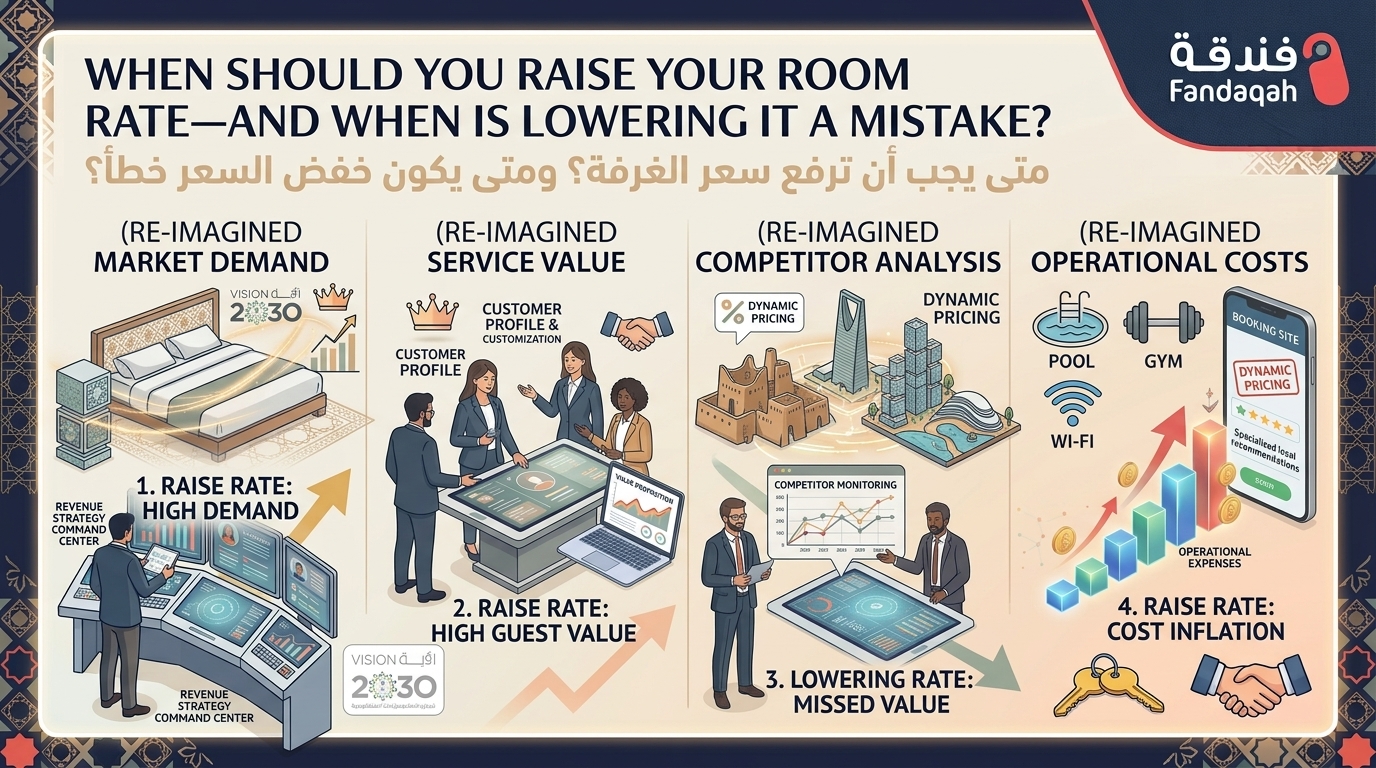
- Event-aware dynamic pricing: Rates should rise as occupancy climbs, with minimum-stay rules for the busiest nights.
- Bilingual booking flow: Full Arabic and English support with a mobile-first design, since most Saudi travelers book on their phones.
- Local payment acceptance: mada, Apple Pay, Visa, Mastercard, and pay-at-hotel options for corporate guests.
- Promo codes and rate plans: Event-specific packages such as "Design Week Stay" with breakfast and late checkout.
- WhatsApp and email automation: Pre-arrival messages, directions to Ithra, and upsell offers sent automatically.
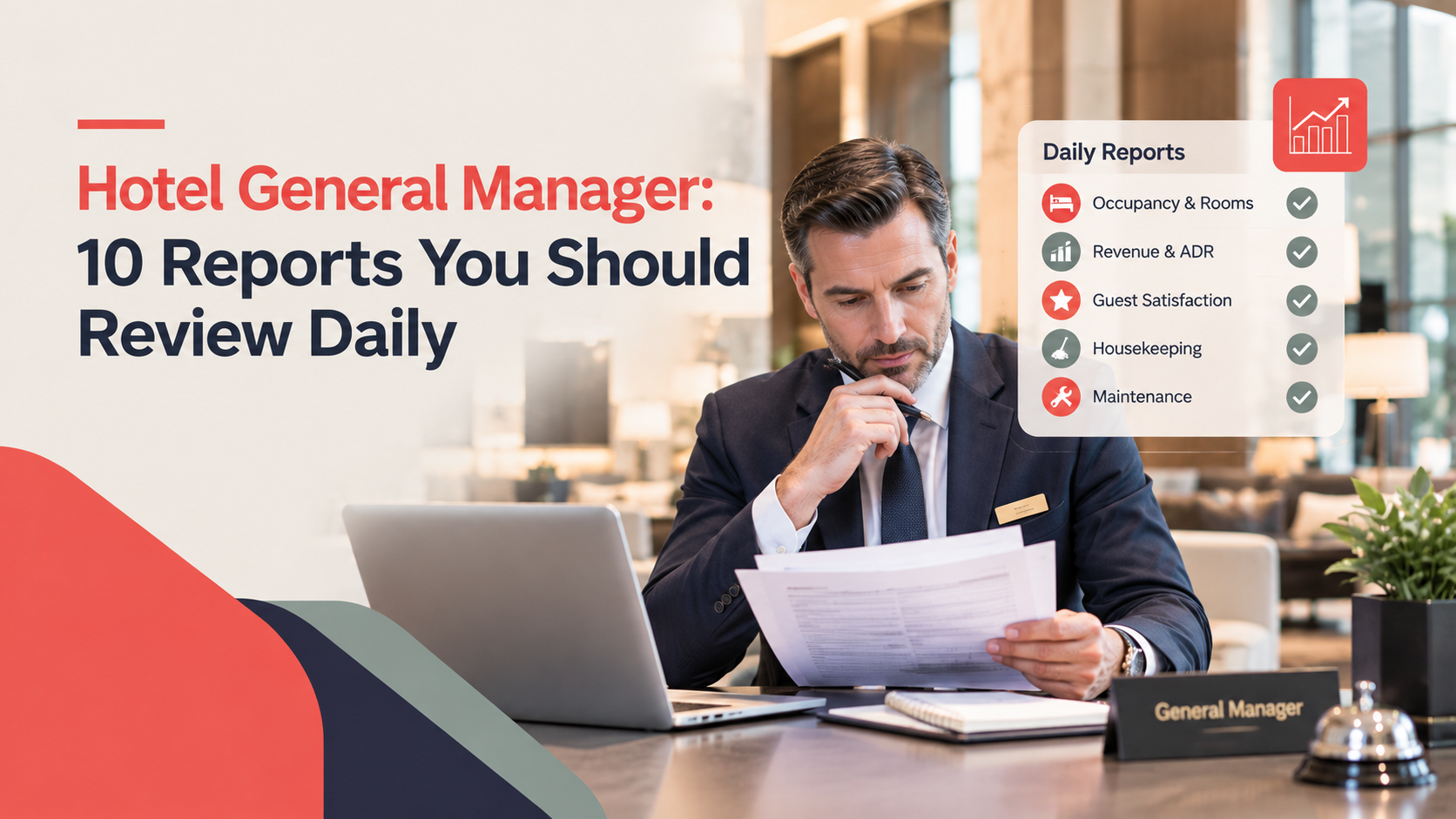
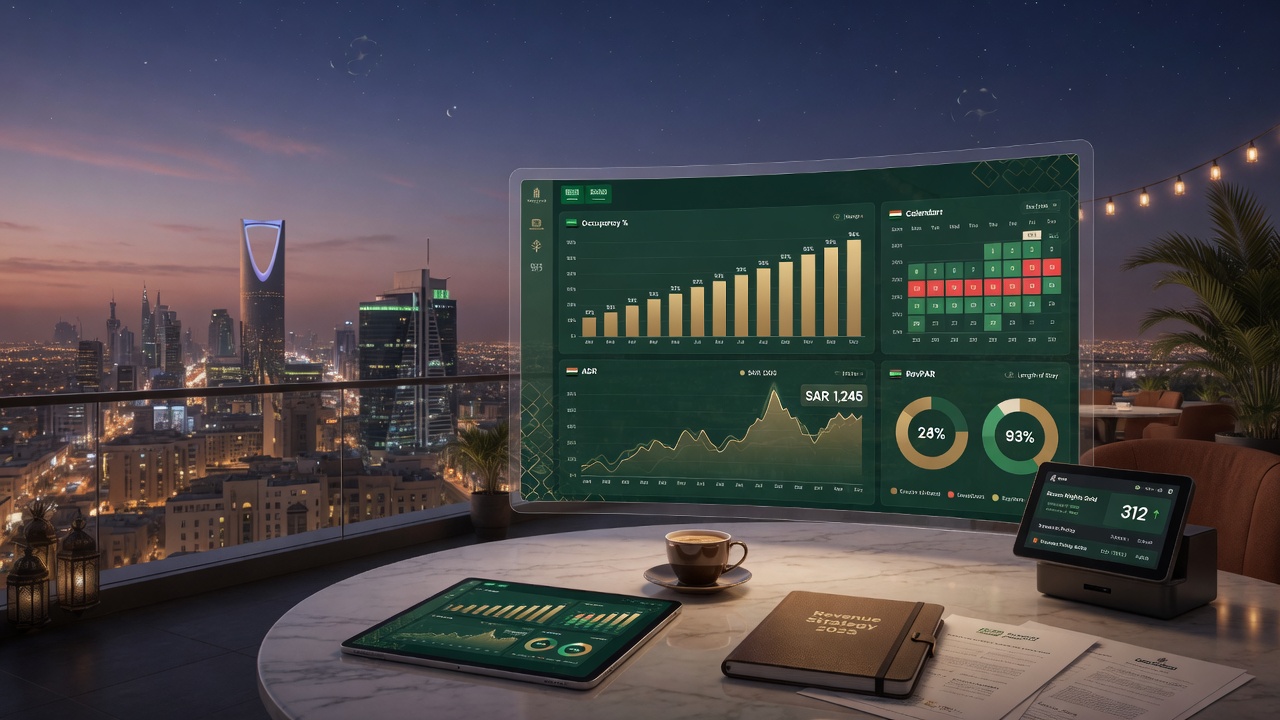
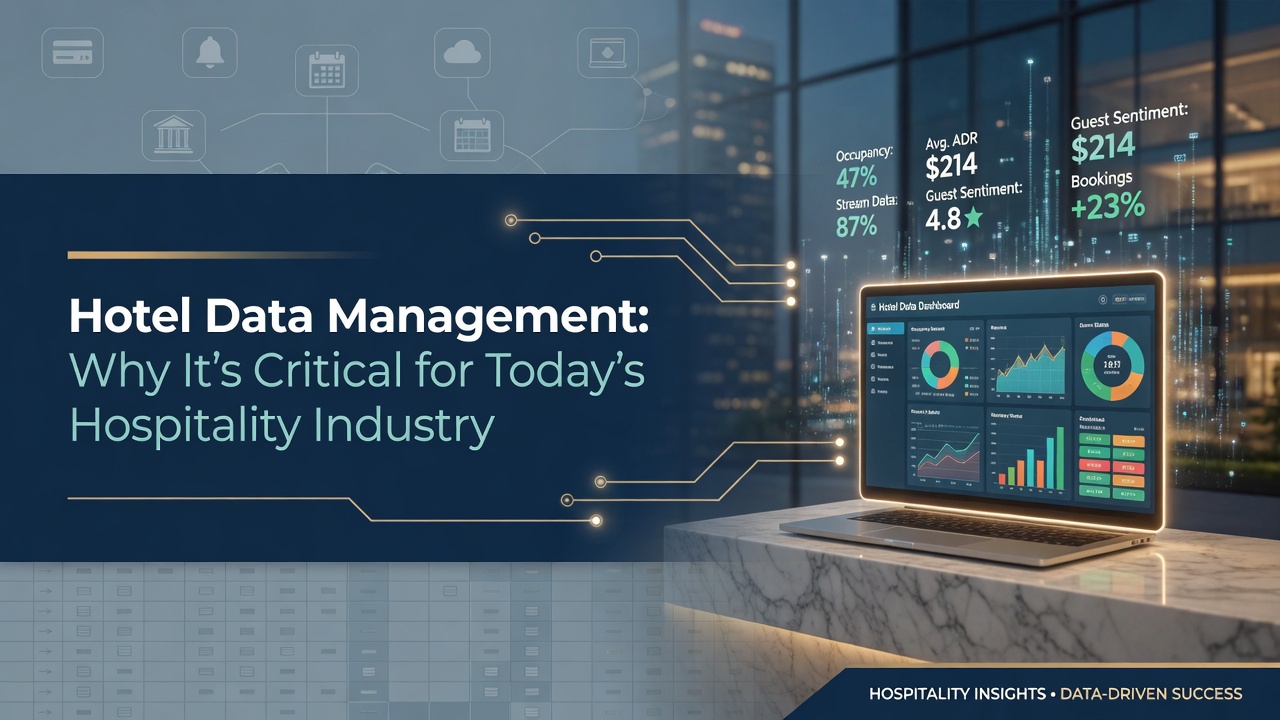
- Reporting by channel: A daily view of direct versus OTA bookings, so you can adjust during the event, not after it.
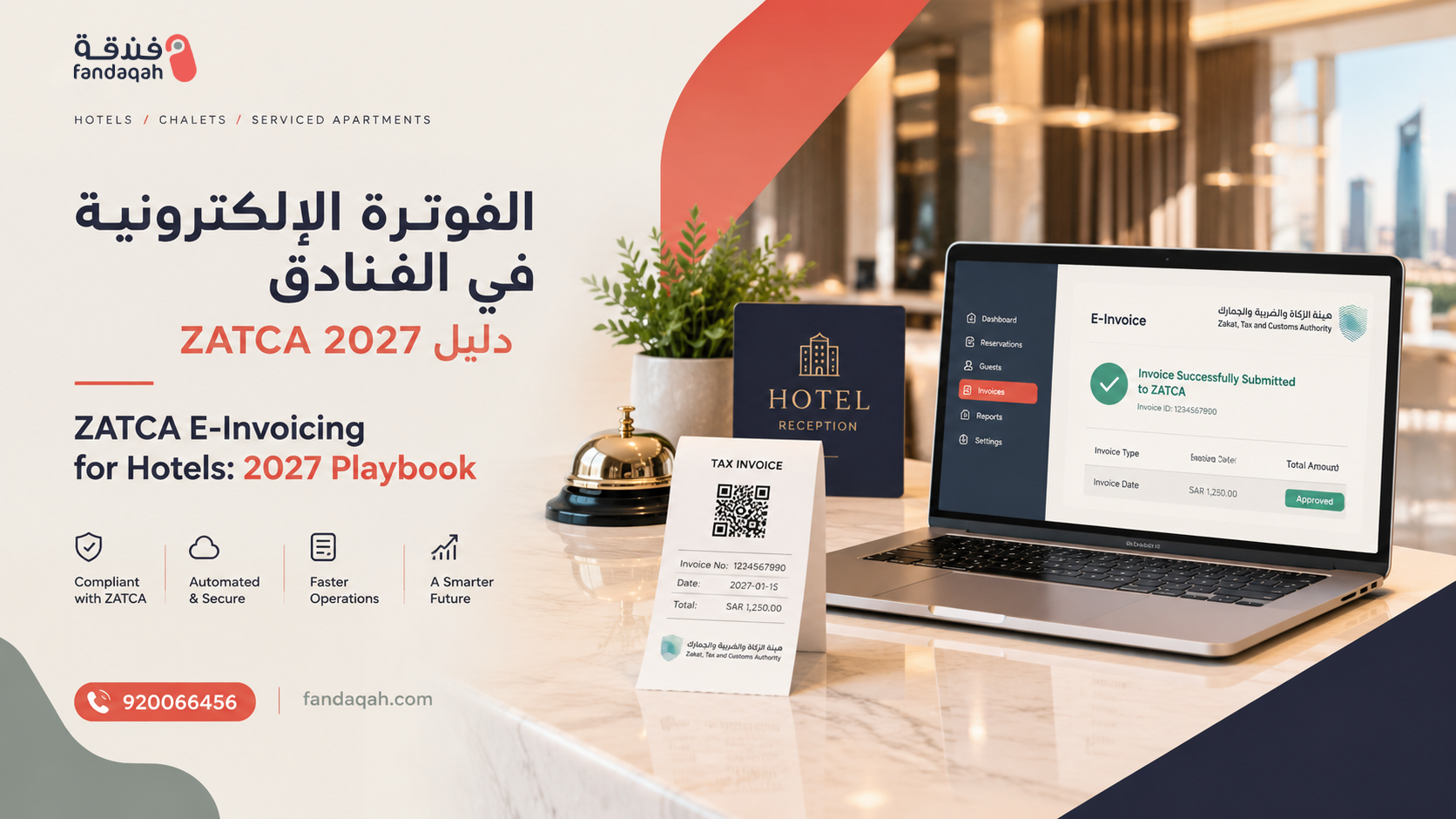
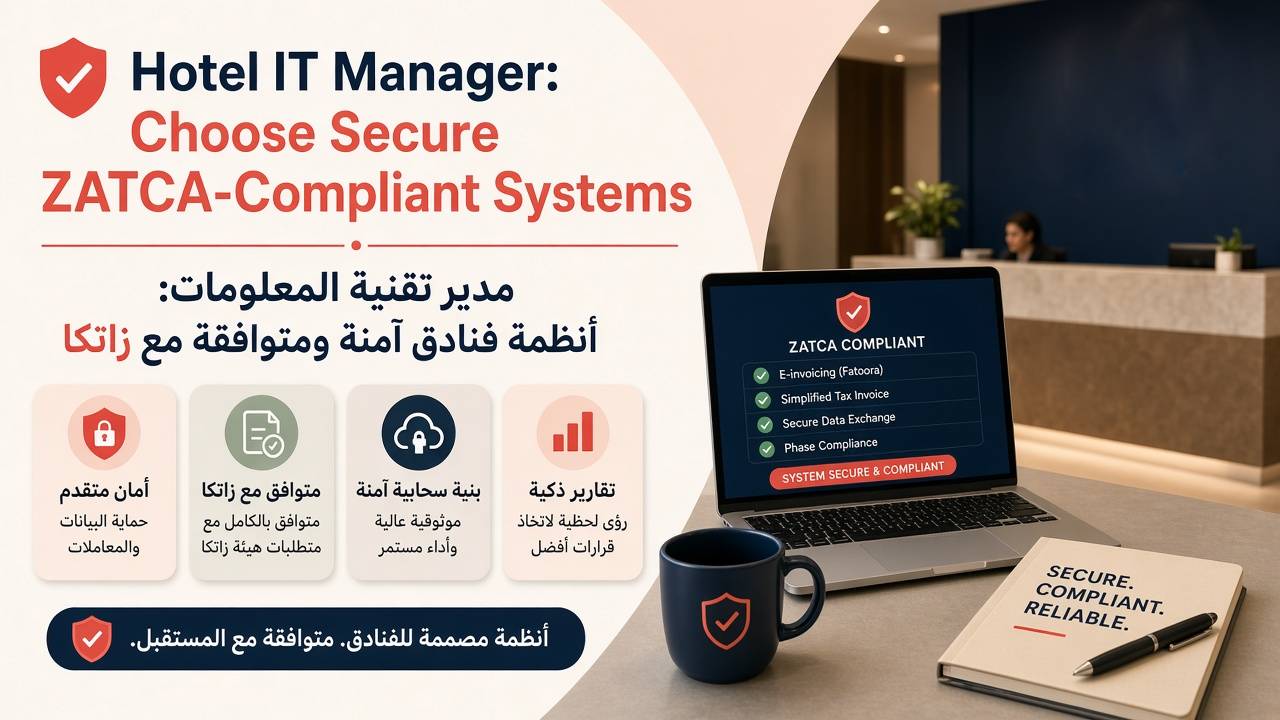
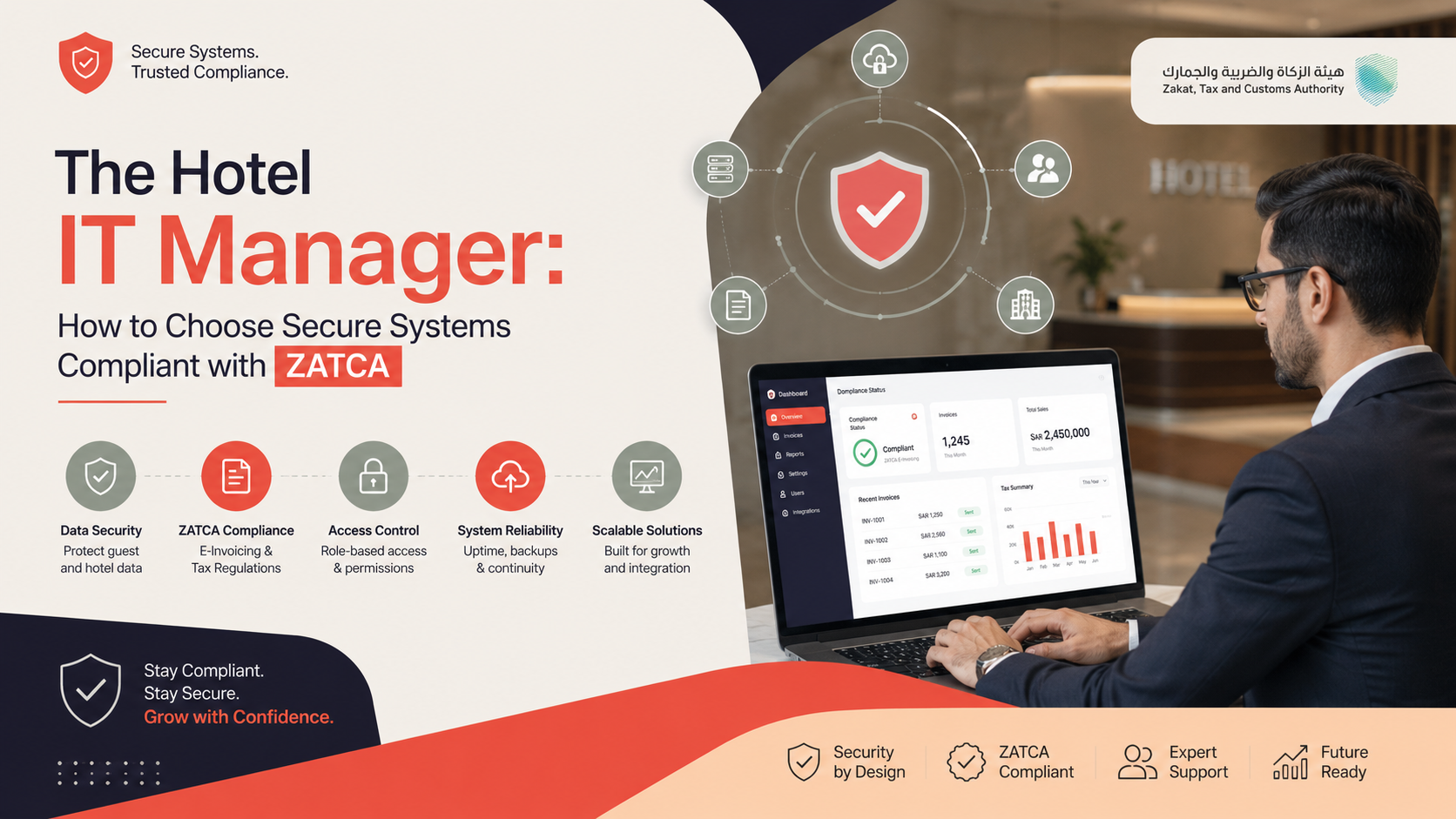
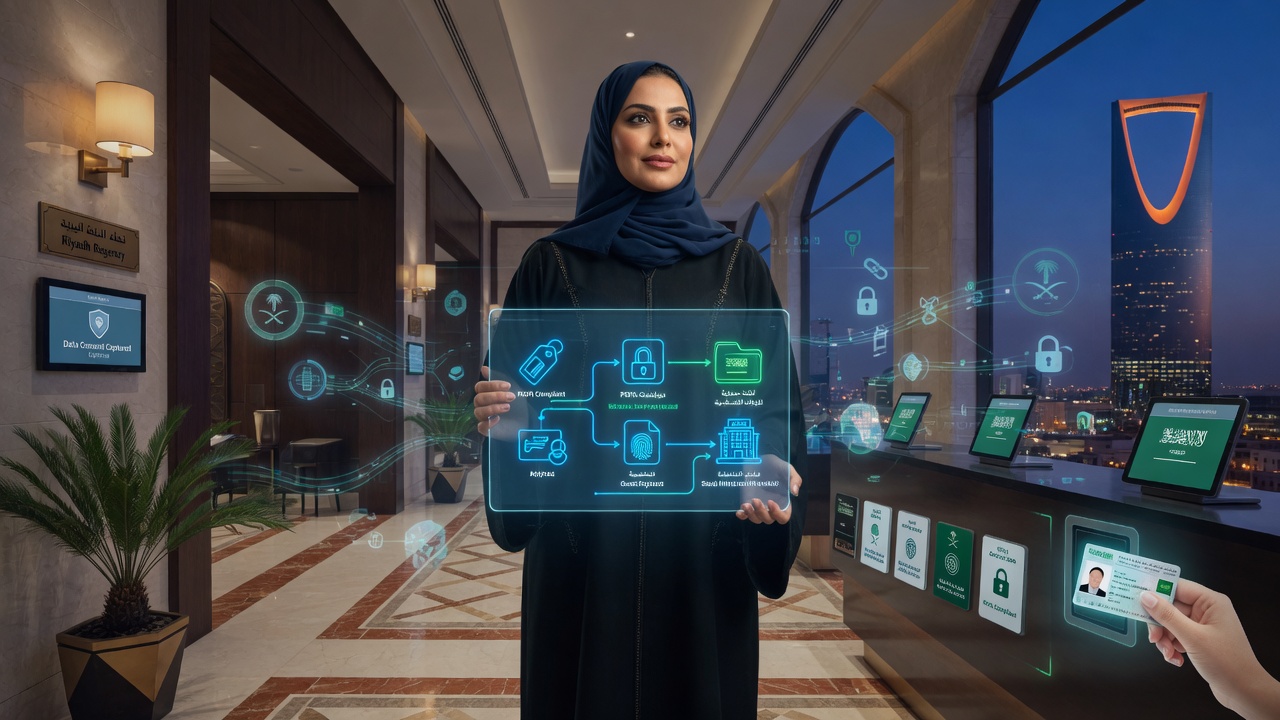
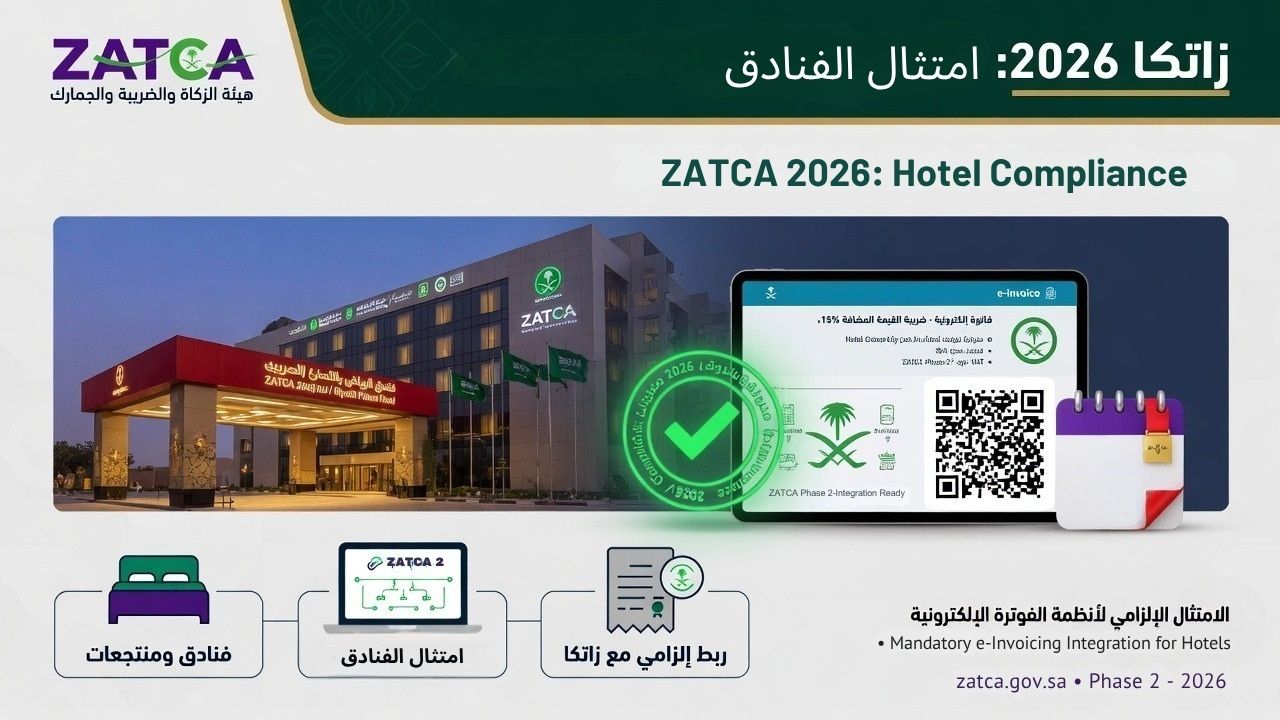
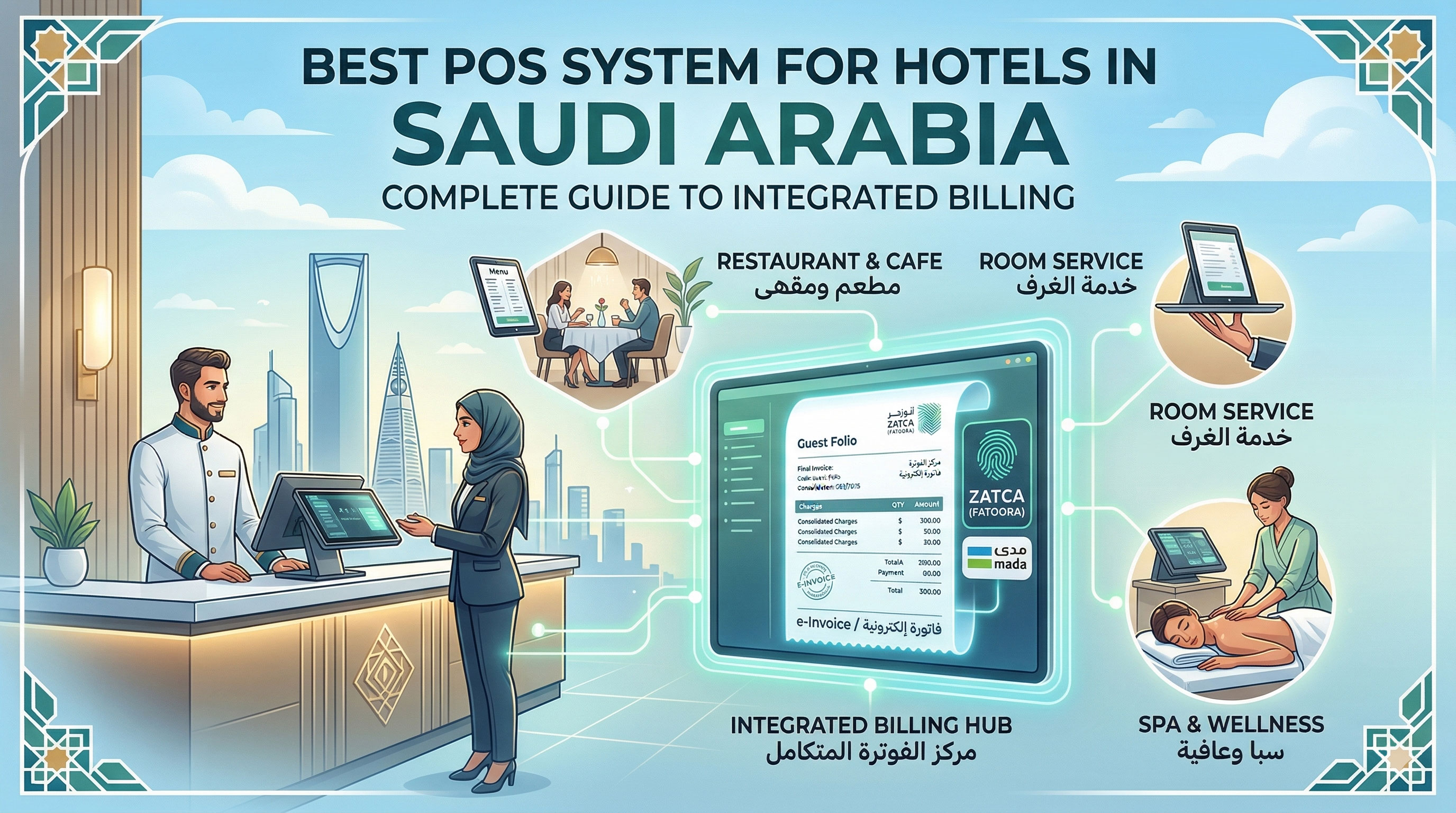
- ZATCA-compliant invoicing: Automatic VAT invoices that satisfy Saudi e-invoicing rules for both individuals and companies.
Benefit summary:
Hotels that run a connected direct booking stack typically see lower commission costs, fewer manual errors, higher average daily rate during peak events, and a growing database of guests they can reach directly for the next Ithra season, Saudi Founding Day, or Eastern Province festivals.
The 6-Day Direct Booking Playbook for Ithra Design Week 2026
This playbook assumes the event runs for six days. It also assumes your technology checklist above is complete at least four weeks before opening day. Each day has a clear goal, a technology action, and a guest-facing action.
Day 1: Arrival day – protect inventory and welcome guests
Goal: Zero overbookings and a strong first impression.
Technology action: Confirm that the channel manager has pushed final availability to all OTAs and that your website shows the last available room types at the correct event rate. Set a stop-sell on OTAs for your two most popular room categories if direct demand is strong.
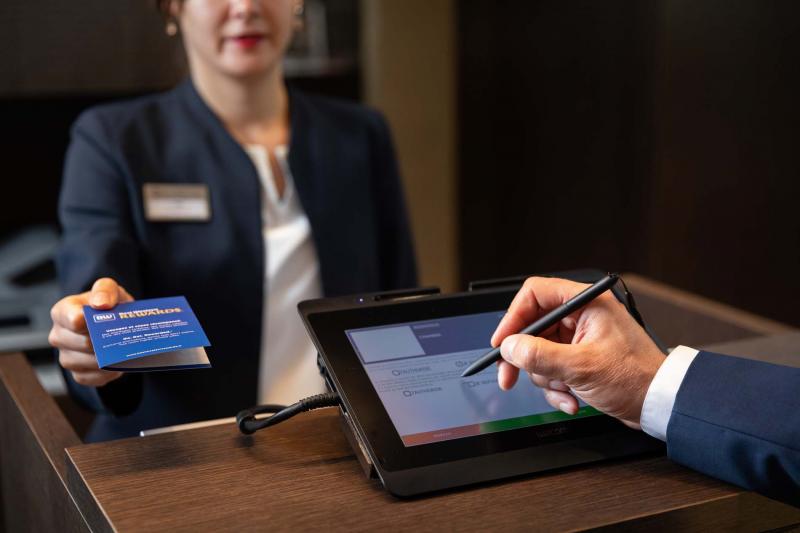
Guest action: Send an automated WhatsApp message with check-in details, a map from the hotel to Ithra, and a link to book a second night directly at a member rate.
Day 2: Capture walk-in and last-minute demand
Goal: Convert late planners who are now in Al Khobar.
Technology action: Turn on a "Tonight in Al Khobar" rate on your booking engine that is only visible for same-day stays. Use the PMS dashboard to compare direct versus OTA pickup from Day 1 and raise rates on sold-out nights.
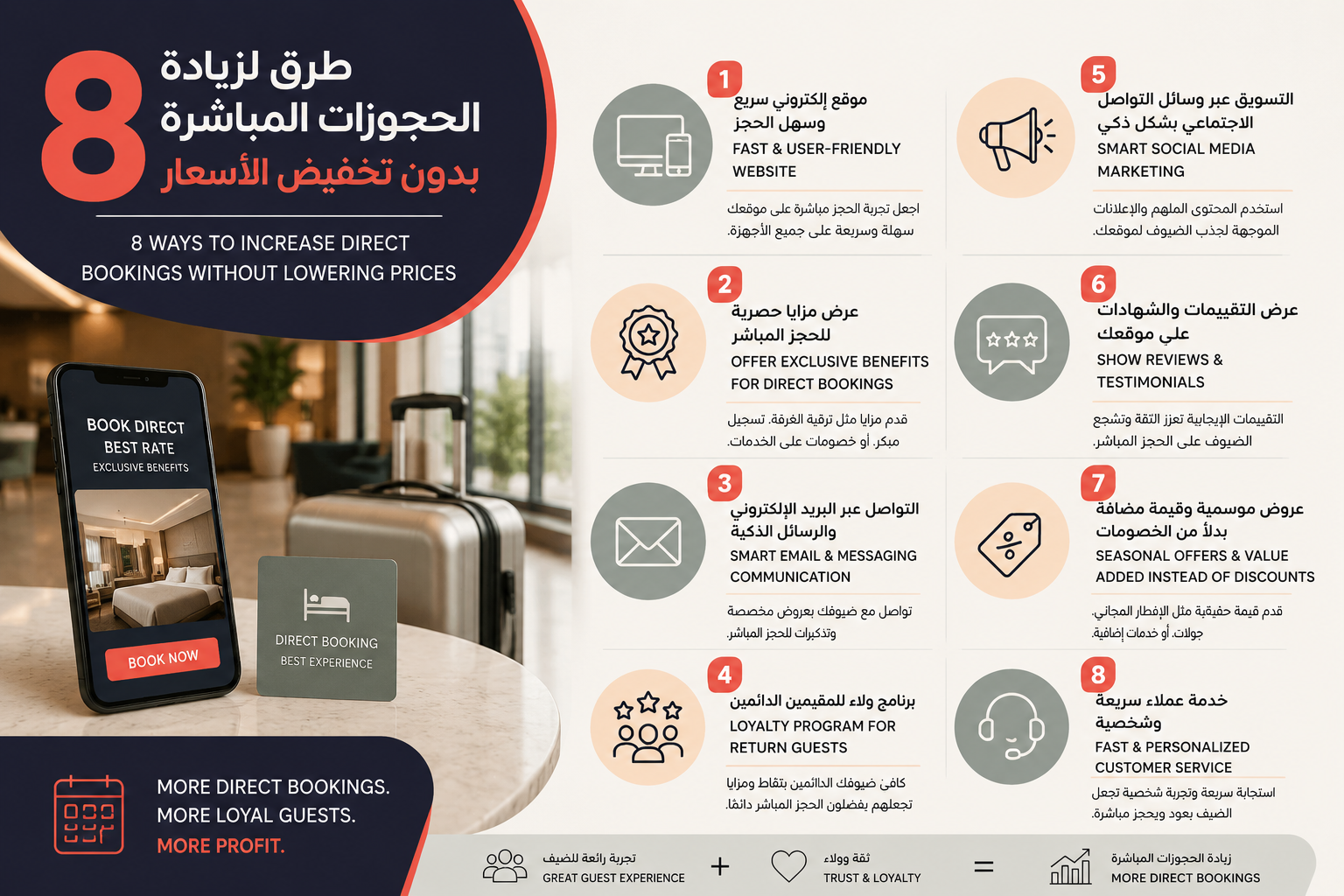
Guest action: Place a QR code at reception and in the lobby café that opens your booking page with a direct discount. Walk-in guests who book on the QR code become direct guests in your database, not OTA guests.
Day 3: Upsell the stay
Goal: Increase revenue per guest without increasing room count.
Technology action: Trigger automated upsell offers through the PMS: late checkout, airport transfer to King Fahd International Airport, breakfast upgrades, or a Corniche dinner package with a partner restaurant.
Guest action: Front desk staff mention the "Design Week extension" offer at every interaction, with the same price shown on the website so guests trust the offer.
Day 4: Collect data and reviews
Goal: Turn satisfied guests into future direct bookers.
Technology action: Make sure every guest, including OTA guests, has an email and phone number stored in the PMS guest profile with marketing consent recorded. Send a short mid-stay feedback request.
Guest action: Invite guests to join your direct loyalty list in exchange for a small perk at the next stay. This is the moment to convert OTA guests into direct guests for 2027.
Day 5: Manage departures and re-sell rooms
Goal: Fill any gaps created by early departures.
Technology action: Use real-time inventory sync so that rooms released by early checkouts appear instantly on your website first, then on OTAs an hour later. Adjust minimum-stay rules to allow one-night stays for the final nights.
Guest action: Offer departing guests a pre-booked return rate for the next Ithra program or for Saudi National Day in September.
Day 6: Close strong and review performance
Goal: Finish the event with clean data and a clear picture of results.
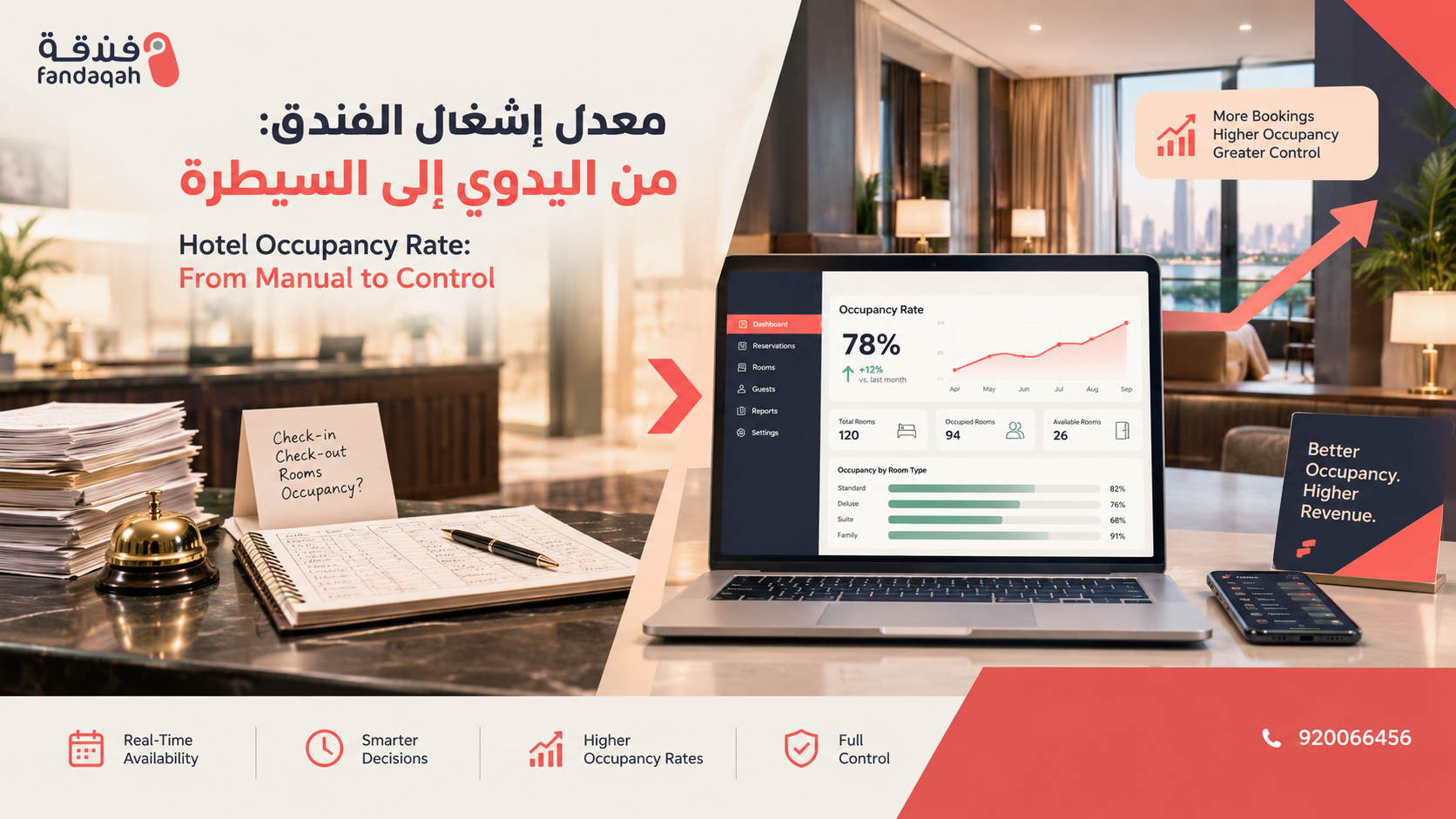
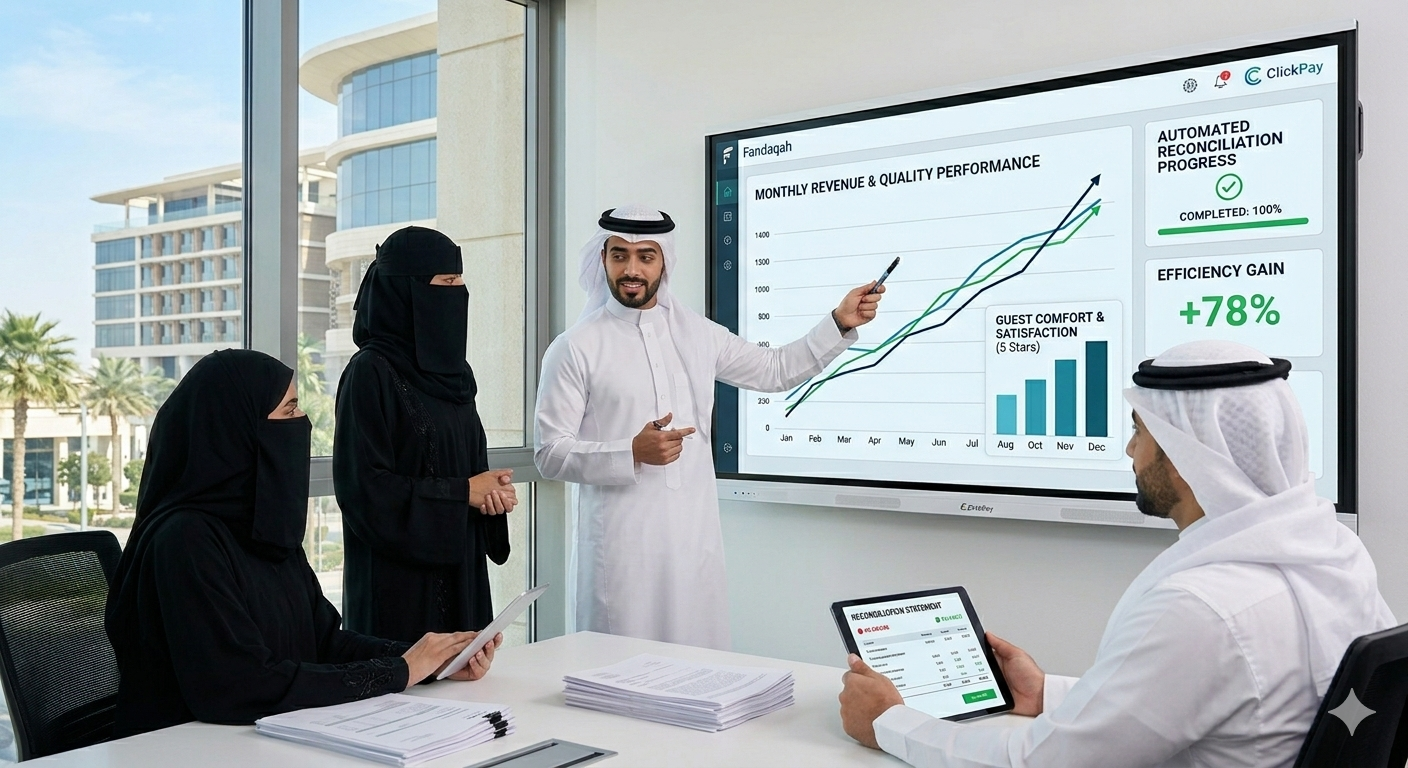
Technology action: Export a channel performance report from the PMS: direct share, OTA share, average daily rate, commission paid, and upsell revenue. Compare against your pre-event forecast.
Guest action: Send a thank-you message with a direct booking link and a short survey. Guests who book directly within 30 days after the event are your most valuable segment.
Tip:
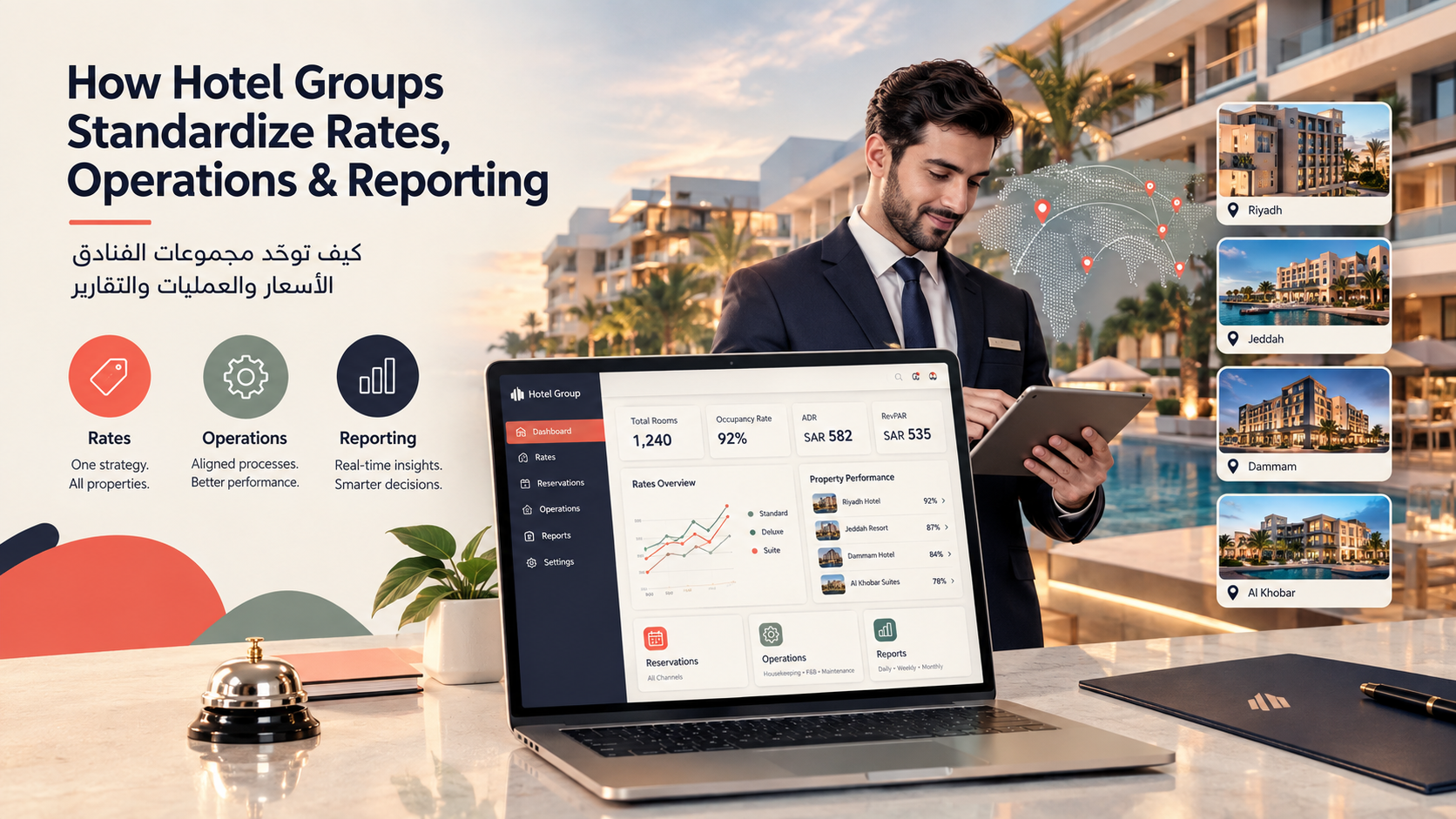
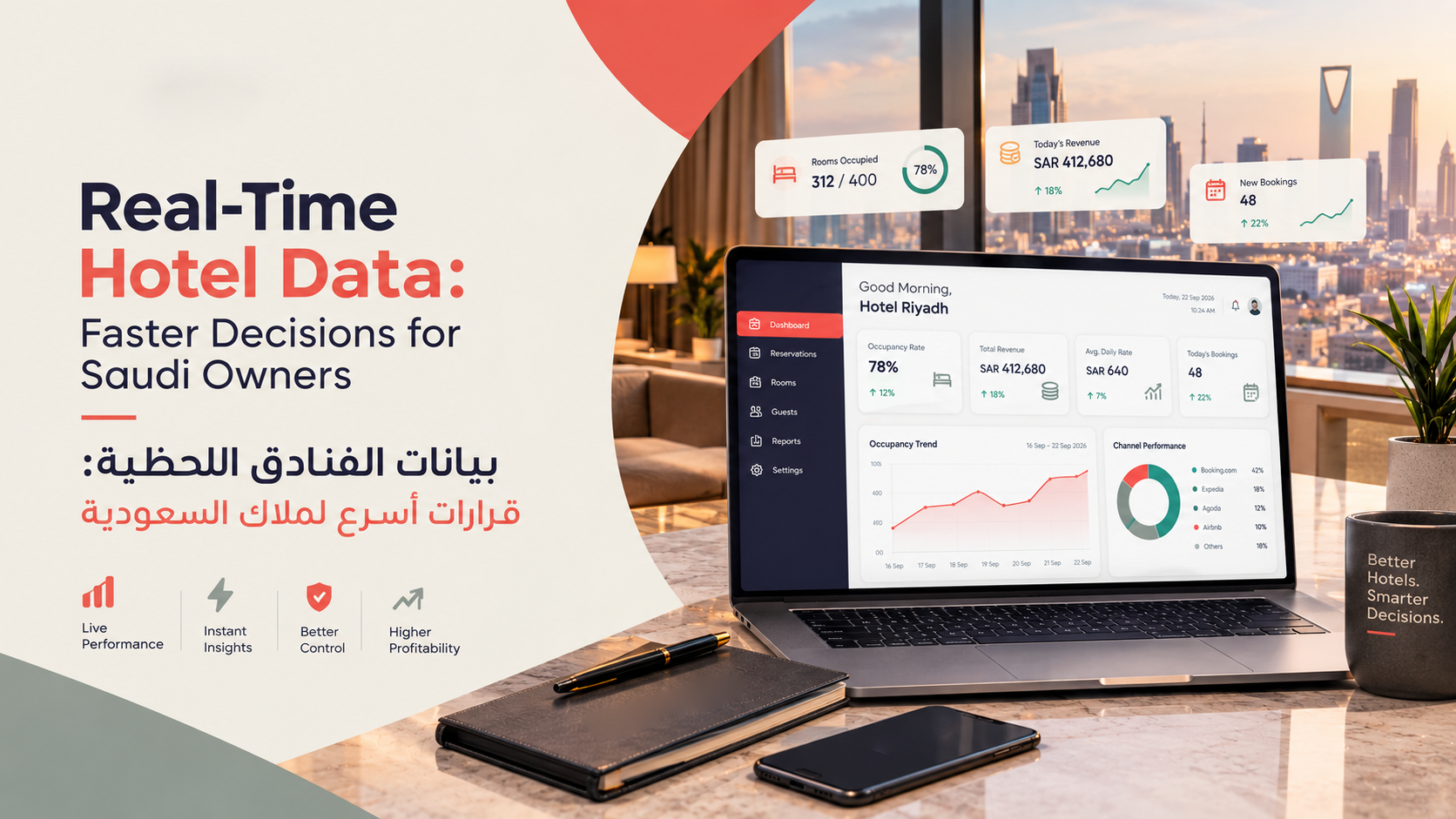
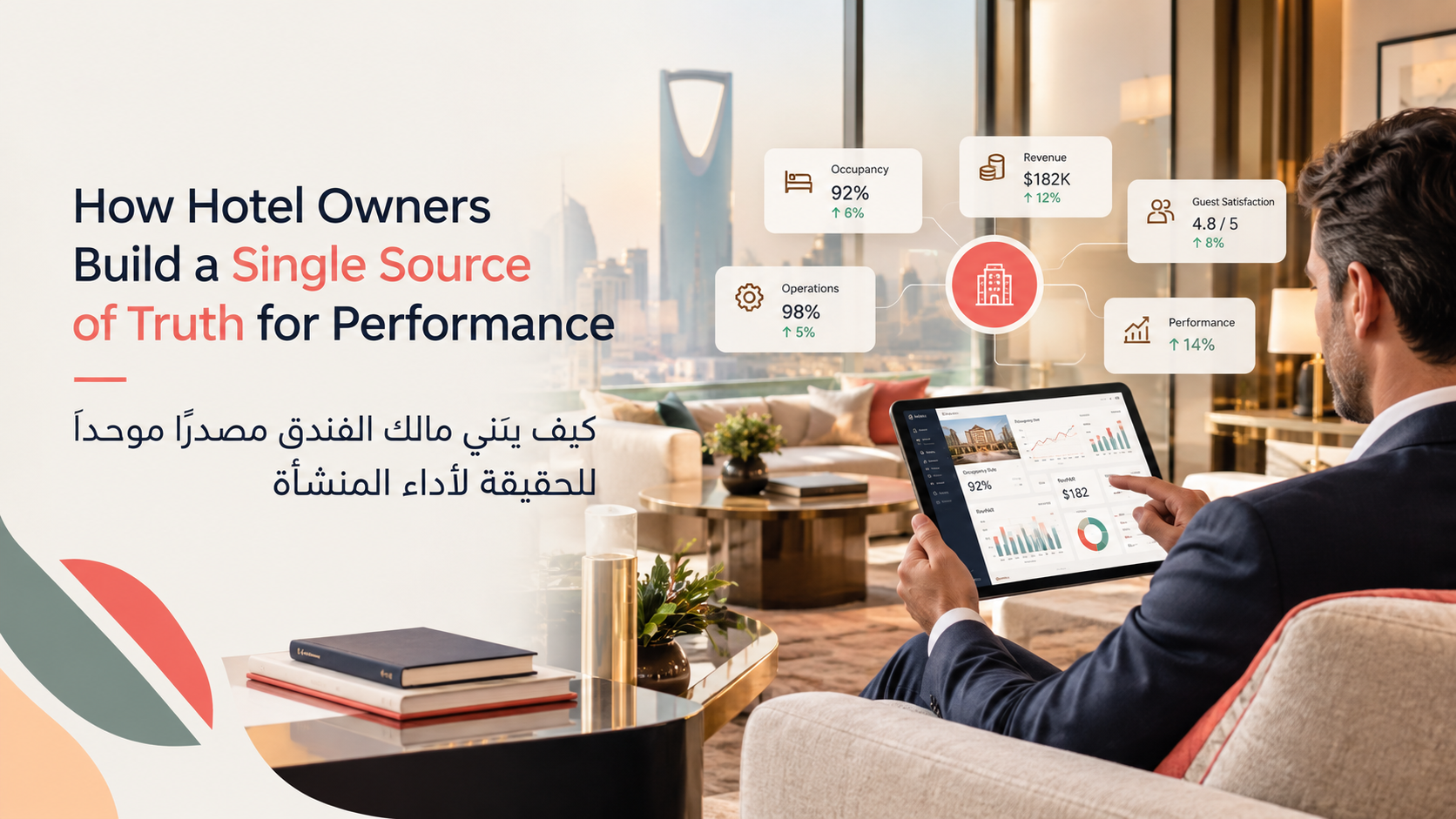
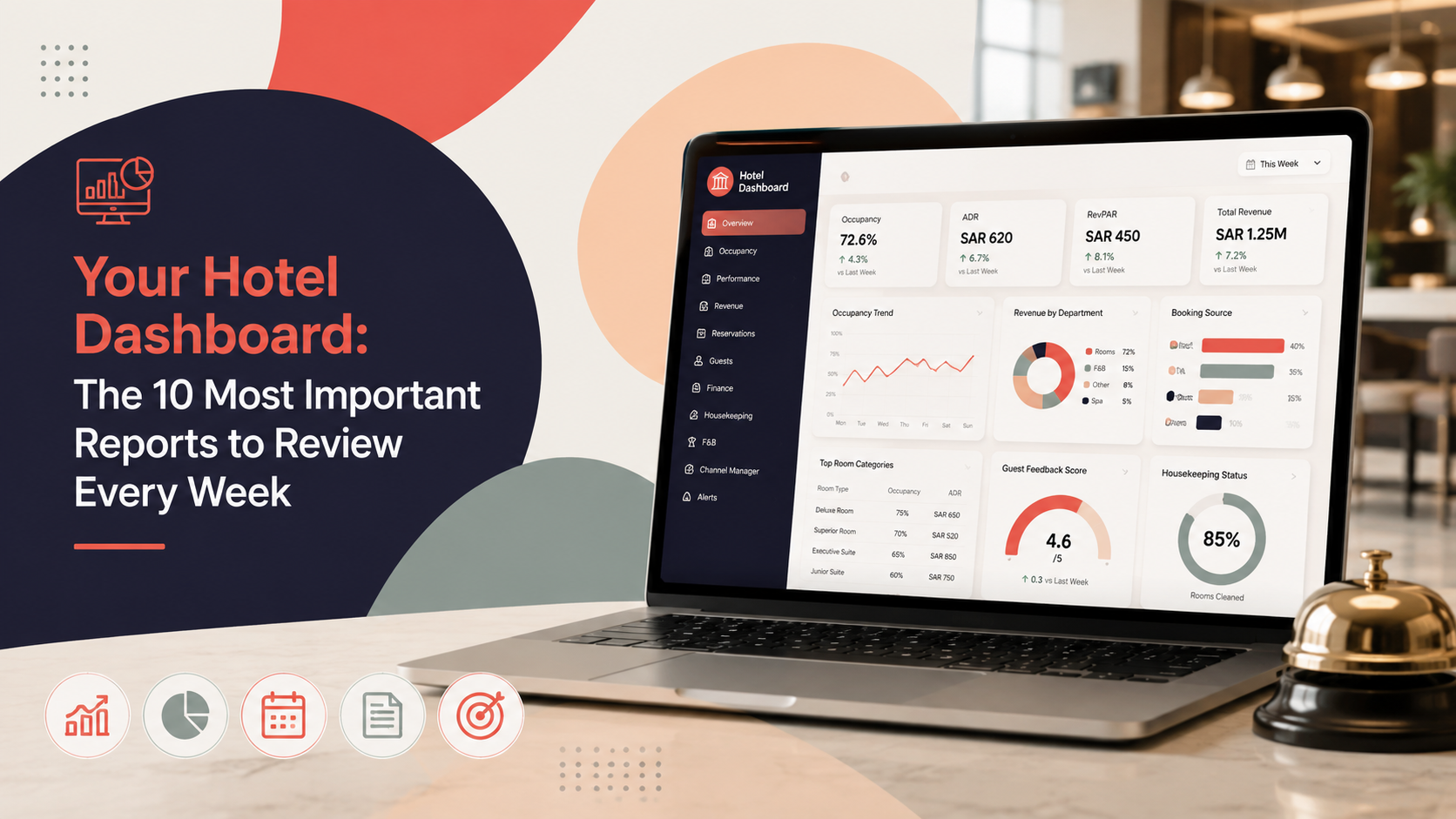
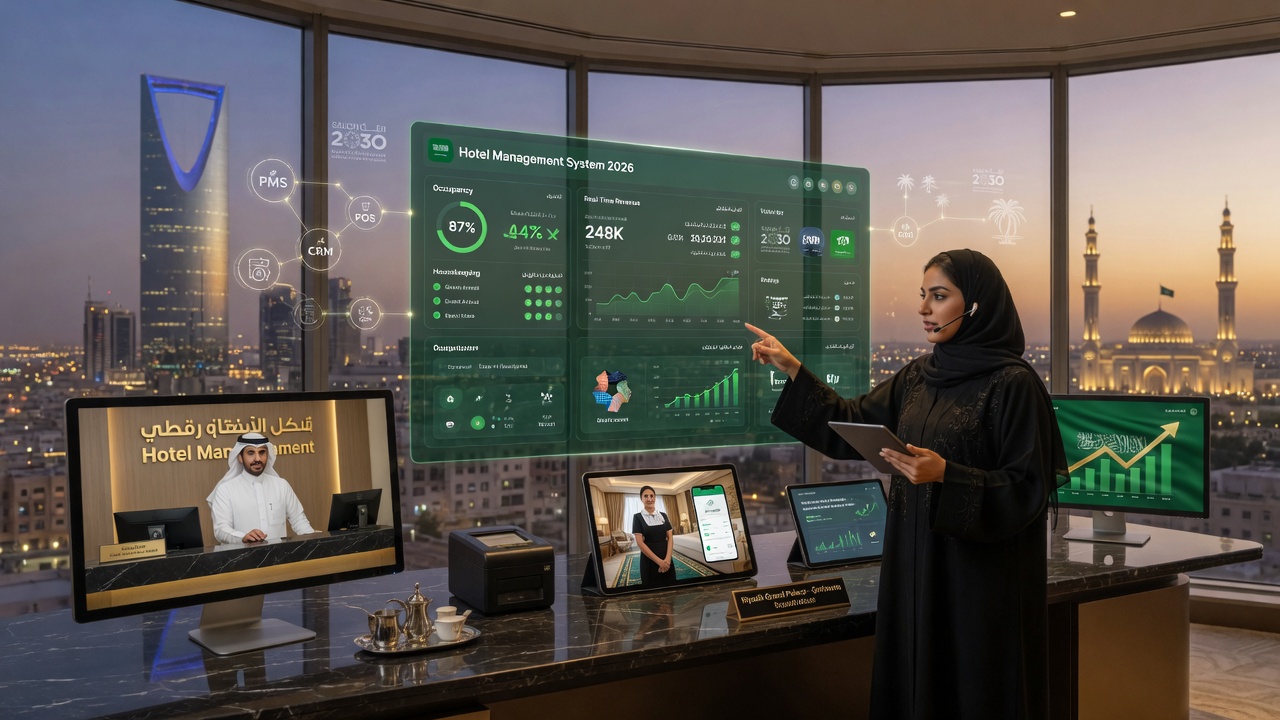
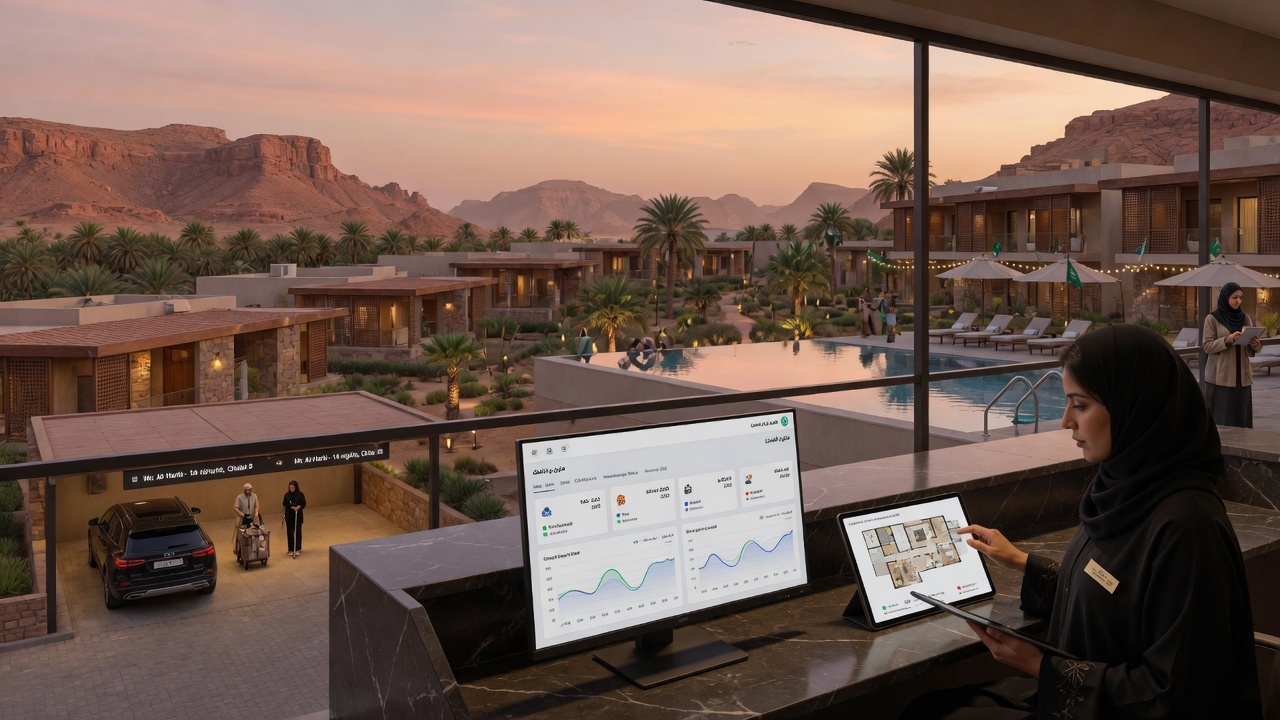
Create a simple shared dashboard that the general manager, revenue manager, and front office can all see during the event. When everyone watches the same direct-versus-OTA numbers in real time, decisions on rates and stop-sells happen in minutes instead of days.
Use Cases: How Different Al Khobar Hotels Can Apply the Playbook
Not every property in the Eastern Province has the same guests or the same resources. Here are four realistic scenarios showing how direct booking technology adapts to each type of hotel.
Use case 1: Independent boutique hotel near the Corniche
A 45-room boutique hotel does not have a dedicated revenue manager. During Ithra Design Week, the owner uses a cloud PMS with built-in dynamic pricing rules so rates rise automatically when occupancy passes 80 percent. A bilingual booking engine with an "Ithra Design Week Package" captures creative travelers who find the hotel on Instagram and Google Maps. The owner spends less time on OTA extranets and more time on guest experience.
Use case 2: Serviced apartments for exhibitor teams
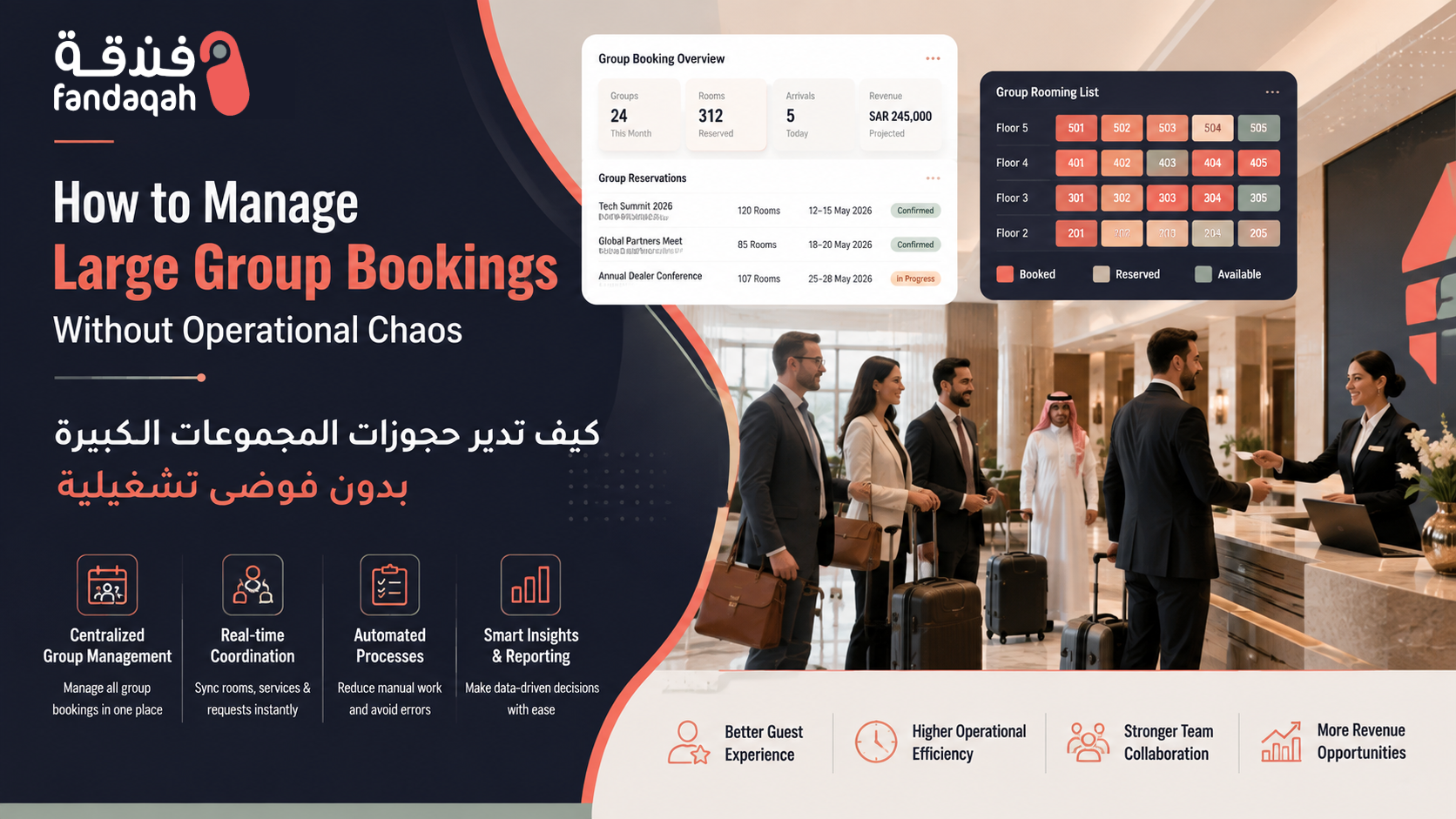
Design studios and exhibitors often travel as teams and stay for the full event. A serviced apartment operator in Al Khobar uses group booking features in the PMS to hold blocks for exhibitors, sends a direct booking link to event organizers, and issues a single VAT-compliant invoice per company. These corporate direct bookings carry zero commission and often repeat every year.
Use case 3: Mid-size branded hotel on Prince Turki Street
A 150-room branded property already has a global brand website, but local demand from Riyadh and Jeddah visitors responds better to Arabic WhatsApp communication. The hotel connects its PMS to a WhatsApp automation flow for pre-arrival messages, upsells, and post-stay offers, increasing direct repeat bookings from domestic travelers.
Use case 4: Multi-property operator across Al Khobar and Dammam
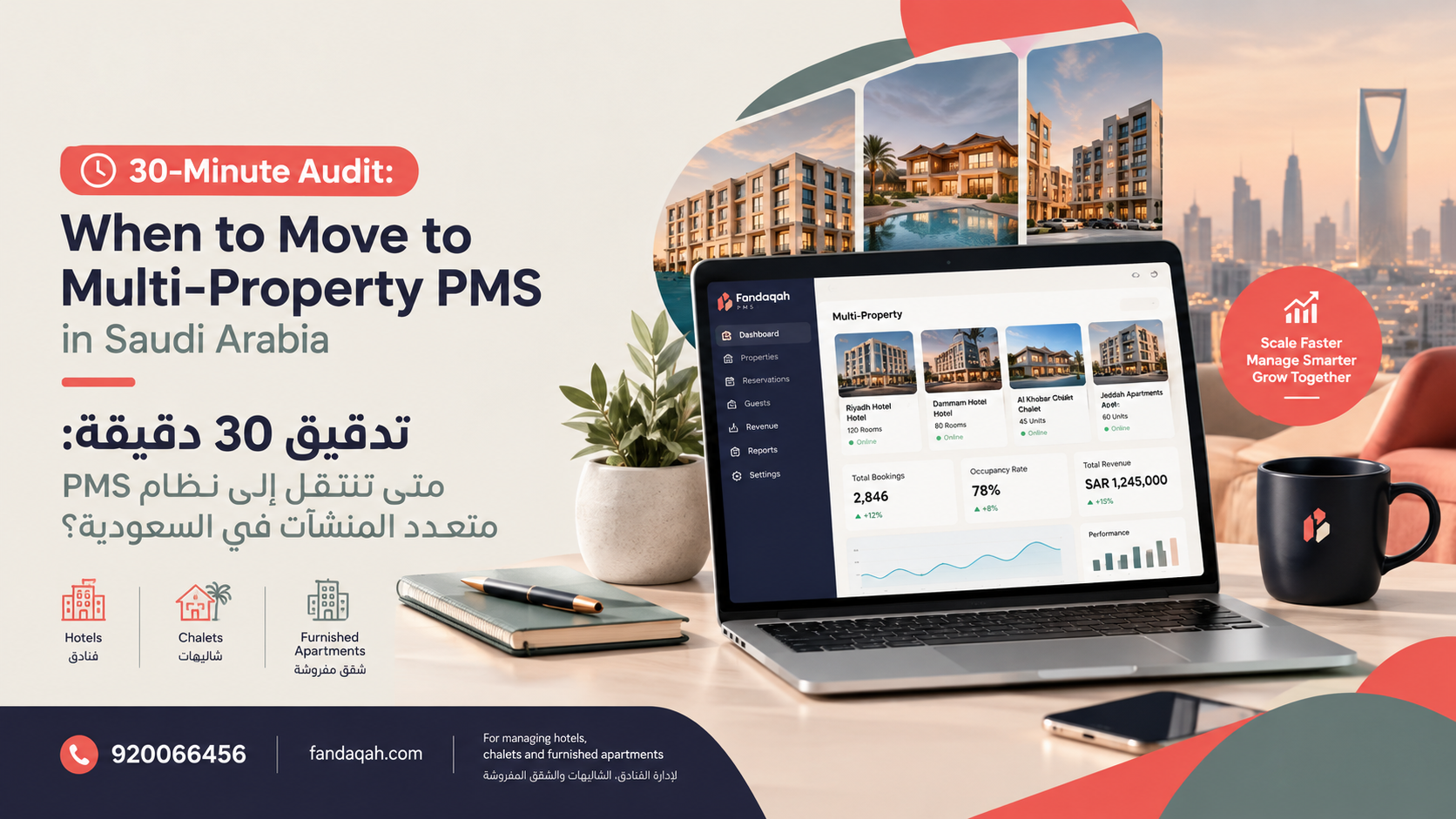
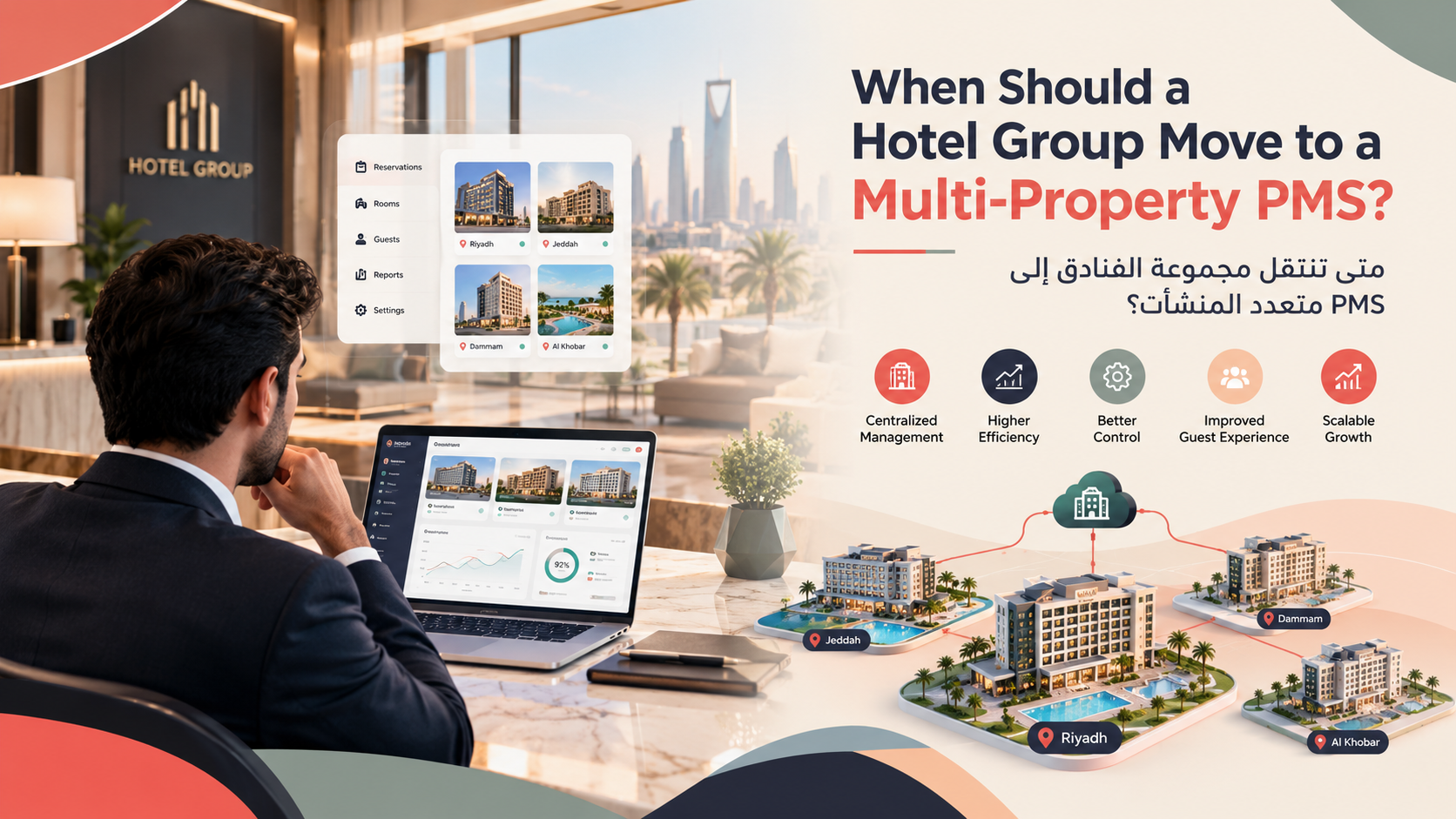
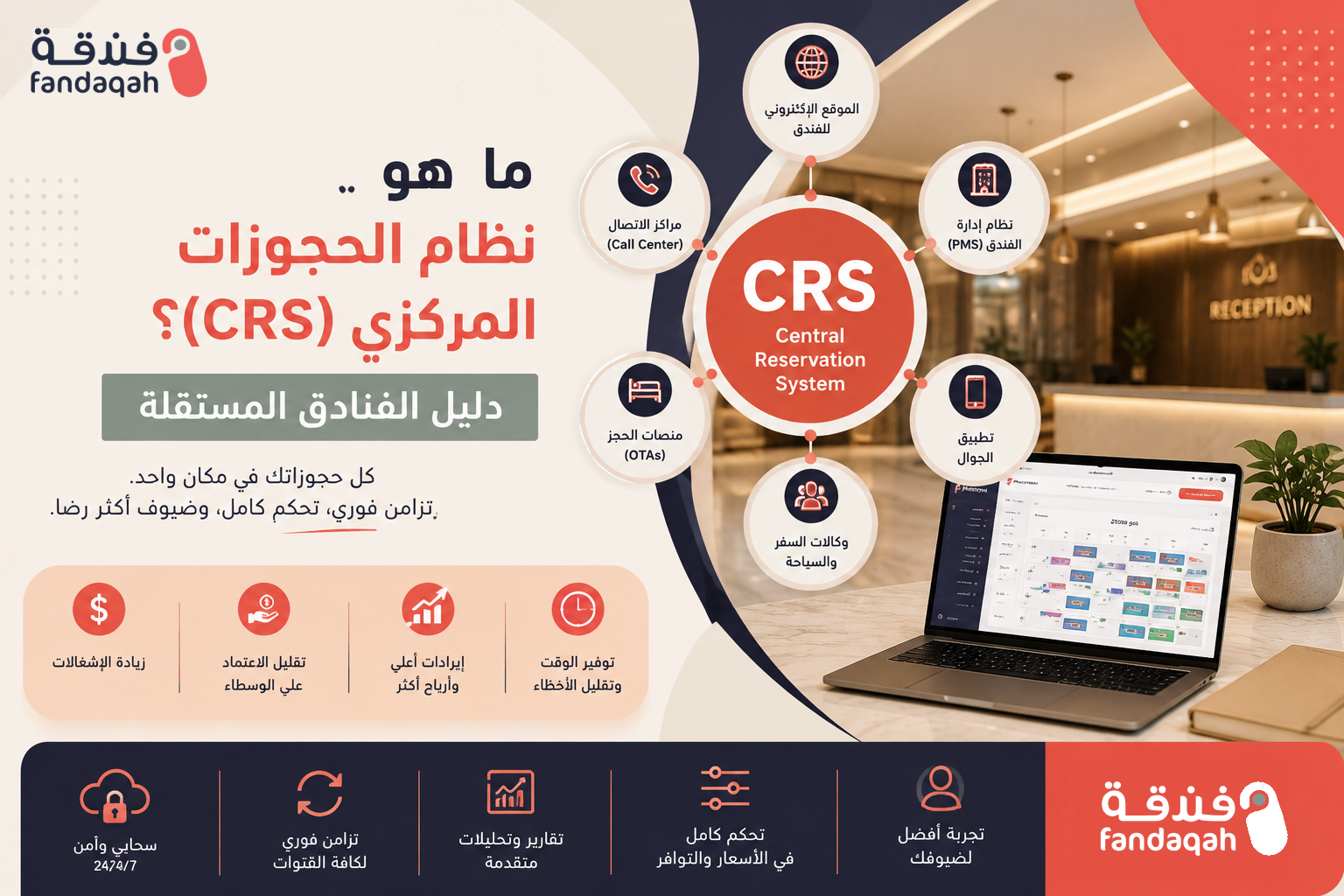
An operator with four hotels uses a multi-property PMS to view demand across the whole portfolio. When the Al Khobar properties sell out, the booking engine automatically suggests sister hotels in Dammam, keeping the booking inside the group instead of losing it to an OTA. This is a simple example of how hotel technology for Saudi Arabia can turn a distribution challenge into a group-wide advantage.
Comparison: OTA-Dependent vs Direct-First Hotel During an Event Week
The table below compares two approaches to the same six-day event. It is a simplified model, but it reflects how most Saudi hotels experience the difference.
| Factor | OTA-Dependent Hotel | Direct-First Hotel |
|---|---|---|
| Commission cost | 15–25% on most bookings | 0% on direct bookings; OTAs used only to fill gaps |
| Guest data | Limited; OTA controls the relationship | Full profile in the PMS with consent for future offers |
| Rate control | Manual updates across several extranets | One rate change in the PMS updates every channel |
| Overbooking risk | High during sold-out nights | Low, thanks to real-time inventory sync |
| Upsell revenue | Mostly at the front desk, inconsistent | Automated pre-arrival and in-stay offers |
| Repeat bookings after the event | Guest returns to the OTA | Guest returns to the hotel website or WhatsApp |
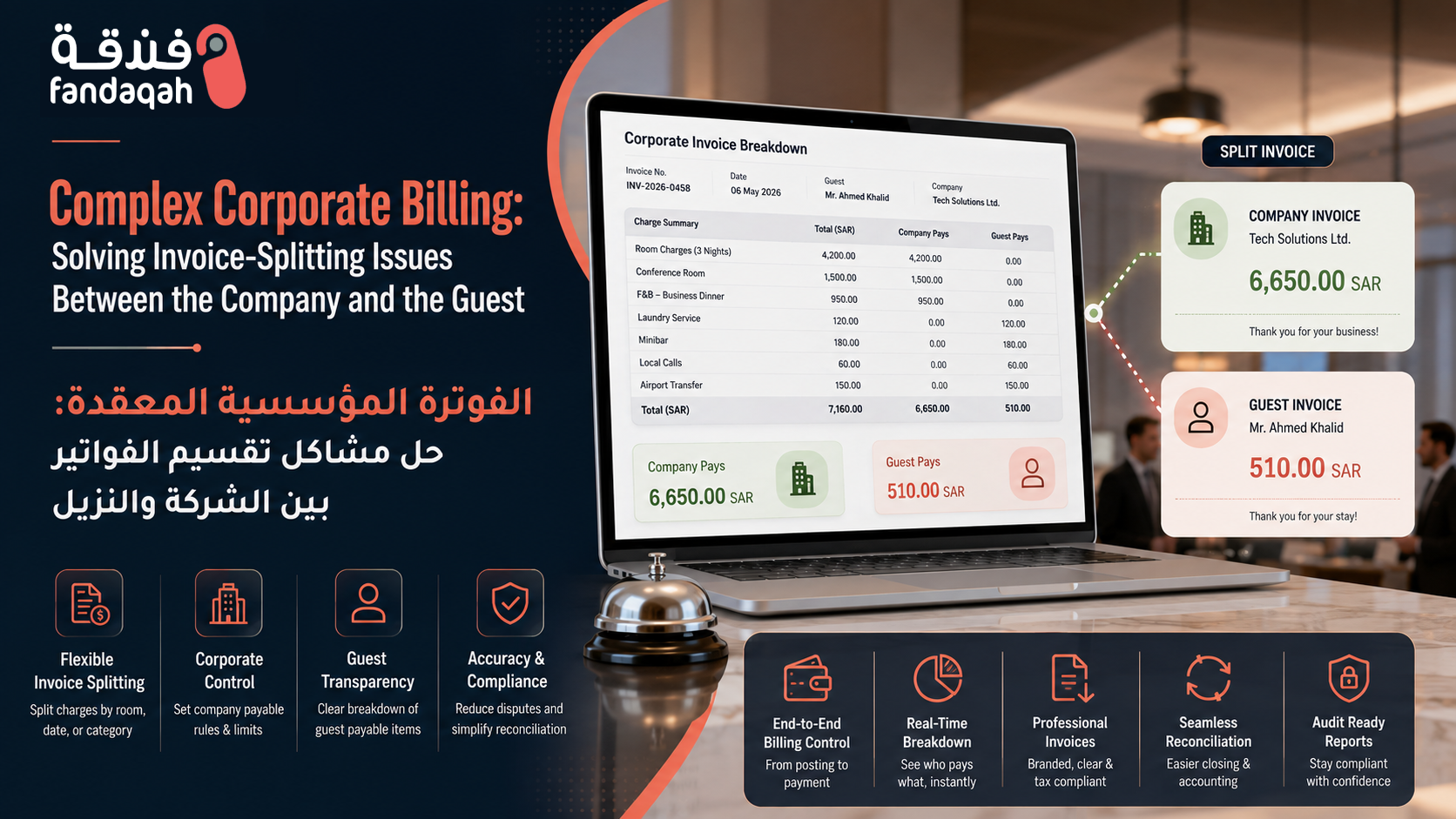
| Compliance | Invoices handled manually or by OTA | Automated ZATCA-compliant e-invoices |
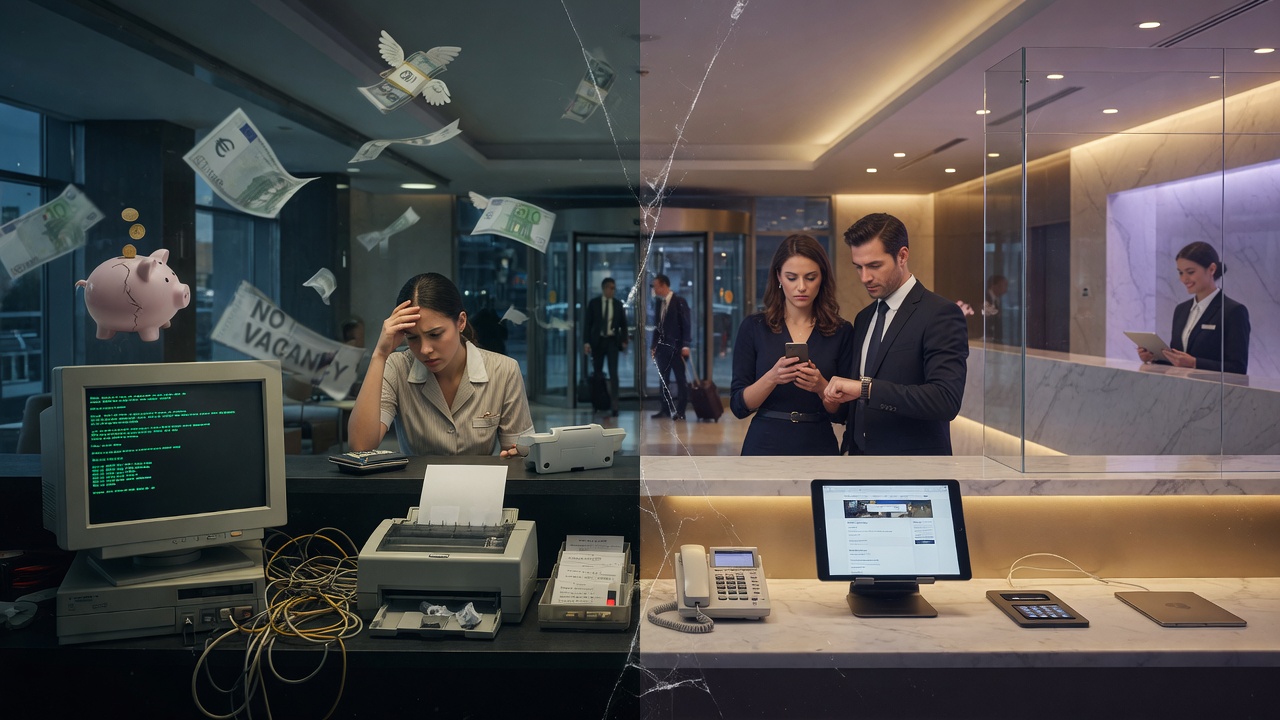
OTAs still play a valuable role. They bring international visibility and fill rooms on soft nights. The goal of a direct-first strategy is balance: use OTAs as a marketing channel, not as the main sales channel, especially during high-demand weeks like Ithra Design Week when guests would have found you anyway.
How Fandaqah Supports a Direct-First Event Strategy
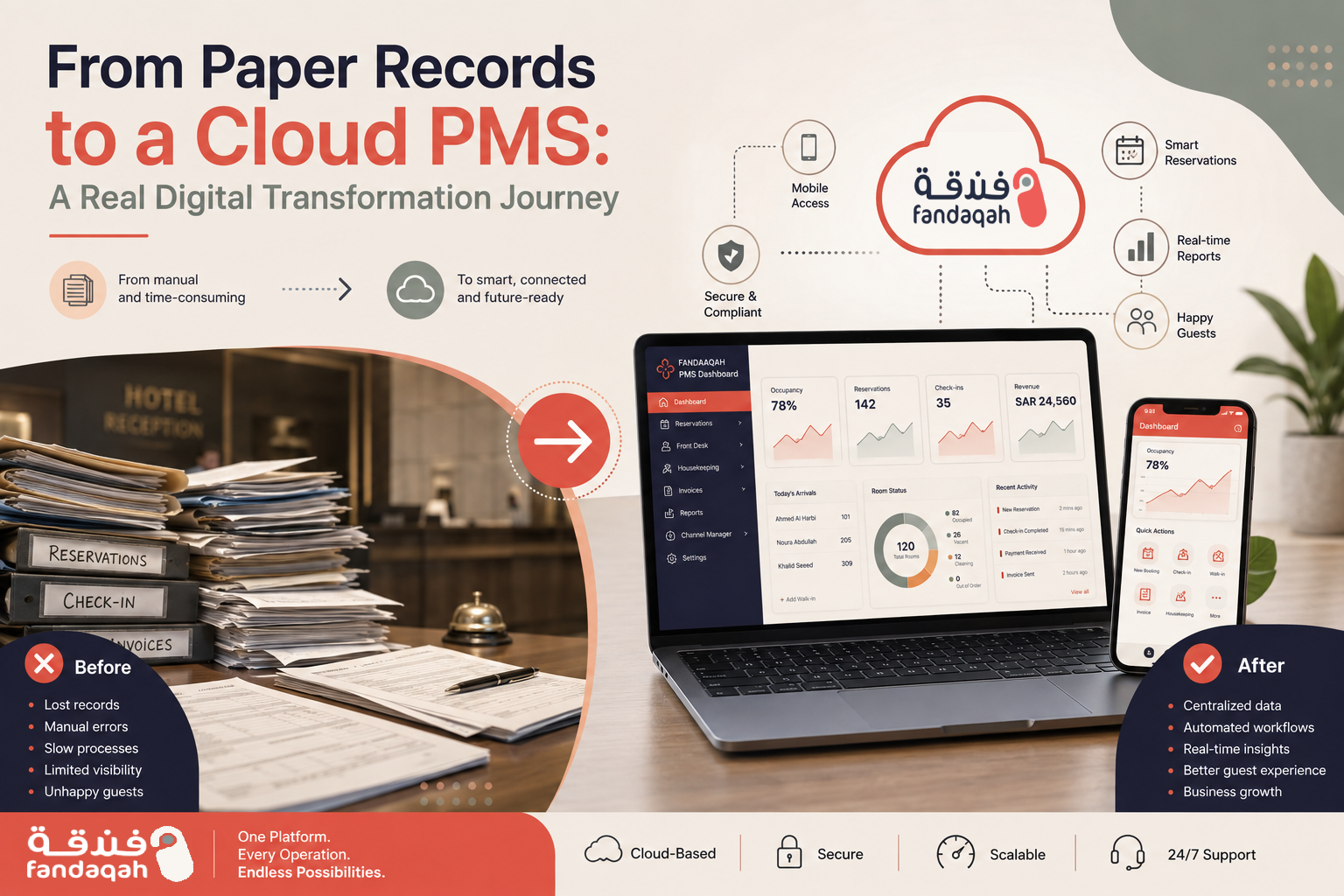
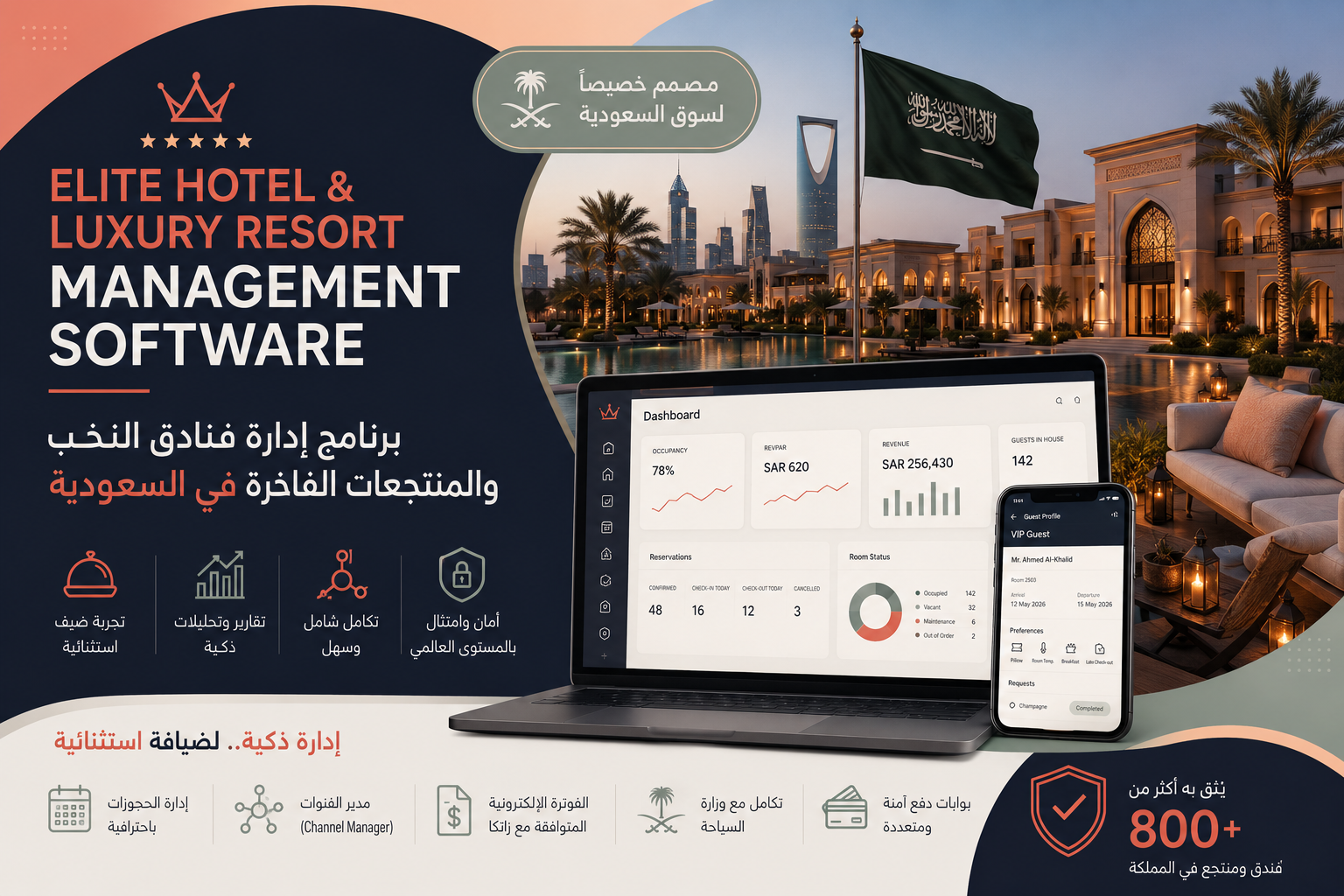
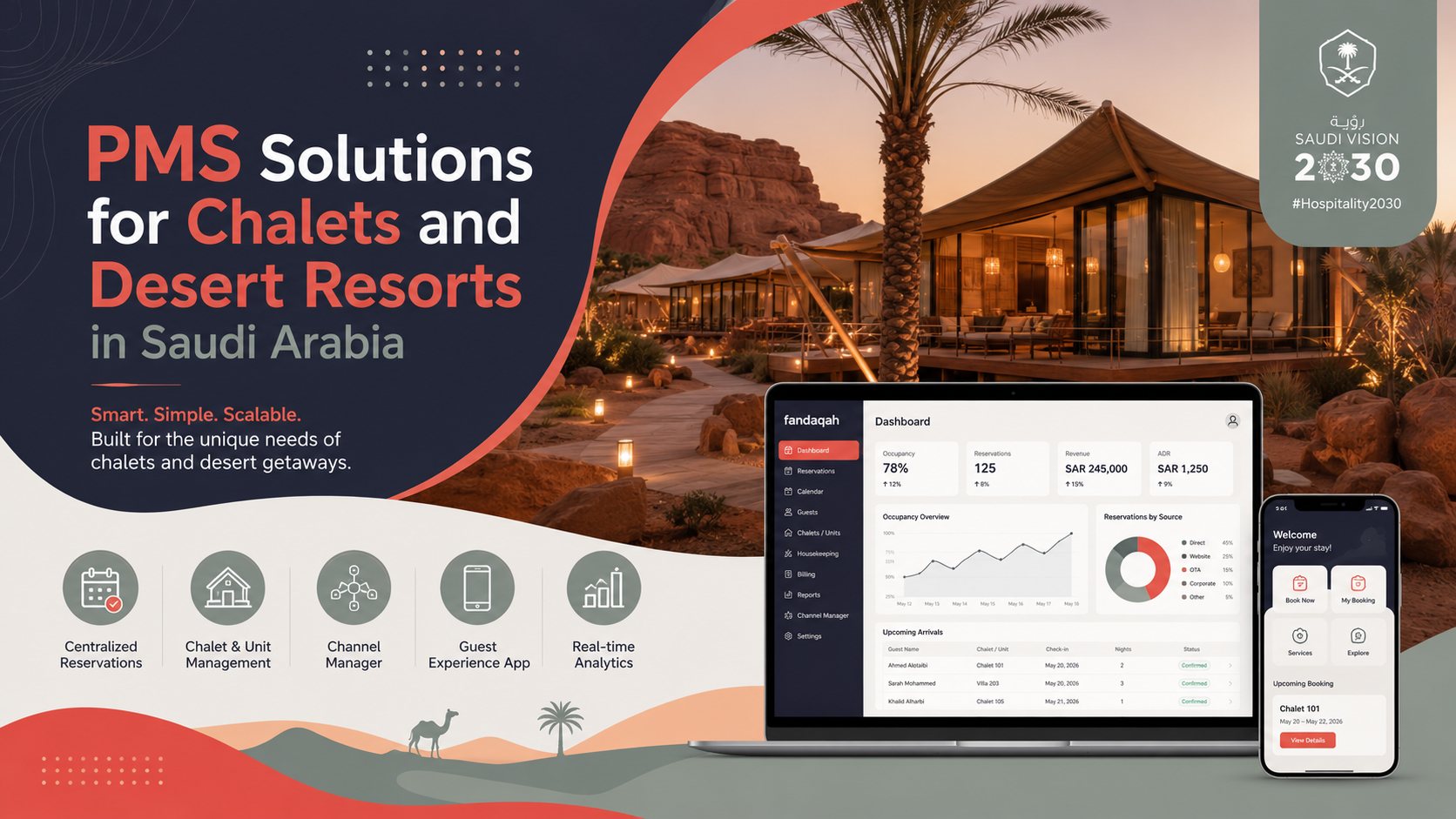
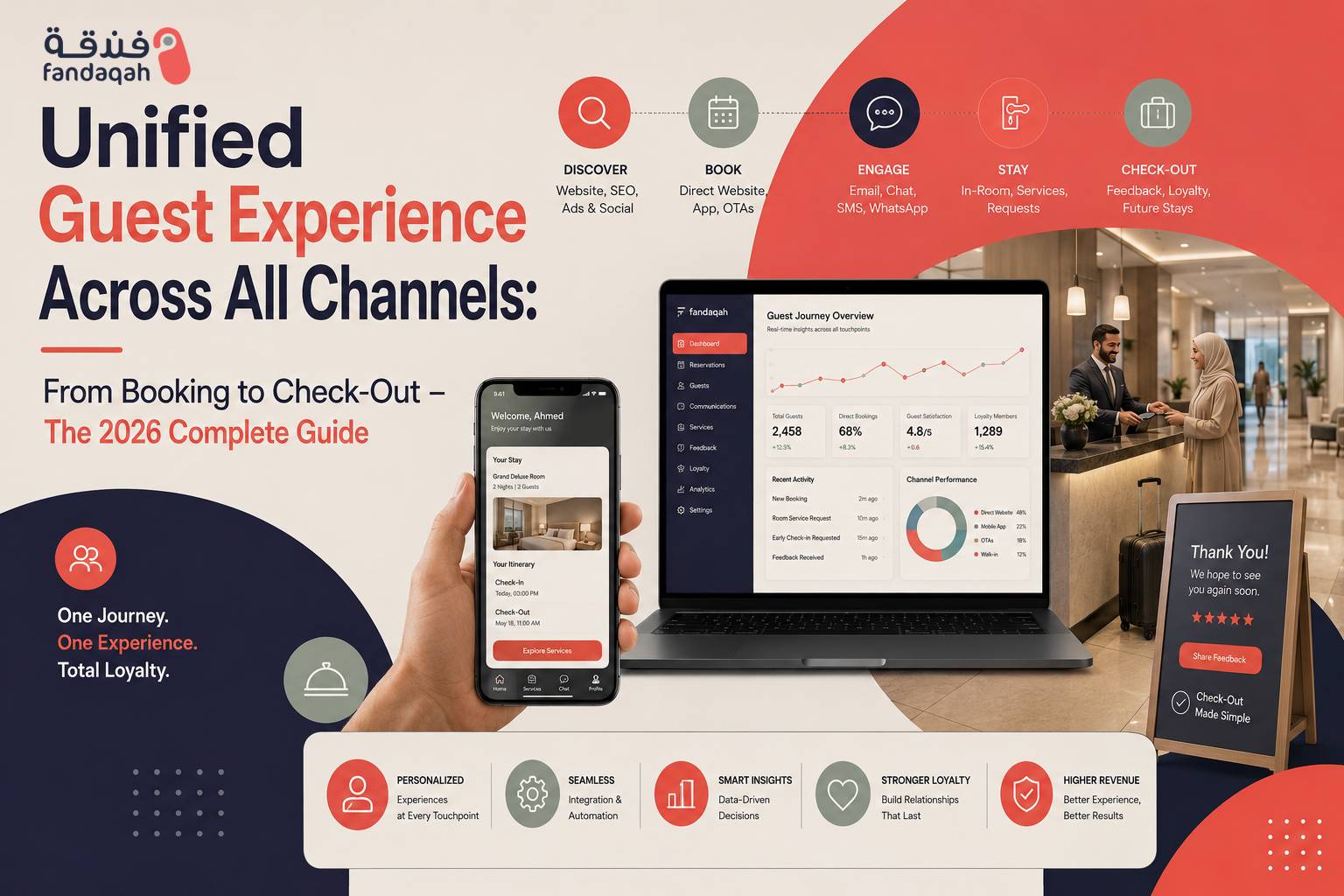
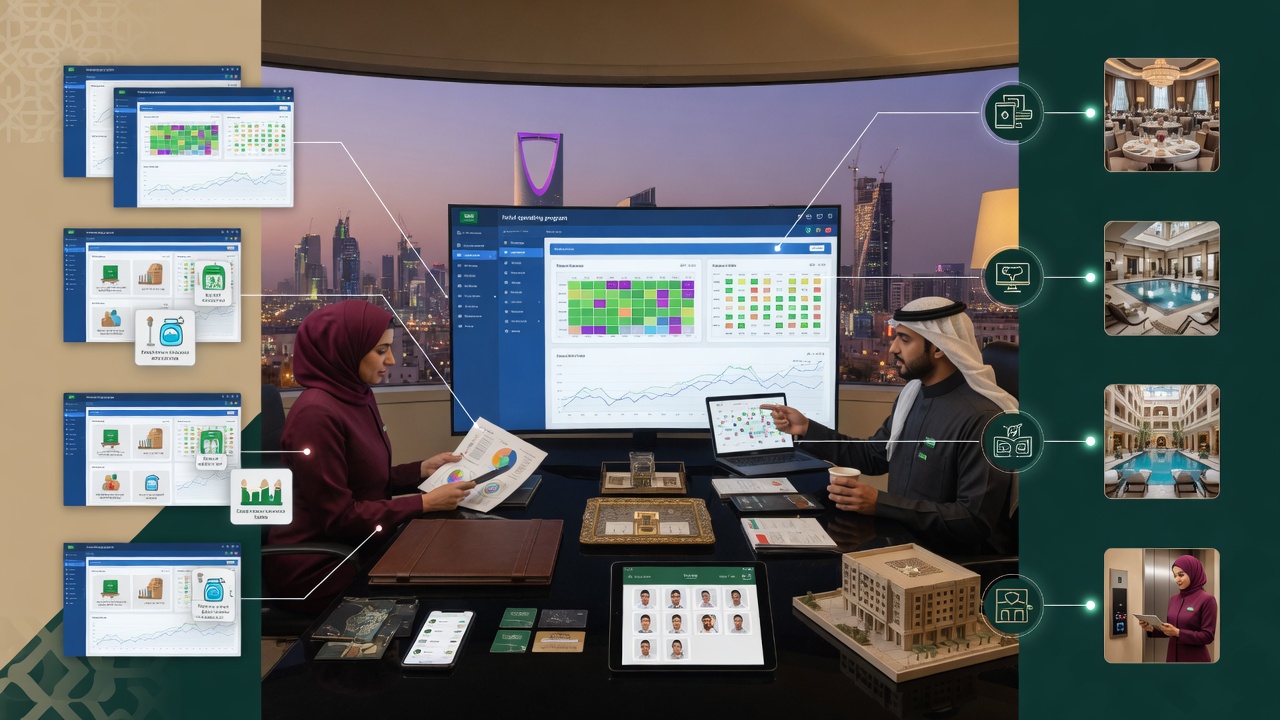
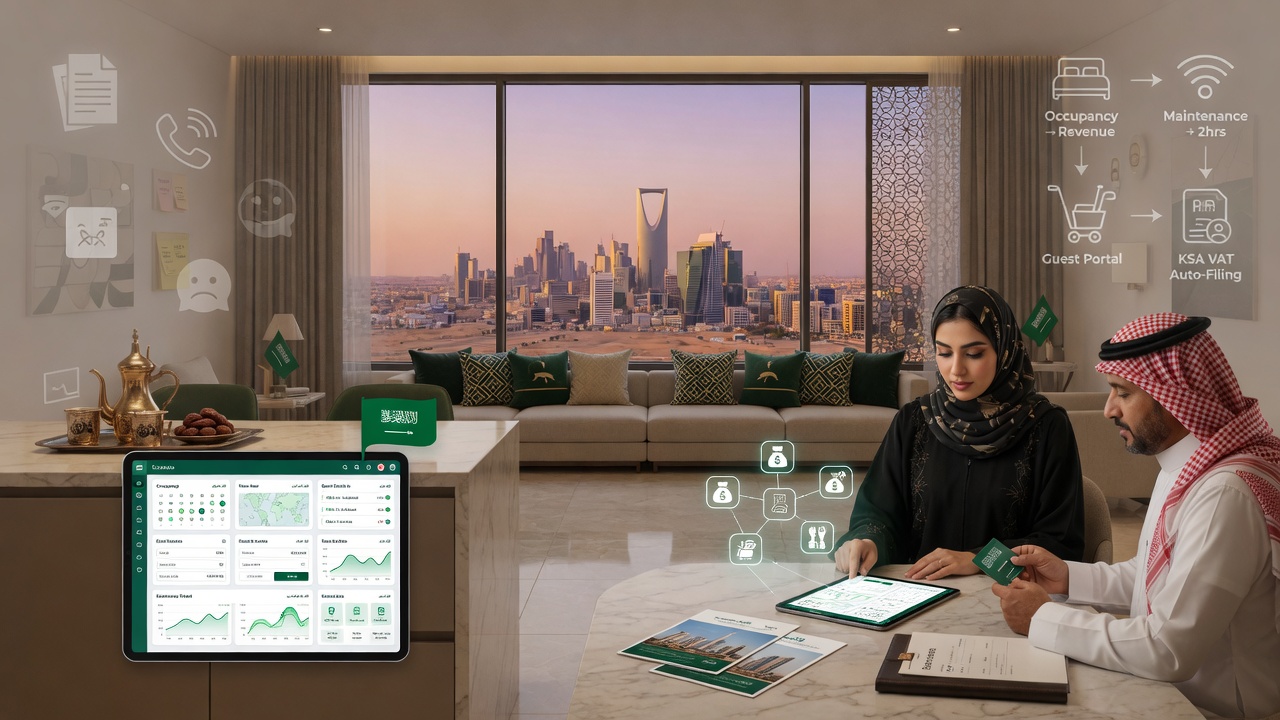
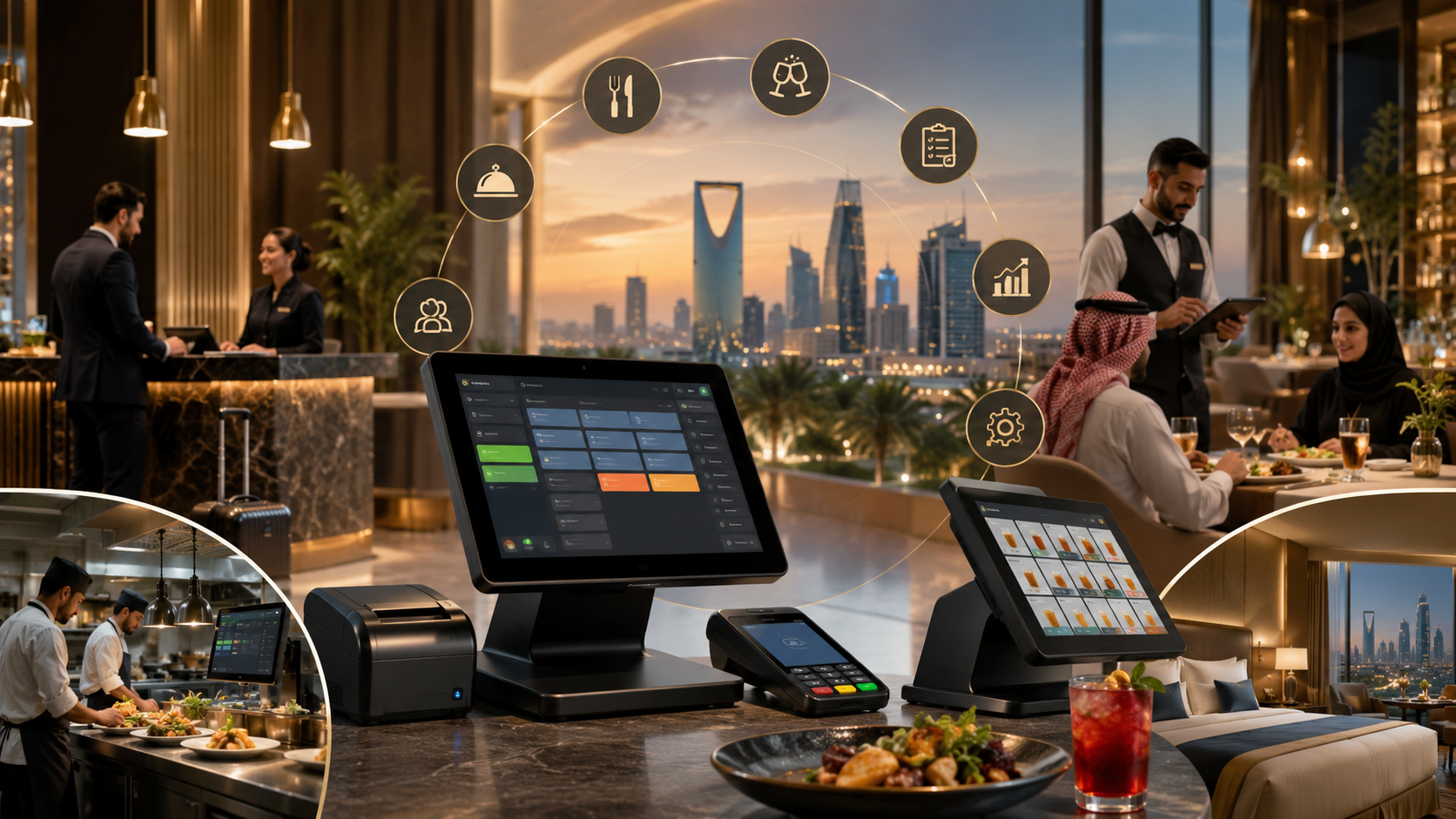
Fandaqah is a hospitality technology platform built for the Saudi and Gulf market. Rather than stitching together a global booking engine, a separate channel manager, and a third-party invoicing tool, Fandaqah is designed to bring the core direct booking stack into one system that speaks Arabic, understands local payment habits, and respects Saudi regulatory requirements.
- Cloud PMS with live inventory: Front desk, website, and OTA availability stay in sync, which is the foundation of Day 1 and Day 5 in the playbook.
- Bilingual booking engine: Arabic and English booking flows designed for mobile, supporting the local payment methods Saudi guests expect.
- Rate plans and promo codes: Create event packages such as a Design Week stay with breakfast in minutes, not days.
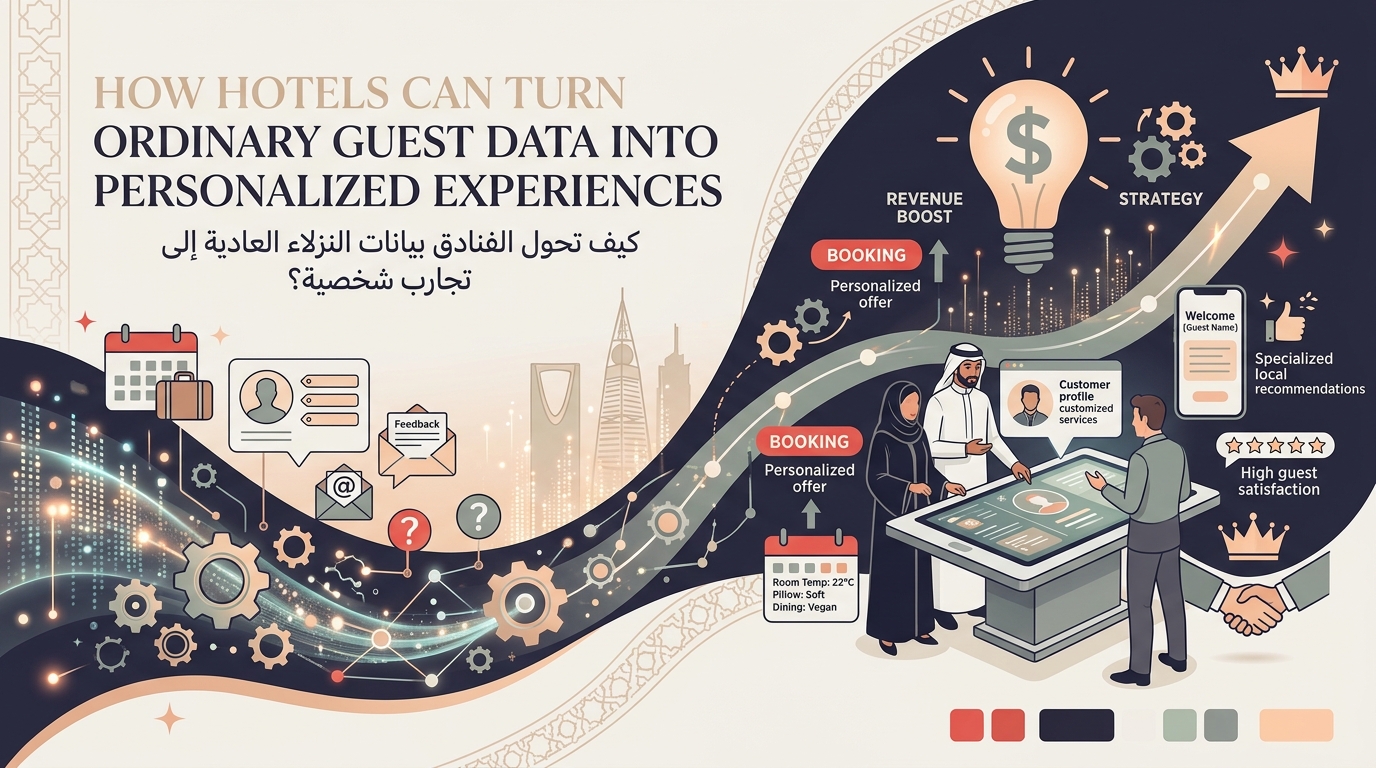
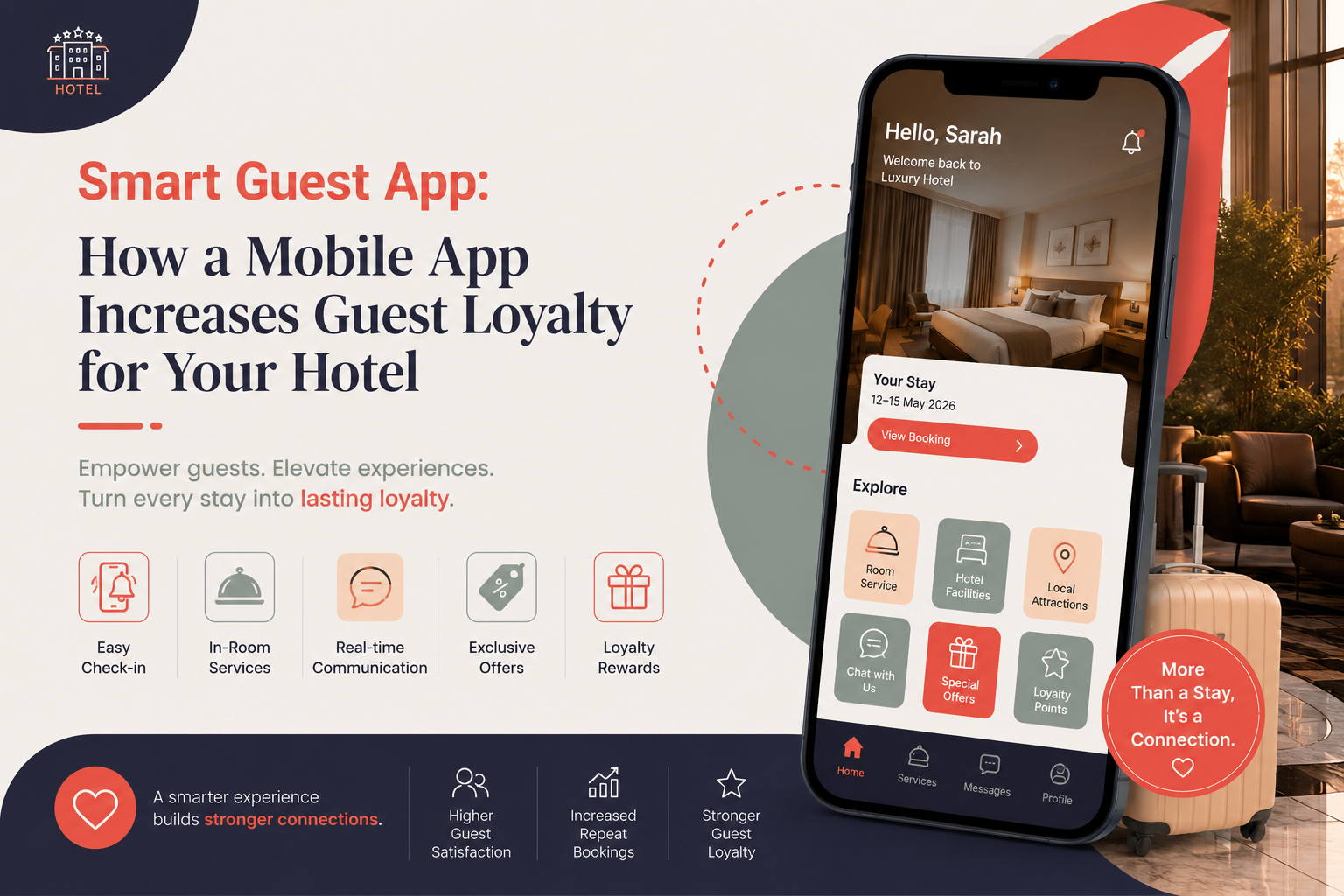
- Guest profiles and communication: Store guest preferences and contact details so your Day 4 data collection turns into Day 6 repeat bookings.
- Channel reporting: See direct versus OTA performance so you can make rate decisions during the event.
- Built for Saudi compliance: VAT invoicing aligned with Kingdom requirements, reducing end-of-month accounting work for hotel teams.
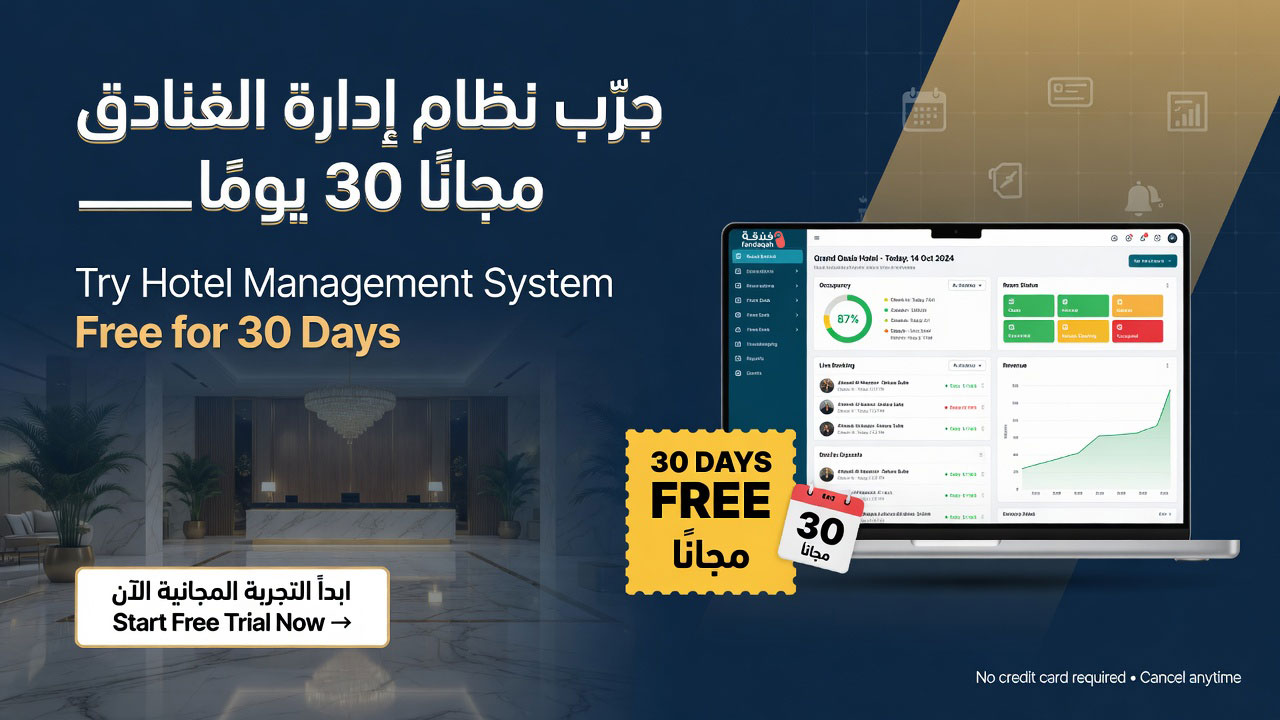
For an Al Khobar hotel preparing for Ithra Design Week 2026, the practical advantage is simplicity. One system, one dashboard, and one support team that understands the Eastern Province market. Visit fandaqah.com to see how the platform fits your property size and budget.
Note:
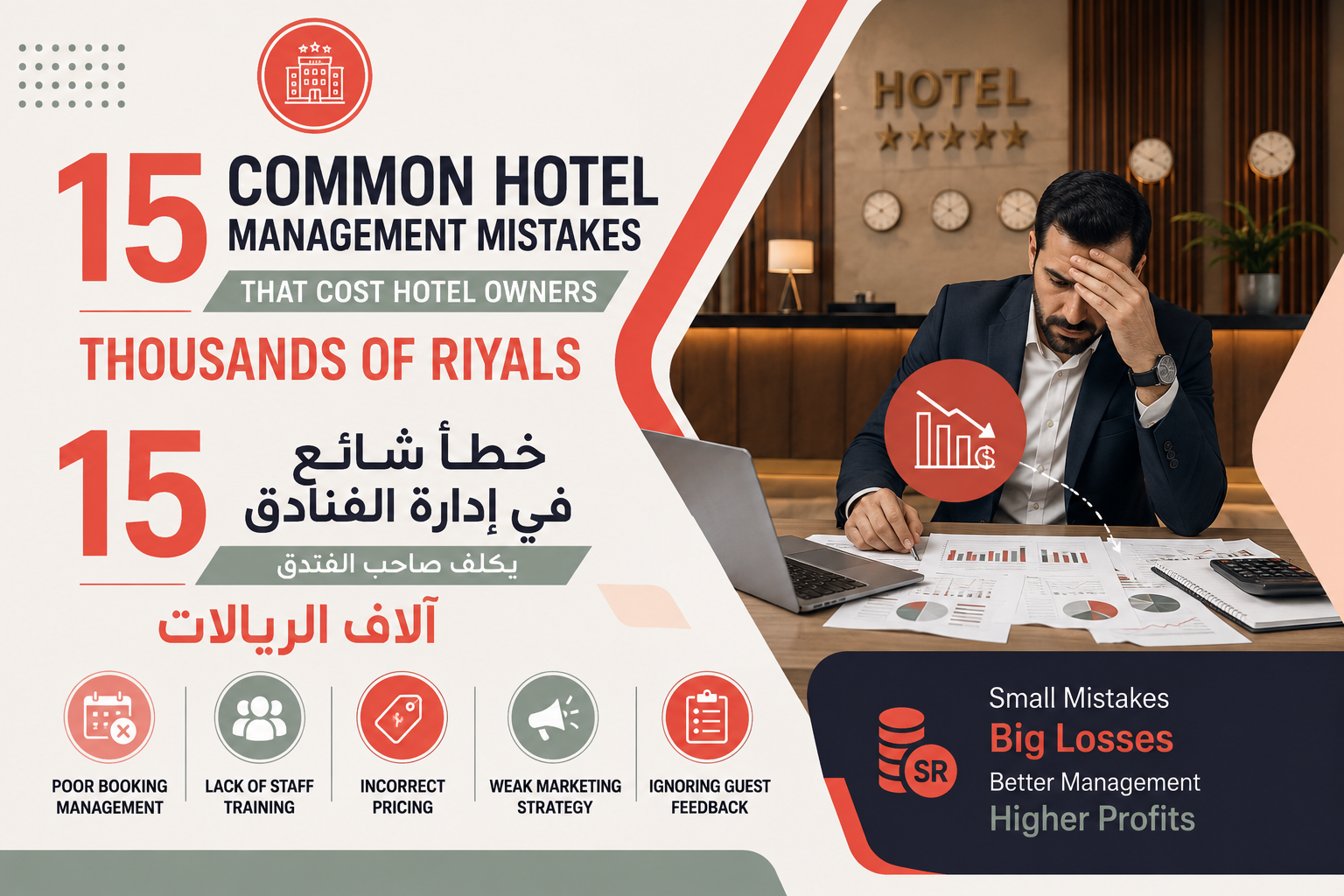
Technology alone does not increase direct bookings. The hotels that benefit most pair the right platform with a clear rate strategy, trained front desk staff, and consistent messaging across Google, Instagram, WhatsApp, and the website. Use this playbook as the operating plan that connects the tools to the team.
Future Trends: Direct Booking, Cultural Tourism, and Vision 2030
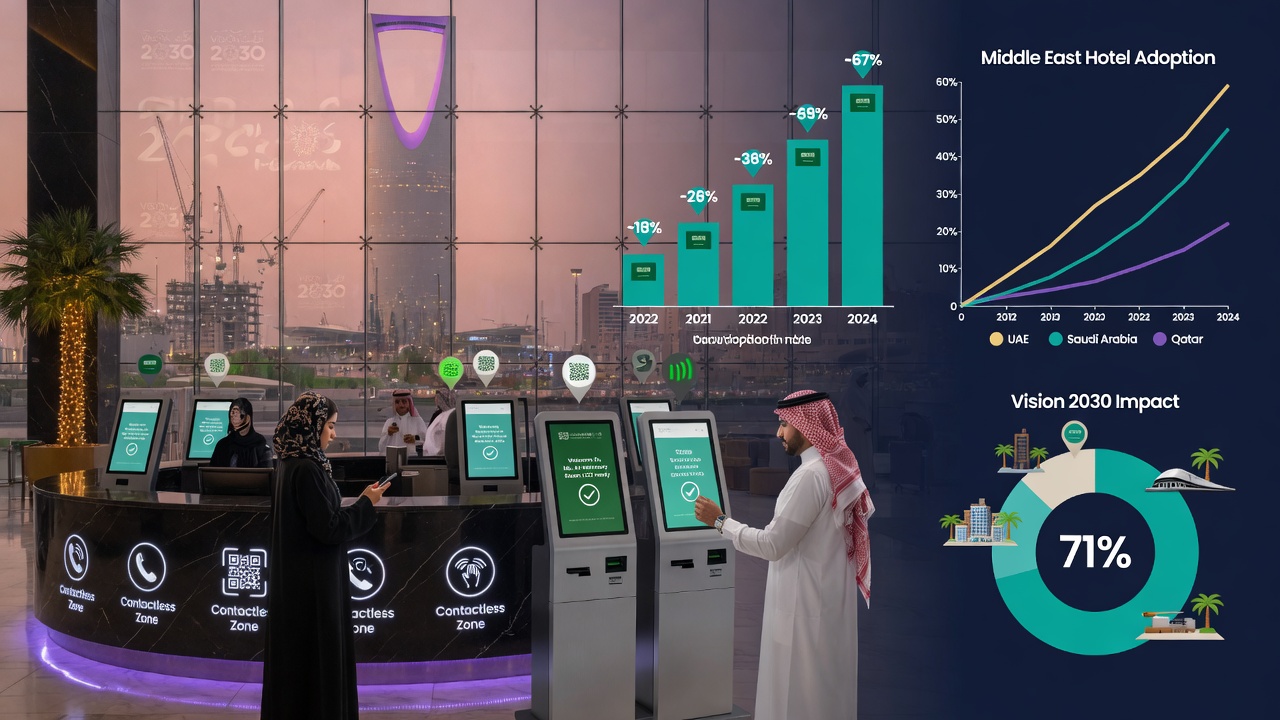
Saudi Vision 2030 places tourism and culture at the center of economic diversification, with a national target of significantly growing annual visitor numbers and increasing tourism's contribution to GDP. The Eastern Province is a key part of this story, with Ithra, the Dammam and Al Khobar waterfronts, and a growing calendar of festivals and exhibitions. For hotels, several trends are shaping the next few years:
1. Event-driven demand will become the norm, not the exception
Between Ithra programs, Saudi Founding Day, Saudi National Day, sporting events, and business conferences, Eastern Province hotels will see more frequent demand peaks. Hotels that build a repeatable event booking playbook once can reuse it dozens of times a year.
2. Domestic travelers expect Arabic-first digital experiences
Saudi guests increasingly book on their phones, in Arabic, and pay with mada or Apple Pay. A booking engine that treats Arabic as a translation rather than a native language will lose conversions to competitors that get it right.
3. AI-assisted search is changing how guests find hotels
Travelers now ask AI assistants questions such as "best hotel near Ithra Dhahran for Design Week." This is why Generative Engine Optimization (GEO) matters for hotel websites: clear structured content, up-to-date event pages, and direct answers to common questions help AI tools recommend your property. A direct booking engine makes that recommendation immediately actionable.
4. Compliance and automation will merge
Saudi e-invoicing, tourism licensing, and guest registration requirements will increasingly be handled inside the PMS rather than in separate spreadsheets. Hotels that choose Saudi-ready technology now will avoid costly migrations later.
5. Guest data becomes the hotel's most valuable asset
As more events come to the Eastern Province, the hotels with the largest consented guest databases will fill rooms fastest and at the best rates, simply by sending a message to people who already know and trust them.
Frequently Asked Questions: Direct Booking Technology for Al Khobar Hotels
What is Ithra Design Week?
Ithra Design Week is a design-focused program hosted at the King Abdulaziz Center for World Culture (Ithra) in Dhahran, Saudi Arabia, bringing together designers, architects, students, and creative visitors through exhibitions, talks, and workshops. Hotels in nearby Al Khobar and Dammam see increased demand during the event. Always confirm the official 2026 dates on Ithra's website before planning your rate strategy.
How can Al Khobar hotels increase direct bookings during Ithra Design Week 2026?
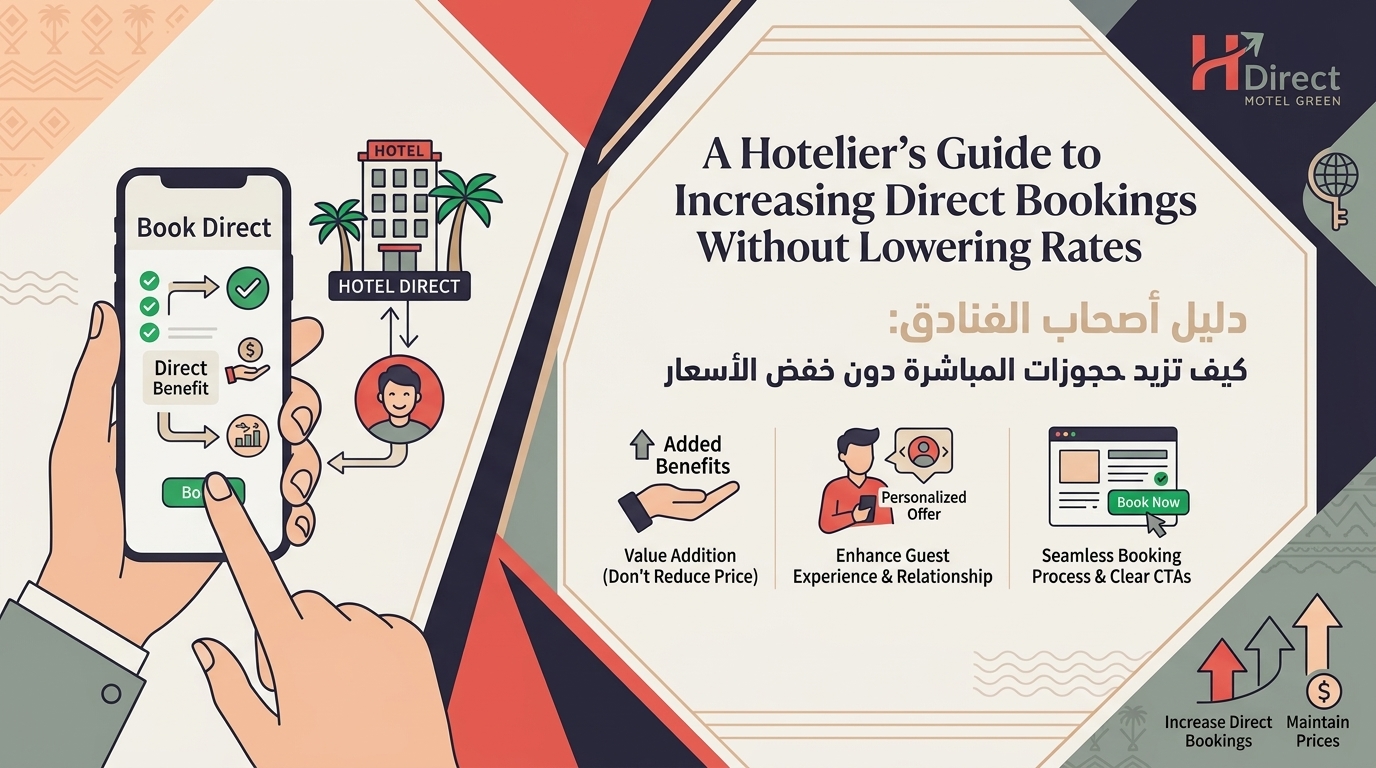
Hotels can increase direct bookings by offering a fast bilingual booking engine, creating event-specific packages, applying stop-sells on OTAs for popular room types, using QR codes for walk-in guests, sending WhatsApp upsell messages, and collecting guest data for post-event repeat offers.
What is the best booking engine for hotels in Saudi Arabia?
The best booking engine for a Saudi hotel is one that supports native Arabic and English, mada and Apple Pay payments, mobile-first design, real-time PMS inventory sync, and VAT-compliant invoicing. Platforms such as Fandaqah are built specifically around these local requirements.
How much commission do OTAs charge hotels in Saudi Arabia?
OTA commission typically ranges from 15 to 25 percent of the booking value, depending on the platform and the hotel's visibility program. During high-demand events, that commission applies to guests who would often have booked directly if the hotel's website was easy to use.
Should hotels stop using OTAs during events?
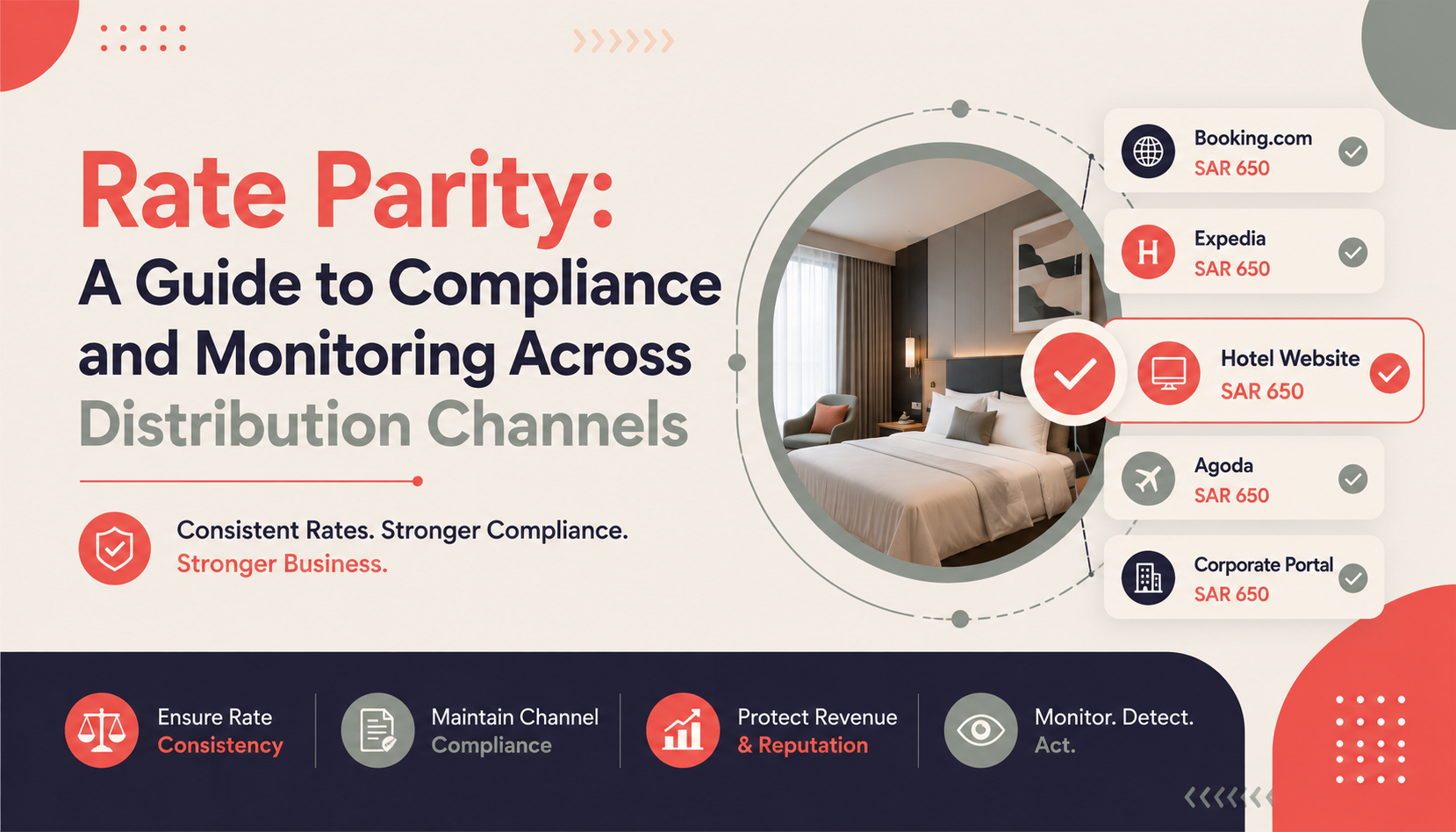
No. OTAs provide valuable visibility, especially for international guests. The recommended approach is a direct-first strategy: prioritize your own website for high-demand nights, use OTAs to fill soft nights, and keep rate parity so guests see no reason to book elsewhere.
What is dynamic pricing for hotels and why does it matter during Ithra Design Week?
Dynamic pricing automatically adjusts room rates based on demand, occupancy, and booking pace. During an event like Ithra Design Week, demand rises quickly, so dynamic pricing helps hotels capture higher rates on peak nights without manual updates across multiple channels.
How does a cloud PMS help prevent overbooking during sold-out nights?
A cloud PMS holds a single, live inventory. When a room is sold on any channel, availability updates everywhere instantly, so the website, OTAs, and front desk never sell the same room twice.
How does Vision 2030 affect hotel technology in the Eastern Province?
Vision 2030 is expanding cultural and event tourism across Saudi Arabia, including the Eastern Province. More events mean more demand peaks, and hotels need technology that handles direct bookings, compliance, and guest communication at scale.
Conclusion: Make Ithra Design Week 2026 Your Direct Booking Turning Point
Ithra Design Week 2026 will bring creative travelers to the Eastern Province, and Al Khobar hotels will fill. The hotels that benefit most will be those that treat the event as a direct booking opportunity rather than an OTA windfall. With the right direct booking technology for Al Khobar hotels, including a bilingual booking engine, a cloud PMS with real-time inventory, dynamic pricing, and automated guest communication, a six-day event can deliver higher revenue, lower commission, and a guest database that keeps paying off long after the exhibitions close.
Use the 6-day playbook as your operating plan: protect inventory on Day 1, capture late demand on Day 2, upsell on Day 3, collect data on Day 4, re-sell released rooms on Day 5, and review performance on Day 6. Repeat it for every major event in the Kingdom's growing cultural calendar.
Ready to Prepare Your Al Khobar Hotel for Ithra Design Week 2026?
Discover how Fandaqah's Saudi-ready hotel PMS and direct booking engine help Eastern Province hotels reduce OTA commission, prevent overbooking, and grow repeat guests.
Tags: Ithra Design Week 2026, direct booking technology for Al Khobar hotels, hotel booking engine Saudi Arabia, Al Khobar hotels, direct bookings, hotel PMS Saudi Arabia, reduce OTA commission, event-driven hotel demand, dynamic pricing hotels, hotel revenue management, Eastern Province hotels, Dhahran event hotel demand, Vision 2030 hospitality technology, cloud PMS Saudi Arabia, WhatsApp hotel automation, best booking engine for Saudi hotels, 6-day direct booking playbook, ZATCA hotel invoicing, cultural tourism Saudi Arabia, Fandaqah