A Global Distribution System for hotels can open the door to a valuable market that many independent and growing hotels in Saudi Arabia struggle to reach: corporate travellers. While online travel agencies are useful for leisure guests, business travel is often arranged through professional travel agencies, corporate booking platforms, and travel management companies. These organisations commonly use a Global Distribution System, or GDS, to search for hotels, compare rates, check availability, and complete reservations.
For hotels in Riyadh, Jeddah, Dammam, Al Khobar, Jubail, Makkah, Madinah, AlUla, and other developing destinations, GDS connectivity can support a more balanced distribution strategy. It can help a hotel attract executives, consultants, project teams, government contractors, conference delegates, airline crews, and employees travelling between company locations.
Quick answer: A GDS connects a hotel’s rooms, rates, availability, and booking conditions with travel agencies and corporate travel systems. When correctly configured and actively managed, it can increase hotel visibility, generate repeat corporate bookings, strengthen weekday occupancy, and reduce dependence on a single sales channel.
What Is a Global Distribution System for Hotels?
A Global Distribution System is a digital network that distributes travel inventory to professional sellers. It connects hotels, airlines, car rental companies, and other travel providers with travel agencies, corporate travel departments, and travel management companies. Well-known GDS networks include Amadeus, Sabre, and Travelport.
From a hotel’s perspective, the GDS acts as a large business-to-business marketplace. A hotel uploads or distributes its room types, prices, cancellation terms, amenities, location details, and availability. Travel professionals can then search for the property when arranging accommodation for a client or company employee.
A Simple GDS Booking Example
Imagine that an international consulting company is sending five employees to Riyadh for a three-day project. Its travel management company searches for hotels near the client’s office, within the company’s approved nightly budget, and with flexible cancellation. The GDS displays matching properties, including available room types, negotiated corporate rates, distance from business districts, breakfast information, internet access, and booking conditions.
If the hotel’s information is accurate and its offer meets the company’s requirements, the travel agent can confirm the reservation immediately. The booking is then transmitted to the hotel’s central reservation system and, ideally, to its property management system.
How Hotel Information Flows Through a GDS
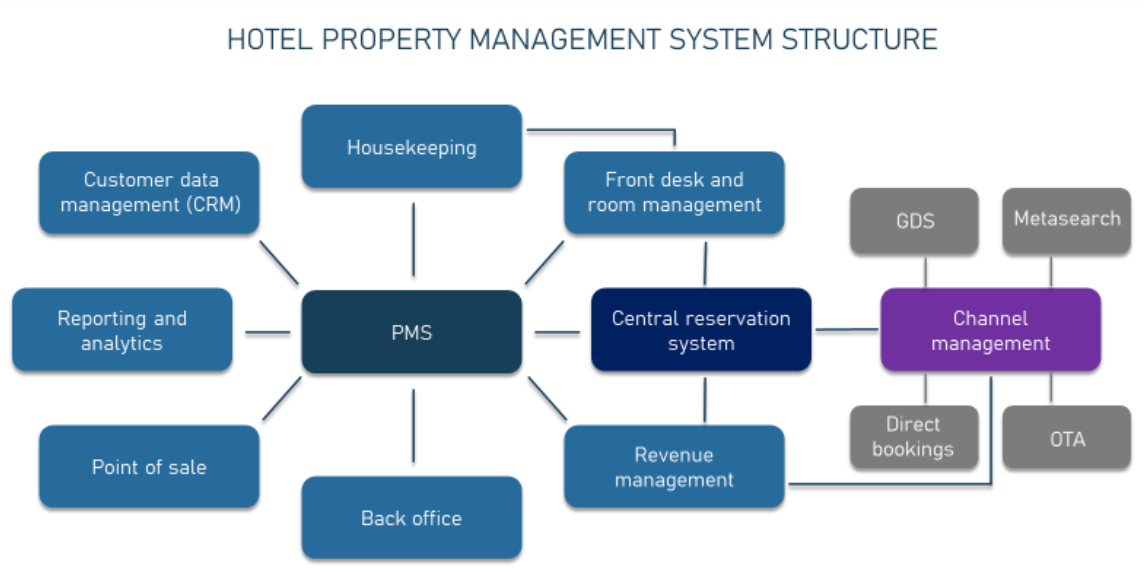
- The hotel manages room inventory and rates through a central reservation system, channel manager, or approved distribution provider.
- The system sends property information, room availability, rate plans, and policies to one or more GDS networks.
- Travel agents and corporate booking tools search the network using destination, dates, budget, location, and amenity filters.
- The hotel appears in the search results when it meets the selected criteria.
- The agent reviews the offer and confirms the booking for the traveller.
- The reservation is delivered to the hotel’s connected systems.
- The room inventory is updated to help reduce overbooking and availability errors.
A hotel cannot be selected by a corporate travel buyer if it is missing from the booking channel that the buyer is required to use.
Why GDS Matters for Saudi Hotels
Saudi Arabia’s hospitality market is becoming more diverse. Hotels are no longer serving only leisure guests, religious visitors, or domestic families. Major cities and development zones are receiving a growing number of business travellers linked to consulting, construction, energy, finance, technology, healthcare, aviation, logistics, tourism development, and government projects.
Many of these travellers do not personally choose and book their accommodation. Their employer may require them to use an approved travel agency or corporate booking tool. This makes GDS for Saudi hotels especially relevant because it places the property inside a structured corporate purchasing process.
Corporate Travel Is Different from Leisure Travel
A leisure guest may focus on a swimming pool, family activities, views, or a weekend promotion. A corporate traveller usually has different priorities. Location, reliability, internet quality, cancellation flexibility, breakfast timing, invoice accuracy, transport access, and proximity to the workplace may matter more than entertainment facilities.
Companies may also apply a formal travel policy. The policy can define the maximum room rate, approved hotel categories, preferred locations, booking channels, payment methods, and cancellation rules. A properly configured GDS listing helps the hotel match these requirements.
Key Benefits of GDS for Saudi Hotels
- Access to corporate travel agencies: GDS connectivity can expose a hotel to professional agencies that manage business travel for local and international companies.
- More weekday bookings: Business travel often takes place during the working week, helping hotels improve occupancy outside peak leisure periods.
- Repeat accommodation demand: Project teams, consultants, engineers, auditors, and executives may return several times during a contract.
- Longer stays: Corporate guests may remain for multiple nights or several weeks, especially when supporting major projects.
- International market reach: A Saudi hotel can become bookable by travel agencies in Europe, Asia, North America, and other regions.
- Better distribution balance: GDS reduces overdependence on online travel agencies or walk-in business.
- Higher additional spending: Corporate guests may use laundry, food and beverage, meeting rooms, airport transfers, and business services.
- Stronger hotel credibility: Professional distribution, accurate content, and reliable confirmations make a hotel easier for companies to approve.
- Automated inventory management: A connected distribution system can update availability and rates across multiple booking channels more efficiently.
Revenue management tip: Measure the net value of GDS business, not only the number of reservations. Review average length of stay, total guest spending, commission costs, cancellation levels, weekday contribution, and repeat company bookings.
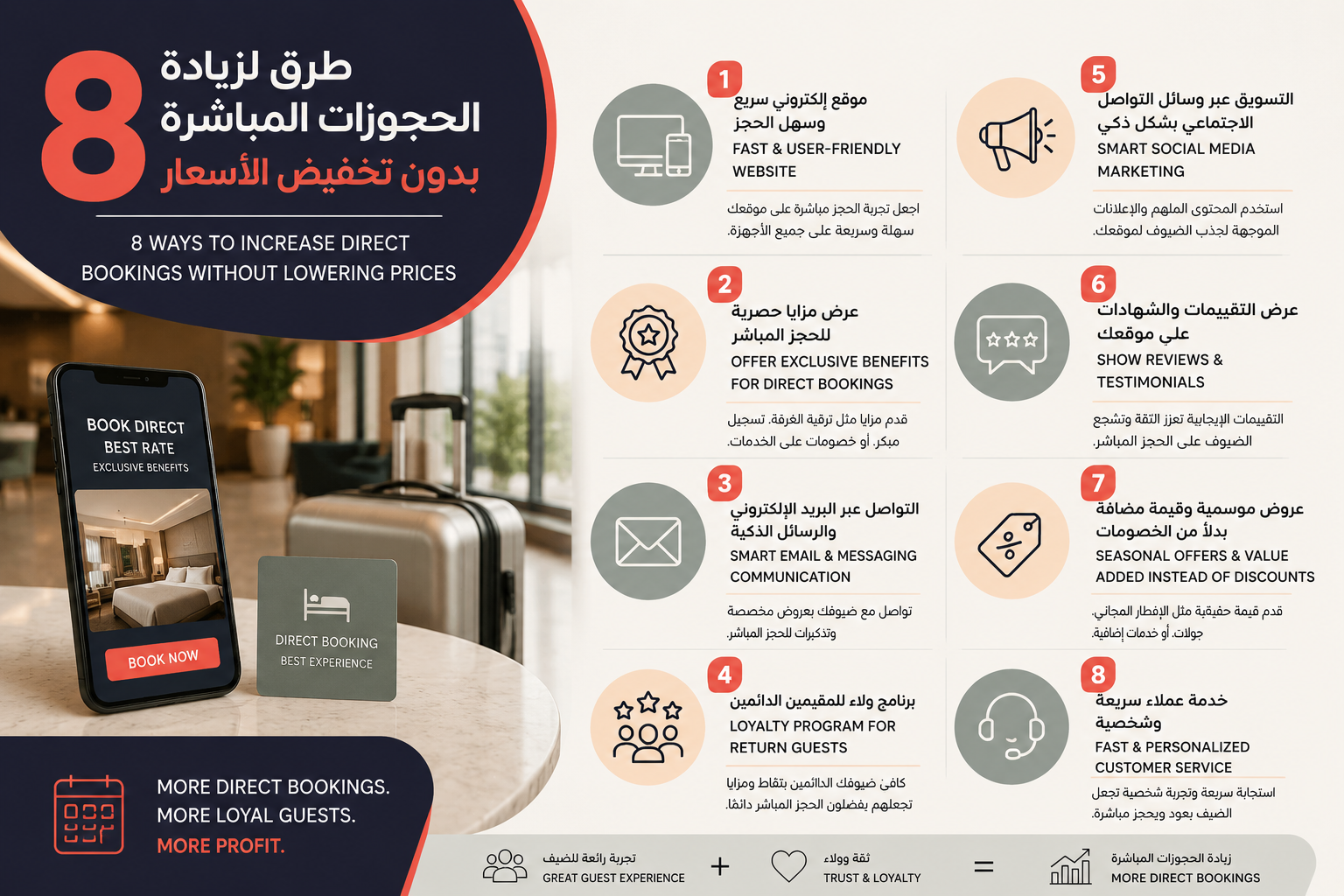
GDS vs Online Travel Agencies vs Direct Booking
Understanding the difference between GDS and online travel agencies helps hotel managers build a profitable channel strategy. The three channels can work together, but they serve different customers and booking behaviours.
| Comparison Area |
GDS |
Online Travel Agency |
Direct Booking |
| Main user |
Travel agents and corporate travel managers |
Individual travellers |
Guests contacting the hotel directly |
| Typical demand |
Business trips, projects, crews, and corporate travel |
Leisure, family, and independent travel |
Mixed demand, loyalty guests, and local accounts |
| Rate types |
Public, corporate, negotiated, and agency rates |
Public and promotional rates |
Public, member, package, and negotiated rates |
| Best strategic use |
Reaching professional and corporate buyers |
Building consumer visibility and leisure demand |
Improving margin and building guest relationships |
| Main challenge |
Fees, data quality, and active account management |
Commission and price competition |
Marketing cost and lower initial reach |
A successful hotel does not need to choose only one channel. It should create a balanced distribution mix based on location, hotel category, guest profile, operating costs, and demand patterns. GDS may be especially valuable for business hotels, airport hotels, serviced apartments, extended-stay properties, and hotels near industrial or commercial zones.
Practical GDS Use Cases in Saudi Arabia
Business Hotels in Riyadh
Riyadh attracts consultants, investors, government contractors, financial professionals, technology teams, and conference delegates. A hotel near a major business district can use GDS to highlight its proximity to offices, meeting venues, the airport, and key commercial areas. It should clearly display business-focused facilities, including fast internet, meeting rooms, transport options, early breakfast, and flexible cancellation.
Industrial Travel in Jubail, Yanbu, Dammam, and Al Khobar
Industrial cities regularly receive engineers, technicians, suppliers, inspectors, and project managers. These travellers may need practical accommodation for one week, one month, or repeated short visits. Hotels can create corporate packages that include breakfast, laundry, parking, and transport to industrial sites.
Corporate and Event Travel in Jeddah
Jeddah combines corporate travel, aviation, logistics, healthcare, events, and project-based demand. Hotels can use GDS to attract visitors who need easy airport access, proximity to company offices, and reliable local transport. Properties near exhibition areas or major commercial zones should include accurate distance and travel-time information.
Project Accommodation in Emerging Destinations
Major development areas can generate accommodation demand from architects, construction specialists, consultants, government representatives, suppliers, and project leadership teams. A hotel that appears in the company’s approved booking system may gain repeated stays throughout the project lifecycle.
Medical and Academic Travel
Hospitals, medical suppliers, universities, training institutes, and research organisations also generate structured travel demand. Hotels near healthcare and education districts can target visiting doctors, trainers, researchers, examination teams, and equipment specialists.
How to Connect a Saudi Hotel to a GDS
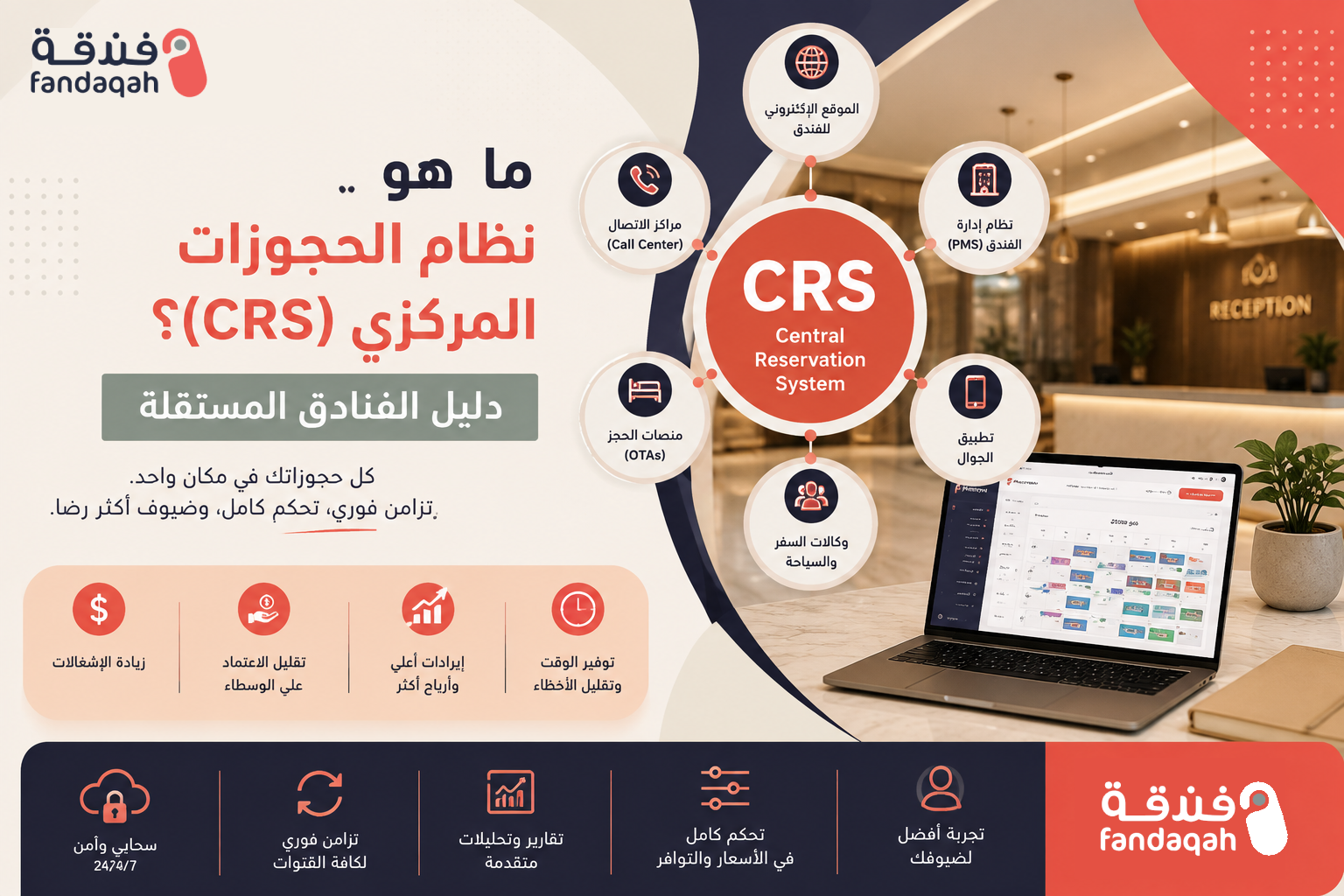
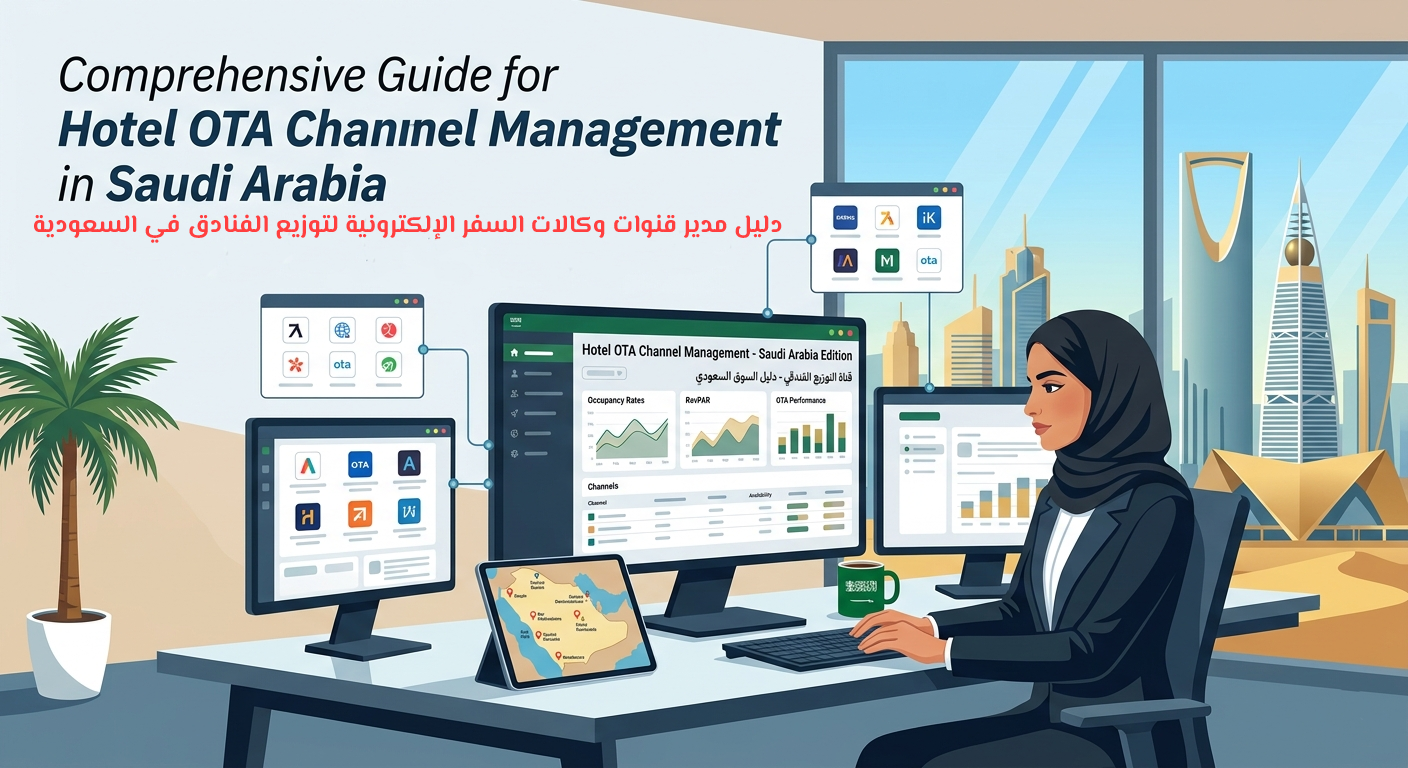
The process of connecting a Saudi hotel to a GDS depends on the property’s existing technology. Large hotel groups may already have a central reservation system with built-in GDS distribution. Independent hotels may need a channel manager, representation company, or specialised distribution provider.
Step 1: Review the Hotel’s Technical Readiness
- Confirm that room types and occupancy rules are correctly configured.
- Check whether the property management system supports external integrations.
- Create clear rate plans, cancellation policies, and guarantee conditions.
- Ensure taxes, fees, and included services are accurately displayed.
- Prepare professional descriptions and current property information.
- Train reservations and front-office teams to recognise and process GDS bookings.
Step 2: Select the Right Distribution Provider
Compare providers based on GDS coverage, compatibility with the hotel’s systems, reporting quality, customer support, setup process, transaction costs, and update speed. The cheapest provider is not always the best choice. Slow updates or unreliable connectivity can create incorrect rates, lost bookings, or overbooking.
Step 3: Build a Complete Hotel Profile
A strong profile should include the correct hotel name, address, map location, contact details, hotel category, room descriptions, amenities, images, and policies. It should also explain what matters to corporate travellers, such as airport distance, meeting facilities, work desks, parking, internet speed, transport services, dining hours, and nearby business locations.
Step 4: Load Public and Corporate Rates
The hotel can begin with public rates available to agents. After winning corporate agreements, it can add negotiated rates linked to company identifiers. Every rate should clearly state whether breakfast, taxes, parking, transfers, or other services are included.
Step 5: Test the Complete Booking Journey
Complete test reservations before launch. Confirm that the hotel appears under the correct city and location, the right room and rate are displayed, taxes are accurate, cancellation rules are understandable, and confirmed bookings arrive in the hotel system. Testing should be repeated after major system or content changes.
Important note: Technical connectivity alone does not guarantee corporate reservations. The hotel still needs competitive rates, accurate content, active availability, corporate sales activity, and strong service delivery.
How Saudi Hotels Can Attract More Corporate Bookings Through GDS
Create a Corporate-Friendly Rate Package
- Breakfast included or an early breakfast option.
- Reliable high-speed internet without extra charges.
- Flexible cancellation for changing business schedules.
- A practical workspace and accessible power outlets.
- Parking or transport to nearby business locations.
- Laundry discounts for long-stay guests.
- Accurate tax invoices and agreed billing procedures.
- Early check-in or late check-out, subject to availability.
Target Companies Near the Hotel
The hotel sales team should identify companies, hospitals, universities, industrial sites, government offices, event venues, and project locations within a practical travel radius. The team can then contact travel managers, procurement departments, administrative coordinators, and travel agencies to present the hotel’s corporate offer.
Participate in Corporate Requests for Proposal
Many large companies and travel management firms issue annual hotel requests for proposal. The hotel submits rates, services, sustainability information, safety details, and commercial conditions. If selected, the negotiated rate can be loaded into the GDS and made visible only to authorised bookers.
Improve Search Visibility Inside the GDS
Use precise, useful descriptions. Instead of writing only “convenient location,” explain that the hotel is located near a financial district, industrial zone, airport, hospital, exhibition centre, or major company cluster. Clear information helps travel agents and corporate booking tools match the hotel with traveller requirements.
Protect Availability for Valuable Accounts
A company may stop using a hotel if its agreed rate is frequently unavailable. The revenue team should decide how much availability to protect for high-value accounts without sacrificing profitable peak demand. Availability rules should be based on room-night production, seasonality, cancellation behaviour, and total account value.
GDS Costs for Hotels in Saudi Arabia
The cost of GDS connectivity for hotels in Saudi Arabia varies by provider, property size, integration type, booking volume, and included services. Hotels should ask for a complete fee structure before signing an agreement.
- Initial setup and property registration fees.
- Monthly system or distribution subscription.
- Transaction fees for completed bookings.
- Travel agency commission.
- Channel manager or central reservation system fees.
- Integration and technical support costs.
- Content, photography, and profile management expenses.
- Corporate sales and account management costs.
The correct profitability calculation should include net room revenue after distribution fees, average stay length, additional spending, account repetition, and the cost of acquiring the same booking through another channel. A booking with a higher commission can still be valuable when it brings a longer stay or repeated business.
Common GDS Mistakes Saudi Hotels Should Avoid
- Incorrect location data: A wrong map position can remove the hotel from location-based searches.
- Incomplete room descriptions: Agents cannot confidently recommend a room when bedding, occupancy, or included services are unclear.
- Closed inventory: Long periods of unavailable rates reduce visibility and weaken company trust.
- Uncompetitive pricing: A higher rate needs to be supported by better inclusions, flexibility, or location value.
- Strict cancellation policies: Corporate schedules can change quickly, making flexibility important.
- Slow confirmation handling: Delays and errors damage relationships with agencies and travel managers.
- Ignoring booking notes: Special instructions may contain billing, arrival, or traveller preference information.
- Failing to review performance: Unprofitable rates and weak accounts may continue when reporting is not analysed.
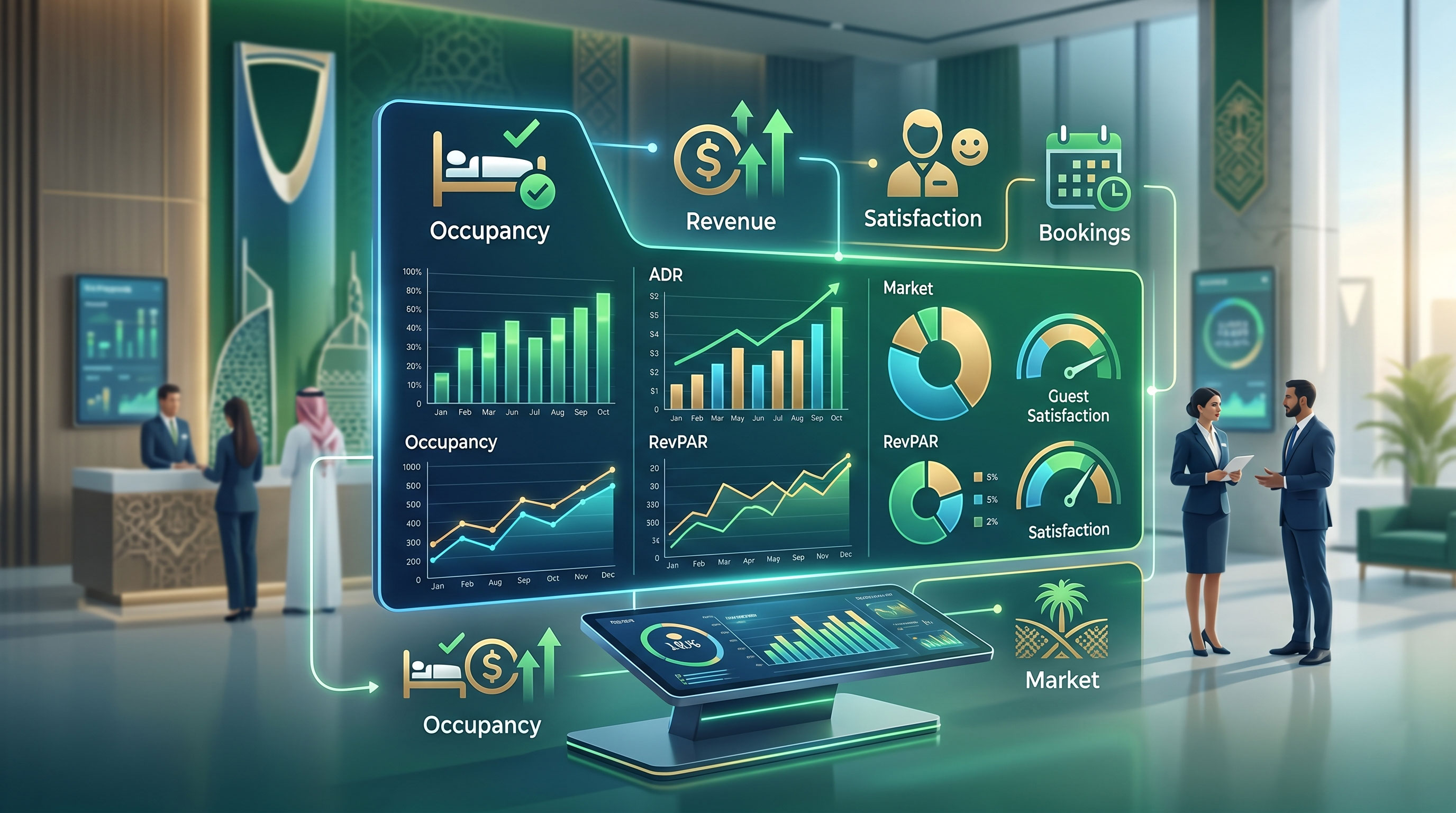
How to Measure GDS Performance
Effective hotel distribution channel management requires regular performance analysis. A hotel should review GDS production monthly and evaluate each company or agency account individually.
- Number of reservations and room nights generated.
- Average daily rate by company, agency, and market.
- Net revenue after commission and transaction fees.
- Average length of stay.
- Cancellation and no-show rates.
- New corporate accounts acquired.
- Repeat-booking percentage.
- Weekday occupancy contribution.
- Food, laundry, transfer, and meeting-room revenue.
- Profitability of each negotiated corporate rate.
Future GDS Trends and Saudi Vision 2030
Saudi Vision 2030 supports tourism growth, economic diversification, digital transformation, international investment, and the development of new destinations. These changes increase the need for hotels to be visible across global and professional travel channels.
As more companies establish operations, attend major events, and participate in development projects, corporate hotel demand is likely to become more sophisticated. Hotels will need accurate digital content, integrated systems, faster responses, and stronger account management.
Artificial Intelligence and Smarter Recommendations
Artificial intelligence may increasingly help booking tools recommend hotels based on company policy, traveller preferences, meeting location, sustainability requirements, and historical booking behaviour. This makes structured and accurate hotel data more important. An AI system cannot confidently recommend a property when its location, services, policies, or room information are incomplete.
Real-Time Hotel Distribution
Hotels will continue moving toward real-time integration between property management systems, central reservation systems, revenue management tools, customer relationship platforms, and distribution channels. The goal is to reduce manual work, improve price accuracy, and understand the real profitability of every booking source.
Sustainability in Corporate Travel
Some companies are adding environmental and social criteria to their hotel programmes. Saudi hotels can prepare by documenting energy efficiency, water conservation, waste reduction, local sourcing, and responsible operations. Claims should be specific, measurable, and supported by evidence.
Frequently Asked Questions About GDS for Saudi Hotels
What does GDS mean in the hotel industry?
GDS means Global Distribution System. It is a digital network that connects hotel rates, room availability, policies, and property information with travel agencies, corporate booking tools, and travel management companies.
Is GDS suitable for small hotels in Saudi Arabia?
Yes. A small hotel can benefit when it is located near companies, industrial areas, hospitals, universities, airports, project sites, or event venues. The hotel should have reliable inventory management and enough staff capacity to maintain rates and content.
Does joining a GDS guarantee corporate bookings?
No. GDS connectivity provides access and visibility. Actual bookings depend on price, location, availability, cancellation flexibility, property content, corporate agreements, agency relationships, and service quality.
What is the difference between a GDS and a channel manager?
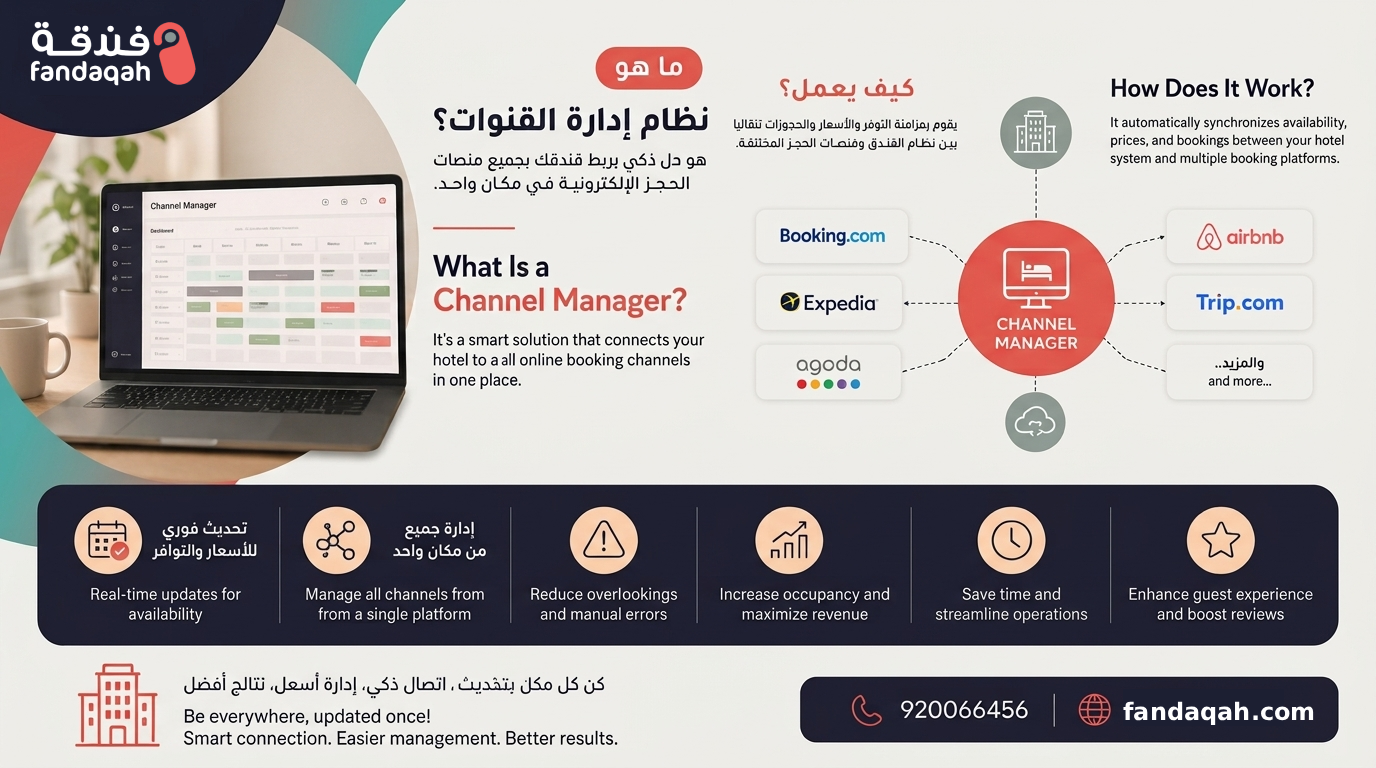
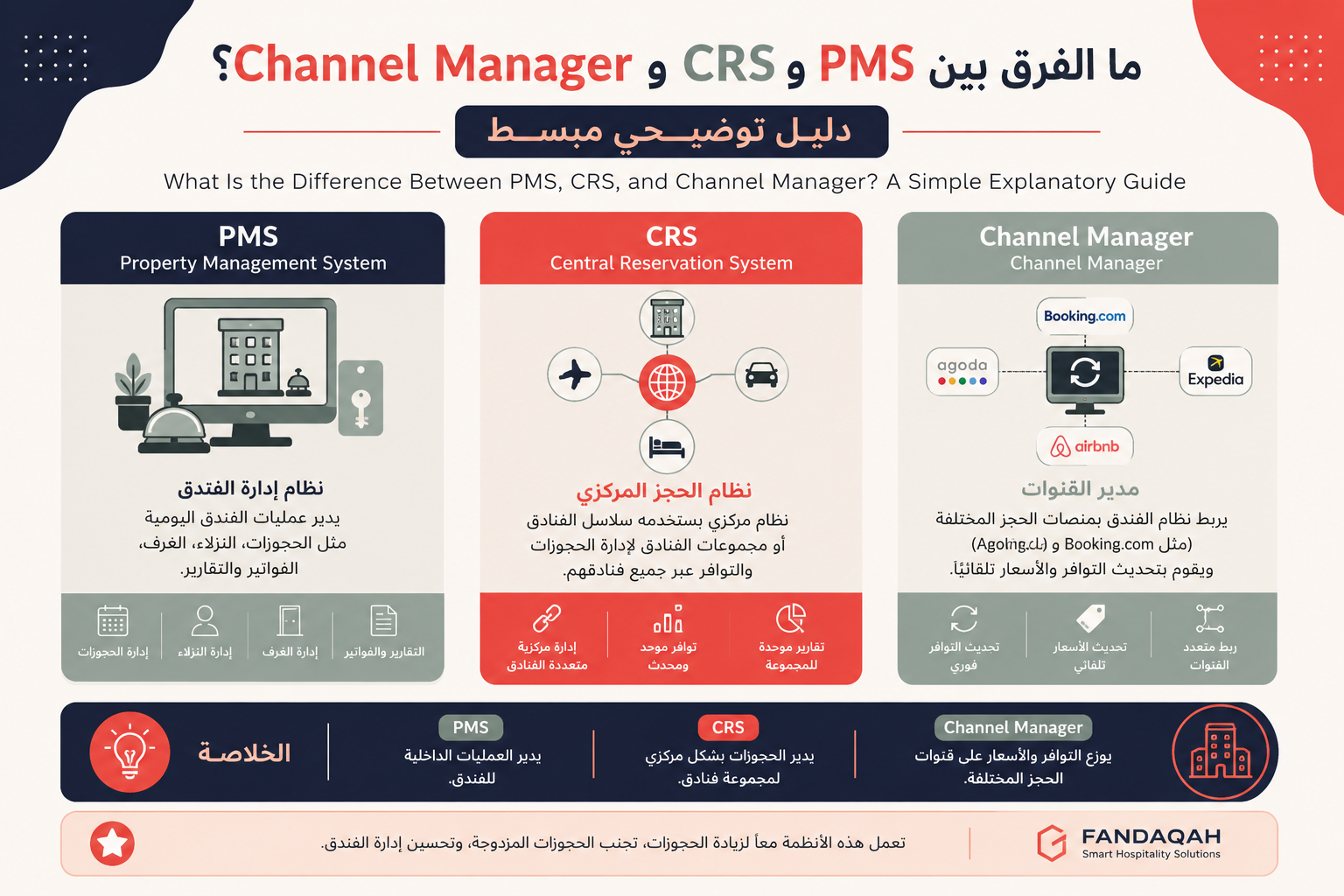
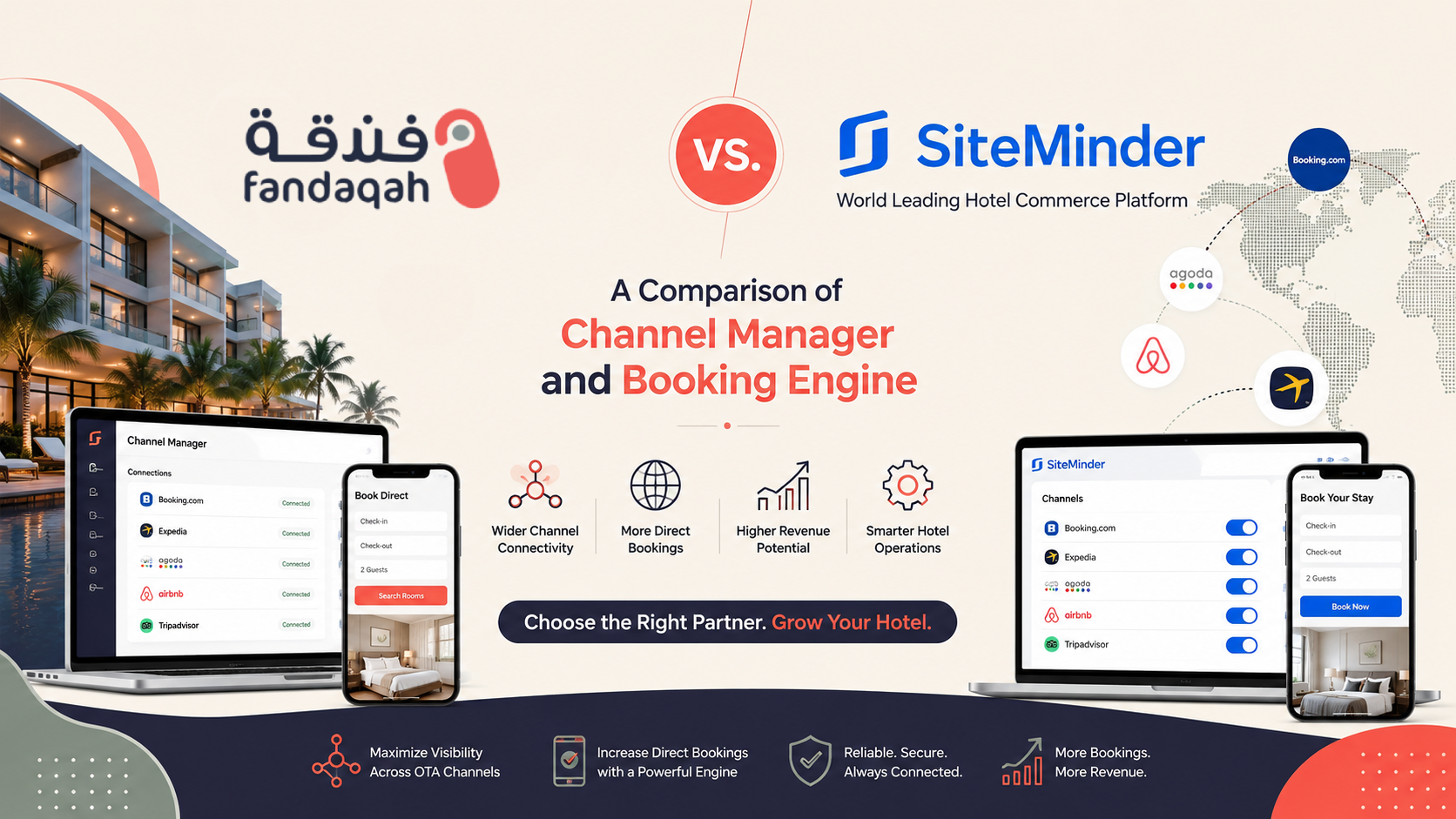
A GDS is a distribution network used by professional travel sellers. A channel manager is a hotel technology tool that distributes rates and availability to several sales channels. A hotel may use a channel manager or central reservation system to connect with a GDS.
What do corporate travellers expect from a hotel?
Corporate travellers commonly expect a convenient location, fast internet, reliable service, a quiet room, flexible cancellation, early breakfast, clear invoices, transport access, parking, and fast problem resolution.
How should a Saudi hotel set a corporate rate?
The hotel should review expected room nights, stay patterns, seasonality, service costs, cancellation risk, and total account value. A discount should be connected to realistic booking production or other commercial value.
How long does GDS hotel integration take?
The timeline depends on the hotel’s systems, the distribution provider, content readiness, rate configuration, and technical testing. Preparing room data, policies, descriptions, and images before integration can reduce delays.
Should a hotel stop using online travel agencies after joining a GDS?
No. GDS, online travel agencies, direct booking, and local corporate contracts serve different customer segments. Hotels should manage them as part of a balanced distribution strategy and compare the net profitability of each channel.
Conclusion
A Global Distribution System for hotels can become an important corporate sales channel for properties across Saudi Arabia. It allows hotels to appear in the professional booking environments used by corporate travel agencies, travel management companies, and approved company booking tools.
However, success requires more than technical connection. Hotels need accurate content, competitive and profitable rates, dependable availability, flexible policies, strong corporate sales, effective account management, and regular performance analysis. The property must also deliver the consistent experience promised during the booking process.
For Saudi hotels seeking to attract corporate bookings, the best approach is to start with local demand. Identify nearby organisations, understand their travel needs, create relevant packages, connect the right technology, and measure net results. With a disciplined strategy, GDS can support weekday occupancy, longer stays, repeat business, and sustainable revenue growth.
Turn GDS Connectivity into Corporate Revenue
Review your hotel systems, identify nearby corporate demand, improve your GDS property profile, and create a measurable strategy for corporate rates, agency relationships, and repeat business.
SEO, AEO, and GEO Keyword Focus
Primary Keyword: Global Distribution System for hotels
Secondary Keywords: GDS for Saudi hotels, corporate hotel bookings, hotel distribution channels, business travel Saudi Arabia, hotel revenue management, hotel booking technology, corporate travel agencies, hotel CRS integration, Saudi hotel industry
Long-Tail Keywords: how Saudi hotels can use GDS to attract corporate bookings, best GDS strategy for hotels in Saudi Arabia, how to connect a Saudi hotel to a GDS, cost of GDS connectivity for hotels in Saudi Arabia, difference between GDS and online travel agencies, ways to increase corporate hotel bookings in Riyadh, GDS benefits for independent hotels in Saudi Arabia
Tags
Global Distribution System, GDS for Hotels, Saudi Hotels, Corporate Hotel Bookings, Business Travel Saudi Arabia, Hotel Distribution, Hotel Revenue Management, Corporate Travel Agencies, Hotel Technology, Channel Manager, Central Reservation System, Vision 2030, Saudi Hospitality Industry