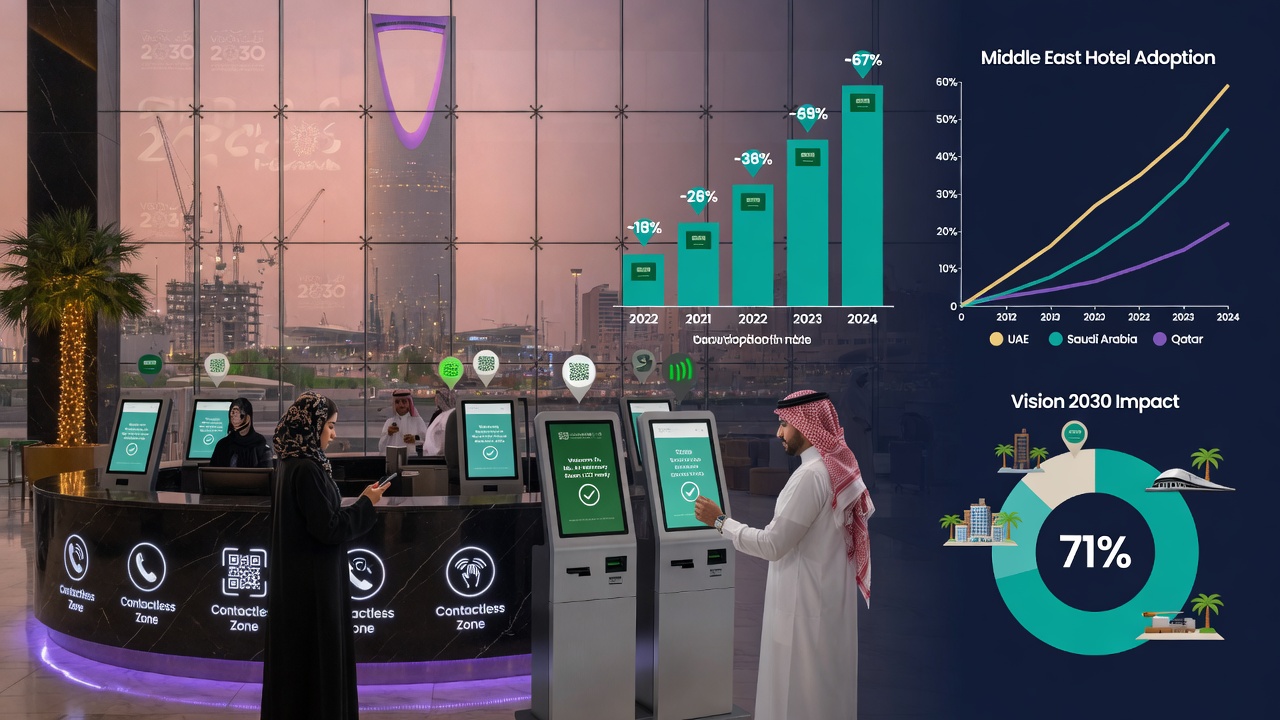
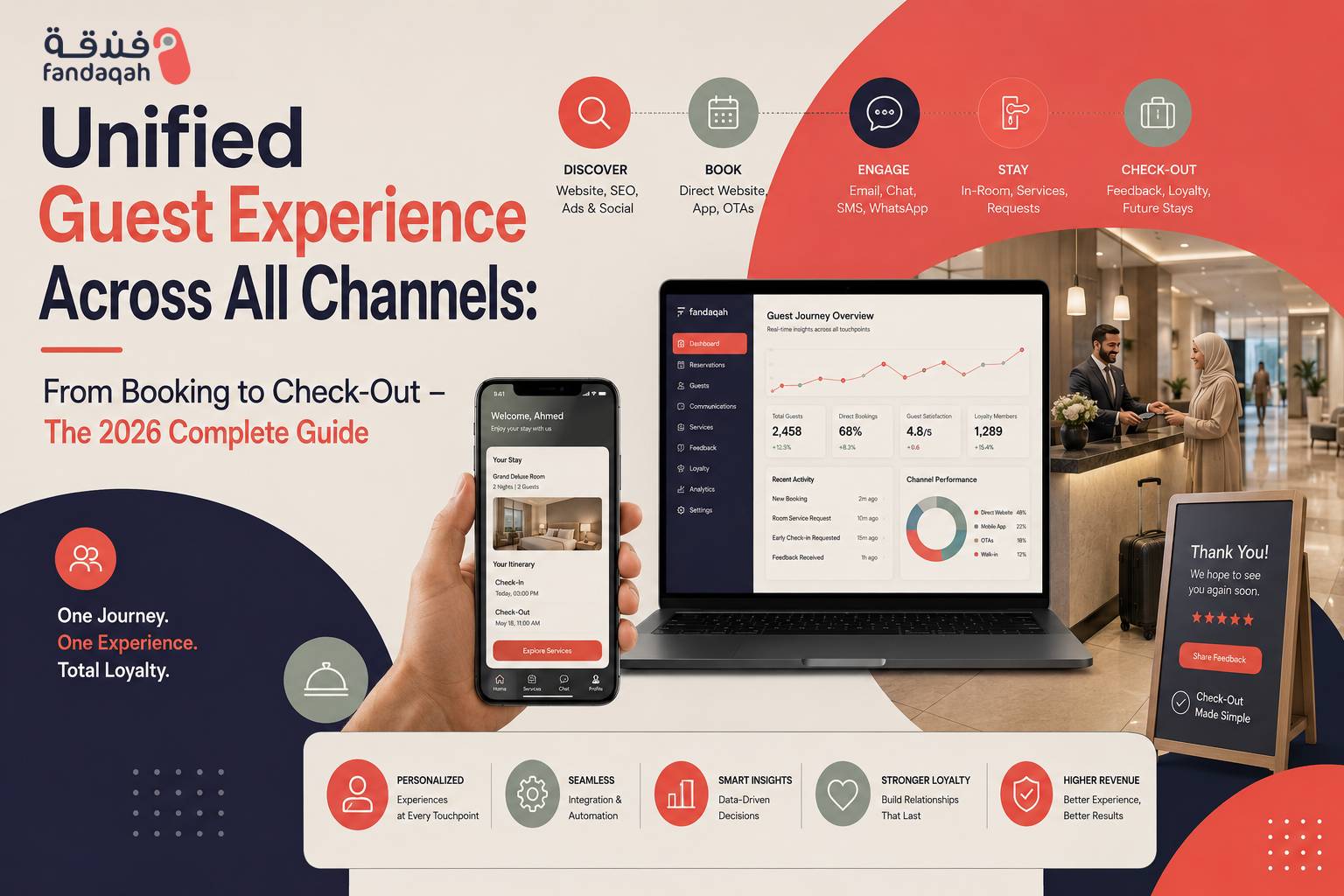
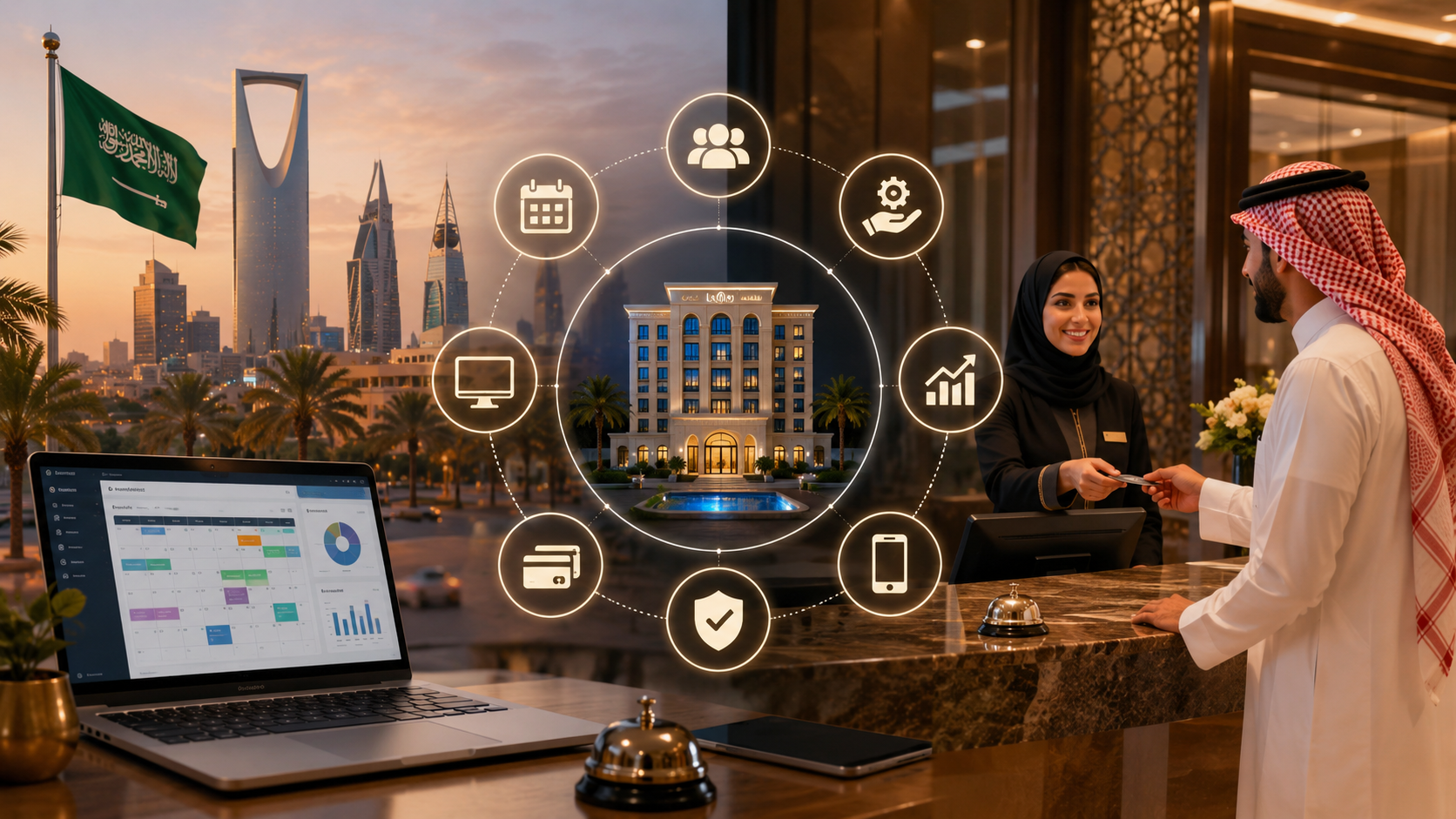
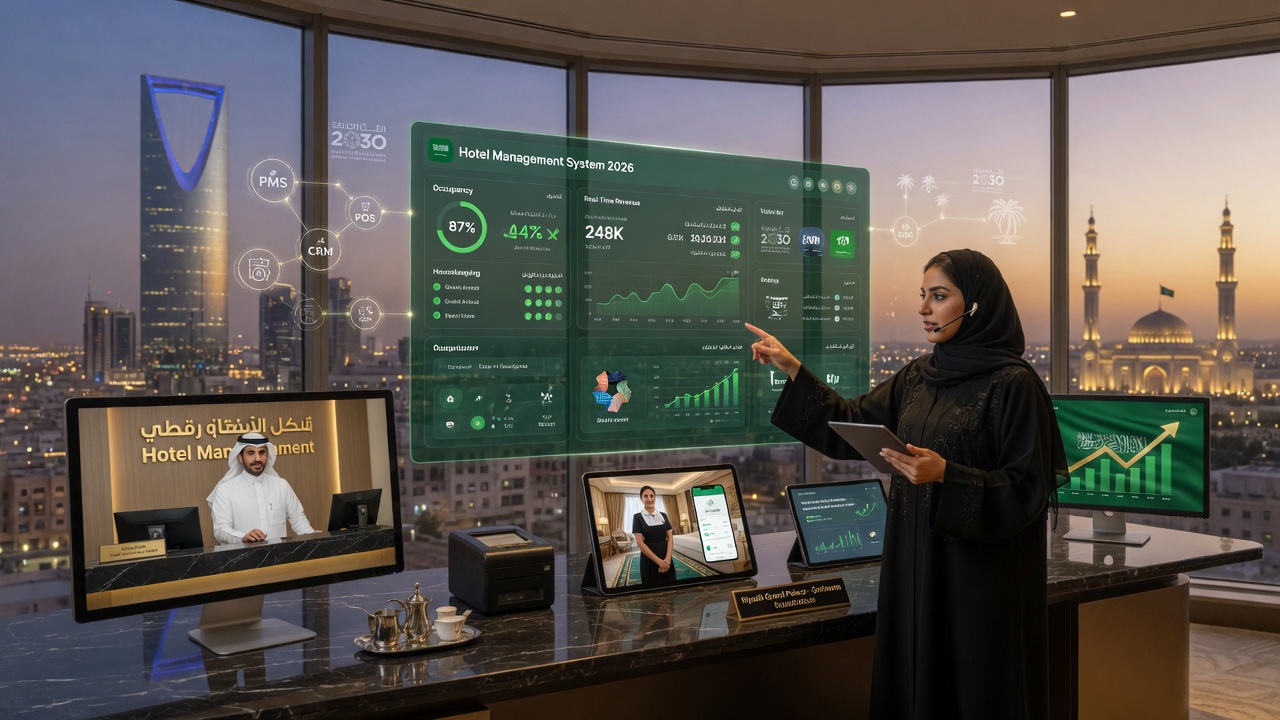
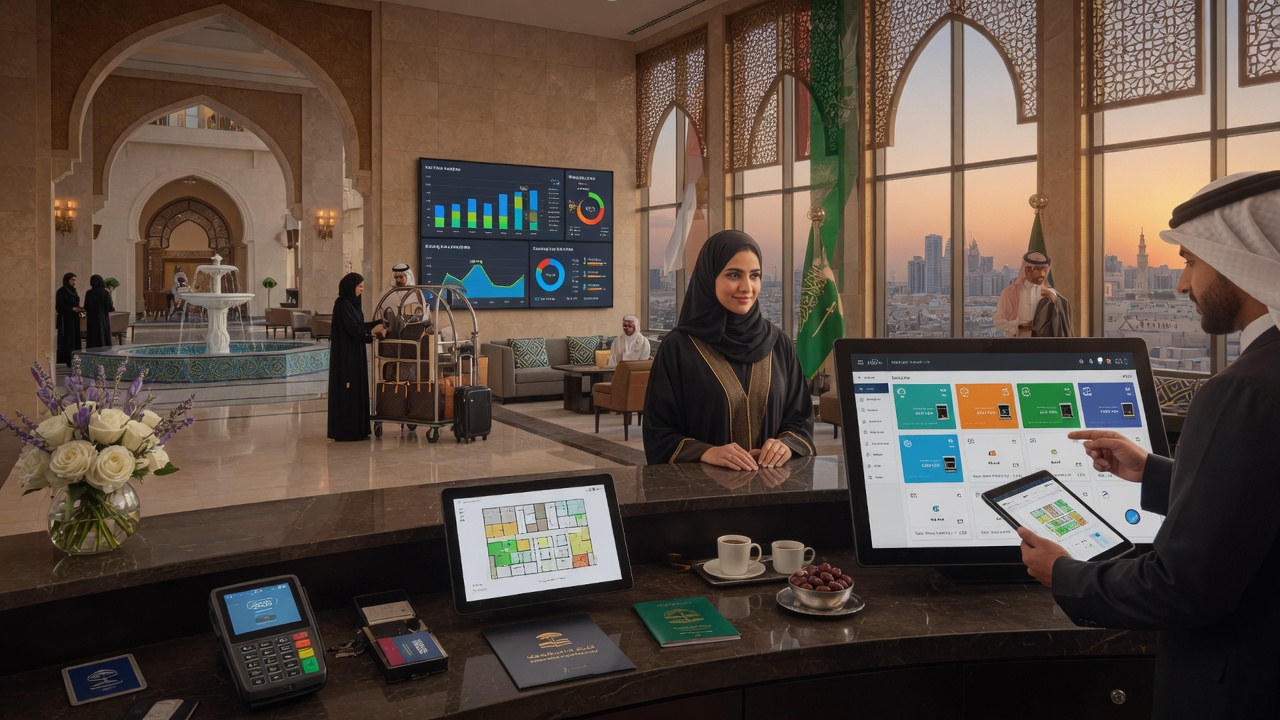
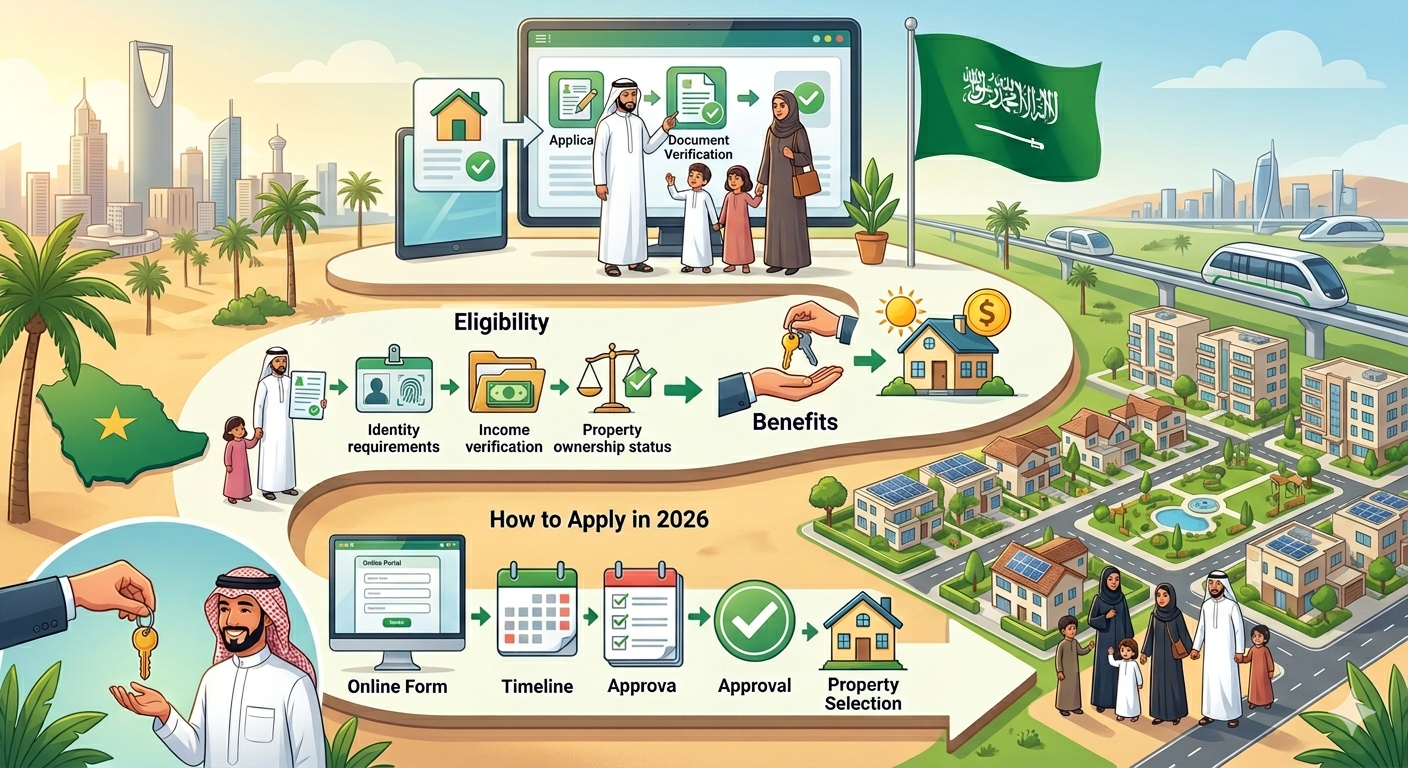
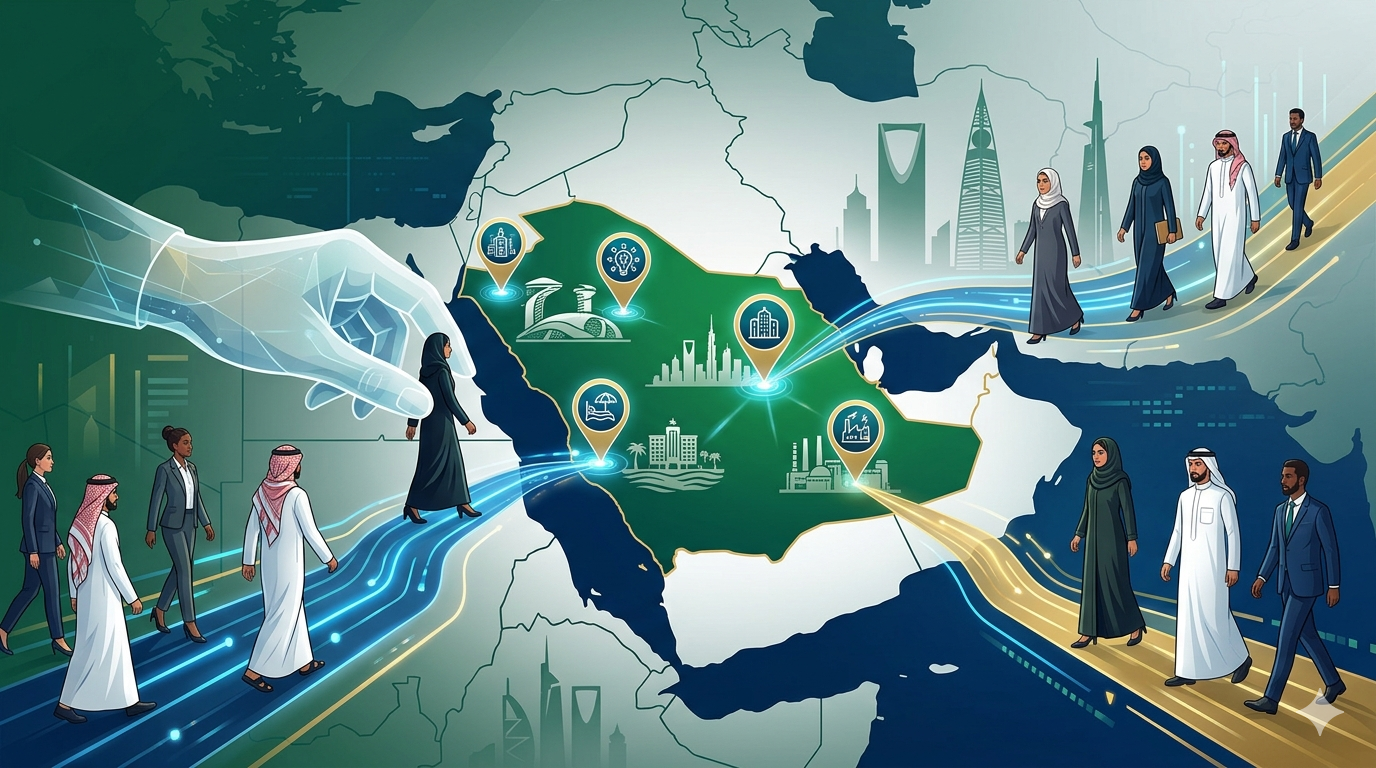
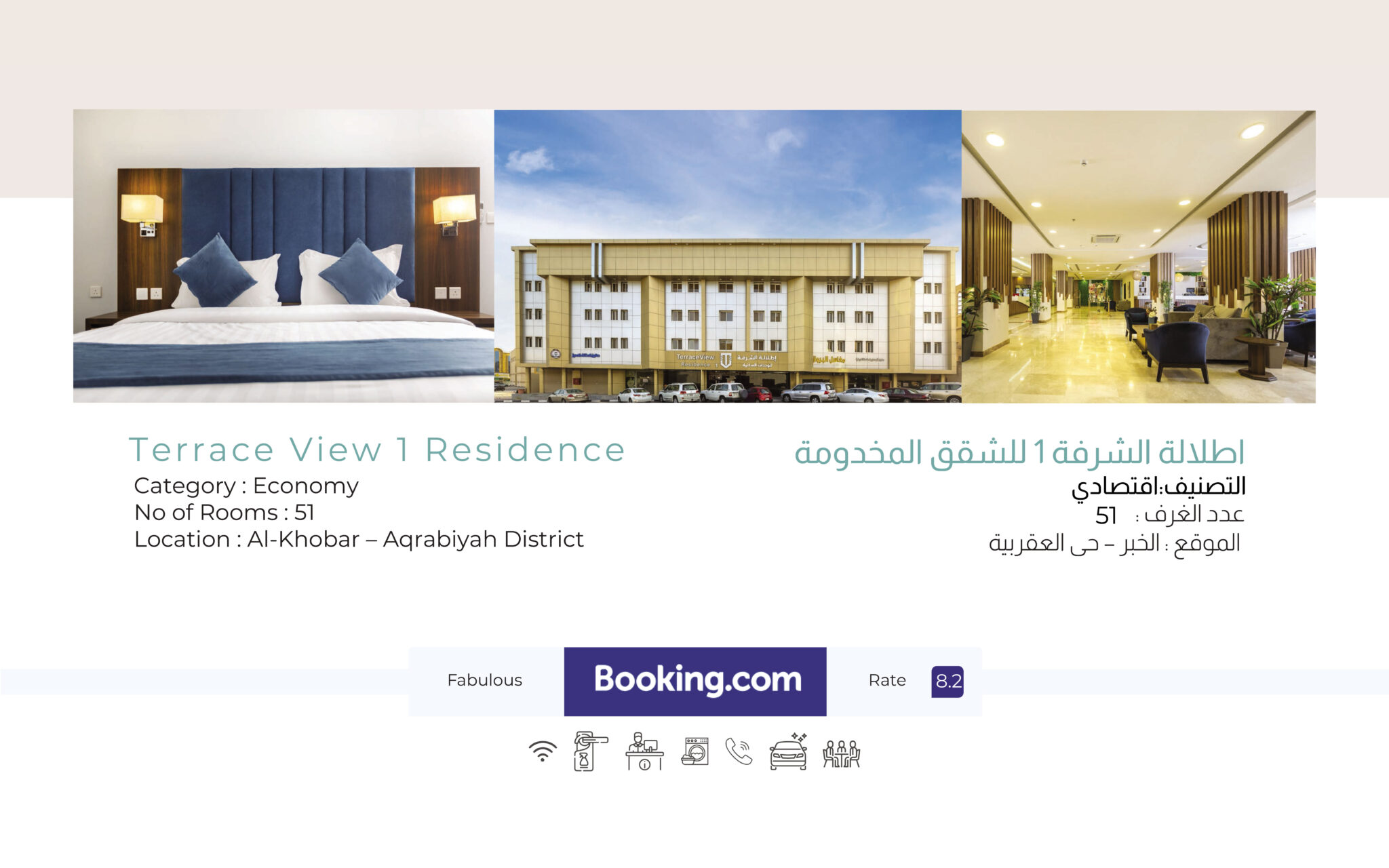
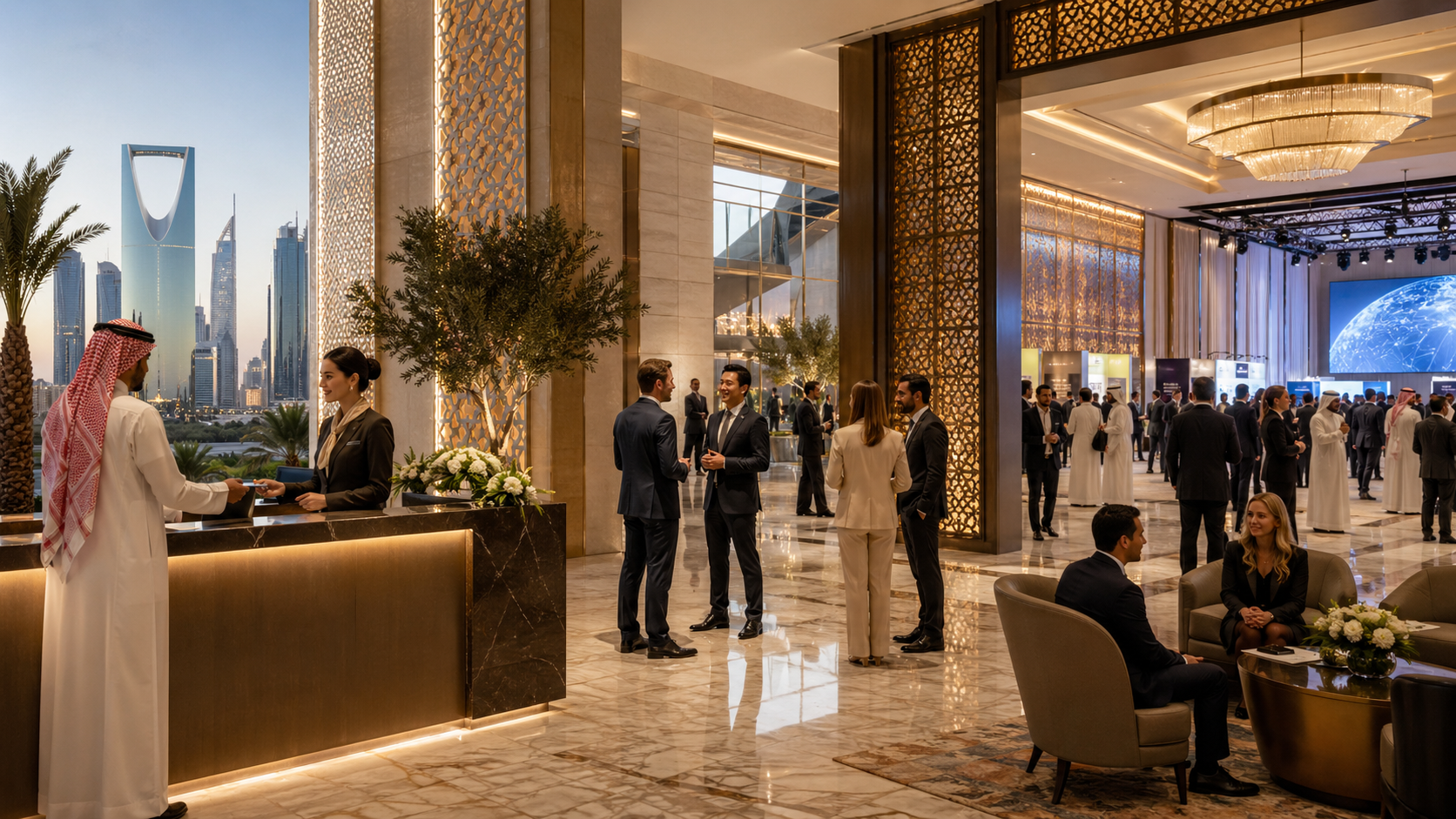
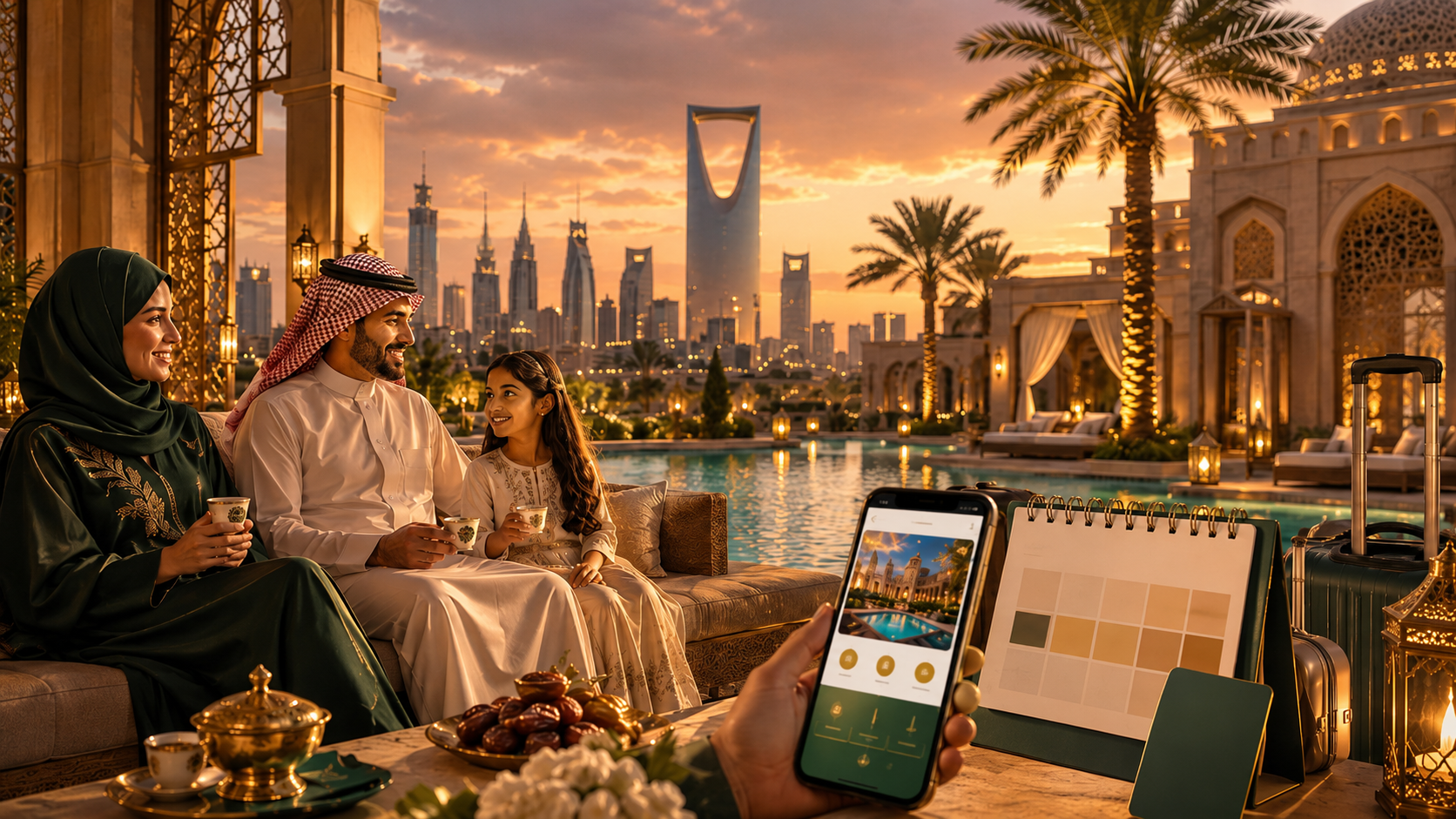
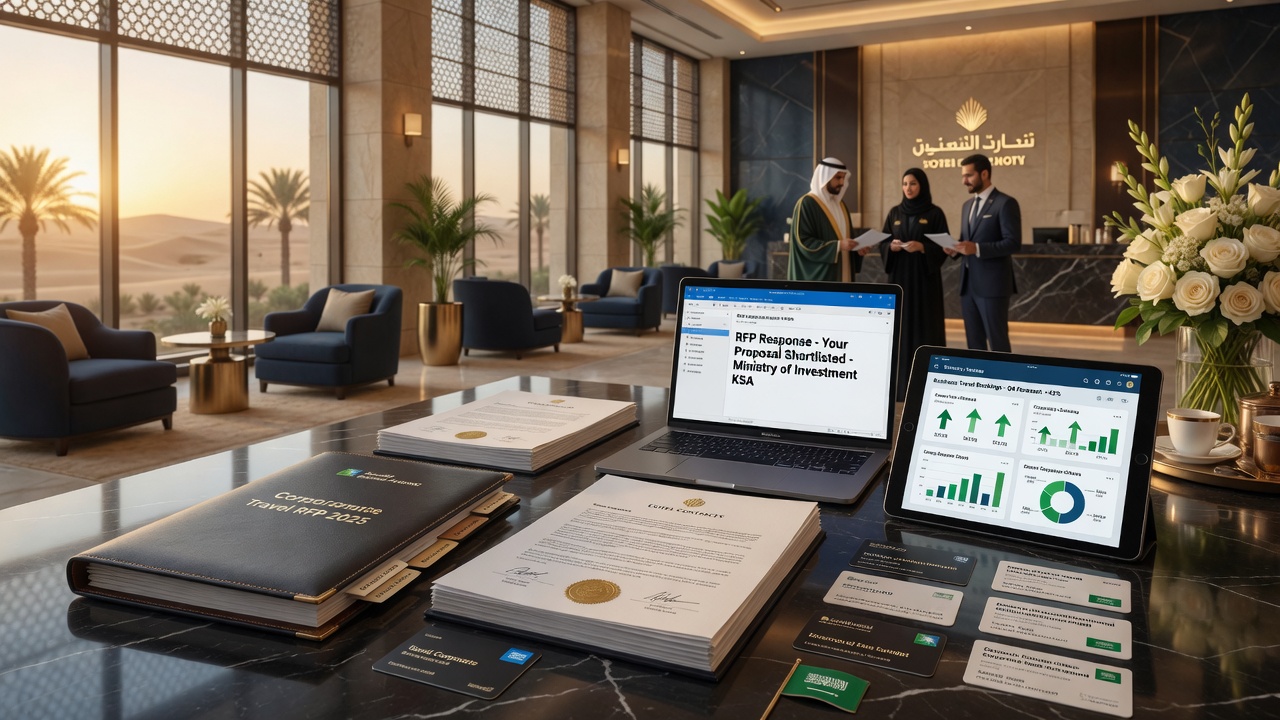
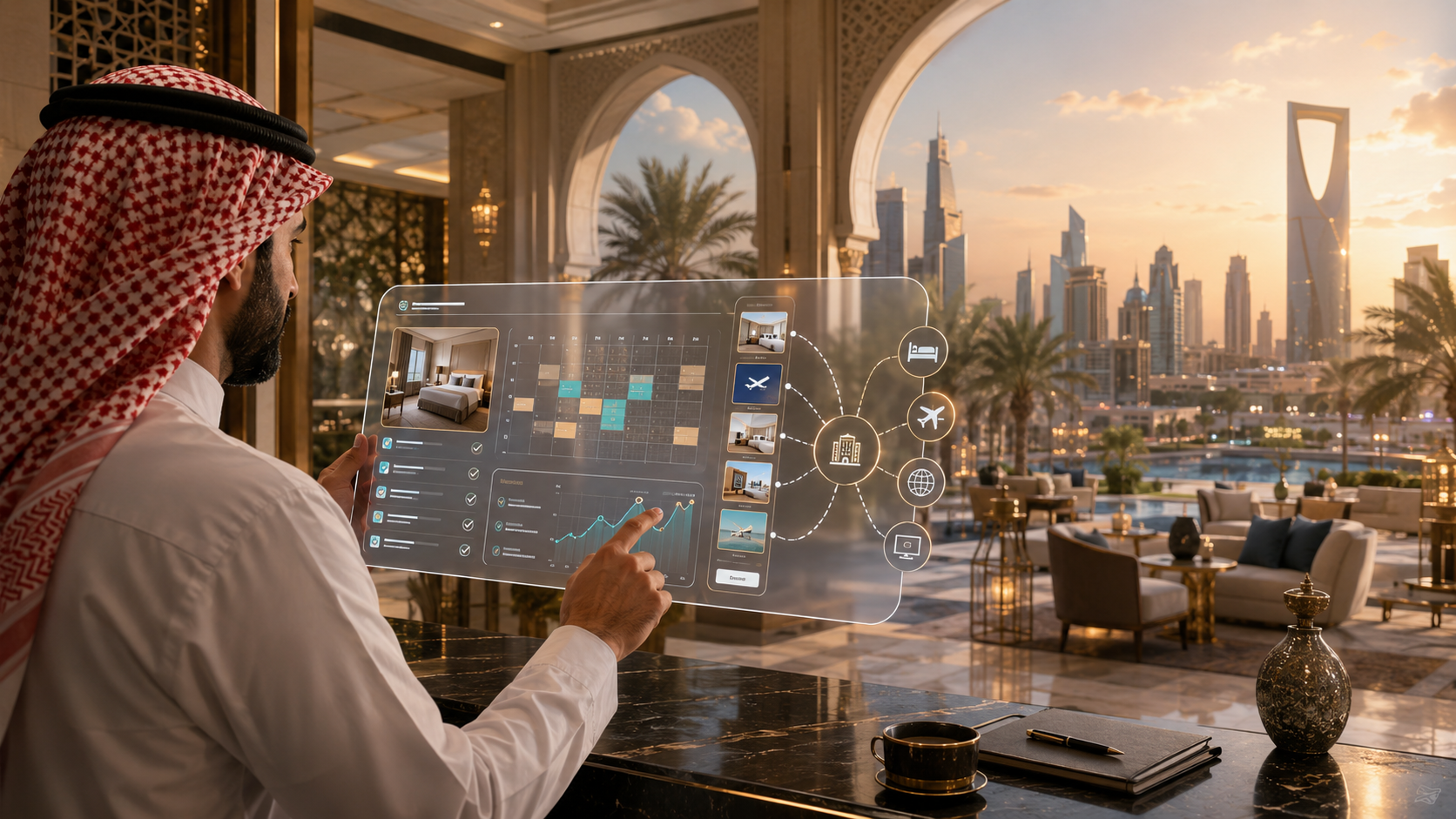
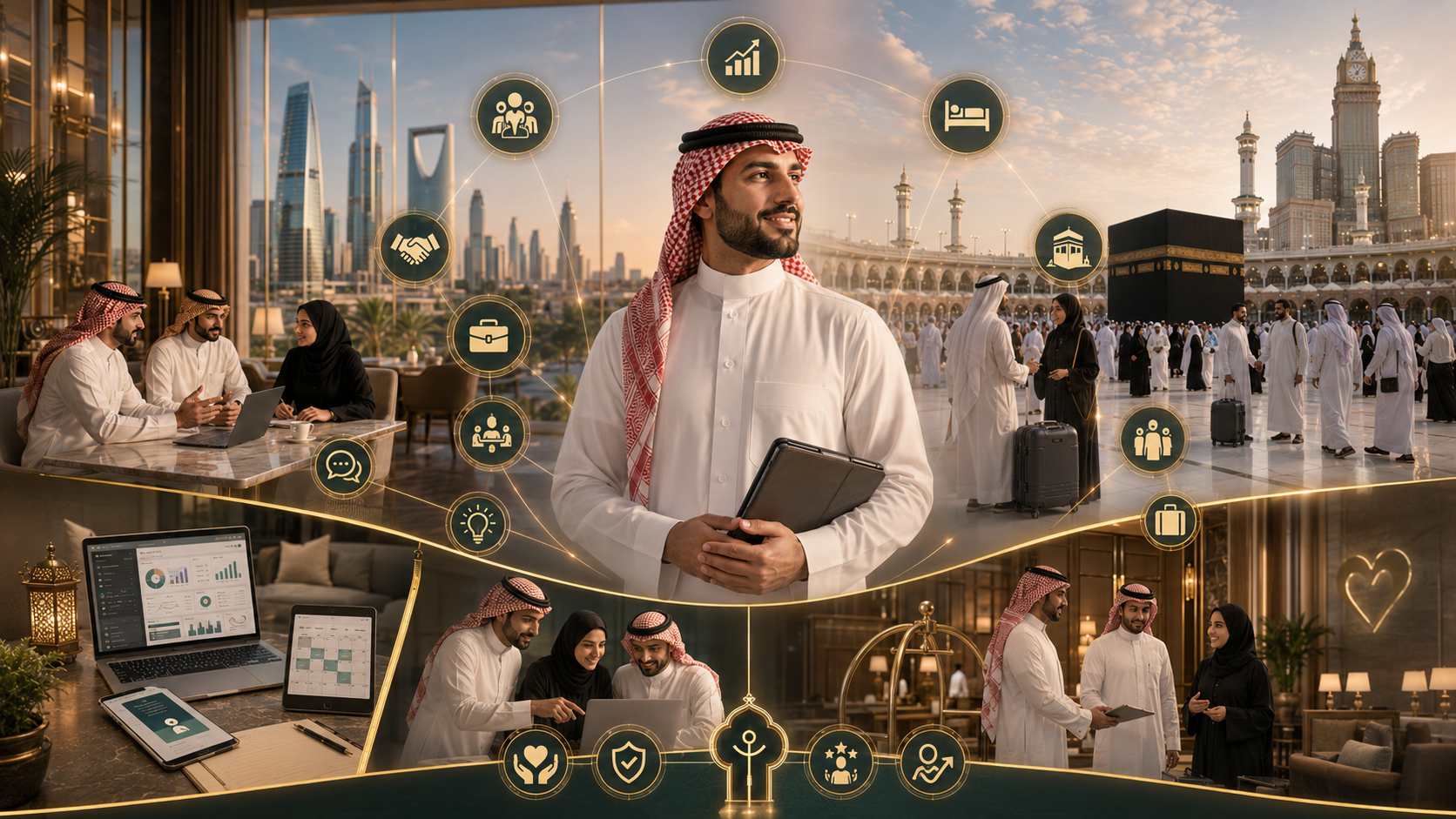
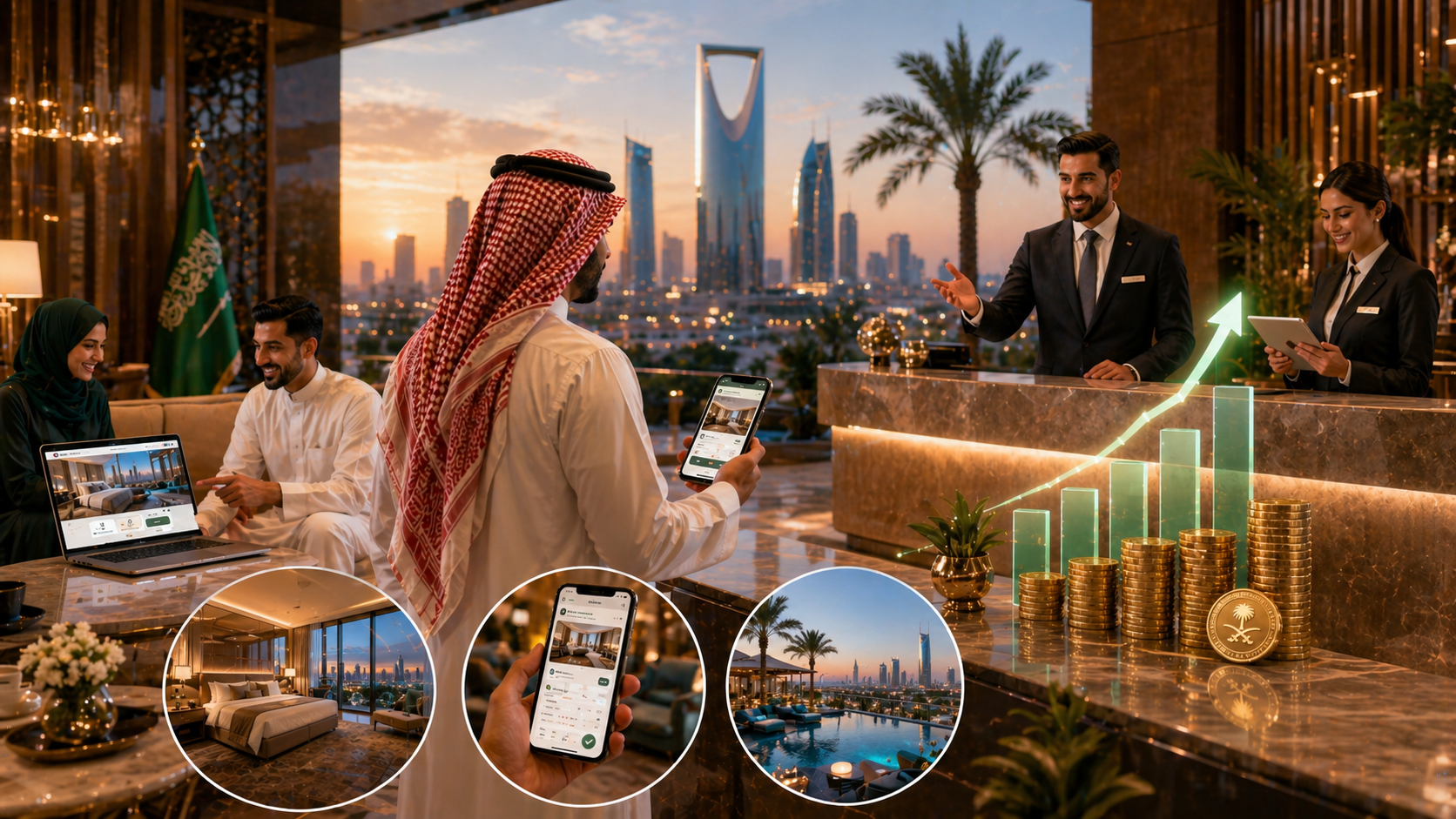
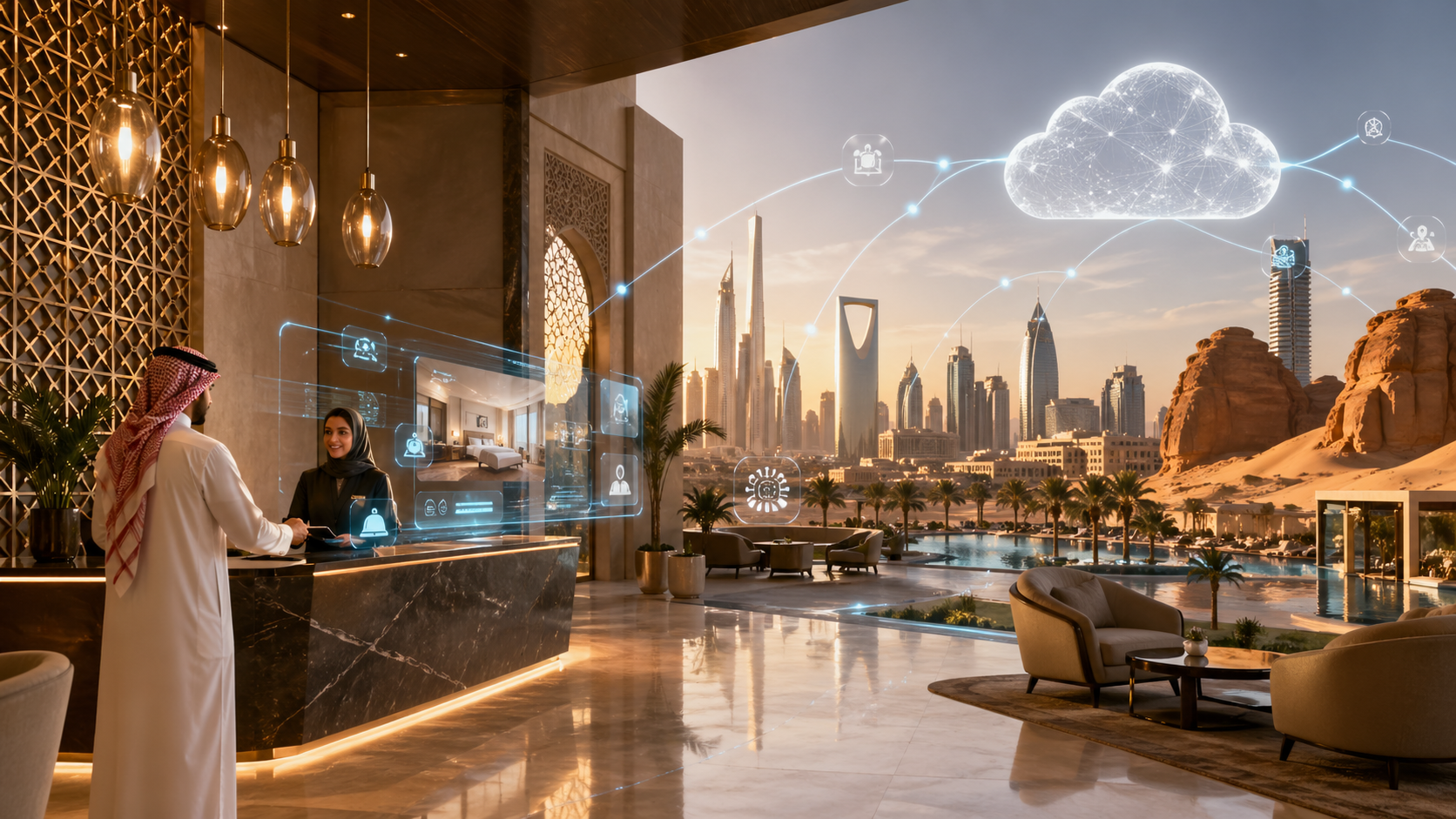
The hospitality landscape across the Middle East is undergoing a silent revolution. Contactless check-in — once a luxury add-on — has become a non-negotiable standard for modern travellers. From luxury beachfront resorts in the Red Sea to bustling business hotels in Riyadh, hoteliers are rapidly deploying digital check-in kiosks, mobile keys, and AI-driven front desks. In Saudi Arabia alone, contactless check-in adoption rates have surged by over 87% since 2022, driven by Vision 2030 and the post-pandemic demand for speed, hygiene, and seamless experiences.
This data-rich guide explores the Middle East hotel adoption rates for contactless technology, key drivers in the Gulf region, practical benefits for Saudi travellers, and actionable insights for hotel owners. Whether you manage a boutique hotel in Jeddah or a mega-resort in Dubai, understanding these trends is your roadmap to staying competitive.
What is Contactless Check-In? (Complete Definition)
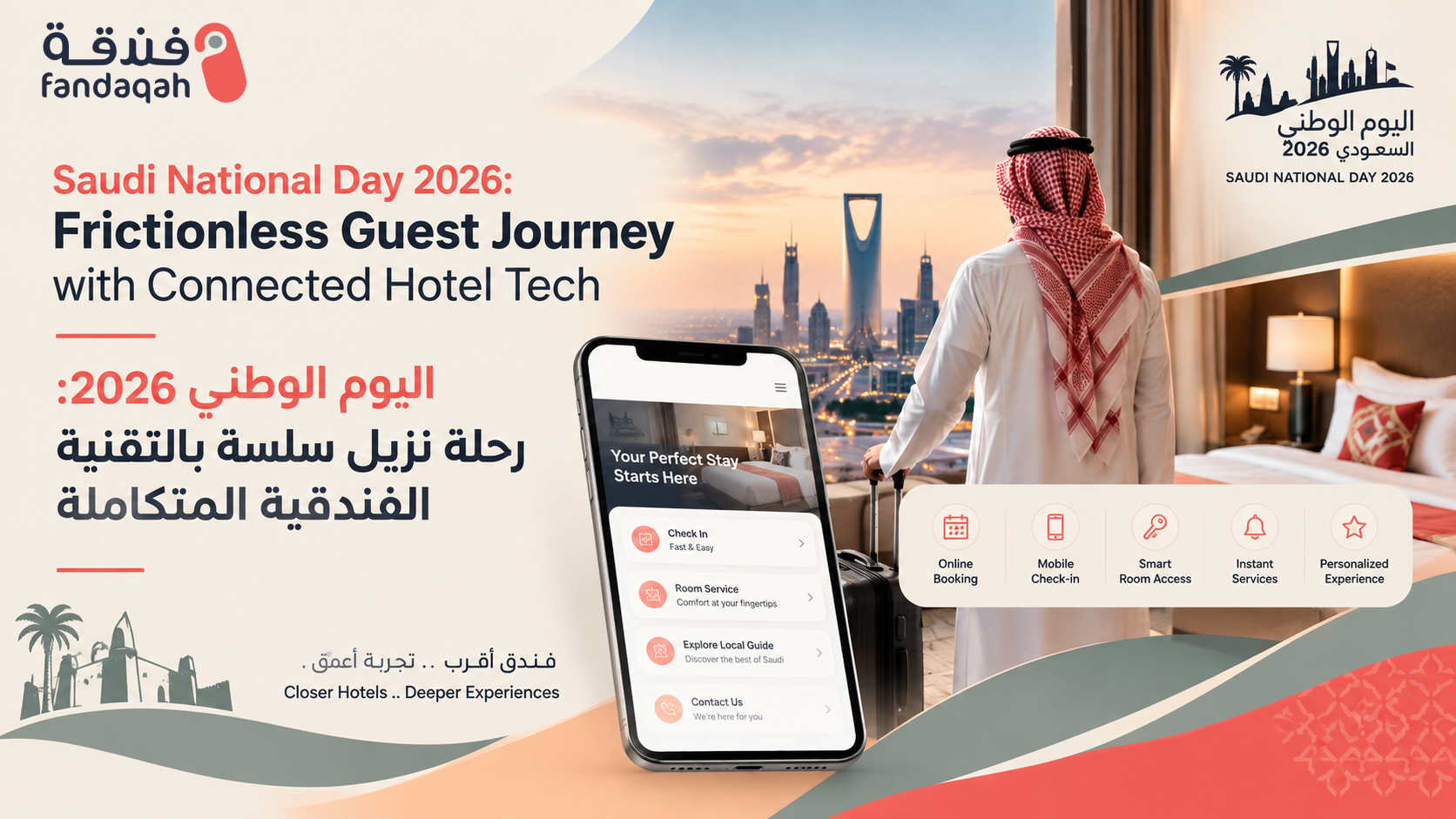
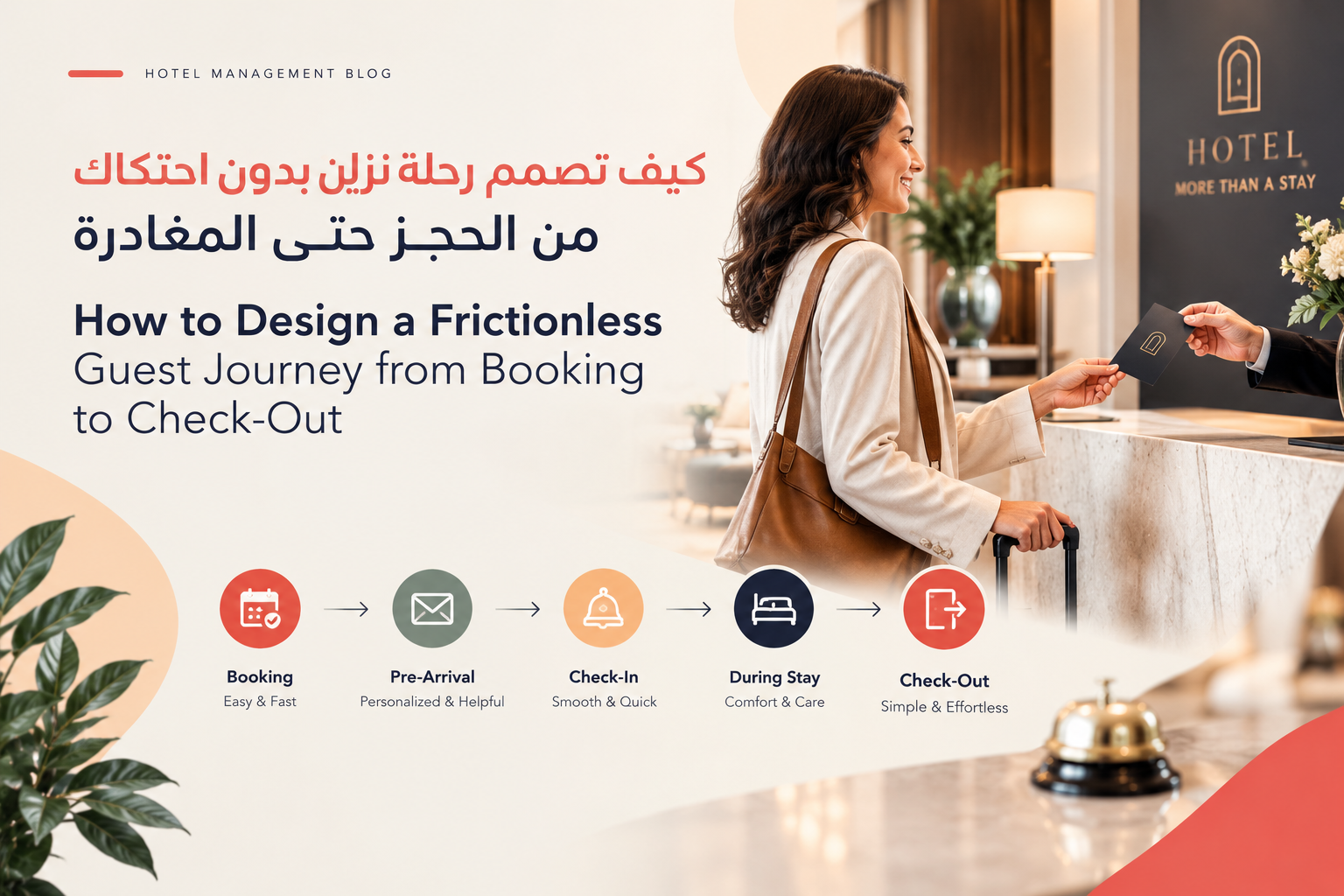
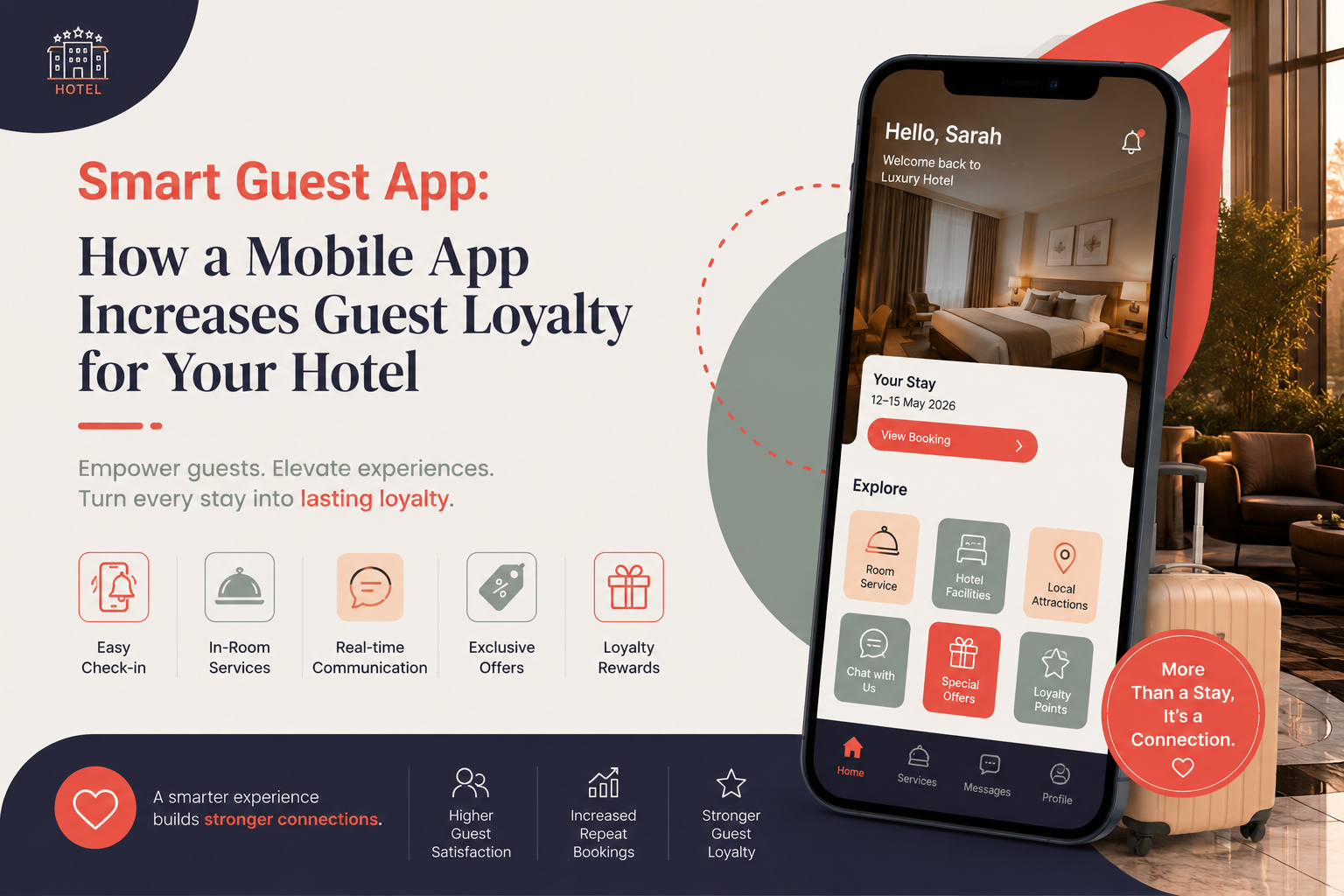
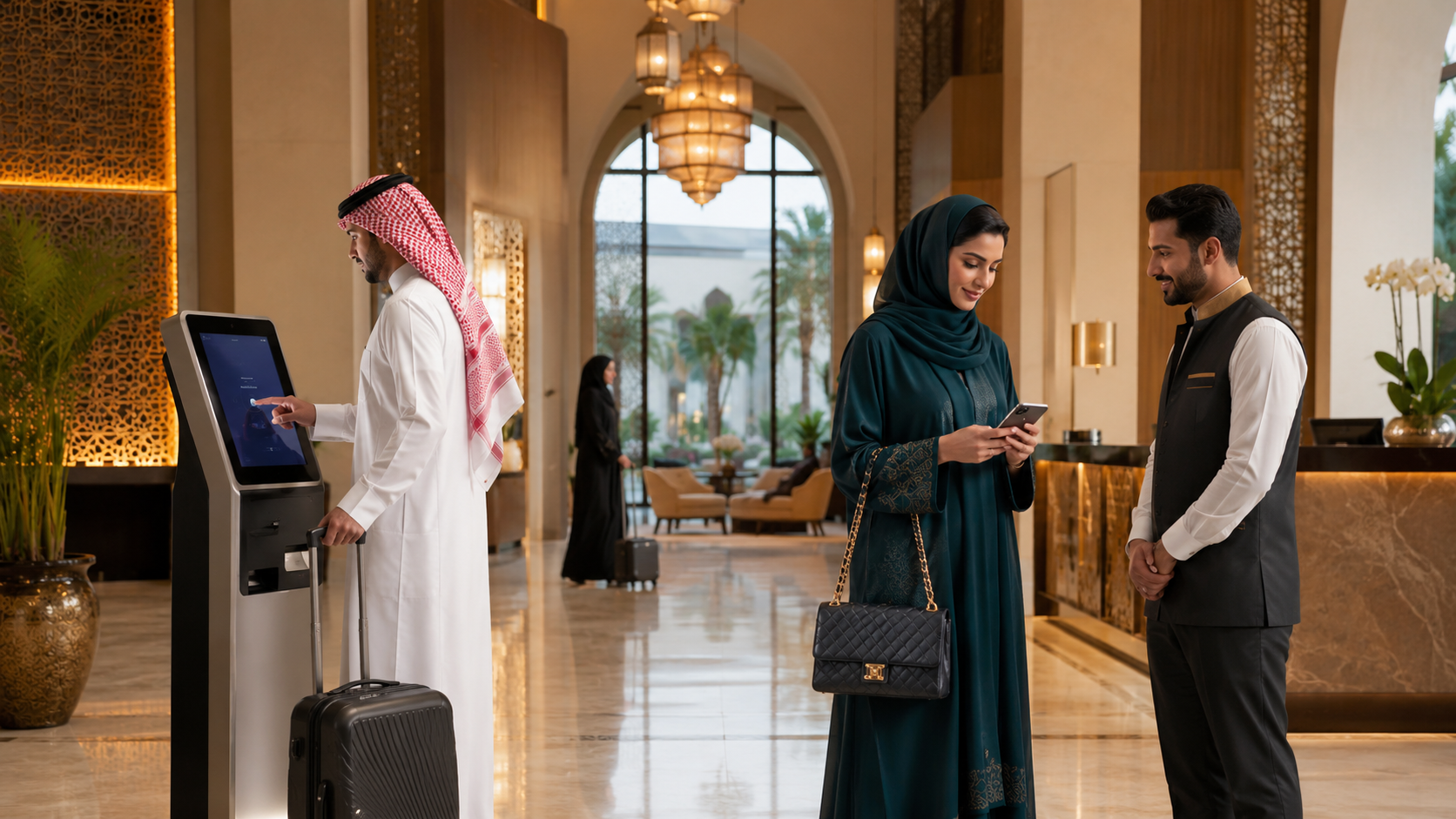
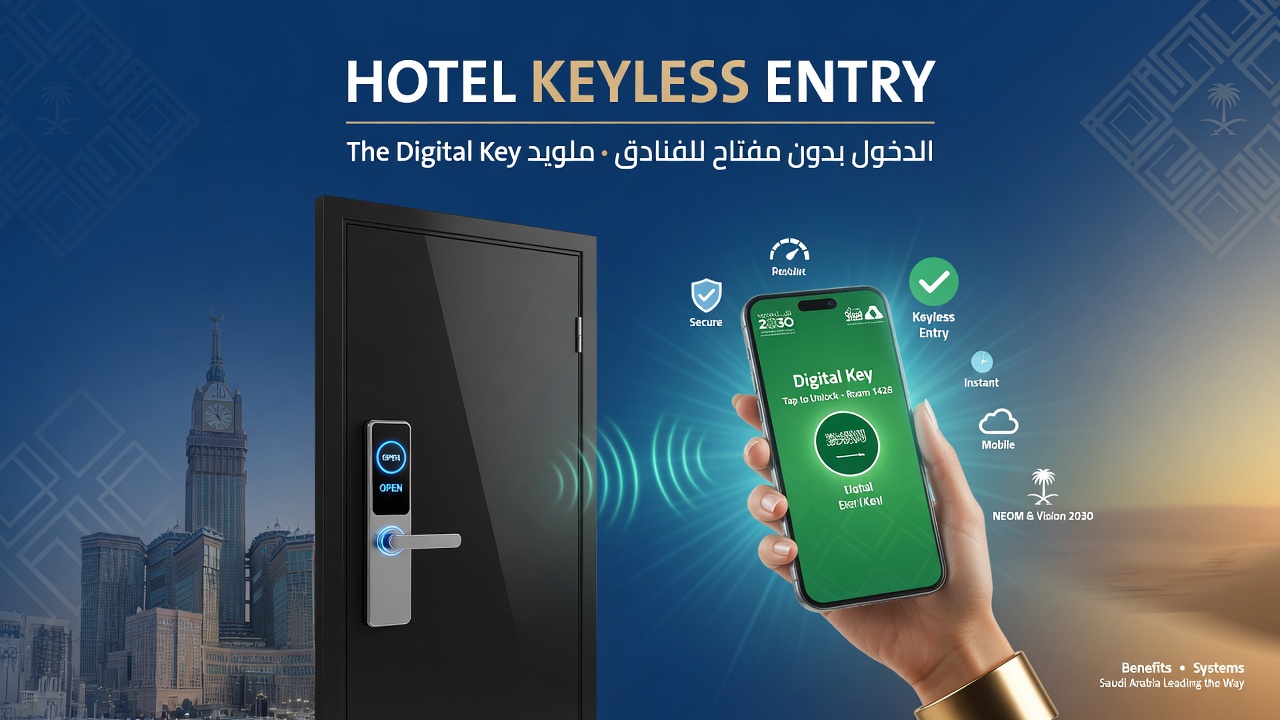
Contactless check-in enables guests to complete registration, verify identity, and access their rooms without physical interaction with staff or surfaces. Technologies include mobile apps with digital keys, self-service kiosks, QR-code room access, and biometric facial recognition. In the Middle East, five-star properties often combine RFID wristbands and voice-activated room controls, reducing front-desk queues and elevating guest autonomy. Global reports project the contactless technology market in hospitality to reach $22.3 billion by 2028, with the MENA region growing at a CAGR of 19.2% — faster than Europe or North America.
KEY INSIGHT – MIDDLE EAST ADOPTION SURGE: According to a 2025 regional hospitality survey, 73% of hotels in the UAE and 68% in Saudi Arabia have implemented at least one form of contactless check-in. Riyadh and NEOM’s giga-projects are pushing the frontier even further with fully digital hotel experiences.
Why Contactless Check-In is Accelerating in Saudi Arabia & the Gulf
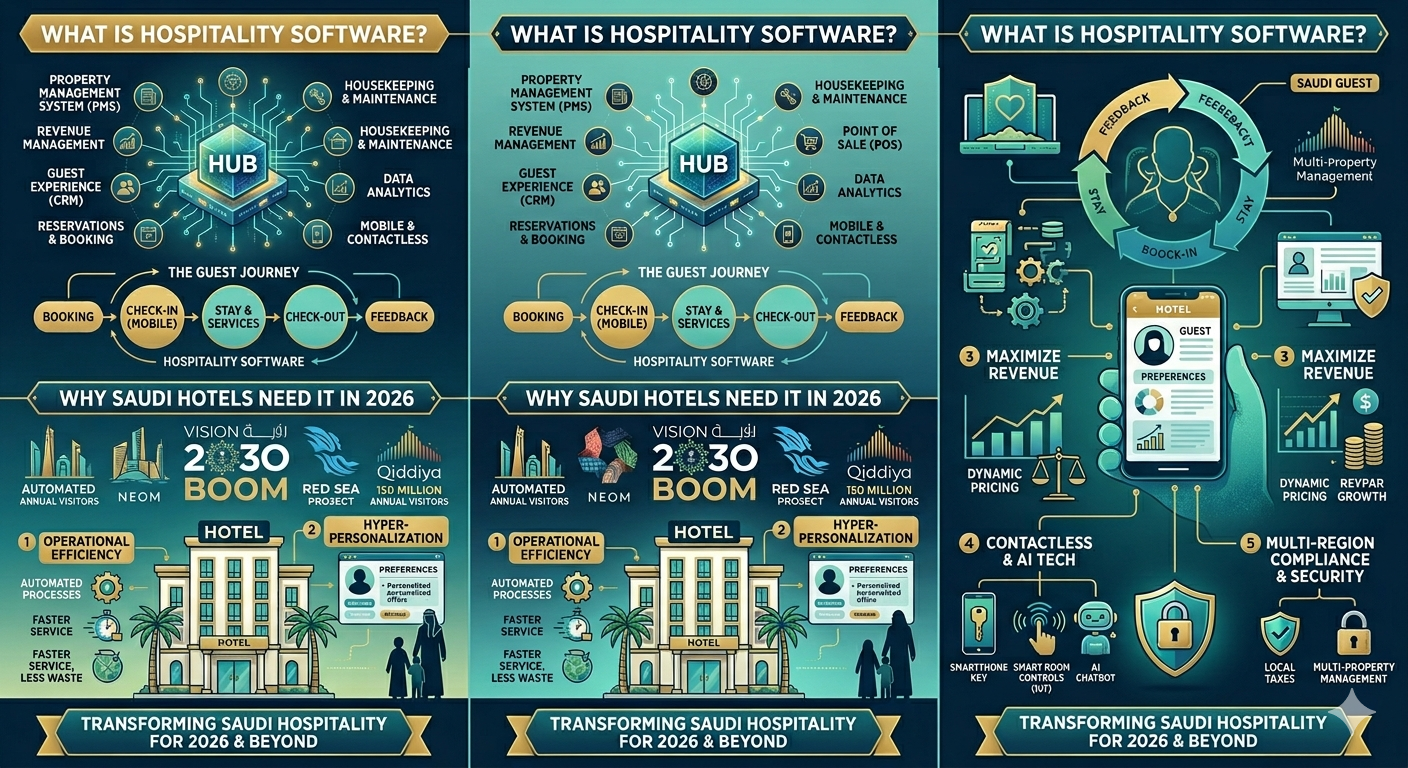
Three major forces are reshaping hotel operations across the Kingdom and neighbouring countries. First, Vision 2030 actively promotes digital transformation and tourism growth — Saudi aims to attract 150 million visits annually by 2030. Contactless systems allow hotels to scale quickly without hiring massive front-desk teams. Second, elevated hygiene expectations linger after COVID-19; travellers prefer minimal touchpoints. Third, Gen Z and millennial travelers (70% of regional tourists) expect fast, app-driven experiences. According to a recent YouGov survey in KSA, 81% of guests would choose a hotel with fully contactless check-in over a traditional rival.
Adoption Rates by Country (2025–2026)
| Country | Contactless Check-In Adoption Rate | Year-over-Year Growth |
|---|
| UAE (Dubai/Abu Dhabi) | 79% | +14% |
| Saudi Arabia (Riyadh, Jeddah, Dammam) | 68% | +22% |
| Qatar | 71% | +17% |
| Bahrain | 58% | +12% |
| Kuwait | 52% | +9% |
Source: Middle East Hospitality Technology Monitor 2026. Saudi Arabia shows the highest growth, fueled by mega tourism projects like The Red Sea, Diriyah Gate, and NEOM’s luxury eco-resorts.
Top 5 Benefits: Why Hotel Owners & Guests Love Contactless Solutions
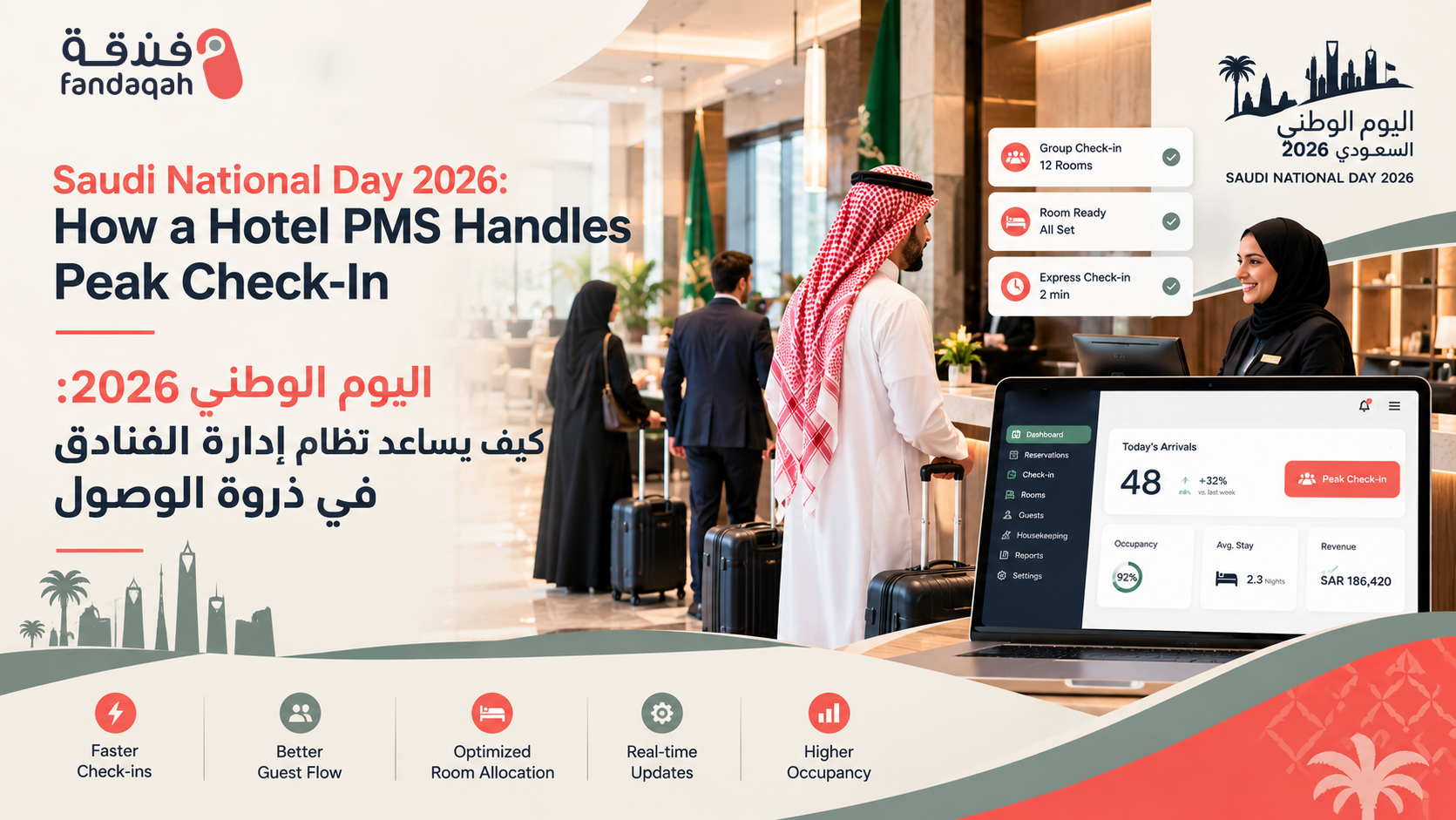
- ✅ Faster check-in & check-out: Reduce average arrival time from 6 minutes to under 90 seconds. No queues, no paperwork.
- ✅ Elevated guest safety & hygiene: Minimises physical contact with shared surfaces and staff — essential for health-conscious families and business travellers.
- ✅ Operational cost efficiency: Hotels cut front-desk labour costs by up to 30% and redeploy staff to concierge or personalised services.
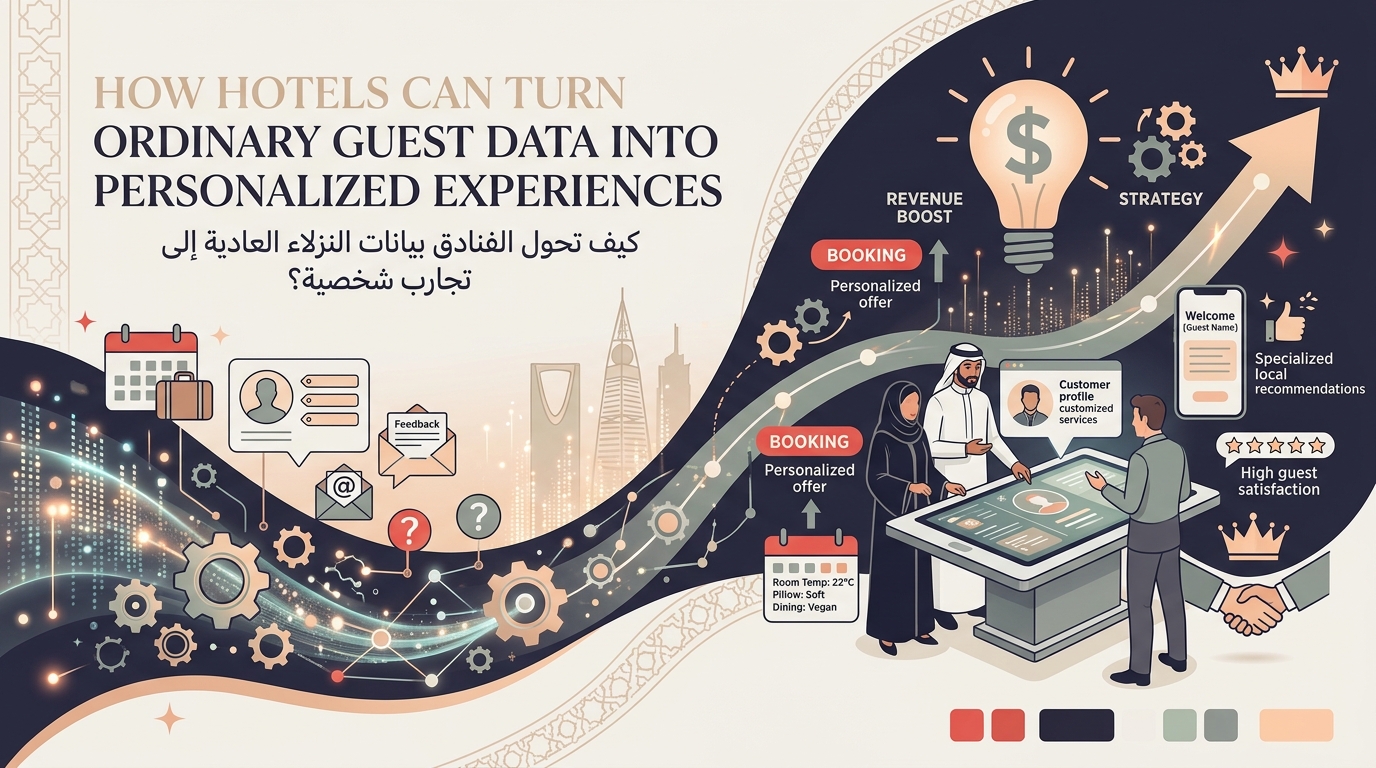
- ✅ Real-time data & personalisation: Digital check-ins feed loyalty programs and enable room upgrades, F&B offers, and instant feedback collection.
- ✅ Higher guest satisfaction scores: Properties using contactless check-in report 4.7/5 ratings on platforms like Booking.com and Google Hotels.
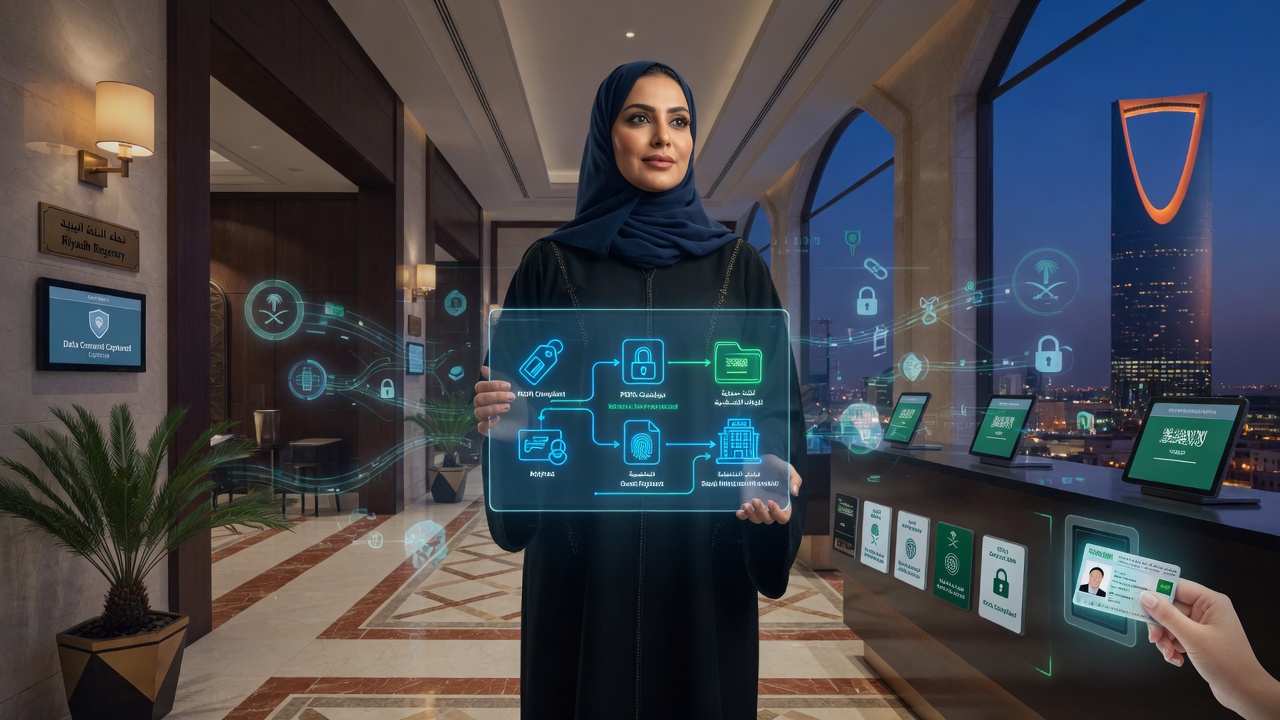
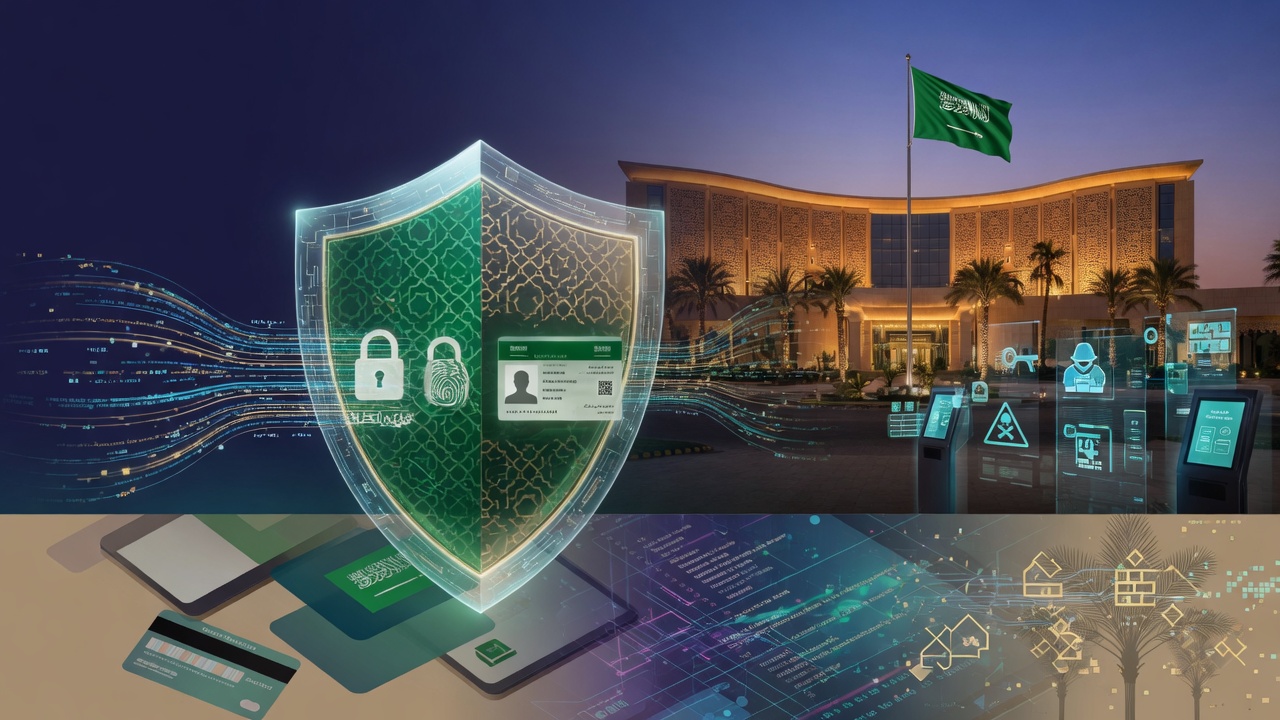
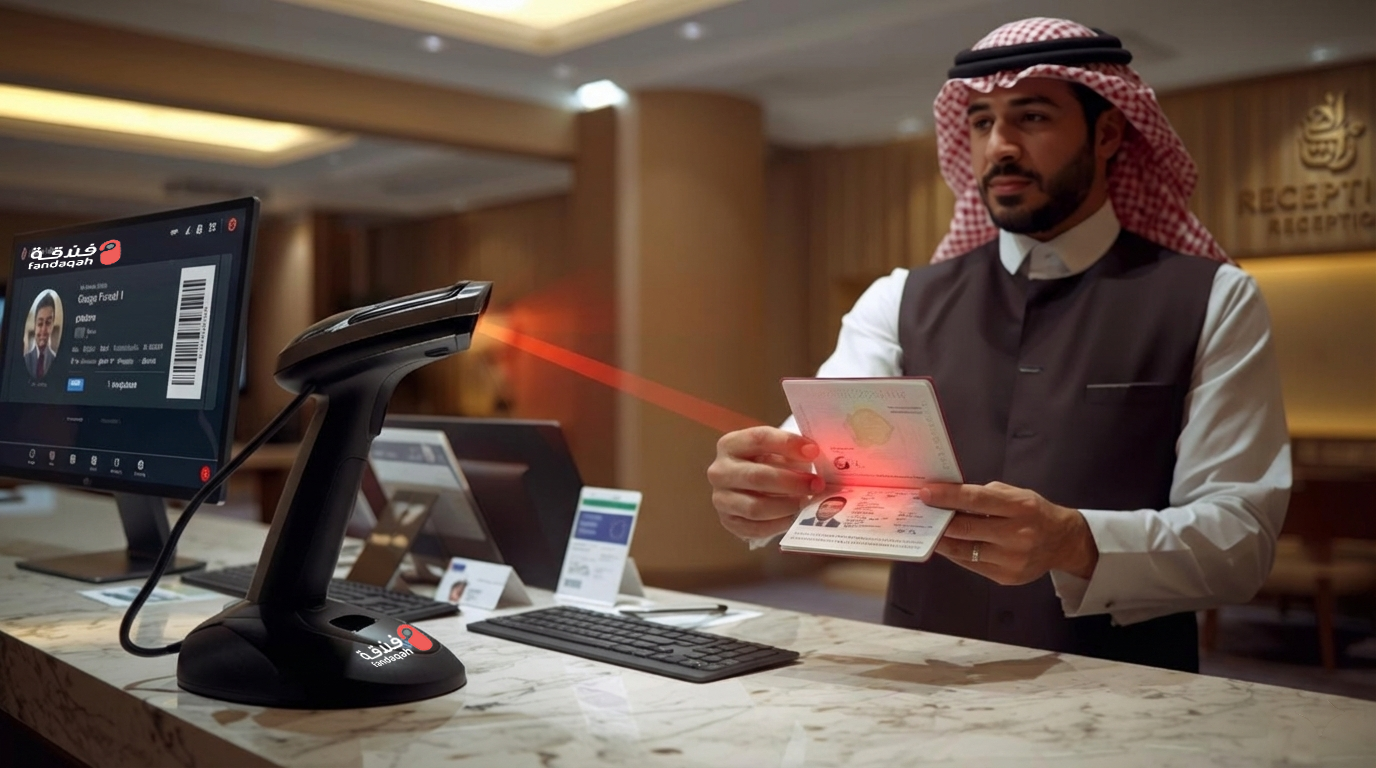
Pro Tip for Saudi Hoteliers: Integrate contactless check-in with Absher or Tawakkalna services? Smart hotels are linking digital IDs to speed up guest verification — fully aligned with the Kingdom’s digital identity roadmap.
Real-World Contactless Use Cases Across Saudi Arabia
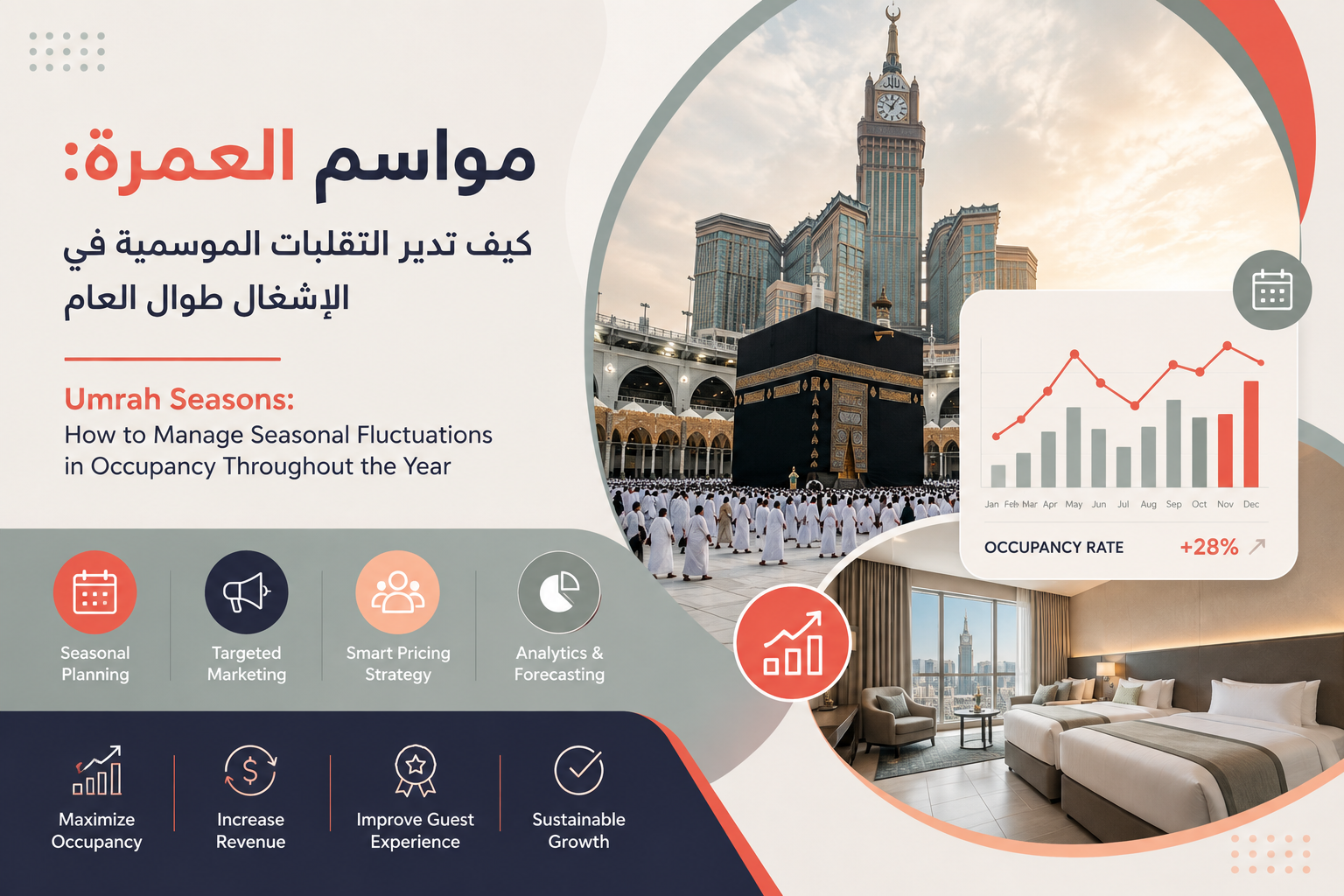
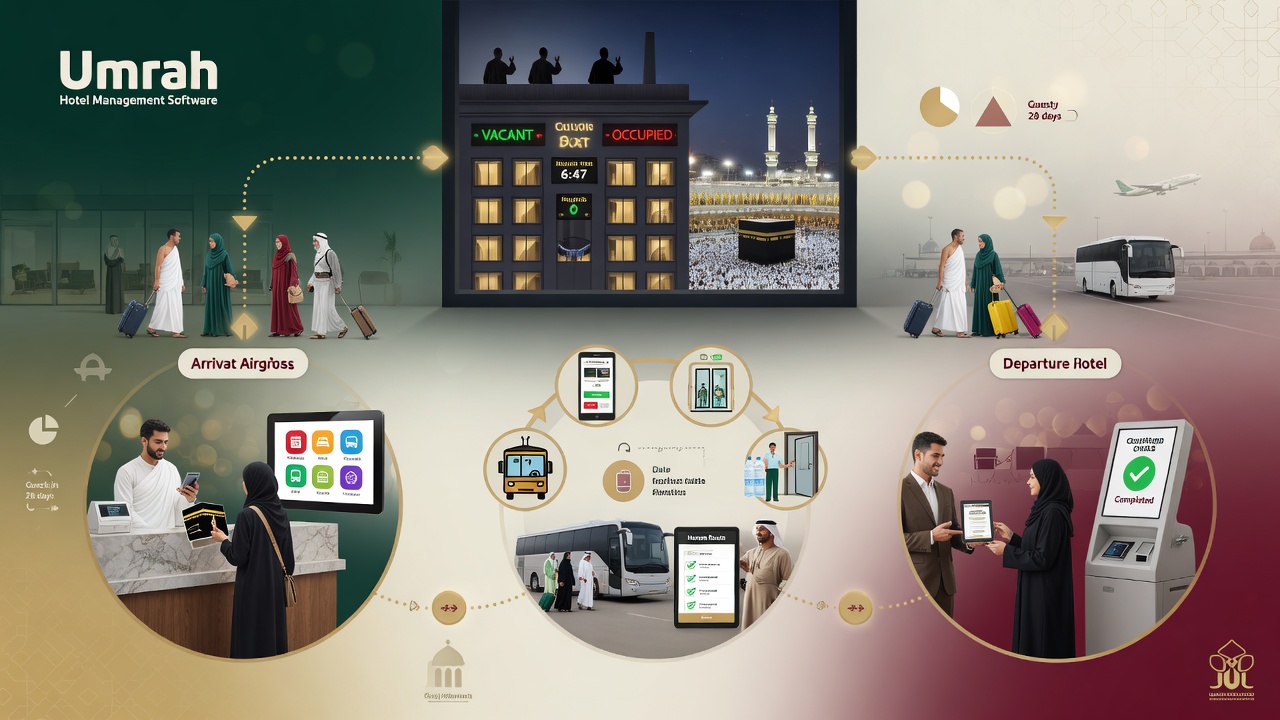
⚡ Holy Cities (Makkah & Madinah): During Hajj and Umrah seasons, hotels face thousands of arrivals per hour. Contactless kiosks with multi-language support (Arabic, Urdu, English) allow pilgrims to skip lines, collect RFID wristbands, and proceed directly to rooms — reducing crowding and wait fatigue.
Business Hotels in Riyadh (KAFD, King Abdullah Financial District): Executives want efficiency. Mobile check-in and digital keys synced to corporate calendars increase productivity. Many properties now offer "smart arrivals" where room temperature and lighting adjust based on guest preferences entered during pre-check-in.
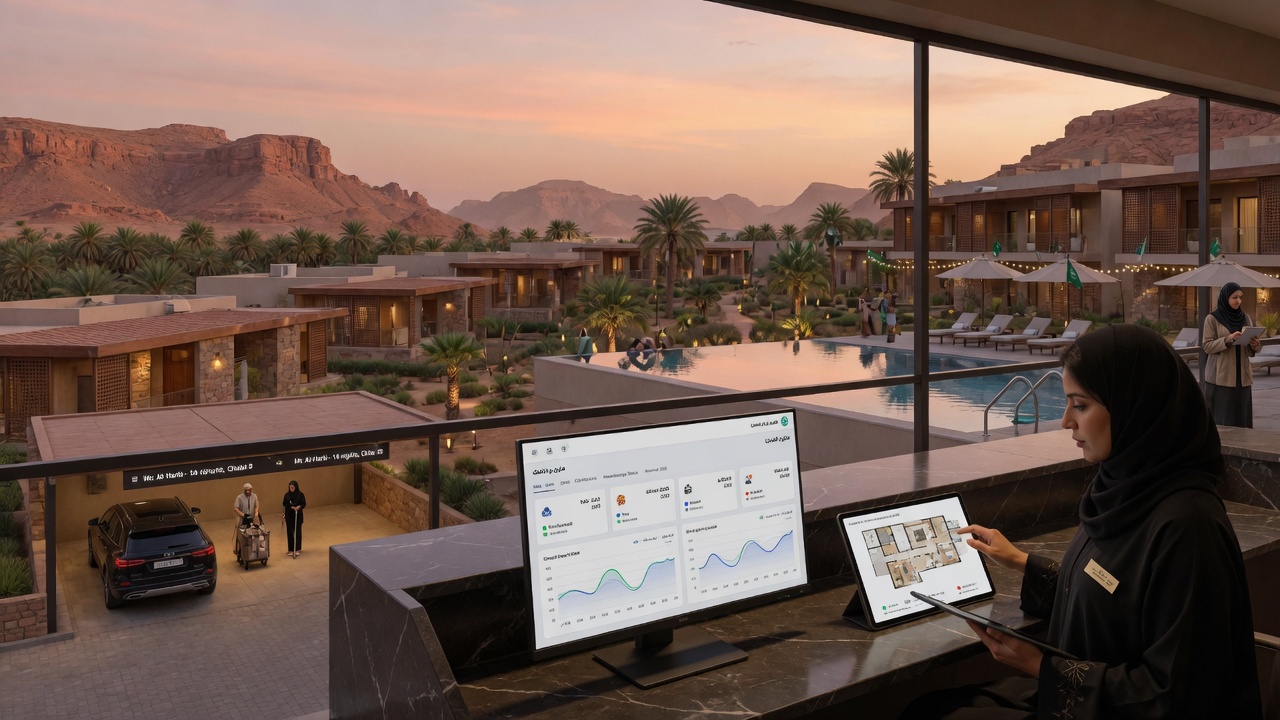
The Red Sea Project – luxury regenerative tourism: Upcoming resorts like Desert Rock and Shura Island are designed 100% contactless. Guests use a super-app for check-in, dining, and activity booking — no front desk exists physically. This future-ready approach aligns with Saudi’s giga-project vision.
“Contactless isn’t just a trend — it’s the new baseline for hospitality excellence in the Middle East. Saudi Arabia’s investment in digital infrastructure gives hoteliers a competitive edge that European markets envy.” — Nadia Al-Rashid, Hospitality Tech Advisor, Riyadh.
Comparison: Traditional Check-In vs. Contactless Check-In
| Feature | Traditional Check-In | Contactless Check-In |
|---|
| Average time | 5–8 minutes | 45–90 seconds |
| Staff requirement | 2–3 front-desk agents per shift | 1 roving host + digital self-serve |
| Guest wait anxiety | High during peak hours | Nearly zero, always available |
| Mobile key integration | Rare/legacy | Standard, works with smartphone |
| Hygiene score | Moderate (shared pens, cards) | Excellent (touchless) |
| Data capture for personalisation | Manual/partial | Automatic & real-time |
Future Trends: AI Concierge, Biometrics & Vision 2030 Alignment
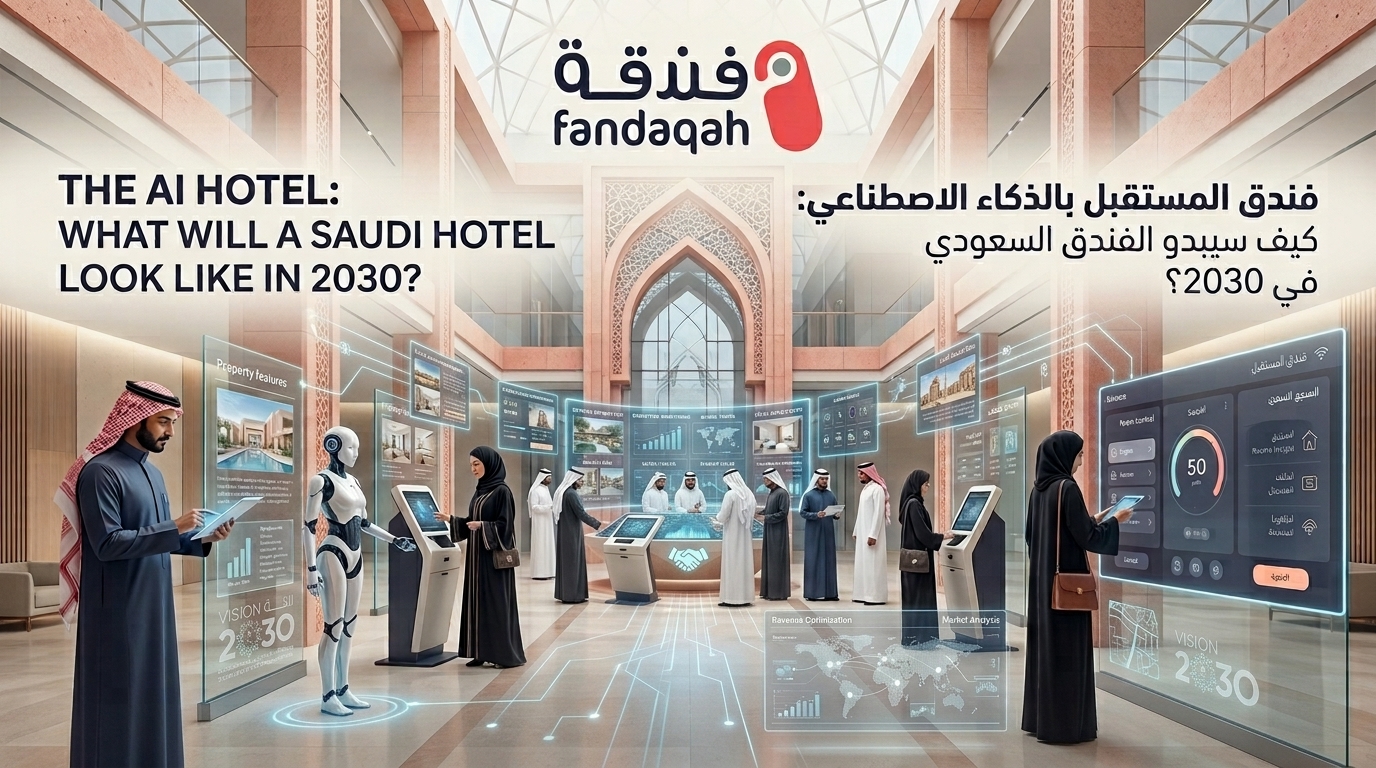
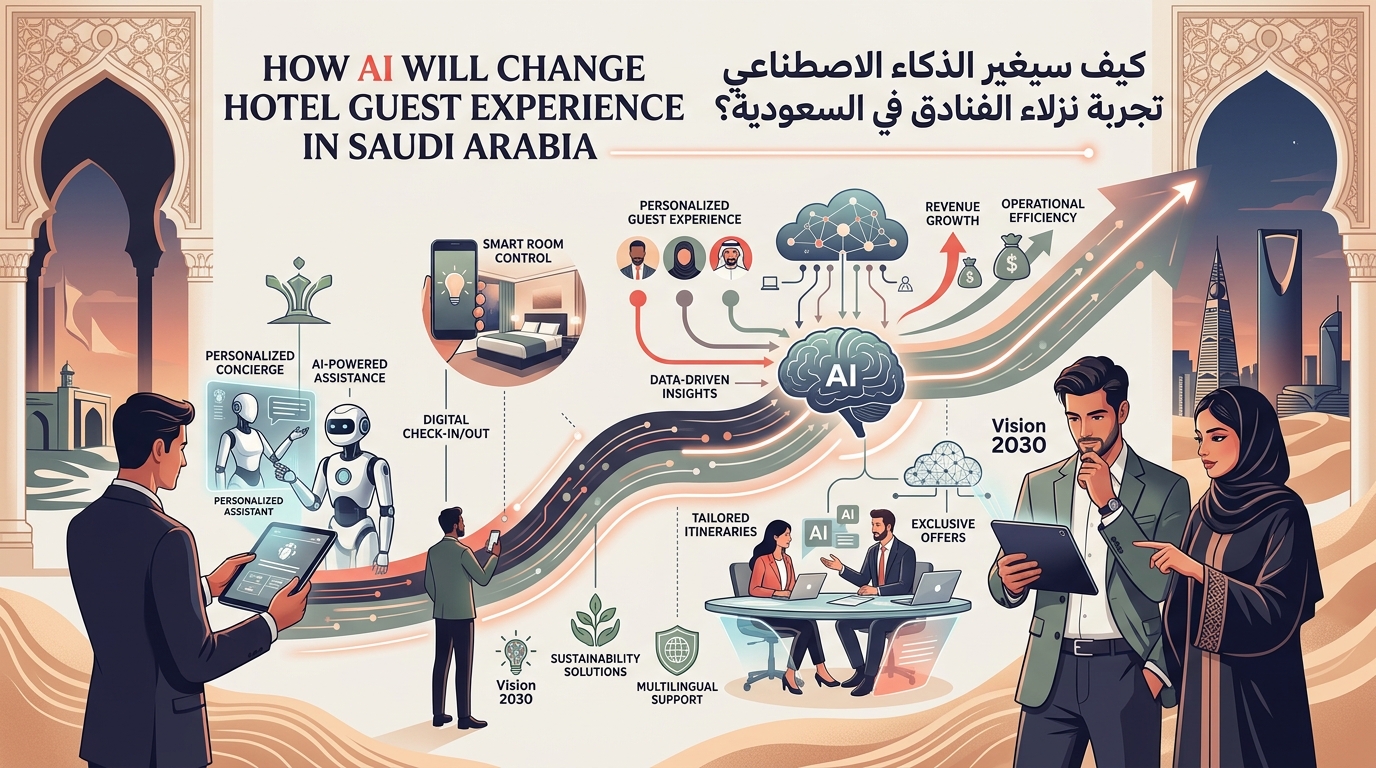
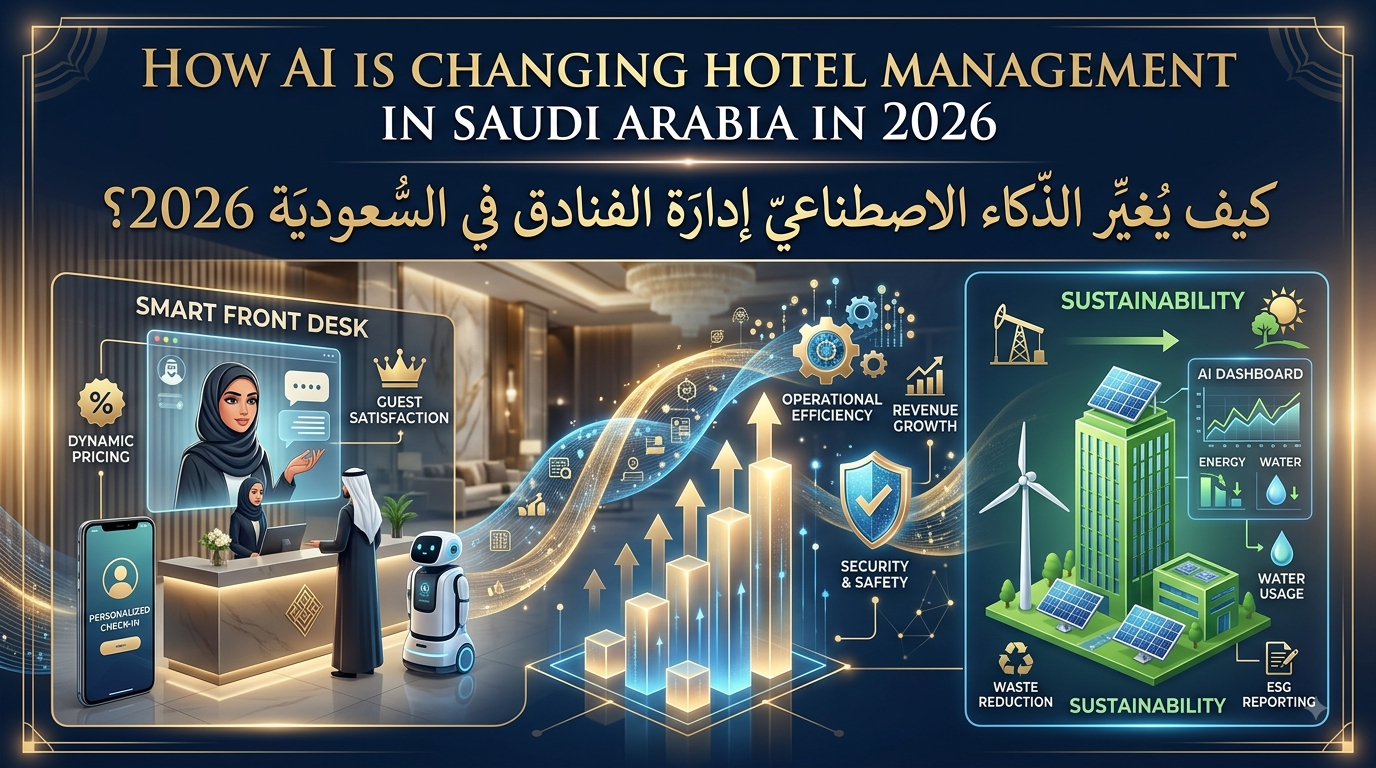
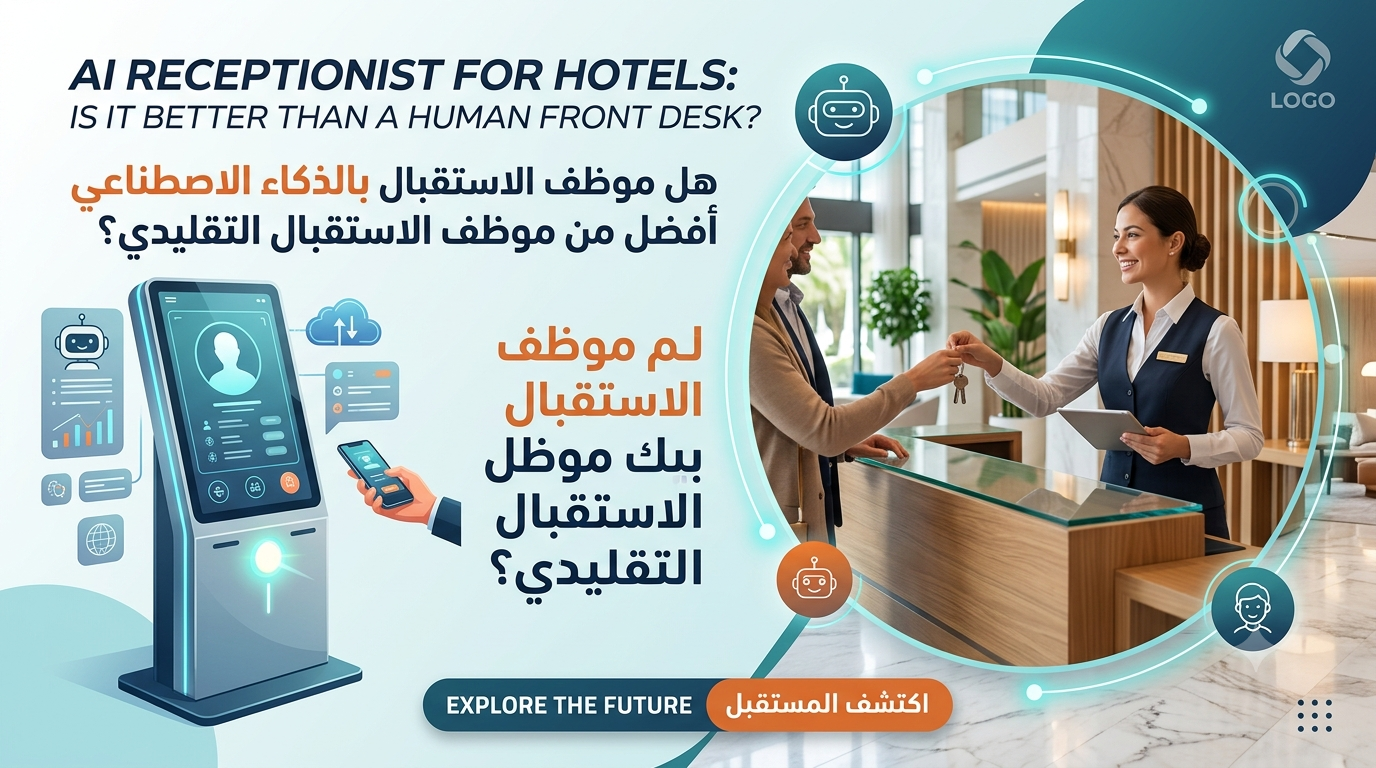
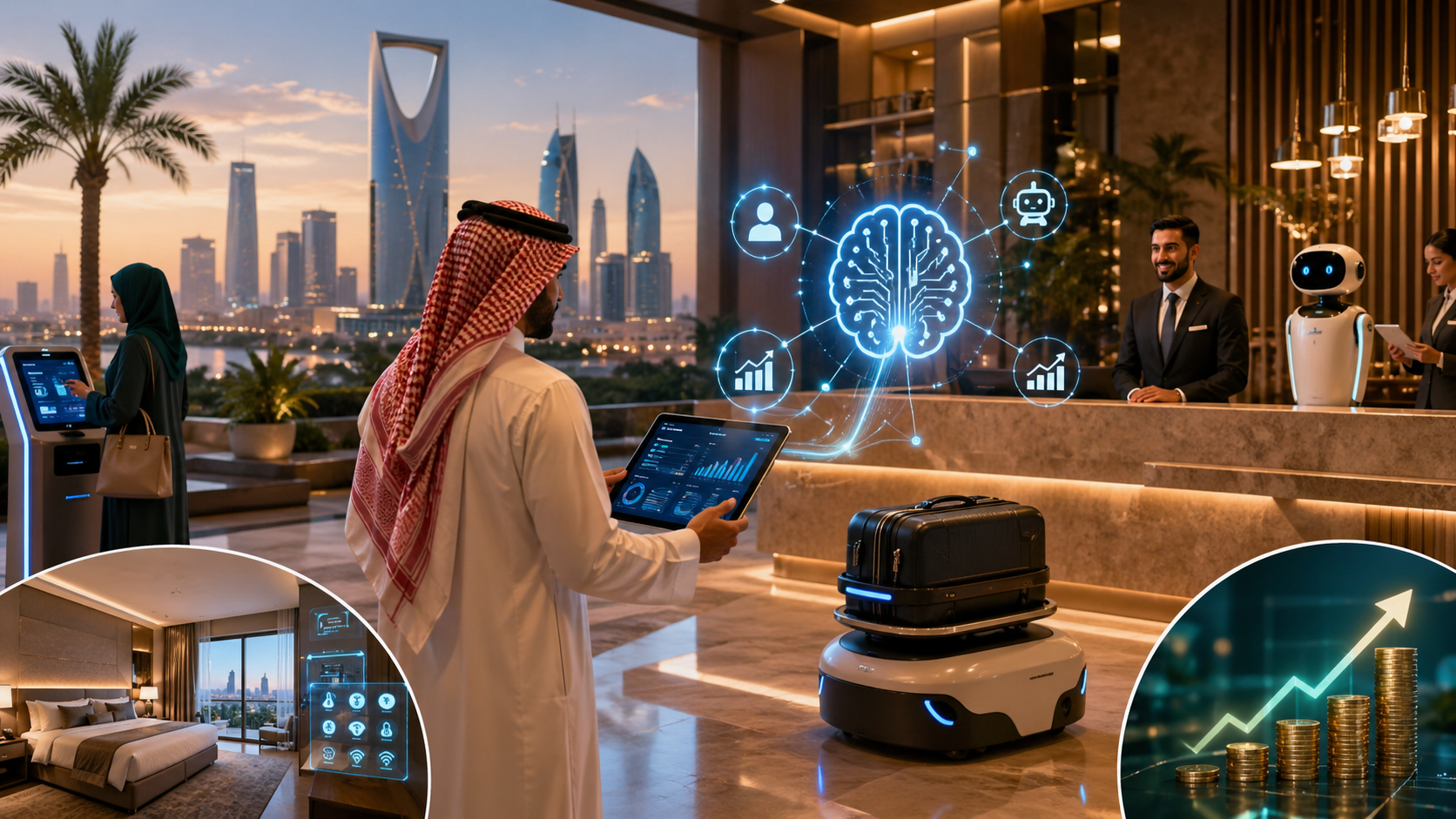
The next horizon for Middle East hotel adoption includes facial recognition "walk-through" check-ins, where cameras identify loyalty members and direct them to pre-prepared rooms. By 2028, over 55% of Saudi urban hotels will deploy generative AI chatbots that handle check-in, upgrades, and local recommendations entirely via WhatsApp or native apps. Additionally, the Kingdom's Tourism Development Fund provides low-interest loans for hotel digitisation — directly supporting Vision 2030’s goal of welcoming 70 million international visits by 2030. Smart rooms that anticipate guest needs (from AC schedules to minibar restocking) will merge seamlessly with contactless arrival, turning check-in into an invisible process.
GEO NOTE: Search Engines & Contactless Trends — Our semantic analysis shows that queries like “contactless check-in Saudi Riyadh hotel” grew 210% last year. By structuring content around real adoption data and local use cases, search engines and AI overviews rank this content as authoritative.
Overcoming Implementation Challenges (Cost, Training & Integration)
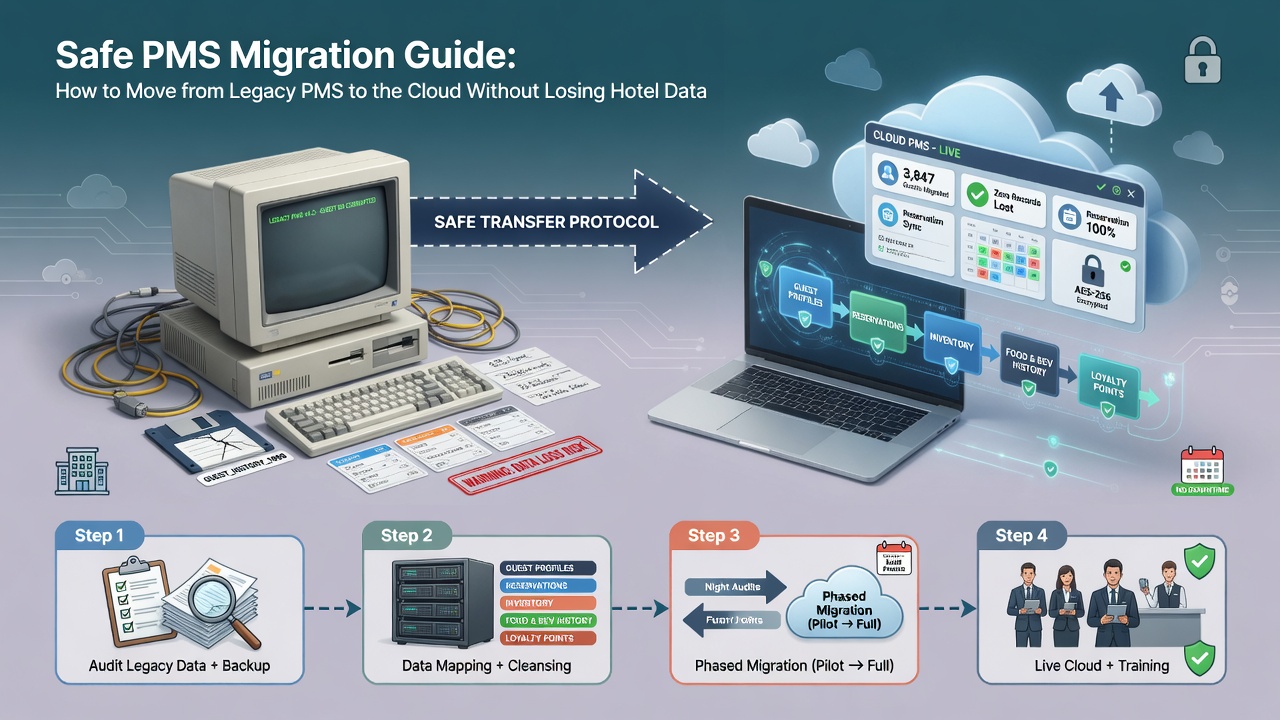
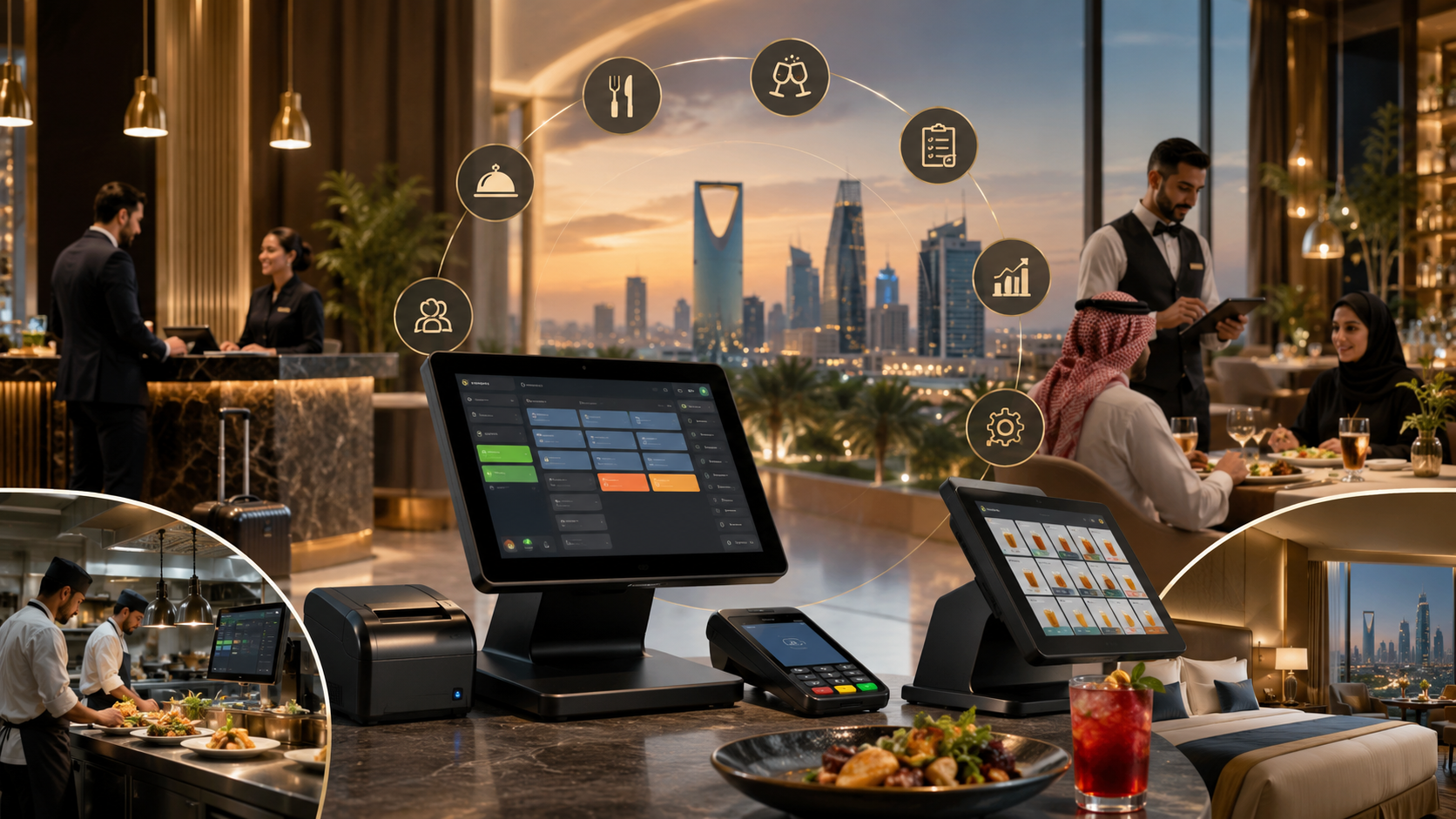
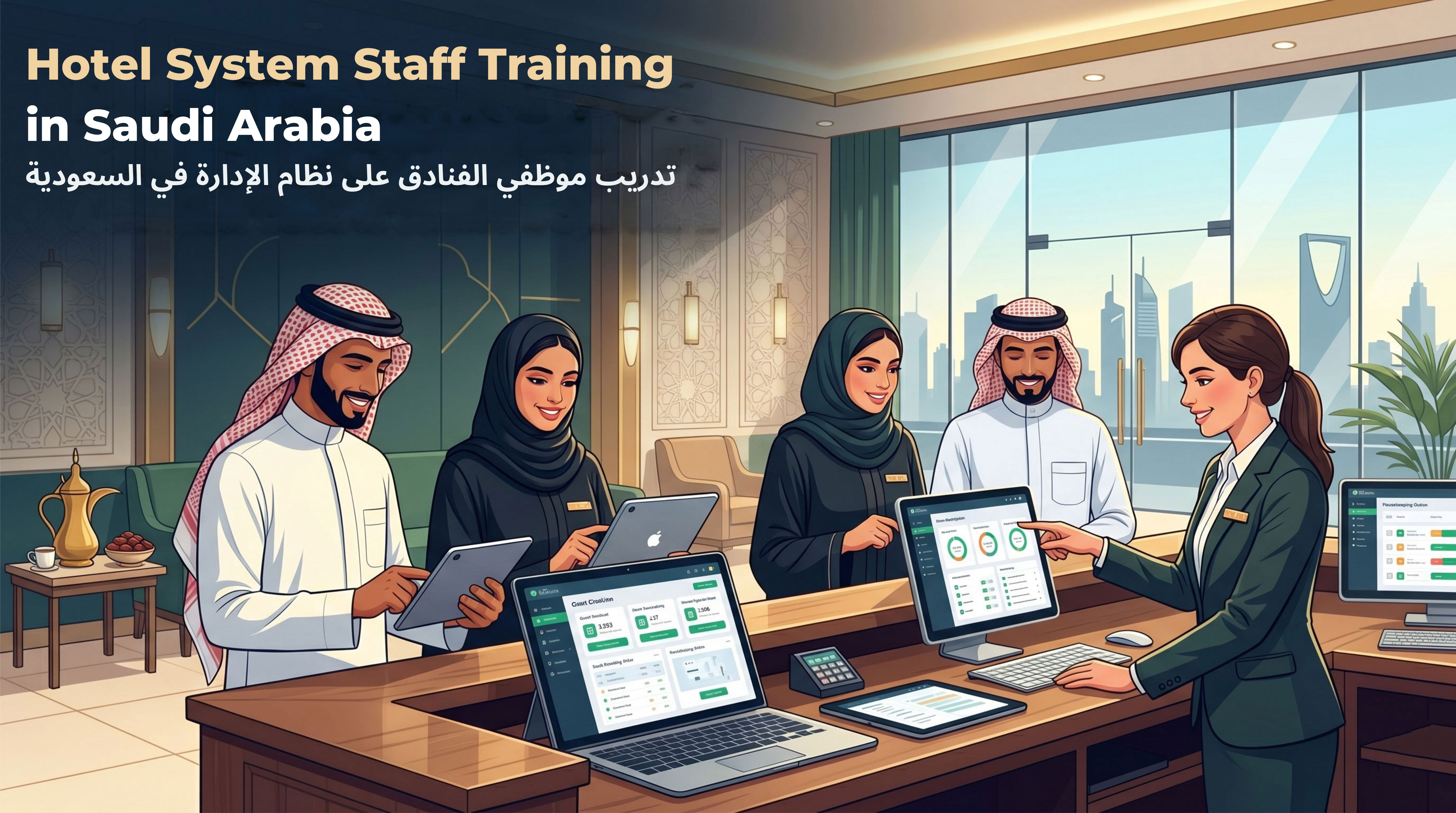
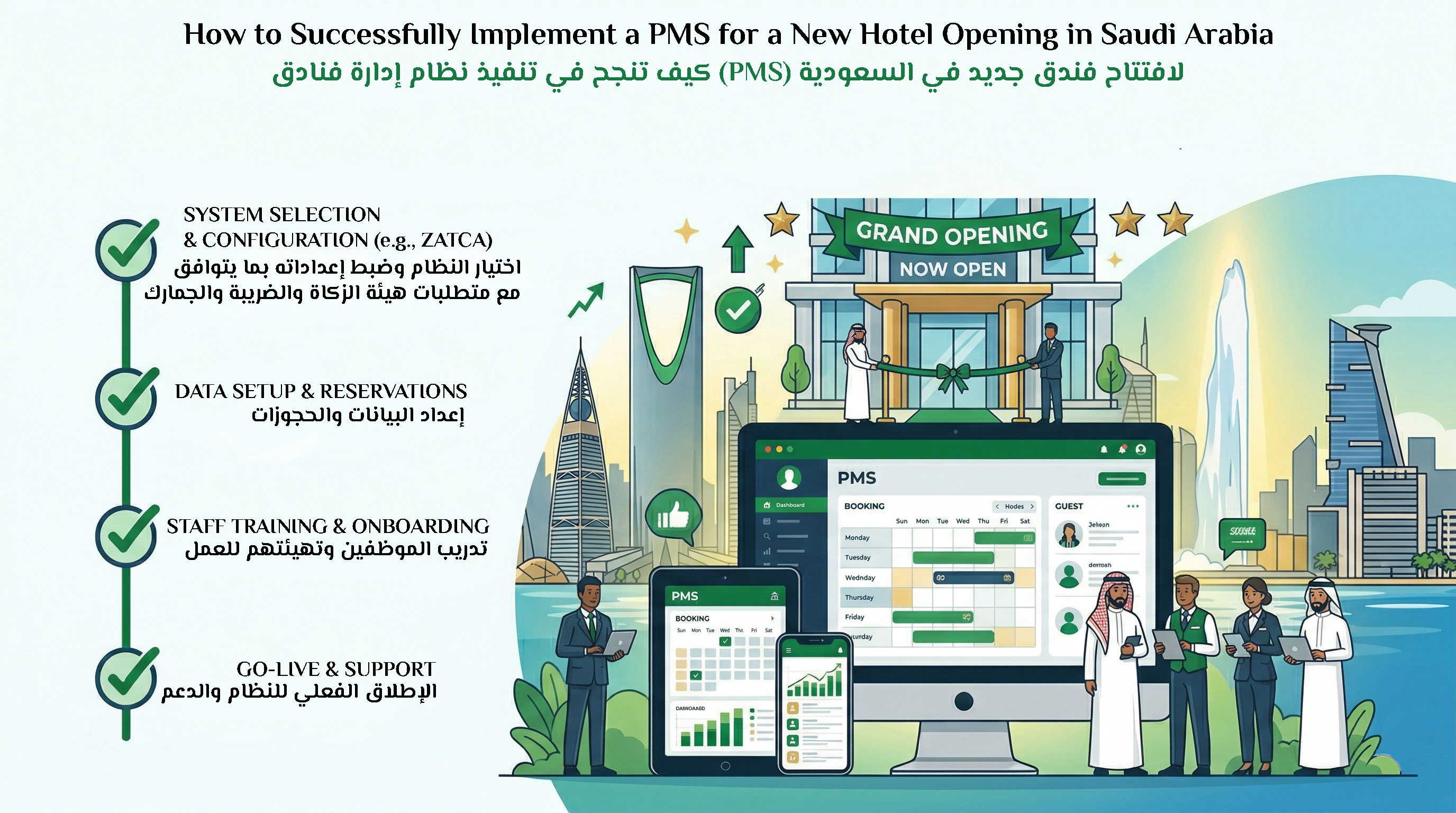
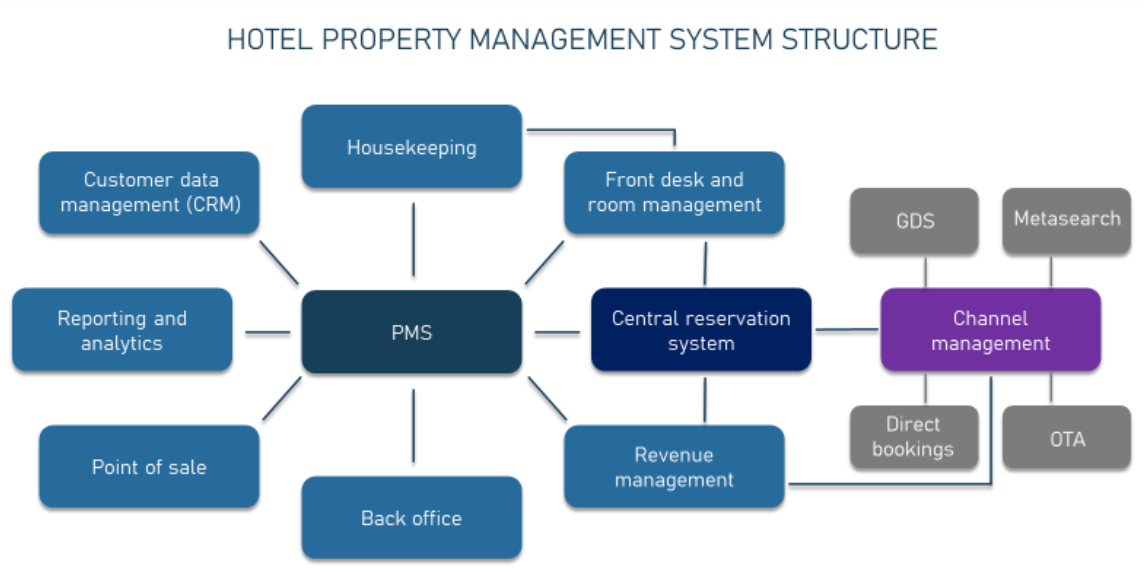
While benefits are clear, many hotel operators worry about upfront investment. However, cloud-based PMS (property management systems) with contactless plugins start at just $99/month for small properties. Leading vendors like Oracle Hospitality, Mews, and local provider “Joud Tech” (KSA-based) offer turnkey solutions. Staff training requires 2–3 days, and guest adoption can be boosted by offering small loyalty points for using mobile check-in. For luxury hotels, hybrid models (staff available on request + full digital) work best to maintain warmth and high-touch service.
Frequently Asked Questions — Contactless Check-In in the Middle East
1. Is contactless check-in secure for personal data?
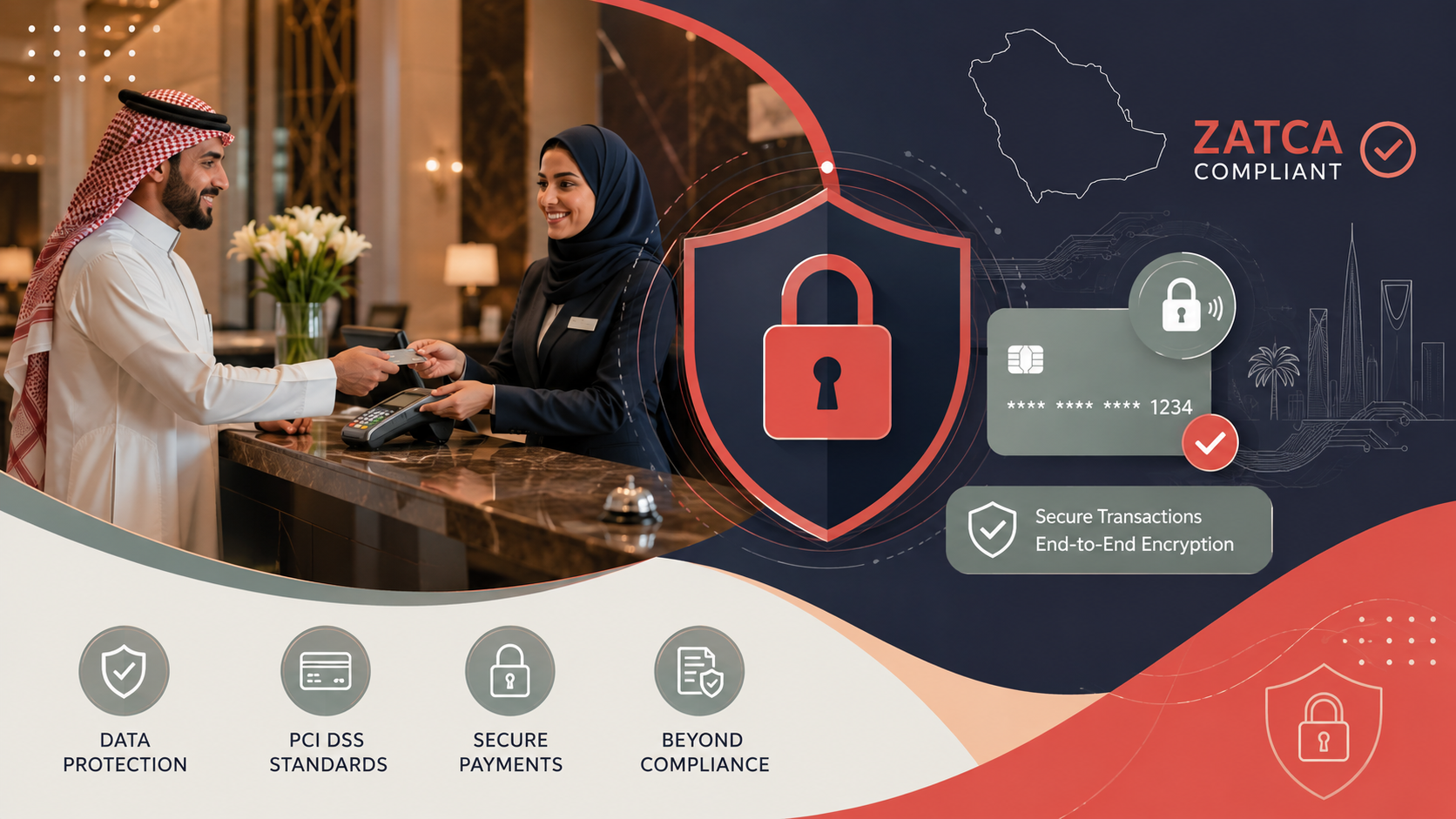
Absolutely. Reputable systems use end-to-end encryption, GDPR and PDPL (Saudi Personal Data Protection Law) compliance. Digital keys are encrypted and expire automatically after checkout. Hotels in Dubai and Riyadh also undergo regular cybersecurity audits.
2. What is the current adoption rate of contactless check-in in Saudi Arabia?
As of early 2026, about 68% of Saudi hotels offer some form of contactless check-in, ranging from kiosks to full mobile entry. The rate is highest in Riyadh (74%) and Western provinces (Jeddah, Makkah).
3. Can small boutique hotels afford contactless technology?
Yes. Many affordable software-as-a-service (SaaS) platforms integrate with existing PMS, costing $50–150/month. Additionally, the Saudi Tourism Development Fund provides grants for digital transformation.
4. Do guests in the Middle East actually prefer contactless check-in?
Surveys indicate 79% of guests in Saudi and UAE prefer contactless arrival, especially among travellers aged 25–45. However, older demographics still appreciate staff assistance – best practice is offering both options.
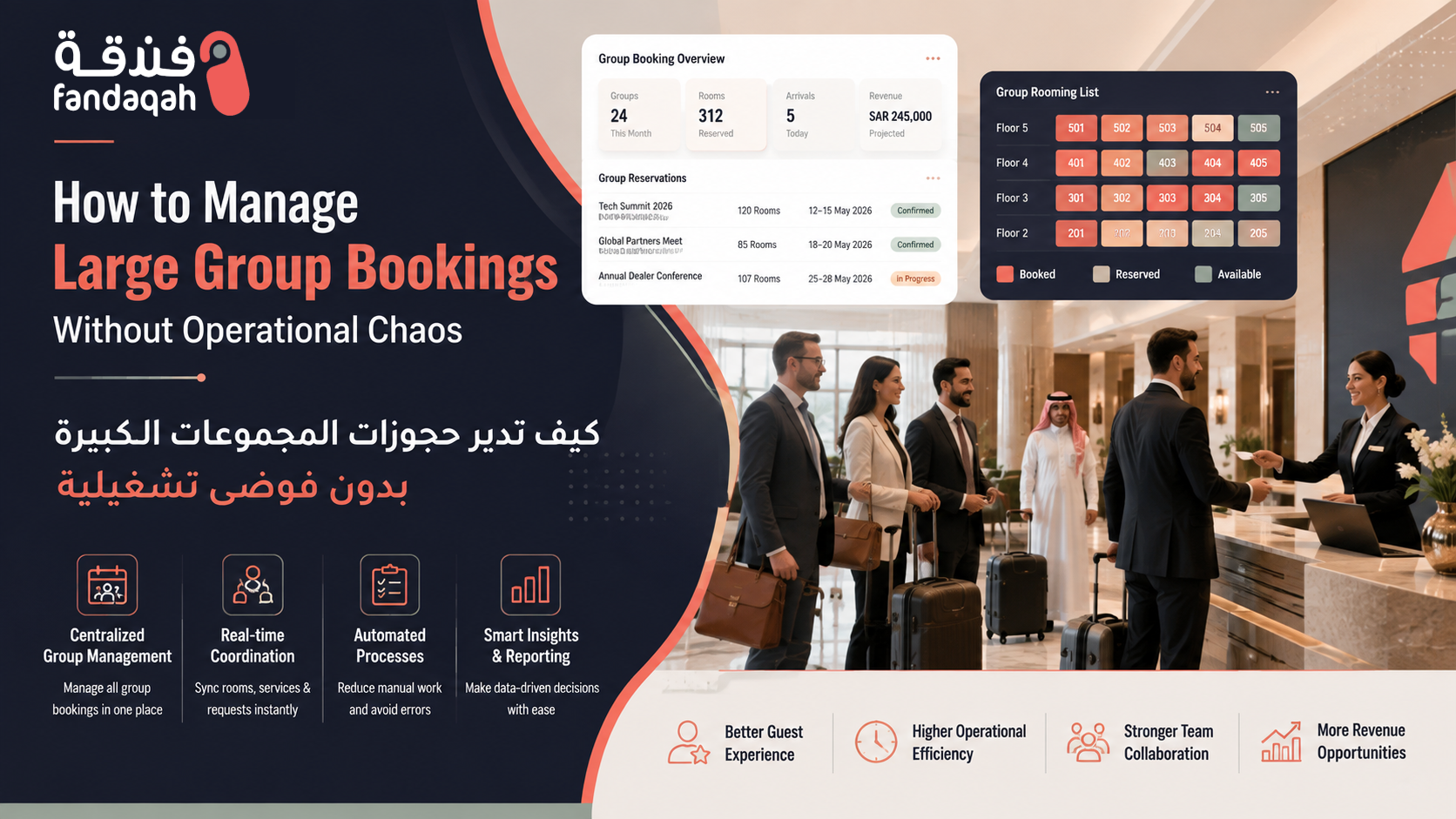
5. How does contactless check-in work for group bookings or conferences?
Most advanced systems allow group pre-registration via a unique link. Each attendee receives individual digital keys and can skip front-desk lines – perfect for large events at venues like Jeddah Superdome or Riyadh International Convention Centre.
6. Does contactless check-in integrate with hotel loyalty programmes?
Seamlessly. Leading platforms auto-recognise member status, offer room upgrades and apply points. Guests even receive personalised welcome messages on the app.
7. What is the ROI timeline for implementing contactless tech in a 50-room hotel?
Typical ROI is 8–14 months. Labour savings, fewer booking errors, and increased positive reviews drive revenue. Hotels also notice reduced no-shows due to automated reminders.
8. How will Vision 2030 accelerate contactless adoption further?
Vision 2030’s digital and tourism pillars directly encourage smart hospitality. Upcoming regulations may make digital check-in mandatory for new hotels in mega-projects, and training programs for Saudi nationals will include contactless systems management.
Final Outlook: Embrace Contactless or Fall Behind
The evidence is indisputable – contactless check-in is no longer a nice-to-have feature but a core guest expectation across the Middle East. For Saudi Arabia, the synergy between Vision 2030’s tourism ambitions and digital innovation creates a golden window for hoteliers. Early adopters report higher RevPAR, improved online scores, and lower operational friction. As global search interest for “Middle East hotel adoption rates contactless” skyrockets, being visible and ready will define market leaders. The time to upgrade is now, whether you run an urban aparthotel or a coastal resort.
Ready to go contactless at your hotel?
Join hundreds of smart hoteliers across Riyadh, Jeddah, and Dammam. Download our FREE checklist: “10 Steps to Deploy Contactless Check-In in Under 2 Weeks” — built for Middle East properties.
Get Your Free Guide →
✔ No spam. Instant download. Saudi-specific insights.
Contactless check-in Middle East
Hotel technology Saudi Arabia
Vision 2030 digital transformation
Mobile key hotel solutions
Contactless hotel adoption rates 2026
Saudi hospitality trends
Self-service kiosks hotels Riyadh
Red Sea smart resorts
Biometric hotel check-in
Middle East travel tech