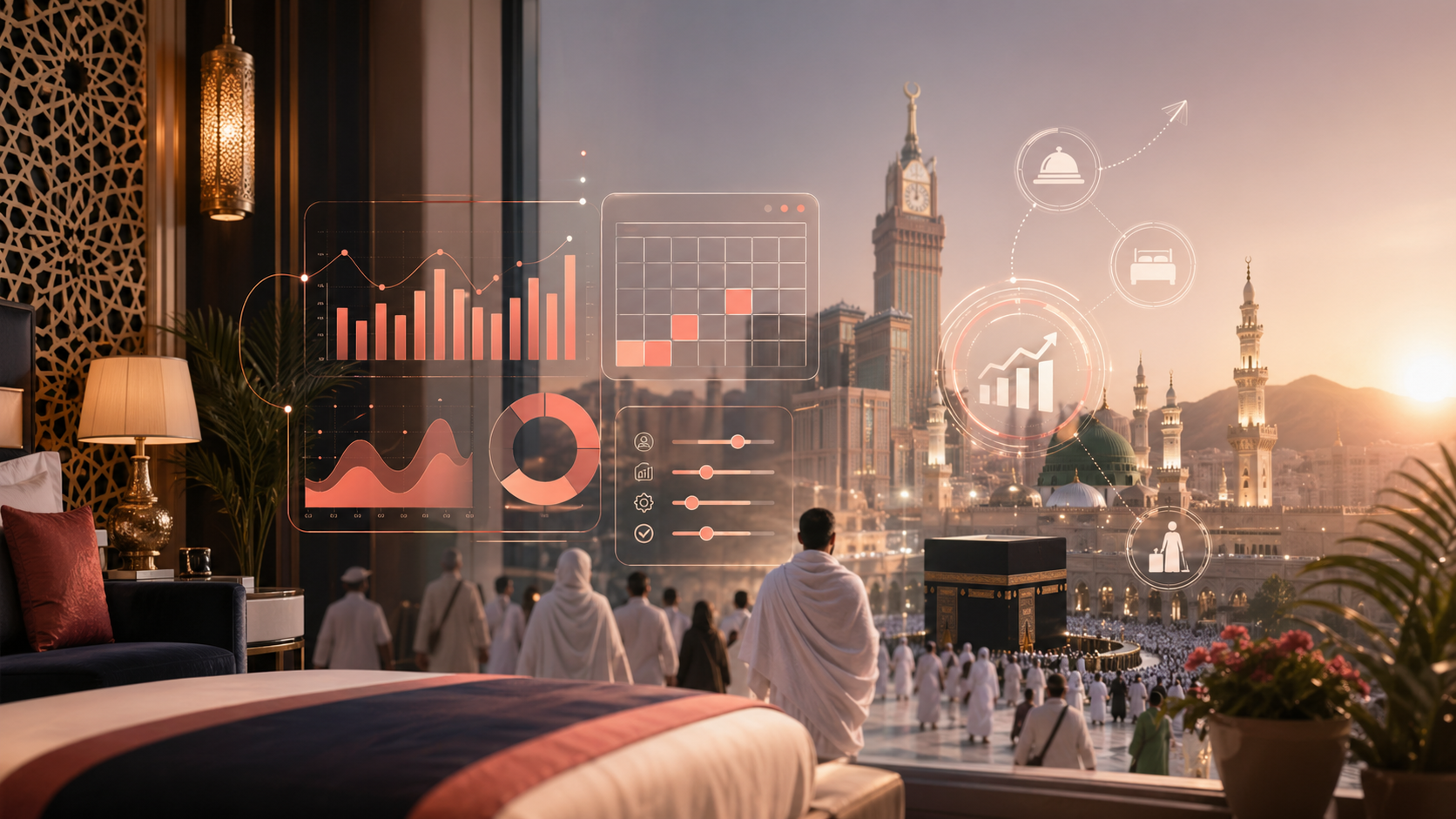
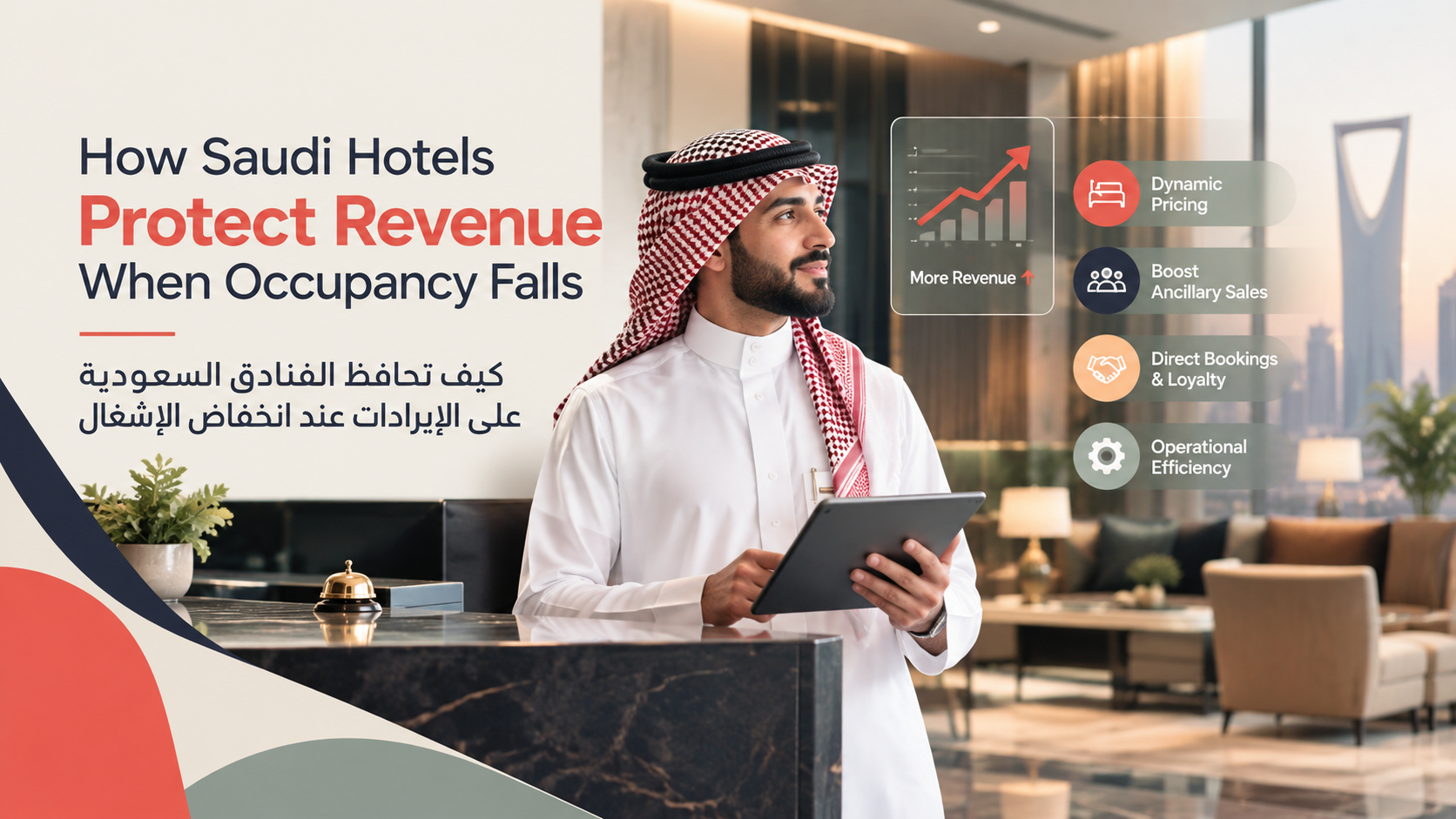
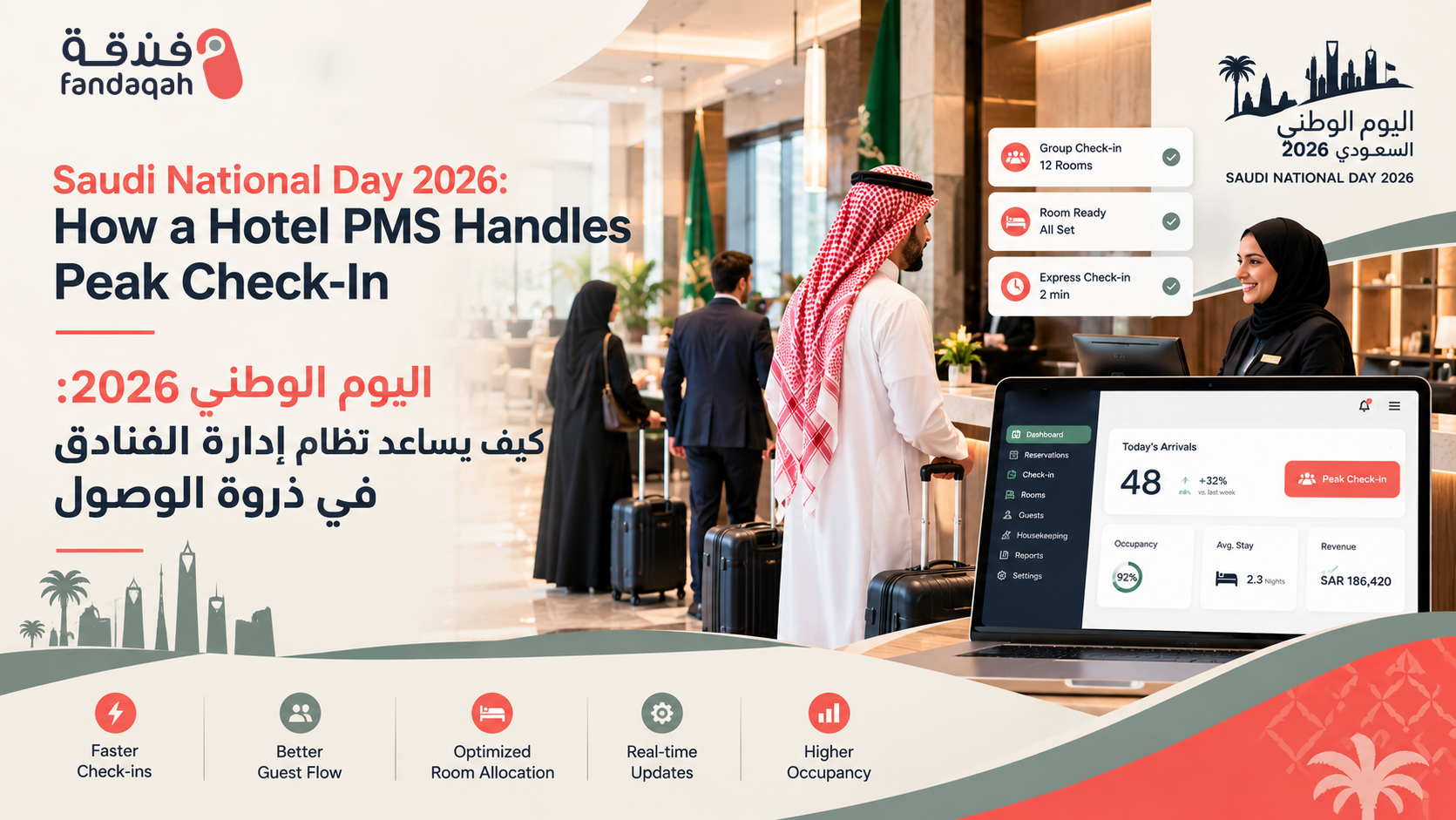
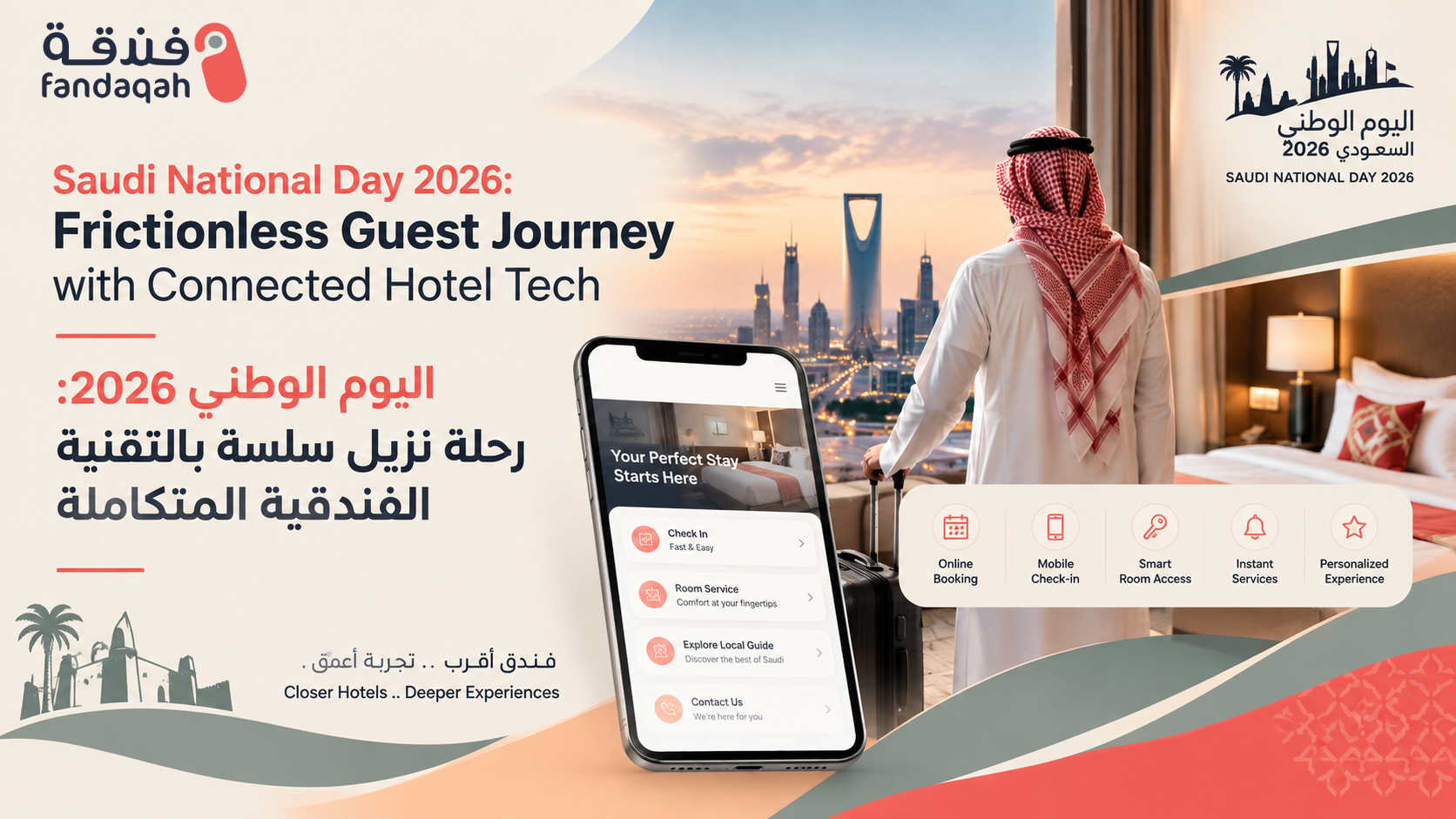
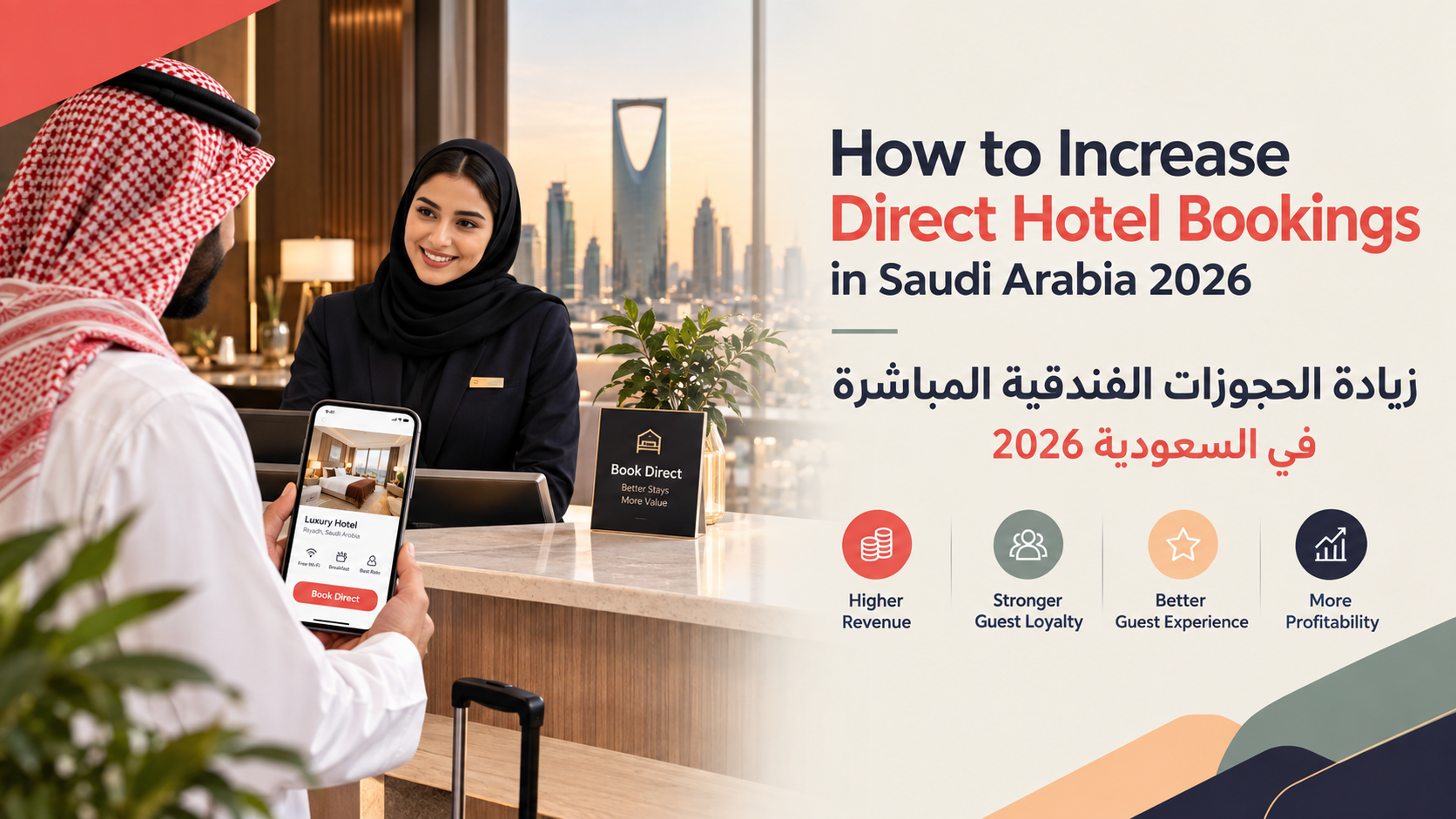
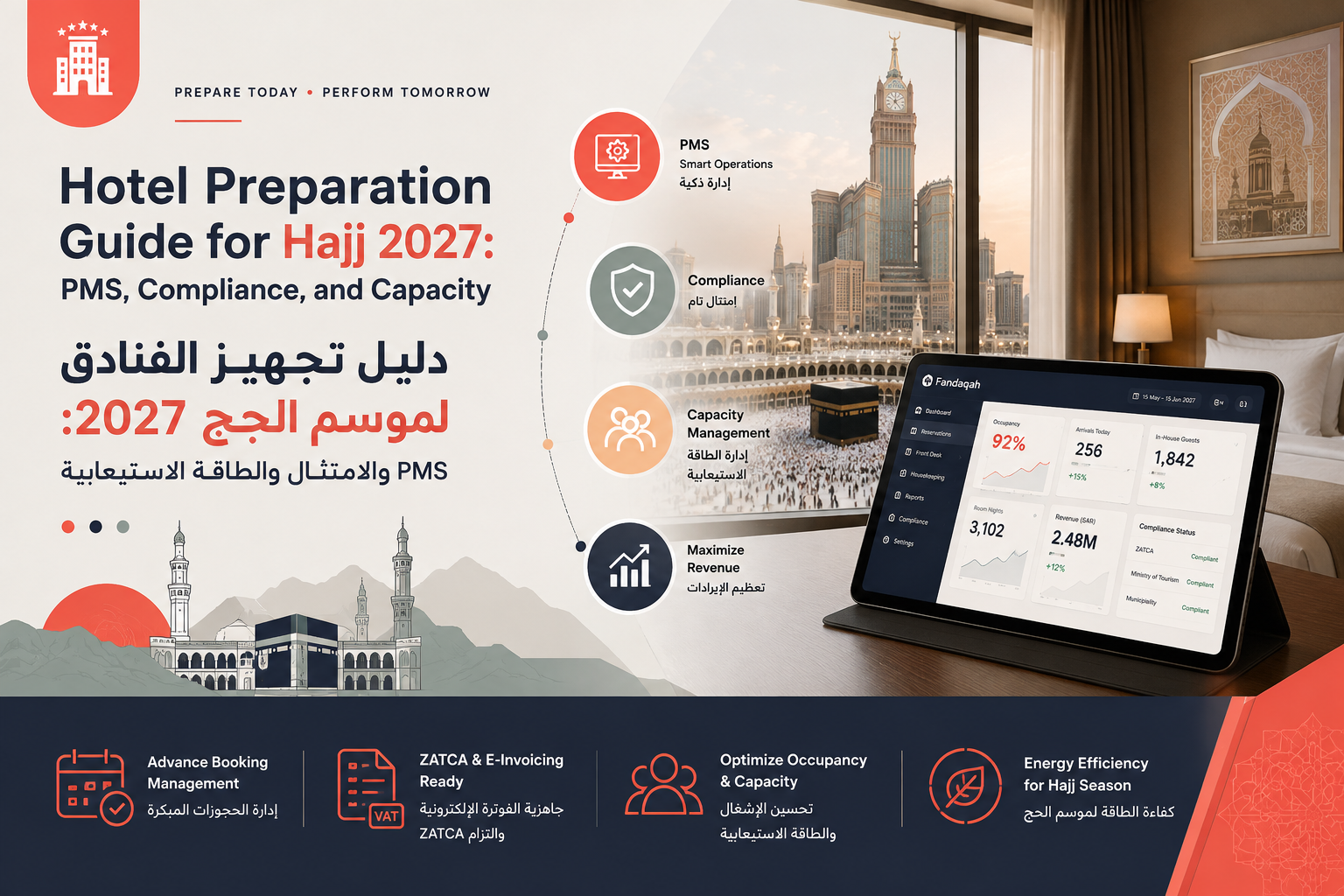
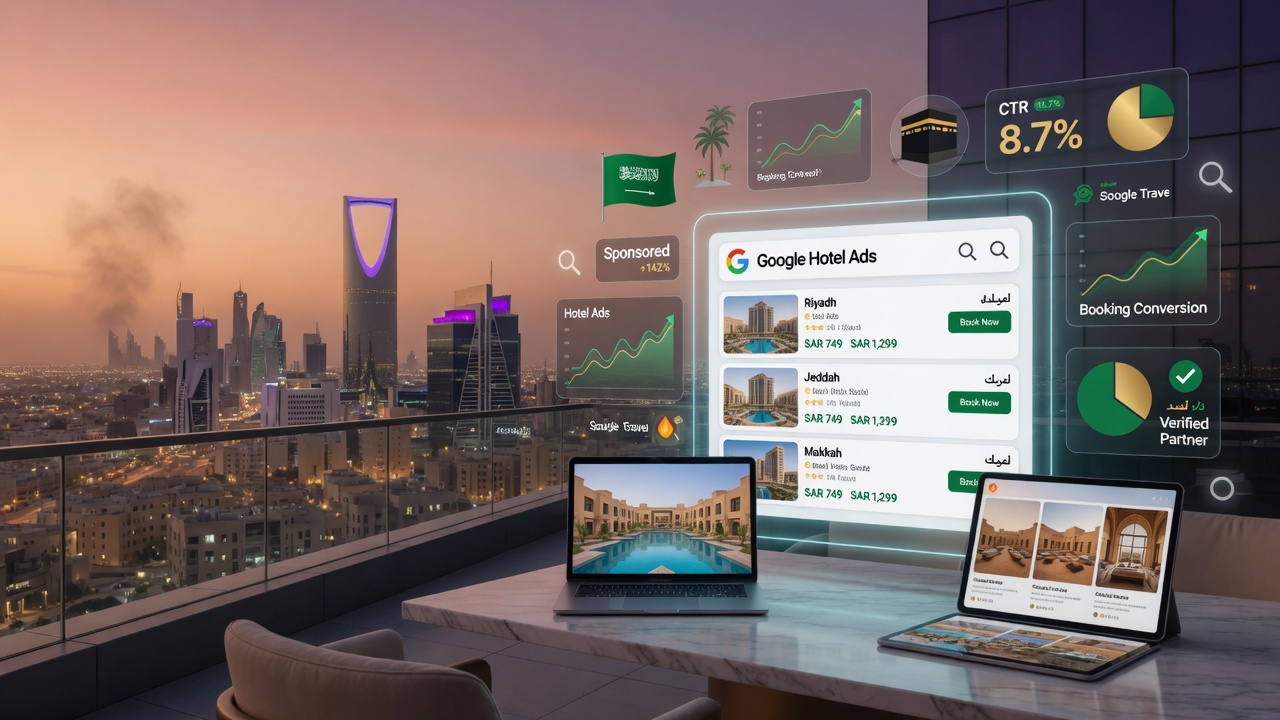
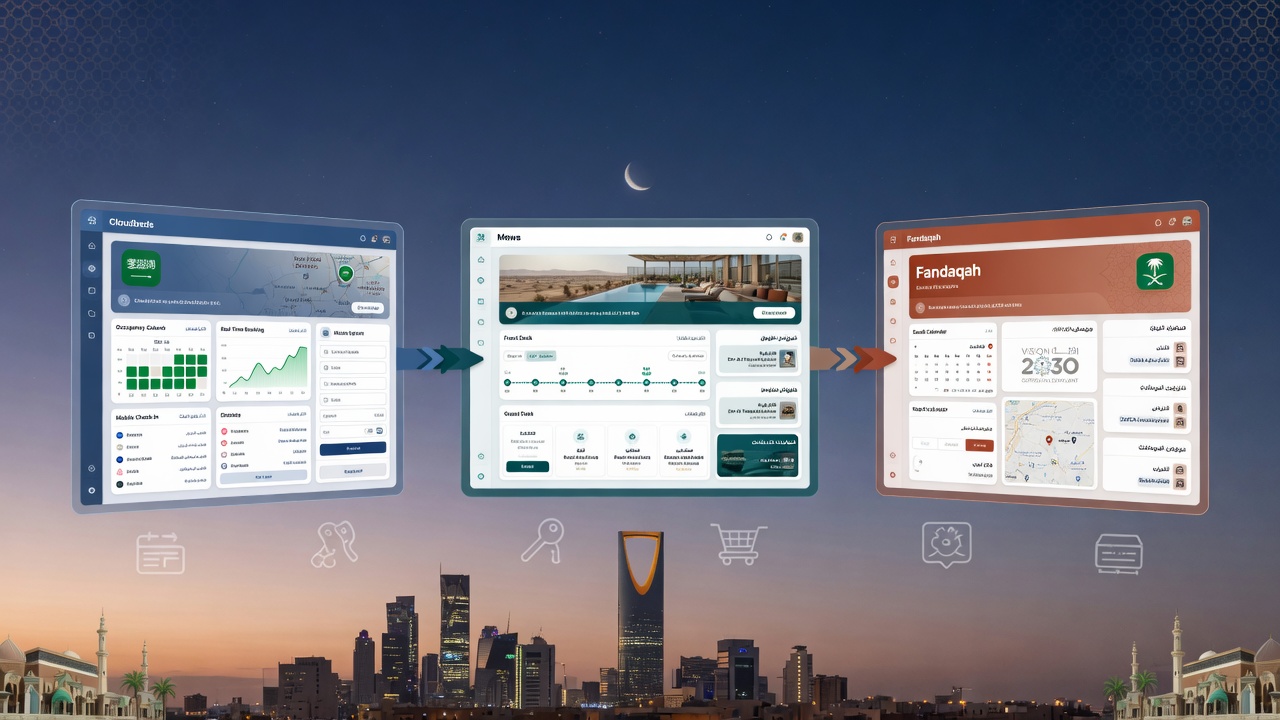
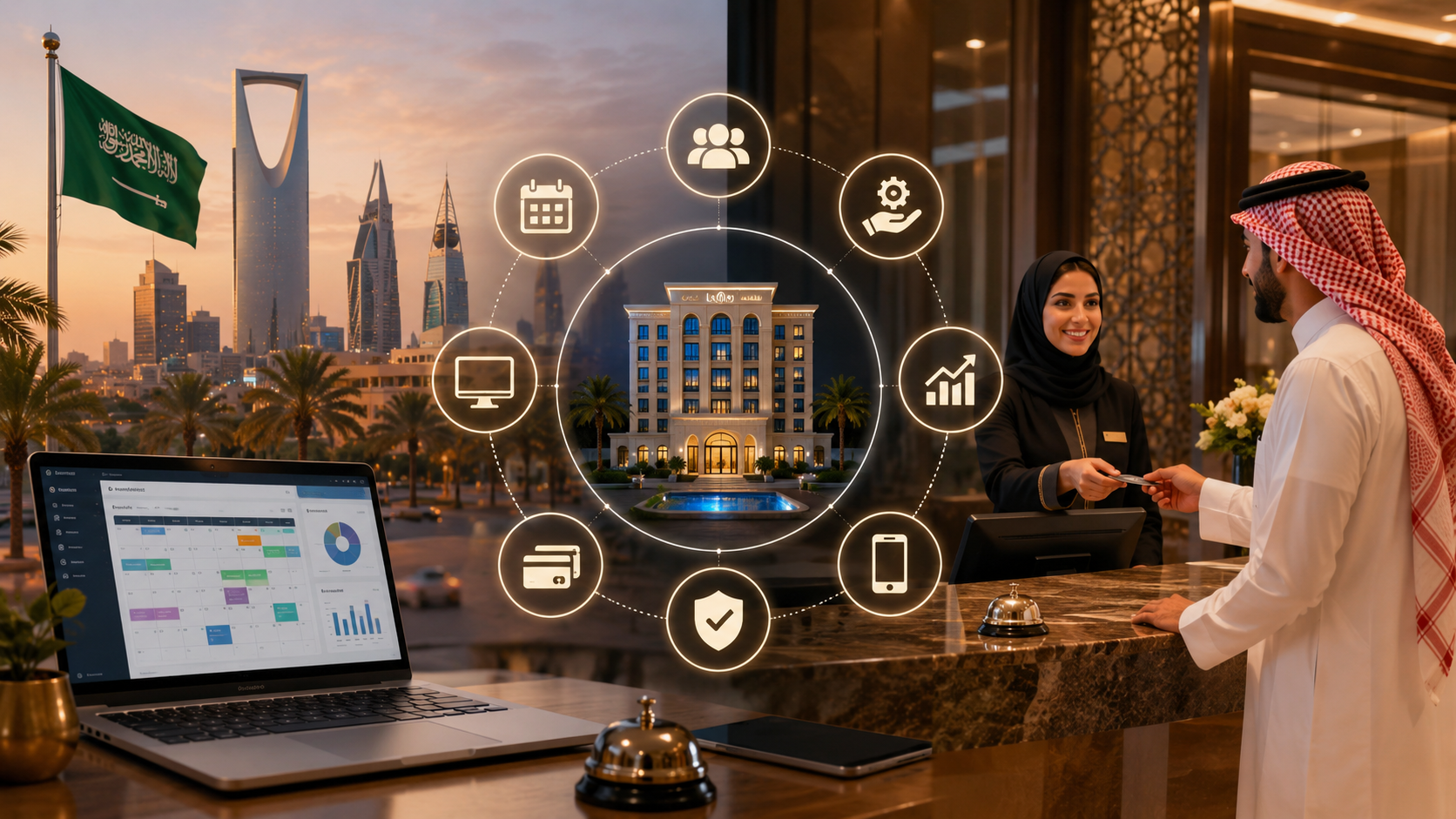
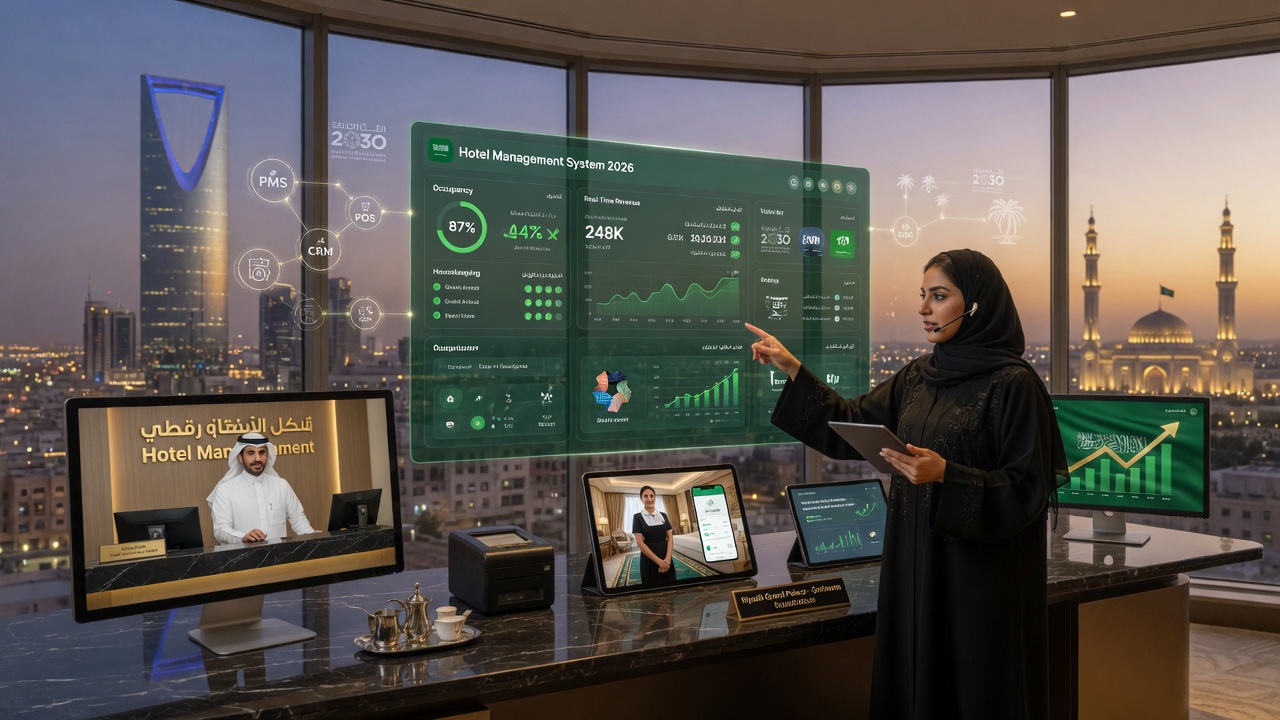
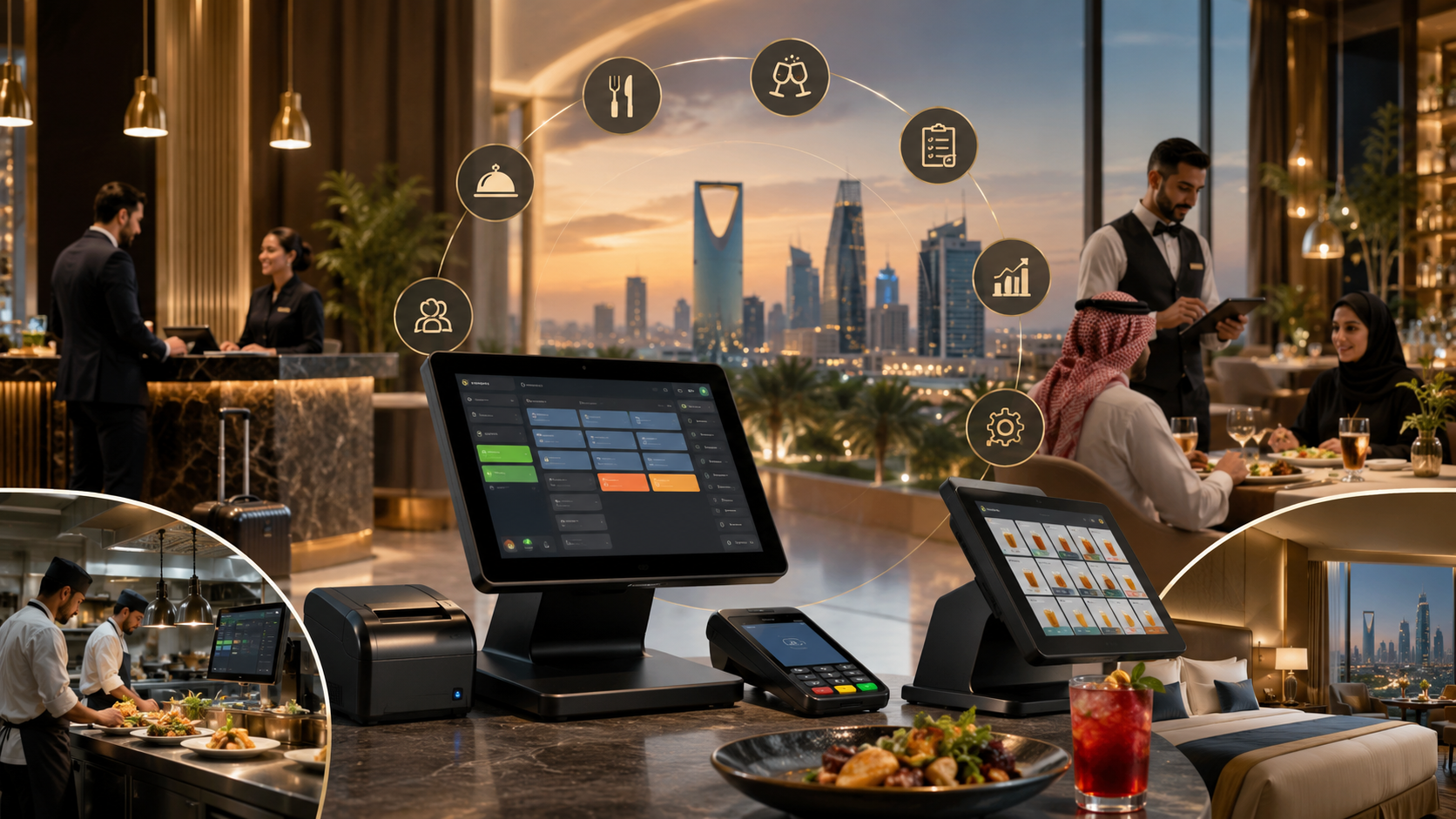
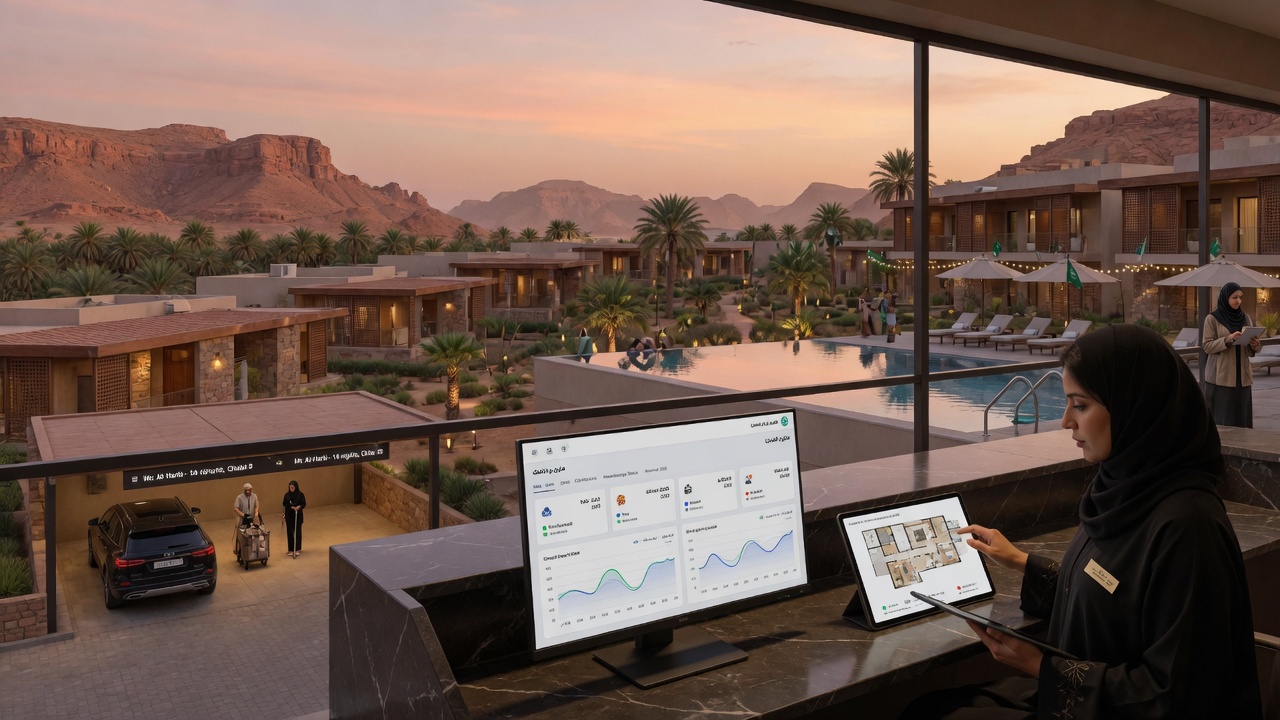
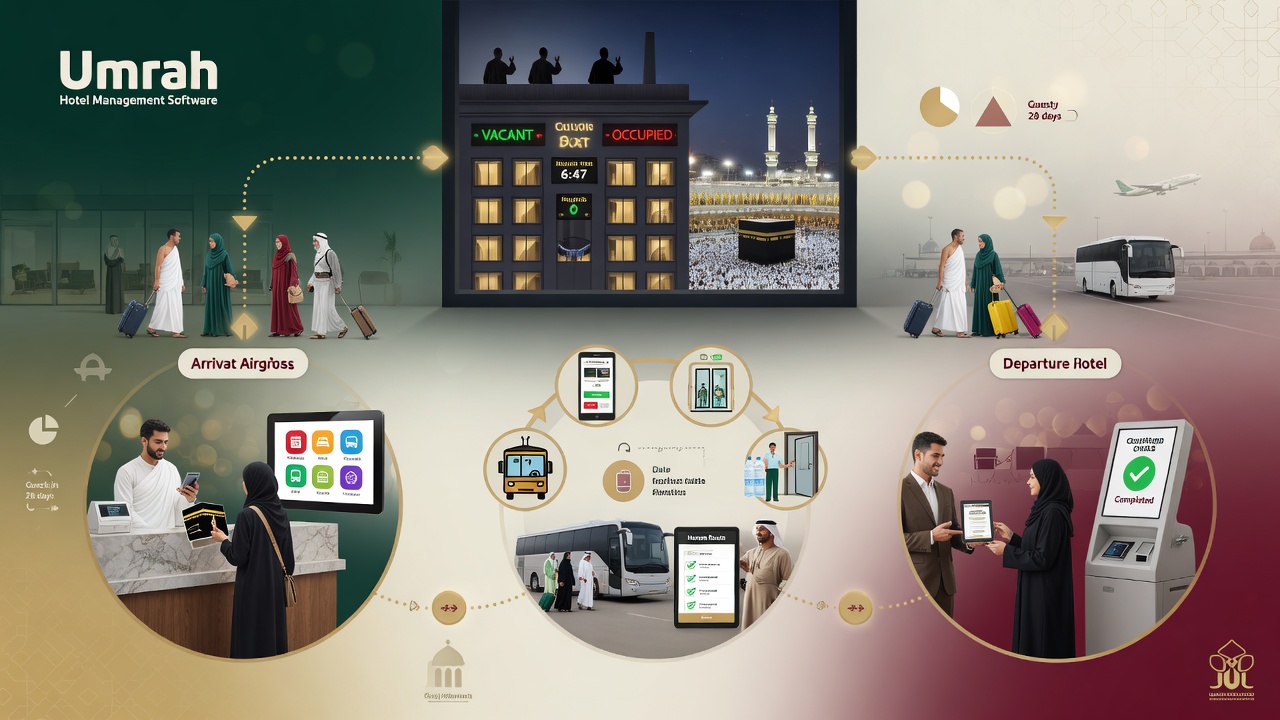
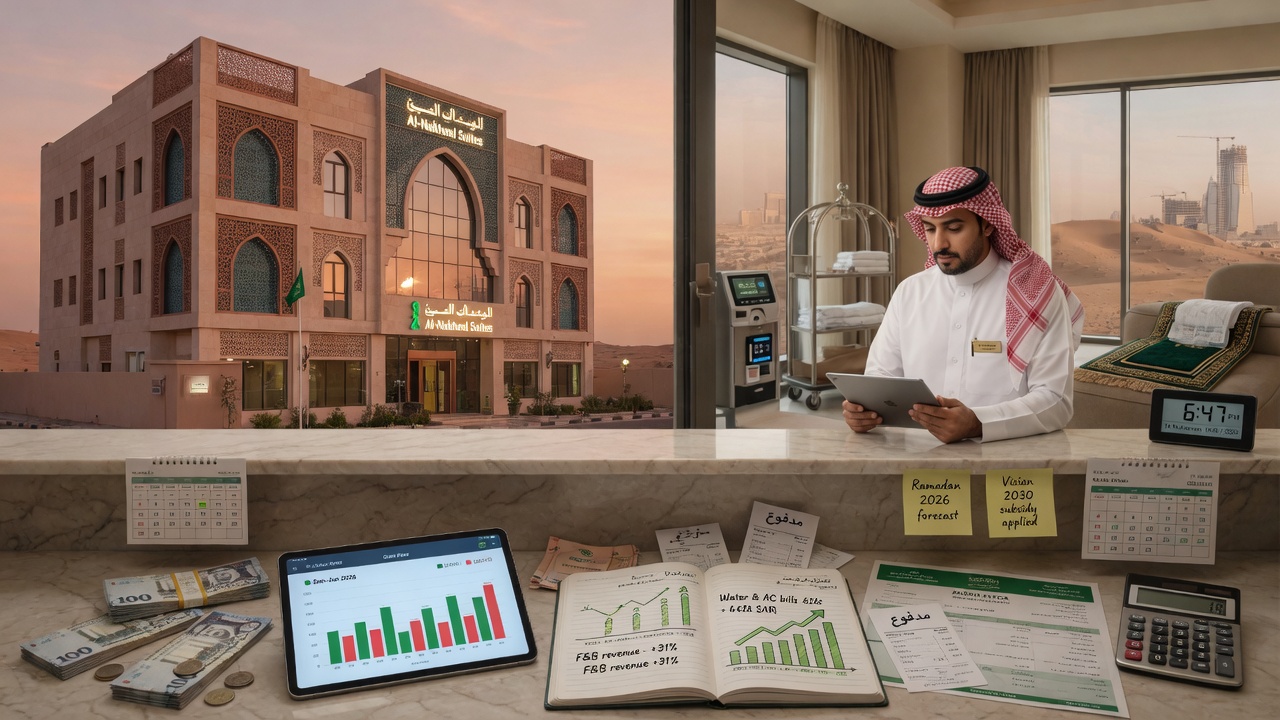
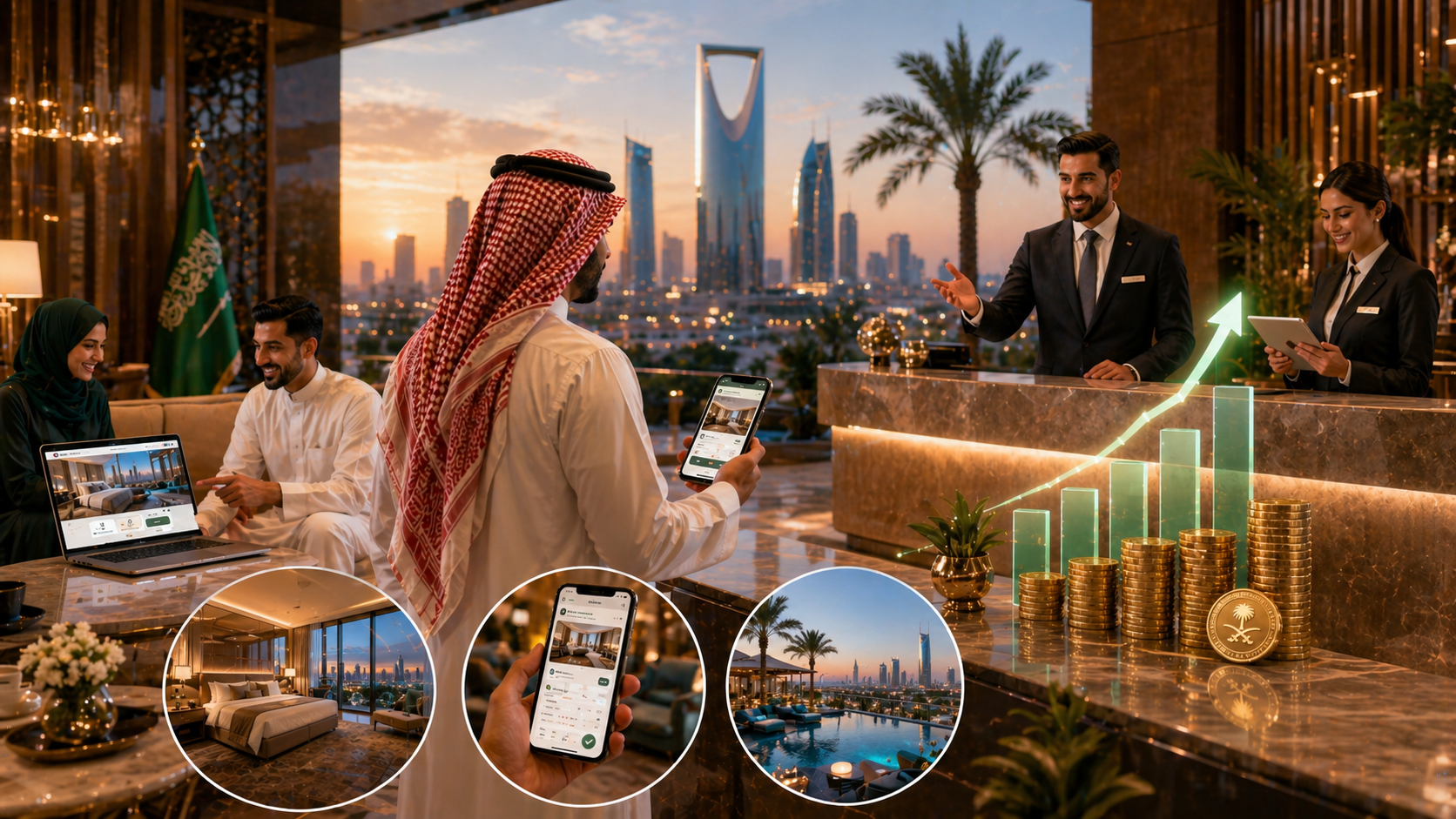
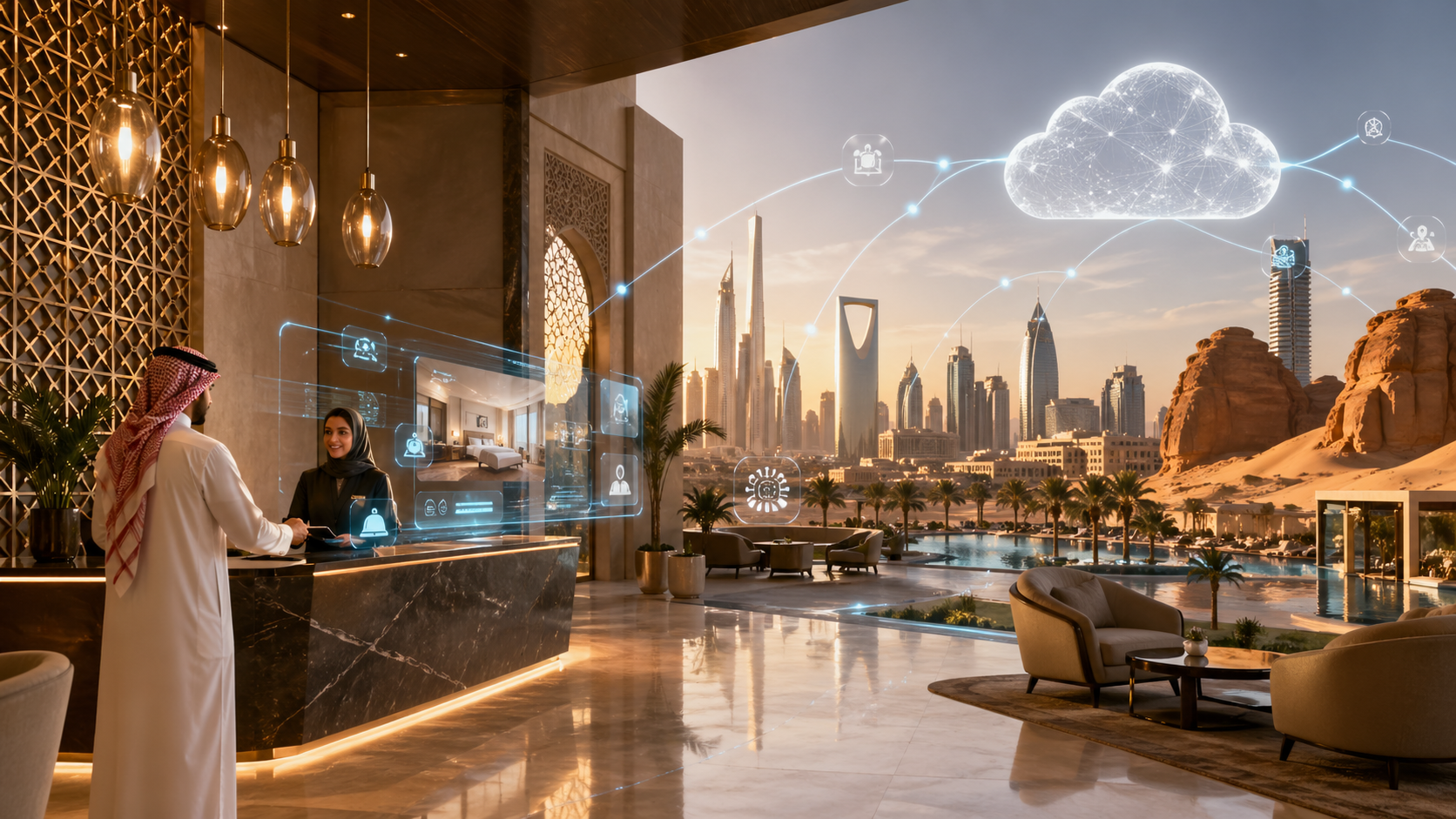
For hotels in Saudi Arabia, few business periods are as important, complex, and opportunity-rich as Hajj and Umrah seasons. Religious tourism is not just a travel segment; it is one of the strongest foundations of hospitality demand in the Kingdom. Hotels in Makkah, Madinah, Jeddah, Taif, Riyadh, and transit destinations across Saudi Arabia face sharp changes in occupancy, guest behavior, booking windows, room pricing, group reservations, and operational pressure. This is why Hajj and Umrah Hotel Management has become a strategic priority for hotel owners, general managers, revenue managers, and operations teams who want to improve profitability while delivering a smooth guest experience.
The primary keyword for this guide is Hajj and Umrah Hotel Management. Secondary keywords include Revenue Management Saudi Arabia, Seasonal Demand Hospitality, hotel revenue management software, automated hotel pricing, hotel PMS Saudi Arabia, Umrah hotel operations, Hajj hotel booking management, hotel occupancy optimization, and dynamic pricing for hotels. Long-tail keywords used throughout this article include how to optimize hotel revenue during Hajj and Umrah, best automated tools for Hajj hotel operations, hotel pricing strategy for Umrah season in Saudi Arabia, how Saudi hotels manage seasonal demand, automated revenue management for hotels in Makkah and Madinah, how to reduce overbooking during Hajj season, and hotel revenue strategy for religious tourism in Saudi Arabia.
Seasonal demand in hospitality can create excellent revenue opportunities, but it can also expose weaknesses in hotel operations. During Hajj and high-demand Umrah periods, a hotel may receive a surge of bookings from travel agencies, online travel agencies, corporate accounts, religious tour operators, direct guests, and group coordinators. Without the right systems, teams may struggle with rate inconsistencies, delayed confirmations, manual room allocation, payment tracking issues, guest arrival bottlenecks, and missed revenue opportunities. Automated tools help hotels move from reactive management to intelligent planning.
This detailed guide explains how hotels in Saudi Arabia can master Seasonal Demand Hospitality during Hajj and Umrah using automated tools such as property management systems, channel managers, booking engines, revenue management systems, payment automation, housekeeping automation, guest communication tools, reporting dashboards, and demand forecasting. The goal is not only to increase rates during peak periods, but to build a complete revenue strategy that protects guest satisfaction, improves operational efficiency, and supports long-term growth.
SEO Summary: Hotels that rely on manual rate updates and disconnected operations during Hajj and Umrah often lose revenue, create staff pressure, and risk guest dissatisfaction. Automated hotel tools help Saudi properties forecast demand, optimize pricing, control inventory, manage groups, prevent overbooking, and improve the full guest journey from booking to checkout.
Understanding Seasonal Demand in Hajj and Umrah Hotel Management
Seasonal demand in hotels refers to predictable or semi-predictable changes in guest volume during specific times of the year. In Saudi Arabia, Hajj and Umrah create unique demand cycles because they are connected to religious travel, visa flows, transportation capacity, group movement, international arrivals, school holidays, Ramadan, public holidays, and proximity to the holy sites. Unlike normal leisure demand, religious tourism often includes large groups, long travel distances, specific arrival schedules, meal requirements, prayer timing considerations, shuttle coordination, and multilingual communication needs.
For hotels in Makkah and Madinah, Hajj and Umrah seasons influence almost every commercial decision. Room rates, length-of-stay restrictions, package pricing, cancellation policies, allotment contracts, payment terms, housekeeping schedules, guest arrival planning, and revenue forecasting all become more sensitive. A small mistake in one area can have a large effect. For example, if a hotel sells too many rooms at low rates early in the season, it may miss the opportunity to sell the same rooms at a higher value later. If it waits too long and demand changes unexpectedly, it may face unsold inventory. This balance is the heart of Revenue Management Saudi Arabia.
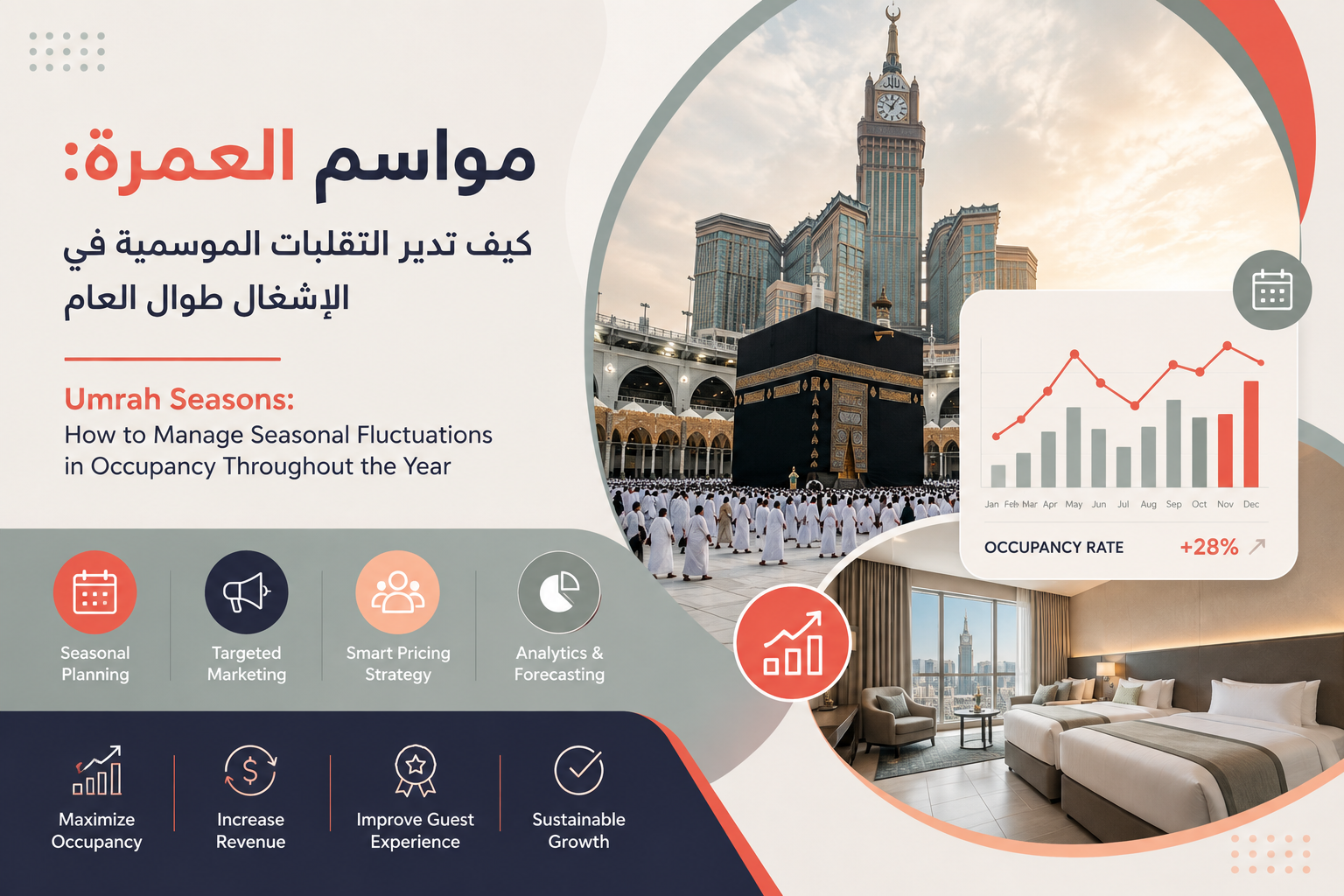
Hajj demand is intense, compressed, and highly operational. Umrah demand is more distributed throughout the year but can peak strongly during Ramadan, school breaks, and other religiously significant periods. This means hotels need different strategies for each season. Hajj may require strict inventory control, package-based pricing, group booking management, and early forecasting. Umrah may require flexible pricing, frequent rate adjustments, direct booking campaigns, channel manager control, and strong distribution across multiple markets.
Successful Hajj and Umrah Hotel Management requires a hotel to understand demand at several levels. The first level is market demand: how many pilgrims and visitors are expected, where they are coming from, and how they are booking. The second level is property demand: how your hotel performs compared with similar hotels in the same area. The third level is room-type demand: which rooms sell first, which rooms are most profitable, and which rooms are best suited for groups or families. The fourth level is operational demand: how many arrivals, departures, cleaning tasks, payment follow-ups, and guest requests your team must handle each day.
Why Traditional Hotel Management Struggles During Peak Religious Tourism
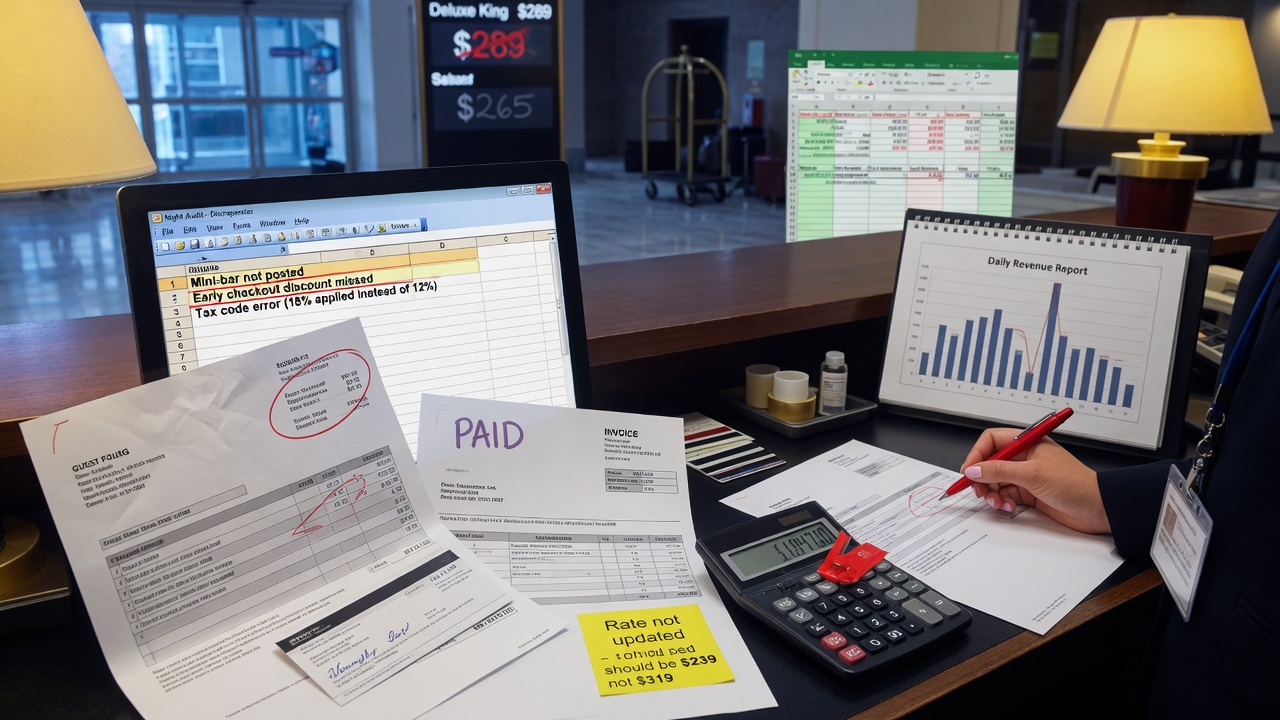
Many hotels still manage high-demand periods using spreadsheets, phone calls, manual rate updates, handwritten notes, disconnected systems, and informal communication between departments. This may work during low occupancy, but it becomes risky during Hajj and Umrah. When demand rises quickly, manual systems are too slow. Rates may not update across all channels. Reservations may be duplicated. Housekeeping may not receive accurate room status. Finance teams may struggle to track deposits. Front desk staff may not have full visibility of group arrivals. Managers may make decisions based on outdated reports.
In seasonal hospitality, timing is revenue. A room sold too cheaply during a high-demand night can never be recovered. A room left unsold because rates were too high or inventory was closed incorrectly is also lost forever. This is why hotel occupancy optimization must be connected to pricing, distribution, forecasting, and operations. Occupancy alone is not enough. A hotel can be fully booked and still underperform if the average daily rate is too low, if commissions are too high, if group contracts are poorly structured, or if operational costs increase because of inefficient planning.
Traditional management also struggles because Hajj and Umrah demand is not only about numbers. It is about guest expectations. Pilgrims may need accurate check-in information, clear booking confirmations, flexible communication, organized transportation details, meal coordination, and fast issue resolution. If a hotel focuses only on rate increases and ignores the guest journey, it may receive complaints, negative reviews, and lower repeat business from travel partners.
Important Note: Peak season revenue is not created only by charging higher prices. It is created by selling the right room, to the right guest, through the right channel, at the right time, with the right payment terms, while keeping operations under control.
What Revenue Management Means for Saudi Hotels During Hajj and Umrah
Revenue management is the practice of using data, forecasting, pricing strategy, inventory control, and distribution decisions to maximize hotel income. In simple terms, it helps a hotel answer a critical question: how can we earn the highest possible revenue from our available rooms without damaging guest satisfaction or long-term market position? In the context of Revenue Management Saudi Arabia, this question becomes even more important because religious tourism creates high demand, diverse guest segments, and strong competition among hotels.
A revenue management strategy for Hajj and Umrah should include forecasting, segmentation, dynamic pricing, channel strategy, length-of-stay controls, cancellation policy design, group booking rules, direct booking optimization, and performance reporting. The strongest hotels do not wait for demand to arrive. They prepare early, monitor demand daily, and adjust their strategy as the market changes. Automated tools allow this process to happen faster and more accurately.
During Hajj, revenue managers may focus on maximizing total package value, protecting room inventory for the most profitable segments, controlling group allotments, and ensuring confirmed payments. During Umrah, revenue managers may focus more on flexible pricing, international demand patterns, weekend demand, Ramadan peaks, OTA visibility, direct bookings, and repeat travel agencies. Both require strong data and disciplined execution.
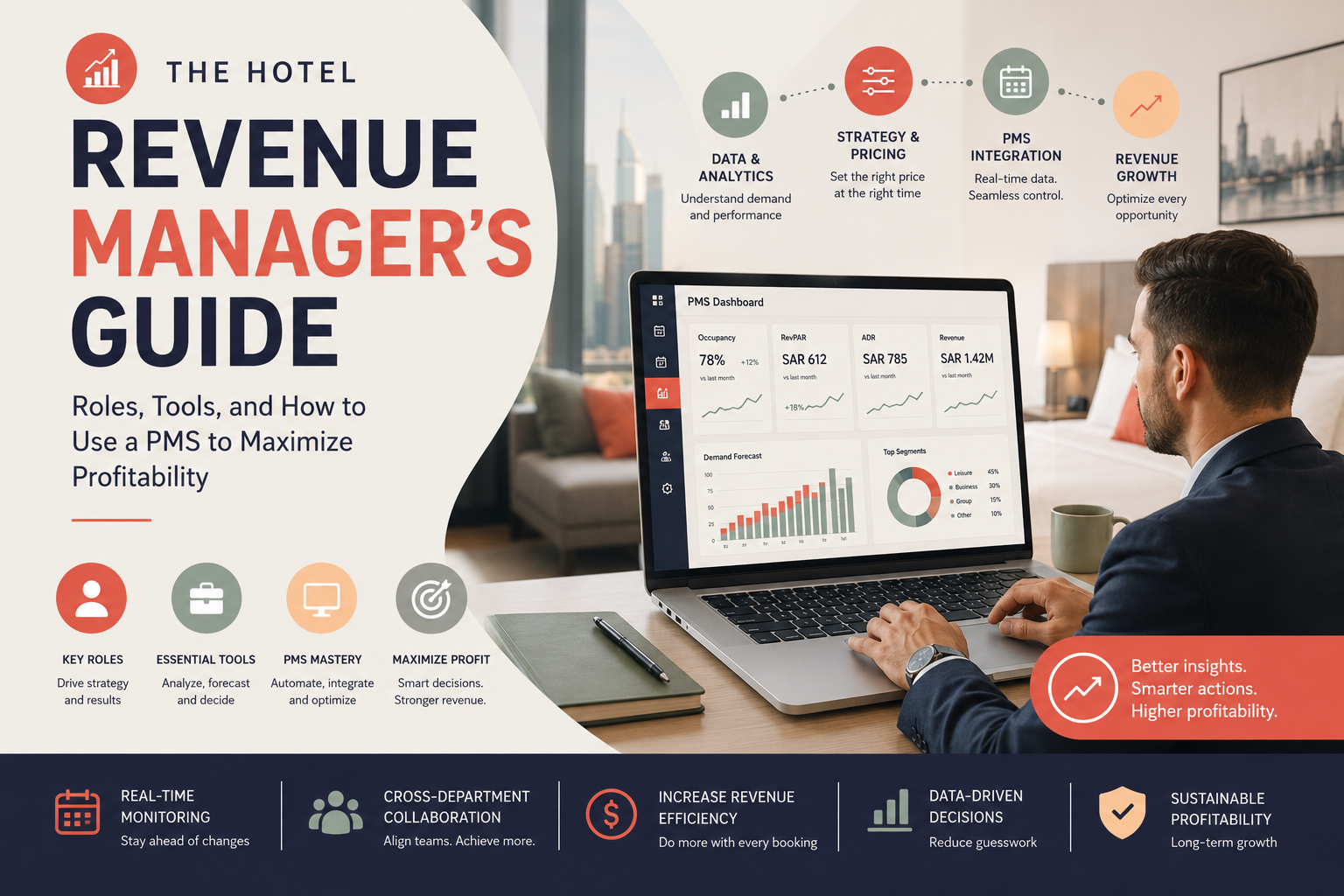
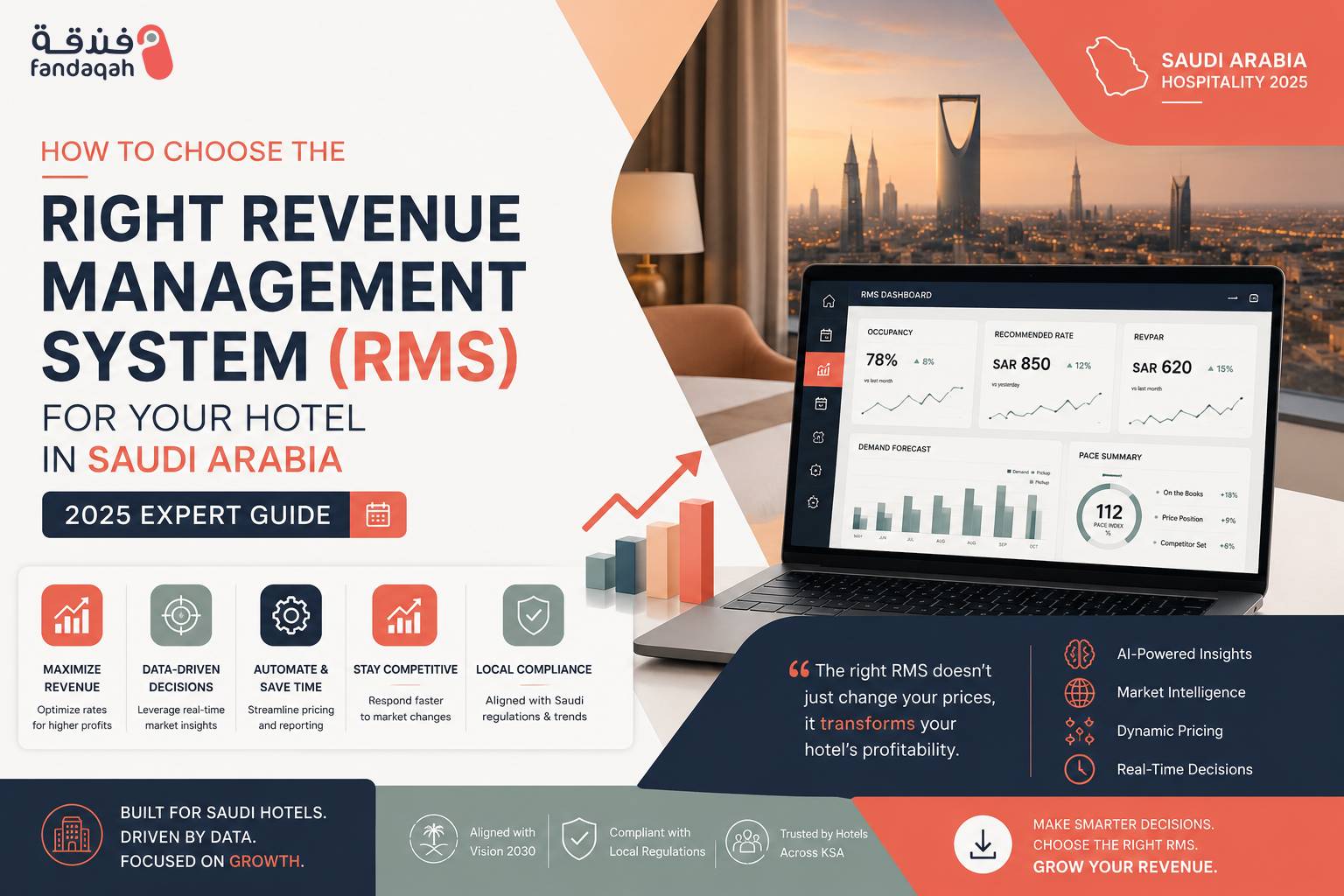
The best hotel revenue management software helps teams identify demand trends, recommend rate changes, compare performance, track pickup pace, and forecast future occupancy. When this software is connected to a hotel PMS and channel manager, pricing decisions can be executed quickly across direct and online channels. This reduces manual work and helps prevent rate errors.
The hotels that win during Hajj and Umrah are not always the largest properties. They are often the hotels that understand demand earlier, price smarter, control inventory better, and automate repetitive decisions before pressure reaches the front desk.
Primary Keyword Focus: Hajj and Umrah Hotel Management
Hajj and Umrah Hotel Management is a complete approach to managing hotel operations, revenue, distribution, guest experience, compliance, and staff workflows during religious tourism seasons. It is not limited to reservations. It includes every department that affects revenue and guest satisfaction. A property may have strong demand, but without proper management, that demand can create chaos instead of profit.
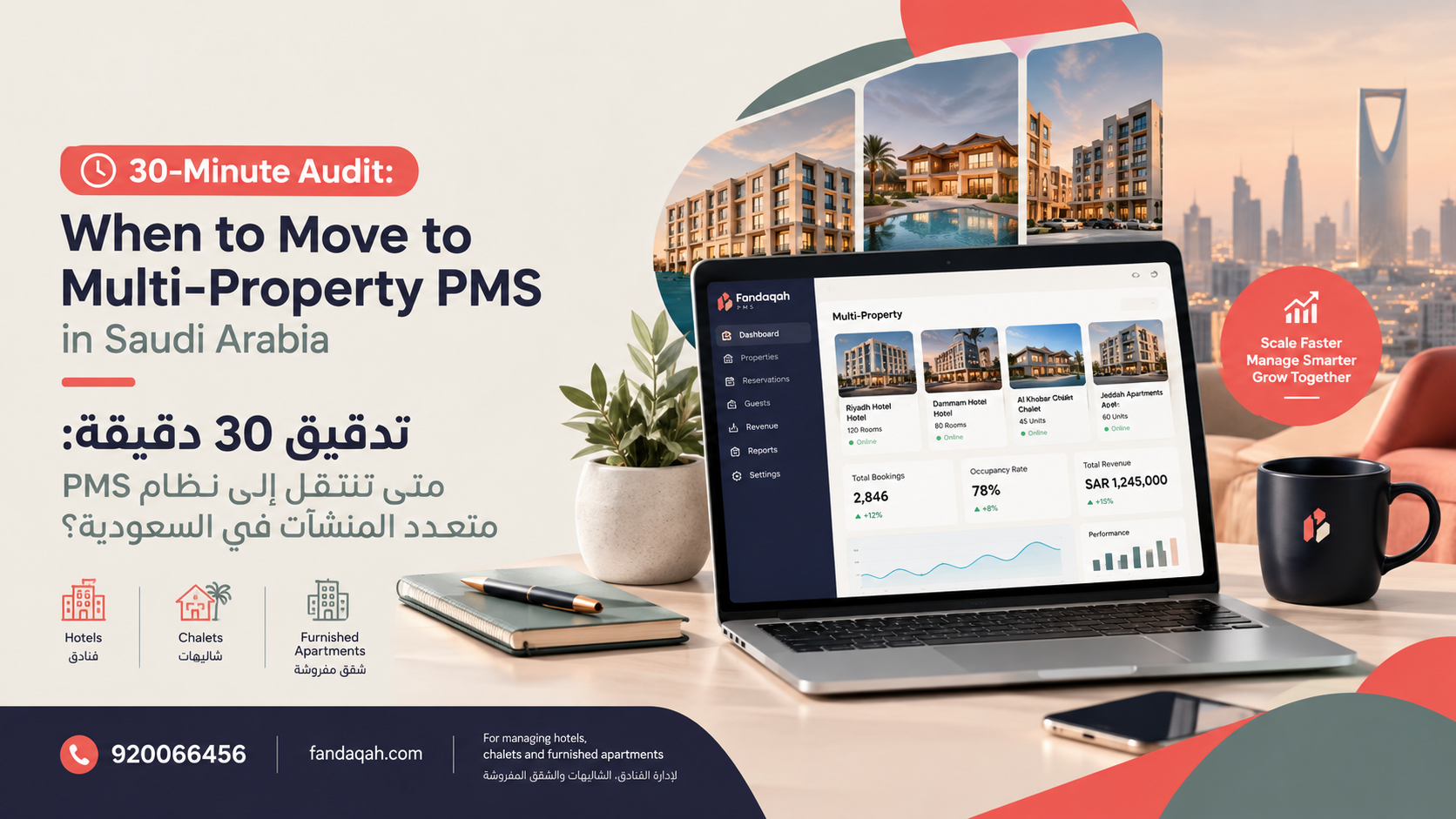
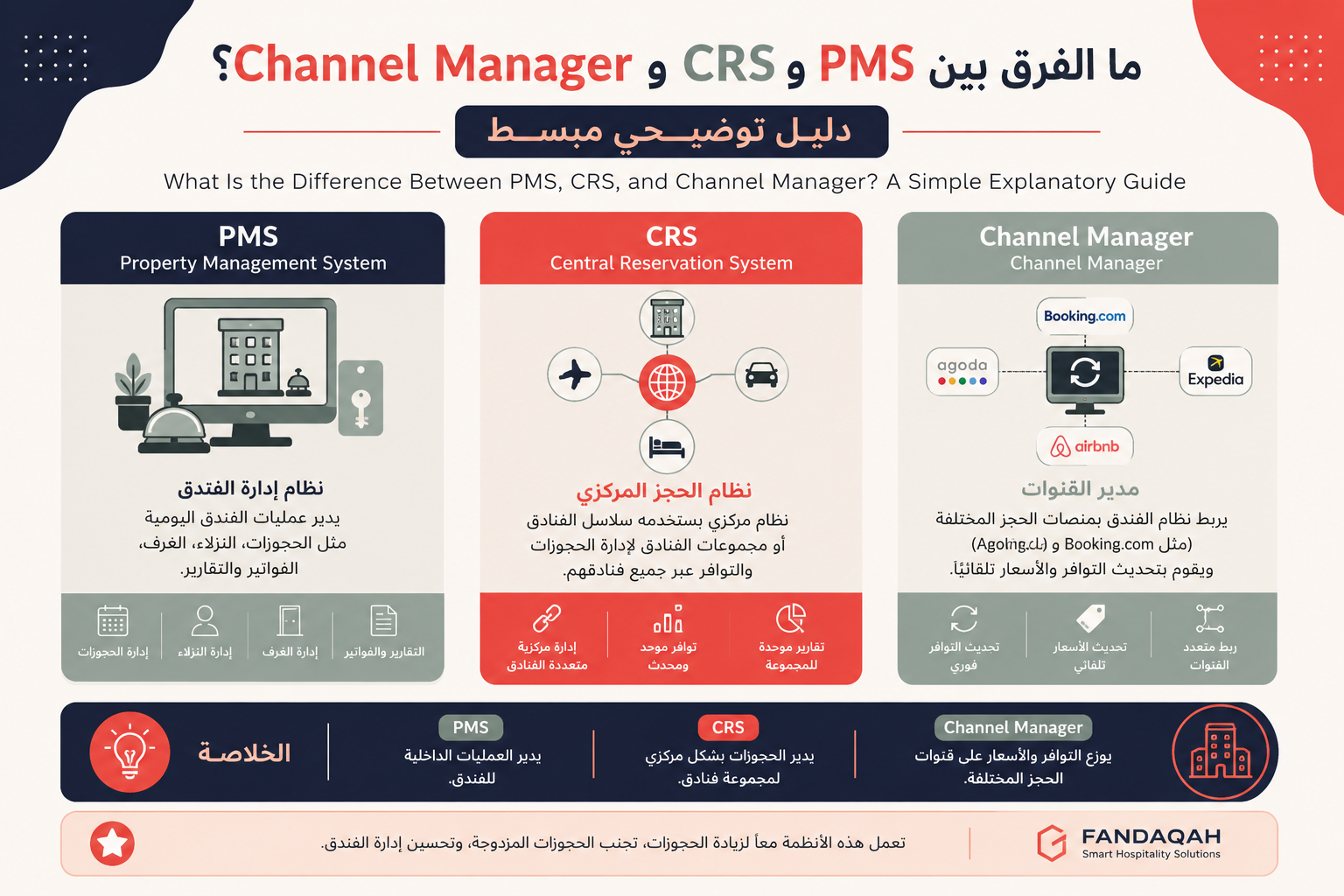
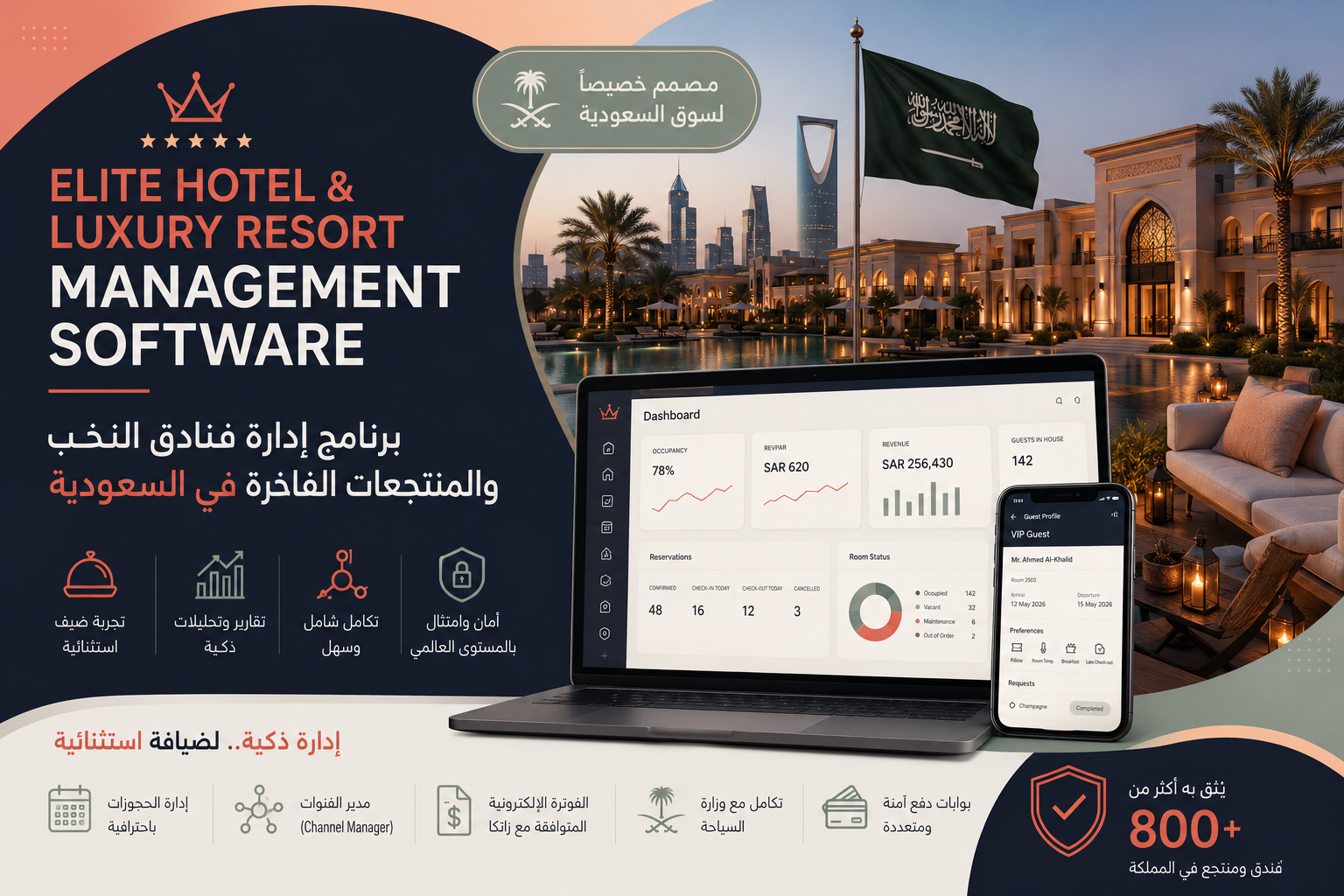
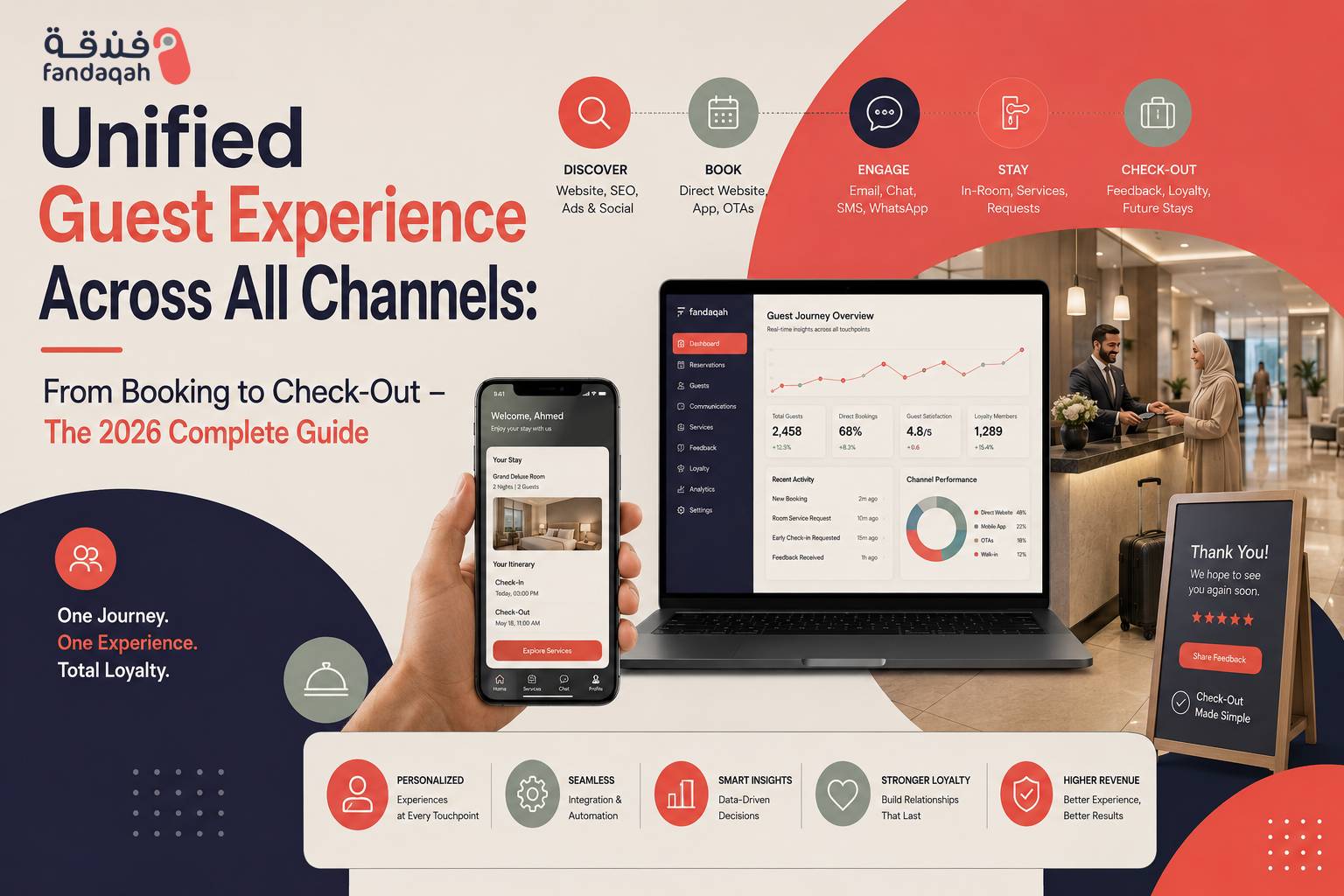
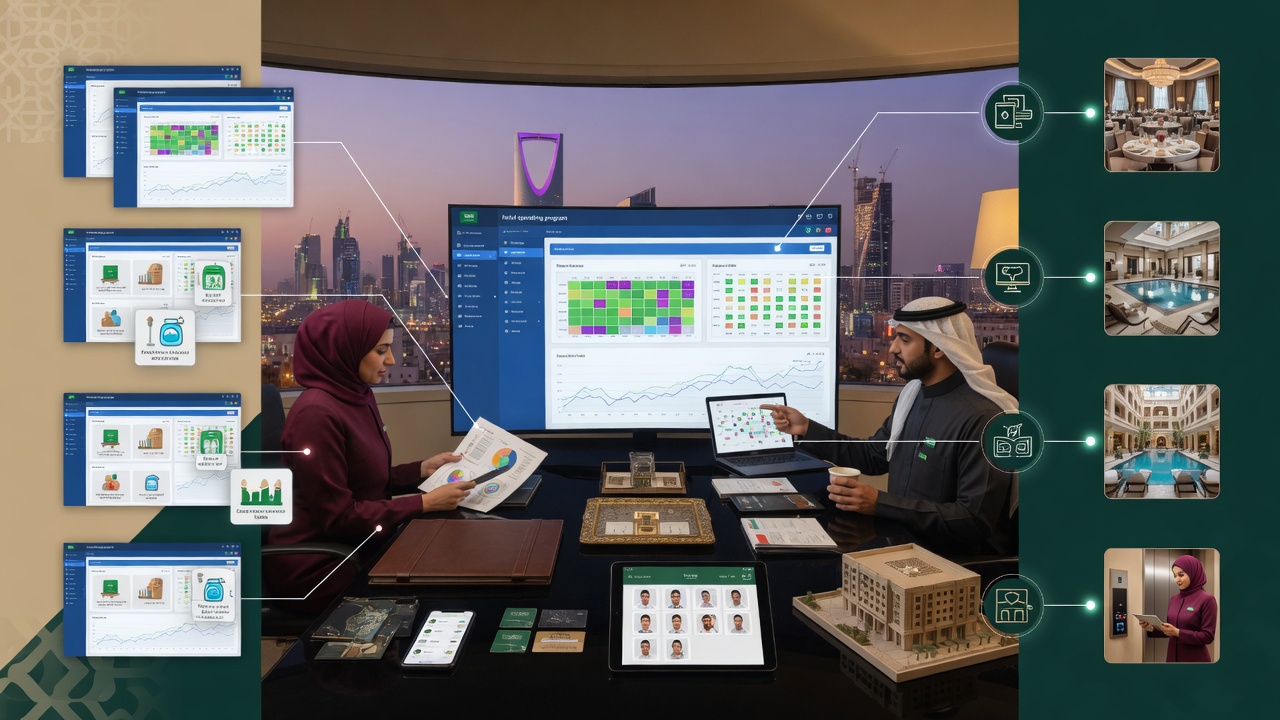
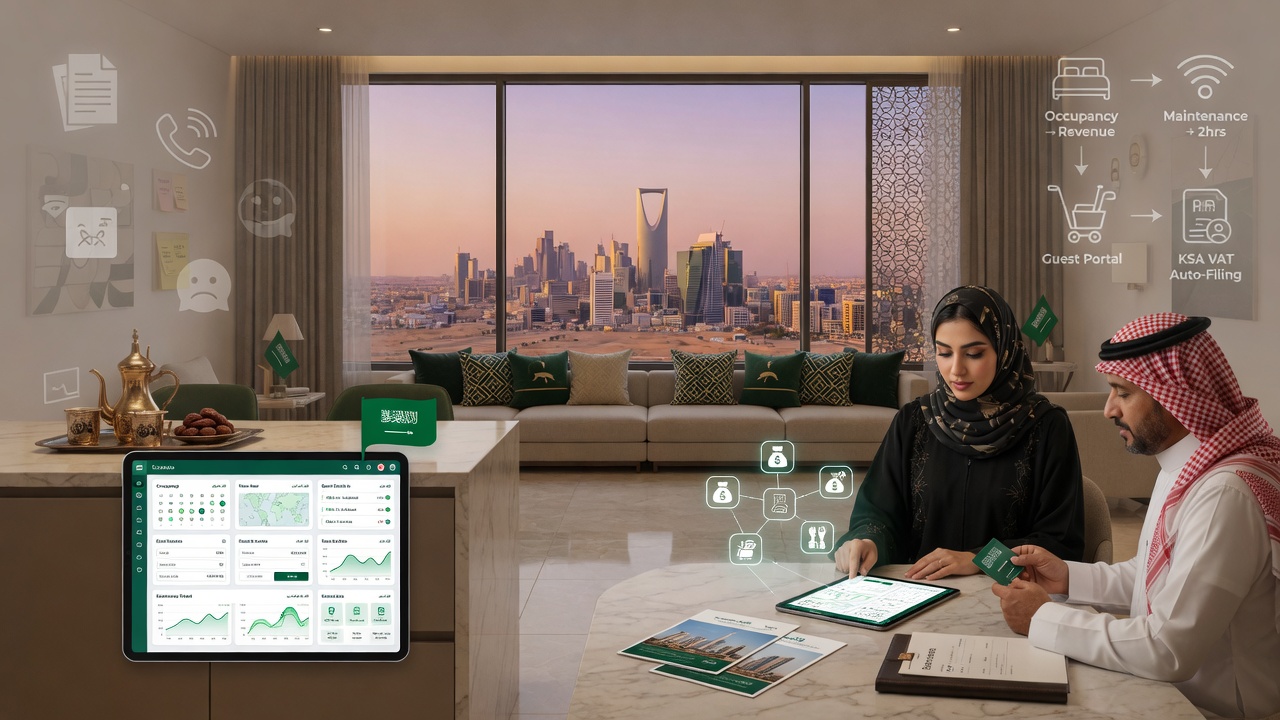
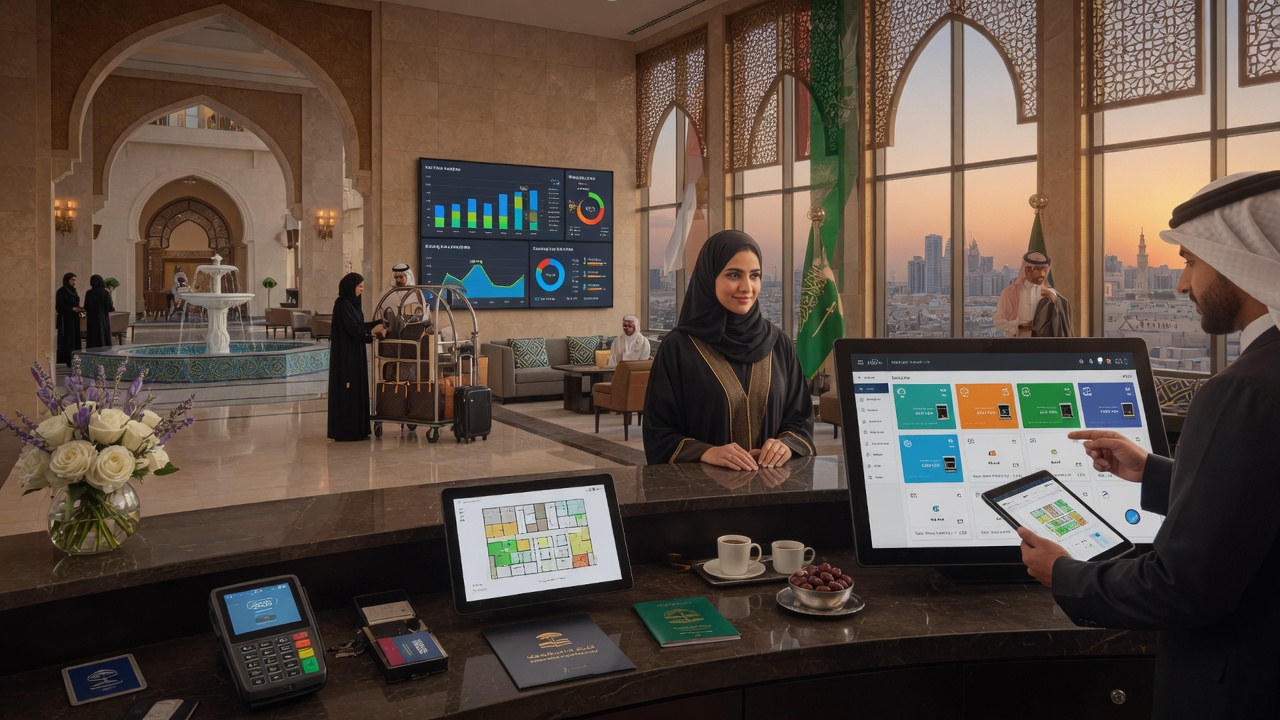
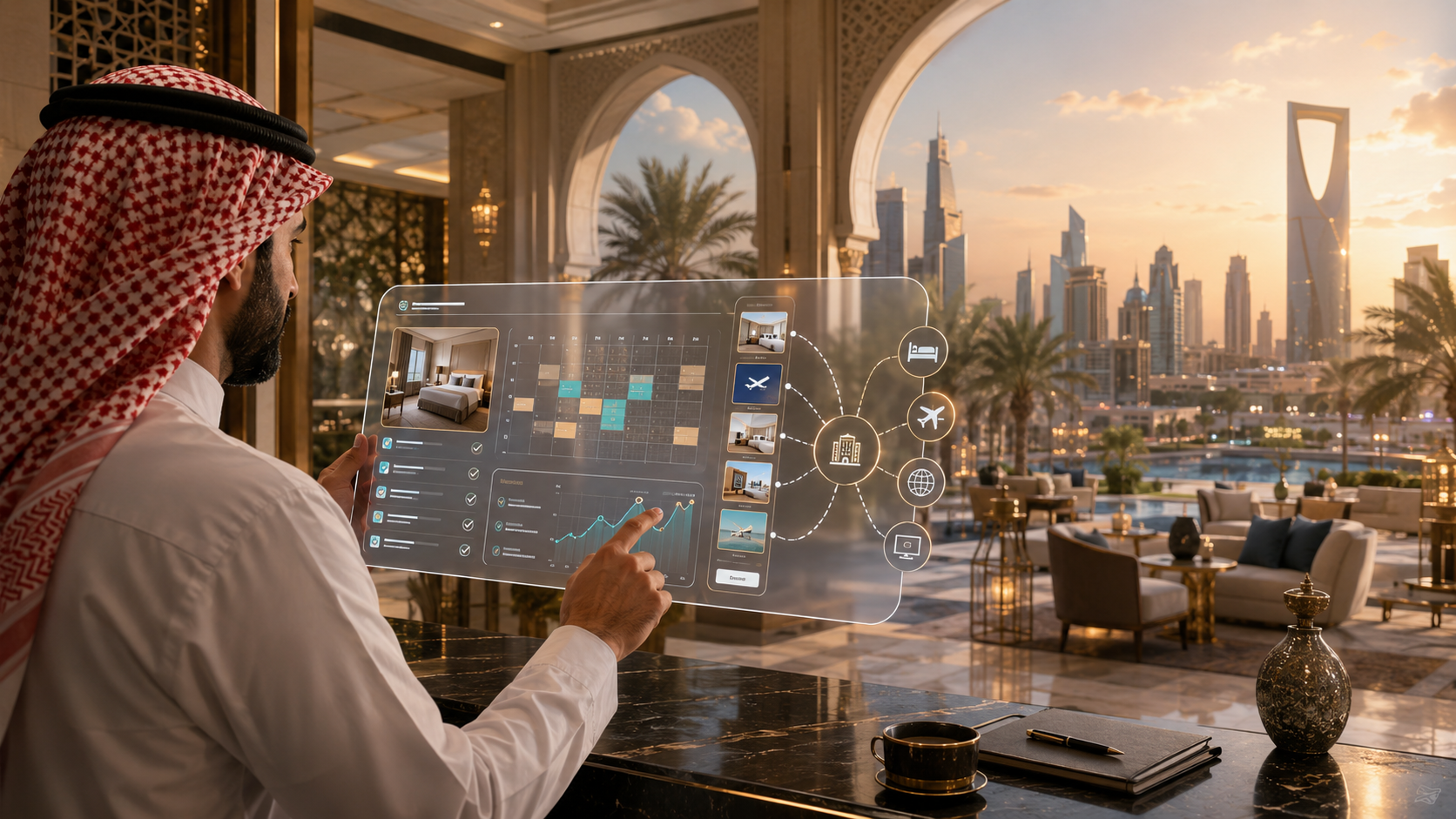
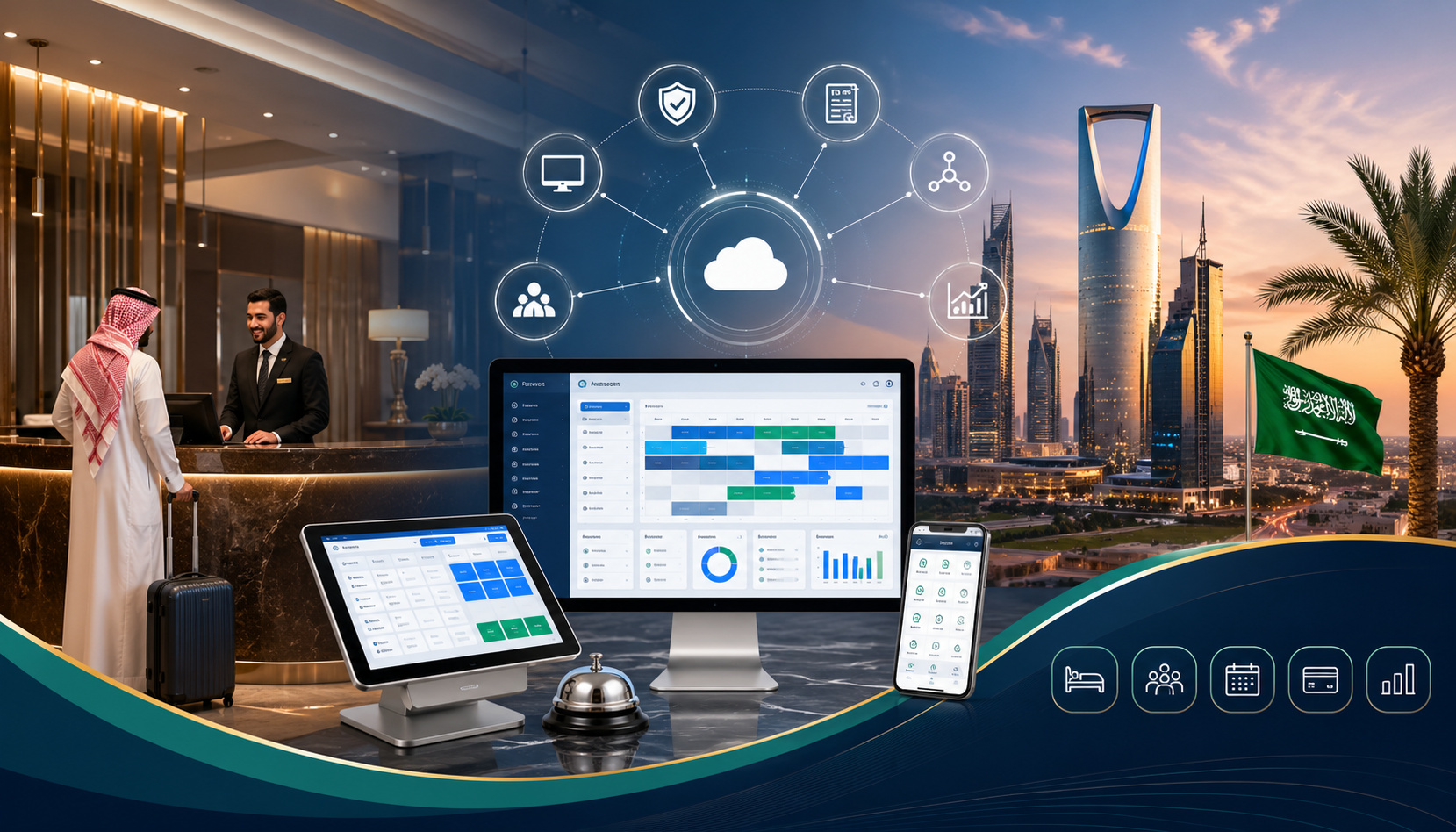
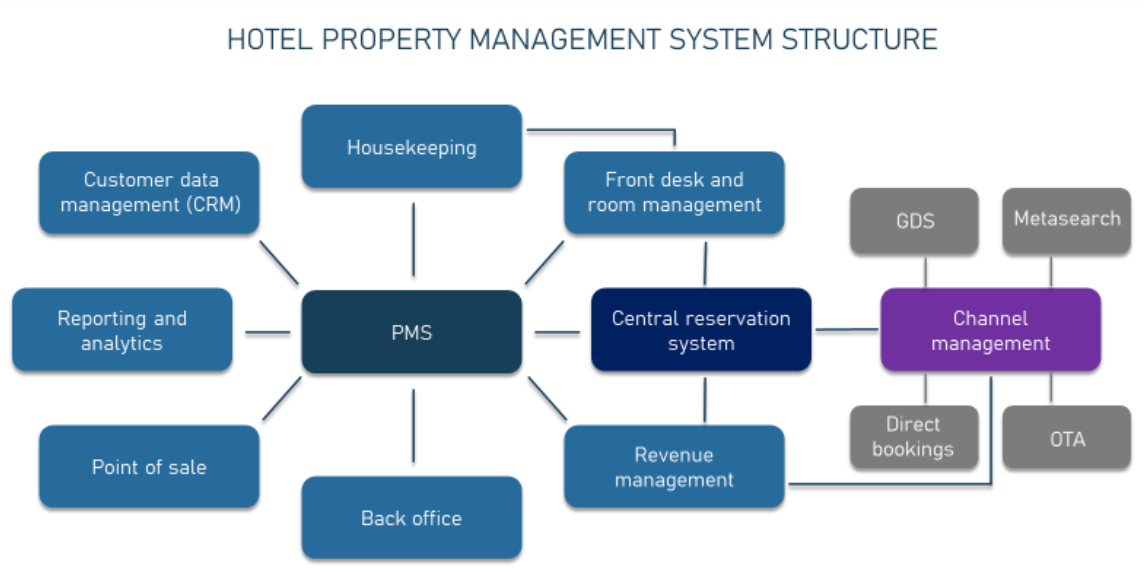
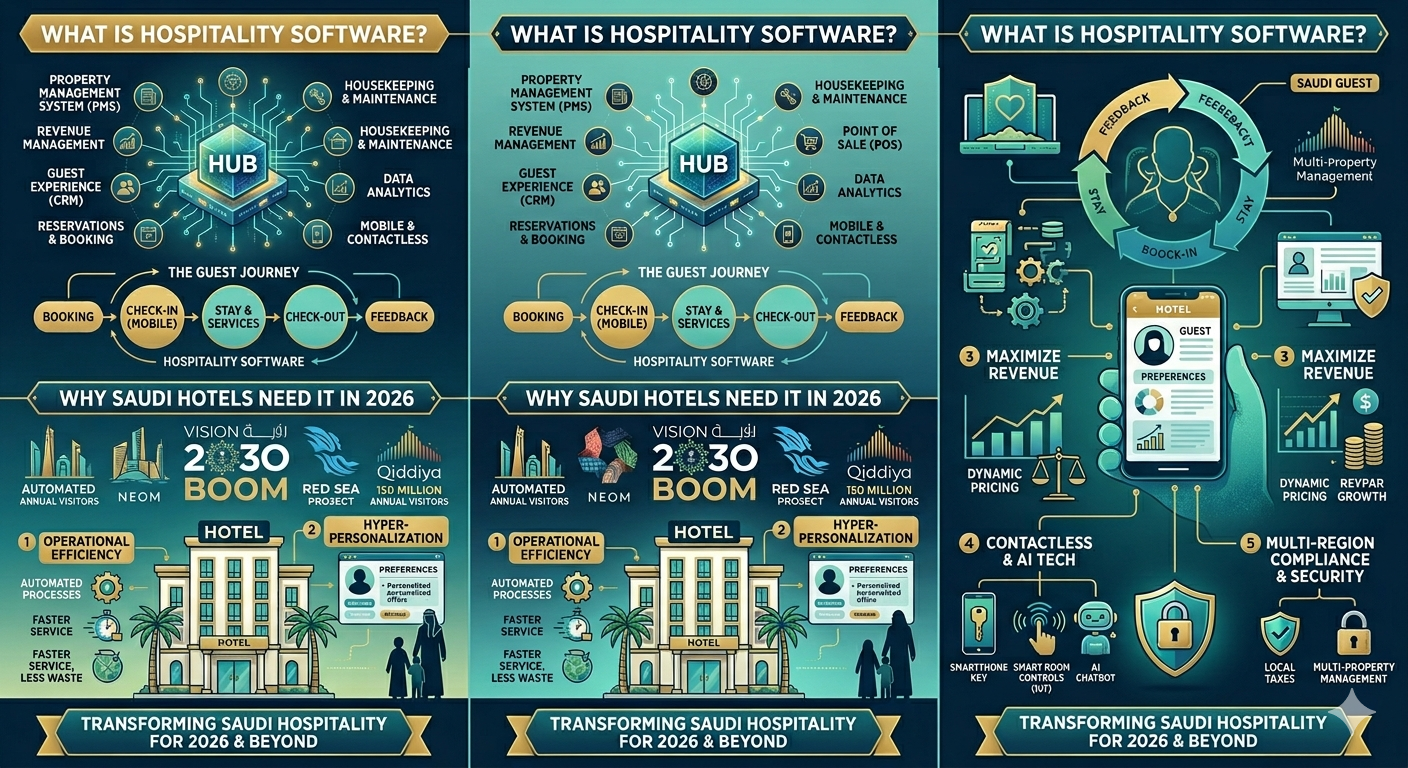
The modern approach to Hajj and Umrah hotel operations is built on automation. A hotel PMS Saudi Arabia solution can centralize reservations, guest profiles, room status, invoices, payments, housekeeping, and reporting. A channel manager can update availability and rates across online travel agencies. A booking engine can capture direct reservations. A revenue management tool can recommend pricing. A guest messaging system can send confirmations, arrival instructions, and service updates. Together, these tools create a connected operating model.
In Saudi Arabia, this connected model is especially valuable because hotels often serve guests from different countries, languages, cultures, and booking channels. Some guests arrive individually, while others arrive in organized groups. Some book months in advance, while others book closer to arrival. Some pay directly, while others are managed through agents. Automated systems help hotels organize these differences without losing control.
The Revenue Risks Hotels Face During Hajj and Umrah
Peak seasons can hide revenue leakage. A hotel may feel successful because occupancy is high, but hidden problems may reduce net profit. One common risk is underpricing. When a hotel sets rates too early and does not adjust them based on pickup, competitor movement, or demand acceleration, it may sell high-value inventory at low prices. Another risk is overdependence on high-commission channels. If most bookings come from channels with expensive commission structures, revenue may look strong before costs but weaker after deductions.
Another major risk is poor allotment control. During Hajj and Umrah, hotels may work with travel agents and group operators. These partnerships are valuable, but they need clear rules. If too much inventory is blocked for one partner and not released on time, the hotel may lose revenue. If release dates are not enforced, rooms may remain unavailable to other buyers even when the original partner does not confirm. Automated group booking and allotment tracking can help protect the property from this issue.
Overbooking is also a serious risk. In high-demand periods, relocating guests is difficult and expensive. A hotel that accidentally oversells rooms during Hajj may face guest complaints, partner disputes, and reputation damage. Manual inventory updates increase this risk. A connected PMS and channel manager reduce overbooking by updating availability across channels in near real time.
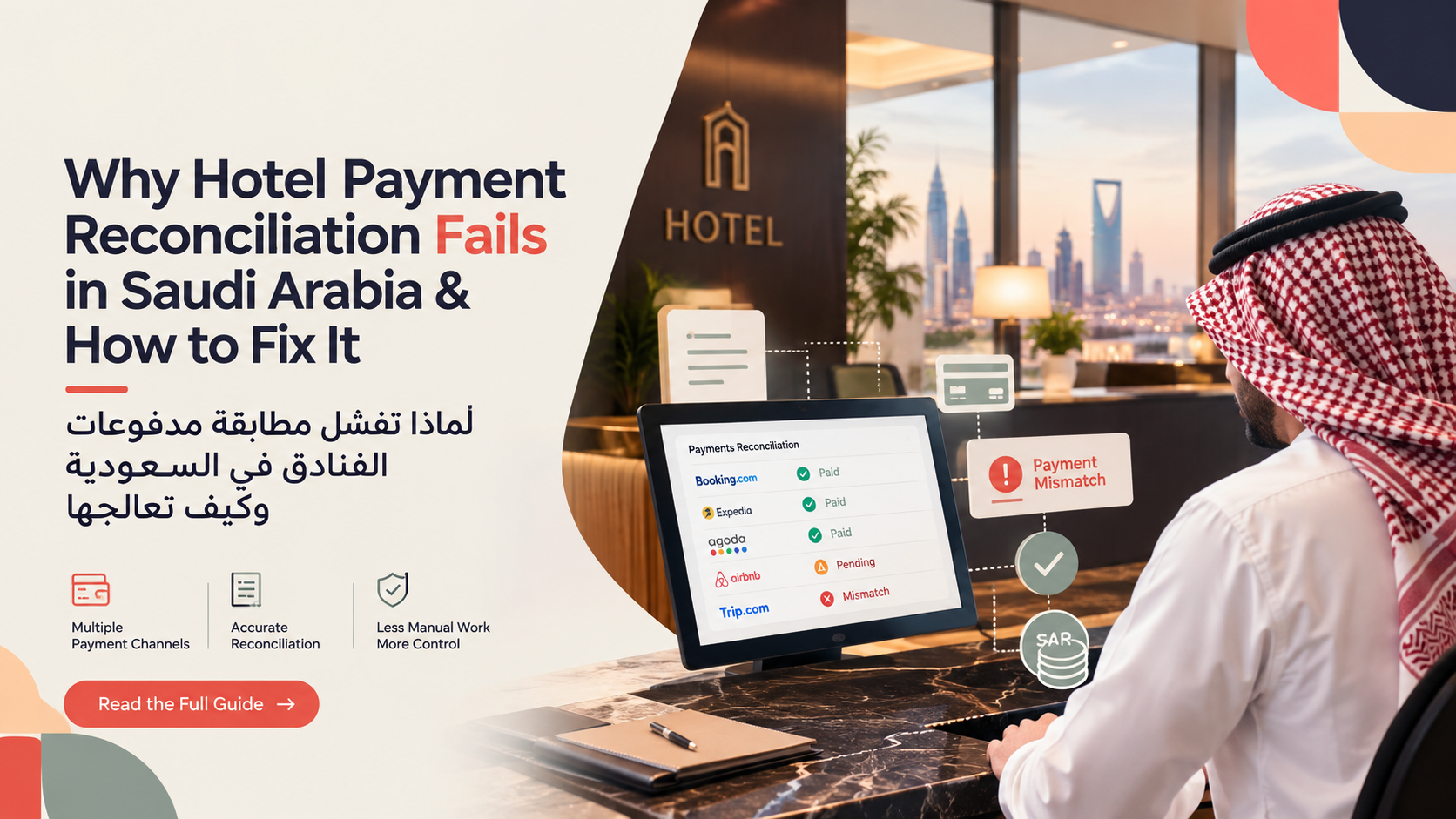
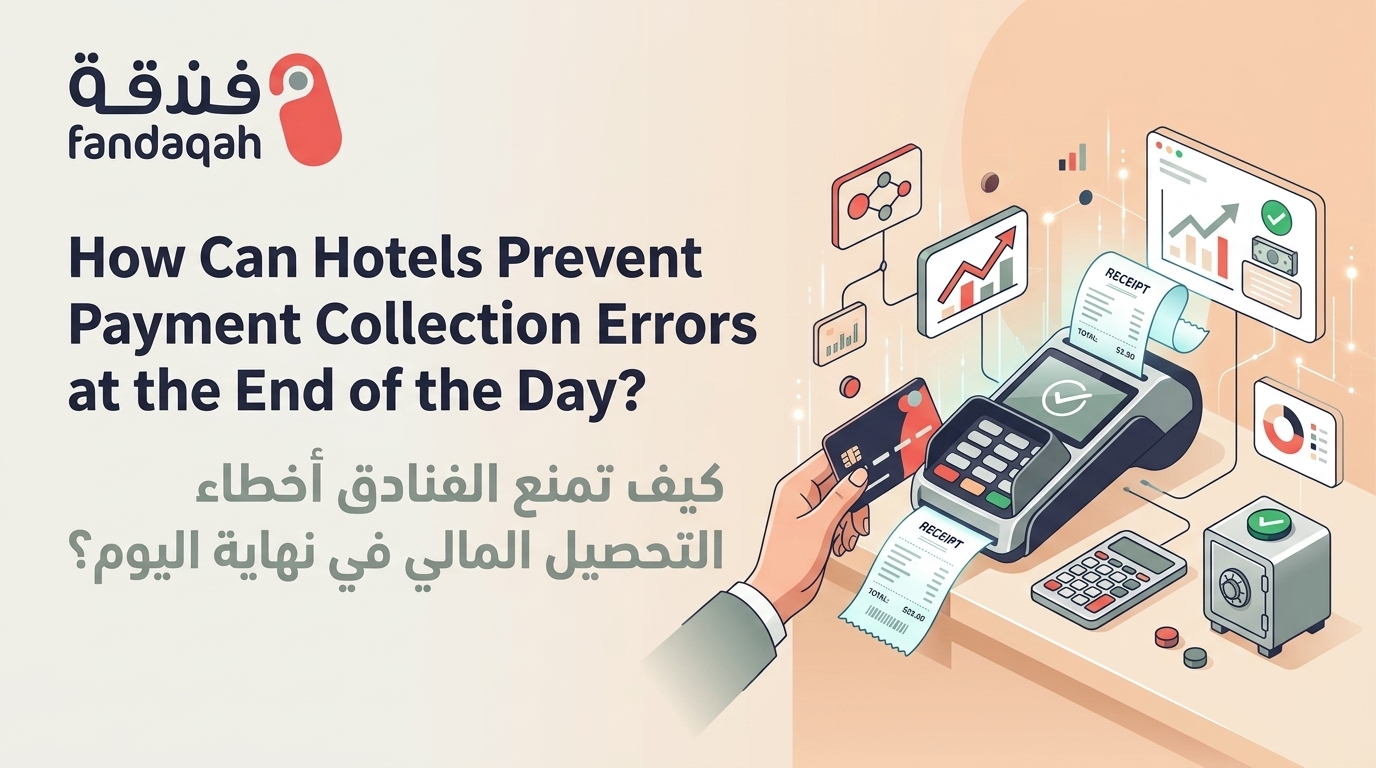
Payment collection is another area where revenue can be lost. High-demand periods should not mean weak payment control. Hotels should define deposit rules, cancellation deadlines, payment methods, credit policies, and confirmation conditions. Automation can remind agents and guests about payment deadlines, flag unpaid bookings, and help finance teams track outstanding balances.
Key Automated Tools for Hajj and Umrah Hotel Operations
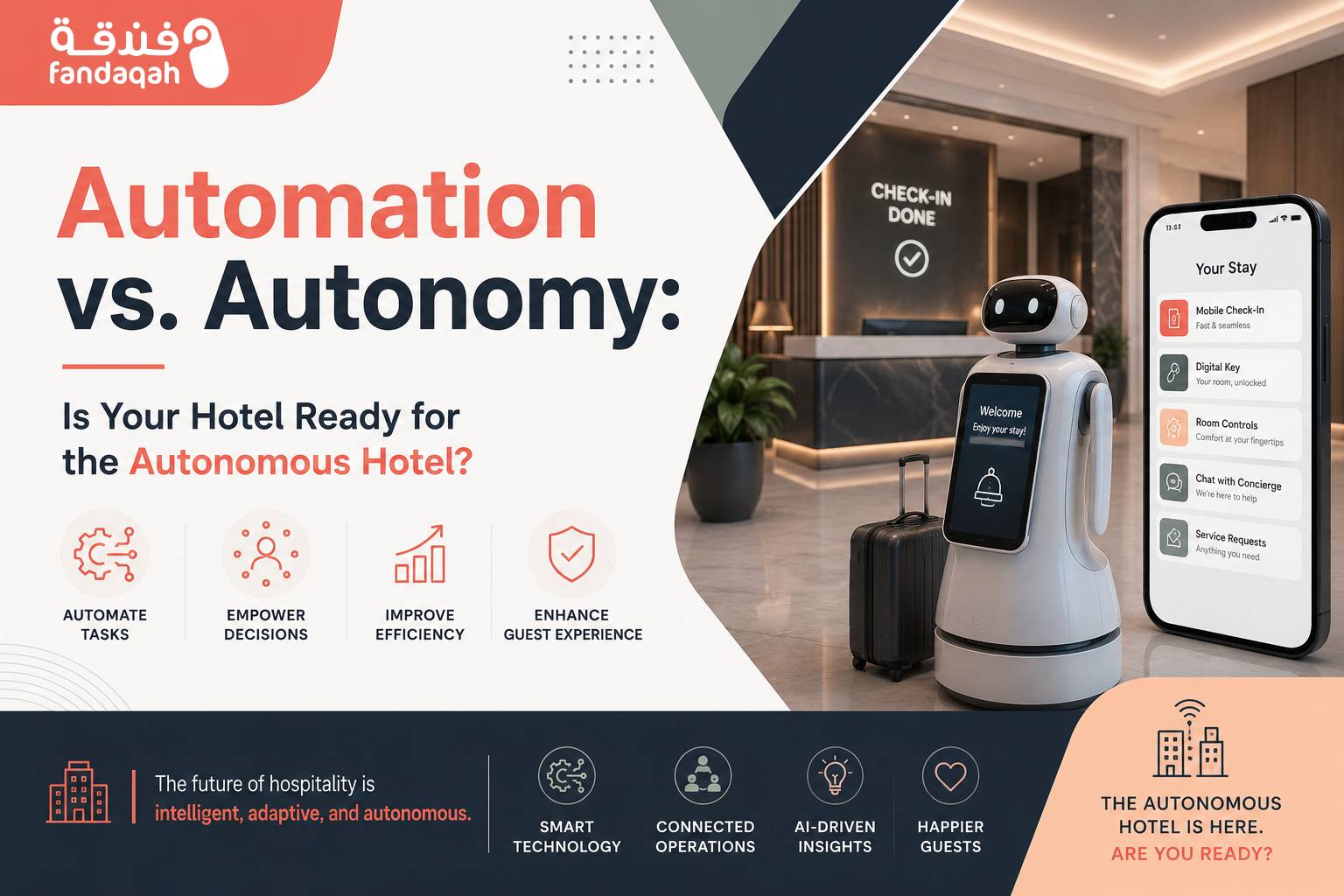
Automation does not replace hospitality. It removes repetitive work so hotel teams can focus on service, decision-making, and guest care. For Hajj and Umrah Hotel Management, the most valuable tools are the systems that connect revenue, reservations, operations, and guest communication. The following tools are especially relevant for Saudi hotels managing seasonal demand.
1. Property Management System for Centralized Control
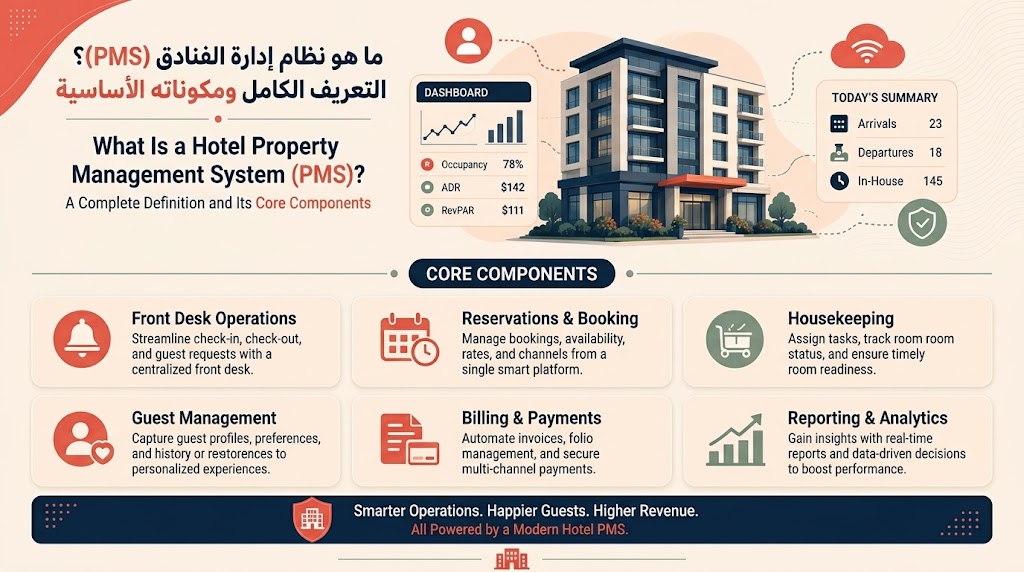
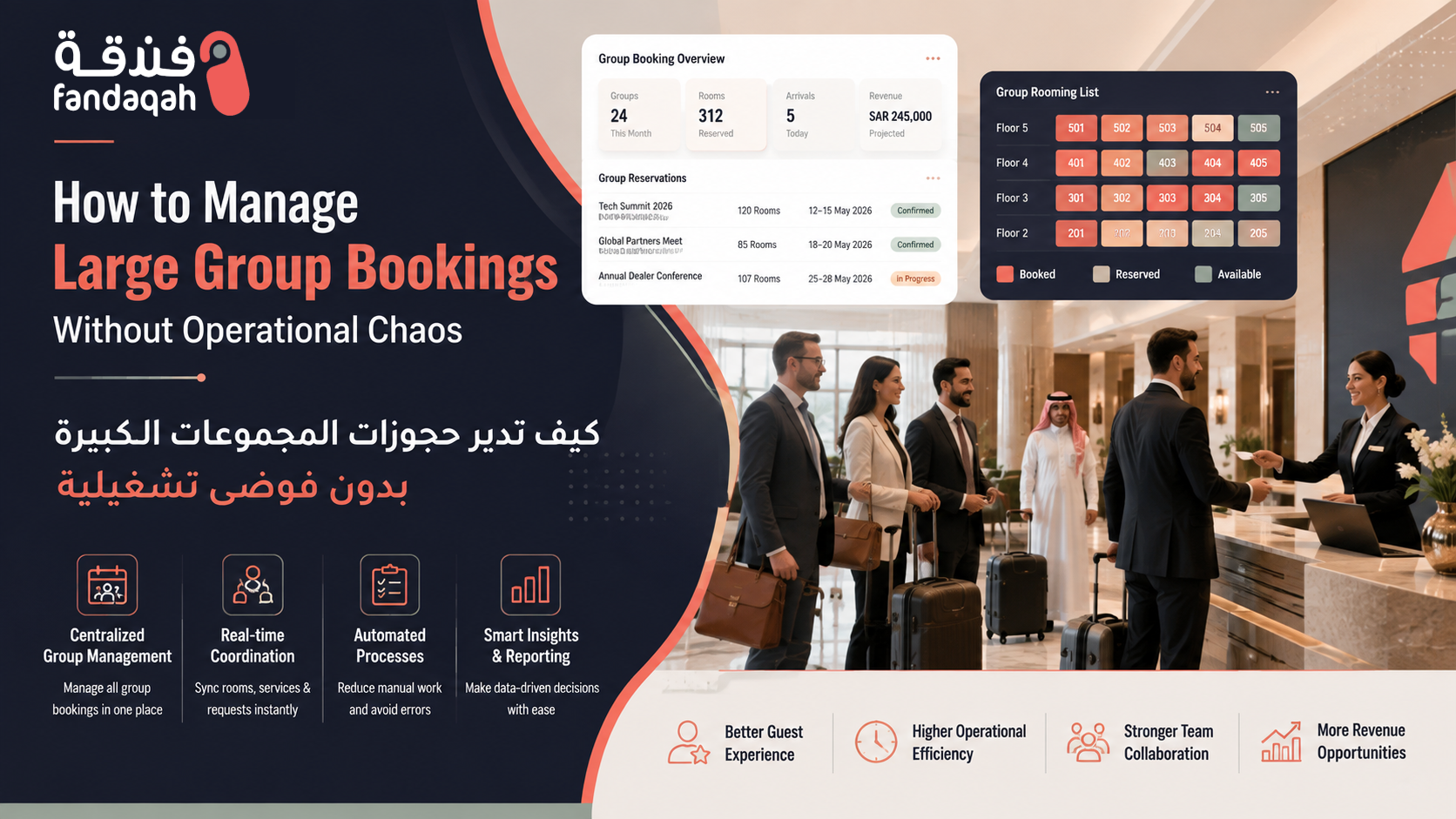
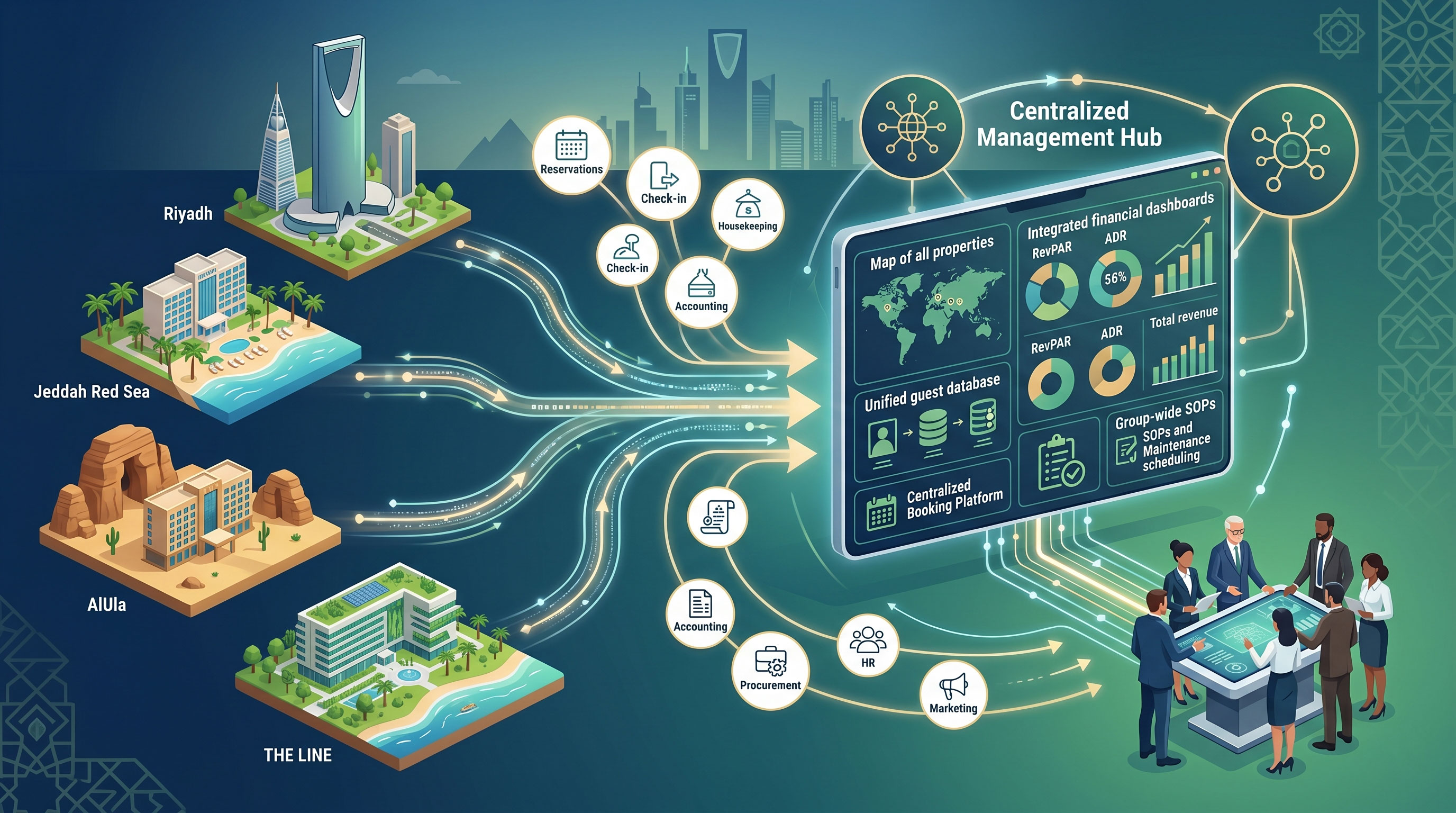
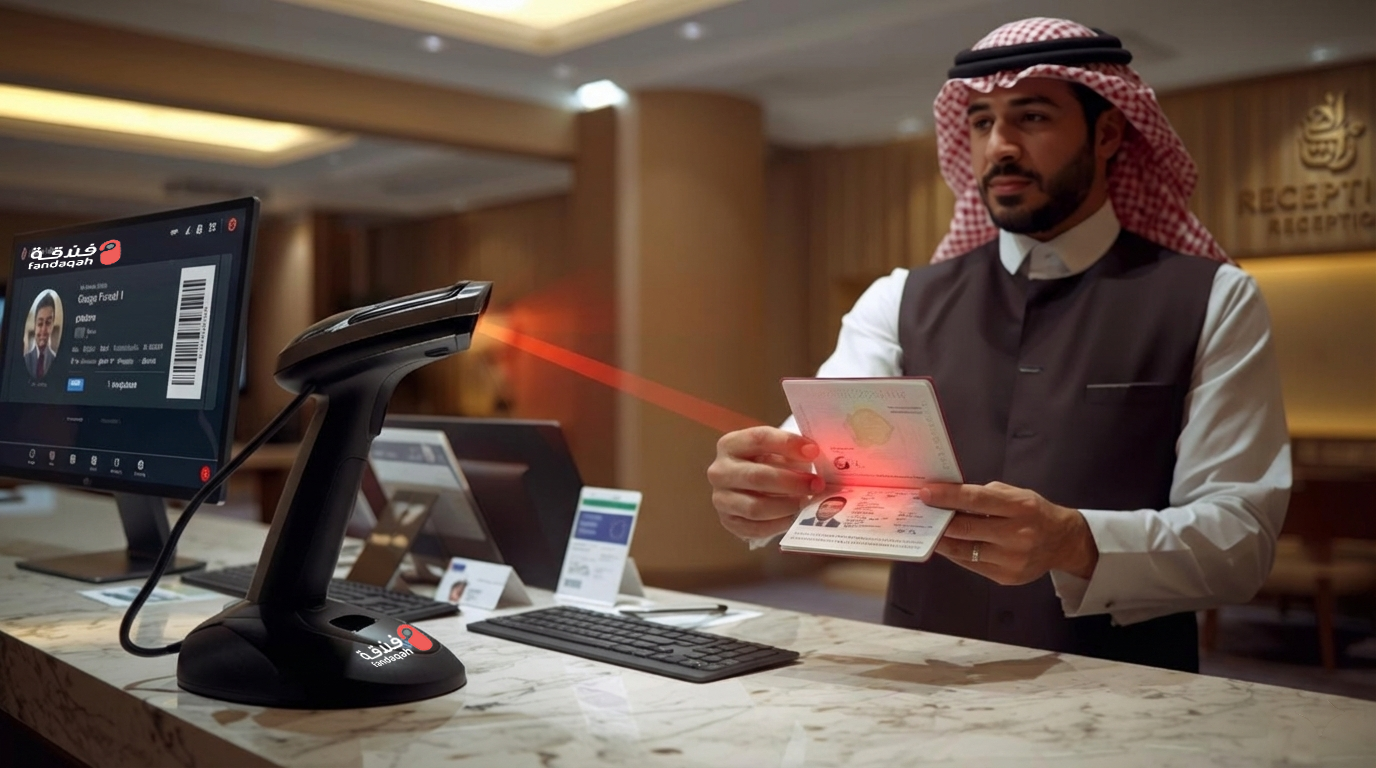
A property management system is the operational core of a hotel. It manages reservations, room assignments, guest profiles, check-in, checkout, billing, housekeeping status, and reports. During Hajj and Umrah, a hotel PMS Saudi Arabia solution helps ensure that departments work from one source of truth. Front office, reservations, housekeeping, finance, and management can see the same data instead of relying on separate spreadsheets or verbal updates.
The PMS should support group reservations, rooming lists, rate plans, packages, invoices, guest notes, and operational reports. For religious tourism, group handling is especially important because one booking may include many rooms, multiple arrival times, special requests, and different payment arrangements. A strong PMS makes these details easier to manage.
2. Channel Manager for Inventory and Rate Synchronization
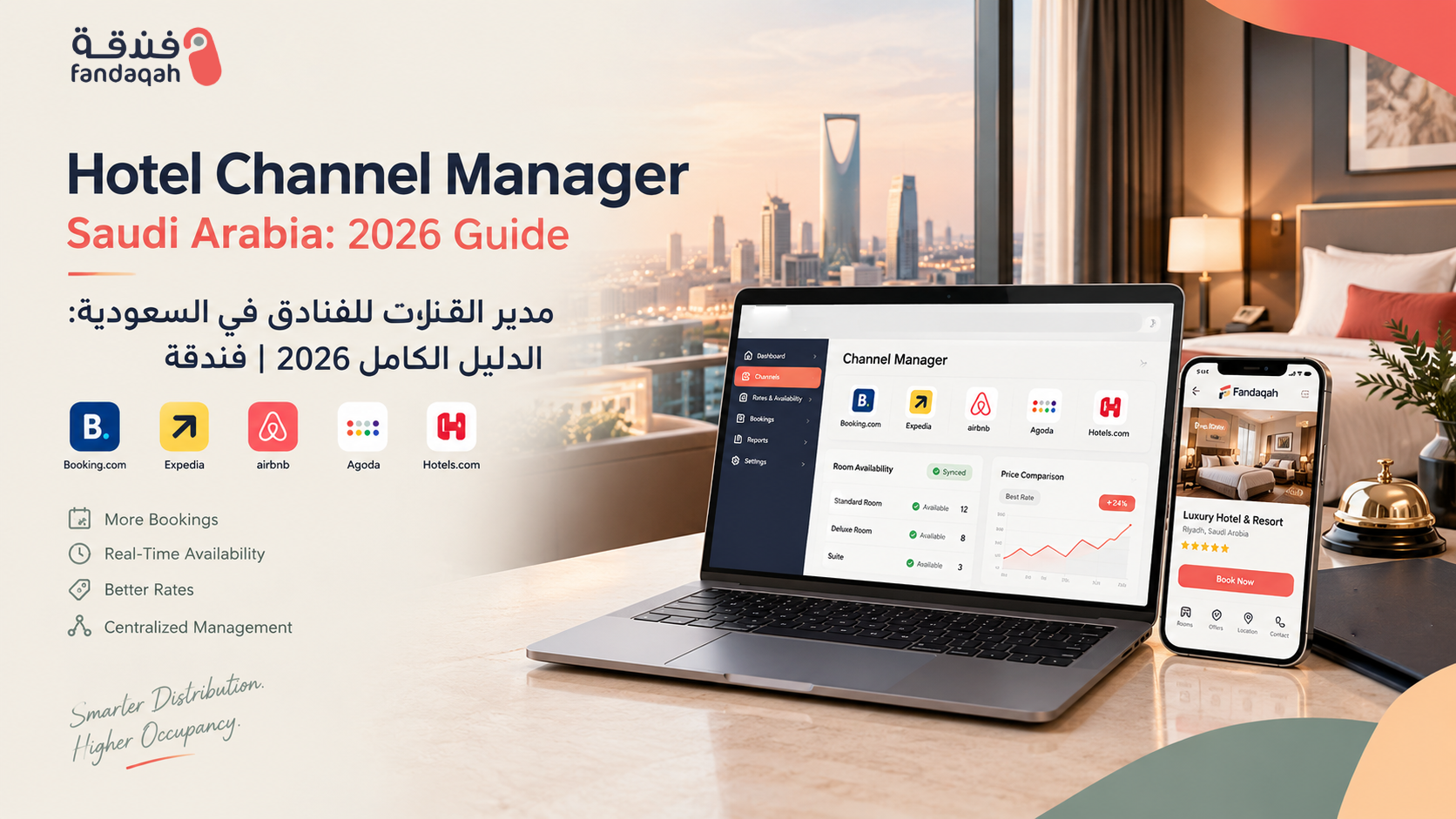
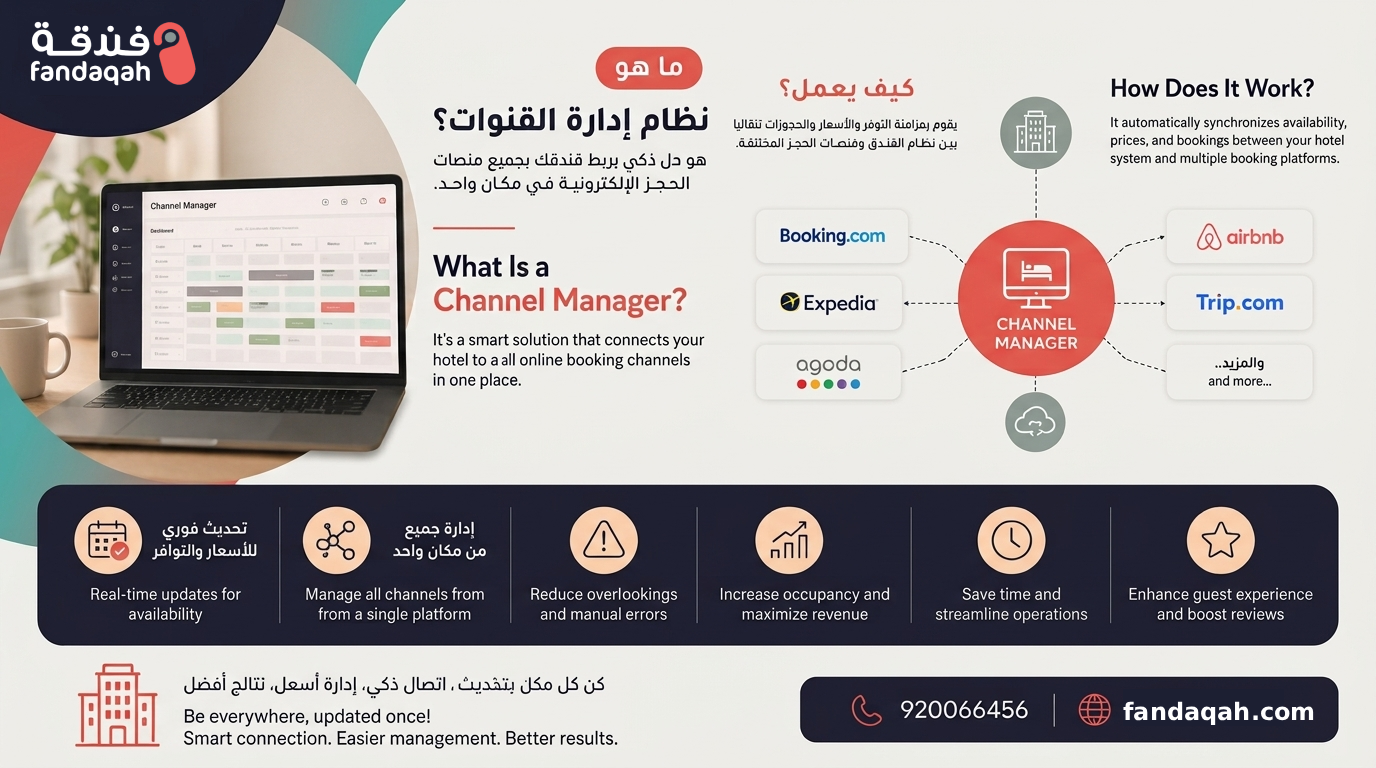
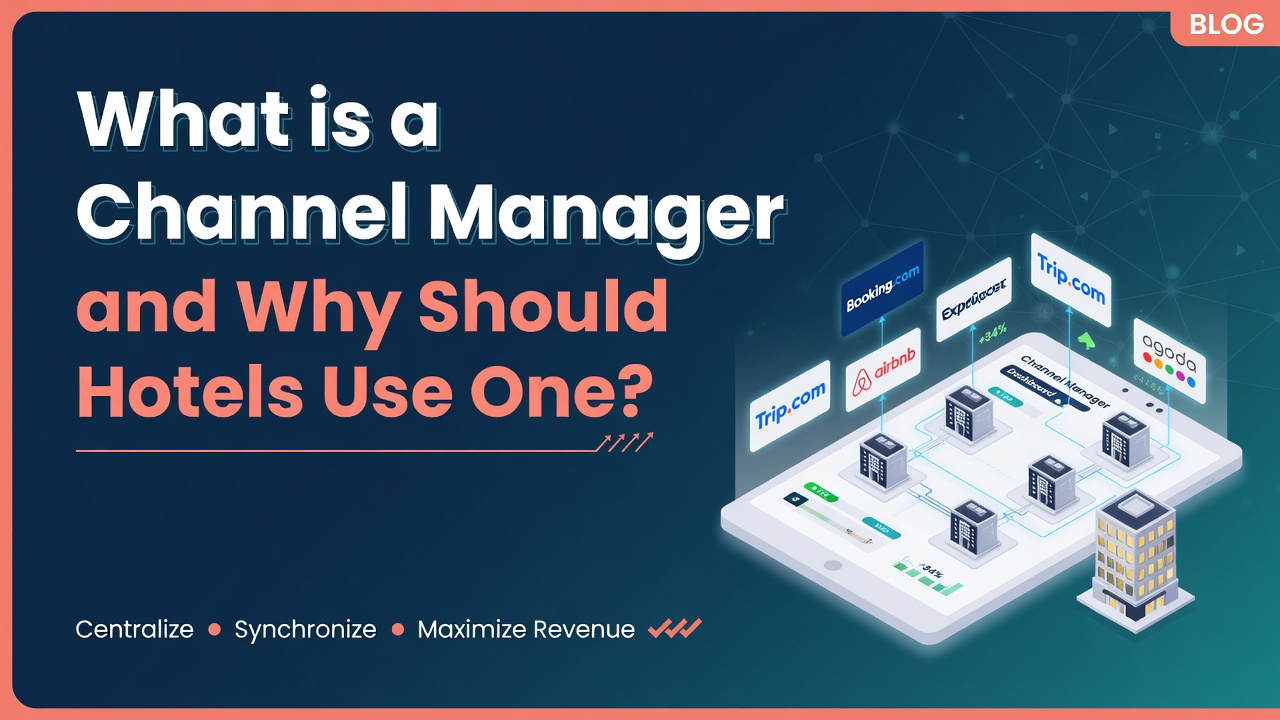
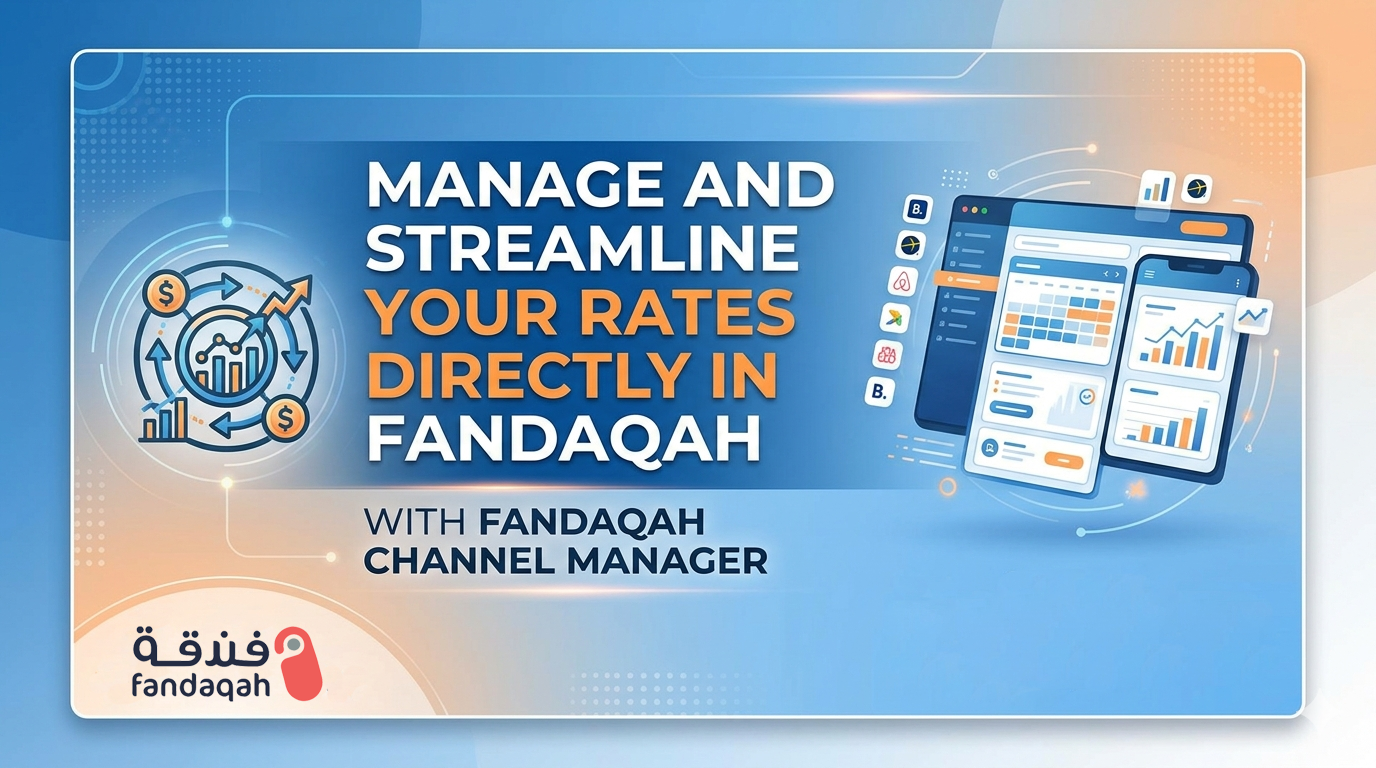
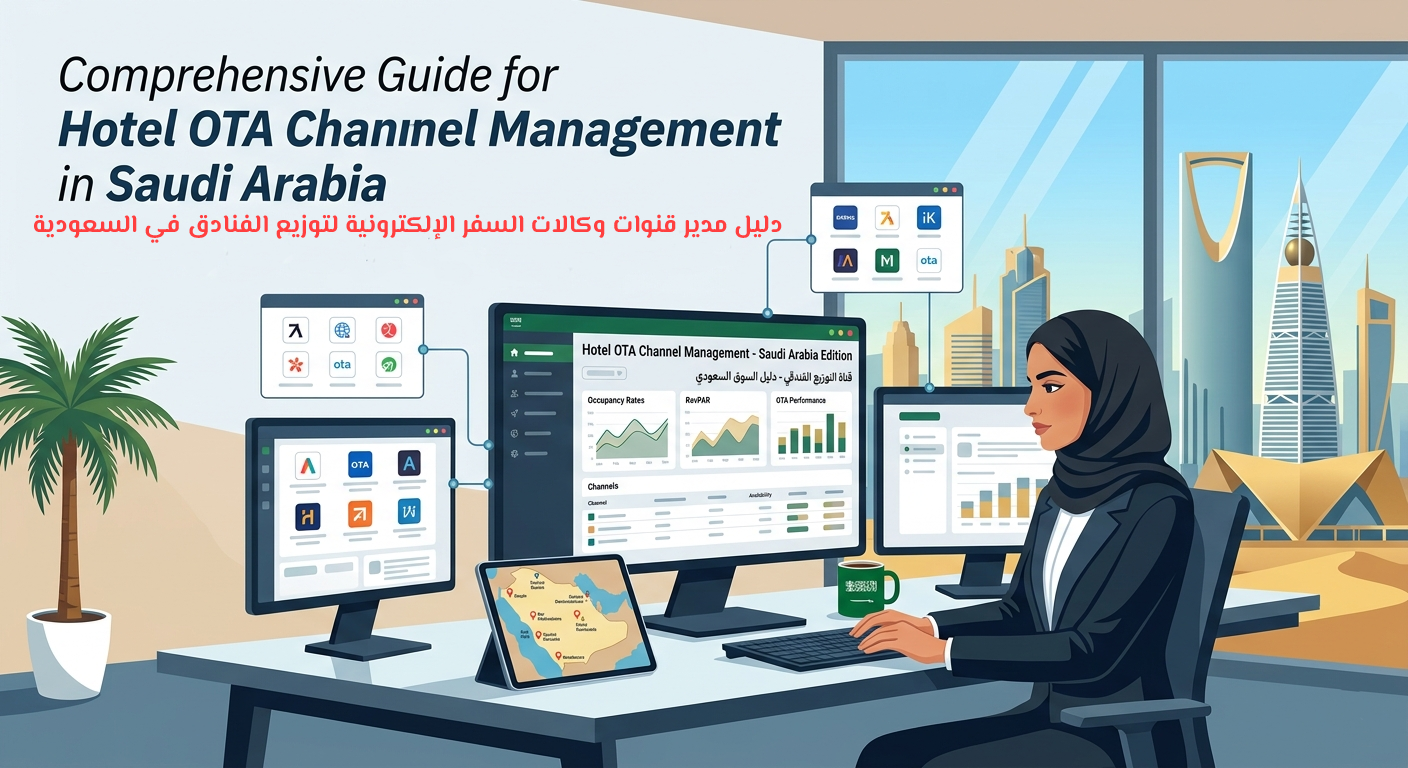
A channel manager connects the hotel with online travel agencies, booking platforms, and sometimes direct booking systems. It updates rates and availability across channels, helping prevent overbooking and rate inconsistency. For hotels serving Umrah guests, this is critical because demand can come from many international markets and booking platforms. A channel manager gives revenue managers better control over where and how rooms are sold.
Without a channel manager, staff must manually update each platform. During high-demand periods, this can lead to mistakes. A single missed update can cause a room to be sold at the wrong price or sold after inventory is already full. Automated distribution control is one of the fastest ways to improve Seasonal Demand Hospitality.
3. Revenue Management System for Demand Forecasting
A revenue management system helps hotels analyze demand and adjust pricing. It may consider occupancy pace, historical performance, competitor positioning, booking windows, events, cancellation patterns, and market trends. For Hajj and Umrah, revenue management tools support smarter pricing decisions and reduce reliance on guesswork.
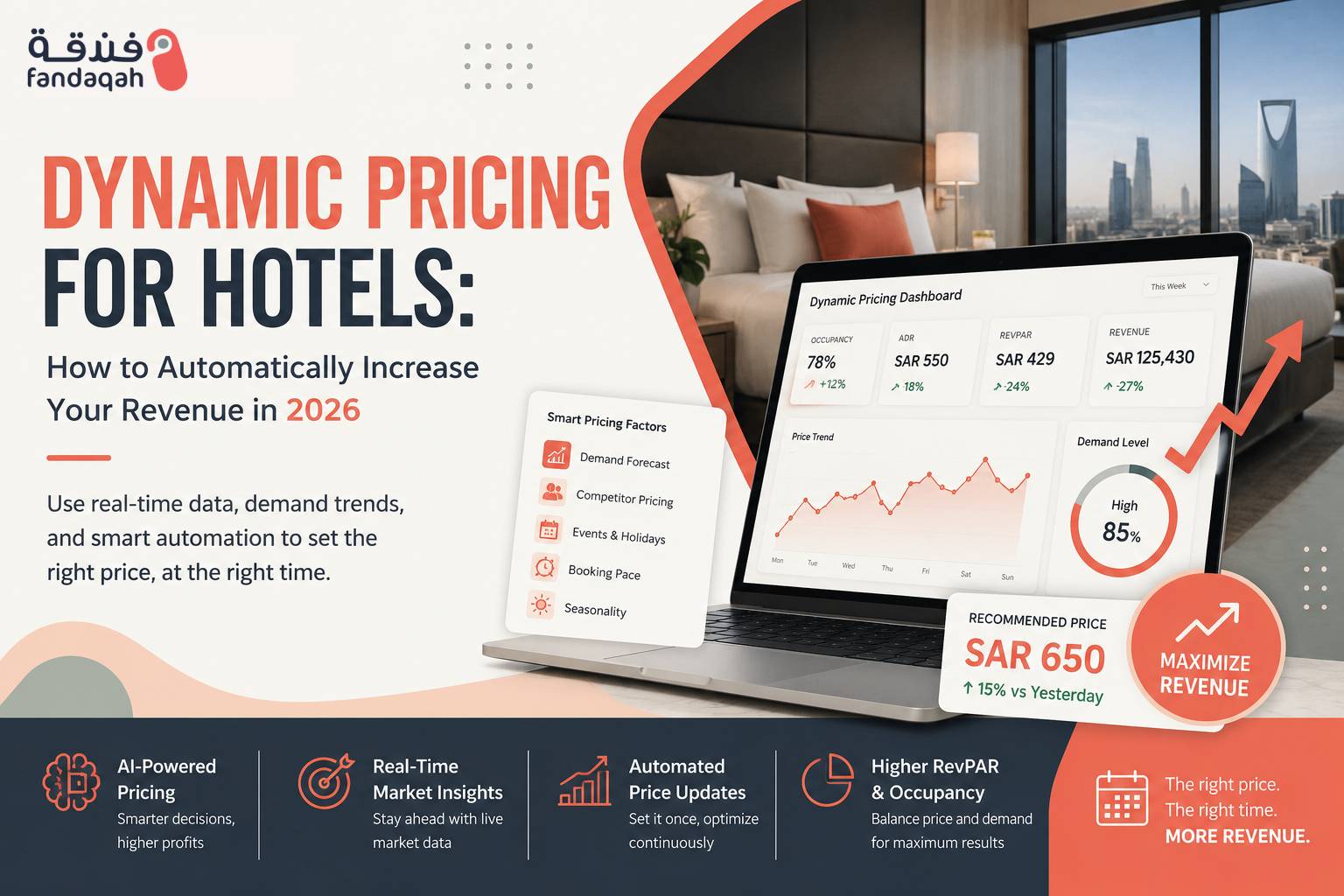
The goal of dynamic pricing for hotels is not to change prices randomly. It is to respond to demand signals in a structured way. If pickup is strong, rates may increase. If demand is slower than expected, the hotel may adjust rate plans, open more channels, launch targeted offers, or revise restrictions. Automated revenue tools help managers see these signals earlier.
4. Booking Engine for Direct Reservations
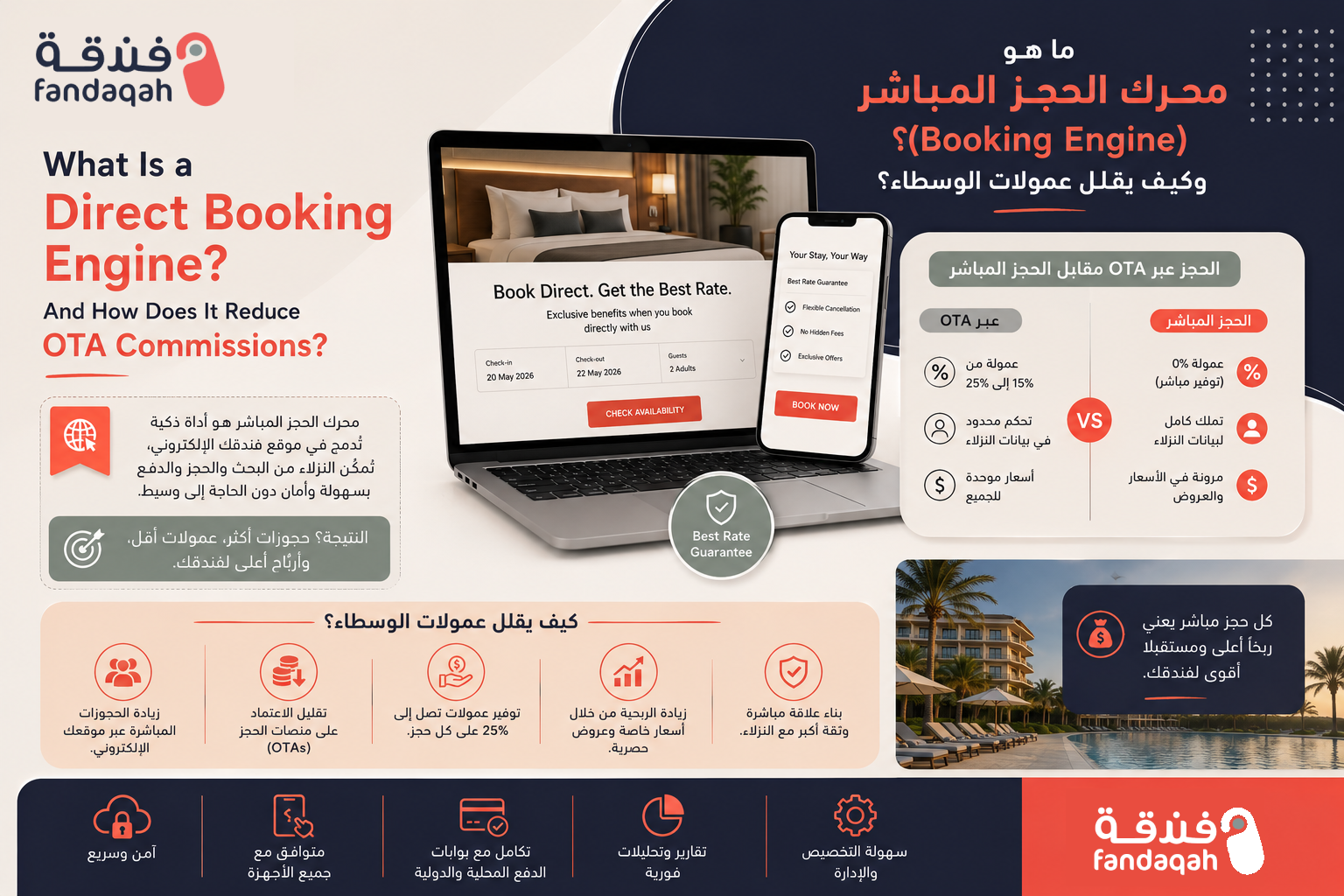
A booking engine allows guests to reserve directly through the hotel website. Direct bookings are valuable because they can reduce commission costs, strengthen the hotel brand, and give the hotel more control over guest communication. For Saudi hotels, direct booking can be especially useful when guests search for trusted accommodation near the Haram, near religious sites, or near transport hubs.
A good booking engine should support mobile users, multiple languages when needed, clear room descriptions, secure payment options, packages, policies, and confirmation emails. During Umrah season, many guests compare options quickly. A slow or confusing booking experience can push them back to online travel agencies.
5. Automated Guest Messaging
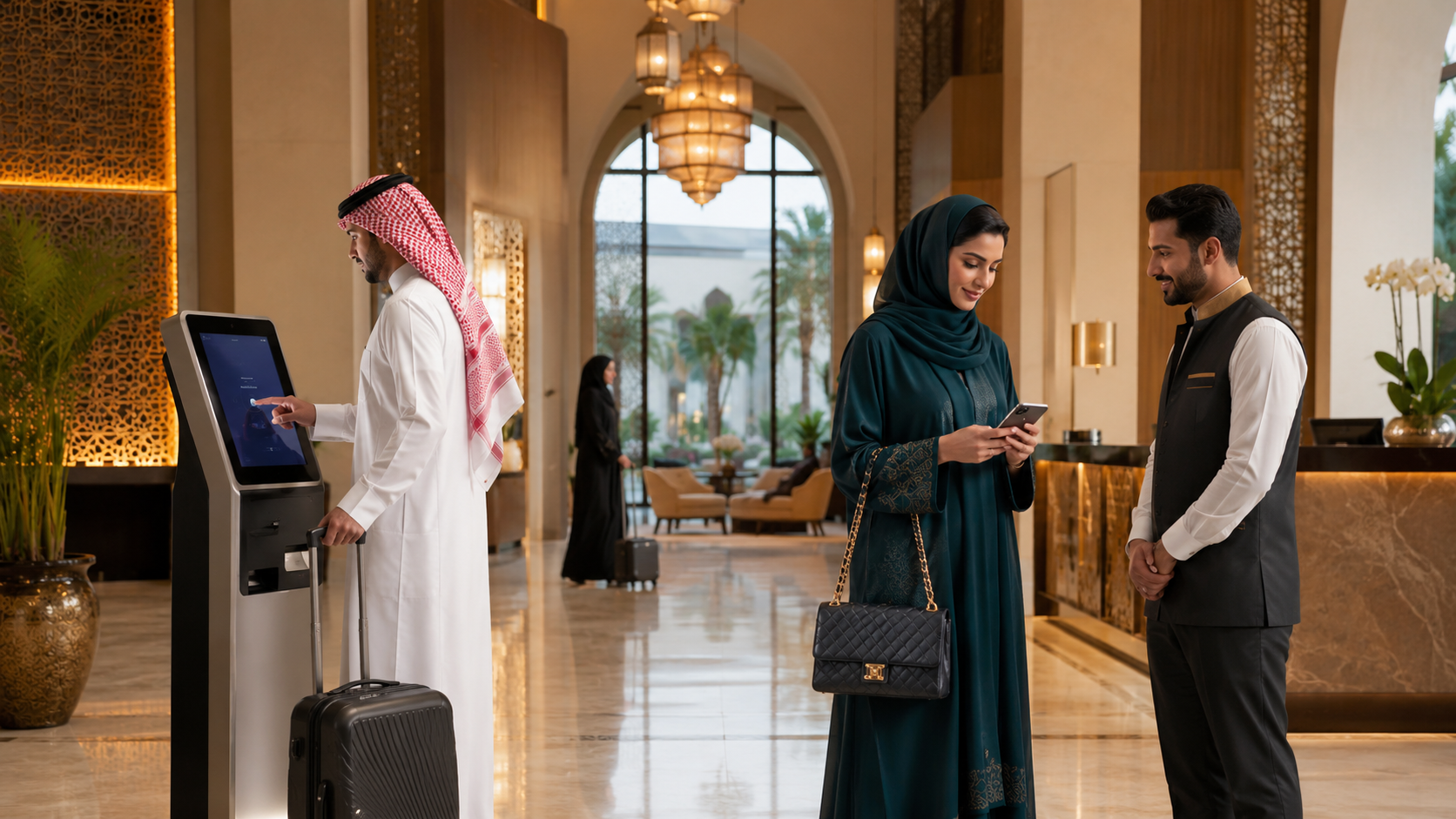
Guest communication is one of the most important parts of religious tourism hospitality. Guests may need arrival instructions, check-in documents, location guidance, parking details, shuttle information, breakfast timing, prayer-related information, and support in different languages. Automated messaging tools can send the right information before arrival, during stay, and after checkout.
This reduces pressure on the front desk and improves guest confidence. It also helps avoid repeated calls about basic information. For group arrivals, automated messages can be sent to coordinators with clear instructions, payment reminders, rooming list deadlines, and arrival schedules.
6. Housekeeping Automation
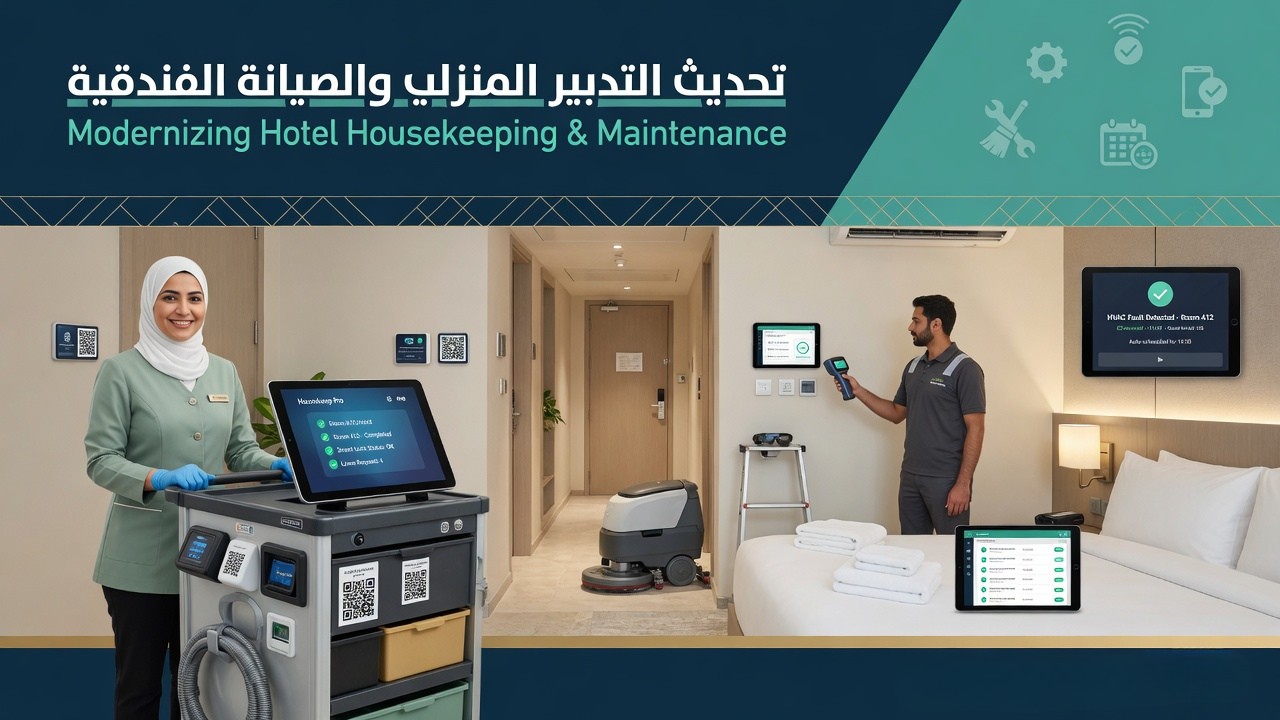
Housekeeping becomes a major pressure point during high-demand seasons. Large departure and arrival volumes can create delays if room status is not updated quickly. Housekeeping automation allows staff to see which rooms are dirty, clean, inspected, occupied, vacant, or out of service. Supervisors can assign tasks, track progress, and prioritize rooms for early arrivals.
For Hajj and Umrah hotel operations, fast room turnover is directly connected to guest satisfaction and revenue. If rooms are not ready on time, check-in queues grow and guest frustration increases. Automation helps align housekeeping with front office demand.
7. Reporting Dashboards and Business Intelligence
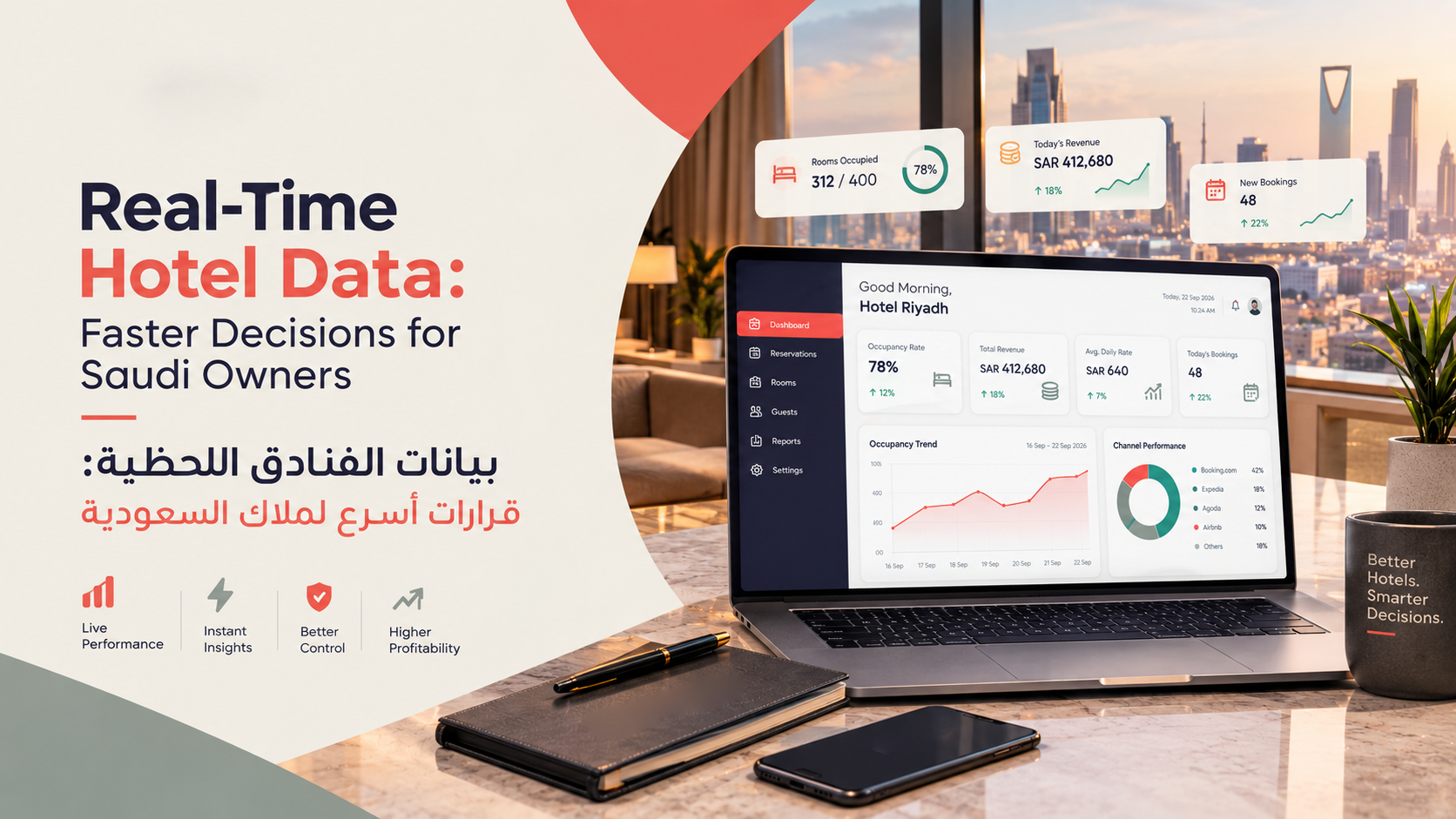
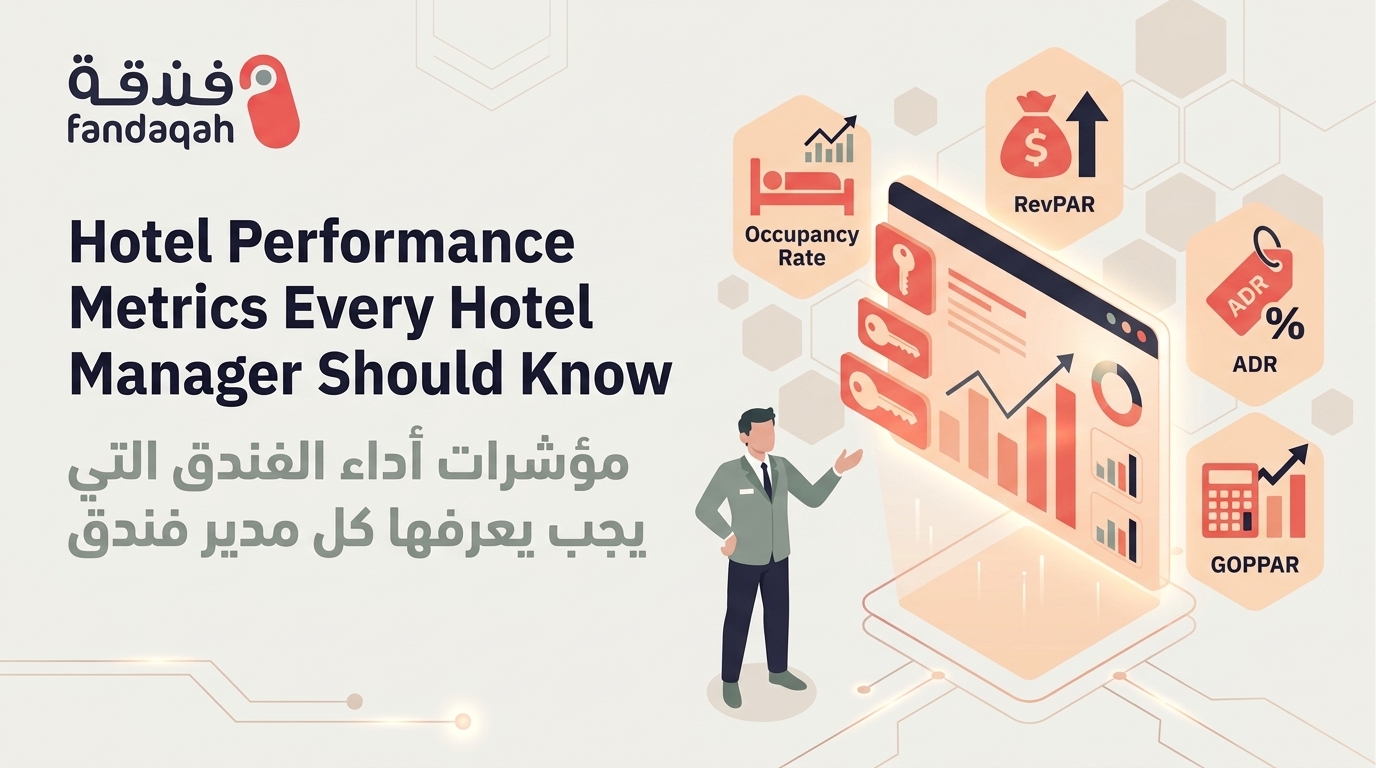
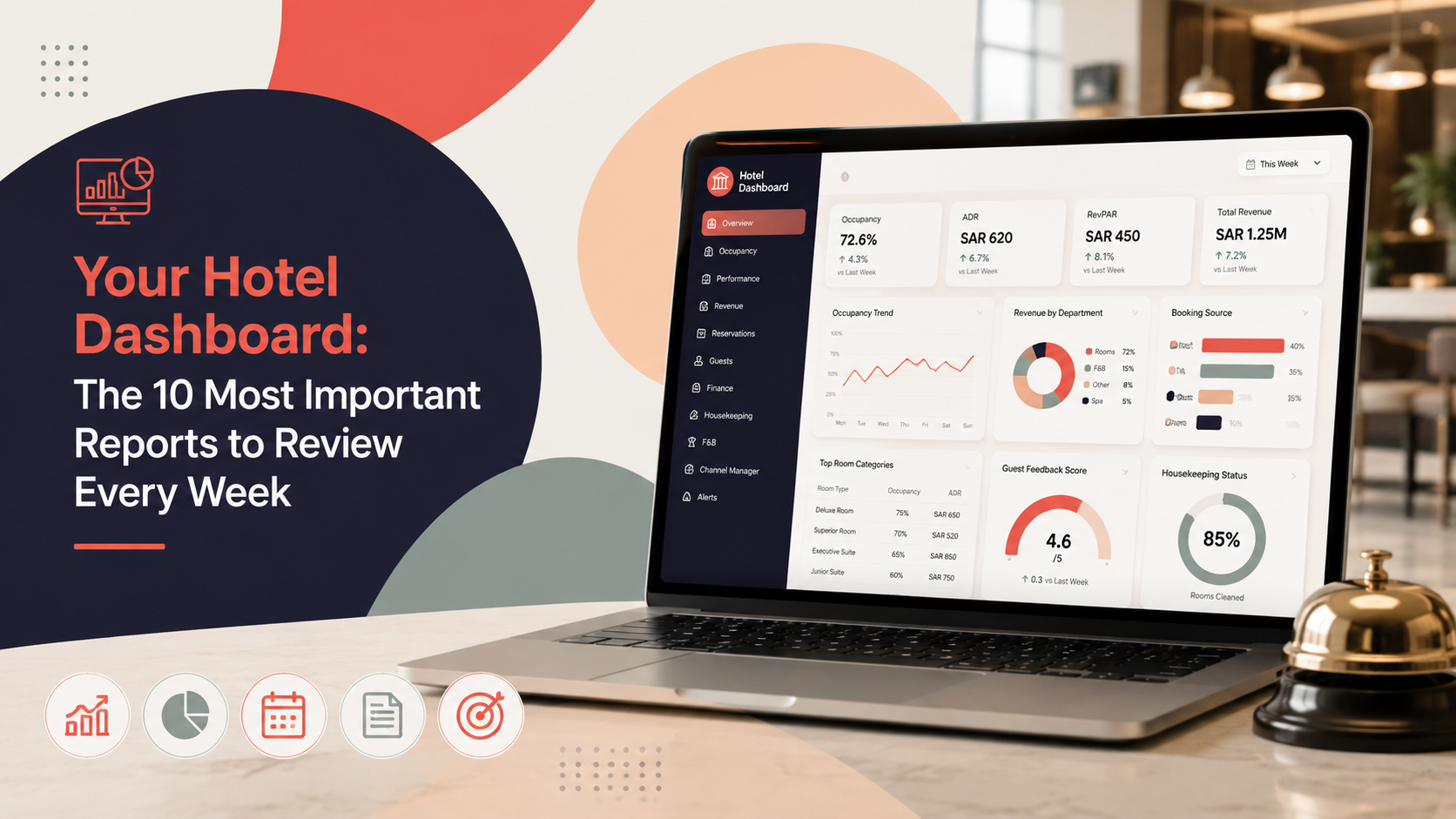
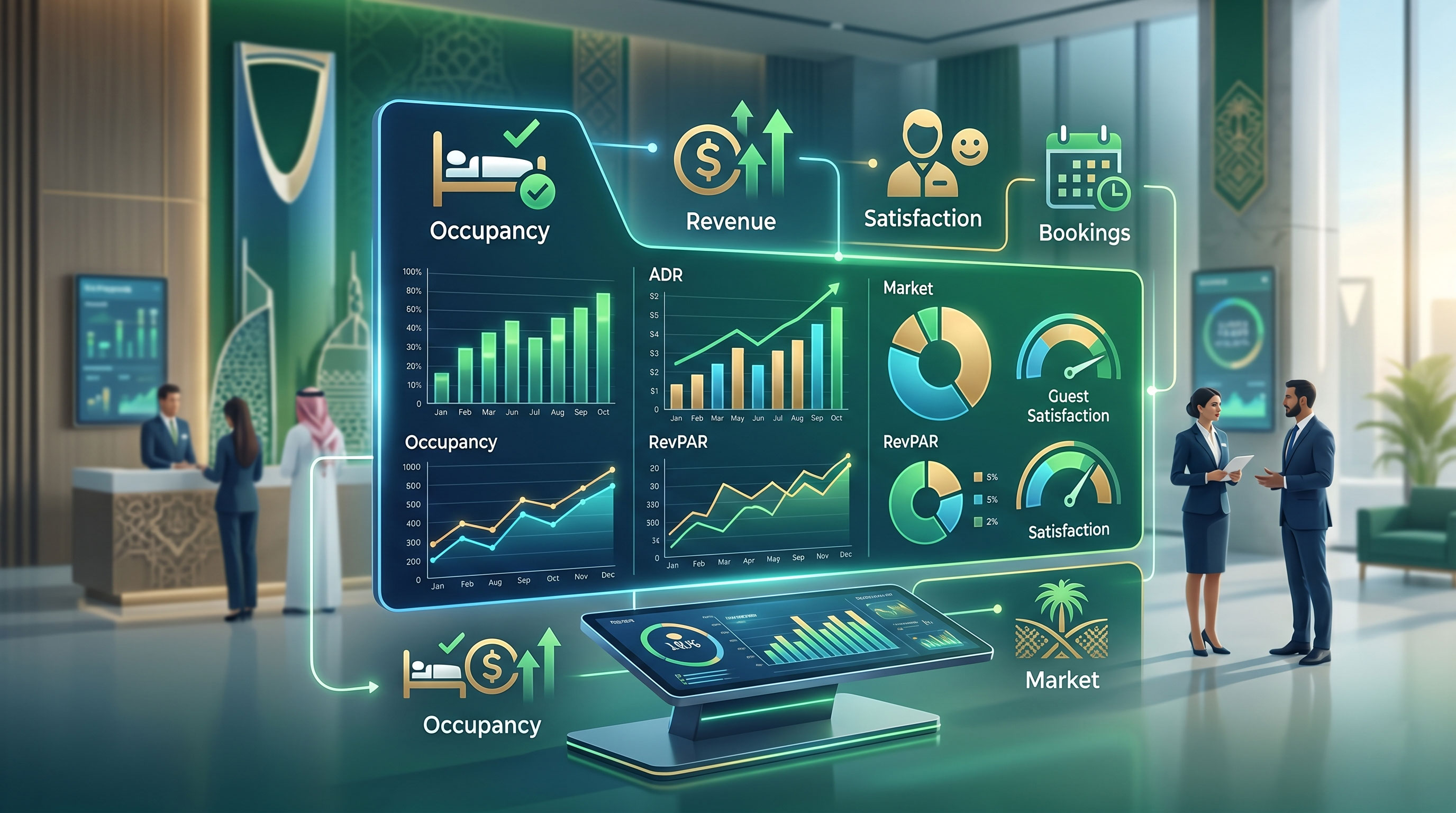
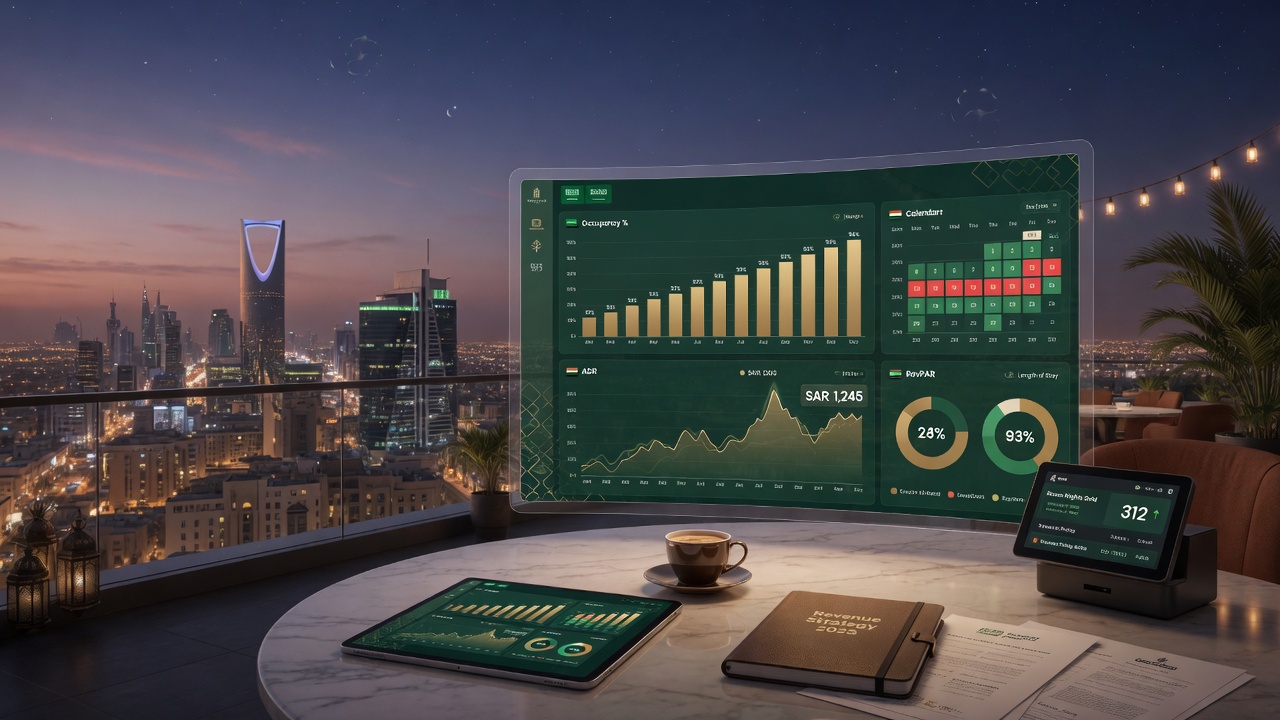
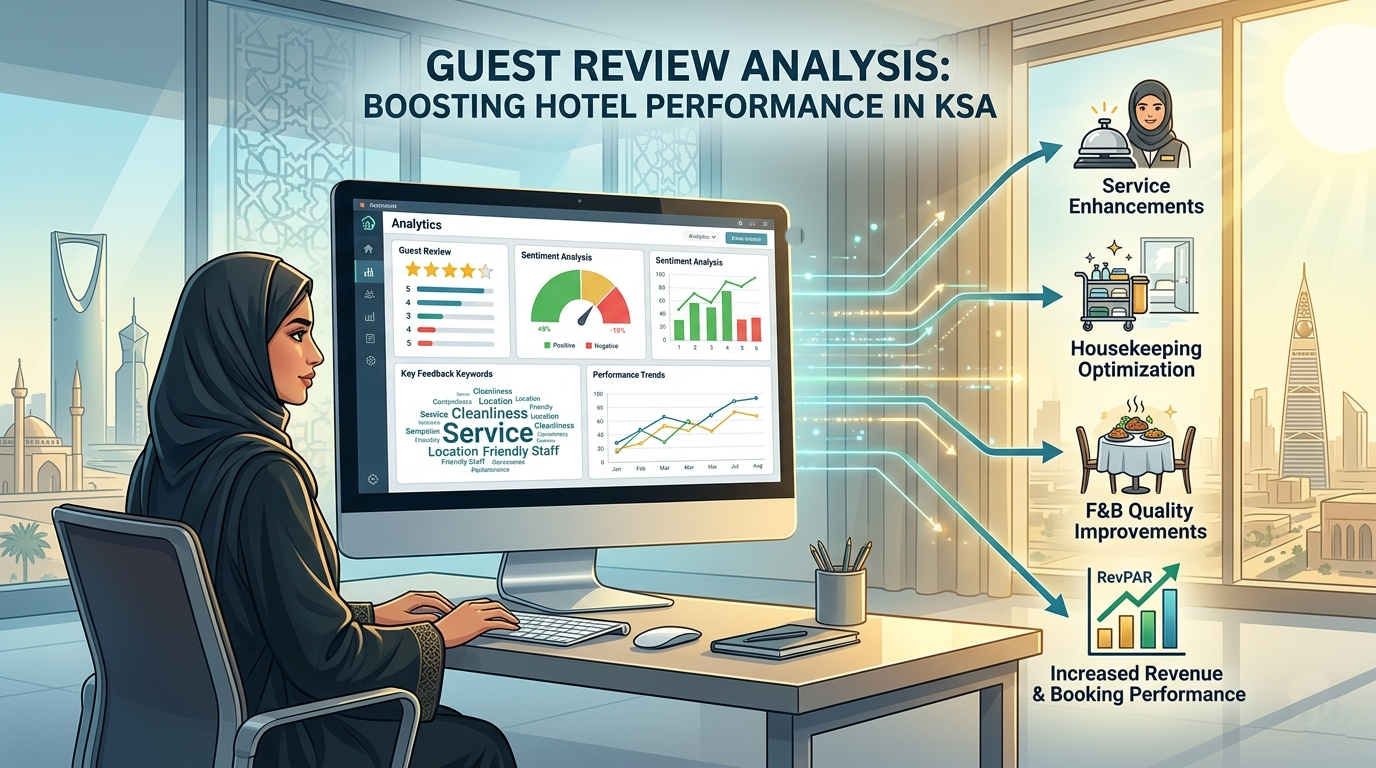
Managers need clear reports during peak seasons. A dashboard should show occupancy, average daily rate, revenue per available room, pickup, cancellations, no-shows, channel performance, room type performance, unpaid reservations, arrivals, departures, and housekeeping status. The best reports are easy to read and updated regularly.
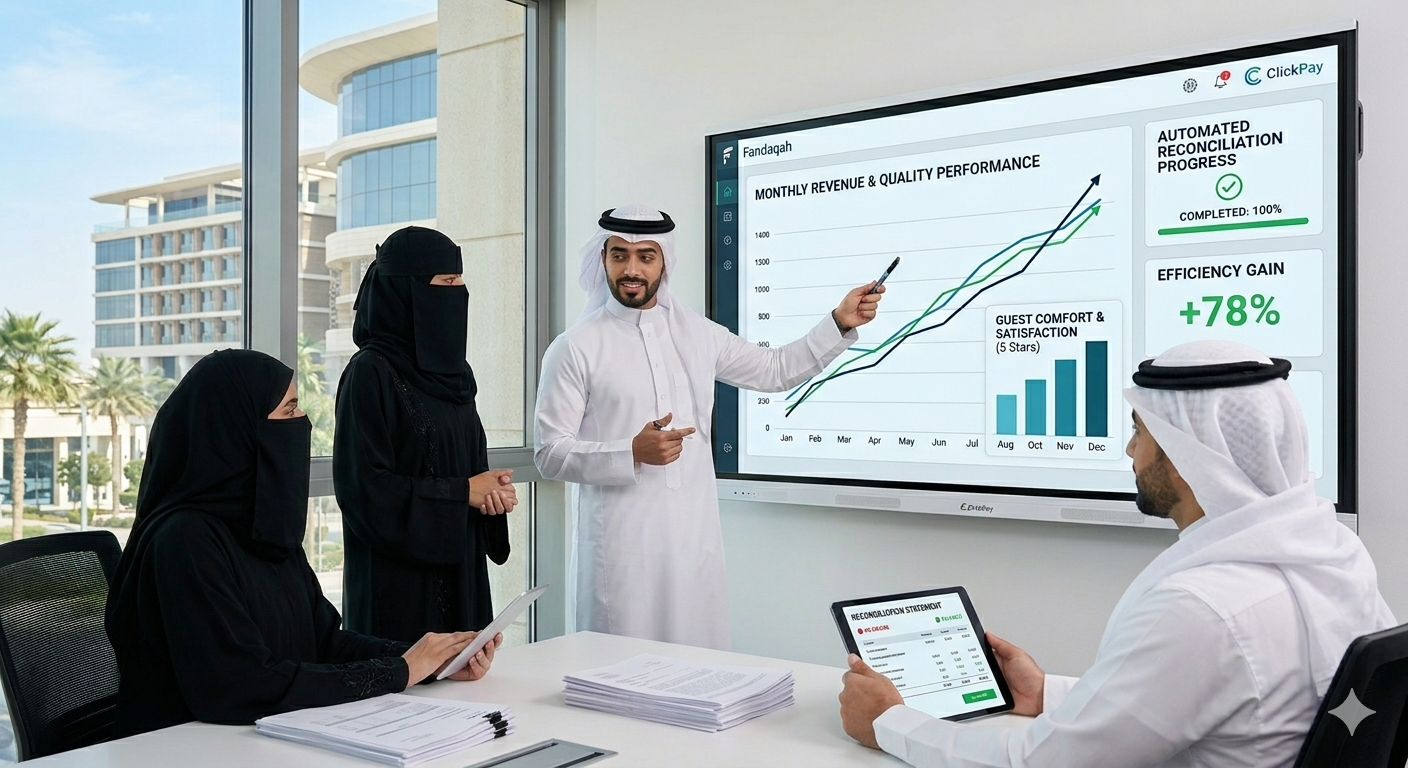
For Revenue Management Saudi Arabia, reporting must help managers act quickly. A report that arrives too late has limited value. Automated dashboards allow hotel leaders to make daily decisions based on current data instead of assumptions.
Key Features and Benefits of Automated Hotel Revenue Tools
Automated tools can improve hotel performance in many ways, especially when they are connected. A PMS alone is useful, but a PMS connected with a channel manager, booking engine, payment system, and revenue dashboard becomes much more powerful. For hotels in Saudi Arabia, the benefits are commercial, operational, and strategic.
- Better pricing decisions: Automated revenue tools help hotels adjust rates based on demand, occupancy, booking pace, and market behavior.
- Reduced overbooking risk: Connected inventory updates reduce the chance of selling the same room across multiple channels.
- Improved direct bookings: Booking engines help hotels capture reservations from their own website and reduce dependency on commission-heavy channels.
- Stronger group control: Automated group booking features help manage rooming lists, deposits, release dates, and special requests.
- Faster check-in and checkout: Centralized guest data, digital documents, and clear billing reduce front desk delays.
- More accurate reporting: Managers can track occupancy, revenue, cancellations, and channel performance in real time.
- Better housekeeping coordination: Room status updates help housekeeping and front office teams work together more efficiently.
- Improved guest communication: Automated messages provide guests with clear information before arrival and during stay.
- Higher staff productivity: Automation reduces repetitive manual work and allows employees to focus on service quality.
- More profitable seasonal demand: The hotel can protect high-value inventory, control discounts, and improve net revenue.
Highlight: The biggest benefit of automation is not only speed. It is consistency. During Hajj and Umrah, consistency across pricing, inventory, communication, billing, housekeeping, and reporting can protect both revenue and reputation.
A Practical Revenue Strategy for Hajj and Umrah Seasons
A strong revenue strategy should begin before the season starts. Hotels should not wait until rooms begin selling quickly to think about pricing and distribution. Preparation allows the hotel to define its target segments, set rate fences, plan group allocations, review contracts, update content, test systems, and train staff. The following steps can help hotels optimize revenue during Hajj and Umrah.
Step 1: Analyze Historical Data
Historical data is the starting point for demand forecasting. Hotels should review last year’s occupancy, average daily rate, revenue per available room, booking pace, cancellations, no-shows, source markets, room type performance, length of stay, group contribution, and channel mix. This data helps identify what worked and what should change.
For example, if a hotel reached full occupancy too early at lower rates, it may need a stronger pricing ladder. If cancellations were high from a specific channel, it may need stricter policies. If group business blocked too much inventory but confirmed late, the hotel may need better release dates and deposit requirements. Historical data turns experience into strategy.
Step 2: Segment Demand Clearly
Not all demand has the same value. A direct booking may produce higher net revenue than a high-commission booking. A group booking may provide volume but require discounted pricing. A long-stay booking may reduce room turnover pressure. A last-minute booking may pay a higher rate but can be less predictable. Segmentation helps hotels decide which demand to accept and when.
Common Hajj and Umrah hotel segments include direct website guests, walk-in guests, online travel agency guests, religious tour operator groups, corporate religious travel accounts, family travelers, domestic pilgrims, international pilgrims, and travel agency allotments. Each segment should have clear rates, policies, payment terms, and inventory controls.
Step 3: Build a Dynamic Pricing Calendar
A dynamic pricing calendar helps hotels plan different rates for different demand periods. During Hajj, pricing may be built around fixed peak dates, package periods, and group demand. During Umrah, pricing may change based on Ramadan, weekends, school holidays, flight patterns, and booking pace. Rates should not remain flat if demand changes.
The pricing calendar should include minimum rates, target rates, premium rates, room type supplements, package rules, extra guest charges, meal plan options, and cancellation policies. Automated hotel pricing tools make it easier to apply these rates across channels and adjust them when demand shifts.
Step 4: Control Inventory by Room Type
Room type control is essential. Some room types are more valuable during religious tourism because they fit families, groups, or guests who want specific bedding arrangements. Hotels should avoid selling premium room types too cheaply too early. They should also monitor which room types are likely to sell out first and adjust pricing accordingly.
Automated inventory tools can help managers see availability by room type, apply restrictions, close low-value channels, or hold certain rooms for direct or high-value bookings. This is one of the most practical ways to improve hotel revenue strategy for religious tourism in Saudi Arabia.
Step 5: Use Length-of-Stay Restrictions Carefully
Length-of-stay restrictions can improve revenue when used correctly. For example, a hotel may require a minimum stay during the highest demand nights to avoid gaps in inventory. However, restrictions should be based on data, not habit. If restrictions are too strict, the hotel may block profitable shorter bookings. If they are too loose, the hotel may create unsellable gaps.
Automation helps hotels test and adjust restrictions. Managers can monitor pickup and change rules when needed. The best approach is flexible control rather than fixed rules that are never reviewed.
Step 6: Protect Direct Booking Opportunities
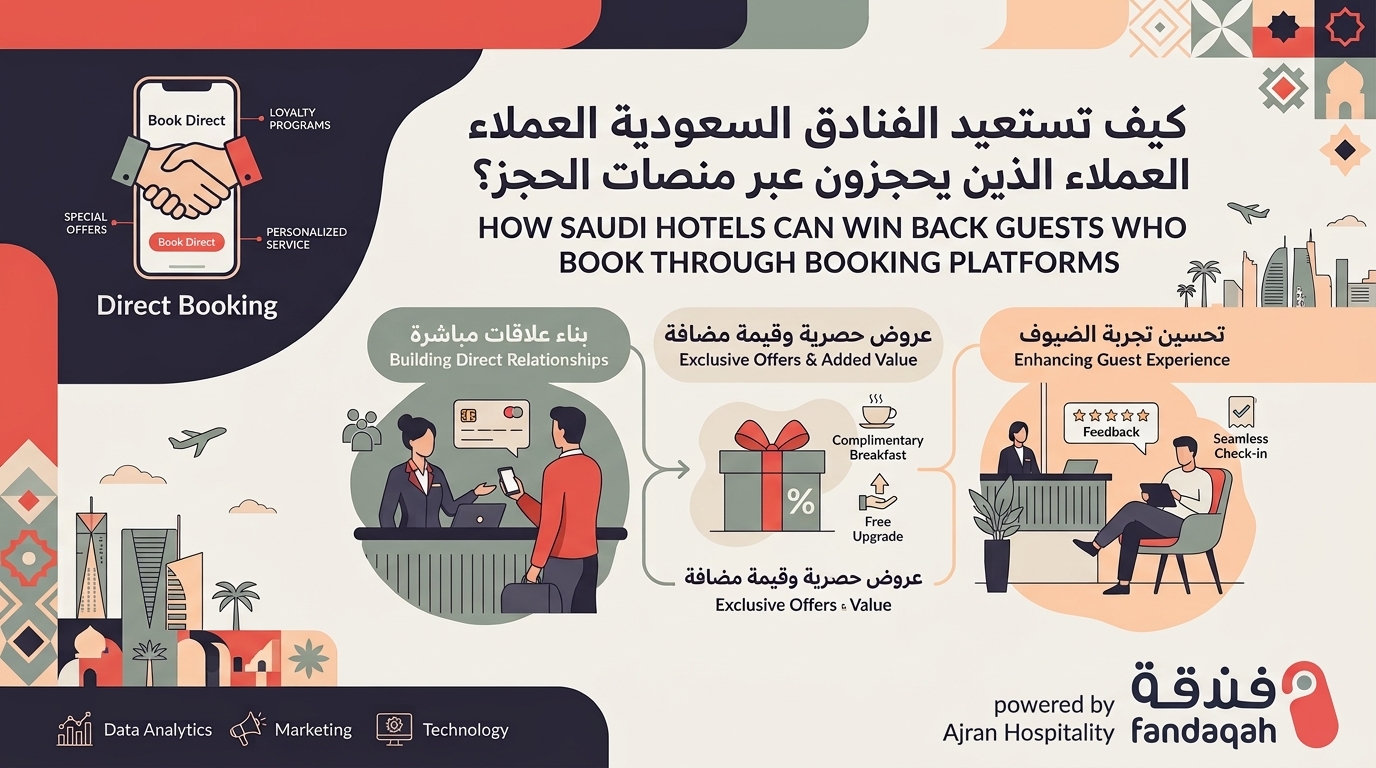
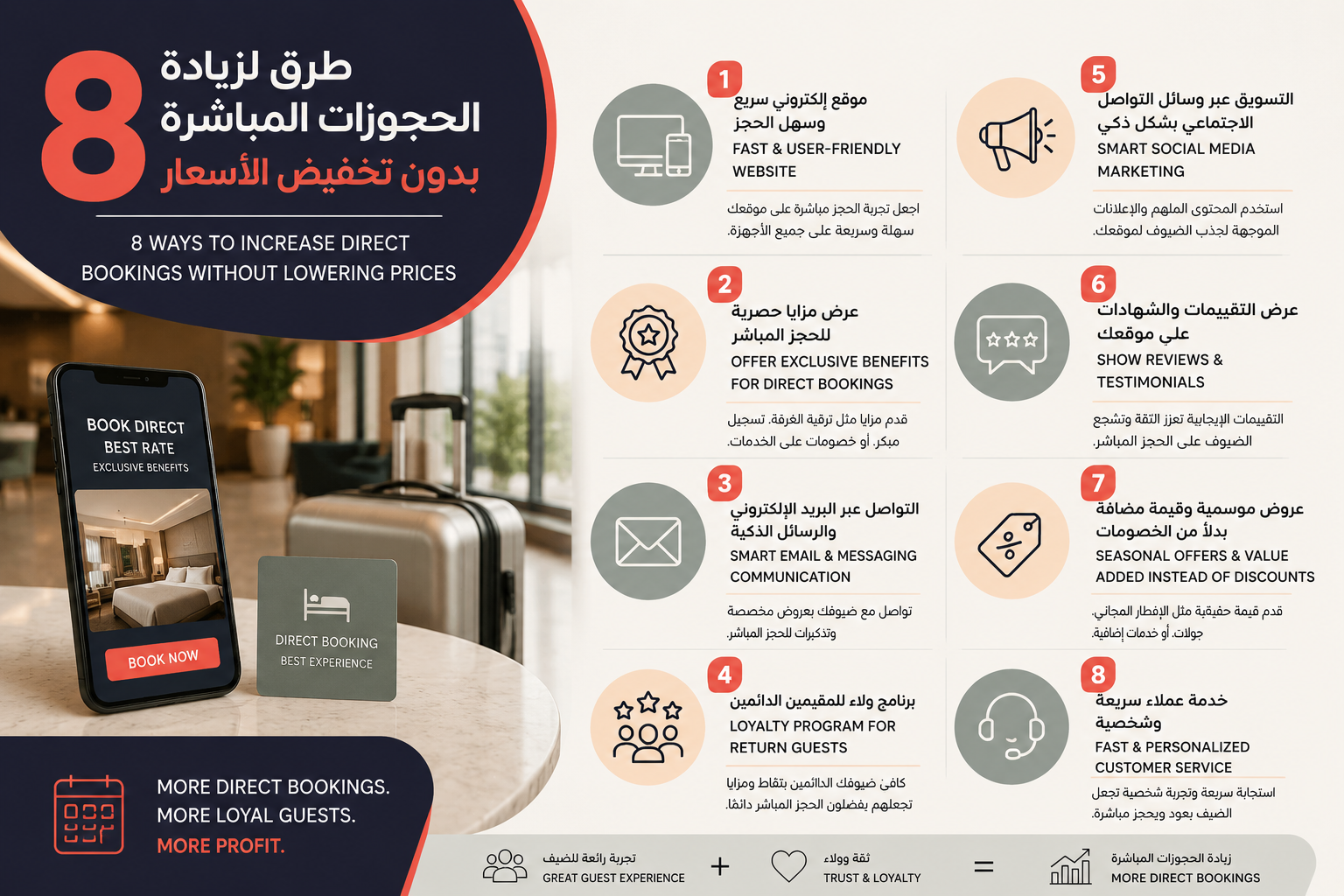
Direct bookings can improve profitability because they reduce commission costs and give hotels more control over guest communication. During Umrah season, many guests search online for hotels near Makkah, hotels near Madinah, hotels close to Haram, and family-friendly accommodation. Hotels should make sure their website is updated, mobile-friendly, fast, and connected to a booking engine.
Direct booking strategy can include clear room descriptions, location benefits, trust signals, flexible packages, early booking offers, loyalty benefits, and easy payment options. Hotels should not close direct booking availability while keeping rooms open only on third-party channels. A connected PMS, booking engine, and channel manager can help balance this mix.
Step 7: Monitor Pickup Daily
Pickup refers to how many rooms are booked over a specific period. During Hajj and Umrah, pickup speed is a powerful demand signal. If pickup is faster than expected, the hotel may increase rates, tighten restrictions, or protect inventory. If pickup is slower than expected, the hotel may open more channels, adjust pricing, or launch targeted campaigns.
Manual pickup tracking is possible but time-consuming. Automated reporting makes it easier to monitor daily changes. A revenue manager can quickly see which dates are filling, which room types are moving, and which channels are producing bookings.
Comparison: Manual Management vs Automated Hotel Revenue Management
The difference between manual management and automated hotel revenue management becomes very clear during high-demand religious seasons. Manual processes may feel familiar, but they are often slow, fragmented, and difficult to scale. Automation gives hotels greater visibility, faster execution, and better control.
| Area |
Manual Hotel Management |
Automated Hotel Revenue Management |
| Rate Updates |
Rates are updated manually across channels, increasing the risk of mistakes and delays. |
Rates can be updated faster through connected systems and pricing rules. |
| Inventory Control |
Availability may be tracked in spreadsheets or separate platforms. |
Availability is synchronized across PMS, booking engine, and channels. |
| Group Bookings |
Rooming lists, payments, and release dates may be hard to monitor. |
Groups can be tracked with structured reservations, deadlines, and reports. |
| Forecasting |
Decisions rely heavily on experience and delayed reports. |
Forecasting uses current data, historical trends, and pickup patterns. |
| Guest Communication |
Staff answer repeated calls and messages manually. |
Automated messages send confirmations, reminders, and arrival instructions. |
| Decision Speed |
Managers may act after opportunities are already missed. |
Managers can respond quickly to demand changes and market movement. |
Use Cases for Saudi Arabia Hotels During Hajj and Umrah
Saudi Arabia has a diverse hospitality landscape. Hotels in Makkah and Madinah experience the most direct religious tourism demand, but the impact extends to Jeddah, Riyadh, Taif, Yanbu, and other cities connected to travel, business, transport, and events. Different properties need different strategies. The following use cases show how automated tools can support real hotel scenarios in the Kingdom.
Use Case 1: A Makkah Hotel Managing Peak Hajj Packages
A hotel near the holy sites may sell Hajj packages through approved partners, travel agencies, and direct channels. The property must manage limited inventory, strict arrival dates, group allocations, meal plans, transport details, and high guest expectations. An automated PMS helps centralize reservations and room assignments. A revenue tool supports package pricing. Group booking features help manage rooming lists and deposits. Automated communication helps coordinators receive clear instructions before arrival.
In this use case, the hotel’s main revenue goal is not simply to fill rooms. It must protect inventory for high-value packages, avoid unconfirmed blocks, reduce operational confusion, and ensure payments are secured before arrival. Automation helps the hotel maintain control during one of the busiest hospitality periods of the year.
Use Case 2: A Madinah Hotel Serving Umrah Guests Year-Round
A hotel in Madinah may receive steady Umrah demand throughout the year, with stronger peaks during Ramadan and holiday periods. The property needs flexible pricing, strong online visibility, and efficient room turnover. A channel manager keeps availability accurate across OTAs. A booking engine captures direct reservations. Automated pricing helps the hotel respond to changing demand. Guest messaging supports international travelers with pre-arrival information.
For this hotel, the most important strategy may be balanced distribution. The property should not depend only on one channel or one market. Automated systems allow the revenue team to open, close, and adjust channels based on demand and profitability.
Use Case 3: A Jeddah Hotel Supporting Transit and Pre-Umrah Stays
Jeddah plays an important role as a gateway city for many travelers. Hotels may serve guests before or after Umrah, business travelers, airline-related demand, and domestic visitors. Seasonal demand may increase during religious travel peaks, events, and holidays. Automated tools help these hotels identify when religious tourism demand affects city occupancy and pricing.
A Jeddah hotel can use revenue dashboards to compare normal business demand with religious travel demand. It can adjust pricing for short-stay guests, manage airport-related arrivals, and use direct booking offers for families traveling onward to Makkah or Madinah.
Use Case 4: A Mid-Market Hotel Managing Group Allotments
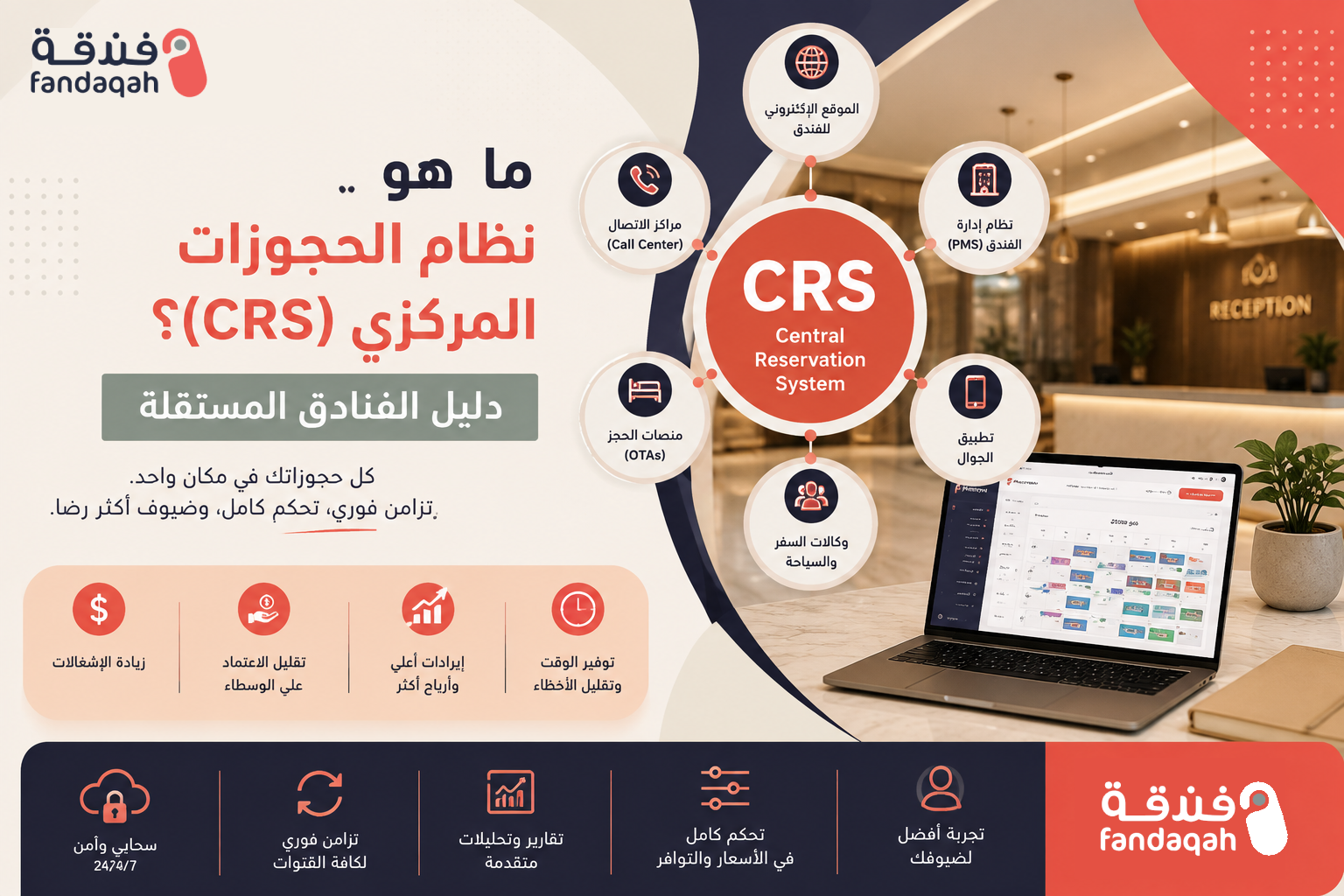
Mid-market hotels often work closely with travel agencies and group operators. These relationships are important, but they can become difficult if allotments are not controlled. A hotel may block rooms for an agency, but if the agency confirms late or cancels, the hotel may lose the chance to sell those rooms elsewhere. Automated group booking tools help define release dates, payment deadlines, rooming list requirements, and booking status.
This improves fairness and transparency with partners. It also helps the hotel protect revenue. Instead of relying on memory or informal follow-up, the system can show which blocks are confirmed, tentative, unpaid, or ready to release.
Use Case 5: A Serviced Apartment Property Hosting Families
Serviced apartments are popular among families and longer-stay guests. During Umrah periods, families may prefer larger units, kitchen facilities, flexible space, and practical locations. Revenue management for serviced apartments should consider length of stay, unit type, cleaning schedules, family occupancy, and direct booking value. Automated systems help track availability by unit type and adjust rates based on demand.
For these properties, the opportunity is not always the highest nightly rate. Sometimes the best strategy is to optimize total stay value, reduce gaps between bookings, and improve family guest satisfaction through clear communication and smooth check-in.
How to Build a Hajj and Umrah Revenue Calendar
A revenue calendar is a planning tool that helps hotels map demand periods, pricing actions, restrictions, campaigns, and operational deadlines. For Hajj and Umrah Hotel Management, a revenue calendar should be detailed and updated regularly. It should not be a static document created once and forgotten. It should guide daily and weekly decisions.
The calendar should identify peak Hajj dates, Ramadan Umrah periods, expected school holiday demand, public holiday demand, major events in nearby cities, group arrival periods, contract deadlines, release dates, payment deadlines, and rate review dates. It should also include operational notes such as expected large arrivals, housekeeping pressure days, and transport coordination periods.
- Demand periods: Mark high, medium, and low demand periods by date.
- Rate strategy: Define minimum, target, and premium rates for each period.
- Inventory rules: Decide which rooms are open to which channels and segments.
- Group deadlines: Add deposit dates, rooming list deadlines, and release dates.
- Restriction strategy: Add minimum stay, closed-to-arrival, or package rules when needed.
- Marketing actions: Schedule direct booking campaigns, agent communication, and website updates.
- Operational preparation: Plan staffing, housekeeping, maintenance, and guest messaging timelines.
Tip Box: Review your Hajj and Umrah revenue calendar weekly before demand builds, then daily during peak pickup periods. The faster demand changes, the more often your rates, restrictions, and inventory controls should be reviewed.
Pricing Strategy: How to Optimize Hotel Revenue During Hajj and Umrah
Pricing is one of the most visible parts of revenue management, but it should never be handled in isolation. A good hotel pricing strategy for Umrah season in Saudi Arabia considers demand, guest segment, channel cost, booking window, room type, cancellation risk, and competitor positioning. The goal is to increase revenue while maintaining trust and competitiveness.
One practical method is to create pricing levels. For example, a hotel may define an opening rate, a moderate demand rate, a strong demand rate, and a peak rate. As occupancy increases or pickup accelerates, the hotel moves to the next level. This prevents the hotel from keeping the same rate for too long. Automated pricing tools can support this by sending alerts or applying rules.
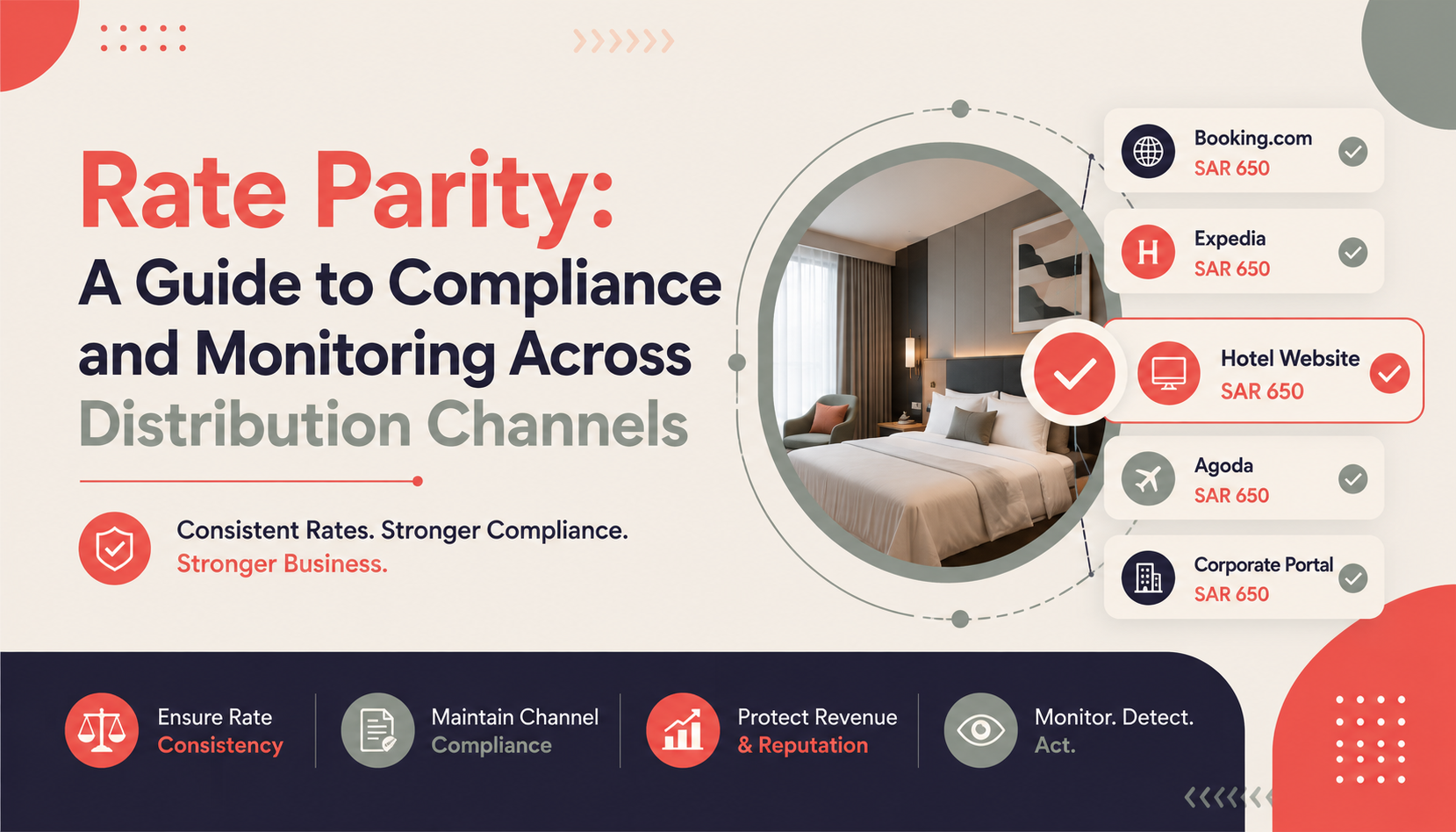
Another important method is rate parity control. If a guest sees very different rates for the same room across multiple channels, it can reduce trust and create booking confusion. Hotels should monitor rate consistency while still using smart offers for direct bookings. For example, direct bookings may include a value-added benefit instead of simply showing a lower public rate. This could be flexible check-in support, a room upgrade subject to availability, or a special family package.
Hotels should also consider net revenue. A booking with a higher public rate may not be more profitable if commission is high. Revenue managers should compare channels based on net value after commission, payment risk, cancellation behavior, and operational requirements. This is why automated reports are important. They allow managers to see not only how much revenue was booked, but how profitable each channel really is.
Distribution Strategy for Hajj and Umrah Hotels
Distribution strategy is the way a hotel sells rooms across different channels. During high demand, distribution control becomes more important than distribution volume. A hotel does not need every channel open at every rate all the time. It needs the right channels open for the right dates and the right guest segments.
For Umrah, international online travel agencies may be important because guests search from many countries. For Hajj, group operators and contracted partners may be more important depending on the property type. Direct bookings should remain a priority whenever possible because they help reduce commission and strengthen guest relationships. A channel manager allows hotels to control this mix more effectively.
Hotels should monitor which channels are producing bookings, at what rate, with what cancellation behavior, and at what cost. If one channel produces many low-value or high-cancellation bookings, the hotel may adjust availability or policies. If another channel produces strong net revenue, the hotel may allocate more inventory. Distribution is not a set-and-forget task. It is a daily revenue lever.
Operational Readiness: Revenue Depends on Service Delivery
Revenue optimization can fail if operations are not ready. A hotel may sell rooms at excellent rates, but if check-in is slow, rooms are not ready, invoices are incorrect, or guest requests are ignored, the property may suffer from complaints and reputation damage. High revenue should be matched by high operational discipline.
During Hajj and Umrah, operational readiness includes staffing plans, housekeeping schedules, maintenance checks, payment preparation, arrival lists, group coordination, language support, queue management, and escalation procedures. Automated systems can support each area by providing accurate data and reducing manual confusion.
Front office teams need clean arrival lists, room assignments, payment status, guest notes, and group details. Housekeeping teams need prioritized room cleaning lists and live room status. Finance teams need clear deposit and balance reports. Management needs daily performance dashboards. Guest service teams need communication history and request tracking. When each department works from the same system, the hotel becomes more resilient during pressure.
Guest Experience During Religious Tourism Seasons
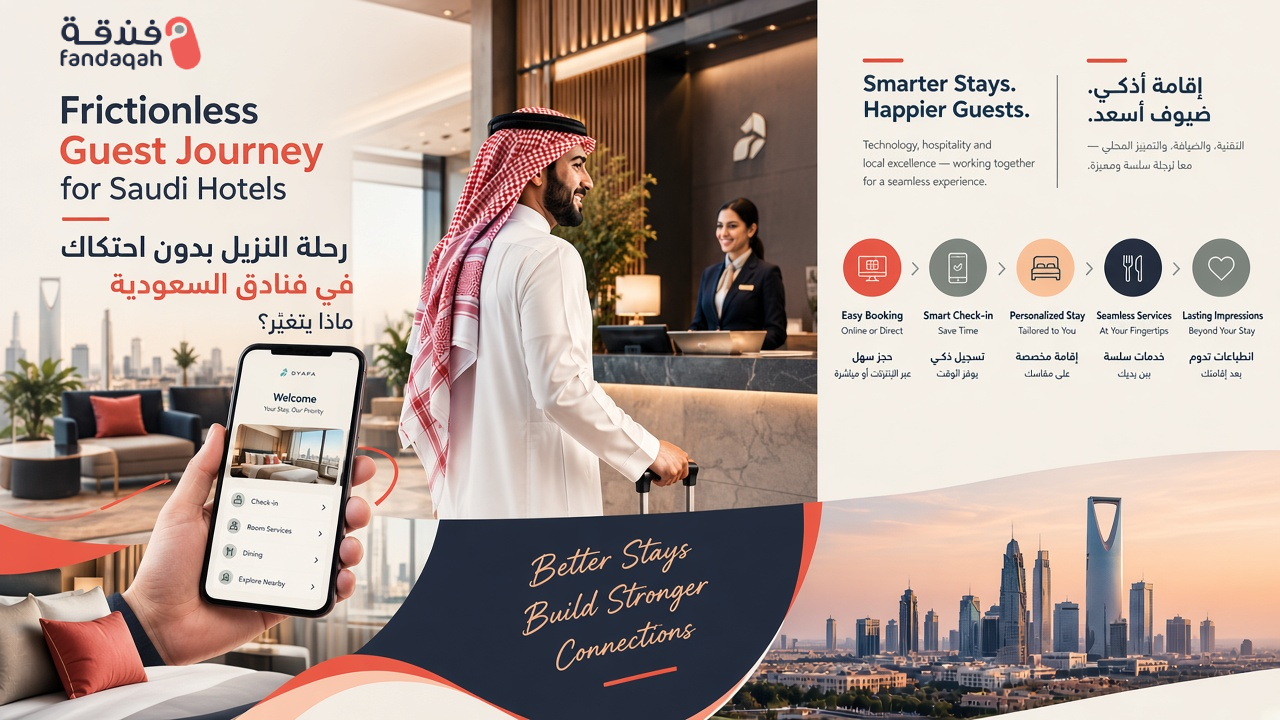
Religious tourism is deeply personal. Guests traveling for Hajj or Umrah are not only buying a room. They are planning a meaningful journey that requires comfort, reliability, and trust. Hotels that understand this emotional context can create stronger guest satisfaction and long-term loyalty. Technology should support a more human experience, not make it feel less personal.
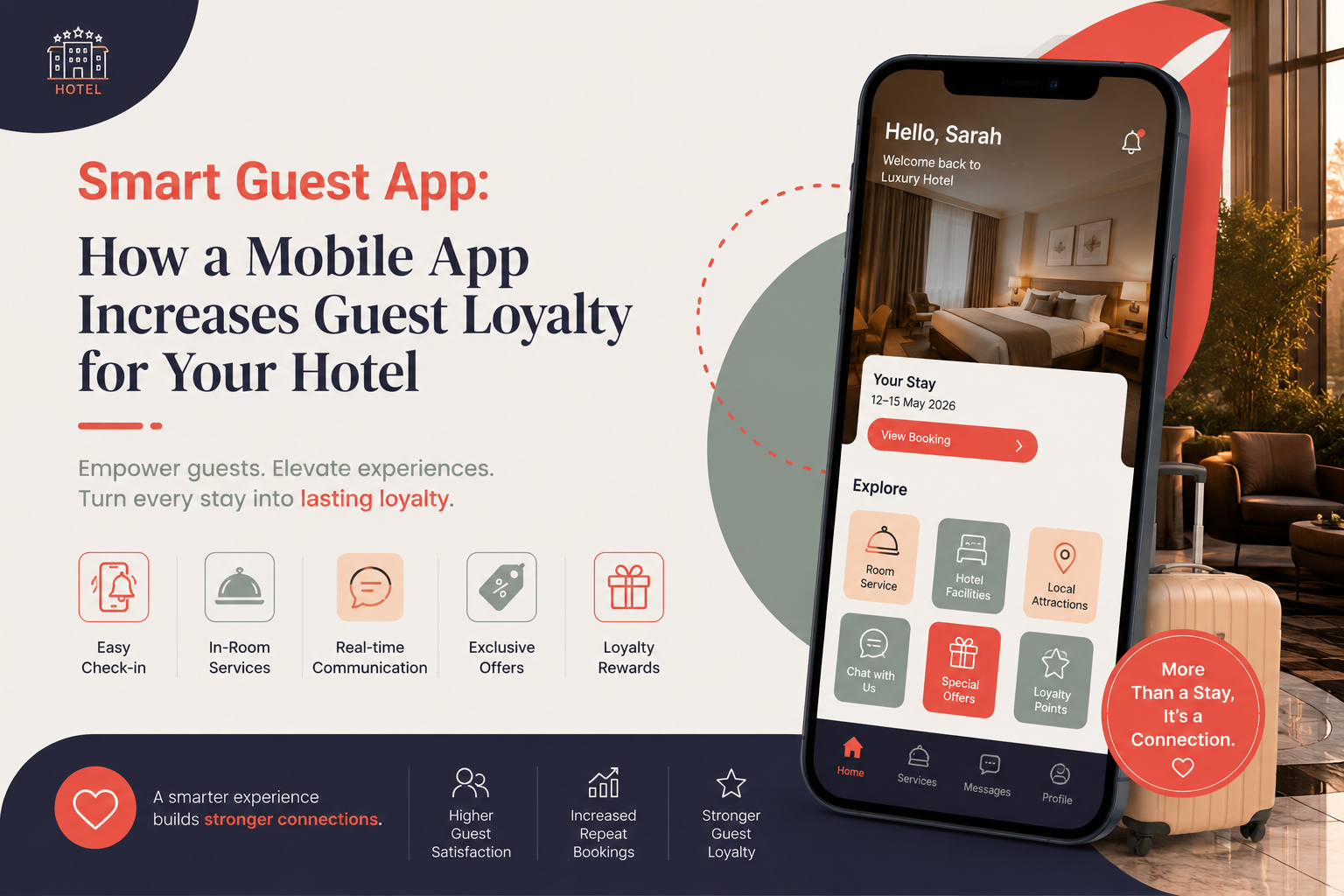
Automated communication can help guests feel prepared. A hotel can send booking confirmations, location details, check-in instructions, document requirements, payment reminders, breakfast information, shuttle guidance, and contact details. For international guests, clear communication before arrival can reduce anxiety and improve trust. For families, practical information about room setup, extra beds, and nearby services can make the stay smoother.
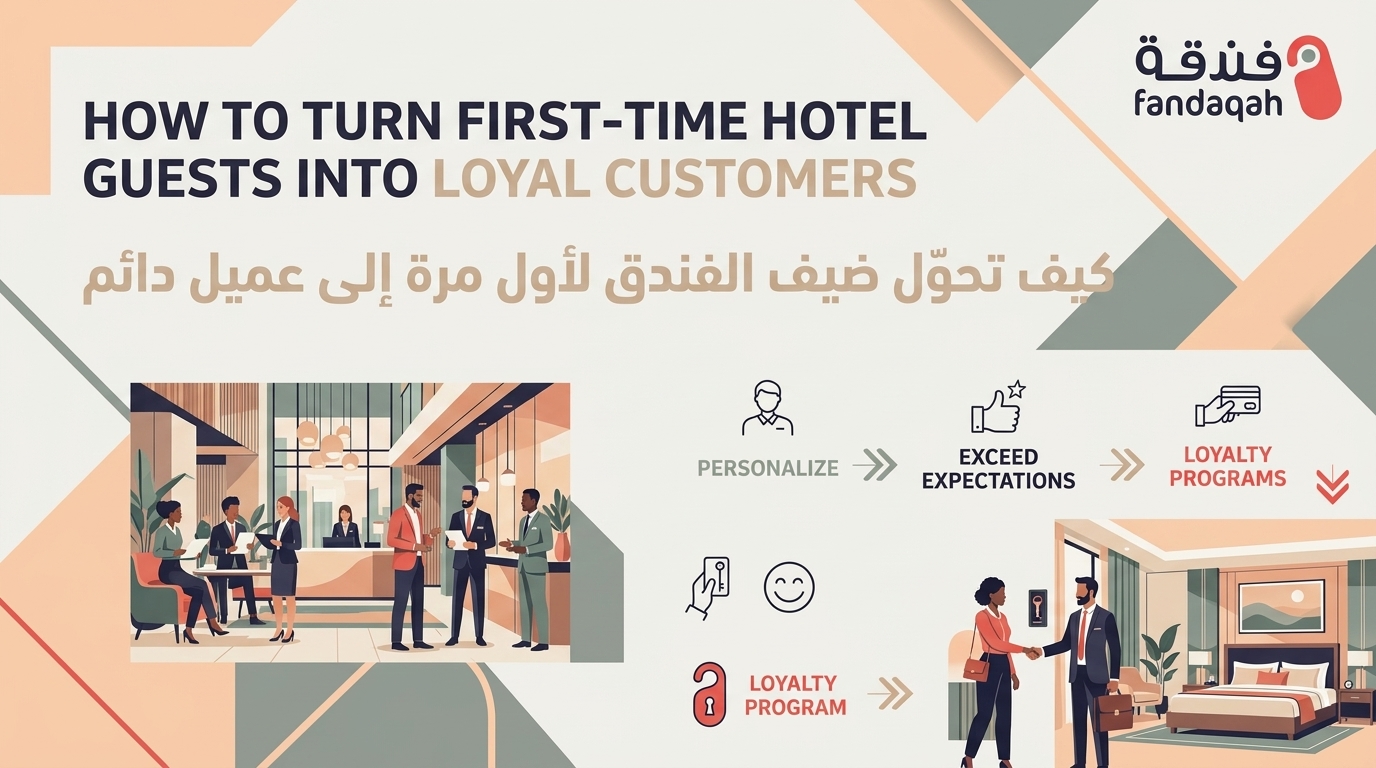
Guest experience also affects revenue after checkout. Satisfied guests are more likely to leave positive reviews, recommend the hotel to family, return for future Umrah trips, or book through the hotel directly next time. In this way, service quality becomes part of long-term revenue management.
Guest Experience Insight: During Hajj and Umrah, clarity is a form of hospitality. When guests know where to go, what to expect, how to pay, and who to contact, the hotel reduces stress before the stay even begins.
Managing Groups, Agents, and Allotments
Group business is a major part of Hajj and Umrah hotel operations. Travel agencies and tour operators help hotels access demand from different markets, but group management requires structure. Every group should have clear contract terms, room quantities, room types, rates, payment deadlines, cancellation rules, release dates, rooming list deadlines, meal plan details, and special requirements.
Automated group management helps hotels avoid common problems. It allows teams to track tentative blocks, confirmed blocks, deposits, outstanding payments, rooming lists, and pickup against allocation. It also helps managers identify inventory that should be released back for sale. This is especially important when demand is high and every unsold room has significant opportunity cost.
Hotels should also evaluate agents based on performance. Some partners may consistently confirm early, pay on time, and produce reliable guests. Others may hold space without conversion or create payment delays. Reporting tools help hotels make better decisions about future contracts and allotments.
Payment Automation and Financial Control
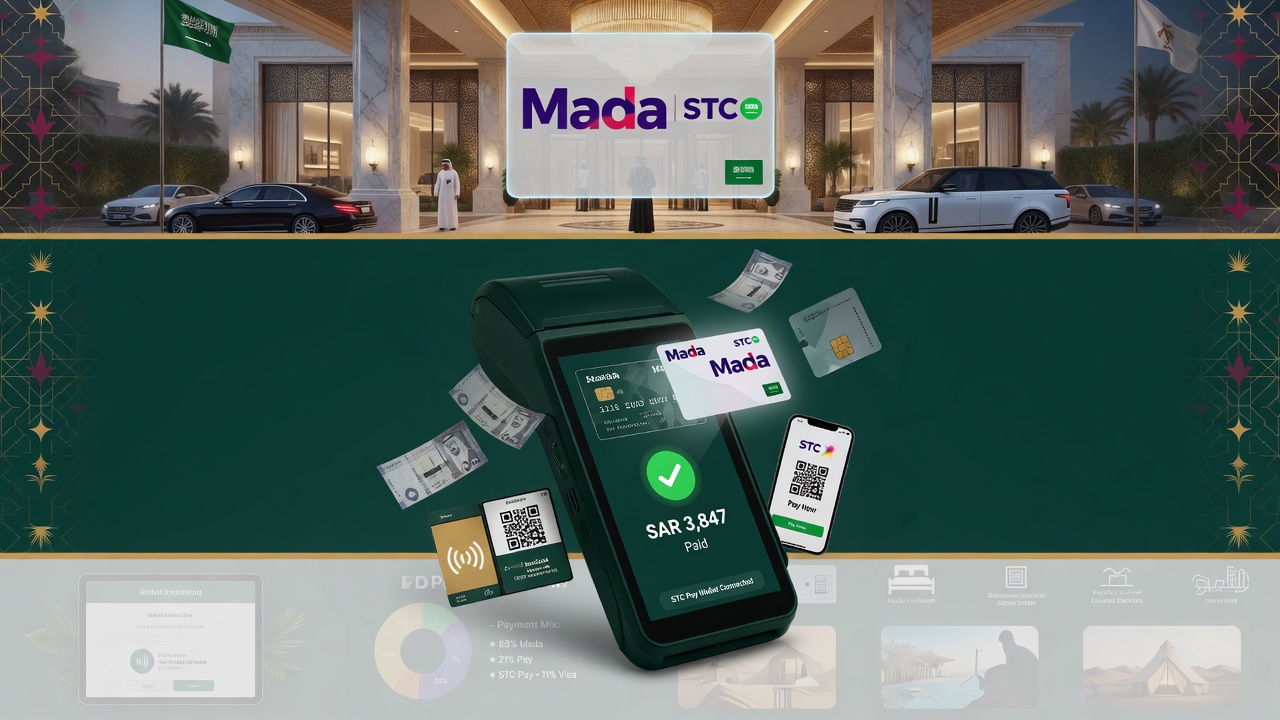
Revenue is not fully protected until payment is controlled. During high-demand seasons, hotels should avoid unclear payment status, informal promises, and delayed collection. Payment automation can support deposit collection, balance reminders, invoice tracking, payment links, and finance reporting. This helps reduce last-minute disputes and improves cash flow.
For direct bookings, secure online payment options can increase booking confidence and reduce no-shows. For group bookings, structured deposit schedules and automated reminders help ensure that inventory is not blocked without commitment. For front desk operations, accurate payment status reduces check-in delays.
Financial control also supports better revenue analysis. Managers should know which bookings are confirmed, which are unpaid, which are partially paid, and which are at risk. A hotel may appear fully booked, but if many bookings are unpaid or uncertain, the revenue position is weaker than it looks. Automated reporting helps reveal this reality.
Forecasting Demand: What Saudi Hotels Should Track
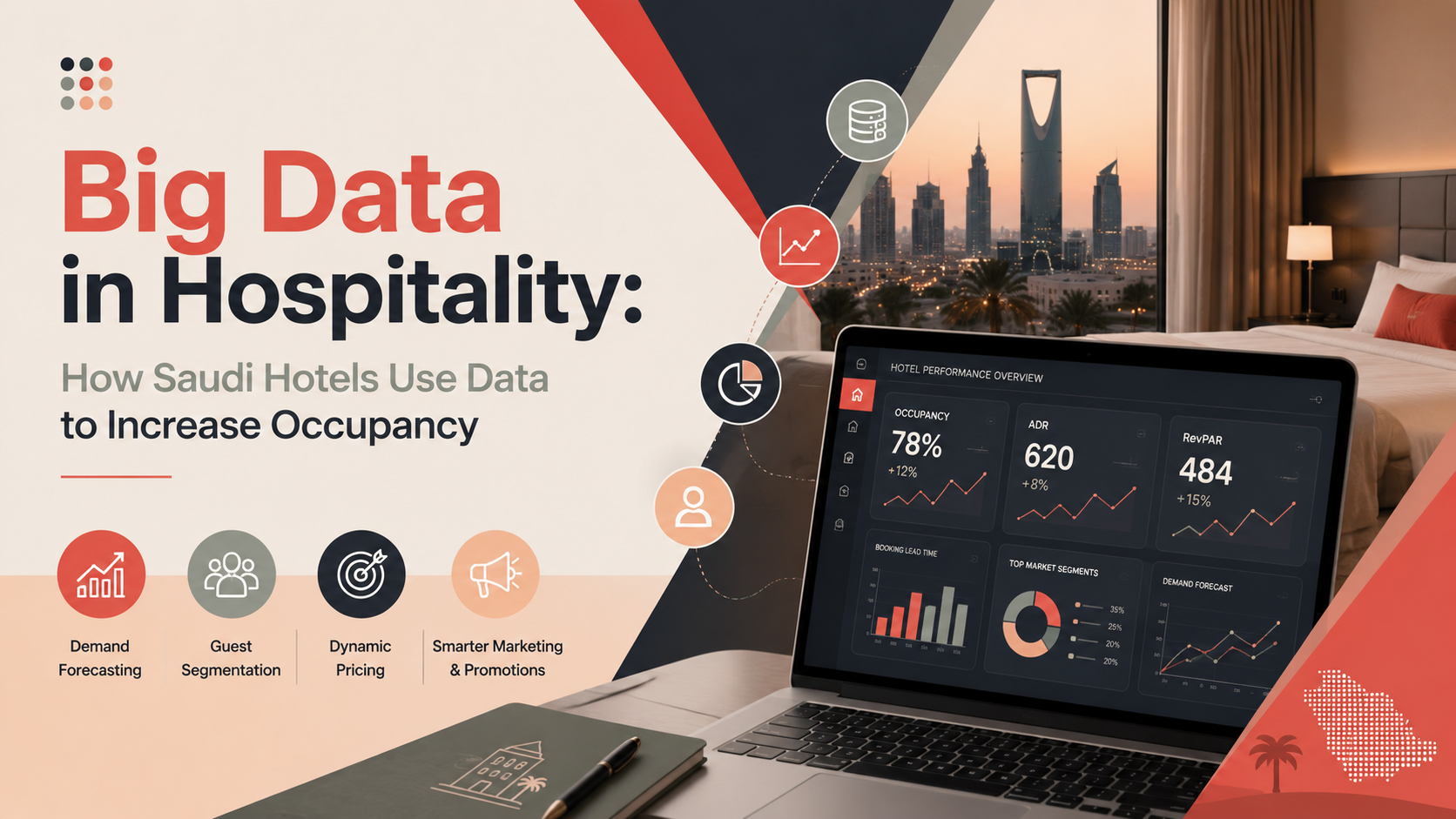
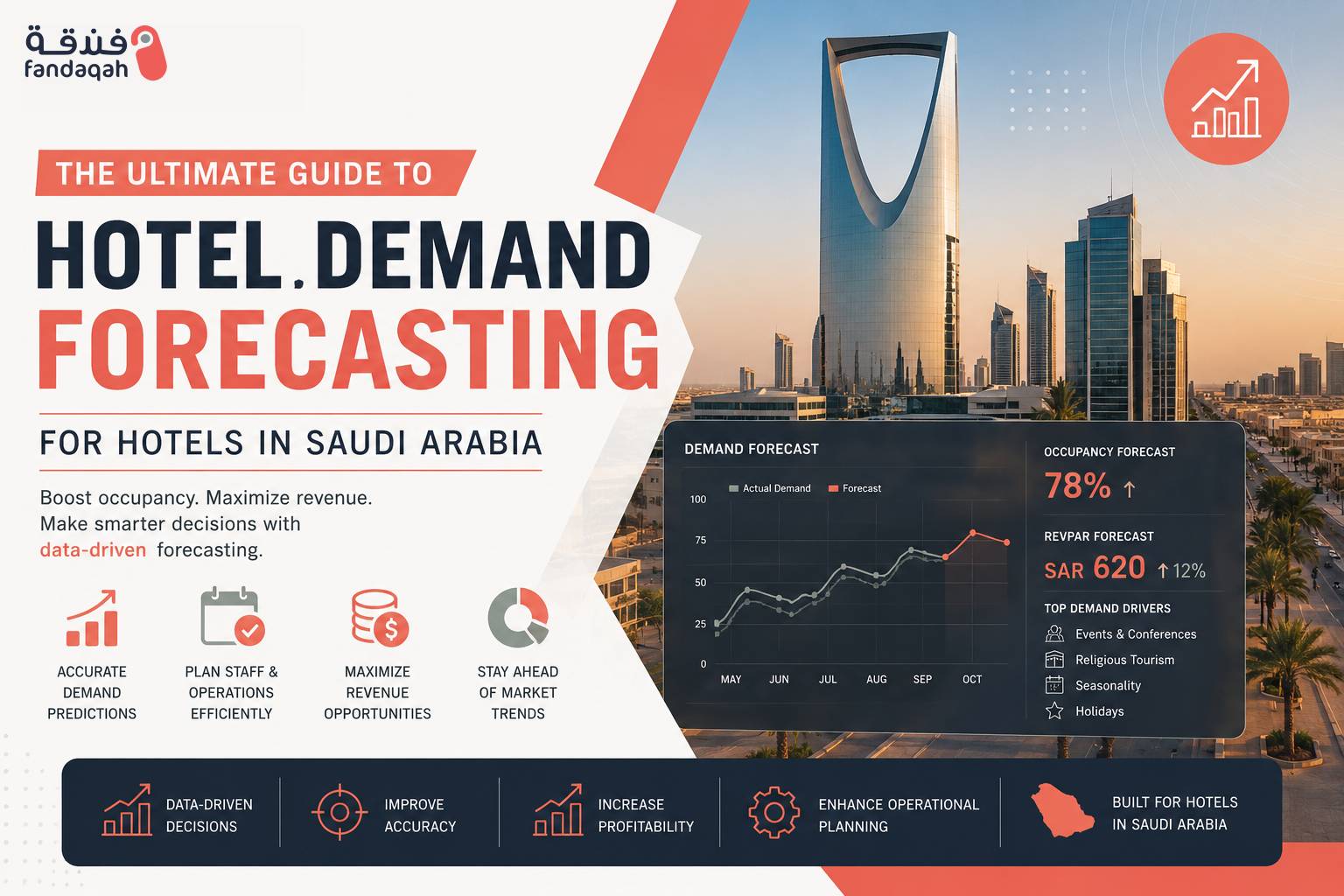
Demand forecasting helps hotels predict future occupancy and revenue. For Hajj and Umrah, forecasting should combine historical data, current booking pace, market knowledge, travel patterns, religious calendar timing, channel trends, and group commitments. Automated forecasting tools can help organize these signals into useful reports.
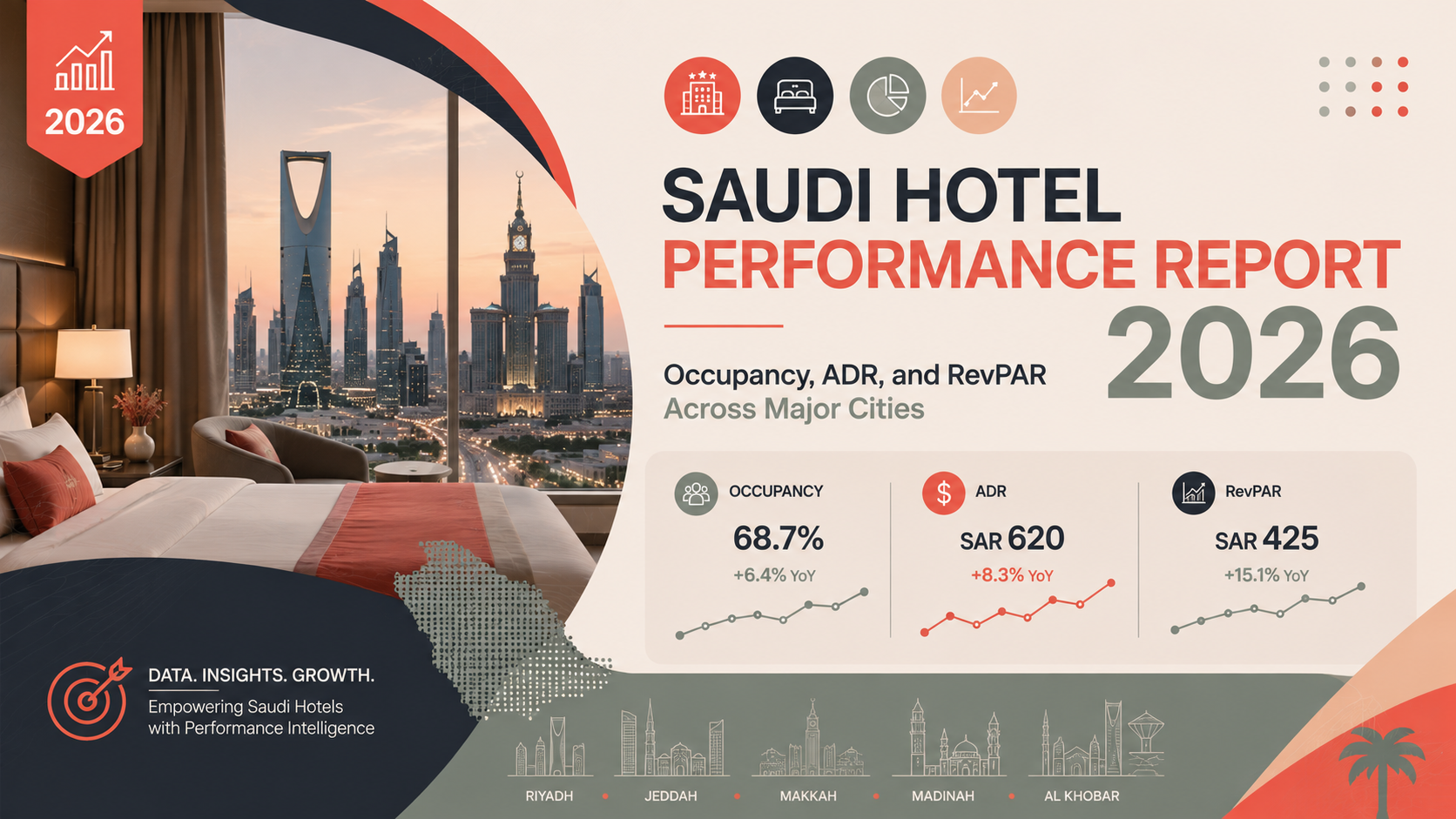
Important forecasting metrics include occupancy on the books, pickup by date, pickup by room type, cancellation pace, no-show trends, average daily rate, revenue per available room, channel mix, source market mix, group conversion, direct booking pace, website traffic, and lead time. Hotels should also track operational indicators such as arrival volume, departure volume, housekeeping workload, and payment status.
Forecasting should not be limited to the revenue manager. General managers, operations managers, front office leaders, housekeeping supervisors, finance teams, and sales teams should all understand expected demand. When everyone sees the same forecast, the hotel can prepare more effectively.
Future Trends in Hajj and Umrah Hotel Management
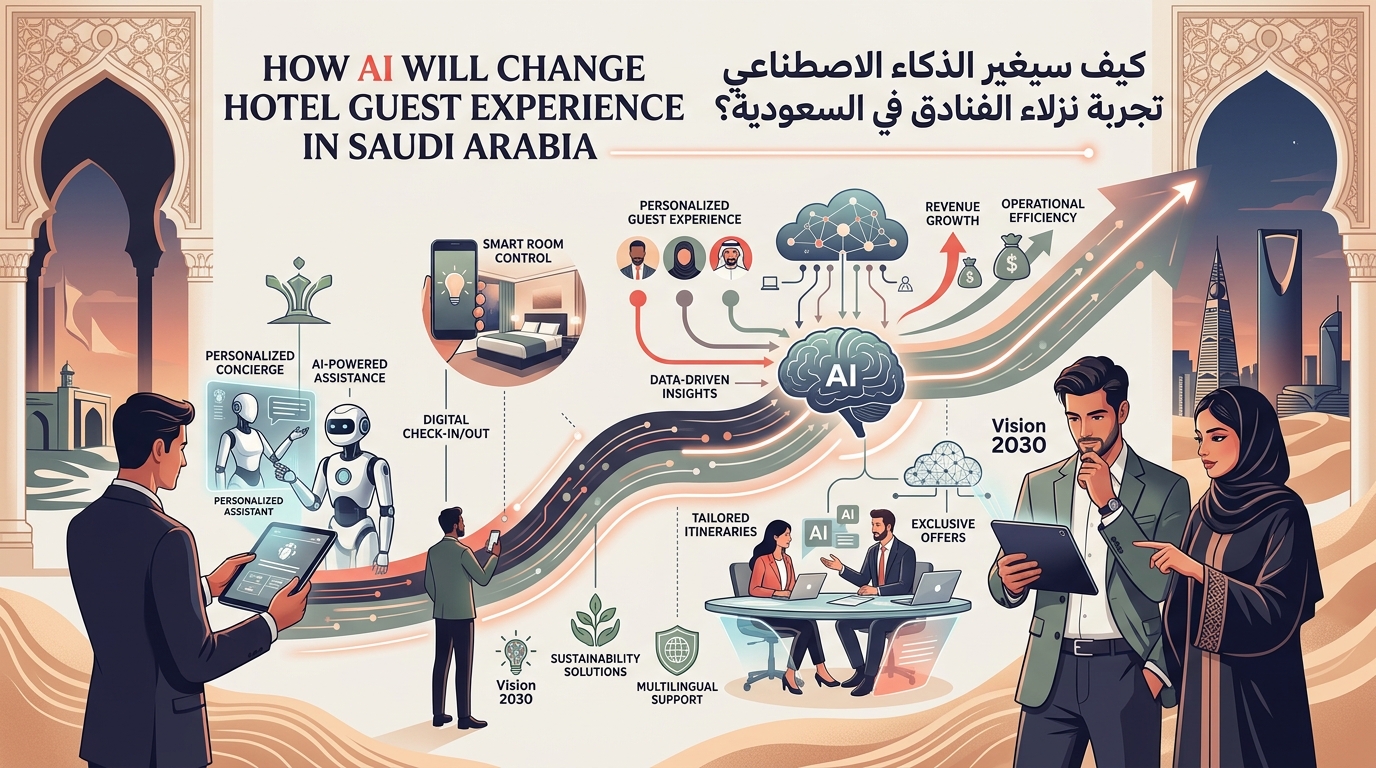
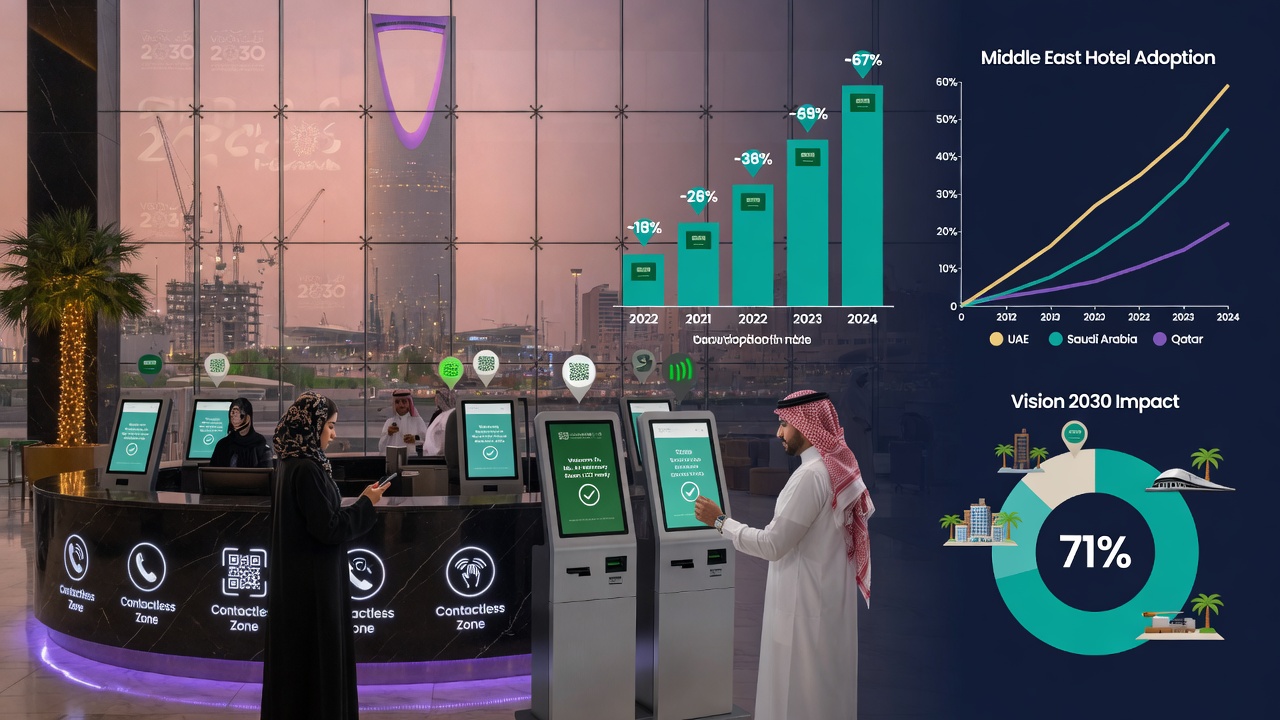
The future of Hajj and Umrah Hotel Management will be shaped by digital transformation, smarter revenue systems, improved guest journeys, and the continued growth of Saudi Arabia’s tourism ecosystem. Vision 2030 has placed tourism and hospitality at the center of national transformation, and religious tourism remains one of the Kingdom’s most important strengths. As infrastructure, transport, digital services, and accommodation supply continue to develop, hotels will need more advanced tools to compete.
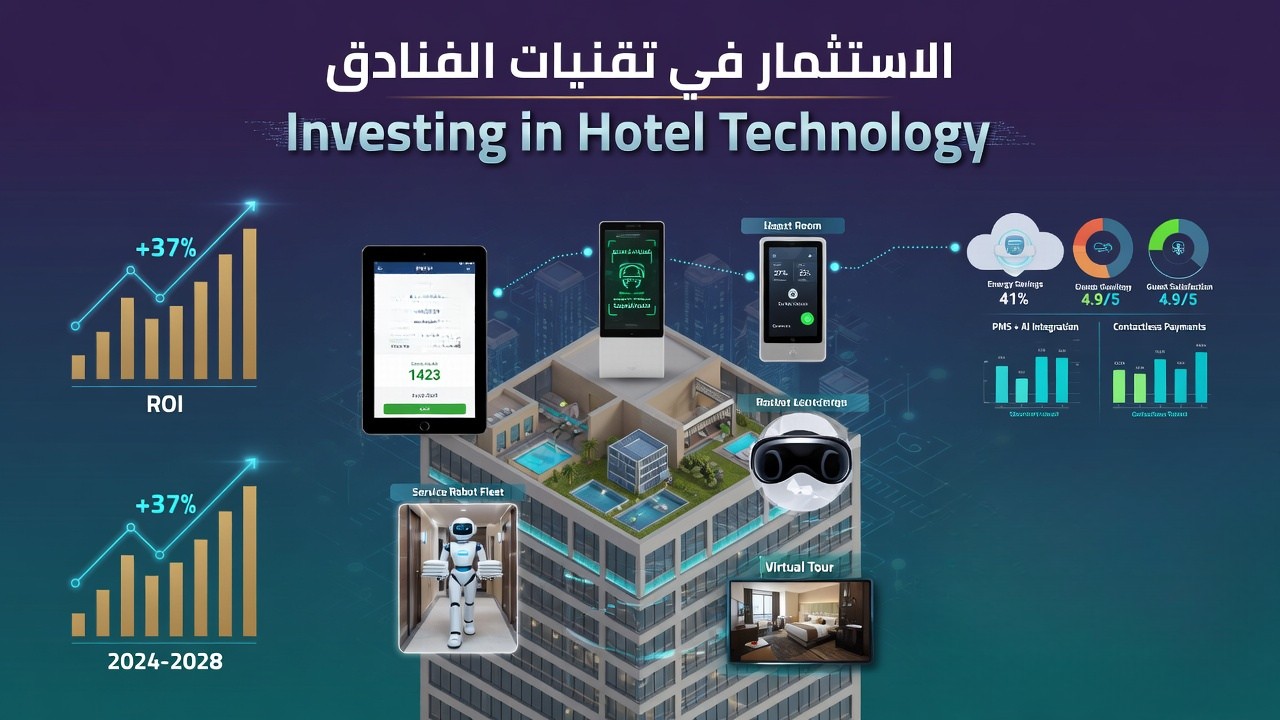
One major trend is artificial intelligence in revenue management. AI-supported systems can analyze large volumes of data, identify patterns, and recommend pricing actions faster than manual analysis. This can help hotels respond to demand changes during Umrah peaks, Ramadan, Hajj preparation periods, and citywide compression events. AI will not replace human judgment, but it can improve decision quality.
Another trend is the rise of connected guest journeys. Guests increasingly expect digital confirmations, mobile-friendly booking, fast communication, secure payments, and clear service information. Hotels that connect their PMS, booking engine, payment platform, and messaging system will provide smoother experiences. This is especially important for international pilgrims who need reassurance before arrival.
A third trend is better integration between revenue and operations. In the past, revenue management was often treated as a pricing function. In the future, it will be more connected to housekeeping, staffing, guest communication, finance, and reputation management. A hotel cannot maximize revenue if operations are not ready to deliver. The most successful Saudi hotels will use automation to connect commercial strategy with service execution.
How Vision 2030 Increases the Importance of Hotel Automation
Vision 2030 is transforming Saudi Arabia’s tourism and hospitality sector by encouraging growth, investment, digital development, and improved service standards. For hotels, this means more opportunity but also more competition. As more properties enter the market and guest expectations rise, manual hotel management becomes less sustainable. Automation helps hotels become more efficient, more data-driven, and more competitive.
Religious tourism will continue to require high standards of coordination. Hotels serving Hajj and Umrah guests must manage large volumes of arrivals, diverse source markets, different guest needs, and intense peak periods. Automated tools support this national direction by improving operational quality, guest satisfaction, and revenue performance. In a growing market, the hotels that invest in systems early are more likely to build long-term advantages.
Common Mistakes Hotels Should Avoid During Hajj and Umrah
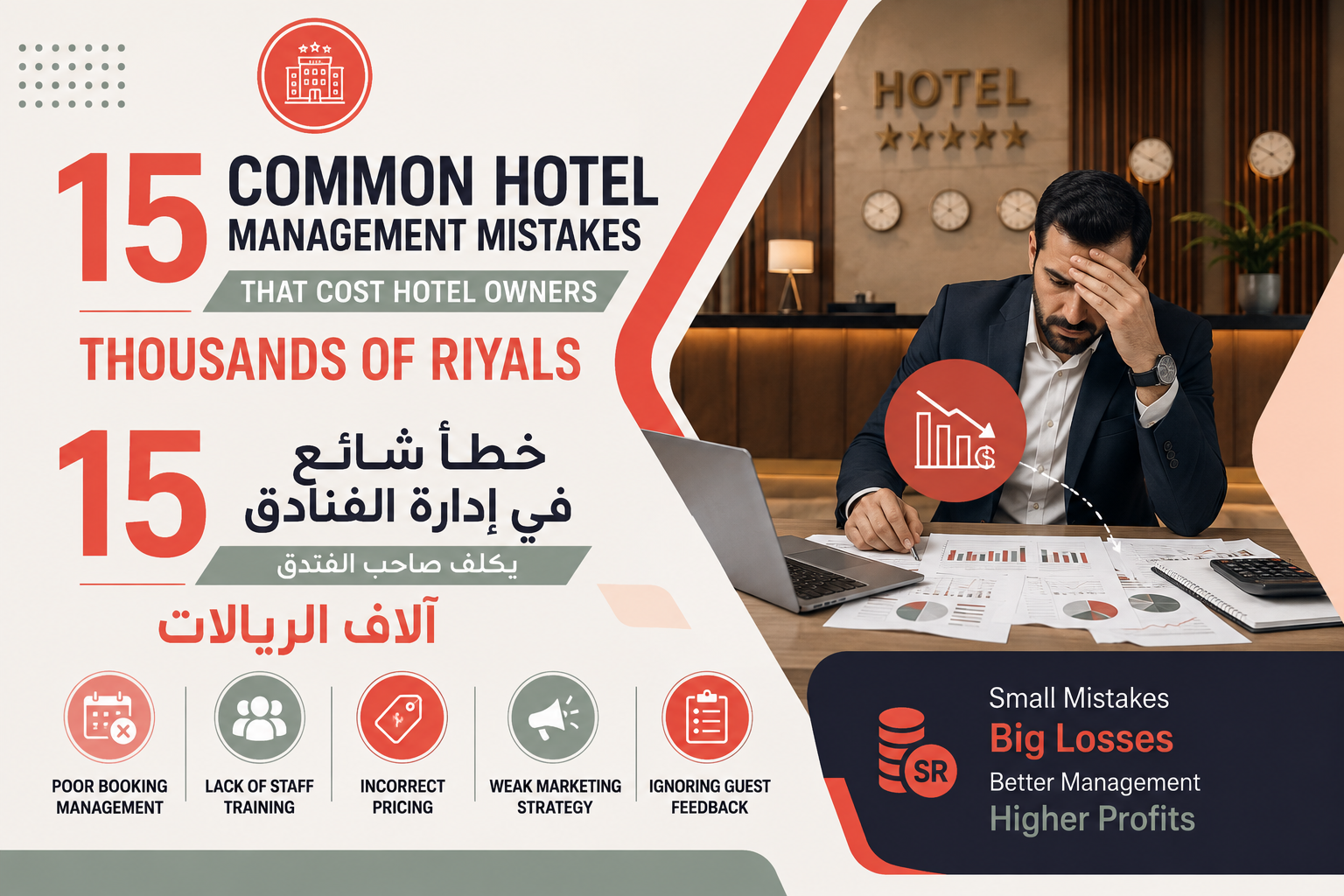
Even hotels with strong demand can underperform if they make avoidable mistakes. The first mistake is setting rates once and not reviewing them. Demand changes, and pricing should reflect that. The second mistake is focusing only on occupancy. A full hotel is not always a profitable hotel if rates are too low, commissions are too high, or costs are uncontrolled.
The third mistake is giving too much inventory to one channel or partner without clear release rules. This can limit flexibility. The fourth mistake is failing to control payments. Unpaid bookings can create risk, especially when demand is strong and alternative buyers are available. The fifth mistake is ignoring guest communication. Guests who do not receive clear information may arrive confused, creating pressure at the front desk.
- Do not price too early and forget to adjust.
- Do not measure success by occupancy alone.
- Do not block inventory without release dates.
- Do not accept unclear payment terms during peak demand.
- Do not rely on manual updates across many channels.
- Do not ignore housekeeping capacity when accepting arrivals.
- Do not treat guest communication as an afterthought.
Implementation Checklist for Saudi Hotels
Hotels that want to improve seasonal revenue should start with a practical implementation checklist. The goal is to connect systems, clean data, prepare teams, and create a repeatable process before peak demand arrives.
- Audit current systems: Review PMS, channel manager, booking engine, payment tools, reporting, and guest messaging.
- Clean room type data: Ensure room names, descriptions, occupancy rules, and pricing are accurate.
- Review historical performance: Compare occupancy, ADR, RevPAR, channel mix, group production, and cancellation behavior.
- Create a seasonal revenue calendar: Mark Hajj, Ramadan, Umrah peaks, holidays, release dates, and pricing review dates.
- Set pricing rules: Define minimum rates, target rates, premium rates, and room type supplements.
- Control group allotments: Add release dates, deposits, and rooming list deadlines.
- Improve direct booking: Update the hotel website, booking engine, policies, and mobile experience.
- Prepare automated messages: Create templates for confirmation, payment, arrival, location, and checkout.
- Train staff: Ensure front office, reservations, housekeeping, finance, and management understand the system workflow.
- Review reports daily during peak periods: Monitor pickup, rates, availability, cancellations, and payment status.
FAQ: Hajj and Umrah Hotel Management and Revenue Optimization
1. What is Hajj and Umrah Hotel Management?
Hajj and Umrah Hotel Management is the process of managing hotel reservations, pricing, guest communication, group bookings, operations, payments, and reporting for religious tourism seasons in Saudi Arabia. It helps hotels serve pilgrims efficiently while optimizing revenue and protecting guest satisfaction.
2. How can hotels optimize revenue during Hajj and Umrah?
Hotels can optimize revenue during Hajj and Umrah by using demand forecasting, dynamic pricing, channel management, direct booking strategies, group allotment control, payment automation, and daily performance reporting. The most effective approach combines pricing strategy with strong operational readiness.
3. Why is revenue management important for Saudi hotels?
Revenue Management Saudi Arabia is important because the hospitality market includes strong seasonal demand, religious tourism peaks, growing competition, and diverse booking channels. Revenue management helps hotels sell rooms at the right price, through the right channel, to the right guest segment.
4. What are the best automated tools for Hajj hotel operations?
The best automated tools for Hajj hotel operations include a property management system, channel manager, revenue management system, booking engine, payment automation, housekeeping automation, guest messaging system, and reporting dashboard. These tools help hotels manage high demand with better control and fewer manual errors.
5. How does a channel manager help during Umrah season?
A channel manager helps during Umrah season by synchronizing rates and availability across online travel agencies, direct booking platforms, and other sales channels. This reduces overbooking risk, saves staff time, and allows revenue managers to control distribution more effectively.
6. What is dynamic pricing for hotels?
Dynamic pricing for hotels means adjusting room rates based on demand, occupancy, booking pace, room type, market conditions, and guest segment. During Hajj and Umrah, dynamic pricing helps hotels avoid underpricing high-demand dates and respond quickly when demand changes.
7. How can hotels reduce overbooking during Hajj season?
Hotels can reduce overbooking during Hajj season by connecting their PMS with a channel manager, updating inventory in real time, controlling group allocations, setting clear release dates, monitoring reservations daily, and avoiding manual availability updates across multiple platforms.
8. Why should Saudi hotels invest in automation before peak season?
Saudi hotels should invest in automation before peak season because systems need time for setup, data cleaning, staff training, testing, and workflow improvement. Waiting until Hajj or Ramadan Umrah demand begins can create unnecessary pressure. Early preparation helps hotels capture revenue opportunities and protect service quality.
Conclusion: Turning Seasonal Demand into Sustainable Hotel Revenue
Hajj and Umrah seasons represent some of the most important revenue opportunities for hotels in Saudi Arabia. But opportunity alone does not guarantee success. Hotels need the right strategy, the right systems, and the right operational discipline. Hajj and Umrah Hotel Management requires much more than accepting bookings and increasing rates. It requires forecasting demand, controlling inventory, managing groups, optimizing pricing, protecting direct bookings, automating communication, tracking payments, coordinating housekeeping, and reviewing performance daily.
The hotels that master Seasonal Demand Hospitality will be better prepared to serve guests, support Saudi Arabia’s tourism growth, and improve long-term profitability. Automated tools are no longer optional for properties that want to compete during high-demand religious tourism seasons. They are essential for speed, accuracy, visibility, and control.
Whether your hotel is in Makkah, Madinah, Jeddah, or another Saudi destination connected to religious travel, now is the time to review your systems and revenue strategy. Start with clean data, build your seasonal calendar, connect your PMS and channel manager, improve direct booking, automate guest communication, and use reporting to make smarter decisions. With the right approach, Hajj and Umrah demand can become more than a busy period. It can become a reliable engine for sustainable hotel revenue growth.
Call to Action: Prepare your hotel for the next Hajj and Umrah demand cycle with smarter automation, stronger revenue control, and connected operations. If your team is still relying on spreadsheets, manual rate updates, disconnected channels, or delayed reports, it is time to modernize your hotel management system and turn seasonal demand into measurable growth.
SEO Tags
Hajj and Umrah Hotel Management, Revenue Management Saudi Arabia, Seasonal Demand Hospitality, hotel revenue management software, automated hotel pricing, hotel PMS Saudi Arabia, Umrah hotel operations, Hajj hotel booking management, hotel occupancy optimization, dynamic pricing for hotels, how to optimize hotel revenue during Hajj and Umrah, best automated tools for Hajj hotel operations, hotel pricing strategy for Umrah season in Saudi Arabia, how Saudi hotels manage seasonal demand, automated revenue management for hotels in Makkah and Madinah, how to reduce overbooking during Hajj season, hotel revenue strategy for religious tourism in Saudi Arabia