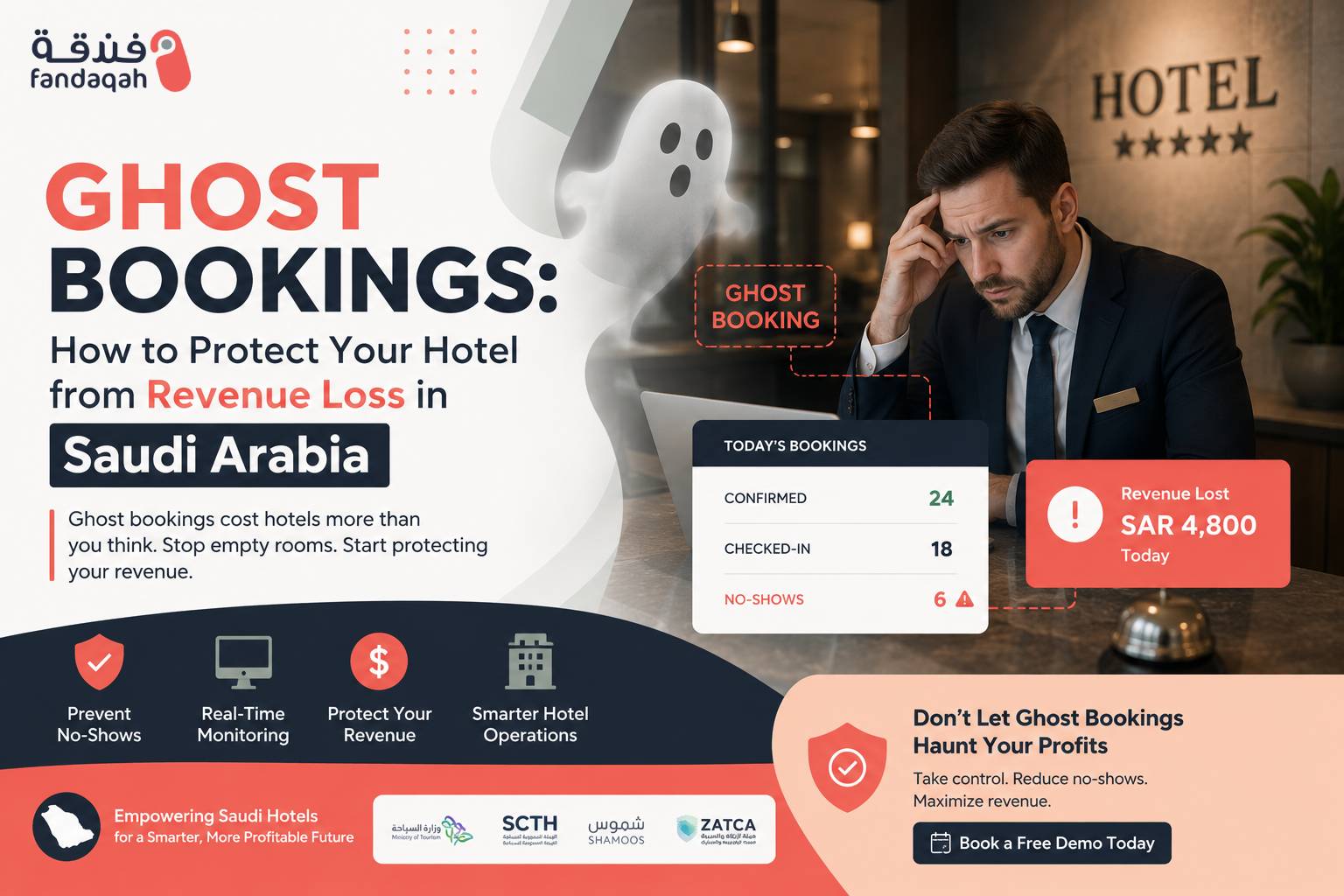
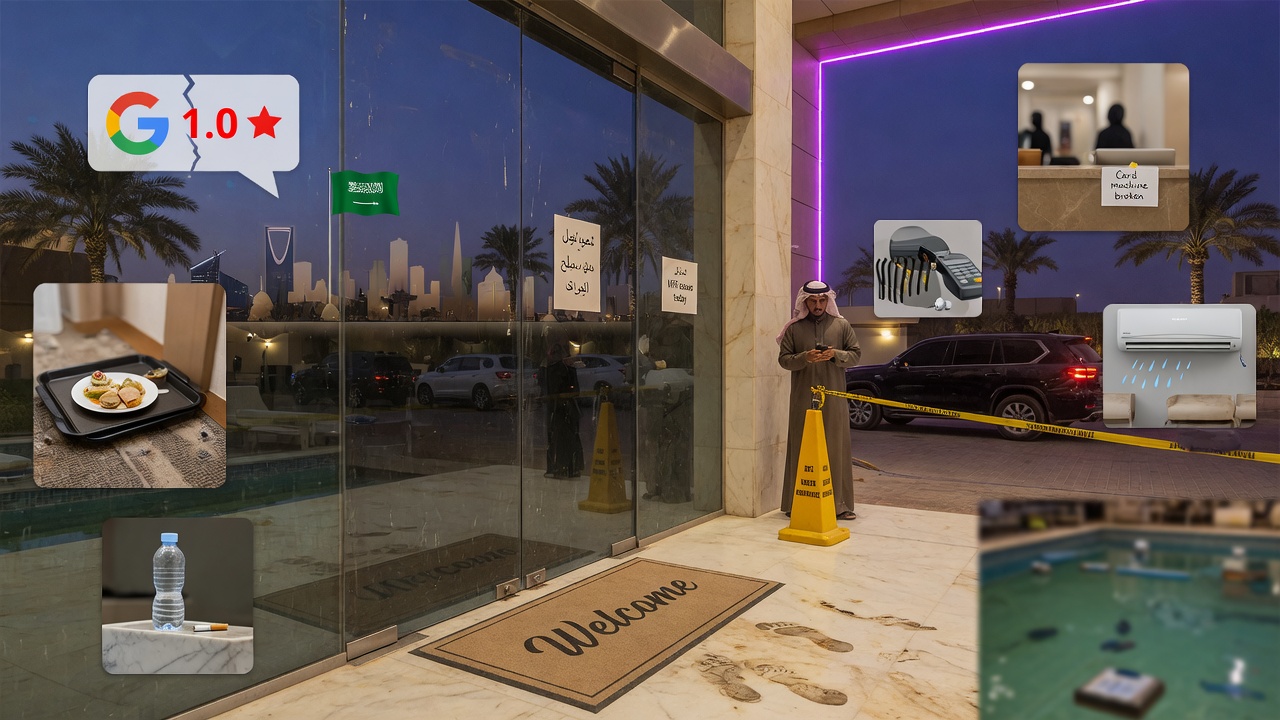
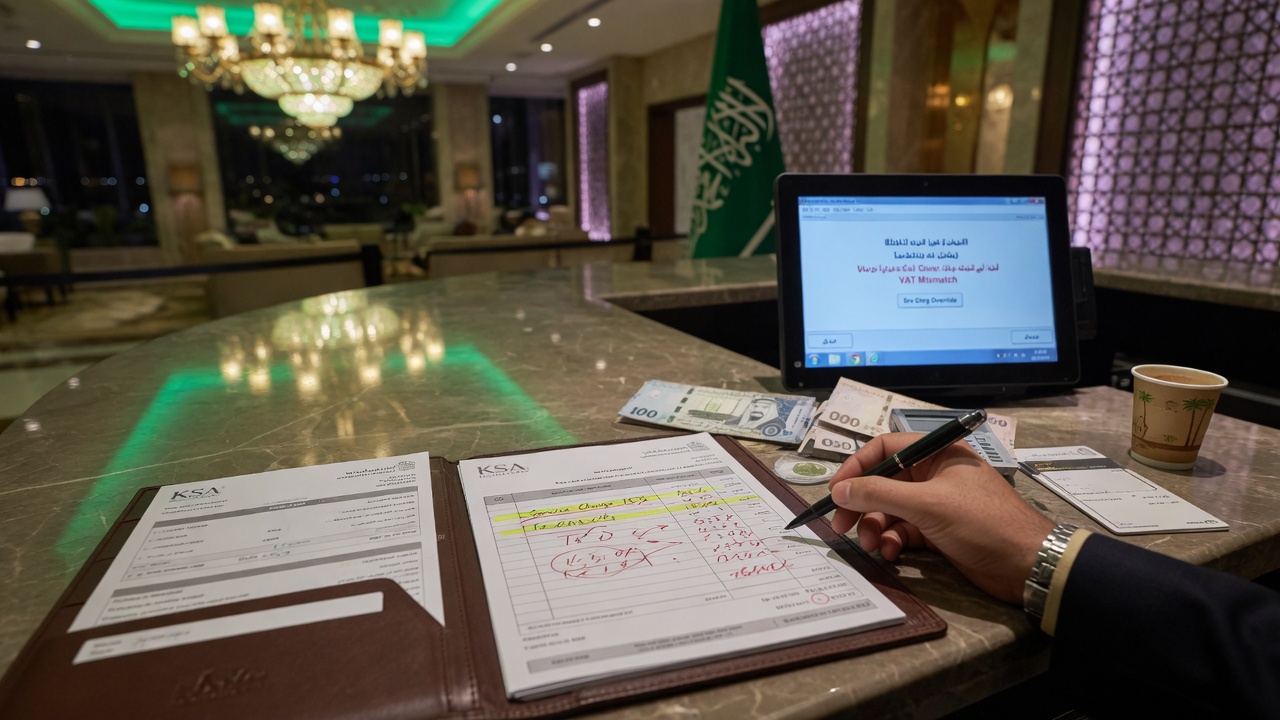
In the competitive landscape of Saudi hospitality, ghost bookings have emerged as a silent and costly threat. A ghost booking is a reservation that appears legitimate in your system but has no real intention of arrival — it’s a phantom that distorts occupancy forecasts, wastes resources, and directly drains your hotel revenue. As the Kingdom accelerates toward Vision 2030 and aims to attract 100 million visitors annually, the volume of online reservations is skyrocketing, making hotels more vulnerable than ever to fake bookings, credit card testing scams, and speculative holds. This comprehensive guide will walk you through everything you need to know about ghost bookings in hotels, their impact, and most importantly, how to shield your property with advanced protection strategies designed for the unique dynamics of the Saudi market.
⚠️ Urgent Revenue Alert
Industry data suggests that ghost bookings can account for up to 5–8% of all confirmed reservations during peak seasons. For a 200‑room hotel with an average daily rate of SAR 800, this could translate into hundreds of thousands of riyals in lost revenue annually — all because of reservations that were never real.
What Exactly Are Ghost Bookings in the Hotel Industry?
Ghost bookings are reservations that have been made and confirmed but will never materialize into actual stays. Unlike genuine no‑shows, where a real guest fails to arrive due to unforeseen circumstances, ghost bookings lack any authentic intent from the start. They are often created for malicious or speculative reasons: testing stolen credit cards, artificially inflating occupancy to block competitors, or manipulating market perceptions. In many cases, the guest details look suspicious — temporary email addresses, mismatched phone numbers, or patterns of multiple bookings under slightly altered names.
The rise of online travel agencies (OTAs) and direct booking engines has made it easier for bad actors to automate fake reservations. When these bookings slip through, hotels face a cascade of issues: overstaffing, unnecessary inventory holds, inaccurate demand forecasting, and lost opportunities to sell rooms to genuine guests. In the Saudi context, where seasonal peaks such as Hajj, Umrah, Riyadh Season, and major sporting events create intense demand surges, ghost bookings can severely undermine a hotel’s revenue management strategy.
“A ghost booking is not just a false reservation — it’s a disruption that ripples through housekeeping, front desk, and revenue teams. Treating it as a minor glitch is the fastest way to erode your bottom line.” — Senior Hospitality Revenue Consultant
Why Preventing Ghost Bookings Must Be a Top Priority for Your Hotel
Investing in robust ghost booking prevention delivers measurable returns far beyond simply stopping a few fake reservations. Here are the critical benefits your property will experience:
- Revenue protection that goes straight to the profit line: Every ghost booking stopped means a room remains available for a paying guest, directly safeguarding ADR and RevPAR.
- Drastically improved occupancy forecasting: Clean reservation data allows your revenue team to set optimal rates and overbooking limits with confidence, avoiding last‑minute fire sales.
- Reduced operational waste: No more preparing rooms for guests who never show, no unnecessary staffing peaks — resources are allocated precisely where needed.
- Enhanced reputation with OTAs and guests: A low rate of cancelled or invalid bookings improves your hotel’s quality score on platforms like Booking.com, increasing visibility and trust.
- Stronger fraud defence: Many ghost bookings are tied to credit card fraud; stopping them early protects your hotel from chargeback risks and potential regulatory scrutiny.
- Better team productivity: Front desk and reservation agents spend less time chasing fake bookings and more time delighting genuine guests.
Practical Tip
Implement a mandatory pre‑authorization or deposit policy for all reservations, especially during high‑demand periods. Even a small hold amount filters out a significant percentage of ghost bookings instantly. Combine this with automated validation of credit card BIN numbers and email domains for an immediate win.
Real‑World Scenarios: Ghost Bookings in the Saudi Hospitality Market
Saudi Arabia’s unique tourism landscape, driven by religious travel, entertainment megaprojects, and a booming business sector, creates specific ghost booking patterns that every hotelier must recognize. Understanding these use cases is the first step toward building a tailored defence.
1. Hajj & Umrah Seasons: The Prime Target
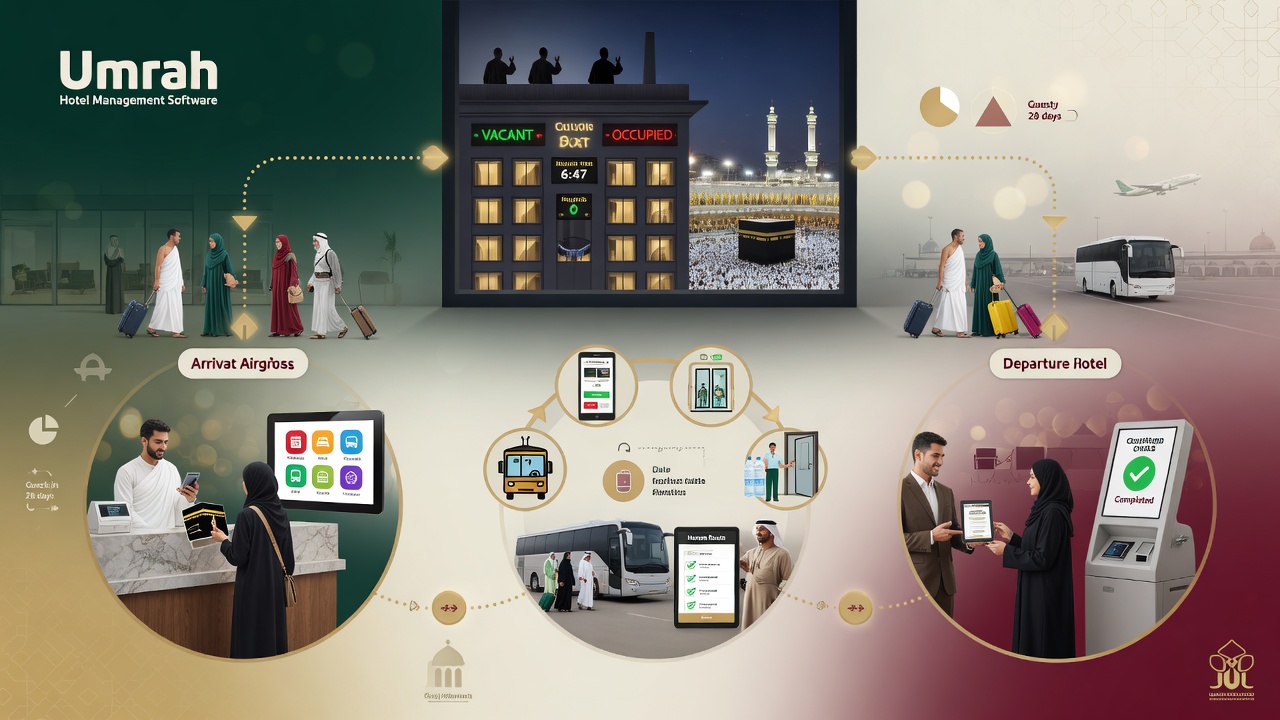
During Hajj and Ramadan, hotels in Makkah and Madinah experience unprecedented booking pressure. Unscrupulous intermediaries often create speculative block bookings — reserving dozens of rooms without genuine buyer commitment, hoping to resell at a premium. If they fail, the rooms are released at the last minute, leaving the hotel scrambling. Real‑time ghost booking detection algorithms that flag large‑volume reservations from unverified agents are crucial in these holy cities.
2. Entertainment Events & Riyadh Season
When international stars perform or Formula 1 comes to Jeddah, demand spikes overnight. Ghost bookings frequently originate from opportunistic individuals who book rooms near event venues purely to resell the reservation later. These speculative holds tie up inventory and mislead revenue managers into thinking the hotel is fully booked, sometimes causing them to turn away genuine high‑value guests.
3. Corporate and Government Bookings
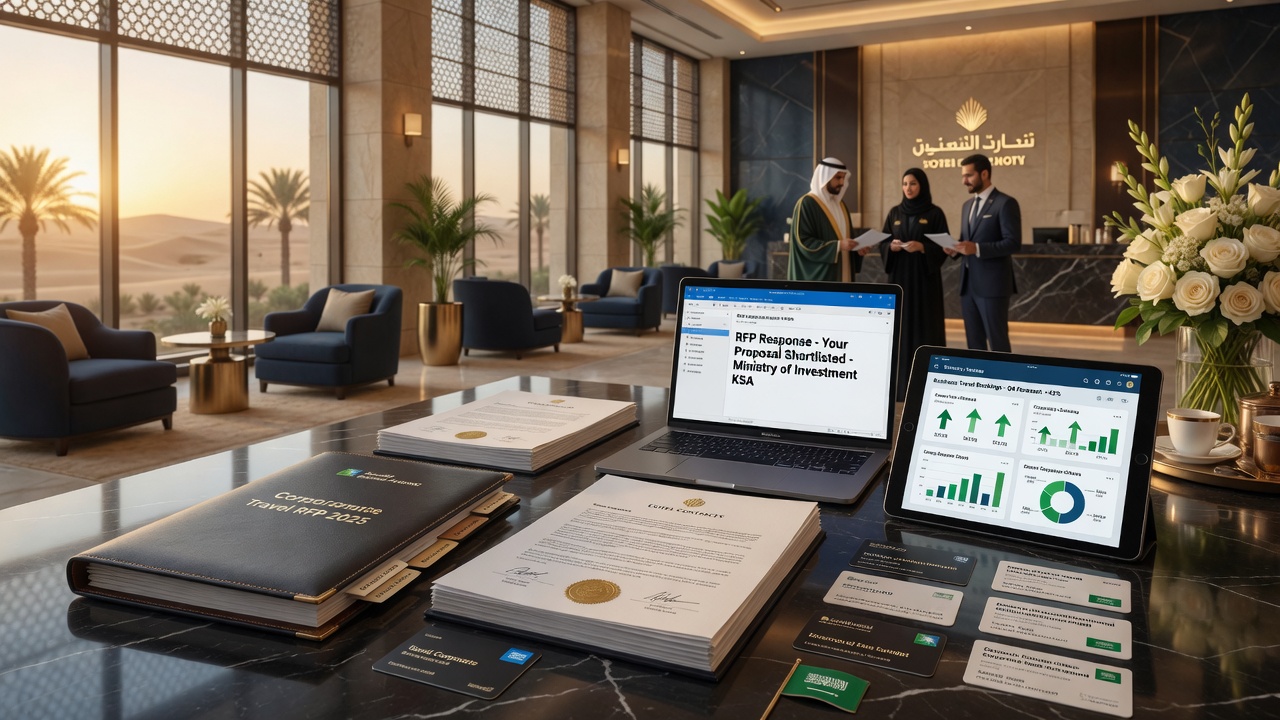
With Saudi Arabia’s push to attract regional headquarters and major conferences, hotels receive numerous corporate block bookings. Some fraudsters impersonate legitimate organizations, creating ghost reservations that look authentic with real‑sounding company names and contact details. A verification protocol that cross‑checks corporate credentials and uses digital identity checks is now essential.
Comparing Traditional Booking Management vs. Intelligent Ghost Booking Prevention
The table below highlights why relying on manual processes is no longer enough in a market as dynamic as Saudi Arabia:
| Criteria |
Traditional Approach |
Smart Prevention System |
| Credit card validation |
Manual, after booking |
Instant, automated, with BIN checks |
| Pattern recognition |
Relies on staff experience |
AI‑driven anomaly detection |
| Response speed |
Hours to days |
Real‑time, within seconds |
| OTA integration |
Basic, often disjointed |
Unified dashboard across all channels |
| Cost efficiency |
High labor costs, error‑prone |
Lower long‑term cost, higher ROI |
| Guest experience impact |
Risk of overbooking genuine guests |
Minimized overbooking, smoother stays |
Future Trends: Protecting Your Hotel in the Era of Saudi Vision 2030
Saudi Vision 2030 is not just a national transformation plan; it’s a blueprint for a hyper‑connected, tech‑driven tourism ecosystem. The future of ghost booking prevention in the Kingdom will be shaped by several powerful trends that forward‑thinking hoteliers should embrace now:
- Artificial Intelligence and predictive analytics: Machine learning models will analyze booking patterns, IP addresses, device fingerprints, and behavioral signals to flag suspicious reservations with 95%+ accuracy before they are confirmed.
- Integration with national digital identity platforms: As Saudi Arabia expands the use of Absher and Nafath for digital verification, hotels may soon require biometric or national ID‑linked authentication for high‑value bookings, virtually eliminating anonymous ghost reservations.
- Blockchain for immutable booking ledgers: Decentralized ledgers can create tamper‑proof records of each reservation, making it extremely difficult for fraudsters to insert fake bookings without leaving a traceable digital trail.
- Collaboration across the Saudi hospitality ecosystem: Shared intelligence platforms among hotels, OTAs, and the Saudi Tourism Authority could create a national “trust score” for booking sources, reducing fraud across the entire sector.
- Smart destination initiatives: Projects like NEOM and the Red Sea Project are built on seamless digital experiences; ghost booking protection will be embedded from day one, setting new global benchmarks.
Vision 2030 Connection
The Saudi Ministry of Tourism’s “Guest of the Kingdom” program and its quality classification standards are pushing hotels toward digital maturity. Early adopters of anti‑ghost booking technology will not only protect their revenue but also gain a competitive edge in a market that increasingly values security, efficiency, and innovation.
Frequently Asked Questions About Ghost Bookings
1. How is a ghost booking different from a regular no‑show?
A no‑show involves a genuine guest who intended to stay but didn’t arrive. A ghost booking never had any real intent — it’s a fake reservation created for fraud, testing, or speculation. Ghost bookings are systematic and often leave digital traces that no‑shows don’t.
2. Can small boutique hotels in Saudi Arabia afford ghost booking prevention technology?
Absolutely. Many modern solutions offer scalable, cloud‑based modules with pay‑as‑you‑go pricing. Even simple steps like automated pre‑authorization and email verification can drastically reduce ghost bookings without a large upfront investment.
3. Do ghost bookings affect my hotel’s ranking on OTAs like Booking.com?
Yes, indirectly. OTAs track cancellation rates and invalid bookings. A high ratio of ghost bookings can lower your hotel’s conversion score, making you less visible in search results. Clean booking data helps maintain a strong ranking.
4. What are the most common warning signs of a ghost booking?
Look for bookings with disposable email addresses, mismatched billing and contact details, multiple reservations from the same IP address within minutes, bookings for unusually long stays at peak rates, and credit cards that fail pre‑authorization.
5. Is requiring full prepayment enough to stop ghost bookings?
It helps, but determined fraudsters may use stolen cards that initially pass validation. Prepayment should be combined with address verification, CVV checks, and behavioral analysis for a robust defence.
6. How does ghost booking prevention support Saudi Vision 2030 goals?
Vision 2030 aims for a world‑class tourist experience. By eliminating ghost bookings, hotels improve operational efficiency, offer fairer pricing, and build trust — all of which elevate the overall visitor experience and encourage repeat tourism.
7. What should I do if I suspect a large wave of ghost bookings in my hotel?
Immediately flag the reservations in your system, tighten validation rules temporarily, contact your OTA market manager, and run a report to identify common patterns. If fraud is suspected, preserve evidence and report to local authorities and your payment processor.
8. Can ghost bookings be completely eliminated?
While no system can guarantee 100% elimination, a layered approach — combining technology, strict policies, and staff training — can reduce ghost bookings by over 90%, effectively turning a major revenue threat into a manageable minor issue.
Conclusion: Turn Ghost Bookings into a Ghost of the Past
Ghost bookings are far more than a back‑office nuisance — they are a direct attack on your hotel’s profitability, forecasting accuracy, and guest trust. In the high‑stakes Saudi hospitality market, where every room night counts and the competition is intensifying, allowing fake reservations to slip through is a risk no hotel can afford. By implementing intelligent ghost booking detection, integrating with the Kingdom’s digital identity infrastructure, and aligning with the forward momentum of Vision 2030, your property can secure its revenue stream and focus on what truly matters: delivering unforgettable experiences to real guests. The tools and strategies exist; the time to act is now.
Ready to Shield Your Hotel from Ghost Bookings?
Discover how our advanced, Saudi‑tailored ghost booking prevention solution can help you stop revenue leaks and boost your bottom line. Our hospitality experts are ready to offer a free personalized demo for your property.
Request Your Free Demo Today
Tags
ghost bookings
hotel revenue protection
hospitality fraud prevention
fake reservations
hotel booking scams
Saudi Arabia hotels
Vision 2030 tourism
OTA management
revenue management
hotel technology
no‑show reduction
payment fraud detection
hospitality digital transformation
Makkah hotels
Riyadh Season bookings