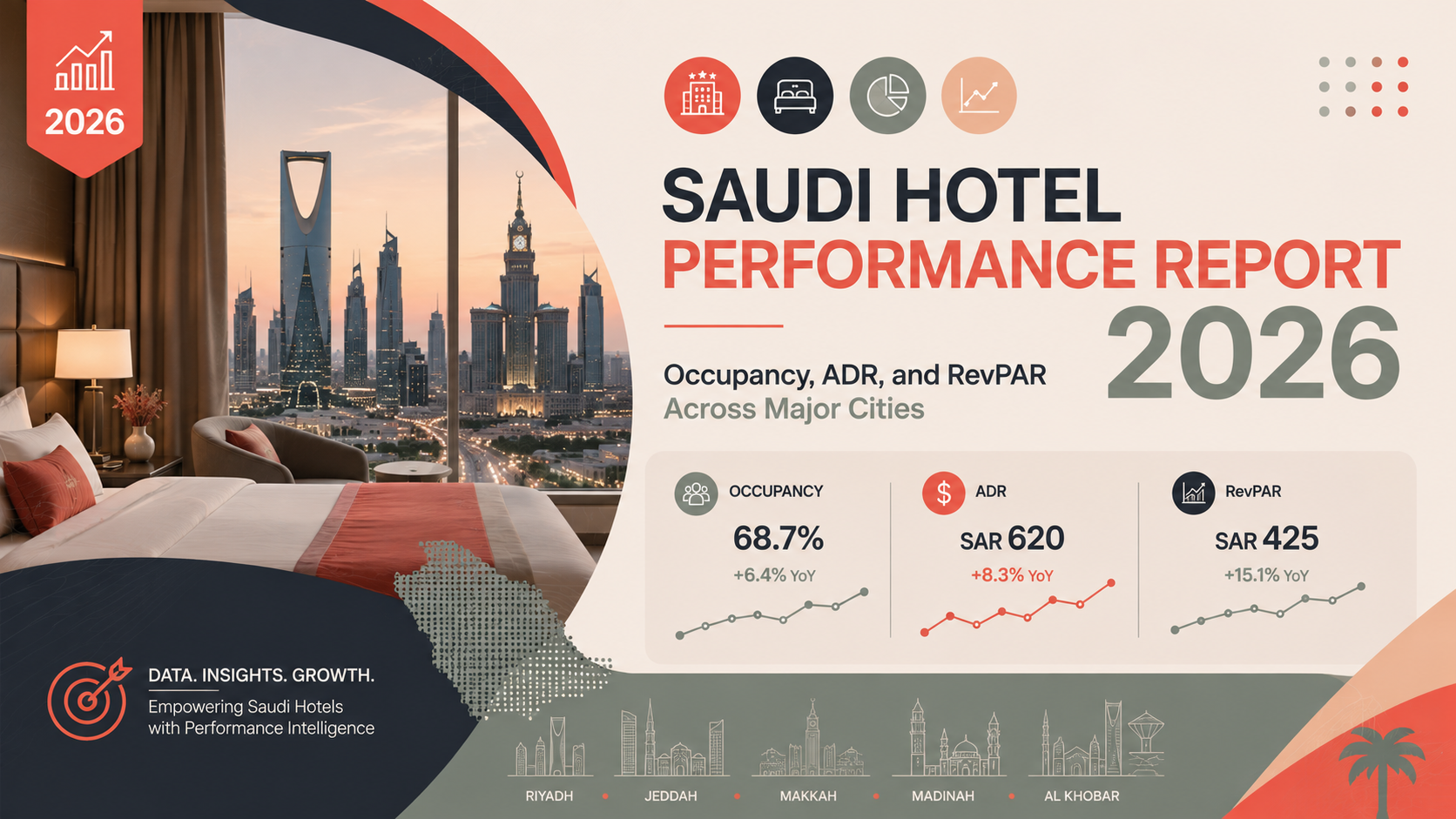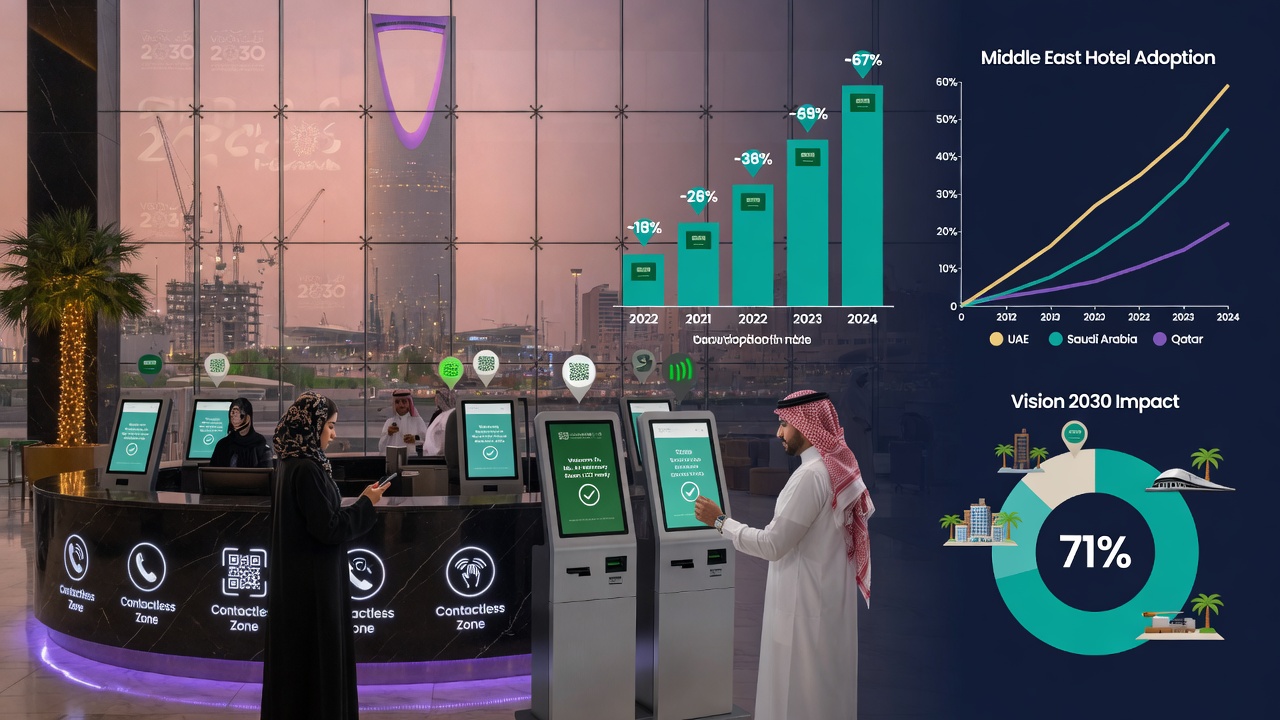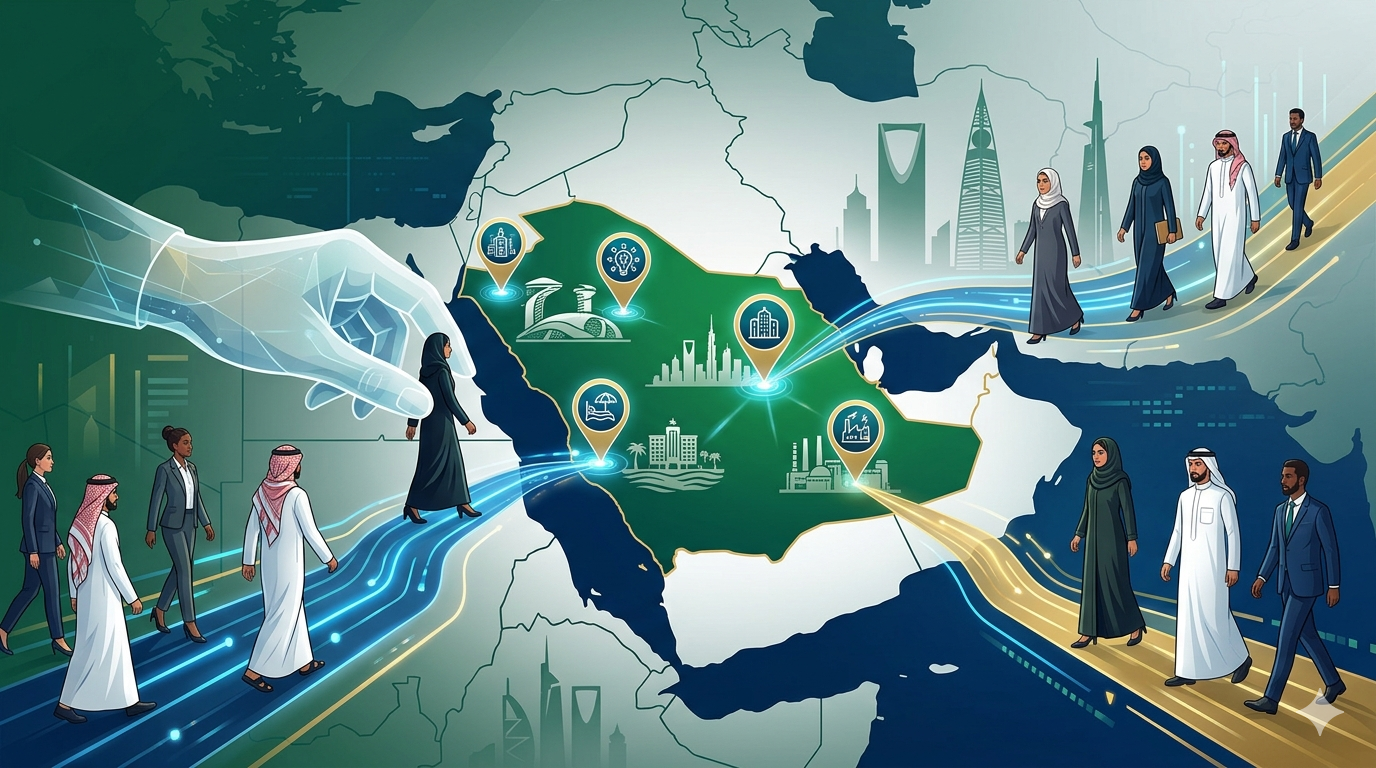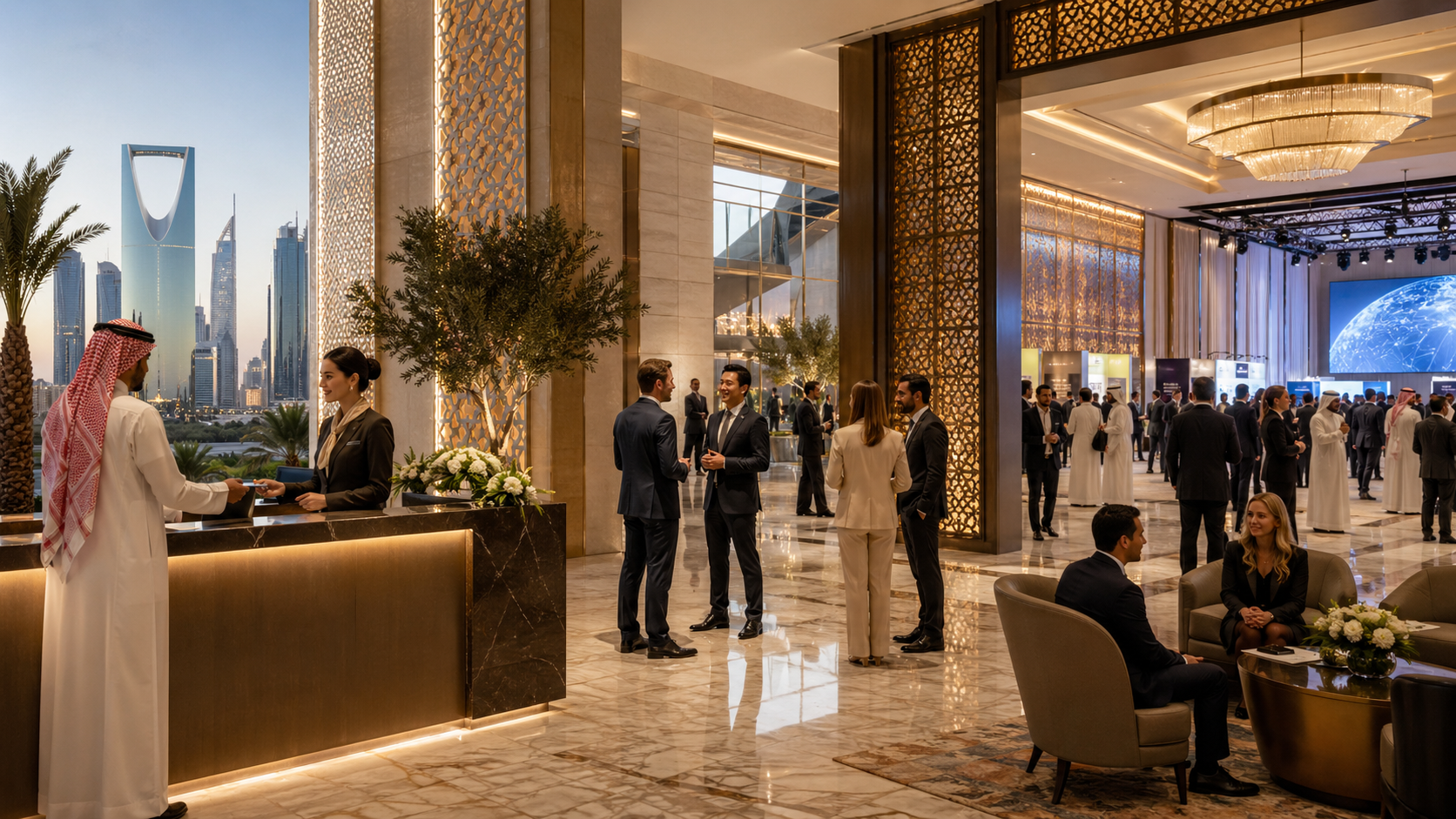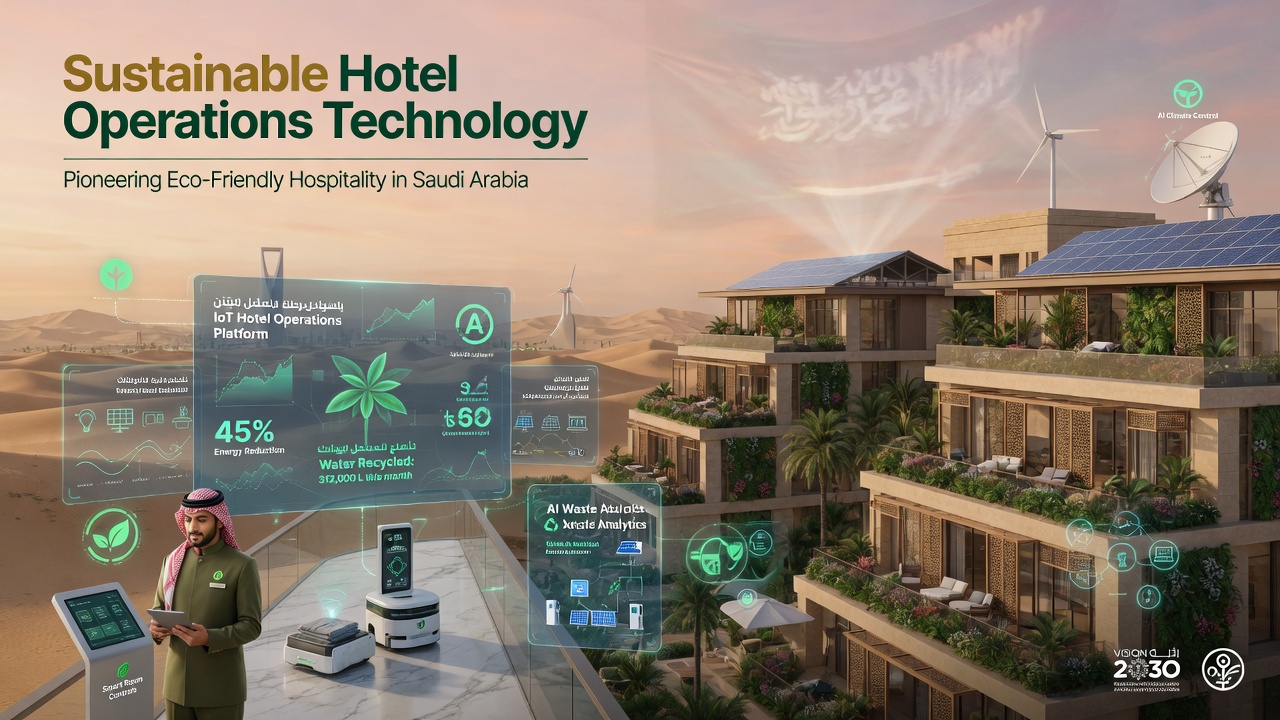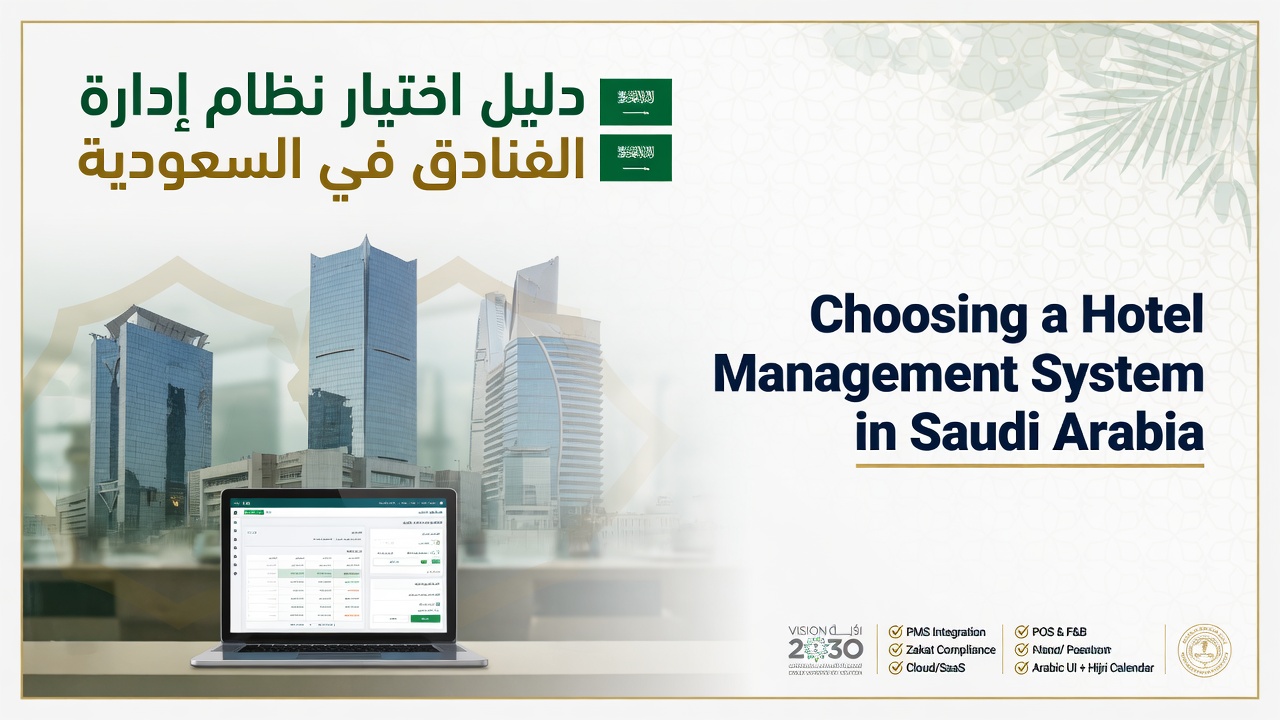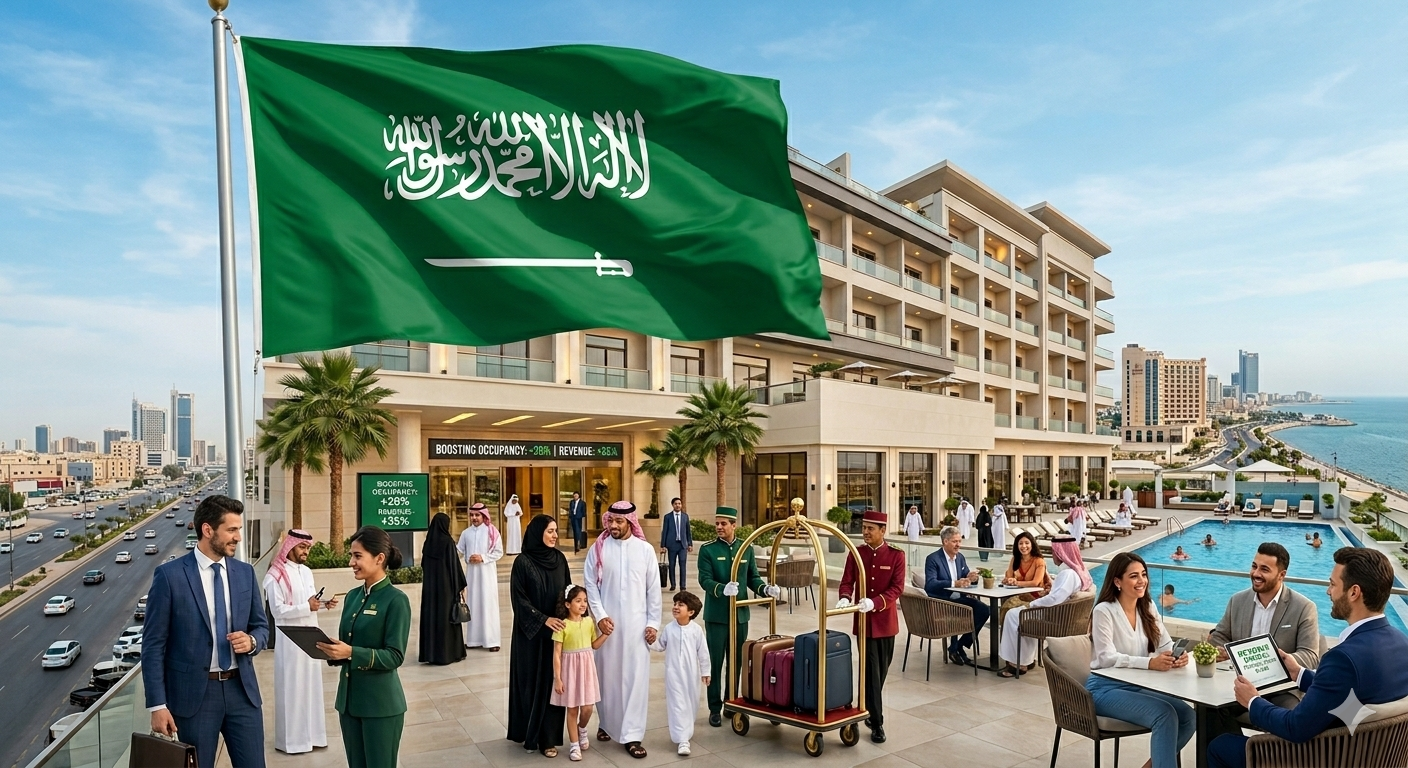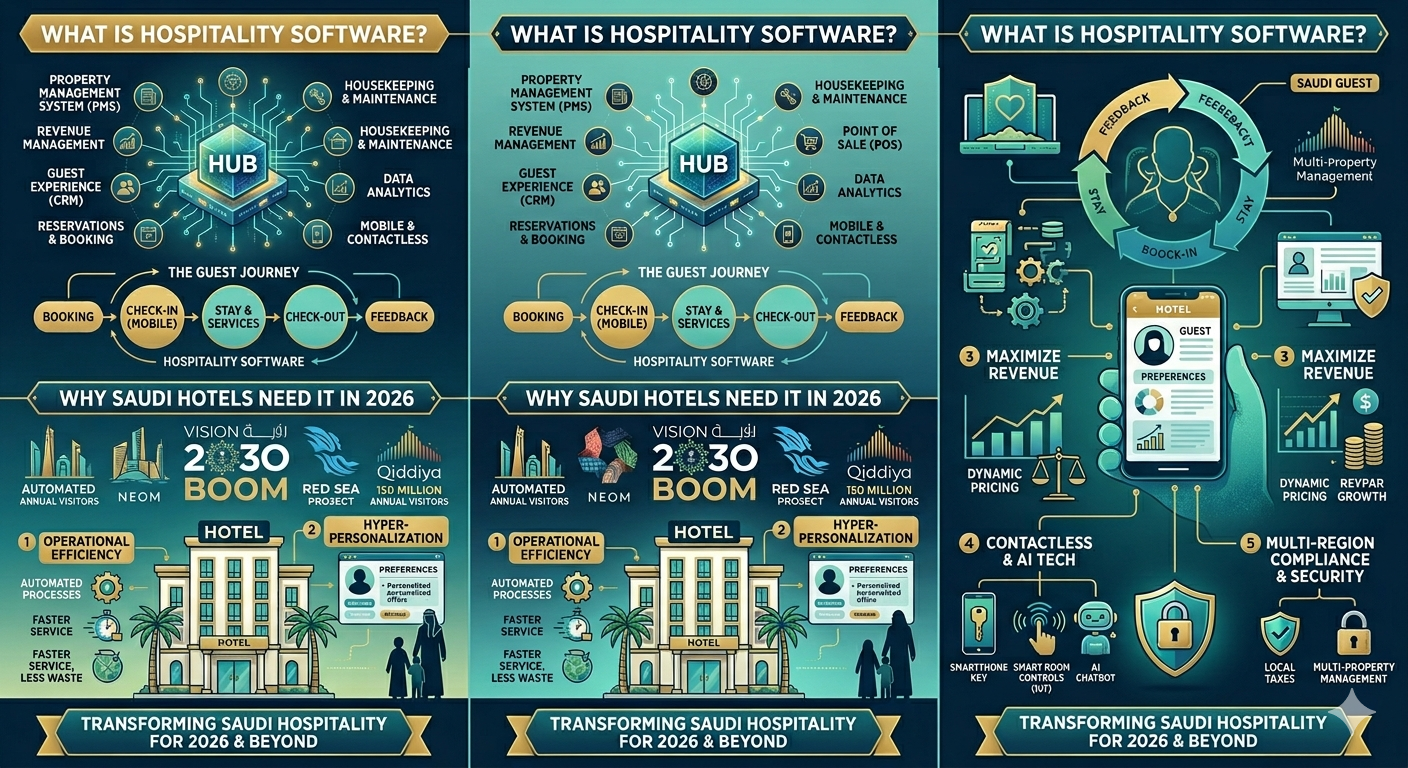
Amid the rapid transformation of the hospitality sector in Saudi Arabia — driven by Vision 2030, record growth in tourist numbers, and rising regulatory demands — traditional hotel management methods are no longer sufficient to keep pace with this shift.
Today, hospitality software represents the essential digital backbone that enables hotel properties to operate with high efficiency, maintain full compliance, and deliver exceptional guest experiences at scale.
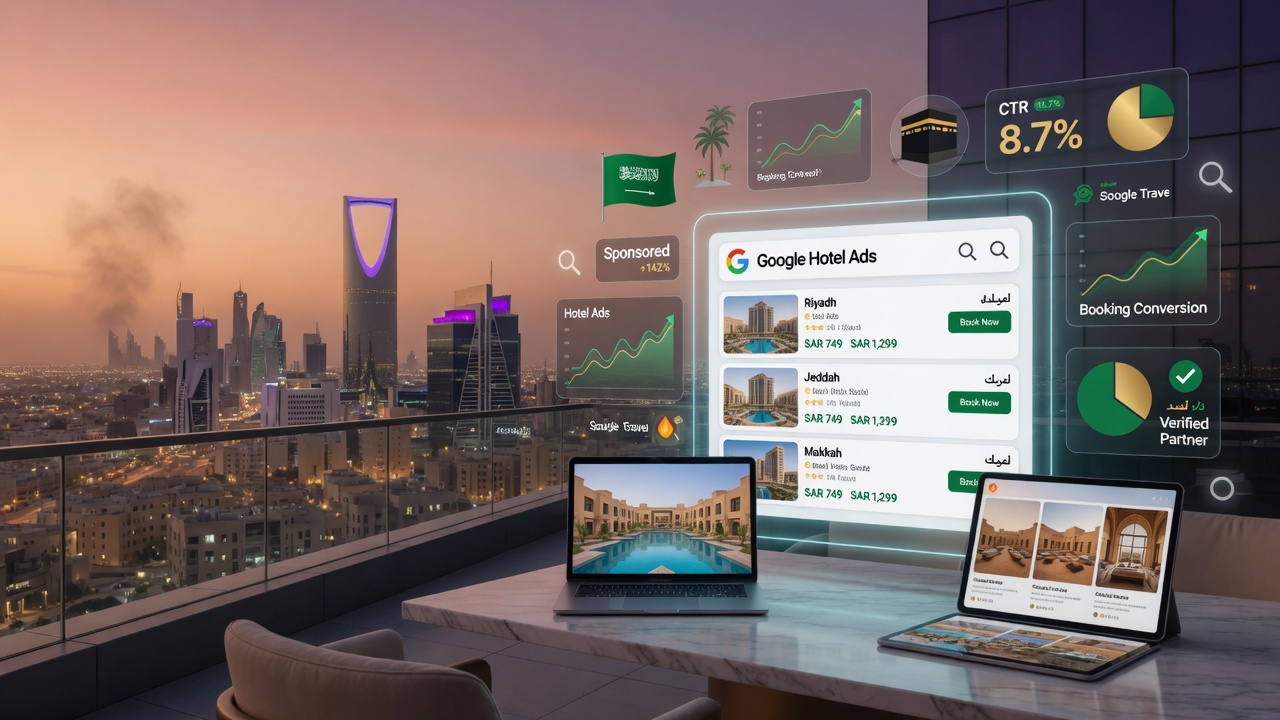
If you are looking for reliable guest check-in software in Saudi Arabia, you are not alone. In cities like Riyadh, Jeddah, Makkah, and Madinah, as well as emerging destinations like NEOM and AlUla, hotels are realizing that integrated hospitality platforms are no longer an option — they are an absolute necessity for survival and growth.
What You Will Learn in This Guide
- What hospitality software is
- Why it is urgently needed in 2026
- How it handles Saudi Arabia's regulatory environment
- Key features to look for
- Government compliance requirements
- Successful implementation strategies
- Return on investment (ROI)
Whether you run a boutique hotel, a resort, serviced apartments, or a multi-property group — understanding modern hospitality technology is now essential for your success.
Challenges in Traditional Management
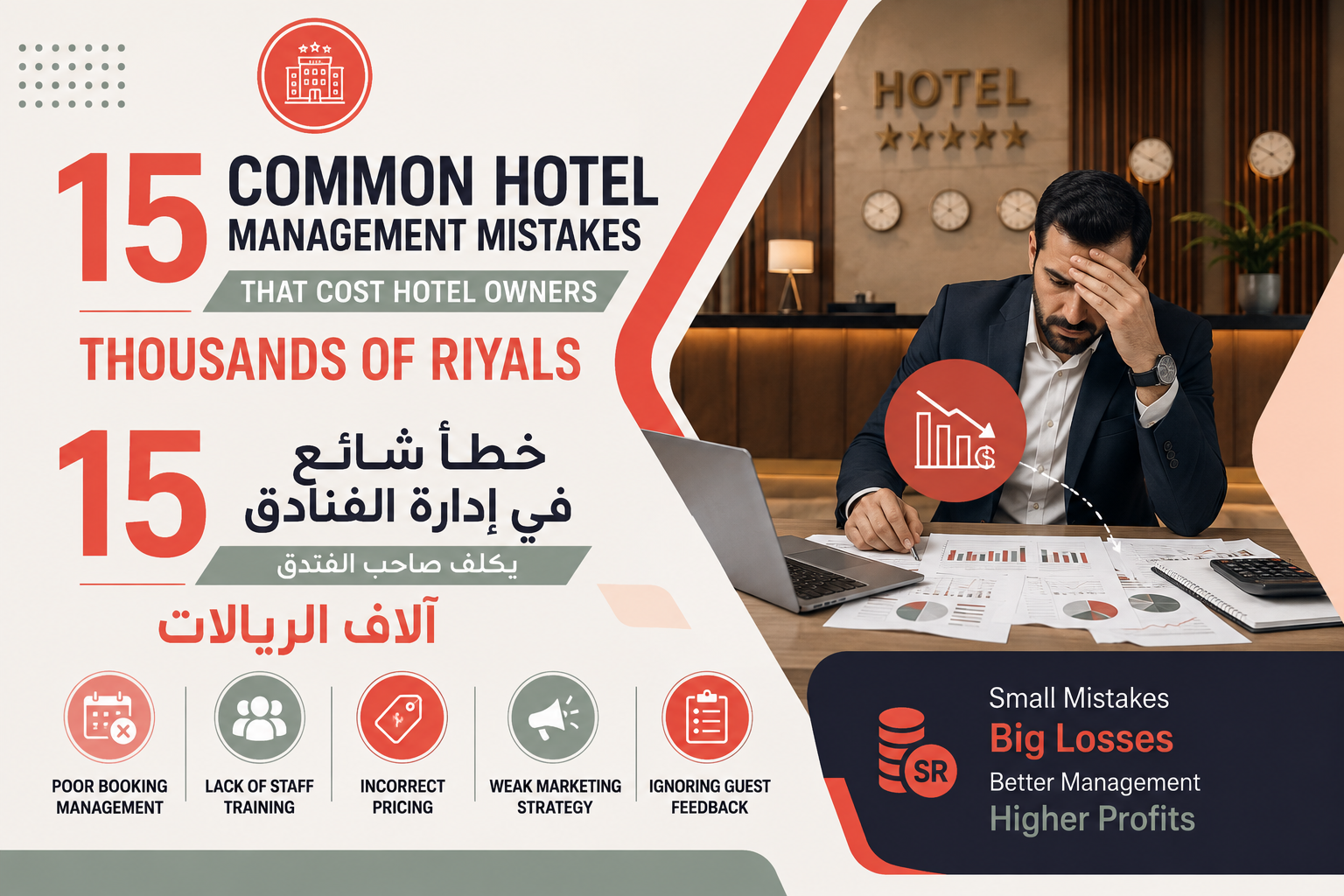
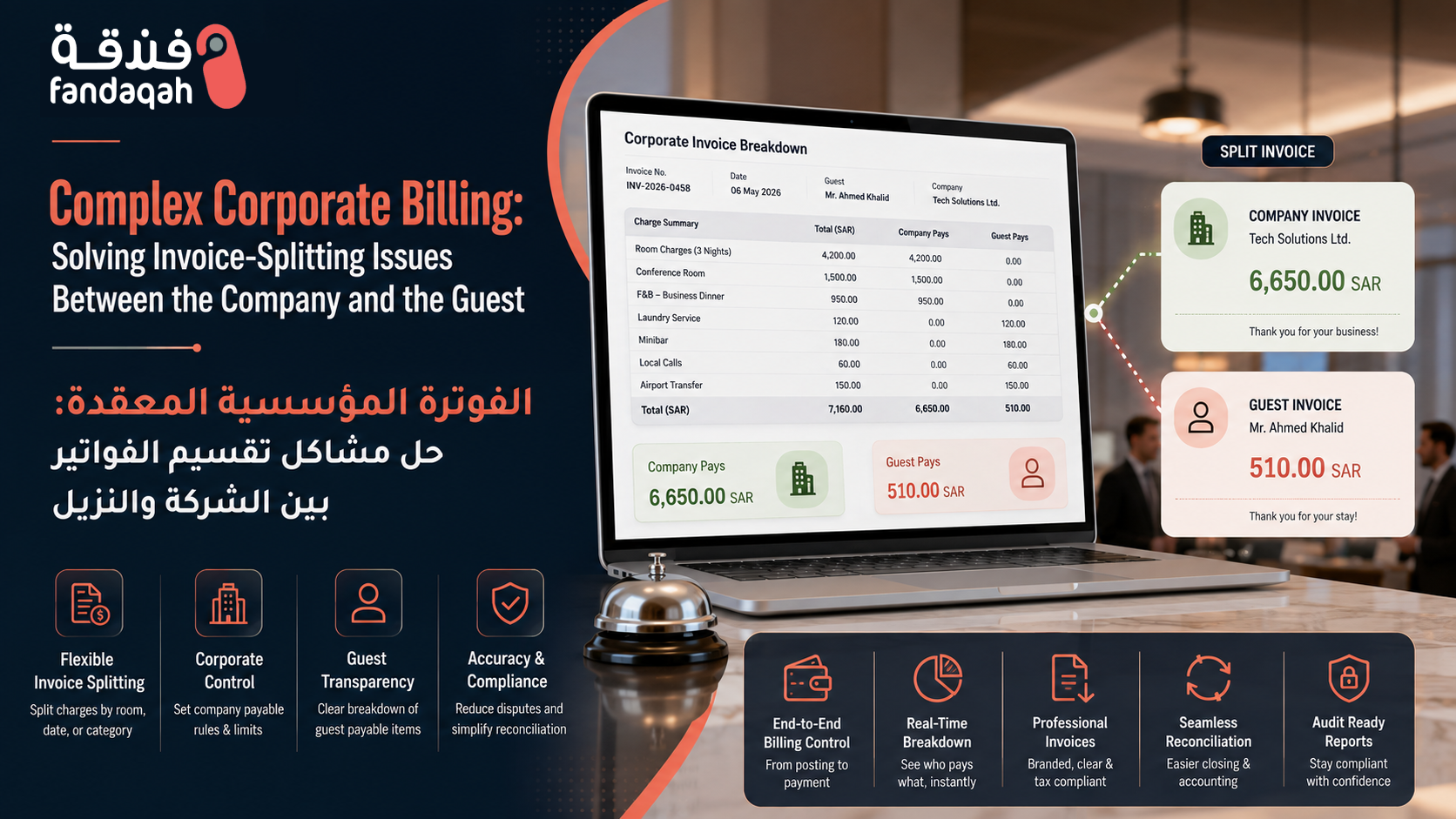
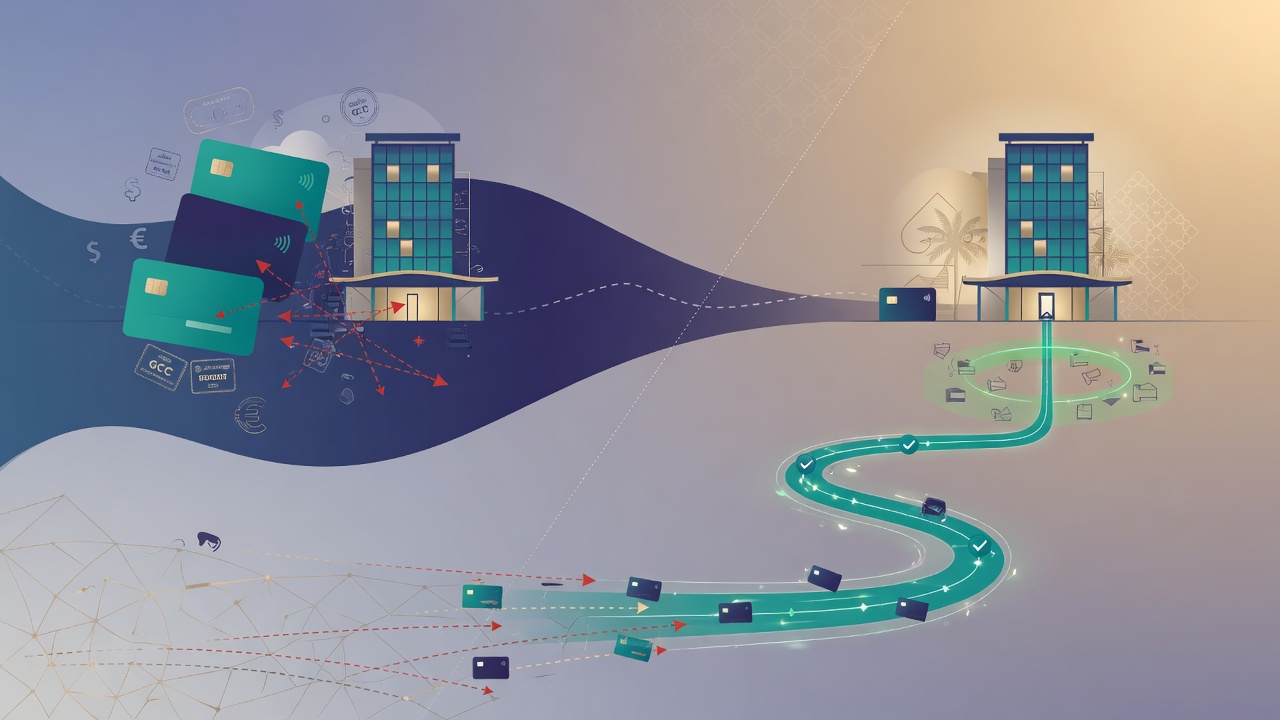
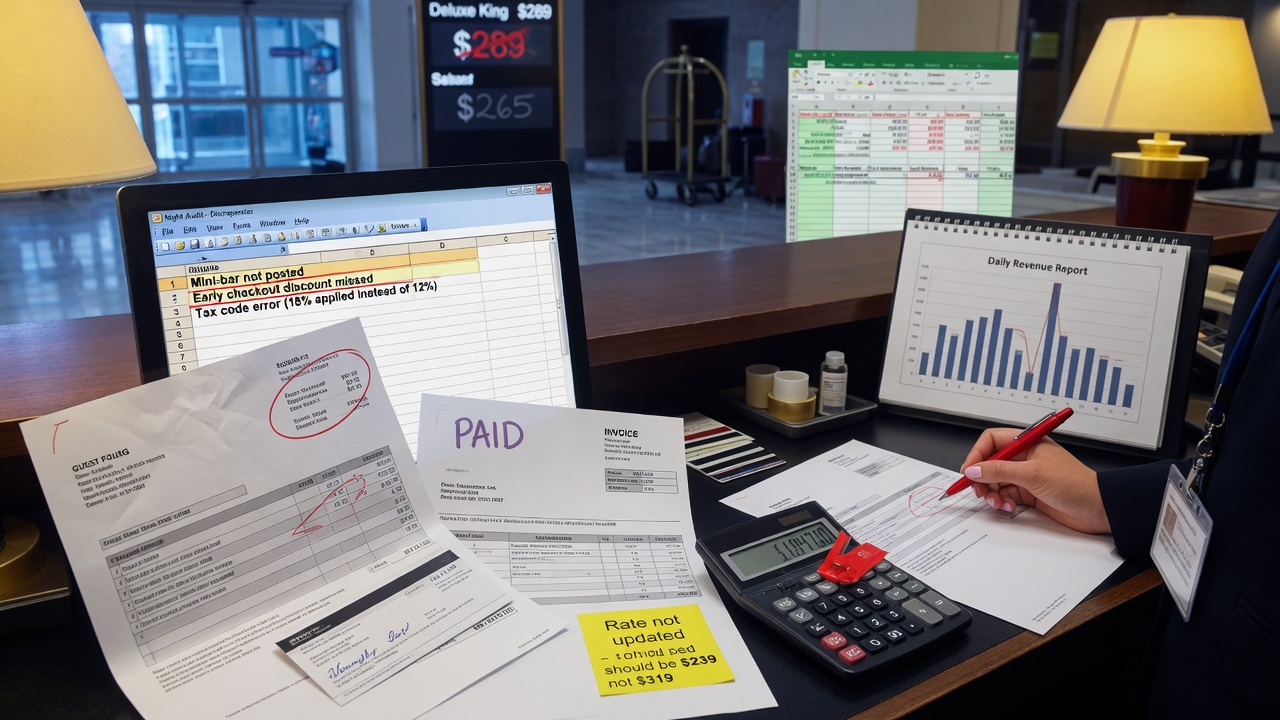
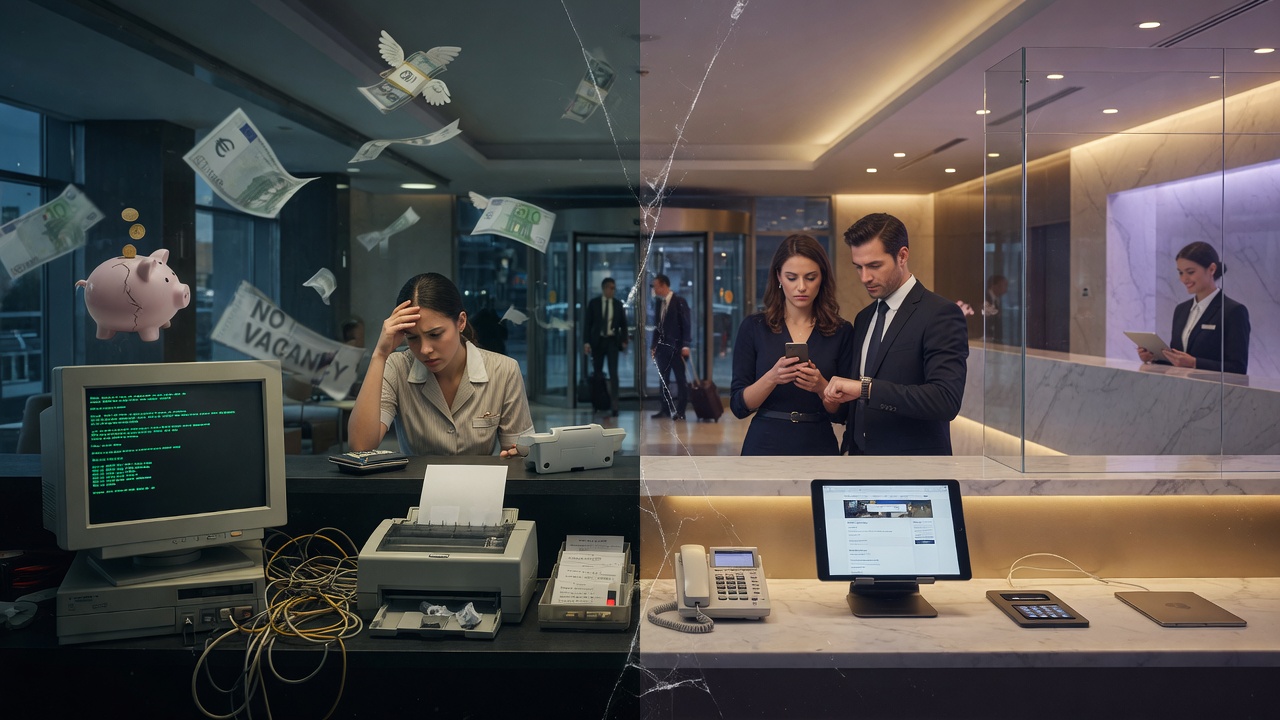
Many hotel properties rely on fragmented, disconnected systems: a basic booking engine, separate spreadsheets for accounting, manual government reporting, and paper-based guest registration forms.
This fragmentation leads to three main problems: operational inefficiency, where staff spend hours daily on manual data entry, double-checking information, and preparing reports instead of focusing on guest experience.
What is Hospitality Software?
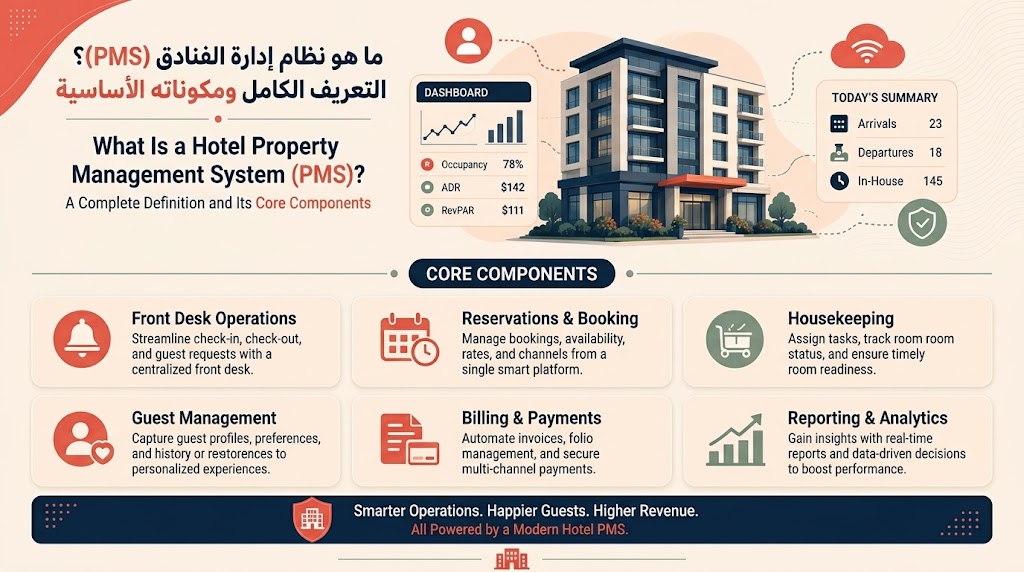
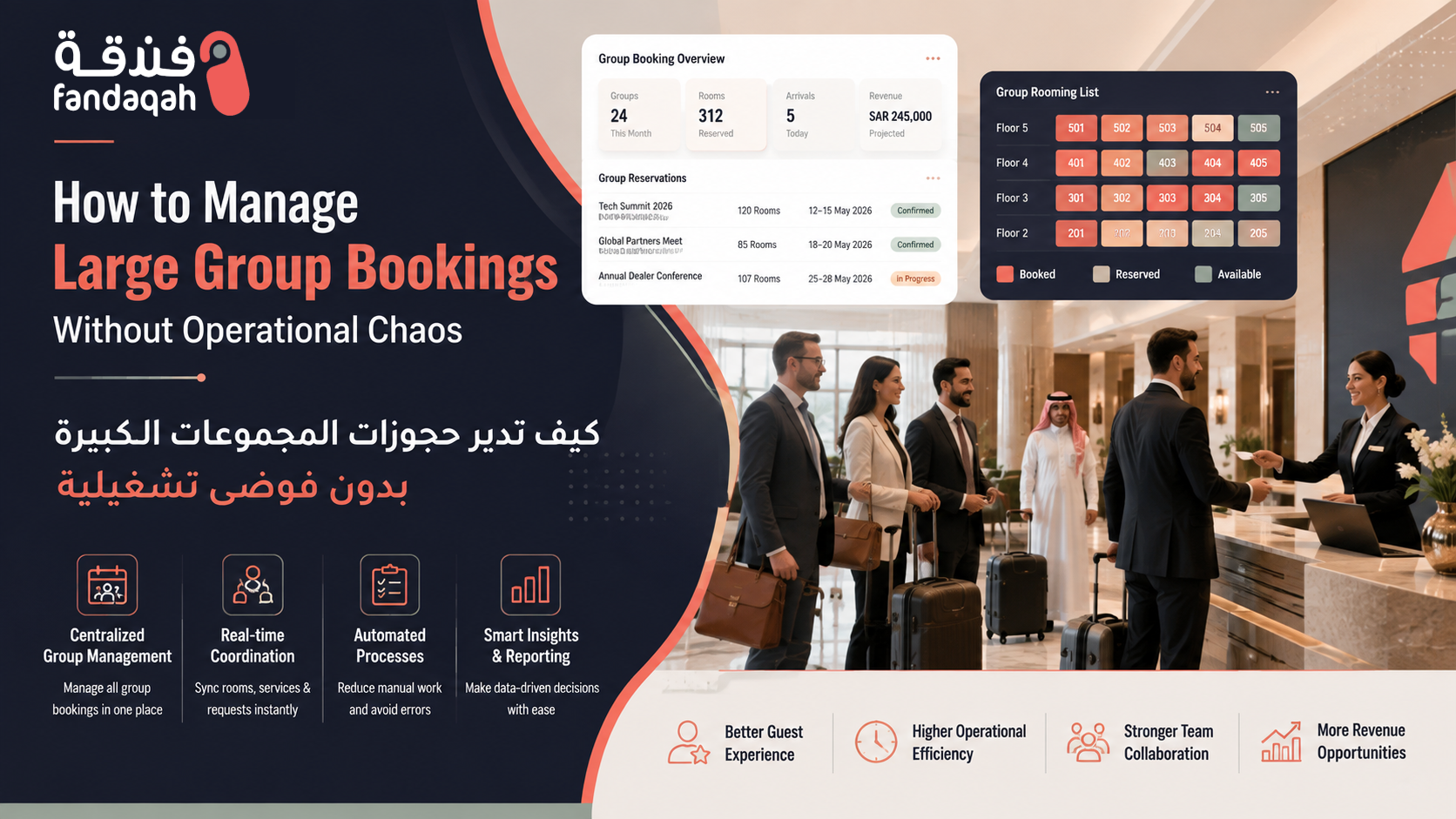
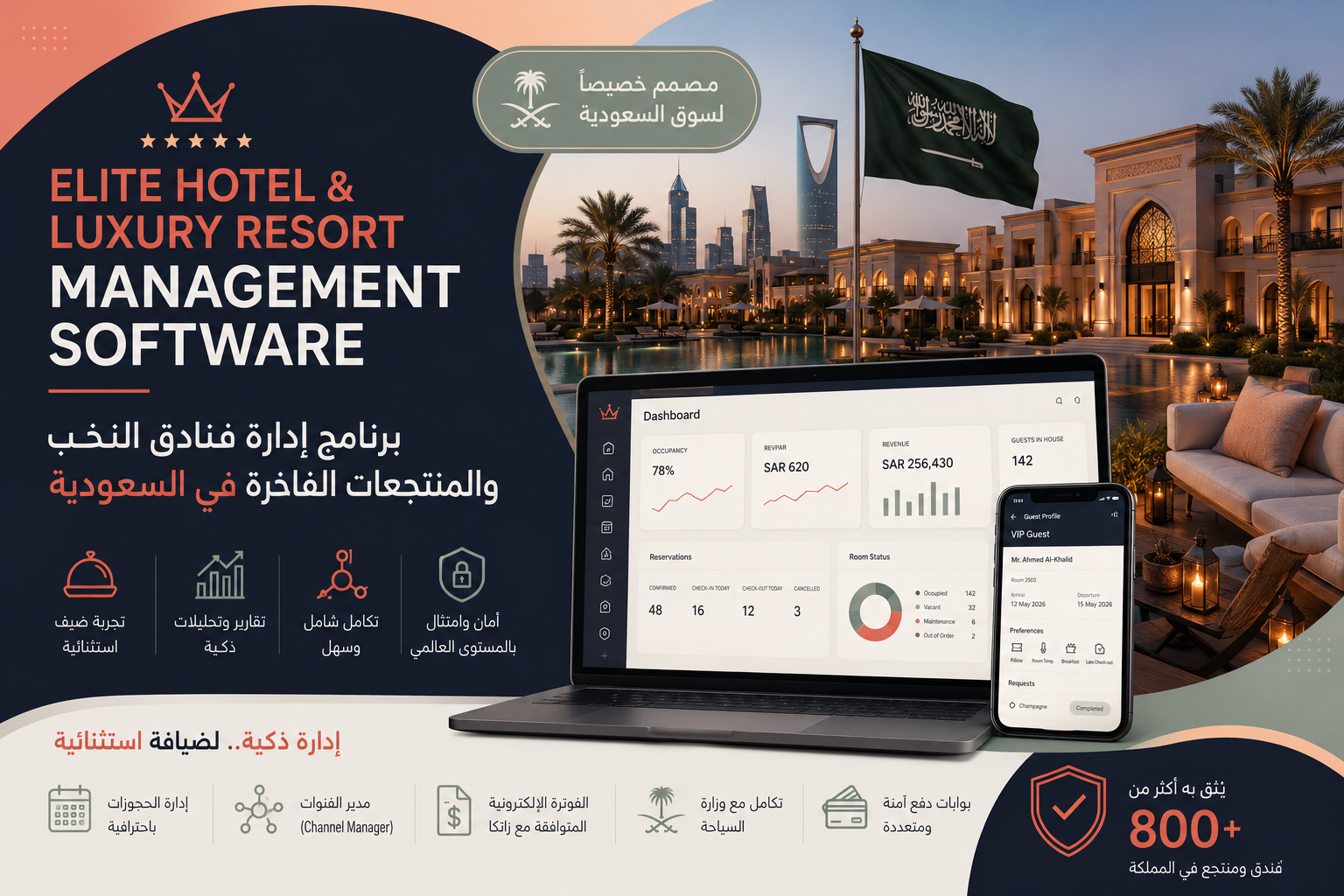
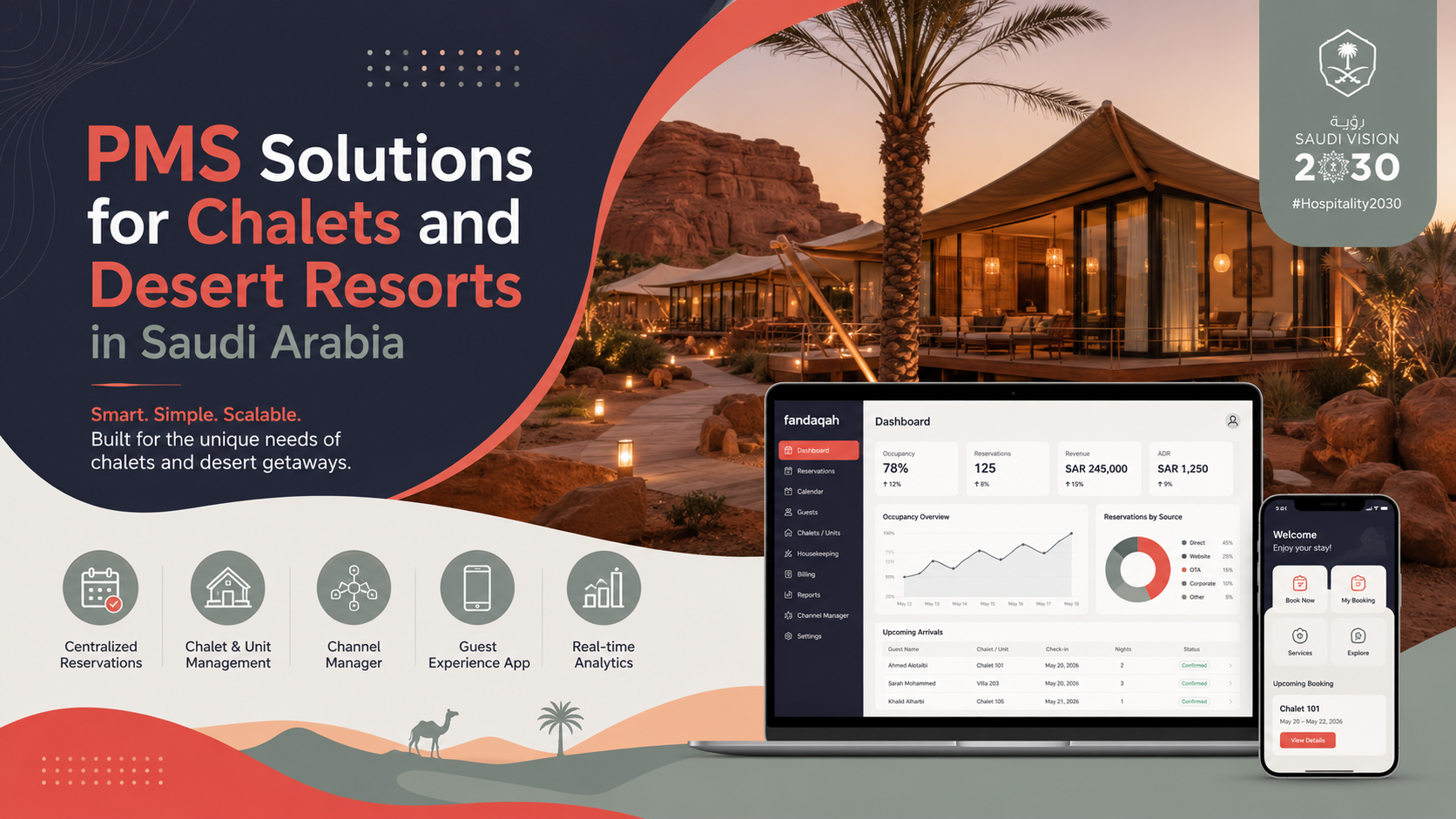
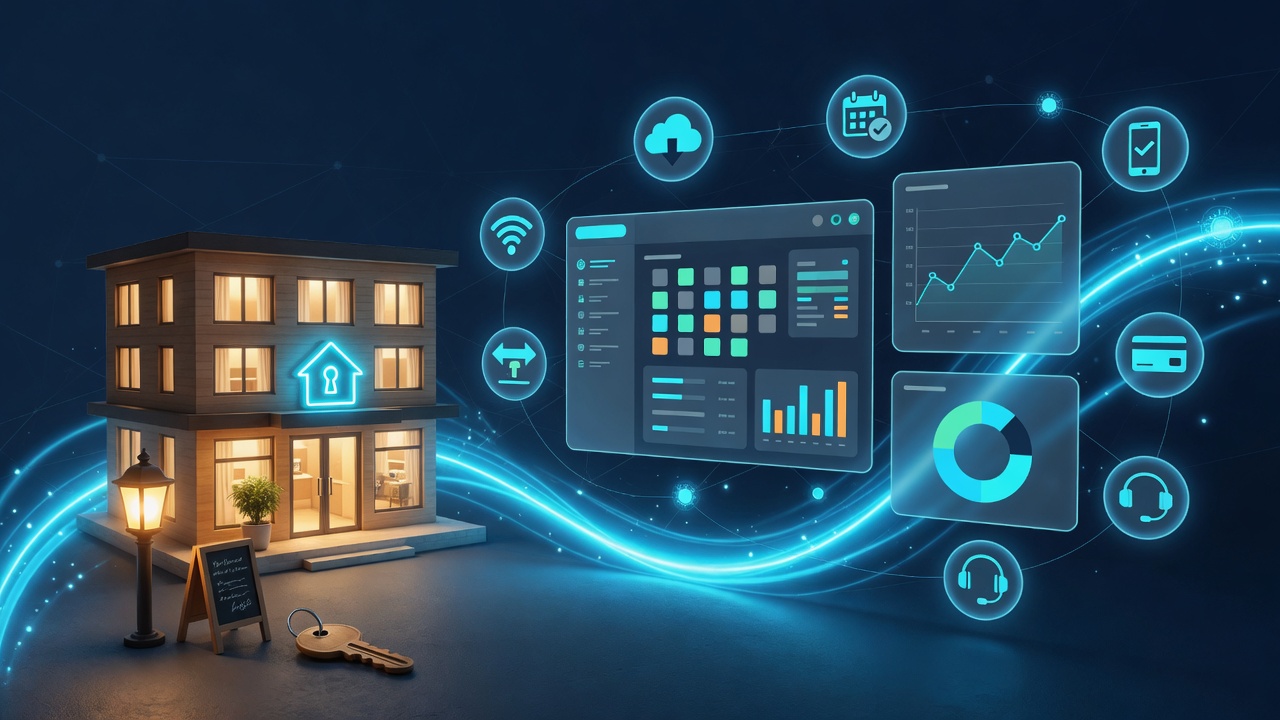
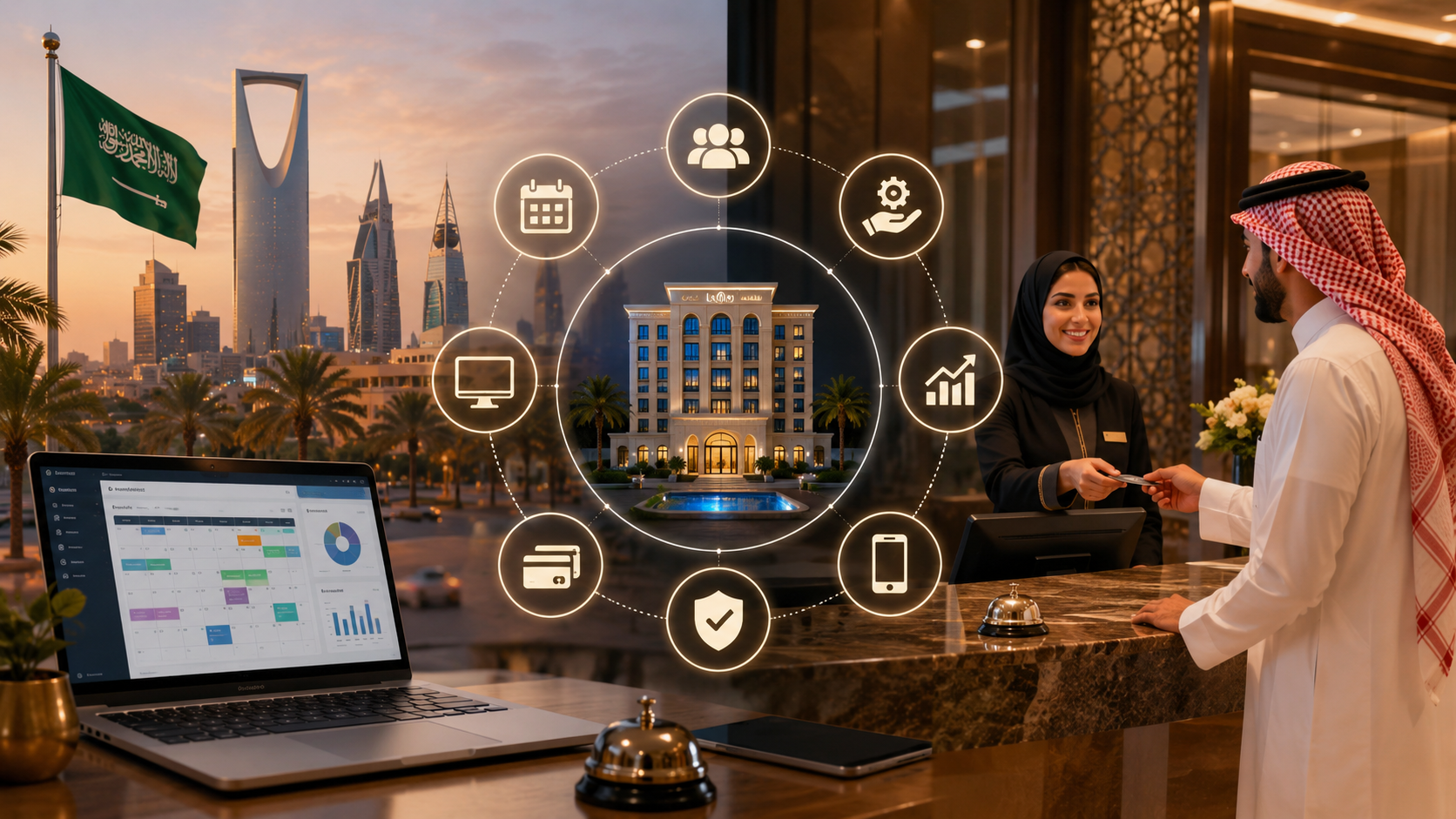
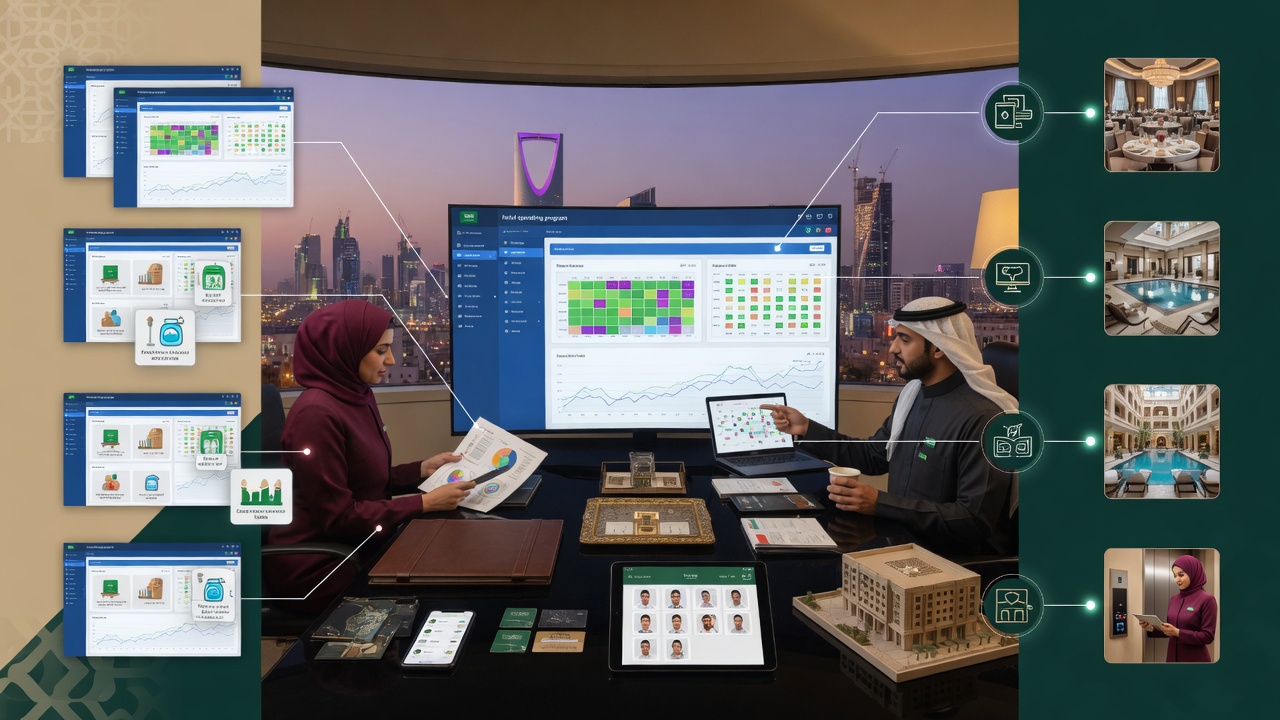
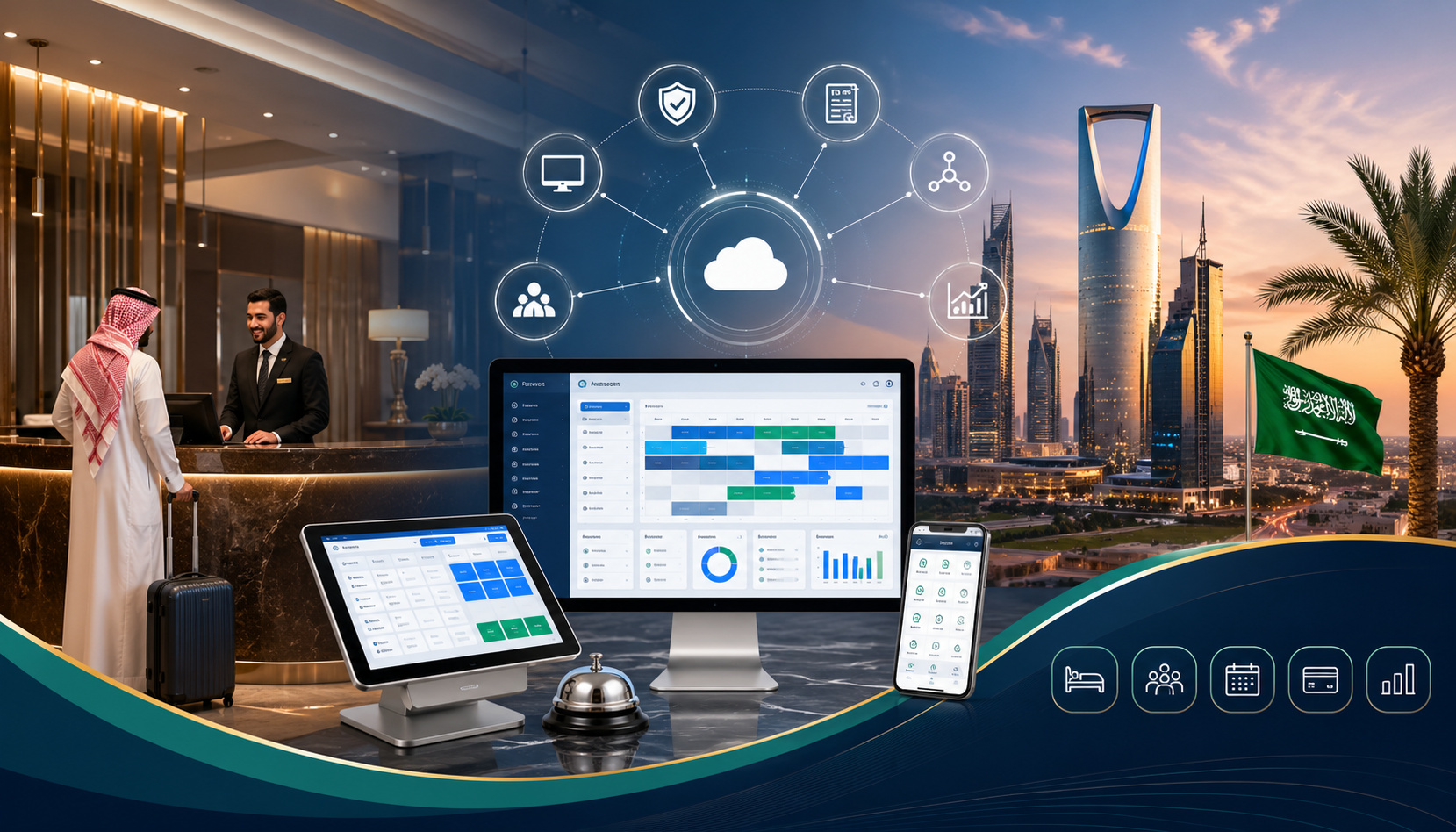
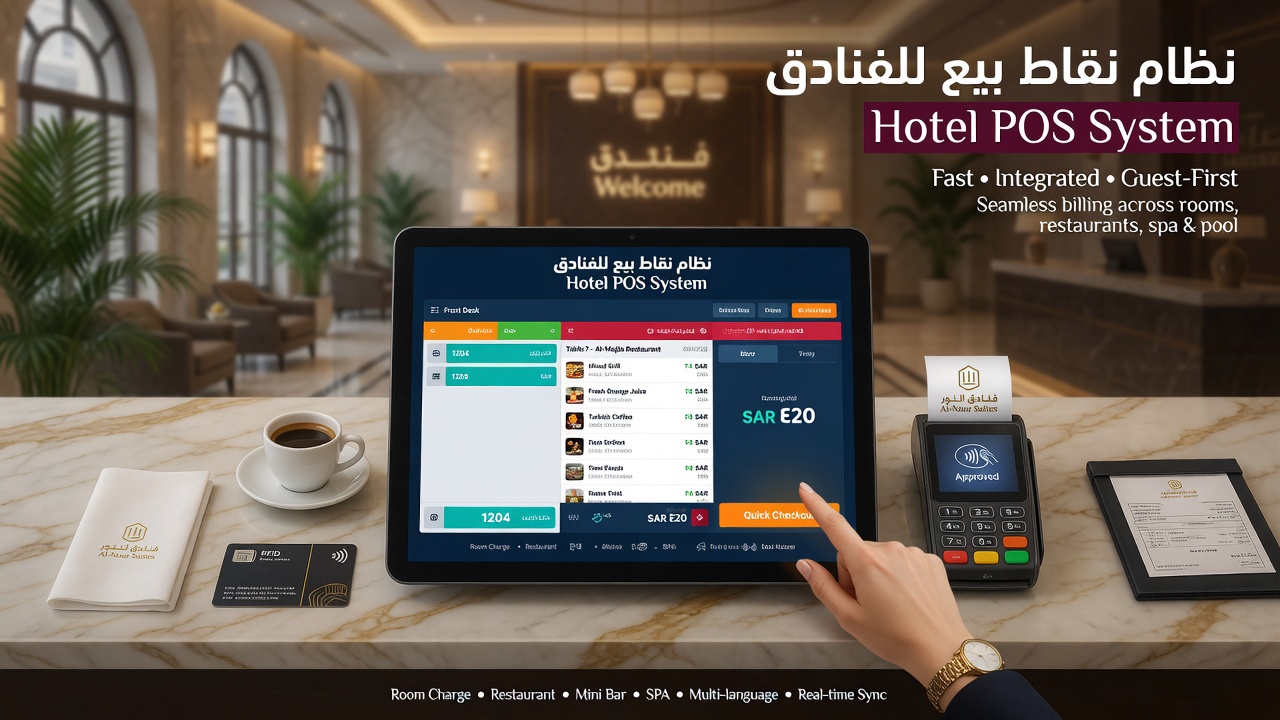
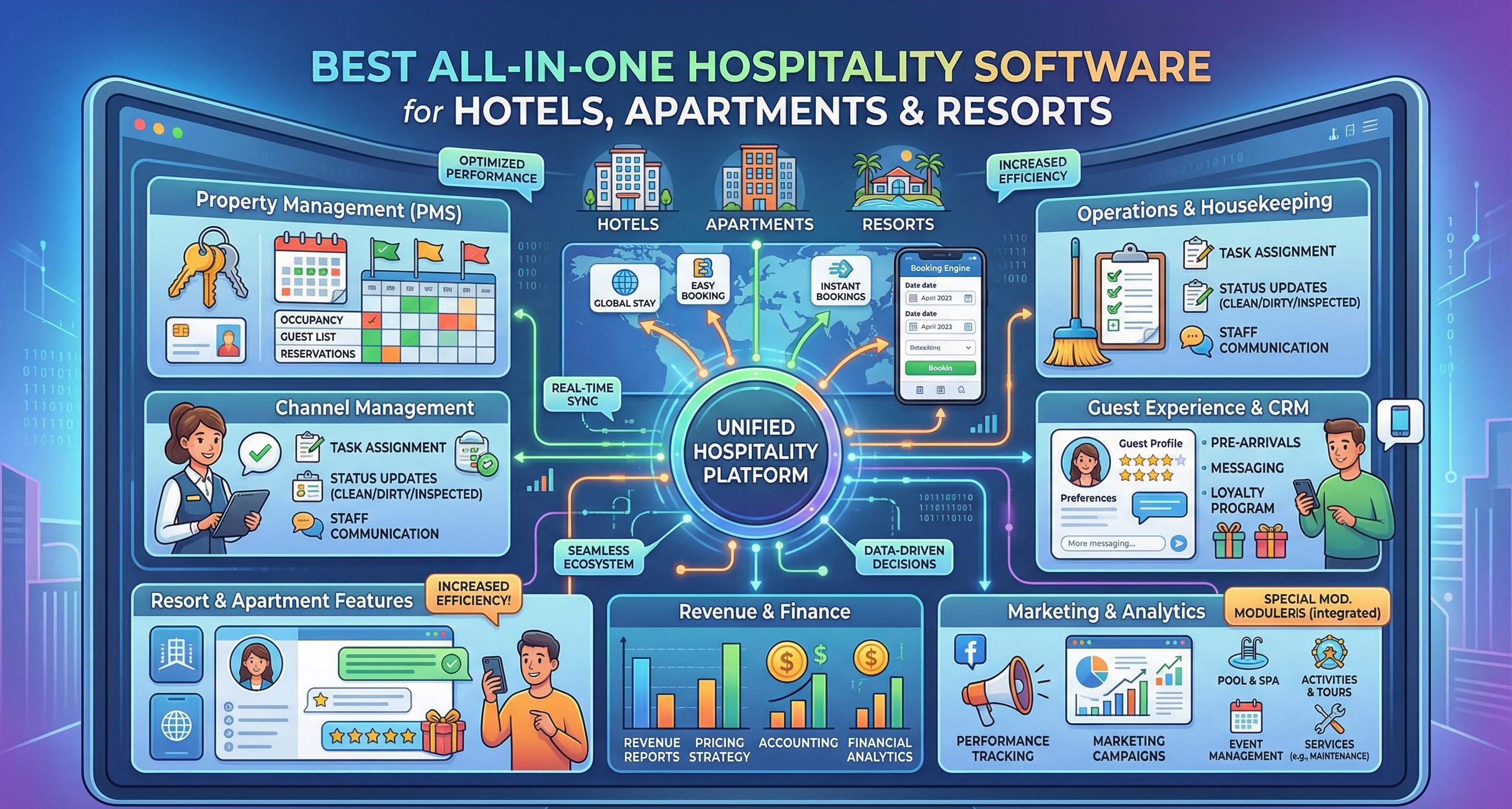
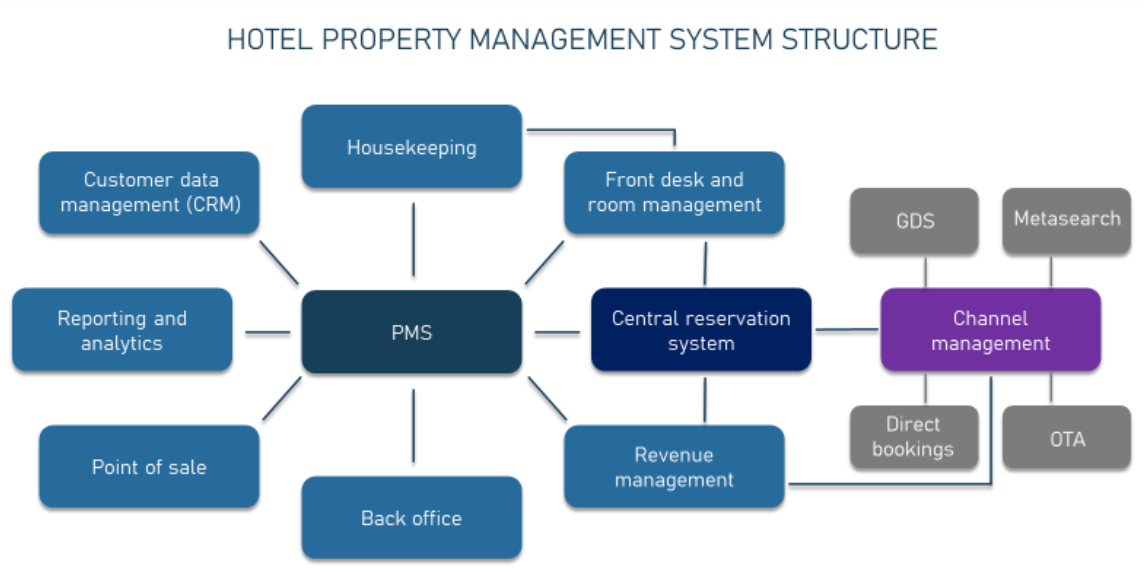
Hospitality software refers to integrated digital systems designed to manage all aspects of hotel operations, including: front desk management, reservations, housekeeping, billing and accounting, reporting and analytics, and compliance management.
The key advantage of these systems is centralizing all processes into a single platform accessible from any device, simplifying management and reducing errors.
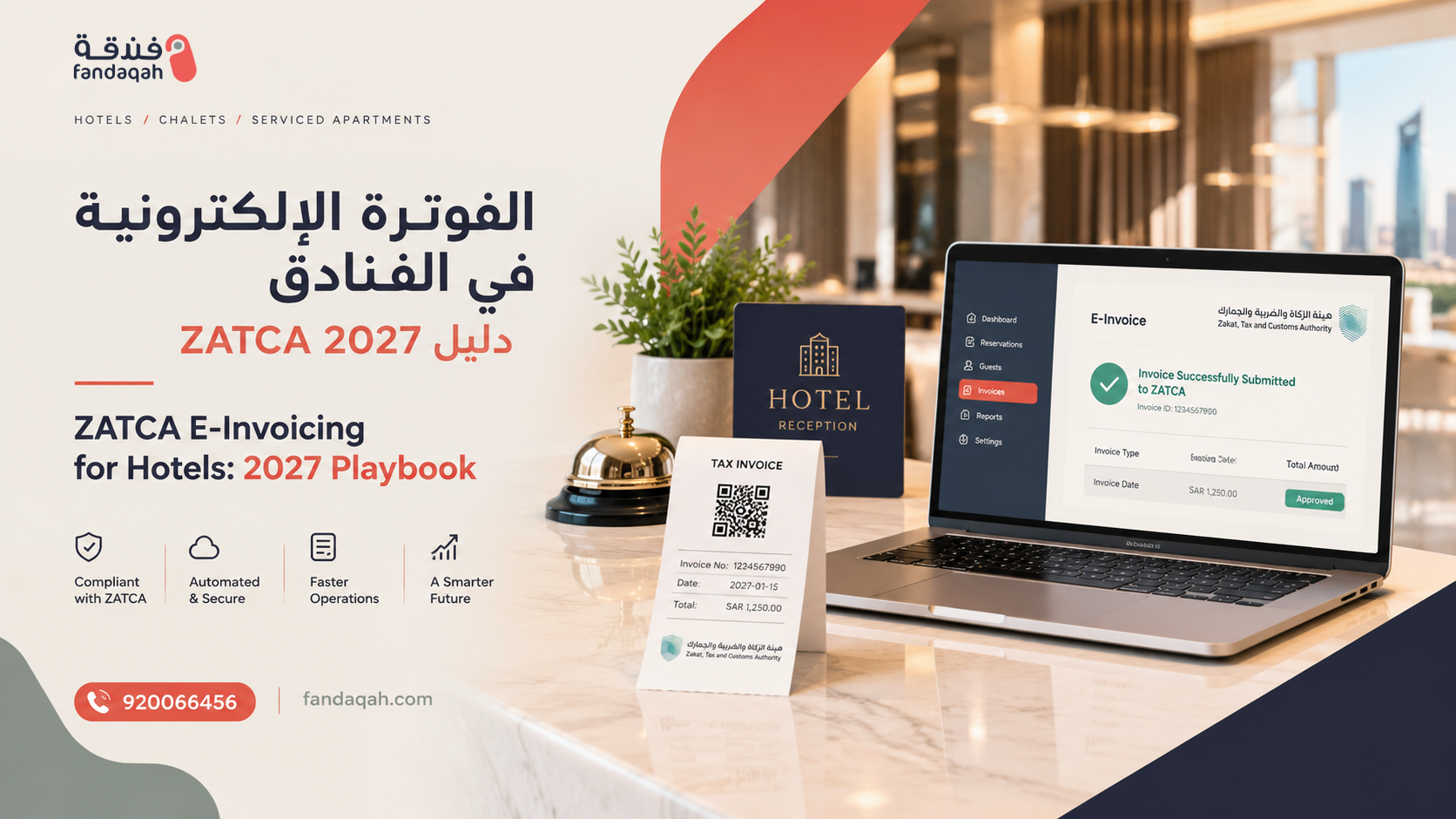
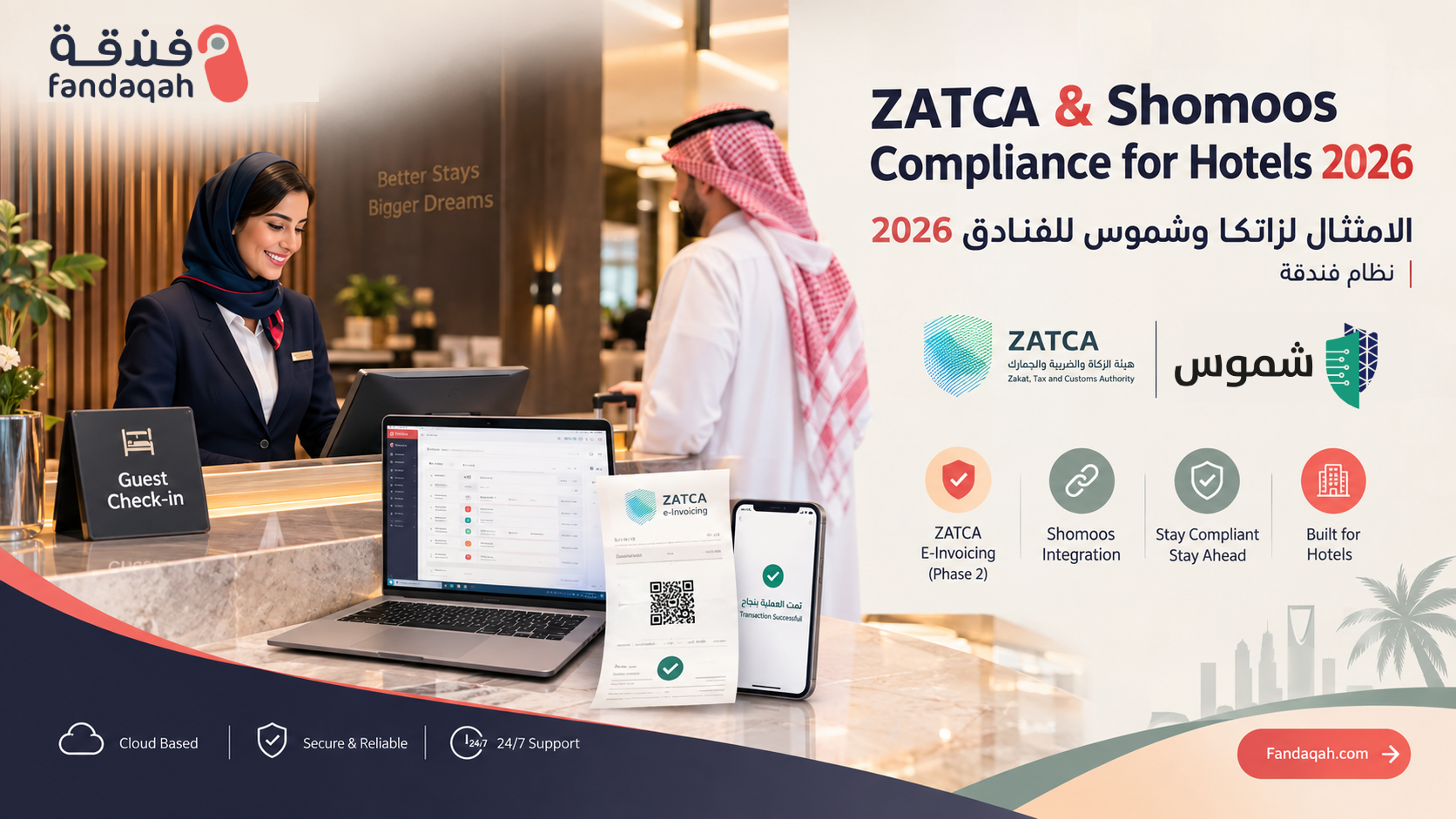
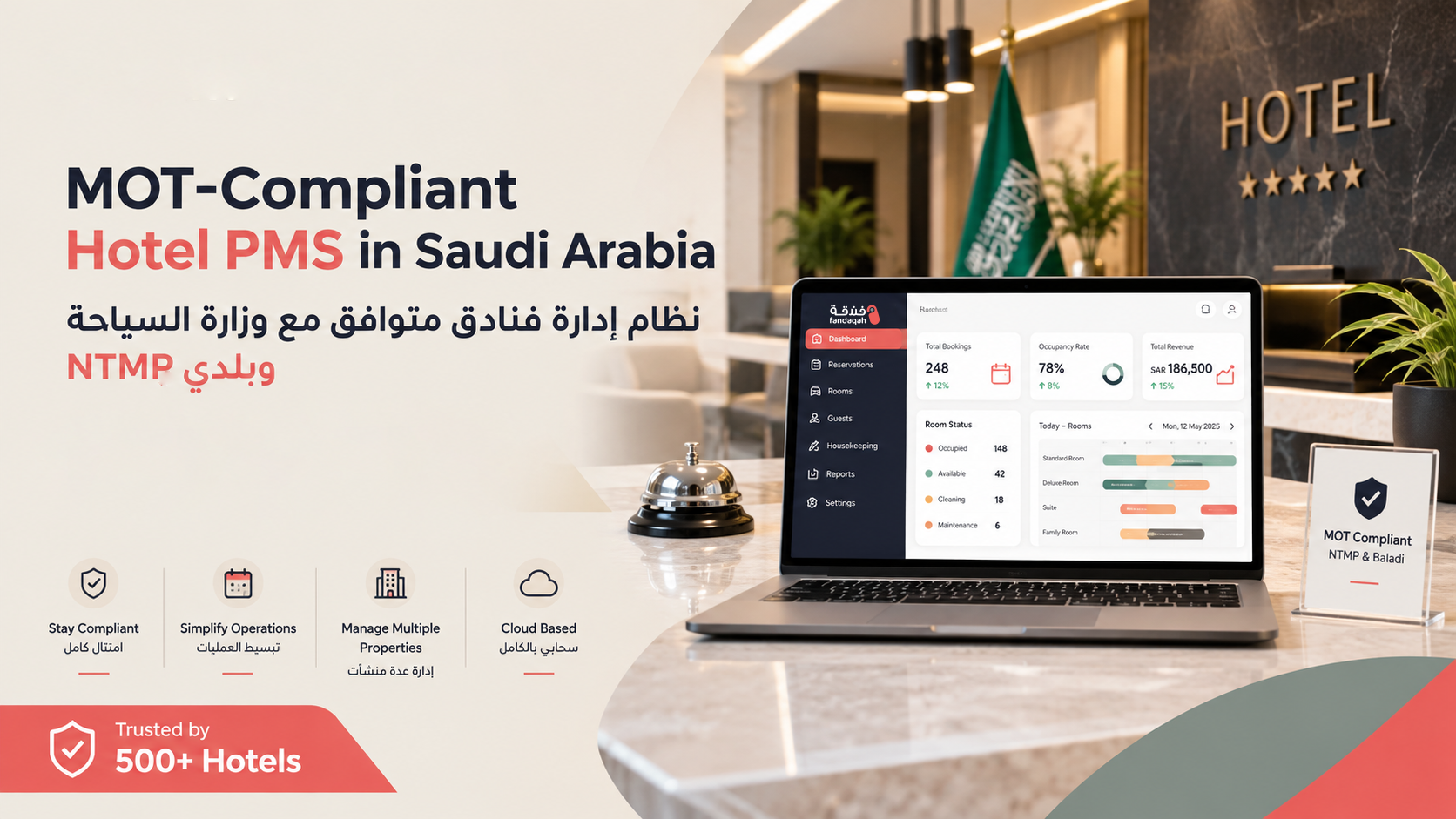
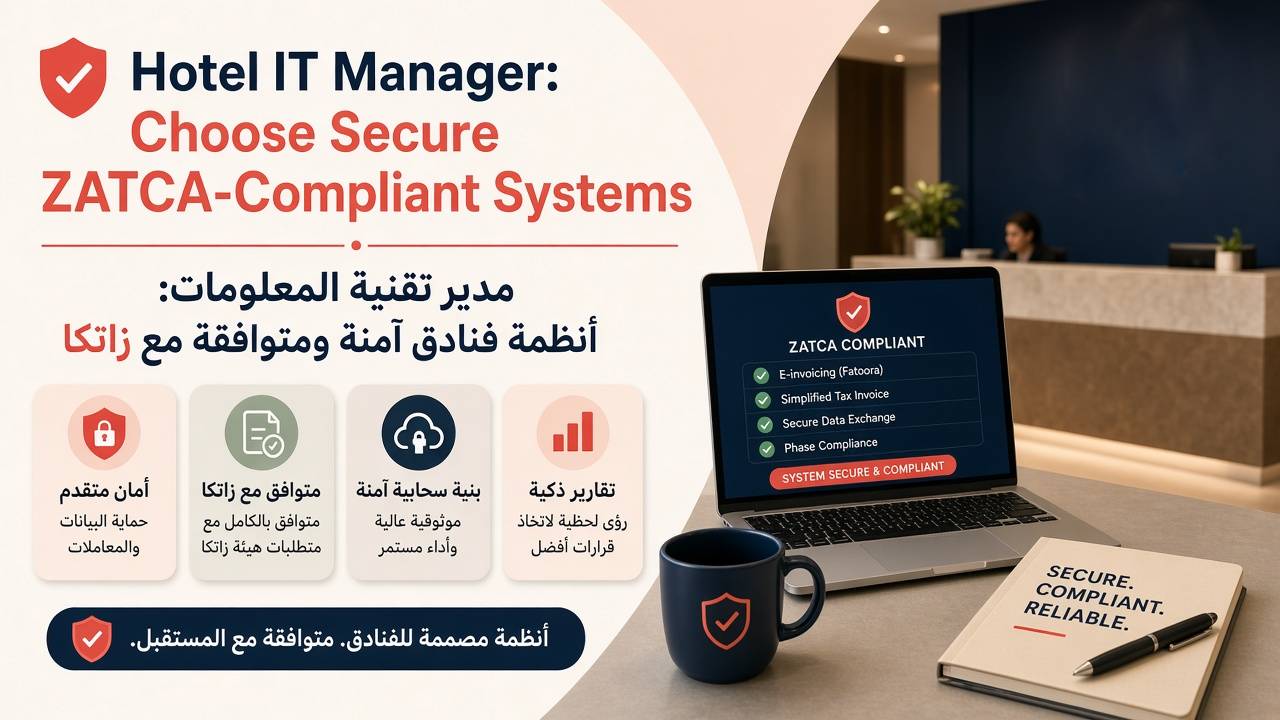
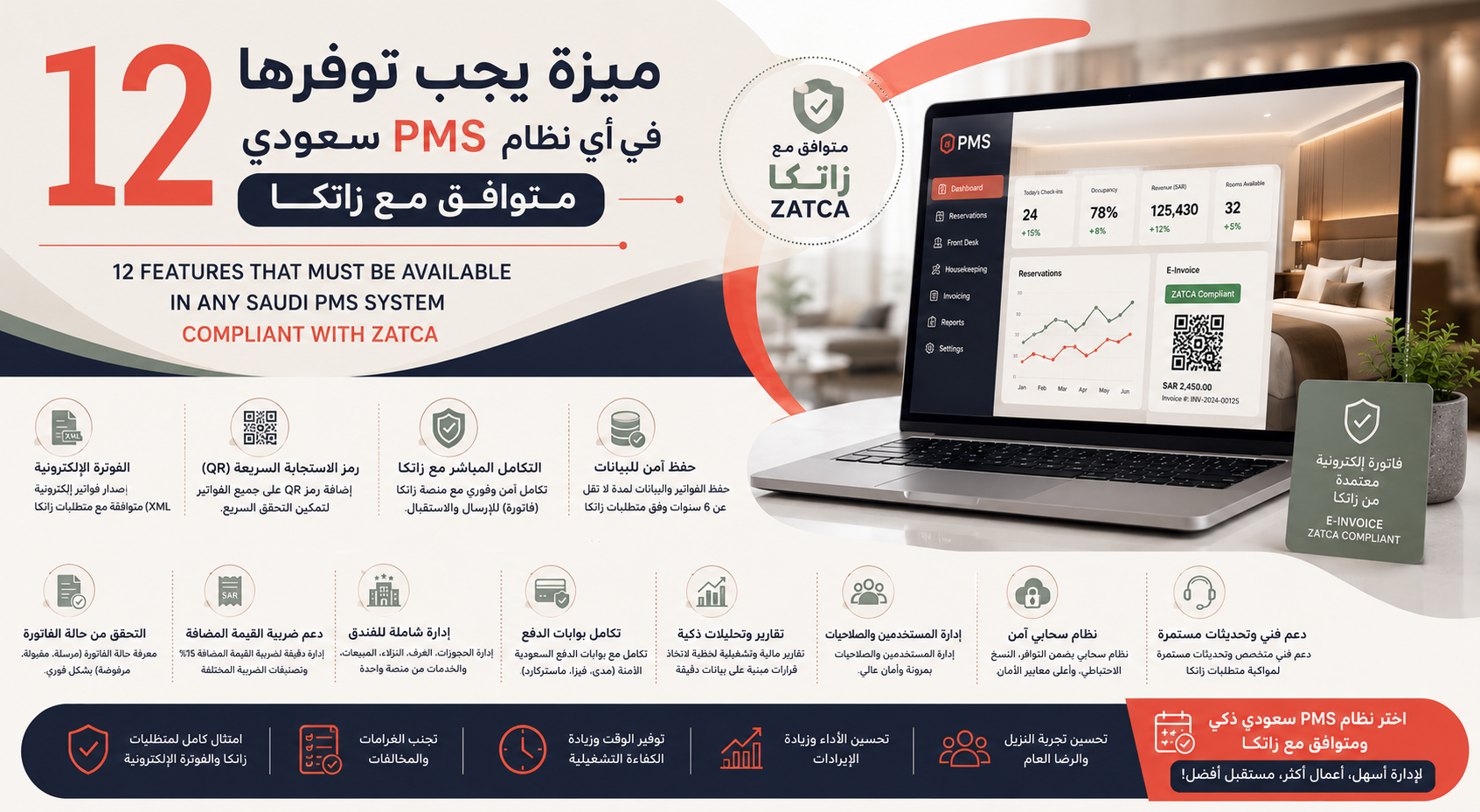
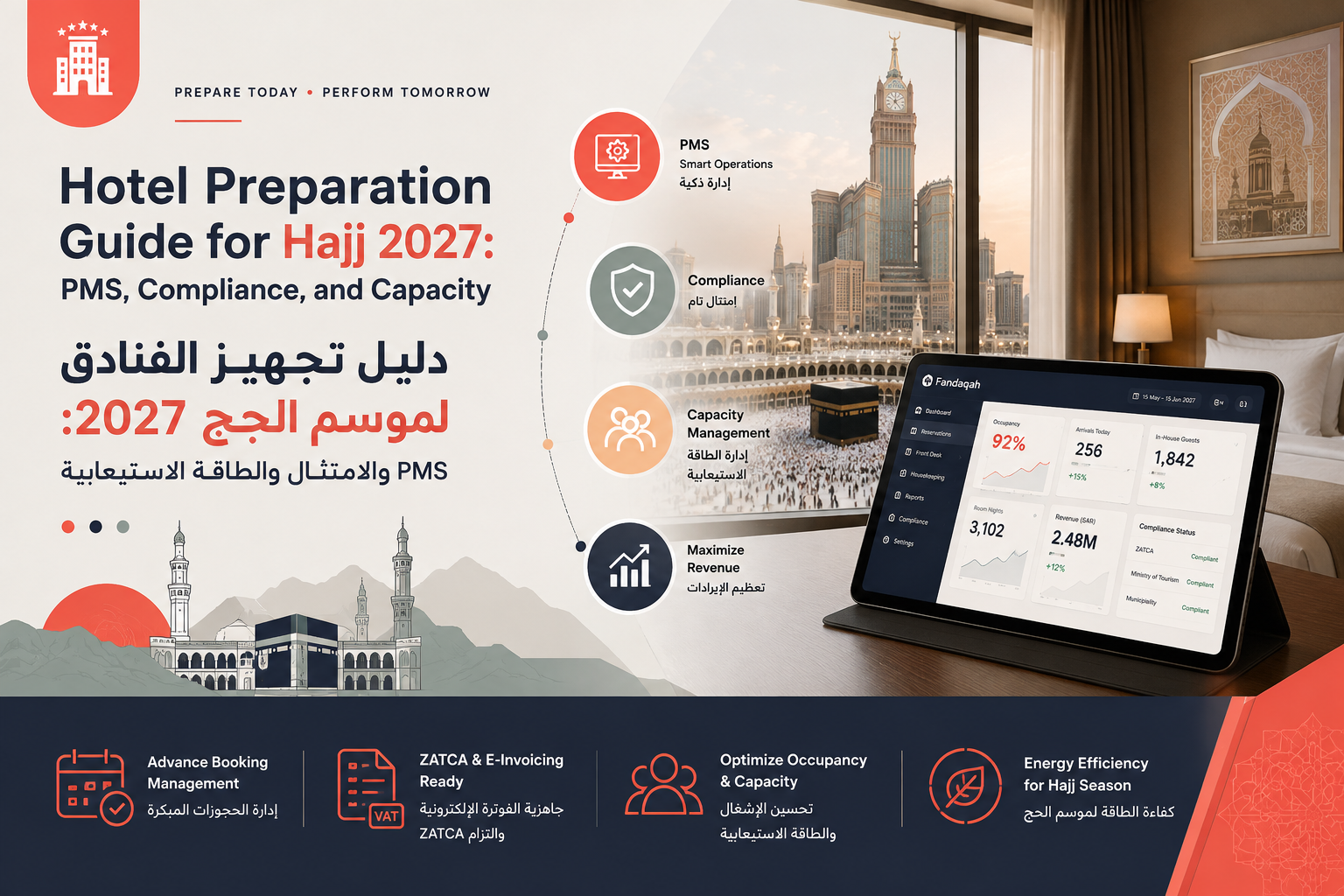
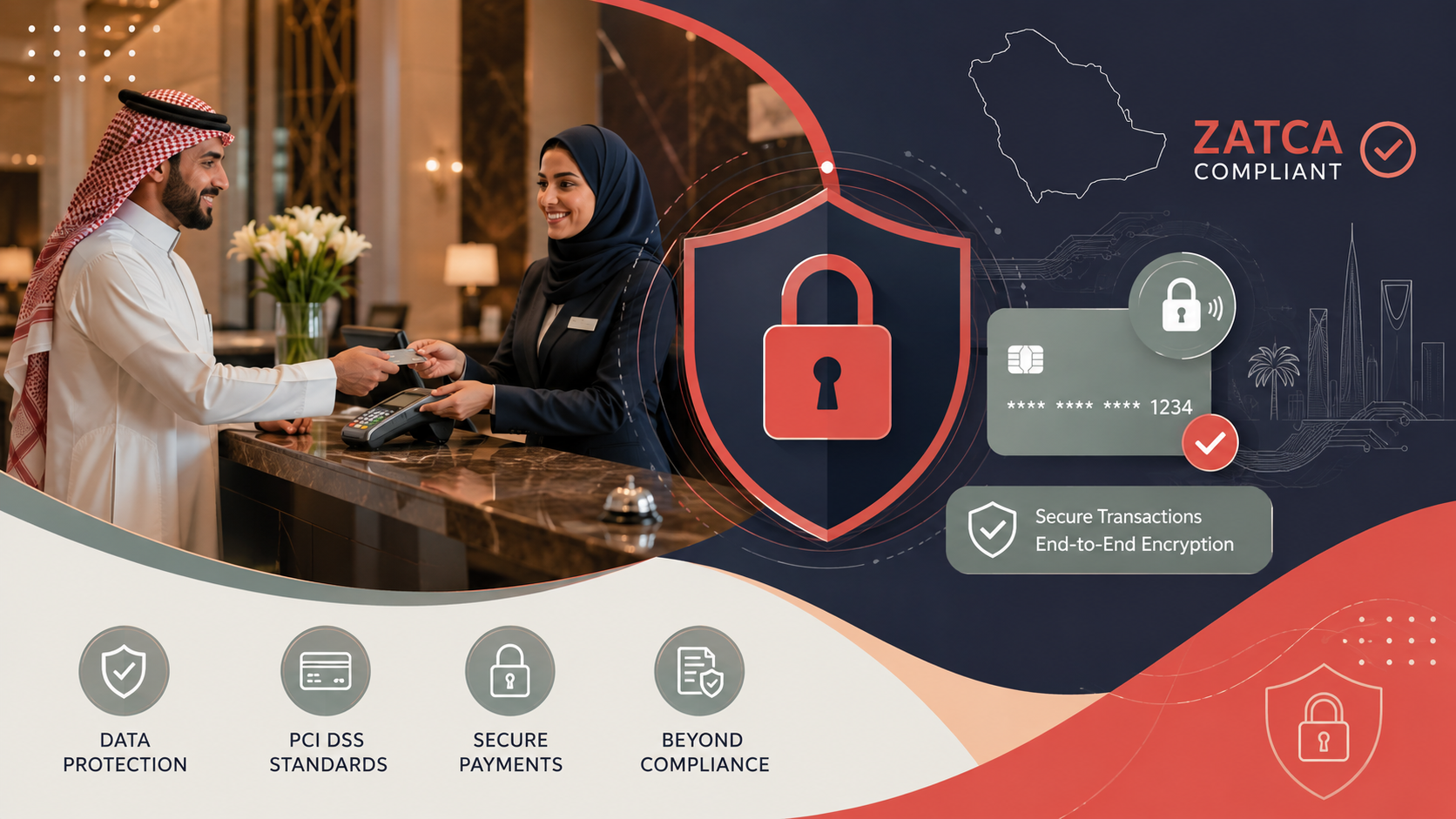
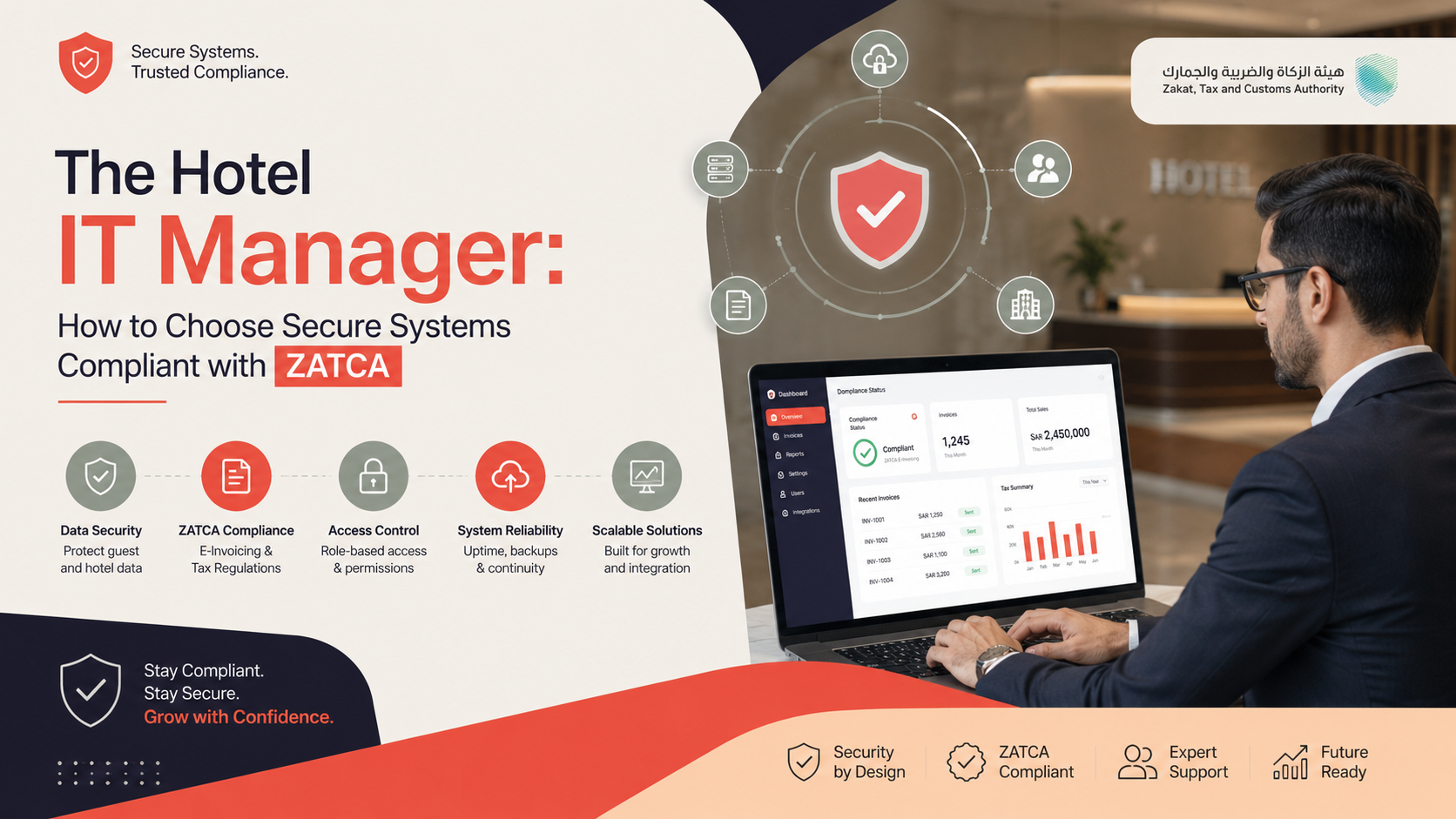
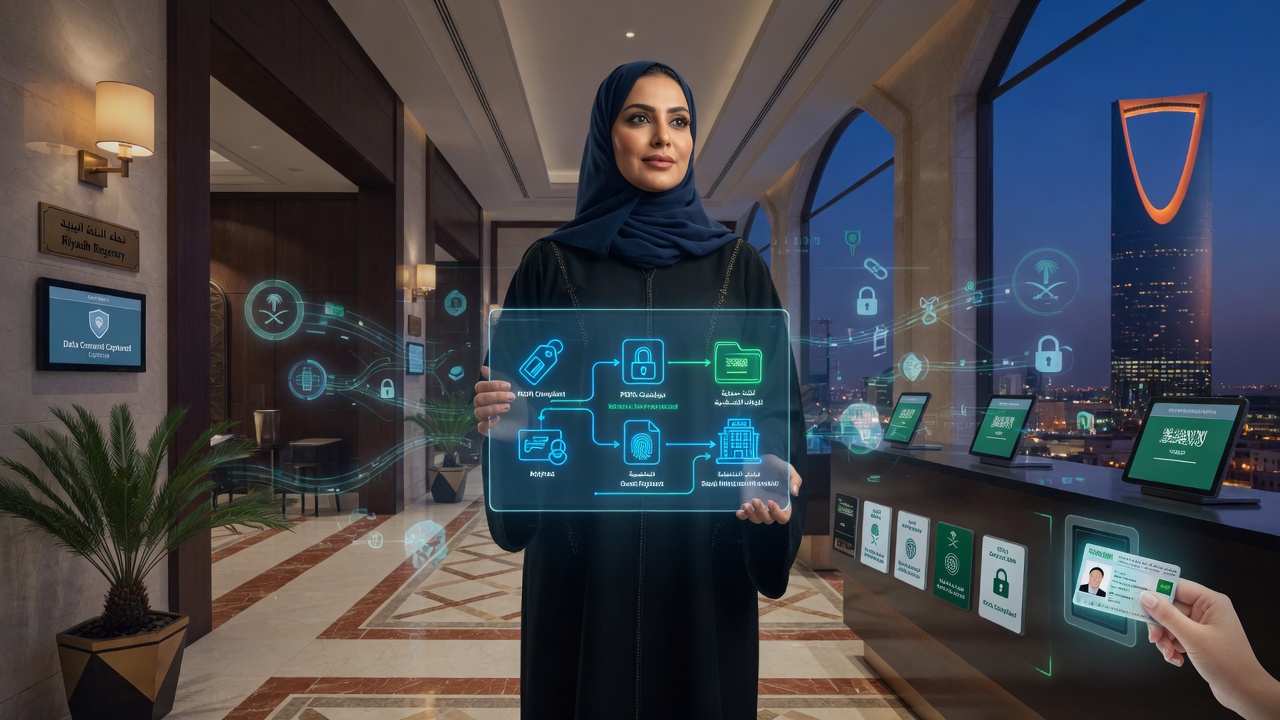
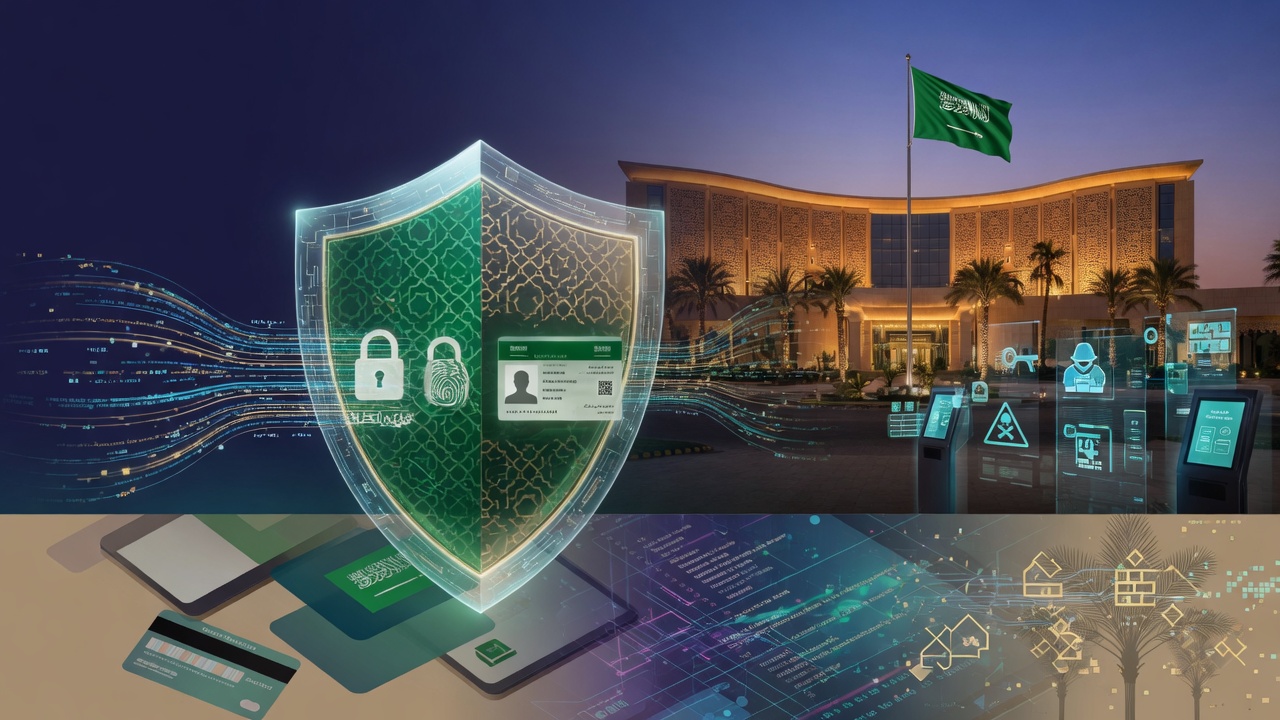
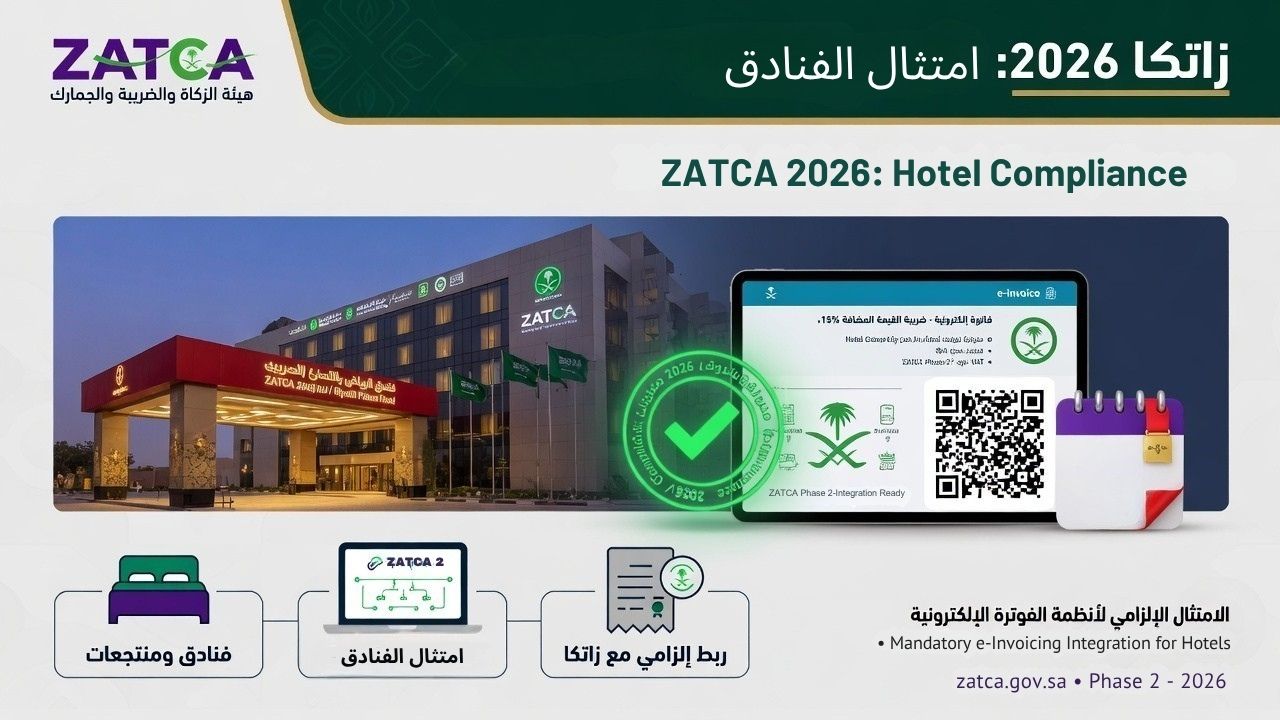
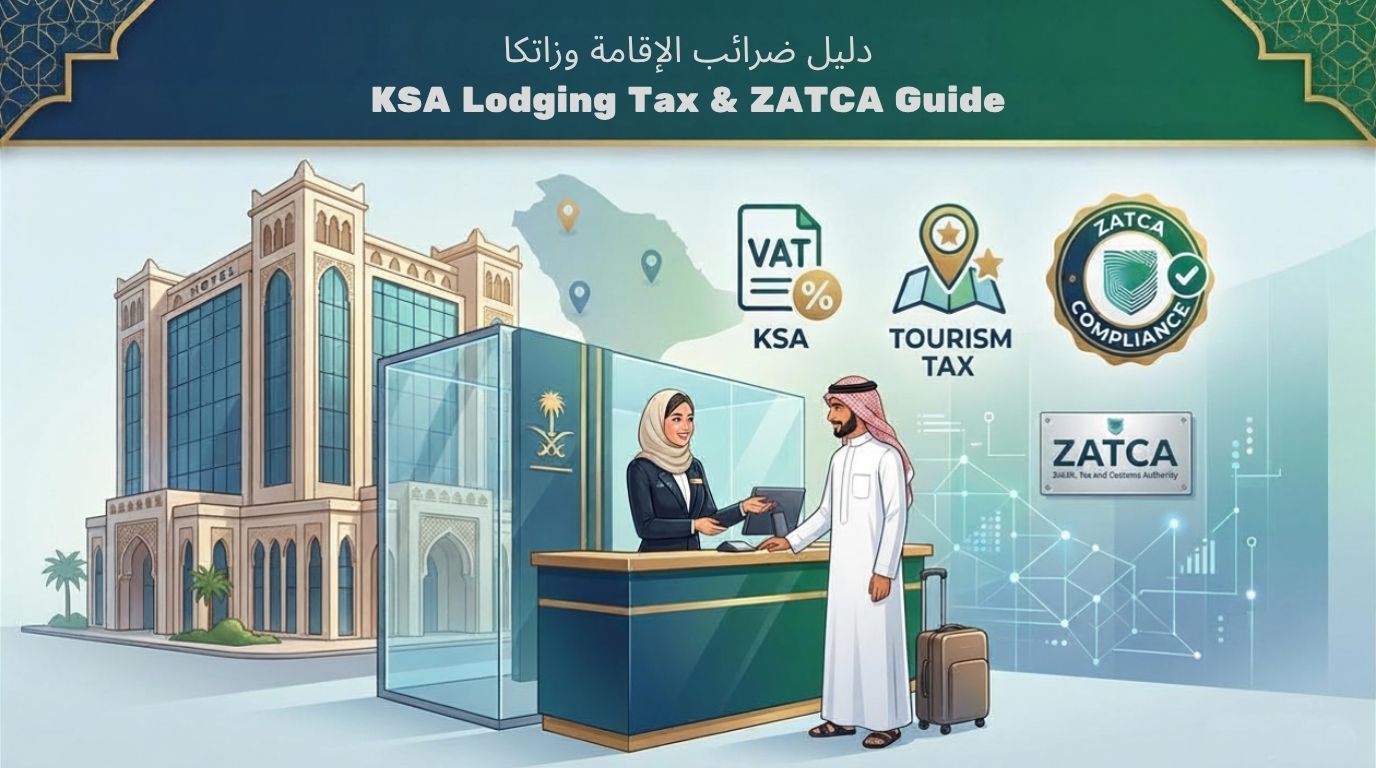
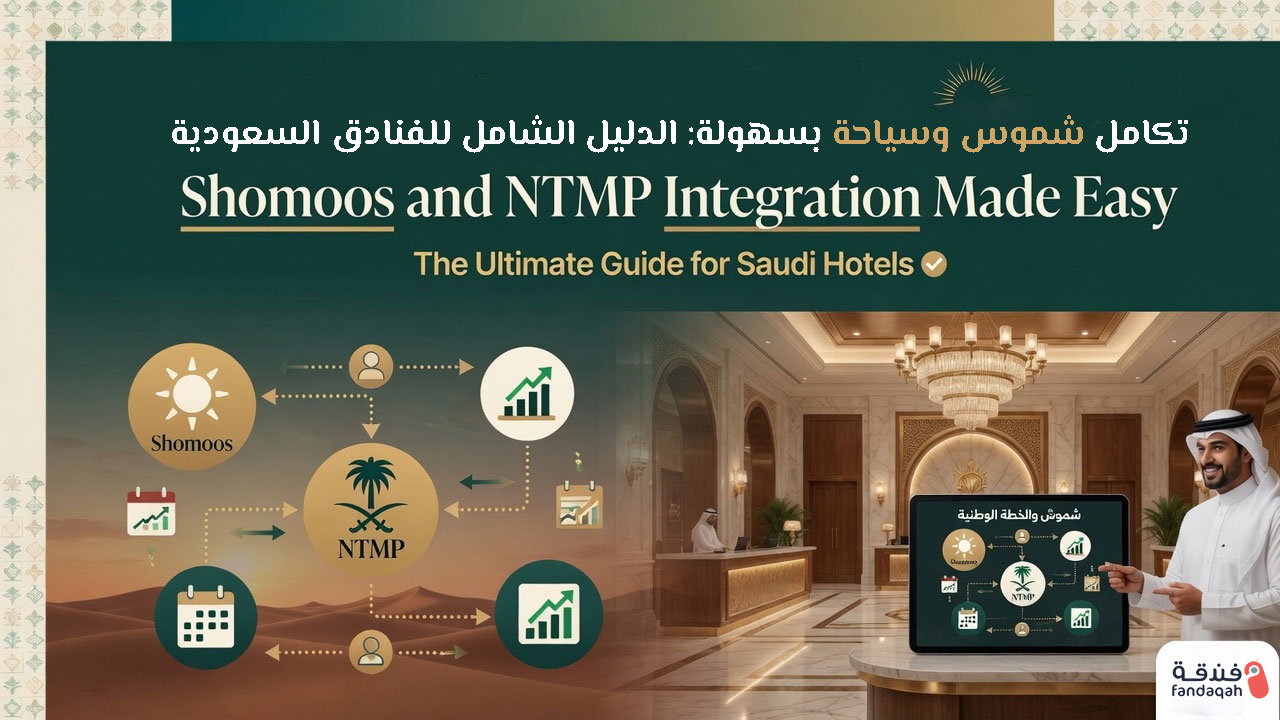
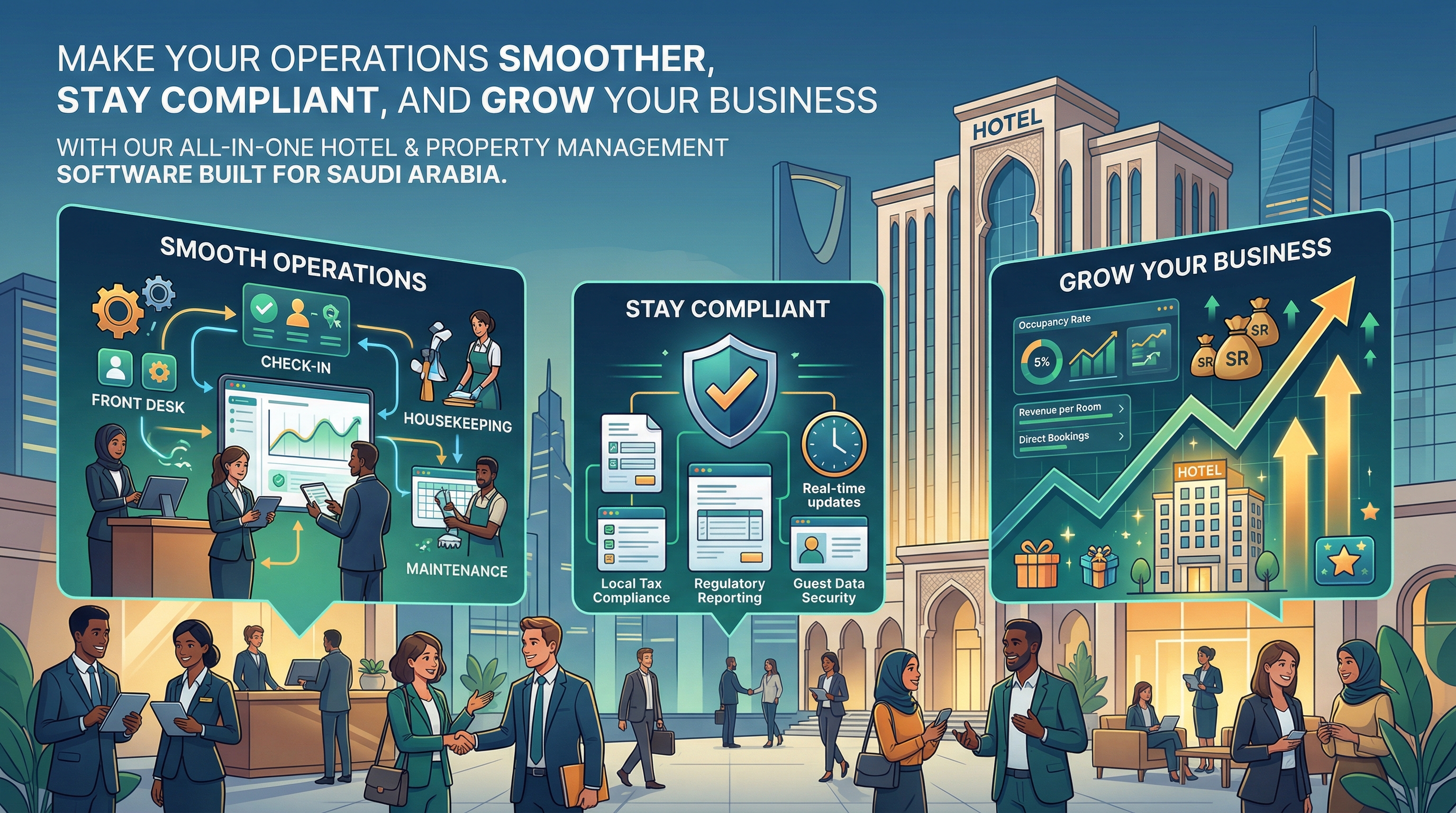
Saudi Market Specifics & Compliance Requirements: In Saudi Arabia, it's not enough for a system to offer operational functions; it must also be compatible with various government entities, such as: ZATCA (Zakat, Tax and Customs Authority) for e-invoicing (Phase 2), the Shomoos platform for guest data transmission, and the Saudi Ministry of Tourism. This complex integration makes choosing the right hospitality software a strategic decision, not just a technical one.
Why Has Hospitality Software Become a Necessity in 2026?
With massive sector growth, hotels face multiple pressures: increasing guest numbers, rising customer expectations, stricter government regulations, and heightened competition. This is where automation comes in — hospitality software reduces manual work, speeds up processes, improves data accuracy, and ensures compliance.
Non-Compliance Risks Without Hospitality Software
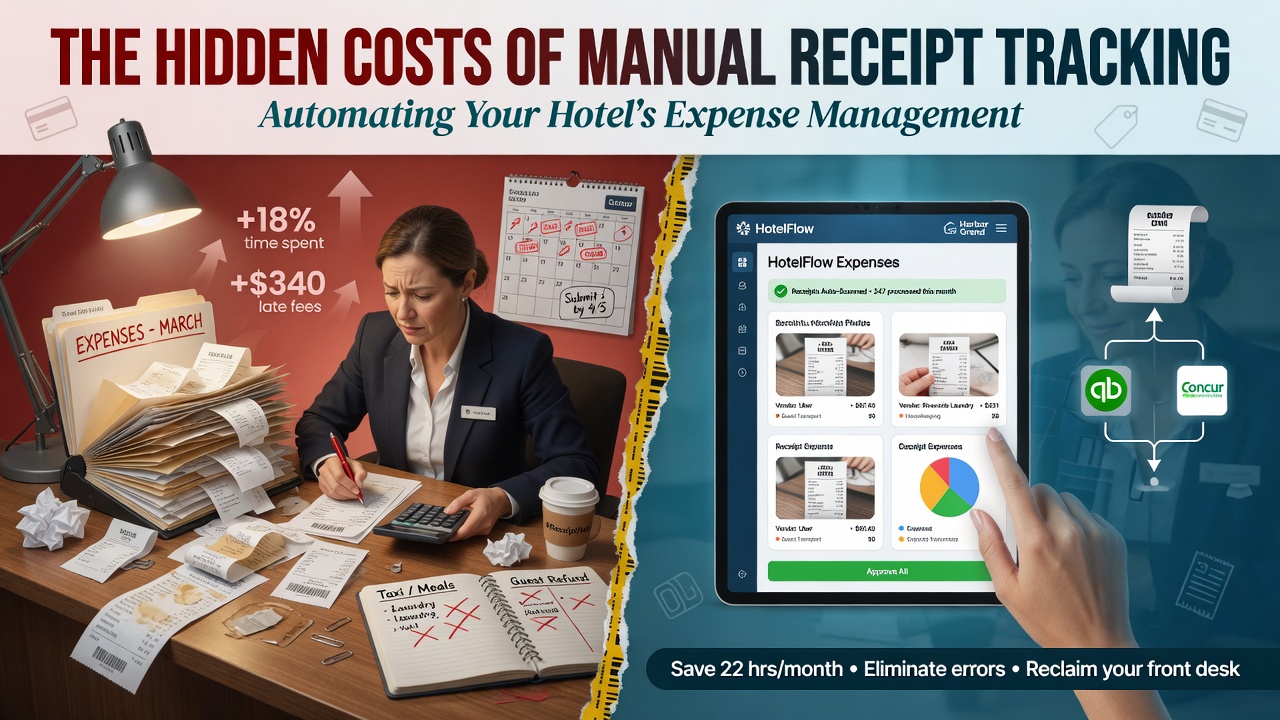
Manual processes rely on continuous human entry, increasing the likelihood of errors, especially when dealing with systems like ZATCA and Shomoos. Such errors can lead to financial penalties, delayed reporting, and licensing issues.
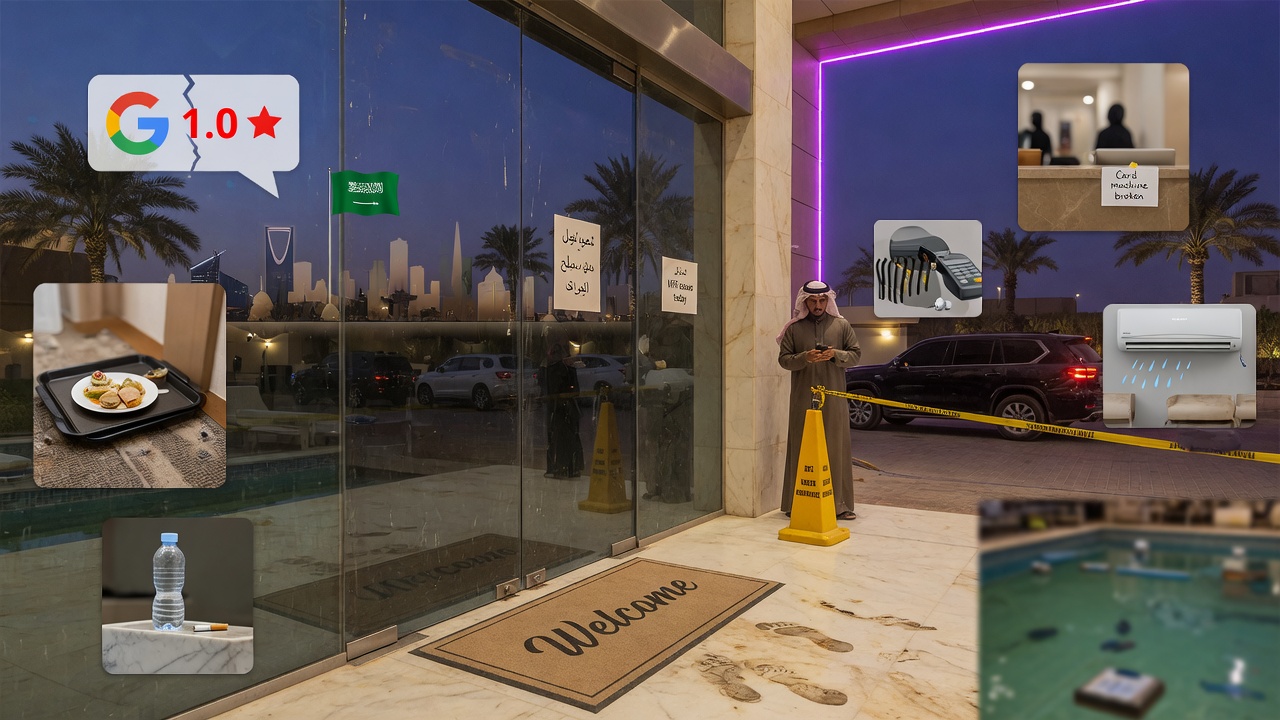
Non-automated processes also directly impact guest experience: slow check-in, billing mistakes, and inconsistent service lead to negative online reviews and lower guest return rates.
Why is a Hotel Management System Essential in 2026?
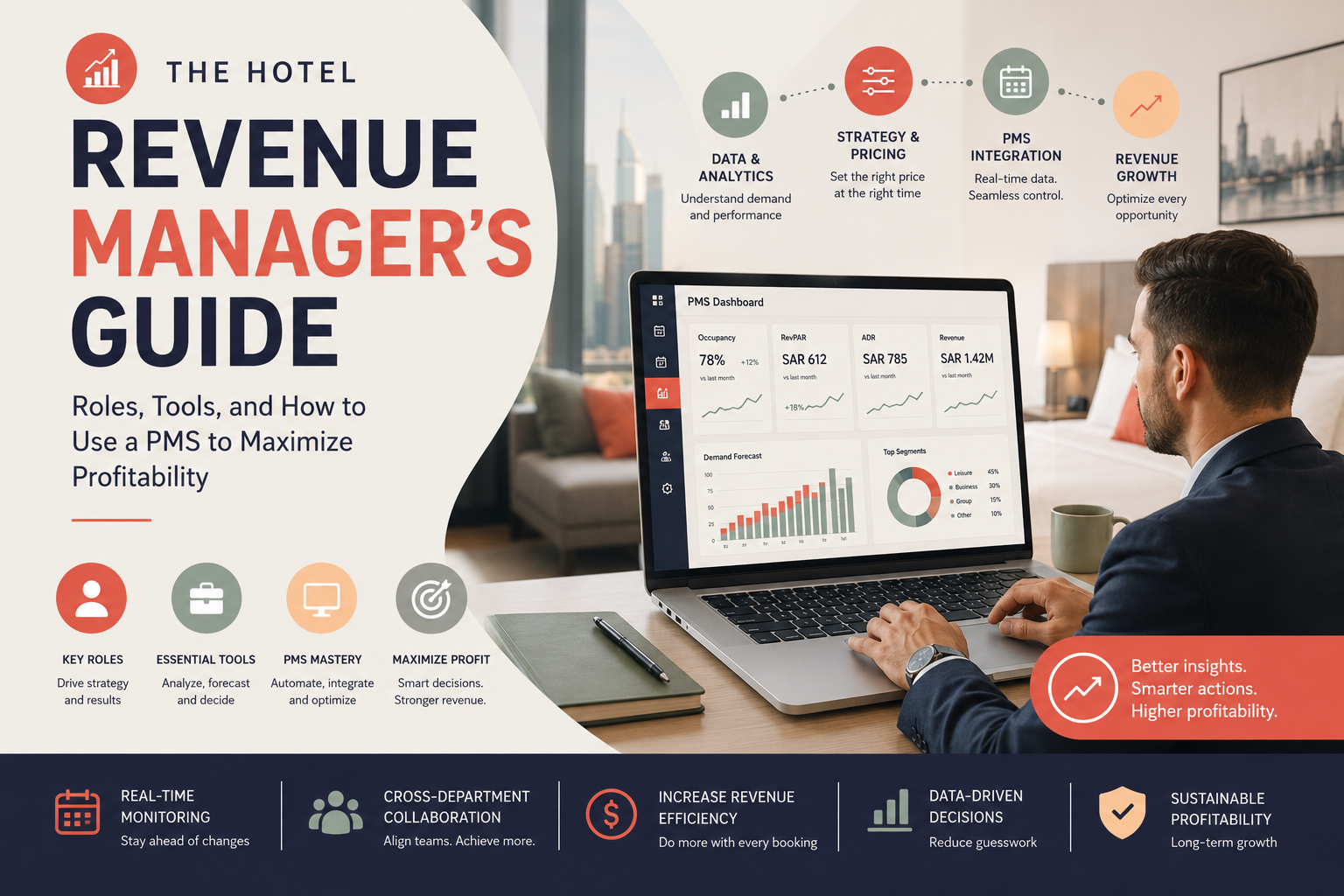
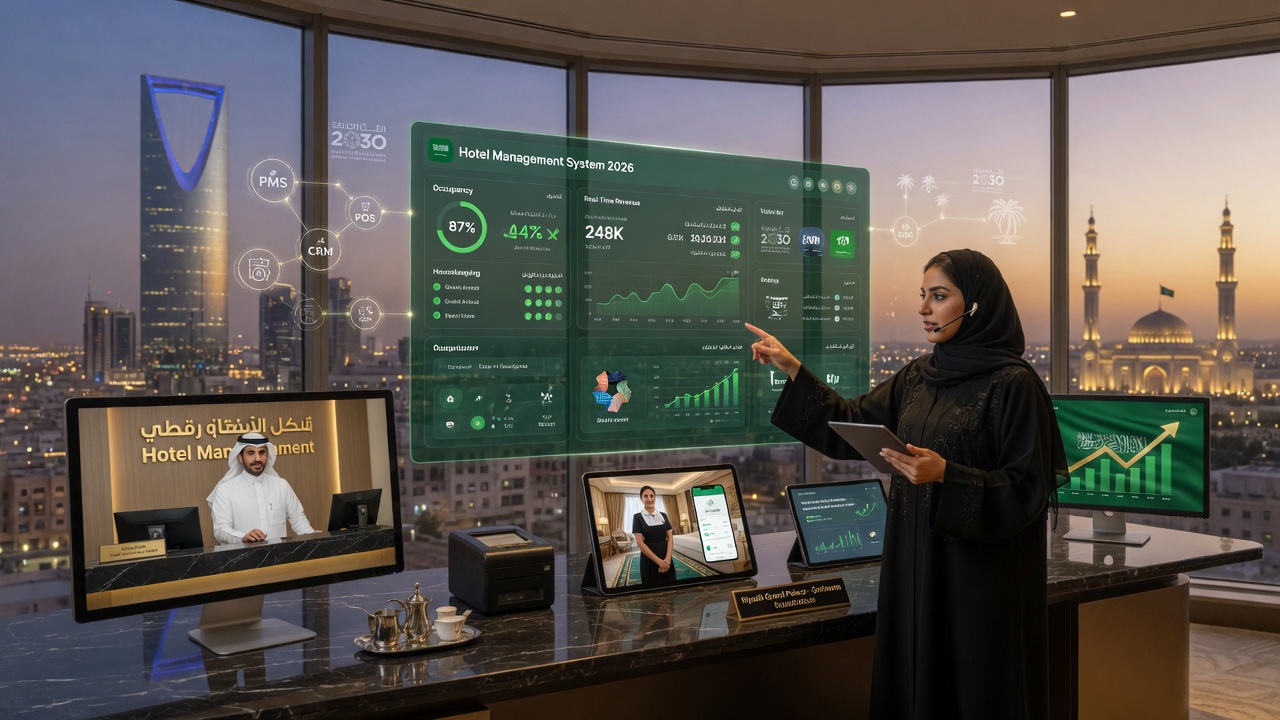
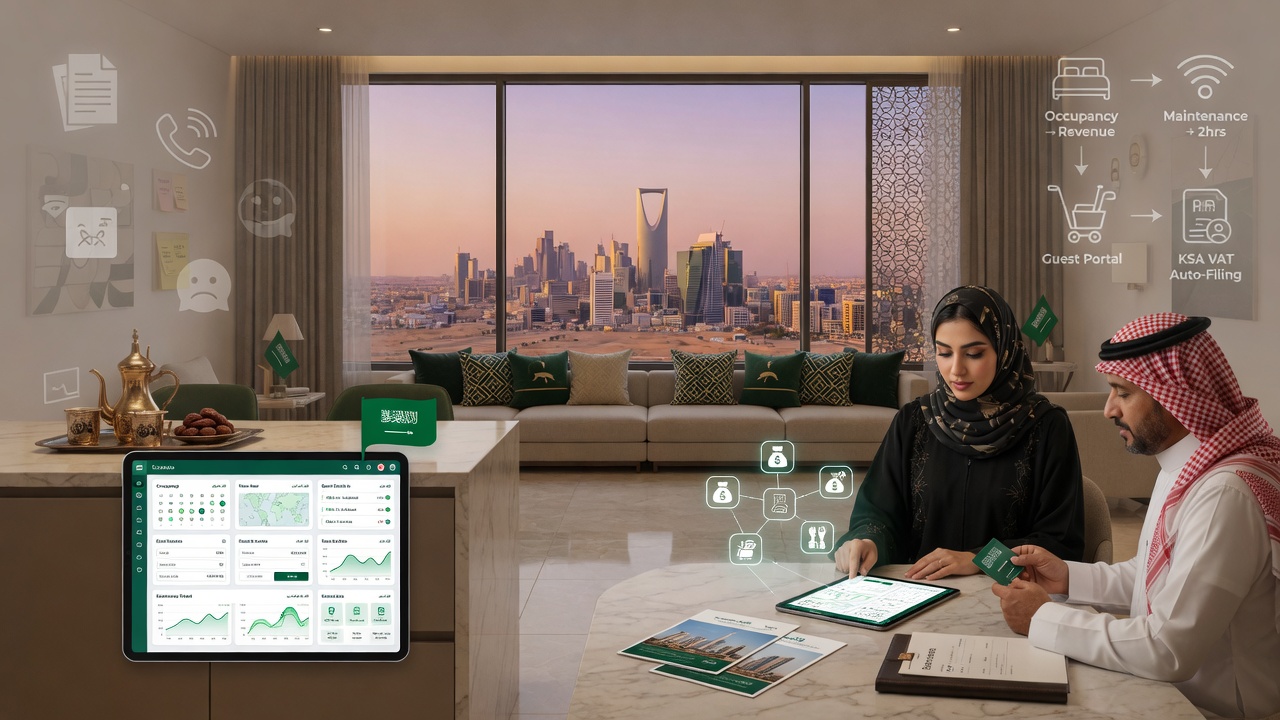
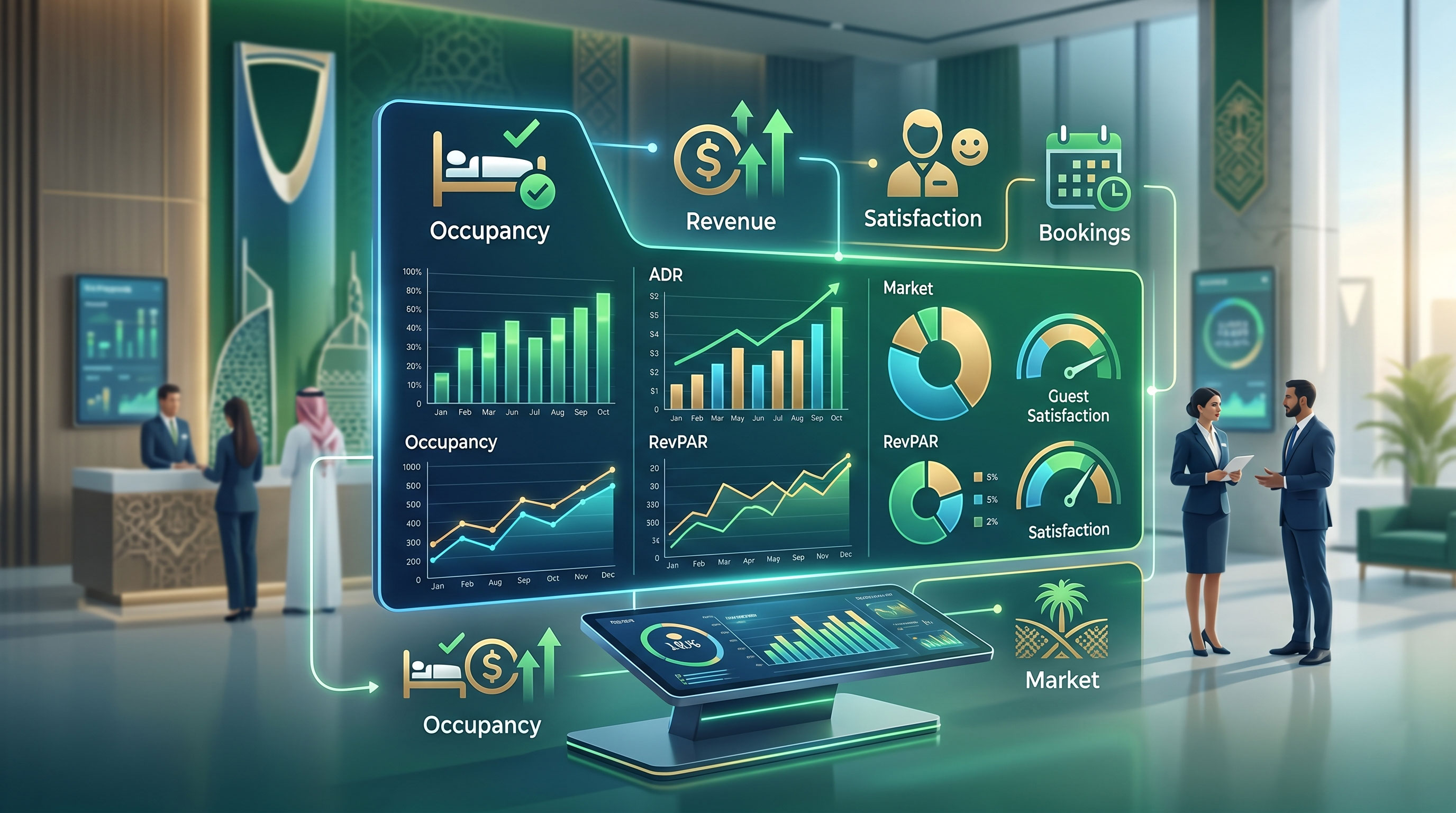
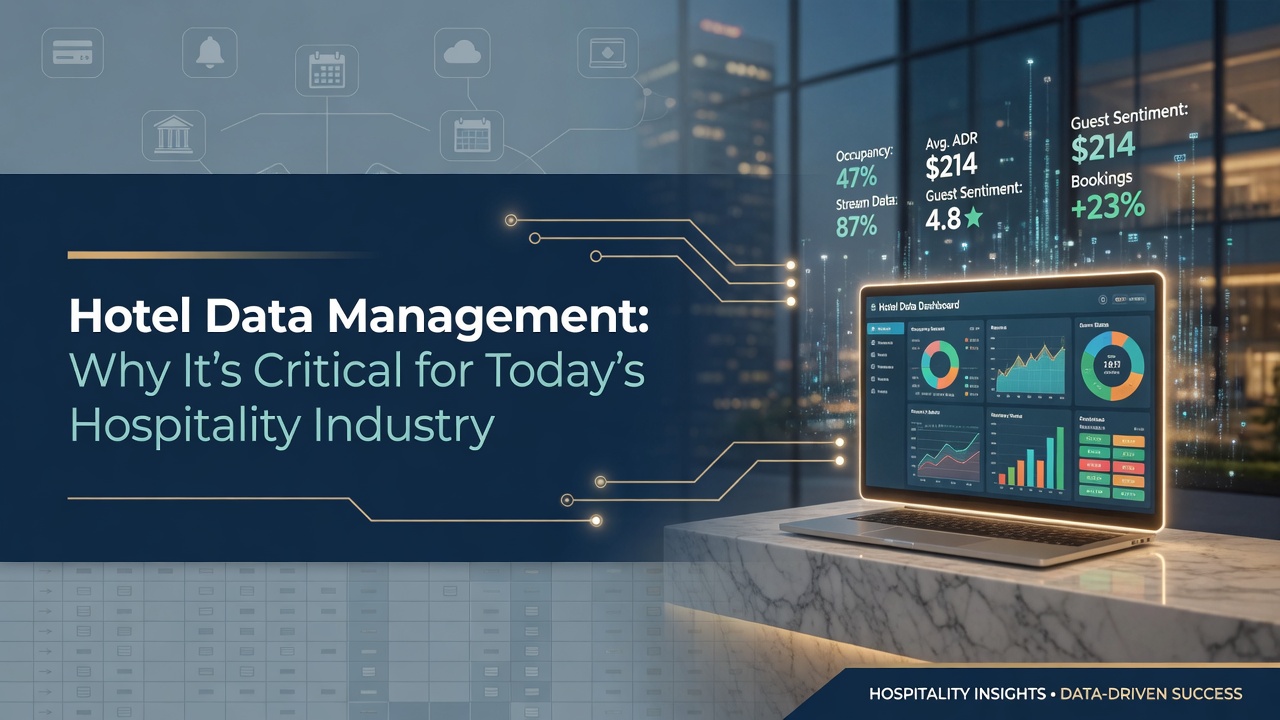
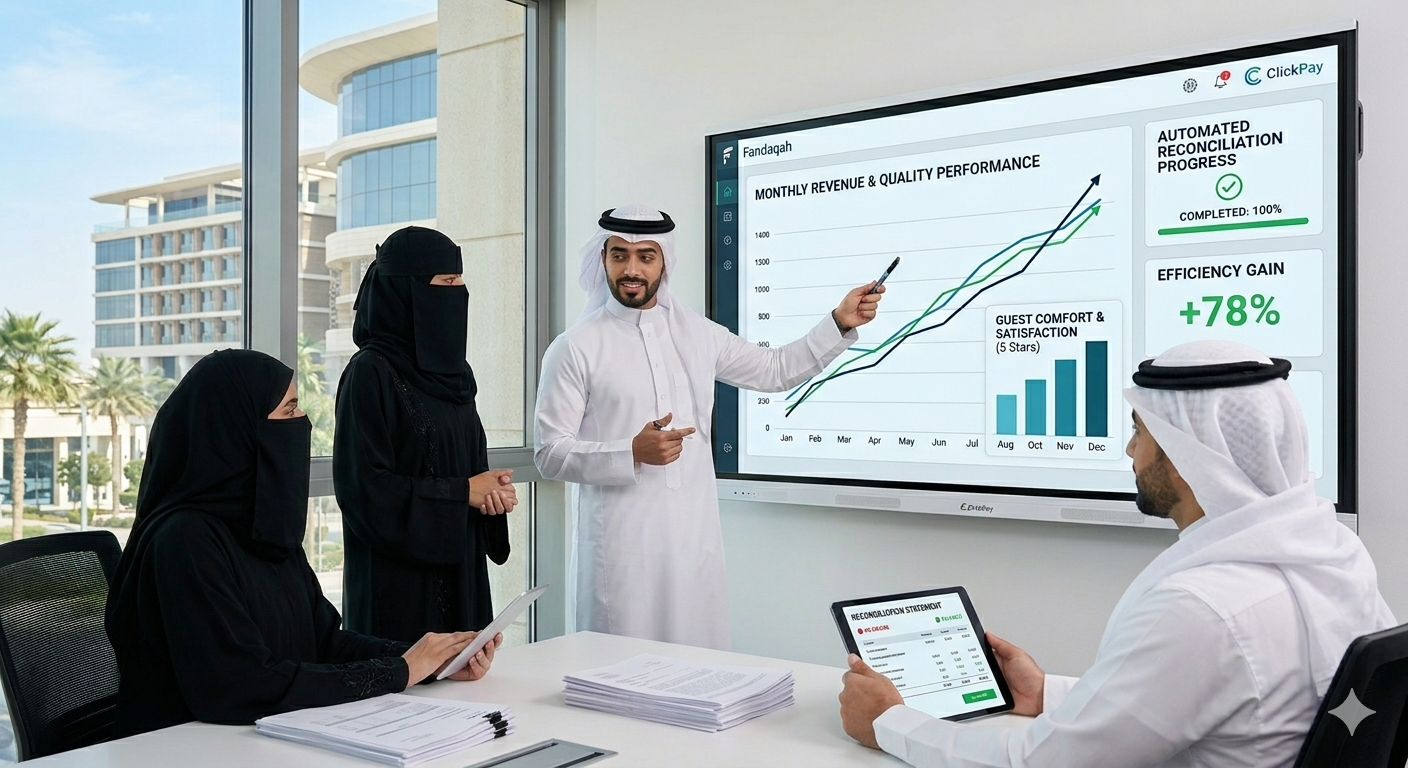
A modern hotel management system goes beyond tracking room availability; it acts as a central nervous system connecting all departments and automating critical workflows. When different departments — reservations, front desk, housekeeping, accounting — share real-time data, operations become smoother and smarter: room status updates instantly appear at the front desk, new bookings automatically trigger pre-arrival messages, and invoices are generated automatically.
The system also handles regulatory compliance automatically: generating and sending e-invoices, transmitting guest data to Shomoos, and creating tourism reports with a single click. This protects the property from penalties and frees staff to focus on guest service.
Guest Check-in Automation: Transforming the Arrival Experience
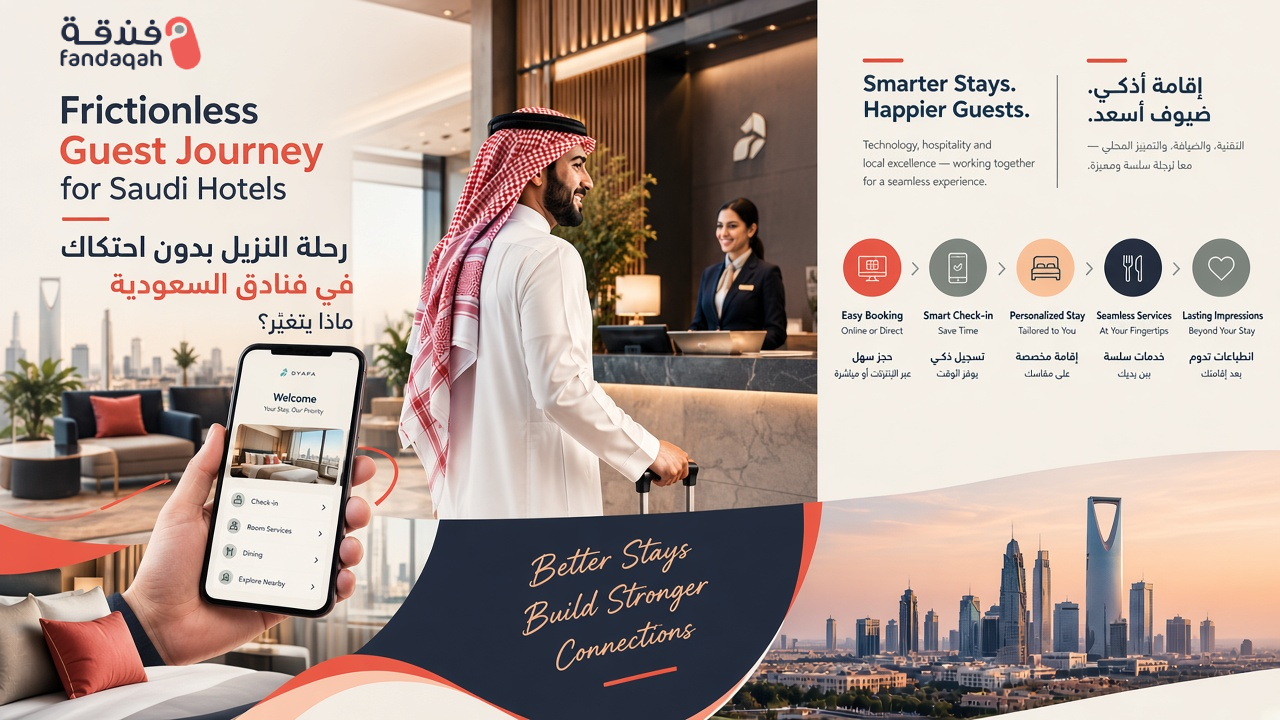
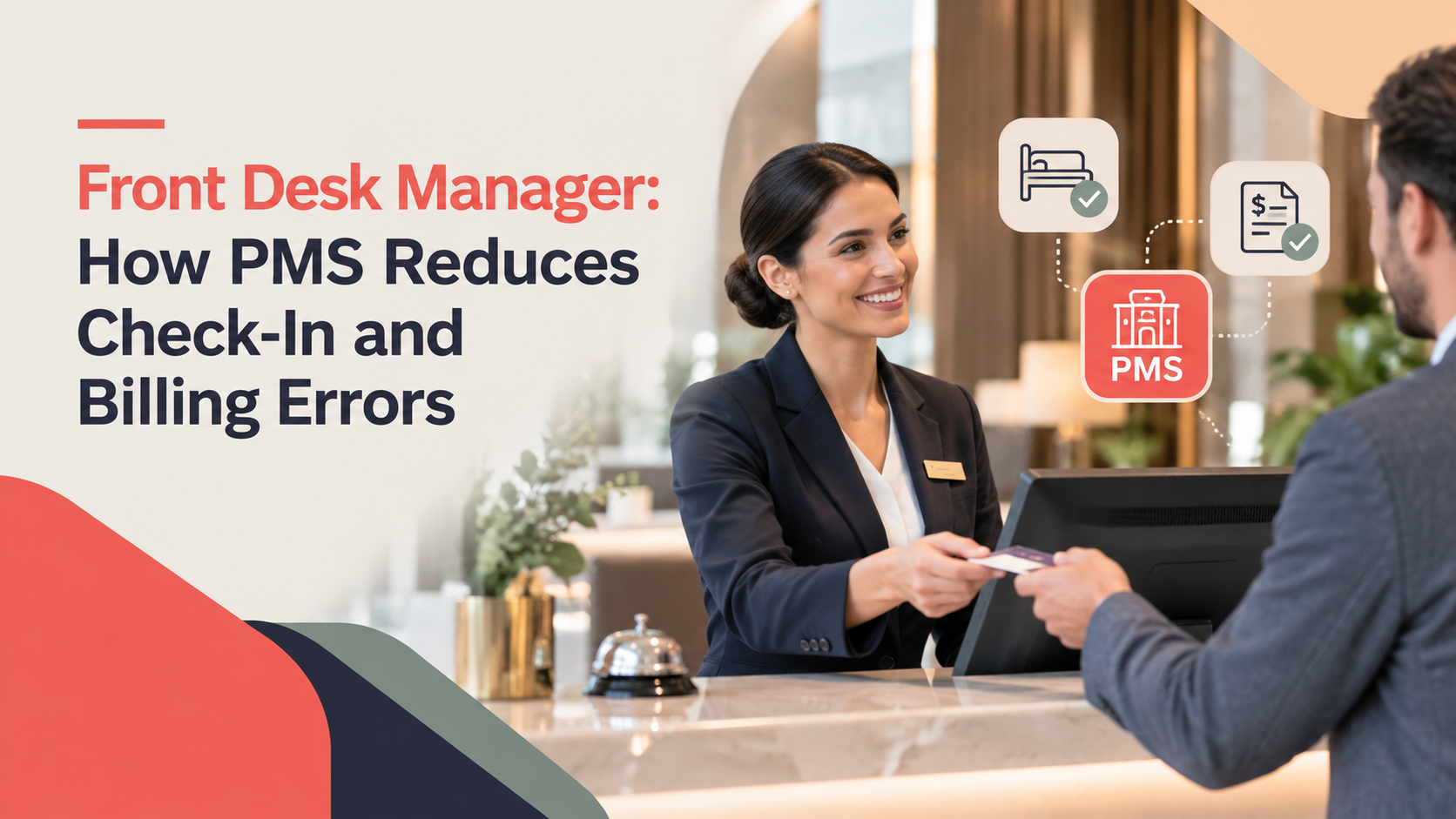
The check-in moment is the first real interaction with the guest and sets the entire tone for their stay. In traditional systems, the process relies on paper cards and manual passport copying, creating unnecessary friction.
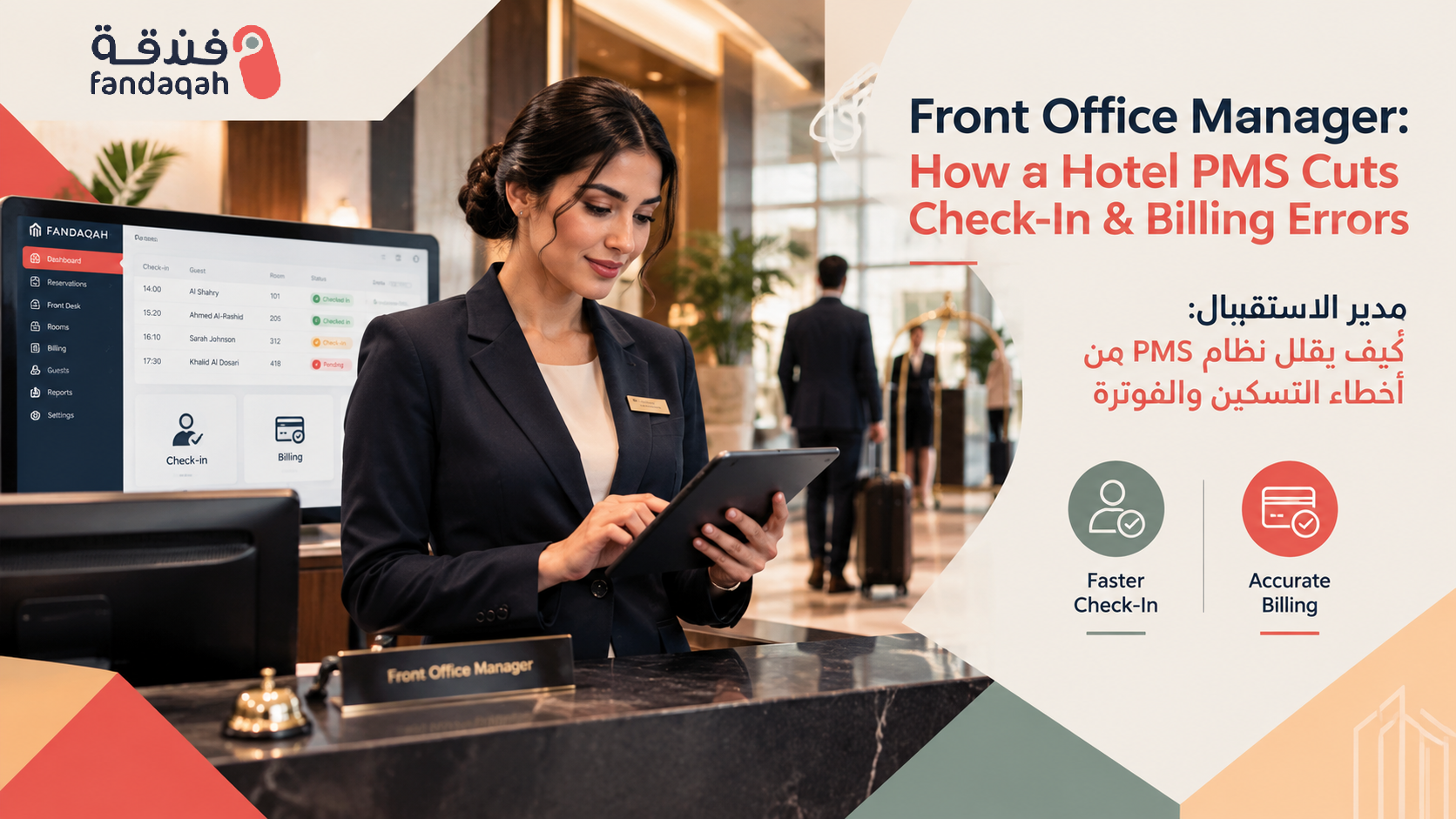
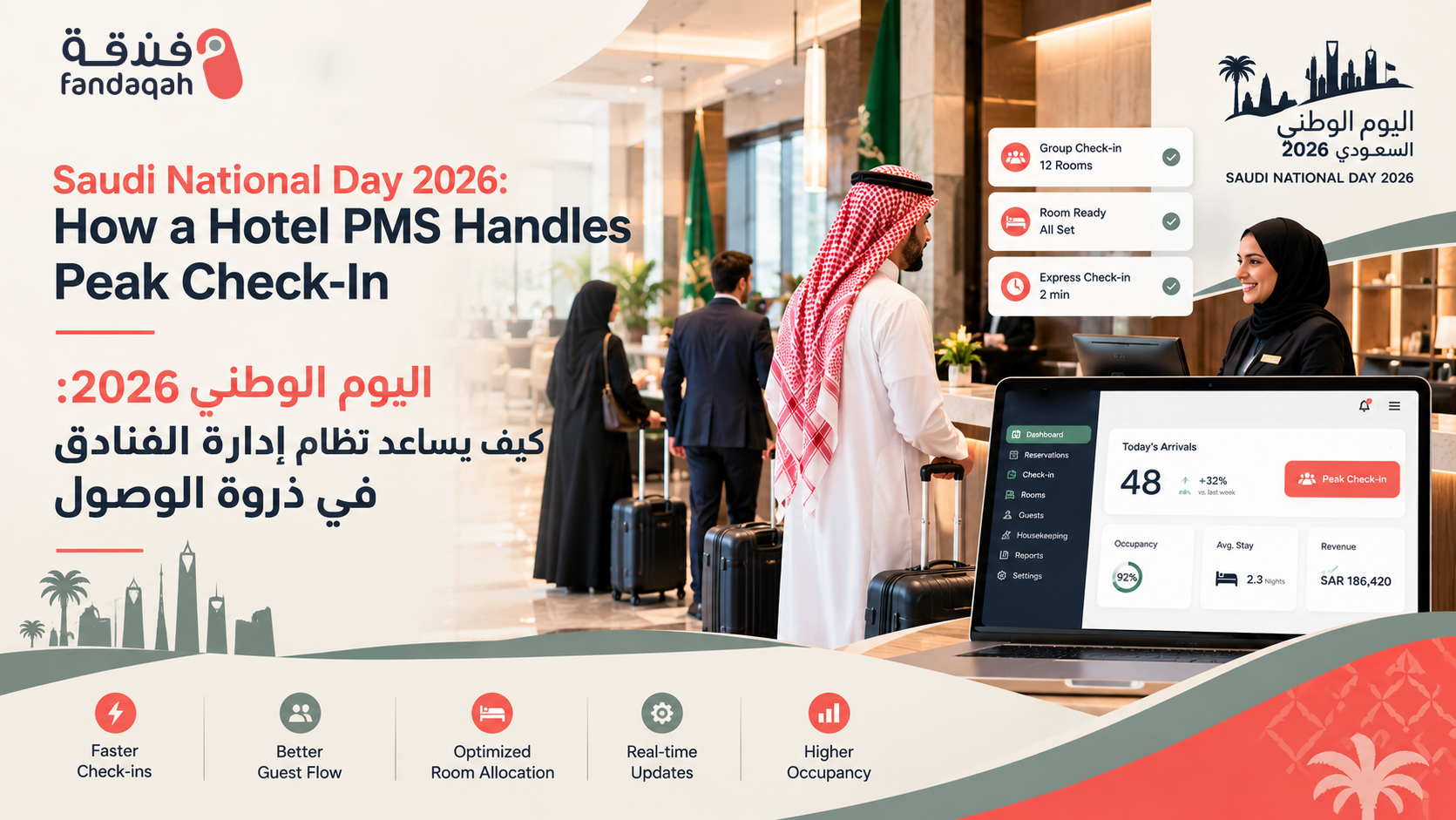
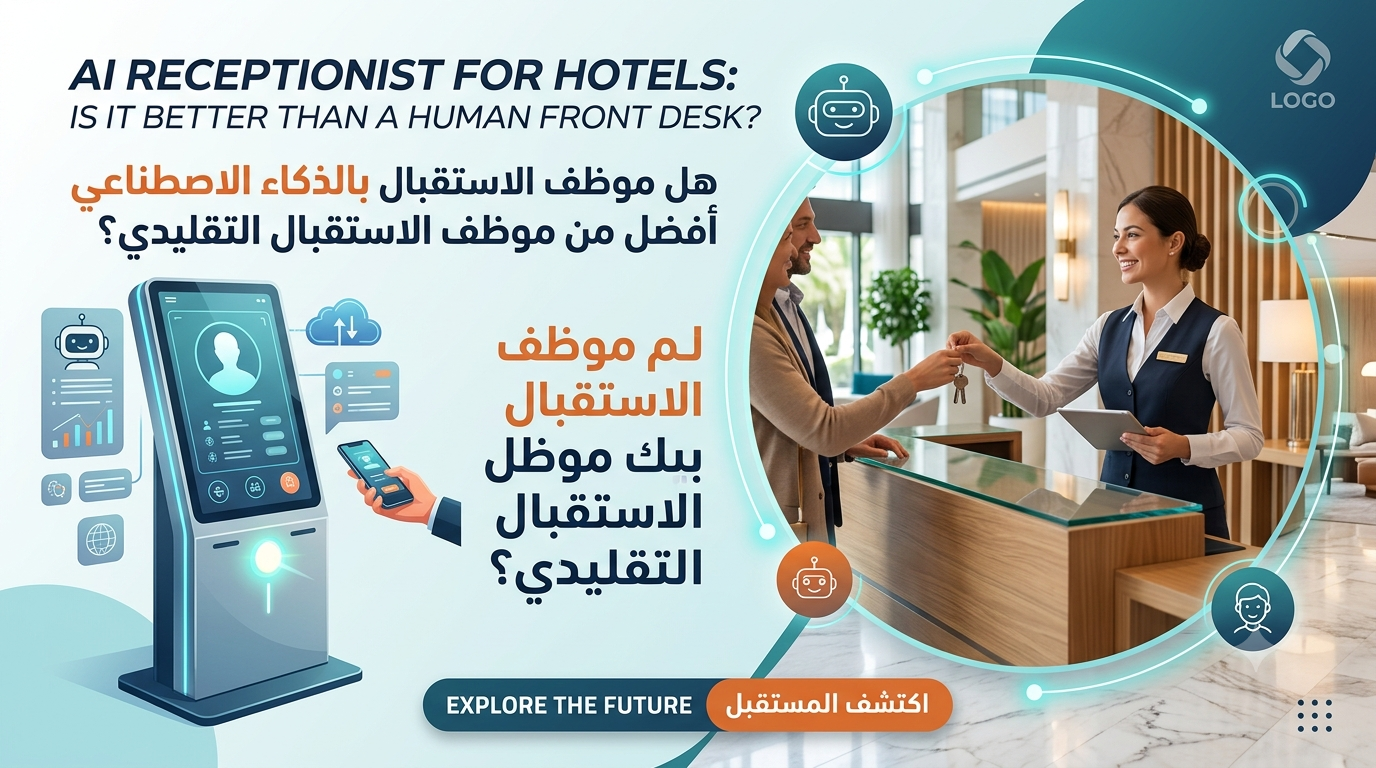
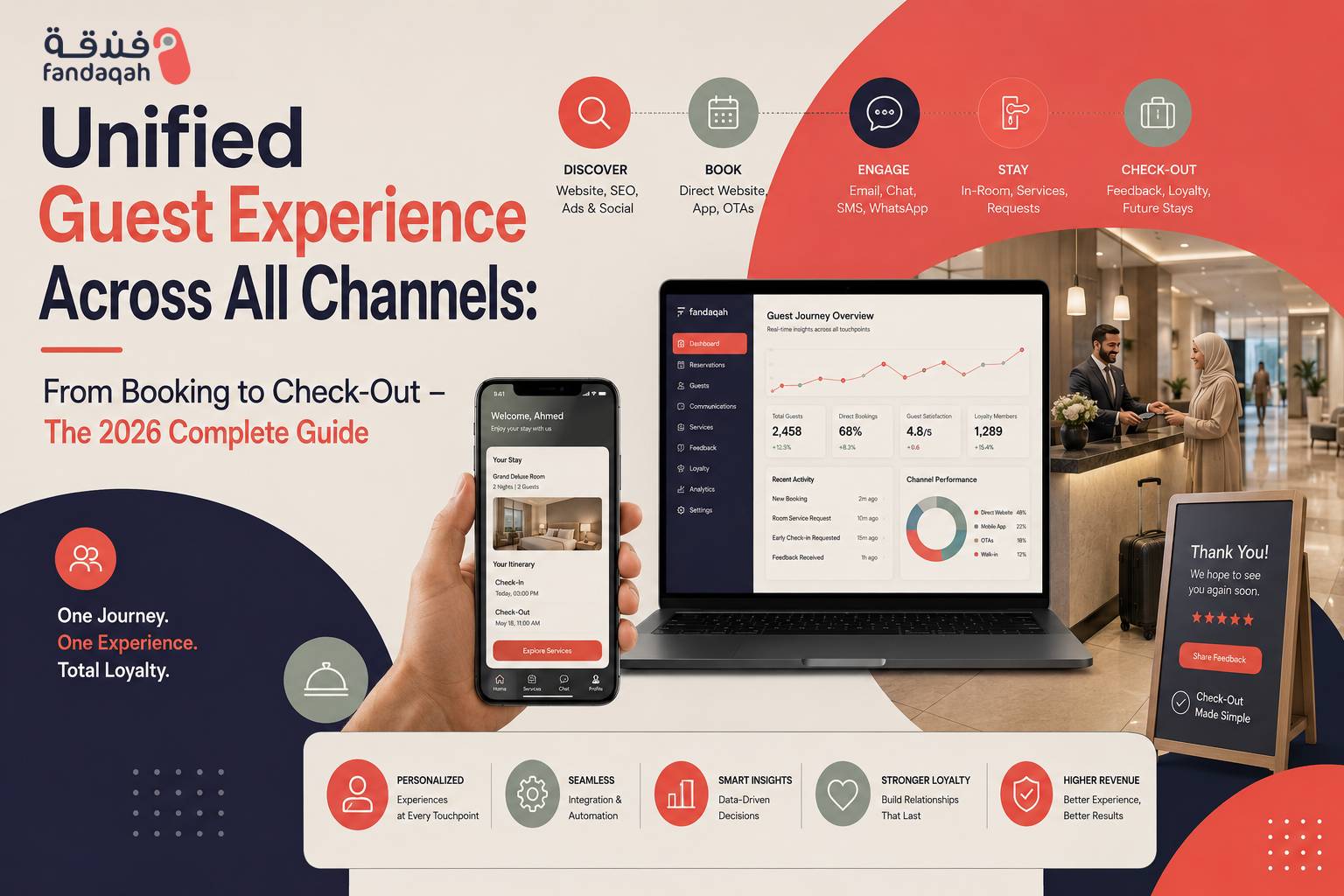
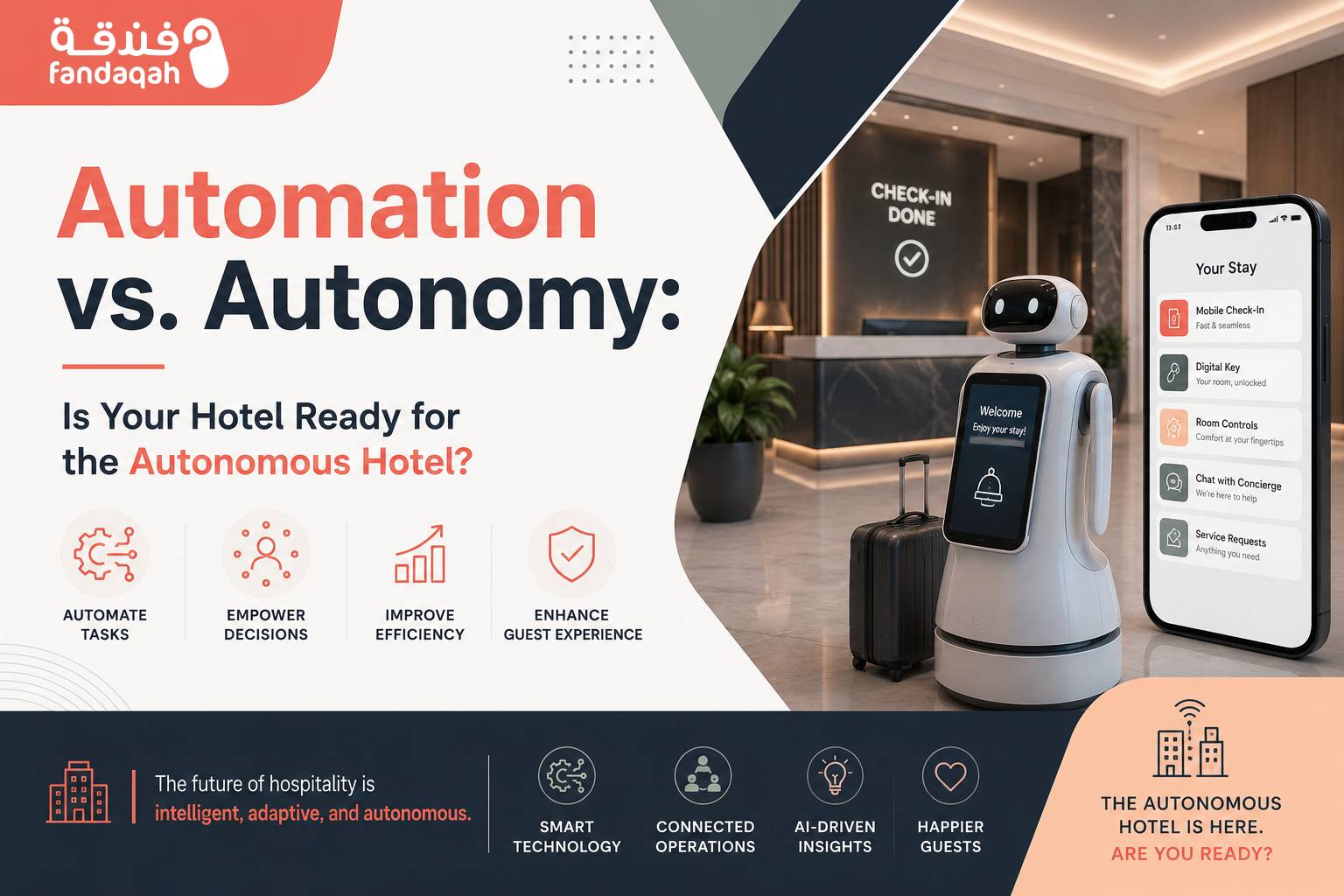
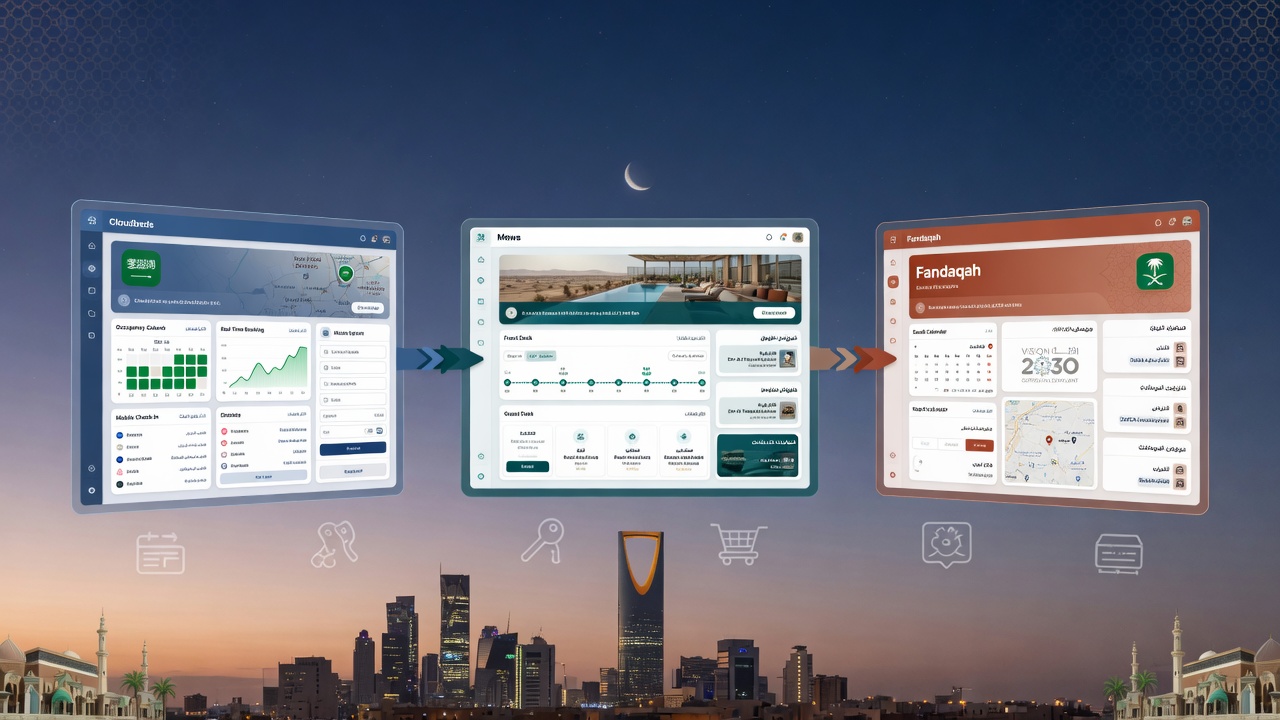
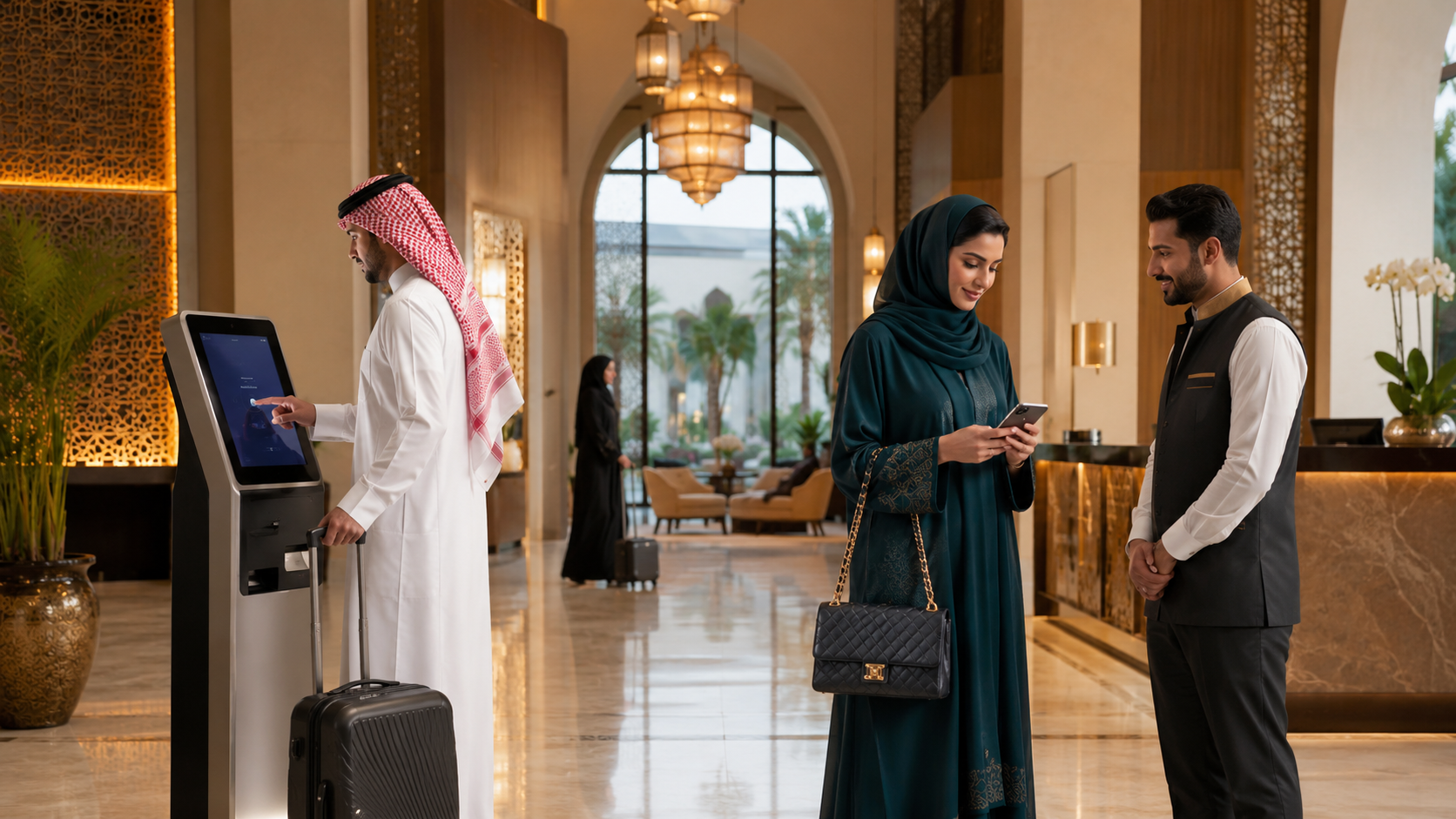
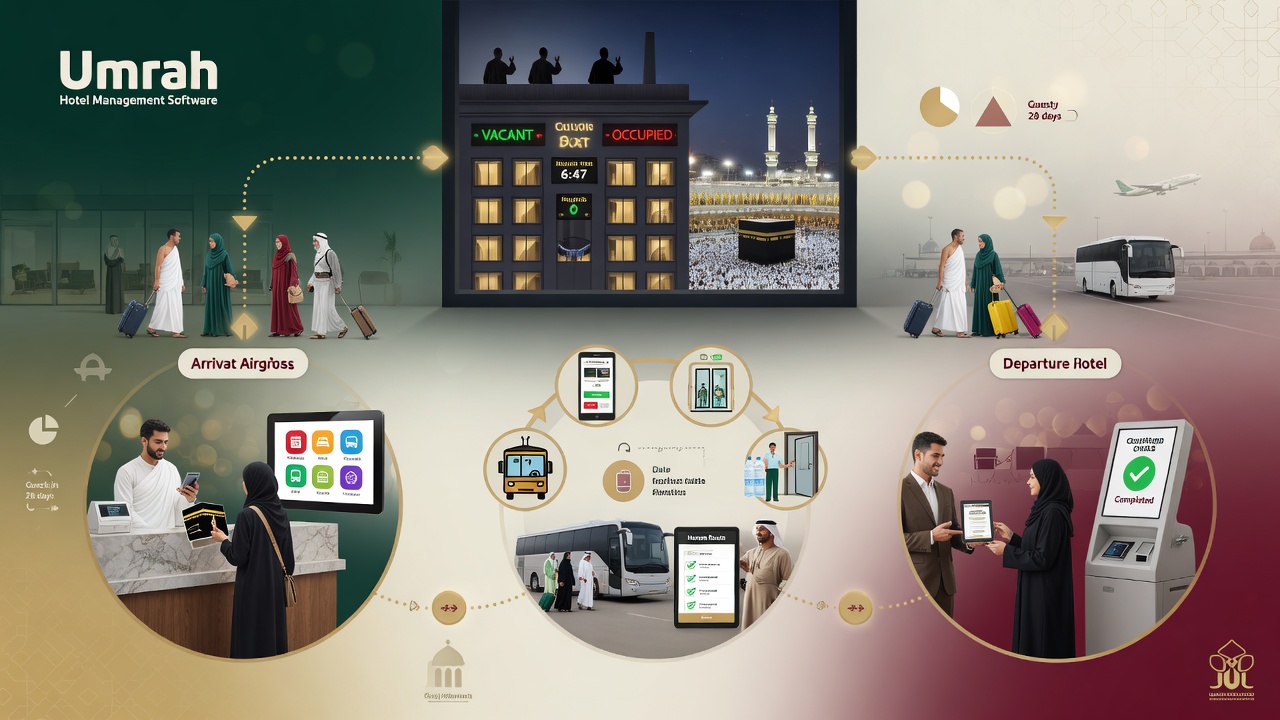
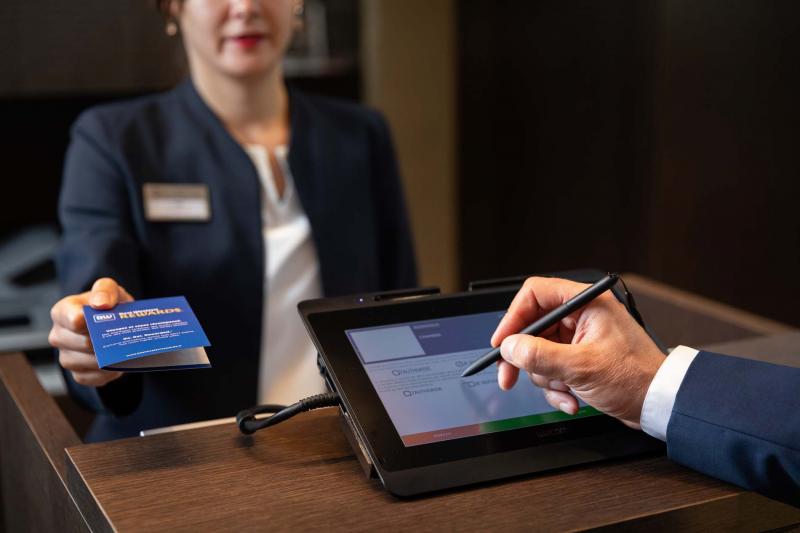
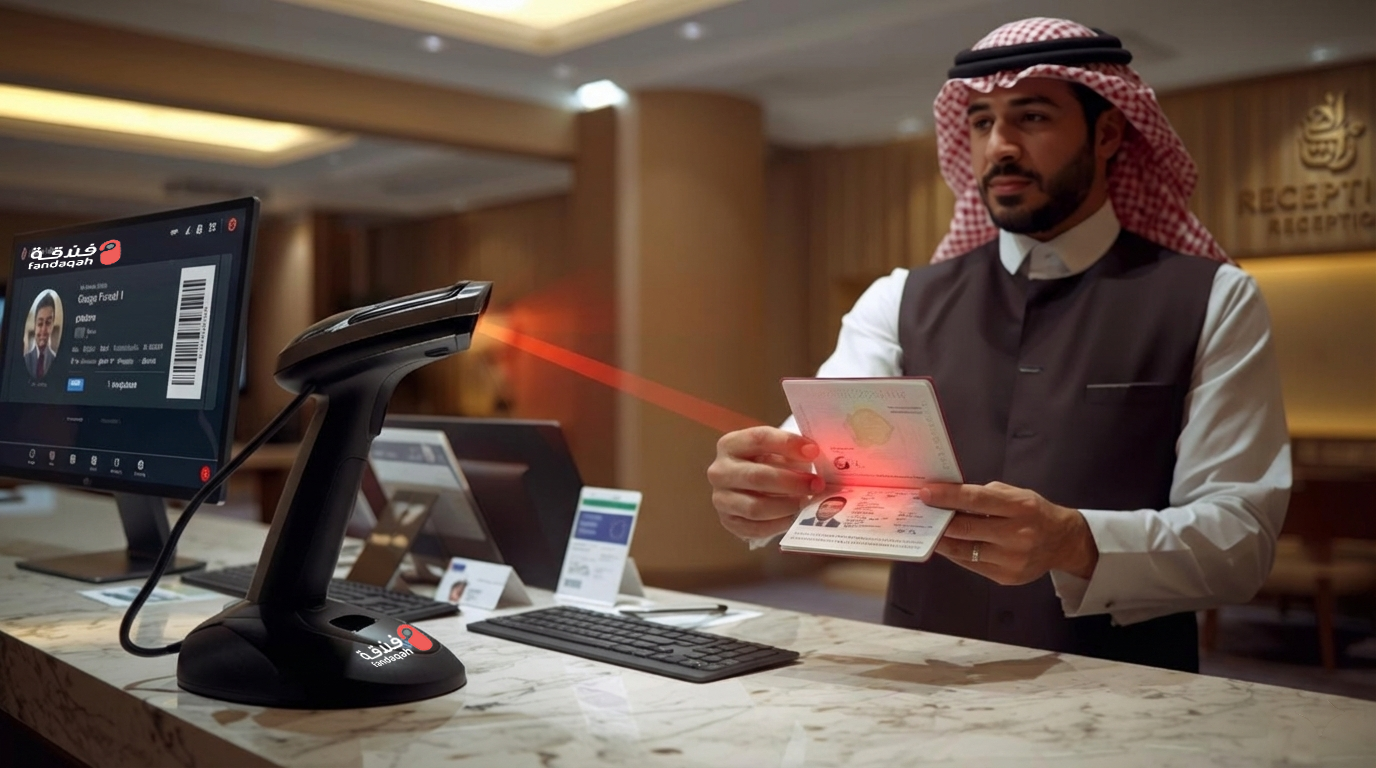
With automation via solutions like Fandaqah, guests can complete check-in in under 3 minutes through in-hotel tablets or pre-arrival mobile check-in. The system automatically captures guest data, verifies identity using passport scanners (OCR), collects digital signatures, and sends data to the Shomoos platform.
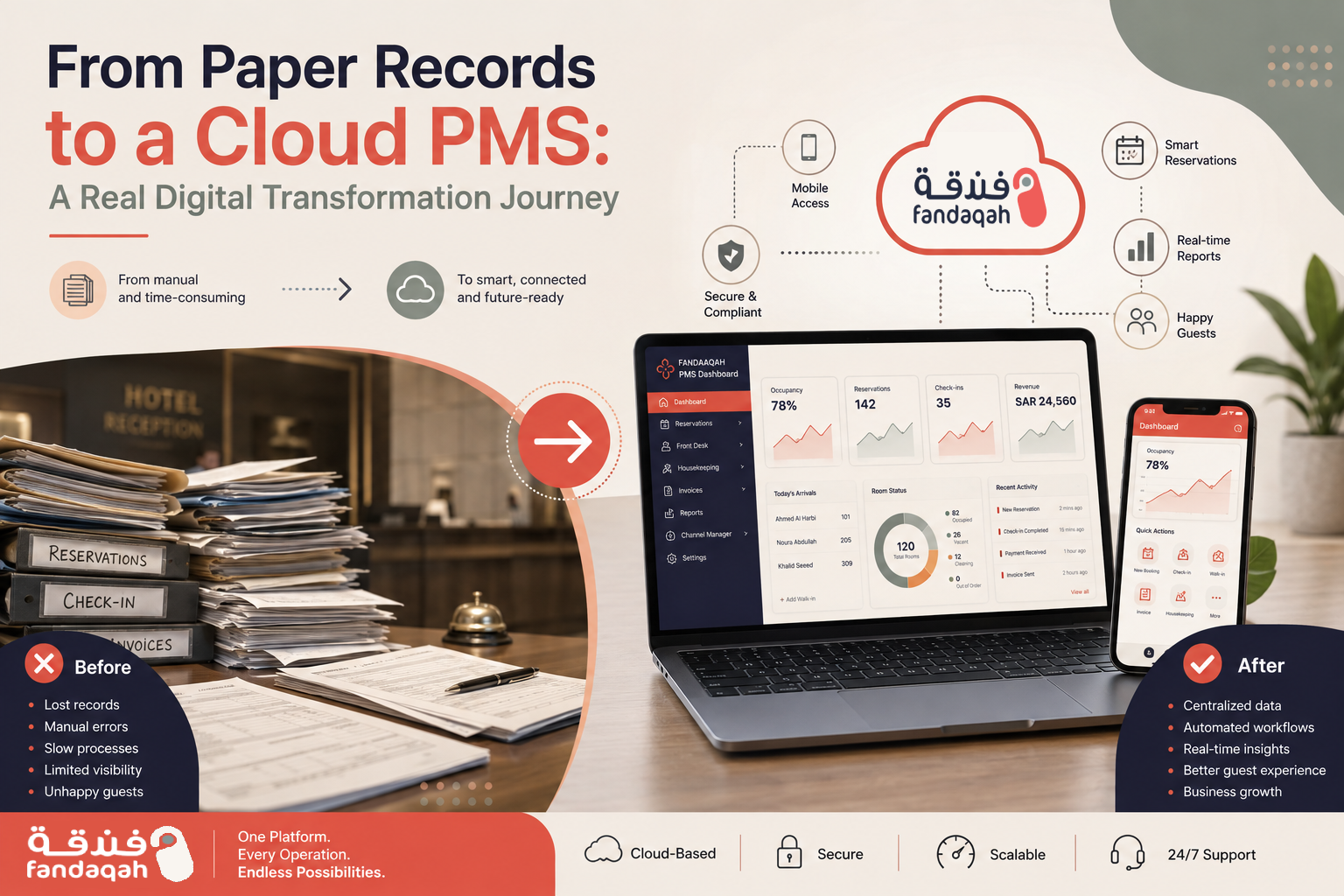
Before Automation
- 15–20 minutes average check-in
- 3–5% error rate
- Queues during peak hours
- Paper-based forms
- Delayed Shomoos reporting
- Staff burnout
After Automation (Fandaqah)
- Under 3 minutes check-in
- 99.9% data accuracy with OCR
- No queues thanks to self-service
- Paperless environment
- Instant, automatic compliance
- Greater focus on guest service
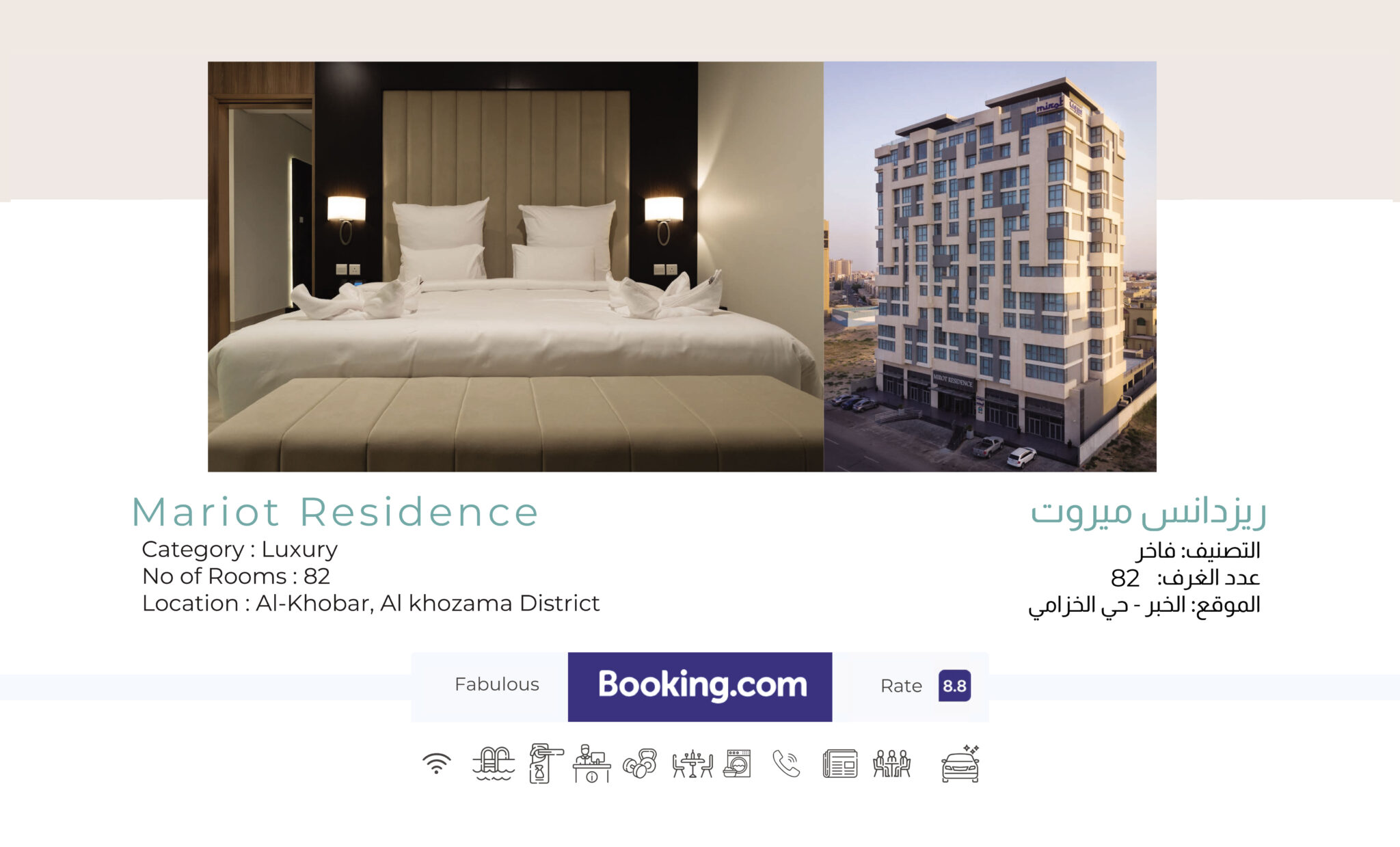
Success Story: A 120-room hotel in Jeddah implemented check-in automation in Q4 2025. Within just 3 months: check-in time dropped by 87%, guest satisfaction increased by 42%, their rating improved from 7.8 to 8.6 on Booking.com, and they saved 15 hours of administrative work per week.
Compliance Made Easy: Government Systems Integration
| Authority | Requirement | Automation in Fandaqah | Benefit |
|---|---|---|---|
| ZATCA (Zakat & Tax) | E-invoicing (Phase 2) | QR generation, encryption, real-time submission | Avoid fines up to SAR 50,000 |
| Shomoos Platform | Guest data within 24 hours | Automatic API transmission | 100% compliance with zero manual work |
| Saudi Ministry of Tourism | Monthly reports (NTMP) | One-click reports | Accuracy and speed in reporting |
| Civil Defense & Municipalities | Safety reports & licenses | Ready templates and reminders | Streamlined procedures |
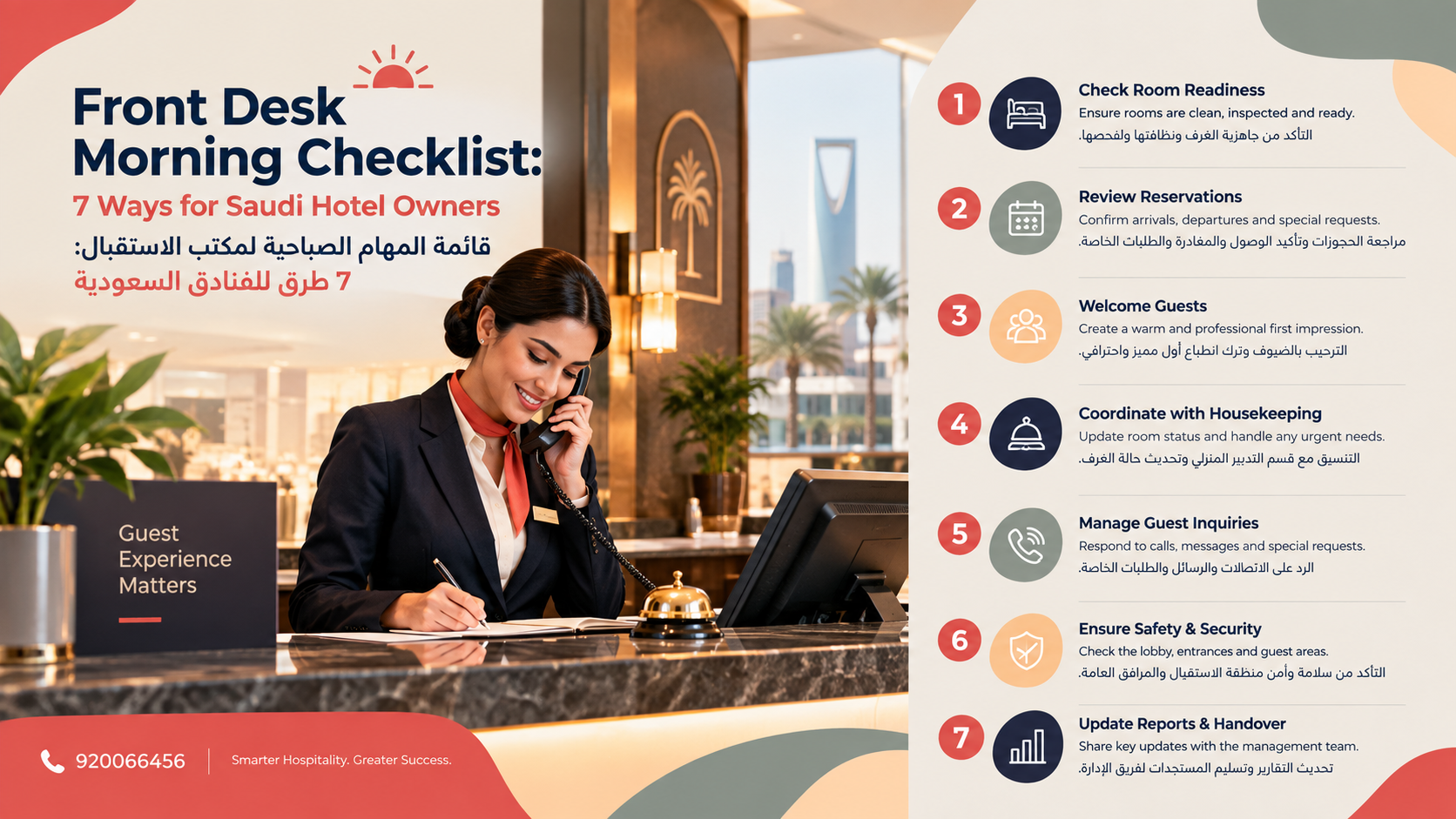
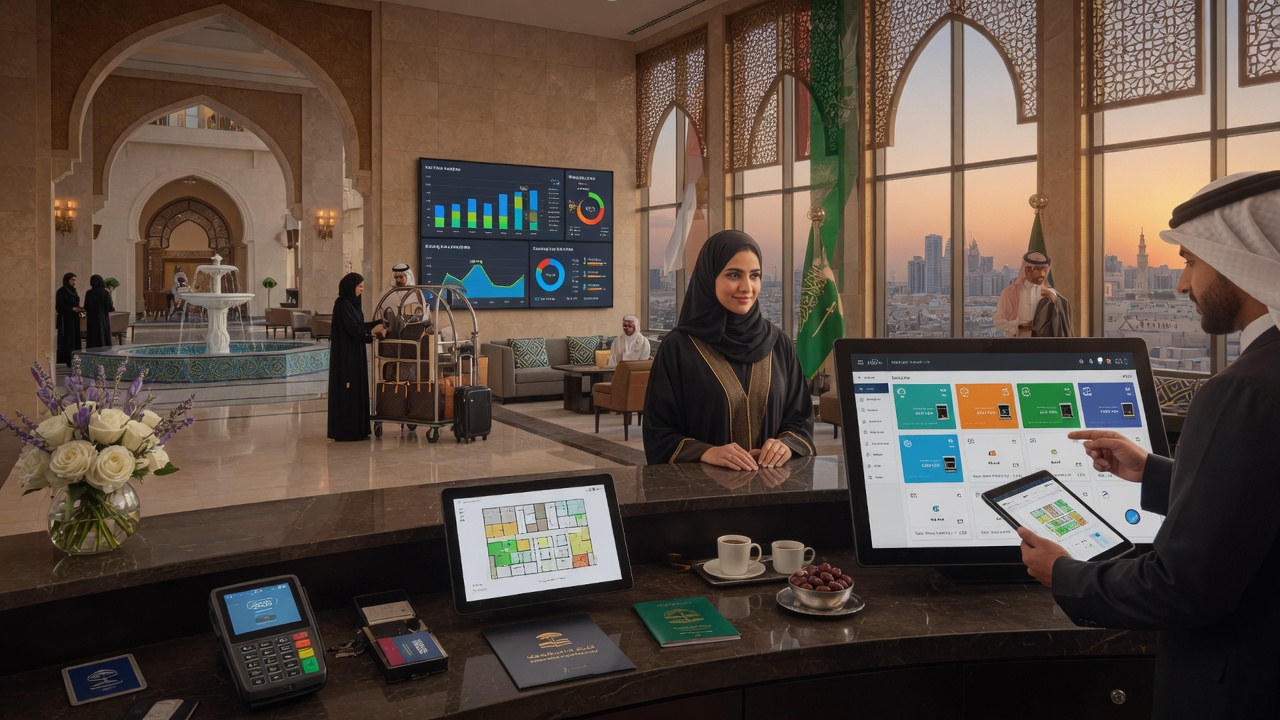
Front Desk Automation: The Heart of Operations
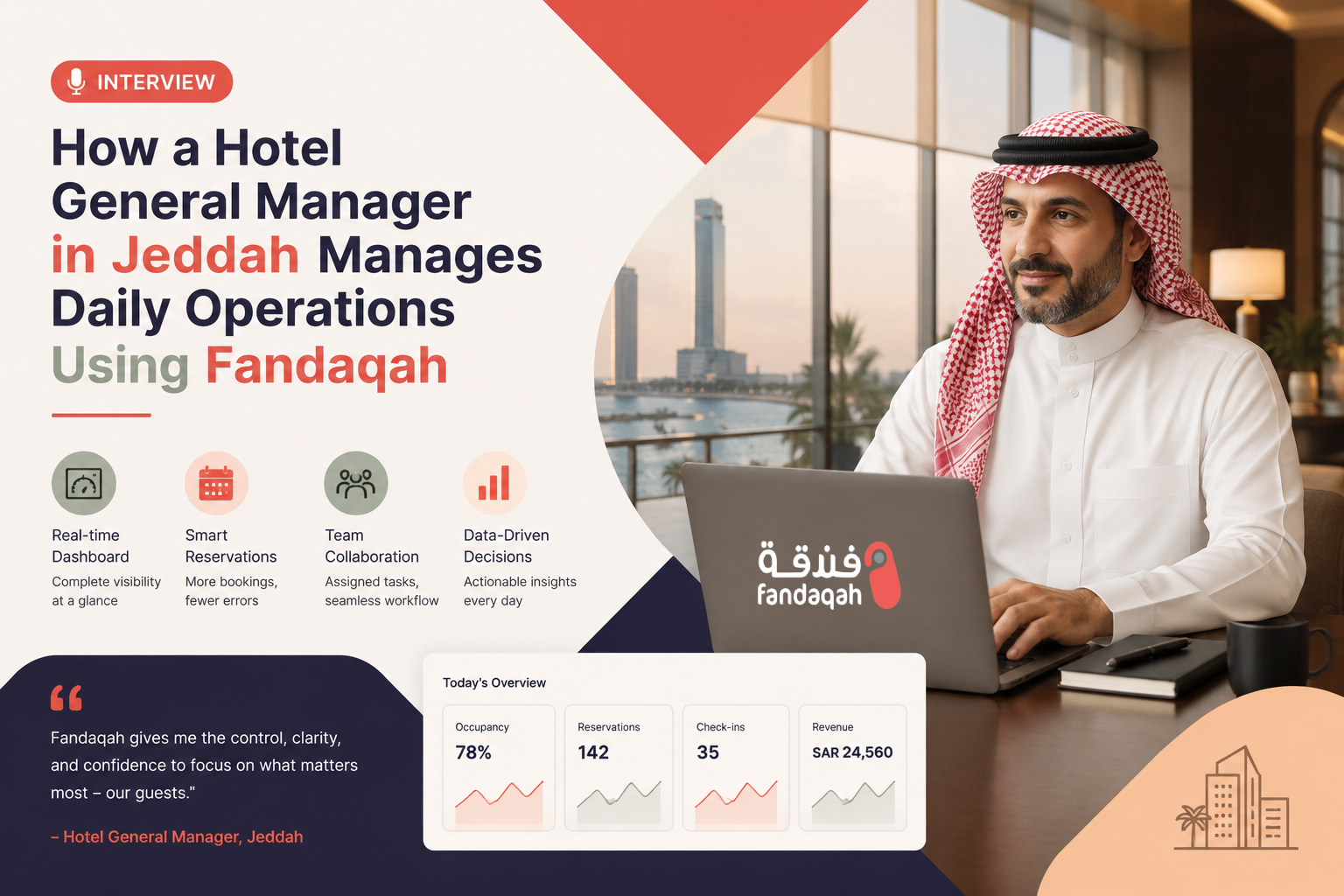
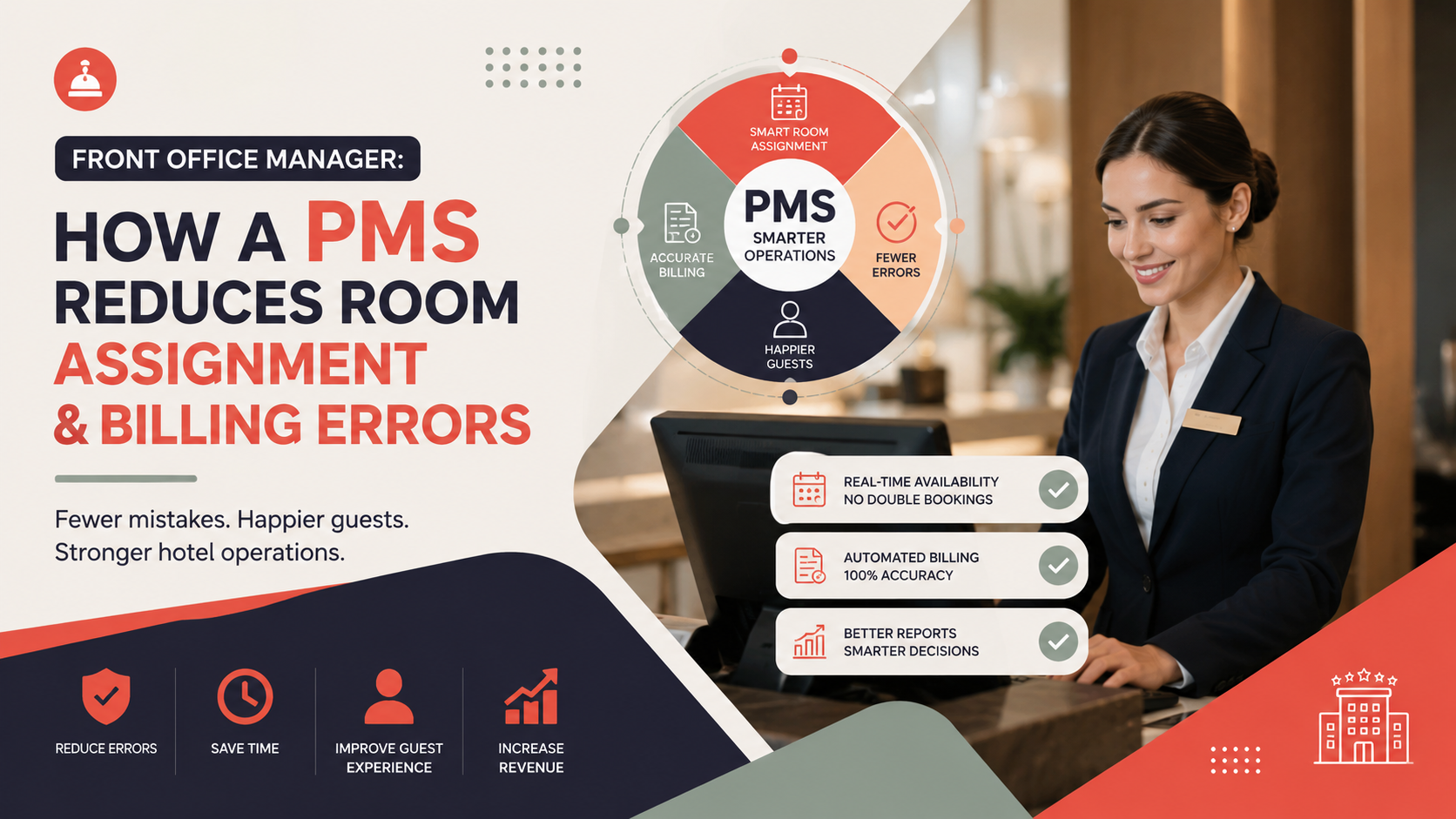
The front desk is the most sensitive operational point, often suffering from workload pressure and repetitive tasks. Automation solves these problems via: passport scanning (OCR) with 99.9% accuracy, legal digital signatures, automated workflows for room assignment and welcome messages, real-time dashboards to track room status and staff performance, and multi-language support (Arabic/English).
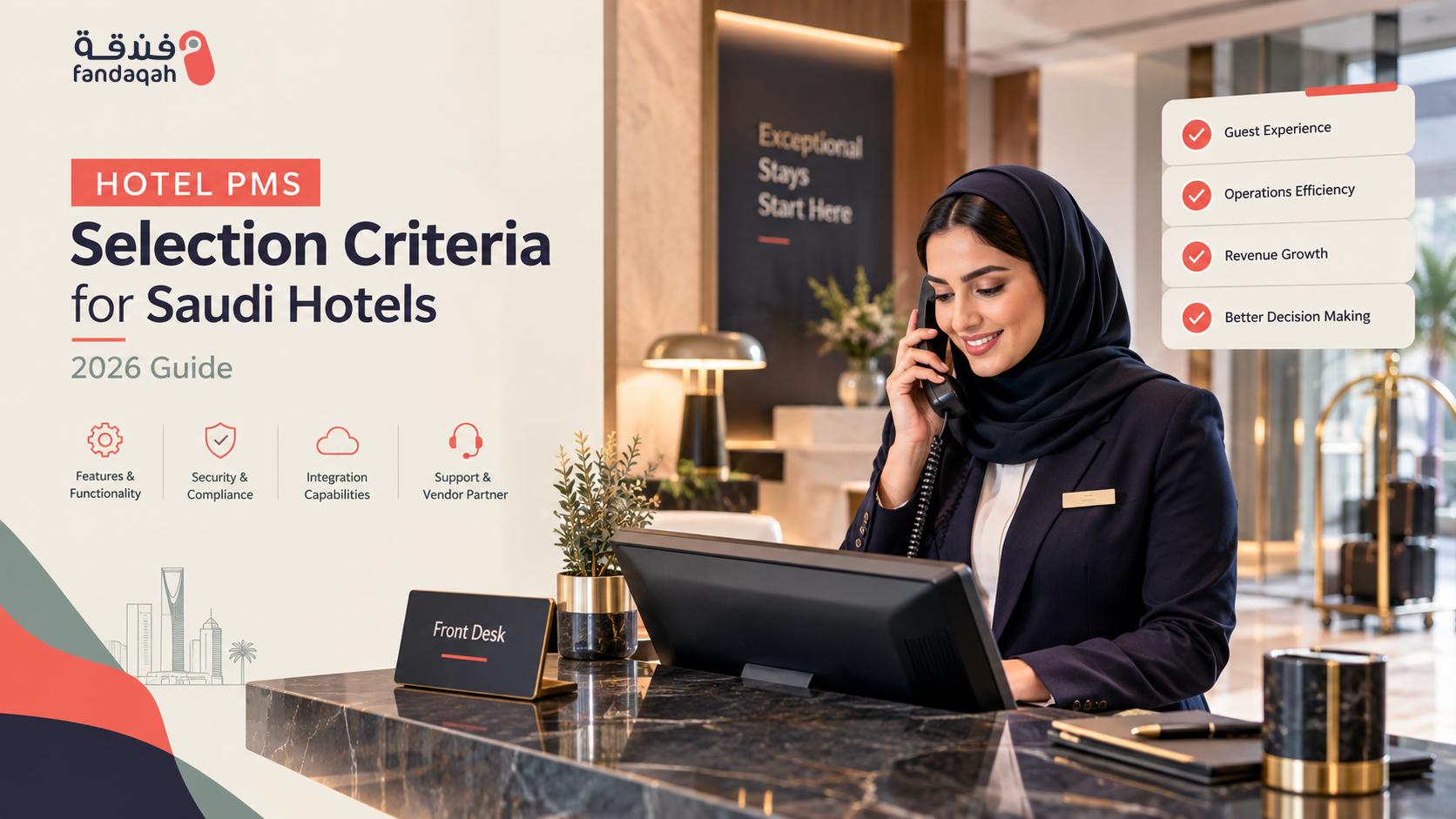
How to Choose the Best Hotel Management System
- Compatibility with ZATCA (Phase 2 e-invoicing)
- Integration with Shomoos platform
- OCR passport scanning with Arabic language support
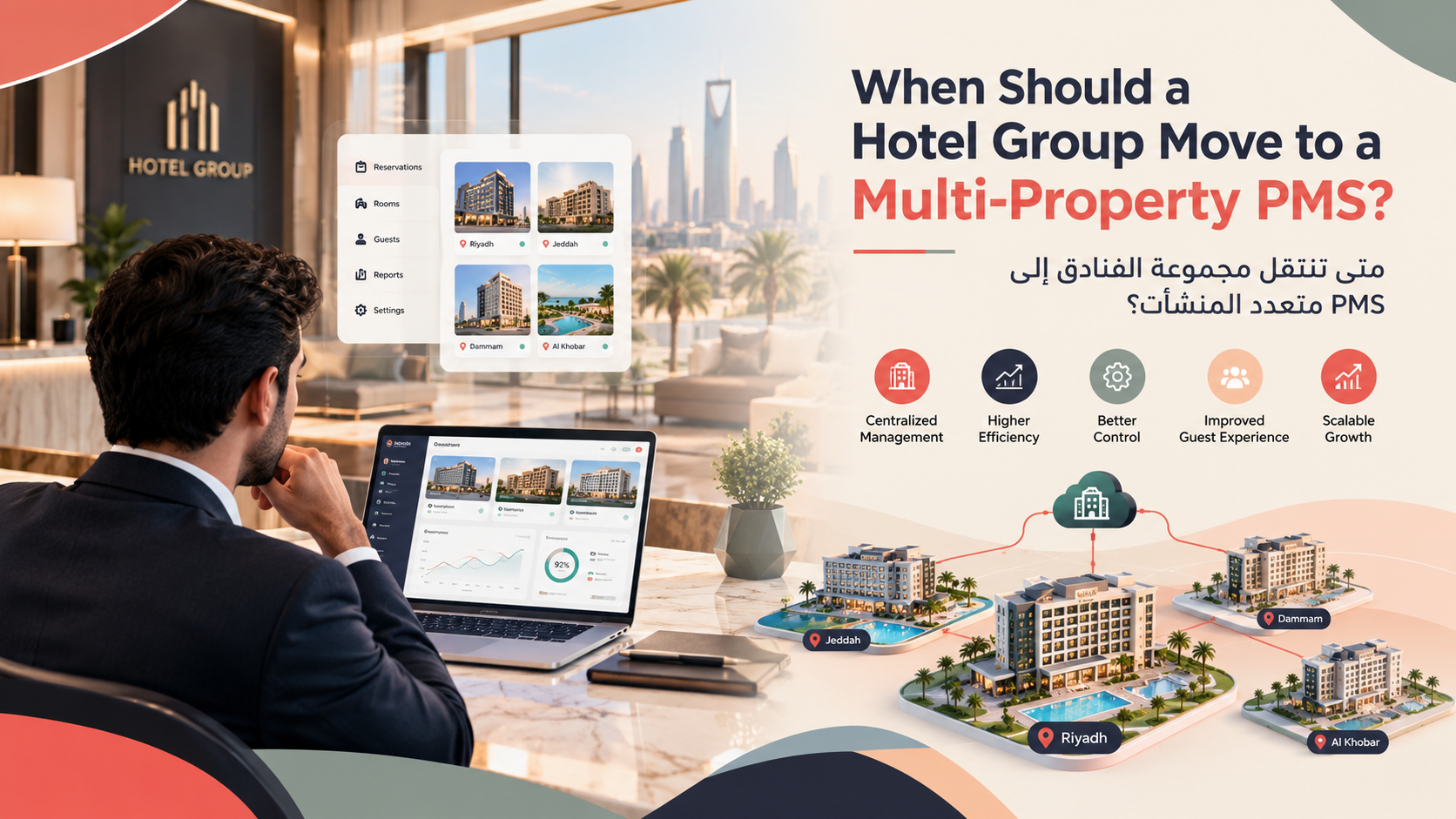
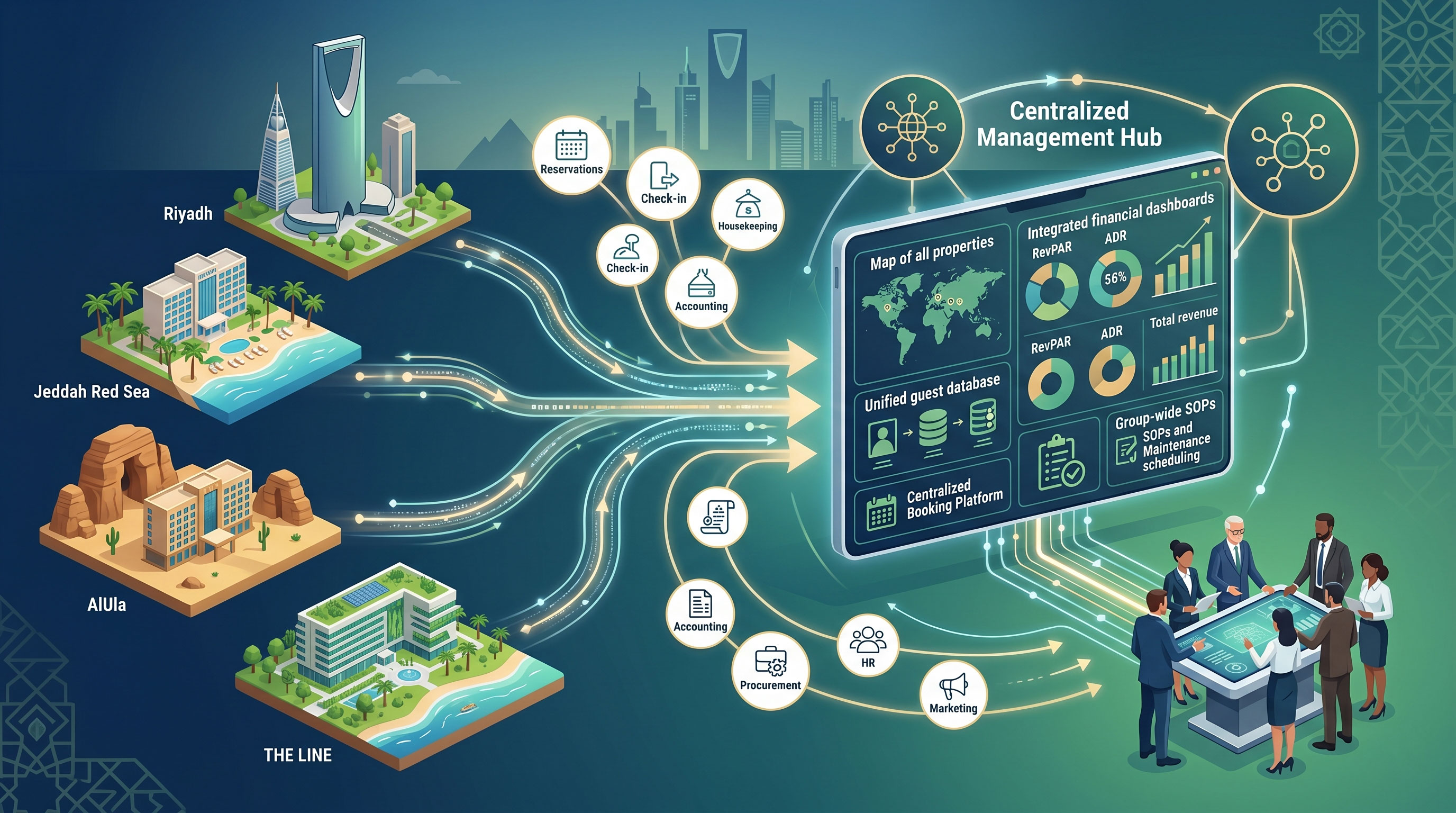
- Multi-property management capabilities
- Bilingual interface (Arabic/English)
- Cloud-based system with offline capability
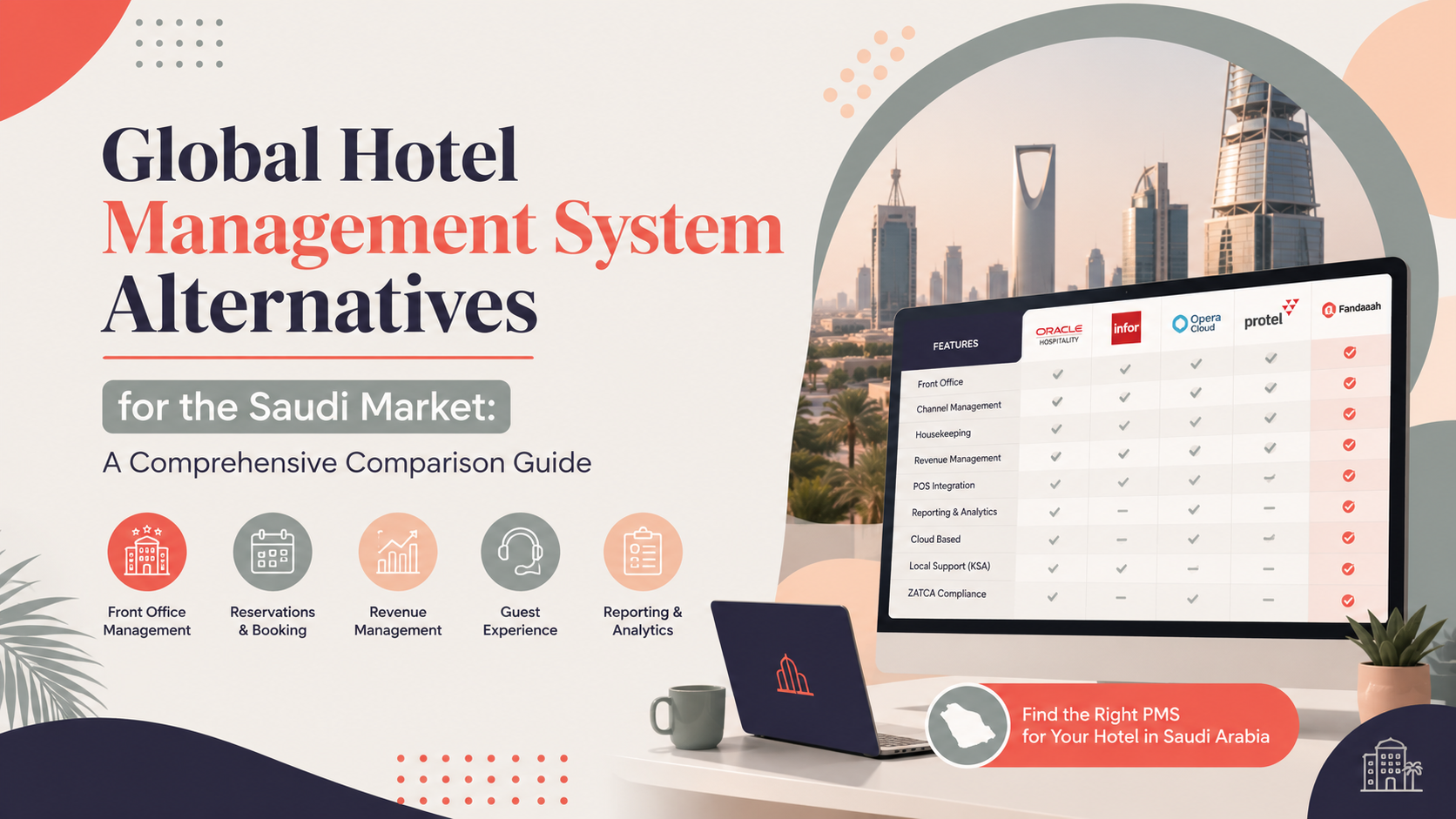
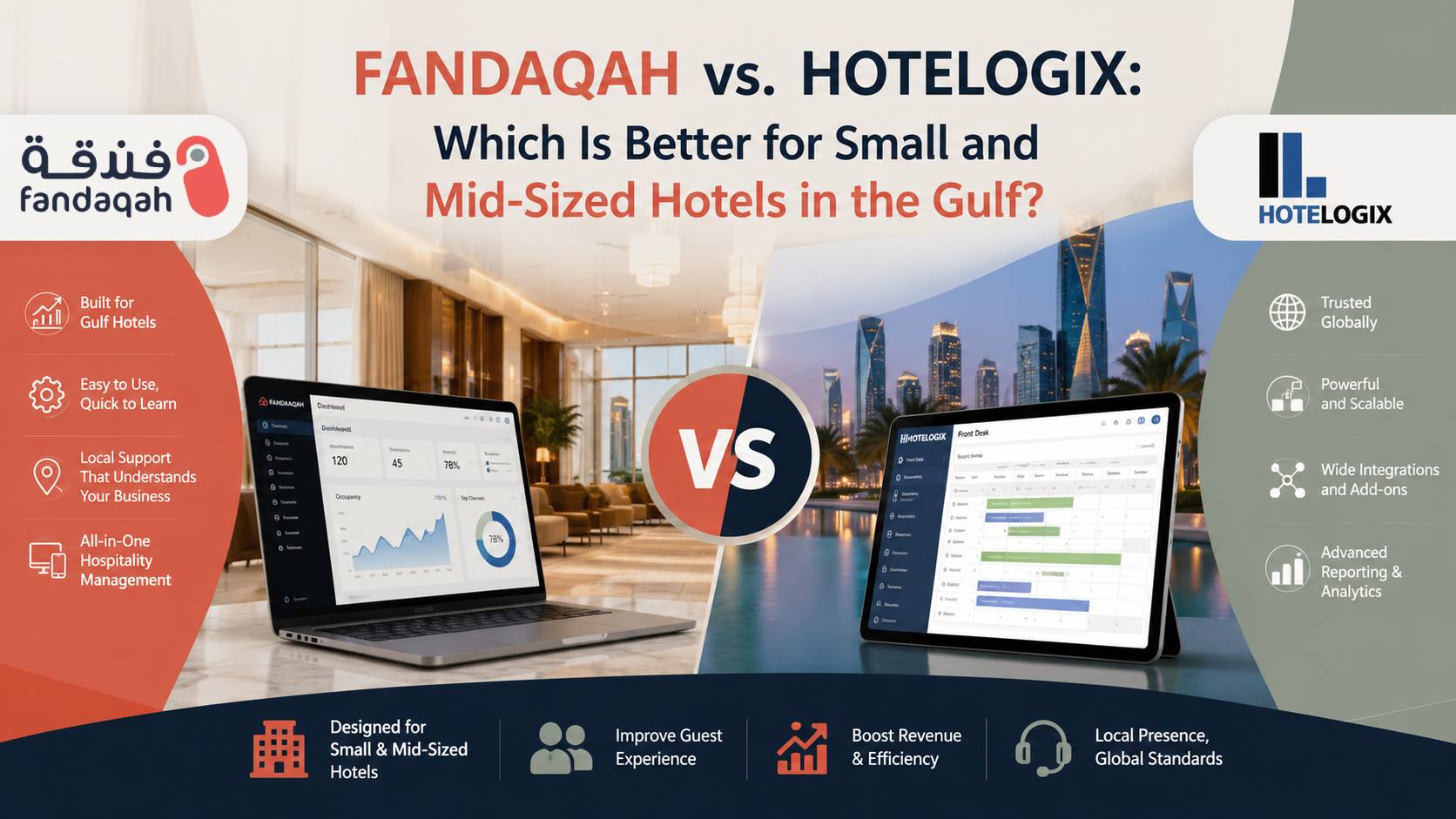
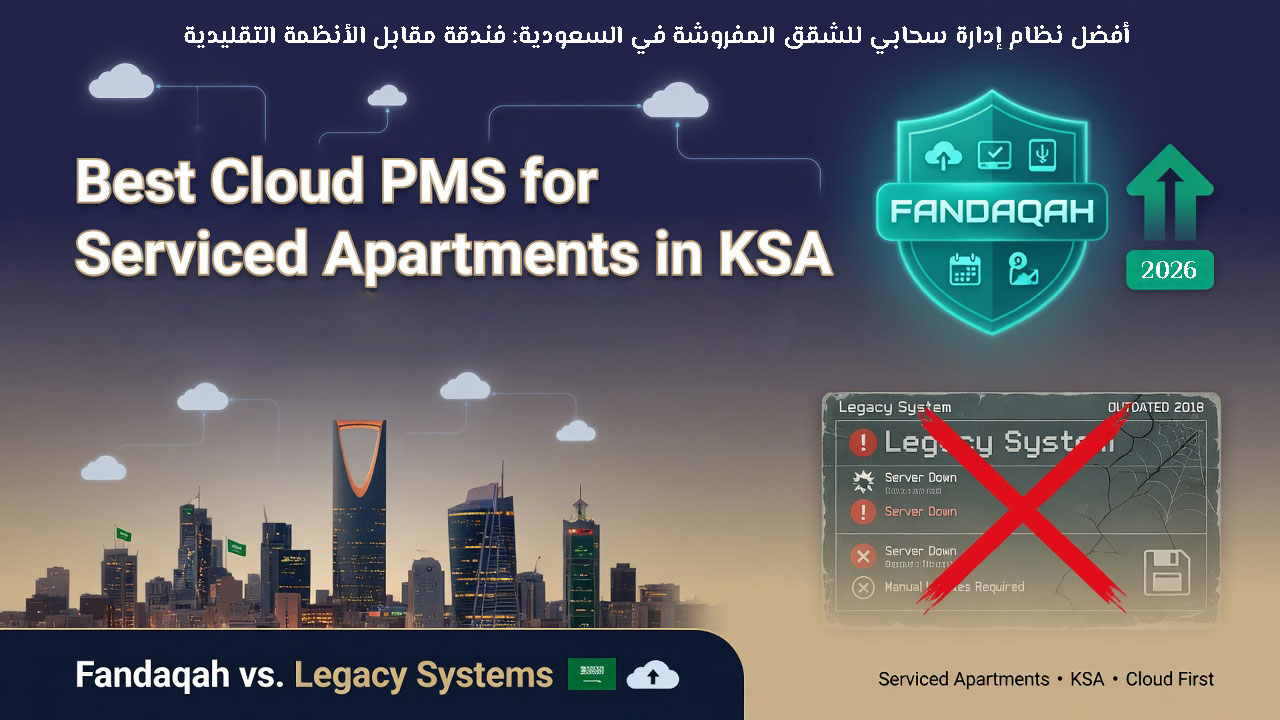
Why Choose “Fandaqah”? Purpose-built for the Saudi market, 15+ ready integrations, local Arabic support, trusted by 800+ properties, continuous compliance updates, and flexible pricing plans.
System Implementation Roadmap
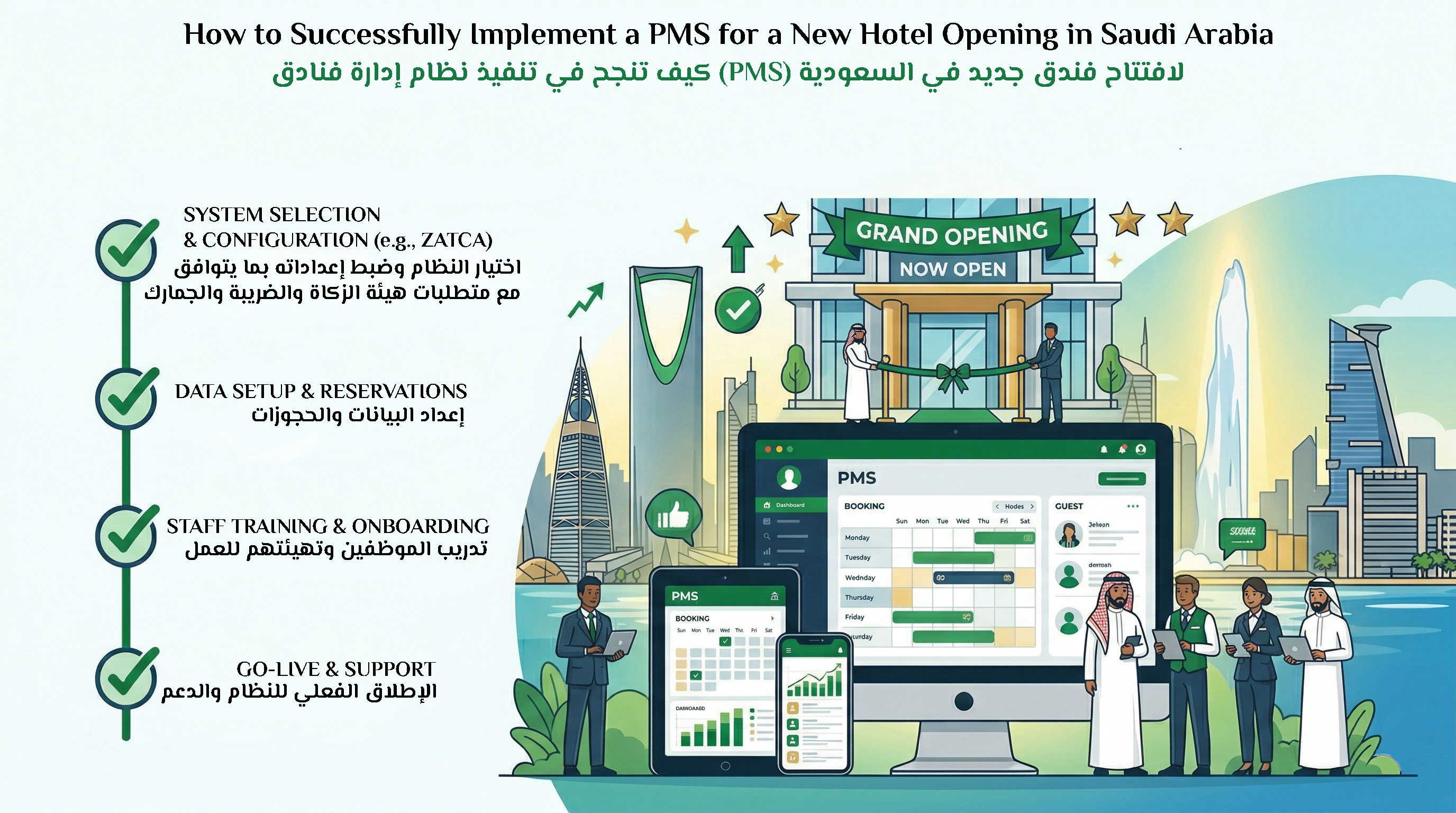
- Phase 1 (Week 1): Discovery – assess property needs and define goals.
- Phase 2 (Weeks 2–3): Setup – configure system, connect integrations, prepare compliance.
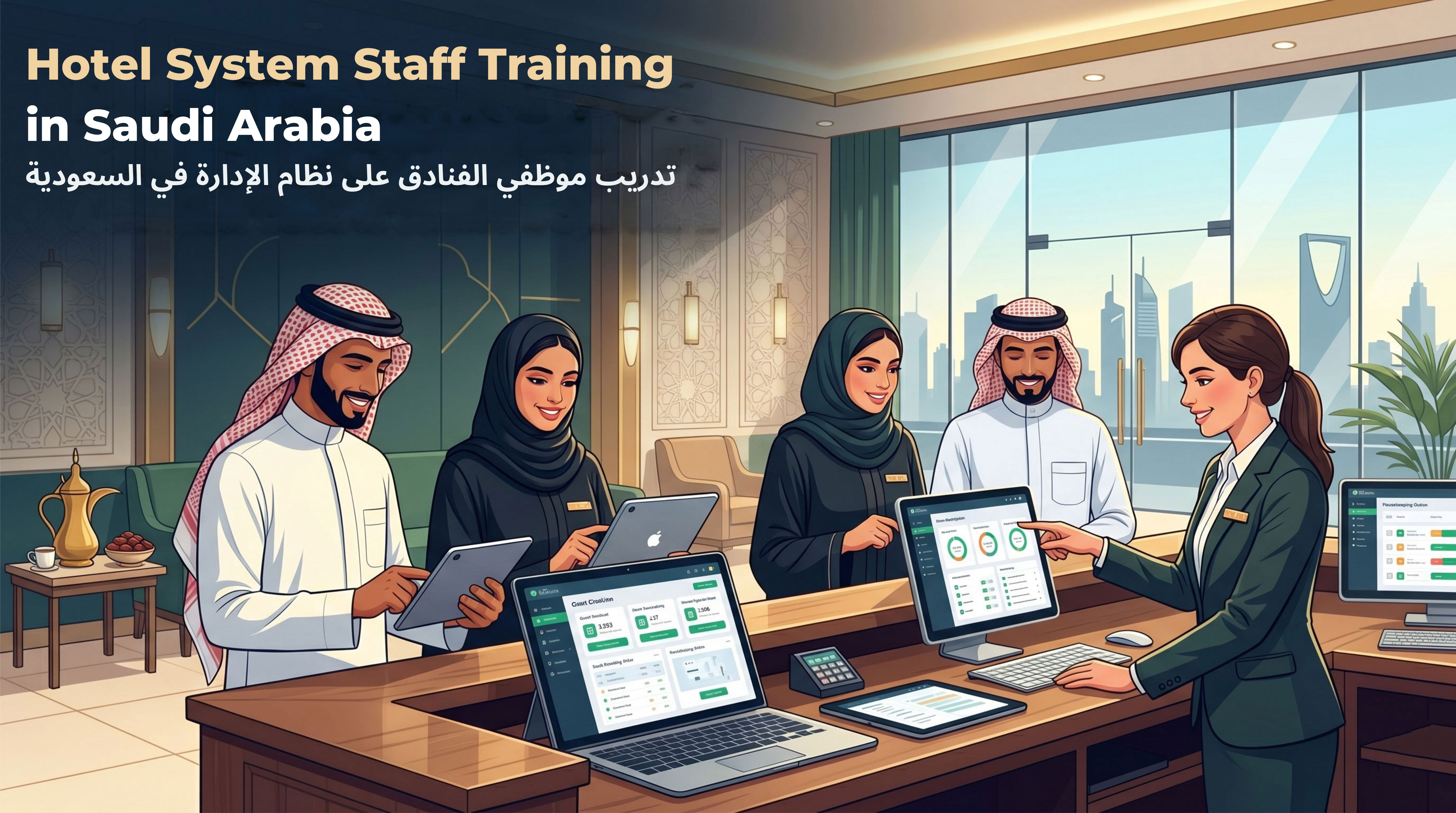
- Phase 3 (Week 4): Training – staff training with Arabic/English materials.
- Phase 4 (Week 5): Launch – go-live with direct support and performance monitoring.
- Phase 5: Continuous improvement – regular updates and data-driven optimization.
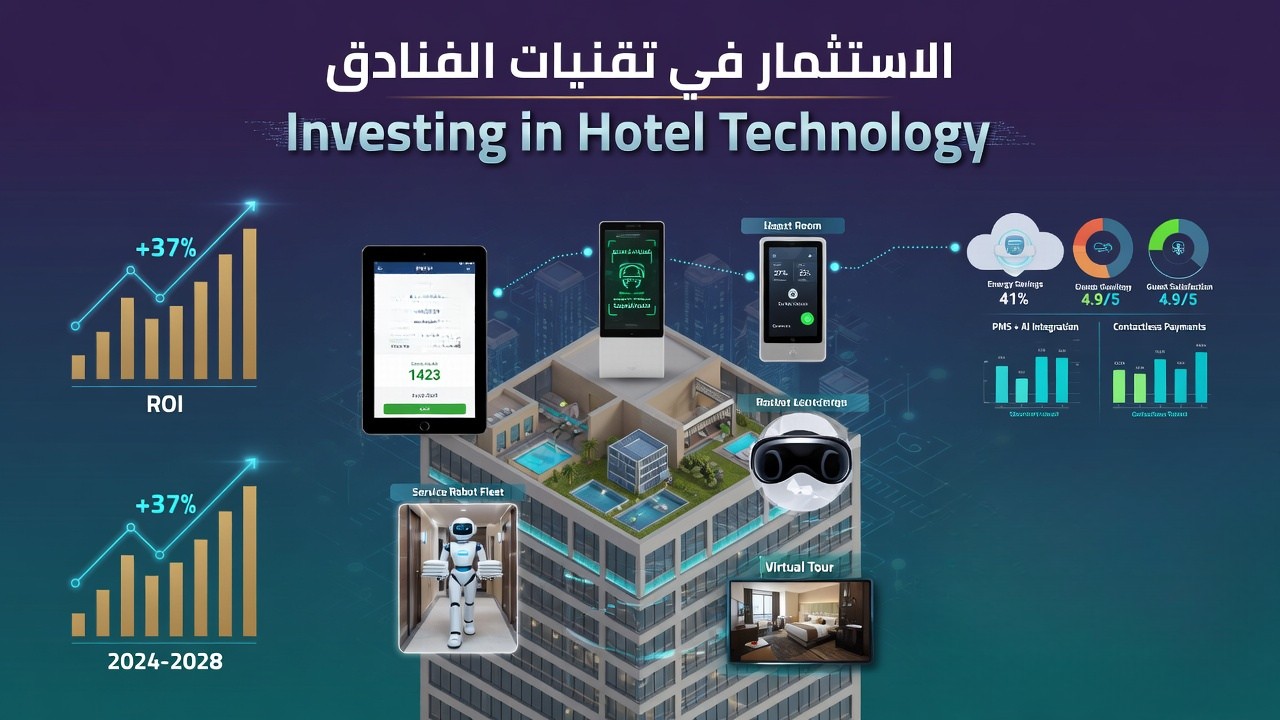
Return on Investment (ROI)
Additionally, you save 15–25 staff hours per week, reduce errors and penalties, and eliminate paper costs. The cost of not transforming can be fines up to SAR 50,000 per violation, damaged reputation, and competitive disadvantage.
Are You Ready to Transform?
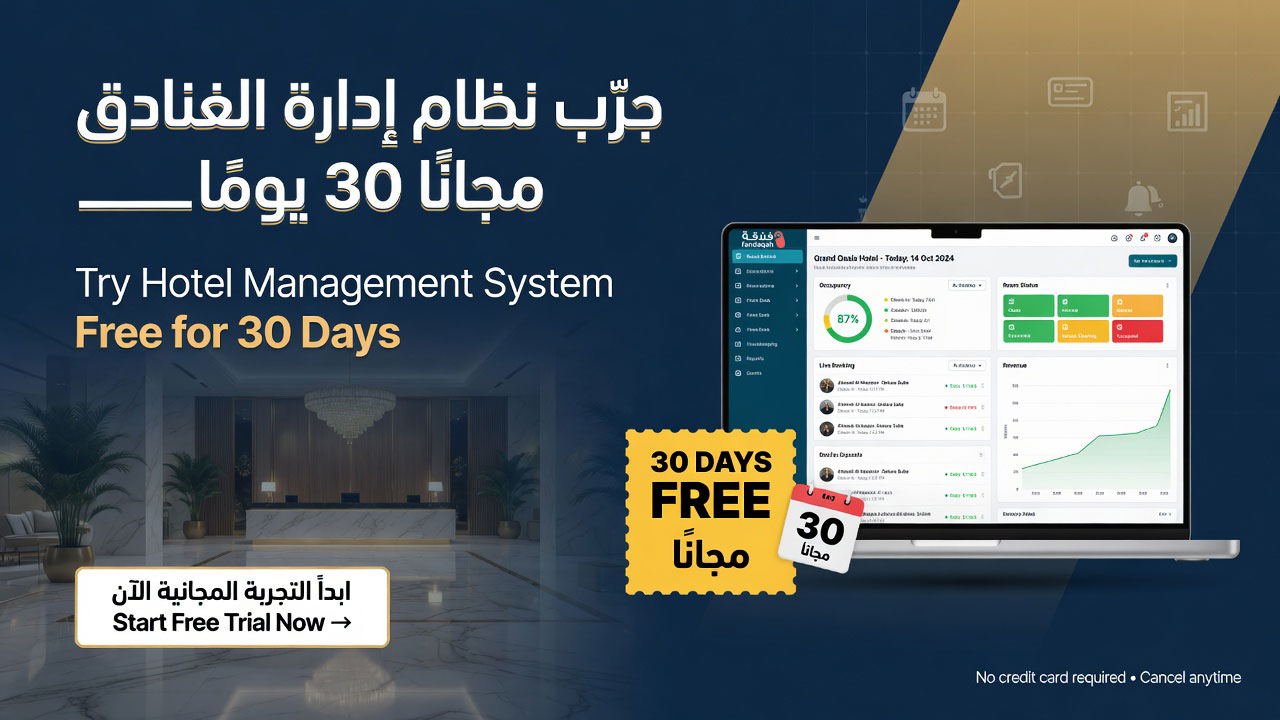
Choosing the right hospitality software is a long-term strategic decision affecting compliance, efficiency, and guest experience. With Fandaqah you get:
- 85% faster check-in
- Full compliance with ZATCA, Shomoos, and Ministry of Tourism
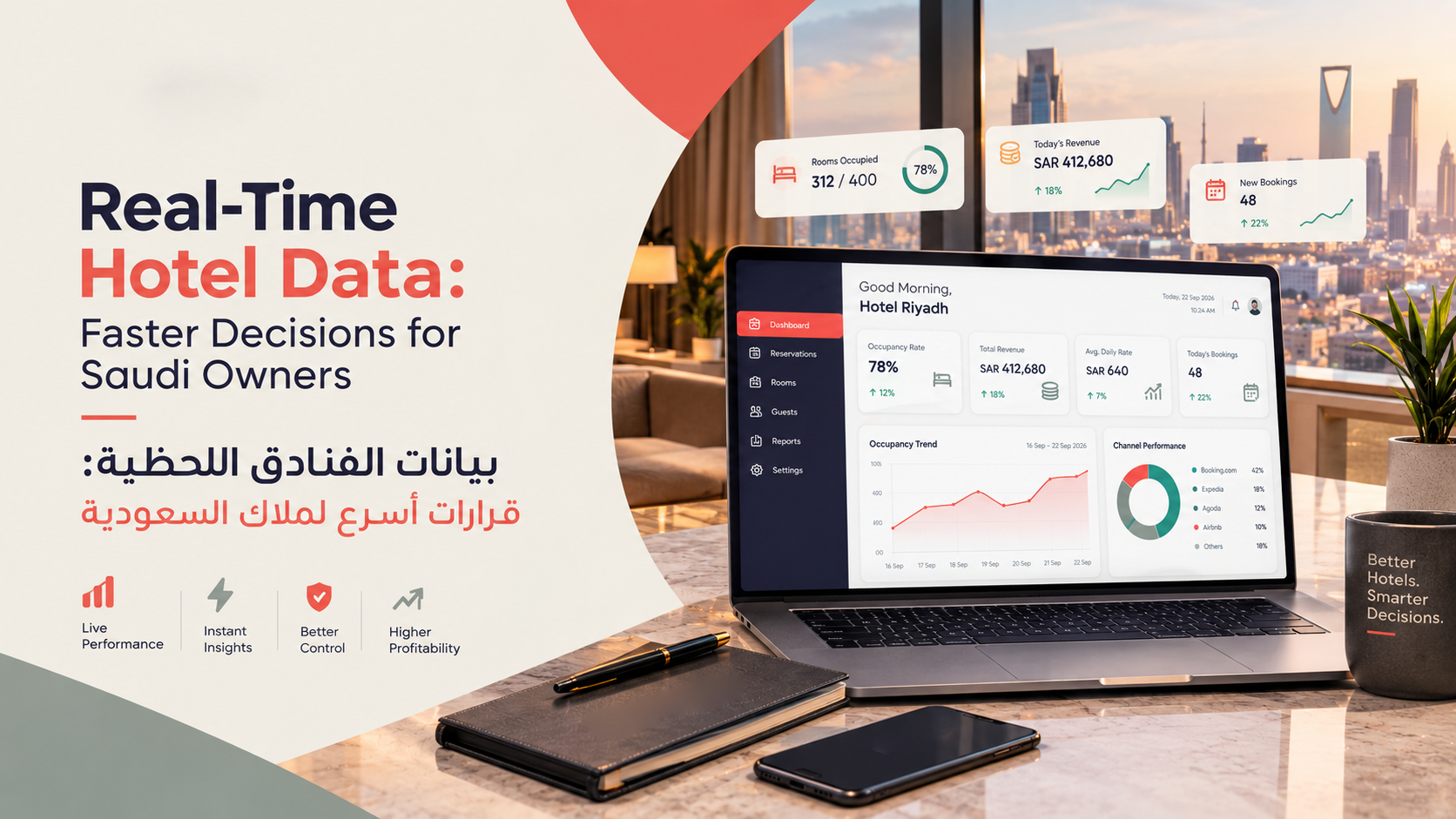
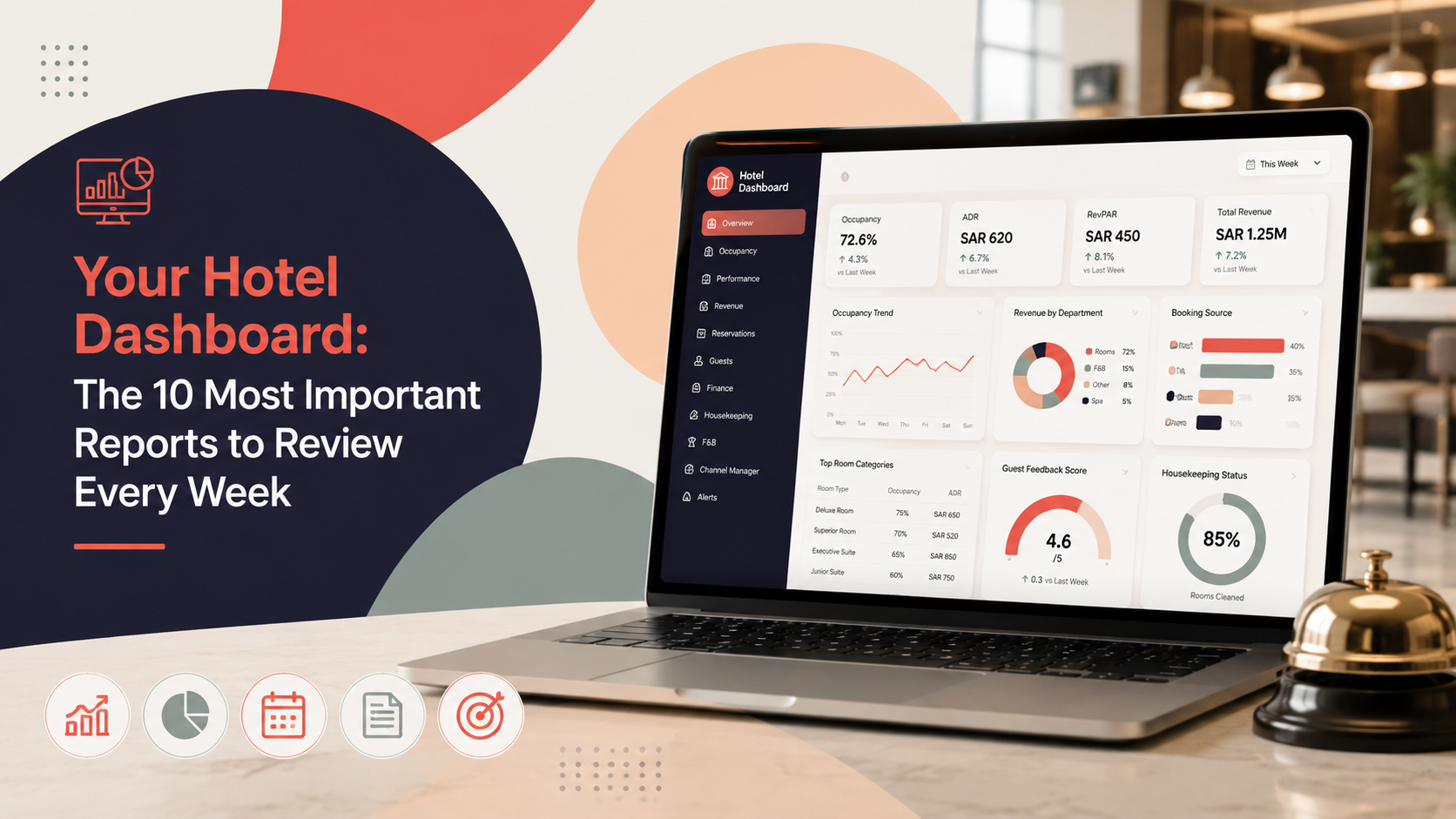
- Smart dashboard and real-time reporting
- 24/7 Arabic/English support
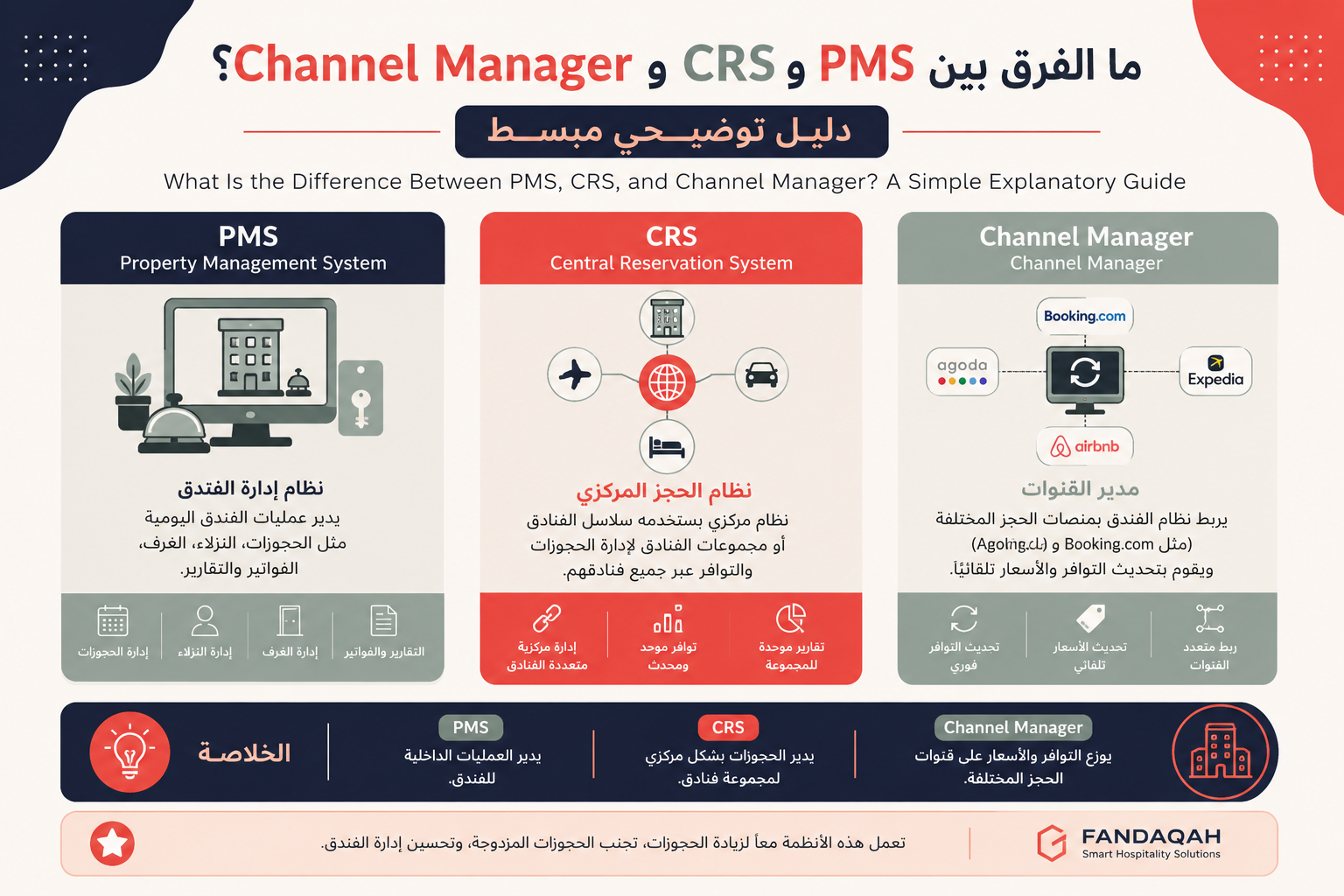
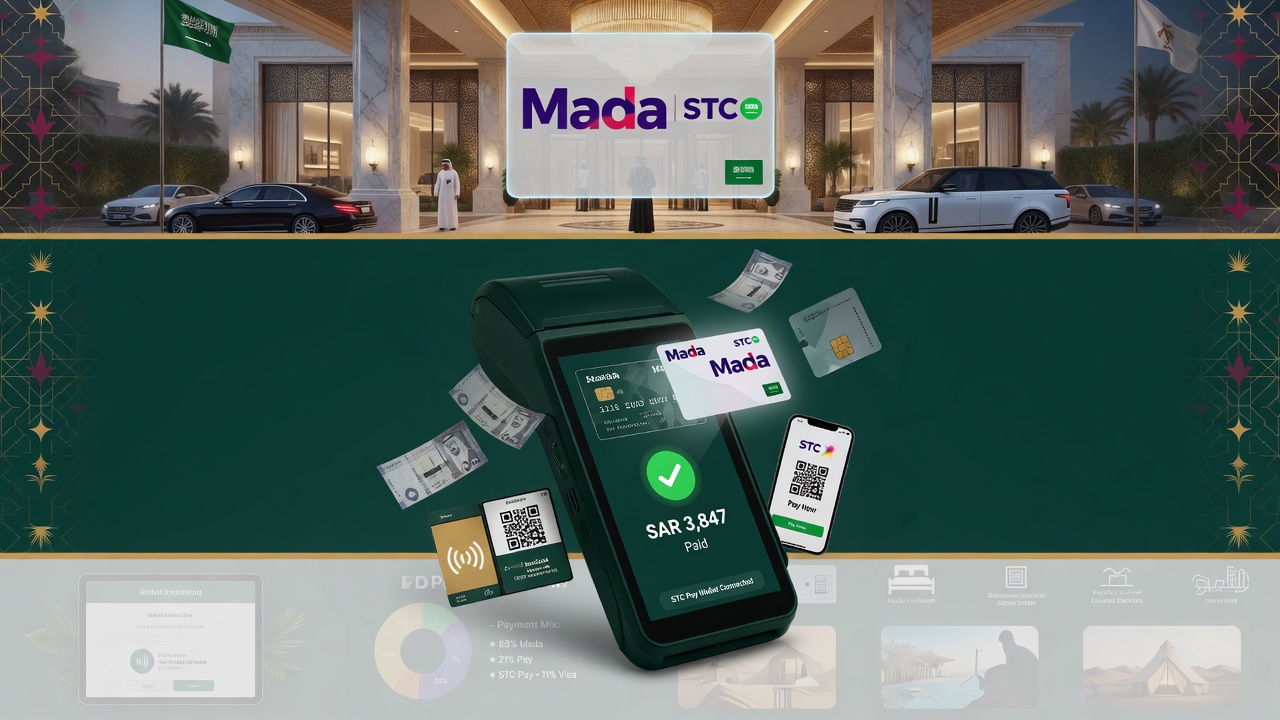
- Integrations with Booking.com, Mada, Apple Pay, and more
Start Now
Get a Free Demo
Contact: +966-55-594-7522 | WhatsApp support available
Frequently Asked Questions
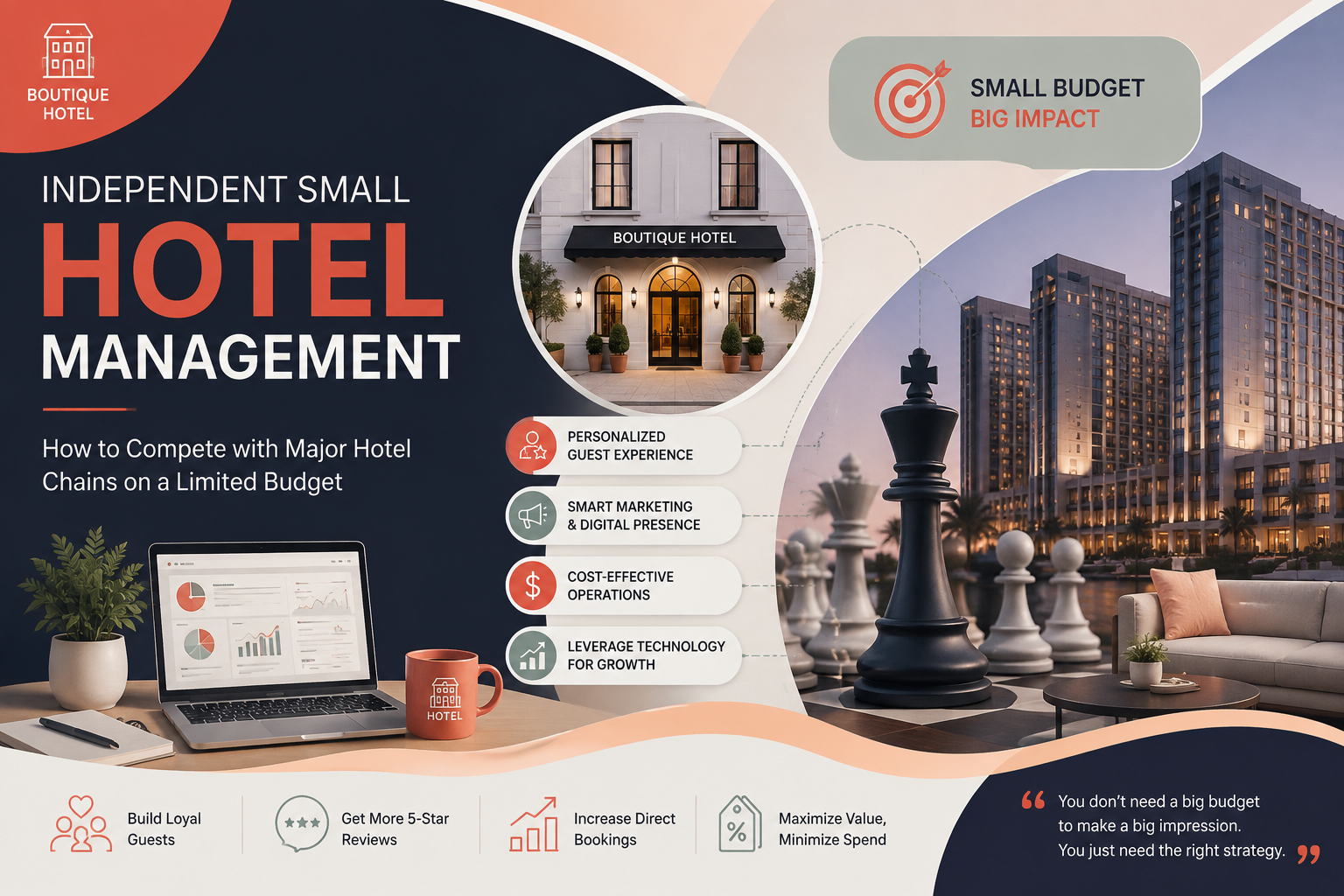
- Is the system suitable for small hotels? Yes, thanks to flexible pricing and cloud architecture, it works for properties of all sizes with ROI achieved within 3–6 months.
- How long does implementation take? Typically 4 to 6 weeks, including setup, training, and full go-live.
- Does it support Arabic language? Yes, the system is fully bilingual (Arabic/English).
- What about government regulation updates? The system is automatically updated to keep pace with ZATCA and Shomoos changes.
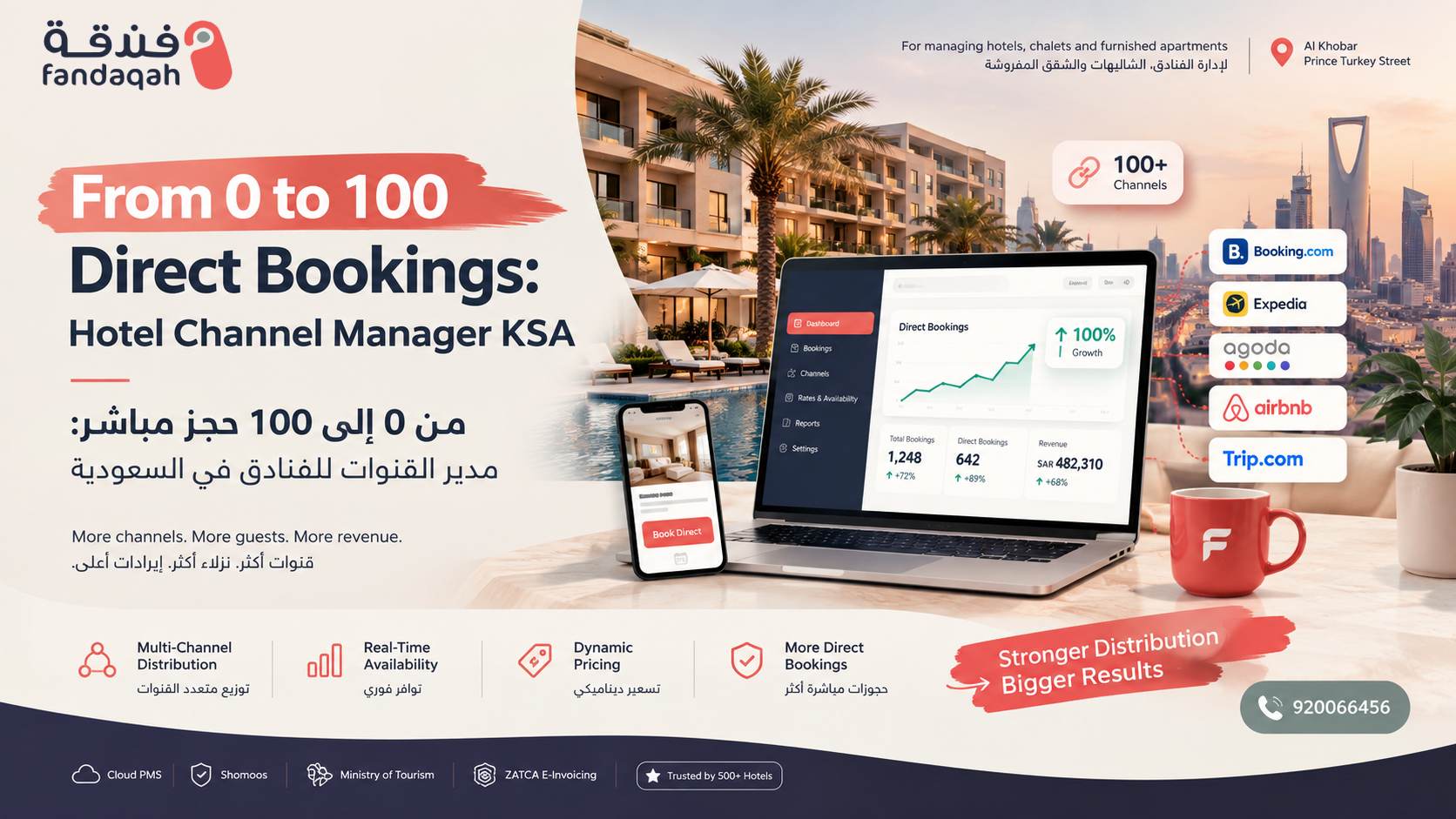
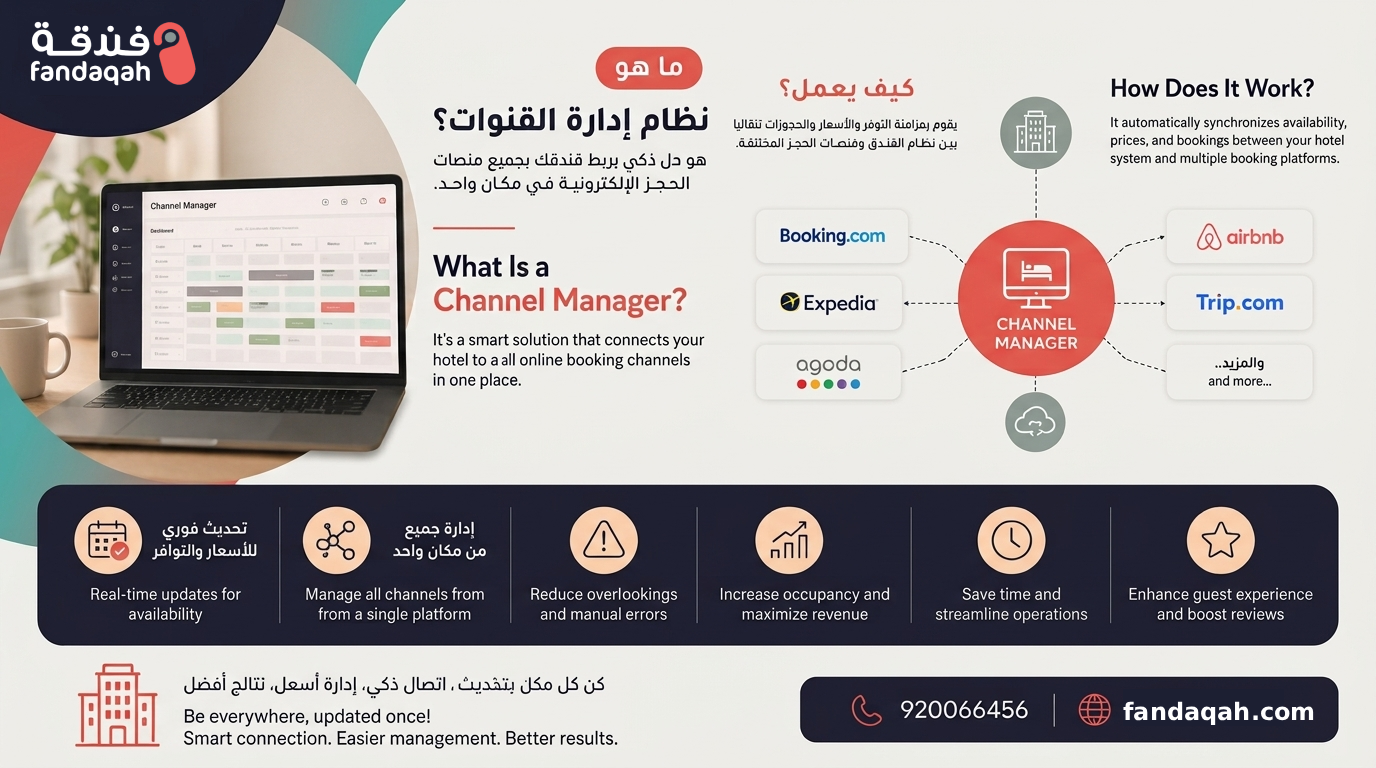
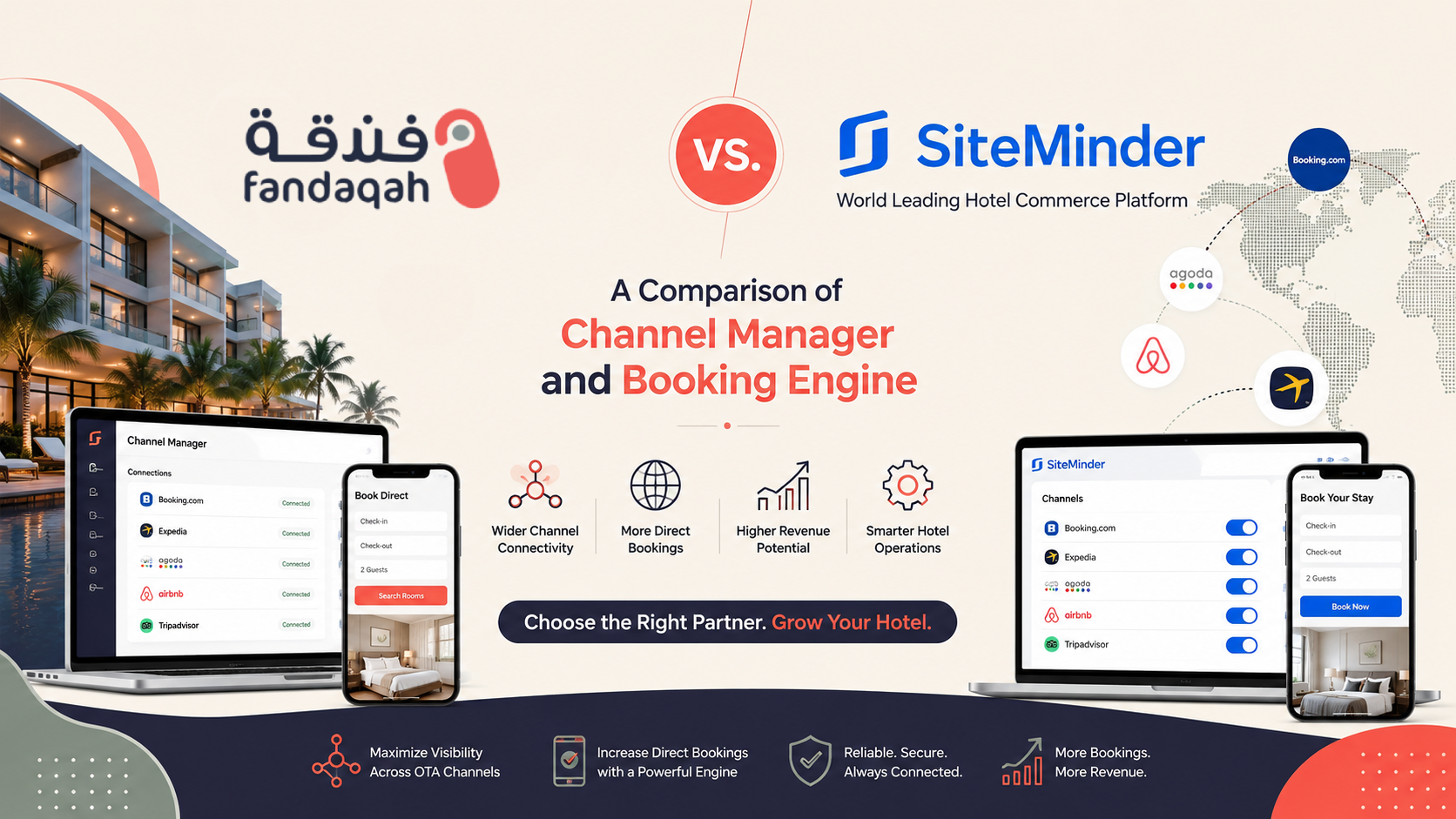
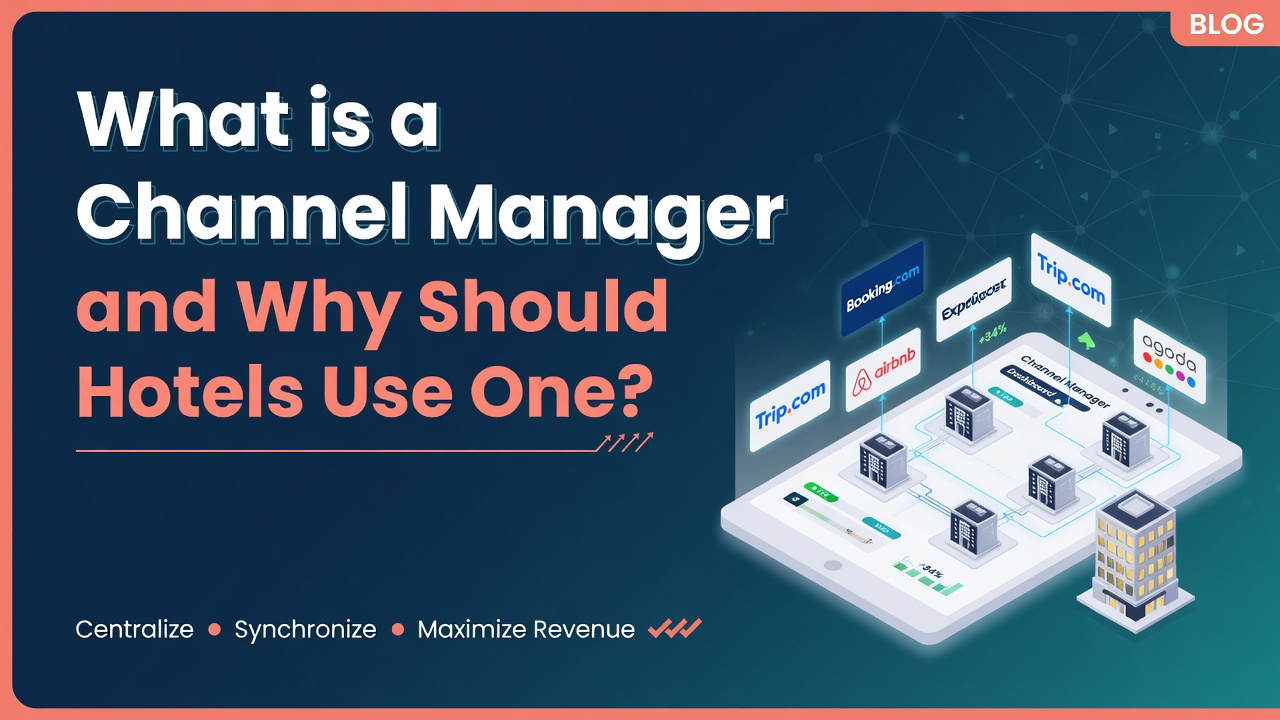
- Can it connect with booking platforms? Yes, it integrates with Booking.com, Expedia, and payment gateways like Mada and Apple Pay.