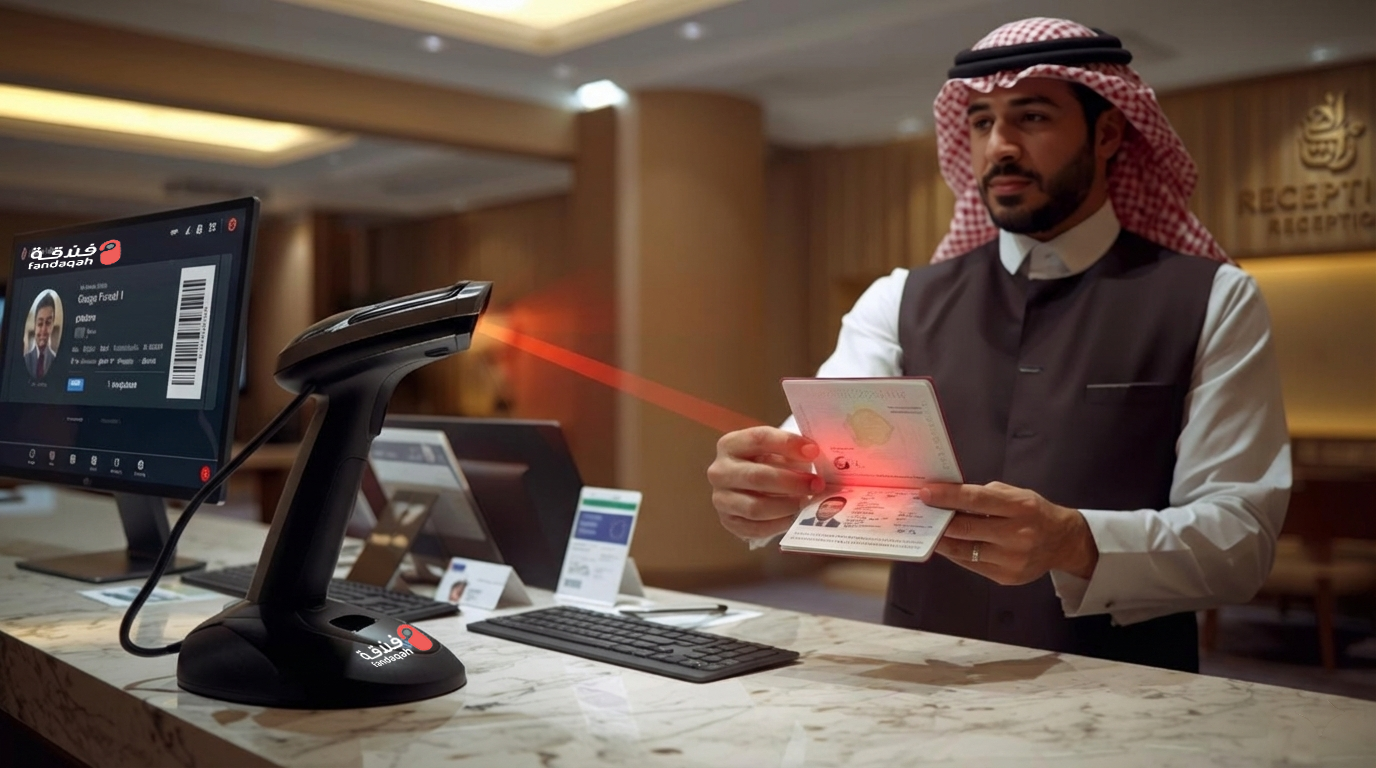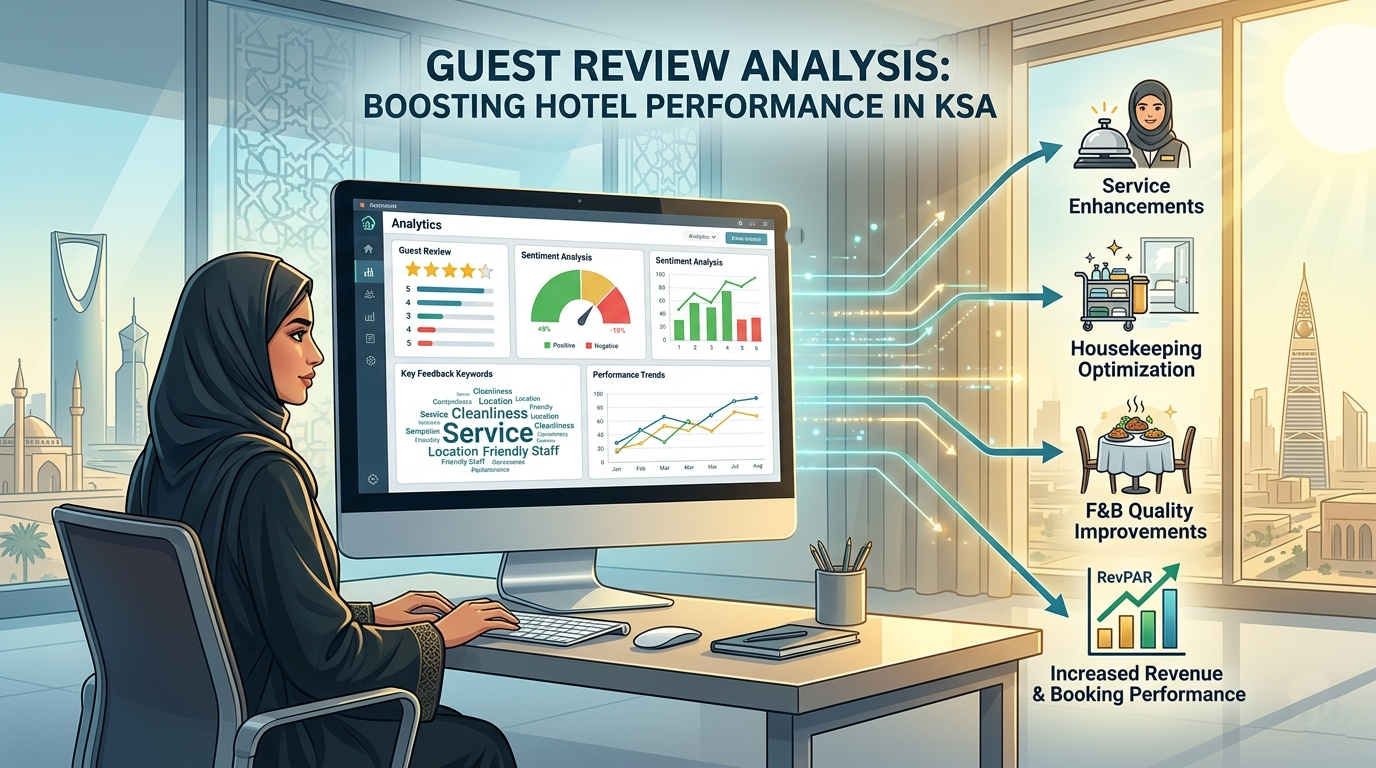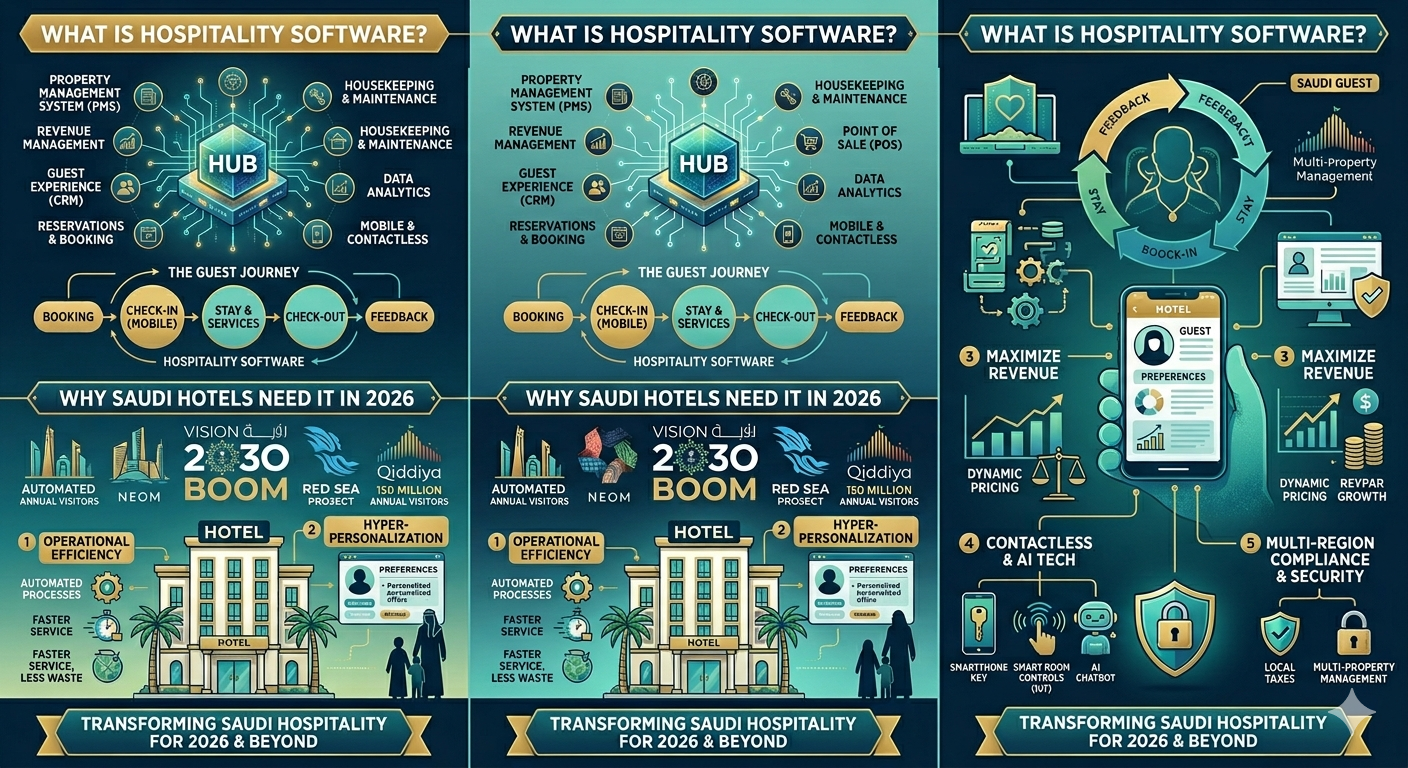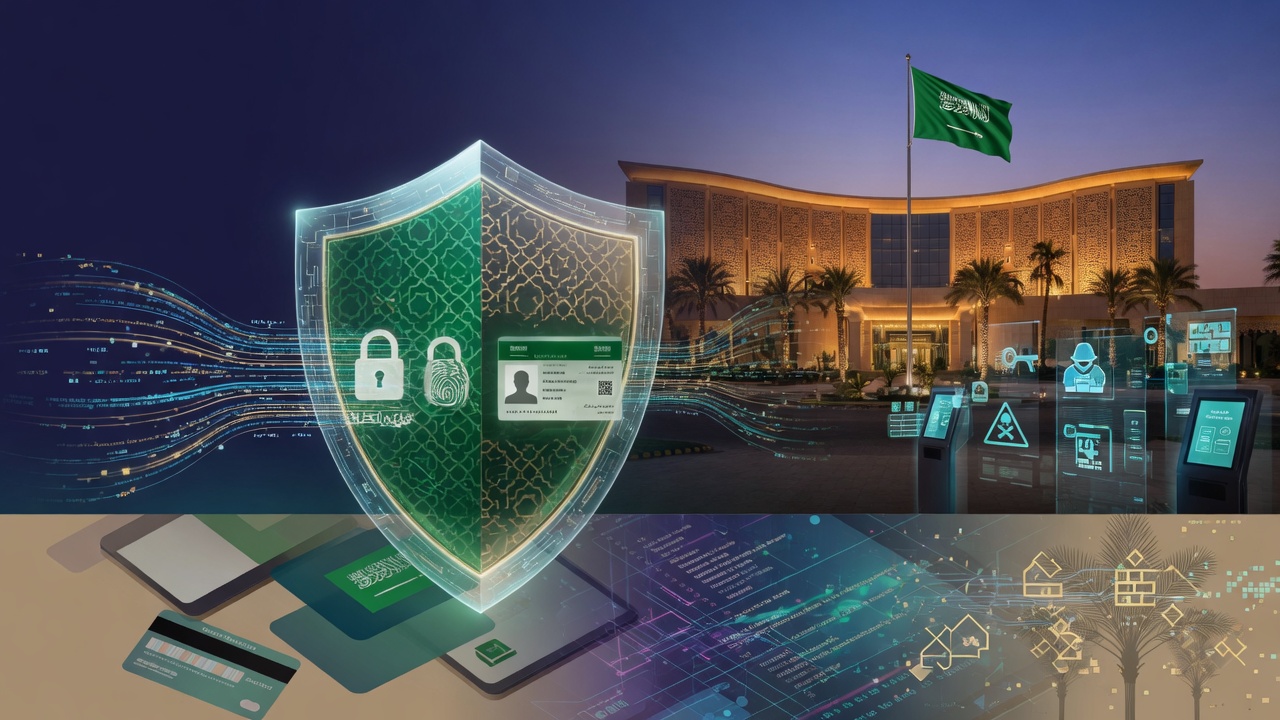
In an age where a single data breach can cost a hotel millions of Saudi Riyals—and irreparable reputational damage—cybersecurity for Saudi hotels has shifted from an optional IT concern to a boardroom imperative. With the Kingdom welcoming over 100 million tourists in 2023 under Vision 2030, hotels across Riyadh, Jeddah, Makkah, and AlUla are collecting unprecedented volumes of guest data: passport scans, credit card details, biometric information, and personal preferences. Protecting this sensitive information is no longer just about compliance—it is about trust, brand reputation, and long-term sustainability in one of the world's fastest-growing tourism markets.
This comprehensive guide explores the evolving landscape of hotel guest data protection in Saudi Arabia, covering regulatory frameworks such as the National Cybersecurity Authority (NCA) mandates, the Personal Data Protection Law (PDPL), and global standards like PCI DSS. Whether you manage a boutique hotel in Al-Balad or a luxury chain in NEOM, this resource is designed to equip you with actionable strategies for safeguarding your guests' most sensitive information.
Did You Know? According to the Ponemon Institute, the average cost of a data breach in the hospitality industry reached $3.4 million in 2024. For Saudi hotels, the added pressure of NCA compliance and PDPL enforcement means the stakes are higher than ever.
Why Cybersecurity for Saudi Hotels Is a Critical Priority Today
The Saudi hospitality sector is undergoing a radical digital transformation. From online booking engines and mobile check-ins to smart room controls and AI-driven concierge services, technology touches every aspect of the guest journey. While these innovations enhance convenience, they also expand the attack surface for cybercriminals. Hotels are uniquely vulnerable because they process, store, and transmit a wide variety of sensitive data—making them a high-value target for ransomware gangs, phishing campaigns, and credential theft operations.
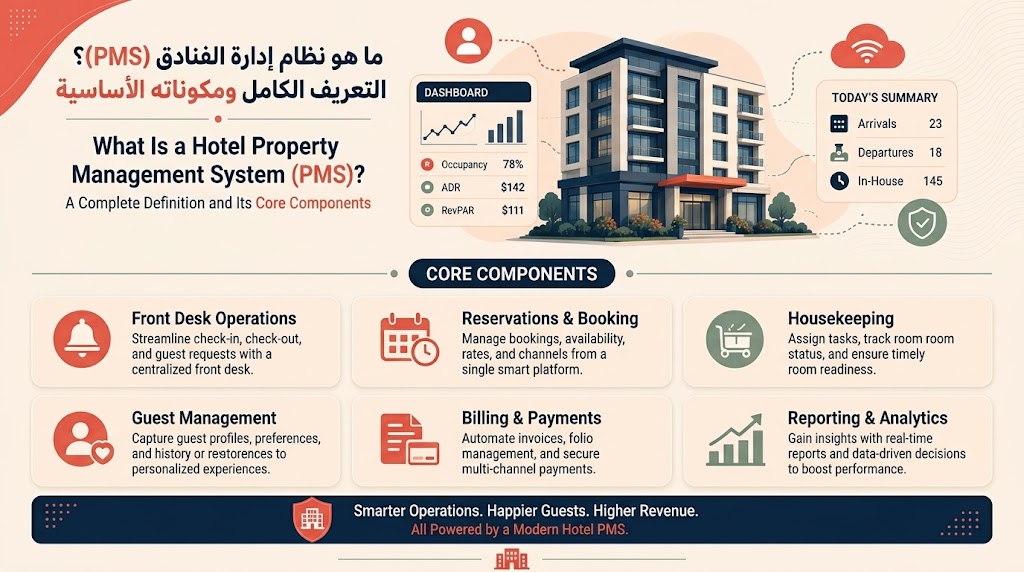
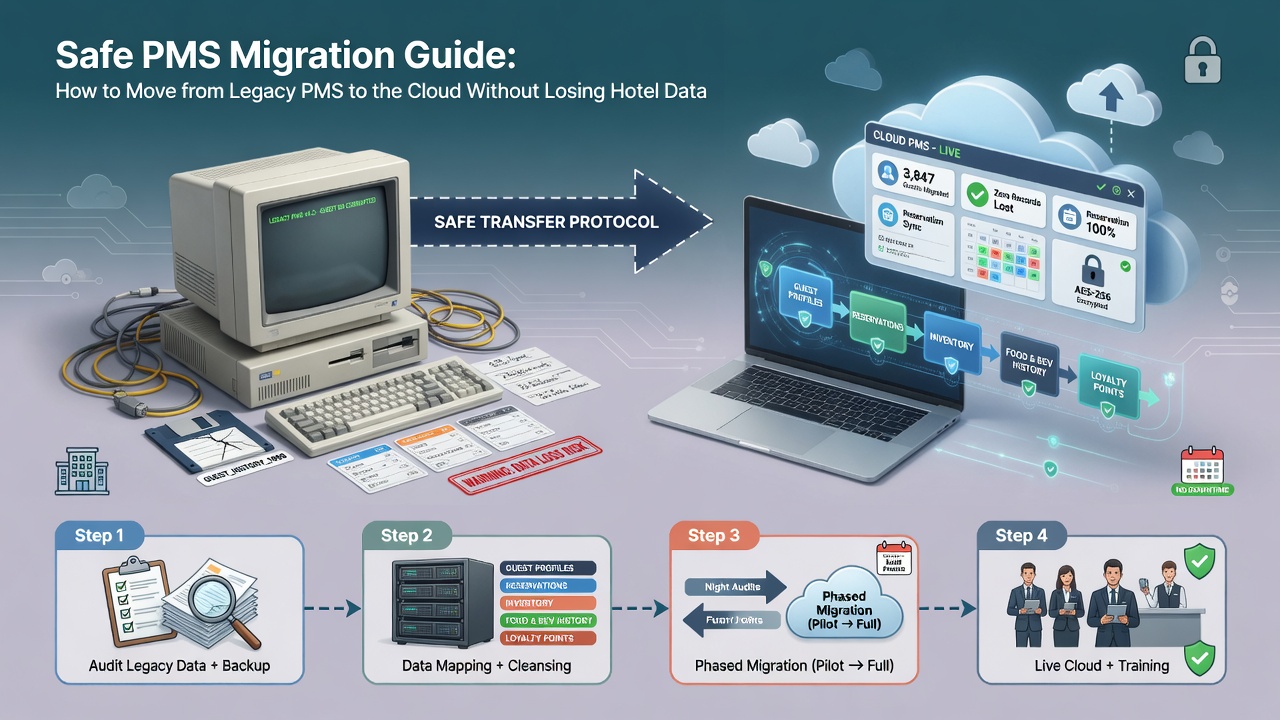
Consider the reality: a single compromised Property Management System (PMS) can expose thousands of guest records, including names, national IDs, visa details, and payment card data. For Saudi hotels catering to international pilgrims, business travelers, and luxury tourists, the reputational fallout from a breach can be catastrophic. Guests entrusted you with their personal information—losing it can mean losing their trust forever.
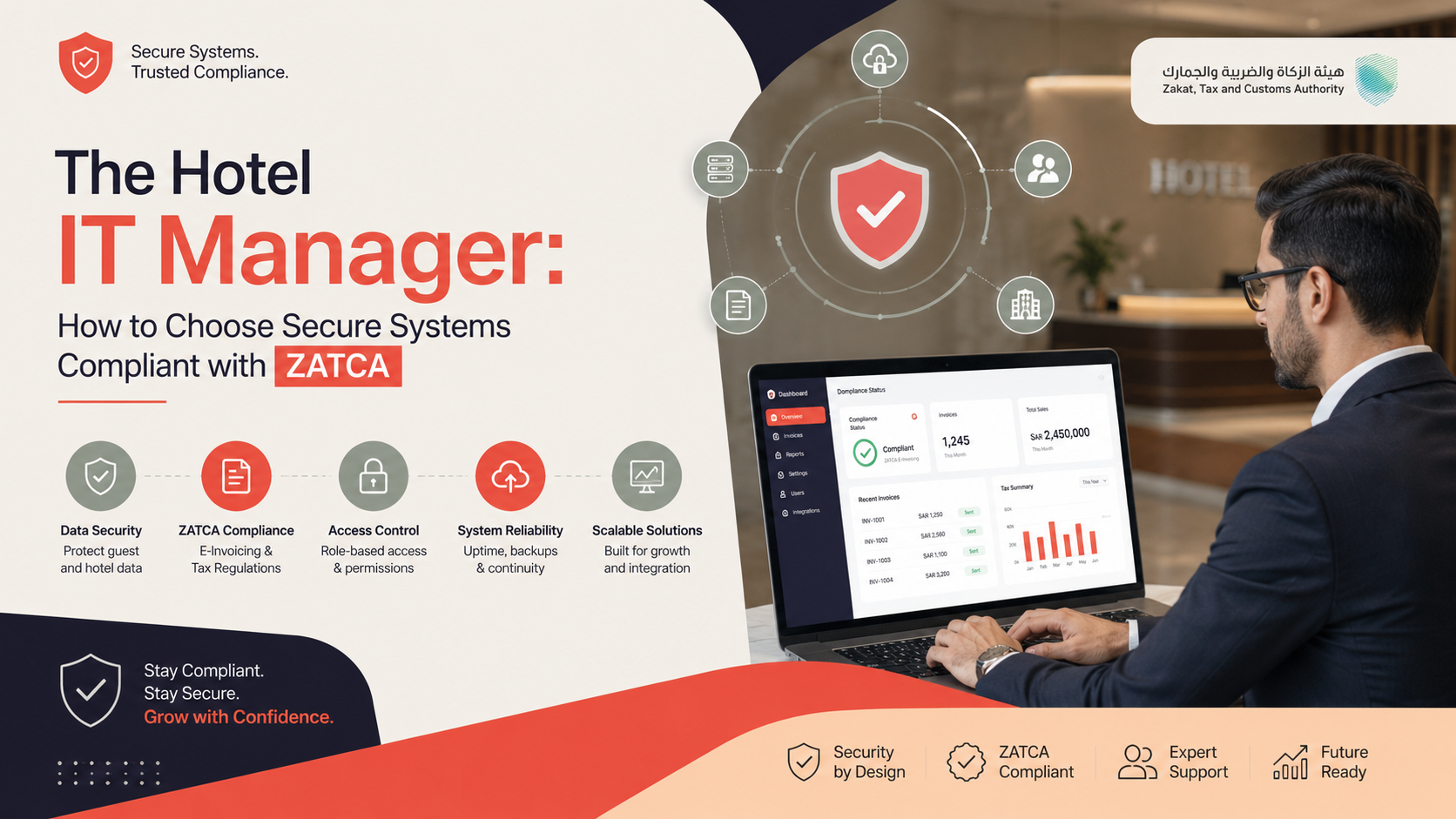
Moreover, the National Cybersecurity Authority (NCA) has issued binding cybersecurity controls that apply to all organizations in the Kingdom, including hospitality providers. Non-compliance is not an option; it carries legal consequences, financial penalties, and potential suspension of operating licenses. The message is clear: cybersecurity for Saudi hotels is a business-critical function, not a back-office afterthought.
"In the hospitality industry, trust is the currency. Every time a guest hands over their passport or credit card, they are placing their faith in the hotel's ability to protect that data. Cybersecurity is no longer a technical issue—it is a brand promise."
— Senior Cybersecurity Advisor, Saudi Tourism Authority
The Evolving Threat Landscape for Saudi Hospitality
Cyber threats targeting hotels have grown more sophisticated and targeted. Understanding these threats is the first step toward building a resilient defense. Below are the most prevalent cyber risks affecting hotel data security in Saudi Arabia today:
- Ransomware Attacks: Cybercriminals encrypt hotel systems—including reservation databases—and demand payment in cryptocurrency. The hospitality sector is among the top five targeted industries globally.
- Phishing & Social Engineering: Front desk staff and reservation agents are frequently targeted with deceptive emails designed to harvest login credentials for PMS and payment platforms.
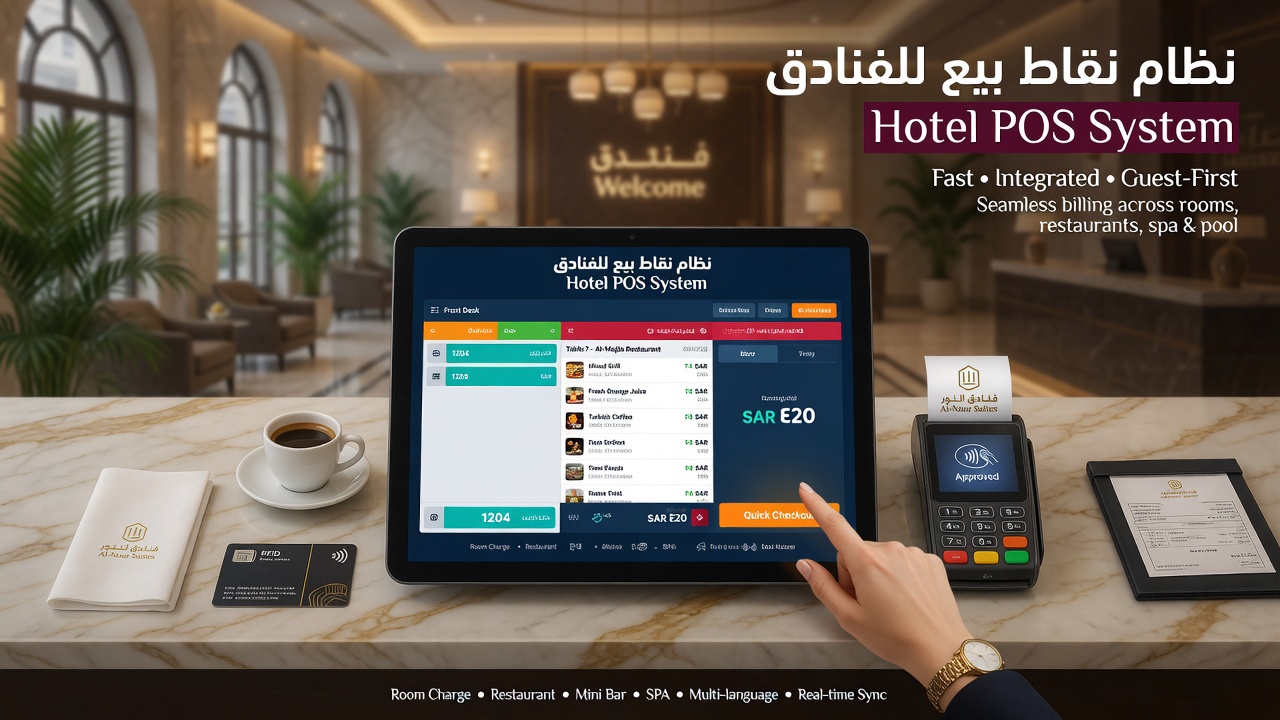
- Point-of-Sale (POS) Malware: Compromised POS terminals can skim credit card data from unsuspecting guests during check-in or dining transactions.
- Insider Threats: Disgruntled employees or those with inadequate training may intentionally or accidentally expose guest data through weak passwords or unauthorized access.
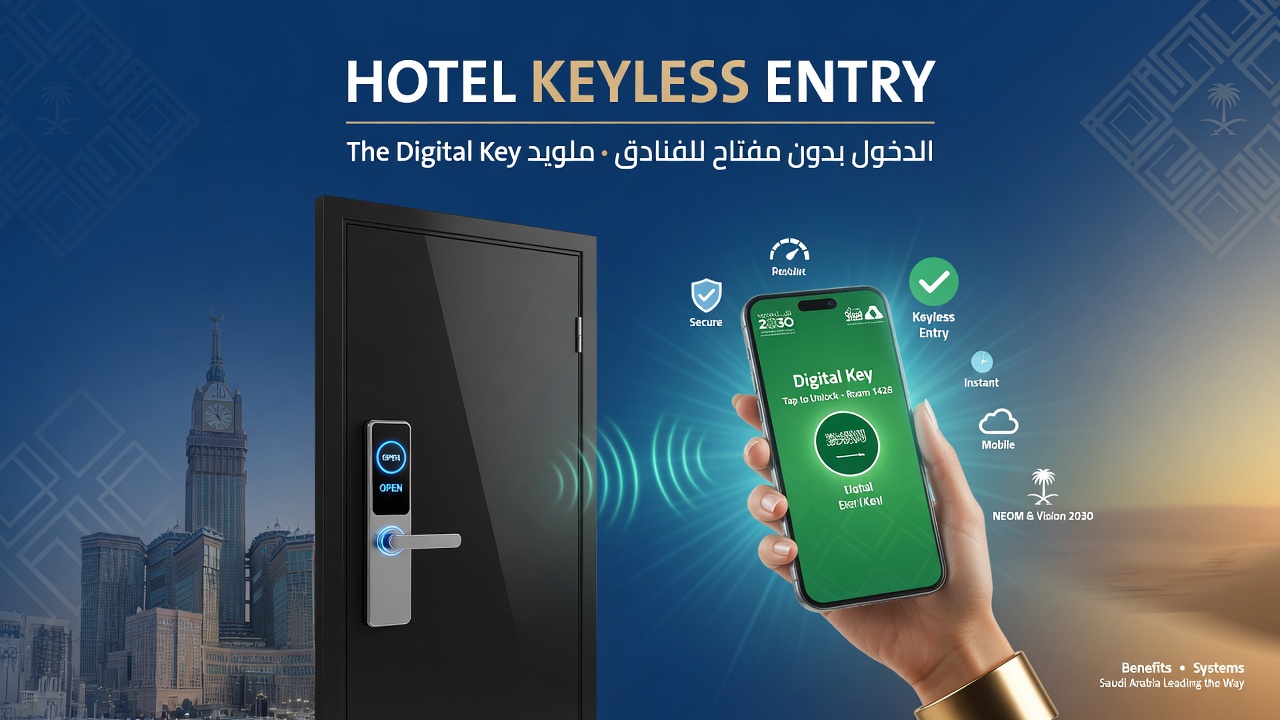
- IoT Vulnerabilities: Smart TVs, keyless entry systems, and connected thermostats are often deployed without robust security configurations, creating entry points for attackers.
- Third-Party Vendor Breaches: Hotels rely on numerous vendors—booking platforms, payment gateways, and cloud services. A breach at any vendor can cascade into the hotel's systems.
Key Regulatory Frameworks Governing Hotel Guest Data Protection in Saudi Arabia
Saudi Arabia has rapidly matured its cybersecurity and data protection regulatory environment. For hotel operators, understanding and complying with these frameworks is non-negotiable. Here are the three pillars of Saudi hospitality cybersecurity compliance:
1. National Cybersecurity Authority (NCA) – Essential Cybersecurity Controls (ECC)
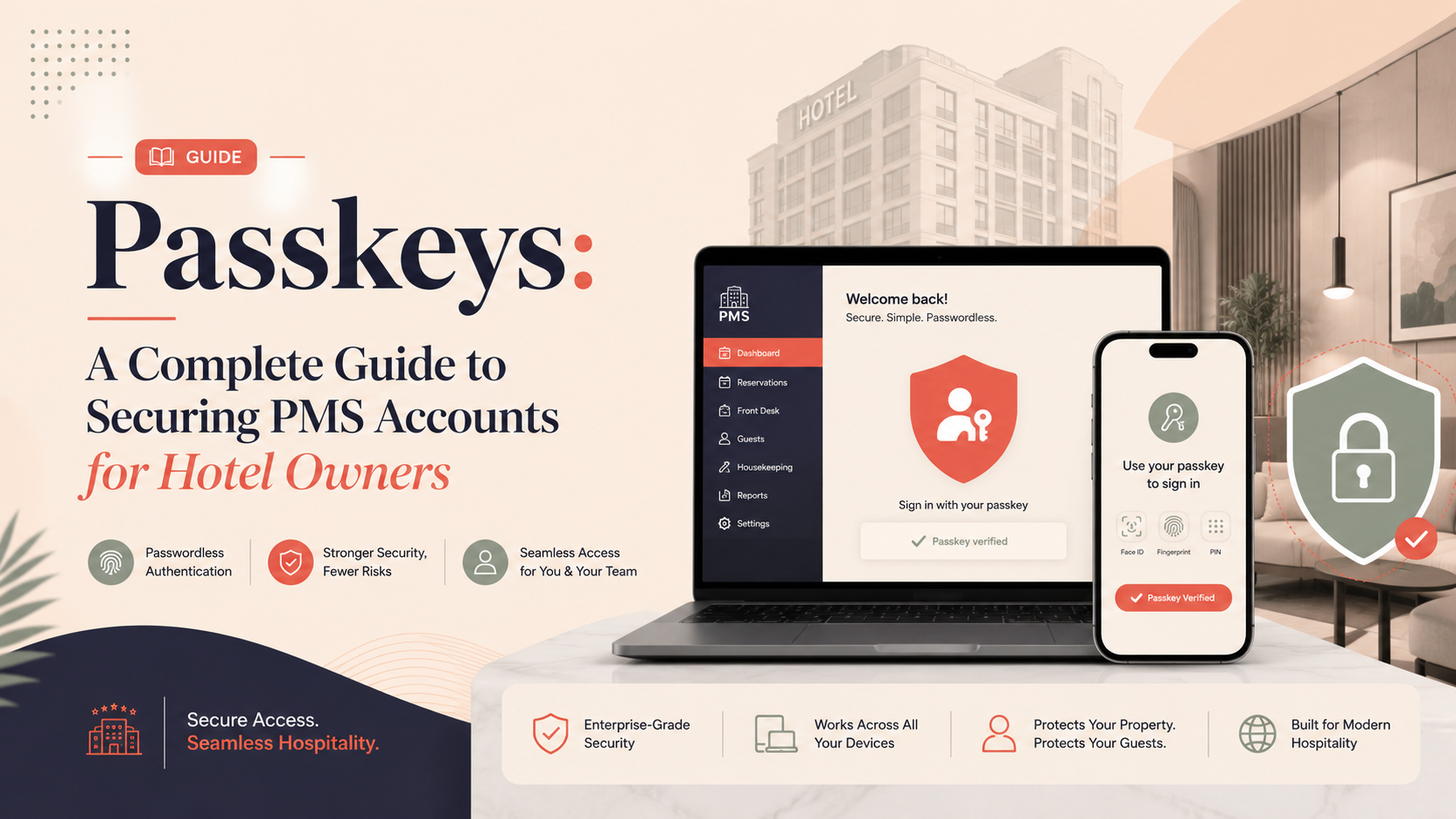
The NCA's Essential Cybersecurity Controls (ECC-1:2018) provide a comprehensive set of requirements covering governance, risk management, access control, incident response, and data protection. All hotels operating in the Kingdom—especially those classified as critical infrastructure or handling large volumes of personal data—must align with NCA standards. Key requirements include conducting regular risk assessments, maintaining audit logs, and implementing multi-factor authentication (MFA) for all administrative access.
2. Personal Data Protection Law (PDPL)
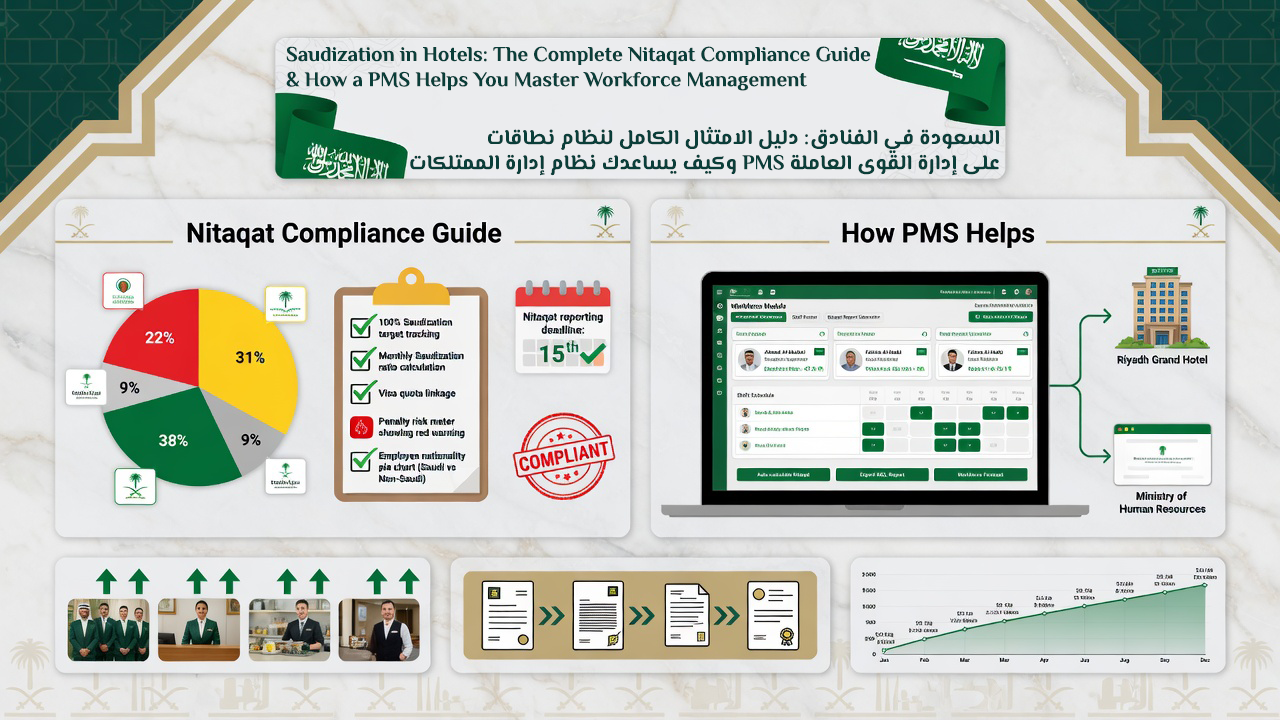
Enforced by the Saudi Data and Artificial Intelligence Authority (SDAIA), the PDPL governs how personal data—including guest information—must be collected, processed, stored, and shared. Hotels must obtain explicit consent before collecting personal data, inform guests of the purpose of data collection, and provide mechanisms for data deletion upon request. Violations can result in fines up to SAR 5 million and criminal liability in severe cases.
3. Payment Card Industry Data Security Standard (PCI DSS)
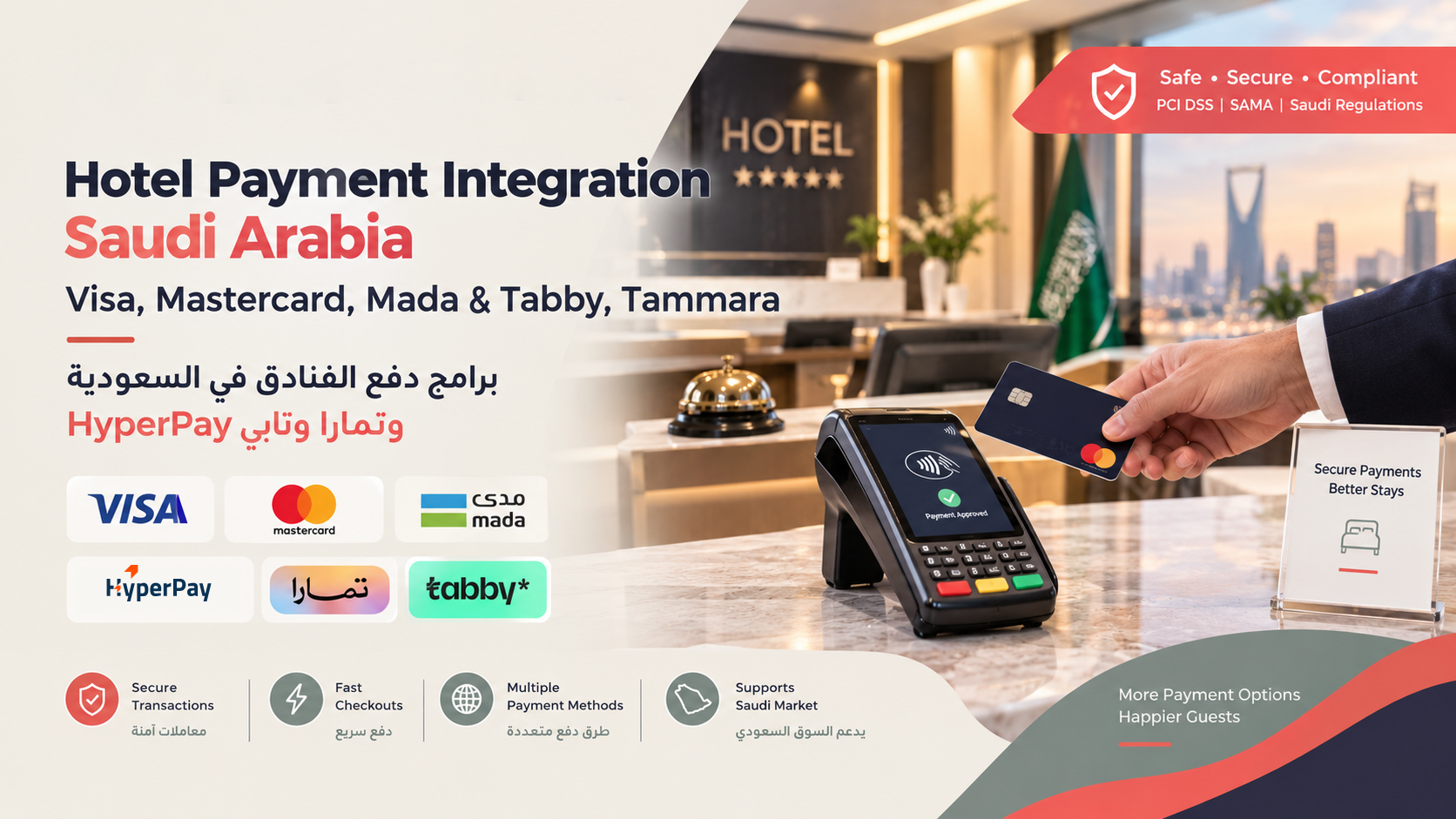
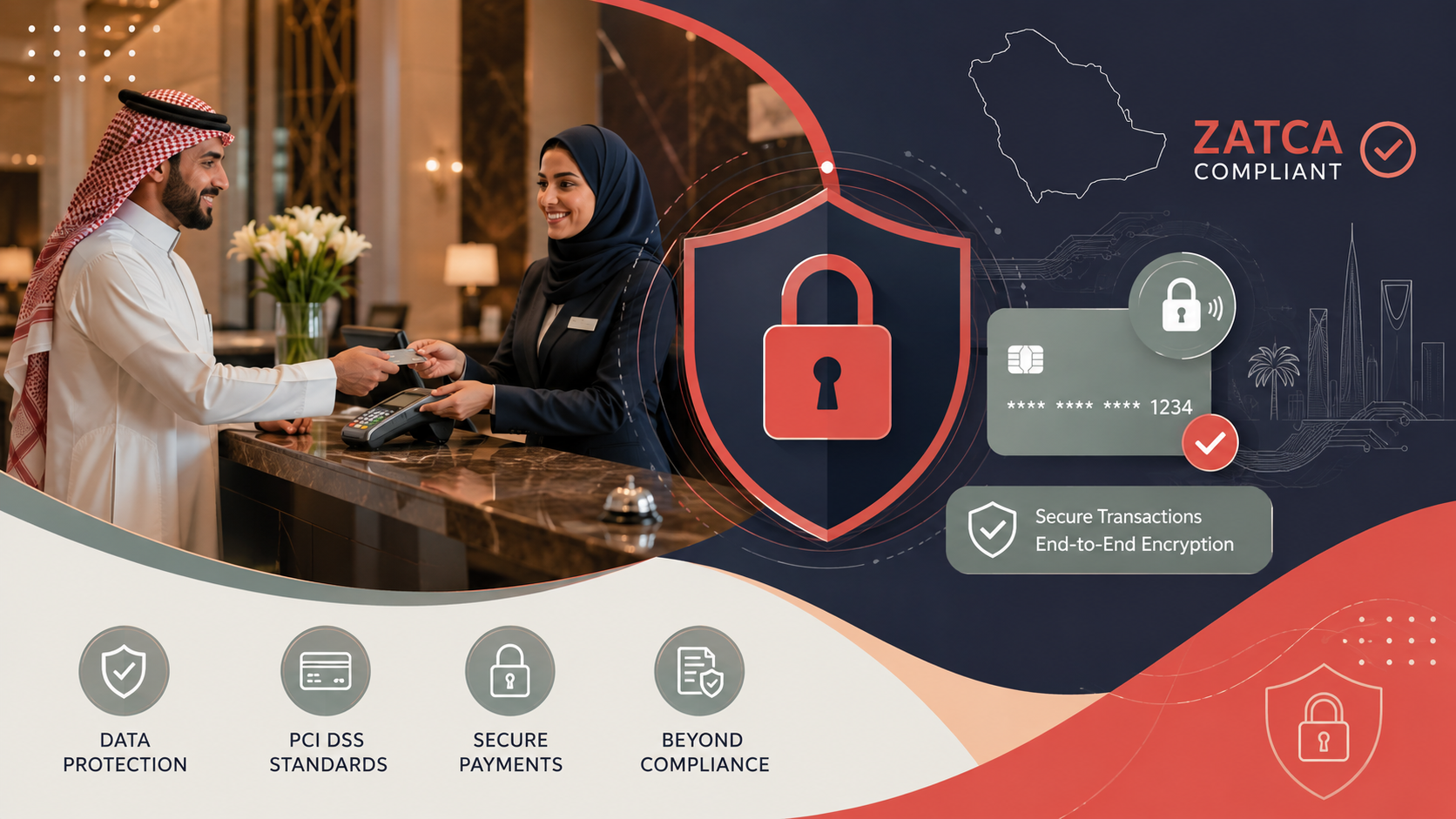
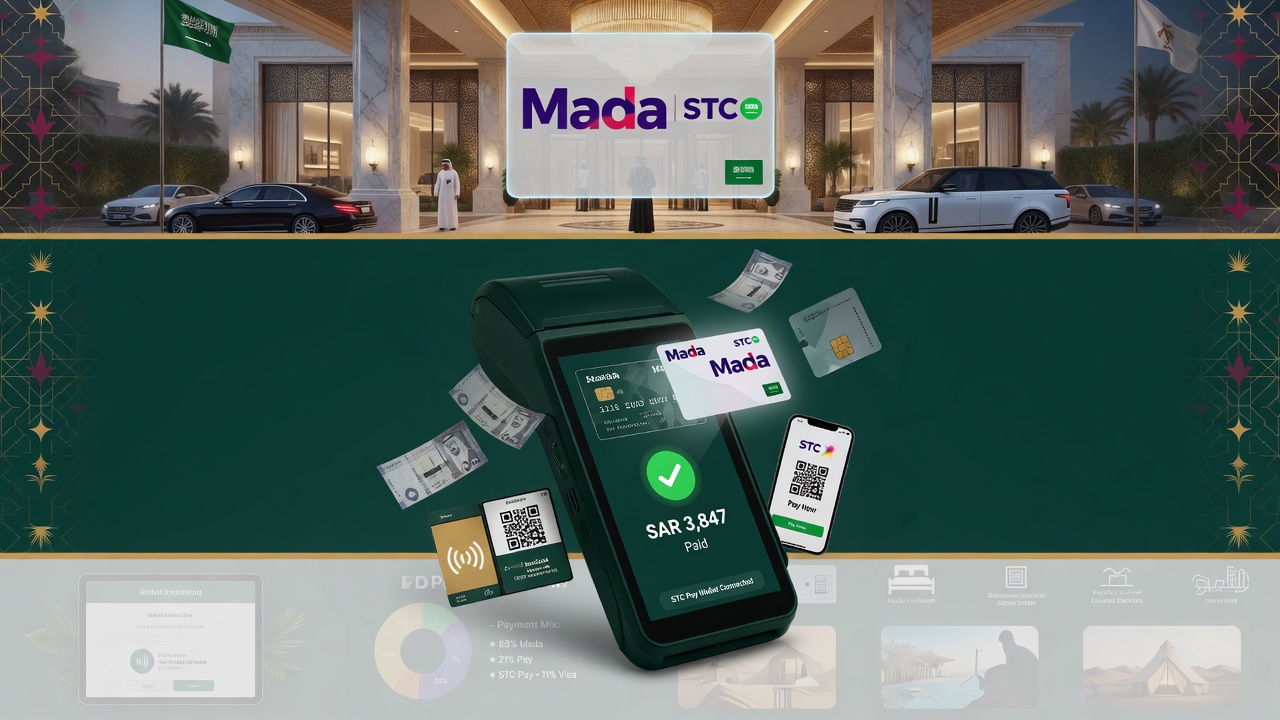
Any hotel that accepts credit or debit card payments must comply with PCI DSS requirements. This includes encrypting cardholder data during transmission, maintaining secure networks, and regularly testing security systems. For Saudi hotels serving international guests, PCI DSS compliance is not only a contractual obligation with payment processors but also a critical layer of guest data protection.
Comparing Cybersecurity Solutions for Saudi Hotels
Selecting the right cybersecurity tools and services depends on your hotel's size, budget, and data sensitivity. The table below compares common solutions tailored for cybersecurity for Saudi hotels:
Key Features & Benefits of a Robust Hotel Cybersecurity Program
Investing in hotel network security and data protection delivers measurable returns beyond compliance. Here are the core benefits Saudi hotels can expect from a mature cybersecurity posture:
- Guest Trust & Loyalty: Demonstrable data protection practices increase guest confidence and encourage repeat bookings—critical in a competitive market like Saudi Arabia.
- NCA & PDPL Compliance: Avoid costly fines, legal action, and reputational harm by aligning with Saudi regulatory requirements.
- ⚡ Operational Resilience: Minimize downtime from cyber incidents—ransomware can shut down check-in systems for days, resulting in lost revenue and guest dissatisfaction.
Global Brand Protection: International hotel chains operating in Saudi Arabia safeguard their global reputation by maintaining consistent security standards.- Competitive Advantage: Marketing your hotel as "cybersecurity-certified" or "NCA-compliant" can differentiate your property in the eyes of security-conscious corporate and luxury travelers.
Insider Threat Mitigation: Proper access controls and employee training reduce the risk of accidental or malicious data leaks from within the organization.
Real-World Use Cases: Cybersecurity for Saudi Hotels in Action
Let's explore practical scenarios where cybersecurity best practices for hotels in Saudi Arabia directly safeguard operations and guest privacy:
Makkah & Madinah: Managing High-Volume Pilgrim Data During Hajj & Umrah
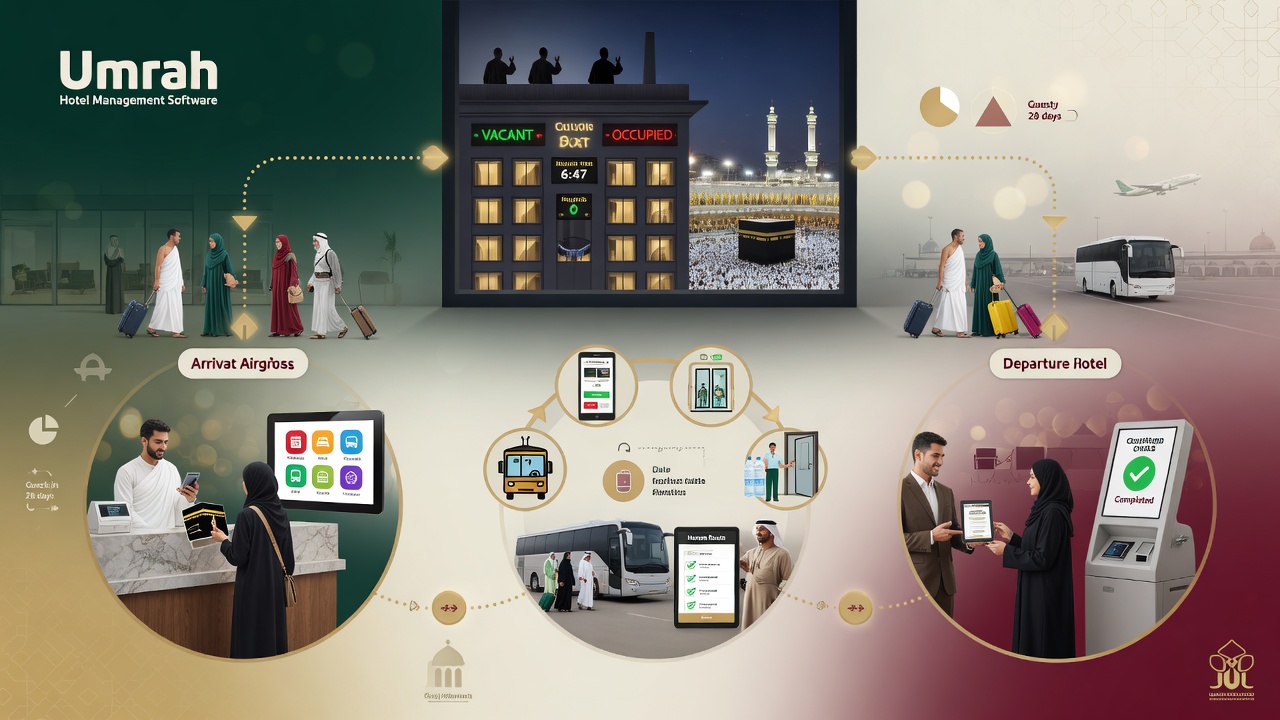
During peak pilgrimage seasons, hotels in the holy cities process massive volumes of guest data—including sensitive religious visa information and health records. A breach during this period could disrupt thousands of bookings and violate the trust of international pilgrims. Implementing robust encryption protocols and real-time network monitoring ensures that even under high load, guest data remains secure and systems remain operational.
Riyadh: Securing Corporate & Government Guest Profiles
Riyadh's hotels frequently host government delegations, diplomats, and C-suite executives. The sensitivity of these guests' data cannot be overstated. Hotels can deploy role-based access control (RBAC) to ensure only authorized personnel can view or modify high-profile guest profiles, while SIEM solutions log every access attempt for forensic traceability and NCA compliance.
Red Sea & AlUla Resorts: Protecting Smart Resort Ecosystems
Luxury resorts along the Red Sea coast and in AlUla are integrating IoT devices—smart locks, voice assistants, automated climate control—into the guest experience. Each connected device represents a potential entry point for attackers. A network segmentation strategy separates guest-facing IoT networks from back-end PMS and payment systems, containing any potential compromise.
Practical Tip: Conduct a cybersecurity gap assessment against NCA ECC standards at least twice a year. Use the results to prioritize remediation efforts—focus first on guest-facing systems like booking engines, PMS, and Wi-Fi infrastructure. Document everything; thorough documentation is half the battle during regulatory audits.
Future Trends: Vision 2030 and the Next Frontier of Saudi Hospitality Cybersecurity
Saudi Arabia's Vision 2030 blueprint is transforming the Kingdom into a global tourism powerhouse. With mega-projects like NEOM, The Red Sea Project, Diriyah Gate, and Qiddiya, the hospitality sector is scaling at an extraordinary pace. This growth brings both immense opportunity and heightened cyber risk. Here is how cybersecurity will evolve alongside the Kingdom's ambitions:
- AI-Powered Threat Detection: Hotels will increasingly deploy artificial intelligence to identify anomalous behavior patterns—such as unusual login attempts at 3:00 AM—and respond in real time before damage occurs.
- Biometric Data Protection: As biometric check-ins (facial recognition, fingerprint scanning) become mainstream in Saudi hotels, securing biometric databases will require specialized encryption and compliance with evolving PDPL guidelines.
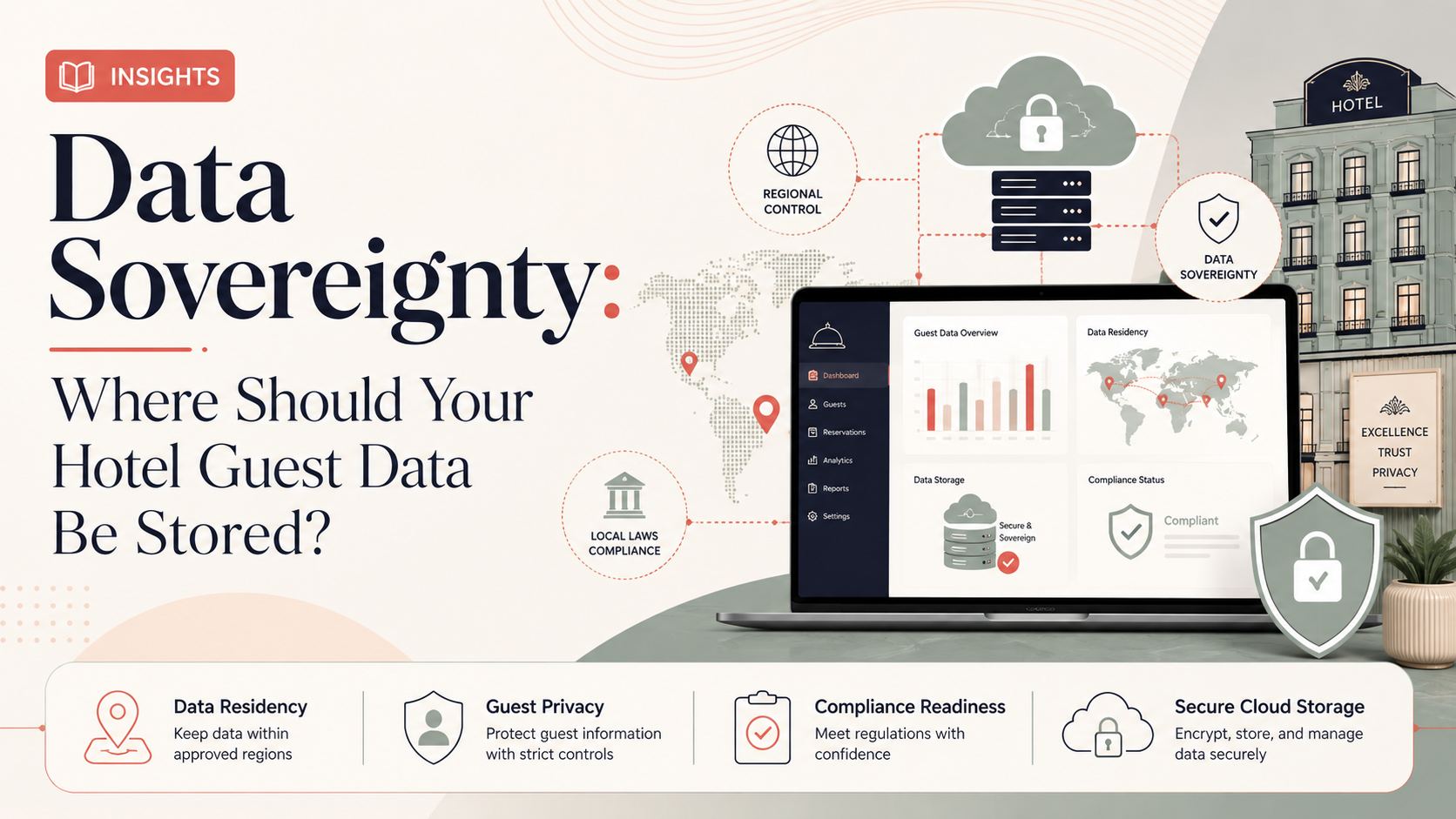
- Cloud Security Maturity: More hotels are migrating PMS and CRM systems to the cloud. Ensuring that cloud providers comply with Saudi data residency requirements will be critical.
- Zero Trust Architecture: The "never trust, always verify" model is gaining traction in hospitality. Every user, device, and application must continuously authenticate before accessing hotel data resources.
- Cybersecurity Talent Development: Aligned with Vision 2030's human capital goals, Saudi hotels will invest in training local cybersecurity talent, reducing dependence on foreign expertise and building national capability.
- Integrated NCA Automation: Compliance reporting will become automated through platforms that map directly to NCA controls, streamlining audit preparation and reducing administrative burden.
The convergence of Vision 2030 cybersecurity mandates and the rapid digitization of Saudi hospitality means that hotels must view cybersecurity not as a cost center, but as a strategic enabler. Properties that proactively invest in guest data breach prevention will be best positioned to thrive in the Kingdom's exciting tourism future.
Frequently Asked Questions (FAQ)
Q1: What is the most common cyber threat facing Saudi hotels today?
Ransomware is the most prevalent and damaging threat. Attackers target hotel PMS databases, encrypt reservation records, and demand payment—often in cryptocurrency—to restore access. Phishing emails targeting front desk and reservation staff are the primary delivery method for these attacks.
Q2: Are small boutique hotels in Saudi Arabia required to comply with NCA controls?
Yes. The NCA Essential Cybersecurity Controls apply broadly to all organizations handling personal or sensitive data in the Kingdom. While implementation may be scaled based on size and risk profile, compliance is mandatory. Small hotels should focus on foundational controls: strong passwords, MFA, regular backups, and employee awareness training.
Q3: How does the PDPL affect how hotels collect guest information?
Under the Personal Data Protection Law (PDPL), hotels must obtain clear, informed consent from guests before collecting personal data. Guests must be told why their data is being collected, how it will be used, and who it may be shared with. Hotels must also allow guests to request access to, correction of, or deletion of their personal data.
Q4: What steps can a hotel take immediately to improve guest data security?
Start with these five immediate actions: (1) Enable multi-factor authentication (MFA) on all hotel systems, (2) Conduct a data inventory to understand what guest data you hold and where it resides, (3) Encrypt all stored guest data and data in transit, (4) Train all staff on phishing awareness and password hygiene, and (5) Implement regular automated backups with offline copies. These foundational steps significantly reduce breach risk.
Q5: Is PCI DSS compliance mandatory for Saudi hotels?
Yes, if your hotel accepts payment cards (credit or debit), PCI DSS compliance is contractually required by payment processors and card networks. Non-compliance can result in fines, higher transaction fees, or even the revocation of your ability to process card payments. It is also considered a baseline security practice under broader NCA expectations.
Q6: How often should Saudi hotels conduct cybersecurity risk assessments?
At a minimum, bi-annually. However, hotels that handle large volumes of guest data or operate in high-risk environments (such as during Hajj season or in politically sensitive areas) should conduct risk assessments quarterly. Additionally, any significant change—such as deploying a new PMS, merging with another property, or introducing IoT devices—should trigger an immediate targeted assessment.
Q7: What role does employee training play in hotel cybersecurity?
Employees are both the first line of defense and the weakest link. Over 80% of data breaches involve human error, according to industry research. Regular, engaging cybersecurity awareness training—covering phishing recognition, password policies, and data handling procedures—can dramatically reduce the likelihood of a successful attack. Training should be conducted at least quarterly and reinforced with simulated phishing exercises.
Conclusion: Securing the Future of Saudi Hospitality
The hospitality industry in Saudi Arabia stands at a remarkable crossroads—fueled by Vision 2030, international investment, and a rapidly growing tourism sector. Yet, with great digital opportunity comes great responsibility. Cybersecurity for Saudi hotels is not merely about installing firewalls or meeting compliance checkboxes—it is about building a culture of security that protects every guest who walks through your doors, every transaction processed, and every piece of personal data entrusted to your care.
From the holy cities of Makkah and Madinah to the futuristic landscapes of NEOM, Saudi hotels must rise to the challenge. By aligning with NCA controls, embracing PDPL principles, and investing in robust guest data protection strategies, hotel operators can turn cybersecurity into a competitive advantage—one that earns guest loyalty, regulatory confidence, and long-term business resilience.
The time to act is now. Every day without adequate cybersecurity measures is a gamble with your guests' trust and your hotel's future. Secure your data. Secure your reputation. Secure your place in Saudi Arabia's extraordinary tourism story.
Ready to Fortify Your Hotel's Cybersecurity?
Contact our team today for a complimentary NCA gap assessment tailored to your property. Protect your guests, protect your brand, and stay ahead of evolving threats.
Request Your Free AssessmentTags
cybersecurity for Saudi hotels, guest data protection Saudi Arabia, hotel data security, Saudi hospitality cybersecurity, NCA compliance hotels, PCI DSS hotels Saudi, PDPL hotel compliance, hotel network security, Vision 2030 cybersecurity, Saudi tourism digital security, hotel guest data breach prevention, protecting personal data in Saudi hotels, hospitality cyber threats, NCA Essential Cybersecurity Controls, hotel PMS security, Saudi Arabia data protection law hotels, smart hotel cybersecurity, Hajj hotel data security, luxury hotel cybersecurity Saudi, managed security services hospitality Saudi Arabia