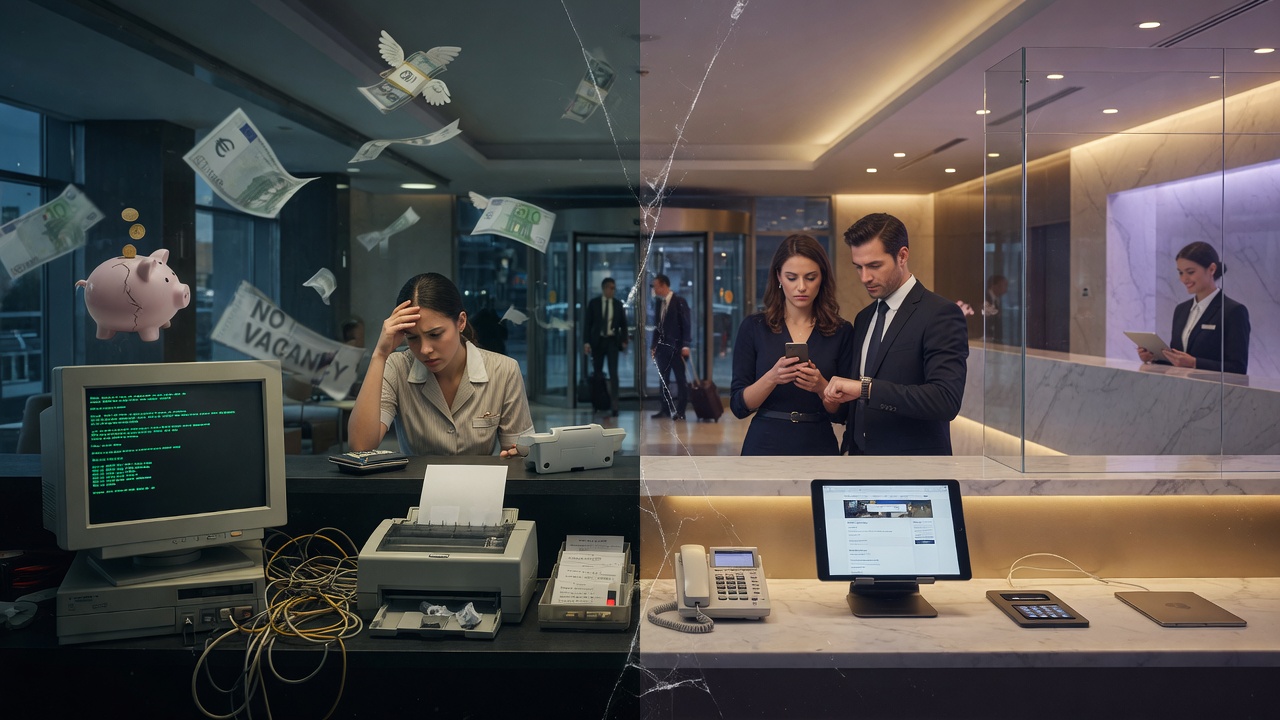
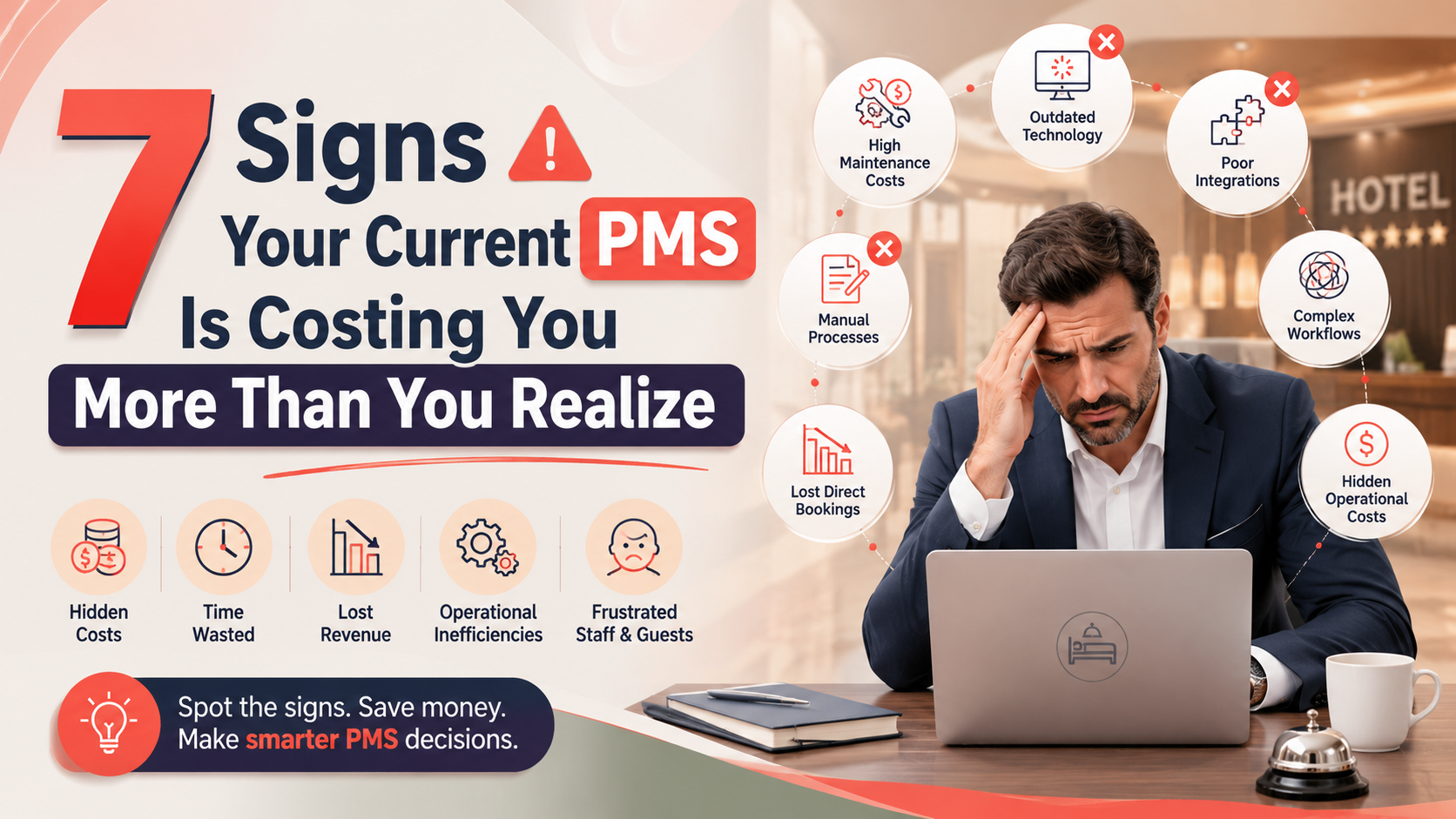
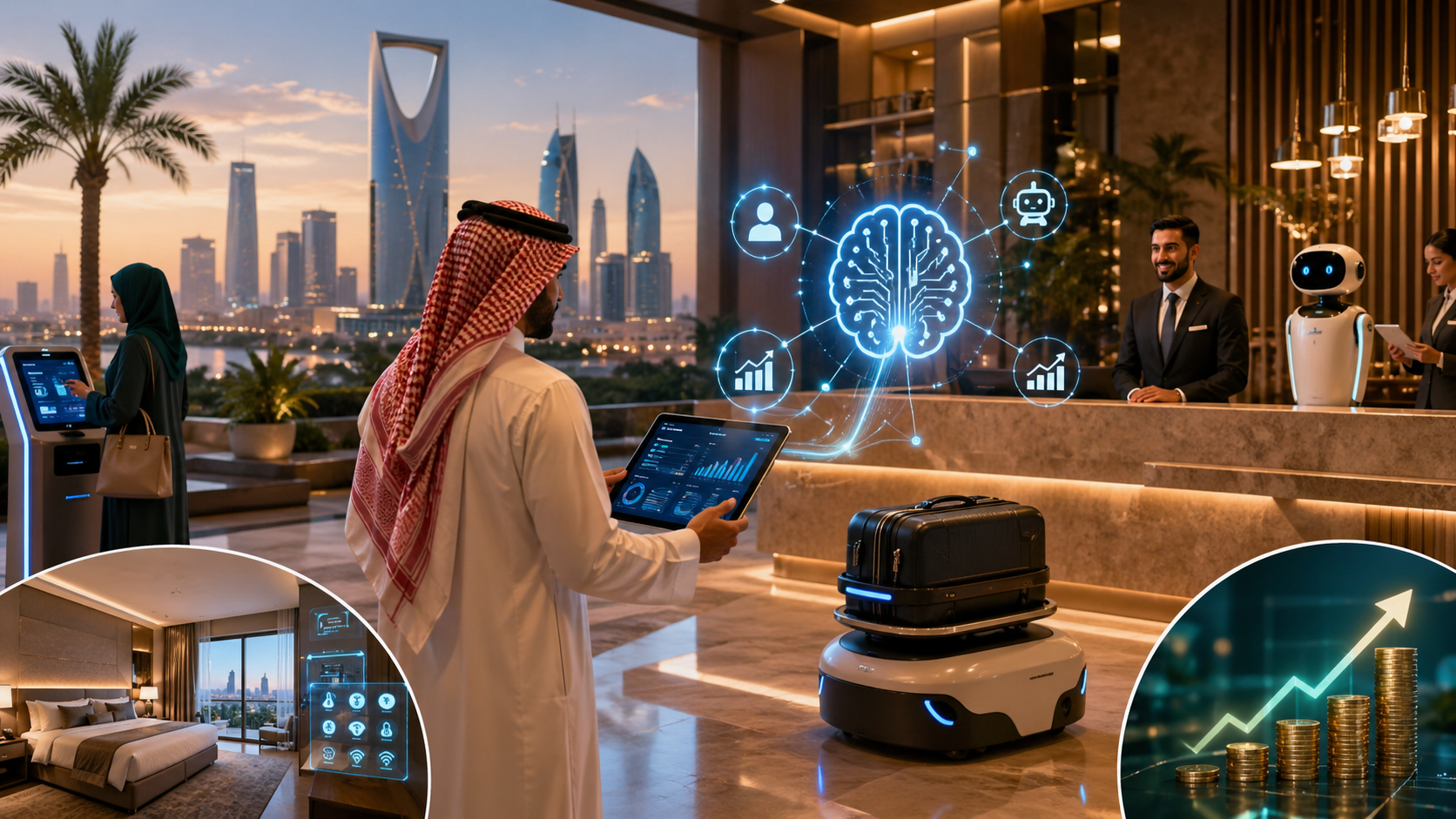
Every time your front desk agent sighs at a frozen screen or a guest waits too long for check-in, your outdated Property Management System (PMS) is quietly turning away revenue.
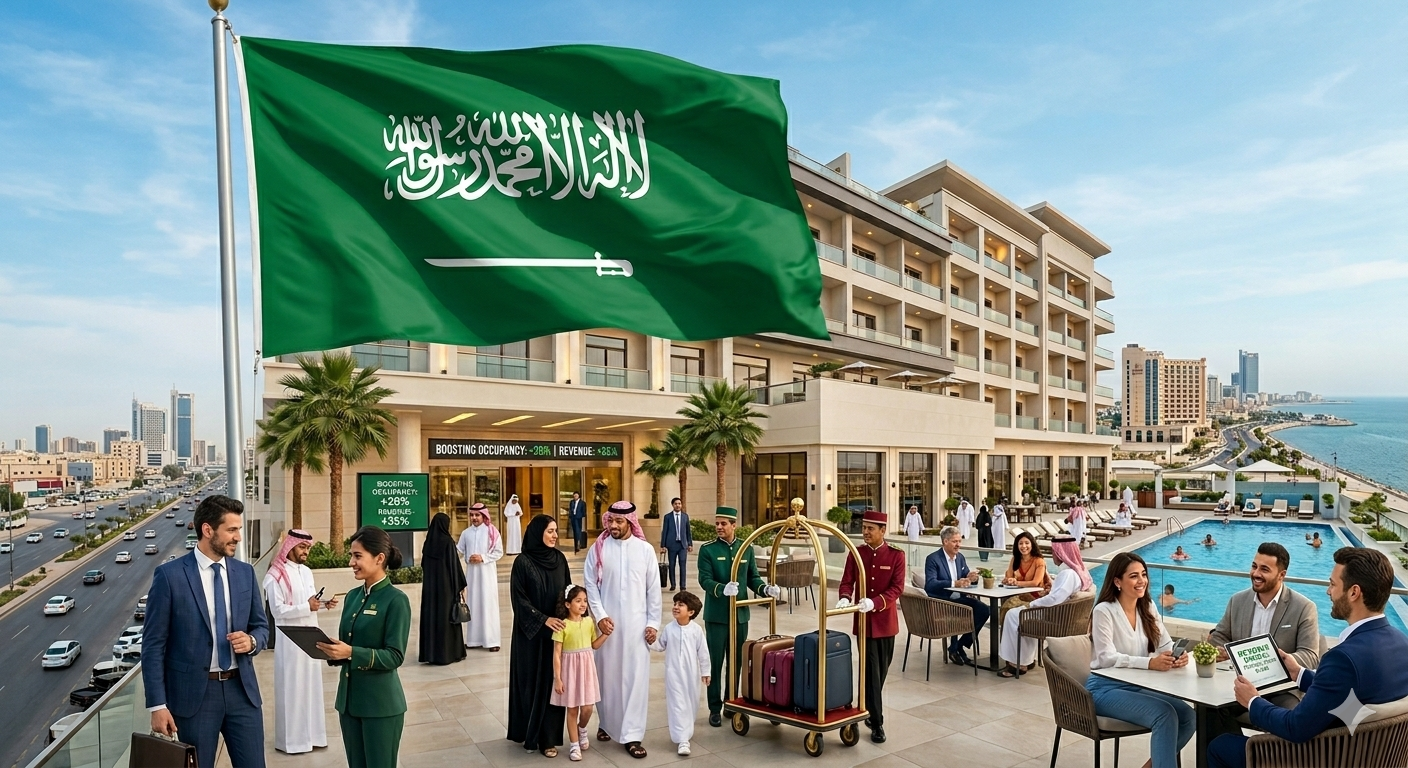
In Saudi Arabia's hyper-competitive hospitality landscape—driven by Vision 2030 and a target of 150 million annual visits by 2030—clinging to a legacy PMS is no longer a cost-saving measure. It's a guest-repelling liability. This article reveals the staggering hidden costs of outdated hotel technology, from lost direct bookings to negative online reviews, and demonstrates how migrating to a modern, cloud-based PMS can transform guest experiences and boost profitability.
Whether you operate a heritage hotel in Diriyah, a bustling business property in Riyadh's KAFD, or a beachfront resort on the Red Sea, the limitations of legacy systems directly impact your bottom line. We'll dissect the true price of outdated tech, explore the features of next-generation PMS platforms, and provide actionable insights tailored for the Saudi market—including integration with the Saudi Tourism Authority's digital initiatives.
What Exactly is a Legacy PMS—and Why Is It Hurting Your Hotel?
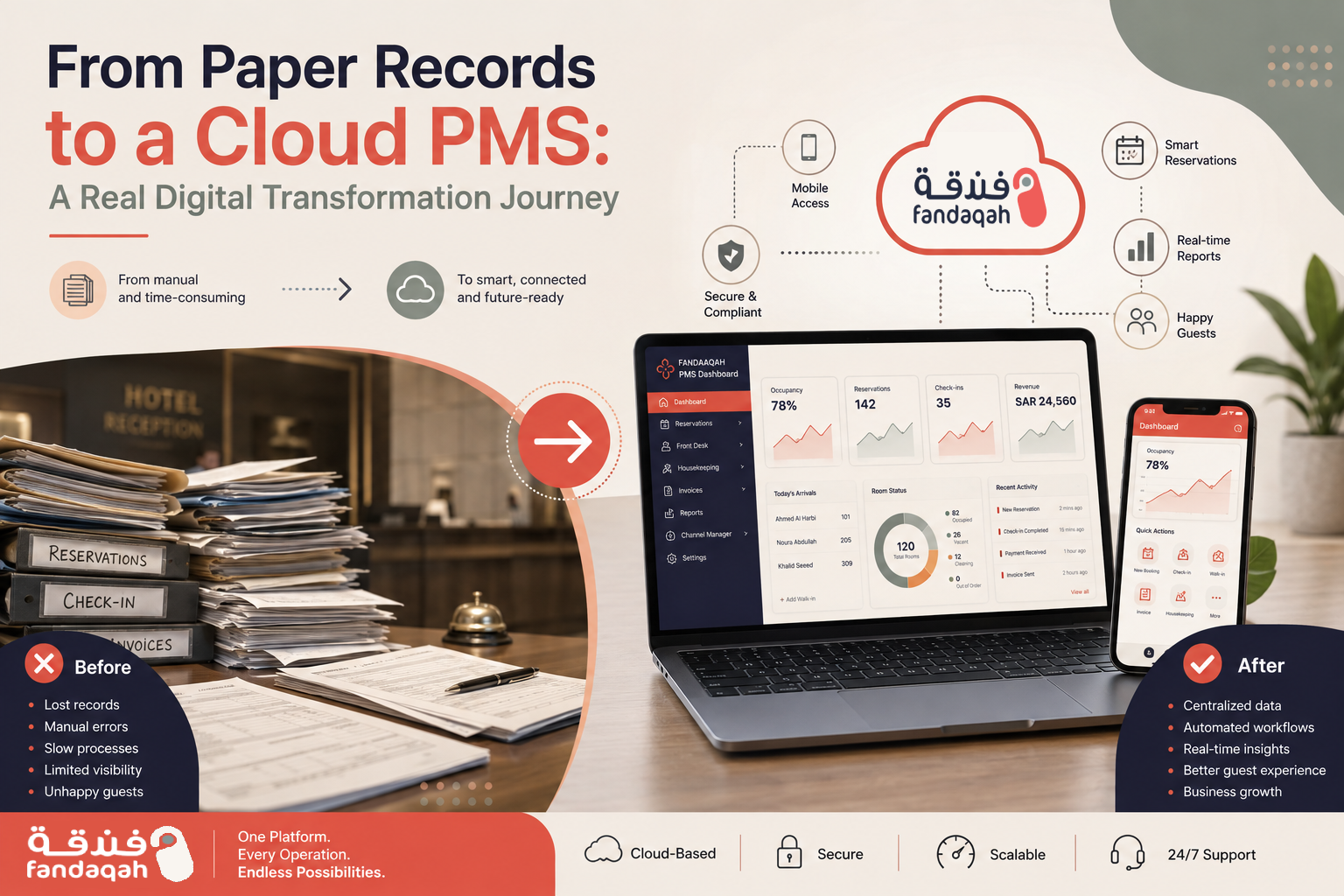
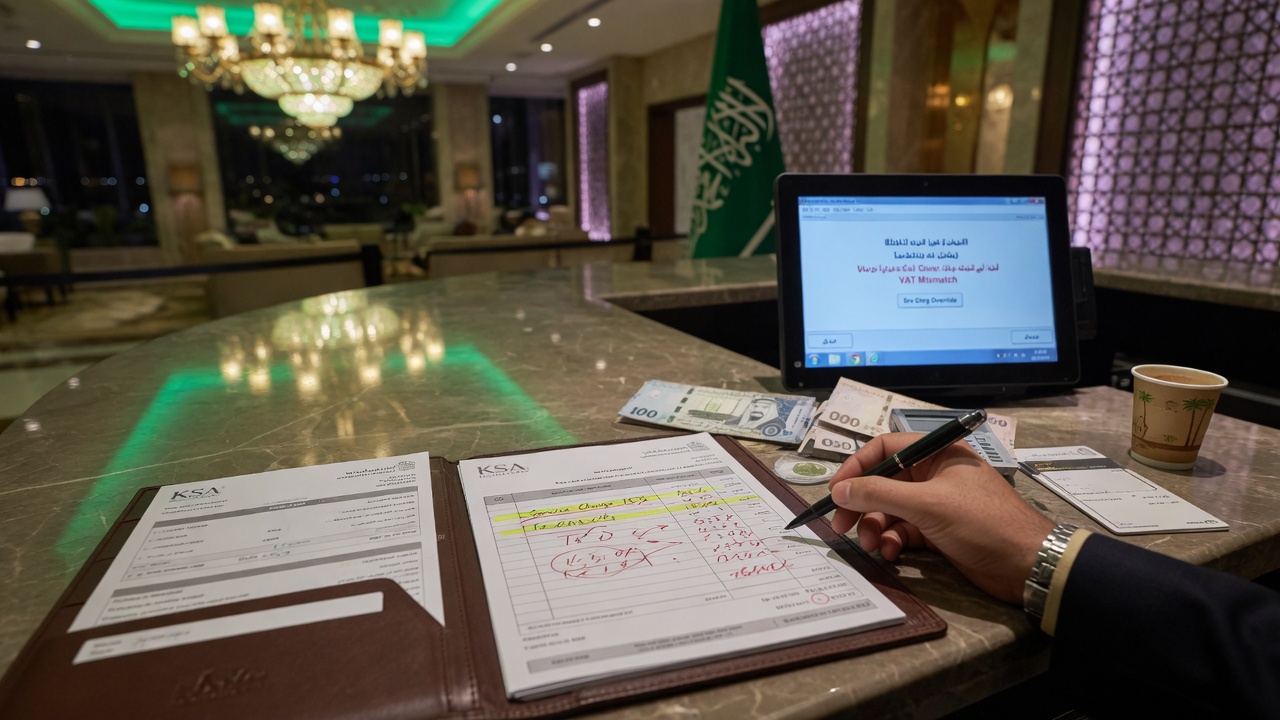
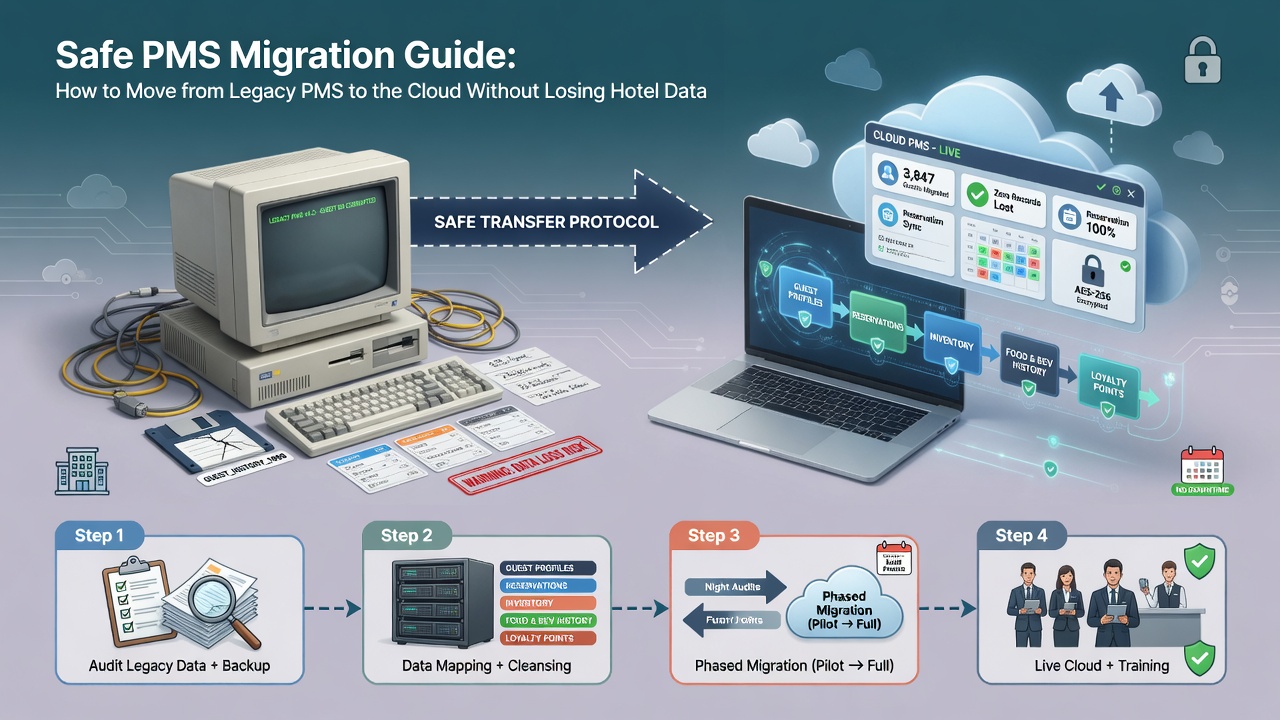
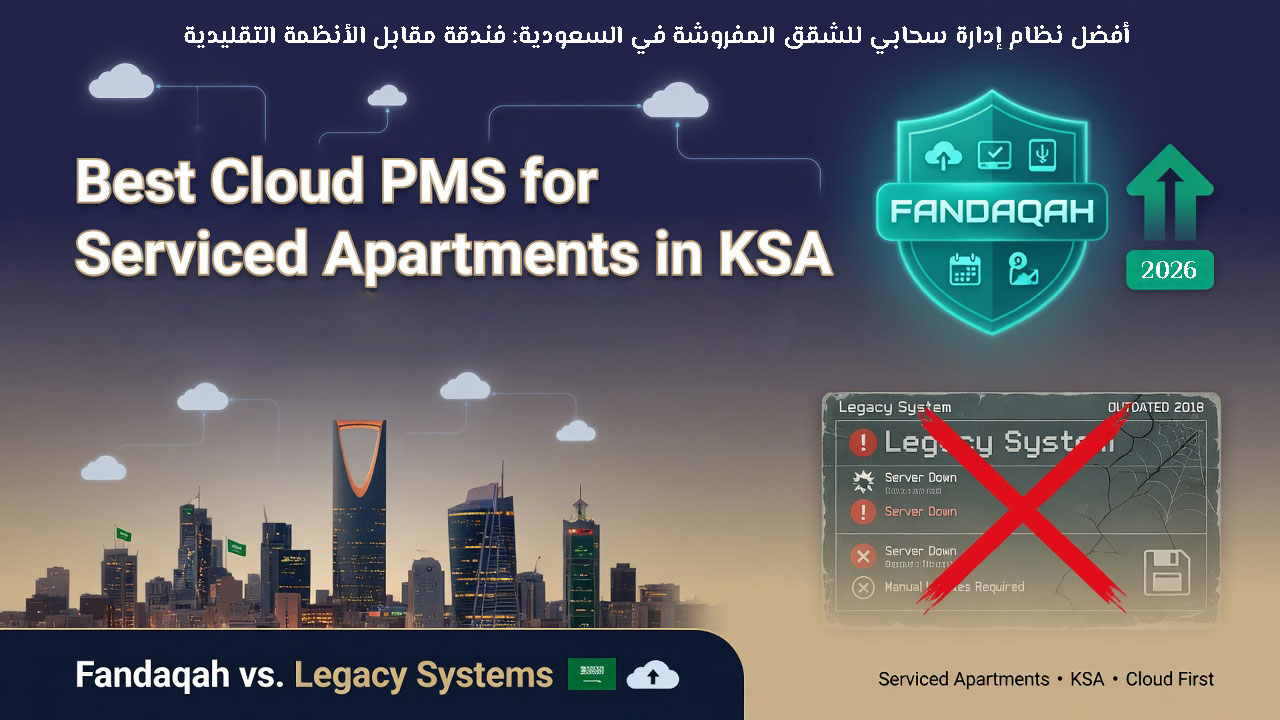
A legacy Property Management System typically refers to on-premise, server-based software installed decades ago. It may have been reliable in the era of fax machines, but today it operates in silos, lacks mobile accessibility, and requires expensive, specialized IT support. Common signs include: a clunky green-screen interface, inability to integrate with modern booking engines or channel managers, and dependence on manual updates.
The core problem? Legacy PMS systems are guest-experience blockers. They slow down operations, prevent personalized service, and create data blind spots that lead to missed revenue opportunities. In an age where guests expect seamless digital interactions—from mobile check-in to personalized upsells—outdated tech creates friction at every touchpoint.
The Hidden Costs of Outdated Hotel Technology: More Than Just an IT Headache
Many hoteliers underestimate the true financial impact of a legacy PMS. It's not just about maintenance fees; it's about the opportunity cost of lost guests and revenue. Let's break down the five most damaging hidden costs.
1. The Guest Experience Tax: Slow Check-Ins & Generic Service
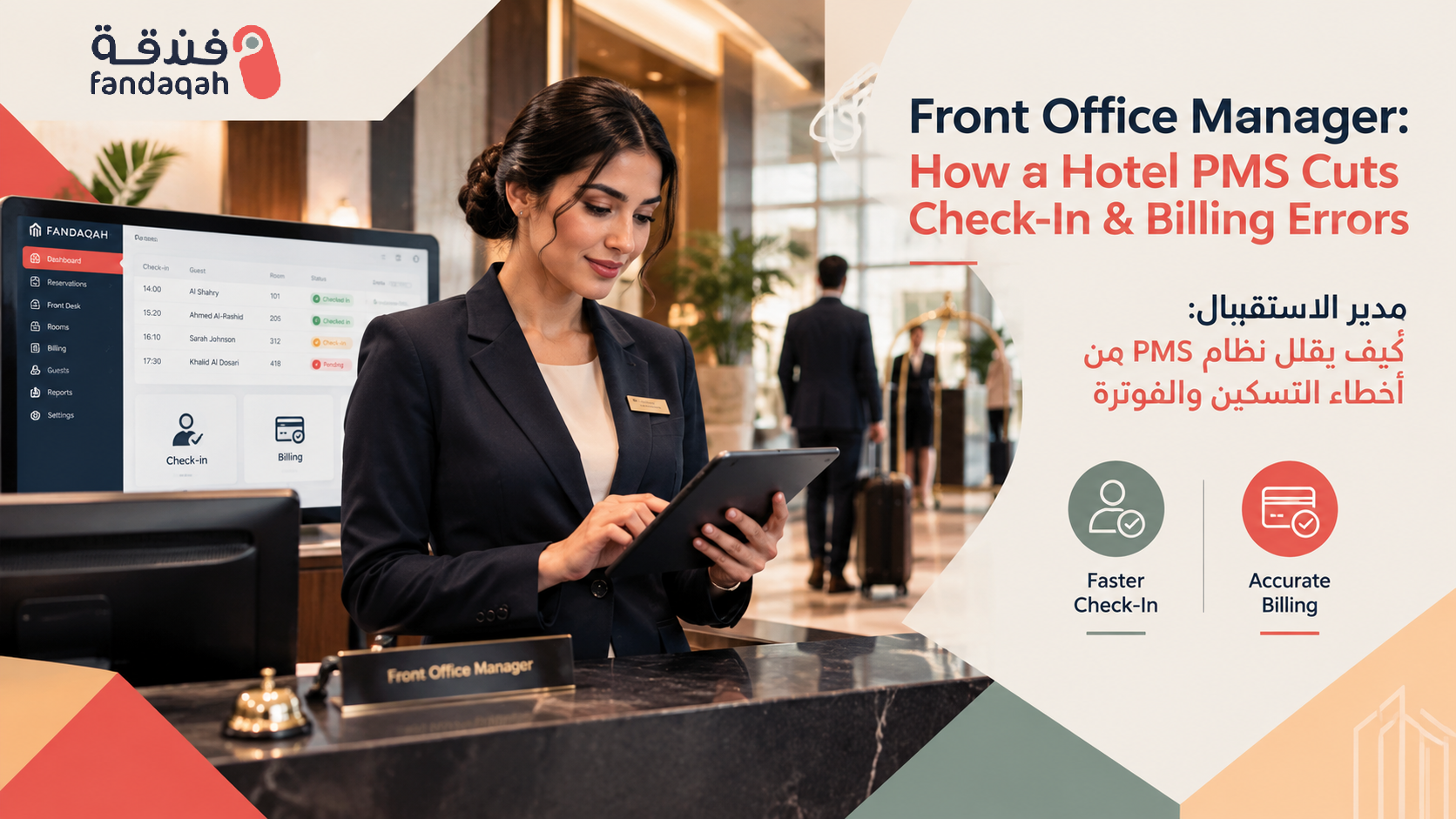
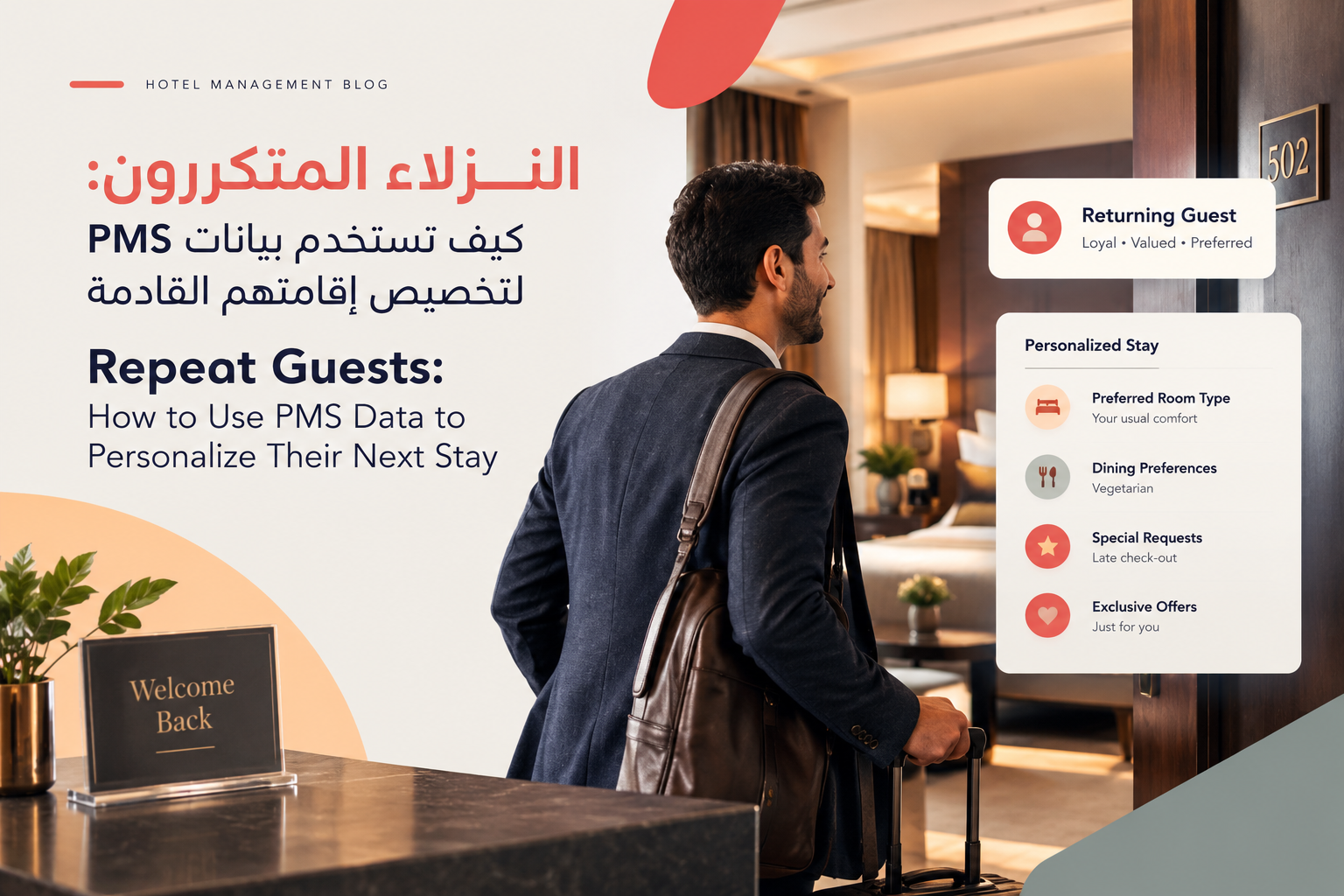
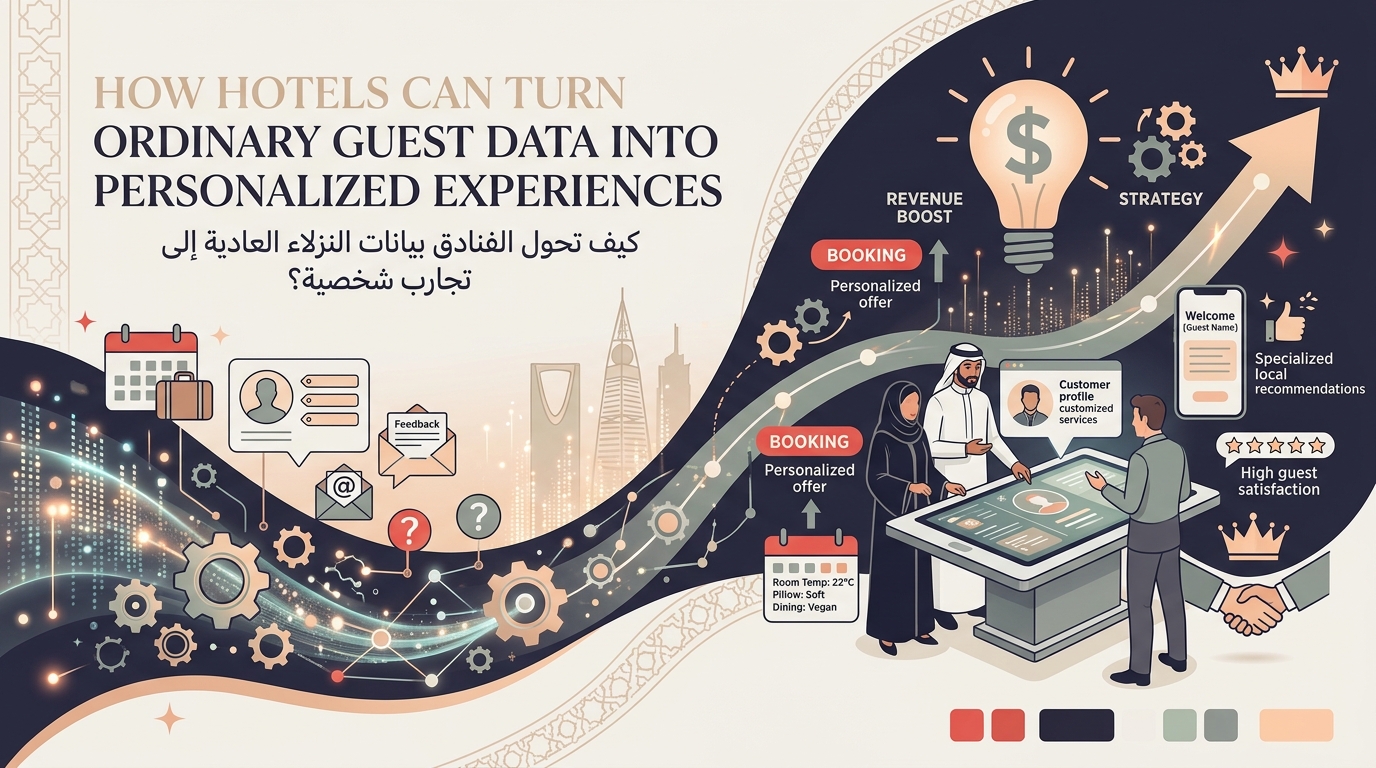
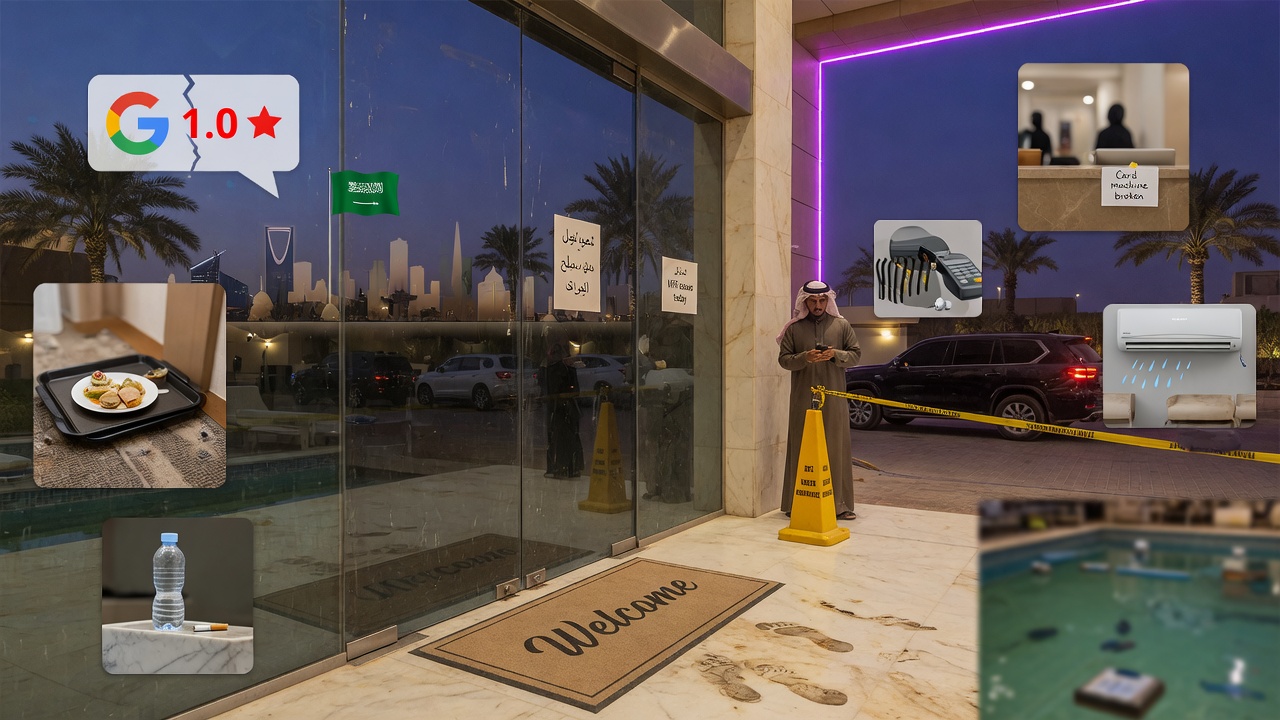
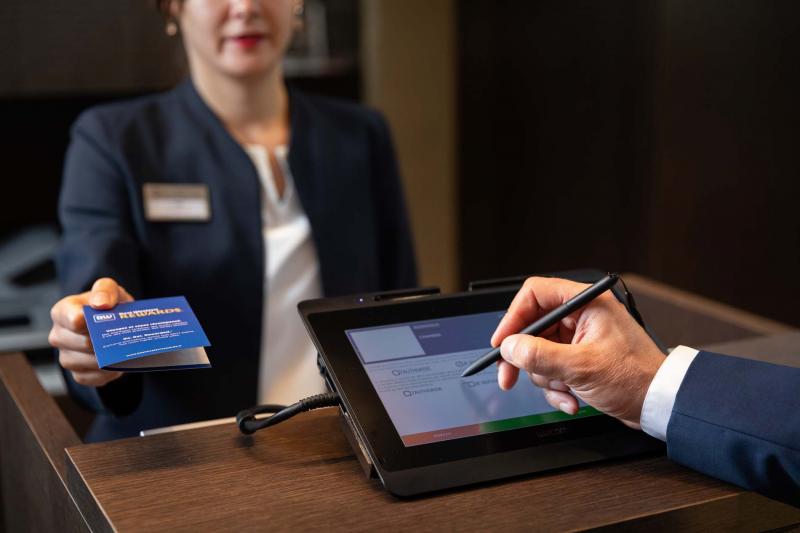
First impressions matter. A legacy PMS often means a sluggish check-in process—especially during peak times like Hajj or Riyadh Season. If the system takes 5-7 minutes per guest instead of 2 minutes with a modern system, the queue builds, frustration grows, and your TripAdvisor rating suffers. Furthermore, legacy systems store minimal guest preference data. You can't easily record that Mr. Al-Ghamdi prefers a high floor away from the elevator or that Ms. Al-Saud is allergic to feathers. The result? Impersonal, transactional stays that fail to build loyalty.
2. Revenue Leakage & Lost Direct Bookings
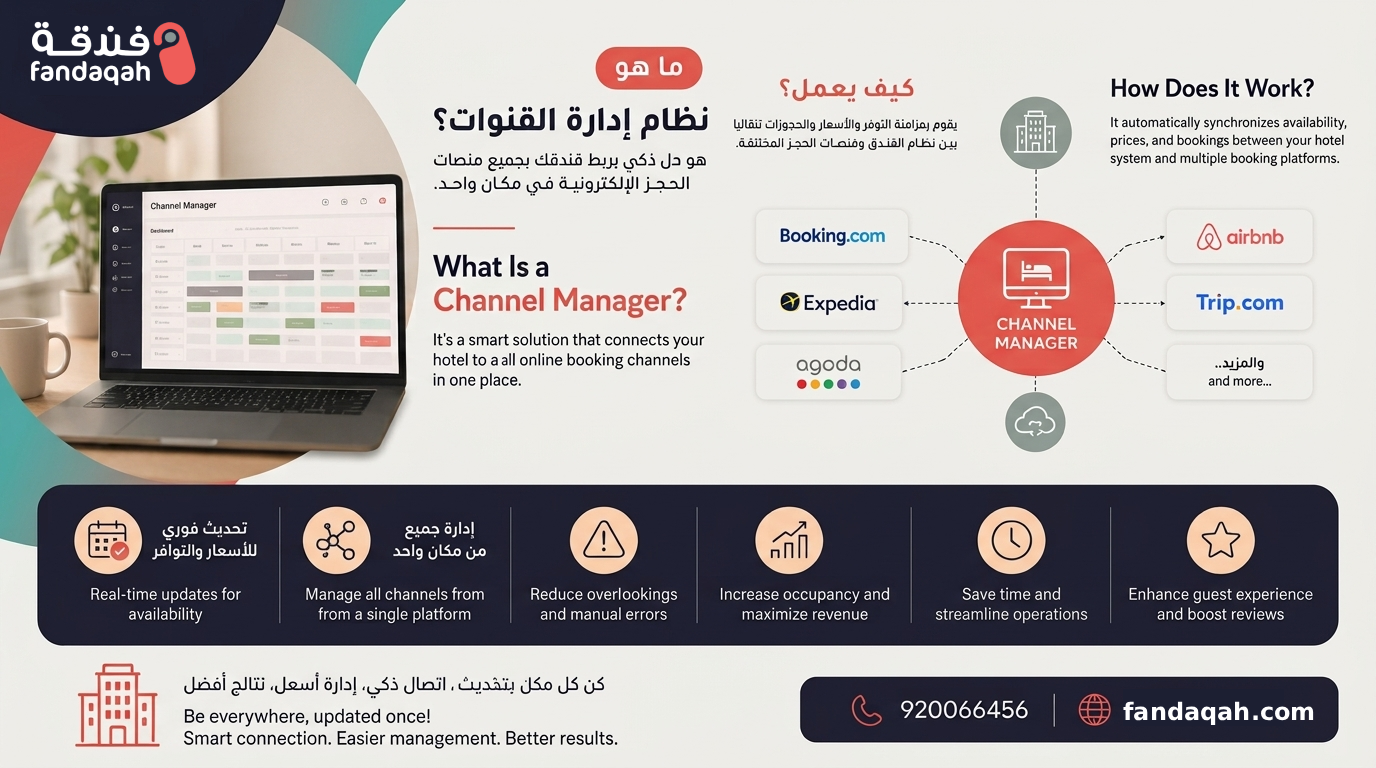
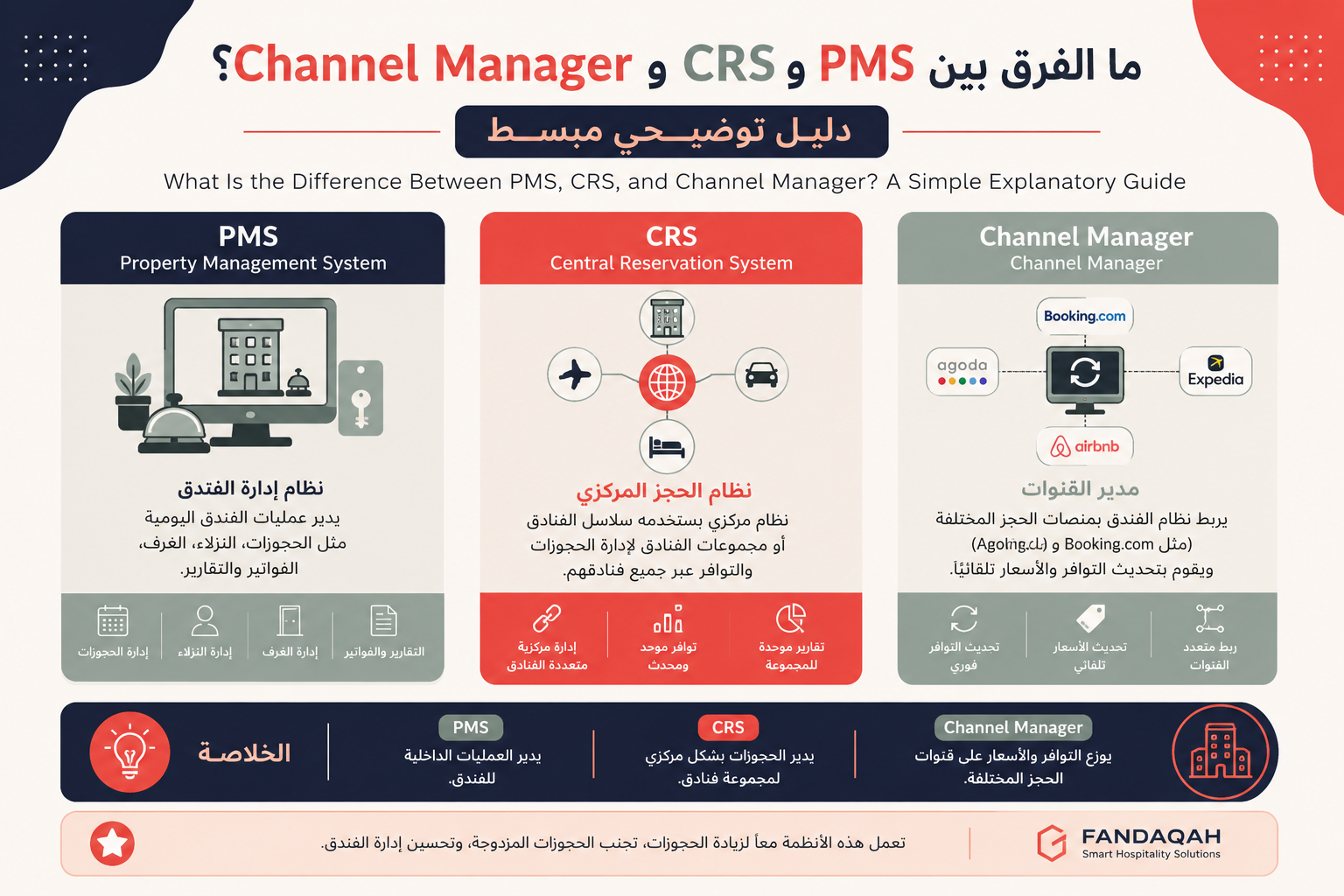
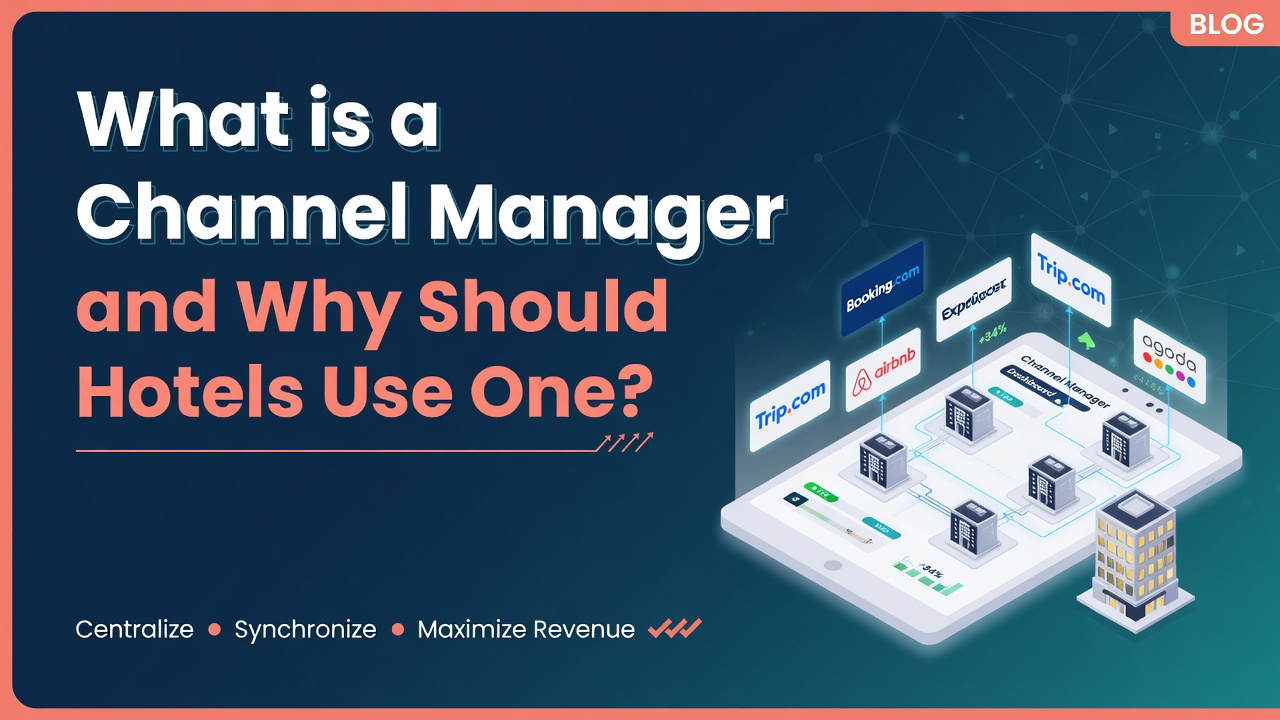
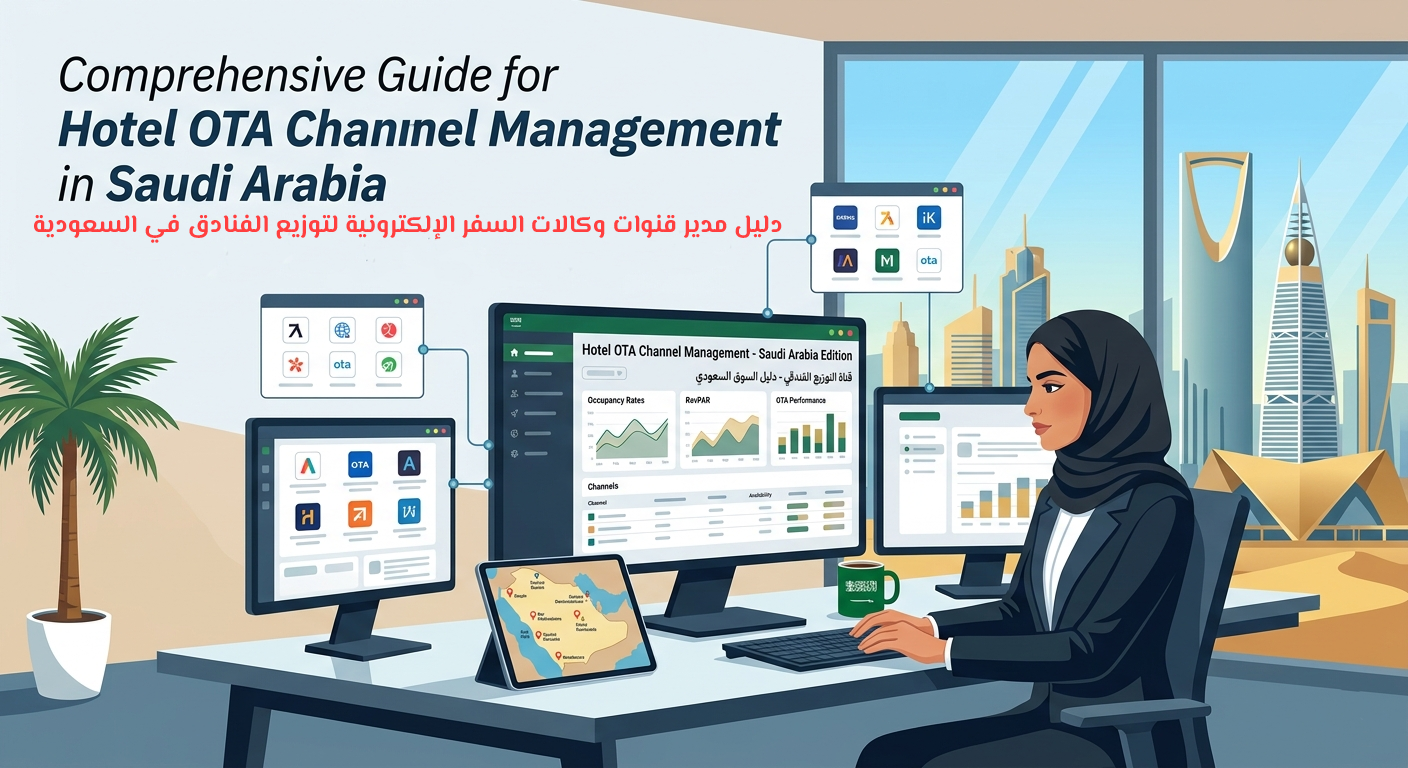
Legacy PMS platforms often struggle to integrate seamlessly with modern booking engines, channel managers, and revenue management systems (RMS). This leads to:
- Overbookings and manual corrections that damage brand reputation and incur compensation costs.
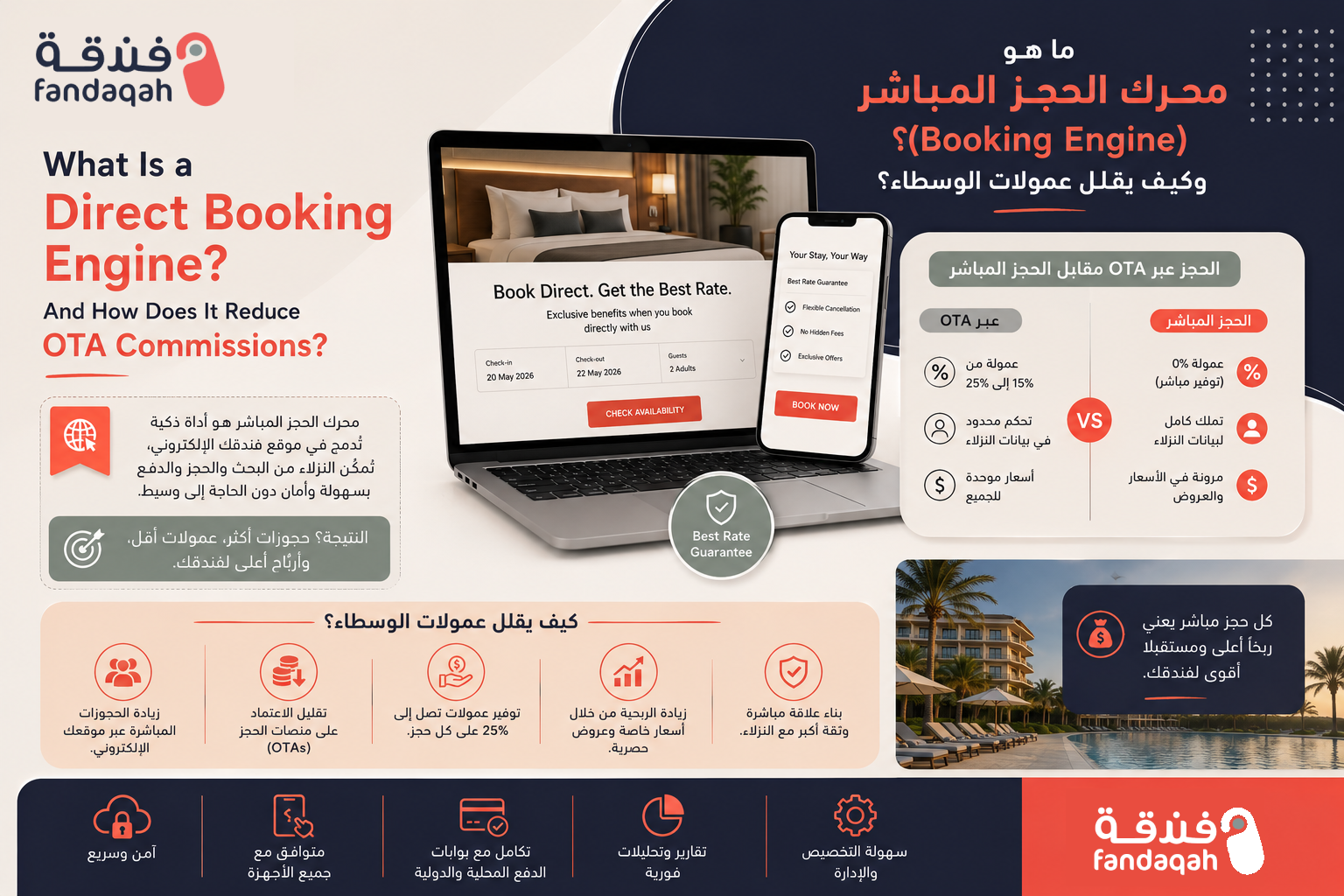
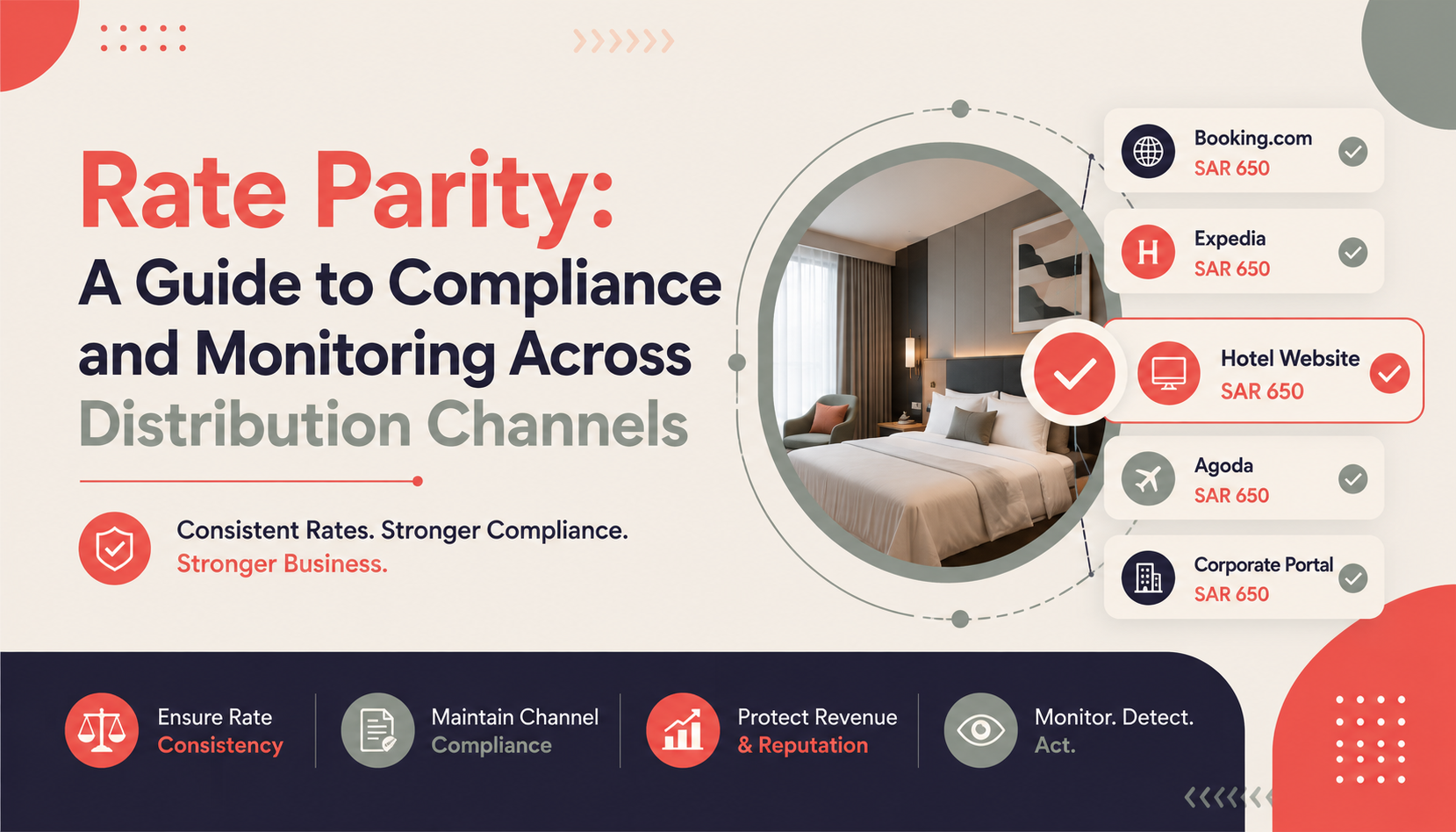
- Rate disparity across OTAs (Booking.com, Almosafer) and your direct website.
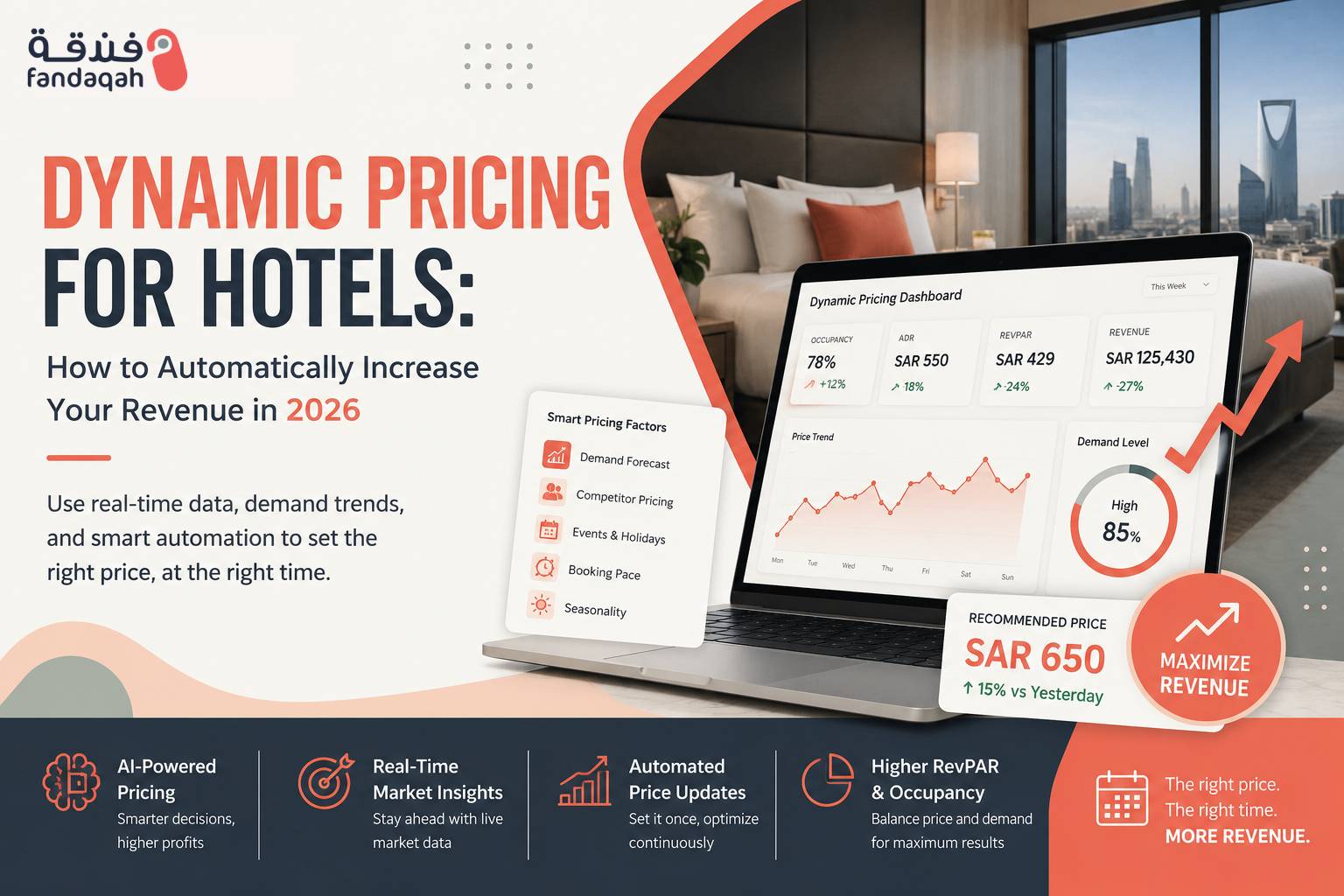
- Inability to implement dynamic pricing in real-time, leaving money on the table during high-demand events like Formula 1 in Jeddah or MDLBeast Soundstorm.
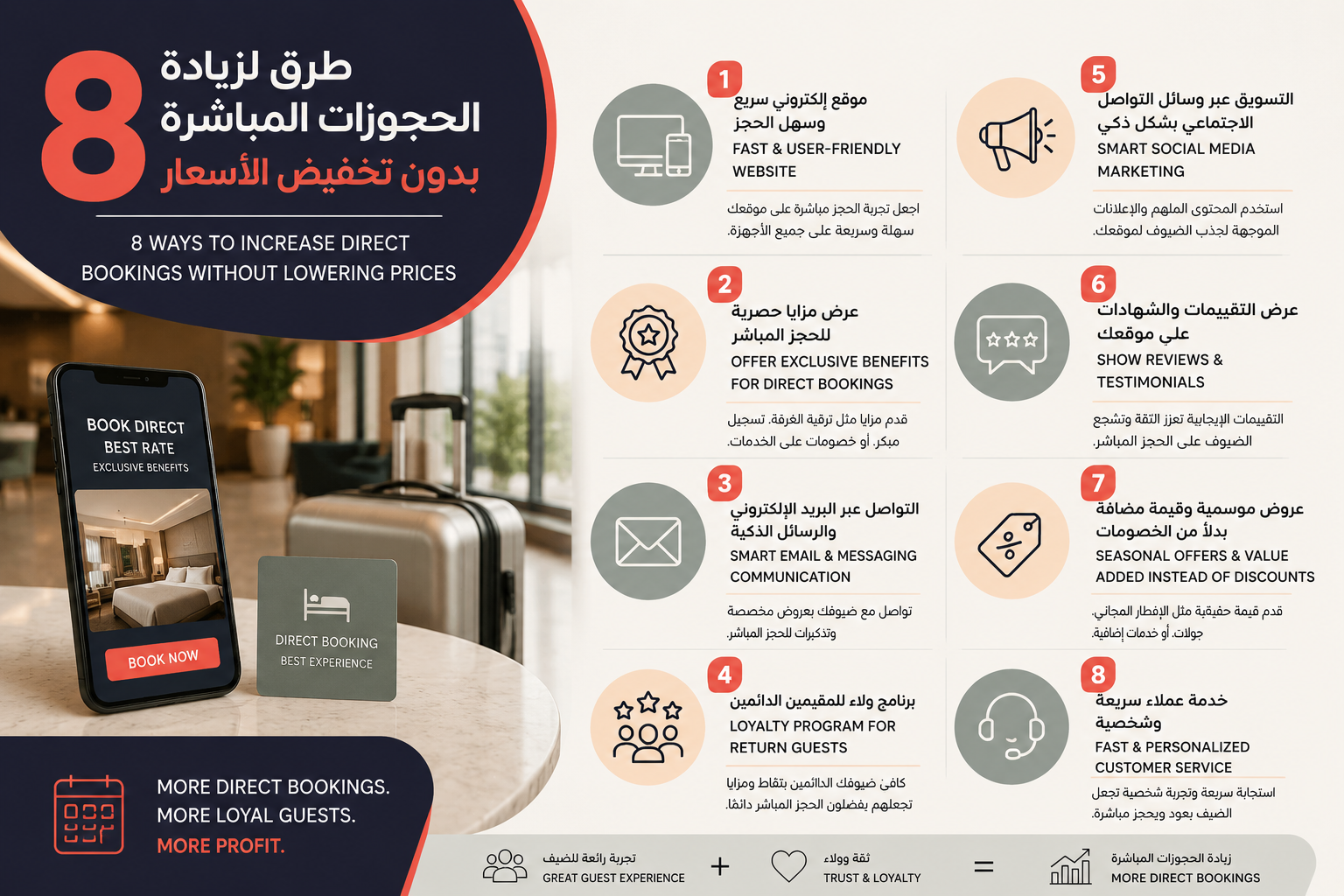
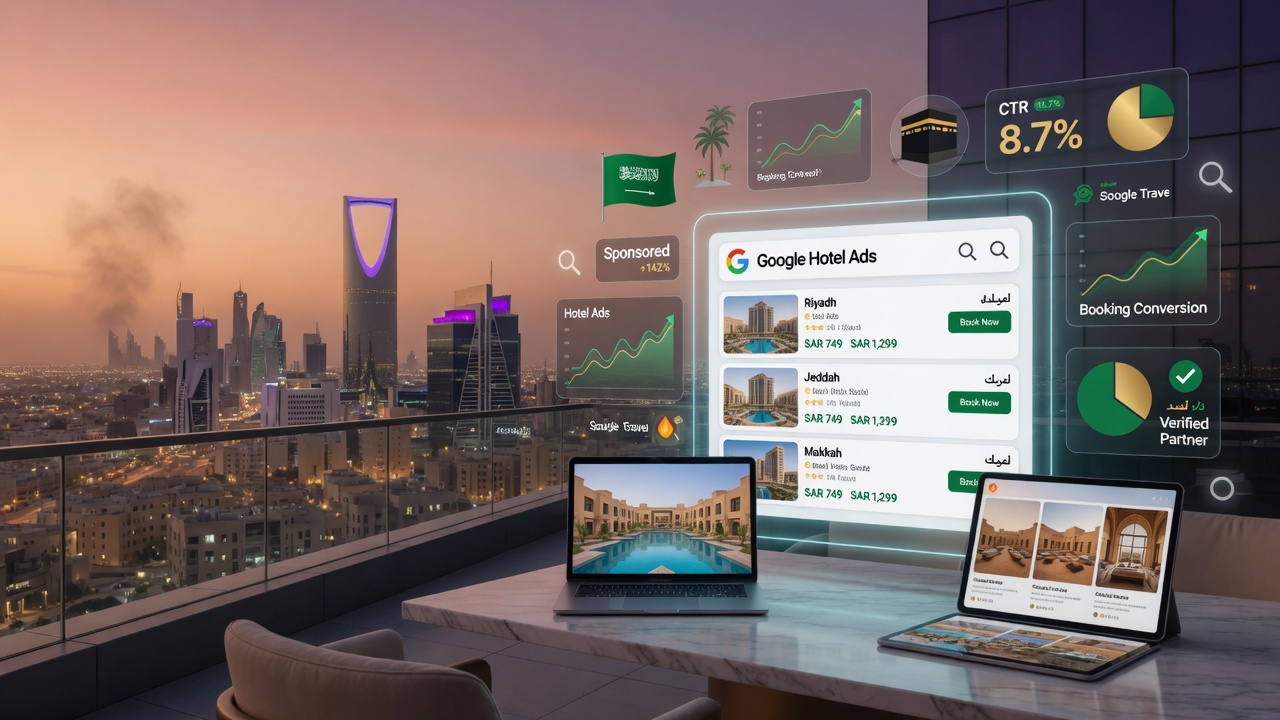
Long-tail keyword insight: "Best PMS for increasing direct hotel bookings in Saudi Arabia" is a critical search. A modern cloud PMS empowers you to capture more commission-free reservations.
Key Insight: "A mid-size hotel in Jeddah switched from a 15-year-old on-premise PMS to a cloud-native solution. Within six months, direct bookings increased by 18% due to a faster, mobile-friendly booking engine integration." — Saudi Hospitality Tech Consultant.
3. Operational Inefficiency & Staff Burnout
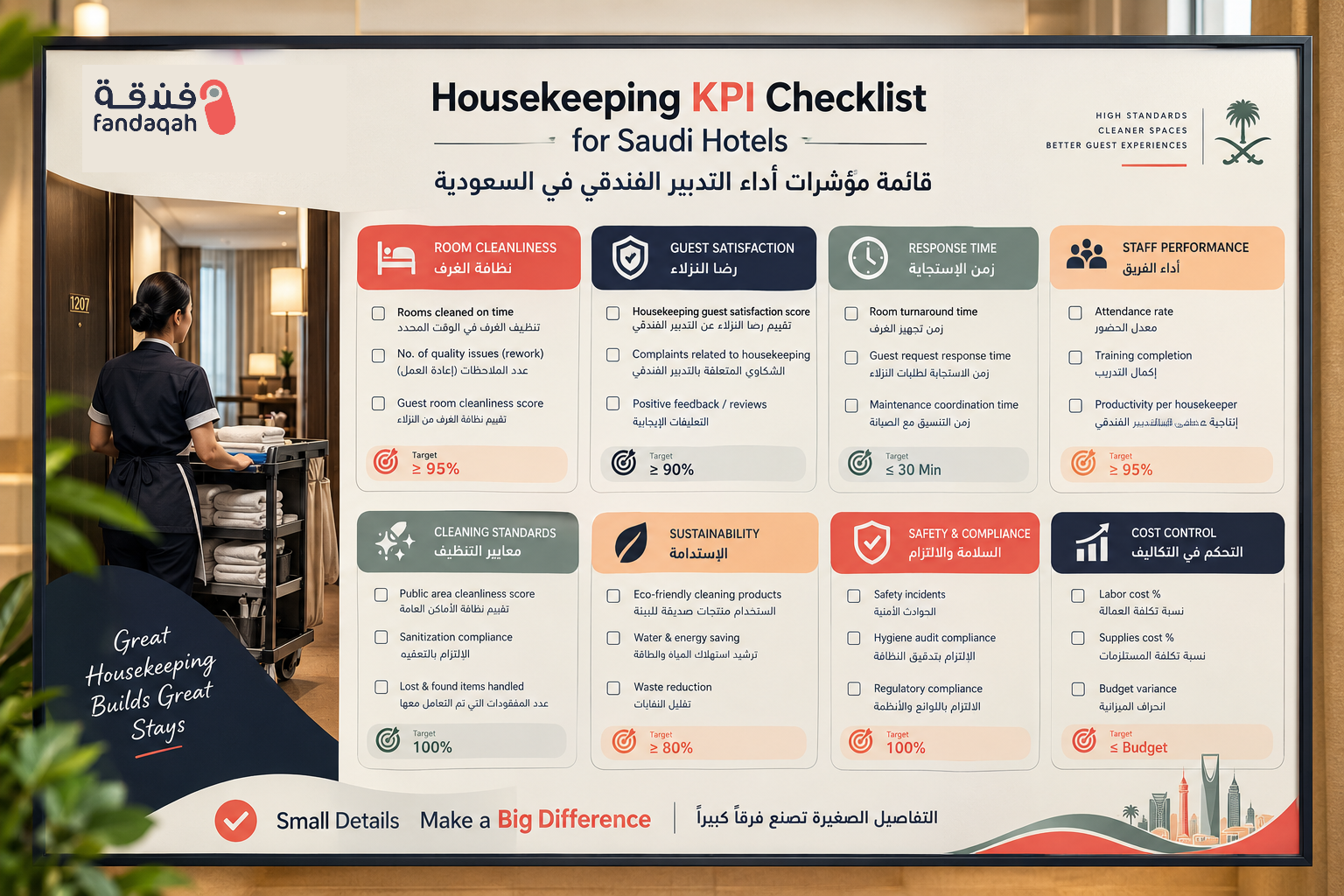
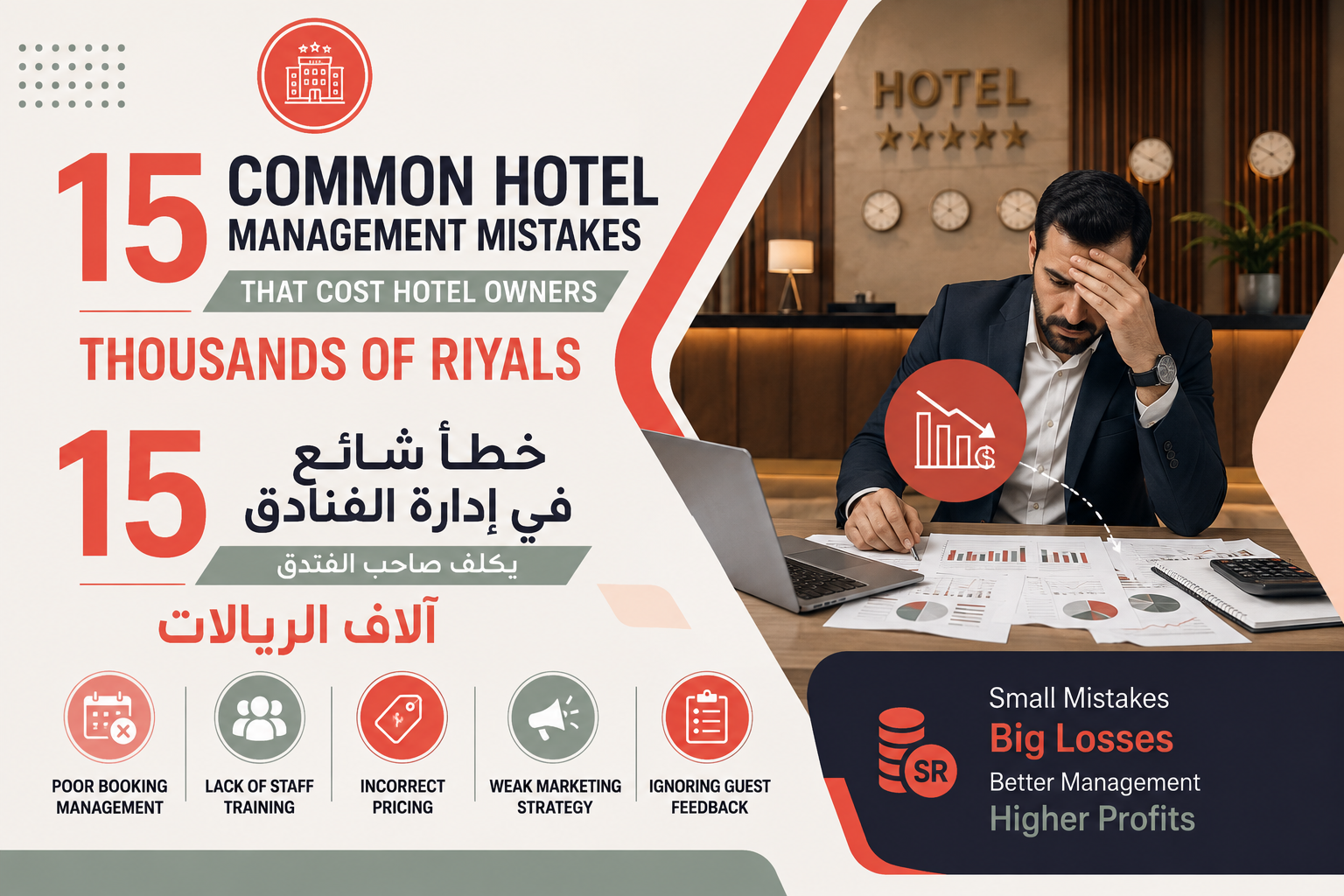
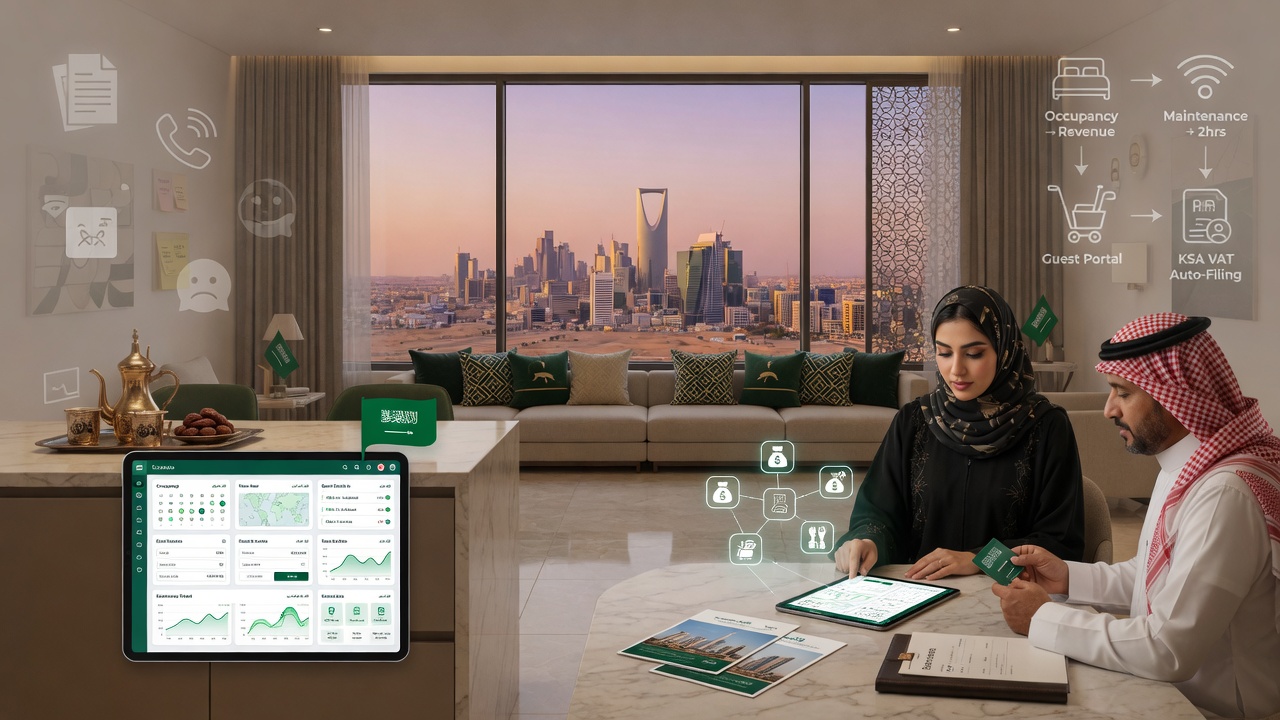
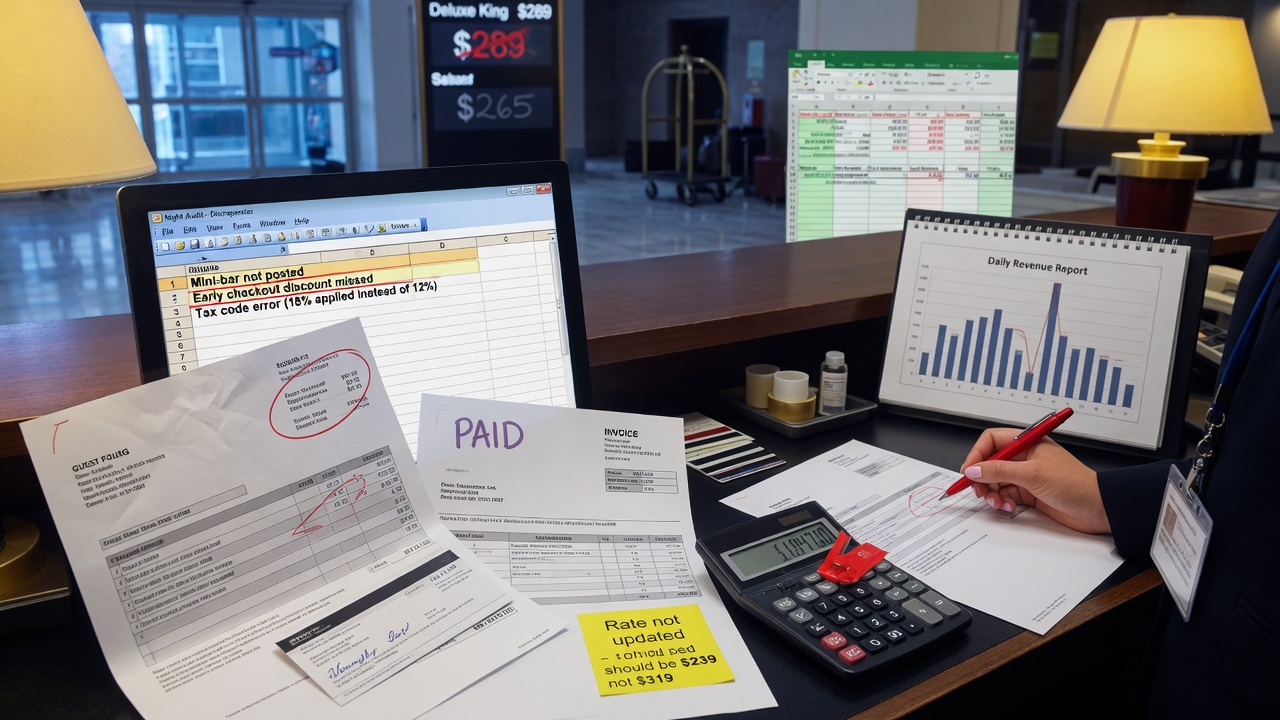
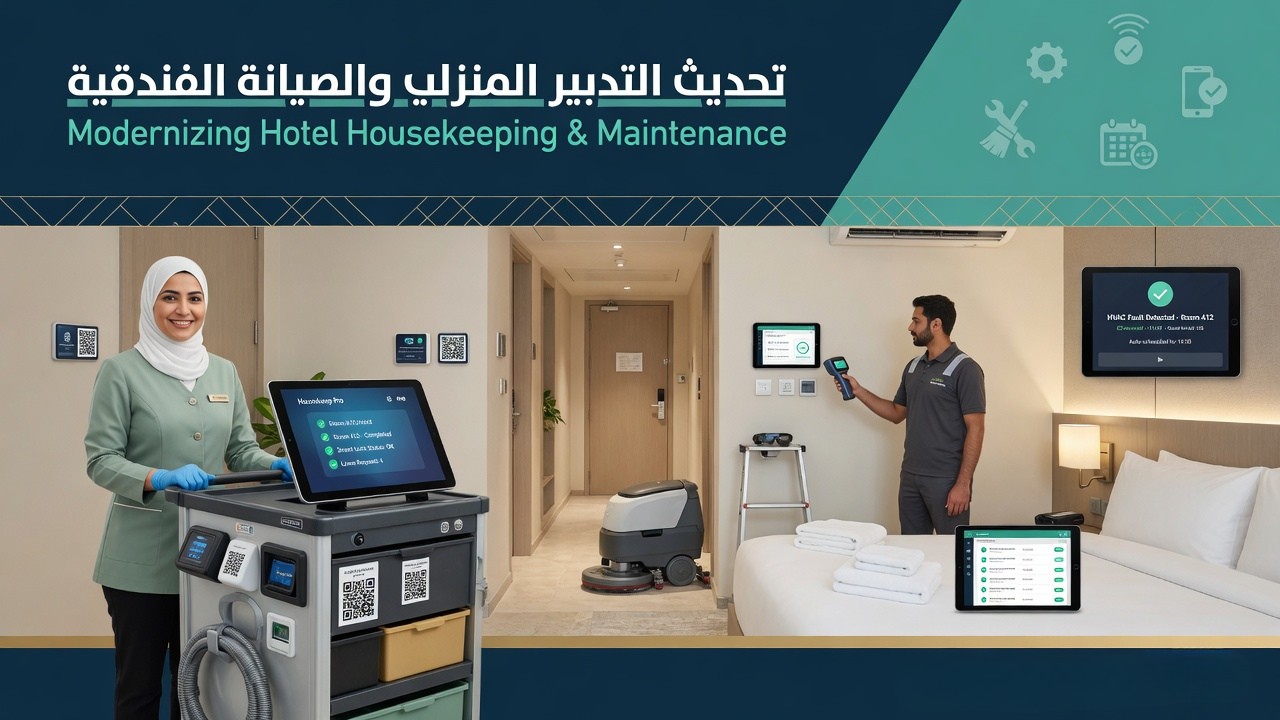
Front desk staff waste hours navigating clunky menus and reconciling manual reports. Housekeeping gets paper printouts or outdated room status updates, leading to delays in turning rooms around. Maintenance requests are logged on sticky notes. This inefficiency directly translates to higher labor costs per occupied room (LPOR). In a competitive labor market like Saudi Arabia, burned-out staff are more likely to leave, adding recruitment and training costs to the hidden bill.
4. Data Silos & Blind Decision-Making
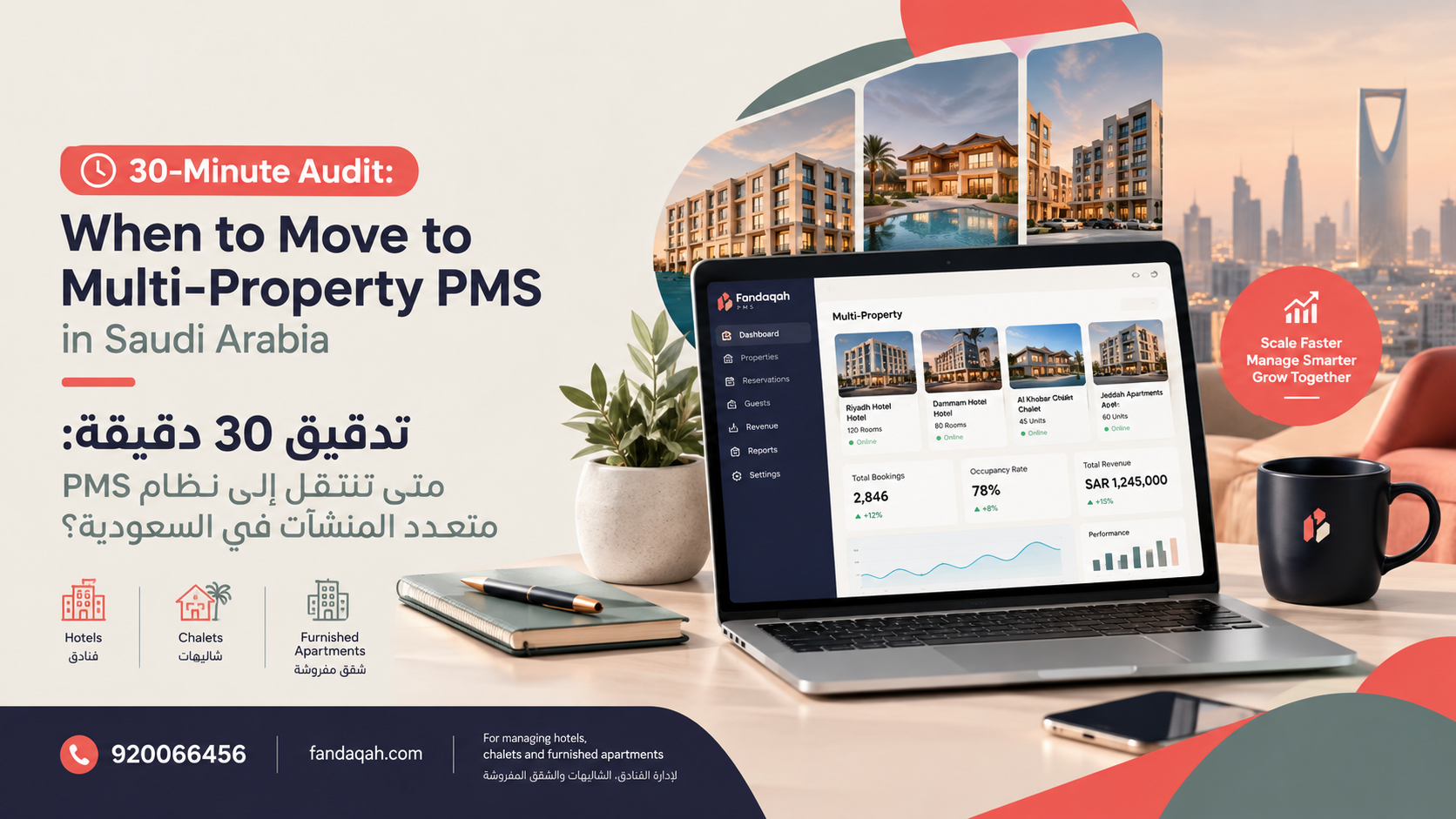
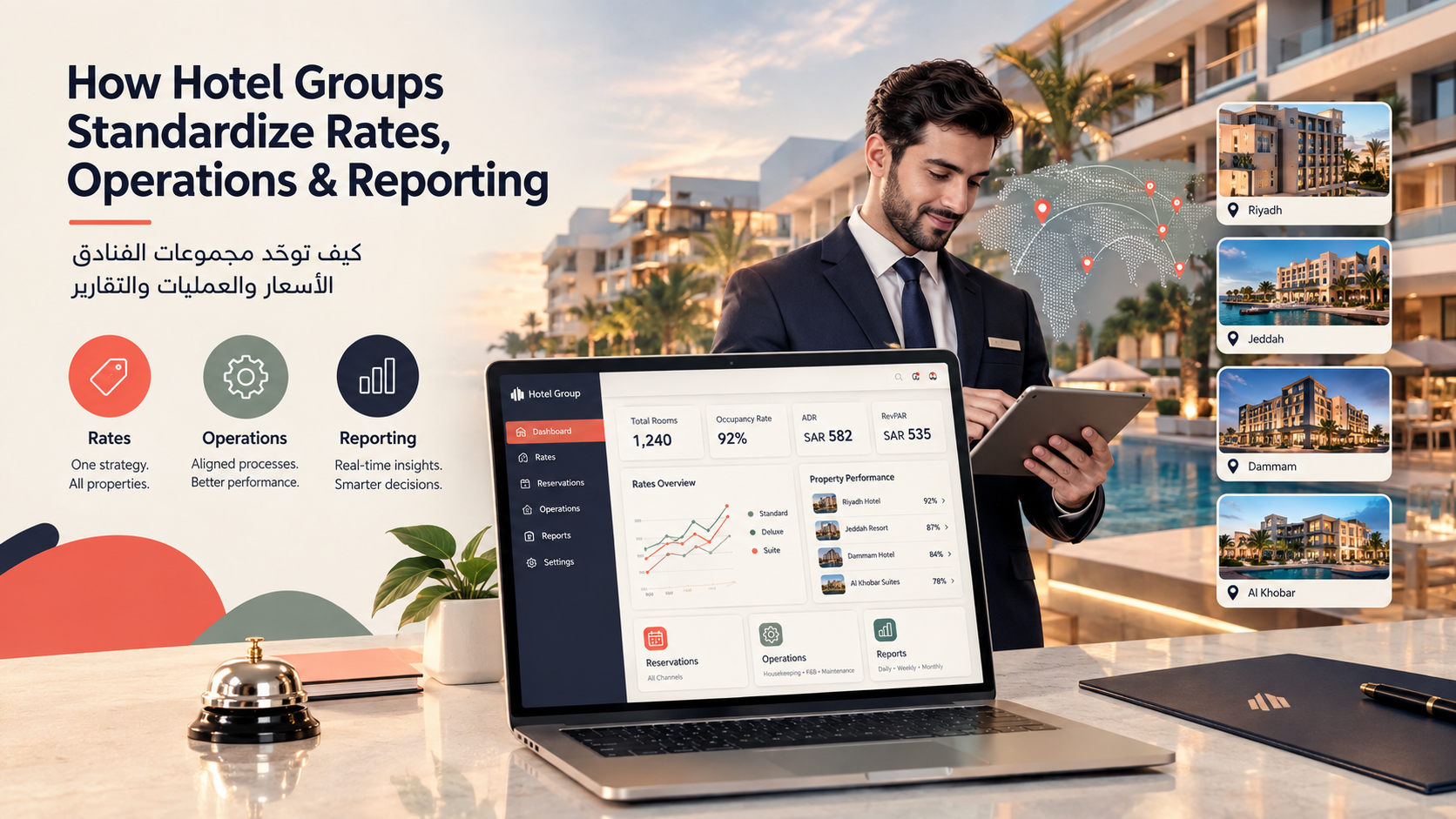
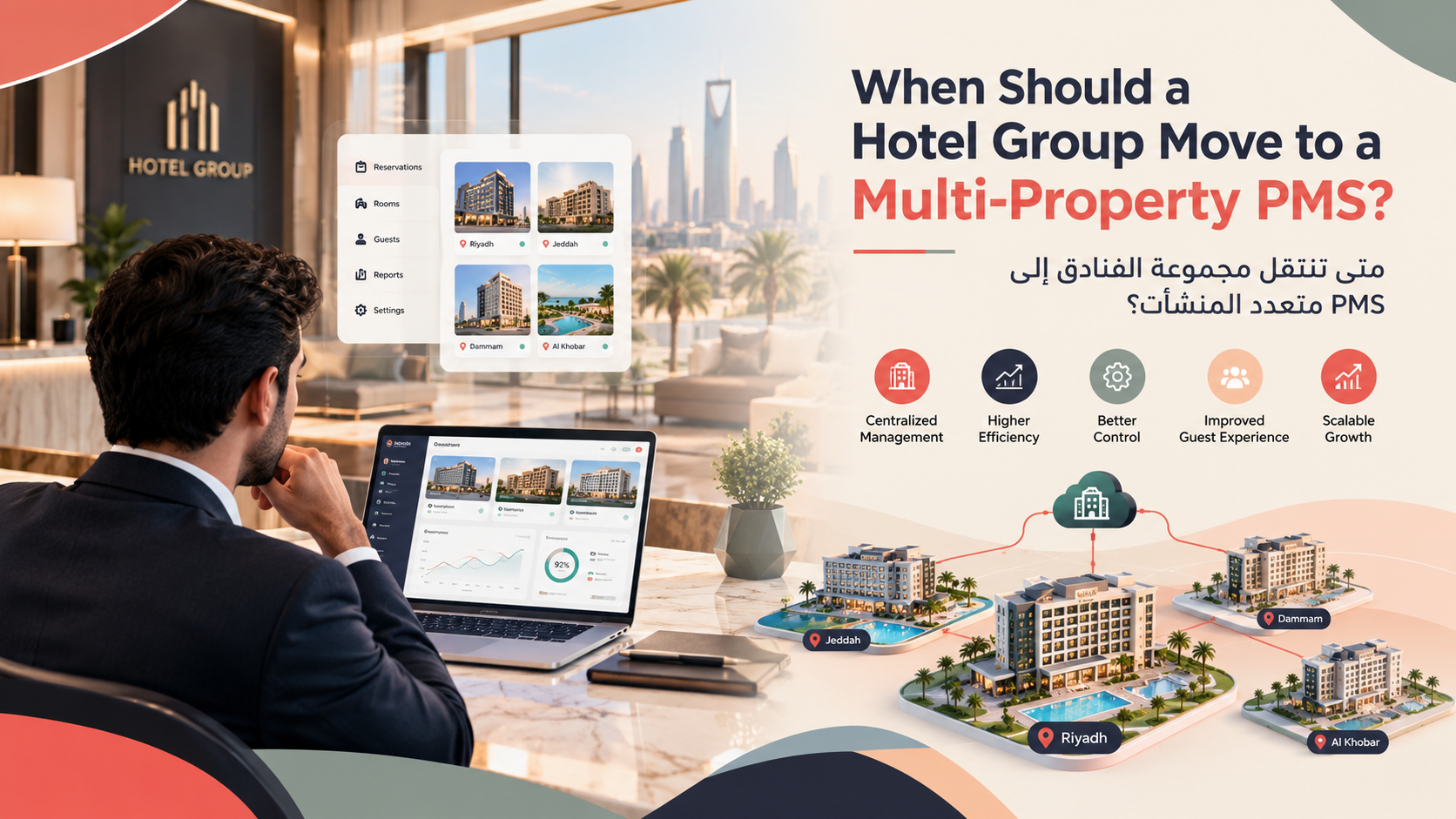
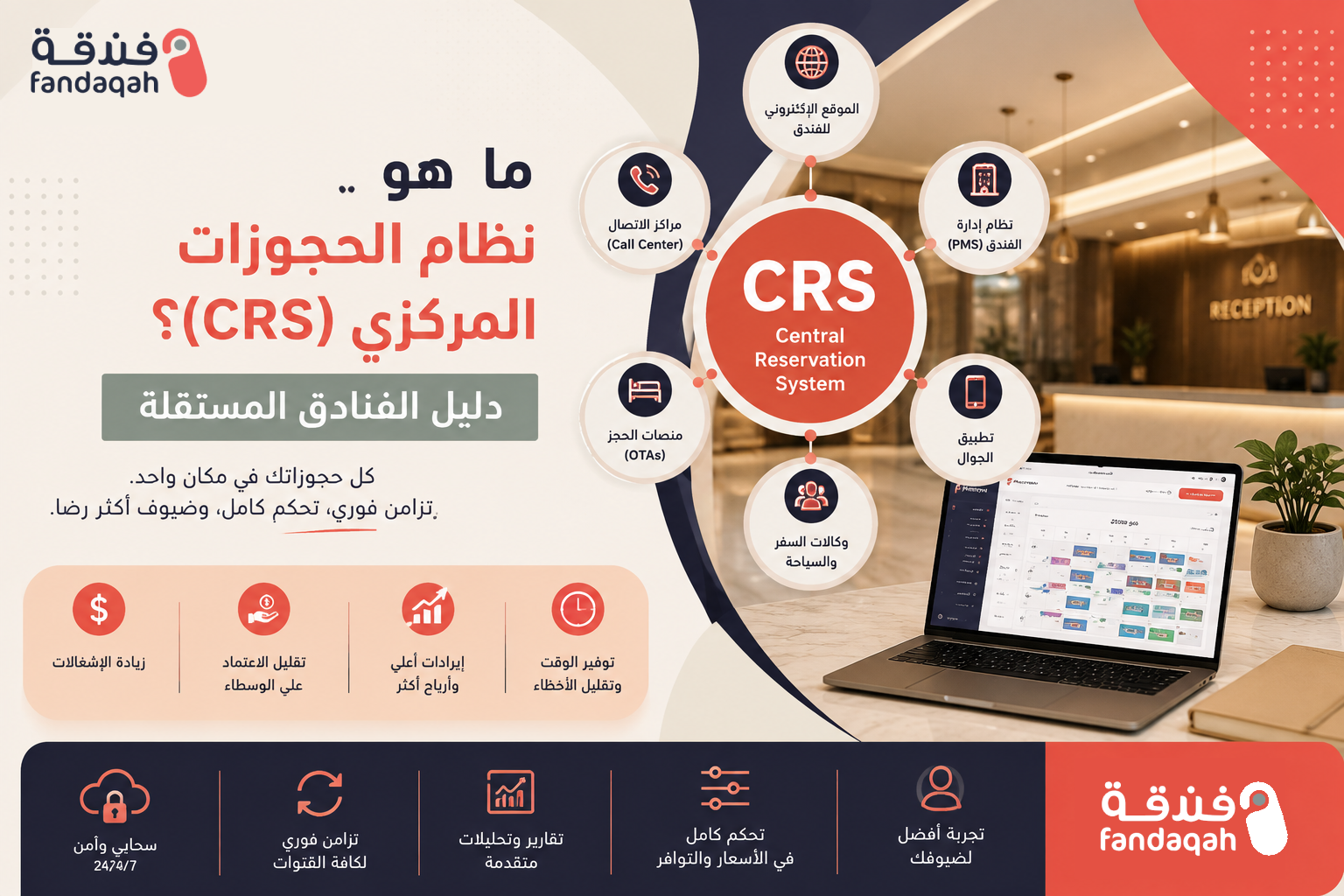
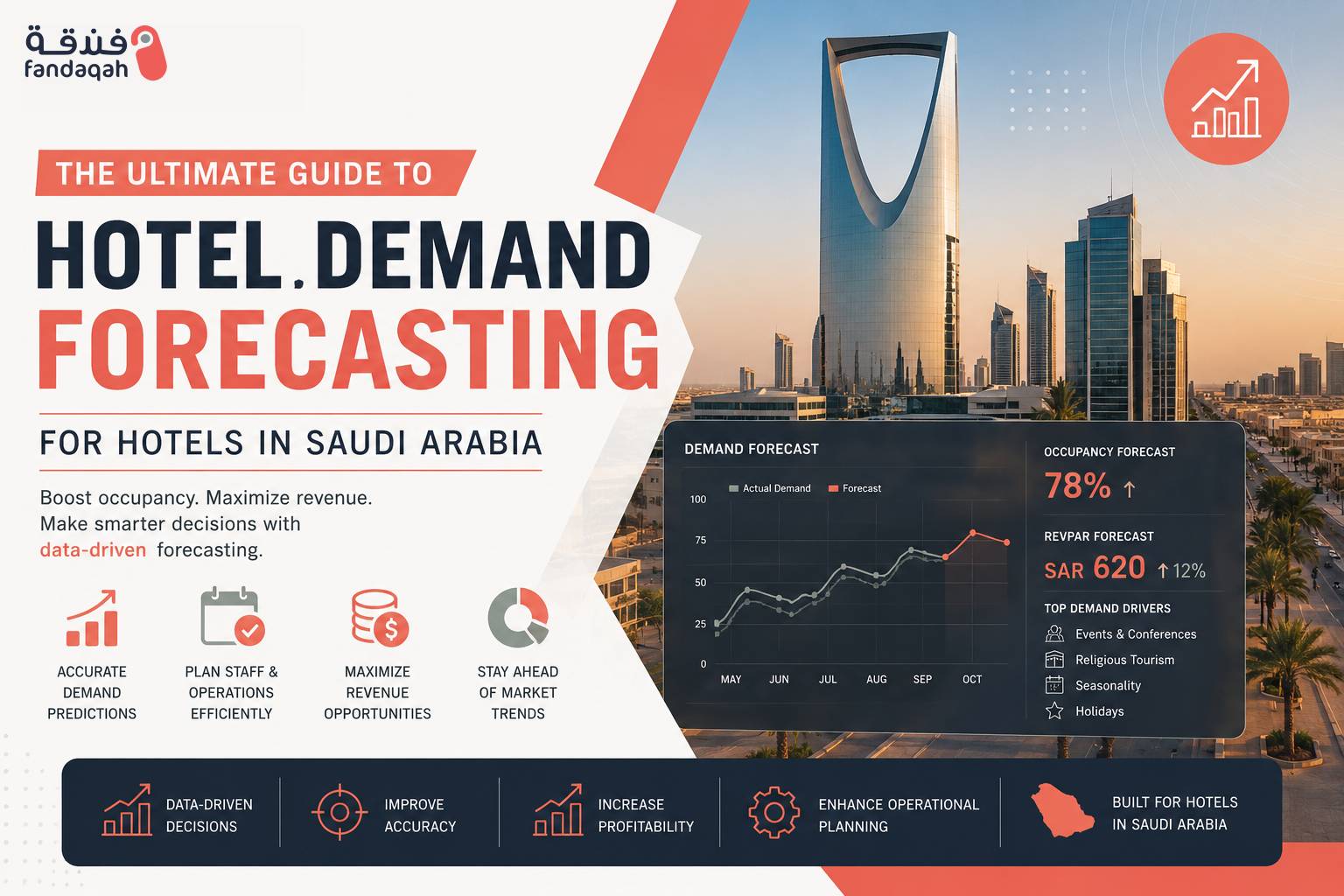
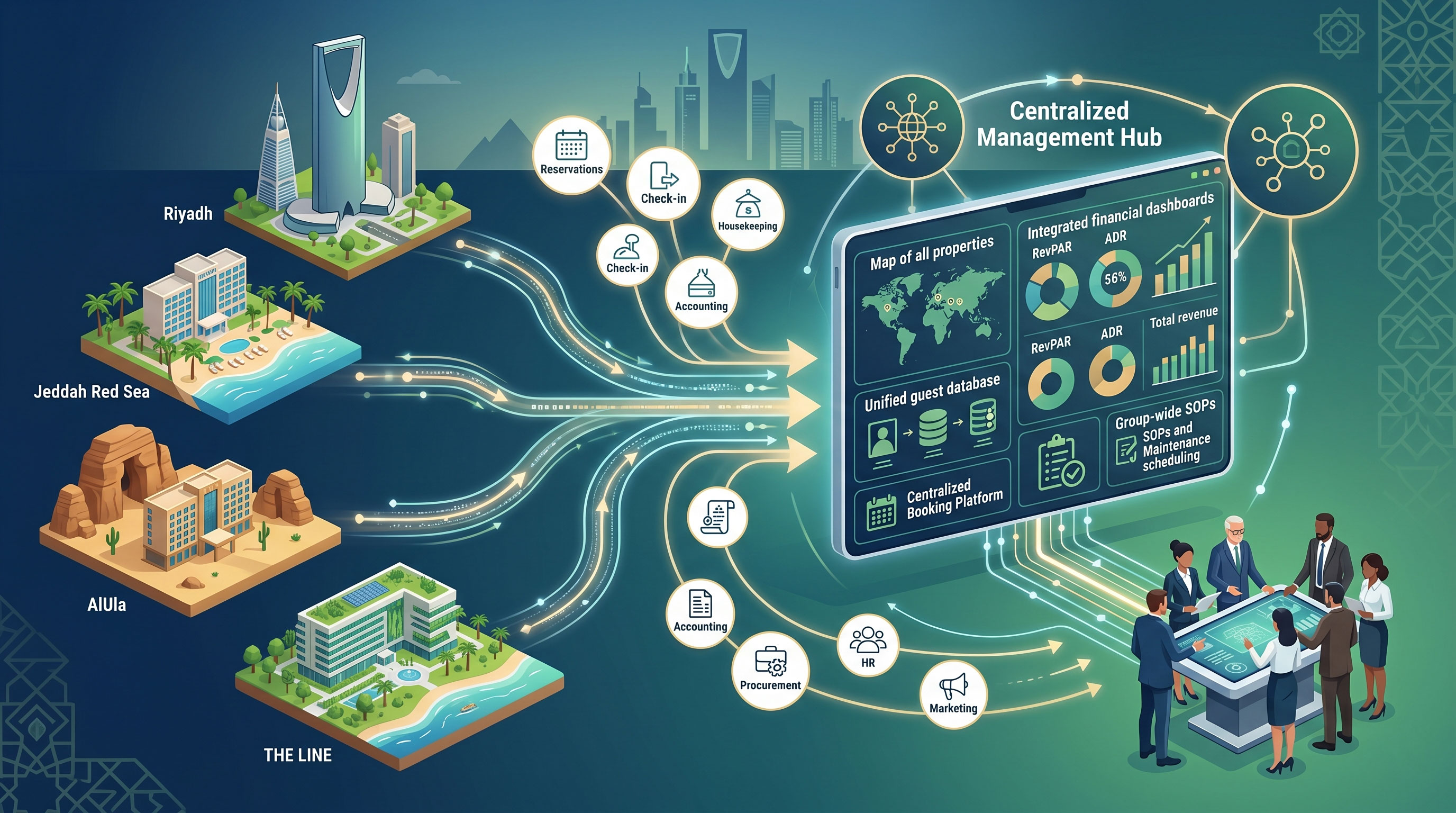
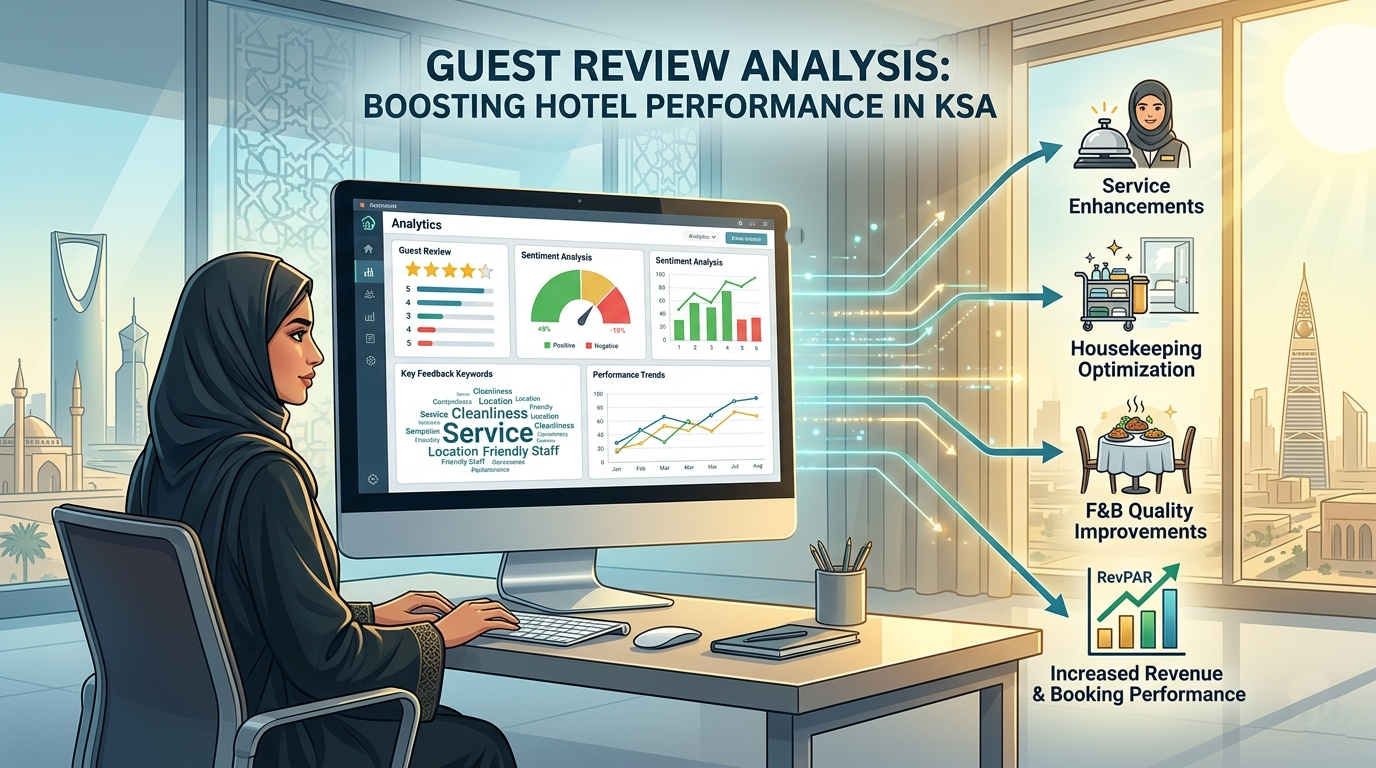
Legacy systems are notorious for trapping data in on-site servers. The GM in Riyadh cannot see real-time occupancy from the Dammam property without a tedious email chain. There is no unified view of guest spend across the portfolio. Without integrated analytics, you're flying blind. You can't answer simple questions like: "Which corporate account is most profitable this quarter?" or "What is the true RevPAR trend for our suites?"
5. Security Vulnerabilities & PCI Compliance Nightmares
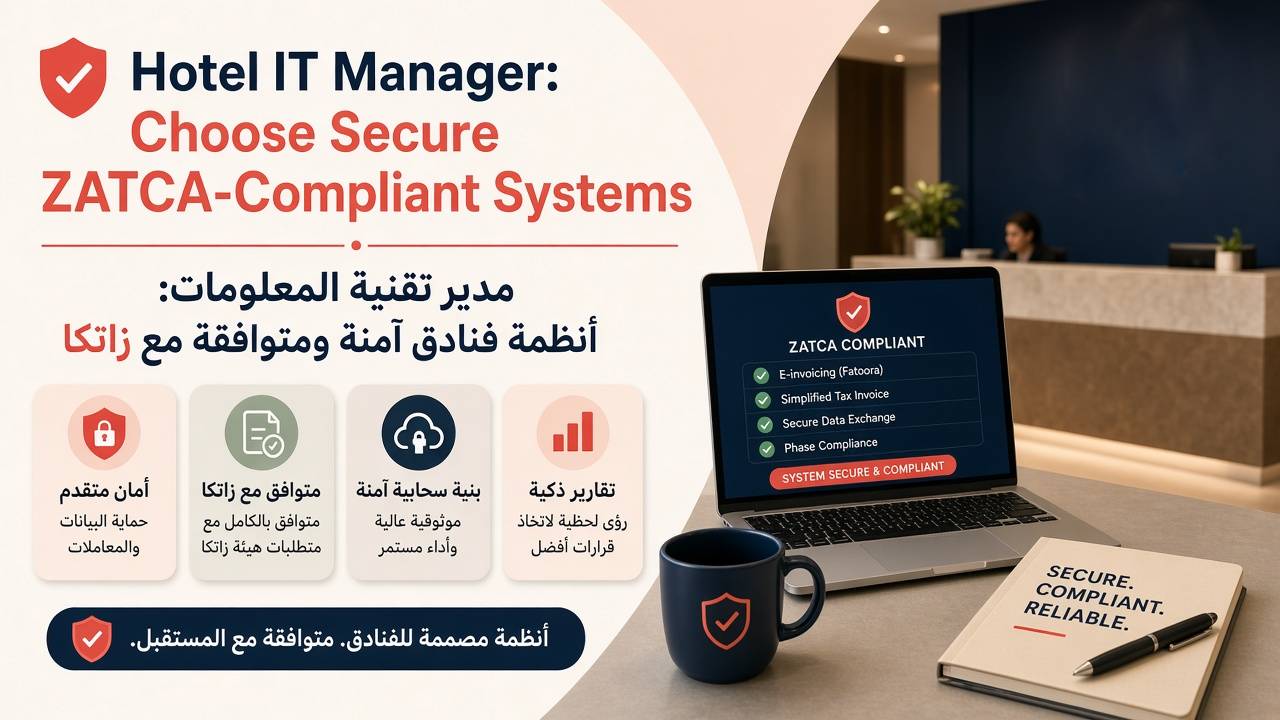
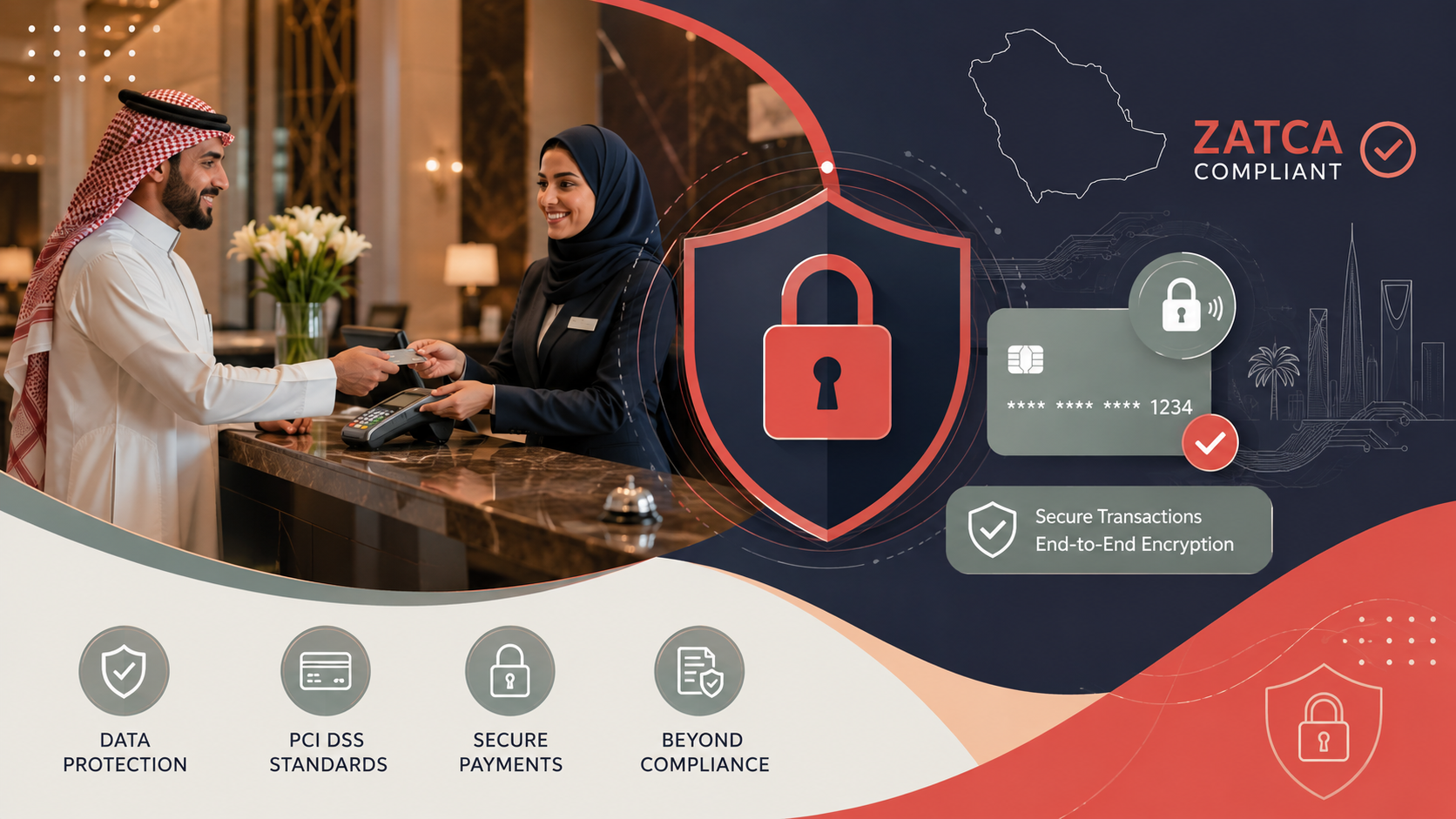
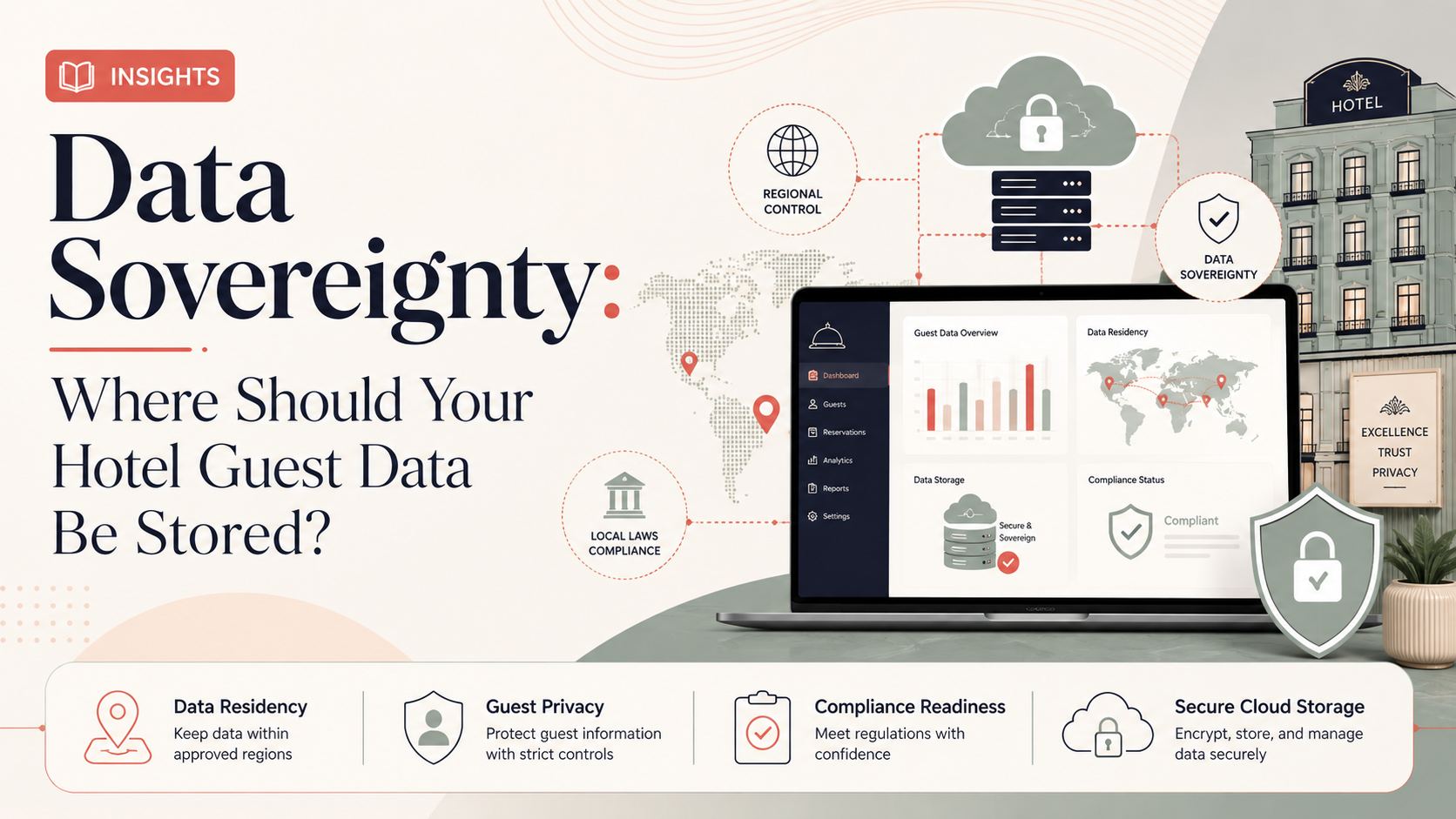
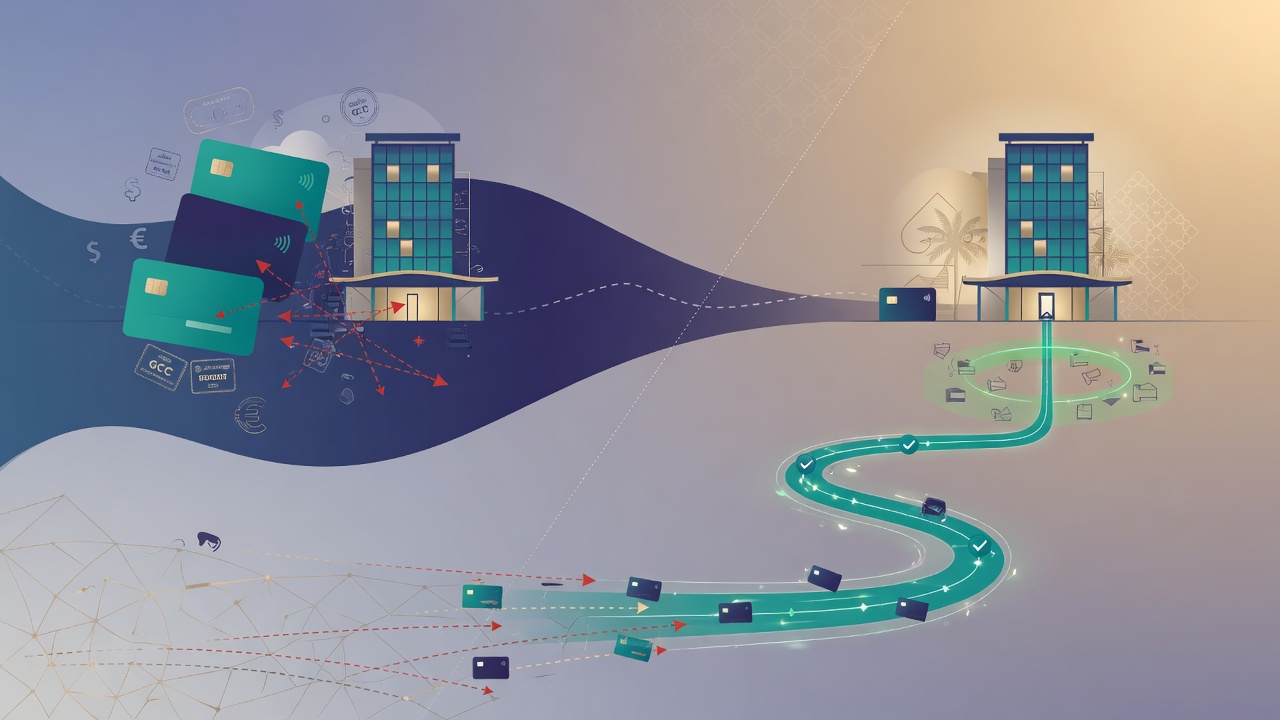
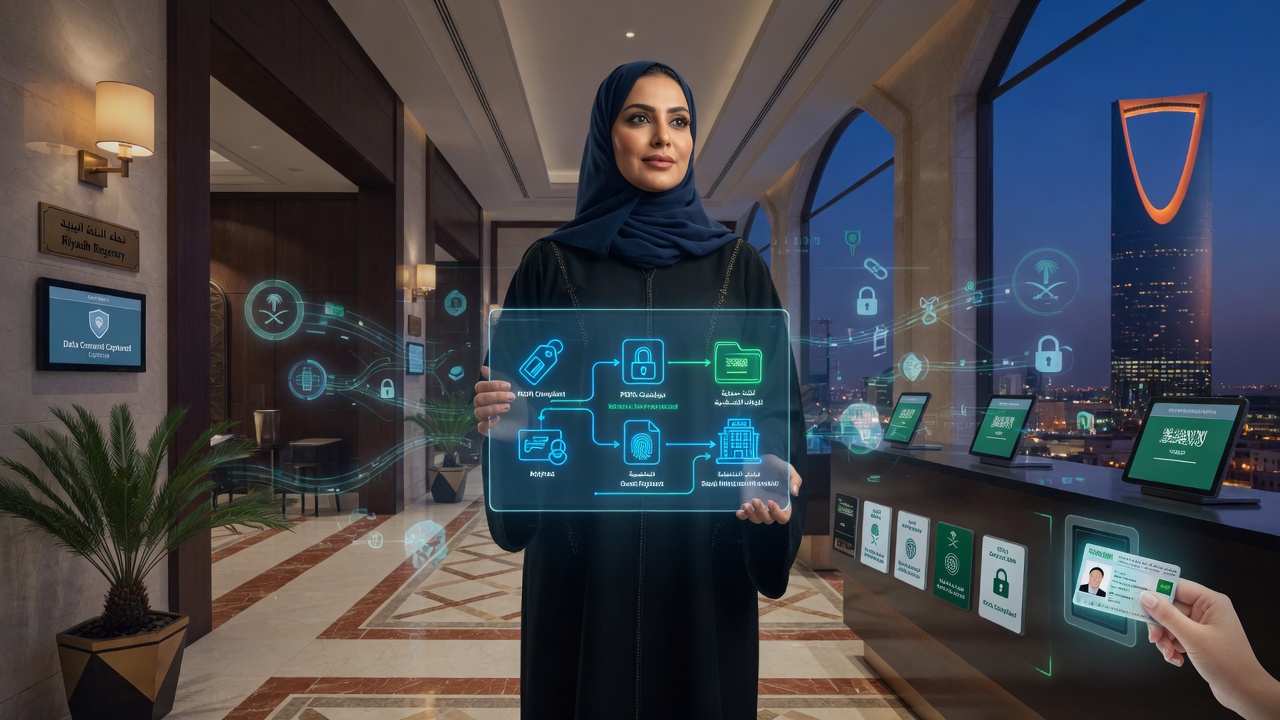
On-premise servers are susceptible to physical damage, malware, and ransomware attacks. Moreover, many legacy systems struggle to meet modern PCI DSS (Payment Card Industry Data Security Standard) compliance requirements. A data breach involving guest credit card information is a reputation-killer and a financial disaster, especially with Saudi Arabia's strict Personal Data Protection Law (PDPL).
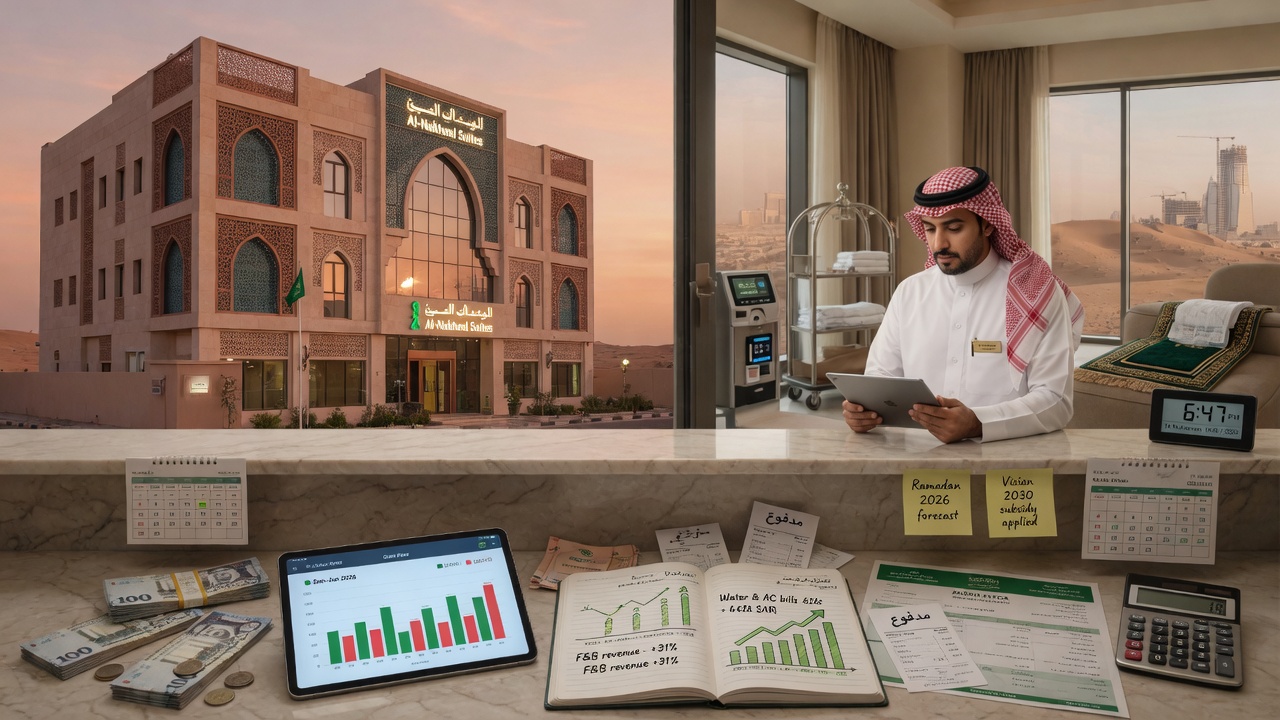
The True Annual Cost of a Legacy PMS (Example: 80-room Boutique Hotel in AlUla)
- ???? Lost direct booking revenue (commission saved): approx SAR 45,000
- ???? Inefficient check-in/out labor (extra 15 mins/room): SAR 28,000
- ???? IT maintenance & emergency server repairs: SAR 18,000
- ???? Overbooking compensation/walk-in costs: SAR 12,000
- ???? Intangible: negative reviews impacting ranking
- Total estimated annual drag on profitability: ≈ SAR 103,000+ per property
The Modern Cloud PMS: A Competitive Advantage for Saudi Hotels
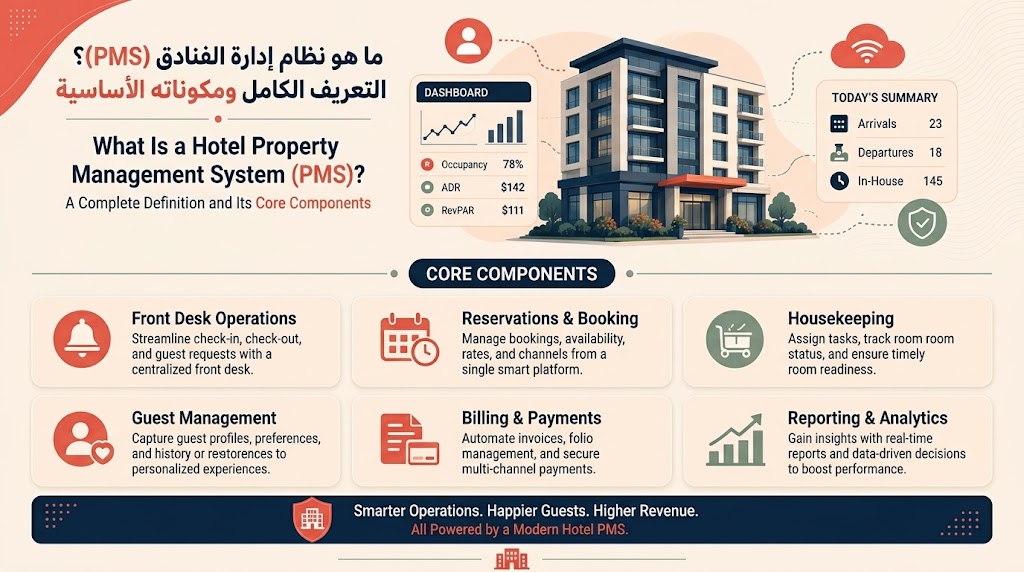
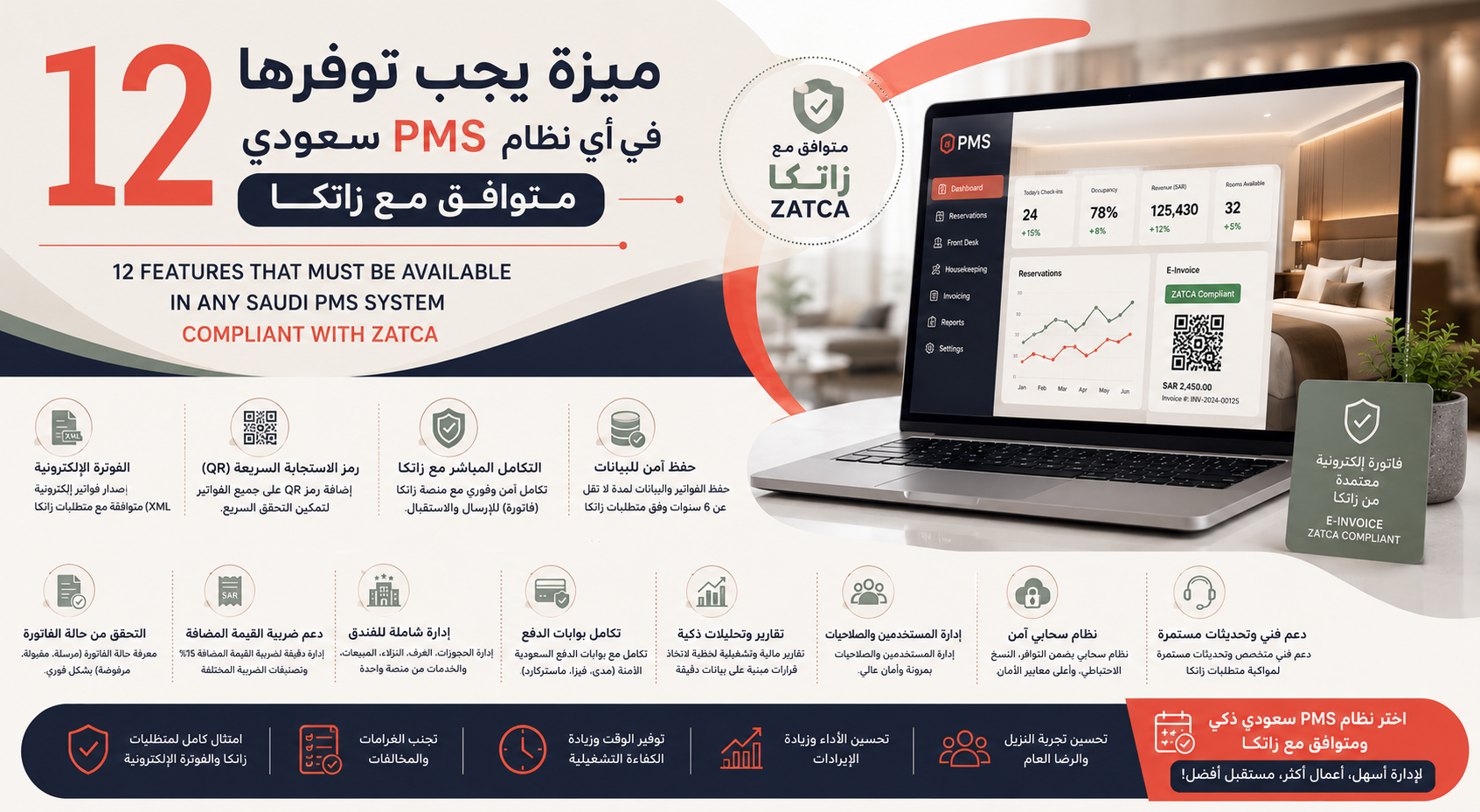
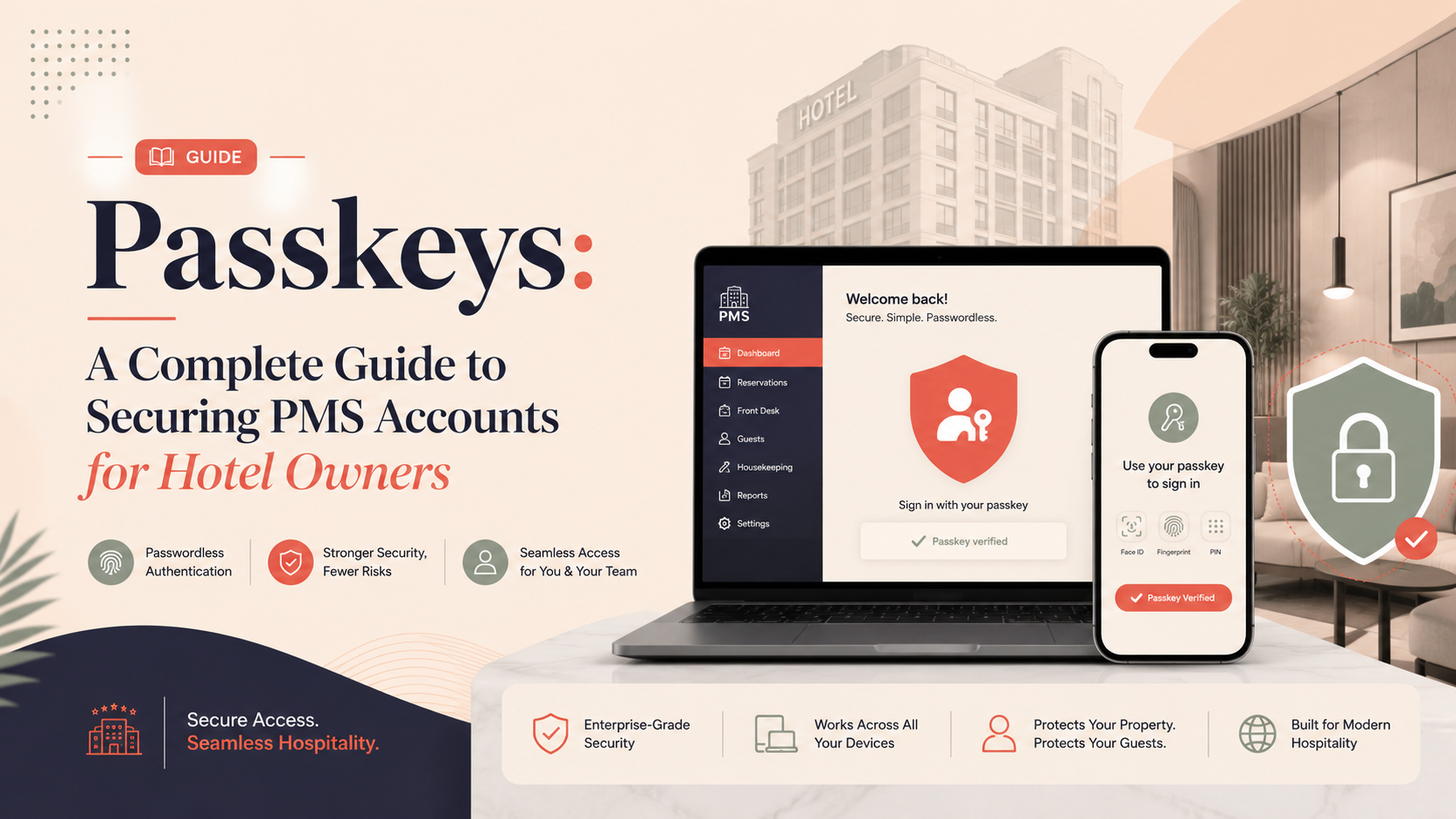
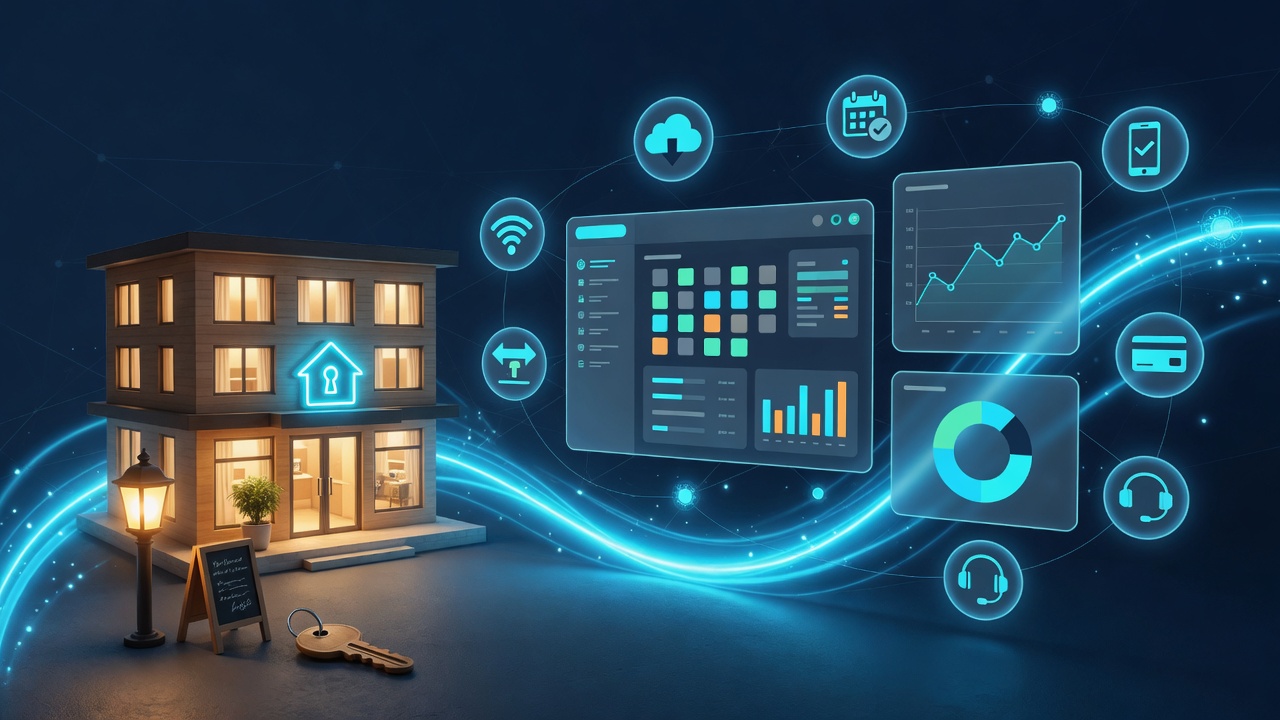
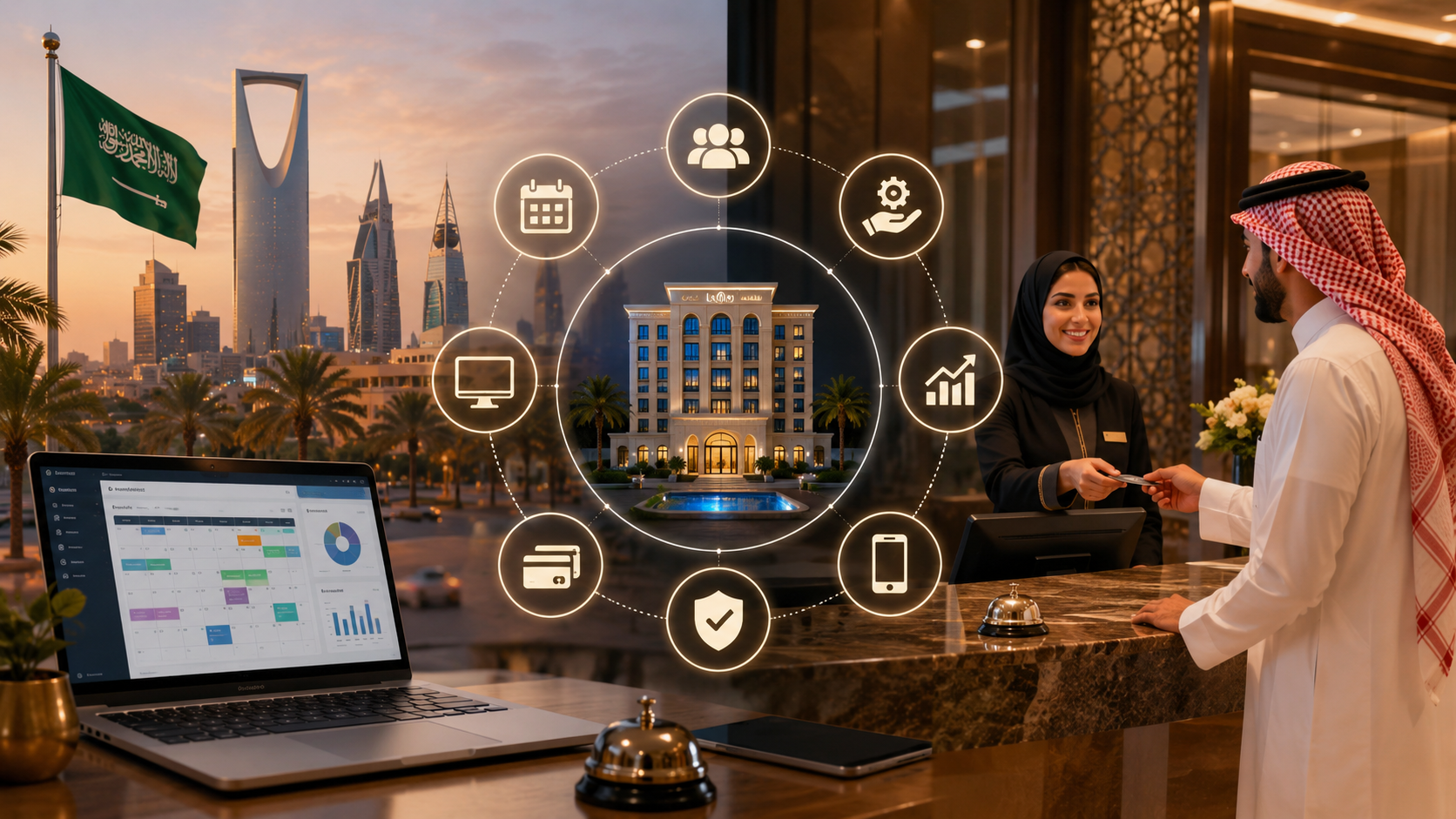
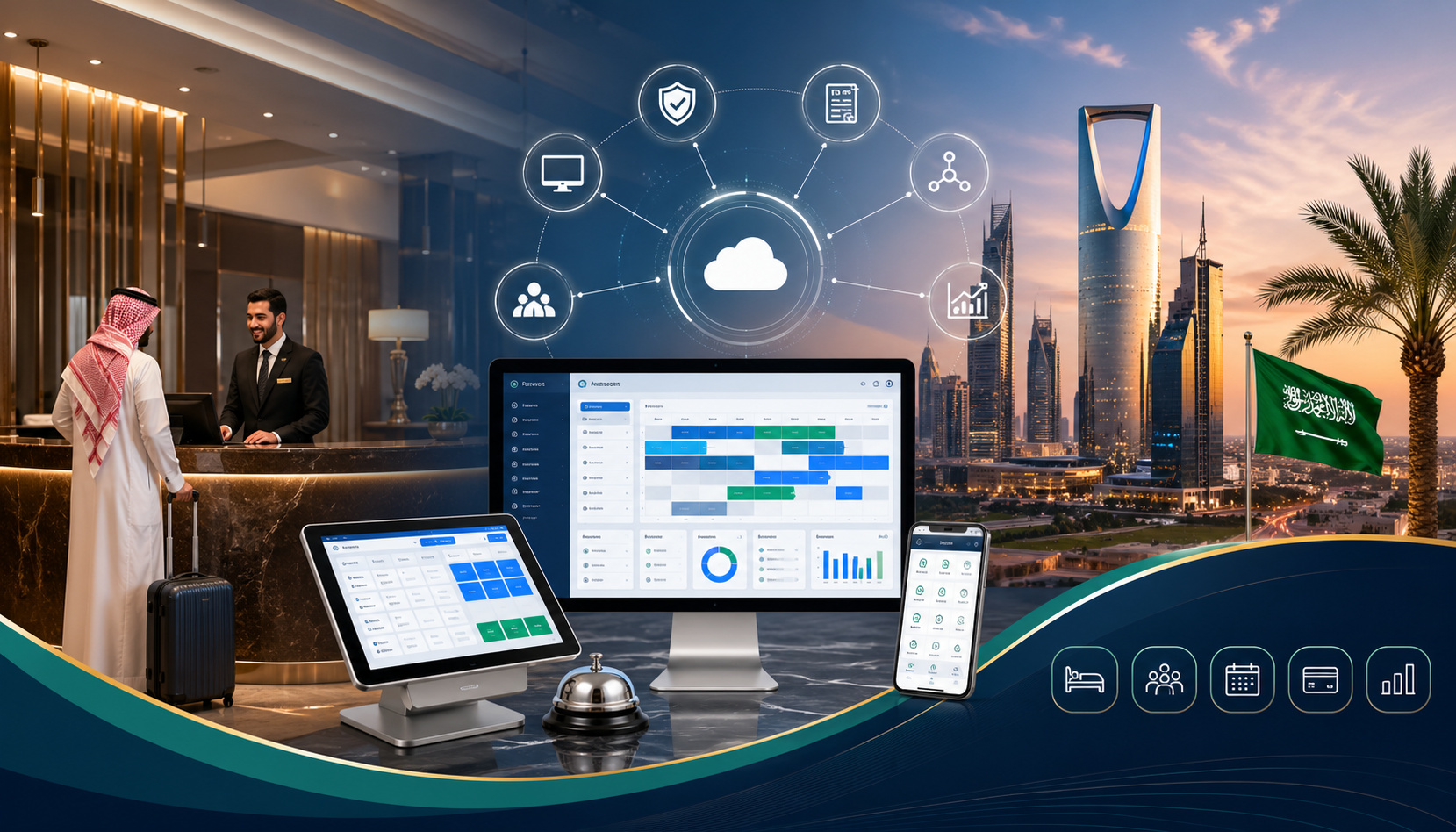
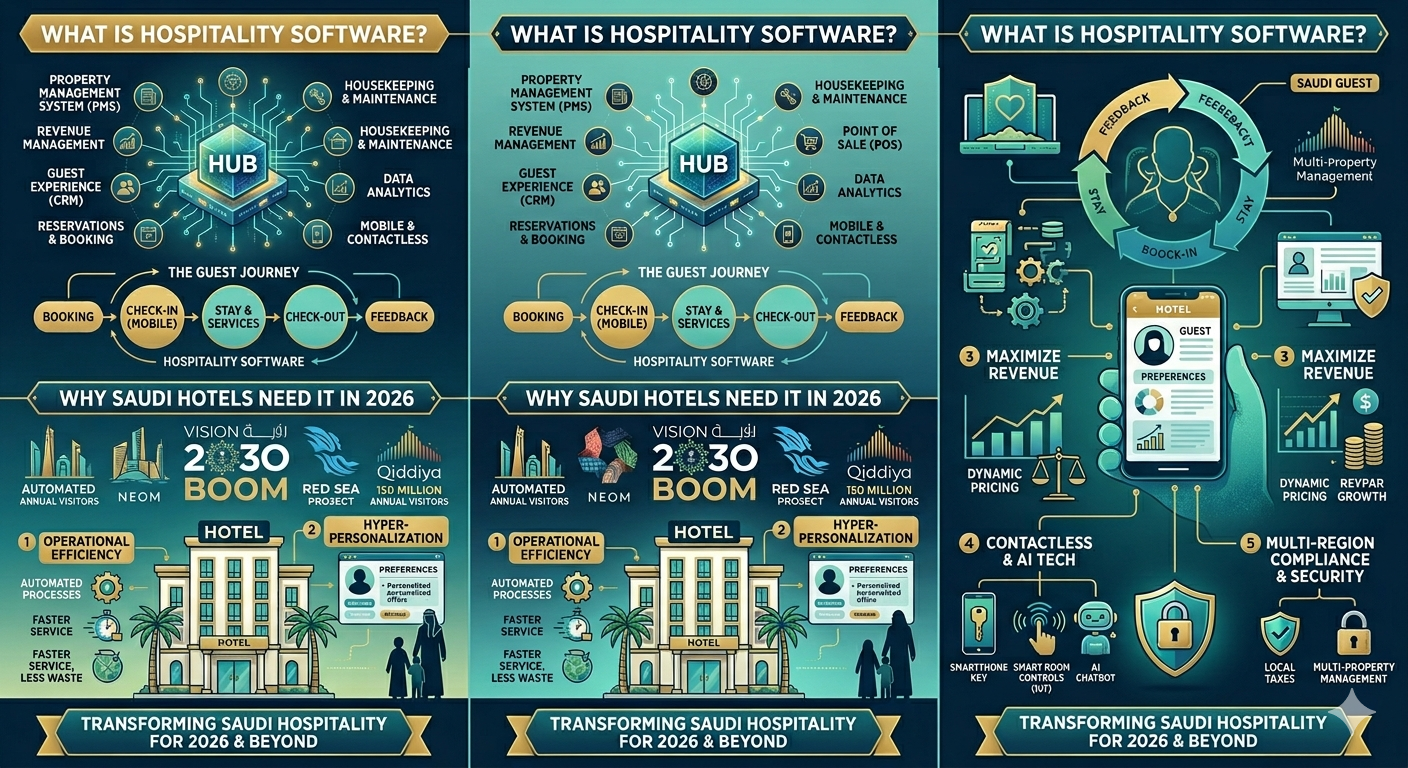
A modern cloud-based Property Management System is the antidote to legacy dysfunction. It is software hosted on remote servers, accessible via any web browser or mobile device. It offers automatic updates, robust APIs for integration, and a user-friendly interface. Let's explore the transformative benefits.
Key Features of Next-Gen PMS Technology
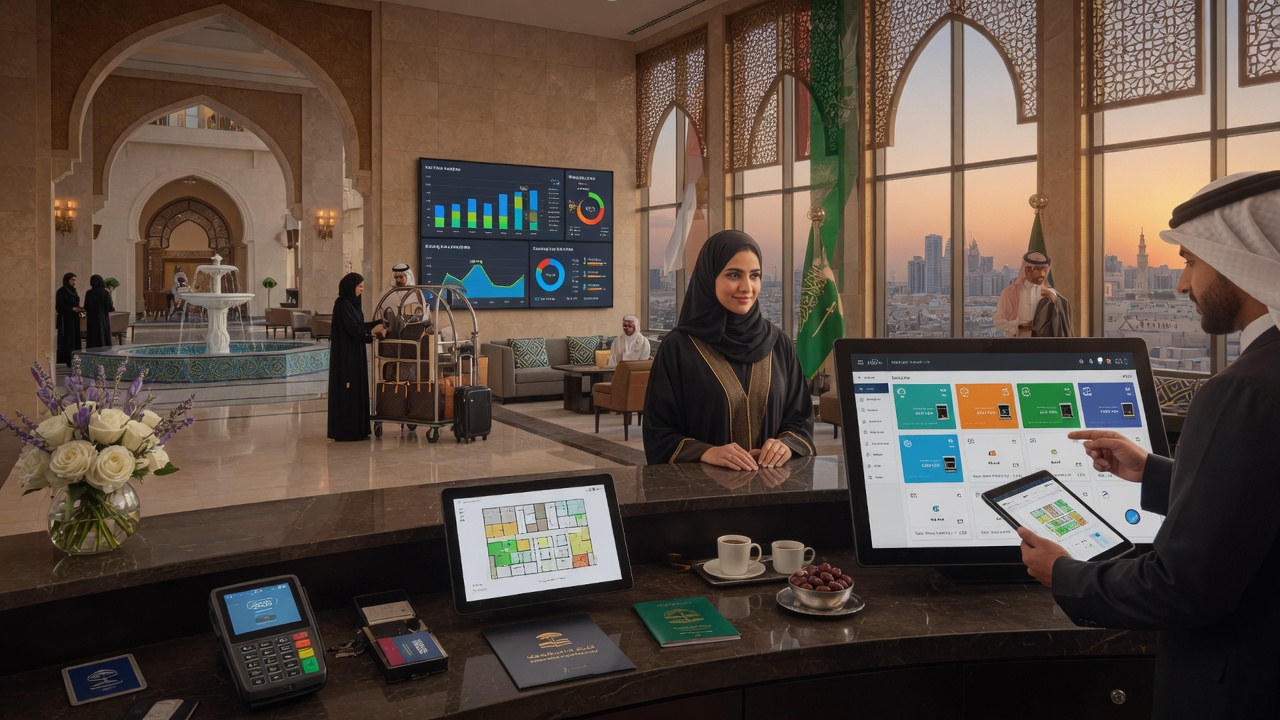
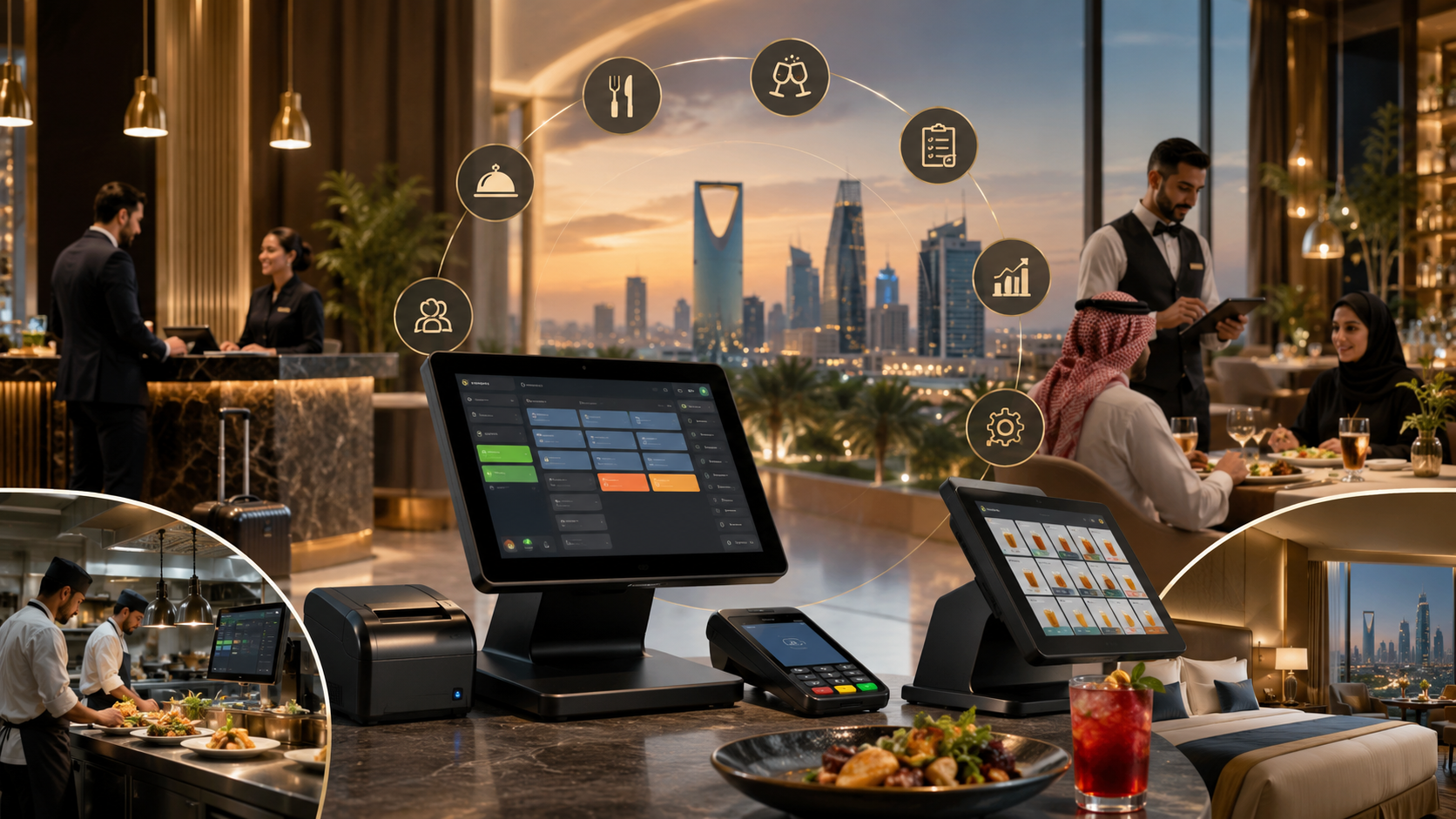
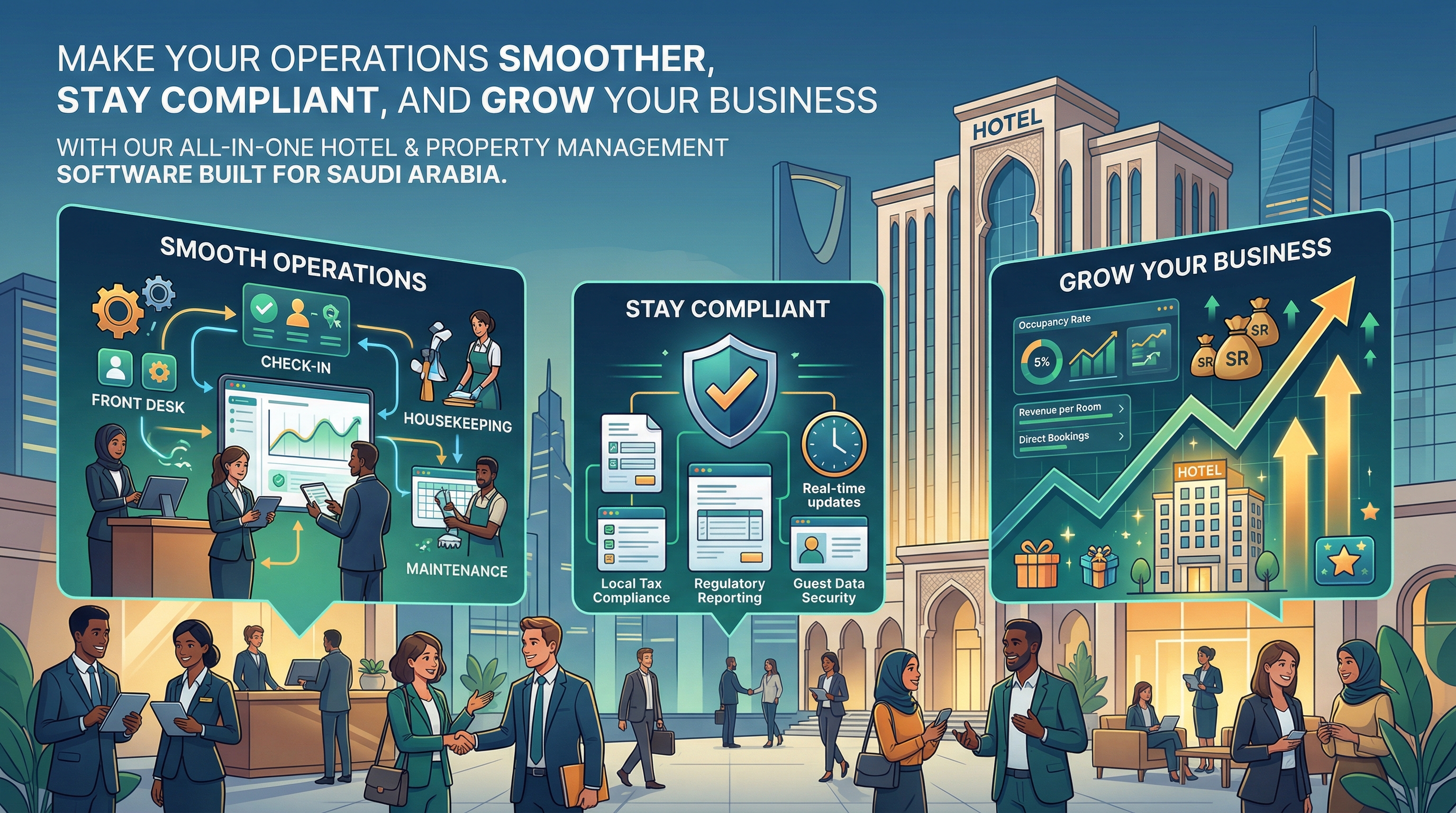
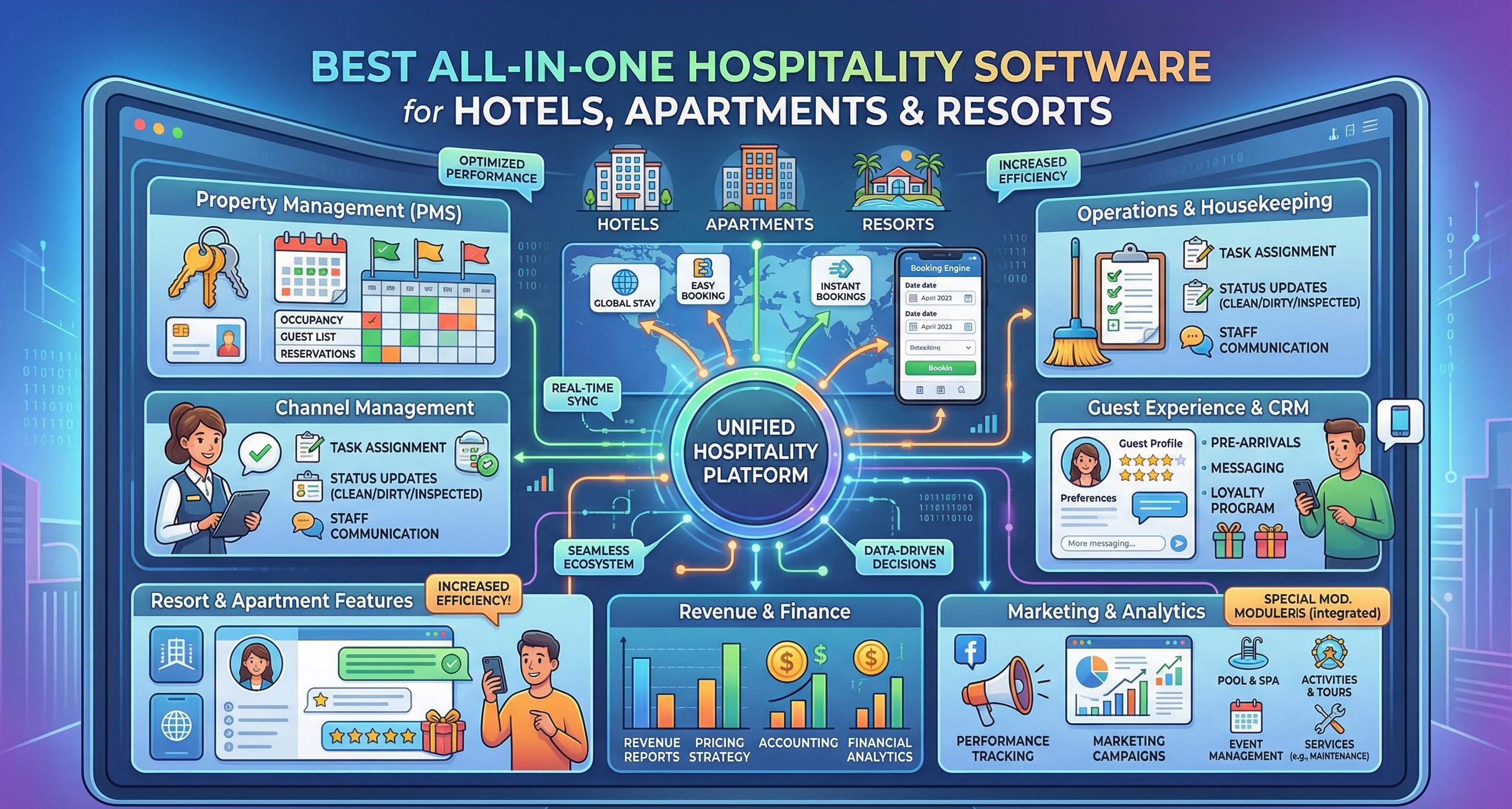
- Mobile-First Operations: Staff can check guests in poolside, housekeeping updates rooms in real-time via tablet, and maintenance receives alerts instantly.
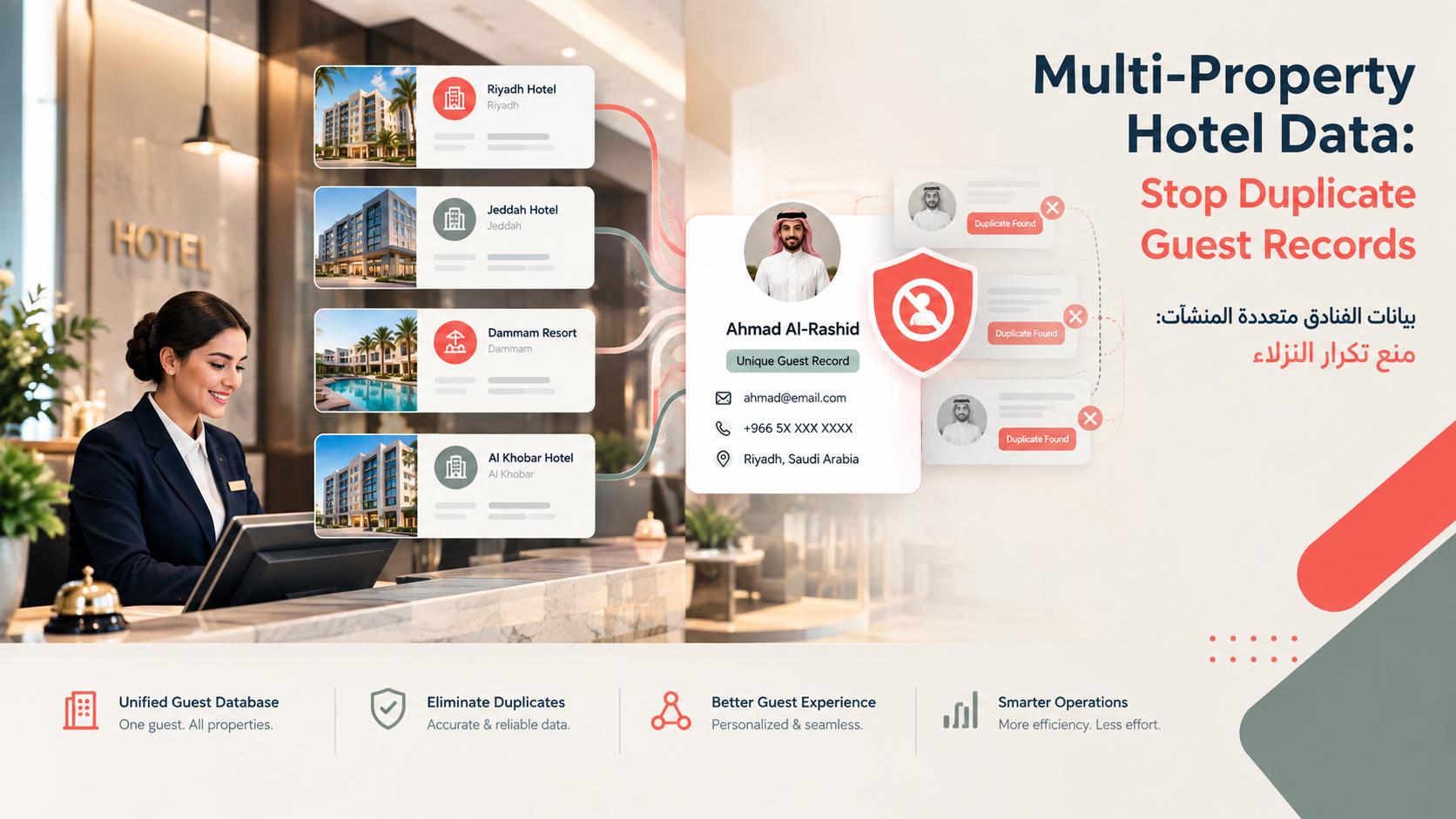
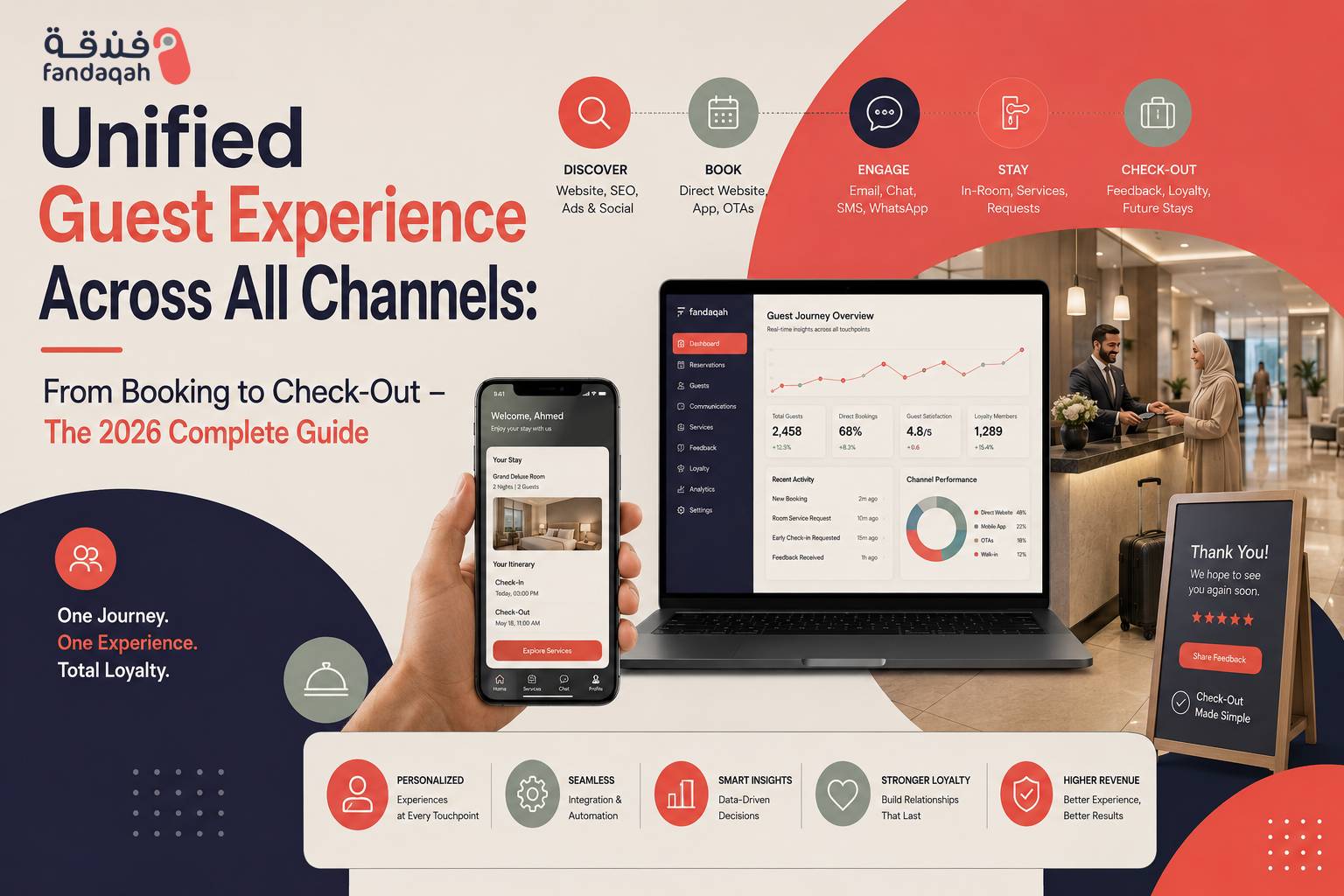
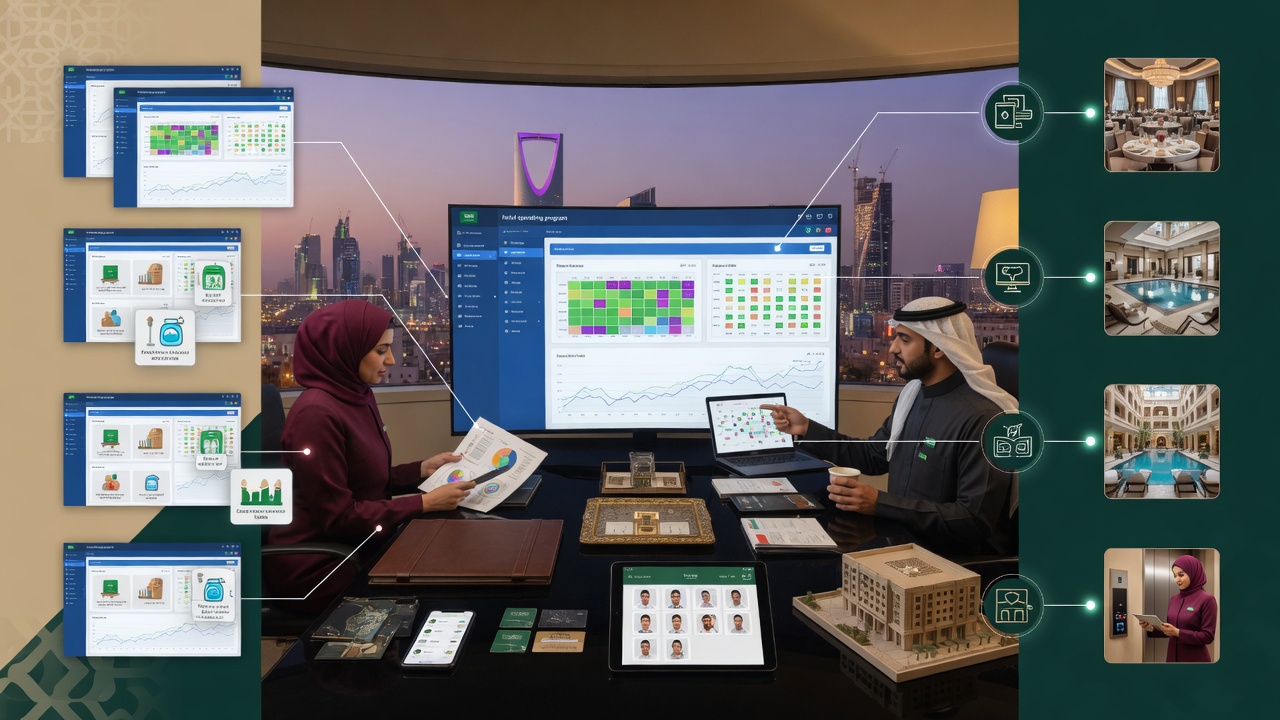
- Unified Guest Profiles: Track every interaction—from spa visits to room service preferences—to deliver hyper-personalized service.
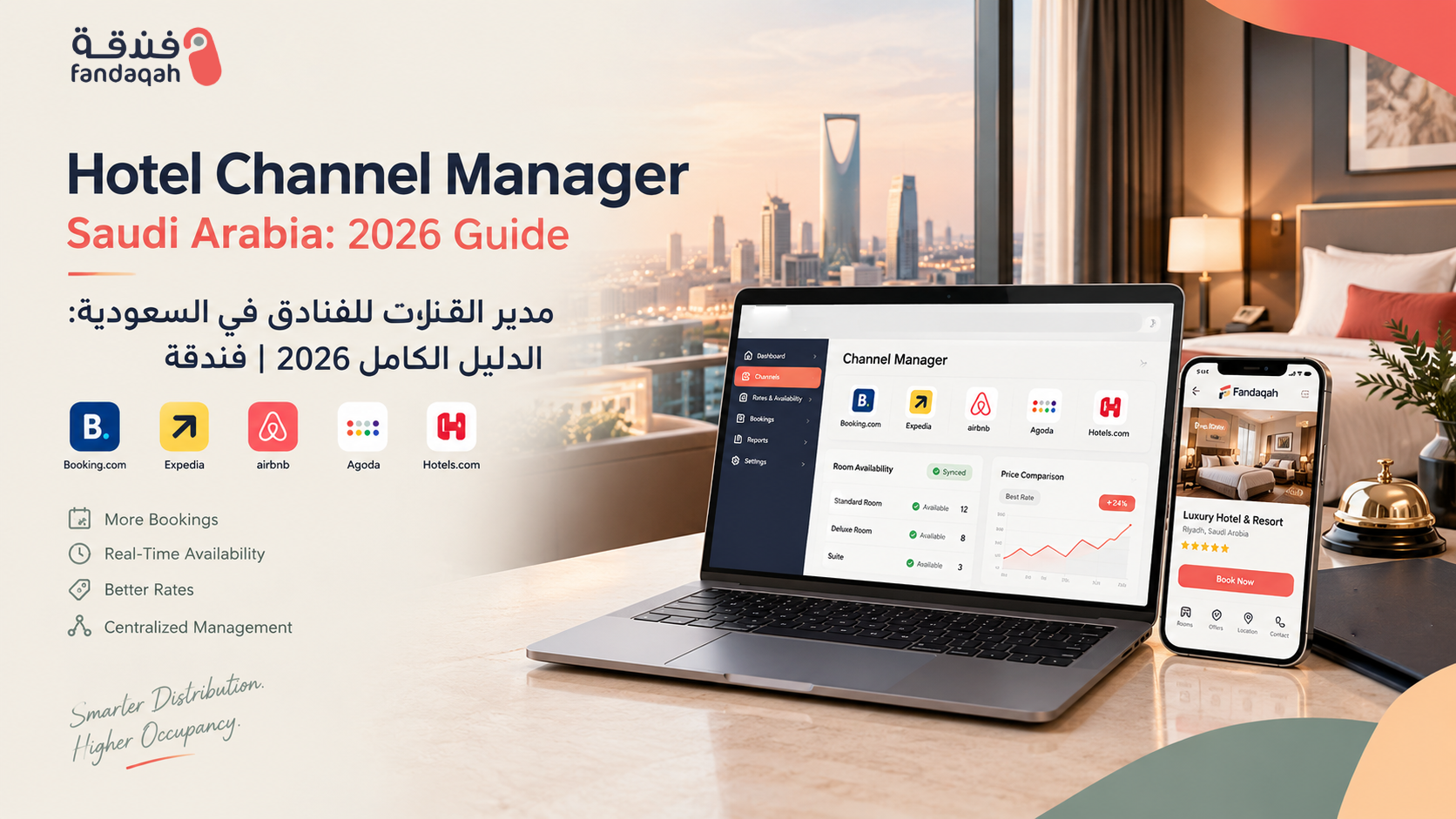
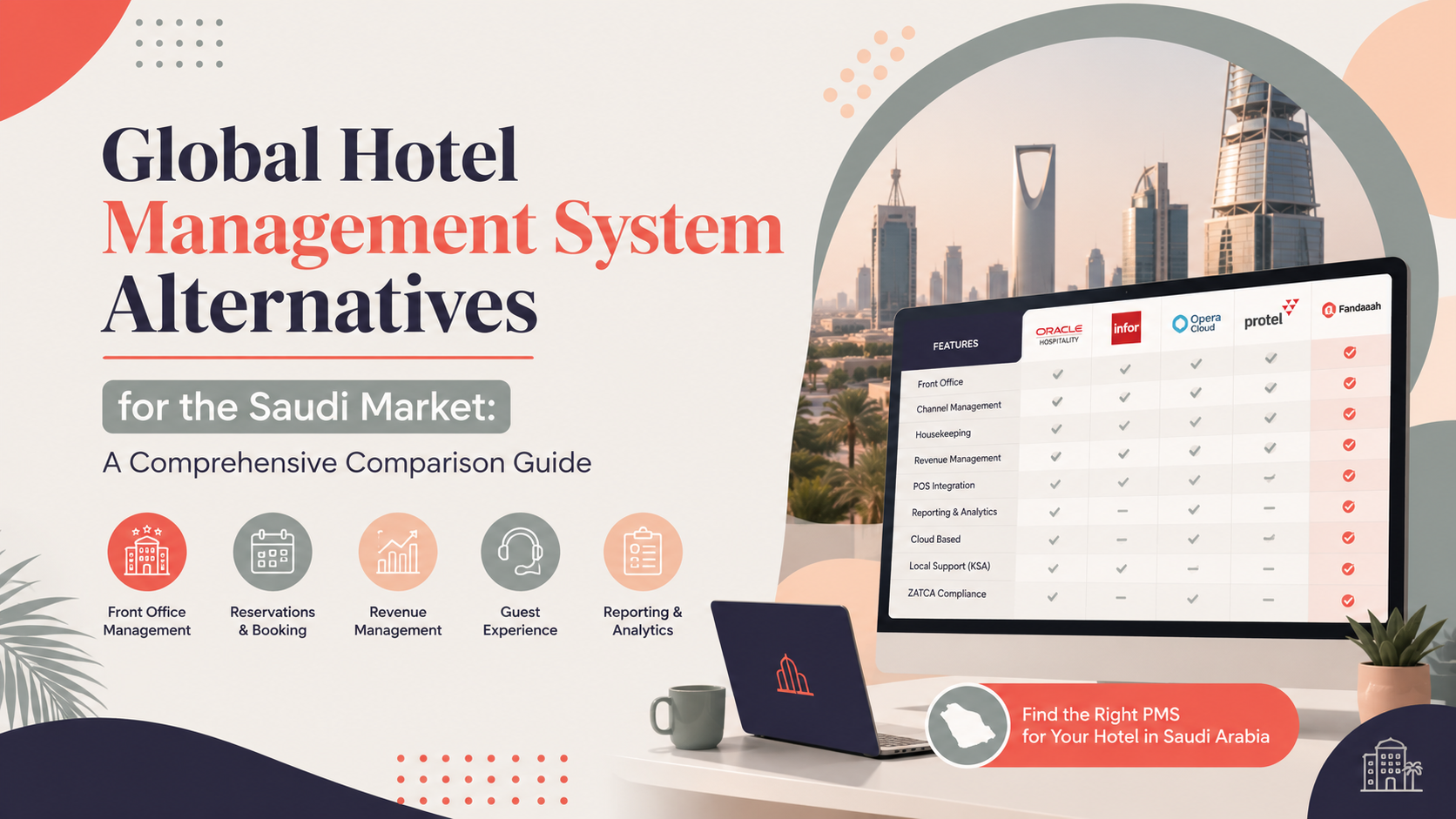
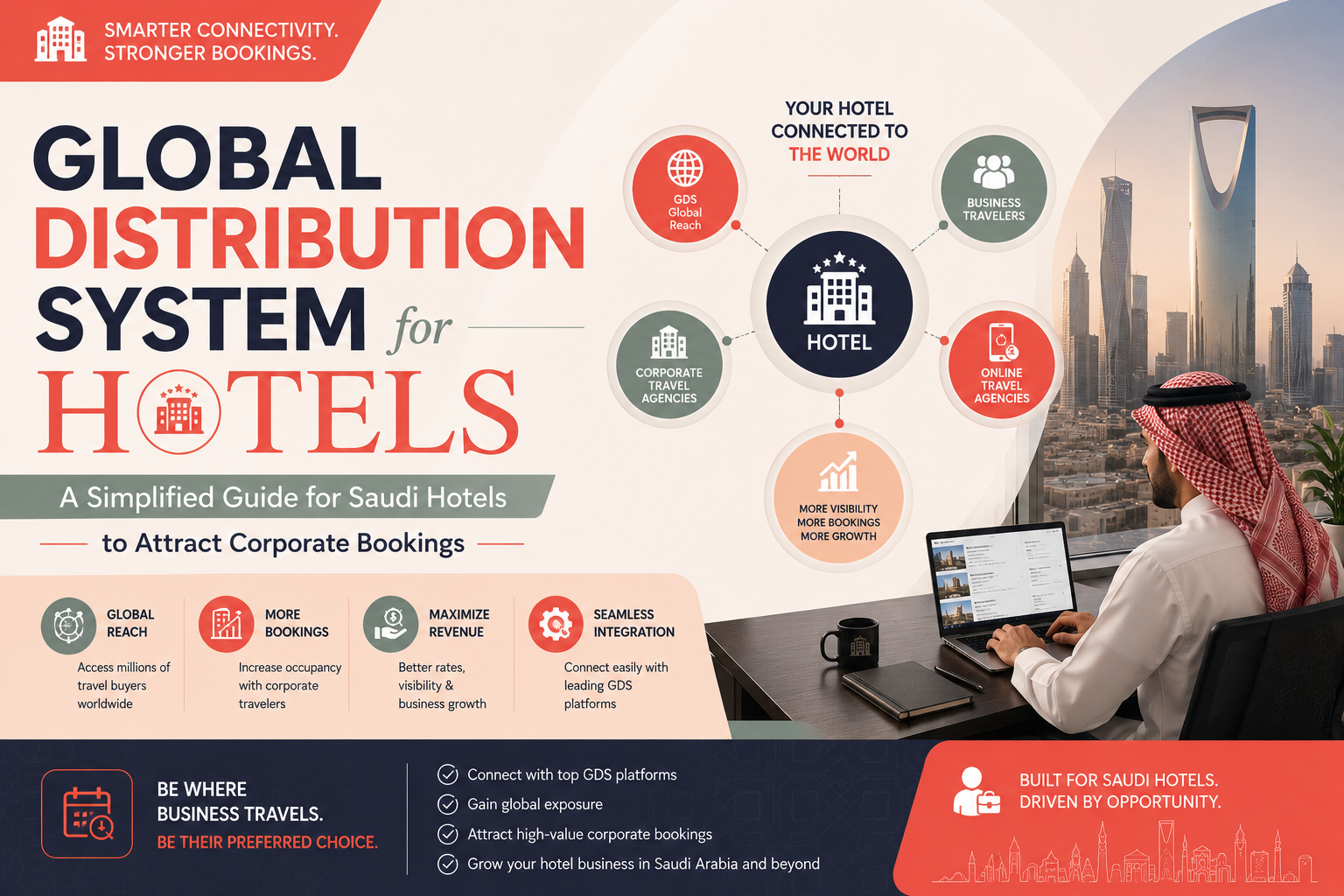
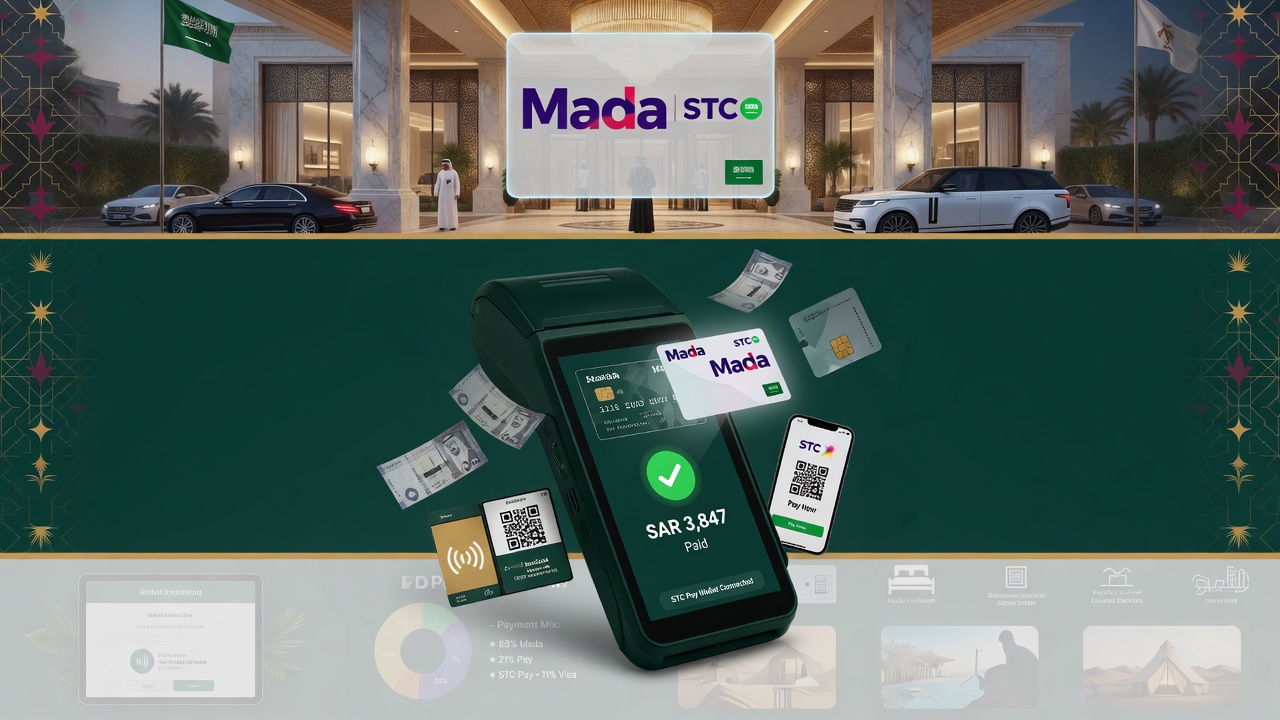
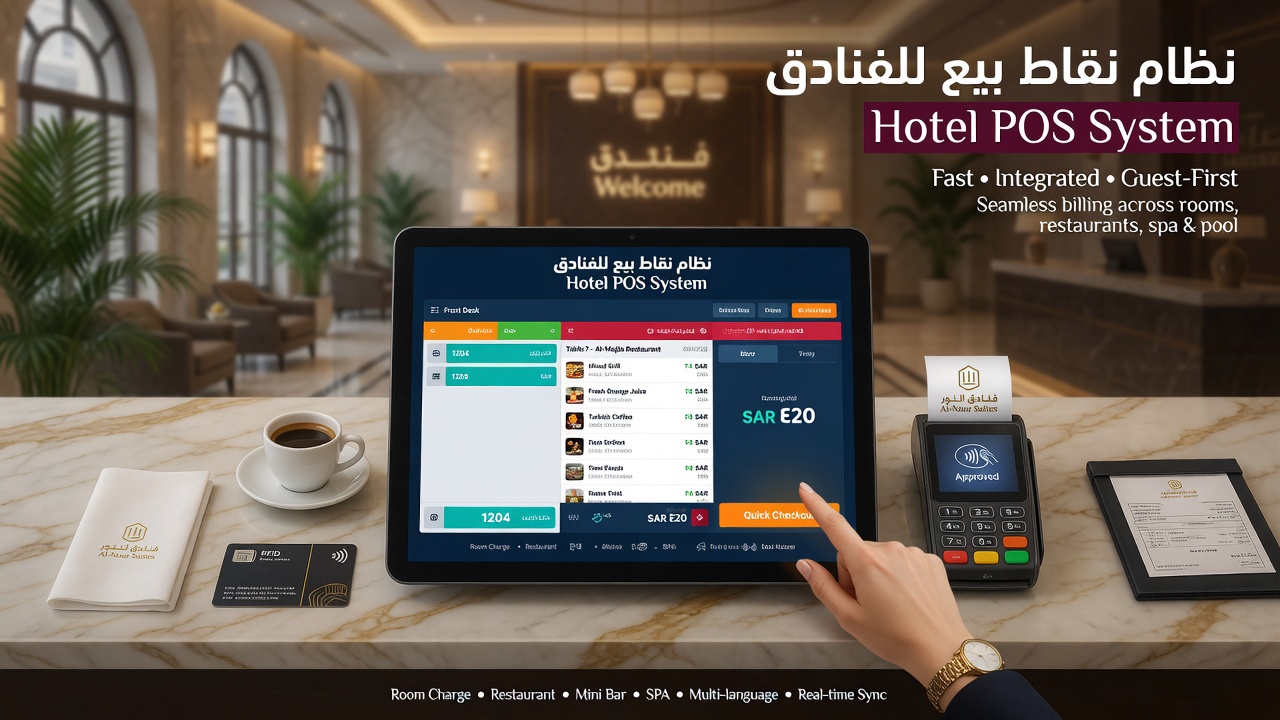
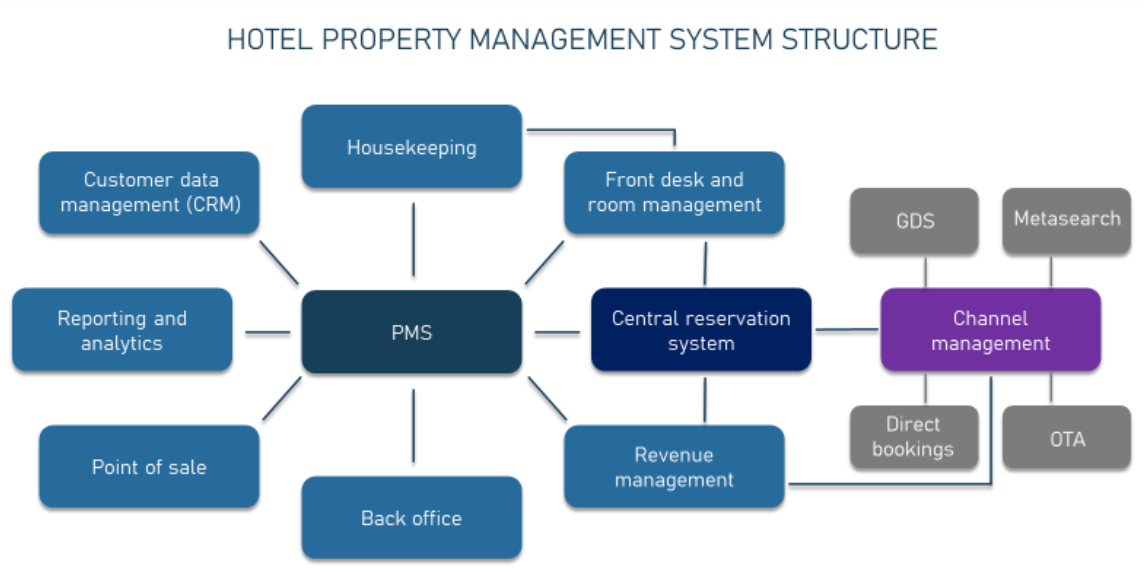
- Seamless Integrations: Connect effortlessly with leading channel managers (SiteMinder, D-Edge), RMS (Duetto, IDeaS), POS systems, and payment gateways.
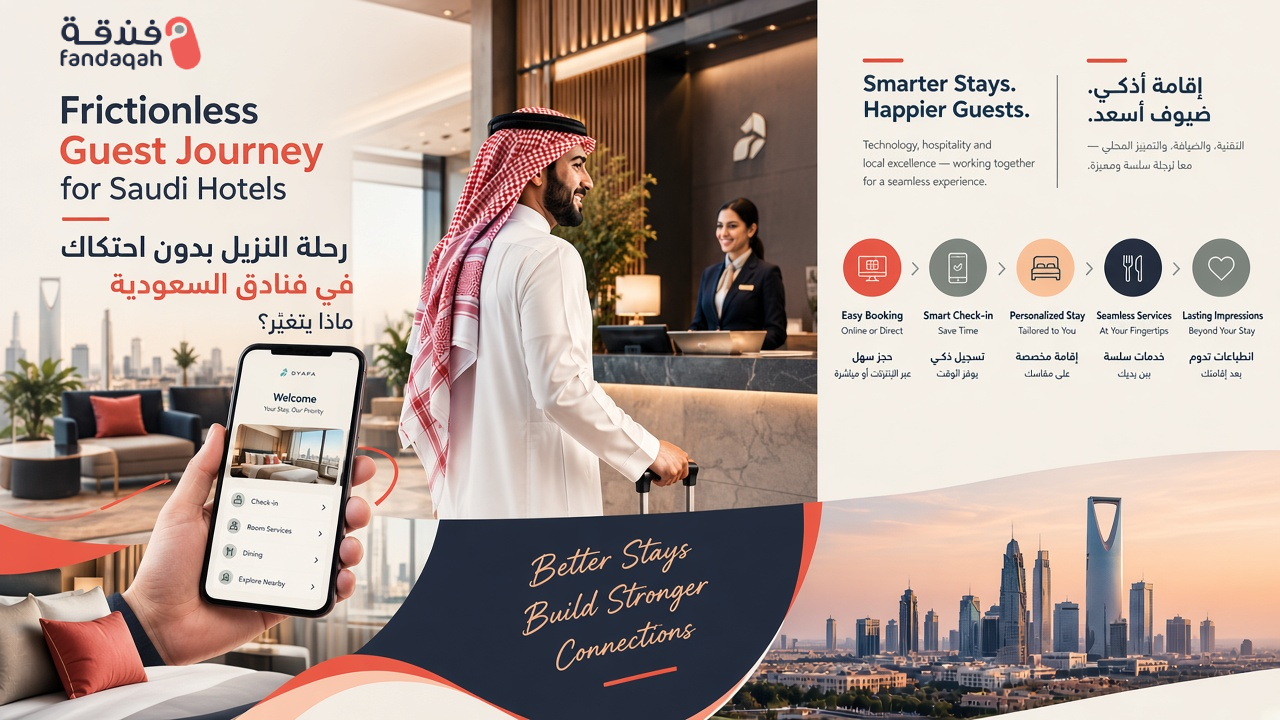
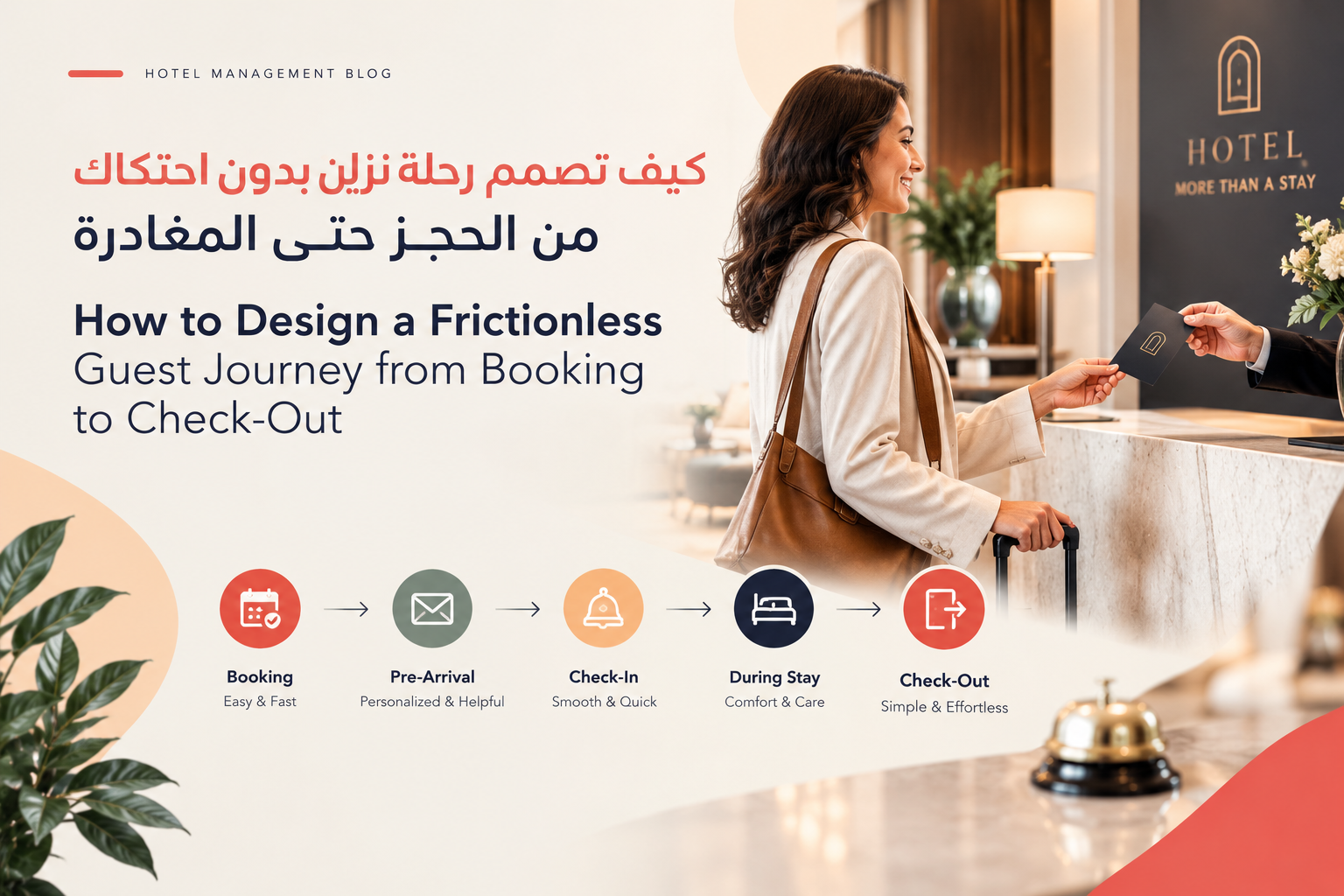
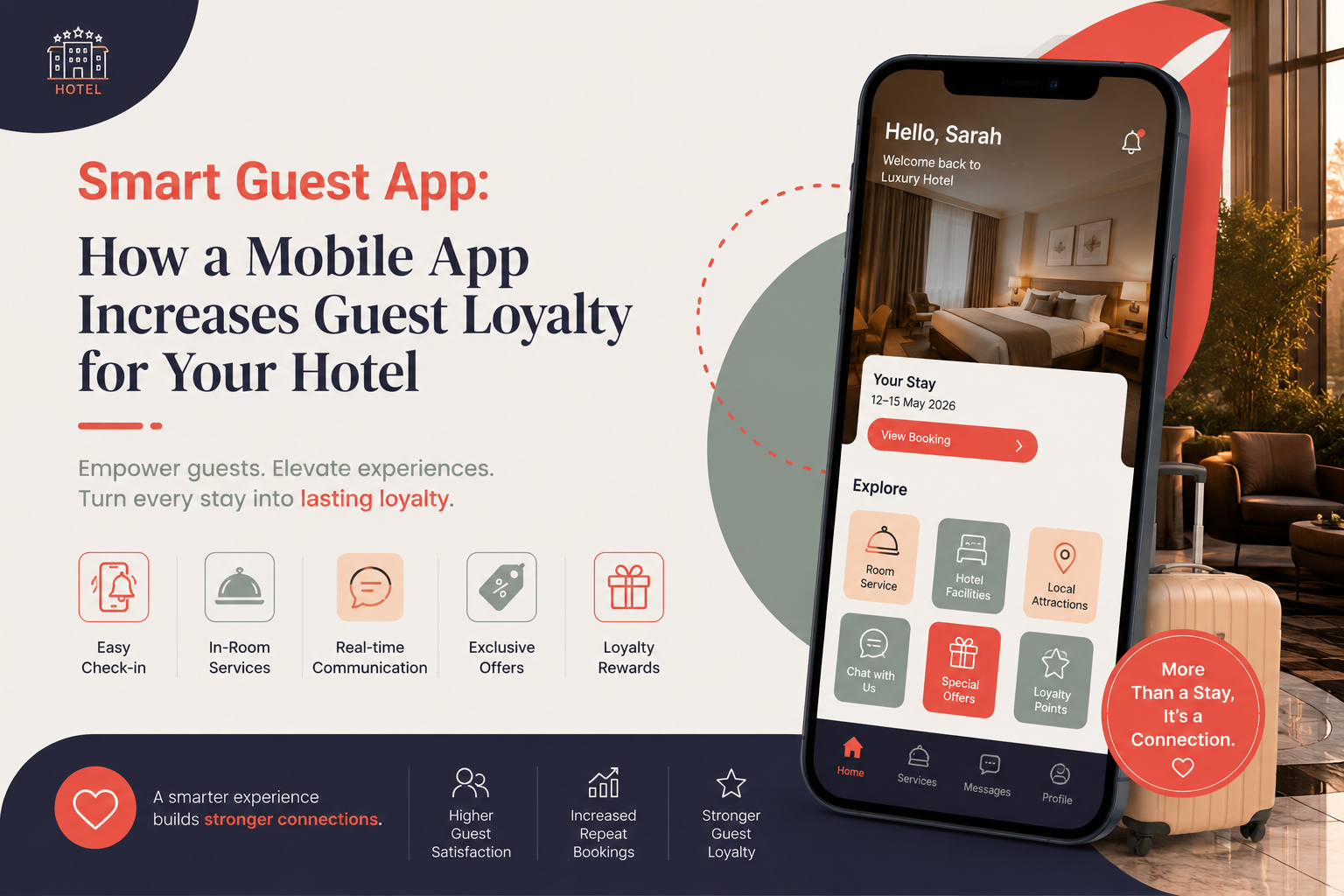
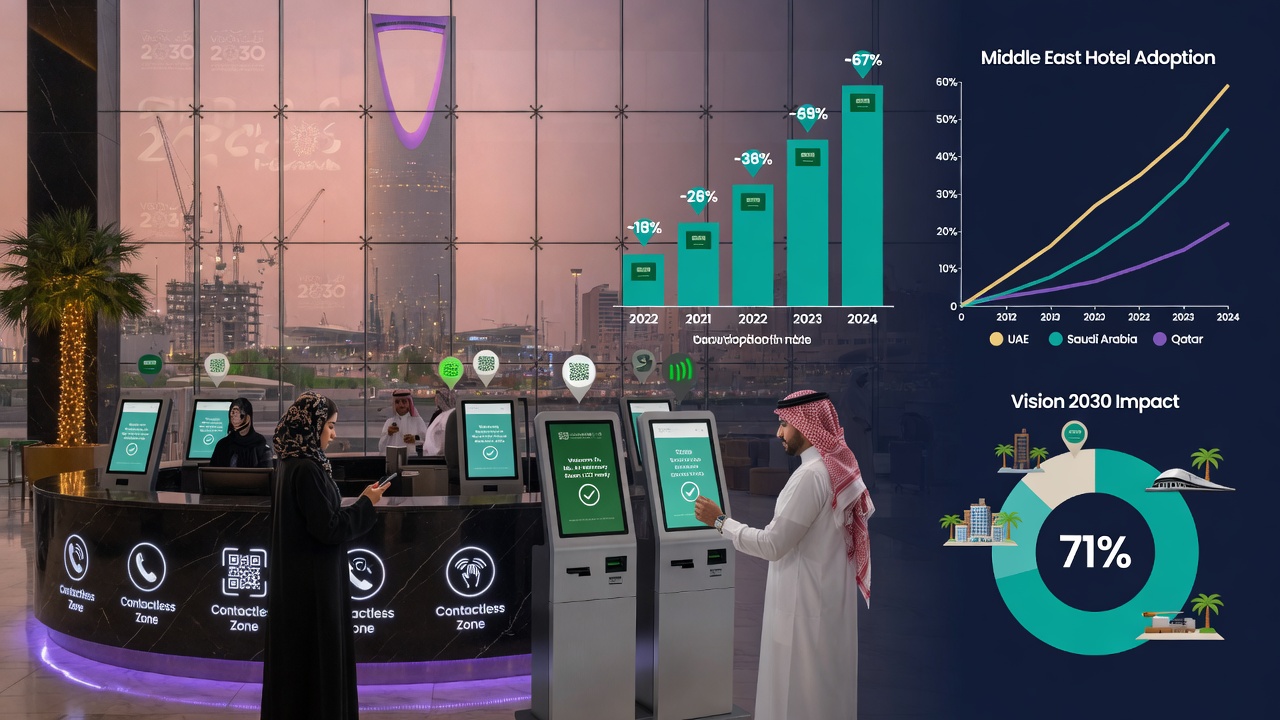
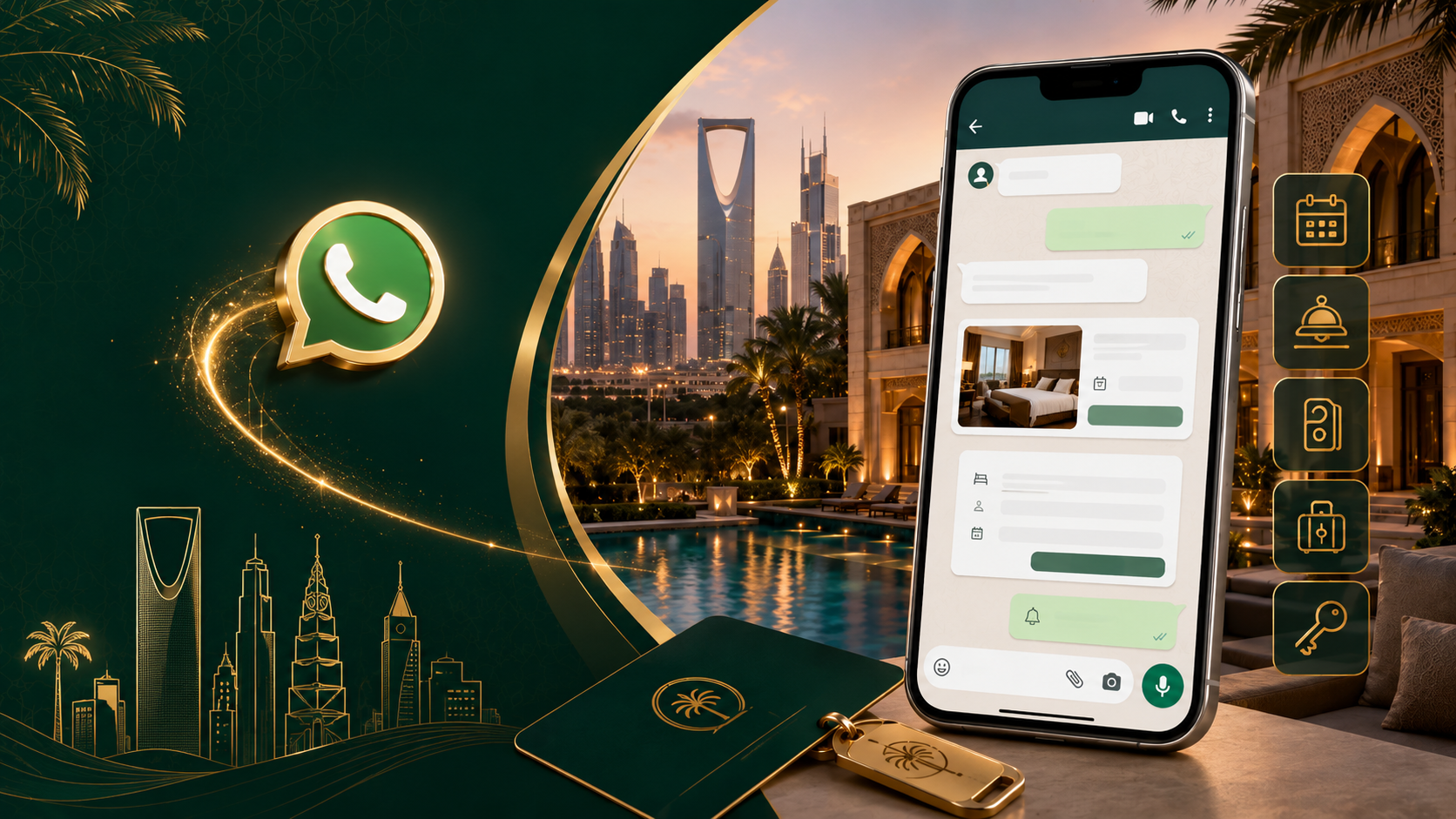
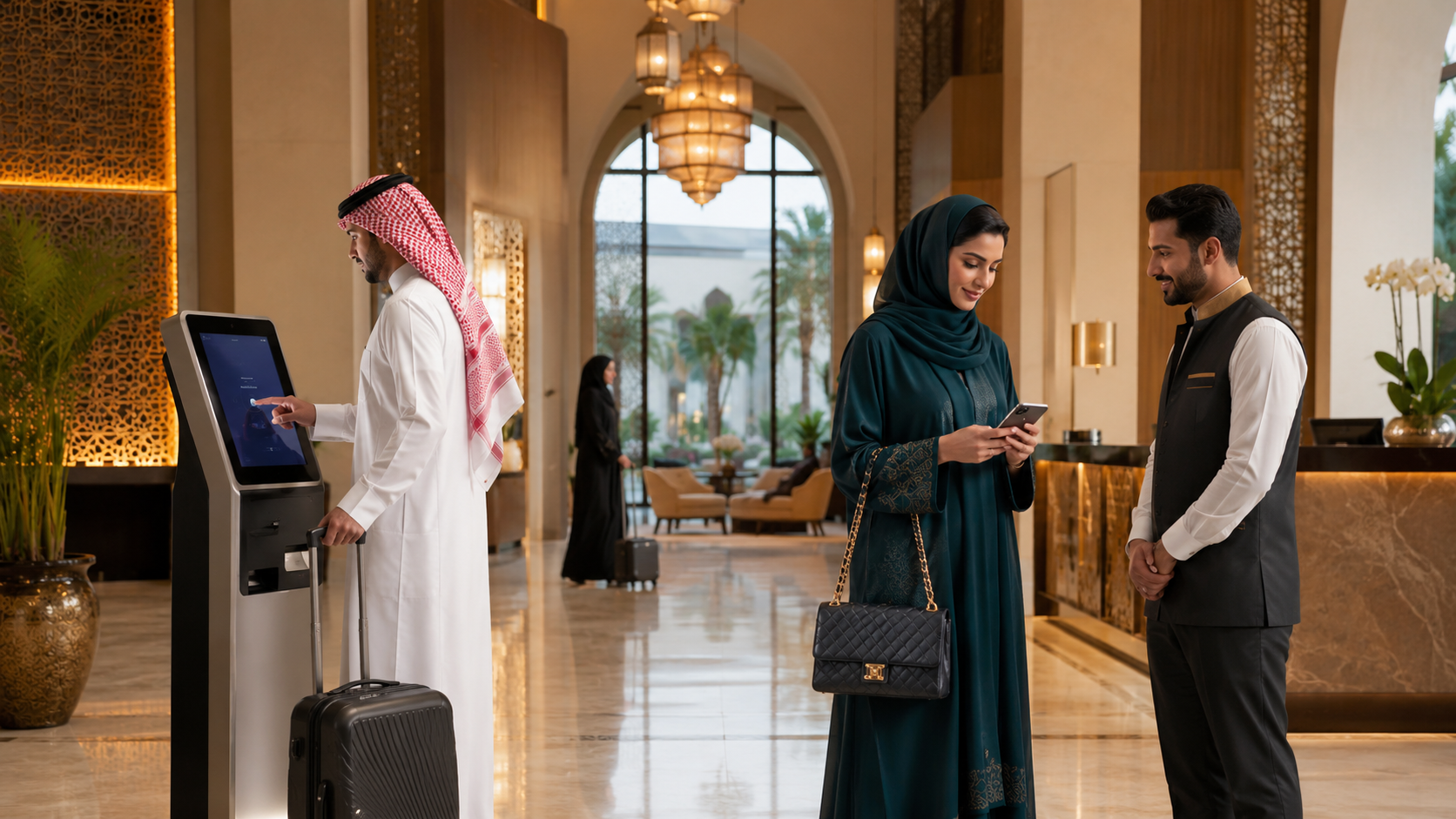
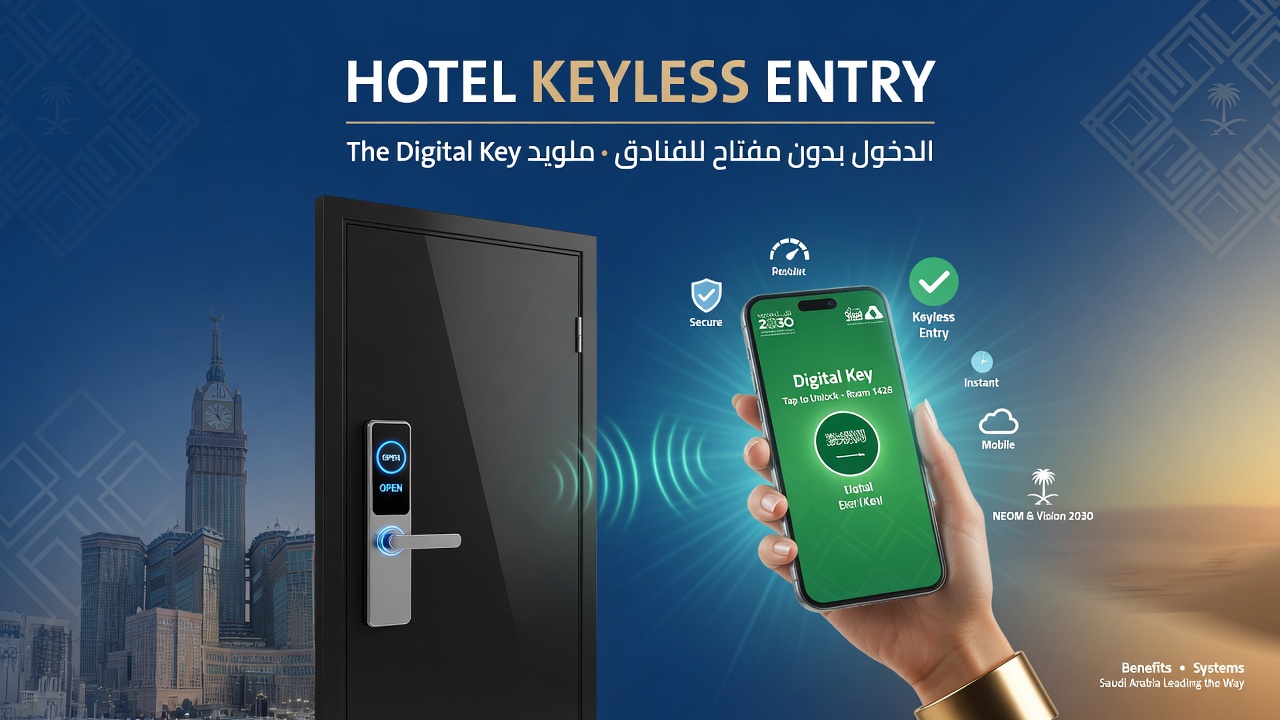
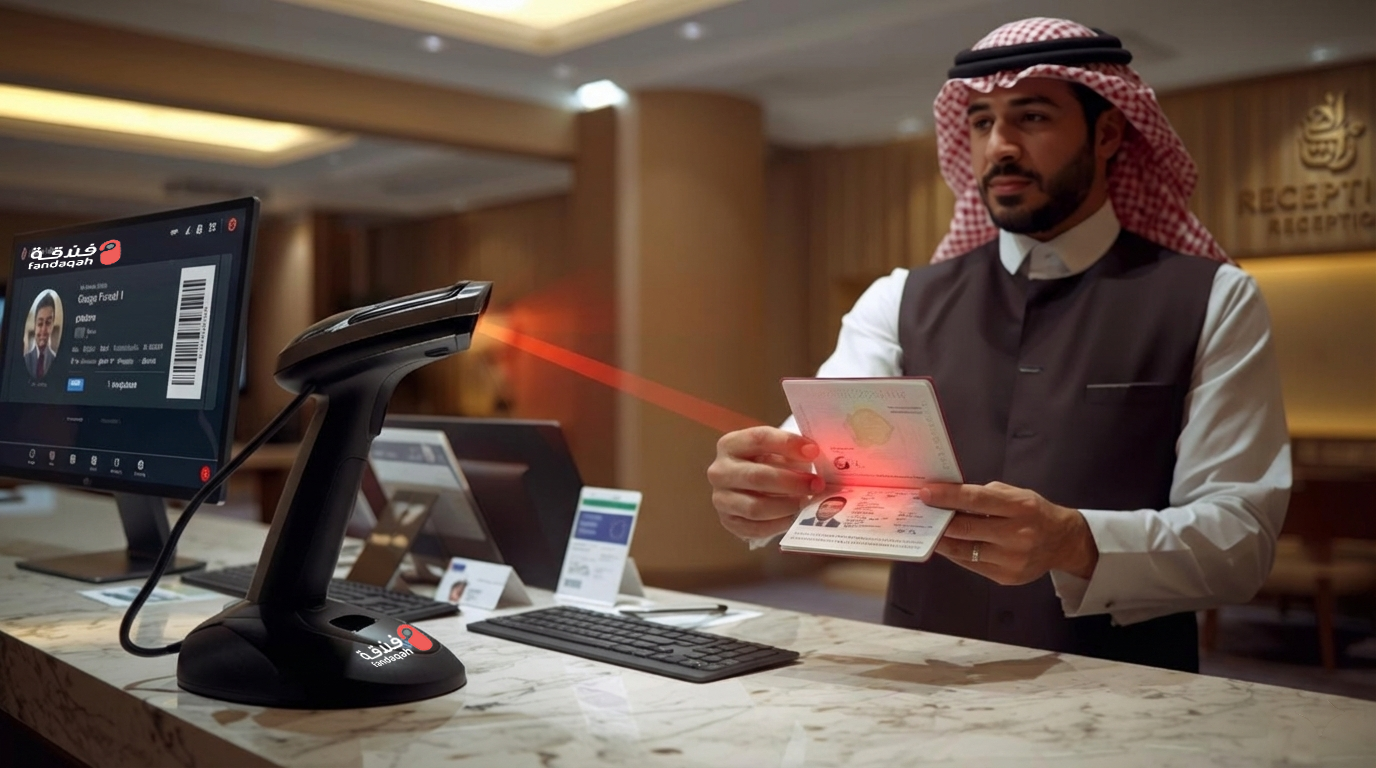
- Contactless Guest Journey: Enable mobile check-in, digital keys, and in-stay chat via WhatsApp or SMS—a growing expectation among Saudi tech-savvy travelers.
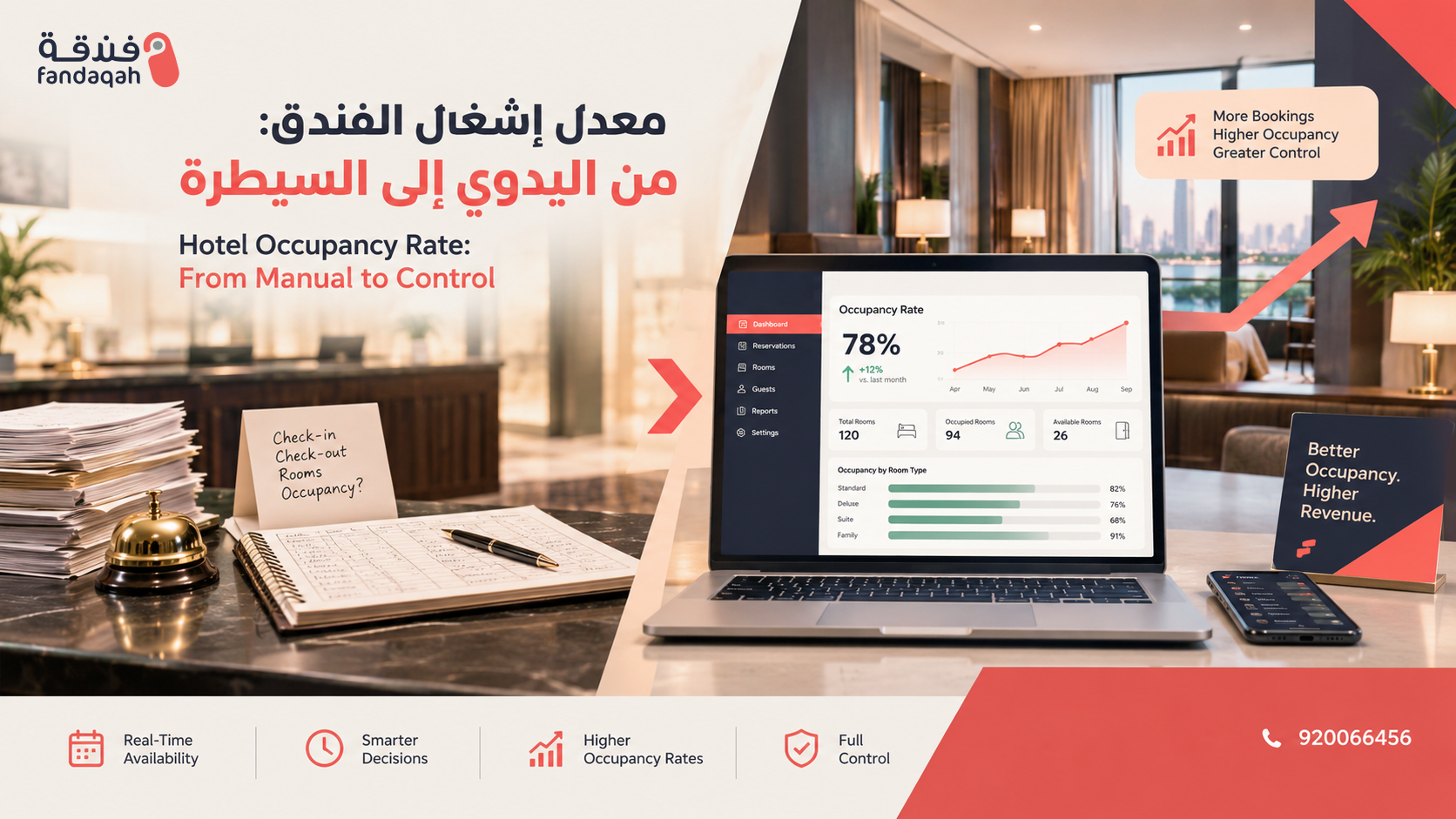
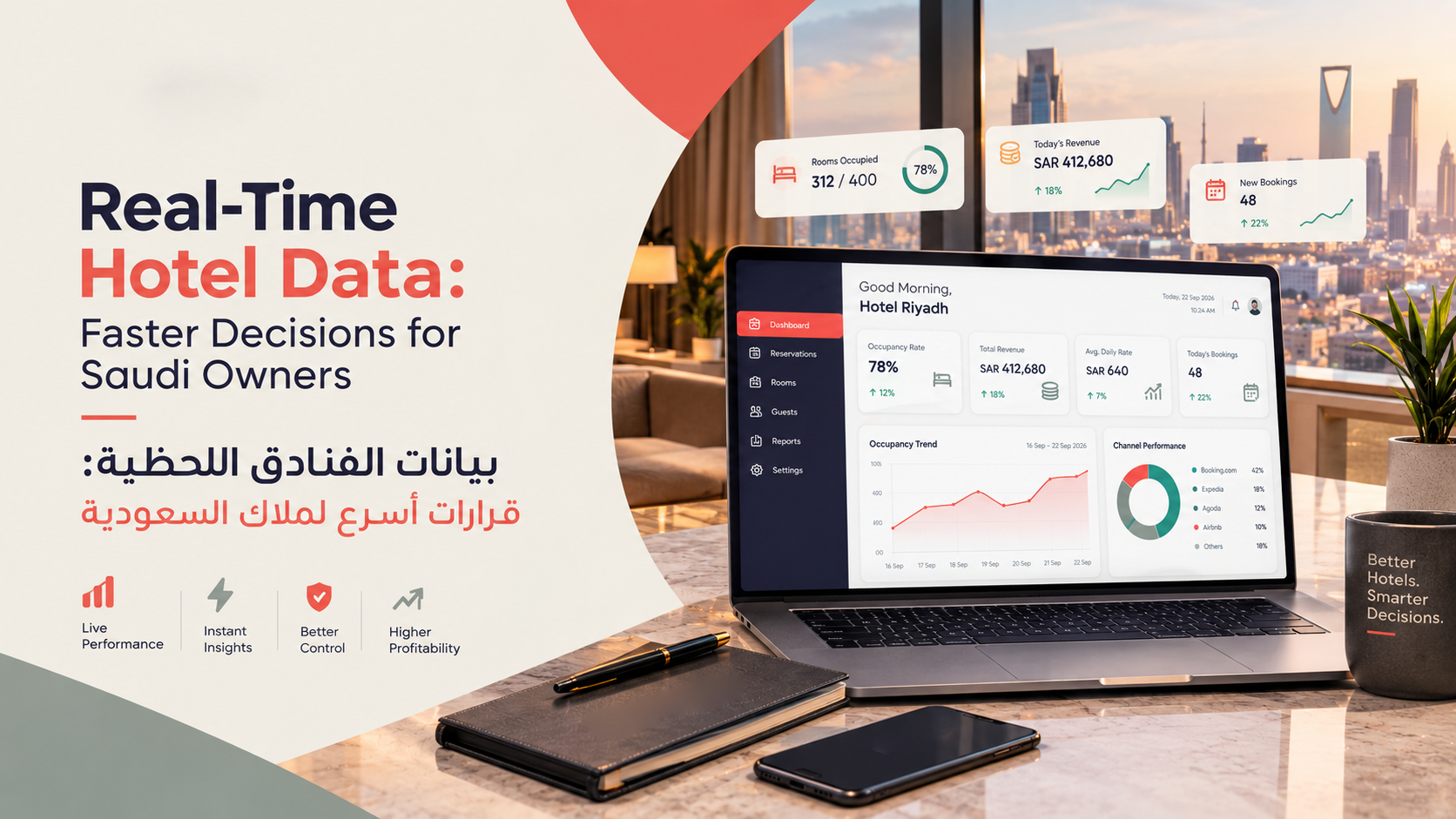
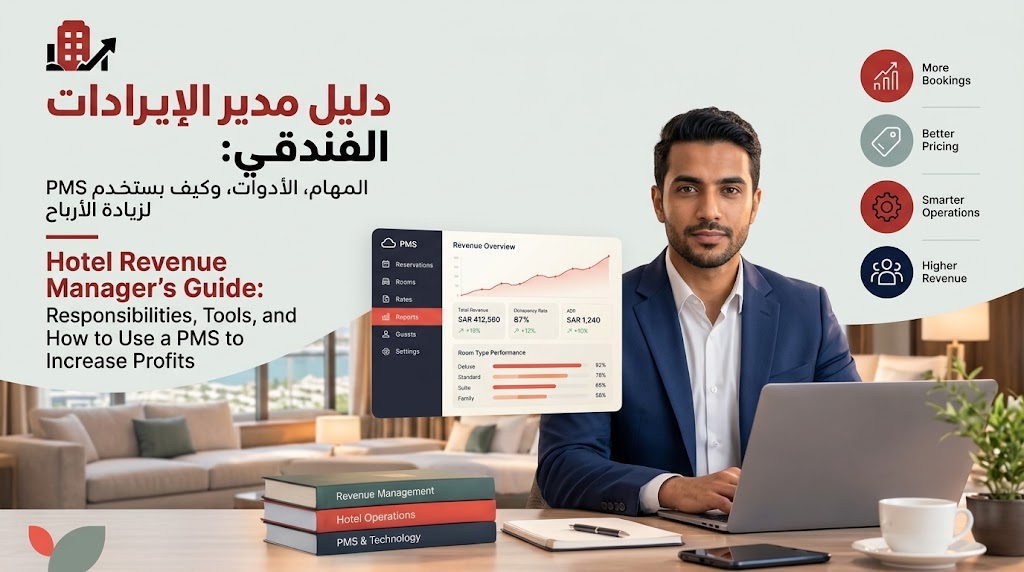
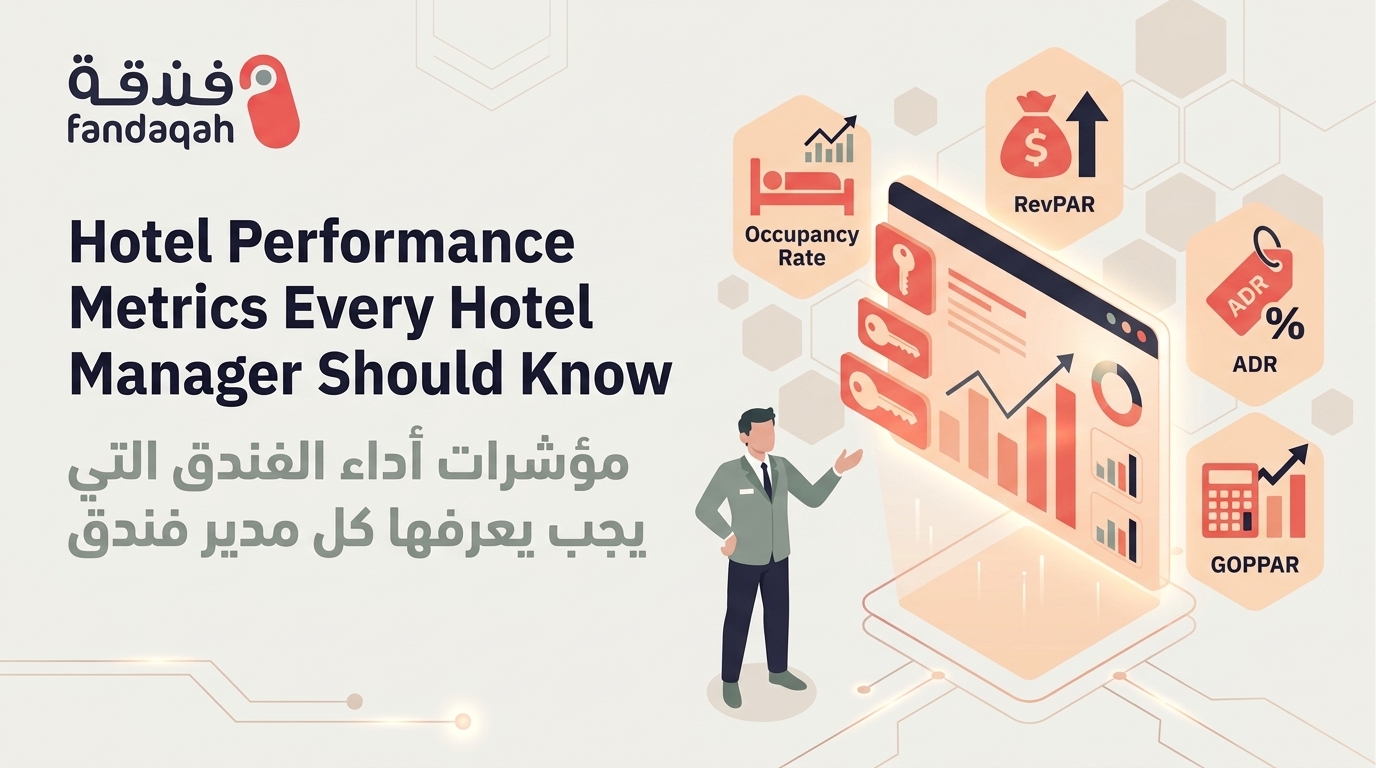
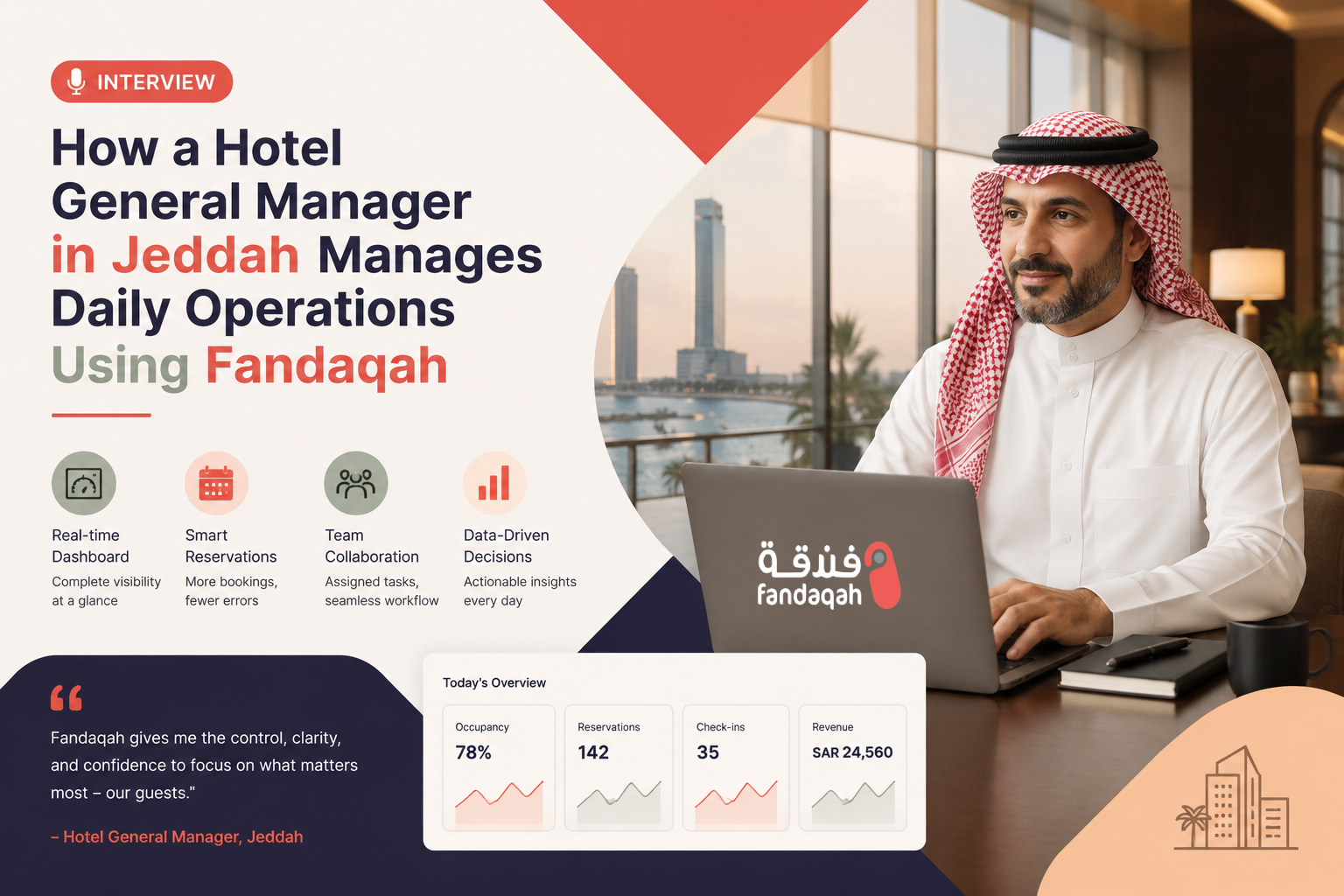
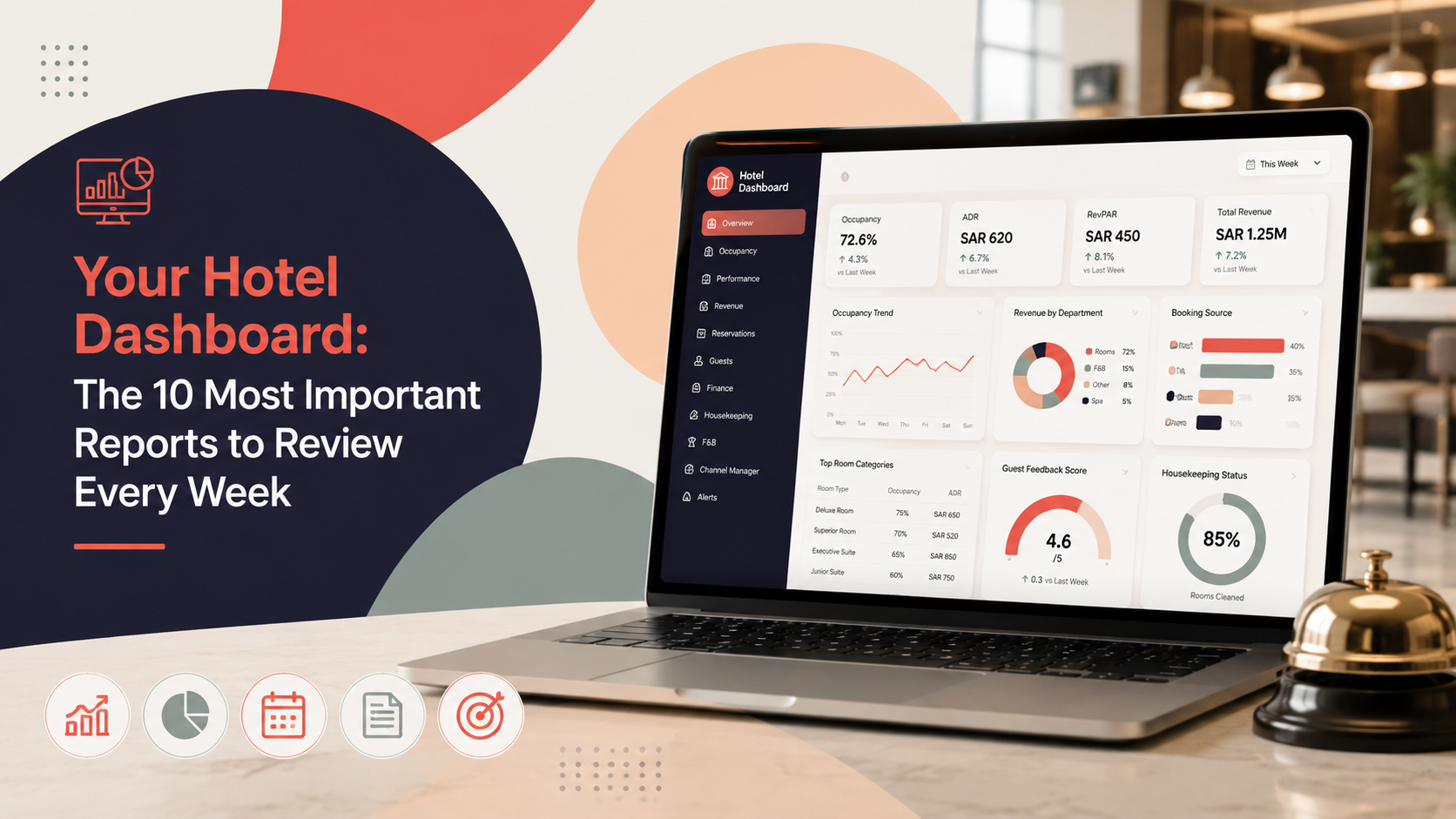
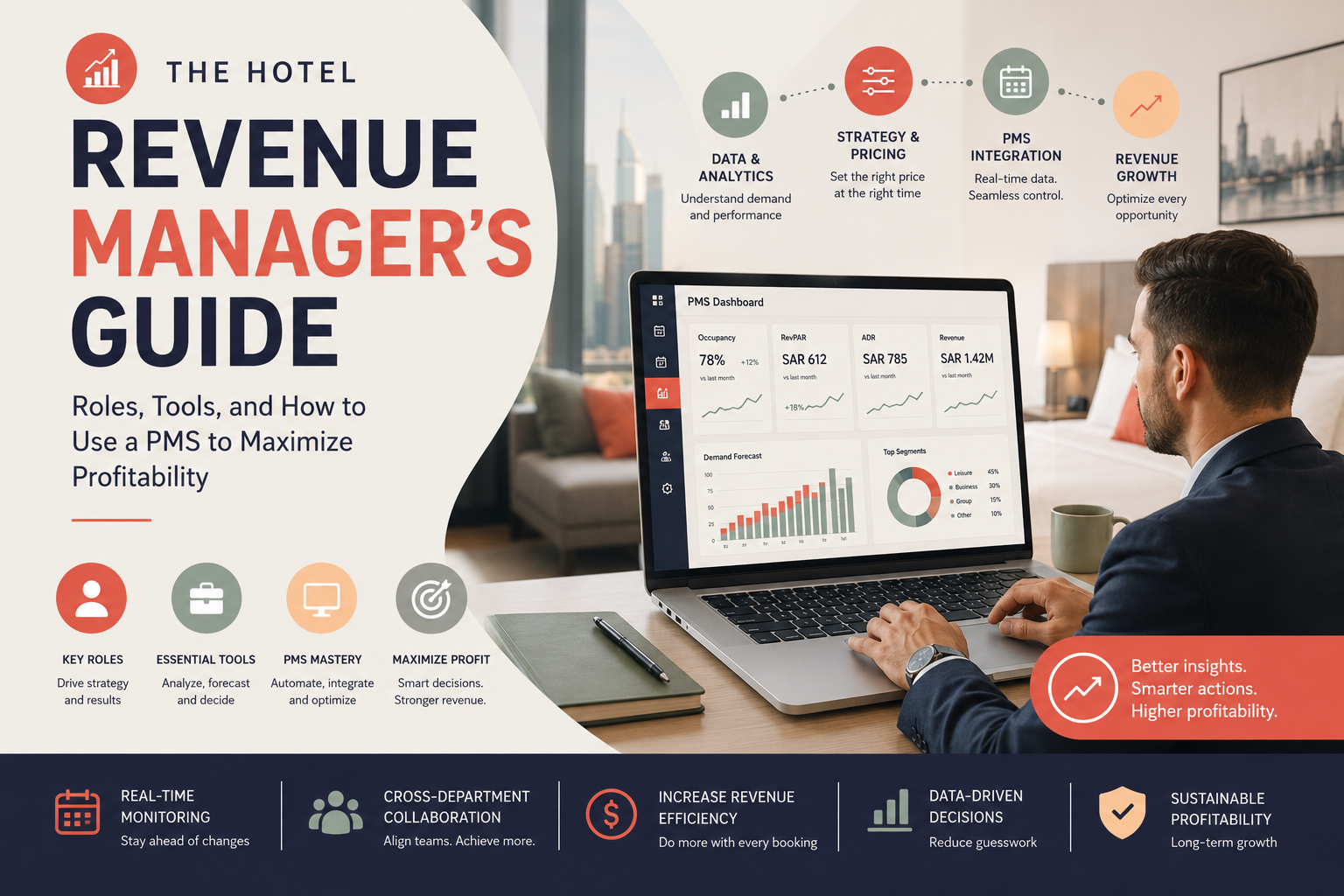
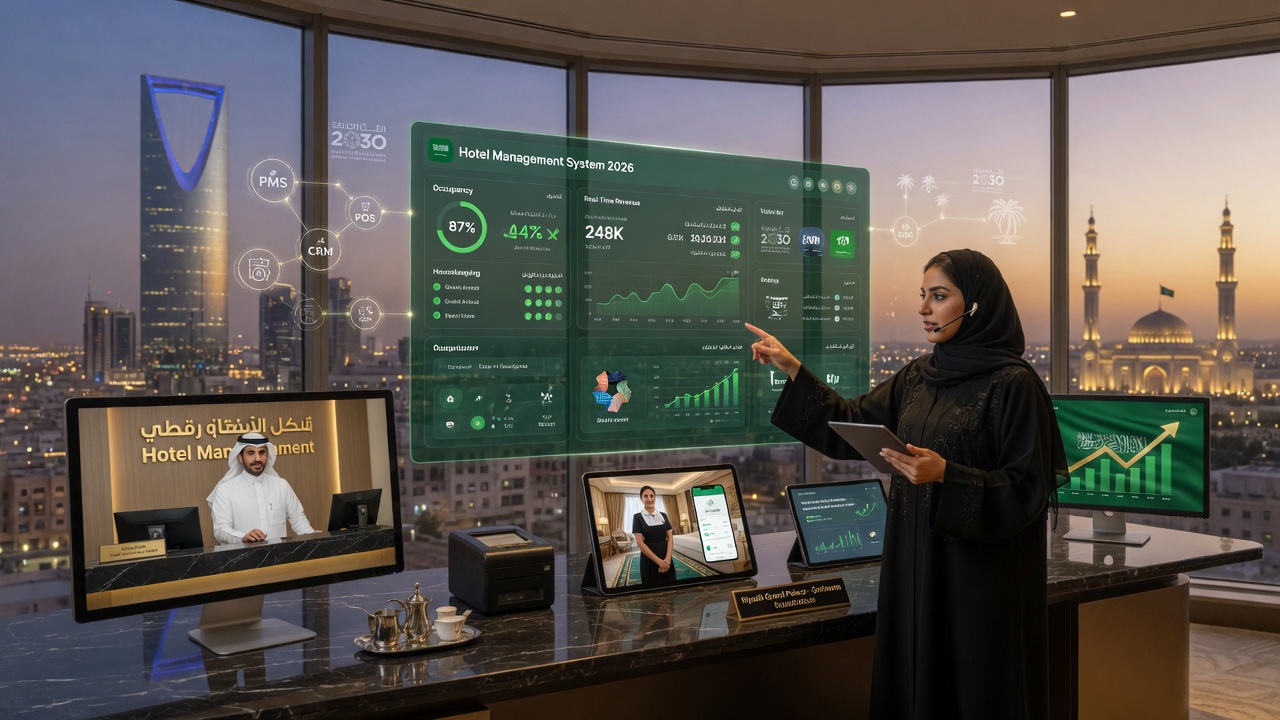
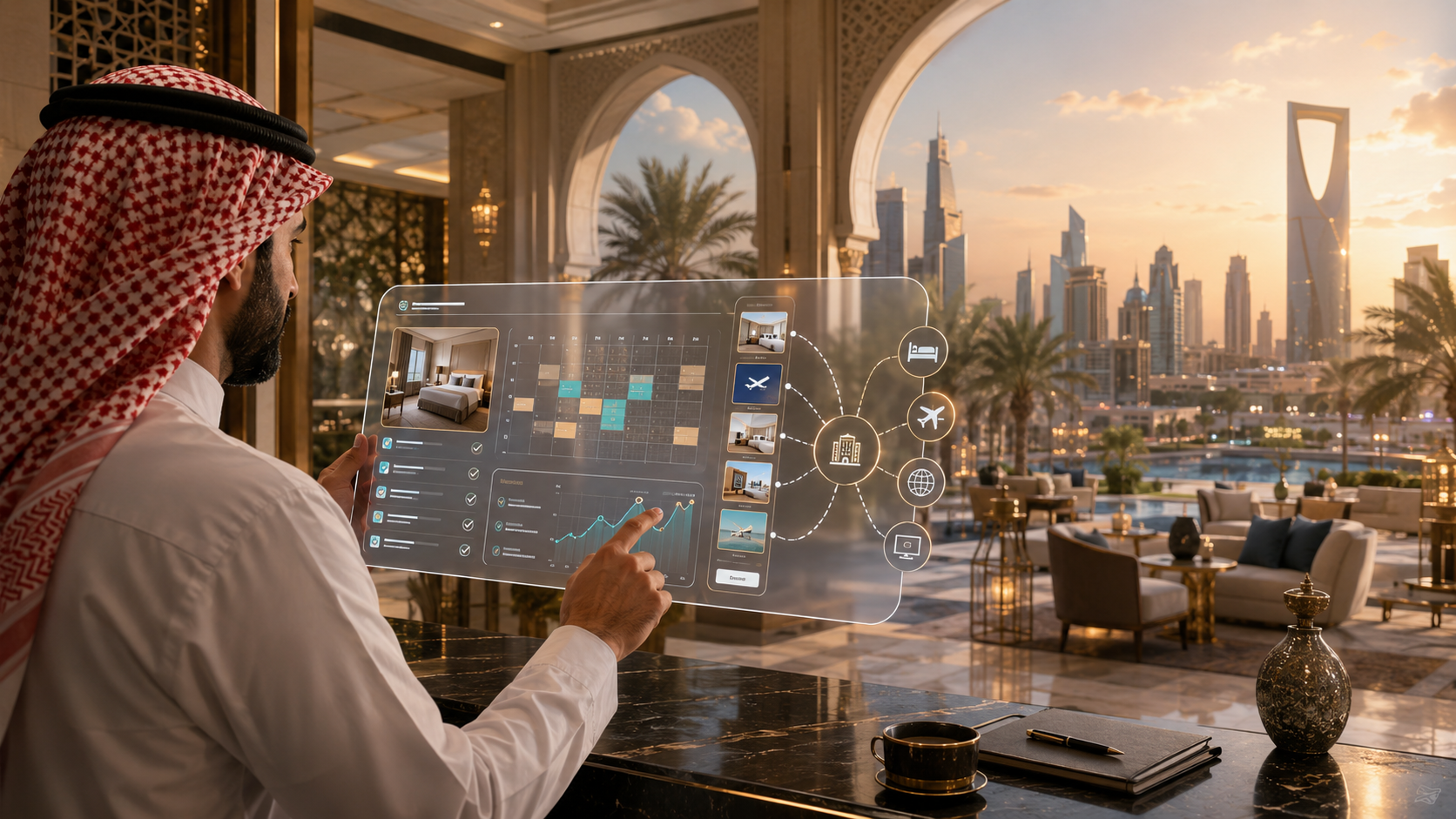
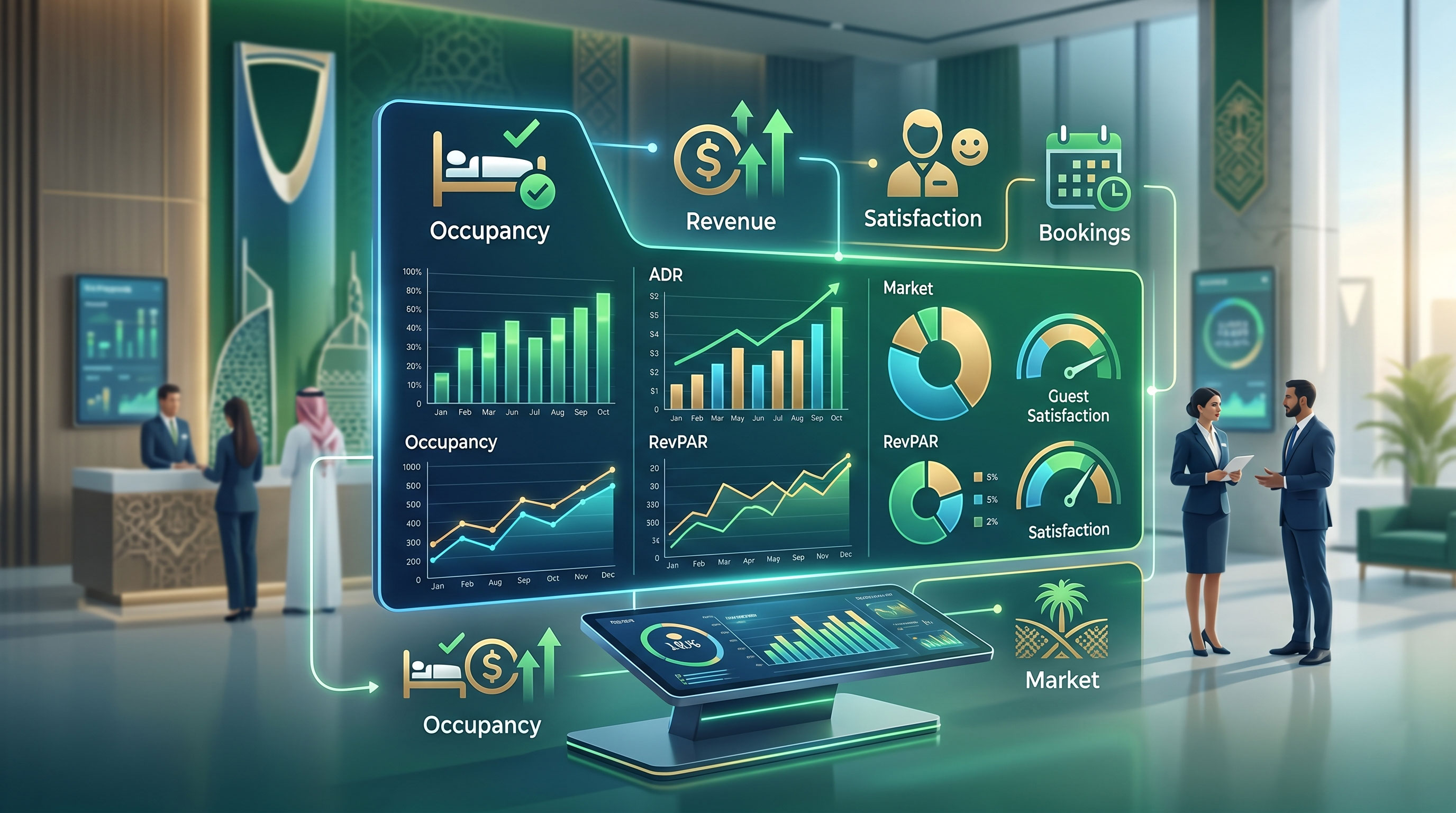
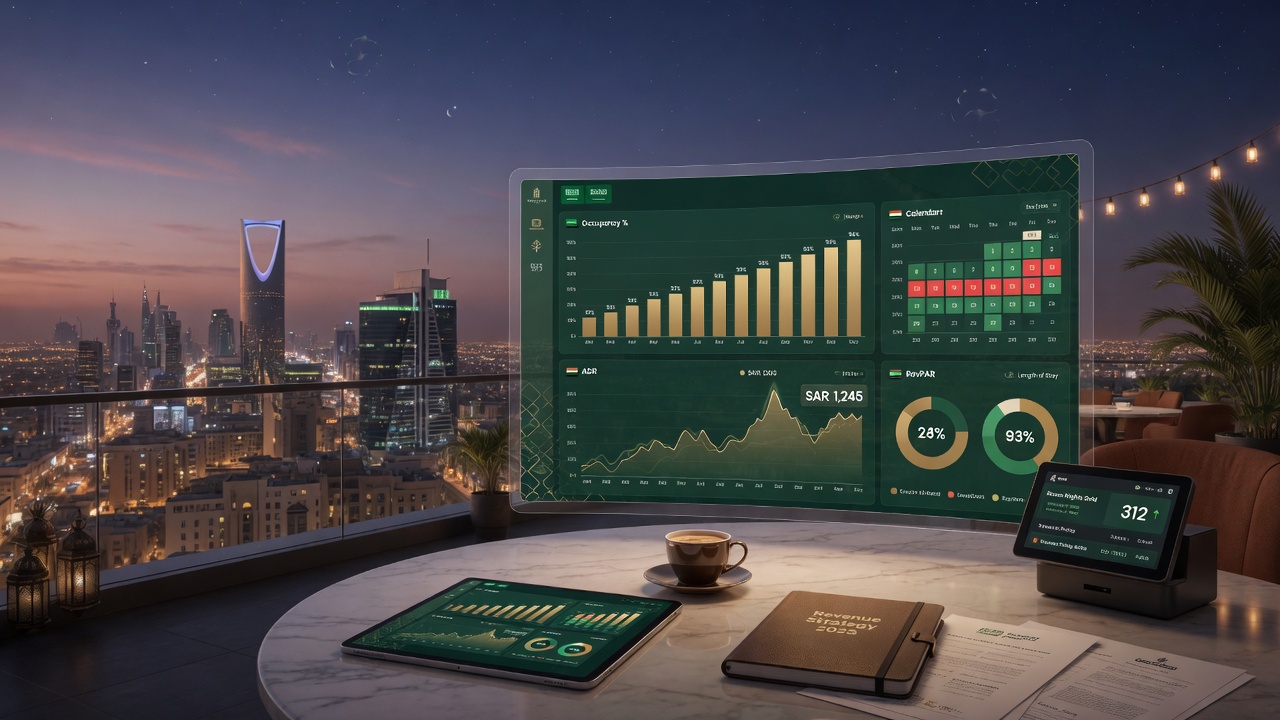
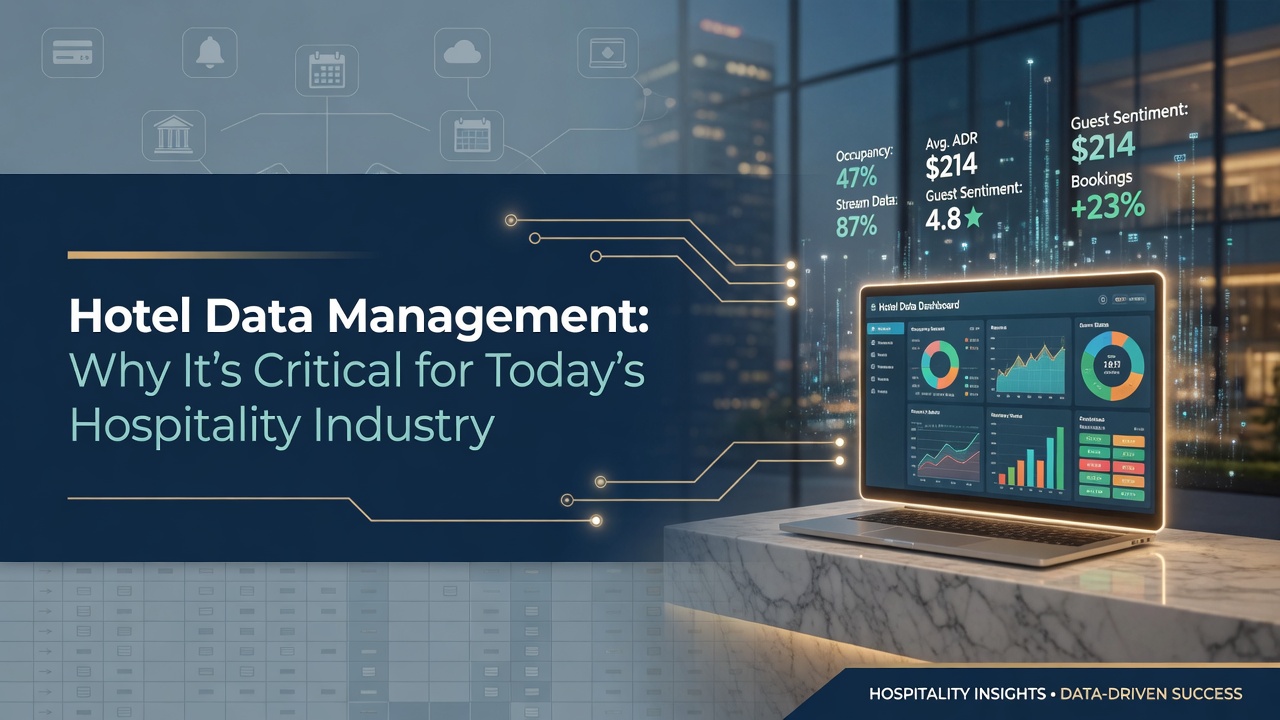
- Real-Time Analytics Dashboard: Access KPIs (Occupancy, ADR, RevPAR, Guest Satisfaction) from anywhere, on any device.
Did you know? According to a recent survey by a global hospitality tech firm, hotels that switch to a cloud PMS report a 20% increase in staff productivity and a 15% uplift in ancillary revenue (upsells) within the first year.
Use Cases: How Saudi Hotels Thrive with Modern PMS Solutions
Let's contextualize the impact of upgrading hotel technology within the Kingdom's unique market.
Use Case 1: Managing the Hajj & Umrah Surge in Makkah/Madinah
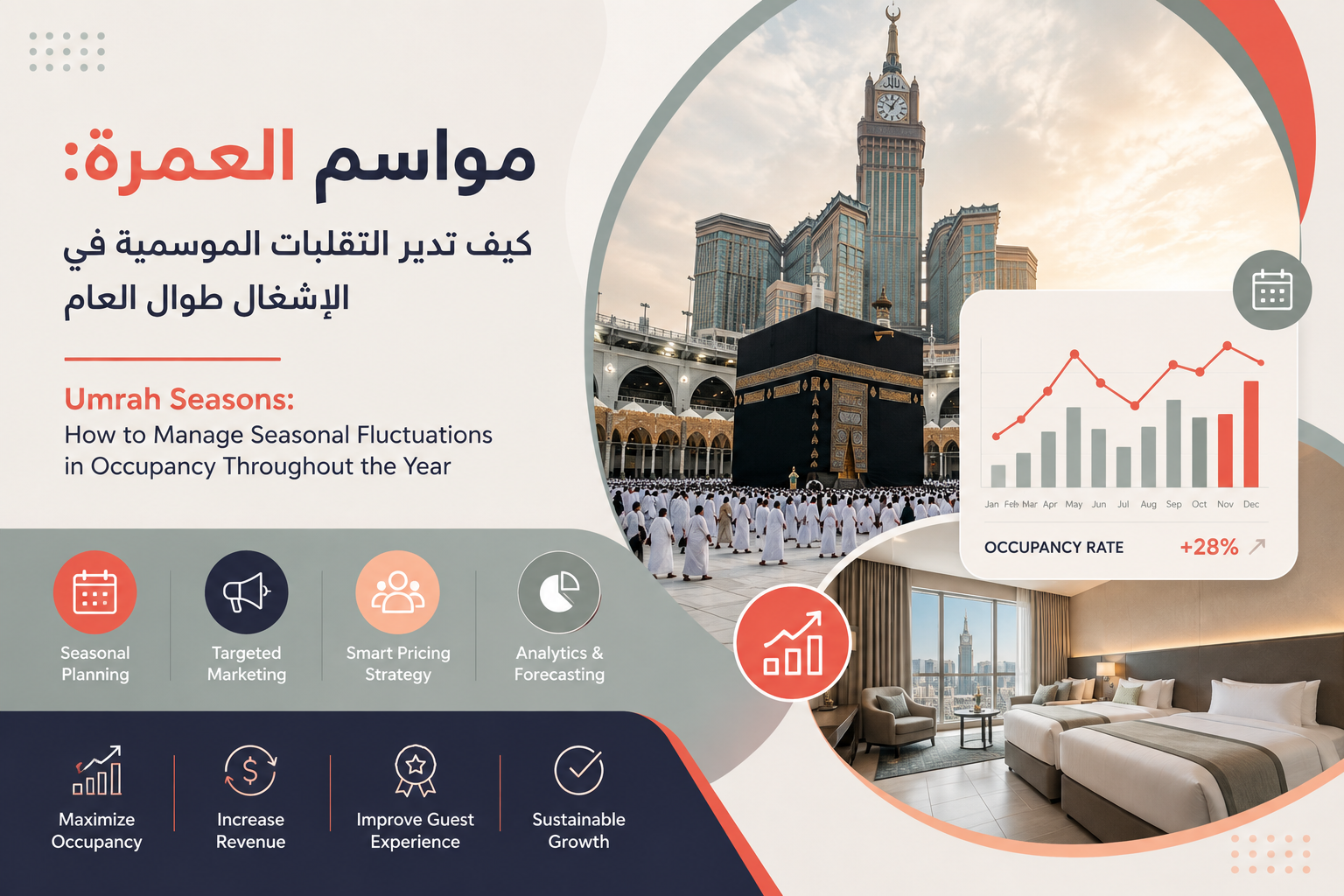
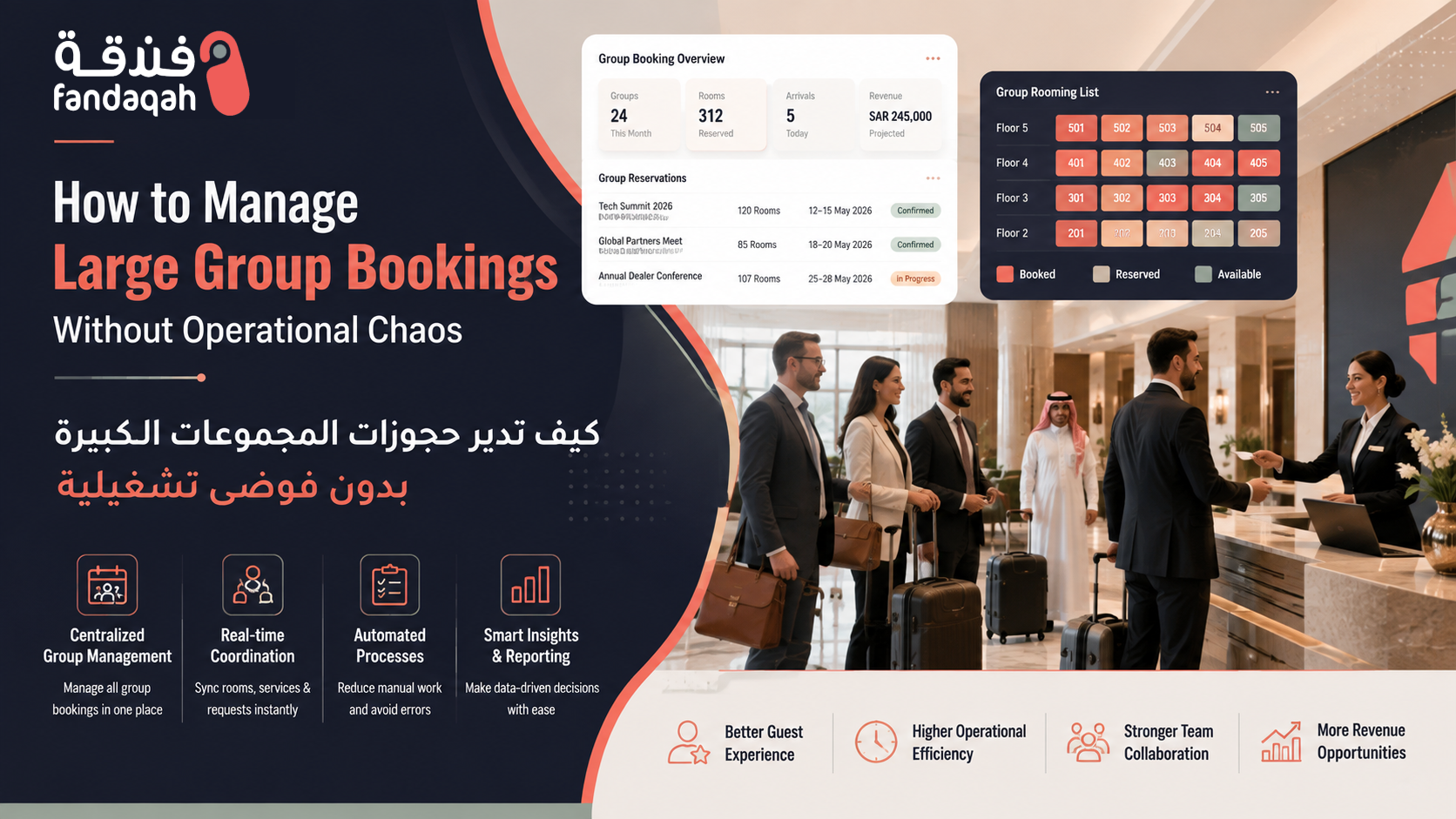
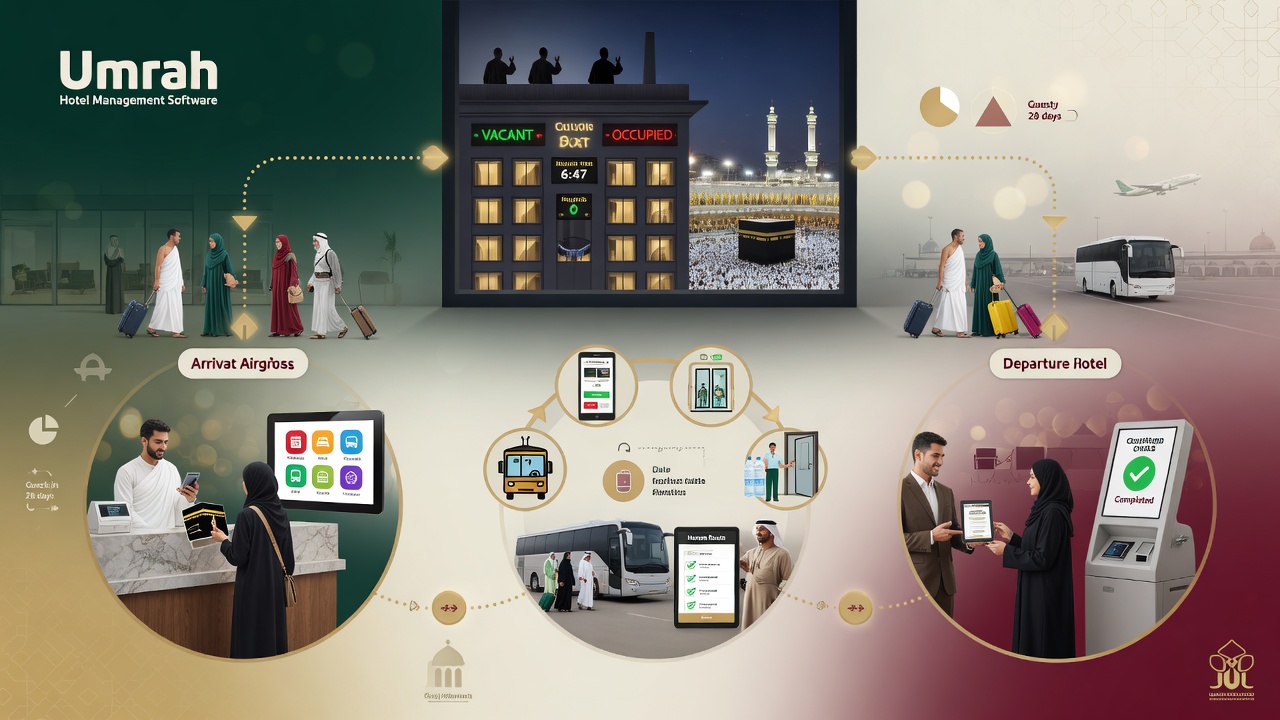
During peak pilgrimage seasons, hotels operate at maximum capacity with large group blocks and high turnover. A legacy PMS would buckle under the strain of simultaneous check-ins and complex group billing. A cloud PMS with robust group management and mobile check-in allows hotels to process hundreds of pilgrims smoothly, ensuring a spiritual journey starts with hospitality, not a queue.
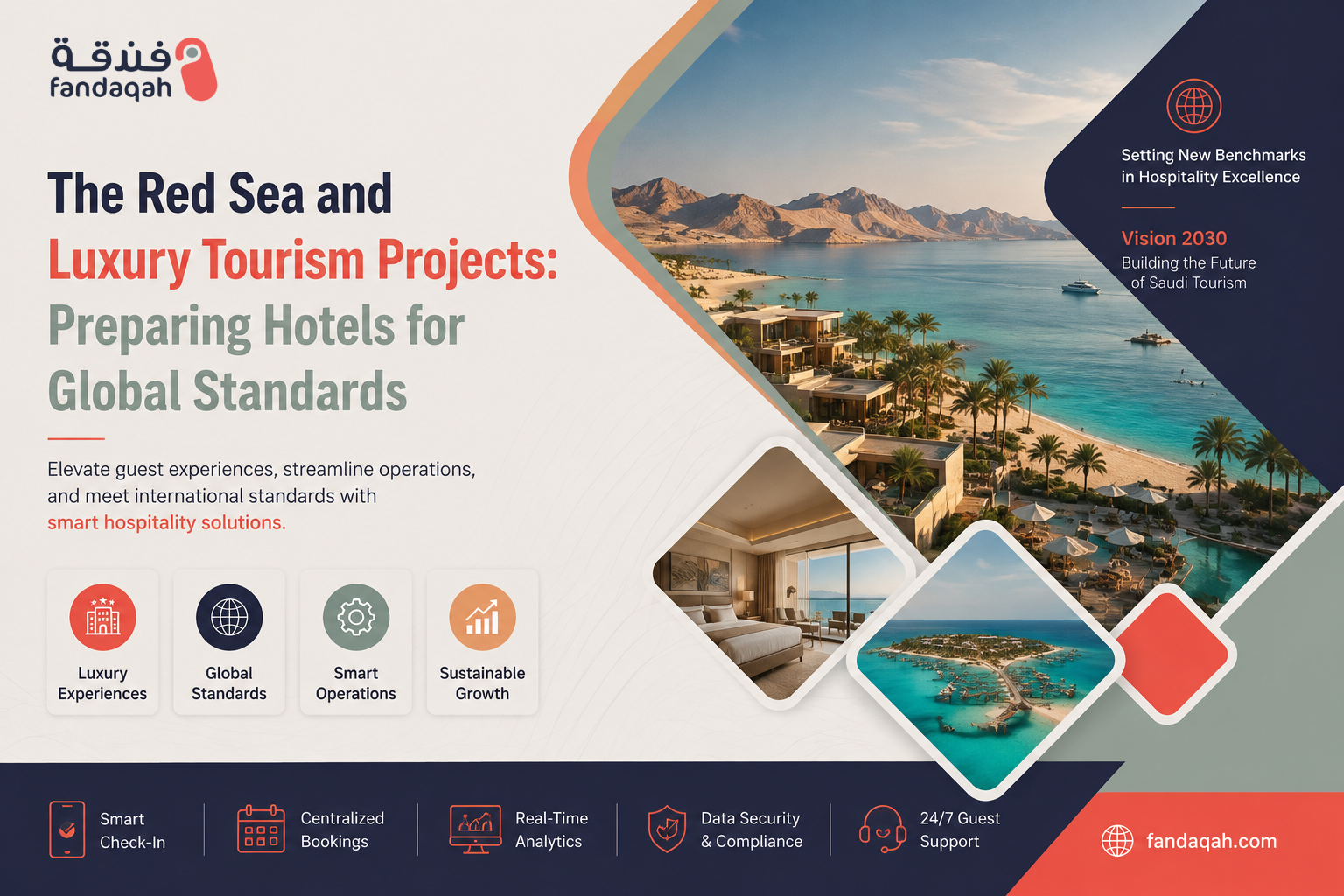
Use Case 2: The Red Sea Luxury Resort & Dispersed Layout
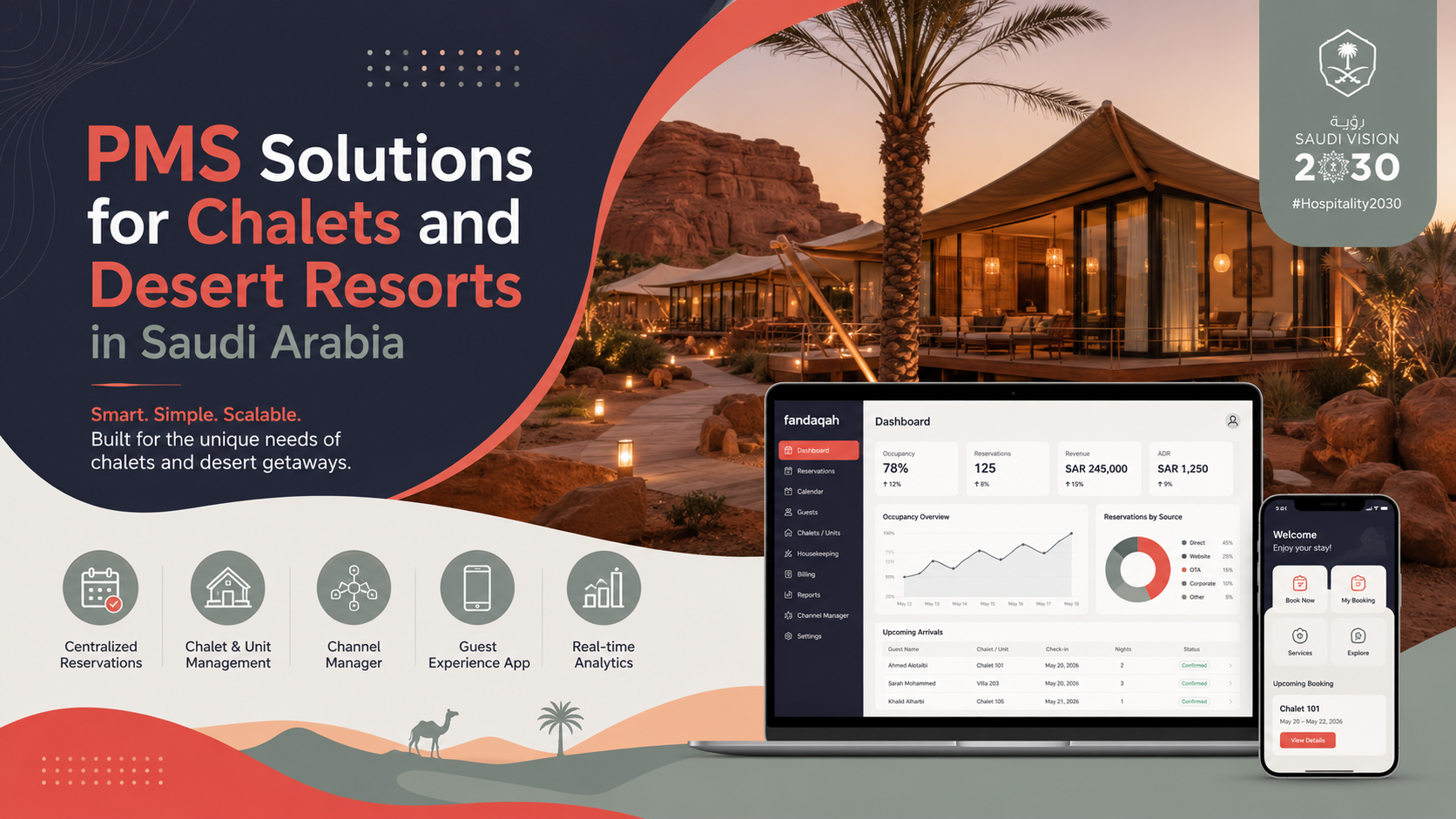
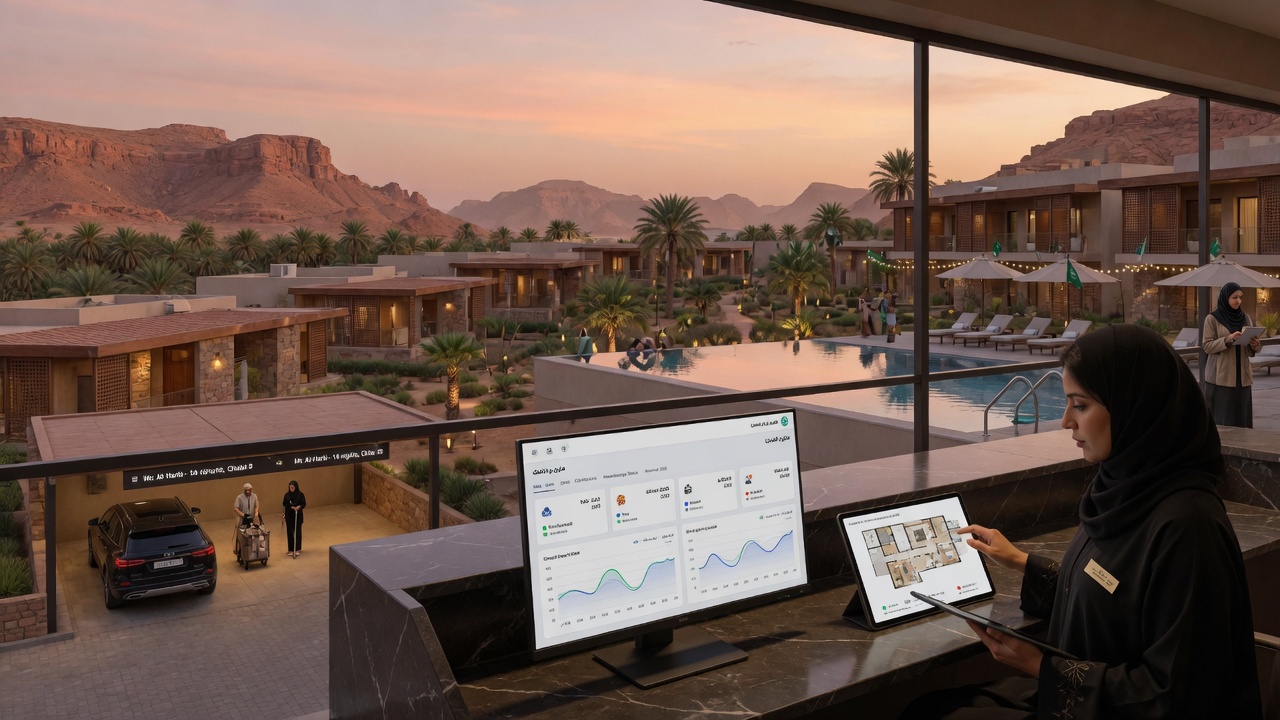
Luxury resorts along the Red Sea coast (like those in The Red Sea Project) feature sprawling grounds with villas and beach clubs. Staff need mobility. With a modern PMS on a tablet, a butler can check a guest into their overwater villa while standing on the deck, and housekeeping can mark the room as "inspected" without returning to a central office. This seamless service defines luxury.
Use Case 3: Riyadh Business Hotel & Corporate Accounts
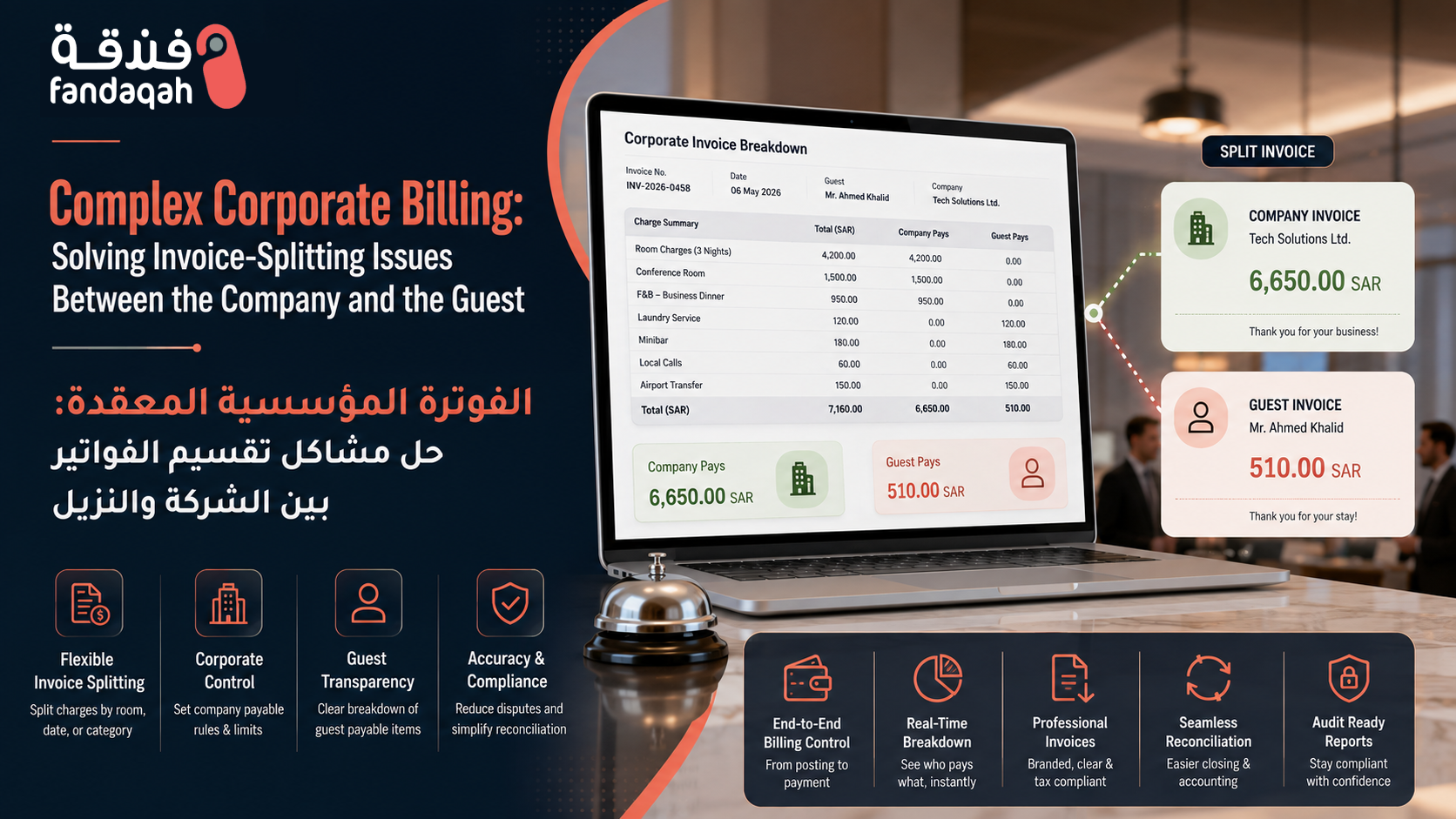
Corporate travelers and government accounts expect streamlined billing and direct billing options. A legacy PMS often makes handling complex corporate invoices a manual, error-prone nightmare. A modern system with integrated accounting and CRM automates folio splitting, tracks company spending limits, and provides instant reporting for finance teams.
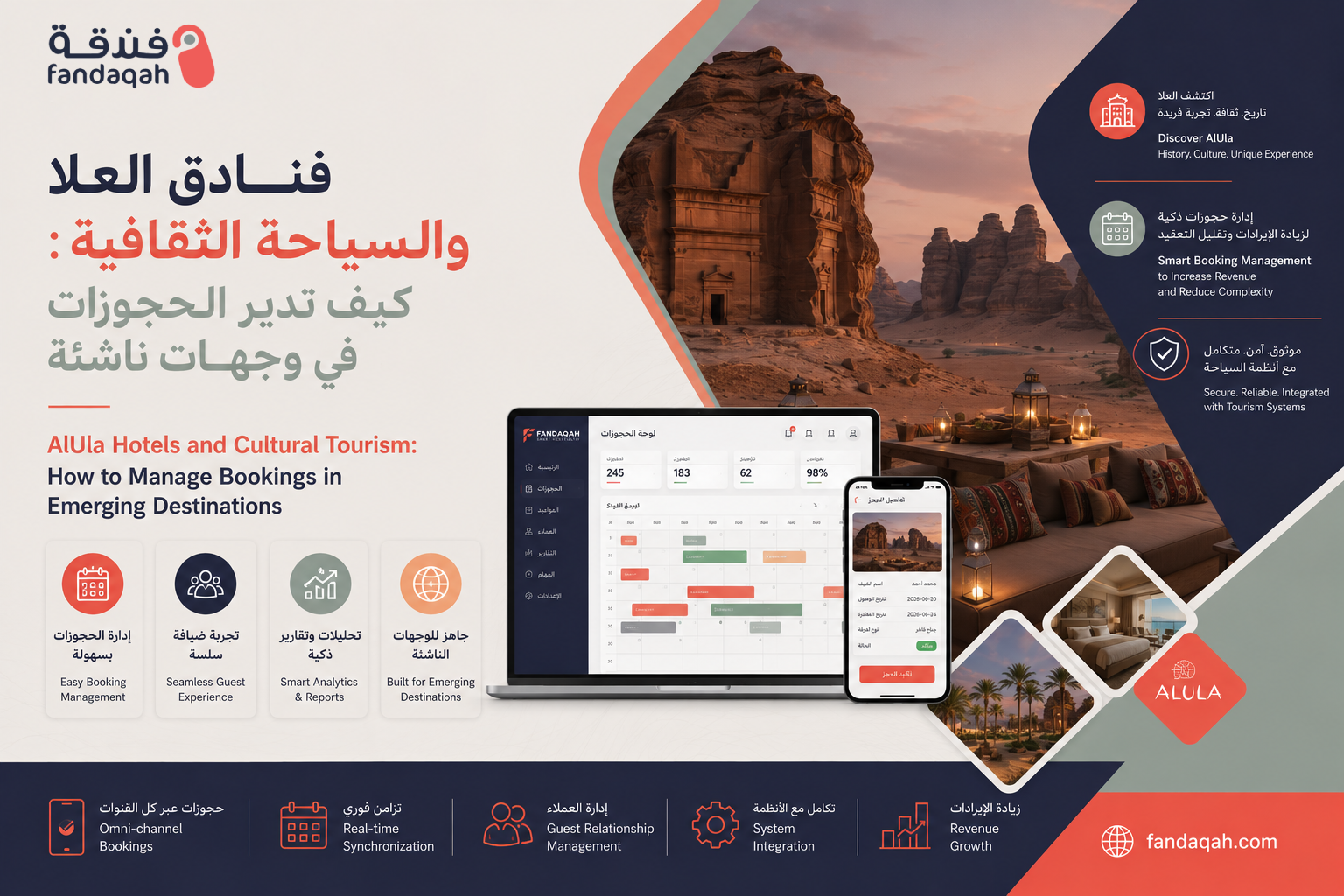
Use Case 4: Boutique Heritage Hotels in Diriyah & AlUla
Boutique properties thrive on personality and guest connection. They cannot afford the overhead of a full IT department to maintain a server. A lightweight, cloud PMS is subscription-based (OpEx vs CapEx), requires no local server maintenance, and provides the agility to upsell local experiences (e.g., "Add a guided tour of Hegra to your stay") directly within the booking flow.
Legacy PMS vs. Modern Cloud PMS: A Detailed Comparison
The difference is not just technological—it's strategic.
| Feature / Capability |
Legacy On-Premise PMS |
Modern Cloud PMS |
| Access & Mobility |
Desktop only, within hotel network. No remote access. |
Any device, anywhere with internet. Mobile apps for staff. |
| Guest Personalization |
Limited to basic stay history. Hard to access preferences. |
Unified guest profile with preferences, spend, and feedback. |
| Integration Capabilities |
Difficult and expensive. Custom APIs often required. |
Open API, pre-built integrations with 100s of partners. |
| Cost Model |
High upfront license + annual maintenance + server costs. |
Monthly subscription per room. Predictable OpEx. |
| Updates & Innovation |
Manual, infrequent, and disruptive upgrades. |
Automatic, seamless updates with new features monthly. |
| Security & Compliance |
On-site server vulnerabilities. Complex PCI compliance. |
Enterprise-grade security, automated backups, PCI Level 1. |
| Reporting & Analytics |
Static, pre-canned reports. Excel exports required. |
Real-time, customizable dashboards with predictive insights. |
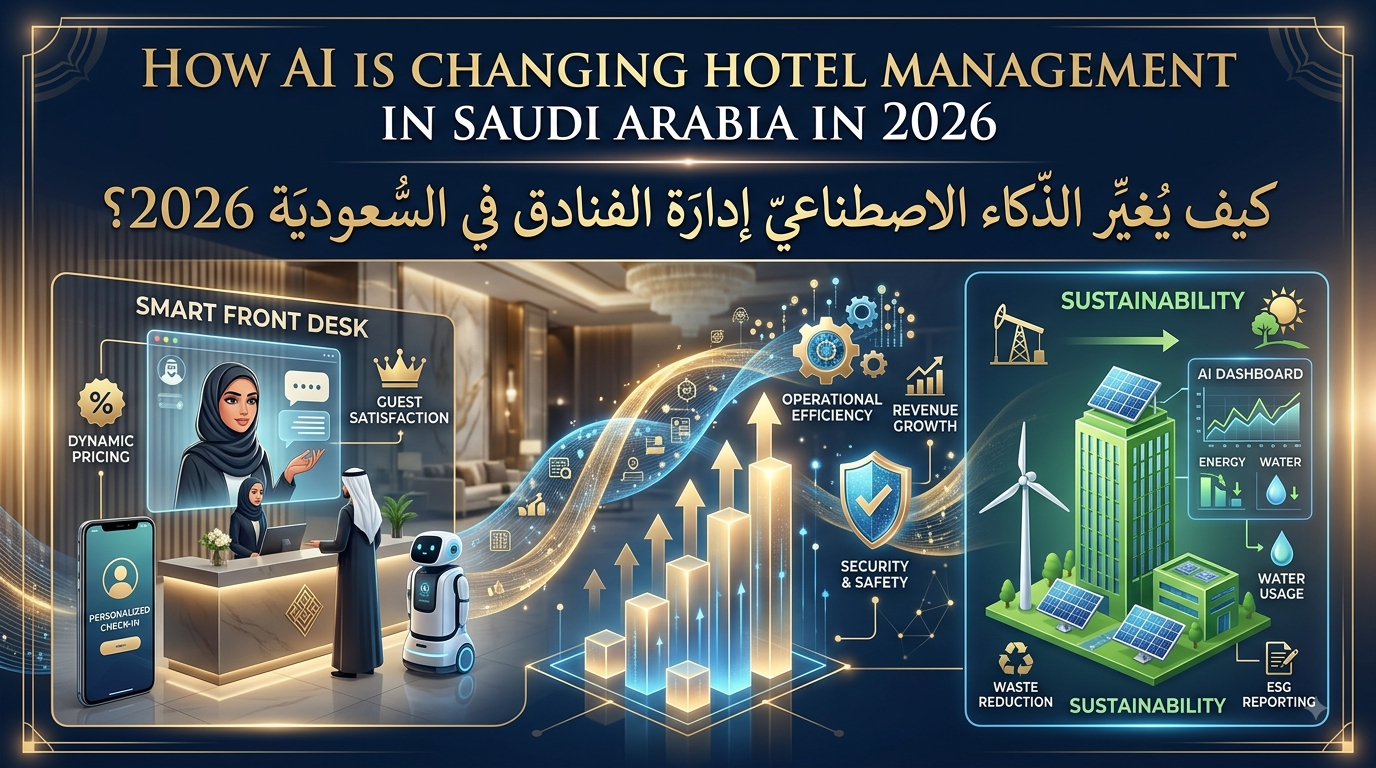
Future Trends: PMS, AI, and Saudi Vision 2030 Alignment
The future of hotel technology is intrinsically linked to Saudi Arabia's national transformation.
AI-Powered Personalization & Predictive Service
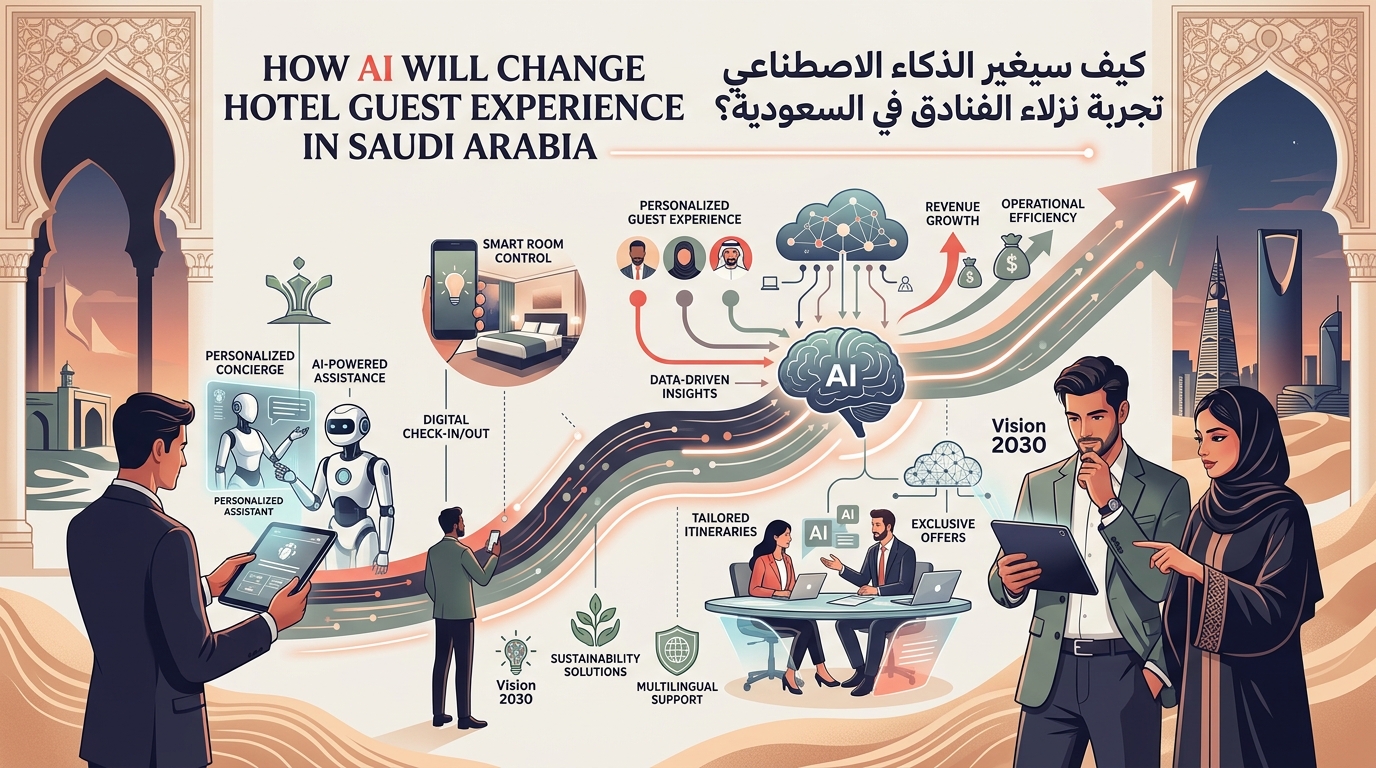
Next-gen PMS platforms will leverage Artificial Intelligence (AI) to analyze guest data and predict needs. Imagine a system that alerts the front desk: "Mr. Ahmed is arriving late due to a flight delay; pre-authorize a late checkout and have his favorite karak tea amenity ready." This level of proactive service is impossible with legacy systems.
Internet of Things (IoT) & Smart Room Integration
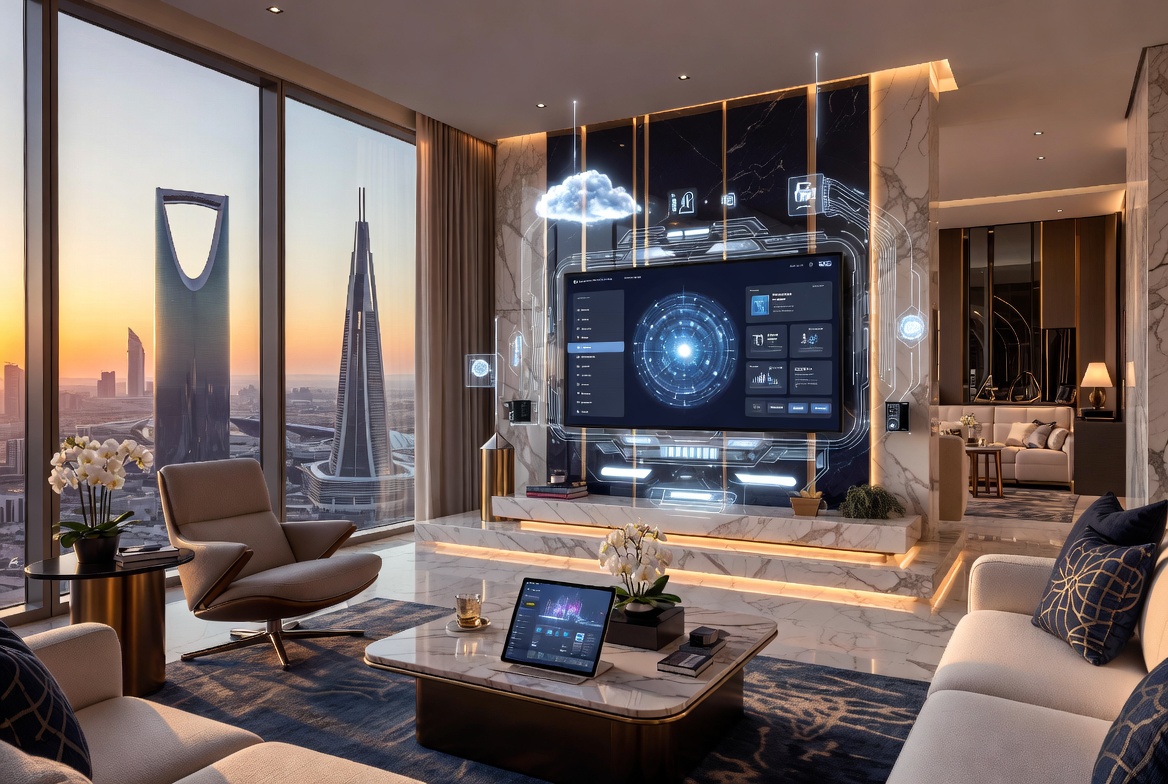
As hotels in NEOM and beyond adopt smart room technology, the PMS becomes the central nervous system. It can communicate with thermostats to set the room temperature before arrival, or with smart locks to issue digital keys. A modern cloud PMS with open APIs is essential for this integration.
Seamless Integration with Saudi Tourism Ecosystem
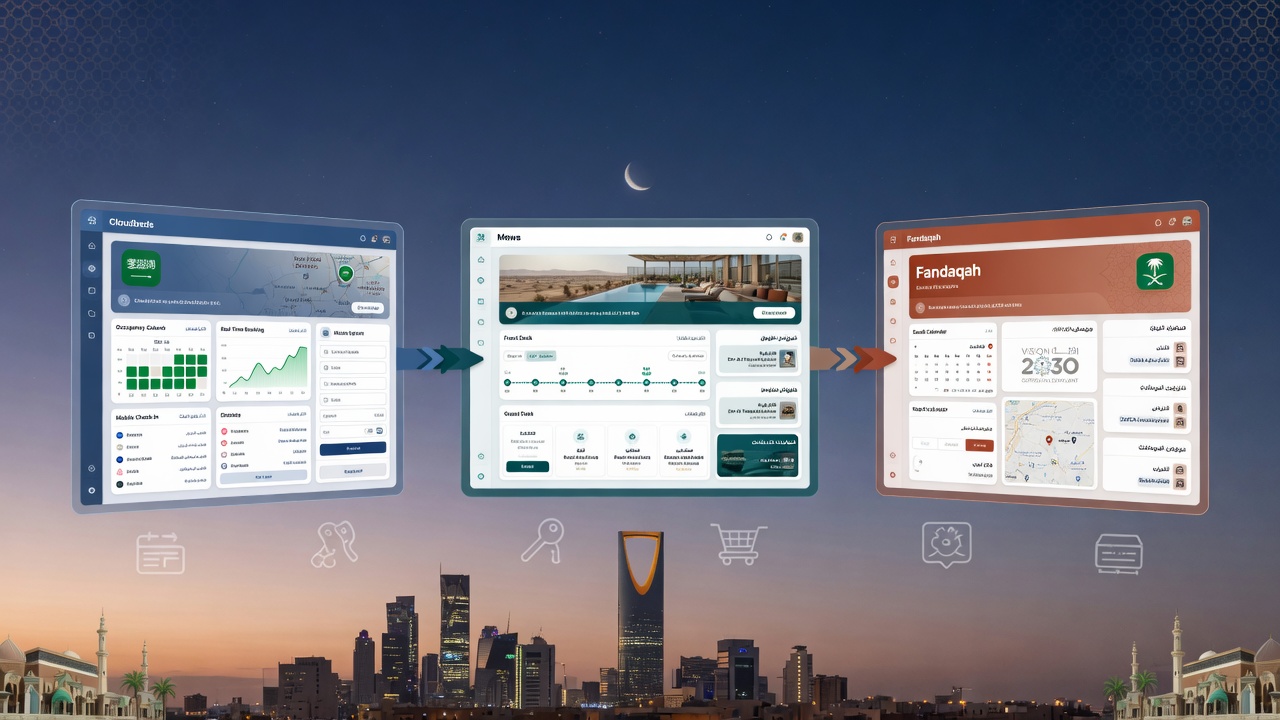
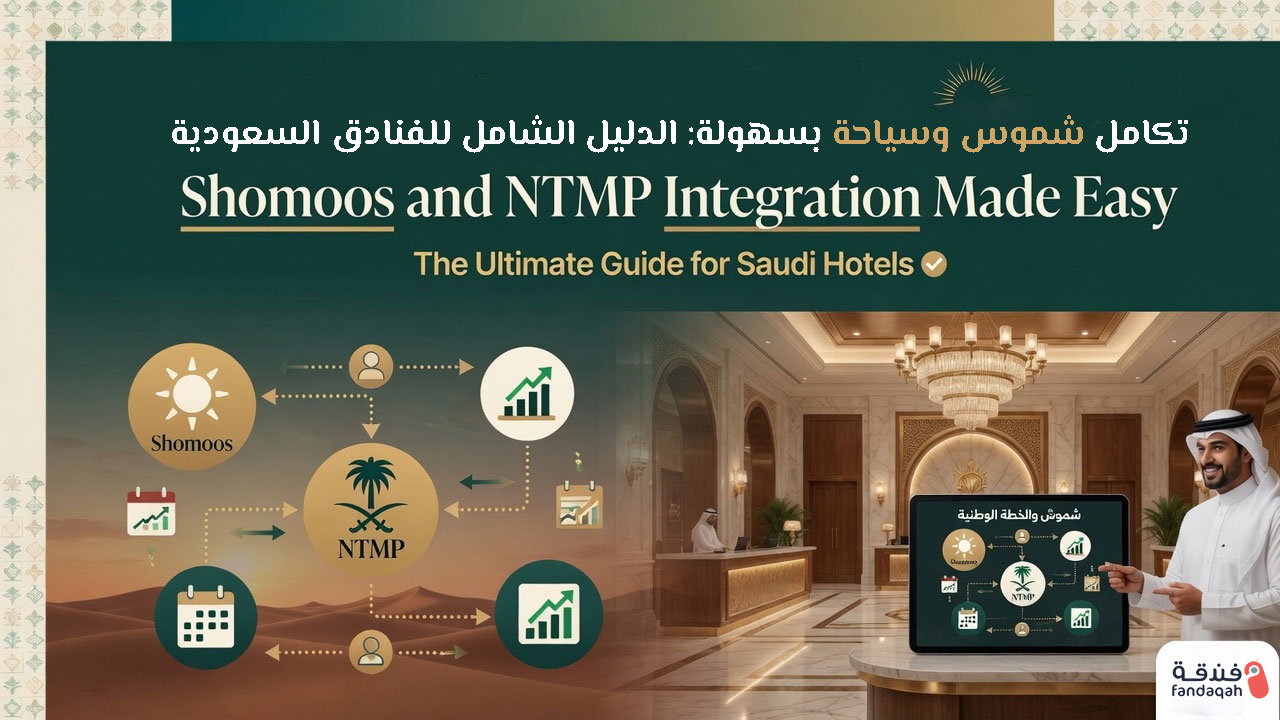
With the Saudi Tourism Authority pushing for unified digital experiences (such as the "Nusuk" platform for pilgrims), a modern PMS will be crucial for sharing real-time availability and managing seamless bookings across national portals. Legacy systems risk isolating hotels from the broader tourism digital highway.
"Under Vision 2030, the Kingdom aims to be a global leader in smart tourism. A hotel's technology stack, starting with the PMS, must be agile, cloud-based, and API-first to participate in this digital ecosystem." — Senior Advisor, Saudi Ministry of Tourism.
Conclusion: Don't Let Your PMS Be the Weakest Link
The evidence is overwhelming: legacy PMS technology is a silent profit killer and a guest experience saboteur. In the dynamic Saudi hospitality market, where guest expectations are rising and competition is intensifying, clinging to outdated systems is a strategic misstep. The true price of outdated hotel tech includes lost bookings, eroded margins, and a tarnished reputation.
Upgrading to a modern, cloud-based Property Management System is one of the highest-ROI investments a hotel can make. It empowers staff, delights guests, and provides the data agility needed to thrive in the era of Vision 2030. The question is not whether you can afford to upgrade—it's whether you can afford not to.
Ready to Replace Legacy Friction with Seamless Hospitality?
Join leading Saudi hotels that have future-proofed their operations. Book a personalized demo of a next-gen cloud PMS tailored for KSA.
???? Serving Riyadh, Jeddah, Makkah, AlUla, and all Saudi regions • Bilingual Support • Vision 2030 Ready