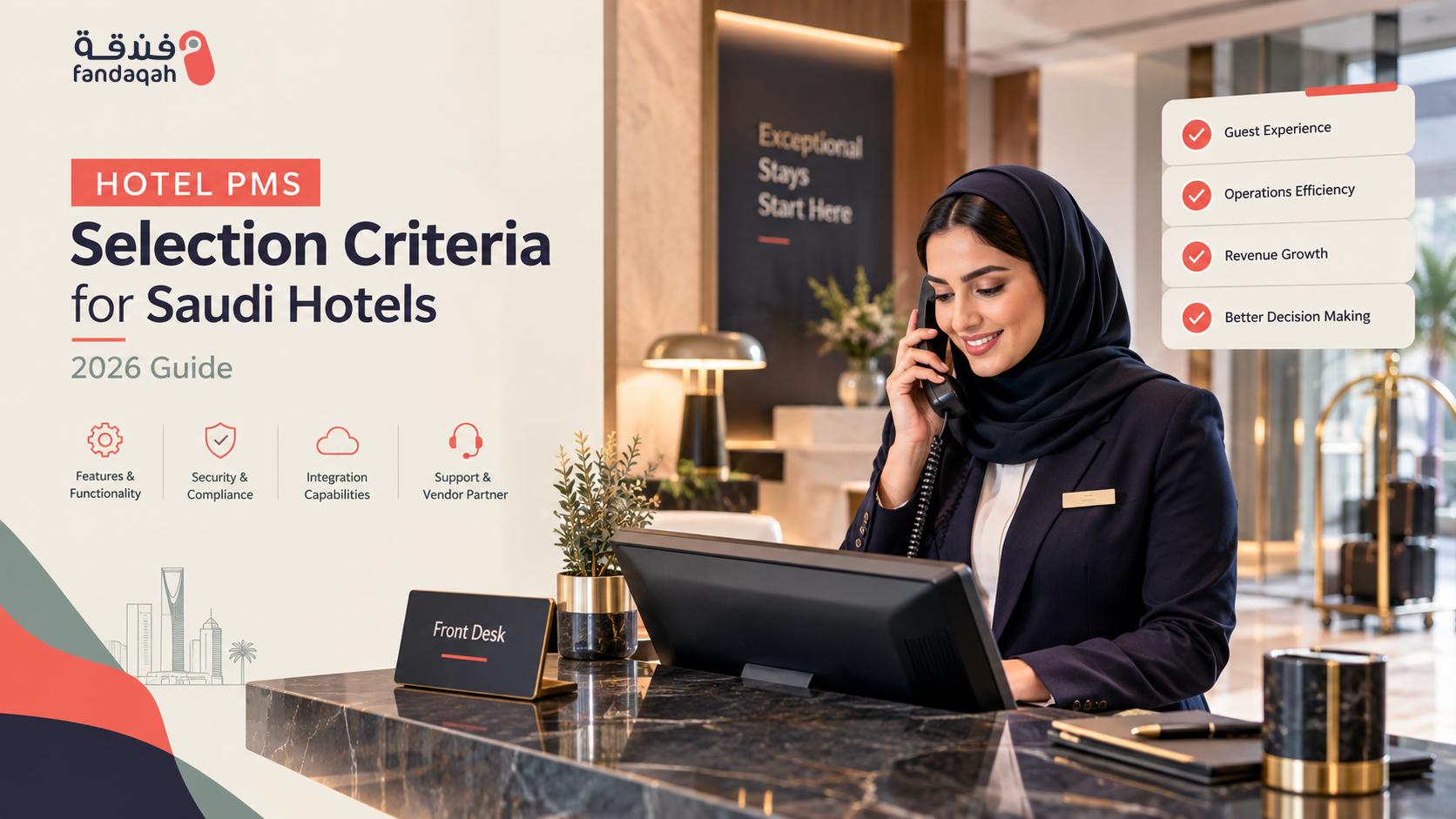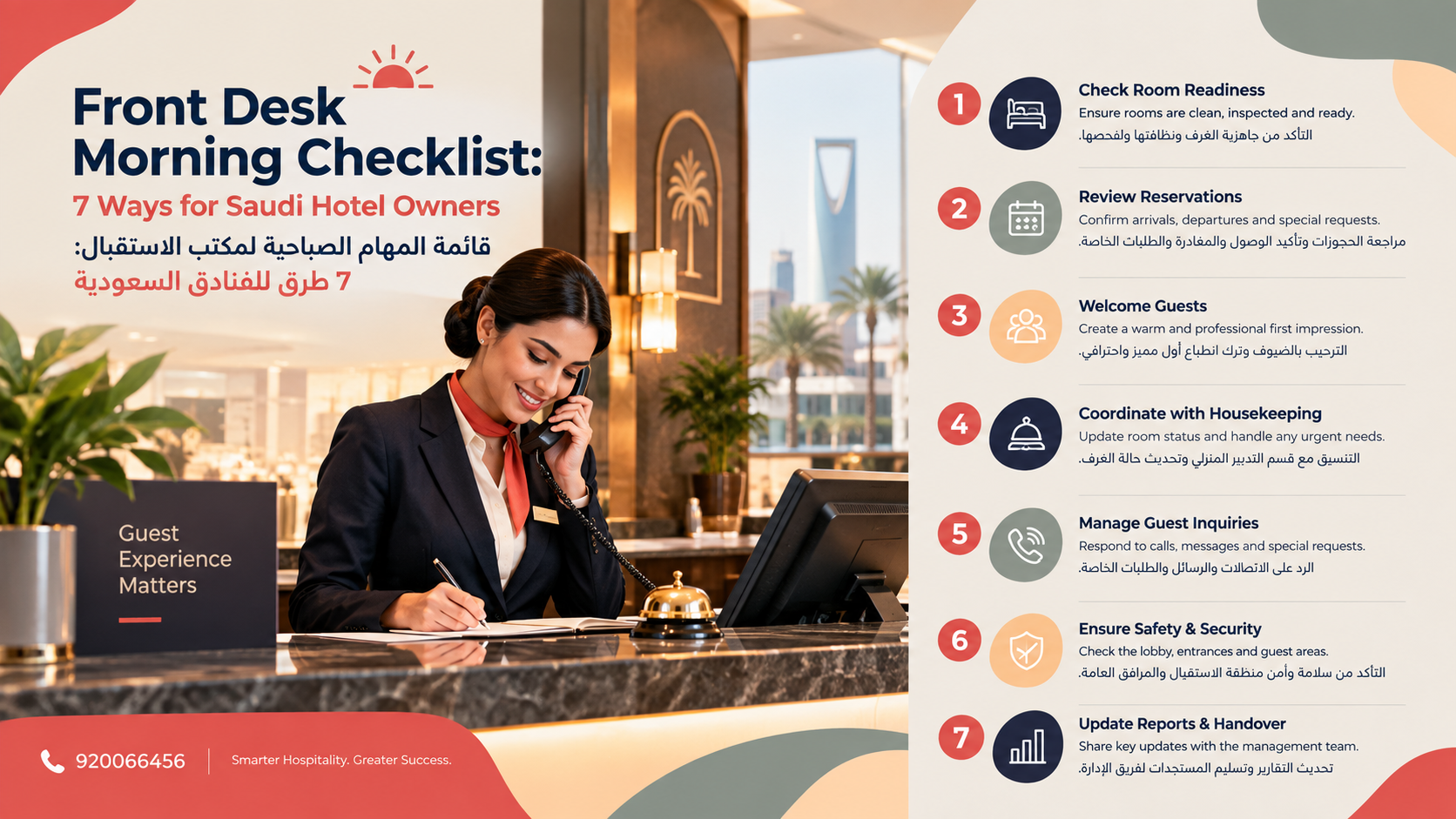
The Comprehensive Guide to Choosing the Right Hotel Management System: Essential Questions for Saudi Arabia's Hospitality Sector
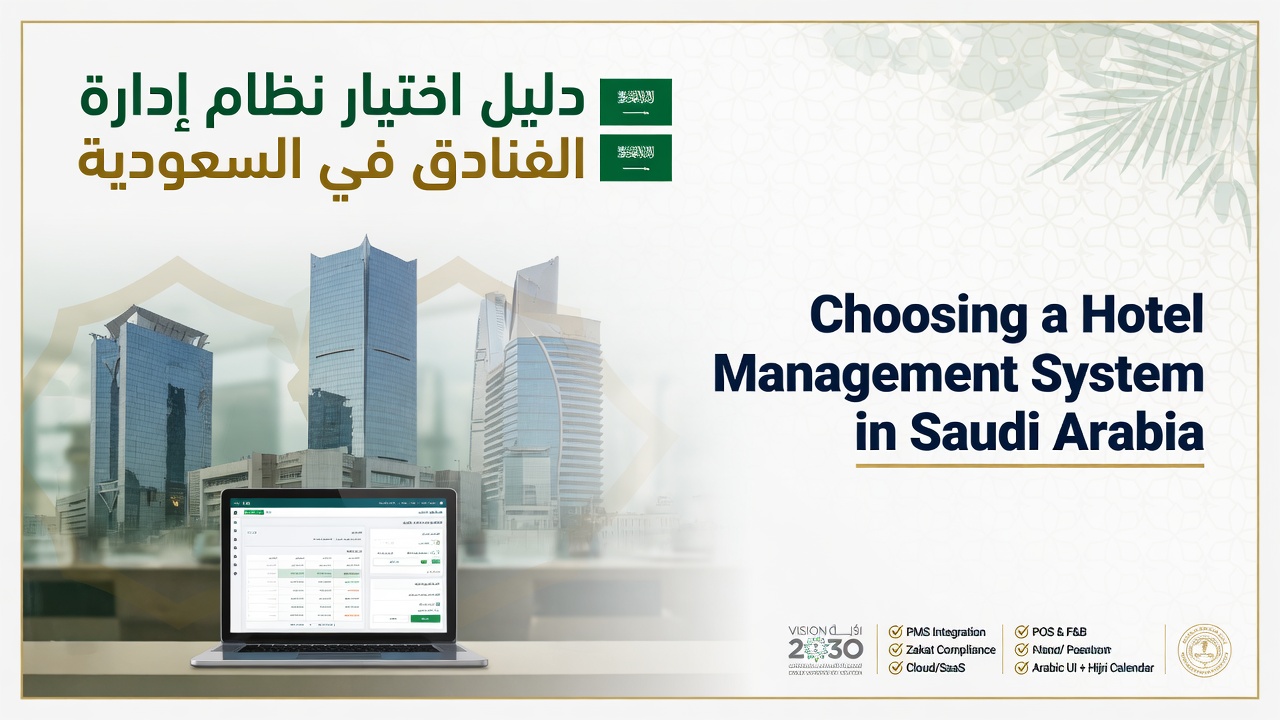
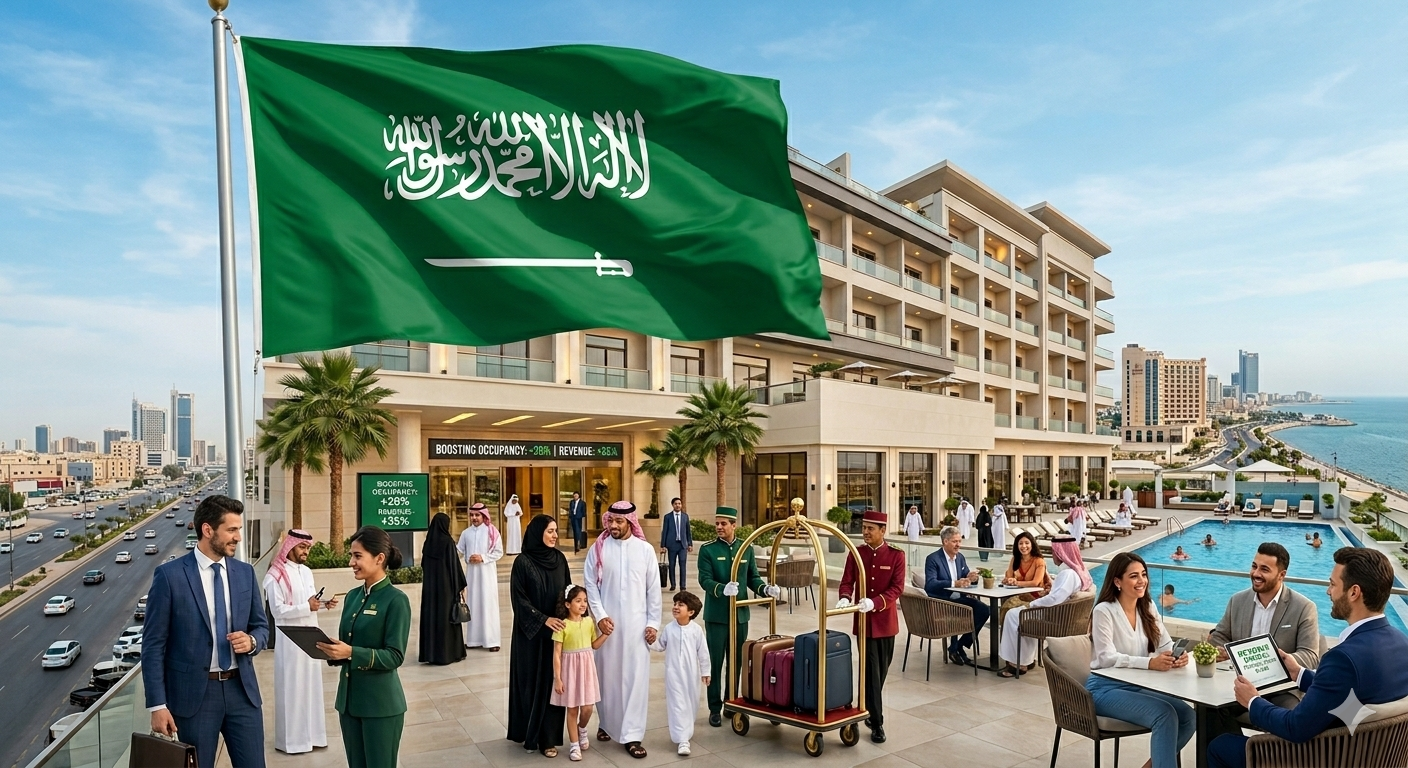
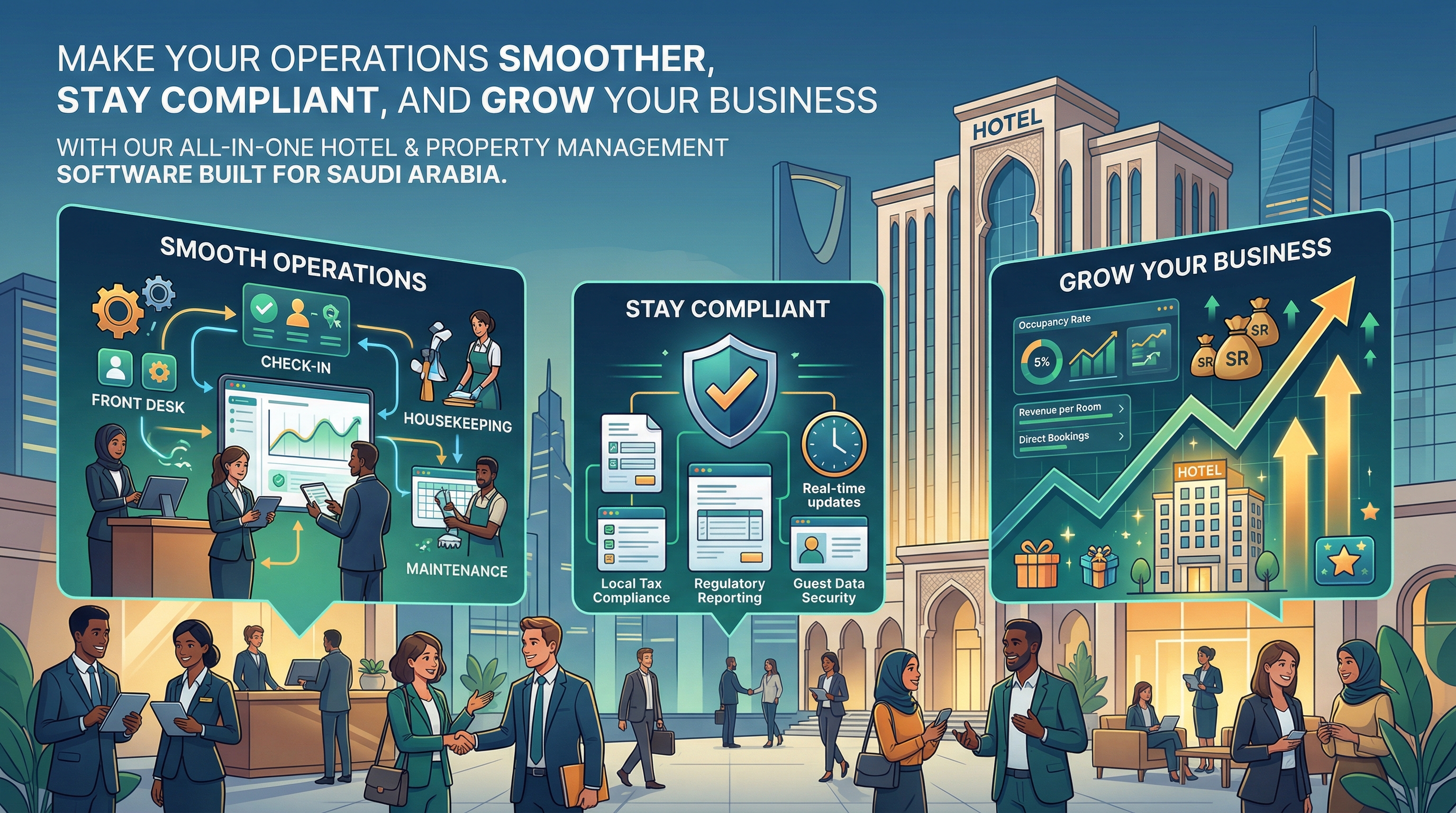
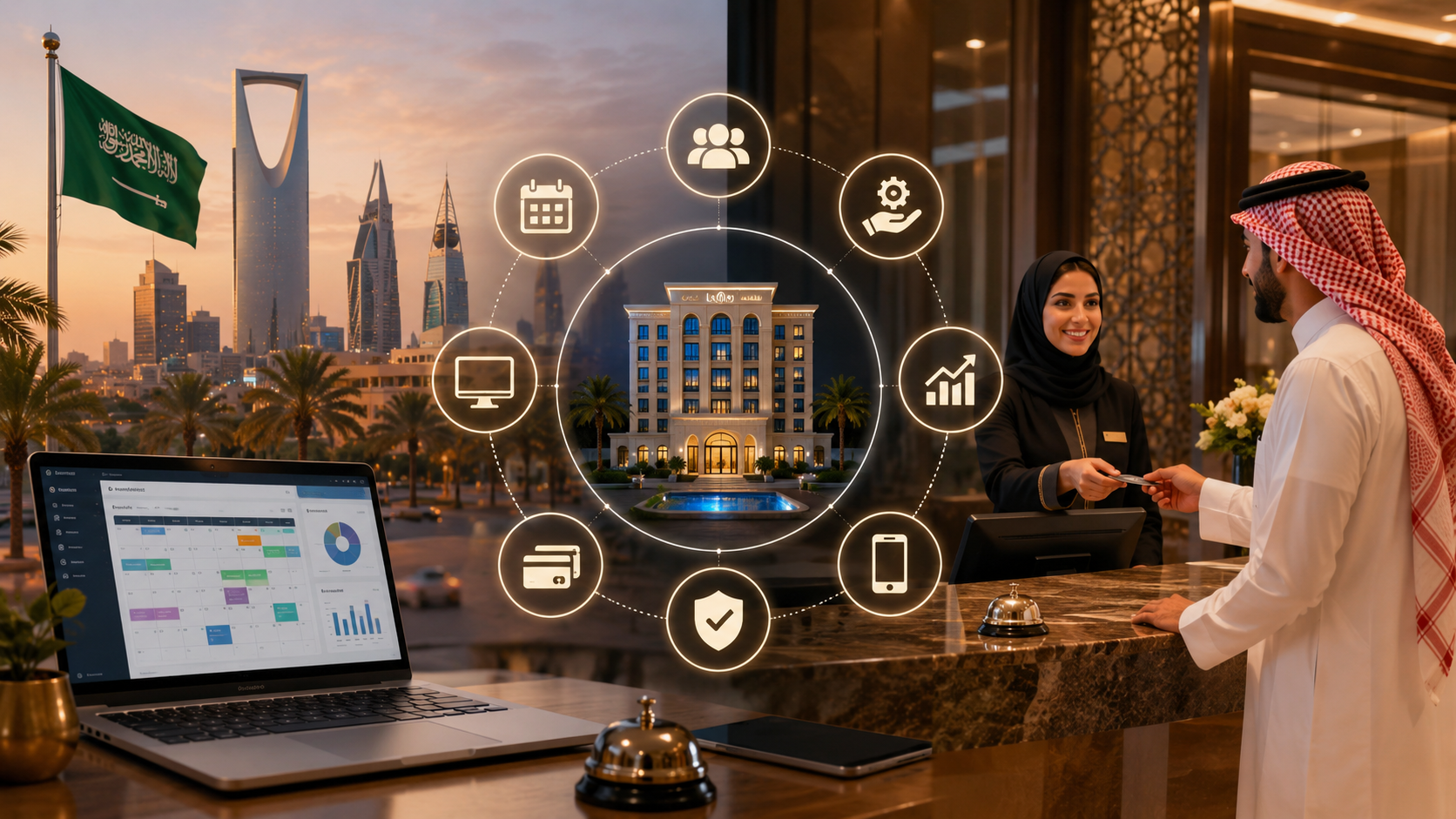
In an era where digital transformation accelerates across the Saudi hospitality landscape, a Hotel Management System is no longer a back-office tool — it is the operational backbone of any property striving for excellence. Whether you manage a boutique hotel in Taif, a luxury chain in Riyadh and Jeddah, or a sprawling resort on the Red Sea coast, the hotel software you select will determine how smoothly your daily operations run and how competitively you perform.
With Saudi Arabia’s tourism sector targeting 100 million annual visitors by 2030 under Vision 2030, hotel operators face immense pressure to adopt the right property management system for hotels. This comprehensive guide presents the critical questions you must ask before purchasing any hotel PMS, with a special focus on the Saudi market’s unique needs — from Hajj and Umrah logistics to e-invoicing compliance with ZATCA.
What is a Hotel Management System (Hotel PMS)?
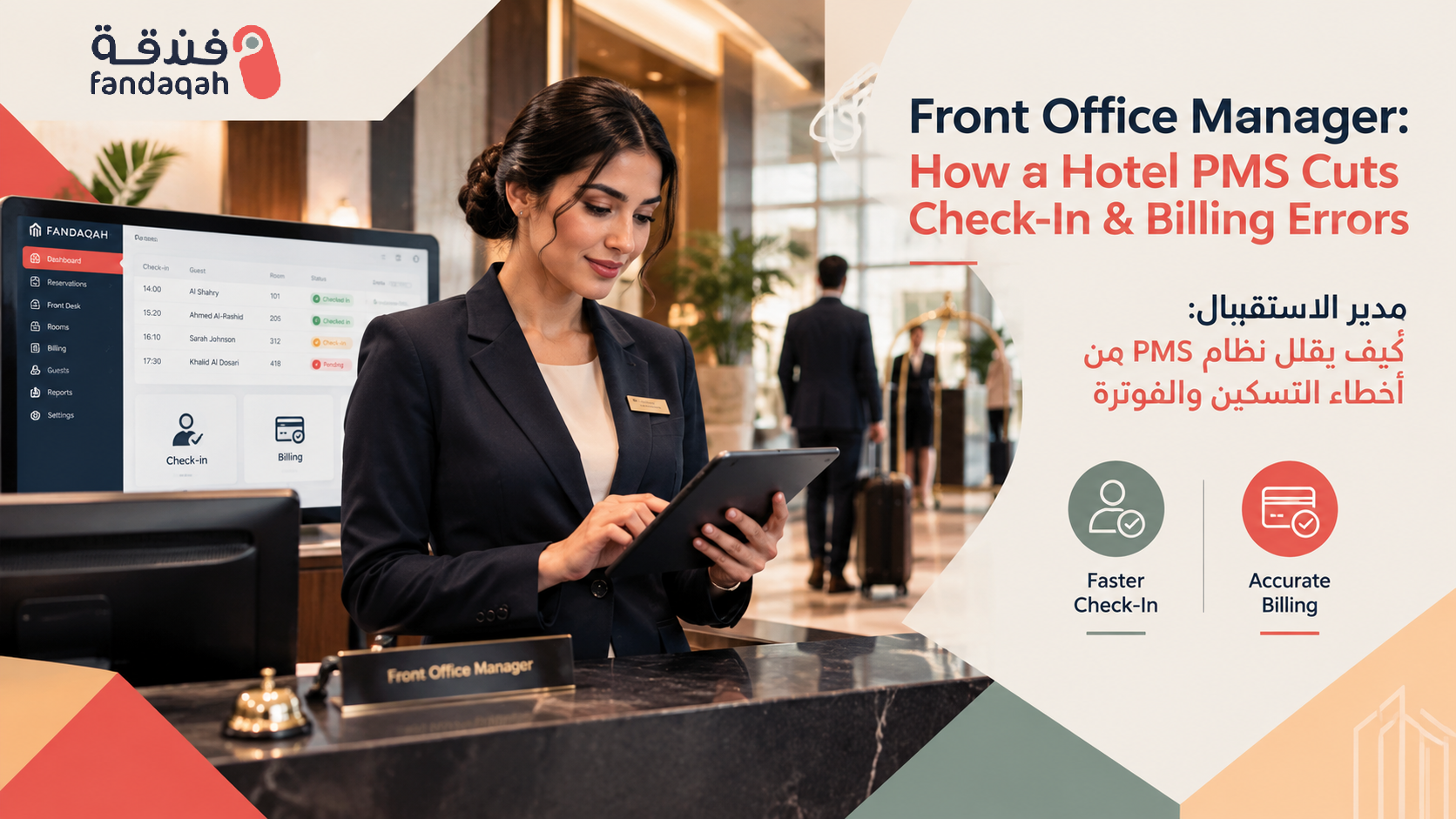
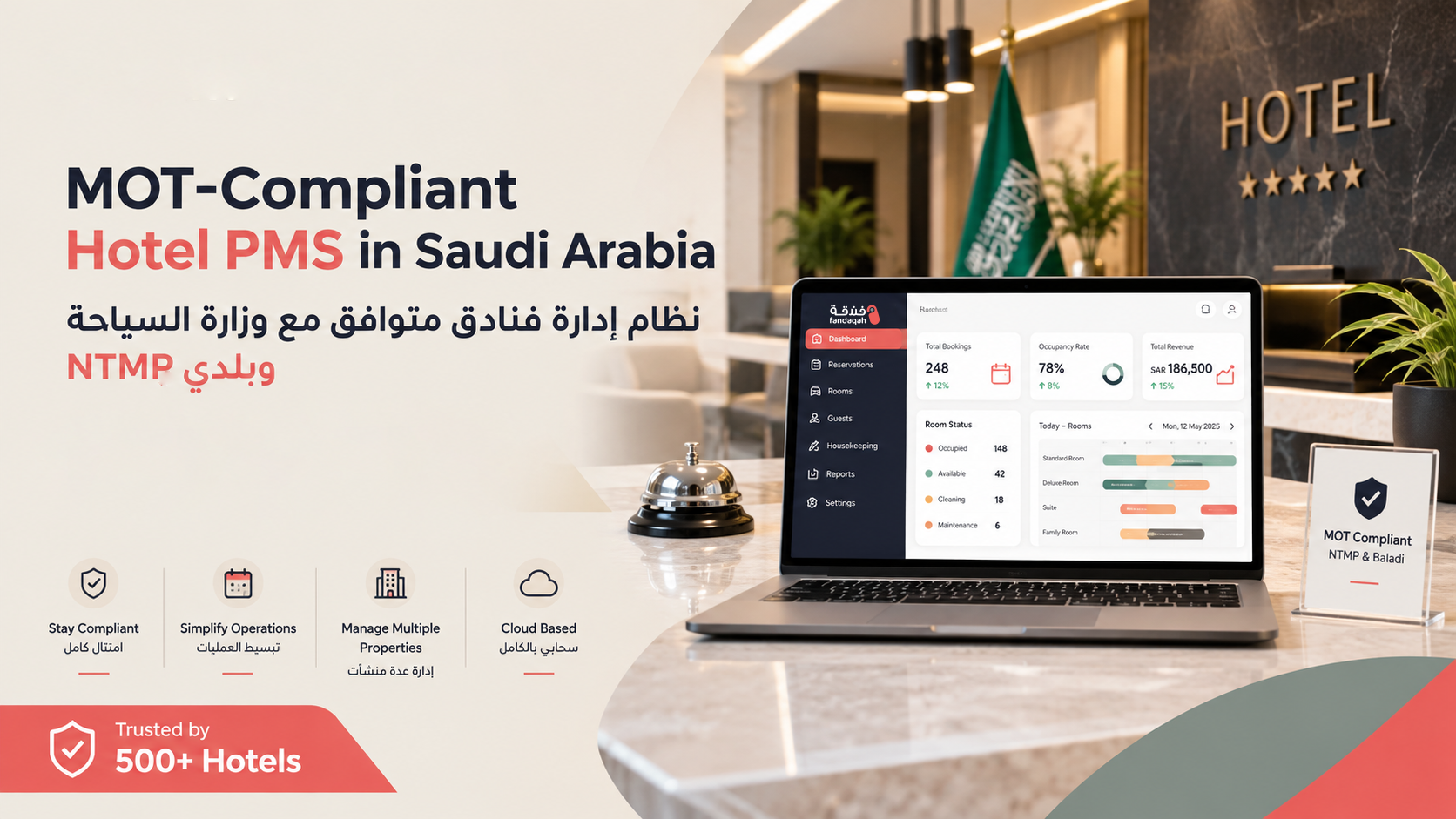
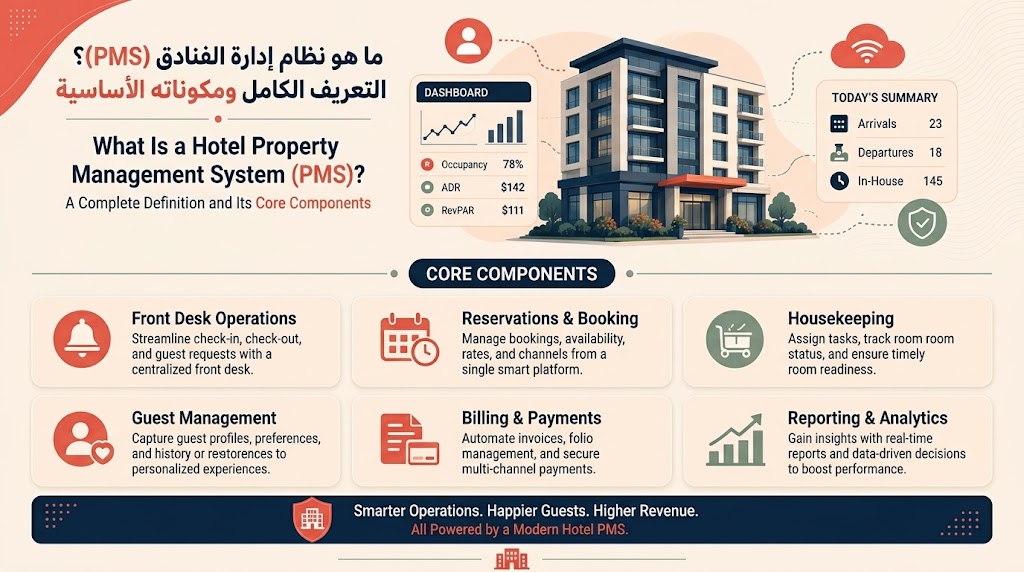
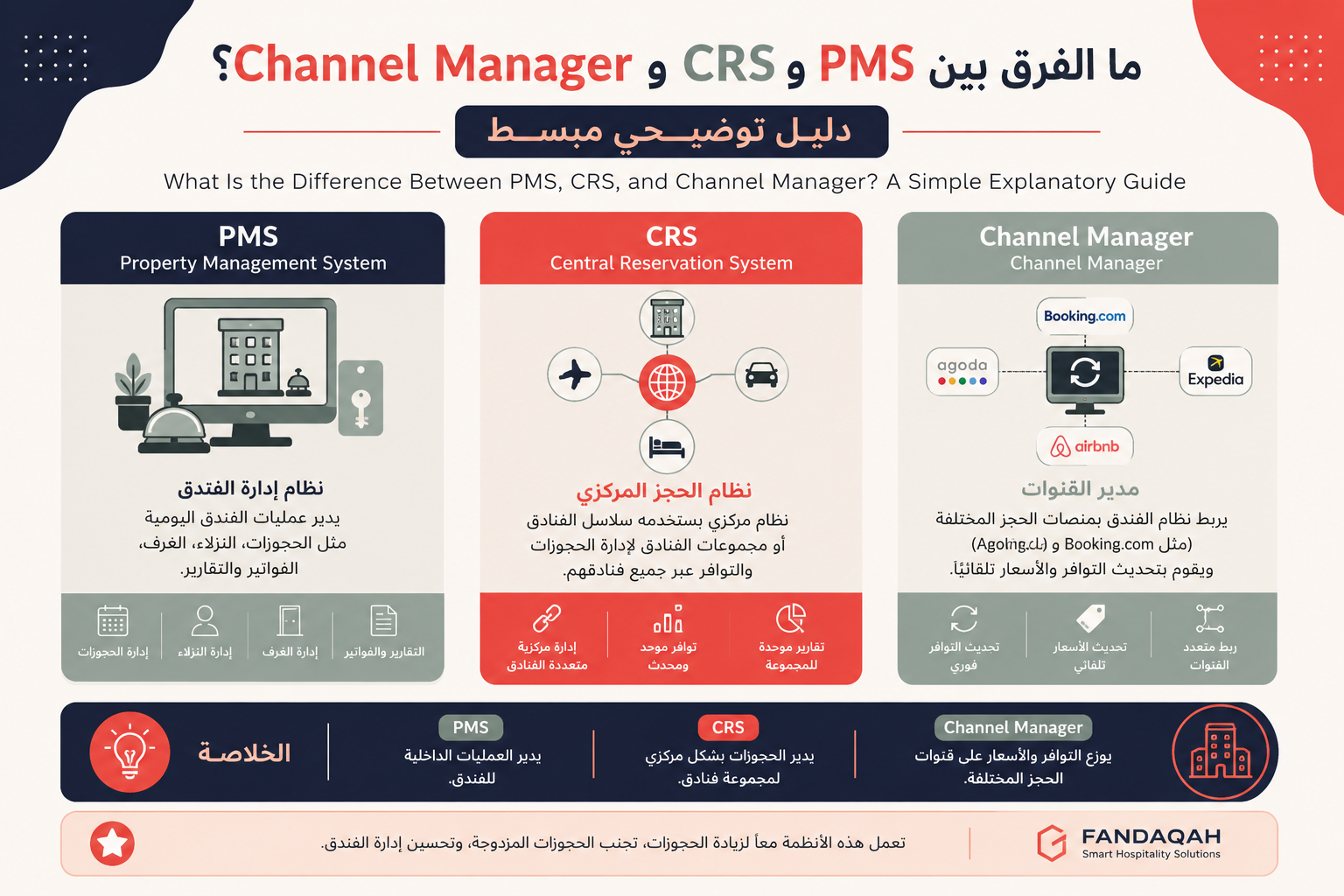
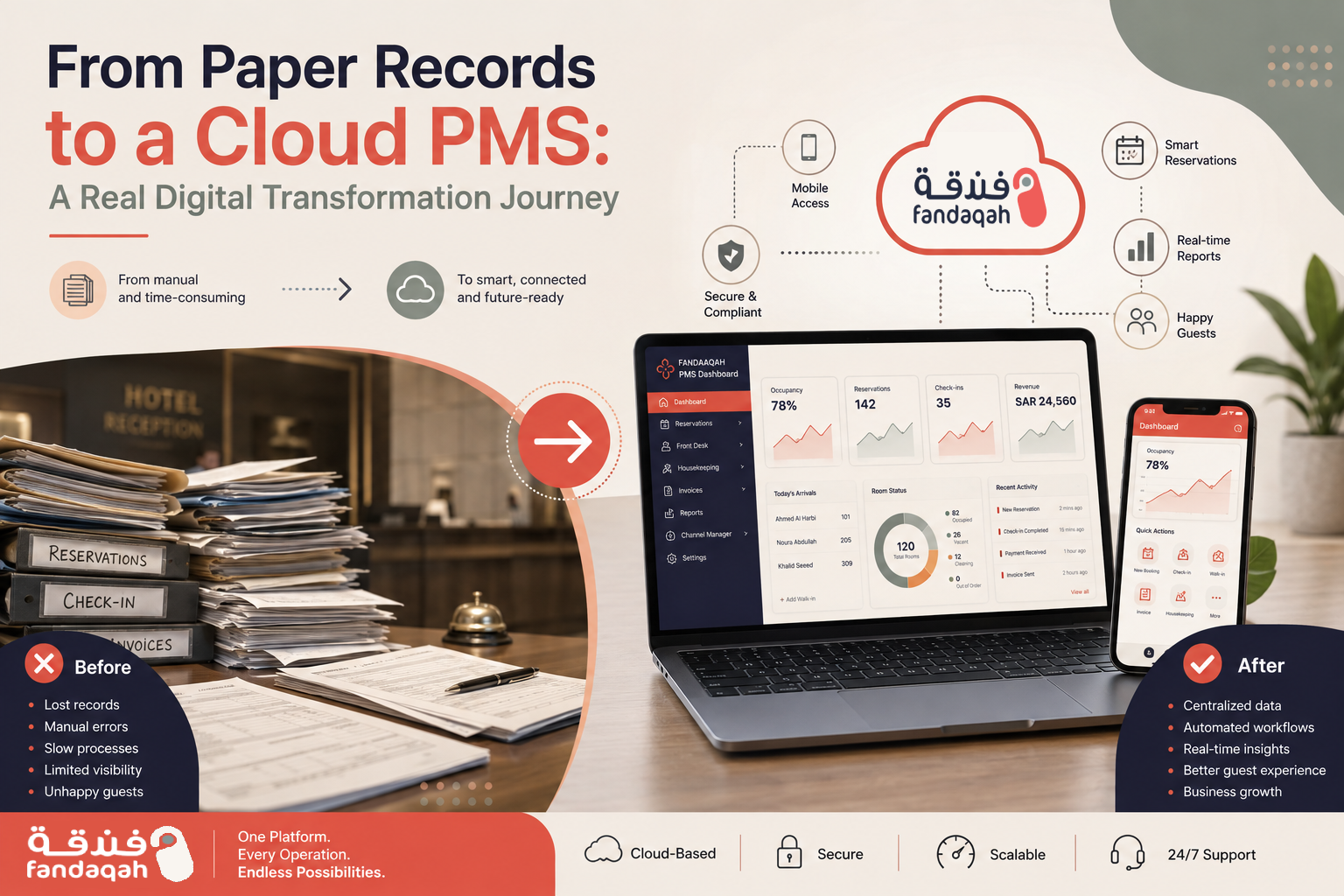
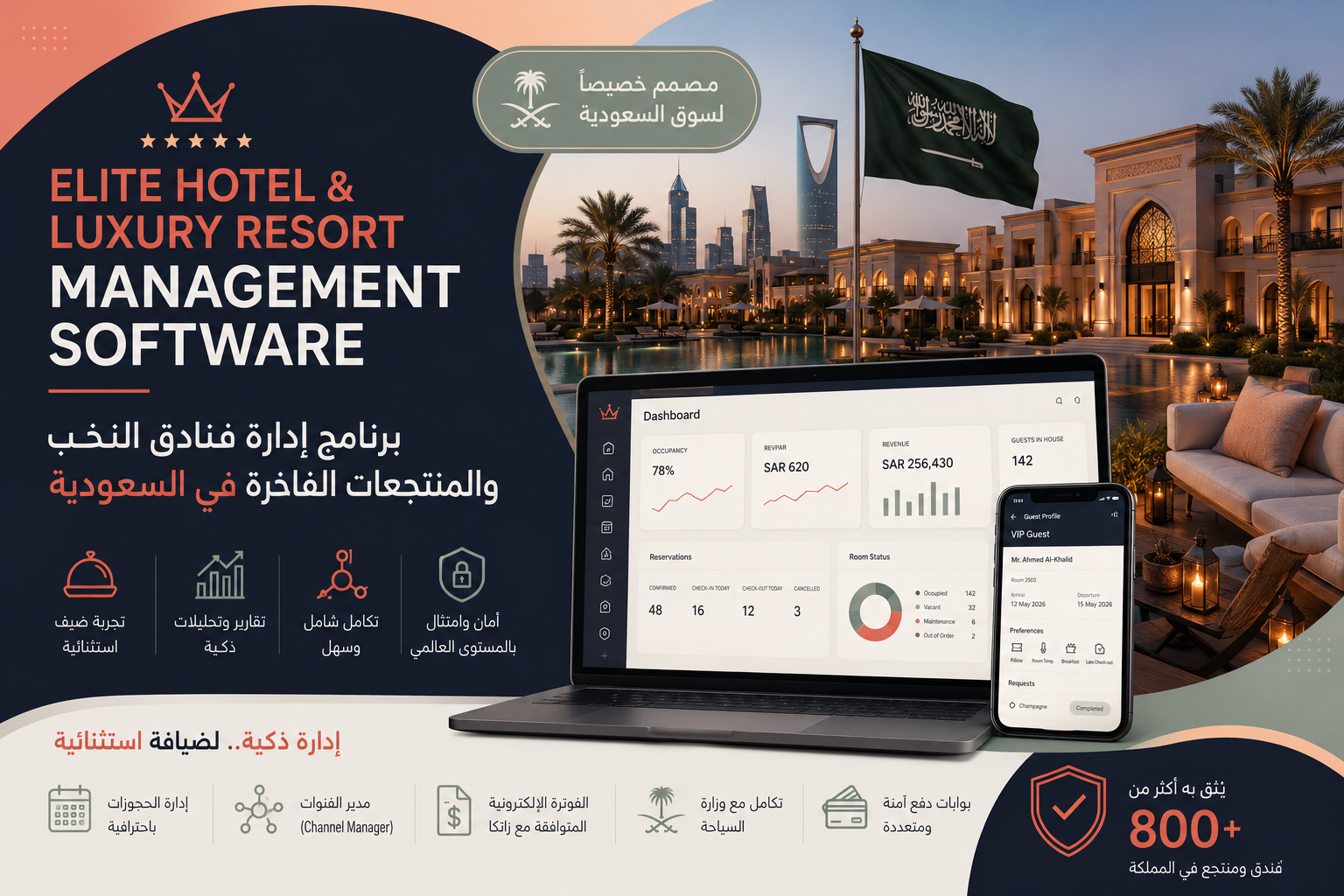
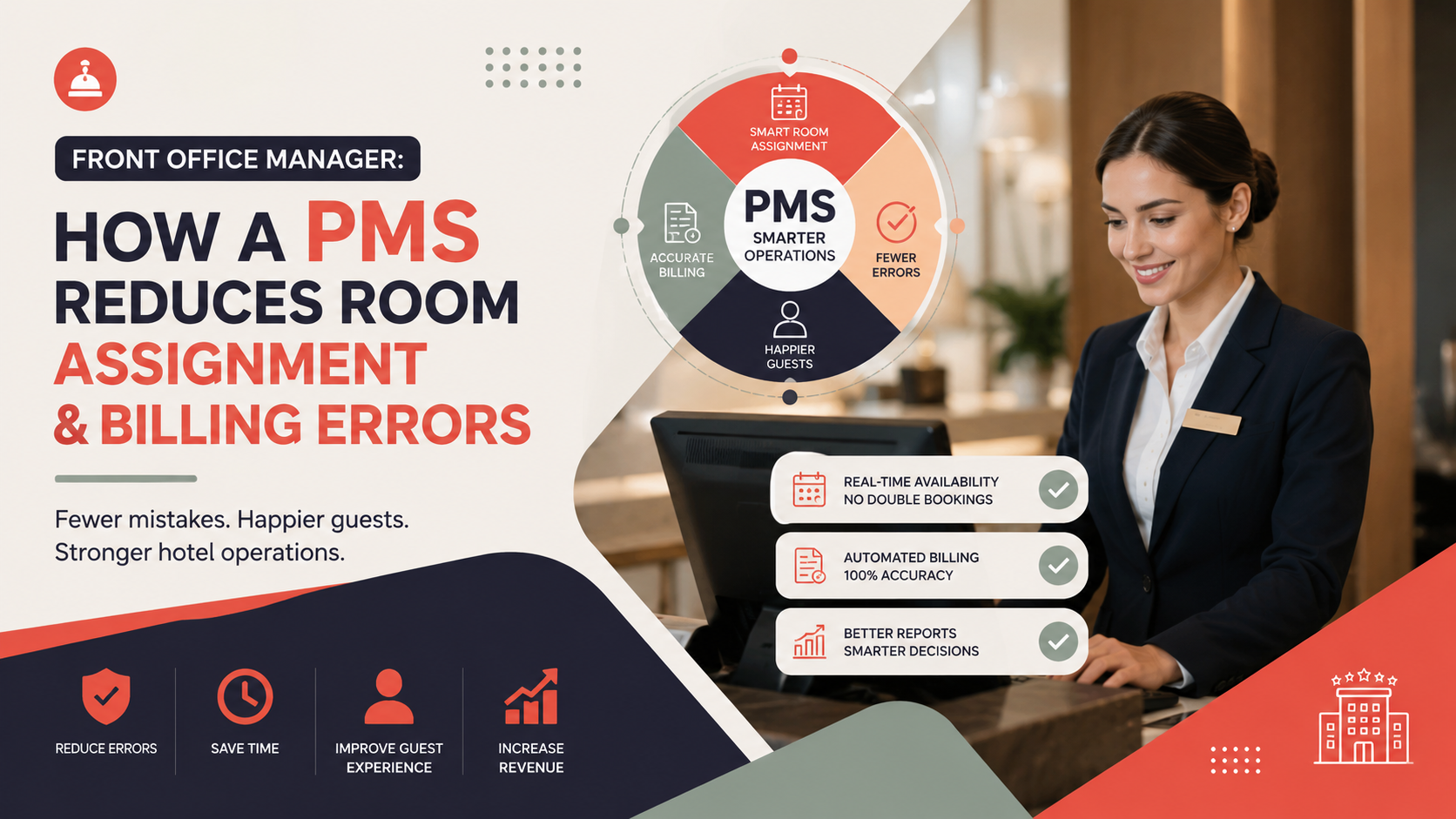
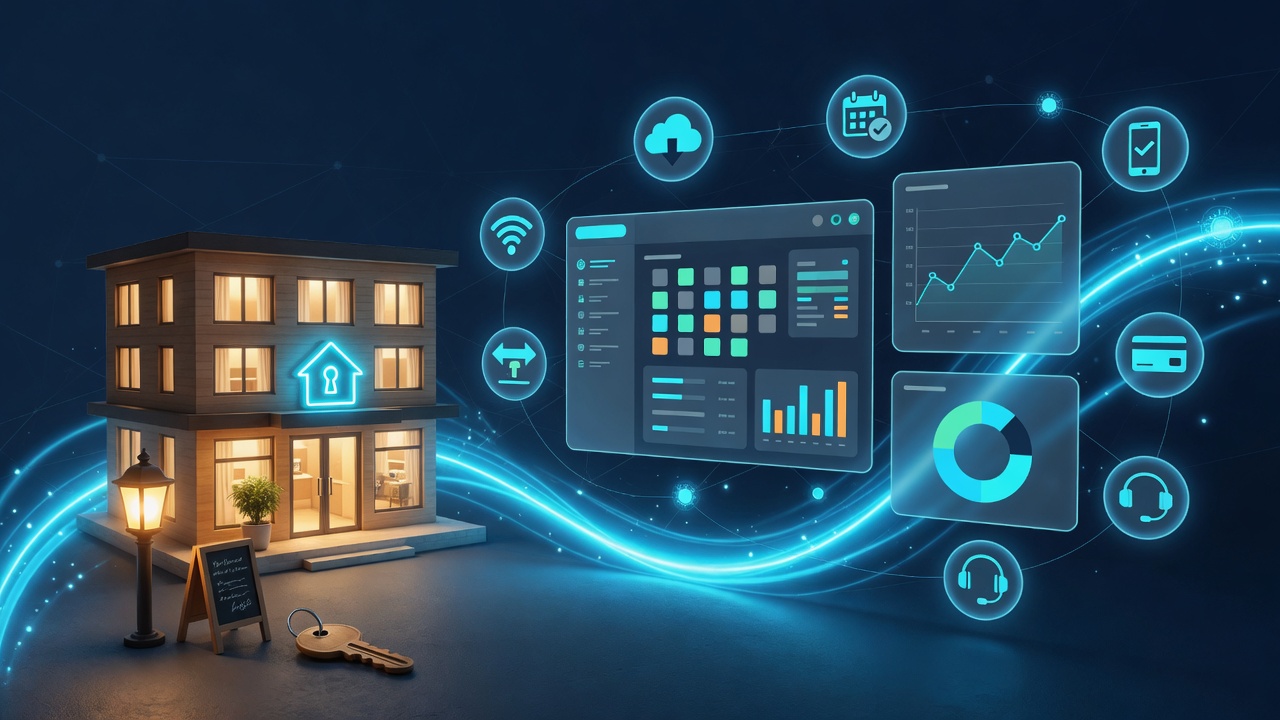
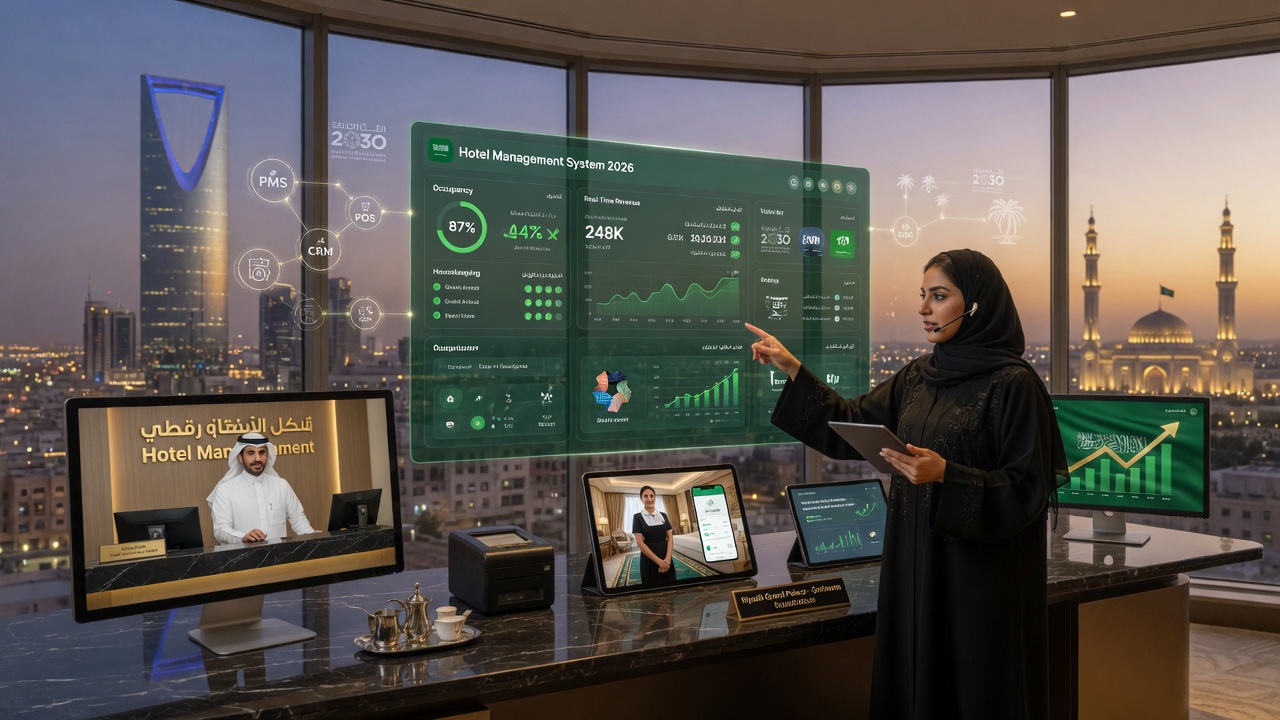
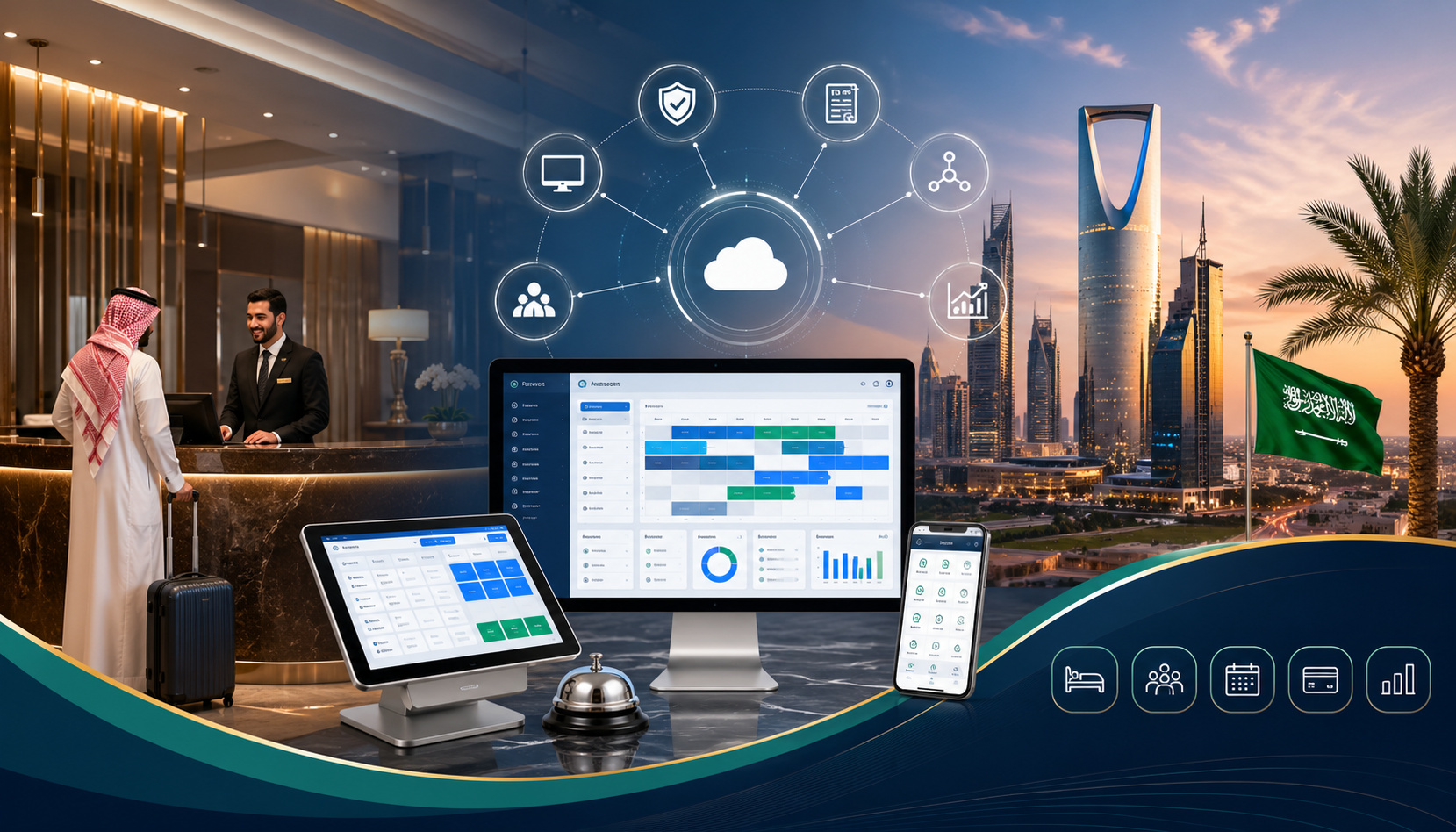
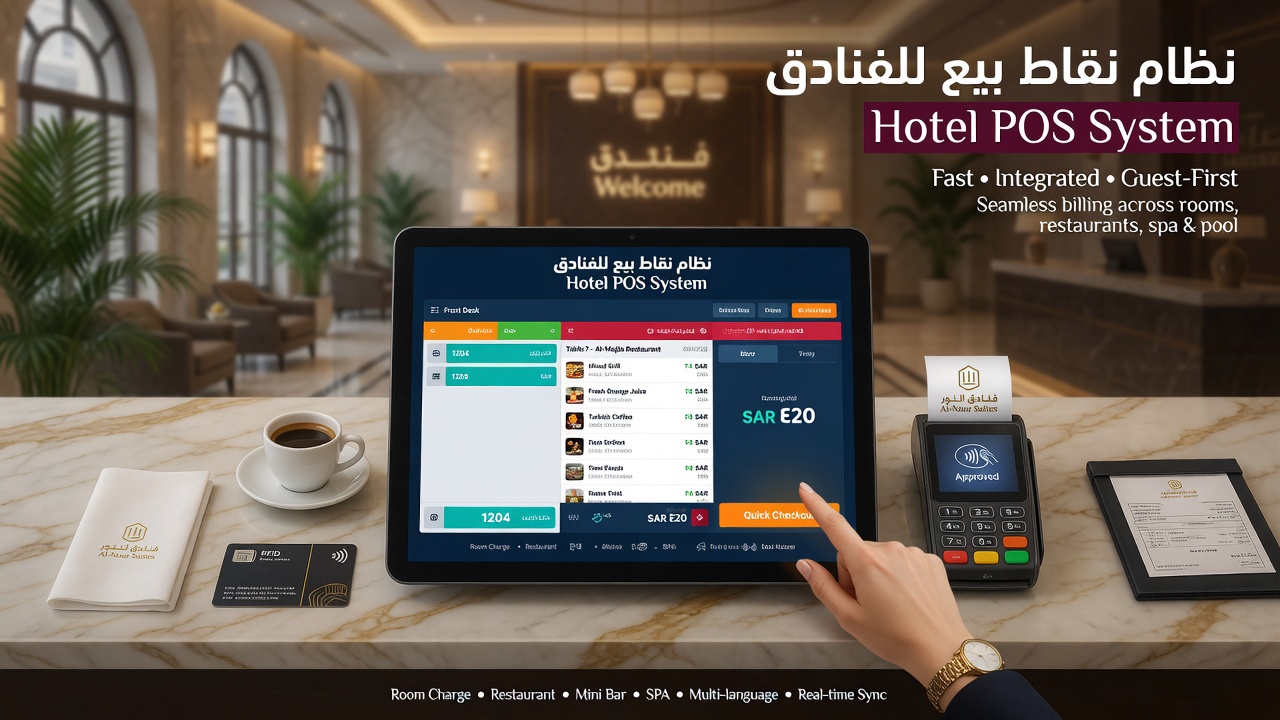
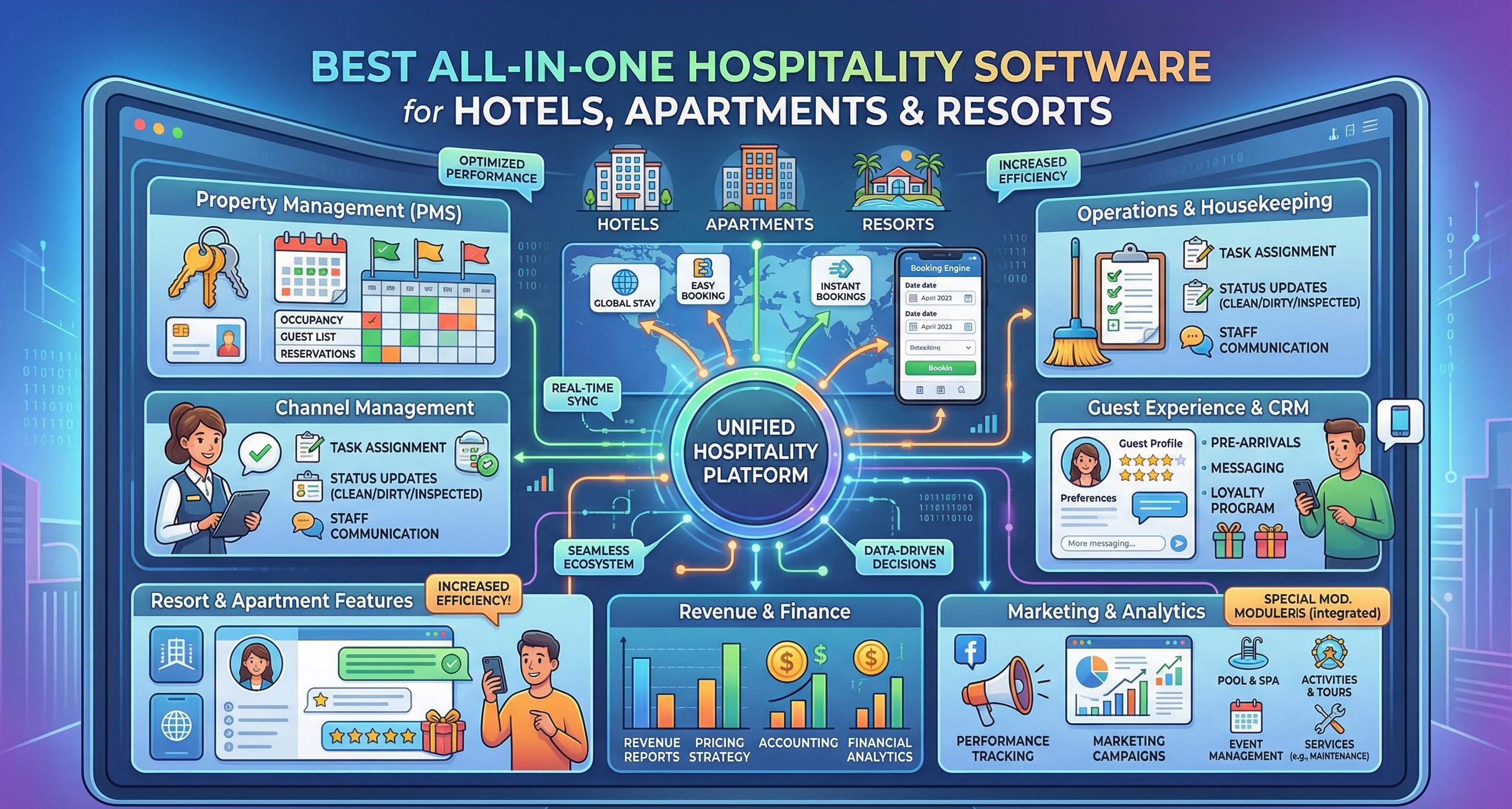
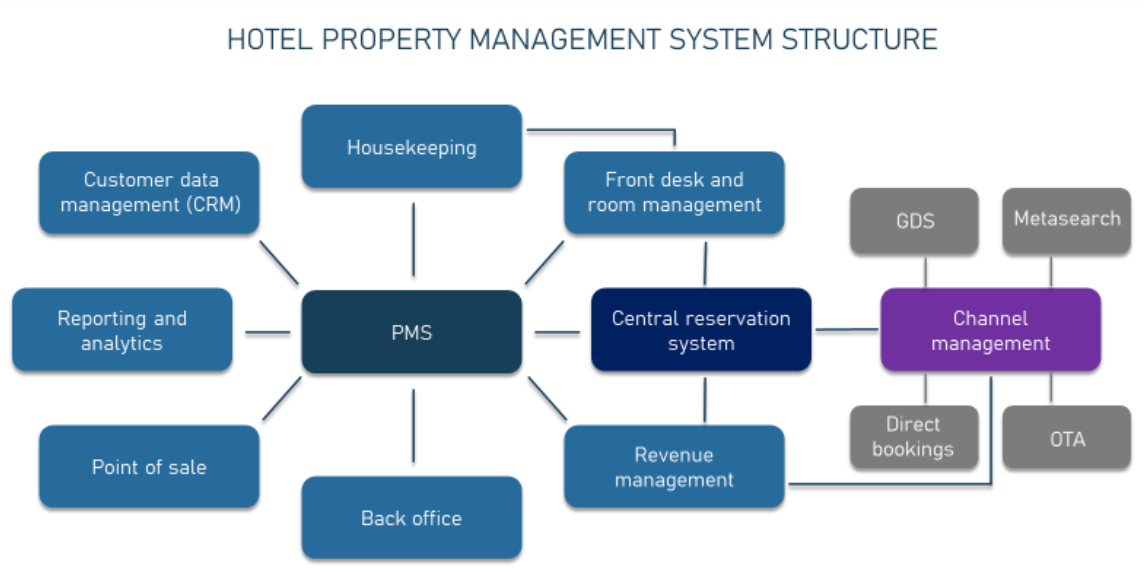
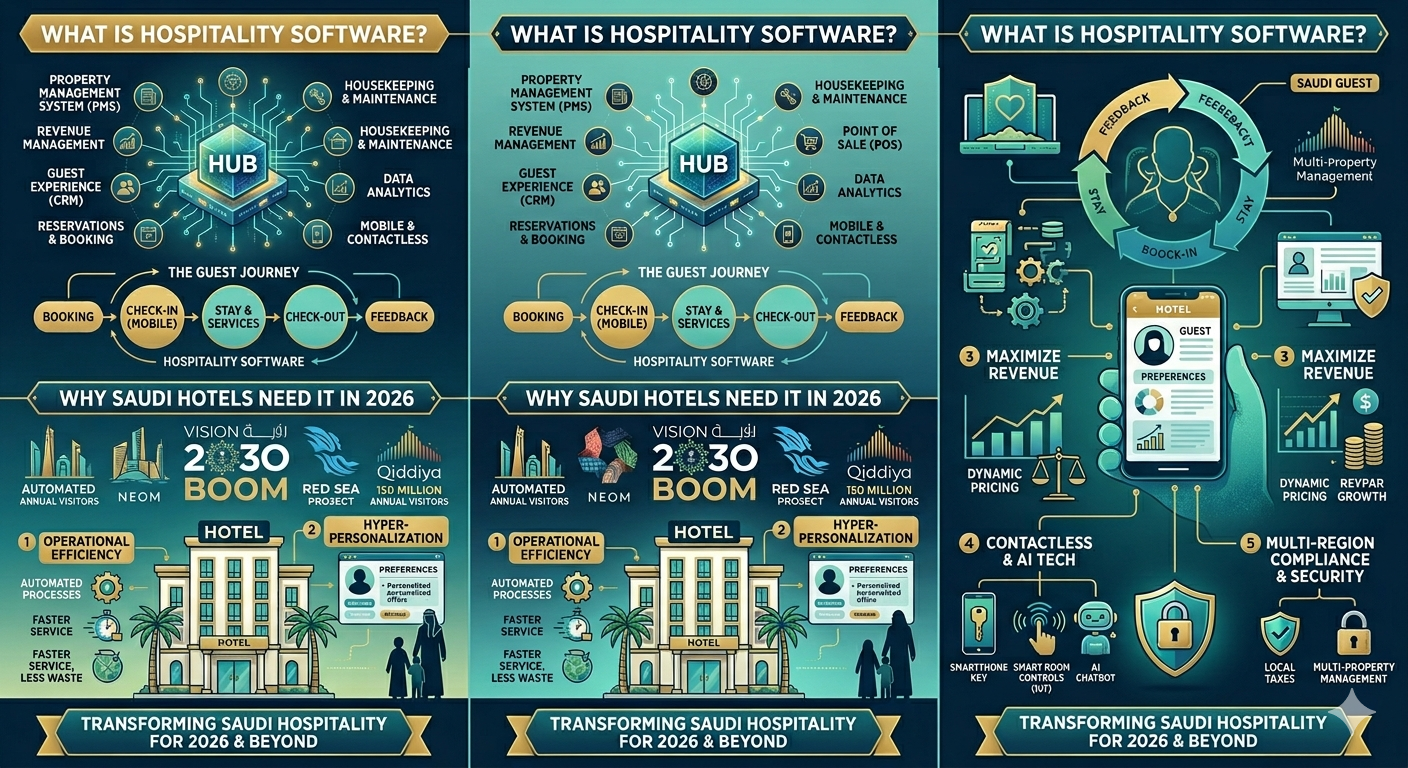
A Hotel Management System — often called a Hotel Property Management System (PMS) — is an integrated software platform designed to automate and streamline all daily tasks within a hospitality property. Core modules typically cover reservations management, front desk check-in/out, room inventory, billing and invoicing, guest relationship management, housekeeping, maintenance, and financial reporting.
In Saudi Arabia specifically, a digital hospitality solution must also handle the diversity of guest profiles — religious tourists, business travelers, leisure families — and integrate with local payment gateways and regulatory systems. A cloud-native hotel automation system that supports Arabic/English interfaces and complies with Saudi data protection standards is becoming the gold standard.
12 Critical Questions to Ask Before Buying a Hotel Management System
1 Is the system cloud-based or on-premise?
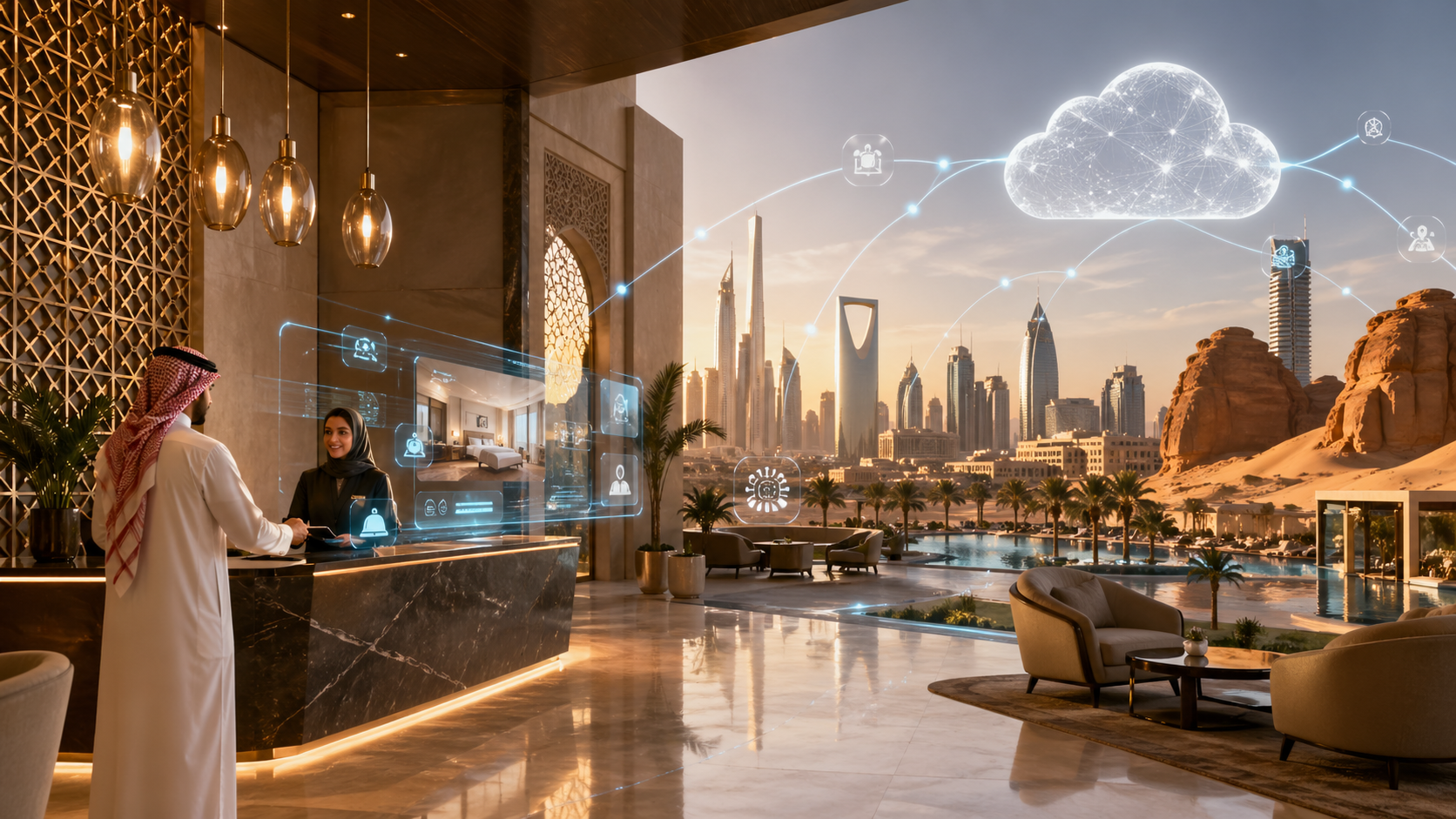
This first question defines your flexibility. Cloud hotel PMS solutions allow you to access property data from anywhere via the internet — ideal for multi-property owners or those managing operations remotely. On-premise systems offer greater data control but demand significant hardware, IT staff, and maintenance. For the Saudi market, most new hotels are adopting cloud-based hotel management systems for their easy deployment, automatic updates, and alignment with SDAIA’s cybersecurity requirements.
2 Does the system fully support Arabic language and bilingual interfaces?
In Saudi Arabia, Arabic isn’t a preference — it’s an operational and often legal necessity. Ensure that your hotel PMS software provides a complete, seamless Arabic user interface along with Arabic invoices, reports, and guest-facing documents. A system that offers true bilingual (Arabic/English) capabilities will serve both local and international guests effortlessly.
3 How well does it integrate with booking channels (Channel Manager)?
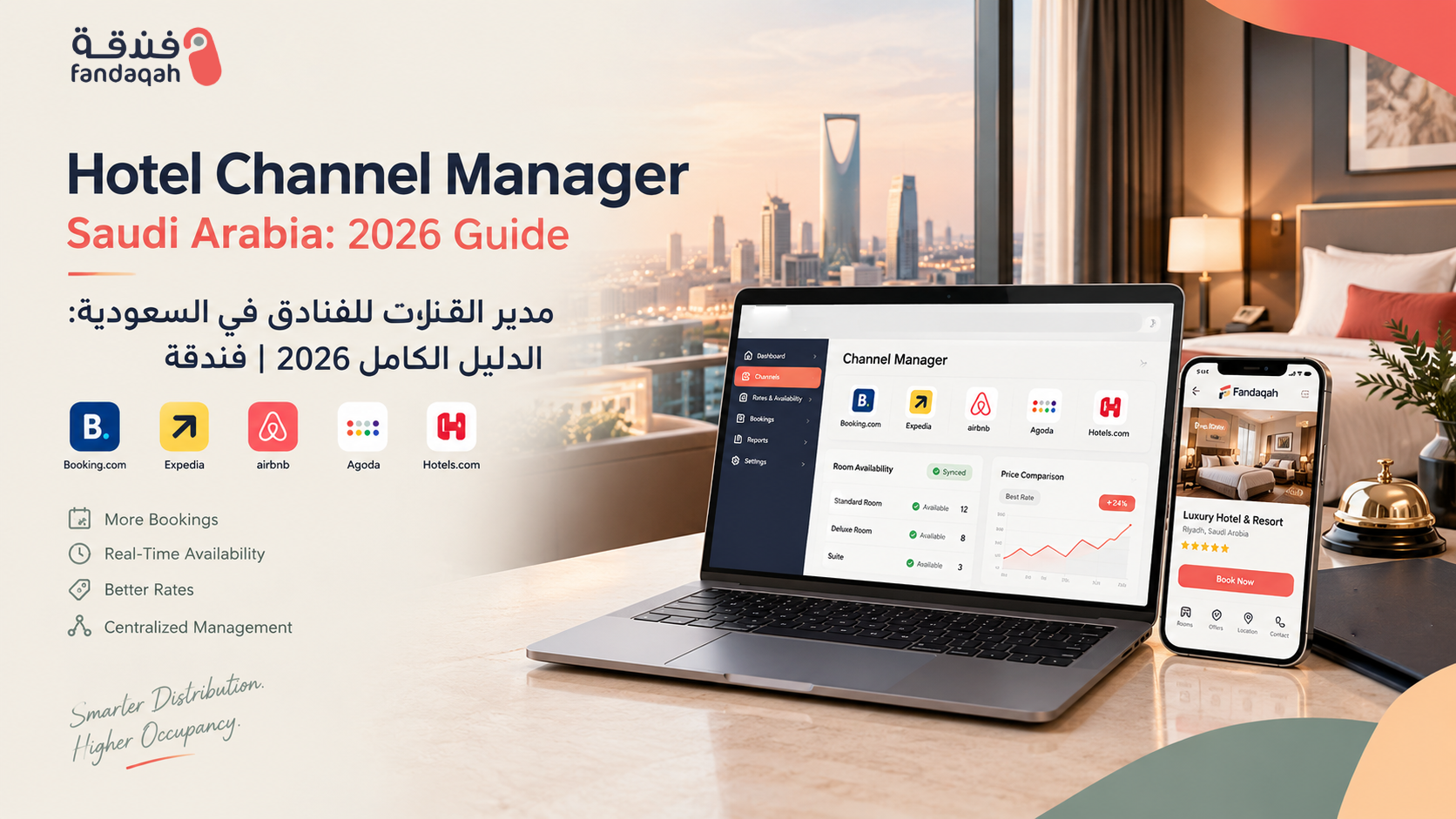
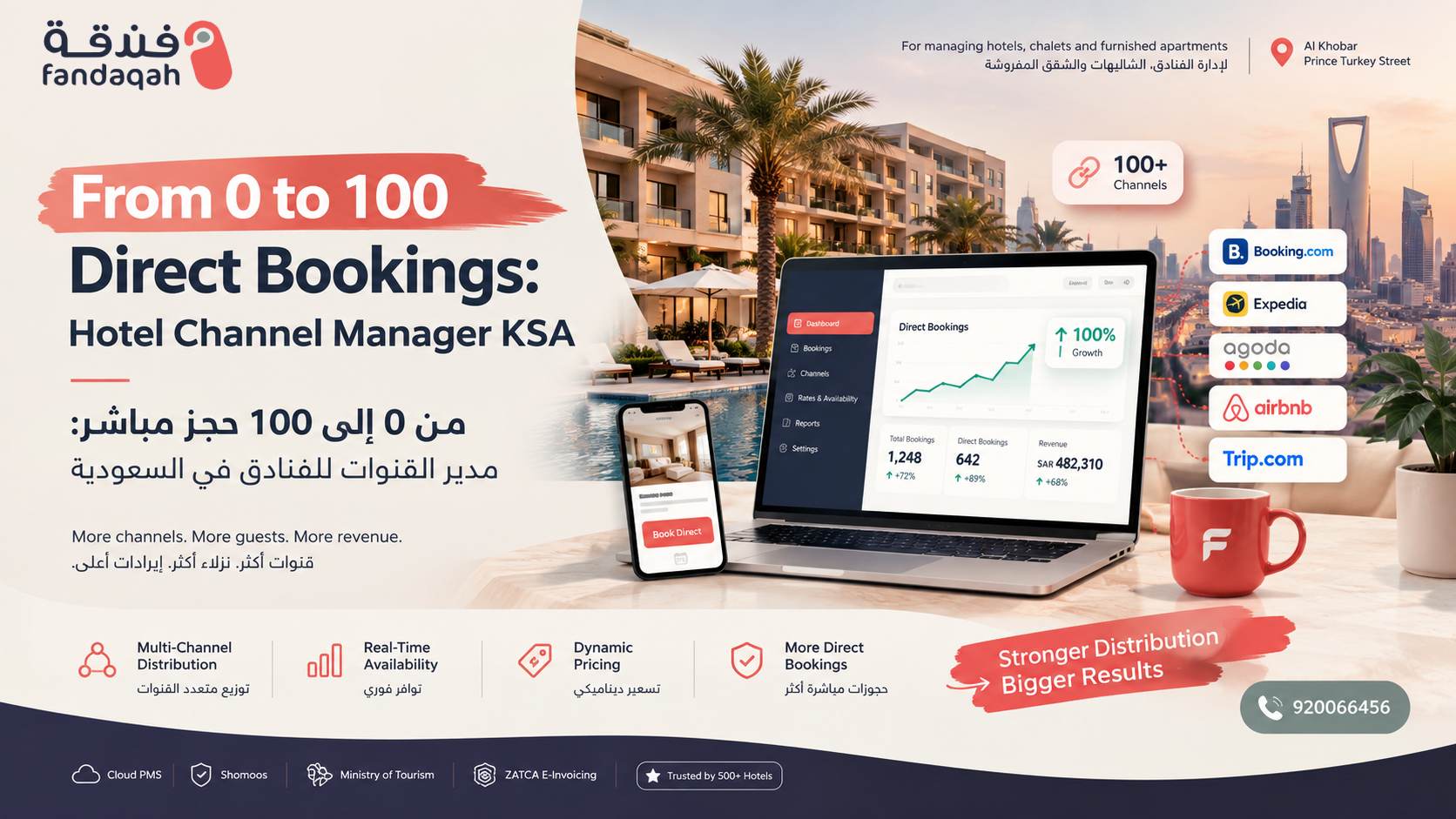
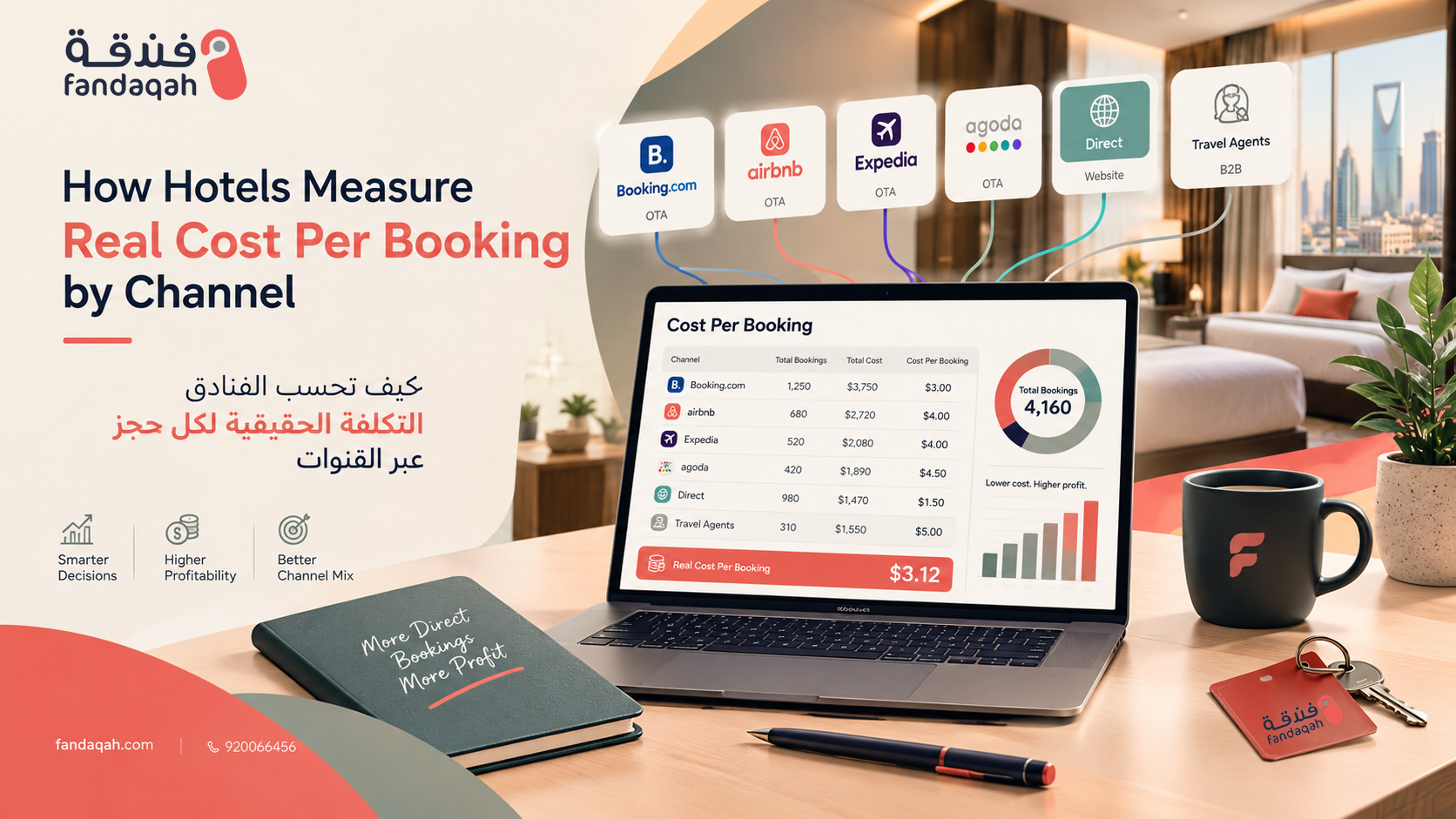
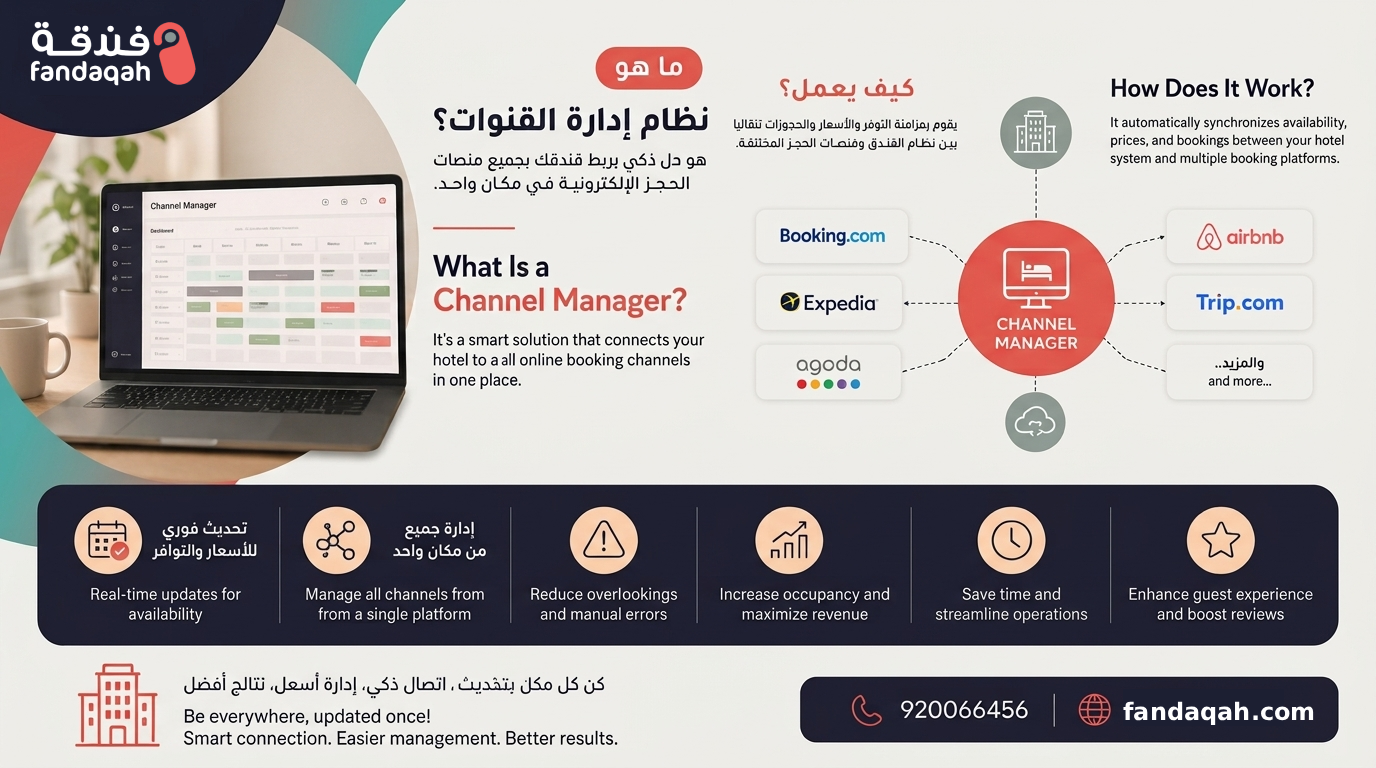
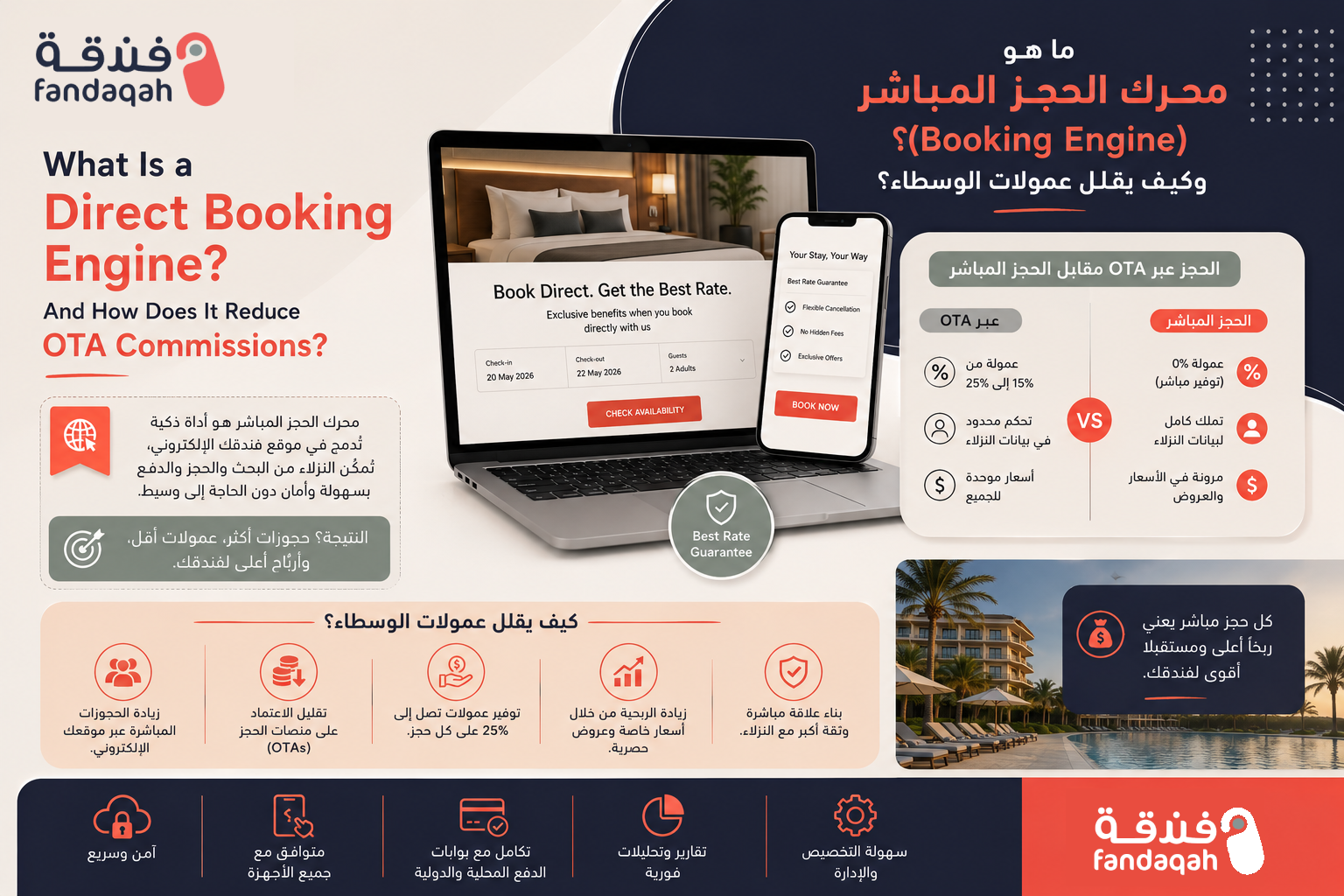
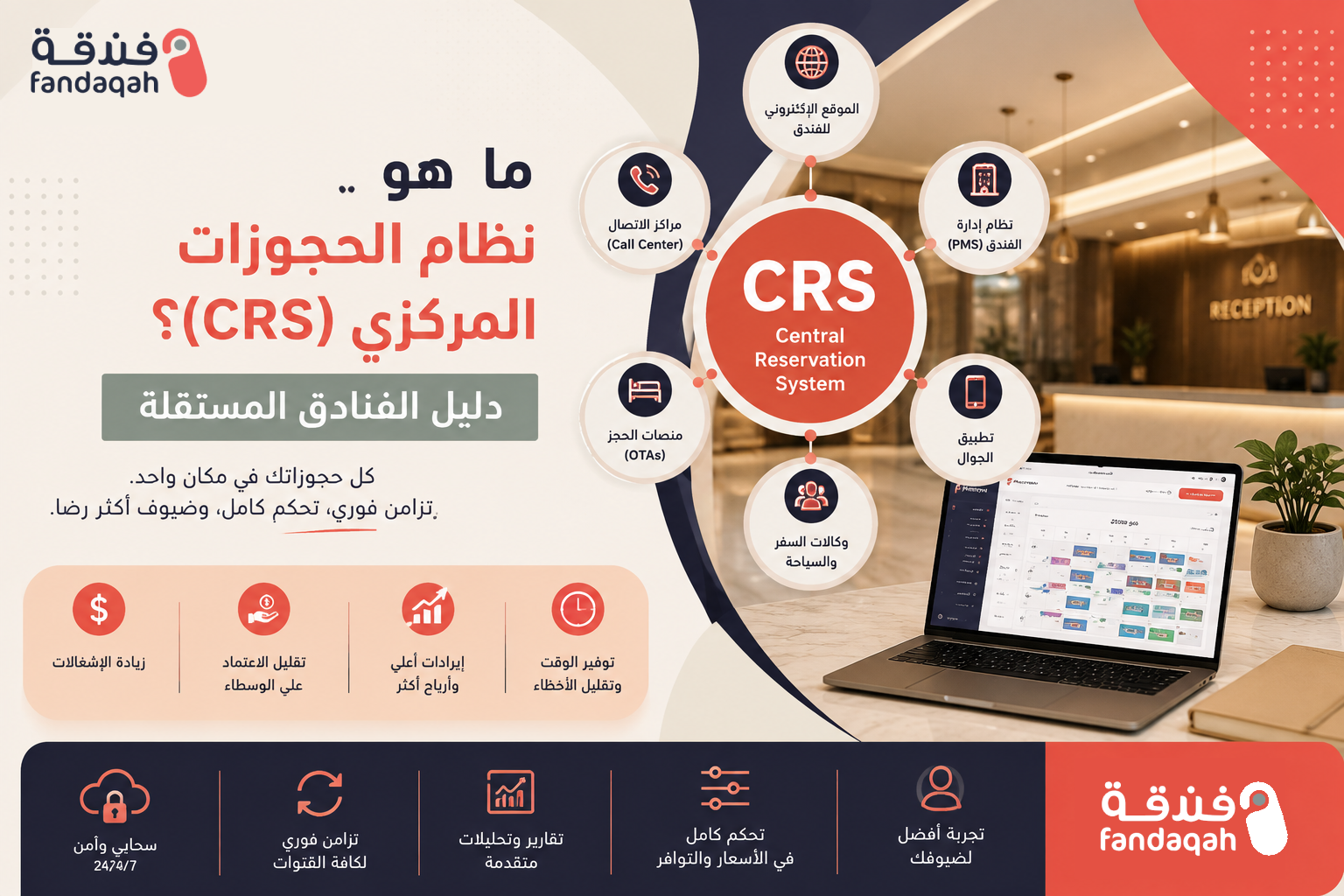
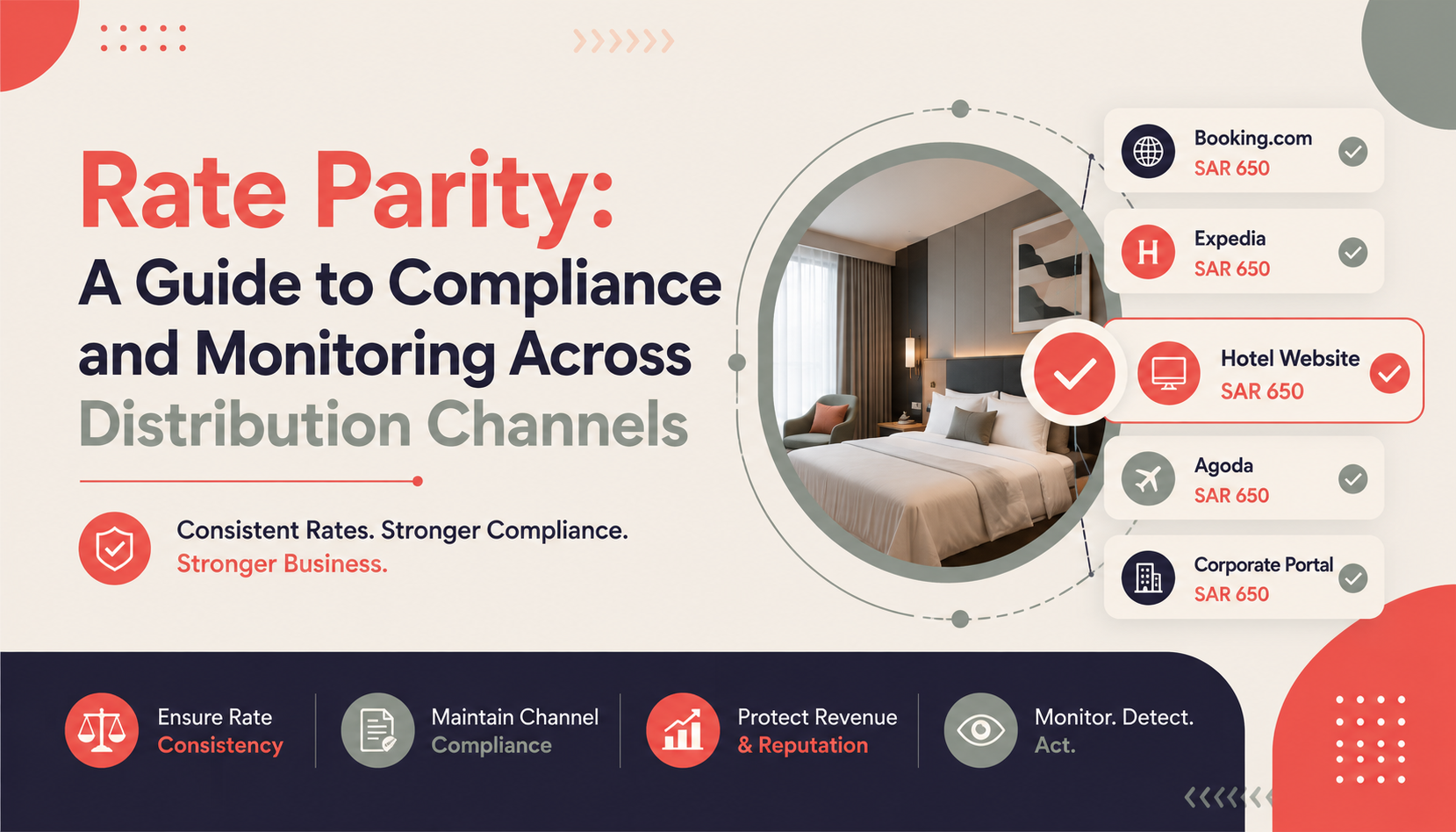
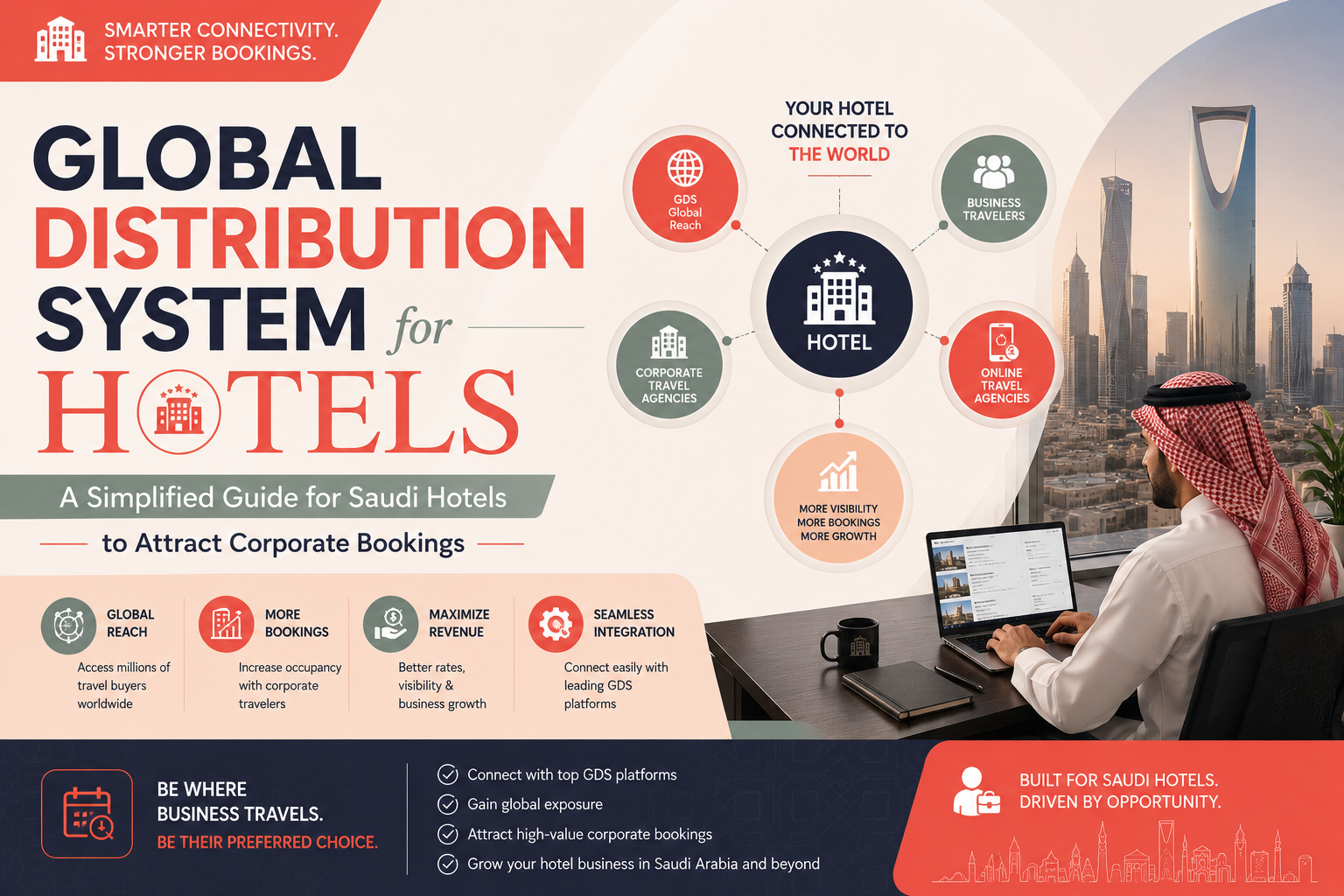
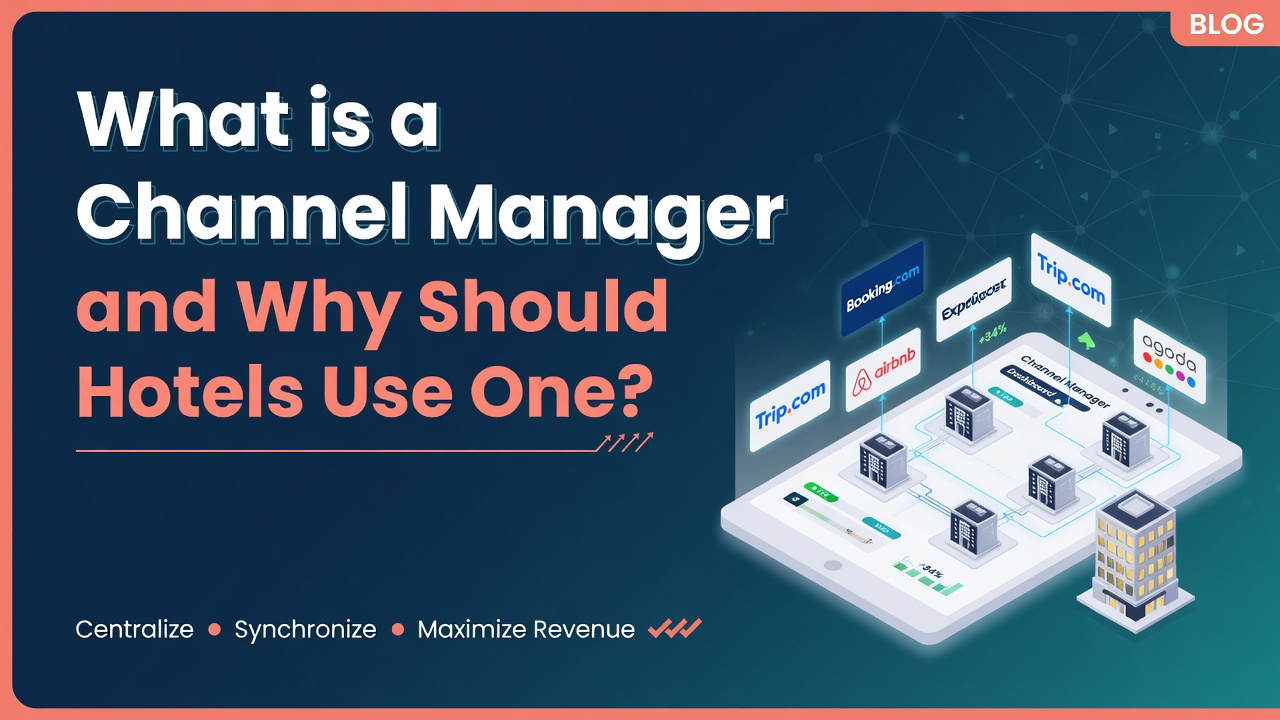
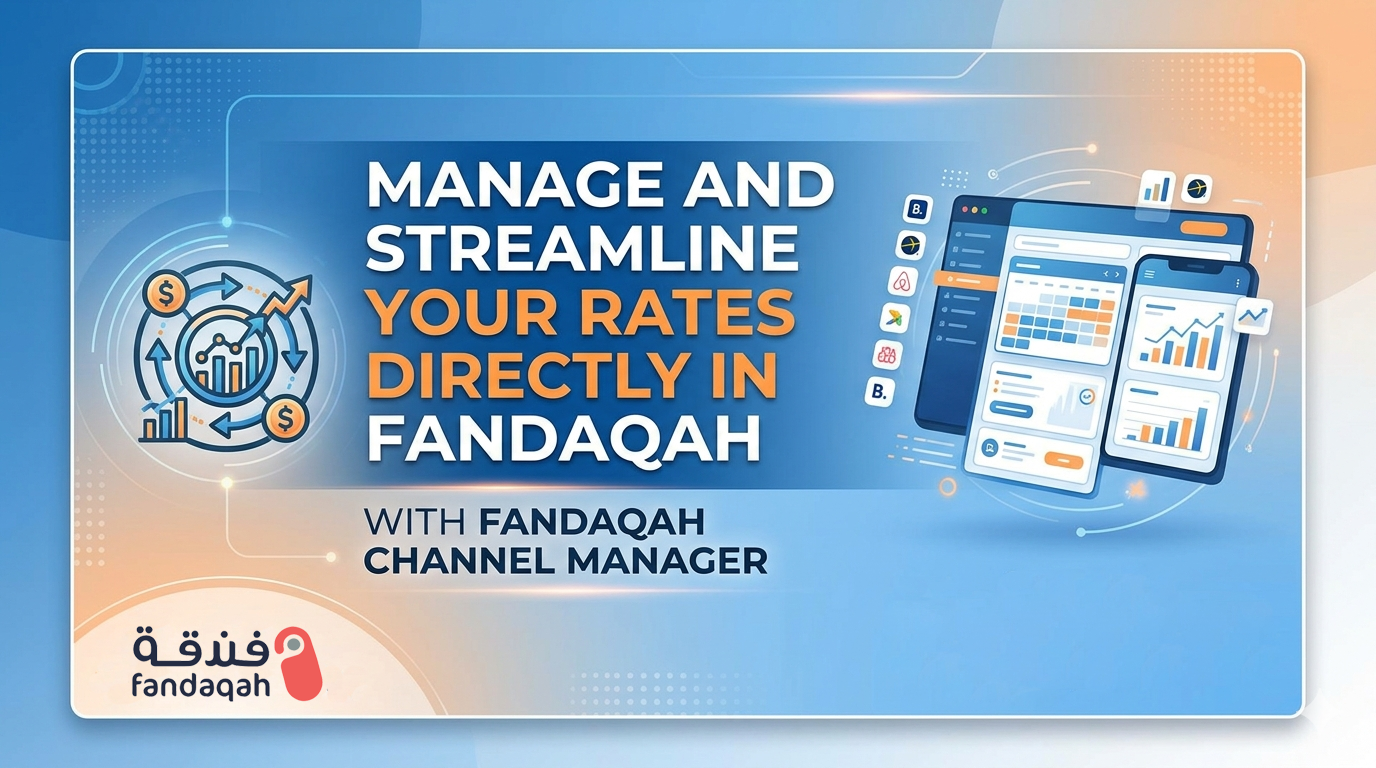
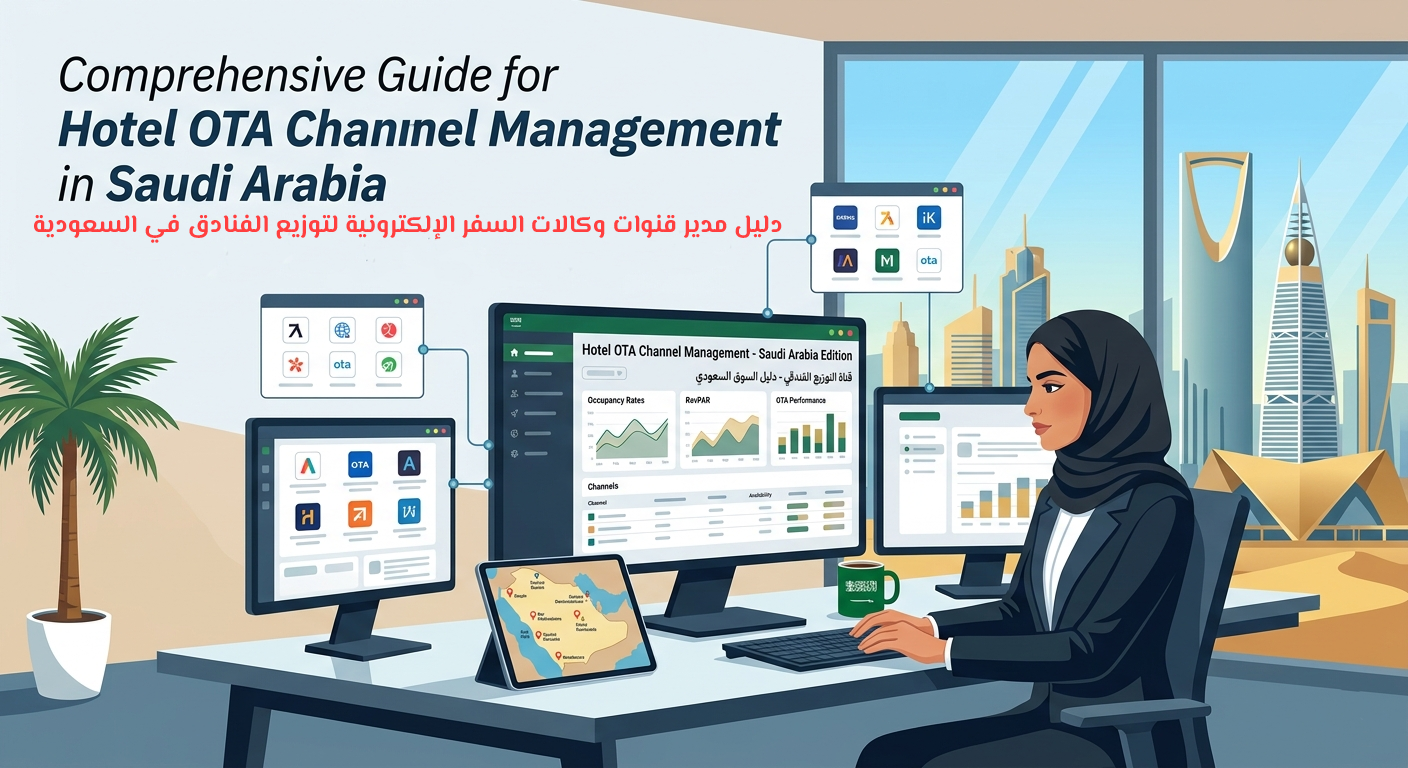
Hotel system integration with global OTAs like Booking.com, Expedia, and local Saudi platforms is non-negotiable. A built-in channel manager that instantly updates room availability and rates across all connected channels prevents double bookings and maximizes your occupancy. Ask for a live demonstration of the two-way sync.
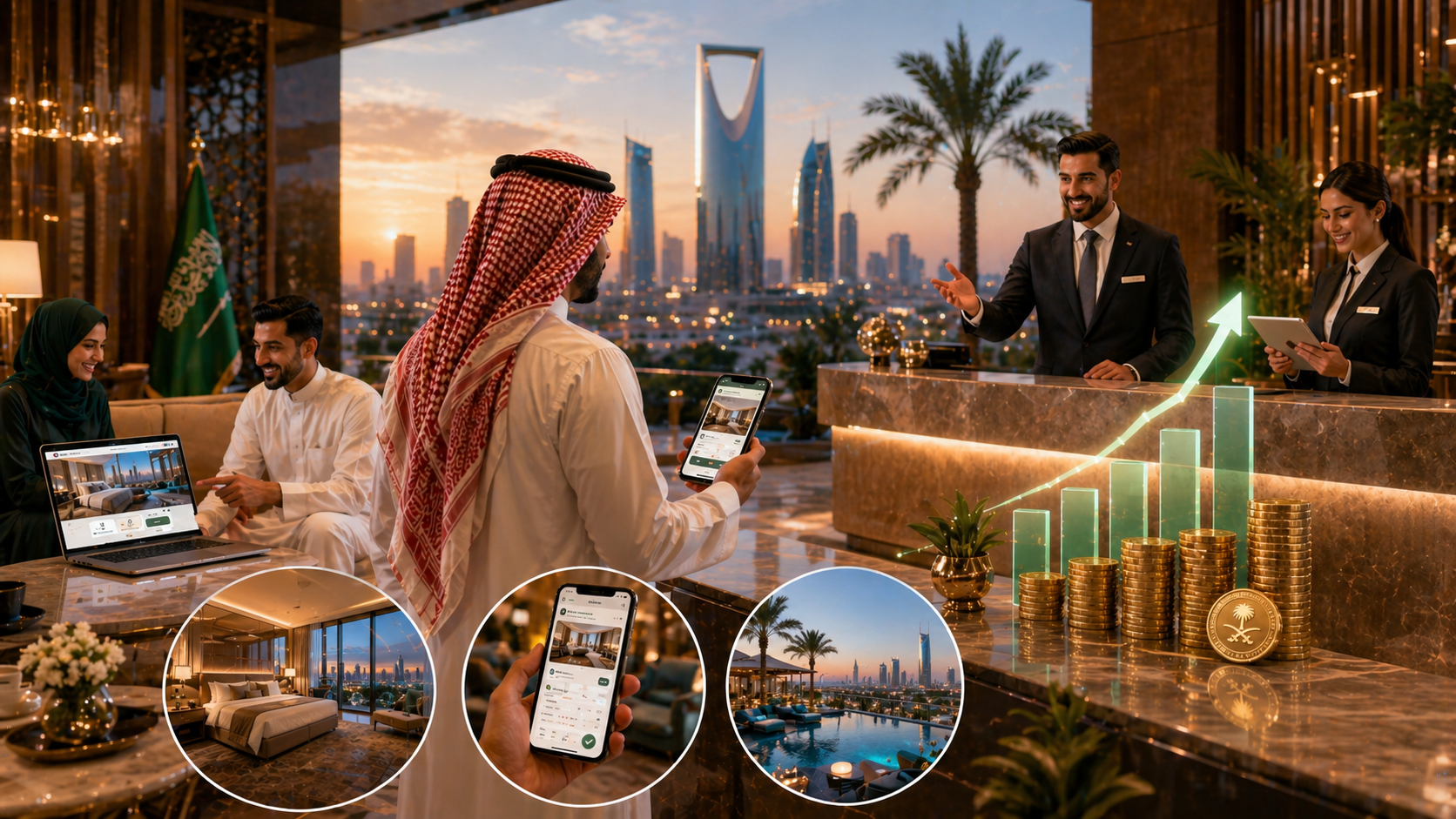
4 Is there a dedicated mobile app for remote hotel management?
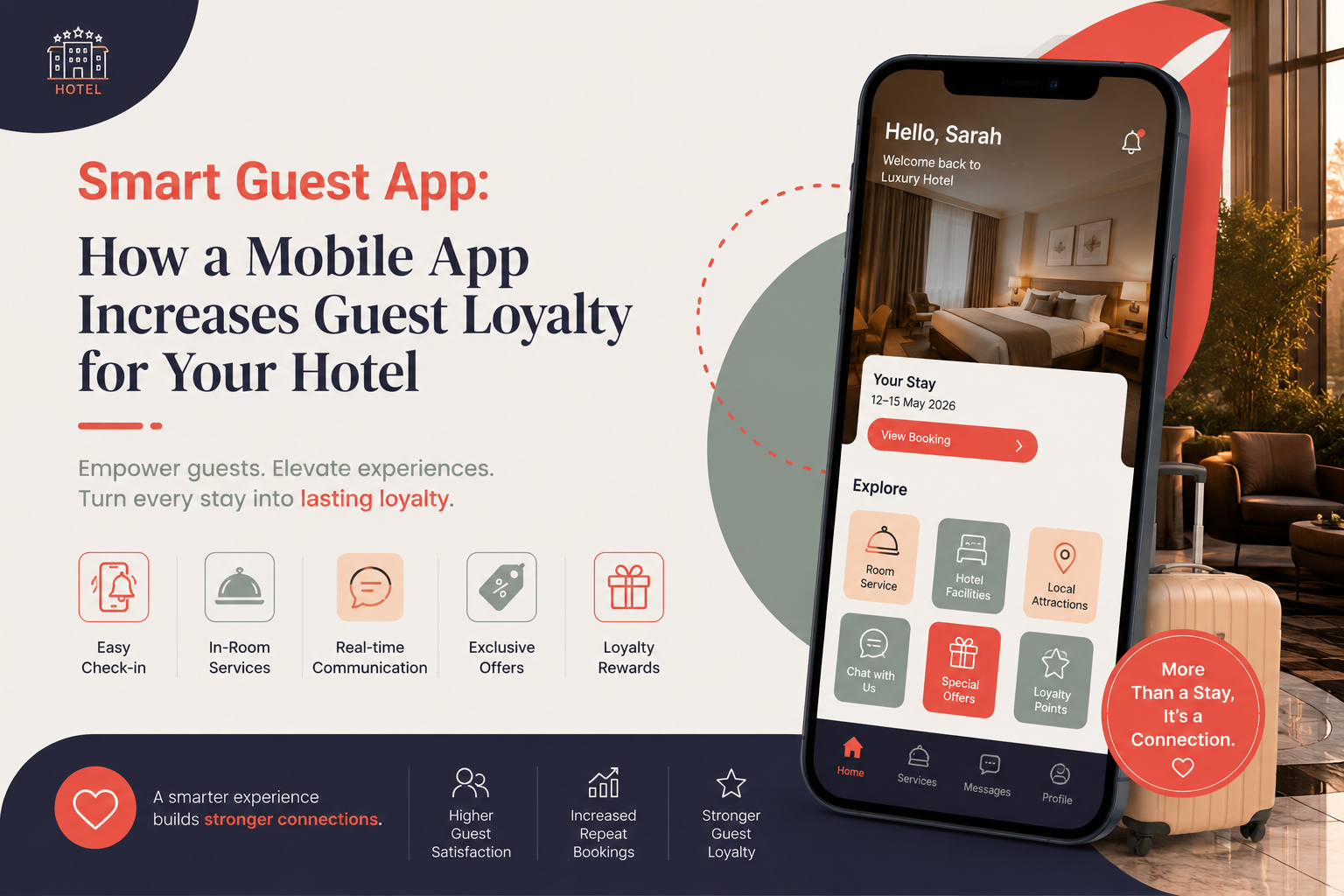
Today, managing your property from a smartphone is a competitive edge. A robust mobile app lets you monitor hotel operations, approve reservations, and communicate with your team on the go. Imagine getting an instant alert when a VIP guest checks in or when a housekeeping issue arises — this real-time visibility is invaluable.
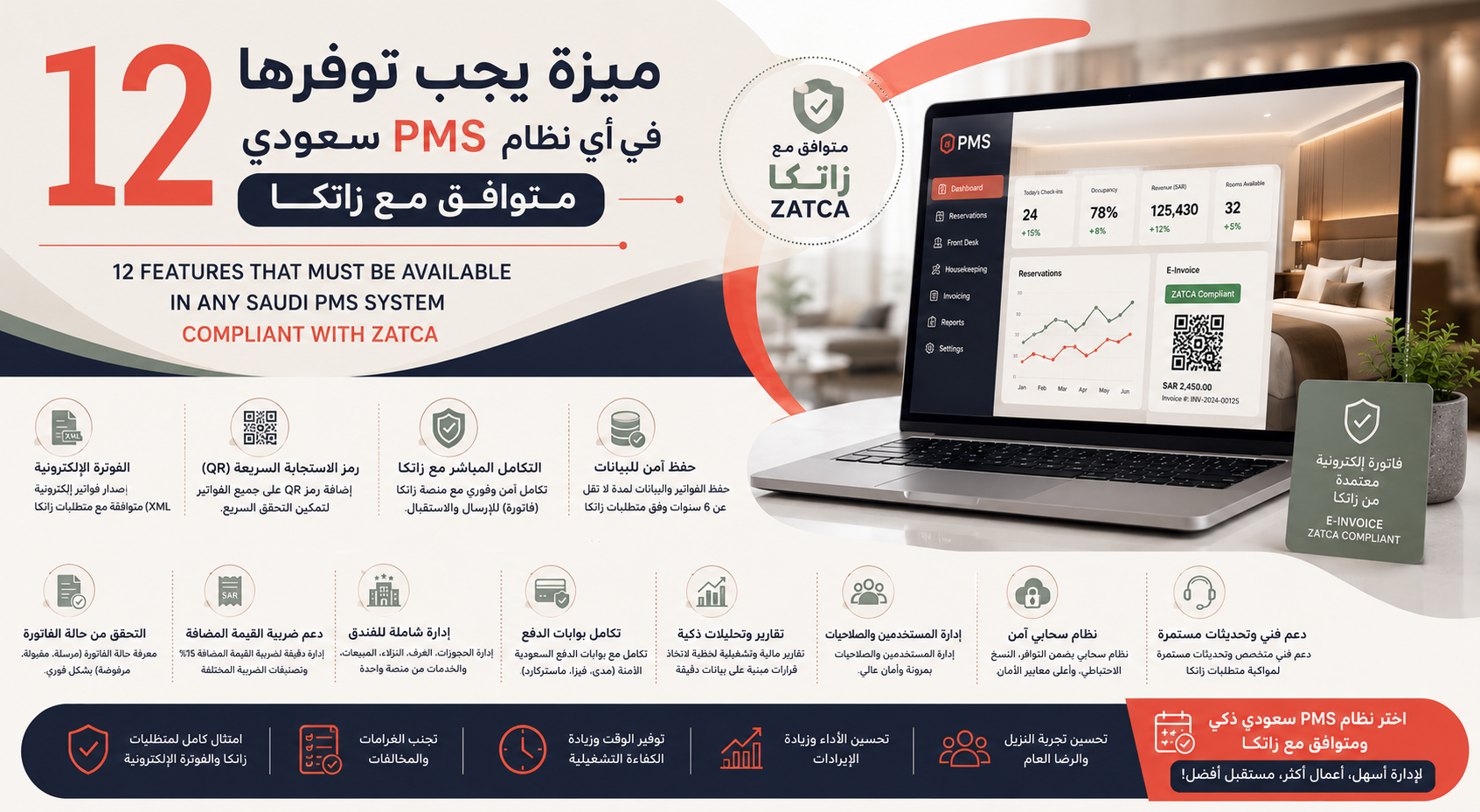
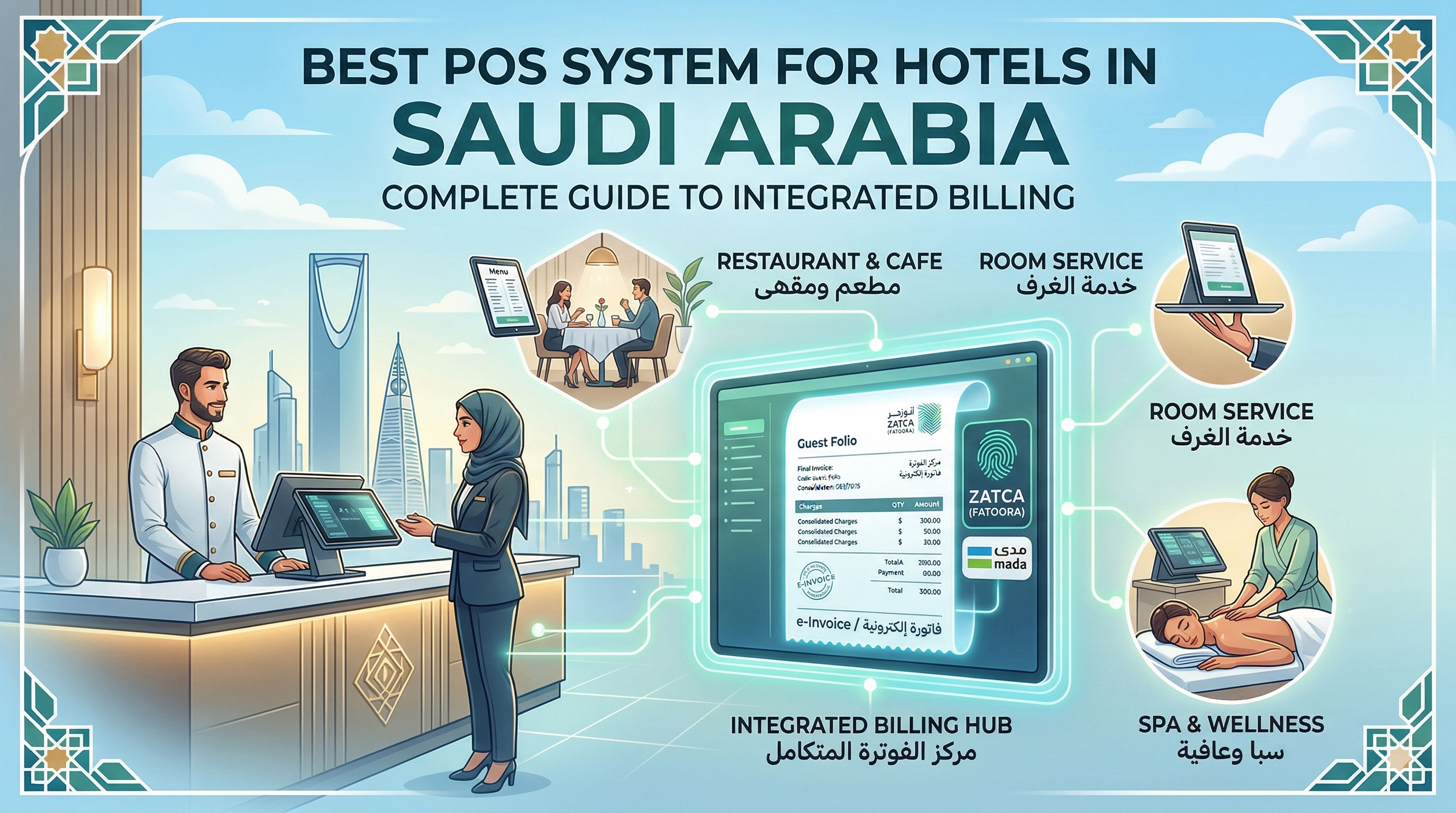
5 How does the system handle Saudi tax compliance (VAT and e-invoicing)?
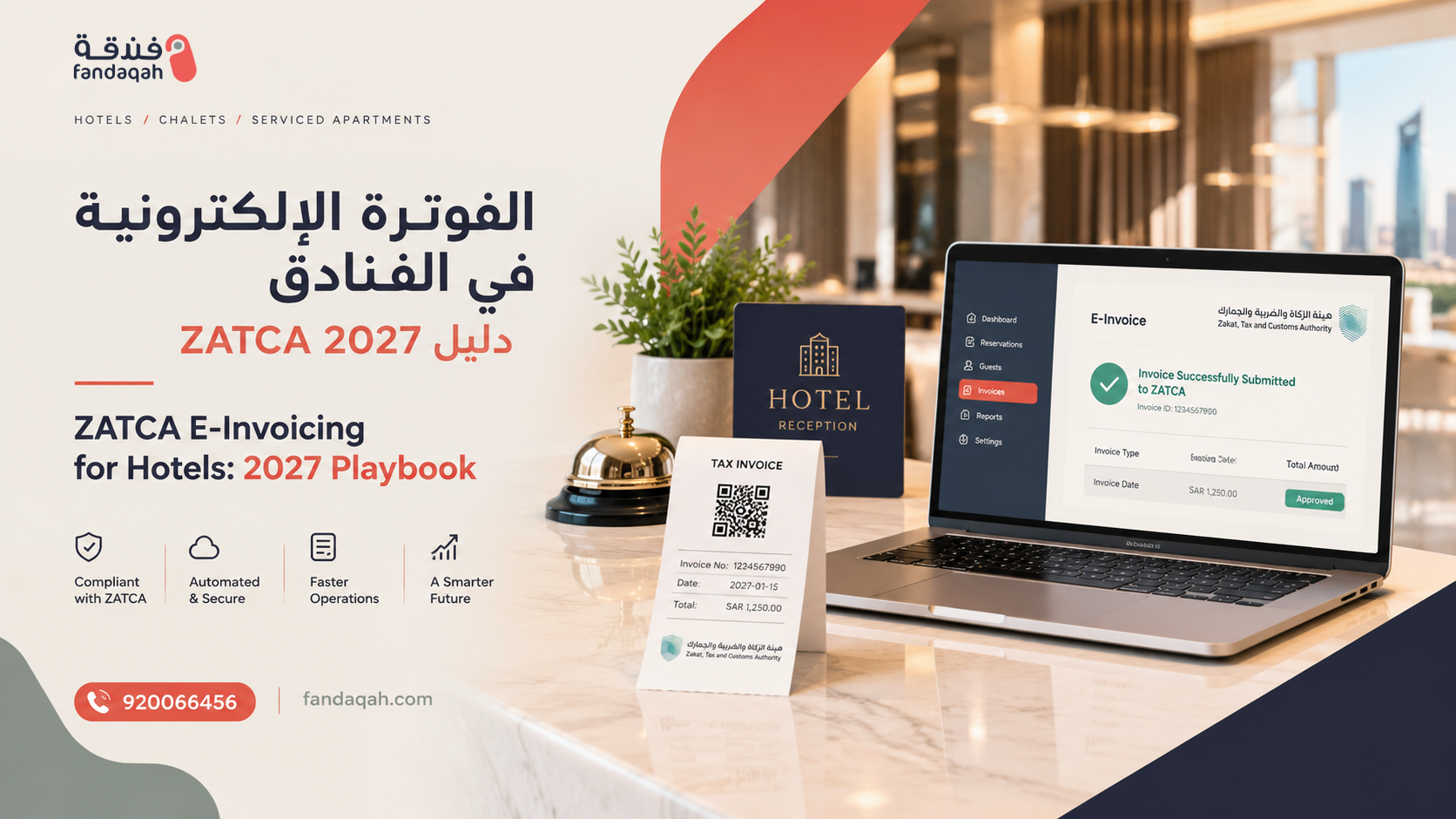
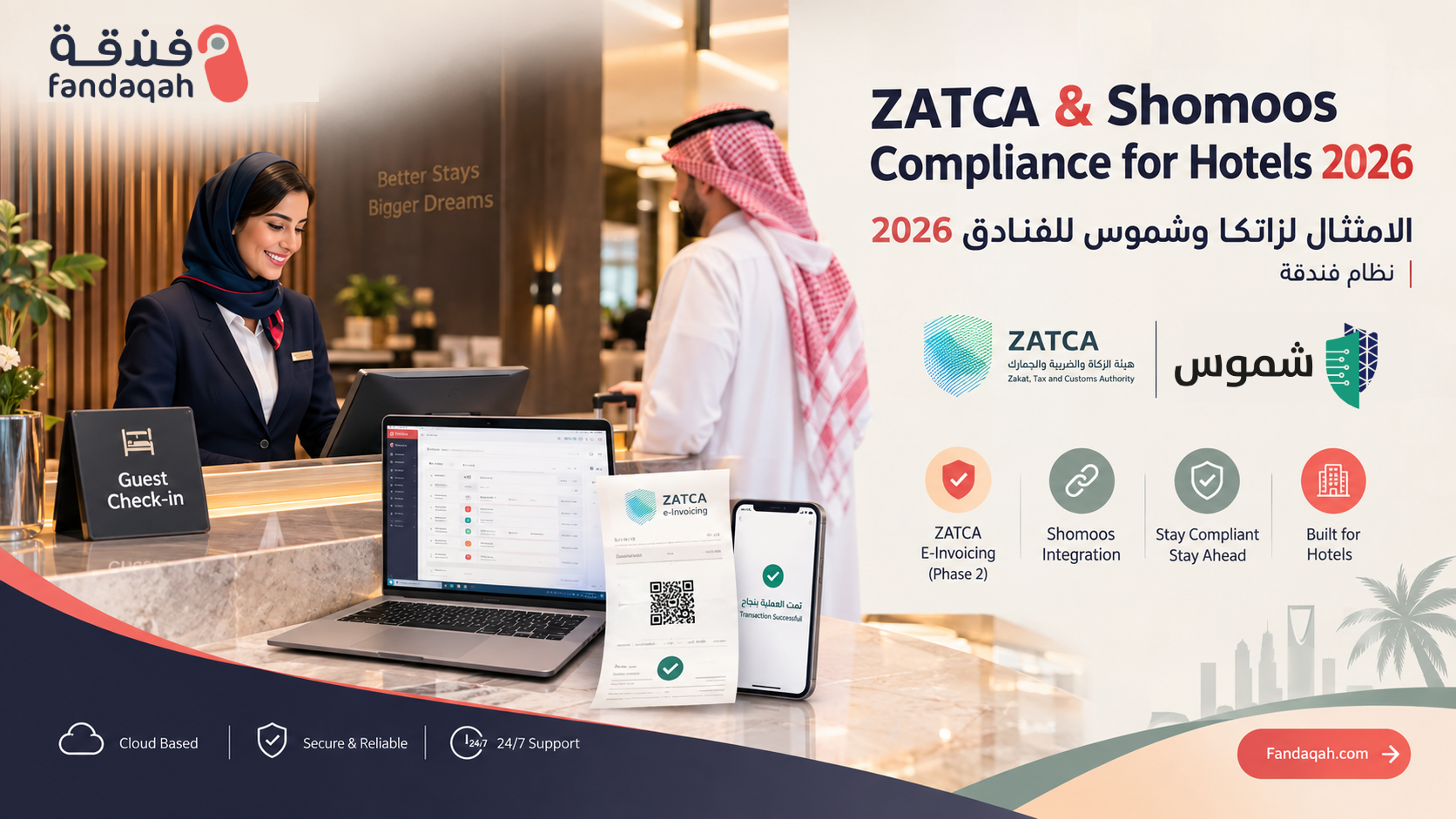
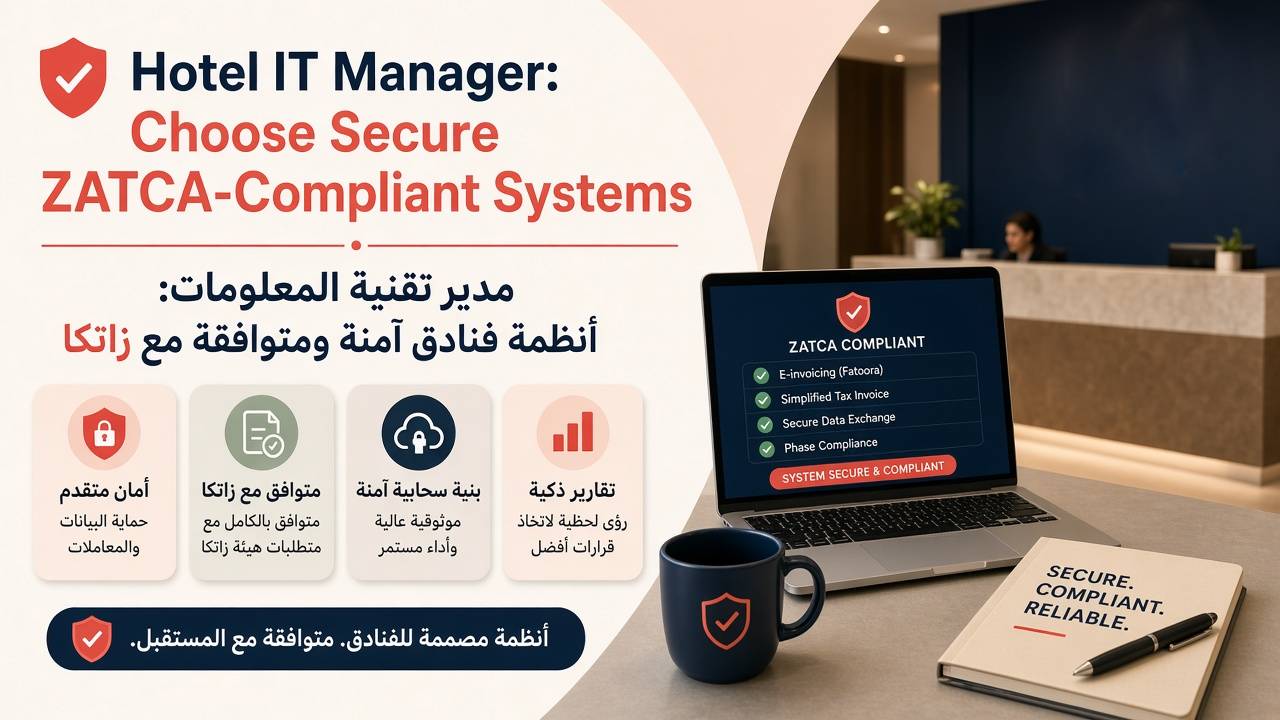
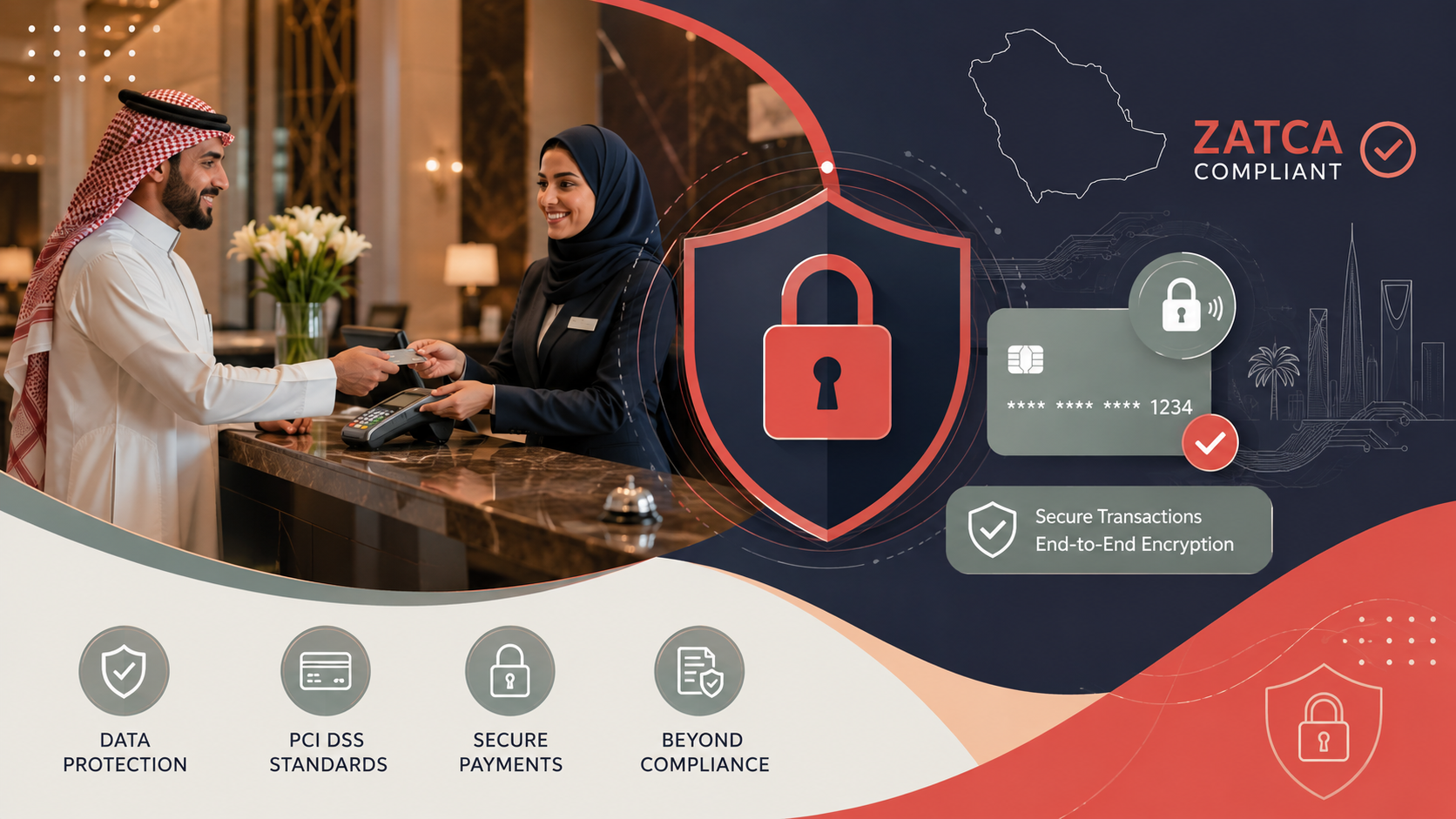
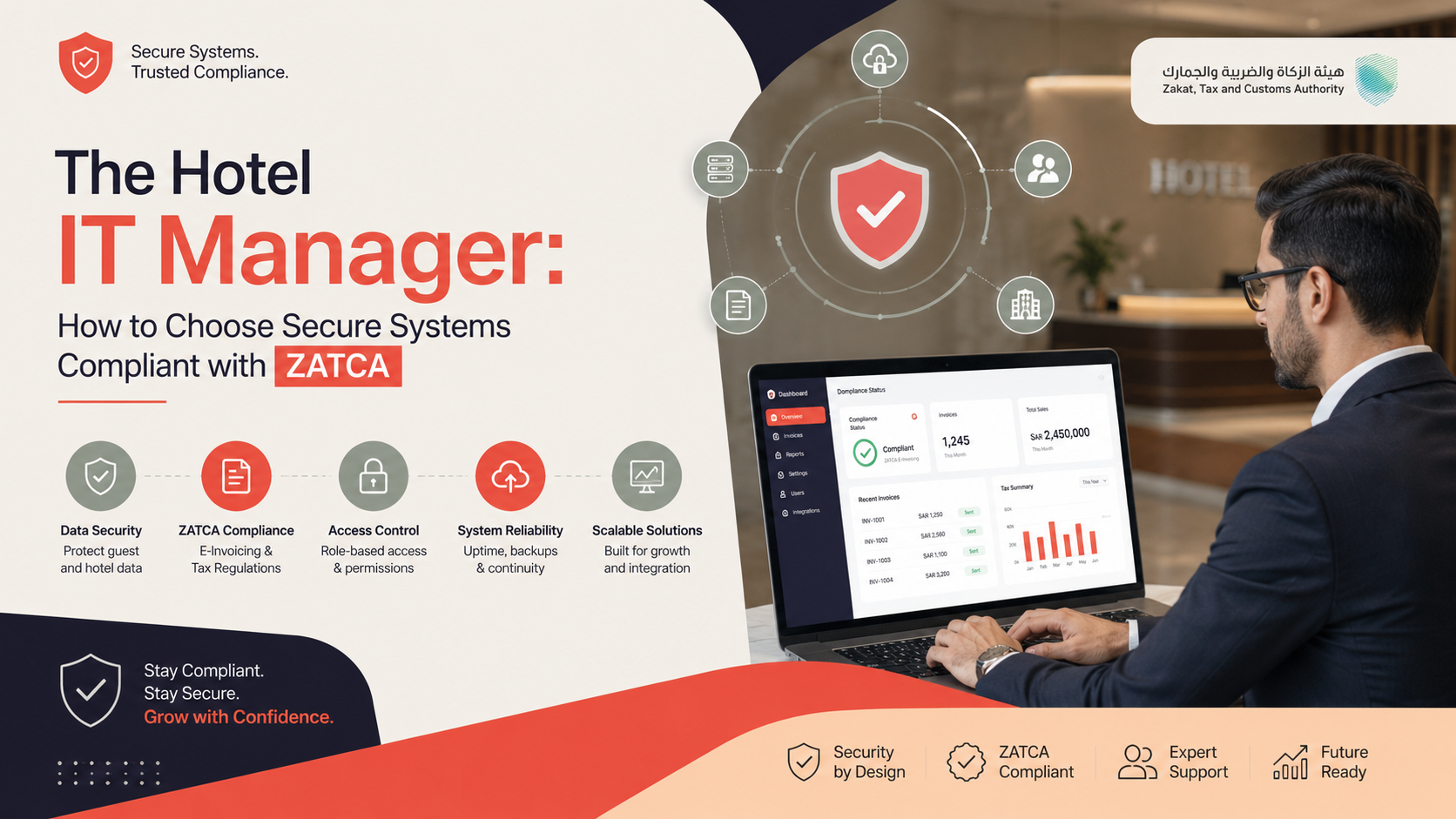
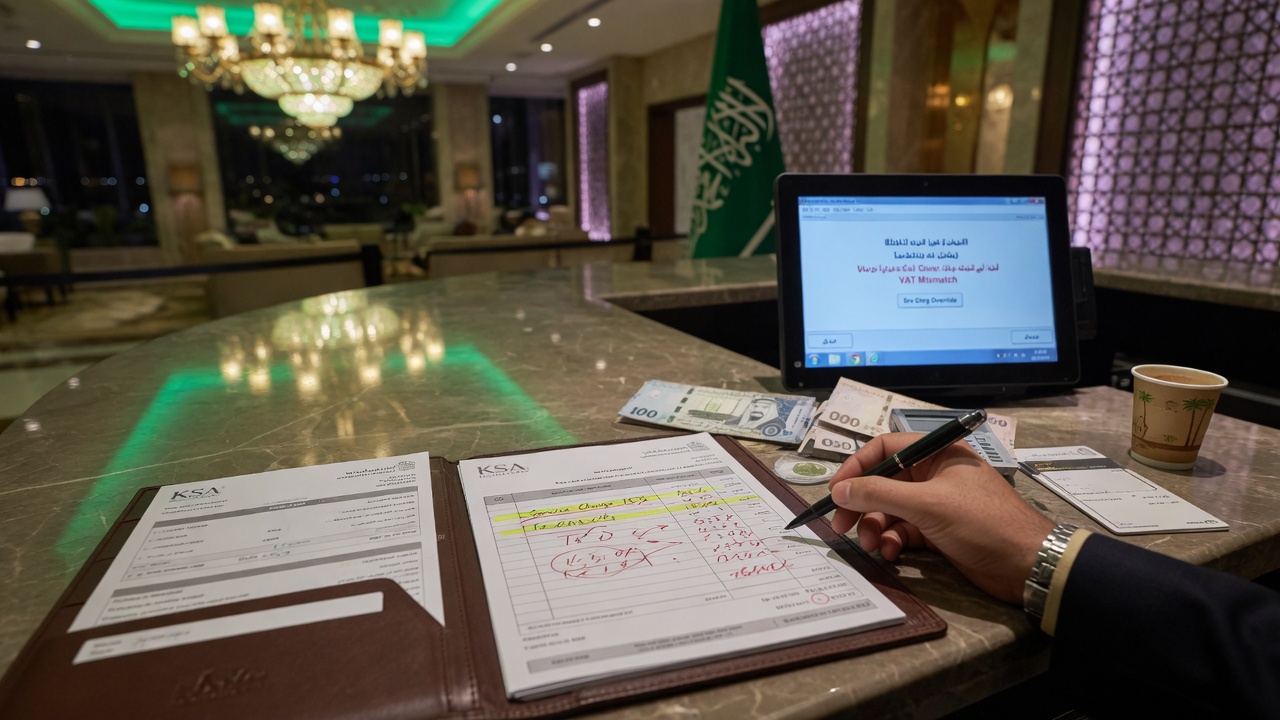
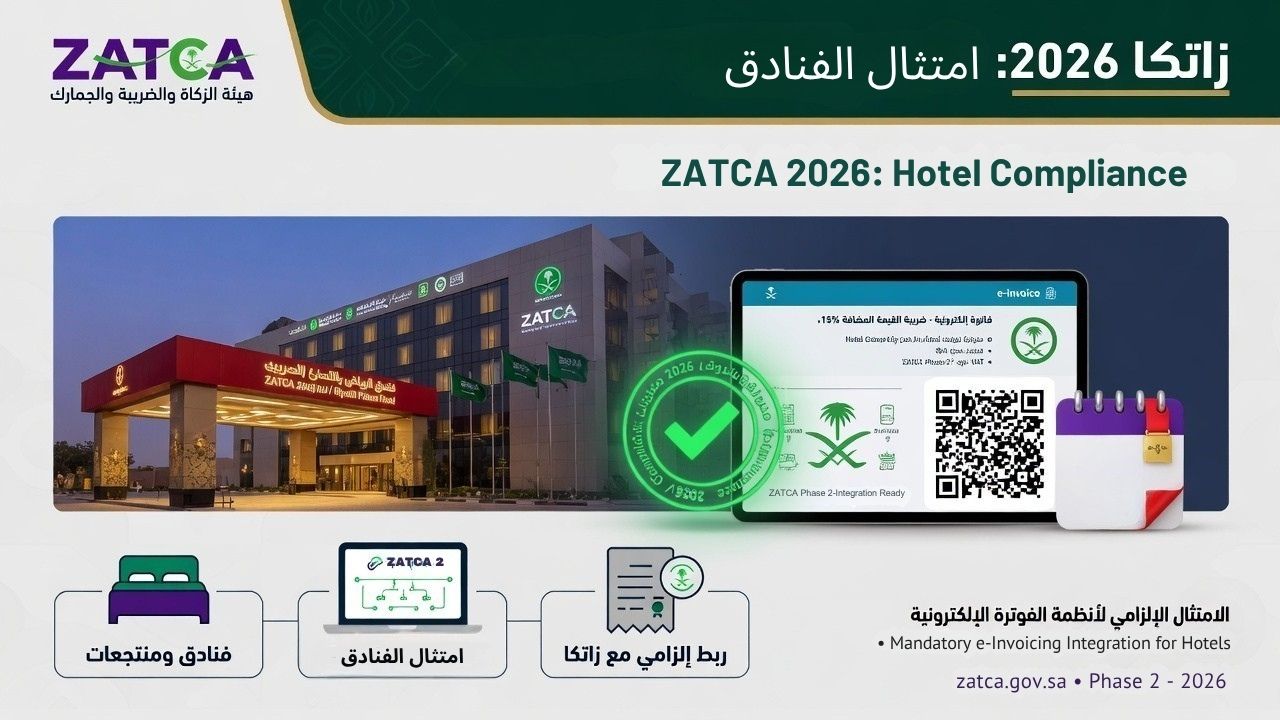
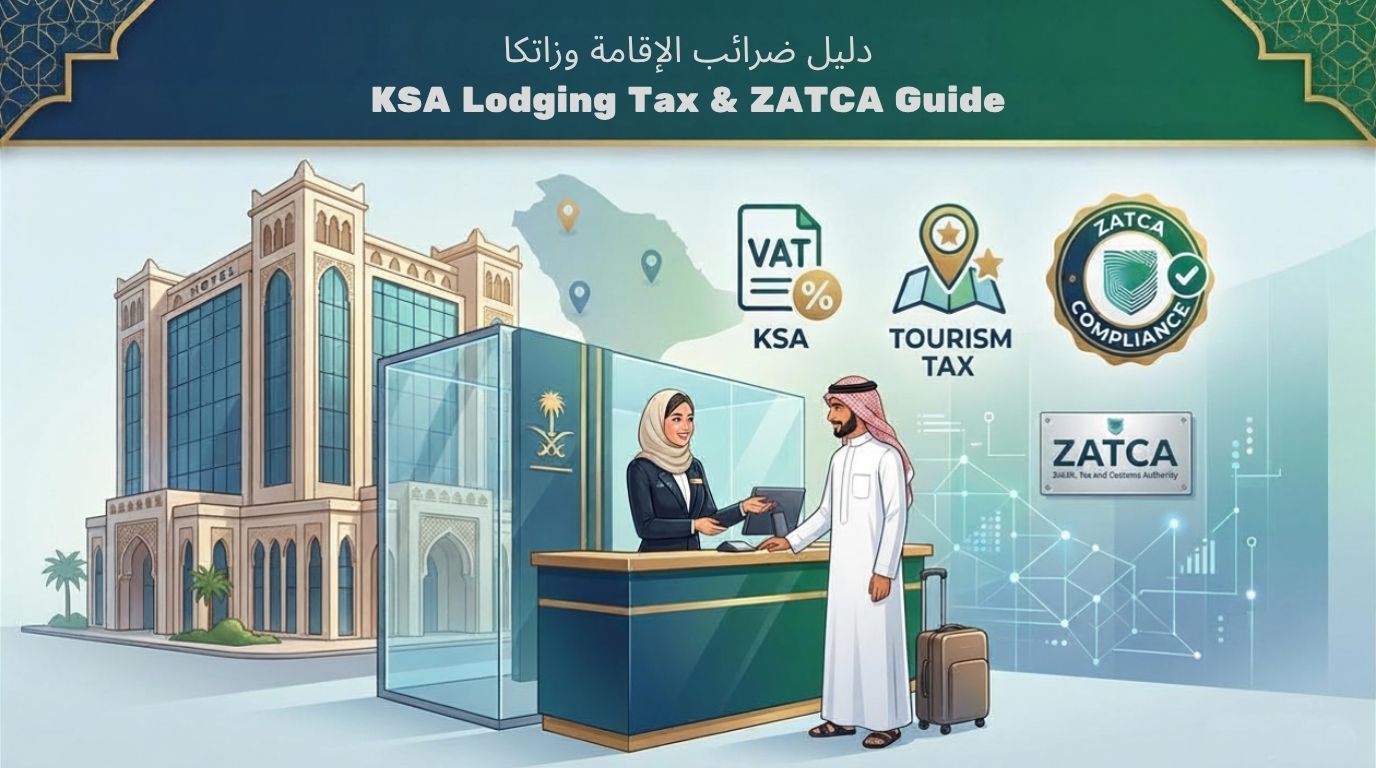
Saudi Arabia’s ZATCA has mandated e-invoicing (Fatoorah) phases. Your hotel billing system must generate compliant electronic invoices with 15% VAT automatically applied. Ask the vendor directly: “Is your system certified for Phase 2 e-invoicing integration with the Fatoorah platform?” This ensures you avoid penalties.
6 What reporting and analytics capabilities does it offer?
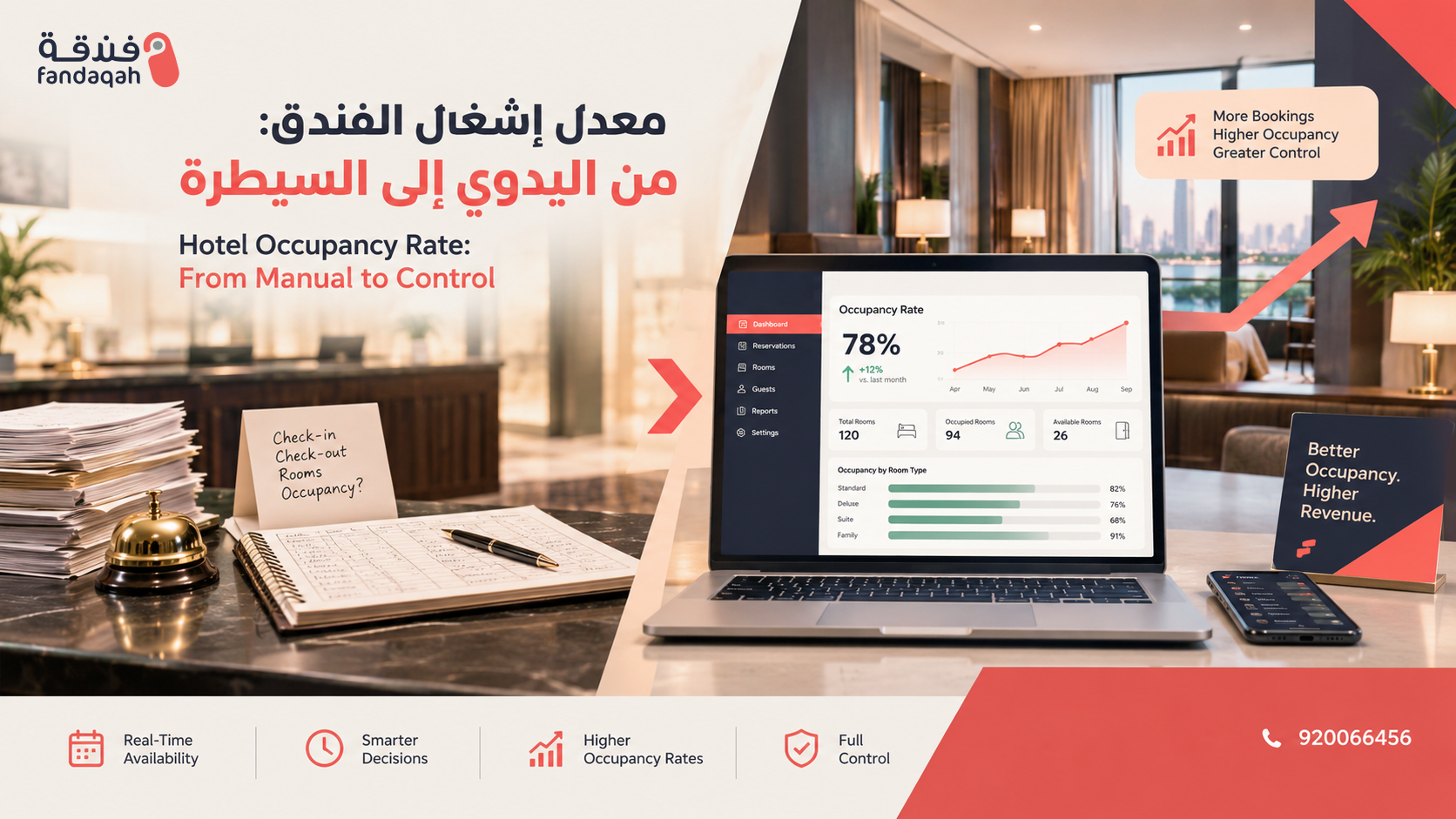
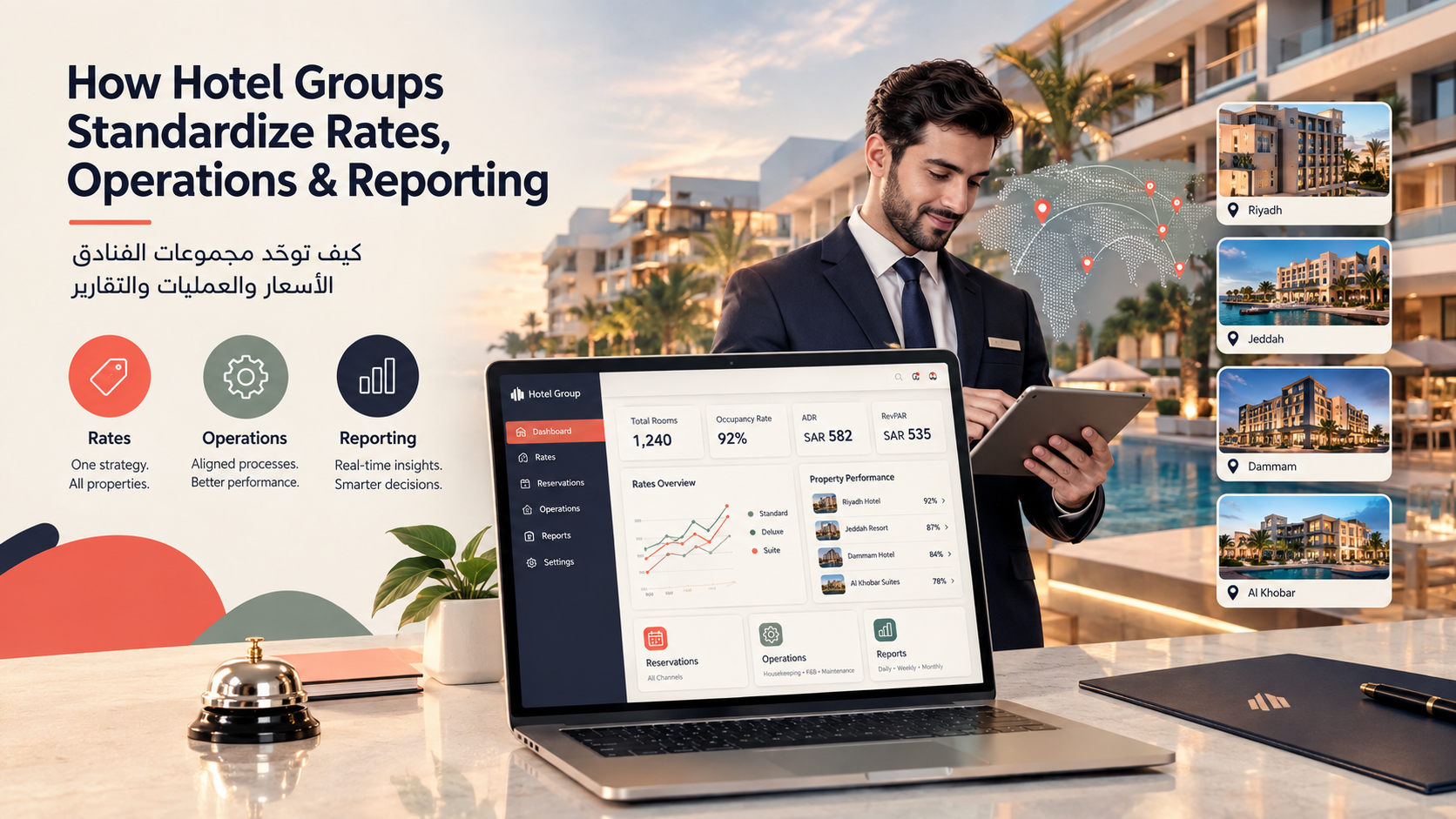
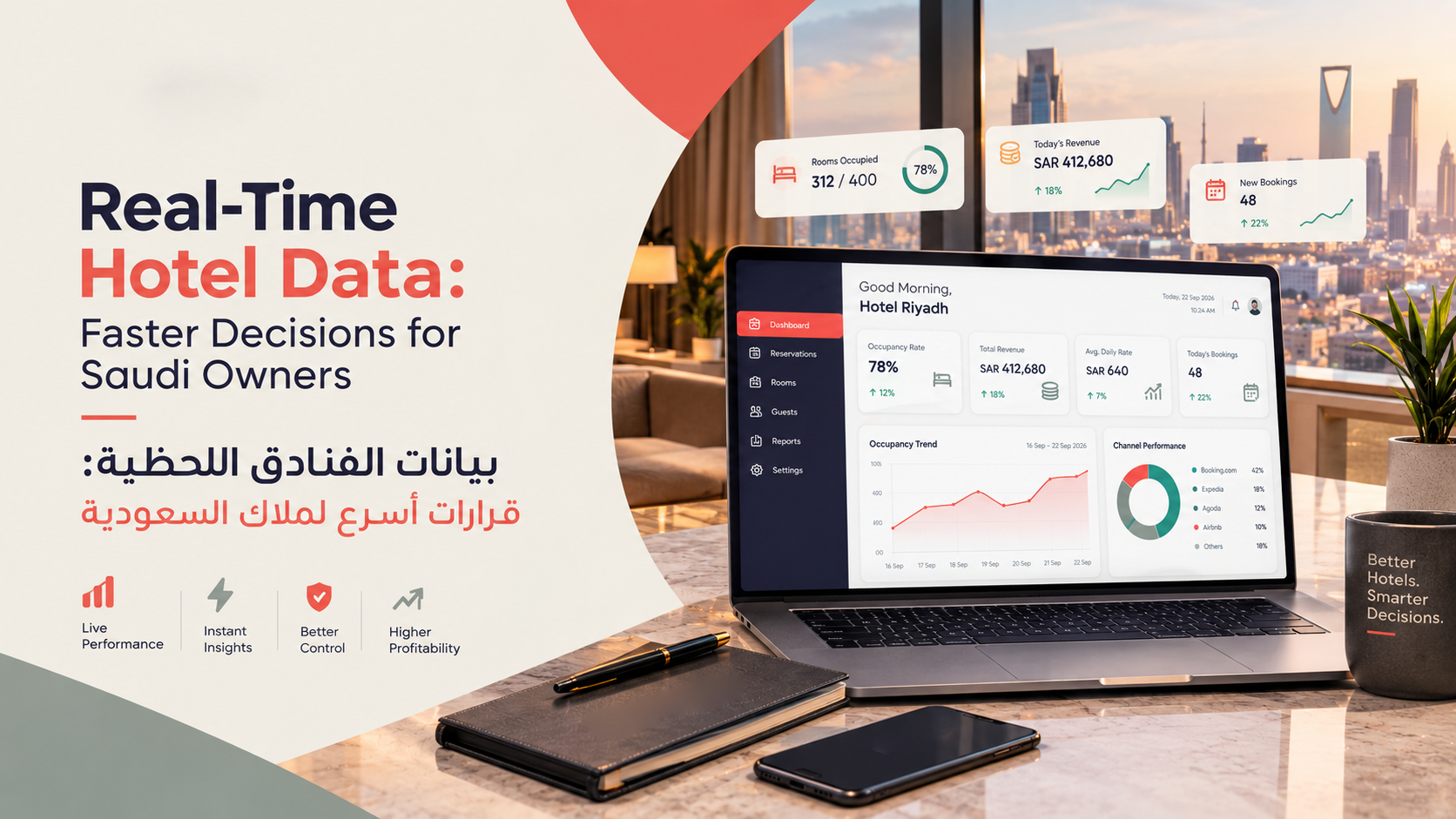
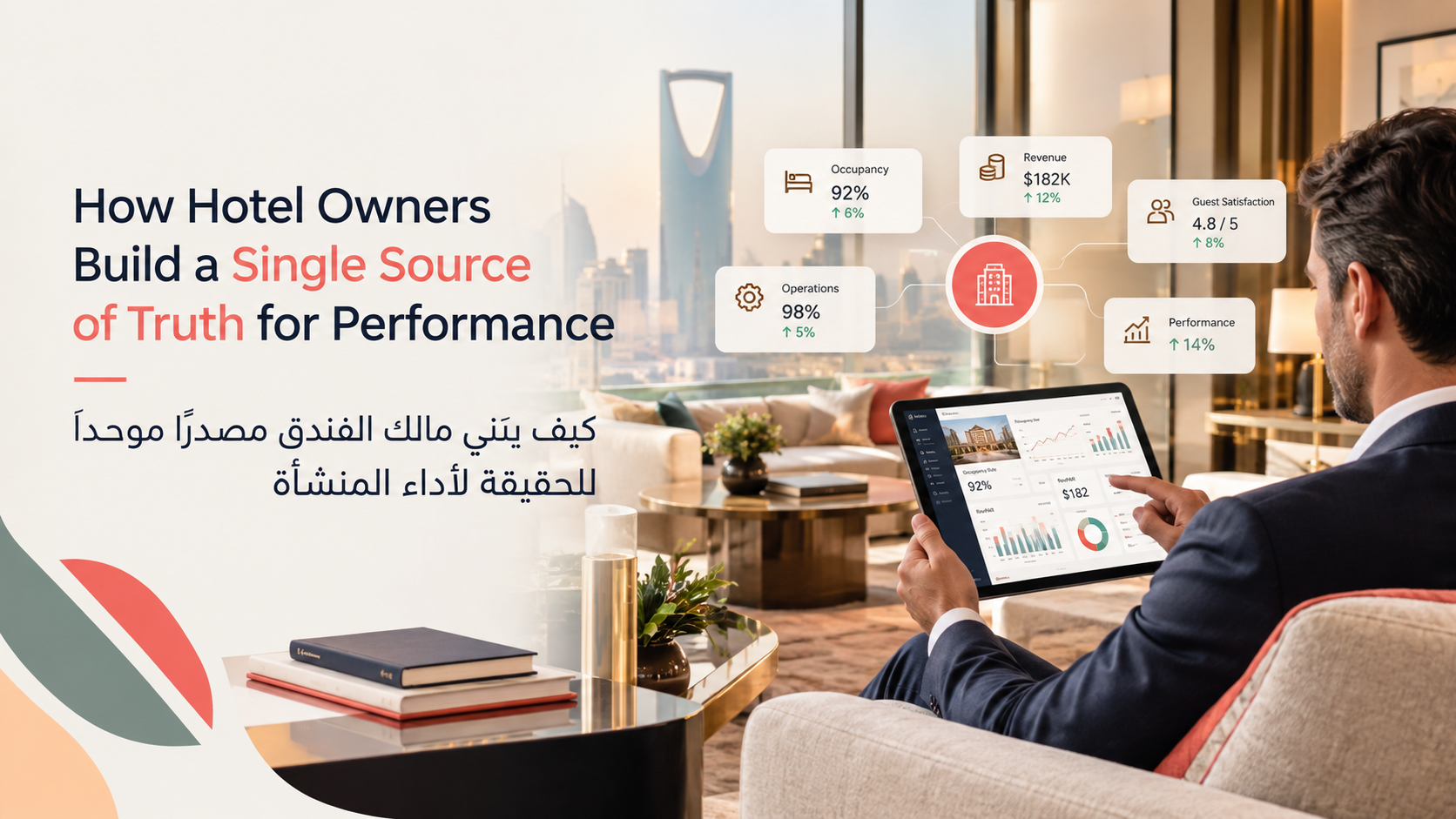
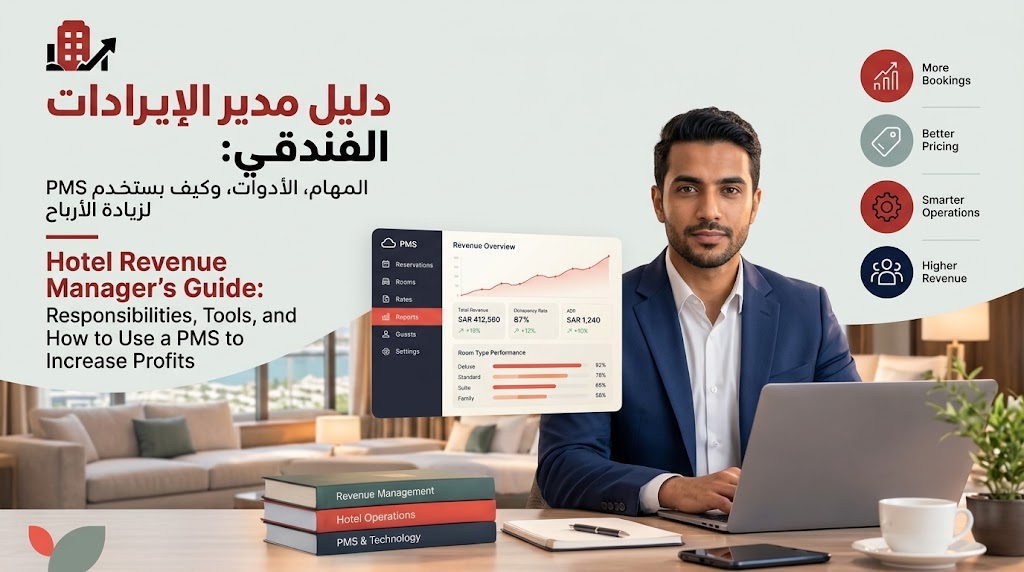
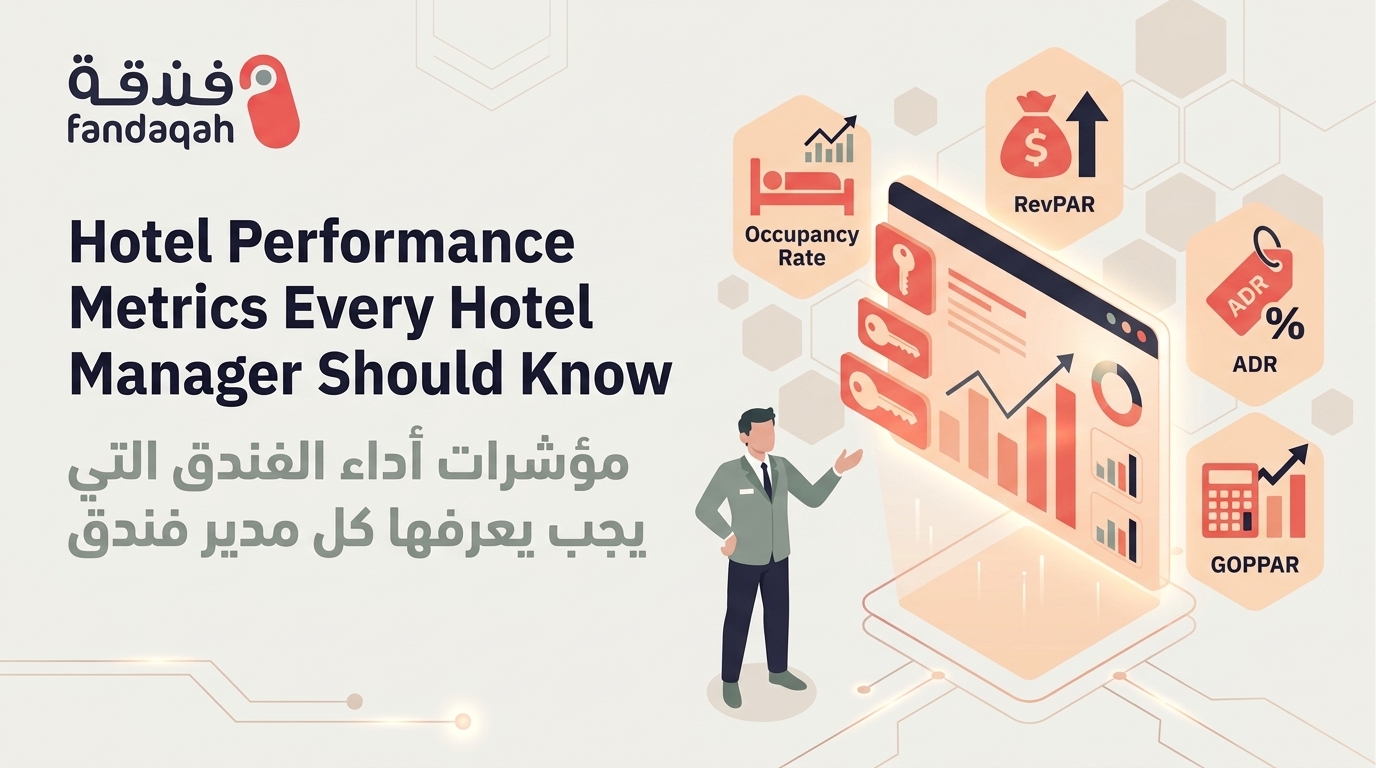
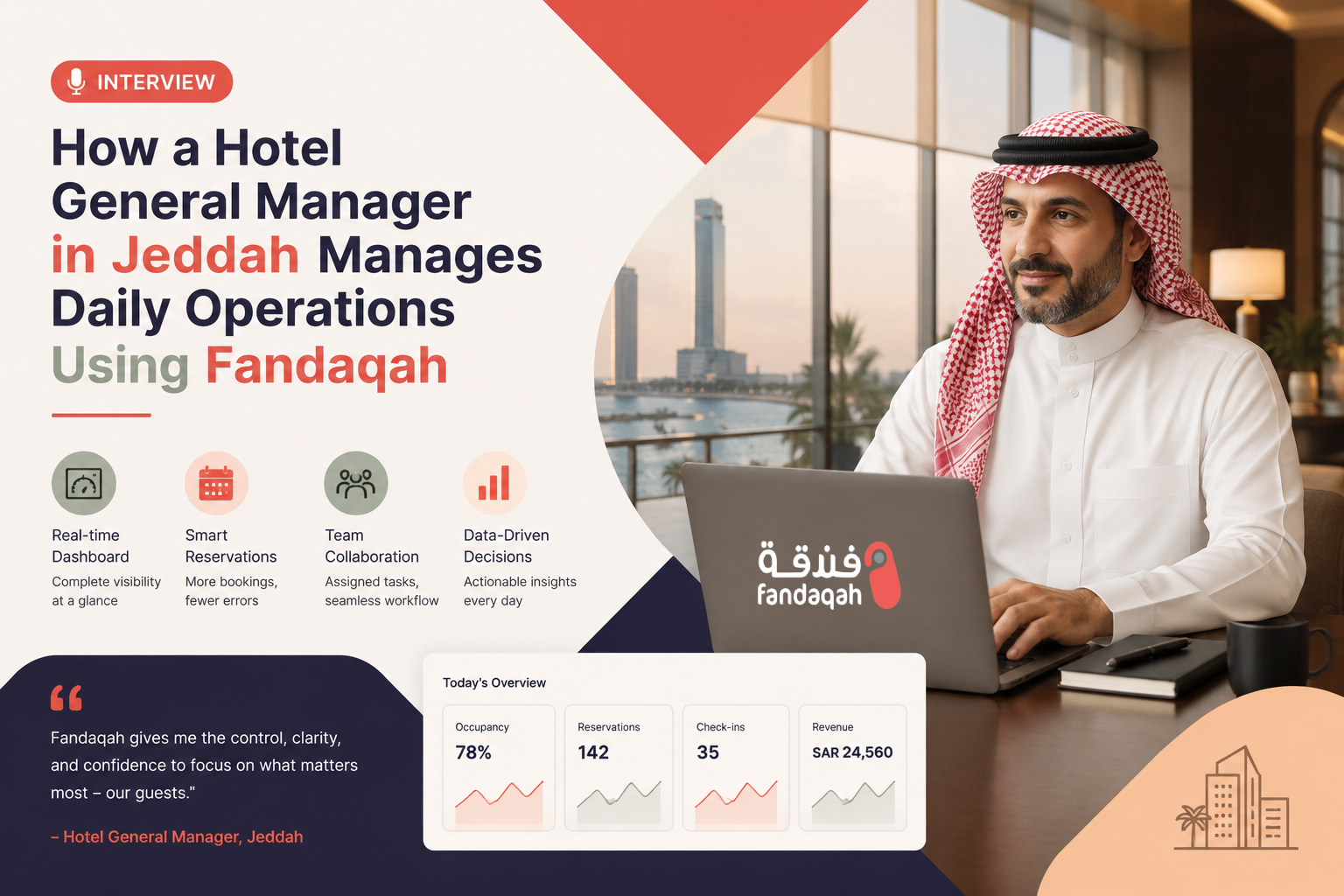
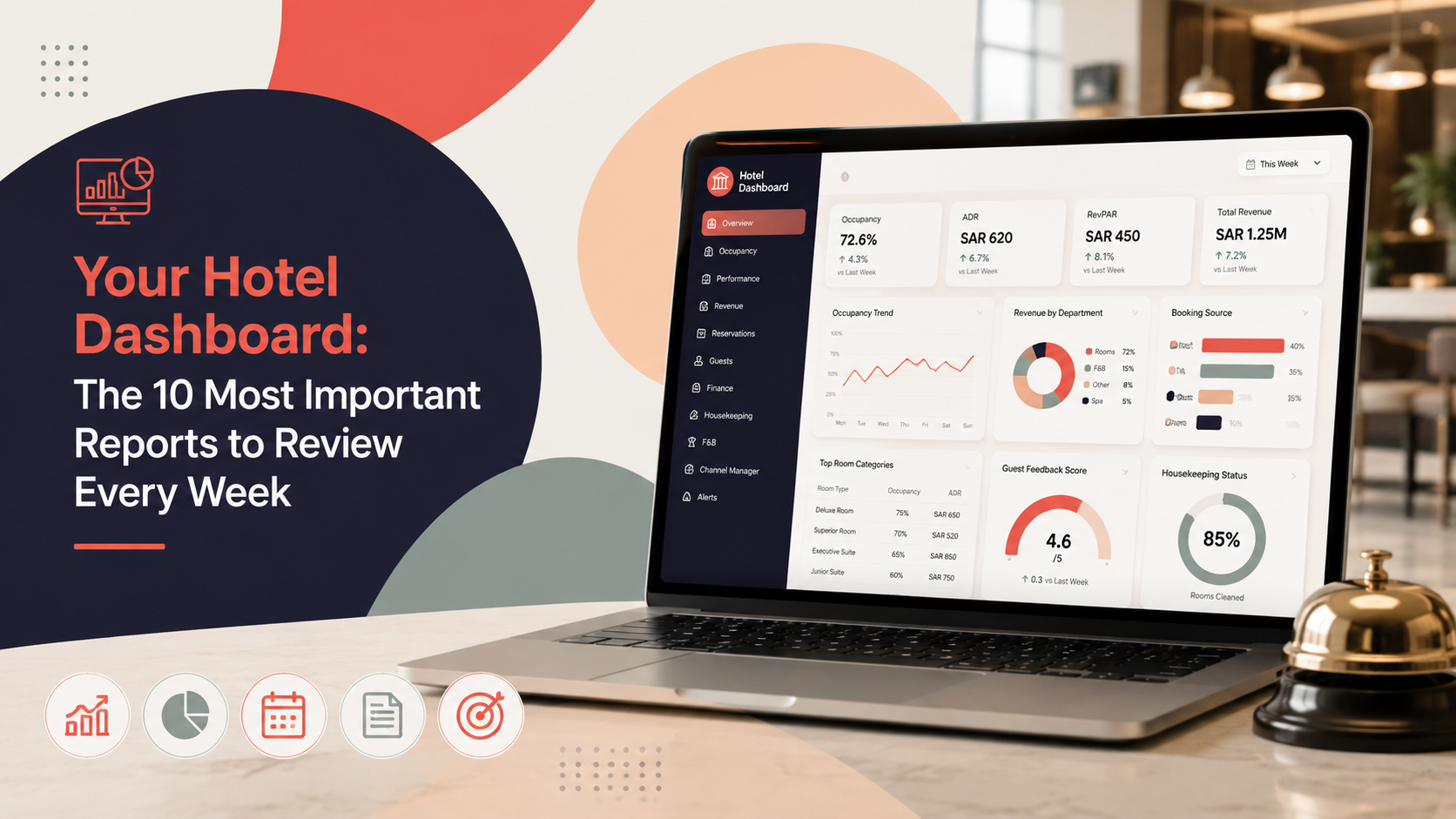
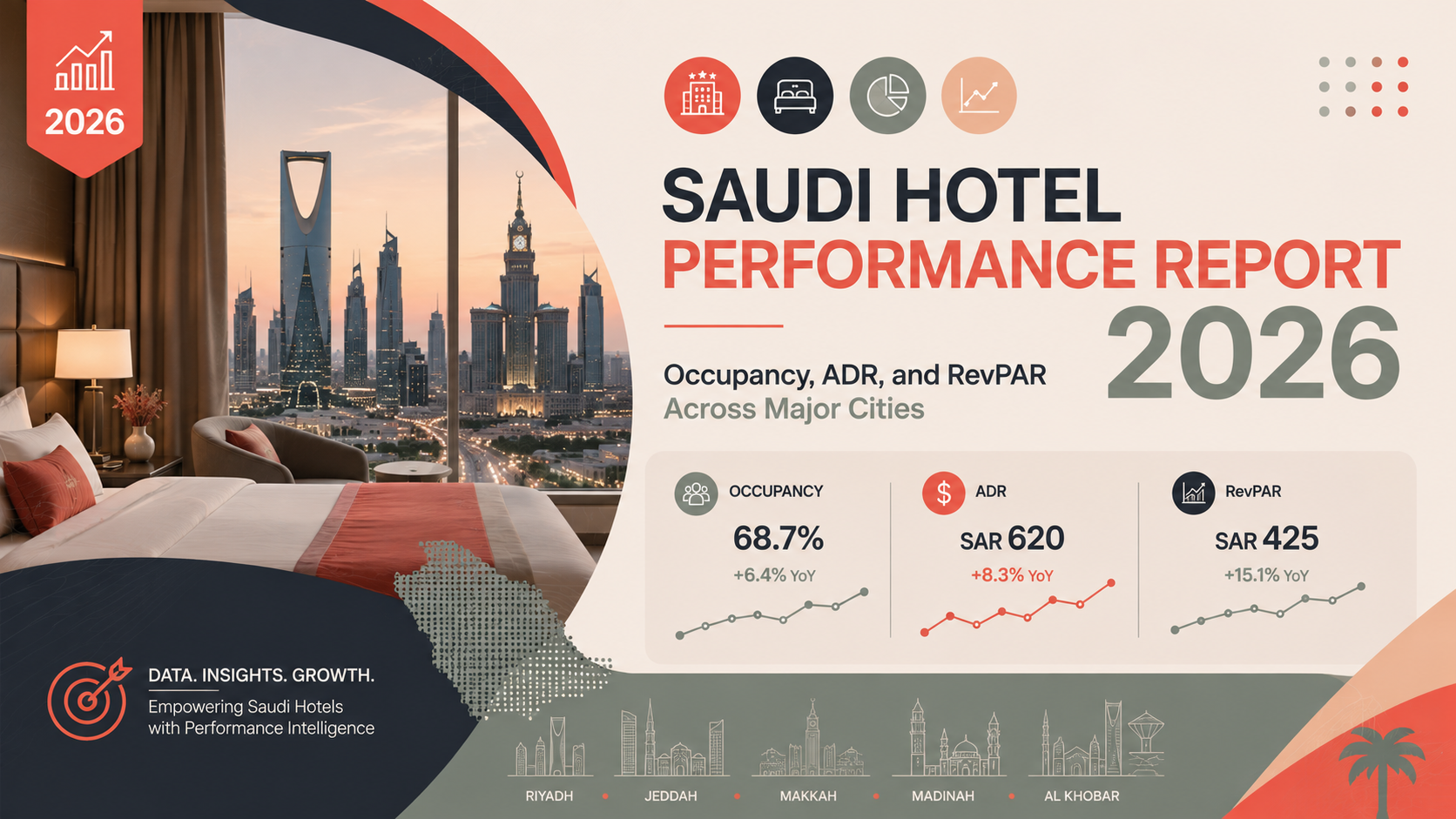
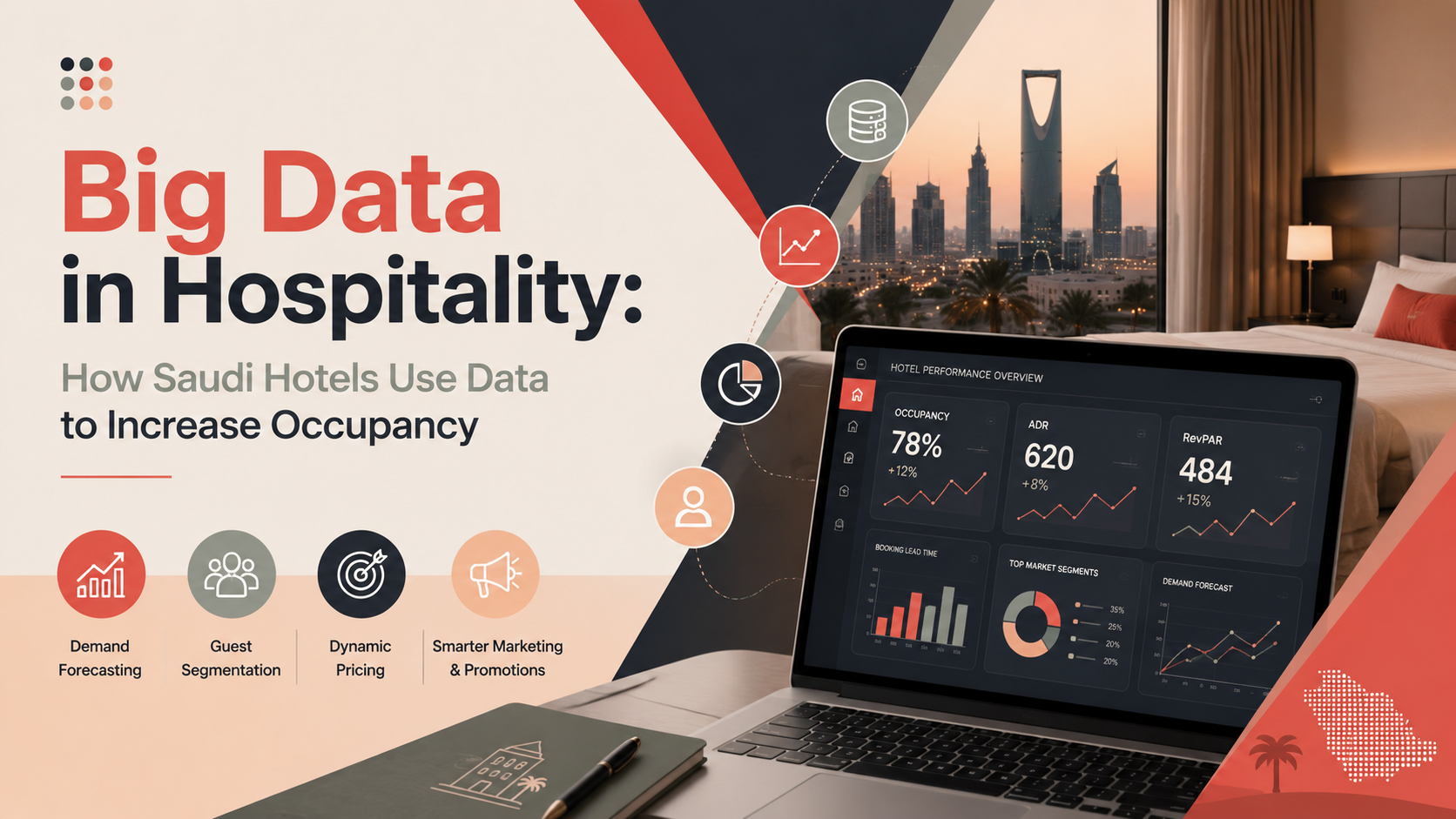
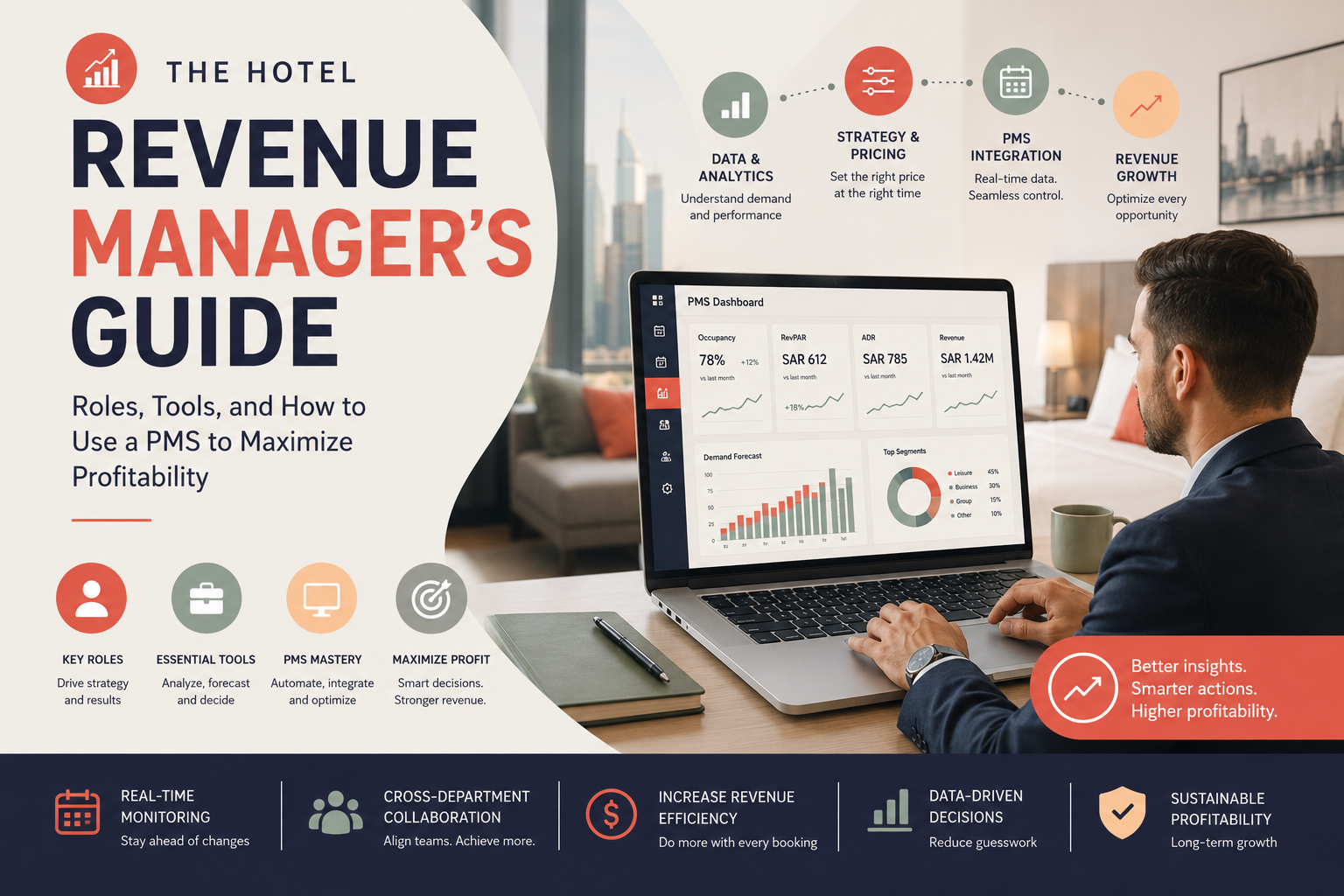
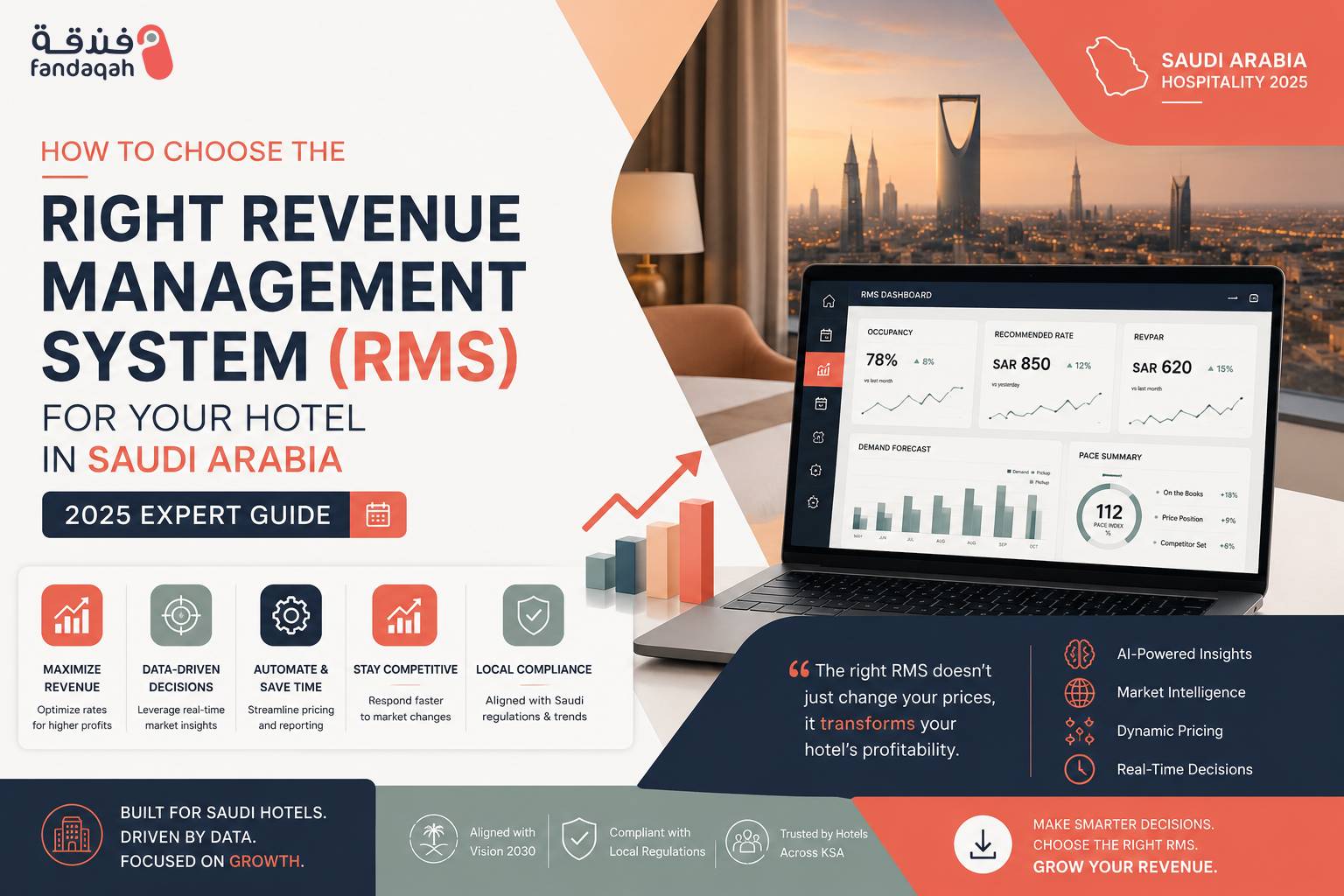
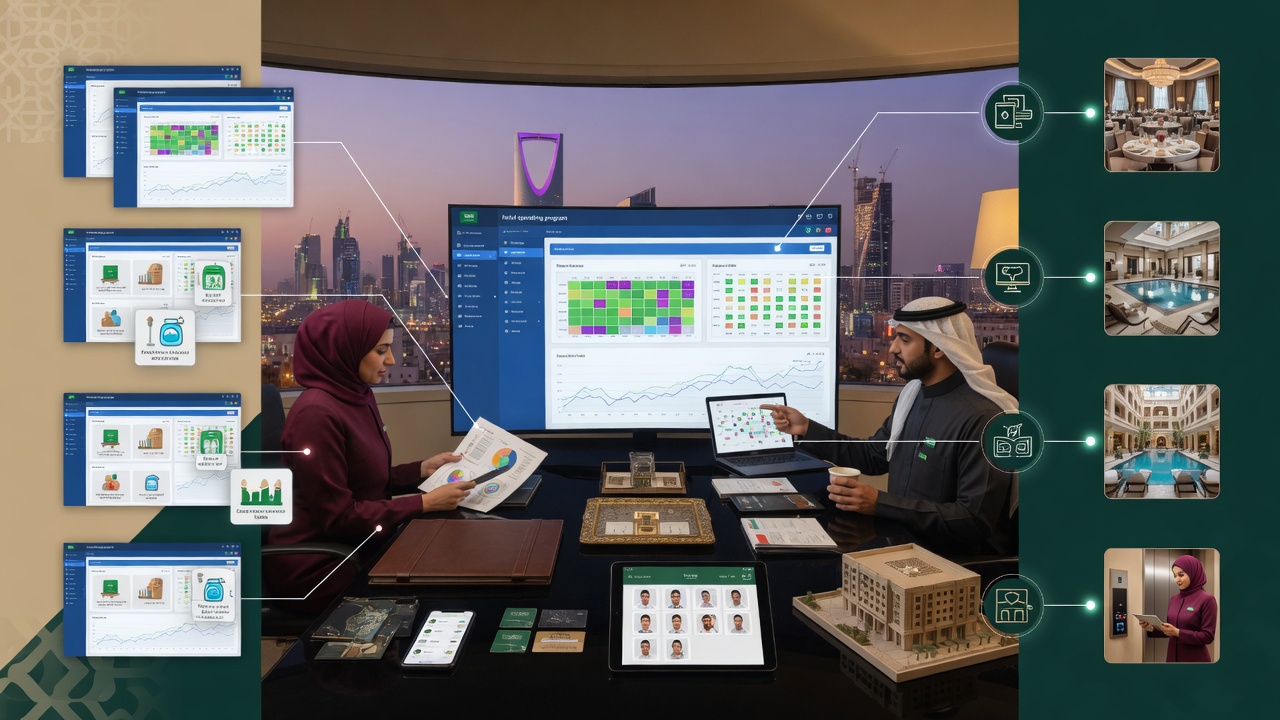
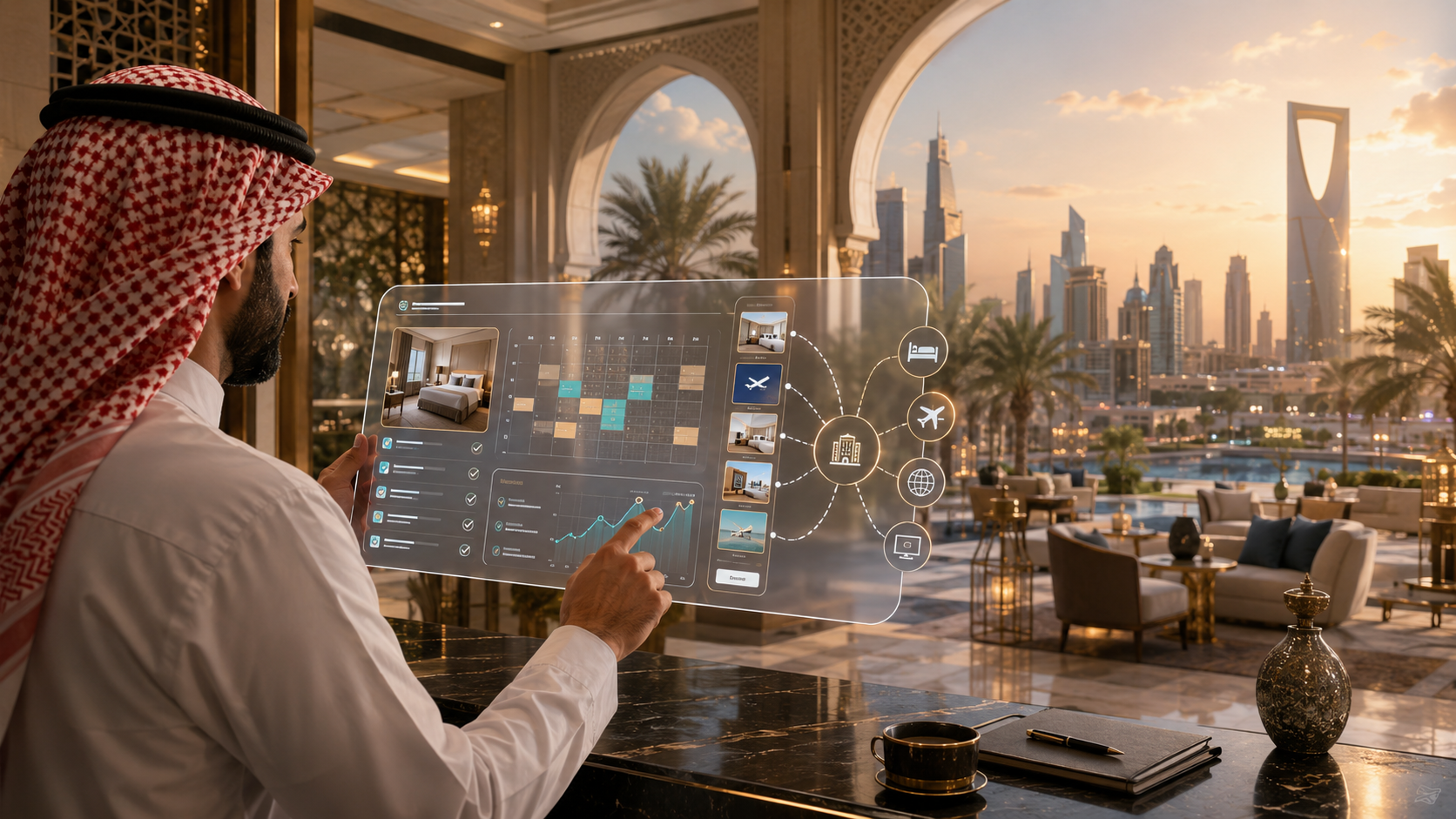
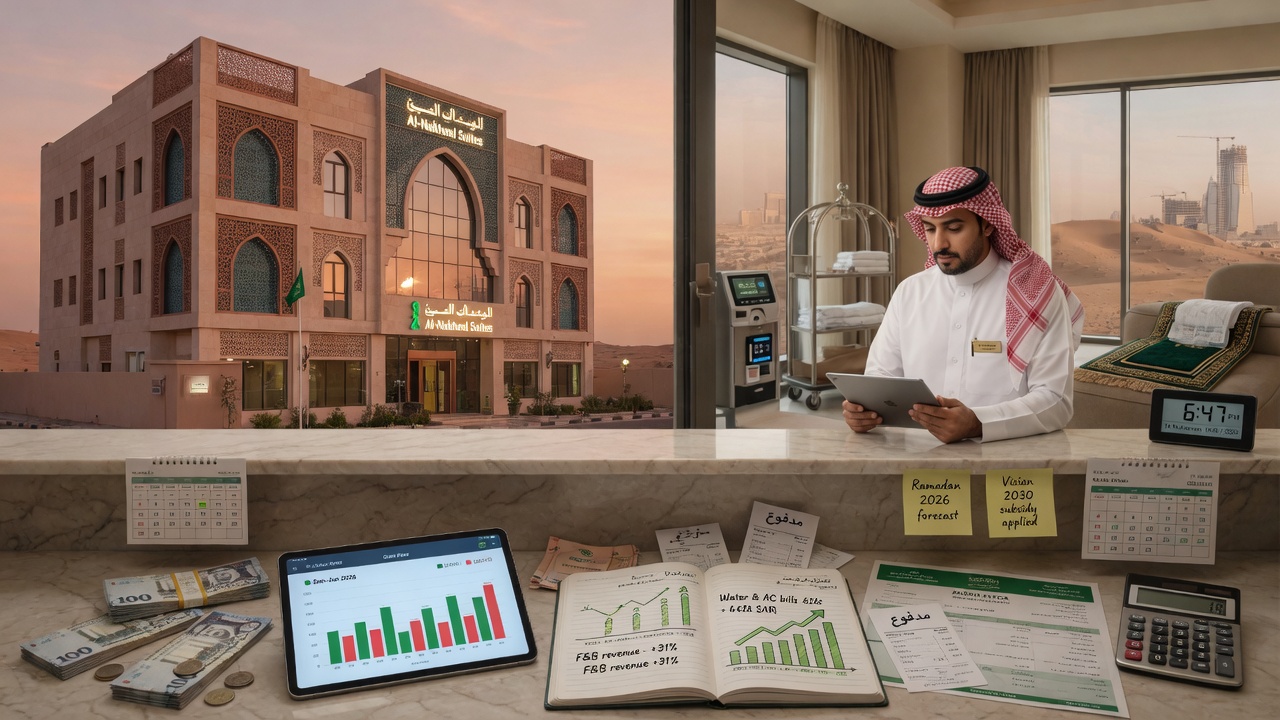
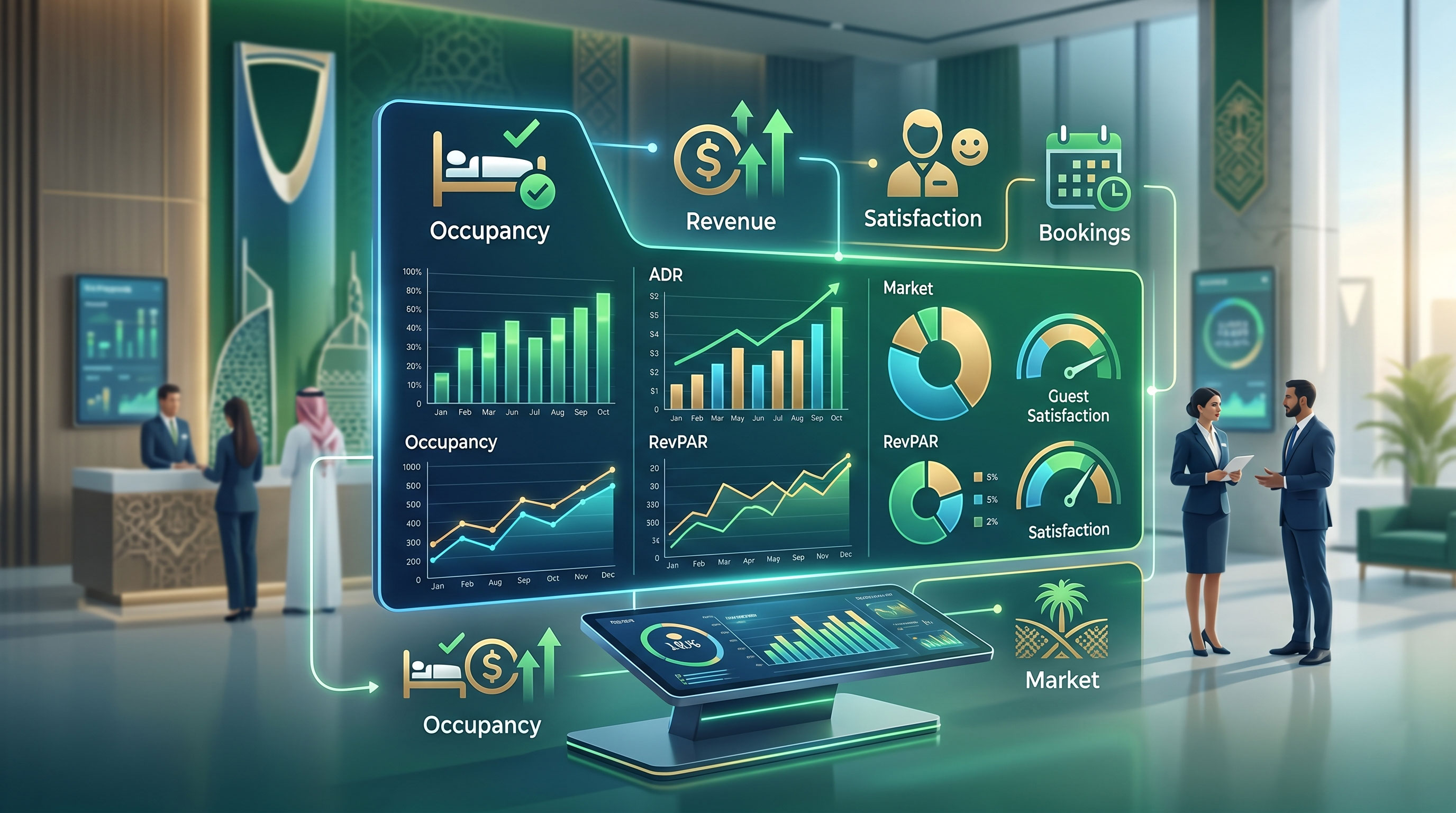
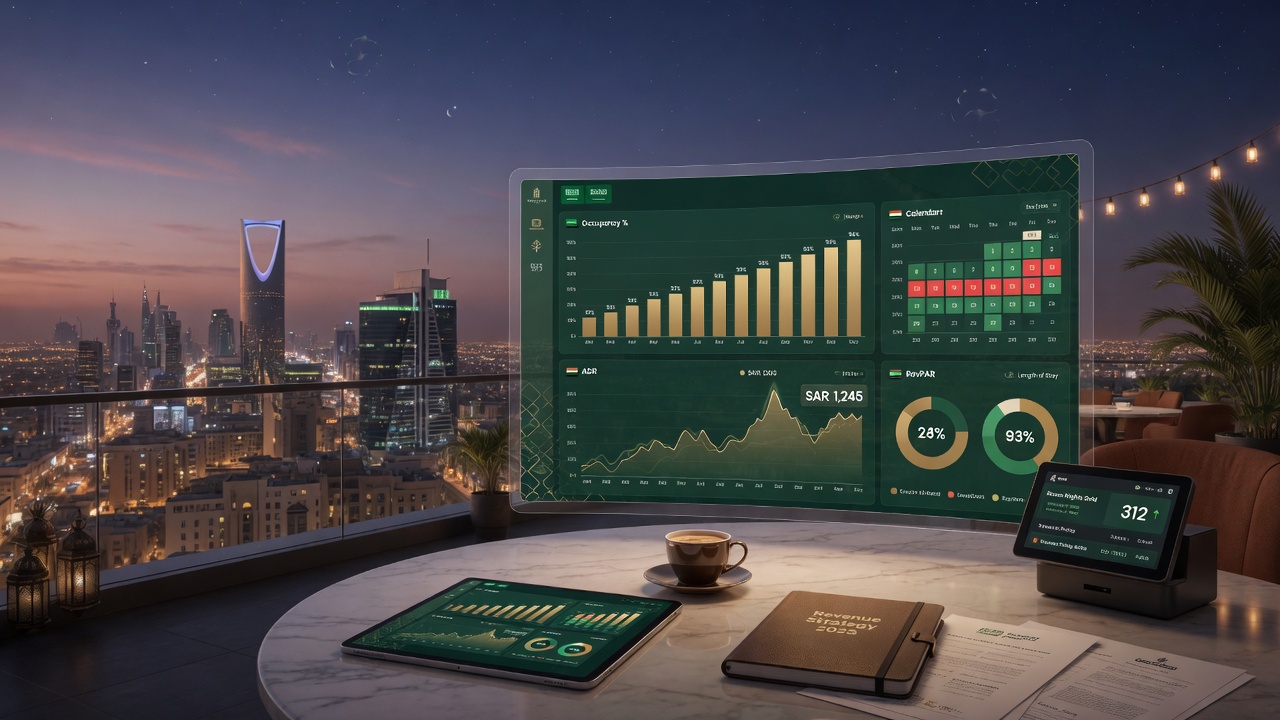
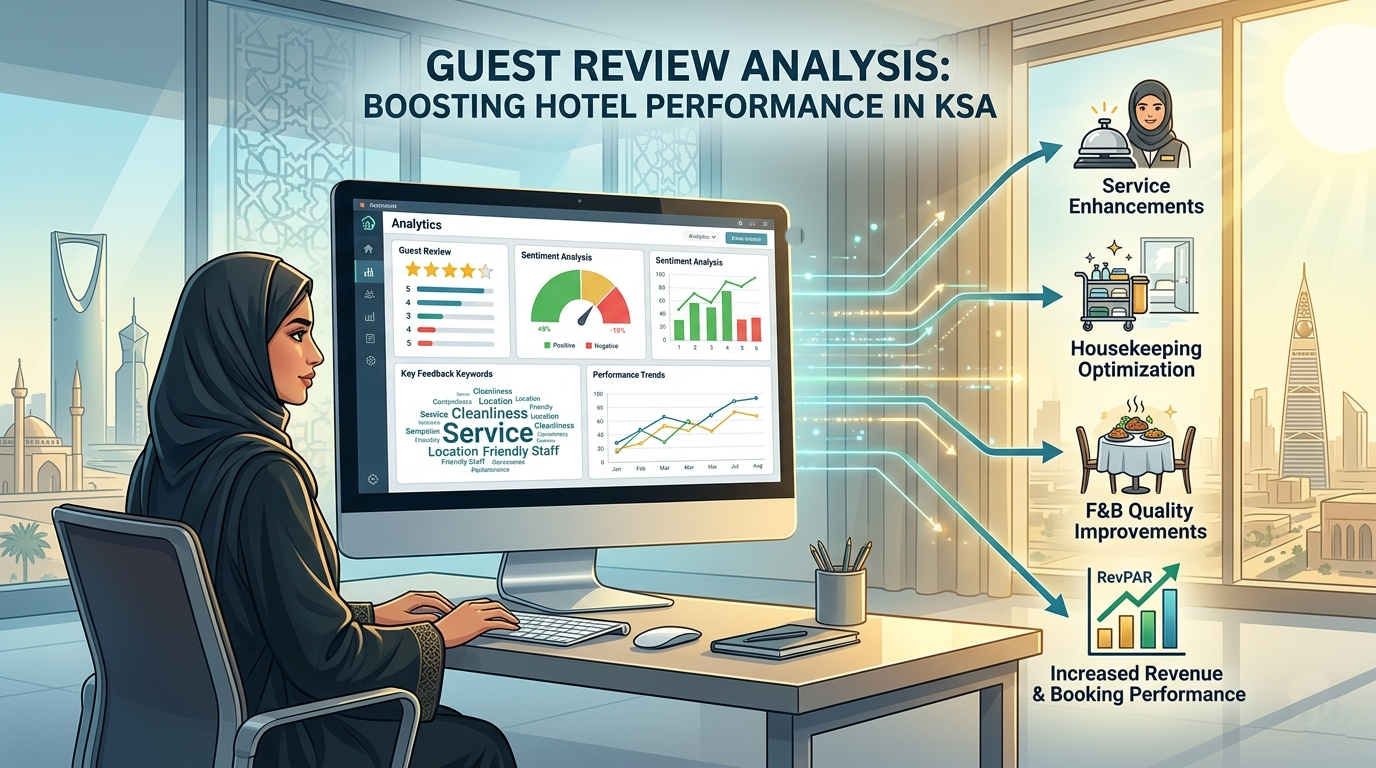
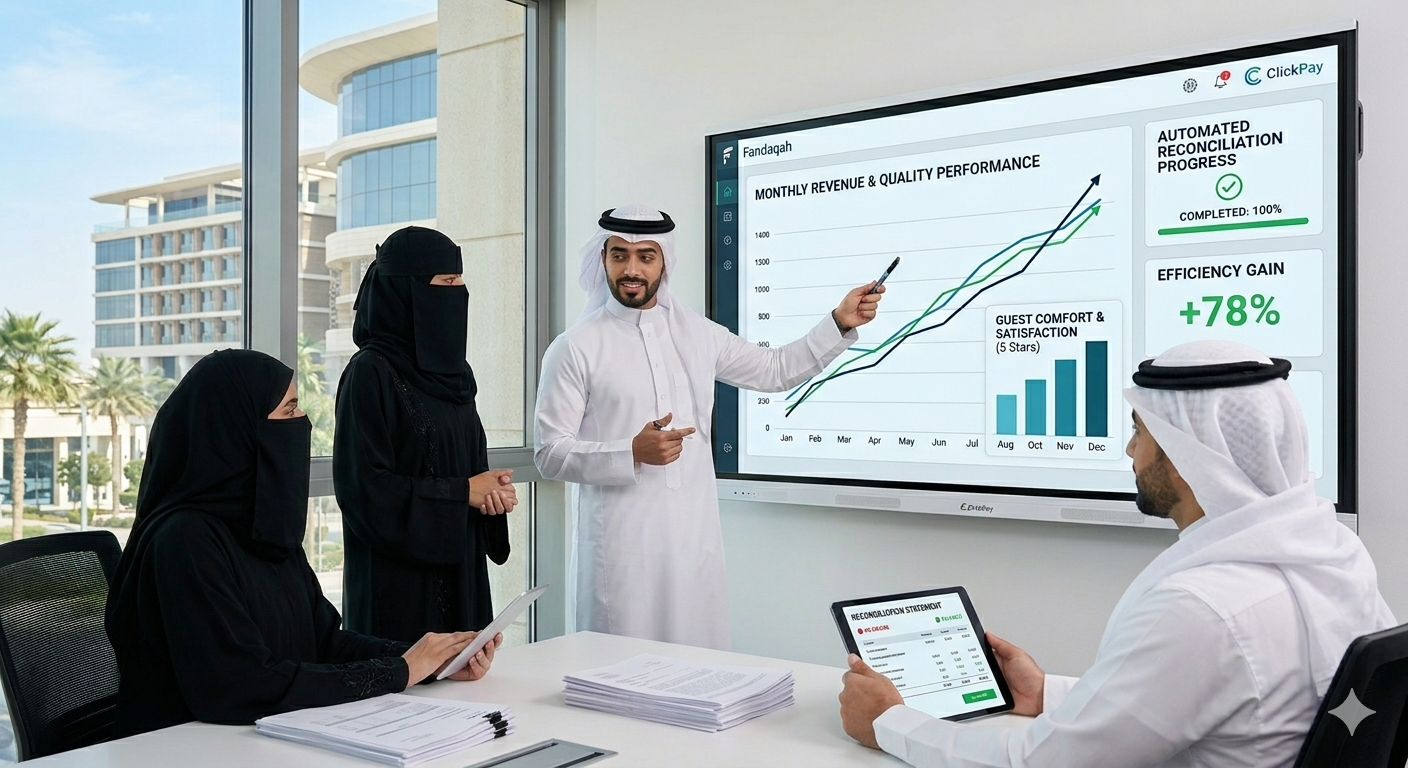
Data is the new gold in hospitality. A superior hotel management system provides a comprehensive dashboard with KPIs like occupancy rate, ADR (Average Daily Rate), RevPAR, pick-up trends, and guest segmentation. These insights enable you to make strategic, data-driven decisions — aligning perfectly with Vision 2030’s emphasis on a digital economy.
7 Does the provider offer local technical support within Saudi Arabia?
Having a local, Arabic-speaking support team that understands the Saudi market is crucial. Ask about support hours (24/7 or business hours?), available channels (phone, WhatsApp, ticket system), and whether they have offices or certified partners in Riyadh, Jeddah, Dammam, and Madinah.
8 How scalable is the system as your business grows?
If you plan to add more rooms, open new branches, or introduce spa and restaurant services, your hotel software must scale with you. Avoid the trap of a system that forces a migration later. Scalability means you invest once and expand seamlessly.
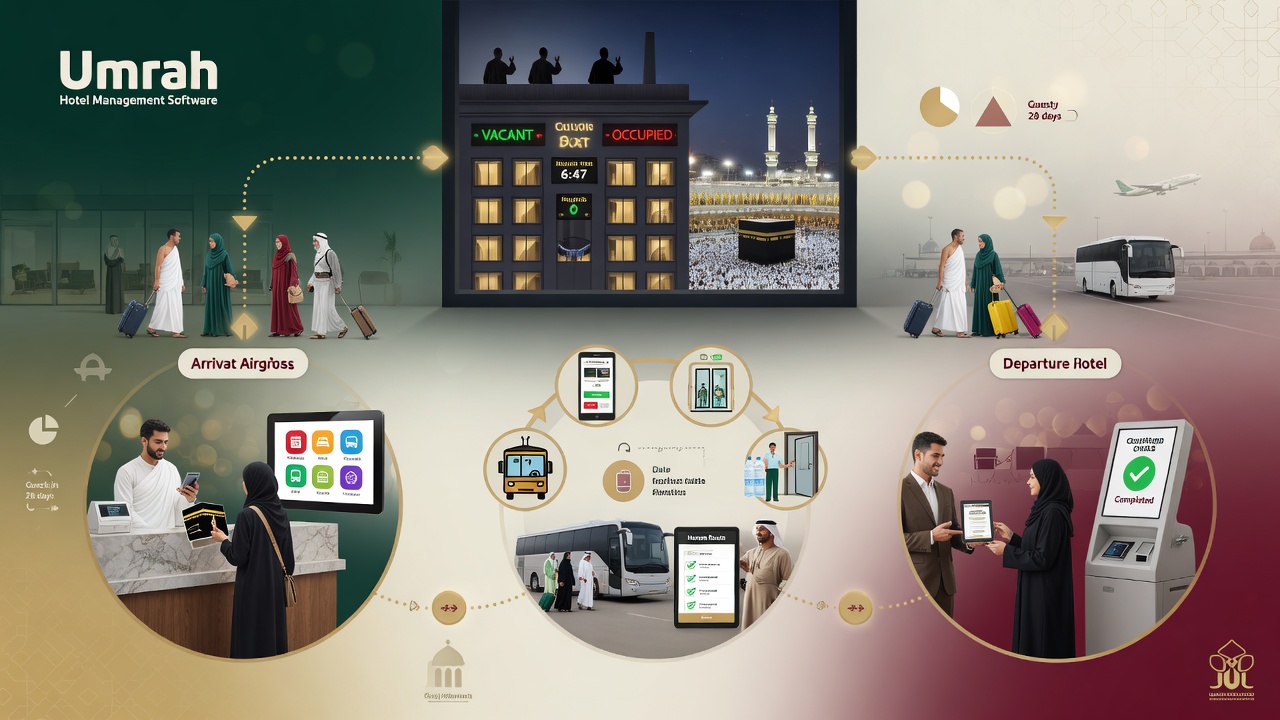
9 How does the system manage group bookings, especially for Hajj and Umrah?
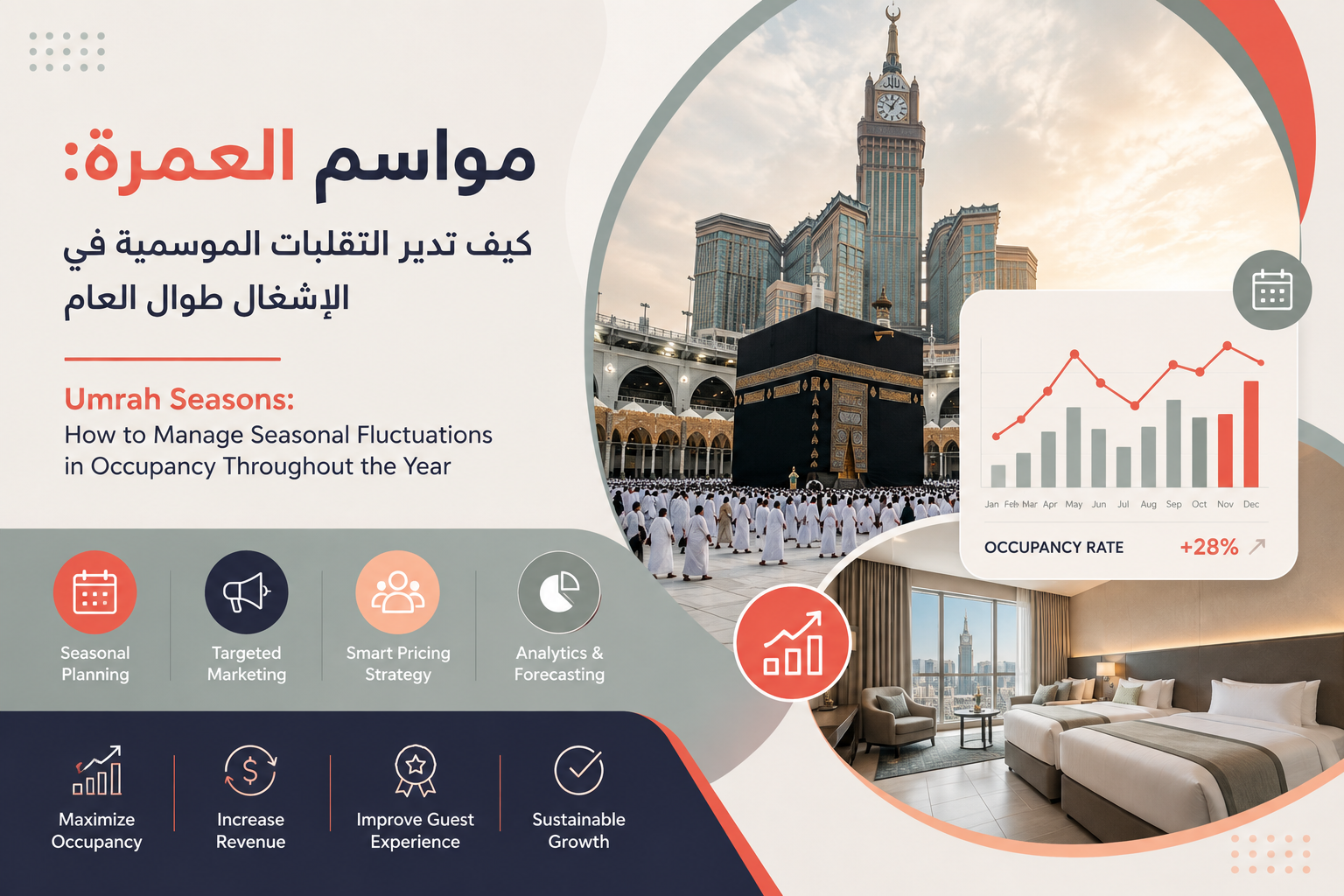
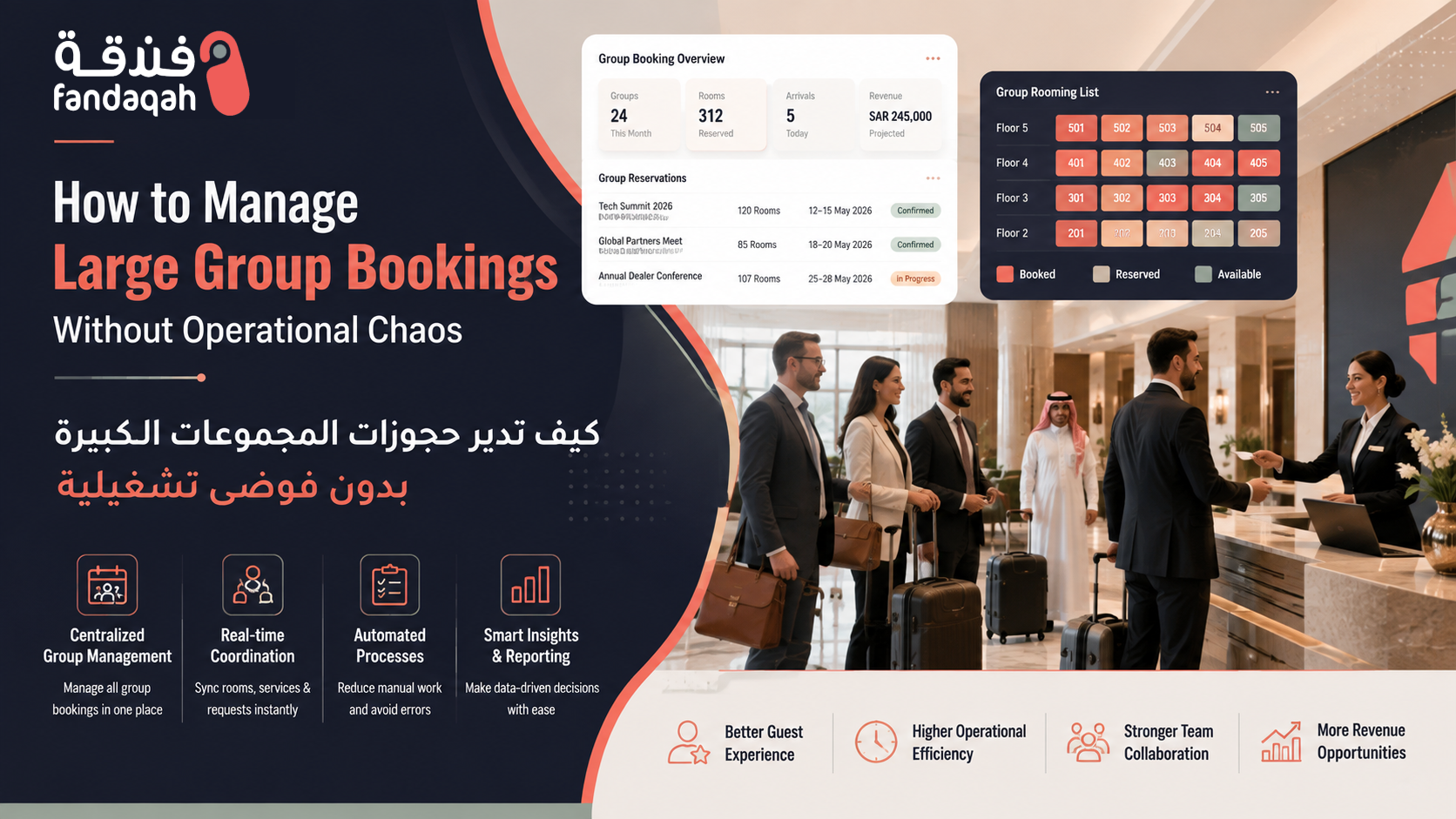
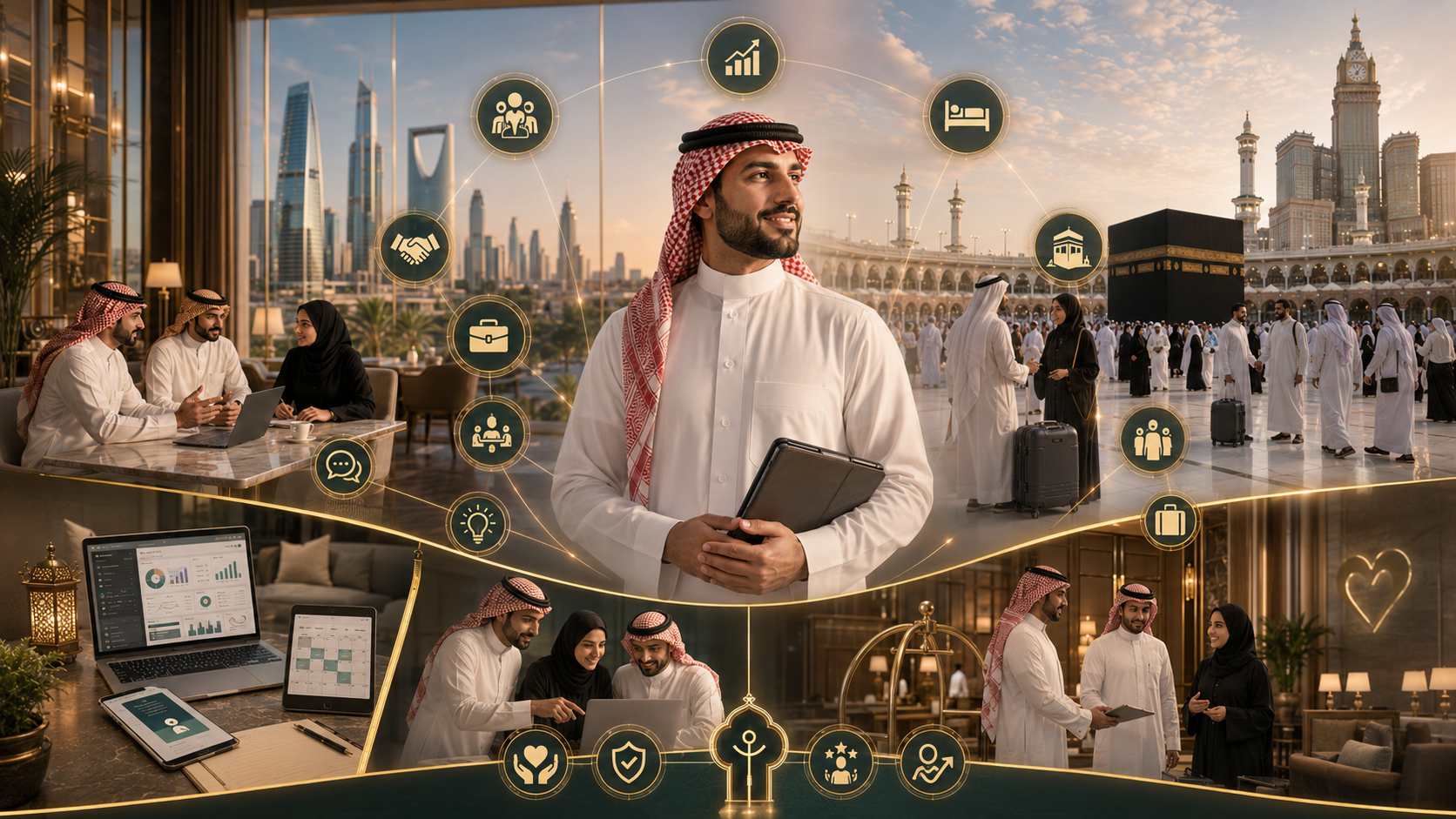
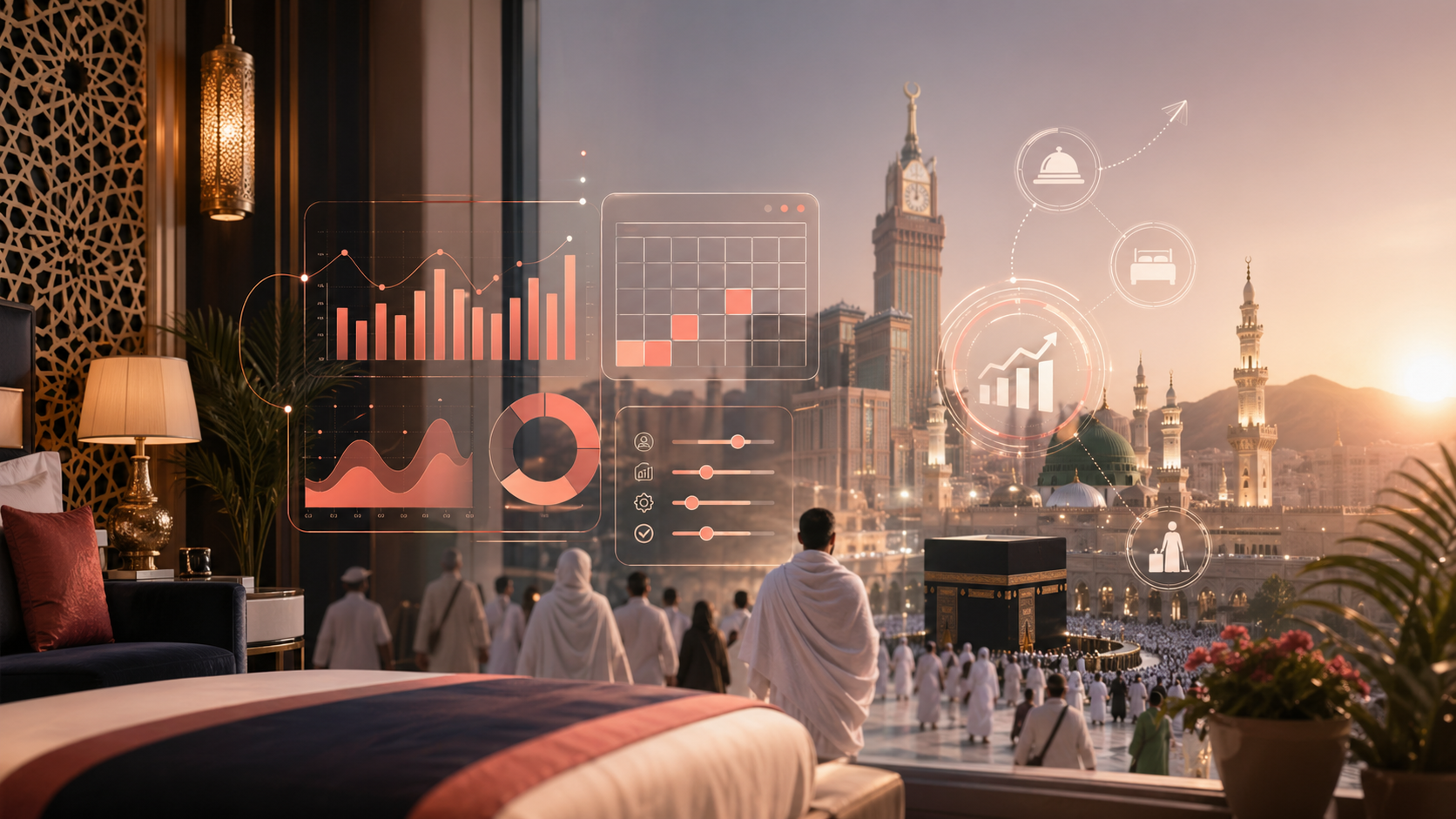
This is a make-or-break feature for the Saudi market. Hajj and Umrah seasons bring massive group reservations. Your hotel reservation system must support bulk bookings, contiguous room allocation, waitlist management, and catering coordination. Hotels near the Grand Mosque in Makkah and the Prophet’s Mosque in Madinah particularly need these specialised group-handling functions.
10 What is the pricing model and total cost of ownership?
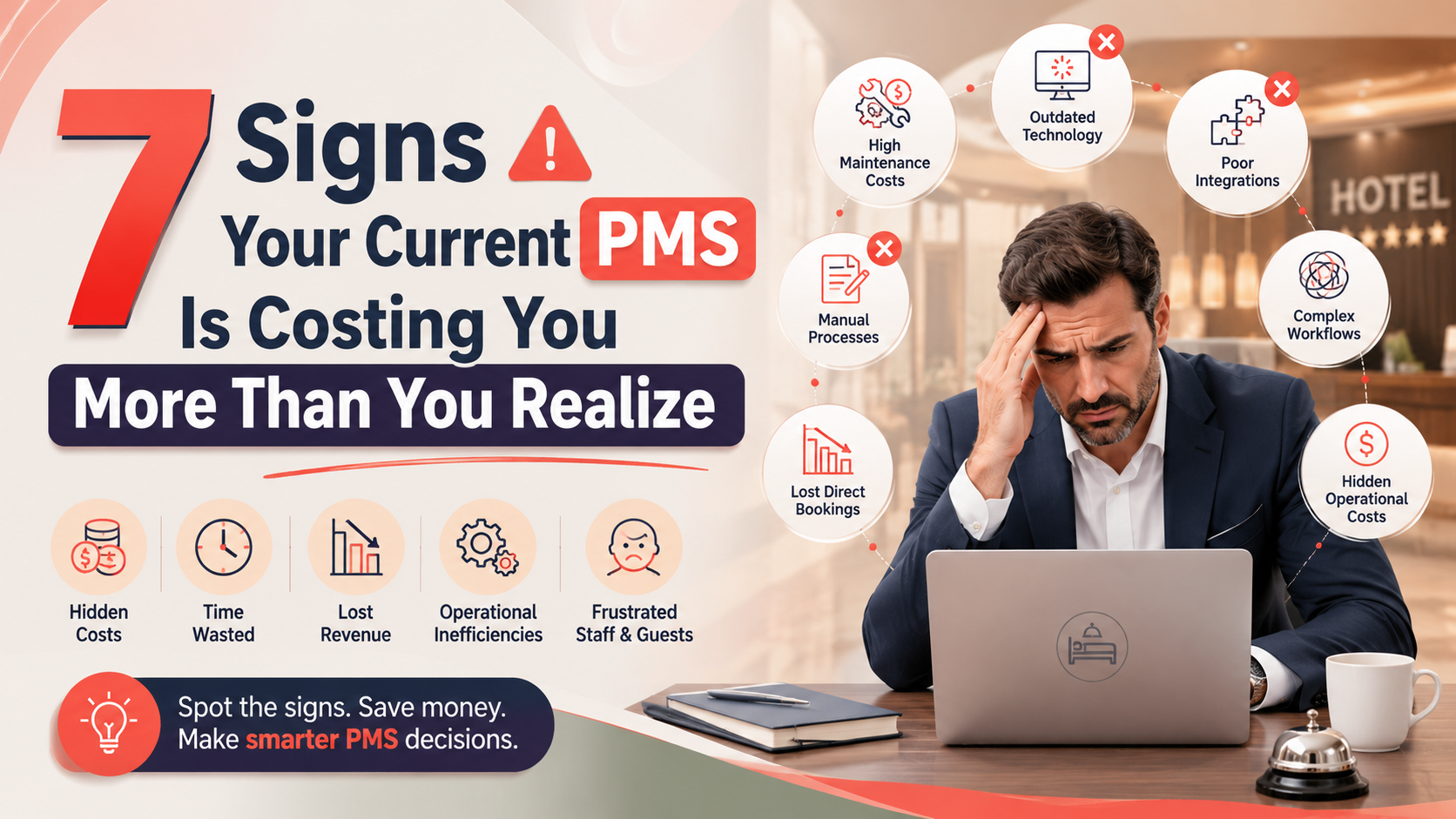
Pricing models vary: monthly/annual subscriptions, one-time license fees, setup charges, training costs, and ongoing support fees. Request a transparent quote that covers everything, and compare total cost over 3–5 years. Watch out for hidden fees like major upgrade charges or API integration costs.
11 What security measures and data protection protocols are in place?
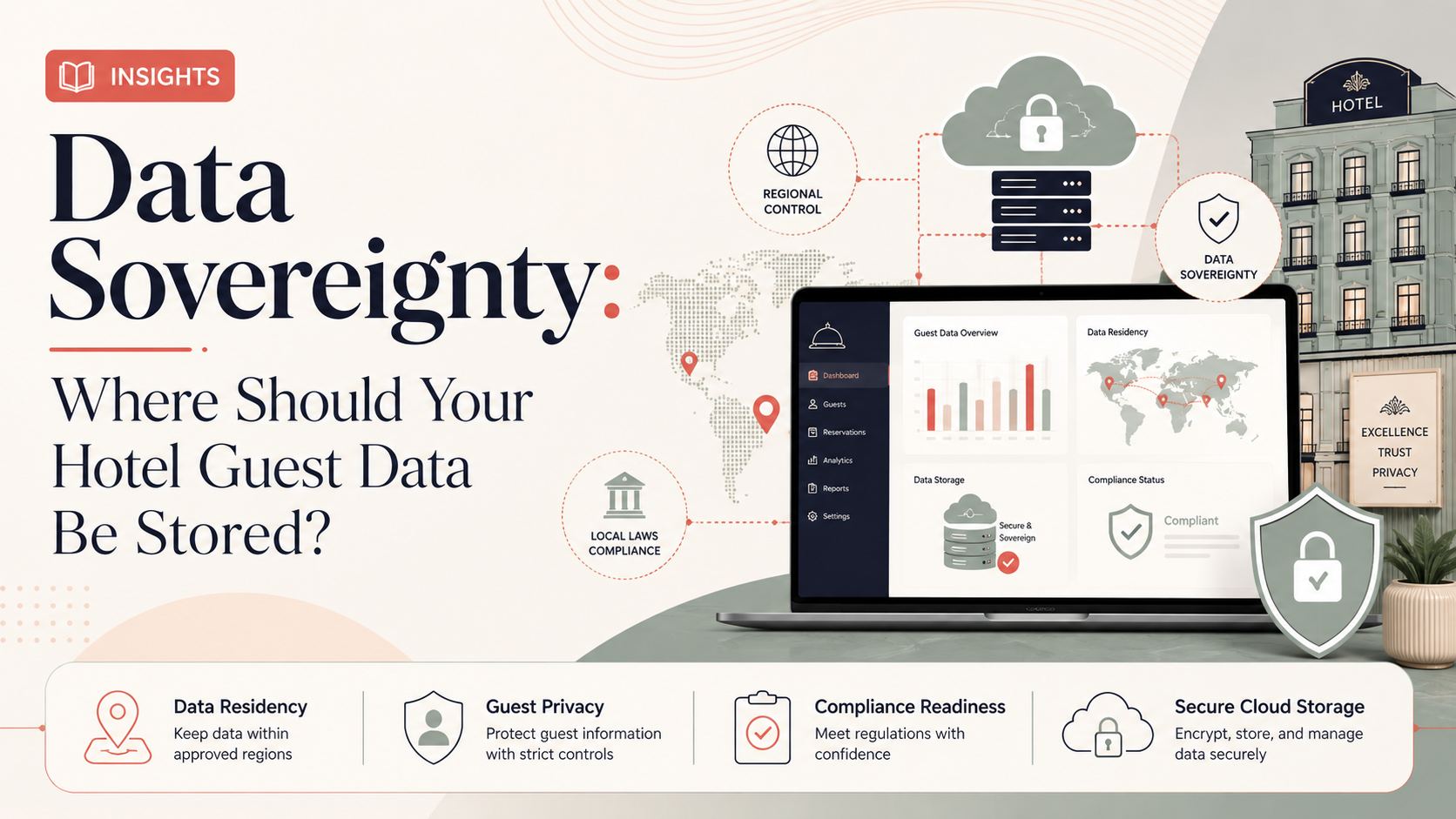
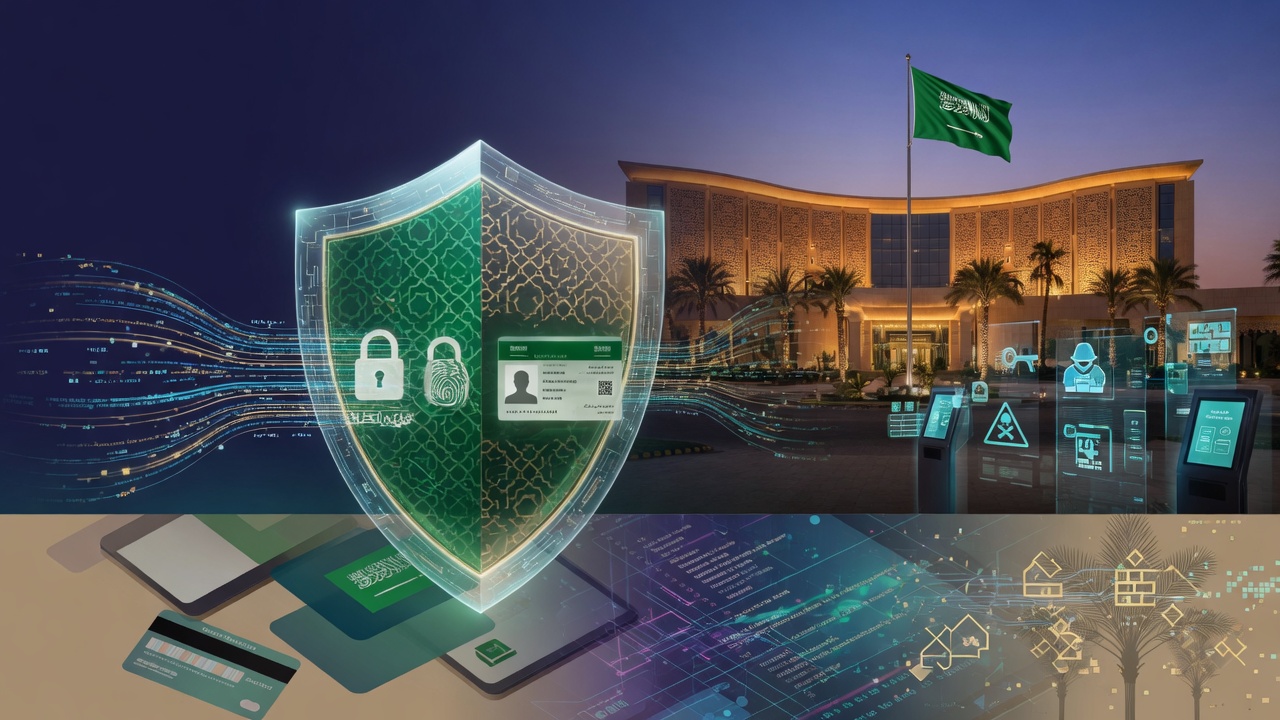
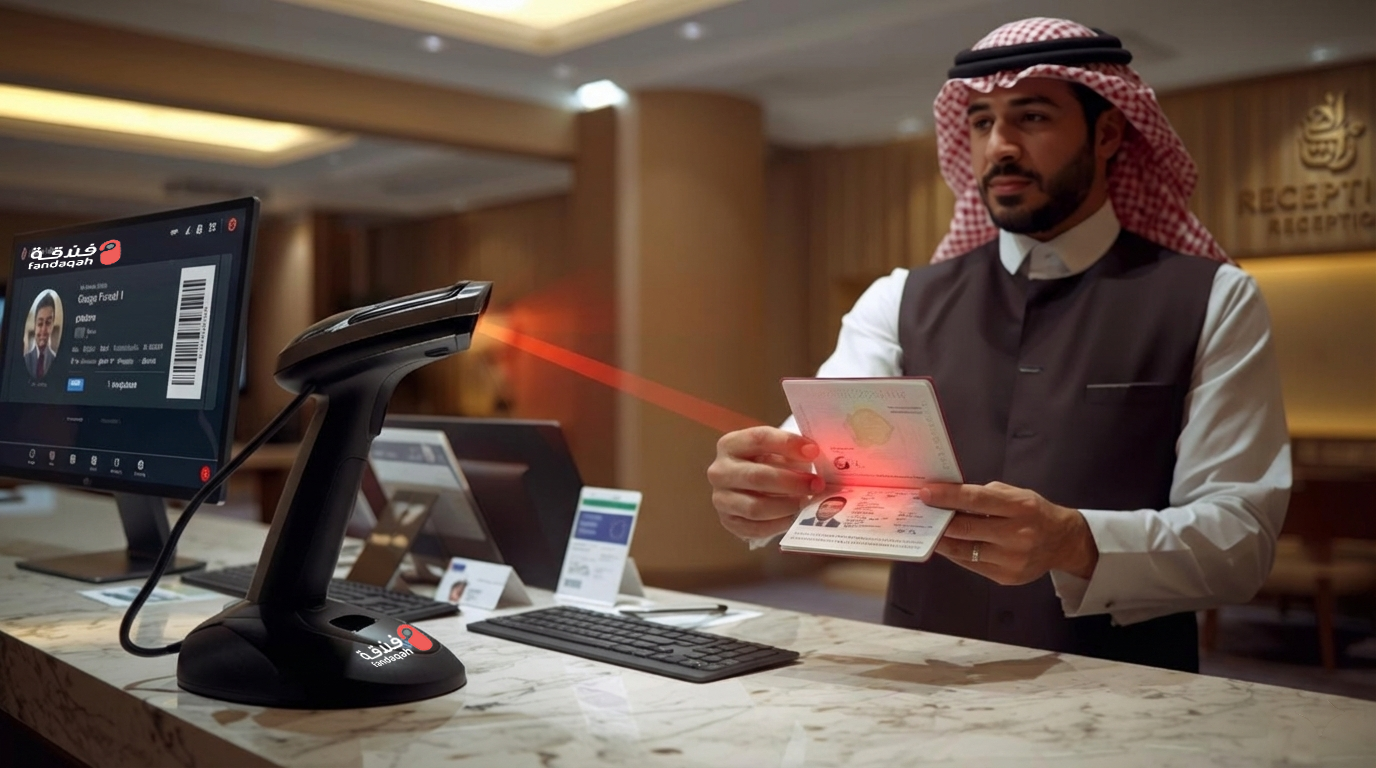
Guest data — including passport details and credit card information — is highly sensitive. Your hotel property management system must use encryption, automatic backups, and comply with Saudi personal data protection regulations. Ask for security certifications and penetration test results.
12 Does the system provide a complete digital guest experience?
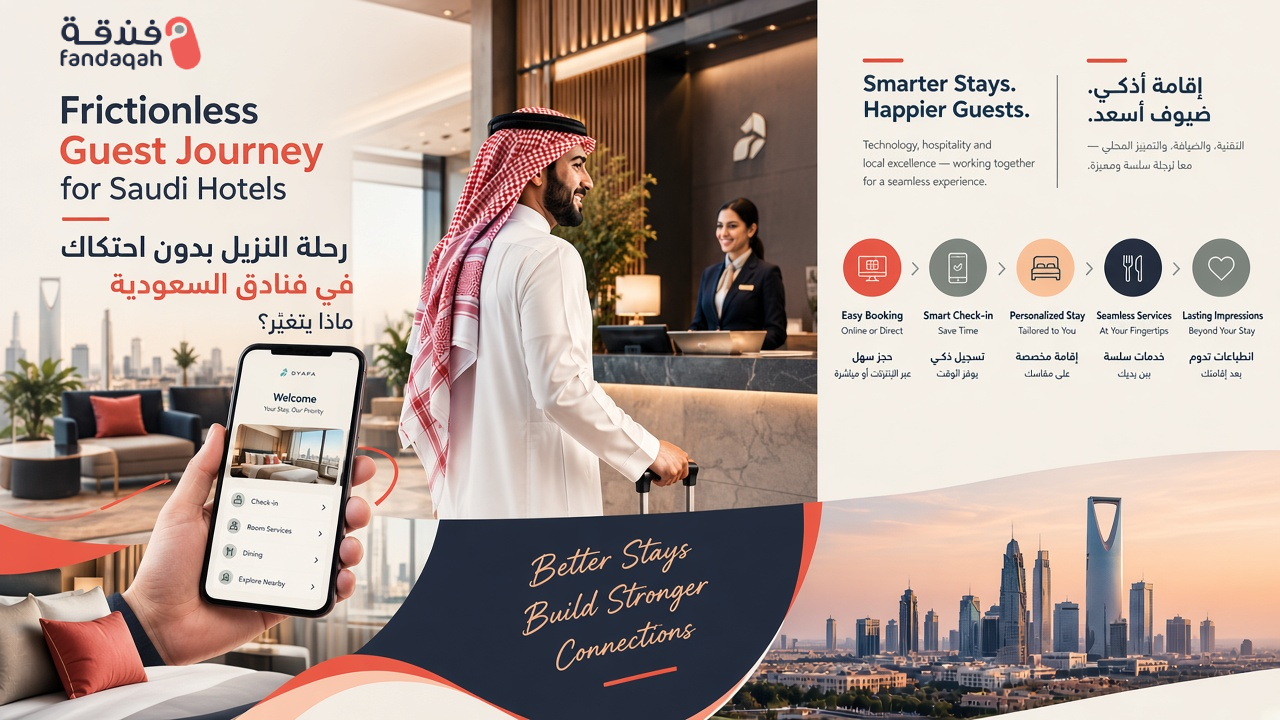
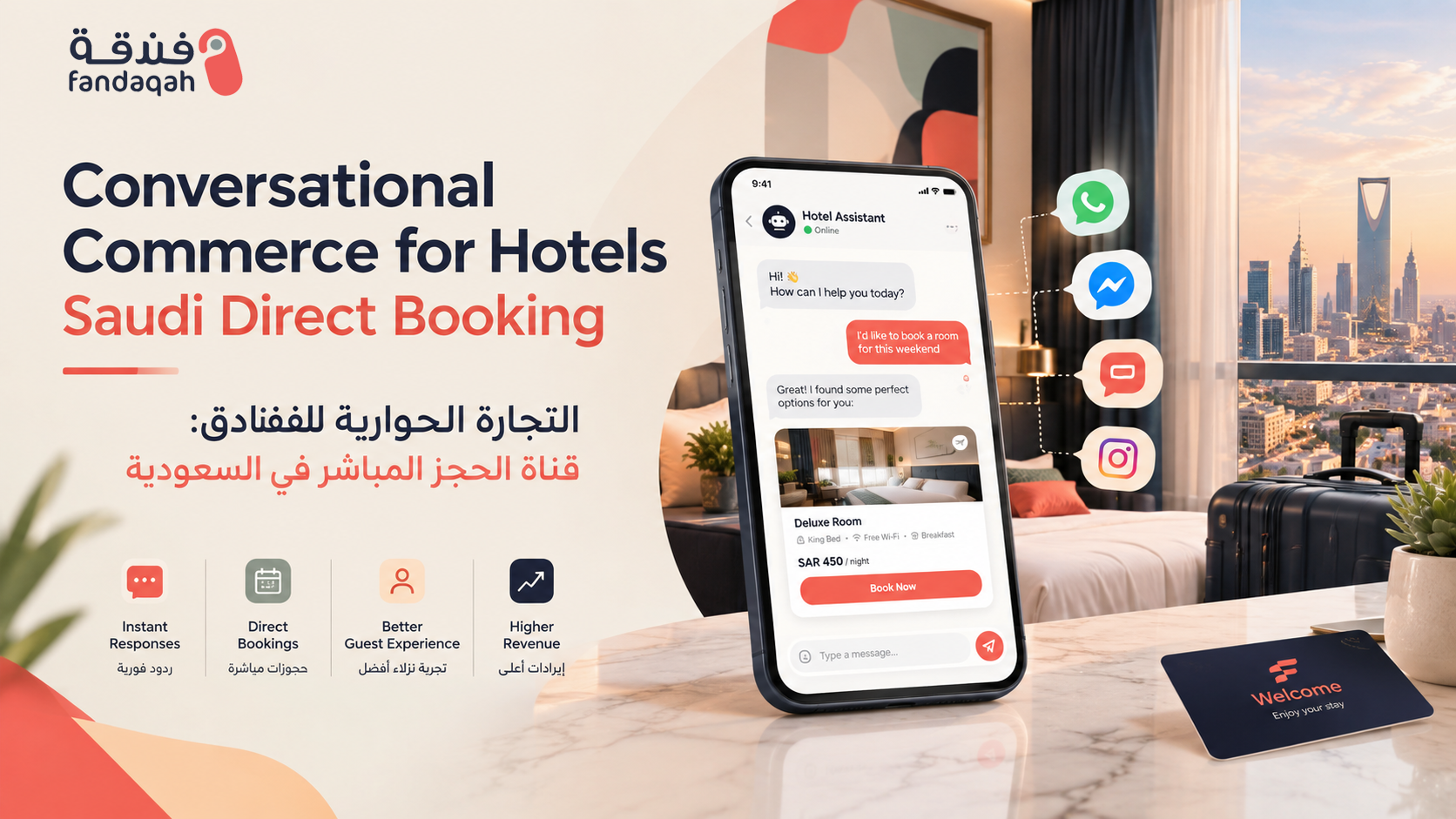
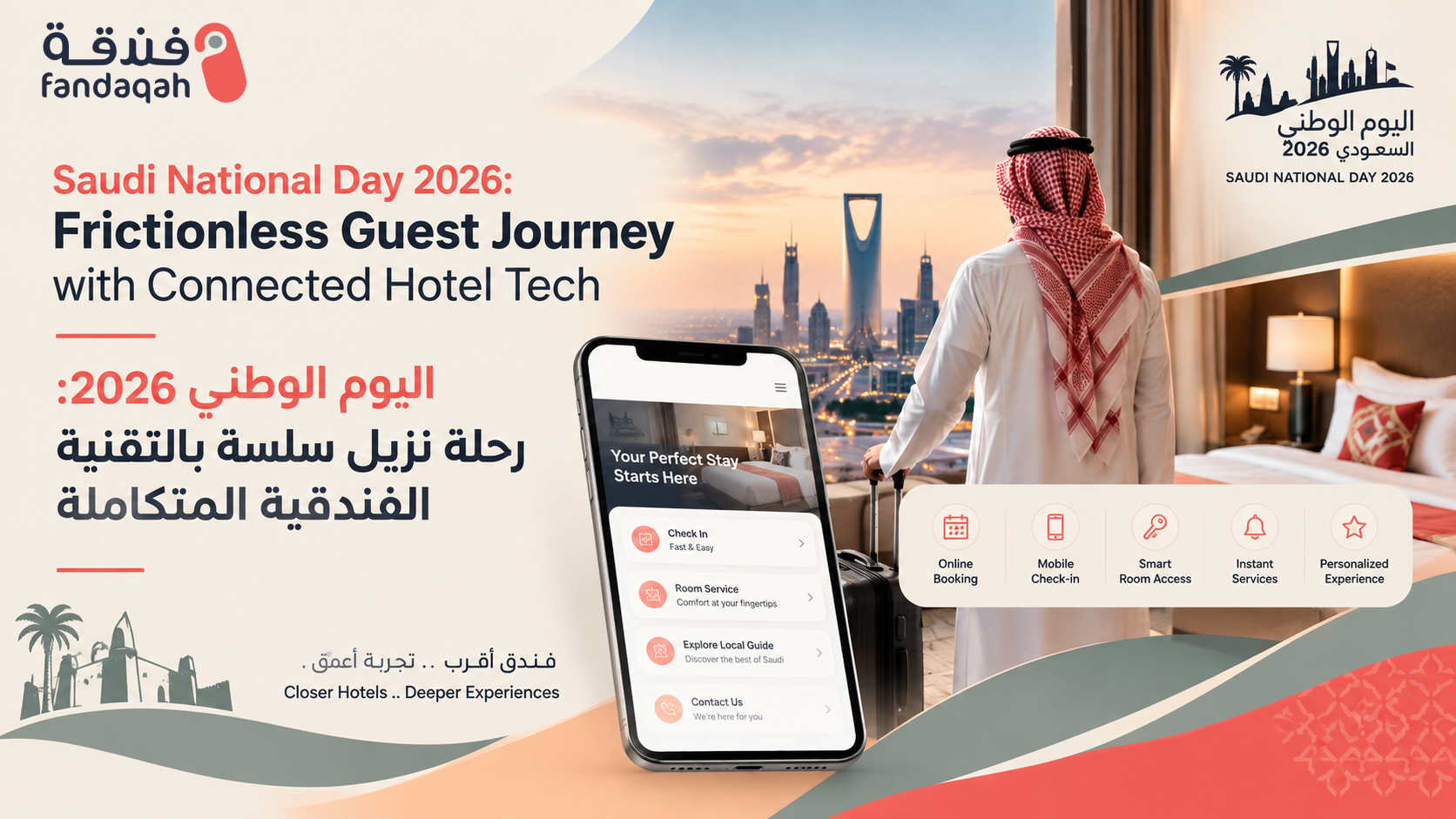
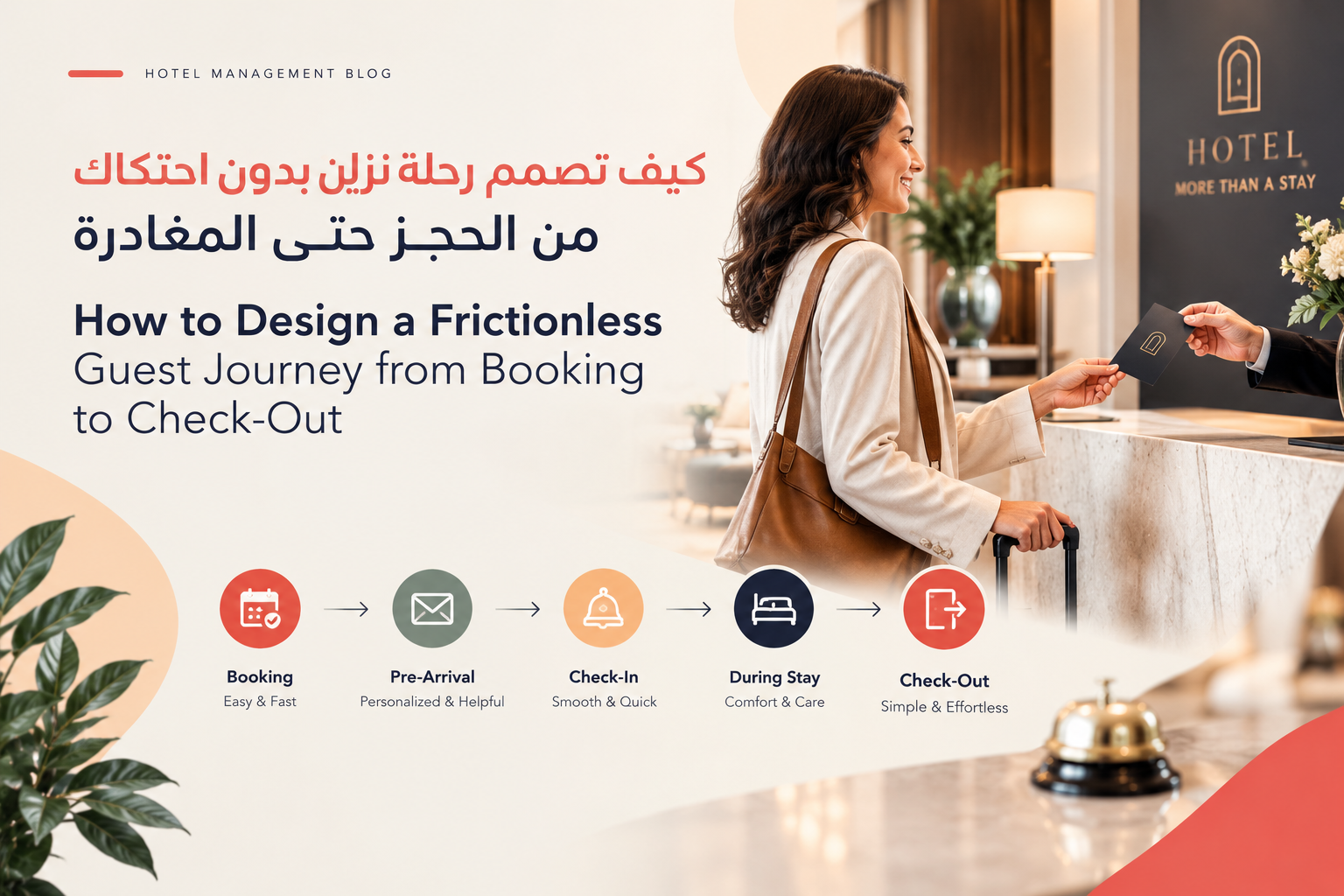
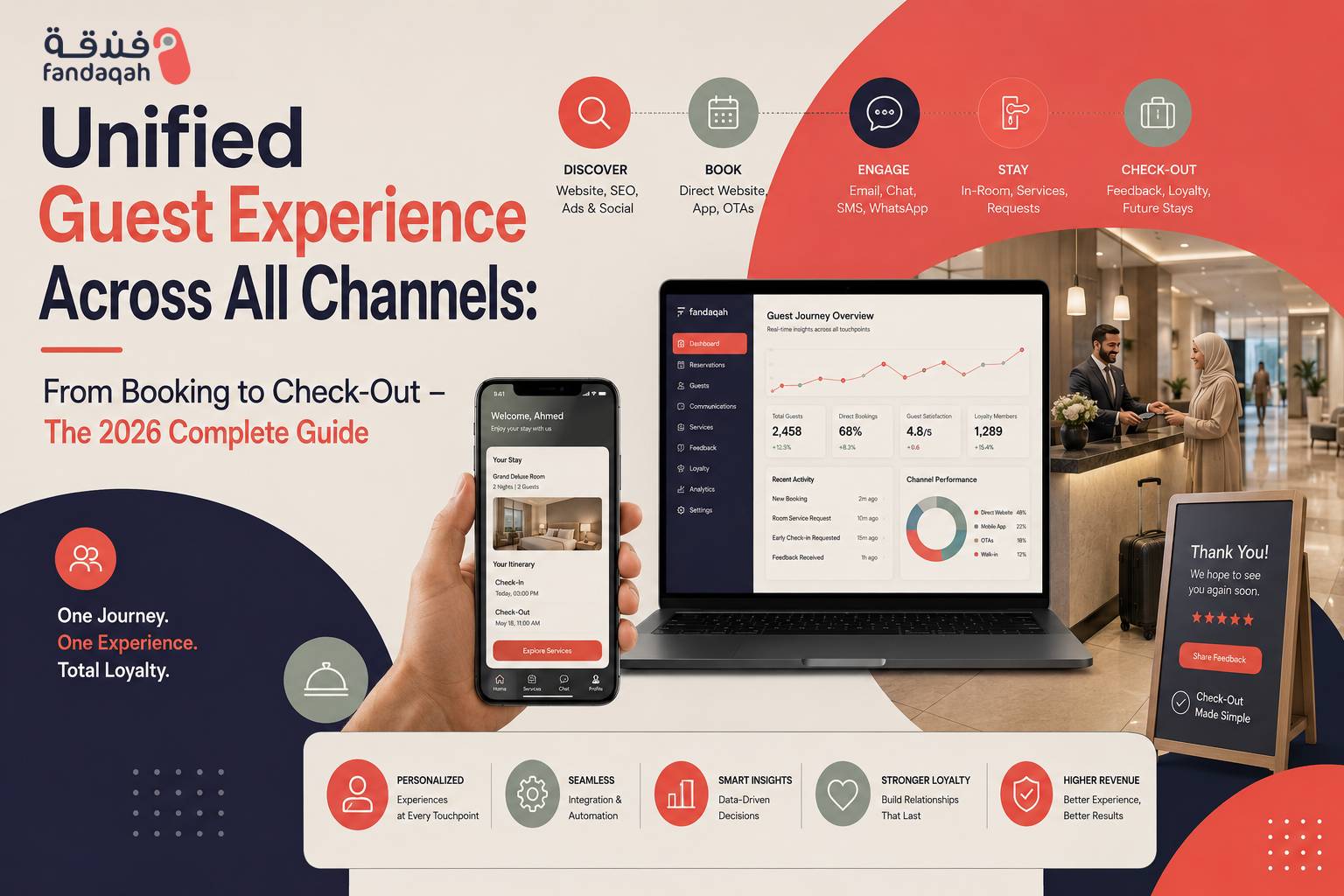
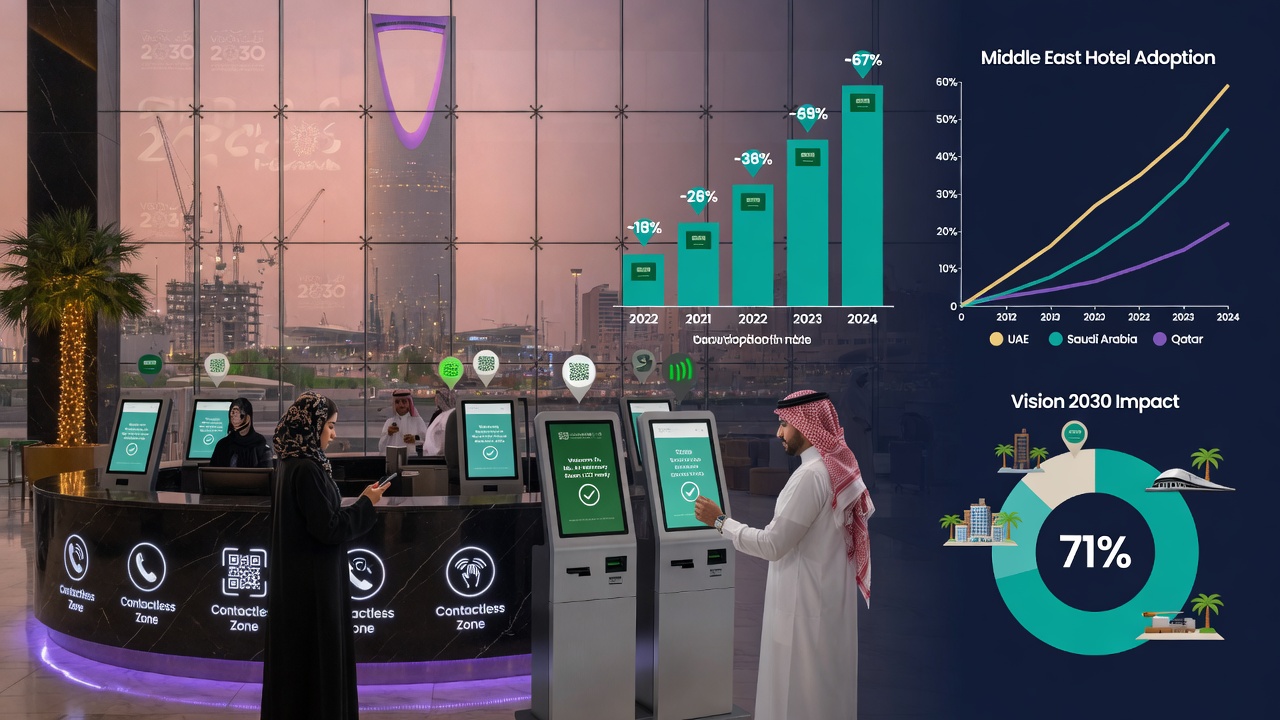
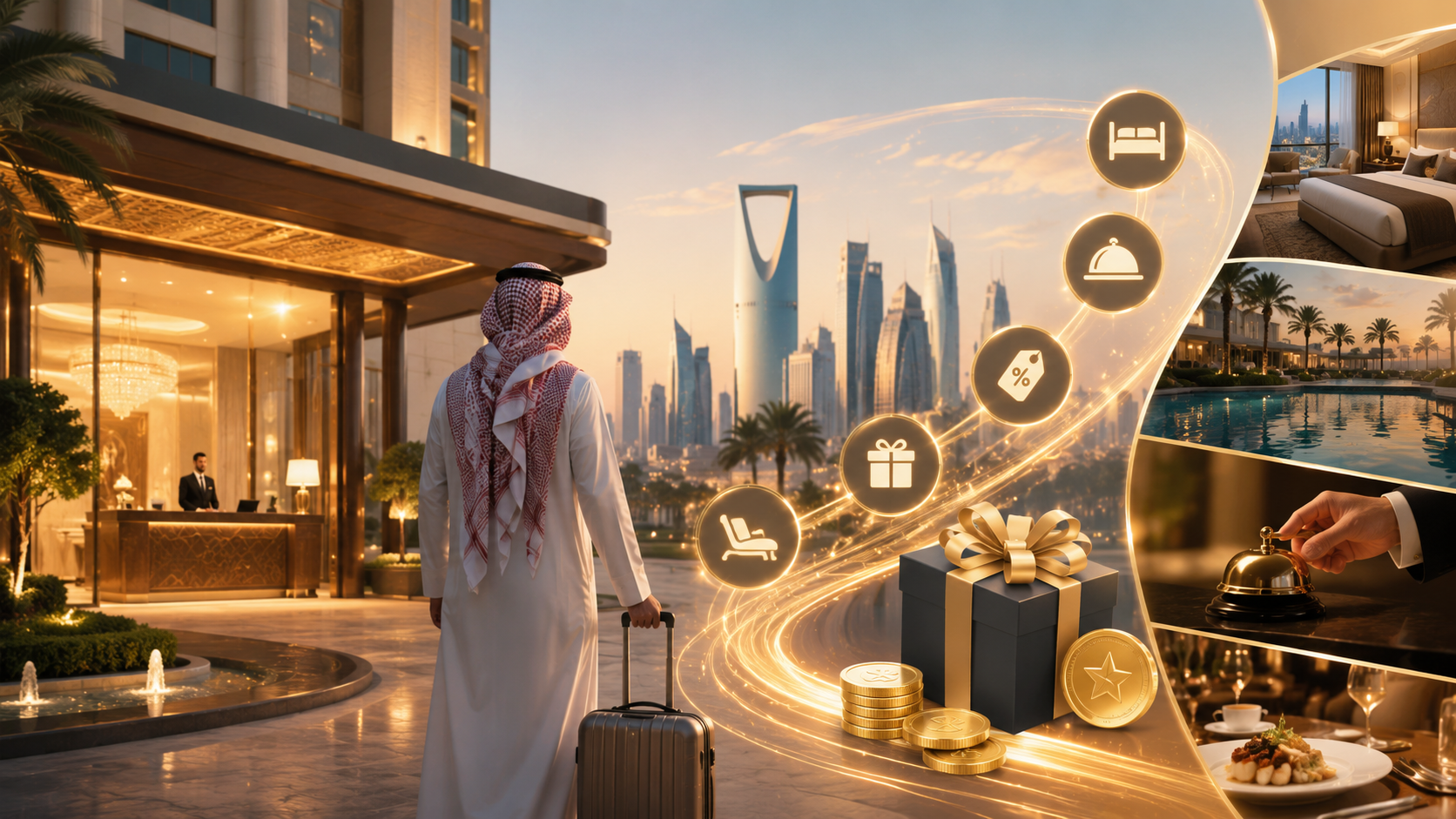
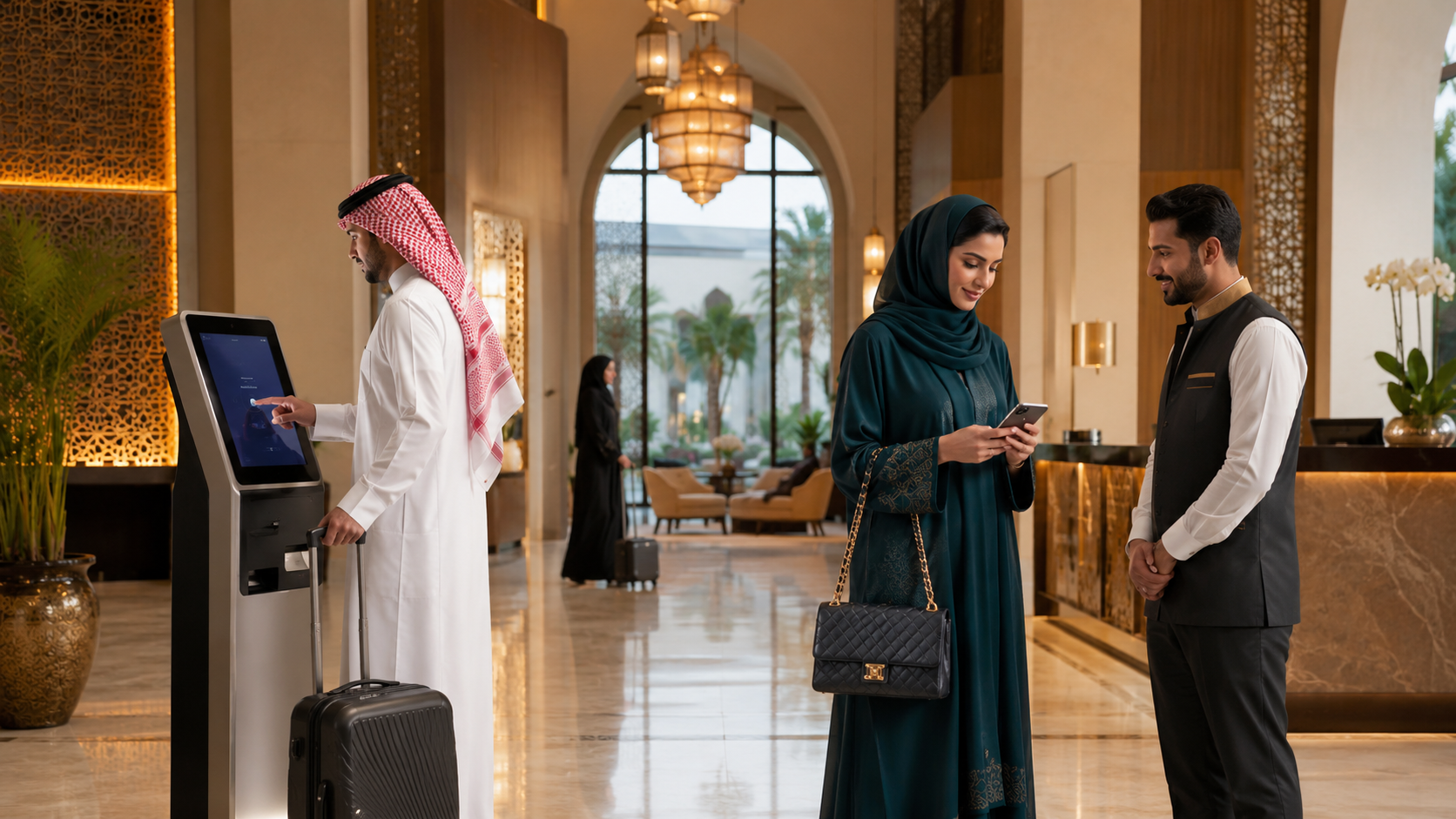
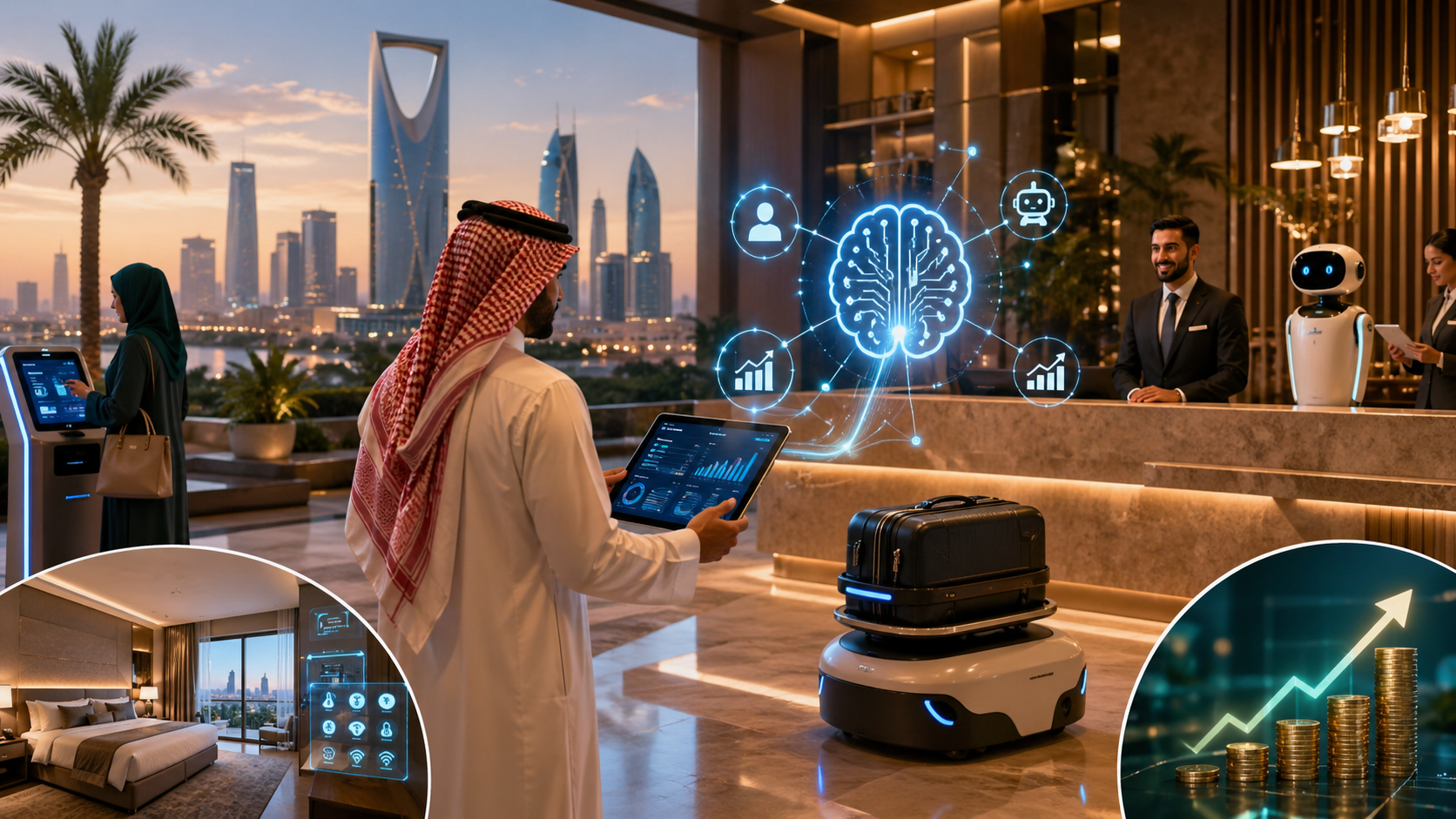
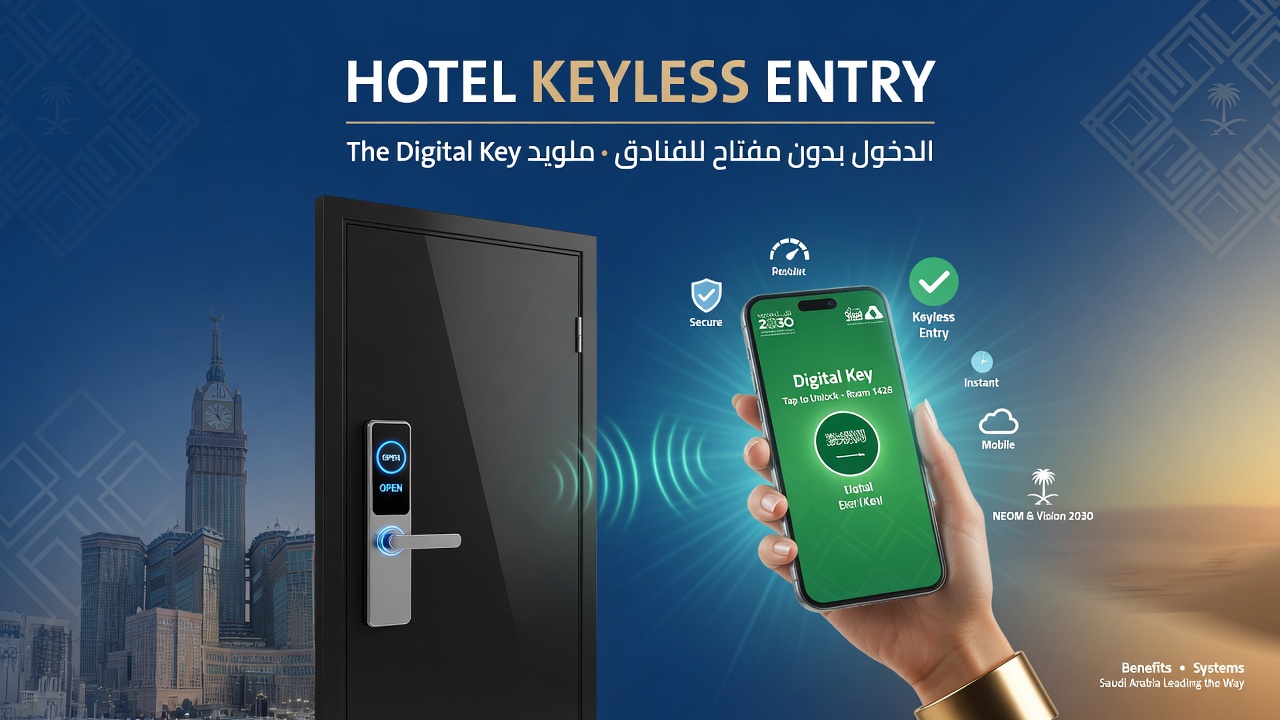
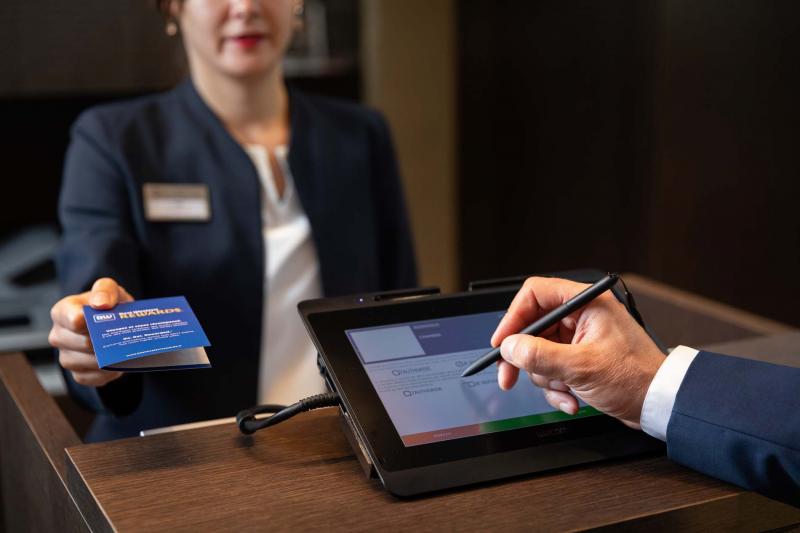
Modern travelers expect a seamless digital journey: online booking, self-check-in kiosks, digital keys, service requests via app, and express check-out. Hospitality technology that integrates these features elevates guest satisfaction and reduces front desk pressure. In Saudi Arabia’s competitive landscape, such digital touchpoints can be the deciding factor for guest loyalty.
Key Features and Benefits of an Integrated Hotel Management System
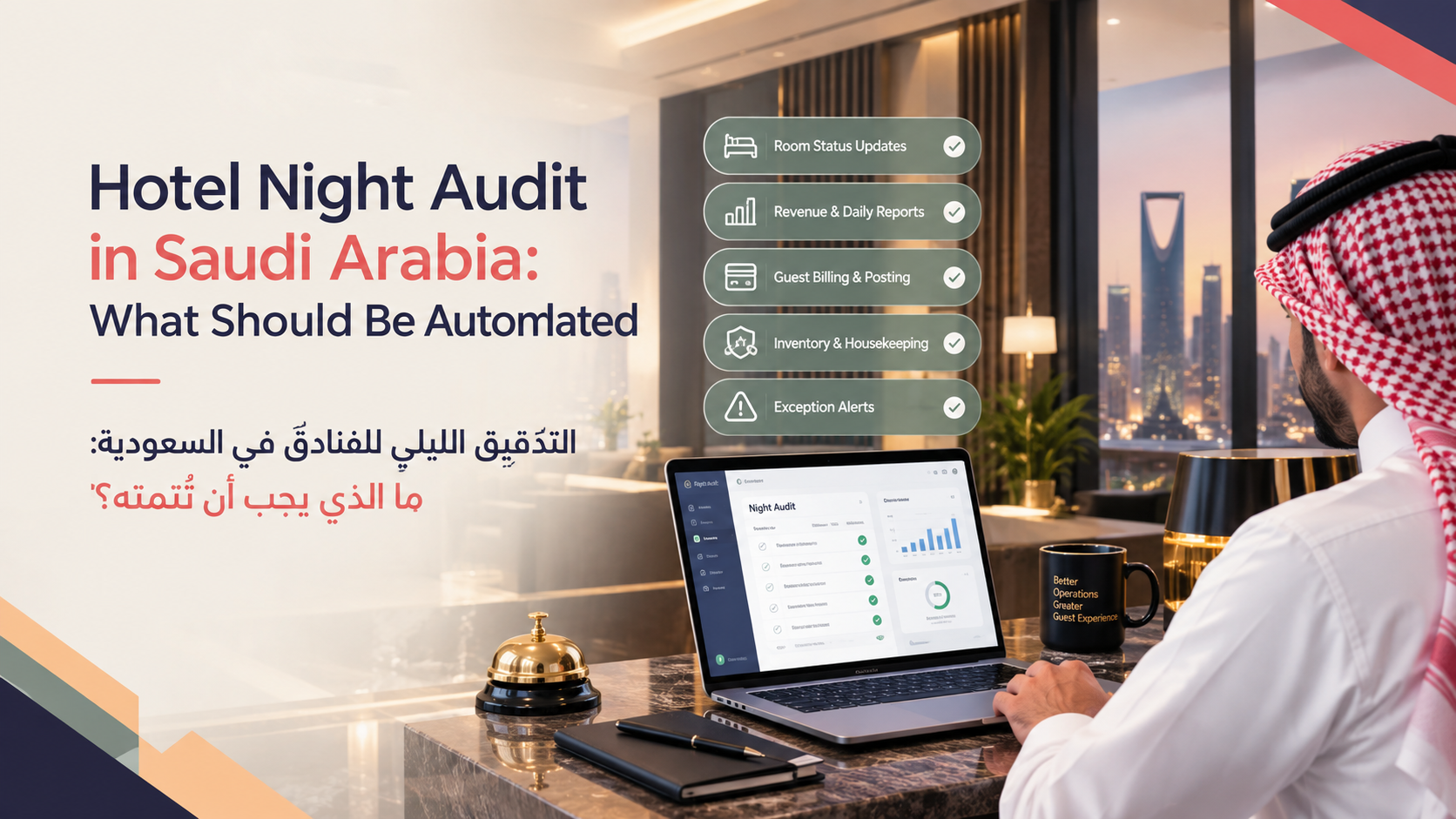
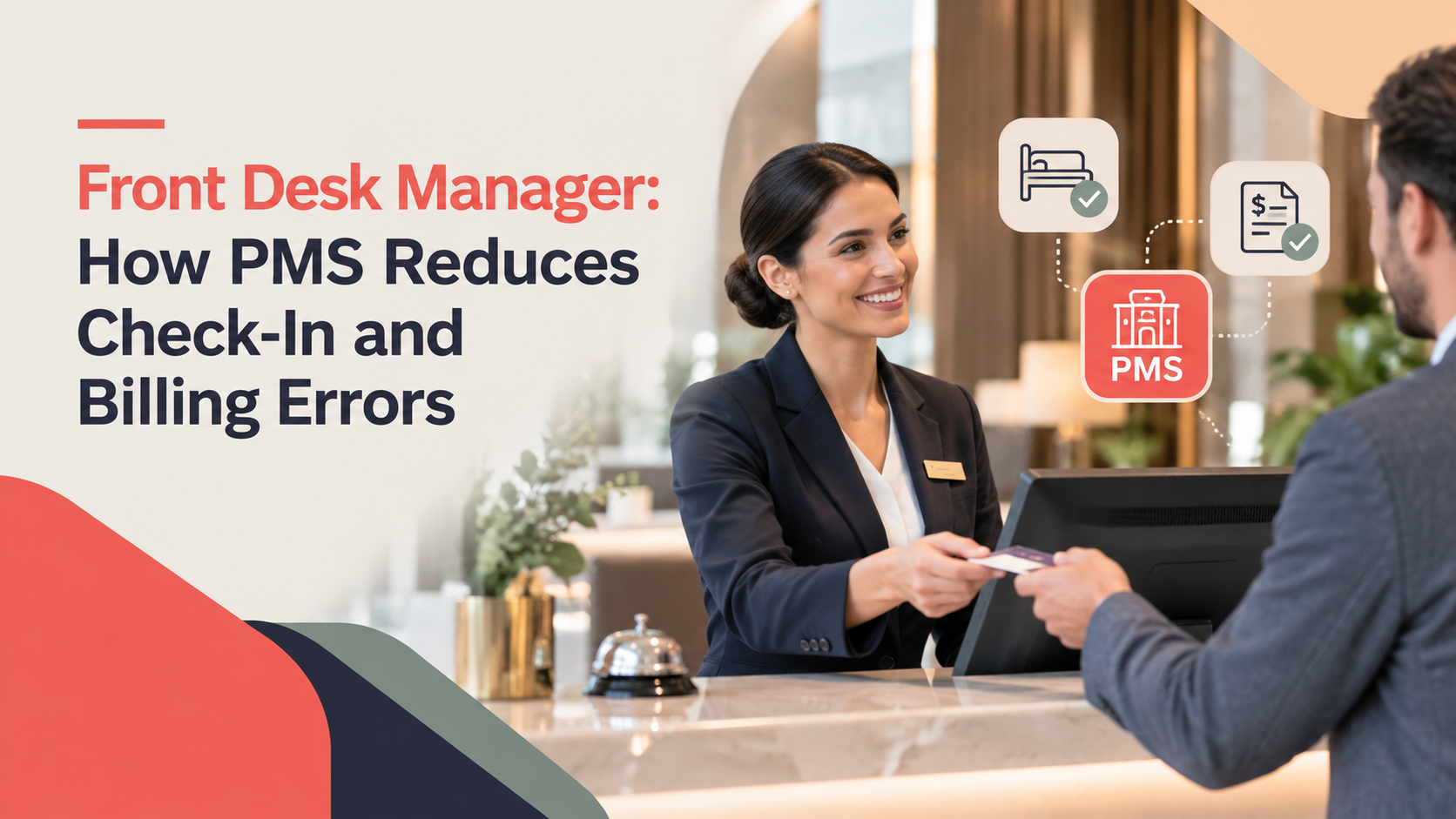
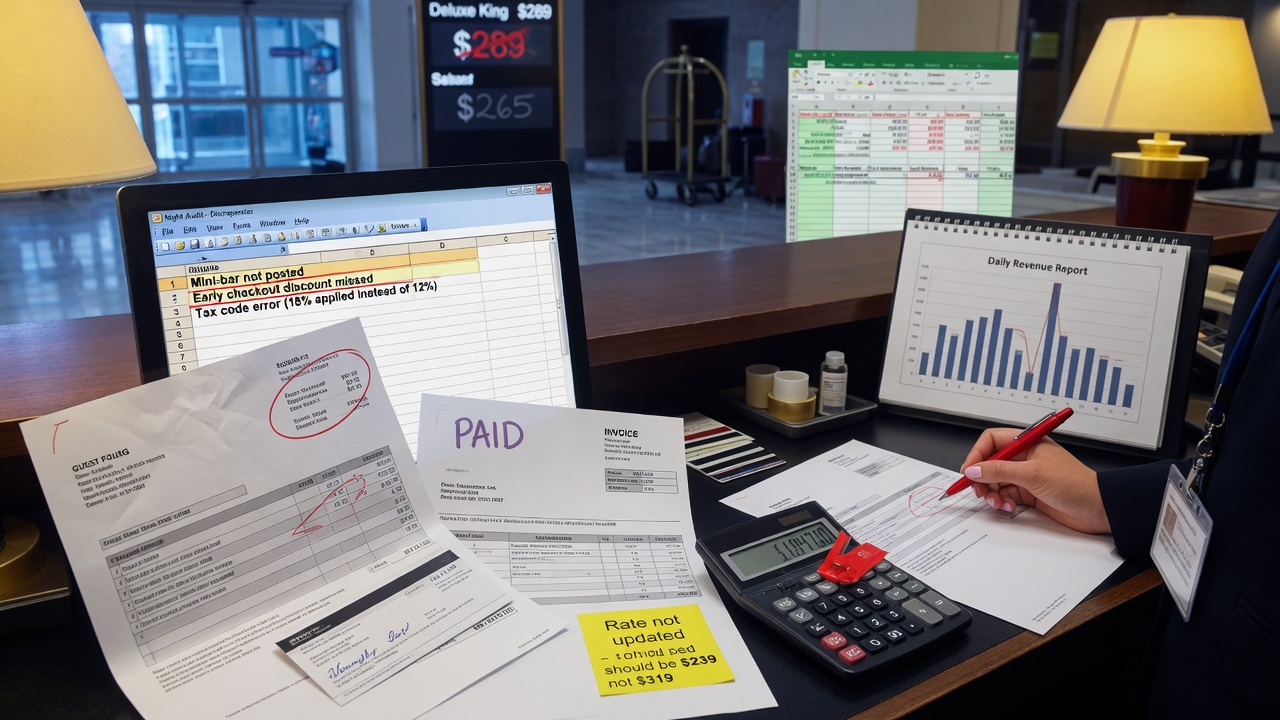
- Operational Automation: Minimise human errors and accelerate check-in/out and reservation processes.
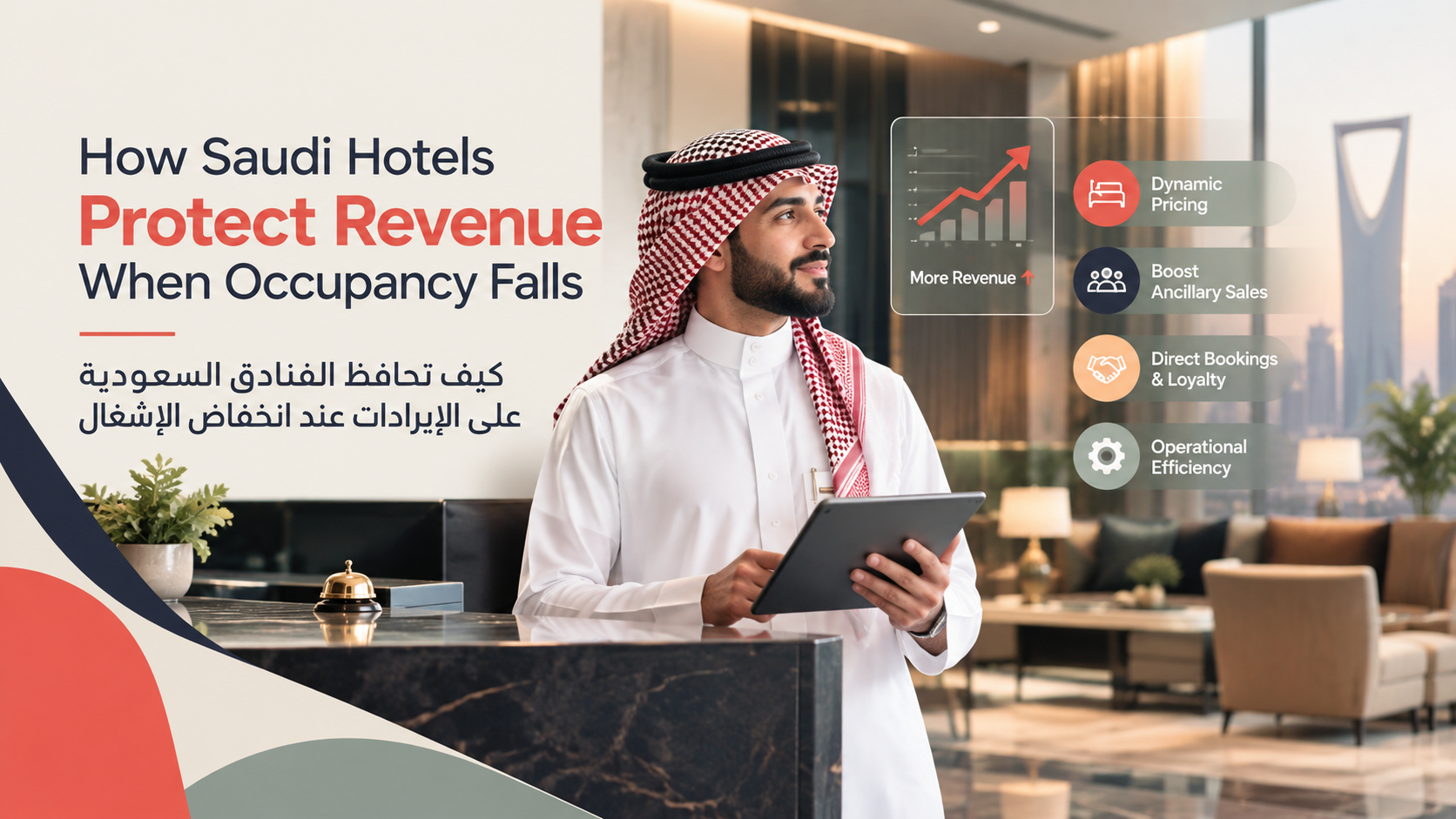
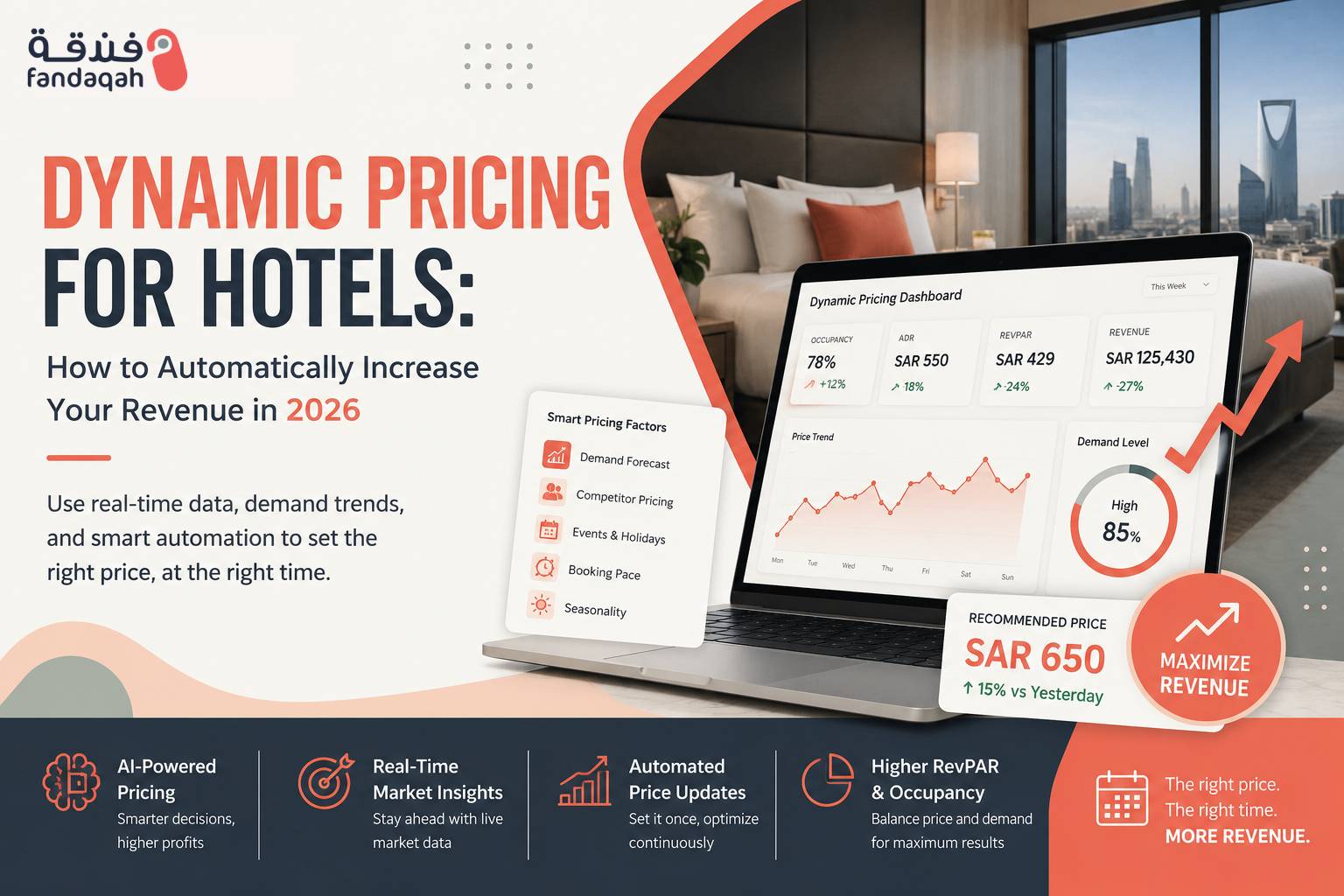
- Revenue Uplift: Dynamic pricing tools, reduced double bookings, and real-time inventory visibility boost revenue.
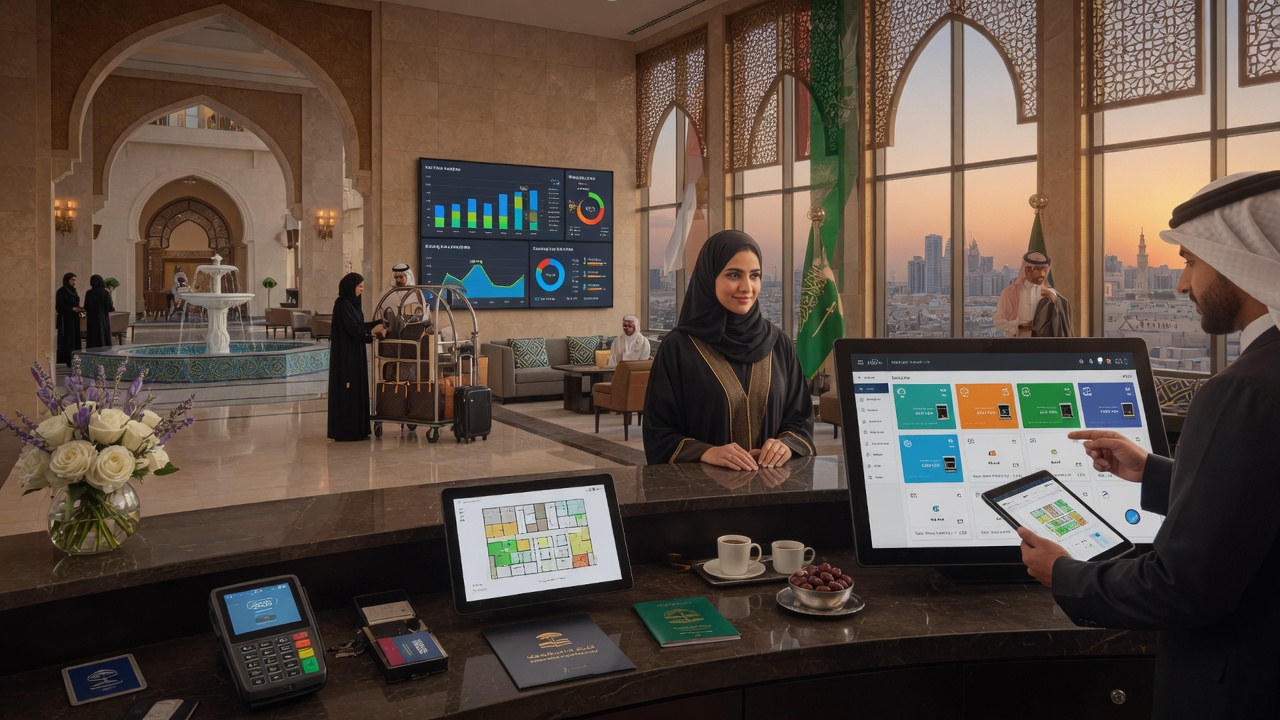
- Real-Time Analytics: Interactive dashboards reveal property performance instantly, enabling data-informed decisions.
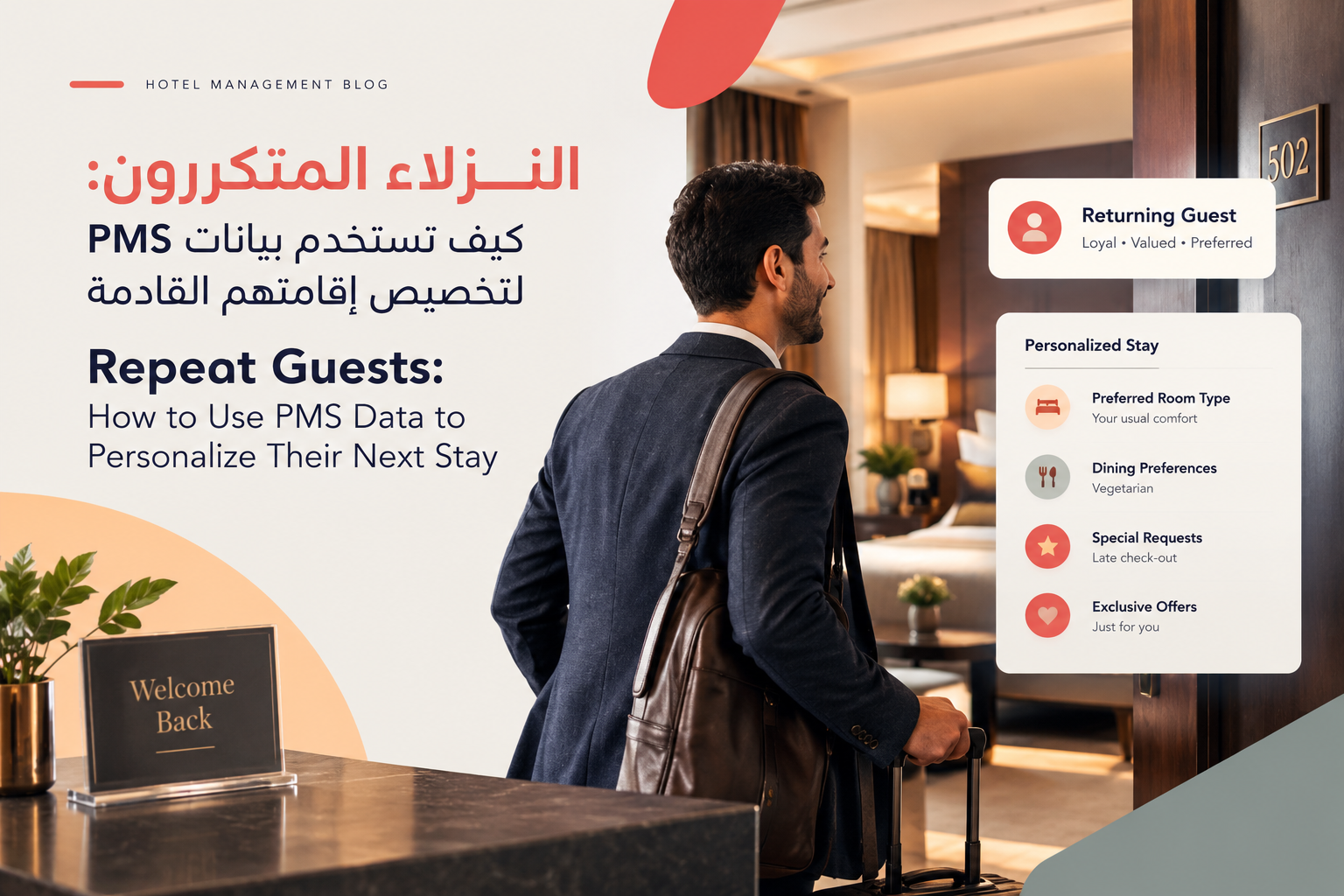
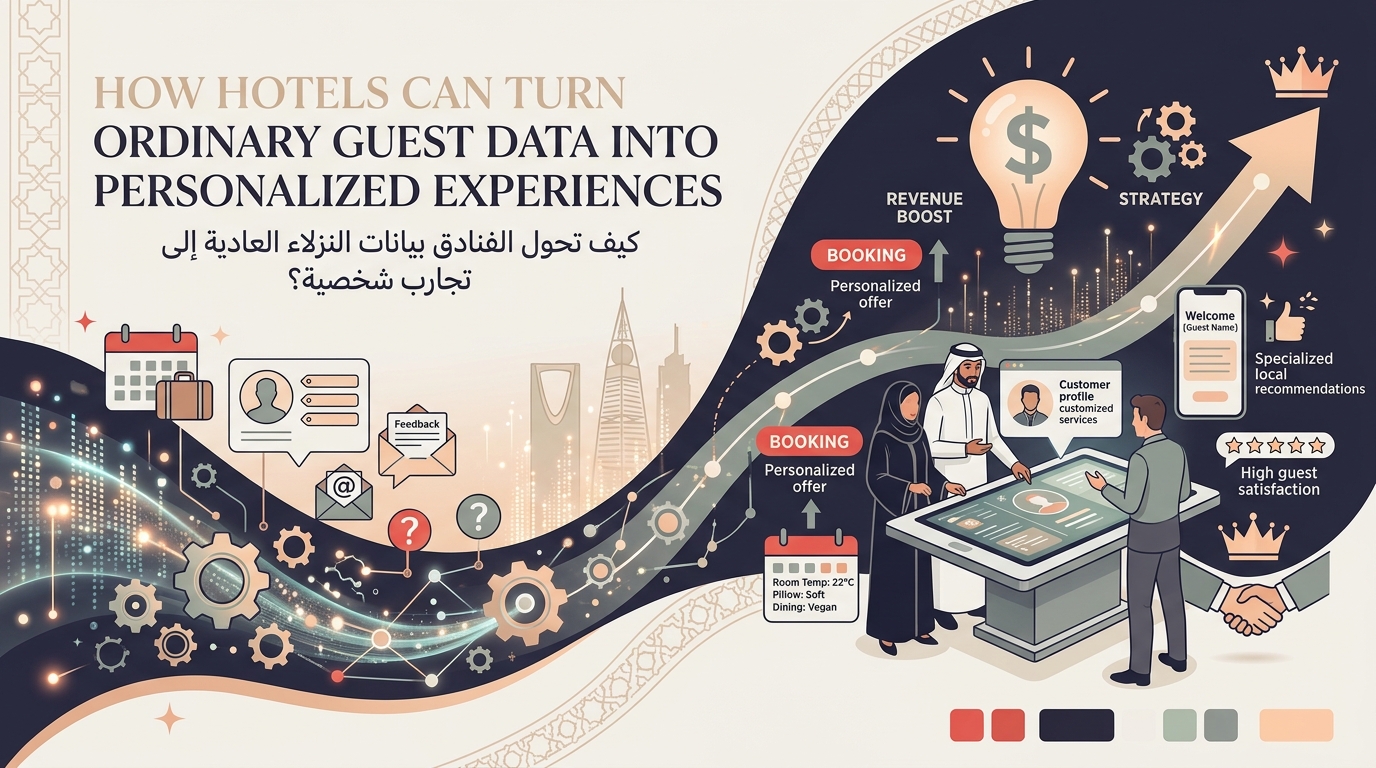
- Enhanced Guest Experience: Digital portals, personalised services, and faster response to requests.
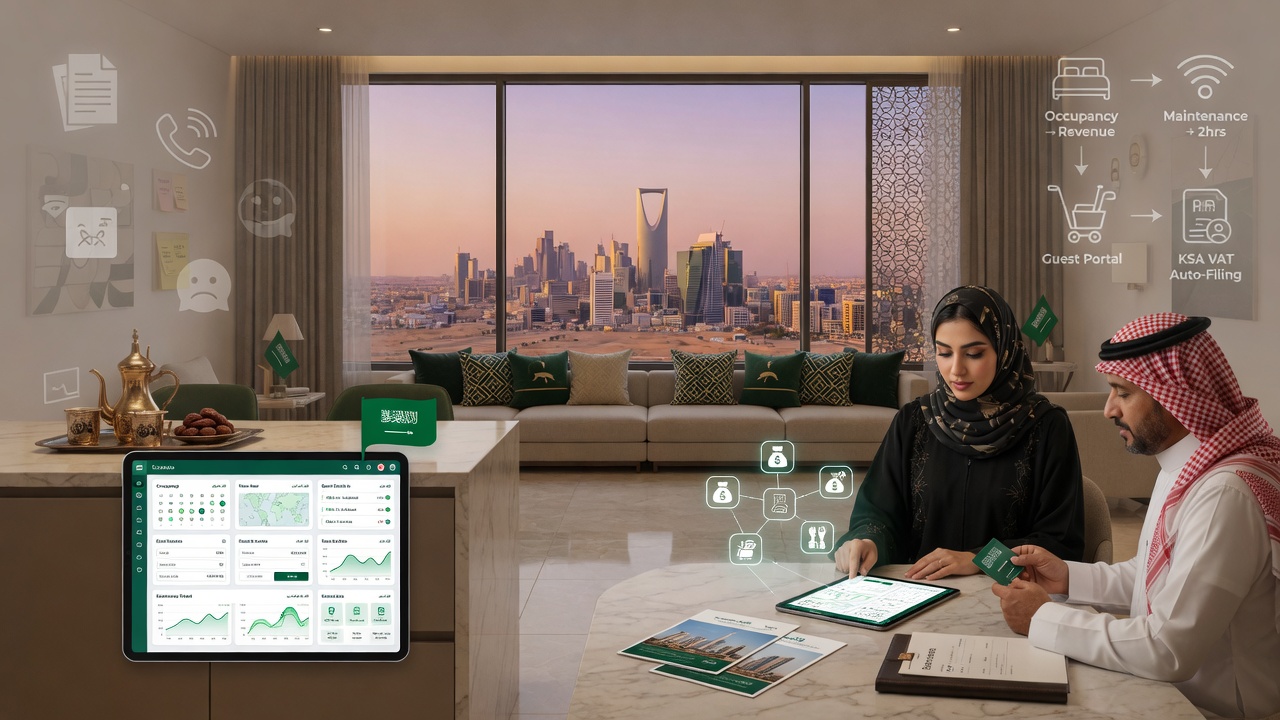
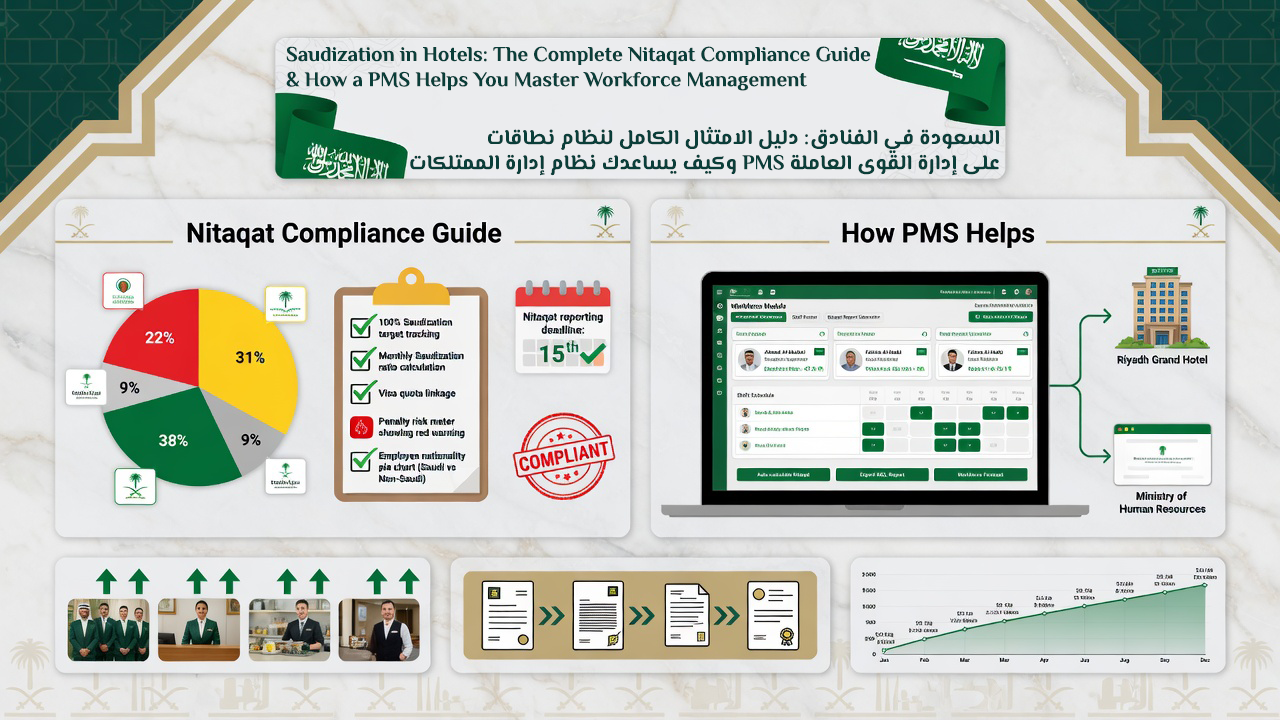
- Saudi Regulatory Compliance: Automated e-invoicing and VAT handling aligned with ZATCA mandates.
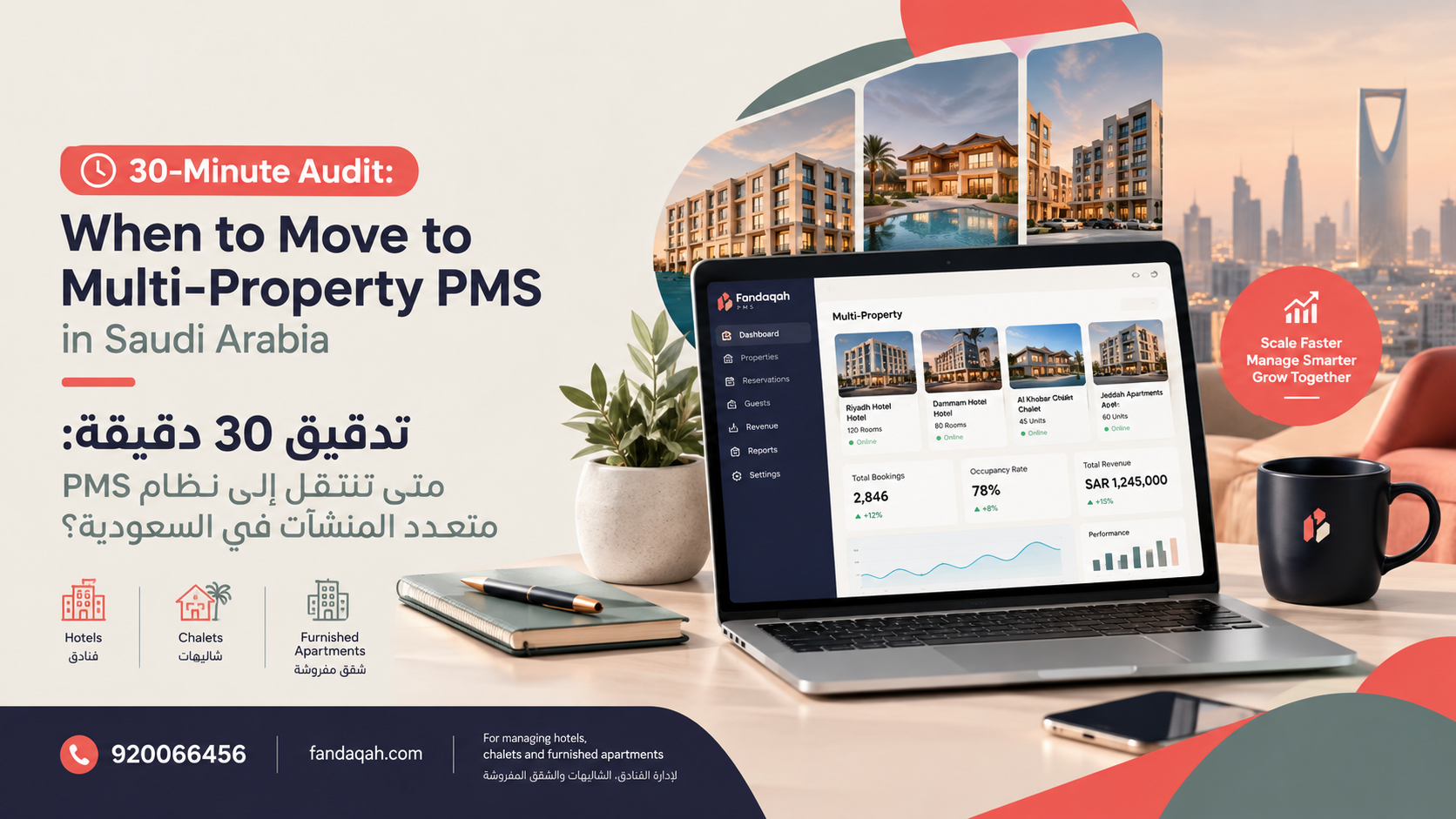
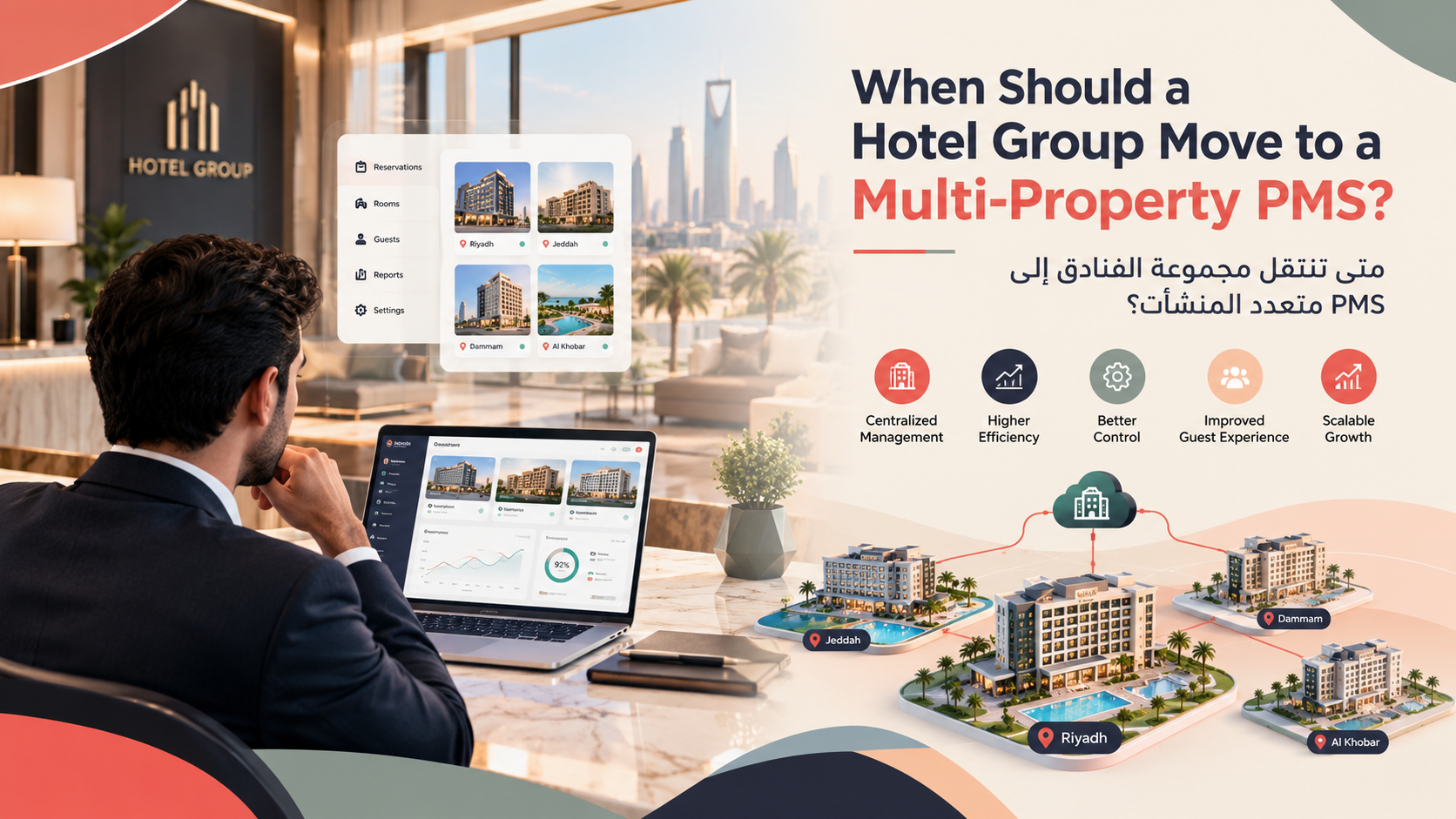
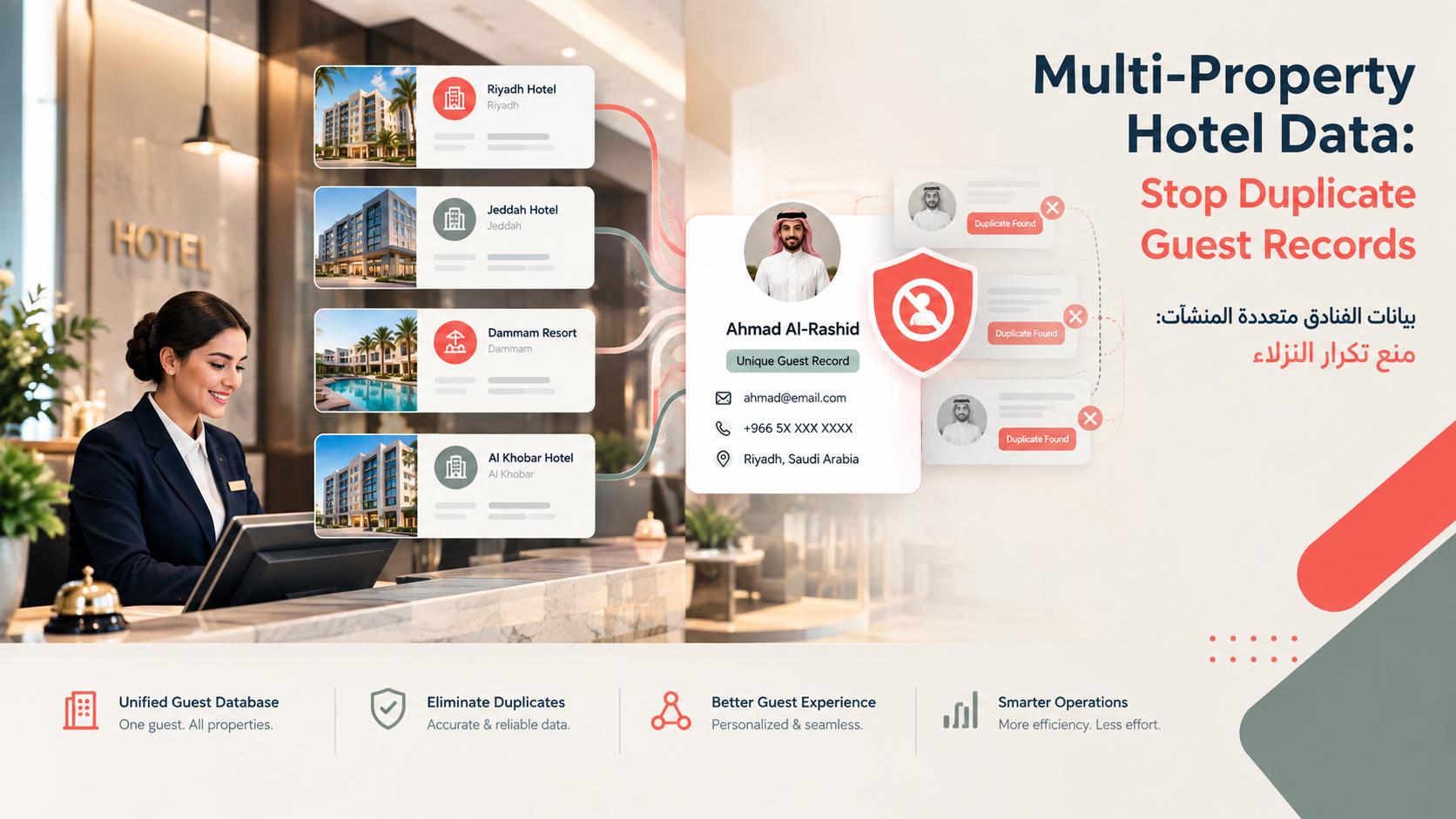
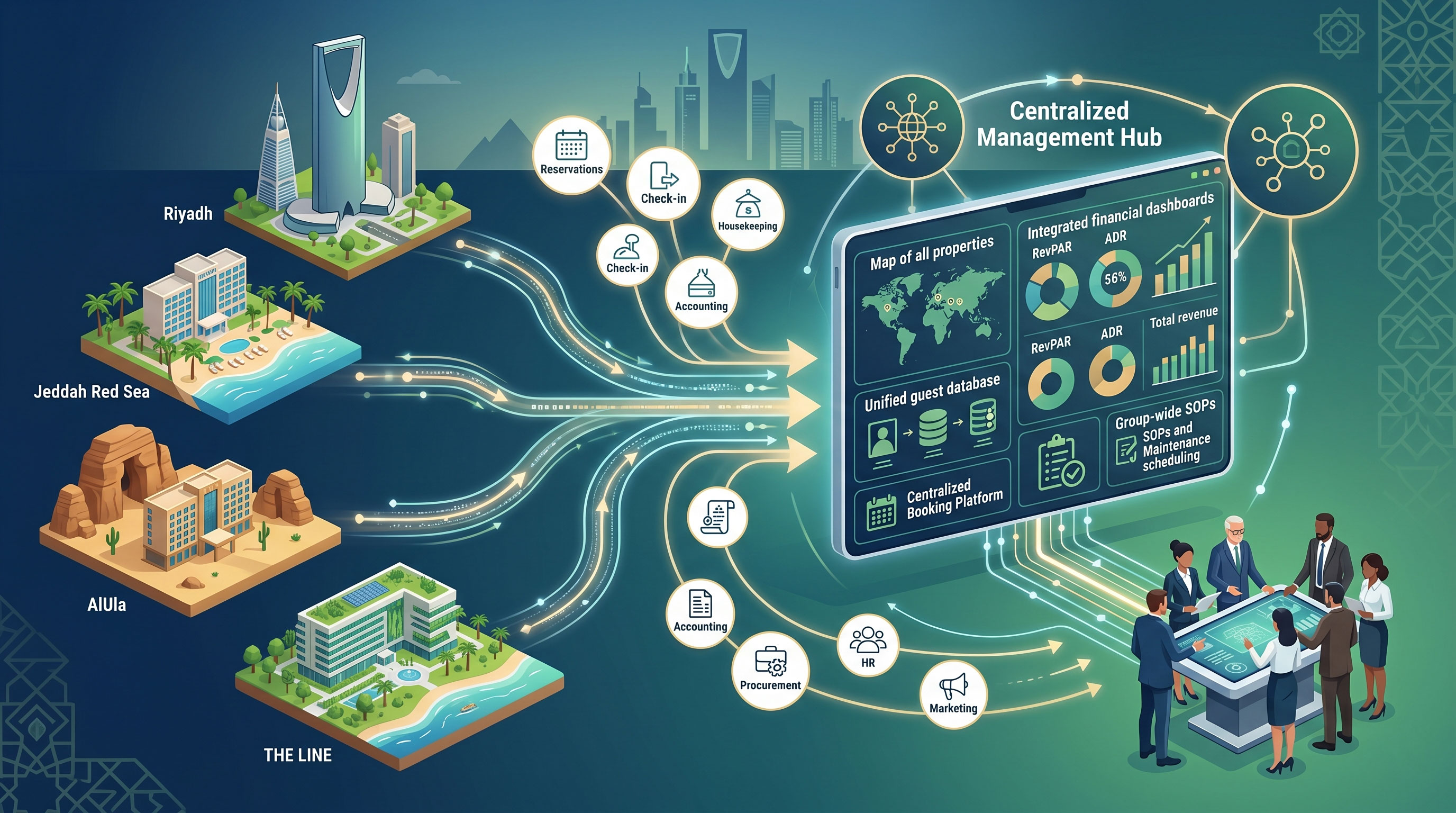
- Centralised Multi-Property Management: Perfect for hotel groups operating across Saudi cities.
- Cost Efficiency: Lower staffing overheads and optimised resource utilisation.
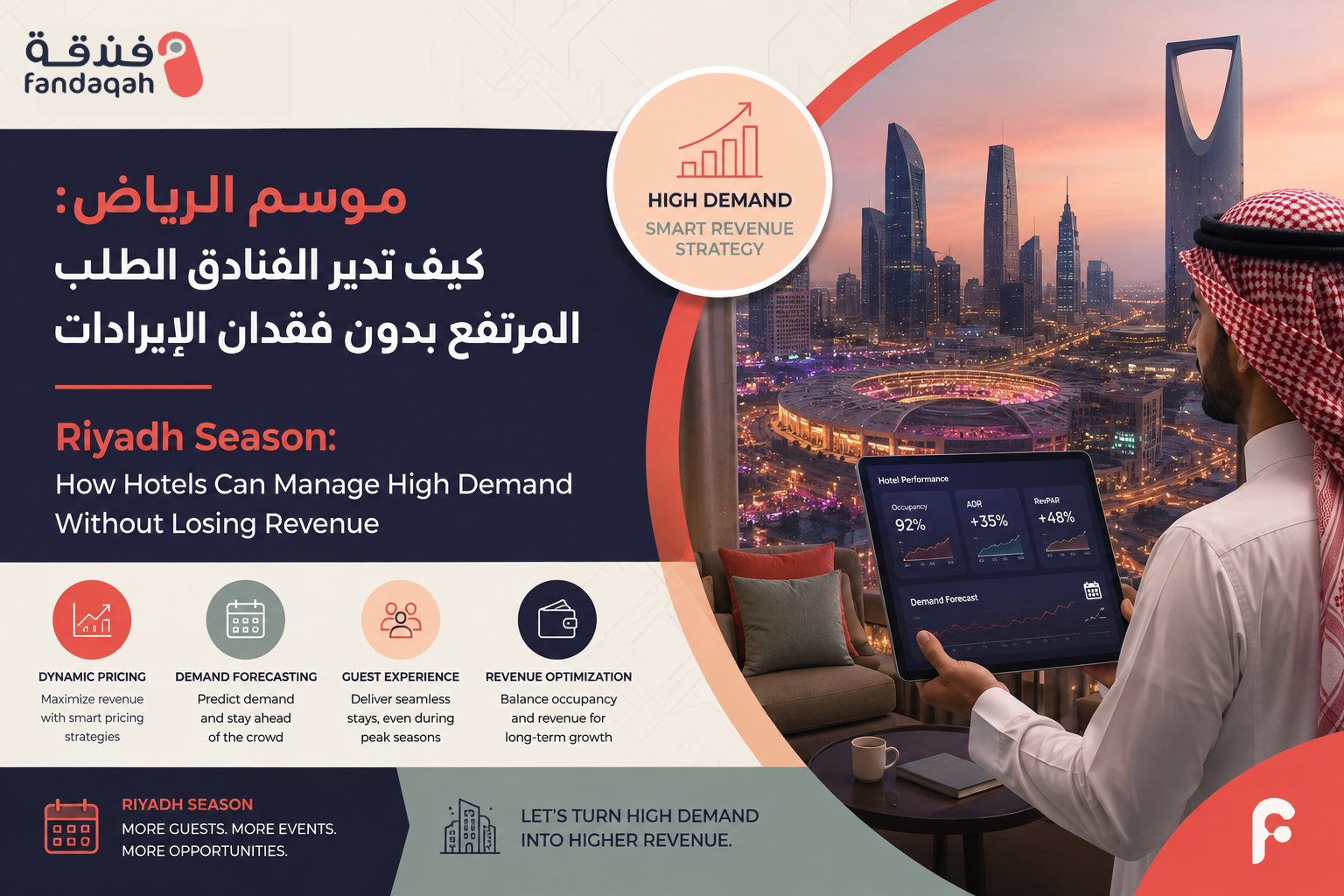
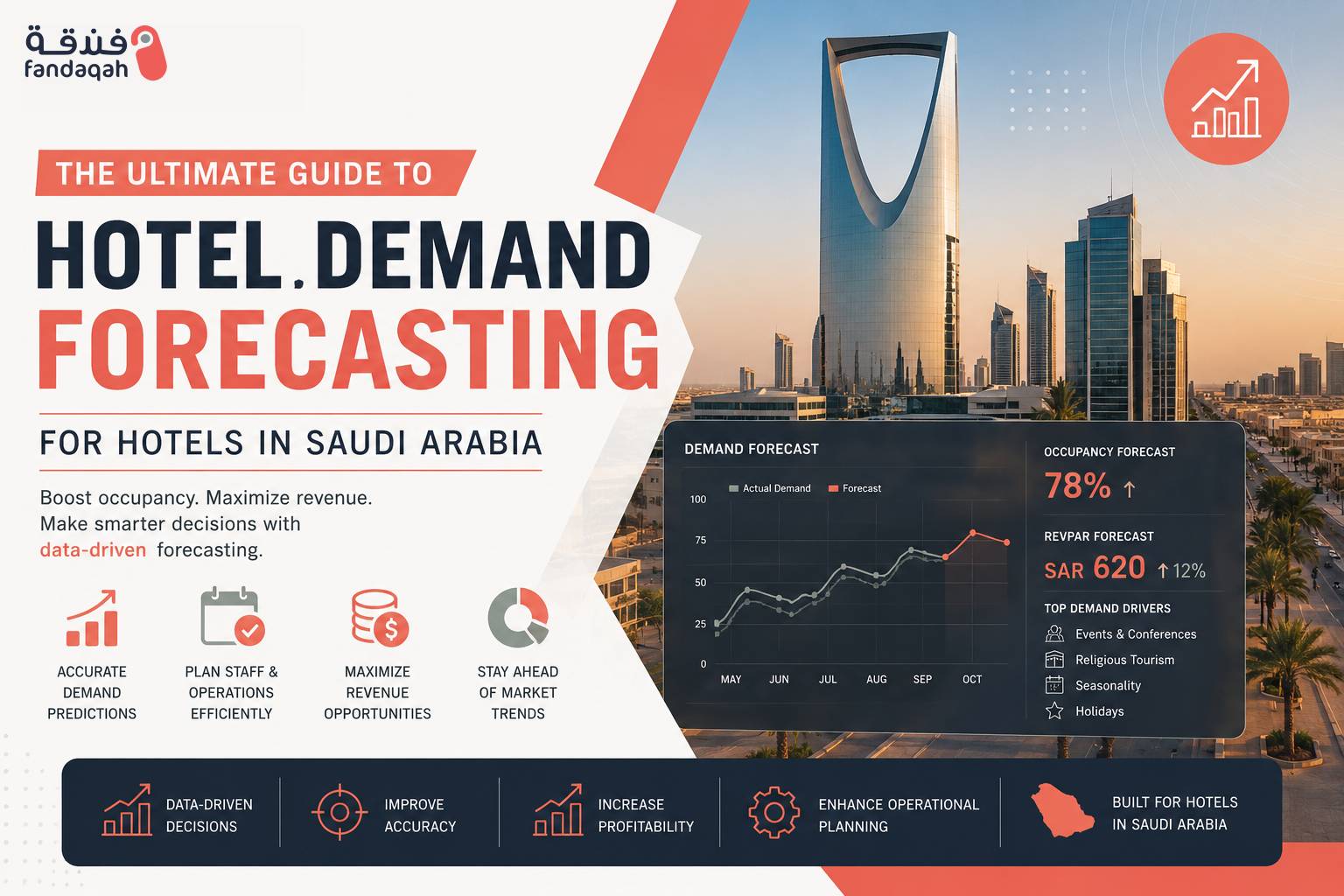
- Strategic Planning Support: Deep analytics help forecast seasonal demand and expansion opportunities.
Use Cases: How Different Saudi Hotels Leverage a Hotel PMS
The application of a hotel management system in the Kingdom varies by property type, location, and target guest. Here are the most relevant scenarios:
1. Hajj & Umrah Hotels in Makkah and Madinah
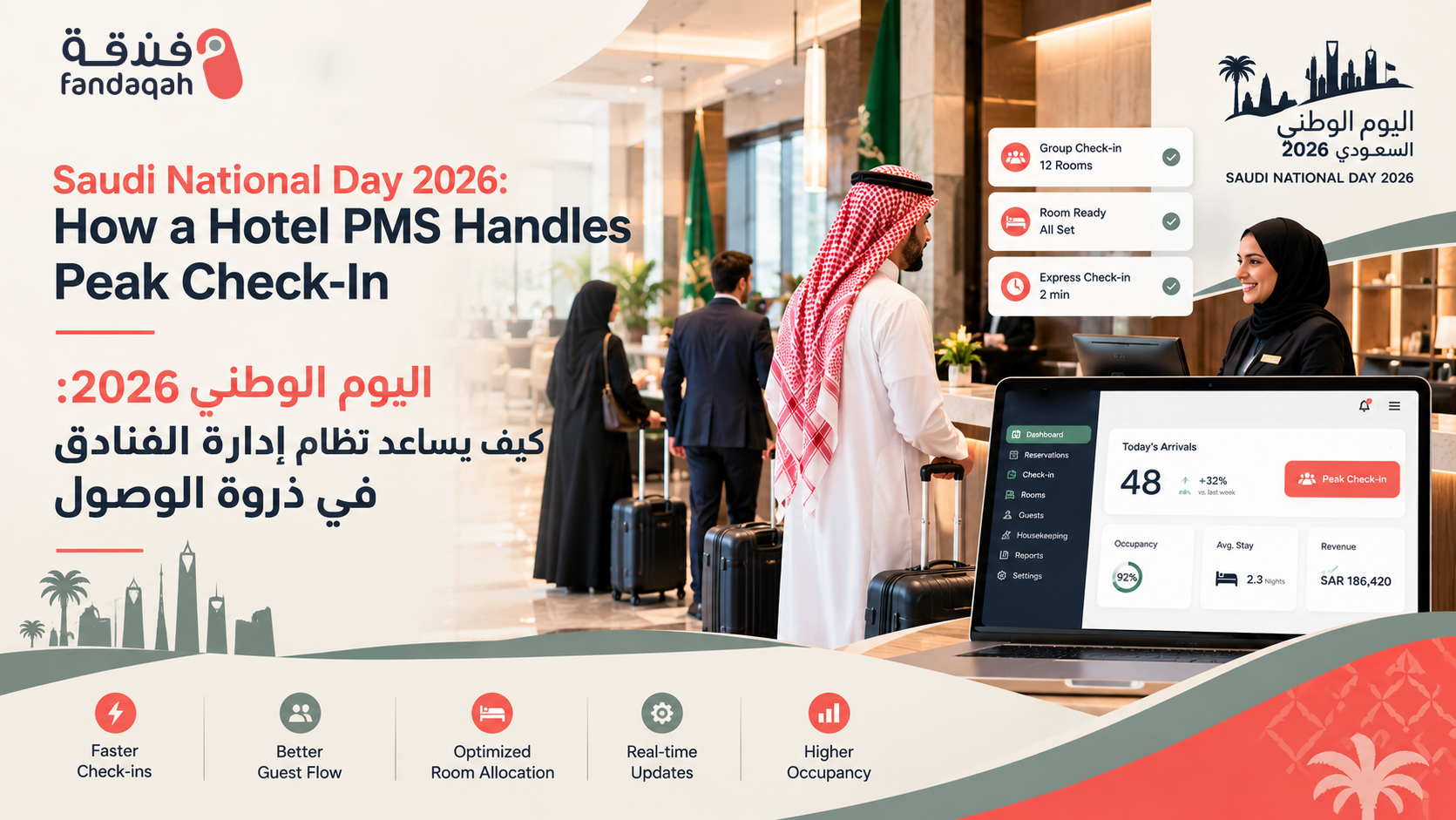
These hotels require massive group booking handling, adjacent room allocation for tour operators, catering schedule coordination, and peak-season surge management. The right PMS for hotels must process hundreds of reservations simultaneously with zero latency.
2. Business Hotels in Riyadh and Dammam
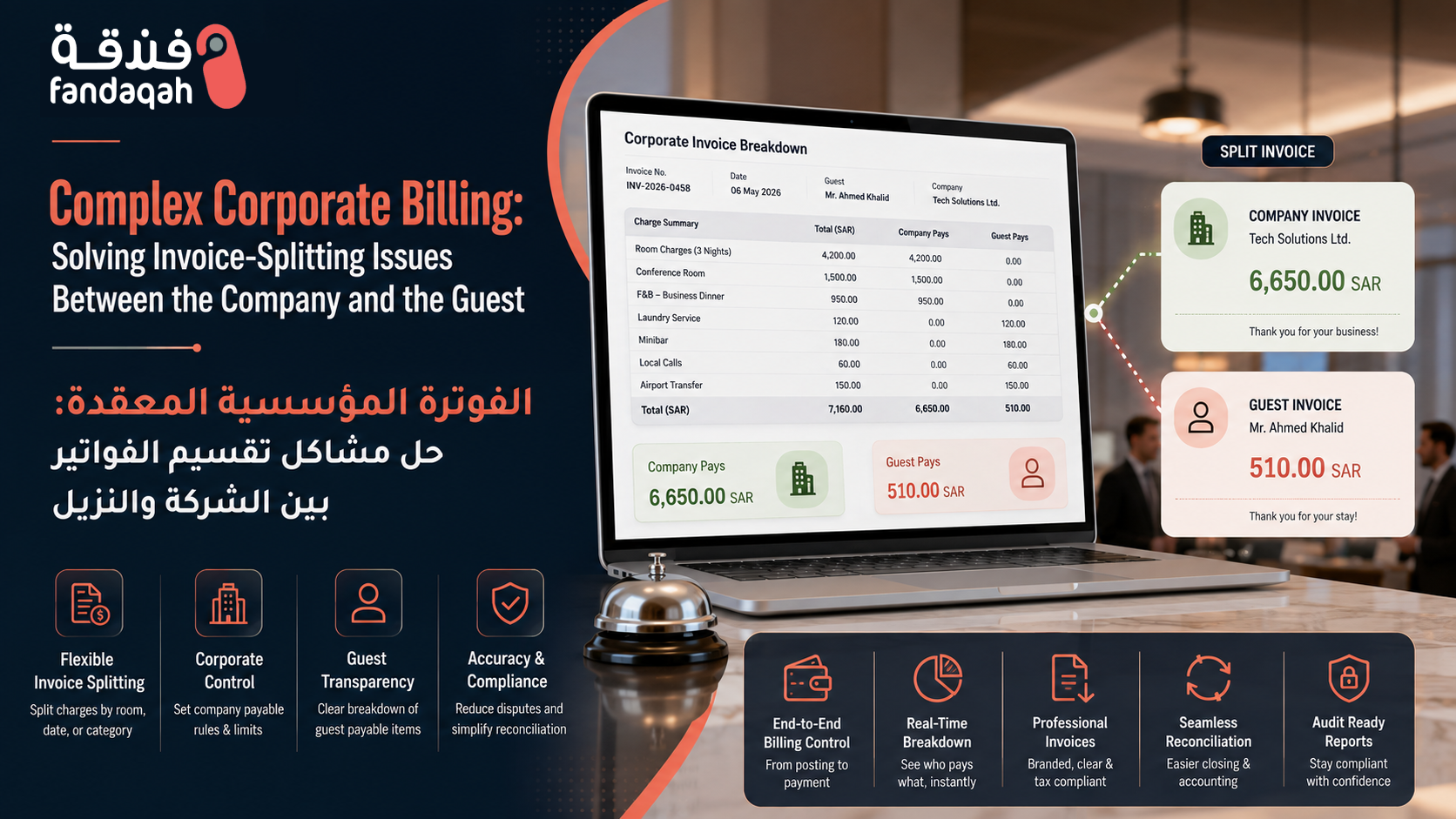
Corporate travelers demand fast service, meeting room booking convenience, and professional tax invoices. Integration with corporate accounting systems is a plus.
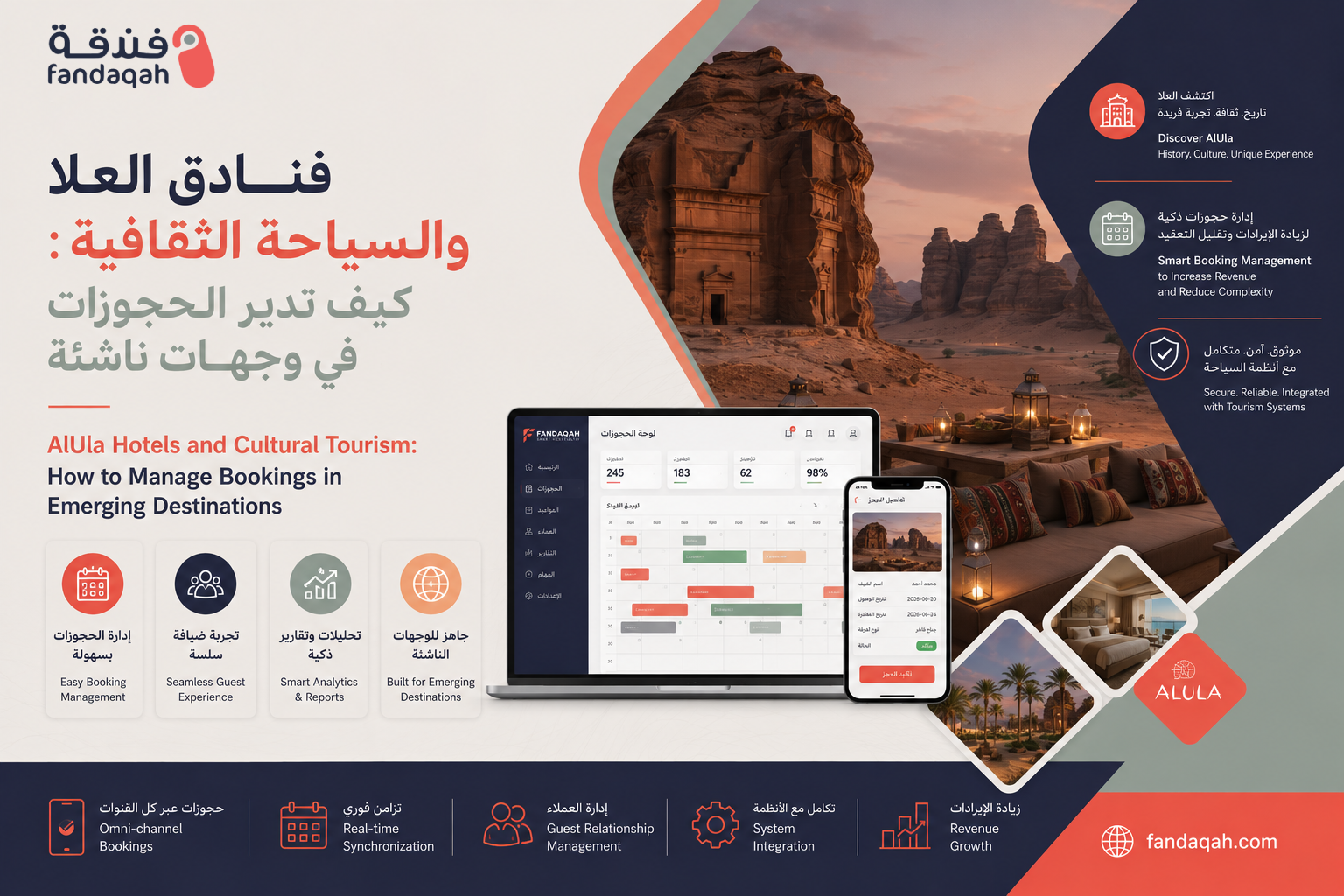
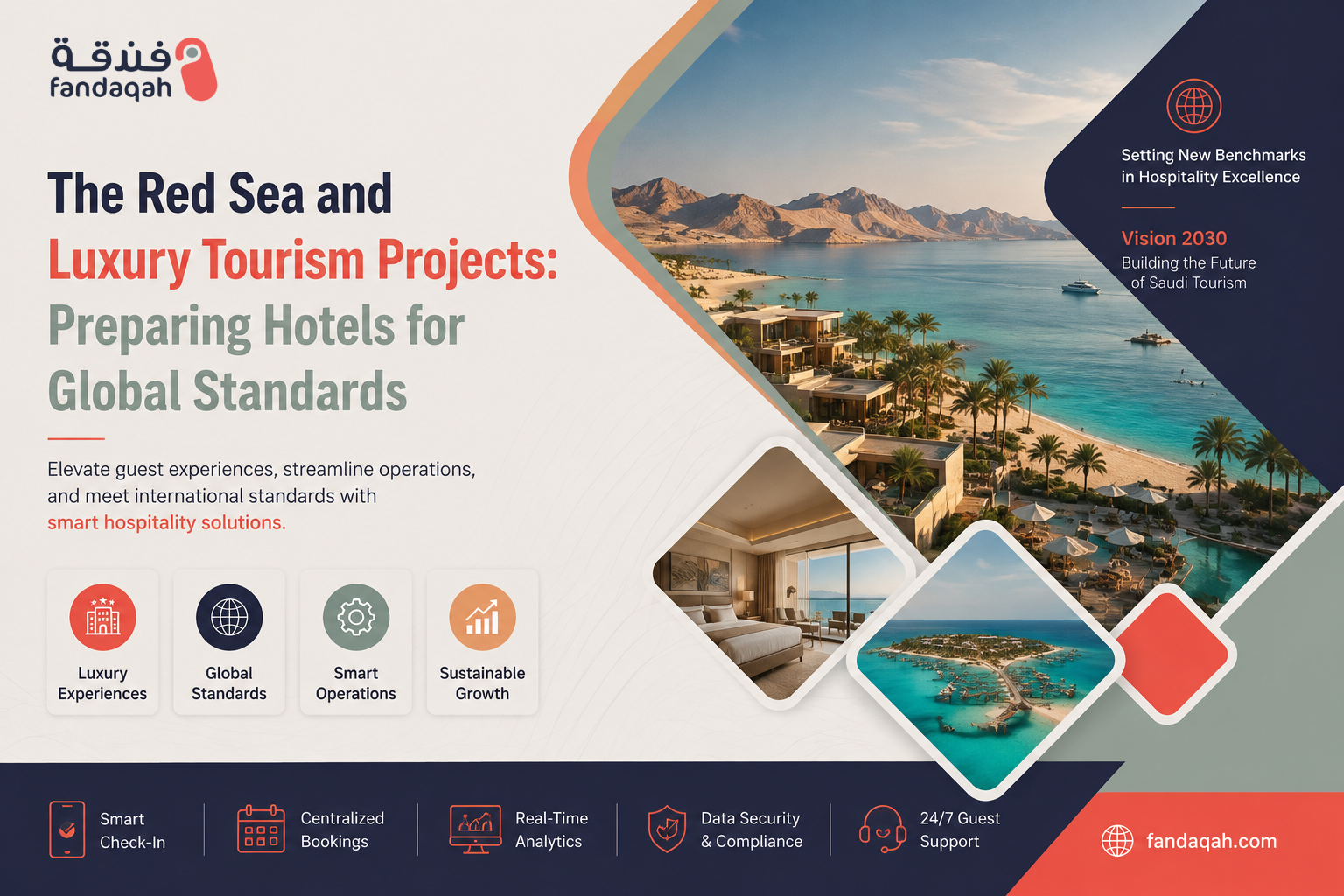
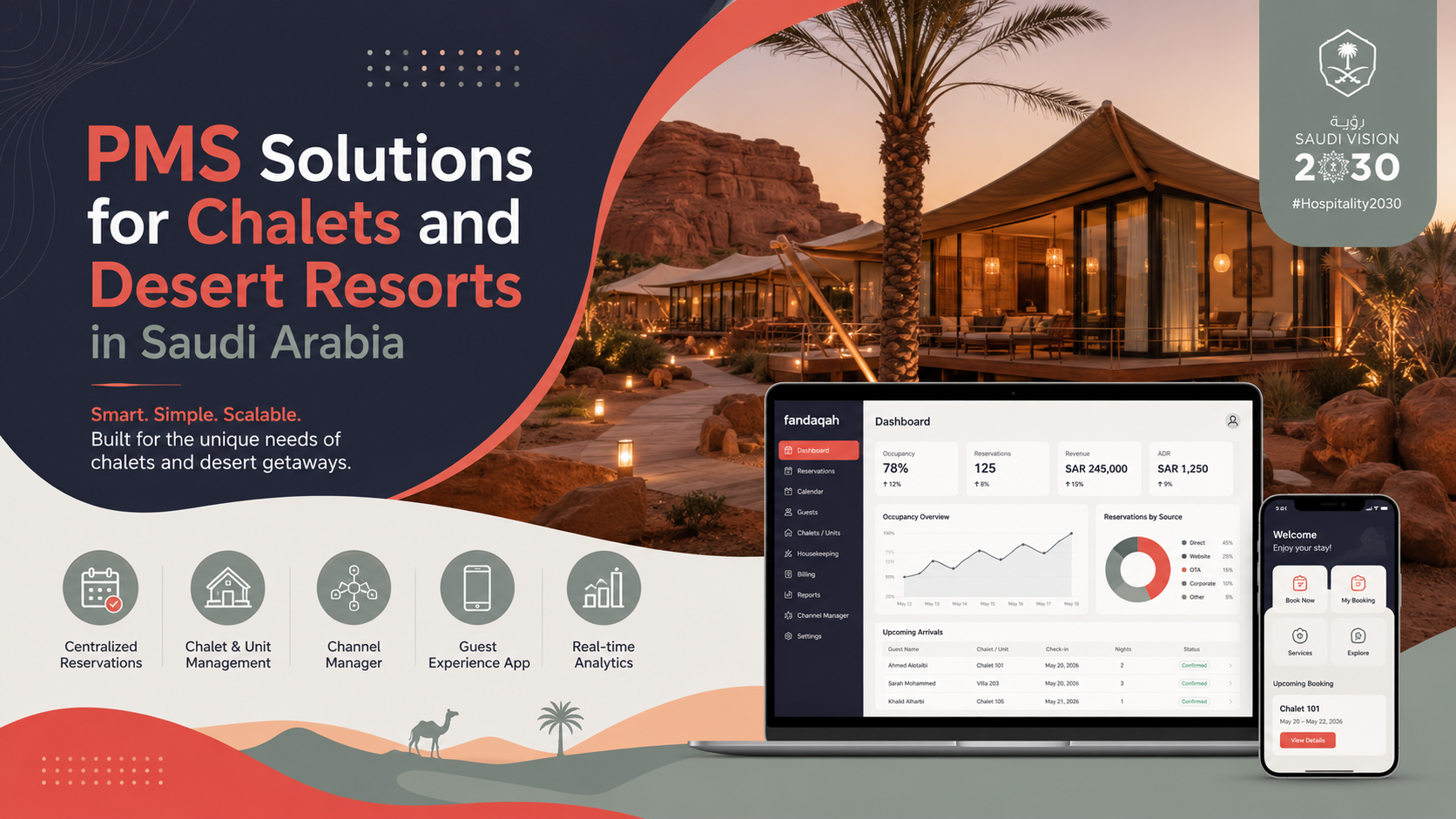
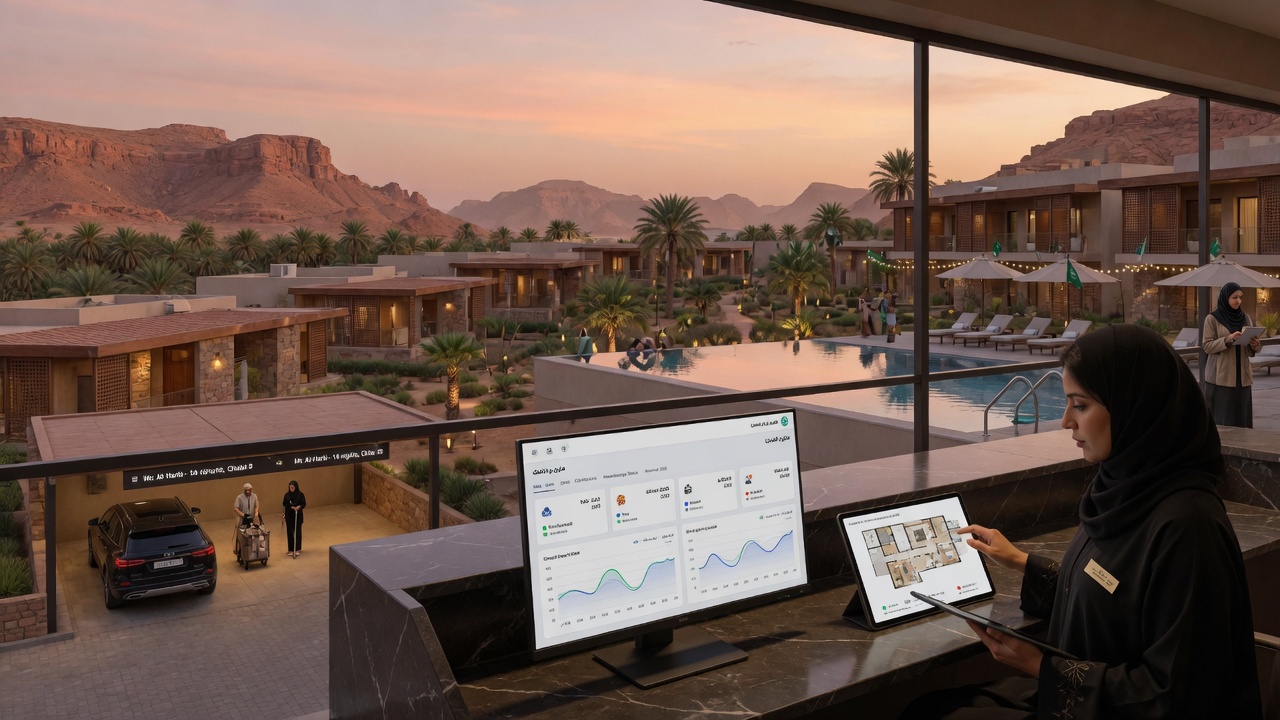
3. Leisure Resorts on the Red Sea, AlUla, and Abha
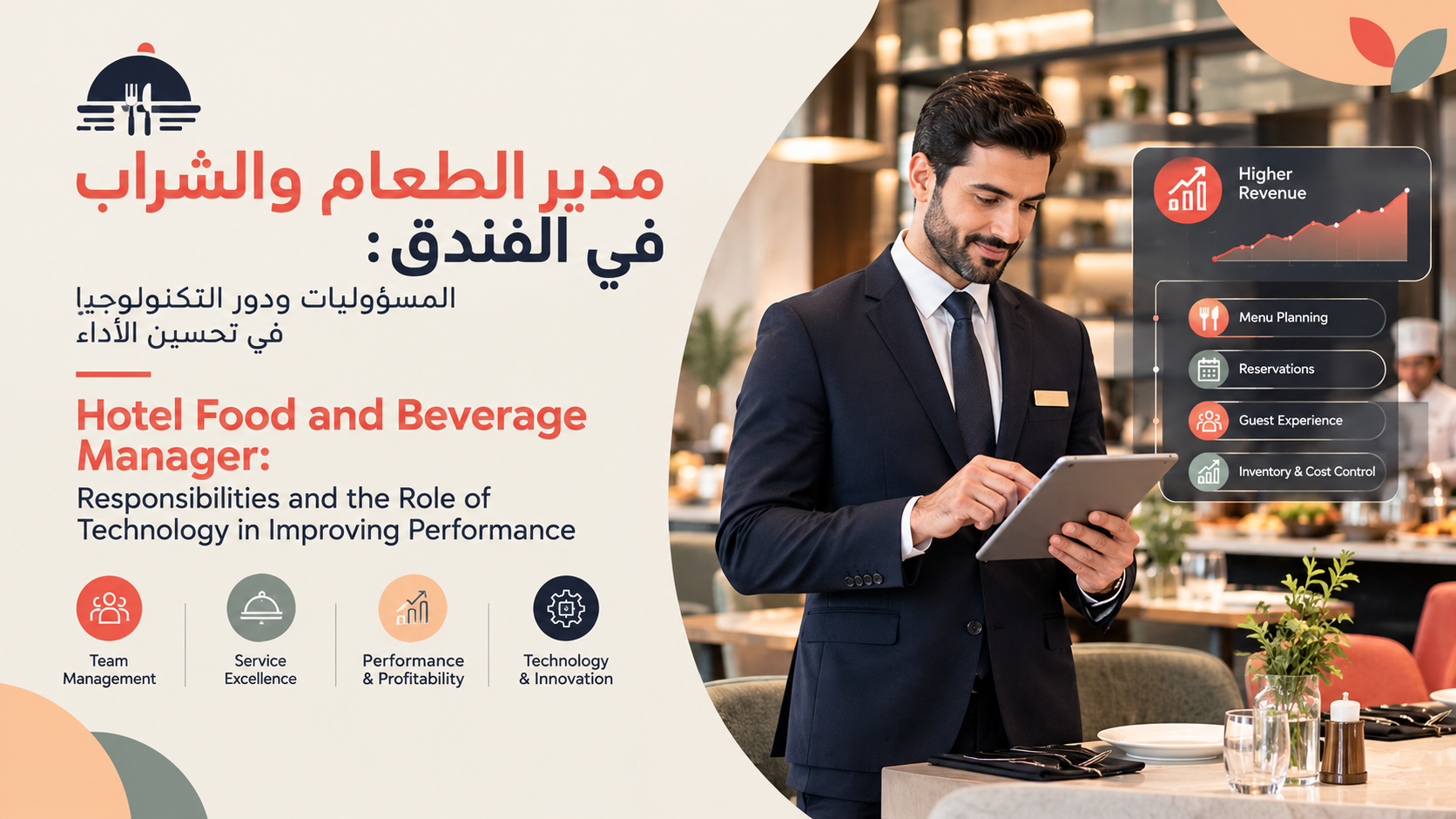
These properties offer bundled experiences — spa, dining, activities. The system must manage ancillary service bookings and link them to the main room reservation, delivering a seamless hospitality experience.
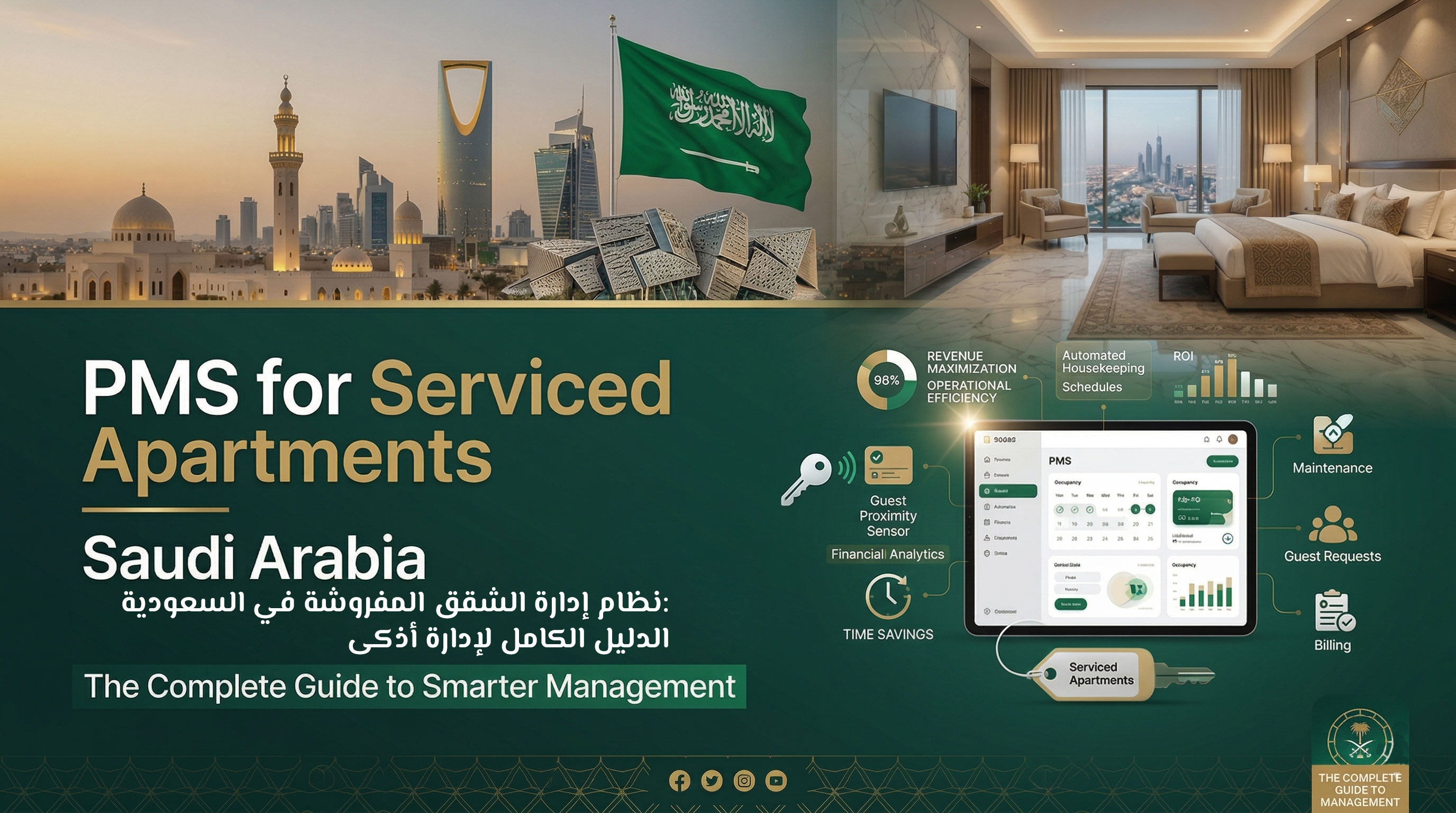
4. Serviced Apartments & Hotel Apartments
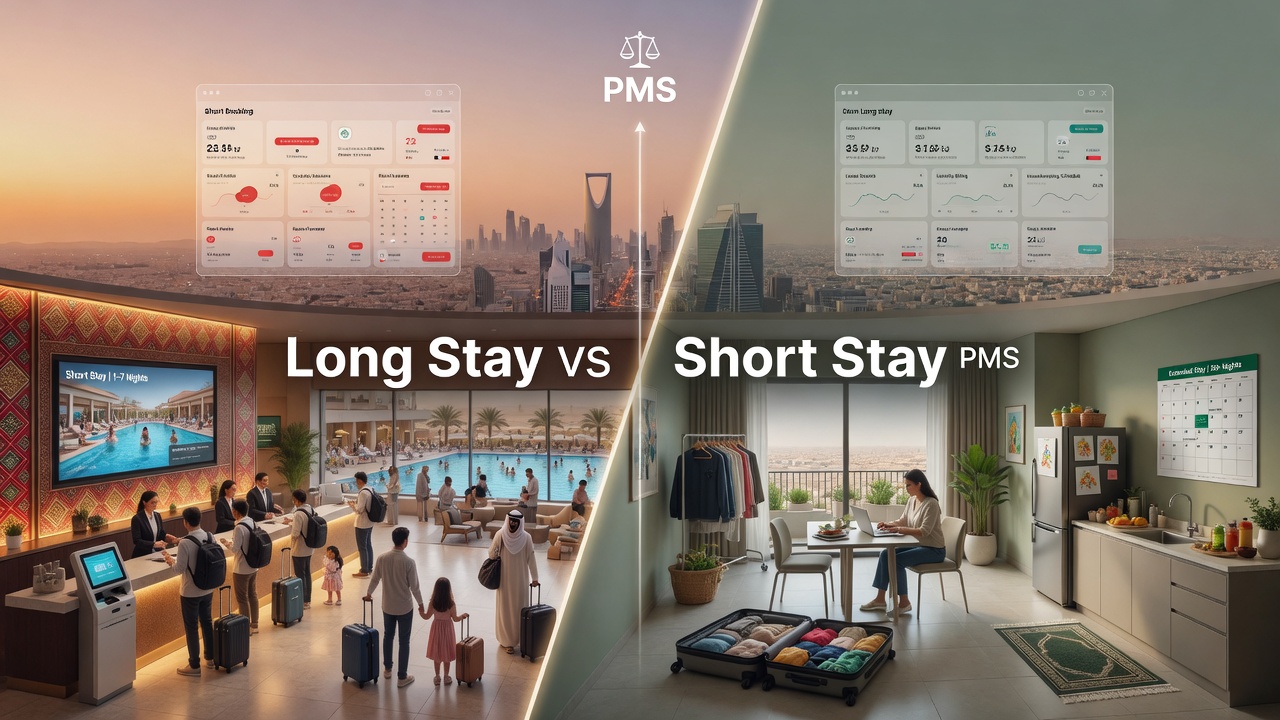
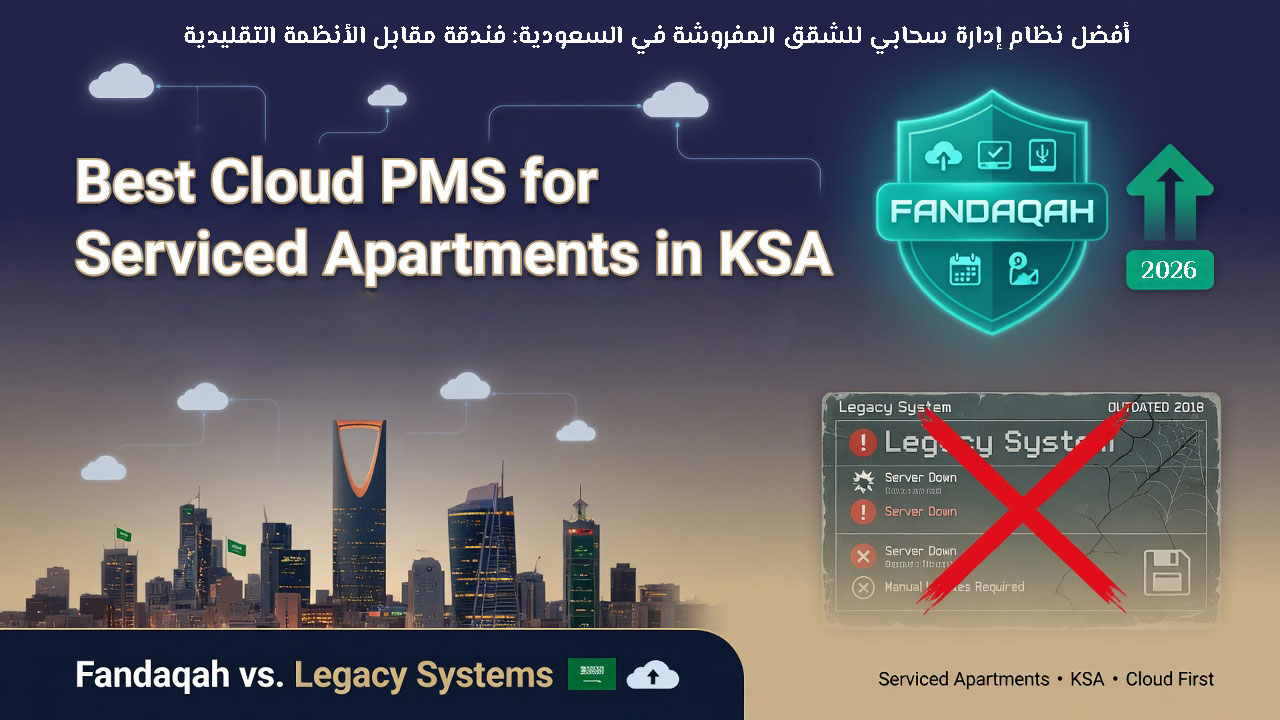
With rising demand in Riyadh, Jeddah, and Khobar, these properties need flexible property management systems that handle both short-term and extended stays with varied billing cycles.
"Investing in the right hotel technology is not an expense — it's a strategic move that returns increased revenue and reduced operational costs over the long term. Saudi hotels that embrace digitisation early will lead the market in 2030."
Comparing Cloud, On-Premise, and Hybrid Hotel Management Systems
| Criteria | Cloud-Based | On-Premise | Hybrid |
|---|---|---|---|
| Upfront Cost | Low (subscription) | High (licenses + hardware) | Medium |
| Remote Access | Excellent (anywhere) | Limited (local network) | Good with restrictions |
| Updates | Automatic, continuous | Manual, often costly | Automatic for cloud part |
| Security | High (provider managed) | Depends on hotel IT | Mixed responsibility |
| Customisation | Moderate | Very high | Moderate to high |
| Best for | Most Saudi hotels | Niche, high-security needs | Large chains |
Future Trends in Hotel Management Systems and Vision 2030 Alignment
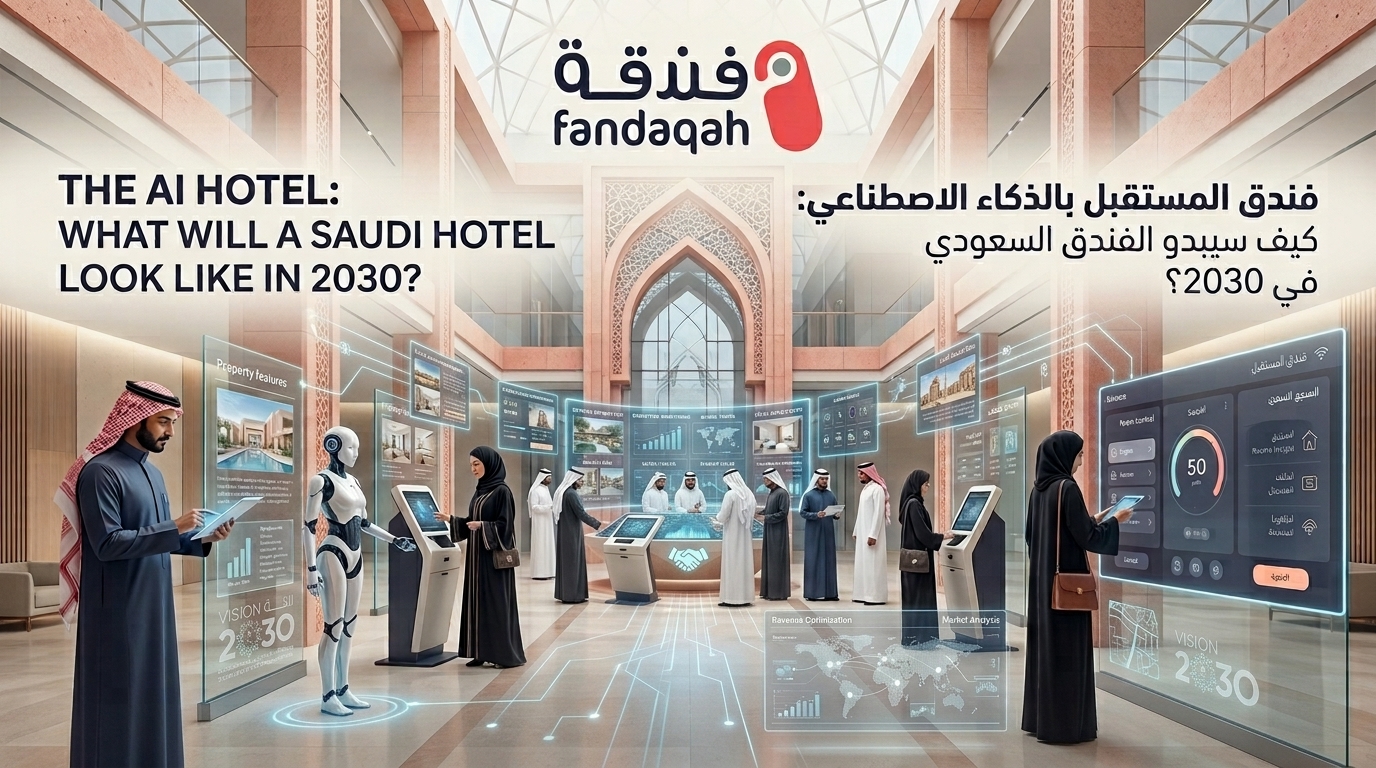
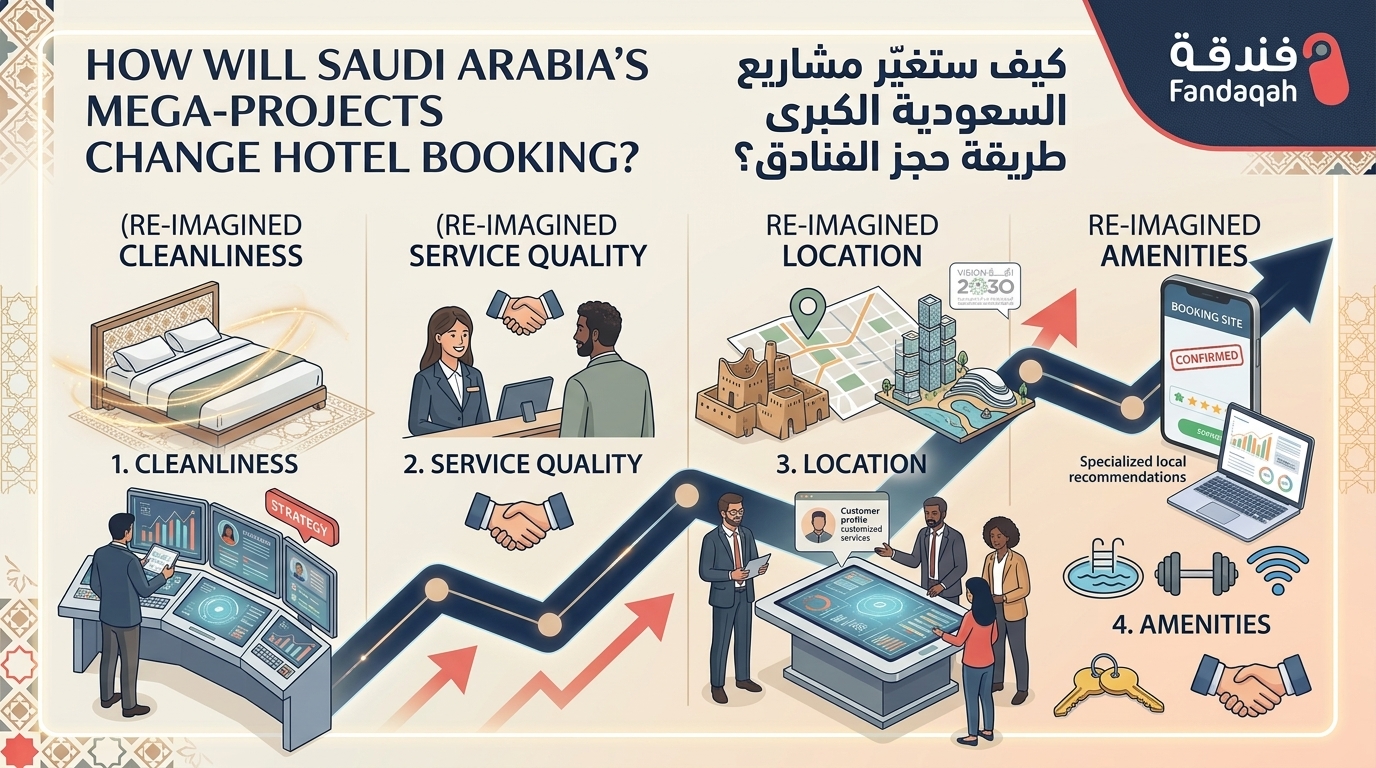
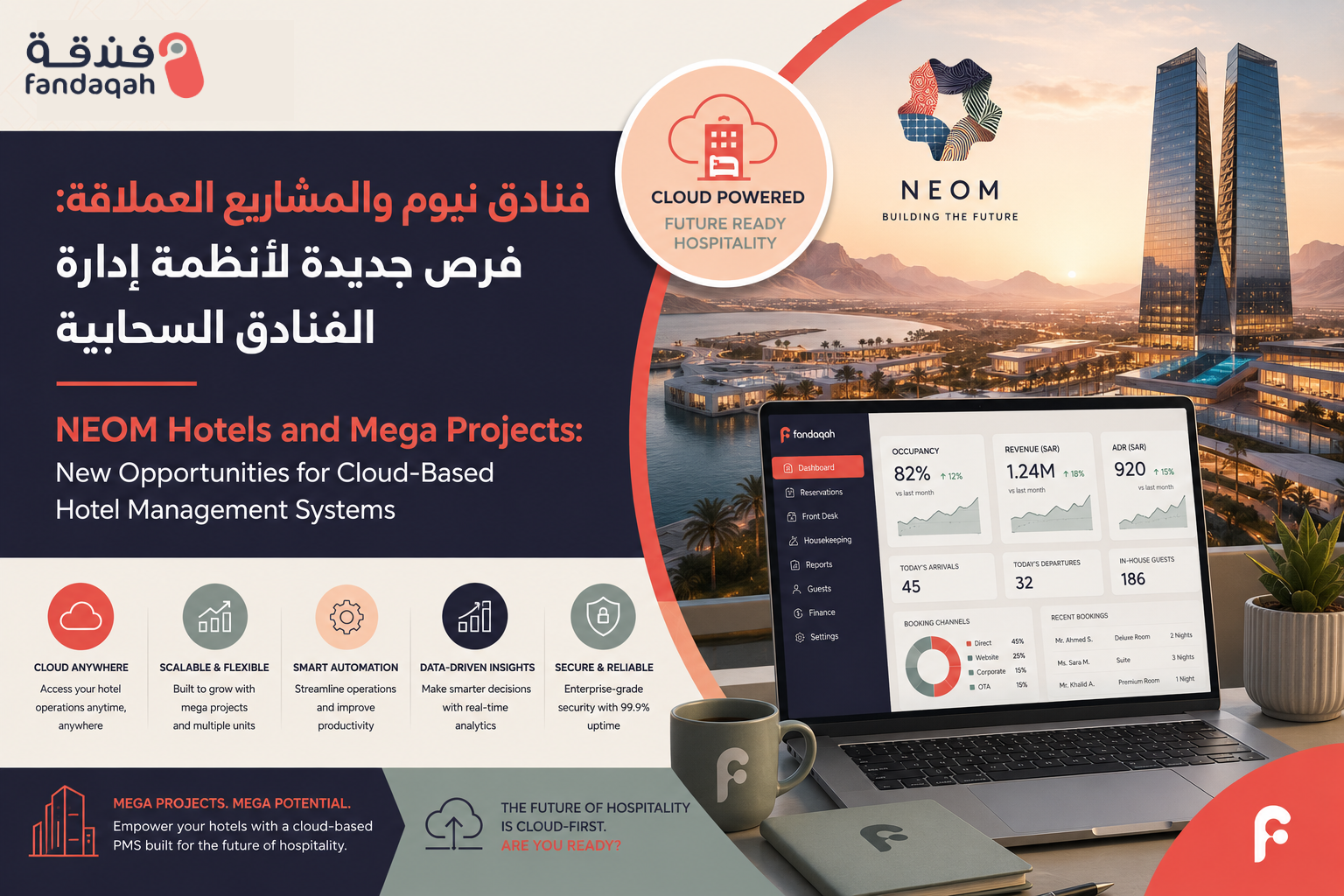
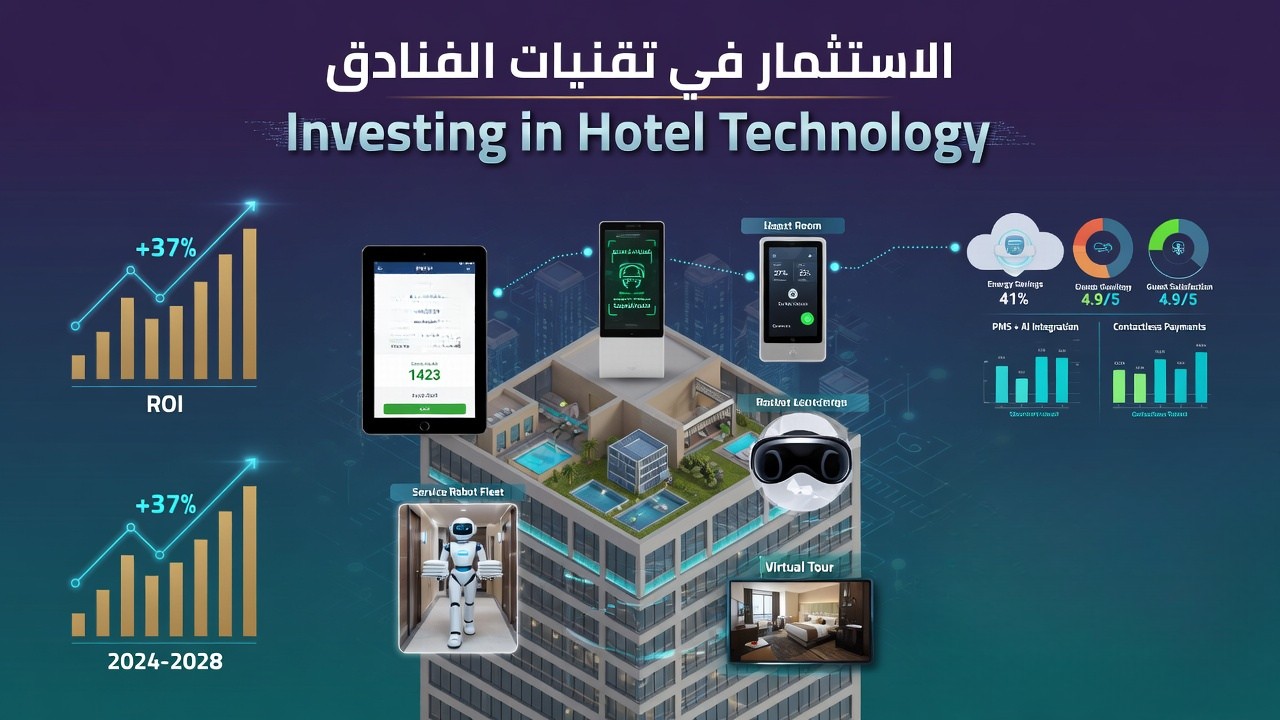
Saudi Vision 2030 positions tourism and hospitality as key economic pillars, with mega-projects like NEOM, the Red Sea Project, Diriyah Gate, Qiddiya, and AlUla’s development. These will attract millions of visitors and demand world-class digital hotel infrastructure. Key trends shaping the future:
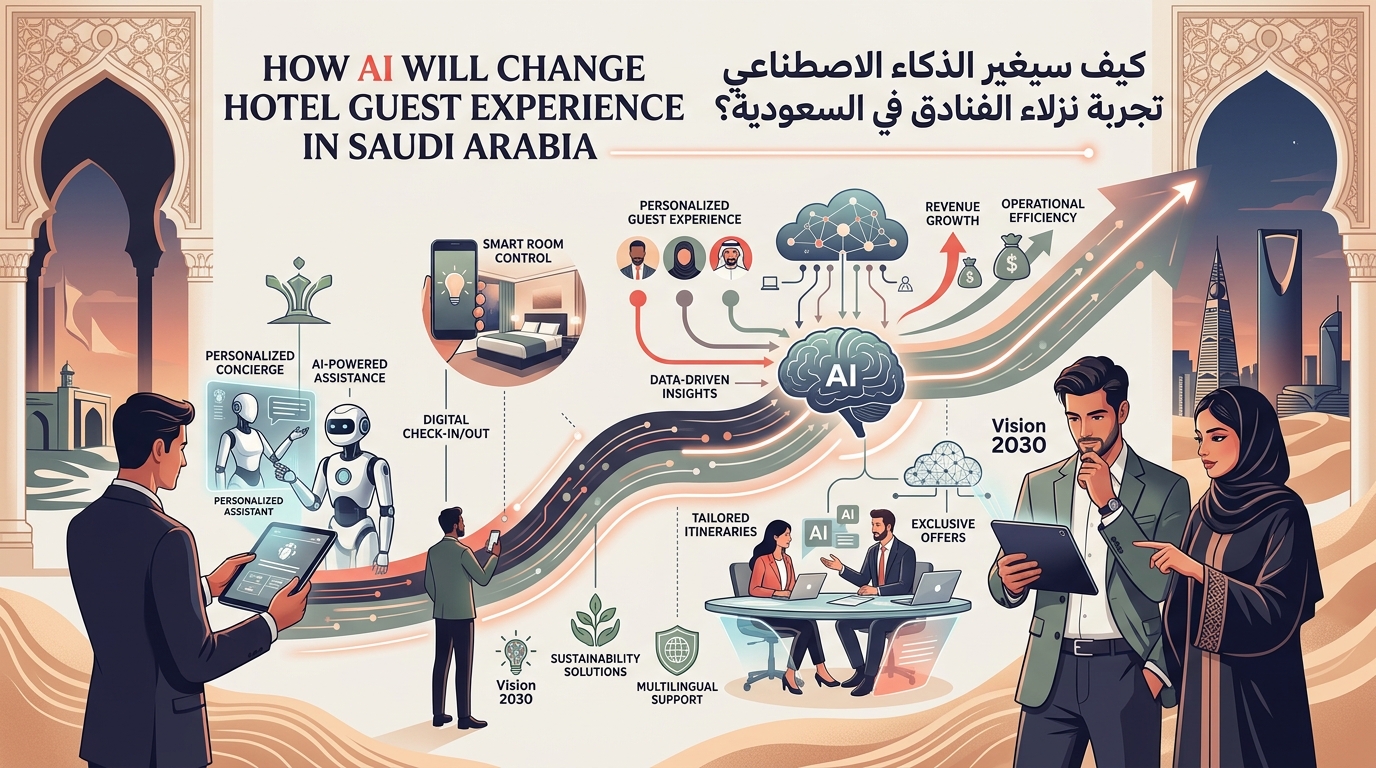
- Artificial Intelligence & Machine Learning: Predictive demand analysis, automated pricing optimisation, and hyper-personalised guest experiences.
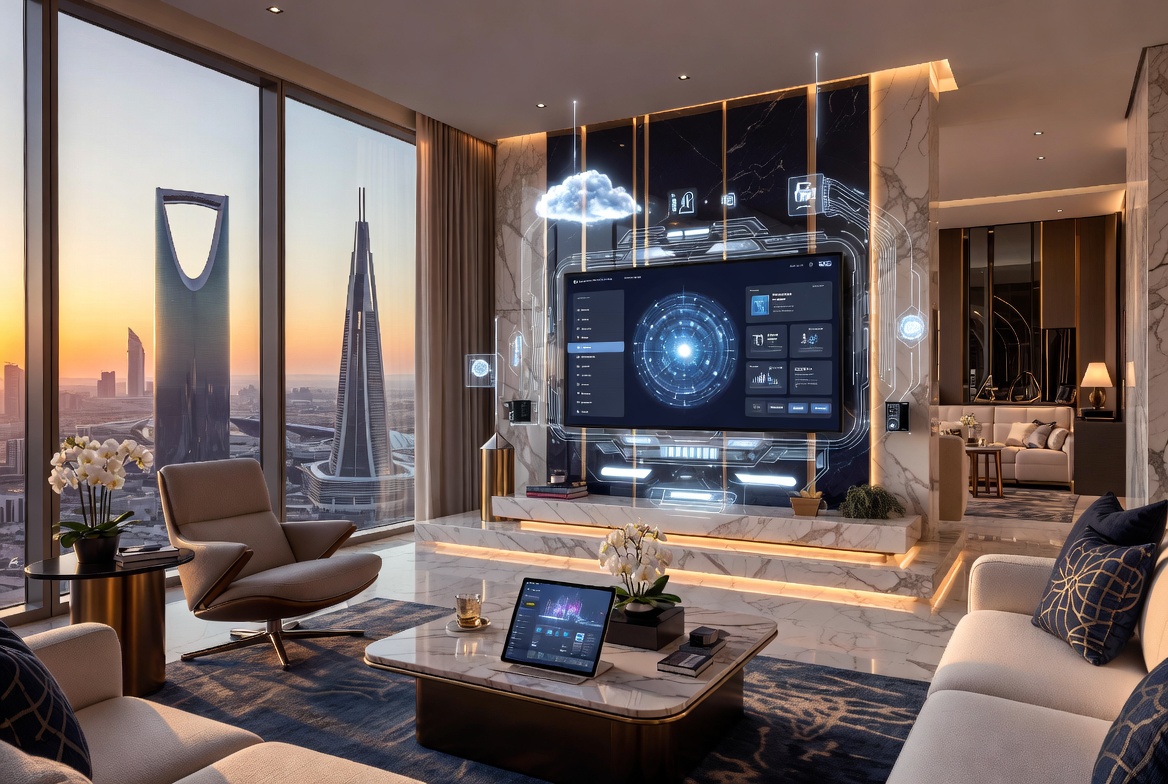
- Internet of Things (IoT): Smart hotel rooms controlling lighting, AC, and curtains via the PMS app.
- Blockchain: Enhanced guest data security and seamless international payment settlement.
- Augmented & Virtual Reality: Immersive room tours before booking.
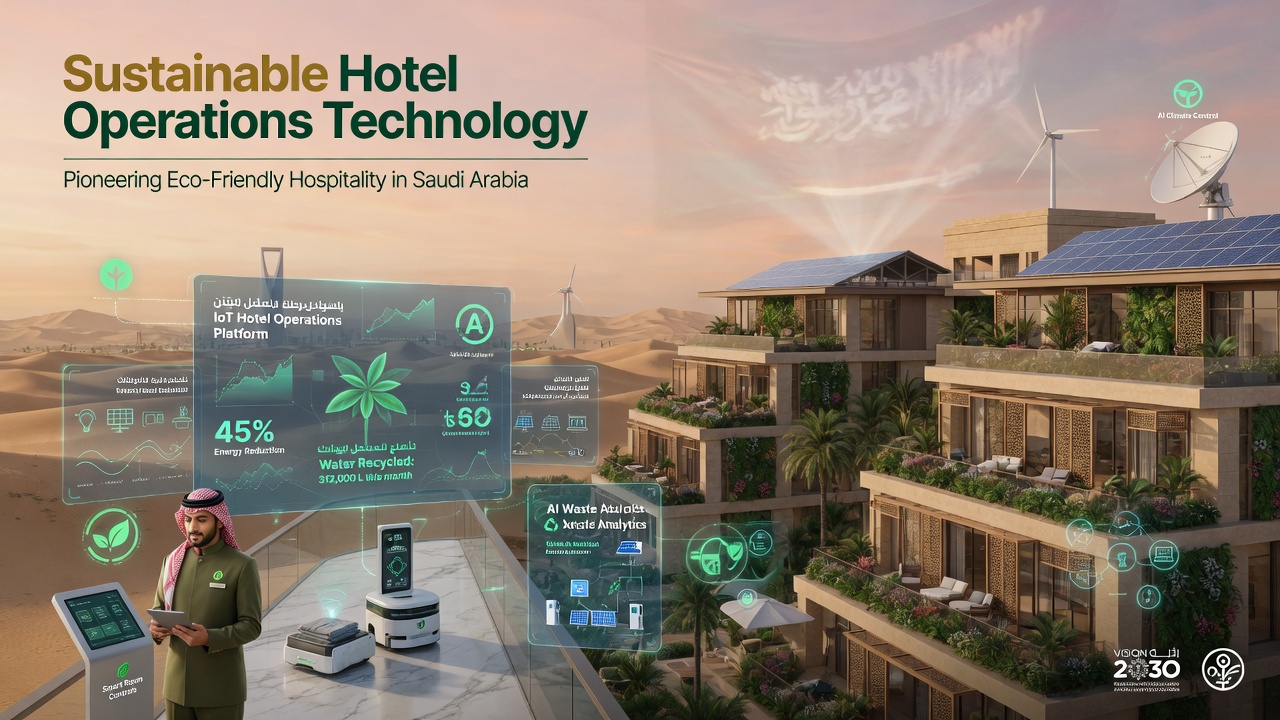
- Digital Sustainability: Systems that monitor energy and water consumption, helping hotels meet green goals.
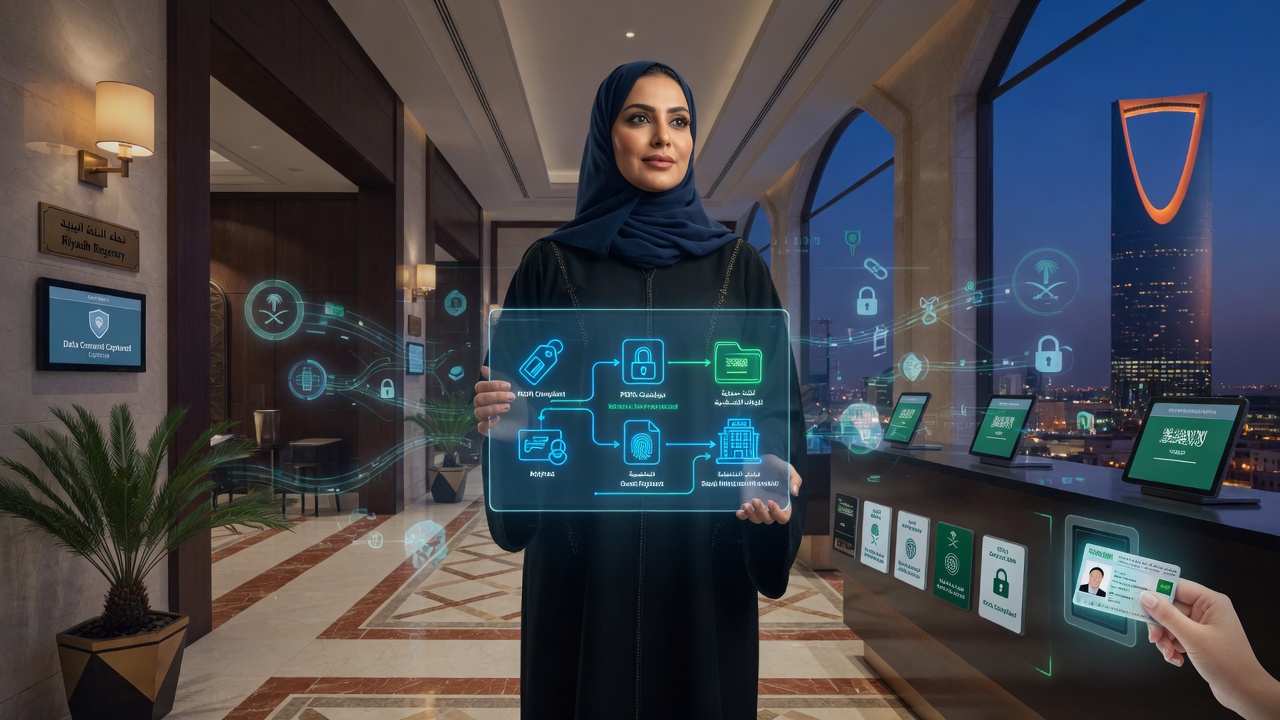
- Government Platform Integration: Deeper links with Absher for guest verification and Fatoorah for instant e-invoicing.
Hotels investing now in open, future-ready hotel management software will be perfectly positioned to capture the demand peak as the Kingdom reaches its tourism zenith.
Frequently Asked Questions (FAQ) About Hotel Management Systems
1. What is the best hotel management system in Saudi Arabia?
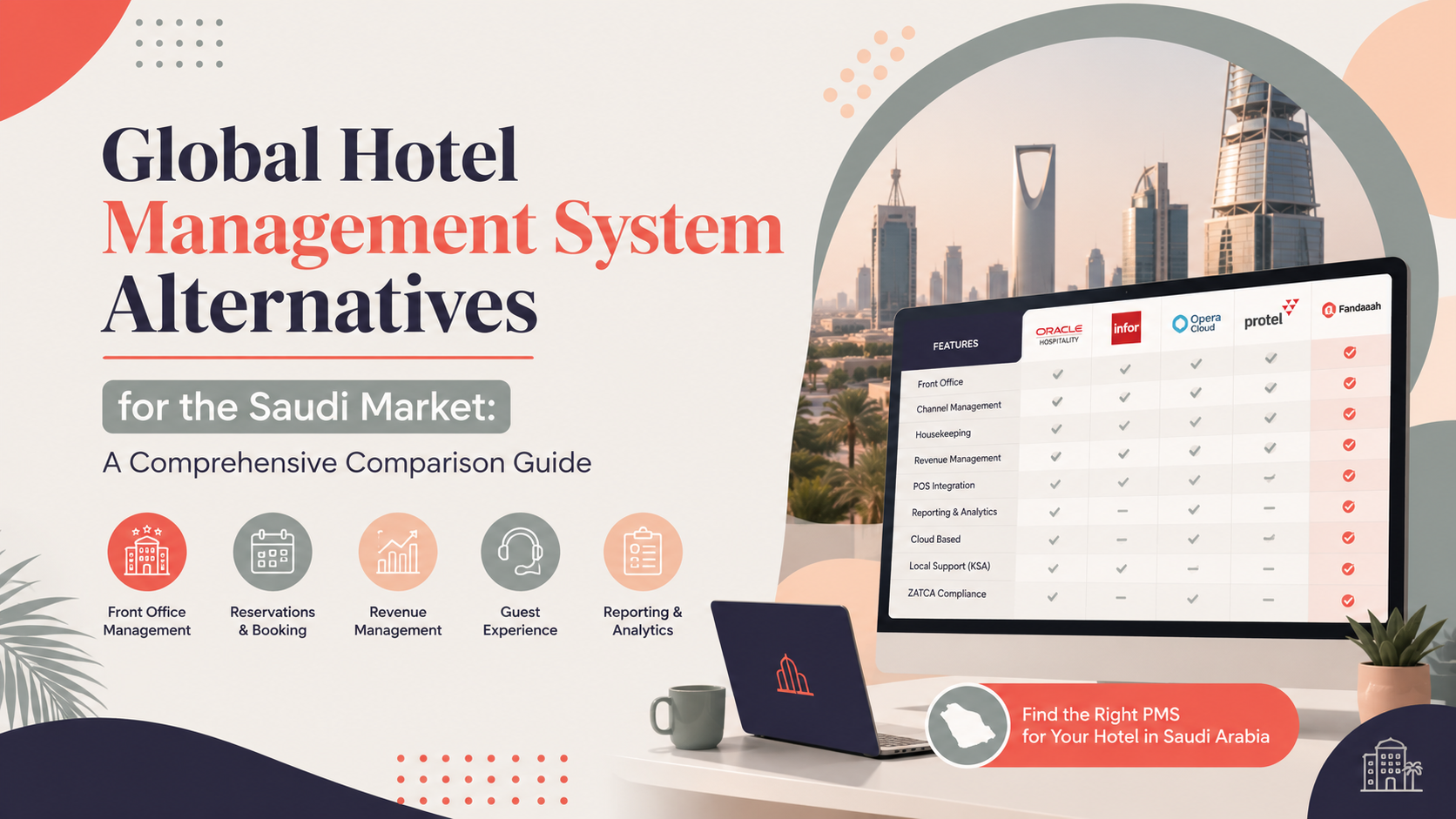
There is no one-size-fits-all “best”. The ideal hotel PMS matches your property’s size, location, guest type, budget, and integration needs. Shortlist 3–5 vendors and trial them thoroughly before deciding.
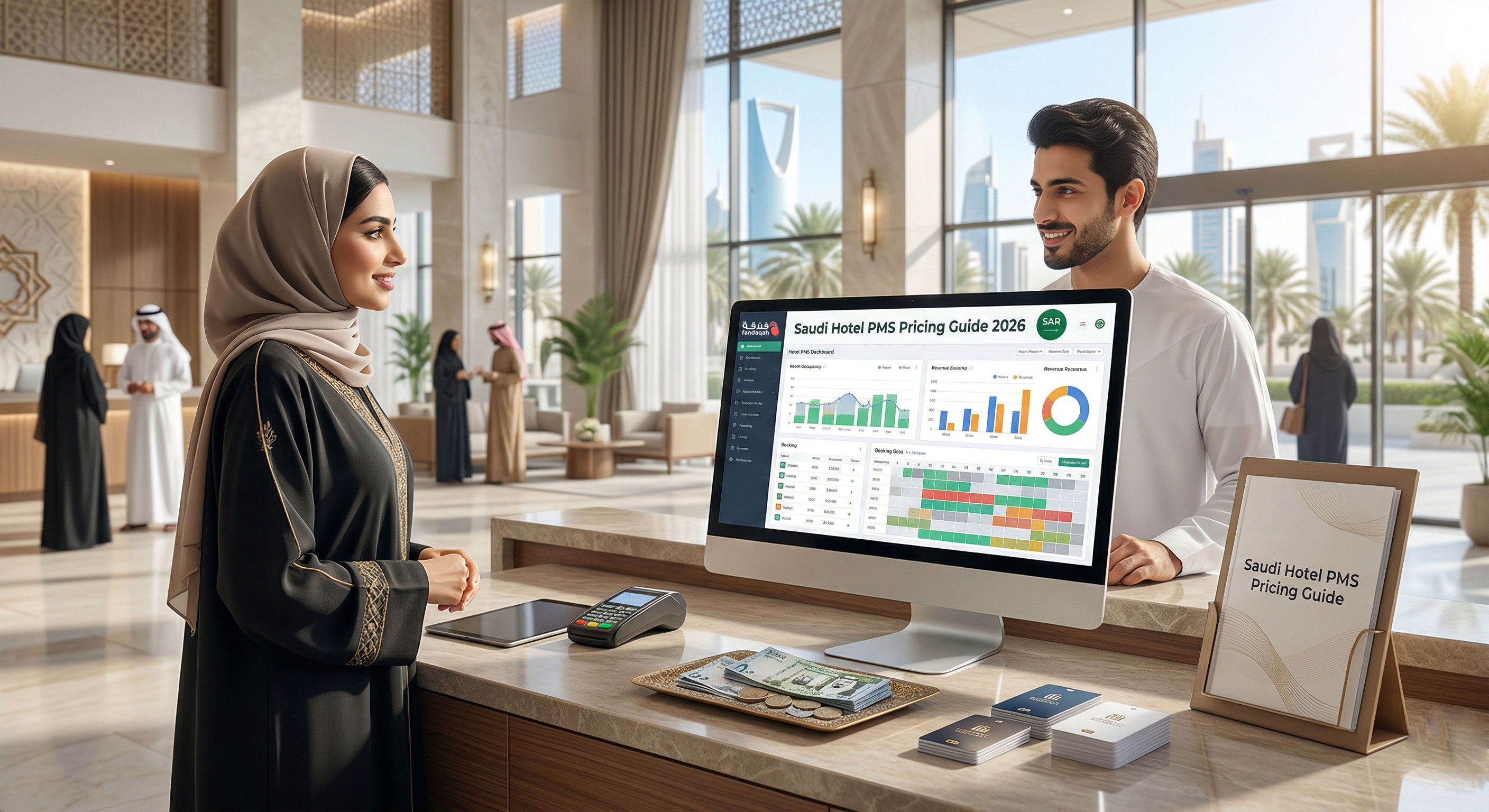
2. How much does a hotel management system cost in Saudi Arabia?
Cloud subscriptions start from approximately SAR 200–800 per month for small hotels, scaling up to SAR 5,000+ for larger properties. On-premise licenses can range from SAR 30,000 to 150,000 upfront, plus annual maintenance fees.
3. Is a cloud hotel PMS safe for guest data?
Yes. Reputable cloud-based hotel PMS providers invest heavily in encryption, backups, and certifications (e.g., ISO 27001), often offering stronger security than on-premise setups managed by smaller IT teams.
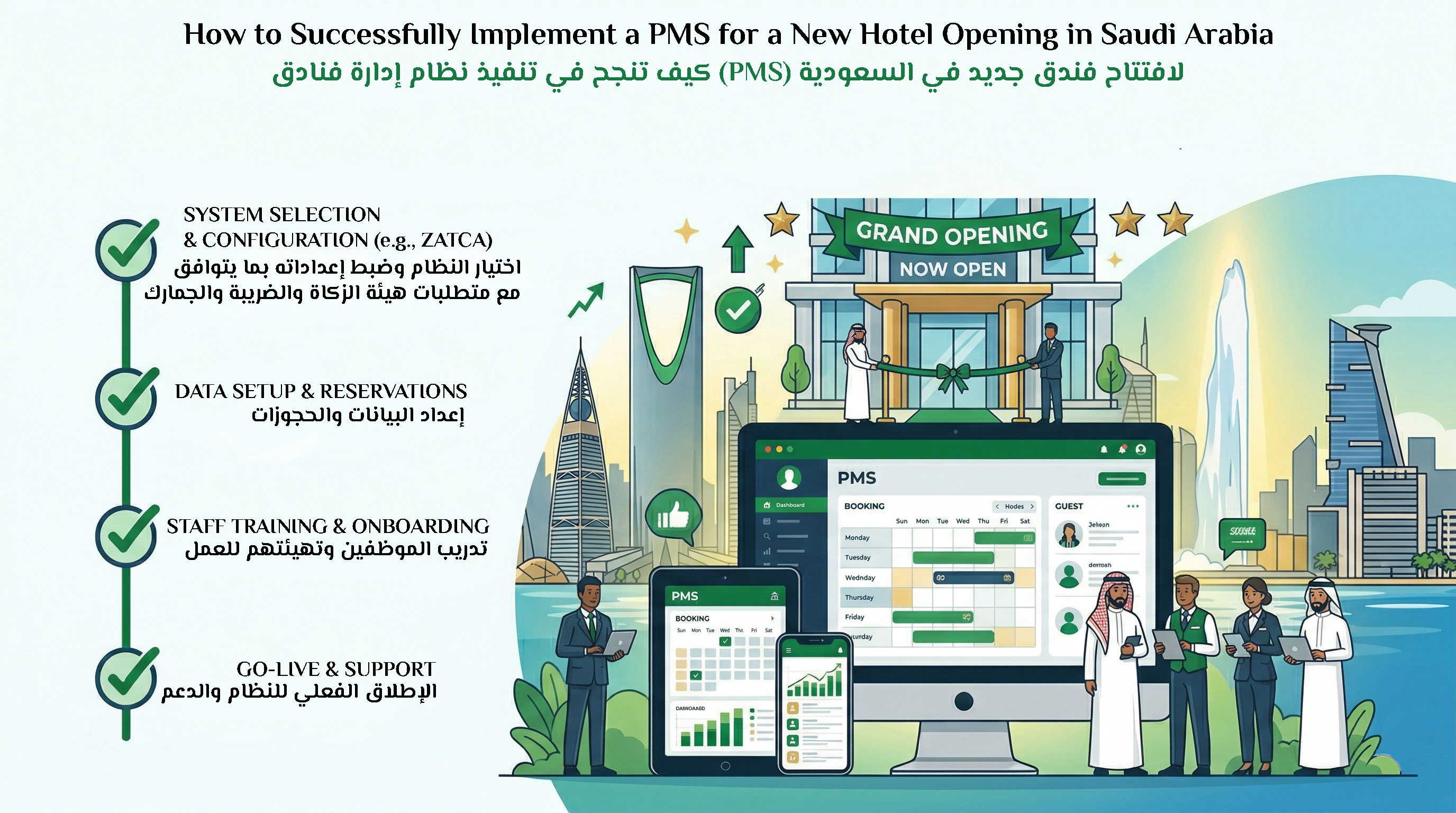
4. How long does it take to implement a new hotel management system?
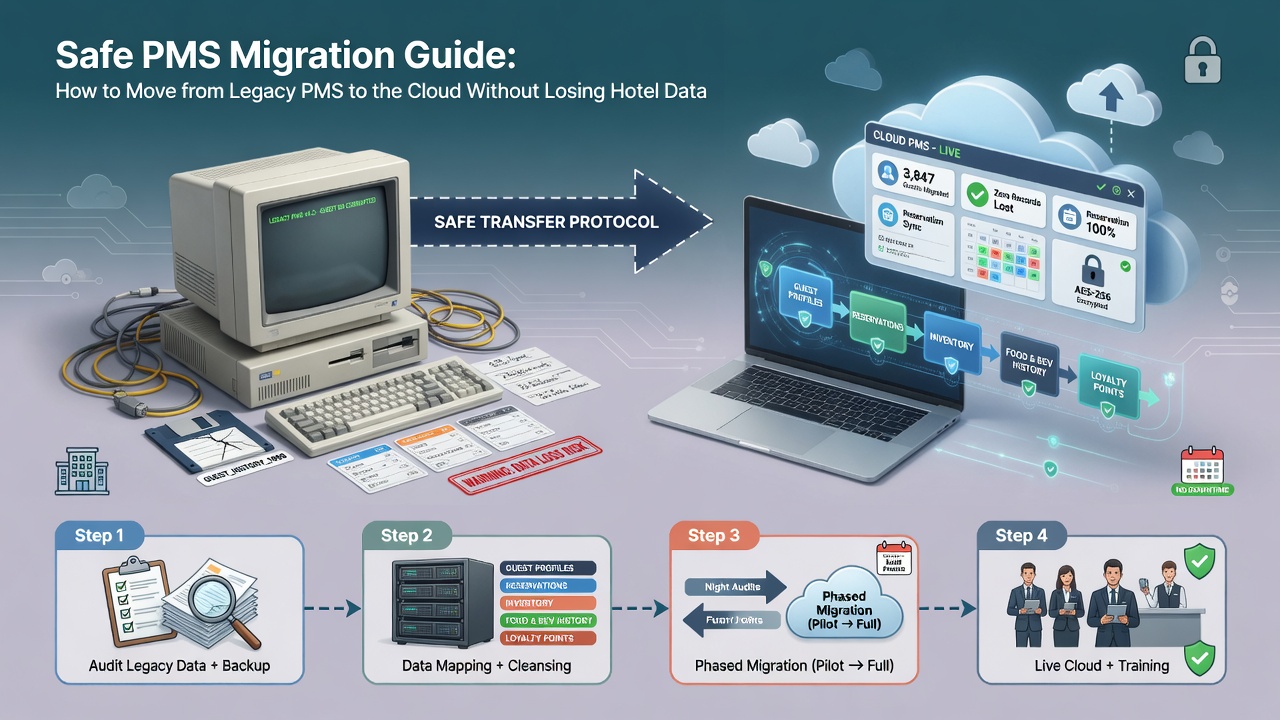
For a small hotel (under 30 rooms), setup and training can be done in 1–2 weeks. Mid-size and larger properties may need 3–8 weeks for data migration, integration, and staff training.
5. Can the hotel PMS integrate with my existing accounting software?
Most modern systems offer APIs for integration with popular accounting platforms. Confirm this compatibility with the vendor before signing.
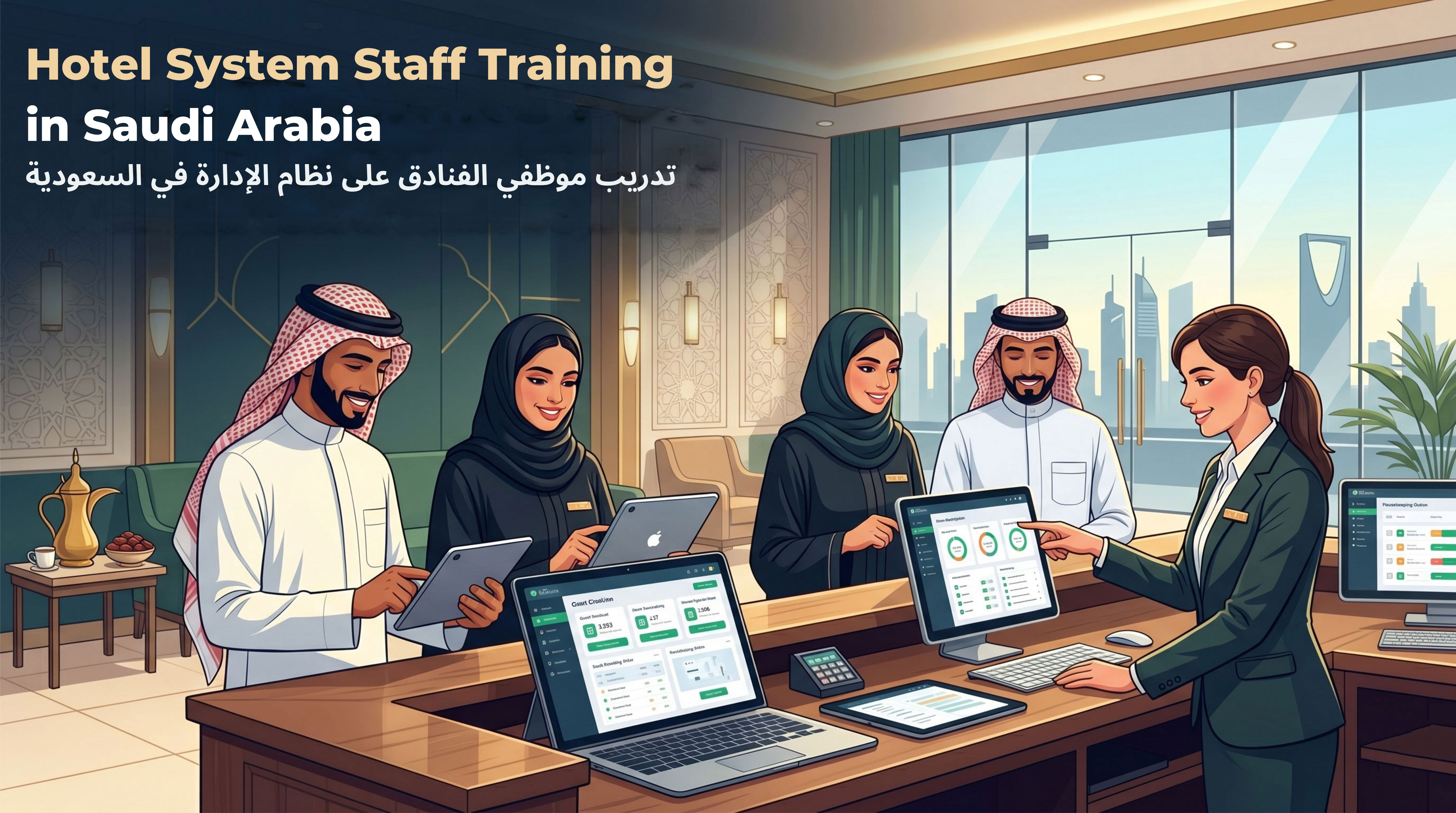
6. Will my staff need training, and how long does it take?
Yes, training is essential. Providers typically include initial onboarding and ongoing training. Duration ranges from 2 days to a week, depending on team size and module complexity.
7. What happens to my data if I switch hotel management systems later?
Always ask about data export policies upfront. A good system should let you export all your data (reservations, guest profiles, invoices) in standard formats like CSV or via API, ensuring a smooth migration.
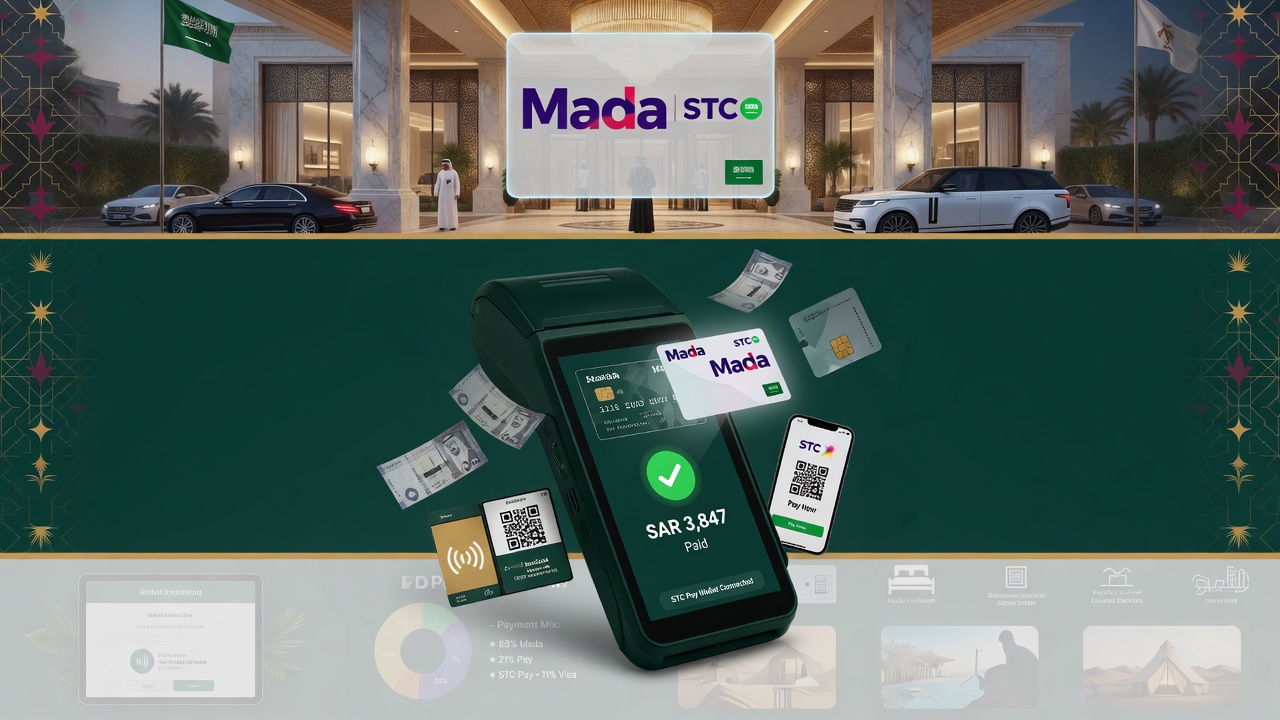
8. Do hotel management systems support Saudi payment gateways like Mada and STC Pay?
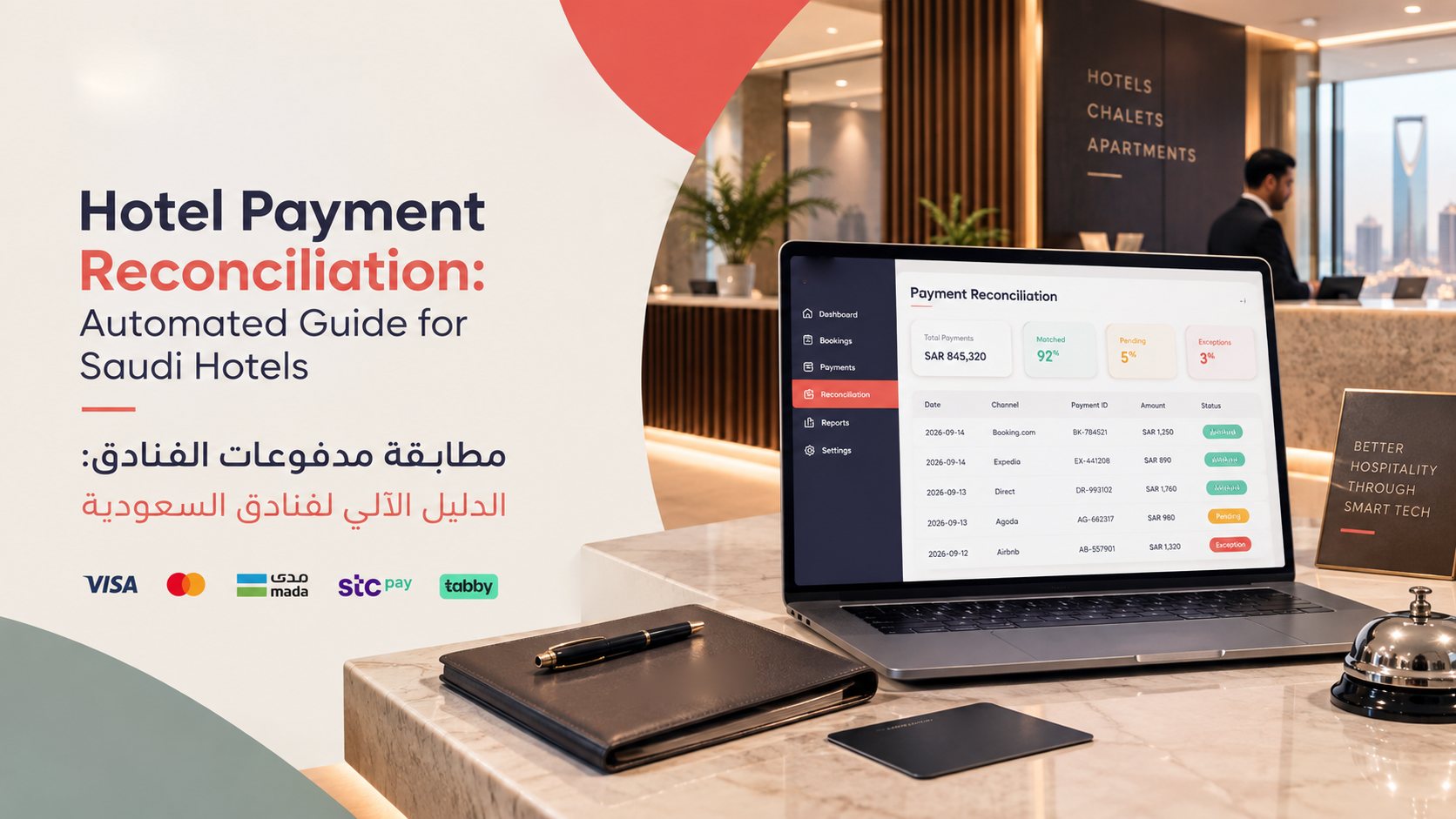
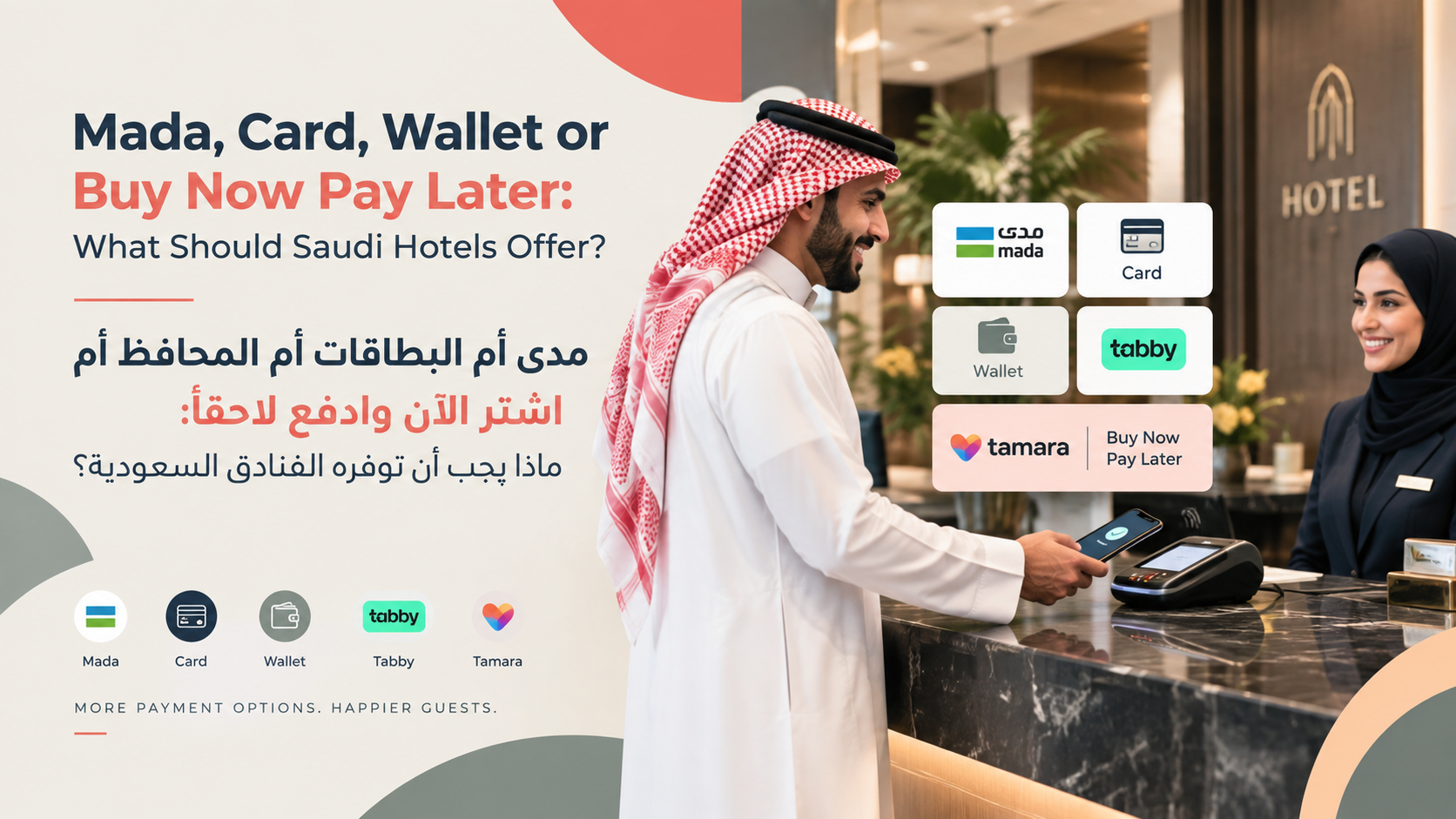
Yes, many hotel software solutions targeting Saudi Arabia integrate with local gateways such as Mada, STC Pay, and others. Verify this feature as it directly impacts guest convenience.
Conclusion: Your Choice Today Defines Your Success Tomorrow
Selecting the right hotel management system is one of the most consequential investment decisions you’ll make as a hospitality operator in Saudi Arabia. The 12 questions we’ve outlined provide a robust framework to evaluate any system objectively. Take your time, consult peers, and test platforms thoroughly.
Remember, digital transformation in Saudi hospitality isn’t a passing trend — it’s a fundamental shift reshaping the entire sector. Investing today in a forward-thinking, Vision 2030-aligned hotel reservation and management platform will put your property on the fast track to growth and distinction in one of the world’s fastest-growing tourism markets.
We hope this guide has answered your questions and helped you build a clear roadmap toward selecting the perfect property management system for your hotel. We welcome your feedback and are here to help with any further queries.
Need Help Choosing the Ideal Hotel Management System?
Our team of hospitality technology specialists is ready to assist. Book a free consultation and discover how you can boost your operational efficiency by up to 40%.
Get Your Free Consultation Now ????