Data-Driven Hospitality Intelligence
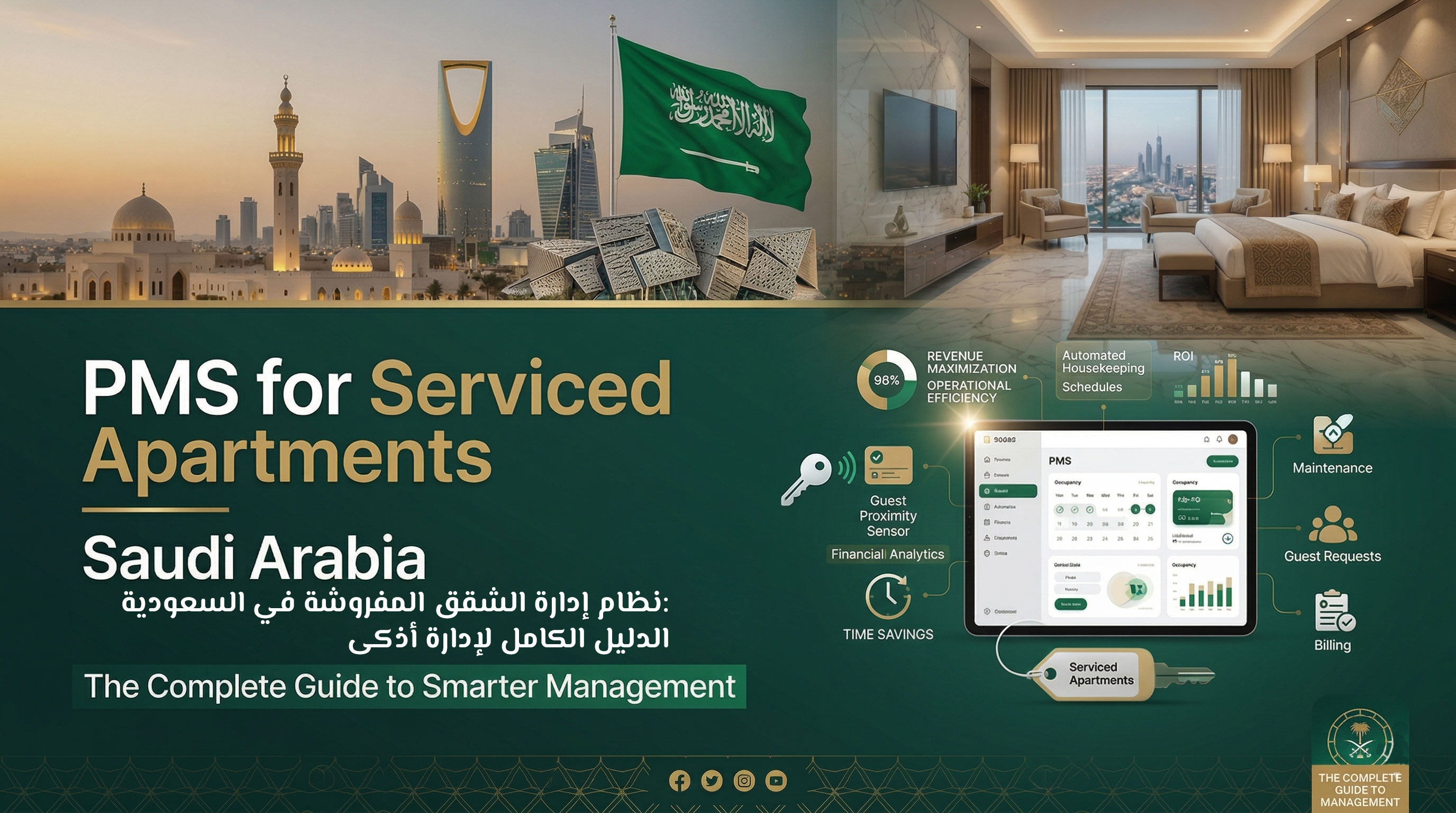
Trusted by 800+ Hotels Across Saudi Arabia • 99.9% Operational Efficiency • 24/7 Bilingual Support
Published April 2026 | Reading Time: 18 Minutes | By Fandaqah Editorial
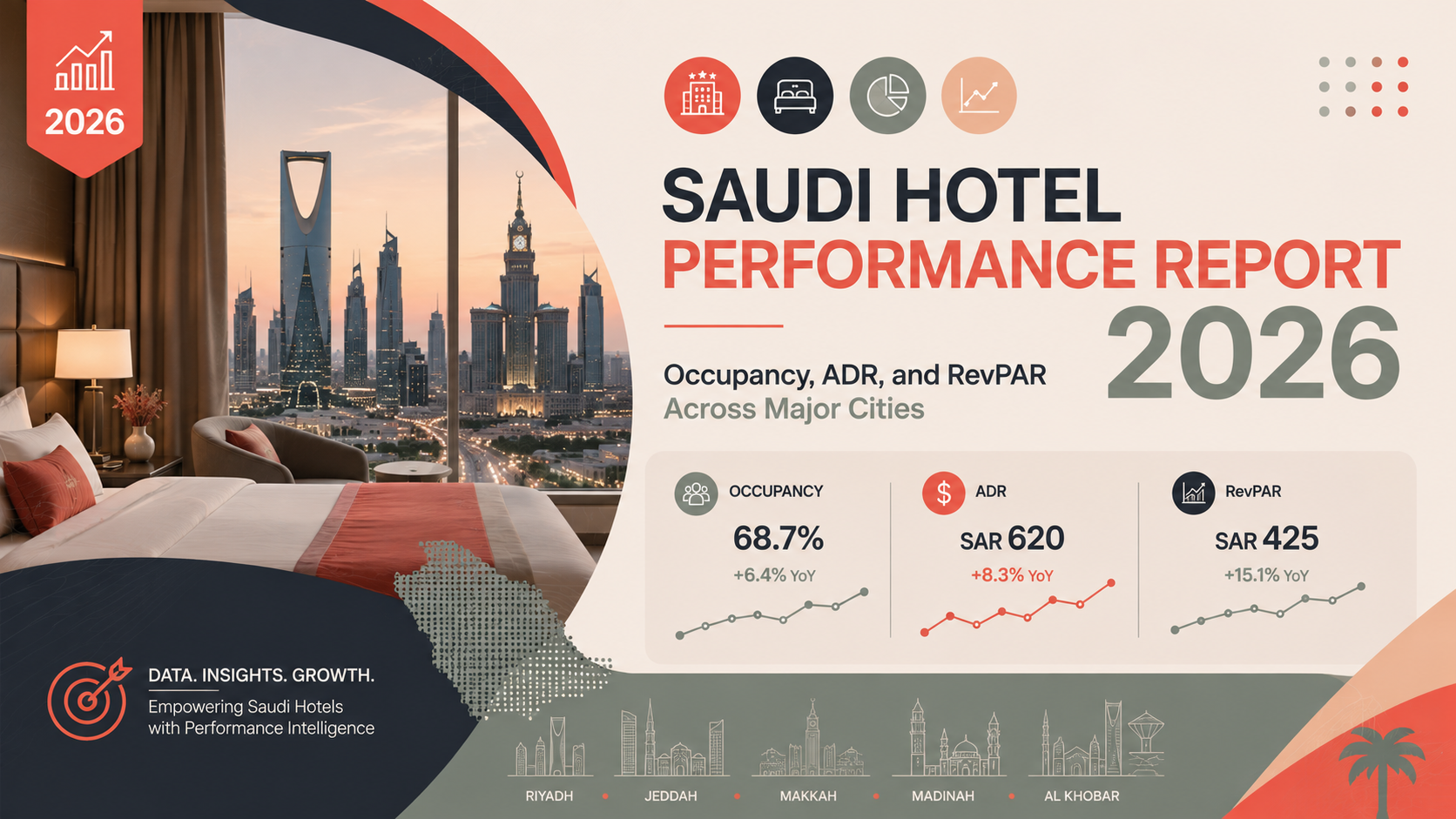
Saudi Arabia’s hospitality sector is undergoing the most dramatic transformation in its history. With 122 million visitors in 2025 — a 5% year-on-year increase — and Vision 2030 targeting 150 million annual tourists, the revenue opportunity for hotels, serviced apartments, and chalets has never been larger. Yet beneath these headline numbers lies a far more complex reality: national hotel occupancy averaged just 57.3% in Q4 2025, average daily rates (ADR) declined 11.7% year-on-year to SAR 389, and licensed hospitality establishments surged 34.2% to nearly 5,900 properties, intensifying competition across every segment.
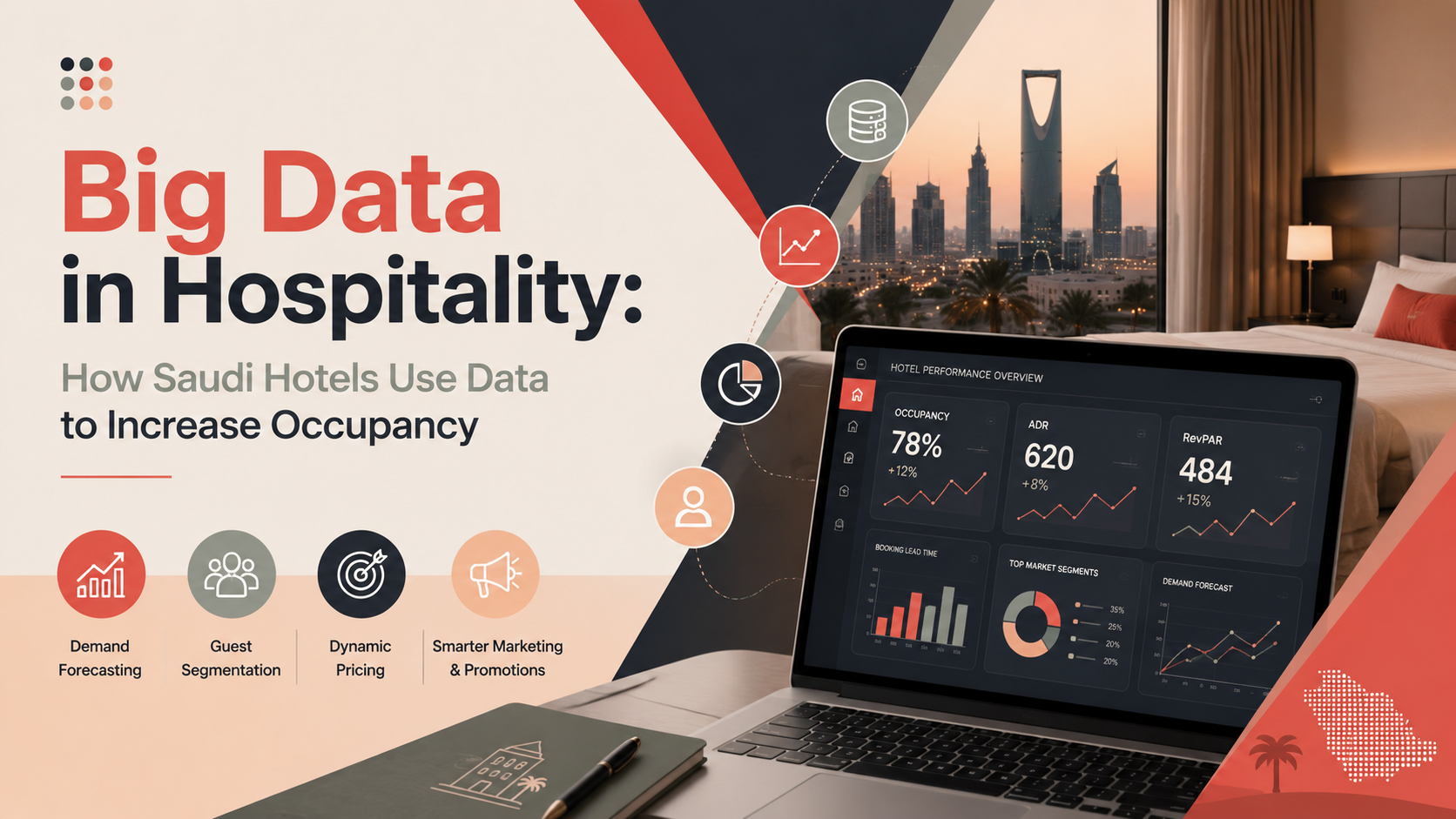
In this environment, hotel revenue management is no longer a luxury reserved for five-star chains — it is a survival skill. The hotels winning today are those that harness smart PMS data to make faster, sharper pricing and distribution decisions. This comprehensive guide explores exactly how Saudi hoteliers can leverage modern property management systems like Fandaqah to increase occupancy, raise ADR, and maximize RevPAR — with practical strategies, real Saudi market data, and a clear roadmap aligned with the Kingdom’s Vision 2030 ambitions.
Key Insight: Saudi Arabia’s hospitality market is projected to grow from USD 27.14 billion in 2025 to USD 40.58 billion by 2031, at a CAGR of 6.93%. Chain hotels hold 57.74% market share and are expanding at an 11.62% CAGR — meaning independent and mid-scale properties must adopt technology-driven revenue strategies now to remain competitive.
What Is Hotel Revenue Management and Why Does Saudi Arabia Need It Right Now?
Hotel revenue management is the strategic discipline of selling the right room, to the right guest, at the right price, through the right channel, at the right time. Originally developed by airlines in the 1980s, revenue management has evolved into a data-intensive function that sits at the intersection of pricing strategy, demand forecasting, distribution management, and guest analytics.
In Saudi Arabia, revenue management takes on unique dimensions. The market does not follow a single demand curve — it follows at least four distinct demand rhythms simultaneously:
-
1.
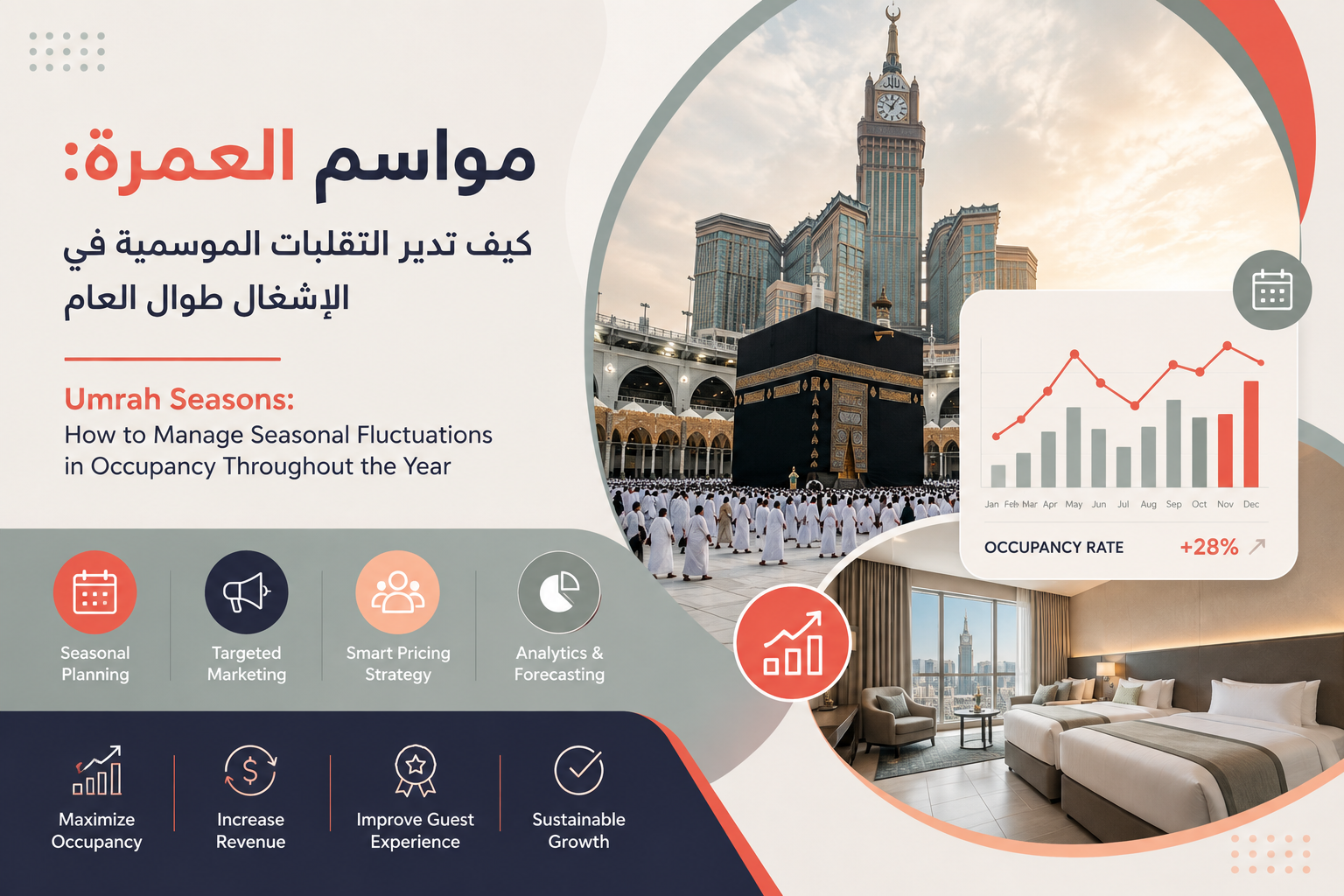
Religious Tourism: Hajj and year-round Umrah create massive, predictable demand surges in Makkah and Madinah. In Q1 2025 alone, ADR in Makkah rose 28.9% year-on-year to SAR 859, and RevPAR jumped 35.7% to SAR 673, driven by an 8.3% increase in Umrah visas.
-
2.
Business & Corporate Travel: Riyadh’s emergence as a global financial hub — anchored by the Regional Headquarters (RHQ) program attracting 540+ multinationals — generates consistent weekday corporate demand.
-
3.
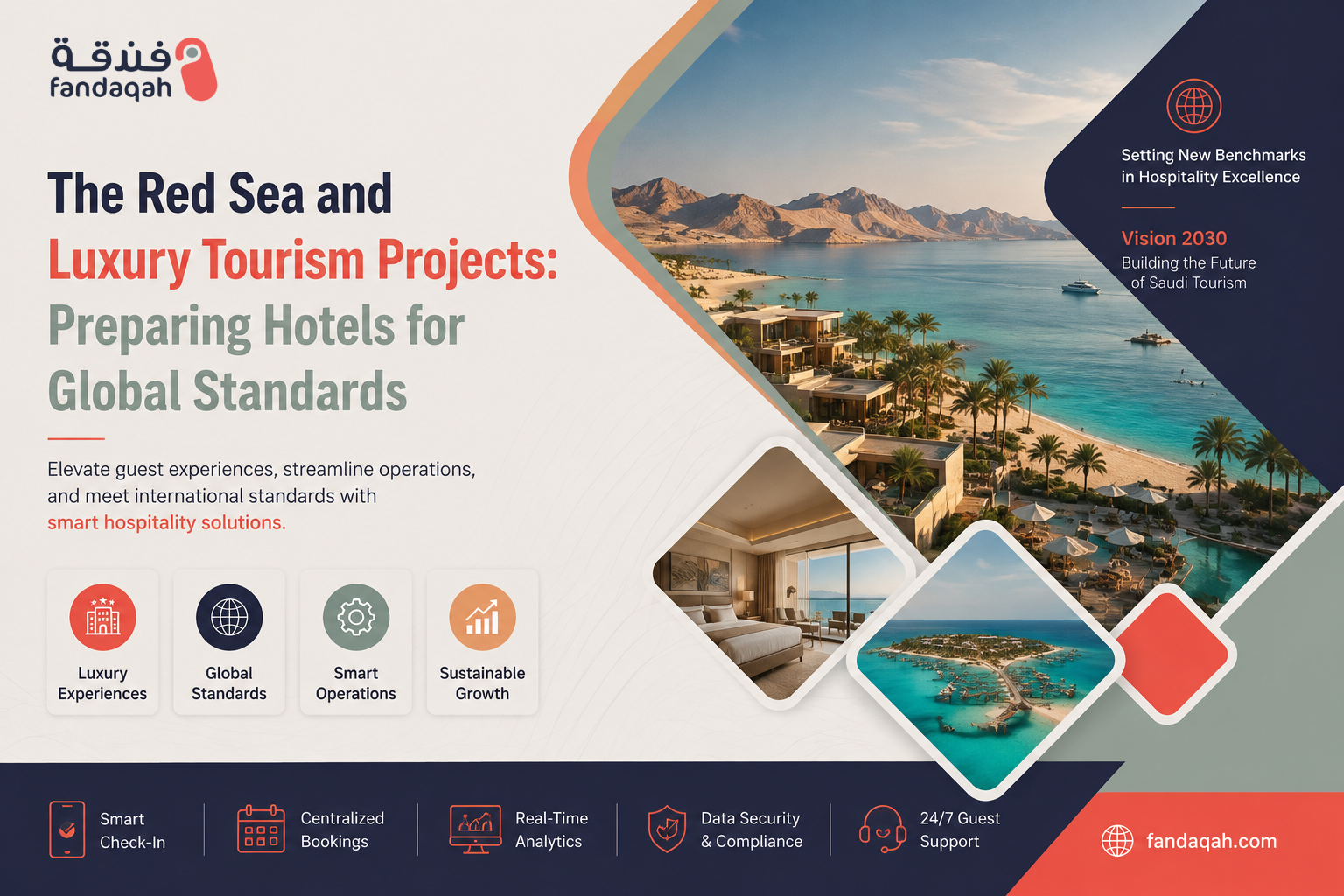
Leisure & Entertainment: Mega-events (Riyadh Season, Formula 1, MDLBeast) and giga-projects (Red Sea Global, Qiddiya, Diriyah Gate) are creating entirely new leisure demand corridors.
-
4.
Domestic Tourism: Saudi domestic tourism rose 16% in 2024–2025, with nationals increasingly exploring their own country — a structural shift supported by improved infrastructure and rising disposable income.
Managing these overlapping demand patterns manually — with spreadsheets, gut instinct, or legacy systems — is nearly impossible. This is where smart PMS data becomes the decisive competitive advantage.
The PMS–Revenue Management Connection
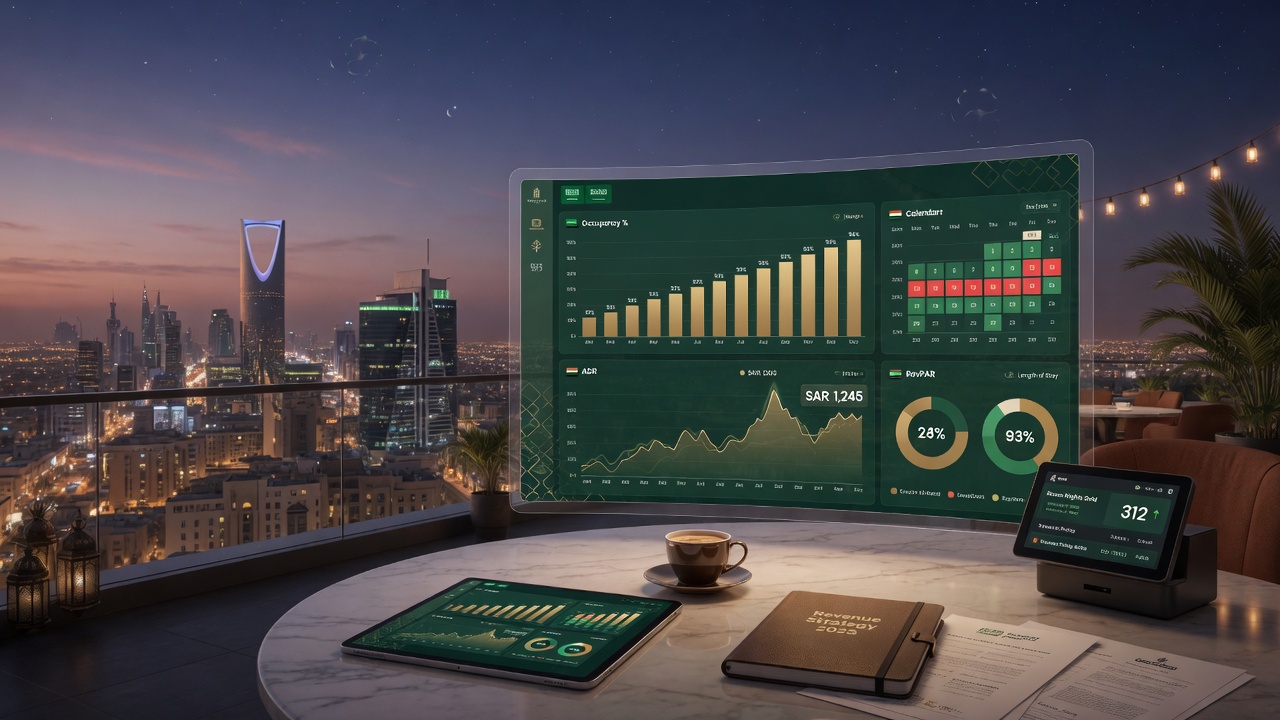
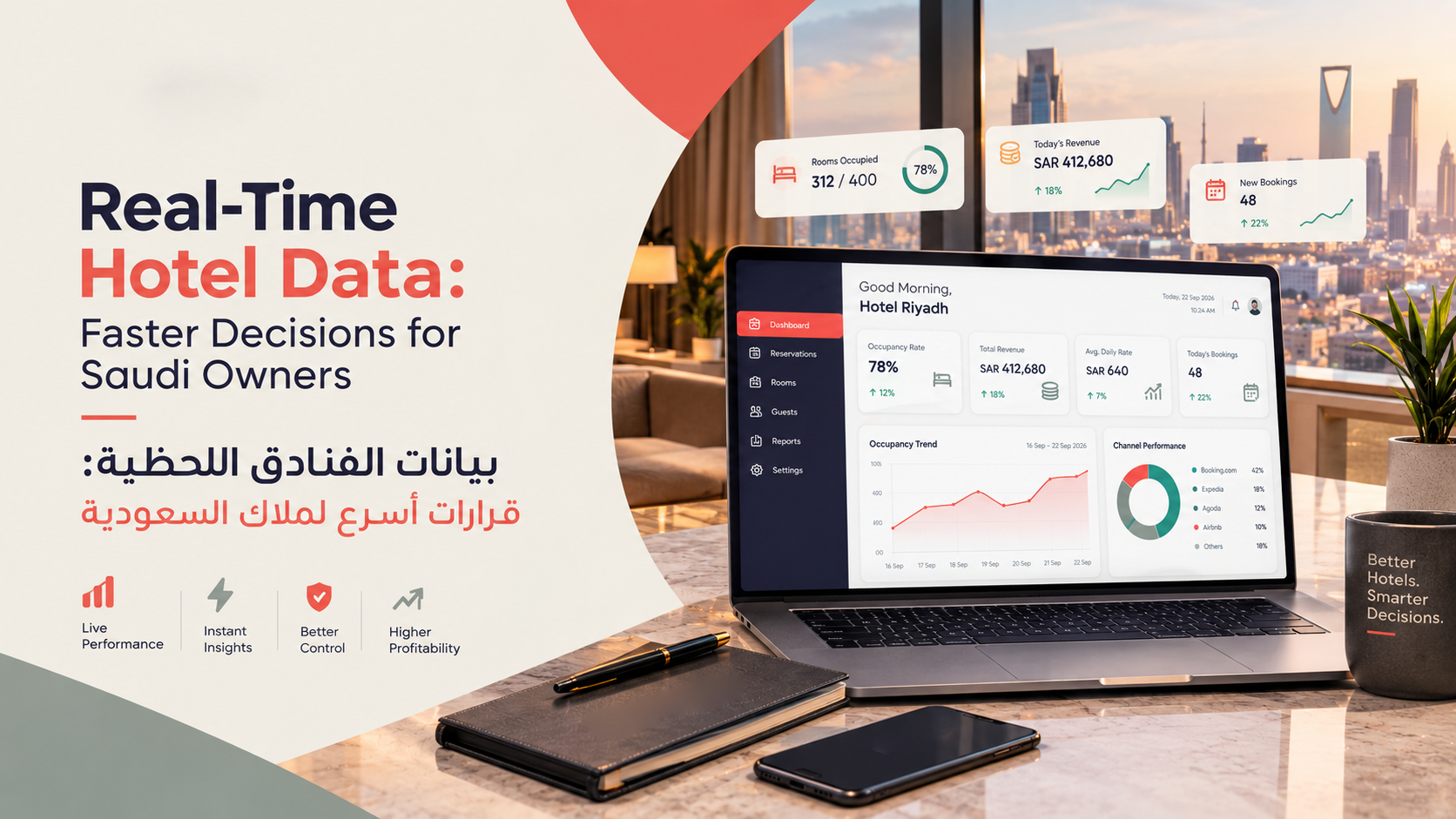
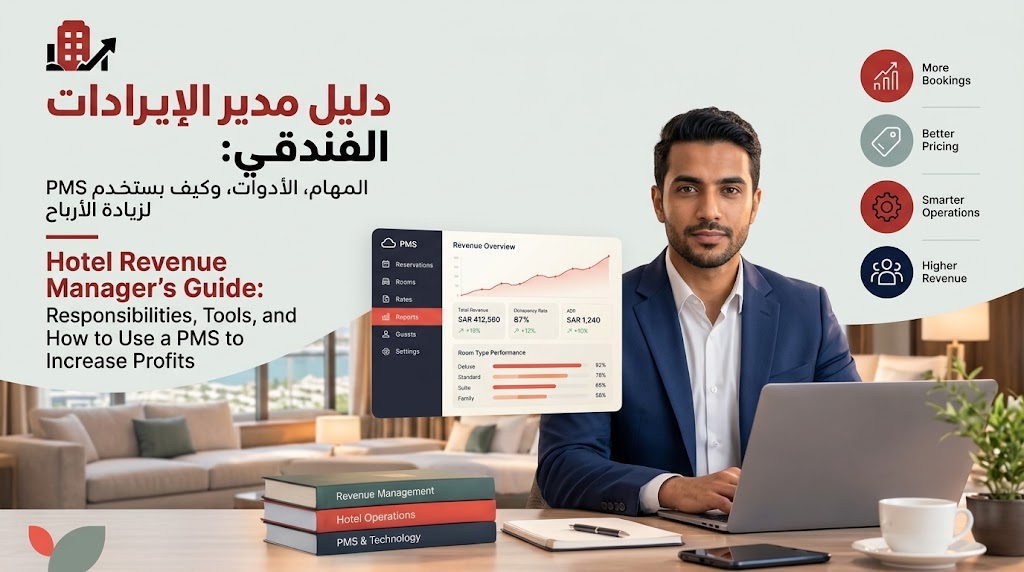
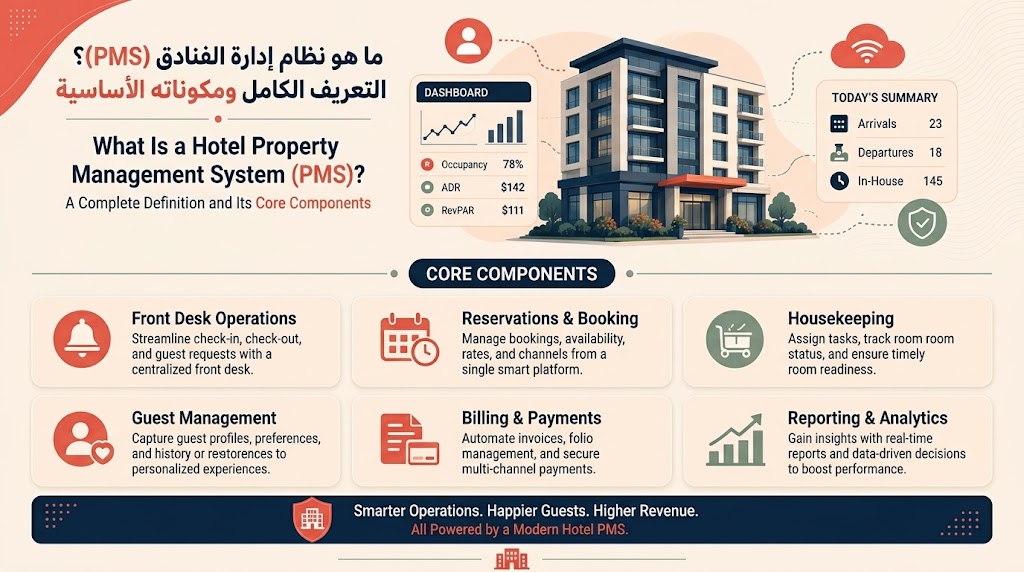
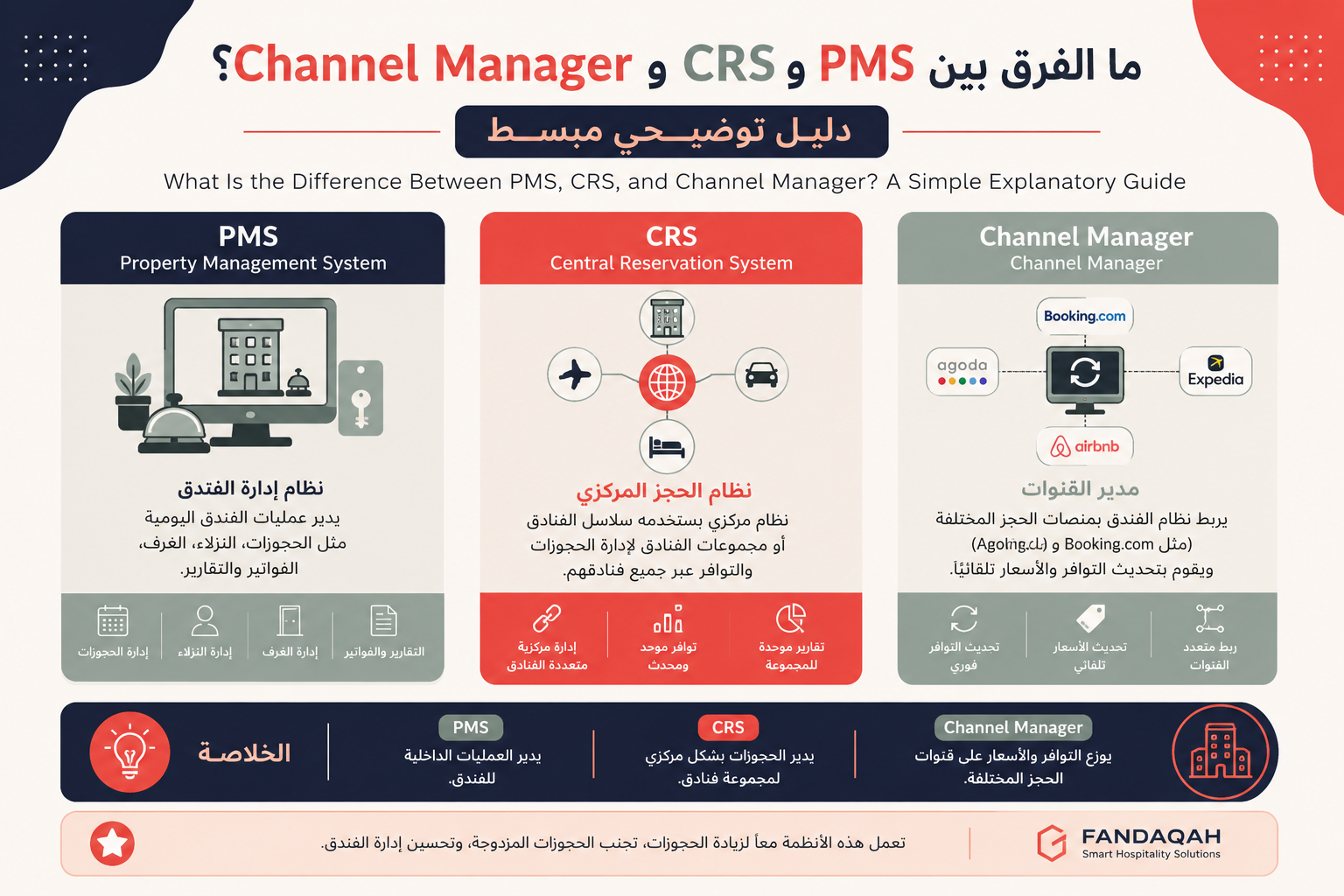
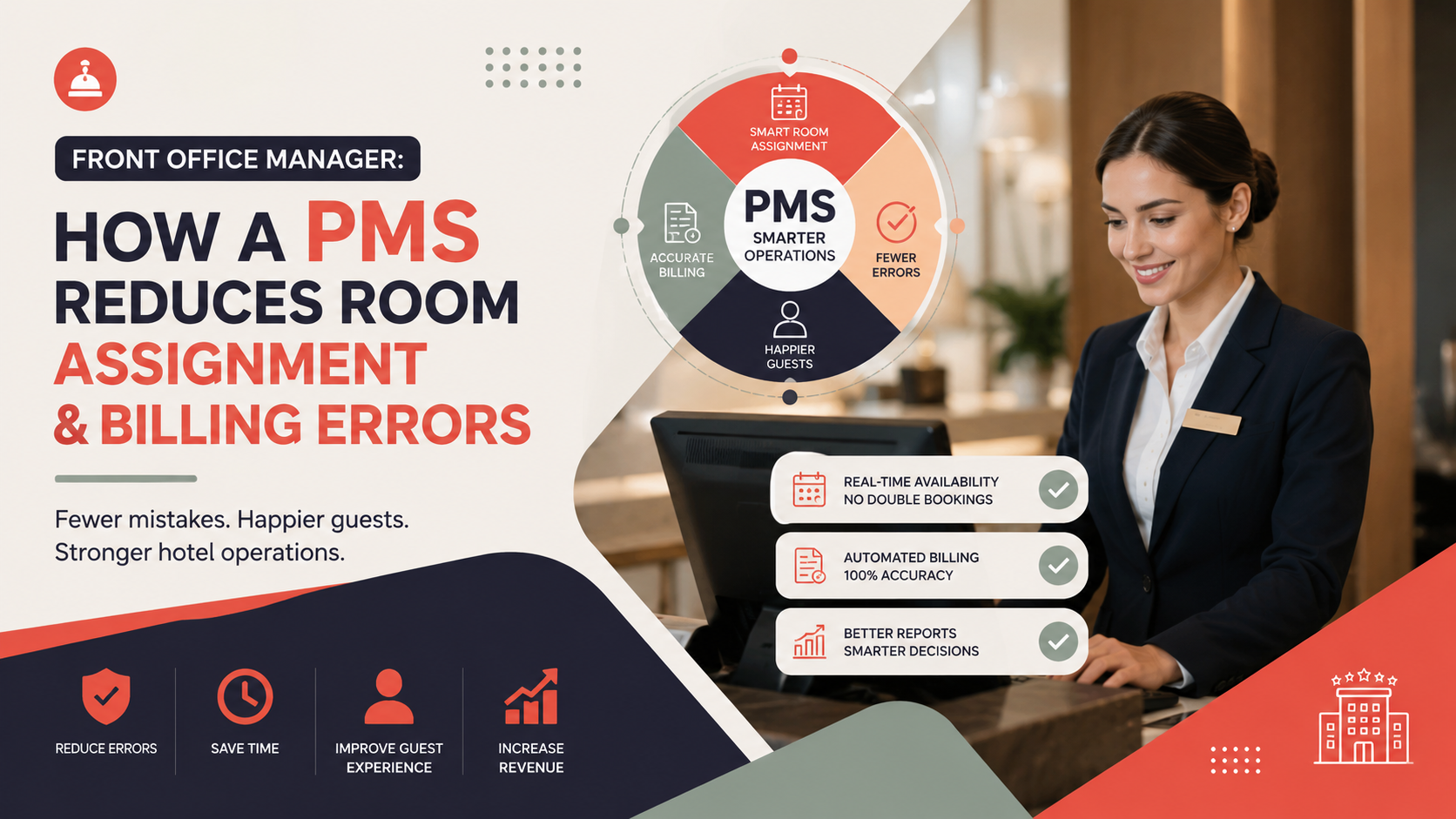
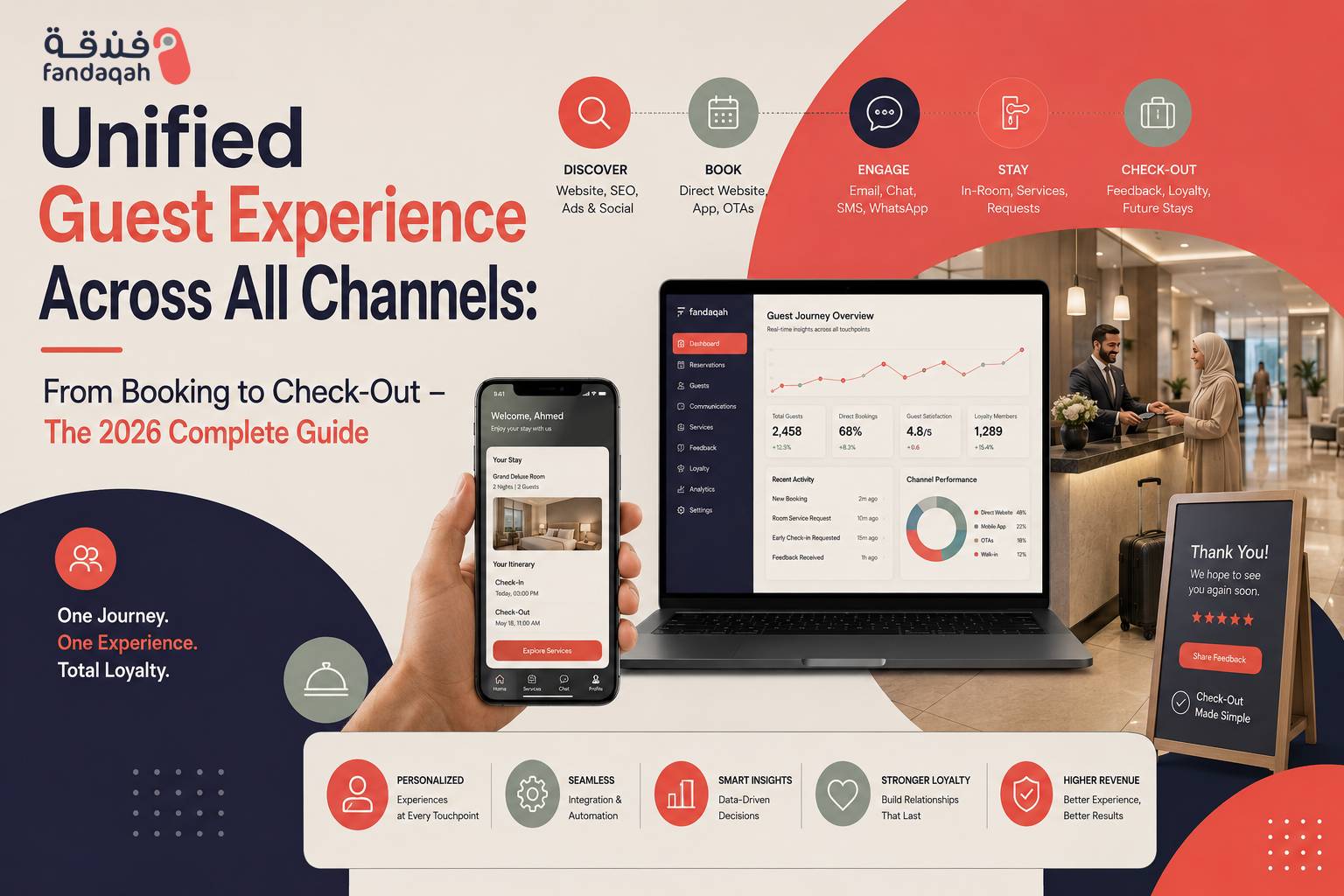
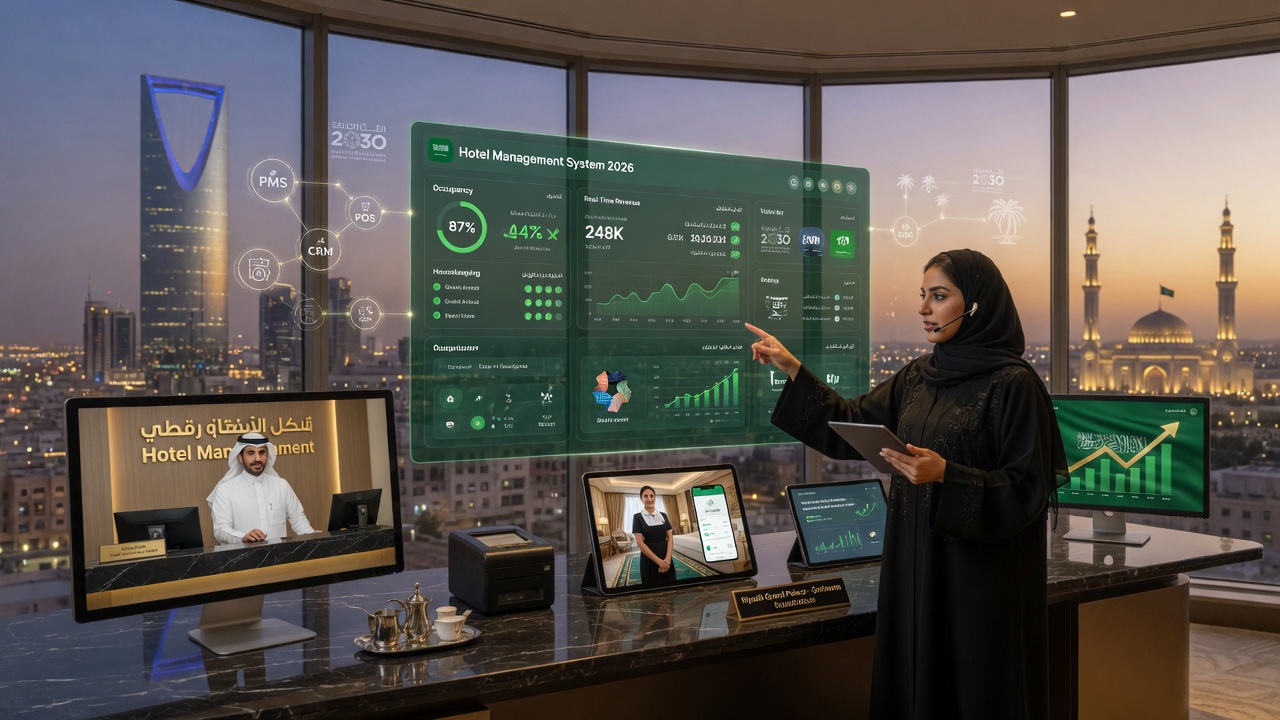
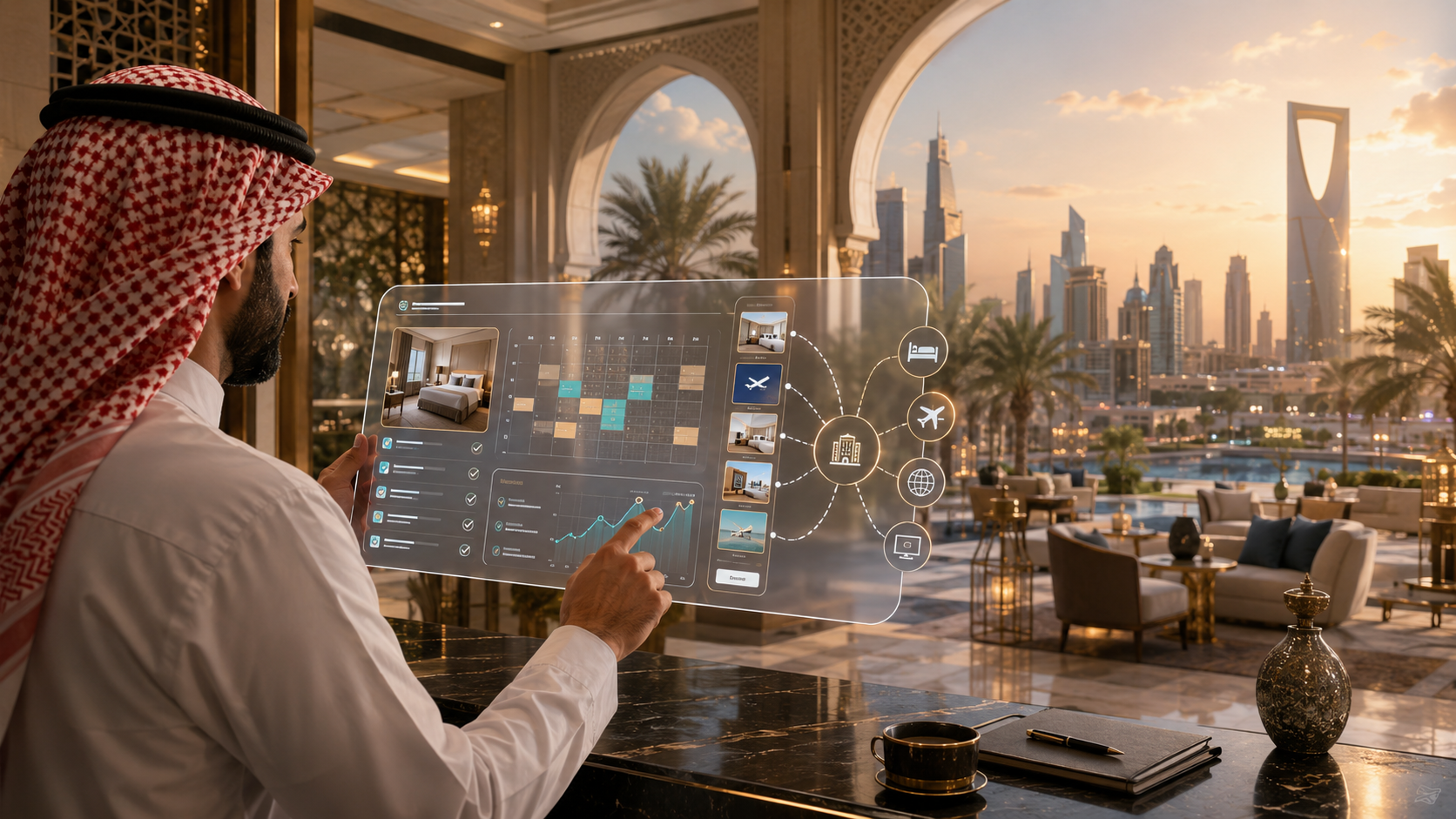
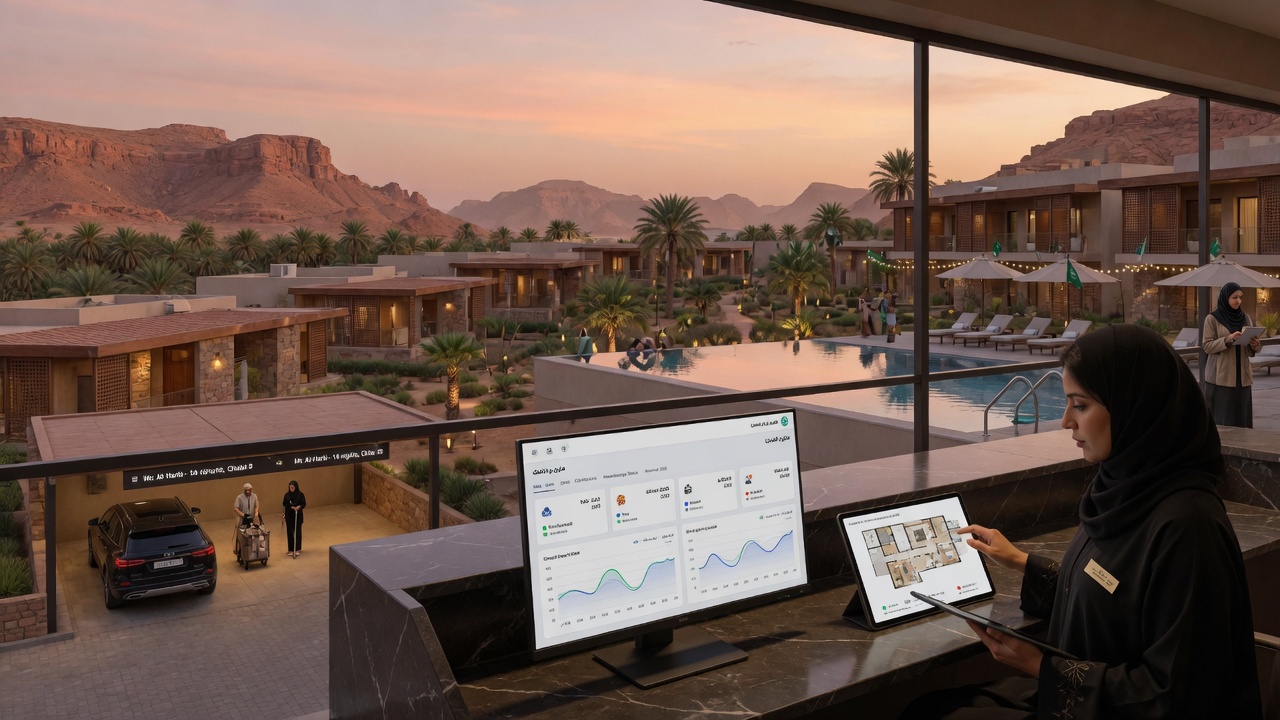
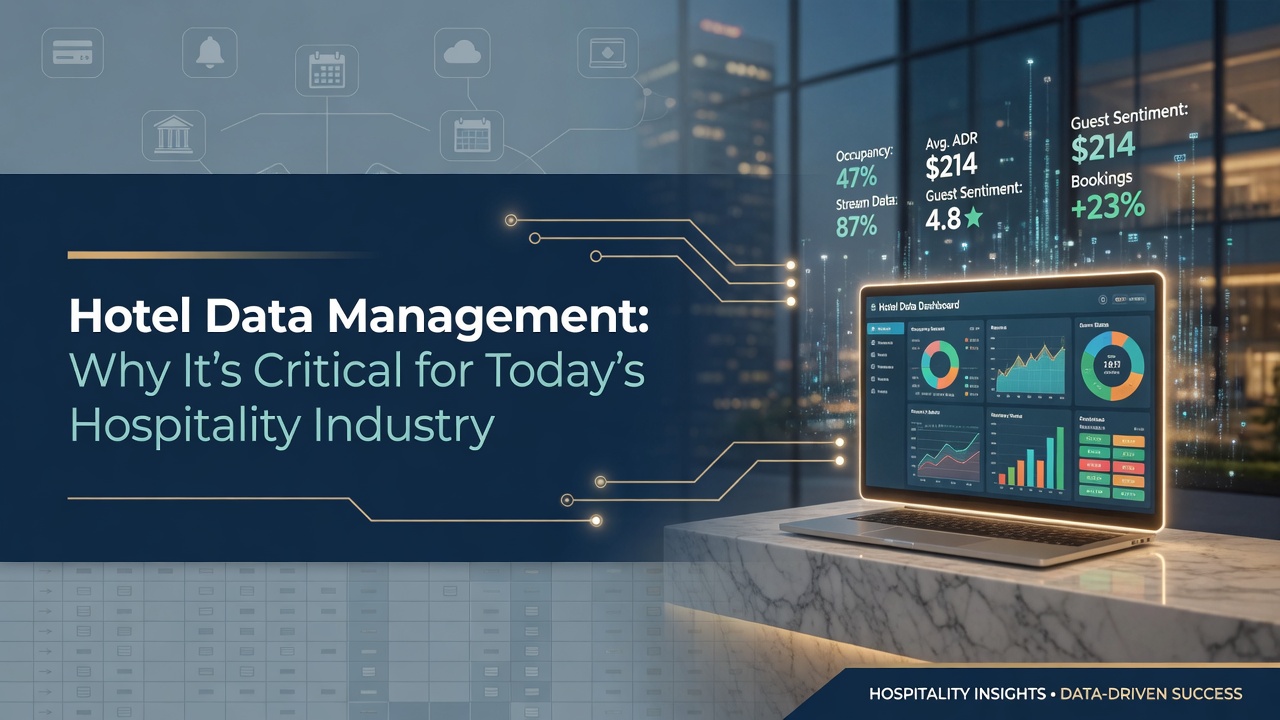
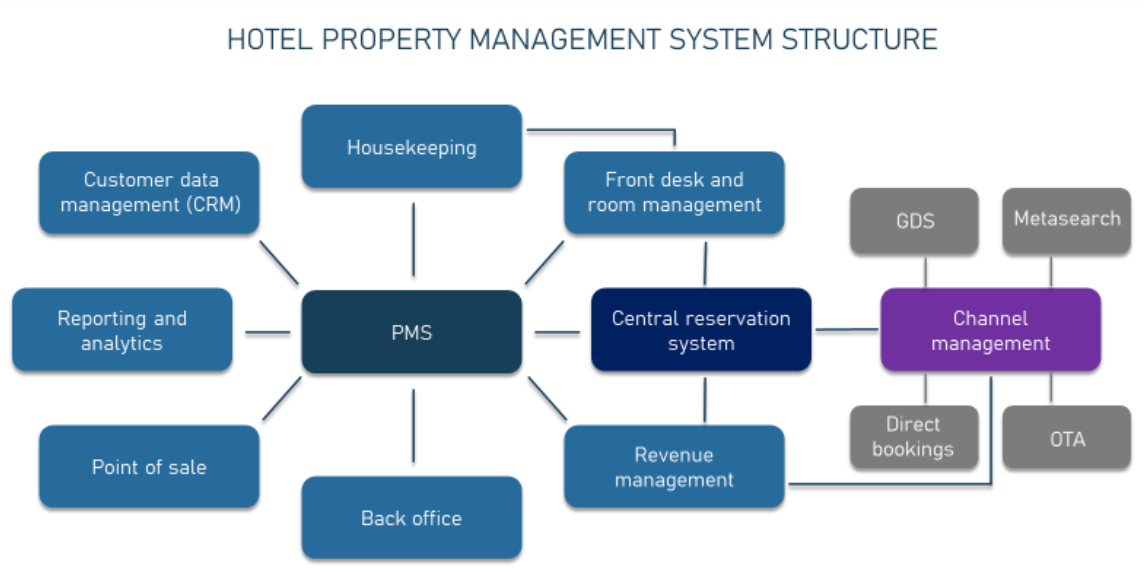
Your Property Management System is the central nervous system of your hotel. Every check-in, every room move, every housekeeping update, every OTA booking, every cancellation — it all flows through the PMS. A cloud-based PMS like Fandaqah transforms this operational data stream into a revenue intelligence engine: occupancy forecasting, booking pace analysis, channel performance metrics, and guest segmentation — all accessible from one dashboard, anytime and anywhere via mobile.
The Metrics That Matter: Occupancy, ADR, and RevPAR Explained
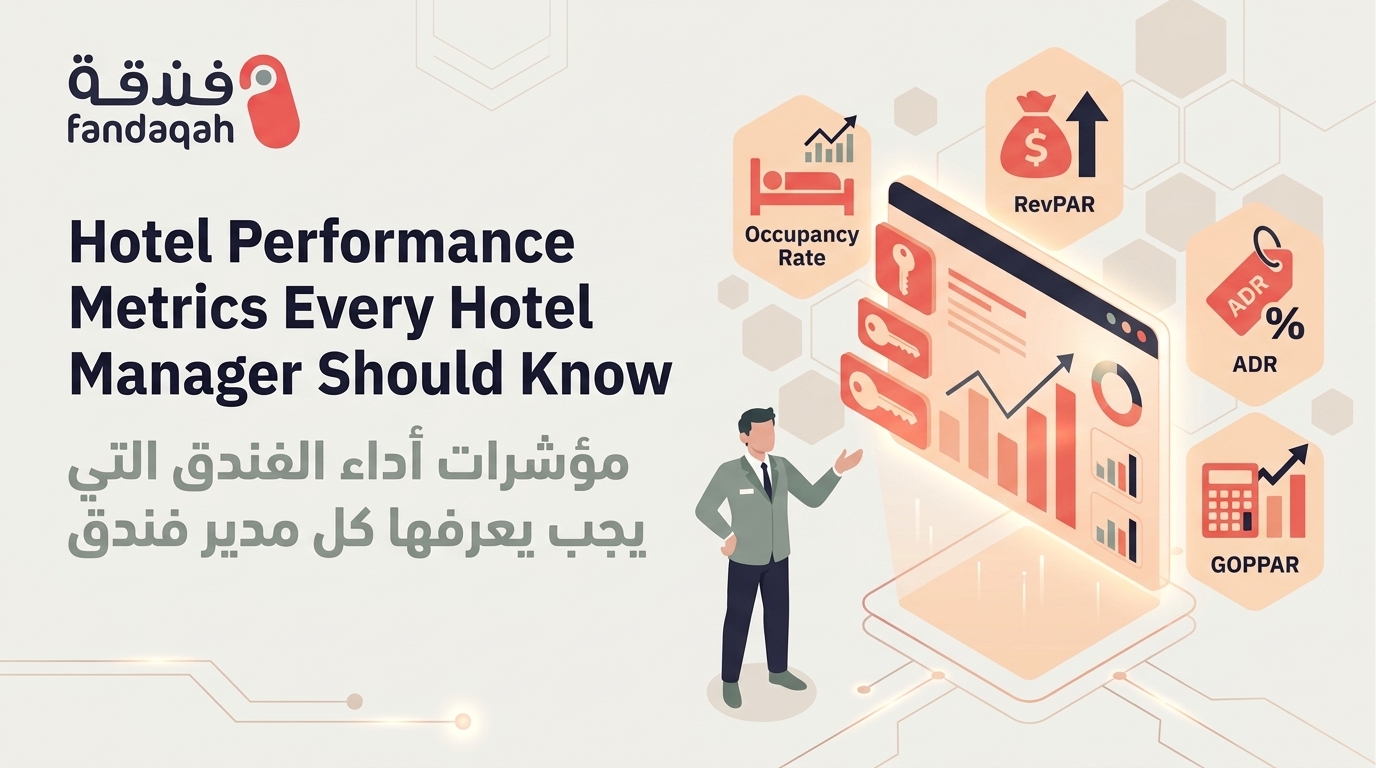
Before diving into strategies, every Saudi hotelier must understand the three pillars of hotel revenue performance:
| Metric |
Formula |
What It Tells You |
Saudi Benchmark (Q4 2025) |
| Occupancy Rate |
Rooms Sold ÷ Rooms Available |
How well you fill inventory |
57.3% national average |
| Average Daily Rate (ADR) |
Room Revenue ÷ Rooms Sold |
Average price per occupied room |
SAR 389 national average |
| RevPAR |
Occupancy × ADR (or Room Revenue ÷ Rooms Available) |
Combined measure of rate + volume |
~SAR 223 (derived) |
| TRevPAR |
Total Revenue ÷ Rooms Available |
Full revenue picture (rooms + F&B + ancillary) |
Varies by segment |
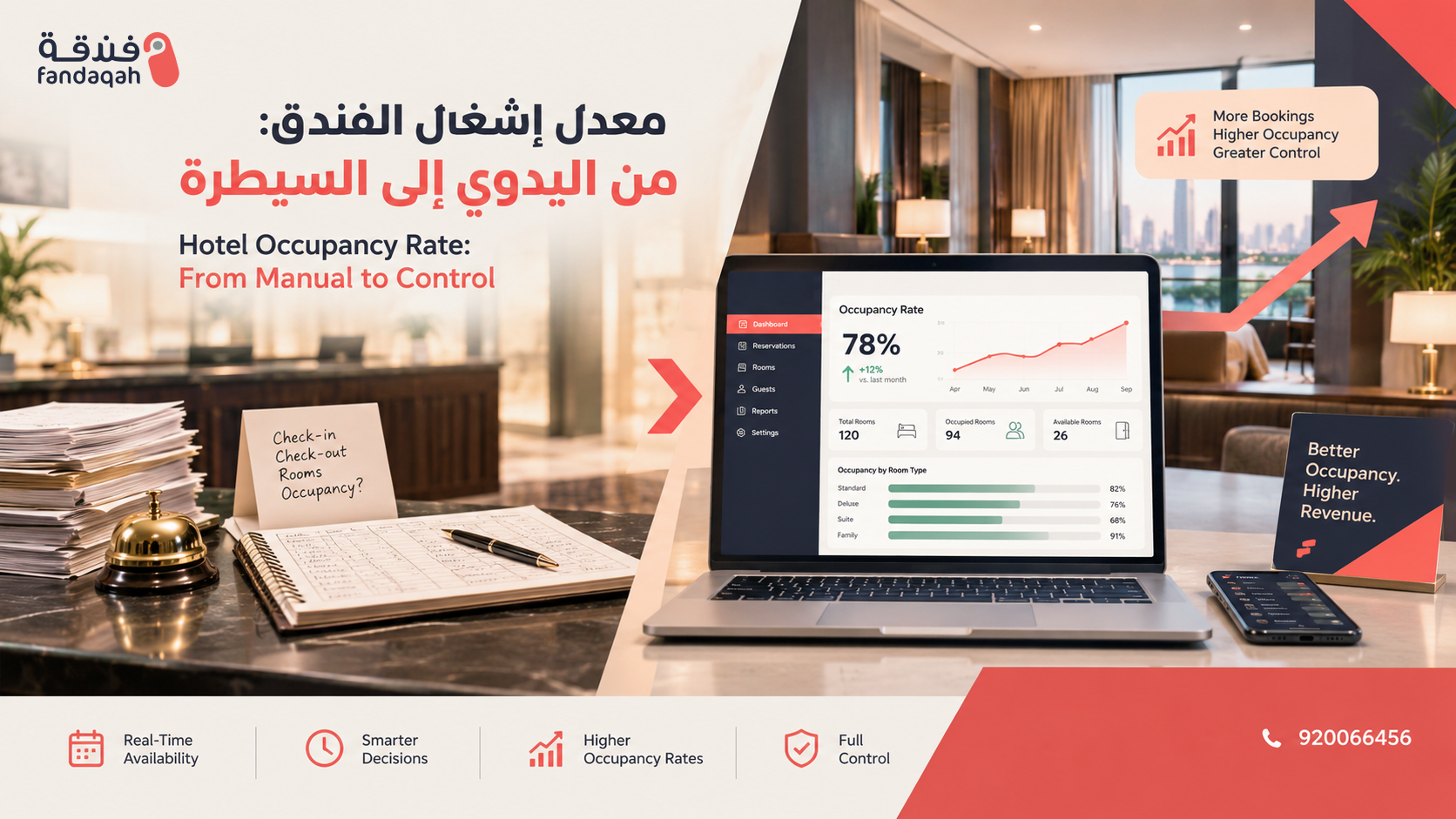
Pro Tip: Don't optimize one metric at the expense of others. A hotel running 85% occupancy at SAR 200 ADR may generate less RevPAR than a competitor running 65% occupancy at SAR 400 ADR. The goal is profitable occupancy, not maximum occupancy. Your PMS dashboard should display all three metrics simultaneously so you can see the full picture.
How Smart PMS Data Powers Revenue Management: A Complete Framework
Modern cloud-based PMS platforms — like Fandaqah, trusted by over 800 hotels across Saudi Arabia — generate a wealth of structured data that can be harnessed for revenue optimization. Here is the complete framework:
1. Booking Pace & Pickup Analysis
Your PMS records exactly when bookings arrive relative to the stay date. By analyzing booking pace — the speed at which rooms are booked for a given date — revenue managers can identify whether demand is ahead of, behind, or on par with historical patterns. If bookings for next month are pacing 15% behind last year, you have time to launch a tactical promotion. If they are pacing 20% ahead, you have pricing power to raise rates.
2. Channel Performance & Cost Analytics
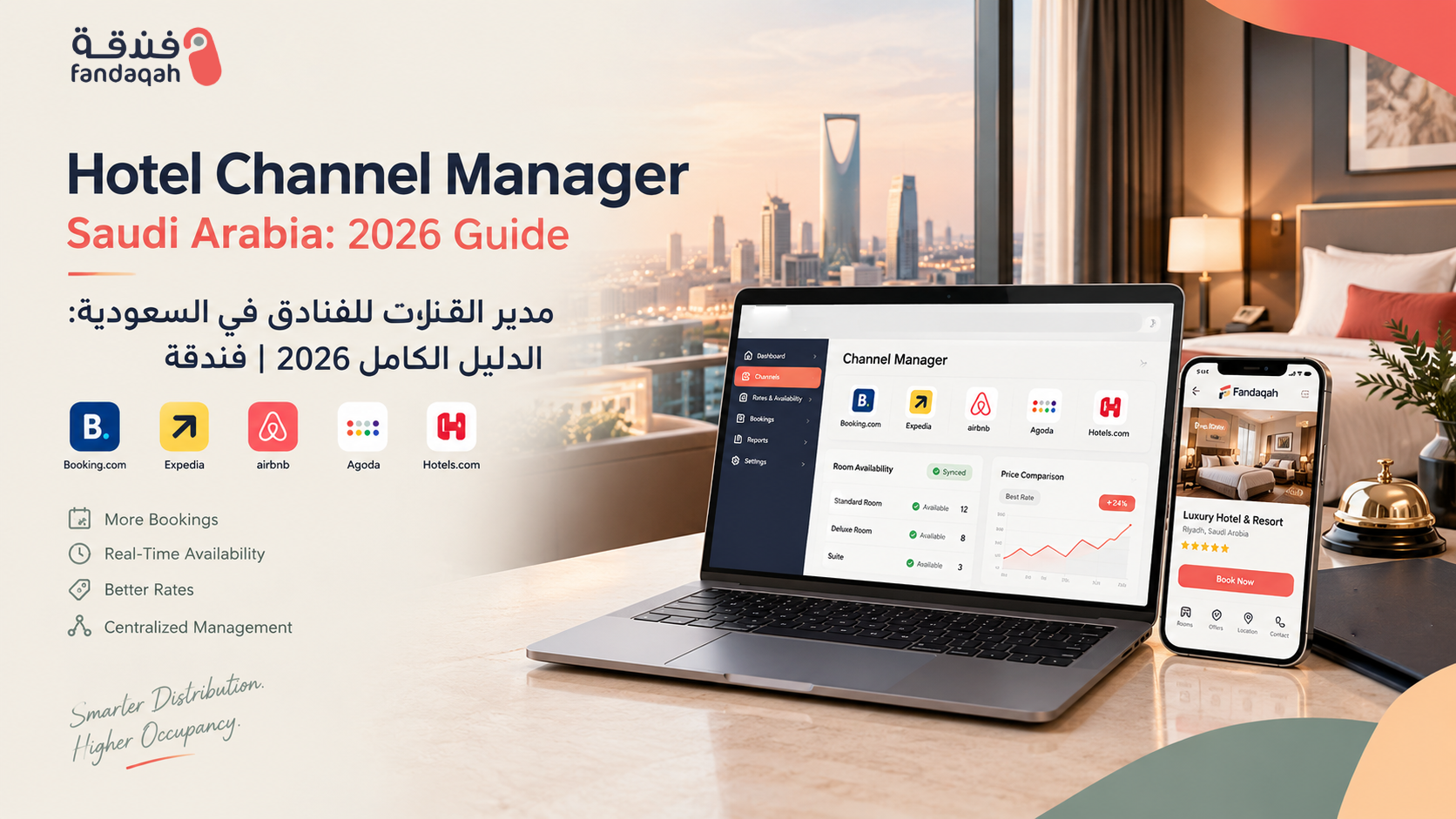
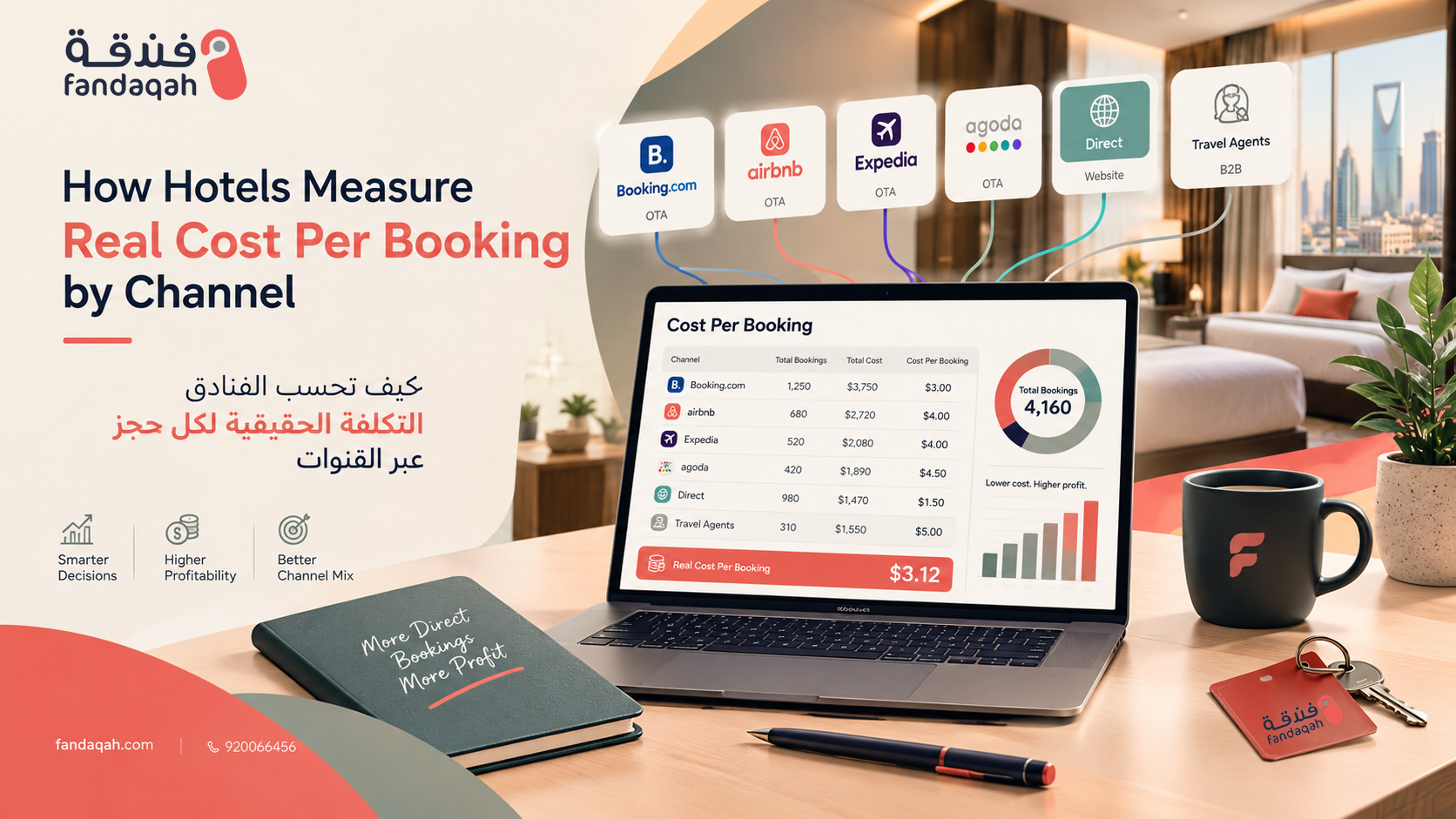
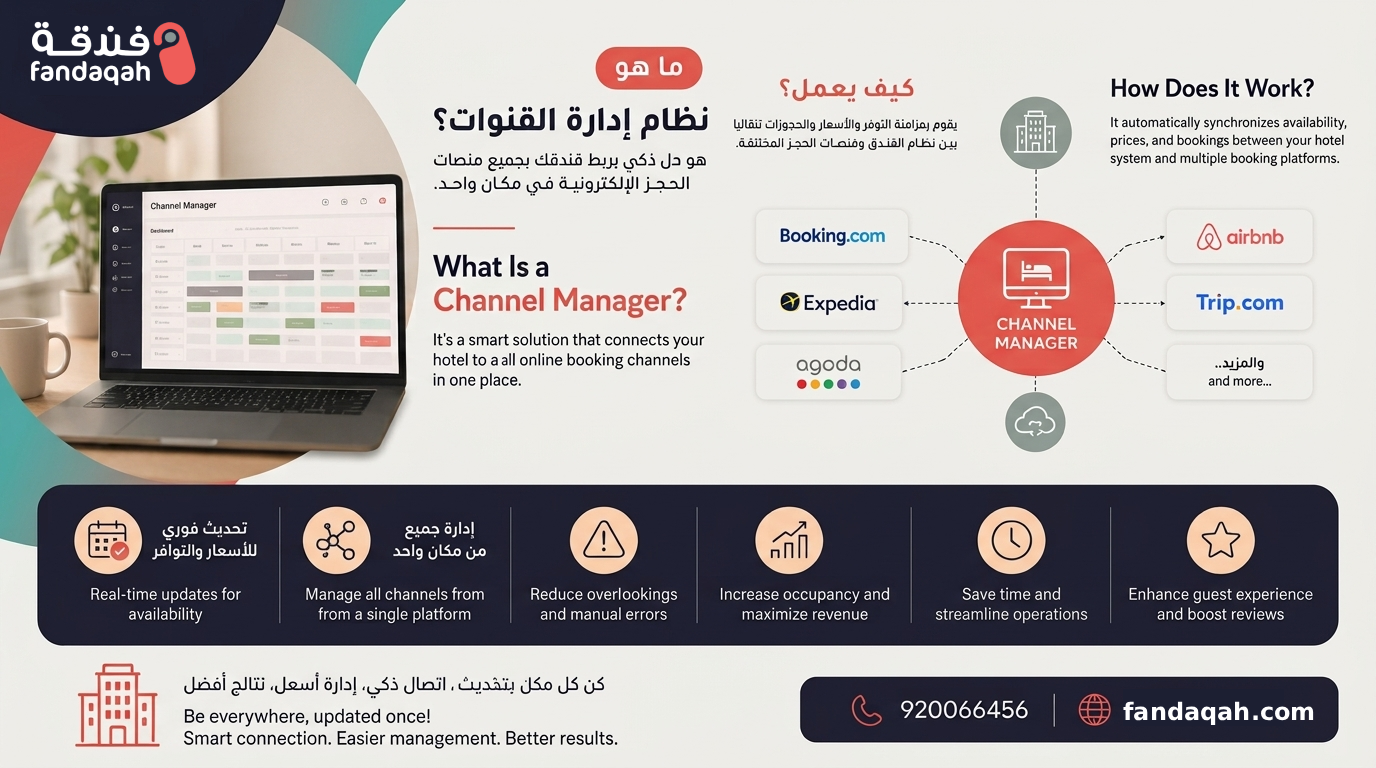
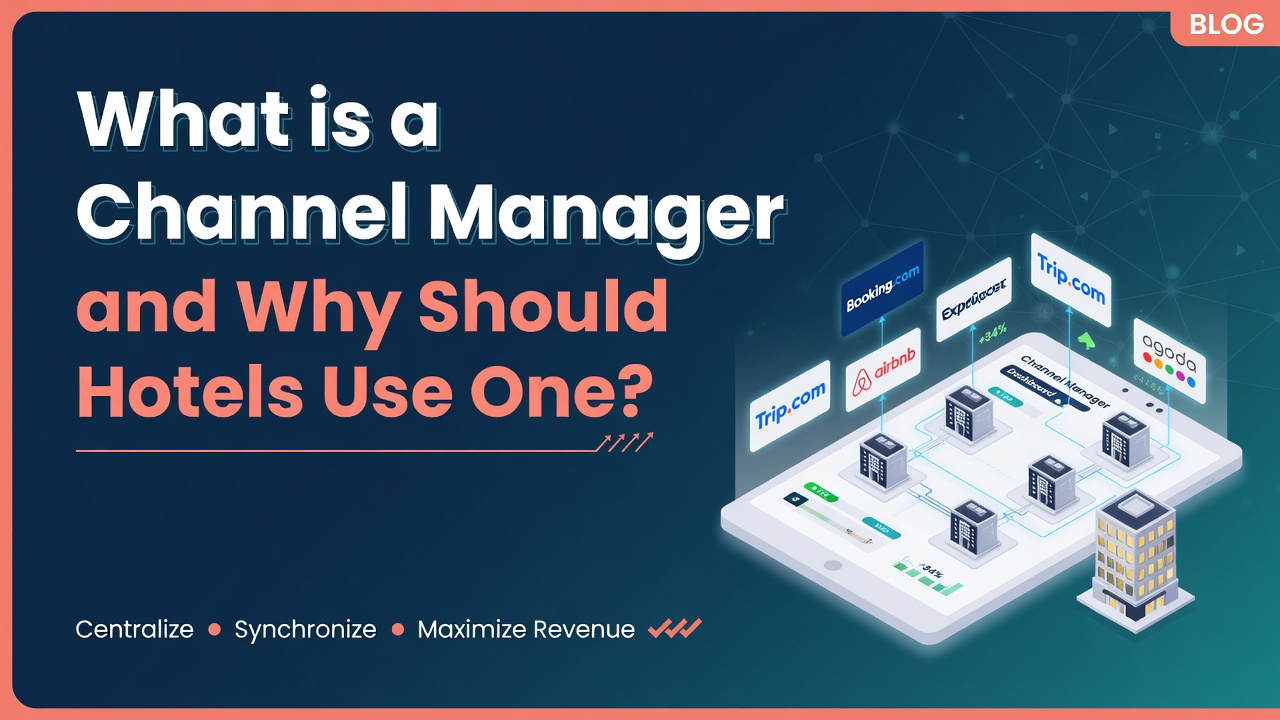
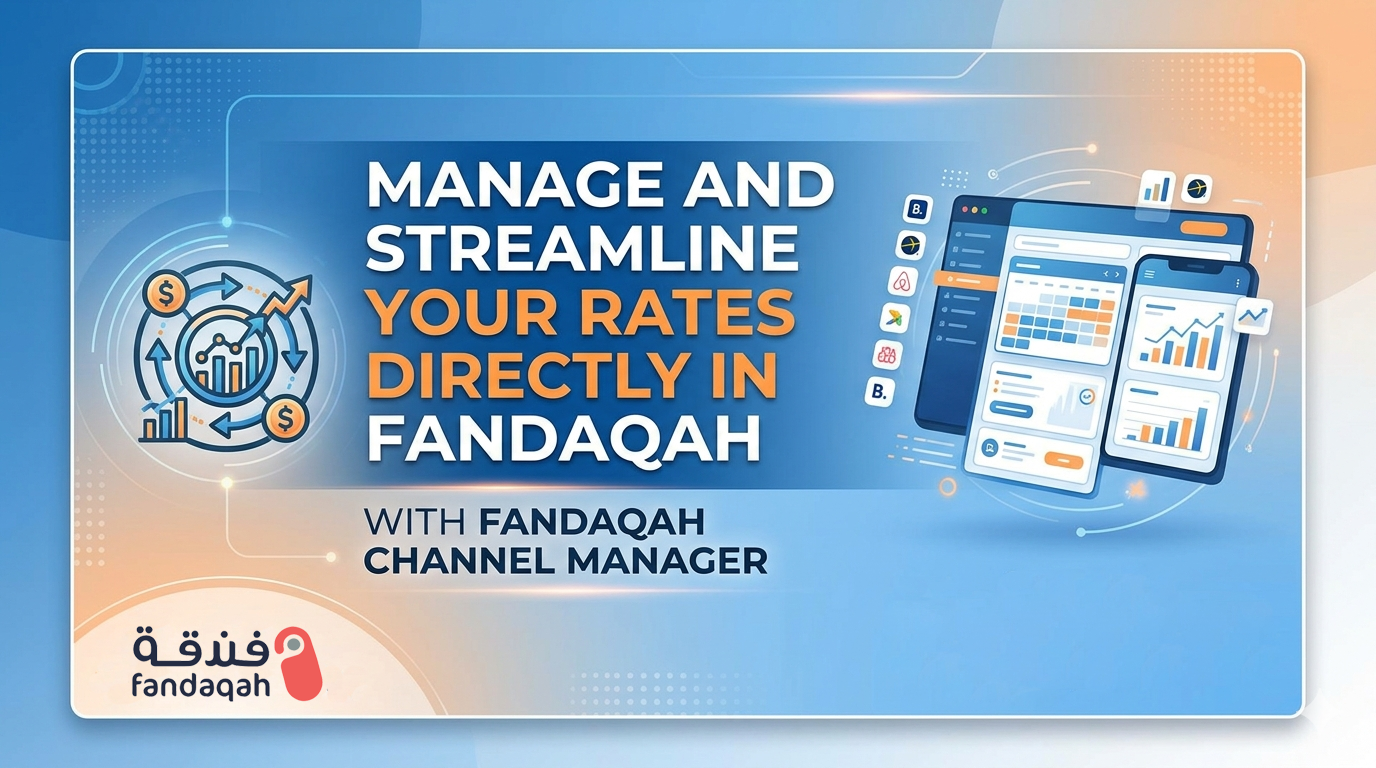
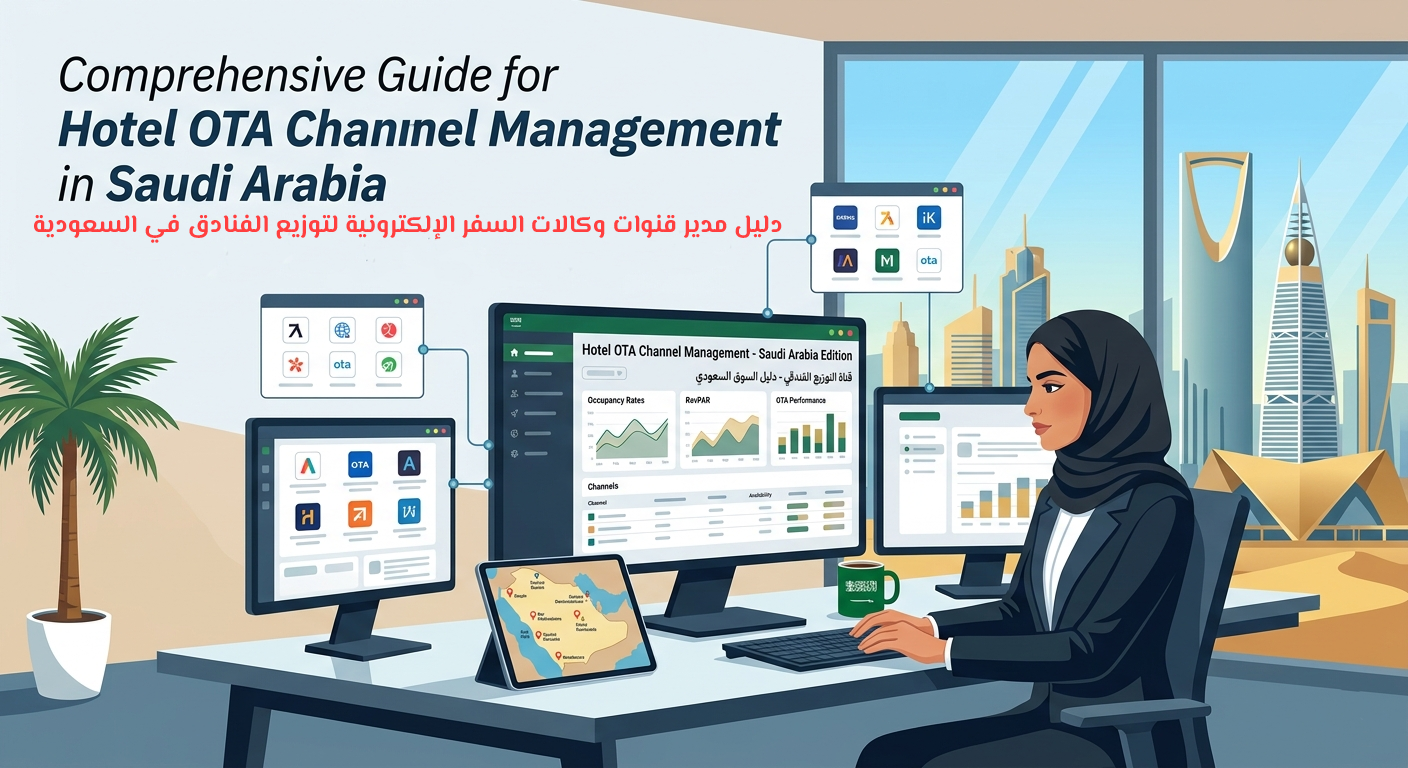
Not all bookings are created equal. A direct booking through your website may cost 3–5% in payment processing fees, while an OTA booking might cost 15–25% in commission. Fandaqah’s integrated Channel Manager synchronizes rates and availability across all connected OTAs while providing clear visibility into which channels deliver the highest net revenue per booking — not just gross volume.
3. Guest Segmentation & Length-of-Stay Patterns
PMS data reveals deep patterns about who your guests are and how they behave. In Saudi Arabia, this is especially powerful: Makkah recorded the longest average hotel stay at 4.4 nights in Q4 2025, while Riyadh led serviced apartment occupancy at 70.5%. PMS analytics can identify which guest segments (corporate, religious, leisure, government) generate the highest total revenue, longest stays, and strongest repeat rates — enabling precision targeting.
4. Real-Time Competitive Intelligence
With Fandaqah’s cloud-based architecture, hoteliers can monitor their own performance metrics in real time from any mobile device. Combined with market intelligence, this allows rapid response to competitor rate changes, local events, or sudden demand shifts. A hotel manager in Al Khobar can check their occupancy dashboard at 10 PM and adjust tomorrow’s pricing strategy immediately.
5. Regulatory Compliance as Revenue Protection
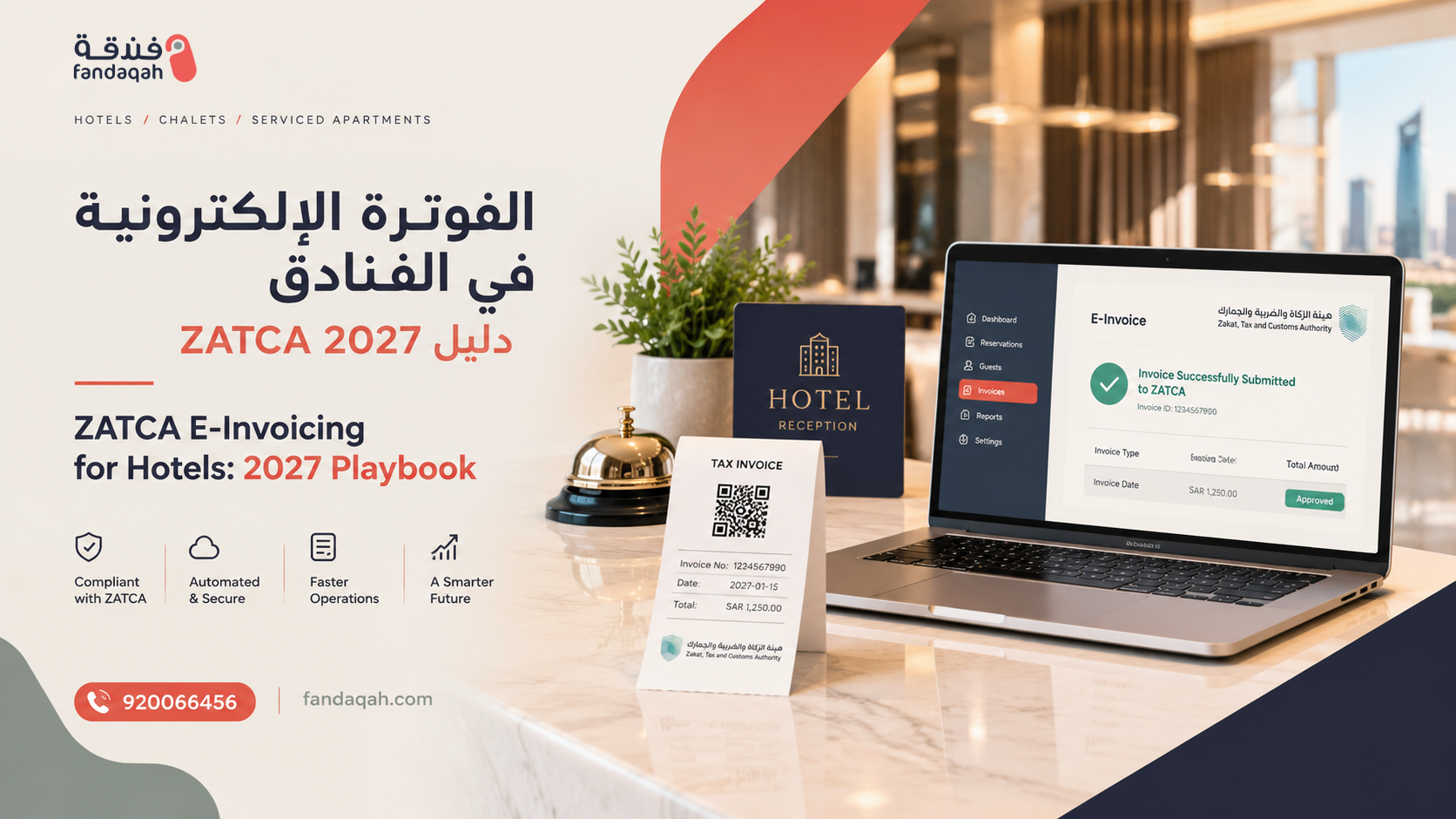
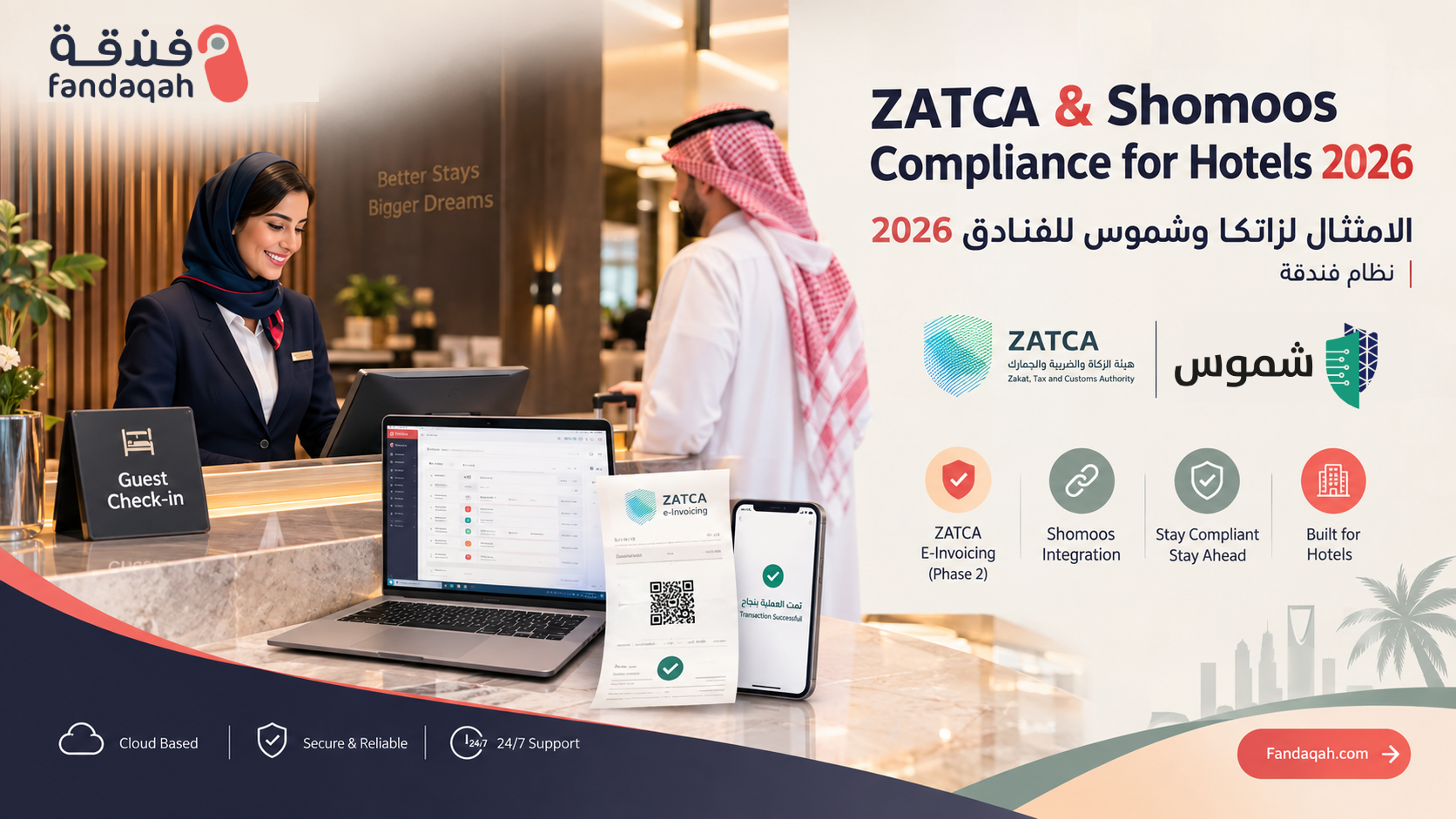
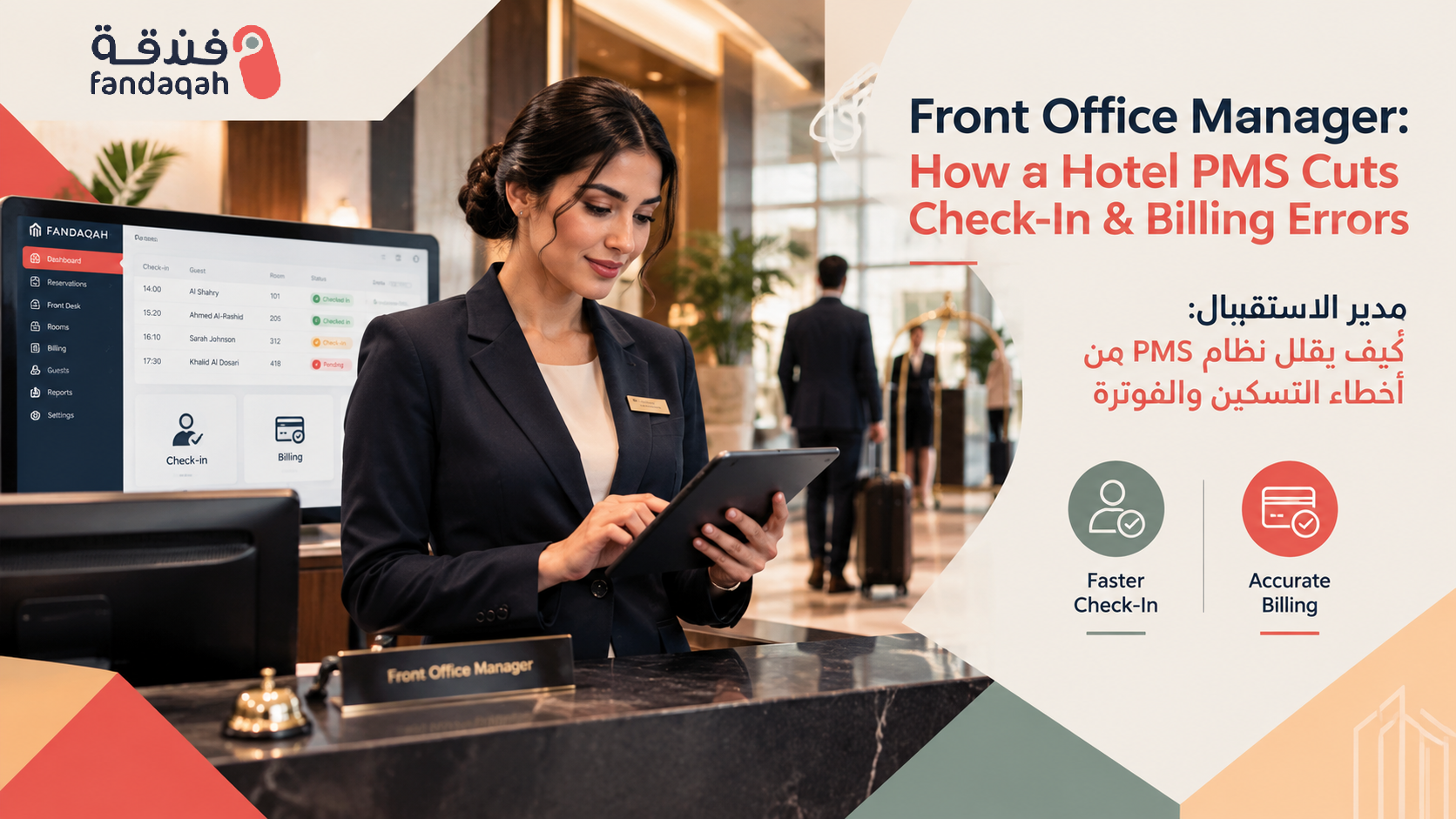
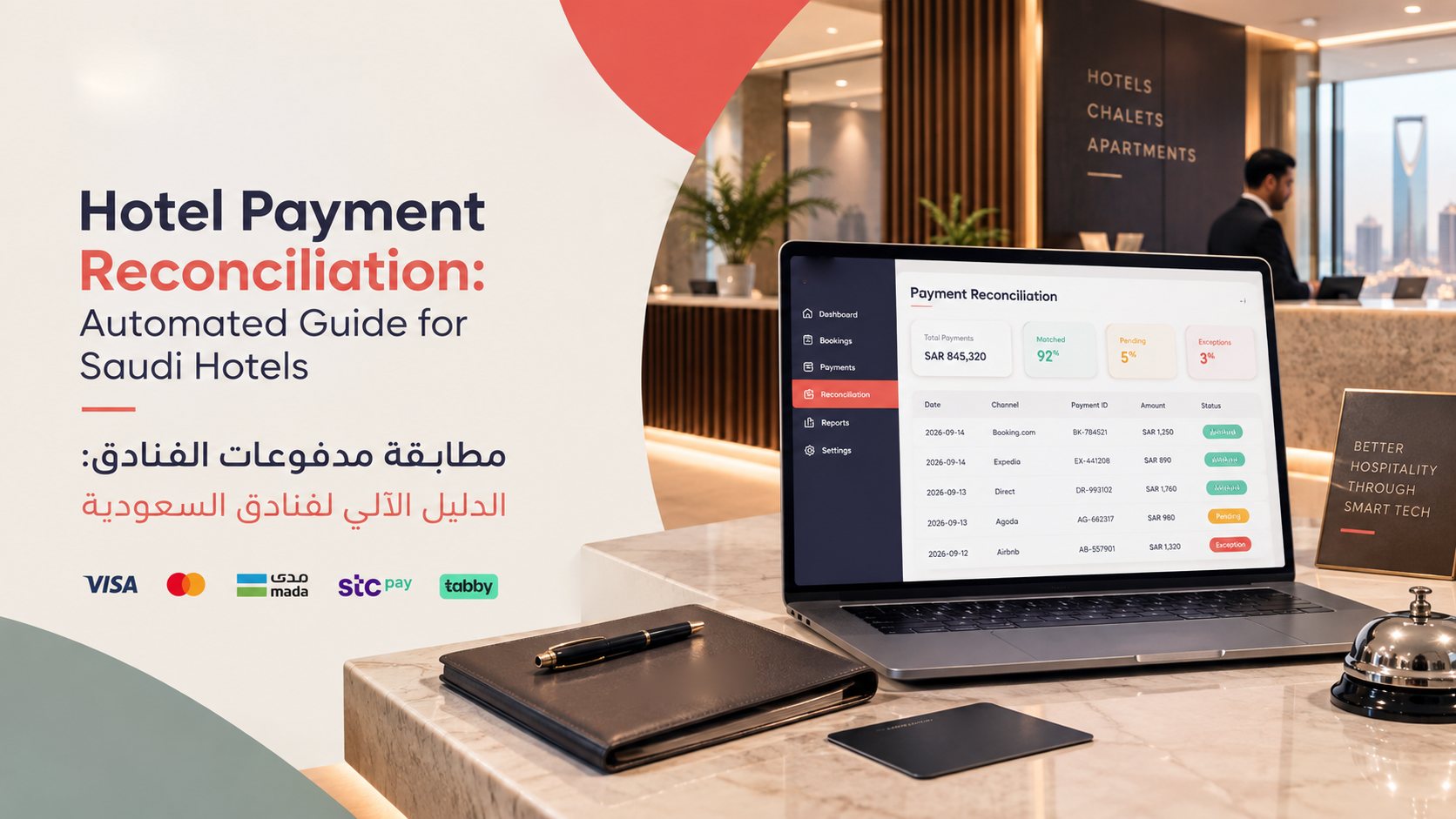
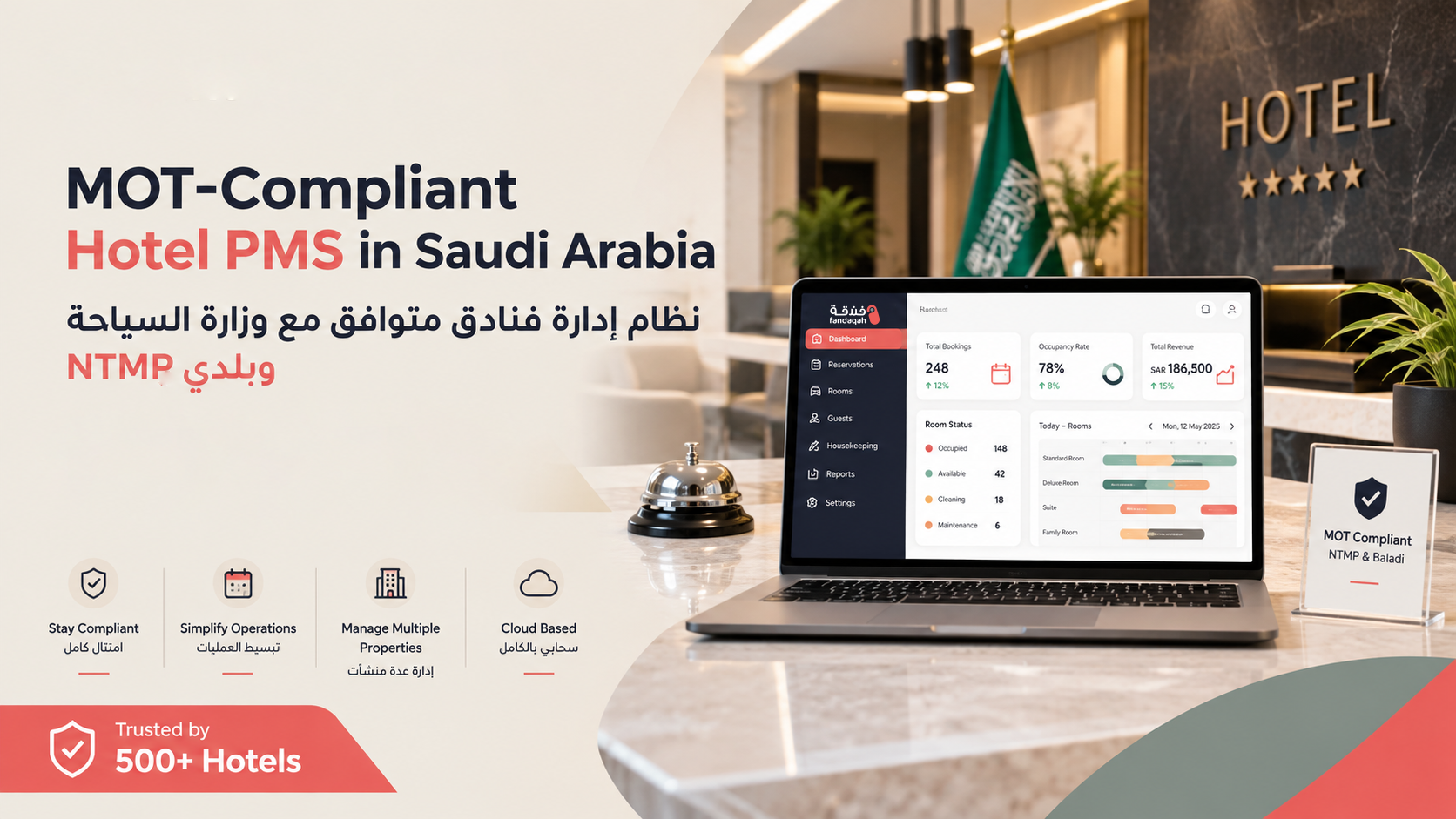
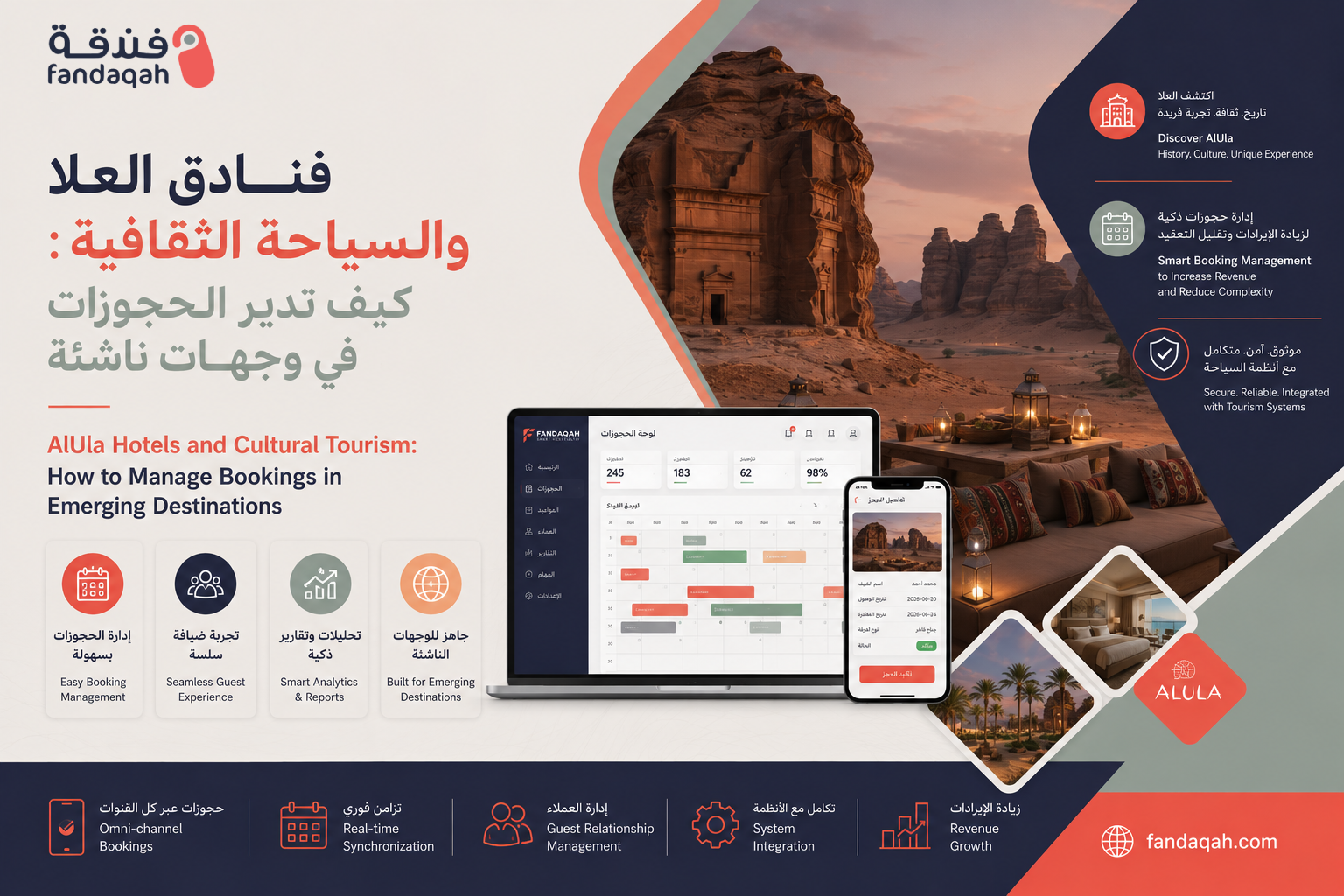
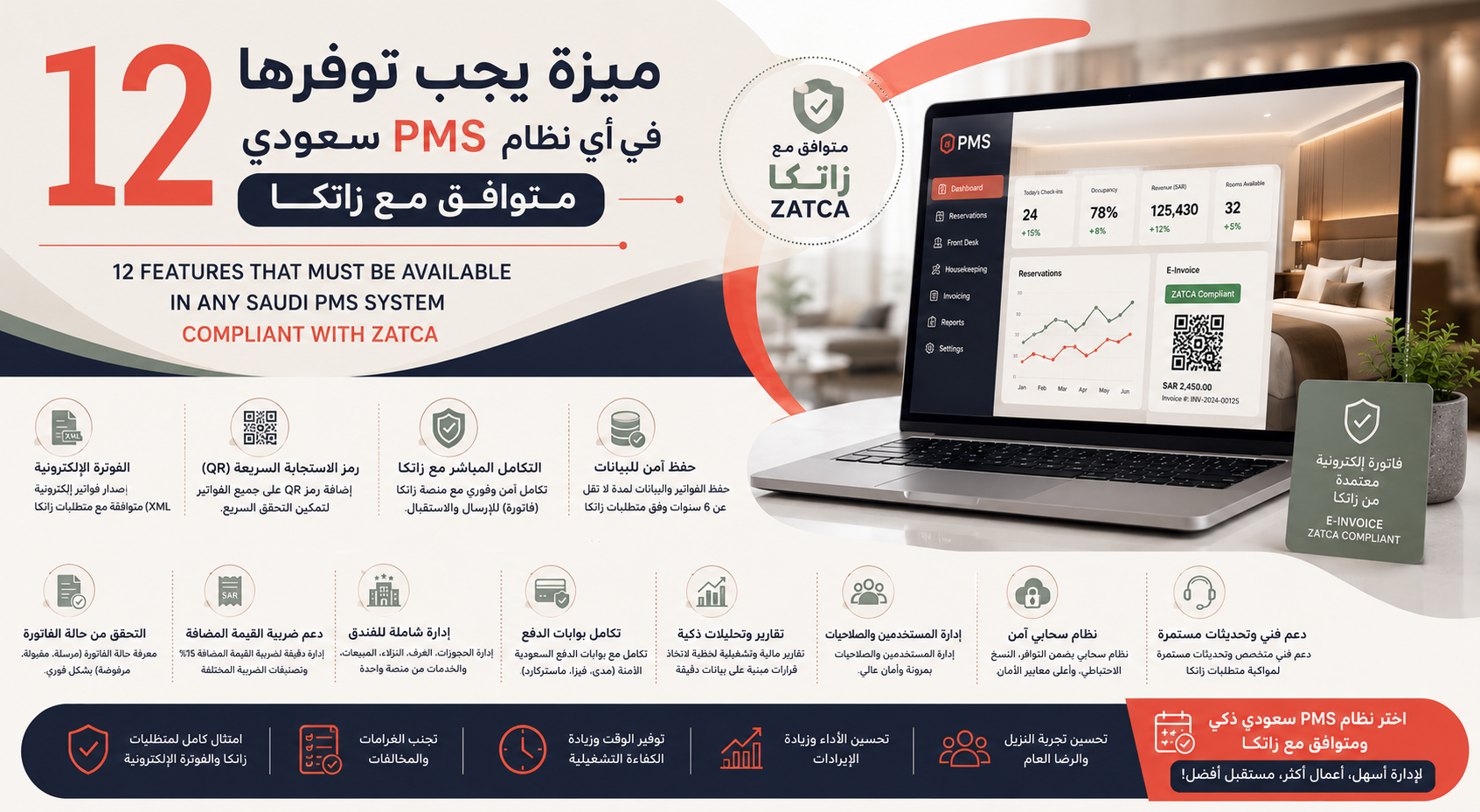
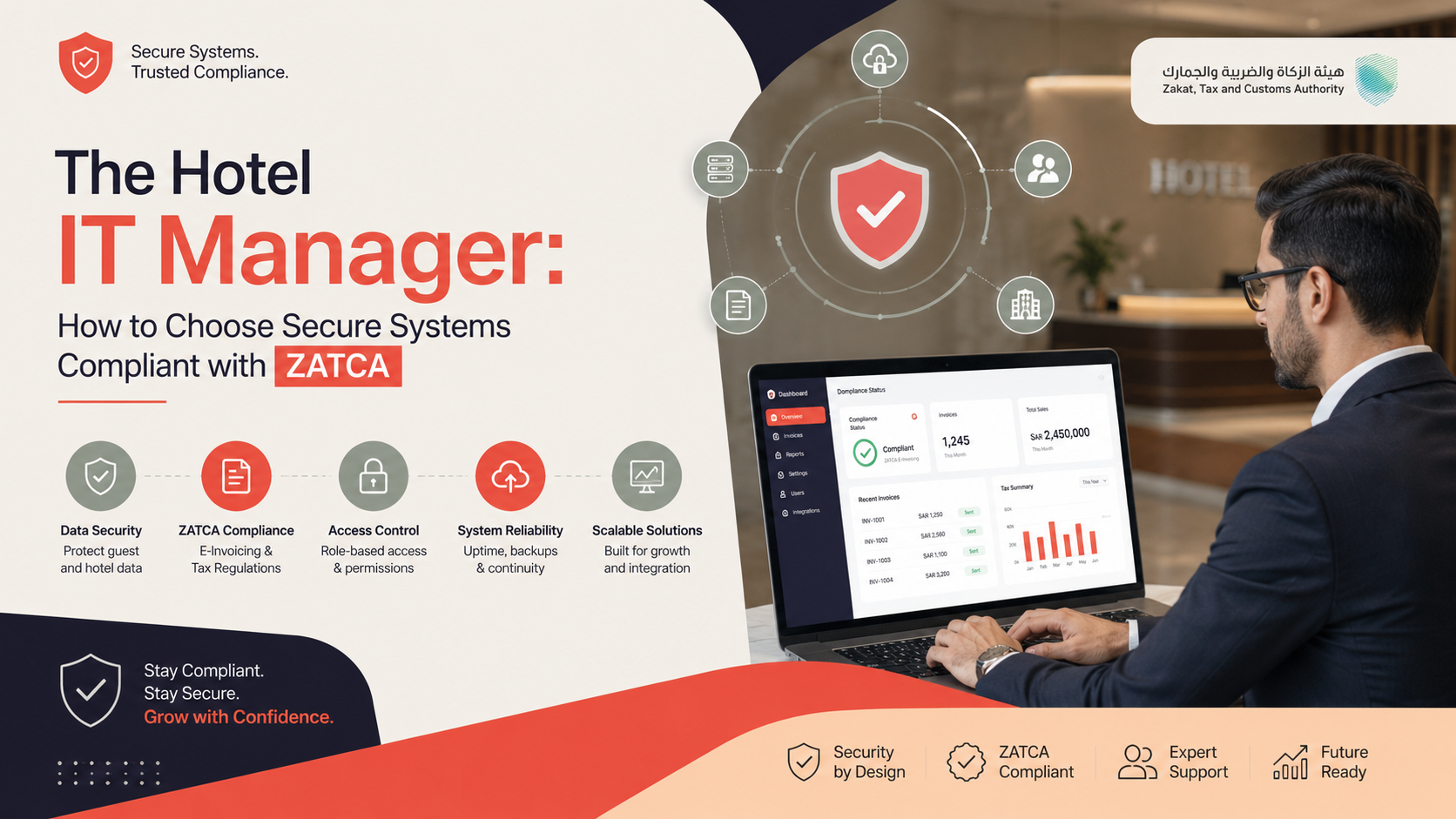
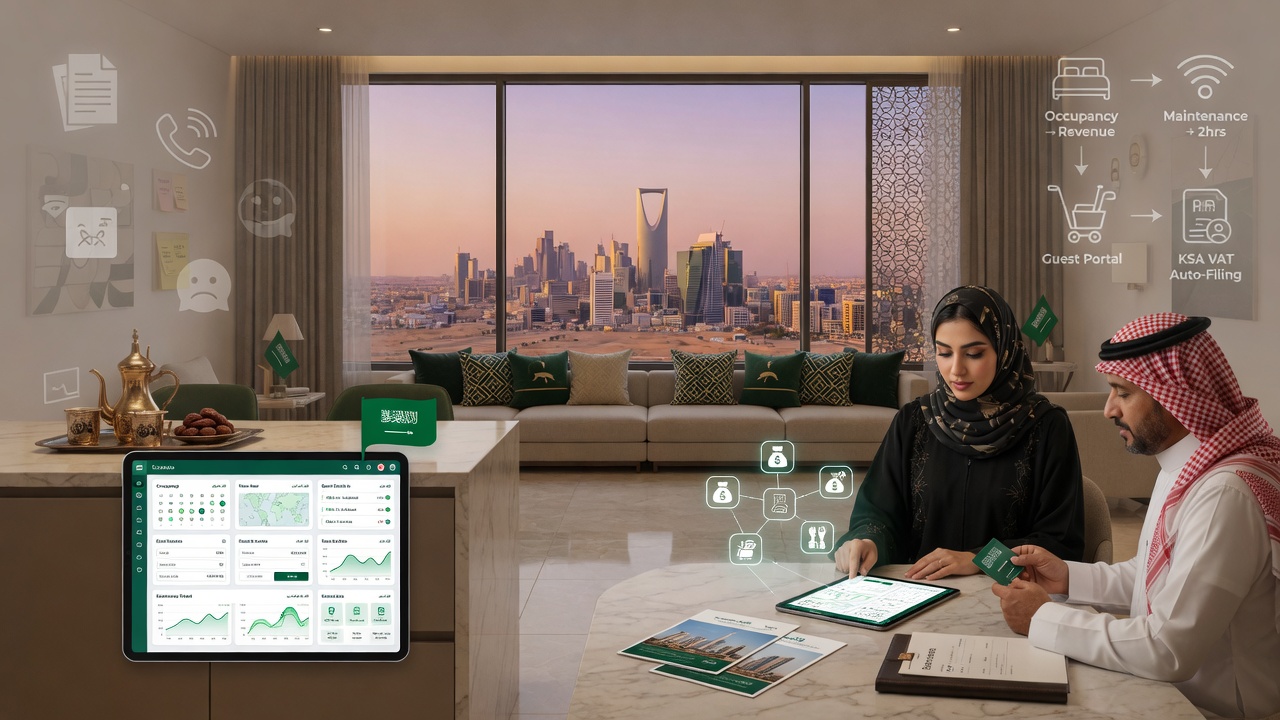
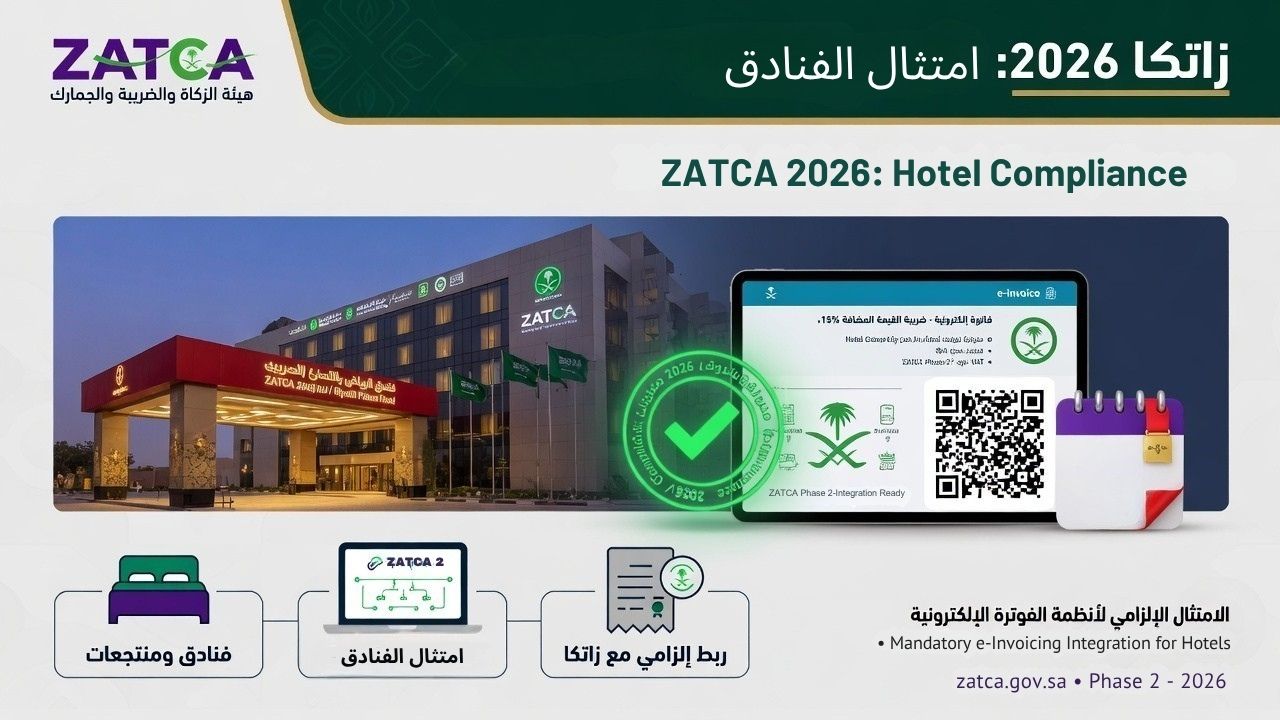
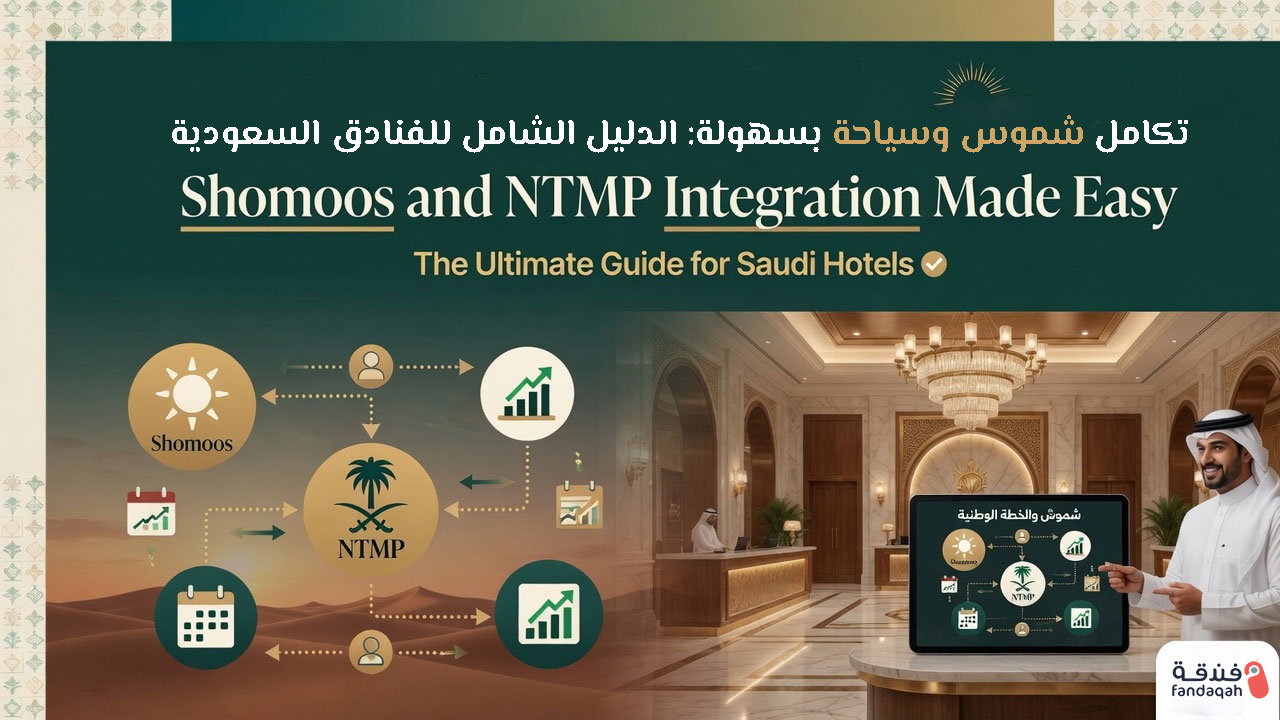
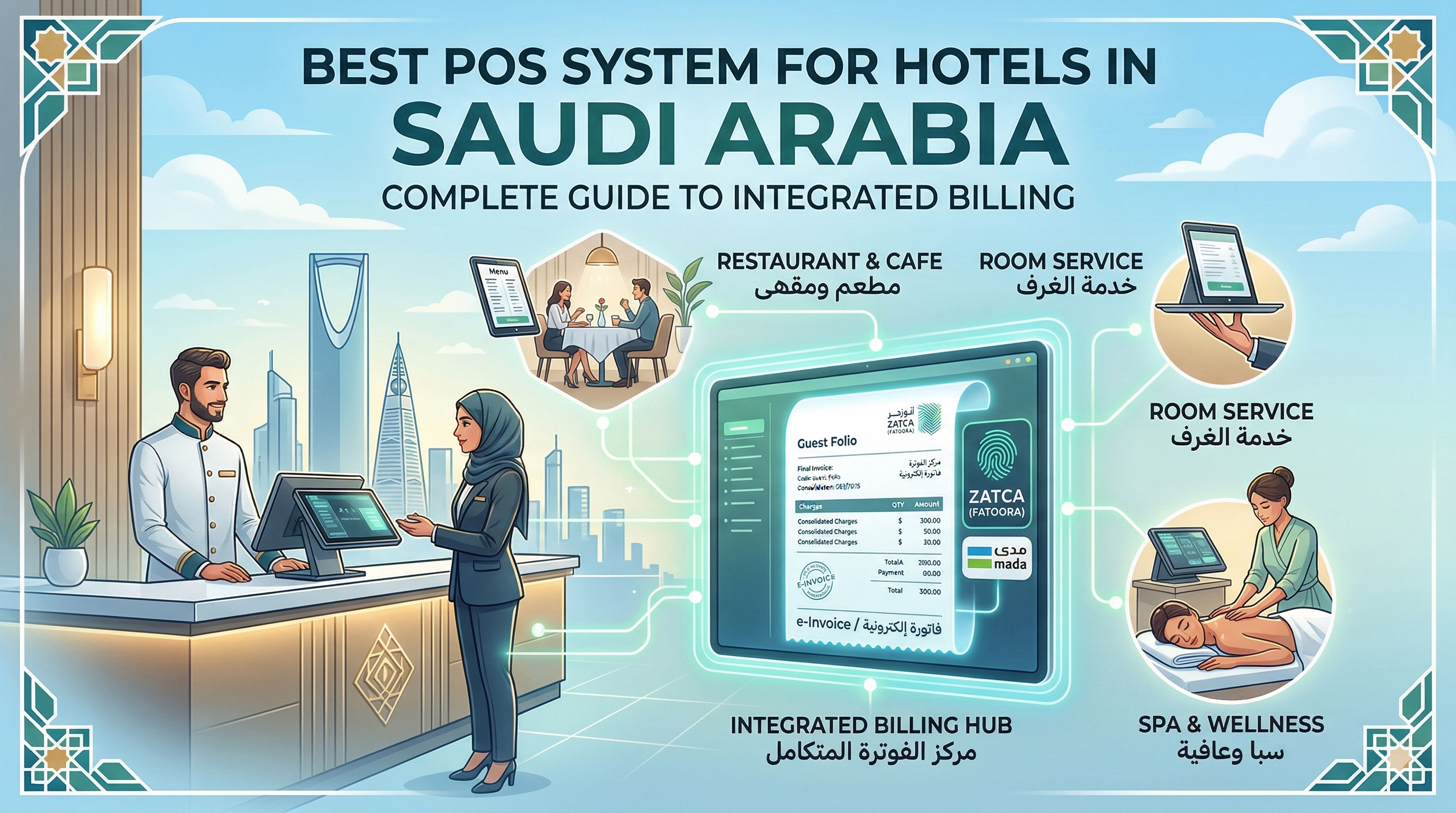
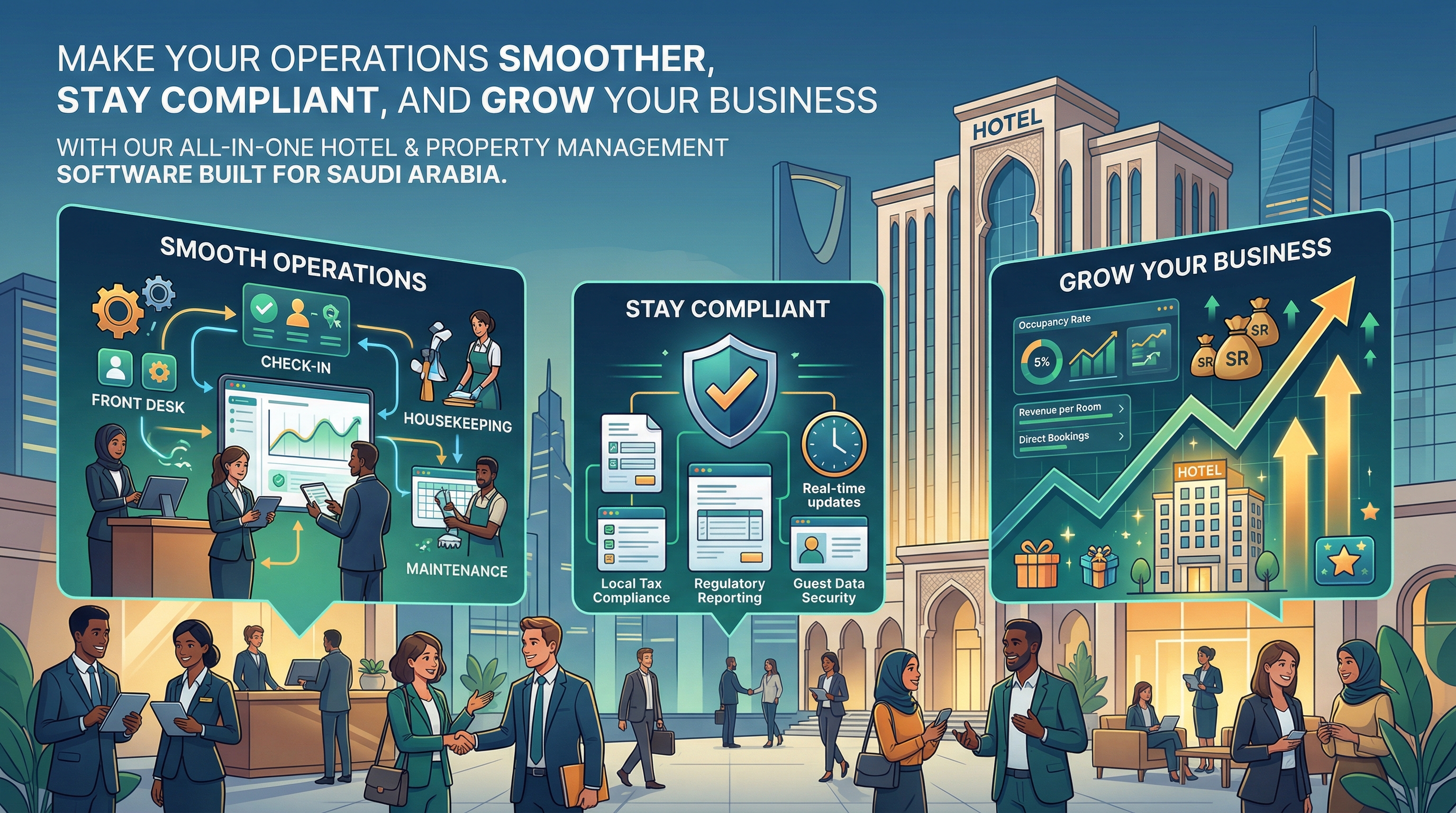
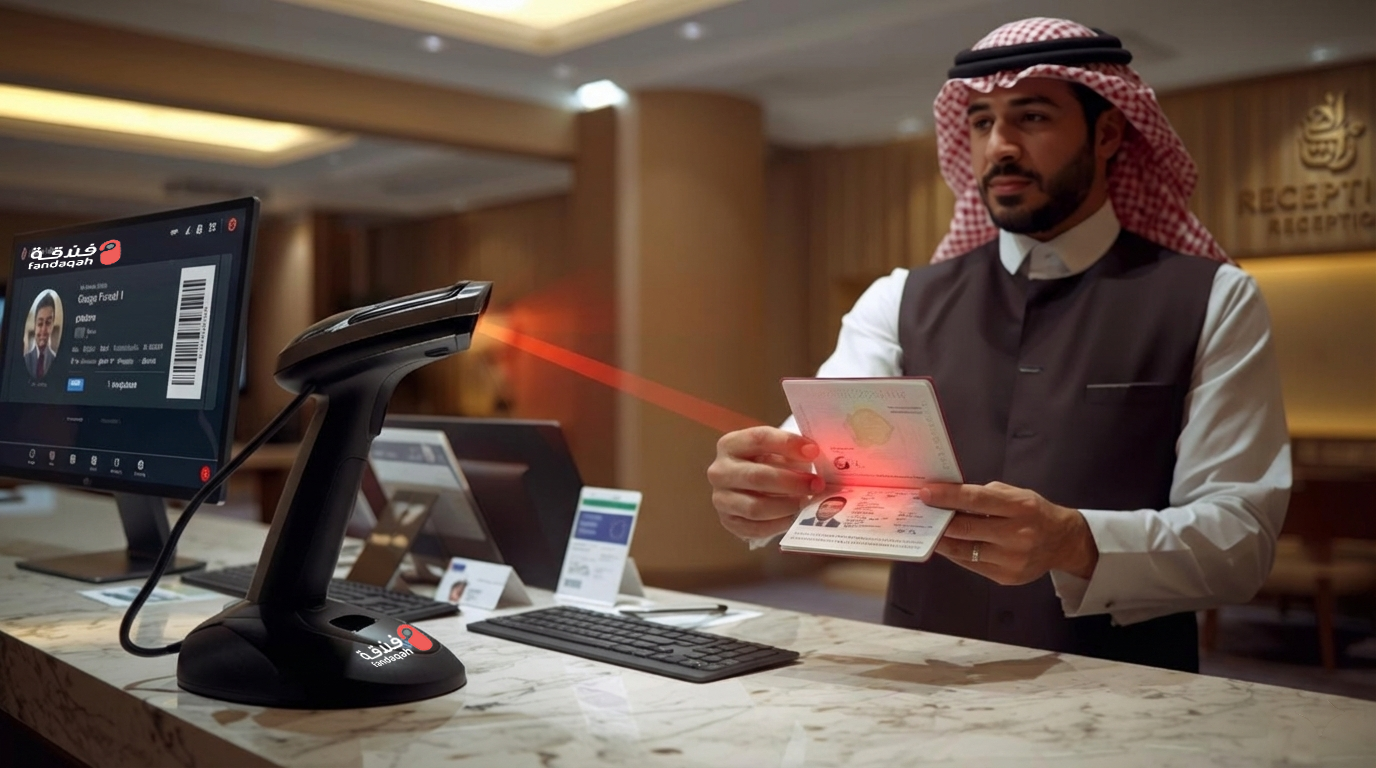
In Saudi Arabia, compliance is not optional — and non-compliance carries direct financial risk. Fandaqah integrates directly with GAZT (Zakat, Tax and Customs Authority) for tax invoice synchronization, the National Tourism Monitoring Platform for regulatory reporting, and Shomos (Ministry of Interior) for secure guest data transmission. These integrations eliminate manual errors that could result in fines while freeing staff to focus on revenue-generating activities.
"The daily reports generated by the Fandaqah system have helped us make smart pricing decisions based on actual demand — not guesses. The system isn’t just software; it’s a complete partner that stands with us at every step."
— A Fandaqah Hotel Client, Saudi Arabia
Key Features & Benefits of a Smart PMS for Saudi Revenue Management
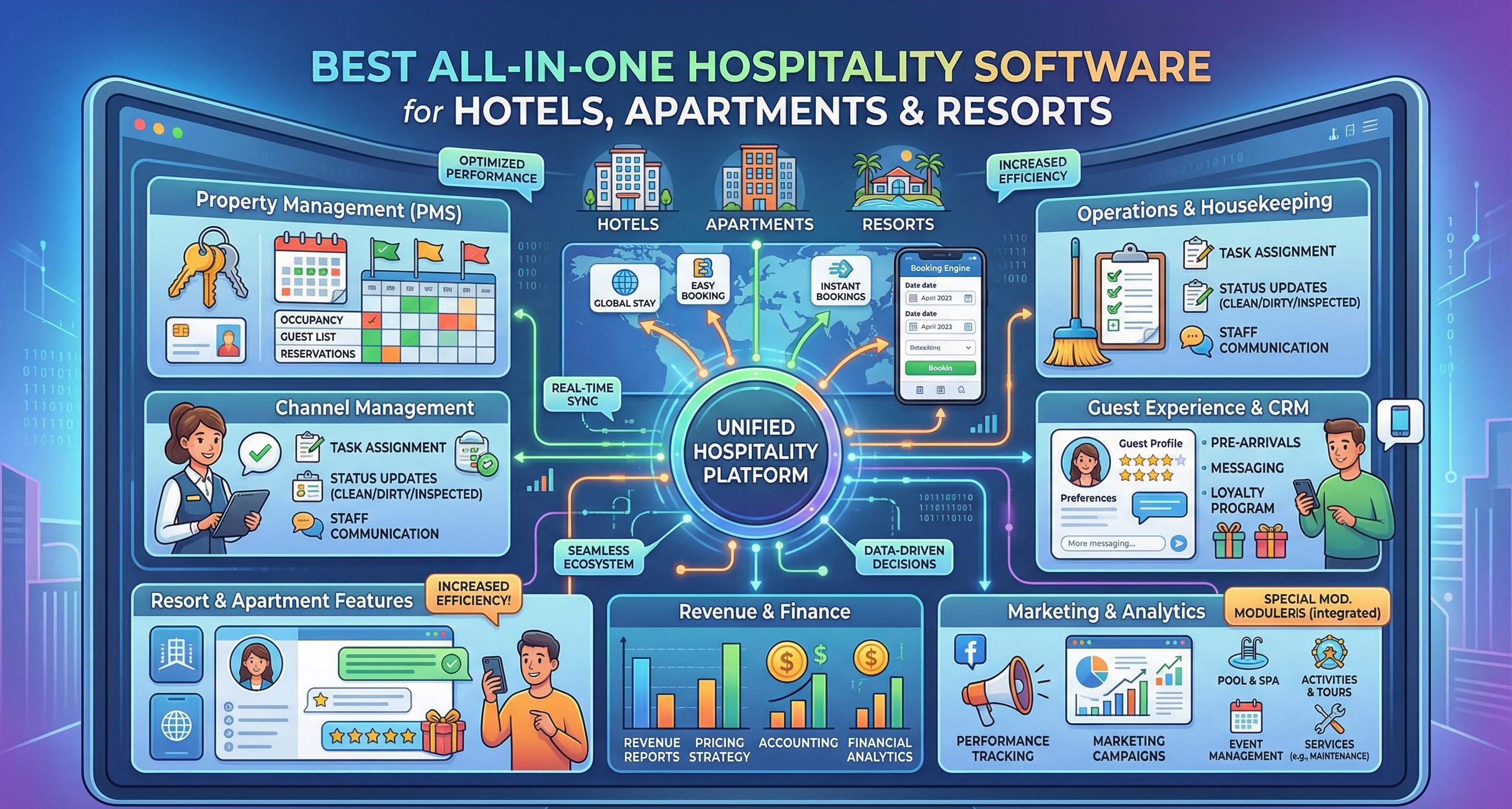
When evaluating a PMS for revenue management capability in the Saudi market, here are the essential features to look for — all of which are built into the Fandaqah platform:
-
✅
Cloud-Based Infrastructure: Access your data and manage your property from anywhere, at any time — critical for multi-property owners and operators managing properties across different Saudi cities.
-
✅
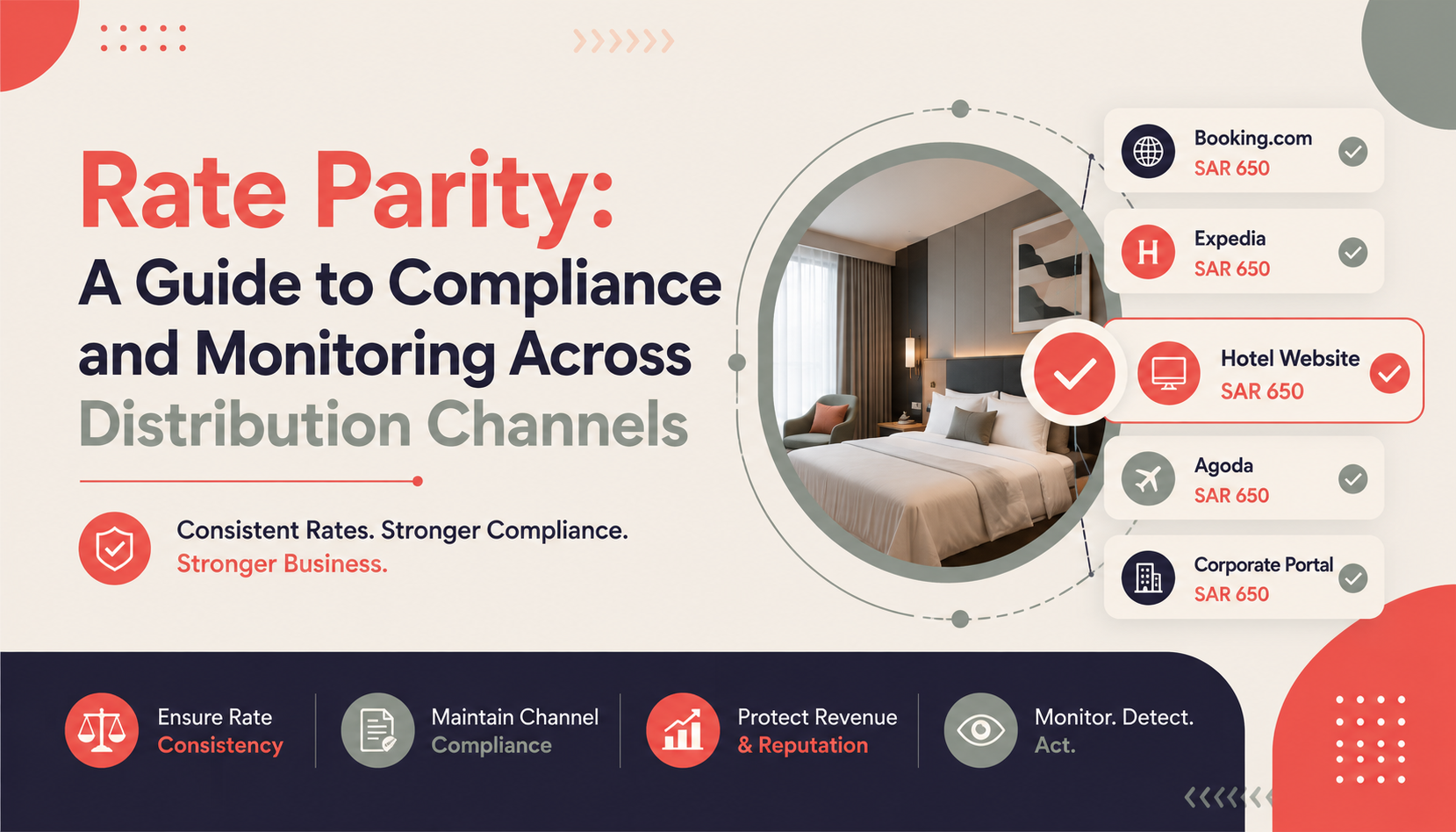
Integrated Channel Manager: Synchronize rates and availability in real time across all major OTAs (Booking.com, Expedia, Agoda, and local platforms) to prevent overbookings and maintain rate parity.
-
✅
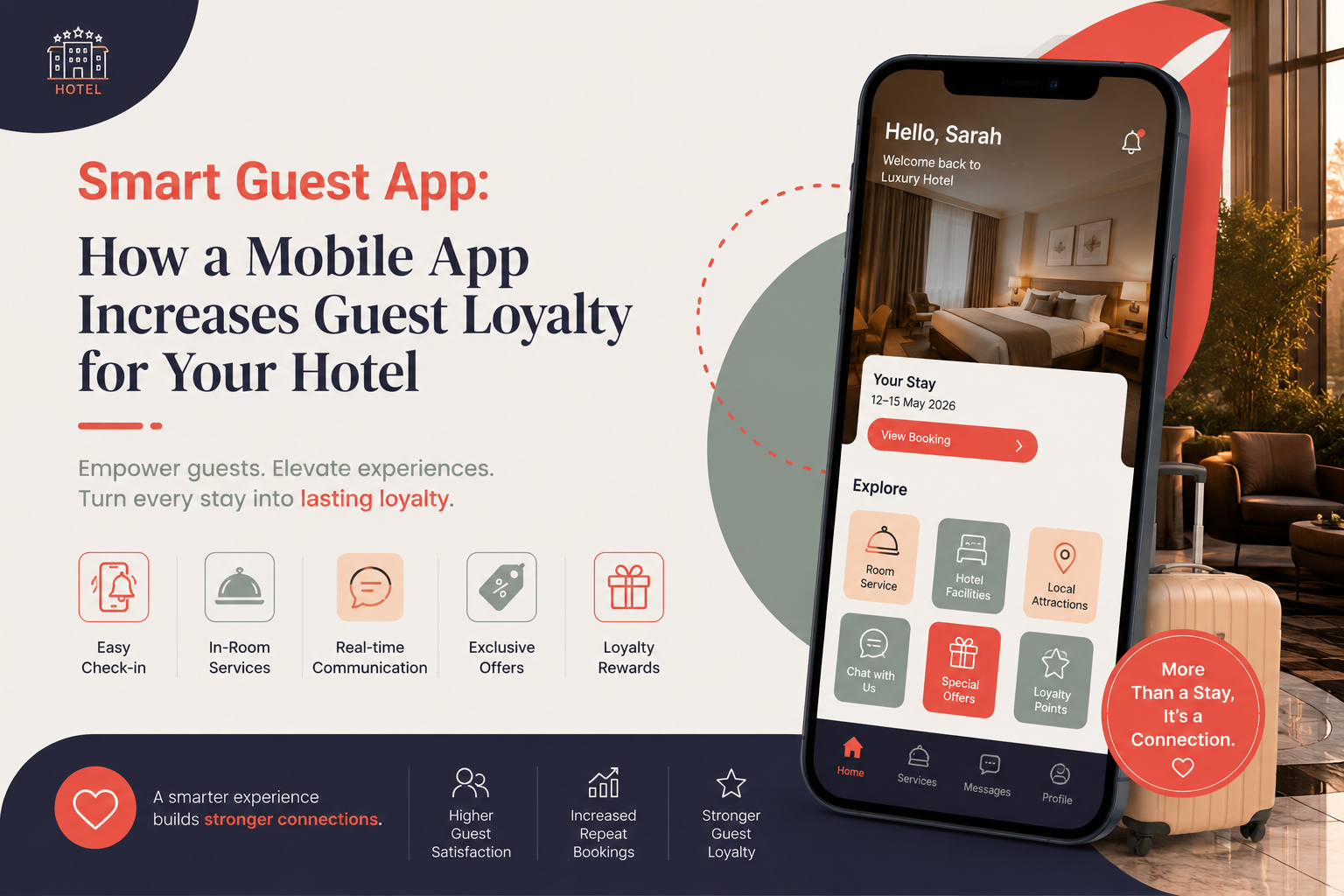
Built-in Booking Engine: A fast, SEO-optimized, multilingual website with direct booking capability to drive high-margin direct reservations and reduce OTA dependency.
-
✅
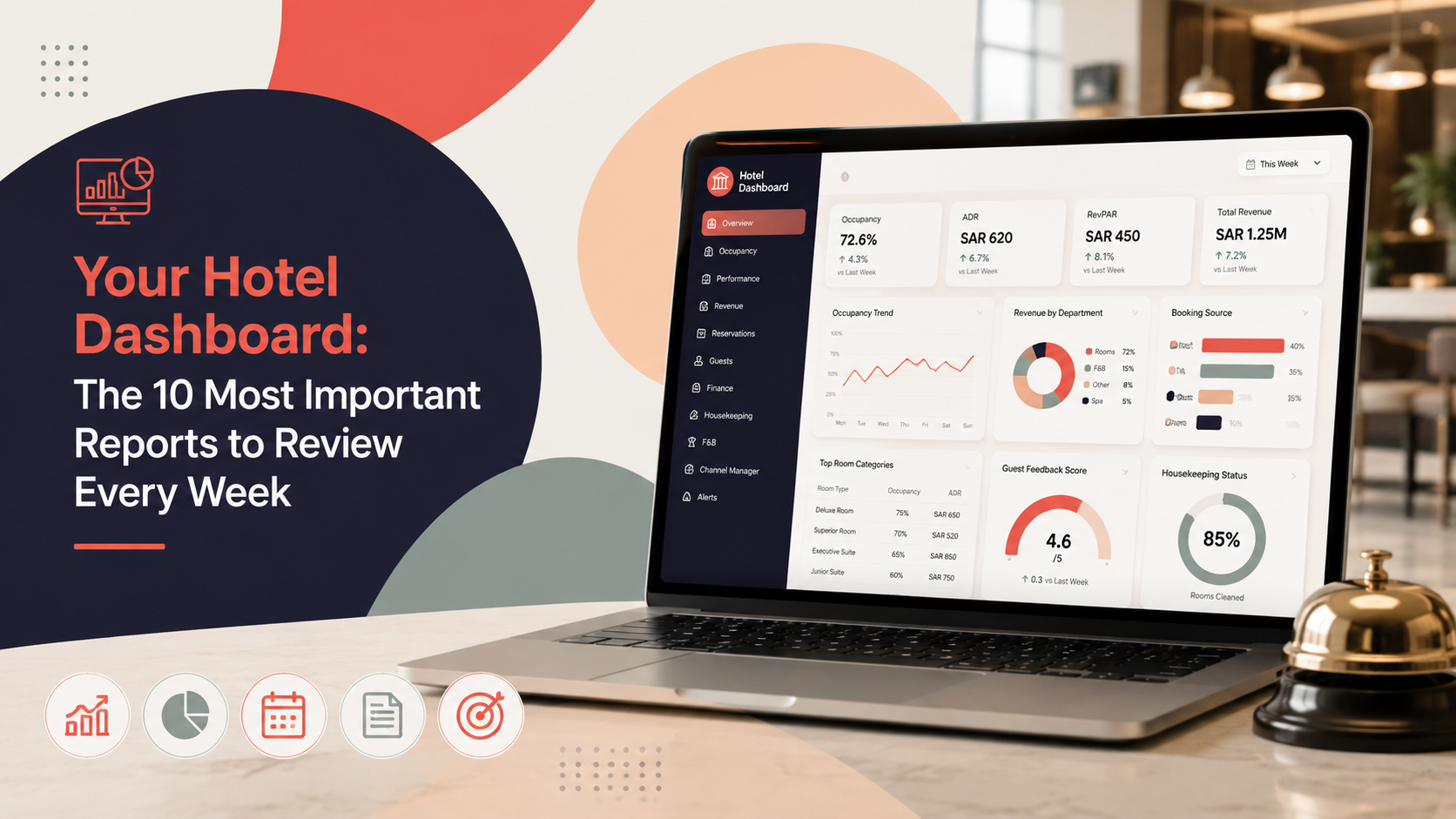
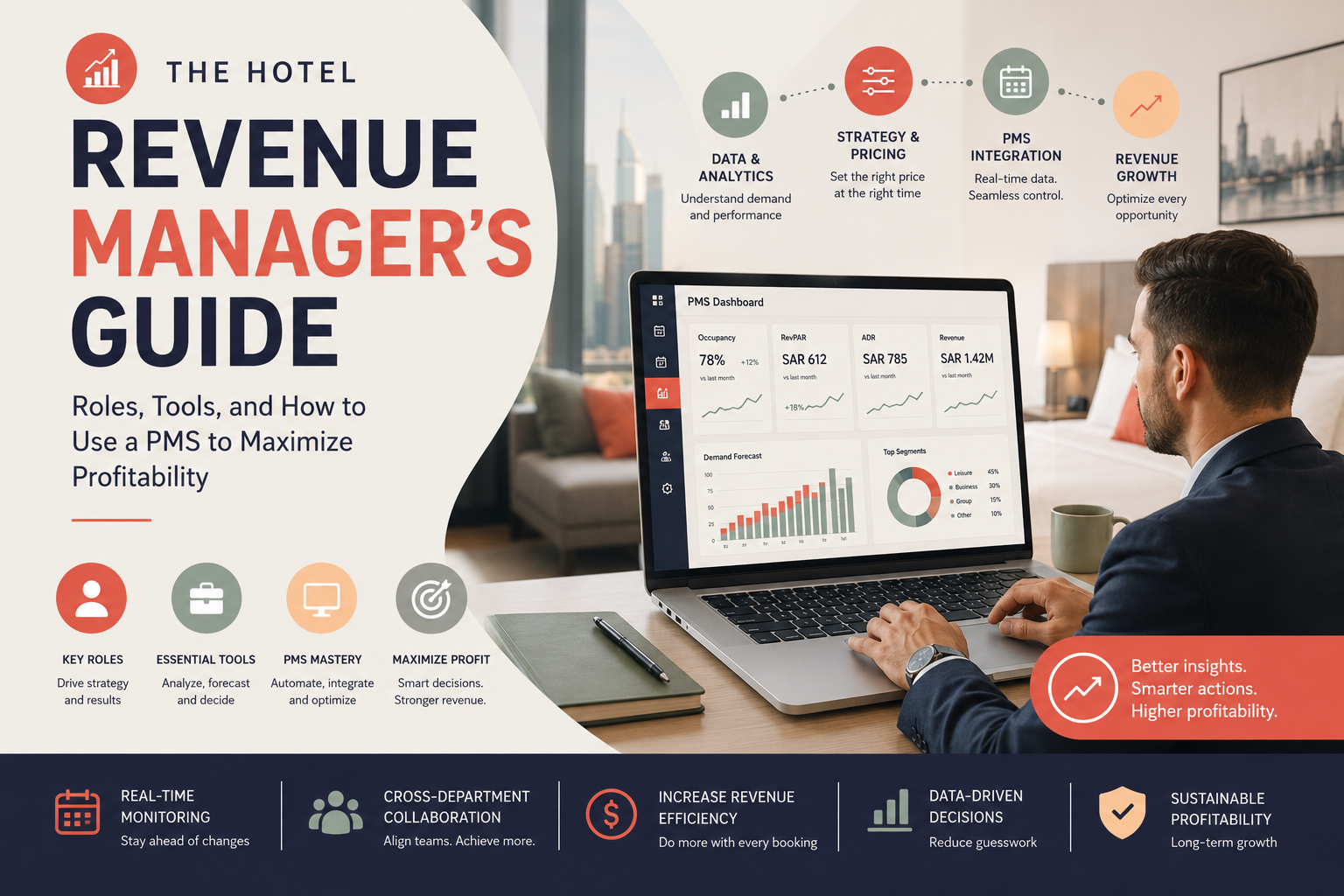
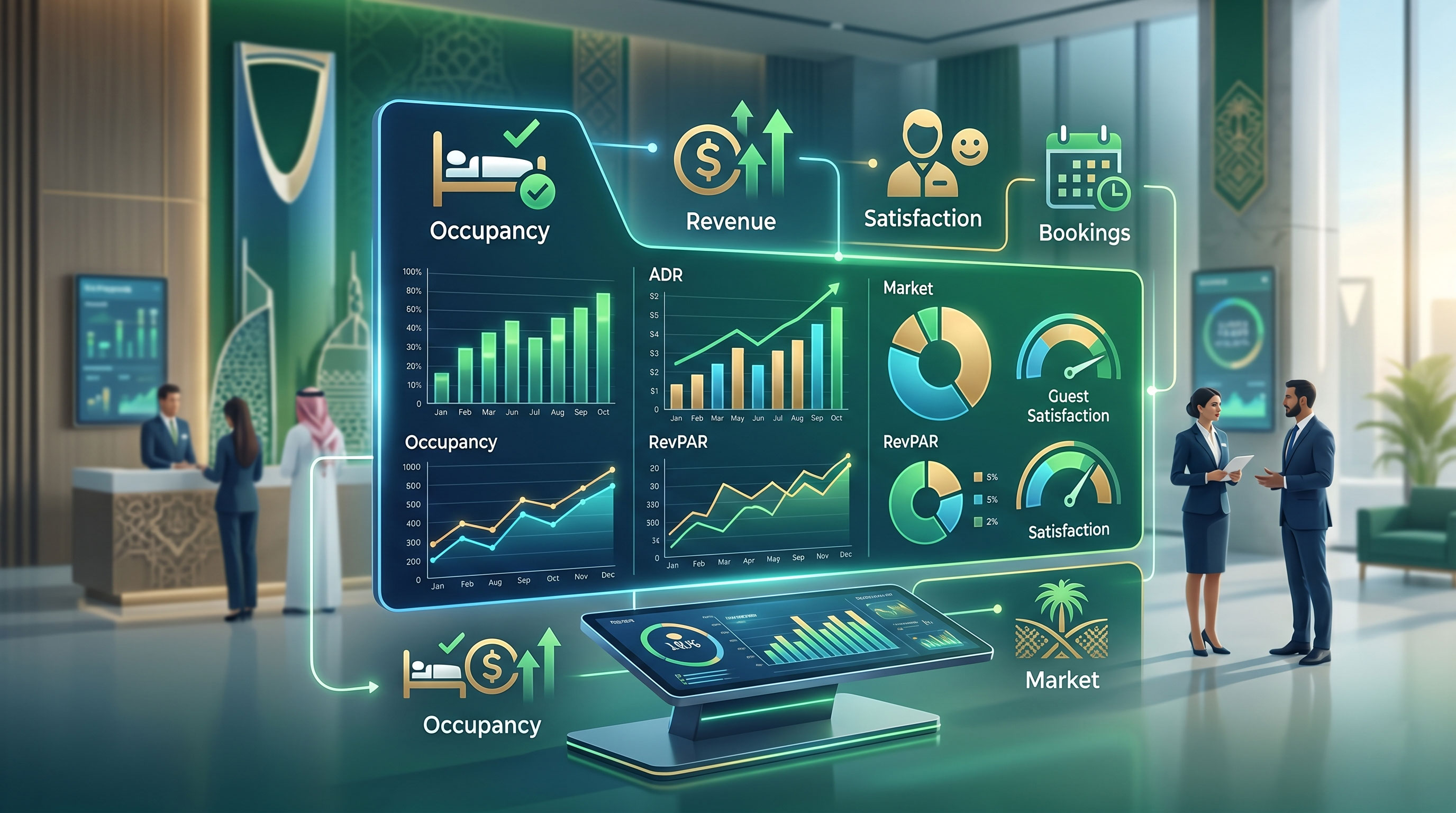
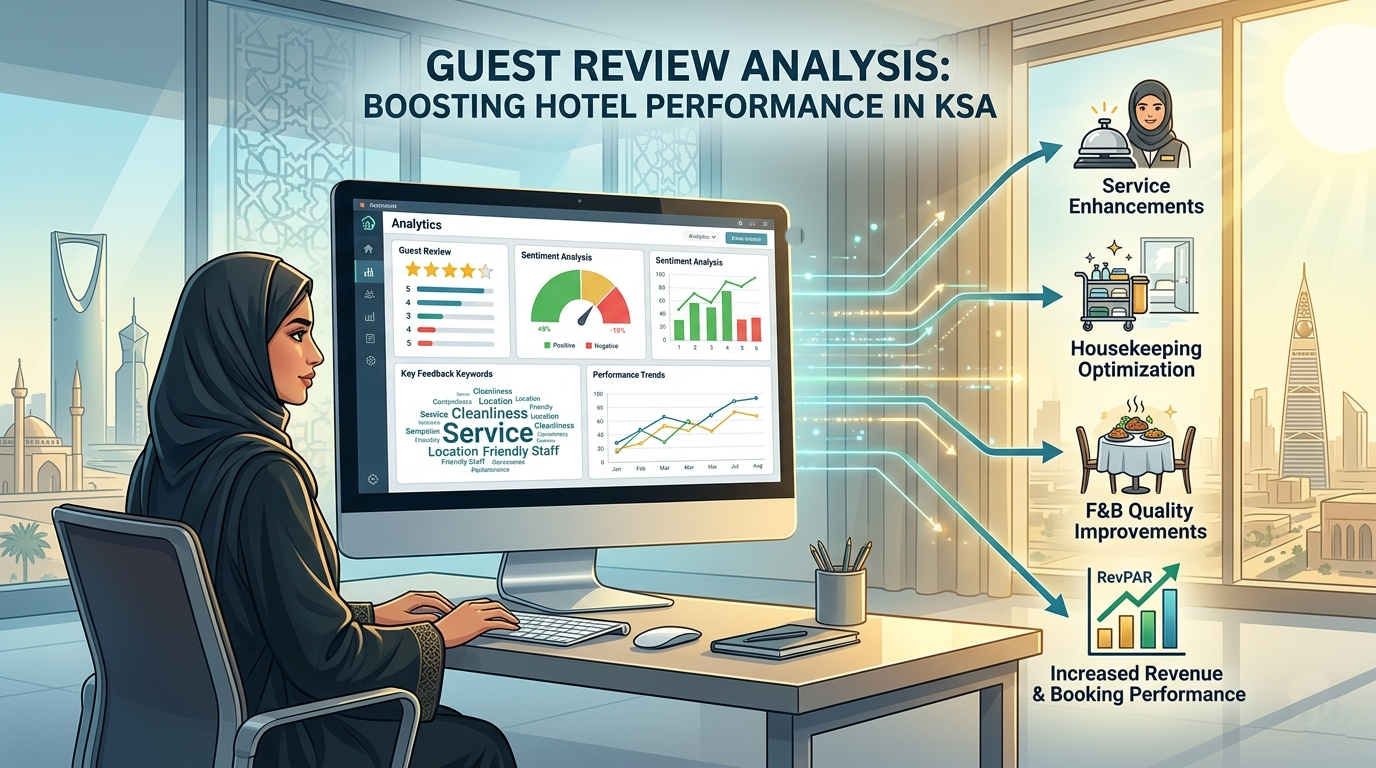
Automated Reporting & Analytics: Real-time dashboards showing occupancy, ADR, RevPAR, channel mix, and booking trends — replacing hours of manual spreadsheet work with instant insights.
-
✅
Government Integration Ready: Seamless connectivity with GAZT, the National Tourism Monitoring Platform, and Shomos — ensuring full compliance with Saudi regulations without manual data entry.
-
✅
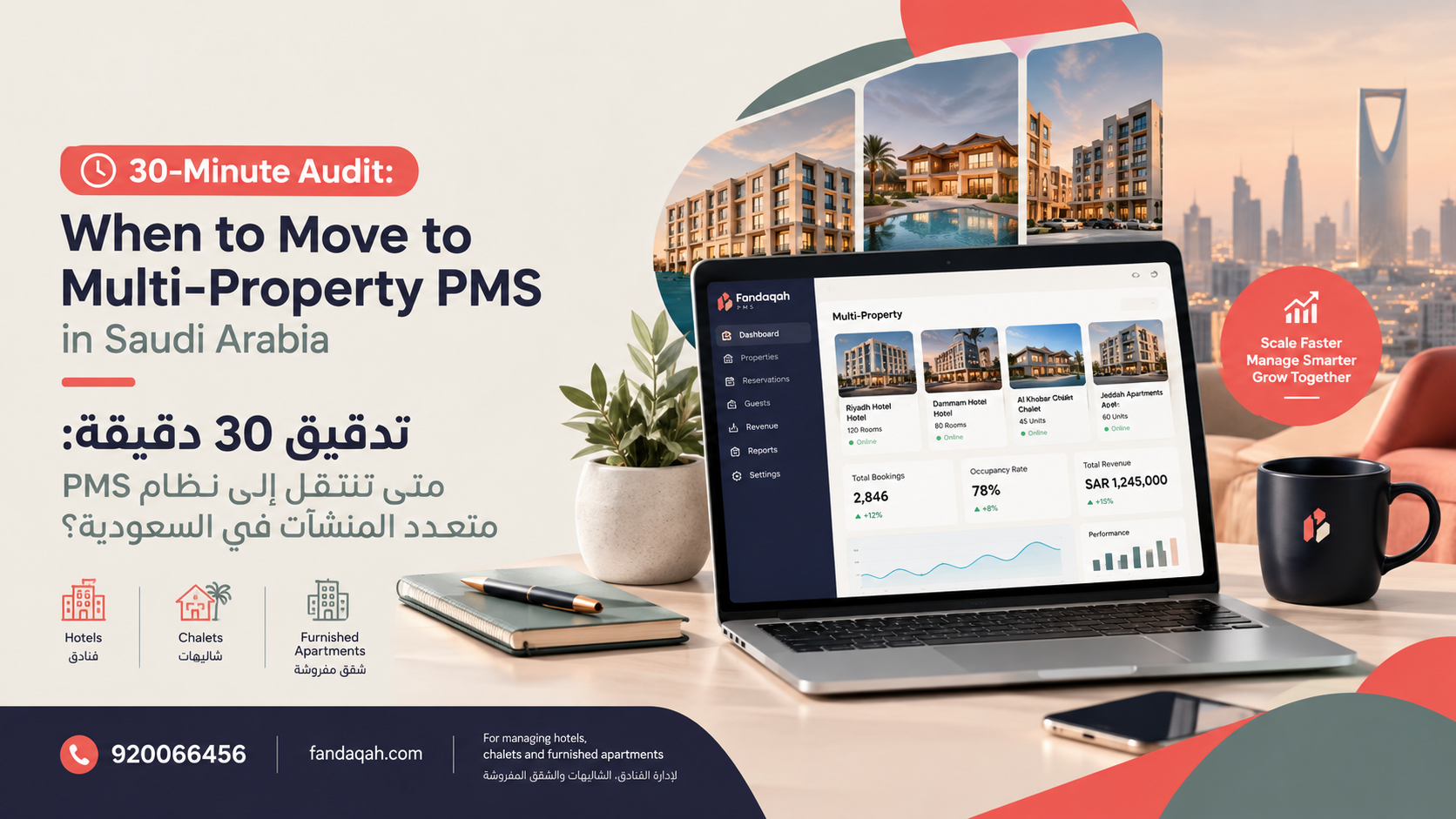
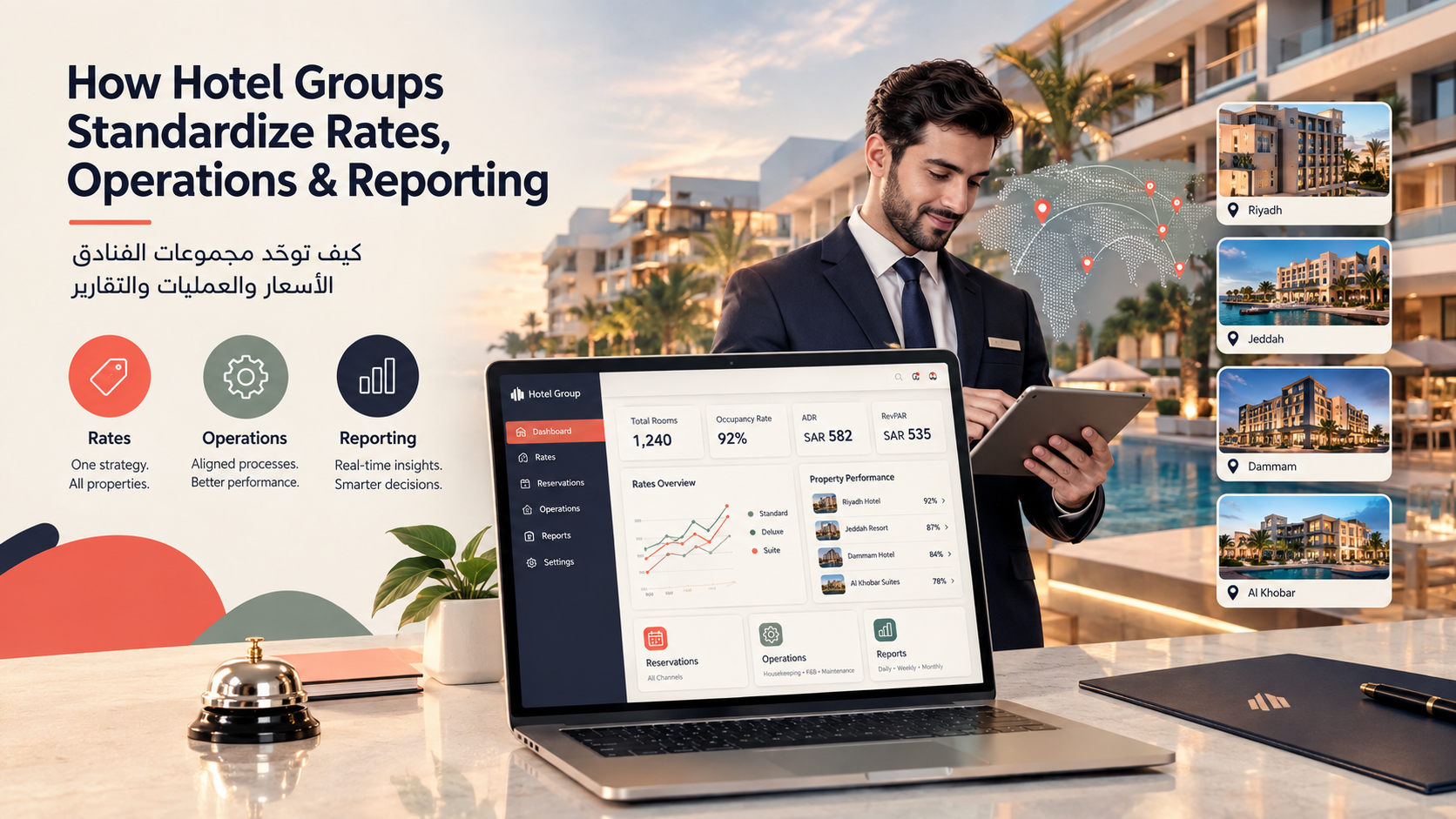
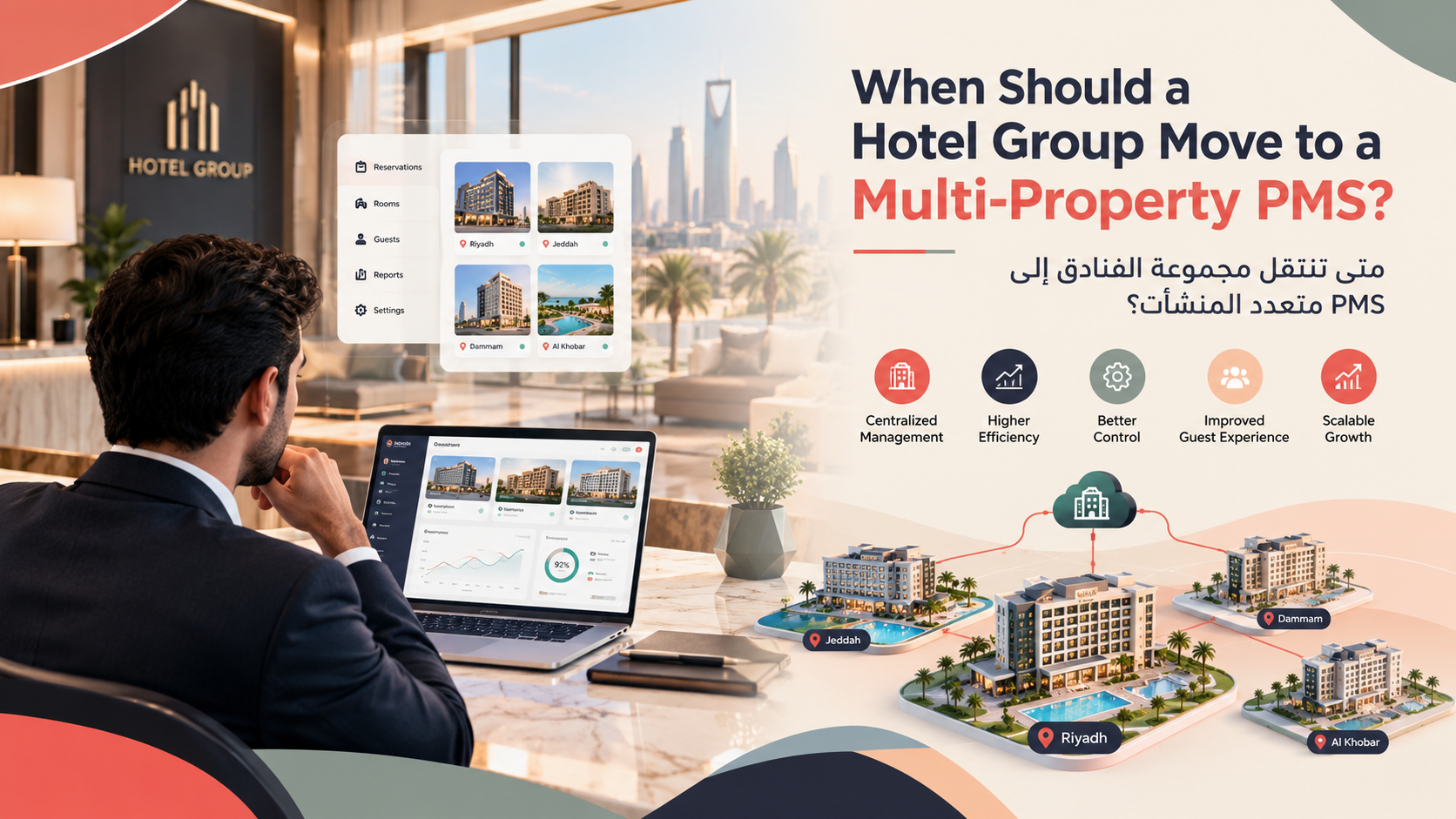
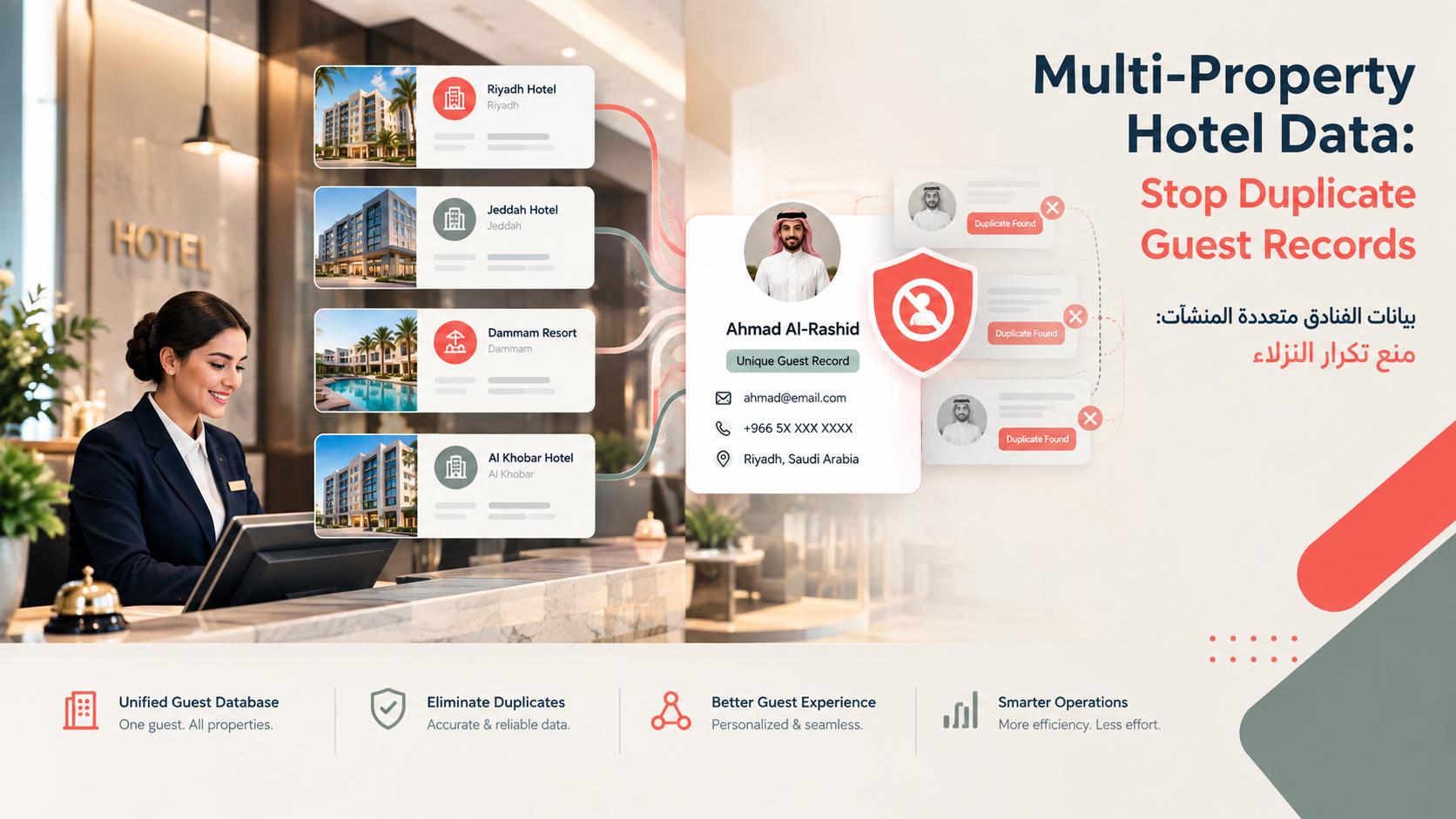
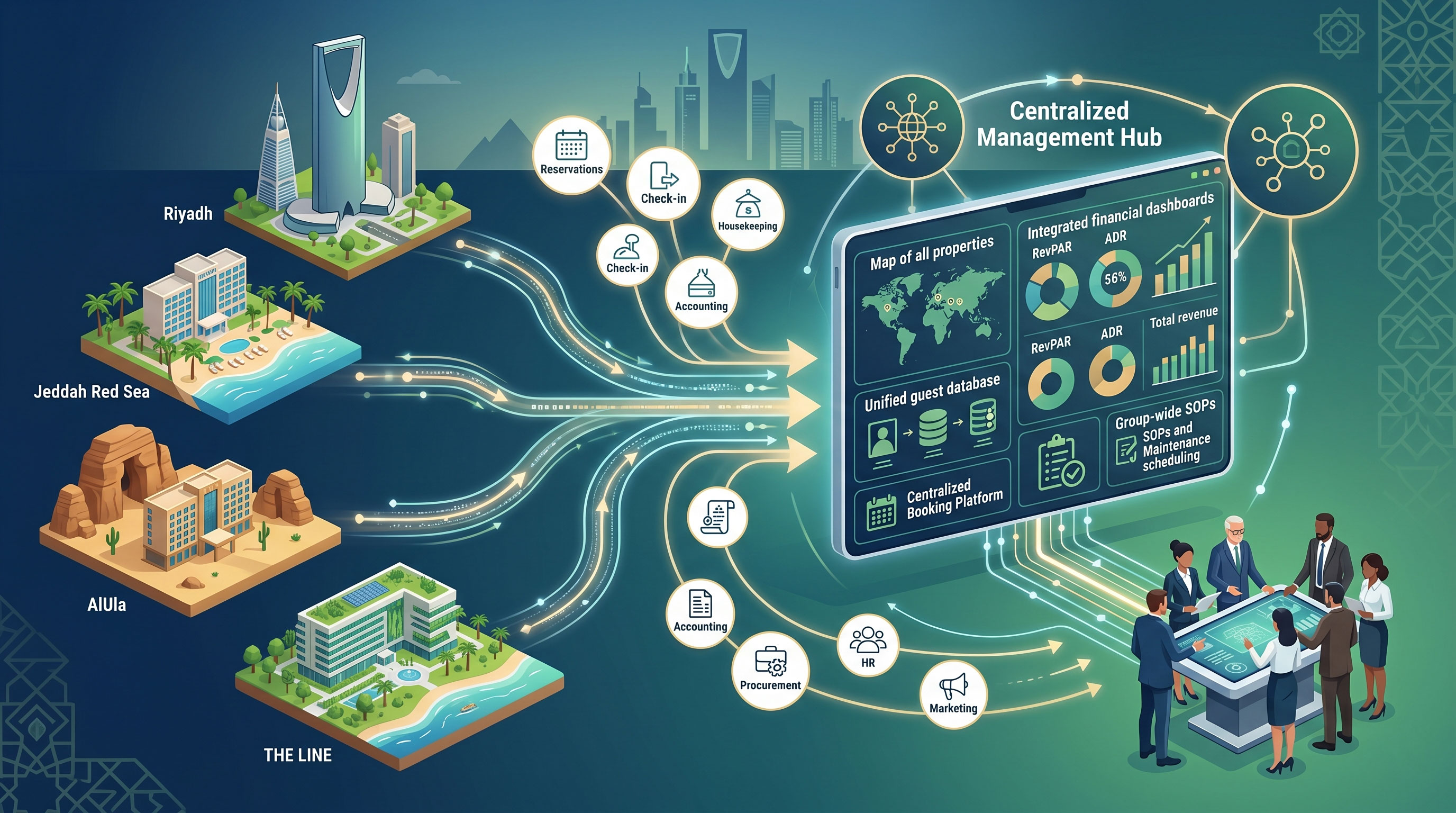
Multi-Property Management: Centralized control across multiple properties — ideal for growing Saudi hospitality groups managing hotels, serviced apartments, and chalets under one dashboard.
-
✅
24/7 Bilingual Support: Arabic and English technical support available around the clock — ensuring that a revenue-critical issue at 2 AM during Hajj season gets resolved immediately.
-
✅
Scalable Architecture: From small chalets to large resorts — Fandaqah grows with your business, with flexible pricing plans and the ability to add modules as needed.
Use Cases: Smart PMS Revenue Strategies Across Saudi Arabia
Use Case 1: Makkah — Maximizing Revenue During Peak Pilgrimage Seasons
Challenge: Makkah hotels experience extreme demand volatility — near-100% occupancy during Hajj and Ramadan peaks, but significantly lower occupancy during off-peak periods. With over 8,500 rooms under construction across 12 developments and total inventory projected to rise from 63,428 to 71,643 rooms by 2027, competition is intensifying.
PMS-Powered Strategy: Use booking pace data to identify exactly when demand begins to surge ahead of Ramadan and Hajj. Layer in length-of-stay analysis — Makkah’s 4.4-night average stay is the longest in the Kingdom — to create minimum-length-of-stay restrictions during peak periods and open-length-of-stay during troughs. Use the integrated channel manager to adjust OTA pricing in real time as occupancy thresholds are crossed.
Use Case 2: Riyadh — Capturing Corporate & Event-Driven Demand
Challenge: Riyadh recorded the highest hotel ADR in the Kingdom at SAR 845 in Q4 2025 and serviced apartment occupancy of 70.5%, driven by the RHQ program, government business, and mega-events. However, CBRE notes that a large pipeline of new projects is putting short-term pressure on occupancy.
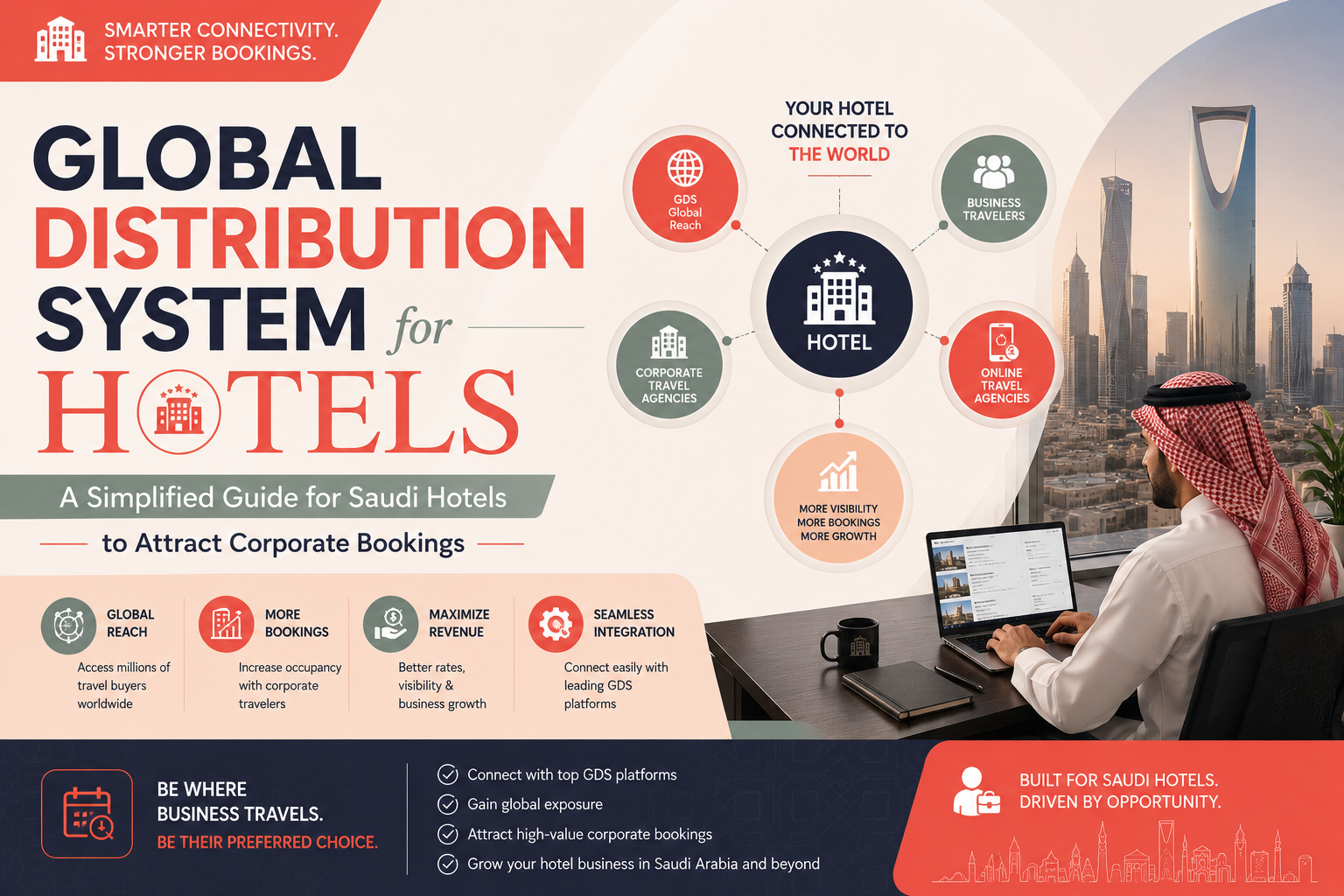
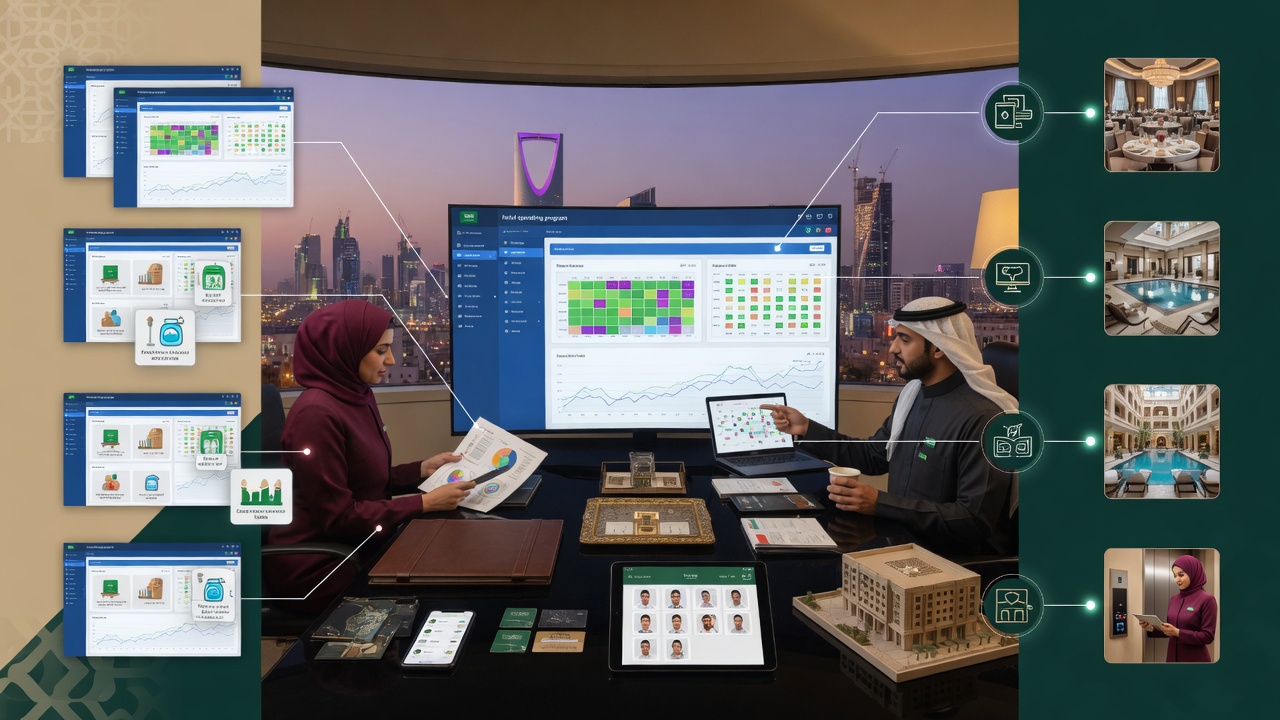
PMS-Powered Strategy: Segment corporate guests versus event-driven guests using PMS data. Corporate guests typically book 7–14 days ahead with shorter stays; event guests book 30–60 days ahead. Use this intelligence to set differentiated pricing by booking window. Leverage the direct booking engine with corporate rate codes to capture high-value business without OTA commissions.
Use Case 3: Madinah — The Kingdom’s Highest ADR Market
Challenge: Madinah achieved the highest ADR in Saudi Arabia at SAR 891 in Q1 2025 and the highest hotel occupancy at 81.5% in Q4 2025. Pilgrim arrivals are forecast to grow from 17.3 million in 2025 to 30 million by 2030.
PMS-Powered Strategy: With such strong demand fundamentals, the revenue opportunity shifts from “filling rooms” to “optimizing guest mix.” Use PMS guest history data to identify high-value repeat pilgrim groups and create targeted pre-season offers. Implement dynamic pricing floors that prevent undervaluing inventory even during shoulder periods.
Use Case 4: Serviced Apartments — The Rising Star Segment
Challenge: Serviced apartments represent 52% of all licensed hospitality facilities (3,090 properties) in Saudi Arabia, yet ADR declined 5.7% to SAR 207 in Q4 2025. With the RHQ program driving long-stay corporate demand, this segment holds enormous potential for revenue growth.
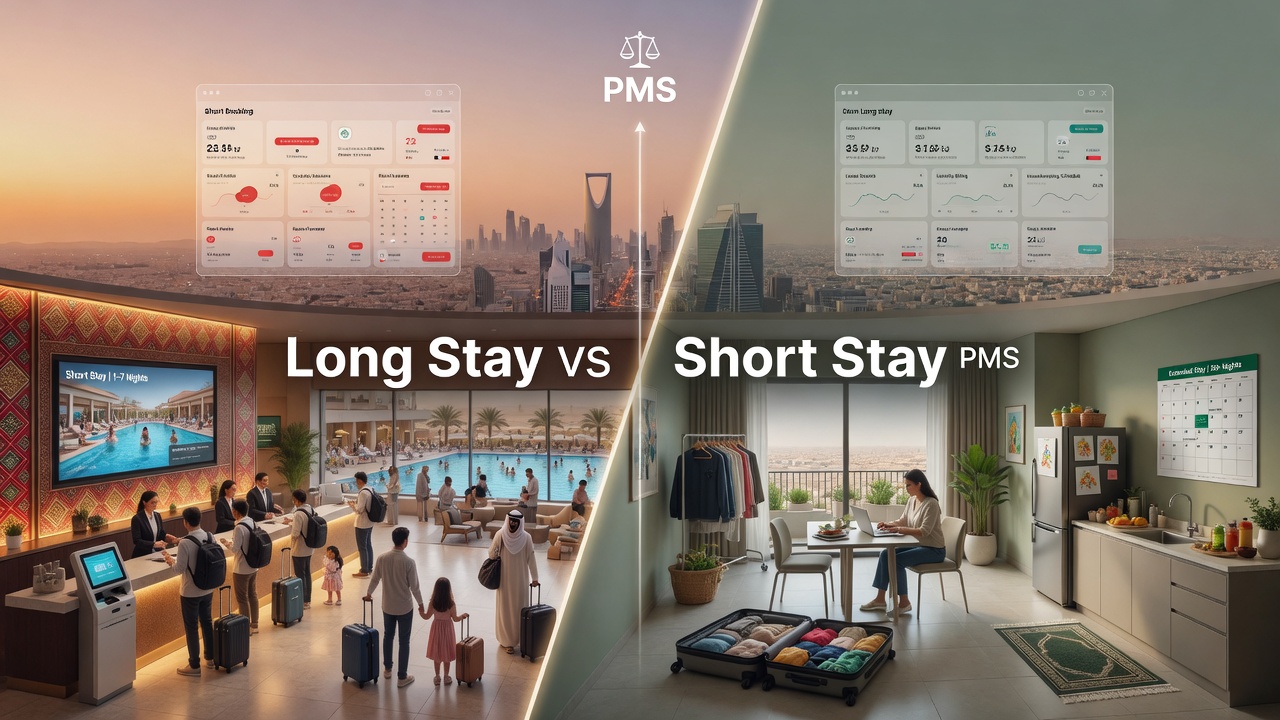
PMS-Powered Strategy: Serviced apartments benefit from longer average stays (2.2 nights and growing). Use PMS data to identify the break-even length-of-stay where long-stay discounts still yield higher total revenue than short-stay premiums. Create automated monthly pricing rules that adjust rates based on occupancy thresholds — increasing rates when 30-day-out occupancy exceeds 60%.
Use Case 5: Eastern Province & Al Khobar — Corporate & Industrial Demand
Challenge: The Eastern Province recorded serviced apartment occupancy of 57.8% in Q4 2025, driven by oil-sector corporate demand. Supply growth has been limited, with some markets seeing hotel closures, creating opportunities for well-positioned properties.
PMS-Powered Strategy: In markets with constrained supply, revenue management shifts toward rate optimization. Use PMS data to track corporate account performance — which companies generate the highest total revenue, which book closest to arrival, and which have the highest cancellation rates — then adjust corporate rate agreements accordingly.
Traditional vs. Smart PMS Revenue Management: A Direct Comparison
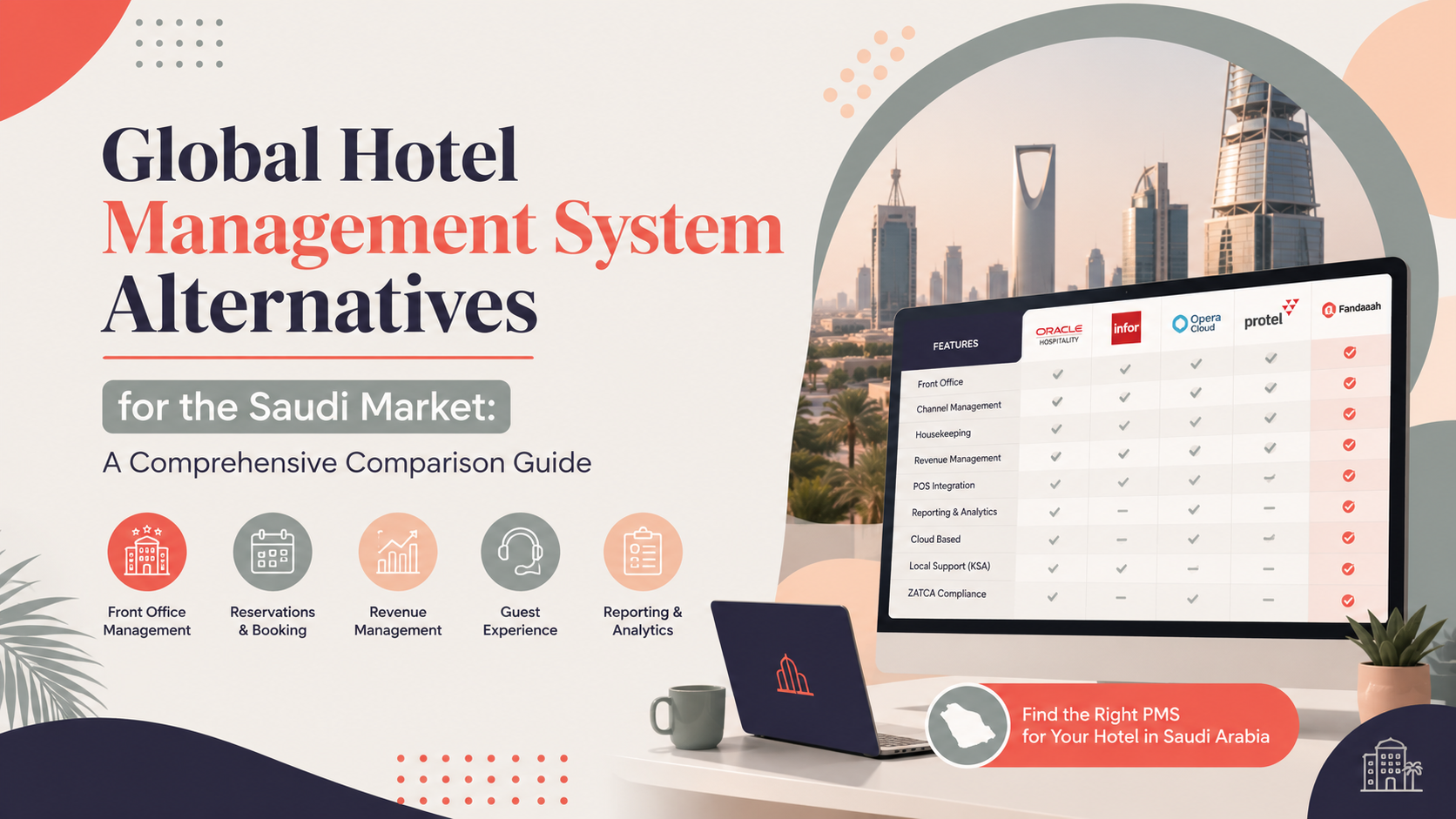
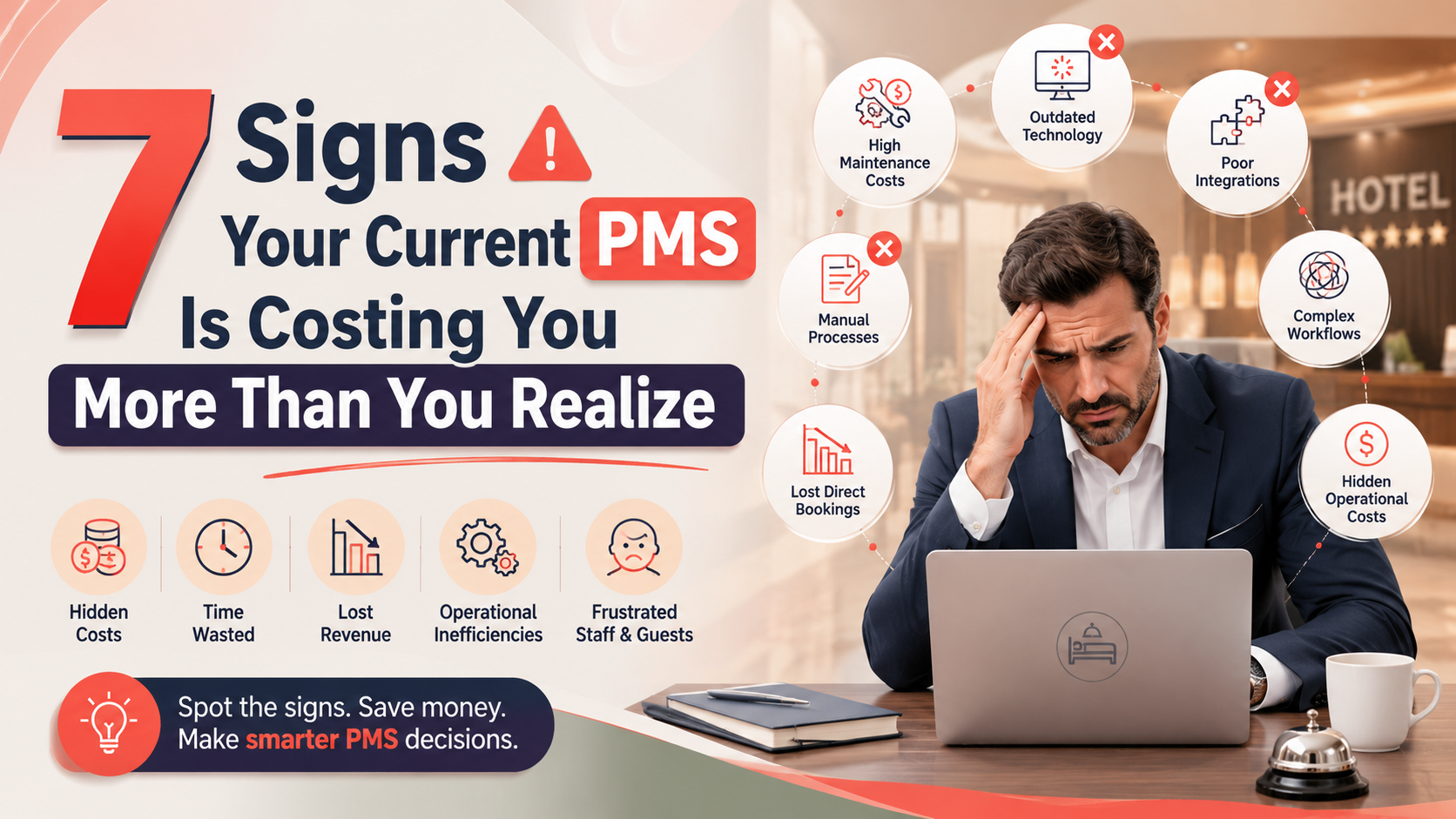
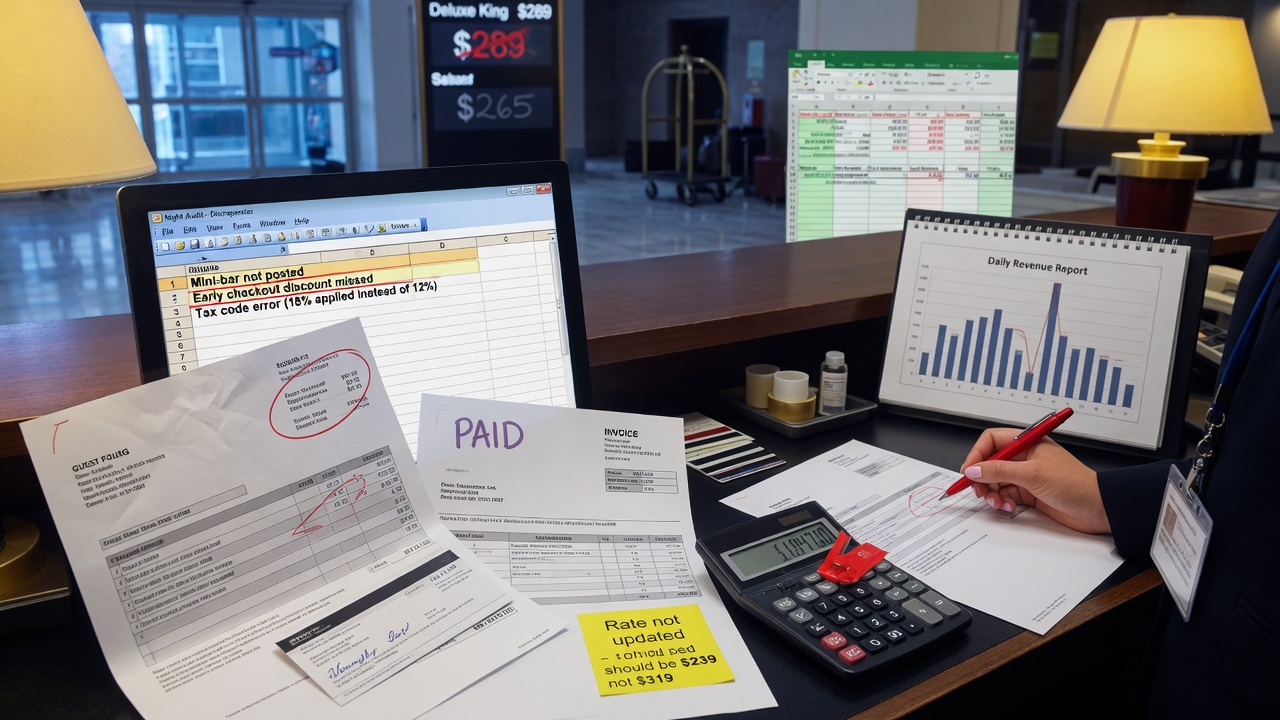
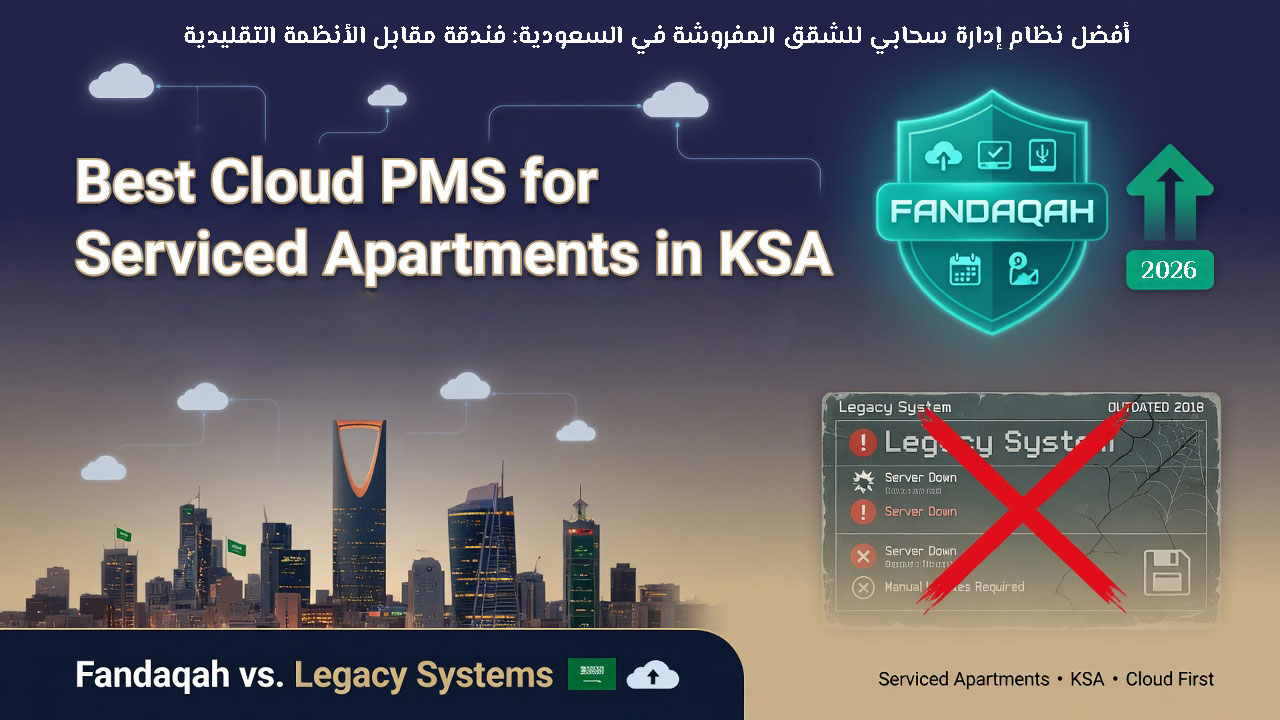
Many Saudi hotels still rely on manual processes, spreadsheets, or legacy on-premise systems. The difference between these approaches and a modern cloud-based PMS is stark — and directly impacts the bottom line:
| Capability |
Traditional / Manual Approach |
Smart PMS Approach (Fandaqah) |
| Rate Updates |
Manually changed in each OTA extranet; takes hours; prone to rate parity errors |
One-click rate updates synchronized instantly across all channels via integrated Channel Manager |
| Occupancy Forecasting |
Based on last year’s numbers or intuition; no forward-looking demand signals |
Real-time booking pace data compared to historical patterns; automated alerts when pacing deviates |
| Channel Profitability |
Little visibility into net revenue after commissions; decisions based on gross booking volume |
Clear channel-level profitability analysis; direct booking prioritized through integrated booking engine |
| Regulatory Compliance |
Manual data entry for GAZT and tourism monitoring; high risk of errors and fines |
Automated, real-time integration with GAZT, National Tourism Monitoring Platform, and Shomos |
| Multi-Property View |
Separate reports for each property; hours of consolidation; no holistic view |
Single dashboard with multi-property overview; instant comparison across all properties |
| Mobile Access |
Desk-bound; owner cannot monitor performance remotely |
Full mobile access; owner can monitor detailed reports anytime, anywhere |
| Guest Data Usage |
Guest history siloed or lost; no ability to personalize offers or identify high-value segments |
Centralized guest profiles with full stay history; targeted marketing and personalized pricing enabled |
The ROI of Smart PMS: What the Numbers Show
According to the 2025 Smart Decision Guide to Hospitality Revenue Management, 83% of hotel executives report RevPAR gains of 5–15% after implementing a next-generation revenue management system, and 96% say AI-powered tools reduced the time and costs associated with manual pricing tactics. For a 50-room Saudi hotel with SAR 400 ADR and 55% occupancy, a 10% RevPAR improvement translates to approximately SAR 401,500 in additional annual revenue.
Future Trends: Saudi Hotel Revenue Management & Vision 2030
Saudi Arabia’s hospitality sector stands at a once-in-a-generation inflection point. Vision 2030 is not just a policy framework — it is a comprehensive economic transformation that will reshape every dimension of hotel revenue management. Here are the trends every Saudi hotelier must prepare for:
1. The 150 Million Visitor Target Is Within Reach
Saudi Arabia welcomed 122 million visitors in 2025 and is rapidly approaching its 2030 target of 150 million annual tourists. The Kingdom has invested between USD 150–200 billion in tourism since Vision 2030’s launch and currently has over 500,000 licensed hotel rooms — sufficient to meet the 2030 goal. Tourism already contributes 4.7% to GDP with a target of 10% by 2030.
Revenue Implication: The sheer volume of demand means occupancy will trend upward structurally over the next decade. Hotels that invest in smart PMS technology today will be positioned to capture premium rates as demand outpaces supply in key markets.
2. AI-Powered Revenue Management Is Becoming an Operational Requirement
89% of hotel executives now use some form of AI-enabled or automation-based technology in their revenue strategies. AI-powered RMS platforms can now forecast demand up to two years ahead, adjust pricing by the hour, and optimize not just room revenue but total revenue per available square meter — including meeting spaces, F&B, parking, and wellness facilities.
Revenue Implication: While dedicated RMS platforms like IDeaS (now implemented in 144 Saudi hotels) serve large chains, integrated PMS solutions like Fandaqah are democratizing revenue intelligence for independent hotels, serviced apartments, and chalets — bringing AI-assisted decision-making within reach of every Saudi property.
3. The Mid-Scale Supply Gap Creates Opportunity
78% of Saudi Arabia’s future hotel pipeline falls within the luxury, upscale, and upper-upscale segments. Knight Frank has highlighted a “structural gap in mid-scale and budget accommodations,” particularly as domestic tourism — which remains the sector’s backbone — continues to grow.
Revenue Implication: Mid-scale hotels and serviced apartments that deploy smart revenue management can capture the substantial demand that luxury properties cannot serve. This is particularly relevant for Saudi cities beyond Riyadh, Jeddah, and the Holy Cities.
4. Expo 2030 Riyadh and FIFA World Cup 2034 Will Transform Demand Patterns
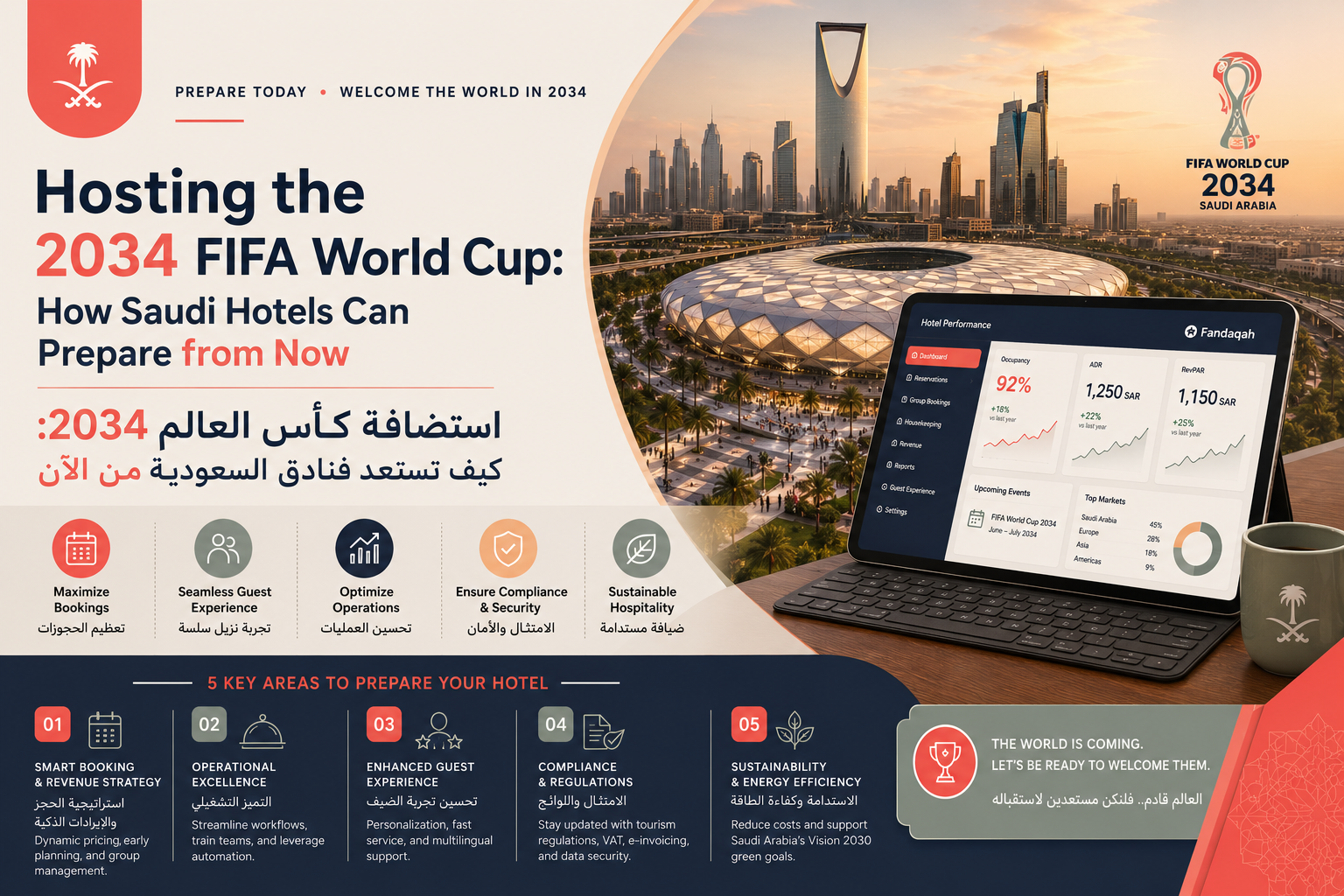
Riyadh will host Expo 2030, and Saudi Arabia will host the FIFA World Cup 2034 — two of the largest events in the world. Investors are already moving during the build-up phase, and these events will lift visibility, accelerate infrastructure, and strengthen accommodation demand years before the opening ceremonies.
Revenue Implication: Hotels that build robust PMS data foundations today will have 5–8 years of historical booking patterns to inform pricing strategies when these mega-events arrive. Early adopters of revenue management technology will have a decisive information advantage.
5. Total Revenue Optimization: Beyond the Room
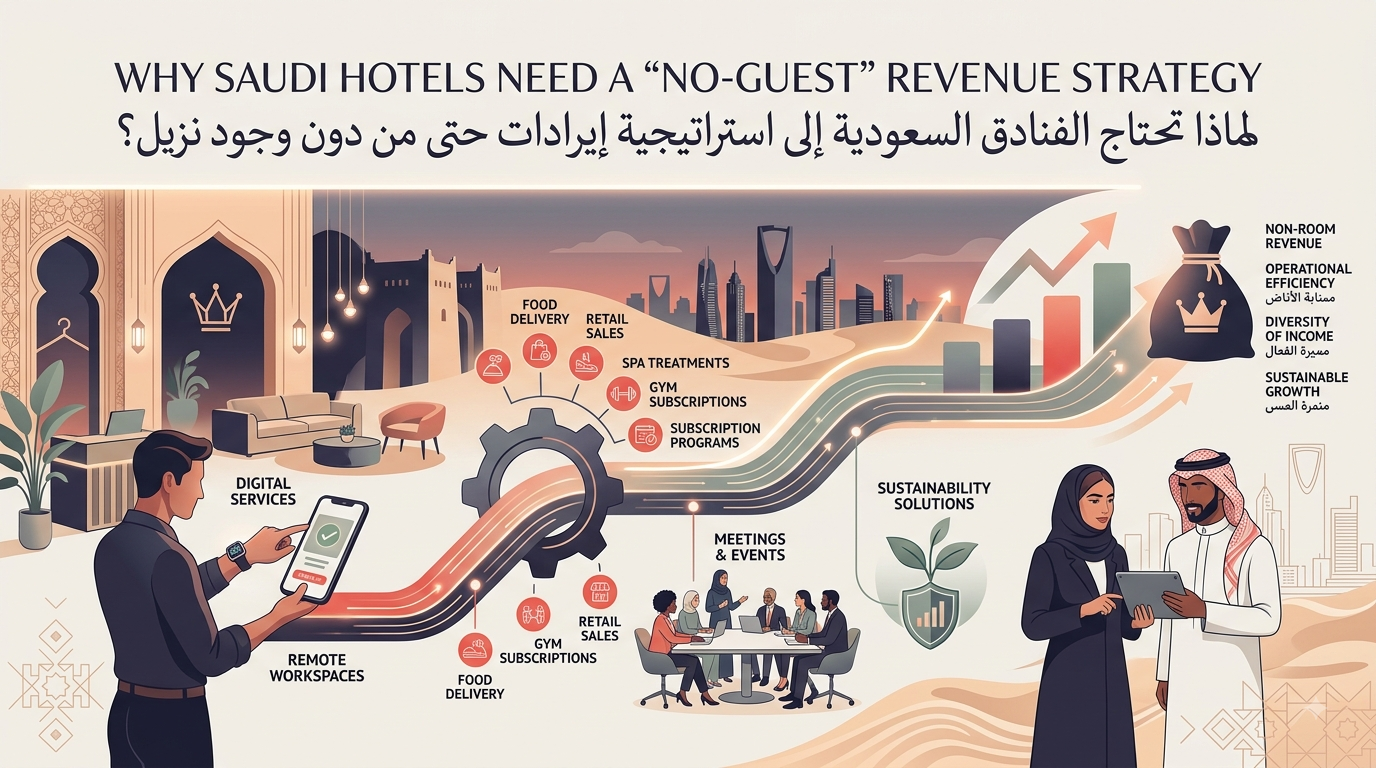
Nearly 40% of incremental revenue growth is now coming from non-room sources, including F&B, spa, parking, and ancillary services. The most advanced hotels are shifting from RevPAR (rooms only) to RevPAR (total revenue per available room) as their primary performance metric.
Revenue Implication: A smart PMS that captures all revenue streams — not just room revenue — enables hoteliers to understand the total value of each guest and optimize packaging, upselling, and cross-selling strategies across every touchpoint.
Frequently Asked Questions (FAQ)
Q1: What is the most effective way to increase hotel occupancy in Saudi Arabia?
The most effective approach combines three strategies: (1) Use PMS booking pace data to identify soft periods 30–60 days out and launch targeted promotions before occupancy gaps materialize; (2) Leverage an integrated channel manager to maintain optimal visibility across all OTAs while prioritizing direct bookings via your own website; (3) Analyze guest segmentation data to understand which guest types (corporate, religious, leisure) deliver the highest occupancy during which seasons, then tailor marketing accordingly. In Saudi Arabia specifically, understanding the religious tourism calendar — Ramadan, Hajj, and Umrah seasons — is essential for accurate demand forecasting.
Q2: How can a cloud-based PMS like Fandaqah help increase ADR?
A cloud PMS increases ADR in multiple ways: (1) Real-time occupancy dashboards show exactly when demand is strong, giving you the confidence to raise rates; (2) Channel performance analytics reveal which OTAs deliver the highest-ADR bookings so you can allocate inventory strategically; (3) Guest history data enables personalized upselling and premium room upgrades; (4) Automated rate rules prevent underpricing during high-demand periods; (5) Length-of-stay analysis helps create minimum-stay restrictions that boost total revenue per booking. Fandaqah’s mobile accessibility means you can adjust pricing from anywhere, anytime — critical for capturing last-minute rate opportunities.
Q3: What KPIs should Saudi hoteliers track for effective revenue management?
The essential KPIs are: Occupancy Rate (rooms sold divided by rooms available), ADR (room revenue divided by rooms sold), RevPAR (occupancy multiplied by ADR), Booking Pace (bookings on the books versus same time last year), Channel Mix (percentage of bookings from each distribution source), Net Revenue per Channel (revenue minus channel costs), Length of Stay, Lead Time (days between booking and arrival), and Guest Acquisition Cost. A modern PMS like Fandaqah surfaces all these metrics in a single dashboard, eliminating the need for manual spreadsheet consolidation.
Q4: How does Fandaqah’s PMS integrate with Saudi government systems?
Fandaqah provides seamless, automated integration with three critical Saudi government platforms: GAZT (Zakat, Tax and Customs Authority) for real-time tax invoice synchronization and compliance; the National Tourism Monitoring Platform for mandatory regulatory reporting to the tourism authorities; and Shomos (Ministry of Interior) for secure, compliant guest data transmission. These integrations eliminate manual data entry errors, reduce compliance risk, and free staff to focus on revenue-generating activities rather than administrative paperwork.
Q5: Is a dedicated revenue management system (RMS) necessary, or is a smart PMS enough?
For independent hotels, serviced apartments, chalets, and small-to-mid-sized Saudi properties, a smart PMS with built-in revenue analytics — like Fandaqah — is often sufficient and more cost-effective than a standalone RMS. A modern PMS already captures the data an RMS would use (bookings, cancellations, guest profiles, channel performance) and can surface actionable revenue insights without the complexity and cost of a separate system. Large hotel chains with 100+ rooms and complex group business may benefit from a dedicated RMS (like IDeaS G3, now deployed in 144 Saudi hotels), but for the vast majority of Saudi hospitality properties, a full-featured cloud PMS delivers 90%+ of the revenue management capability at a fraction of the investment.
Q6: How can Saudi hotels reduce dependency on OTAs and increase direct bookings?
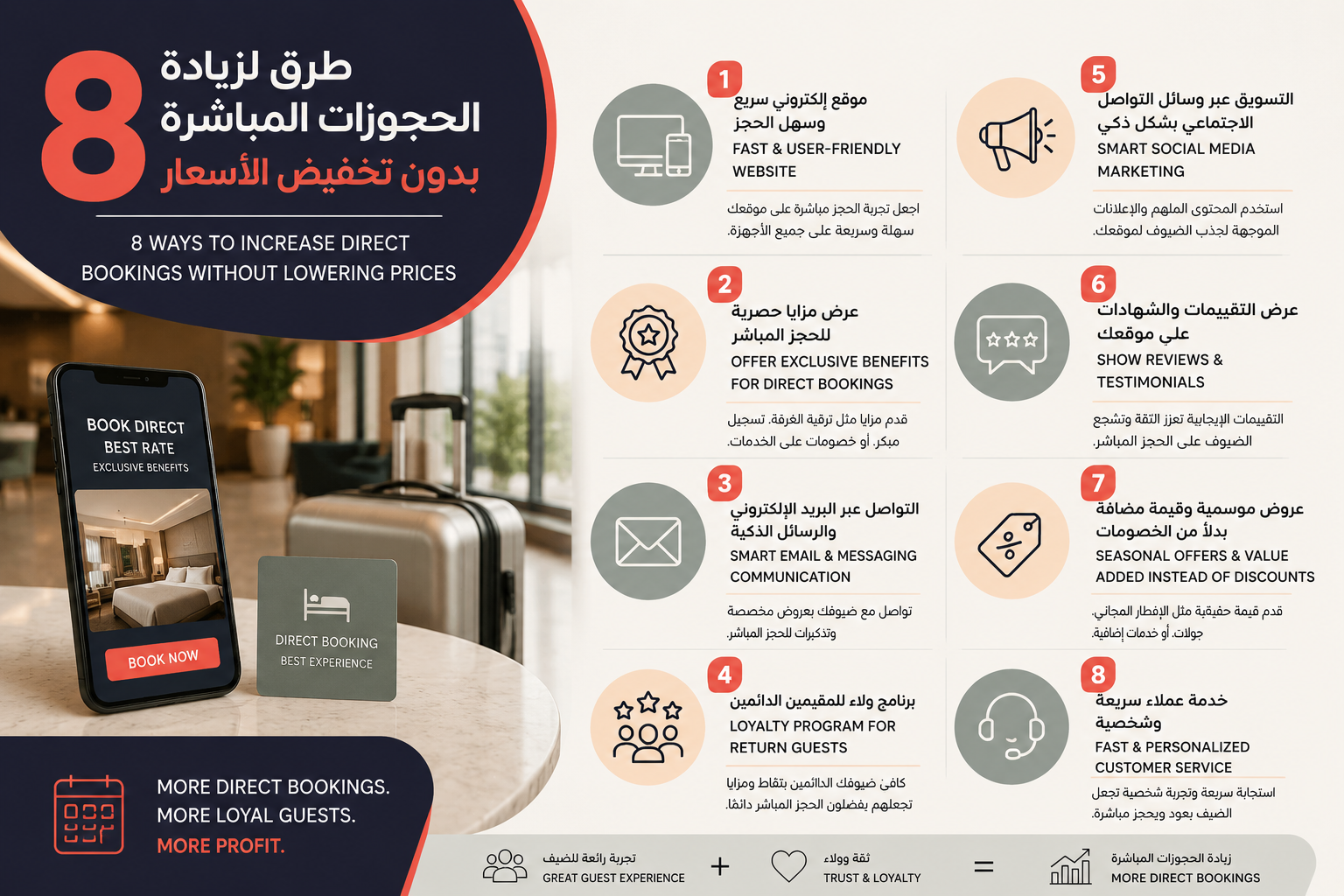
OTA dependency is one of the biggest margin-eroders in hospitality. To shift toward direct bookings: (1) Use a PMS with a built-in, SEO-optimized booking engine — Fandaqah includes a fast, multilingual direct booking website; (2) Offer direct-booking incentives like complimentary breakfast, late checkout, or member-only rates that undercut public OTA prices; (3) Use PMS guest data to build an email/SMS database and retarget past guests with personalized offers; (4) Ensure rate parity — your direct booking price should never be higher than OTA prices; (5) Leverage social media (especially WhatsApp, which is widely used in Saudi Arabia) to drive direct inquiries and bookings. Every percentage point of bookings shifted from OTAs to direct channels saves 15–25% in commission costs.
Q7: What role does Vision 2030 play in hotel revenue management strategy?
Vision 2030 is the single most important strategic factor for Saudi hotel revenue management. The national plan aims to attract 150 million annual visitors, develop 362,000 hotel rooms, and grow tourism’s GDP contribution to 10%. For hoteliers, this means: demand will continue to grow structurally; competition will intensify as new supply enters the market; guest expectations will rise; and regulatory requirements will evolve. Hotels that adopt smart PMS technology and data-driven revenue management today are positioning themselves to thrive in the Vision 2030 era — while those relying on manual processes risk being left behind as the market professionalizes.
Q8: How quickly can a Saudi hotel see ROI after switching to a cloud PMS like Fandaqah?
Most properties begin seeing operational efficiency gains within the first month — automated check-ins, faster reporting, and reduced manual data entry. Revenue improvements typically materialize within 2–3 months as hoteliers gain confidence using the data to make pricing and distribution decisions. According to industry research, 83% of hotels report RevPAR gains of 5–15% after implementing next-generation revenue management capabilities. For a typical 50-room Saudi property, this can translate to SAR 200,000–600,000 in additional annual revenue — far exceeding the cost of the PMS subscription. Fandaqah’s flexible pricing plans mean properties can start small and scale as results justify expansion.
Conclusion: The Time to Act Is Now
Saudi Arabia’s hospitality sector is at a pivotal moment. The numbers tell a clear story: 122 million visitors in 2025, a 34.2% increase in licensed hospitality establishments, and a national ADR that has seen both record highs (SAR 859 in Q1 2025 Makkah) and significant declines (SAR 389 national average in Q4 2025). The difference between winning and losing is no longer about having the best location or the newest furniture — it is about having the best data and the fastest, smartest response to that data.
Hotel revenue management powered by smart PMS data is the single highest-leverage investment a Saudi hotelier can make. It touches every aspect of commercial performance: how you price, where you distribute, which guests you target, how you forecast, and how you comply with government regulations — all from one unified platform.
Fandaqah has built exactly this solution for the Saudi market. With 800+ hotels trusting the platform, 99.9% operational efficiency, 24/7 bilingual support, and deep integrations with GAZT, the National Tourism Monitoring Platform, and Shomos, Fandaqah is purpose-built for the unique demands of Saudi hospitality — from Makkah’s pilgrimage-driven seasons to Riyadh’s corporate corridors to the Kingdom’s emerging leisure destinations.
Vision 2030 is not waiting. The 150-million-visitor target is fast approaching. The mega-events — Expo 2030 Riyadh, FIFA World Cup 2034 — will reshape demand for a generation. The hotels that will capture this once-in-a-lifetime opportunity are those that build their data foundations today.
Your PMS is no longer just an operations tool. It is your revenue engine. It is your competitive advantage. It is the difference between watching demand pass you by — and capturing it at the optimal price, every single night.
Ready to Transform Your Hotel’s Revenue Performance?
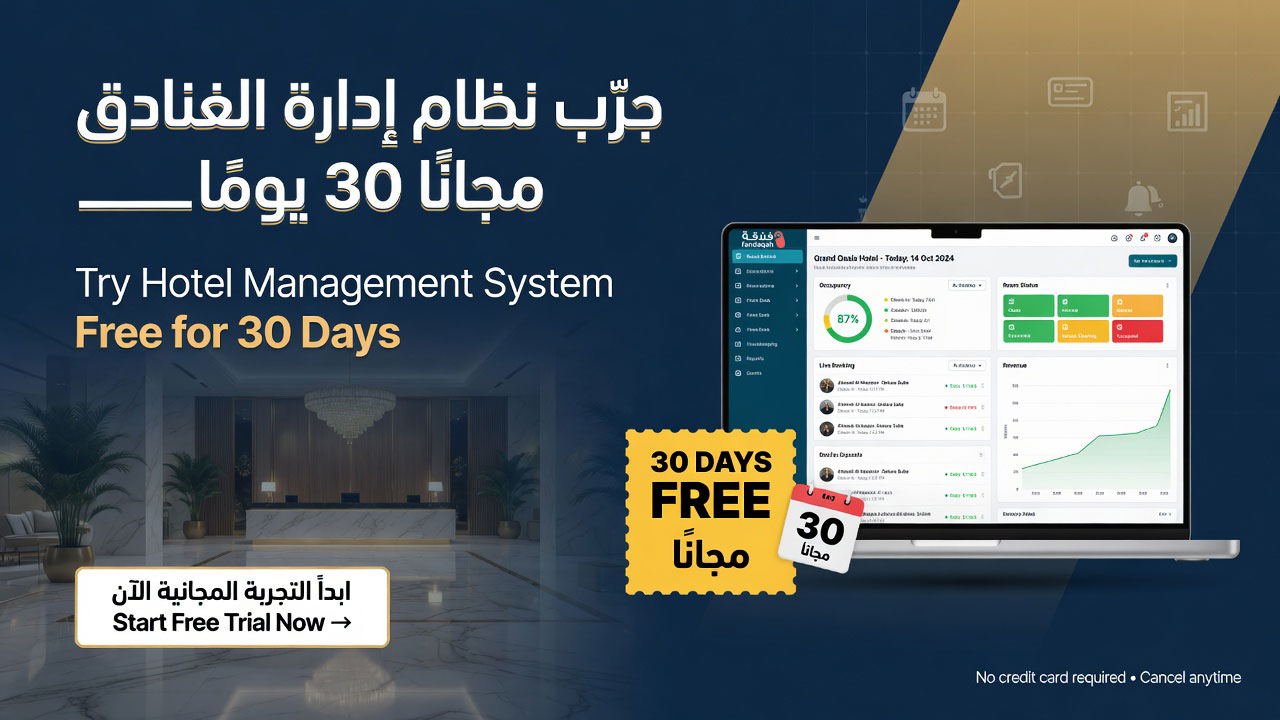
Join 800+ hotels across Saudi Arabia that trust Fandaqah to power their operations and revenue growth. Get a free, no-obligation demo and see how smart PMS data can increase your occupancy, raise your ADR, and maximize your RevPAR.
Cloud-Based PMS • Channel Manager • Booking Engine • Government Integrations • 24/7 Support
????️ Tags:
hotel revenue management Saudi Arabia, increase hotel occupancy KSA, ADR optimization Saudi hotels, smart PMS data, cloud hotel PMS Saudi Arabia, hotel channel manager, revenue management software, Saudi hospitality technology, hotel performance metrics, dynamic pricing hotel strategy, RevPAR optimization, Vision 2030 hospitality, hotel booking engine Saudi, GAZT integration hotel PMS, Shomos hotel integration, serviced apartment management KSA, Makkah hotel revenue, Madinah hotel occupancy, Riyadh hotel ADR, hotel digital transformation Saudi, property management system Saudi Arabia, hotel distribution strategy, direct booking strategy hotel, Fandaqah PMS, فندقة نظام إدارة الفنادق, إدارة إيرادات الفنادق في السعودية, زيادة إشغال الفنادق, رفع متوسط سعر الغرفة, نظام إدارة الممتلكات الفندقية
About Fandaqah: Fandaqah (فندقة) is a leading Saudi cloud-based hotel Property Management System, trusted by over 800 hotels, serviced apartments, and chalets across the Kingdom. Headquartered in Riyadh, Fandaqah provides an integrated suite including PMS, Channel Manager, Booking Engine, and government compliance integrations — all backed by 24/7 bilingual support. Visit fandaqah.com to learn more.