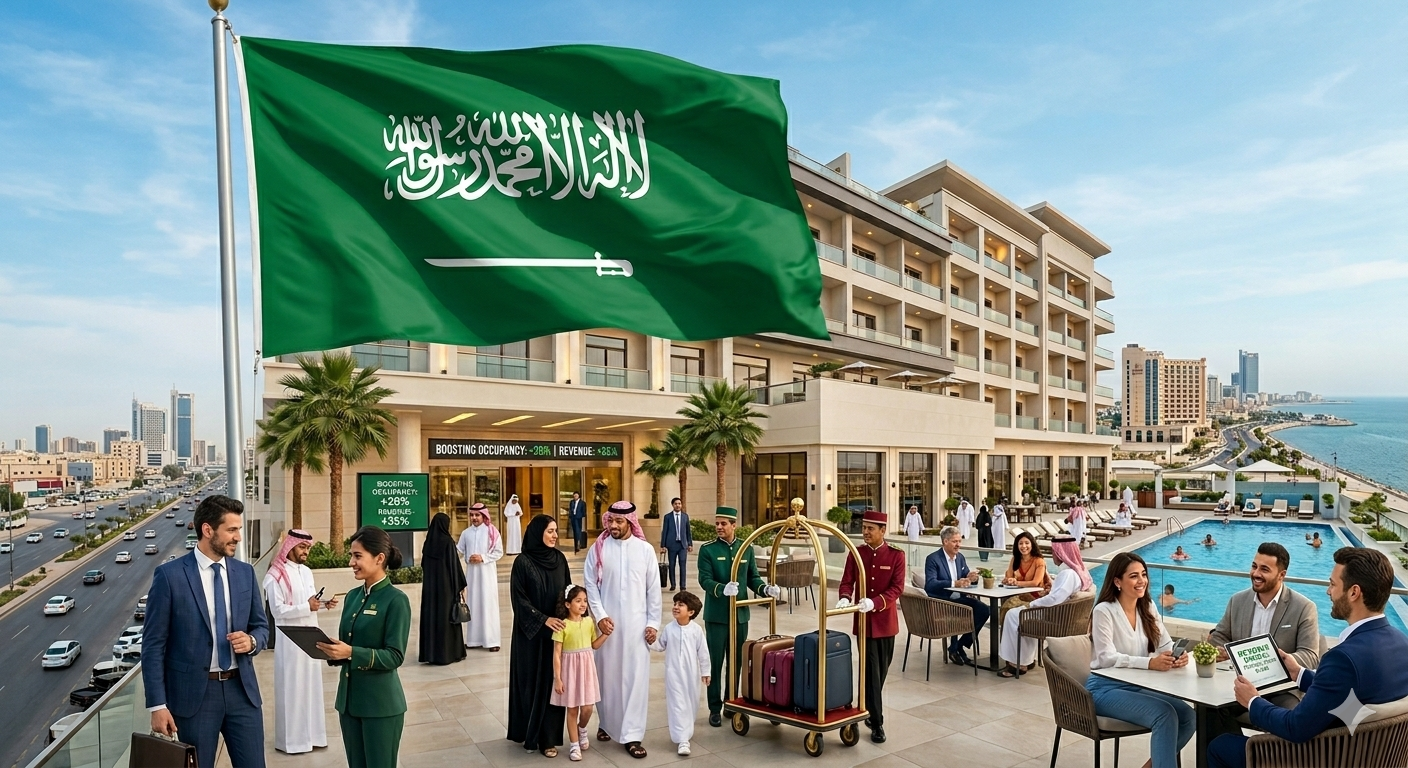
In Saudi Arabia's rapidly evolving hospitality landscape, where Vision 2030 is reshaping every aspect of tourism, hotel owners constantly ask: how can I fill rooms consistently without eroding profit margins? The answer often lies in a powerful yet sometimes misunderstood channel—hotel wholesalers. These B2B partners buy room inventory in bulk at discounted rates, then resell it to travel agencies, tour operators, and corporate clients worldwide. But is a hotel wholesale distribution strategy really worth it for your property in Riyadh, Jeddah, or the emerging Red Sea coast? This comprehensive guide dives deep into the world of room wholesalers for hotels, unpacking the benefits, risks, and future trends—especially within the ambitious Saudi context. By the end, you'll have a clear roadmap to decide if a hotel wholesale partner belongs in your revenue management mix.
What Are Hotel Wholesalers and How Do They Work?
A hotel wholesaler (also called a bed bank or room wholesaler) is an intermediary that contracts with hotels to buy a set number of room nights at a pre-agreed net rate. Unlike online travel agencies (OTAs) that earn commission per booking, wholesalers typically take on inventory risk—they commit to a block of rooms, pay upfront or according to a schedule, and then distribute those rooms through their own network of travel agents, OTAs, and tour operators. This model provides hotels with a guaranteed revenue stream while shifting the burden of selling those rooms to the wholesaler.
Imagine your 200-room hotel in Jeddah faces low occupancy during the summer heat. A wholesaler contracts to take 40 rooms per night for six months at a fixed net rate. You receive dependable cash flow to cover operational costs, and the wholesaler profits by marking up the rooms for clients booking Umrah-plus-leisure packages from Southeast Asia. This symbiotic relationship is the heart of hotel room wholesaling.
Pro Tip: Protect Your Brand
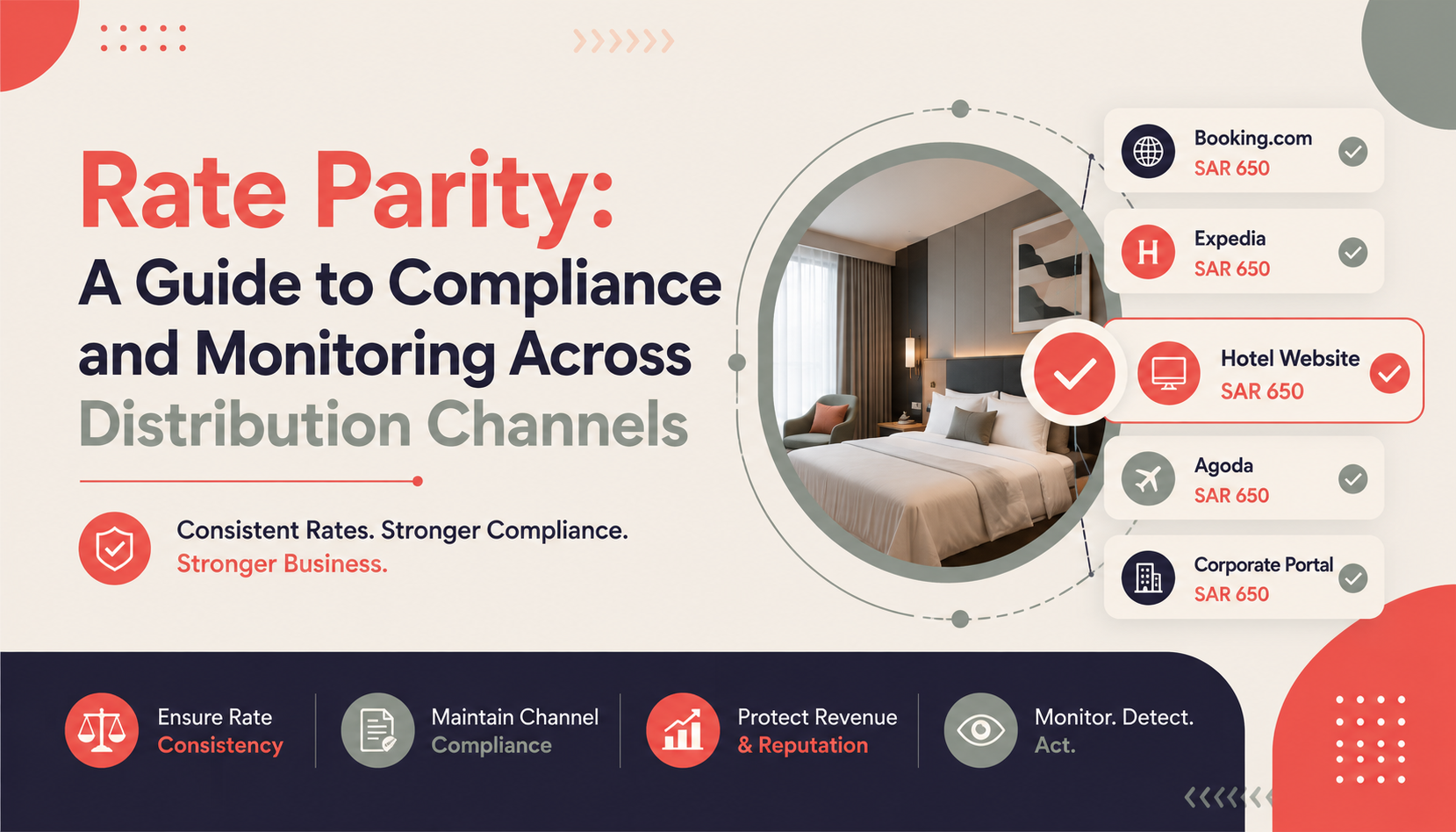
Before signing with a hotel wholesaler, always include a rate parity clause to prevent the wholesaler from undercutting your own direct prices publicly. This preserves your hotel's perceived value and prevents channel conflict.
Key Benefits of Partnering with Hotel Wholesalers
Why are more Saudi hotels, from boutique properties in AlUla to mega-resorts on the Red Sea, turning to hotel wholesale distributors? The advantages go beyond simply selling rooms:
- Guaranteed Baseline Revenue: With bulk commitments, you lock in a portion of your inventory at a set rate, smoothing cash flow and simplifying financial forecasting—crucial during Ramadan lulls or off-peak months in Riyadh.
- Access to Untapped Markets: Wholesalers often have deep pipelines into markets you couldn't reach alone, such as Eastern European tour groups, Asian pilgrimage travel, or Latin American incentive trips. They bring guests from sources that don't book direct.
- Reduced Marketing Spend: Instead of paying high OTA commissions (15–30%), you give a bulk discount and let the wholesaler handle sales and marketing. This can lower your overall customer acquisition cost significantly.
- Improved Yield Management: By offloading inventory that's hard to sell at premium rates, you free up your revenue team to focus on higher-paying transient and corporate segments, optimizing total profitability.
- Risk Mitigation: In uncertain times—geopolitical shifts, pandemic aftermath, or sudden market downturns—a hotel wholesale contract acts as a safety net, ensuring occupancy doesn't plummet overnight.
"In the Saudi hospitality market, partnering with the right hotel wholesaler isn't just a sales tactic—it's a strategic hedge against volatility and a gateway to global demand that aligns perfectly with Vision 2030's tourism goals." — Hospitality Revenue Strategist
Real-World Use Cases Across Saudi Arabia's Dynamic Markets
Saudi Arabia's diverse geography and ambitious tourism projects create fertile ground for hotel wholesale partnerships. Here's how they thrive in key locations:
Makkah and Madinah Hotels
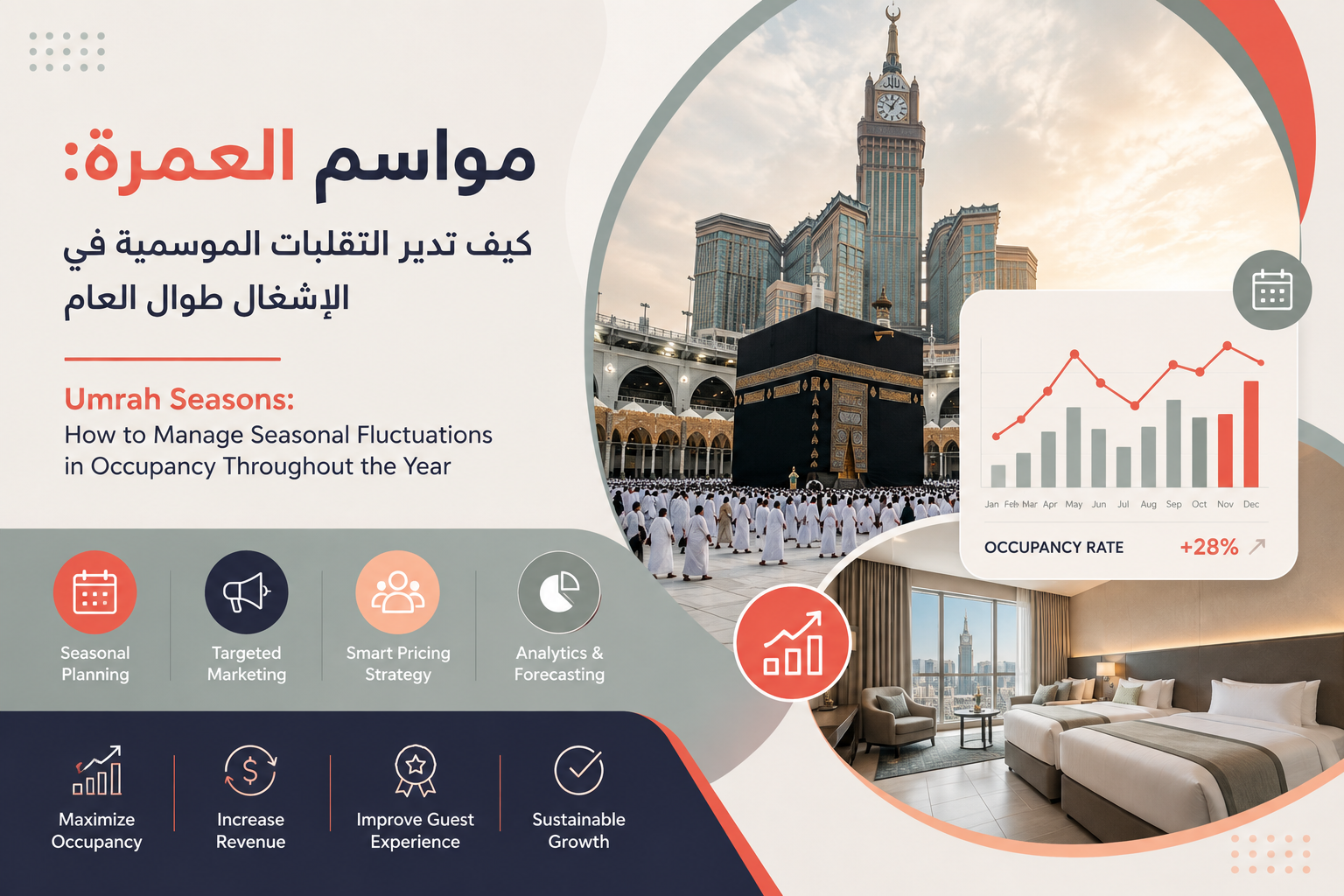
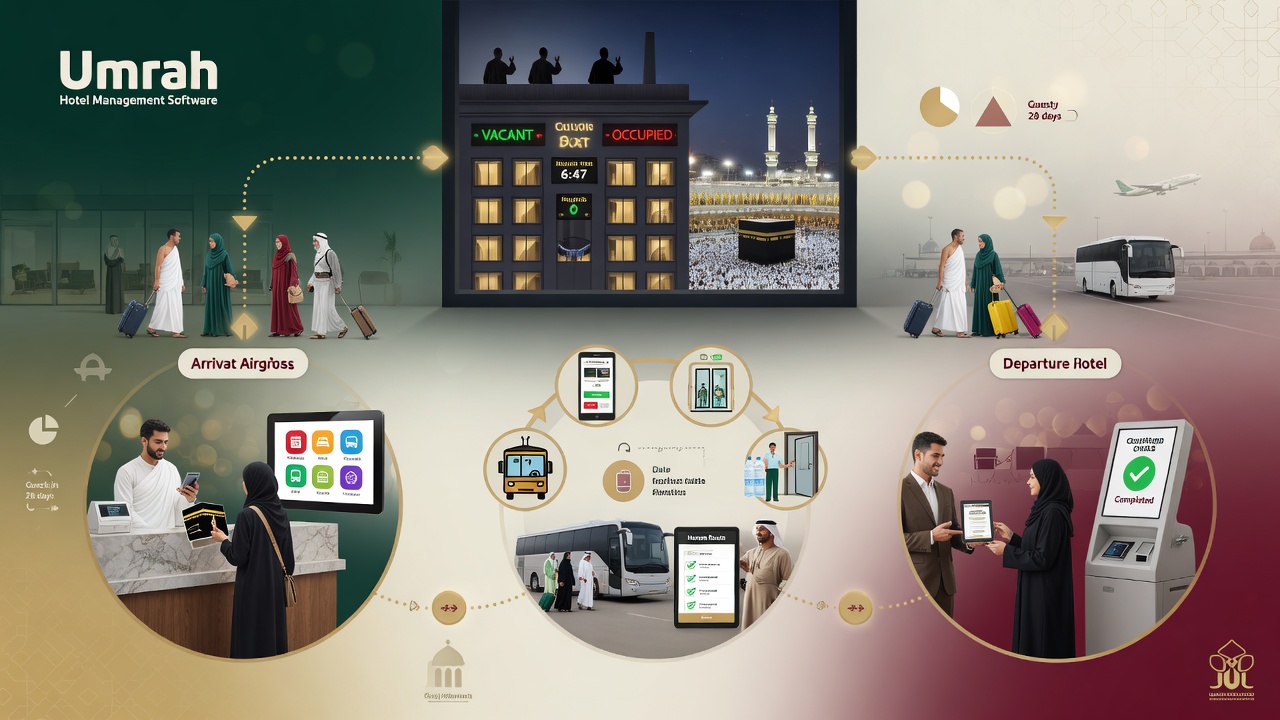
During Hajj and Umrah seasons, demand skyrockets, but the rest of the year many rooms sit empty. Room wholesalers for hotels specializing in Islamic tourism purchase inventory well in advance, packaging it with flights and visas for pilgrims from Indonesia, Pakistan, and North Africa. This ensures steady occupancy year-round, smoothing the peaks and valleys.
Luxury Riyadh Hotels
As Riyadh transforms into a global business hub with events like the Future Investment Initiative and Riyadh Season, luxury properties use wholesalers focused on corporate and MICE segments. They block-sell rooms to companies organizing large delegations, guaranteeing high-end occupancy during mega-events while the hotel concentrates on VIP direct bookings.
Red Sea & AlUla Resorts
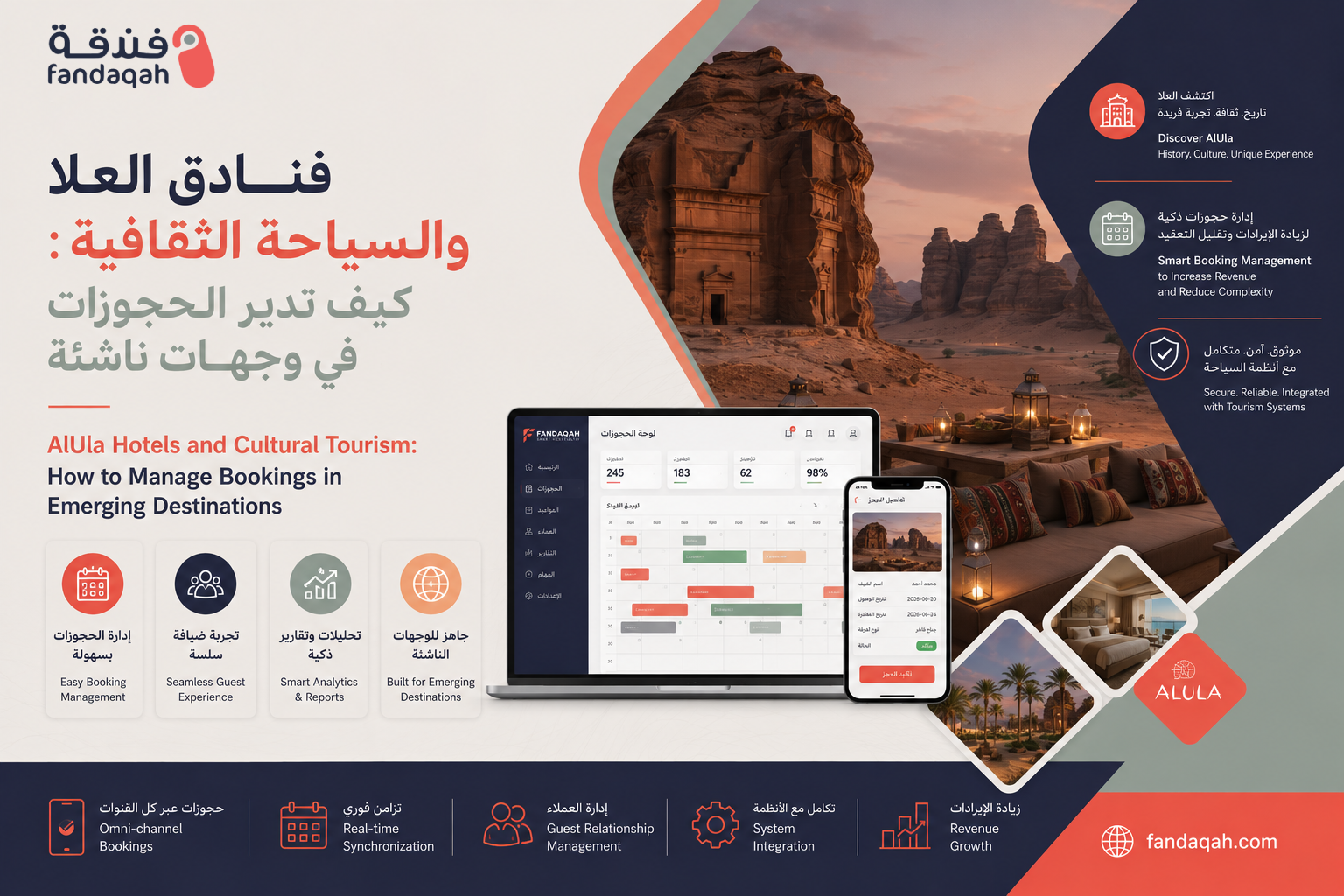
These ultra-luxury destinations attract high-net-worth travelers. Specialized hotel wholesale distributors with connections to exclusive tour operators in Europe and the US package the resort experience with private aviation and curated local adventures. The hotel receives a committed block at a favorable rate, and the wholesaler handles the complex multi-day itinerary sales.
Saudi Vision 2030 & Hotel Wholesale Evolution
Saudi Arabia aims to welcome 150 million annual visits by 2030. This unprecedented growth demands a robust distribution infrastructure. Hotel wholesalers are pivotal in connecting the expanding room supply—from NEOM to the Diriyah Gate—with international demand, acting as efficient pipelines that funnel global travelers into the Kingdom's new hospitality icons.
Hotel Wholesalers vs. OTAs: A Side-by-Side Comparison
To grasp the true value, let's compare the hotel wholesale model with the familiar OTA approach. Both have their place, but they serve very different strategic needs.
| Criteria |
Hotel Wholesaler |
Online Travel Agency (OTA) |
| Contract Type |
Fixed block or allocation, often prepaid |
Commission per booking (pay after stay) |
| Cash Flow |
Guaranteed, often upfront or scheduled |
Variable, received post-guest departure |
| Price Control |
Net rate to hotel; wholesaler sets final retail price |
Hotel sets public retail rate directly |
| Risk Bearer |
Wholesaler takes inventory risk |
Hotel retains risk; no revenue until booked |
| Profit Margin per Room |
Lower net rate, but high volume guarantee |
Higher rack rate, minus 15-30% commission |
| Best For |
Base occupancy, cash flow stability, new markets |
Flexibility, brand visibility, transient travelers |
Future Trends: AI, Dynamic Contracts, and Saudi's Tourism Boom
The hotel wholesale distribution landscape is rapidly modernizing. Artificial intelligence now enables dynamic wholesale pricing—algorithms analyze historical data, local events, and even weather to adjust net rates daily. Imagine your hotel in Jeddah automatically raising its wholesale rate during Formula 1 weekend and lowering it midweek to maintain occupancy. This level of intelligent yield management makes wholesale partnerships more profitable than ever.
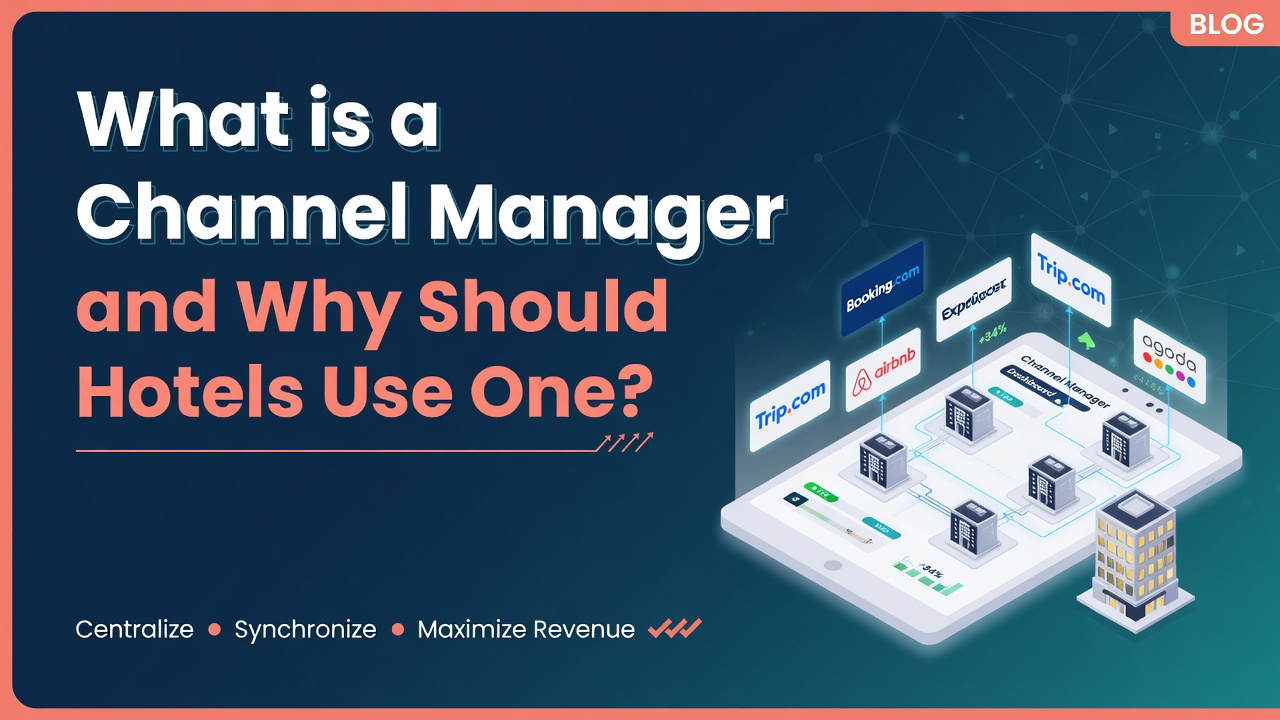
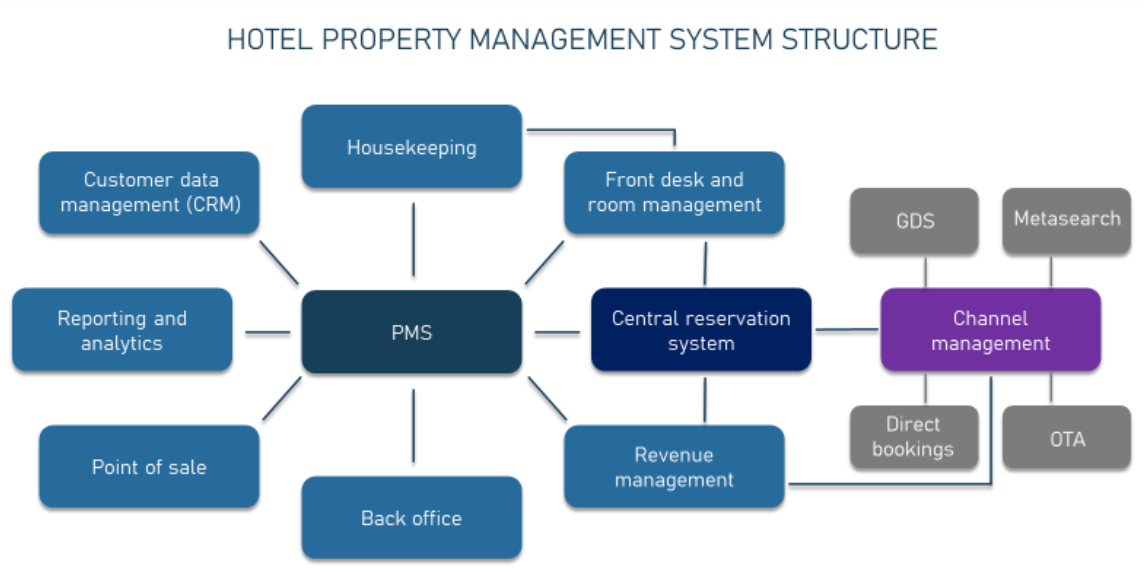
Furthermore, blockchain-based smart contracts are beginning to simplify settlements and increase trust between hotels and wholesalers. In Saudi Arabia, where mega-projects demand flawless logistics, such innovations will be essential. The trend points toward a hybrid model: hotels using a mix of wholesale room blocks, direct bookings, and selective OTA listings, all orchestrated by a central channel manager. Those who adapt early will dominate the Saudi market as the Kingdom races toward its 2030 tourism targets.
How to Choose the Right Hotel Wholesaler
Look beyond the offered rate. Evaluate a wholesaler's track record in your target feeder markets, their technological integration capabilities (API connectivity), and their reputation for honoring rate parity. Request performance data and start with a trial block before committing to a long-term contract. In the Saudi context, local knowledge of Umrah travel patterns or luxury desert tourism can be a decisive factor.
Frequently Asked Questions About Hotel Wholesalers
1. What exactly is a hotel wholesaler?
A hotel wholesaler is a B2B company that buys rooms in bulk from hotels at discounted net rates and then resells them to travel agents, tour operators, OTAs, and sometimes corporate clients. They differ from OTAs by assuming inventory risk and offering guaranteed revenue to the hotel.
2. How do hotel wholesalers make money?
Wholesalers profit from the margin between the net rate they negotiate with the hotel and the price at which they sell the rooms downstream. They may also charge service fees to their travel agent partners. Volume is key to their model.
3. Will partnering with a wholesaler lower my hotel's brand image?
Not if you manage it carefully. By enforcing rate parity clauses and selecting reputable wholesalers who market to appropriate segments, your brand's premium positioning can be maintained. Avoid wholesalers that dump rooms on public discount sites without your consent.
4. What is the typical discount offered to hotel wholesalers?
It varies widely based on property type, season, and negotiation power. Discounts can range from 15% to 40% off the Best Available Rate. In exchange, you receive volume commitment and reduced marketing costs, often resulting in a net positive profit contribution.
5. Can I work with multiple hotel wholesalers at once?
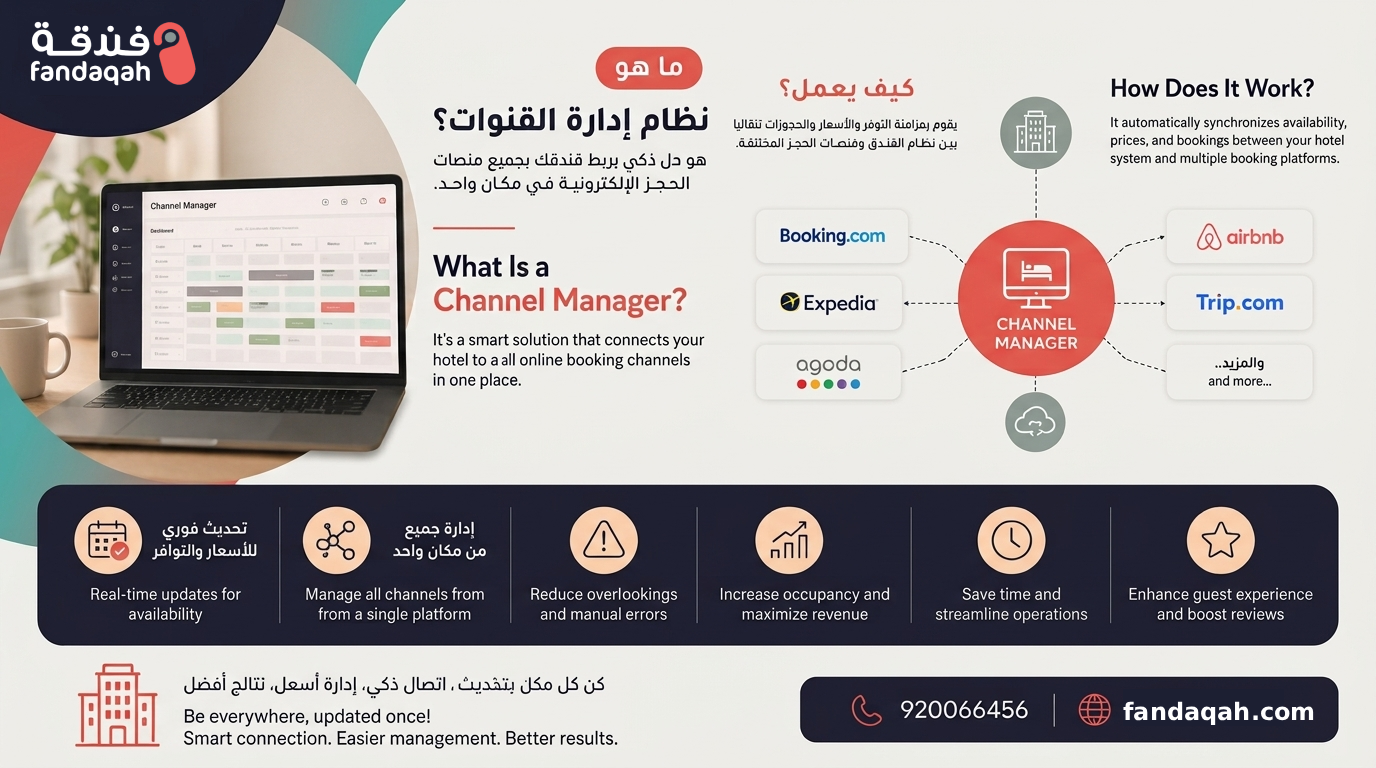
Absolutely. Most hotels diversify by giving different allotments to various wholesalers based on their geographic strengths or niche (e.g., one for Asian pilgrimage groups, another for European leisure). A channel manager is essential to prevent overbooking.
6. Is the hotel wholesale model suitable for small boutique hotels?
It can be, but caution is needed. Small hotels may find the volume requirements too large and the net rate too low, potentially cannibalizing higher-paying direct bookings. A selective approach with a wholesaler that specializes in boutique or experiential travel can work well.
7. How is the Saudi market different for hotel wholesalers?
Saudi Arabia's unique mix of religious tourism, burgeoning luxury leisure, and large-scale business events creates diverse demand streams. Wholesalers with deep knowledge of Hajj/Umrah cycles, regional corporate travel patterns, and Vision 2030 project calendars are especially valuable here.
Conclusion: Is a Hotel Wholesaler Right for Your Property?
After exploring the mechanics, benefits, and strategic fit of hotel wholesalers, the answer isn't a simple yes or no—it's a nuanced "it depends on your goals." For Saudi hotels aiming to stabilize cash flow, penetrate new international markets, and build a robust distribution mix aligned with Vision 2030's explosive growth, the right hotel wholesale partnership can be transformative. It provides a financial safety net, reduces reliance on volatile OTA channels, and frees up your team to chase higher-margin business.
However, success demands careful partner selection, rigorous contract terms, and the technological backbone to manage multiple distribution streams without eroding brand equity. As Saudi Arabia's tourism revolution accelerates, those who master the art of hotel room wholesaling will find themselves not just surviving, but thriving in a landscape of unprecedented opportunity. So, ask not if you should consider a wholesaler, but which wholesaler will best fuel your hotel's unique journey toward 2030.
Ready to Unlock New Revenue with Hotel Wholesalers?
Our team specializes in connecting Saudi hotels with trusted wholesale distribution partners tailored to your market. Get a free consultation today to discover how a smart wholesale strategy can boost your bottom line.
Request Your Free Strategy Session
hotel wholesalers
hotel wholesale distribution
room wholesalers for hotels
hotel room wholesalers
hotel B2B distribution
benefits of hotel wholesalers
Saudi Arabia hotel distribution
Vision 2030 hospitality
hotel wholesale partners
hotel inventory distribution
hotel revenue management
wholesaler vs OTA