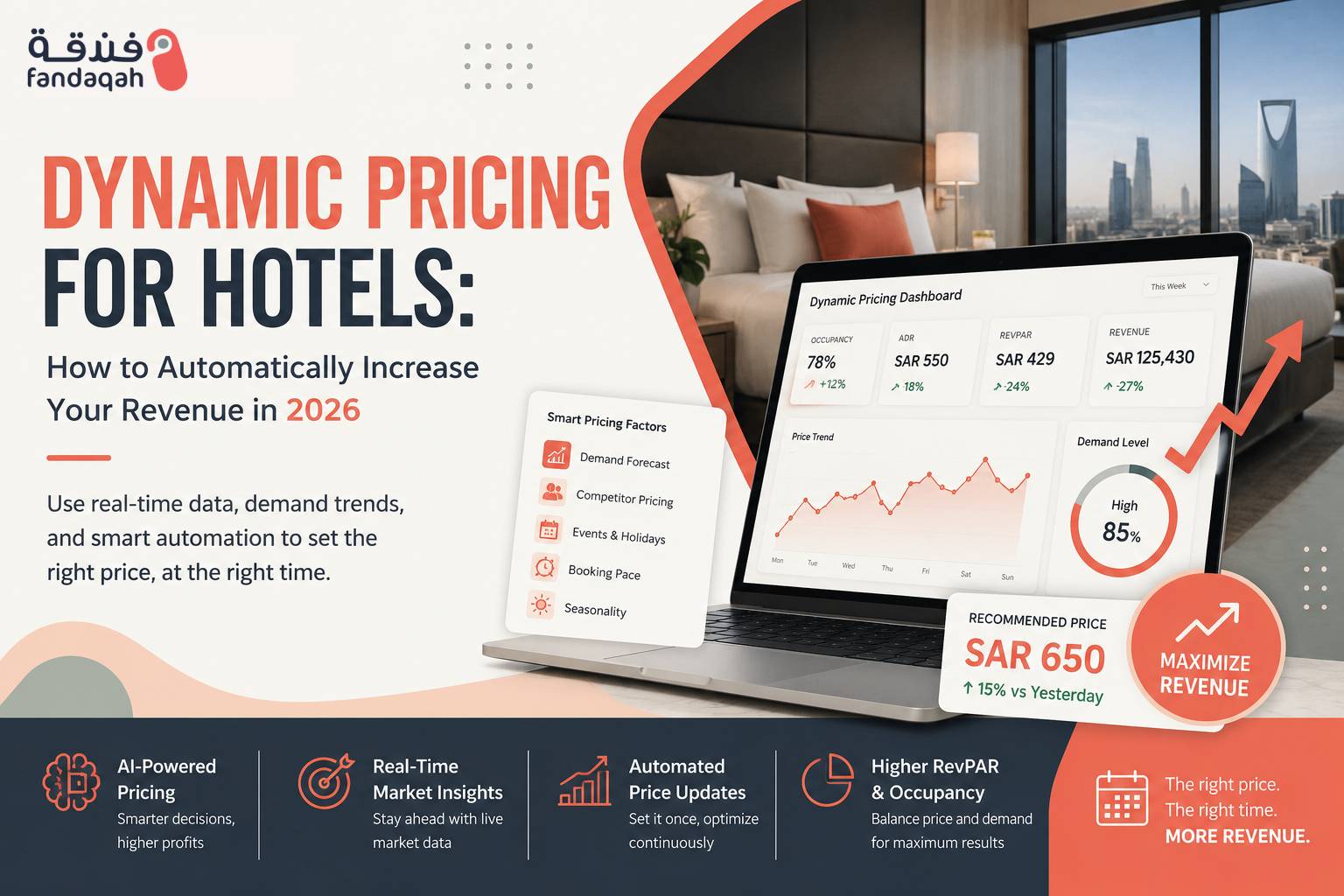
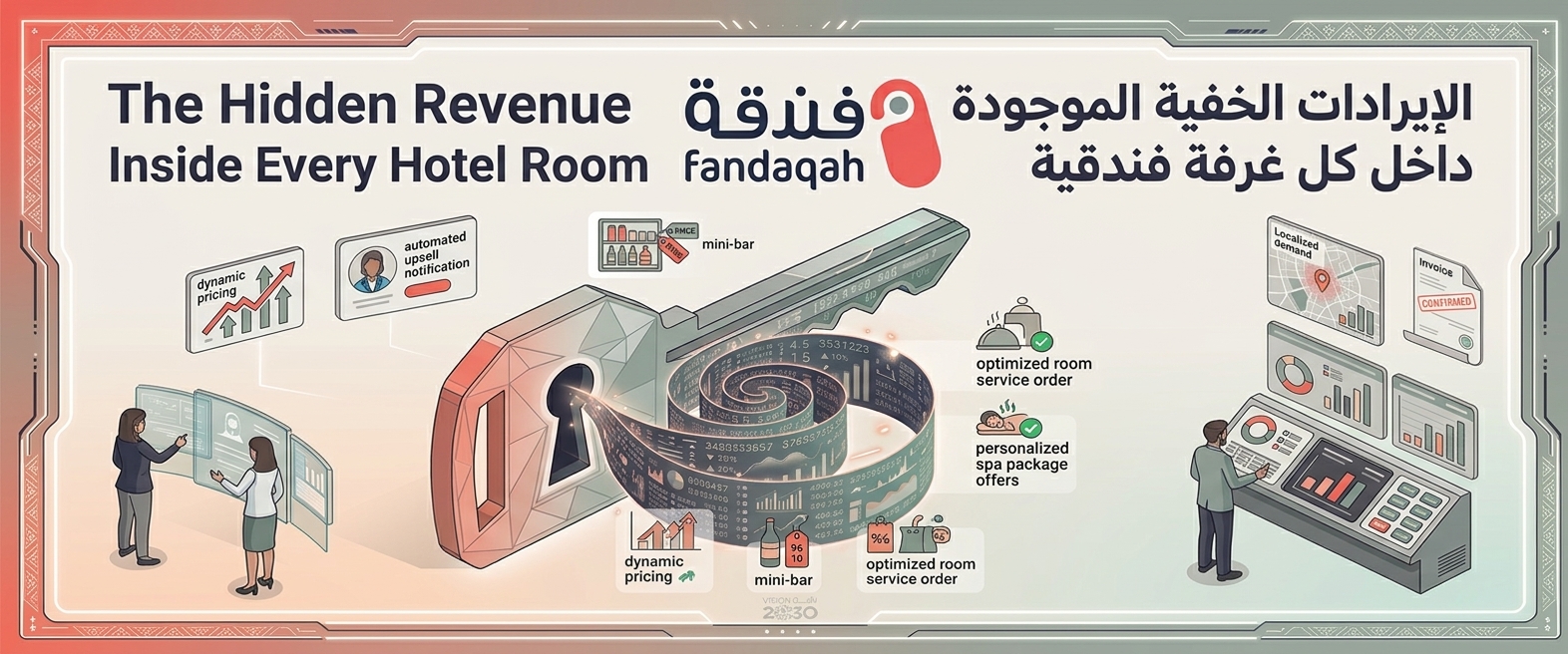
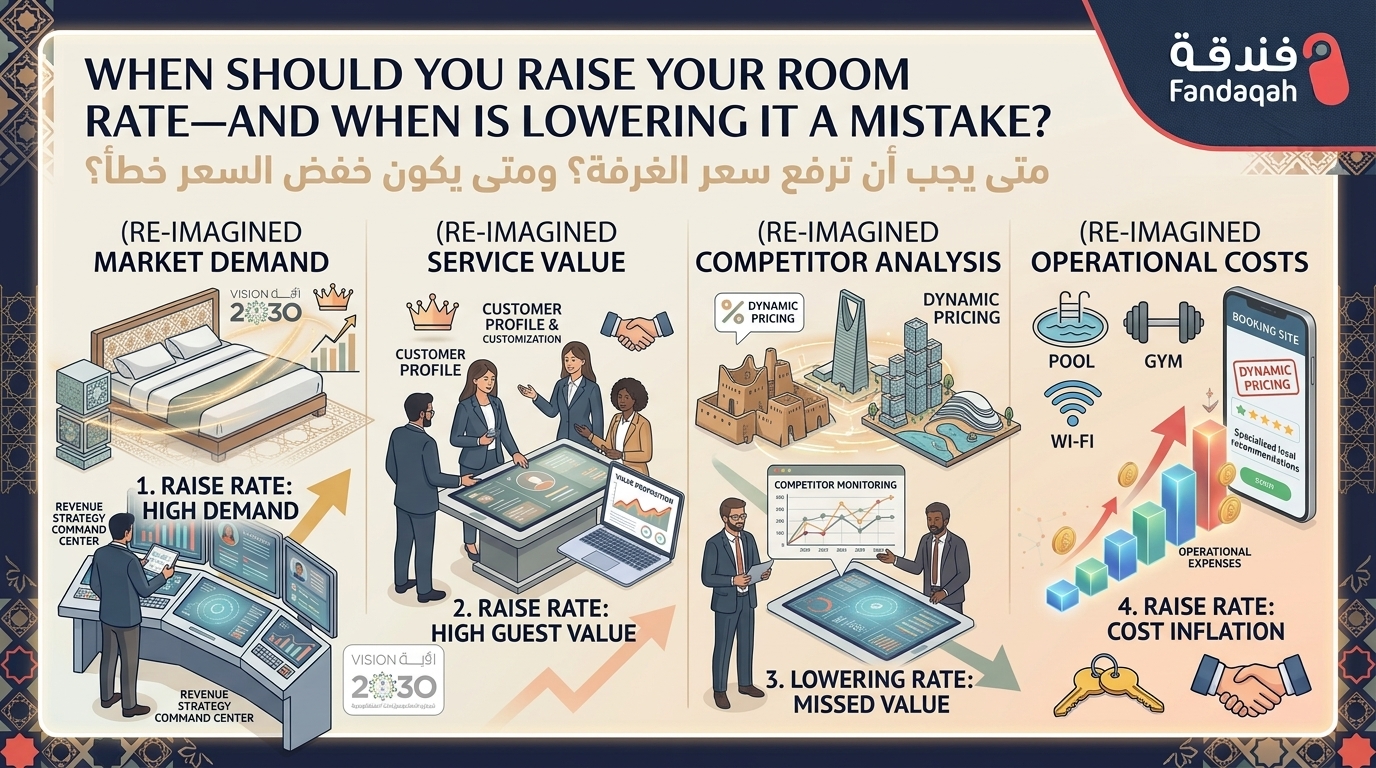
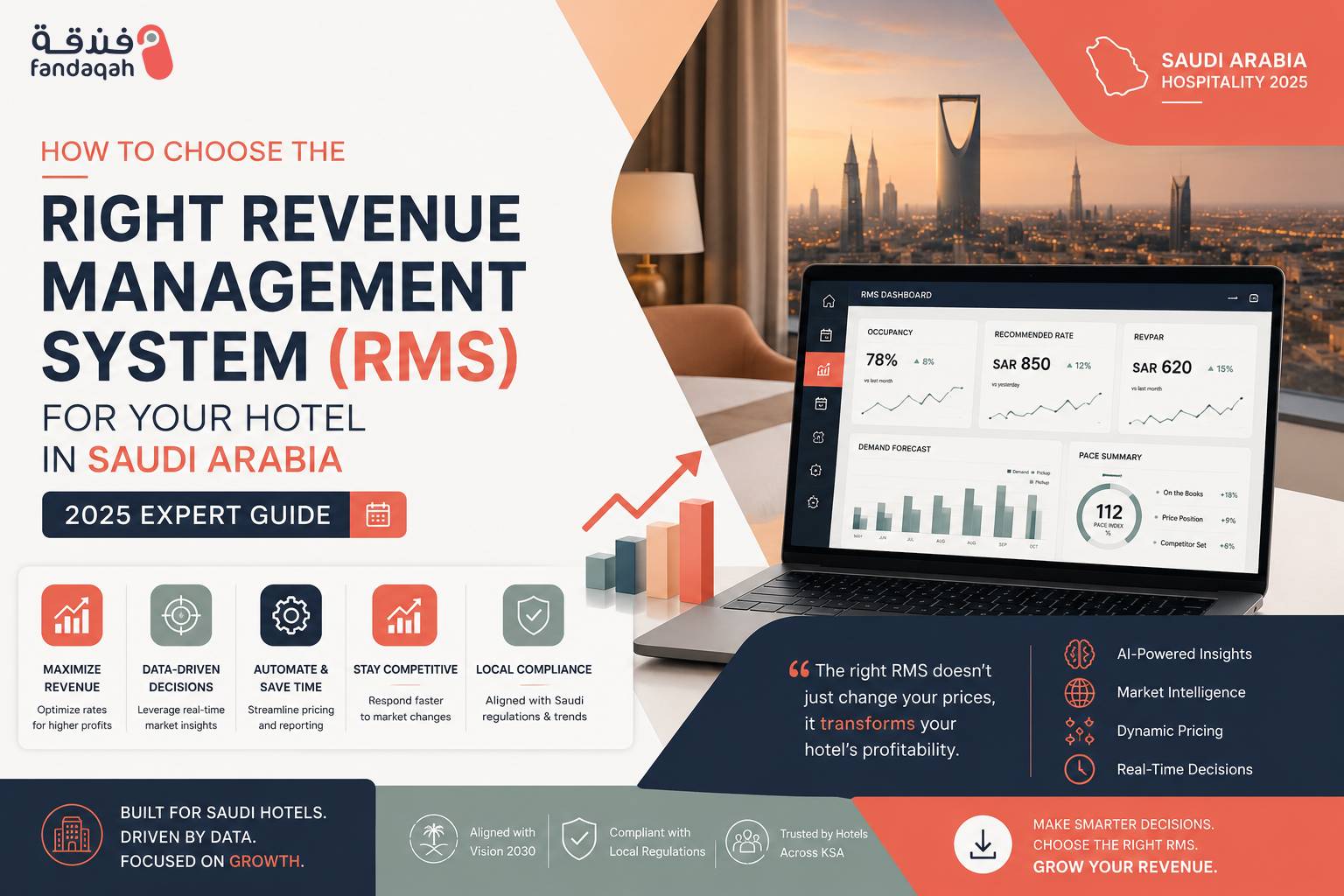
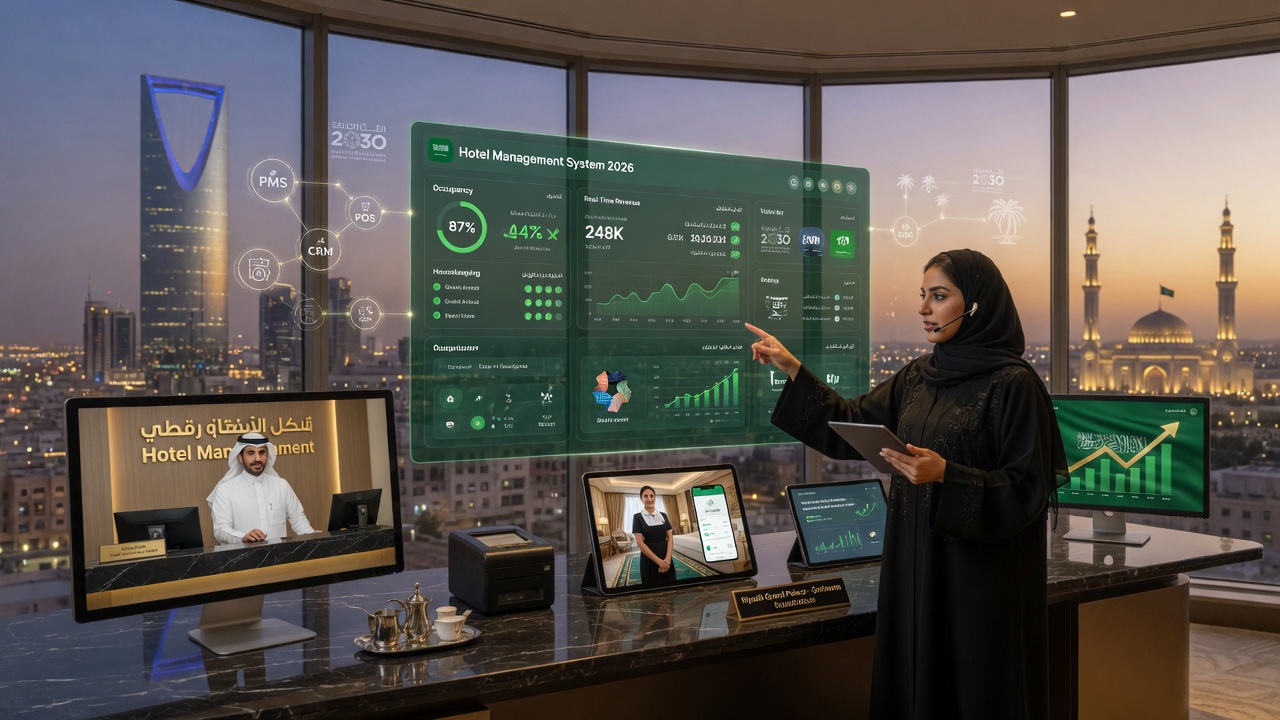
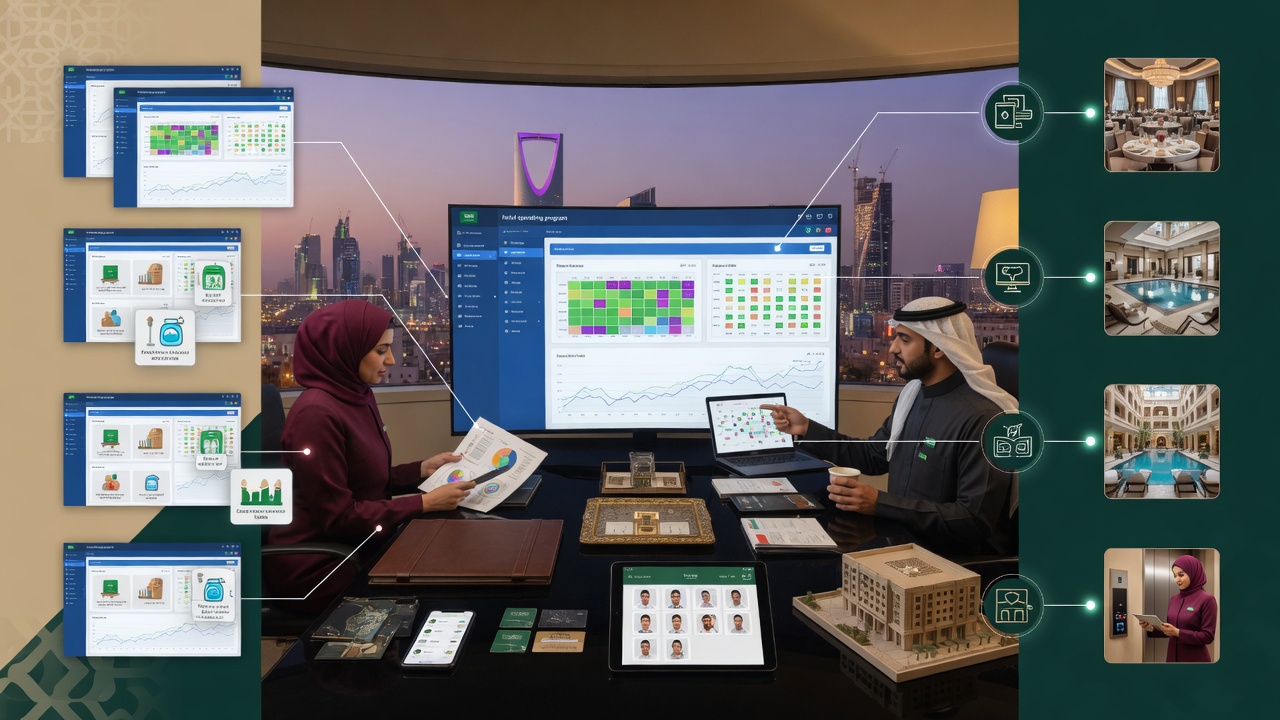
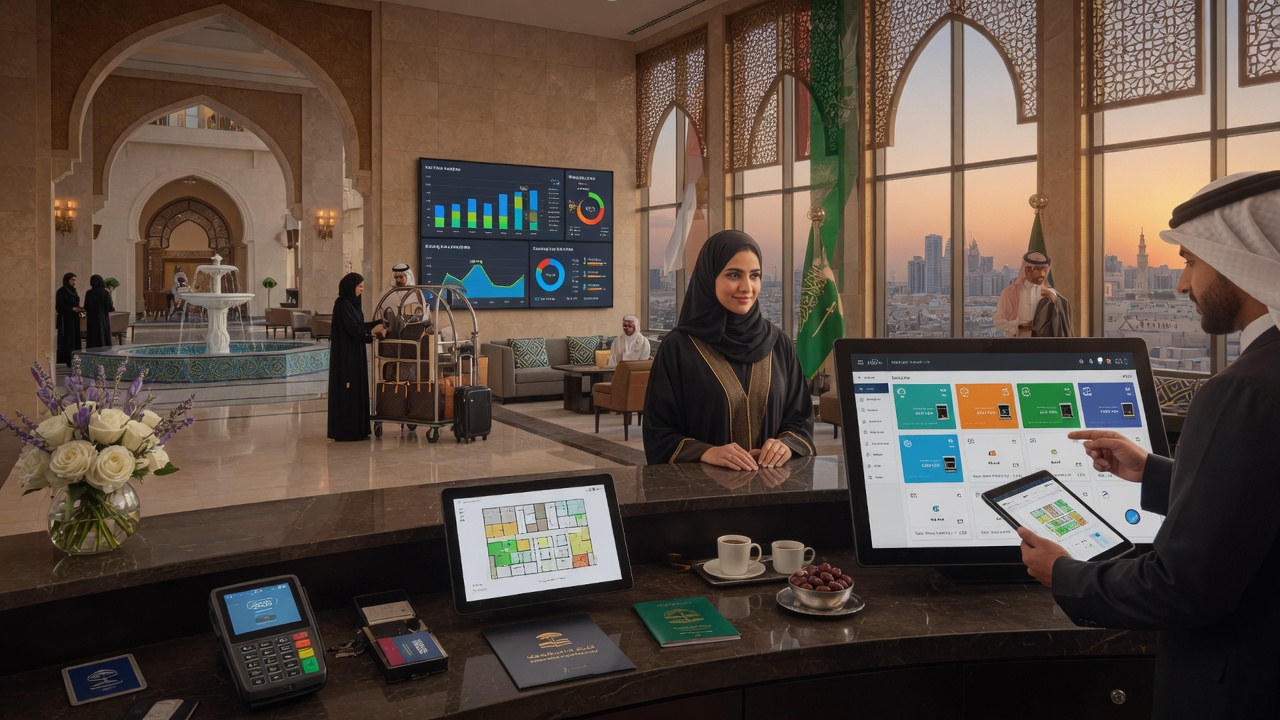
In the fiercely competitive hospitality landscape of 2026, leaving money on the table is no longer an option. For hoteliers across Saudi Arabia—from the bustling streets of Riyadh to the holy cities of Makkah and Madinah—the question is no longer if you should adopt dynamic pricing, but how fast you can implement it. Dynamic pricing, the practice of adjusting room rates in real time based on market demand, competitor pricing, seasonality, and local events, has emerged as the single most powerful lever for maximizing hotel revenue without increasing operational costs.
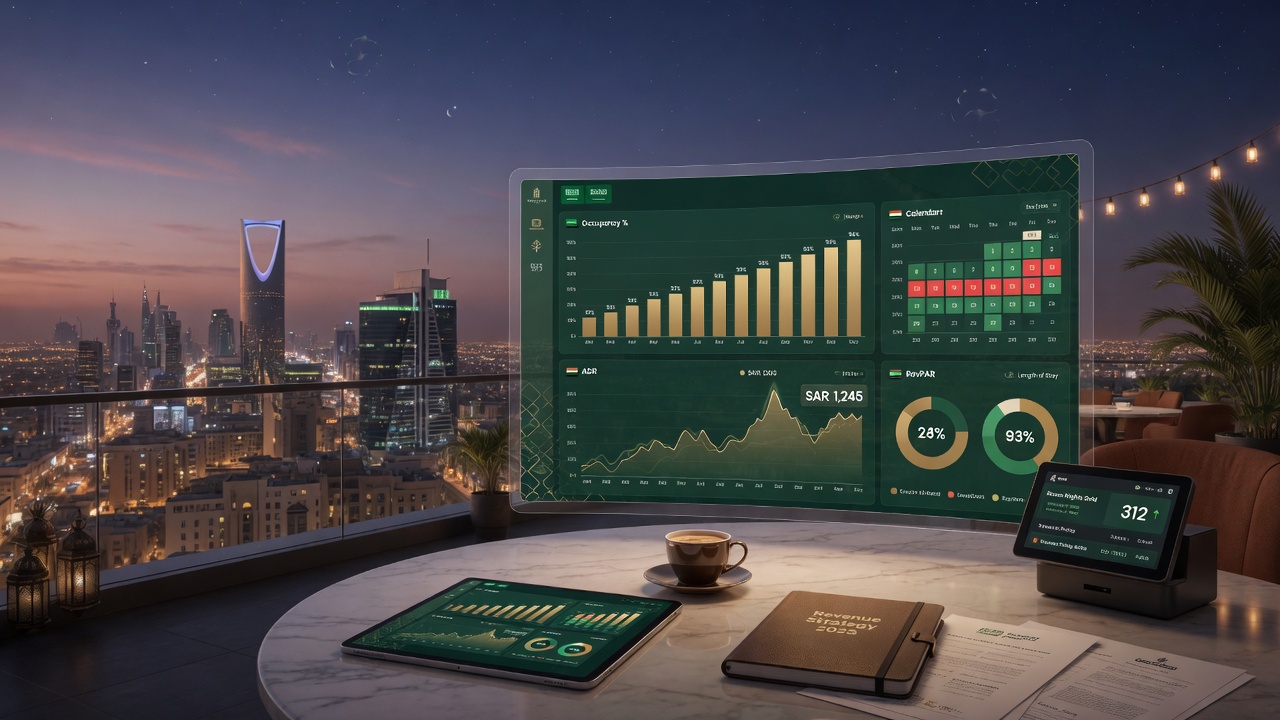
Imagine this: a standard room that sells for SAR 450 on a quiet Tuesday in February automatically climbs to SAR 890 during the peak of the Hajj season, and then gently drops to SAR 380 during a low-demand weekend to capture last-minute bookings. This isn't a futuristic fantasy—it's the reality of AI-driven dynamic pricing, and it's transforming how hotels in Saudi Arabia compete, grow, and thrive.
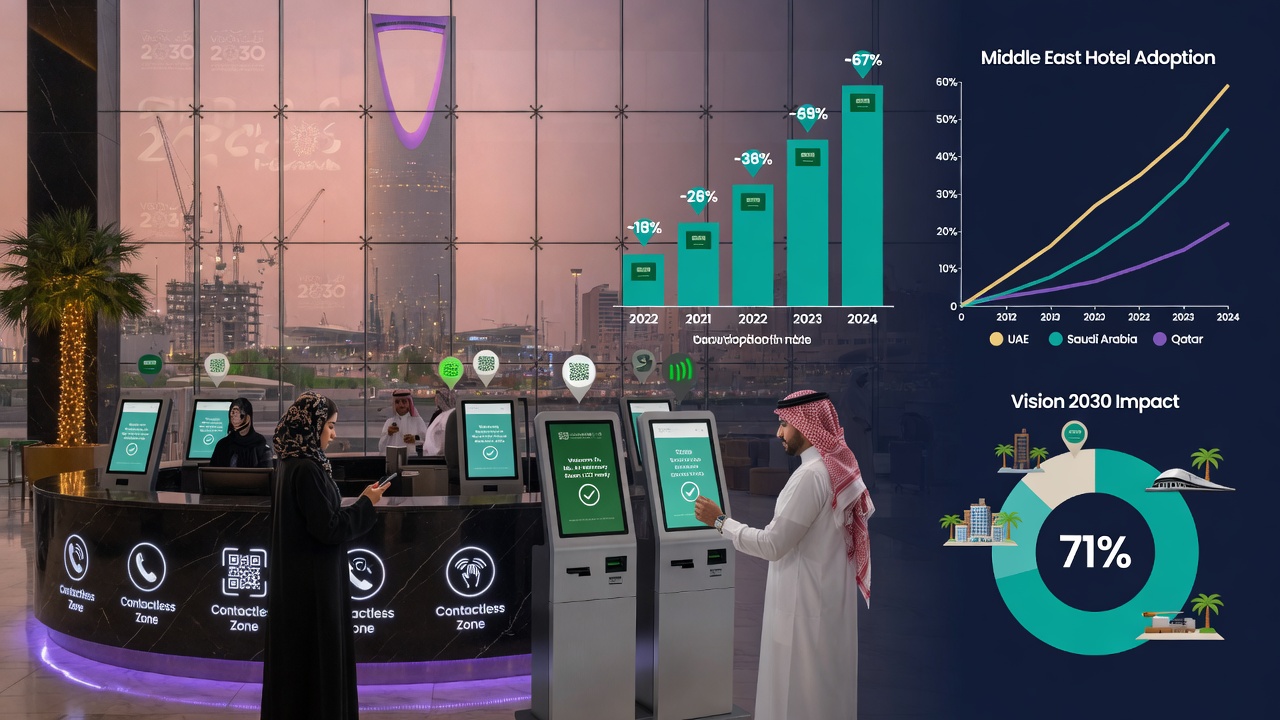
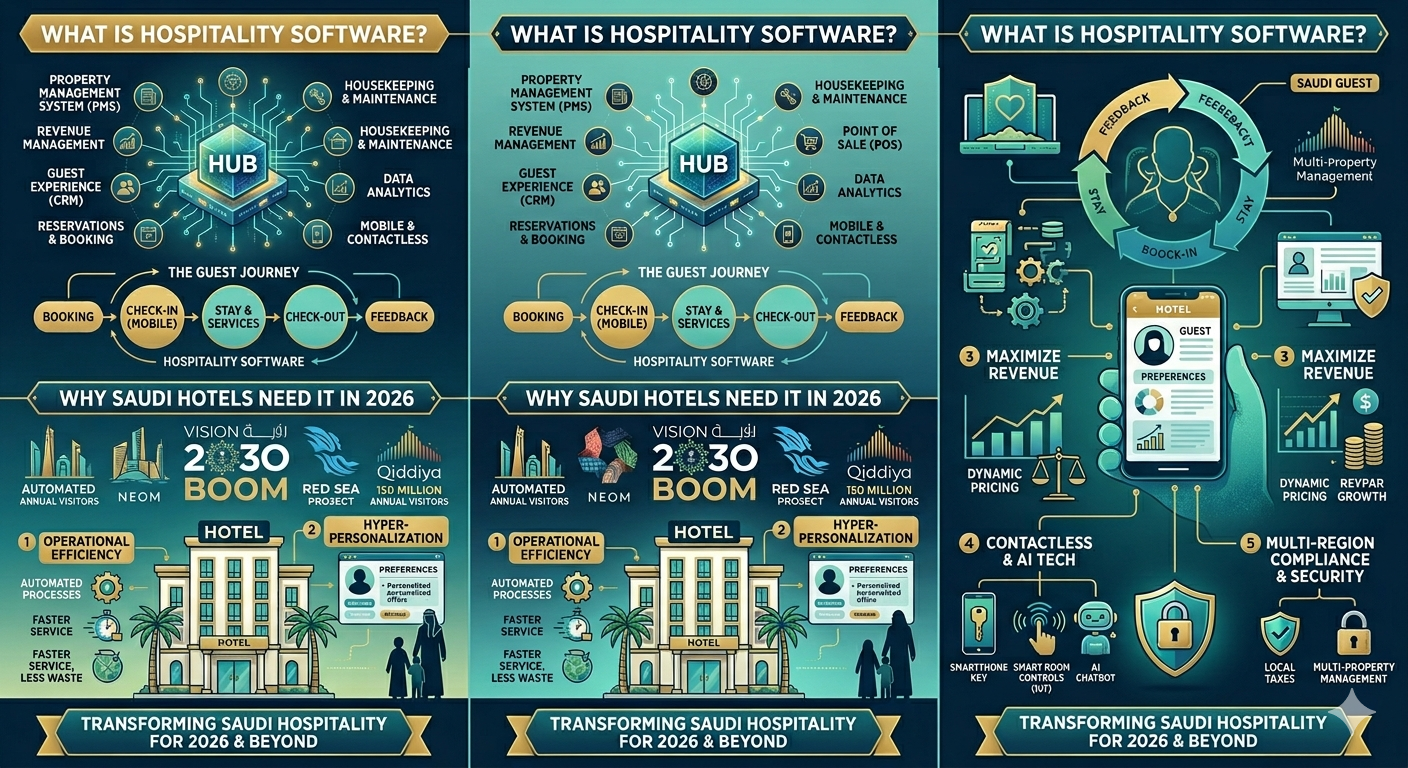
With Saudi Vision 2030 accelerating the Kingdom's tourism sector toward a target of 150 million annual visits, the opportunity for hotels to capture unprecedented demand has never been greater. From mega-projects like NEOM, the Red Sea Project, and AlUla, to the ever-growing business hubs in Riyadh and Jeddah, the market is ripe for hoteliers who embrace smart revenue management. In this comprehensive guide, we'll explore everything you need to know about dynamic pricing—from how it works to real-world use cases in Saudi Arabia, and practical steps to get started today.
What Is Dynamic Pricing in Hospitality?
At its core, dynamic pricing (also known as demand-based pricing or real-time pricing) is a revenue management strategy where hotel room rates are adjusted automatically in response to fluctuating market conditions. Unlike the traditional fixed-rate model, where prices remain static for weeks or months, dynamic pricing leverages data analytics, machine learning, and artificial intelligence to determine the optimal price for each room, each night, and each booking channel.
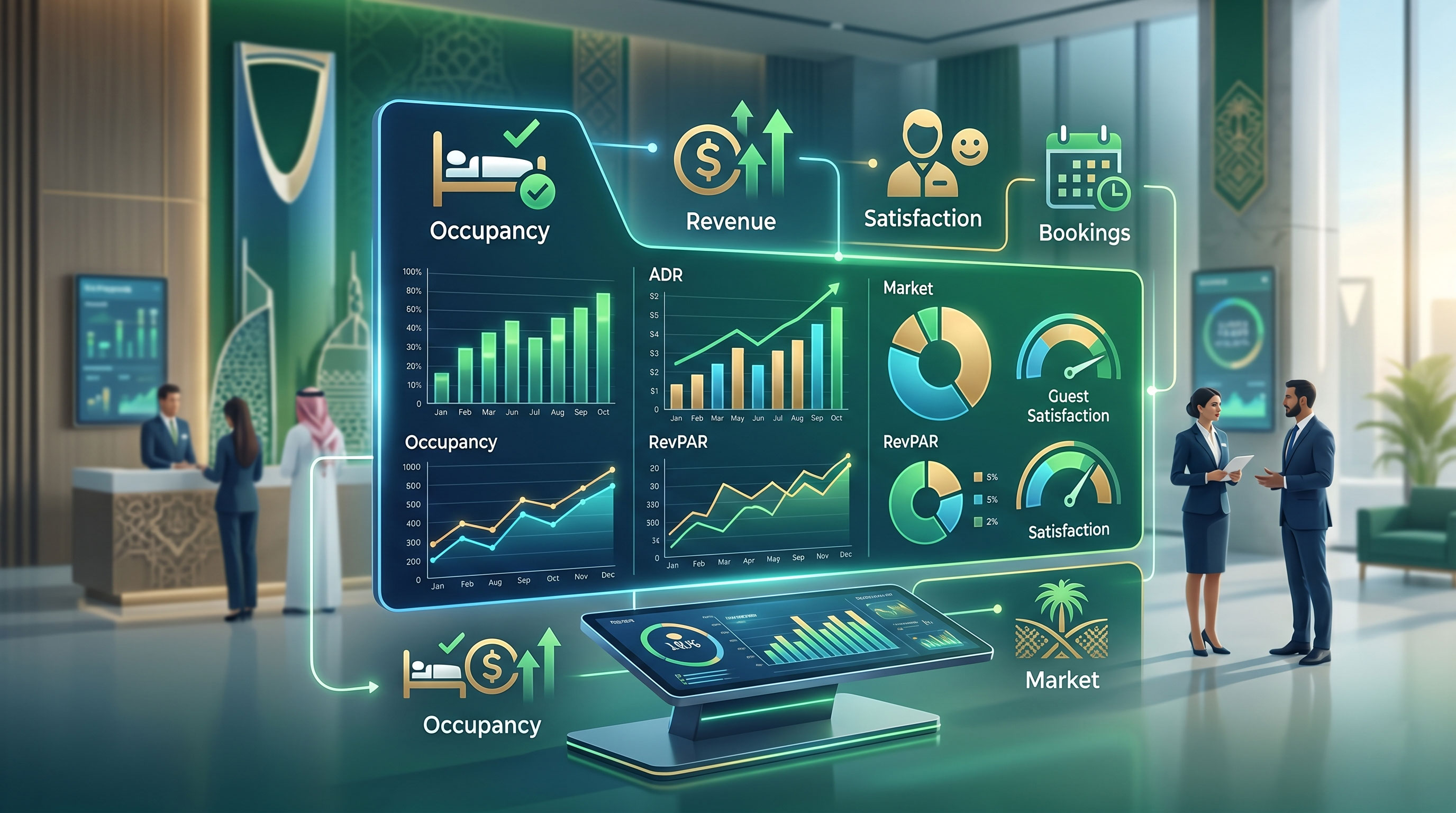
This approach enables hotels to capture maximum willingness to pay during periods of high demand, while stimulating bookings during low-demand periods through strategic discounts. The result is a higher Revenue per Available Room (RevPAR), improved occupancy rates, and a more resilient business model overall.
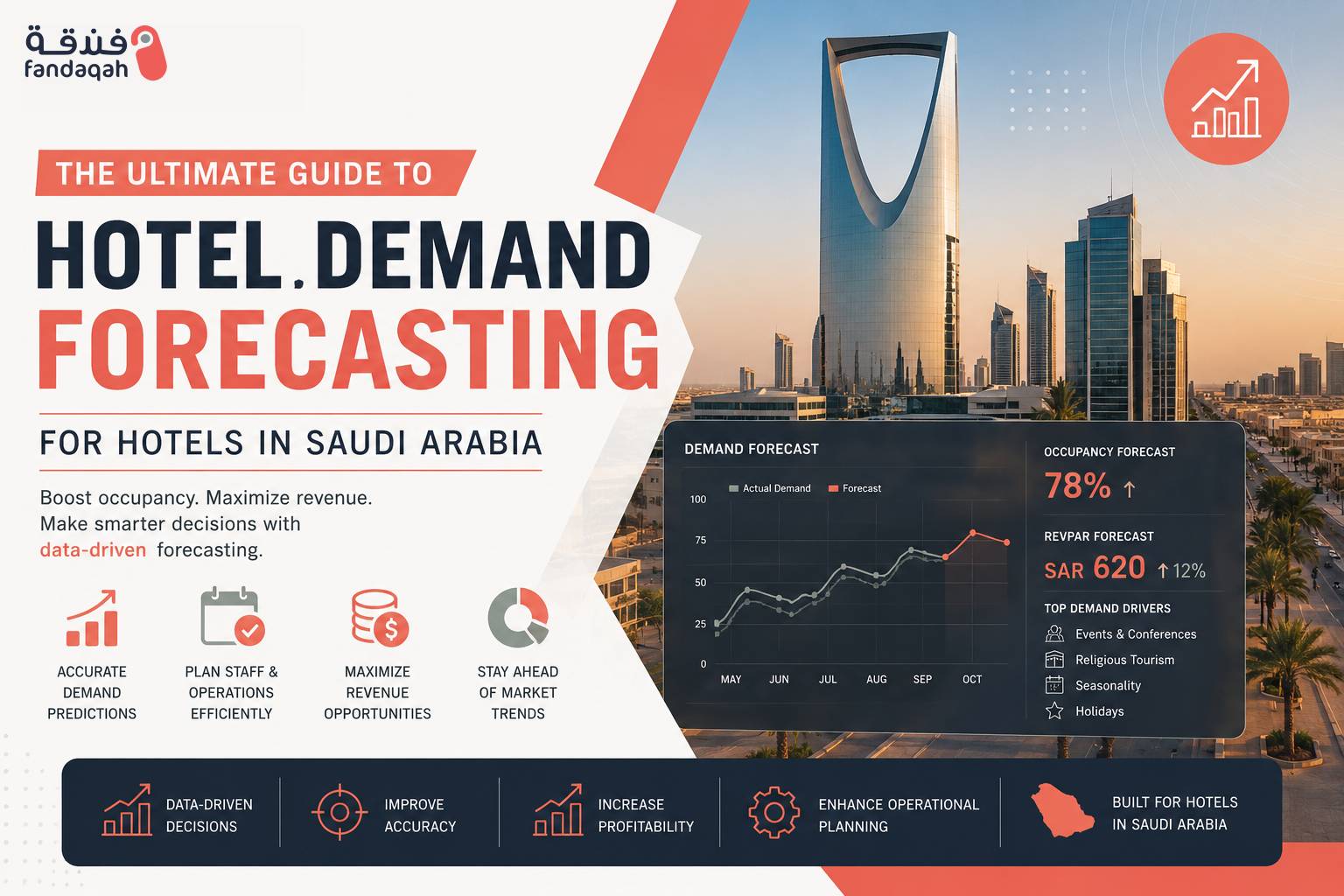
Modern dynamic pricing systems don't just react to the market—they anticipate it. By analyzing historical booking patterns, competitor rates, local event calendars, flight arrivals, and even weather forecasts, these systems generate price recommendations that balance profitability with competitiveness. The best part? The entire process runs on autopilot, freeing your team to focus on what truly matters: delivering exceptional guest experiences.
The Revenue Impact
Hotels that implement dynamic pricing consistently report RevPAR improvements of 15% to 25% within the first year of adoption. During peak seasons like Hajj and Ramadan, some properties see their average daily rate (ADR) double compared to fixed-pricing periods. In a market like Saudi Arabia, where demand swings are dramatic, the impact is even more pronounced.
How Dynamic Pricing Works: The Engine Behind the Rates
Understanding the mechanics of dynamic pricing is essential for hoteliers who want to harness its full potential. While the underlying technology can be complex, the logic is straightforward: gather data → analyze patterns → generate prices → distribute → optimize. Let's break down each component:
1. Data Collection & Integration
Dynamic pricing systems ingest data from multiple sources to build a comprehensive view of the market. Key inputs include:
- Internal Data: Historical occupancy, booking pace (how far in advance guests book), cancellation patterns, length of stay, and rate history.
- Competitor Intelligence: Real-time rates of comparable hotels, including promotional offers and package deals.
- Market Signals: Local events (conferences, festivals, religious seasons), flight schedules, school holidays, and macroeconomic indicators.
- Guest Behavior: Search patterns, click-through rates, and price sensitivity derived from booking engine analytics.
2. Predictive Analytics & Machine Learning
Once the data is collected, the system applies predictive algorithms to forecast future demand. These algorithms consider seasonality, lead time, and even non-linear relationships (e.g., a 10% drop in flights may correlate with a 5% drop in bookings). The AI models continuously learn from new data, improving their accuracy over time.
3. Price Optimization
Using the demand forecasts and competitive benchmarks, the system generates price recommendations that maximize RevPAR. This involves price elasticity calculations—understanding how changes in price affect demand. The system then selects the price point that optimizes both occupancy and revenue.
4. Automatic Distribution
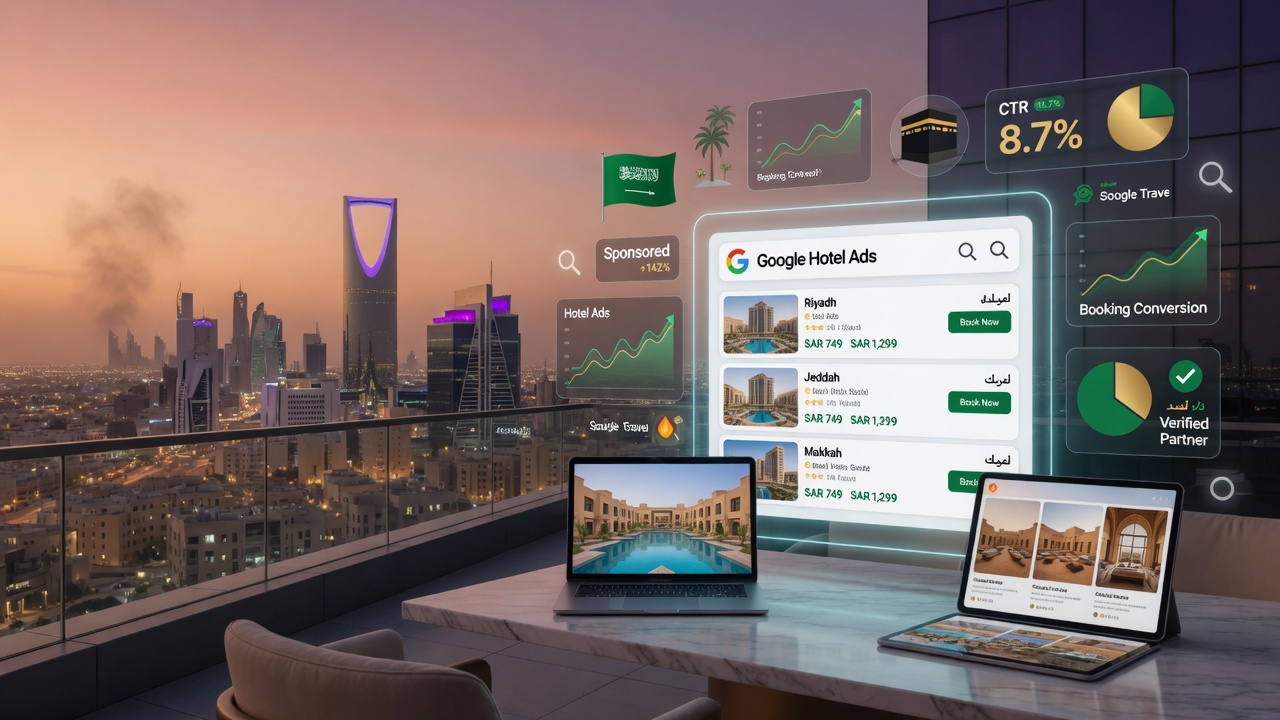
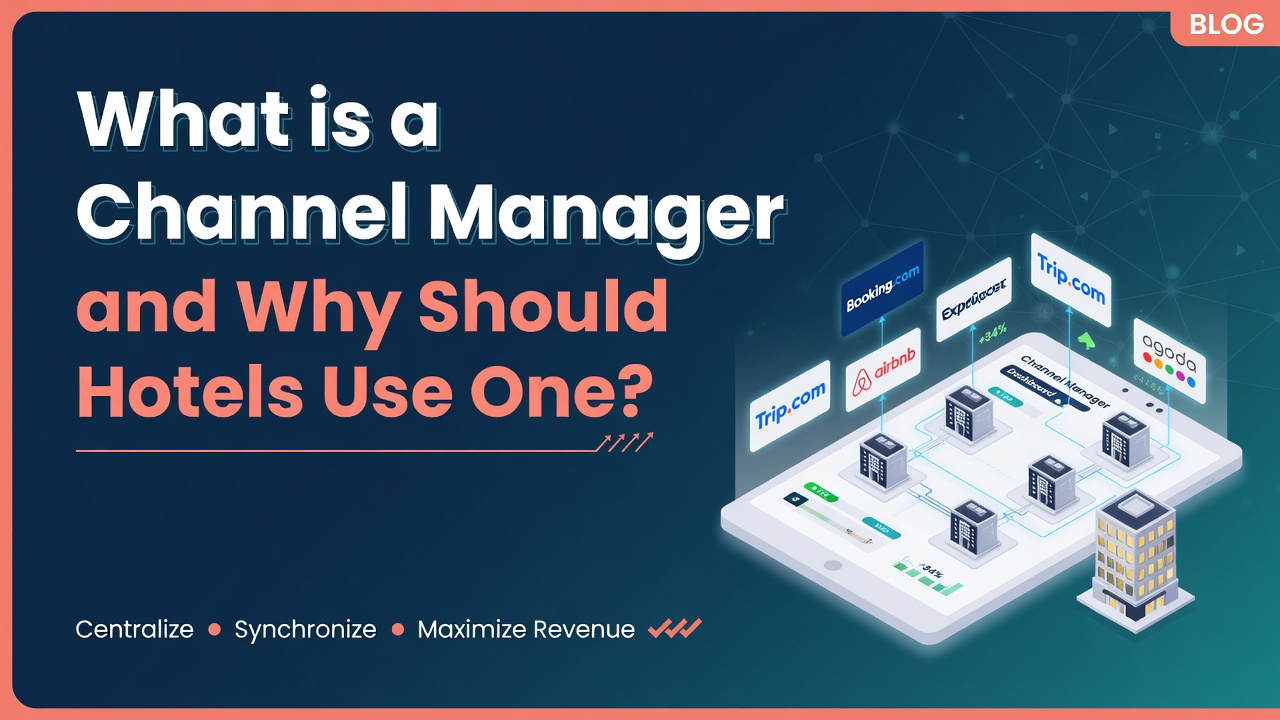
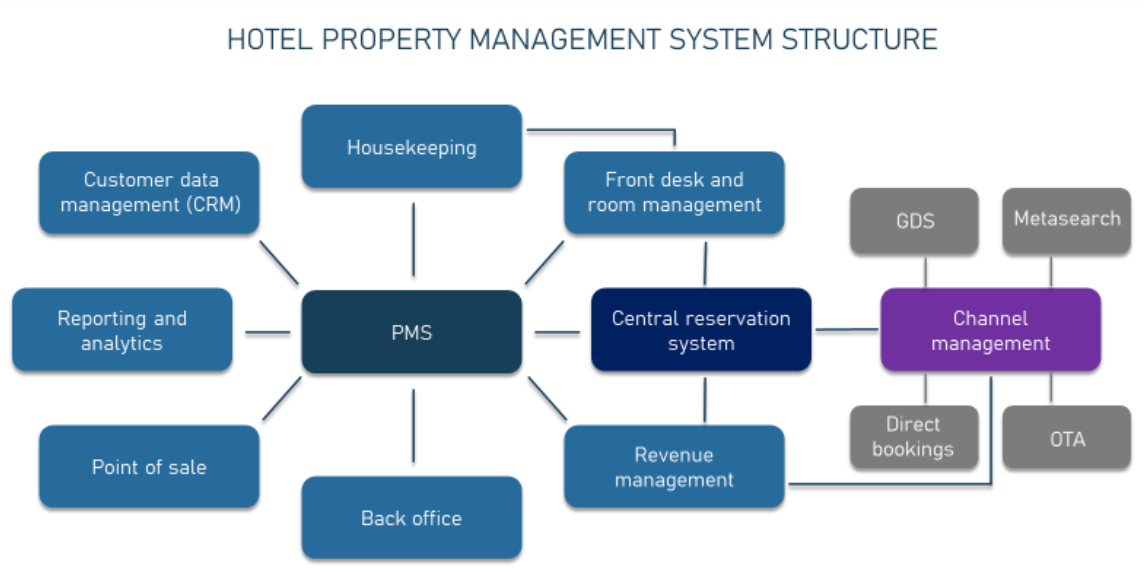
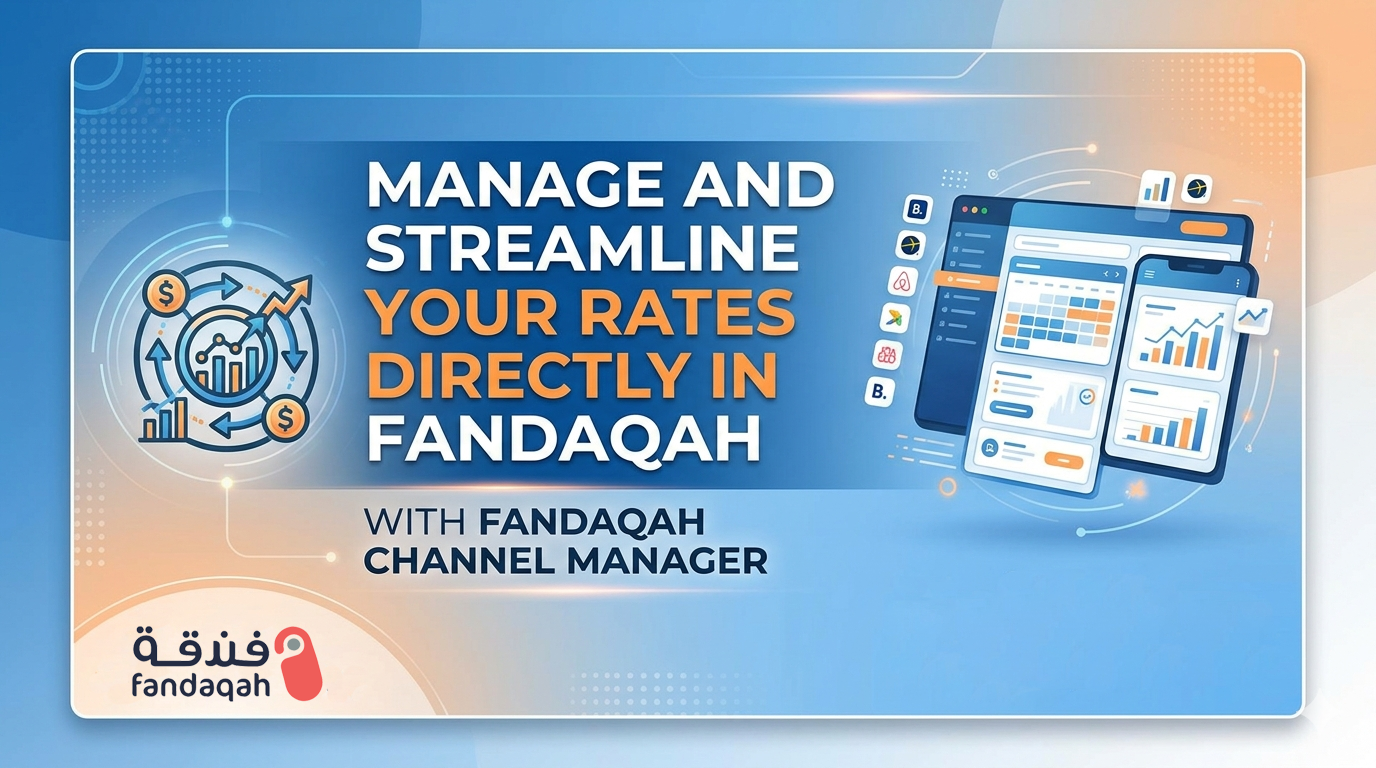
Recommended prices are automatically pushed to all connected distribution channels: your website, OTAs (Booking.com, Agoda, Expedia), GDS, and metasearch engines. The updates occur in real-time, often multiple times per day, ensuring your rates stay competitive on every platform.
5. Performance Monitoring & Adjustment
After prices go live, the system monitors performance metrics—occupancy, conversion rates, revenue—and adjusts its recommendations accordingly. This closed-loop feedback system ensures continuous improvement and adaptability.
Pro Tip
Look for a dynamic pricing solution that offers explainable AI—meaning it tells you why it recommended a specific price. This transparency helps you build trust in the system and identify any anomalies that may require manual intervention.
Key Benefits: Why Dynamic Pricing Is Essential for Your Hotel
The advantages of dynamic pricing extend far beyond simply charging more when demand is high. Here's a closer look at the transformative benefits that this strategy delivers:
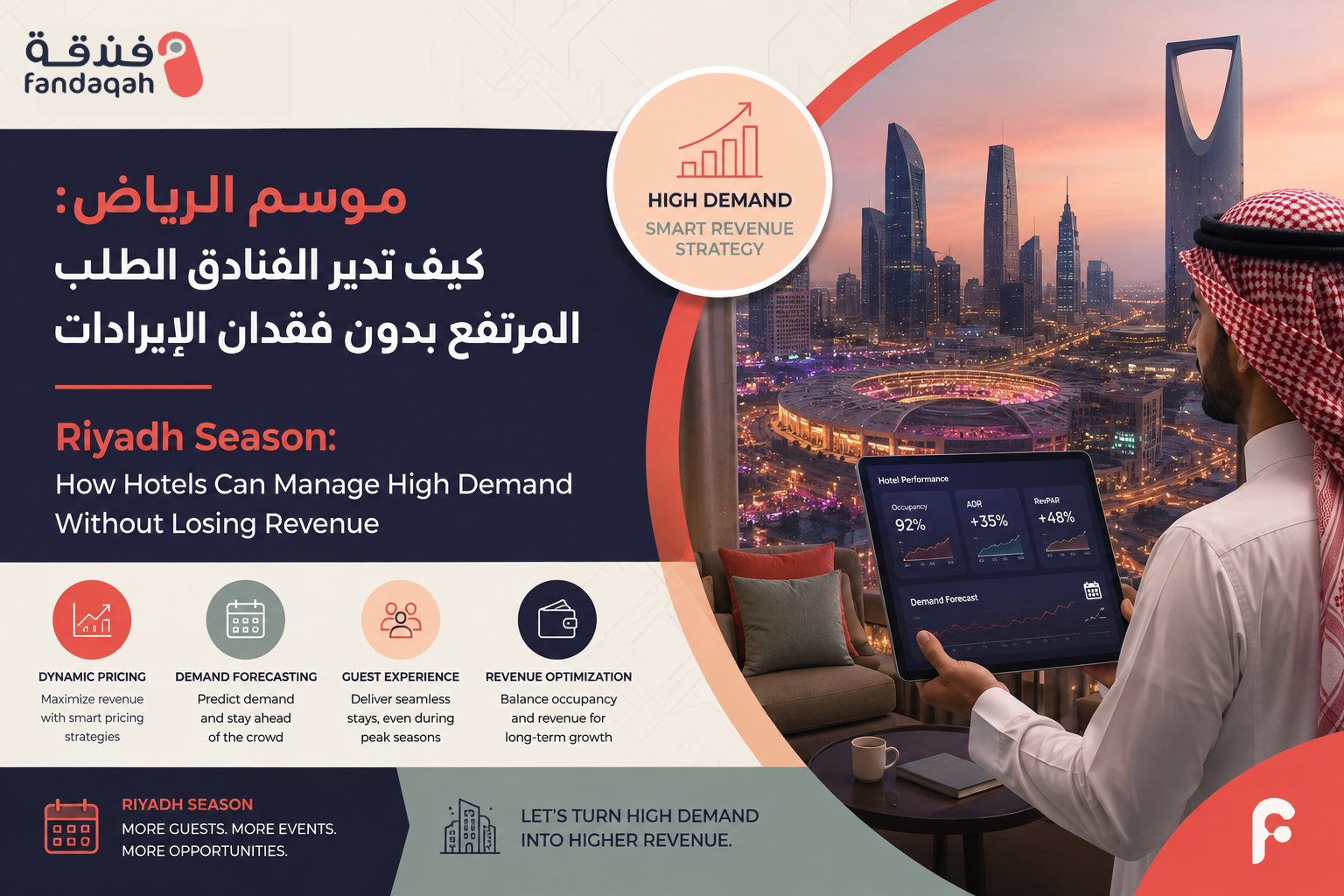
- Maximize Revenue During Peak Periods: Whether it's the Hajj season, the Riyadh Season festival, or a major corporate conference, dynamic pricing ensures you capture the full revenue potential of high-demand events.
- Boost Occupancy During Shoulder and Low Seasons: By lowering rates strategically, you attract price-sensitive guests who might otherwise book elsewhere—keeping your doors full and cash flow steady.
- Save Time and Reduce Manual Work: Automating price updates eliminates the need for tedious manual adjustments across multiple channels. Your team can focus on guest satisfaction and strategic initiatives.
- Stay Competitive Without Leaving Money on the Table: With real-time competitor monitoring, your rates are always positioned to win bookings while protecting your margin.
- Leverage Predictive Insights: Foresee demand spikes and dips weeks or months in advance, allowing you to plan promotions and marketing campaigns proactively.
- Optimize Channel Performance: Differentiate rates by channel to maximize contribution from OTAs, direct bookings, and corporate accounts simultaneously.
"Dynamic pricing is not just about changing numbers on a screen; it's a fundamental shift in revenue philosophy. It empowers hotels to respond to the market in real time, turning every booking opportunity into a profit-maximizing moment." — Thomas Grundner, VP Commercial Strategy, Adeera Hospitality
Use Cases: Dynamic Pricing in the Saudi Hospitality Market
Saudi Arabia presents one of the most dynamic and diverse hospitality environments in the world. From religious tourism to business travel and leisure mega-projects, the demand patterns are as varied as the Kingdom's geography. Here's how dynamic pricing is being applied across different segments:
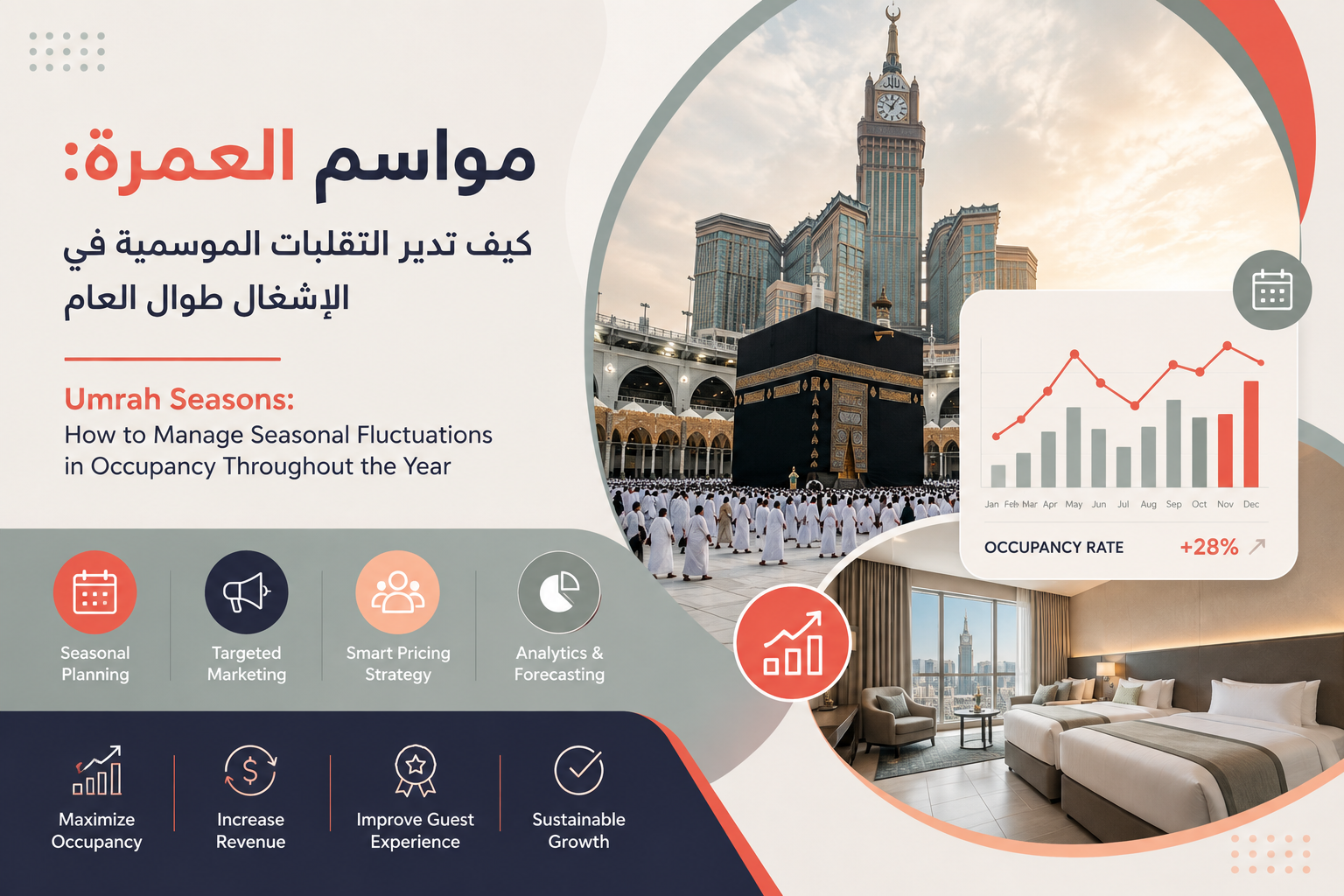
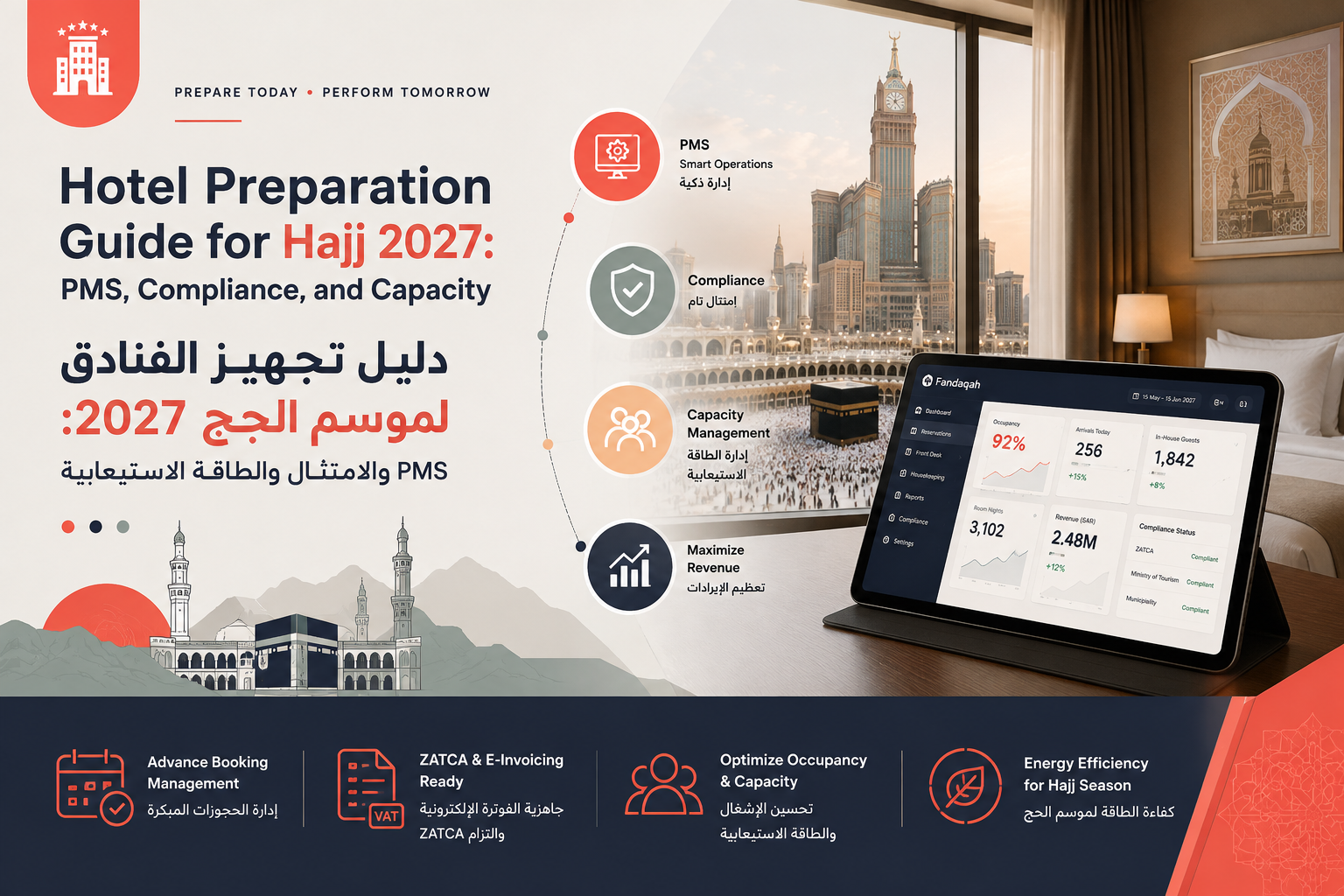
- Hajj and Umrah Seasons: Makkah and Madinah experience some of the most extreme demand fluctuations on earth. Dynamic pricing allows hotels to triple or even quadruple rates during peak pilgrimage weeks, while offering competitive prices during off-peak periods to maintain year-round occupancy.
- Mega Events & Entertainment: With events like Riyadh Season, Jeddah Season, and the Saudi Cup, cities see massive influxes of visitors. Dynamic pricing ensures hotels capture the spending power of attendees while adjusting rates as the event dates approach.
- Emerging Tourism Destinations: Projects like the Red Sea Project, Amaala, and AlUla are creating new hospitality ecosystems. Dynamic pricing helps these destinations establish competitive rate structures that attract both luxury and mid-market travelers.
- Business Hubs: In cities like Riyadh and Dammam, corporate travel patterns are closely tied to conference schedules and oil industry cycles. Dynamic pricing adapts to these patterns, charging premium rates during business-heavy weeks.
- Long Weekends & National Holidays: Saudi's national holidays—Saudi National Day, Eid holidays, and the spring break—generate domestic travel surges. Dynamic pricing captures this domestic demand while remaining attractive to international visitors.
Saudi Success Story
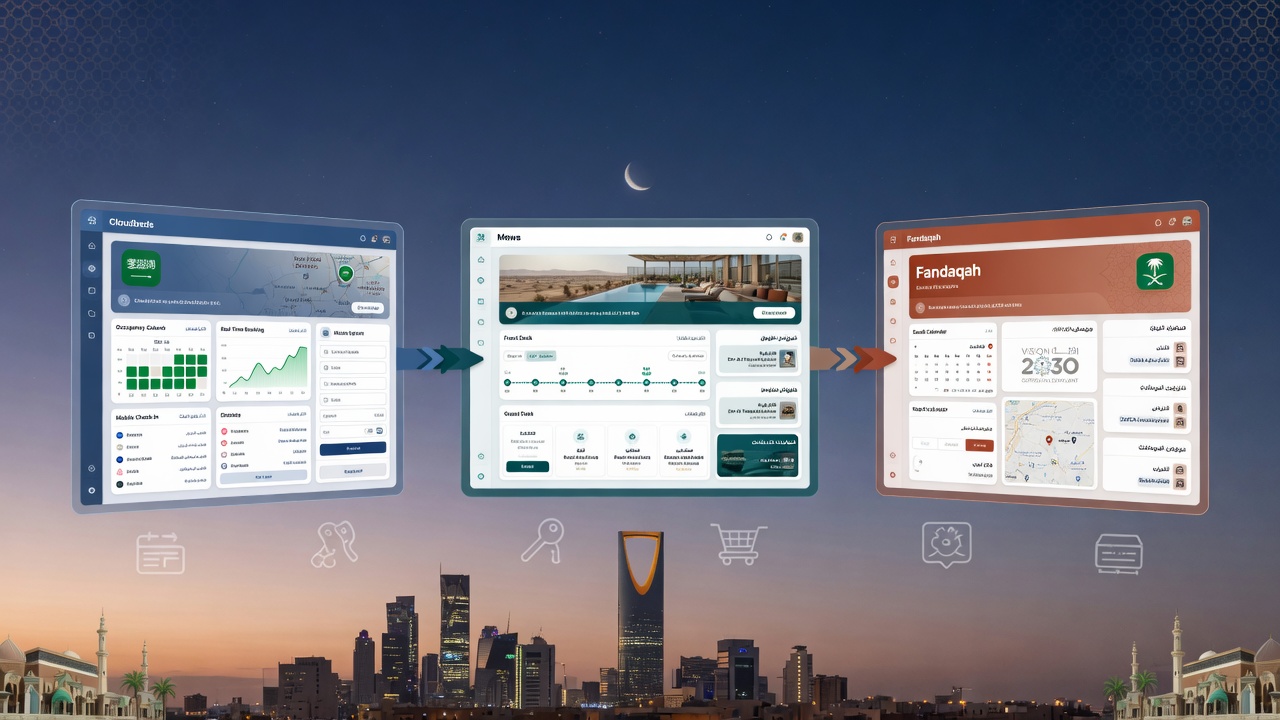
Adeera Hospitality, a PIF-owned company, has signed a strategic partnership with IDeaS to implement dynamic pricing across more than 60 luxury properties in Saudi Arabia, starting with the Grand Hotel KAFD in Riyadh. This massive deployment signals the Kingdom's commitment to adopting world-class revenue management technology as part of its Vision 2030 tourism strategy.
Dynamic Pricing vs. Fixed Pricing: A Clear Winner
To truly appreciate the power of dynamic pricing, it's useful to compare it side by side with the traditional fixed-price model. The differences are stark, and the advantages of dynamic pricing are unmistakable:
| Criteria |
Dynamic Pricing |
Fixed Pricing |
| Rate Adjustments |
Automated, multiple times per day |
Manual, seasonal or annual changes only |
| Demand Responsiveness |
High—rates rise with demand, fall with low occupancy |
Low—rates don't reflect real-time demand |
| RevPAR Impact |
+15% to 25% improvement on average |
Stagnant or declining RevPAR |
| Competitive Agility |
Continuous competitor monitoring and adjustment |
Lagging response, often losing to rivals |
| Human Effort |
Minimal—system handles the heavy lifting |
High—staff manually update rates across channels |
| Forecasting Capability |
Predictive analytics for future demand |
Reactive, no forward-looking insights |
Future Trends: Dynamic Pricing and Saudi Vision 2030
As Saudi Arabia accelerates toward its Vision 2030 ambitions, the role of dynamic pricing in the hospitality sector is set to evolve dramatically. Here are the emerging trends that will shape the future of hotel revenue management in the Kingdom:
- Agentic AI and Autonomous Pricing: The next generation of dynamic pricing systems will not just recommend rates—they will autonomously execute pricing strategies across multiple dimensions, including length of stay, package bundling, and personalized offers, with minimal human oversight.
- Integration with Broader Data Ecosystems: Future systems will incorporate data from social media sentiment, search engine trends, and even weather patterns, providing an even more granular understanding of demand drivers.
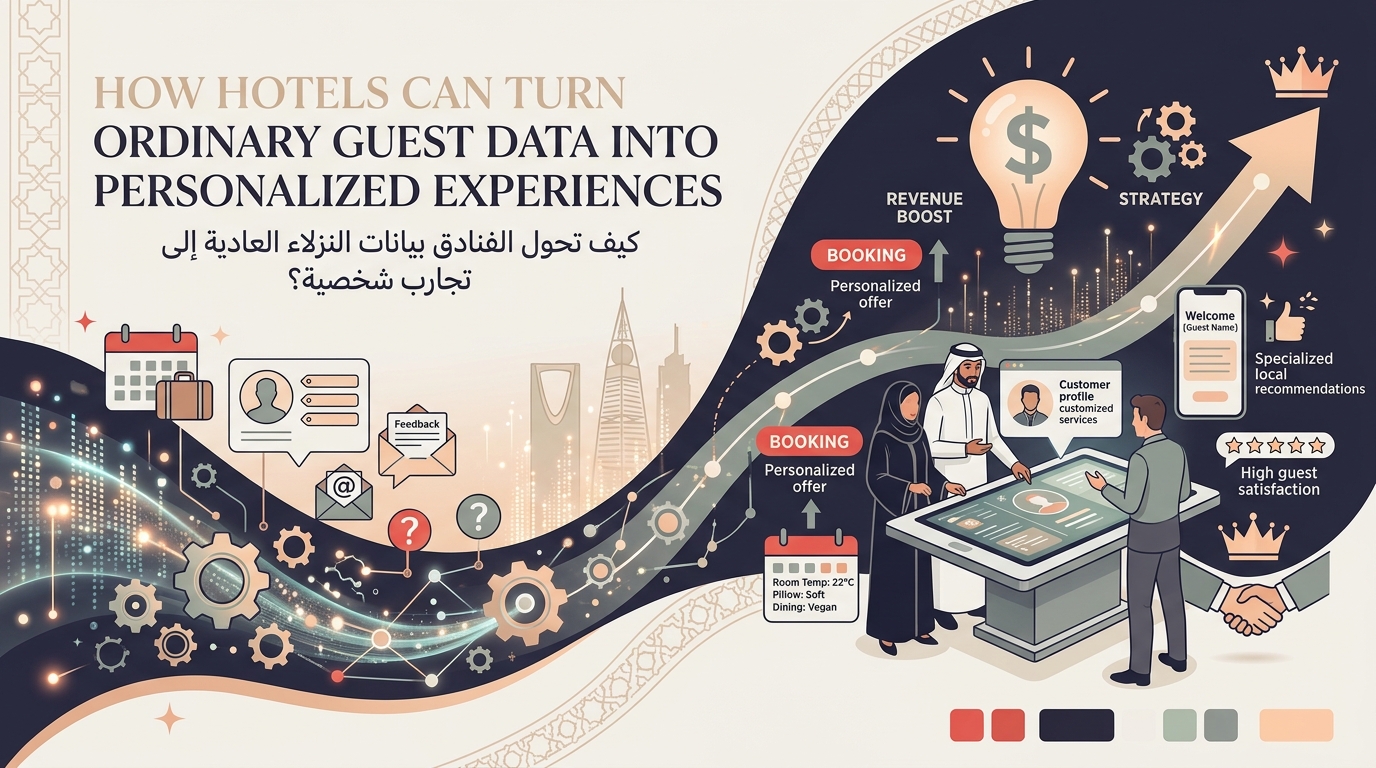
- Personalized Pricing at Scale: With the rise of guest data platforms, hotels will be able to offer personalized rates to individual guests based on their booking history, loyalty status, and predicted willingness to pay.
- AI-Powered Revenue Managers: Rather than replacing human revenue managers, AI systems will augment their capabilities, offering scenario analysis, what-if simulations, and real-time strategic advice.
- Sustainability-Linked Pricing: As ESG (Environmental, Social, Governance) factors become more important, we may see pricing models that reward guests for choosing eco-friendly options.
These innovations align perfectly with Saudi Vision 2030's objectives of diversifying the economy, attracting 150 million visits annually, and establishing the Kingdom as a global tourism powerhouse. Dynamic pricing is not just a tactical tool—it is a strategic enabler for sustainable growth in the sector.
Frequently Asked Questions About Dynamic Pricing
What is dynamic pricing in hotels?
Dynamic pricing is a revenue management strategy where hotel room rates are automatically adjusted in real time based on market demand, competitor pricing, seasonality, and local events. It uses AI and machine learning to determine the optimal price for each room at any given moment.
How does dynamic pricing increase hotel revenue?
By raising rates during high-demand periods and lowering them during low-demand periods, dynamic pricing maximizes Revenue per Available Room (RevPAR). Hotels using dynamic pricing typically see RevPAR increases of 15% to 25%, with even higher gains during peak seasons.
Is dynamic pricing suitable for small independent hotels?
Absolutely. Small hotels benefit immensely from dynamic pricing because it automates revenue management—a task they often lack the resources to do manually. Modern dynamic pricing platforms are scalable, affordable, and designed for properties of all sizes.
What factors influence dynamic pricing in Saudi Arabia?
In the Saudi market, the key drivers include: Hajj and Umrah seasons, national holidays, mega-events (Riyadh Season, Jeddah Season), business travel patterns, competitor rates, and emerging tourism developments like the Red Sea Project and NEOM.
Does dynamic pricing negatively affect guest satisfaction?
When implemented transparently, dynamic pricing does not harm guest satisfaction. Guests understand that prices vary by demand—just like airline tickets. In fact, lower rates during off-peak periods can enhance value perception and attract budget-conscious travelers.
How do I start implementing dynamic pricing at my hotel?
Start by choosing a dynamic pricing platform that integrates with your PMS and channel manager. Set minimum and maximum rate floors to protect your brand positioning. Then, monitor performance closely in the first few weeks, and adjust your strategy based on the data.
Does dynamic pricing comply with ZATCA (Saudi tax authority) requirements?
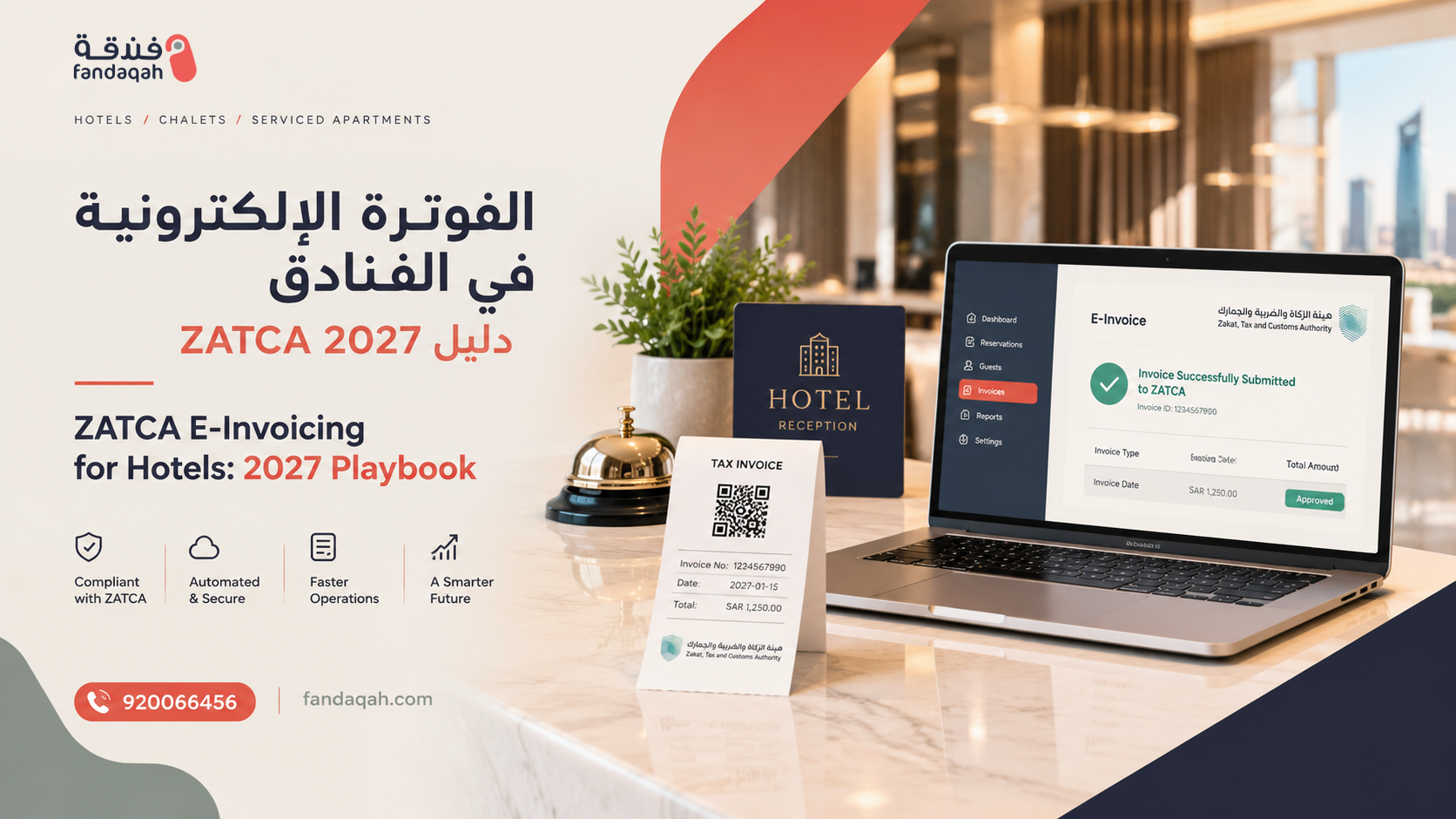
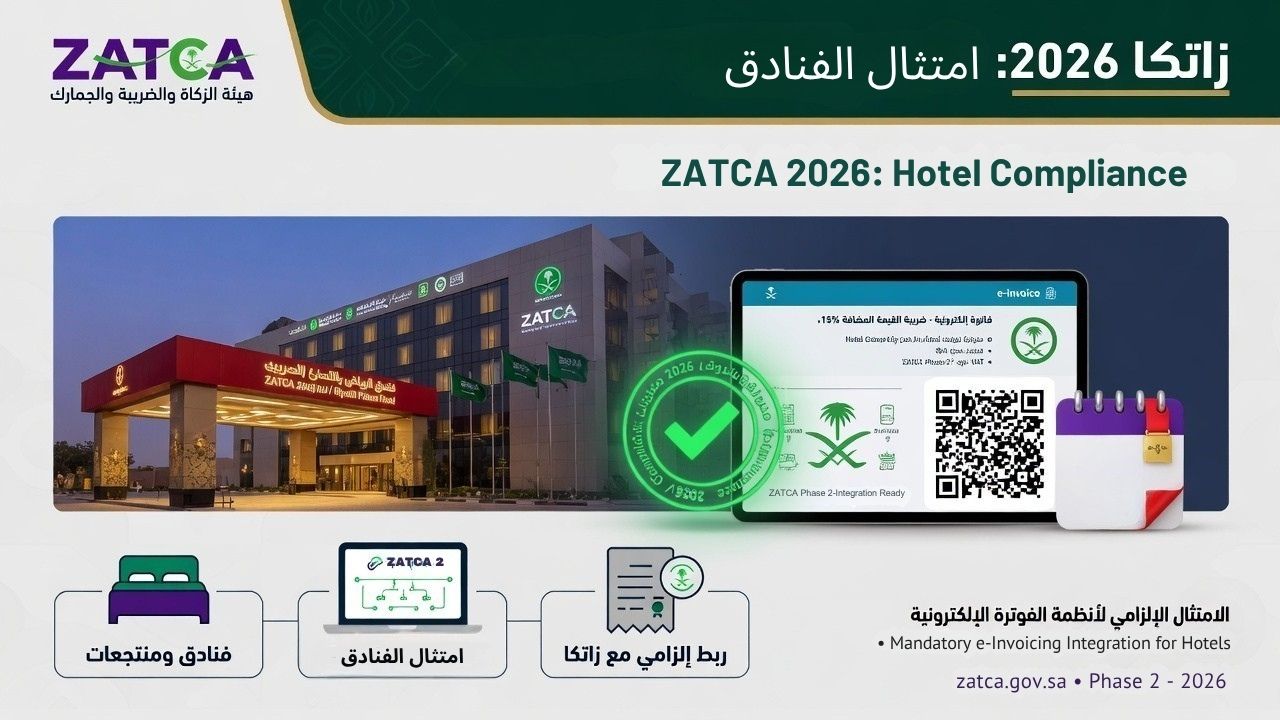
Yes, modern dynamic pricing systems automatically handle tax compliance, including VAT (15%) and municipality fees, ensuring that price changes are correctly reflected in invoices and e-invoicing systems as required by ZATCA.
Conclusion: The Future of Hotel Pricing Is Dynamic
The hospitality industry in Saudi Arabia is at a pivotal moment. With the Kingdom's ambitious tourism targets under Vision 2030, the arrival of mega-projects, and a surge in both domestic and international travel, the competitive landscape has never been more intense. In this environment, dynamic pricing is not a luxury—it's a necessity.
Hotels that adopt dynamic pricing gain a decisive competitive edge: they capture more revenue during peak periods, maintain healthy occupancy during slower times, and free their teams from the administrative burden of manual rate management. The technology is mature, accessible, and delivers a clear return on investment.
The question is no longer whether you should implement dynamic pricing, but how quickly you can get started. In a market as dynamic as Saudi Arabia, hesitation means leaving revenue on the table for your competitors to claim. The time to act is now.
Ready to Maximize Your Hotel's Revenue?
Join the growing number of Saudi hotels that are using dynamic pricing to unlock their full revenue potential. Book a free, no-obligation consultation with our revenue experts and discover how you can start boosting your RevPAR today.
Claim Your Free Consultation
dynamic pricing hotels
hotel revenue management
RevPAR optimization
Saudi hospitality
Saudi Vision 2030
AI hotel pricing
hotel rate optimization
revenue per available room
hotel pricing strategy
Makkah hotels
Riyadh hotels
demand-based pricing
hospitality technology