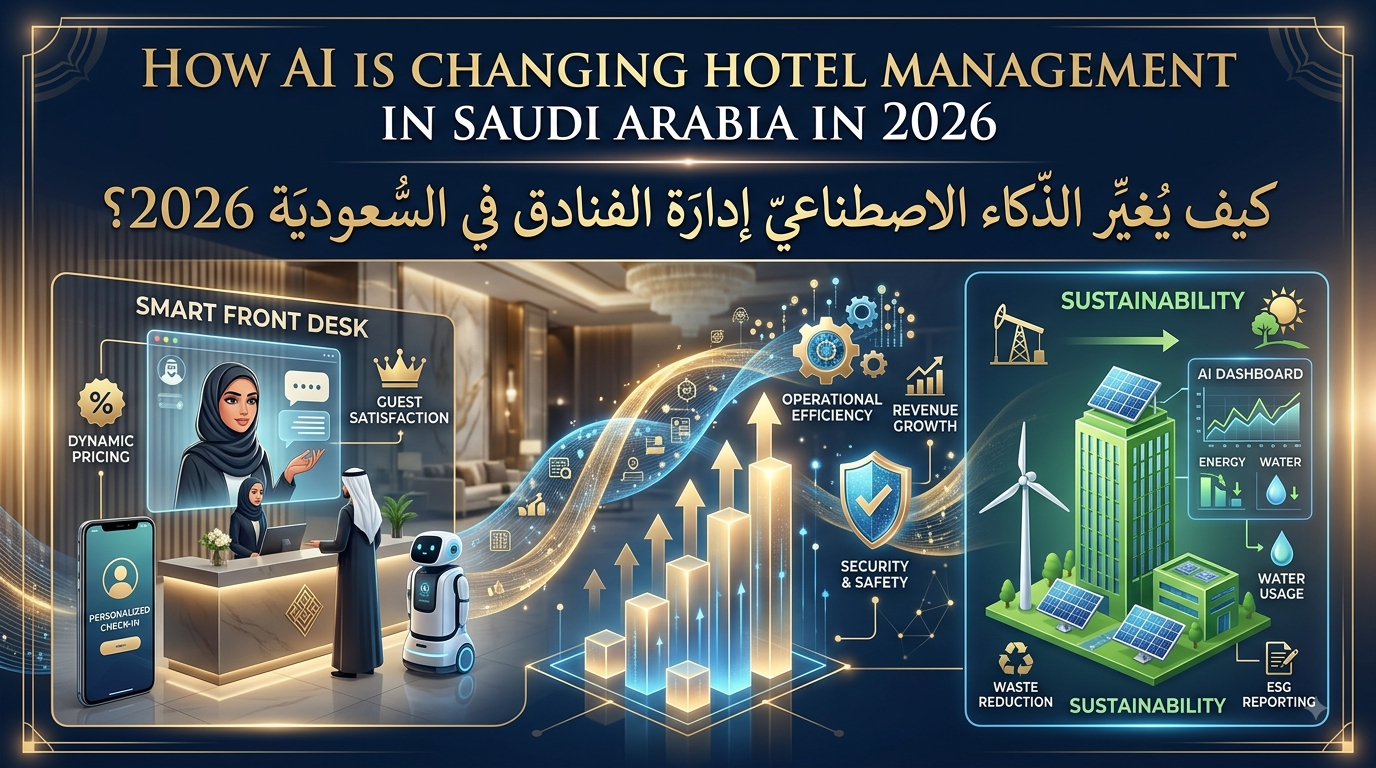
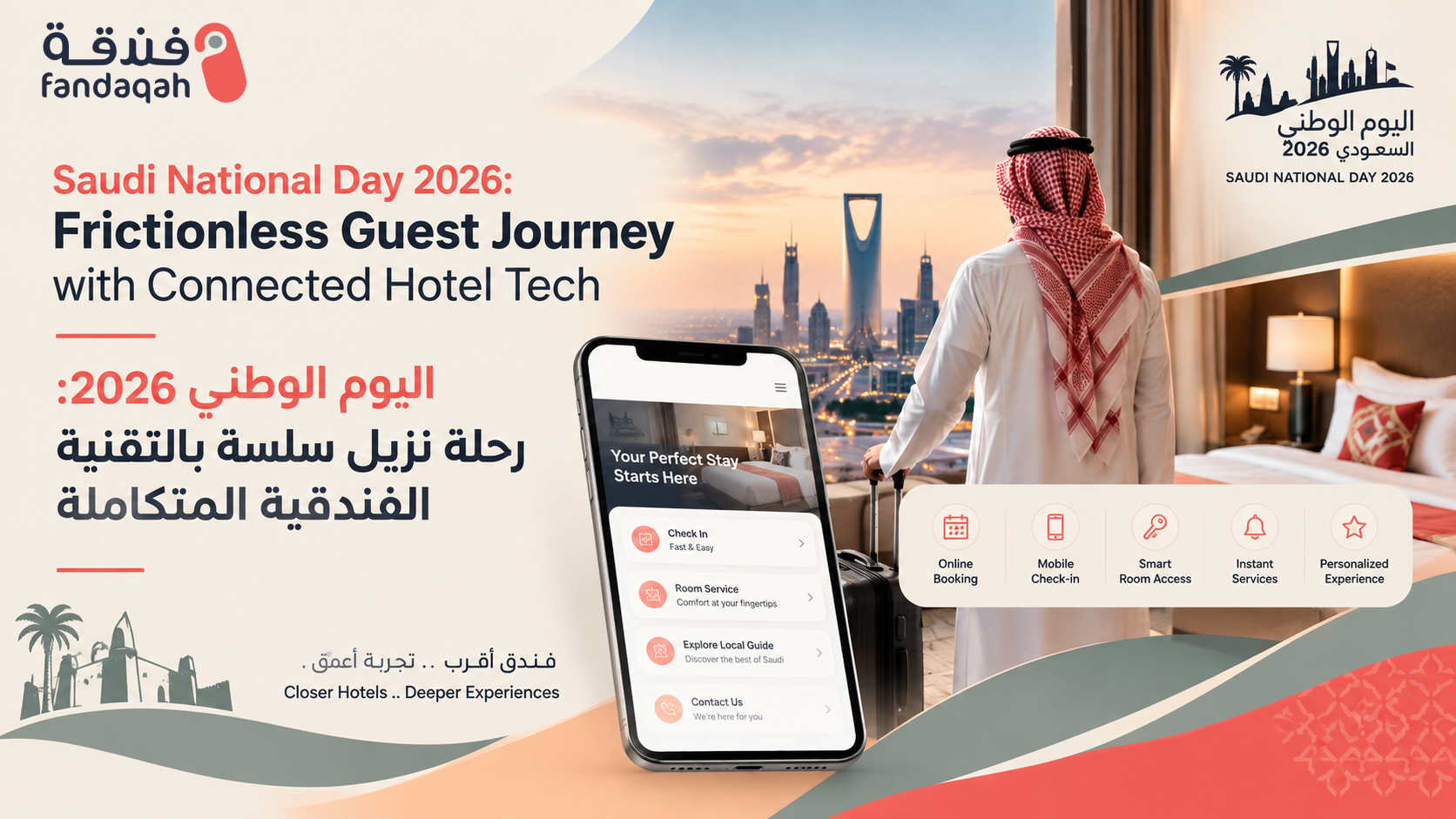
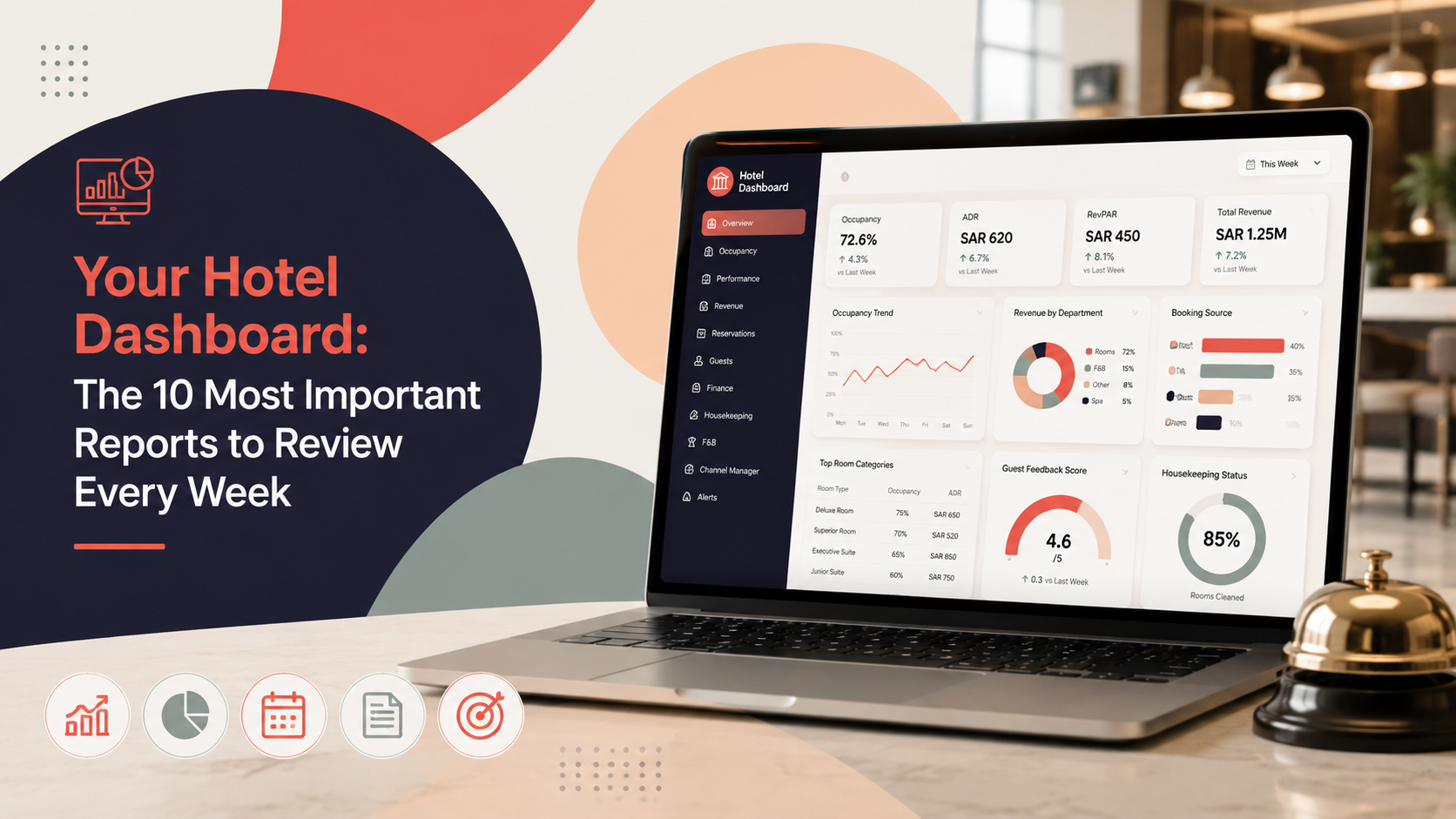
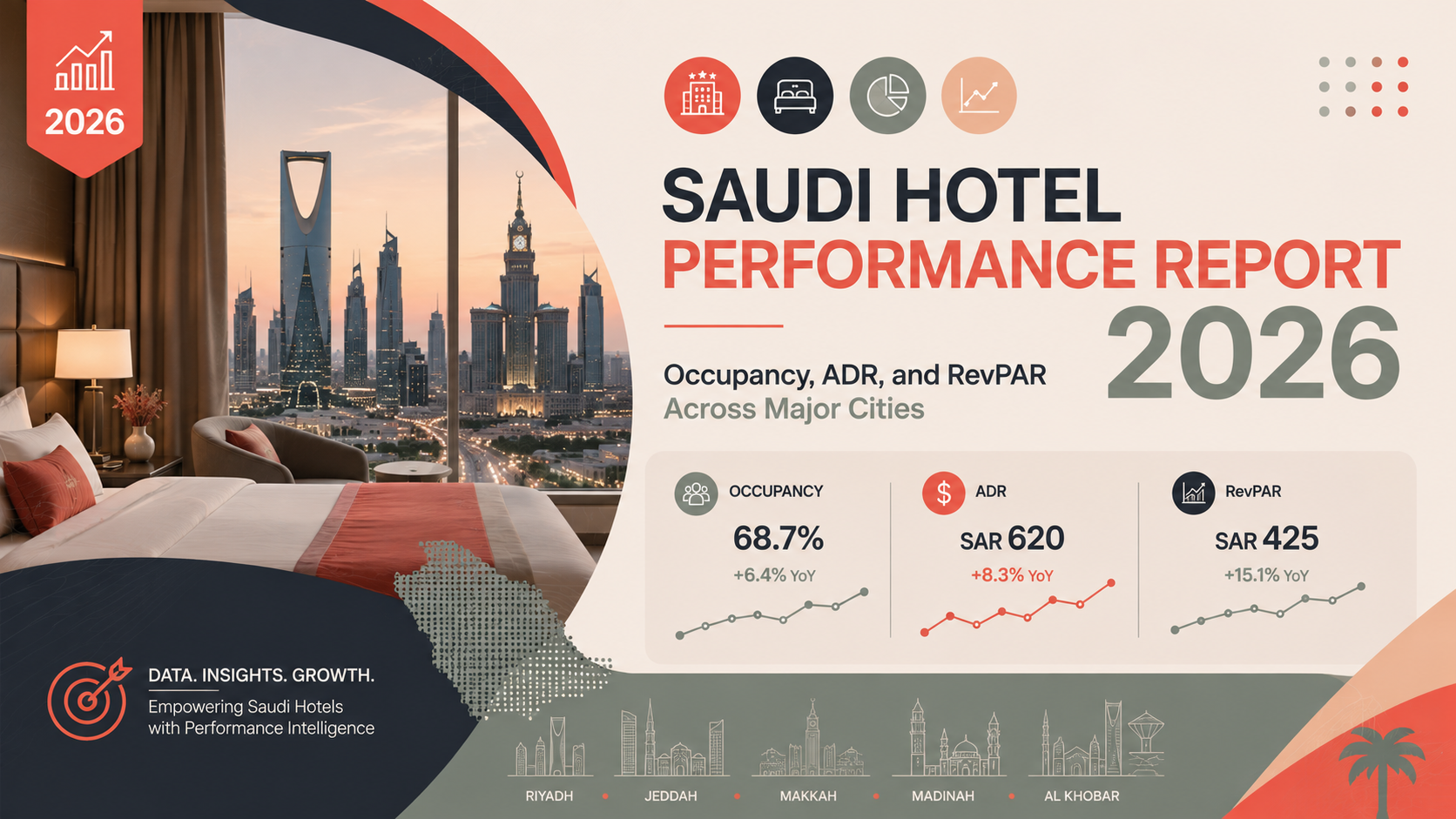
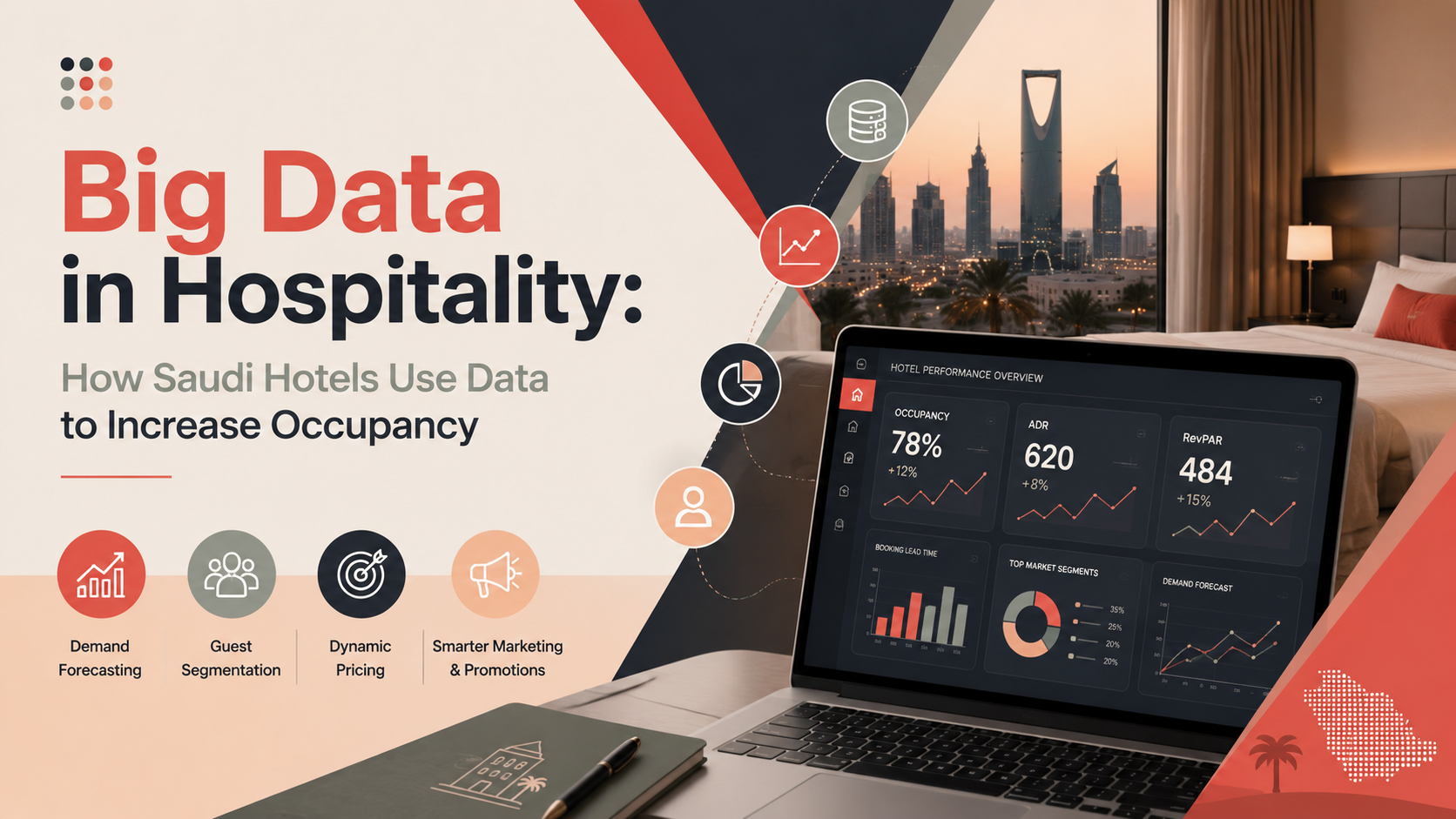
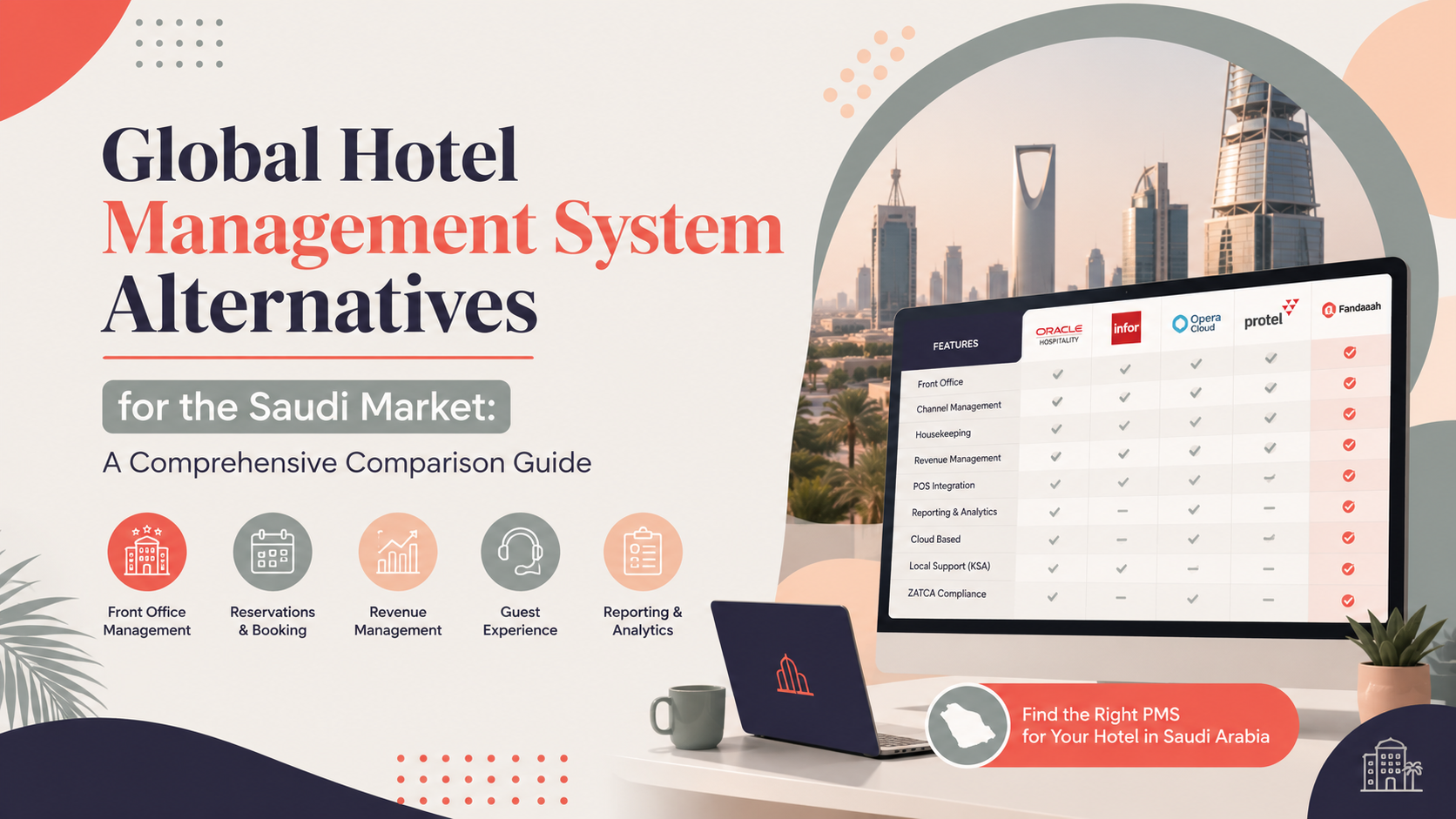
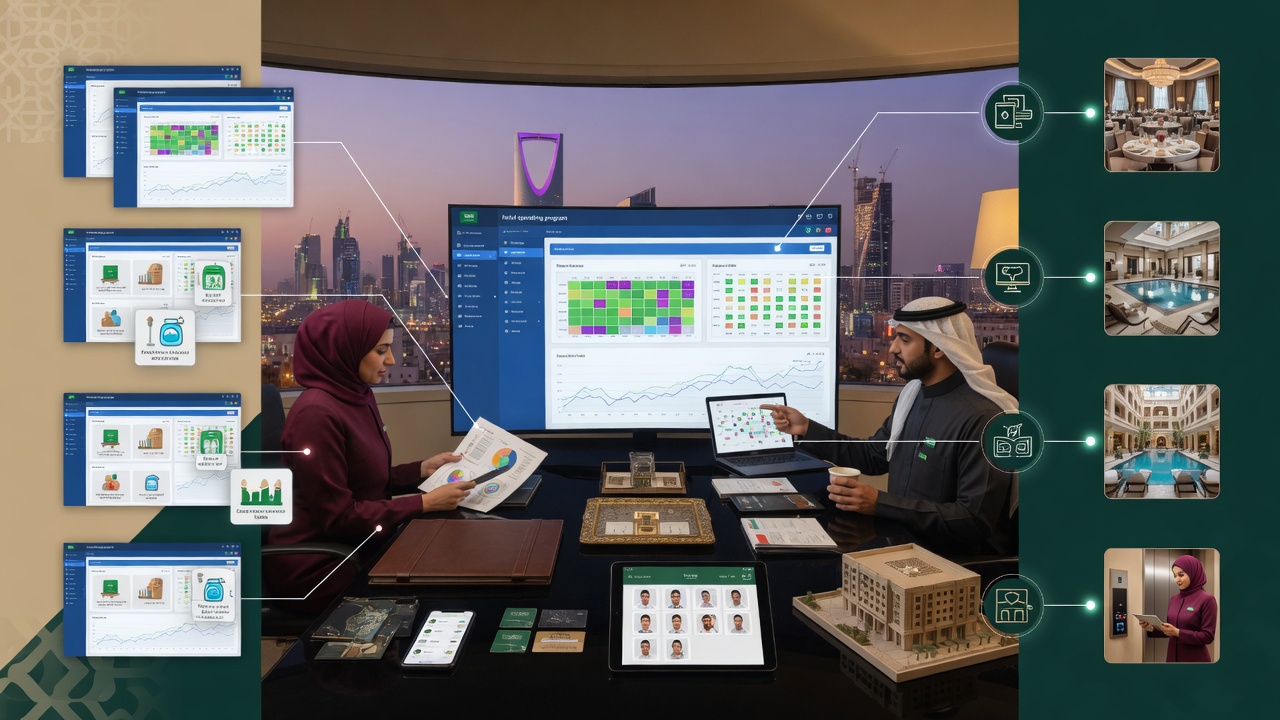
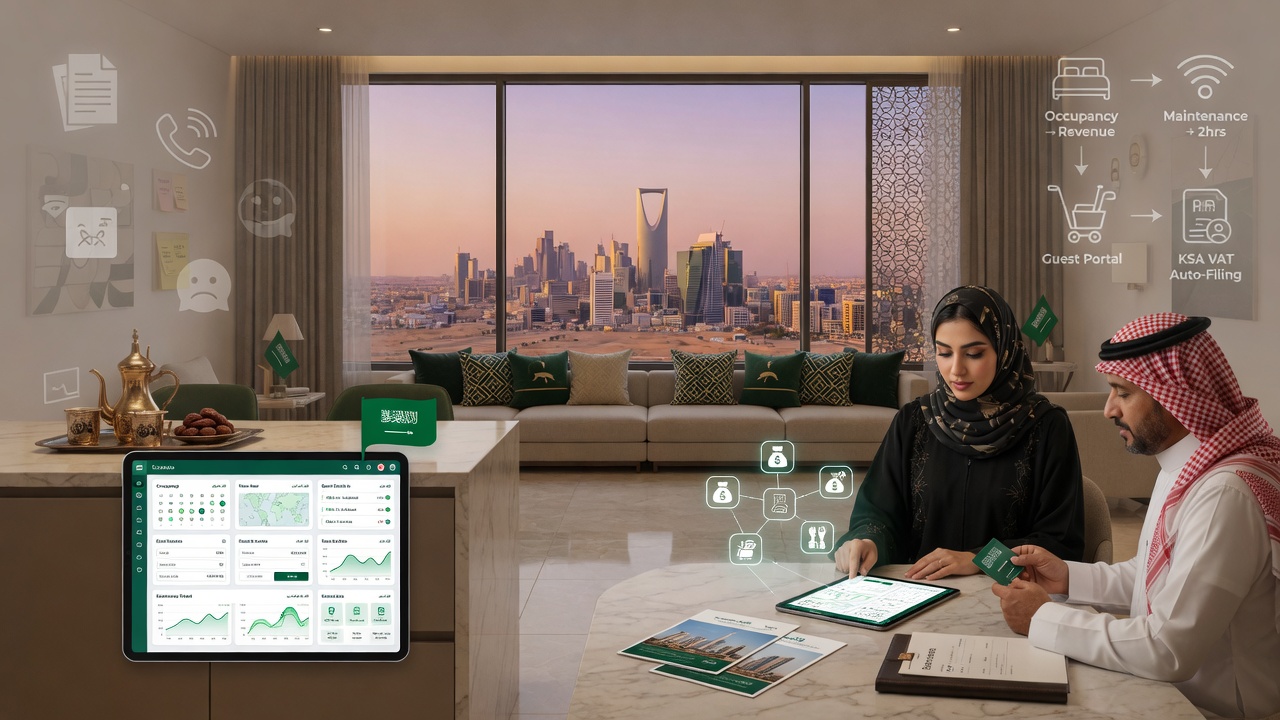
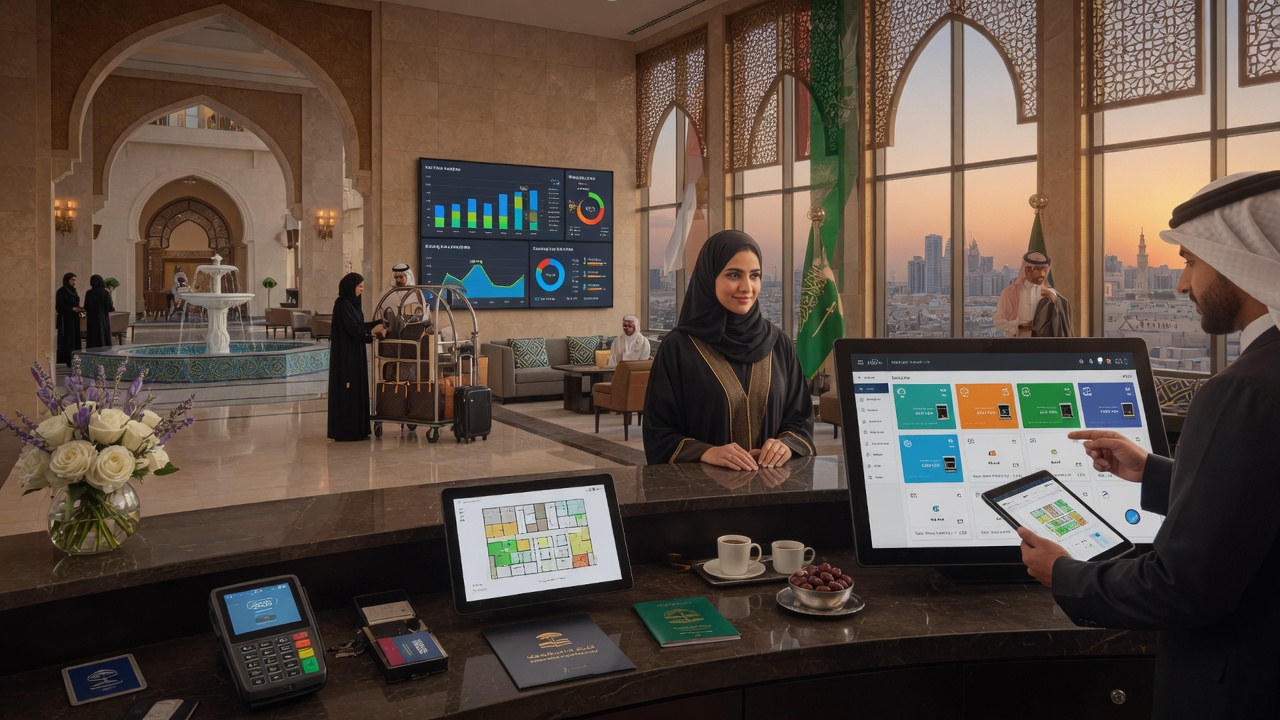
Discover how AI is revolutionizing hotel management in Saudi Arabia by 2026. Explore key trends, applications, and the strategic advantages AI offers in enhancing guest experience, optimizing operations, and driving profitability in the Kingdom's rapidly evolving hospitality sector.
AI's Ascent: Reshaping Hotel Management in Saudi Arabia by 2026
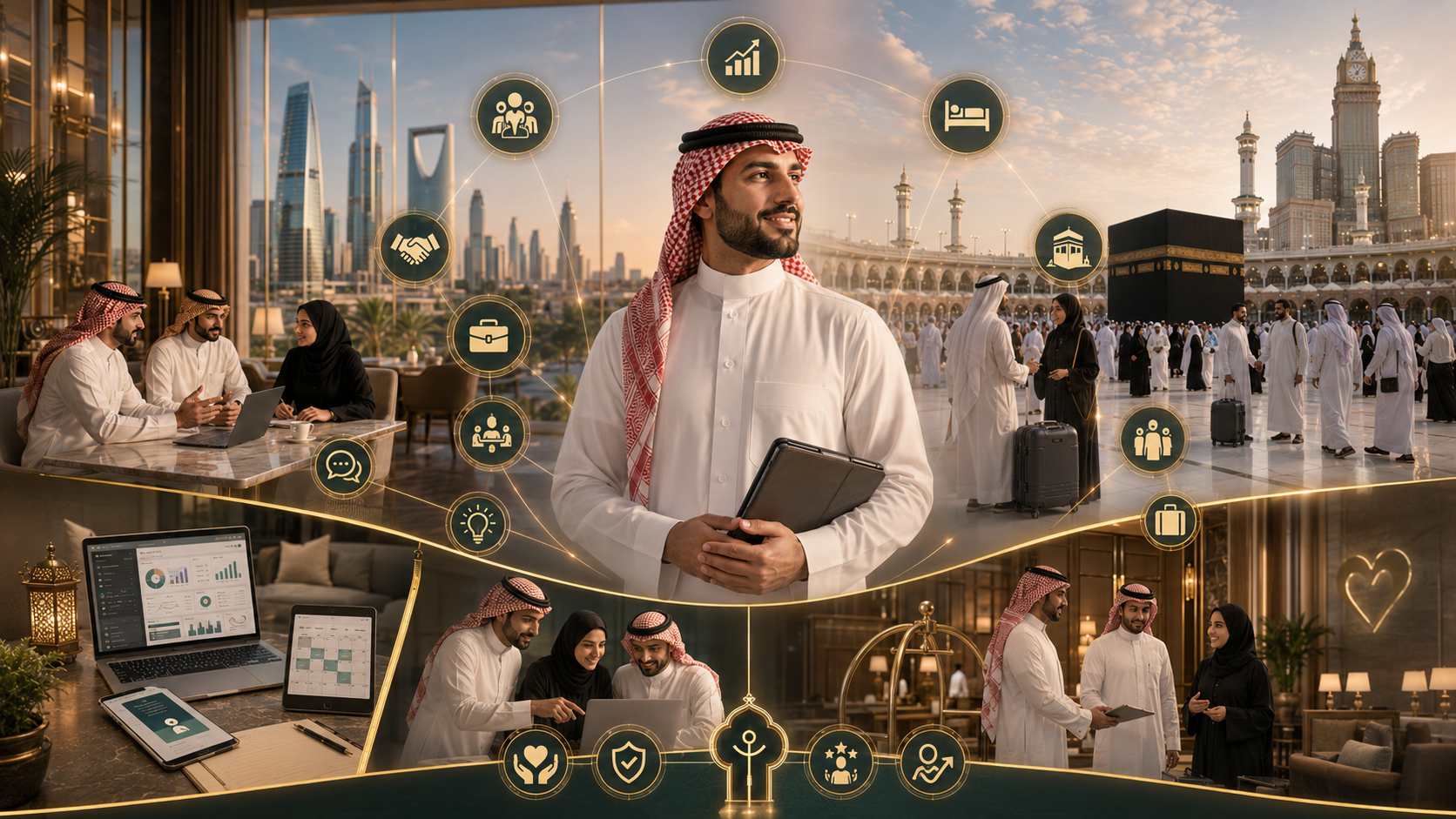
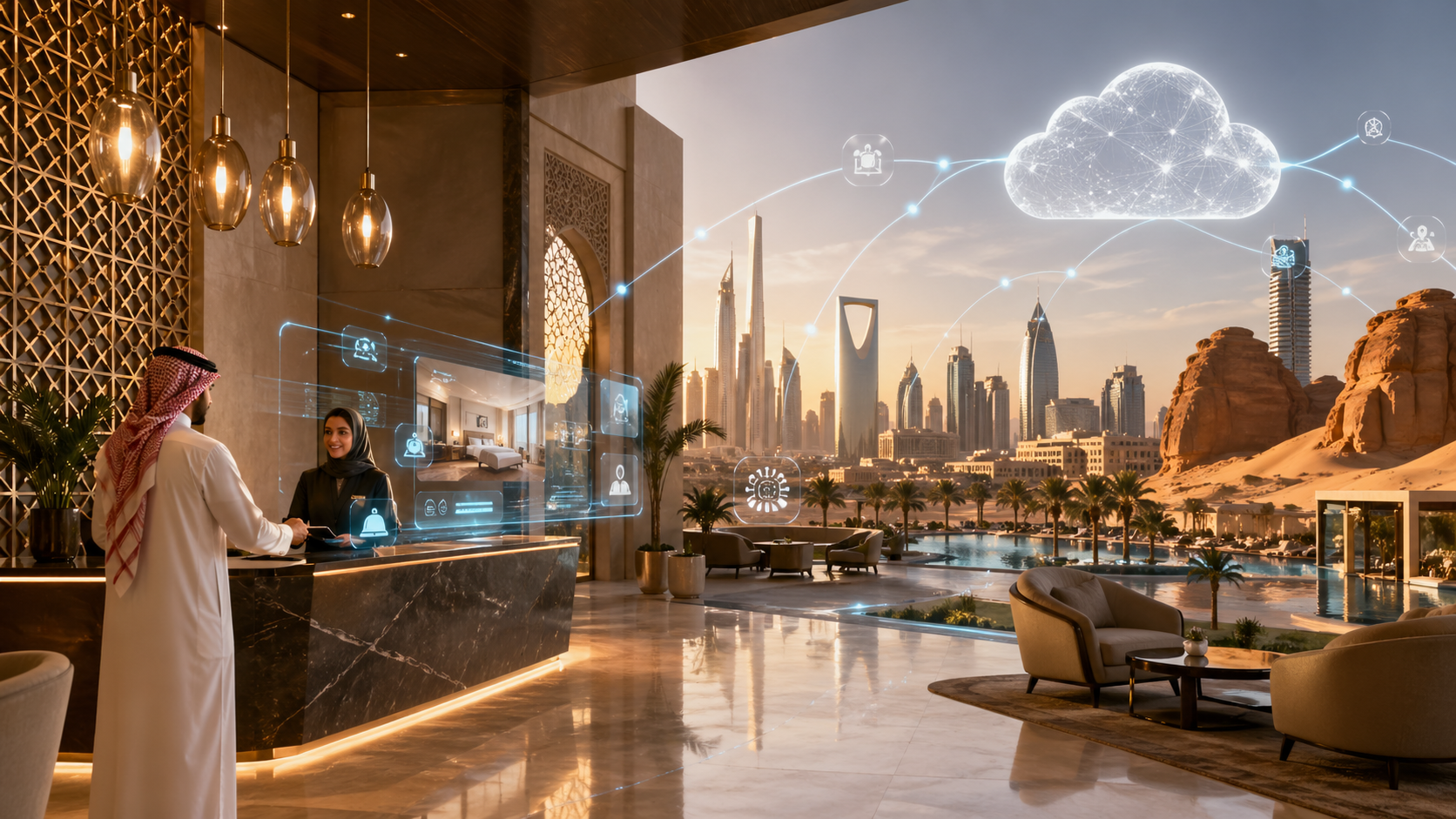
Saudi Arabia's hospitality sector is in the midst of an unprecedented transformation, driven by ambitious Vision 2030 goals and an insatiable demand for luxury and innovation. As the Kingdom emerges as a global tourism powerhouse, the integration of Artificial Intelligence (AI) is no longer a futuristic concept but a strategic imperative. By 2026, AI will have fundamentally redefined how hotels operate, interact with guests, and make critical business decisions across Saudi Arabia. This article delves into the profound impact of AI, exploring its widespread applications, the competitive advantages it offers, and the challenges and opportunities that lie ahead for the Kingdom's burgeoning hotel industry.
The Strategic Imperative: Why AI Matters for Saudi Hotels
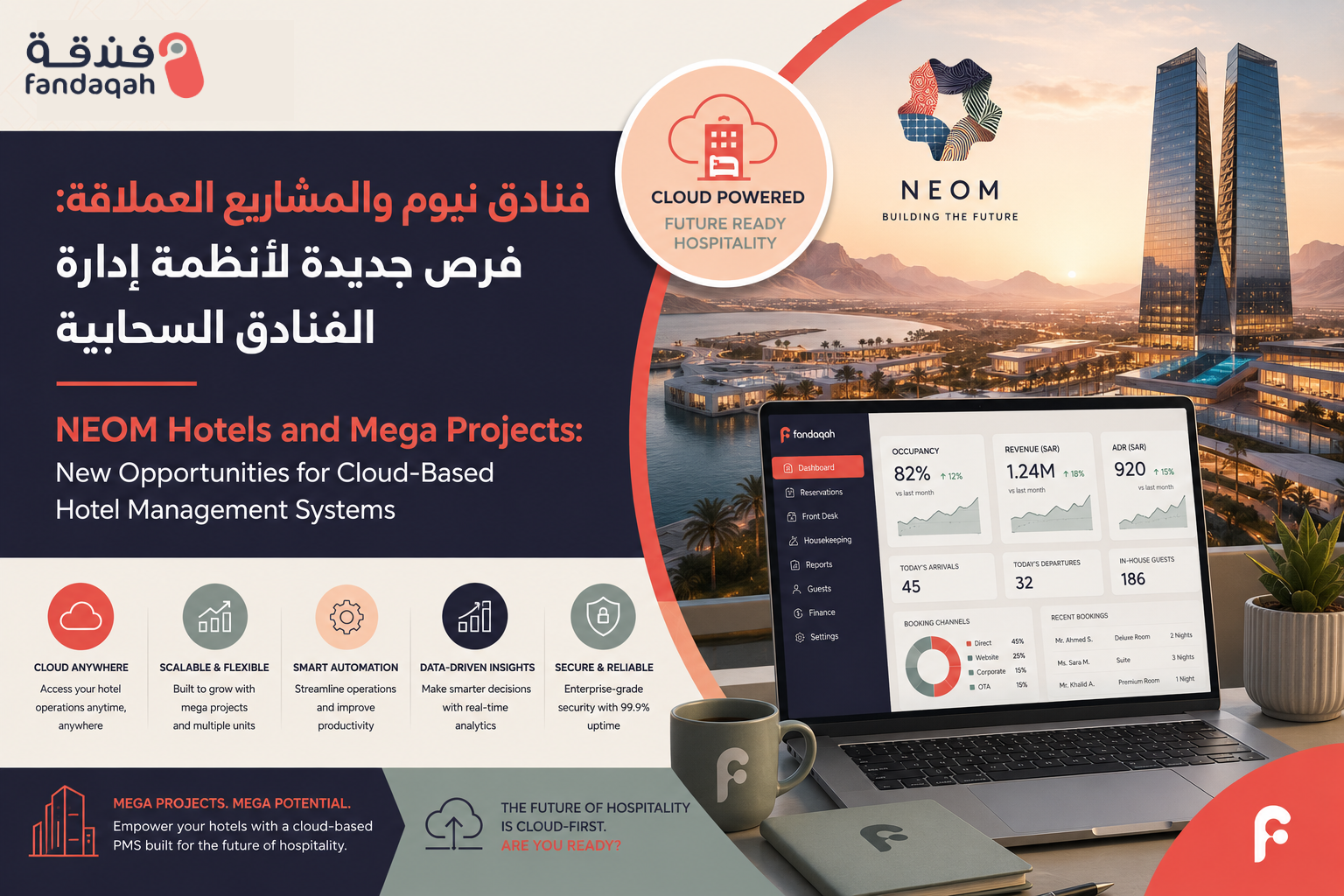
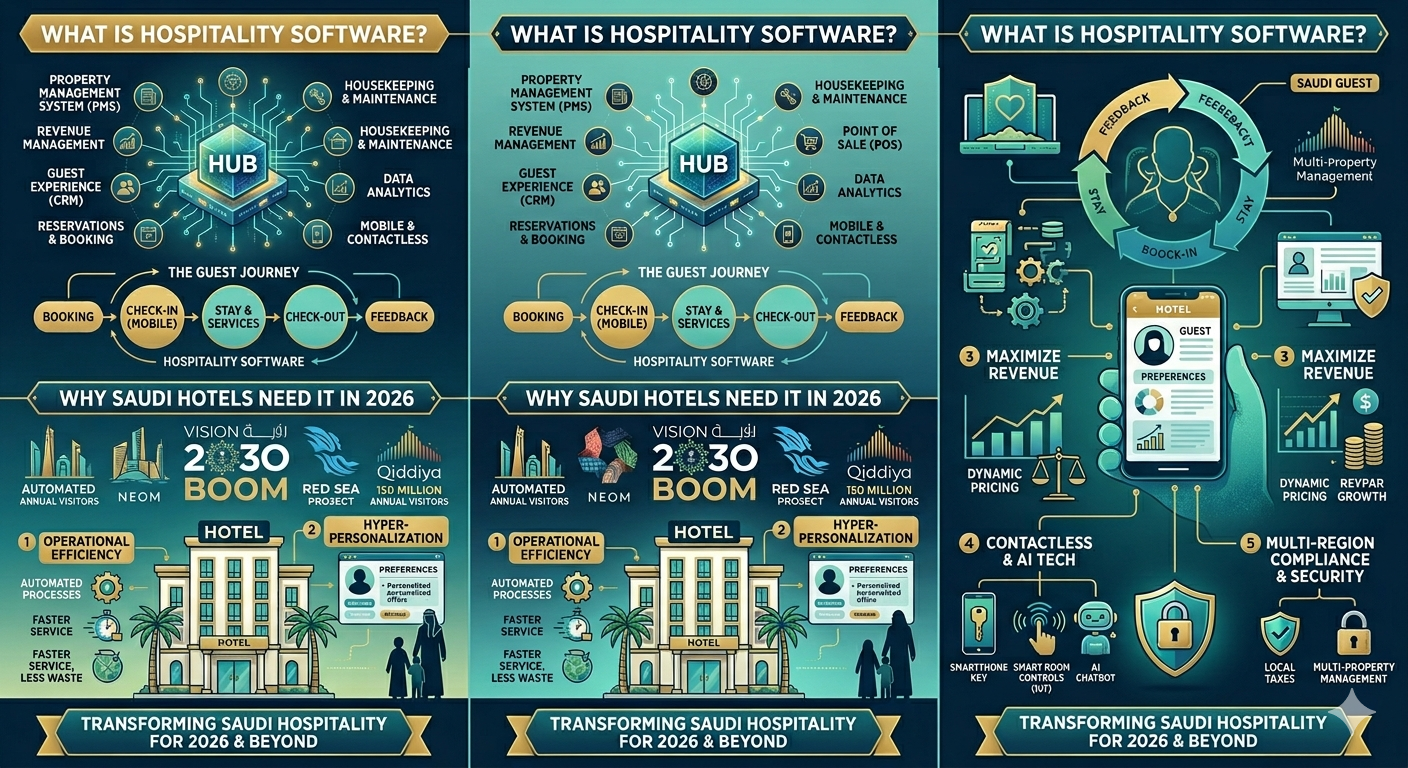
The urgency for AI adoption in Saudi Arabian hotels stems from several converging factors. The Kingdom is witnessing an explosion in new hotel developments, from NEOM's futuristic designs to the Red Sea Project's sustainable luxury, all vying for global recognition and discerning travelers. In this highly competitive landscape, AI offers a distinct edge.
* **Elevating Guest Expectations:** Modern travelers, particularly high-net-worth individuals targeted by Saudi Arabia's tourism initiatives, expect hyper-personalized experiences, seamless digital interactions, and instant gratification. AI is the key enabler for meeting these elevated expectations.
* **Operational Efficiency and Cost Reduction:** The sheer scale of new hospitality projects necessitates optimized operations. AI can automate repetitive tasks, predict maintenance needs, manage energy consumption, and streamline staff workflows, leading to significant cost savings and improved productivity.
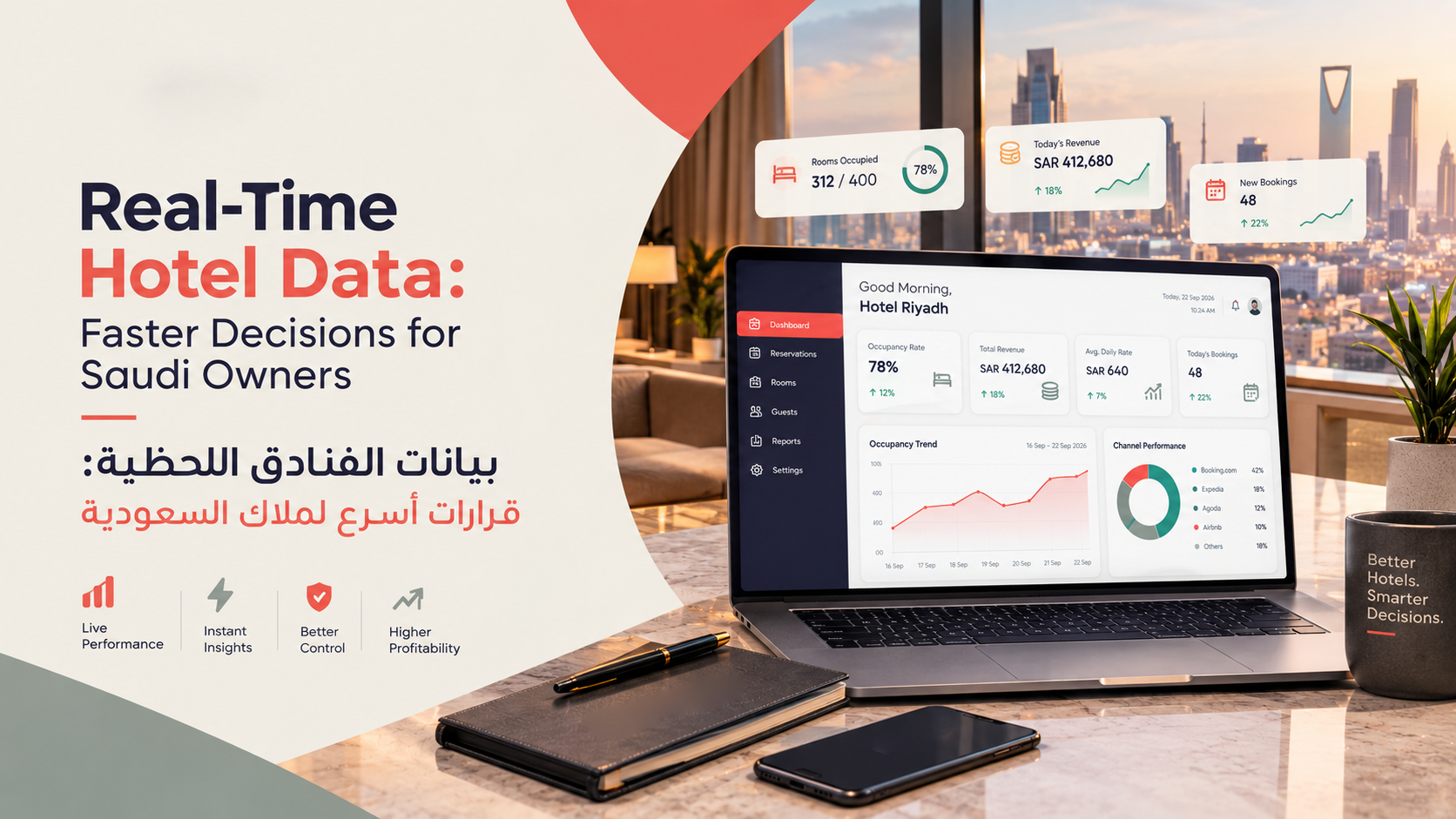
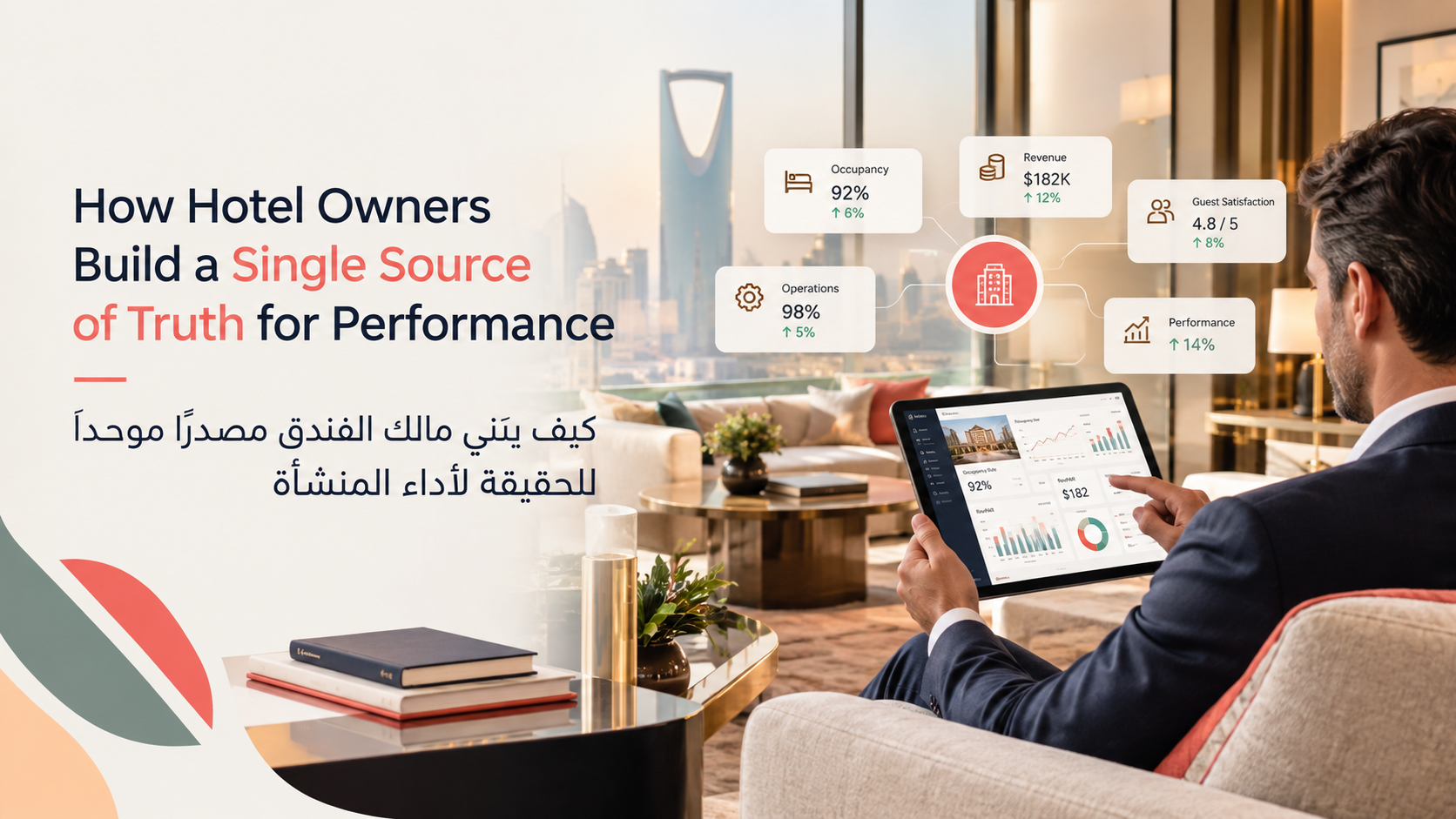
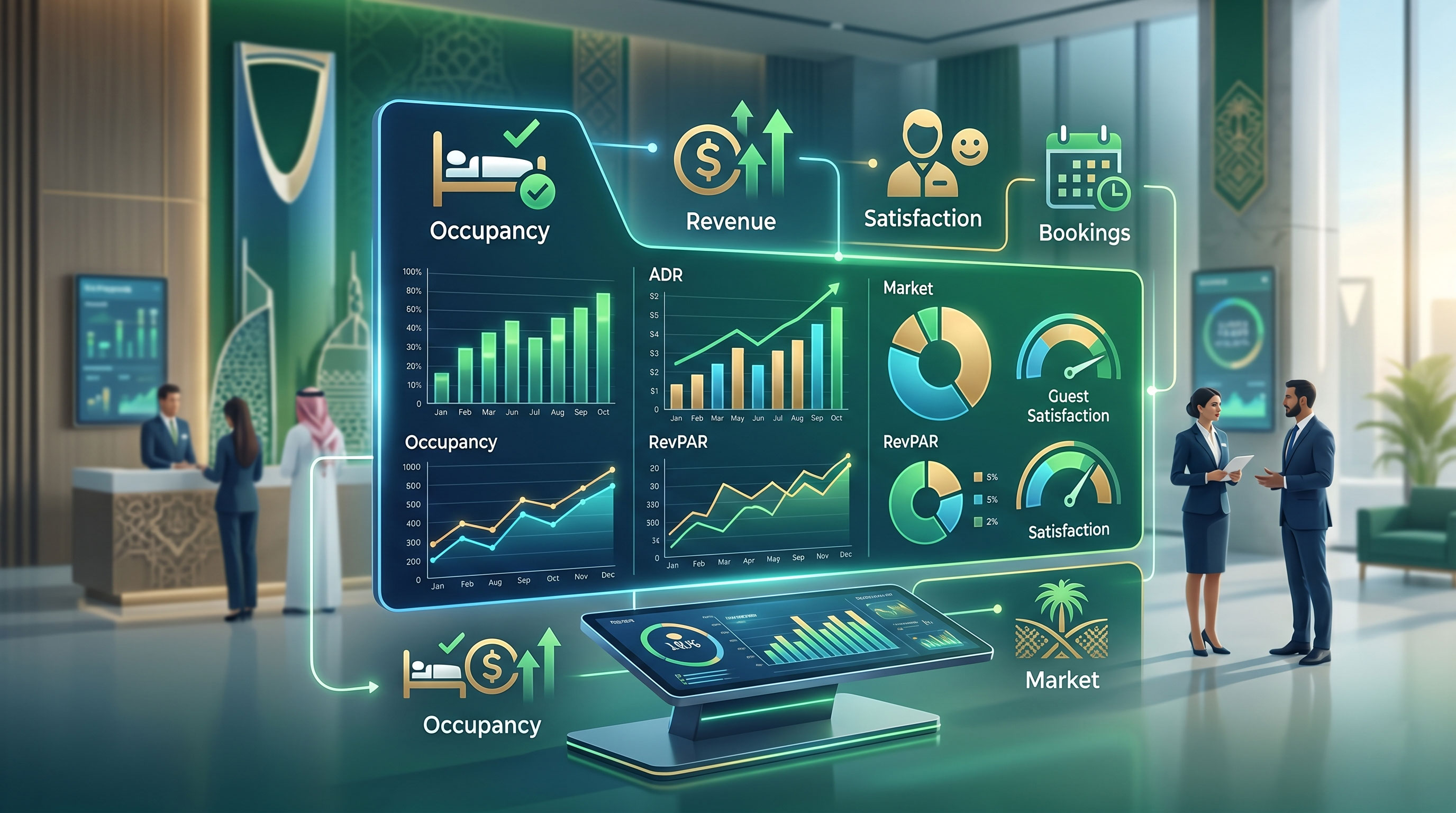
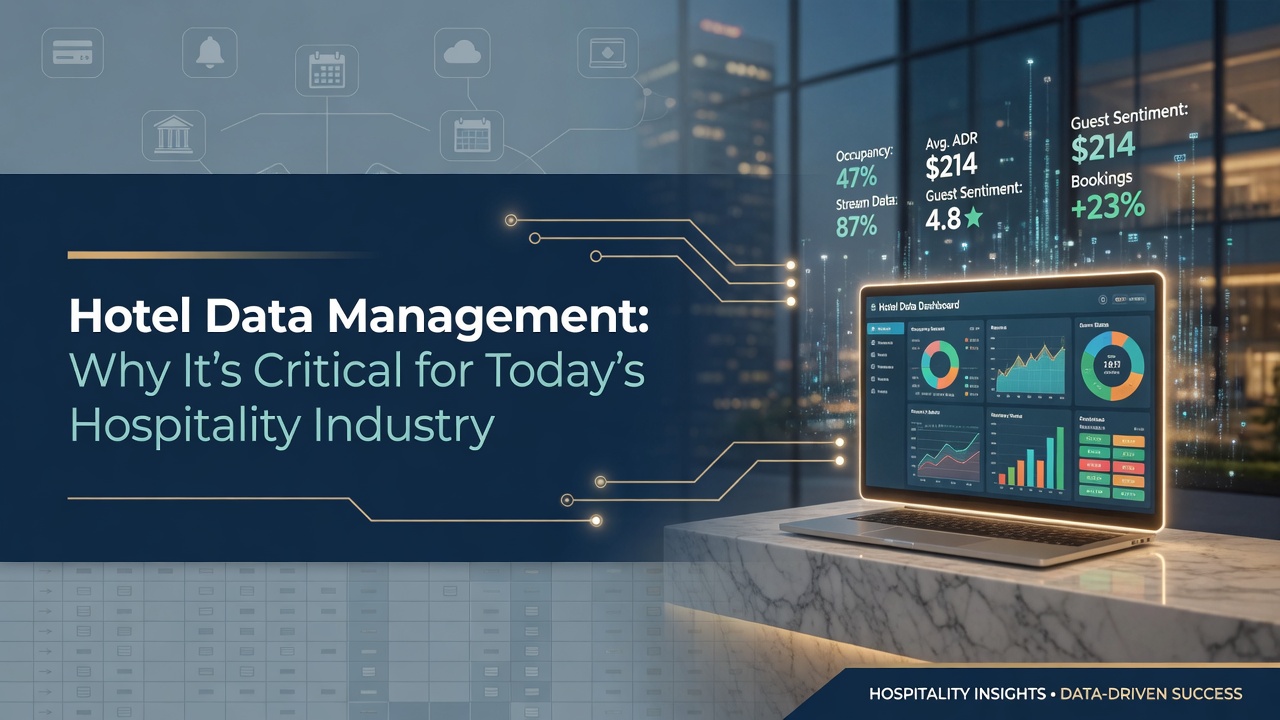
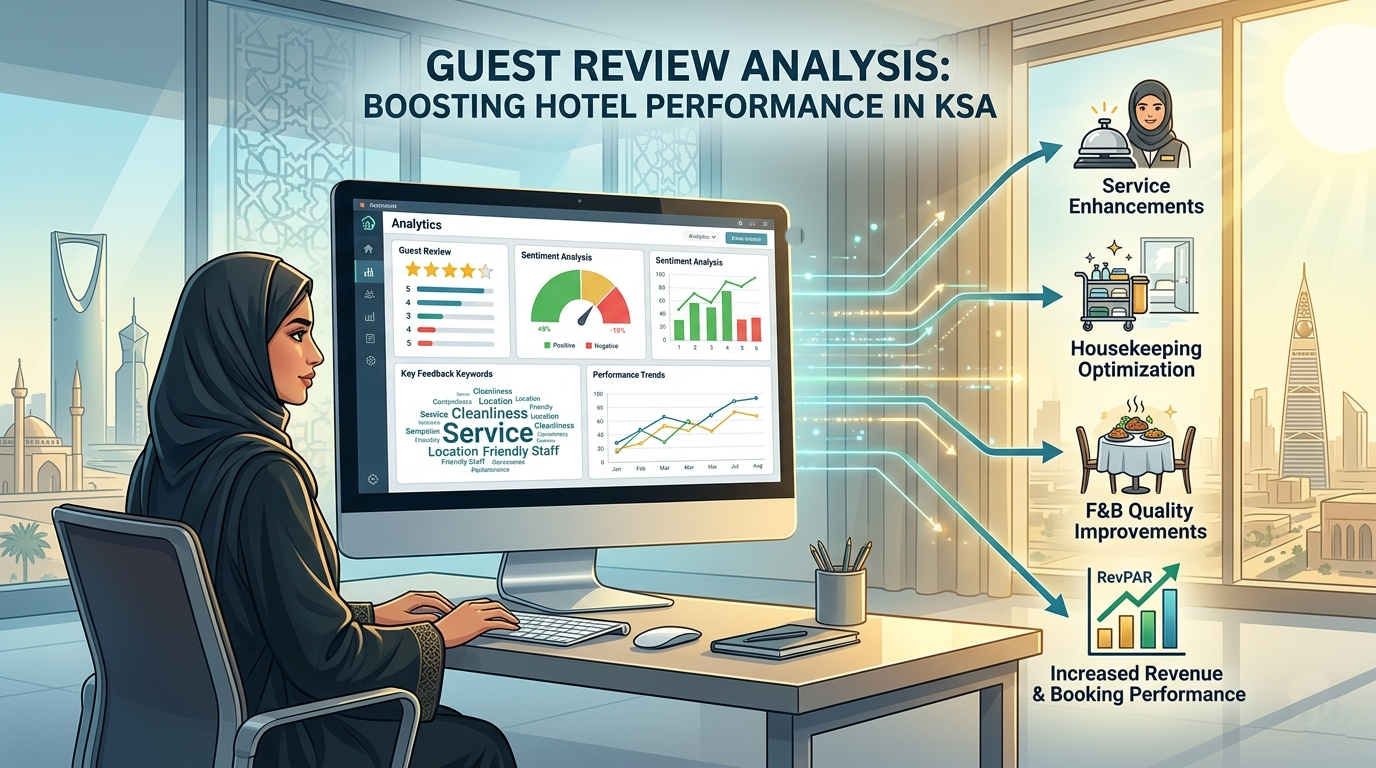
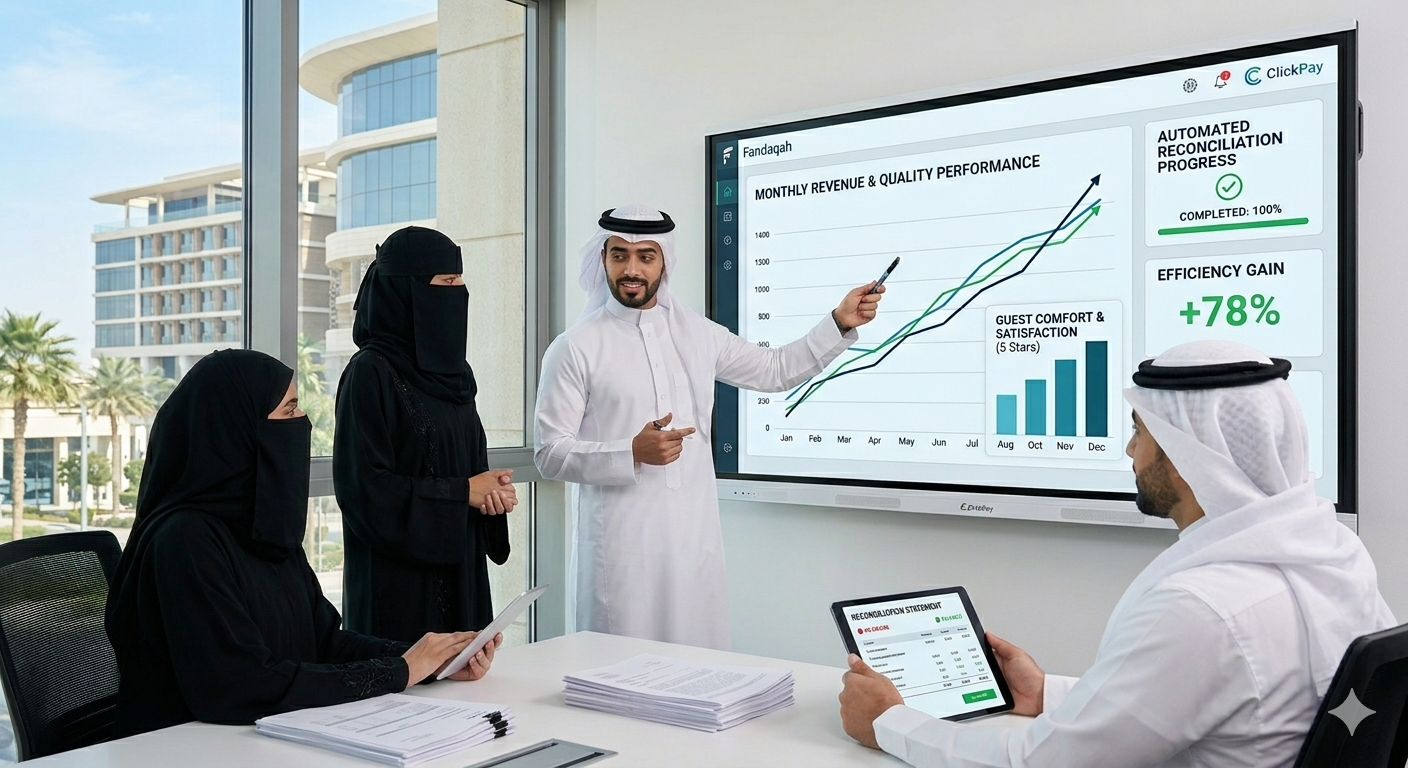
* **Data-Driven Decision Making:** Saudi hotels are generating vast amounts of data – from booking patterns and guest preferences to operational metrics. AI provides the tools to analyze this data, extract actionable insights, and inform strategic decisions related to pricing, marketing, and service development.
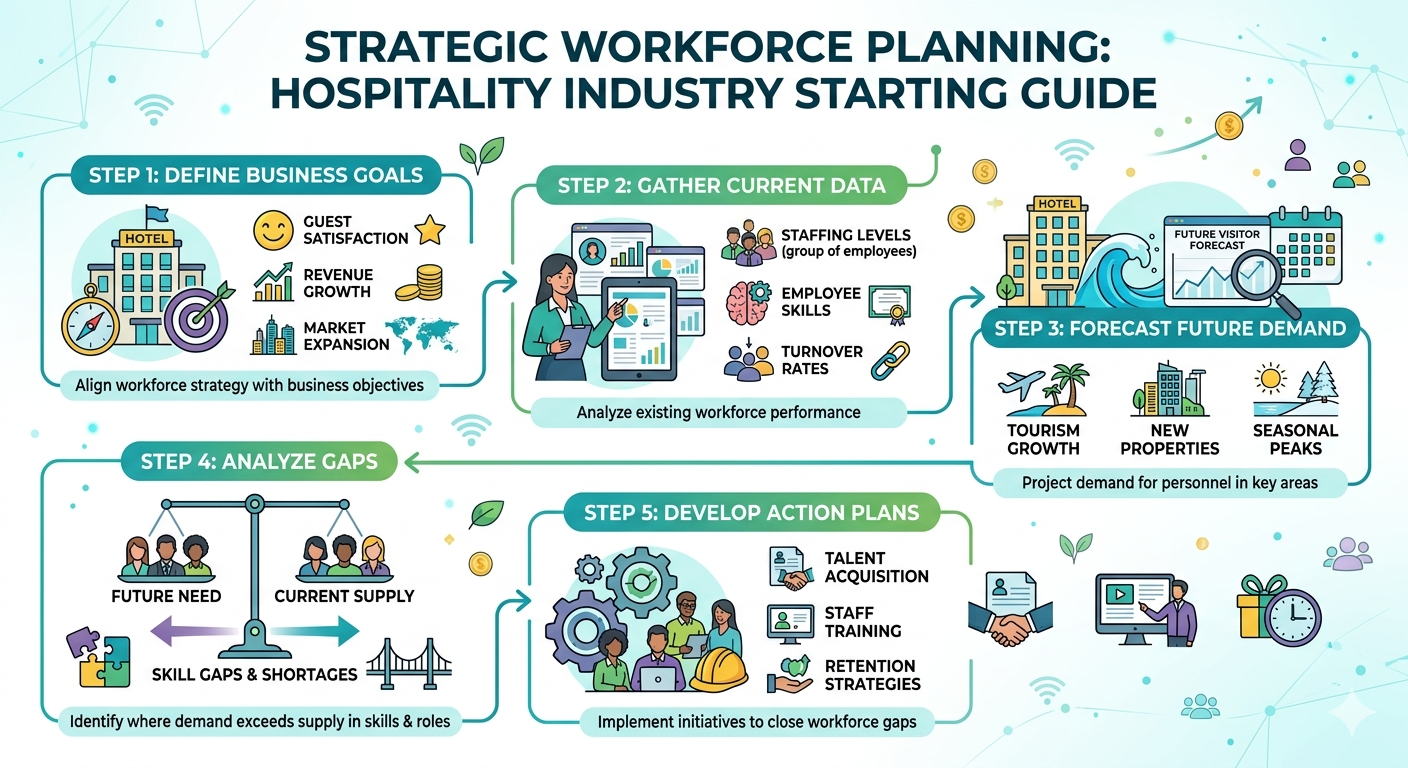
* **Addressing Labor Market Dynamics:** While Saudi Arabia is investing heavily in local talent development, AI can augment human capabilities, address potential skill gaps, and allow staff to focus on high-value, human-centric tasks that enhance the guest experience.
AI in Action: Key Applications Transforming Hotel Operations
By 2026, AI's footprint in Saudi Arabian hotel management will be pervasive, touching every aspect of the guest journey and back-of-house operations.
Hyper-Personalization and Enhanced Guest Experience
The core of Saudi Arabia's hospitality vision is unparalleled guest service, and AI is central to achieving this.
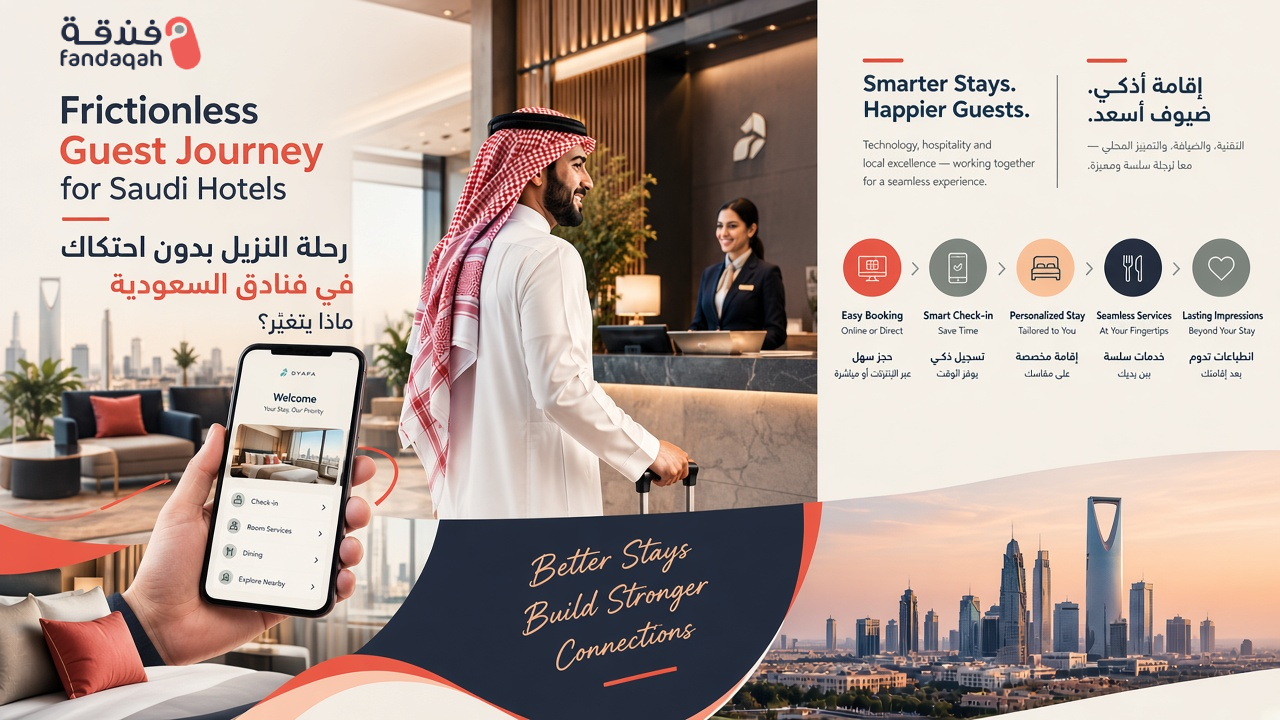
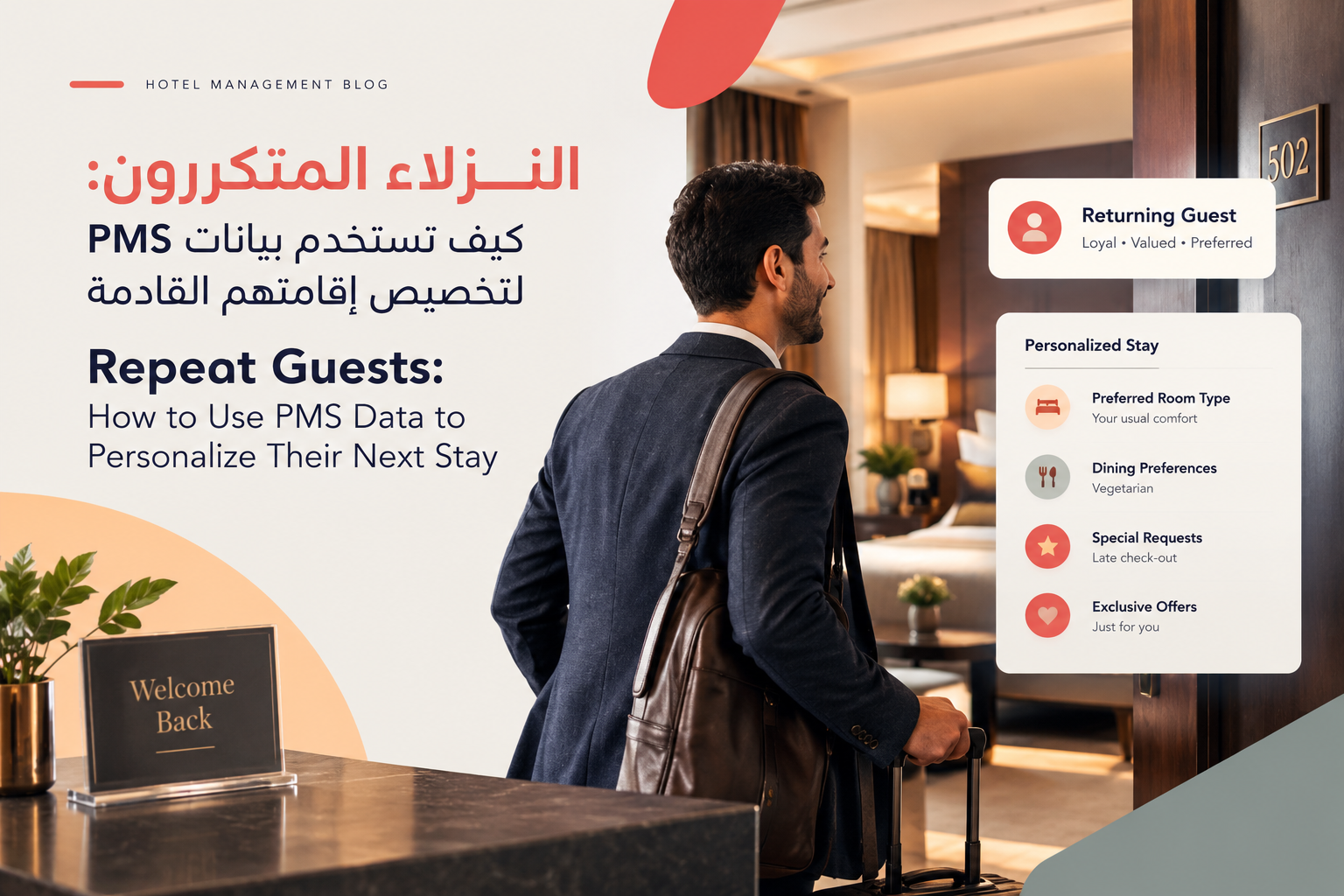
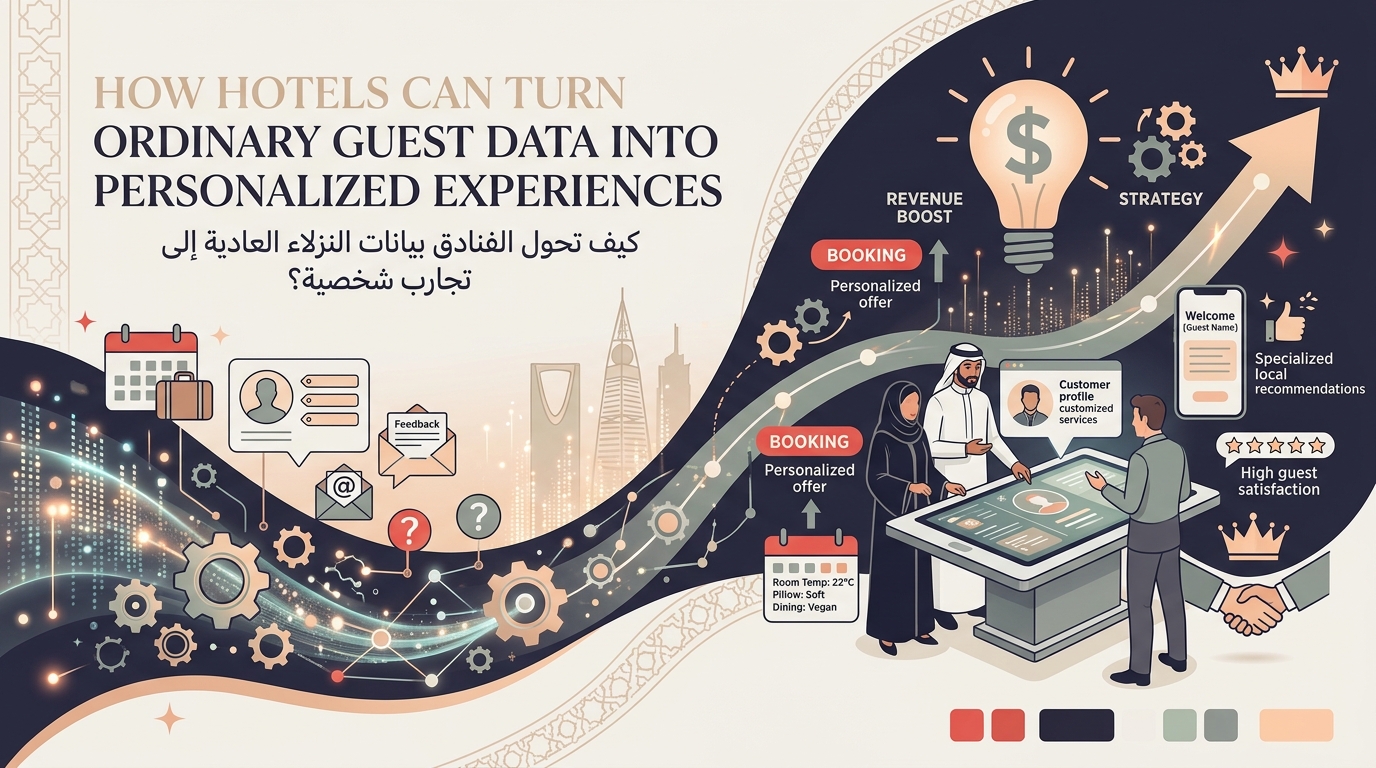
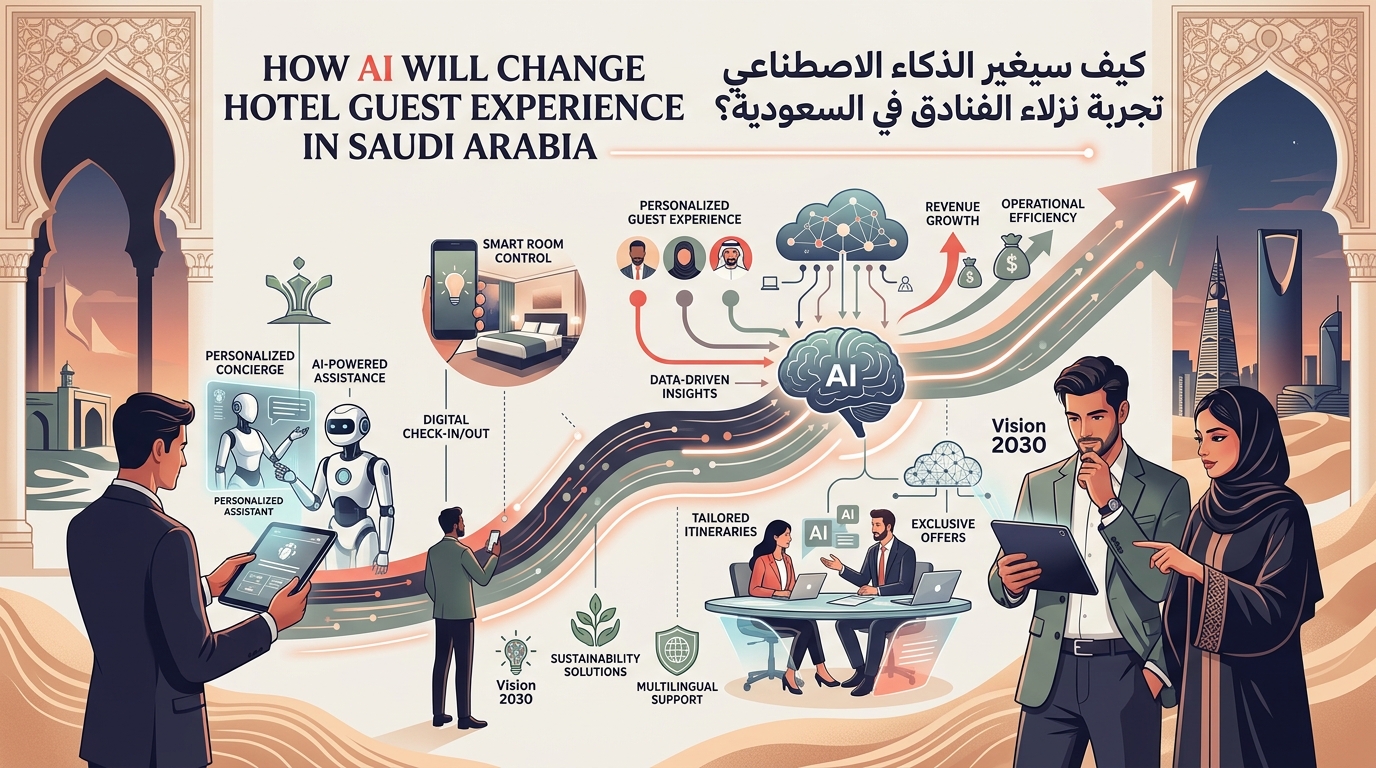
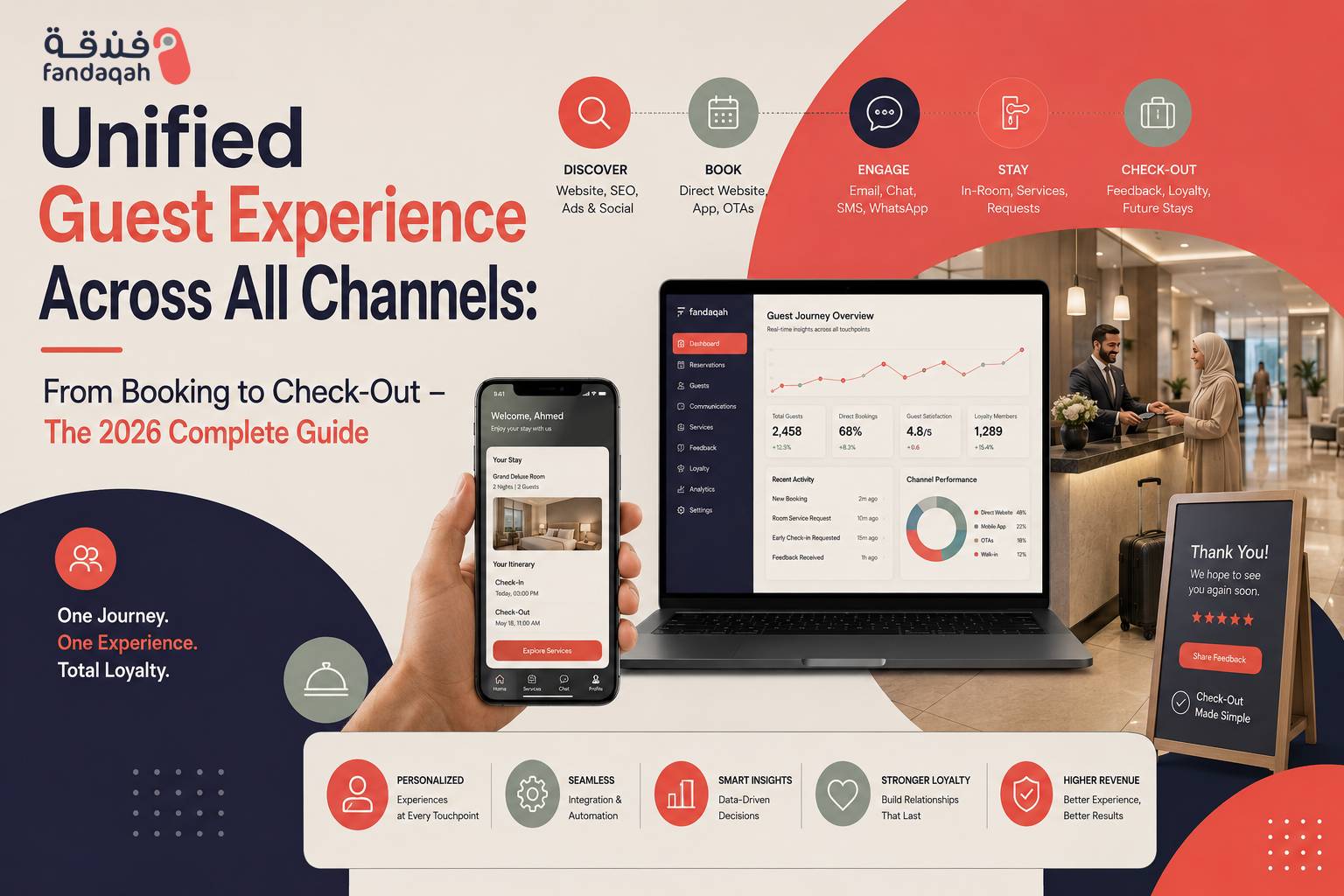
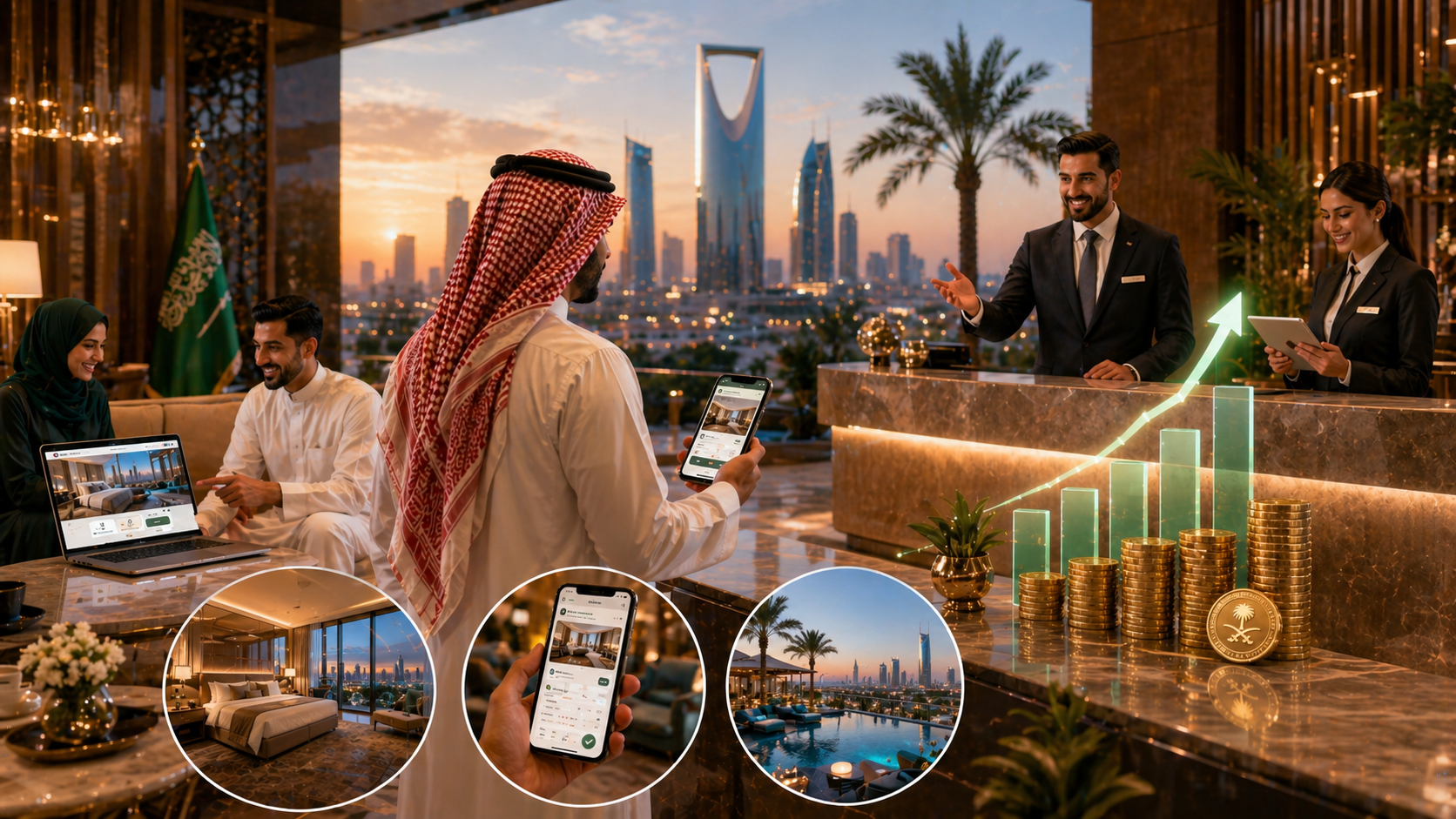
* **Predictive Personalization:** AI algorithms analyze guest profiles, past stays, booking behaviors, and even social media interactions (with consent) to predict preferences. This allows hotels to offer personalized room amenities, tailor dining recommendations, suggest local experiences, and proactively address potential needs before they arise. Imagine a guest who frequently orders gluten-free meals finding relevant options highlighted on their in-room tablet, or a business traveler receiving a personalized itinerary based on their meeting schedule.
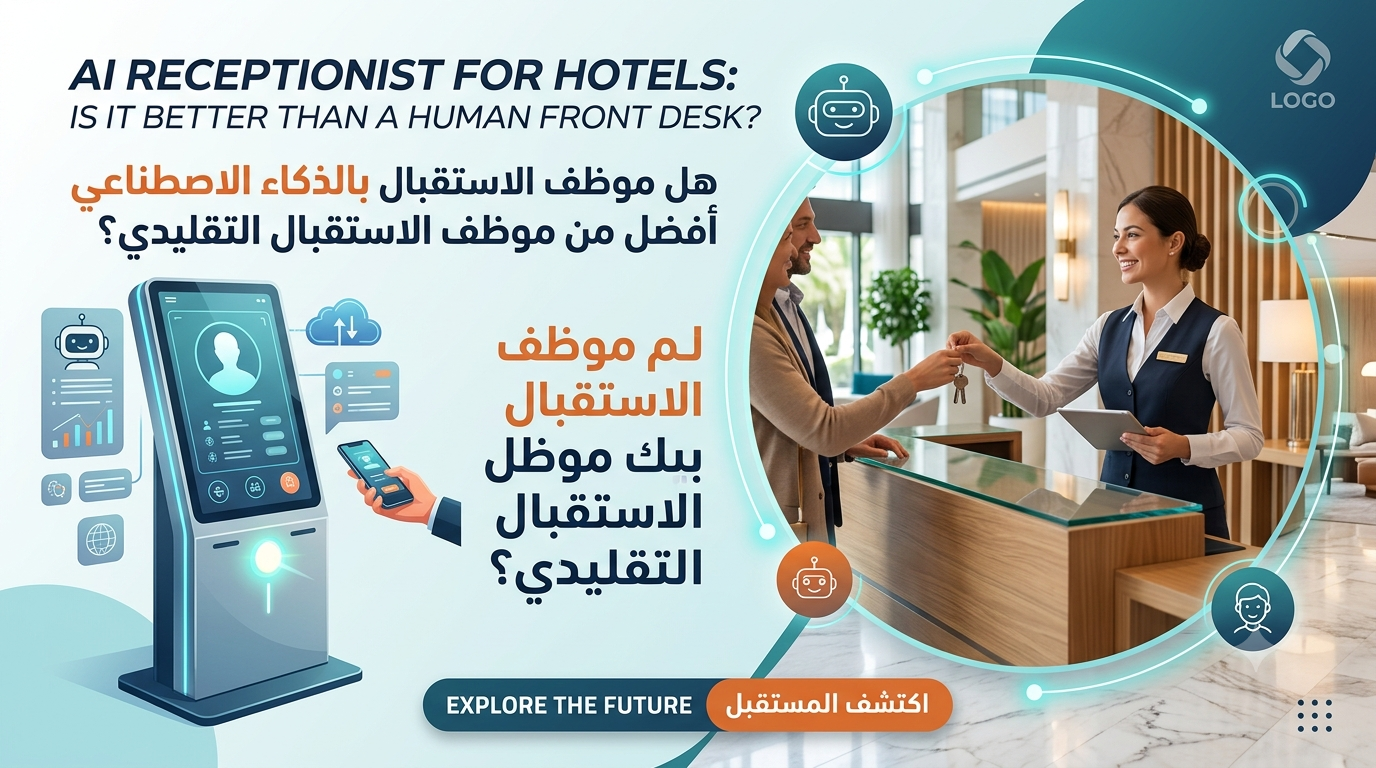
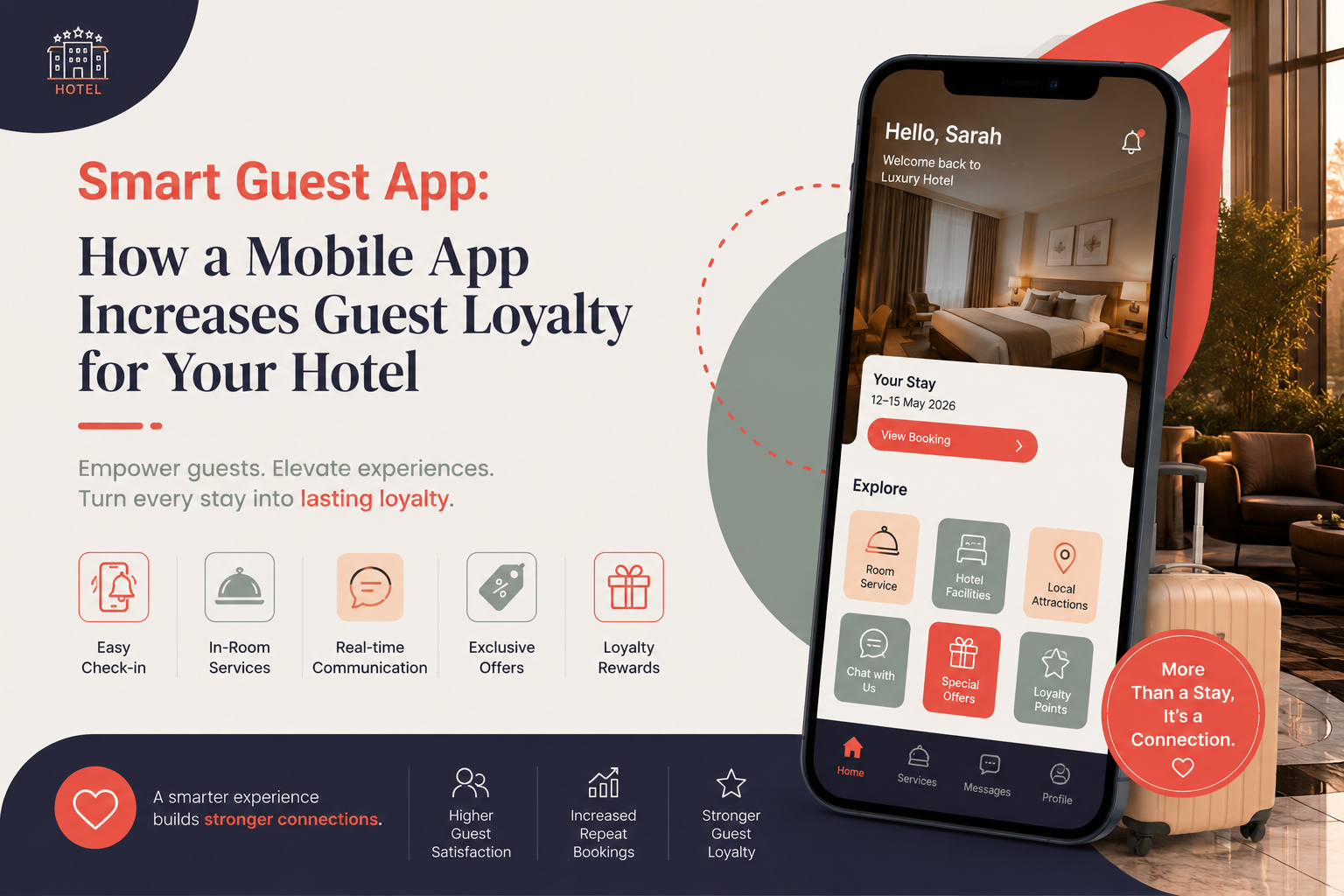
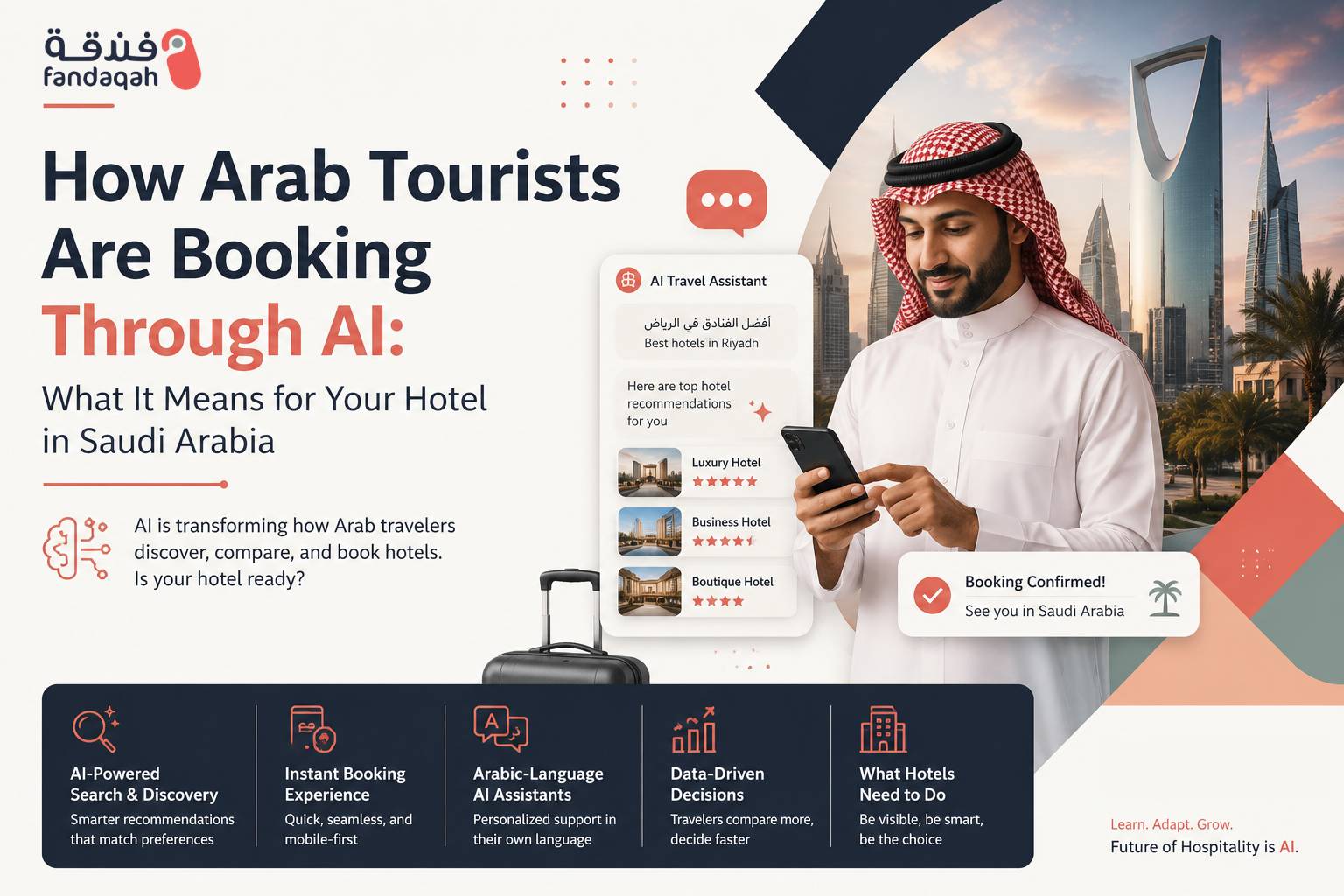
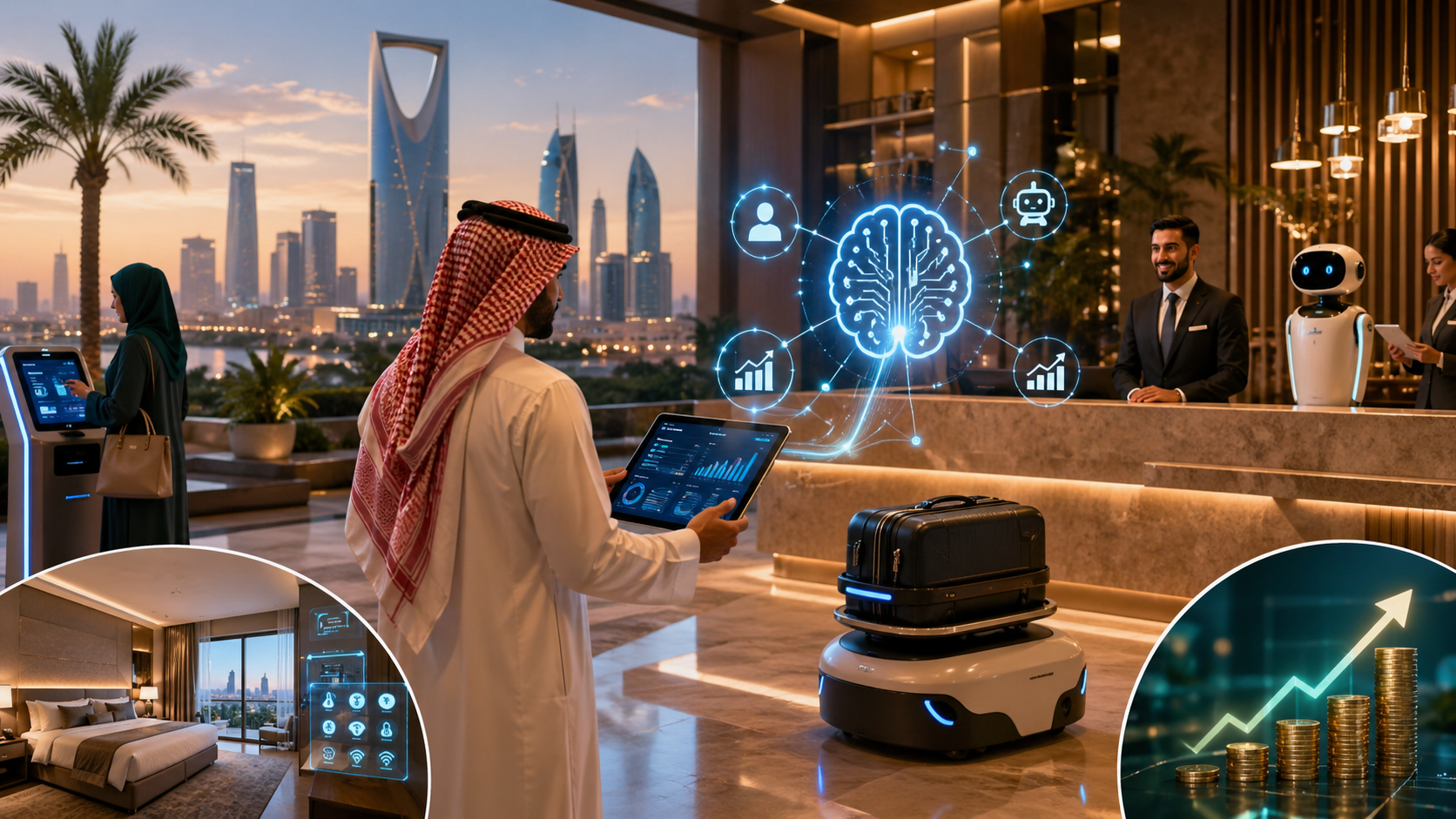
* **AI-Powered Concierge and Chatbots:** From pre-arrival inquiries to in-stay requests and post-departure feedback, AI chatbots and virtual assistants provide instant, 24/7 support. They can handle multilingual requests, book restaurant reservations, provide local directions, order room service, and resolve minor issues, freeing up human staff for more complex interactions.
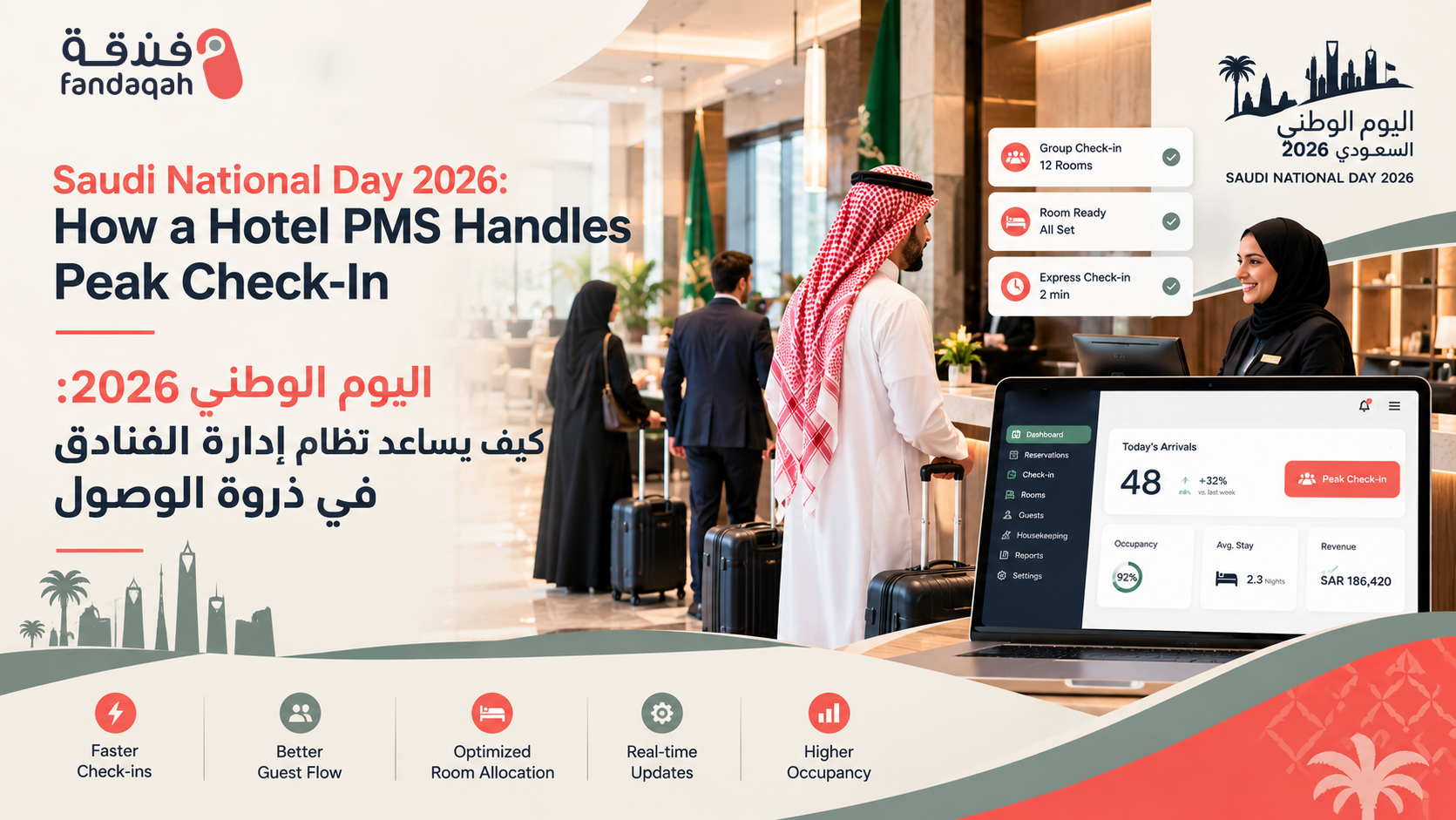
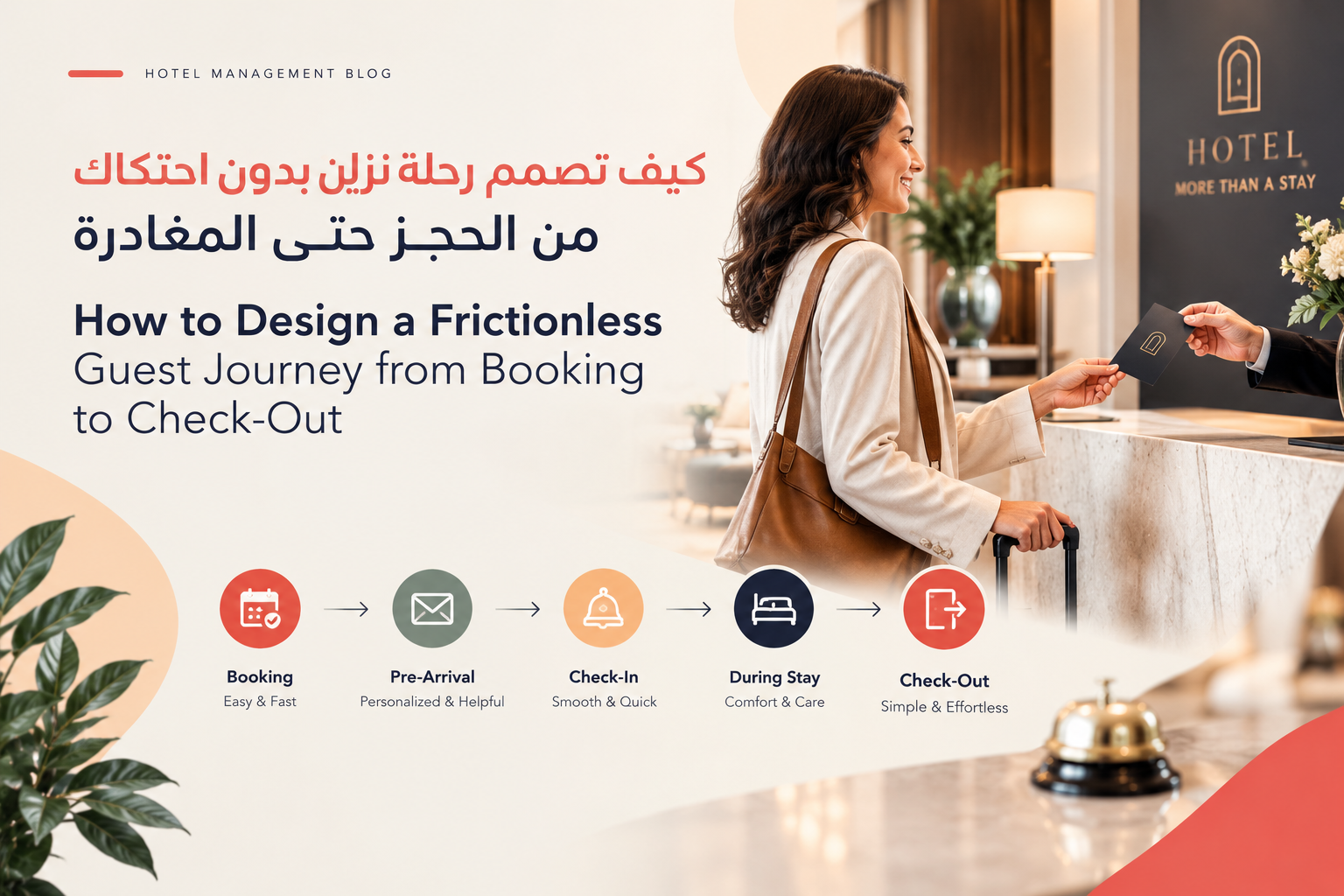
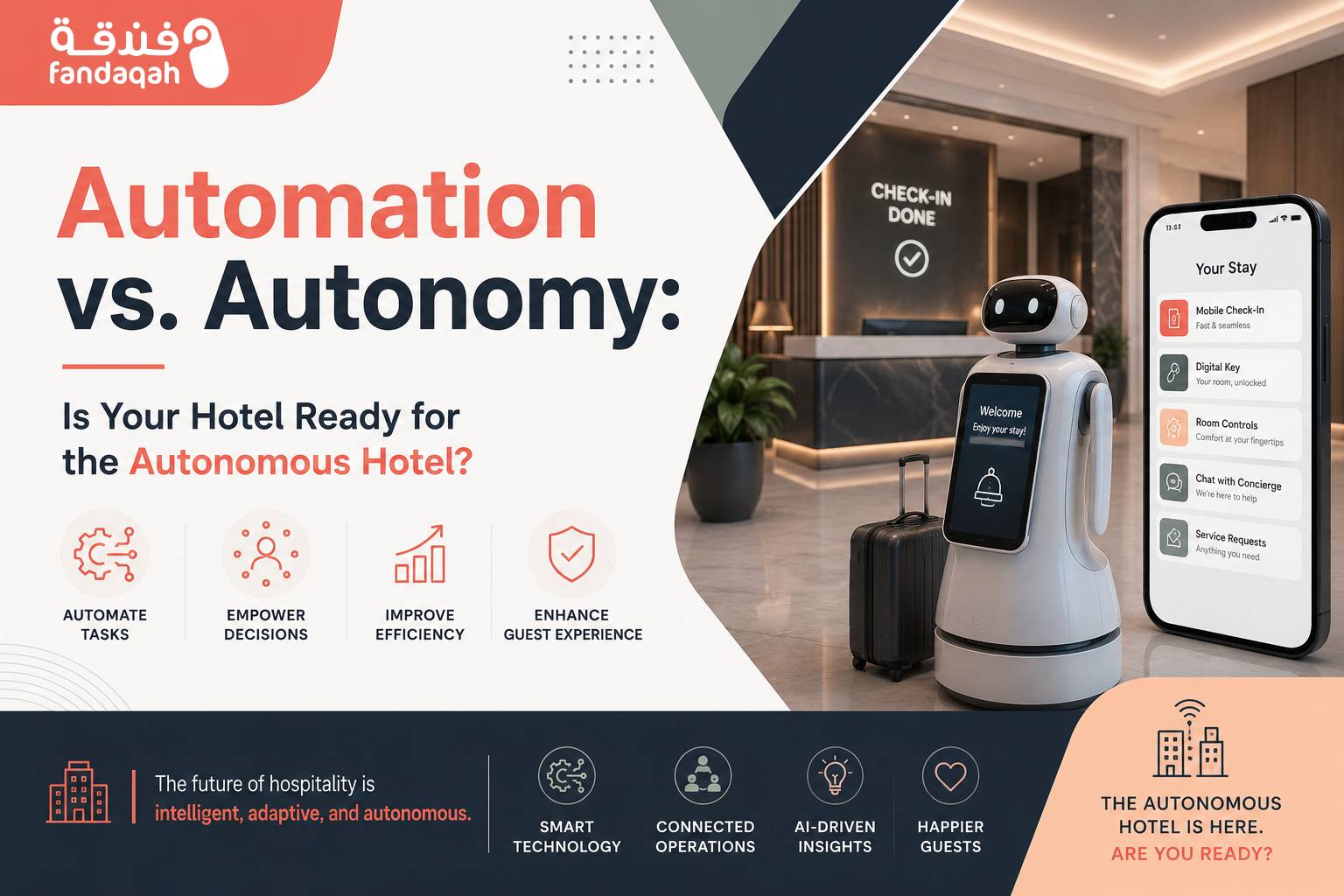
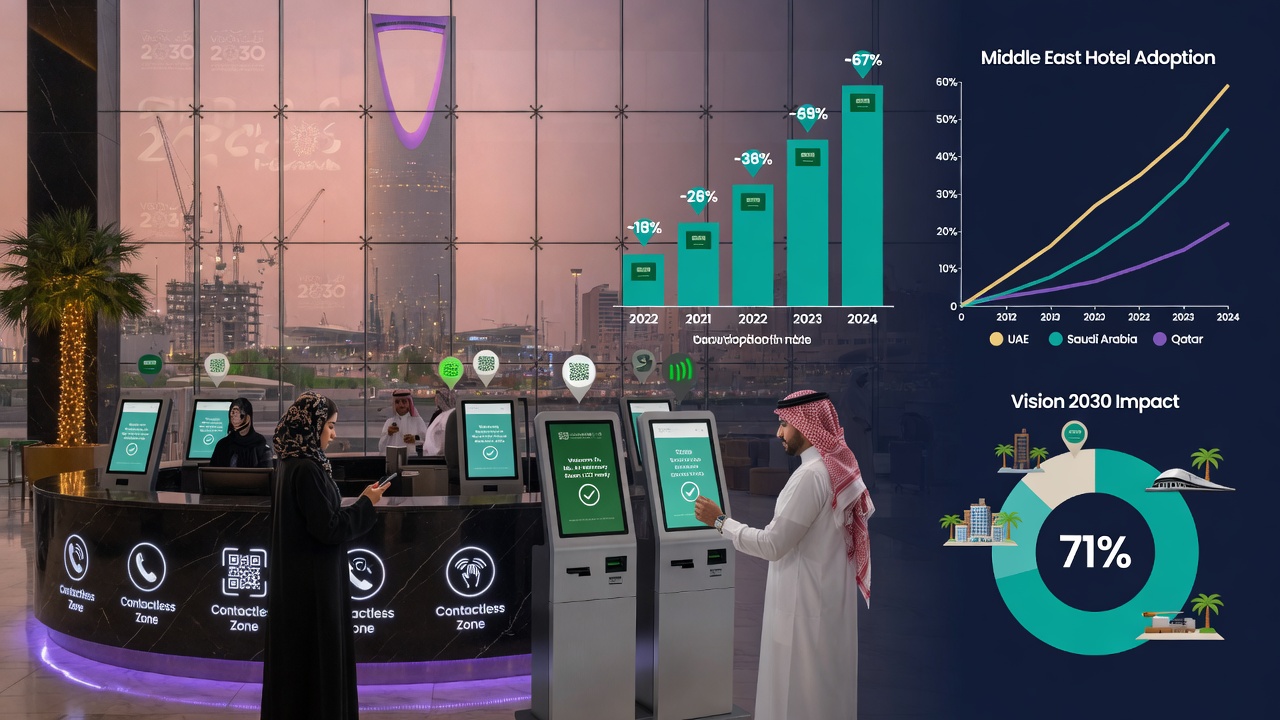
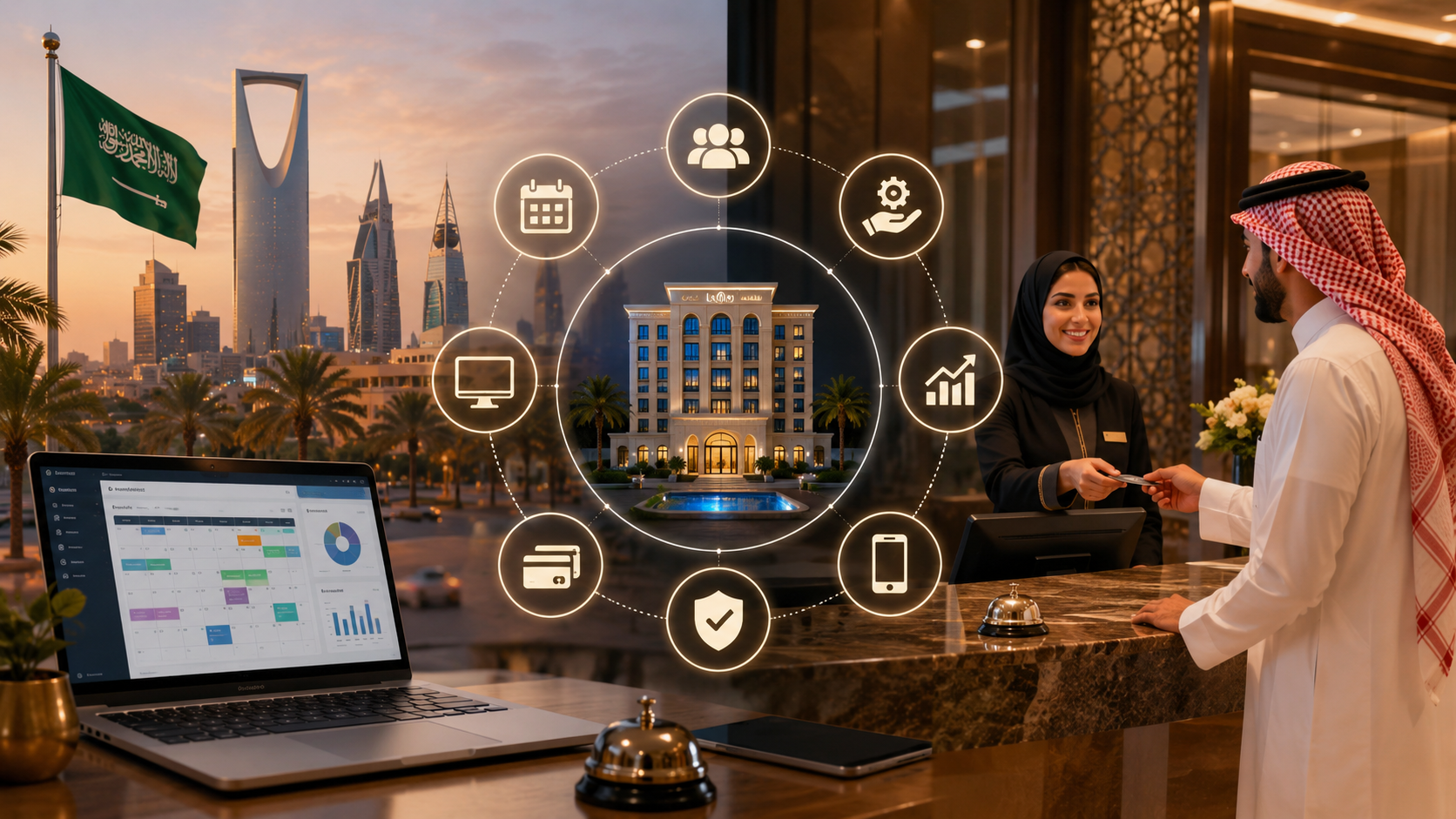
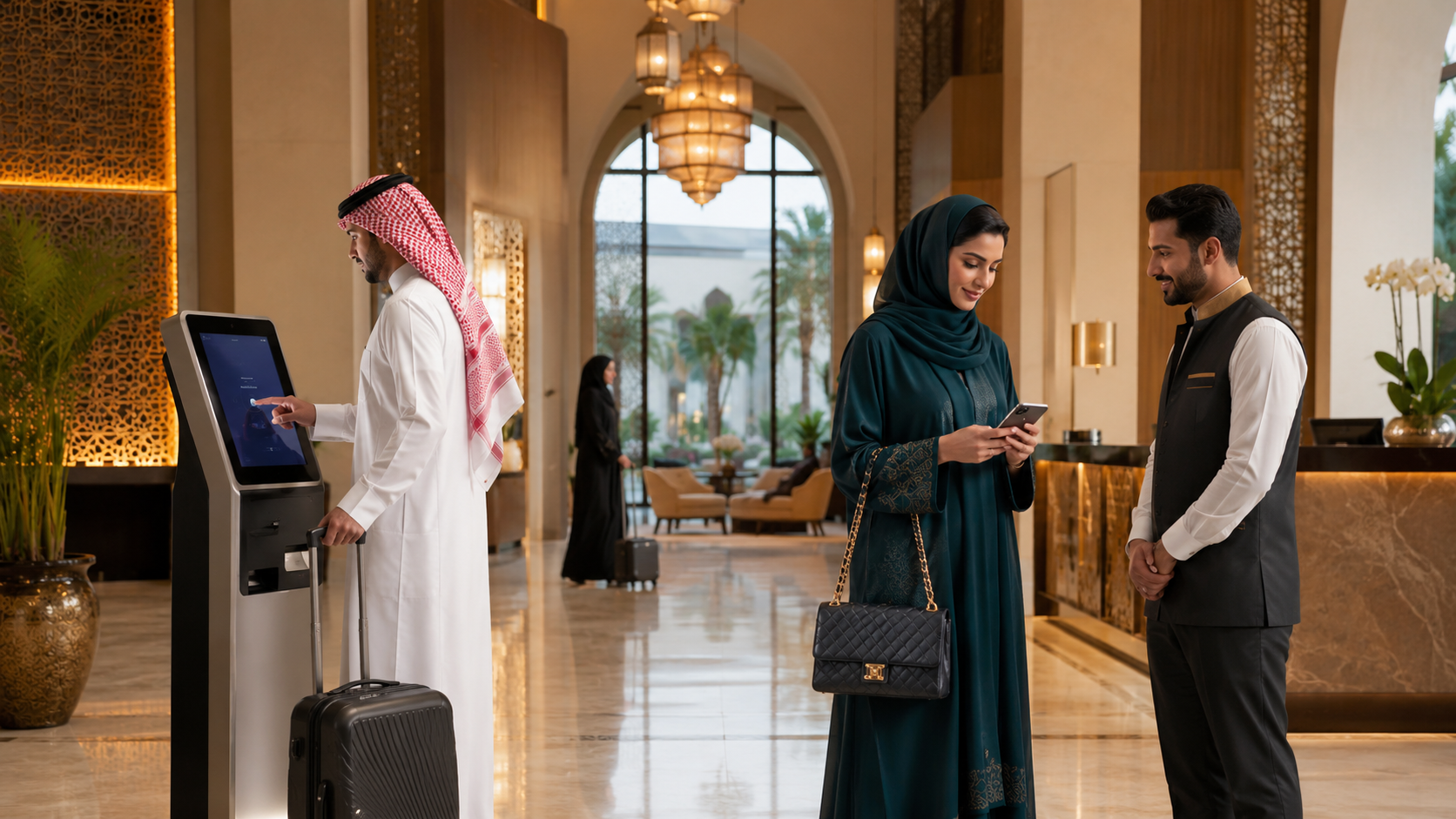
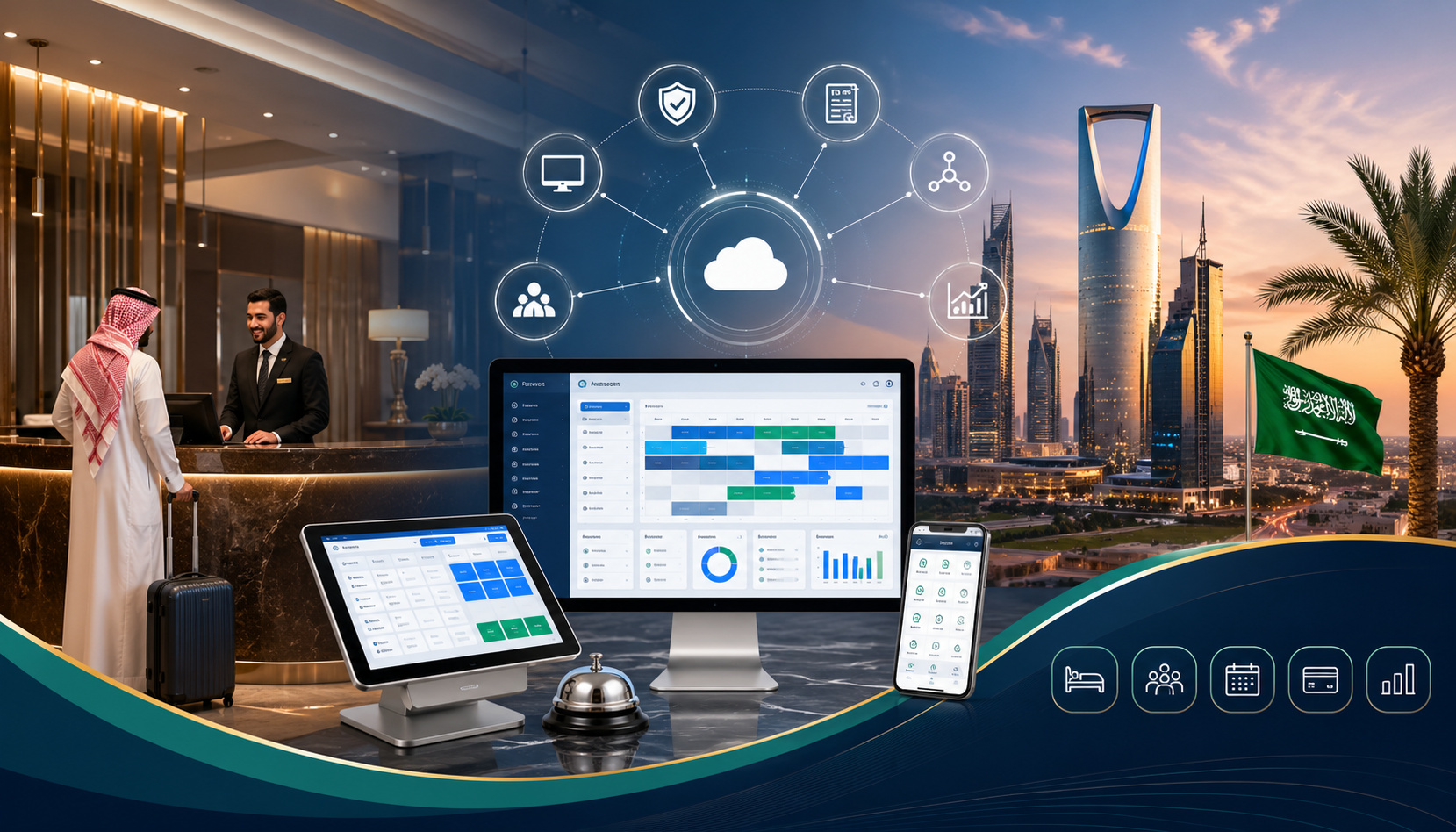
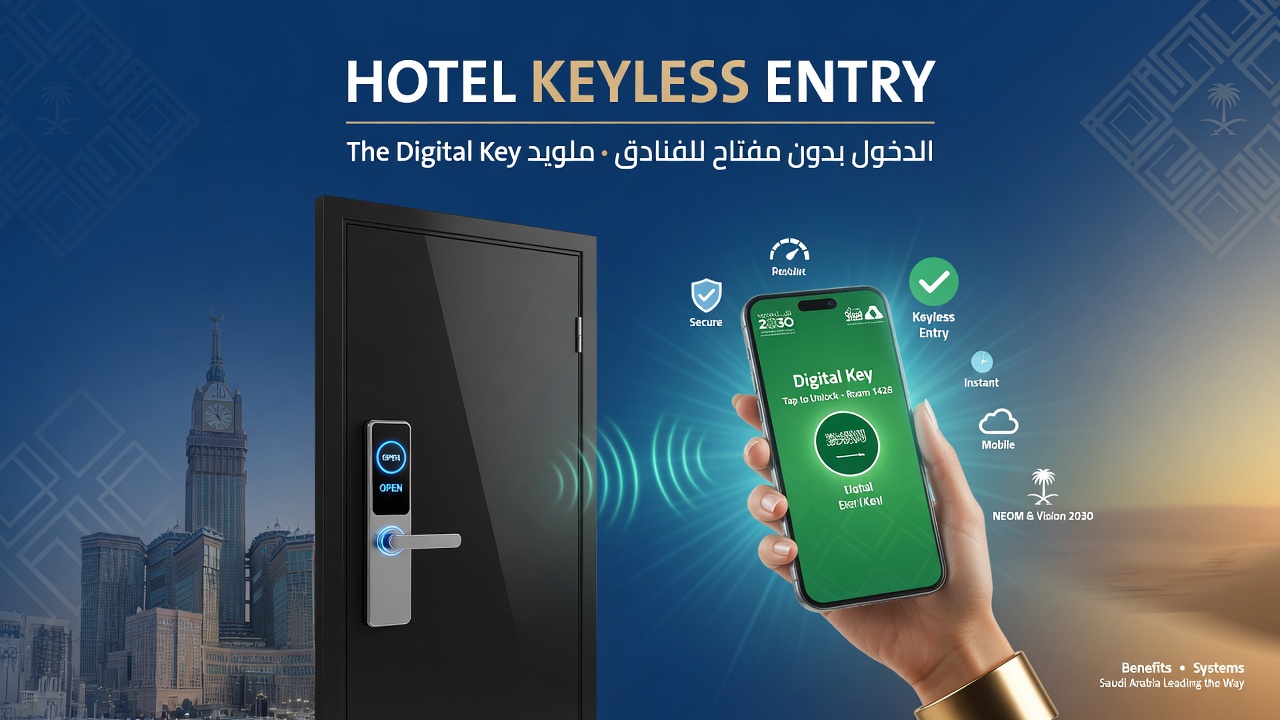
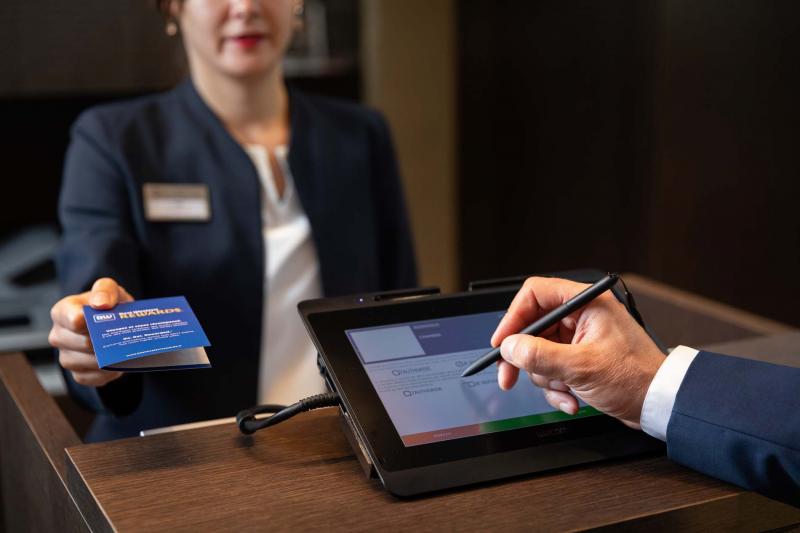
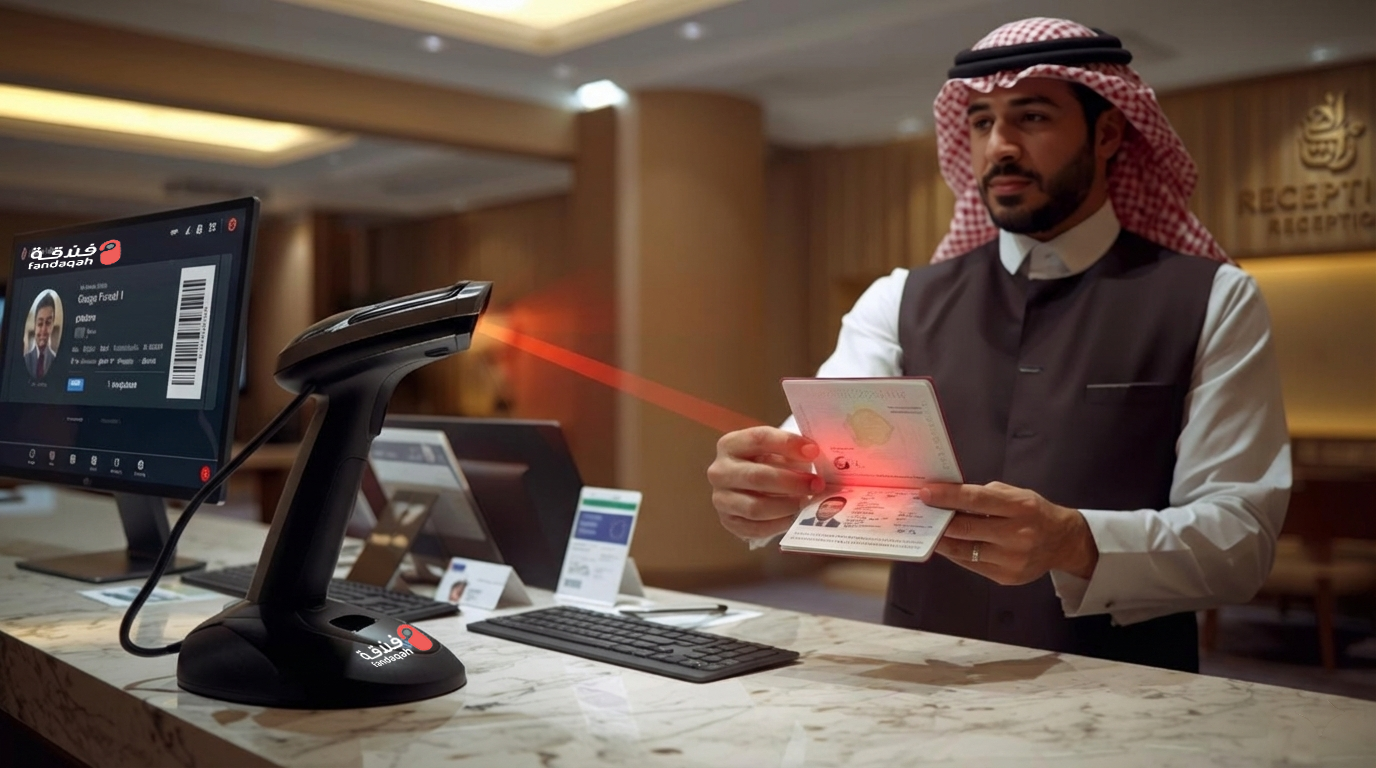
* **Biometric and Contactless Experiences:** Facial recognition for seamless check-in/check-out, keyless room entry via smartphone, and voice-activated controls for in-room features are becoming standard. These AI-driven solutions enhance convenience, reduce wait times, and align with modern hygiene expectations.
Optimizing Revenue Management and Pricing Strategies
Maximizing revenue in a dynamic market is crucial, and AI offers sophisticated tools beyond traditional revenue management systems.
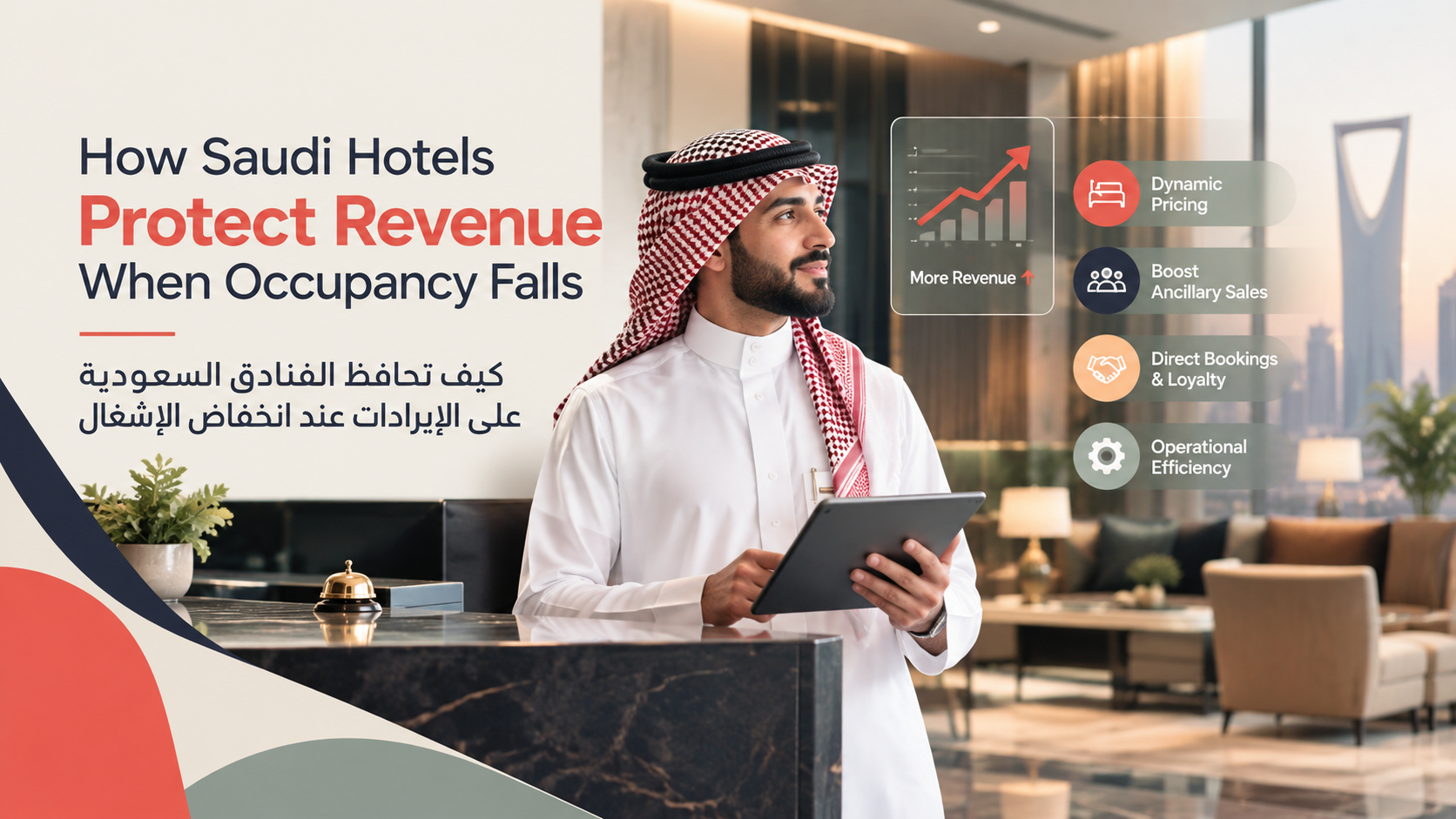
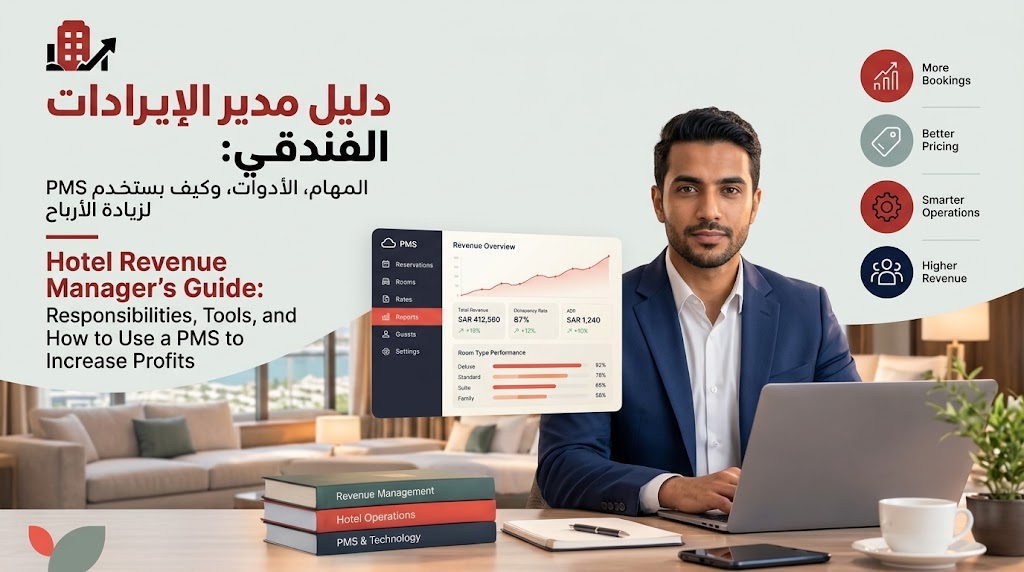
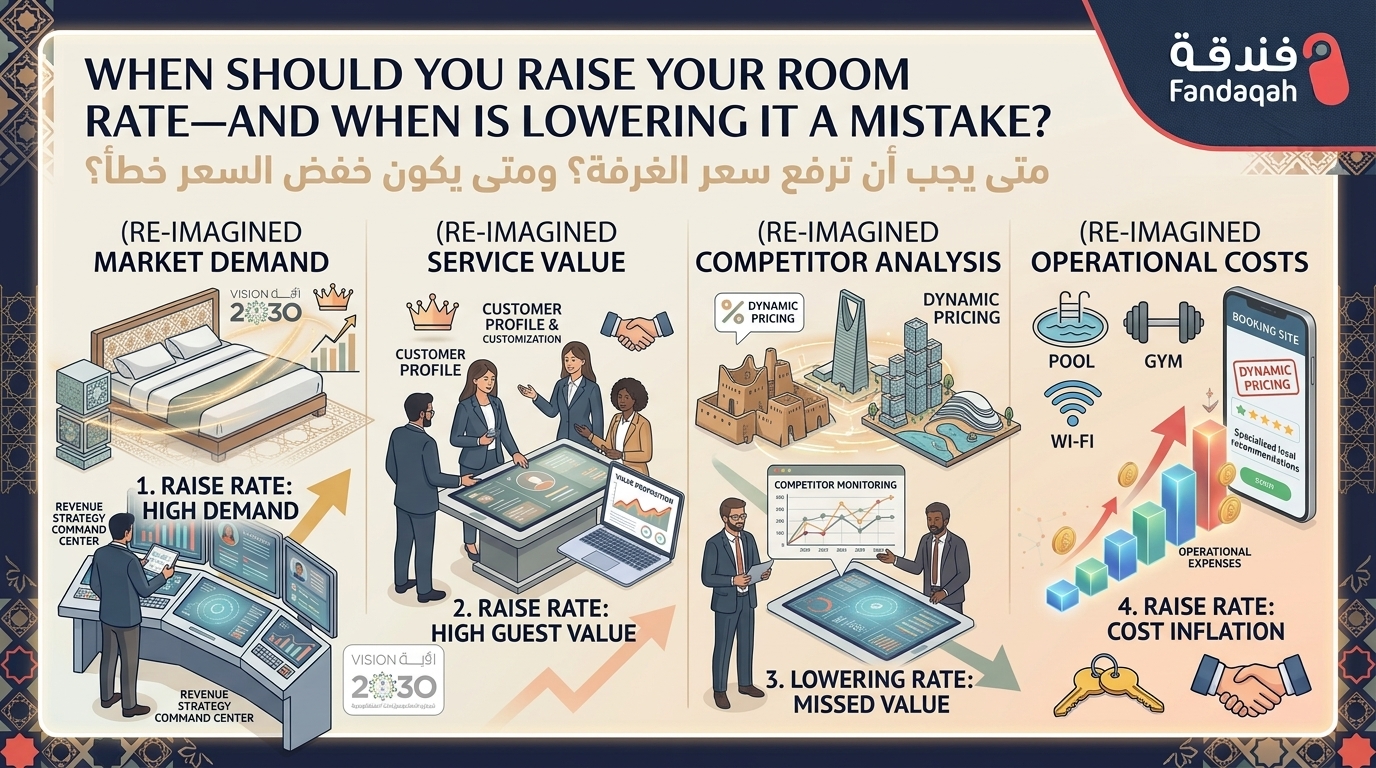
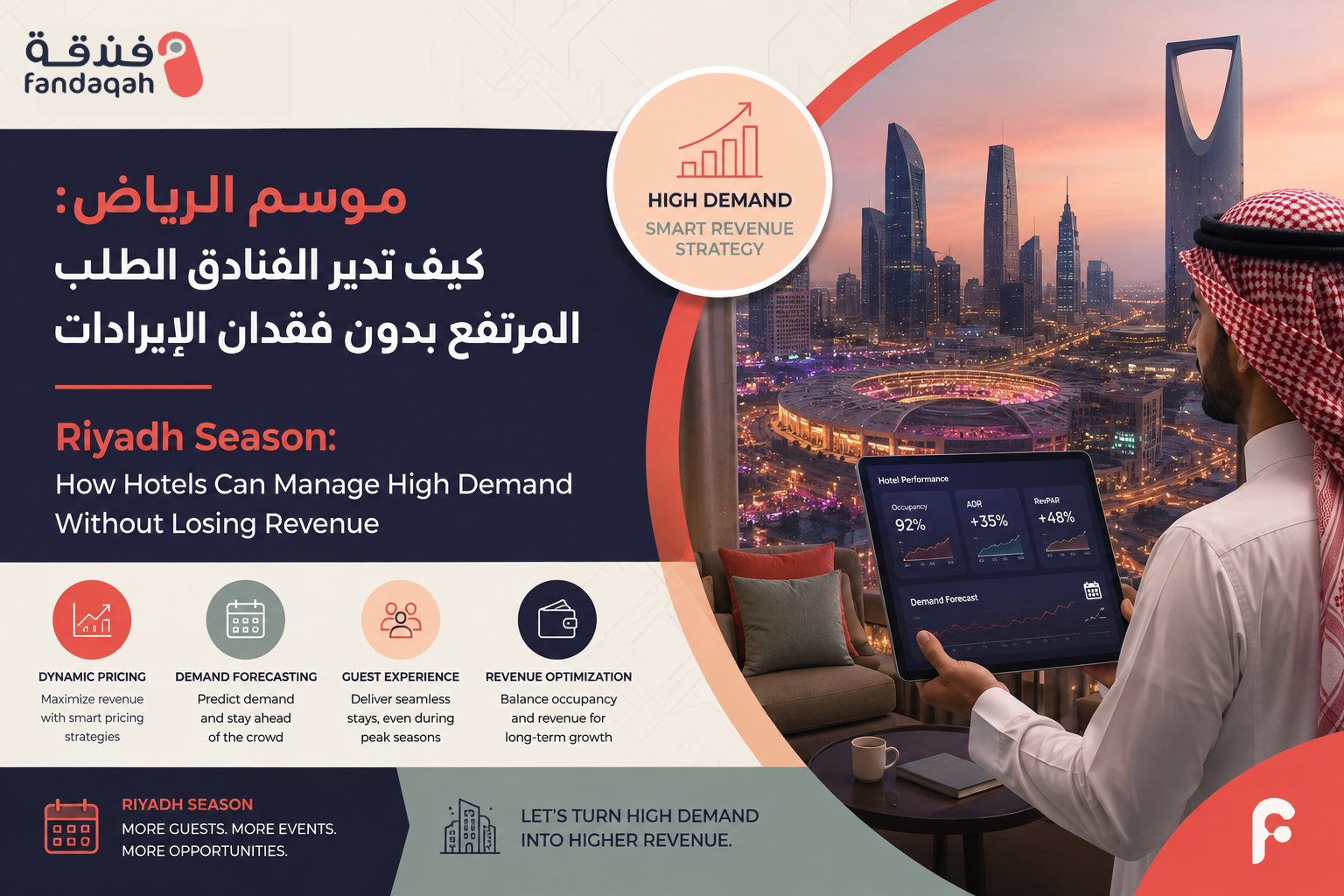
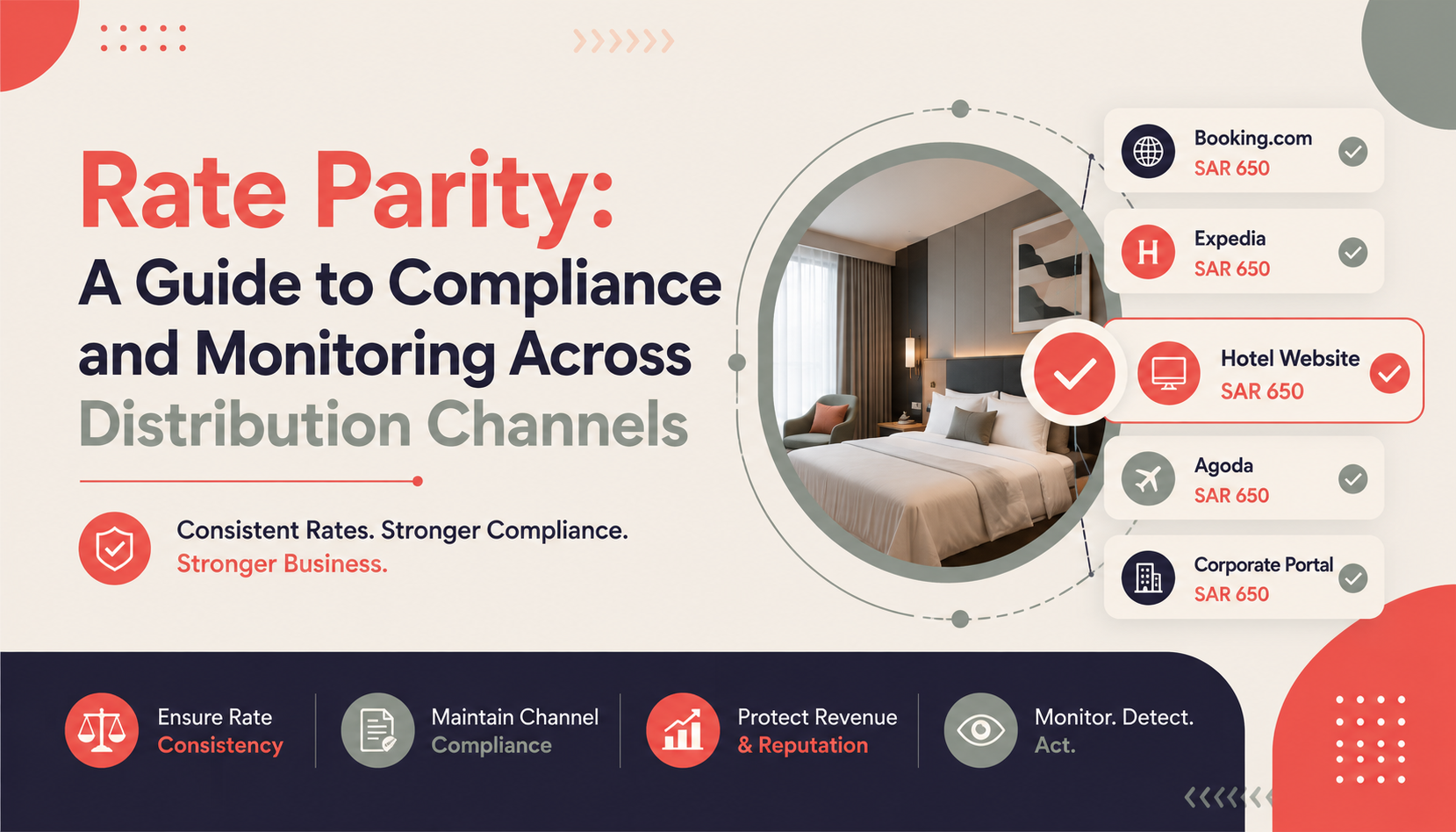
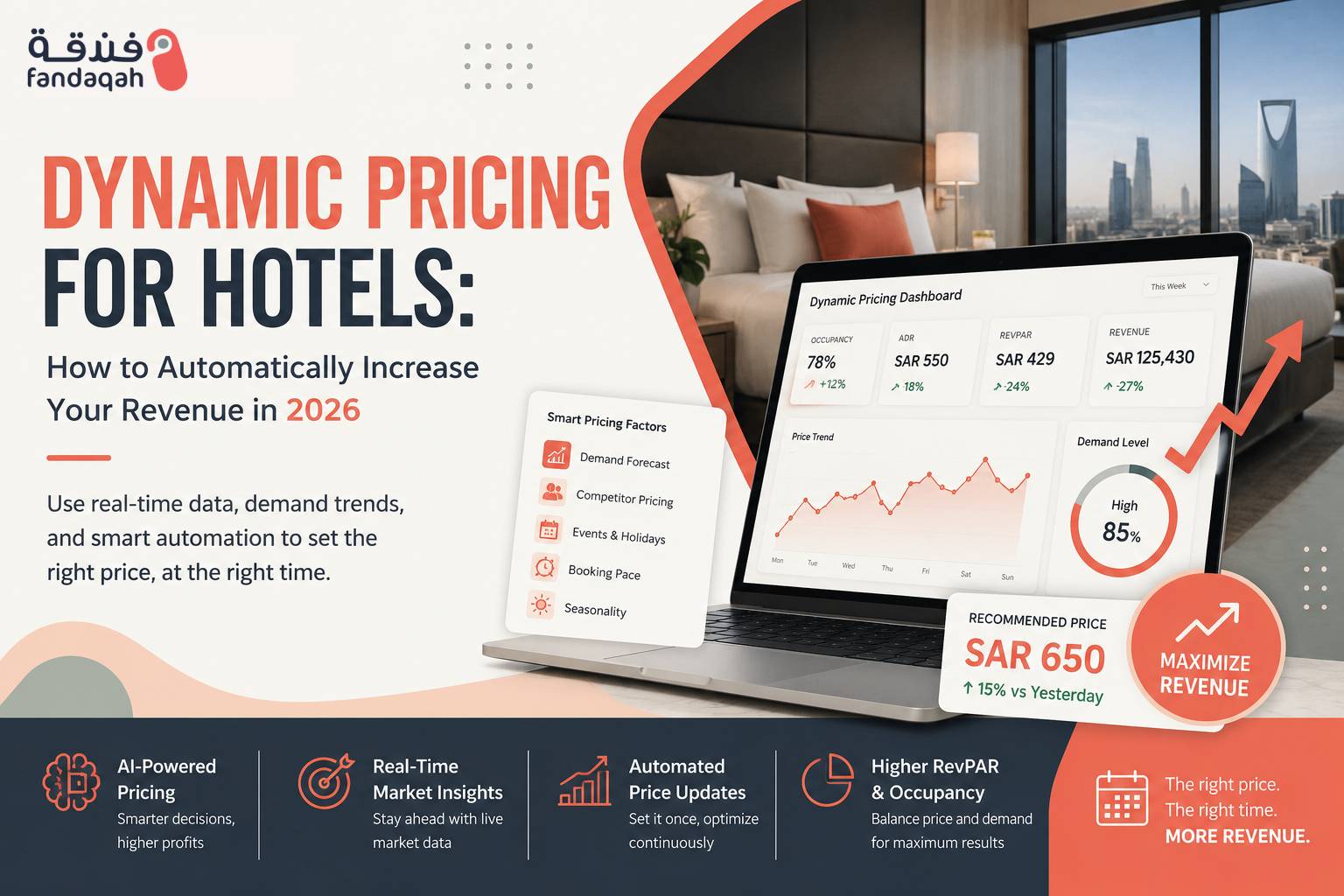
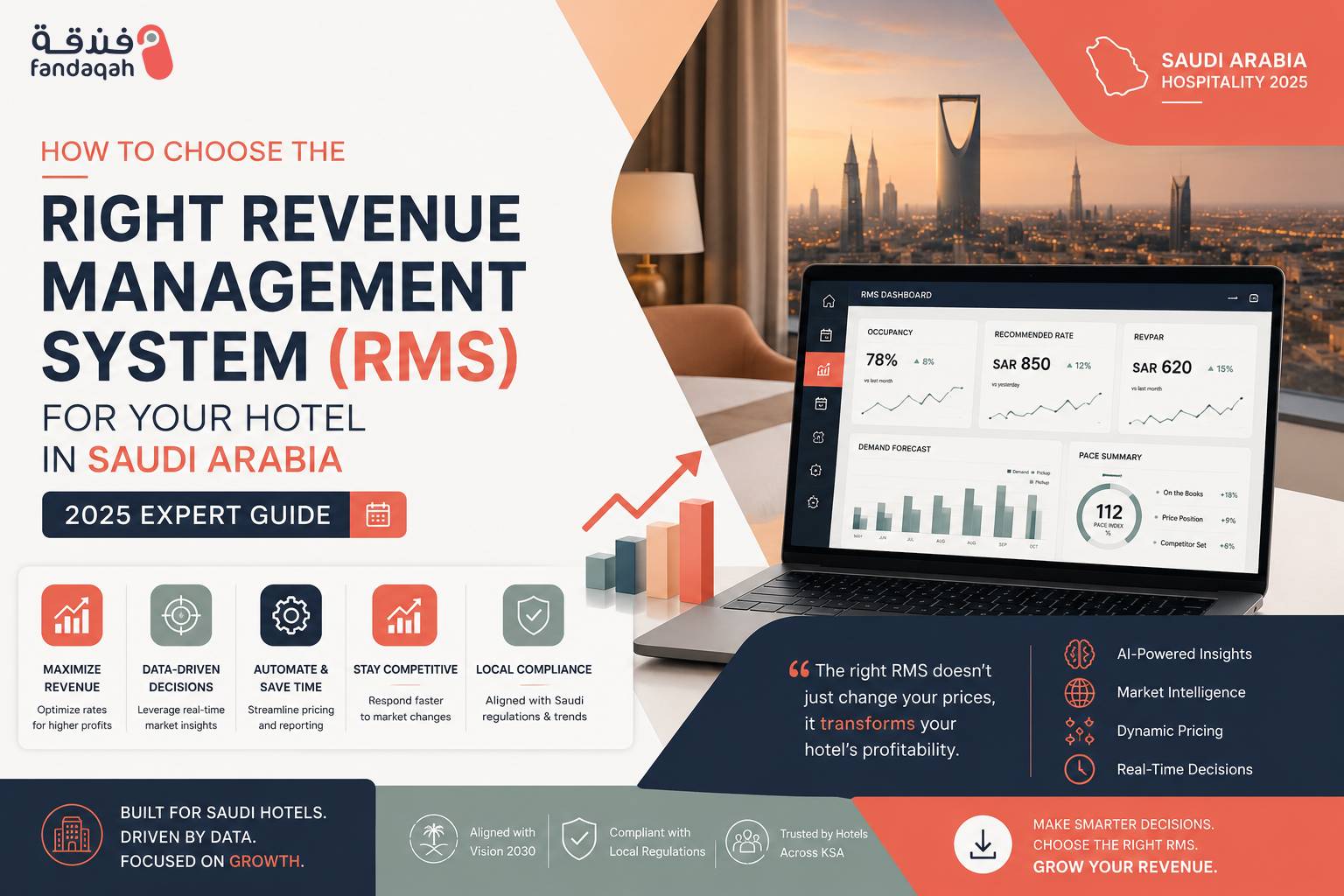
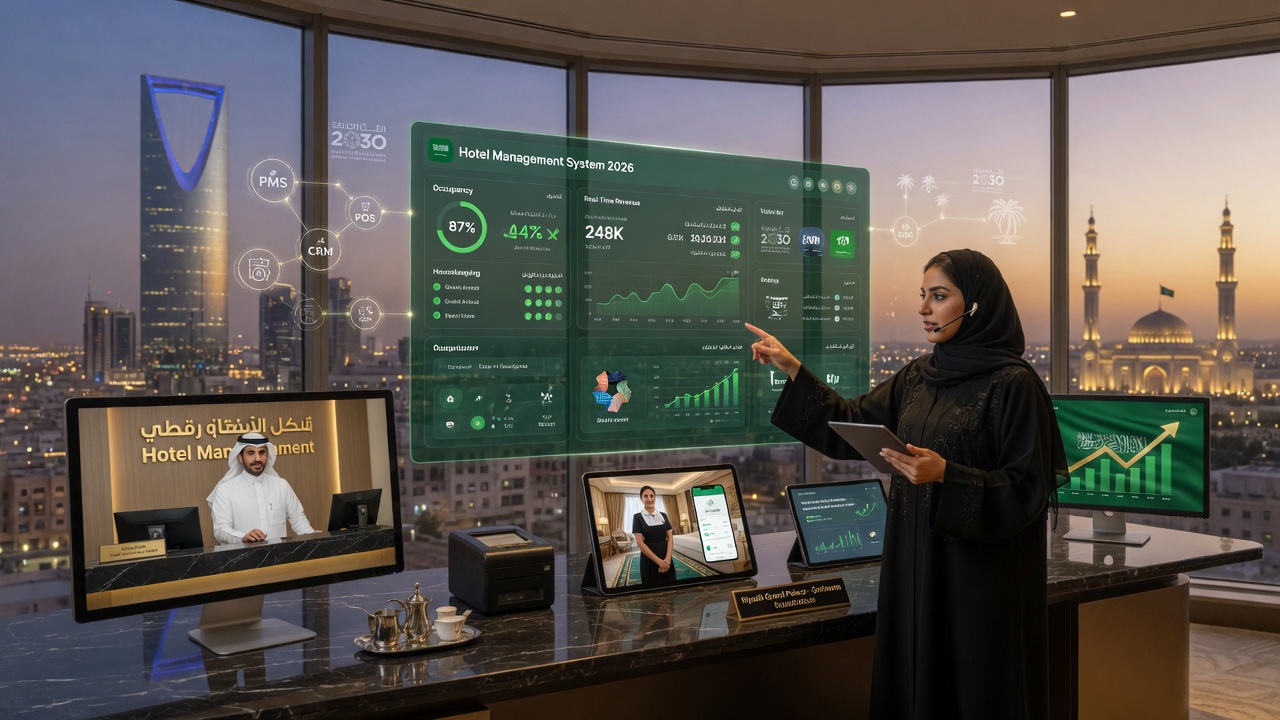
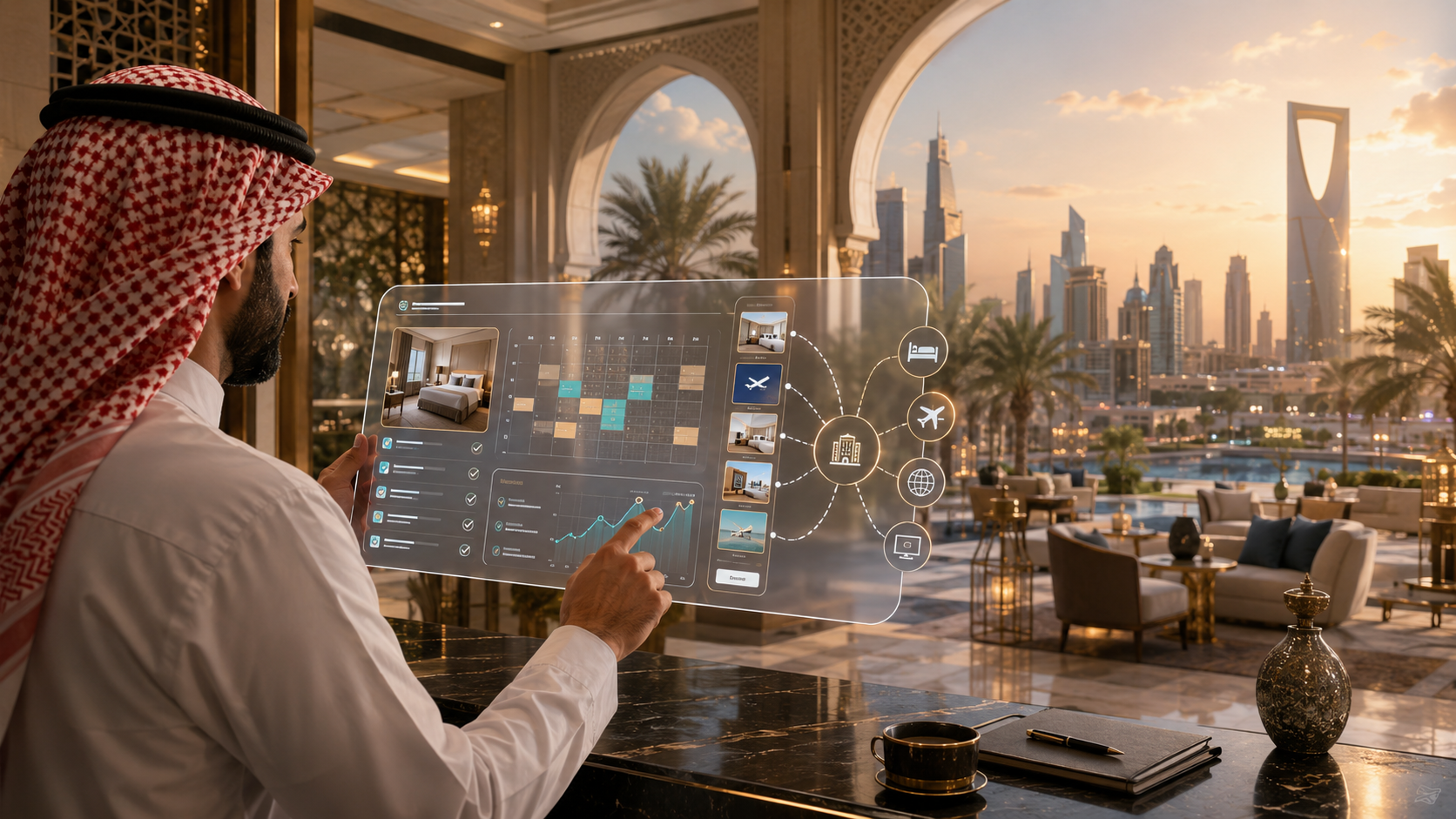
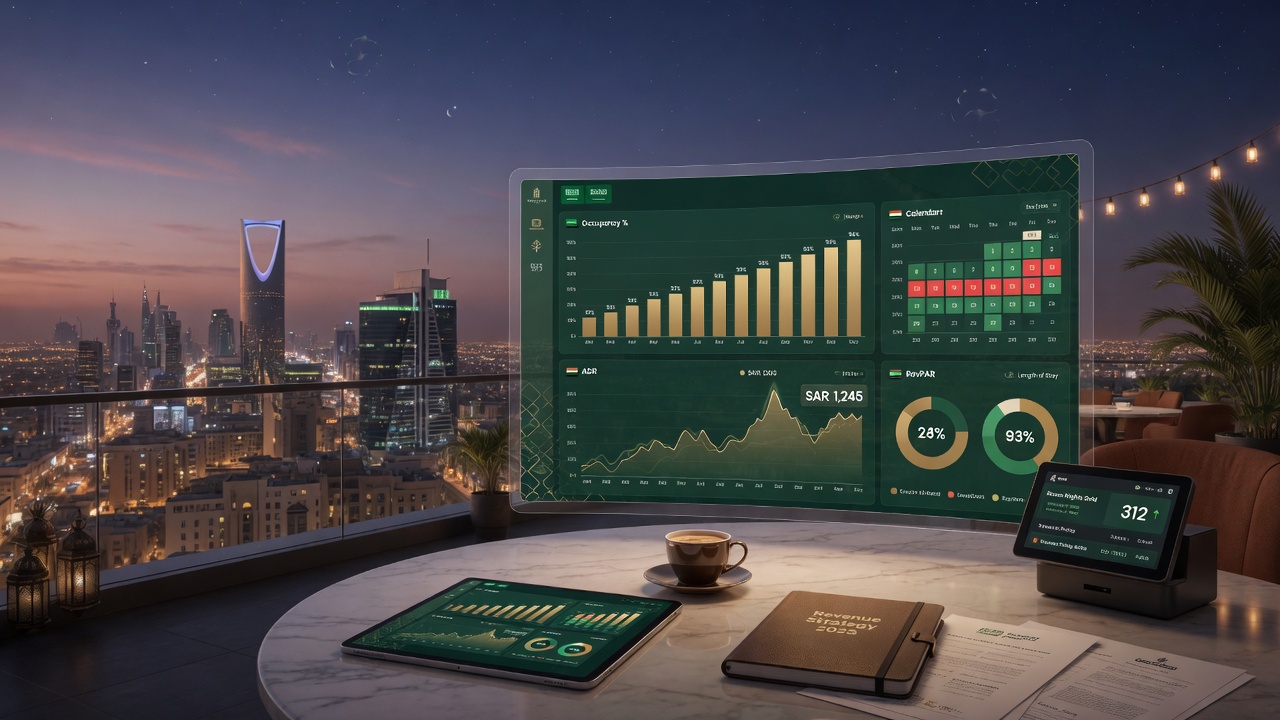
* **Dynamic Pricing with Real-time Analytics:** AI analyzes vast datasets including historical demand, competitor pricing, local events, flight bookings, weather patterns, and even social sentiment to predict optimal pricing strategies in real-time. This ensures hotels are always selling rooms at the most profitable rate, adapting instantly to market fluctuations.
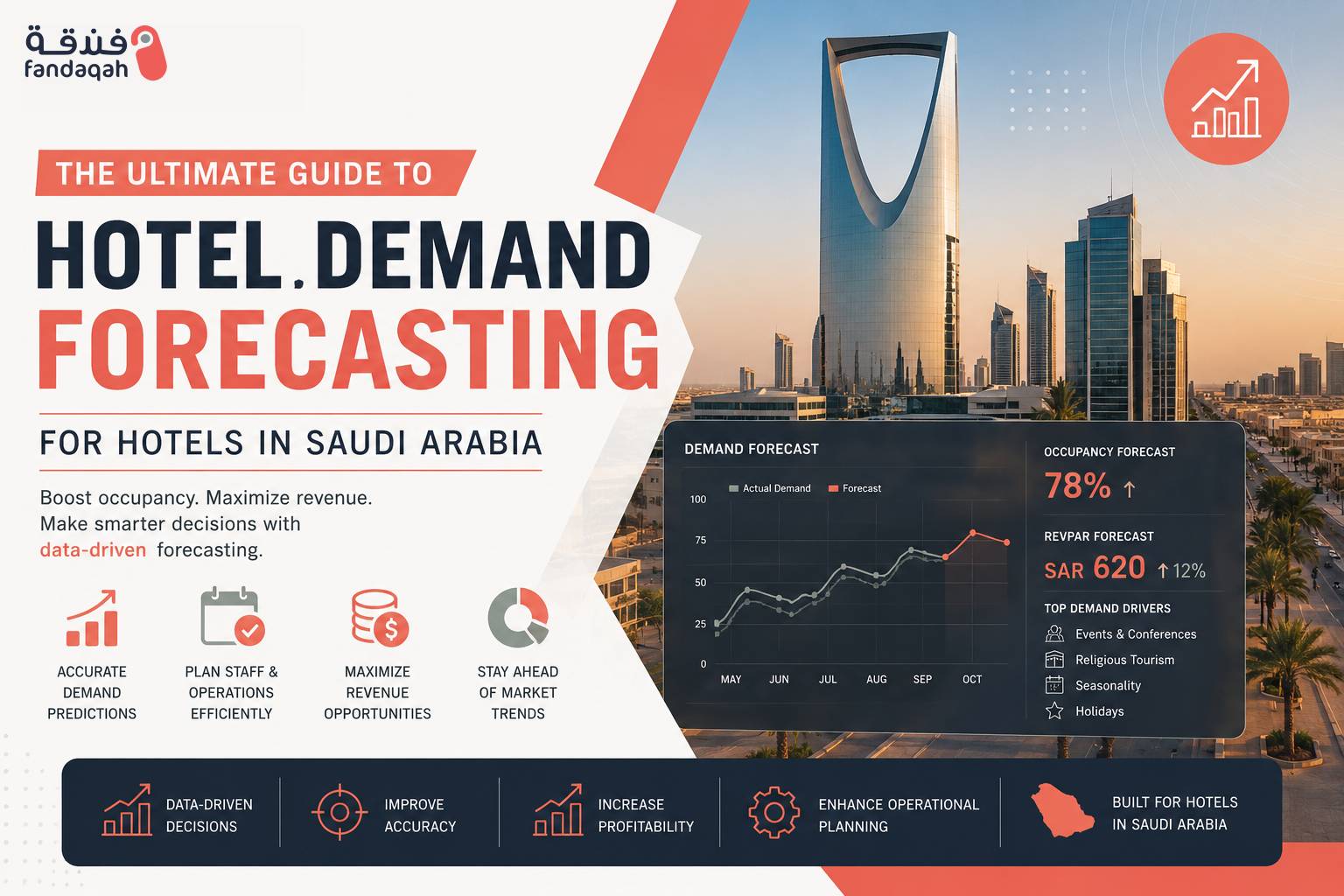
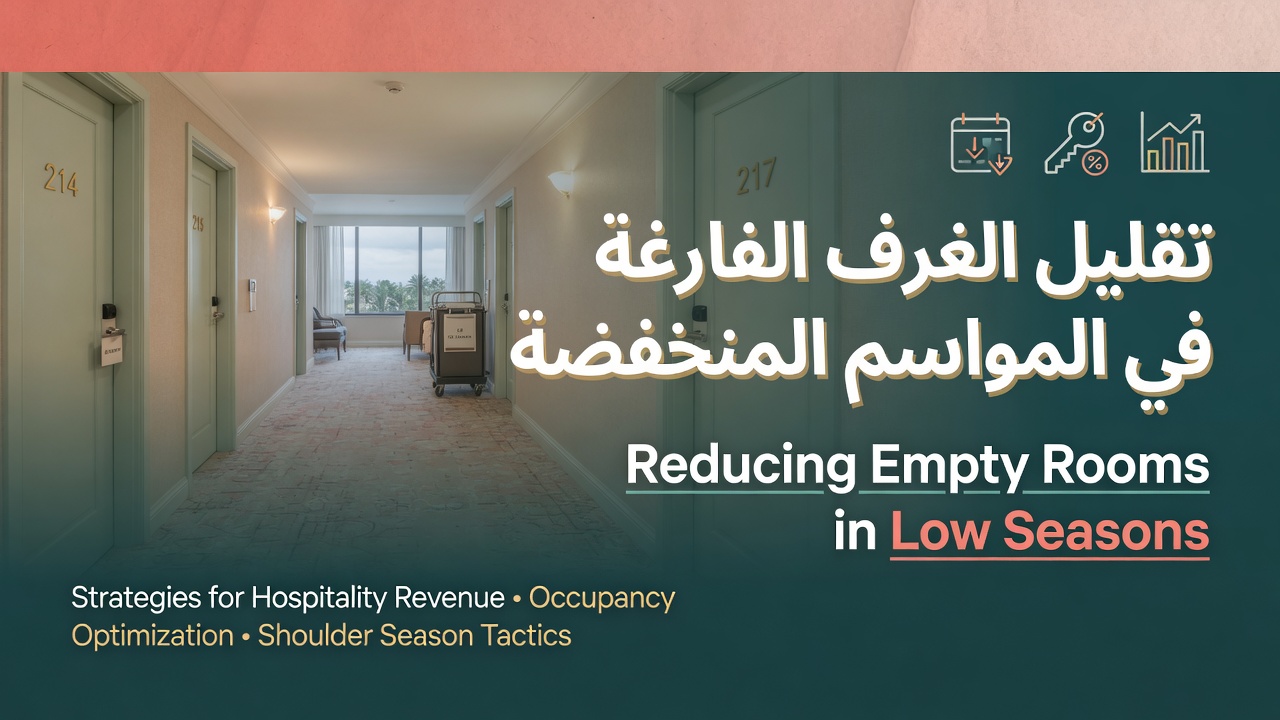
* **Demand Forecasting and Segmentation:** Advanced AI models provide highly accurate demand forecasts, allowing hotels to anticipate occupancy levels months in advance. They can also segment guests into micro-categories based on their value and price sensitivity, enabling targeted promotions and packages.
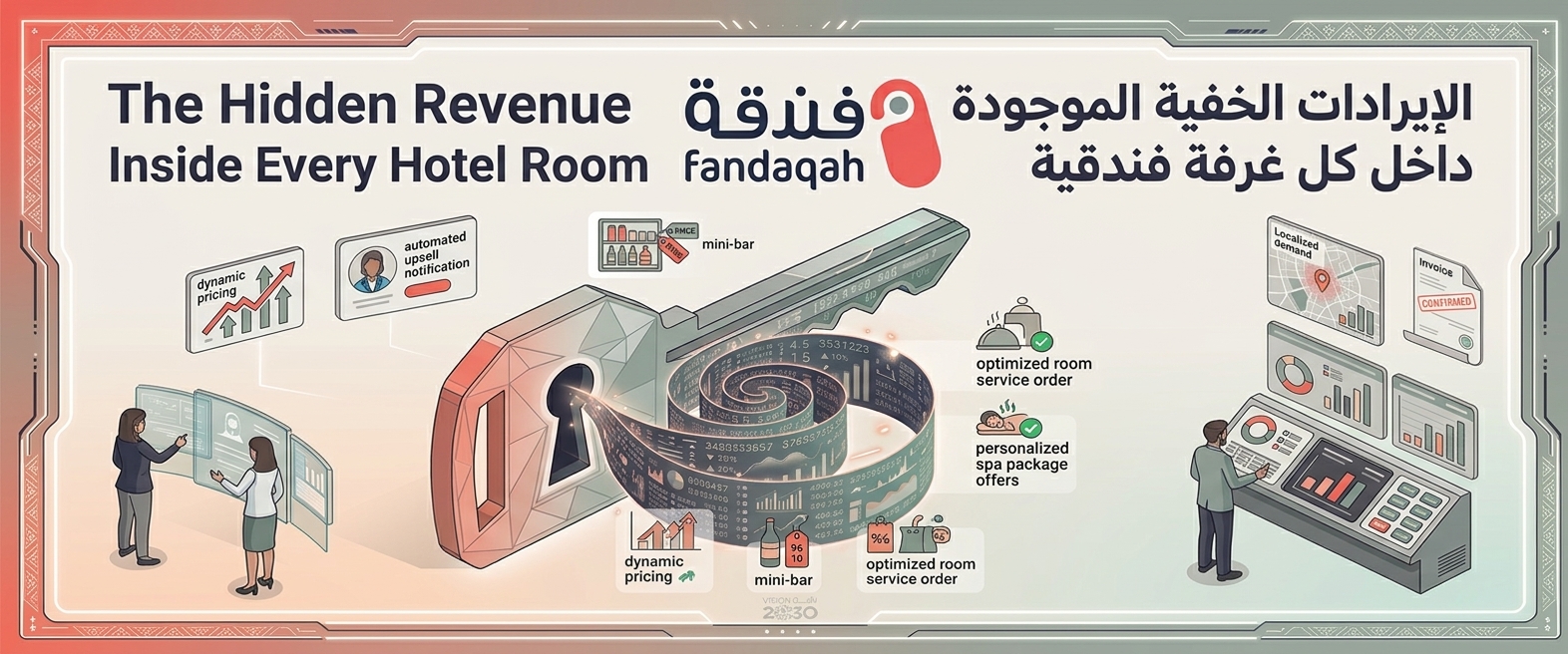
* **Upselling and Cross-selling Optimization:** AI identifies opportunities to upsell higher-category rooms or cross-sell additional services (spa treatments, excursions, premium dining) based on individual guest profiles and preferences, thereby increasing ancillary revenue.
Streamlining Operations and Back-of-House Efficiency
Beyond the guest-facing aspects, AI is revolutionizing the efficiency and sustainability of hotel operations.
* **Predictive Maintenance:** AI sensors monitor equipment performance (HVAC, elevators, kitchen appliances) and predict potential failures before they occur. This proactive approach reduces downtime, extends asset lifespan, and optimizes maintenance schedules, saving significant costs.
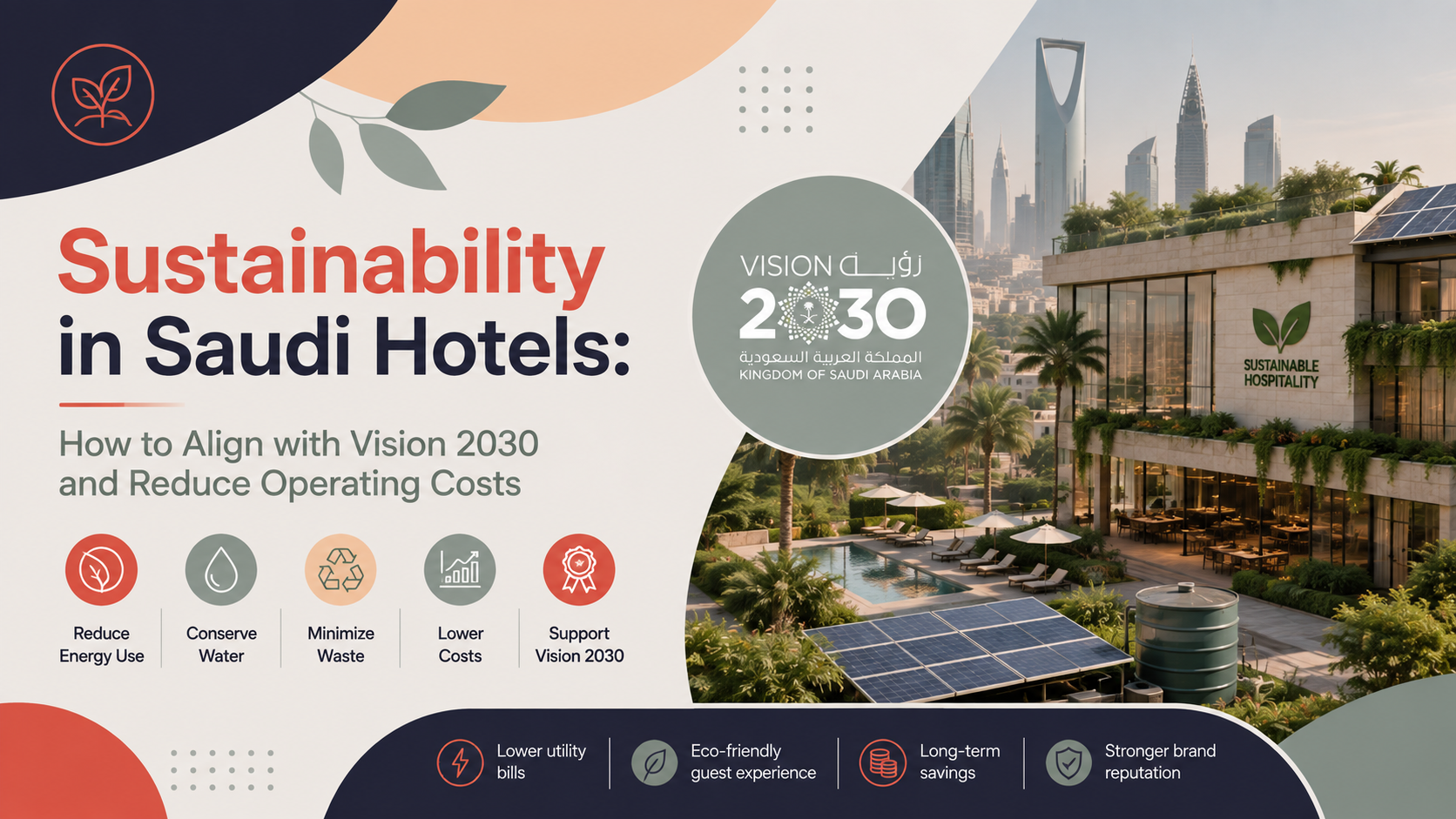
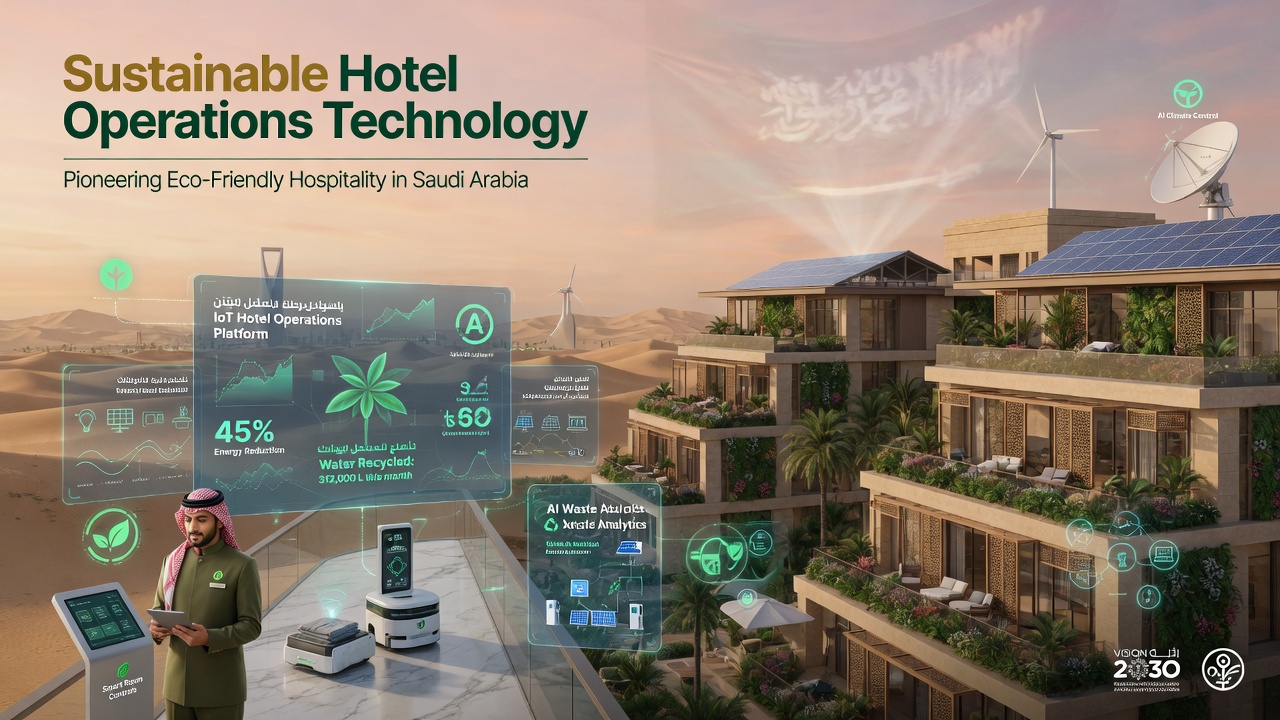
* **Energy Management Systems:** AI analyzes energy consumption patterns, adjusting lighting, heating, and cooling based on occupancy, time of day, and external weather conditions. This leads to substantial reductions in energy costs and supports Saudi Arabia's commitment to sustainability.
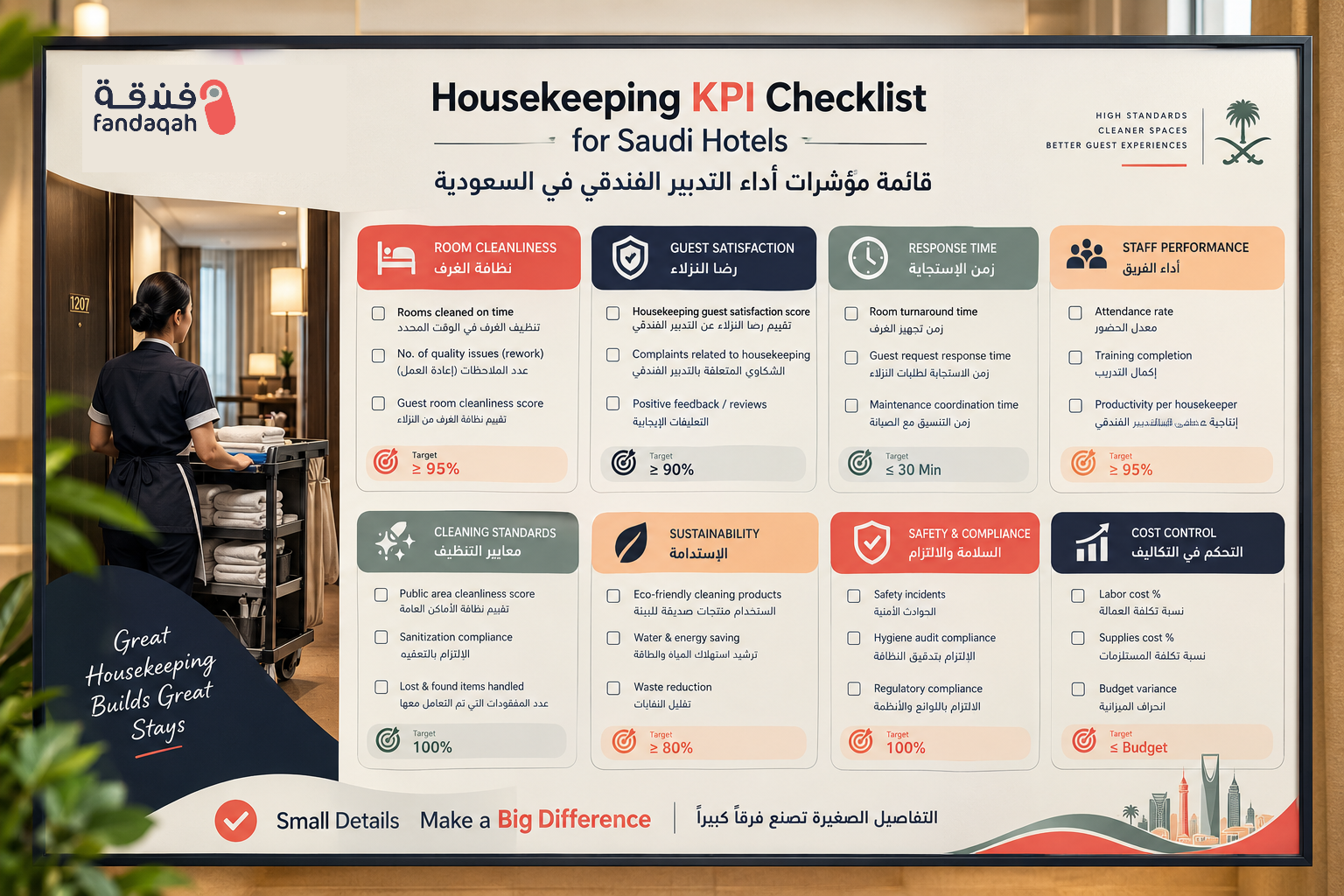
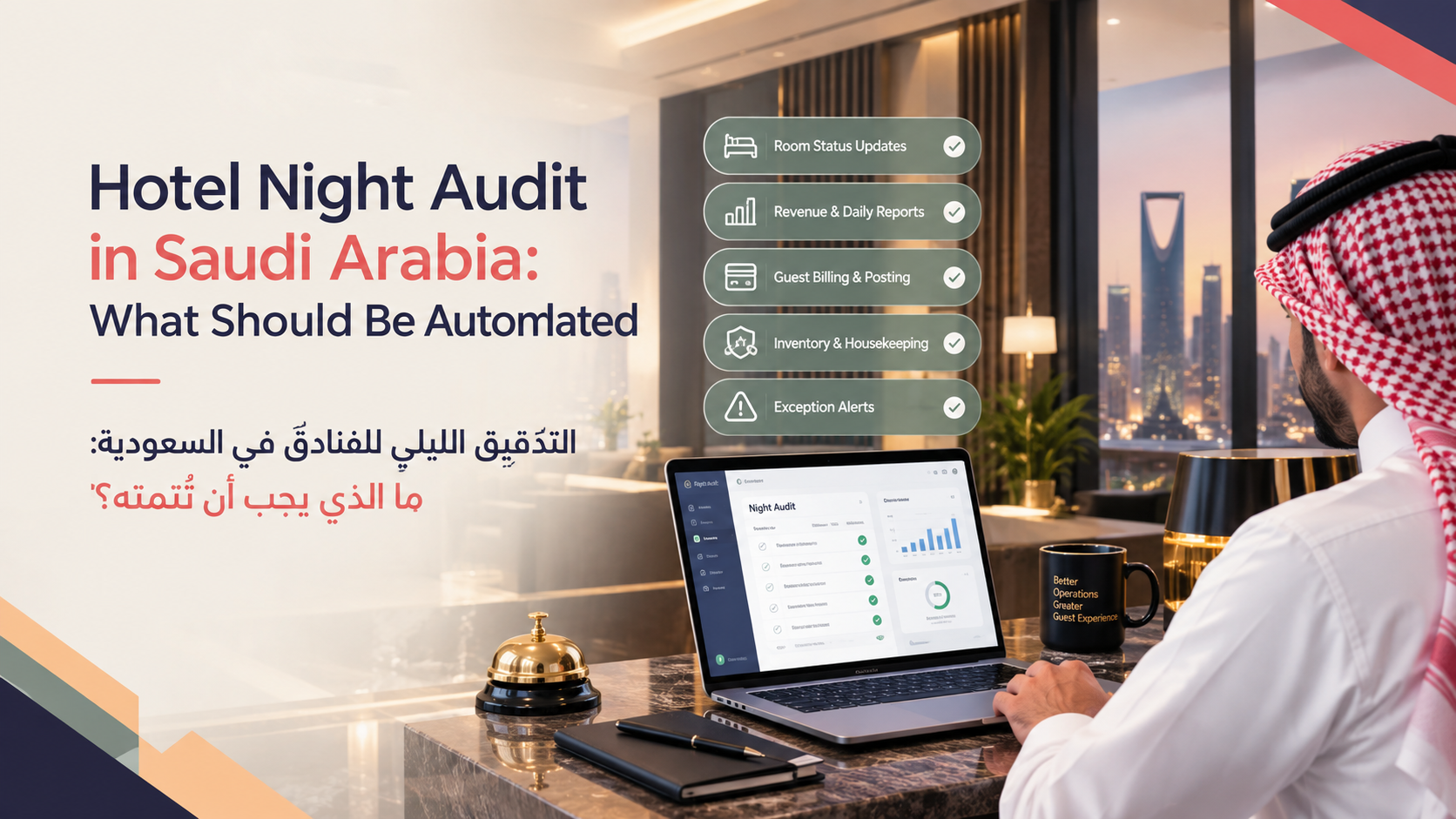
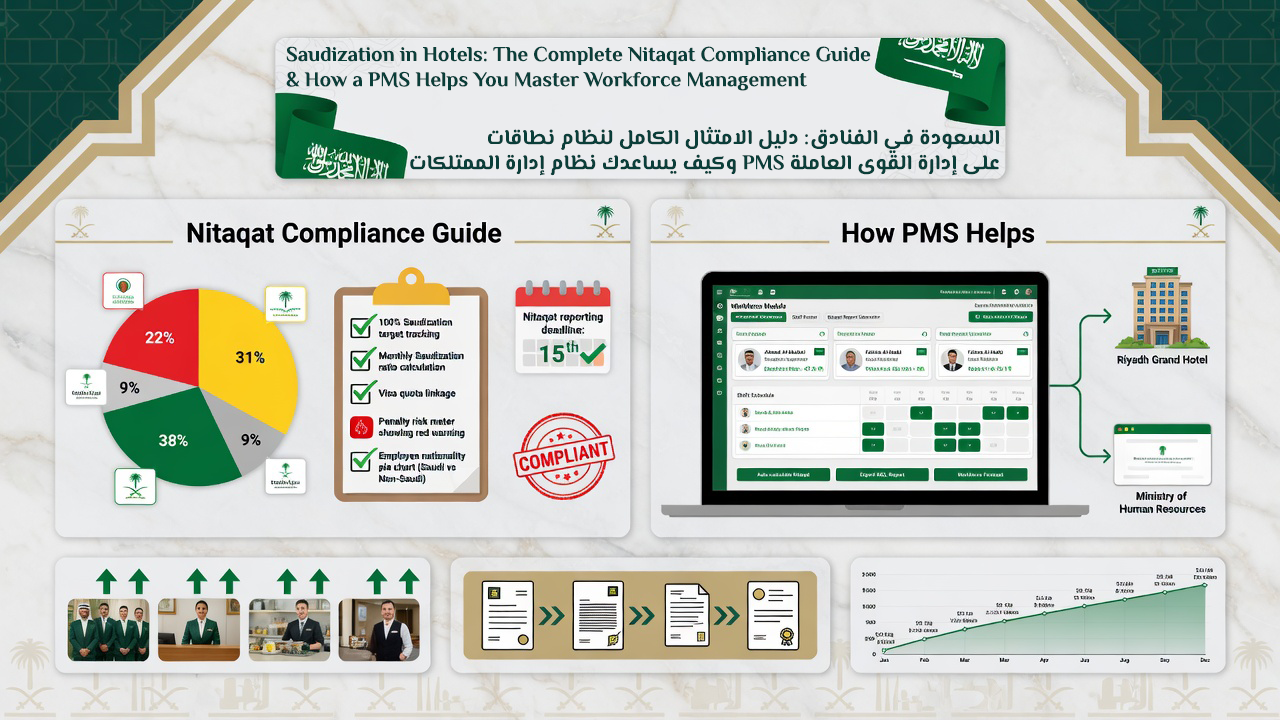
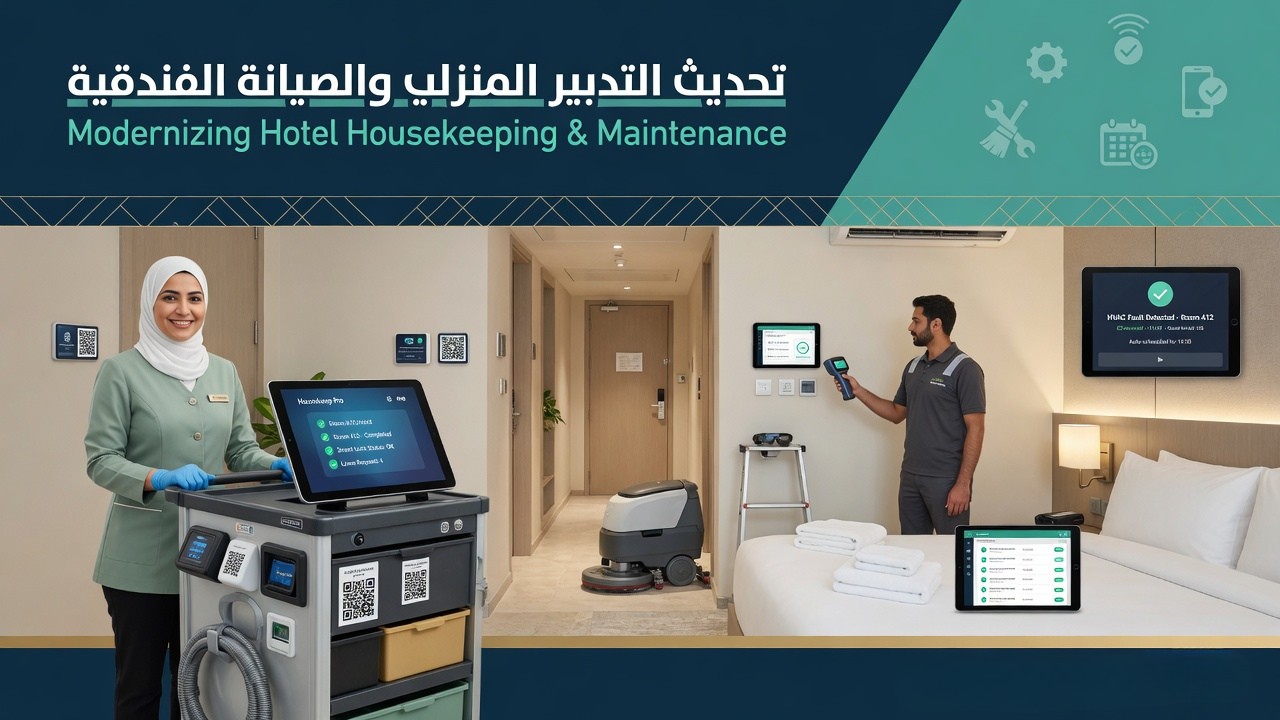
* **Housekeeping and Staff Management:** AI optimizes housekeeping routes and schedules based on check-out times, occupancy, and guest requests. Workforce management AI can predict staffing needs, optimize shift schedules, and even identify potential staff burnout, leading to improved employee satisfaction and retention.
* **Inventory and Supply Chain Management:** AI tracks inventory levels, predicts demand for supplies, and automates ordering processes, reducing waste and ensuring hotels are always well-stocked without over-ordering.
Enhancing Security and Safety Protocols
In a region with high security standards, AI plays a vital role in ensuring guest and staff safety.
* **Intelligent Surveillance:** AI-powered CCTV systems can detect unusual behavior, identify unauthorized access, and flag potential security threats in real-time, alerting staff immediately.
* **Emergency Response Optimization:** AI can analyze sensor data (fire alarms, security alerts) and guest locations to guide emergency services efficiently and provide real-time information to staff during critical incidents.
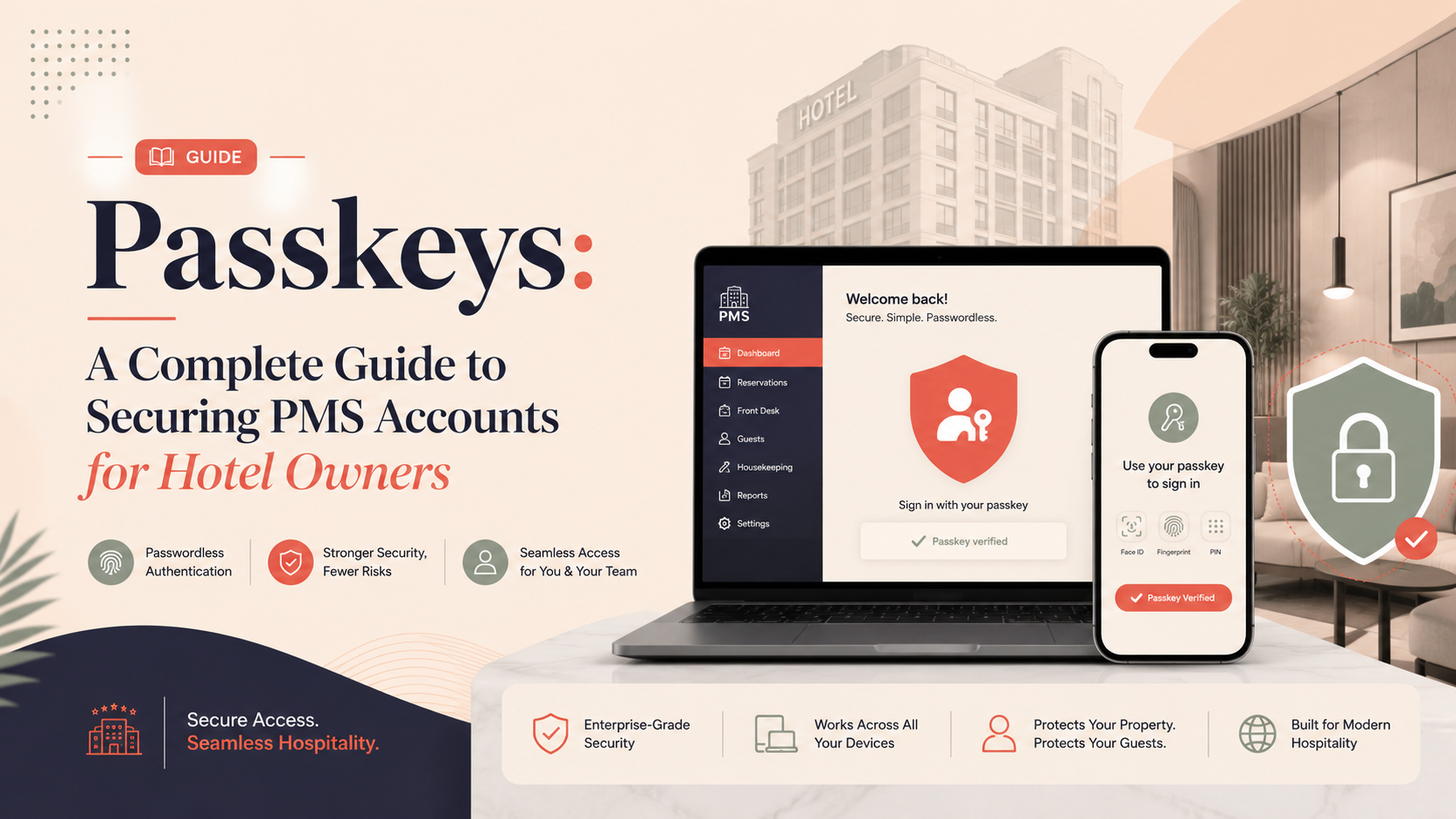
* **Access Control and Biometrics:** Secure, AI-driven biometric access systems limit entry to sensitive areas and enhance overall property security.
Challenges and Opportunities for AI Adoption in Saudi Hospitality
While the benefits are clear, the path to widespread AI adoption in Saudi Arabian hotels is not without its hurdles.
Key Challenges:
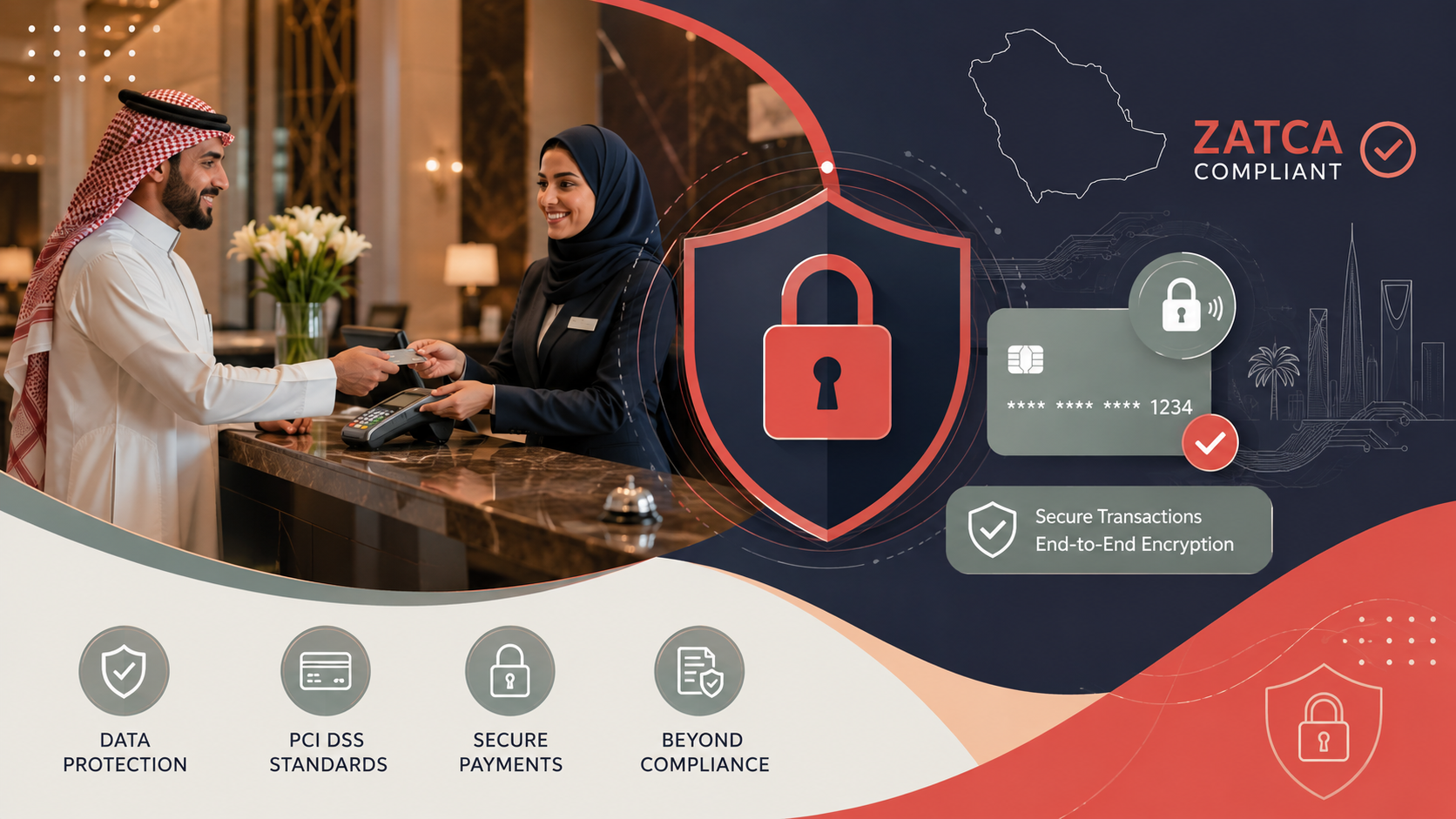
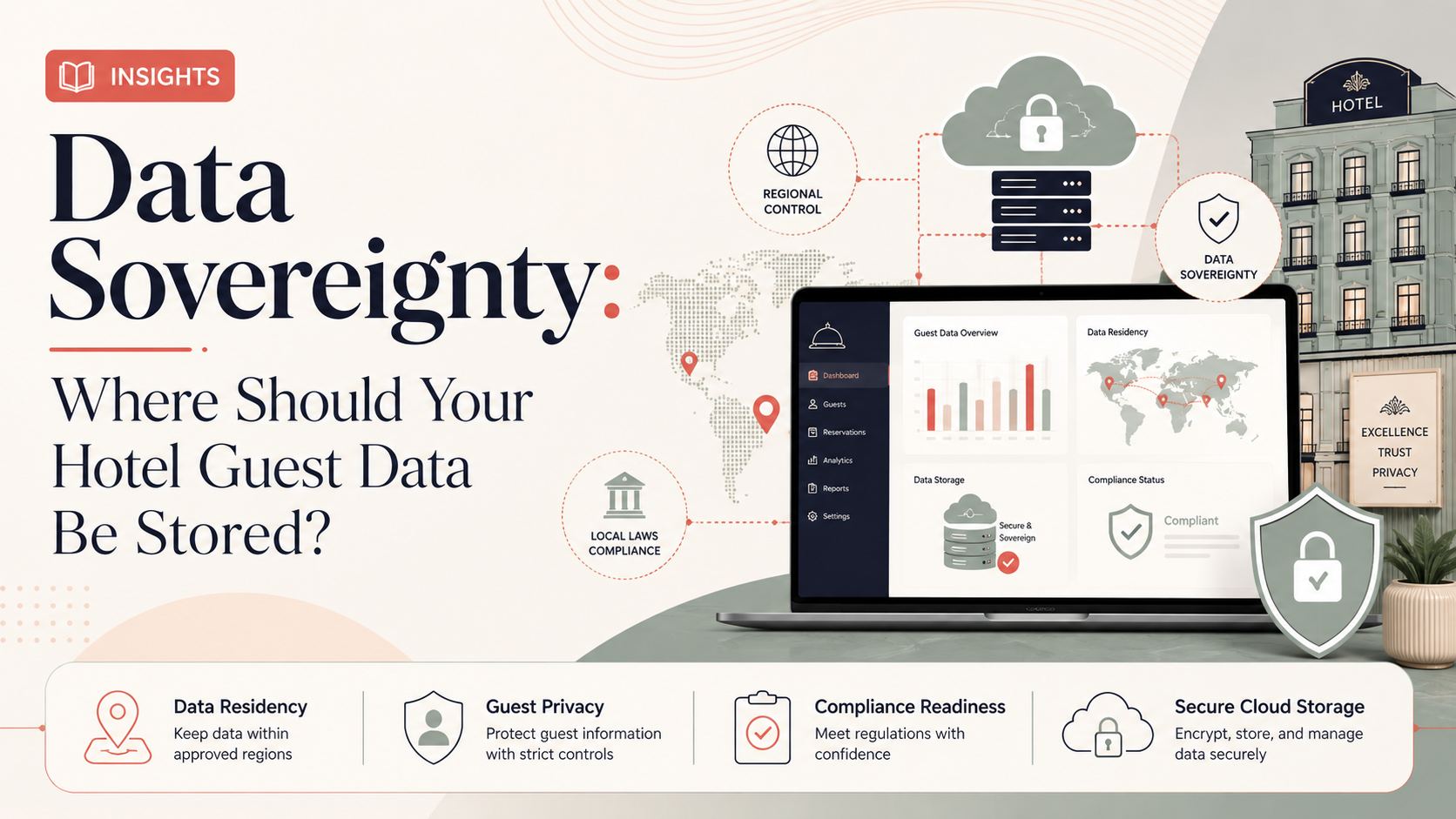
* **Data Privacy and Security:** Protecting sensitive guest data is paramount. Hotels must invest in robust cybersecurity infrastructure and adhere to global data protection regulations to build guest trust.
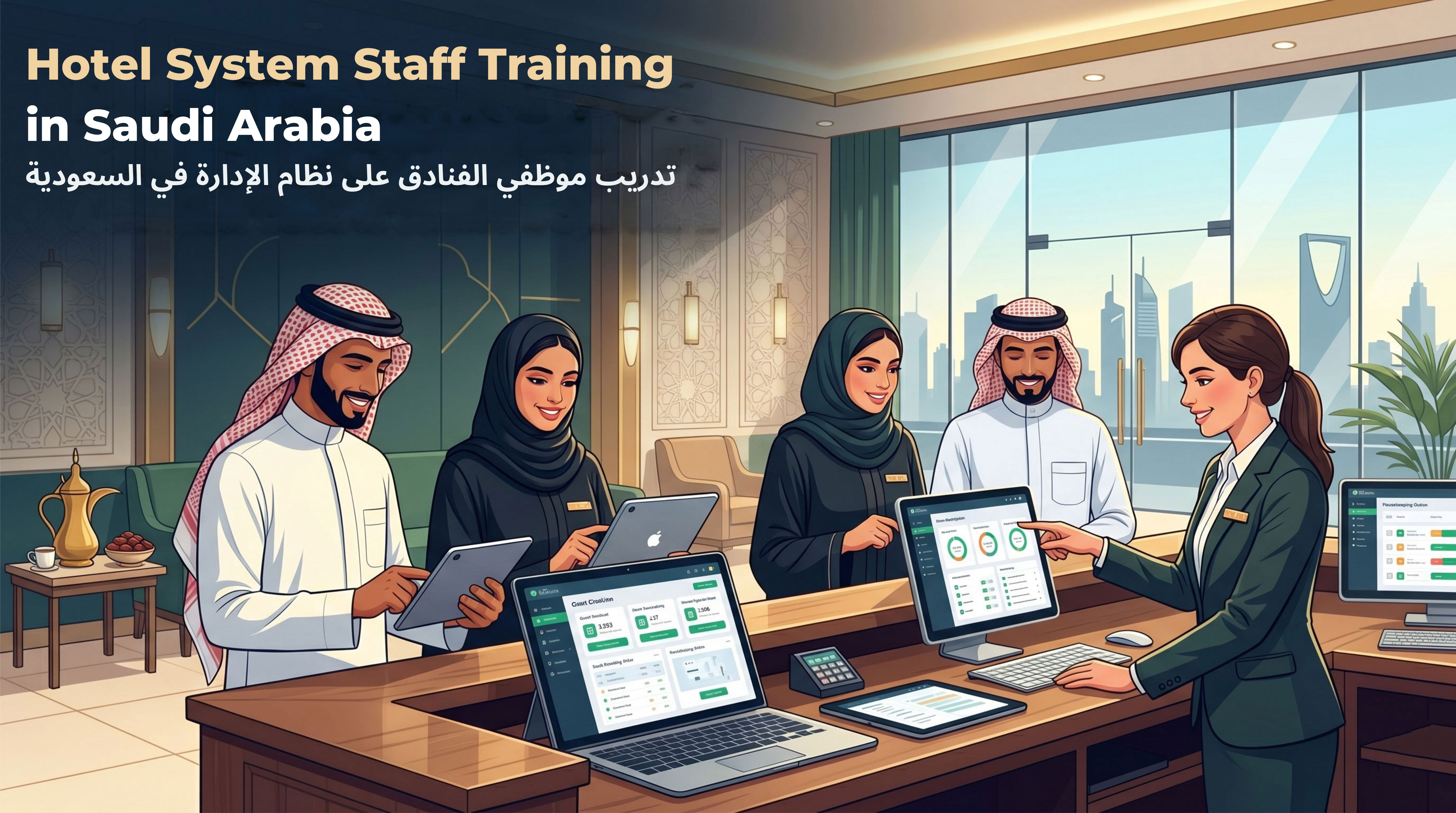
* **Talent Gap and Training:** The availability of skilled AI professionals and the need to upskill existing hotel staff in AI literacy are significant challenges. Investment in education and training programs is crucial.
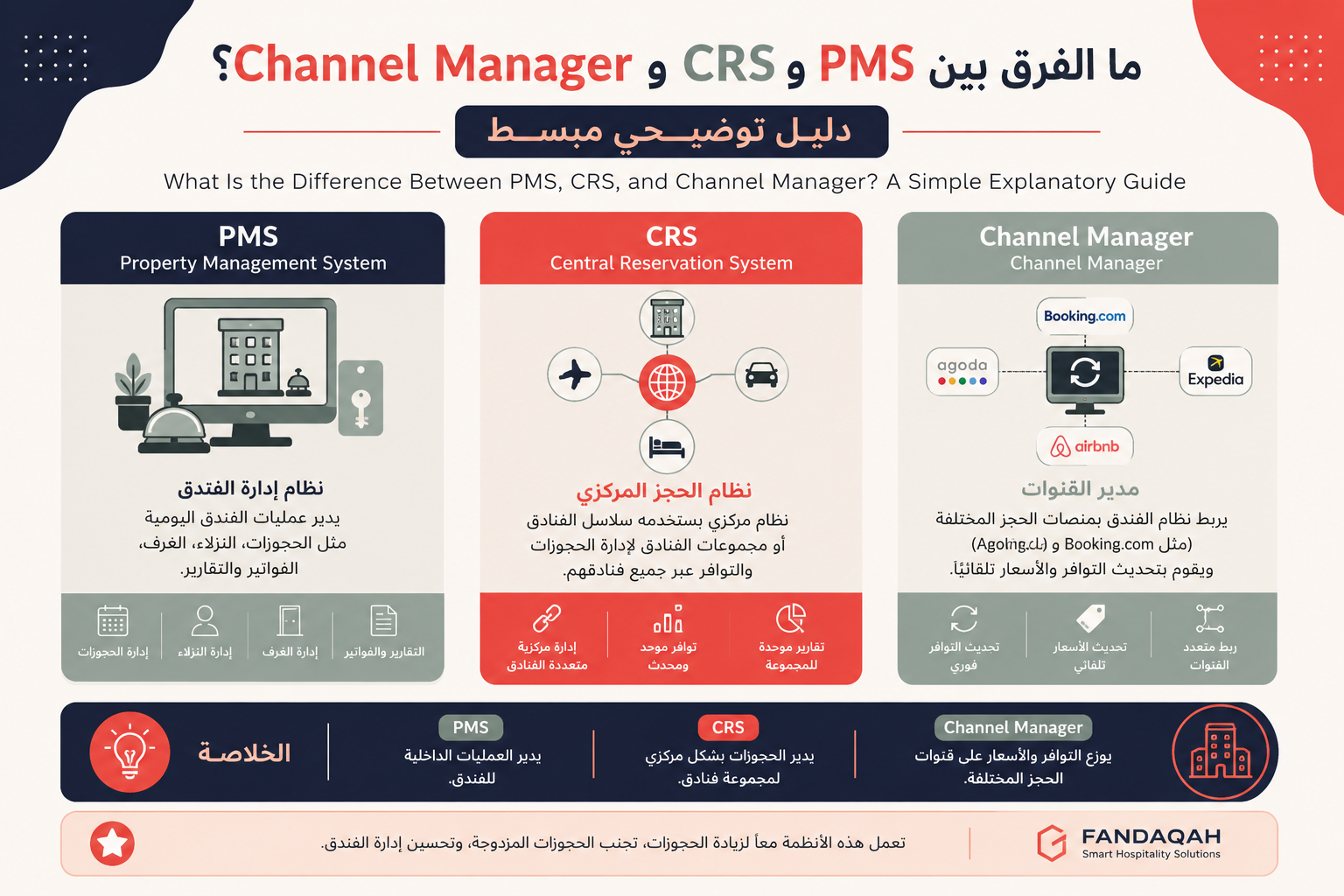
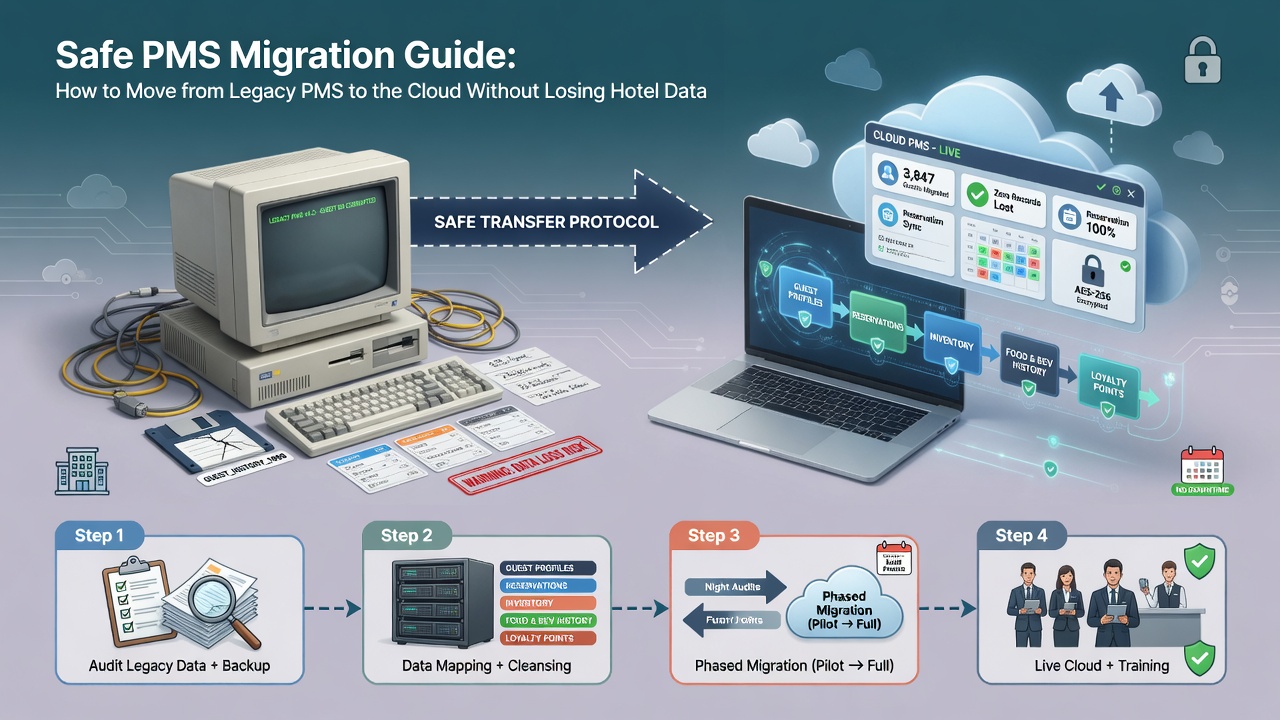
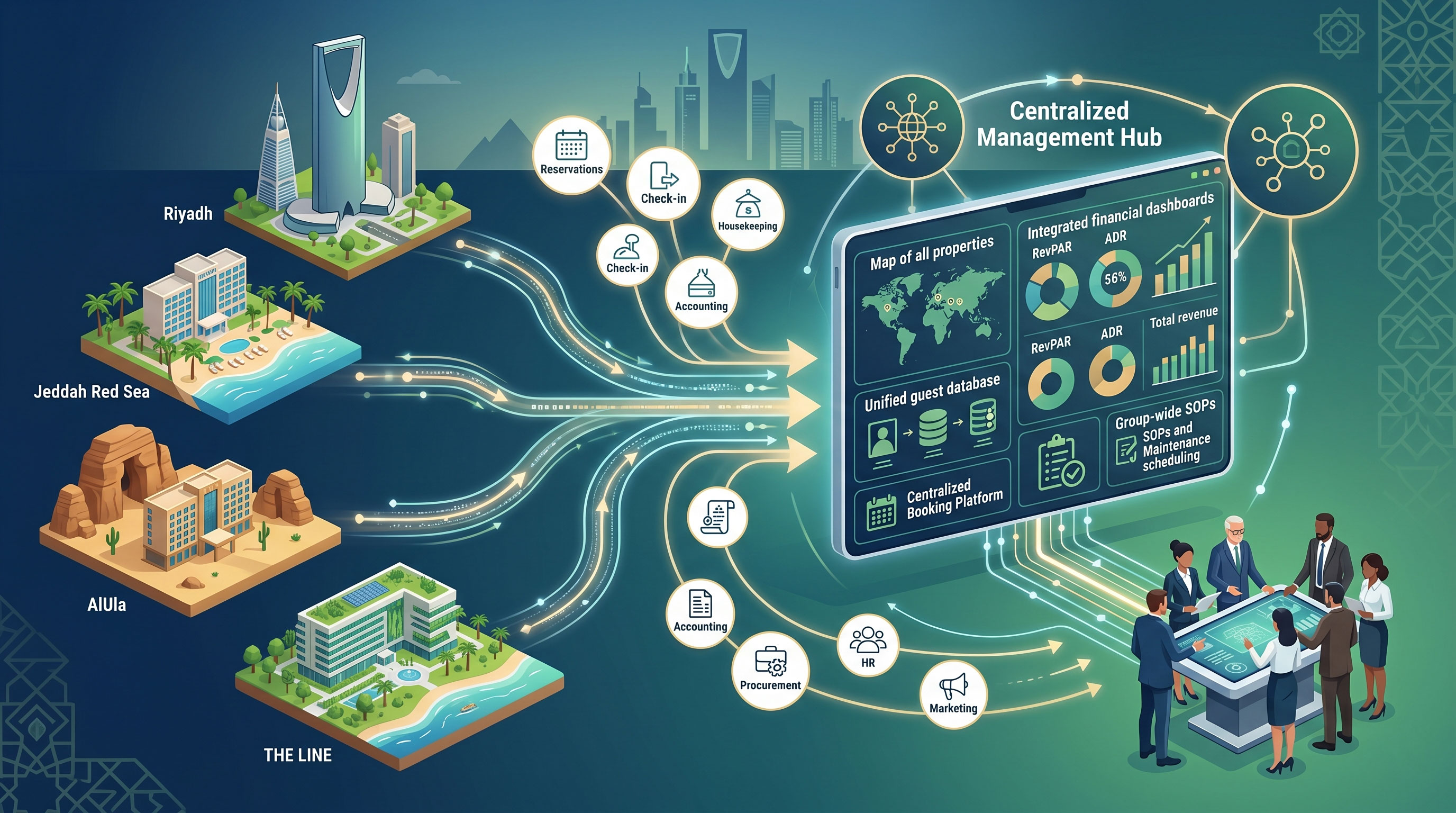
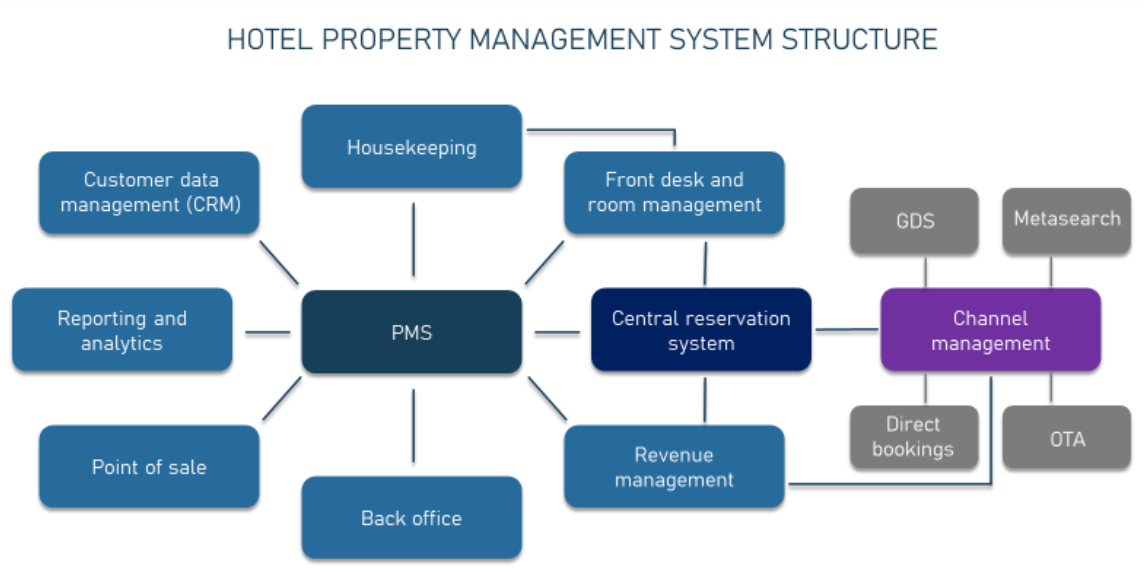
* **Integration with Legacy Systems:** Many existing hotel properties have older Property Management Systems (PMS) that may not be easily integrated with advanced AI solutions, requiring substantial upgrades or strategic overhauls.
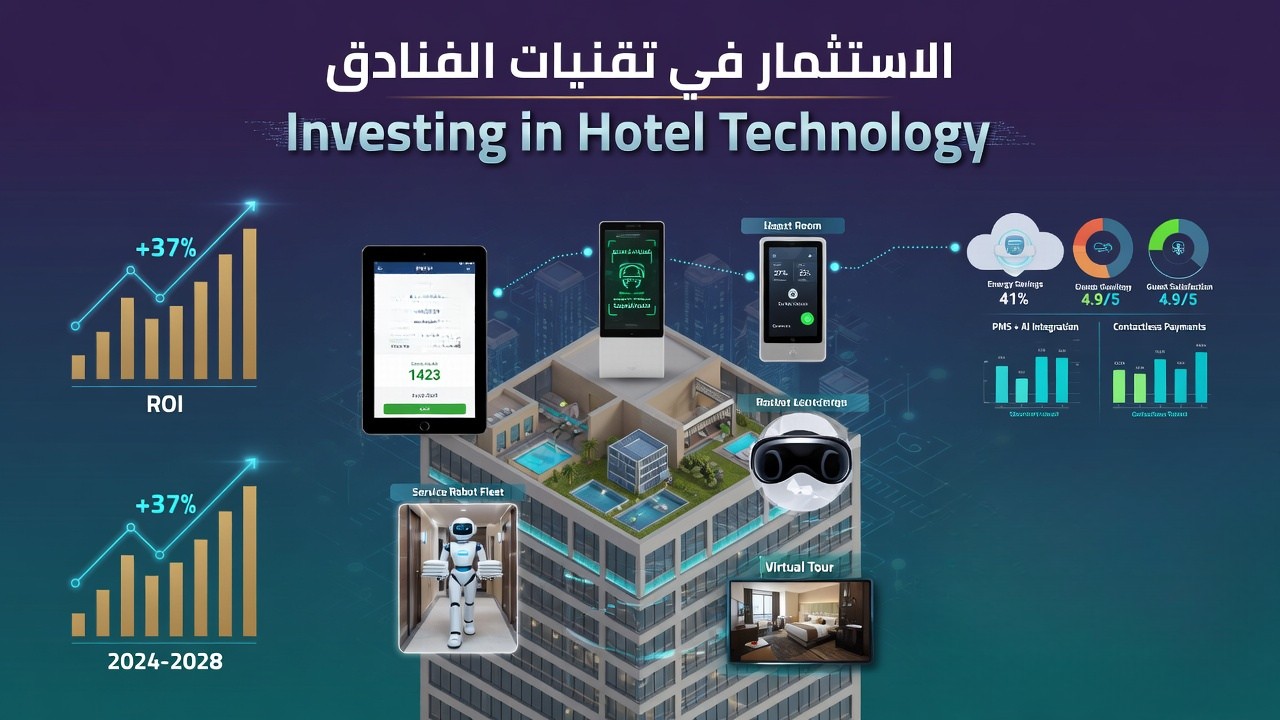
* **Initial Investment Costs:** While AI promises long-term ROI, the initial capital expenditure for advanced AI platforms, sensors, and infrastructure can be considerable.
* **Ethical Considerations:** Ensuring fair algorithms, avoiding bias in decision-making, and maintaining a human touch in hospitality are ethical considerations that require careful thought and implementation.
Strategic Opportunities:
* **Government Support and Vision 2030:** The Saudi government's strong backing for technological advancement and its massive investment in tourism provide a fertile ground for AI innovation in hospitality.
* **First-Mover Advantage:** Hotels that embrace AI early can establish a significant competitive advantage in guest experience, operational efficiency, and market share.
* **Collaboration with Local Tech Ecosystem:** Partnerships with Saudi universities, AI startups, and technology providers can foster localized solutions and talent development.
* **Setting Global Benchmarks:** Saudi Arabia has the potential to become a global leader in AI-driven luxury hospitality, setting new standards for the industry worldwide.
Conclusion: The Future is Intelligent for Saudi Hotels
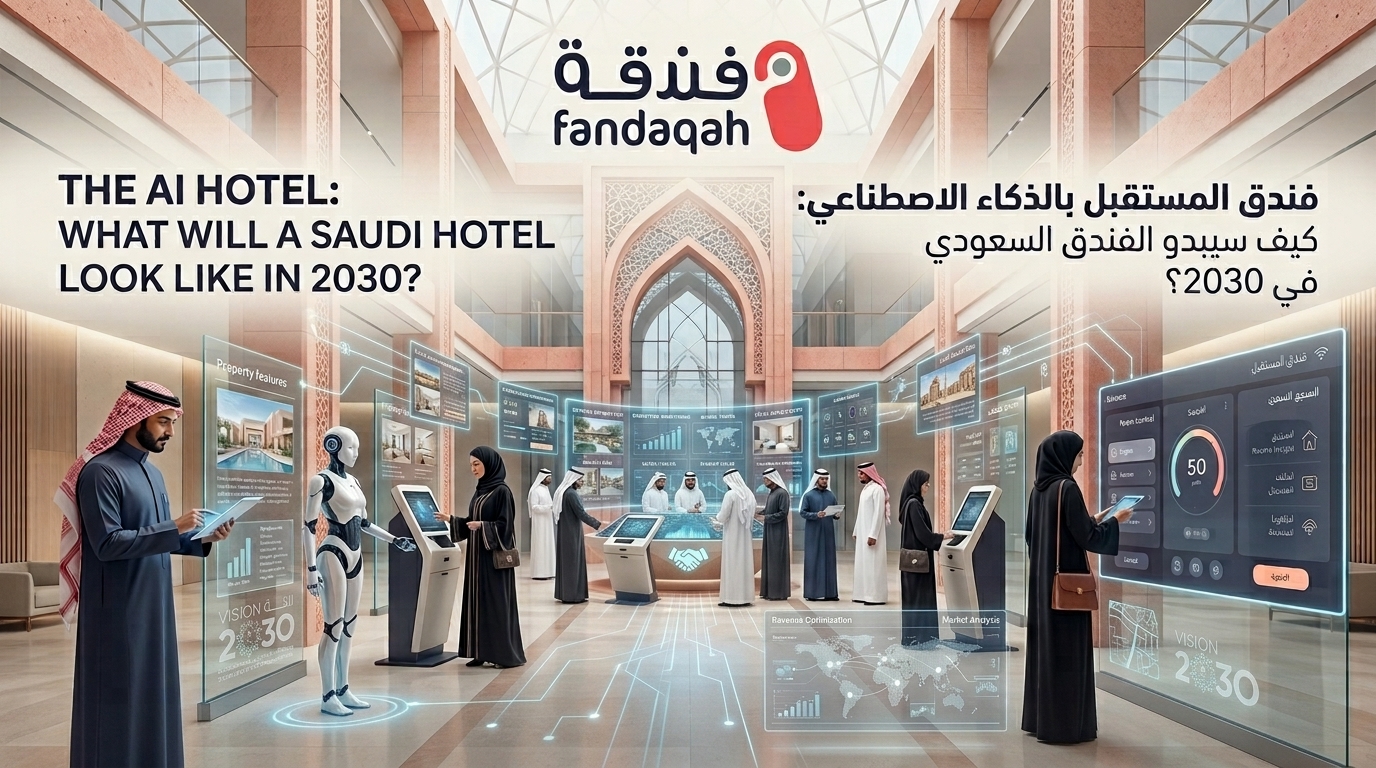
By 2026, AI will no longer be a novelty but an indispensable component of successful hotel management in Saudi Arabia. From the hyper-personalized greetings powered by predictive analytics to the energy-efficient rooms managed by intelligent systems, AI will be woven into the very fabric of the guest experience and operational backbone. Hotels that strategically invest in and thoughtfully implement AI will not only meet the soaring expectations of the modern traveler but will also achieve unparalleled operational efficiency and unlock new avenues for revenue growth. The Kingdom's ambition, coupled with the transformative power of AI, is set to redefine the future of luxury hospitality on a global stage.
**Call to Action:** Hotels and hospitality investors in Saudi Arabia must proactively develop comprehensive AI adoption strategies, focusing on robust data infrastructure, talent development, and strategic partnerships, to secure their leading position in the future of intelligent hospitality.