Ithra Design Week 2026: Al Khobar Hotel Direct Bookings
Prepare Al Khobar hotels for Ithra Design Week, Nov 16–21, 2026, with a 6-day direct booking plan, smart hotel PMS, dynamic pricing, and lower OTA commissions....
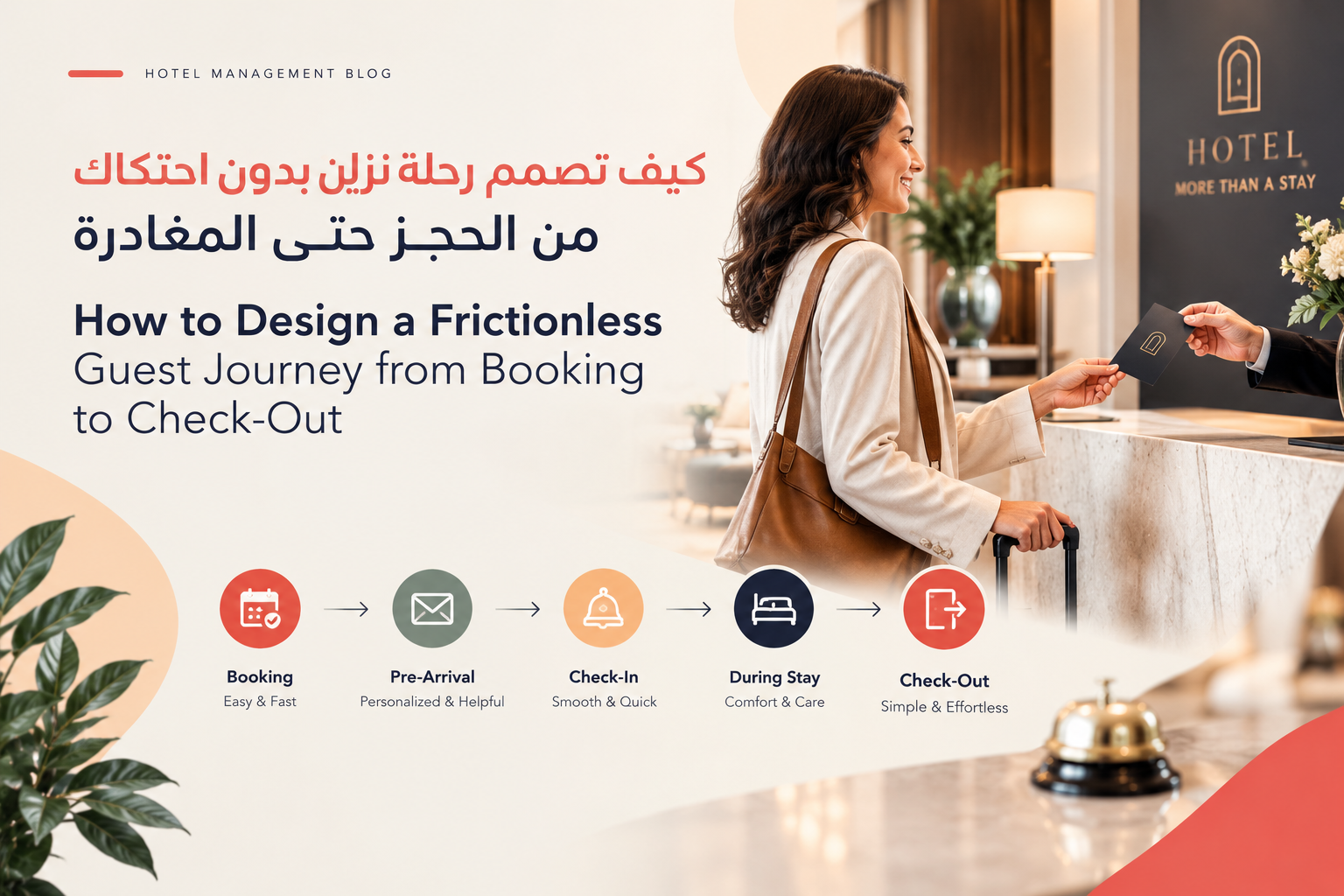
Guests do not rate your property on its best moment. They rate it on the worst point of friction they hit. A twenty-minute queue after a long flight. Being asked for details they already submitted twice. A maintenance request that never reached the right person. An invoice that took a quarter of an hour to untangle on departure morning. These are not small details — they are the raw material of your reviews and the reason a guest either rebooks or quietly disappears.
A frictionless guest journey means managing the experience as one connected line instead of a set of independent departments: from the first search to the message you send after departure. In a Saudi market where hotel supply is expanding rapidly and where guests now benchmark you against ride-hailing apps and government digital services rather than the hotel next door, removing friction is the fastest and cheapest way to lift both revenue and review scores. This guide from Fandaqah shows how to do it, step by step.
Quick answer: To design a frictionless guest journey, map the experience in seven stages — search, booking, pre-arrival, check-in, in-stay, check-out, and post-stay. For each stage, name the single biggest friction point and the number that measures it. Then apply five principles: ask the guest once, remove waiting instead of decorating it, always make the next step obvious, plan your exceptions in advance, and measure in minutes rather than impressions. The system that makes all of this possible is a single connected PMS linking bookings, front desk, service requests, and billing.
Friction is any effort, delay, or confusion a guest absorbs without getting value in return. Not all effort is friction — choosing a room or browsing a menu is enjoyable effort. But re-entering data you already hold, waiting for someone who knows the answer, or trying to decode a line item on a folio is effort with no payoff.
The cost never appears as a single line in your P&L, which is exactly why it gets ignored. It is spread across four places: staff hours spent fixing what could have been prevented, compensation handed out to calm irritation, lost ancillary revenue because an annoyed guest does not buy an upgrade, and review scores that push you down OTA rankings and raise your commission dependency. Friction is an invisible operating tax you pay every single night.
Luxury raises the ceiling of expectation. Removing friction raises the floor of the experience. Guests write their reviews from the floor, not the ceiling.
You cannot fix what you have not drawn. The simplest practical tool is a guest journey map: a seven-row table where every stage has one dominant friction point, one operational fix, and one metric that proves the fix worked.
| Stage | Common friction | Operational fix | Metric |
| 1. Search | Unclear pricing and policies, photos that do not match reality | Show the final price and all policies before the booking step | Booking abandonment rate |
| 2. Booking | Too many steps, unnecessary fields, failed payments | Cut fields to the legal minimum, support local payment methods | Time to complete a booking |
| 3. Pre-arrival | Total silence between confirmation and arrival | Confirmation, pre-registration request, arrival time confirmation | Pre-registration completion rate |
| 4. Check-in | Queue, re-entering data, room not ready | Profile pre-loaded, room pre-assigned, live housekeeping status | Average check-in time |
| 5. In-stay | Requests lost between departments, repeated complaints | One request log with a named owner and a response deadline | Request closure time |
| 6. Check-out | Confusing folio, waiting, late-posted charges | Prepare the invoice the night before and share it in advance | Average check-out time |
| 7. Post-stay | No follow-up, no invoice, no reason to return | Automatic invoice, review request, personalized return offer | Repeat guest rate |
Tip box: Do not attempt all seven stages at once. Pick one stage for a month — usually check-in, because it dominates negative reviews. Measure its duration before the change and after. One stage properly fixed beats seven stages partially improved, and it gives your team a visible win to build on.
What irritates guests is not the question — it is the repetition. If they gave a mobile number at booking, it must never be requested again at arrival, and certainly not a third time when ordering a service. The technical requirement for this is a single source of truth: one guest profile every department reads from and writes to. Any data kept in a paper logbook, a side spreadsheet, or a staff WhatsApp group is a future friction point waiting to surface.
The common answer to a queue is a welcome drink. Pleasant, but it disguises the problem rather than solving it. The real fix is shifting work to before arrival: collecting registration details in advance, pre-assigning rooms, and syncing room-ready status live between housekeeping and the front desk. Time moved before arrival is time not spent in front of the guest.
At every touchpoint the guest should know three things: what just happened, what happens next, and when. A message reading "Request received, technician on the way, within 15 minutes" reduces tension more than any compensation offered afterwards. Ambiguity magnifies small problems; clarity shrinks even large ones.
The perfect journey is easy to design. The real test is what happens when something breaks: early arrival, no room available, a delayed flight, an AC failure on a summer night in Riyadh, a double booking. Write one exception policy per scenario and give the shift employee authority to execute it without escalating. The most expensive friction of all is an employee who knows the answer but is not allowed to act on it.
"Our experience is good" is not a manageable statement. "Average check-in is 6 minutes 40 seconds, target is 3" is. Friction is measured in elapsed time, number of steps, and how many times a guest is asked to repeat something. All three are already recordable inside a competent hotel PMS.
During Hajj, Umrah, and Ramadan, friction multiplies because arrivals are collective. A full coach appears at once, family groups are large, and travellers are exhausted from long journeys. A designed journey here means collecting group data from the operator or agent before arrival, pre-allocating rooms by family unit rather than in sequence, issuing keys from prepared lists instead of processing each guest individually, and aligning service timing with prayer times and Suhoor. The gap between an organized property and a chaotic one in these weeks is measured in hours of waiting for pilgrims — and it shows up permanently in the review history.
The corporate traveller punishes friction hardest, because their time has an explicit price. They arrive late and want a room immediately; they leave early and want a correct company invoice first time. Designing their journey means full pre-registration, the same room number where possible, a tax invoice prepared and checked the night before departure, and transport arranged automatically. Properties that win corporate contracts in these cities rarely win on rate — they win because the client's procurement team stops receiving complaints.
In the furnished apartment sector, the worst friction is not at reception — it is logistical. How does a guest collect keys arriving after midnight? Who confirms the unit is genuinely ready? How is laundry or maintenance requested when there is no permanent desk? The answer is a written path for every one of those scenarios, a single request log that reaches technician and supervisor simultaneously, and detailed access instructions sent before arrival rather than explained on arrival.
Leisure guests arrive expecting an experience and are highly sensitive to logistical ambiguity: activity timings, transport, late arrival, facilities for children. The journey here is built on proactive guidance — one pre-arrival message covering directions, service hours, and nearby activities, instead of leaving the guest to ask reception ten separate questions that a single message could have answered.
| Criterion | Accidental (managed by department) | Designed (managed as one line) |
| Guest data | Requested again by every department | Captured once and shared internally |
| Check-in | Starts when the guest walks in | 80% complete before the guest arrives |
| Requests and complaints | Verbal, no owner, no deadline | Logged with owner, SLA, and closure record |
| Check-out and billing | Assembled in front of the guest at 7am | Prepared in advance and shared before departure |
| Handling peaks | Depends on individual heroics | Depends on repeatable procedures |
| Measurement | Impressions and meetings | Elapsed-time metrics and closure rates |
| Impact of a resignation | Immediate service disruption | Limited — the knowledge lives in the system |
Hospitality technology marketing is full of unsourced percentages. Rather than repeat them, here is a method that produces evidence from your own operation — the only evidence that should convince you to spend money.
For seven consecutive days, have the duty manager record four things by hand: how long each check-in took, how many times the guest was asked for information already on file, how long each service request stayed open, and how long each check-out took. Then compare against the guidance below. The targets are indicative starting points, not industry standards — measure your own baseline first, then set a target that is 30% better than it.
| Metric | How to calculate it | Indicative target |
| Check-in time | Guest reaches the desk until key in hand | Under 4 minutes |
| Pre-registration rate | Guests who completed details before arrival ÷ total | Above 50% |
| Request closure time | Request logged until completion confirmed | Under 20 minutes for simple requests |
| Check-out time | Departure request until final invoice issued | Under 3 minutes |
| Invoice correction rate | Invoices needing amendment ÷ total invoices | Under 2% |
| Repeated complaint causes | How often the same root cause recurs monthly | A declining trend month on month |
Note — the trap in time metrics: Any timing metric tied directly to staff bonuses will be gamed. An agent measured on check-in speed may skip verification steps or log the time after finishing. Always pair a time metric with a quality metric — guest rating or complaint rate — so you do not improve the number while damaging the experience.
Saudi Vision 2030 targets substantial growth in tourism's contribution to the economy, supported by new destinations, giga-projects, and a rapid increase in room supply. Two consequences follow. Guests will have far more choice, and their expectations will already be set by the Kingdom's advanced digital government and service platforms. A guest who completes an official transaction in two minutes on an app will not accept twenty minutes at a hotel desk.
Three trends worth preparing for now:
The practical message is simple: friction that is forgiven today will not be forgiven in three years. Operators who clean up their procedures and connect their systems now will scale with confidence. Those who delay will simply scale existing chaos.
Most friction is not a lack of care from your team — it is a lack of connection between your tools. Fandaqah is a property management system built for the Saudi market, with a native Arabic interface and full right-to-left support, designed so the guest journey runs as one path rather than a chain of isolated islands. When evaluating any PMS for guest journey management, insist on these capabilities:
The honest way to judge any system is to test it against your real operation, not its feature list. Try one question: how long does an agent need to check in a returning guest, and how many screens does it take? If the answer is more than two minutes and more than three screens, the constraint is your tooling, not your team.
It means designing every stage of the guest's interaction with your property — from search and booking through to post-departure — so that no effort, delay, or piece of information is required more than once, and every request has a clear purpose. The goal is not to eliminate human contact but to eliminate effort that adds nothing for the guest.
Four recur in almost every property: the check-in queue, repeated requests for guest data across departments, service requests lost because they were only verbal, and slow or inaccurate check-out invoicing. Fixing those four alone addresses the majority of operational complaints in reviews.
Move the work before arrival. Collect registration details and ID documents in advance, pre-assign the room, and sync housekeeping room-ready status live with the front desk. The aim is for what happens in front of the guest to be verification and handover only — never data entry.
No. The purpose is converting staff time from administration into hospitality. An agent who is not spending four minutes filling fields can give a genuine welcome and sell an upgrade. In the Saudi context, warm personal reception is part of the expected experience — digitization should serve it, not replace it.
Start with the things that cost nothing. Draw the journey on one page, manually time check-in and check-out for a week, delete every request for information you already hold, and write your exception policies with clear staff authority. These steps are free and they reveal precisely where a tool is actually needed.
Yes, and the impact is clearer. Small operators do not have a large team to absorb problems, so preventing friction through process is far cheaper than fixing it with people. In furnished apartments, the absence of a permanent front desk makes pre-arrival messaging and access instructions a necessity rather than a nicety.
The PMS is what makes a single source of truth possible: one guest profile, one room status, one request log, one folio. Without it, the guest ends up carrying information between departments — the most damaging and most visible form of friction there is.
Fixing one stage typically takes four to six weeks: a week to measure, two weeks to change and train, then two weeks to measure the effect. The full journey is a phased project over several months. Avoid redesigning everything simultaneously — teams cannot absorb a change to every procedure at once.
A frictionless guest journey is not a luxury programme or a large capital project. It is discipline in the details: never ask twice, never make someone wait without reason, never leave a guest in ambiguity, and never be surprised by an exception. The difference between a property with excellent reviews and one that struggles is rarely furniture quality or budget size — it is how well the procedures connect, how clean the data is, and how fast a decision can be made at the moment it matters.
Start today with a single step: map the journey in seven stages, pick the most painful one, time it, remove one redundant step, and time it again. Repeat monthly. As Saudi hospitality expands and guest expectations keep rising, the operators who built a clean path will be the ones able to grow without their chaos growing with them.
Ready to turn your guest journey into one connected path?
See how Fandaqah connects bookings, front desk, service requests, and billing on a single path — with an Arabic-first interface and support that understands Saudi seasonality and operational pressure.
Get started with Fandaqah — request your free demo at Fandaqah.com
frictionless guest journey, guest journey mapping, guest experience, hotel PMS, pre-arrival check-in, hotel check-in time, guest request management, check-out and invoicing, direct bookings, furnished apartment operations, how to reduce hotel check-in time, how to map the guest journey step by step, what are the friction points in the guest experience, best PMS to manage the guest journey in Saudi Arabia, how to speed up hotel check-out and invoicing, how to run a friction audit in a hotel, hospitality and Vision 2030, Fandaqah PMS

Prepare Al Khobar hotels for Ithra Design Week, Nov 16–21, 2026, with a 6-day direct booking plan, smart hotel PMS, dynamic pricing, and lower OTA commissions....

Discover a 7-day revenue plan for Al Khobar and Dammam hotels around PFL MENA and CIDEX 2026, with dynamic pricing, group blocks and more direct bookings....
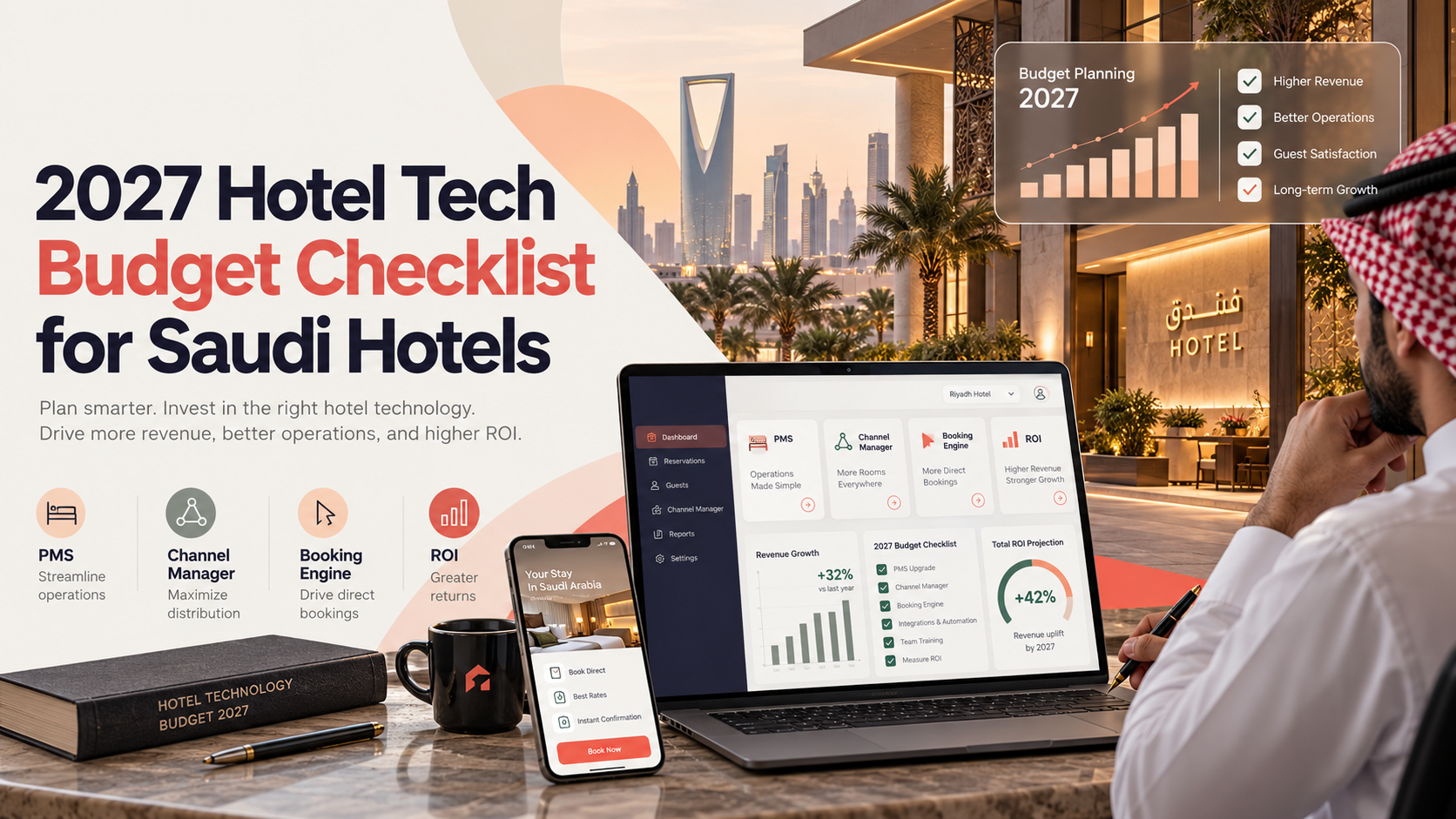
Plan your 2027 hotel technology budget with our Saudi hotel checklist. Compare PMS, channel manager and booking engine ROI, costs and Vision 2030 priorities....
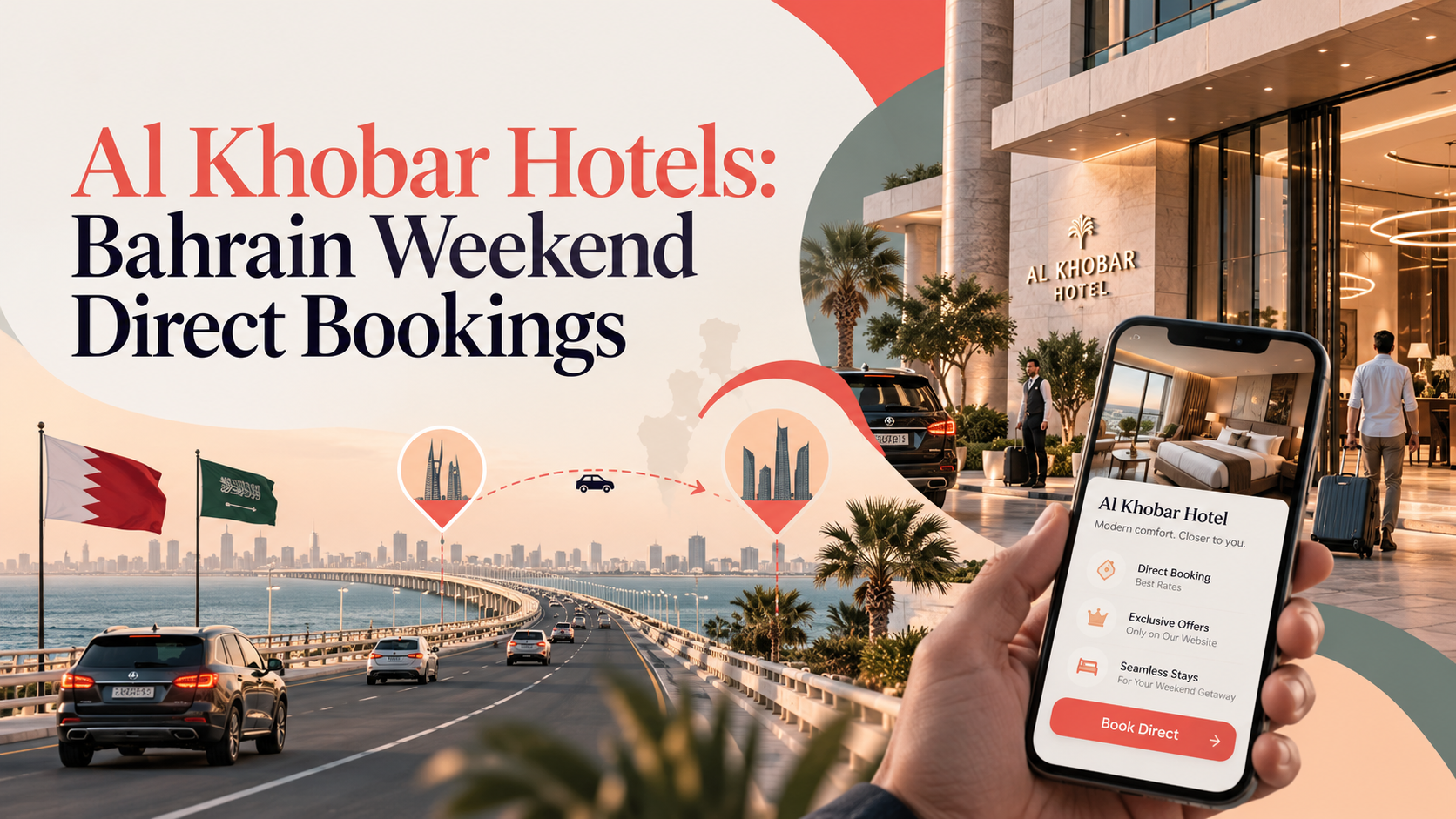
Learn how Al Khobar hotels turn Bahrain weekend visitors into direct bookings using smart pricing, a fast booking engine, WhatsApp and guest loyalty offers....
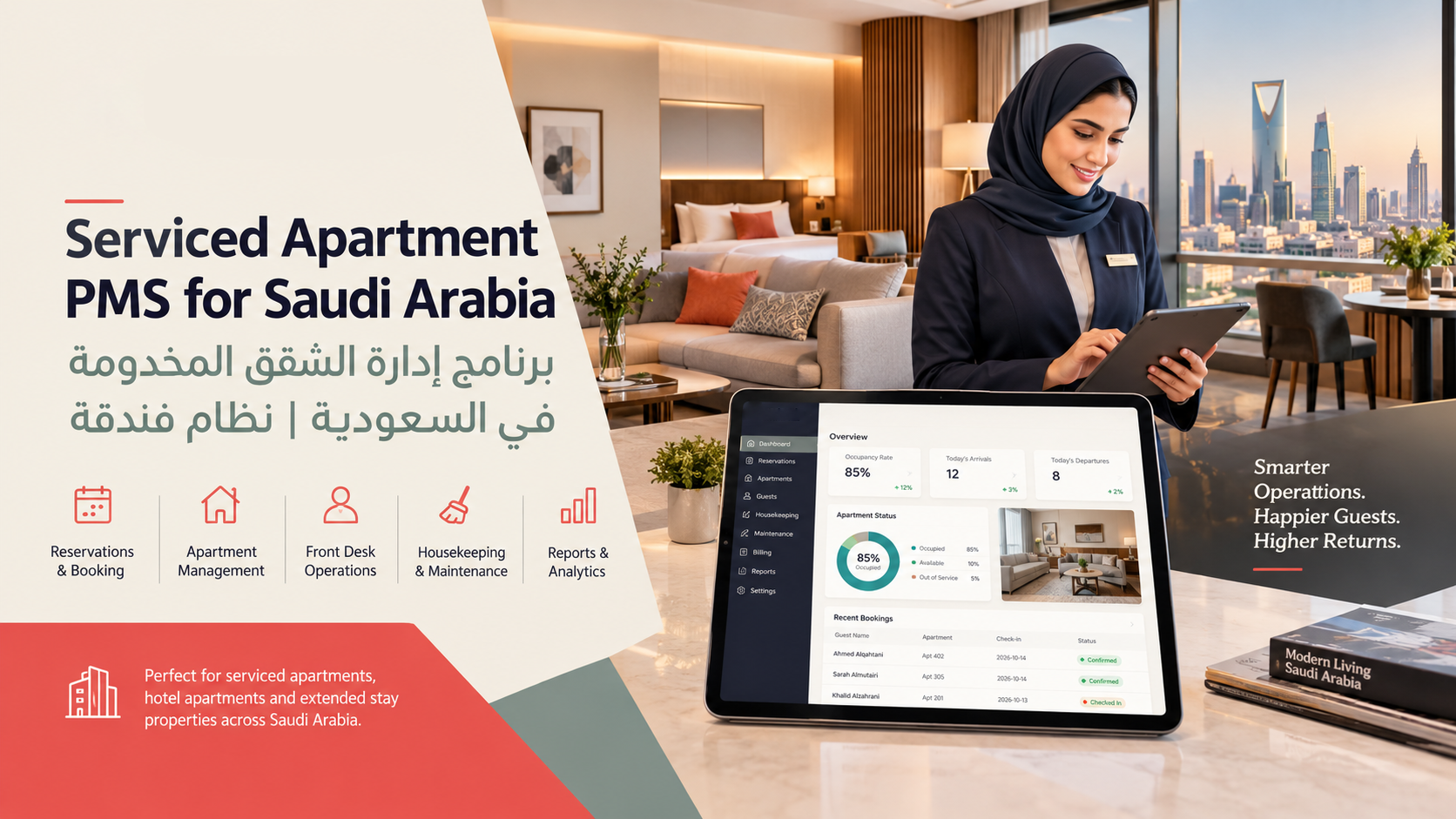
Manage monthly stays, security deposits and company bookings with Fandaqah PMS for Saudi serviced apartments, including ZATCA invoicing and Shomoos....
Manage corporate long stays, negotiated company rates, staff rotations and ZATCA-ready billing in Dhahran and Dammam with Fandaqah PMS....

Complete guide to Six Kings Slam Riyadh 2026: format, prize money, past champions, tickets, where to stay, and how Saudi hotels can maximize revenue during the event....

FII10 Riyadh 2026 hotelier guide: dates, attendees, smart hotel tech, booking strategies & pricing tips to maximize RevPAR during the Future Investment Initiative....
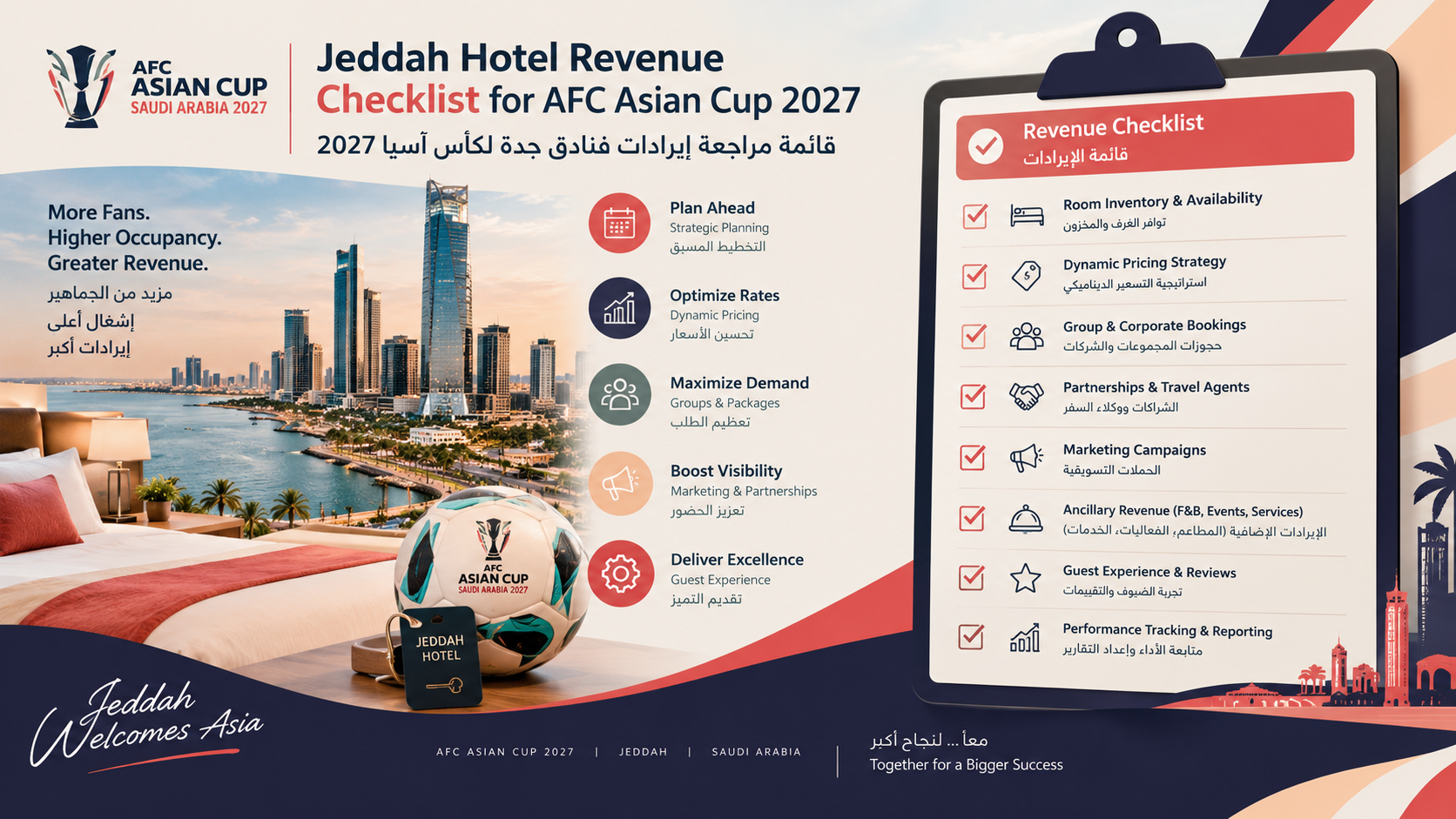
Step-by-step revenue management checklist for Jeddah hotels preparing for AFC Asian Cup 2027: demand forecasting, dynamic pricing, MLOS, channels and RevPAR....
How Riyadh hotels can maximize occupancy and RevPAR during Riyadh Season using dynamic pricing, channel managers, direct bookings and cloud PMS like Fandaqah....

The Gulf Cup in Saudi Arabia draws thousands of football fans. Learn how hotels boost bookings with match-day pricing, fan packages & a smart cloud PMS....

Saudi Arabia winter vacation 2026 is peak domestic travel season. Learn how hotels attract students & families with packages, smart pricing & a cloud PMS....
Run this 10-question, 30-minute audit to know if your hotel group needs a multi-property PMS. Compare single vs multi-property systems, Saudi use cases, ZATCA readiness & Vision 2030 tips....
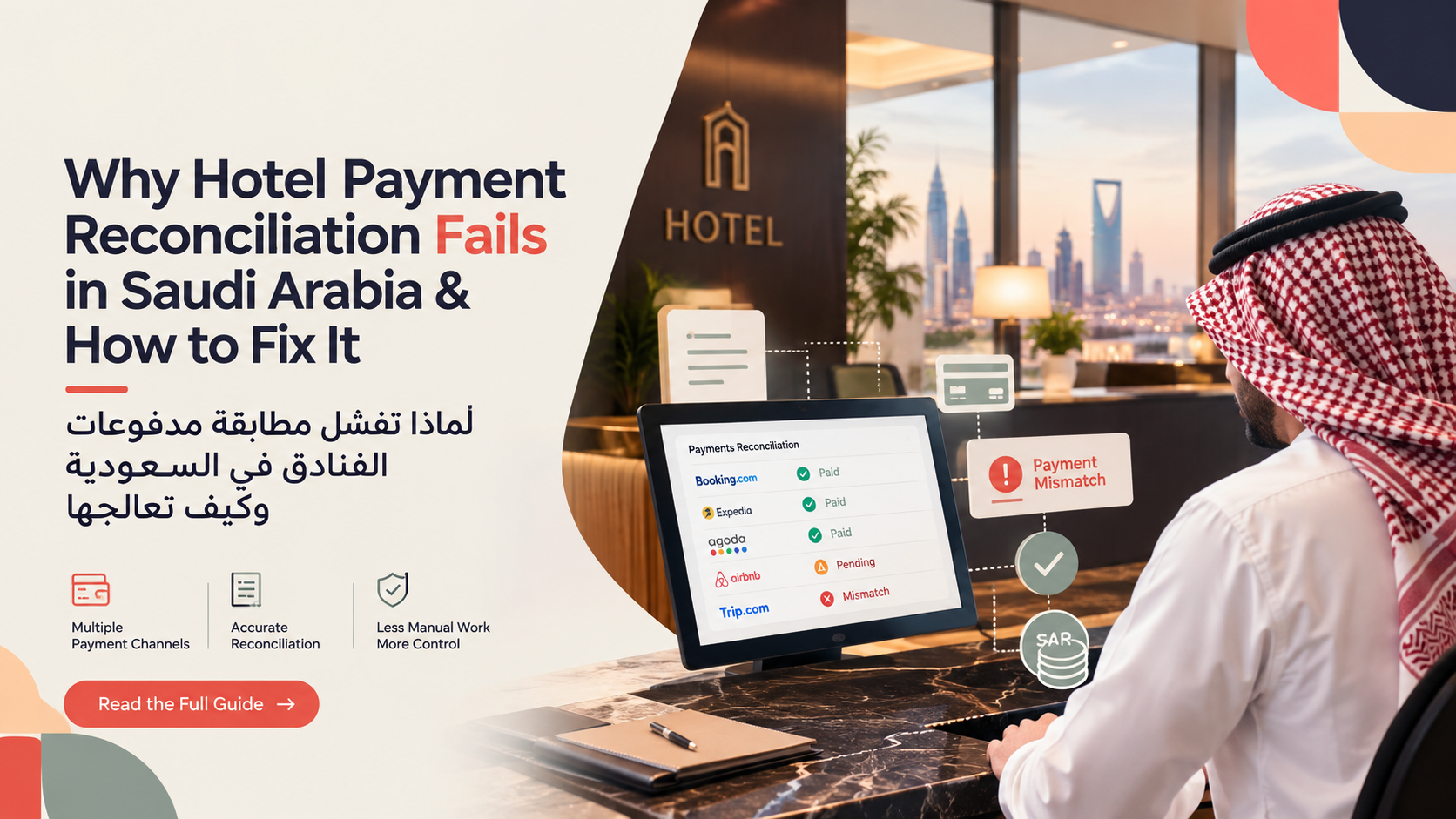
Hotel payment reconciliation fails in Saudi hotels due to mada, OTAs, ZATCA & timing gaps. Learn the 7 root causes, a step-by-step fix, checklist & how automation recovers lost revenue....
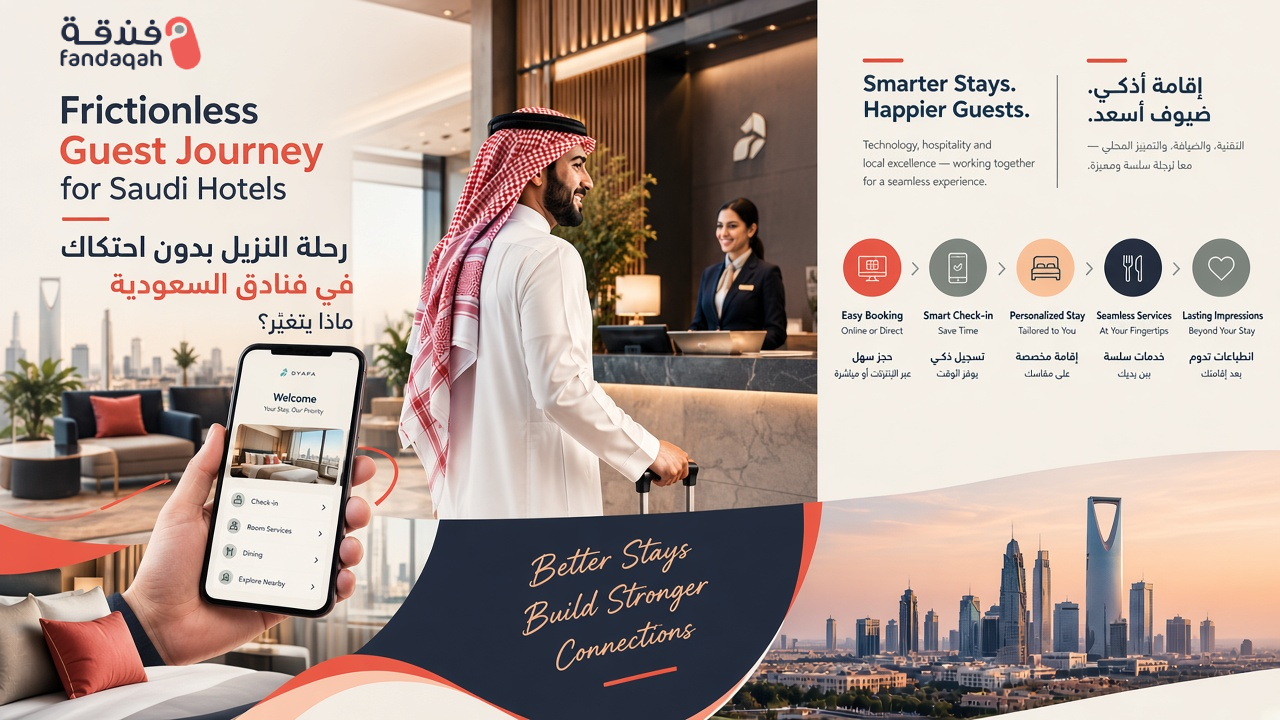
What really changes when Saudi hotel managers fix the frictionless guest journey. Faster check-in, higher direct bookings, better reviews, and full Shomoos & ZATCA compliance....
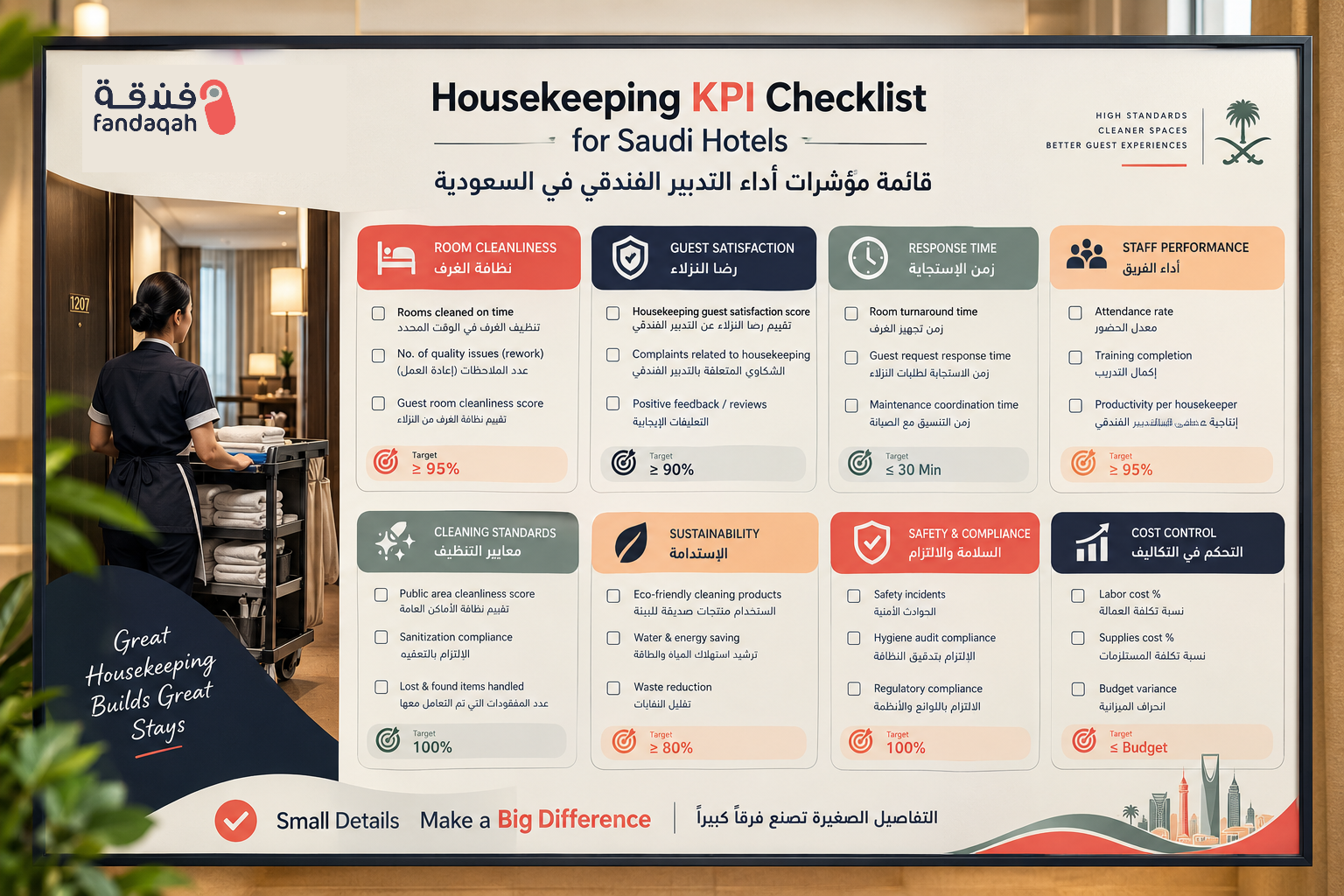
Complete housekeeping KPI checklist for Saudi hotels. Track room status, turnaround time, productivity & more. Design a digital board that drives performance under Vision 2030....
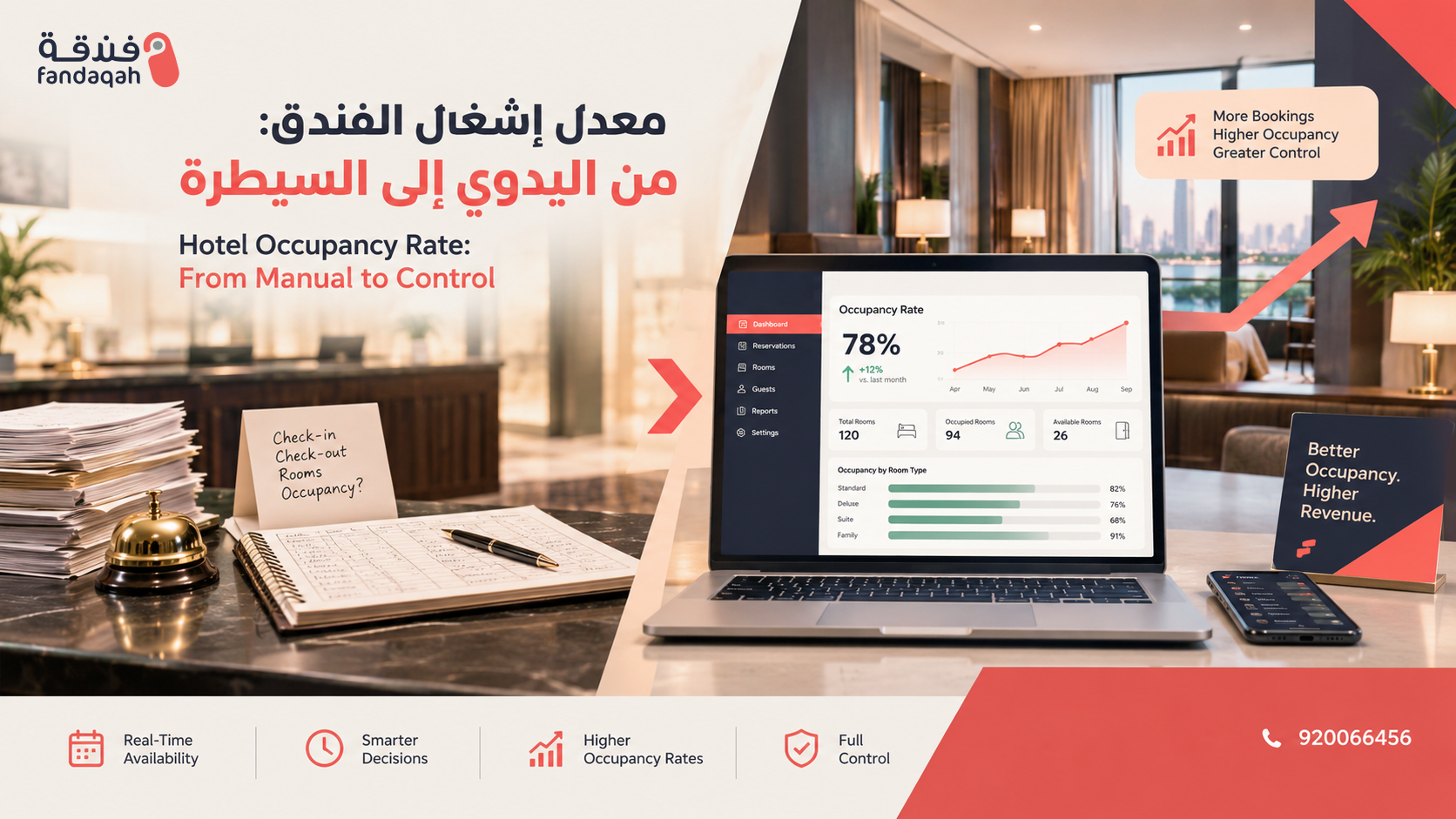
Learn how to calculate hotel occupancy rate, link it to ADR & RevPAR, fix manual errors, and grow revenue in Saudi Arabia with real-time PMS control....
Practical 2027 guide to ZATCA e-invoicing for Saudi hotels: Phase 2, clearance vs reporting, deposits, credit notes, group/corporate billing & compliance steps....
Learn how a hotel channel manager works in Saudi Arabia: prevent overbooking, protect rate parity, sync inventory in real time, and grow bookings for KSA hotels....
Before buying a hotel booking engine in Saudi Arabia, check mada & Apple Pay, Arabic RTL, mobile speed, real-time PMS sync, PDPL & ZATCA readiness....
Improve your hotel PMS selection criteria in Saudi Arabia: ZATCA, Shomoos, PDPL, Arabic support, integrations, scoring model, use cases and vendor proof checklist....
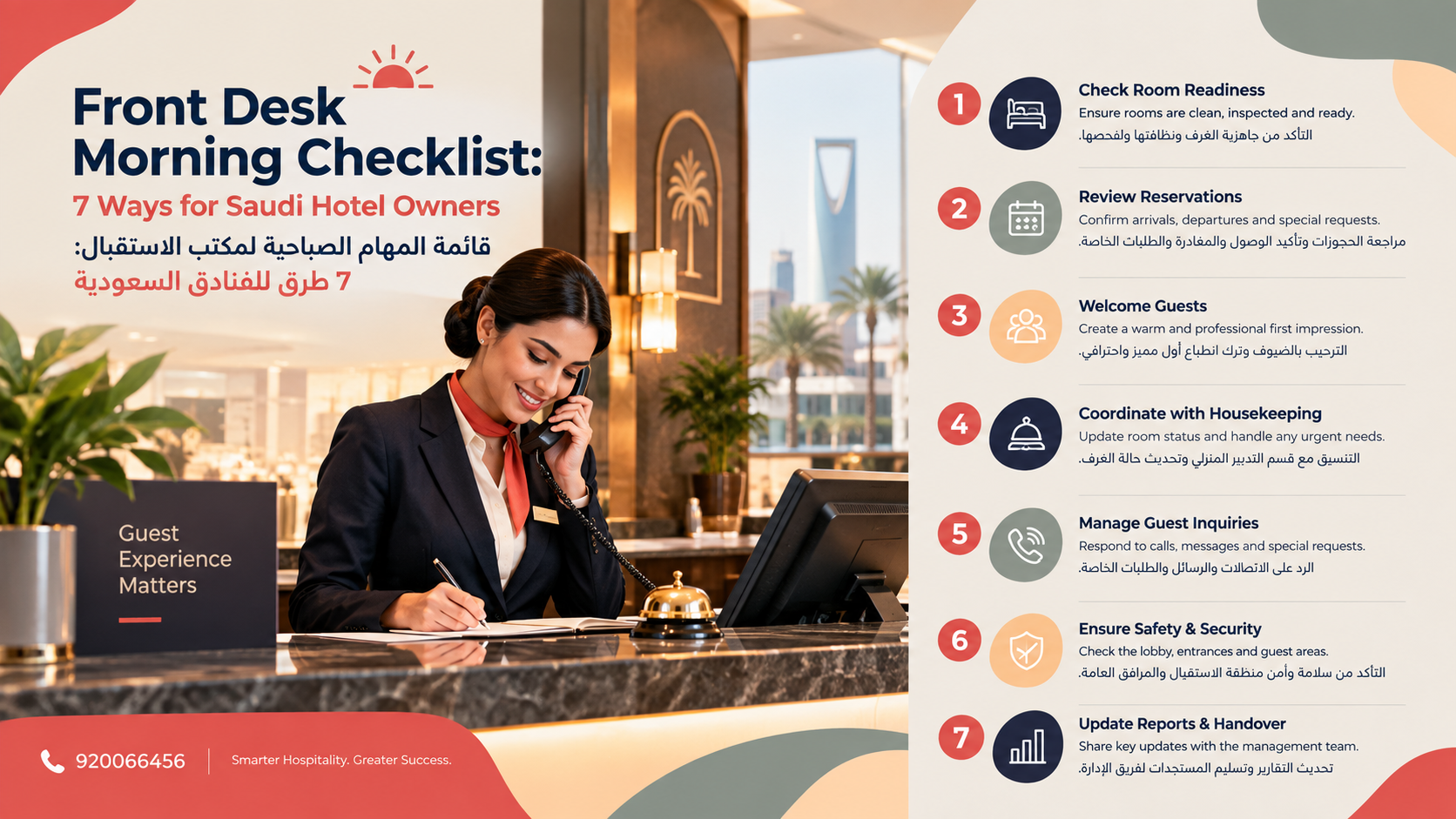
Improve your hotel front desk morning checklist with 7 proven ways for Saudi hotels: shift handover, Shomoos, ZATCA, housekeeping sync, arrivals and Ramadan tips....
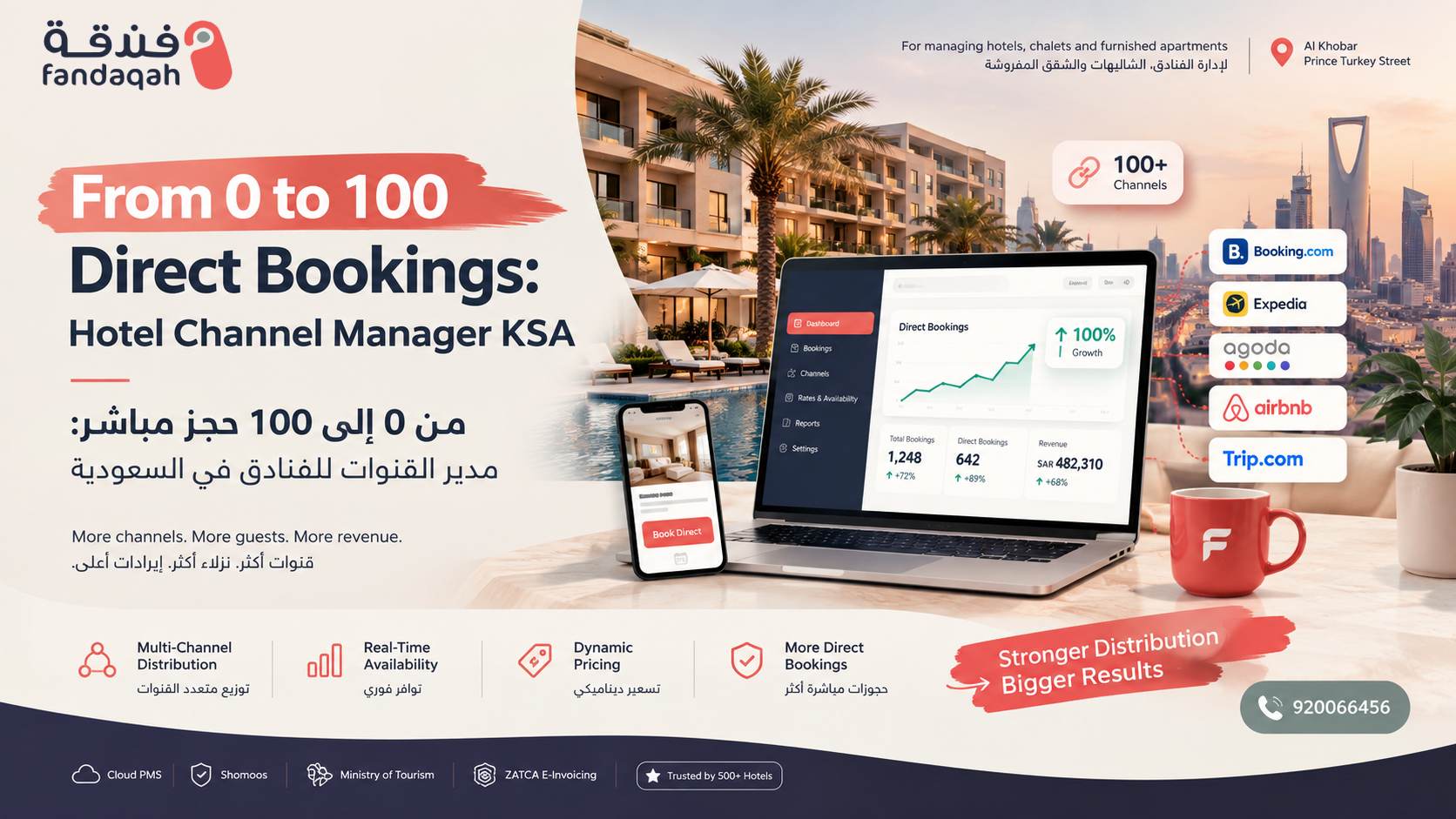
Learn how Fandaqah’s hotel channel manager in Saudi Arabia stops overbookings with real-time inventory sync, cuts OTA commissions, and grows direct bookings from 0 to 100 a month....
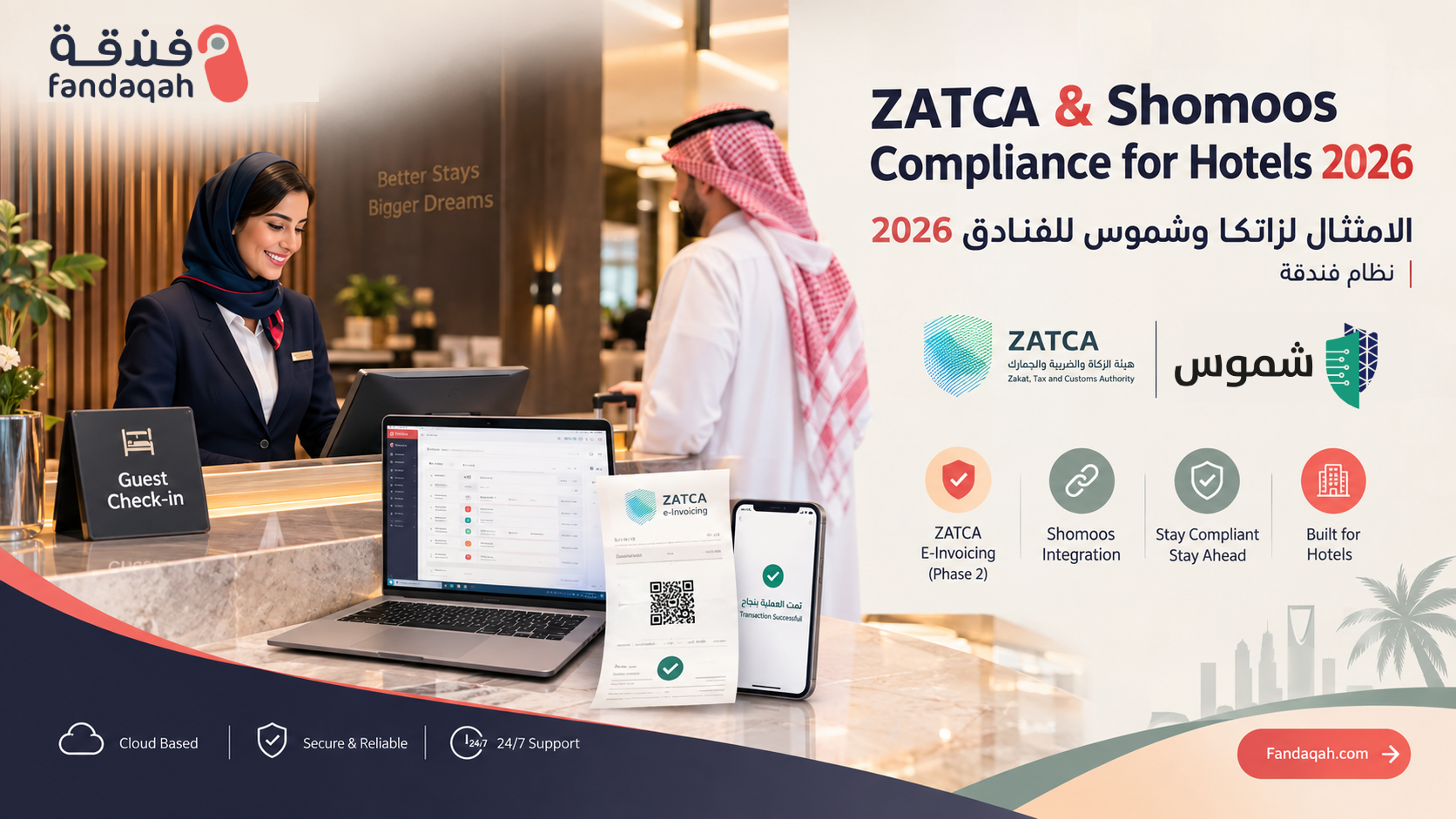
Complete 2026 guide to ZATCA e-invoicing Phase 2 and Shomoos guest registration. See how Fandaqah’s Saudi hotel PMS automates both from a single check-in....
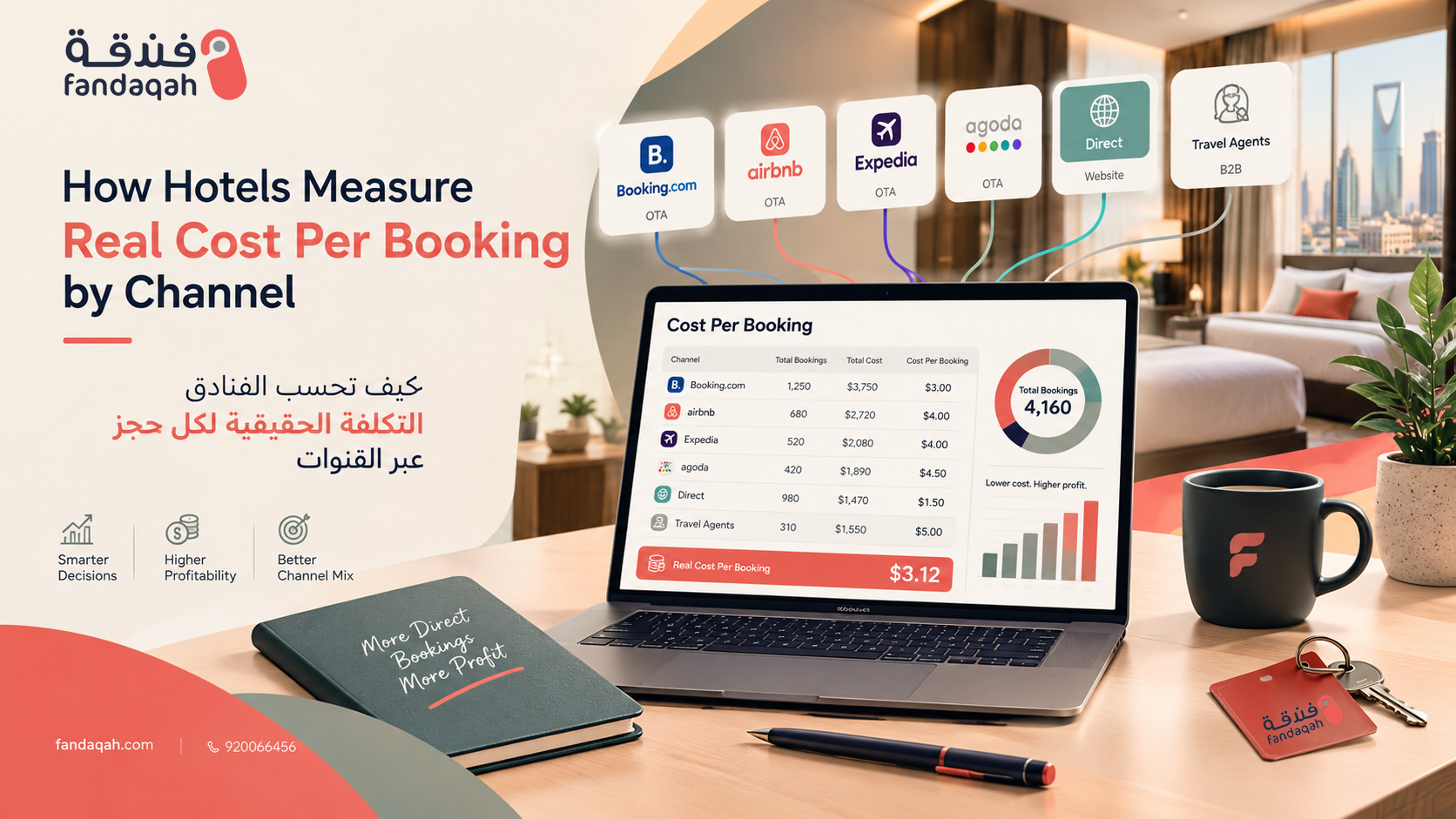
Calculate true hotel cost per booking across OTA, direct, GDS & WhatsApp. Step-by-step formula, Riyadh example & ways to cut distribution costs in Saudi Arabia....
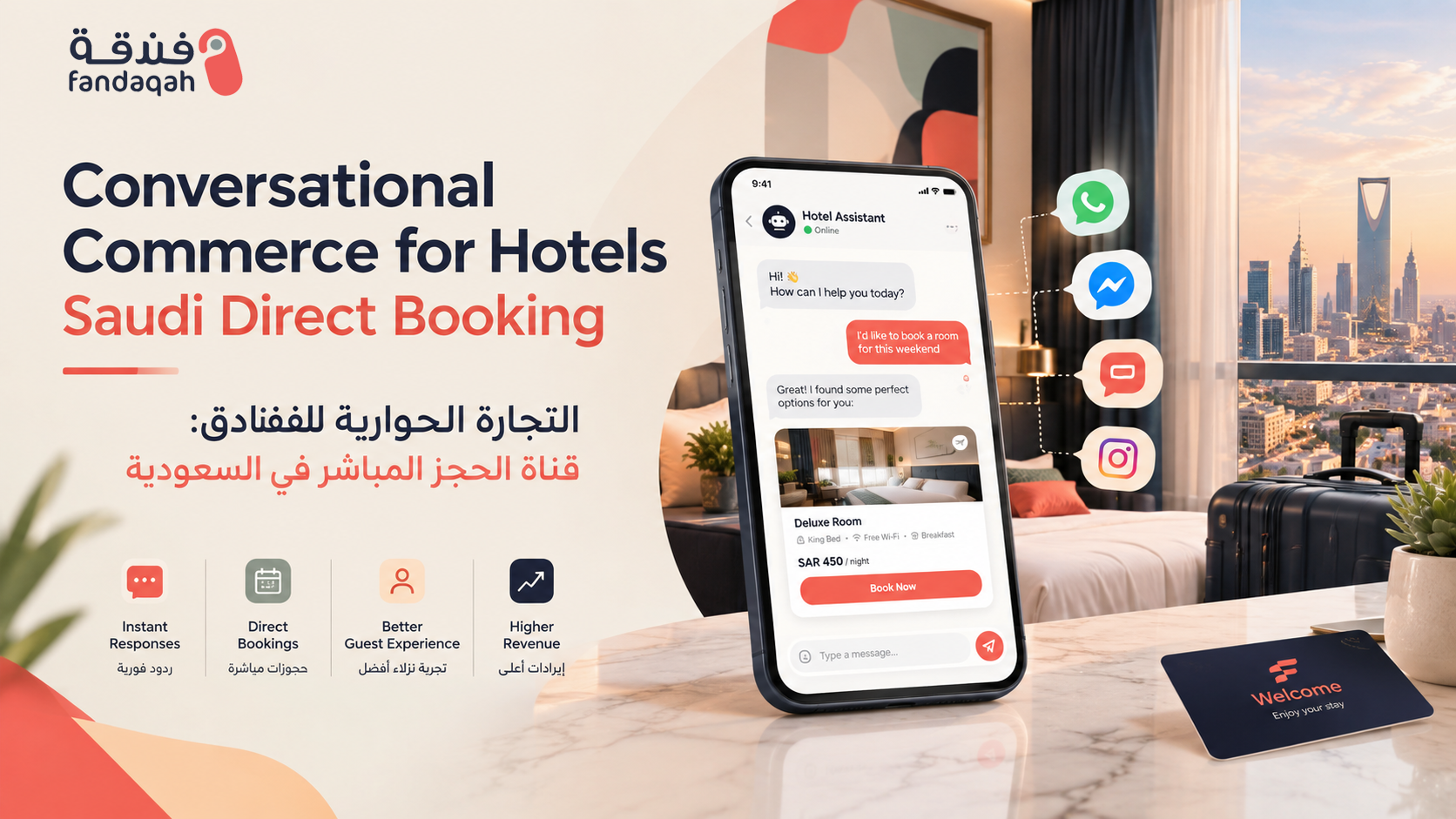
How WhatsApp hotel booking, AI assistants & in-chat payments turn guest chats into direct reservations. Build a commission-free channel for Saudi hotels....

Learn how to calculate the true cost of a hotel stay in Saudi Arabia. Discover when breakfast and parking are worth it, how to get room upgrades, and when flexible rates save you money....
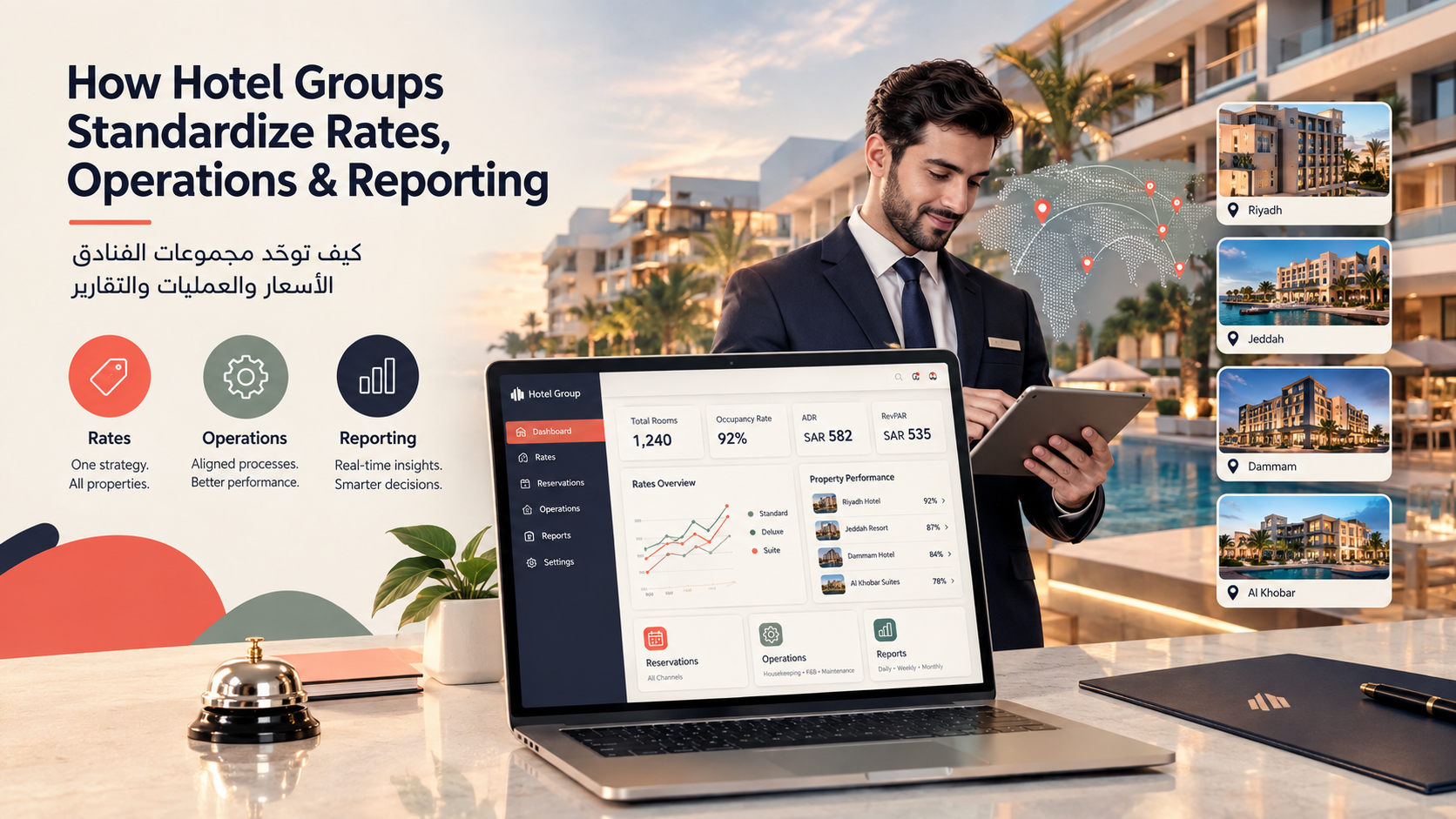
Learn how Saudi hotel groups standardize rates, operations and reporting across properties with a multi-property PMS, shared KPIs and scalable processes....
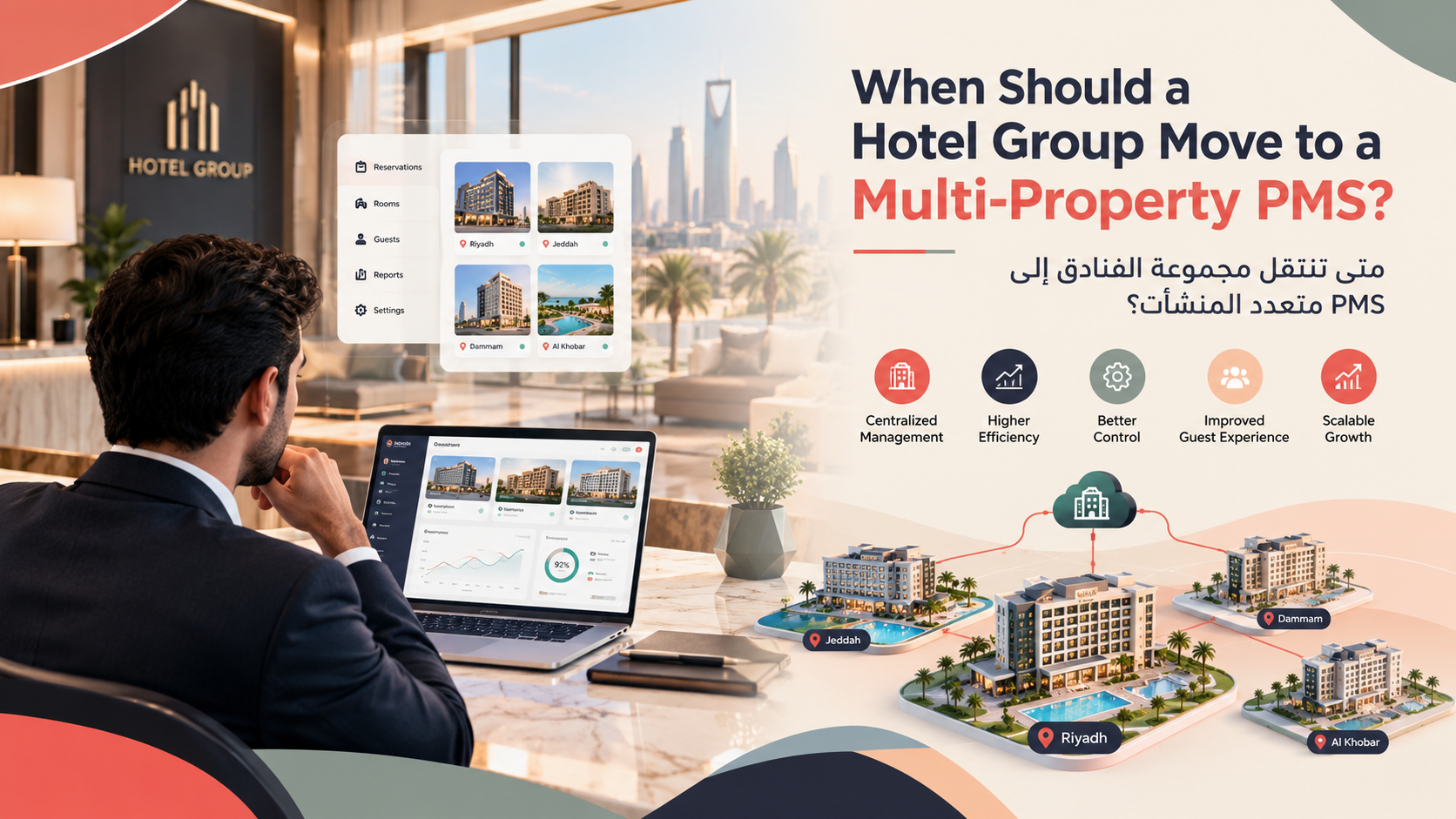
Discover the practical signs a growing hotel group has outgrown separate systems and should switch to a multi-property PMS for better control, reporting, and scale in Saudi Arabia....
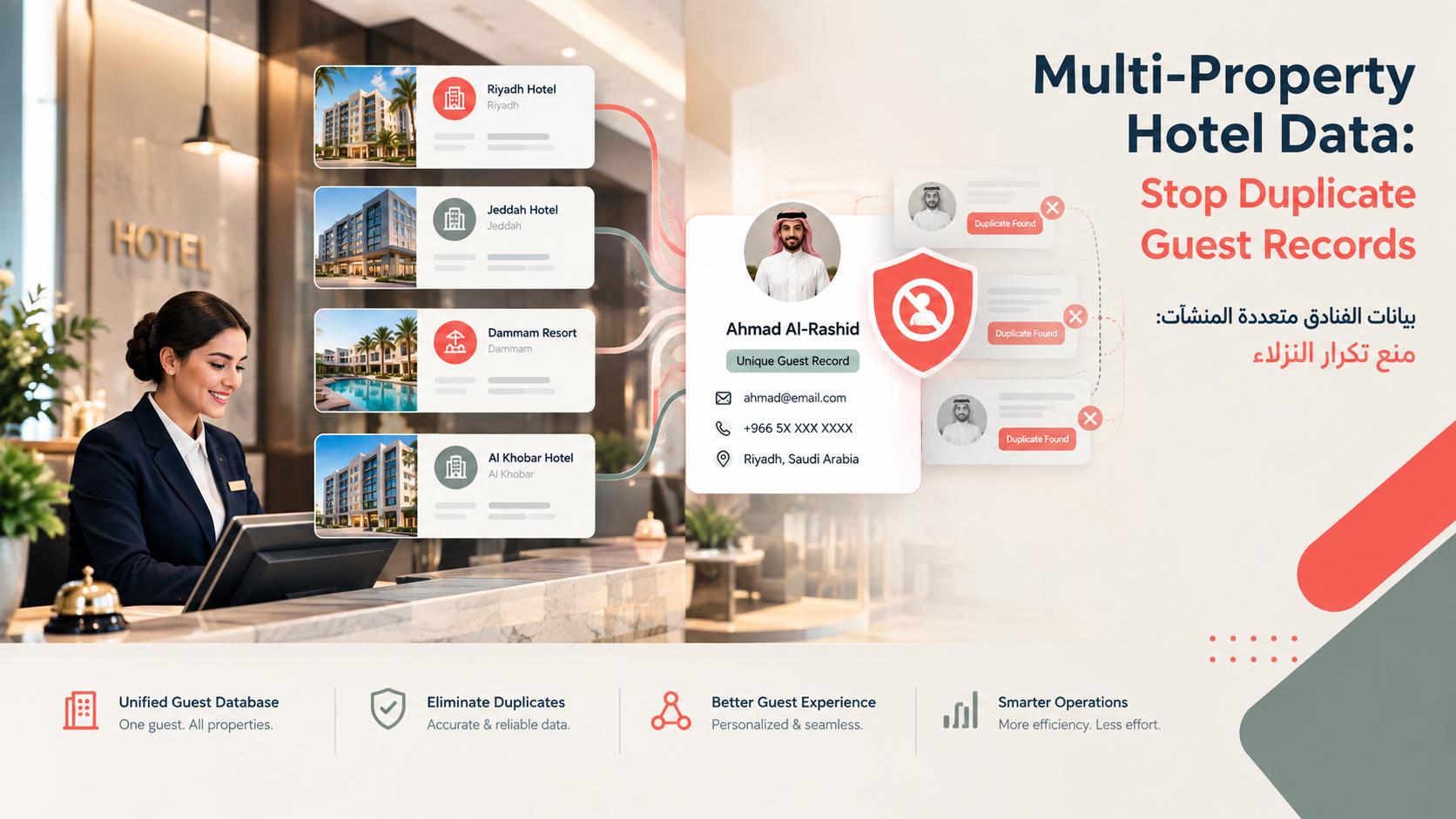
Learn how multi-property hotels in Saudi Arabia stop duplicate guest and reservation records with a centralized PMS, smart matching, channel sync, and data governance....
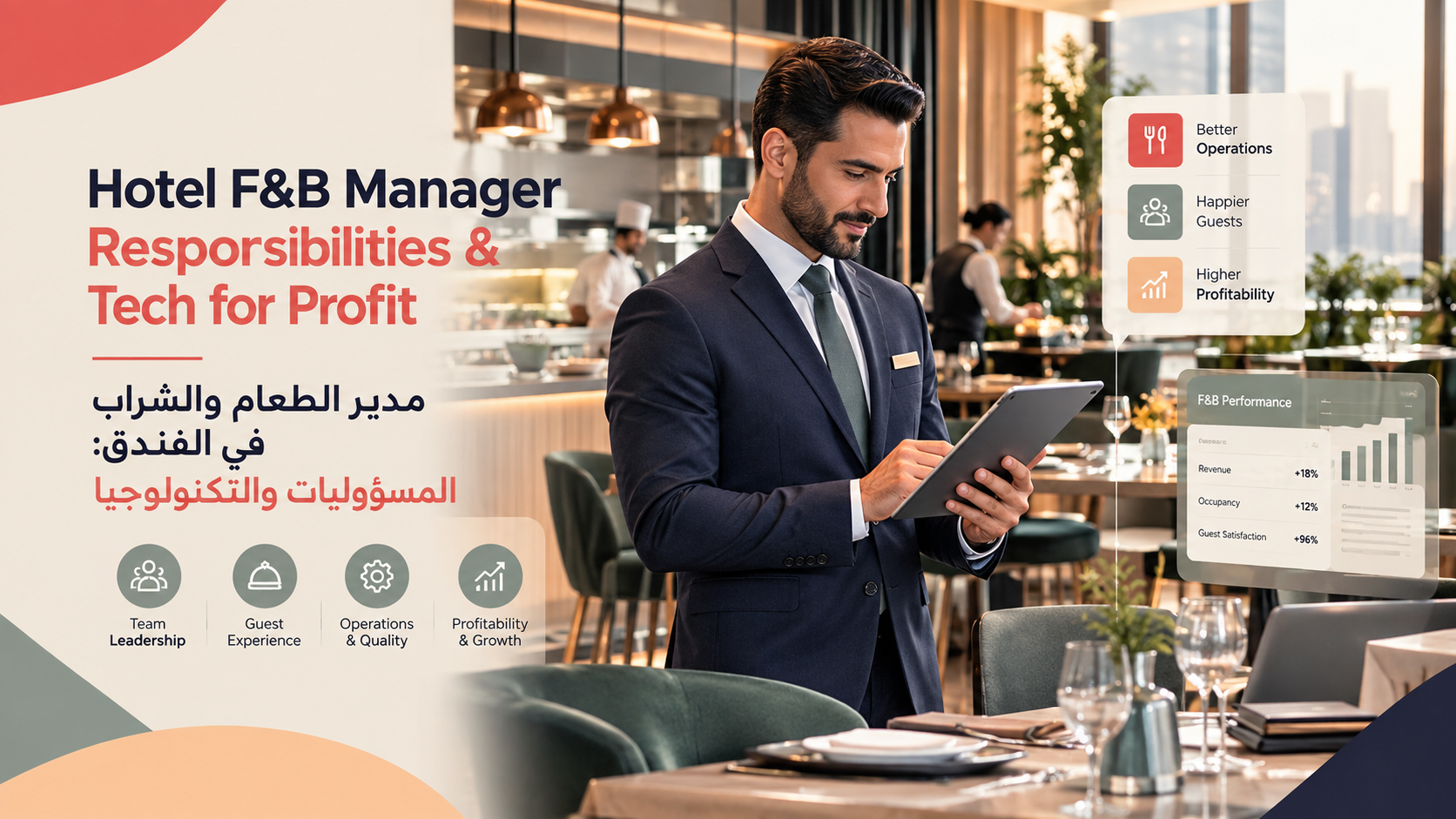
Complete guide to hotel food & beverage manager duties, food cost control, menu engineering, and how POS–PMS integration cuts waste and boosts profit in Saudi hotels....
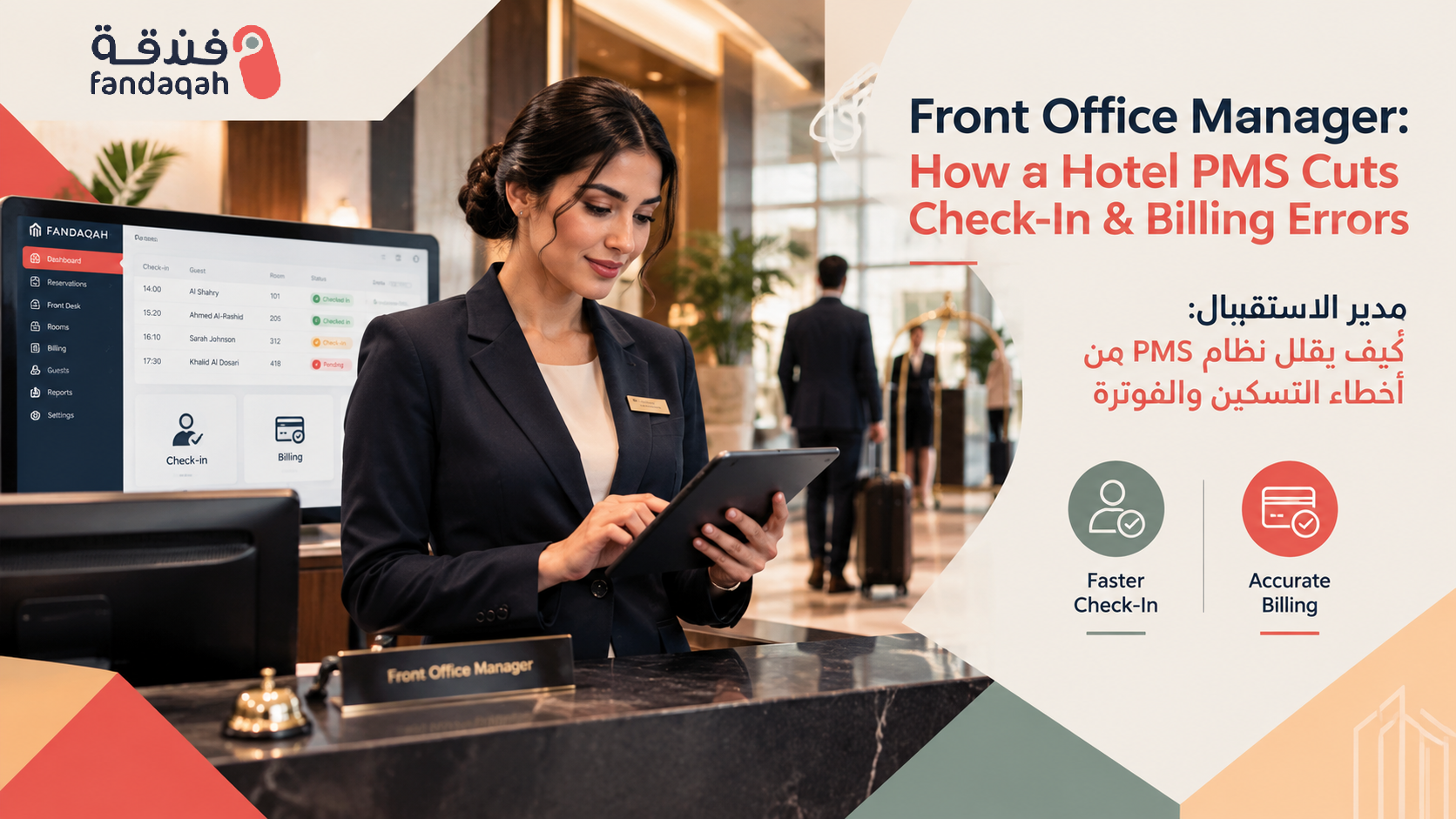
Discover how a hotel PMS eliminates double bookings, wrong room assignments, and billing mistakes in Saudi hotels. ZATCA-compliant, real-time, and built for Vision 2030....
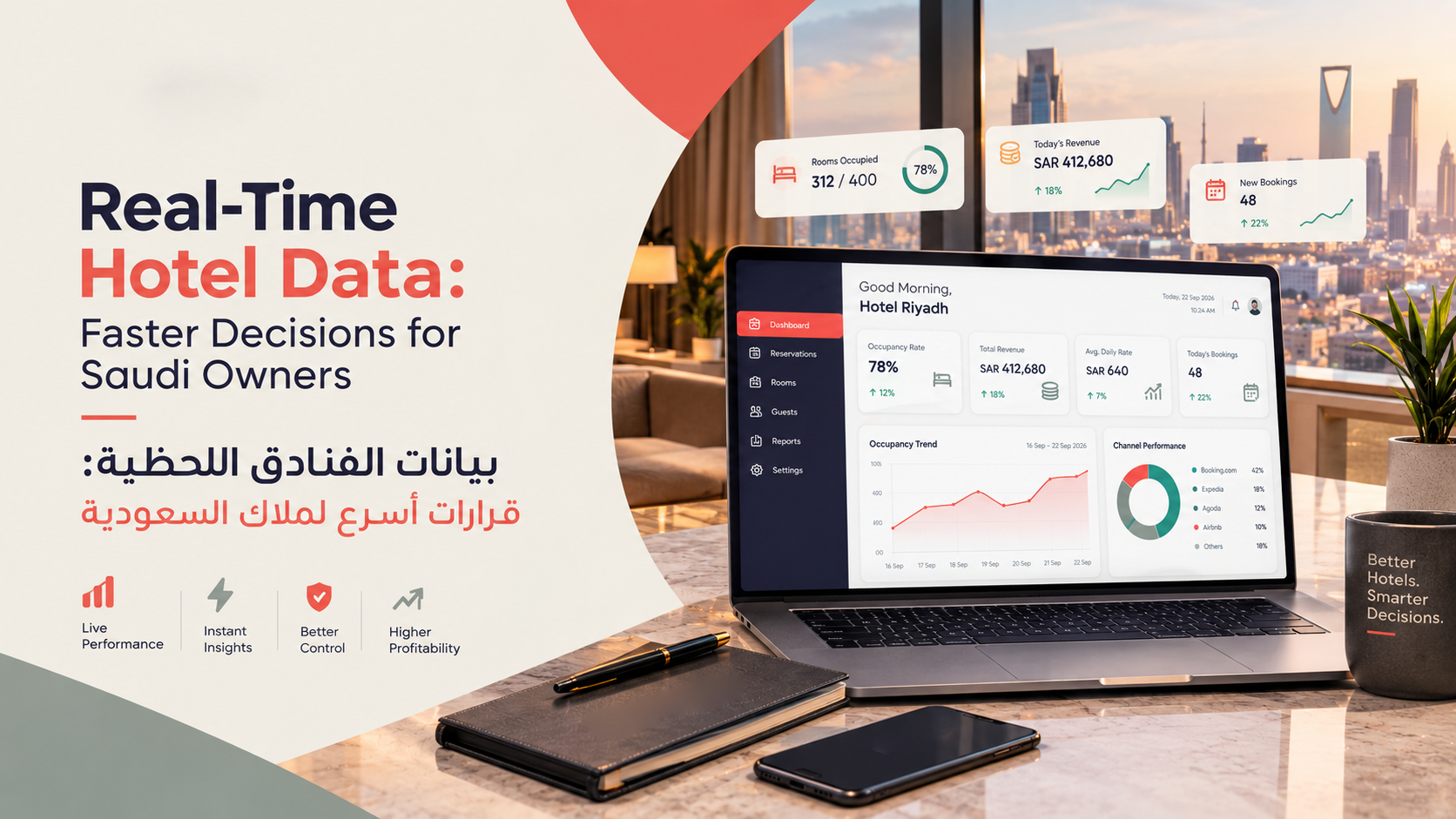
Discover how real-time hotel data helps owners boost RevPAR 5–15%, react to demand in minutes, and stay competitive in Saudi Arabia’s Vision 2030 tourism boom....
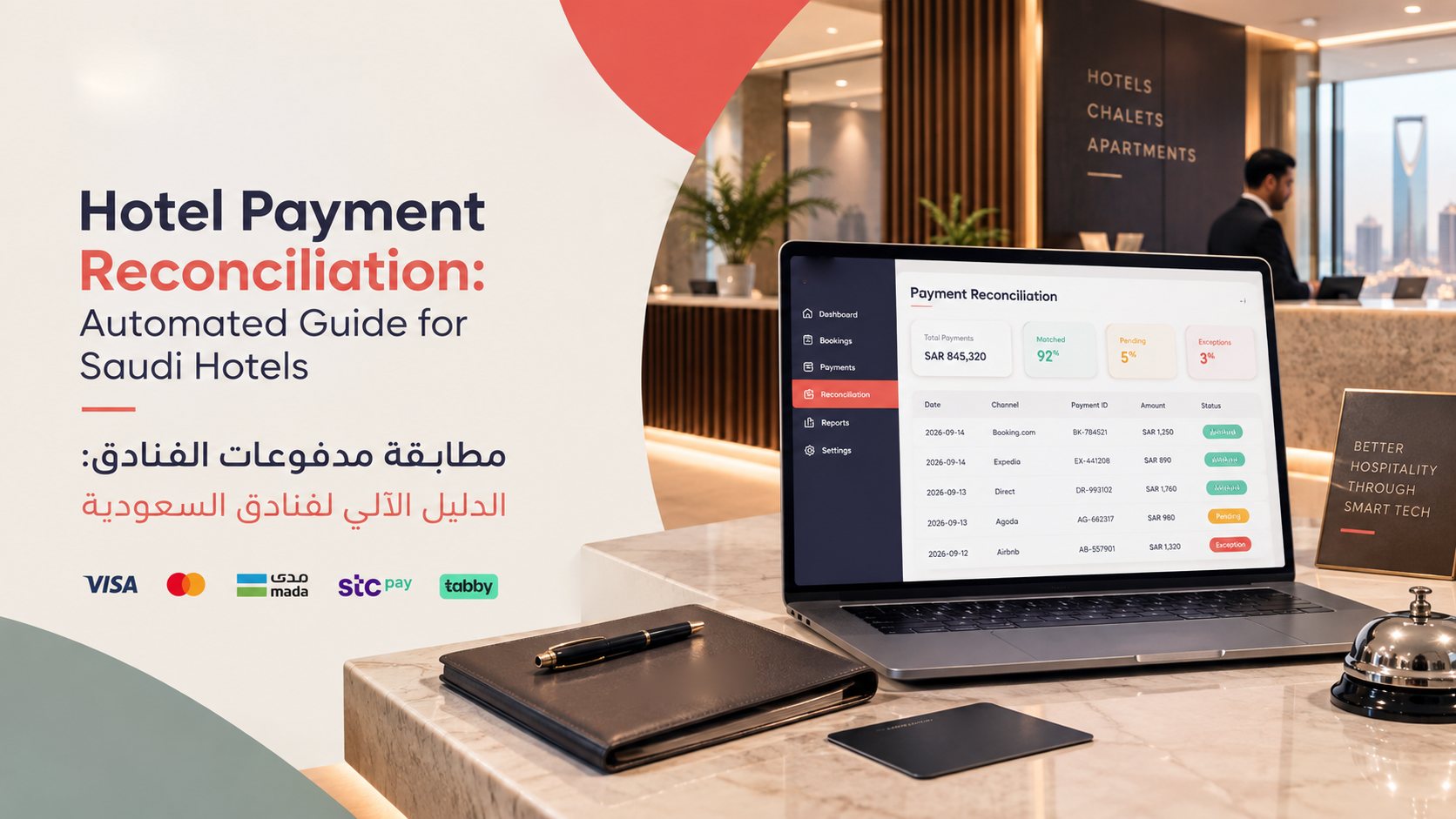
Learn how automated hotel payment reconciliation matches reservations, payments & invoices in real time. Recover revenue, cut time 80–90% & stay ZATCA-ready....
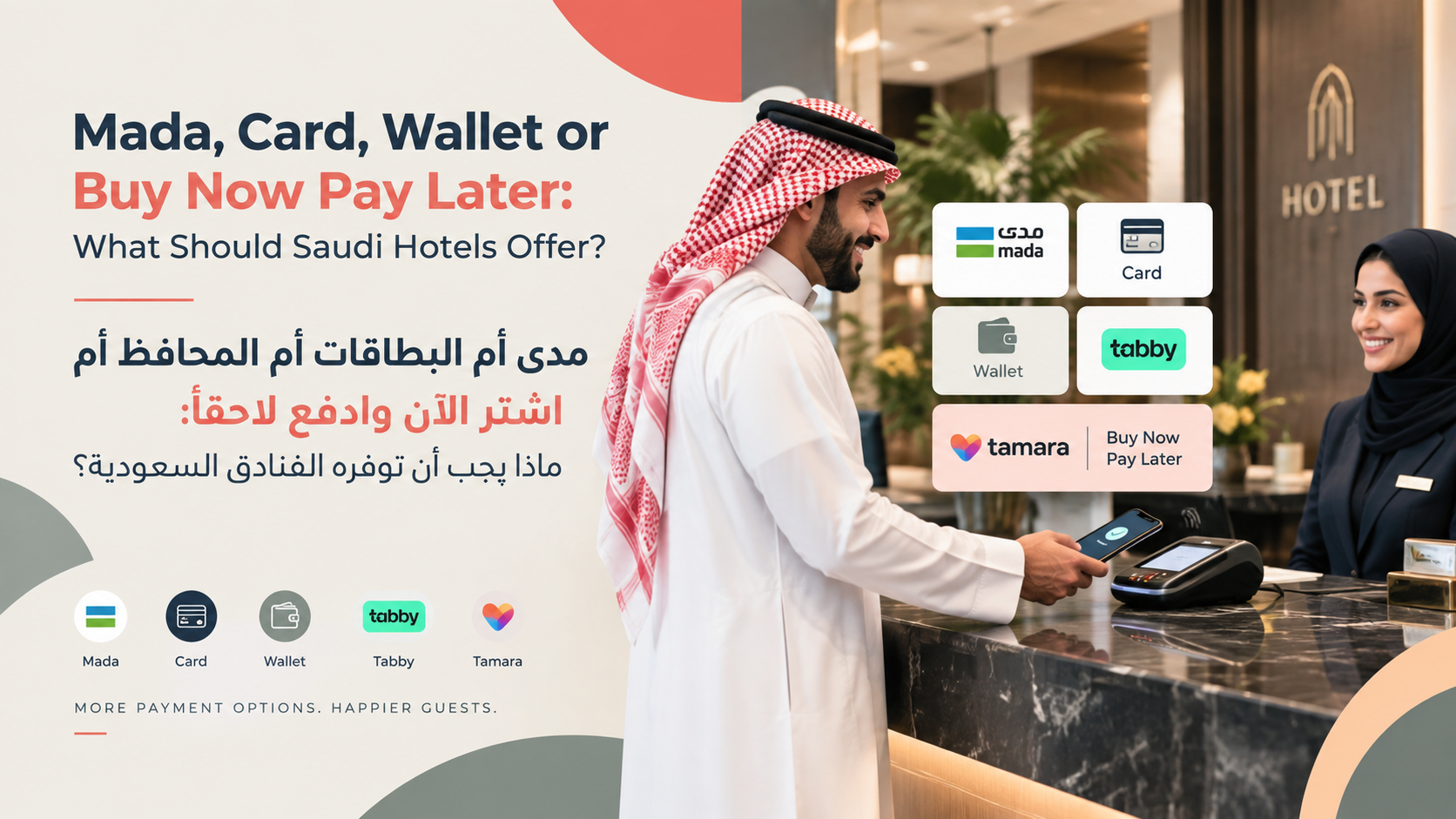
Complete 2026 guide: which payment methods Saudi hotels must offer — Mada, Visa/Mastercard, Apple Pay, Tabby & Tamara — to boost direct bookings and margins....
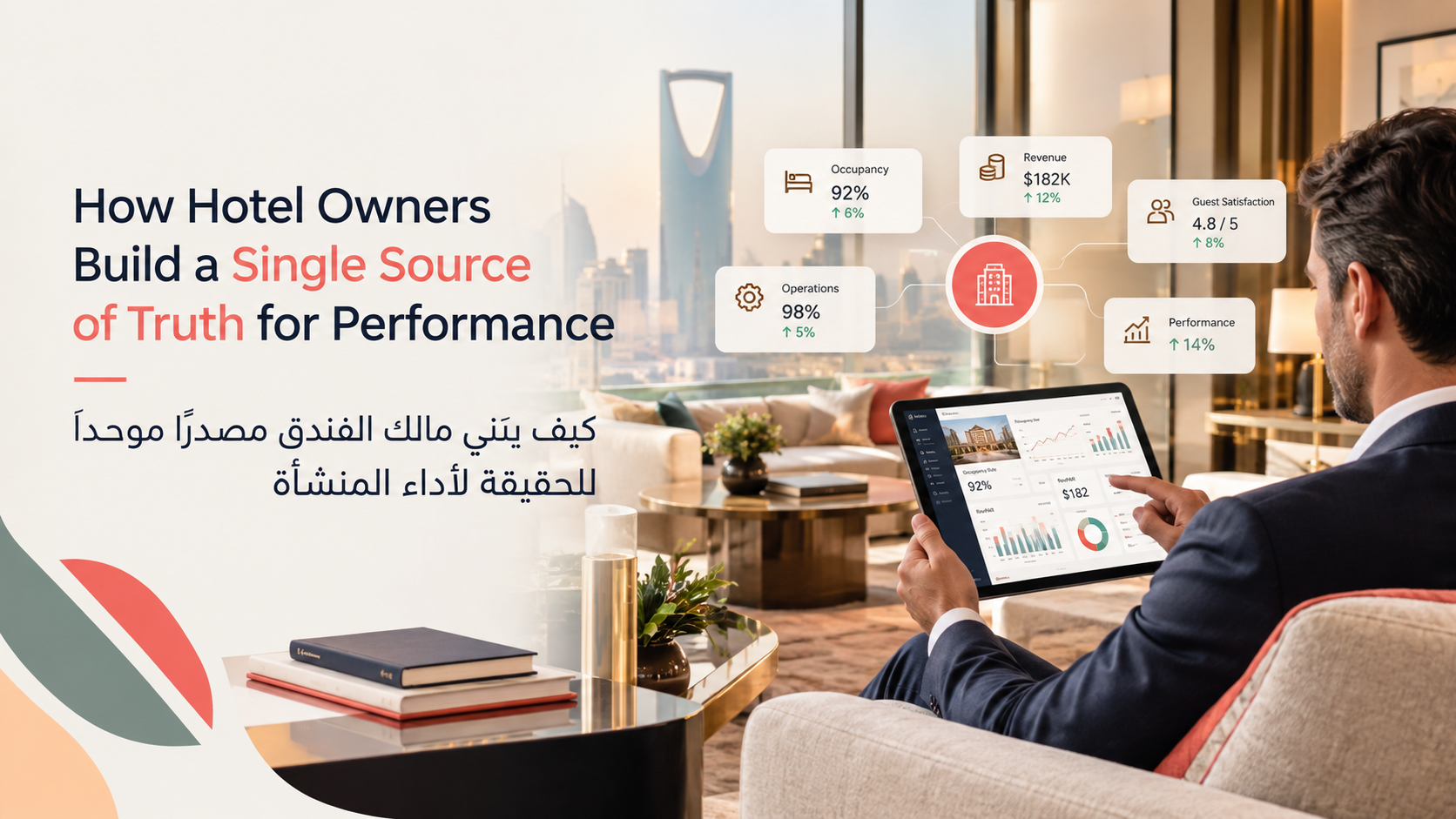
Learn how Saudi hotel owners can build a single source of truth for property performance. Cut reporting time 70–90%, track RevPAR, ADR & occupancy in real time....
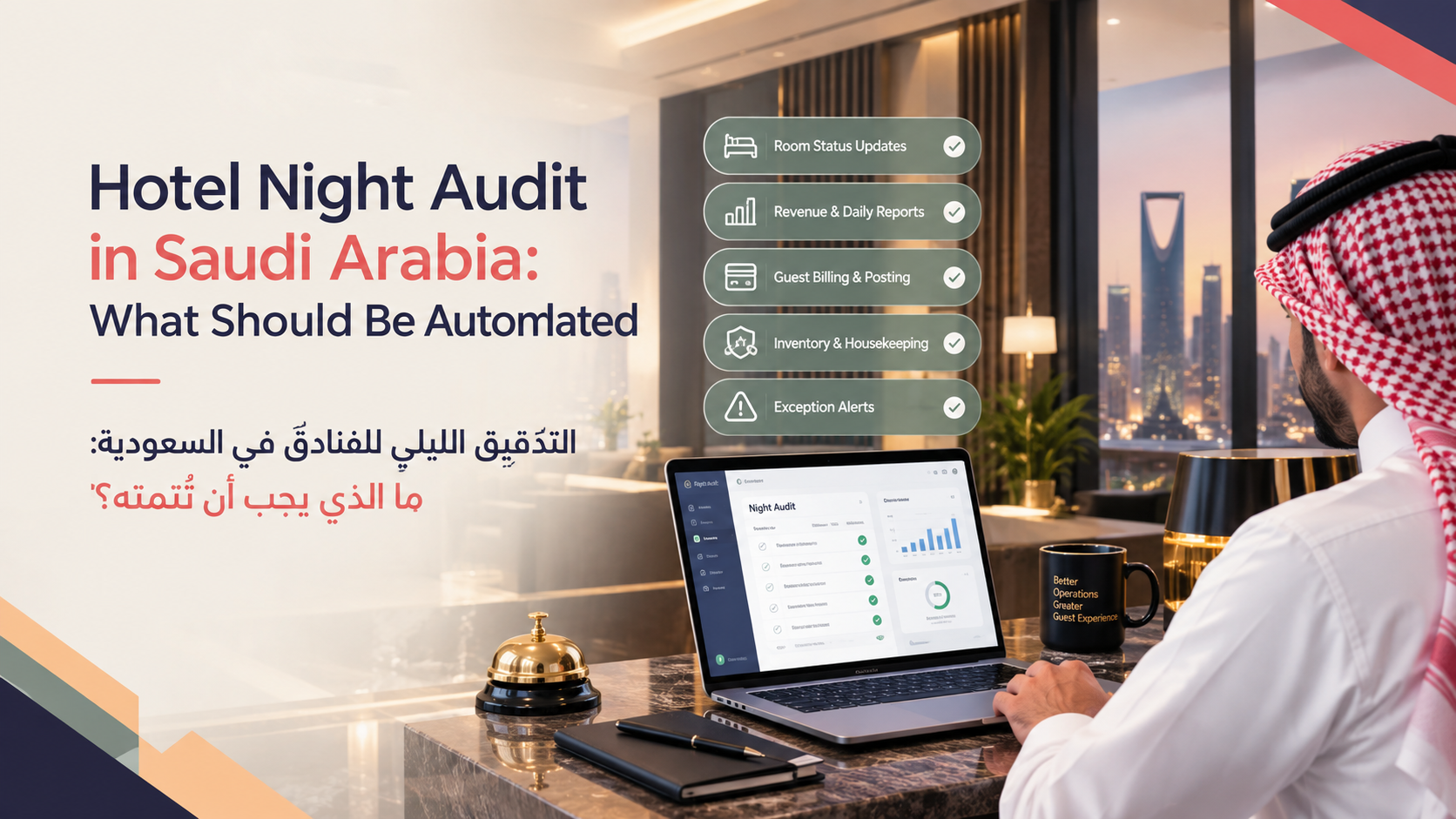
Complete guide to automating hotel night audit in Saudi Arabia: room & tax posting, no-shows, ZATCA Fatoora e-invoicing, payment reconciliation & continuous close....
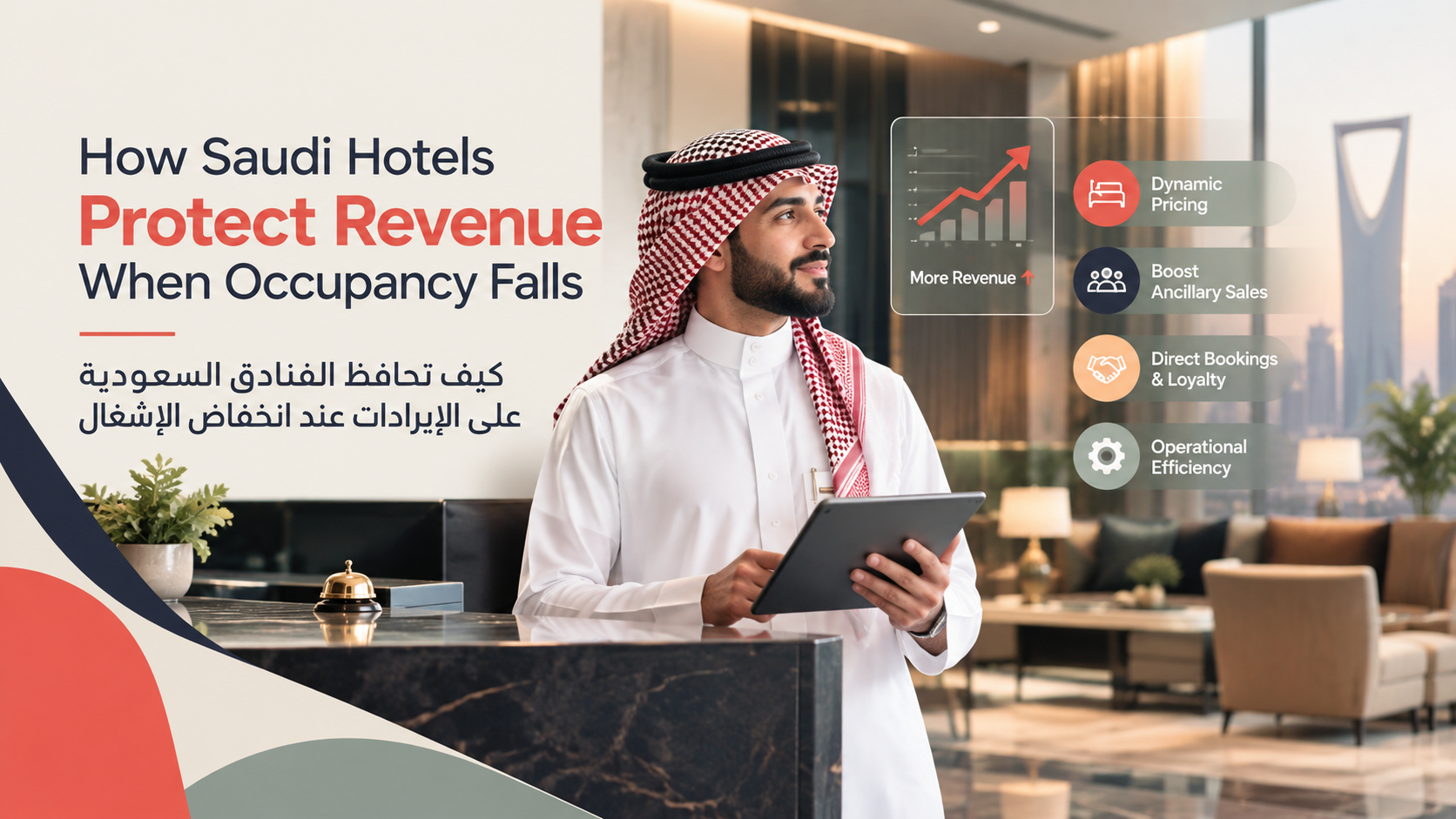
Discover proven strategies for Saudi hotels to protect revenue in low occupancy: dynamic pricing, RevPAR & TRevPAR focus, direct bookings, ancillary income, staycations & Vision 2030 insights....
A hotel management system (PMS) cuts queues on Saudi National Day 2026 with pre-check-in, auto room assignment, live housekeeping, channel sync and instant e-invoices. Shorter waits, zero overbookings...
Connected hotel technology creates a seamless guest journey for Saudi National Day 2026. Link PMS, booking engine, POS, mobile keys & more—enter data once, zero friction from search to review....
12 proven strategies to increase direct hotel bookings in Saudi Arabia. Grow commission-free revenue with booking engines, WhatsApp, Google Free Booking Links & more in 2026....
Learn proven strategies to reduce OTA commissions, boost direct bookings, and increase hotel profits in Saudi Arabia. Practical tips for Riyadh, Jeddah, Makkah & more in 2026....
How Fandaqah integrates HyperPay, mada, Visa, Apple Pay, Tamara and Tabby for secure direct hotel payments in Saudi Arabia — with ZATCA invoicing built in....
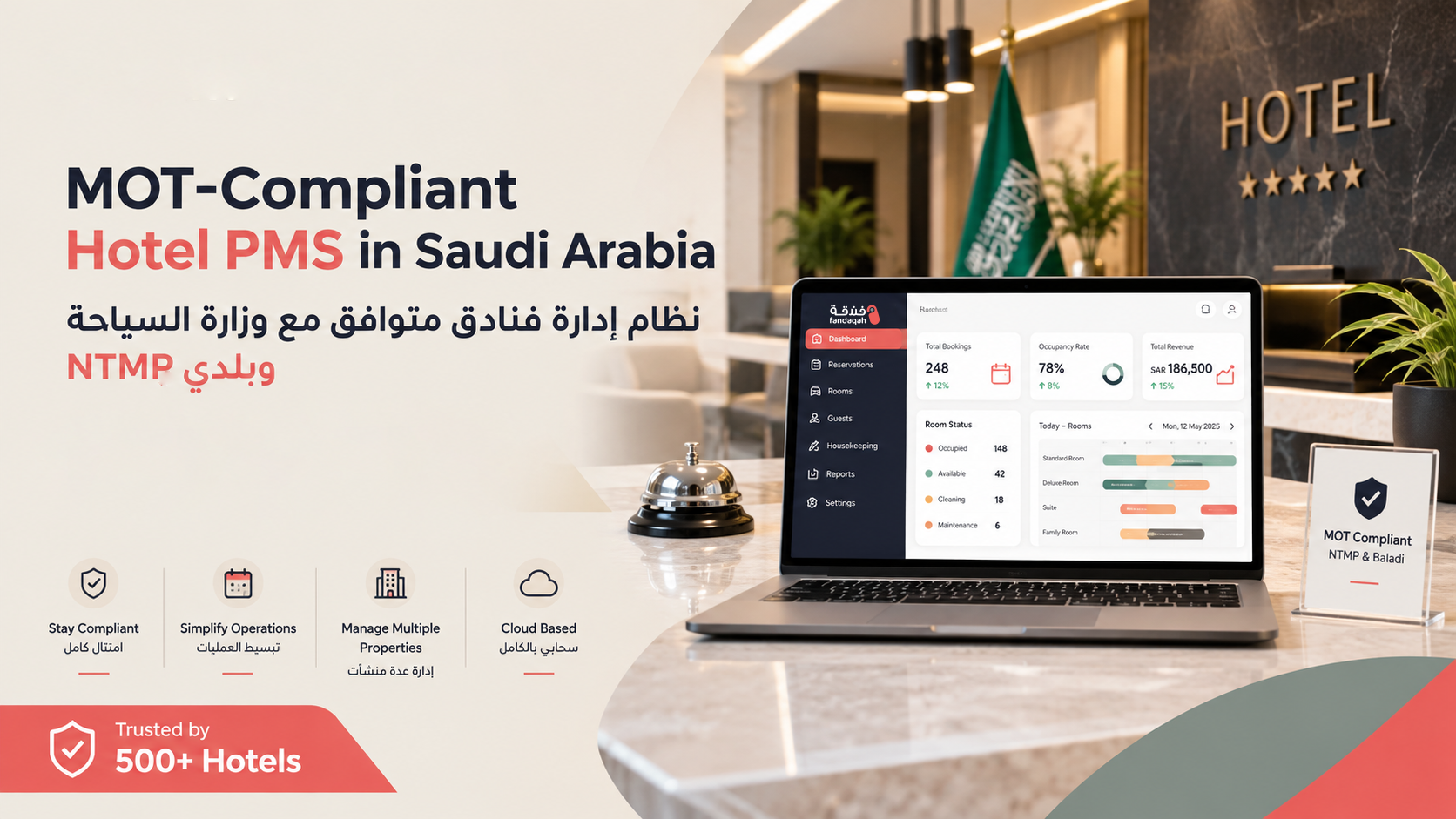
Practical guide to MOT-compliant hotel PMS in Saudi Arabia. Cover NTMP reporting, guest registration, Baladi licences, ZATCA invoicing and how Fandaqah helps....
The 10 essential daily hotel reports every general manager should review before 10 a.m.: flash, night audit, ADR & RevPAR, pace, room status, and more — with red flags to watch....
Discover how a hotel PMS cuts front-desk check-in and billing errors with live room status, channel sync, auto POS posting, and ZATCA e-invoicing for Saudi properties....
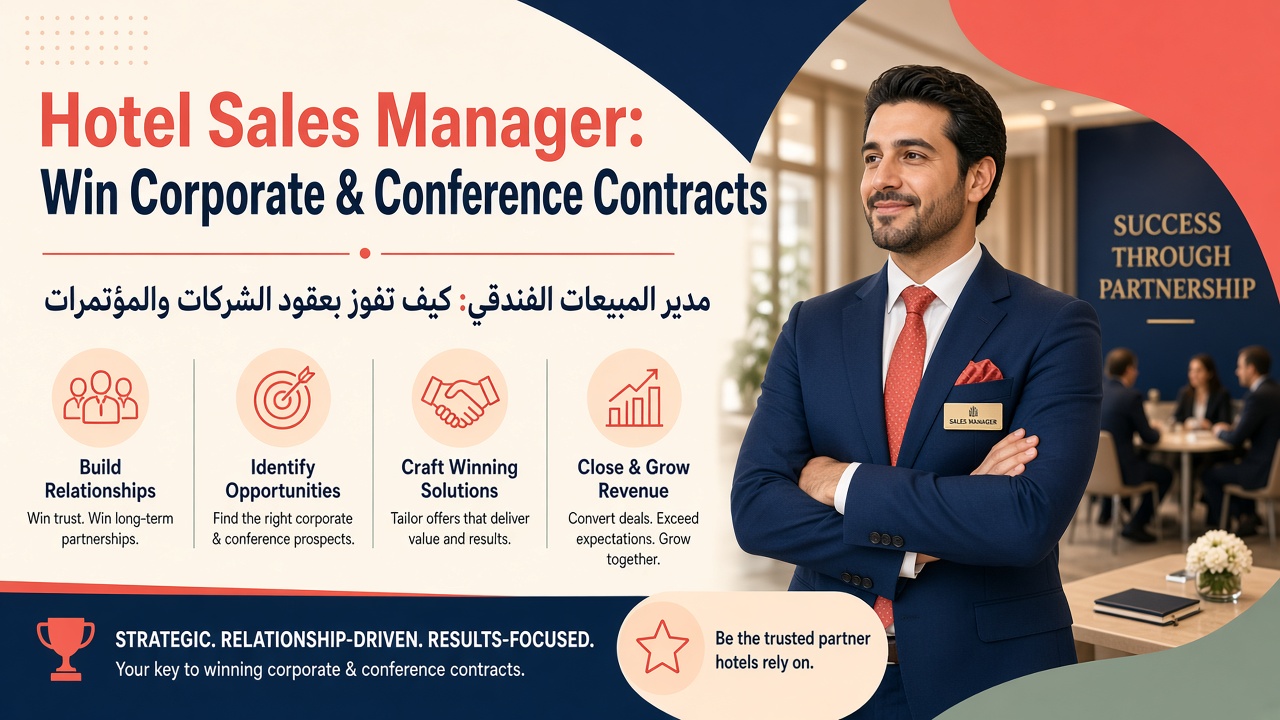
How hotel sales managers in Saudi Arabia win corporate rate agreements and MICE contracts. Practical RFP tips, smart pricing, account targeting and sales KPIs....
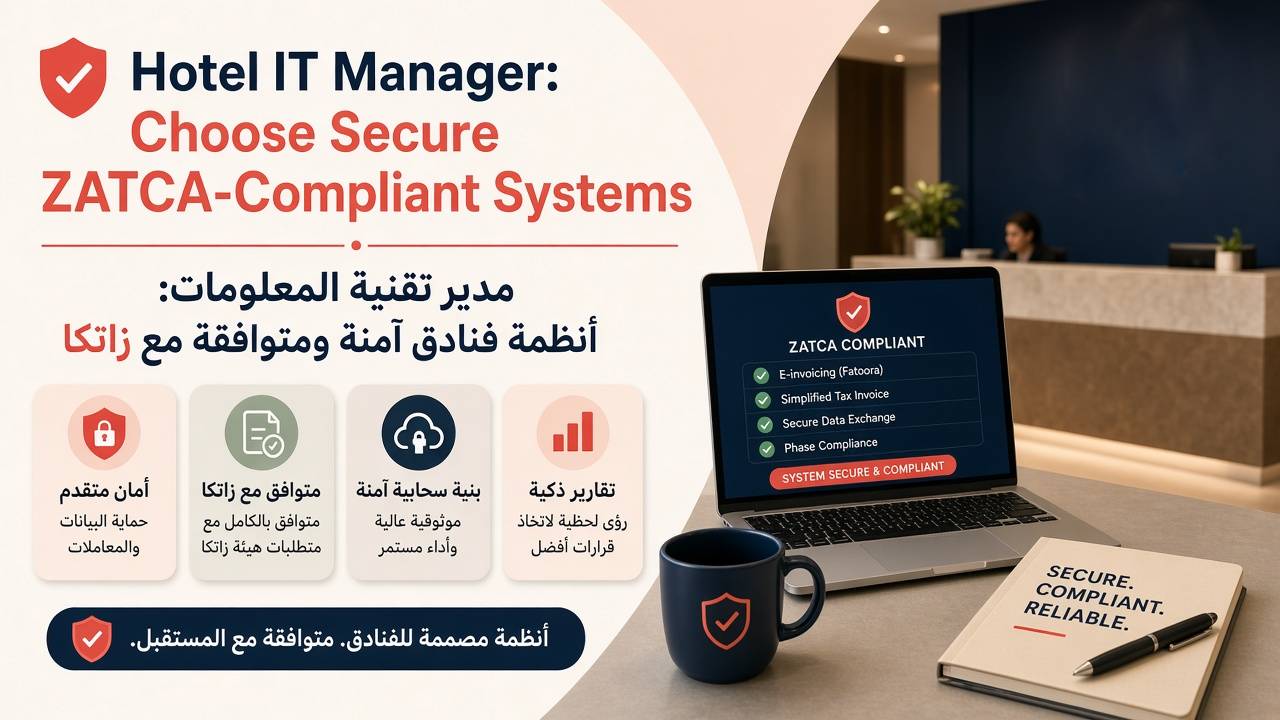
How hotel IT managers in Saudi Arabia select secure, ZATCA Phase 2-compliant PMS systems. Checklist for e-invoicing, Fatoora integration, PDPL & guest data protection....
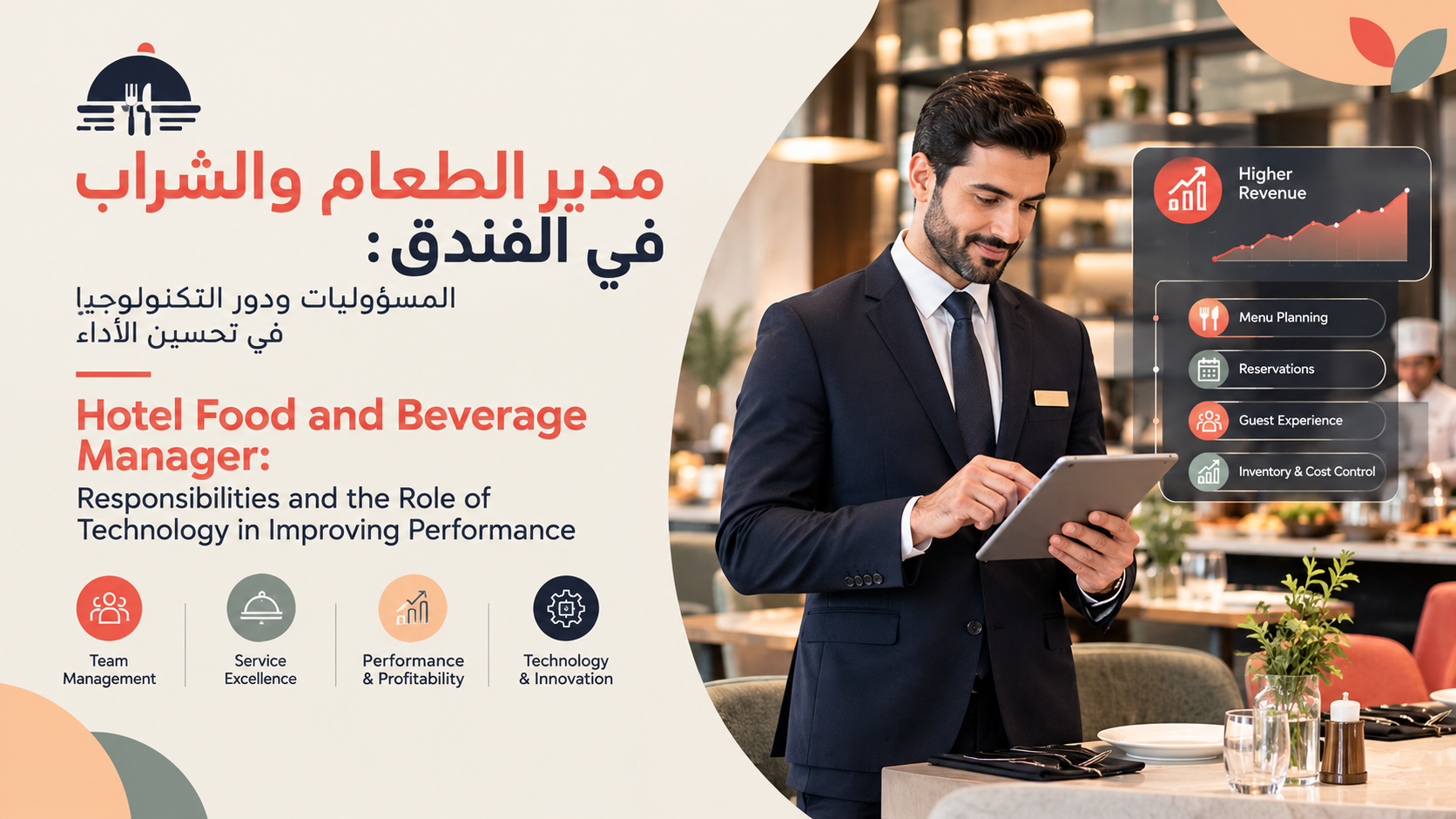
Discover the hotel food and beverage manager’s real duties, key KPIs (food cost %, average check, waste), and how POS-PMS integration cuts costs and raises profit in Saudi hotels....
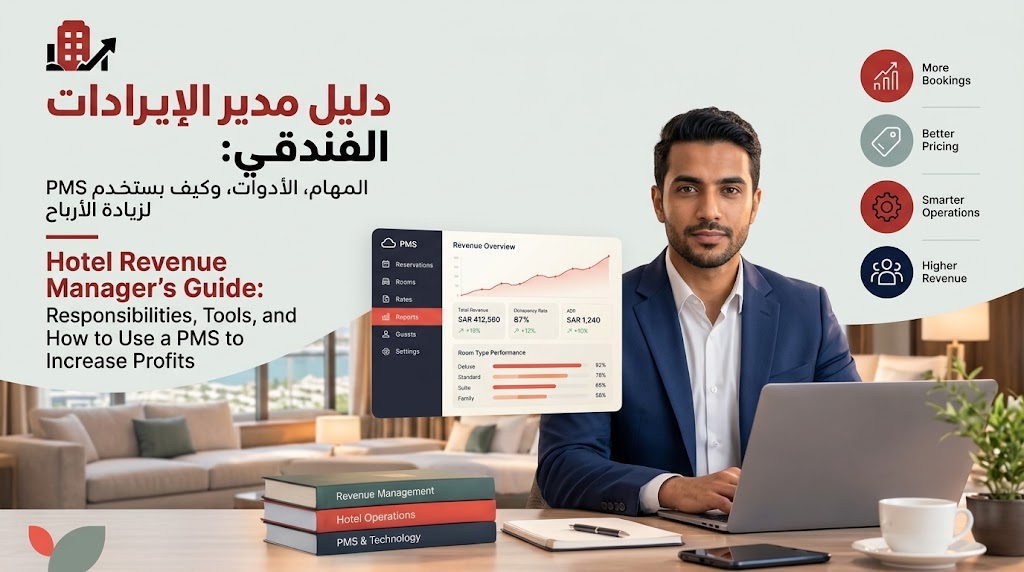
Learn what a hotel revenue manager does daily, the KPIs that matter (RevPAR, ADR, GOPPAR), and 8 practical ways to use a PMS to raise profits in the Saudi market....
Turn PMS data into personalized stays for repeat guests. 5-step framework: unify profiles, segment, tag preferences, activate at 3 moments, and measure results. Built for Saudi hotels & serviced apart...
Is your hotel battling rising chargebacks? Discover why chargebacks are eating into hotel revenue and learn essential strategies to prevent, dispute, and protect your bottom line from fraudulent claim...
By 2030, hotel payment landscapes will be unrecognizable. Explore how biometrics, digital wallets, and blockchain are set to redefine the guest experience, moving beyond traditional cards and cash for...
Prevent payment collection errors and streamline your hotel's end-of-day operations. Discover expert strategies, technology solutions, and best practices to ensure accurate financial reconciliation an...
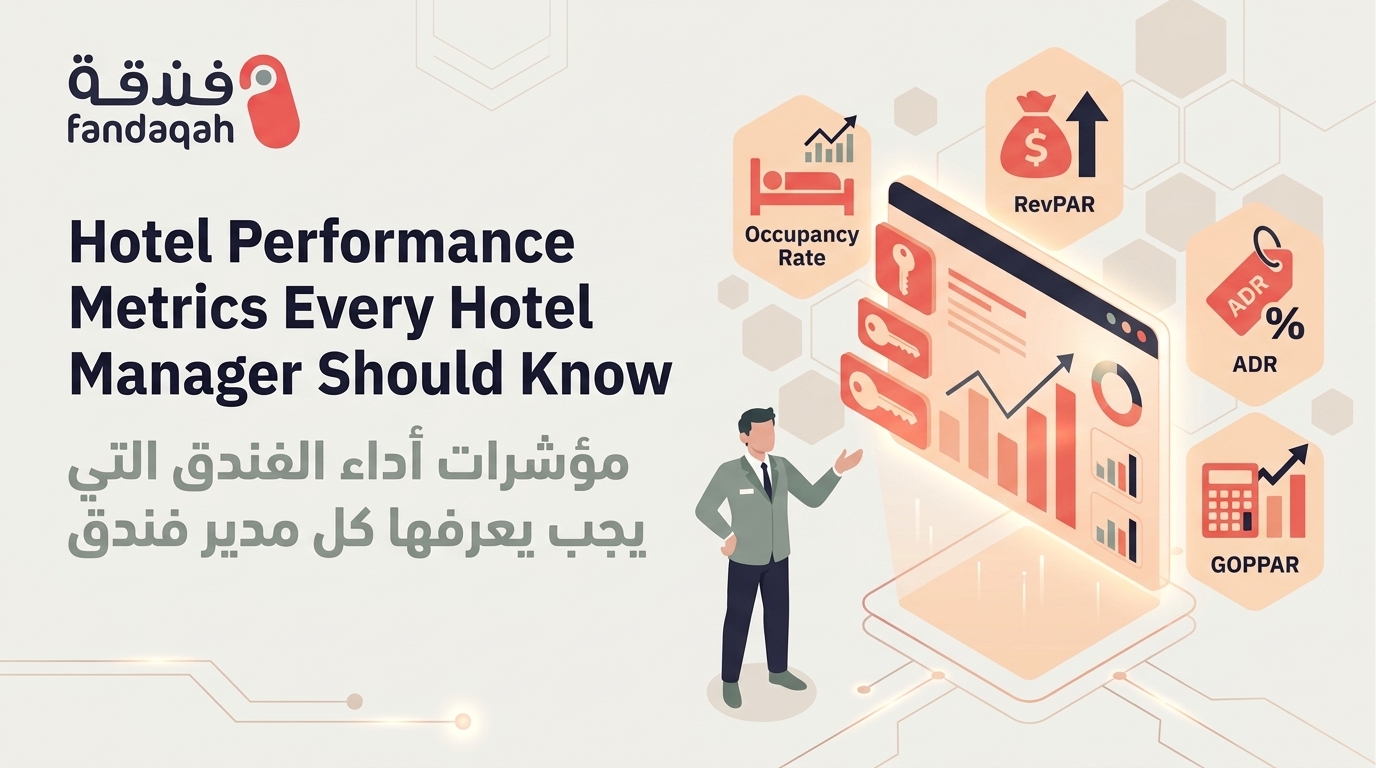
Unlock hotel success with key performance indicators. Learn the essential metrics like RevPAR, ADR, Occupancy, GOPPAR, and more that every hotel manager needs to master for profitability and growth....

Unlock the secrets to boosting your hotel's direct bookings. This expert guide provides actionable strategies, from enhancing your online presence to personalizing guest experiences, all without compr...
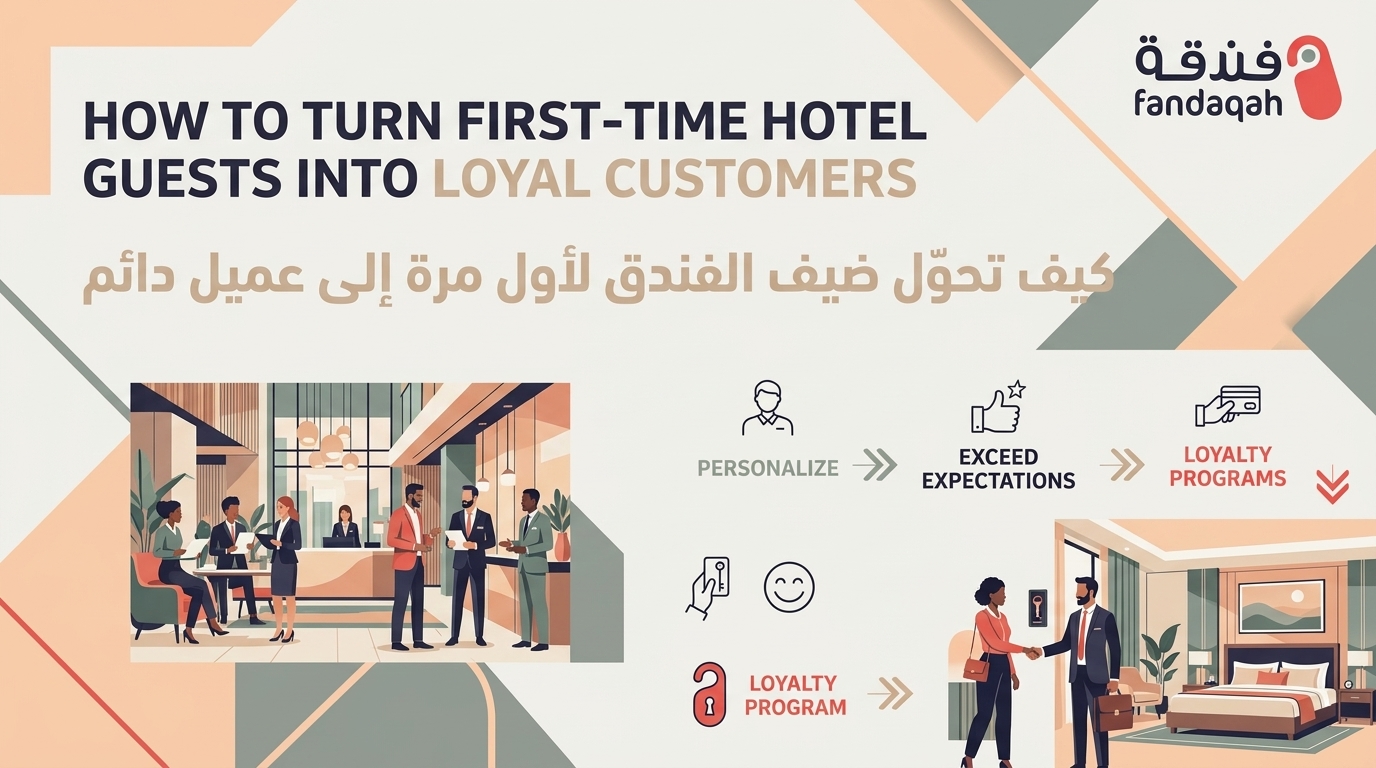
Unlock the secrets to transforming first-time hotel guests into lifelong advocates. Discover actionable strategies for exceptional service, personalized experiences, and powerful loyalty programs that...
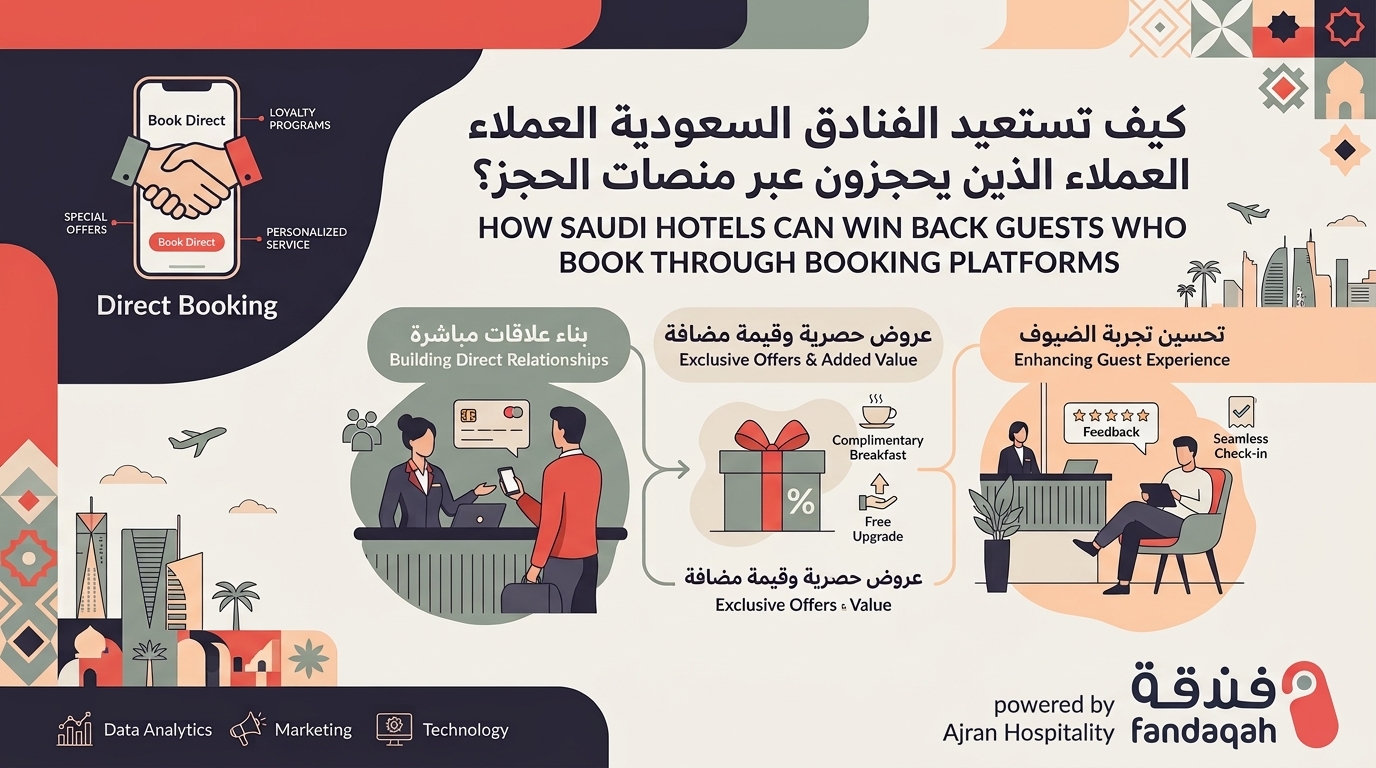
Saudi hotels can reclaim direct bookings from OTAs. Discover expert strategies to enhance guest loyalty, personalize experiences, optimize your online presence, and drive repeat business directly to y...
Discover why hotel guests will increasingly choose WhatsApp over traditional phone calls by 2026. Explore the convenience, efficiency, and personalized communication driving this digital shift in hosp...
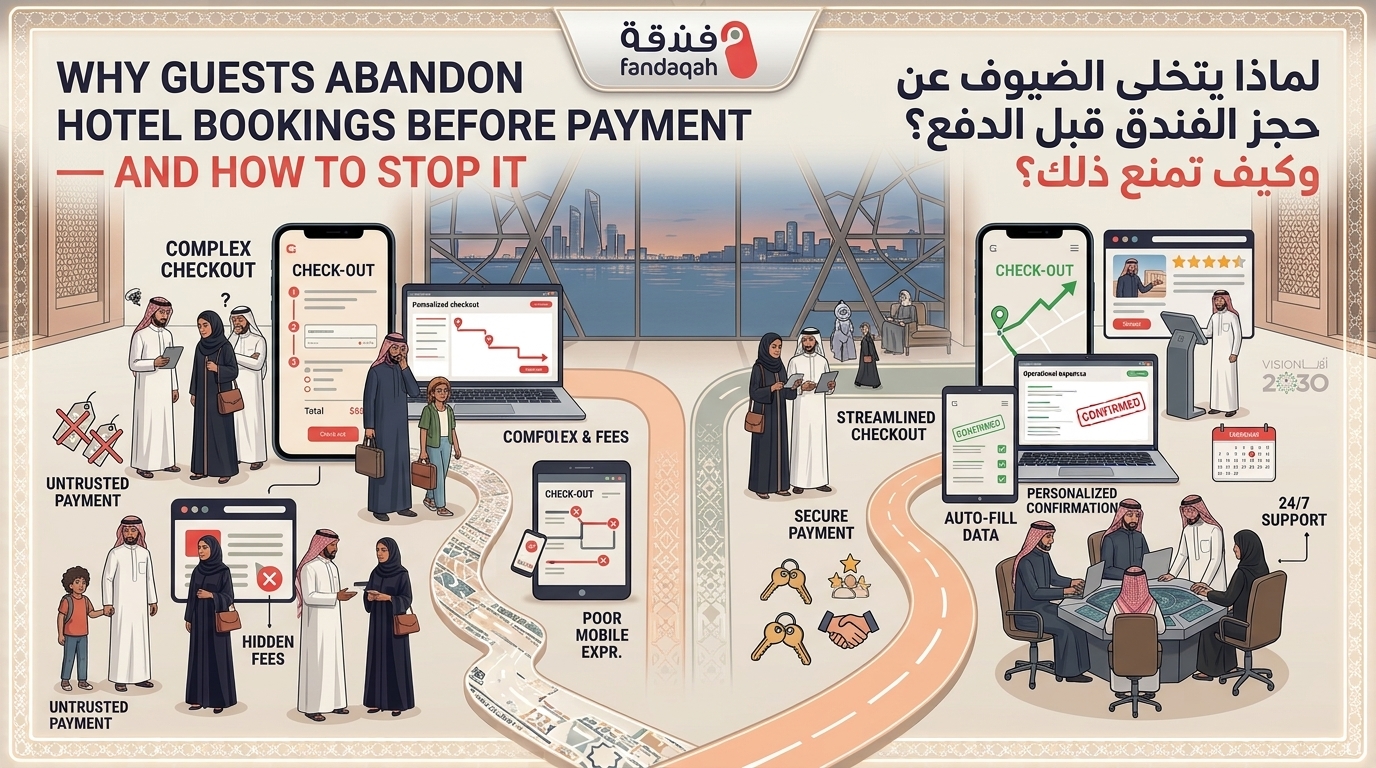
Uncover the top reasons guests abandon hotel bookings before payment and learn expert strategies to reduce cart abandonment, boost conversions, and maximize revenue....
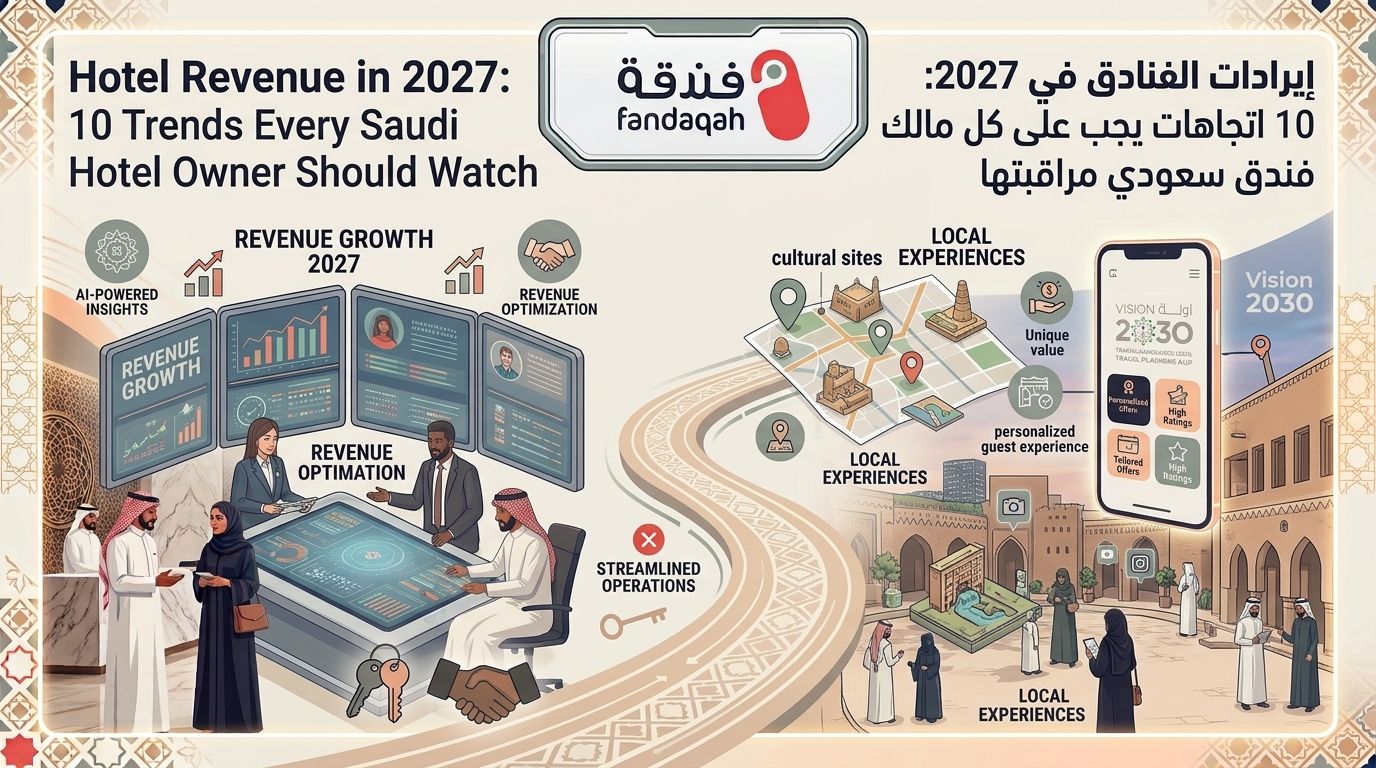
Prepare for the future of hospitality in Saudi Arabia. Discover the top 10 trends poised to shape hotel revenue in 2027, from AI integration to sustainable tourism, and learn how to optimize your stra...
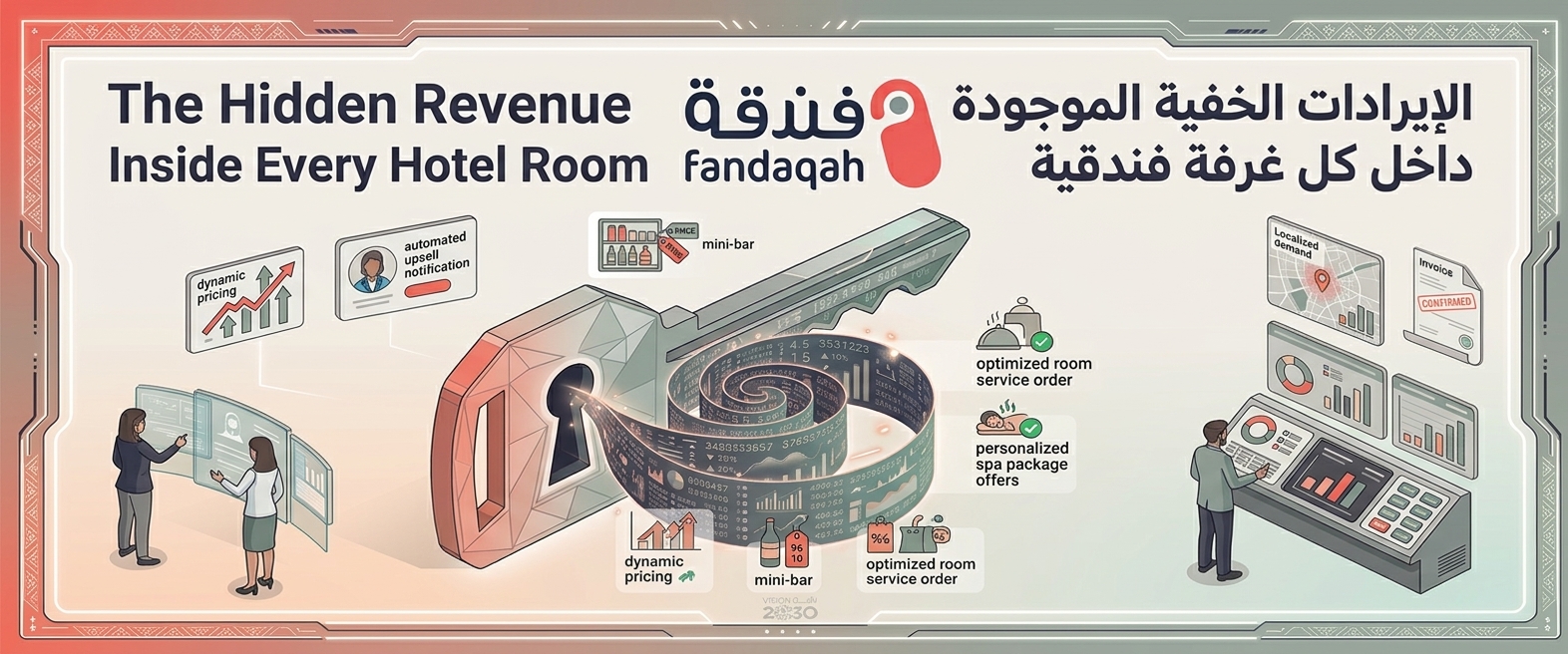
Unlock the untapped revenue potential hidden within your hotel rooms. Discover expert strategies, from personalized upsells to smart technology, to maximize profitability and guest satisfaction withou...
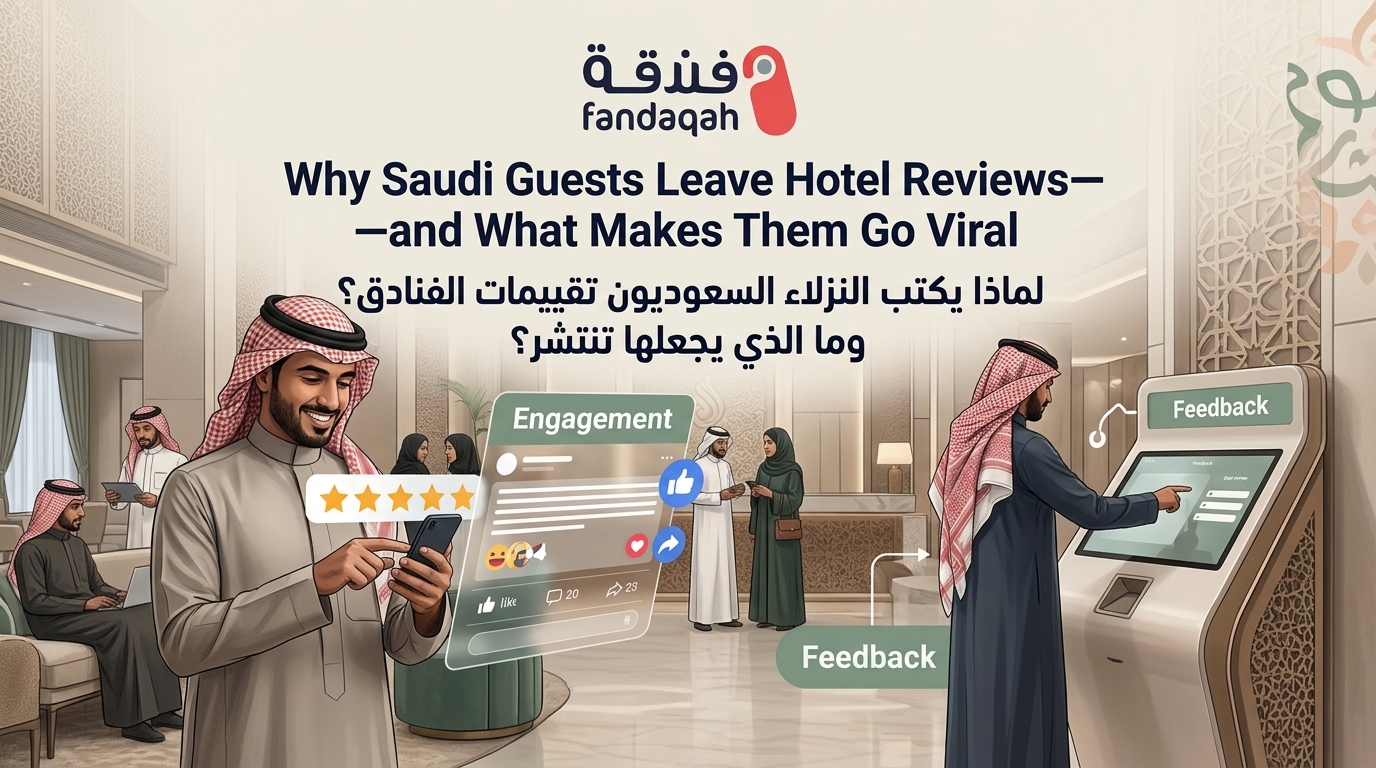
Uncover the unique motivations behind Saudi guests' hotel reviews and the cultural nuances that drive virality. Learn how hospitality businesses can leverage these insights for unparalleled guest enga...
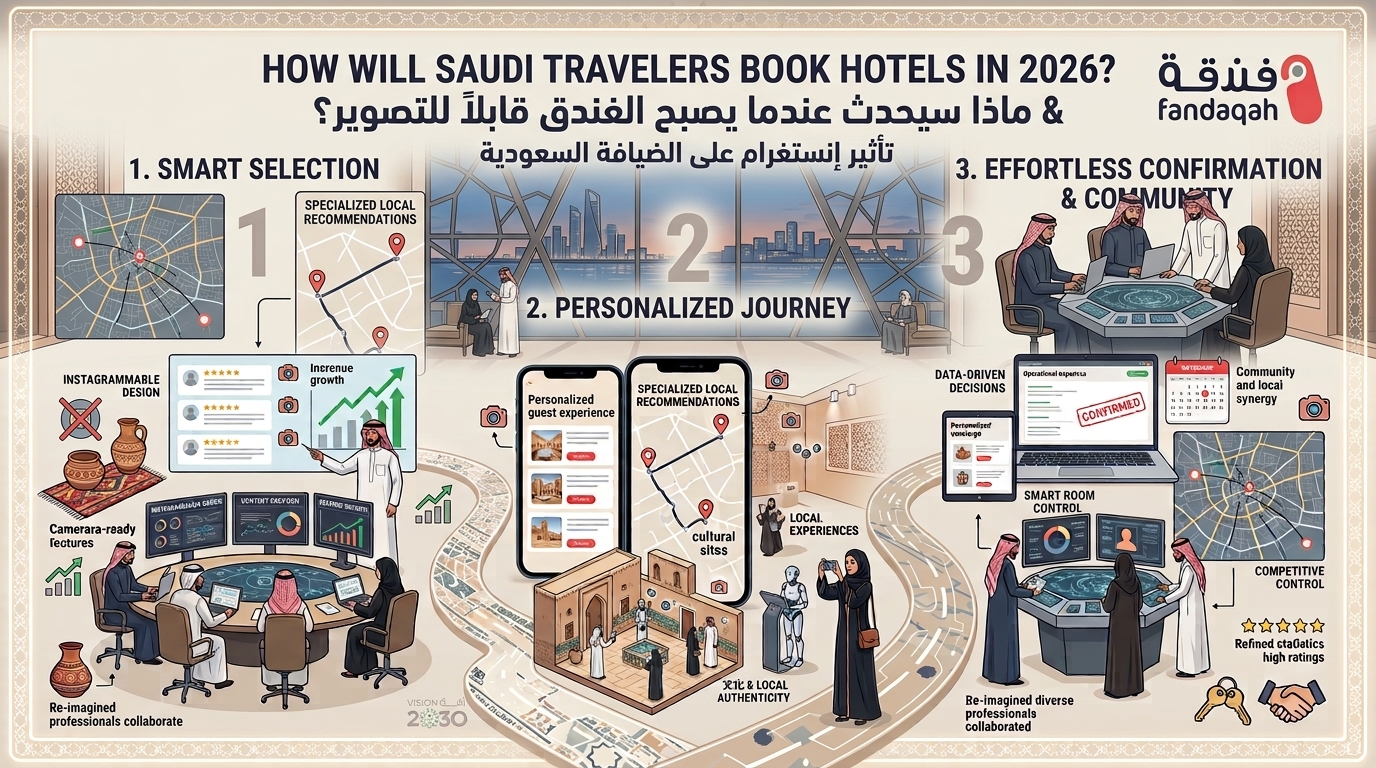
Explore the transformative impact of Instagrammable design on Saudi Arabia's burgeoning hospitality sector. Discover how aesthetics, technology, and cultural narratives are driving unprecedented growt...
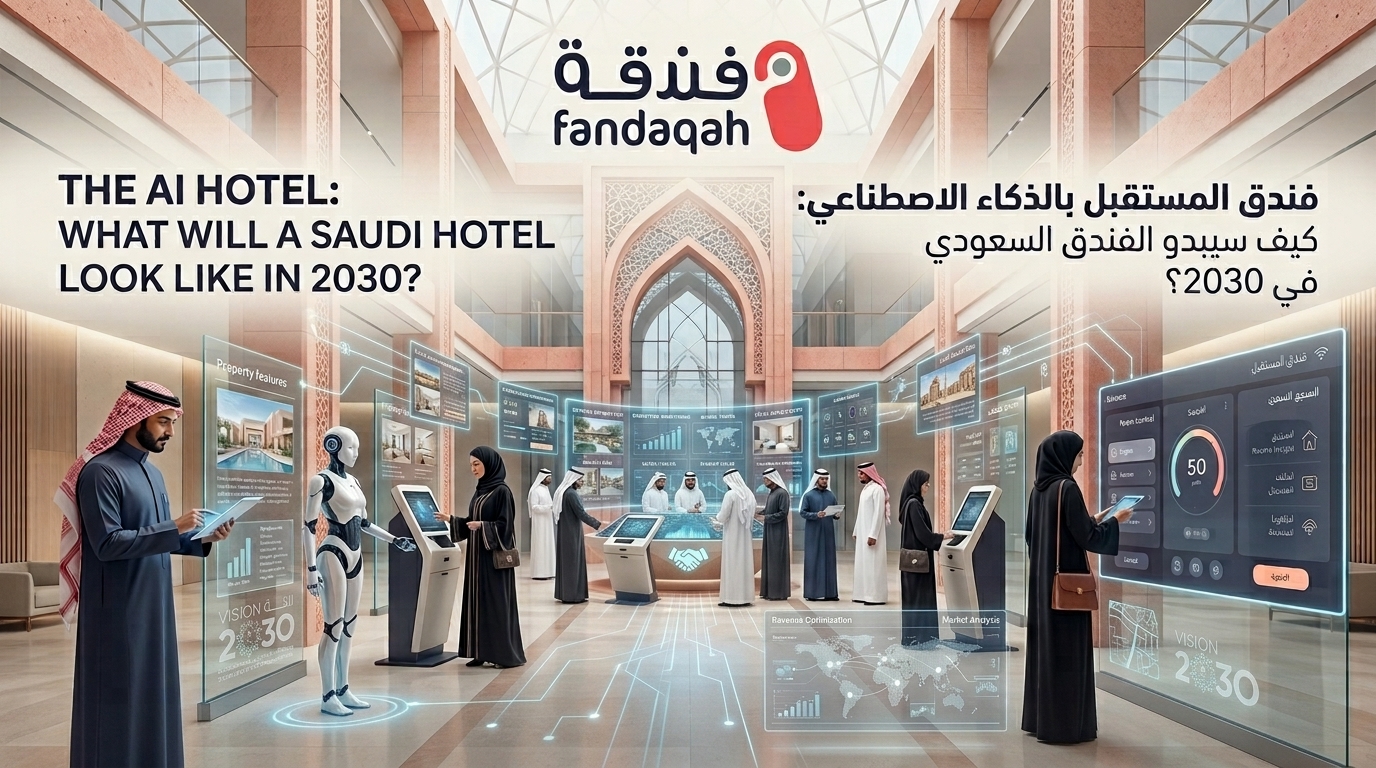
Explore the future of hospitality in Saudi Arabia. Discover how AI, robotics, and hyper-personalization will transform Saudi hotels by 2030, offering unparalleled luxury and efficiency. ...
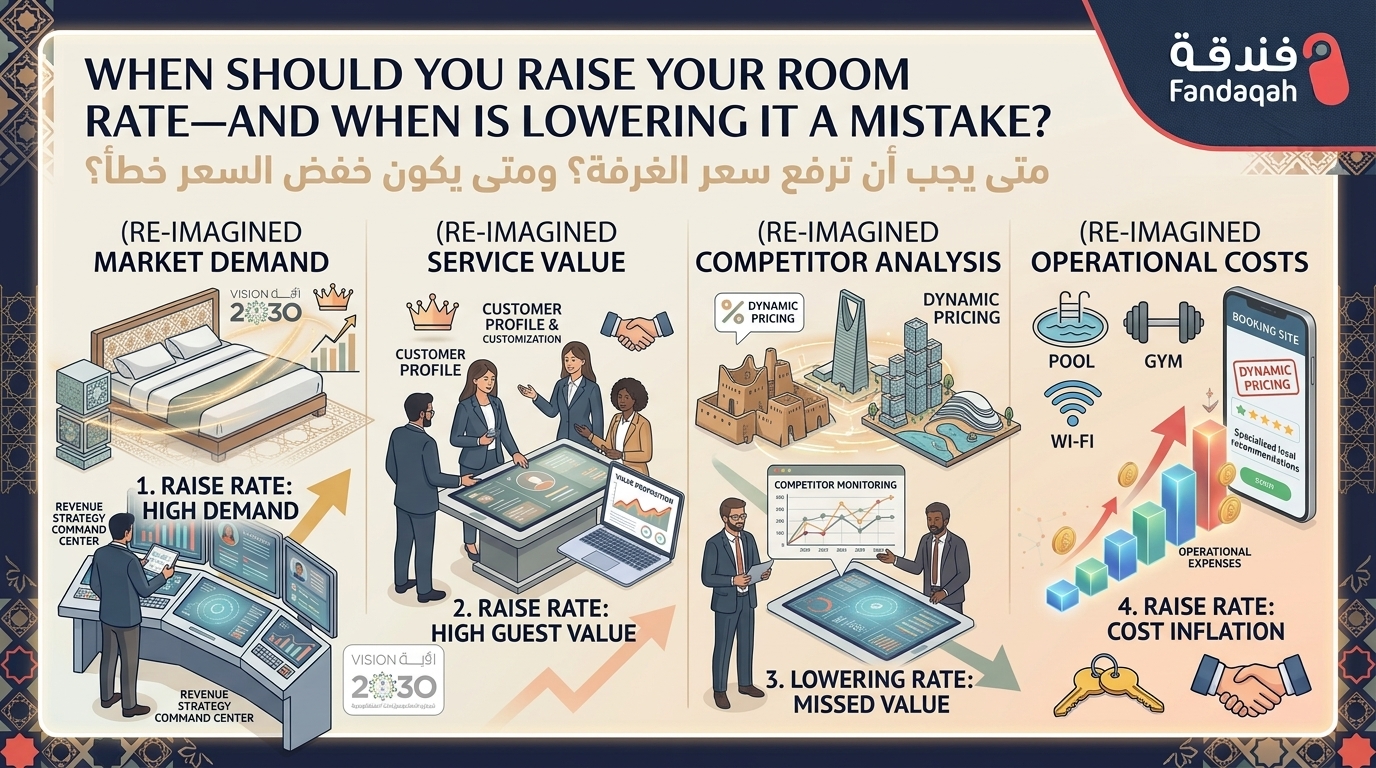
Maximize your hotel's profitability. Discover the strategic moments to raise your room rates and crucial times when lowering prices can be a costly mistake. Learn to optimize your pricing strategy fo...
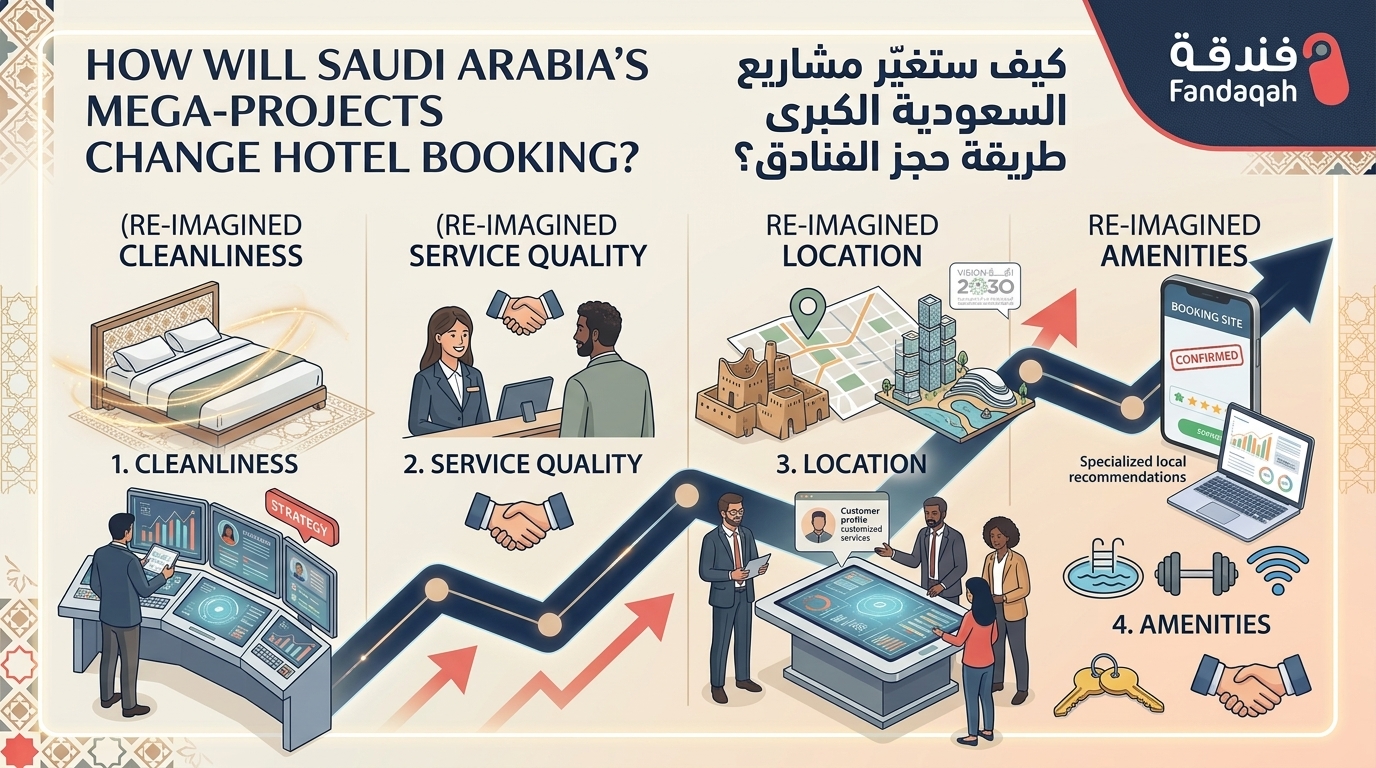
Saudi Arabia's ambitious mega-projects like NEOM, Red Sea Project, and Qiddiya are set to revolutionize global tourism and hotel booking. Discover how these futuristic developments will reshape travel...
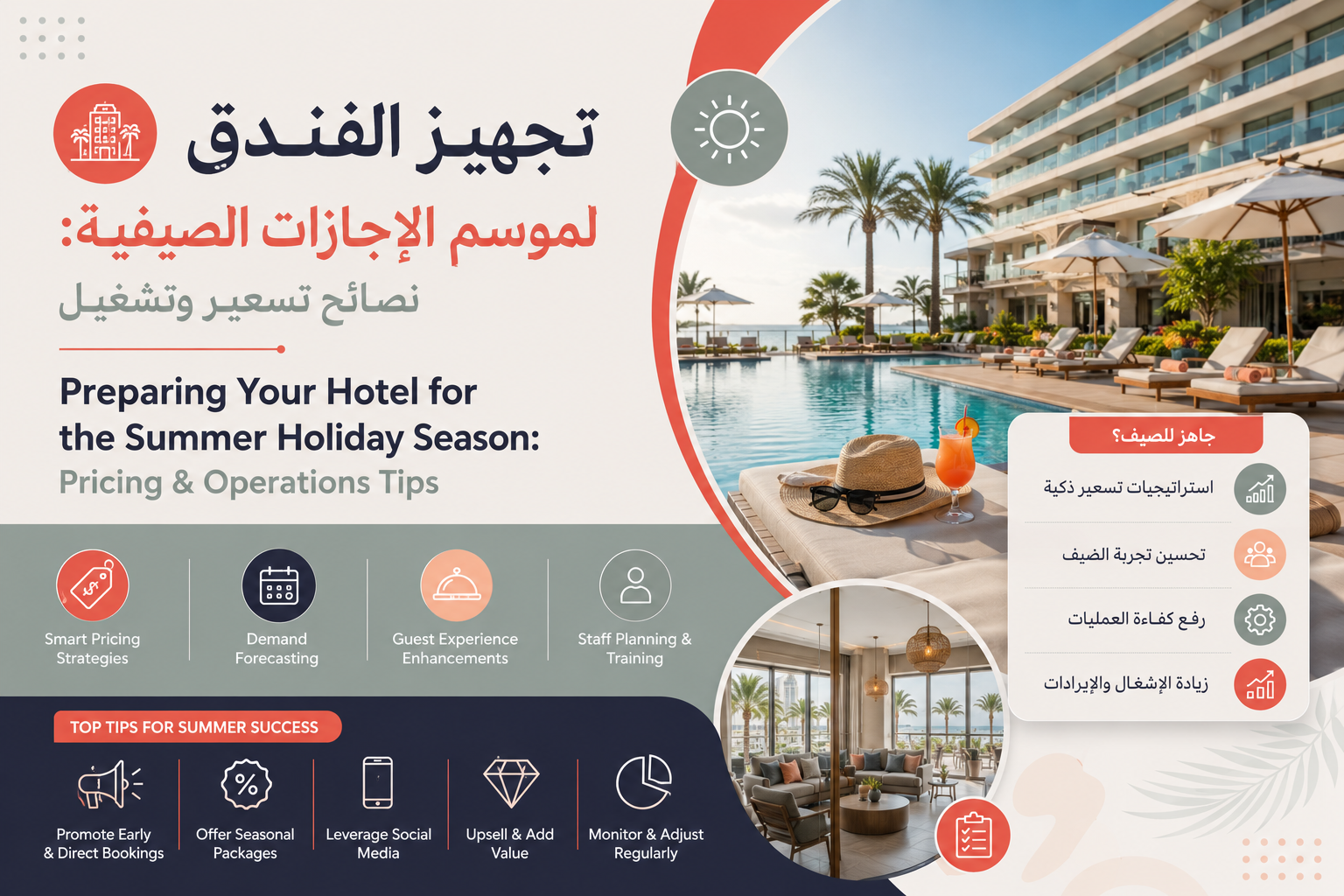
Maximize summer hotel revenue in Saudi Arabia with dynamic pricing, family packages, staffing tips & operations best practices. Align with Vision 2030 for higher RevPAR and guest satisfaction....
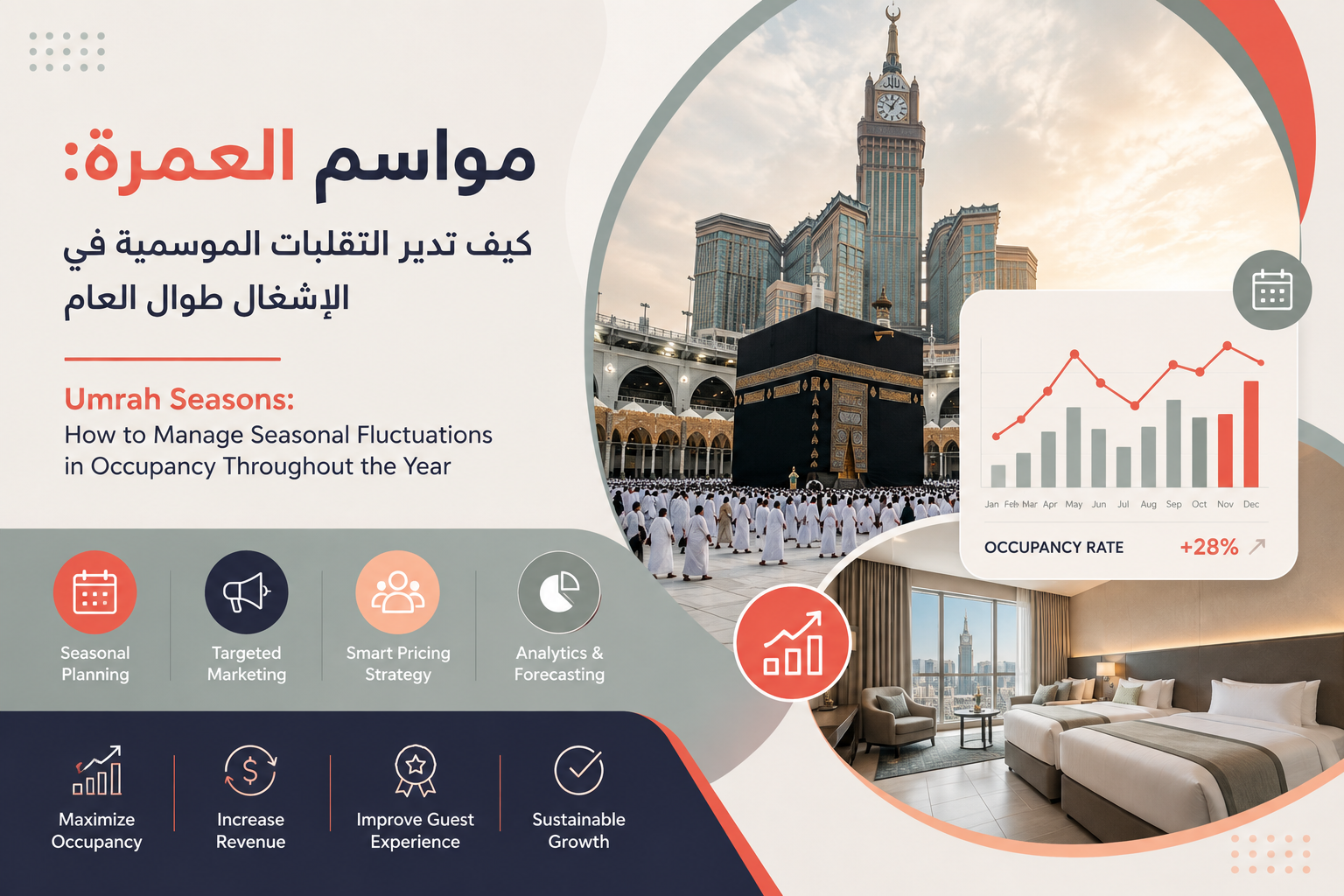
Master Umrah seasonal occupancy with dynamic pricing, packages, loyalty programs & Fandaqah.com. Strategies to boost RevPAR in Ramadan peaks and fill rooms in low seasons....
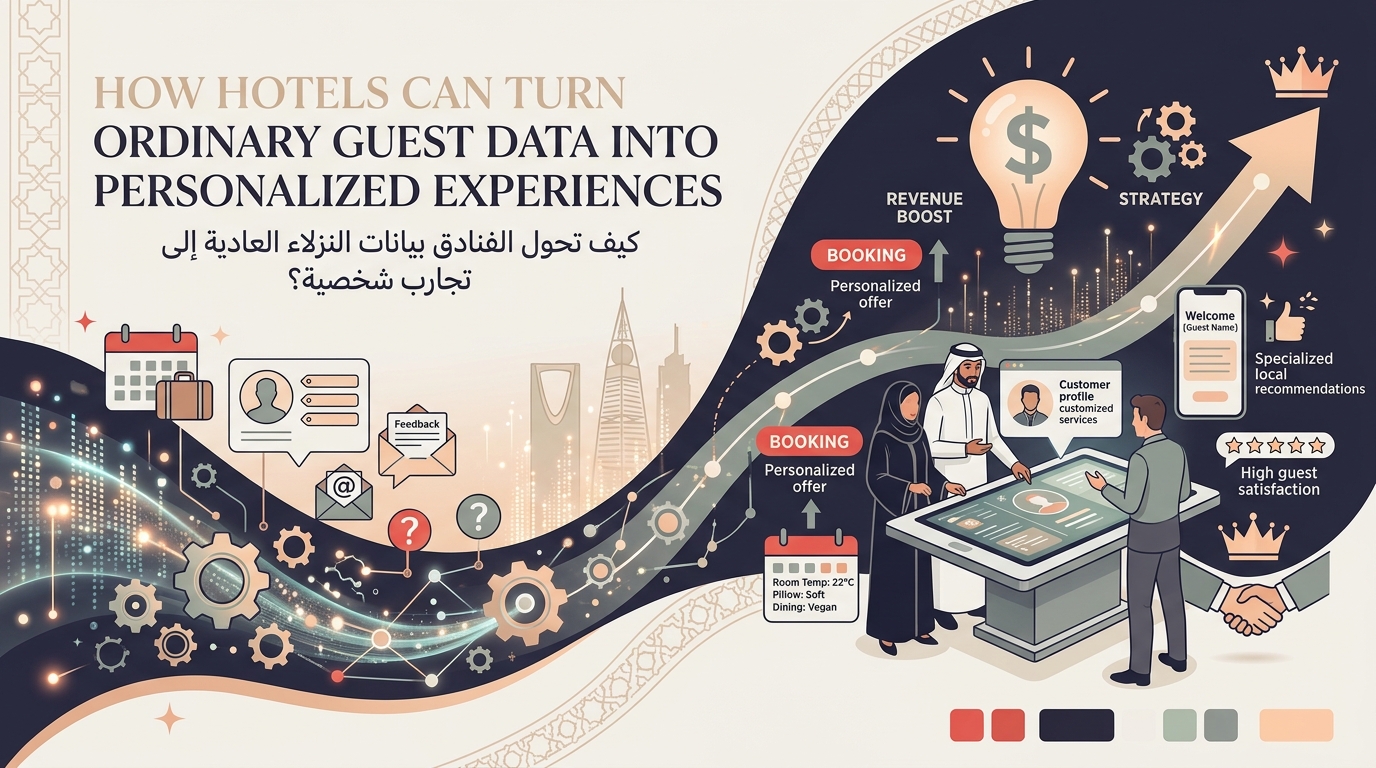
Unlock the power of guest data to craft unforgettable, personalized hotel experiences. Learn strategies to collect, analyze, and apply insights for enhanced loyalty and revenue. ...

Unlock the power of domestic tourism in Saudi Arabia. Discover expert strategies for hotels to transform local guests into loyal, repeat customers, driving sustainable growth in this dynamic market. ...
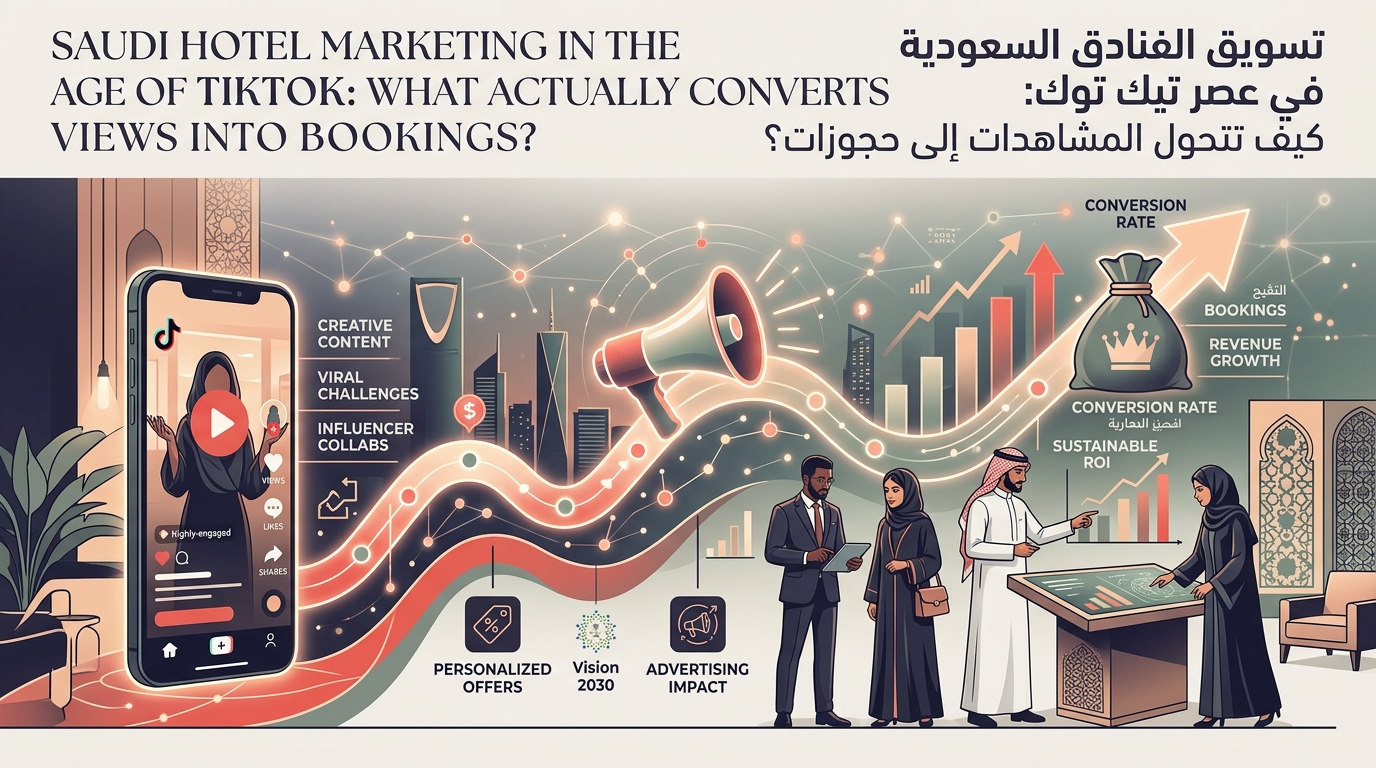
Unlock the secrets to converting TikTok views into bookings for Saudi hotels. Discover expert strategies, content types, and measurement techniques to maximize your social media ROI in the Kingdom's d...
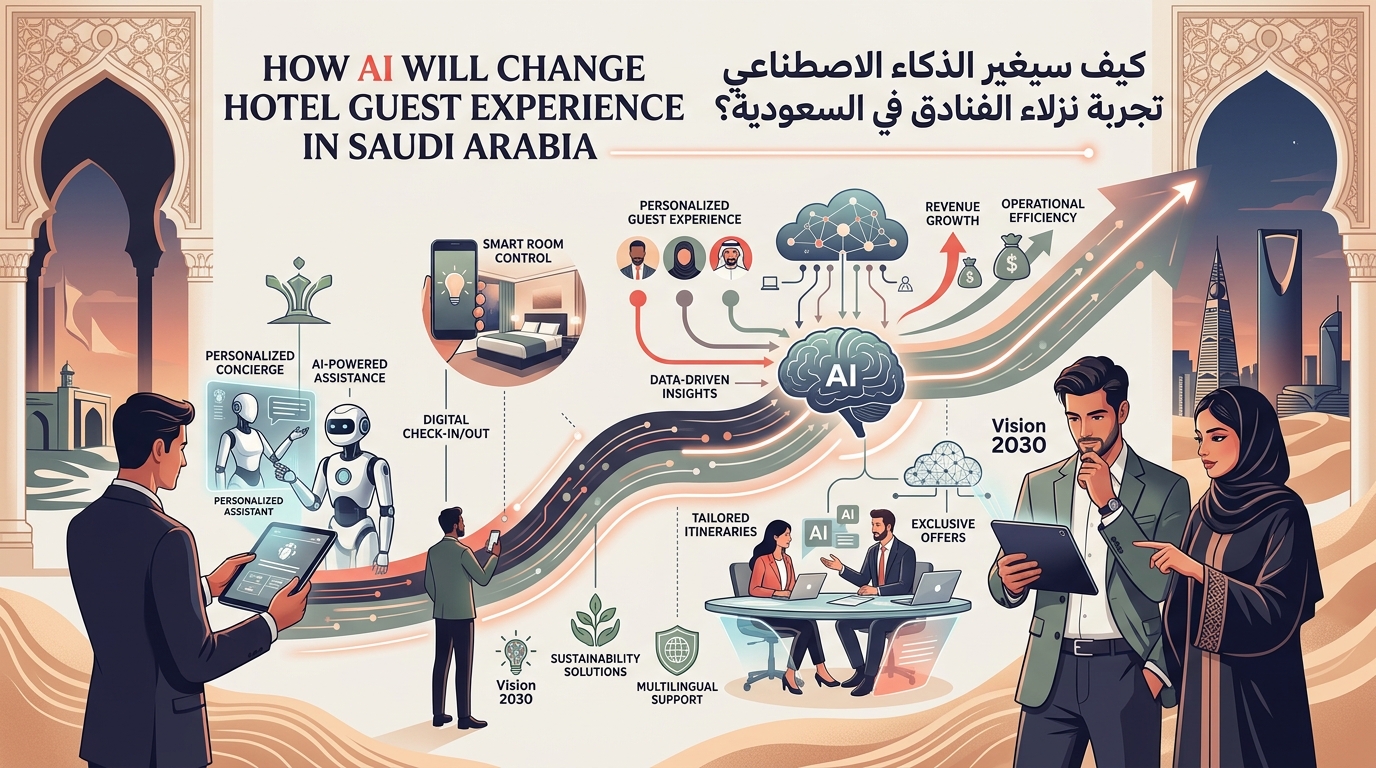
Explore how AI is revolutionizing hotel guest experiences in Saudi Arabia. From personalized service to smart rooms, discover the future of hospitality in the Kingdom. ...
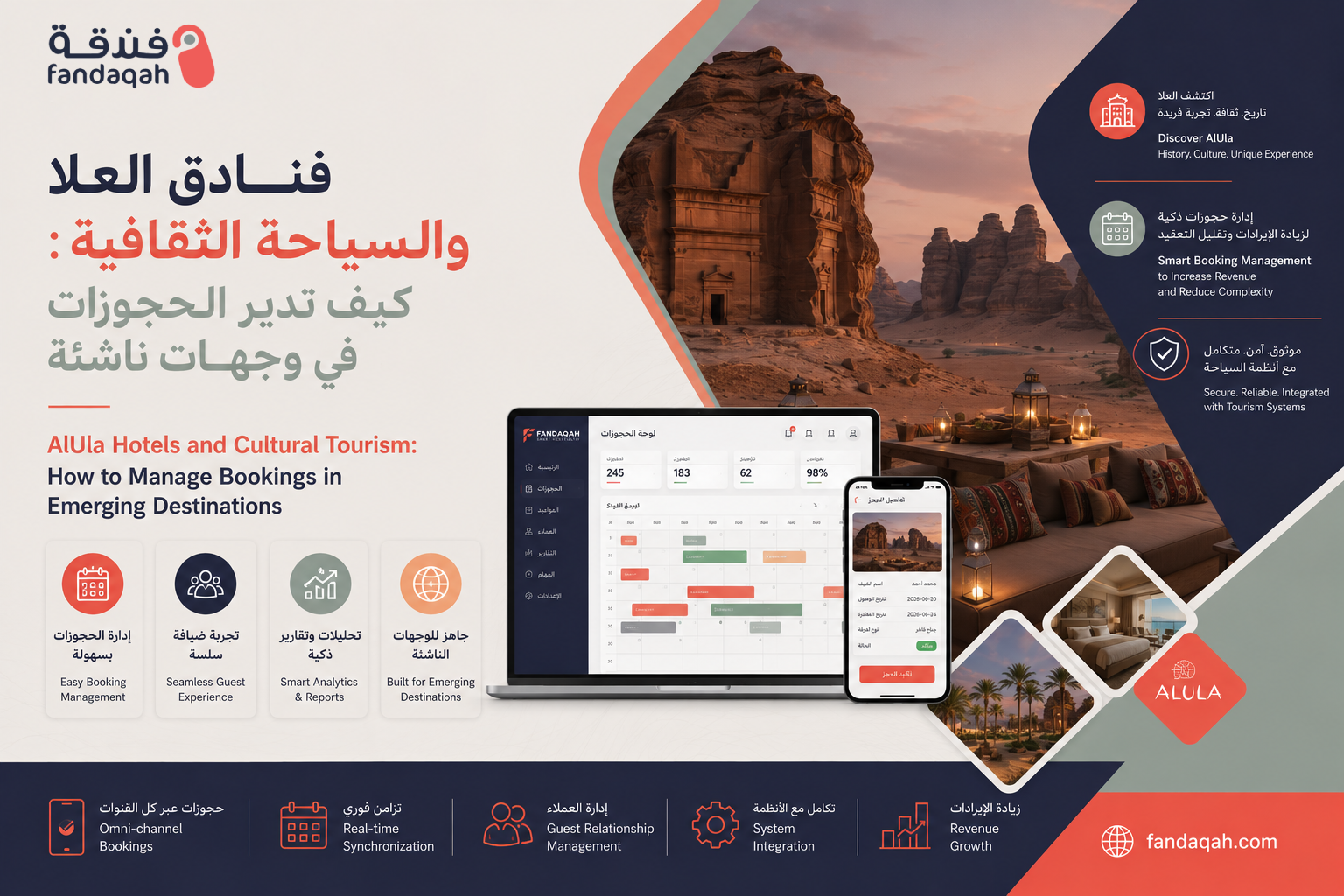
Learn how to manage AlUla hotel bookings in this emerging cultural destination. Best times, prices, accommodation types & tips for Hegra, Winter at Tantora. Compare on Fandaqah.com....
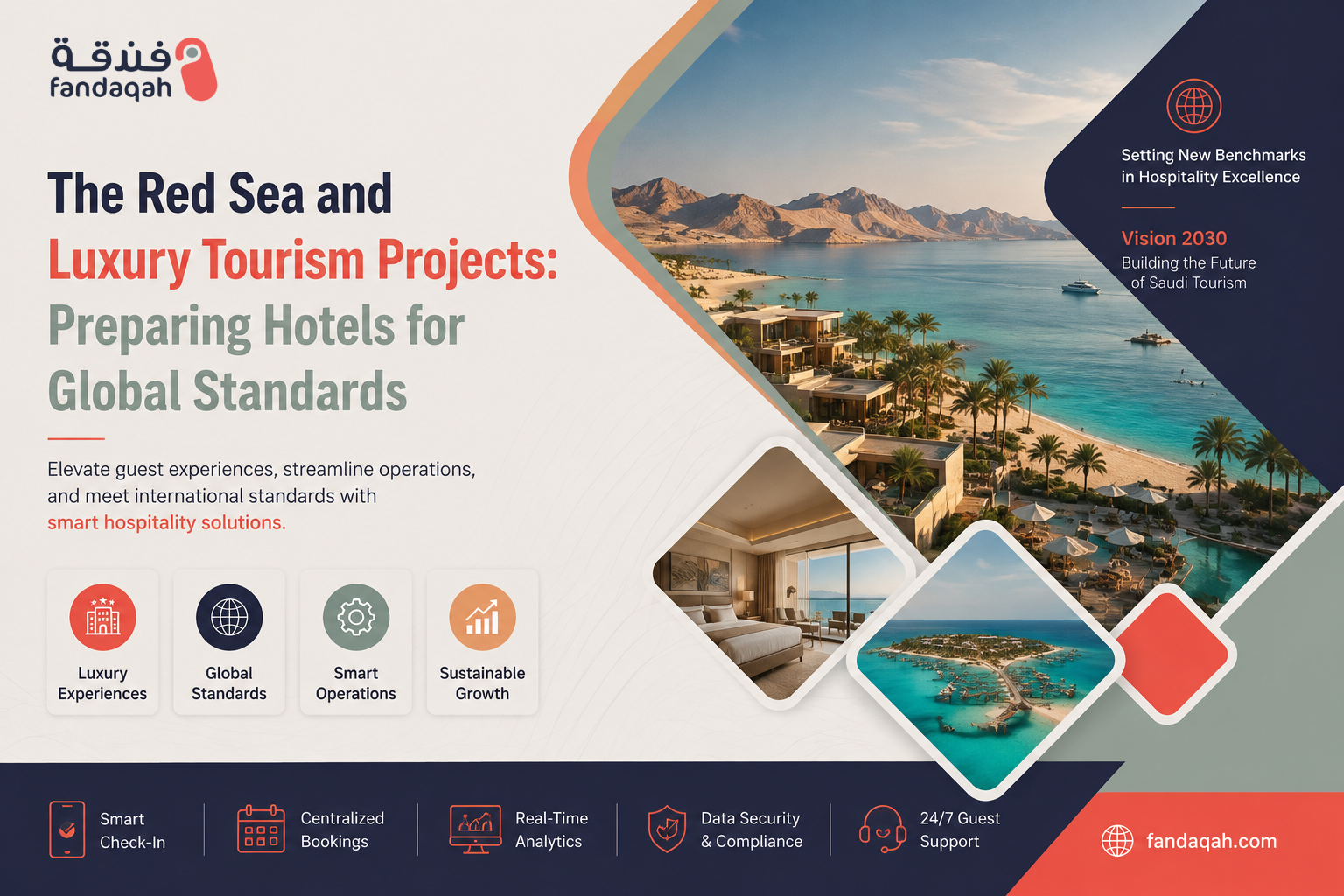
Discover how The Red Sea Project, AMAALA & Sindalah prepare Saudi hotels for global luxury standards. Sustainability, AI tech, Vision 2030 & top resorts reviewed on Fandaqah.com....
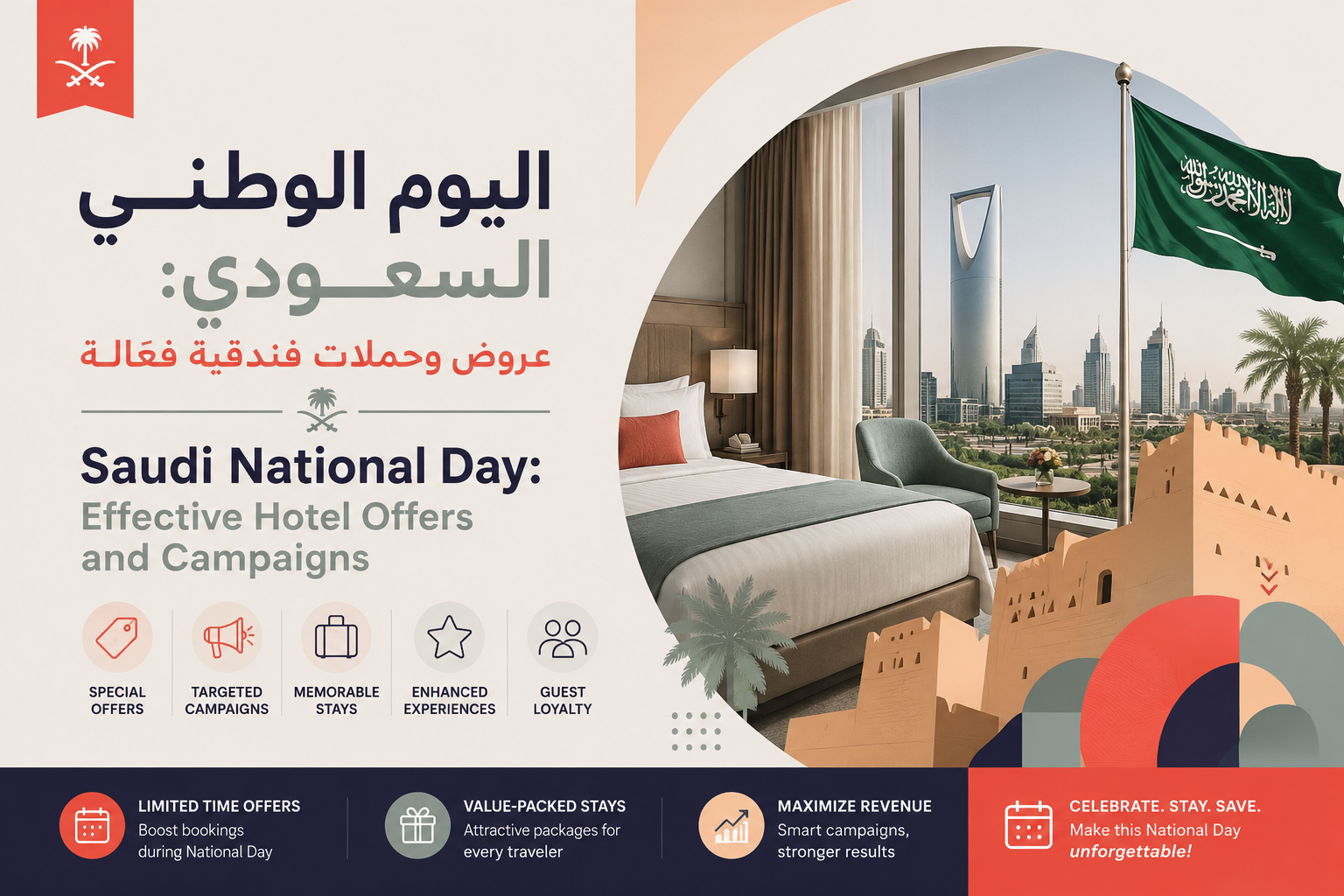
Discover effective Saudi National Day hotel offers, staycation packages, and campaigns. Boost occupancy with family deals, luxury experiences, and Vision 2030-aligned promotions across Riyadh, Jeddah ...
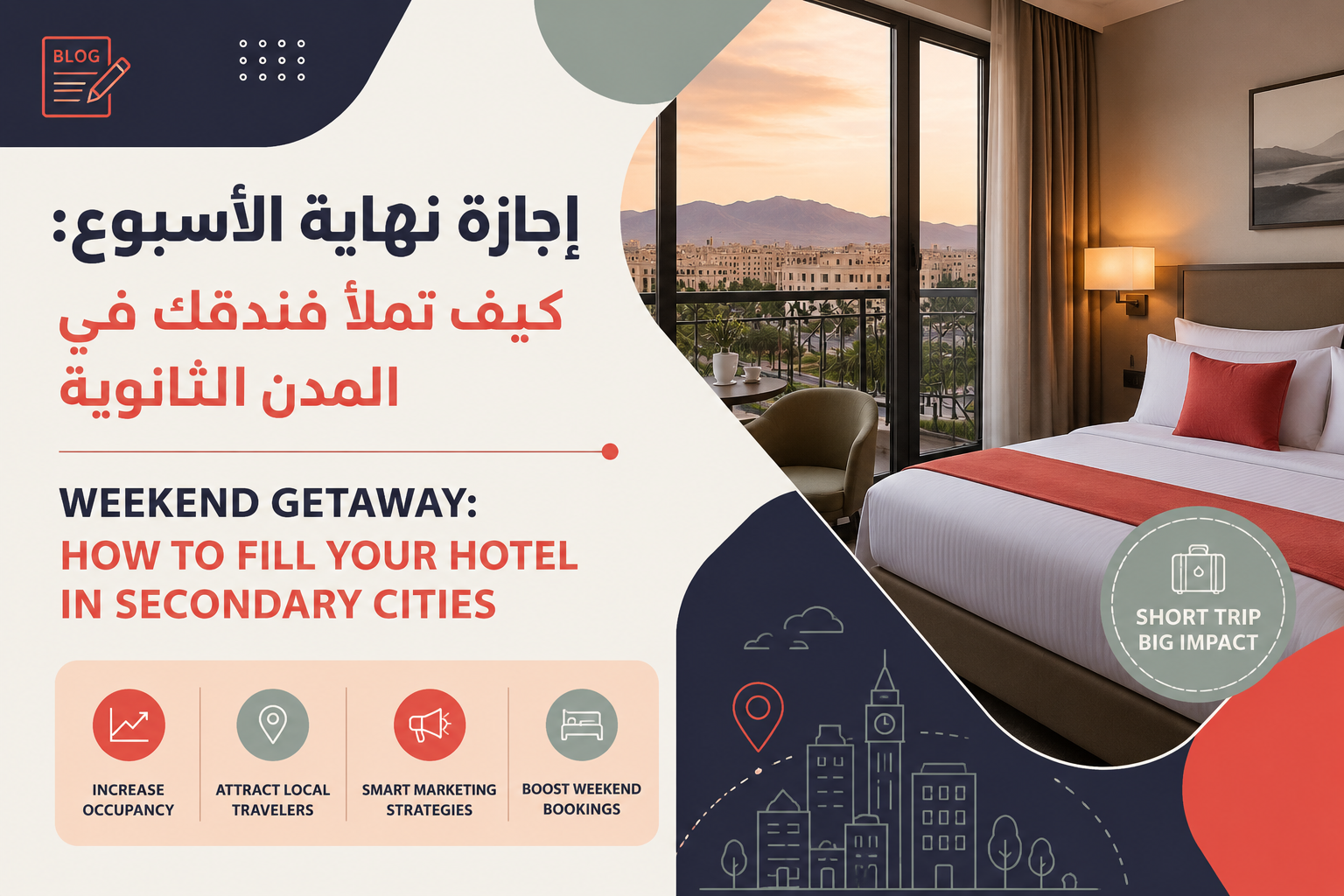
Proven strategies to boost weekend occupancy in Saudi secondary cities. Packages, social media, local partnerships & Vision 2030 tips for hotels in Abha, Taif, AlUla & more....
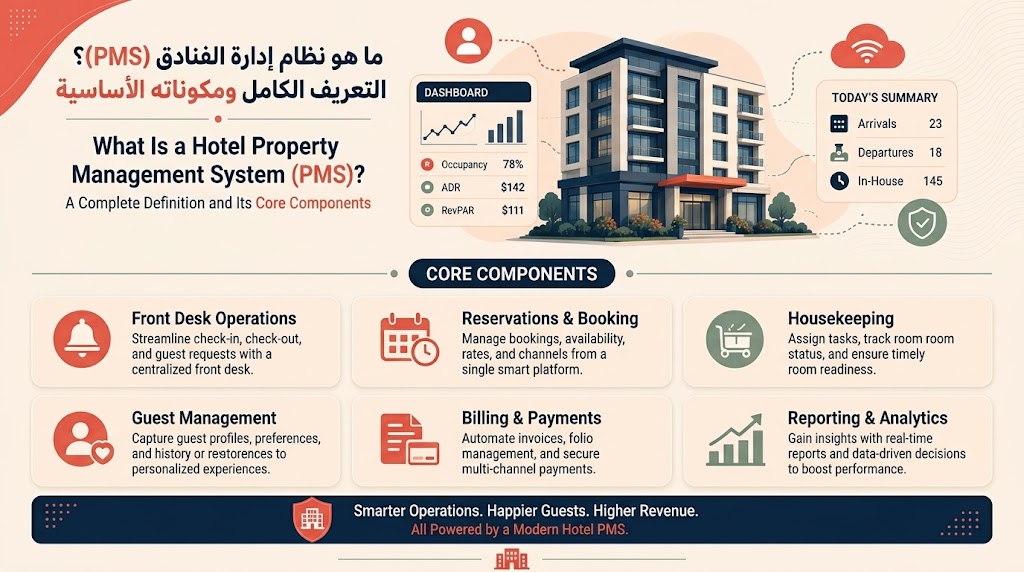
A Hotel PMS is the central software for managing reservations, rooms, guests, check-in/out, billing & reporting. Learn core components, benefits & how Saudi hotels can choose the right system....
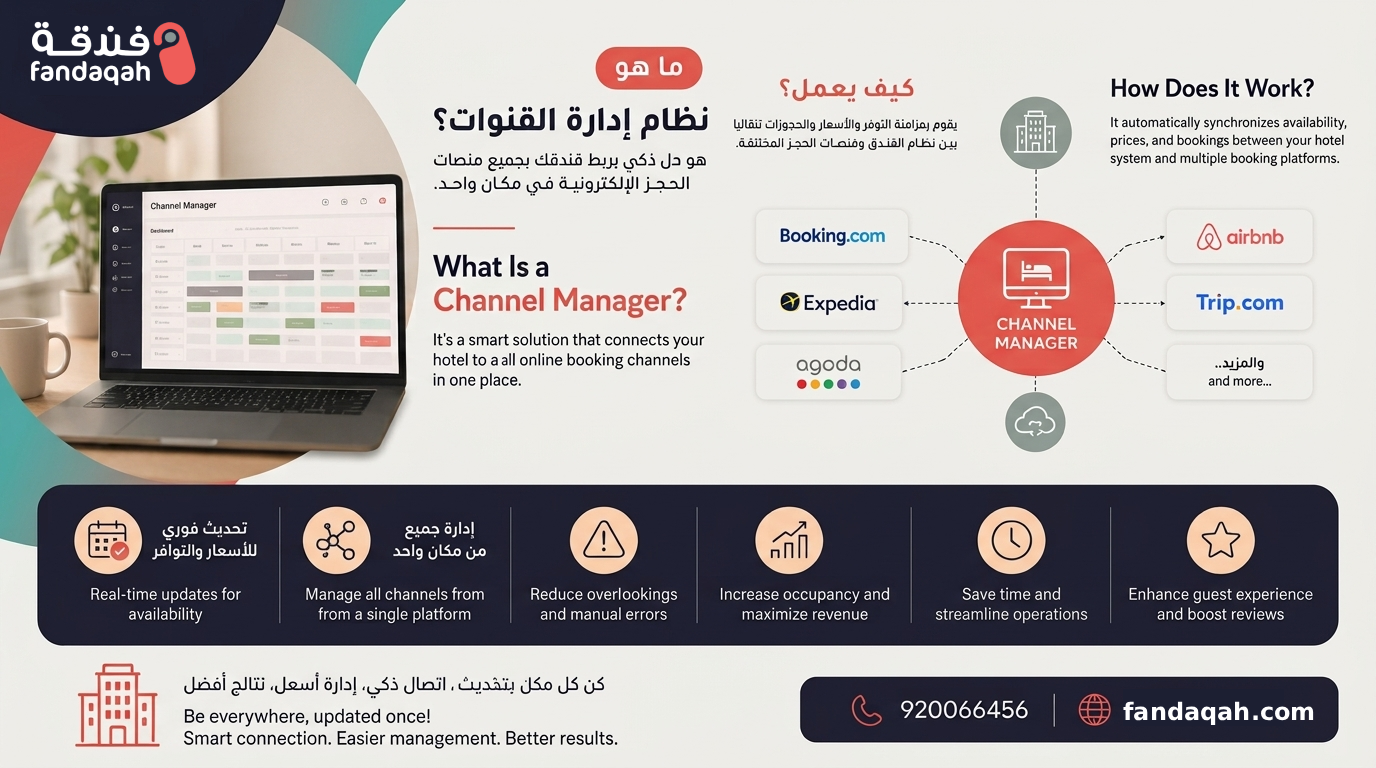
A hotel Channel Manager syncs rates, availability & reservations across OTAs from one place. Learn how it cuts overbooking risk, saves time & boosts distribution for Saudi hotels....
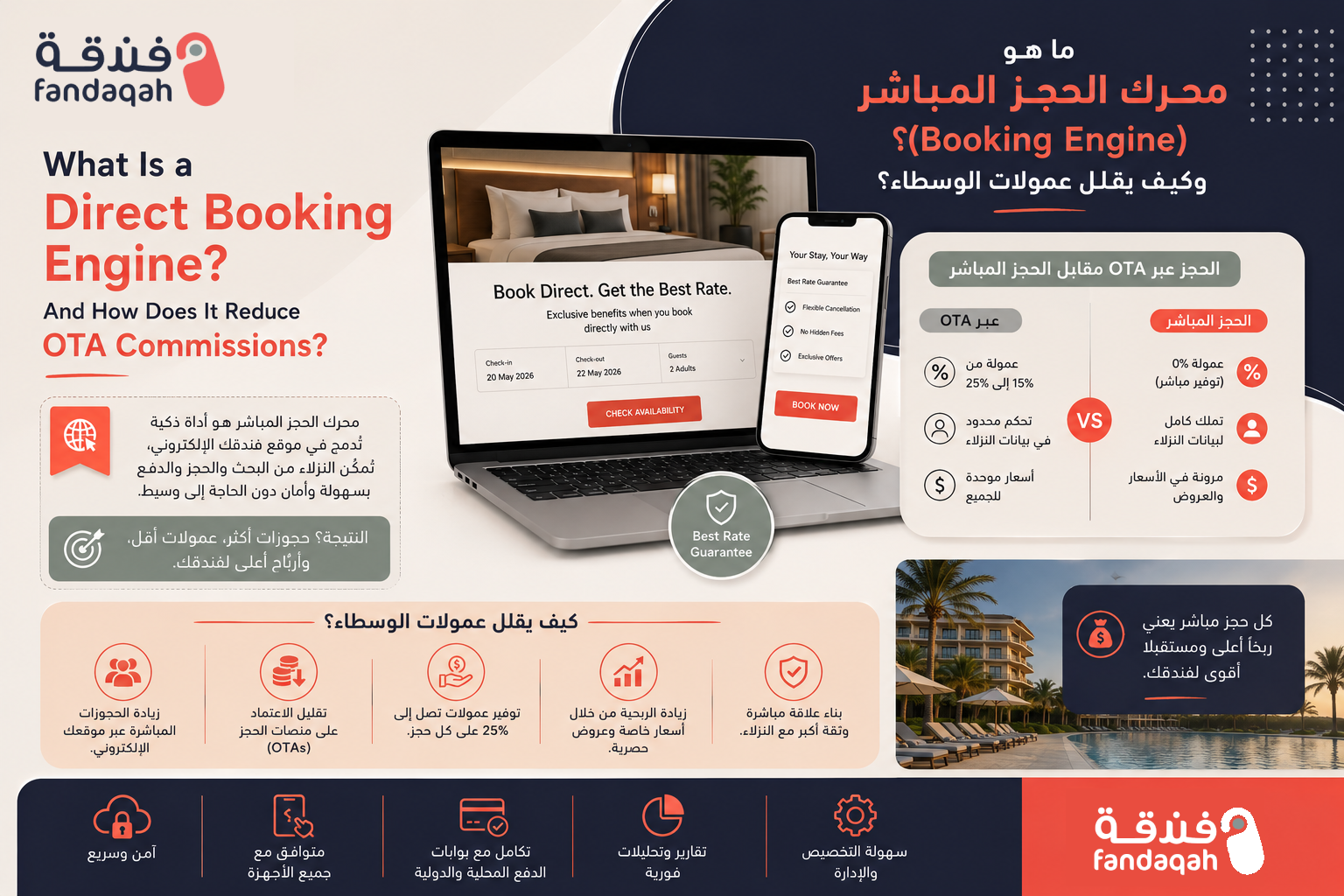
Learn what a direct booking engine is and how Saudi hotels can use it to cut OTA commissions by 15–25%, own guest data, boost direct revenue, and improve profitability under Vision 2030....
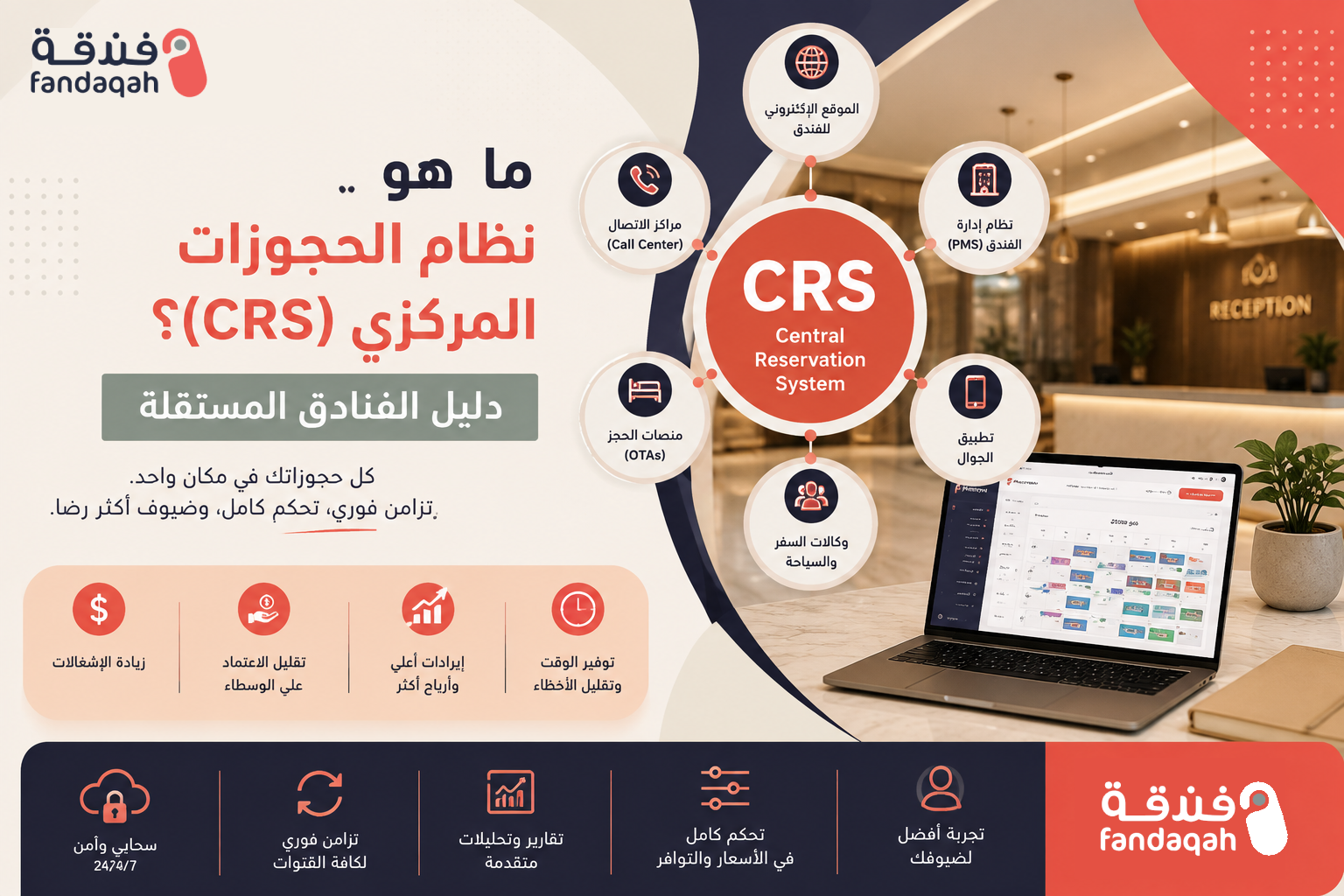
Discover what a Central Reservation System (CRS) is and how independent hotels in Saudi Arabia can use it to prevent overbookings, boost direct bookings, and maximize revenue under Vision 2030....
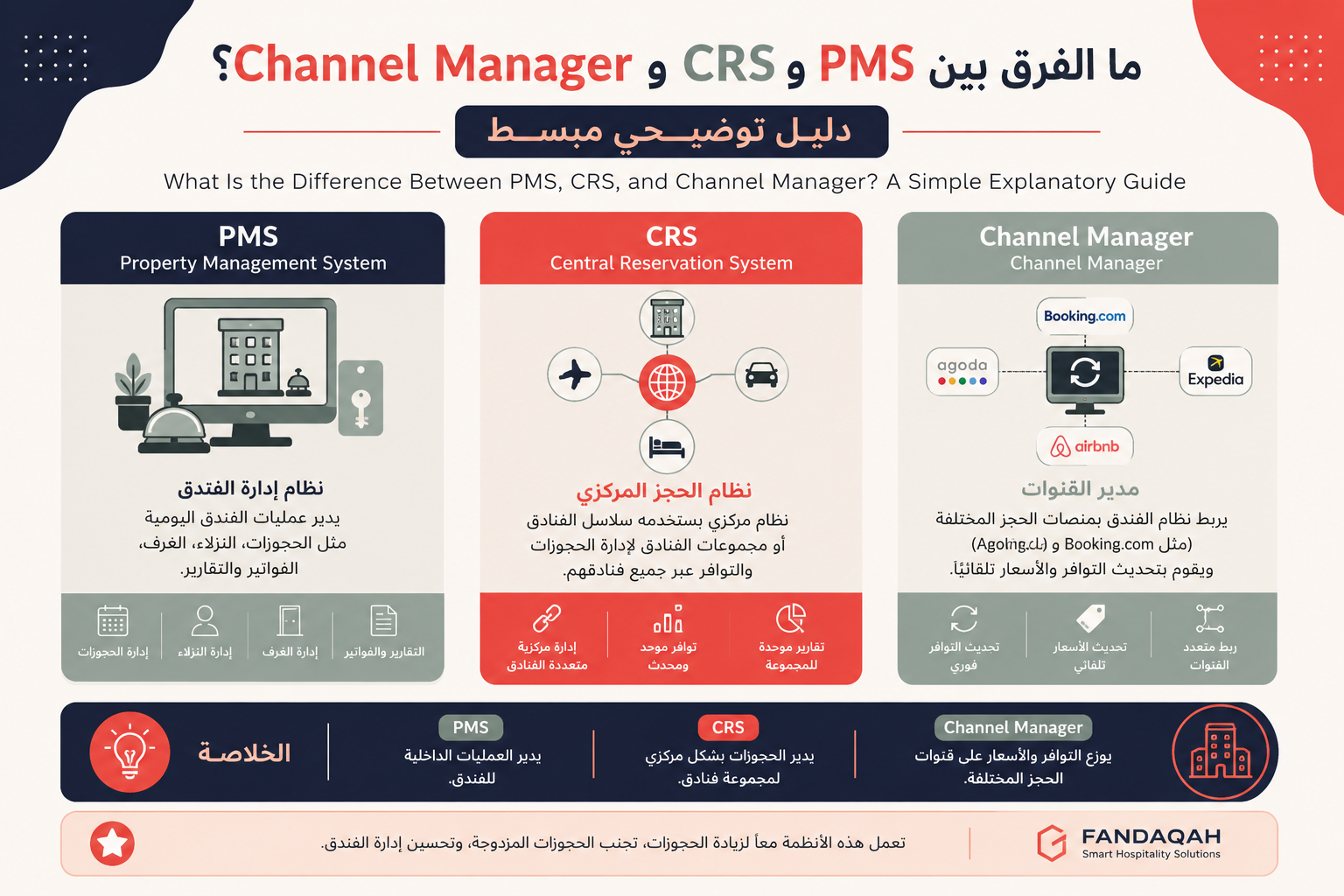
Clear differences between PMS, CRS, and Channel Manager explained. Learn which systems Saudi hotels need for operations, central bookings, and OTA distribution....
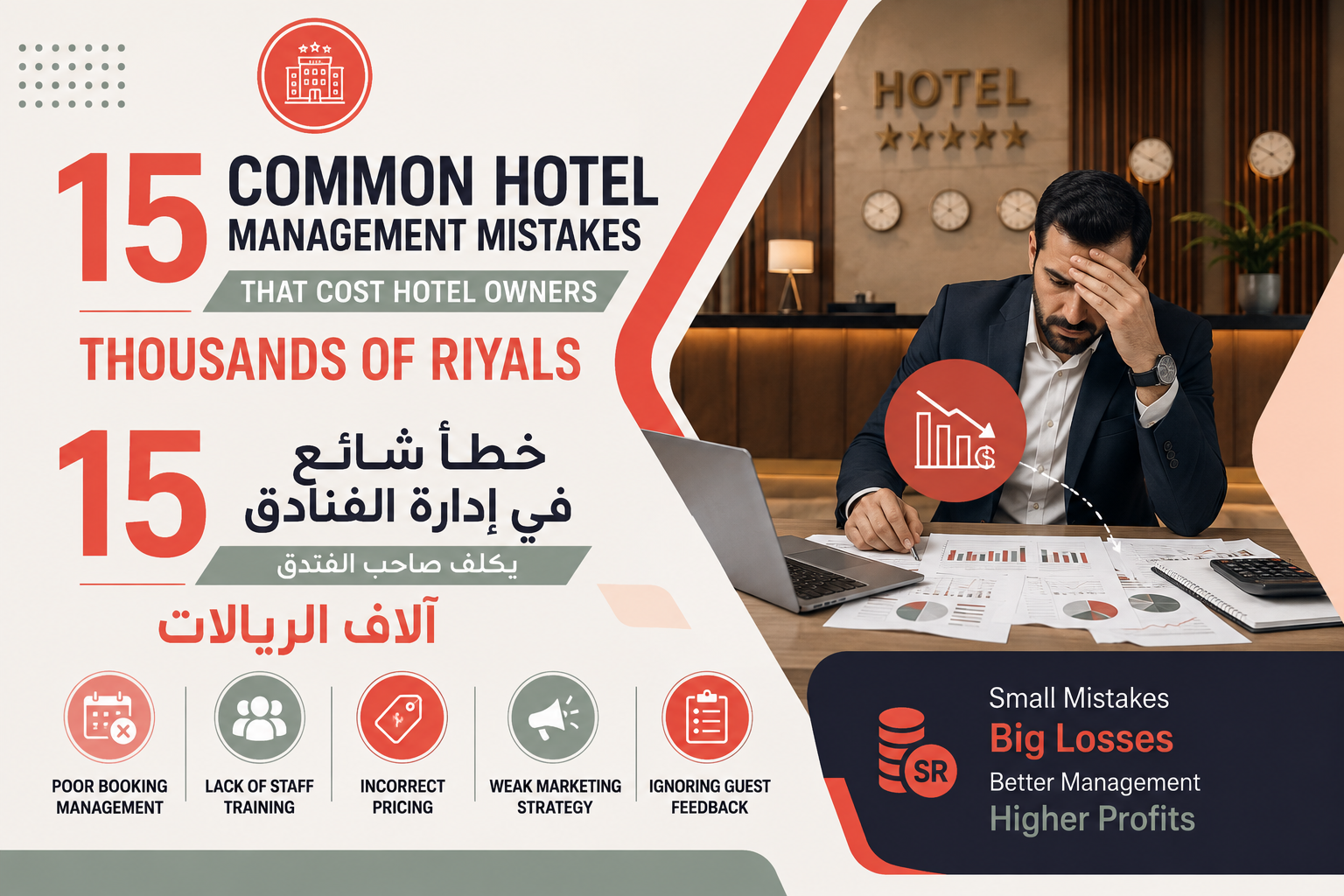
Discover the 15 most common hotel management mistakes draining Saudi hotel revenue. Practical fixes for booking systems, pricing, staff training, reviews & Vision 2030 alignment....
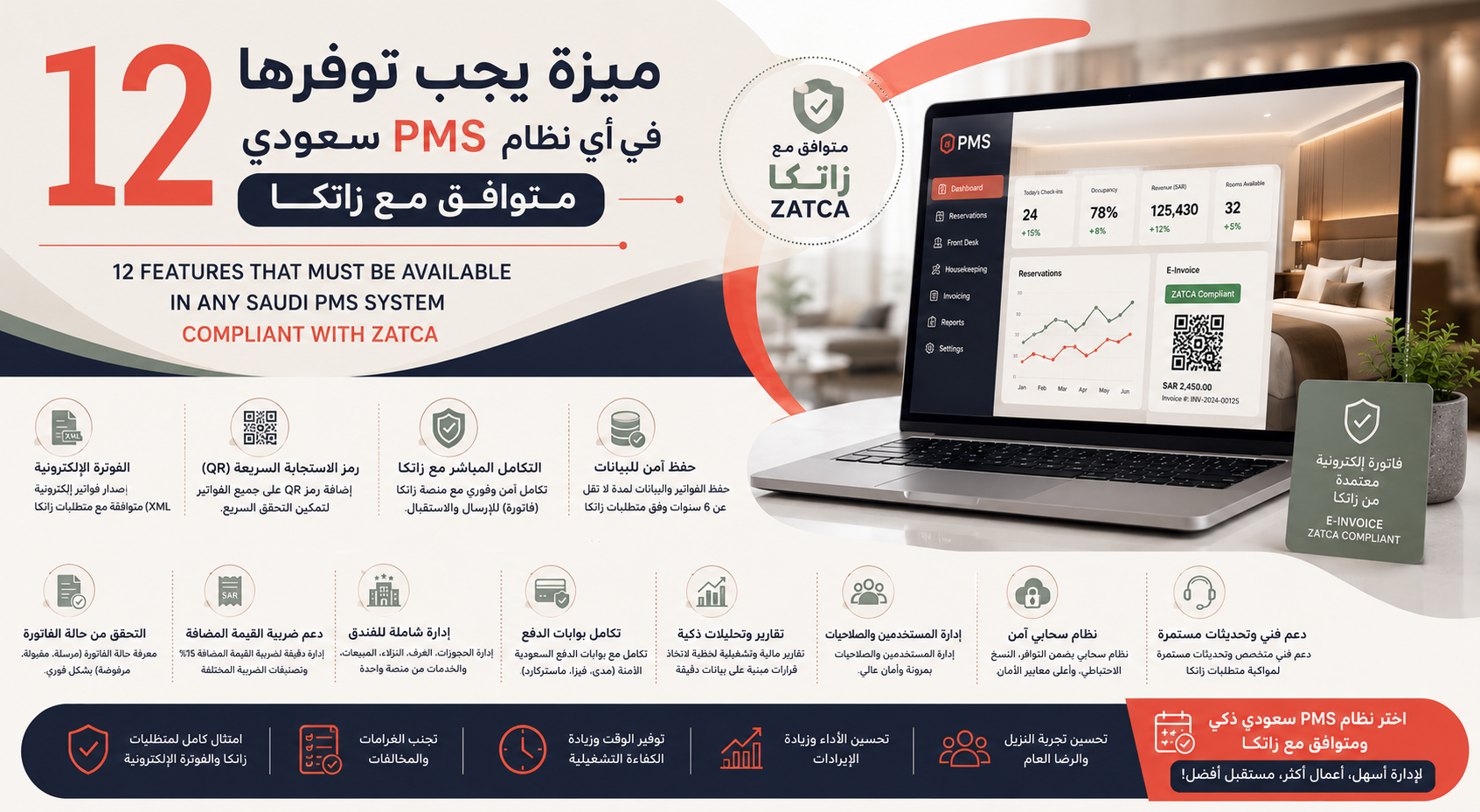
Discover the 12 essential features every Saudi property management system needs for full ZATCA e-invoicing compliance, Fatoora & Ejar integration, and seamless operations....
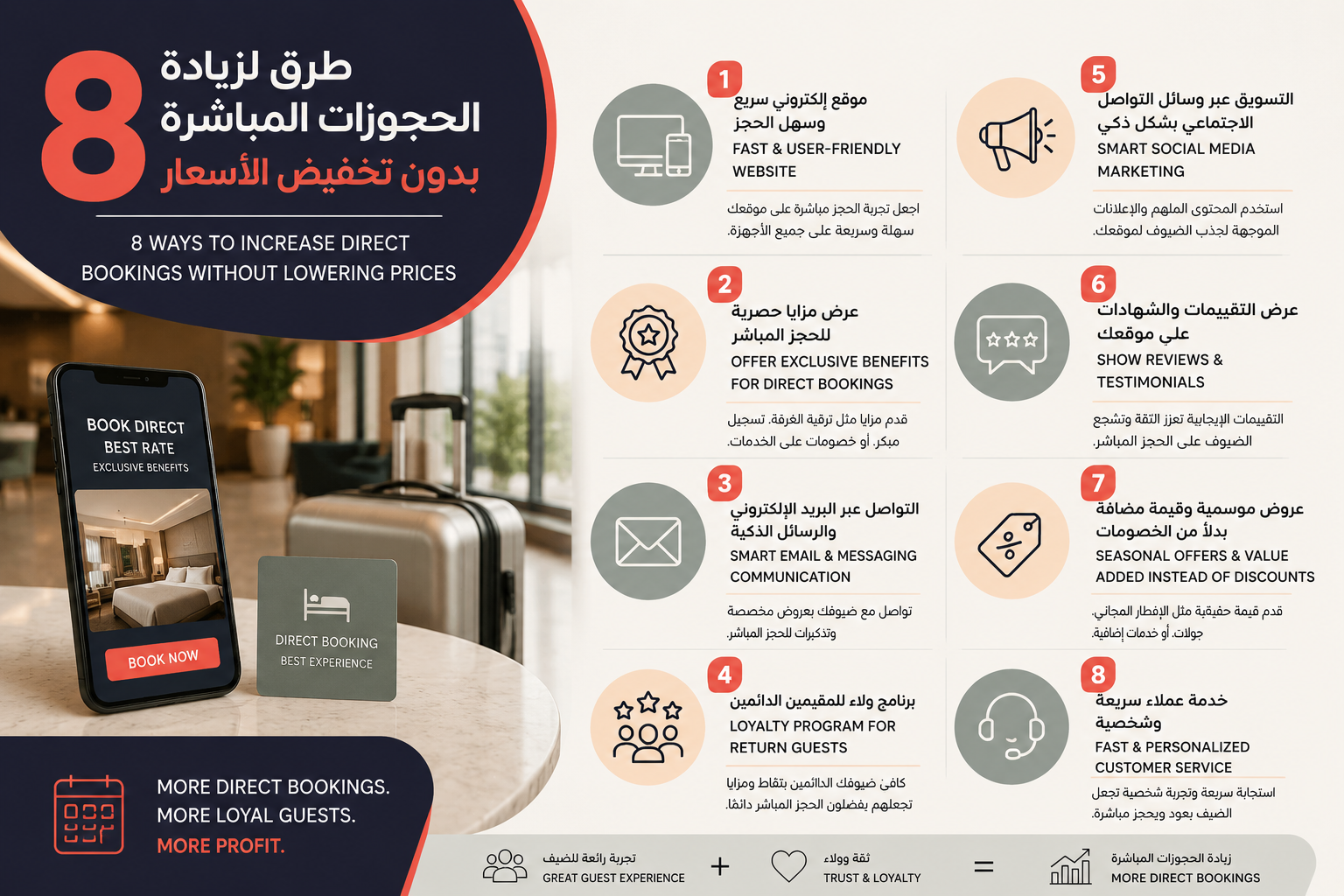
Discover 8 proven strategies for Saudi hotels to increase direct bookings without lowering prices. Optimize your booking engine, loyalty programs & more aligned with Vision 2030....
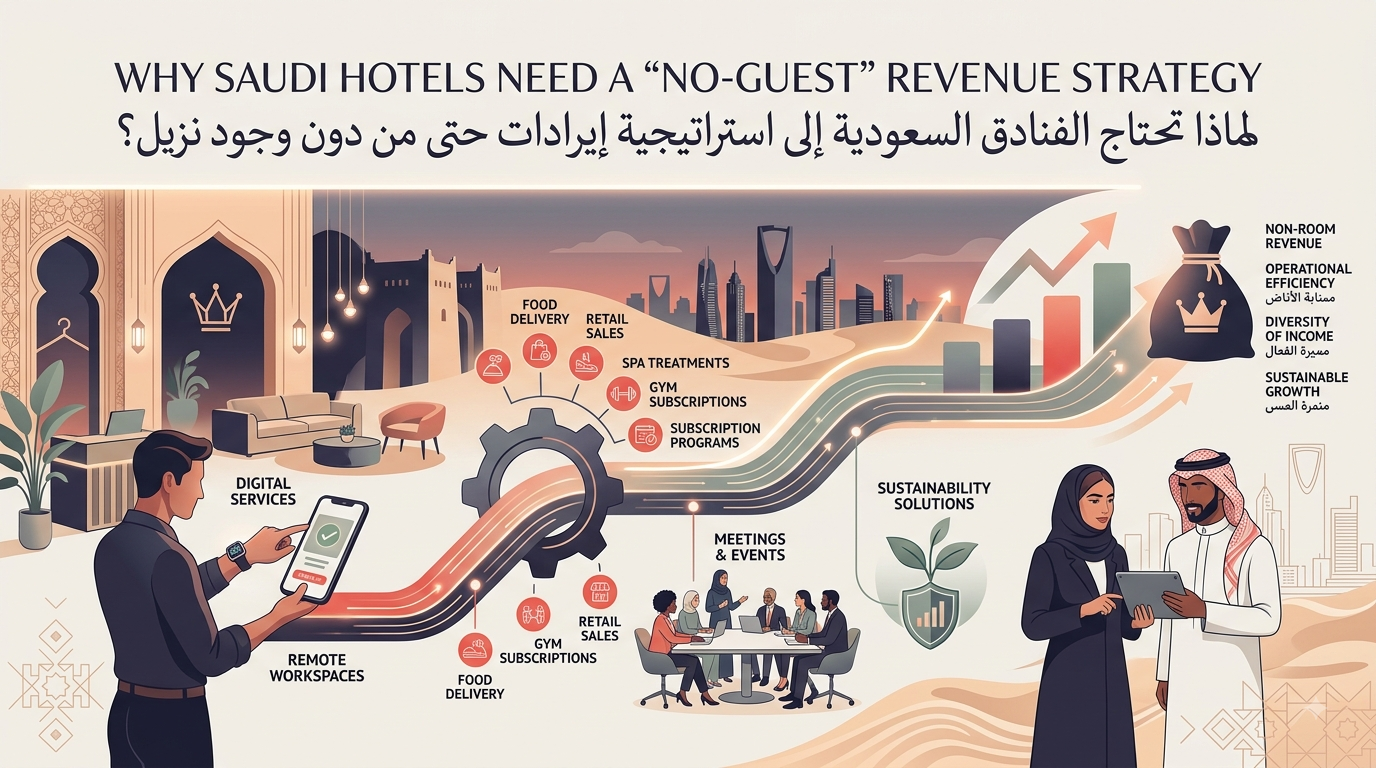
Unlock new profit streams beyond room nights. Discover why Saudi hotels must embrace "no-guest" revenue strategies to enhance profitability, diversify income, and boost guest loyalty in a competitive ...
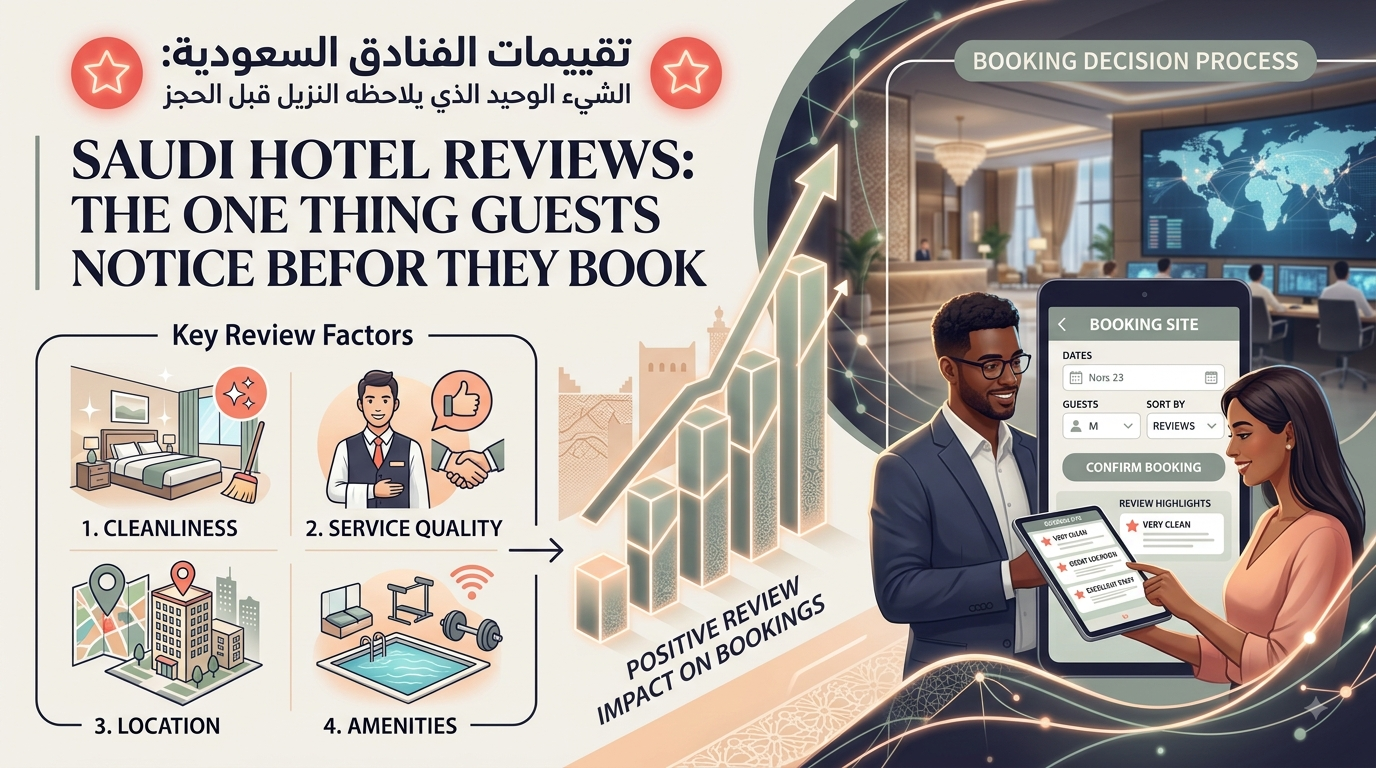
Discover the ultimate factor influencing Saudi hotel bookings. Learn how online reviews, especially around service and culture, shape guest decisions and why they're crucial for your next stay. ...
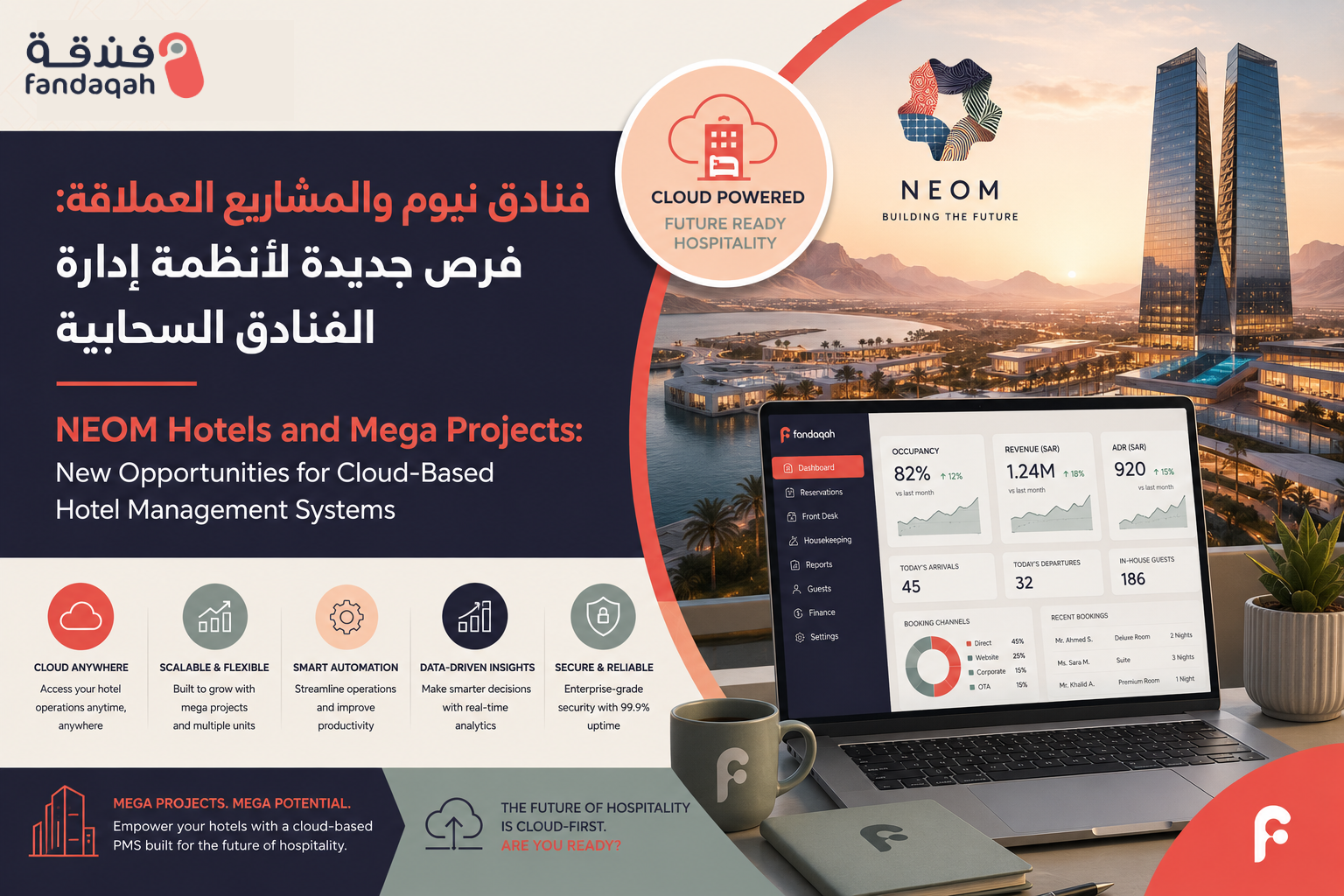
Discover how NEOM hotels and Saudi mega projects create huge opportunities for cloud-based hotel management systems. Boost efficiency, guest experience & Vision 2030 readiness....
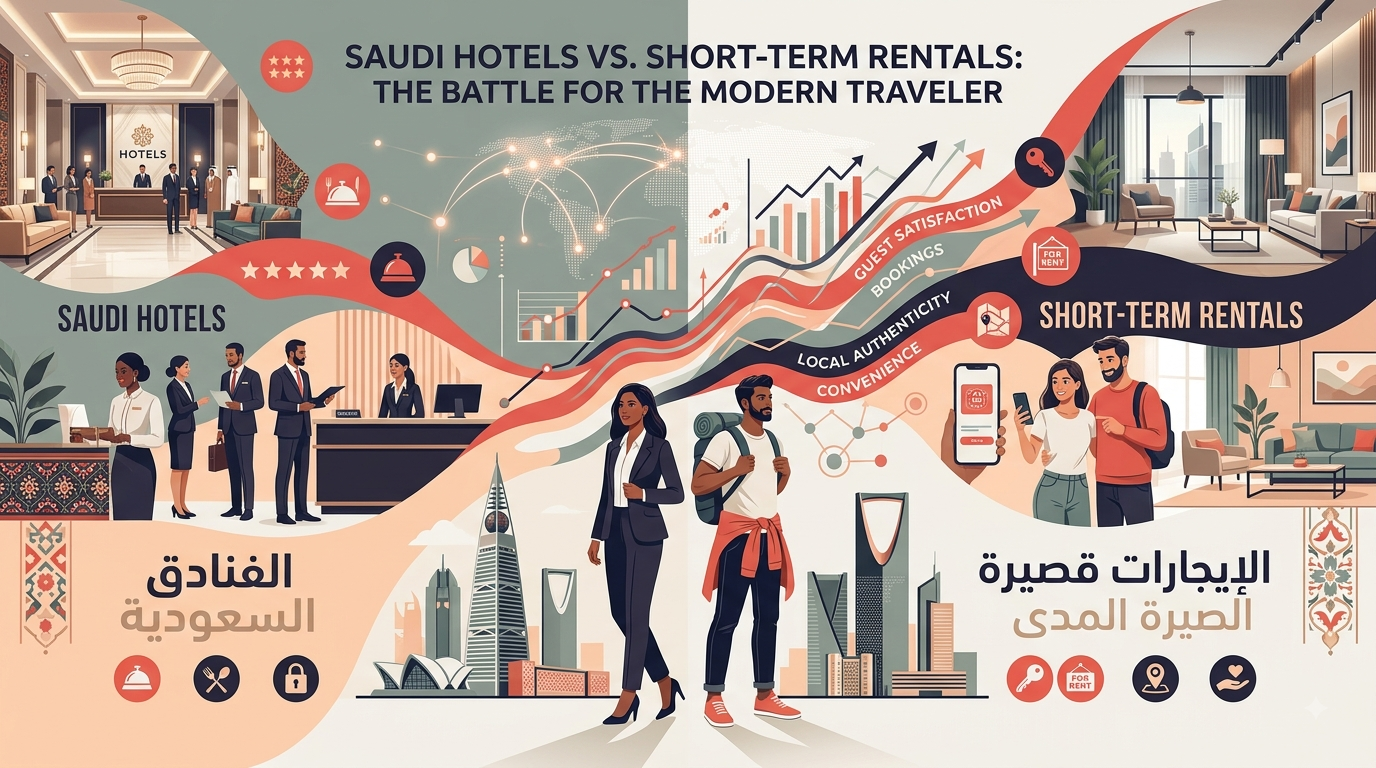
Explore the battle between Saudi hotels and short-term rentals for today's traveler. Discover which accommodation type offers the best experience, value, and authenticity for your next Saudi adventure...
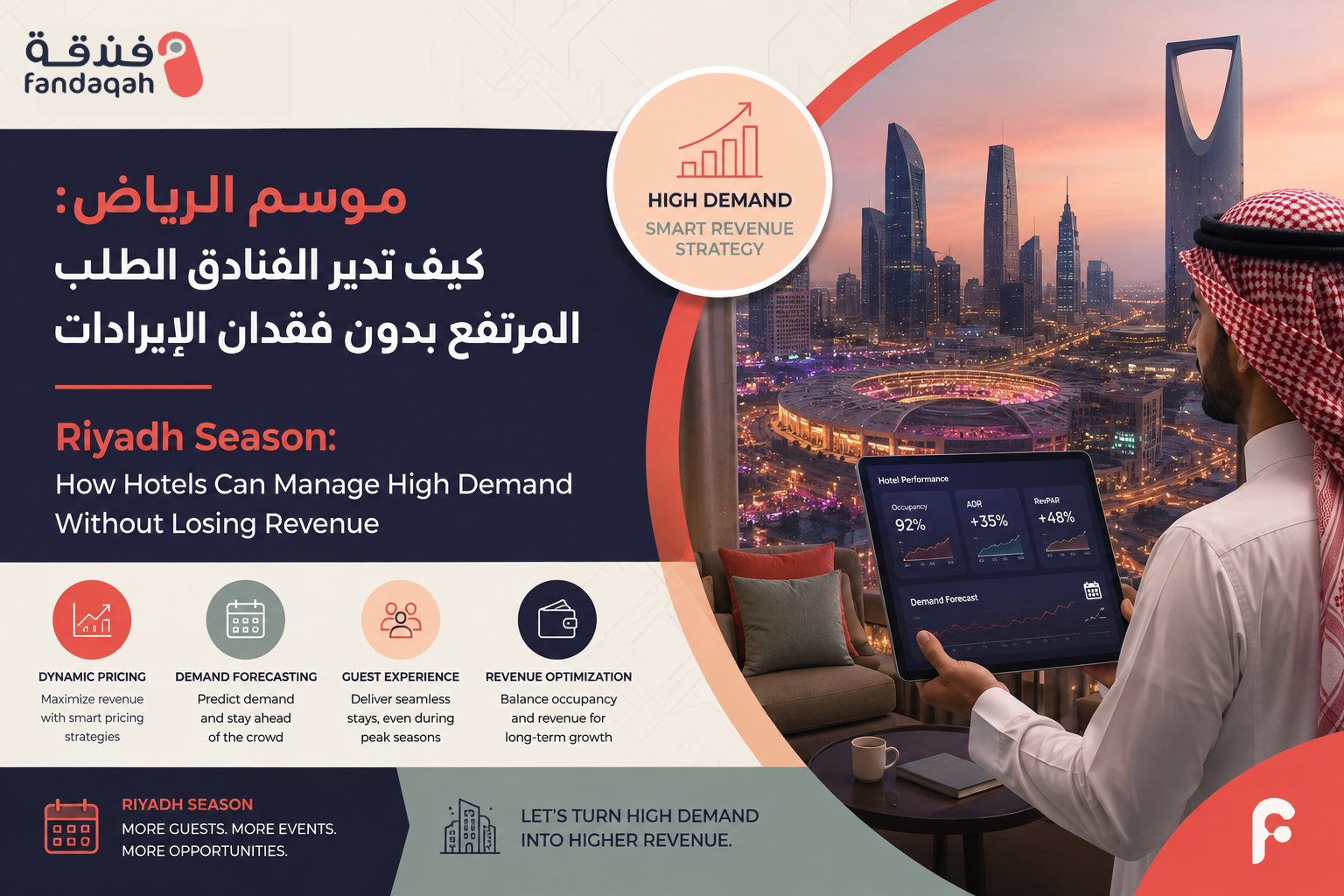
Learn how hotels manage high demand during Riyadh Season with dynamic pricing, demand forecasting & smart strategies to maximize revenue without losses....
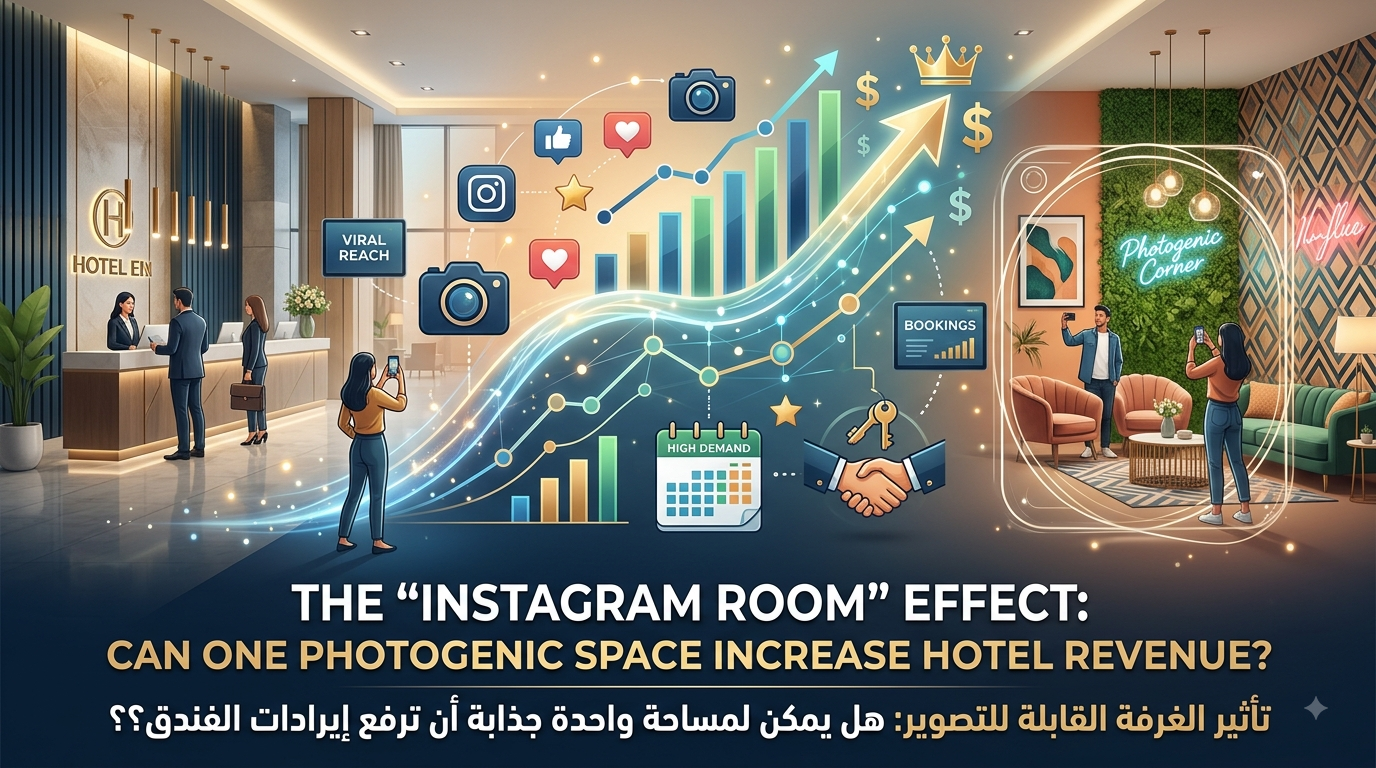
Discover how creating a single, highly photogenic "Instagram Room" can significantly boost hotel revenue through organic social media marketing, enhanced guest experience, and increased bookings. Lear...
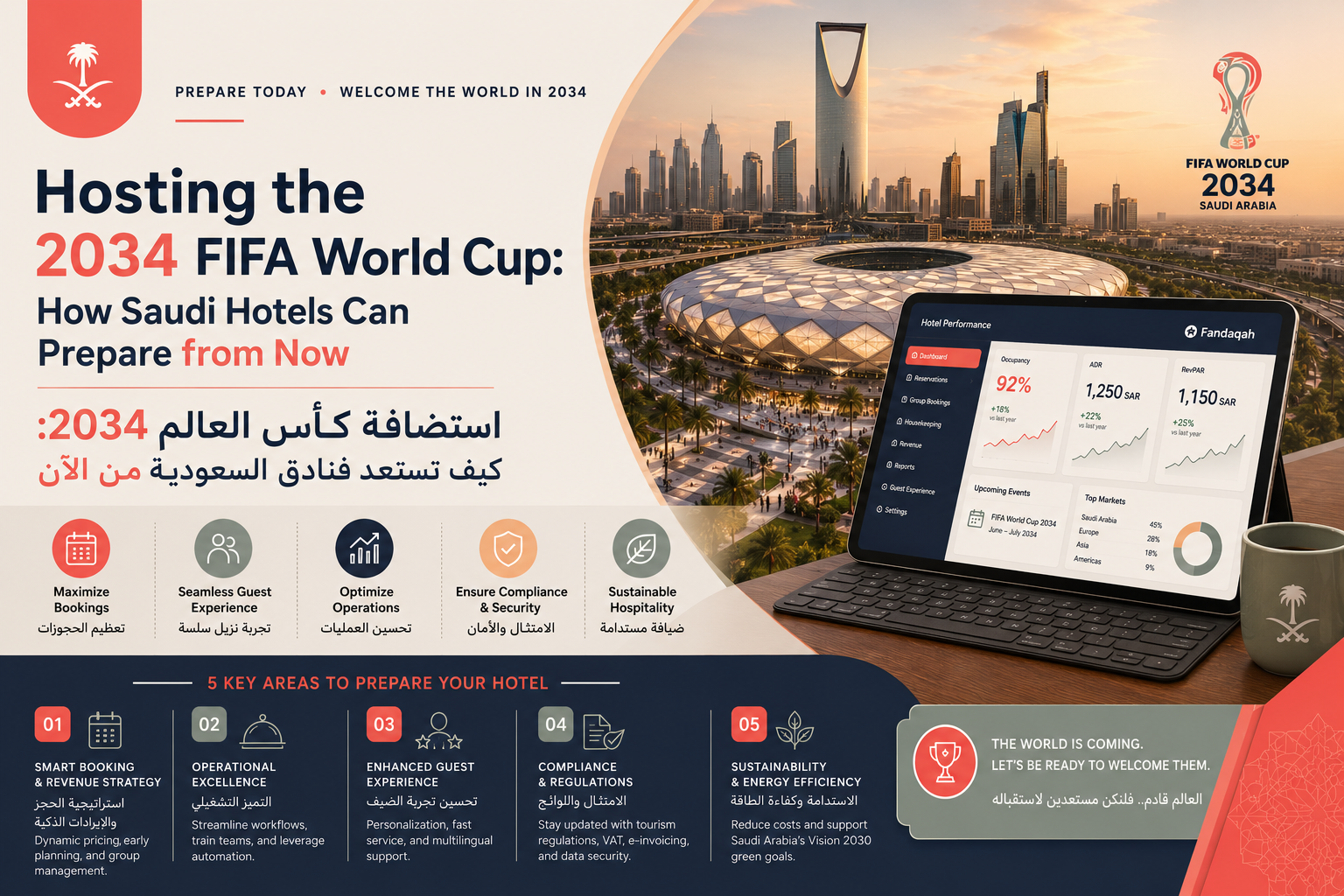
How Saudi hotels are gearing up for the 2034 FIFA World Cup: capacity expansion, smart tech, sustainability, and Vision 2030 strategies to deliver world-class hospitality for millions of fans....
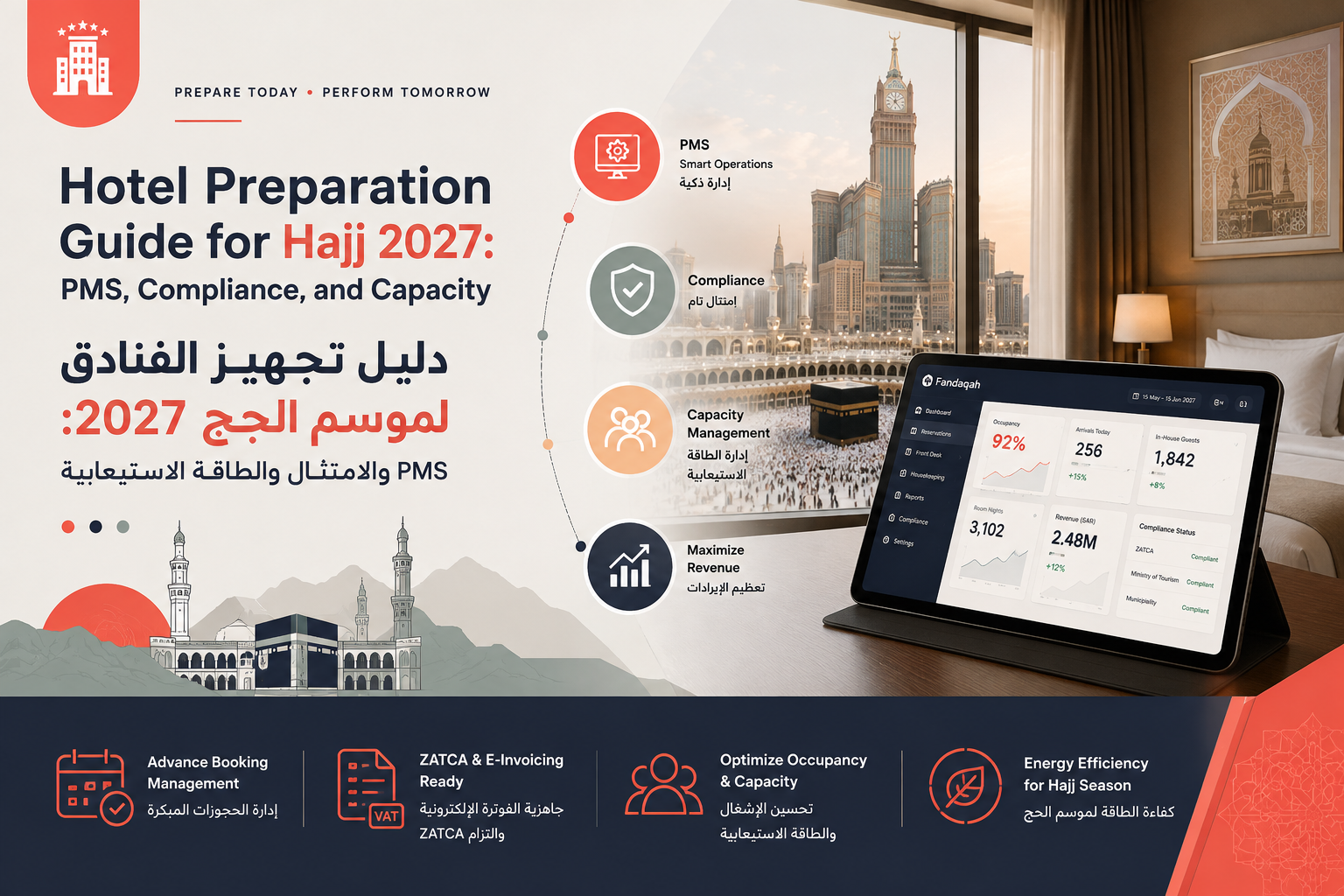
Prepare your hotel for Hajj 2027 with modern PMS systems, full Ministry of Hajj & Umrah compliance, and smart capacity management. Boost efficiency, pilgrim experience, and seasonal revenue....
Unlock more bookings without spending more. Discover expert strategies to optimize your hotel's online presence, enhance guest experience, and leverage existing resources for maximum revenue growth. ...
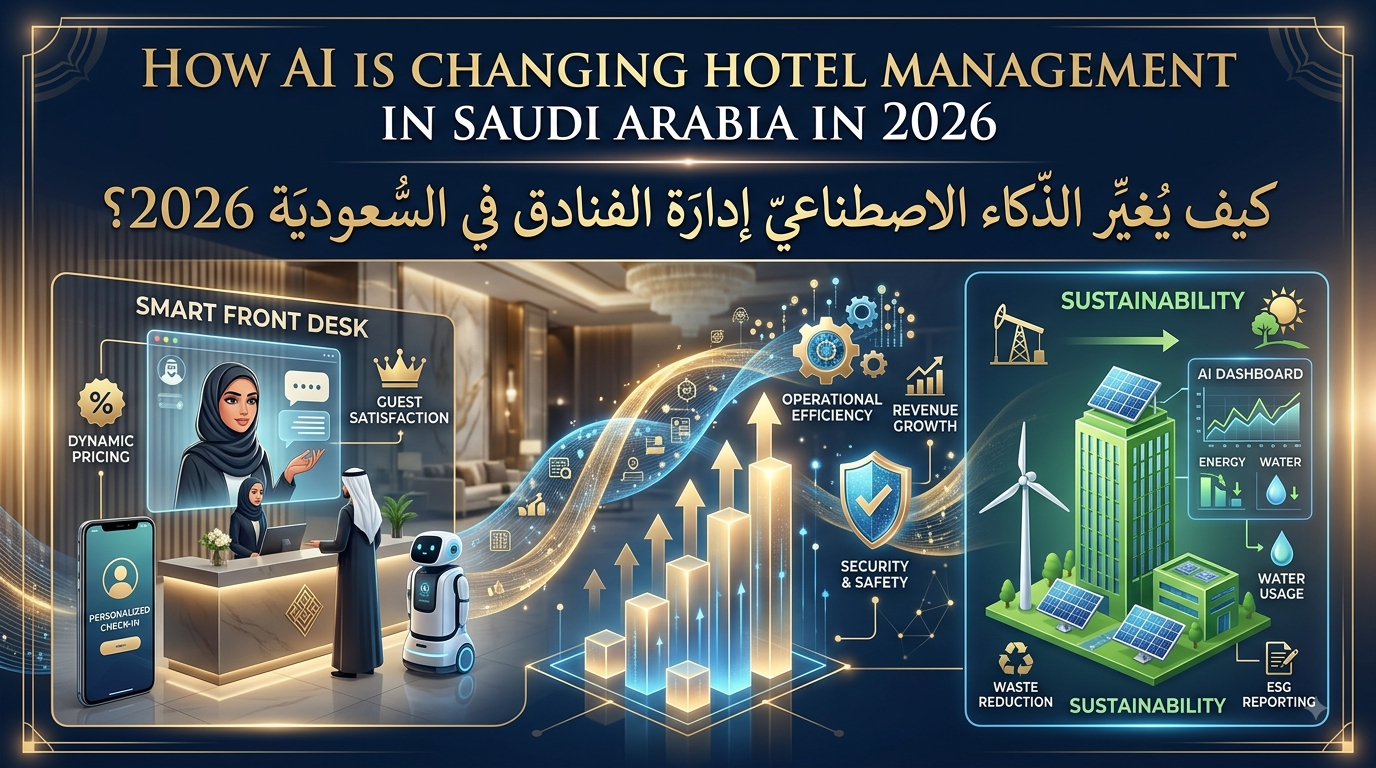
Discover how AI is revolutionizing hotel management in Saudi Arabia by 2026. Explore key trends, applications, and the strategic advantages AI offers in enhancing guest experience, optimizing operatio...
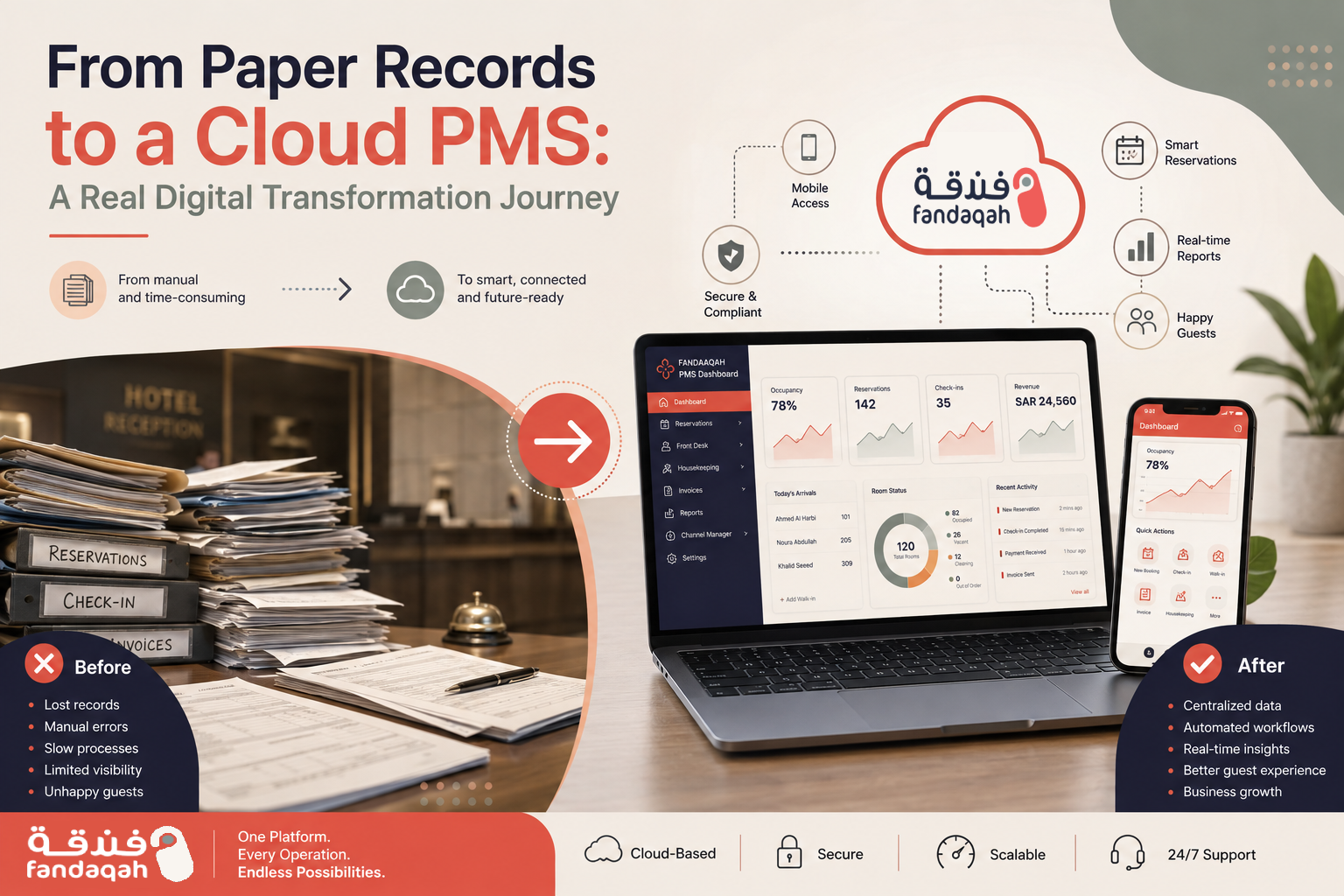
Discover how Saudi hotels move from paper records to a cloud PMS. Boost efficiency, guest experience & align with Vision 2030. Real benefits, comparison & FAQ....
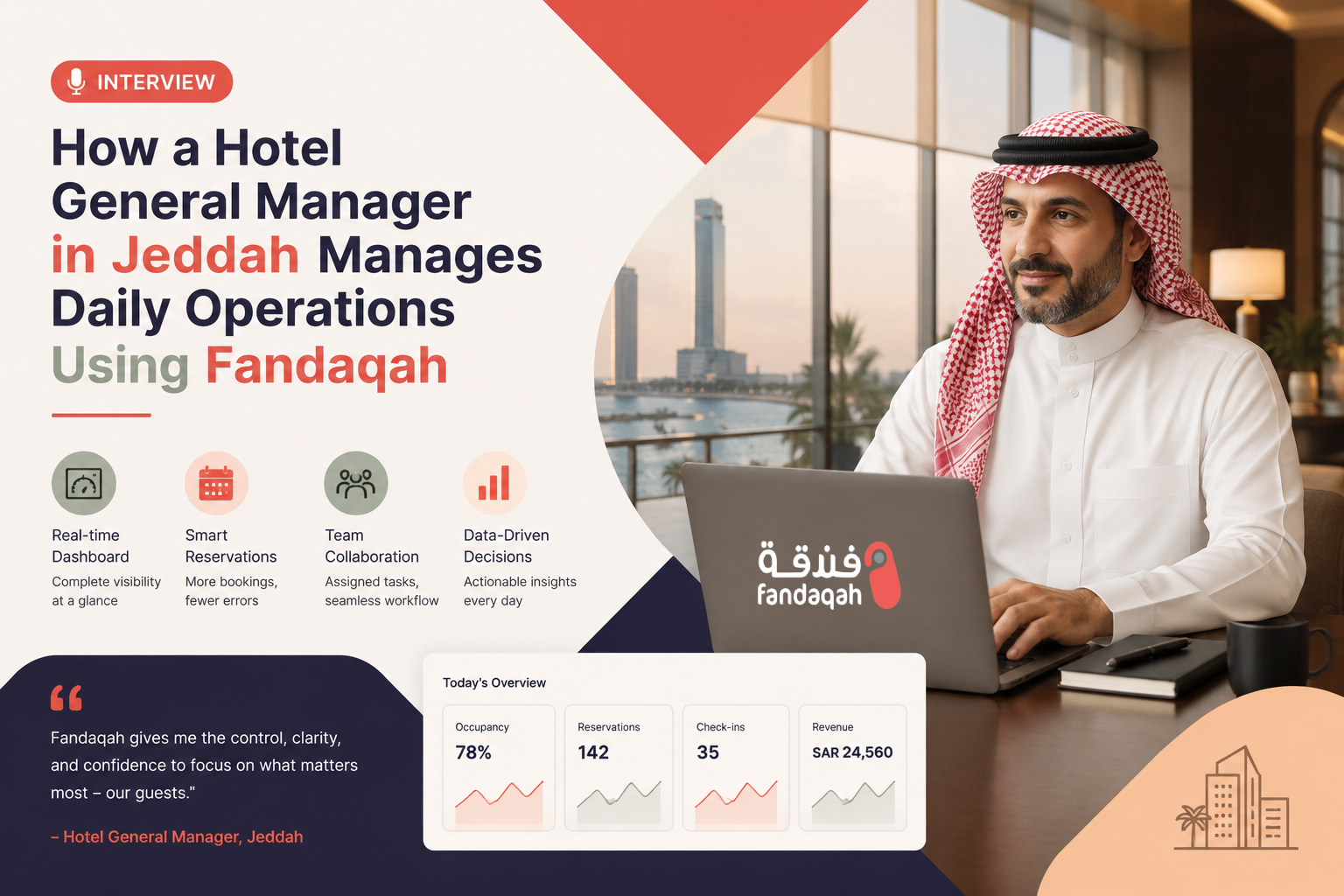
Exclusive interview with Khalid Al-Shahri, Jeddah hotel GM, on how Fandaqah PMS eliminated double bookings, cut check-in to 3 min, and boosted occupancy to 78%....
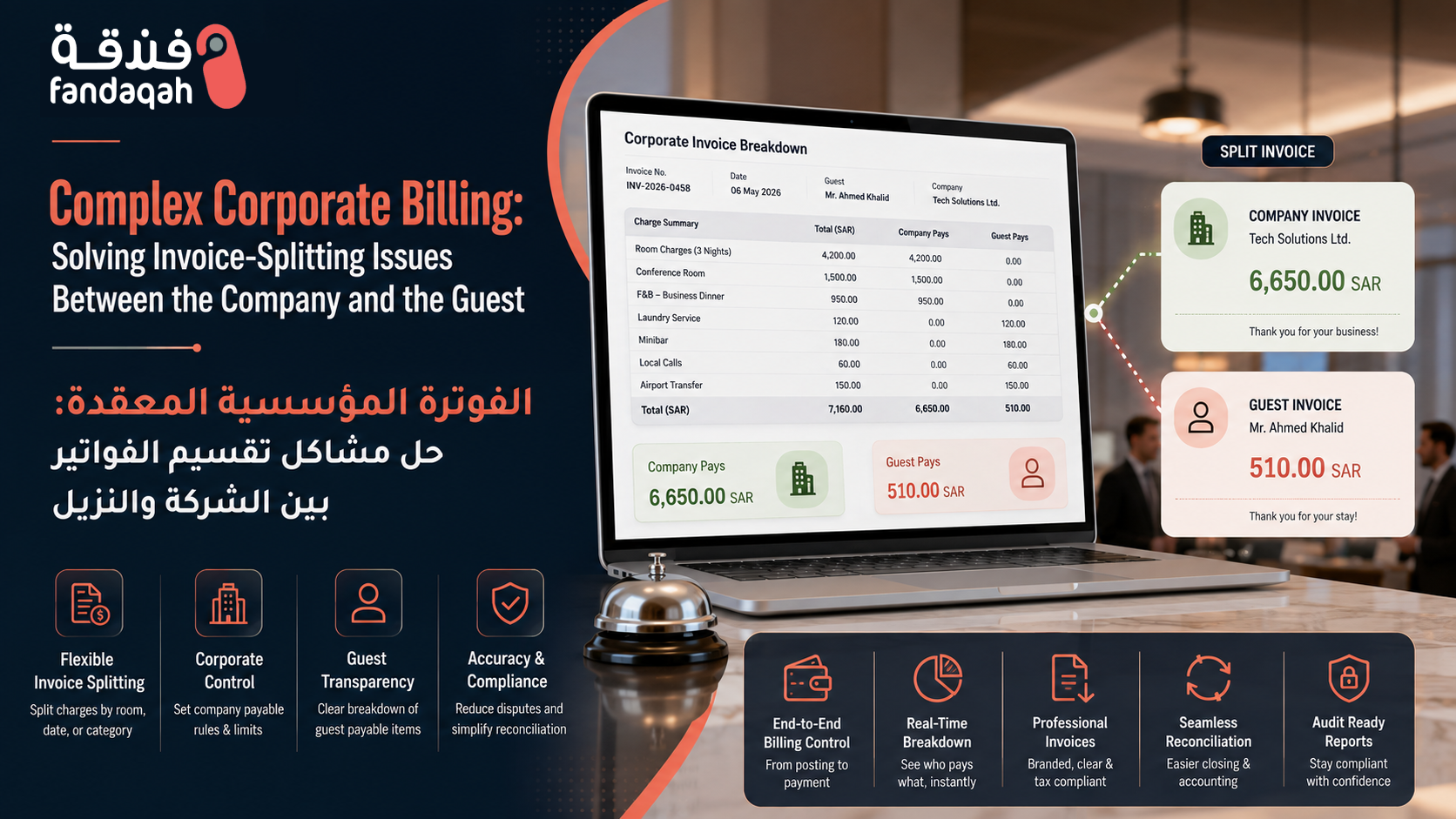
Master complex corporate billing & invoice splitting between company and guest. Automate ZATCA-compliant solutions for Saudi hotels & serviced apartments....
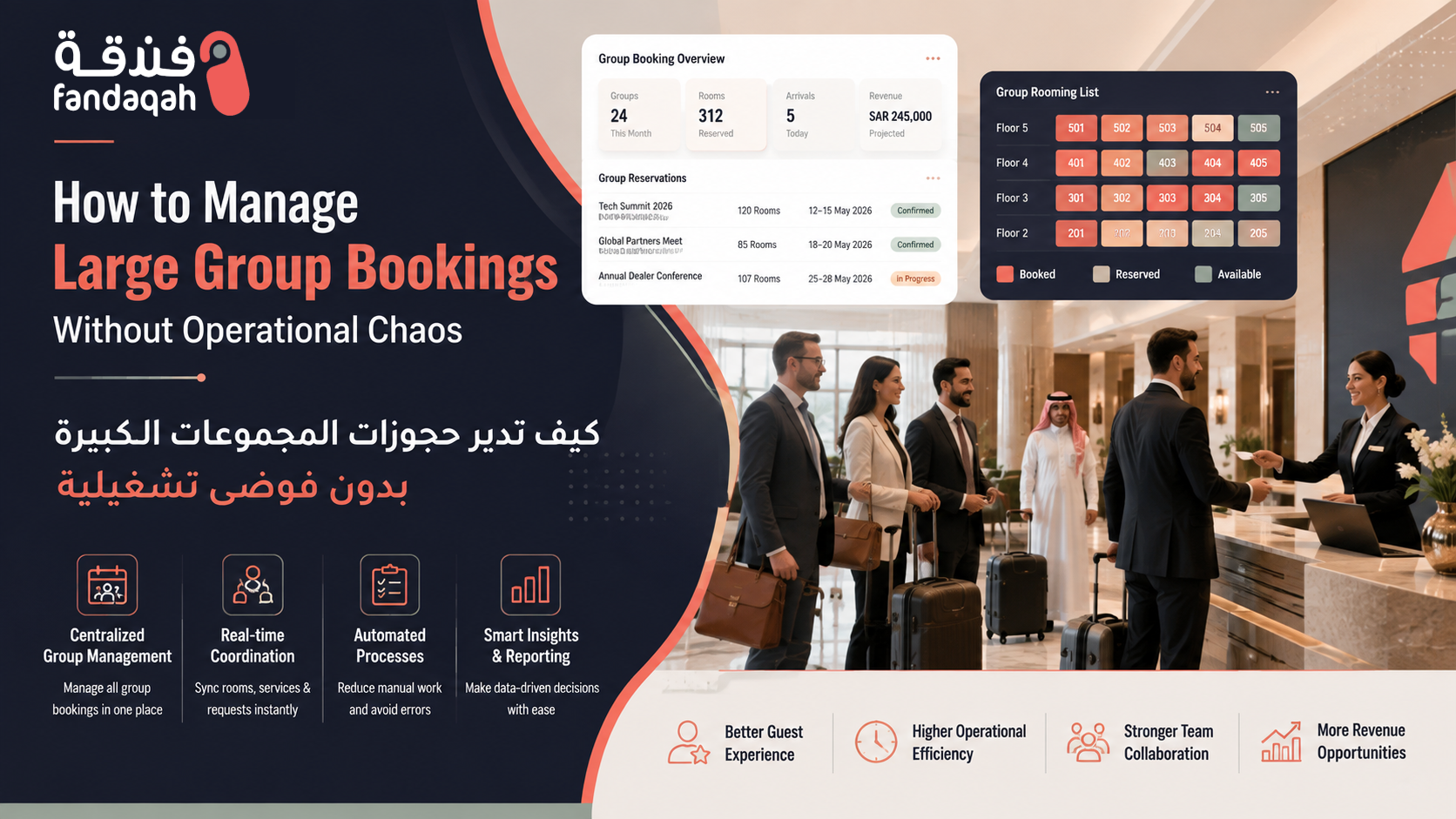
Master large group bookings in Saudi hospitality. Avoid operational chaos with proven strategies for hotels, restaurants & events during Hajj, Riyadh Season & Vision 2030....
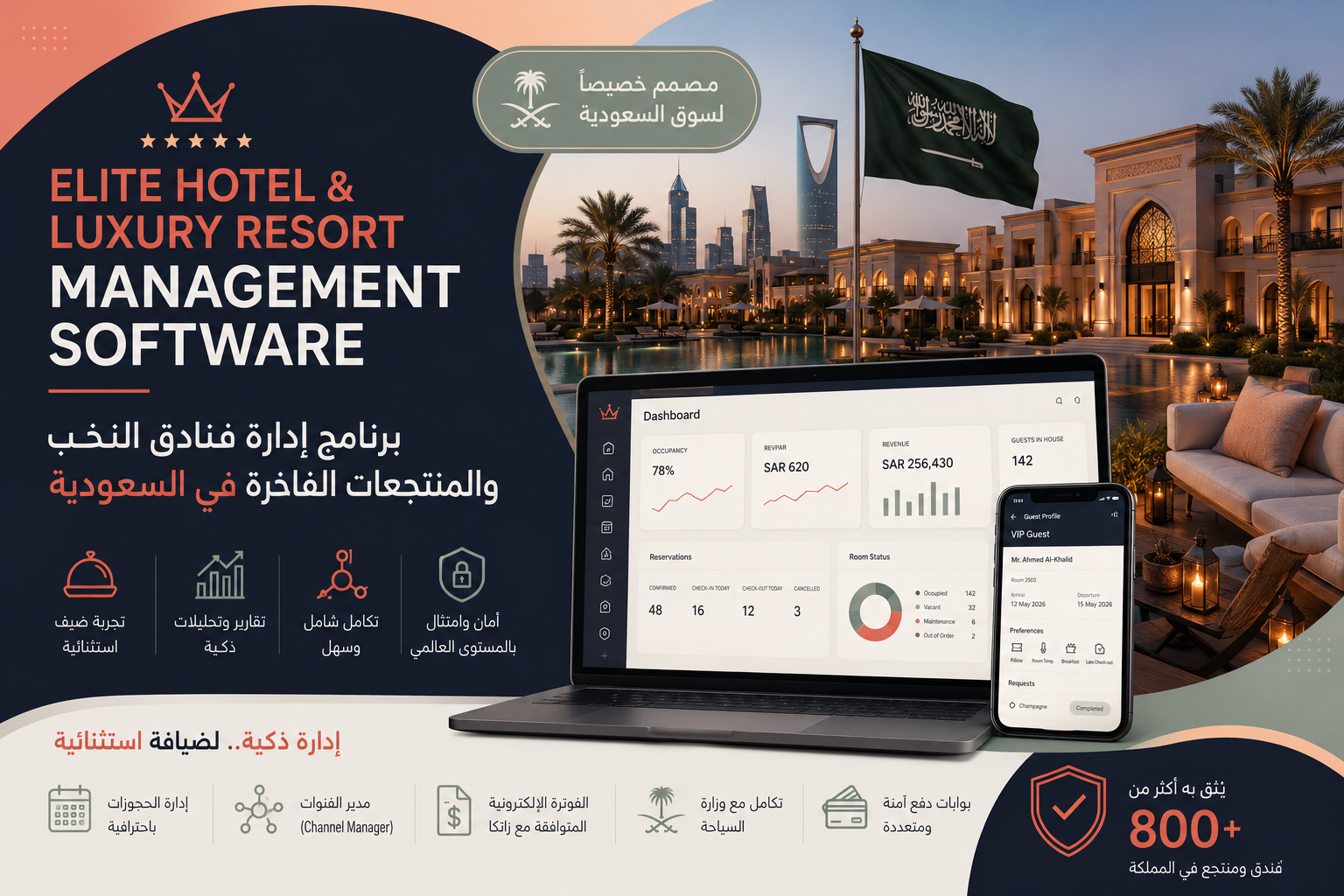
Discover the best cloud-based elite hotel & luxury resort management software (PMS) for Saudi Arabia. Boost guest experience, automate operations & align with Vision 2030....
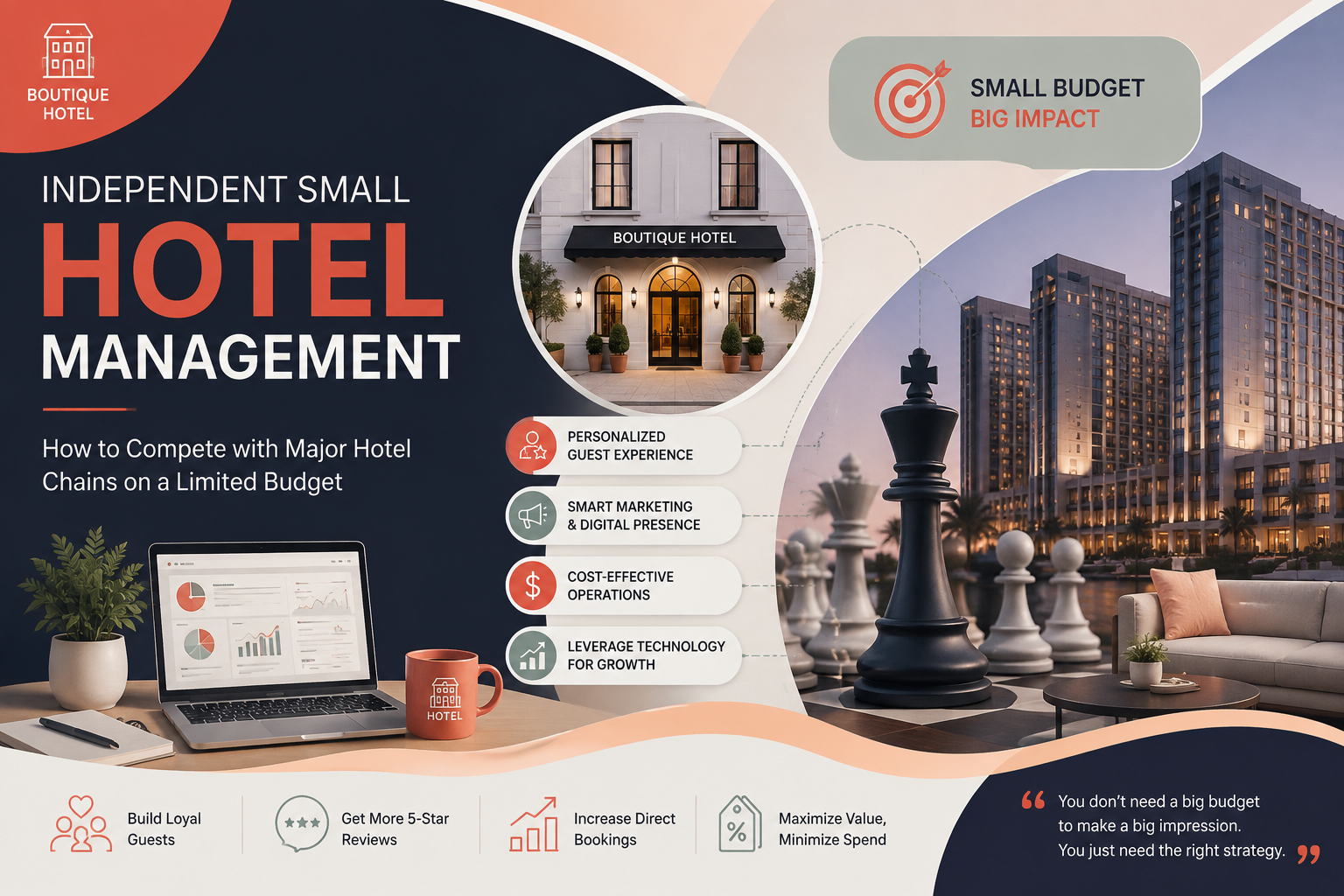
Practical guide for independent boutique hotels in Saudi Arabia to compete with major chains on a limited budget. Leverage local hospitality, organic SEO/GEO, Vision 2030 opportunities, and smart part...
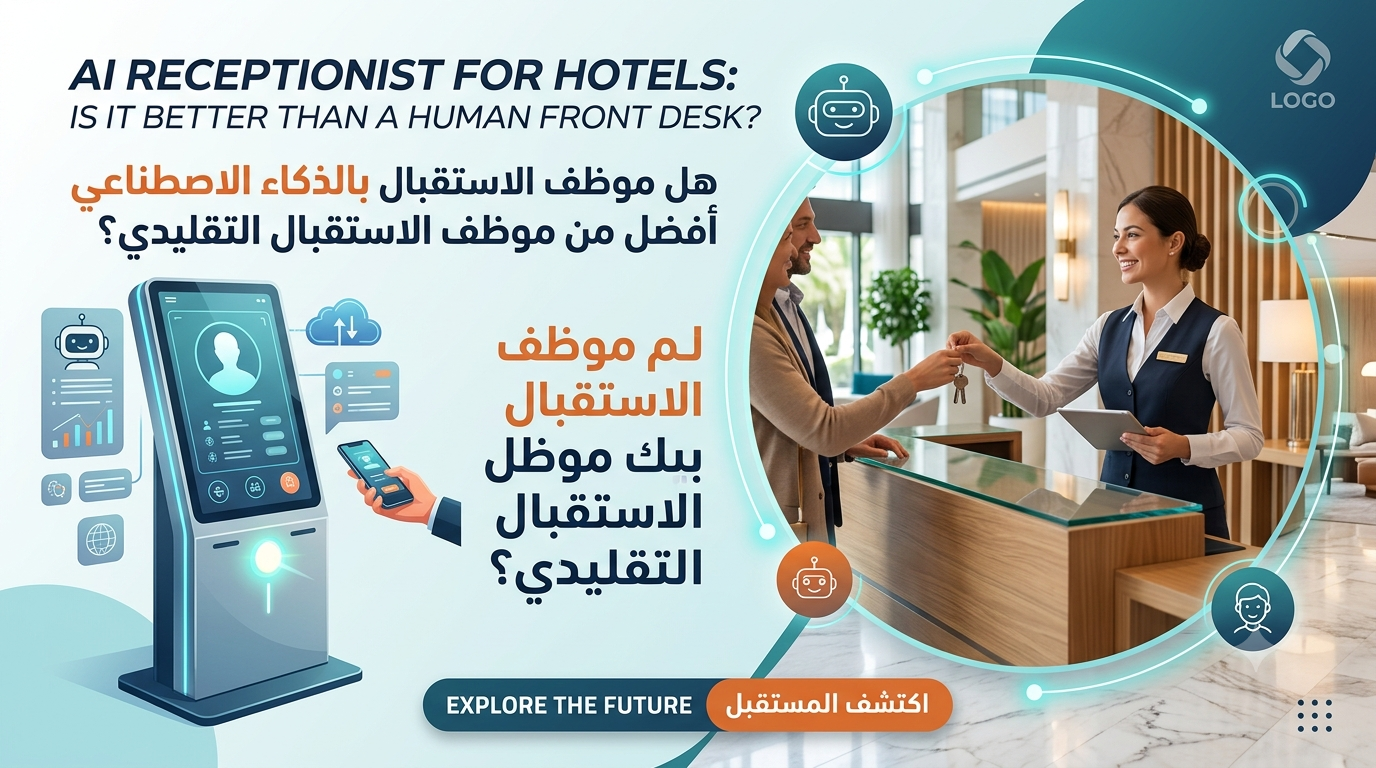
Explore the rise of AI receptionists in hotels. This expert analysis compares AI to human front desks, examining benefits, drawbacks, and the future of hospitality. Discover if AI is truly better for ...

Unlock the secrets to a fully booked hotel. Discover 50 actionable marketing ideas, from local SEO to immersive virtual tours, designed to skyrocket your bookings and boost revenue....
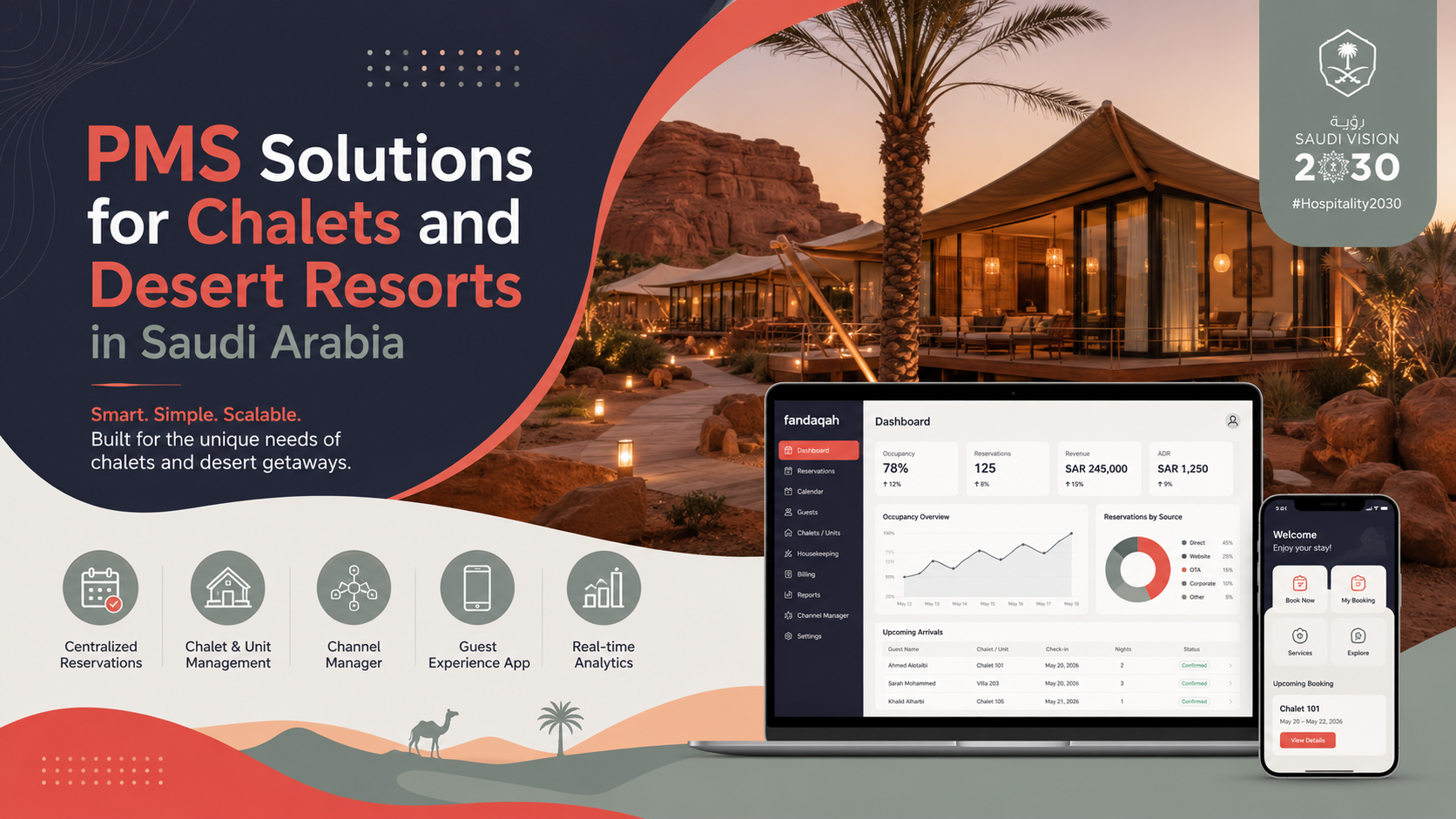
Discover how a modern PMS transforms chalet and desert resort management in Saudi Arabia. Boost bookings, automate operations, and align with Vision 2030 tourism goals....
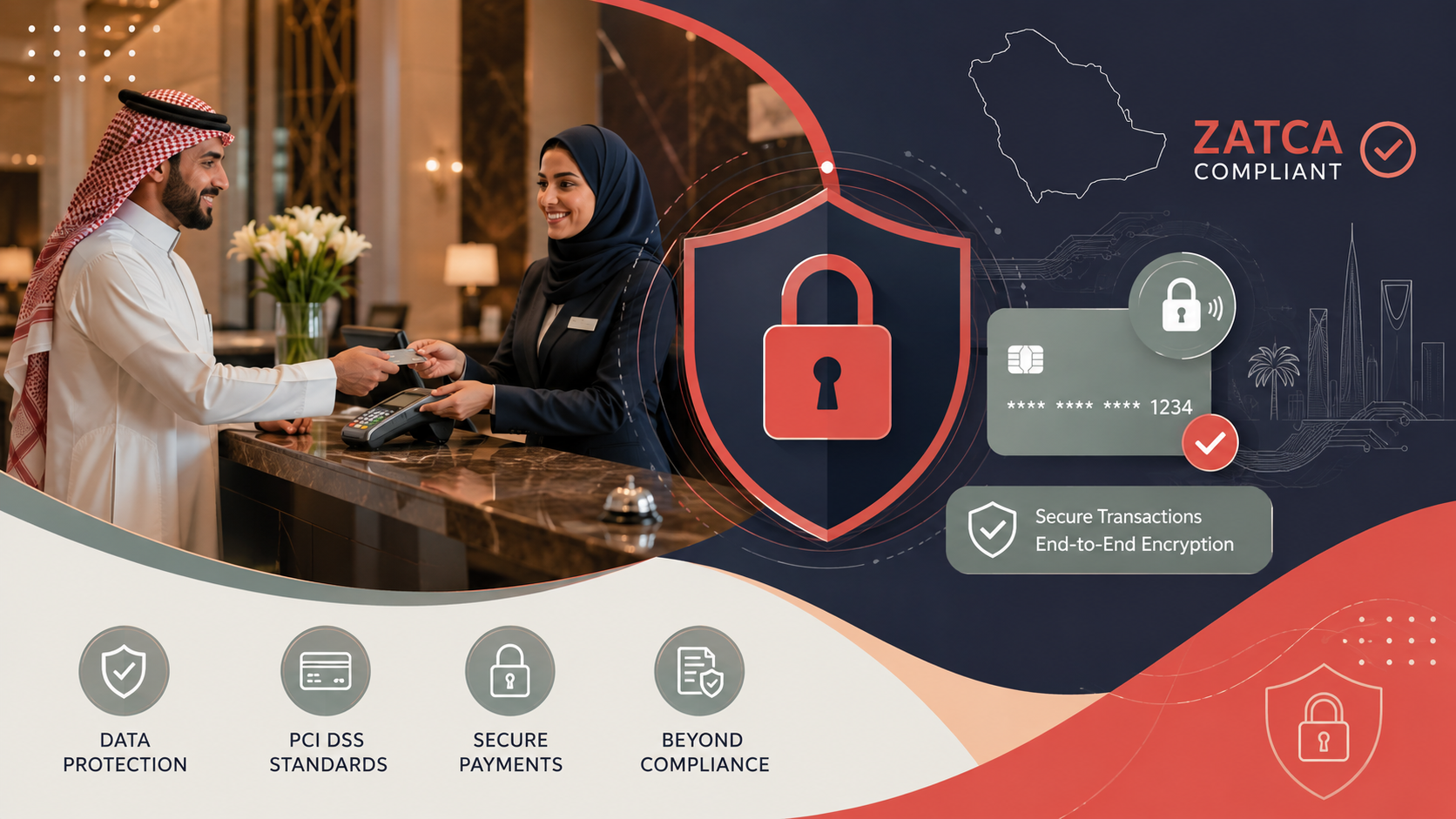
ZATCA e-invoicing alone isn’t enough. Learn how Saudi hotels can secure guest payment data with PCI DSS, NCA controls, and Vision 2030-aligned strategies to prevent breaches and build trust....
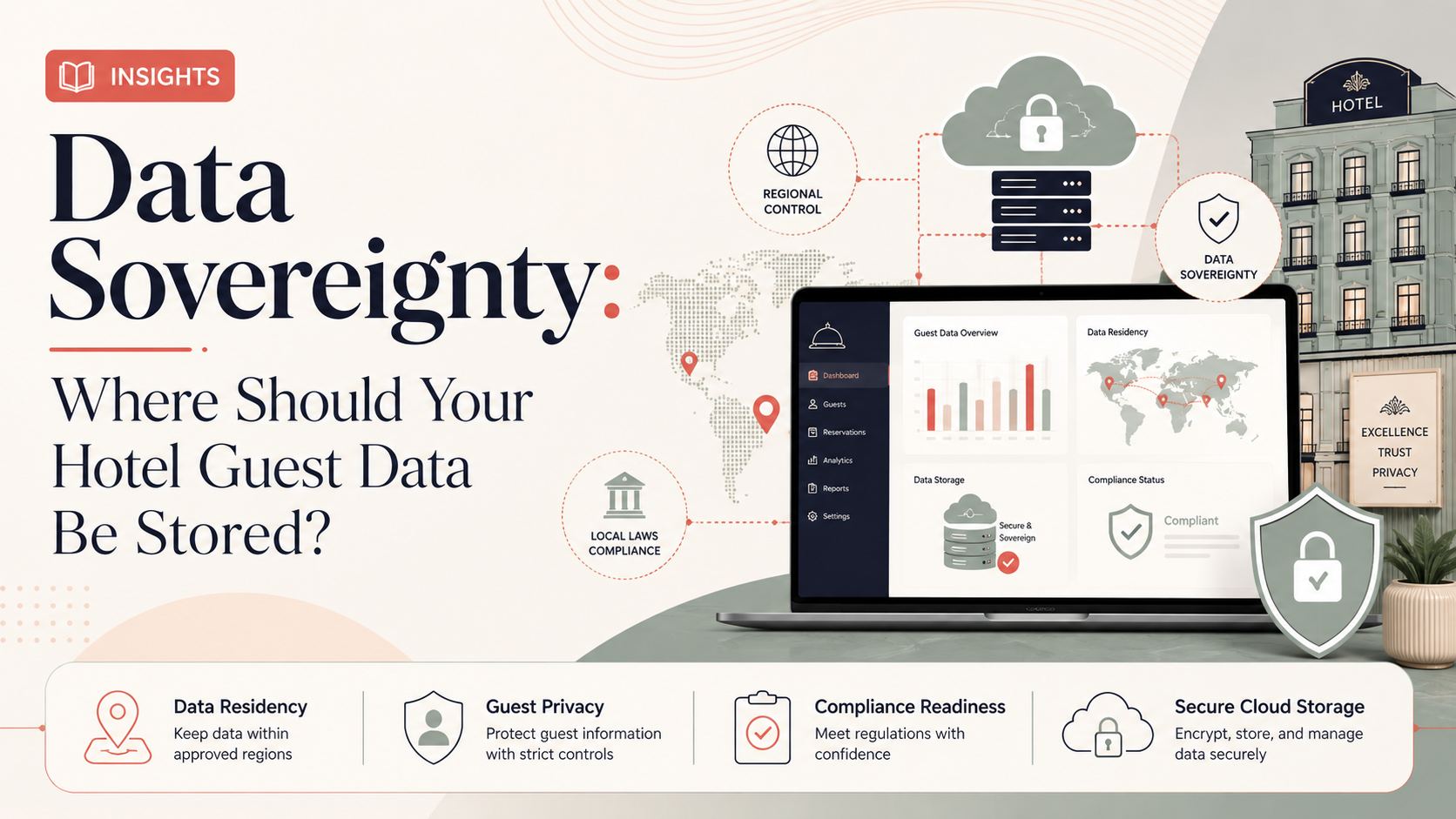
Where should Saudi hotels store guest data? A practical guide to data sovereignty, PDPL compliance, local cloud storage, and protecting privacy under Vision 2030....
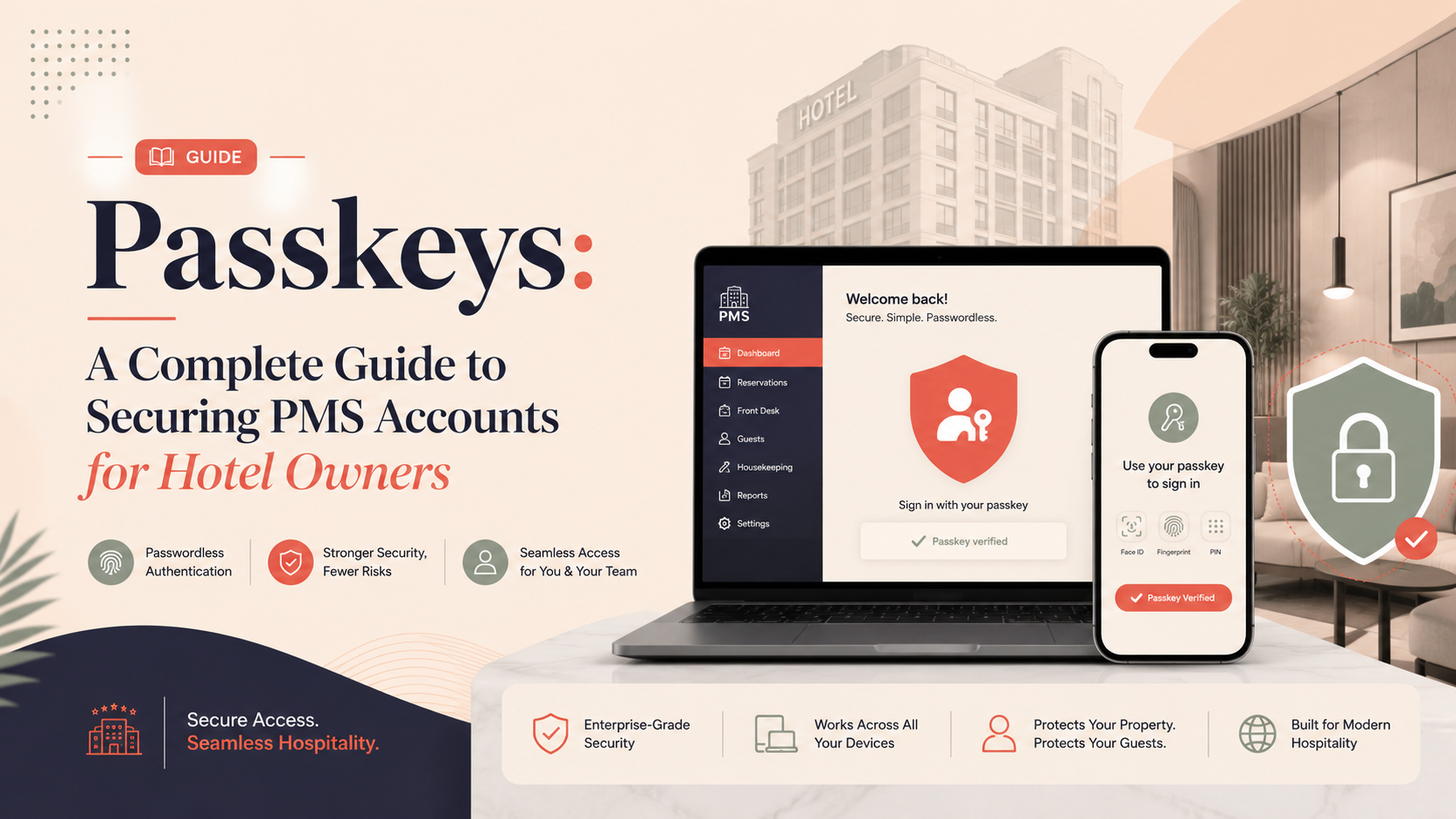
Secure hotel PMS accounts with passkeys. A practical guide for Saudi hotel owners on passwordless, phishing-resistant authentication, implementation, and recovery....

Learn how Saudi hotels can cut energy, water, and food waste costs while aligning with Vision 2030. Practical steps, KPIs, and a clear sustainability plan for better profits and guest experience....
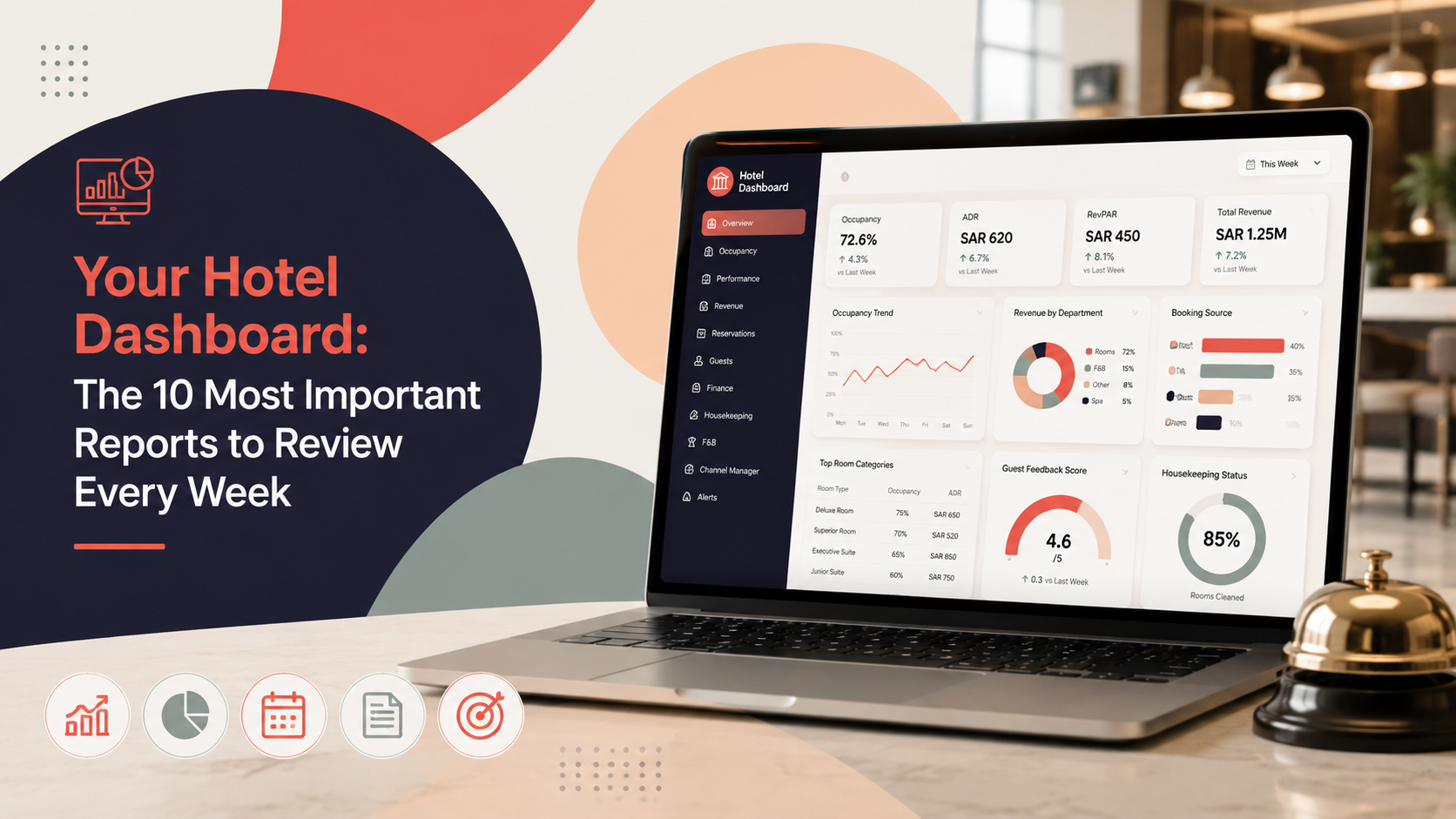
Discover the 10 essential hotel dashboard reports to review every week—occupancy, ADR, RevPAR, booking pace, channels, guest satisfaction & more—to boost revenue and performance in Saudi Arabia....
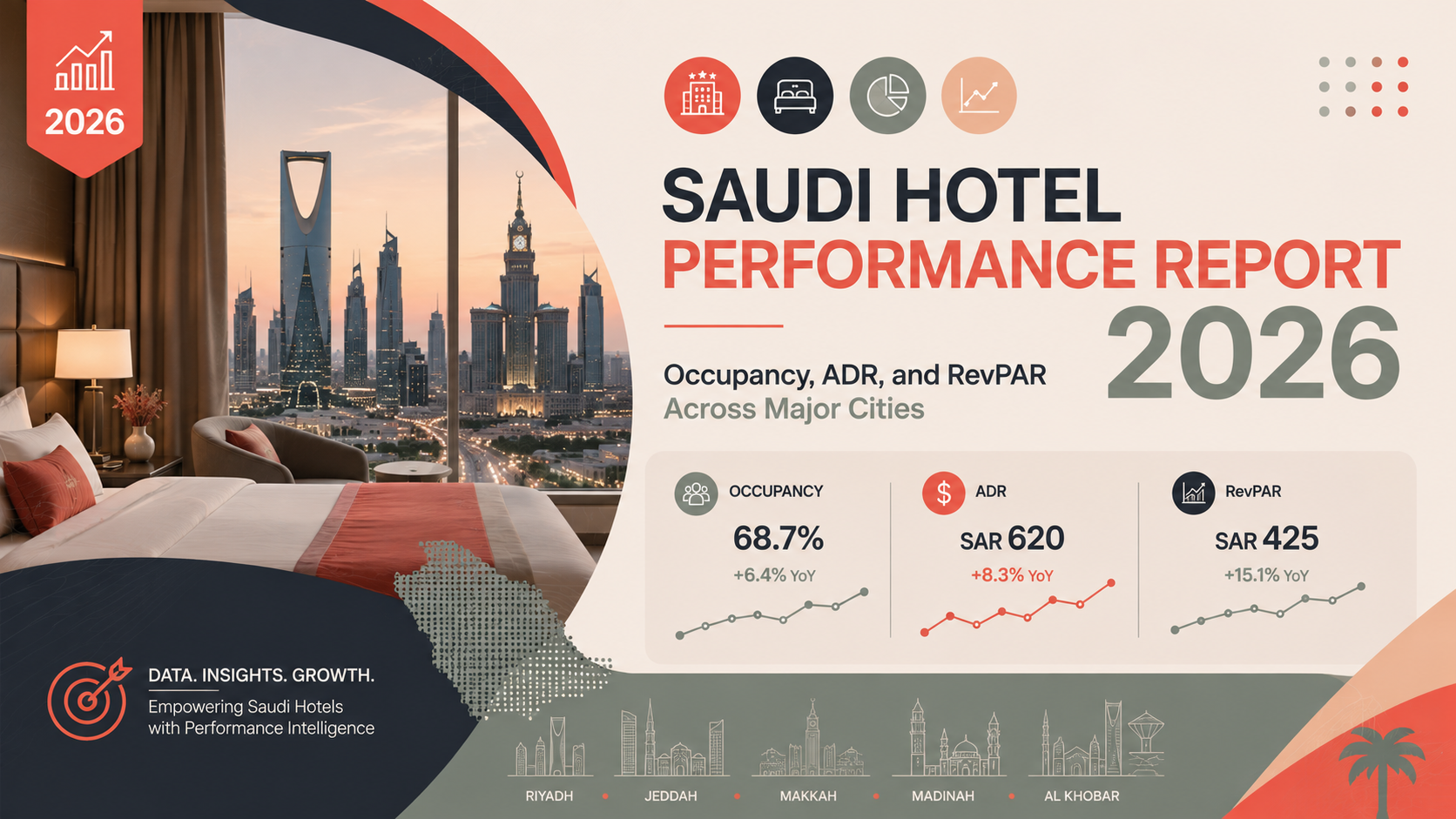
Discover the Saudi Hotel Performance Report 2026 with projected occupancy, ADR, and RevPAR for Riyadh, Jeddah, Makkah, Madinah, Dammam, and AlUla. Key insights for investors and operators aligned with...
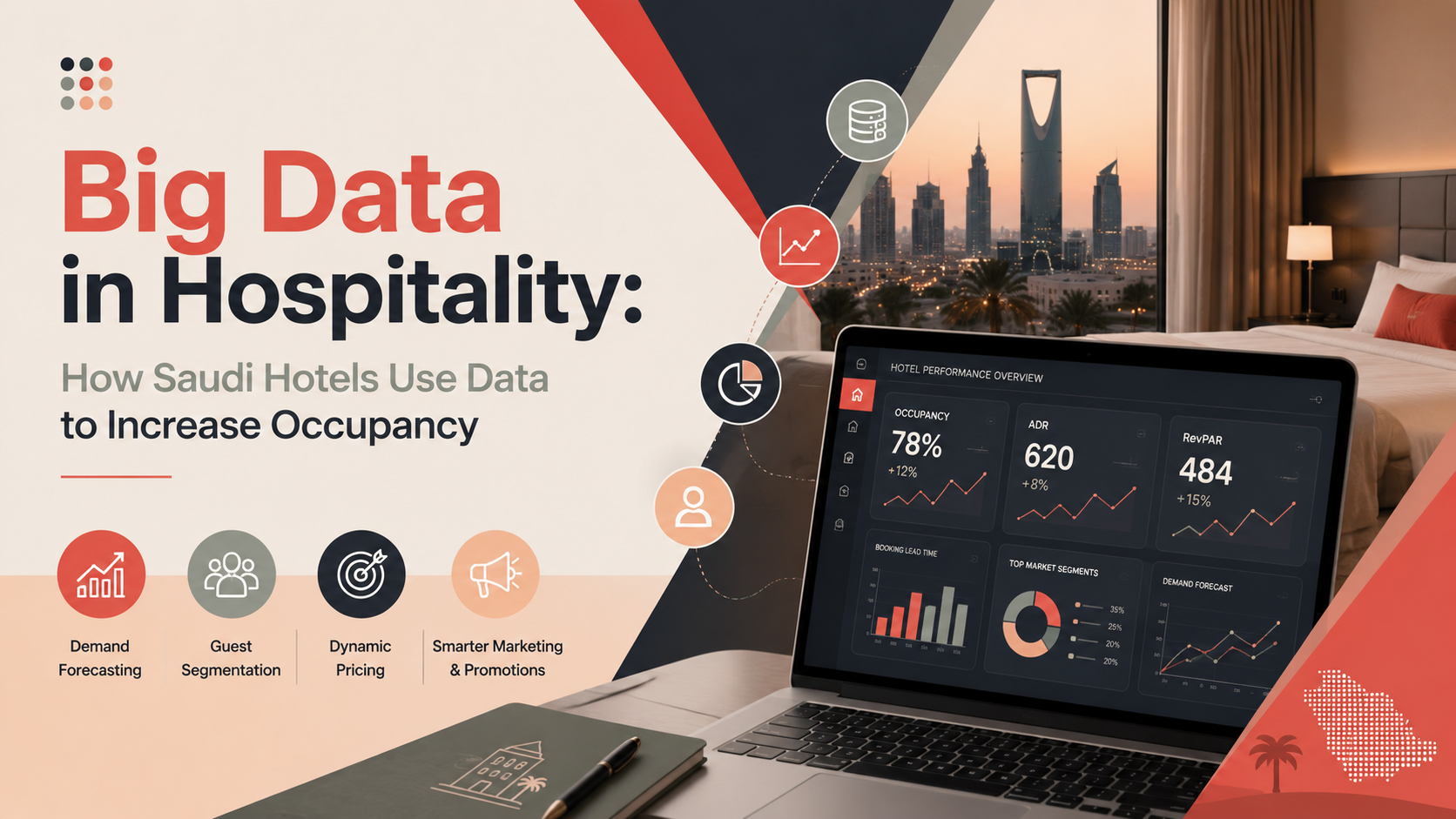
Discover how Saudi hotels use big data analytics, dynamic pricing, and predictive tools to increase occupancy, raise RevPAR, and support Vision 2030 tourism goals....
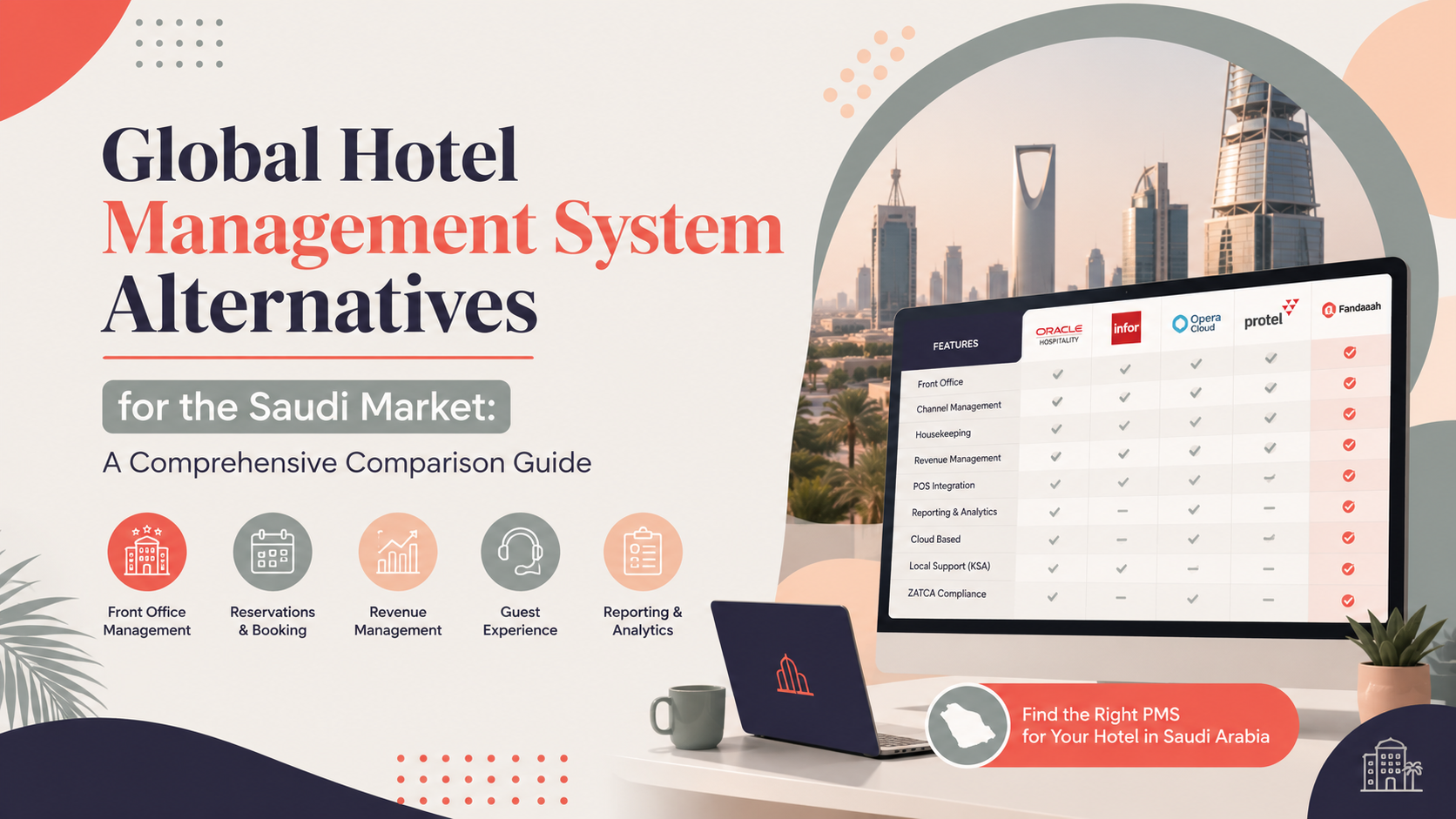
Compare the best hotel management system alternatives for Saudi hotels. Cloudbeds, Mews, Deyafa & more with full Fatoorah e-invoicing support, Arabic UI & Vision 2030 readiness....
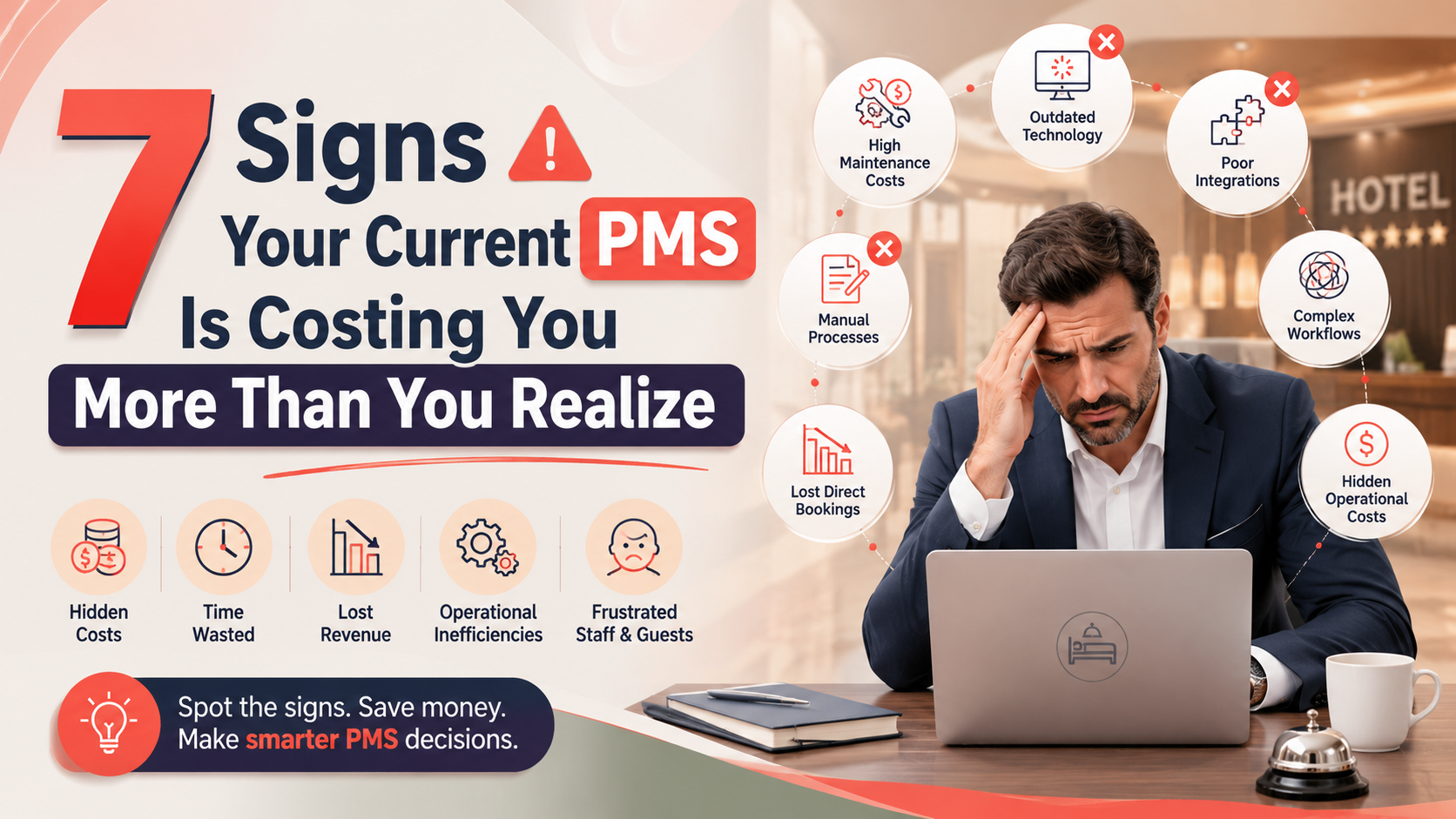
Discover 7 warning signs your current hotel PMS is silently draining profits. Learn how upgrading boosts revenue, cuts costs & ensures Dyafa compliance in Saudi Arabia....
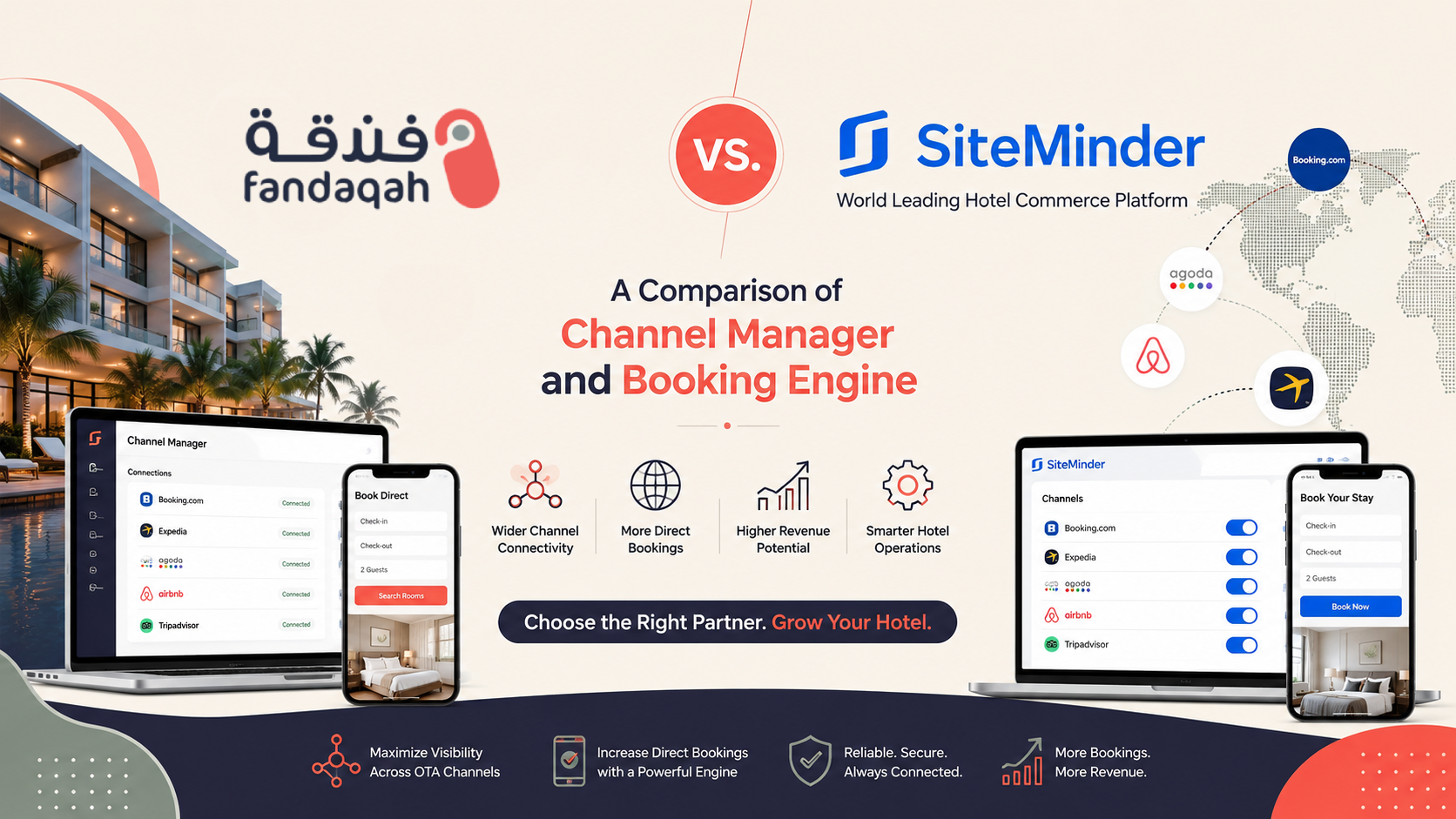
Compare Fandaqah vs SiteMinder for Saudi hotels. Discover which channel manager & booking engine wins on Arabic support, local OTAs, Mada payments, pricing & Vision 2030 fit....
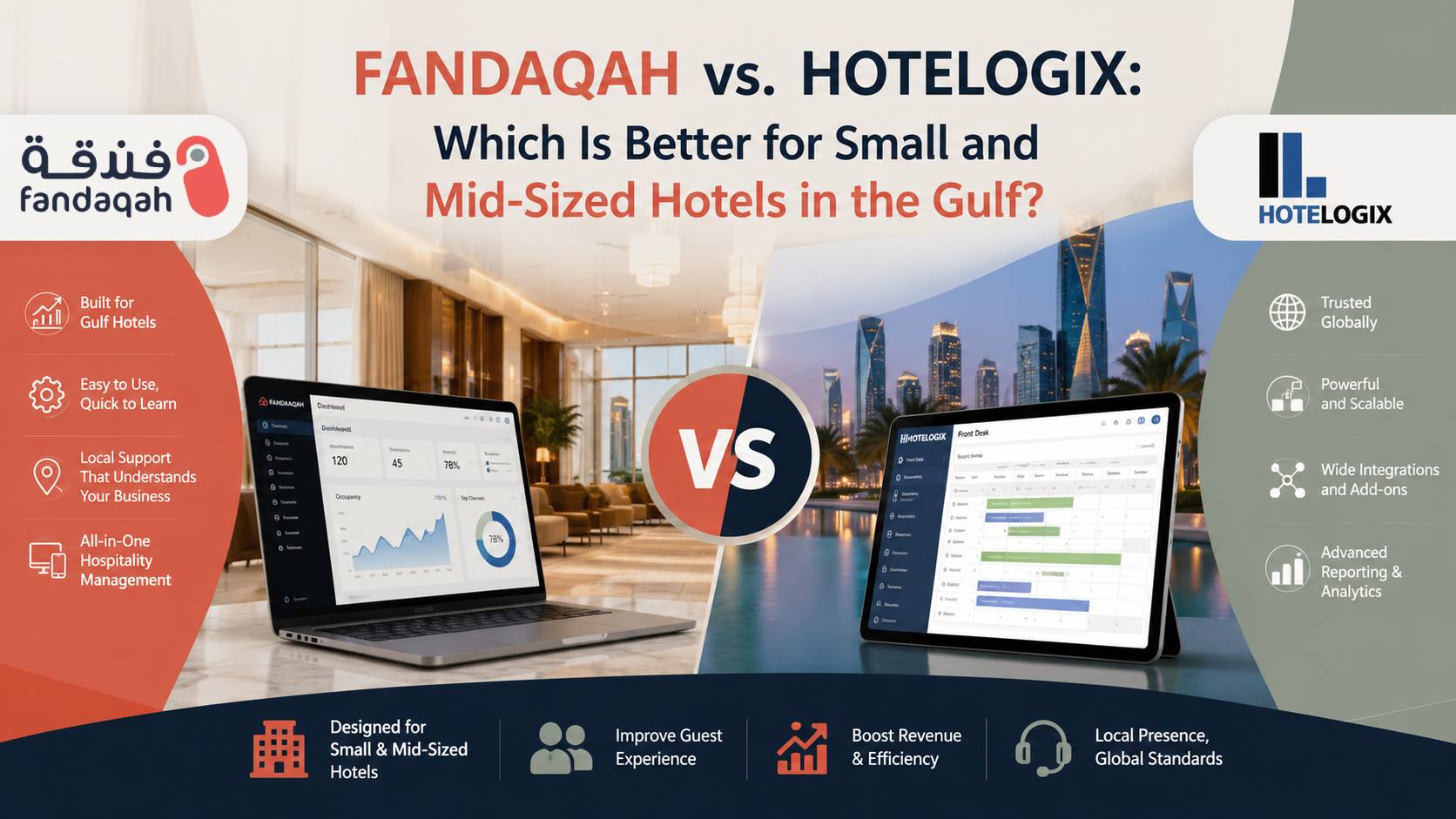
Compare Fandaqah and Hotelogix for small & mid-sized hotels in Saudi Arabia and the Gulf. Arabic-first PMS, ZATCA compliance, local payments & more....
Ready-to-use PMS Request for Proposal (RFP) template for Saudi hotels. Compare vendors, define requirements, integrations, security & implementation for smarter hotel software selection....
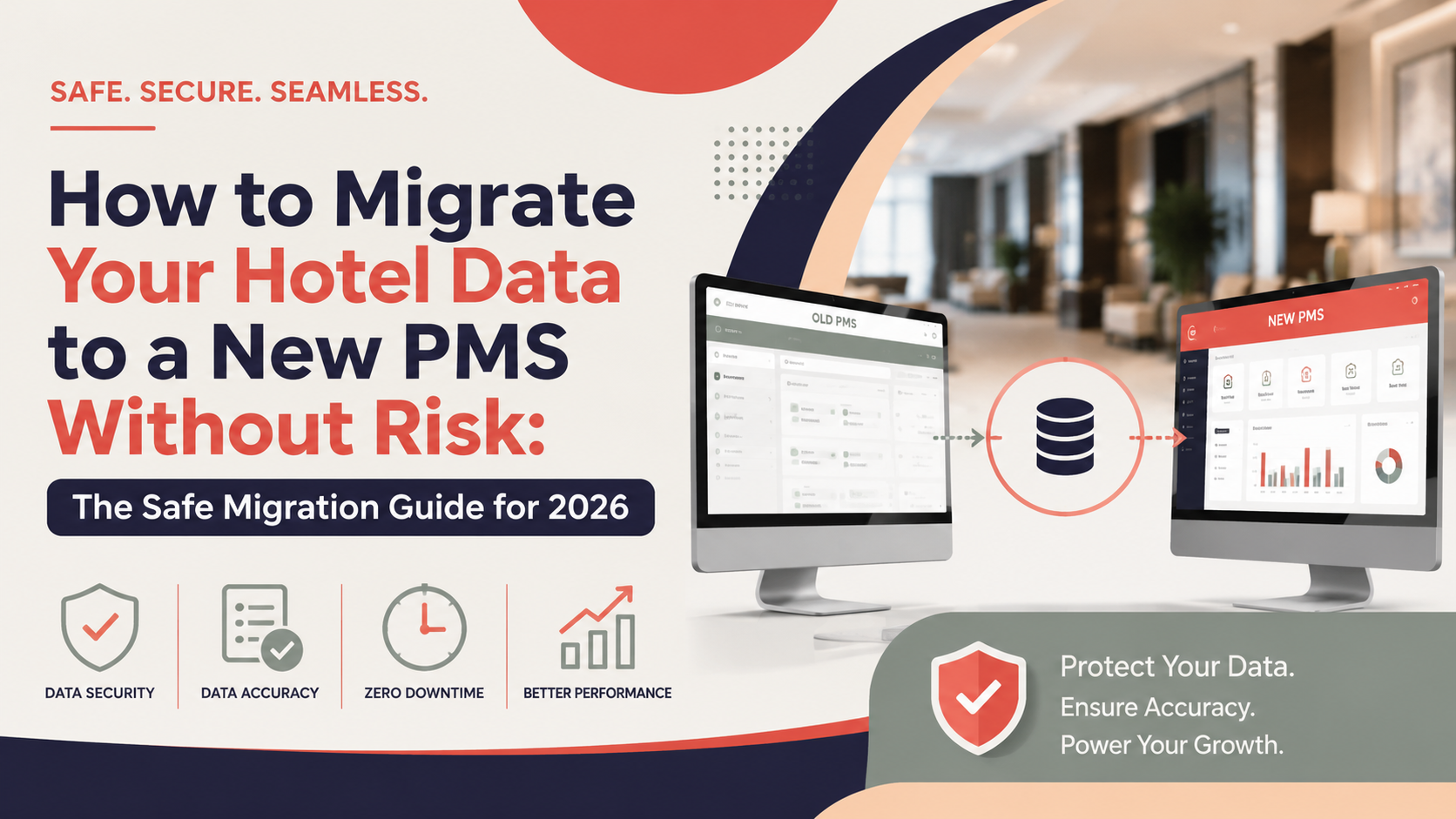
Learn how to migrate your hotel data to a new PMS without risk. Discover the 2026 step-by-step migration checklist for Saudi hotels, including testing, security, and successful go-live planning....
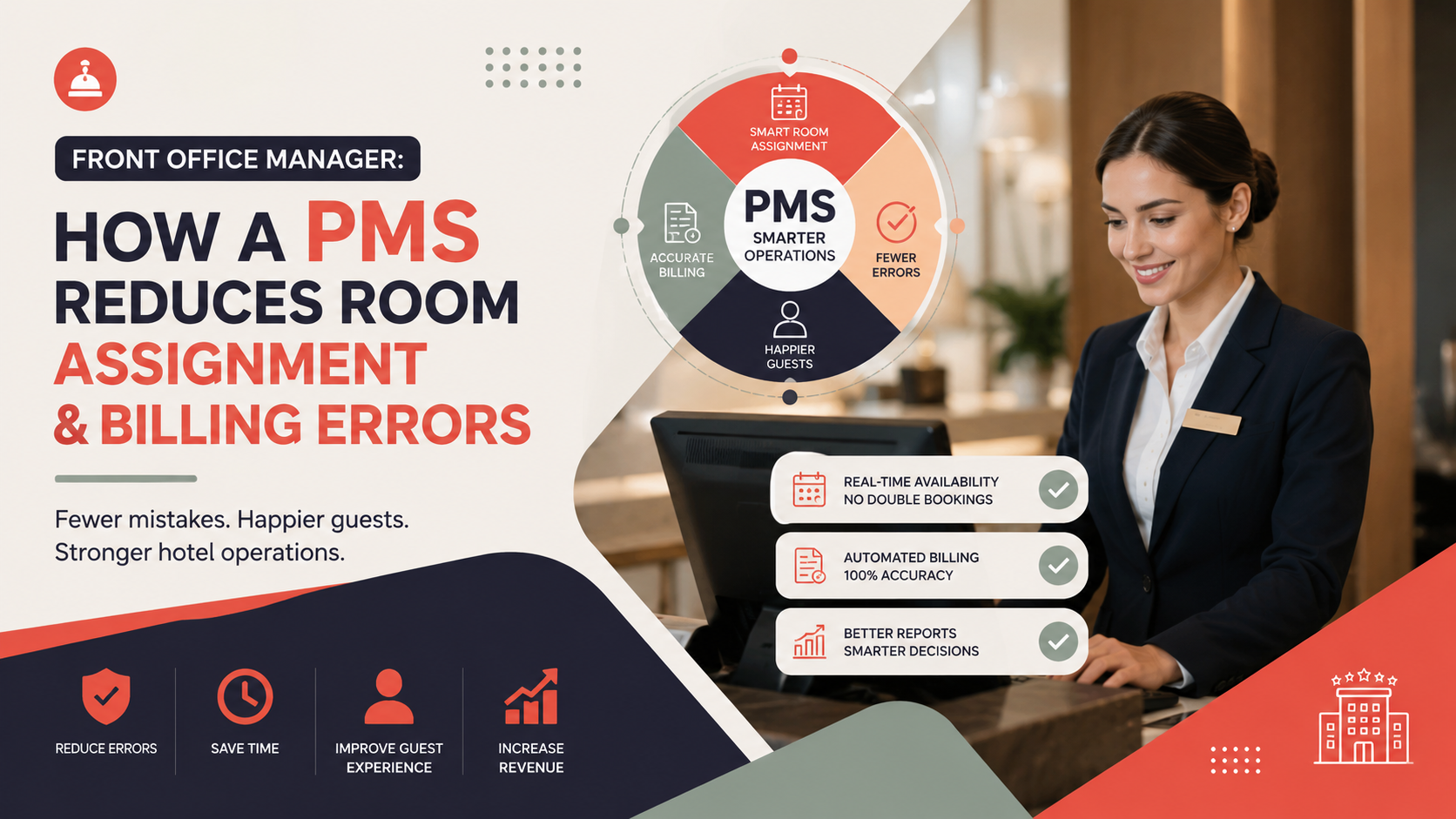
Learn how a hotel PMS helps front office managers prevent room assignment mistakes, reduce billing errors, and improve guest satisfaction in Saudi hotels....

Learn how hotel sales managers in Saudi Arabia win corporate contracts and conference business with smarter outreach, pricing, and partnerships....
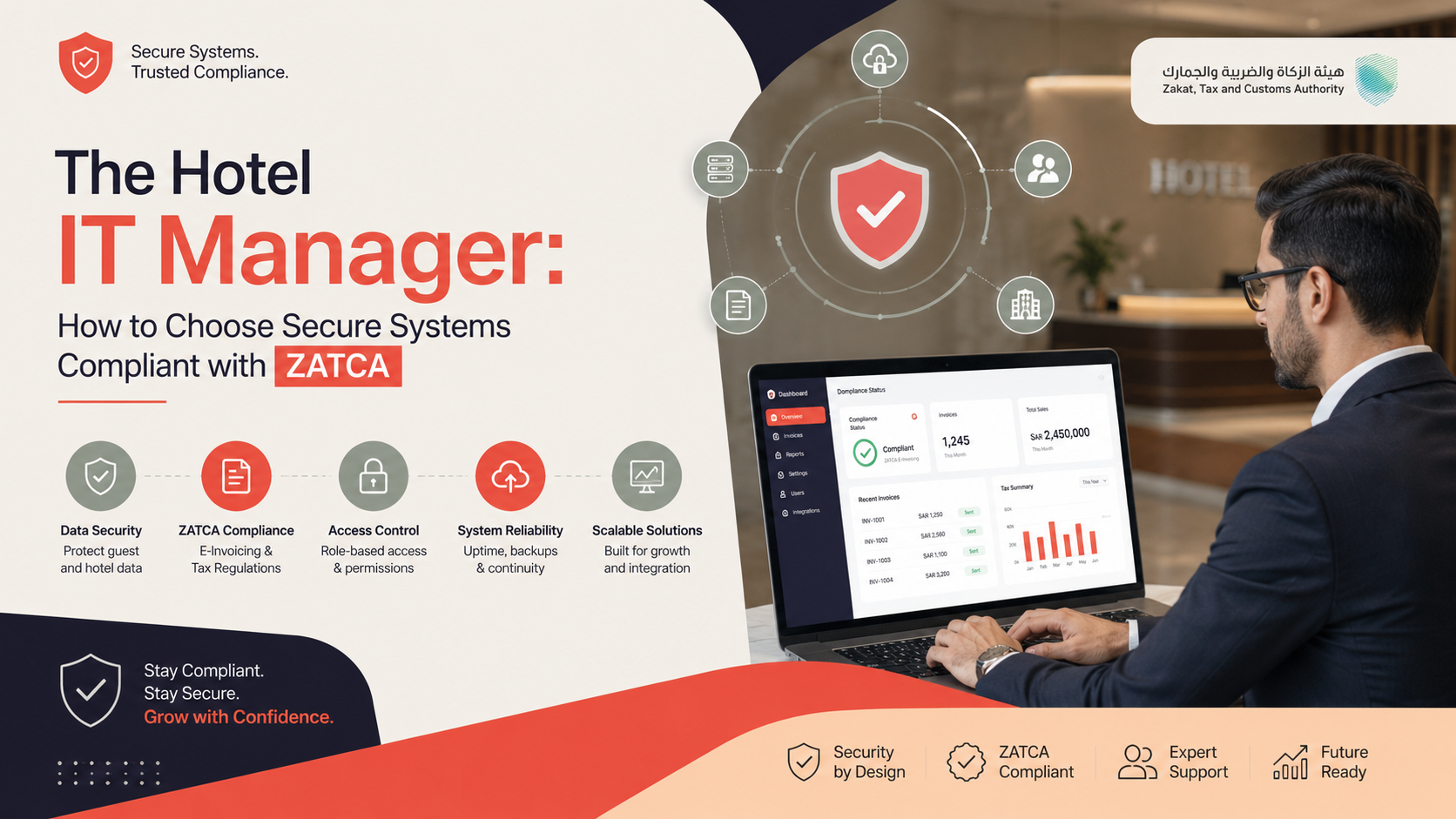
Learn how hotel IT managers choose secure, ZATCA-compliant systems, protect guest data, and ensure seamless PMS, POS, and e-invoicing integration. ...
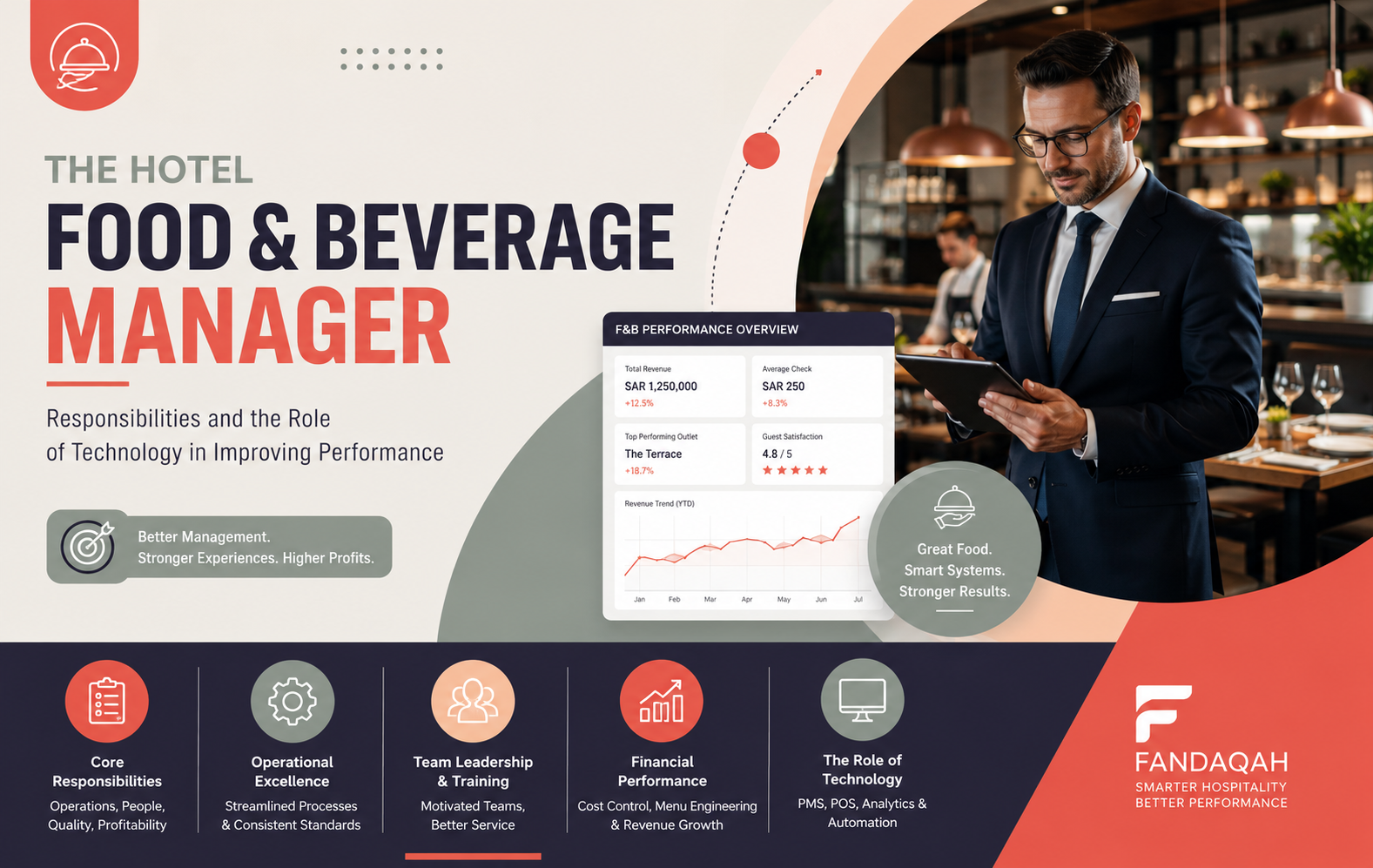
Discover the hotel food and beverage manager’s core responsibilities, technology tools, and how they improve performance in Saudi hospitality....
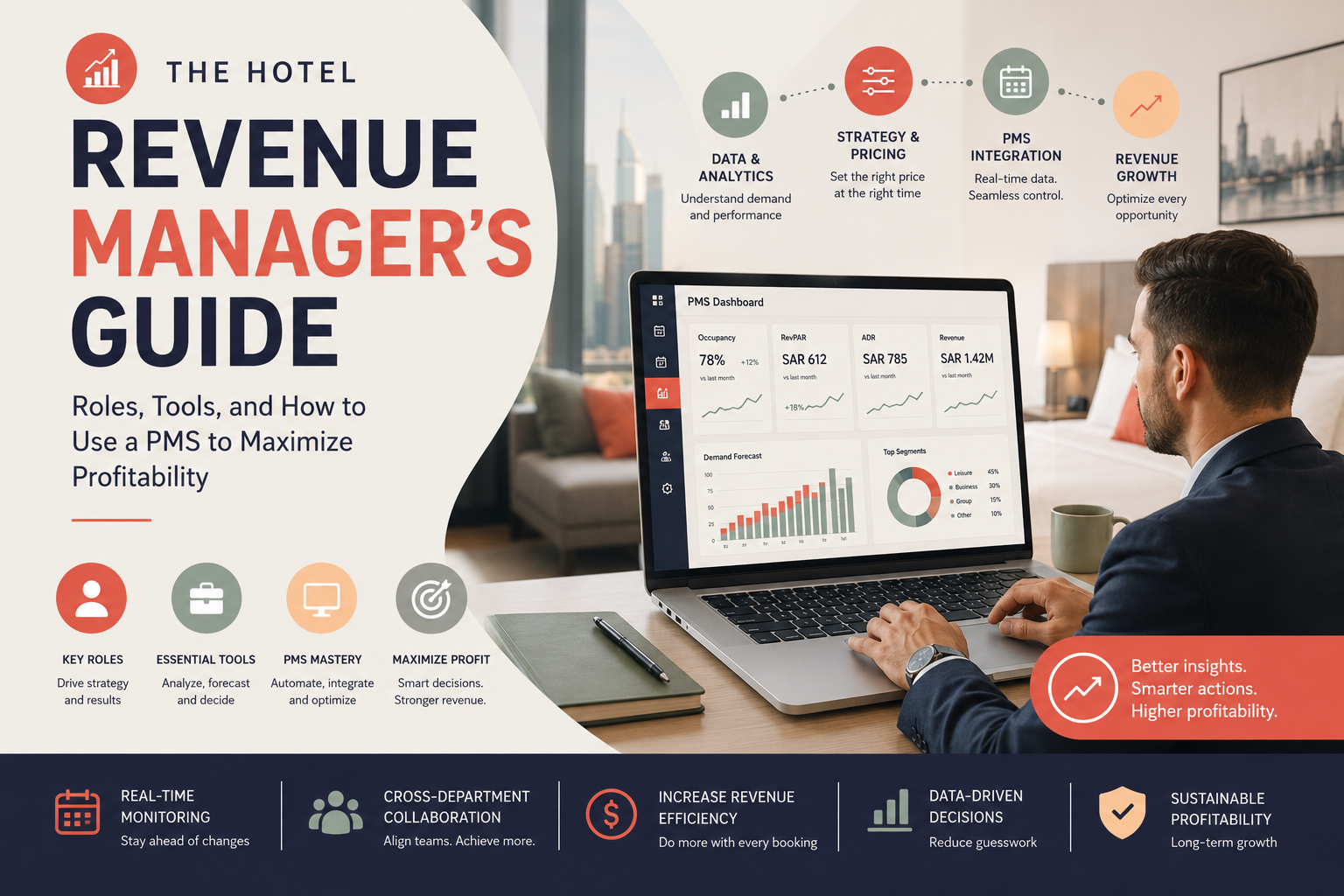
Learn the hotel revenue manager's role, key tools, KPIs, and how a PMS helps maximize hotel profitability with dynamic pricing and revenue management....
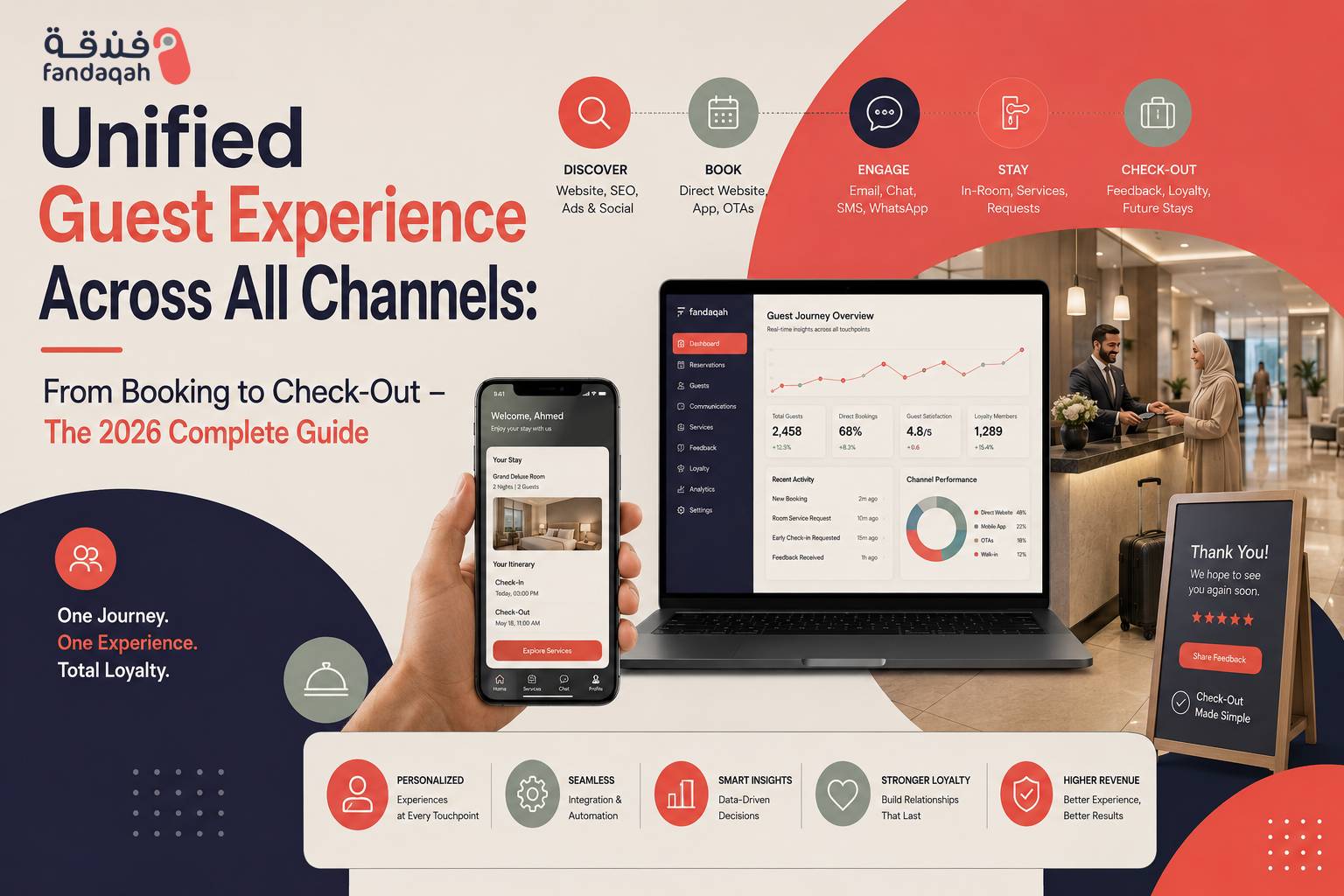
Learn how a unified omnichannel guest experience improves hotel operations, guest satisfaction, loyalty, and direct bookings with modern hospitality technology....

Learn how Saudi hotels can attract bleisure travelers through smart hospitality strategies, better guest experiences, and Vision 2030 tourism opportunities....
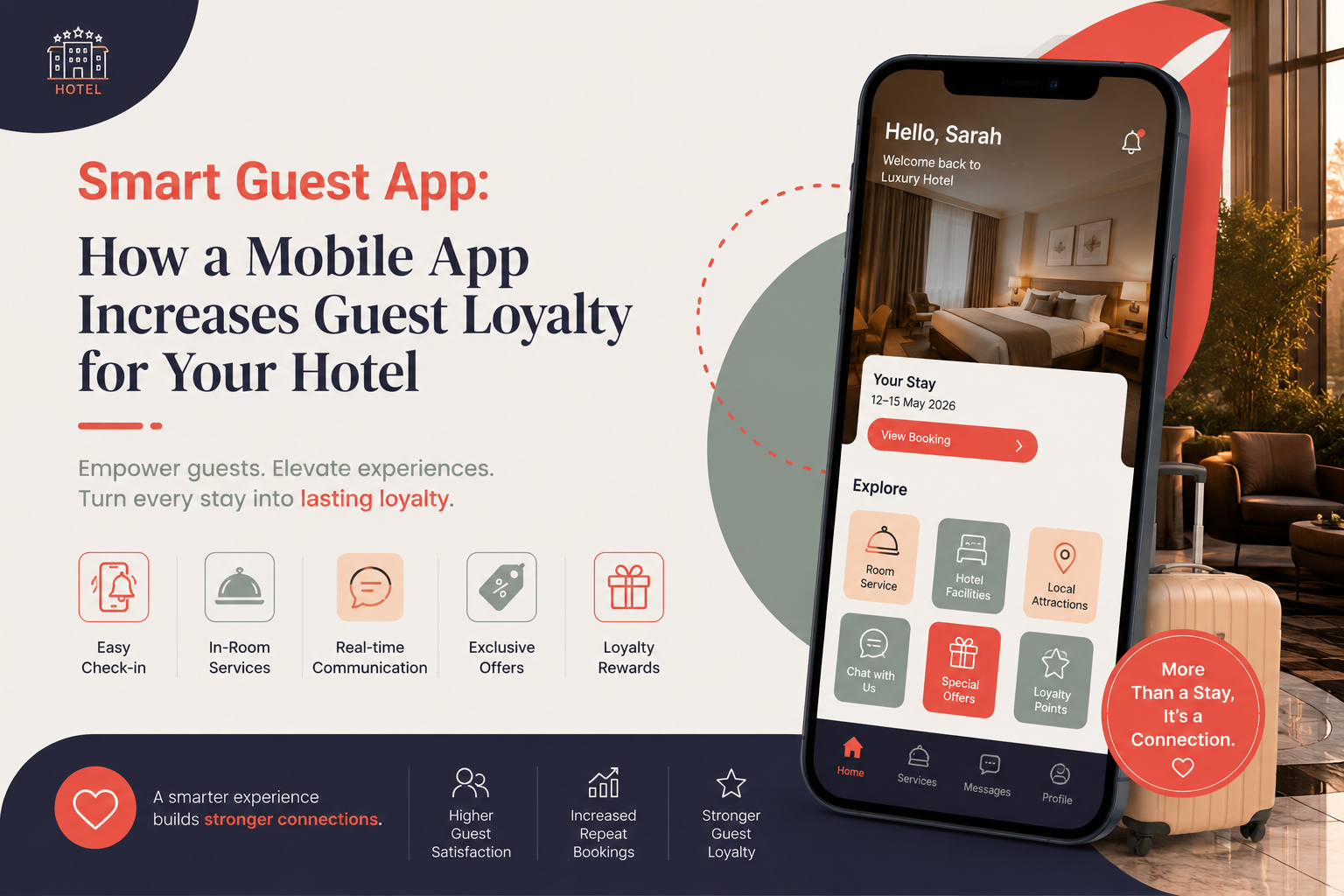
Discover how a smart guest app improves hotel guest loyalty, increases direct bookings, enhances the guest experience, and supports digital hospitality in Saudi Arabia....

Learn how hotel wholesalers work, their benefits and risks, and how Saudi hotels can improve occupancy, revenue, and global distribution....
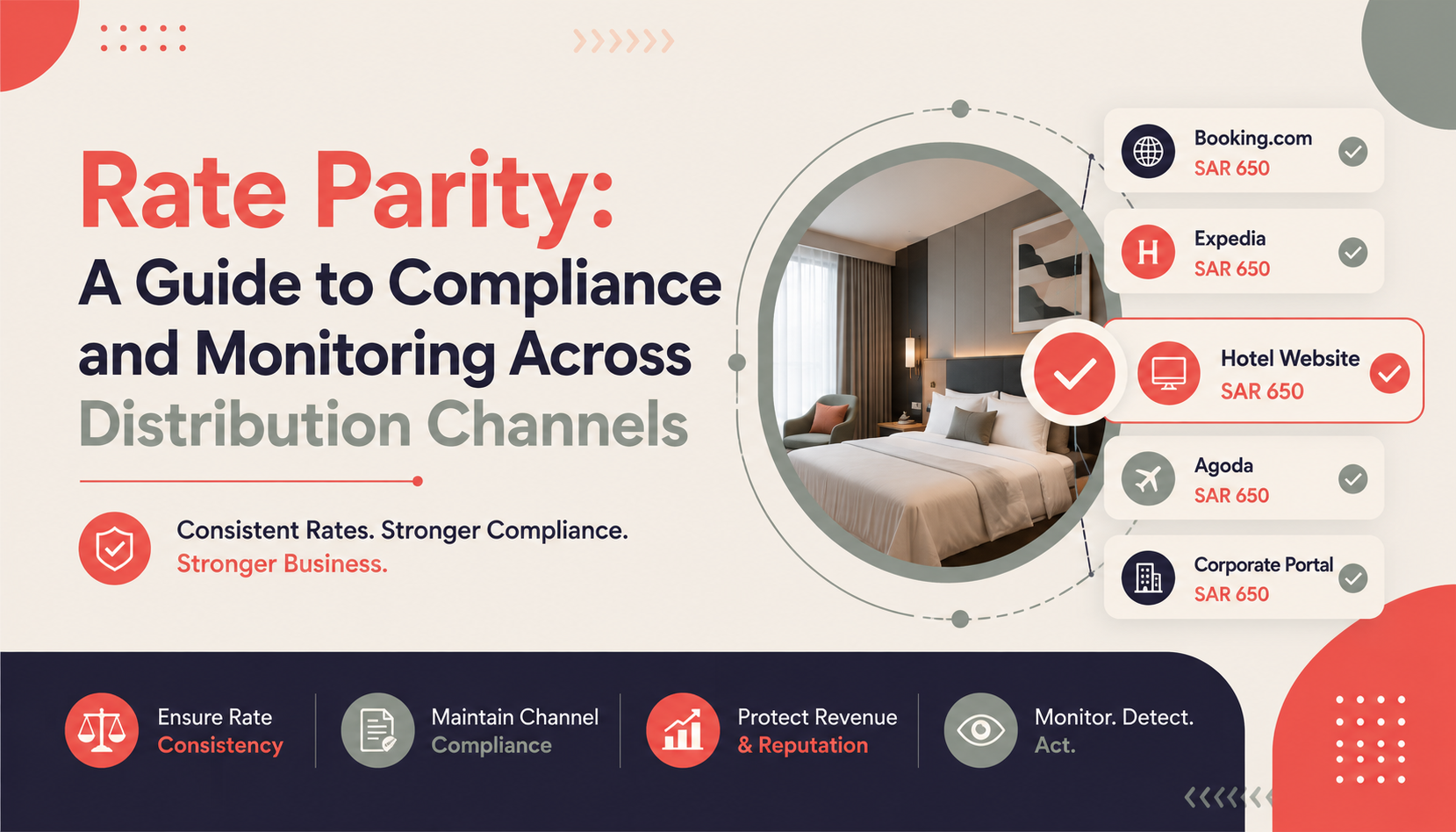
Learn how hotels in Saudi Arabia can maintain rate parity, monitor pricing across OTAs, protect revenue, and improve distribution strategy....

Learn how Saudi hotels can improve Google Hotel Ads visibility, price accuracy, direct bookings, and profitability without increasing ad costs....
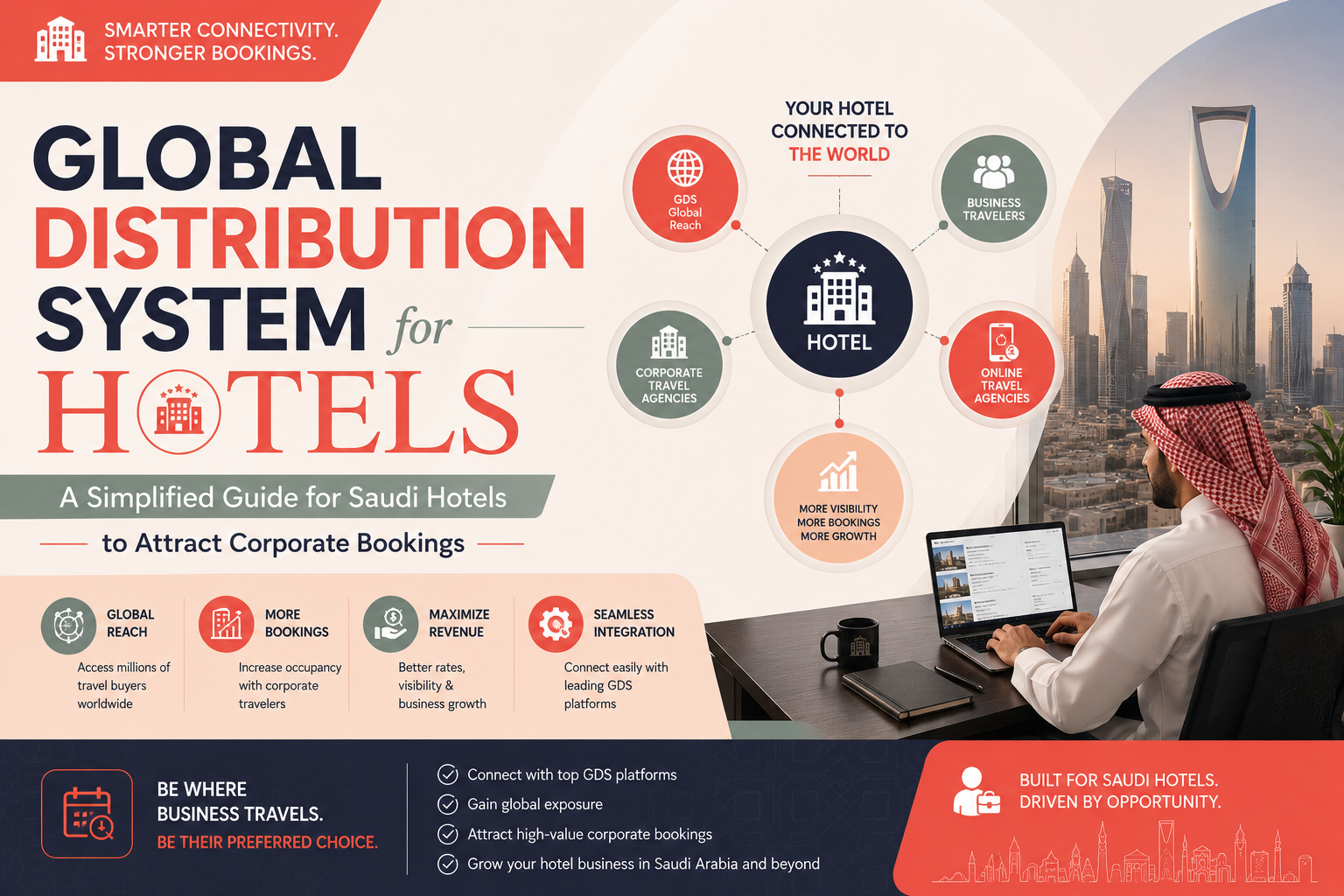
Discover how Saudi hotels in Riyadh, Jeddah, Dammam, and beyond can use a Global Distribution System (GDS) to attract corporate bookings, increase weekday occupancy, and balance distribution channels....
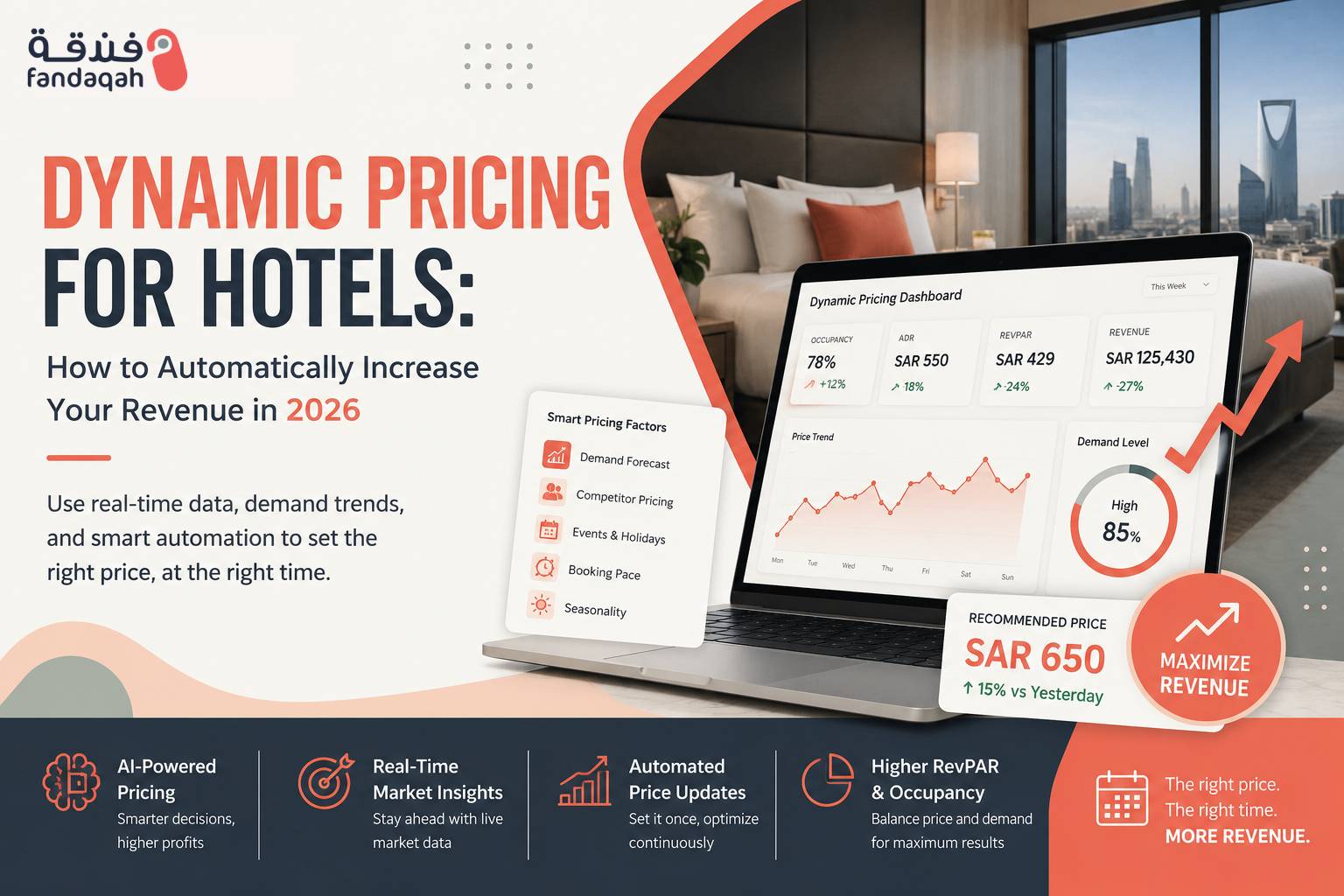
Learn how dynamic pricing uses AI to automatically adjust hotel room rates in real-time. Maximize RevPAR during Hajj, Riyadh Season & Vision 2030 projects with proven strategies for Saudi hotels....
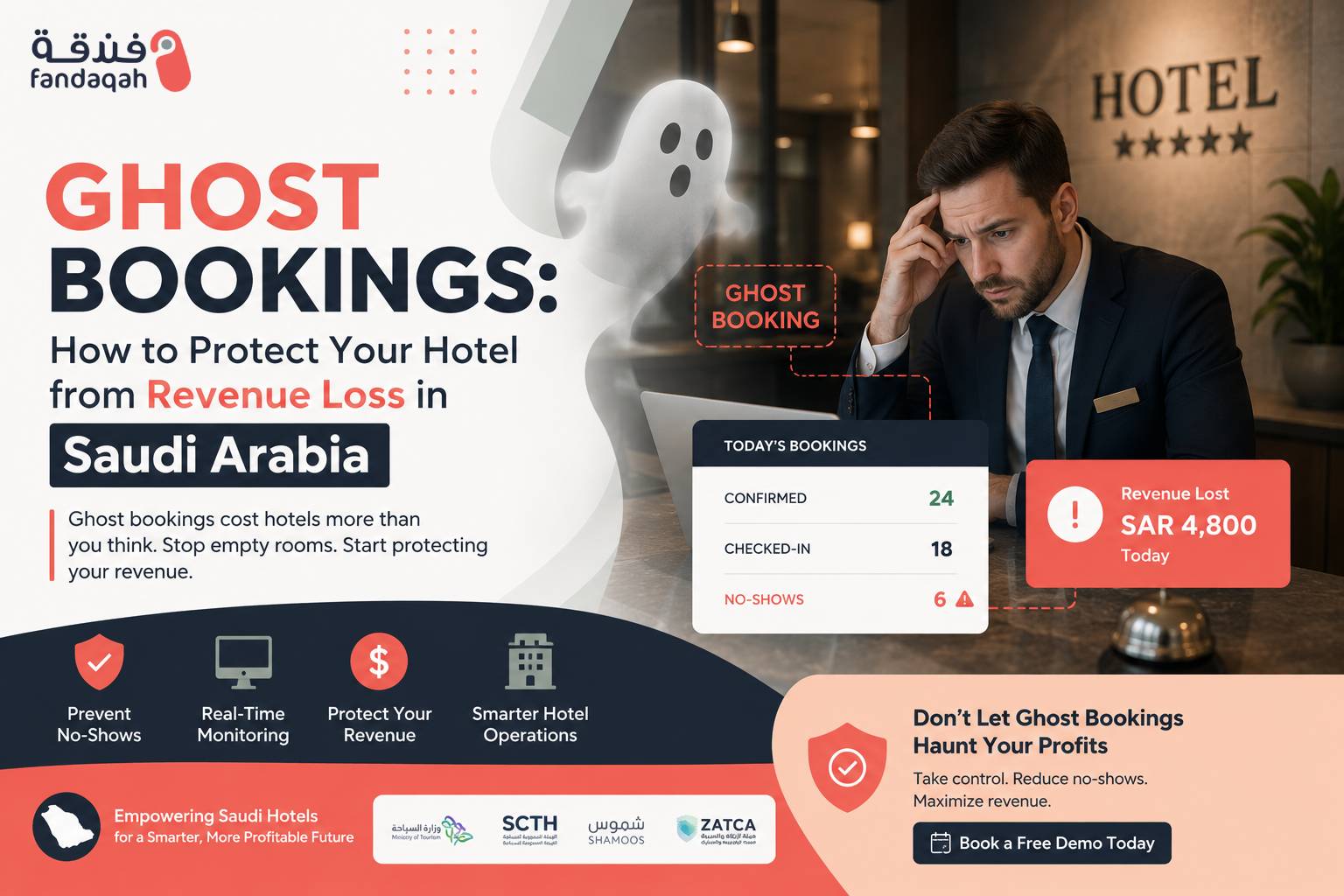
Discover what ghost bookings are, how they silently drain hotel revenue in Saudi Arabia, and practical strategies to prevent them — especially during Hajj, Umrah, and Riyadh Season — in line with ...
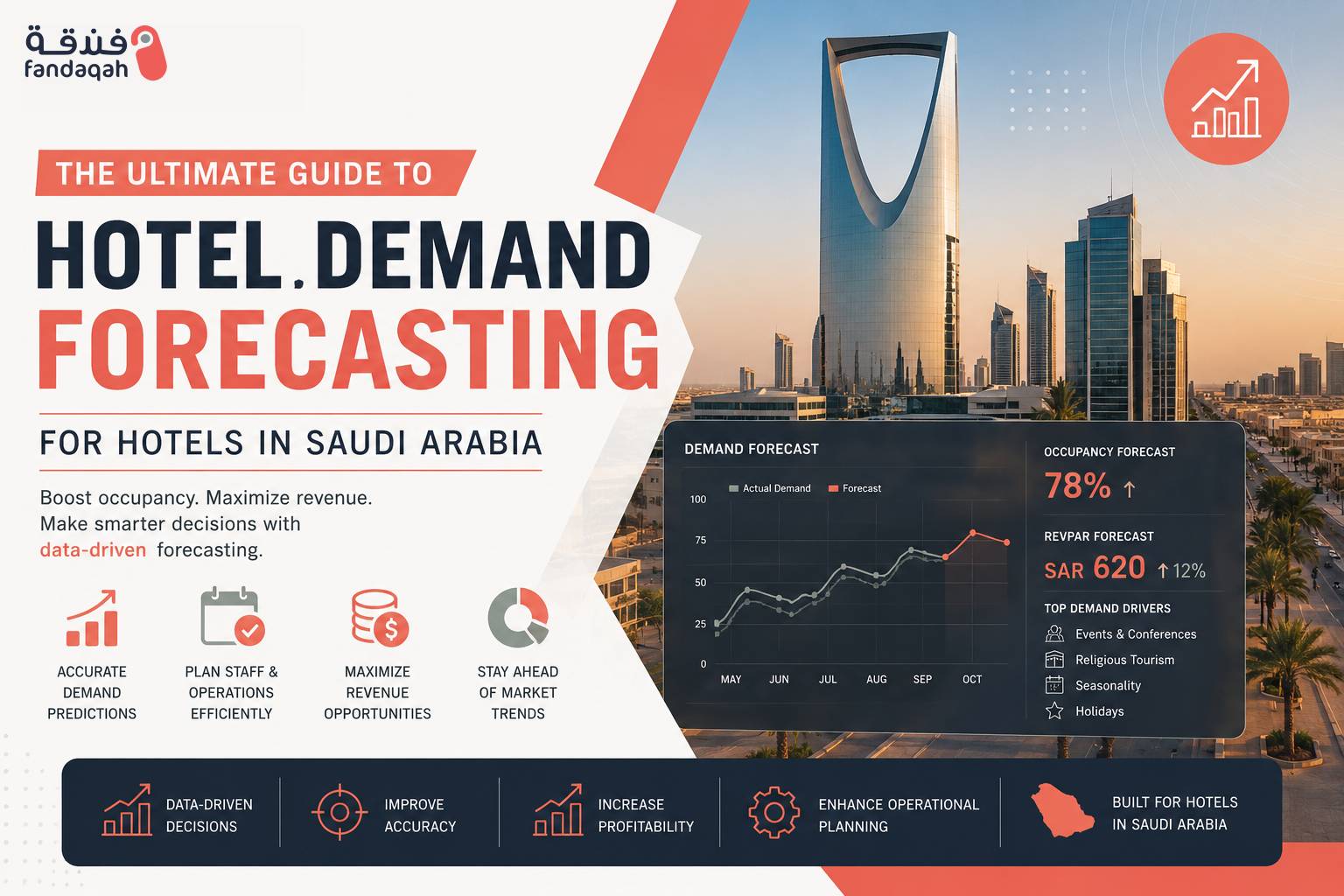
Discover the ultimate guide to hotel demand forecasting in Saudi Arabia. Learn smart strategies for dynamic pricing, revenue management, and maximizing occupancy during Hajj, Vision 2030 events, and p...
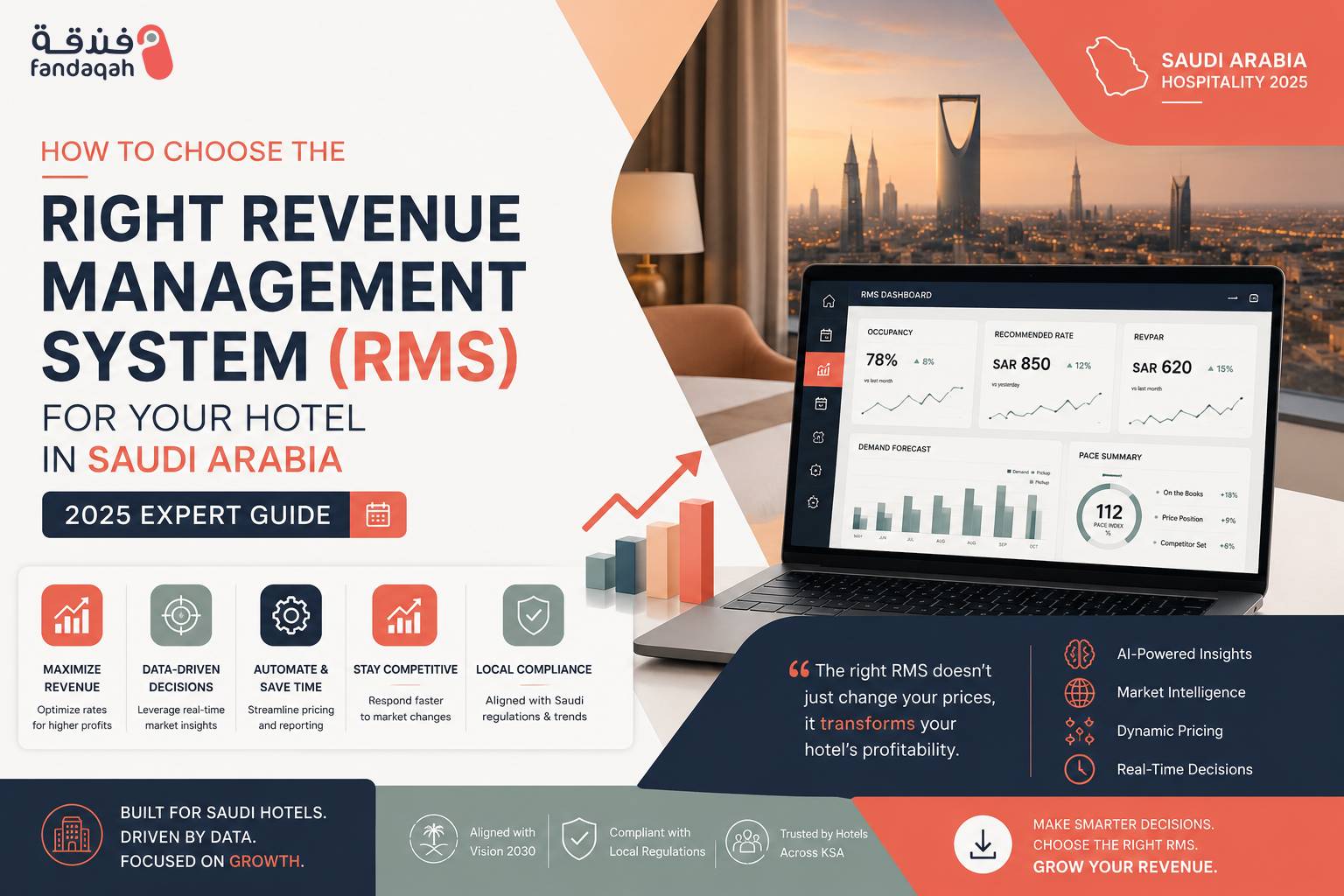
Discover how to choose the best Revenue Management System (RMS) for your Saudi hotel. Expert tips on dynamic pricing, forecasting, integrations, and maximizing RevPAR in line with Vision 2030....
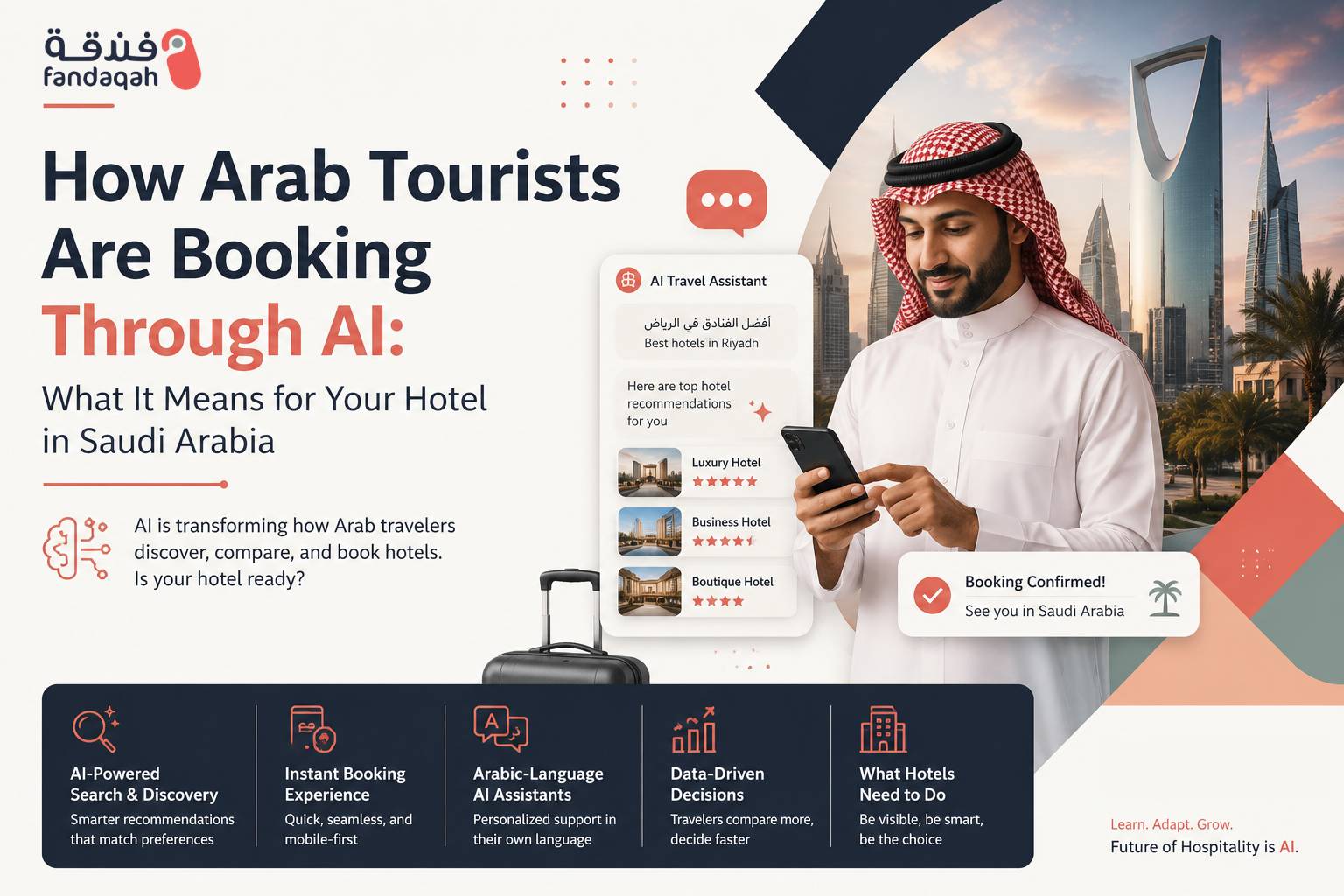
Discover how Arab tourists, especially Saudis, are using AI tools like ChatGPT and Gemini to book hotels. Essential strategies for Saudi hoteliers to optimize for AI discovery and thrive under Vision ...
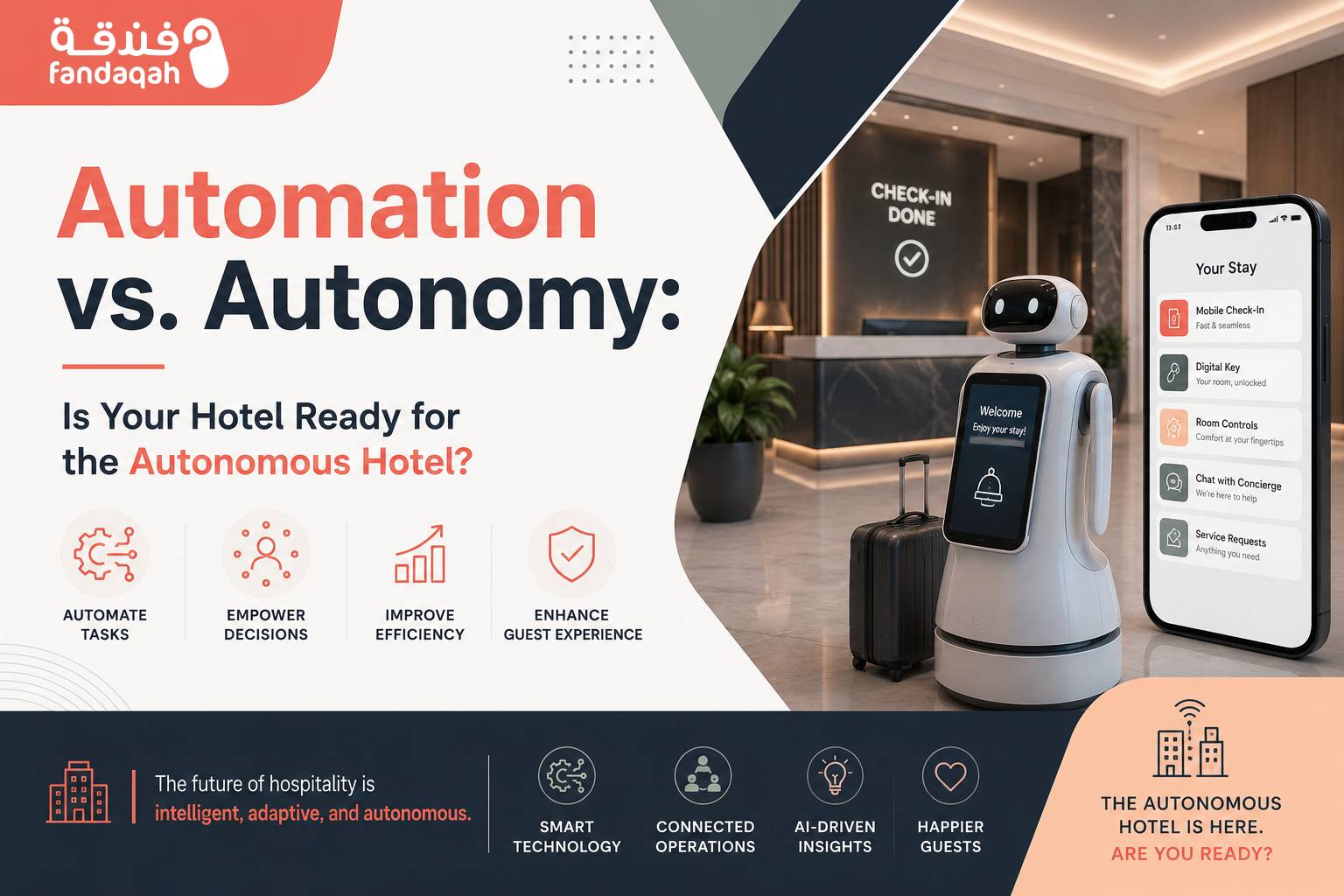
Discover the key difference between hotel automation and true autonomy. Learn how Saudi hotels can embrace AI-driven autonomous operations aligned with Vision 2030 for superior guest experiences and e...
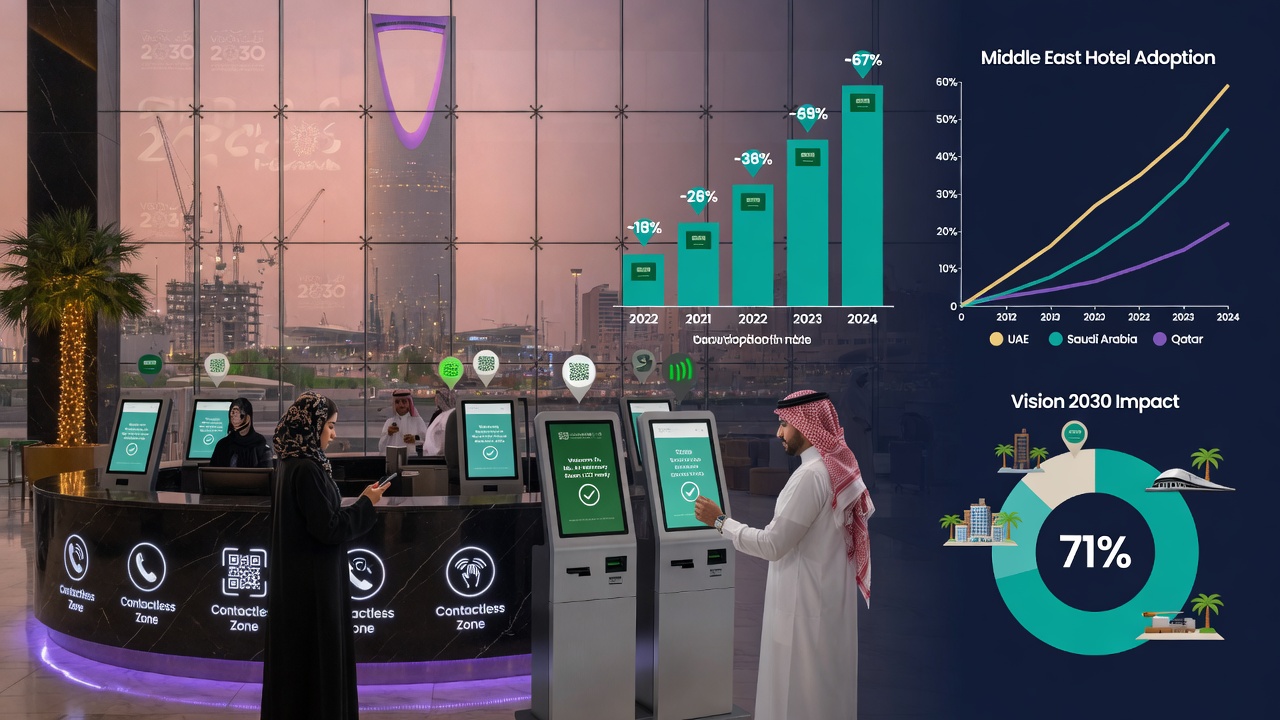
Fast-rising contactless check-in in Middle East hotels 2026. Saudi adoption at 68% thanks to Vision 2030. Benefits, cases & tips for hotel owners....

Discover the best free and affordable hotel PMS tools for 2026 in Saudi Arabia. Features ZATCA e-invoicing, channel manager, and Arabic support for budget hotels....

Complete guide to hotel distribution channels in the Arab world. Optimize OTAs, direct bookings, GDS & metasearch for Saudi hotels to grow revenue with Vision 2030 strategies....
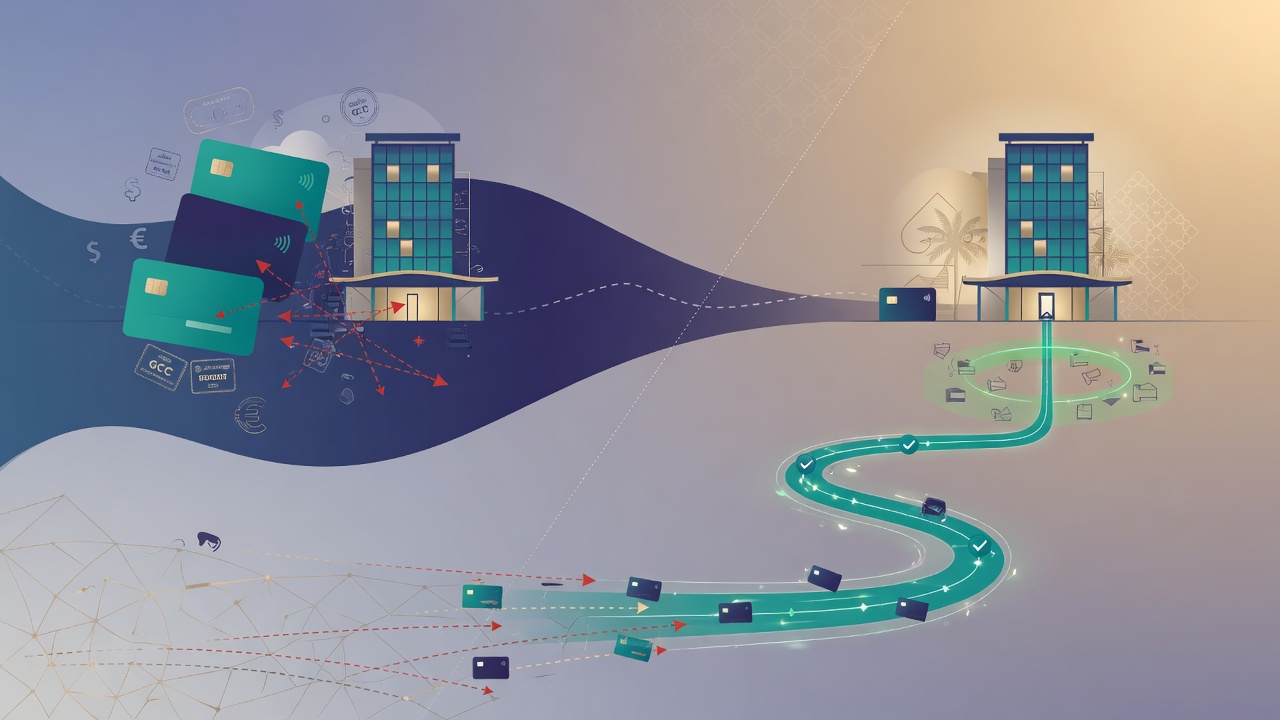
Explore how modern unified payment platforms are simplifying cross-border hotel payments in the GCC. Saudi hotels can now achieve same-day settlements, multi-currency support, reduced fees, automated ...
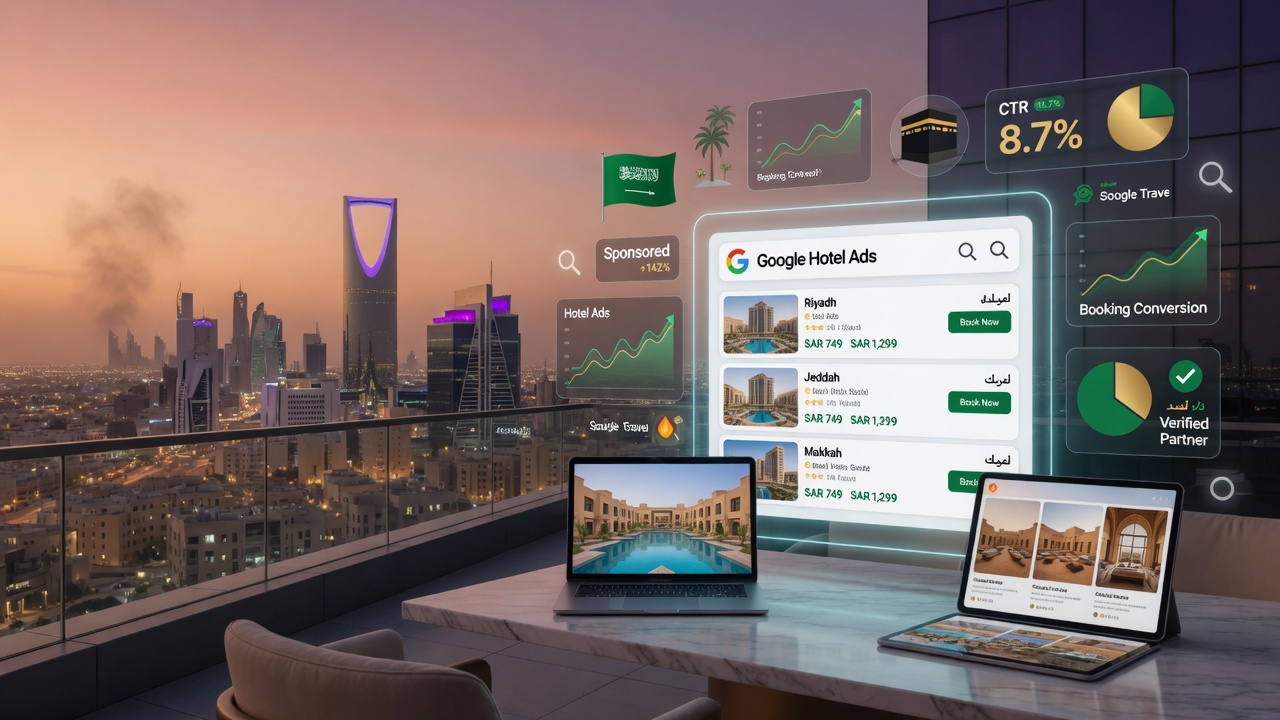
Master Google Hotel Ads for Saudi hotels in 2026. Optimize your metasearch strategy to drive direct bookings, reduce OTA commissions, and leverage Vision 2030 tourism growth....
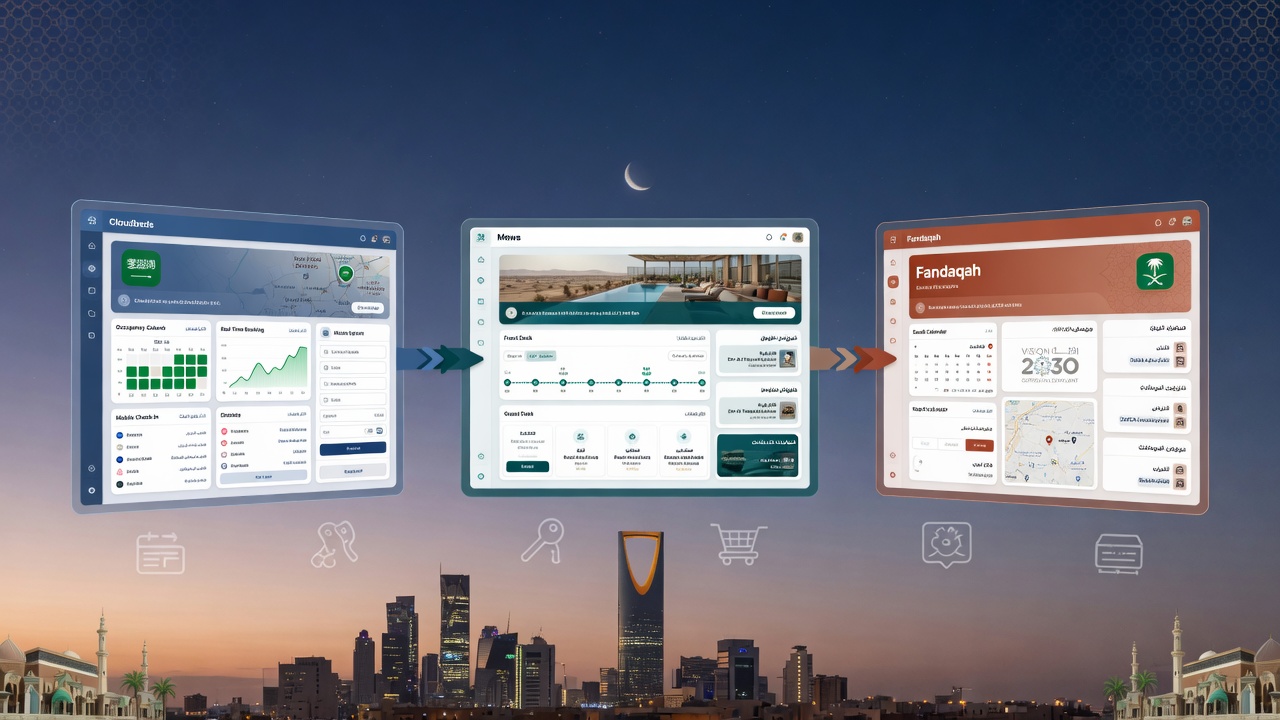
Compare Cloudbeds, Mews and Fandaqah PMS platforms for Saudi hotels in 2026. See which system wins on Arabic support, local payments (Mada/STC Pay), Hajj/Umrah peak handling, Vision 2030 readiness and...

Discover how to design a hotel loyalty program with reward points in Saudi Arabia. Boost guest retention, align with Vision 2030, and keep guests returning....
Discover the 12 essential questions Saudi hotels must ask before choosing a Hotel Management System (PMS), including ZATCA compliance, cloud PMS, and Hajj & Umrah operations....
Discover the best hotel management software for 2026 in Saudi Arabia. Compare features, pricing, ZATCA e-invoicing, and Vision 2030 readiness. Free consultation....
Discover how a serviced apartments operations program streamlines hospitality management in Saudi Arabia. Features, benefits & Vision 2030 insights inside....
Discover how hotel apartment software in Saudi Arabia automates accounting, boosts occupancy, ensures ZATCA compliance, and aligns with Vision 2030....
Discover how a hotel operating program (PMS) can streamline operations, boost revenue, and delight guests in Saudi Arabia's tourism sector....
Discover how serviced apartment management software streamlines Saudi hospitality, ensures Taskeen compliance, and boosts revenue. Complete guide....
Discover the best hotel software and PMS in Saudi Arabia. Our ultimate guide covers features, ZATCA compliance, Vision 2030 trends, and top picks for hotels of all sizes....
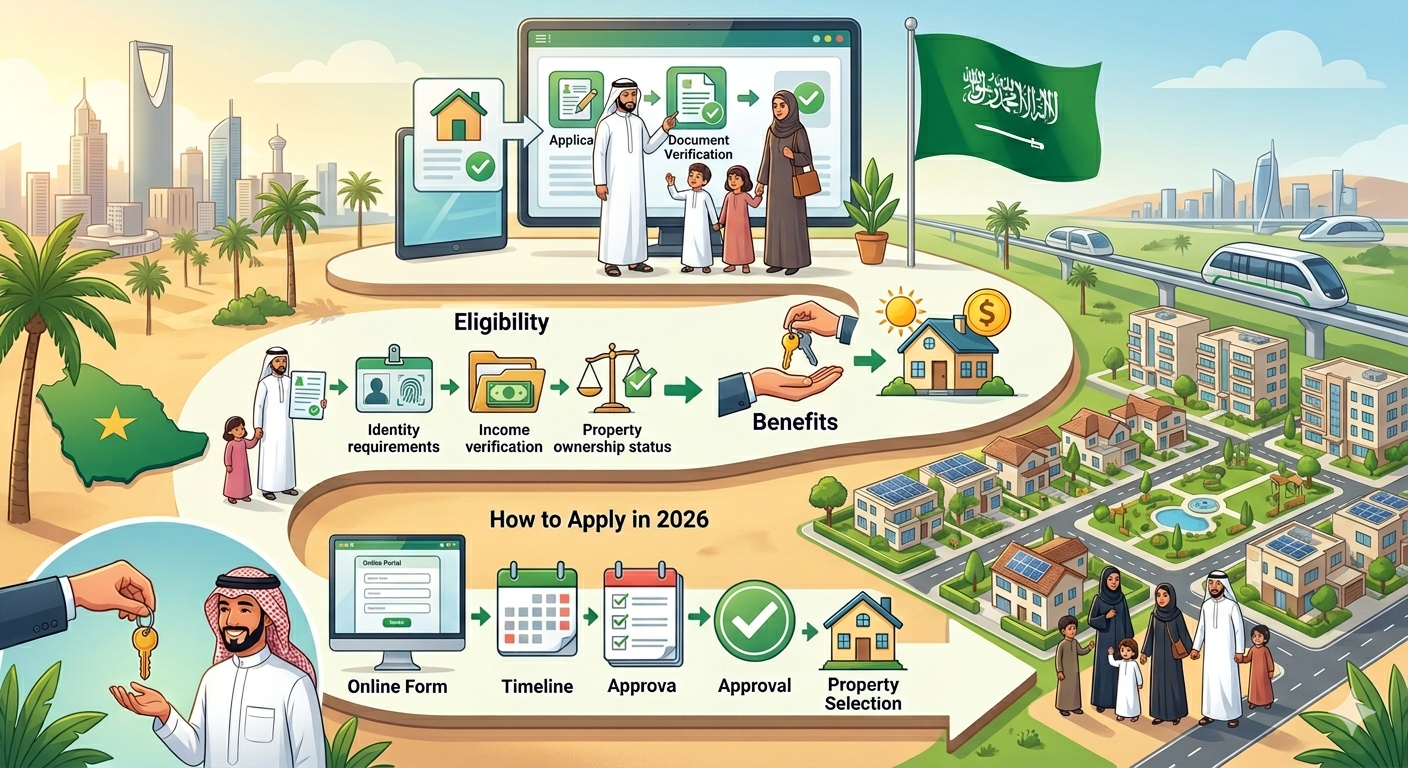
Discover Saudi Arabia’s Housing Allocation Program for government employees: eligibility, Sakani application process, and Vision 2030 homeownership goals in 2026....
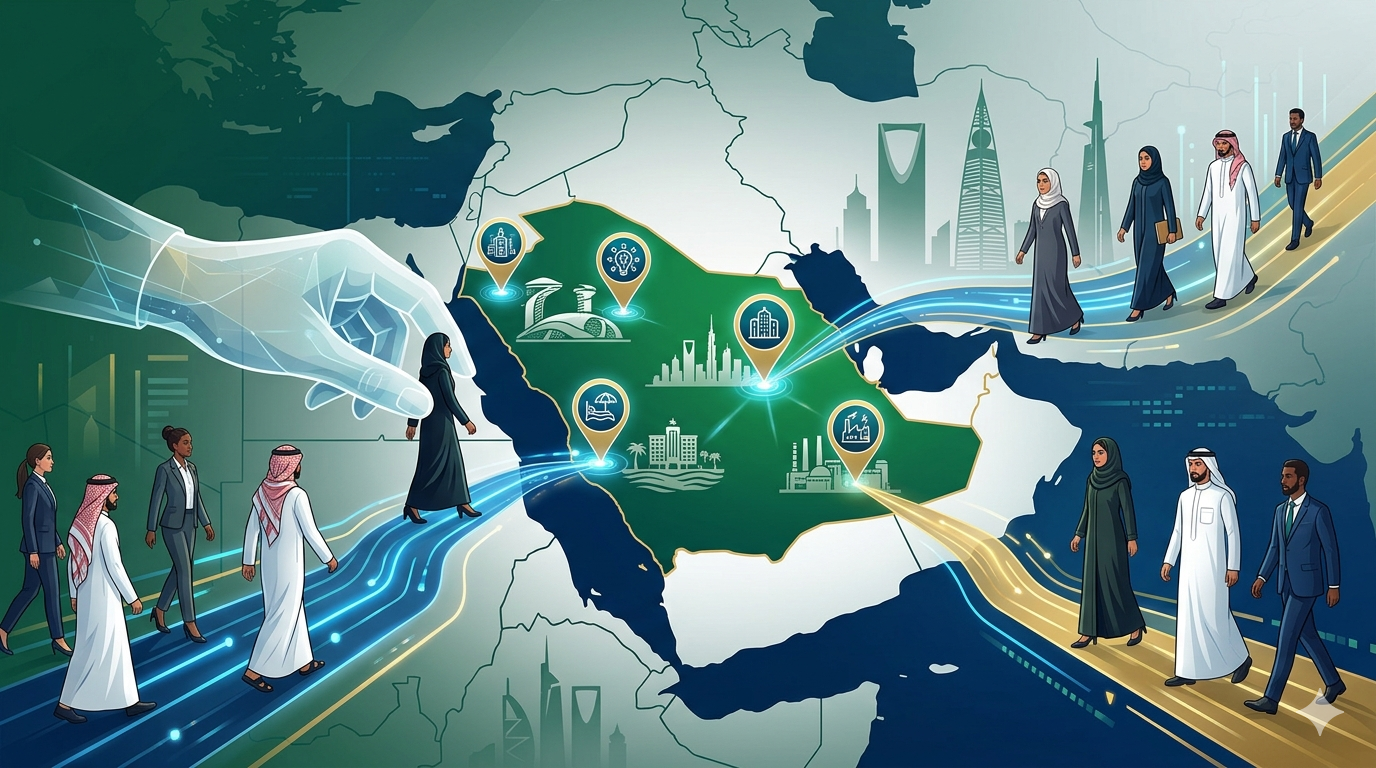
Explore the best placement program for strategic talent deployment in KSA. Achieve Vision 2030 goals, enhance Saudization, streamline HR placement. Your guide....
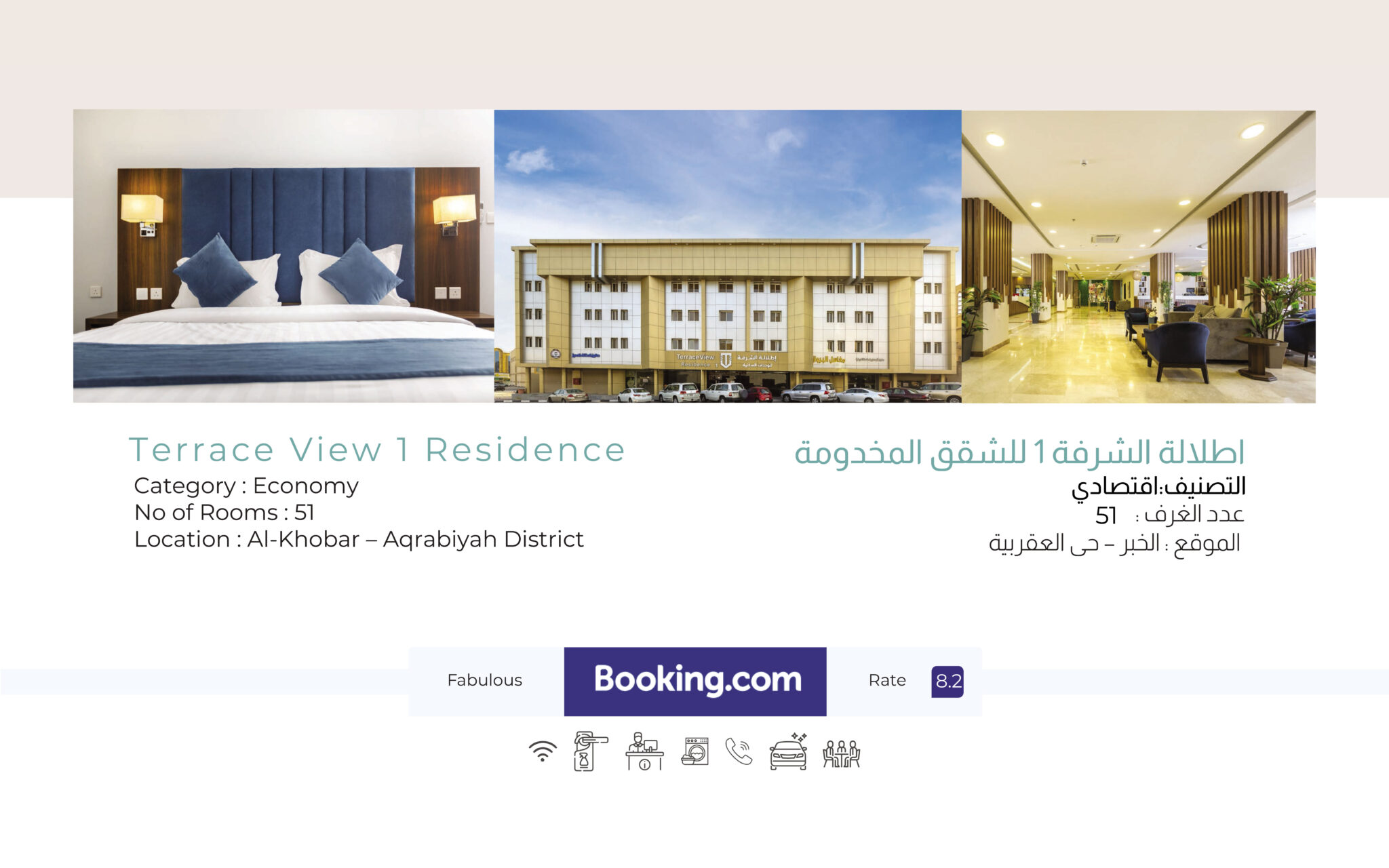
Terrace View 1 Residence, a cozy economy-class serviced apartment in Al-Khobar, faced operational hurdles that many growing hotels and apartments encounter: ...

Eco-Friendly Hotel in Saudi Arabia: Sustainability Guide for Vision 2030. Learn energy, water and waste savings to lower costs and attract eco guests with Fandaqah....

Learn how Saudi hotels can attract MICE tourism with event-ready facilities, smart marketing, group booking tools, and ZATCA-compliant operations....
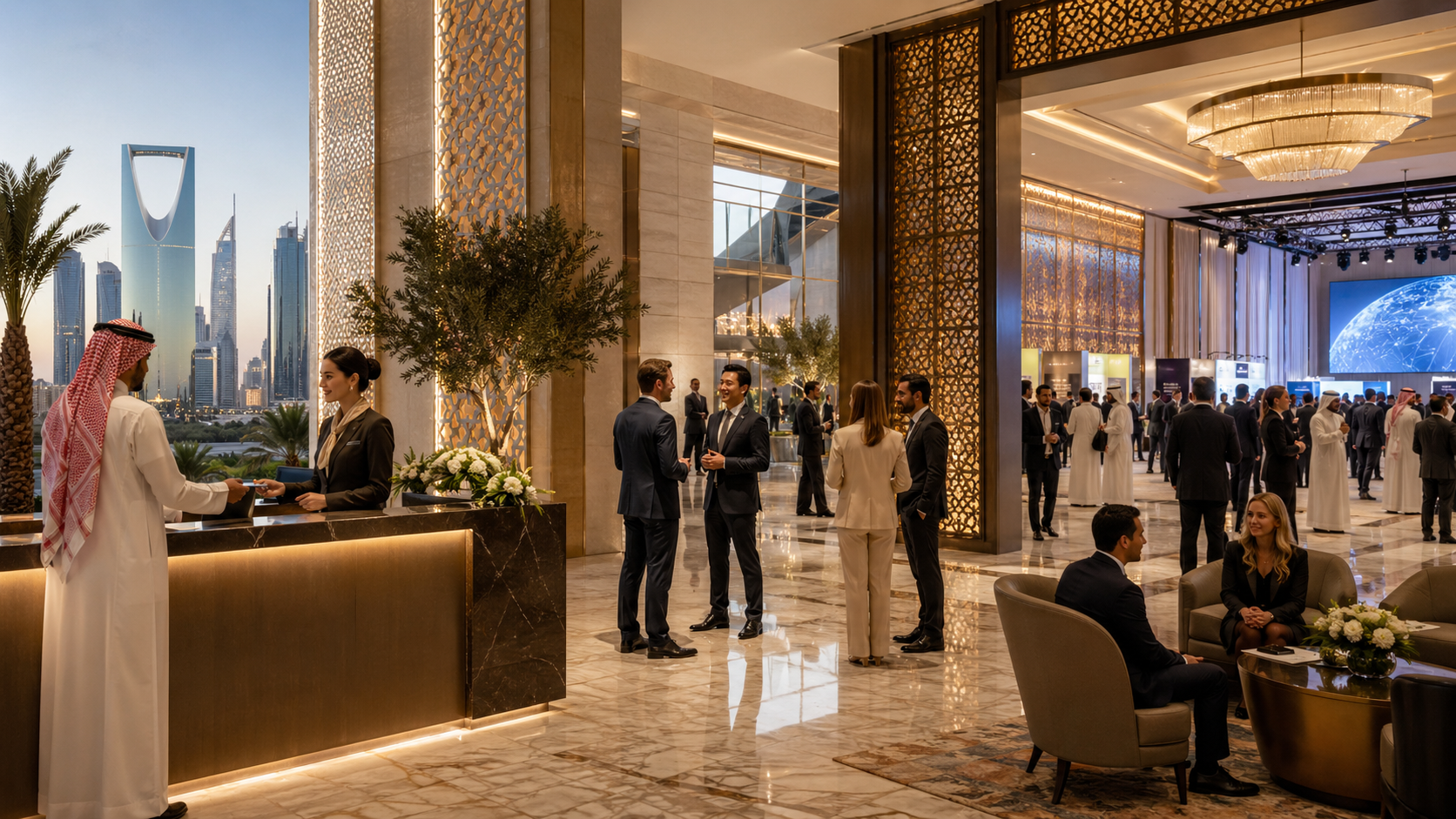
Discover key principles of scalable hotel digital transformation for Saudi hotels, including cloud PMS, automation, ZATCA compliance, and guest experience....
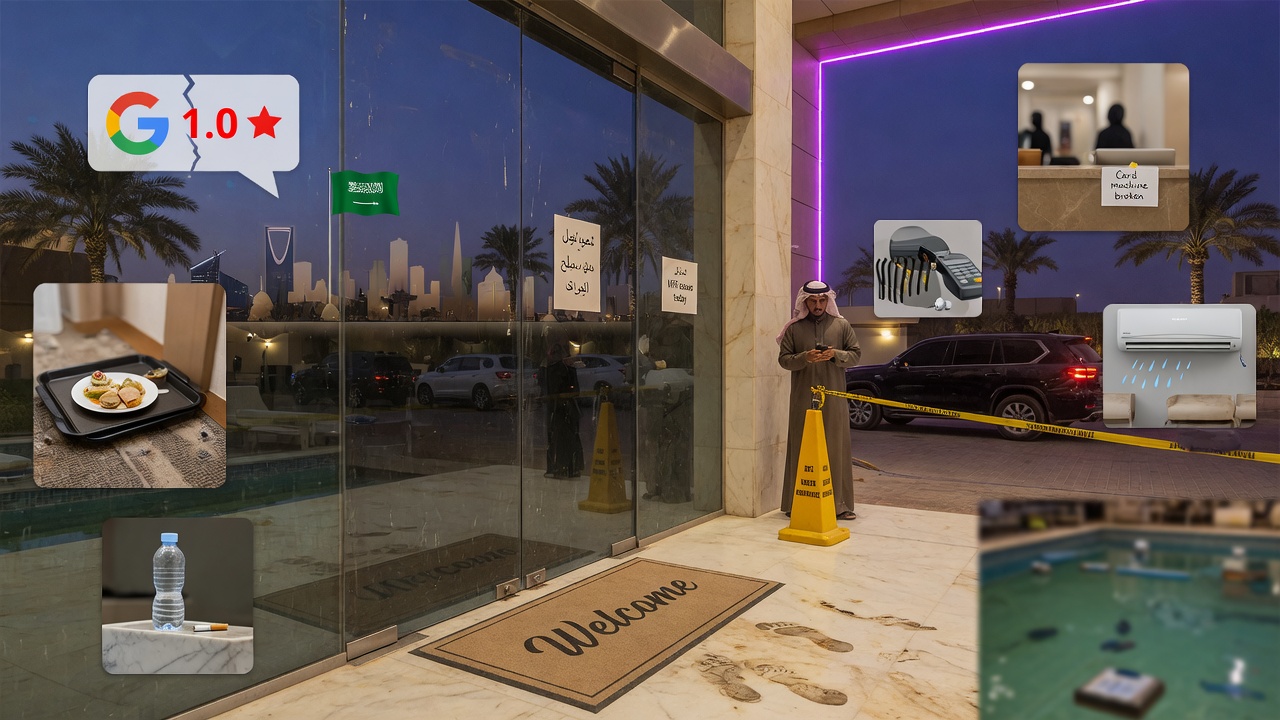
7 friction points killing hotel Google ratings in Riyadh & Jeddah. Fix check-in, cleanliness, communication, noise, fees & tech to boost ratings & bookings....
Discover how guest personalization turns Saudi hotel visitors into loyal advocates. Learn strategies for tailored experiences and loyalty programs....
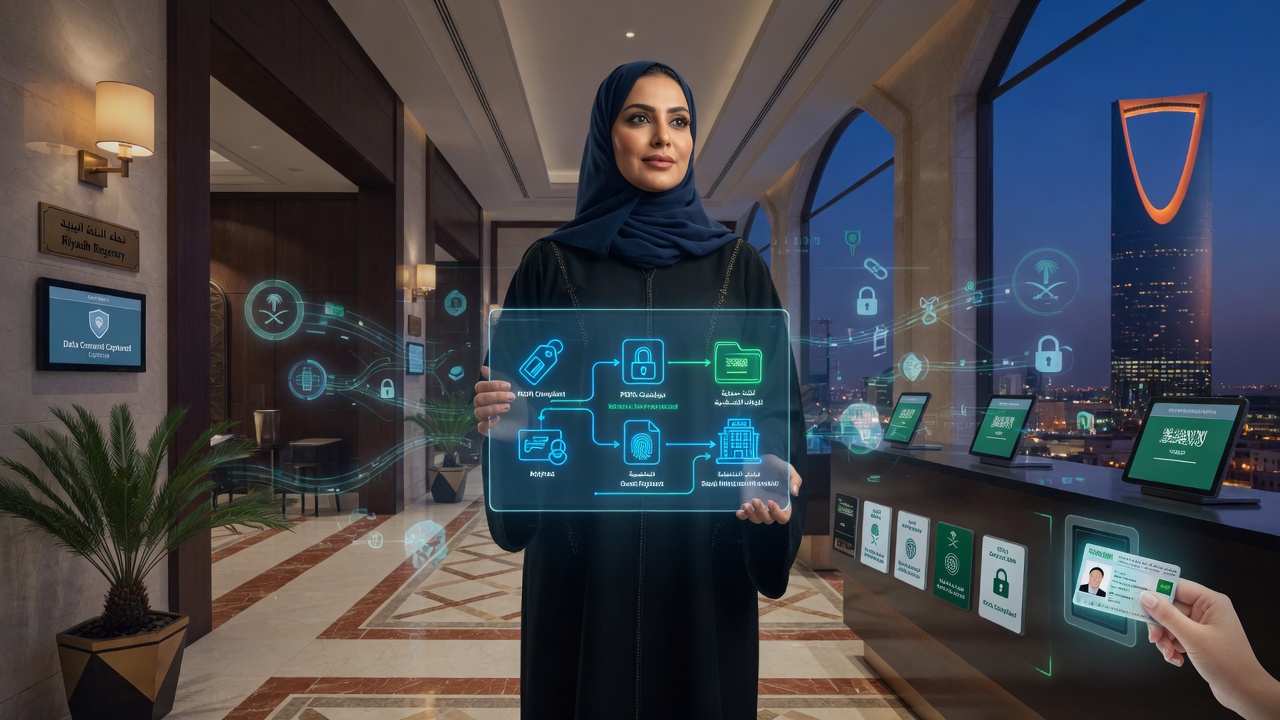
Complete guide to Personal Data Protection Law compliance for Saudi hospitality. Practical steps to protect guest data, build trust, and meet SDAIA requirements under Vision 2030...
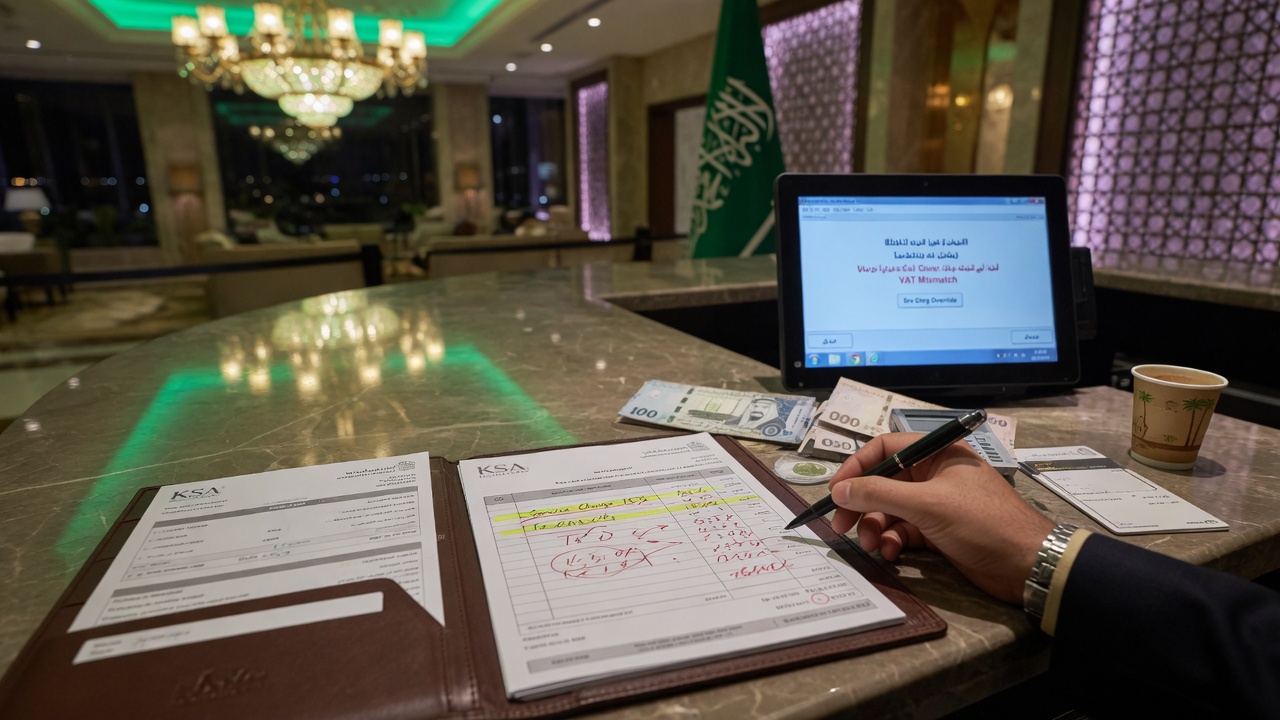
Discover how to stop revenue leakage in Saudi hotels from tax, VAT, and service charge errors. Cloud PMS ensures ZATCA compliance and protects profitability....

Discover how staycation marketing helps Saudi hotels attract local residents and fill empty weeks. Actionable strategies for year-round occupancy....
Learn how Saudi hotels can win corporate RFPs and secure business travel bookings. Strategies for rates, PMS billing, and contract negotiation....

Increase hotel bookings & iftar sales during Ramadan 2026 in Saudi Arabia with targeted marketing strategies, iftar packages, Ramadan tents, and PMS automation....
Learn how WhatsApp Business enhances guest communication and direct bookings for Saudi hotels. Discover strategies, automation & Vision 2030 alignment....
Discover how to choose the best hotel channel manager for Saudi Arabia's hospitality sector in 2026. Boost occupancy, sync rates, and maximize revenue with our complete guide....

Guide to hotel sales manager skills, tools & strategies for corporate and pilgrimage sales in Saudi Arabia. Win with Vision 2030....
Learn to implement self-service & digital check-in in Saudi hotels seamlessly. Align with Vision 2030, cut wait times by 70%, and enhance guest experience....
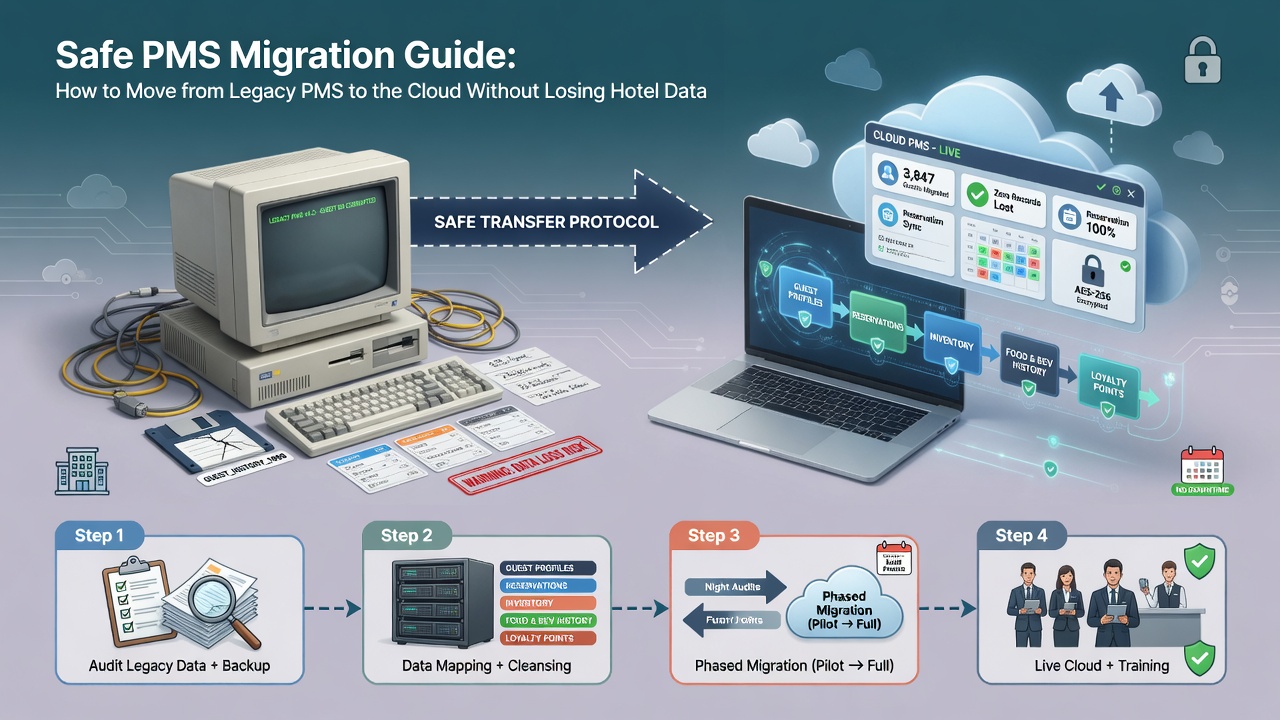
Step-by-step guide for Saudi hotels to safely migrate from legacy PMS to cloud. Protect guest data, reservations & finances. Learn best practices, avoid data loss...
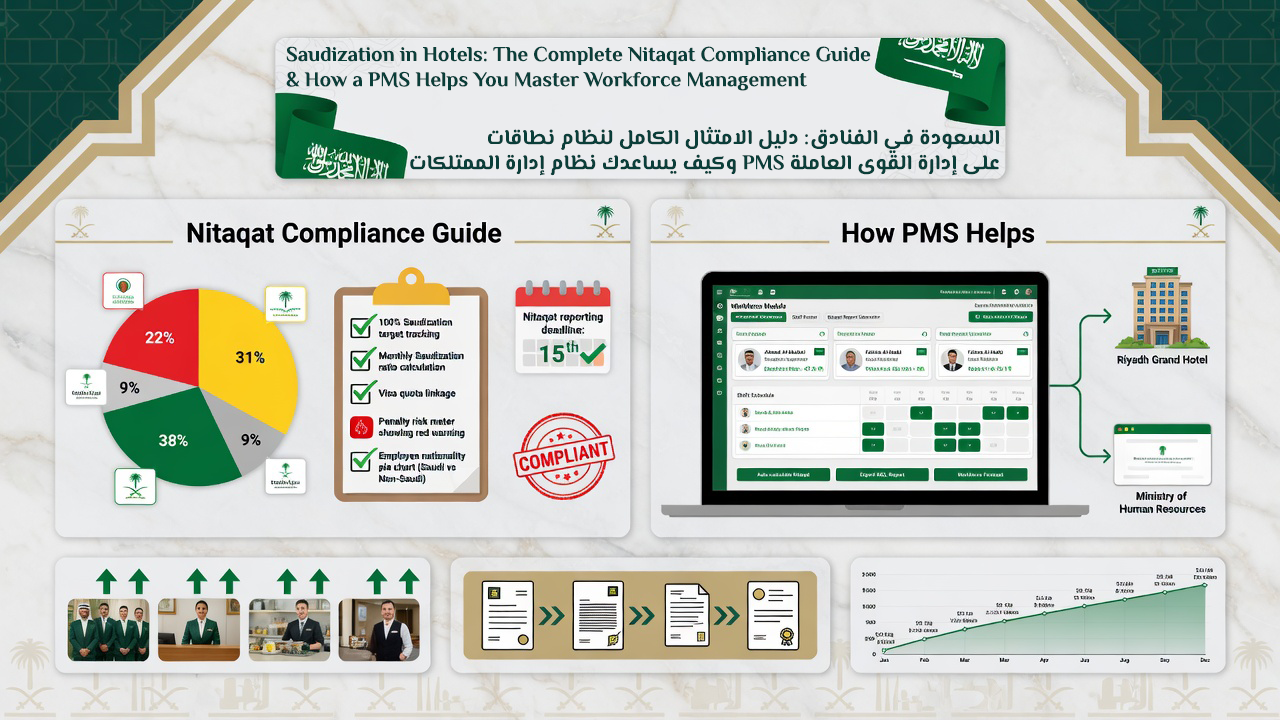
Complete guide to Saudization in hotels & Nitaqat compliance in KSA. Learn how a PMS helps manage workforce, achieve green band status, and avoid penalties. ...
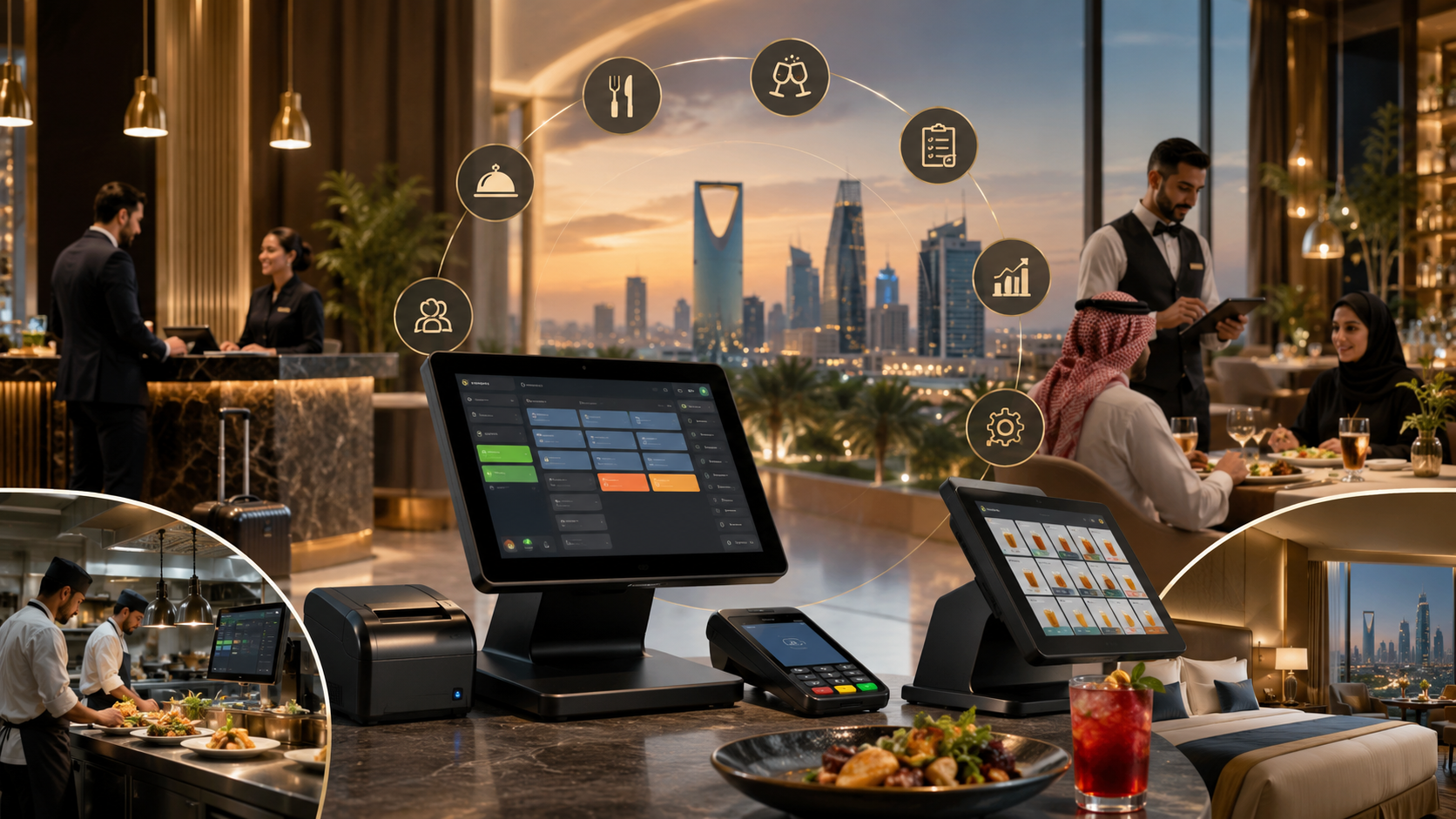
Master connecting hotel restaurant, café, and room service billing with your PMS — ZATCA-compliant, Mada, STC Pay ready. Guide for Saudi hotels Vision 2030....
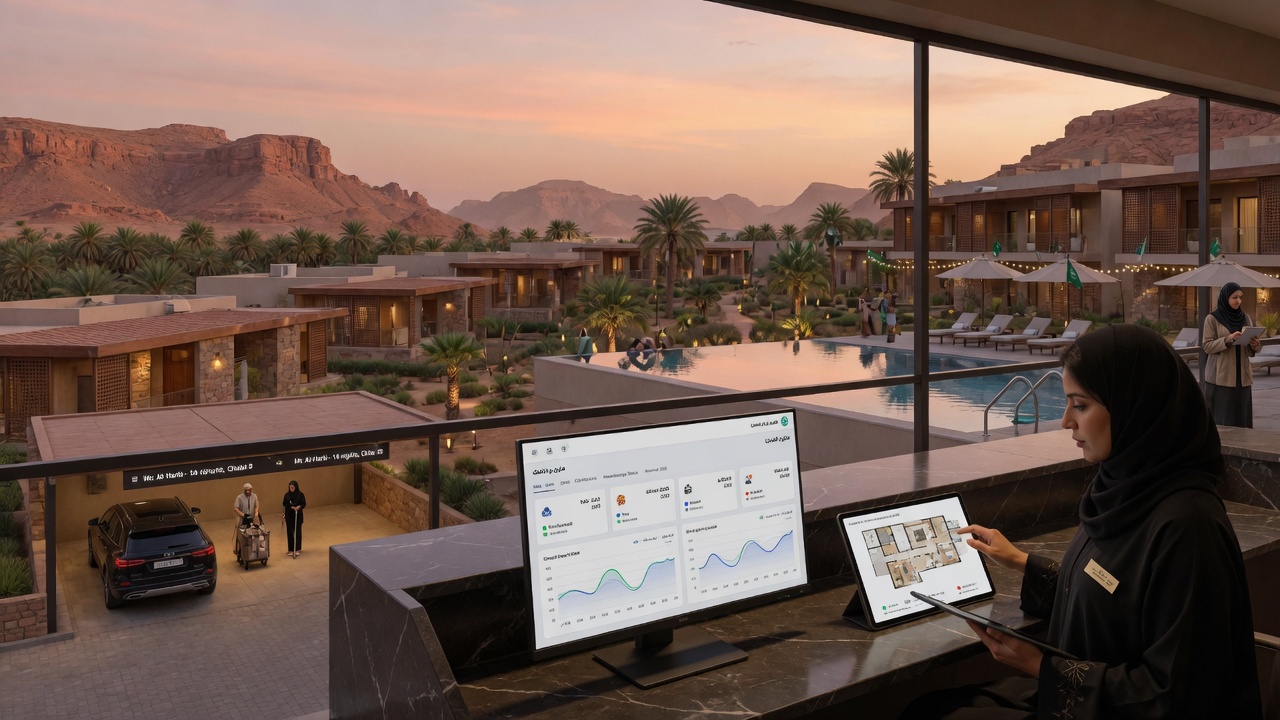
Discover the best hotel PMS for serviced apartments and chalets in Saudi Arabia. Streamline operations, boost direct bookings, and ensure Shomoos compliance in 2026....
Compare top Saudi hotel payment gateways with Mada & STC Pay. Boost direct bookings with SAMA-compliant, ZATCA-ready solutions like HyperPay, PayTabs....
Streamline Umrah & Hajj pilgrim stays with automation. Bulk check‑ins, prayer‑aware services, Nusuk integration & Vision 2030 compliance for Saudi hotels....
Master cash flow management for small hotels in Saudi Arabia. Our 2026 guide covers seasonal planning, cost control, and profit optimization....
Safeguard guest data in Saudi hotels with our expert guide covering NCA, PDPL, PCI DSS compliance, ransomware prevention, and cybersecurity best practices....
Learn how to increase direct hotel bookings in Saudi Arabia, cut OTA commissions, and boost profit with direct booking engine, loyalty program & best-rate....
Discover how Cloud PMS technology accelerates Saudi Vision 2030 tourism goals. Improve hotel efficiency and guest experience with digital transformation in KSA....
Learn how AI in Saudi hotels boosts revenue through dynamic pricing, chatbots, and guest personalization. Start your smart hospitality transformation....
Master seasonal demand in Saudi Arabia. Learn how to optimize hotel revenue during Hajj and Umrah using automated PMS, dynamic pricing, and channel managers...
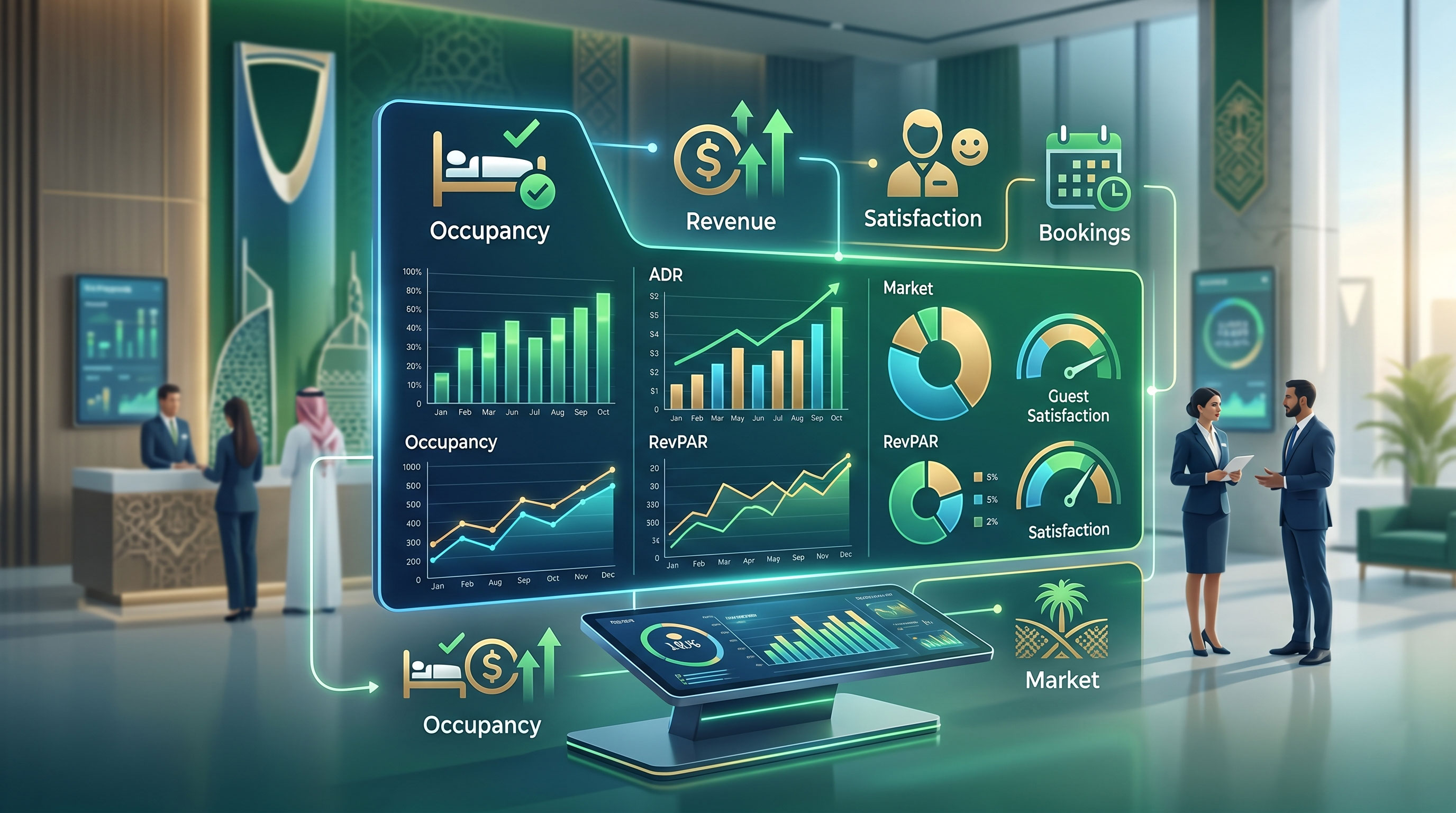
Discover essential daily KPIs every hotel owner in Saudi Arabia should track with a BI dashboard. Boost RevPAR, compliance, and profit with data-driven insights....
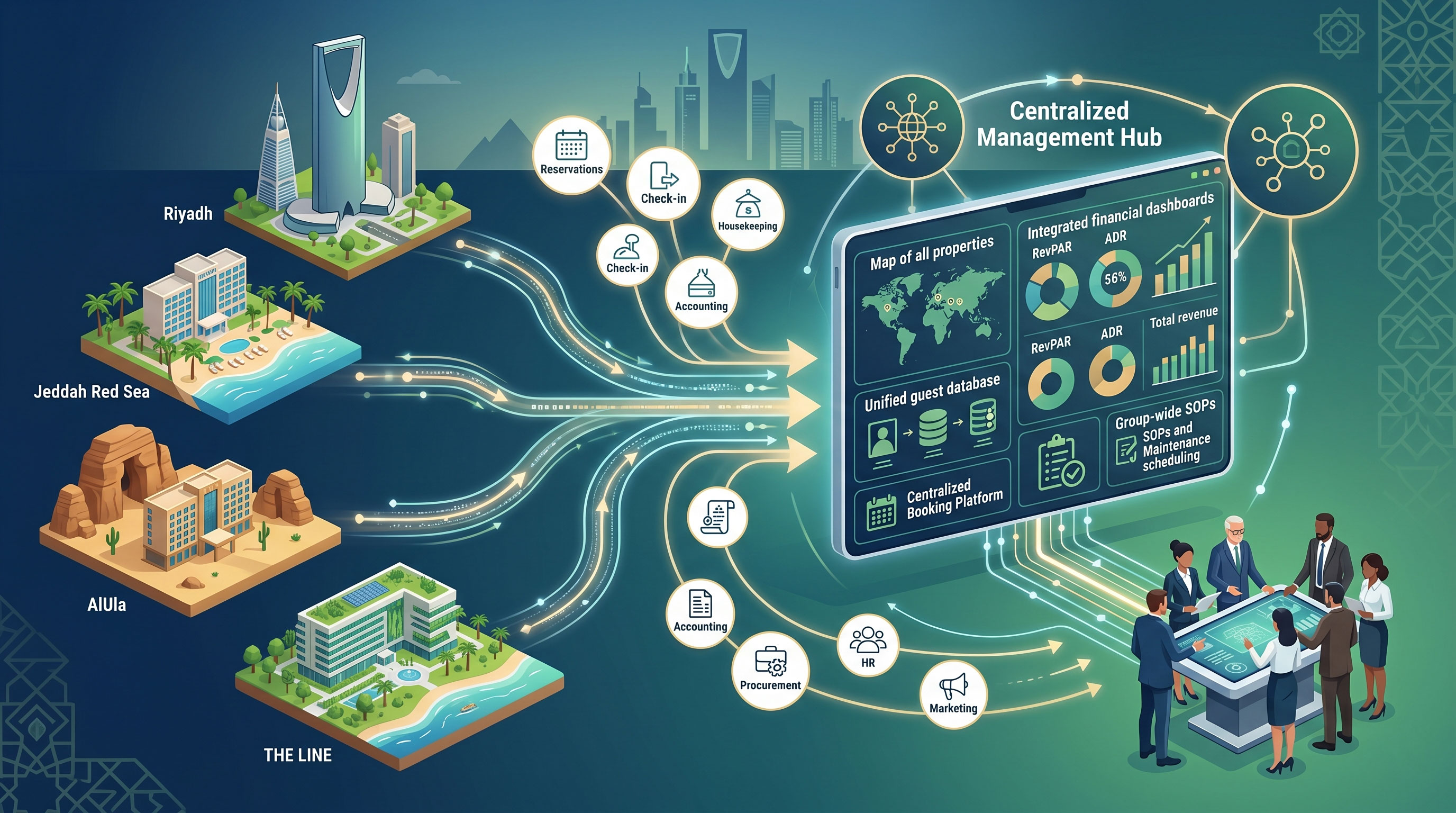
Centralize hotel operations in Saudi Arabia: multi-property management, unified reporting, revenue optimization, procurement, HR, and ZATCA compliance for Vision 2030 growth....
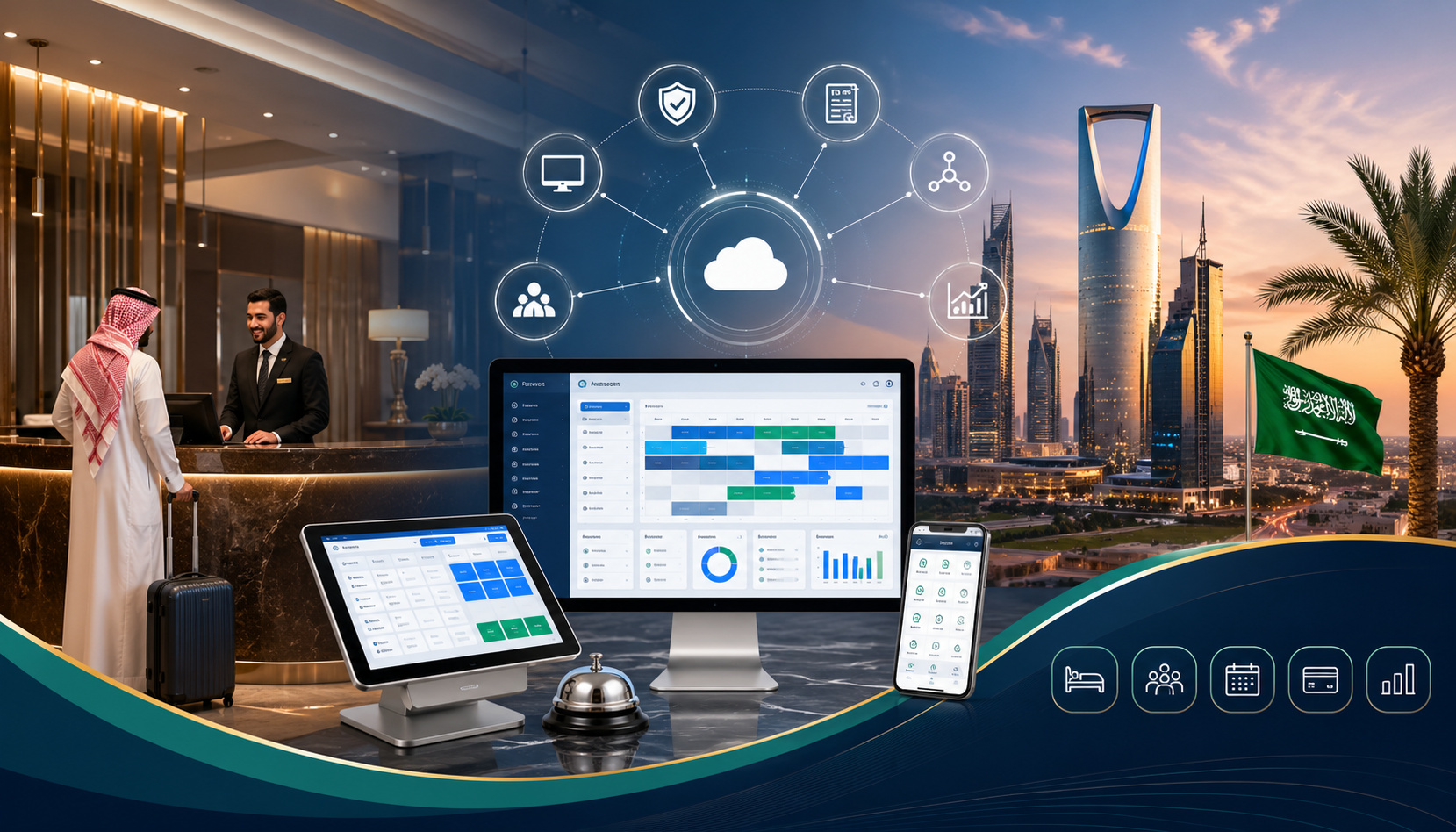
Compare what Saudi hotels need in 2026: cloud PMS, ZATCA e-invoicing, Shomoos, Ministry of Tourism, channel manager, booking engine, automation, and guest management....
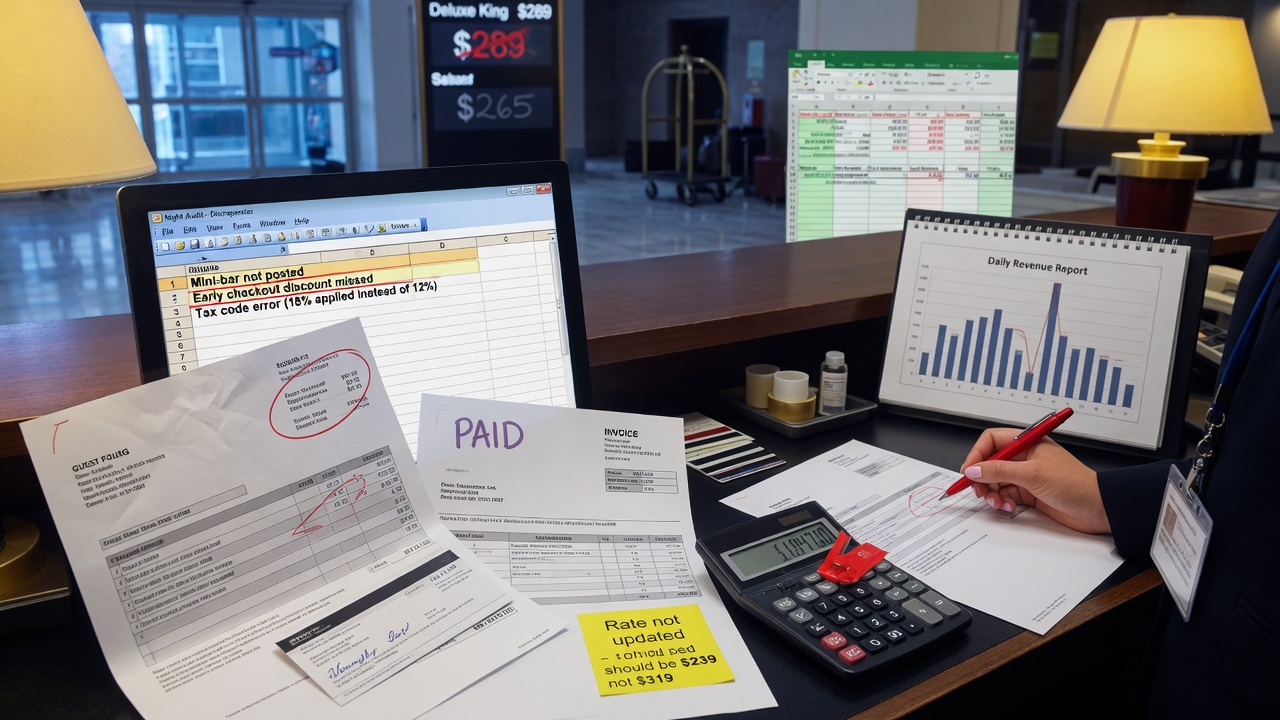
Top common hotel billing errors in Saudi hotels cost SAR 100K+ yearly via VAT & fee mistakes. Stop leakage with ZATCA PMS automation now....
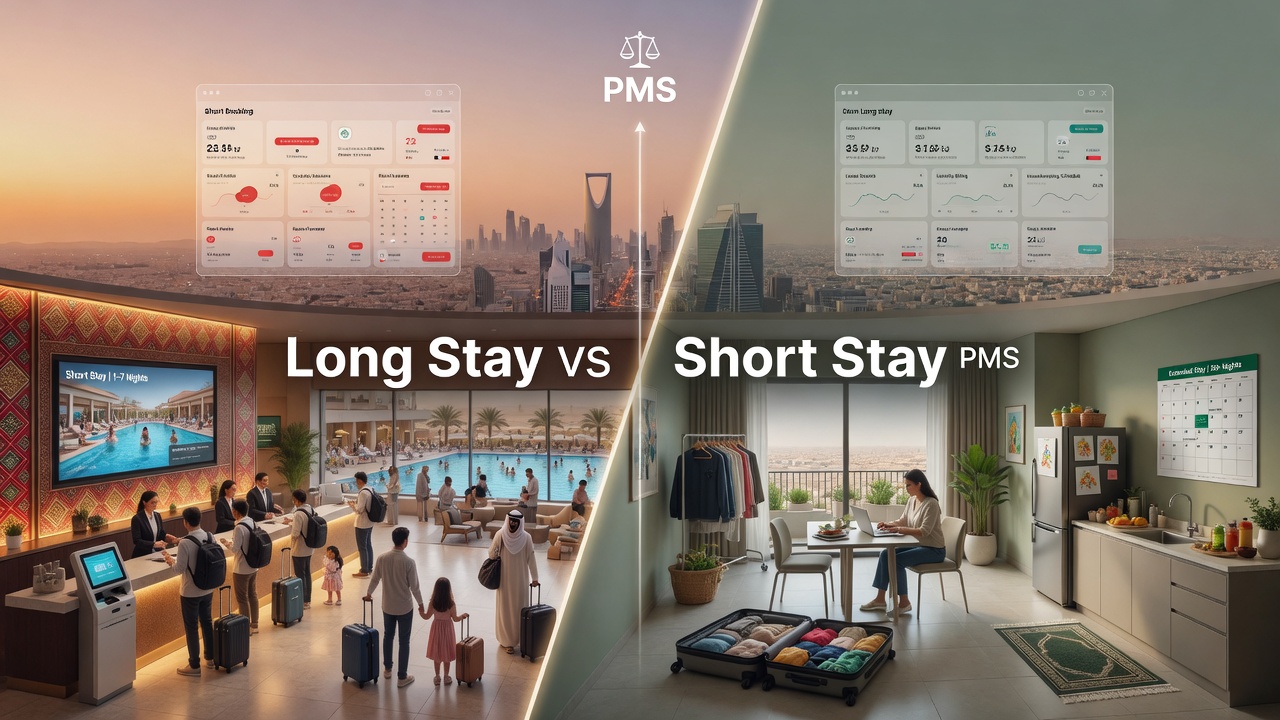
Compare long stay vs short stay PMS for Saudi hospitality. Learn key differences, must‑have features, Ejar compliance, and Vision 2030 insights...
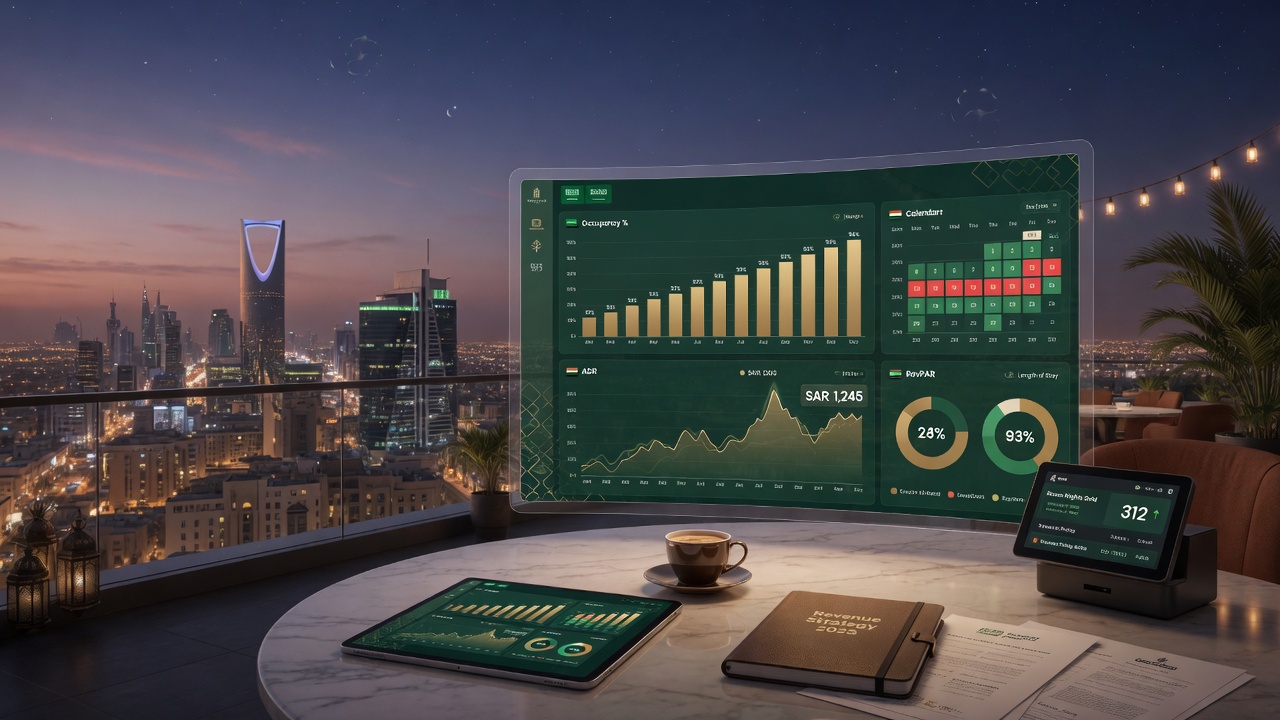
Compare what Saudi hotels need in 2026: cloud PMS, ZATCA e-invoicing, Shomoos, Ministry of Tourism, channel manager, booking engine, automation, and guest management....
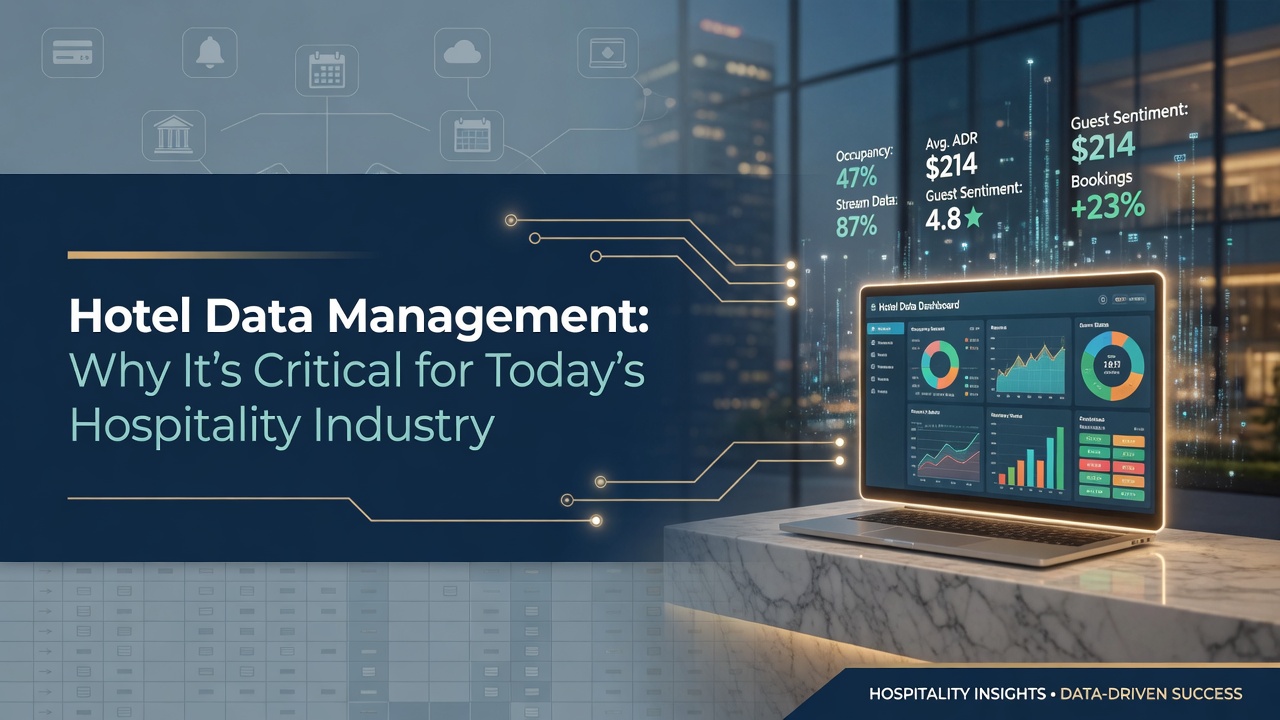
Discover why hotel data management is essential for Saudi hotels. Learn how to leverage guest insights, ensure ZATCA & Shomoos compliance, and boost revenue with a modern PMS. Free demo from Fandaqah...

Vision 2030 is transforming vacation ownership in Saudi Arabia. Explore the hotel meets residential trend at Red Sea Global and NEOM for families and investors....
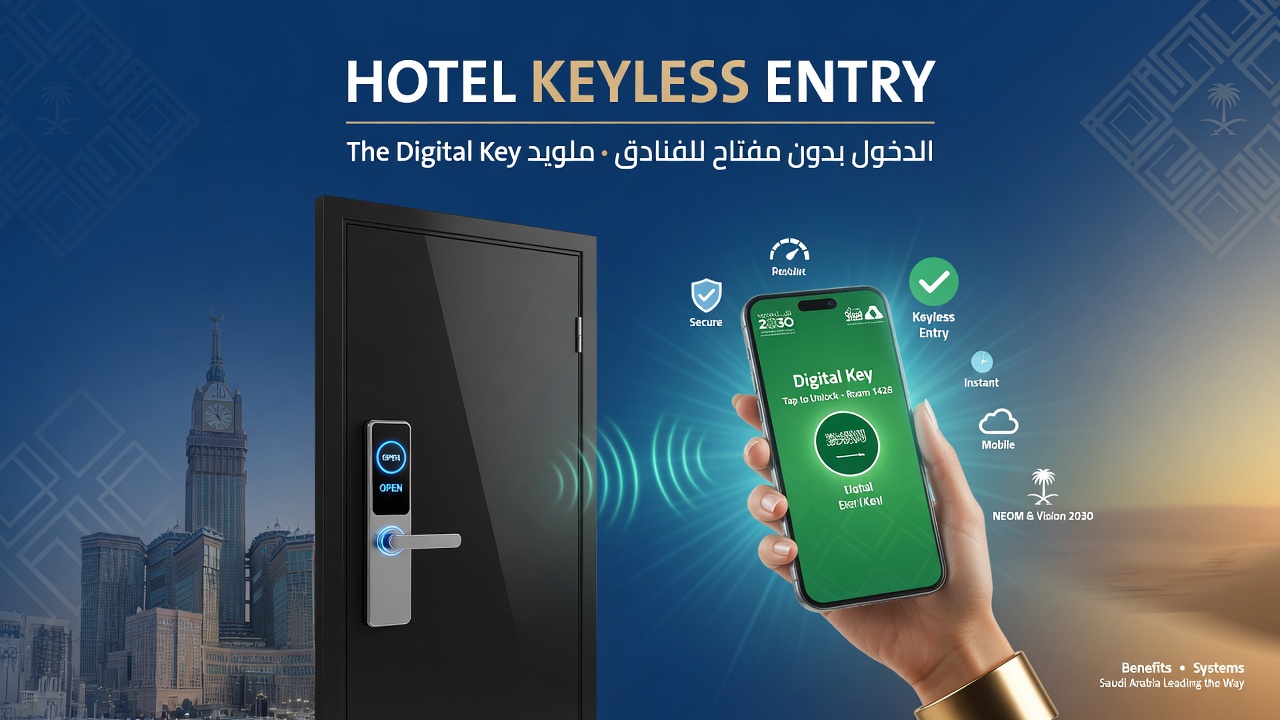
Saudi Arabia hotel keyless entry under Vision 2030: mobile keys, biometrics, guest benefits, hotel savings, Mövenpick Riyadh and Red Sea Global case studies....

Legacy PMS is silently costing Saudi hotels guests, direct bookings, and revenue through slow operations, poor personalization, and lost opportunities. Discover the true hidden costs of outdated hotel...
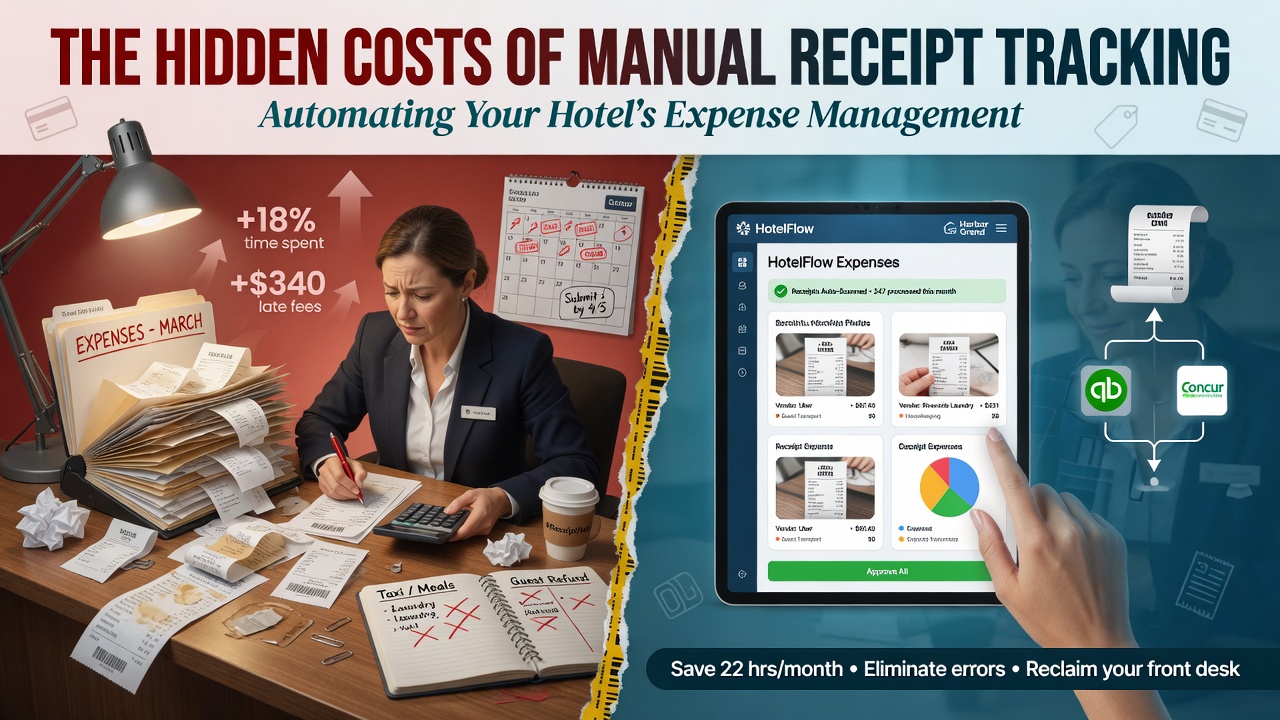
Saudi hotels lose tens of thousands of SAR yearly on manual receipt tracking. Discover hidden costs — wasted labor, VAT leakage, fraud & ZATCA risks — and how automated expense management software...
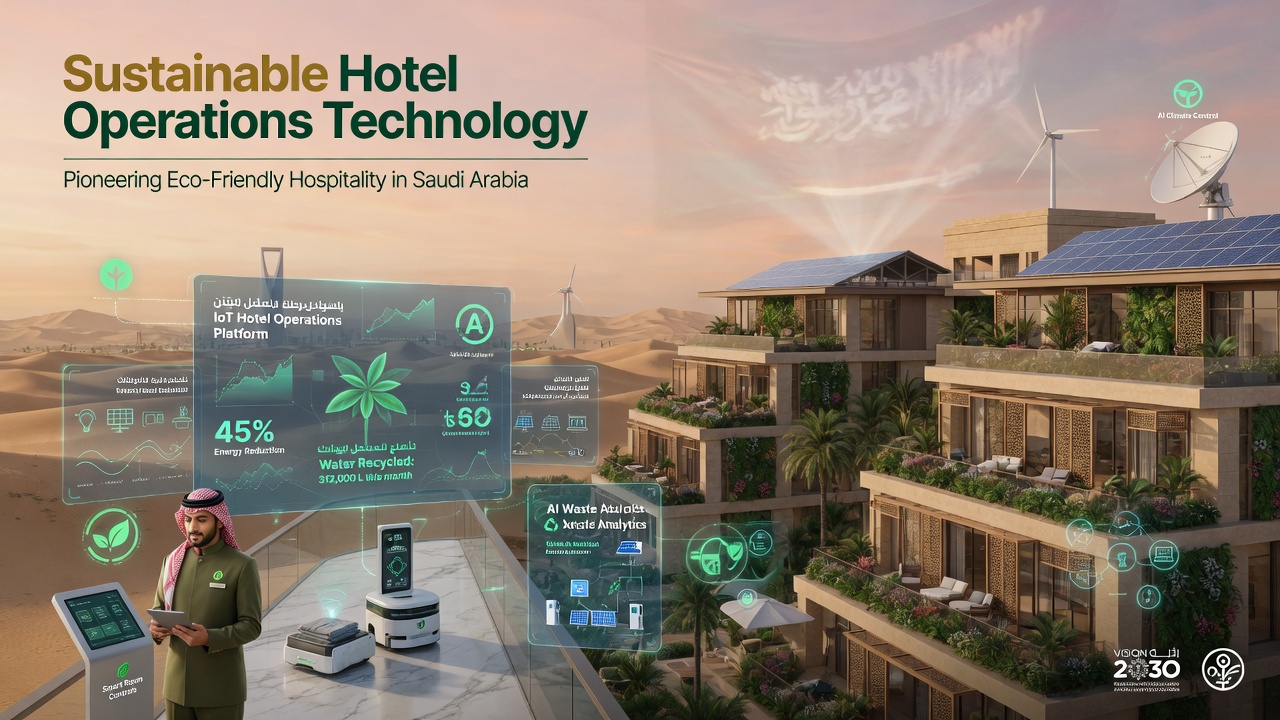
Discover how AI, IoT, and smart building tech are driving sustainable hotel operations in Saudi Arabia. Reduce costs, meet Vision 2030 goals, and enhance guest experience....
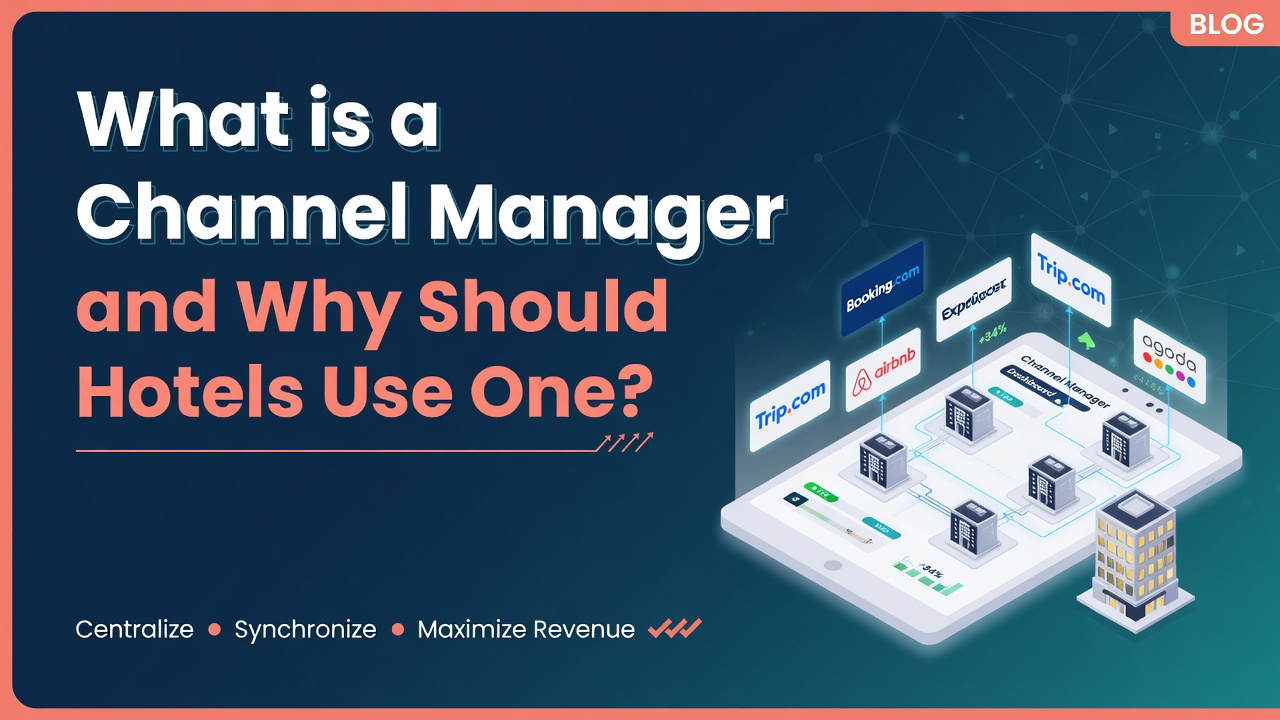
Discover what a channel manager is and why Saudi hotels need it. Automate OTA distribution, prevent overbookings, boost direct bookings, and stay compliant. Free demo from Fandaqah...

Reduce hotel check-in time from 15 minutes to under 3 minutes using automated Shomoos registration and passport scanning. Free demo for Saudi hotels...

Discover how smart room integration with hotel PMS in Saudi Arabia enhances guest experience, energy efficiency, and compliance with ZATCA & Shomoos. The future of Vision 2030 hospitality starts here....
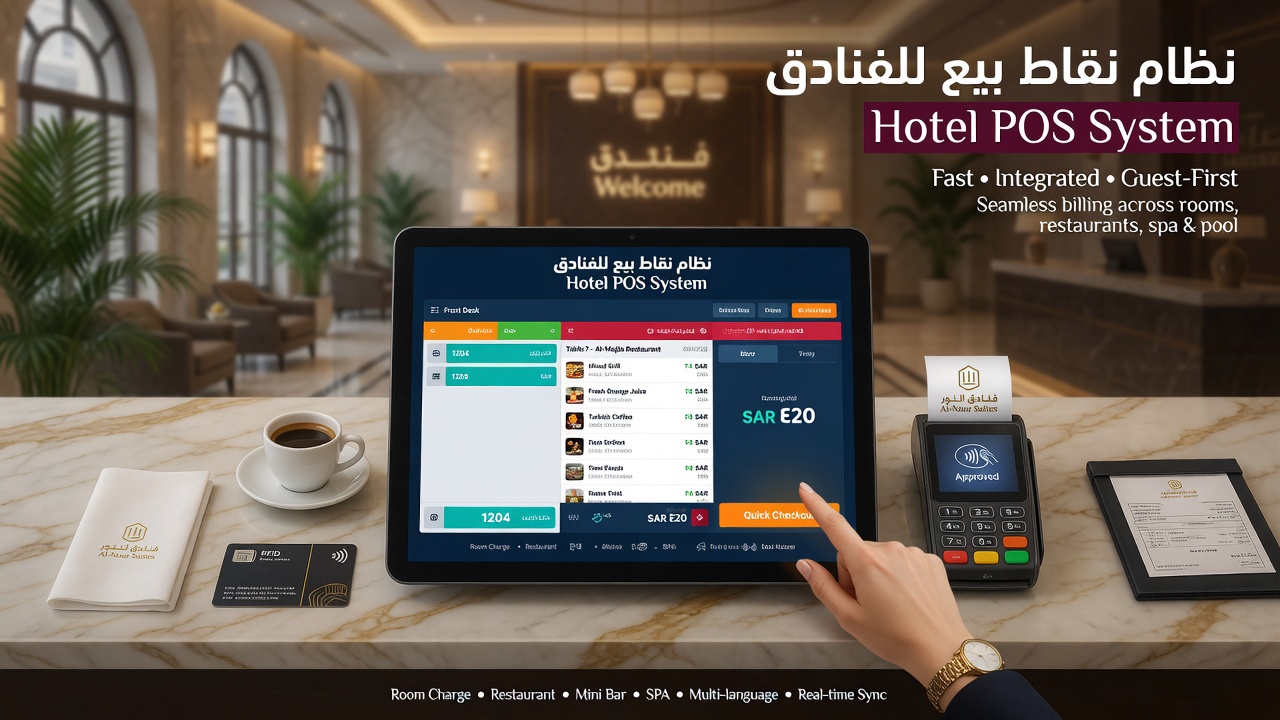
Discover why Arabic interface and POS integration are essential for hotels in Saudi Arabia. Boost staff efficiency, guest satisfaction, and compliance with Fandaqah’s all-in-one PMS...
Try Fandaqah’s 30‑day free demo account for hotel PMS in Saudi Arabia. Experience ZATCA e‑invoicing, Shomoos integration, passport scanning, and check‑in automation – risk‑free. Start your...
Discover proven strategies to avoid empty rooms during low season in Saudi Arabia. Learn dynamic pricing, direct booking tactics, and how a hotel PMS Saudi Arabia can boost occupancy year‑round. Fre...
ZATCA Phase 2 deadline for hotels: March 31, 2026. Learn Wave 23 requirements, e-invoicing integration, penalties, and how a compliant hotel PMS ensures full compliance. Free demo from Fandaqah...
Complete guide to buying a hotel PMS in Saudi Arabia. Learn key features, compliance with ZATCA & Shomoos, ROI, and how to choose the best hotel management system KSA for your property...
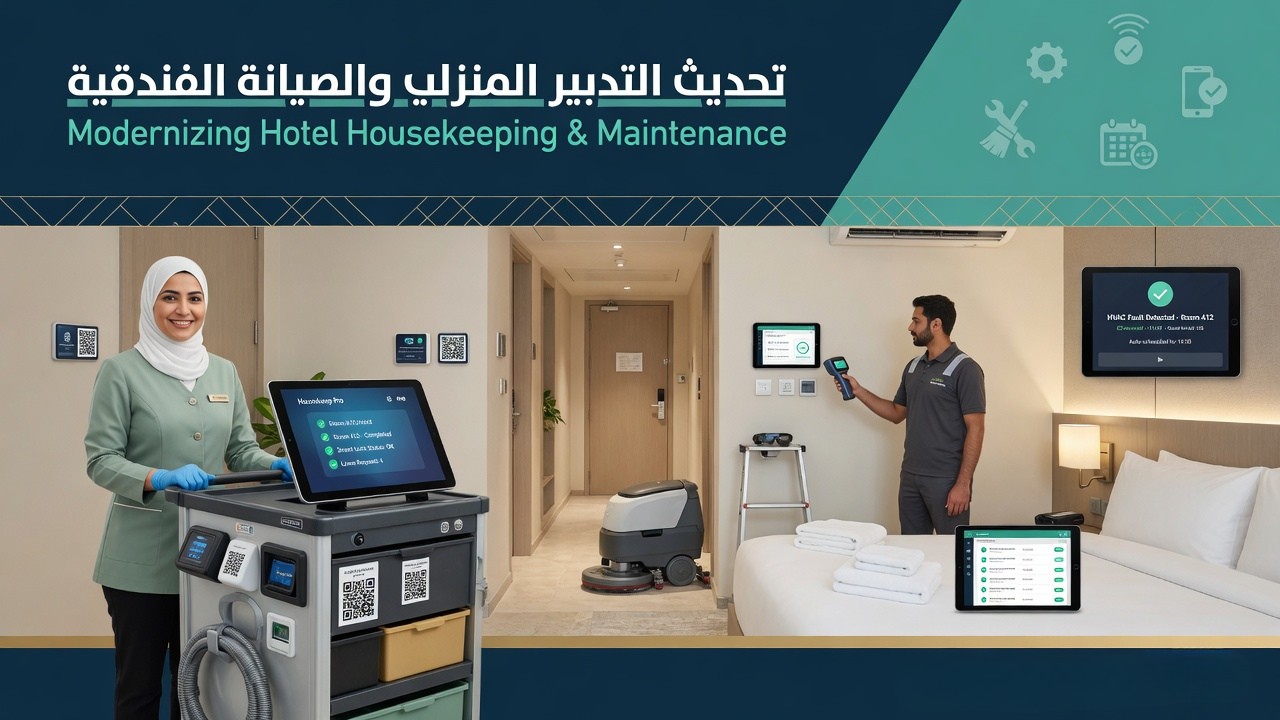
Go paperless with hotel housekeeping and maintenance. Learn how digital checklists, real‑time updates, and integrated PMS boost efficiency, guest satisfaction, and compliance in Saudi Arabia...
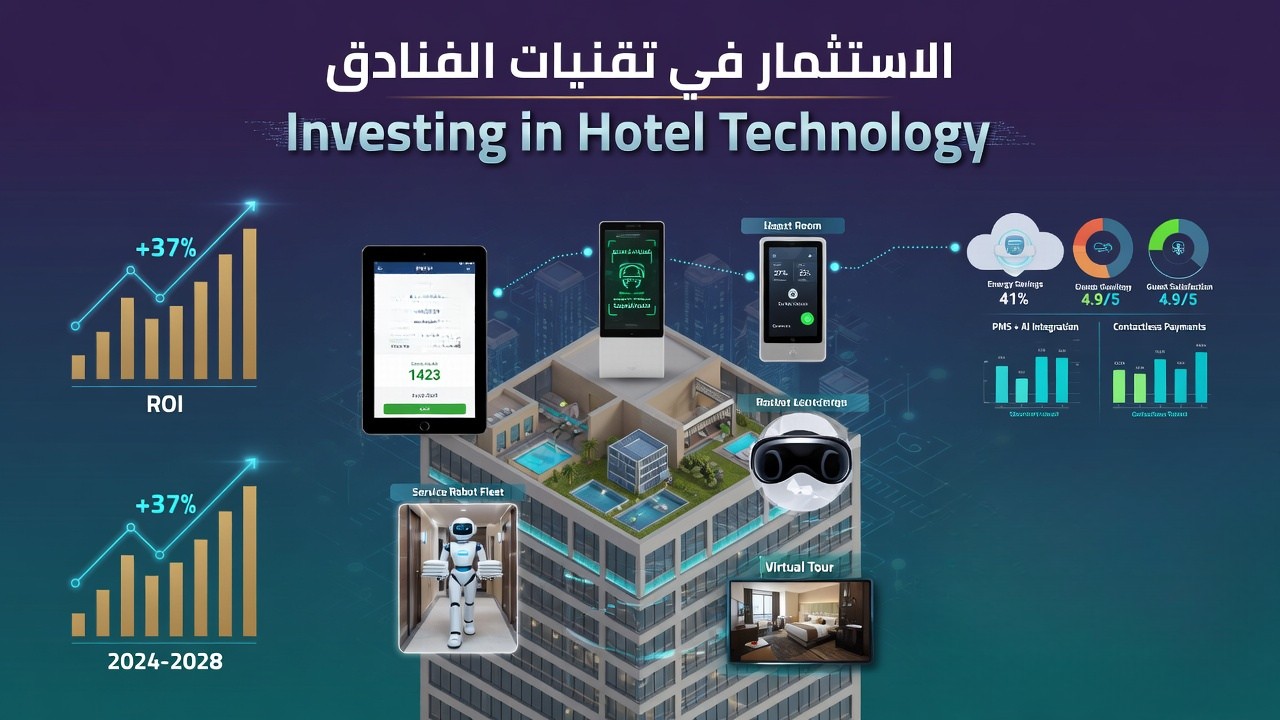
Learn how hoteliers can build a business case for new technology. Show ROI, improve guest satisfaction, and ensure ZATCA & Shomoos compliance. Free demo for Saudi hotels...
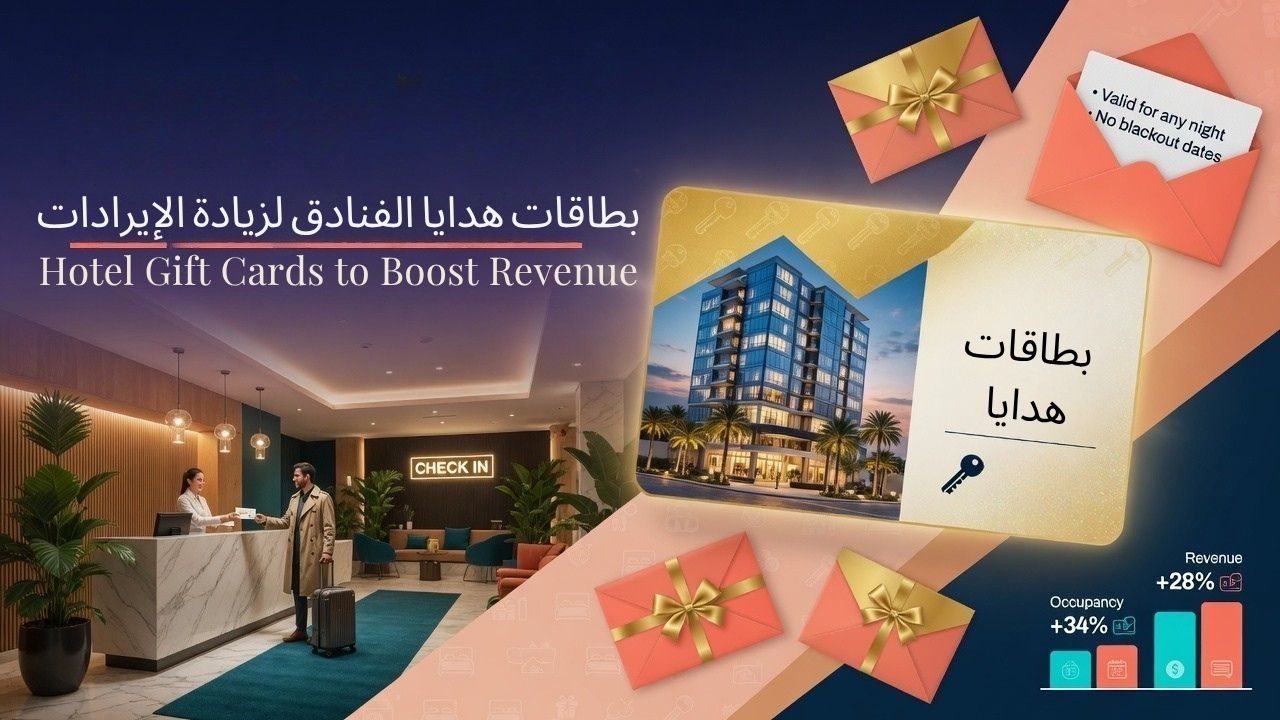
Discover how gift cards for hotels can boost occupancy, increase revenue, and attract new guests. Learn to integrate with your hotel PMS Saudi Arabia for seamless automation....

Discover proven destination marketing ideas for hotels in Saudi Arabia. Attract more guests, leverage Vision 2030, and boost direct bookings. Free consultation inside....

Hostel vs hotel – what's the difference? Compare cost, privacy, amenities, and social experience. Perfect for Saudi travelers and tourists under Vision 2030. Find your ideal stay....
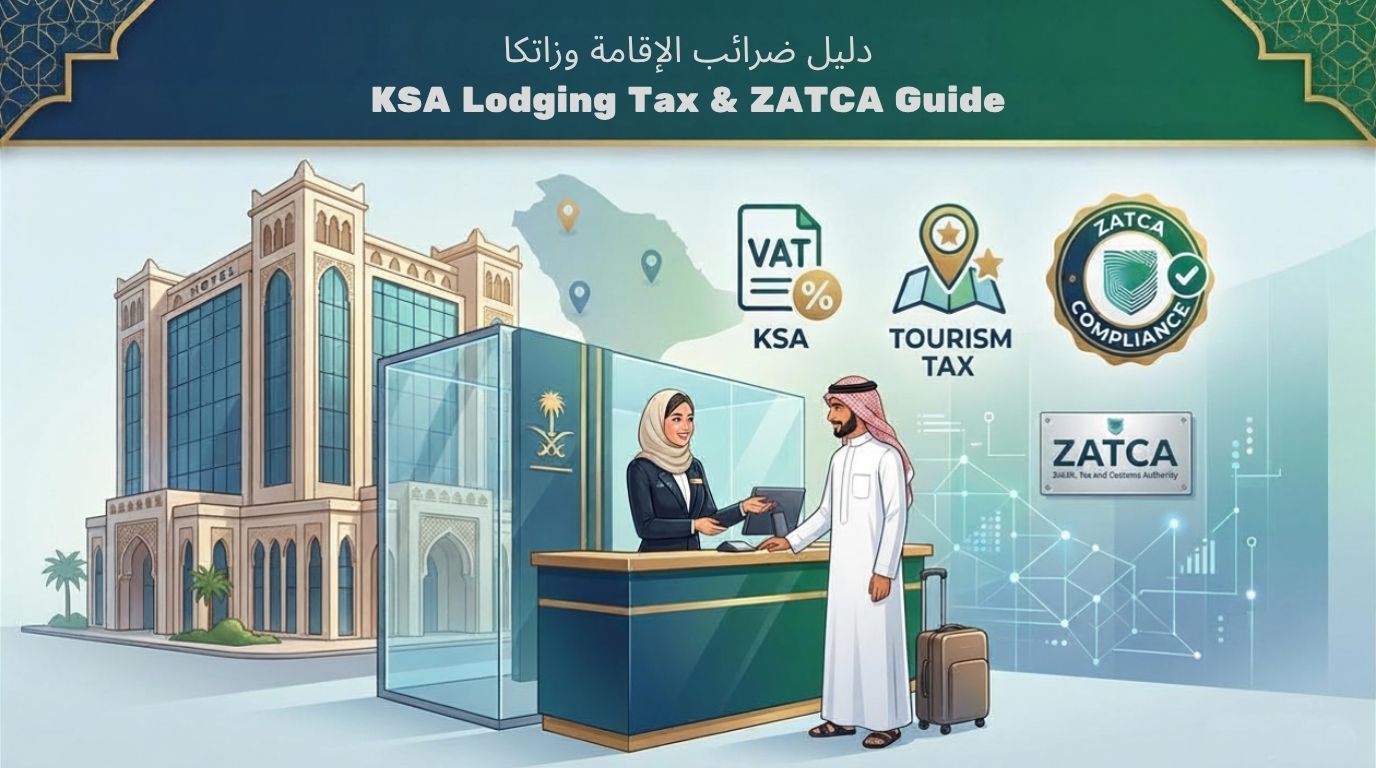
Complete guide to lodging taxes for hotels in Saudi Arabia: VAT (15%), municipality fees, tourism tax, ZATCA e-invoicing compliance, and how to automate tax management. Essential for hoteliers....
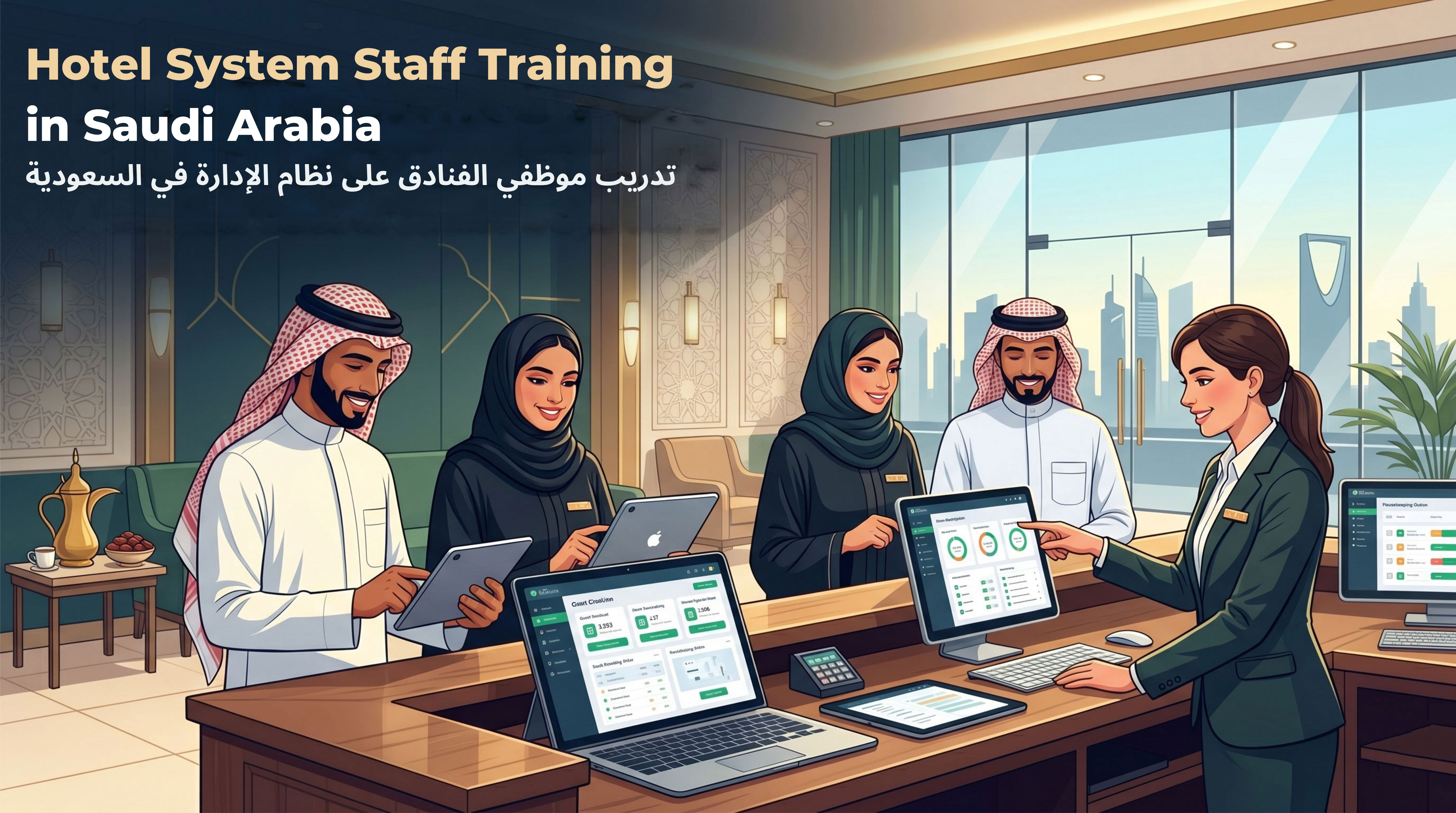
Complete guide to PMS training for hotel staff in Saudi Arabia. Learn how to train your team on ZATCA e‑invoicing, Shomoos integration, passport scanning, and check‑in automation. Free demo from F...
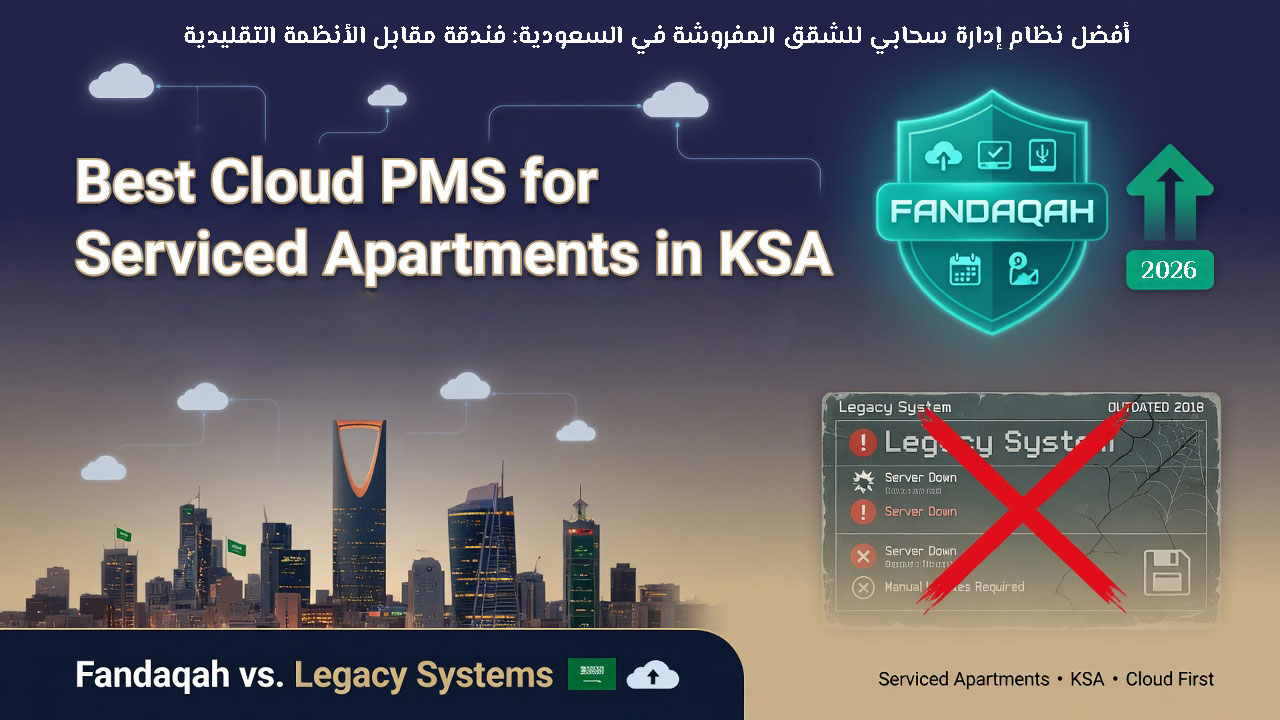
Compare the best cloud PMS for serviced apartments in KSA: Fandaqah vs. legacy systems. Discover automation, ZATCA & Shomoos compliance, and why modern cloud PMS wins. Free demo...
Saudi Arabia’s hospitality sector is experiencing unprecedented growth, driven by Vision 2030. Success now requires more than just a prime location—it demands the smart use of hotel management too...
As part of Saudi Arabia’s digital transformation, e-invoicing has become a cornerstone in regulating the relationship between businesses and the Zakat, Tax and Customs Authority (ZATCA). With the ro...

Discover the Kingdom’s transformation through Vision 2030, where ancient spirituality meets modern adventure tourism. The Future of Hospitality Summit is driving regional change. Explore spiritual j...
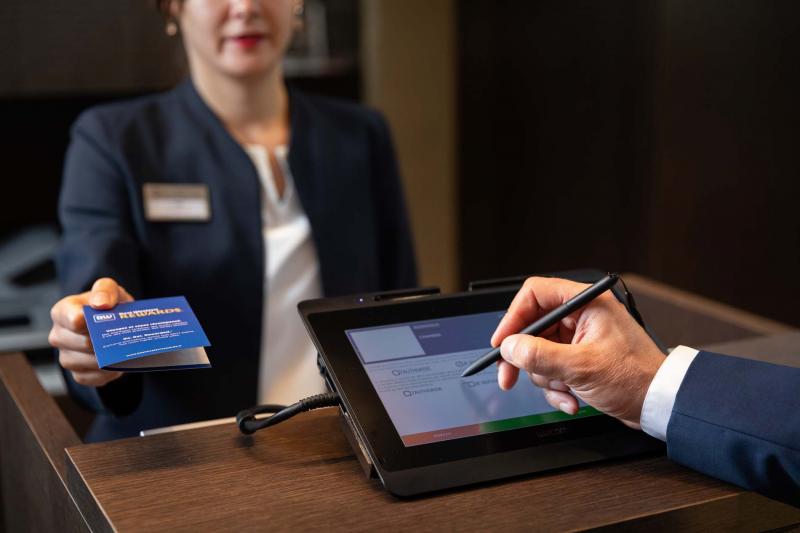
Property management software Saudi Arabia by Fandaqah: ZATCA & Shomoos compliant, passport scanner, 85% faster check-in. Trusted by 850+ hotels. Demo now....
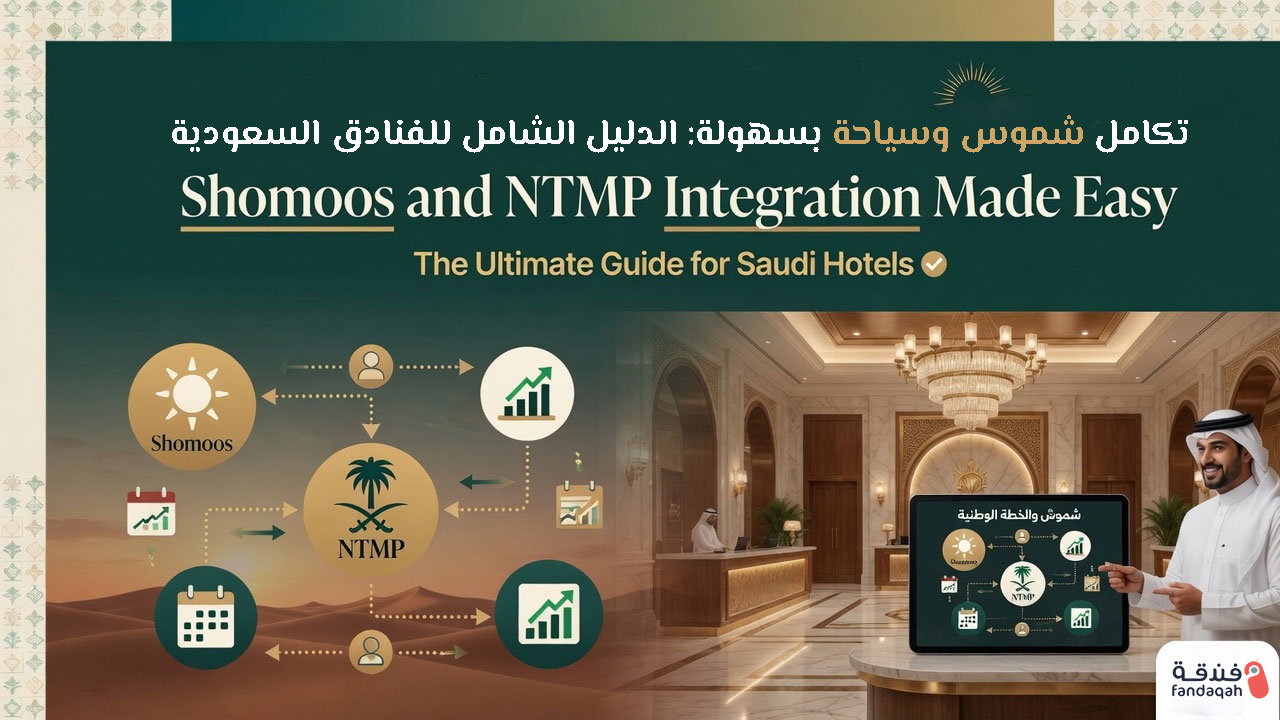
Complete guide to Shomoos and Siyaha integration for Saudi hotels. Learn how to automate guest registration, avoid fines, and streamline operations with a modern hotel PMS. Free demo from Fandaqah...
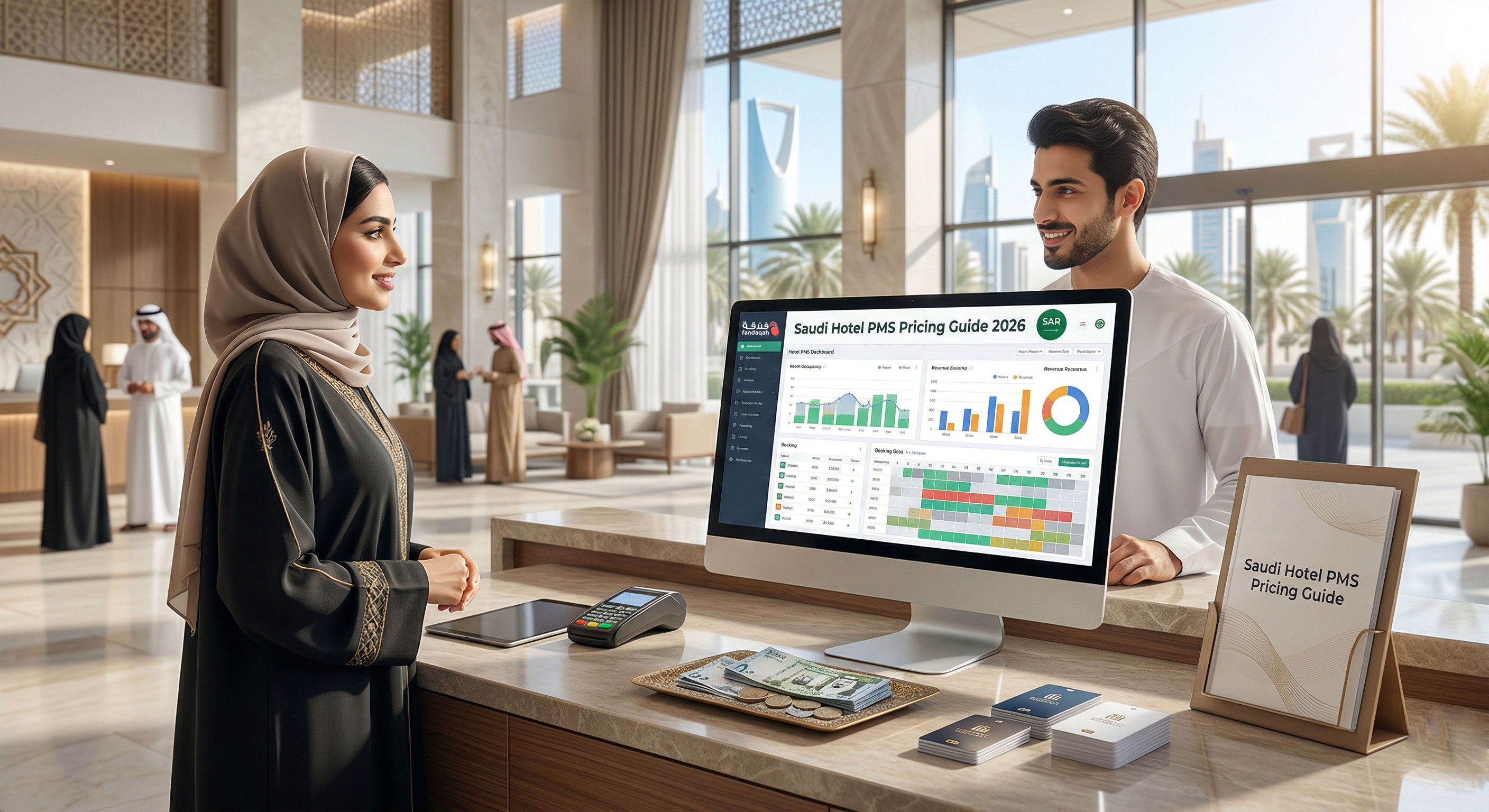
Complete guide to hotel PMS cost in Saudi Arabia. Understand pricing models, hidden fees, ZATCA & Shomoos compliance costs, and how to choose the right hotel management system KSA for your budget...
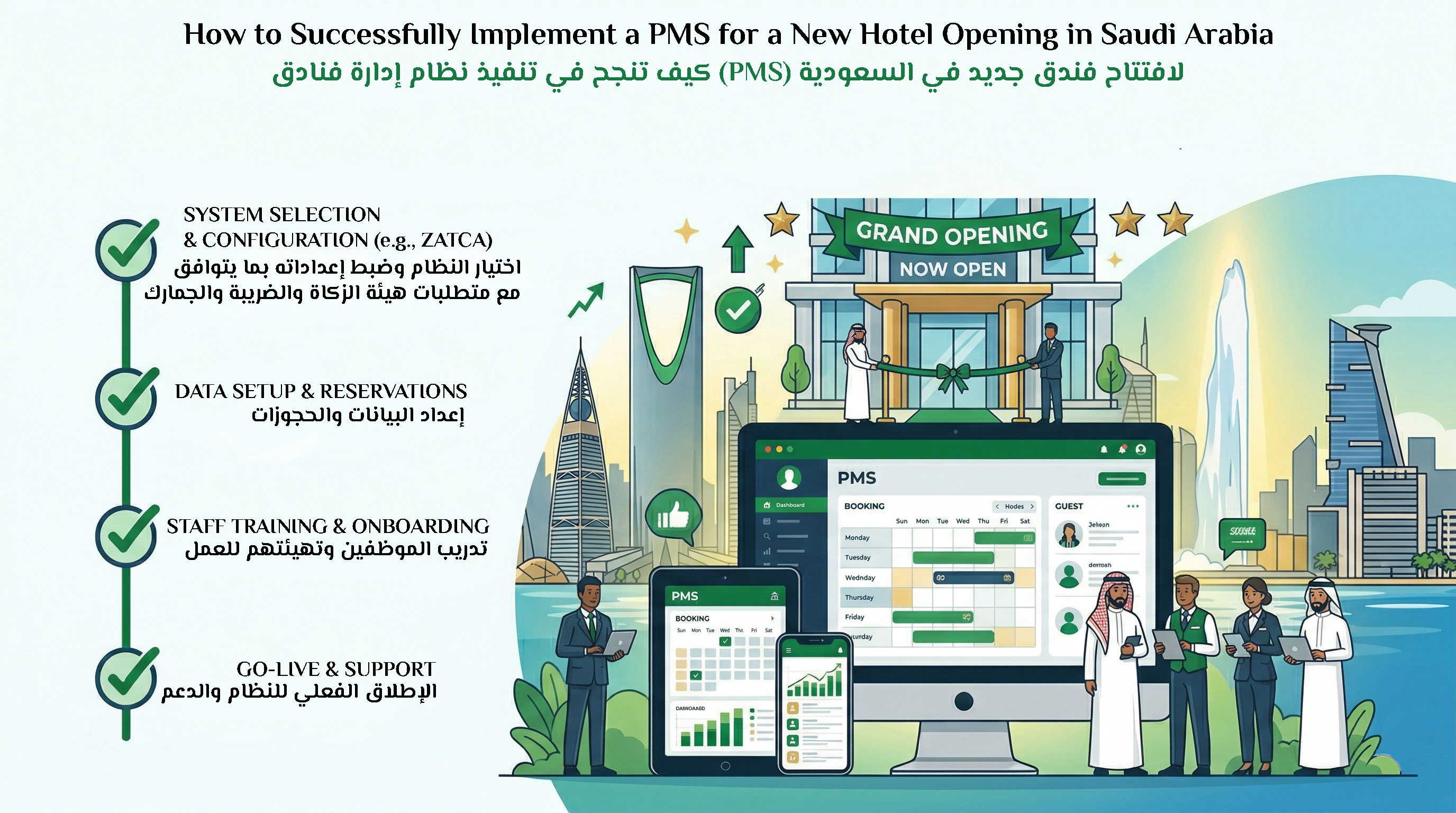
Step‑by‑step guide to implementing a PMS for a new hotel opening in Saudi Arabia. Covering ZATCA, Shomoos, check‑in automation, and best practices for a successful launch. Free demo from Fandaqa...

Discover why a local PMS vendor in Riyadh or Jeddah is the smart choice for your hotel. Faster support, ZATCA & Shomoos compliance, Arabic interface, and data residency. Free demo from Fandaqah...
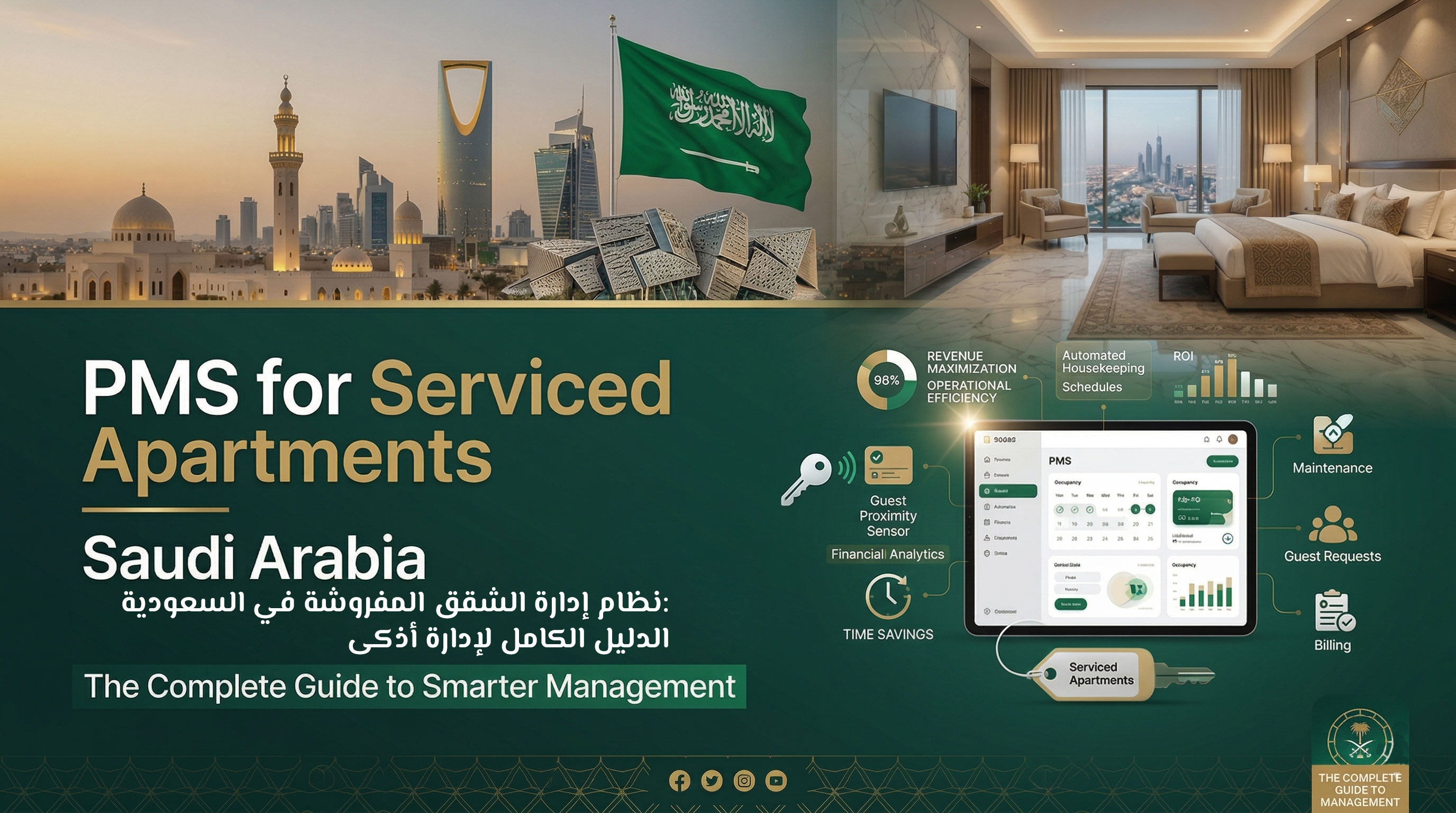
Discover the best PMS for serviced apartments in Saudi Arabia. Automate check-in, manage multiple units, ensure ZATCA & Shomoos compliance, and boost revenue. Free demo for property managers...
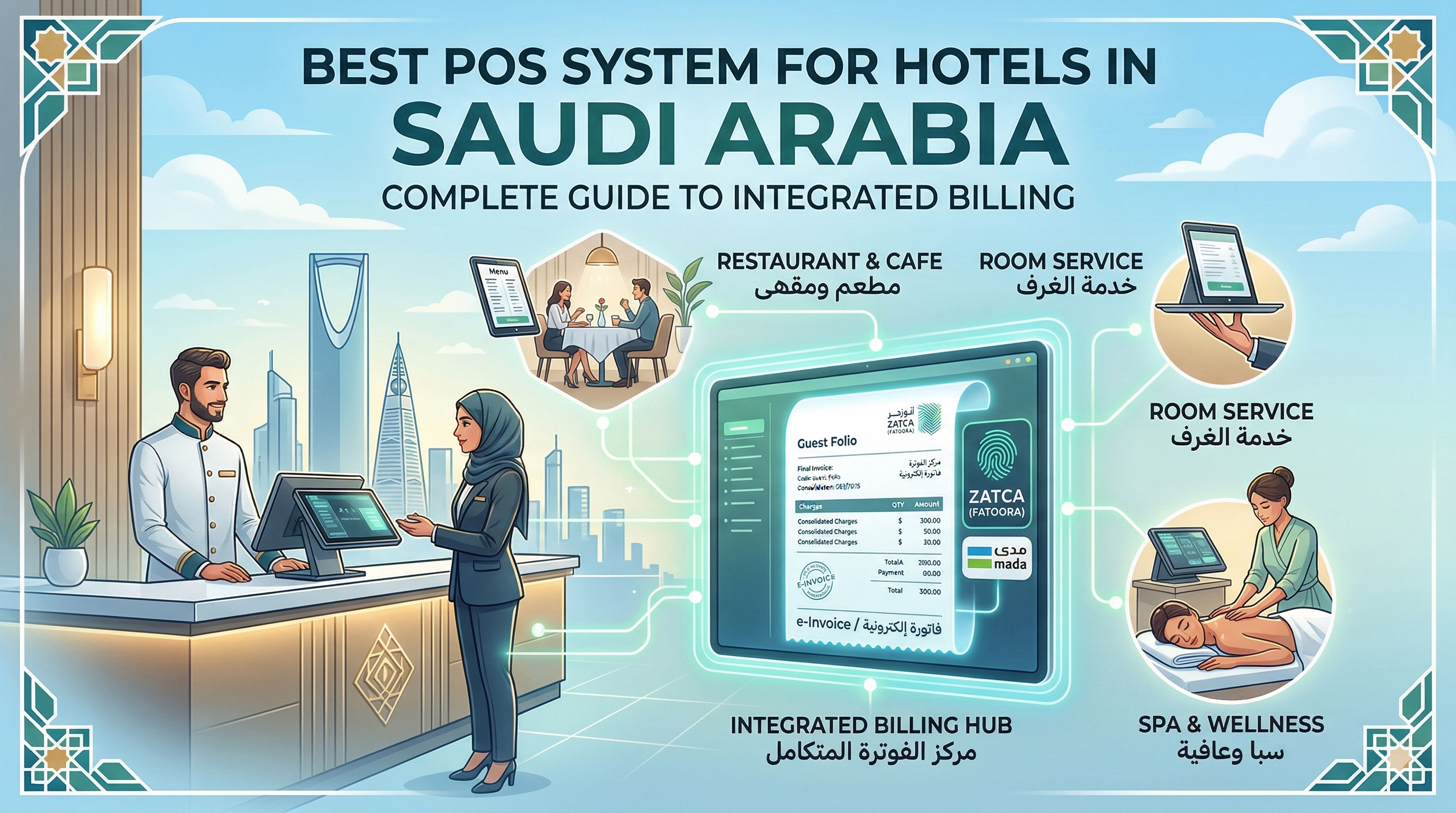
Discover the best POS system for hotels in Saudi Arabia. Integrate F&B, spa, and retail billing with your hotel PMS. ZATCA compliant, Shomoos ready. Free demo for hoteliers...
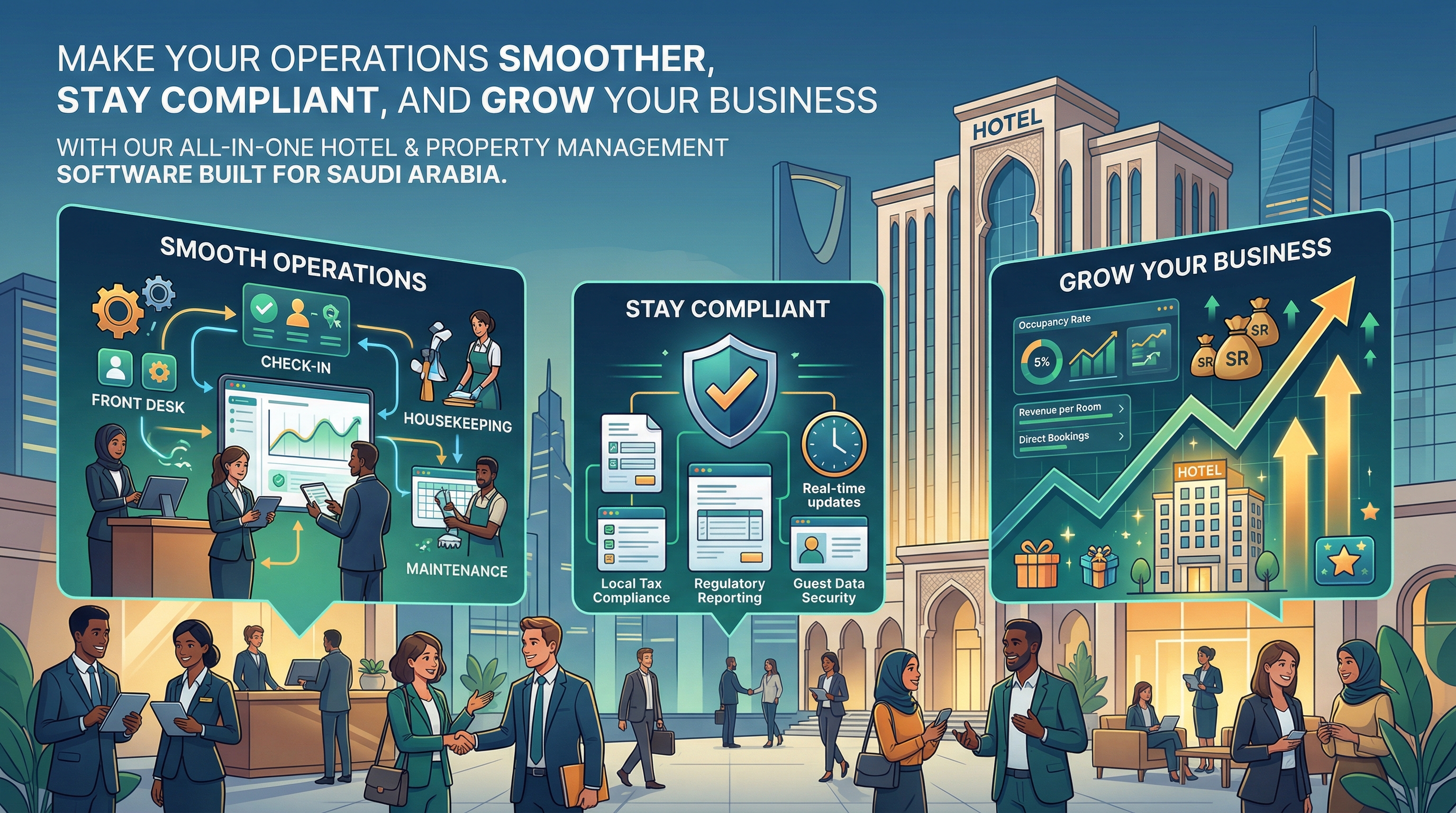
Fandaqah is Saudi Arabia's leading hotel management software. ZATCA, Shomoos & Ministry of Tourism compliant. PMS, booking engine & channel manager in one platform....
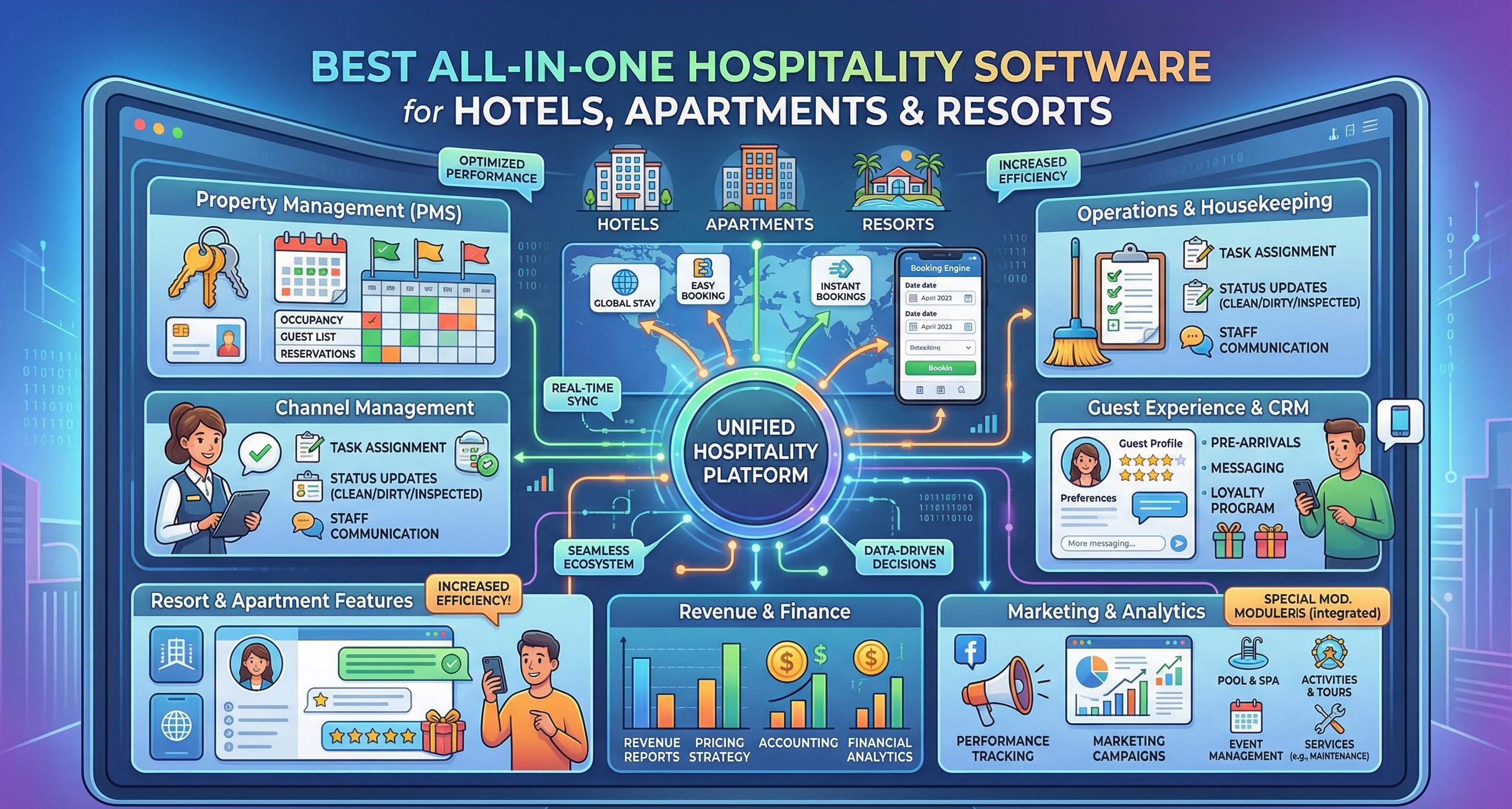
Discover Fandaqah trusted property management software for hotels, apartments & resorts. ZATCA, Shomoos & Tourism compliant. Request your free trial today!...
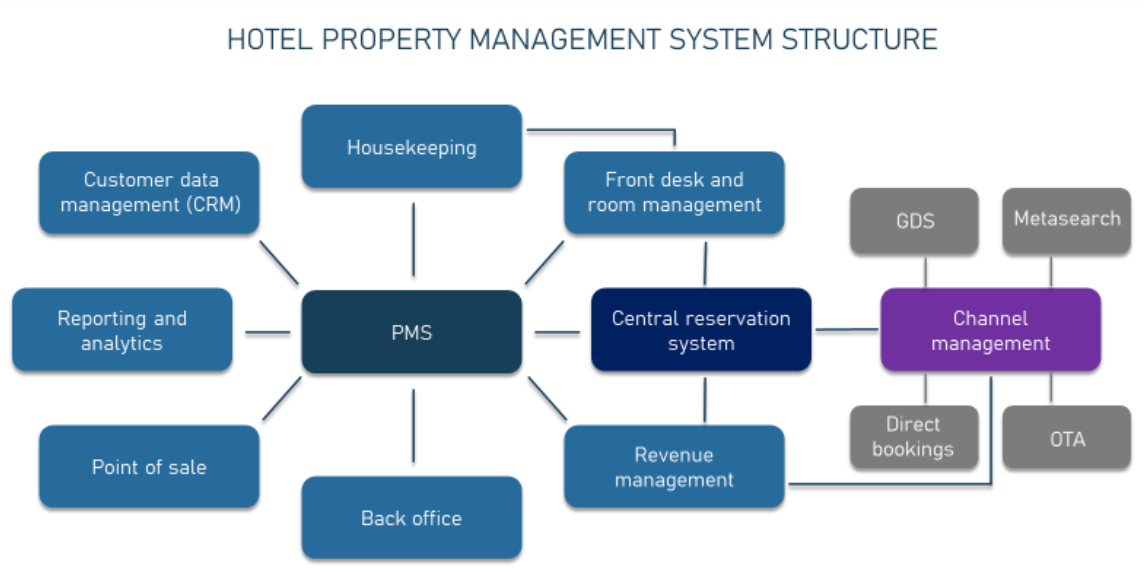
Fandaqah PMS automates hotel check‑in, ensures ZATCA Phase 2 e‑invoicing & Shomoos integration. 85% faster, trusted by 850+ Saudi properties. Start your free trial....
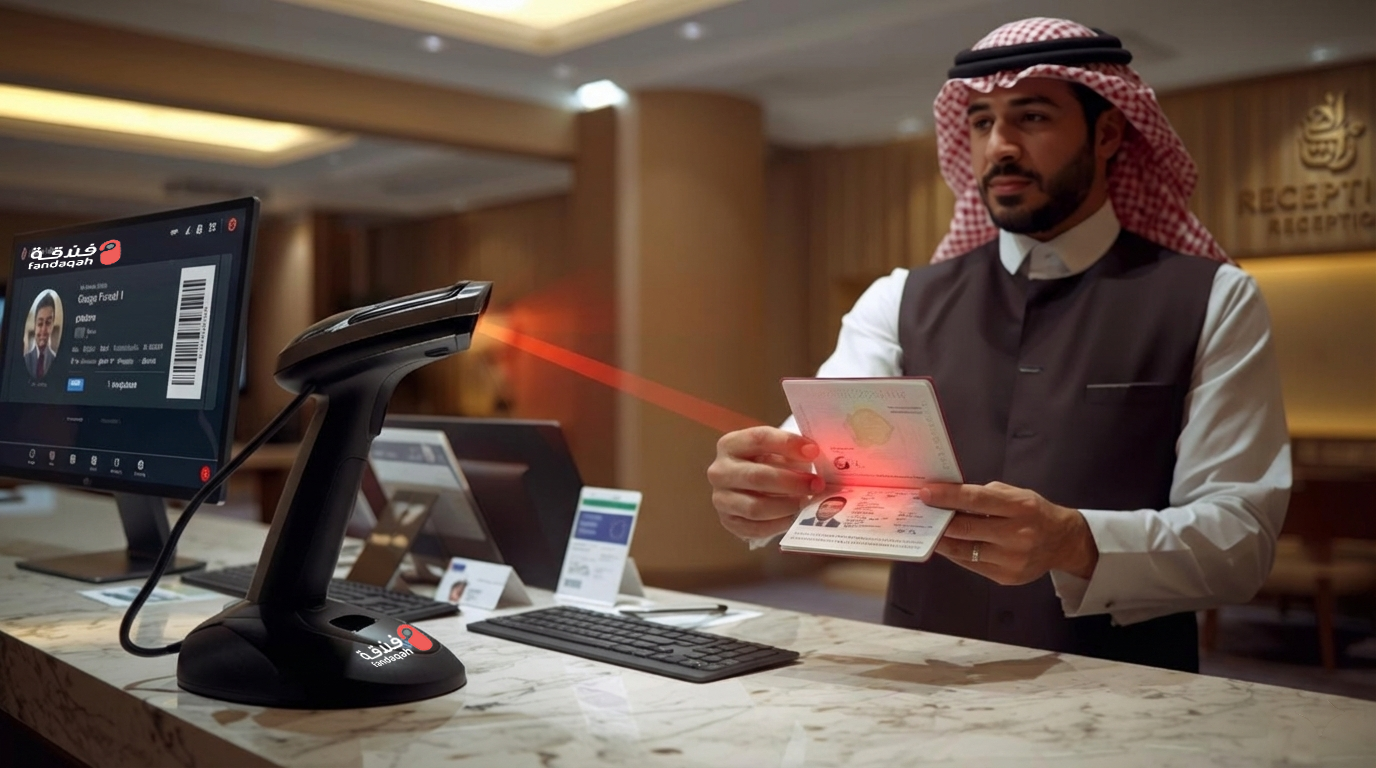
Automate hotel check-in Saudi Arabia with passport scanning. ZATCA compliant, Shomoos integrated. Reduce waiting time 70%. Free demo!...

Join Fandaqah's partner program for hotel management software Saudi Arabia. Earn 200 SAR per referral, ZATCA compliant. 800+ hotels trusted!...
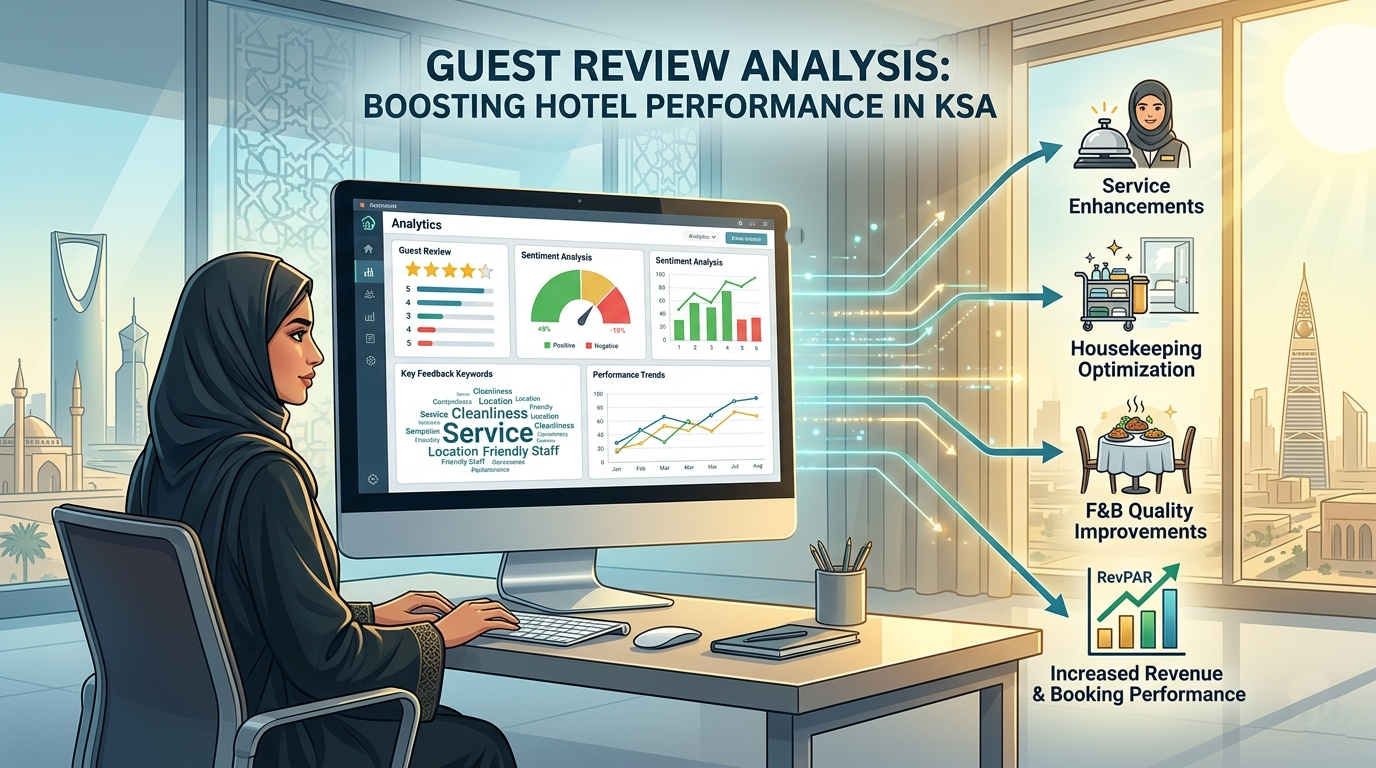
Complete guide to analyzing guest feedback and improving hotel performance in Saudi Arabia. Learn about KPIs, technology, ZATCA & Shomoos compliance, and strategies to increase revenue and guest satis...
Discover how Fandaqah Channel Manager helps Saudi hotels manage and streamline rates across all OTA platforms. Increase direct bookings, automate distribution, ensure ZATCA & Shomoos compliance, and b...
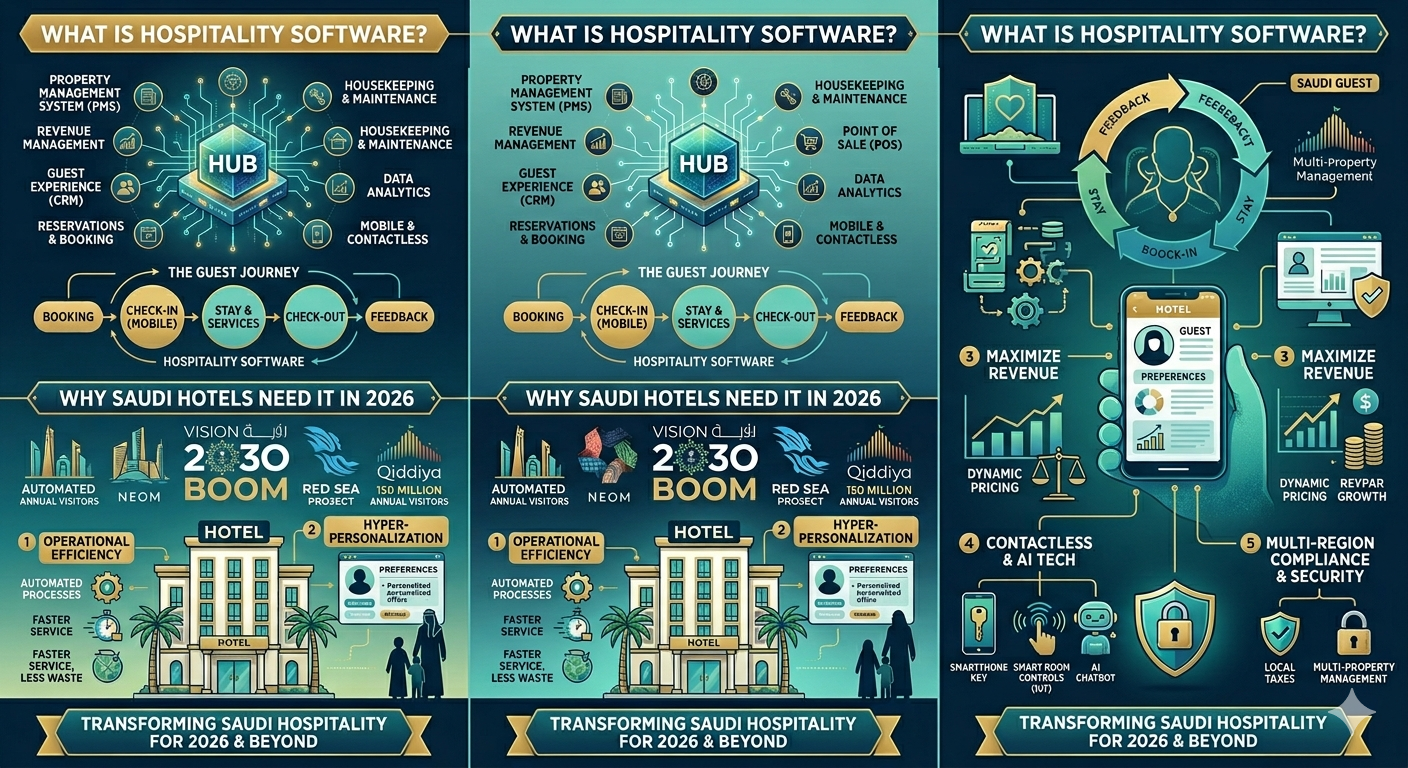
Discover what hospitality software is and why Saudi hotels need it in 2026. Complete guide to hotel management systems, check-in automation, ZATCA & Shomoos compliance, and guaranteed ROI. Fandaqah so...
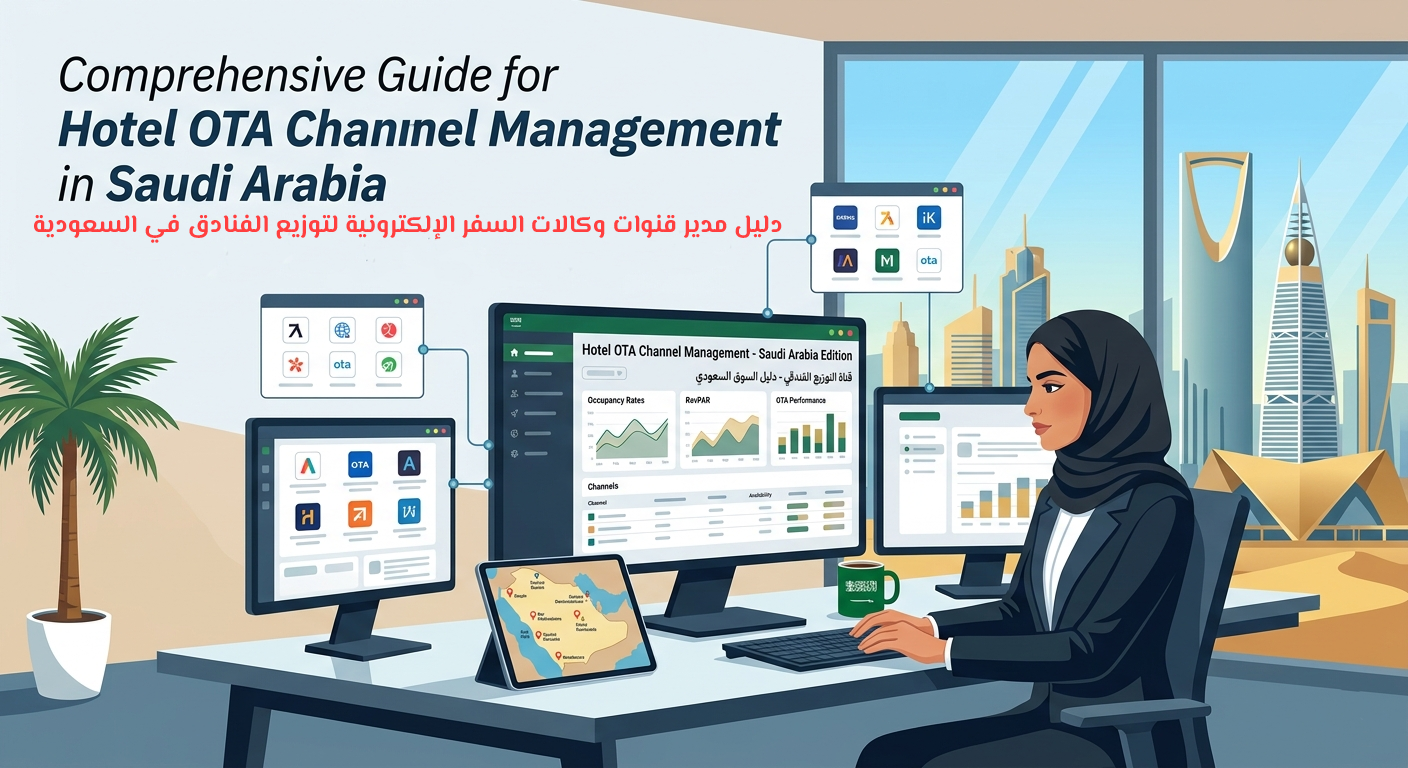
Complete guide to OTA channel manager for hotel distribution in Saudi Arabia. Learn how to increase bookings, automate distribution, comply with ZATCA & Shomoos, and boost revenue. Fandaqah solutions....

Complete hotel audit guide for 2026: learn about night audit procedures, financial reports, compliance with ZATCA & Shomoos, and how automated audits improve accuracy and efficiency for Saudi hotels....
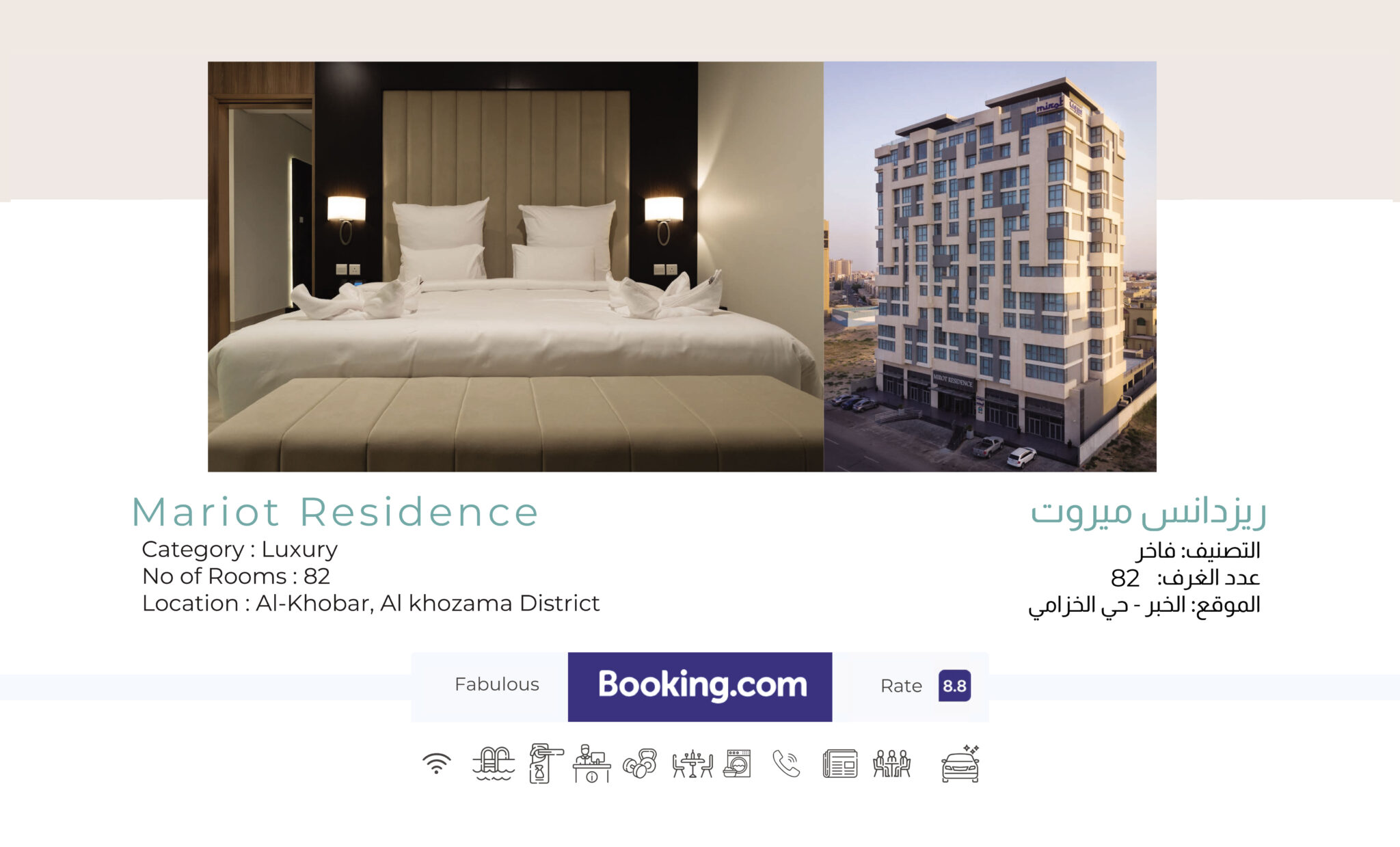
Mariot Residence began as a modest 1-star property with: Limited digital infrastructure Manual operations Basic amenities Difficulty attracting guests and maintaining service quality...

In the hospitality industry, room pricing isn’t just a number on a screen—it’s a strategic decision that directly impacts revenue, occupancy, and guest satisfaction....
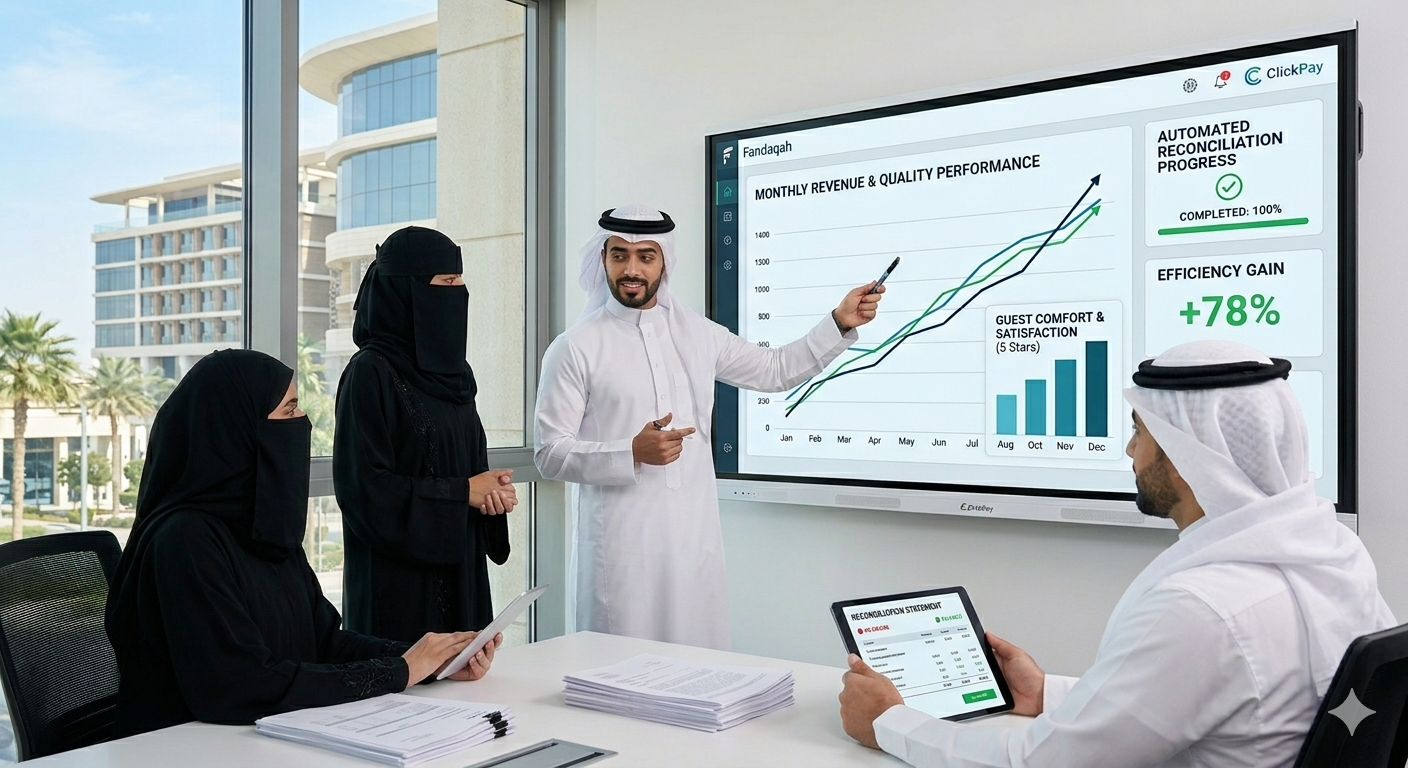
In hospitality, every moment matters. From the first greeting at the front desk to the final checkout, hotels strive to offer a seamless and comfortable experience for every guest. Yet, one aspect oft...
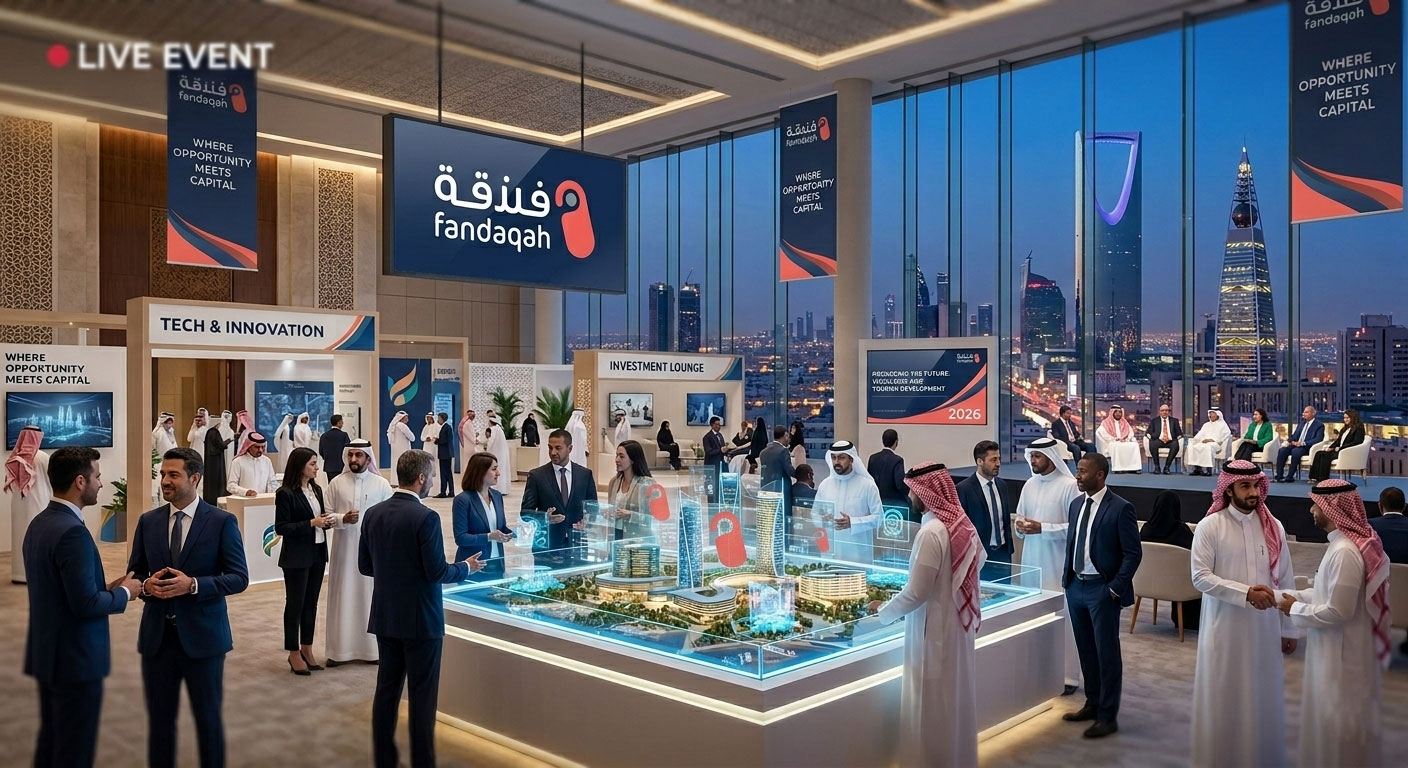
The complete guide to the Saudi Future Hospitality Summit 2026: dates, venue, speakers, investment opportunities, technology, and ZATCA & Shomoos compliance. Join 1,500+ industry leaders in Riyadh....
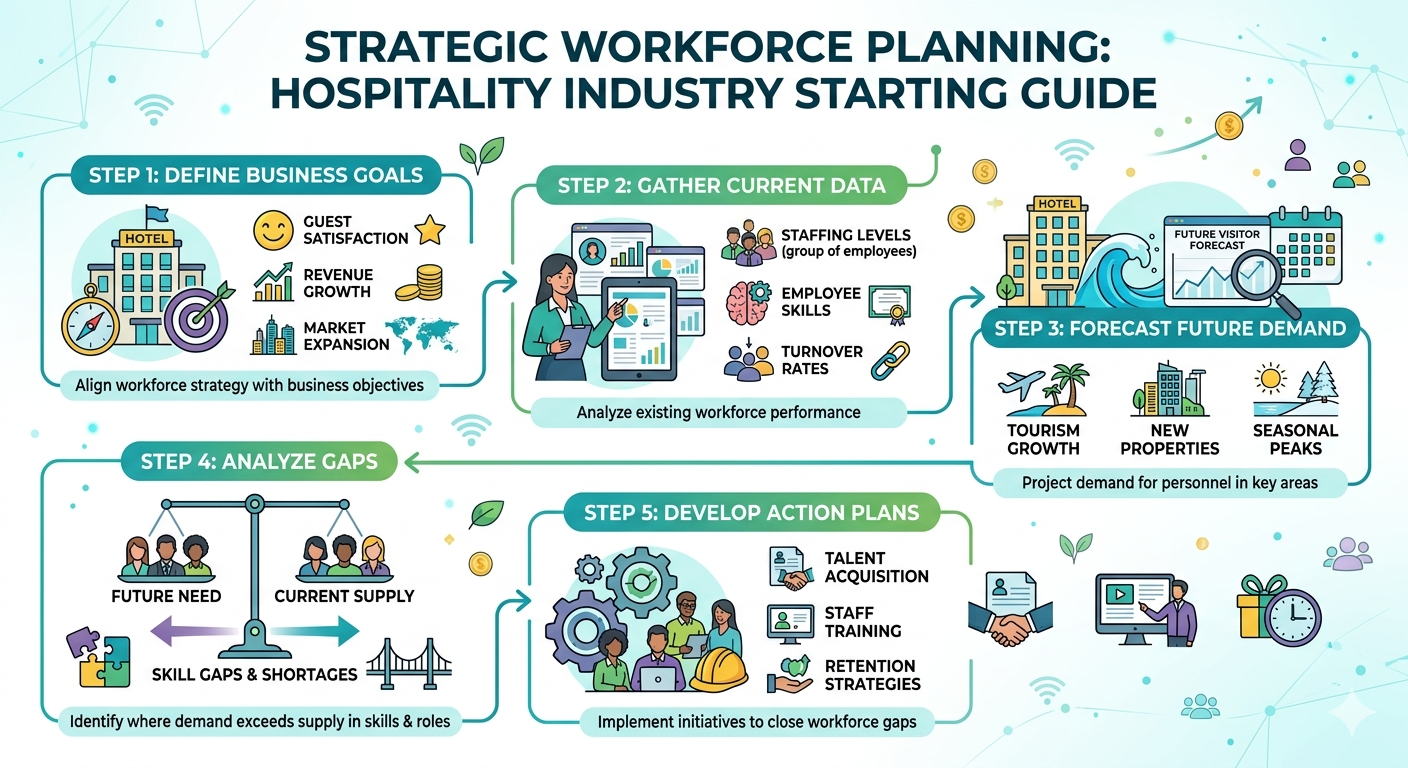
Master strategic workforce planning for Saudi hospitality. Achieve Nitaqat compliance, reduce turnover, and build Vision 2030-ready teams with expert strategies...

In line with Saudi Vision 2030, the tourism sector is undergoing an unprecedented digital transformation. One of the most impactful tools driving this change is the National Tourism Monitoring Platfor...
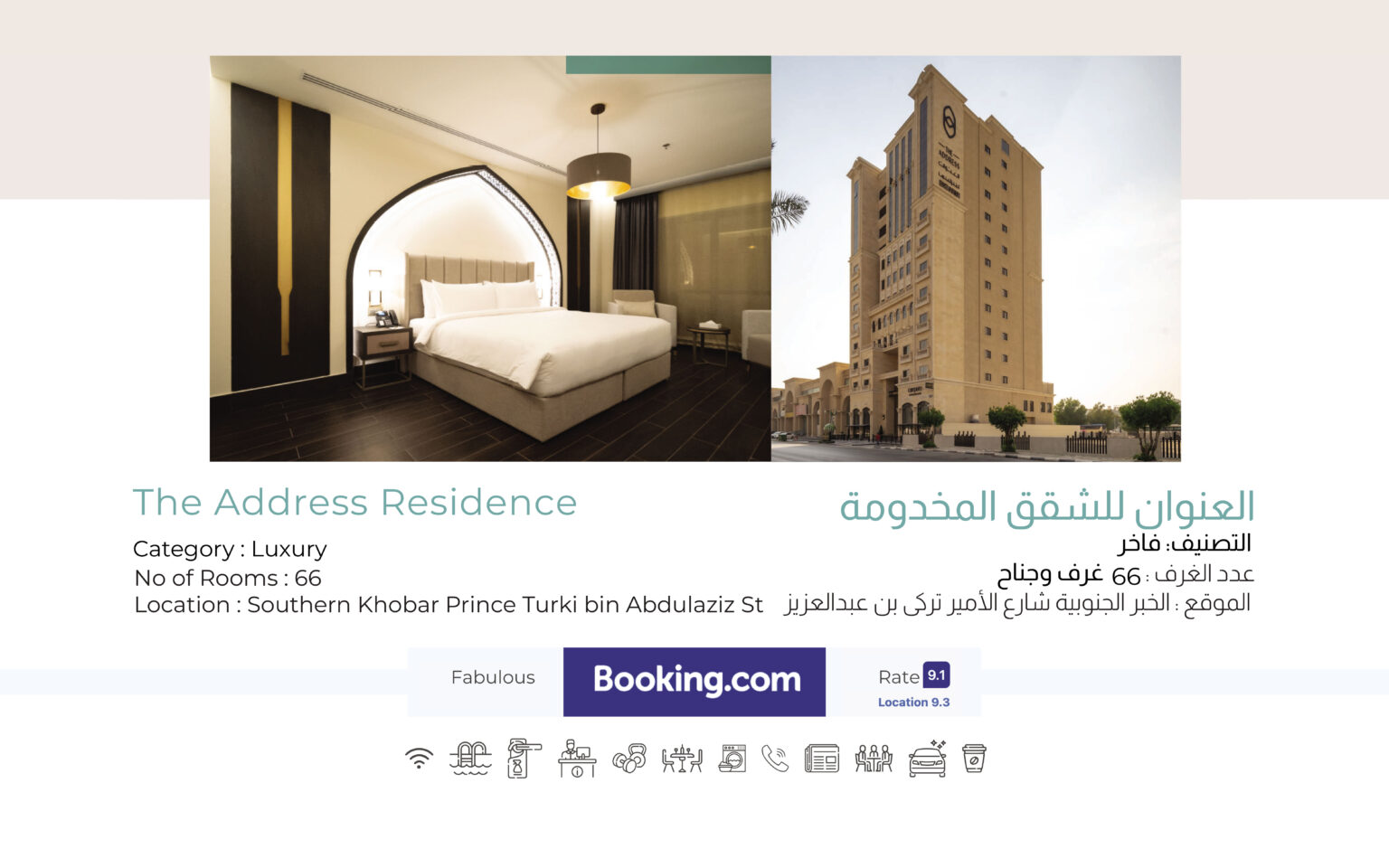
The management adopted Fandaqah PMS, a Saudi-built property management system designed for operational efficiency and government compliance. The result? A complete transformation across operations, gu...

In today’s hospitality landscape, competition is no longer just about location or star ratings. Success now hinges on how effectively a hotel leverages smart technologies to streamline operations an...