Hotel Preparation Guide for Hajj 2027: PMS, Compliance, and Capacity Management
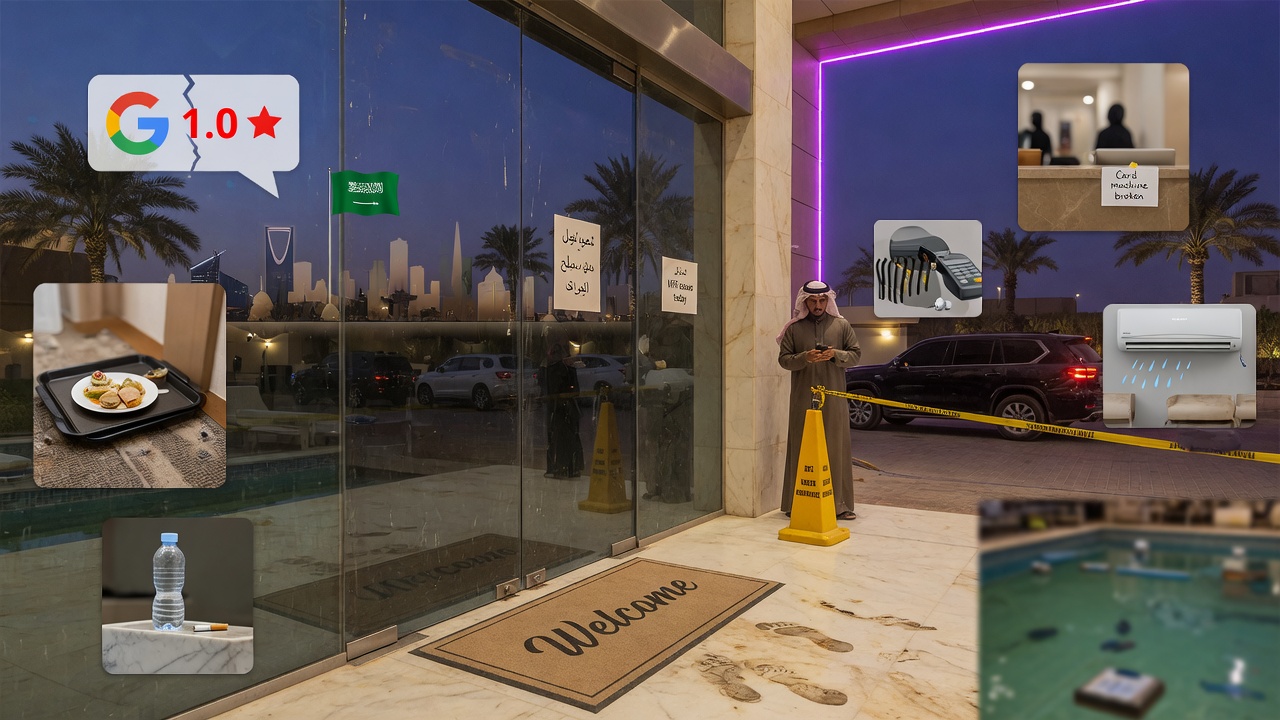
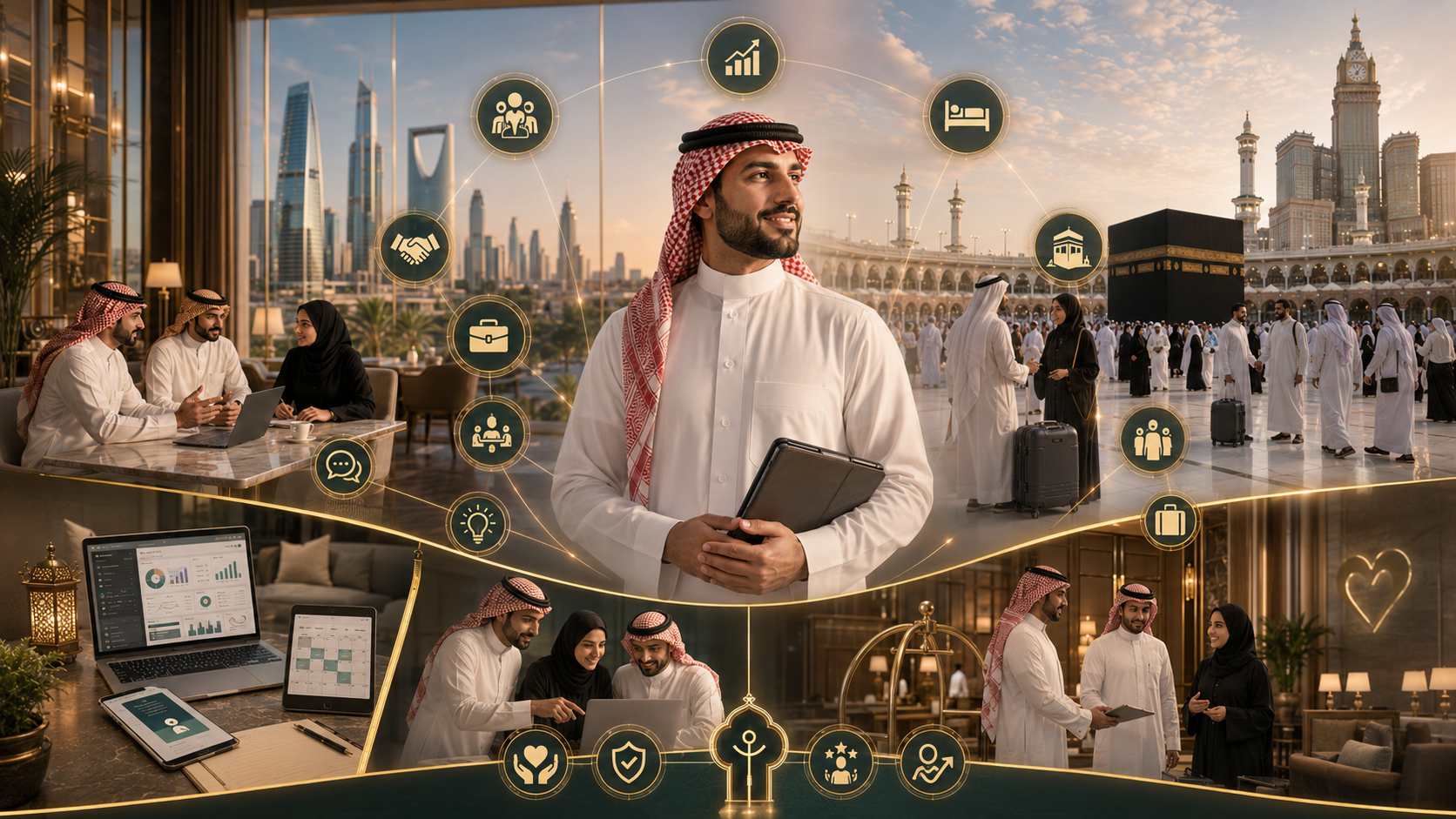
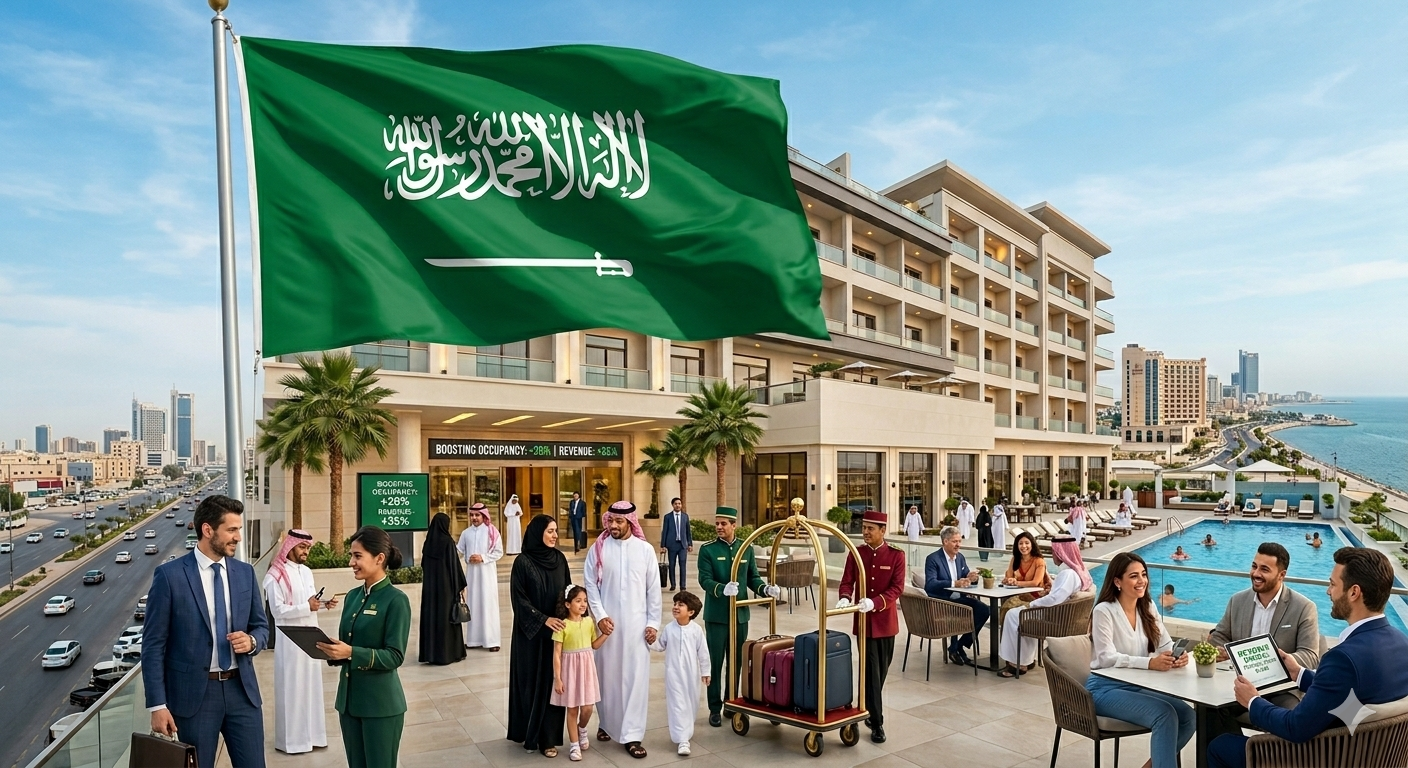
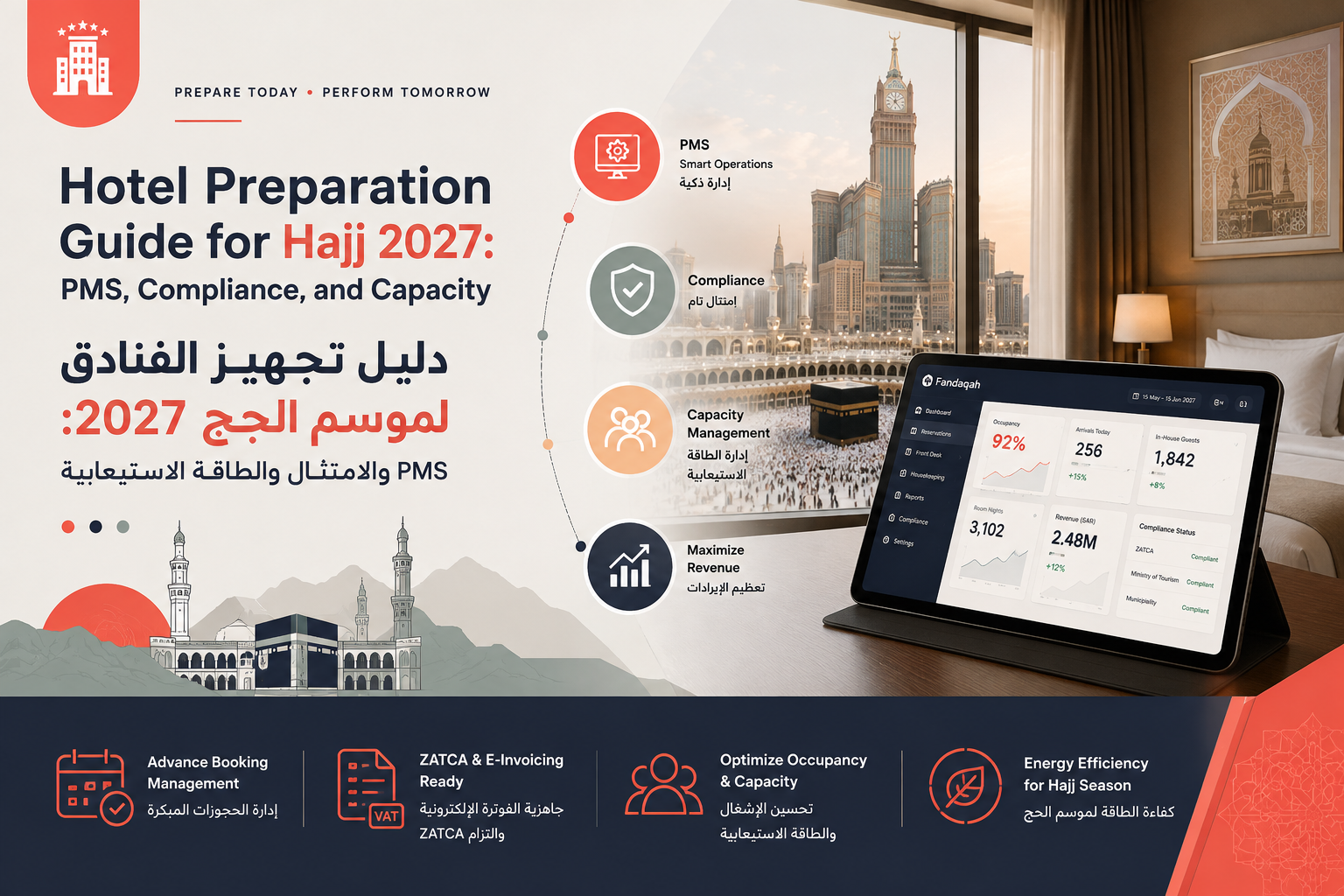
As the Hajj season 2027 approaches, the hospitality sector in Saudi Arabia is turning its attention to early preparation for welcoming millions of pilgrims from around the world. Hotel preparation is no longer just about providing beds and basic facilities—it’s now a strategic commitment to technology, regulatory compliance, and intelligent capacity management. In this comprehensive guide, we explore everything hotels and accommodation facilities need to do to get ready for Hajj 2027, focusing on the hotel Property Management System (PMS), compliance requirements from the Ministry of Hajj and Umrah, and strategies to optimize operational capacity with maximum efficiency.
Important Alert: The Ministry of Hajj and Umrah typically starts licensing and auditing accommodation facilities months before the Hajj season. Early planning is the key to a successful Hajj 2027 season.
1. Why Early Preparation for Hajj 2027 is a Strategic Necessity
Saudi Arabia’s hospitality sector is witnessing a radical transformation in how Hajj and Umrah seasons are managed. According to the Saudi Vision 2030 targets, the Kingdom aims to welcome 30 million Umrah performers and pilgrims annually by 2030, placing unprecedented pressure on hotel infrastructure. Early preparation for Hajj 2027 is not a luxury; it’s a competitive and strategic necessity that enables hotels to:
- Ensure full compliance with the Ministry of Hajj and Umrah and the Saudi Tourism Authority before it's too late.
- Increase hotel capacity intelligently without compromising service quality.
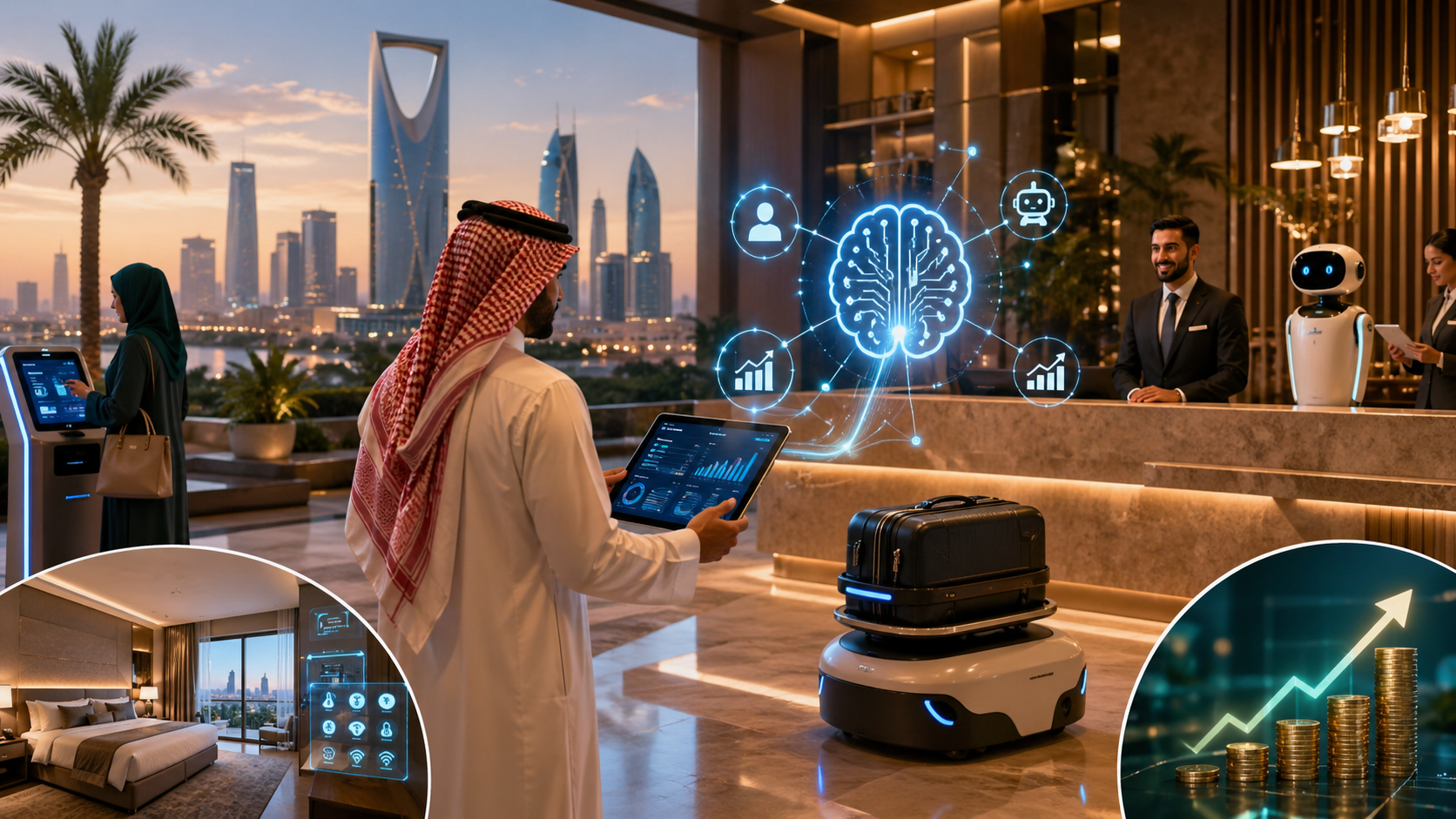
- Deploy advanced PMS systems to enhance pilgrim experience and streamline operations.
- Maximize seasonal revenue through dynamic pricing and advanced booking management.
- Strengthen the property’s reputation in a highly competitive, fast-moving market.
2. The Hotel PMS: The Backbone of Hajj Hotel Preparation
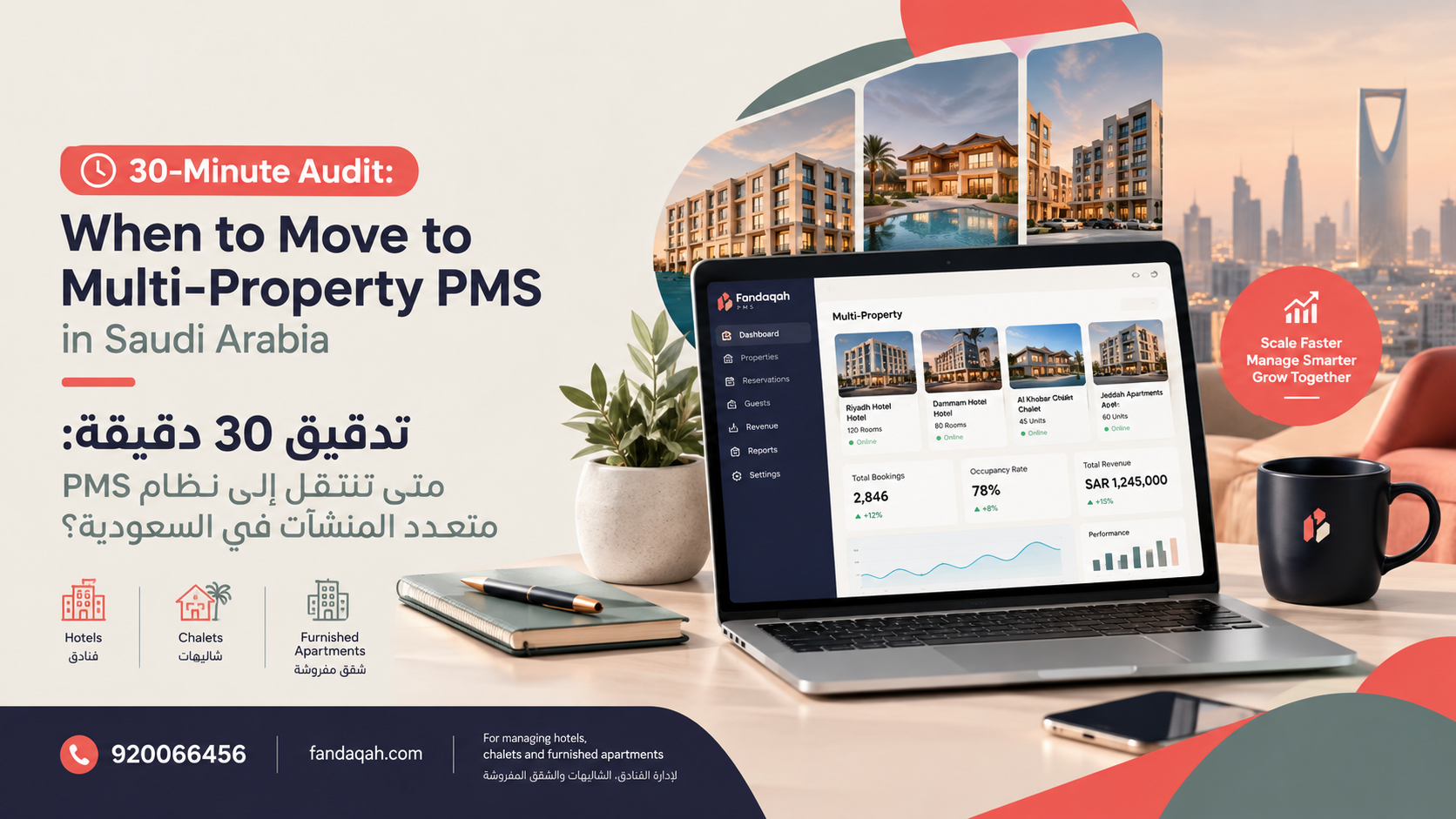
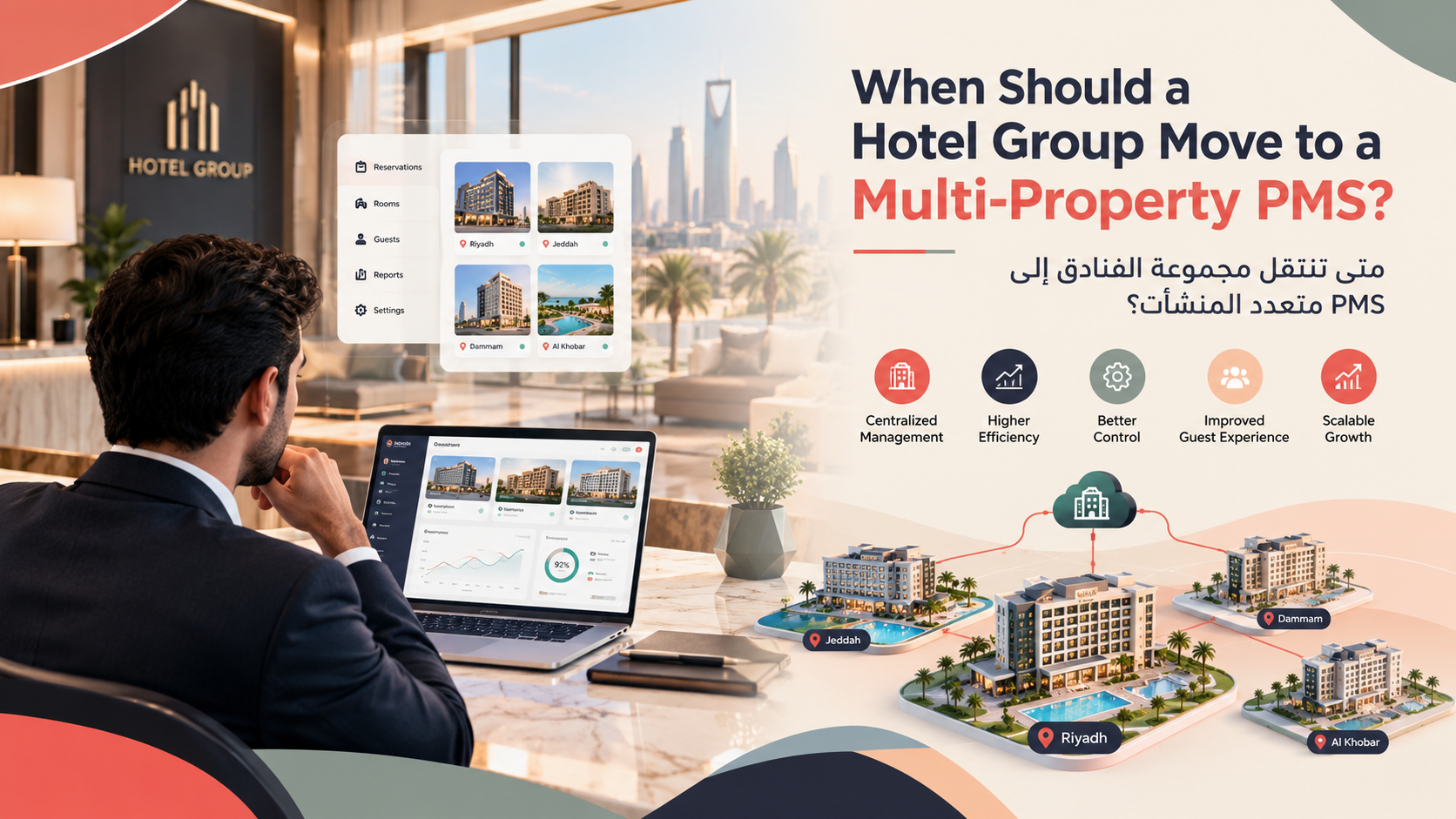
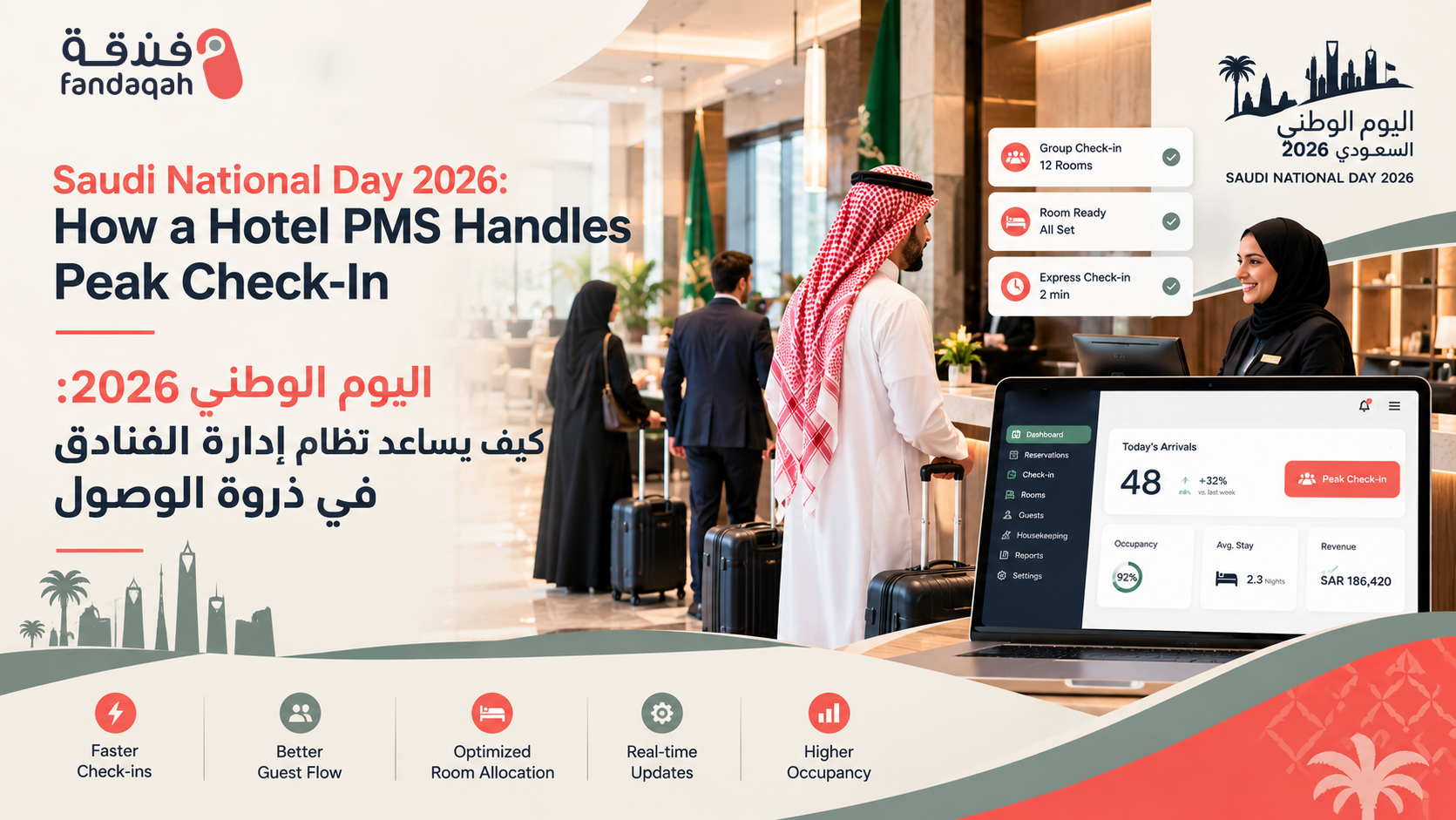
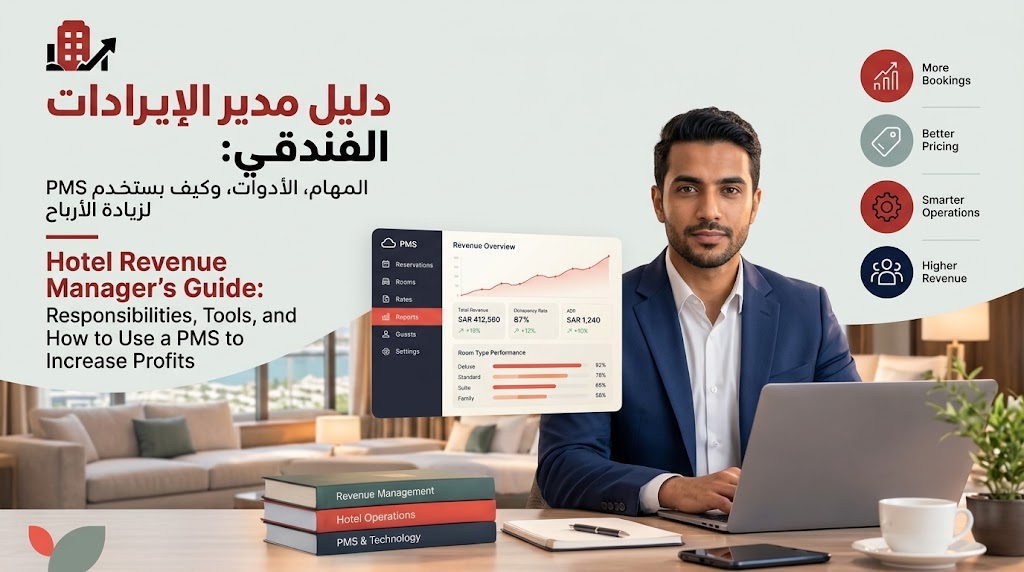
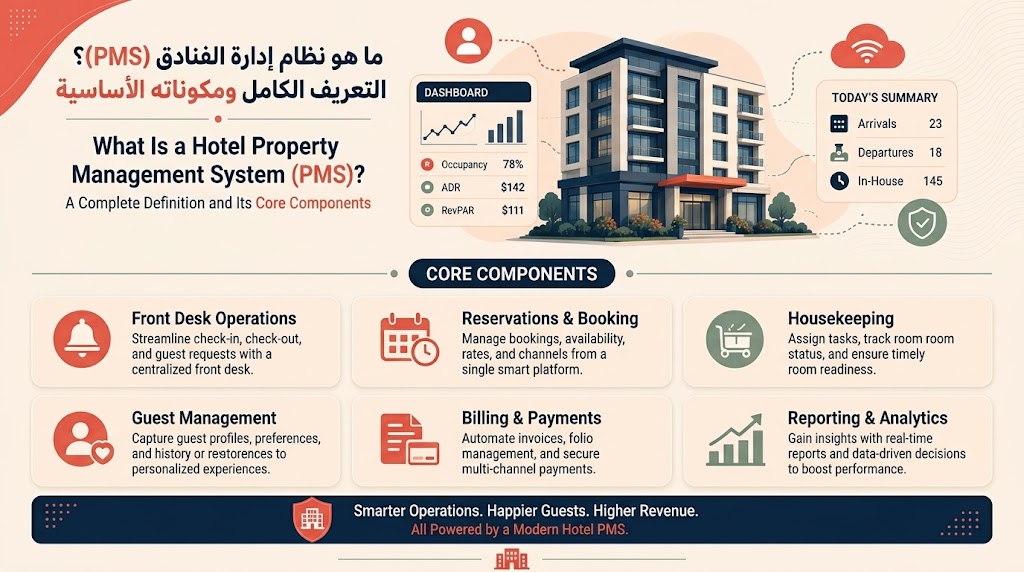
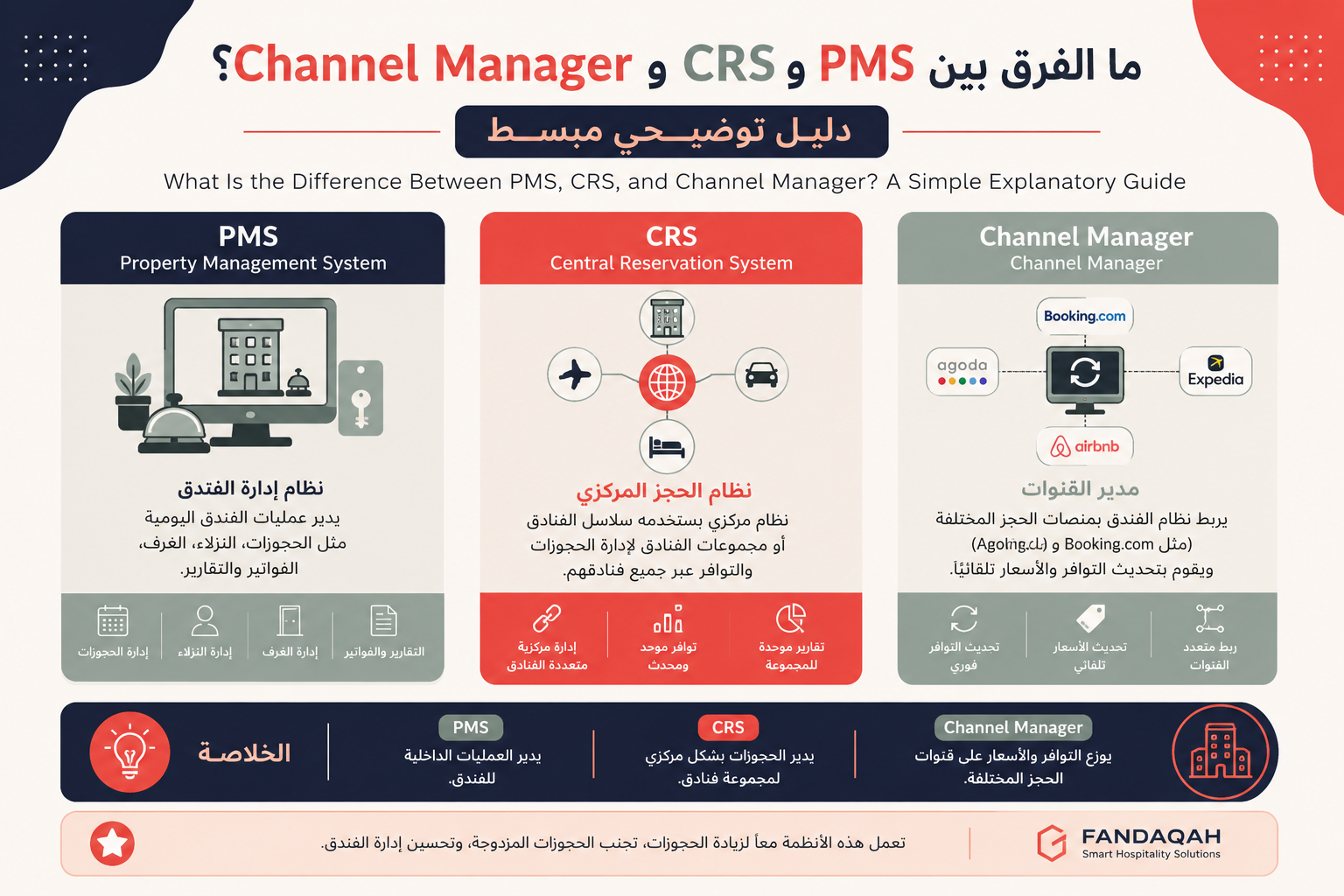
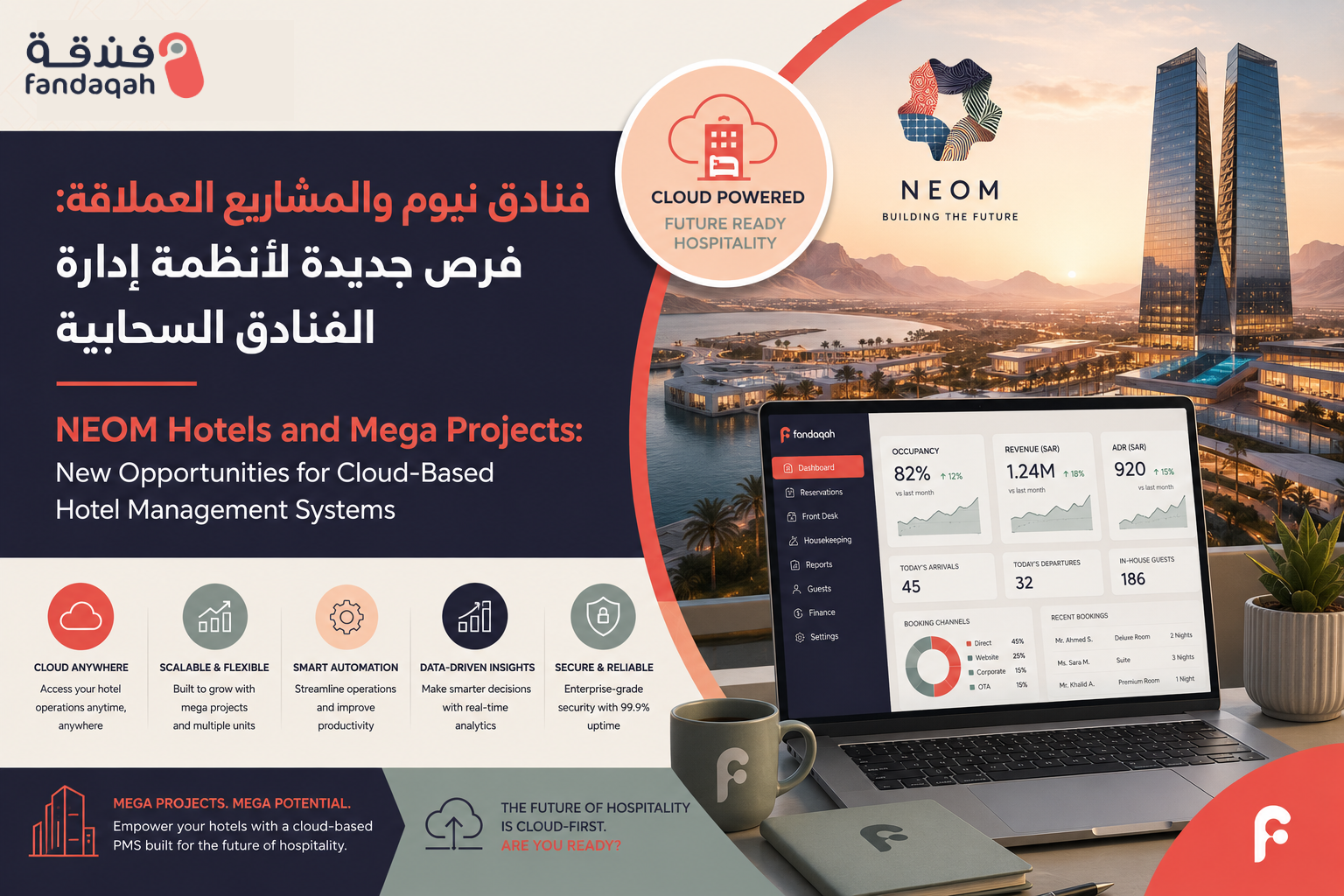
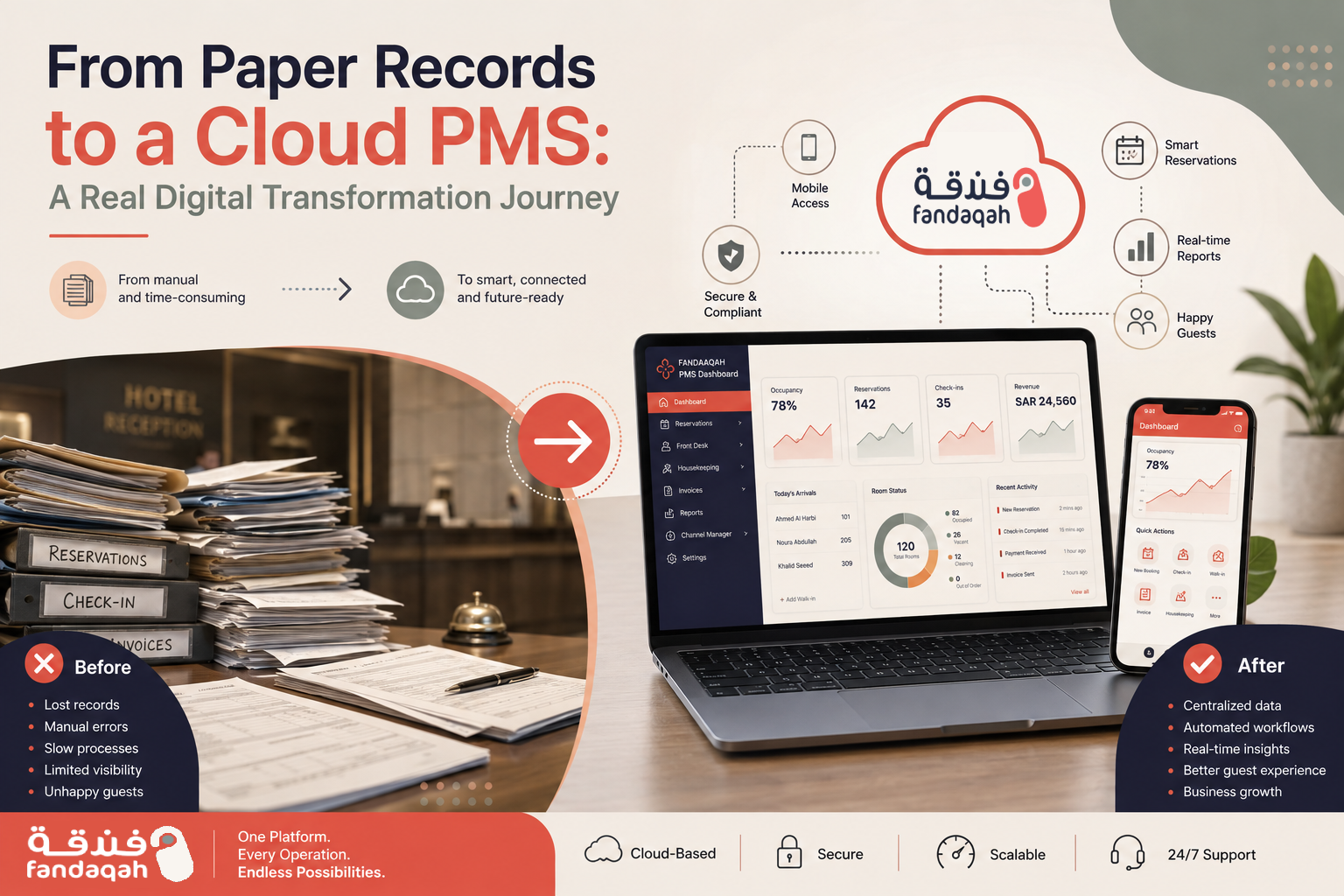
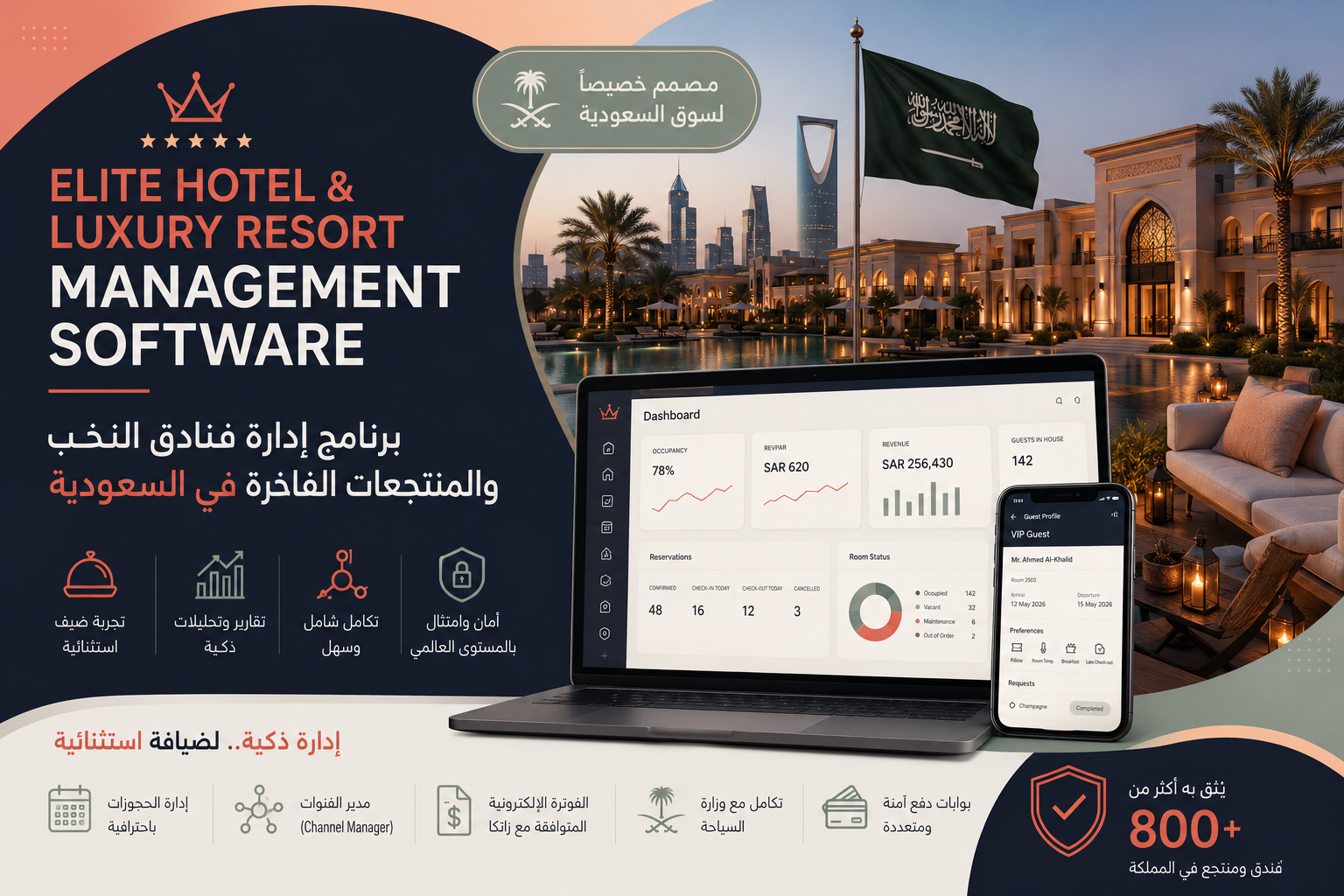
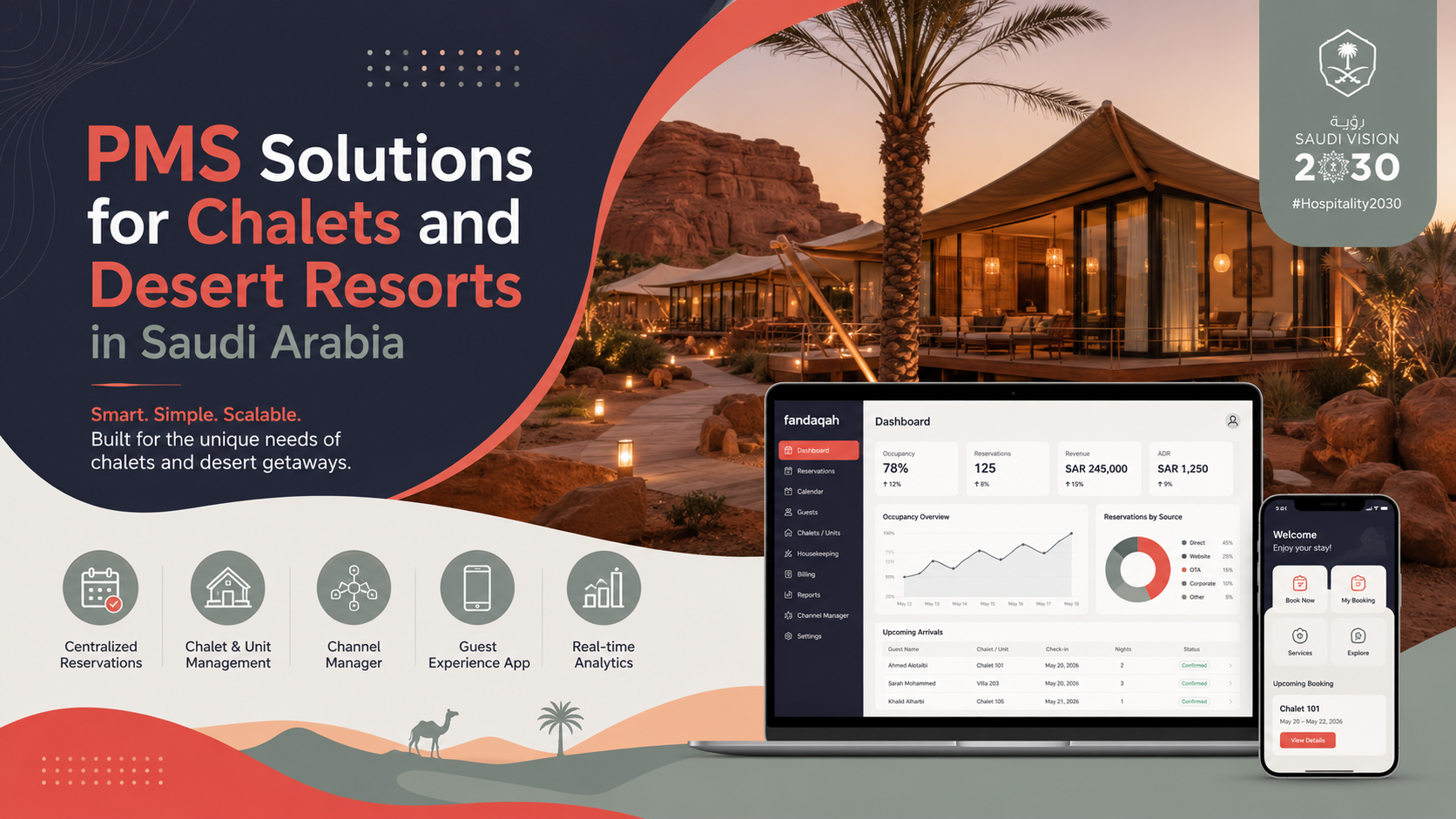
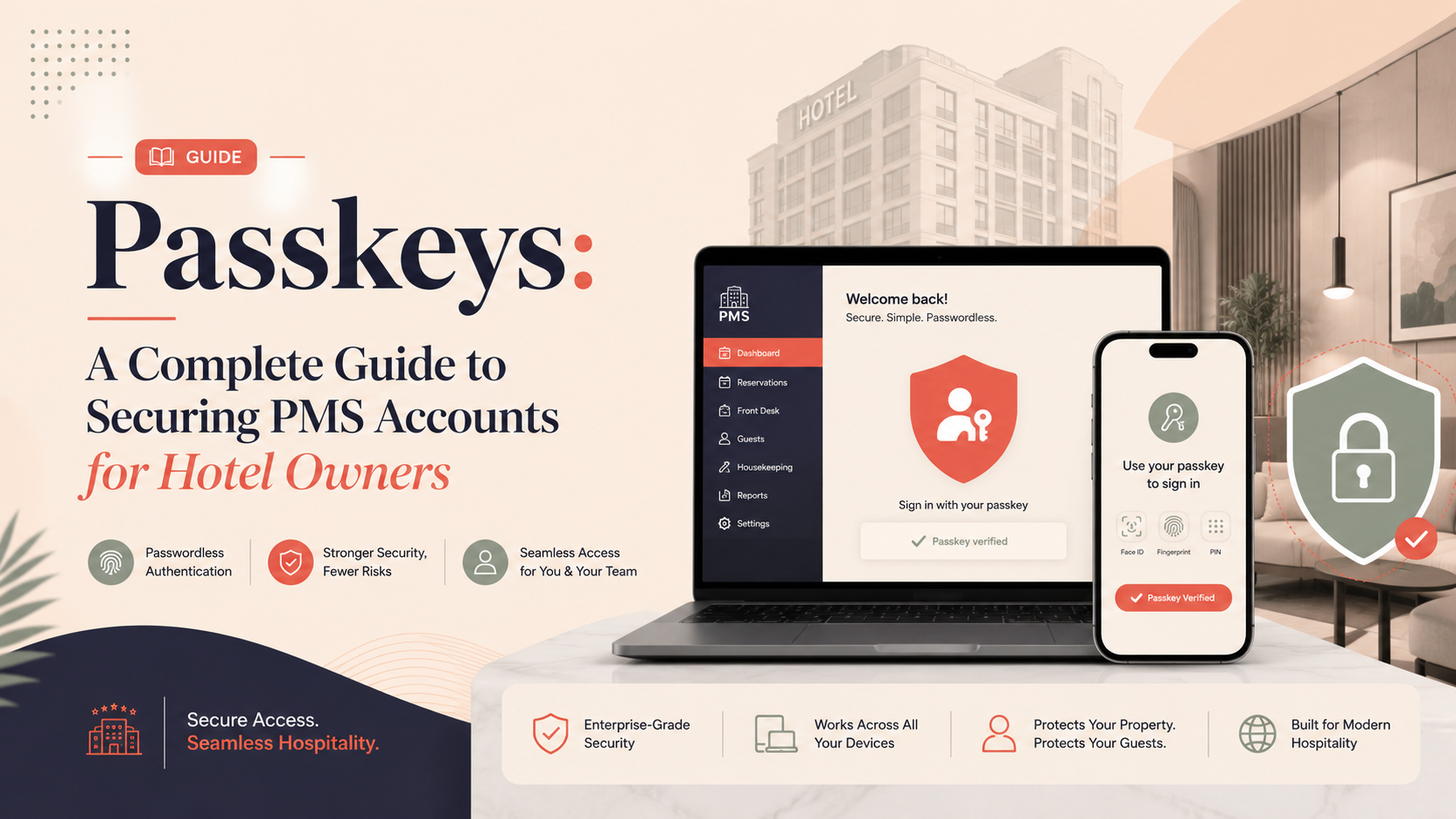
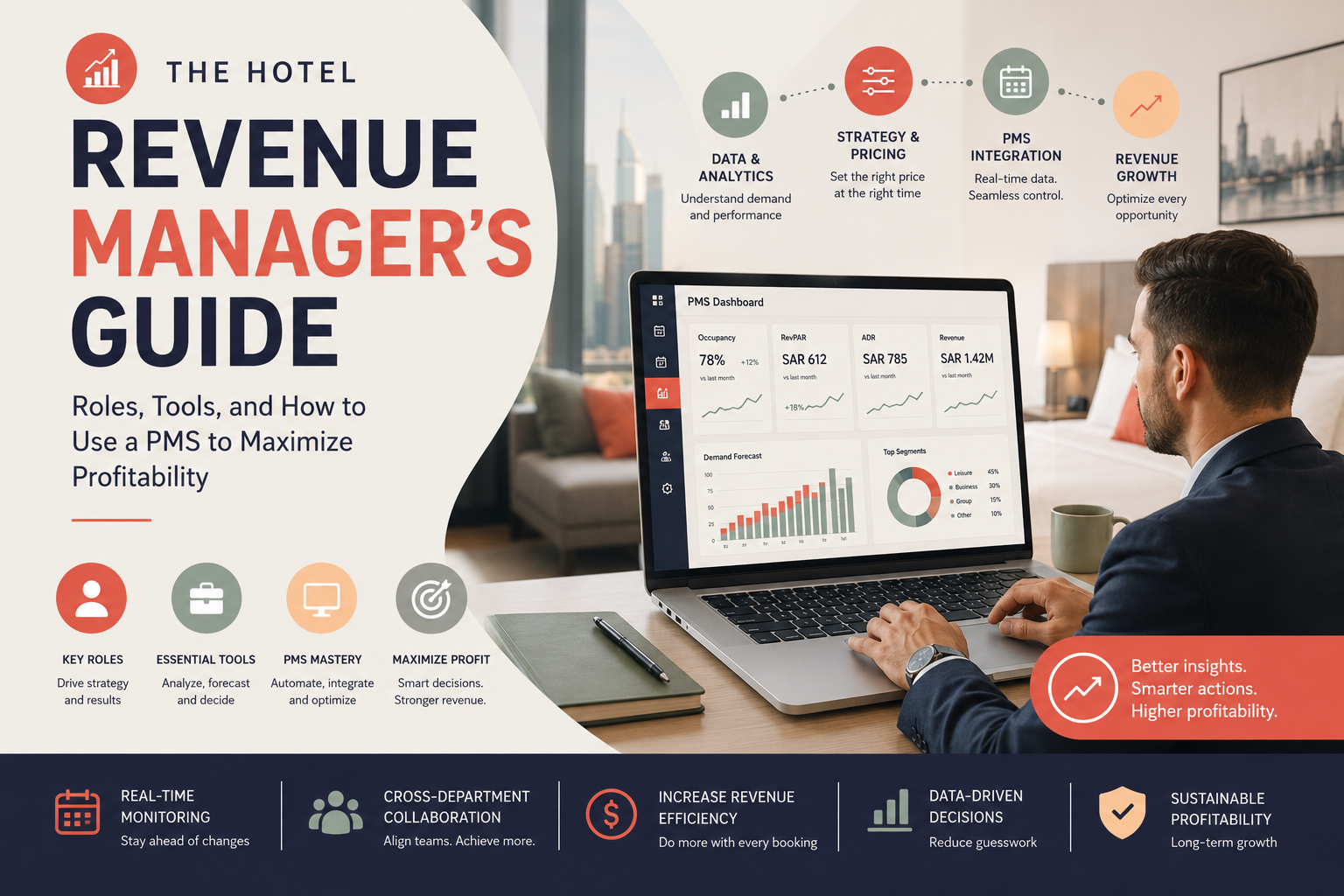
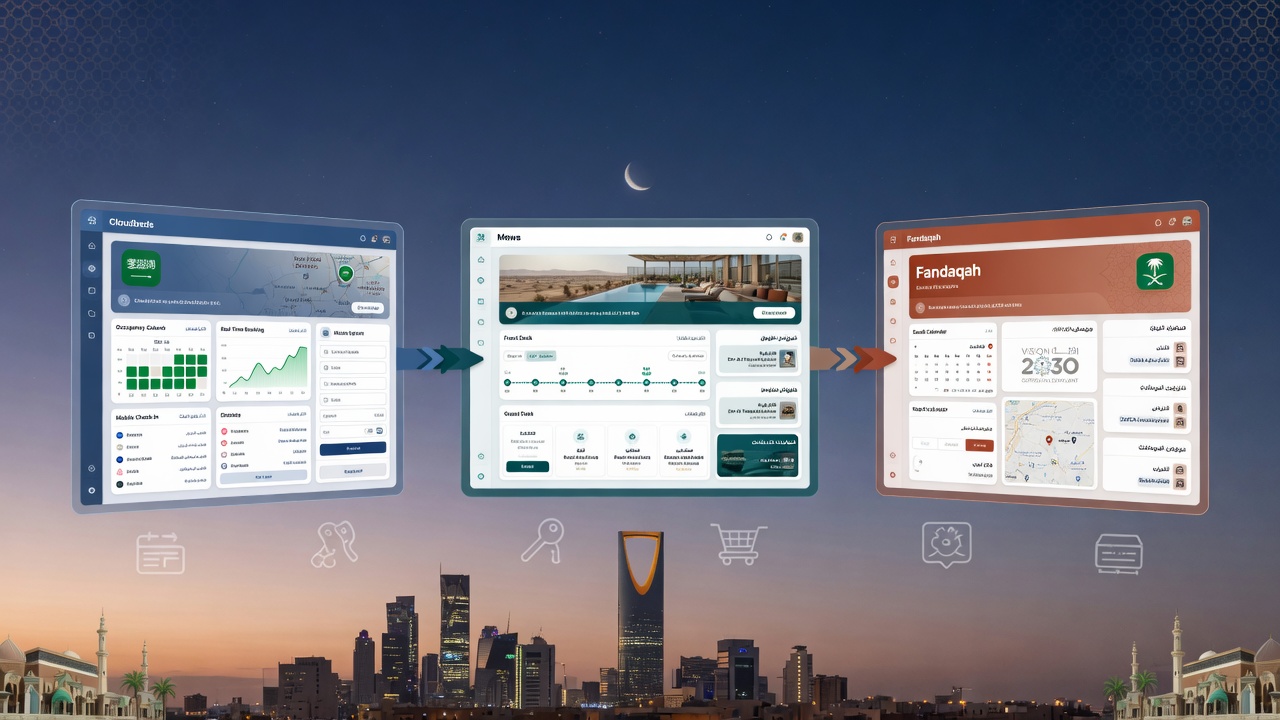
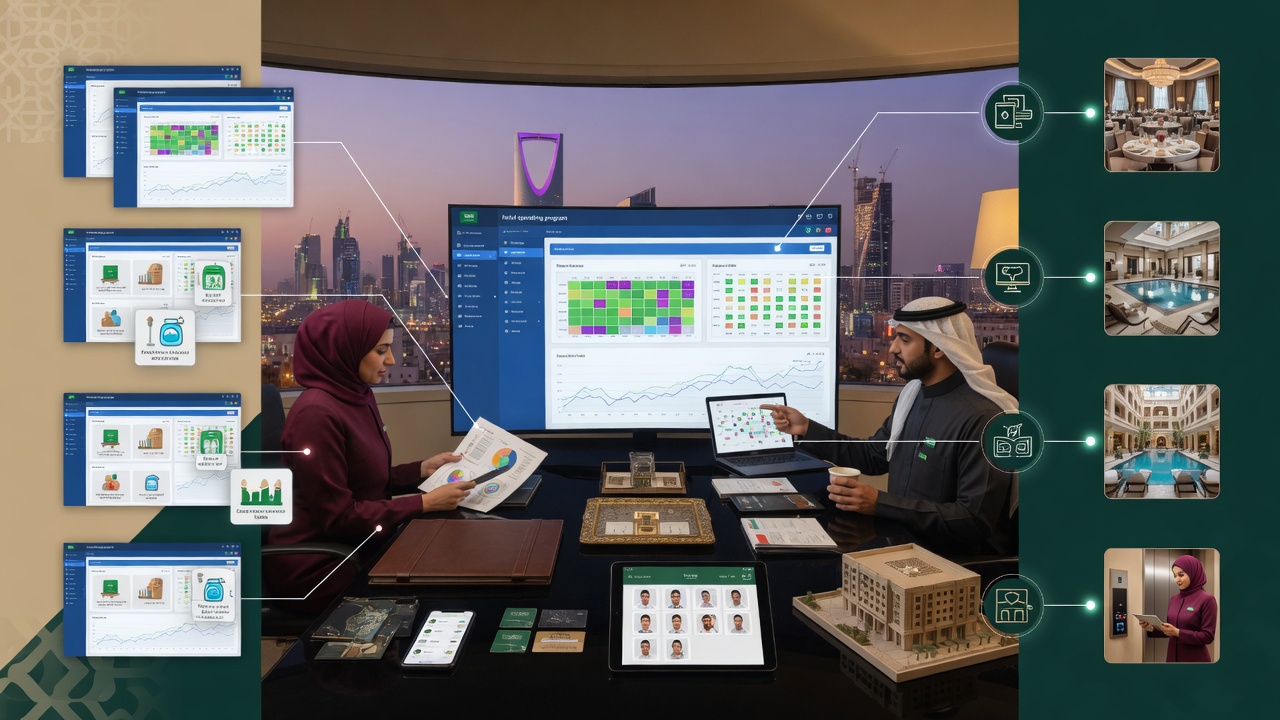
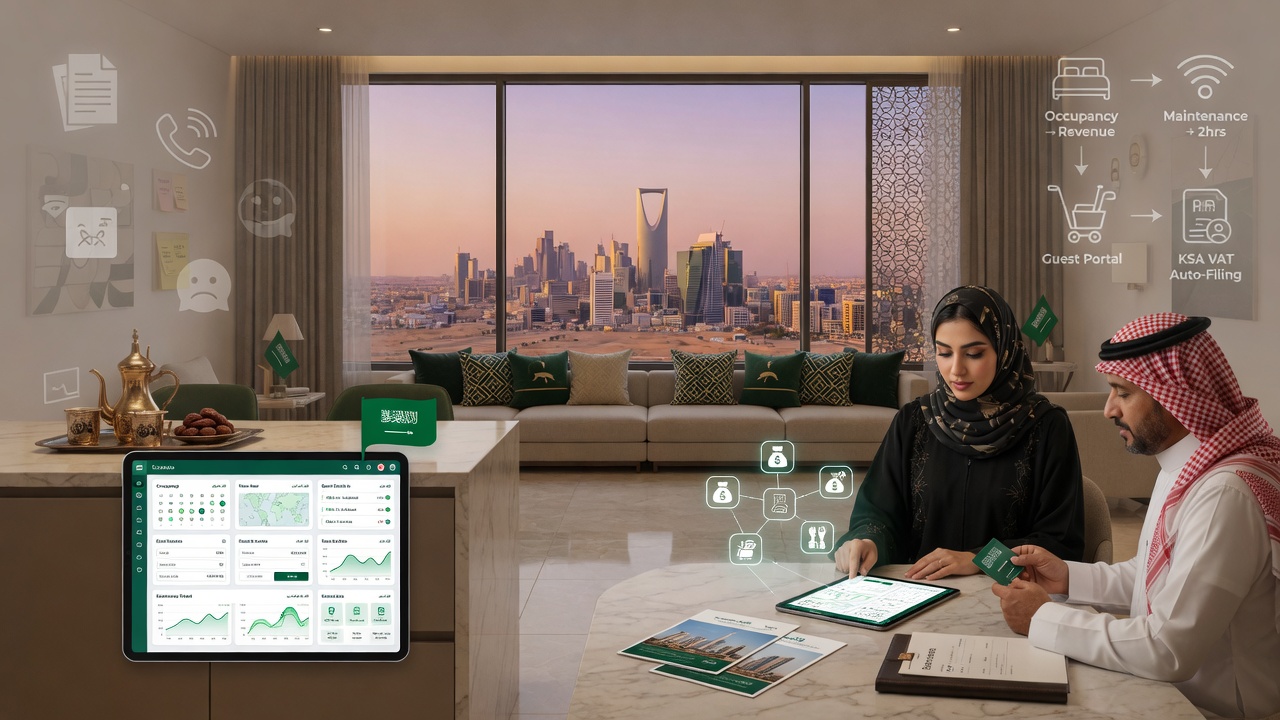
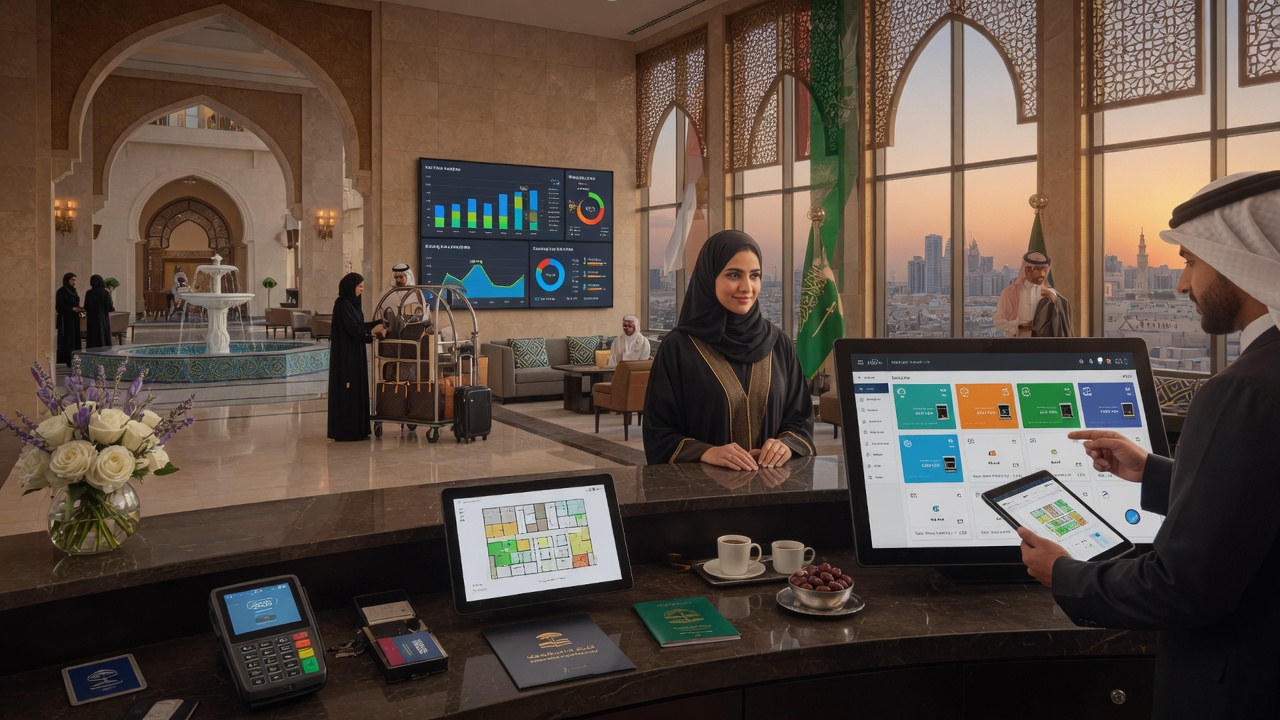
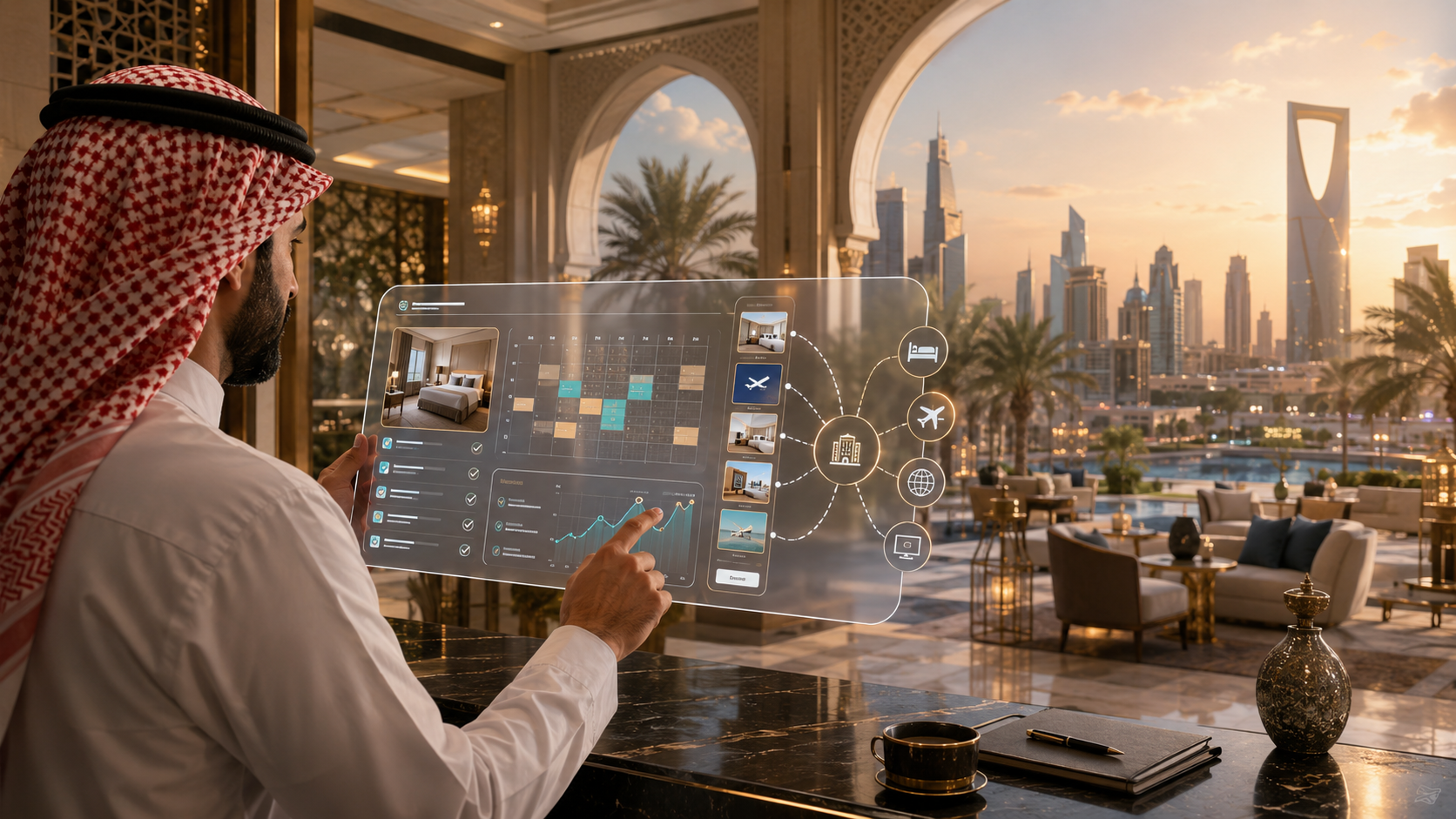
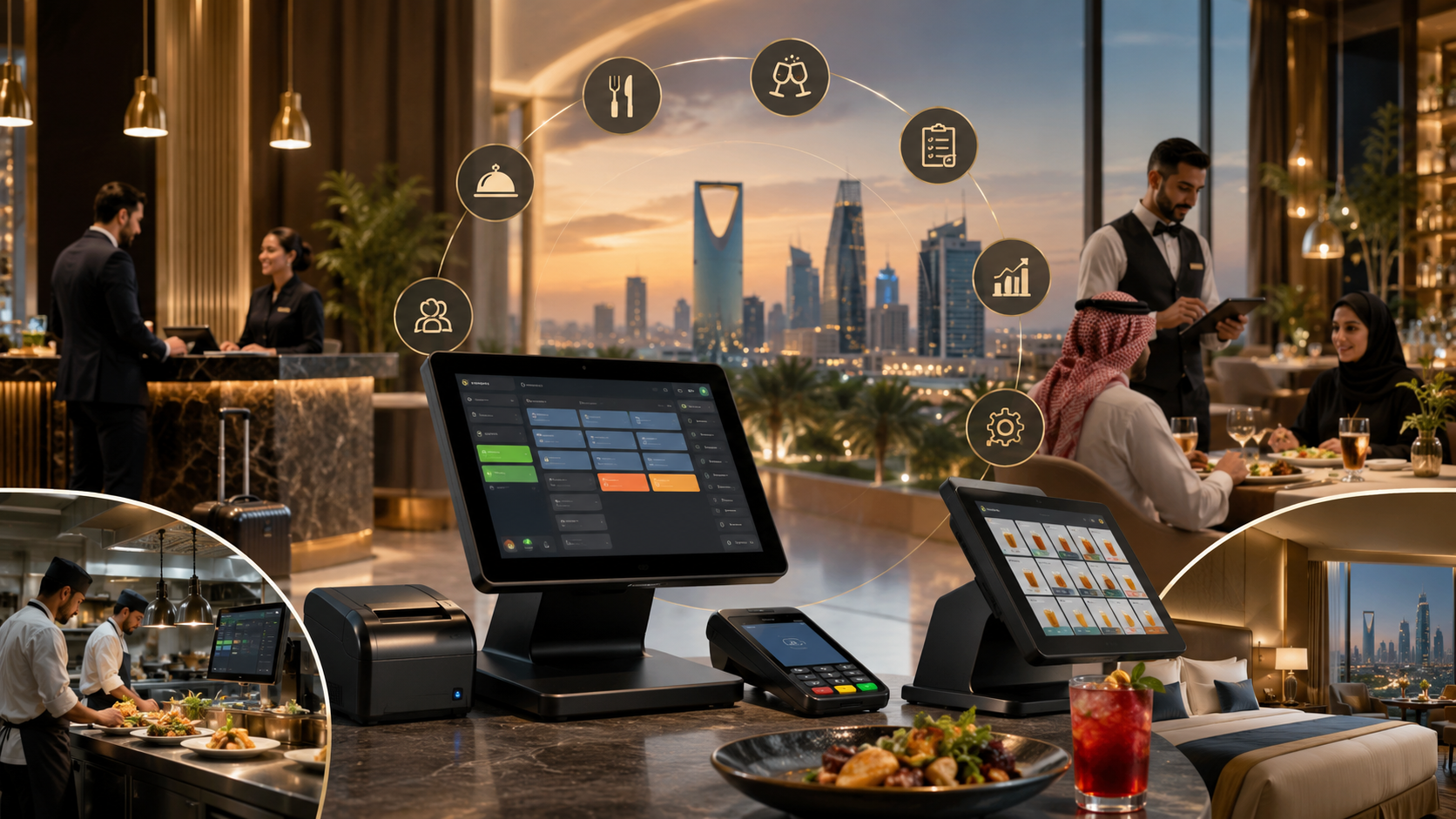
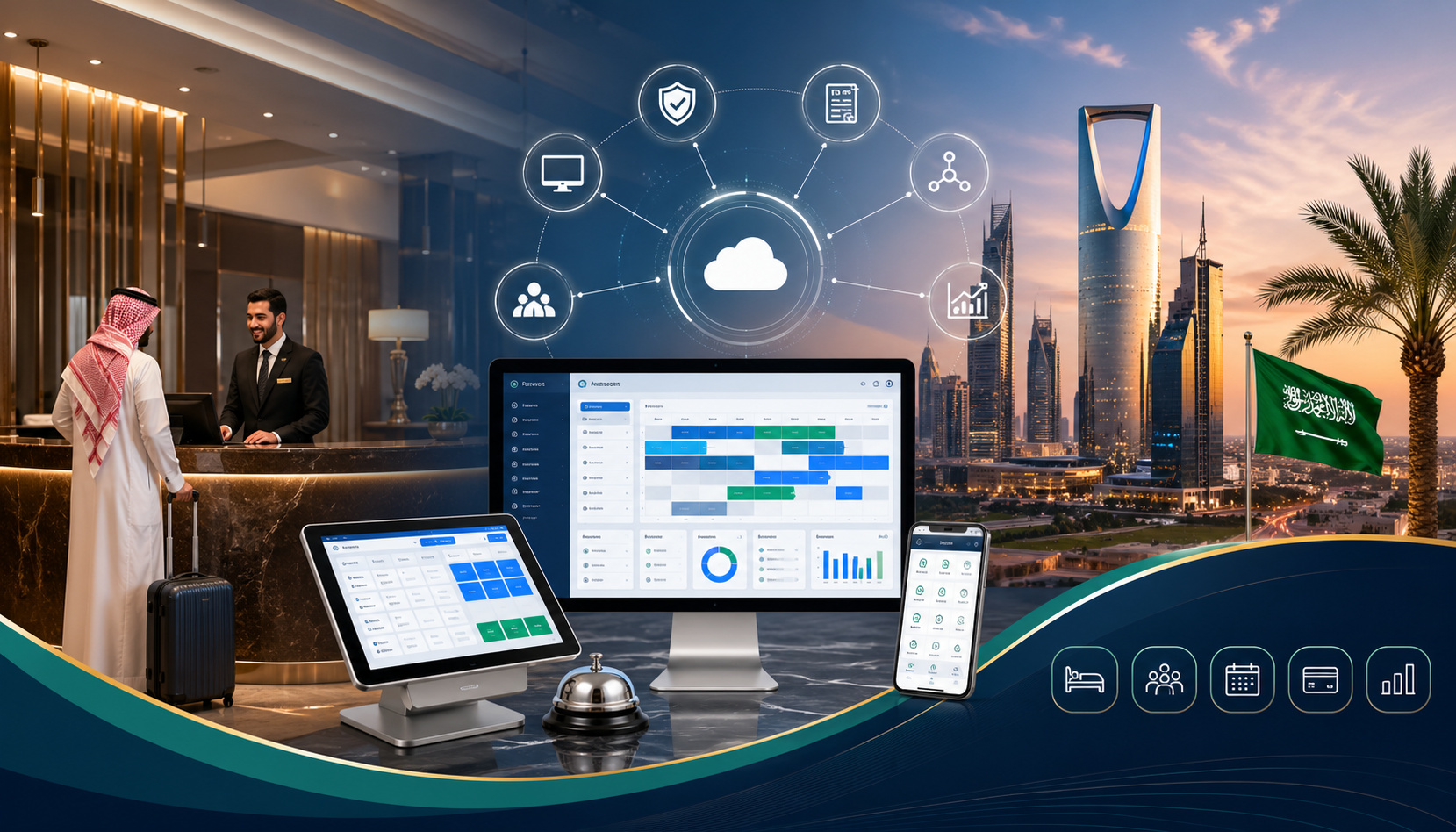
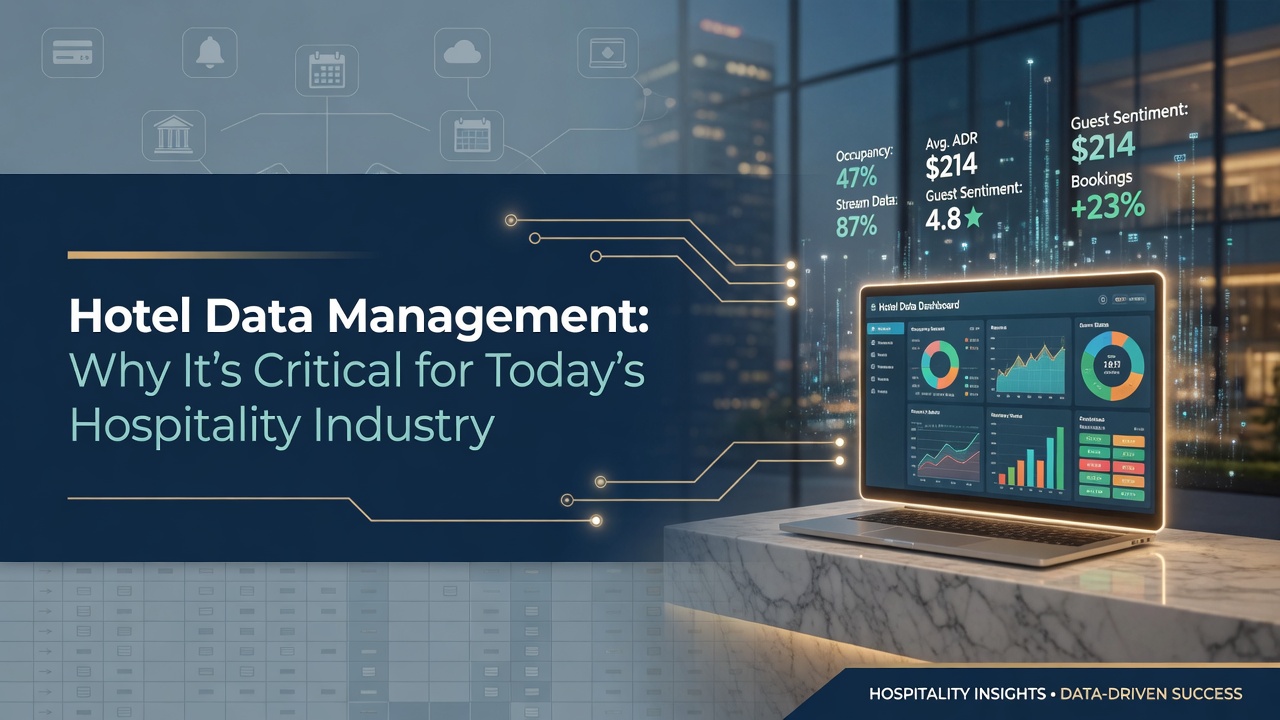
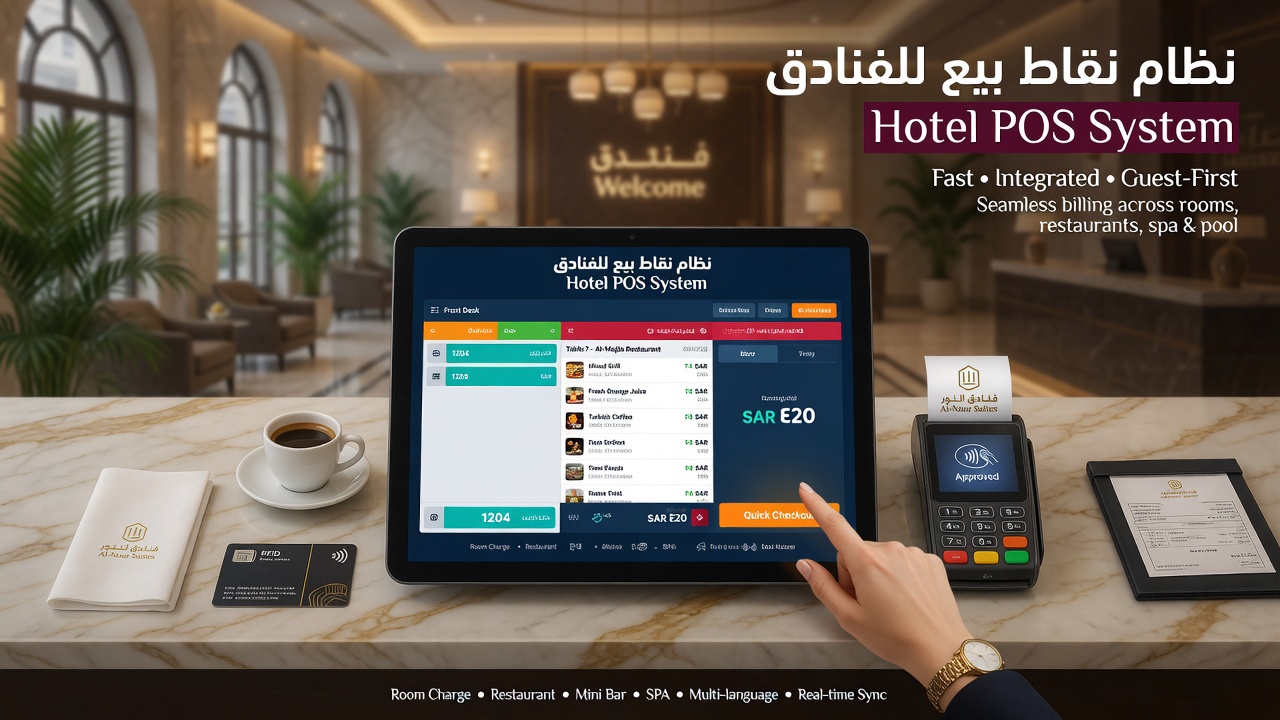
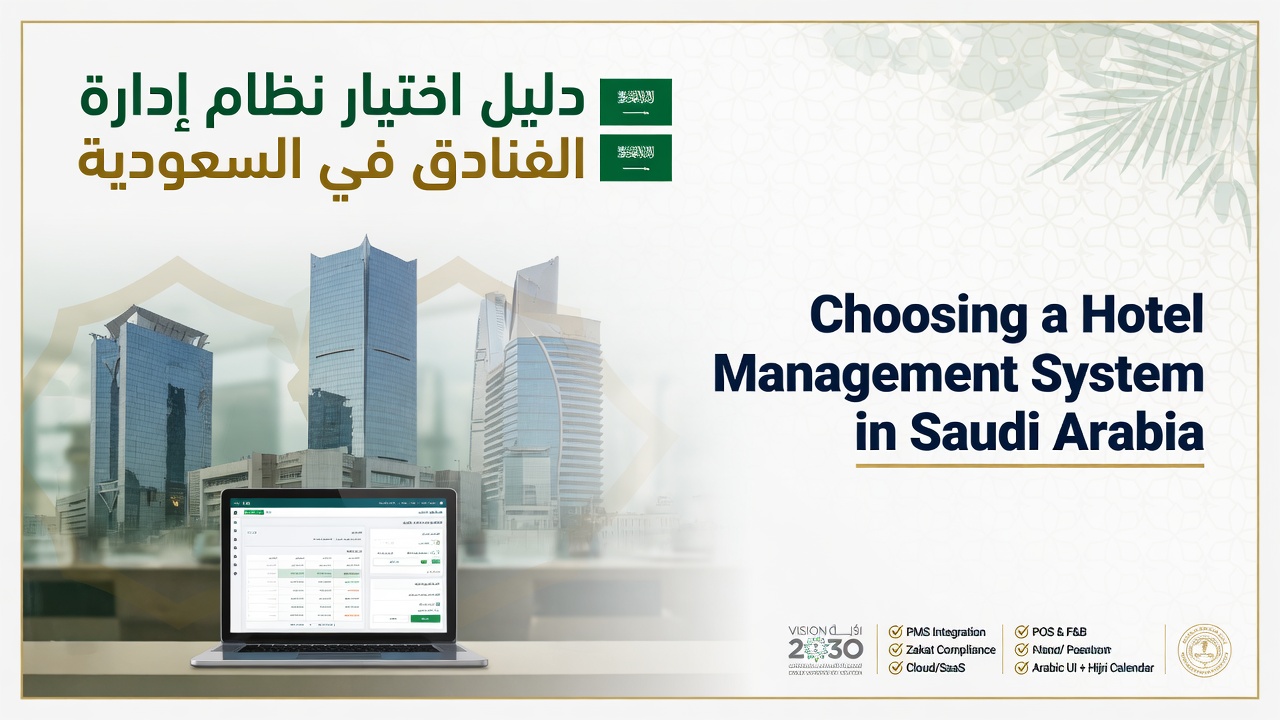
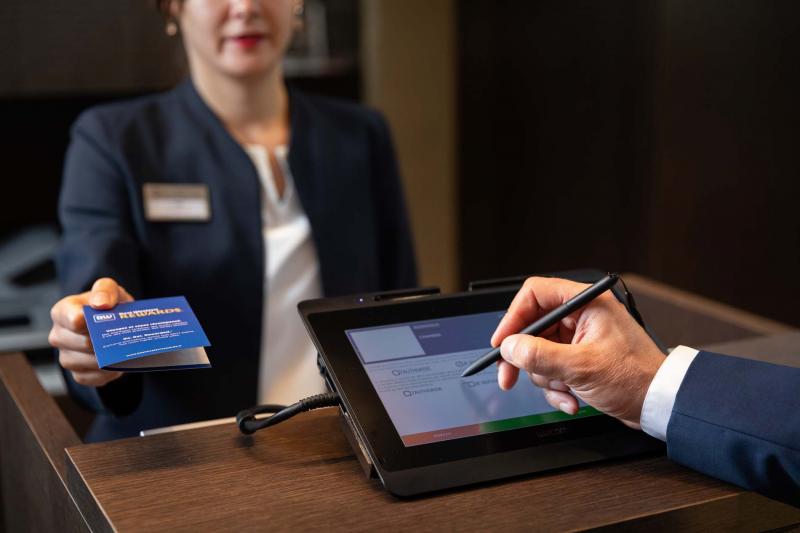
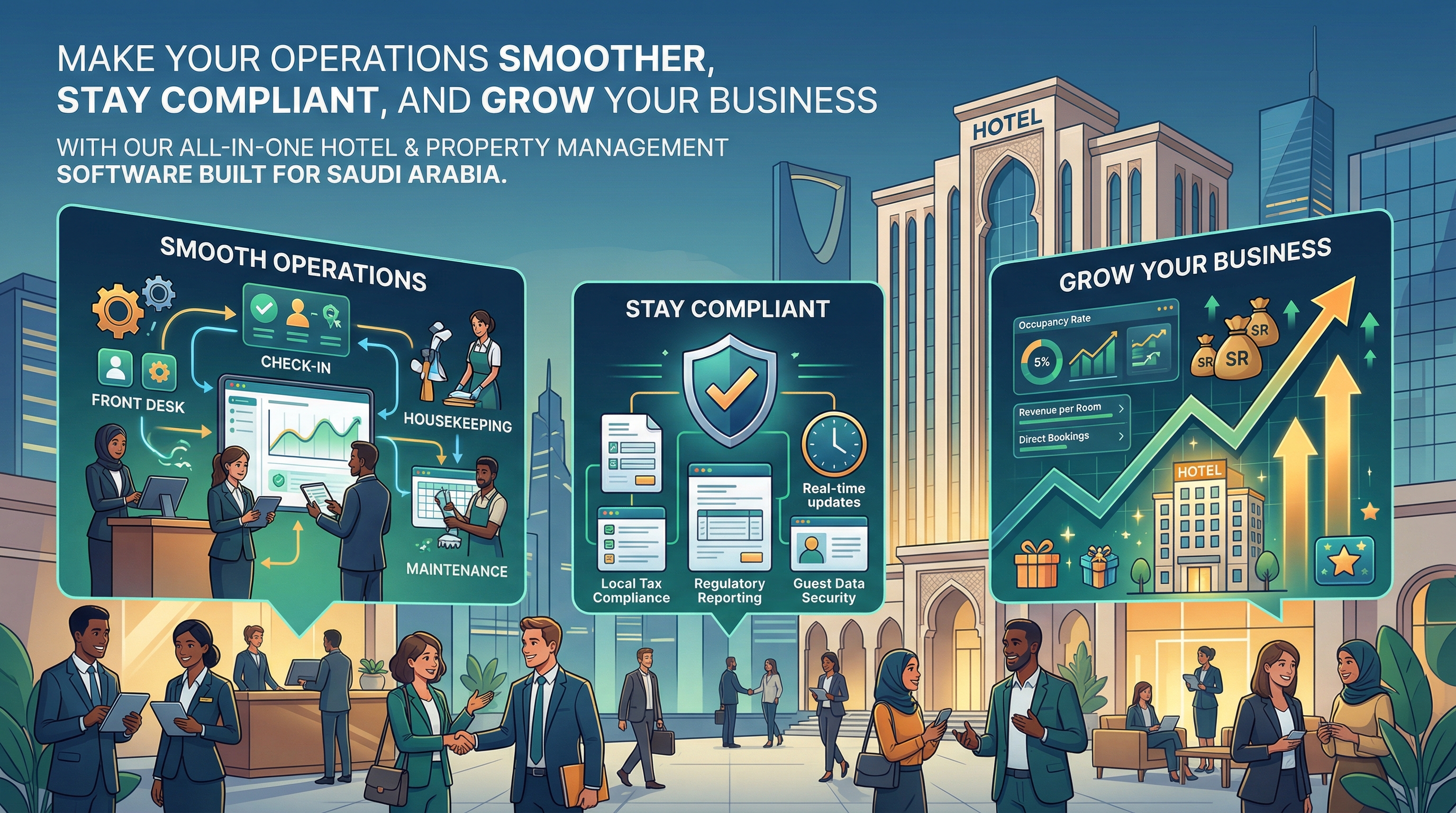
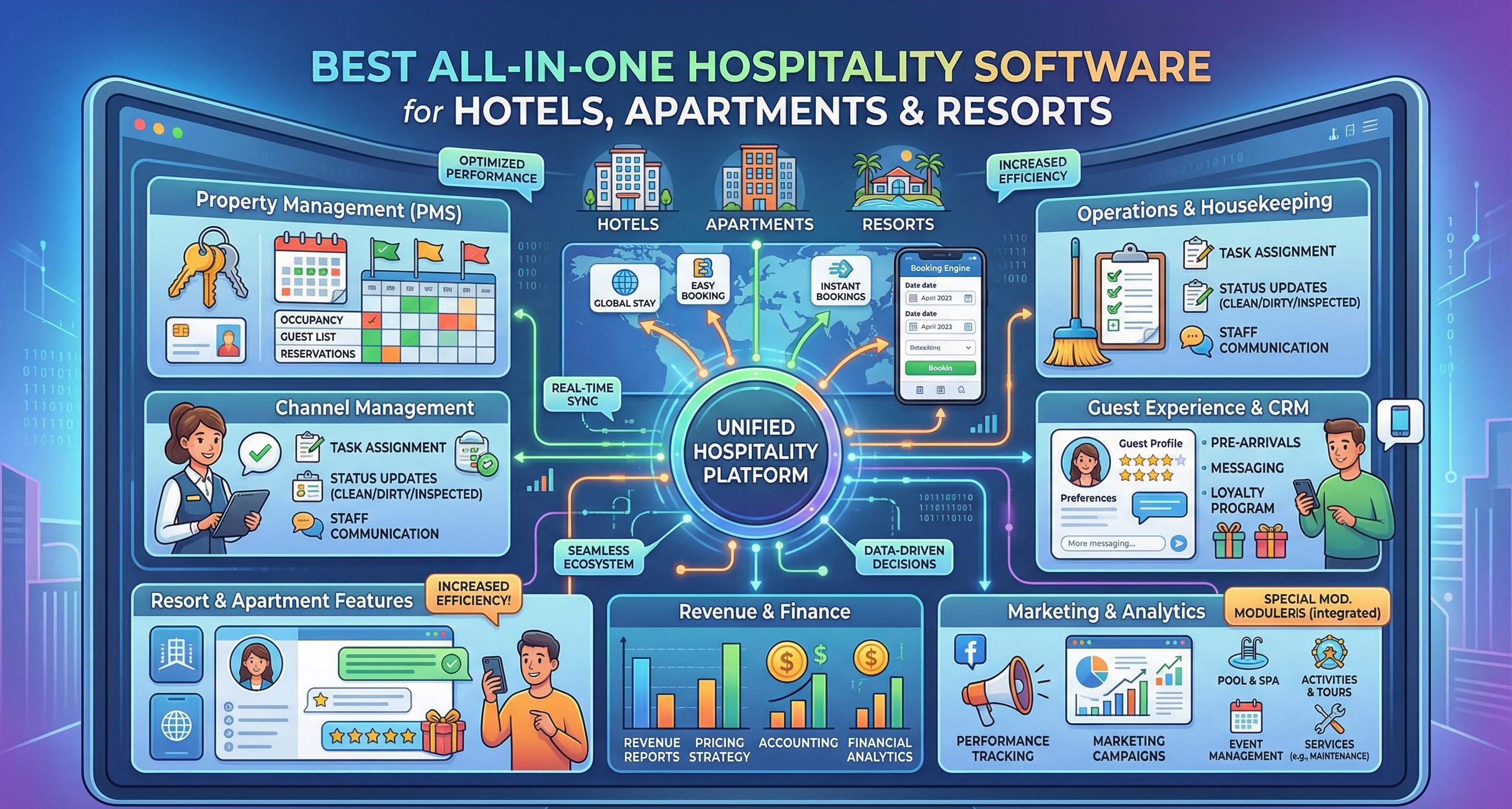
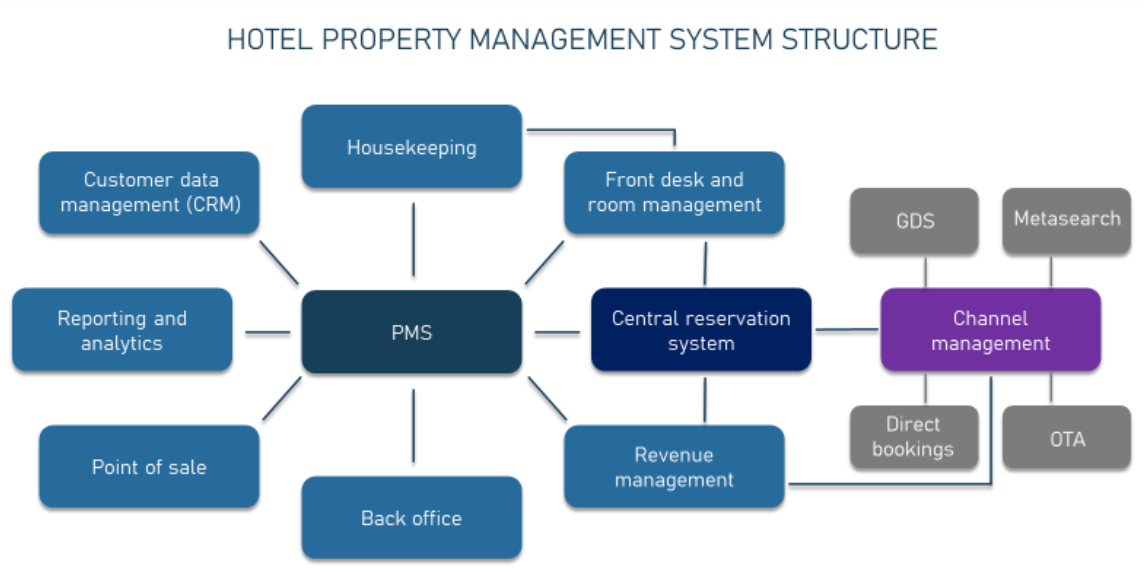
The Property Management System (PMS) is the cornerstone of any modern hotel preparation effort. During the Hajj season, when massive numbers of pilgrims arrive within a narrow time window, an integrated hotel system becomes an indispensable tool for managing daily operations with high efficiency. A sophisticated PMS goes far beyond reservation management—it encompasses room management, real-time availability tracking, billing, channel manager integration, and electronic payment system compatibility.
2.1 Key Features of a PMS Purpose-Built for Hajj Season
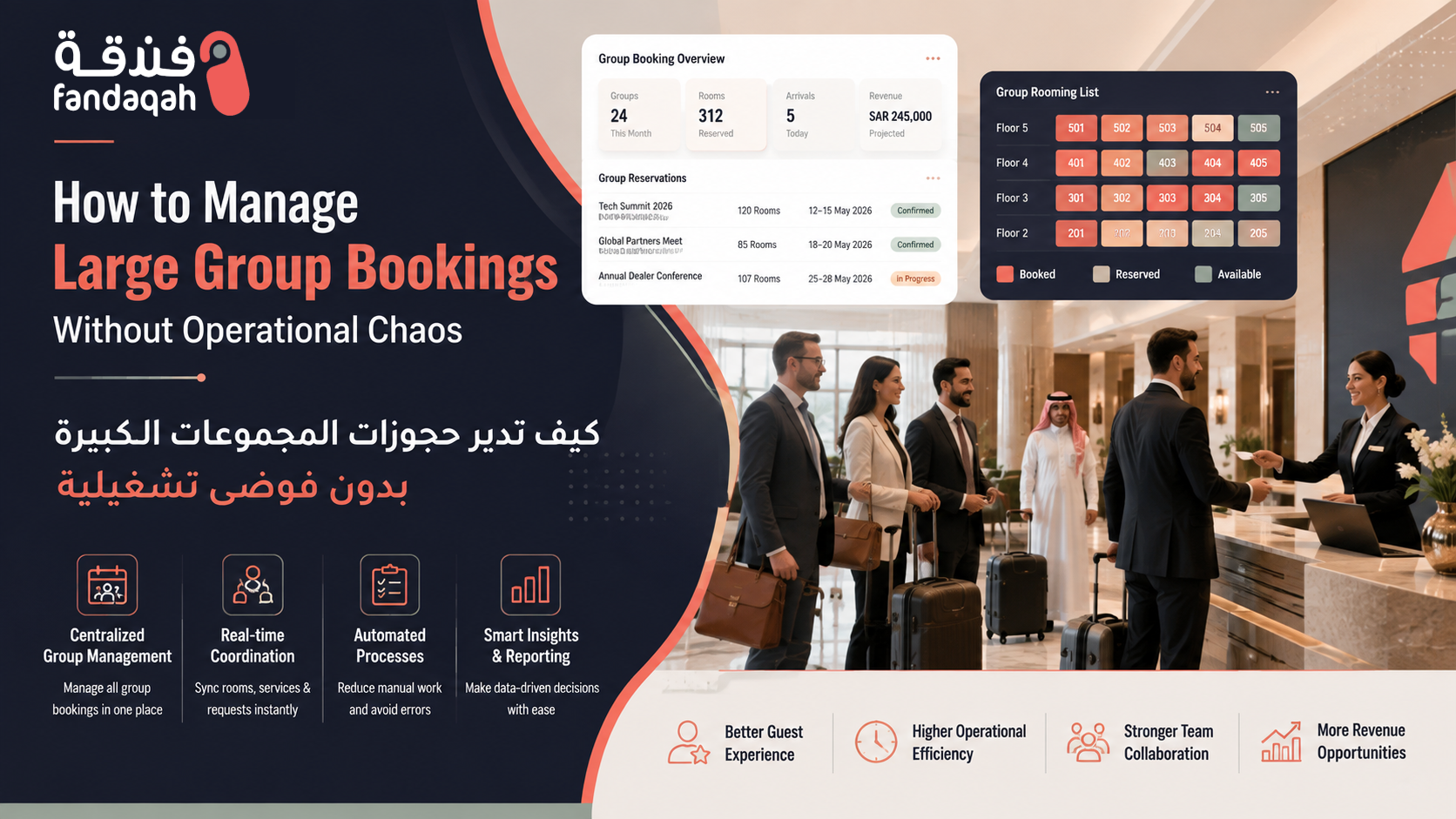
- Group Reservation Management: Ability to handle large group bookings arriving via travel agencies and Hajj tour operators seamlessly.
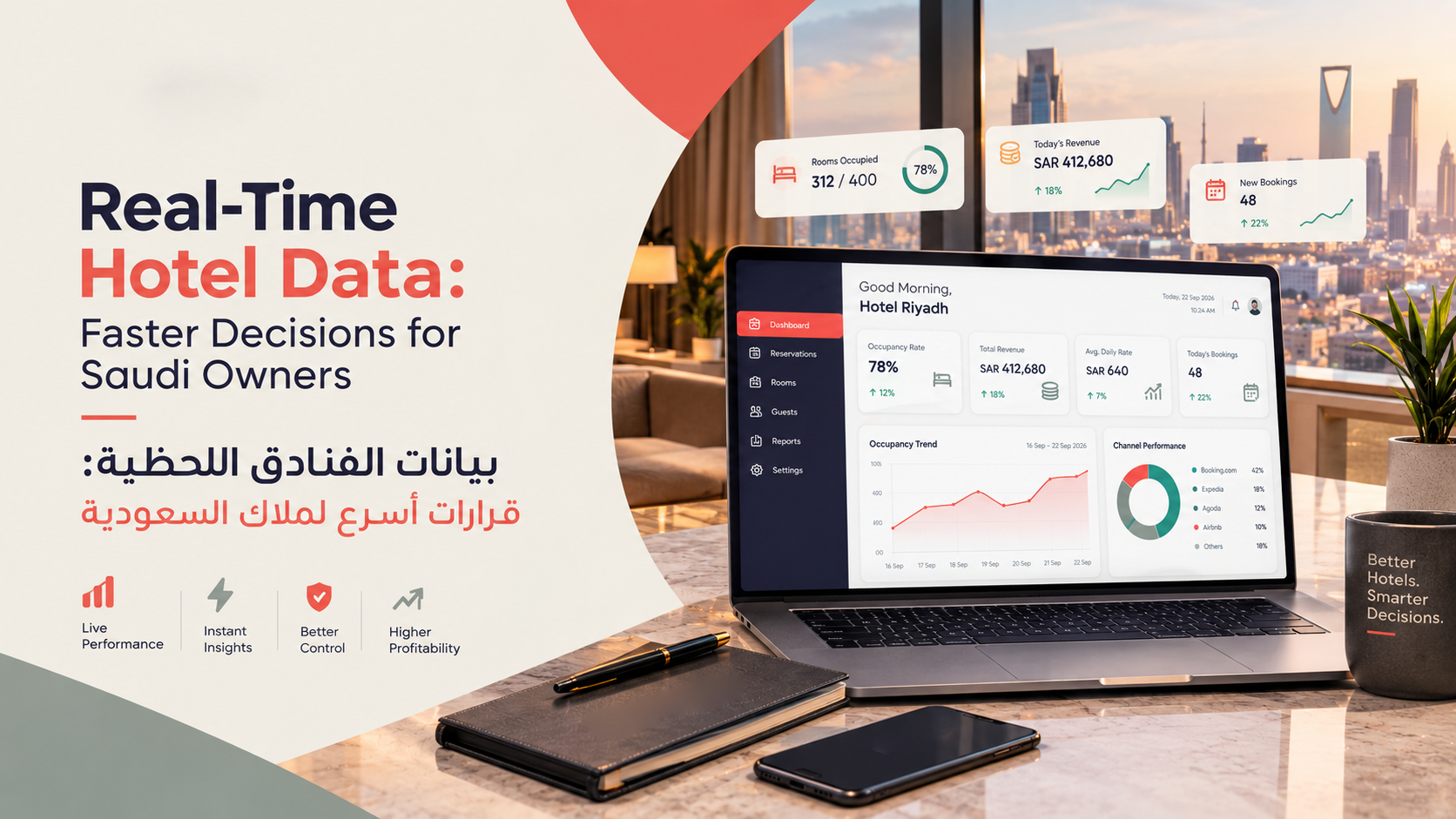
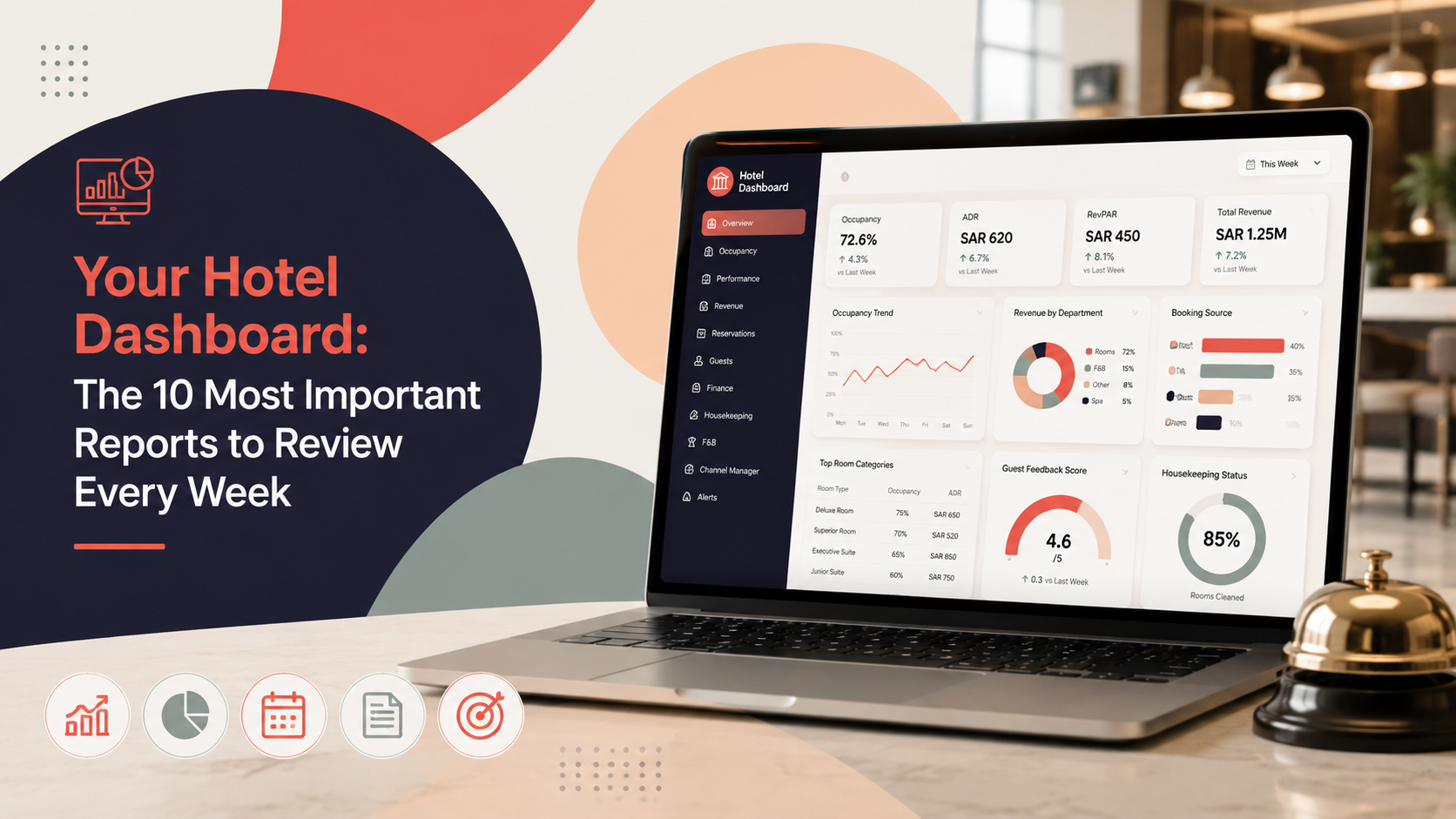
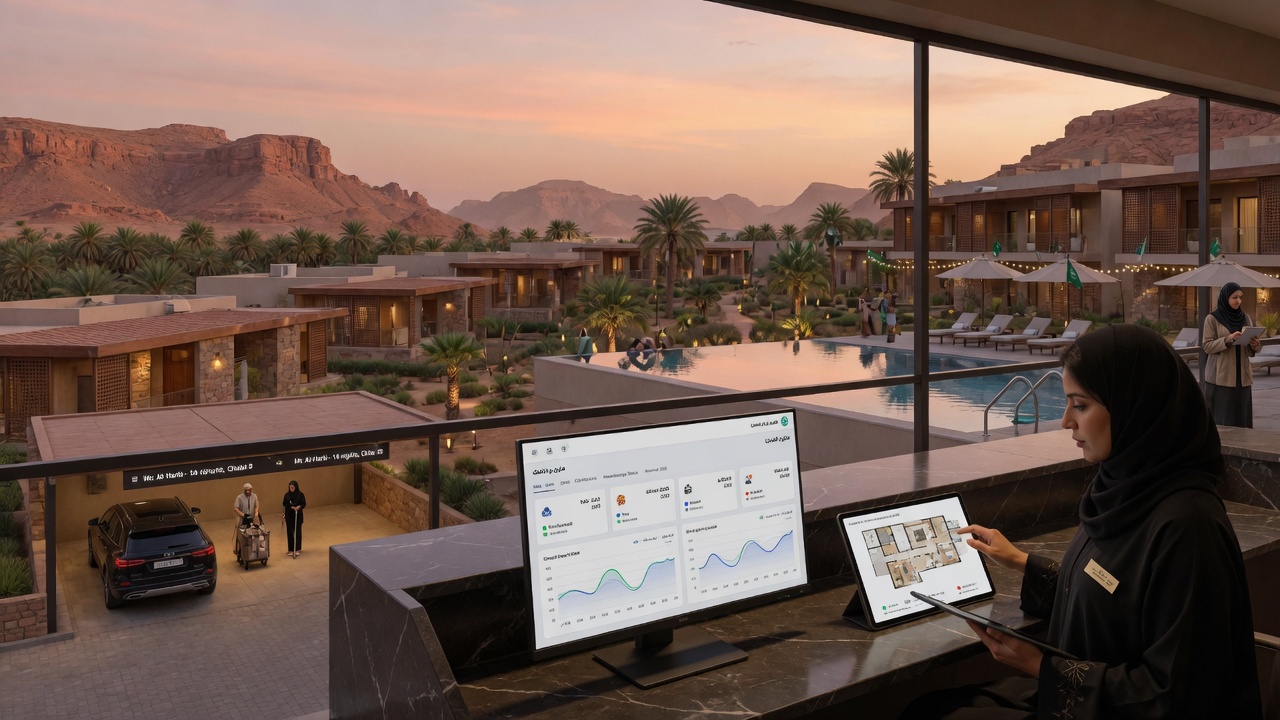
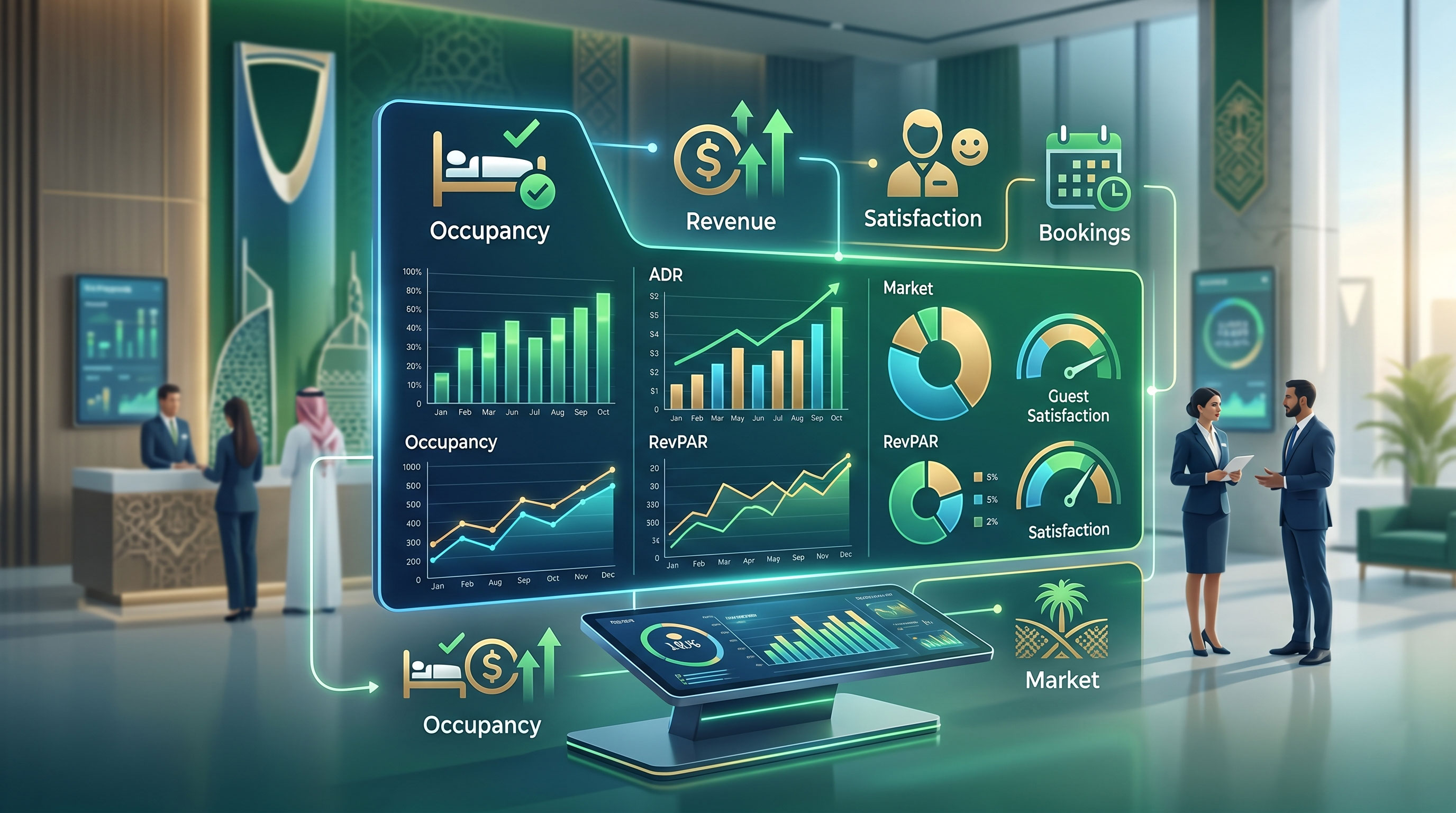
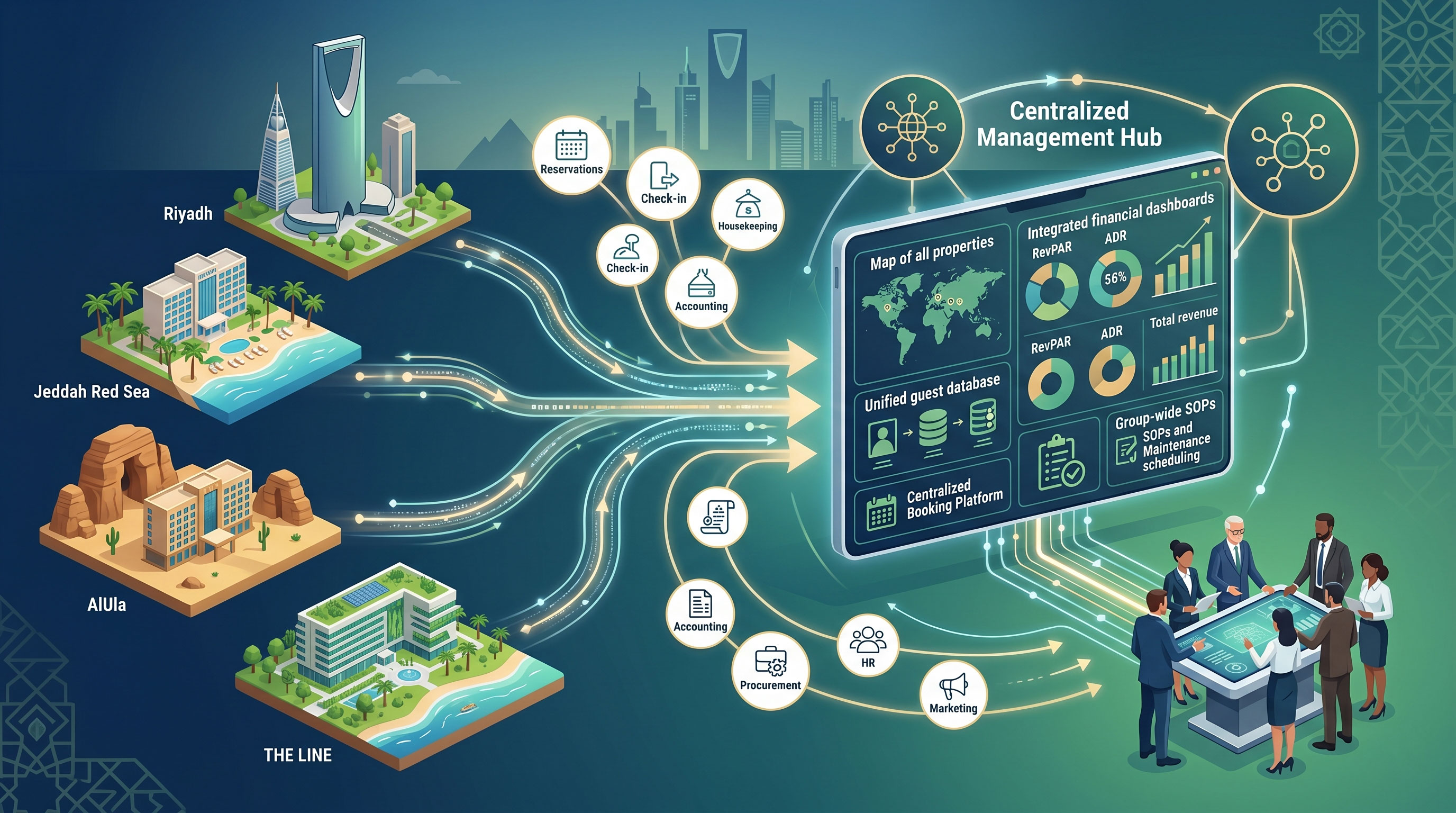
- Centralized Dashboard: Real-time overview of all room statuses, check‑in/check‑out processes, housekeeping status, and maintenance requests.
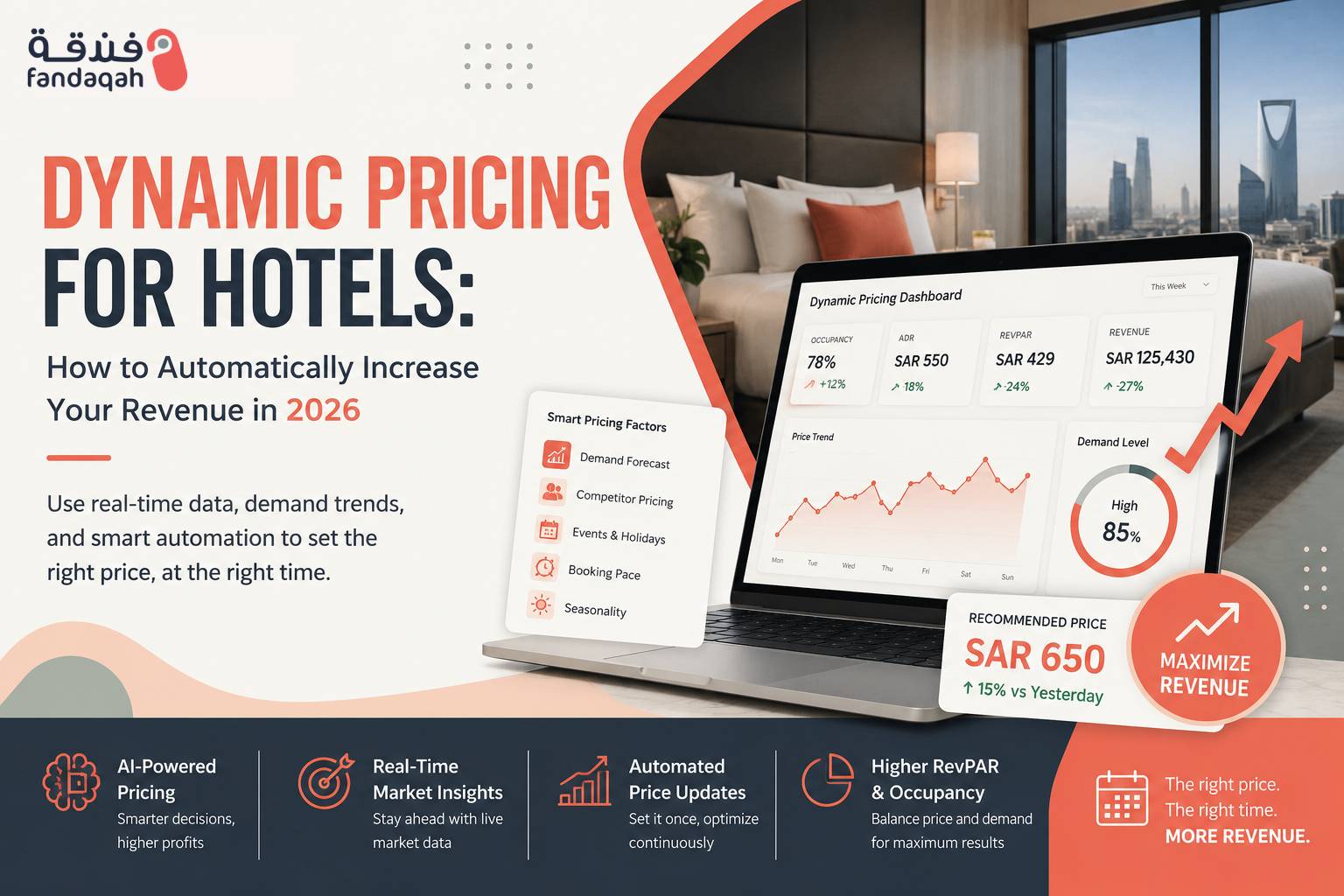
- Dynamic Pricing: Automatic rate adjustments based on demand, occupancy levels, and time remaining until the Hajj season.
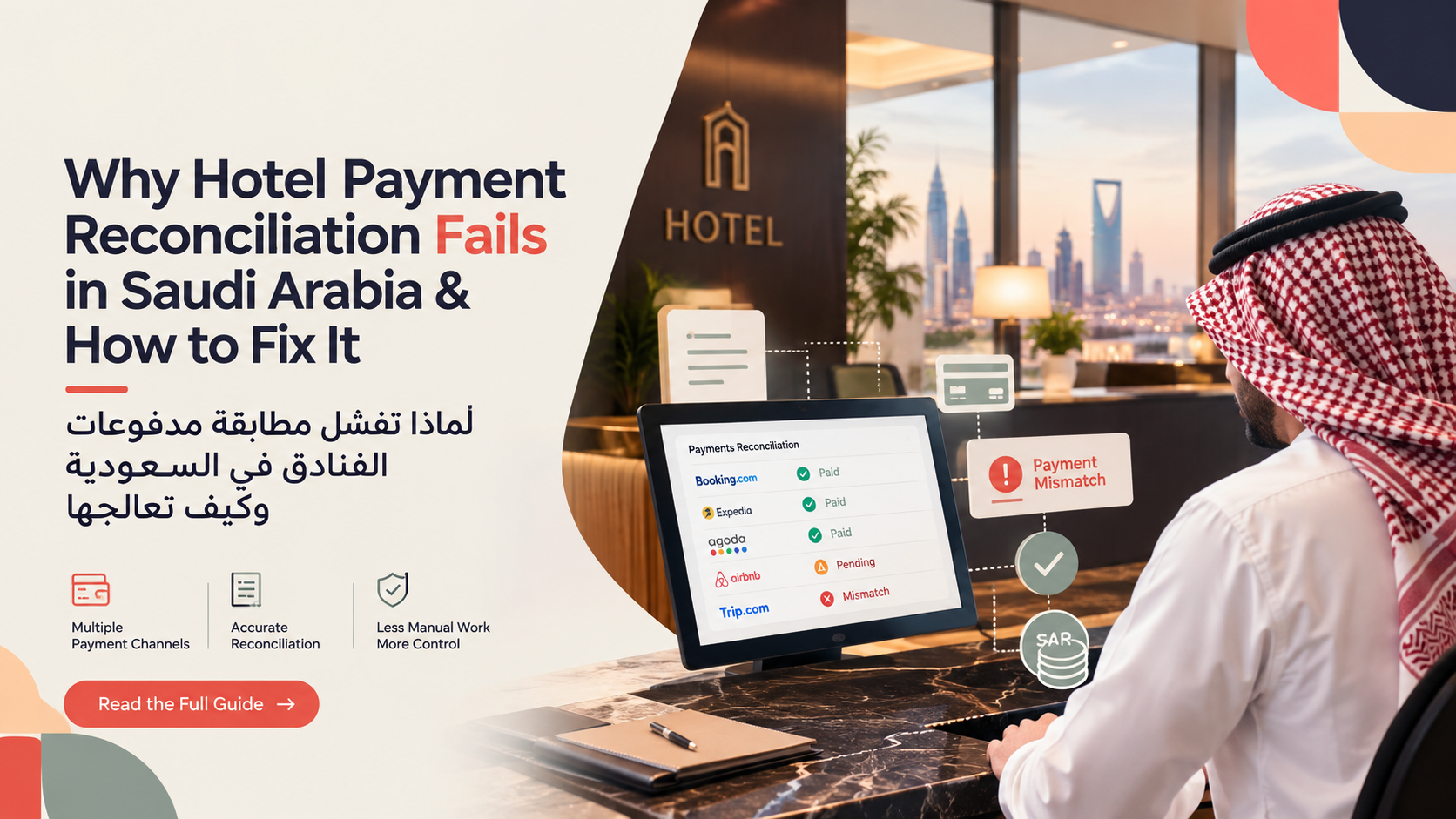
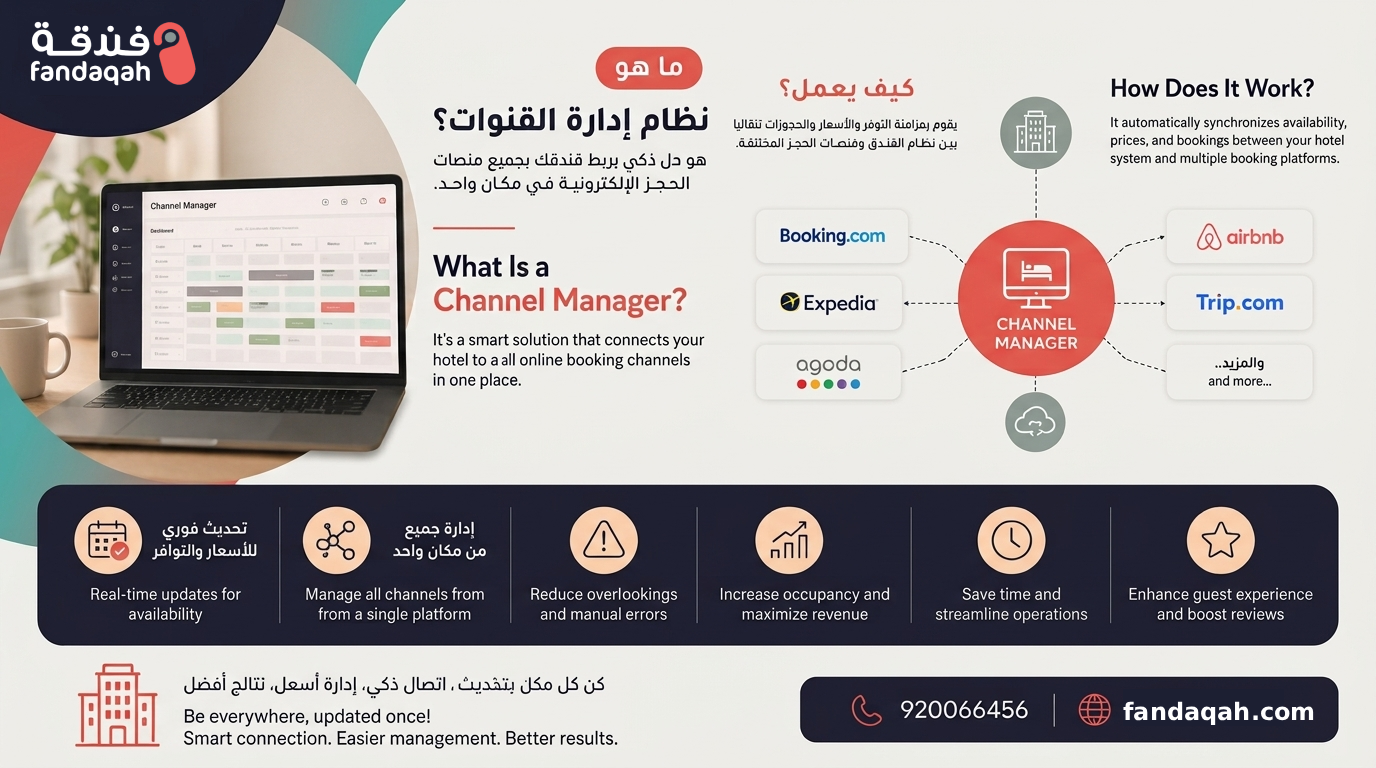
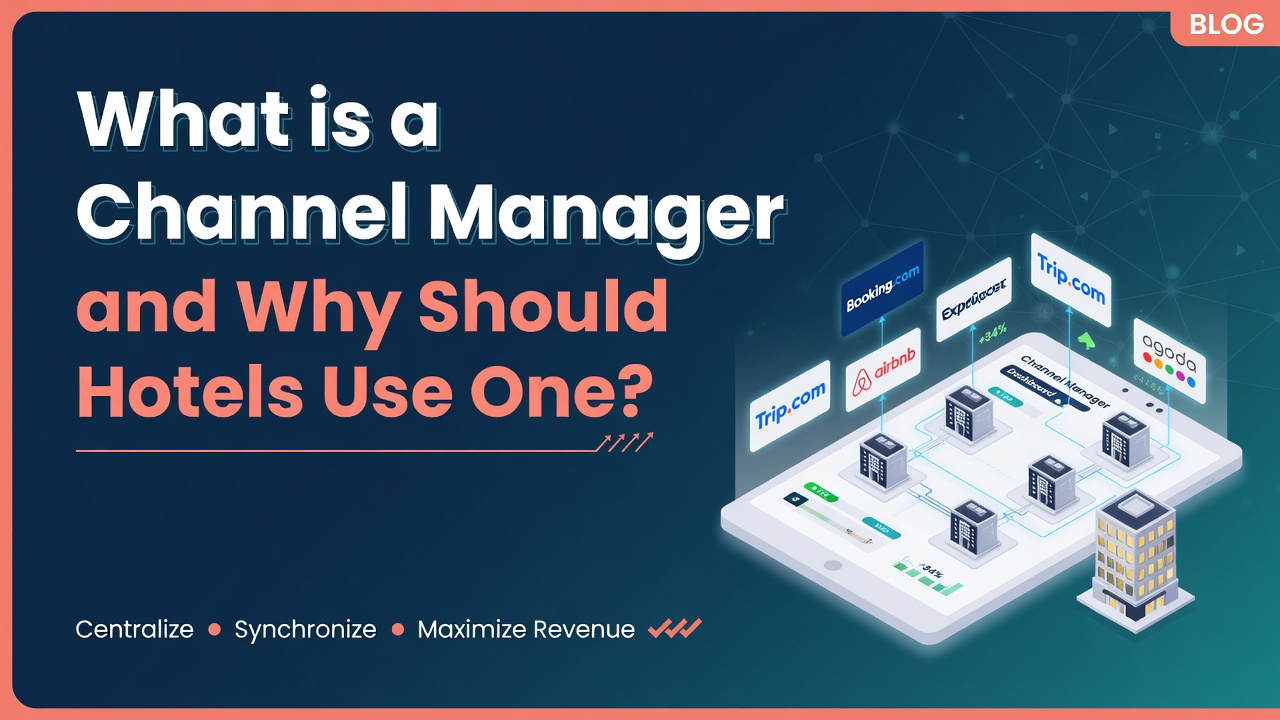
- Booking Channel Integration: Direct synchronization with platforms like Booking.com, Agoda, and local booking gateways to ensure instant room availability updates.
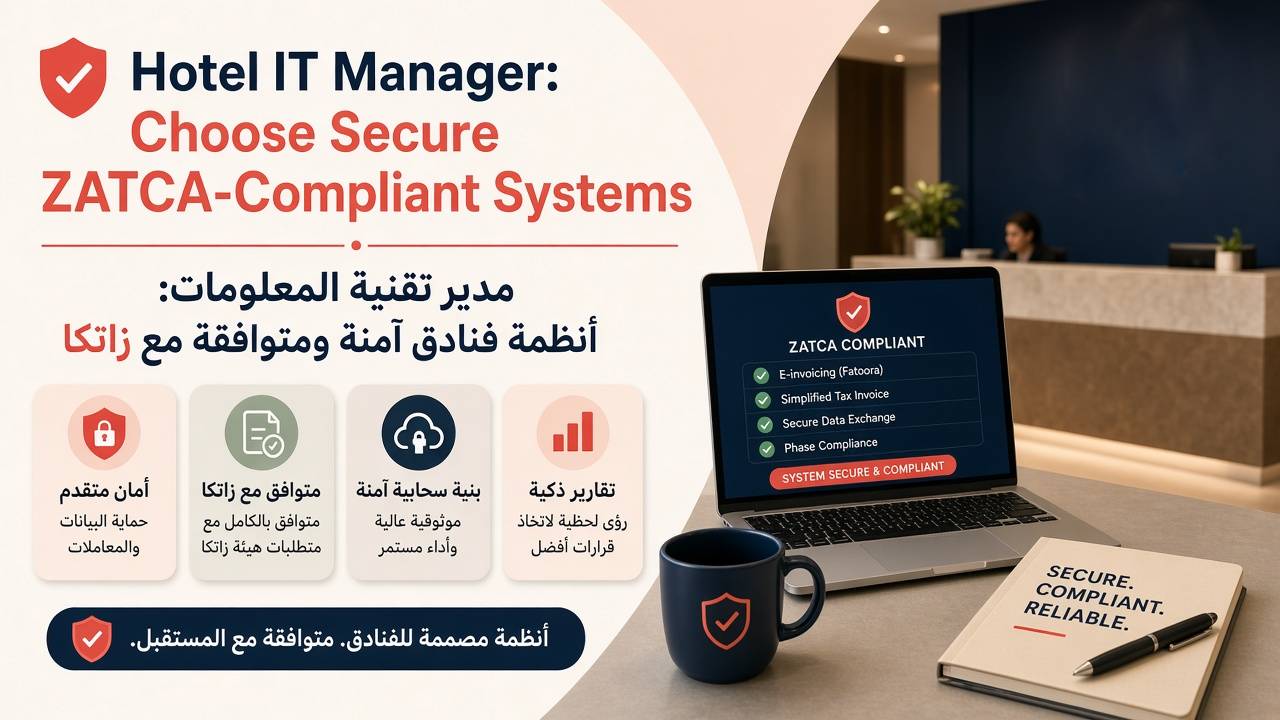
- Compliance Reports: Generation of detailed reports that align with Ministry of Hajj and Umrah requirements, including occupancy statistics and pilgrim data.
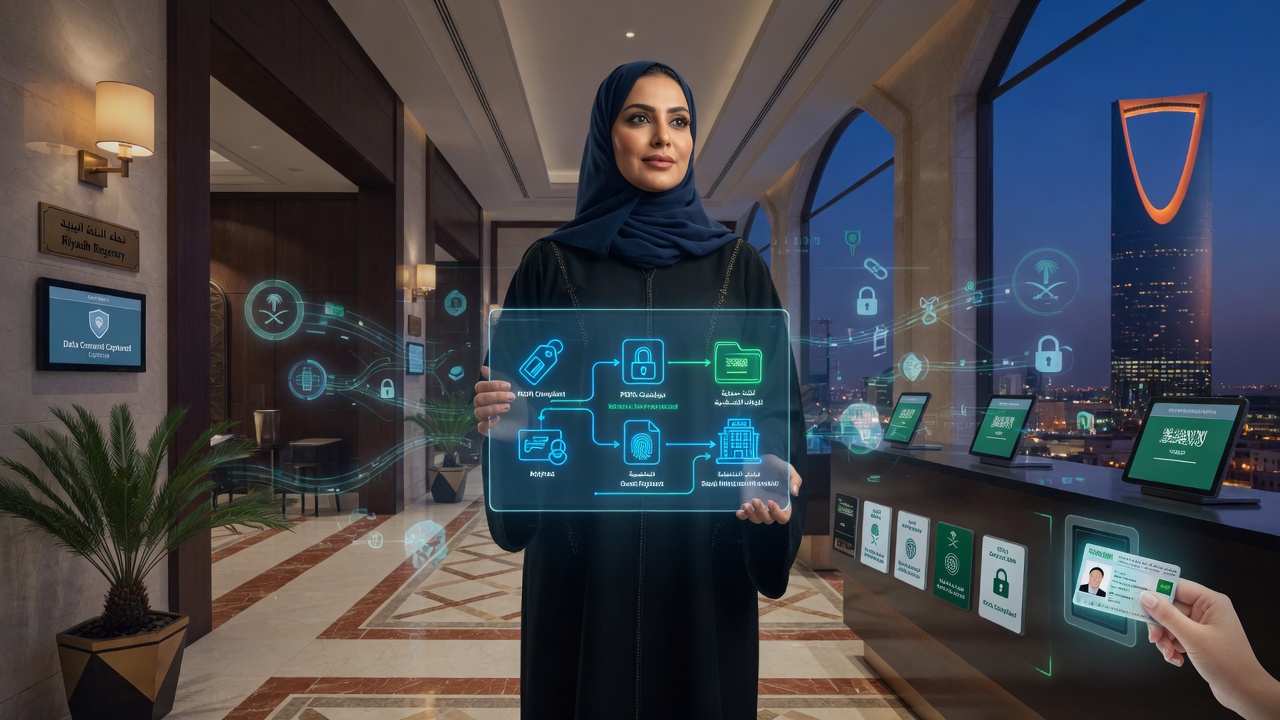
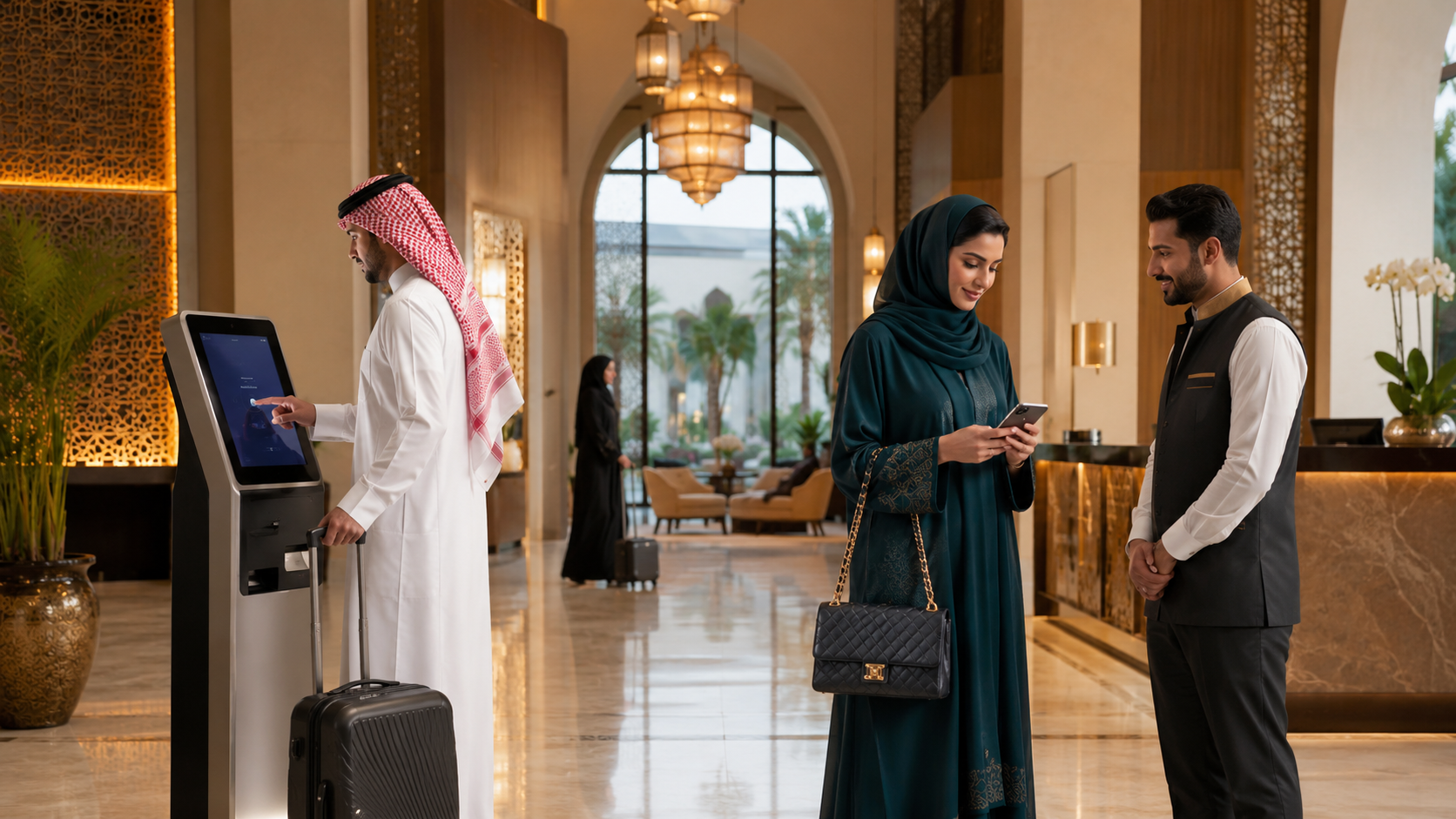
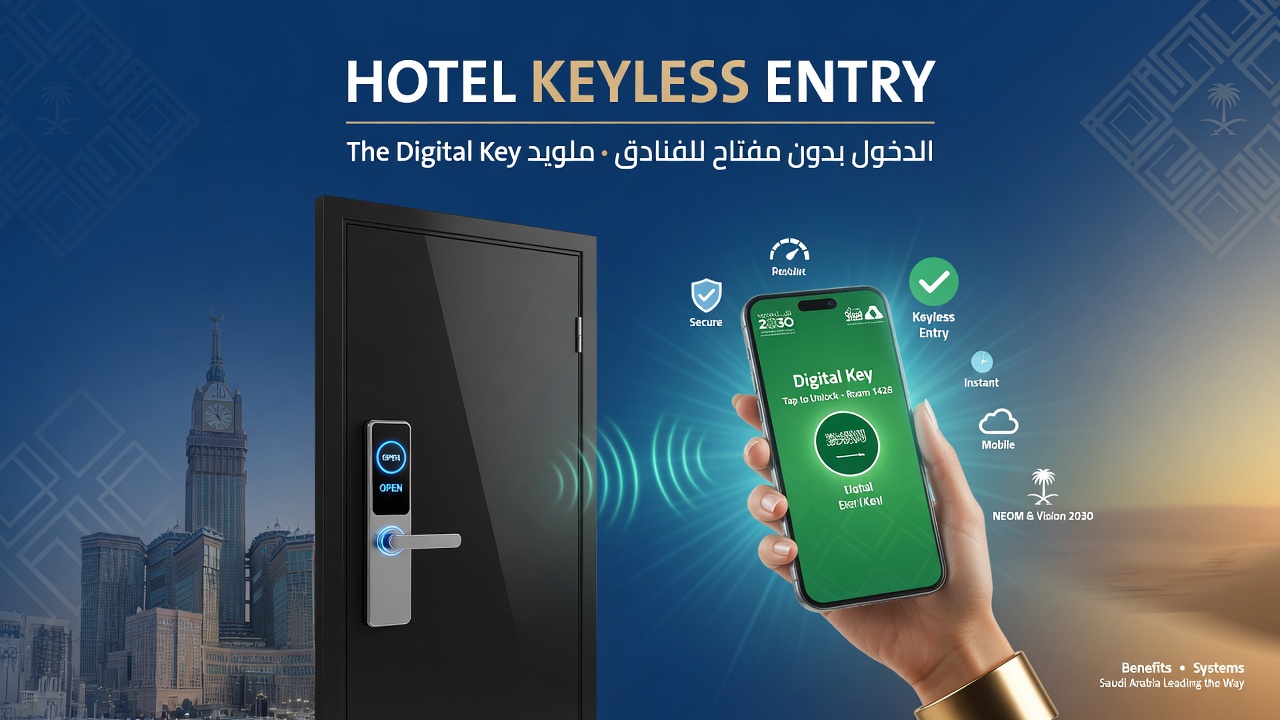
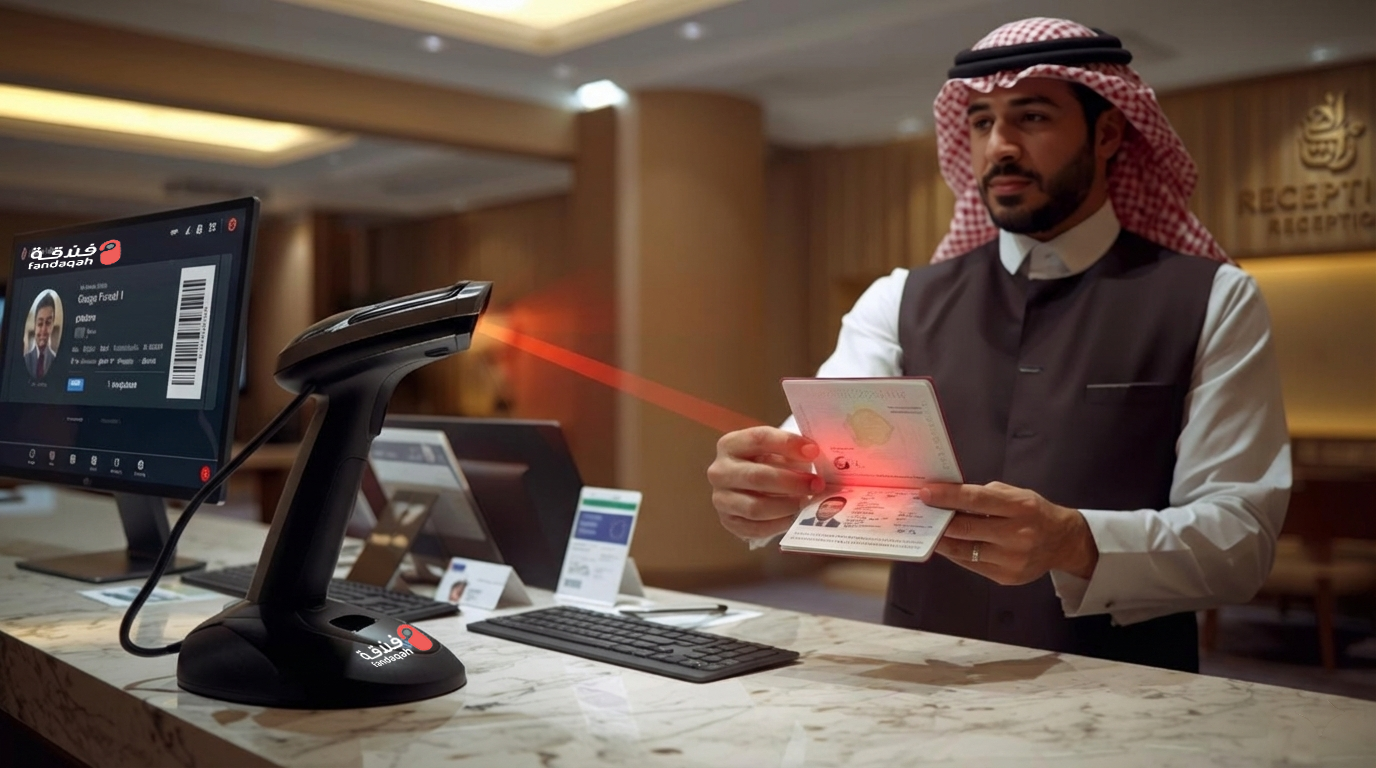
- Digital Identity Management: Integration with the Absher platform or pilgrim identity verification systems to accelerate check-in procedures.
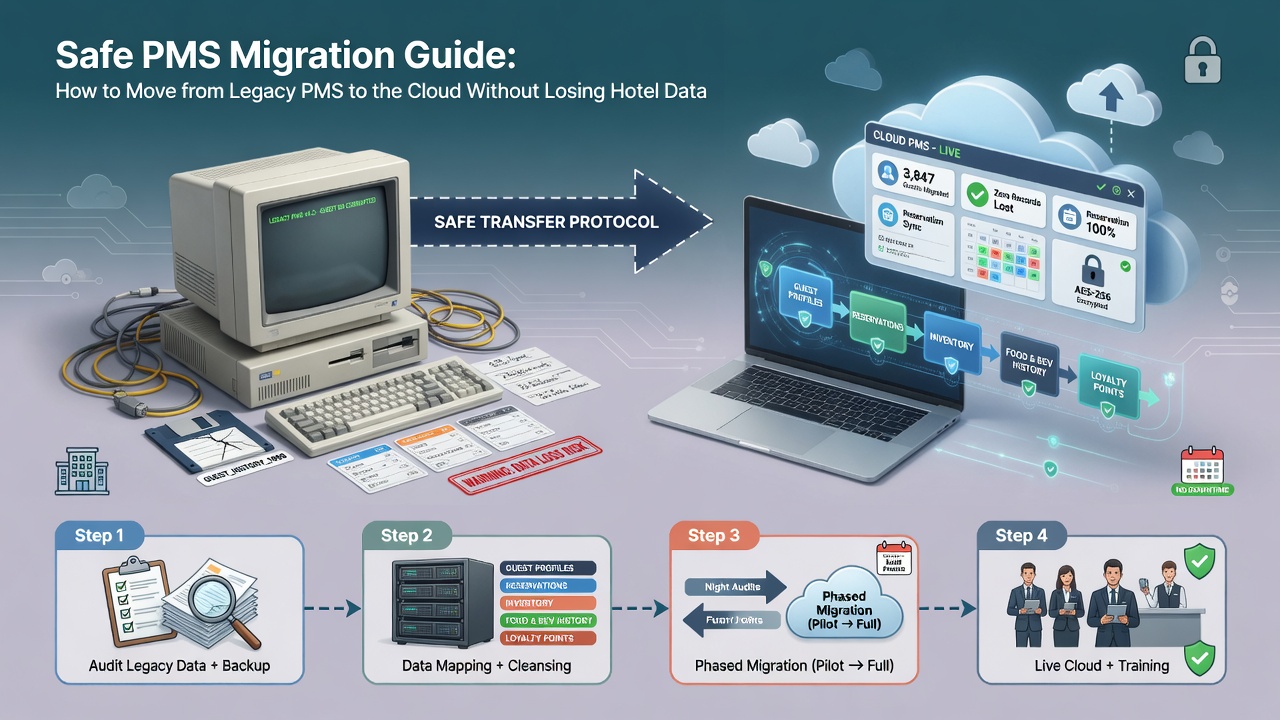
Pro Tip: Choose a cloud-based PMS to ensure access to your hotel data from anywhere and avoid any downtime that could occur on local servers during peak operational periods of the Hajj season.
3. Regulatory Compliance: Ministry of Hajj and Umrah Requirements for Hotel Preparation
Compliance with Ministry of Hajj and Umrah standards is one of the most critical pillars upon which any hotel’s Hajj 2027 preparation plan must stand. The ministry, in cooperation with the Saudi Tourism Authority and security agencies, enforces a set of strict regulations aimed at ensuring the safety and comfort of pilgrims. Non-compliance can result in hefty fines, license suspension, or a complete ban from hosting pilgrims.
3.1 Key Hotel Compliance Requirements for Hajj Season
- Valid Hotel License: Ensure all licenses issued by the Saudi Tourism Authority and Ministry of Hajj and Umrah are current.
- Pilgrim Data Registration: Commit to recording all guest pilgrim data in the ministry’s unified electronic system within the specified deadline.
- Safety and Security Standards: Provide advanced fire alarm systems, clearly marked emergency exits, approved evacuation plans, and staff training on these protocols.
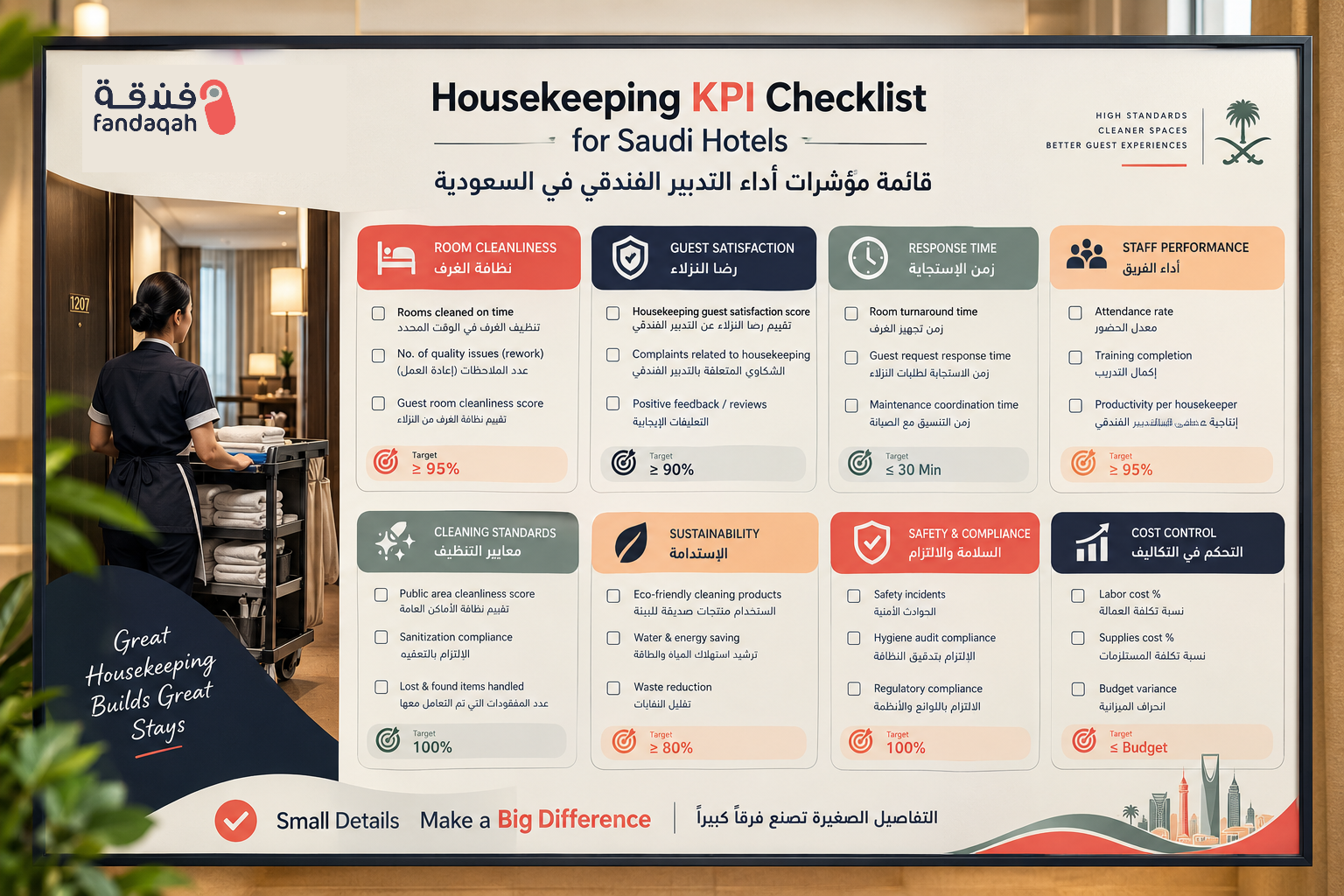
- Hygiene and Public Health: Adhere to the highest cleanliness and sterilization standards, especially in food preparation areas and kitchens, and provide health certificates for staff.
- Essential Services: Ensure continuous water and electricity supply with emergency contingency plans for any potential outages.
- Accessibility: Equip facilities and entrances to be suitable for pilgrims with disabilities and the elderly.
- Contractual Adherence: Comply with contracts signed with travel agencies and Hajj tour operators in accordance with approved regulations.
"Compliance with the Ministry of Hajj and Umrah standards is not just a legal duty; it is an investment in pilgrim trust and a guarantee of a repeat successful and profitable season. A compliant hotel is the hotel that pilgrims choose again and again."
— Ministry of Hajj and Umrah Service Providers Guide
4. Hotel Capacity Management During Hajj Season 2027
Hotel capacity presents a major challenge during Hajj season, requiring the accommodation of record numbers of pilgrims in Makkah, Madinah, and the holy sites. Smart capacity management demands a careful balance between increasing guest numbers and maintaining service quality and comfort. According to regulatory guidelines, hotels must adhere to maximum occupancy limits per room and residential unit while providing adequate movement space and shared facilities.
4.1 Strategies to Optimize Capacity Without Sacrificing Quality
- Room Reconfiguration: Use multi-functional furniture and flexible layouts that allow more beds without overwhelming available space.
- Flexible Booking System: Implement a system that permits booking of individual beds within shared rooms for cohesive pilgrim groups.
- Smart Hotel Inventory Management: Leverage the PMS to monitor real-time occupancy and distribute pilgrims across rooms optimally.
- Temporary Horizontal Expansion: Utilize common areas and multi-purpose spaces as temporary additional units during the season peak, while strictly adhering to safety standards.
- Proactive Maintenance Scheduling: Ensure all rooms and facilities are in excellent operational condition before the season begins to avoid any unplanned downtime.
4.2 Comparison: Traditional vs. Modern Capacity Strategies
5. Use Cases: Hotel Preparation in Makkah, Madinah, and Beyond
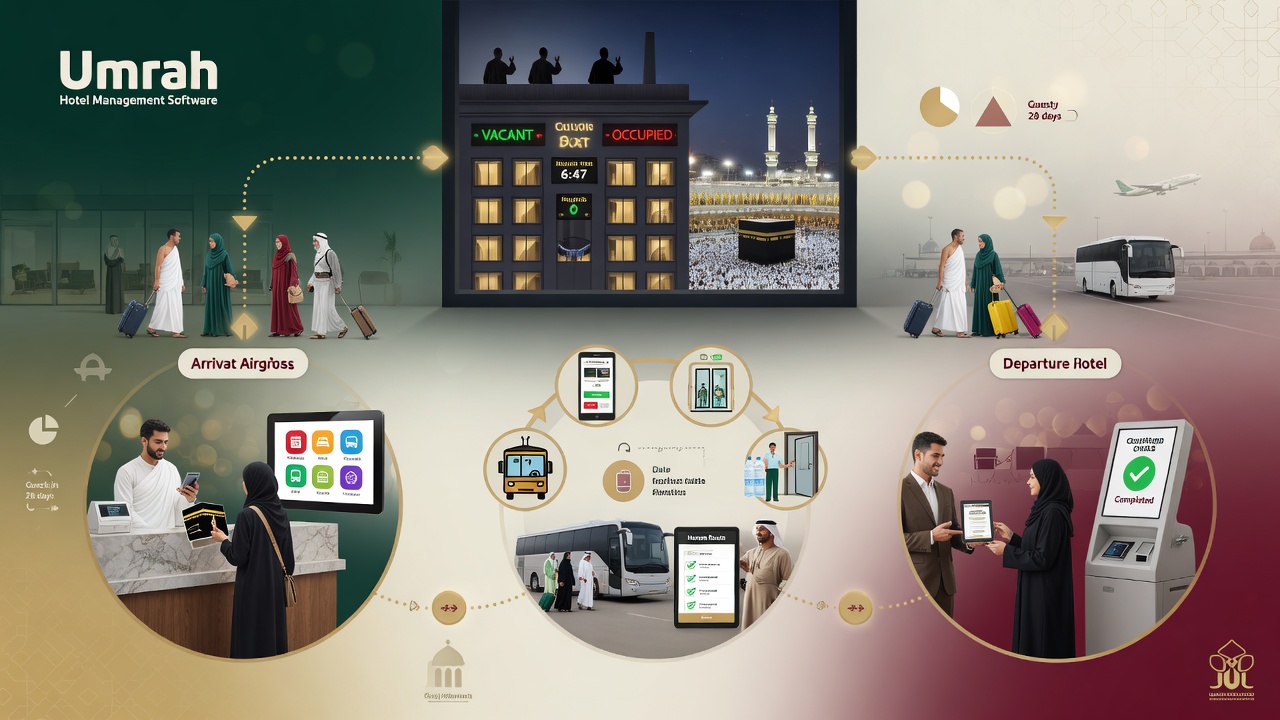
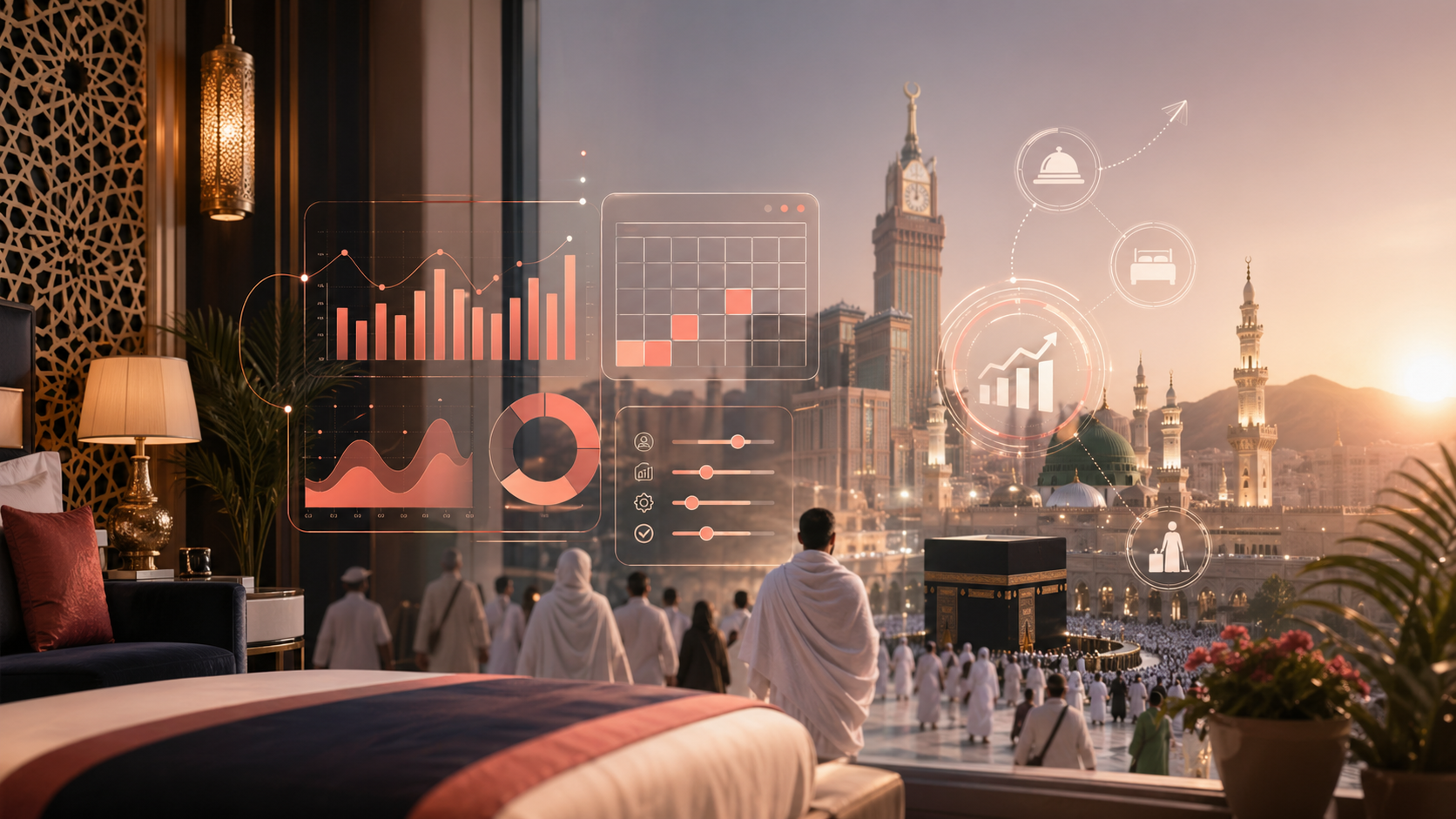
Hotel preparation requirements for Hajj vary by geographic location within Saudi Arabia. In Makkah, hotels near the Holy Mosque face overwhelming demand that exceeds traditional capacity, necessitating innovative reservation management and pilgrim distribution solutions. In Madinah, pilgrims’ needs focus on comfortable stays close to the Prophet’s Mosque, supported by regular transportation services. Meanwhile, in Jeddah, hotels serve as primary transit and reception hubs for pilgrims arriving via King Abdulaziz International Airport.
A real-world success story: a major hotel in the central area of Makkah deployed an advanced PMS system six months before the Hajj season, enabling a 35% increase in room management efficiency and reducing check-in time to under 3 minutes per pilgrim. The system also achieved full compliance with Ministry of Hajj and Umrah requirements through accurate automated reporting. Such successes confirm that investment in hotel technology is no longer optional—it has become a fundamental benchmark for success in upcoming Hajj seasons.
Important Note: Hotels located within the central zone of the Holy Mosque in Makkah and the Prophet’s Mosque in Madinah are subject to additional requirements regarding temporary population density and evacuation plans. Please review the updated municipal regulations guide.
6. Future Trends: Preparing Hotels Under Saudi Vision 2030
Saudi Vision 2030 places the hospitality sector at the heart of the national transformation, with the Kingdom aiming to become a leading global Islamic destination. This ambition directly shapes how hotels prepare for Hajj 2027 and beyond. Key future trends that will define the hospitality landscape during Hajj seasons include:
- AI for Crowd Management: Using artificial intelligence to predict pilgrim movement inside hotels and surrounding areas, helping to allocate resources and avoid bottlenecks.
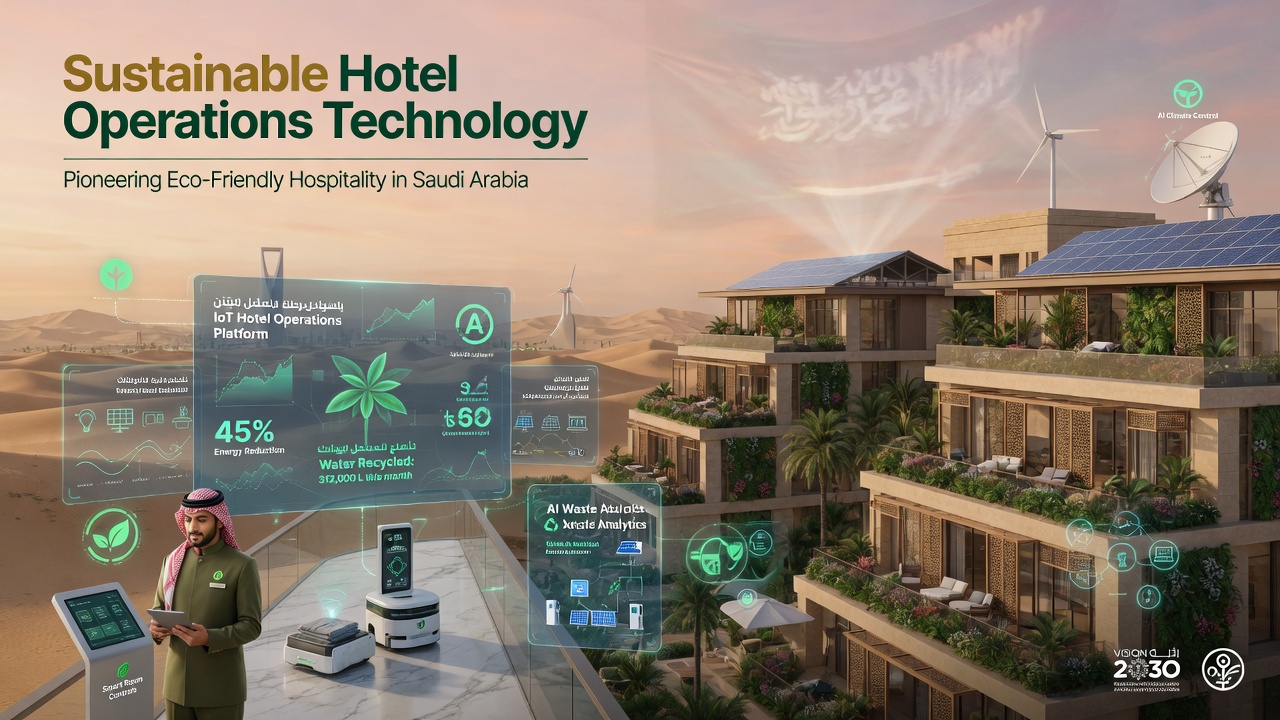
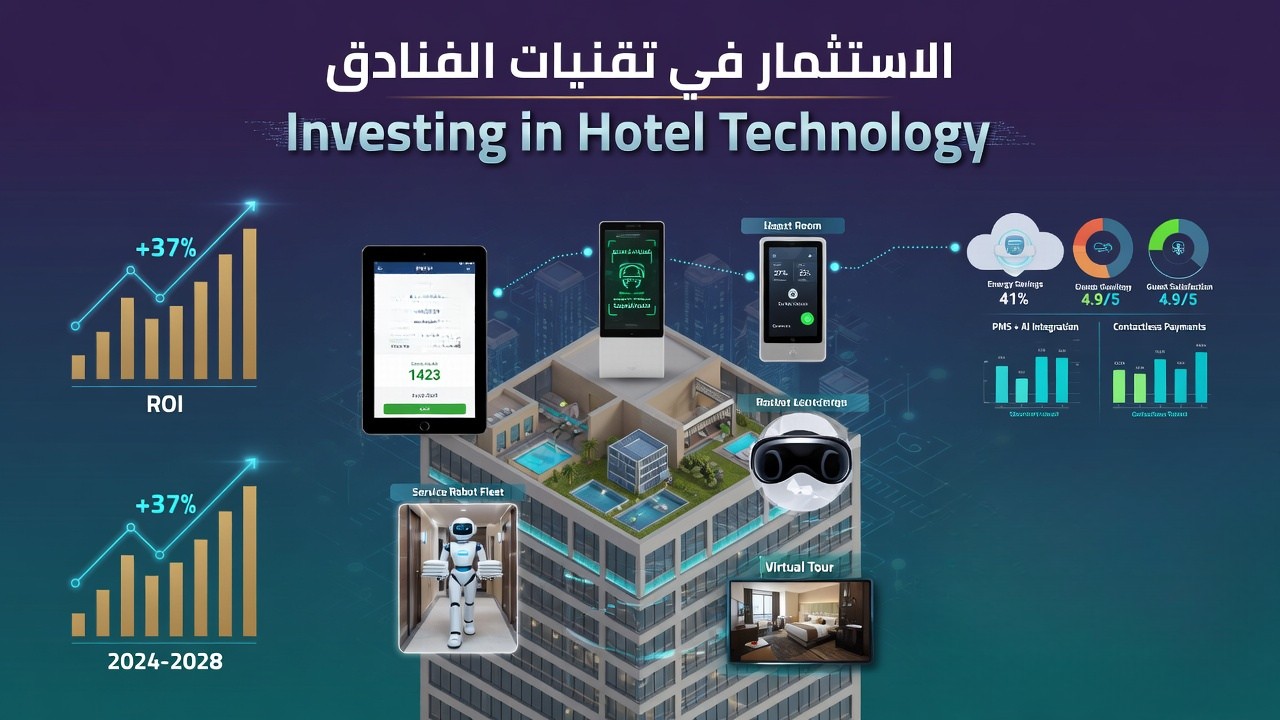
- Internet of Things (IoT): Connecting hotel devices to a unified network to monitor energy and water consumption, boost operational efficiency, and deliver personalized pilgrim services.
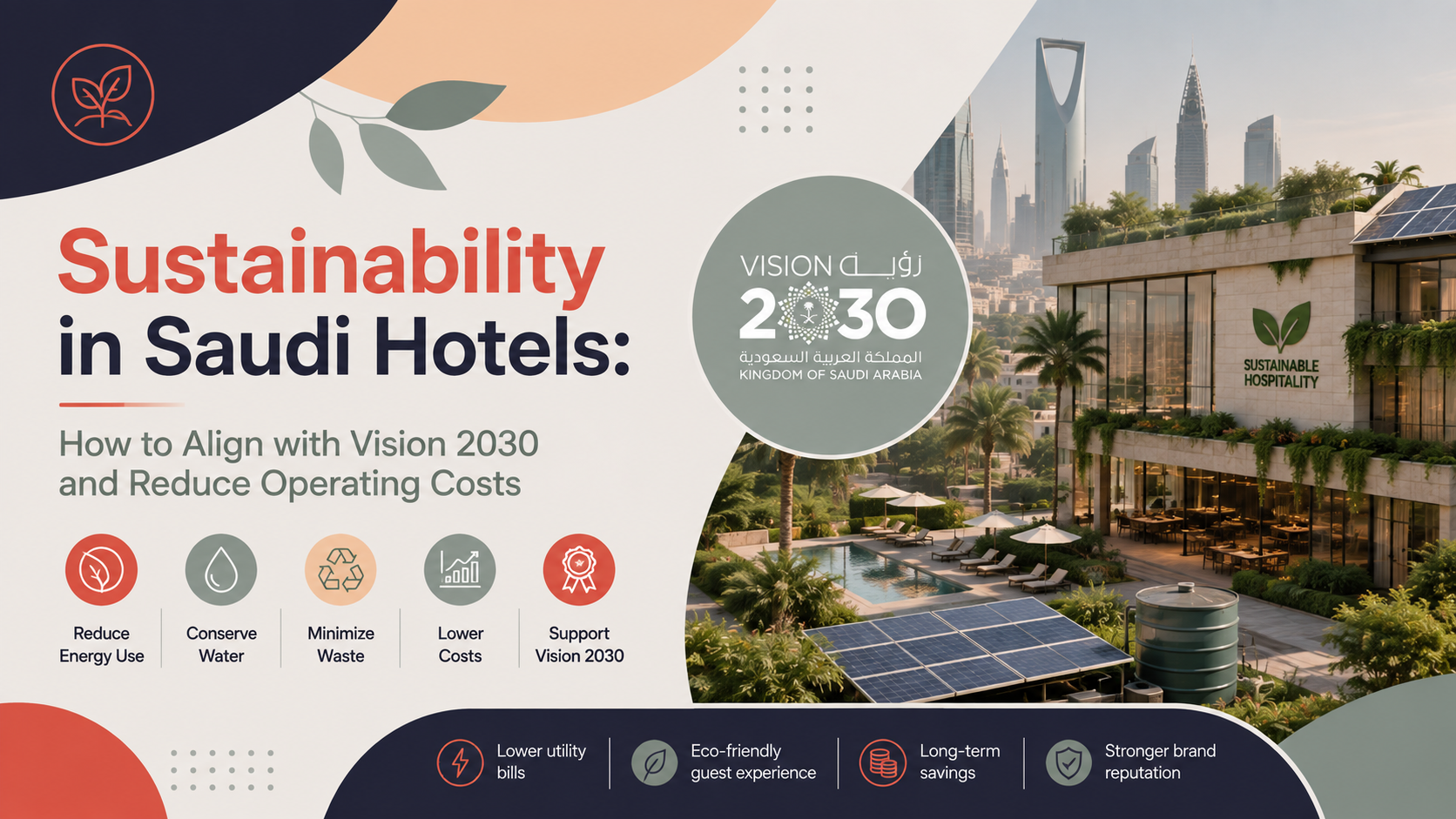
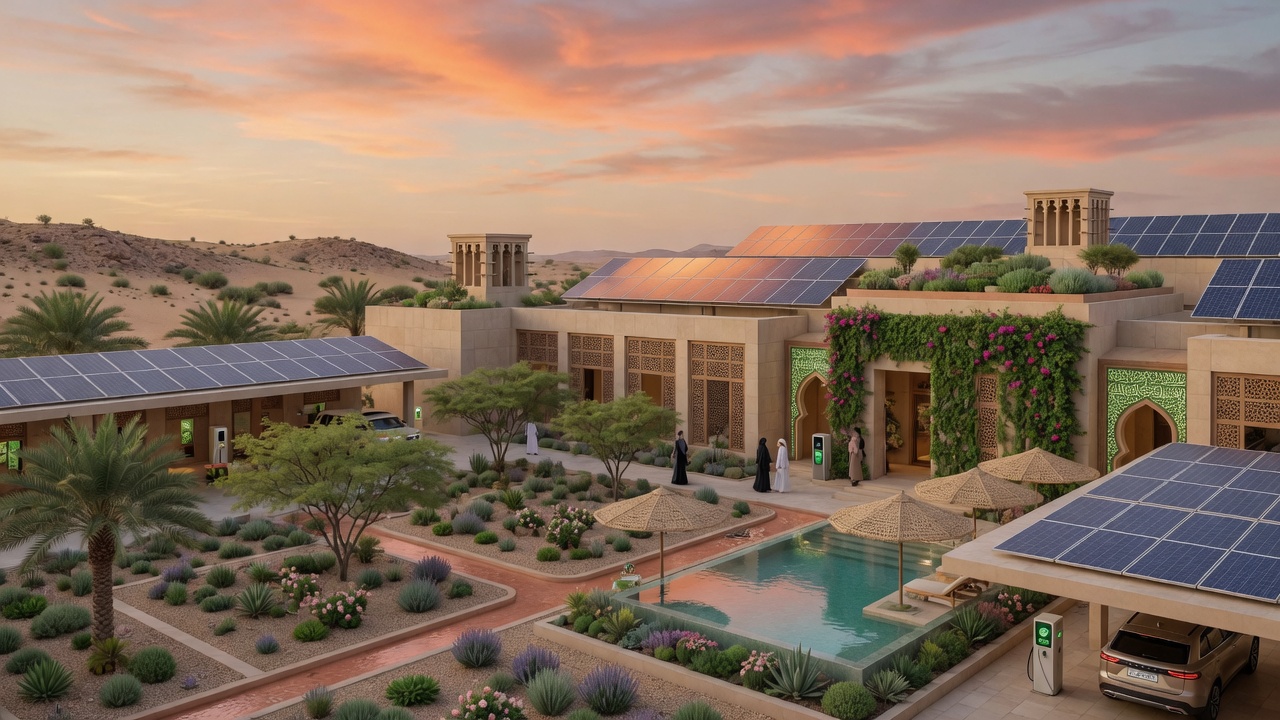
- Environmental Sustainability: Hotels shifting toward eco-friendly practices—reducing plastic waste, adopting solar energy—in line with Vision 2030 sustainability goals.
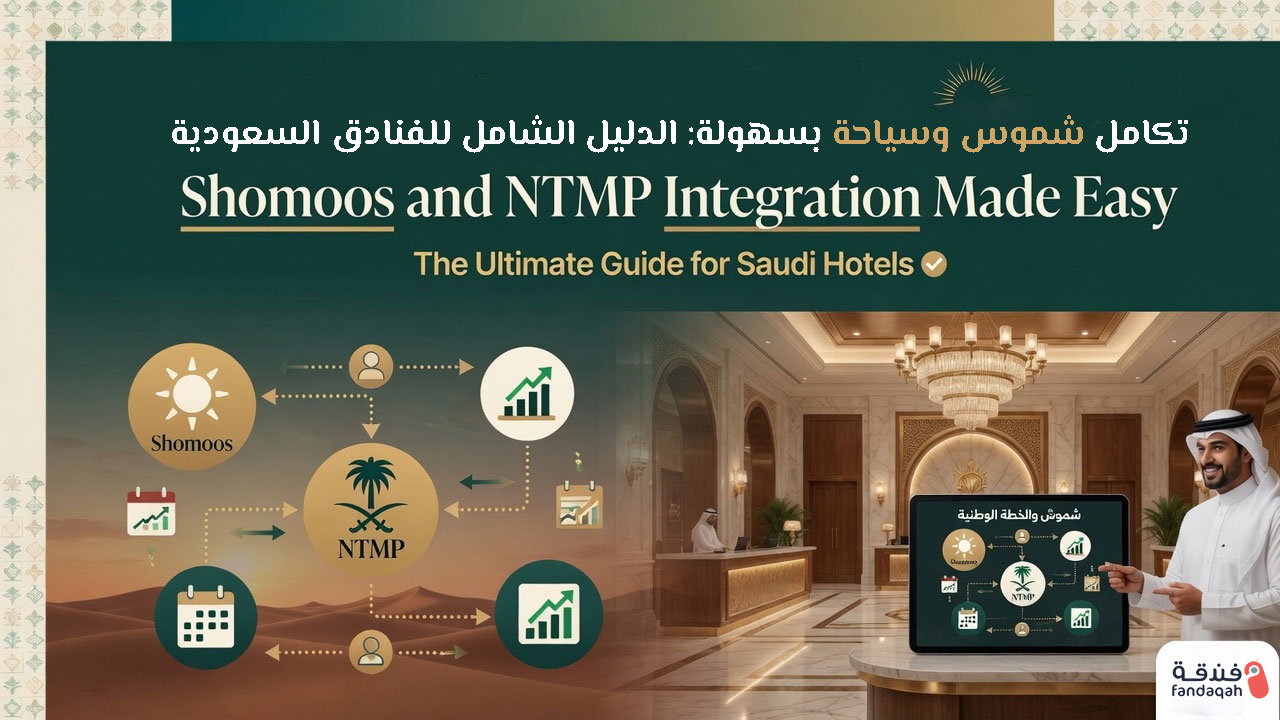
- Nusuk Platform Integration: Directly linking hotel PMS with the unified government “Nusuk” platform to facilitate end-to-end digital booking and management of the pilgrim journey.
- Rise of Smart Hotels: Emergence of properties fully reliant on digital technologies, from self-check-in to in-room virtual assistants.
7. Frequently Asked Questions About Hotel Preparation for Hajj 2027
Q1: When is the best time to start preparing my hotel for Hajj 2027?
It is recommended to begin at least 8 to 10 months before the Hajj season. This includes updating your PMS system, training staff, ensuring compliance requirements are met, and contracting with travel agencies. Early planning gives you a clear competitive edge.
Q2: How does a PMS help achieve Ministry of Hajj and Umrah compliance?
A property management system provides automatic, accurate reports covering pilgrim data, occupancy statistics, and reservation details, making it easier for hotels to submit required information to the ministry quickly and precisely, reducing the risk of manual recording errors.
Q3: What are the penalties for non-compliance with Ministry standards?
Penalties range from substantial fines and suspension of operating licenses to a ban on hosting pilgrims in future seasons, and can escalate to temporary or permanent closure of the facility in severe cases. Compliance is not optional—it is a legal and commercial obligation.
Q4: How can I increase hotel capacity without violating regulations?
You can increase hotel capacity through flexible room configurations with adaptable furniture and a booking system that allows bed-sharing among companion pilgrims, while strictly adhering to maximum occupancy limits set by regulatory and municipal authorities.
Q5: Does the PMS support Arabic language and Saudi market requirements?
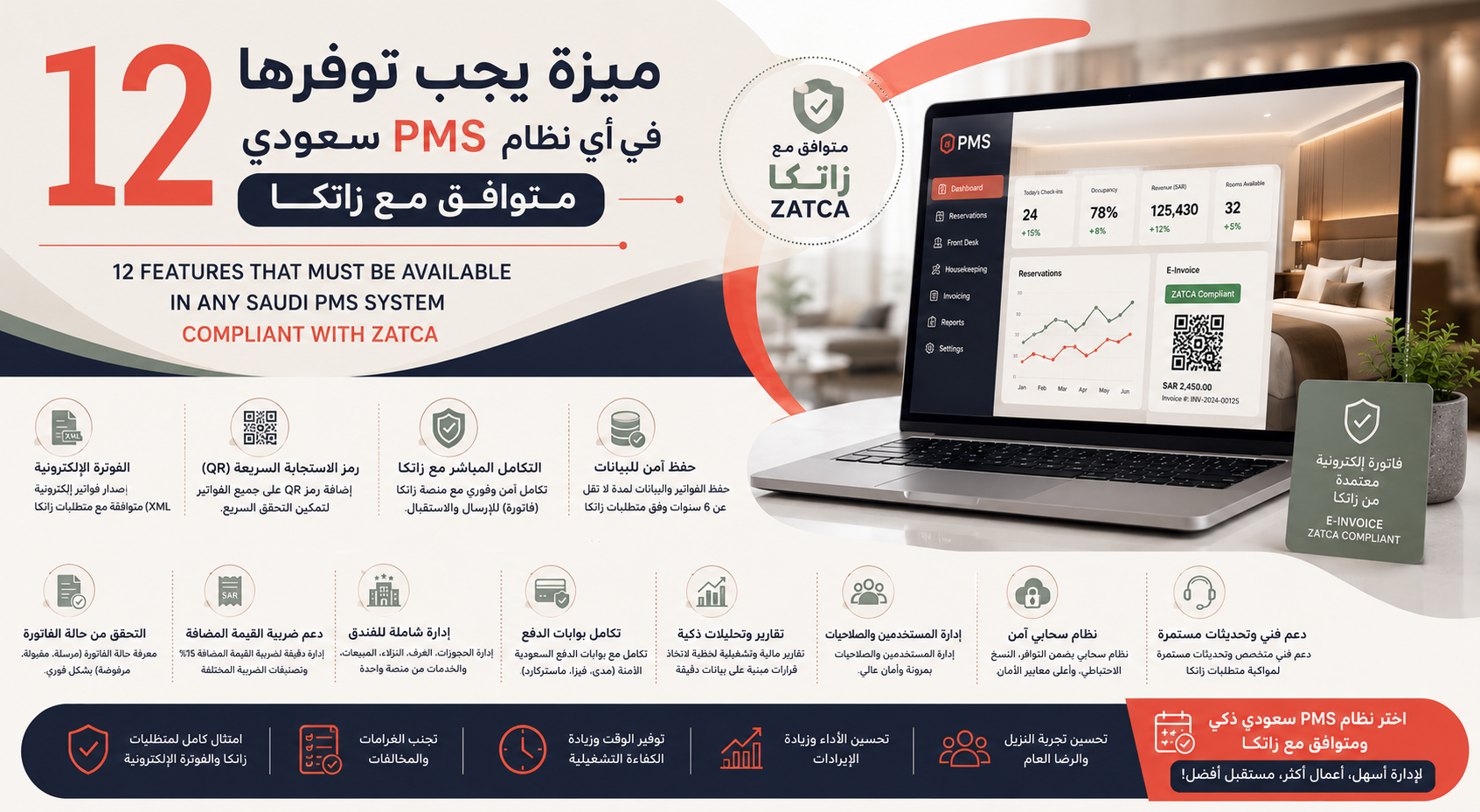
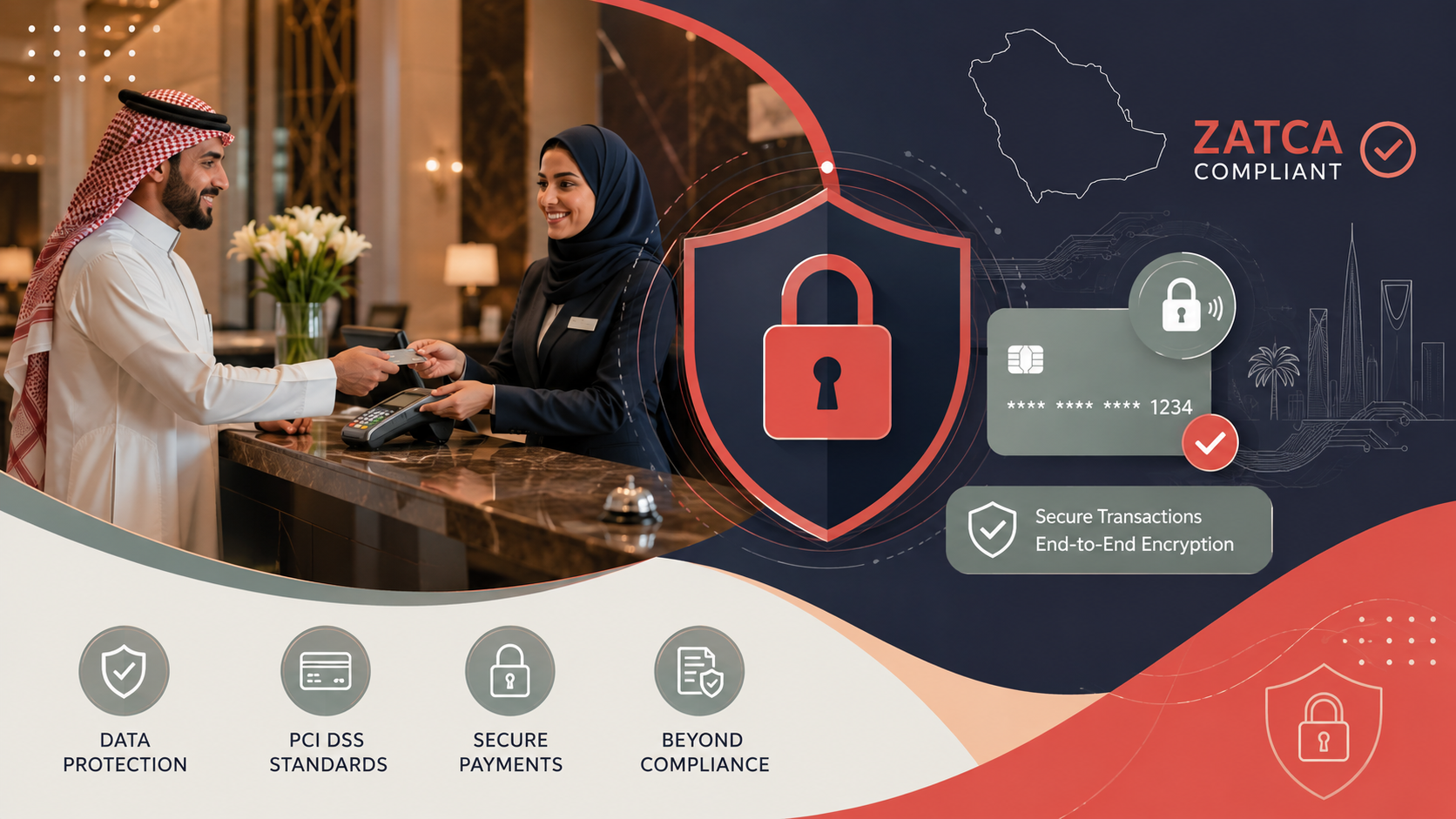
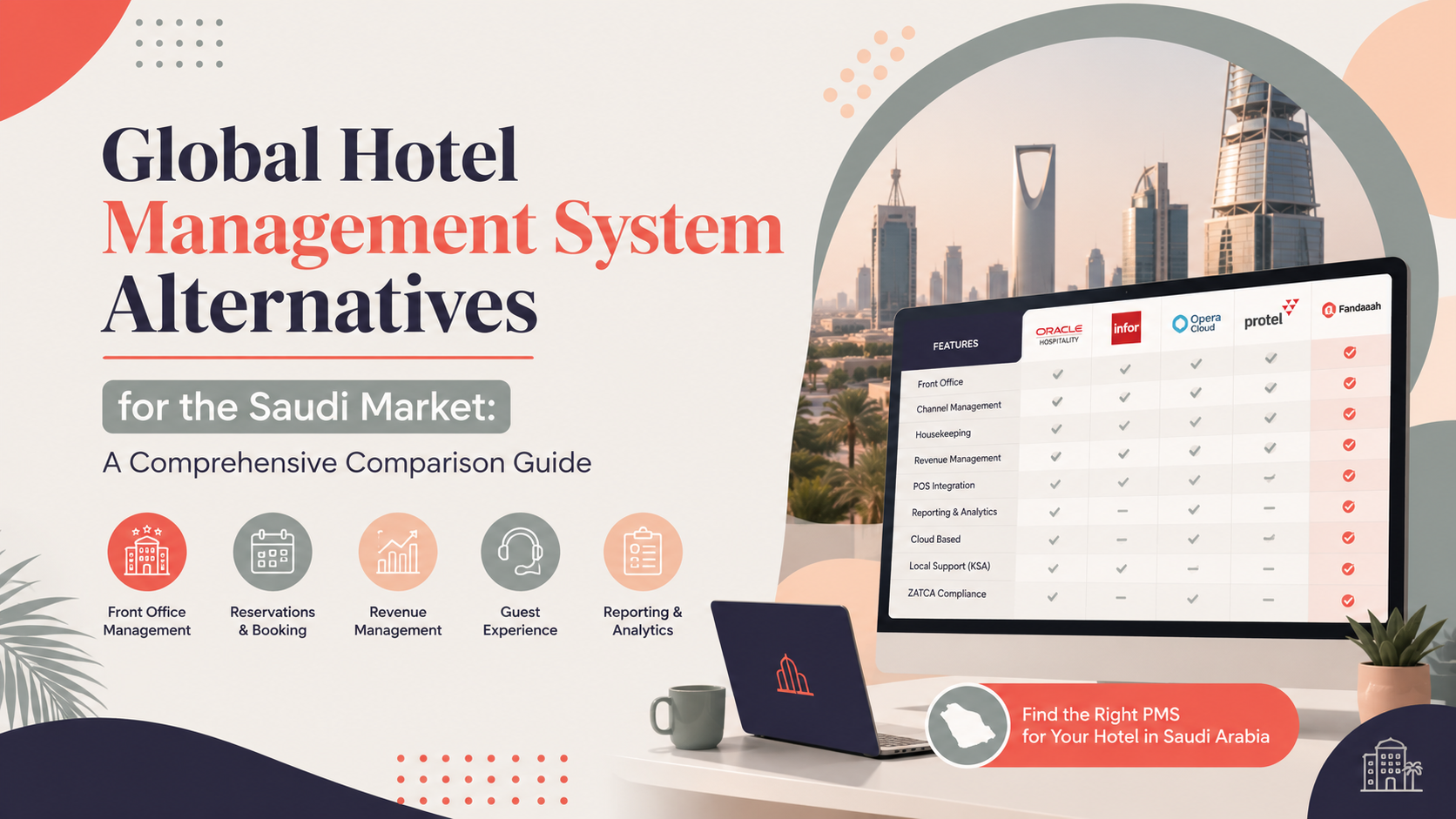
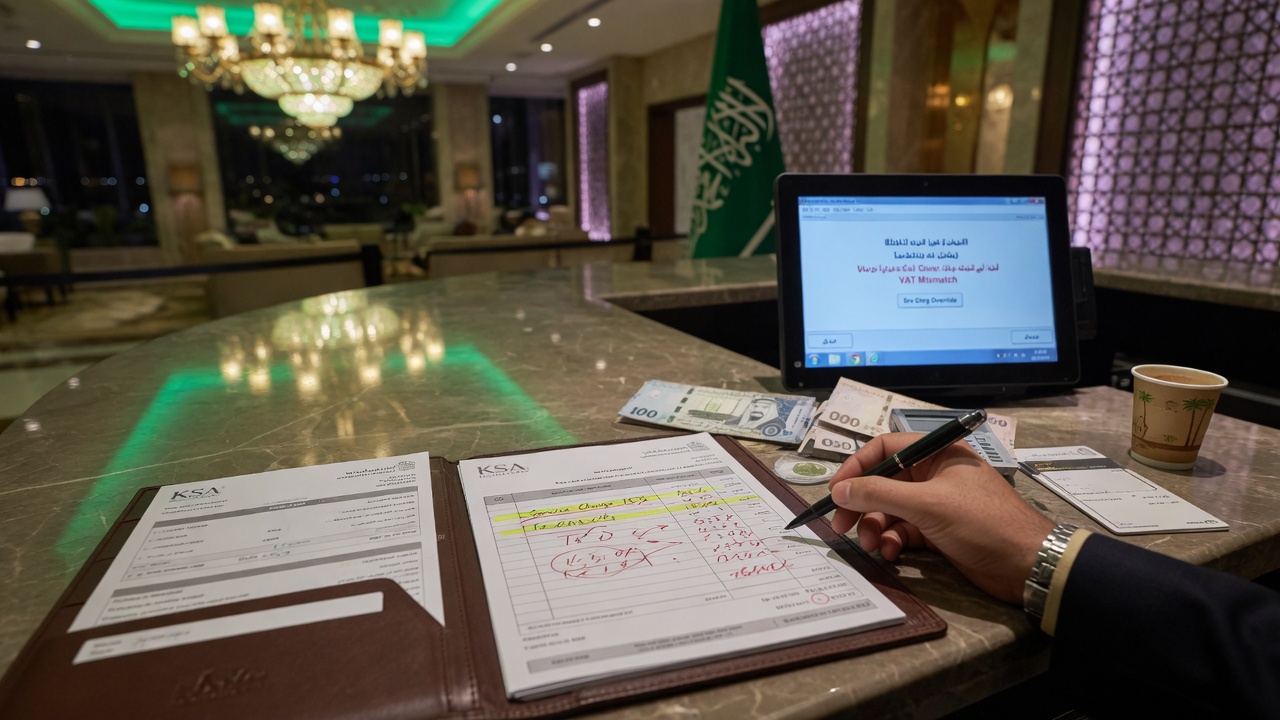
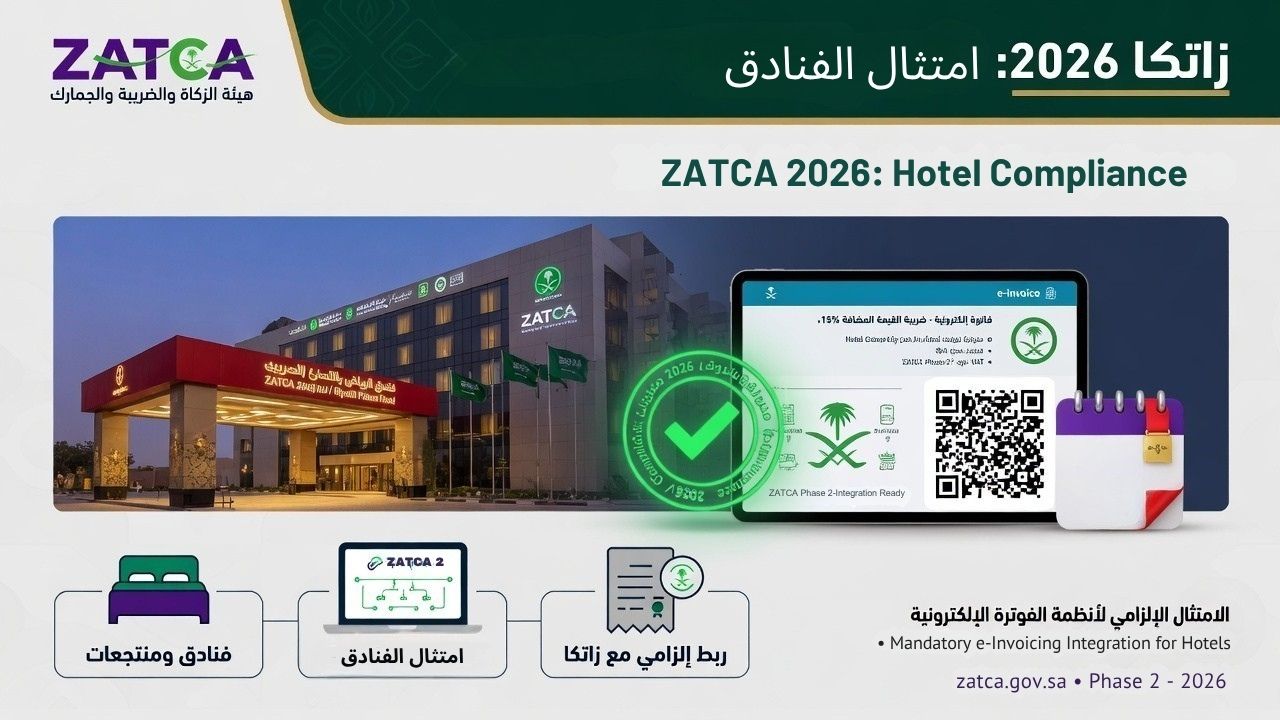
Yes, most modern PMS systems available in the Saudi market fully support Arabic and comply with the ZATCA e-invoicing (Fatoora) regulations, in addition to integrating with both local and global booking platforms.
Q6: What key performance indicators should I monitor during Hajj?
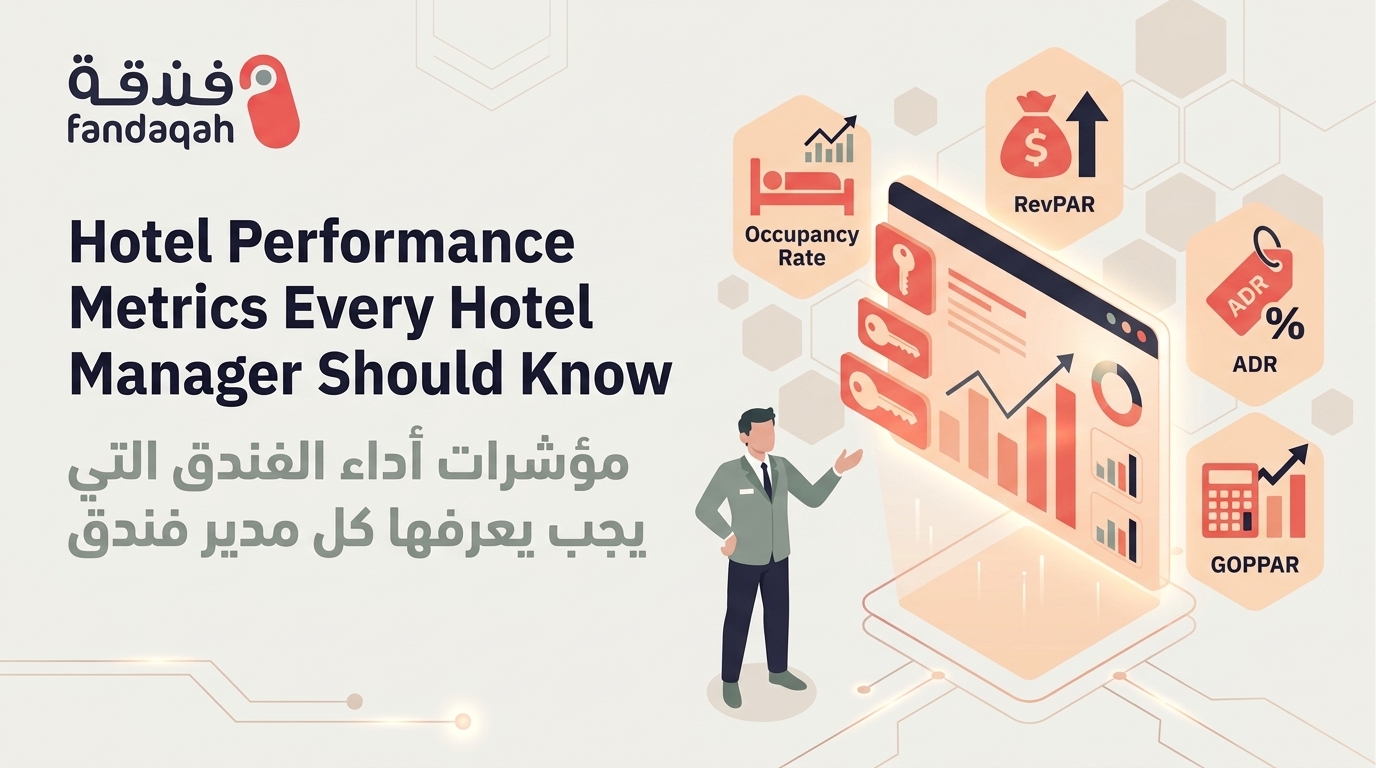
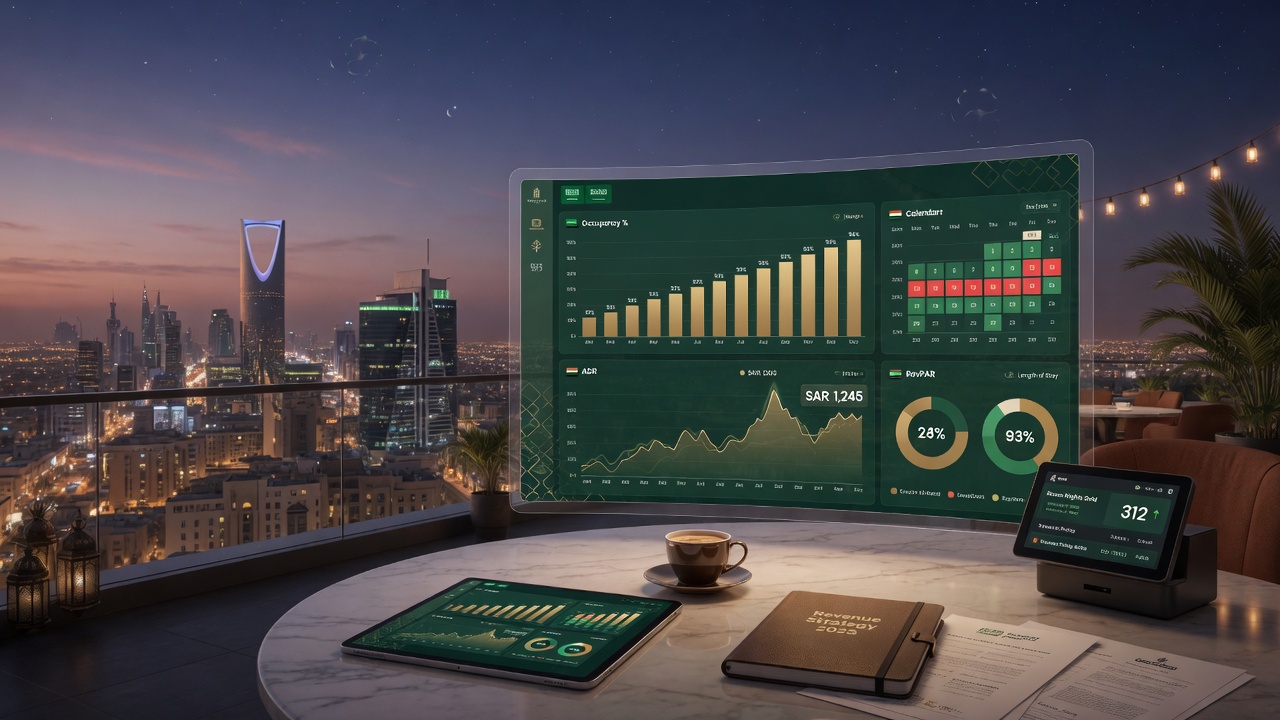
Primary KPIs include daily occupancy rate, average room rate, revenue per available room, pilgrim length of stay, complaint ratio and resolution time, and adherence to cleanliness and safety standards. A robust PMS provides a real-time dashboard of these metrics.
Q7: How can my hotel integrate with the Nusuk platform?
The Ministry of Hajj and Umrah is providing APIs that allow hotel management systems to integrate directly with the Nusuk platform. We recommend contacting your PMS provider to ensure readiness for this integration before Hajj 2027.
Q8: What is the cost of implementing a full PMS for a mid-size hotel?
Costs vary based on hotel size, number of rooms, and required features. Monthly subscriptions for cloud-based PMS systems range between SAR 400 and SAR 2,000 for mid-size hotels, with possible initial setup fees. This investment is cost-effective given the efficiency gains and error reduction.
8. Conclusion: Prepare Today for a Successful Hajj 2027
Hotel preparation for Hajj 2027 is an integrated process that blends advanced technology, strict regulatory compliance, and smart resource management. By investing in a modern Hotel PMS, adhering to Ministry of Hajj and Umrah requirements, and creatively optimizing capacity, hotels across Saudi Arabia can deliver an exceptional experience to pilgrims while achieving rewarding seasonal profits. Early planning is the golden key to ensuring a safe, successful, and profitable Hajj season.
As the Kingdom continues its transformation journey toward Vision 2030, the hotel hospitality sector will be among the biggest beneficiaries of technical and regulatory advances. Seize the opportunity today and start preparing your property to be part of Saudi Arabia’s success story in hosting the Guests of Allah.
Start Your Hotel’s Hajj 2027 Preparation Today
Don’t wait until the last moment. Get a free consultation from hospitality experts and discover how an integrated PMS system can make a real difference in managing your hotel during the upcoming Hajj season.
Request Your Free Consultation NowLimited free consultation slots — book yours today