Published on June 10, 2026 | Reading Time: 14 Minutes | Region Focus: Saudi Arabia & Arab World
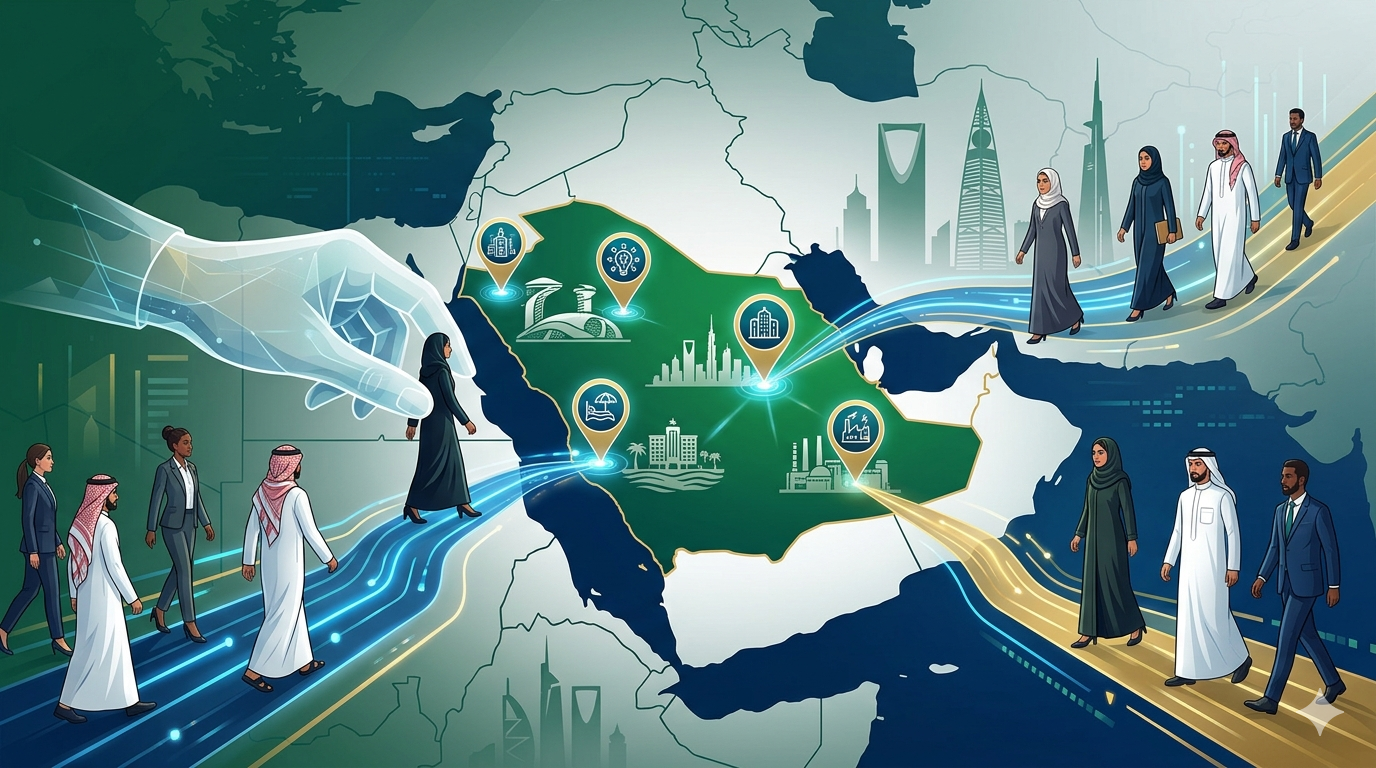
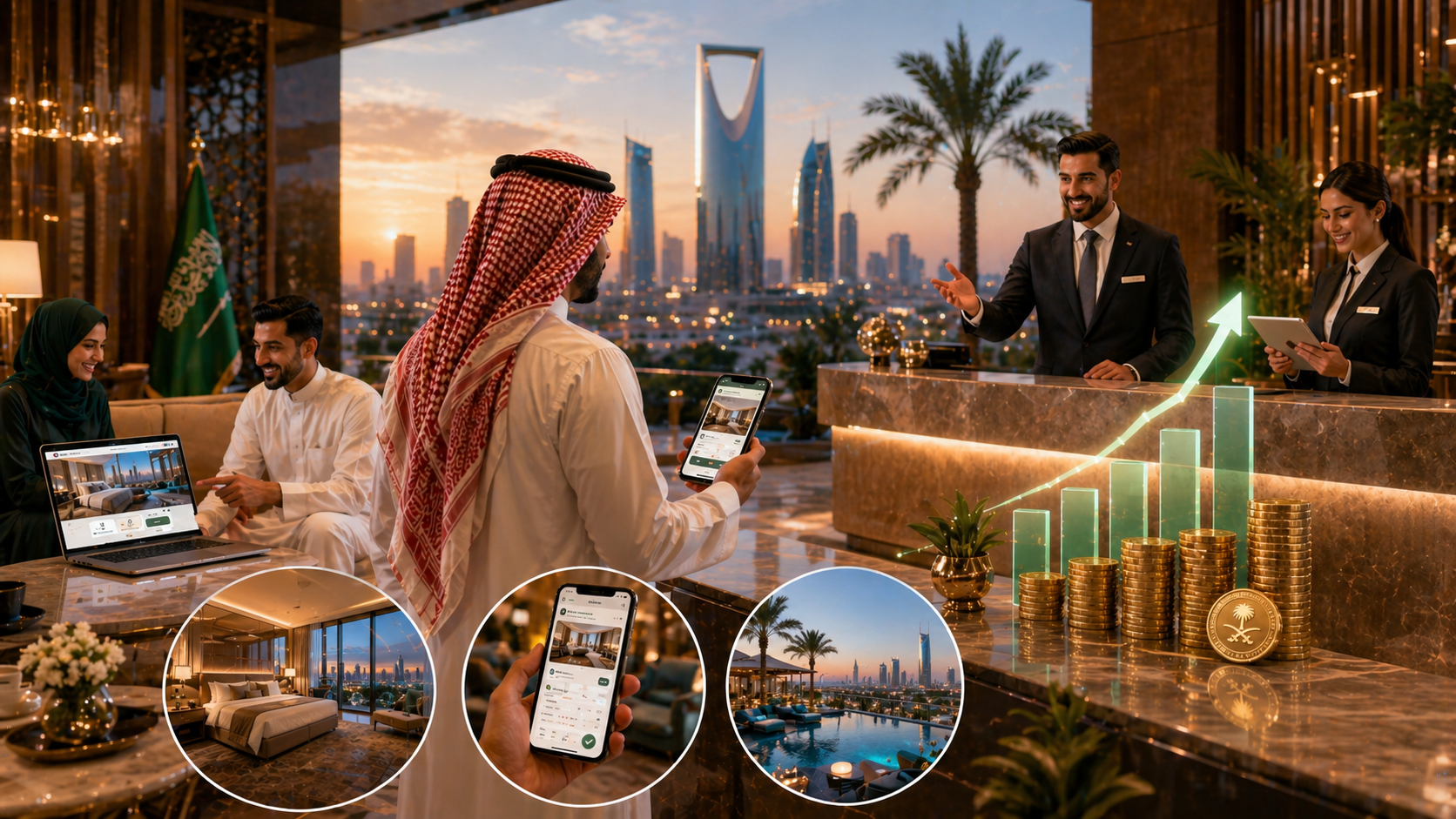
The hospitality landscape across the Arab world is evolving at an extraordinary pace. From the shimmering towers of Dubai to the spiritual heartlands of Makkah and Madinah, and from the ambitious mega-projects of Saudi Vision 2030 to the cultural hubs of Cairo and Amman, hotels are facing a transformative question: How do we get our rooms in front of the right guests, at the right price, on the right platform? The answer lies in mastering hotel distribution channels in the Arab world — a complex, multi-layered ecosystem that can make or break a property's revenue strategy.
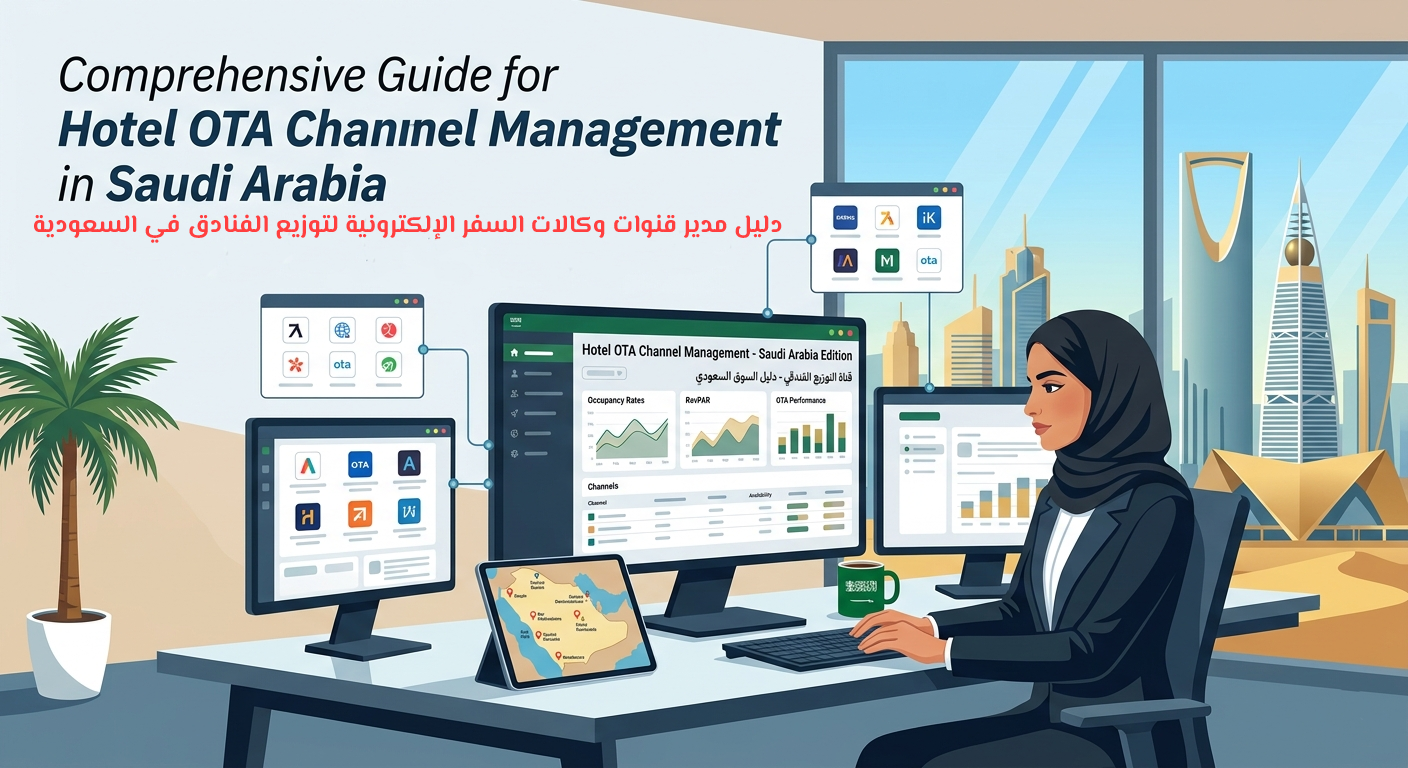
Whether you manage a boutique hotel in AlUla, a five-star resort on the Red Sea coast, or a growing chain across Gulf Cooperation Council (GCC) countries, understanding the nuances of hotel booking platforms in the Middle East is no longer optional. It is a competitive necessity. In this comprehensive guide, we unpack every major distribution channel available to Arab-world hoteliers, explore their unique advantages, and offer actionable insights tailored specifically to the Saudi Arabian market.
Did You Know? Online travel agencies (OTAs) account for over 60% of all digital hotel bookings across the Arab world, yet direct booking strategies are growing at nearly twice the rate — a shift accelerated by Vision 2030's emphasis on digital independence.
What Are Hotel Distribution Channels and Why Do They Matter?
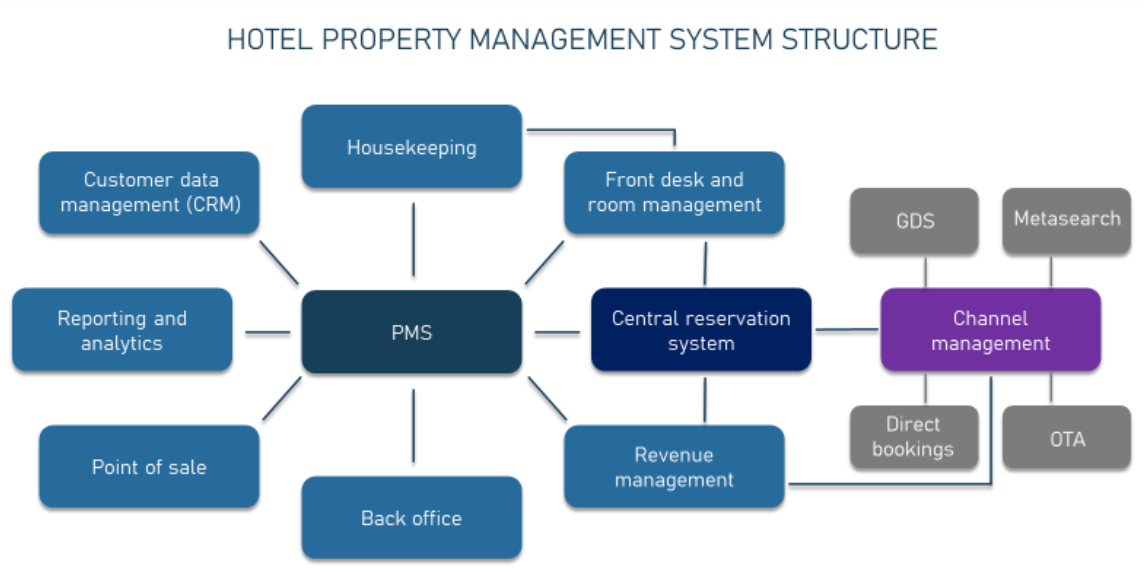
A hotel distribution channel is any pathway through which a property makes its inventory — rooms, suites, packages, and ancillary services — available for purchase by guests. These channels can be direct (the hotel's own website, mobile app, phone reservations, or walk-ins) or indirect (online travel agencies, global distribution systems, metasearch engines, wholesalers, and corporate travel platforms). The art of hotel revenue management in the Arab hospitality market depends on selecting and optimising the right mix of these channels.
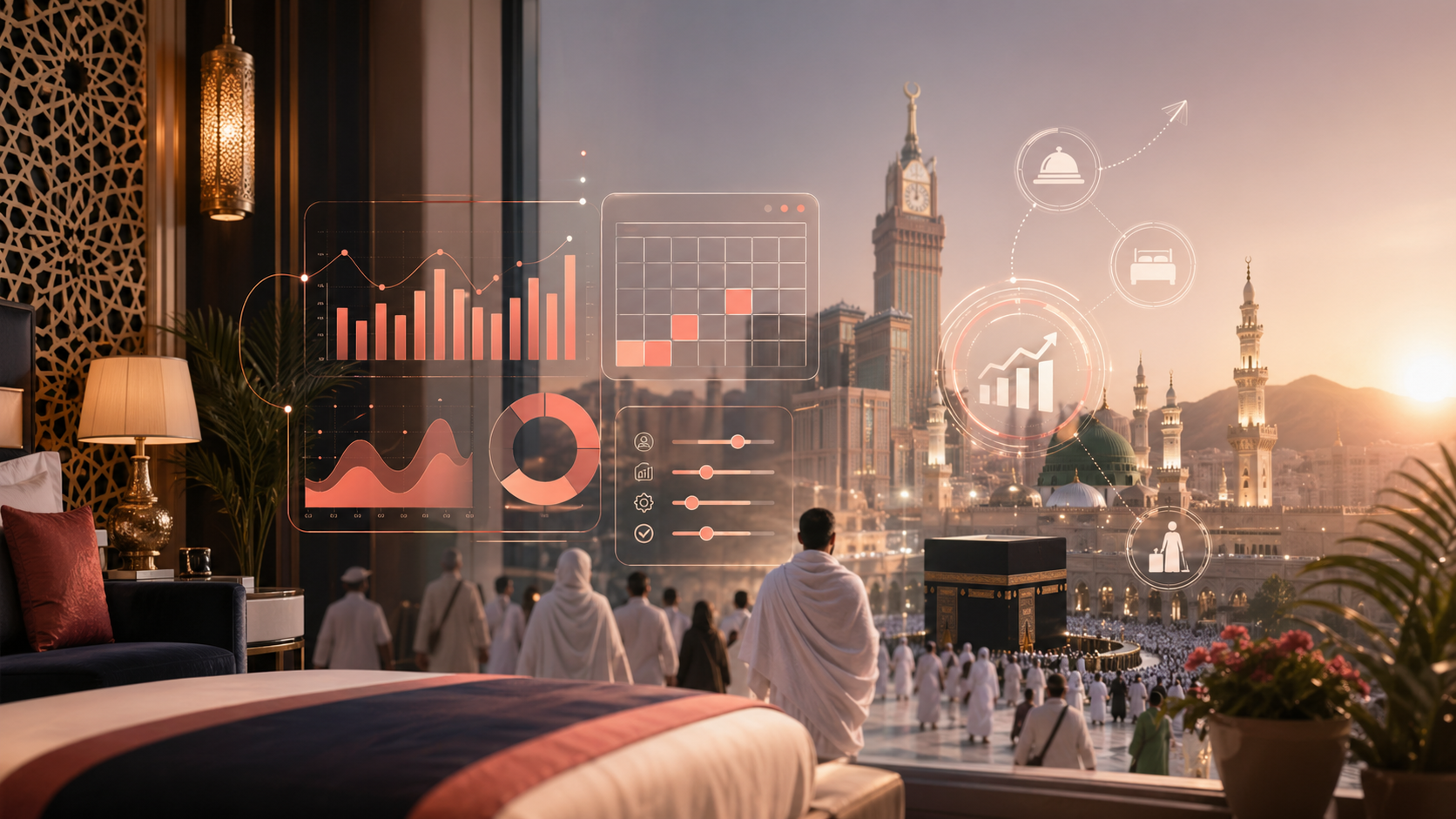
In the Arab world, the distribution landscape carries unique characteristics. Religious tourism in Saudi Arabia alone draws over 20 million pilgrims annually for Hajj and Umrah, creating demand patterns unlike anywhere else on earth. Meanwhile, luxury-seeking travellers from Europe, Asia, and the Americas flock to GCC destinations for pristine beaches, desert adventures, and world-class shopping. A hotel channel manager that works flawlessly in London may struggle to handle the seasonal spikes of Ramadan, Eid, and Hajj without localised configuration.
"The hotel that masters distribution is the hotel that masters its own destiny. In the Arab world, where guest expectations are exceptionally high and competition is intensifying, a diversified channel strategy is the single most powerful revenue lever available."
— Senior Hospitality Consultant, Riyadh
The Core Hotel Distribution Channels in the Arab World
1. Online Travel Agencies (OTAs) — The Dominant Force
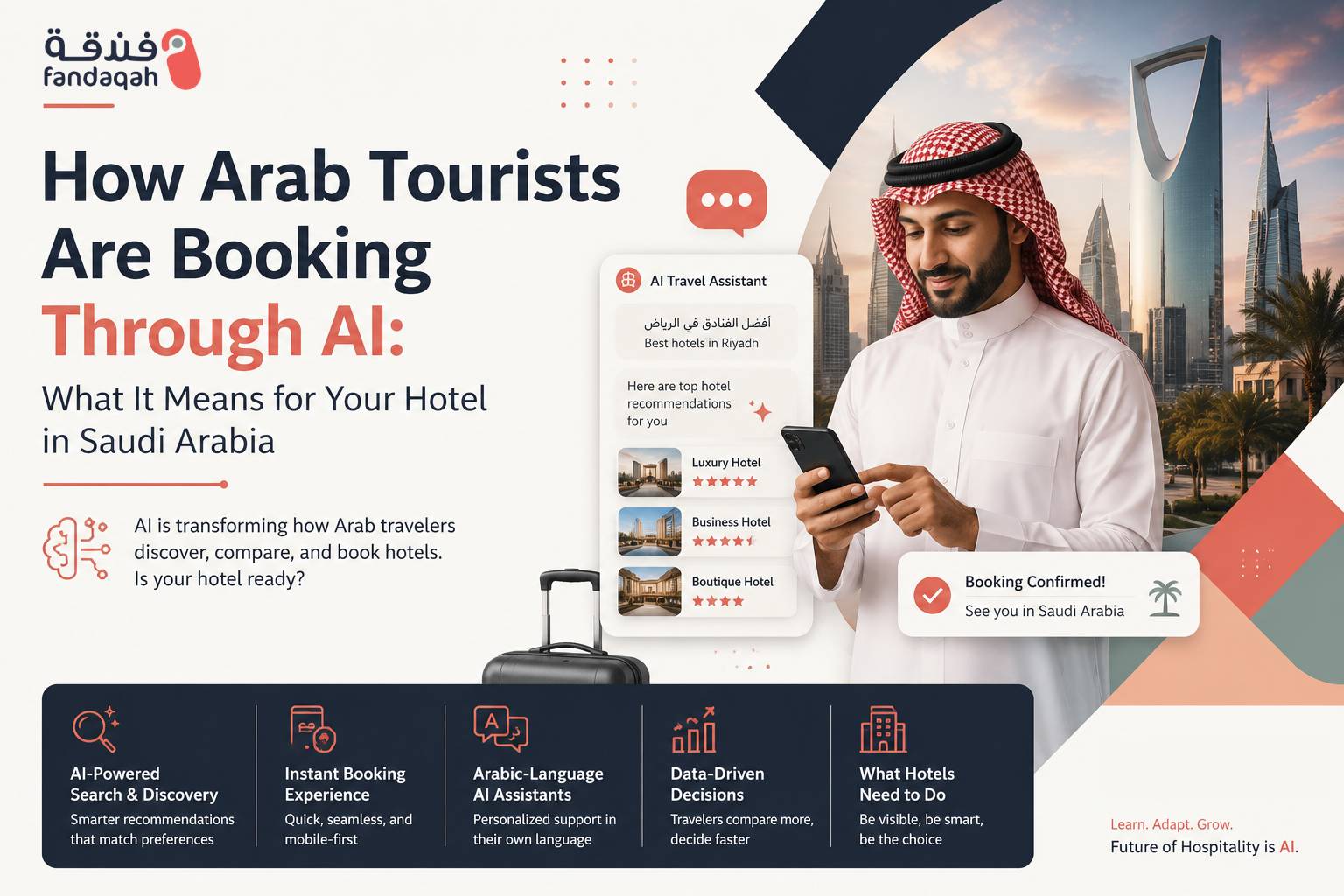
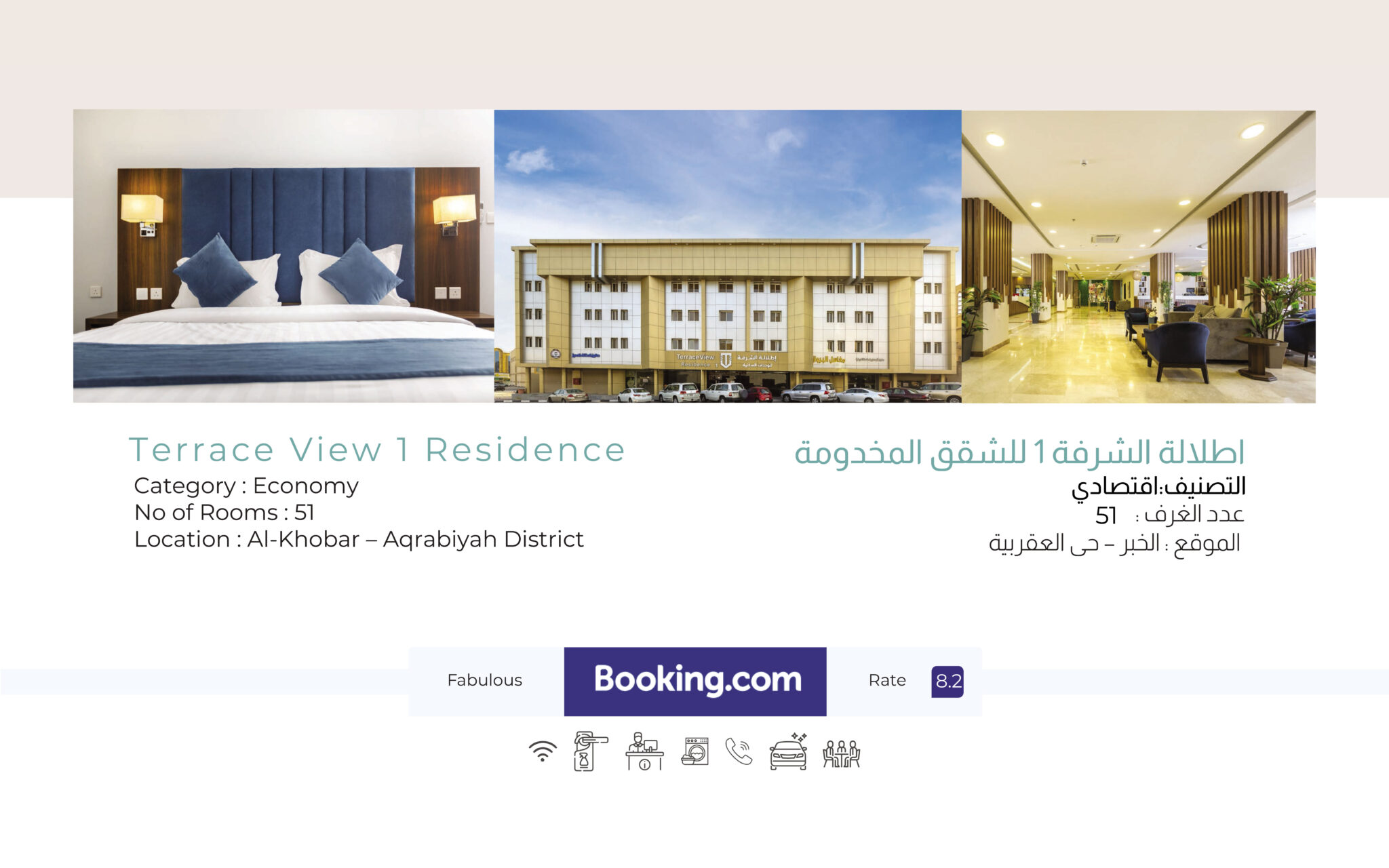
Online travel agencies remain the single largest source of digital bookings for hotels across the Arab world. Global giants like Booking.com, Expedia Group, and Agoda command enormous market share, but regional players are rising rapidly. Almosafer, a Saudi-born platform now part of the Seera Group, has become a household name for domestic and regional travel. Wego, headquartered in Singapore with a strong Middle Eastern presence, excels as a metasearch-OTA hybrid. Meanwhile, HolidayMe and Tajawal continue to capture the Arabic-speaking market with localised interfaces and payment methods.
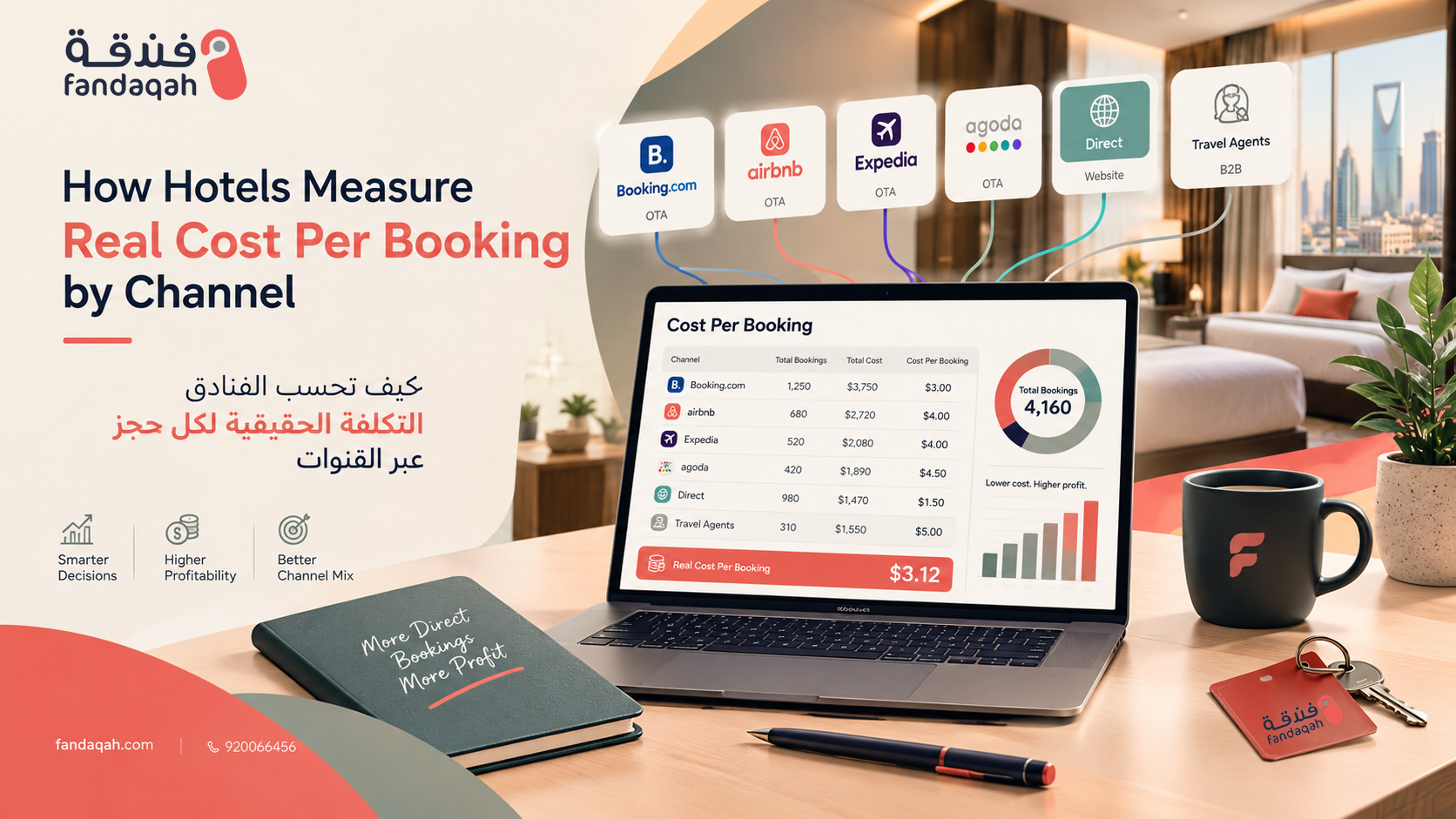
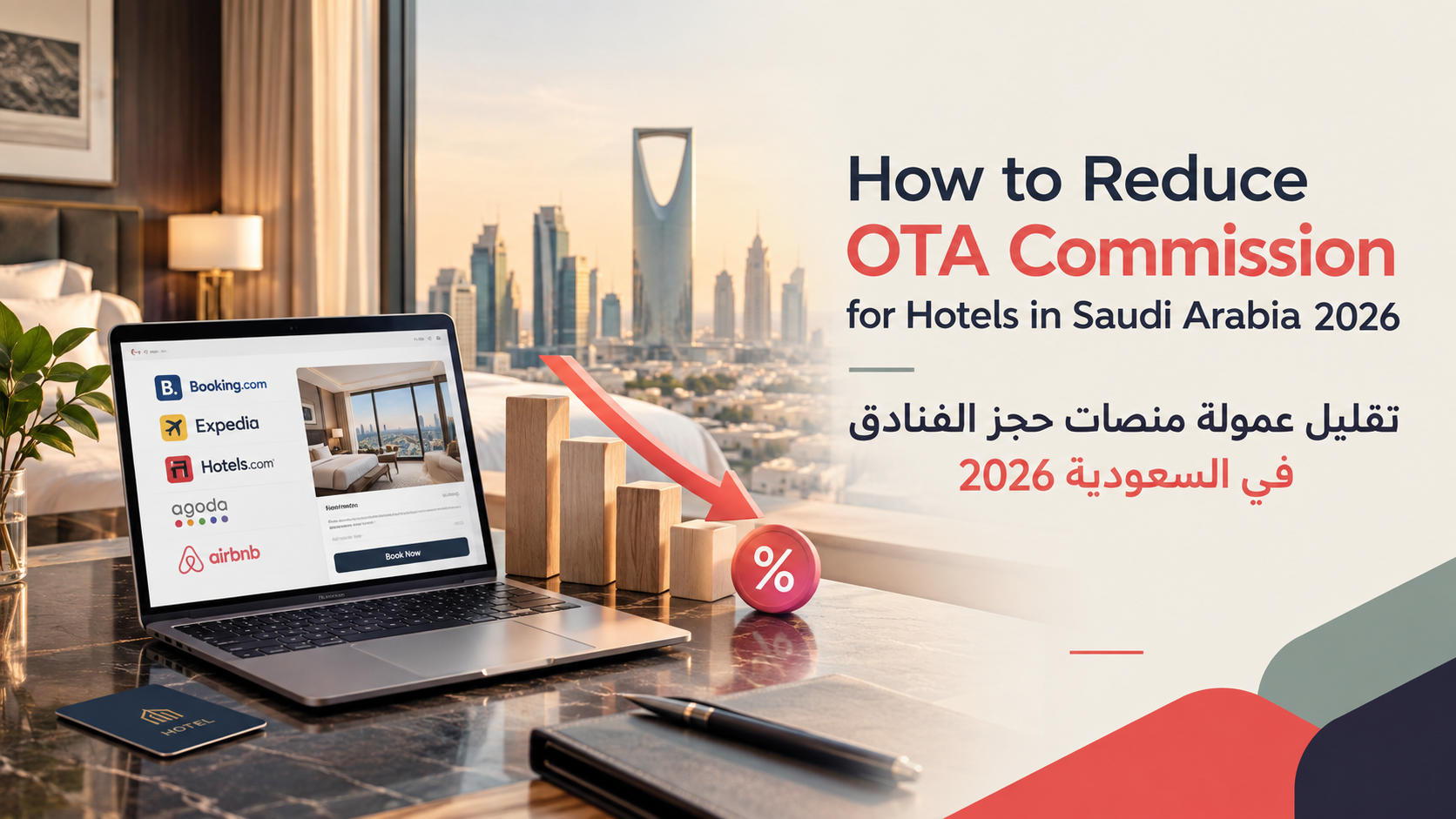
Why OTAs matter for Arab-world hotels: They deliver massive reach, invest heavily in multi-lingual marketing, and handle the end-to-end booking journey. For small and mid-sized properties that lack global brand recognition, OTA visibility is often the difference between full occupancy and empty rooms. However, commission rates — typically ranging from 15% to 30% — eat into profit margins, making it essential to balance OTA reliance with other channels.
- Booking.com — Largest OTA globally, exceptionally strong in GCC and Levant markets.
- Almosafer — Trusted Saudi brand; excellent for domestic bookings and Umrah-related travel.
- Wego — Popular metasearch platform with a loyal Arab user base.
- Tajawal & HolidayMe — Regional OTAs offering Arabic-first experiences.
- Expedia — Strong in corporate and long-haul inbound travel segments.
2. Direct Booking Channels — Reclaiming Control
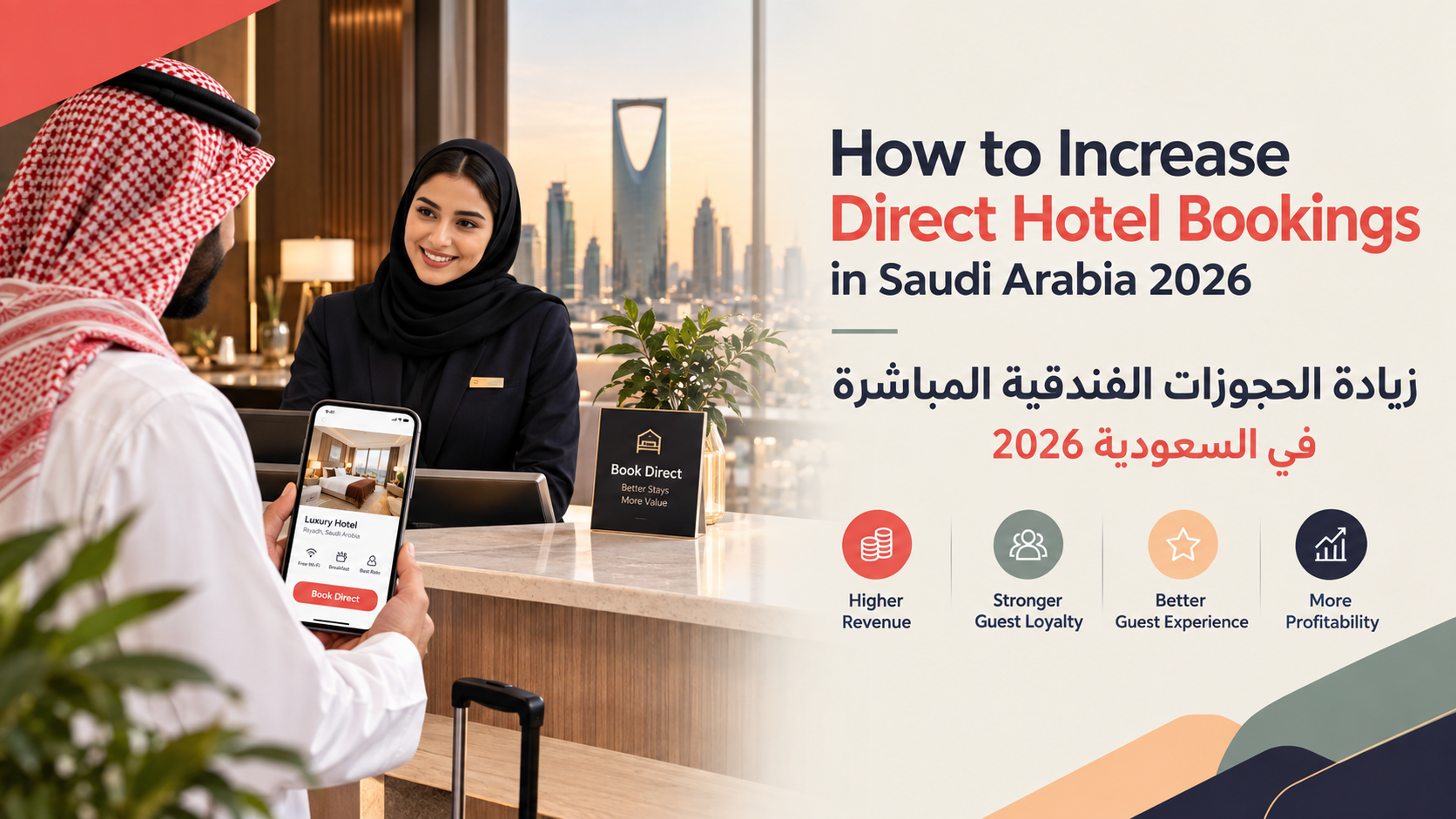
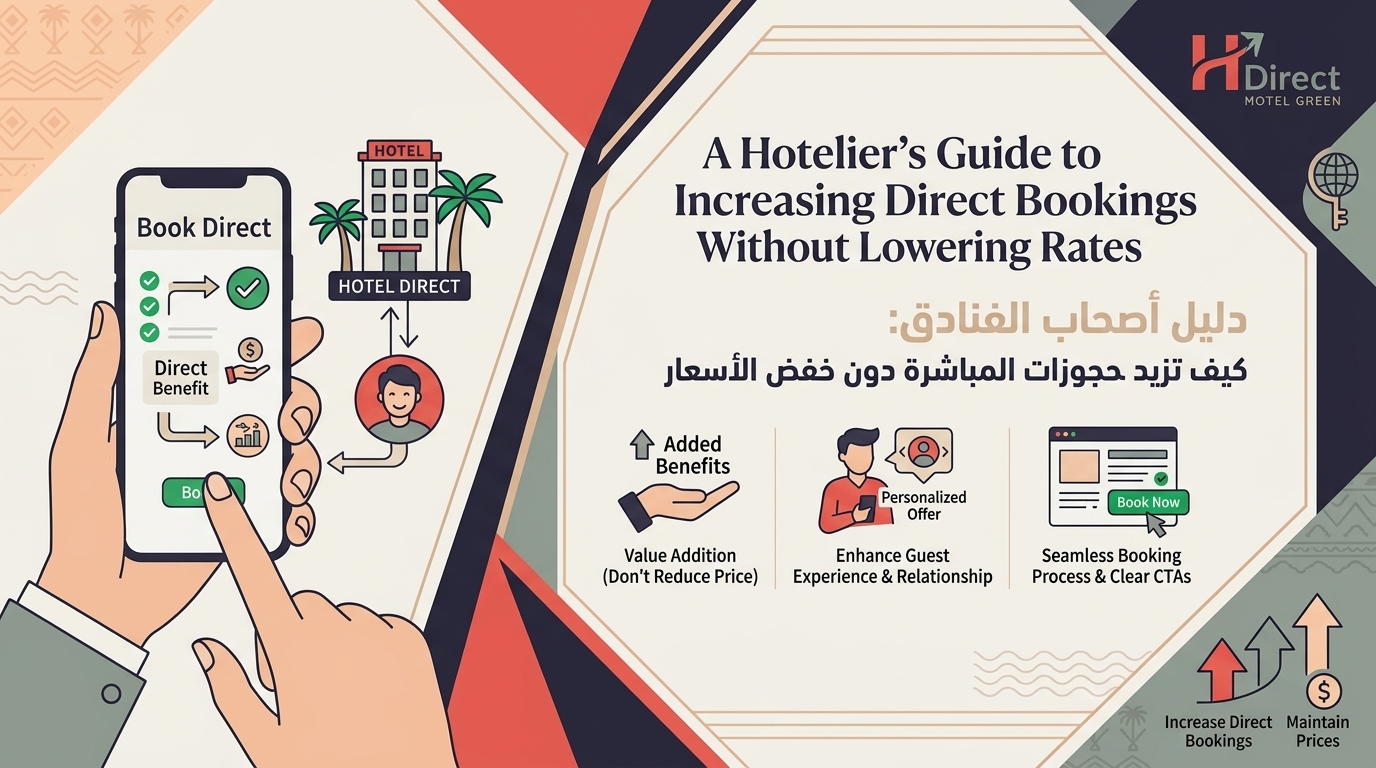
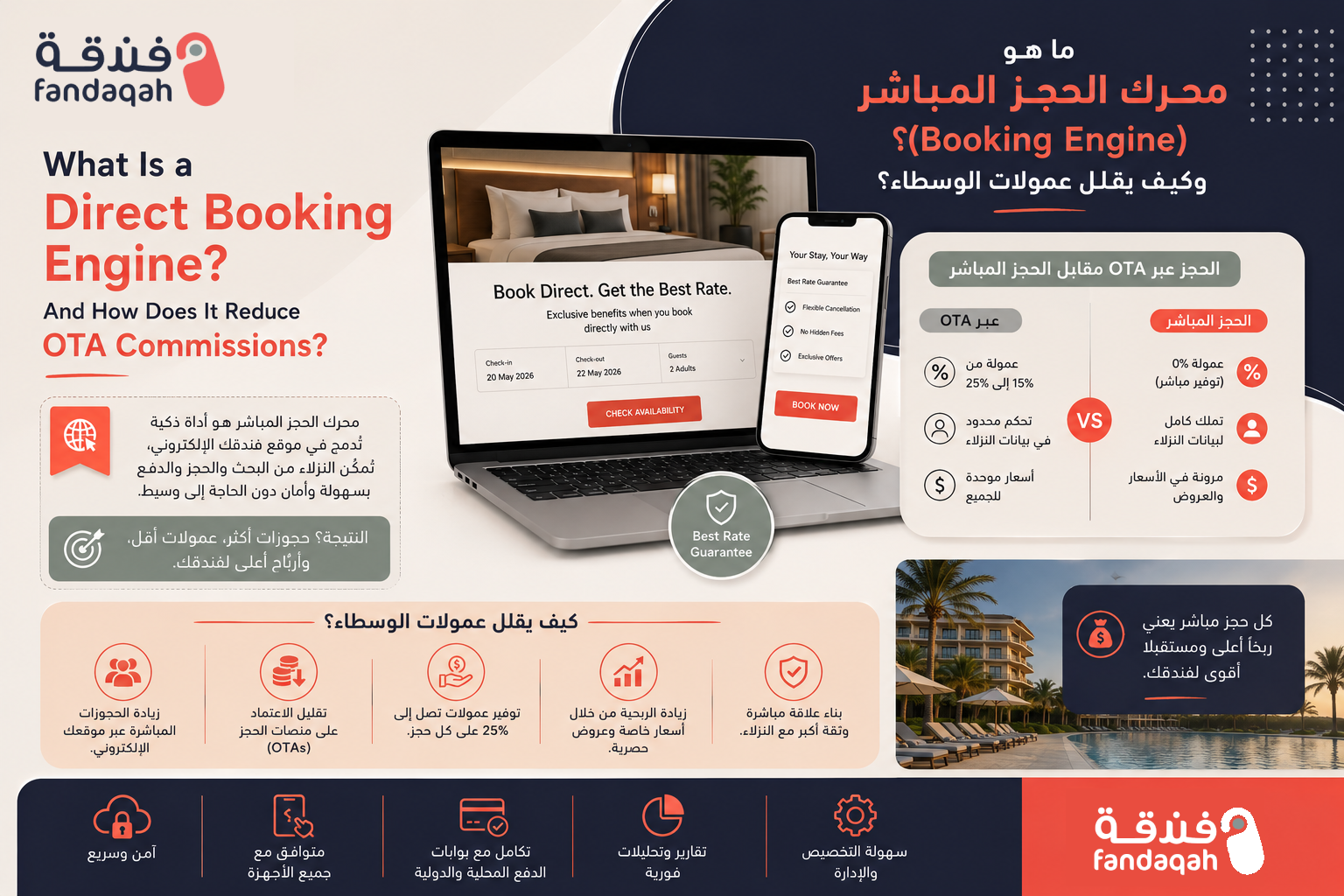
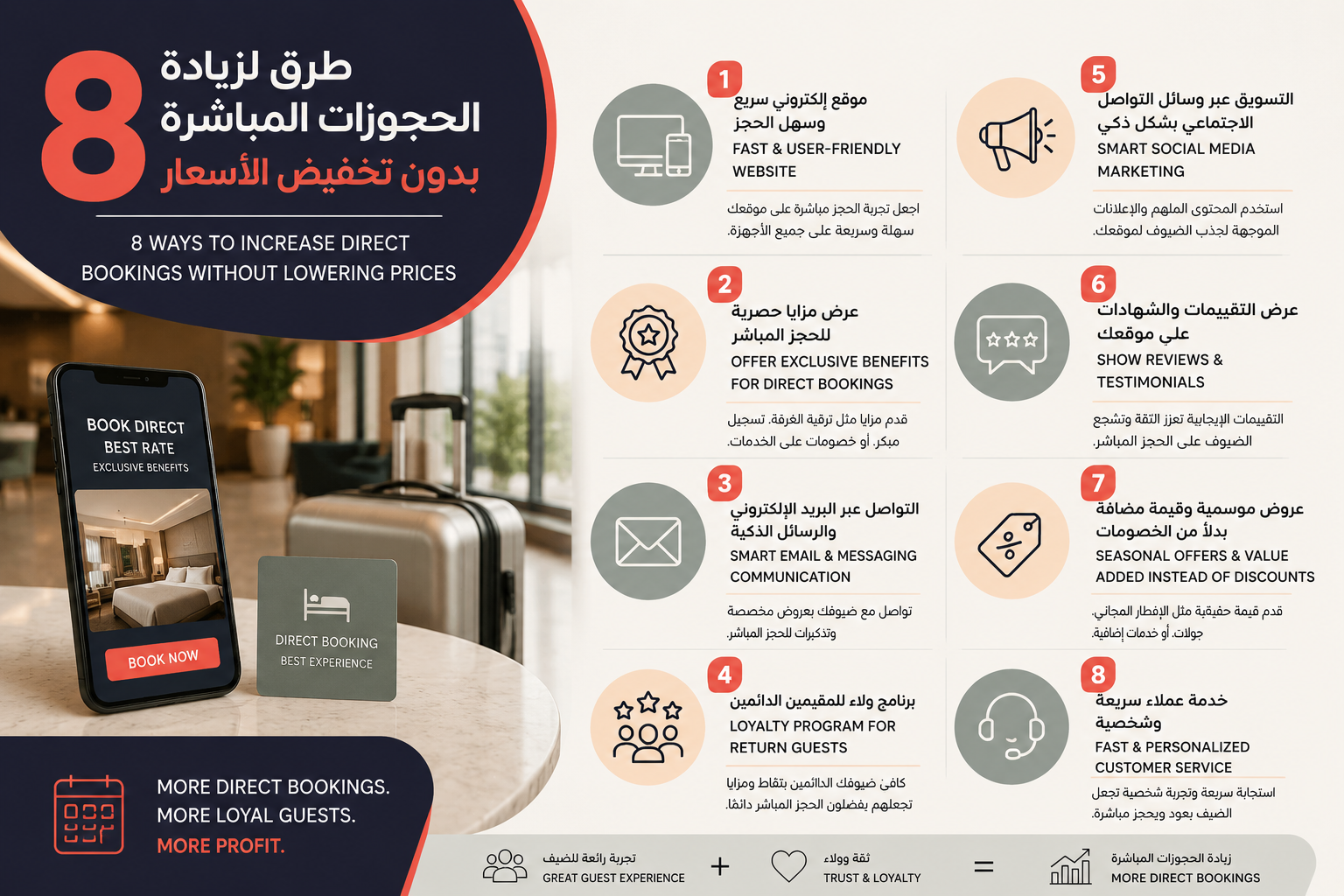
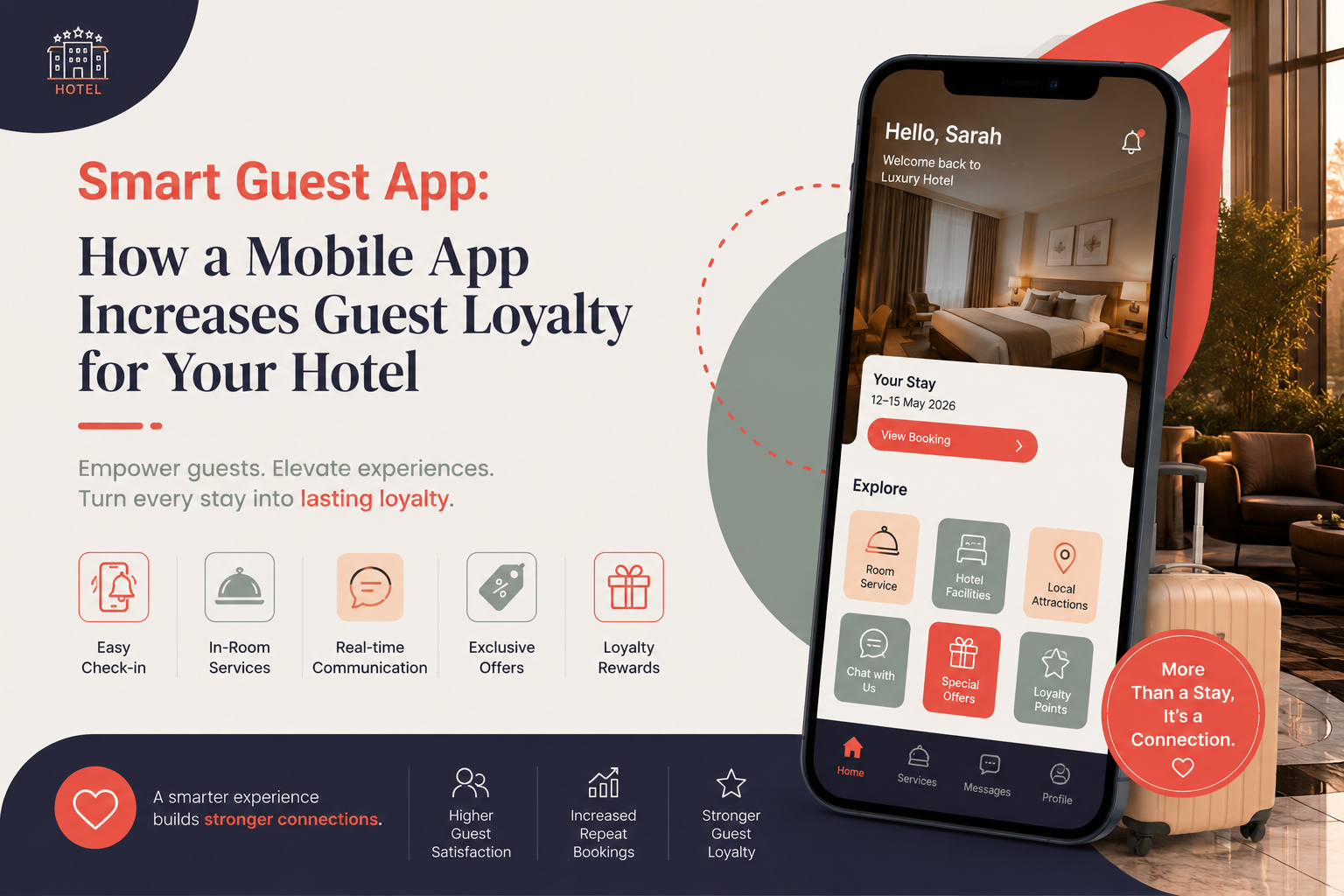
Direct booking strategies for hotels in Saudi Arabia and the wider Arab world have gained tremendous momentum. A hotel's own website, mobile application, social media storefronts, WhatsApp booking links, and voice-reservation teams all fall under this category. The key advantage? Zero commission fees and full ownership of the guest relationship.
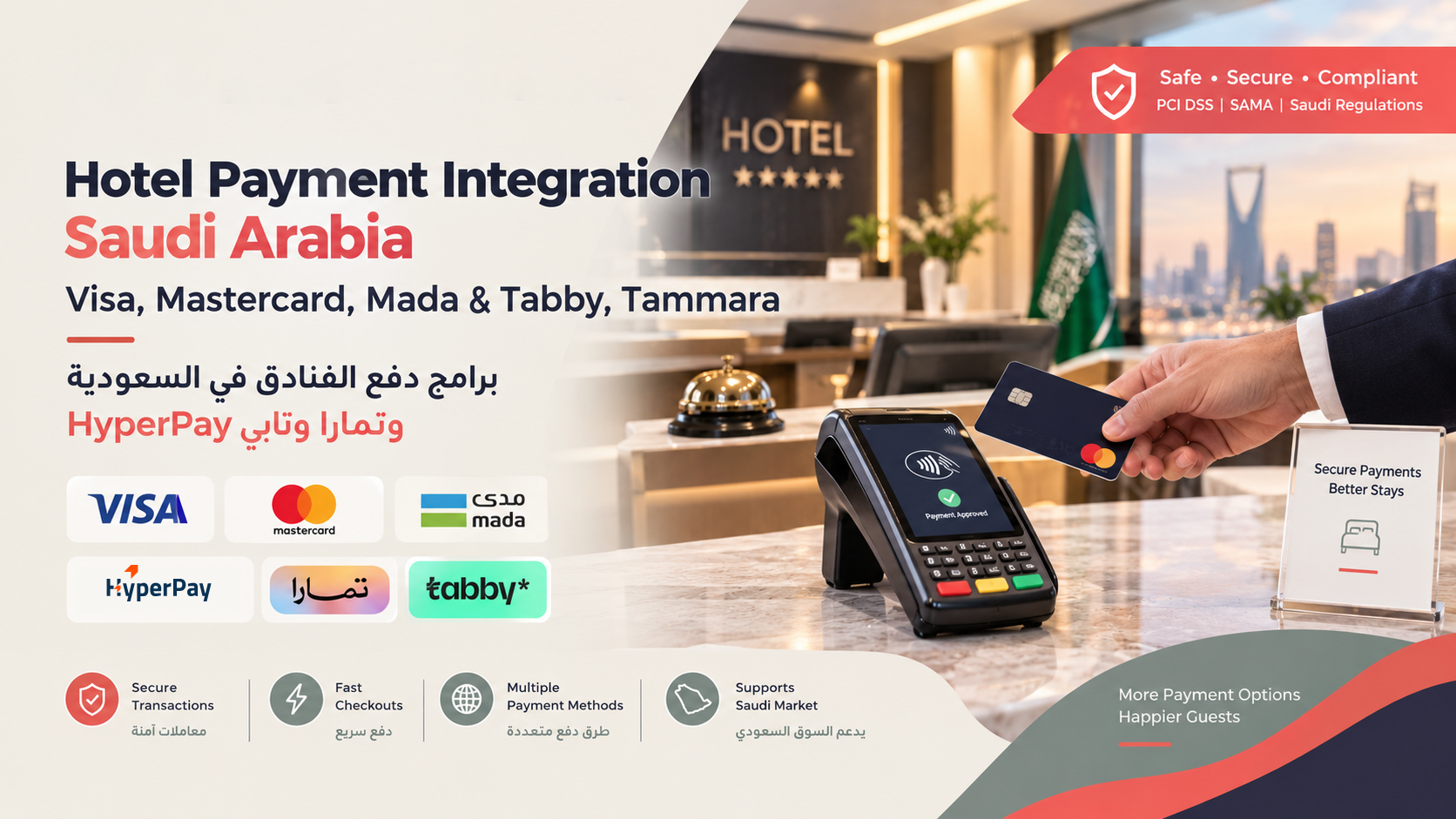
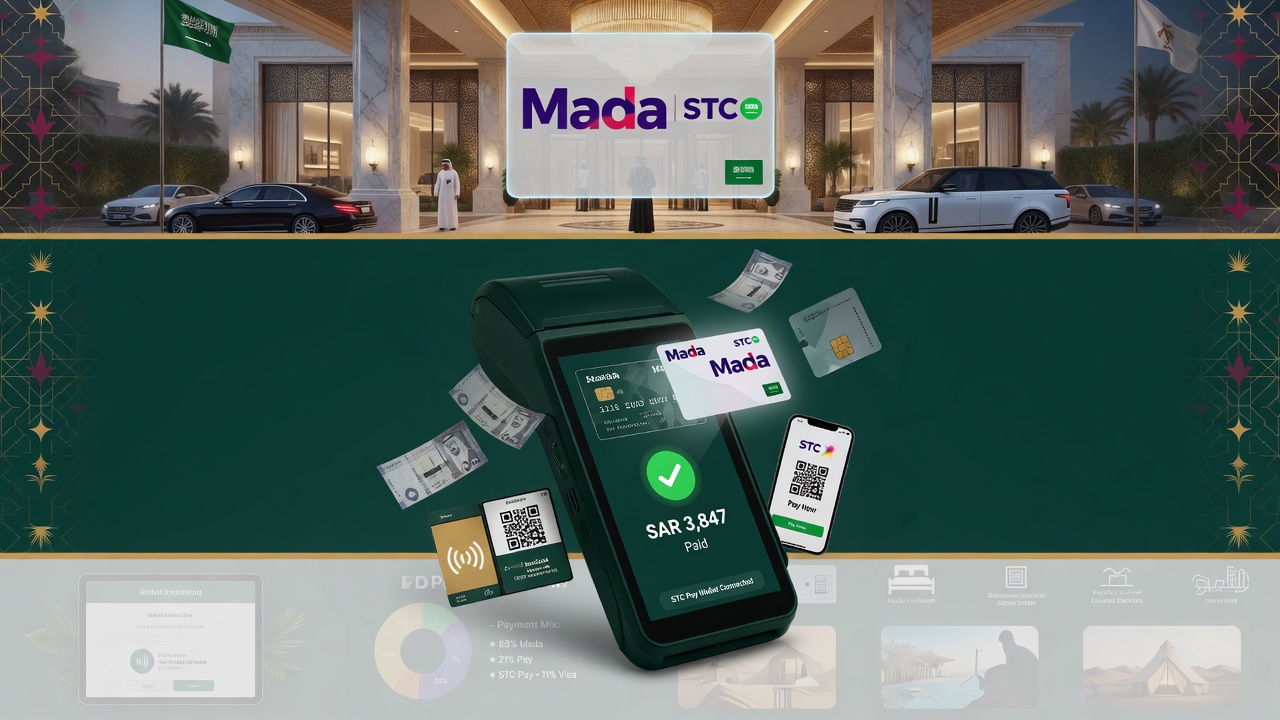
Savvy hoteliers are investing in booking engine optimisation, leveraging artificial intelligence chatbots that converse in both Arabic and English, and deploying retargeting campaigns to convert website visitors into confirmed guests. With payment gateways like STC Pay, Apple Pay, and Mada now integrated into most Saudi hotel websites, the friction that once pushed guests toward OTAs is rapidly disappearing.
- Hotel Website & Booking Engine — The highest-margin channel; supports loyalty programmes.
- Mobile Apps — Push notifications drive last-minute bookings among GCC travellers.
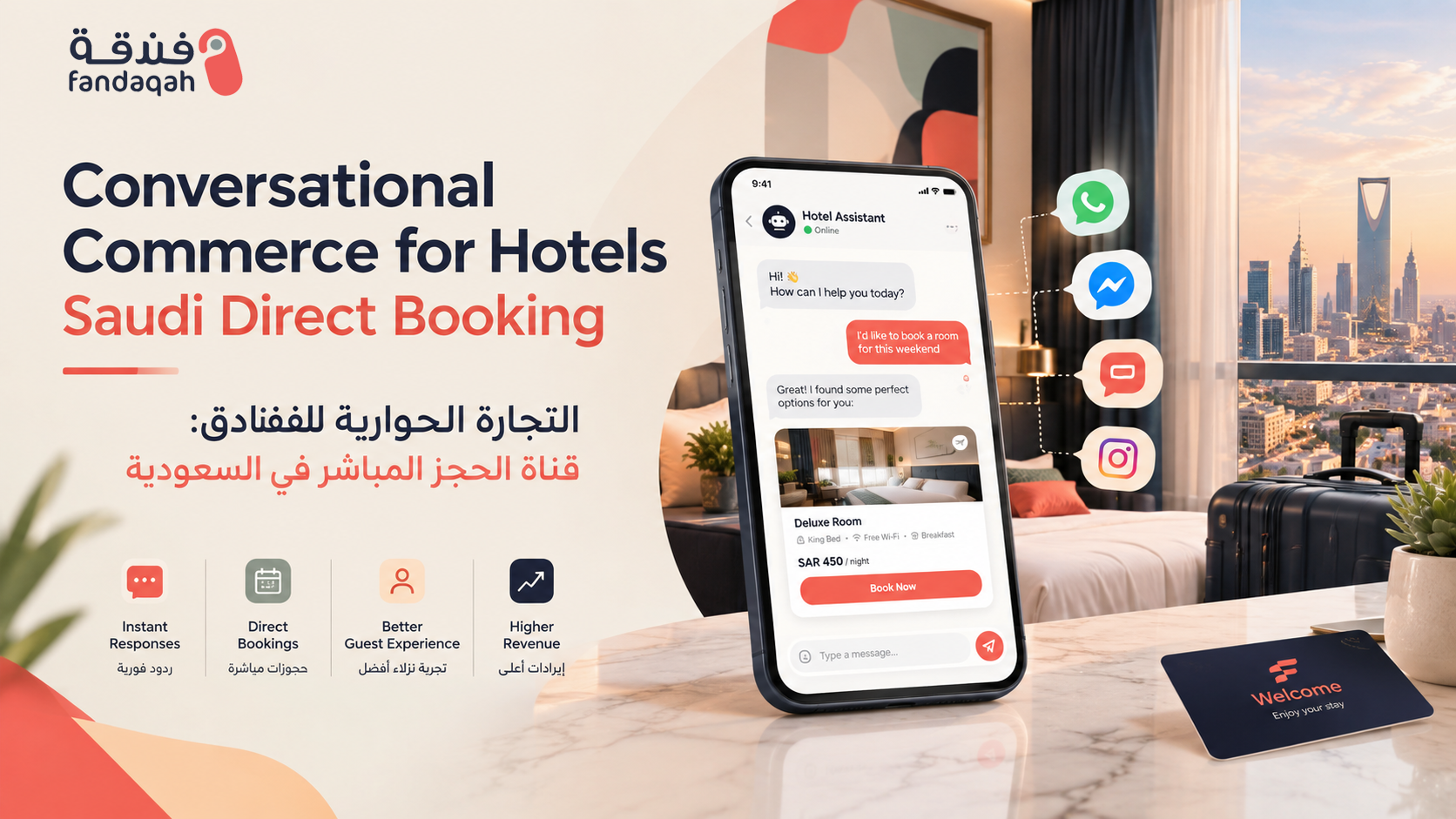
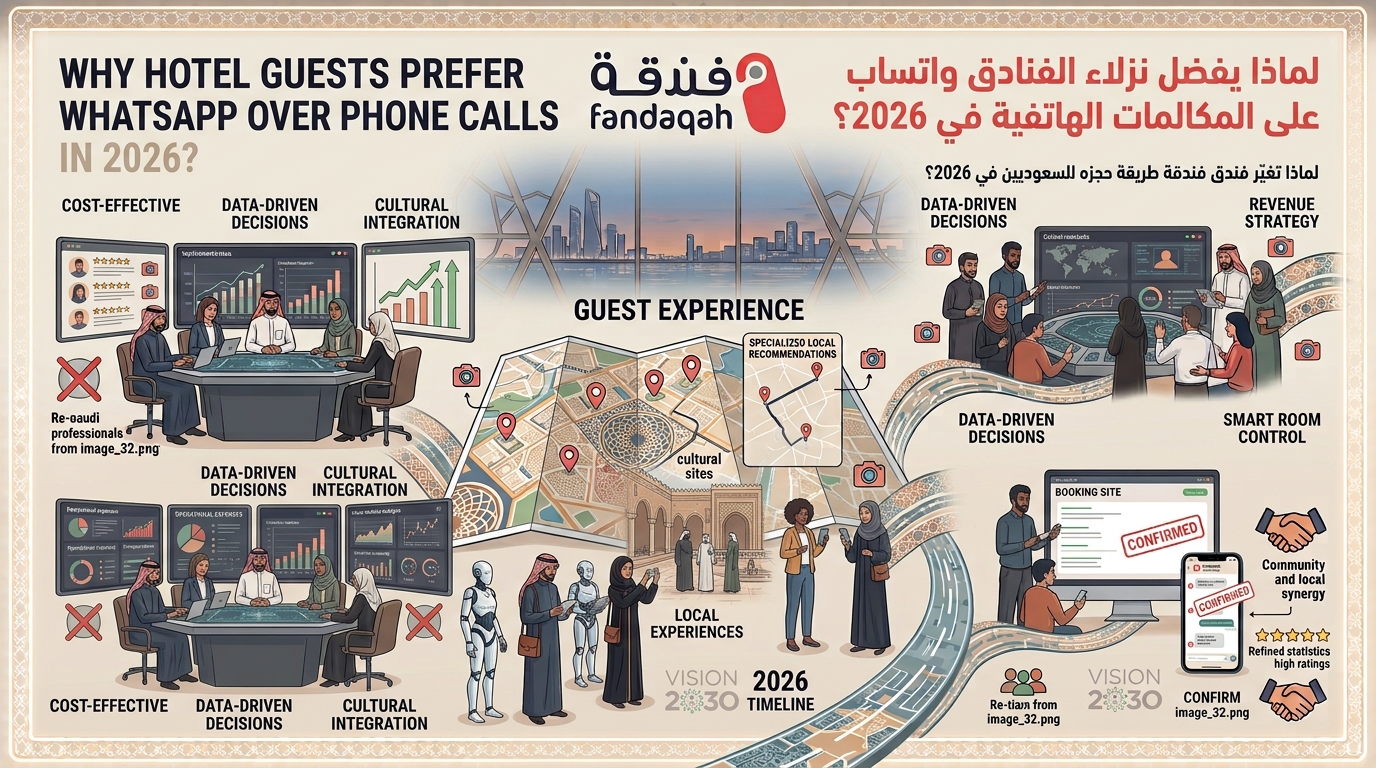
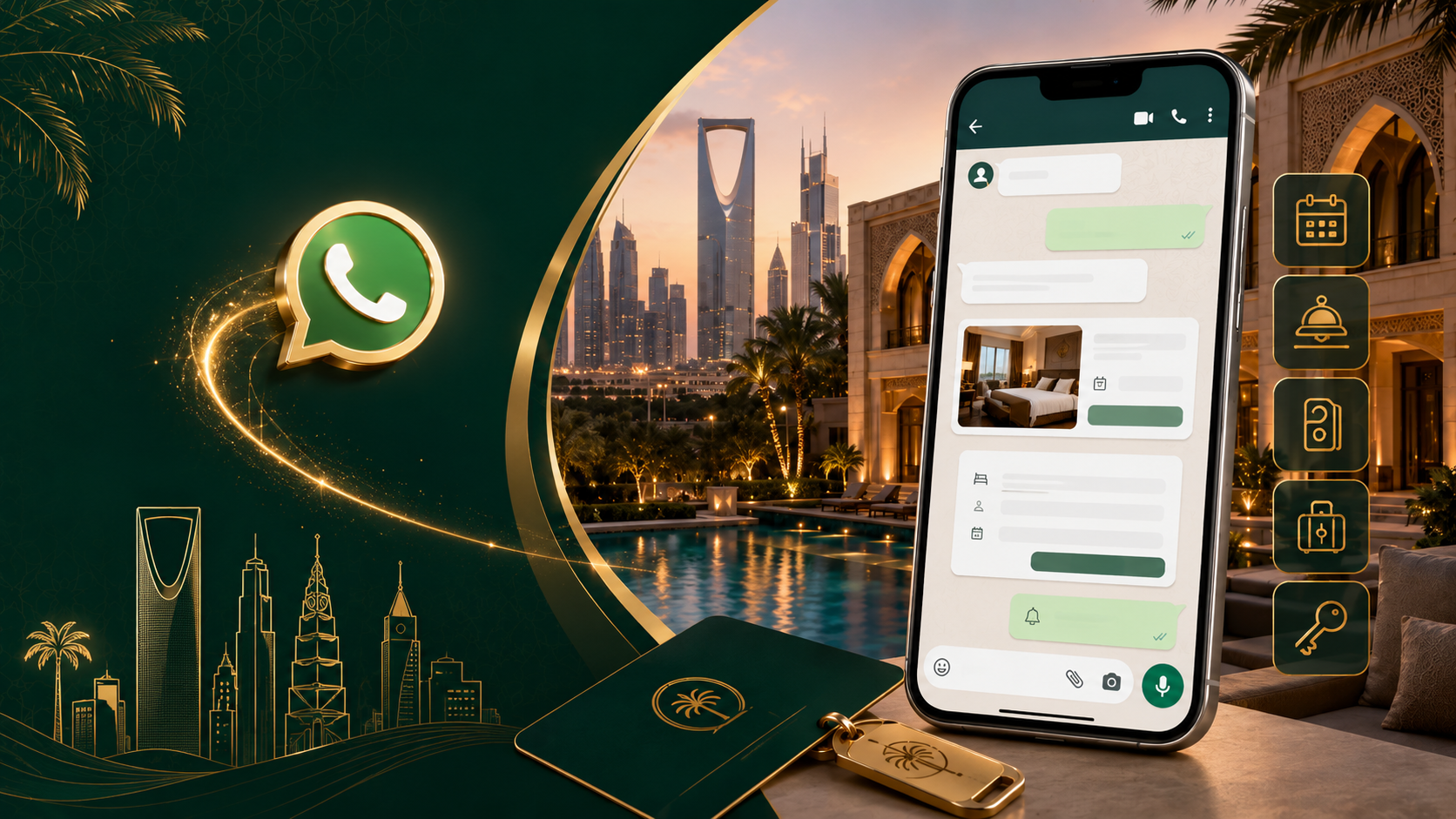
- WhatsApp Business API — Extremely popular in the Arab world for personalised booking assistance.
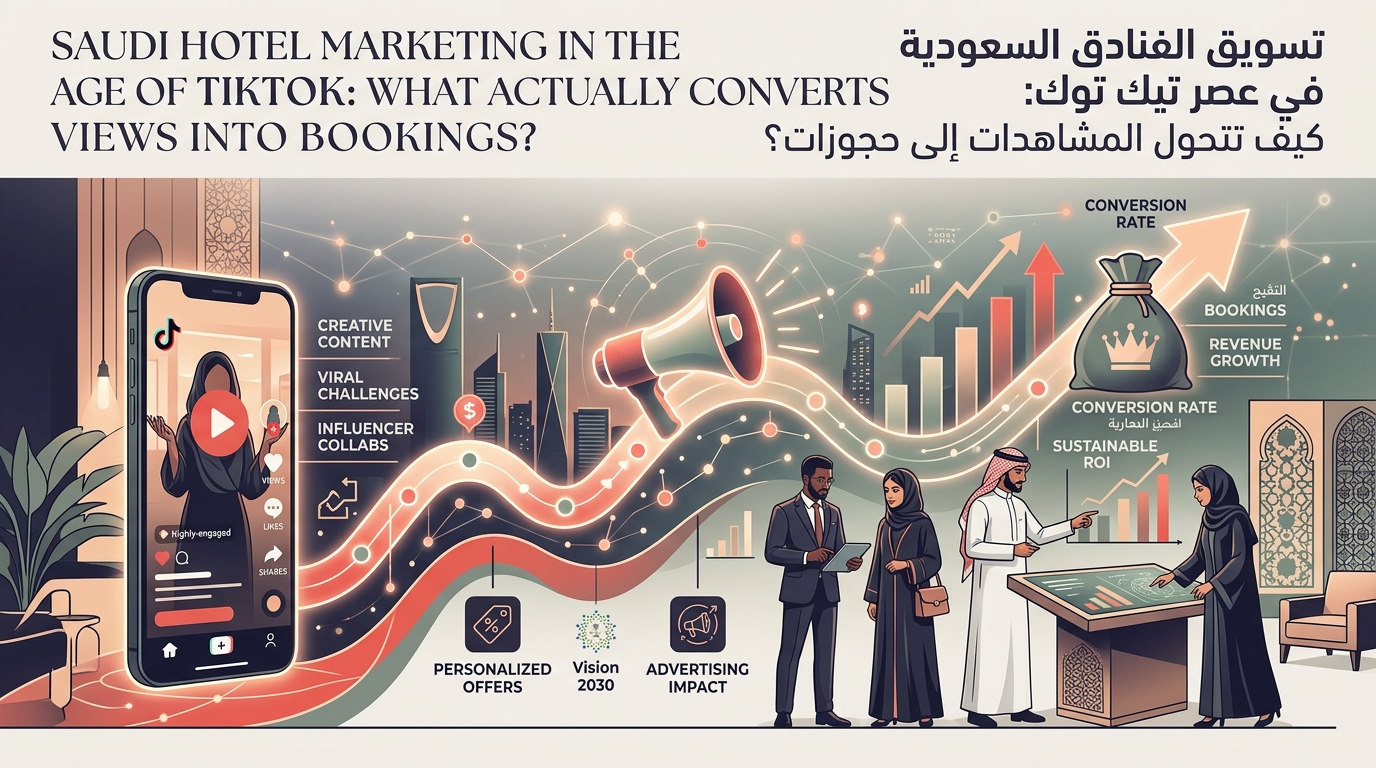
- Social Media (Instagram, Snapchat, TikTok) — Visual platforms dominate Saudi consumer behaviour.
Pro Tip:
Hotels in Saudi Arabia that implement WhatsApp click-to-book functionality report up to a 25% increase in direct conversions from Arabic-speaking guests who prefer conversational booking over web forms.
3. Global Distribution Systems (GDS) — The Corporate Gateway
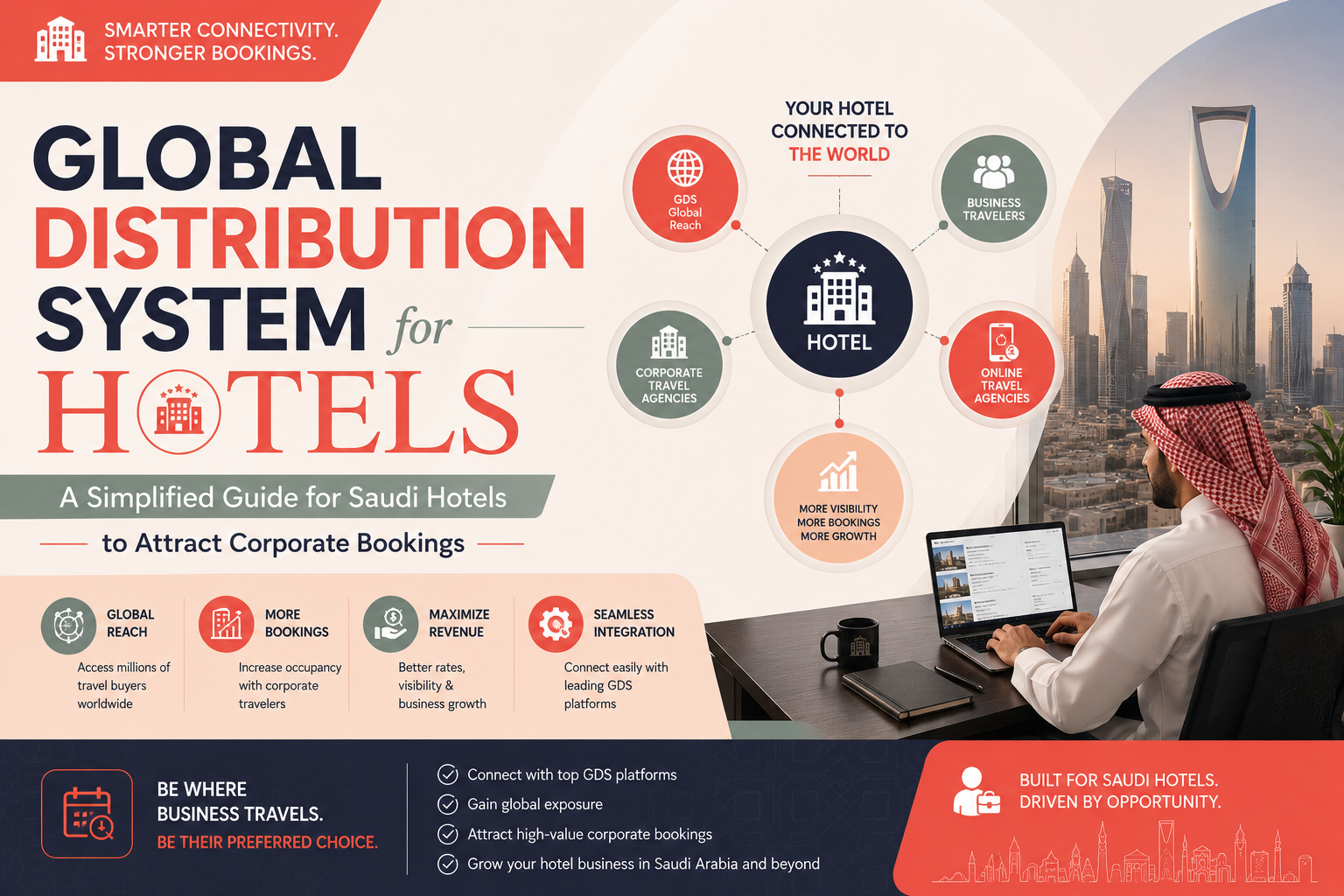
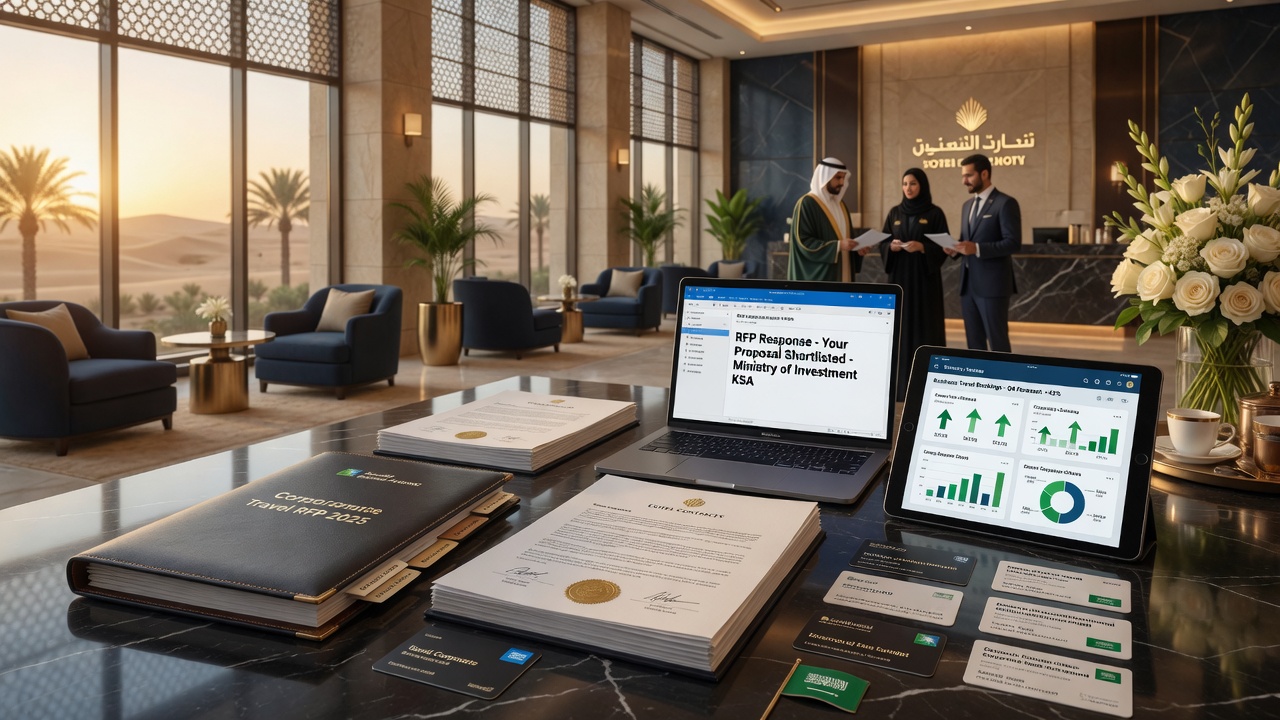
GDS platforms — Amadeus, Sabre, and Travelport — connect hotels to a vast network of travel agents, corporate travel managers, and airline reservation systems worldwide. For Arab-world hotels targeting business travellers, government delegations, and international tour groups, GDS visibility is indispensable. Many Saudi hotels, particularly in Riyadh's diplomatic quarter and Jeddah's commercial districts, derive 30–40% of their corporate bookings through GDS channels.
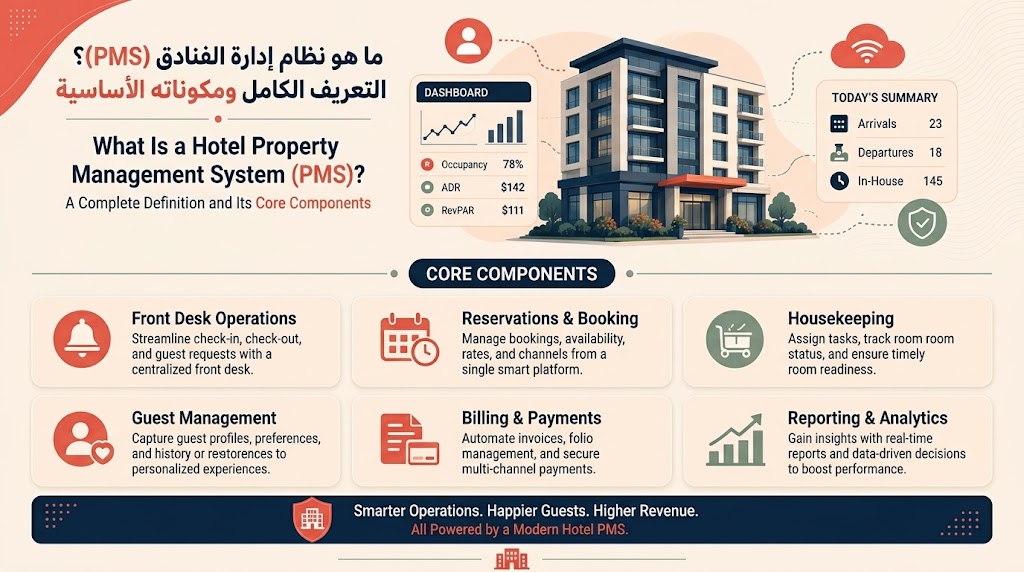
Proper GDS hotel distribution requires accurate room descriptions, competitive rate codes, and seamless integration with the hotel's property management system. The investment pays off in high-value, long-stay corporate bookings that often include ancillary spending on F&B and events.
4. Metasearch Engines — The Price-Comparison Powerhouses
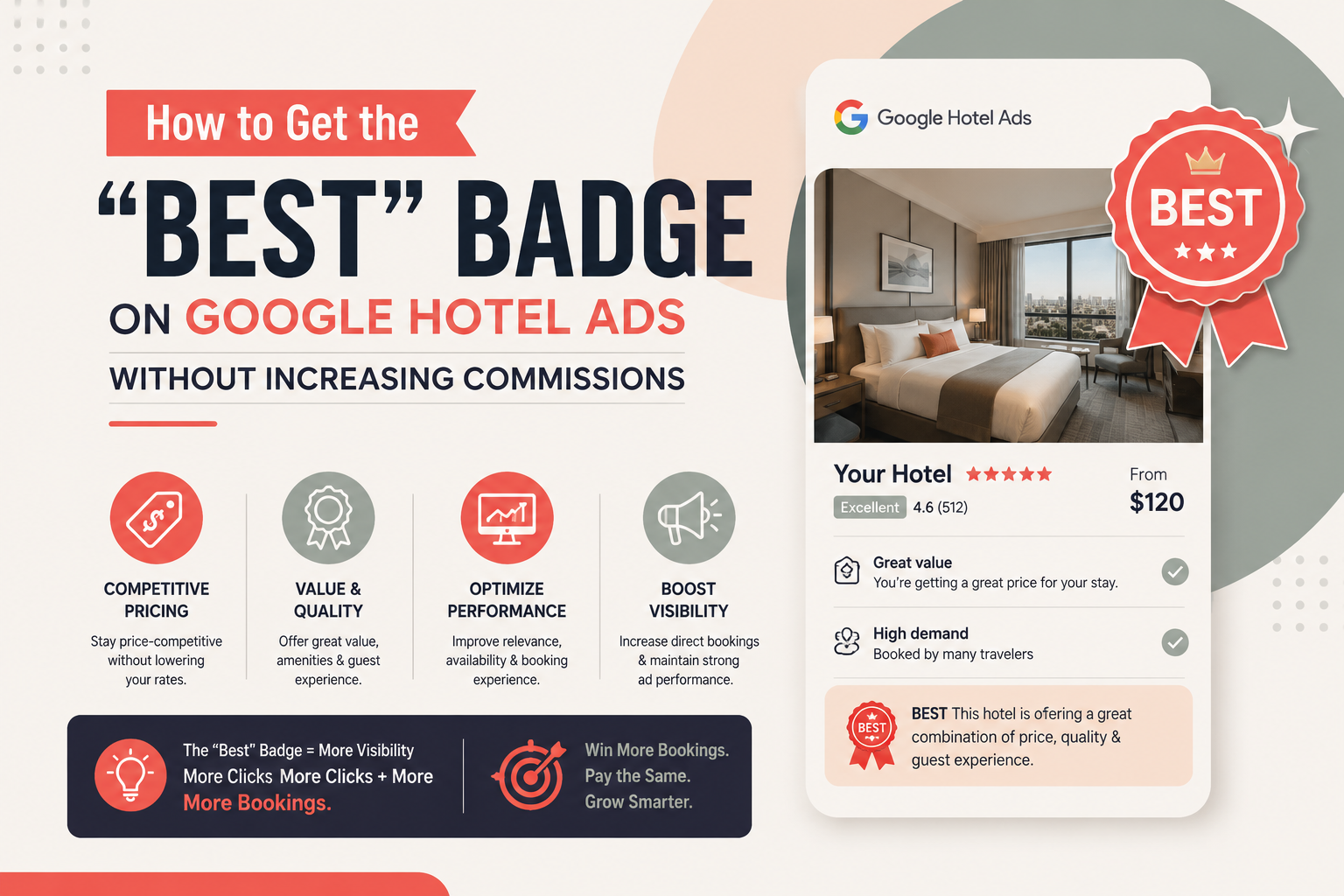
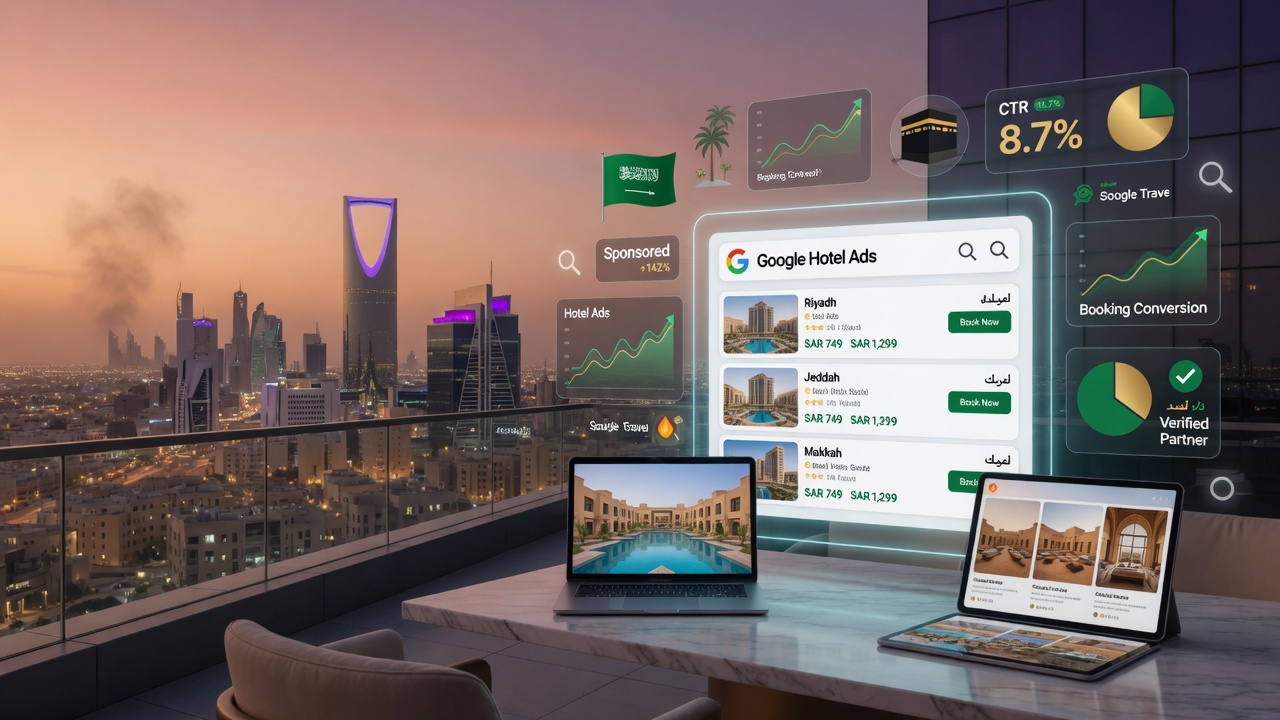
Metasearch engines like Google Hotel Ads, Kayak, and Trivago aggregate rates from multiple OTAs and direct sites, allowing travellers to compare prices in one place. For hotels, metasearch advertising — particularly through Google Hotel Ads — has become a critical component of hotel distribution strategy in the Gulf region. These platforms drive high-intent traffic, and when configured correctly, they can channel bookings directly to the hotel's own website rather than to OTA partners.
In Saudi Arabia, where mobile penetration exceeds 98% and Google dominates search behaviour, optimising a Google Hotel Centre account is one of the highest-ROI activities a revenue manager can undertake.
5. Wholesalers, Tour Operators & DMCs
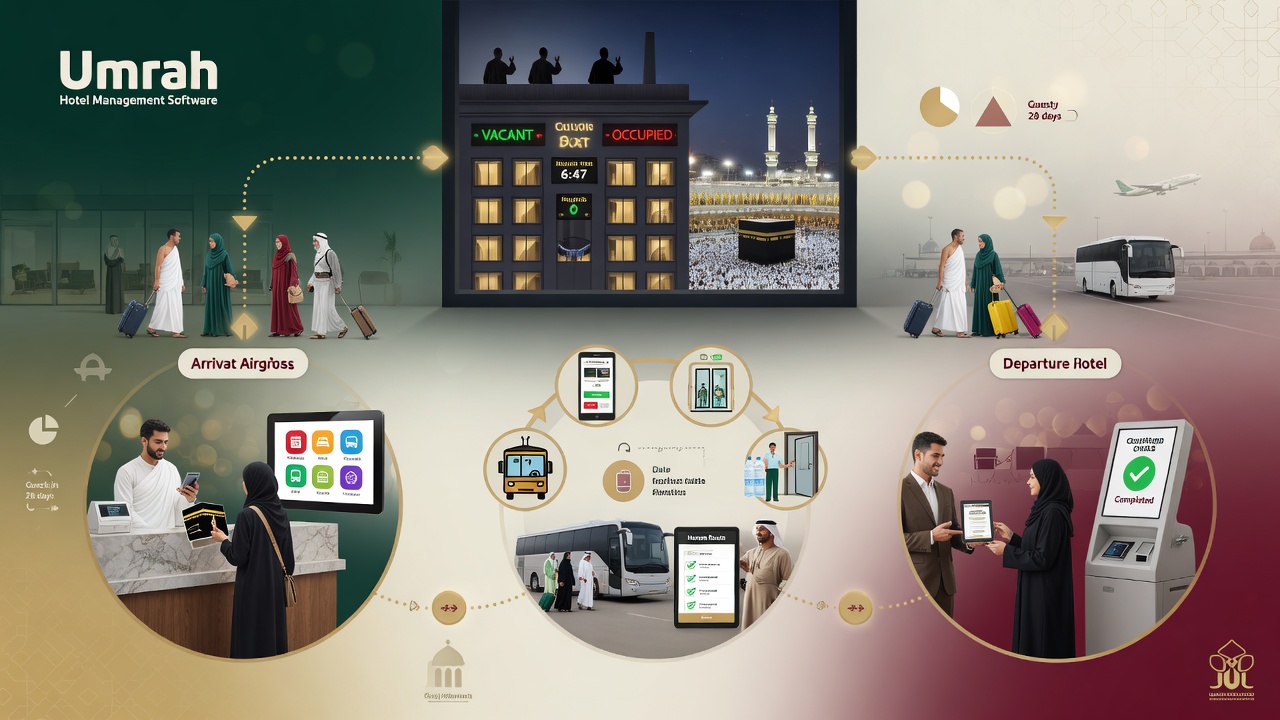
Wholesale hotel distribution involves selling blocks of rooms at negotiated rates to tour operators, destination management companies, and bed banks. In the Arab world, this channel is especially important for Hajj and Umrah packages, where international tour operators in Indonesia, Malaysia, Turkey, and North Africa contract rooms in Makkah and Madinah months in advance. Similarly, luxury DMCs across the GCC secure allotments at premium resorts for high-net-worth travellers from Europe and China.
Distribution Channel Comparison at a Glance
| Channel Type |
Commission / Cost |
Reach |
Best For |
Saudi Relevance |
| OTAs |
15% – 30% |
Very High |
Leisure, short-stay |
⭐ ⭐ ⭐ ⭐ ⭐ |
| Direct (Website) |
0% – 3% (payment gateway) |
Medium – High |
Loyal guests, corporate |
⭐ ⭐ ⭐ ⭐ |
| GDS |
$5 – $12 per booking |
High (corporate) |
Business, government |
⭐ ⭐ ⭐ ⭐ |
| Metasearch Ads |
CPC / CPA variable |
High |
Price-sensitive travellers |
⭐ ⭐ ⭐ |
| Wholesale / DMC |
20% – 40% discount |
Niche, group |
Hajj, Umrah, luxury groups |
⭐ ⭐ ⭐ ⭐ ⭐ |
Key Benefits of a Diversified Hotel Distribution Strategy
- Revenue Optimisation: A balanced mix of direct and indirect channels allows dynamic pricing strategies that maximise RevPAR across seasons — critical during Ramadan, Hajj, and peak leisure months.
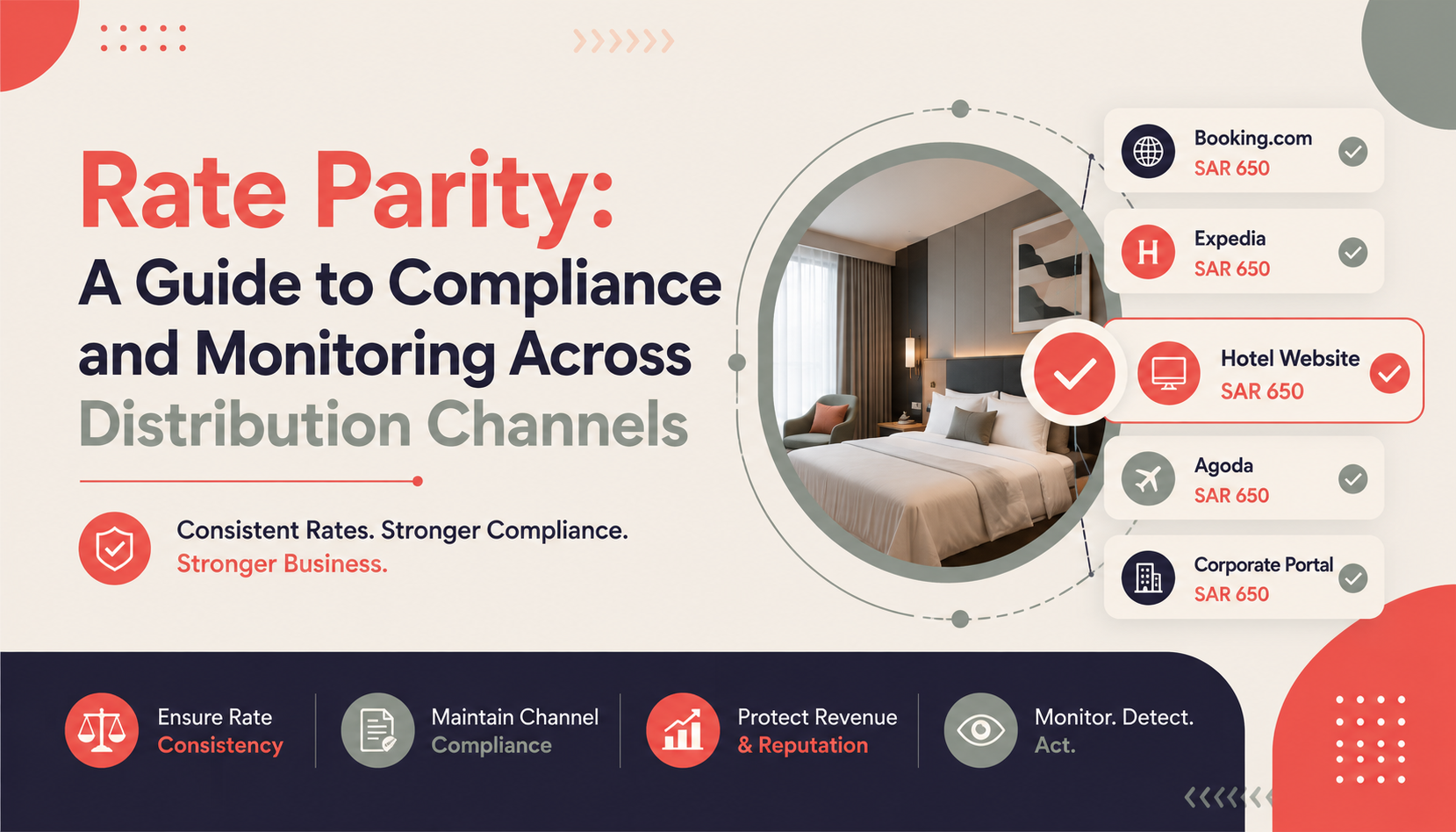
- Risk Mitigation: Over-reliance on a single OTA exposes a hotel to sudden commission hikes or algorithm changes. Diversification spreads risk.
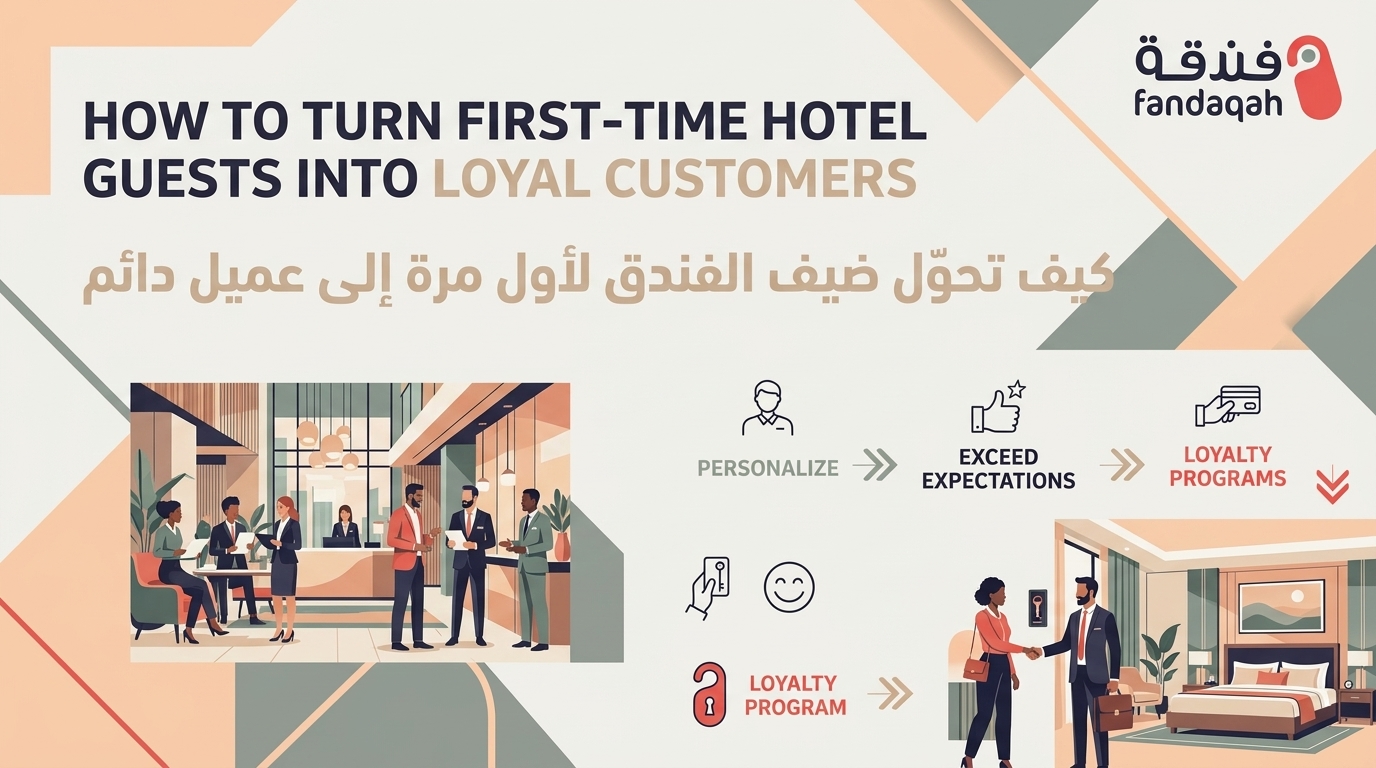
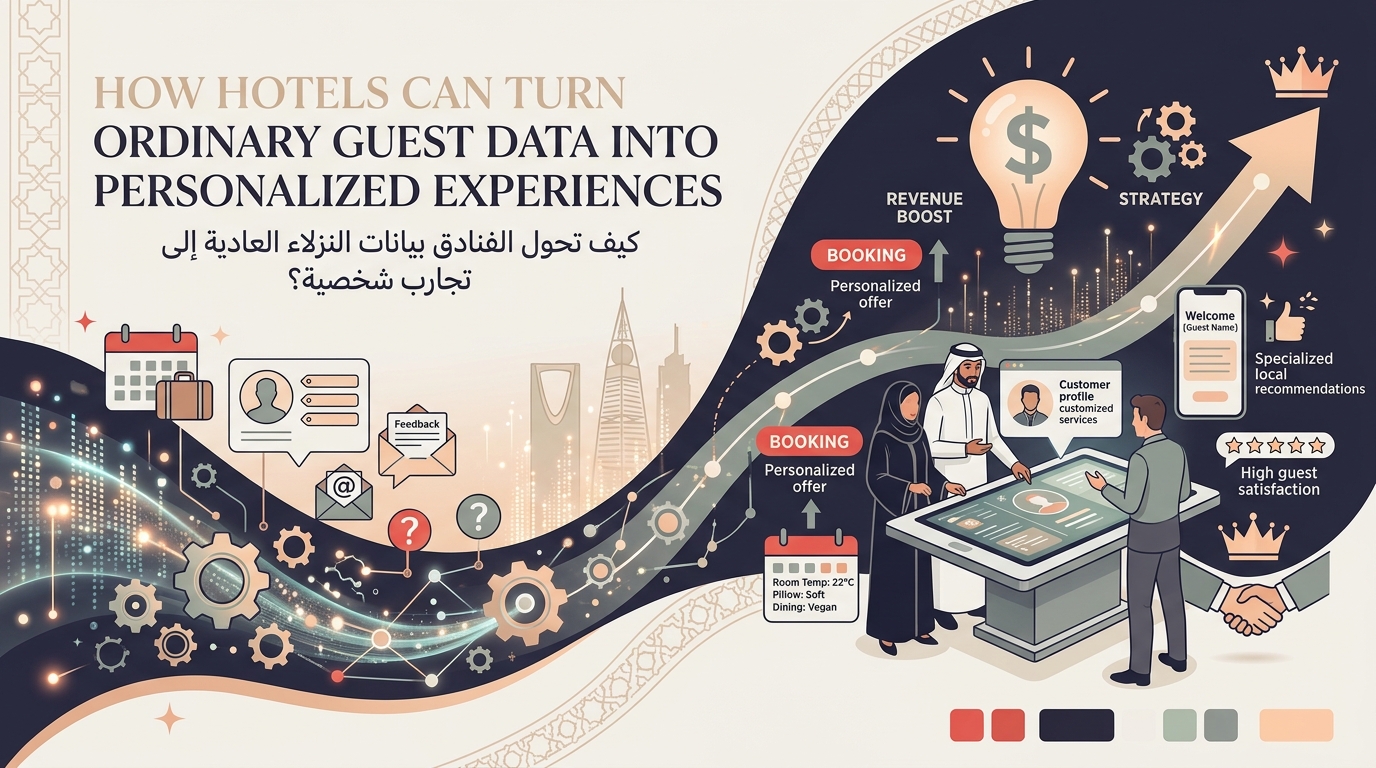
- Guest Data Ownership: Direct bookings provide invaluable first-party data — email addresses, preferences, and spending patterns — that fuel personalised marketing.
- Brand Visibility: Metasearch and GDS presence elevate a property's profile among high-value corporate and international segments.
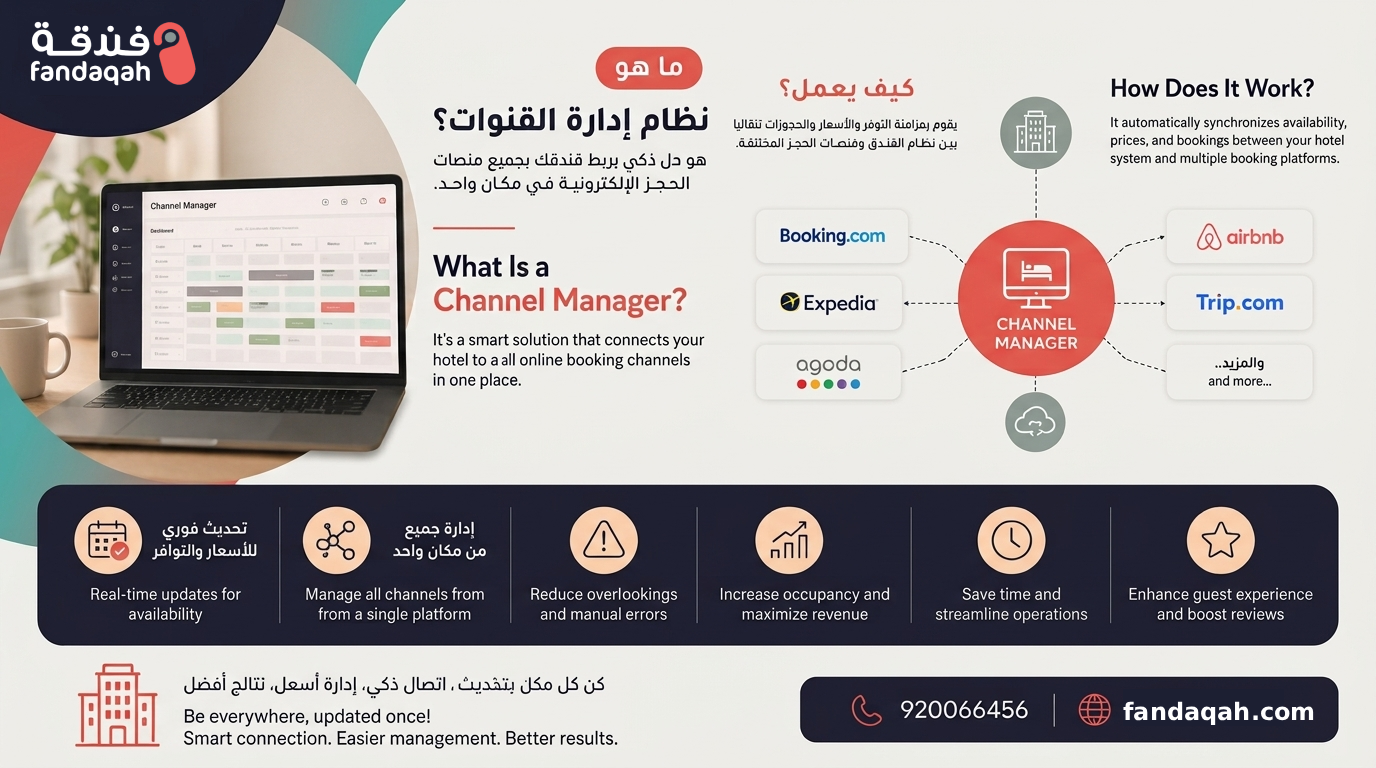
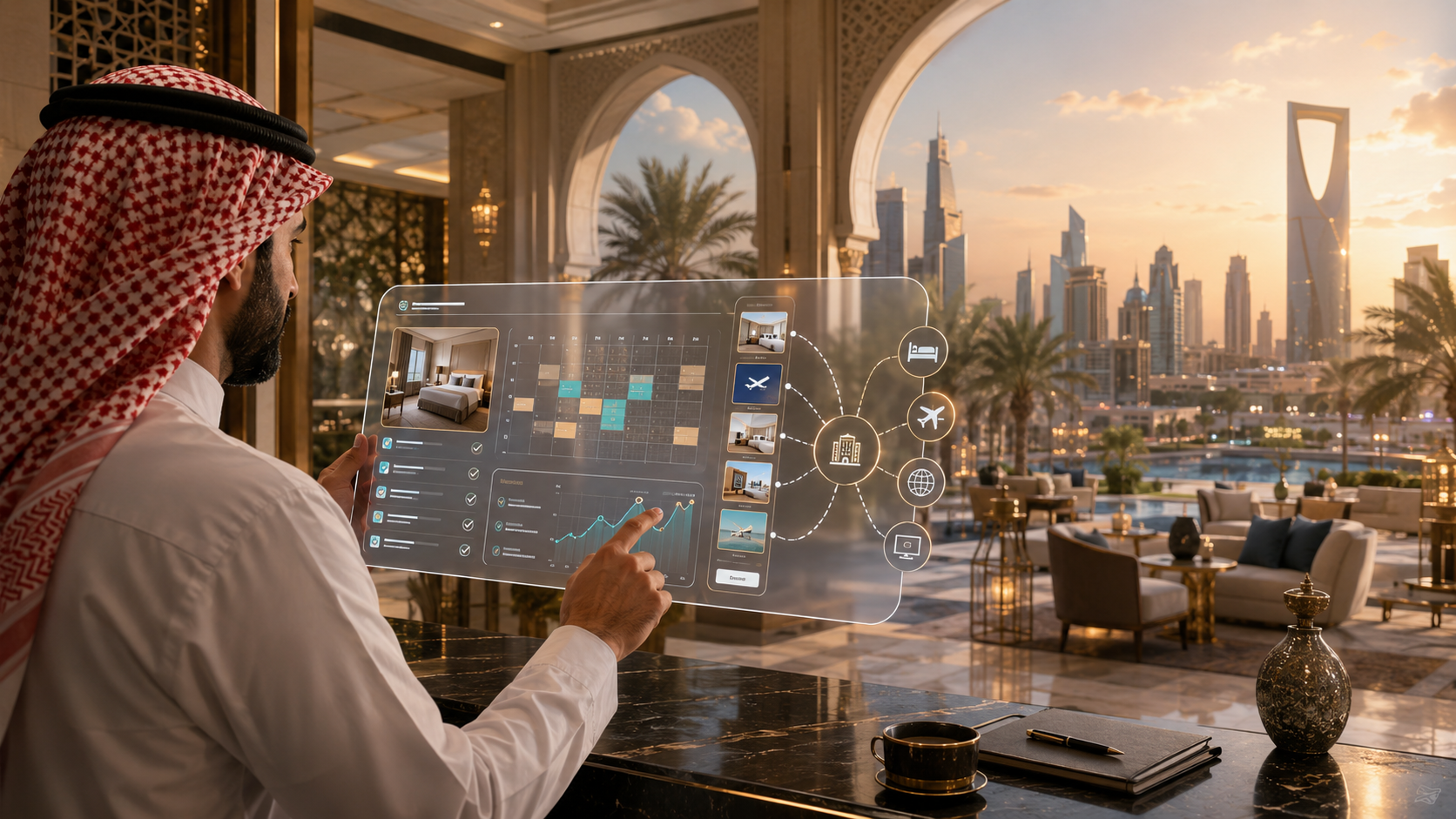
- Market Agility: Hotels using a robust channel manager for the Arab hospitality market can adjust inventory and rates across all platforms in real time.
- Localised Reach: Regional OTAs and WhatsApp booking cater to Arabic-speaking guests who value culturally familiar interfaces and communication styles.
Use Cases: Hotel Distribution in Saudi Arabia
Case 1: Makkah Hotel During Ramadan Umrah Peak
A 500-room property near the Haram relies on wholesale block bookings from Indonesian and Turkish tour operators for 60% of its inventory, OTA listings on Almosafer and Booking.com for independent pilgrims, and a direct Arabic-language website for GCC family groups. A channel manager synchronises rates so that as wholesale blocks release unsold rooms 30 days before arrival, they automatically flow to OTAs at dynamic rates — ensuring zero wasted inventory.
Case 2: Luxury Red Sea Resort Targeting European Markets
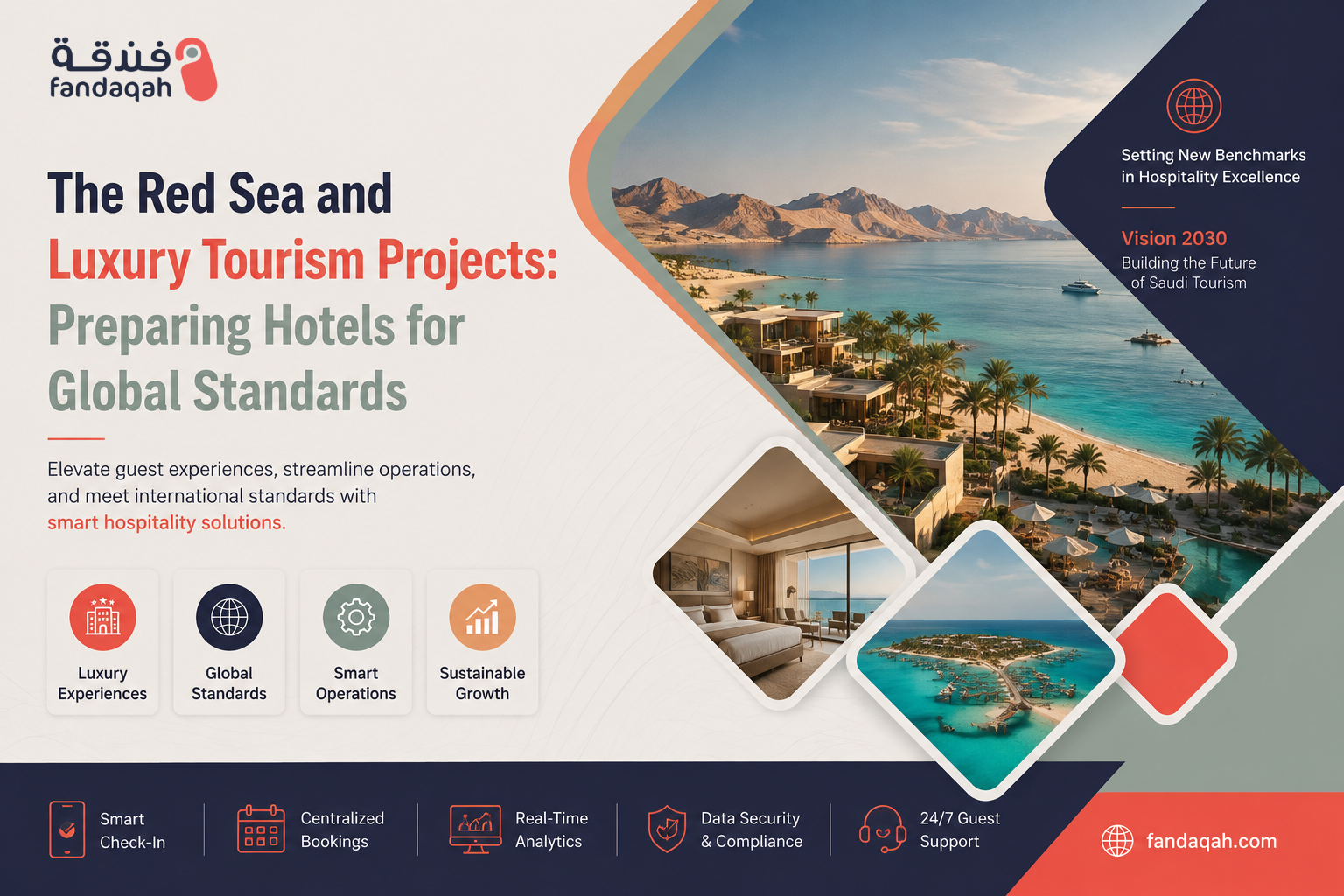
A newly opened resort on the Red Sea coast uses Google Hotel Ads to capture British and German travellers searching for "best Red Sea luxury resorts," couples this with Expedia Preferred Partner status for North American visibility, and maintains an Instagram Shop integrated with its booking engine for impulse bookings from Saudi residents. The resort also connects to Amadeus GDS to attract European travel agents packaging Saudi Arabia as an emerging luxury destination.
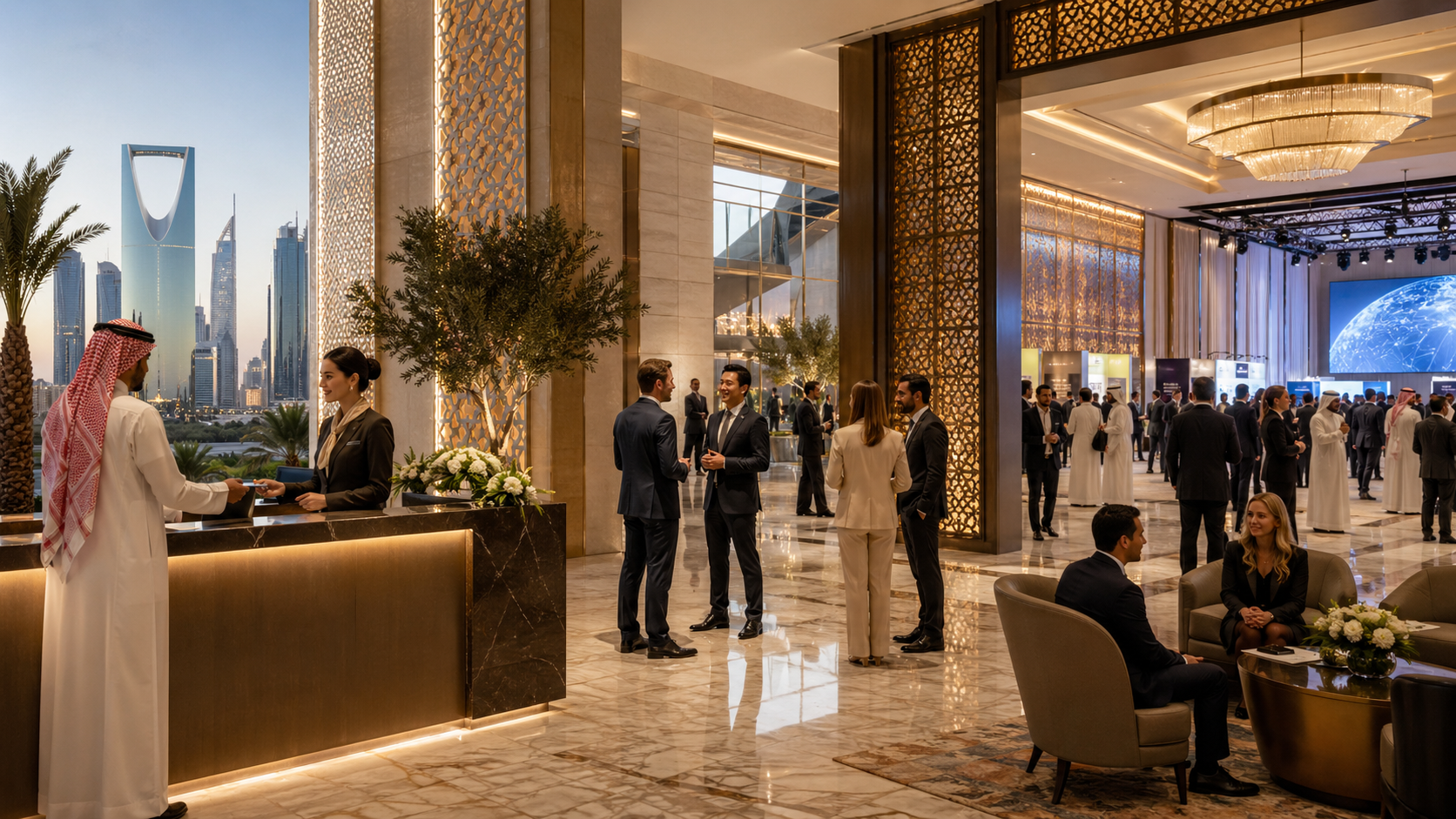
Case 3: Business Hotel in Riyadh's KAFD District
Positioned near the King Abdullah Financial District, this property derives 45% of bookings through GDS corporate agreements, 30% through direct corporate portal logins, and the remaining 25% through OTA business-traveller segments. The hotel's sales team negotiates annual volume agreements with government entities, channelling bookings through a dedicated corporate code on the hotel website.
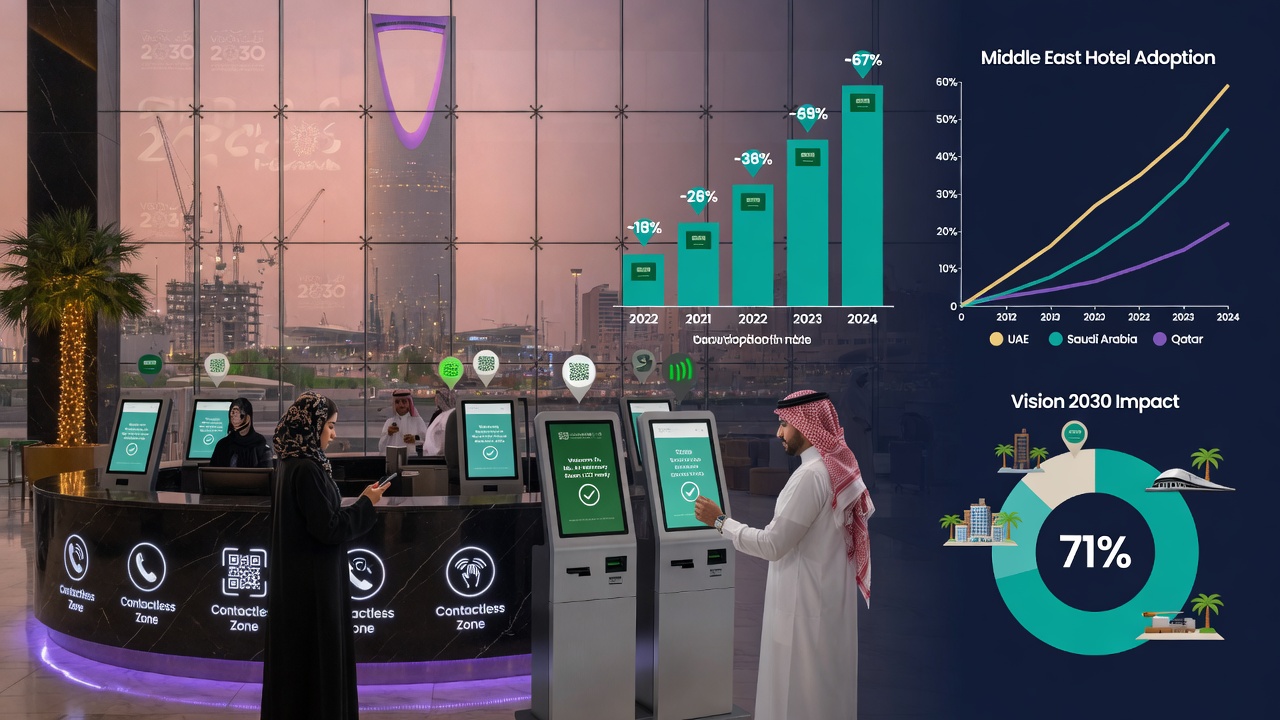
Vision 2030 Impact: Saudi Arabia aims to attract 150 million annual visits by 2030. The hospitality sector must add over 300,000 new hotel rooms — making efficient, tech-driven distribution an absolute pillar of success. Hotels that build intelligent channel strategies today will be best positioned to capture this unprecedented demand surge.
Future Trends: Distribution, Technology & Vision 2030
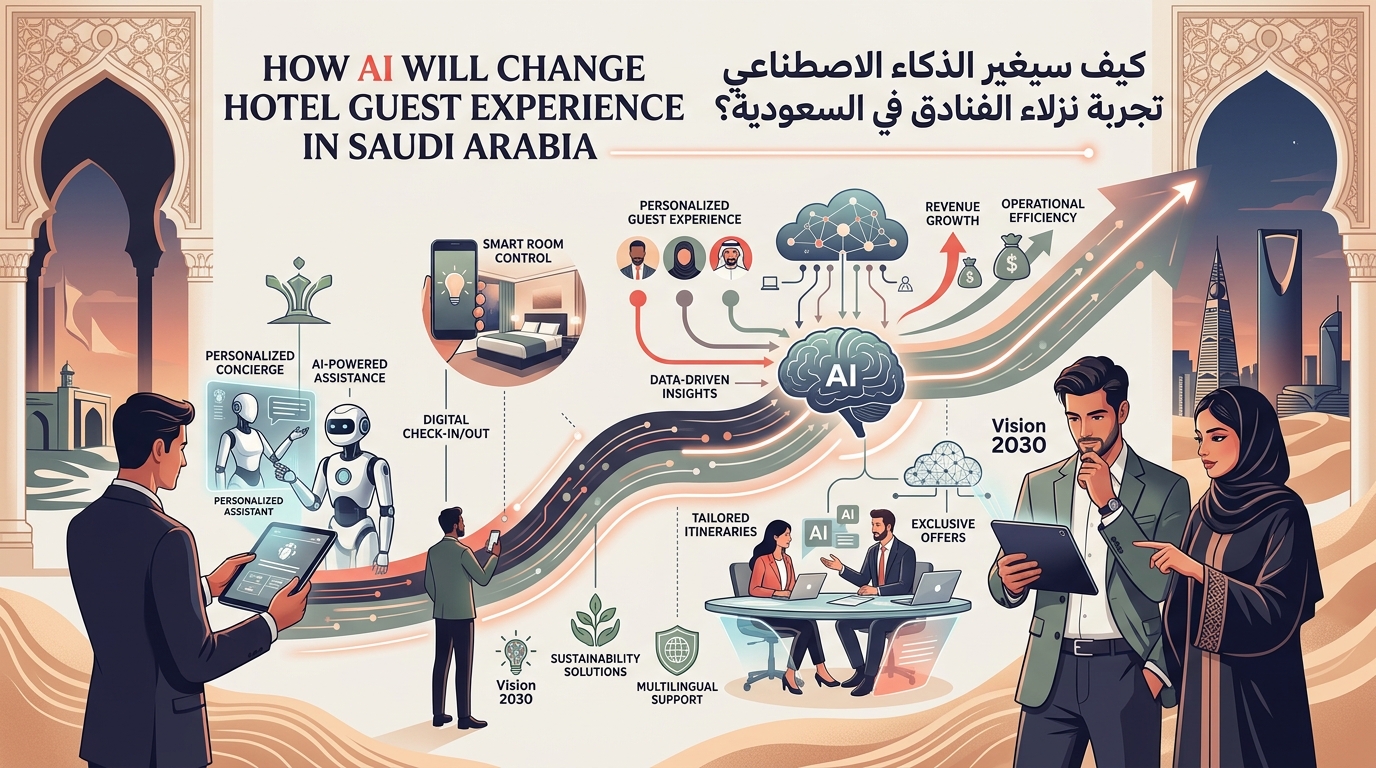
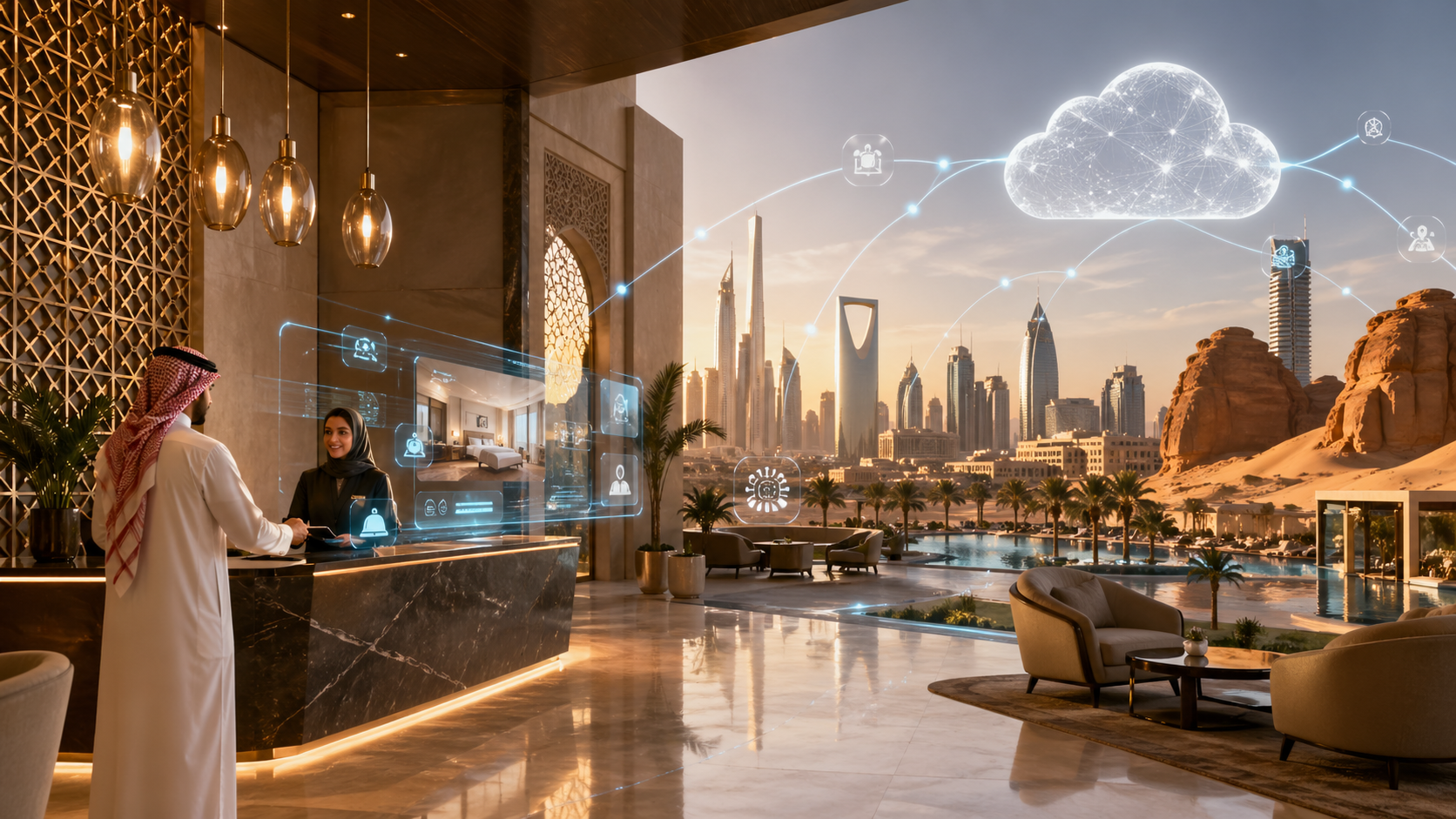
The future of hotel distribution channels in the Arab world is being shaped by several powerful forces. Artificial intelligence is enabling hyper-personalised rate recommendations and automated channel optimisation. Blockchain-based distribution promises to reduce intermediary costs and increase transparency — a development watched closely by Saudi Arabia's NICDP (National Industrial Development and Logistics Program). Voice search in Arabic is growing rapidly, with smart speakers and voice assistants becoming booking interfaces. Meanwhile, the Saudi Tourism Authority is investing billions in destination marketing, creating fertile ground for hotels that maintain strong, multi-channel visibility.
Super-app integration is another trend to watch. Platforms like WeChat in China already combine messaging, payments, and travel booking. In the Arab world, apps like Careem (an Uber subsidiary operating across the region) and Saudi Arabia's own Bouki are evolving toward super-app status, potentially becoming significant hotel distribution channels in the near future. Hotels that establish API connections with these platforms early will enjoy first-mover advantage.
Sustainability-conscious travellers — a growing segment particularly among European visitors to the Arab world — increasingly seek eco-certified properties. Distribution channels that highlight green credentials, such as Booking.com's Travel Sustainable badge, are becoming important filters in the booking decision. Saudi Arabia's Red Sea Project and NEOM are setting global benchmarks in regenerative tourism, and hotels in these destinations will benefit from distribution strategies that prominently feature sustainability attributes.
Frequently Asked Questions (FAQ)
Q1: What is the best hotel distribution channel for a small hotel in Saudi Arabia?
For small hotels, a combination of Almosafer (for domestic reach), Booking.com (for international visibility), and a well-optimised direct booking website with WhatsApp integration provides an excellent starting point. Focus on building direct relationships with repeat guests to reduce OTA dependency over time.
Q2: How can hotels in the Arab world reduce OTA commission costs?
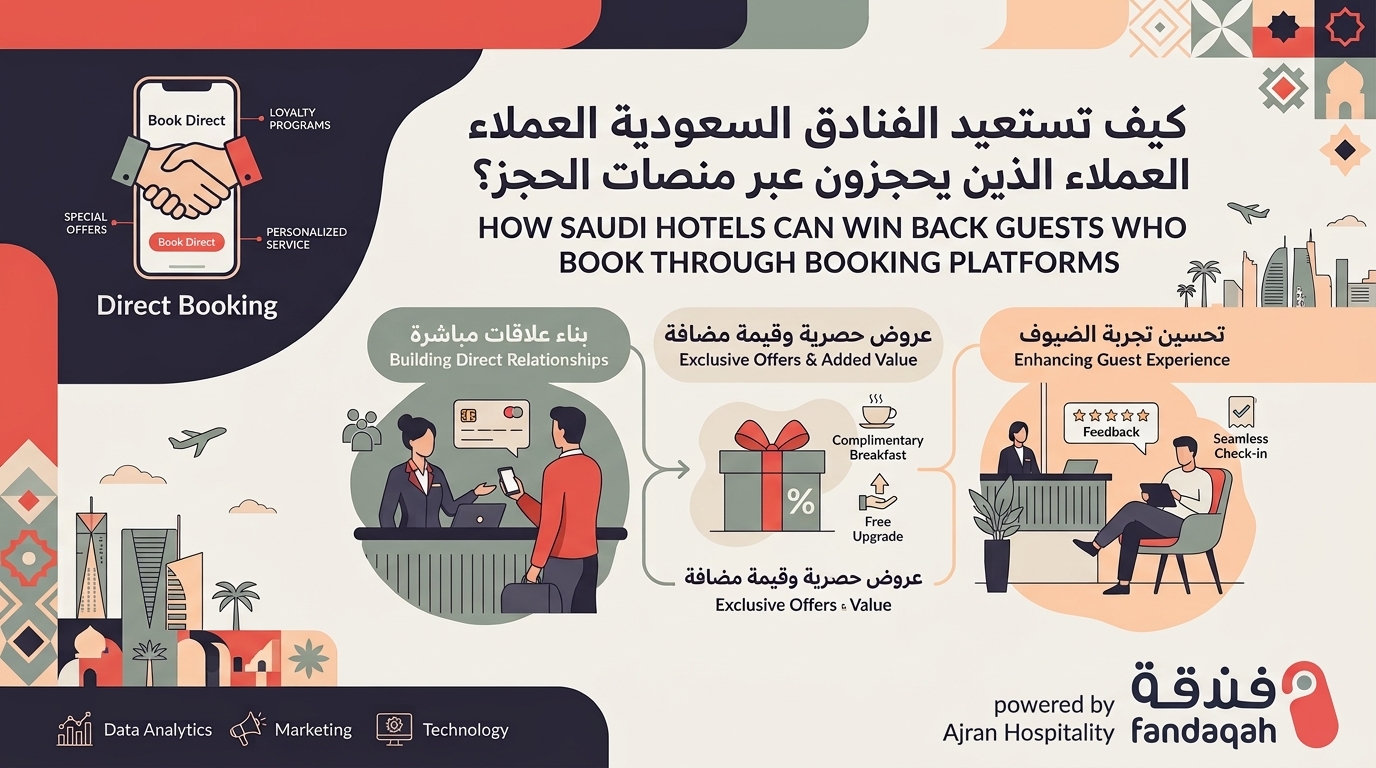
Implement a direct booking incentive strategy: offer exclusive perks (free breakfast, late checkout, room upgrades) on your own website. Use Google Hotel Ads to compete on metasearch. Build an email and WhatsApp marketing list to drive repeat bookings. Negotiate lower commission rates with OTAs as your direct channel grows.
Q3: Is GDS still relevant for Arab-world hotels in 2026?
Absolutely. GDS systems remain the backbone of corporate and government travel booking. For hotels in Riyadh, Jeddah, Dubai, and Abu Dhabi, GDS connectivity is essential for capturing high-value business travellers and diplomatic delegations.
Q4: What role does a channel manager play in hotel distribution?
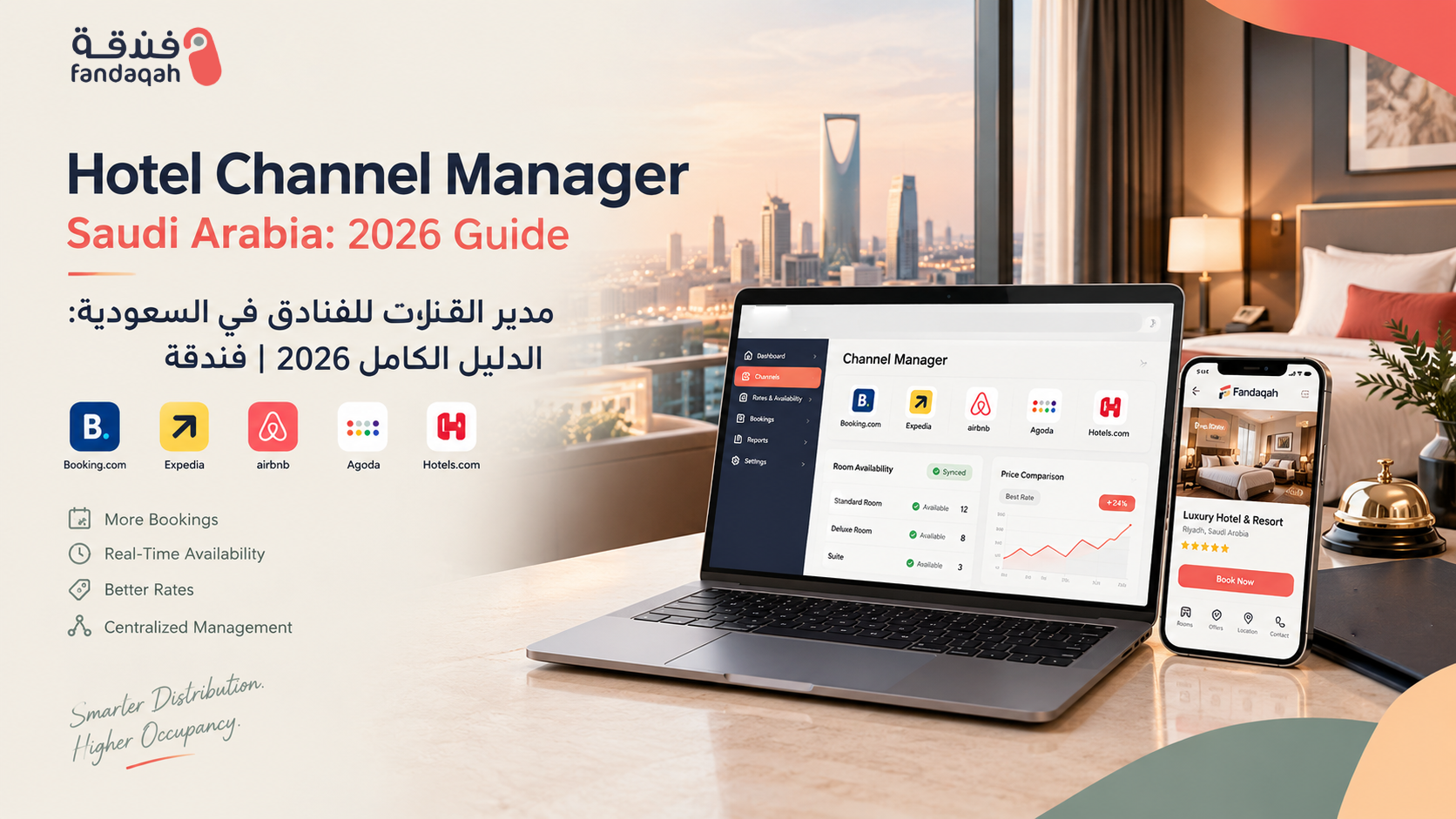
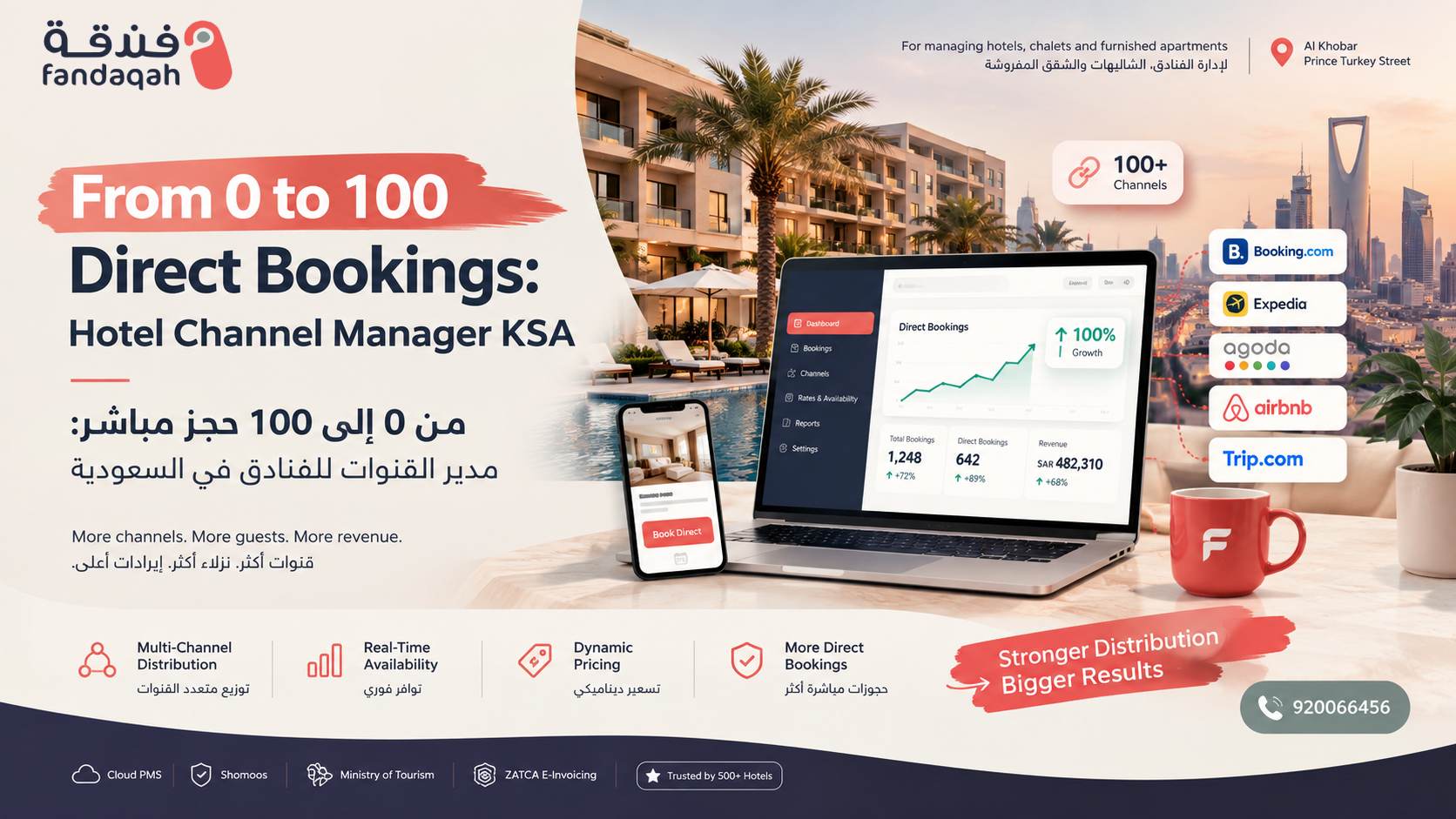
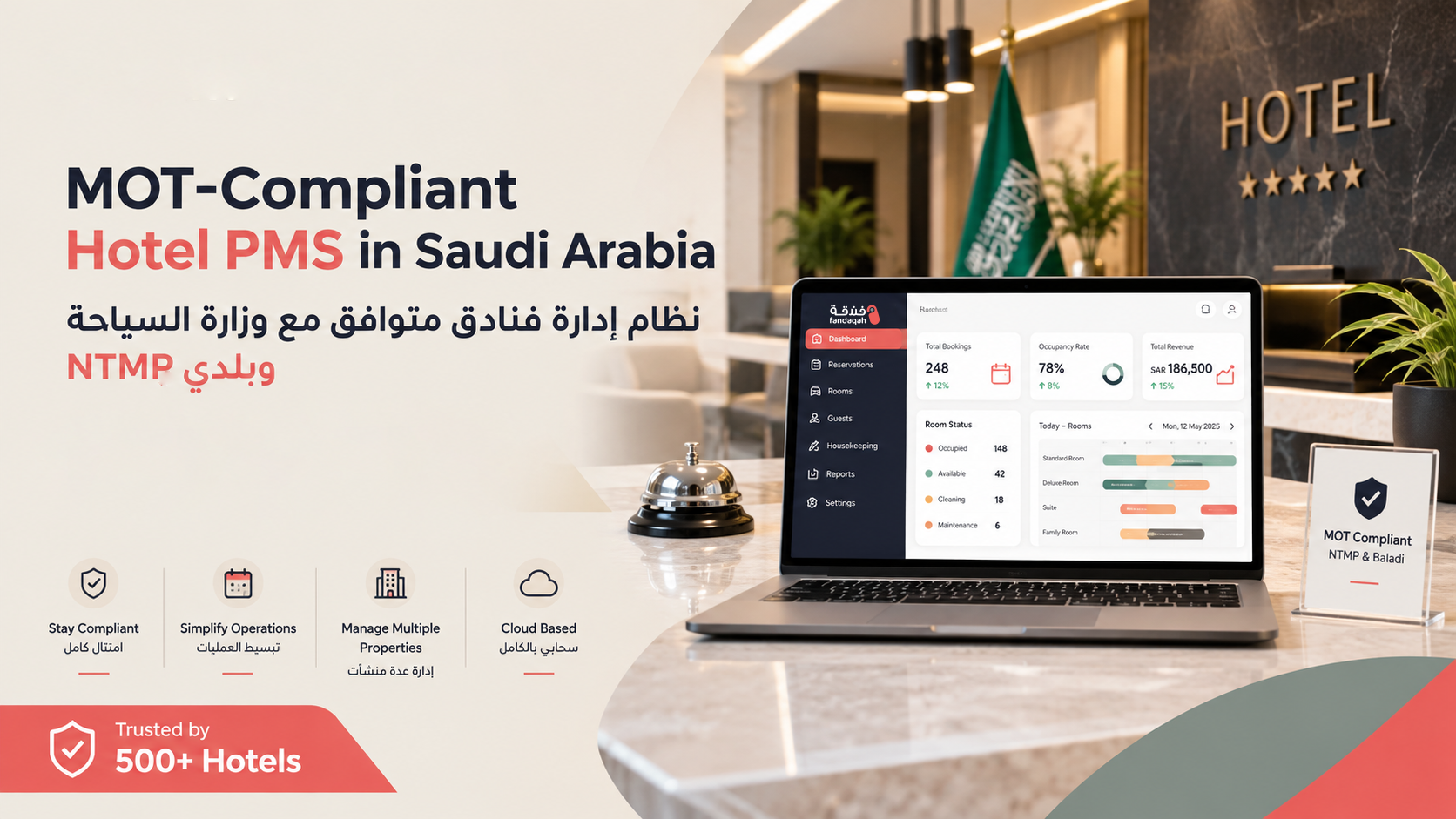
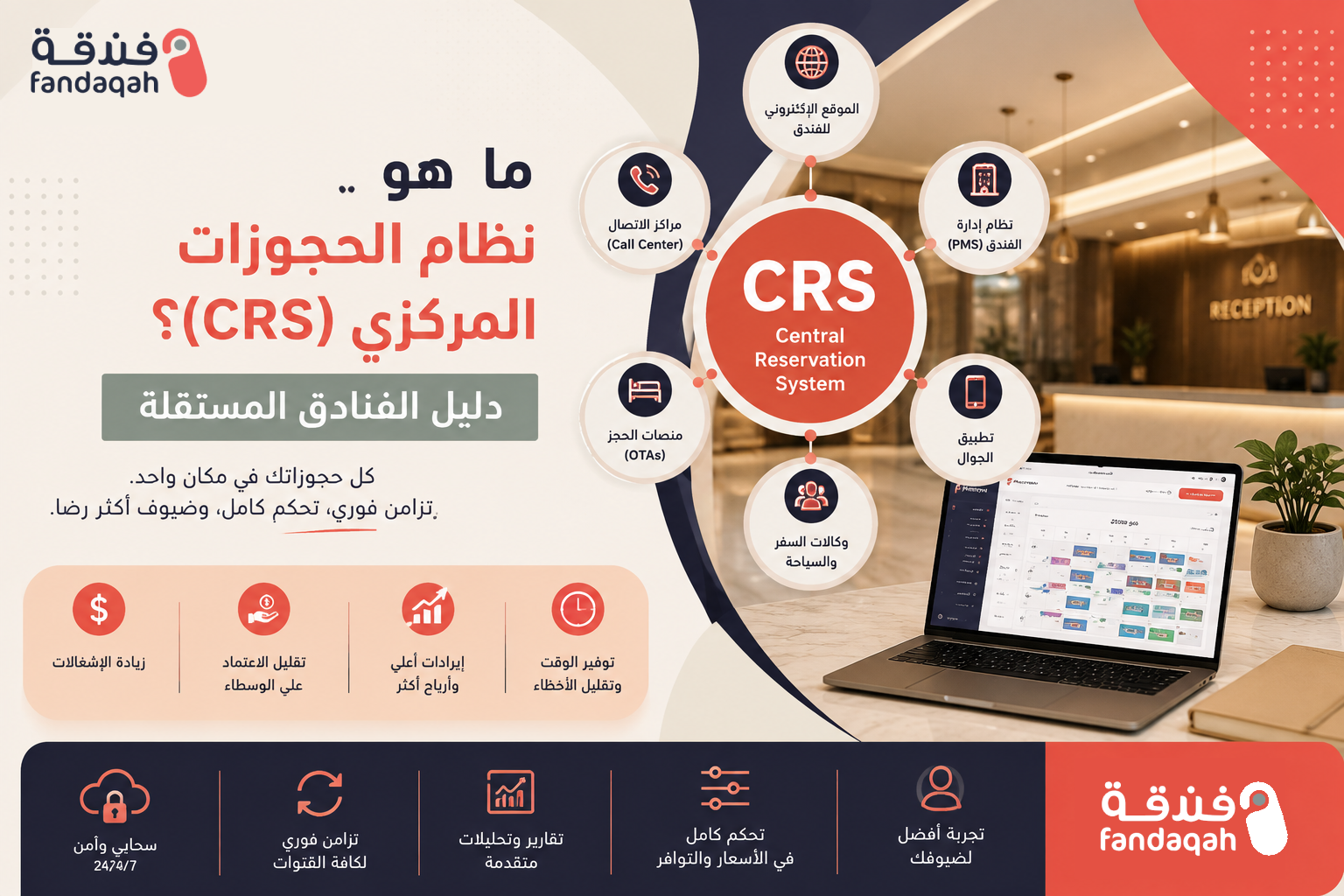
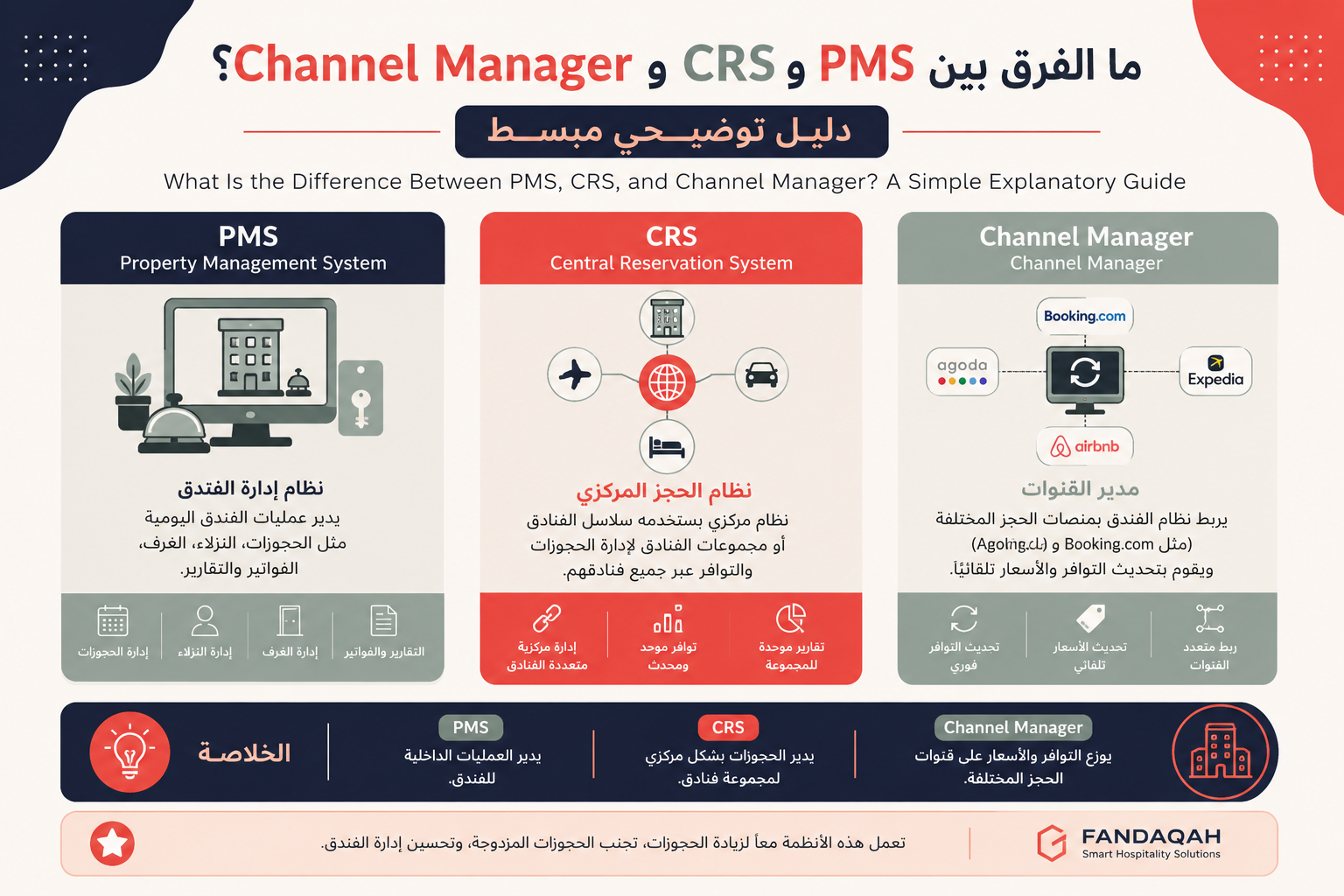
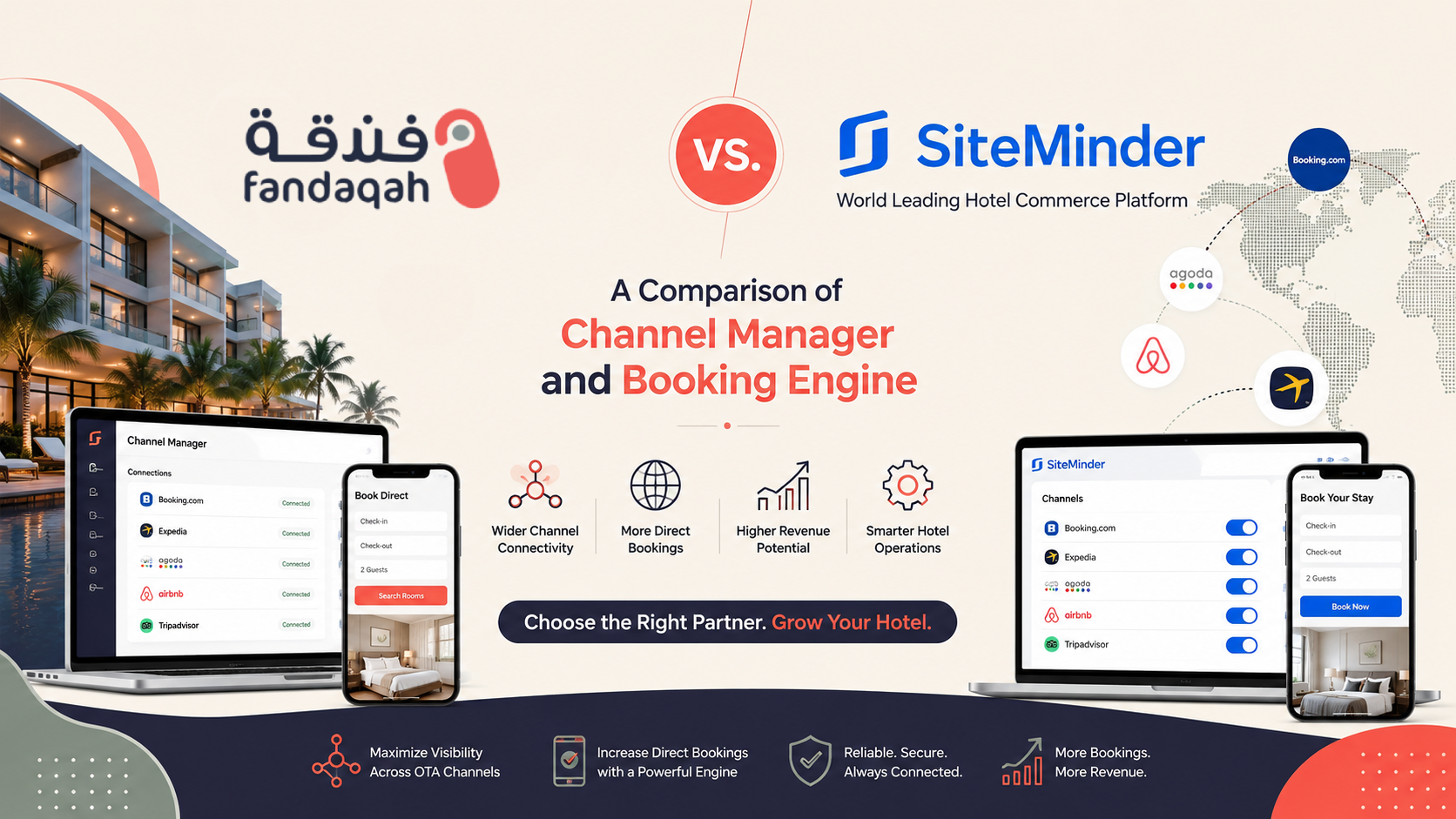
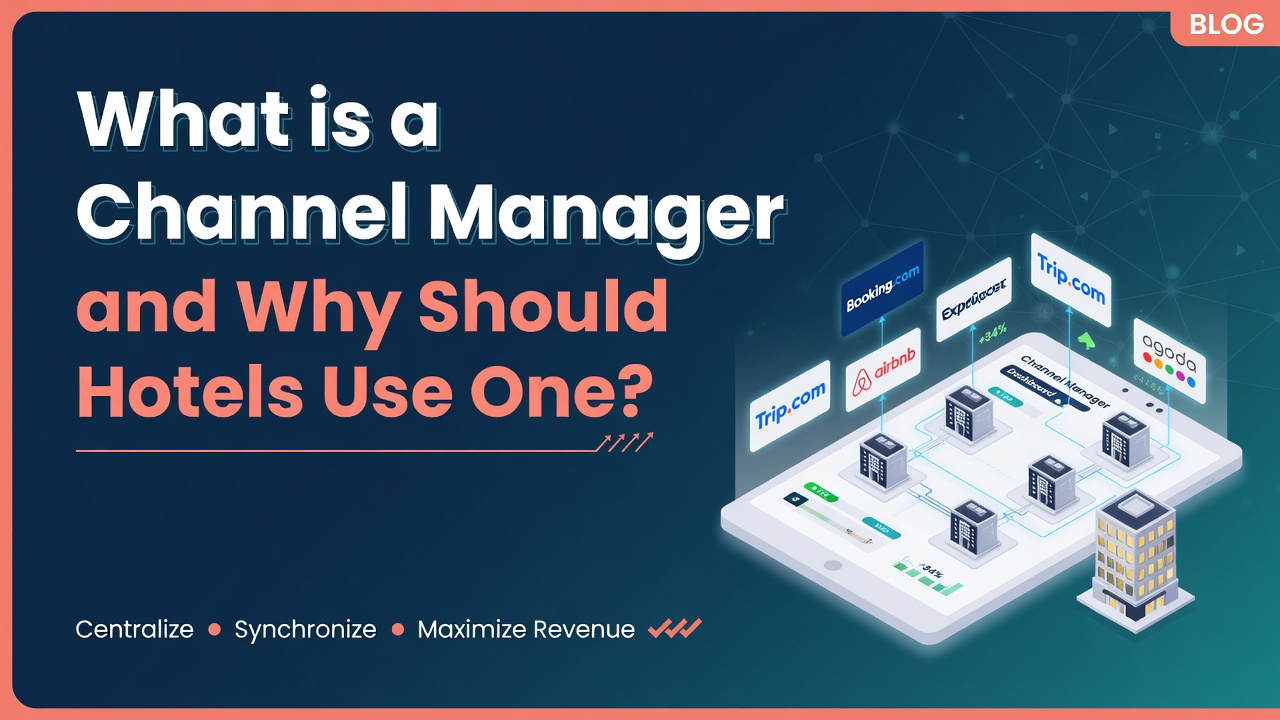
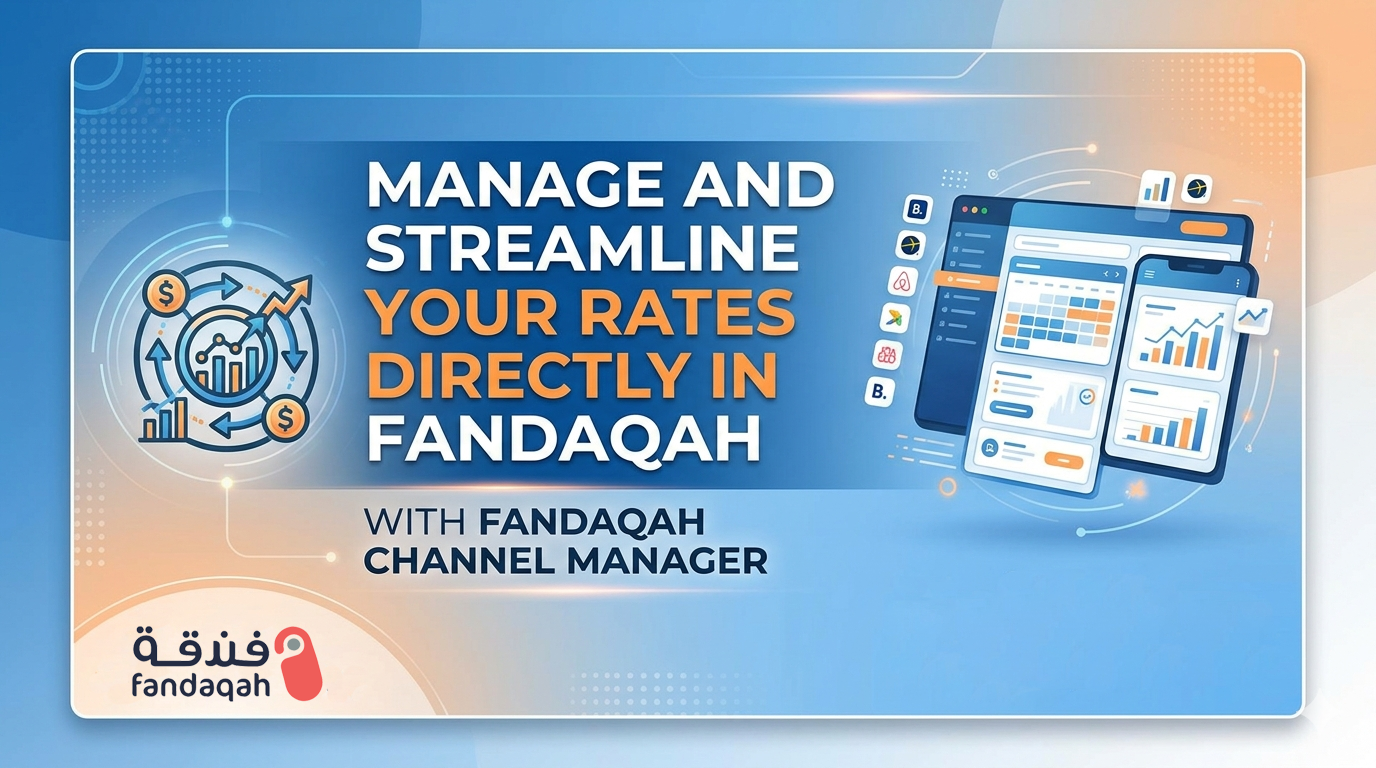
A hotel channel manager is software that connects a property's PMS to all distribution channels, synchronising rates, availability, and bookings in real time. It eliminates overbookings, saves hours of manual work, and enables dynamic pricing. For Arab-world hotels managing seasonal demand spikes, it is indispensable.
Q5: How does Vision 2030 affect hotel distribution in Saudi Arabia?
Vision 2030 is catalysing massive investment in tourism infrastructure, digital transformation, and international marketing. Hotels must prepare for a diversified, tech-savvy global audience by strengthening their multi-channel distribution capabilities, adopting AI-driven revenue tools, and ensuring compatibility with emerging super-apps and government booking platforms.
Q6: Are metasearch engines worth the investment for Arab hotels?
Yes. Google Hotel Ads in particular delivers strong ROI by targeting travellers with high purchase intent. In competitive markets like Dubai and Jeddah, metasearch visibility often determines whether a guest books directly or through a high-commission OTA.
Q7: How important is Arabic-language content on distribution channels?
Extremely important. Arabic-speaking travellers represent a huge portion of the regional market. Listings, descriptions, and customer support in Arabic on platforms like Almosafer, Tajawal, and Wego significantly increase conversion rates. Even global OTAs like Booking.com reward properties with complete Arabic content with better visibility in regional searches.
Q8: Can social media serve as a viable direct booking channel in the Arab world?
Yes, and it is growing rapidly. Instagram, Snapchat, and TikTok are immensely popular across the Arab world. Hotels that integrate booking functionality into their social media presence — via link-in-bio storefronts, shoppable posts, or WhatsApp click-to-book buttons — are seeing a measurable increase in direct bookings, especially among younger Gulf travellers.
Conclusion: Building Your Winning Distribution Strategy
The landscape of hotel distribution channels in the Arab world is rich, complex, and brimming with opportunity. From the enduring power of OTAs and the indispensable reach of GDS networks to the high-margin promise of direct bookings and the cultural resonance of regional platforms, every channel has a role to play. The winning formula is not about choosing one channel over another — it is about orchestrating a balanced, data-driven, and agile distribution mix that aligns with your property's unique market position, guest profile, and revenue goals.
For Saudi Arabian hoteliers especially, the stakes have never been higher — nor the rewards more compelling. As Vision 2030 transforms the Kingdom into a global tourism powerhouse, those who invest in smart distribution technology, localised guest experiences, and multi-channel excellence will lead the market. Start evaluating your current channel performance today. Identify gaps. Test new platforms. Negotiate better terms. And above all, never stop optimising — because in hospitality distribution, standing still is the fastest way to fall behind.
Ready to Optimise Your Hotel's Distribution Strategy?
Whether you manage a single property or a regional portfolio, the right distribution mix can transform your revenue. Contact our team of hospitality distribution specialists for a free channel audit tailored to the Arab world market.
Get Your Free Channel Audit Now →
No commitment • Confidential assessment • Region-specific insights
SEO Tags:
hotel distribution channels in the Arab world, best hotel booking platforms Middle East, hotel OTA Saudi Arabia, direct booking strategies for hotels, GDS hotel distribution Arab world, hotel channel manager Gulf region, Almosafer hotel listings, Booking.com Saudi Arabia hotels, hotel revenue management Arab hospitality market, metasearch engine hotel advertising, wholesale hotel distribution Hajj Umrah, Vision 2030 hotel strategy, Saudi Arabia hospitality distribution channels, how to increase hotel bookings in the Arab world, hotel distribution technology Middle East, Arabic hotel booking platforms, Careem hotel integration, Google Hotel Ads Saudi Arabia, WhatsApp hotel booking Arab world, luxury hotel distribution GCC
© 2026 — Hospitality Distribution Insights. All content is for informational purposes and reflects market analysis as of June 2026. Always consult with a professional revenue strategist for decisions specific to your property.