AI Housekeeping Software for Hotels in Saudi Arabia 2026: Automate Room Cleaning, Task Assignment & Inspections
Published by the Fandaqah team · Last updated: 3 November 2026 · Reading time: about 12 minutes
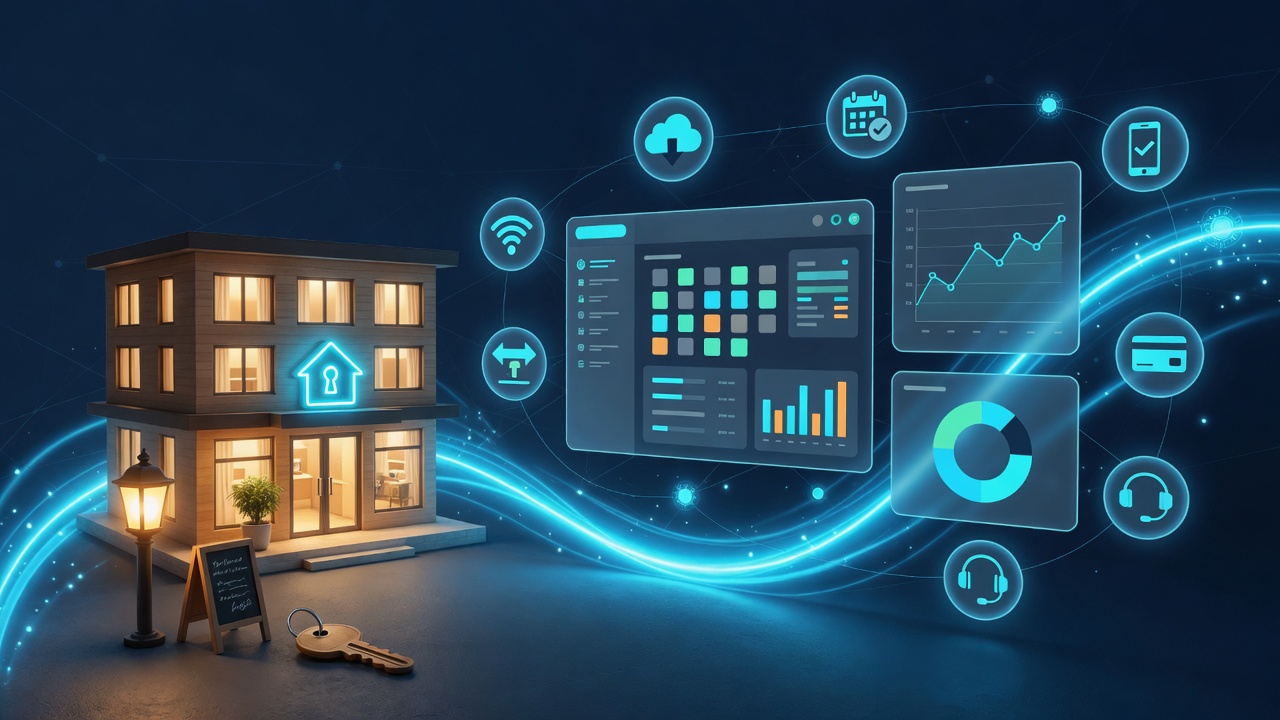
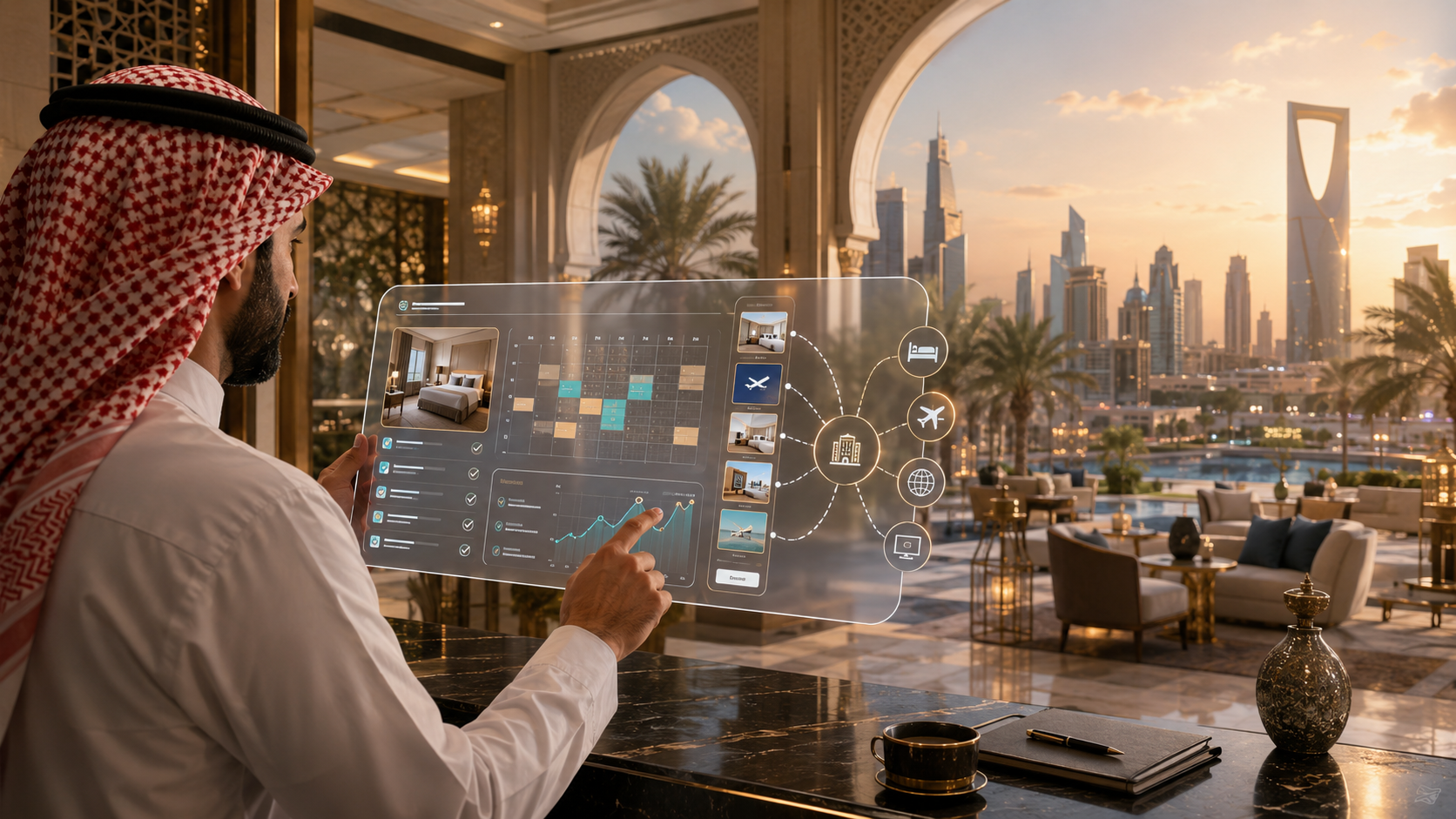
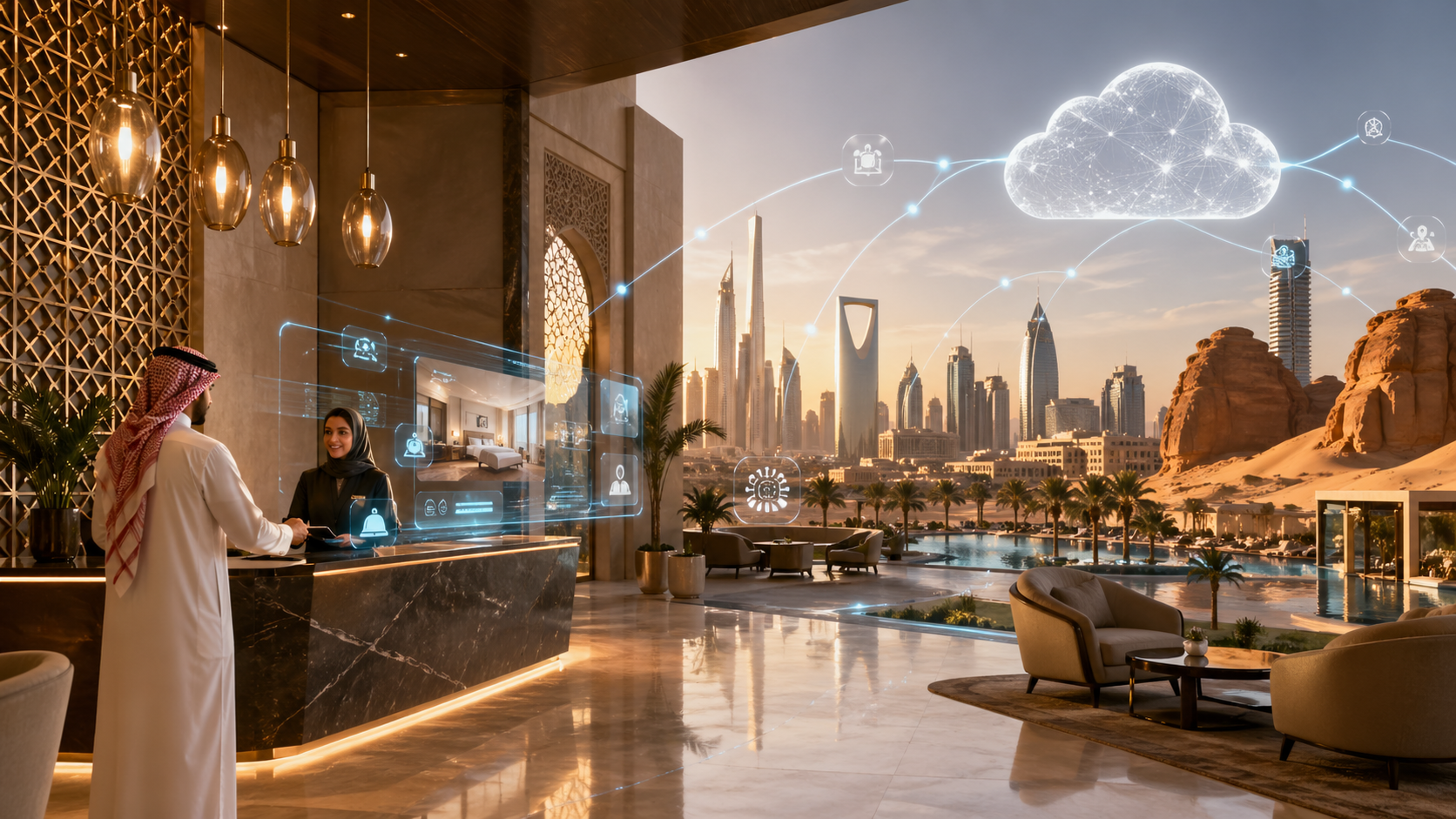
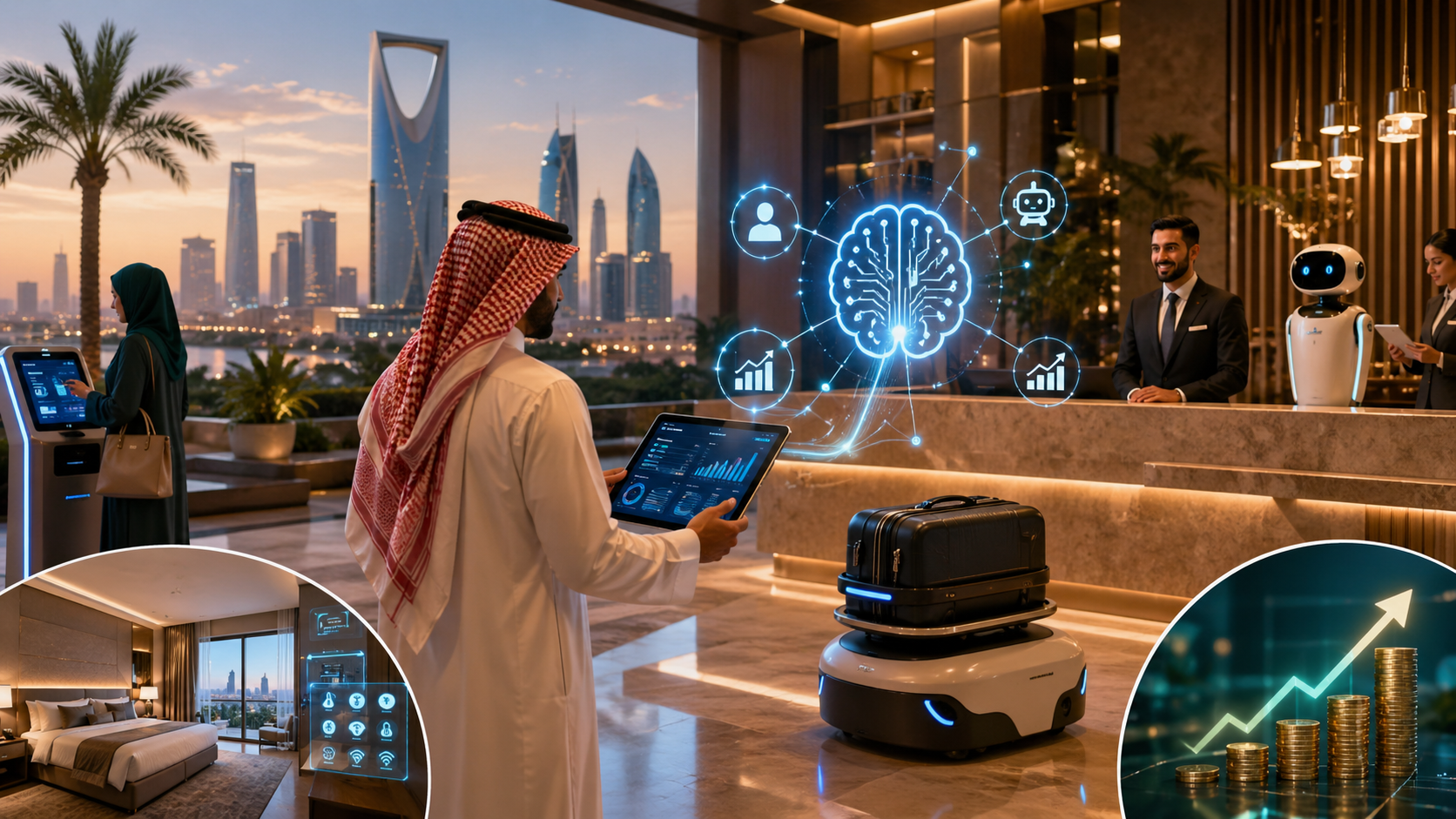
AI housekeeping software for hotels in Saudi Arabia is a cloud-based system that uses artificial intelligence to automate room cleaning schedules, assign tasks to attendants in real time, and run digital room inspections from a mobile phone. In 2026, it has become one of the fastest-growing categories of hotel technology in the Kingdom, driven by record tourism numbers, rising labour costs, and the ambitious hospitality targets of Saudi Vision 2030.
If you manage a hotel in Riyadh, Jeddah, Makkah, Madinah, AlUla, or the Red Sea coast, you already know the pressure: guests expect spotless rooms within minutes of check-in, occupancy swings dramatically between Hajj, Umrah, Riyadh Season, and business weeks, and your housekeeping team is often the largest department in the building. Paper checklists and WhatsApp groups cannot keep up with that reality. This guide explains how hotel housekeeping automation works, what benefits Saudi hotels are seeing, how it compares with traditional methods, and what to look for when choosing a housekeeping management system in 2026.
Quick answer: AI housekeeping software automates three things hotels still do manually: deciding which rooms get cleaned first, deciding who cleans them, and checking that they were cleaned correctly. Done well, this reduces room turnaround time by 20–30%, cuts supervisor paperwork almost to zero, and gives front-desk staff live room status without a single phone call.
Keep reading for the full breakdown, Saudi-specific use cases, and a comparison table.
What Is AI Housekeeping Software and How Does It Work in Hotels?
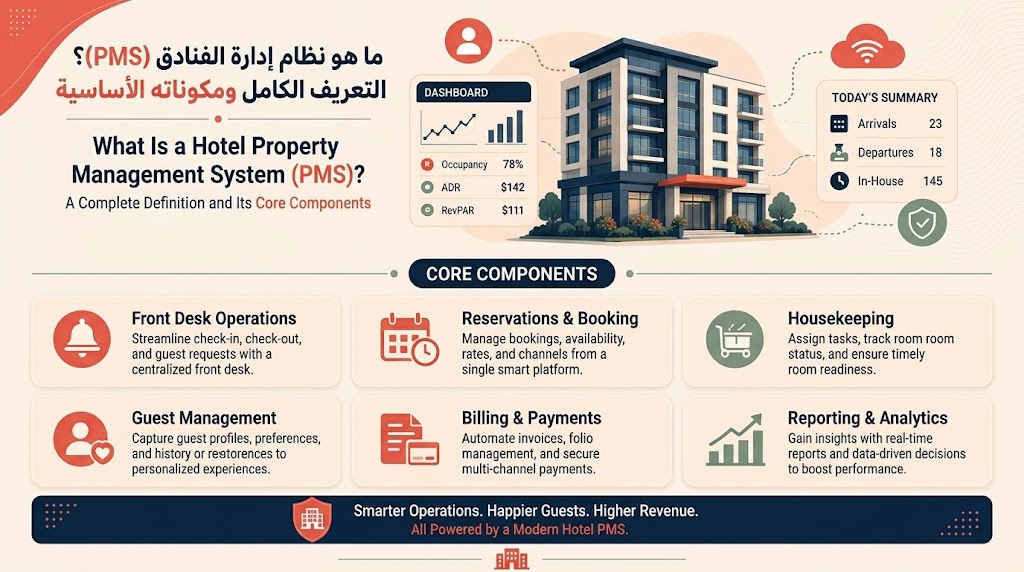
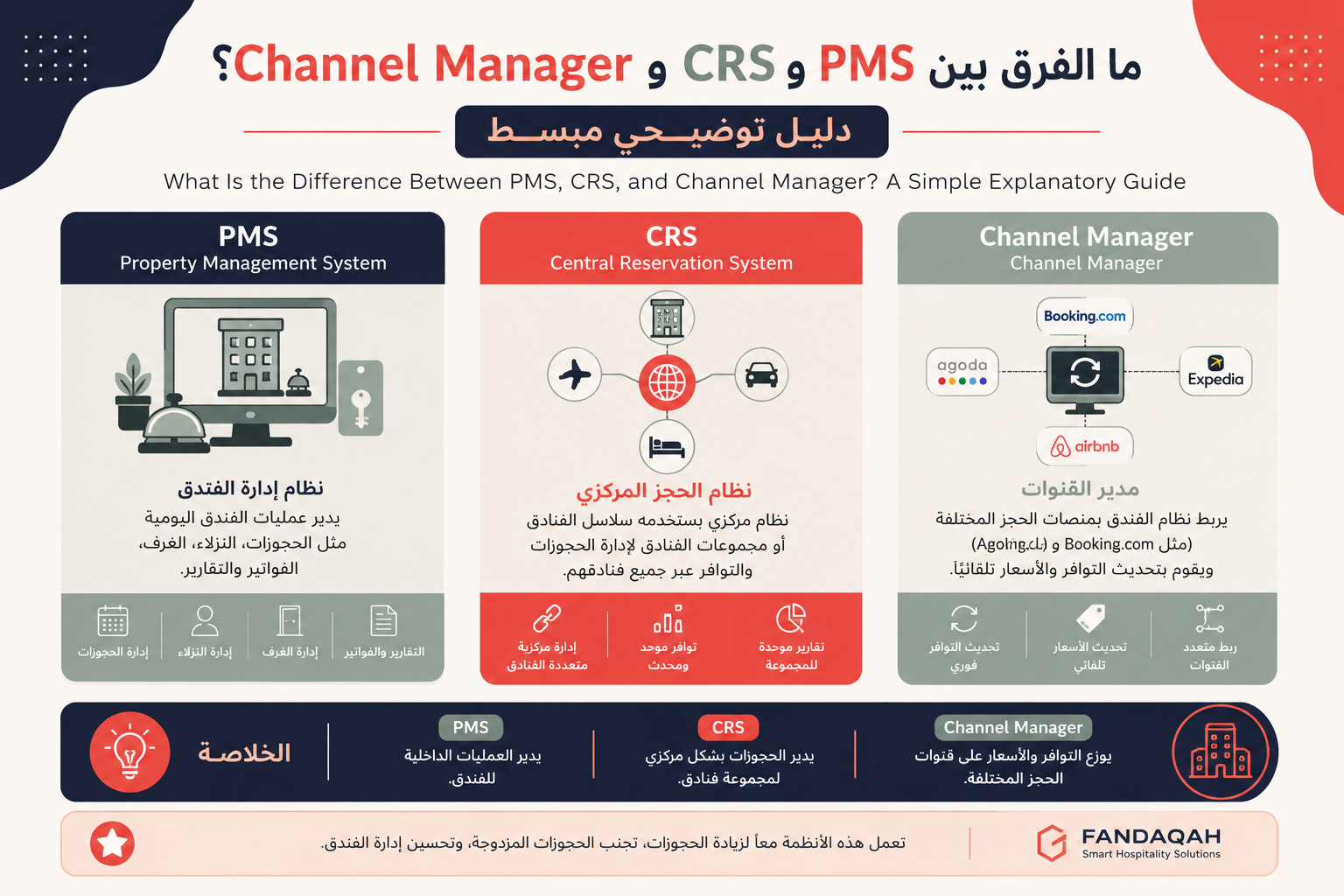
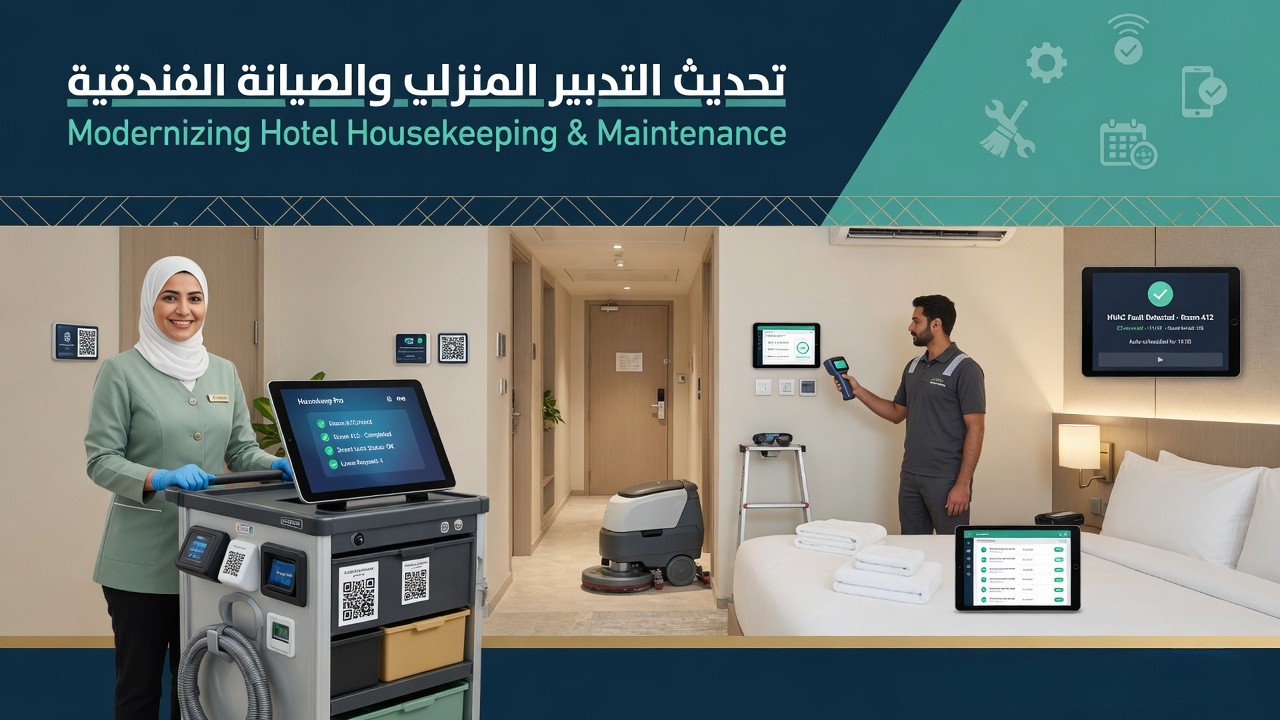
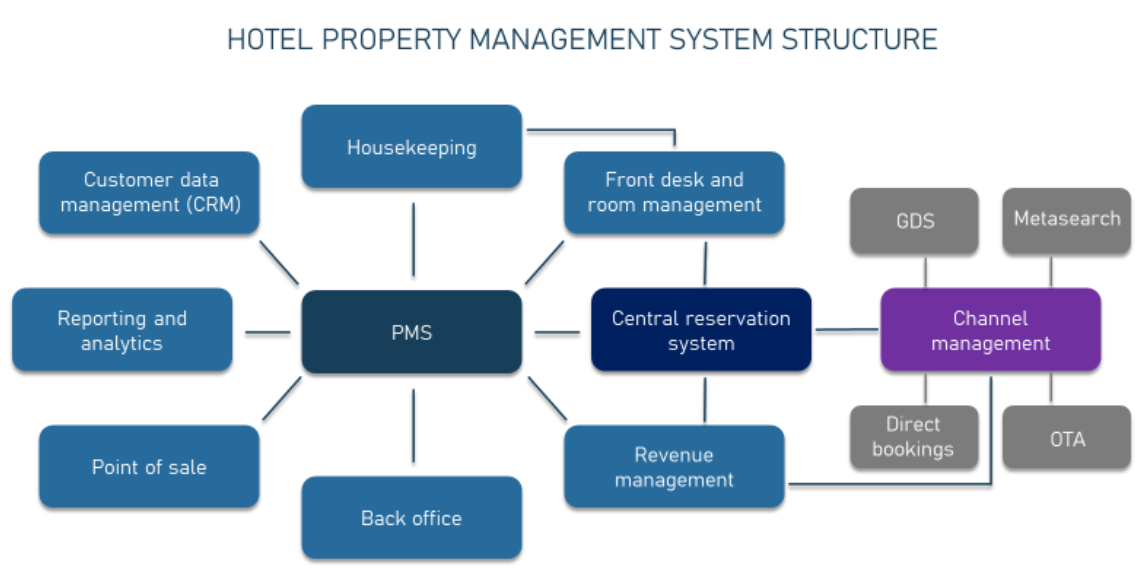
At its core, an AI housekeeping management system connects three sources of information that traditionally live in separate places: the property management system (PMS) that knows arrivals, departures, and stayovers; the housekeeping team that knows who is on shift and where they are; and the inspection process that confirms a room is truly guest-ready. The software reads all three continuously and makes decisions that a head housekeeper used to make by hand each morning.
1. Automated room cleaning schedules
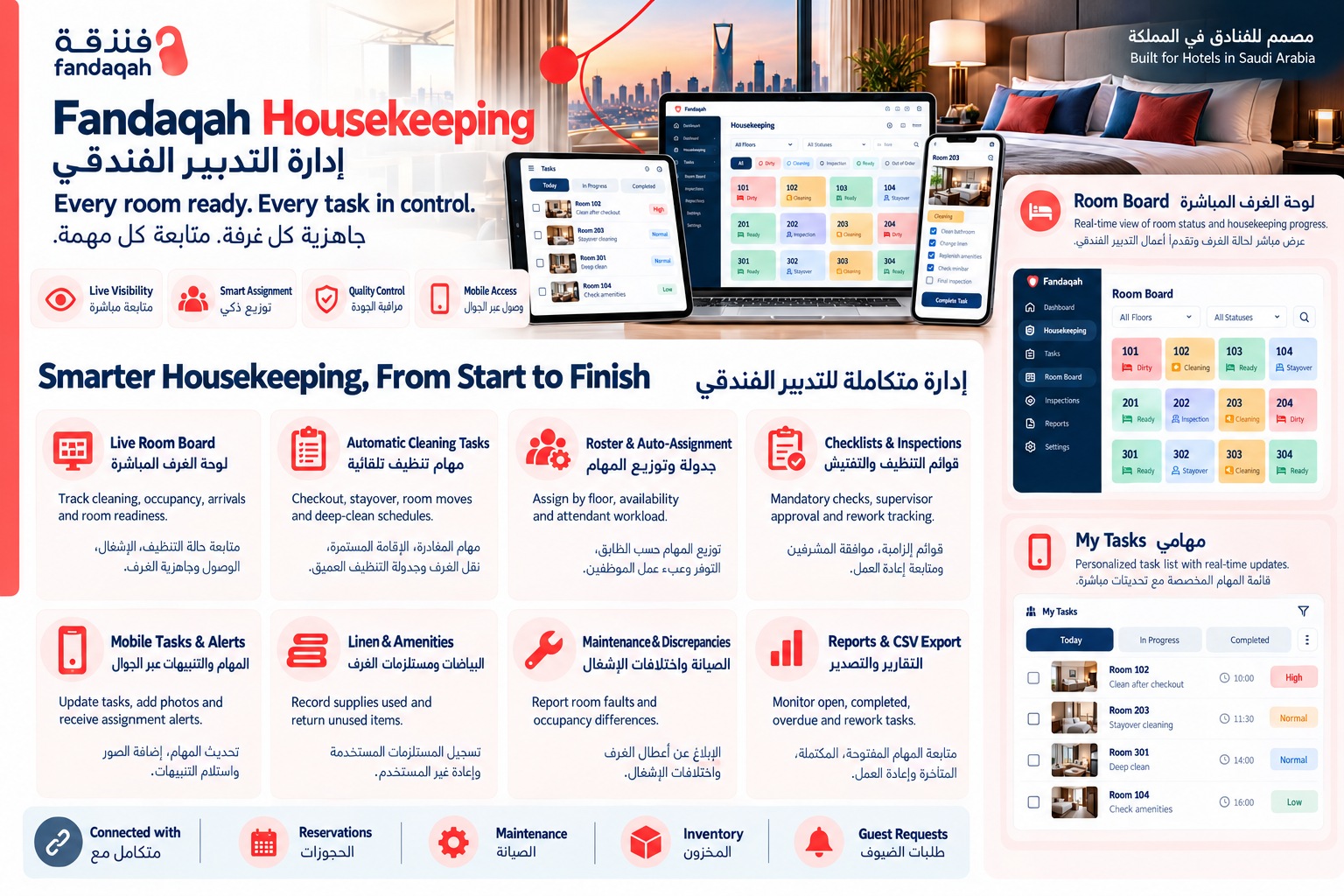
The system pulls the day's arrivals and departures directly from the hotel PMS integration. It then ranks rooms by urgency: early check-ins and VIP arrivals first, departures with a confirmed next guest second, stayovers and vacant-clean rooms last. When a guest checks out early or a flight is delayed, the queue reorders itself automatically. No morning briefing, no printed room list, no hand-written priorities.
2. Intelligent housekeeping task assignment
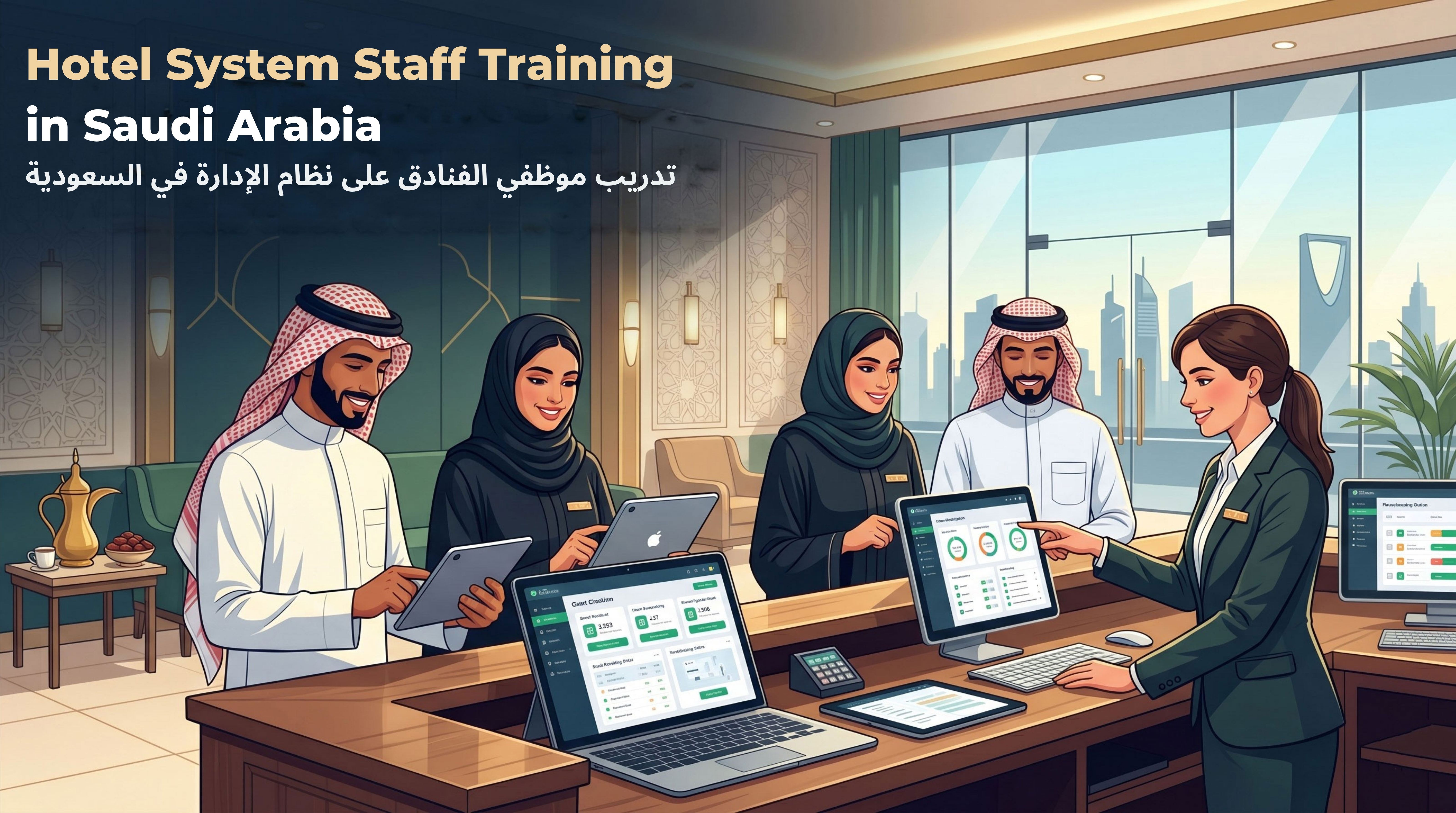
Housekeeping task assignment is where AI adds the most value. Instead of dividing floors evenly, the engine balances workload based on room type, expected cleaning time, attendant location, language skills, and performance history. A departure suite might count as 45 minutes while a stayover standard room counts as 18 minutes, so each attendant receives a fair, realistic list. Tasks appear instantly on the attendant's housekeeping mobile app, in Arabic, English, Urdu, Tagalog, or Bengali, which matters enormously for the multinational teams typical in Saudi hotels.
3. Digital room inspections
A hotel room inspection app replaces the clipboard. Supervisors follow a digital checklist (bathroom, bed, minibar, amenities, maintenance issues), attach photos, and mark the room ready with one tap. The PMS updates instantly so the front desk can assign the room. Smarter systems also use AI to decide which rooms need inspection at all: new attendants get 100% inspection, experienced attendants with a clean record get random spot checks, which saves hours of supervisor time without lowering standards.
4. Predictive maintenance and guest requests
Because every inspection and every "extra towels" request is logged, the software learns patterns. If Room 1204's air conditioning is reported three times in a month, maintenance receives a proactive ticket. If guests on the executive floor frequently ask for prayer mats or Qibla directions, the system can flag those items for the standard set-up on that floor.
Note: "AI" in housekeeping does not mean robots cleaning rooms. In 2026 it means decision automation: prioritising, assigning, predicting, and verifying work so that human teams spend their time on cleaning and guest care instead of coordination.
Key Features and Benefits of Hotel Housekeeping Automation
Here are the features that separate a real AI housekeeping platform from a simple digital checklist, and the measurable benefits each one brings to a Saudi property:
- Live room status board: Vacant-dirty, vacant-clean, occupied-dirty, inspected, out of order, all visible to front desk, housekeeping, and management on any device. Benefit: faster check-in and fewer "please wait in the lobby" moments.
- Dynamic priority engine: Automatically reorders the cleaning queue when arrivals change. Benefit: early check-ins become a revenue opportunity instead of a complaint.
- Workload-balanced task assignment: Credits-based or time-based distribution across attendants. Benefit: fairer shifts, lower staff turnover, and fewer overtime hours.
- Multilingual mobile app: Push notifications, offline mode for basements and back-of-house areas, photo attachments. Benefit: zero training barrier for diverse teams.
- Digital inspection checklists with photo evidence: Standardised by room type and brand standard. Benefit: consistent quality and an audit trail for owners and brand auditors.
- Lost and found, minibar, and linen tracking: Logged at room level during cleaning. Benefit: accurate posting to the folio and fewer disputes at checkout.
- Maintenance ticketing: Attendants report a broken lamp from inside the room; engineering receives it instantly. Benefit: shorter out-of-order time and more sellable rooms.
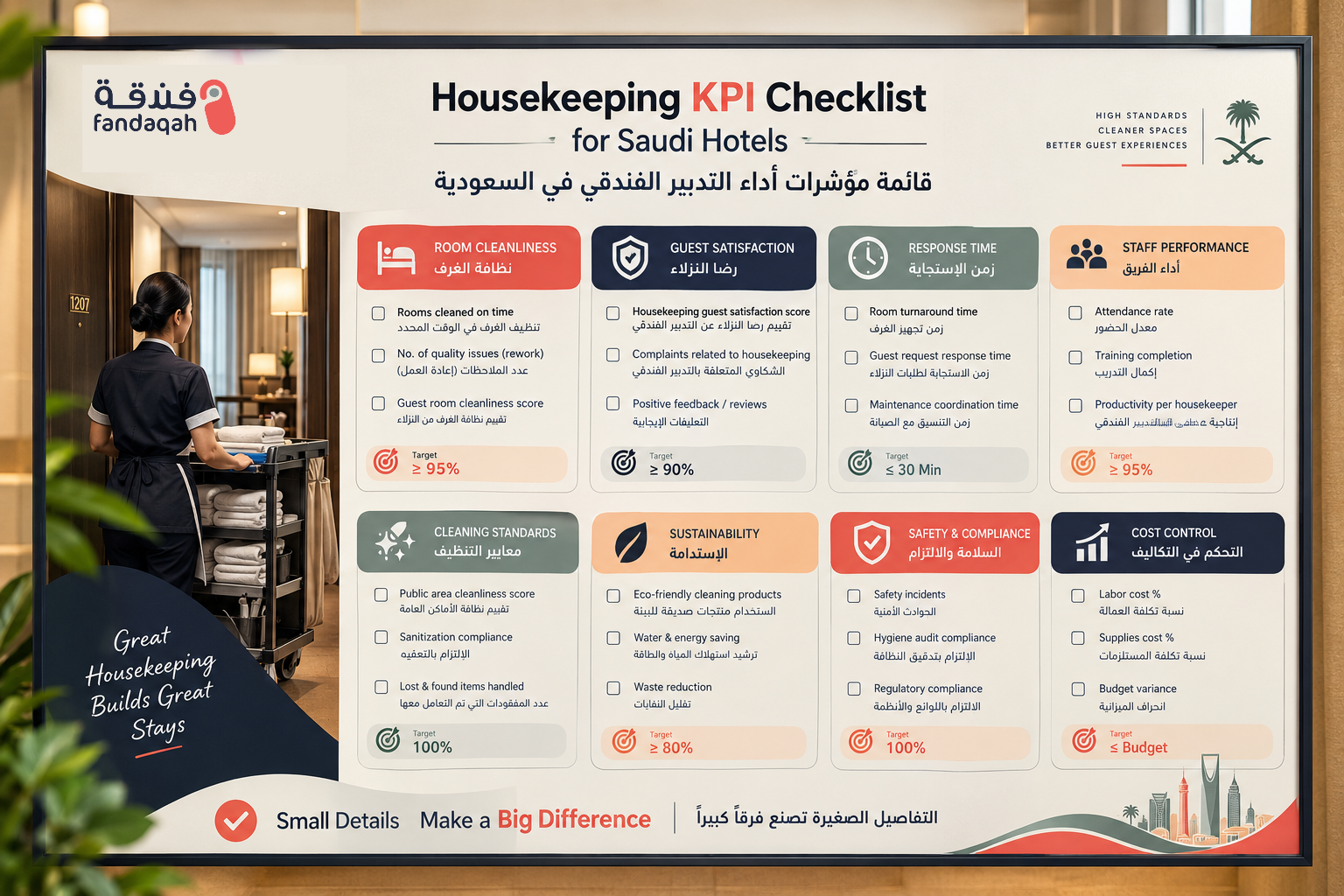
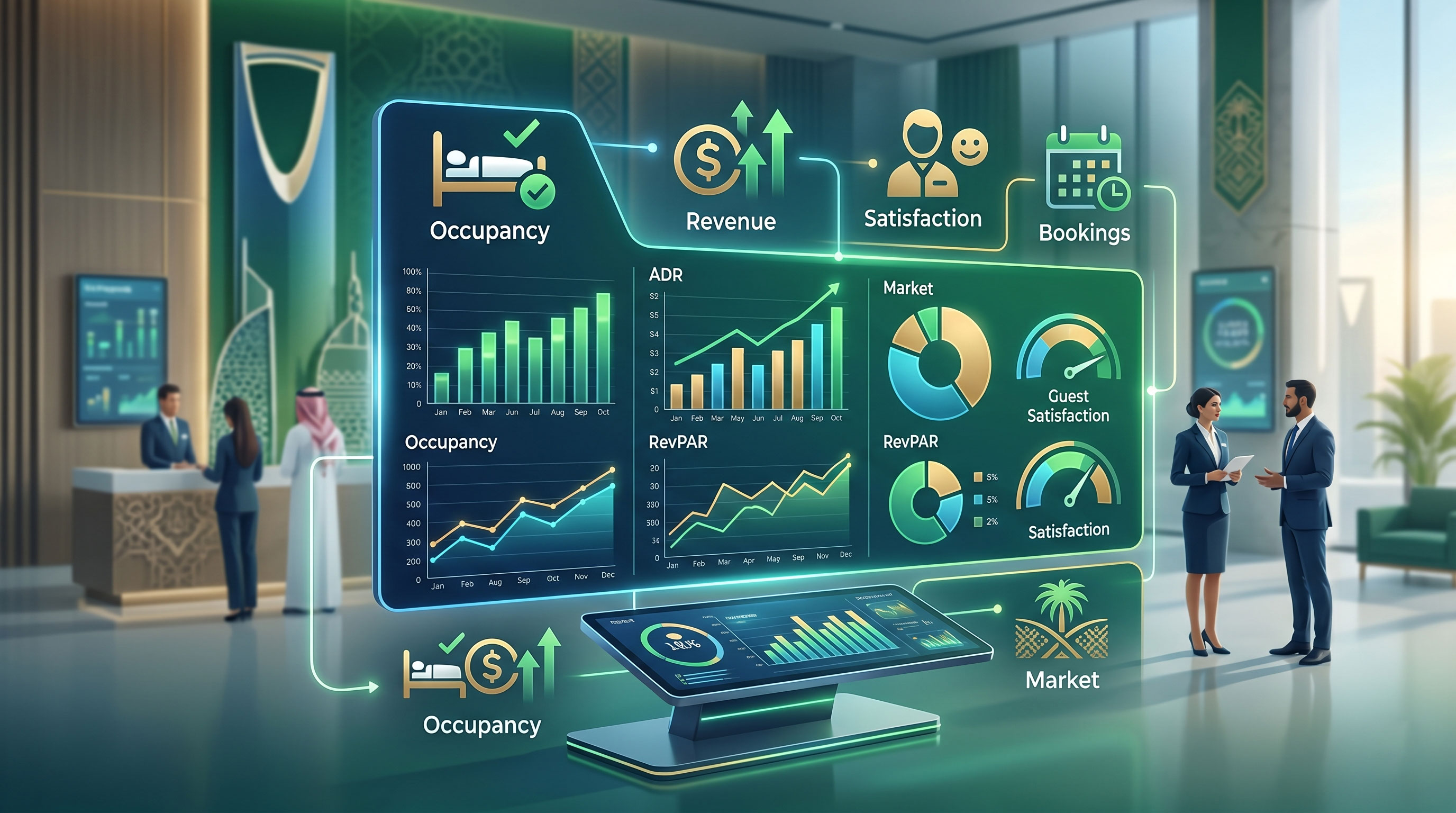
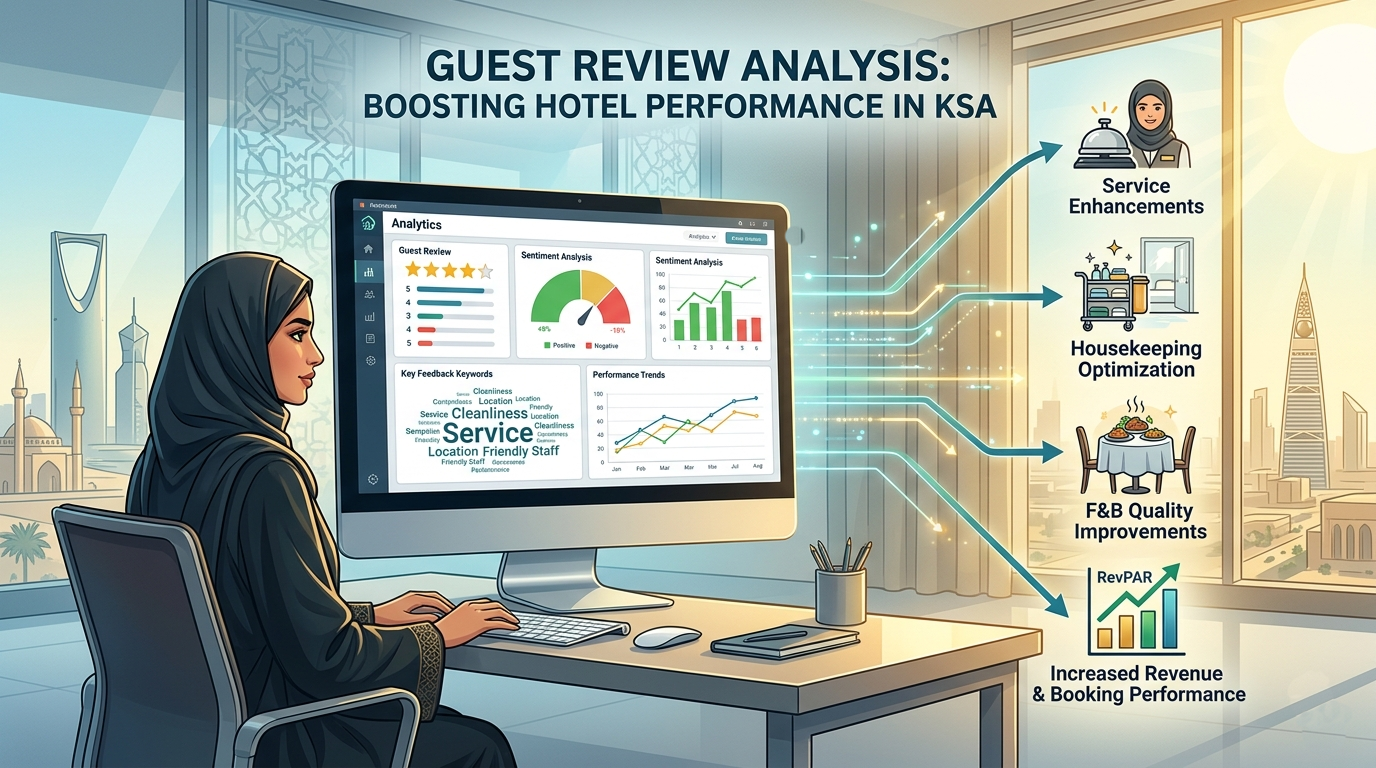
- Analytics and reporting: Average clean time per room type, inspection pass rate, productivity per attendant, cost per occupied room. Benefit: data for budgeting and performance reviews.
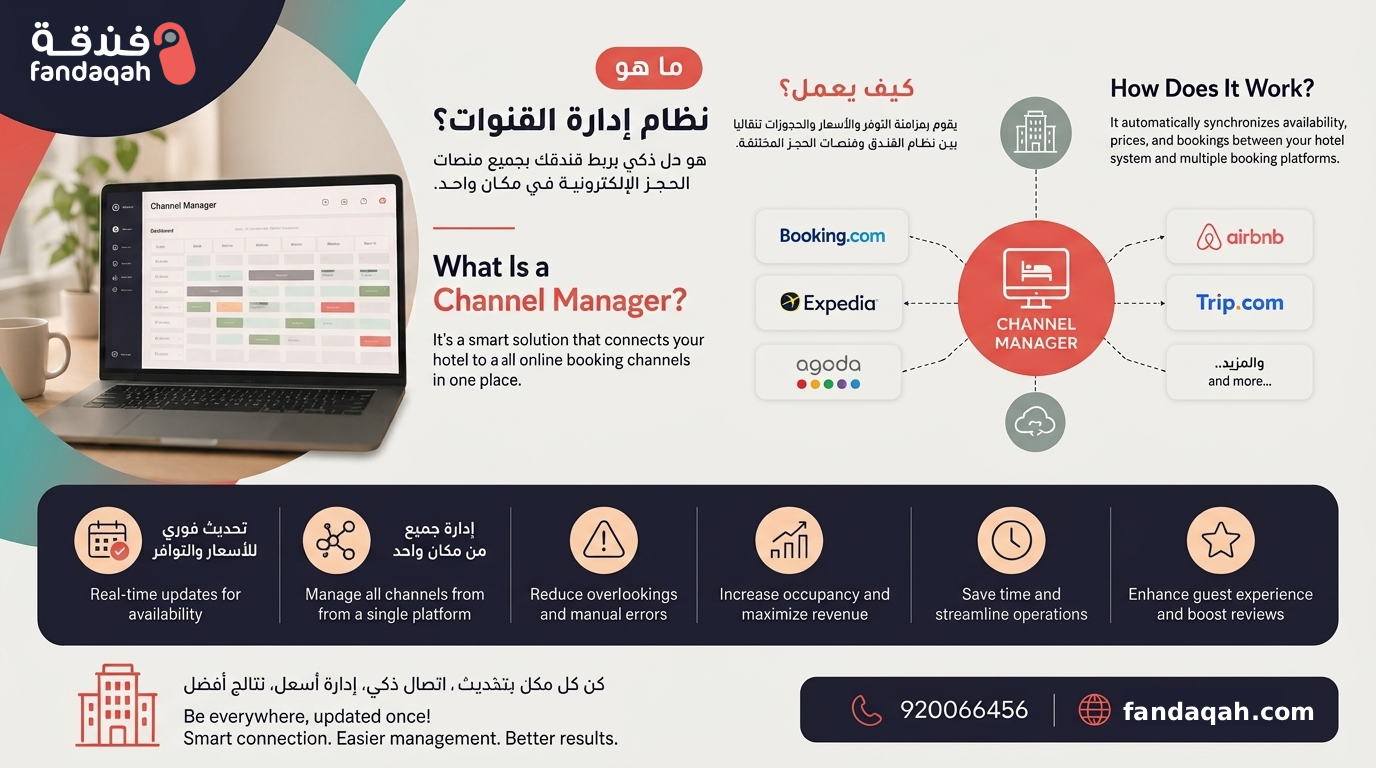
- Native PMS integration: Two-way sync with reservations, housekeeping status, and folios. Benefit: one source of truth, no double entry.
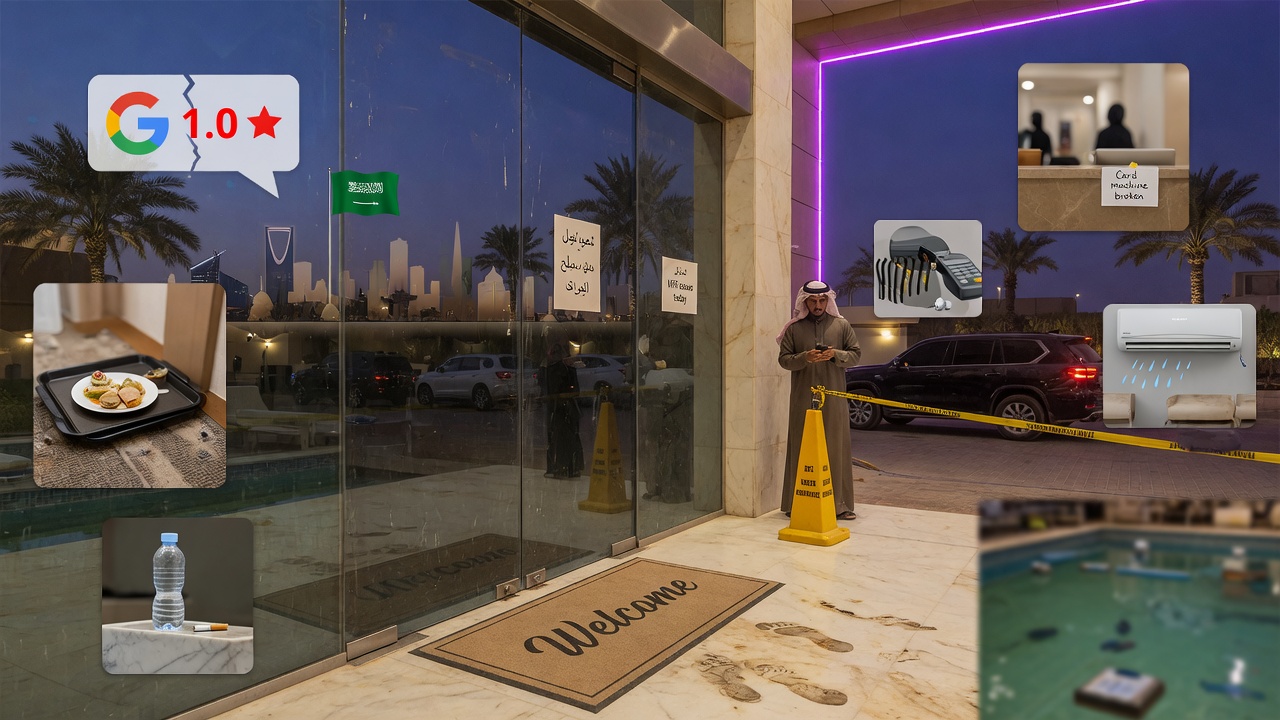
"The real cost of manual housekeeping is not the clipboard. It is the thirty minutes every morning spent building a room list that is out of date by 9 a.m., and the ten phone calls a day between the front desk and the floor asking whether a room is ready. Automating that coordination is the single highest-return technology decision a mid-size Saudi hotel can make in 2026."
Insight from the Fandaqah hospitality technology team
Use Cases: How Saudi Hotels Use AI Housekeeping Software
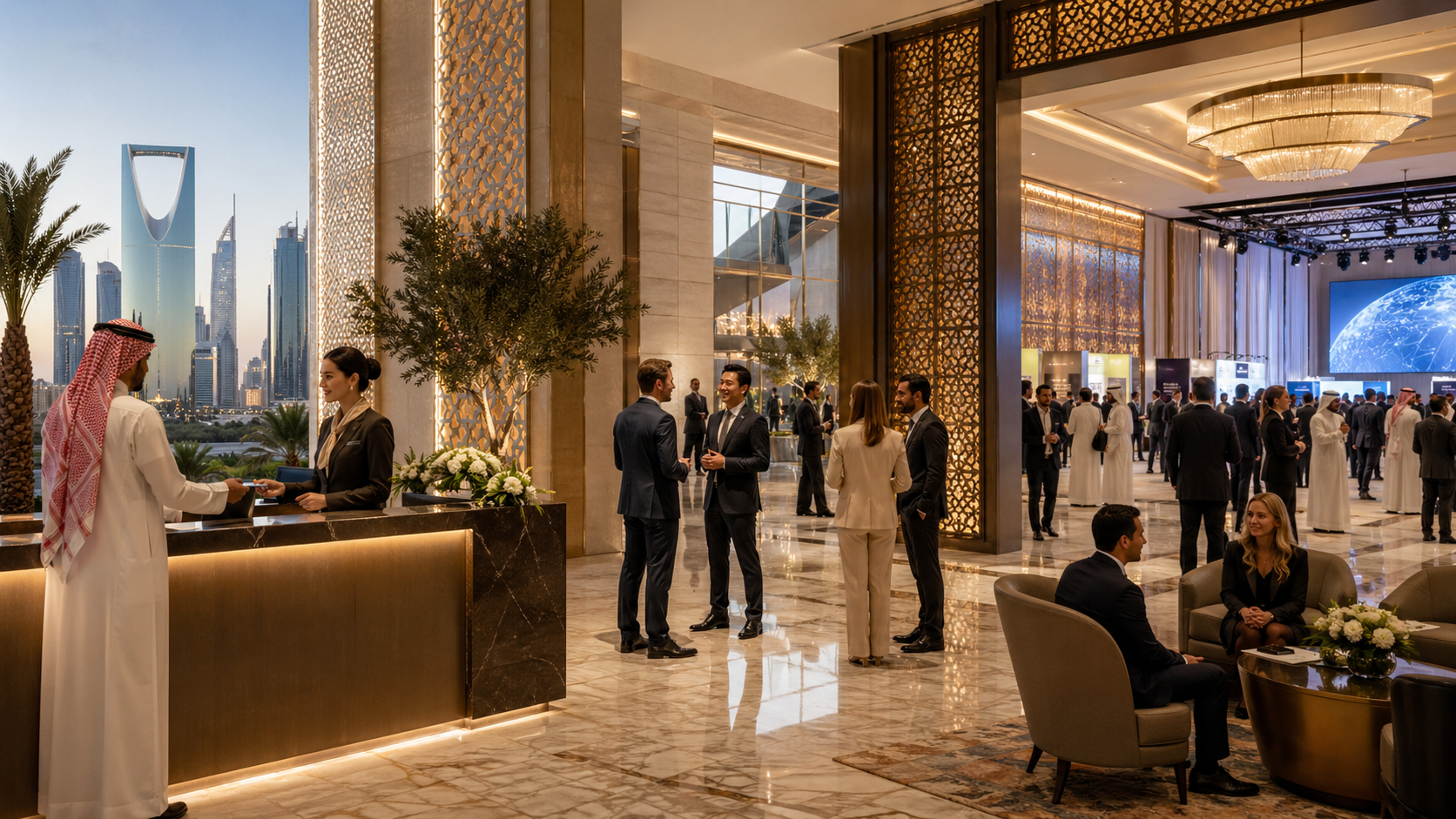
Saudi Arabia is not a typical hotel market. Demand is shaped by religious tourism, mega-events, giga-projects, and a national push to raise service standards. The best housekeeping software for Saudi hotels in 2026 is the one built for these specific scenarios.
Makkah and Madinah hotels during Hajj and Umrah seasons
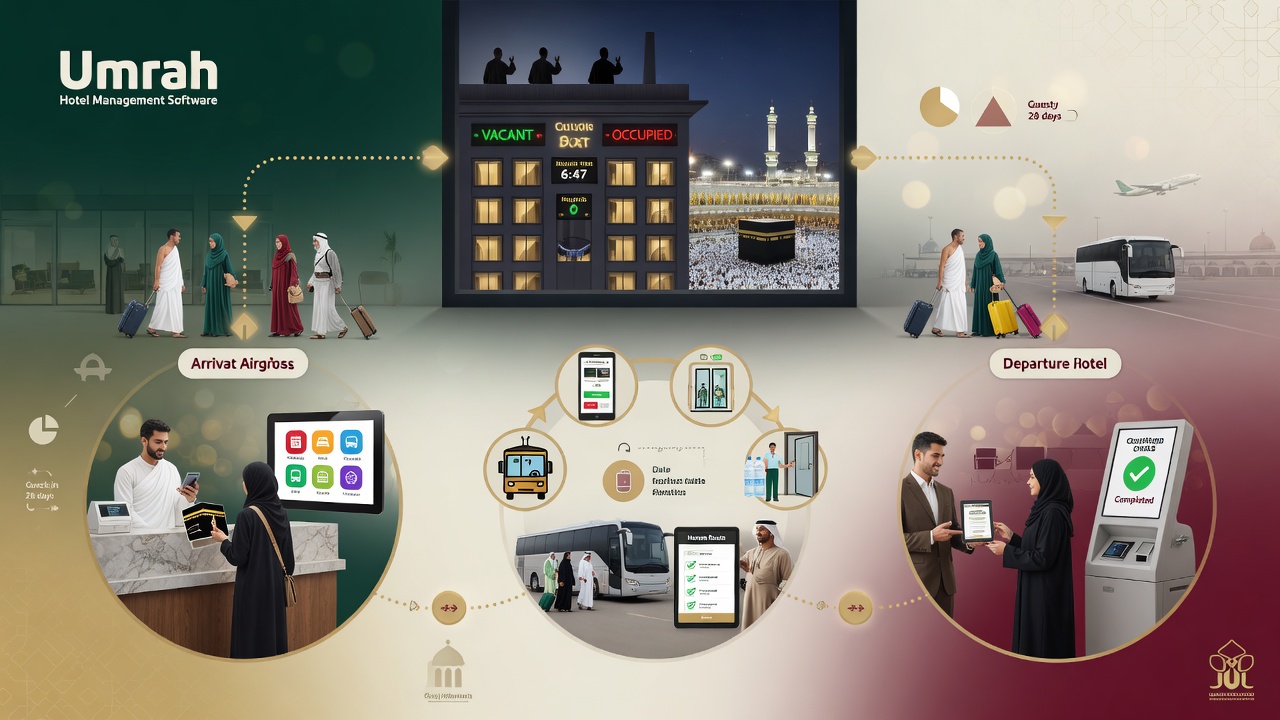
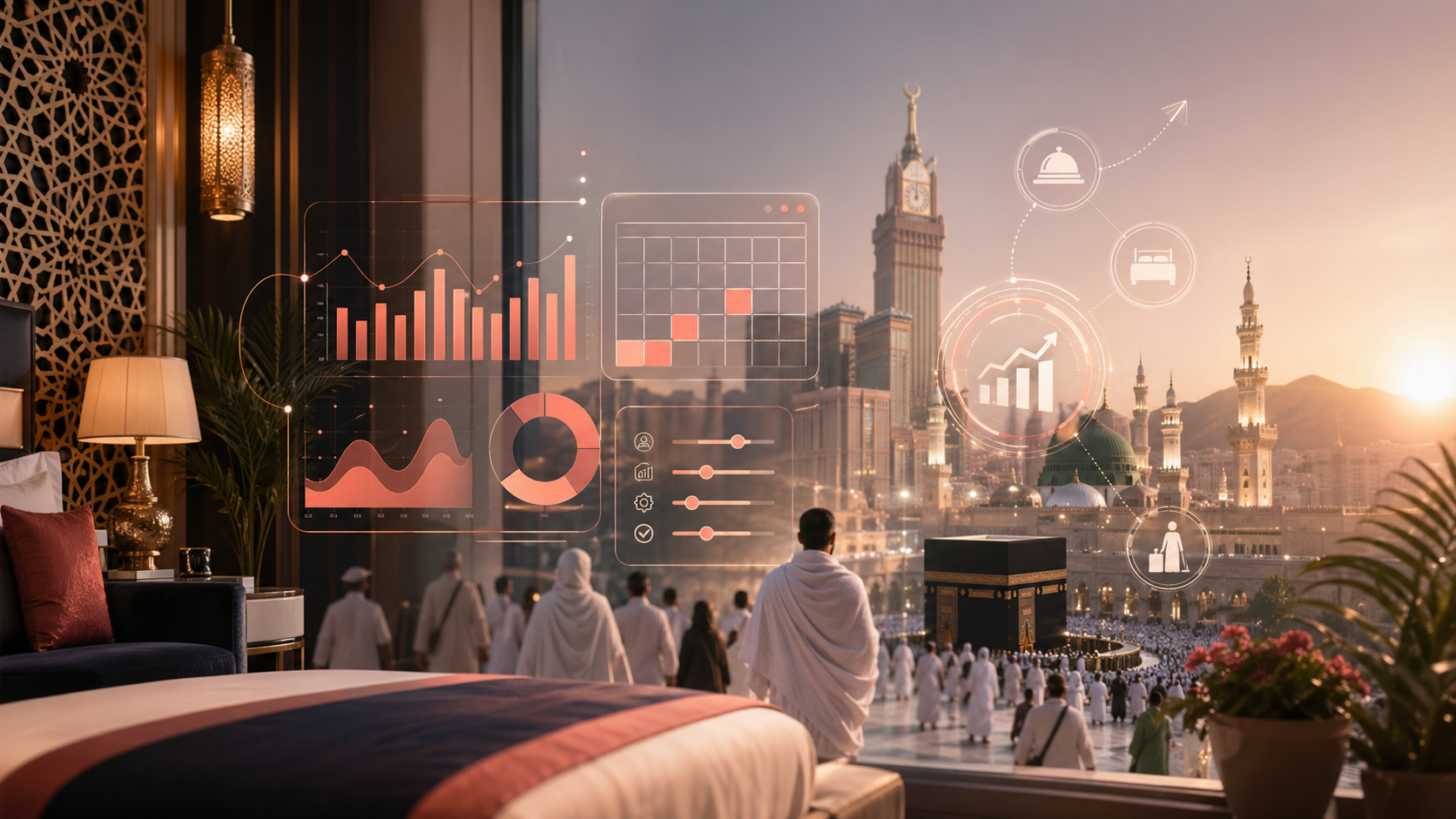
Housekeeping software for Makkah and Madinah hotels during Hajj faces the hardest test in global hospitality: near-100% occupancy, large pilgrim groups arriving and departing in waves by bus, and rooms that must be turned around in a tight window between group checkouts and the next arrival. AI task assignment lets the executive housekeeper release an entire floor to the team the moment the group checks out, with rooms sorted by the next group's arrival time. Digital inspections ensure that even with temporary seasonal staff, every room meets the same standard.
Riyadh business hotels and event peaks
Riyadh's business hotels live on Sunday-to-Thursday corporate stays and sudden surges around Riyadh Season, LEAP, Future Investment Initiative, and major sporting events. Early check-ins are the norm for delegates flying in on morning flights. A dynamic priority engine turns the 6 a.m. arrival list into a cleaning sequence automatically, so executive floors are ready before the first delegate arrives.
Jeddah, Red Sea, and AlUla resorts
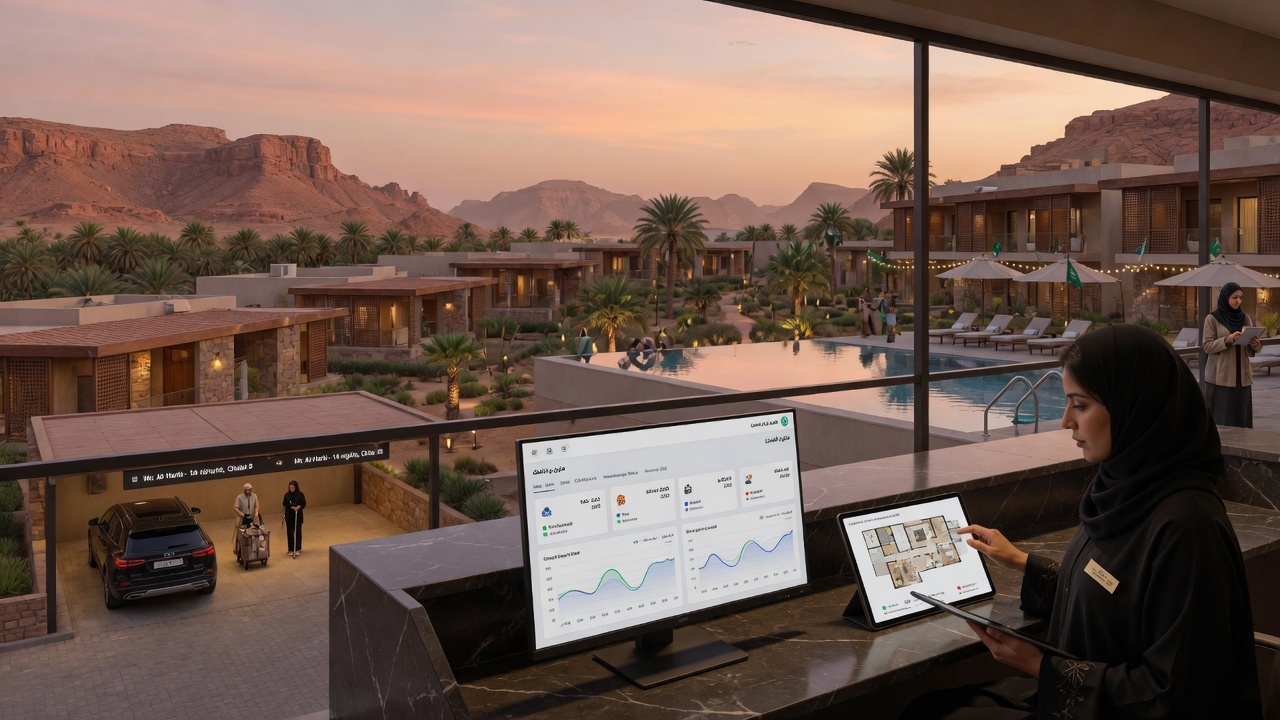
Resorts with villas spread across large sites cannot run on a "walk the corridor" model. Mobile task assignment with GPS-aware routing sends attendants to nearby villas in sequence, reducing walking time. Offline mode keeps the app working in areas with weak signal, syncing once the attendant is back in coverage. For luxury properties in AlUla and the Red Sea destination, photo-verified inspections support the ultra-high standards these brands promise.
Serviced apartments and mid-scale chains
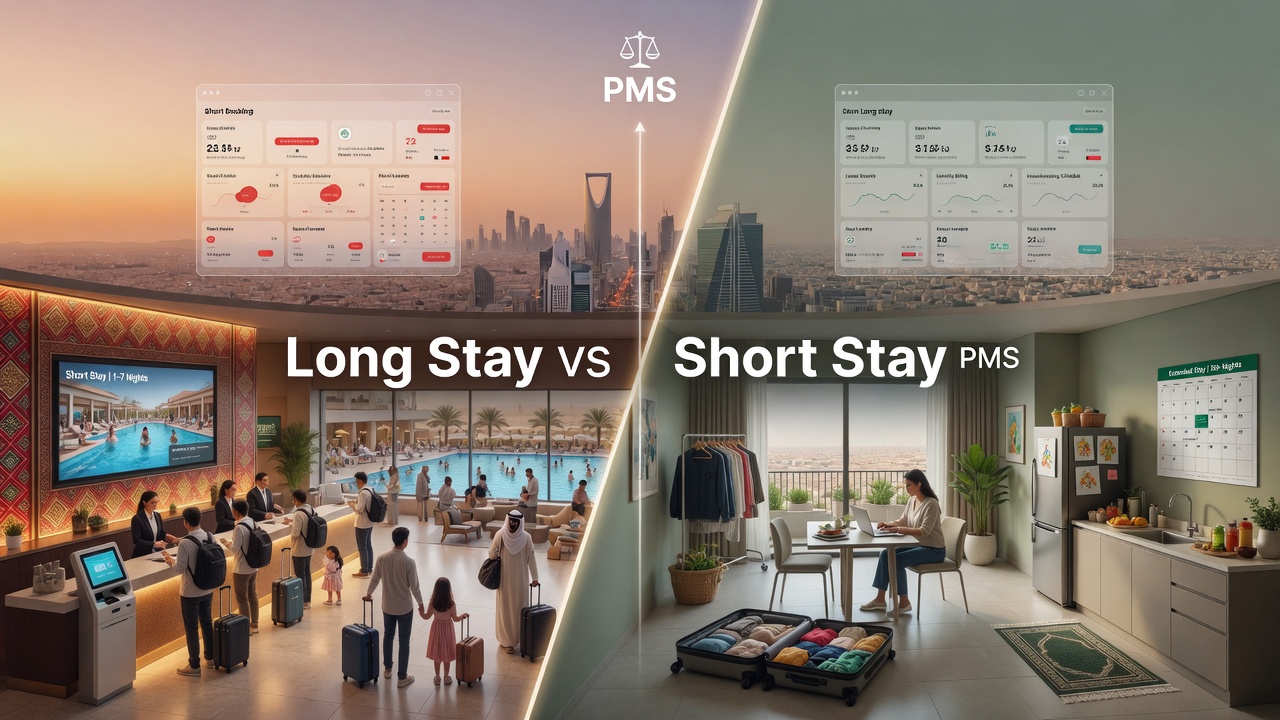
Many Saudi operators run portfolios of 3-star hotels and serviced apartments where cleaning is weekly for long stays and daily for short stays. AI scheduling handles mixed cleaning frequencies automatically, so a 30-night corporate guest is not disturbed daily while a 2-night family gets full service.
Example scenario: a 220-room hotel in Madinah
Before automation, the property employed 42 room attendants and 6 supervisors, used printed room lists, and averaged 38 minutes per departure clean including coordination delays. Front-desk staff made an estimated 60–80 internal calls per day to check room status.
After moving to an AI housekeeping module integrated with its PMS, the same team handled Umrah-season occupancy with departure cleans averaging 27 minutes, inspection time per room falling from 8 minutes to 3 minutes with photo spot checks, and status calls dropping to almost zero because the front desk saw live room status on screen.
Figures are an illustrative model based on typical results reported by hotels adopting housekeeping automation; your results will depend on property size, staffing, and integration depth.
Comparison: Manual Housekeeping vs Basic Digital Tools vs AI Housekeeping Software
Not every "digital housekeeping" product is the same. The table below compares the three approaches most Saudi hotels are choosing between in 2026.
| Capability |
Manual (paper + WhatsApp) |
Basic digital checklist |
AI housekeeping software |
| Room priority |
Set once each morning by the head housekeeper |
Manually edited in the app |
Re-calculated automatically from live PMS arrivals |
| Task assignment |
Floors split evenly regardless of workload |
Supervisor drags tasks to names |
Workload-balanced, skill-aware, location-aware |
| Inspections |
Clipboard, 100% of rooms, no evidence |
Digital checklist, 100% of rooms |
Risk-based sampling with photo evidence |
| Front-desk visibility |
Phone calls and radios |
Status visible, often delayed |
Instant two-way PMS sync |
| Maintenance reporting |
Verbal, often forgotten |
Form submitted manually |
Ticket created from the room with photo, plus predictive alerts |
| Reporting |
None or end-of-month spreadsheets |
Basic completion reports |
Clean time, pass rate, productivity, cost per occupied room |
| Typical departure clean time |
35–45 minutes incl. coordination |
30–38 minutes |
25–30 minutes |
Standalone housekeeping app vs built-in PMS module
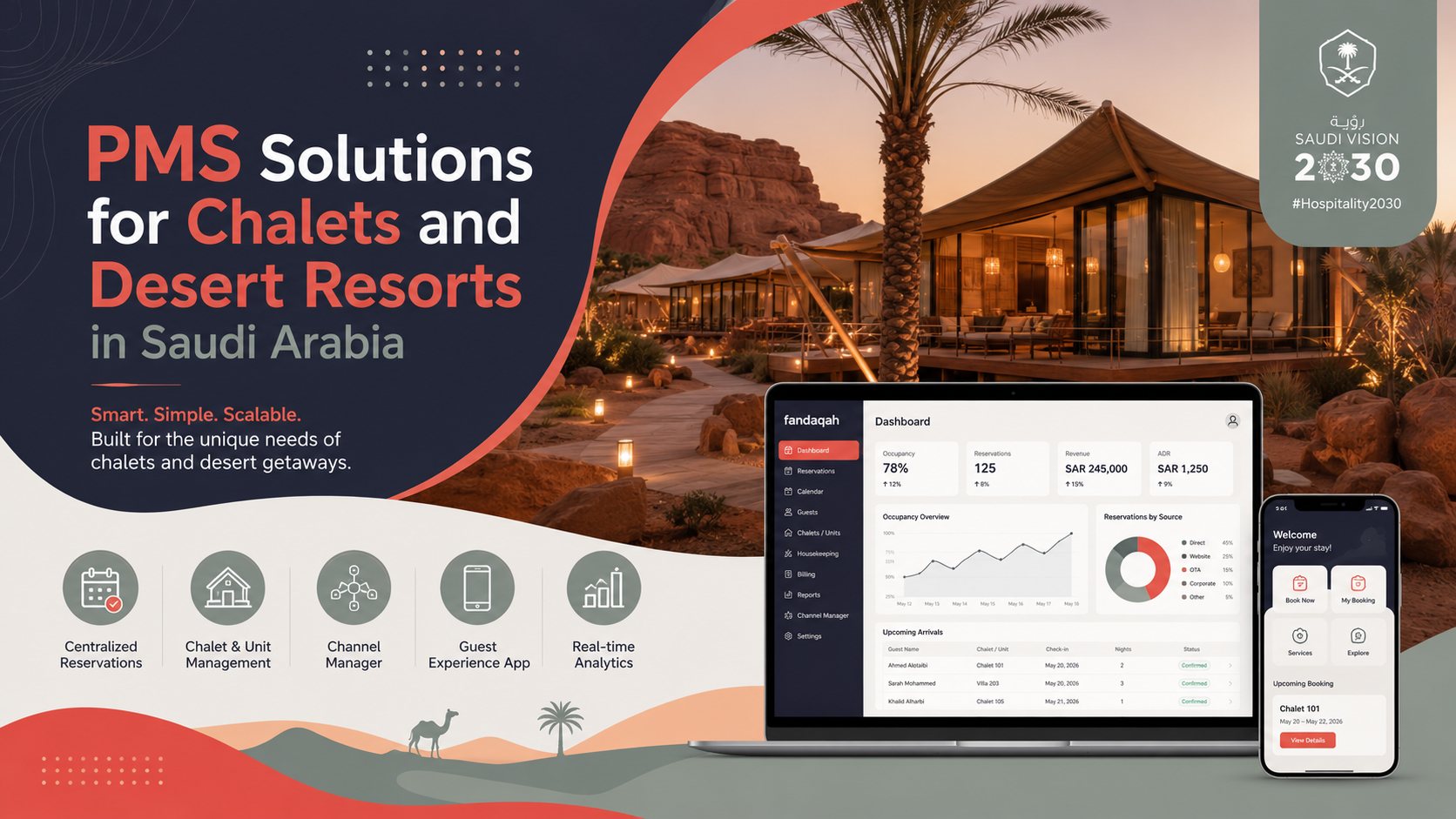
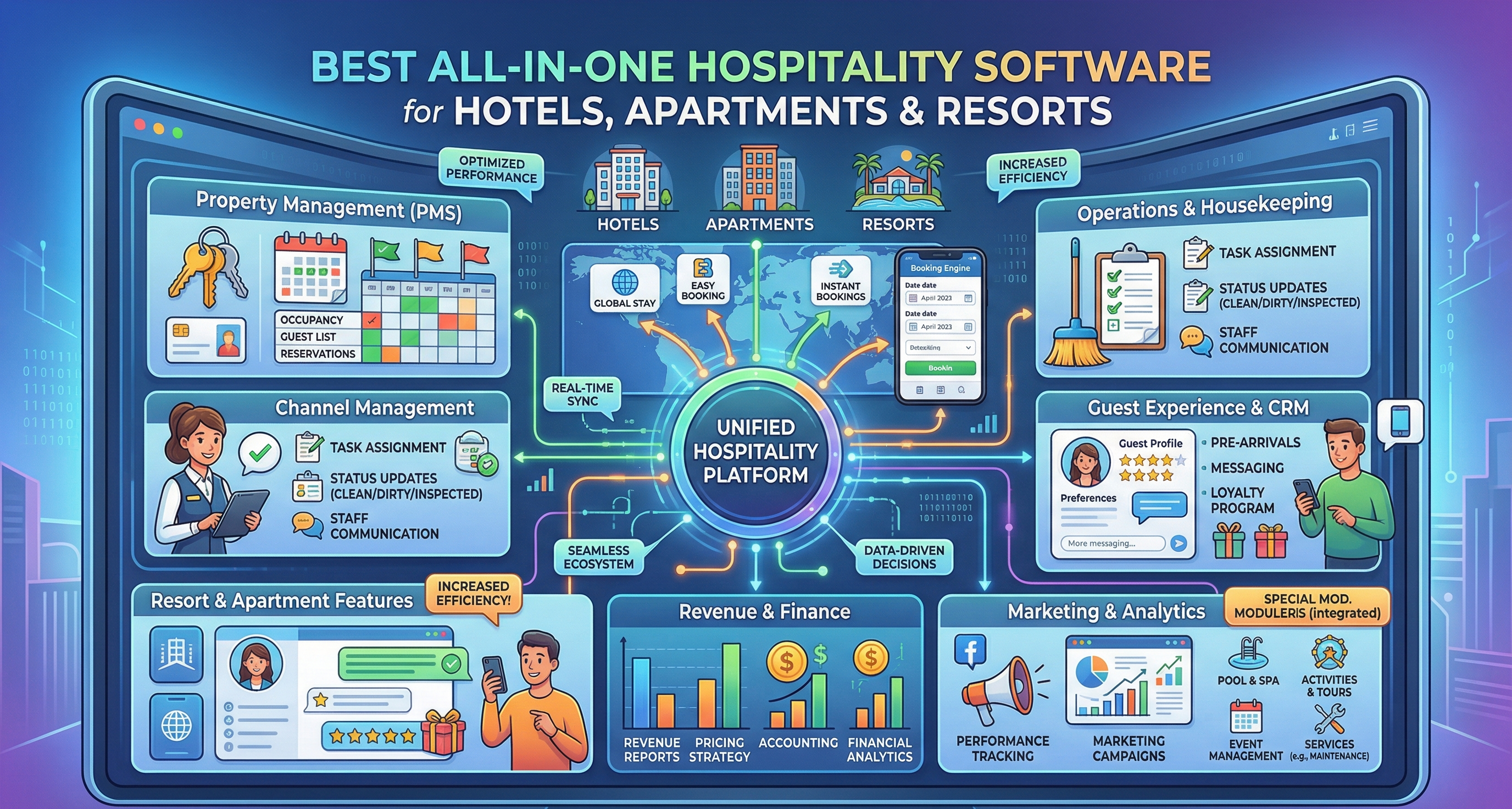
A second comparison matters when you shortlist vendors. Standalone housekeeping apps can be powerful but depend on an integration with your PMS that may be slow, one-way, or expensive to maintain. A housekeeping module built into a hotel property management system in Saudi Arabia shares the same database as reservations and the front desk, so room status, folio postings, and guest preferences flow without connectors. For most independent and mid-scale Saudi hotels, the built-in approach is simpler, cheaper to run, and easier for staff to learn. Platforms such as Fandaqah take this integrated route, combining PMS, housekeeping, and guest operations in one Saudi-focused system that supports Arabic interfaces and local requirements.
Tip: five questions to ask any vendor
- Is the PMS integration two-way and real-time, or a nightly file export?
- Does the mobile app work offline and support Arabic plus the languages your team speaks?
- Can inspection checklists be customised per room type and brand standard?
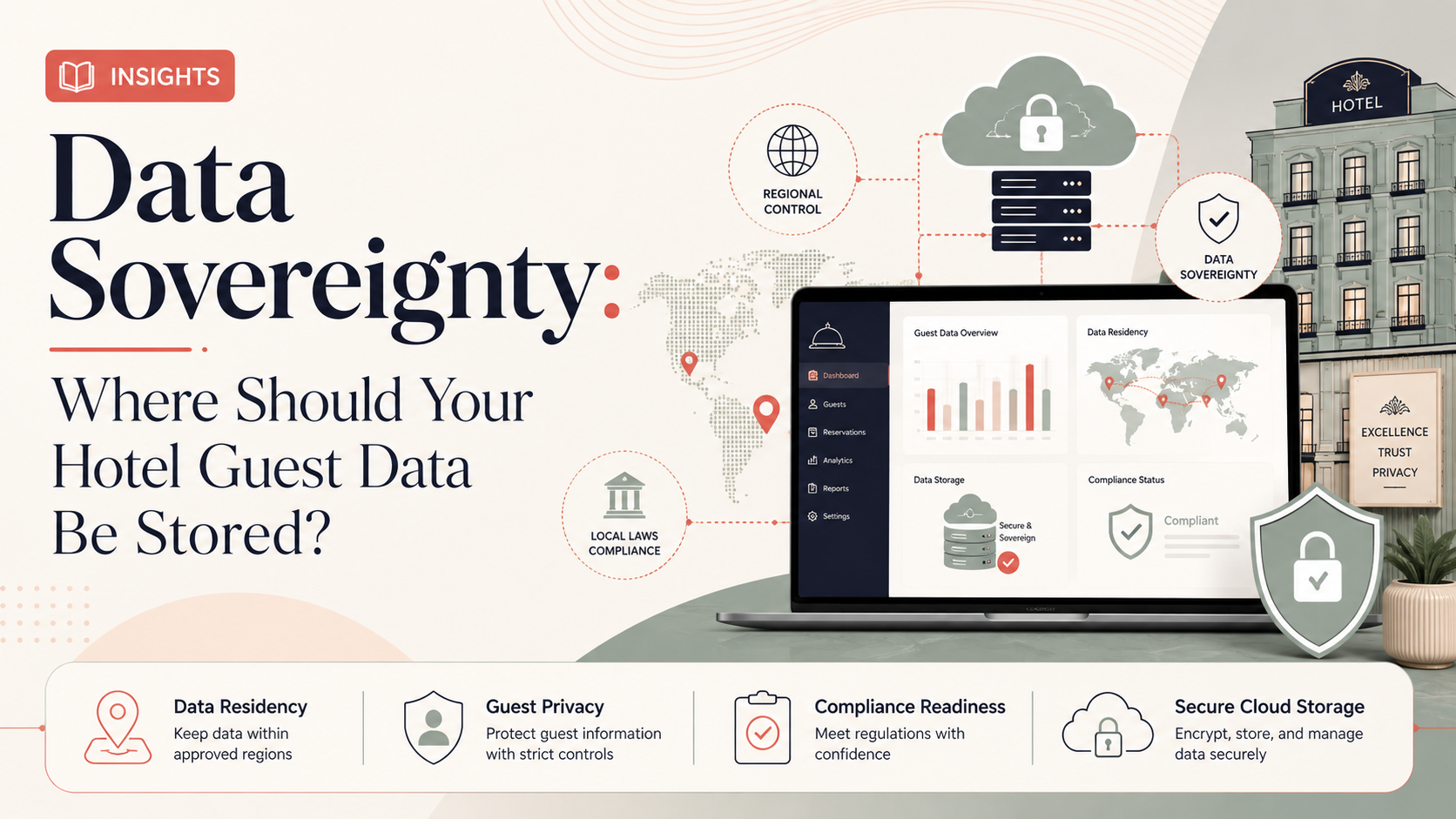
- Is data hosted in a way that meets Saudi data-residency and PDPL requirements?
- What does onboarding look like for a team of 40 attendants with mixed digital skills?
How to Automate Room Cleaning in Hotels: A Step-by-Step Rollout Plan
Hotels that succeed with hotel room cleaning software treat it as an operations project, not an IT project. A realistic 6–8 week rollout looks like this:
- Week 1 – Map your standards: Document cleaning times per room type, inspection checklists, and priority rules (VIPs, early arrivals, group blocks). This becomes the configuration of the AI engine.
- Week 2 – Connect the PMS: Activate the integration or the built-in module, verify that room status updates flow both ways, and test with a handful of rooms.
- Week 3 – Pilot one floor: Choose a supervisor who is enthusiastic about technology. Run paper and app side by side for one week, then switch the floor fully to the app.
- Week 4–5 – Train in small groups: Fifteen-minute sessions in the attendant's own language, on the actual devices, focused on three actions: start task, report issue, mark complete.
- Week 6 – Go live property-wide: Keep a supervisor on the floor as a "super user" for the first three days.
- Week 7–8 – Tune the AI: Review clean-time data and adjust credits per room type so assignments reflect reality. Switch inspections from 100% to risk-based sampling once pass rates stabilise.
Future Trends: Smart Hotel Operations in Saudi Arabia and Vision 2030
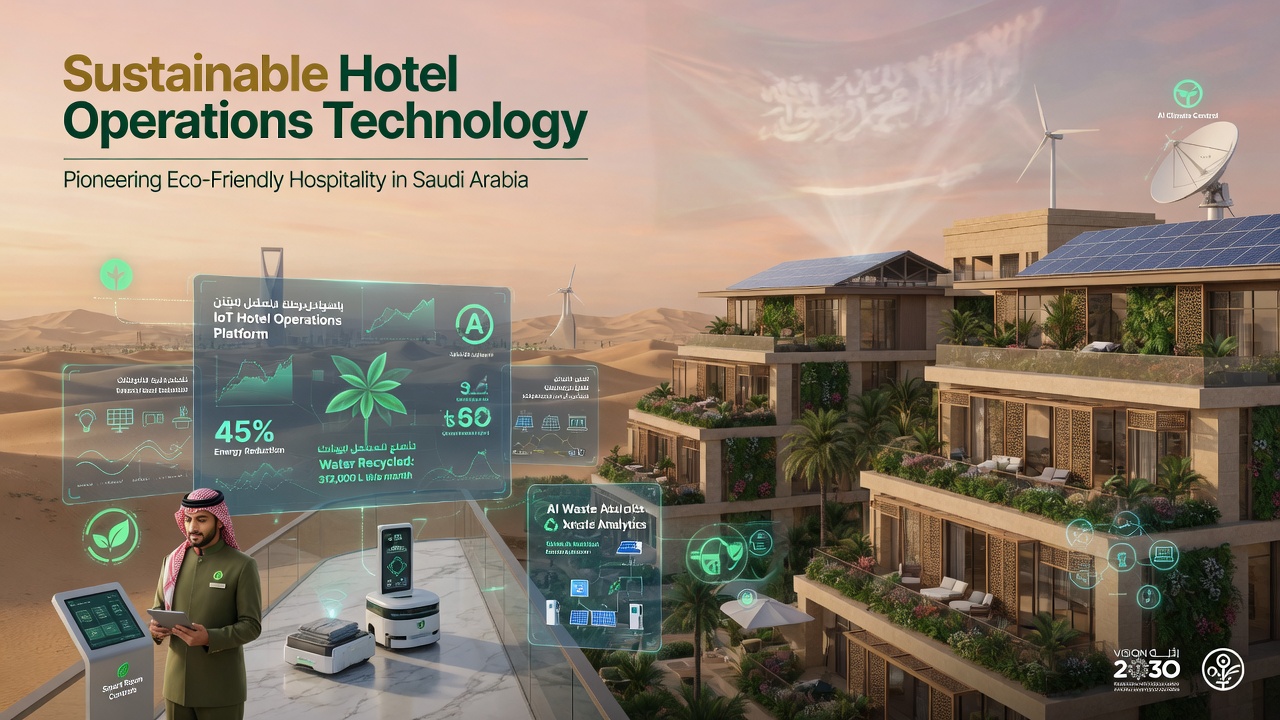
The case for smart hotel operations in Saudi Arabia is strongest when you look at the numbers behind the national strategy. Saudi Vision 2030 raised its tourism ambition to 150 million visits per year by 2030, and the Ministry of Tourism has reported that the original 100-million target was reached years ahead of schedule. Industry analysts estimate a pipeline of well over 300,000 new hotel keys across the Kingdom this decade, led by giga-projects such as NEOM, the Red Sea, Diriyah, Qiddiya, and the expansion of Makkah and Madinah. Every one of those rooms needs to be cleaned, inspected, and reported on.
At the same time, Saudization targets in hospitality and competition for trained staff mean hotels cannot simply hire their way out of operational complexity. Vision 2030 hotel technology adoption is therefore not optional for operators who want to meet the service standards that the Saudi Tourism Authority and global brands expect. Here is what we expect to see by 2027–2028:
- Guest-triggered cleaning: Guests choose their cleaning window in the hotel app or via WhatsApp, and the AI slots it into the schedule automatically, reducing "do not disturb" knock-backs.
- IoT-aware scheduling: Door-lock and occupancy sensors tell the system a room is empty, so attendants are routed to rooms they can actually enter.
- Computer-vision inspections: A supervisor's phone photo is checked by AI for missing amenities, unmade beds, or visible stains before the room is released.
- Sustainability reporting: Linen-reuse and chemical usage tracked per room, supporting green certifications that Saudi destinations increasingly require.
- Arabic-first AI assistants: Housekeepers and supervisors speaking to the system in natural Arabic to query room status or report issues, lowering the barrier for Saudi nationals entering hospitality roles.
- Portfolio-level benchmarking: Owners comparing cost per occupied room and inspection pass rates across properties in Riyadh, Jeddah, and Makkah from one dashboard.
Data note: For current official figures on visitor numbers and hotel supply, refer to the Ministry of Tourism (mt.gov.sa), the Saudi Tourism Authority, and the Vision 2030 programme site (vision2030.gov.sa). Statistics in this article reflect publicly reported targets and industry estimates as of late 2026 and should be verified before use in investment decisions.
Frequently Asked Questions About AI Housekeeping Software in Saudi Arabia
What is AI housekeeping software for hotels?
AI housekeeping software is a cloud platform that automatically prioritises which rooms to clean, assigns tasks to attendants based on workload and location, and manages digital room inspections. It connects to the hotel PMS so that room status updates in real time for the front desk, reducing coordination calls and speeding up check-in.
How much time can hotel housekeeping automation save?
Hotels adopting housekeeping automation typically report 20–30% faster room turnaround, supervisor inspection time reduced by half or more through risk-based sampling, and a near-total elimination of internal status calls. For a 200-room Saudi hotel, that often translates into dozens of additional sellable room-hours per day during peak seasons.
Does AI task assignment work for hotel housekeeping staff who are not tech-savvy?
Yes. Modern housekeeping mobile apps are designed around three simple actions: start, report, complete. With icons, large buttons, and interfaces in Arabic, English, Urdu, Tagalog, and other languages common in Saudi hotels, most attendants are comfortable within a single 15-minute training session.
Can housekeeping software handle Hajj and Umrah peak occupancy in Makkah and Madinah?
This is exactly where automation delivers the most value. Group checkouts release entire floors at once; the AI sorts rooms by the next group's arrival time and distributes them across the team instantly. Digital checklists keep quality consistent even with seasonal staff, and live status lets the front desk process bus-loads of arrivals without phone calls to the floor.
What is a digital room inspection checklist and why does it matter?
A digital room inspection checklist is a standardised list of items (bed, bathroom, amenities, minibar, maintenance) completed on a mobile device with optional photo evidence. It matters because it creates a consistent standard across supervisors, produces an audit trail for brand and owner reviews, and feeds pass-rate data back into the AI so that reliable attendants need fewer inspections.
Do I need a separate app, or can my PMS do housekeeping?
Many modern property management systems built for the Saudi market include a housekeeping module with task assignment and inspections. A built-in module avoids integration costs and keeps one source of truth. A standalone app may offer deeper features but requires a reliable two-way PMS integration. Ask vendors to demonstrate live status sync before deciding.
Is hotel housekeeping data safe under Saudi data protection rules?
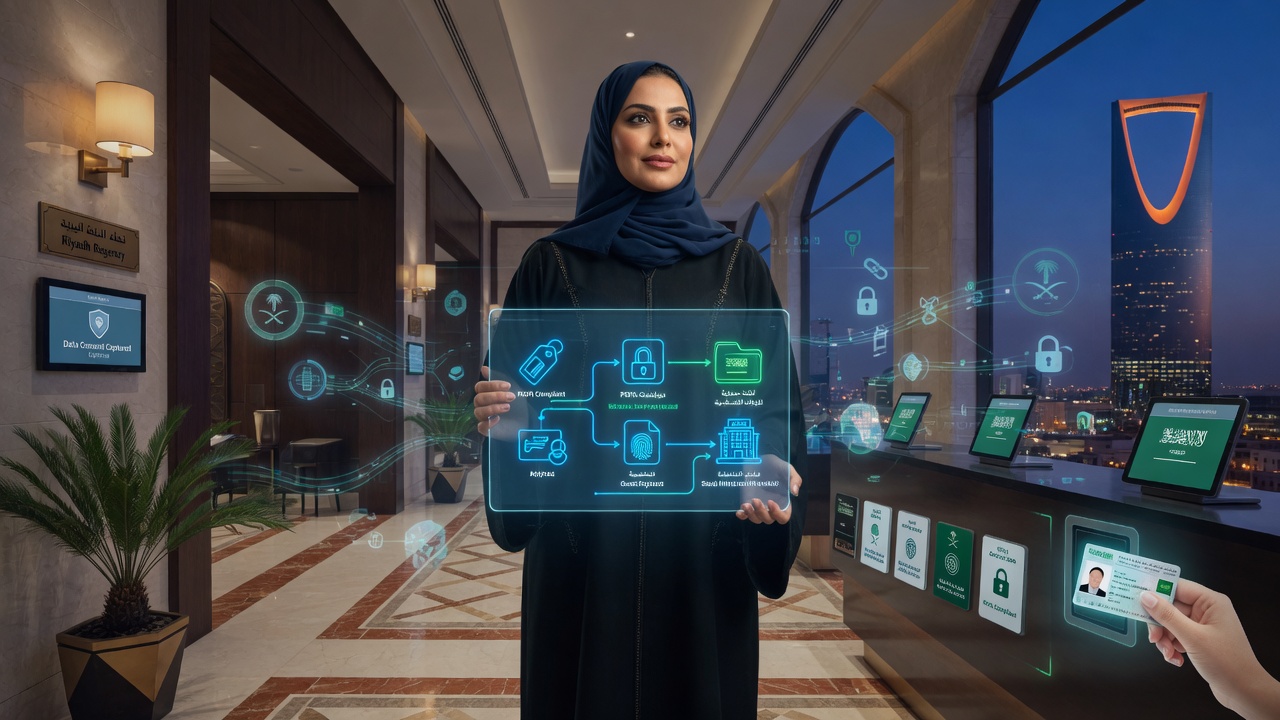
Housekeeping data includes guest room numbers, stay dates, and sometimes preferences, which fall under Saudi Arabia's Personal Data Protection Law (PDPL). Choose a vendor that offers appropriate hosting, role-based access, and clear data-processing terms, and confirm how guest data is retained and deleted.
How does AI housekeeping software support Vision 2030 goals?
Vision 2030 aims to grow tourism to 150 million visits and raise service quality across the Kingdom. AI housekeeping software helps hotels deliver consistent standards at scale, train Saudi nationals faster through simple Arabic interfaces, and operate efficiently despite rapid supply growth, directly supporting those national targets.
Conclusion: Why 2026 Is the Year to Automate Hotel Housekeeping in Saudi Arabia
AI housekeeping software for hotels in Saudi Arabia has moved from a luxury-brand experiment to an operational necessity. Record visitor numbers, enormous new room supply, mega-events, and the unique rhythm of Hajj and Umrah all demand a level of coordination that paper lists and messaging groups cannot provide. By automating room cleaning schedules, balancing housekeeping task assignment with AI, and replacing clipboards with digital inspections, hotels in Riyadh, Jeddah, Makkah, Madinah, and the new destinations are turning rooms faster, keeping quality consistent, and giving front-desk teams the live information they need to delight guests at check-in.
The hotels that win in the Vision 2030 era will be the ones that treat housekeeping as a data-driven operation. The technology is mature, the integration path is clear, and the return on investment shows up within the first peak season. The only remaining question is whether your property moves before or after your competitors do.
Ready to automate housekeeping at your hotel?
Fandaqah brings PMS, housekeeping task assignment, and digital inspections together in one platform built for Saudi hotels. See how it works on your own property with a live walkthrough.
Book a free demo with Fandaqah
Explore more hotel operations guides at fandaqah.com
Tags
AI housekeeping software for hotels in Saudi Arabia, hotel housekeeping automation, hotel room cleaning software, housekeeping task assignment, hotel room inspection app, housekeeping management system, hotel PMS integration, smart hotel operations Saudi Arabia, hotel property management system Saudi Arabia, housekeeping mobile app, how to automate room cleaning in hotels, best housekeeping software for Saudi hotels 2026, AI task assignment for hotel housekeeping staff, digital room inspection checklist for hotels, housekeeping software for Makkah and Madinah hotels during Hajj, Vision 2030 hotel technology, hotel technology Saudi Arabia 2026, Fandaqah PMS, Riyadh hotel software, Jeddah hotel management system