Saudi Hotel Occupancy 2027: 7 Ways to Protect Profits
Hotel supply is rising faster than demand in Saudi Arabia. Discover 7 practical strategies to protect occupancy, RevPAR and hotel profits in 2027....
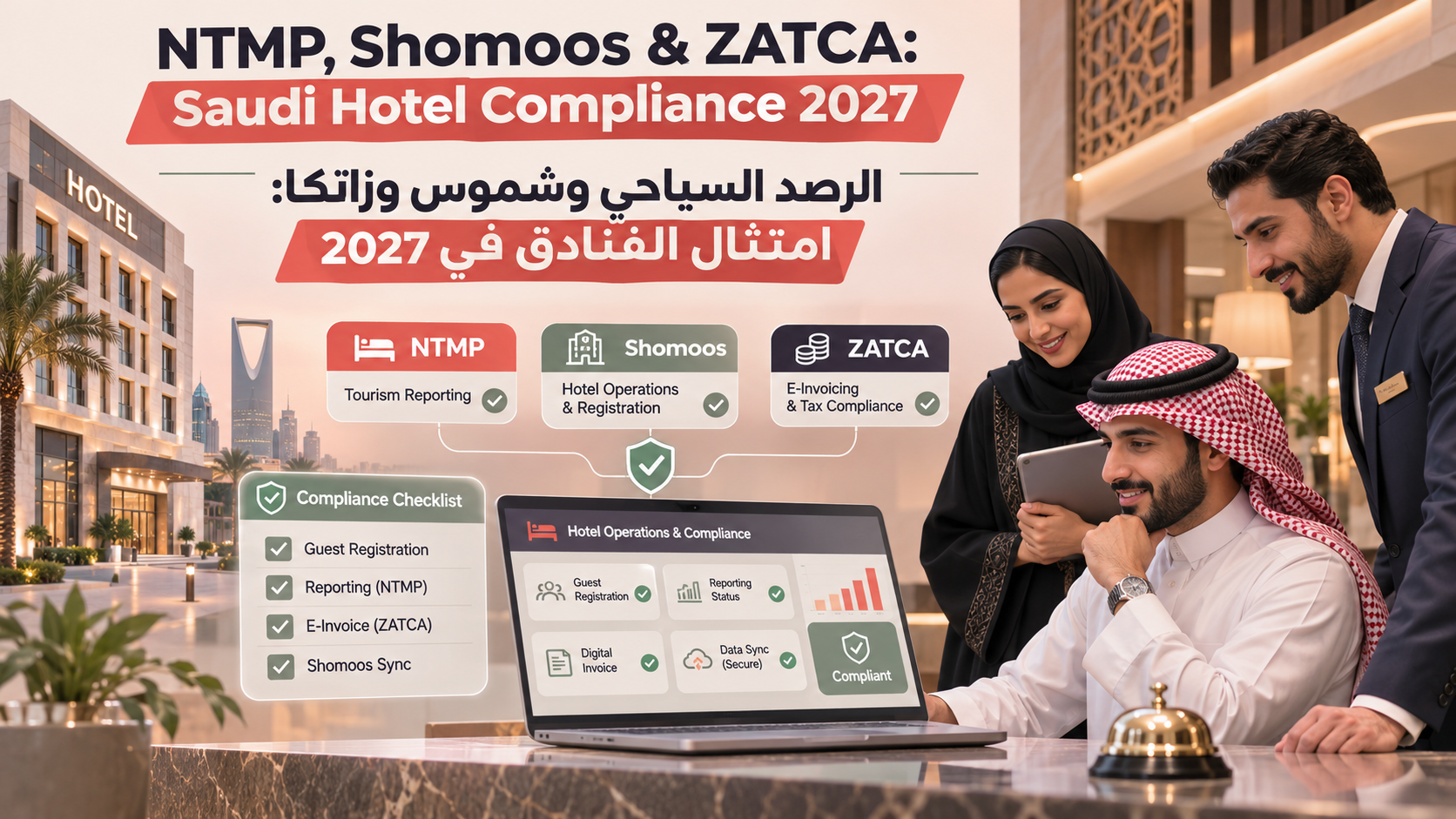
Updated November 2026. Reading time: about 12 minutes.
Every licensed hotel, serviced apartment and resort in the Kingdom now reports to three digital systems. Guest identities go to Shomoos at the Ministry of Interior. Guest and occupancy data go to the Ministry of Tourism’s National Tourism Monitoring Platform (NTMP). And every invoice must meet ZATCA e-invoicing rules through the Fatoora platform. Handled separately, they mean three logins, triple data entry and three ways to fail an inspection.
2027 raises the stakes. On 24 July 2026, ZATCA announced Wave 25 of Phase 2 e-invoicing: any taxpayer whose VAT-taxable revenue exceeded SAR 187,500 in 2022, 2023, 2024 or 2025 must integrate with Fatoora by 1 February 2027. That is half the previous wave’s threshold, which brings many small hotels, serviced apartments and chalet operators into scope. Meanwhile, the Ministry of Tourism reported more than 47,000 inspection visits and about 21,000 violations in the first half of 2025 alone, warning that penalties can reach SAR 1 million, closure, or both.
This guide explains what NTMP, Shomoos and ZATCA each require, why running them separately creates risk, and how a single compliance dashboard keeps hotel compliance in Saudi Arabia simple, accurate and inspection-ready in 2027.
Quick answer: One integrated dashboard is the safer choice. When your hotel PMS connects directly to Shomoos, NTMP and ZATCA’s Fatoora platform, guest data entered once at check-in reaches both government systems automatically, unit status stays in sync, and each folio becomes a compliant e-invoice at check-out. Running three separate processes multiplies data entry, creates mismatched records and raises the risk of warnings and fines.
The three systems serve different authorities, but they touch the same moments in a guest’s stay: booking, check-in, the stay itself and check-out. Here is what each one does.
The Shomoos Security System was established by Royal Decree in 2014 and transfers customer data electronically to the National Information Center at the Ministry of Interior. It covers hotels, furnished apartments, chalets and rest houses, among other sectors, and the service is provided to the private sector at no cost. The Ministry of Tourism lists proof of linking to Shomoos as a requirement for a hospitality license, and its regulations require operators to verify each guest’s identification and register it in Shomoos.
NTMP monitors the performance of hospitality facilities and tourist movement, and acts as the sector’s reference for tourism statistics. Under the Ministry of Tourism’s Tourist Accommodation Facility Regulations, licensees must create a direct link with the platform, register guest data at check-in and check-out in systems linked to NTMP and Shomoos, and keep an automated system that shows which units are occupied, vacant, reserved or under maintenance.
Phase 1 of e-invoicing began on 4 December 2021 and ended handwritten and spreadsheet invoices. Phase 2, the Integration Phase, has rolled out in waves since 1 January 2023. It requires a compliant e-invoicing solution connected to Fatoora, a specific invoice format, additional fields and a QR code. In general, standard tax invoices for business customers are cleared by ZATCA before they are shared, while simplified invoices for individual guests are reported within 24 hours.
Table 1. NTMP vs Shomoos vs ZATCA at a glance
| System | Authority and purpose | What your property must do |
|---|---|---|
| Shomoos | Ministry of Interior (National Information Center): security reporting of guest identities | Link your guest registration system to Shomoos, check each guest’s original ID and register guests at check-in. |
| NTMP | Ministry of Tourism: monitoring hospitality performance and tourism statistics | Keep a direct link, record check-ins and check-outs as they happen, and keep unit status up to date. |
| ZATCA (Fatoora) | Zakat, Tax and Customs Authority: VAT e-invoicing | Issue compliant e-invoices with QR codes, integrate with Fatoora by your wave deadline, and correct errors only with credit or debit notes. |
Notice: the Wave 25 deadline is 1 February 2027. If your VAT-taxable revenue exceeded SAR 187,500 in any year from 2022 to 2025, ZATCA expects your e-invoicing solution to be integrated with Fatoora by that date. ZATCA notifies each wave at least six months in advance, so check your ZATCA account and email for the notification today.
Many Saudi properties still handle compliance in three places: the front desk types guest details into a PMS or spreadsheet, re-enters them in the Shomoos portal, updates NTMP separately and issues invoices from yet another tool. That approach breaks down in five predictable ways.
ZATCA’s published e-invoicing penalty schedule starts with a warning and escalates with repeat violations, reaching up to SAR 50,000 for failing to integrate with Fatoora on time. The Ministry of Tourism has warned that hospitality violations can lead to fines of up to SAR 1 million, closure, or both. The grace era is also narrowing: ZATCA’s Cancellation of Fines initiative ends on 31 December 2026, and any further extension will not cover returns due after 30 June 2026.
“The system truly saved us a lot of time. We used to spend hours manually entering data—now everything is automated.”
Ahmed Allam, Operations Manager, from customer reviews on Fandaqah.com
An integrated hotel PMS turns compliance from a separate job into a by-product of normal front-desk work. Here is what that looks like across a typical stay.
Tip: Run a weekly “three-way match.” For one sample night, compare occupied rooms in your PMS, guests registered in Shomoos and invoices issued through Fatoora. Any difference points to a process gap you can fix before an inspector finds it.
If you are wondering how to connect a hotel PMS to Shomoos and NTMP while staying ready for ZATCA, the simplest answer is to choose a system where all three are built in. Fandaqah is a Saudi cloud-based hotel management system for hotels, serviced apartments and resorts, designed around the Kingdom’s regulations. These are the features that make it a strong candidate for the best ZATCA-compliant hotel management system in Saudi Arabia for independent and mid-sized operators.
Fandaqah reports serving more than 800 properties, processing over 250,000 bookings, offering 15+ system integrations and achieving 92% customer satisfaction. Customer reviews on Fandaqah.com describe new staff learning the system quickly and the e-signature feature saving significant time with corporate and remote clients. Through its strategic partnership with a specialist hotel-operating company, Fandaqah builds its compliance features around real front-desk realities rather than assumptions.
These typical scenarios show how one dashboard changes daily compliance work for different Saudi properties.
With revenue just above SAR 187,500, a 20-unit property suddenly needs Fatoora integration by 1 February 2027. A cloud PMS with built-in ZATCA integration lets the owner meet the deadline without separate invoicing software or an in-house IT team, while Shomoos and NTMP reporting run from the same screen.
When a bus of 120 pilgrims arrives at midnight, scanning passports in seconds and sending every record to Shomoos and NTMP automatically keeps the lobby moving. Accurate unit status also matters during the Ministry’s intensified Ramadan inspections in Makkah and Madinah.
Corporate stays need standard tax invoices with the buyer’s VAT number, cleared through Fatoora before they are sent. Integrated invoicing applies the right format automatically and handles rate disputes with credit notes instead of edited invoices.
Draft rules for private hospitality facilities, proposed in June 2026, stress Shomoos participation and checking original IDs without keeping copies. A mobile-ready PMS with a document scanner and e-signature helps small operators meet these expectations from day one.
The difference shows up every day at the front desk and every month in the back office.
Table 2. Separate compliance tools vs an integrated hotel PMS
| Area | Three separate systems | One integrated dashboard (Fandaqah) |
|---|---|---|
| Guest data entry | Typed two or three times per guest | Scanned once, shared automatically |
| Shomoos registration | Manual entry, often delayed at peak times | Sent directly from check-in |
| NTMP unit status | Updated by hand, prone to gaps | Synced in real time from the PMS |
| E-invoicing | Separate tool, risk of edits after issue | Built-in ZATCA Phase 2 with credit notes |
| Inspection readiness | Records scattered across portals | One consistent record per stay |
| Staff training | Three portals to learn | One workflow to master |
| Owner visibility | Month-end spreadsheets | Live mobile dashboard |
Digital compliance is part of Saudi Vision 2030’s plan for a transparent, data-driven tourism sector targeting 150 million visits a year by 2030. With licensed hospitality facilities up 22.7% to 6,122 in Q1 2026, according to GASTAT, regulators are relying on connected data rather than paperwork.
Tip: Put four dates on your compliance calendar: 31 December 2026, when ZATCA’s current fines cancellation initiative ends; 1 February 2027, the Wave 25 integration deadline; 60 days before your tourism license expires, when renewal applications are due; and a rolling minimum of one year for keeping guest data and contracts under Ministry of Tourism rules.
Yes, it is mandatory. NTMP is the Ministry of Tourism’s National Tourism Monitoring Platform. Licensed tourist accommodation facilities must create a direct link to it, record guest check-ins and check-outs as they happen, and keep unit status updated in a system connected to the platform.
Yes. Hotels, furnished apartments, chalets and rest houses all fall within the Shomoos Security System. Proof of linking to Shomoos is required for a Ministry of Tourism hospitality license, and each guest’s original ID must be checked and registered.
It does if revenue crossed the threshold. Wave 25 covers taxpayers whose VAT-taxable revenue exceeded SAR 187,500 in any year from 2022 to 2025, with Fatoora integration due by 1 February 2027. Larger properties were covered by earlier waves, including Wave 24 for revenue above SAR 375,000.
ZATCA’s e-invoicing penalties start with a warning and escalate with repeat violations, up to SAR 50,000 for failing to integrate with Fatoora. The Ministry of Tourism has warned of fines up to SAR 1 million, closure, or both for hospitality violations, and Shomoos obligations are enforced under their own regulation.
Yes. A PMS with direct integrations sends check-in data to Shomoos and NTMP and produces Fatoora-ready e-invoices at check-out. Fandaqah, for example, combines all three integrations with a document scanner, e-signature and compliance reports in one cloud dashboard.
Under the Ministry of Tourism’s regulations, staff should examine the original ID at check-in and record its data without requesting or taking a copy. A scanner that captures data without storing images supports this rule and speeds up check-in.
Confirm your VAT-taxable revenue for 2022 to 2025, check for your ZATCA notification, and make sure your PMS or invoicing solution is onboarded to Fatoora with its cryptographic stamp identifier (CSID). Then train staff to correct invoices with credit notes and test a full check-out cycle before the deadline.
NTMP, Shomoos and ZATCA are now permanent parts of running a hotel in Saudi Arabia. Shomoos verifies who is staying, NTMP shows how your units are used, and Fatoora validates every riyal you invoice. With Wave 25 due on 1 February 2027, active inspections and penalties that escalate quickly, three disconnected processes are a risk few properties can afford.
A single dashboard that captures data once and shares it correctly with every authority protects your license, your margins and your guests’ experience. That is the real answer to the 2027 question: one dashboard, not three headaches.
See how Fandaqah connects Shomoos, NTMP and ZATCA Phase 2 with your PMS, channel manager and booking engine. Trusted by 800+ hotels, serviced apartments and resorts across the Kingdom, with 24/7 local support.
Book your free compliance demo at Fandaqah.com
Prefer to talk? Call 920066456. Demos are available Sunday to Thursday, 9:00 a.m. to 5:00 p.m.
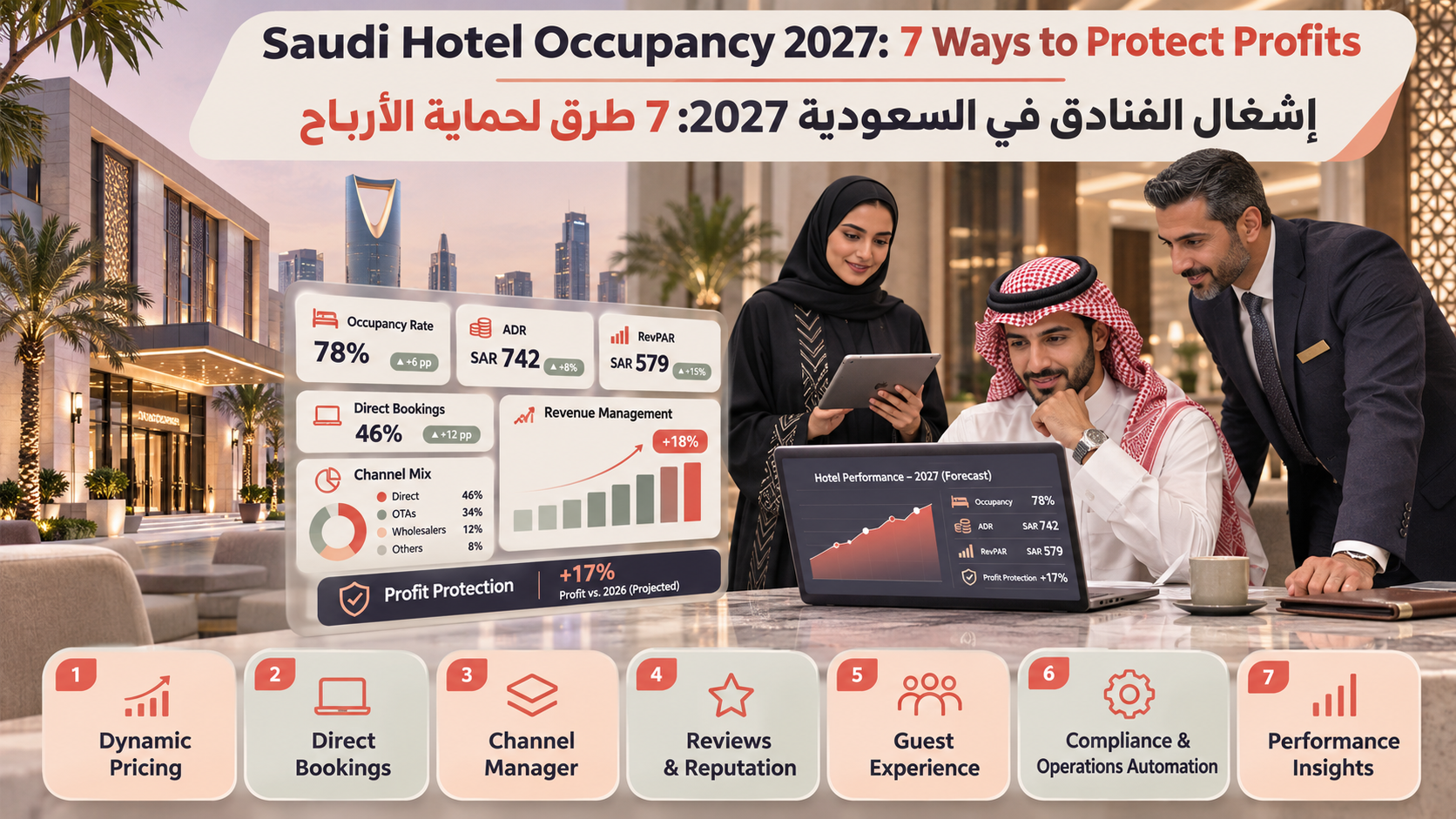
Hotel supply is rising faster than demand in Saudi Arabia. Discover 7 practical strategies to protect occupancy, RevPAR and hotel profits in 2027....
Turn Saudi Winter 2026–27 events into more hotel bookings. Explore 7 strategies for dynamic pricing, direct bookings, channel management and faster check-in....
Choosing a hotel PMS in Saudi Arabia? Discover 11 questions to ask at HORECA Riyadh 2026 about ZATCA, Shomoos, NTMP, pricing, support and integrations....
Compare Saudi hotel group booking platforms in 2026: room limits, OTA commissions, corporate stays and Umrah requirements. See when direct booking wins....
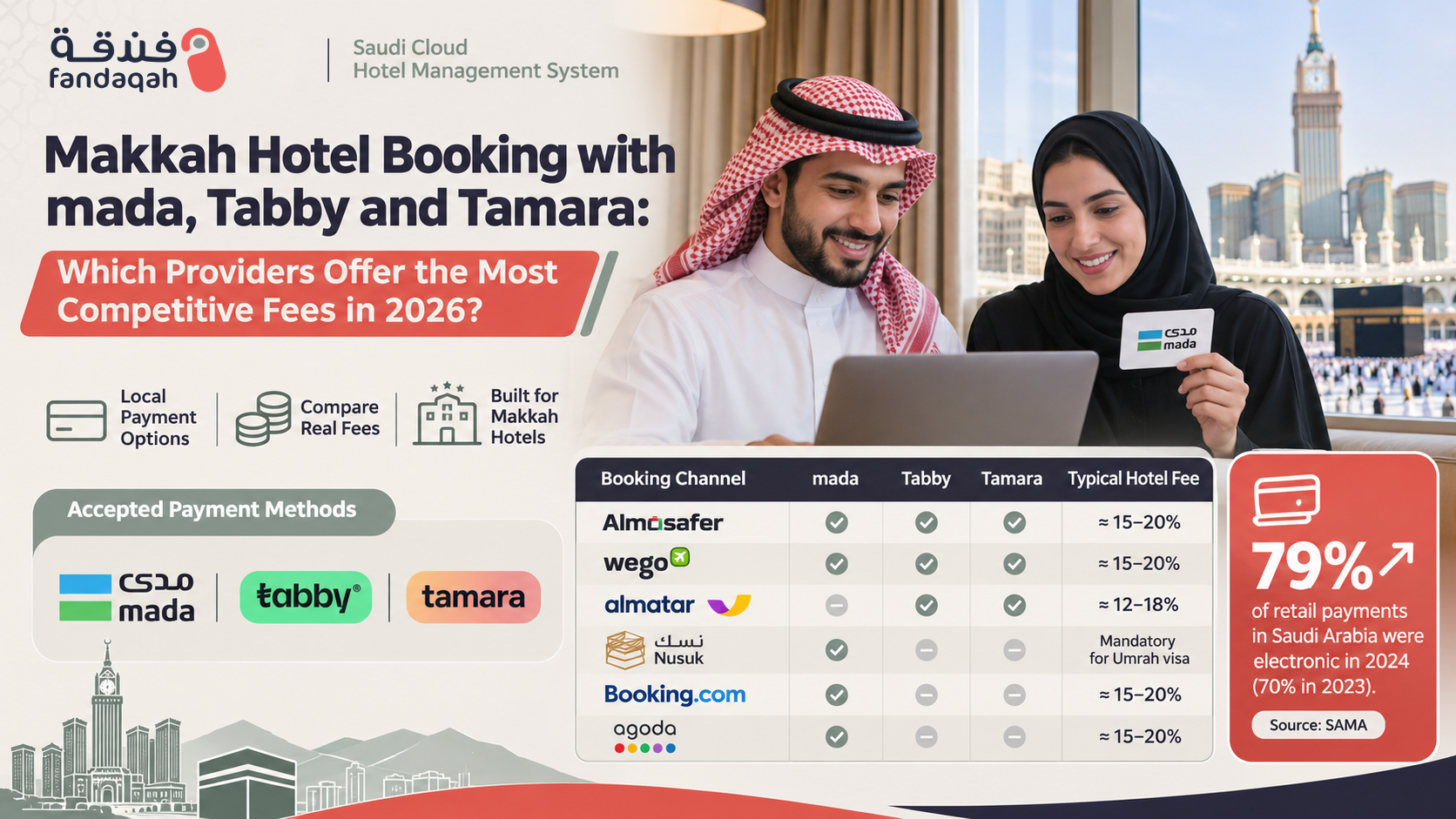
Compare Makkah hotel bookings with mada, Tabby and Tamara in 2026. See supported platforms, payment fees and ways hotels can save with direct bookings....
High occupancy but low profit? Discover 7 hotel profit leaks in Saudi Arabia, from OTA commissions to payment gaps. See how to fix them before 2027....
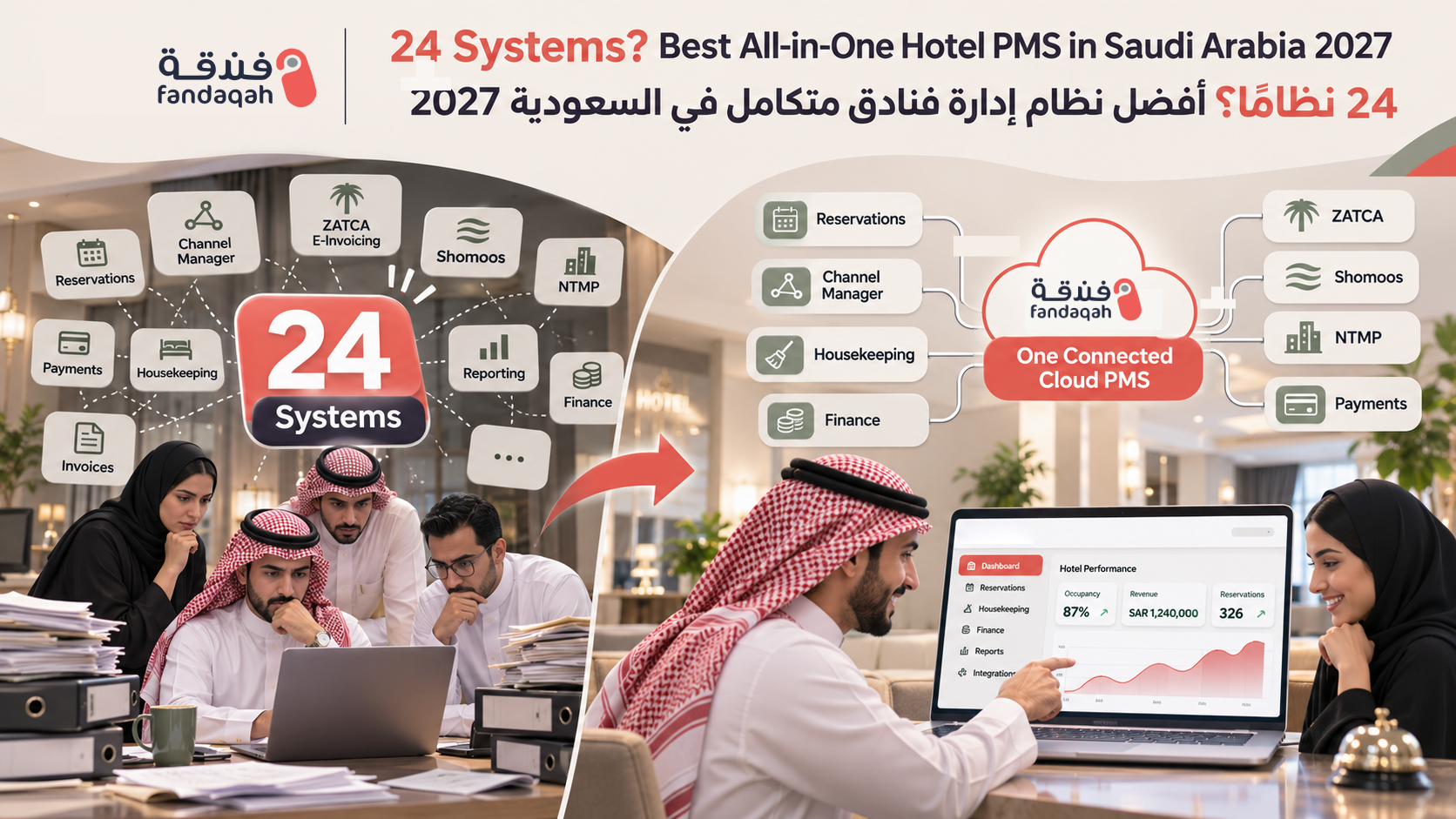
One hotel, 24 systems? Compare costs and learn how to choose an all-in-one hotel PMS in Saudi Arabia for 2027 with ZATCA, Shomoos and NTMP....
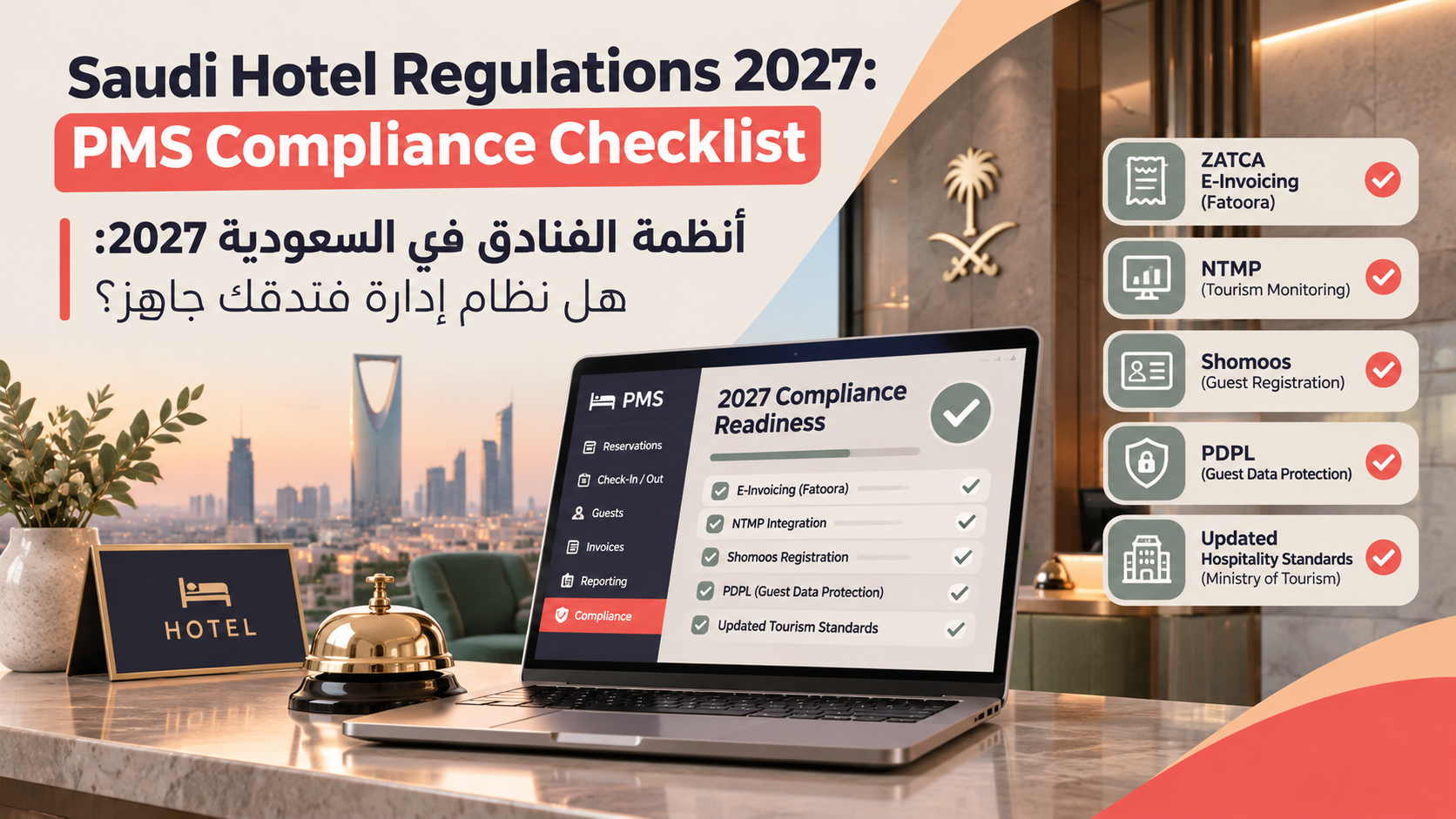
Is your hotel PMS ready for Saudi regulations in 2027? Check ZATCA Wave 25, NTMP, Shomoos, PDPL, draft staffing rules, and essential compliance steps....
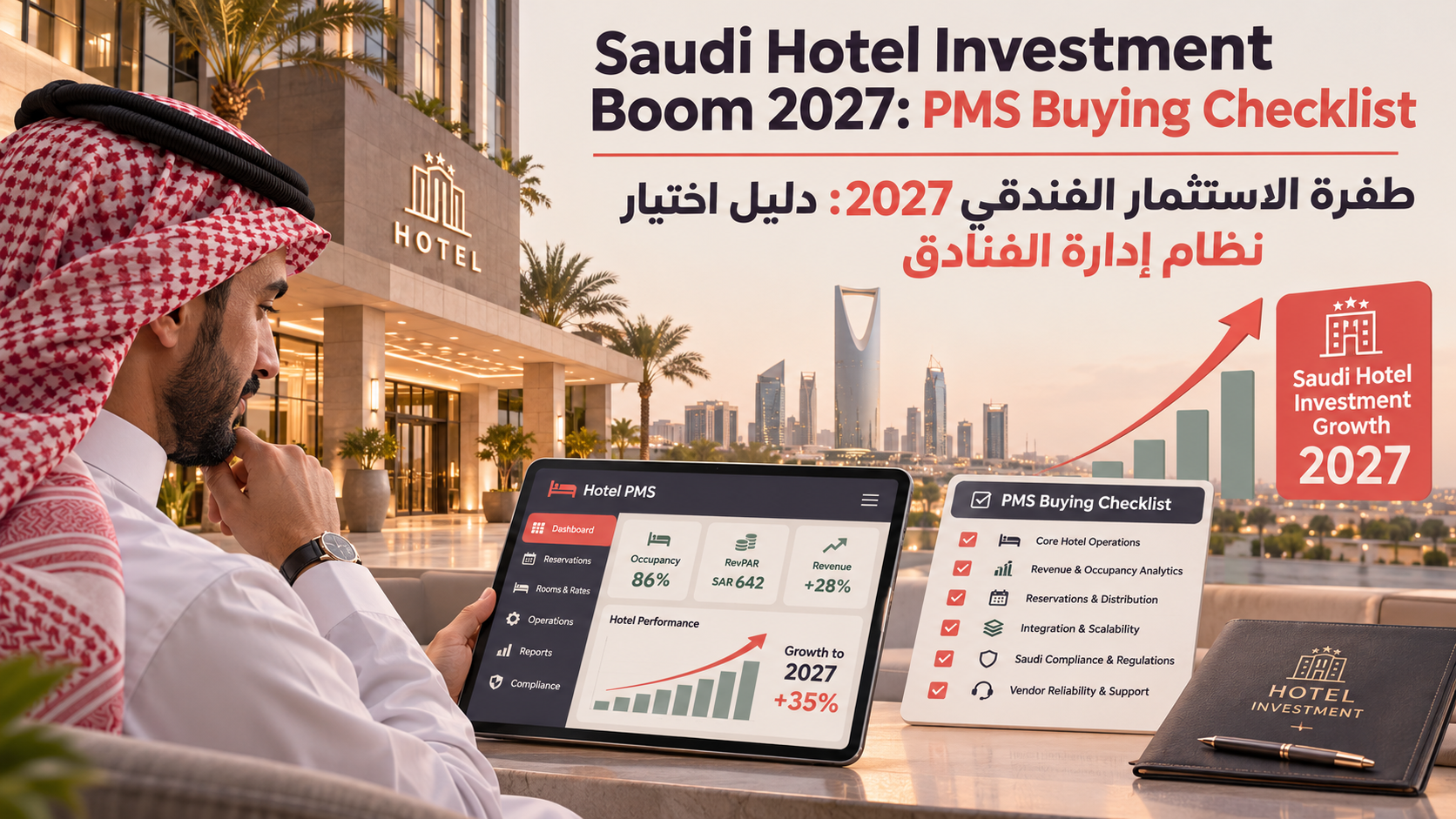
Planning a hotel in Saudi Arabia? Use our 2027 PMS buying checklist covering ZATCA, Shomoos, NTMP, direct bookings, revenue reports, and cloud security....
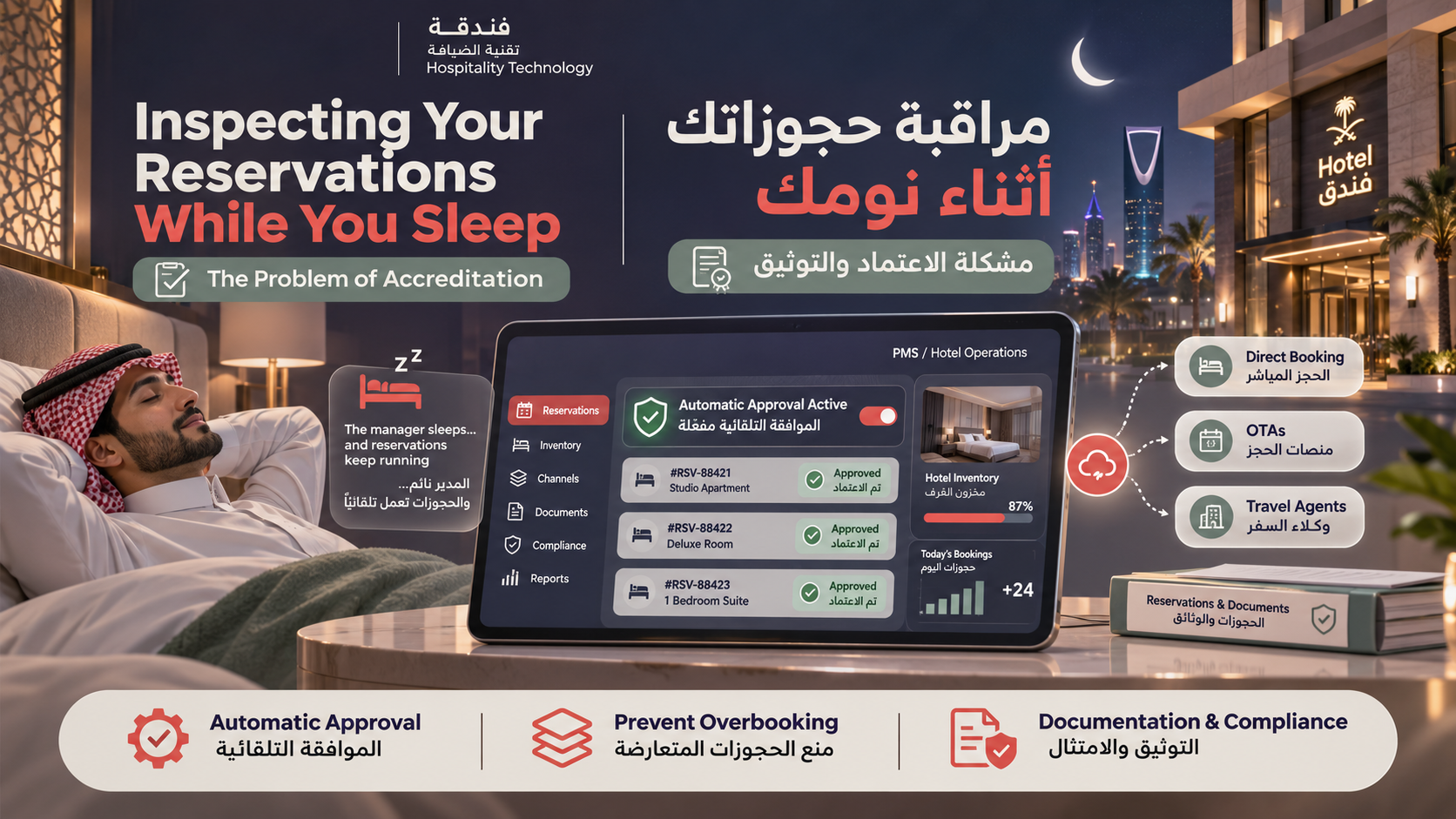
Automate hotel reservation approvals in Saudi Arabia, confirm bookings 24/7, prevent overbooking, and streamline guest records with Shomoos and ZATCA....
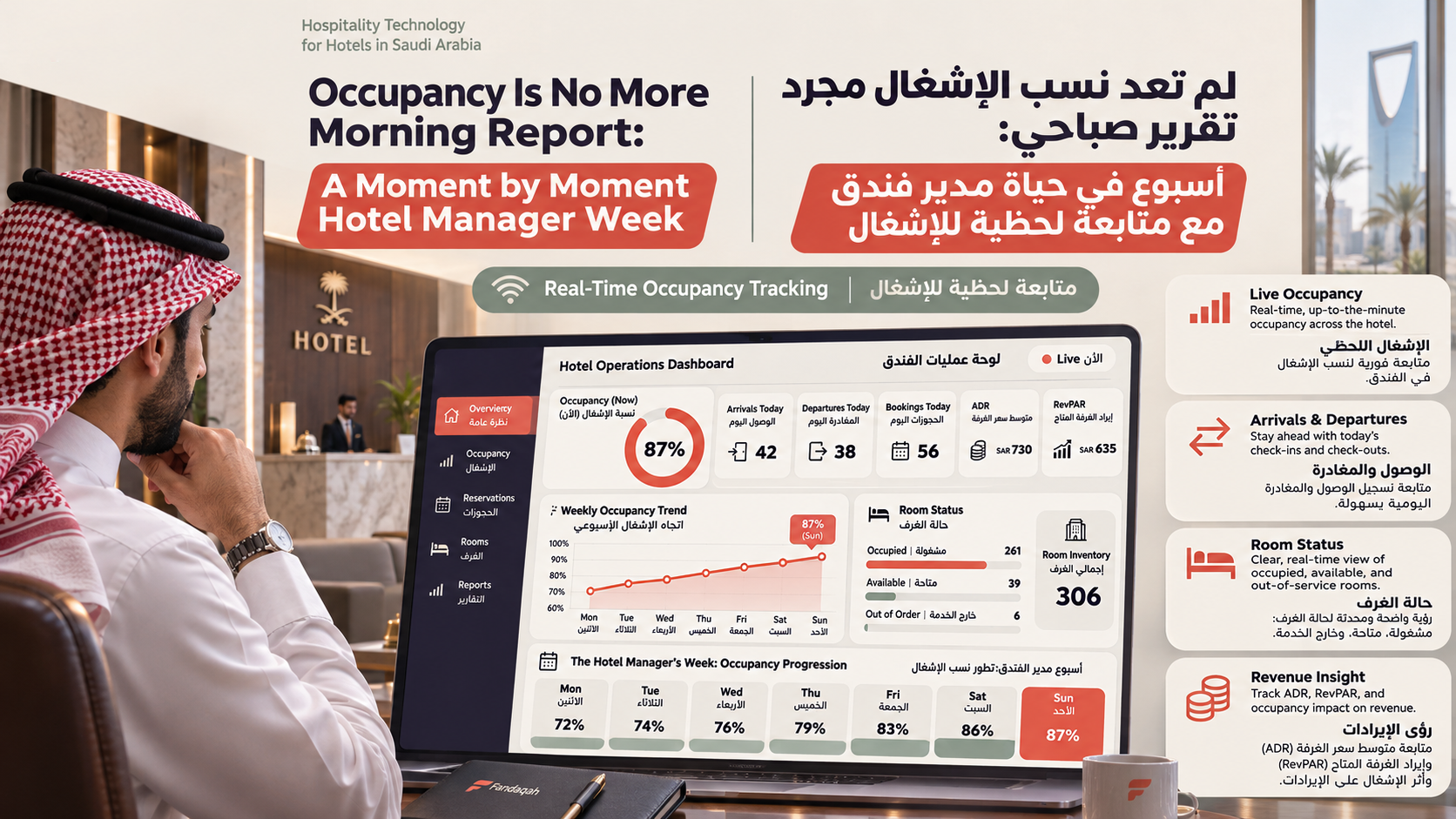
Discover how real-time occupancy tracking helps Saudi hotel managers monitor bookings, room status, ADR and RevPAR to make faster, smarter decisions....
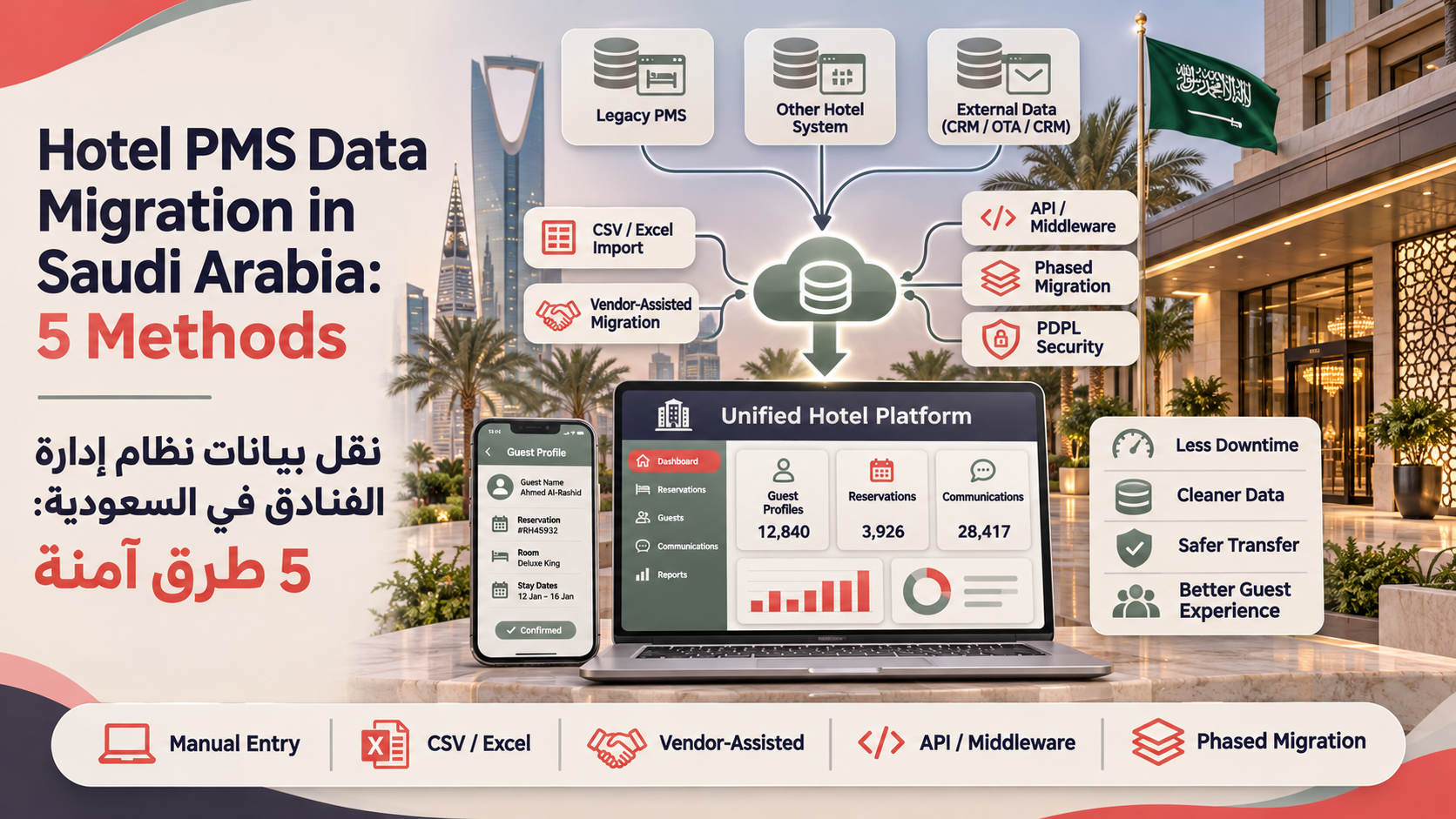
Discover 5 hotel PMS migration methods in Saudi Arabia. Move guest profiles, reservations and messages safely with a practical checklist and compliance tips....
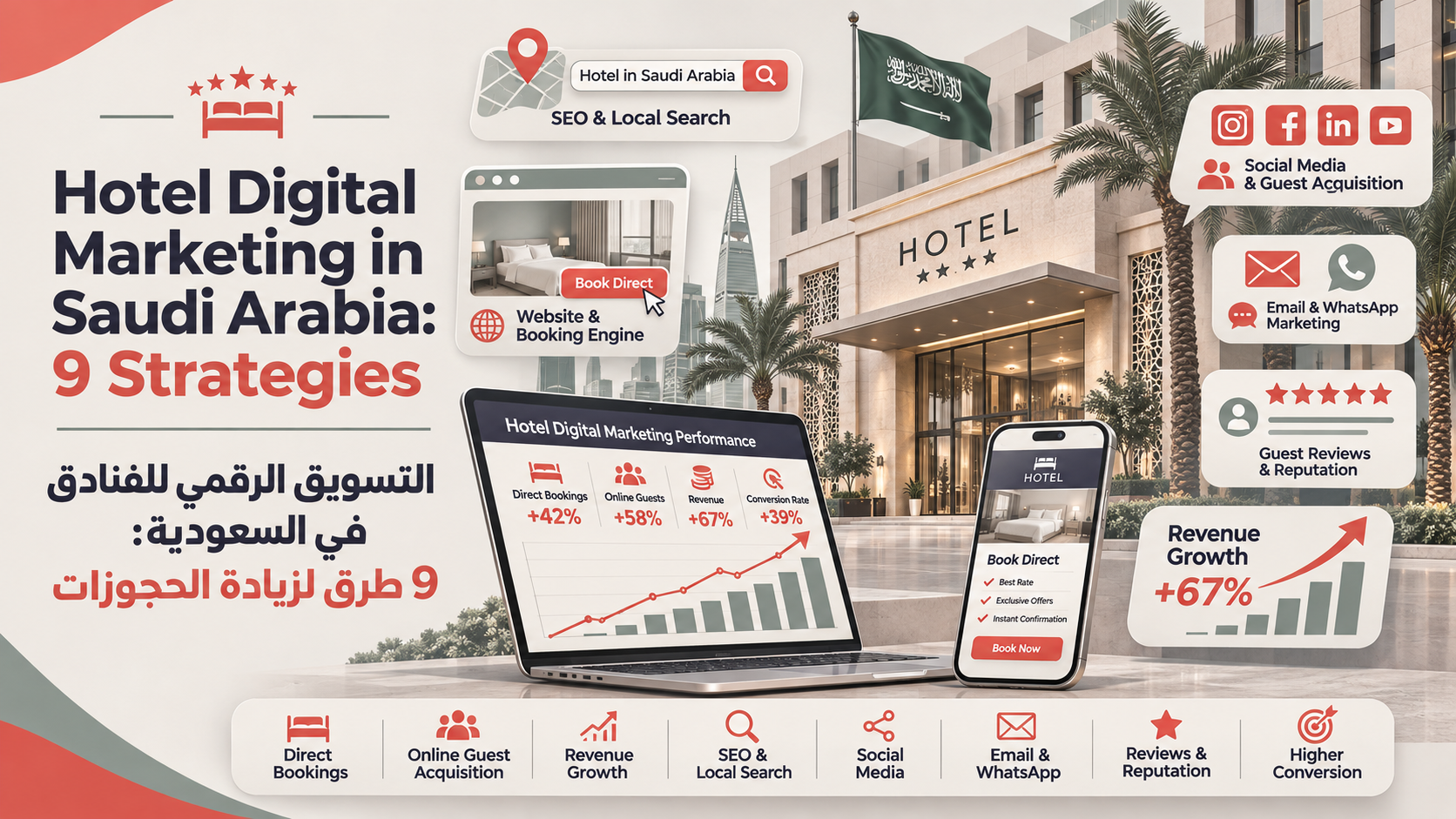
Discover 9 hotel digital marketing strategies for Saudi Arabia to attract more guests online, increase direct bookings, reduce OTA fees, and boost revenue....
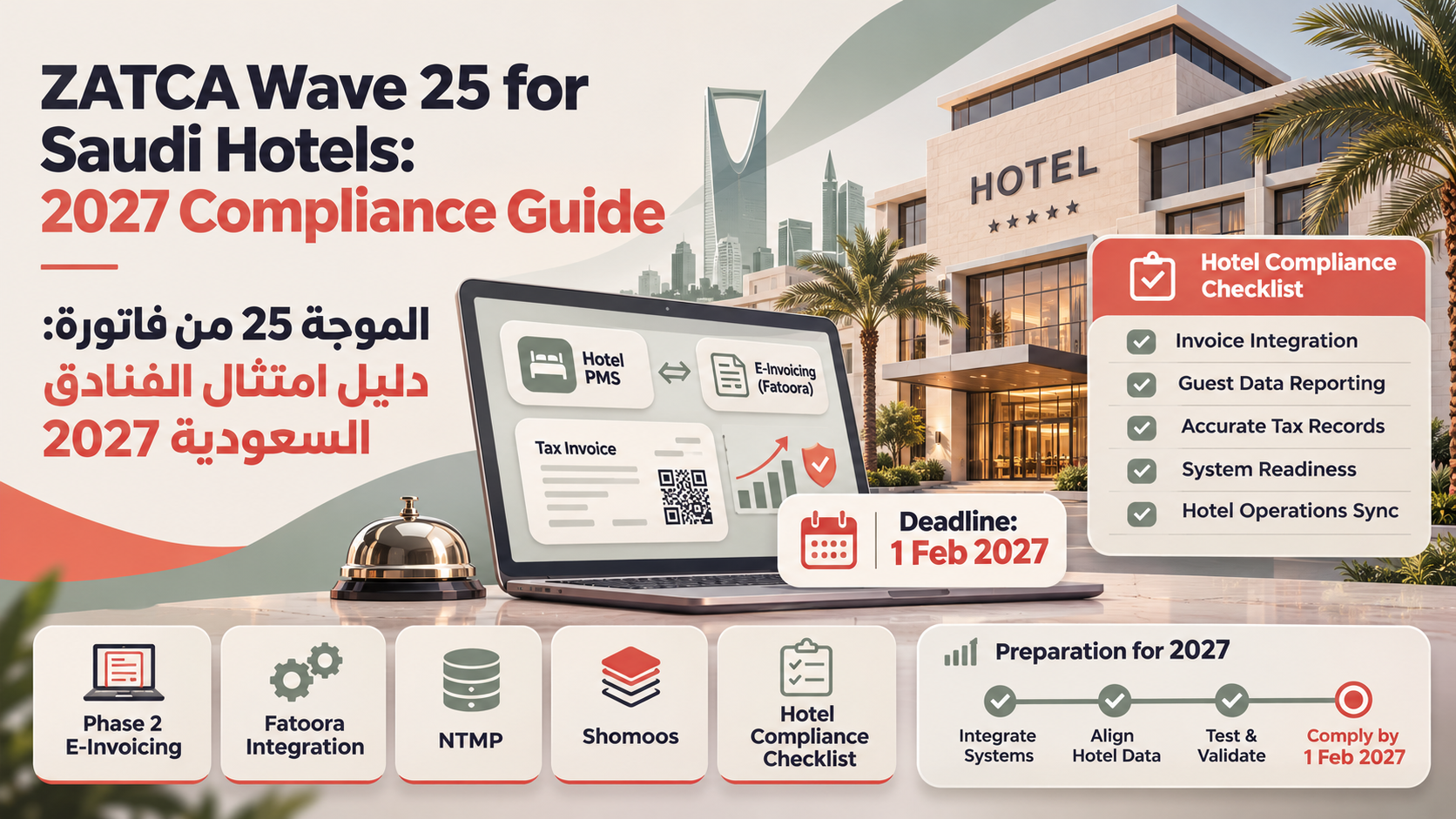
Prepare your Saudi hotel for ZATCA Wave 25 before February 1, 2027. See Phase 2 e-invoicing, Fatoora, NTMP and Shomoos requirements with Fandaqah....
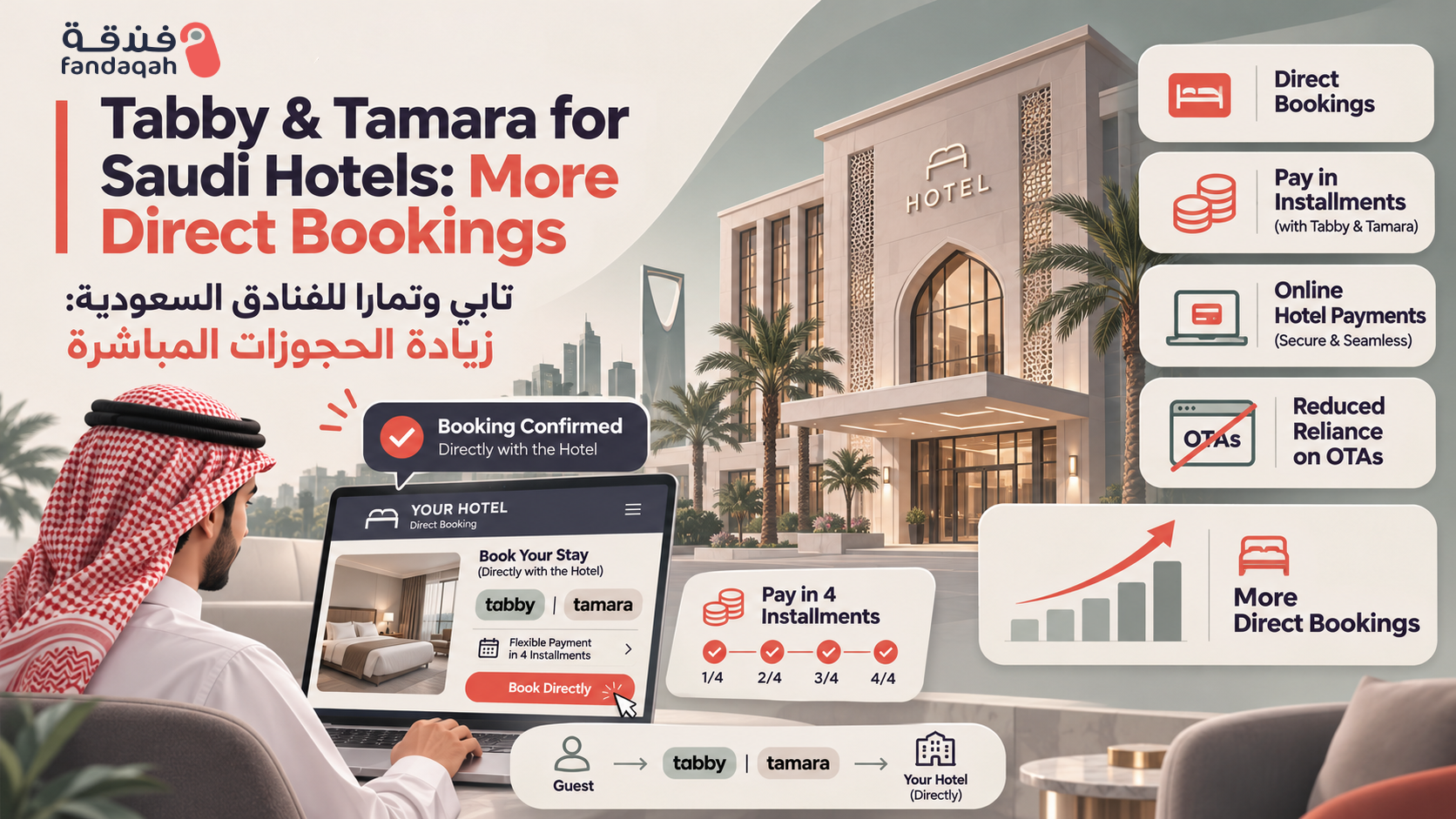
Discover how Saudi hotels use Tabby and Tamara pay-in-4 options to increase direct bookings, reduce OTA commissions and automate payments with Fandaqah PMS....
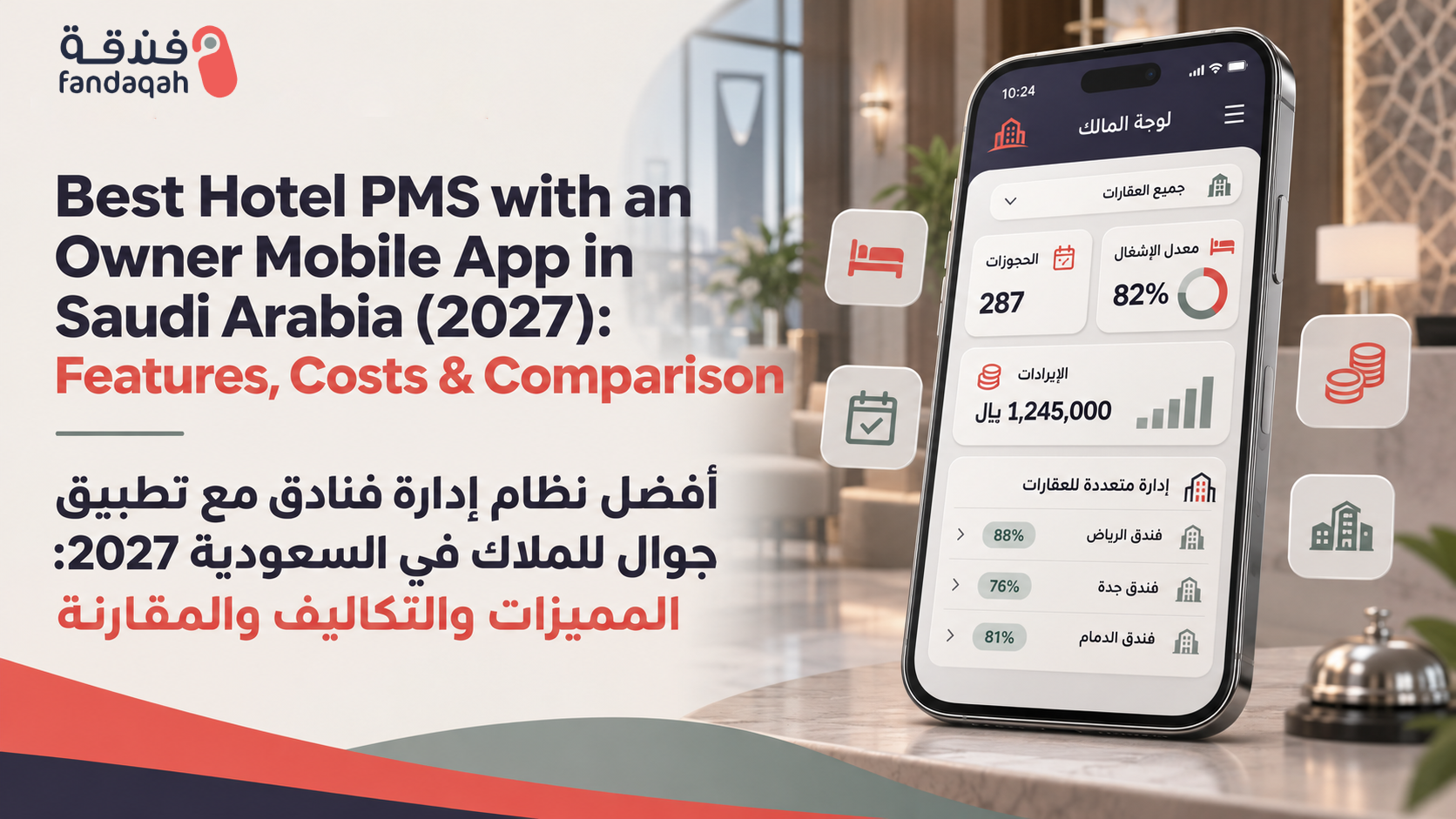
Compare hotel PMS systems with an owner mobile app in Saudi Arabia for 2027. Explore costs, live revenue reports, ZATCA, Shomoos, NTMP, and Fandaqah....
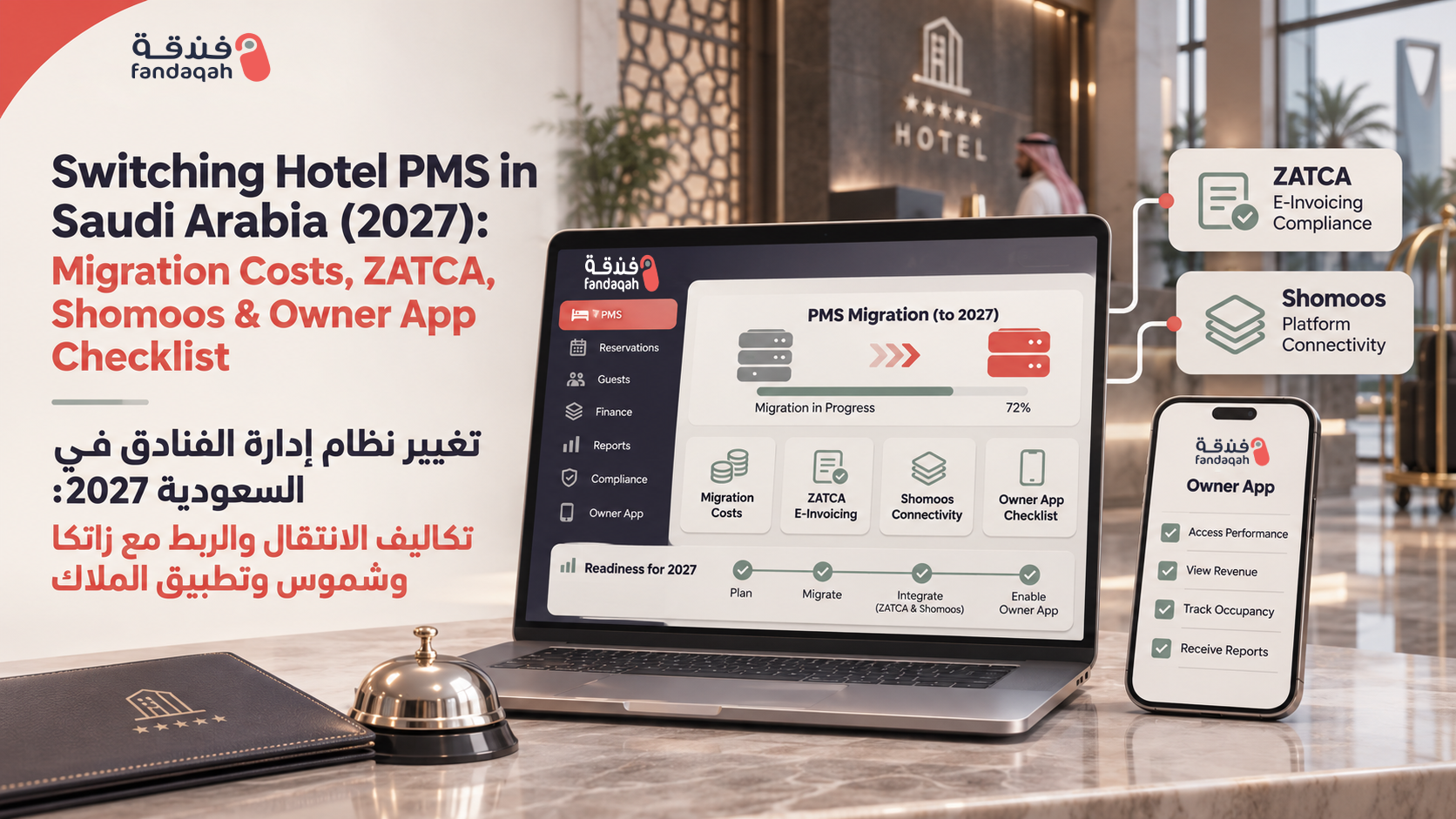
Switching hotel PMS in Saudi Arabia? Explore migration costs, data transfer, ZATCA, Shomoos, NTMP integrations, and owner app essentials for 2027....
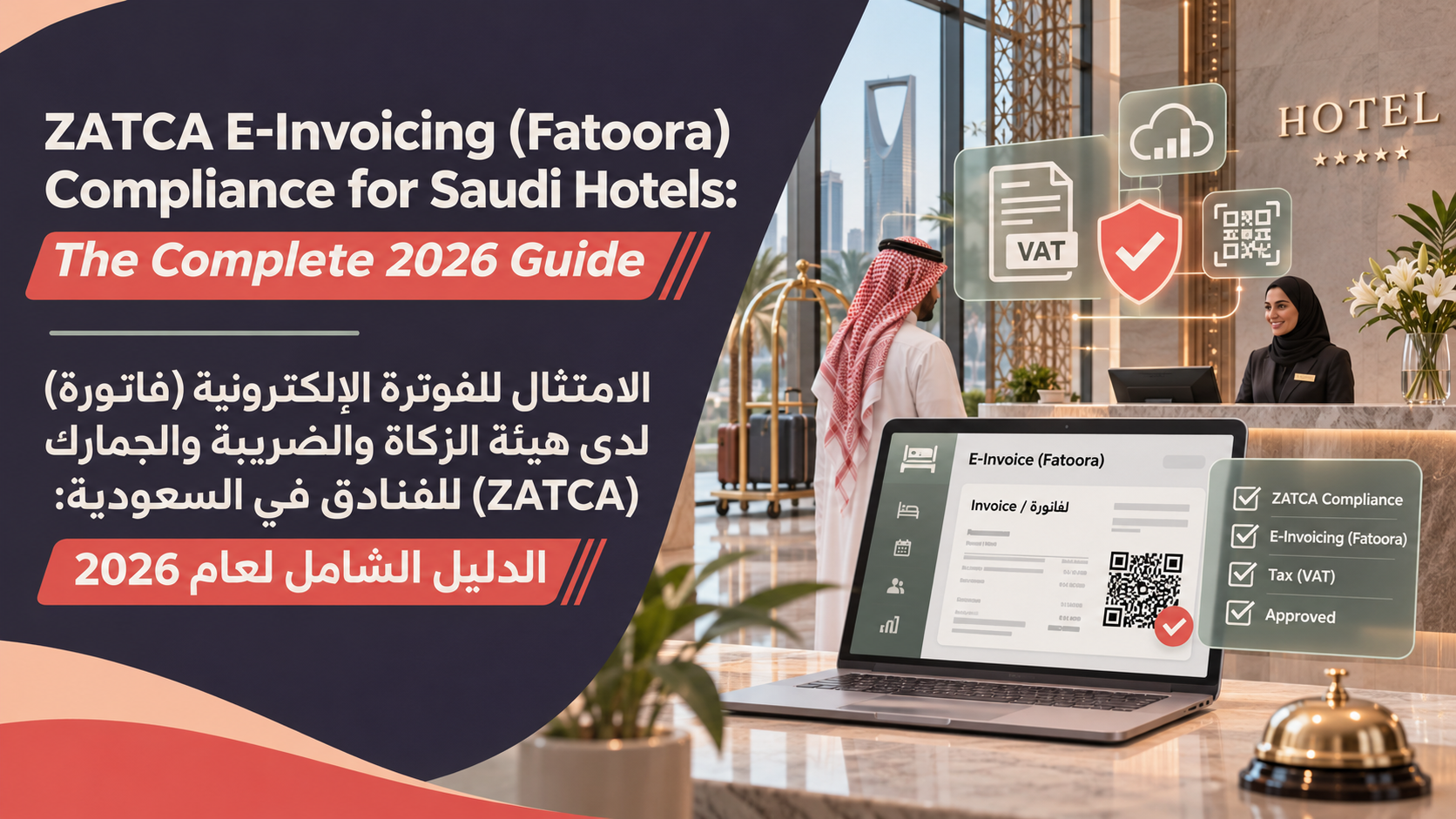
Learn ZATCA e-invoicing requirements for Saudi hotels in 2026, including Fatoora Phase 2, VAT compliance, invoice rules, and hotel PMS integration....
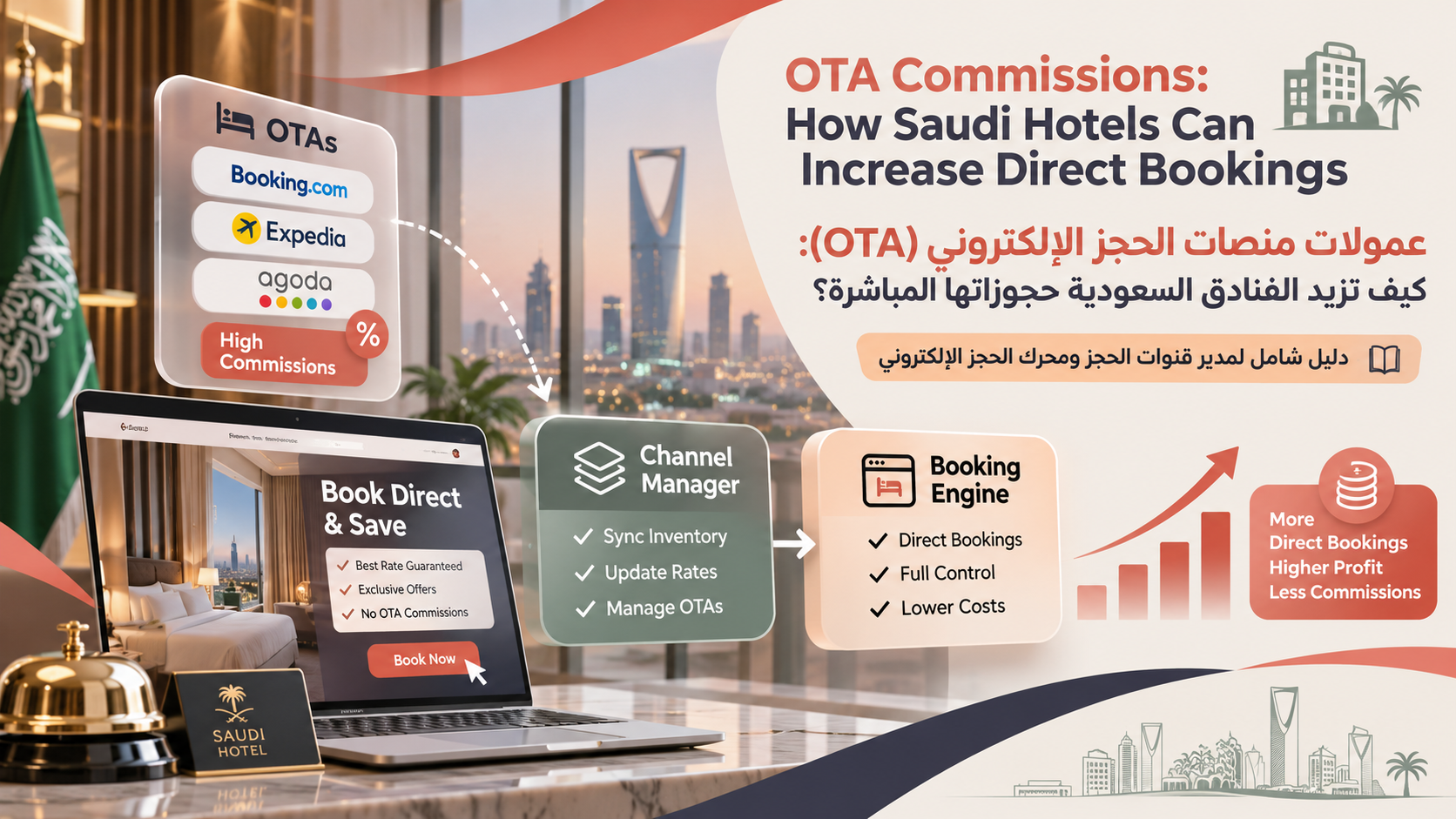
Learn how Saudi hotels can reduce OTA commissions, grow direct bookings, and increase revenue using a hotel channel manager and booking engine....
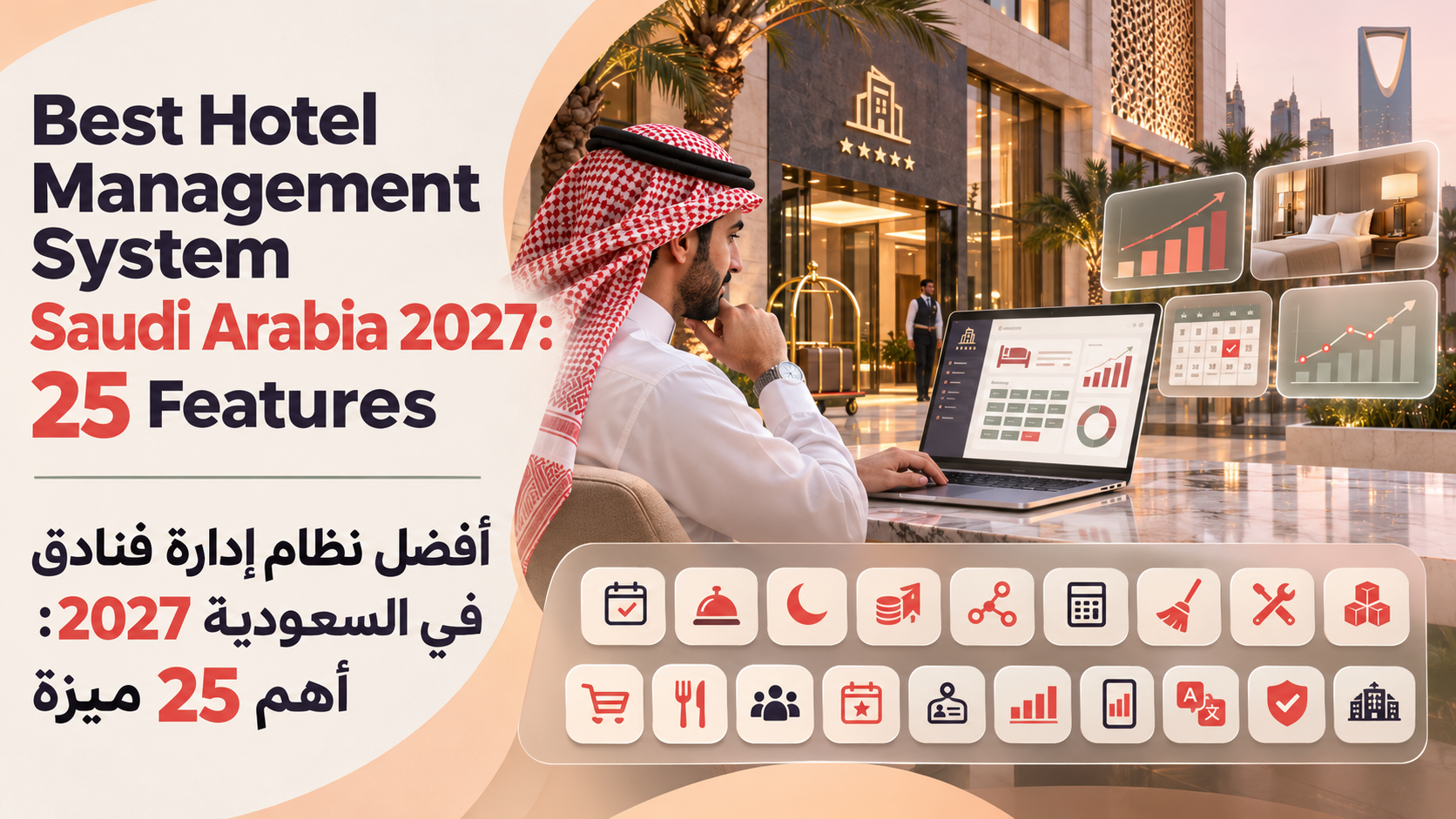
Compare 25 essential hotel PMS features in Saudi Arabia for 2027, including ZATCA, Shomoos, NTMP, accounting, automation and Fandaqah 360....
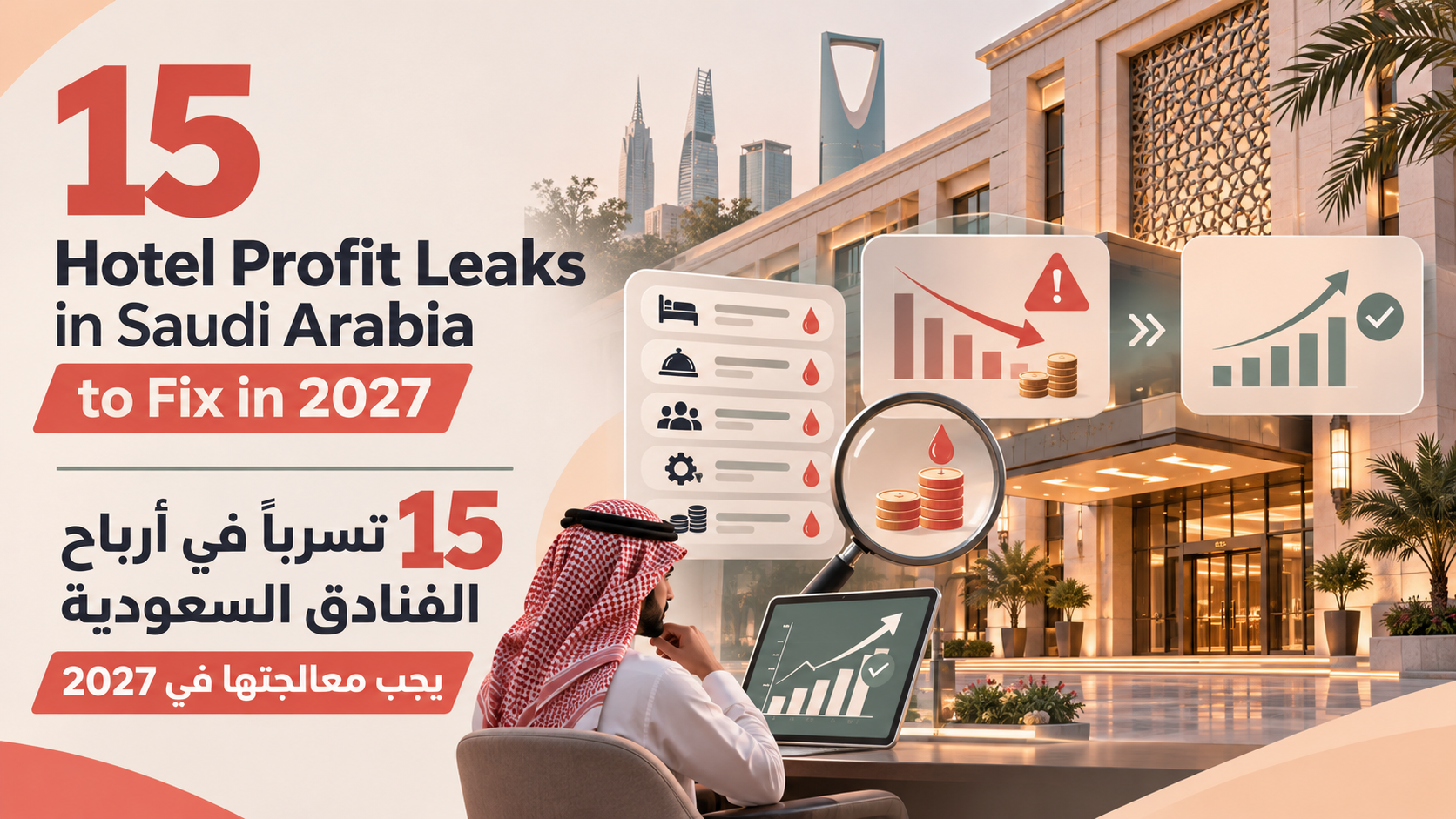
Discover 15 hidden hotel profit leaks in Saudi Arabia and learn how automation, cloud PMS, and smarter operations can reduce costs and protect revenue....
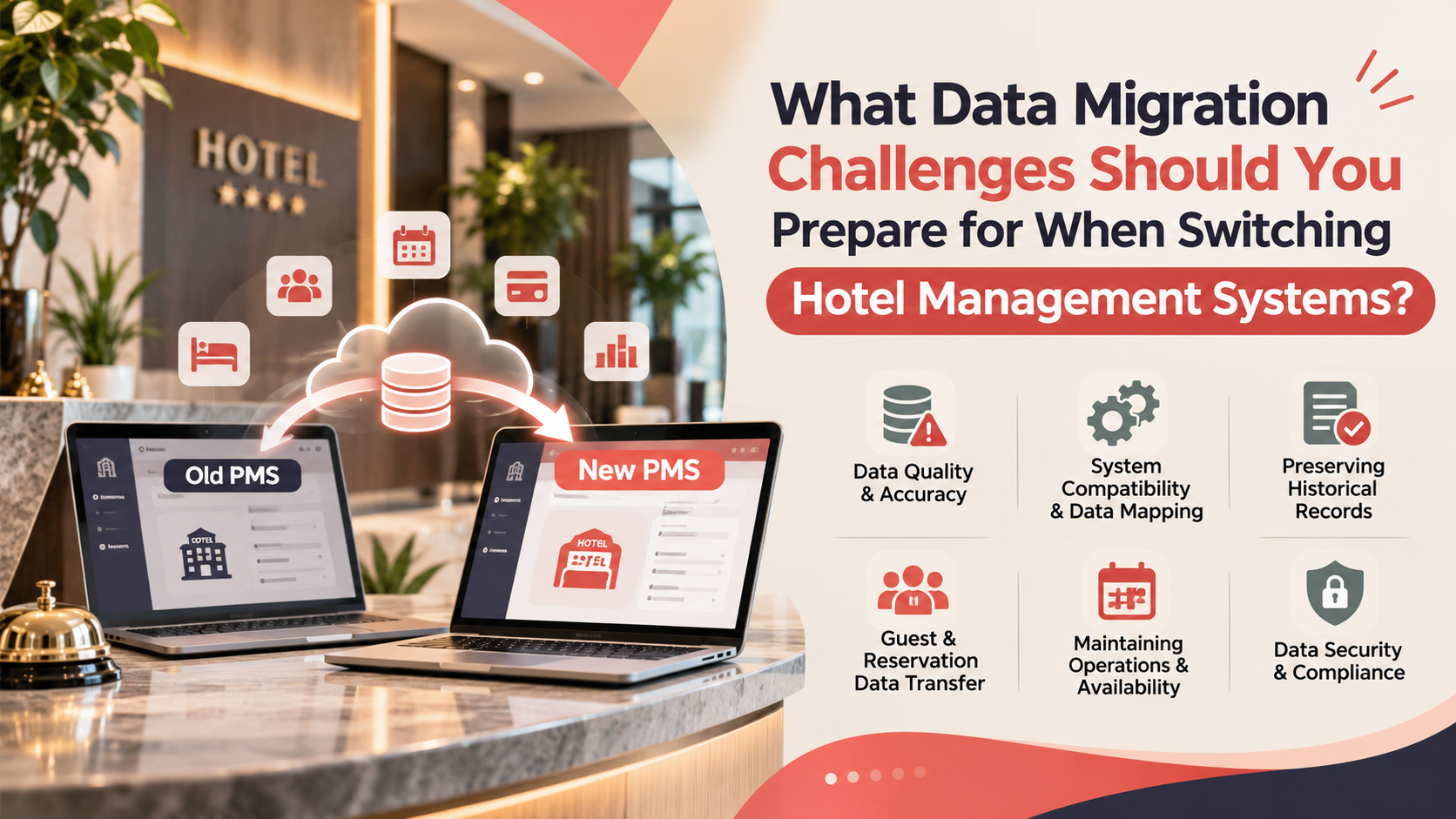
Prepare for hotel PMS migration in Saudi Arabia with 10 key challenges covering guest data, ZATCA, Shomoos, PDPL, rates, channels, and go-live....
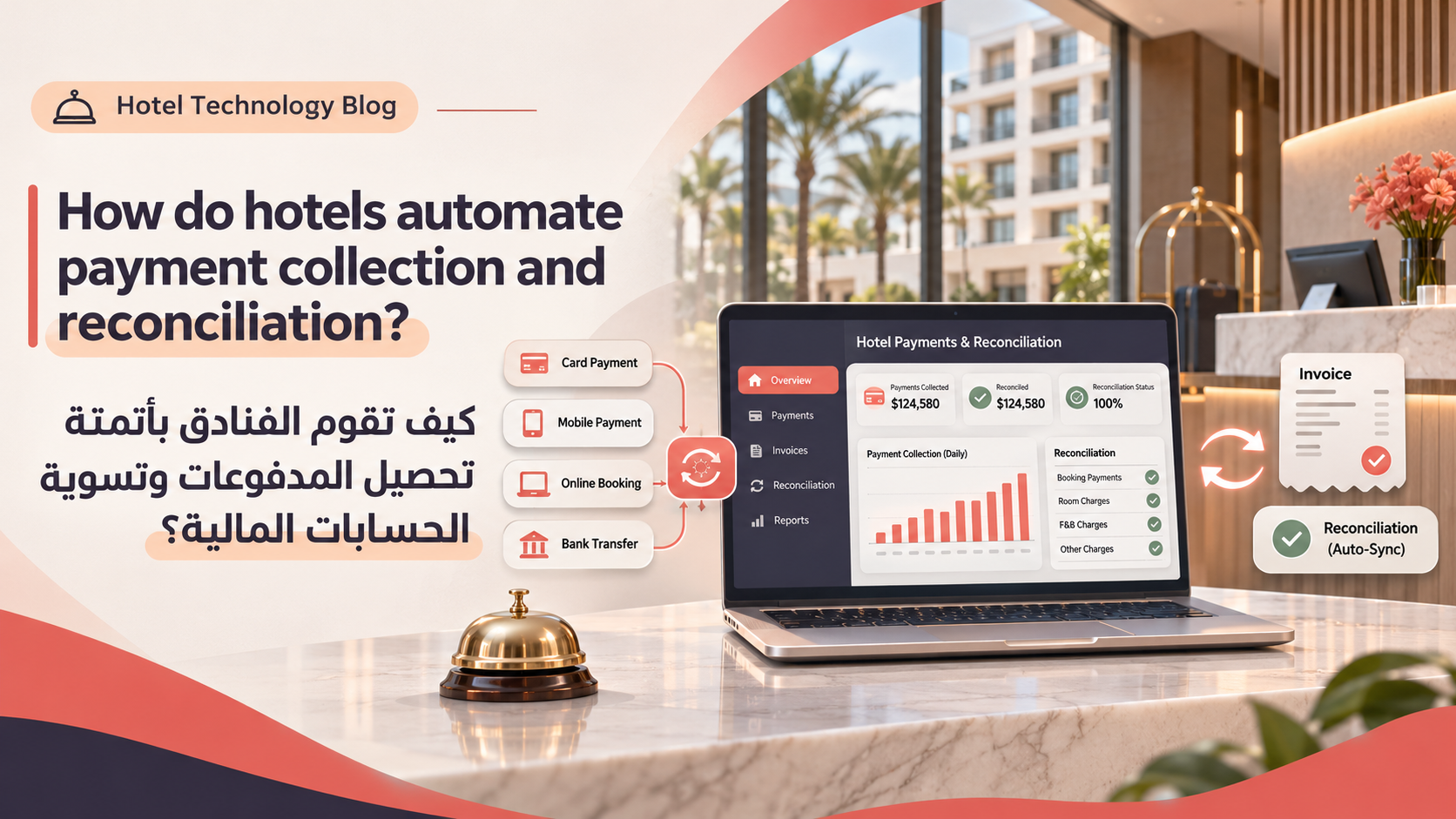
Learn how Saudi hotels automate payment collection and reconciliation using PMS integrations, payment gateways, ZATCA e-invoicing, and night audit....
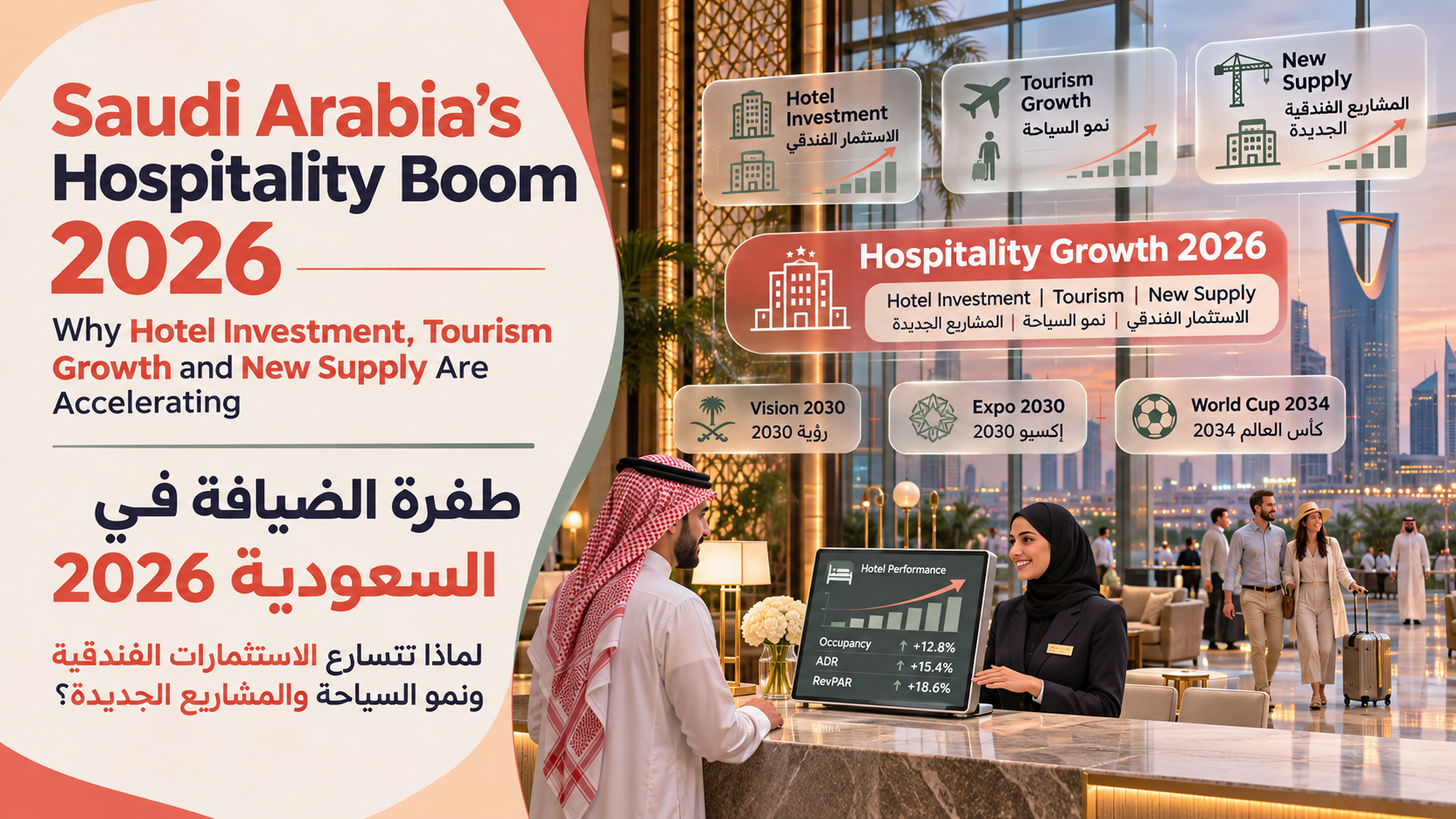
Explore Saudi Arabia’s hospitality boom in 2026, including hotel investment, tourism growth, new hotel supply, Vision 2030 and key market opportunities....
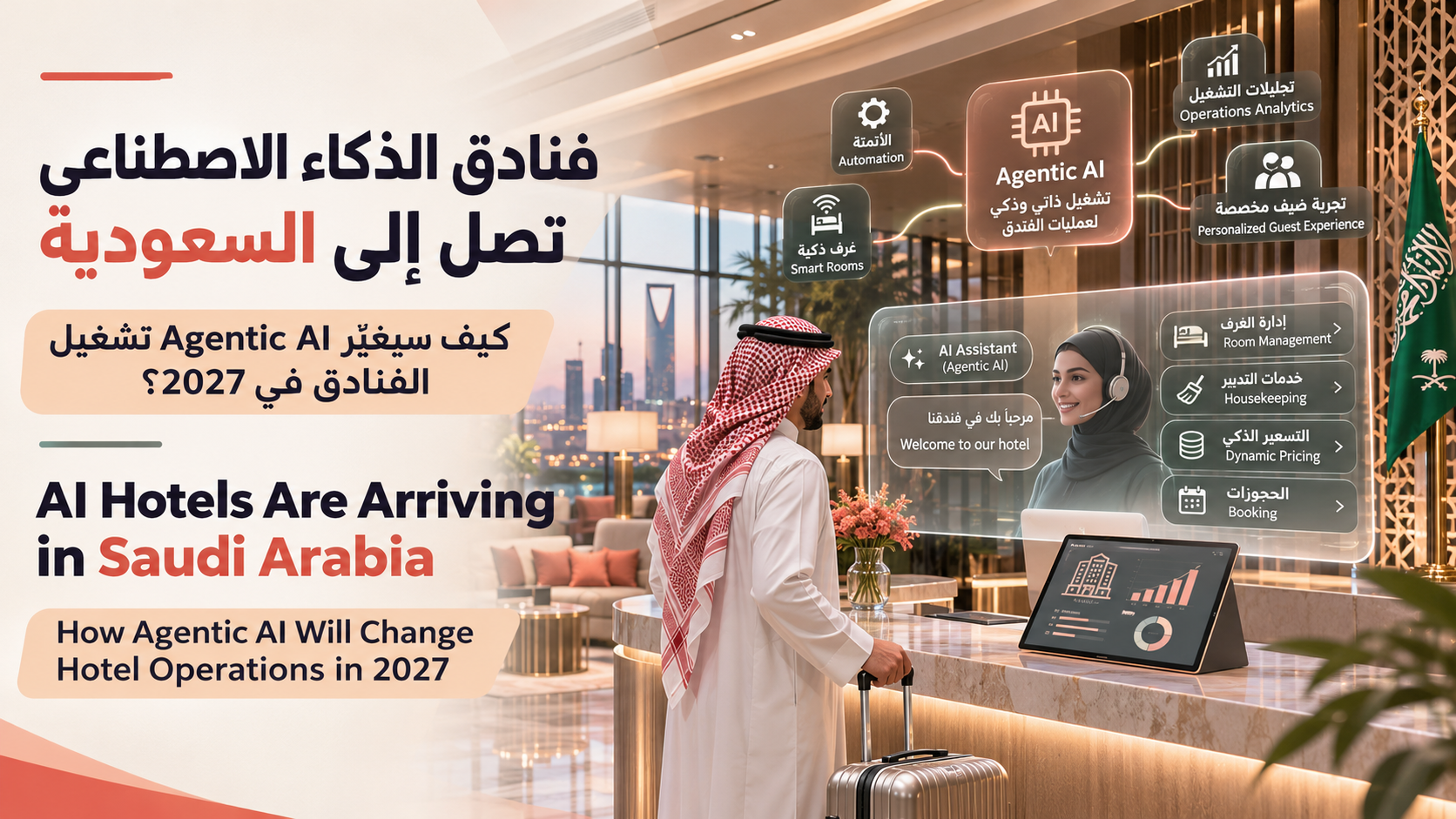
Discover how Agentic AI will transform Saudi hotels in 2027 through smarter PMS, pricing, bookings, housekeeping, guest service and automation....
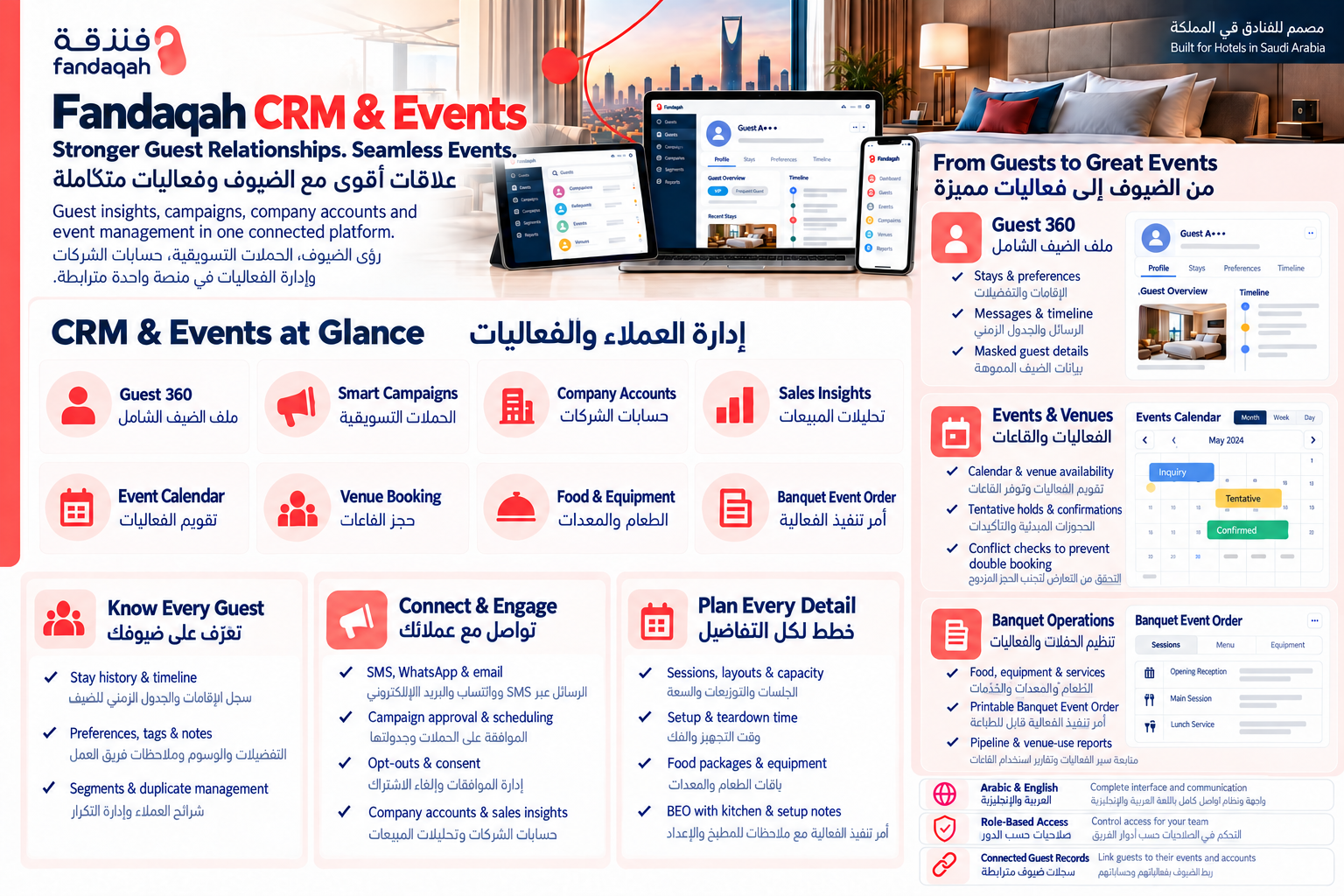
Compare hotel CRM and event management software for Saudi hotels in 2026: Guest 360 profiles, banquet management, venue booking and sales pipelines. Use cases, comparison table and FAQ....
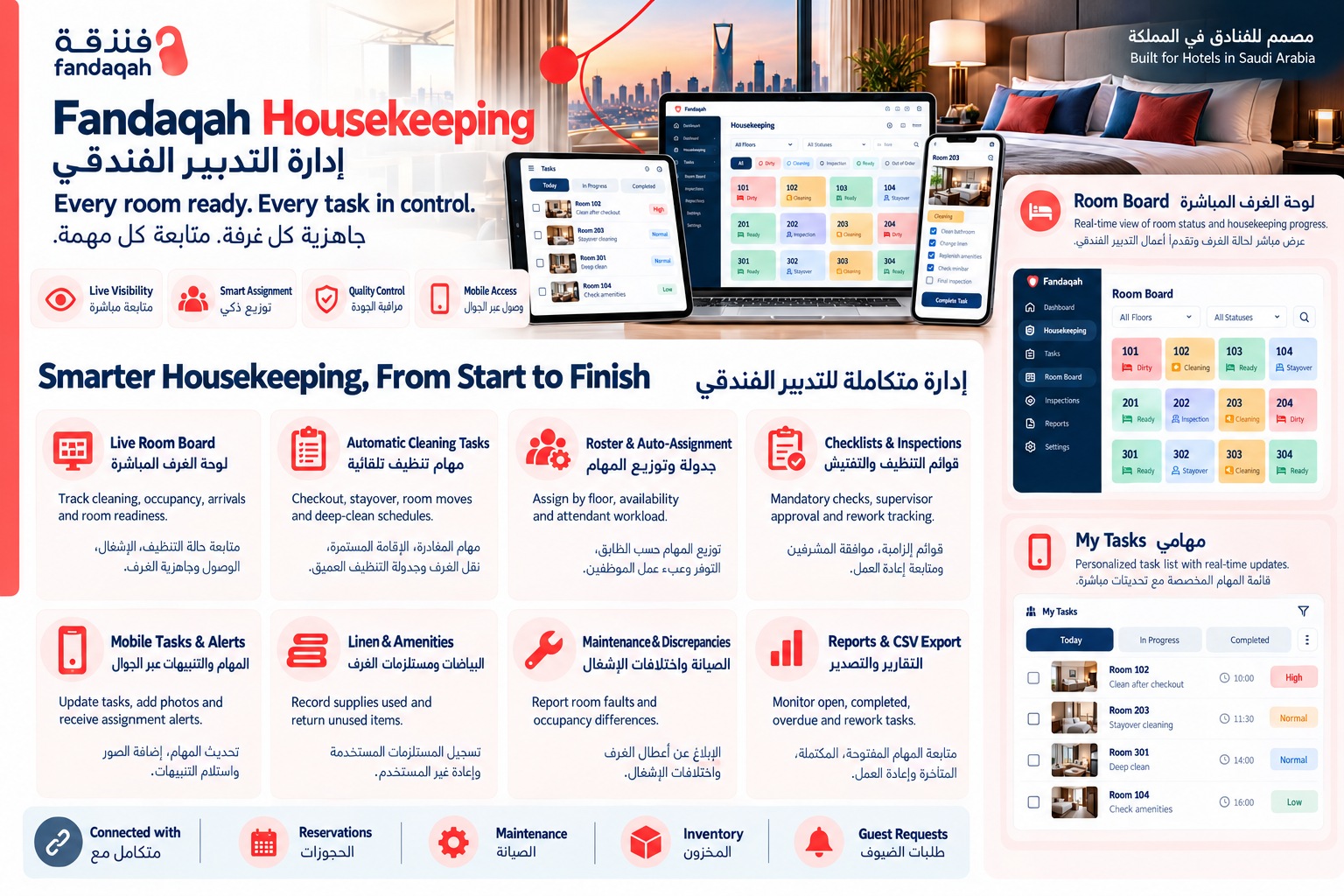
Automate room cleaning, task assignment and inspections with AI housekeeping software built for Saudi hotels. Benefits, use cases, comparison, FAQ and 2026 trends....
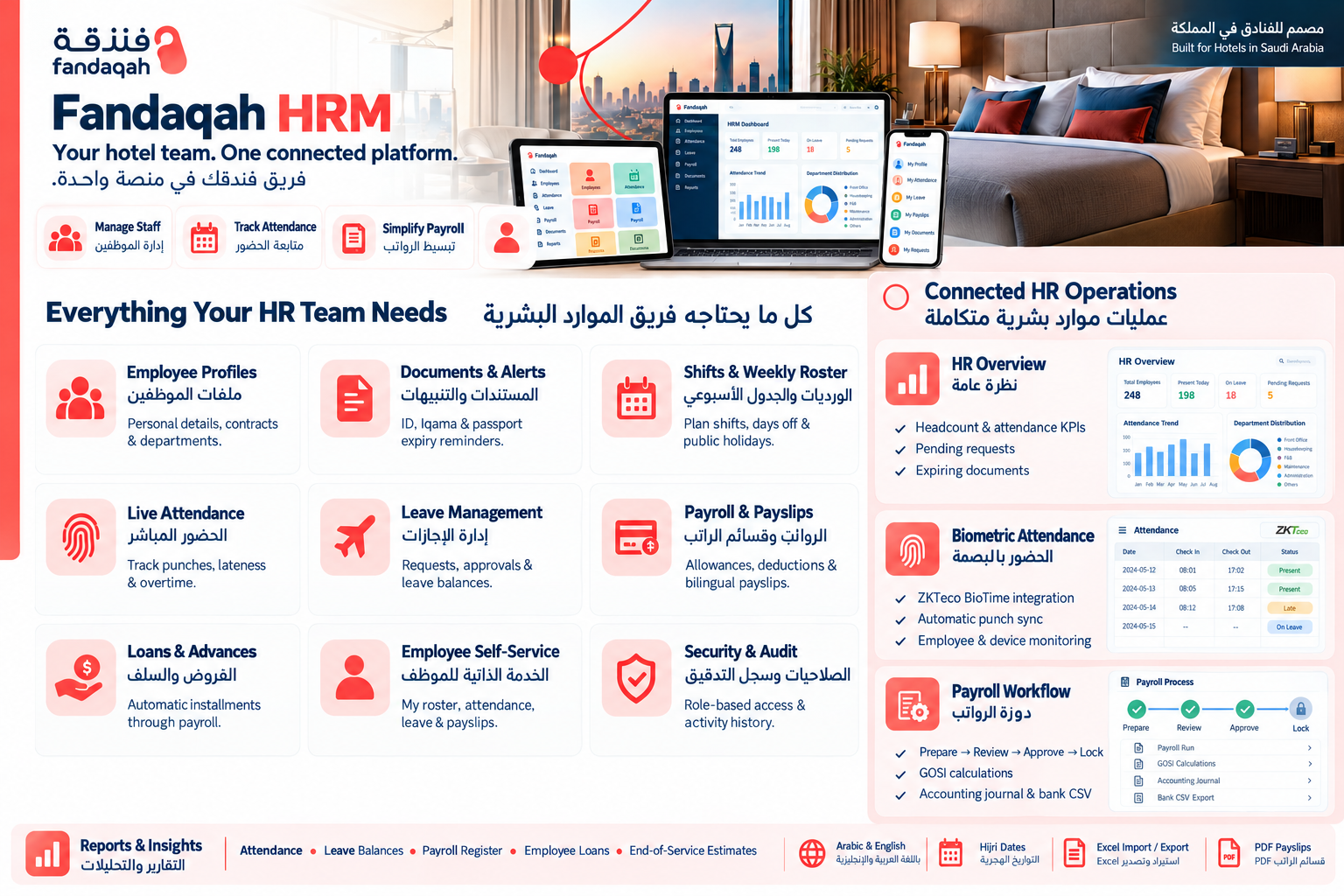
Discover how hotel HR software in Saudi Arabia handles payroll, attendance, Qiwa, GOSI, Mudad and employee management in 2026. See how Fandaqah simplifies hotel HR. Book a demo....
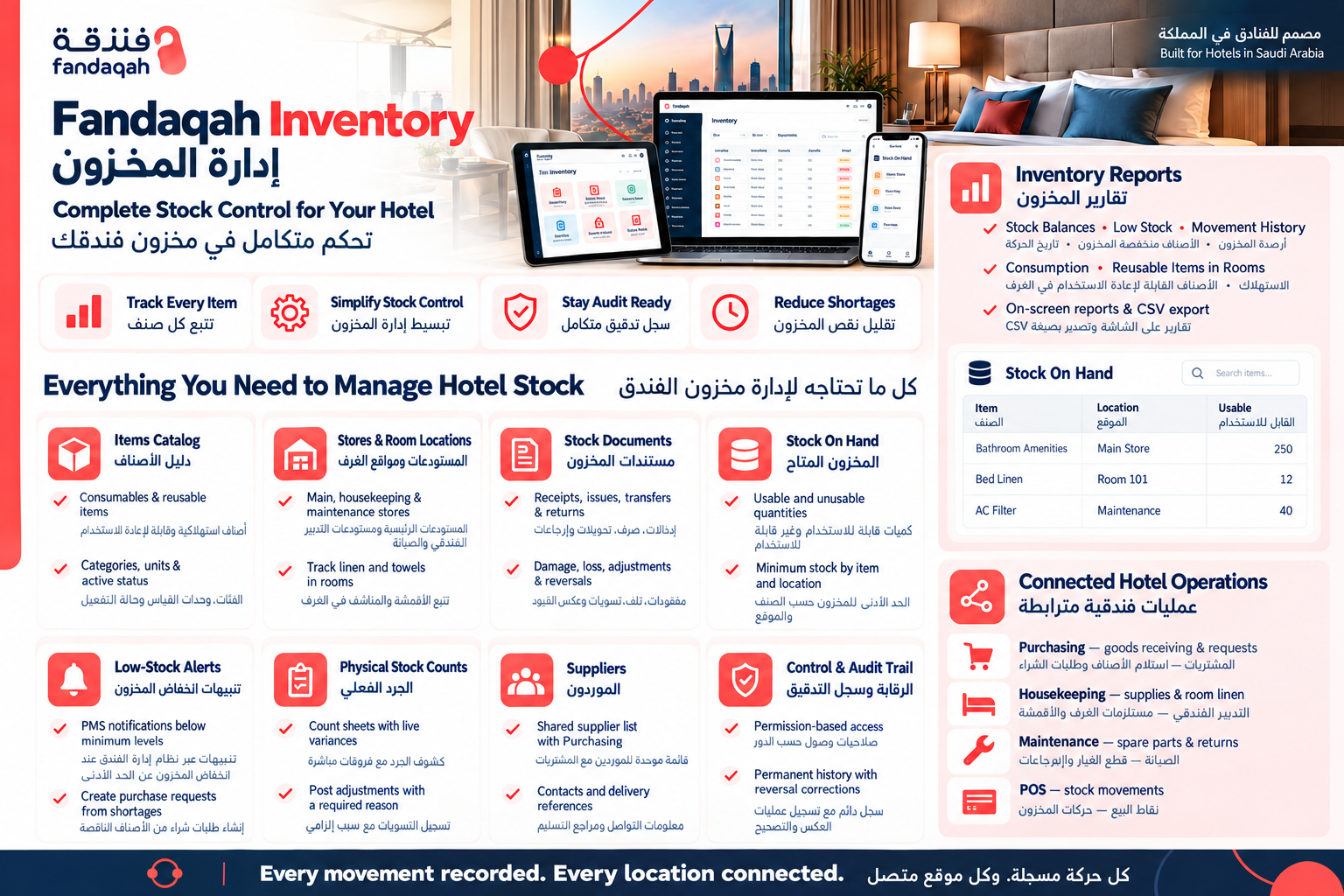
Learn how Saudi hotels reduce inventory waste, prevent stock shortages and lower purchasing costs in 2026 with smarter cost control and a PMS like Fandaqah. Start today....
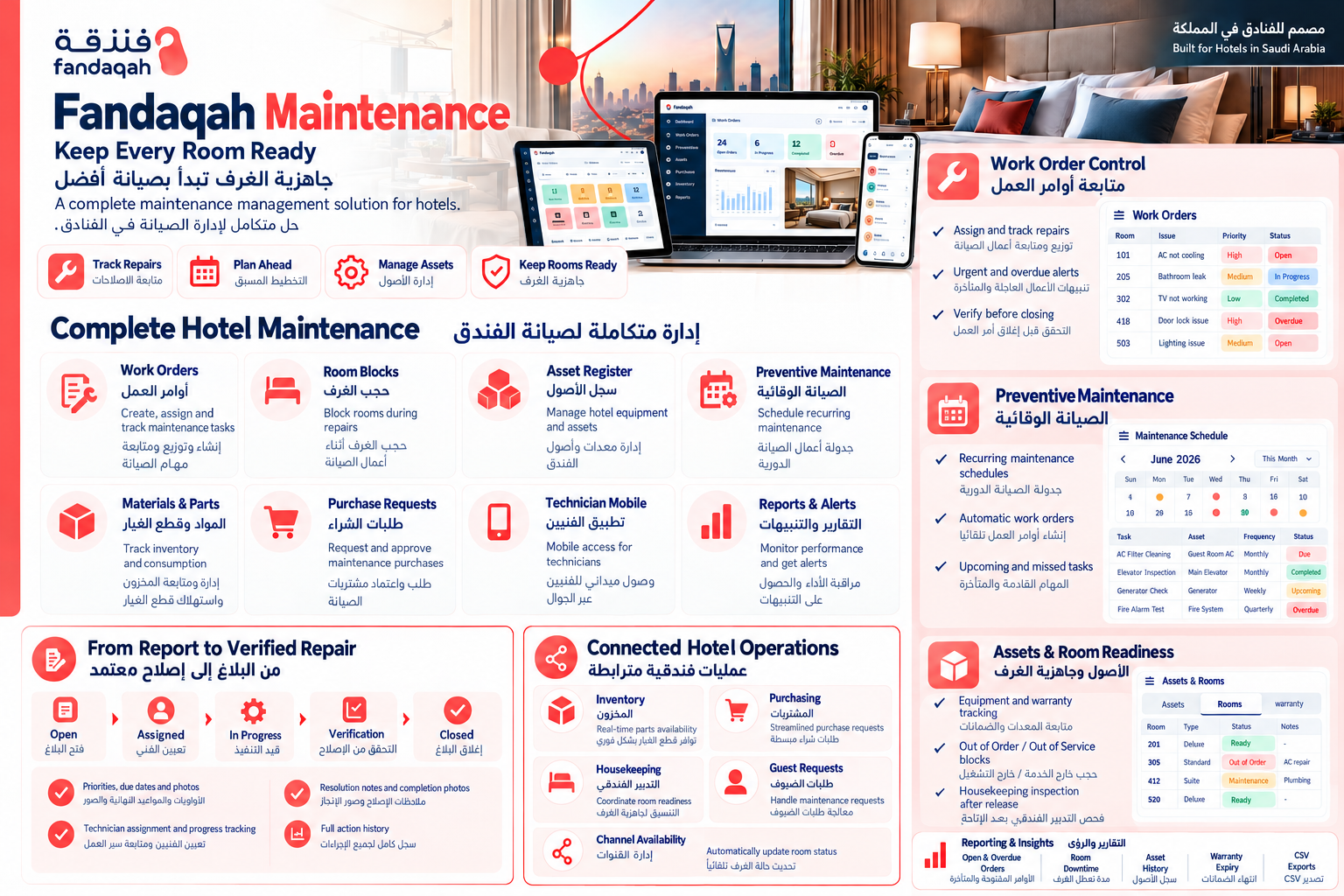
Discover hotel maintenance software in Saudi Arabia for preventive maintenance, work orders, asset tracking and room readiness with Fandaqah....
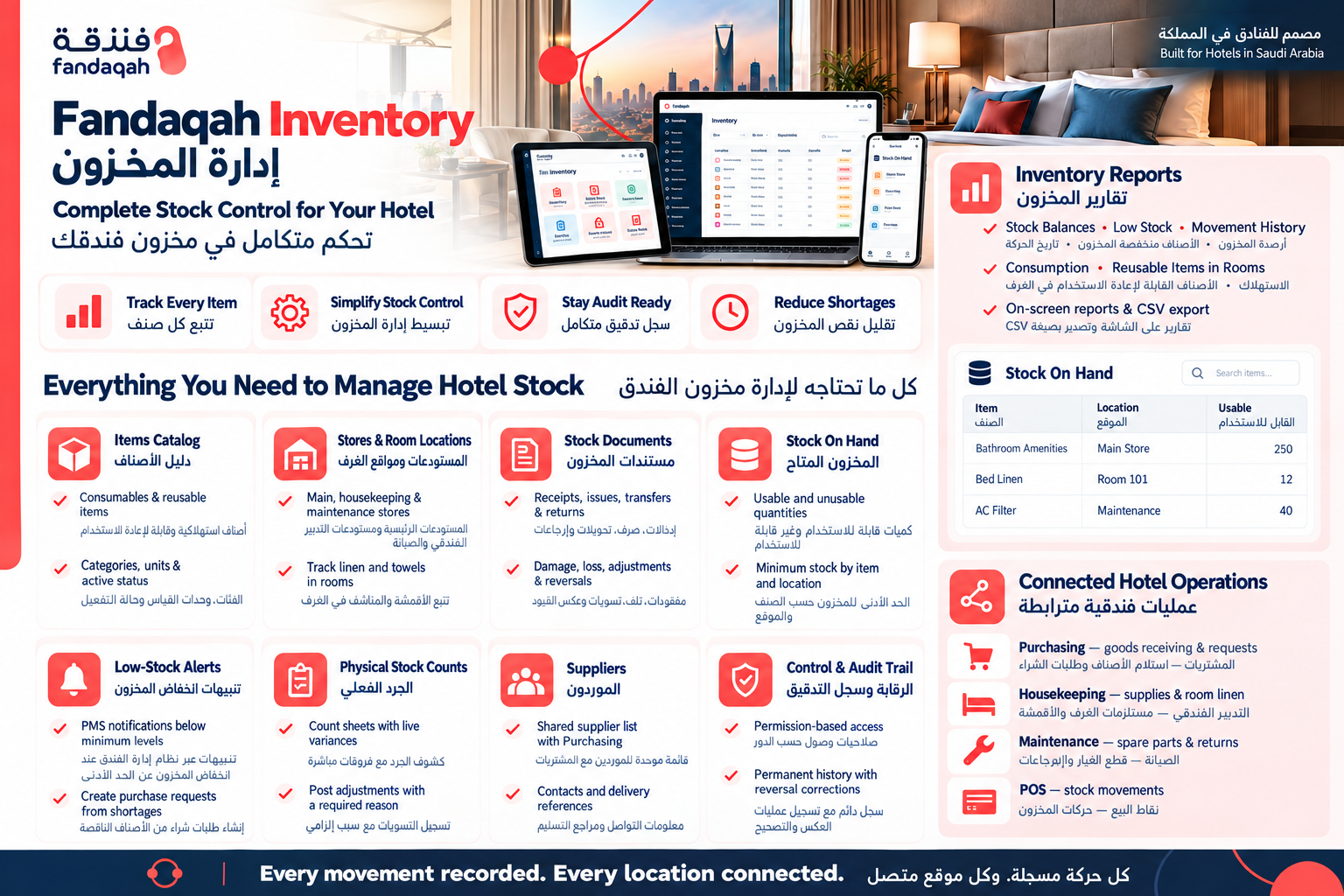
Discover hotel inventory software in Saudi Arabia to reduce waste, prevent stock shortages, control purchasing and manage hotel costs with Fandaqah....
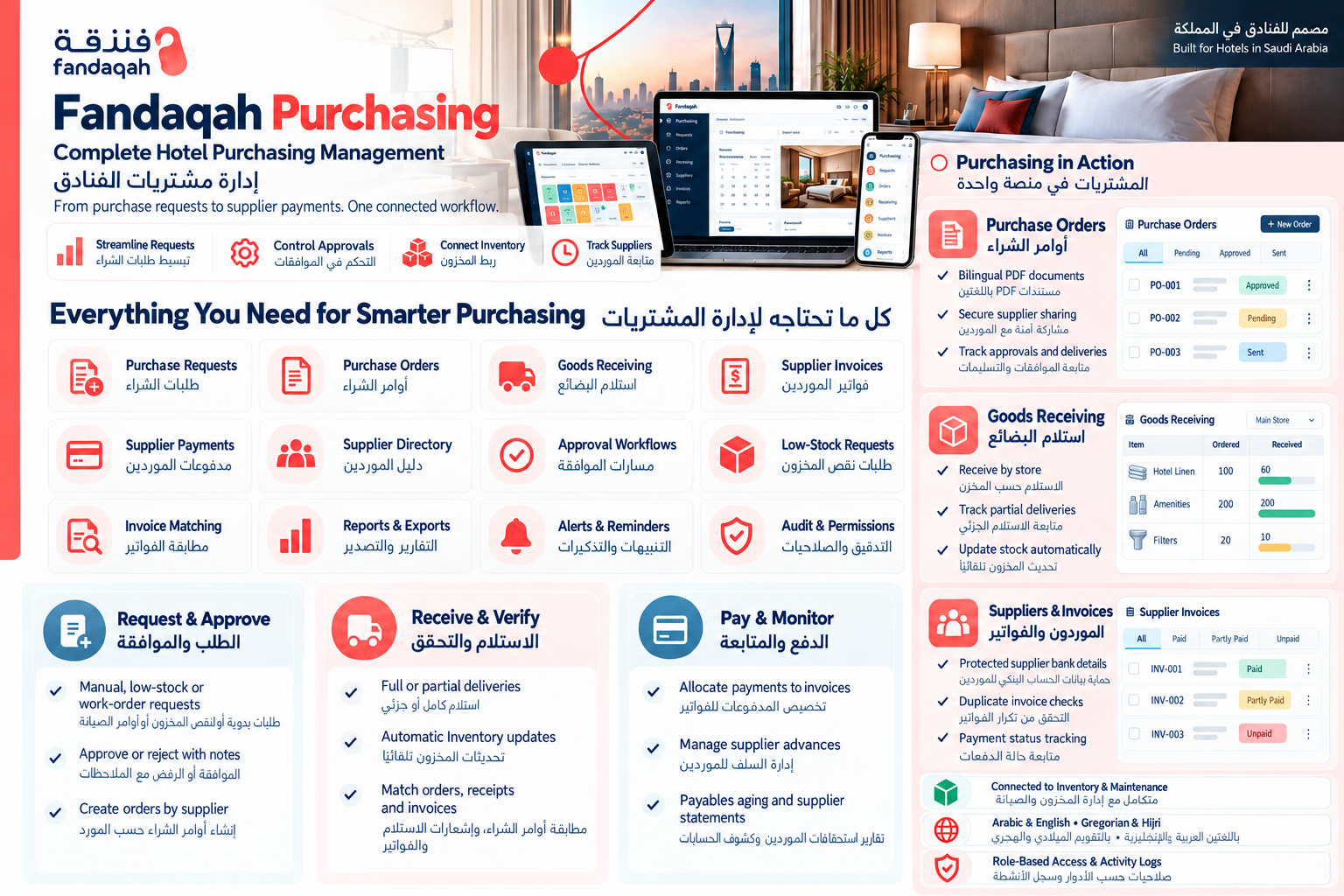
Discover hotel procurement software in Saudi Arabia for purchasing, supplier management, inventory, approvals and cost control with Fandaqah....
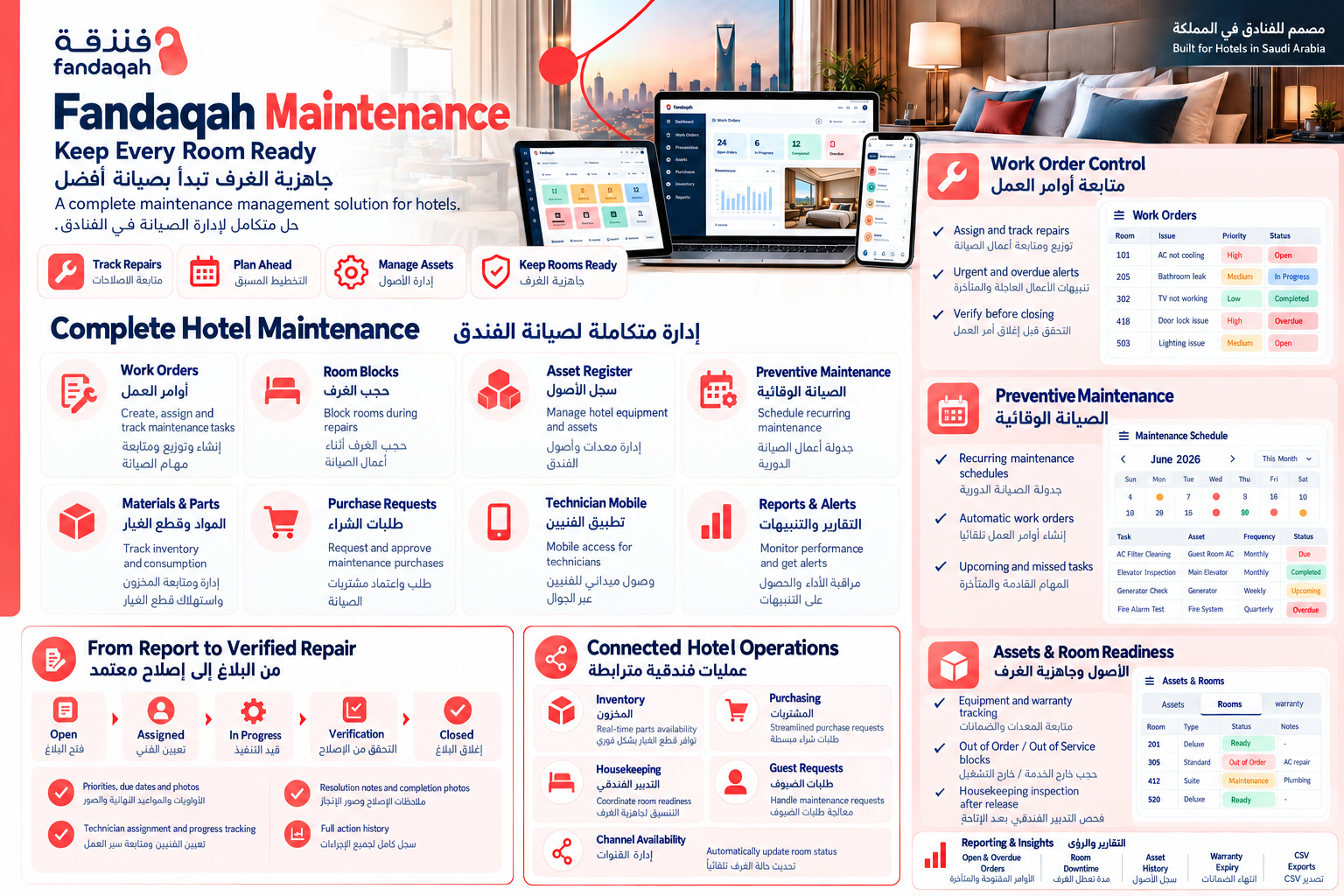
Discover hotel maintenance software in Saudi Arabia for work orders, preventive maintenance, asset tracking and room readiness with Fandaqah....
Discover Fandaqah POS, a hotel POS system for Saudi Arabia with PMS integration, ZATCA e-invoicing, room service, cafés, restaurants and local payments....
Discover Fandaqah 360, an all-in-one hotel management platform for Saudi Arabia with PMS, POS, CRM, channel manager, operations and ZATCA e-invoicing....
Upgrade to Fandaqah 360 with connected PMS, booking engine, channel manager, guest tools and real-time reporting for hotels across Saudi Arabia....
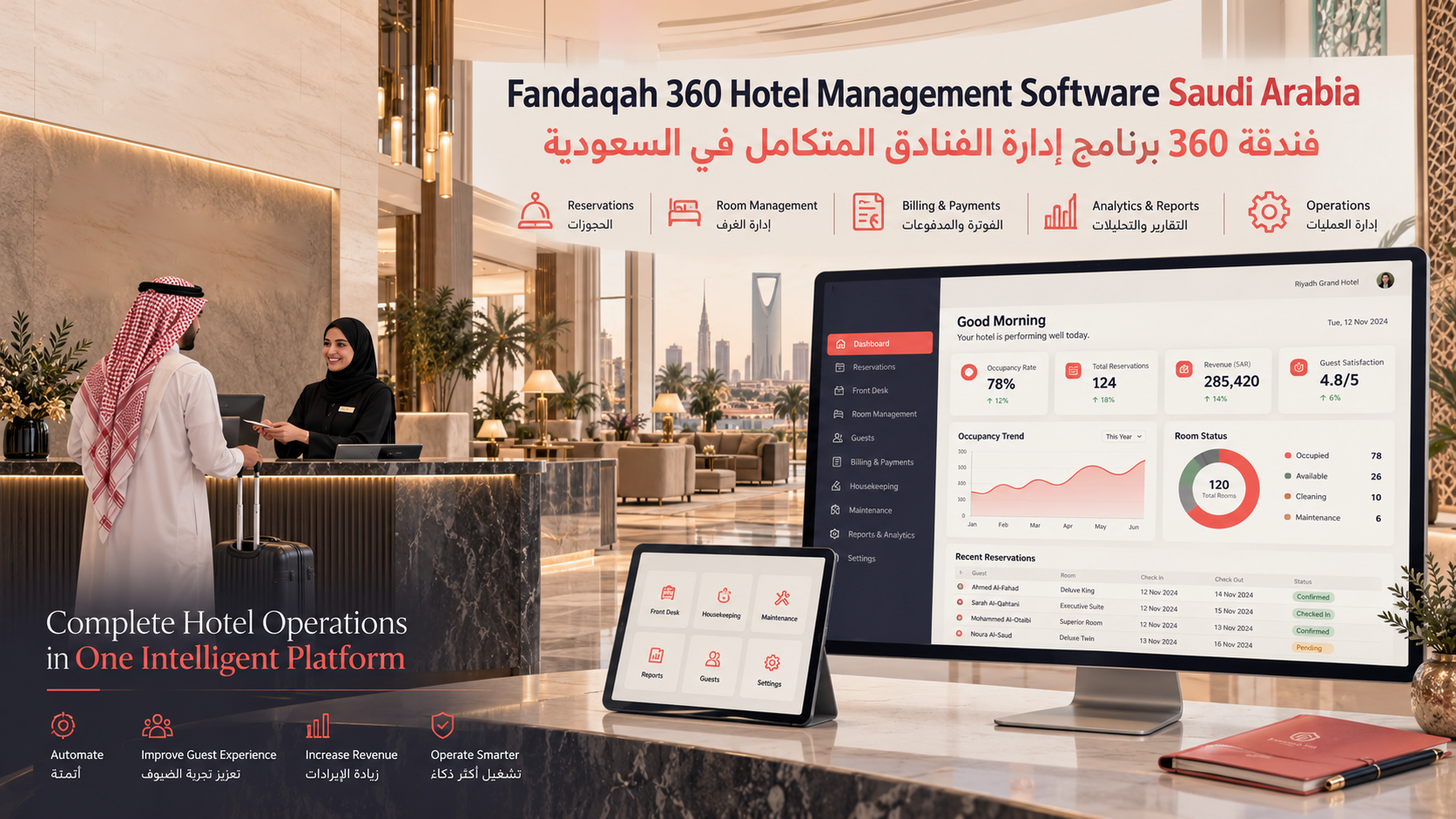
Discover Fandaqah 360, an all-in-one hotel management platform with cloud PMS, booking engine, channel manager and reporting for Saudi hotels....

Explore a 14-day Riyadh hotel occupancy playbook for King Abdulaziz Falconry Festival 2026, covering dynamic pricing, direct bookings and revenue growth....

Explore ELAF Group’s 2026 AI guest-service rollout and six practical lessons for Saudi hotels to improve guest messaging, direct bookings, and revenue....
Black Hat MEA 2026 puts hotel cybersecurity in focus. Learn how Saudi hotels can boost direct bookings with secure PMS, trusted payments and booking engines....
Prepare for Kingdom of Gaming 2026 with a smart hotel PMS. Manage esports group bookings, room blocks, rooming lists and billing across Saudi hotels....
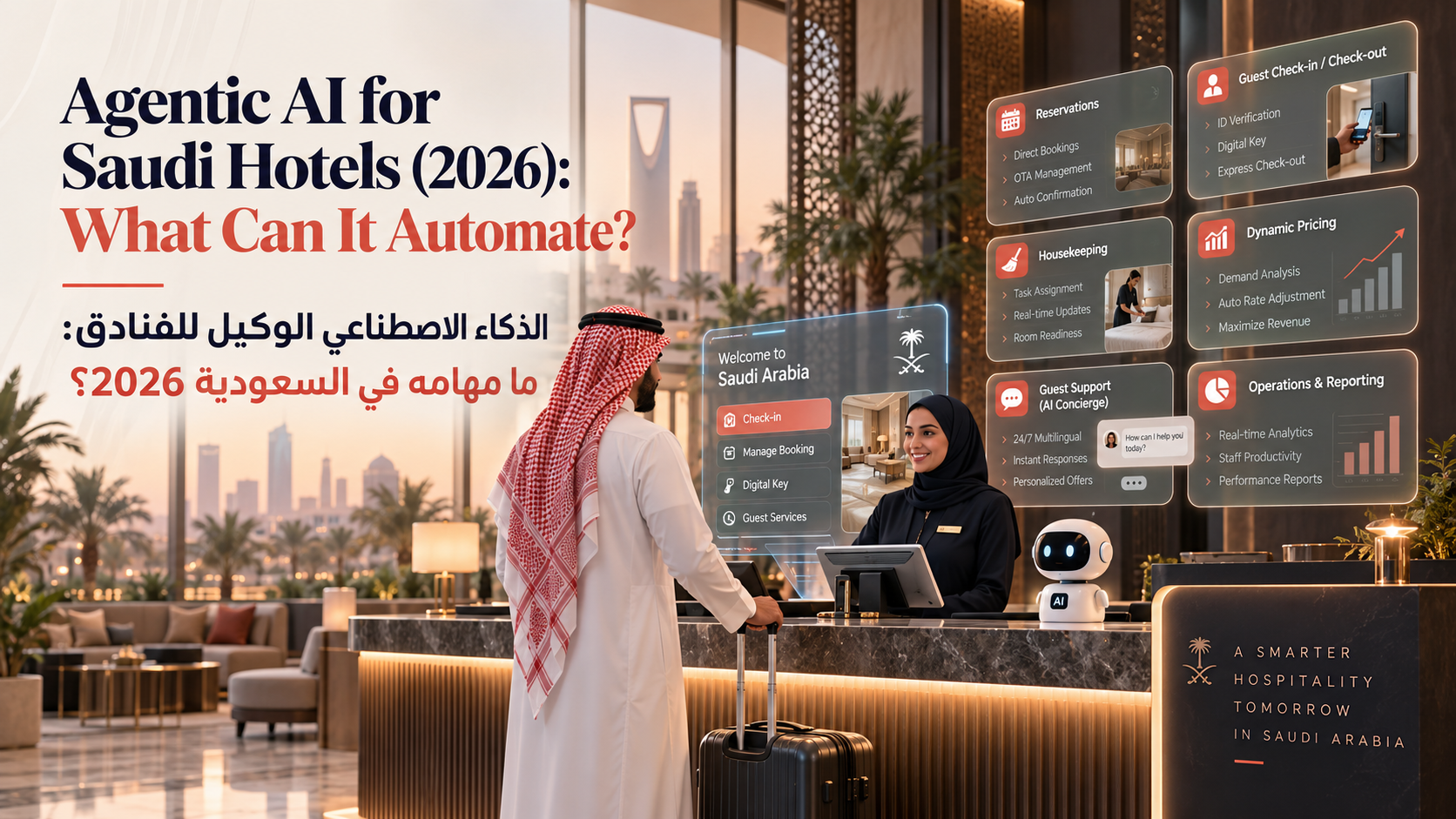
Discover what agentic AI can automate in Saudi hotels in 2026, from WhatsApp bookings and dynamic pricing to housekeeping, ZATCA invoicing and reports....
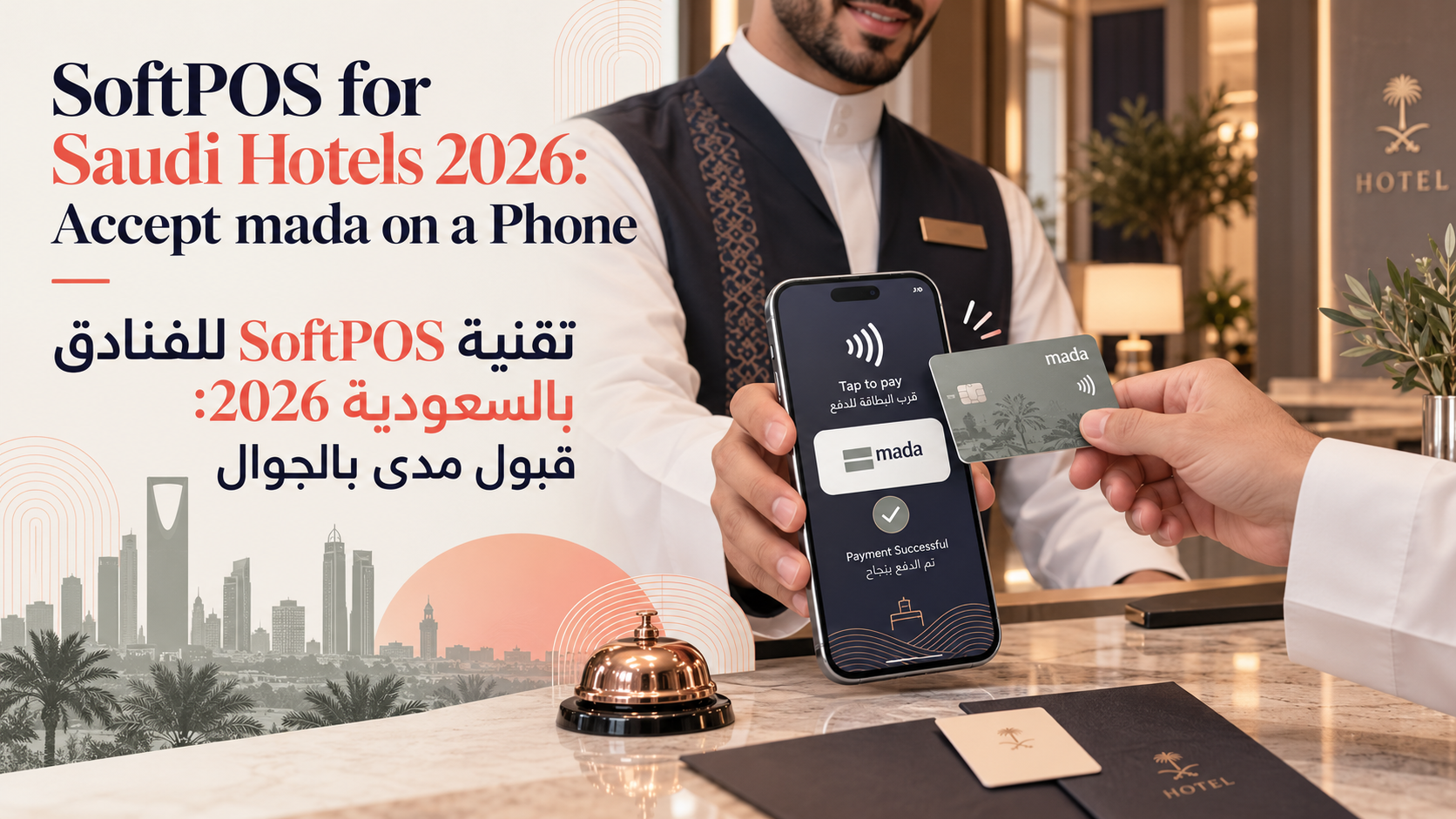
Can Saudi hotels accept mada on a phone? Discover how SoftPOS works in 2026, its security, SAMA requirements, fees, and hotel PMS integration....

Prepare Al Khobar hotels for Ithra Design Week, Nov 16–21, 2026, with a 6-day direct booking plan, smart hotel PMS, dynamic pricing, and lower OTA commissions....

Discover a 7-day revenue plan for Al Khobar and Dammam hotels around PFL MENA and CIDEX 2026, with dynamic pricing, group blocks and more direct bookings....
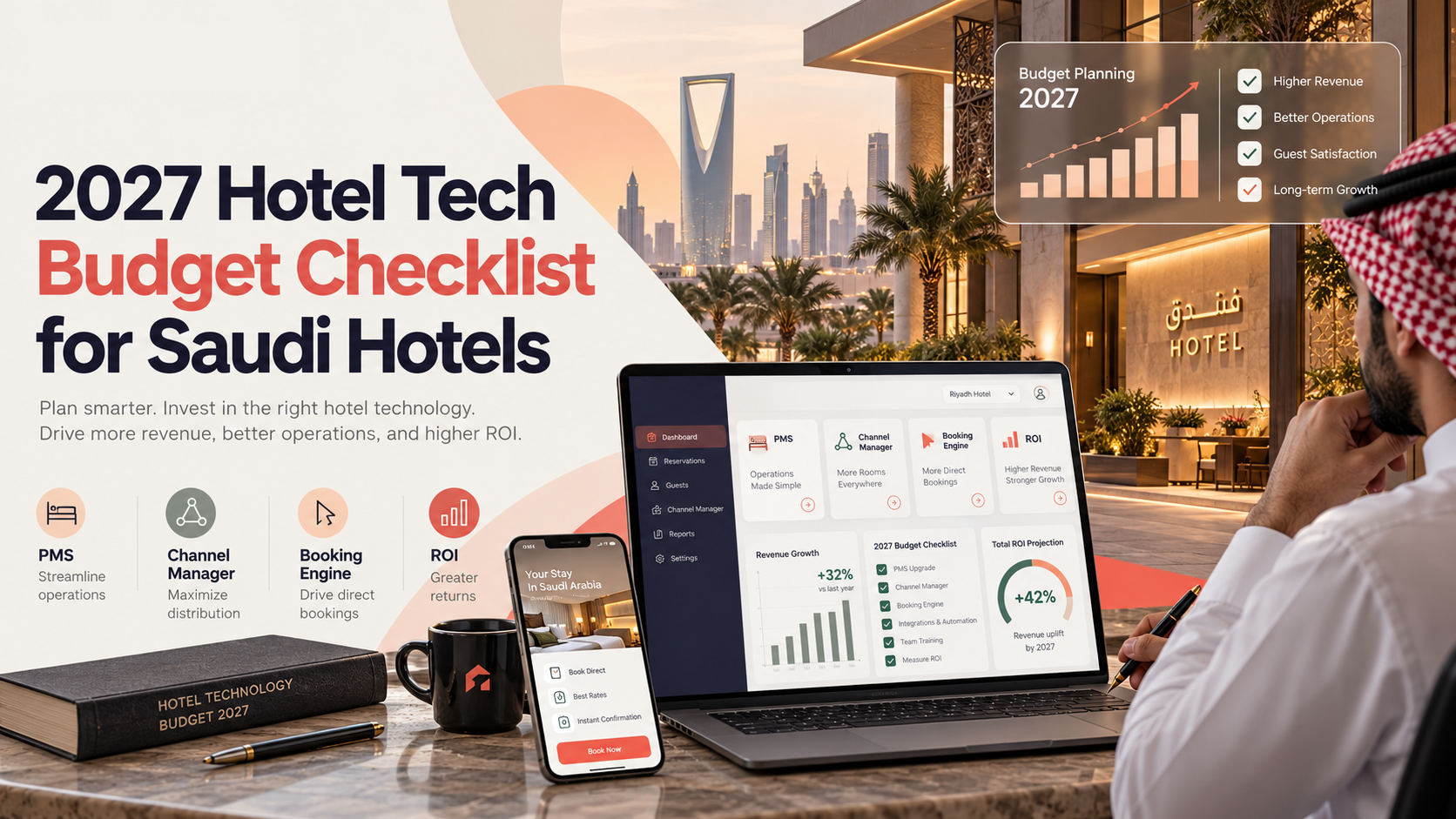
Plan your 2027 hotel technology budget with our Saudi hotel checklist. Compare PMS, channel manager and booking engine ROI, costs and Vision 2030 priorities....
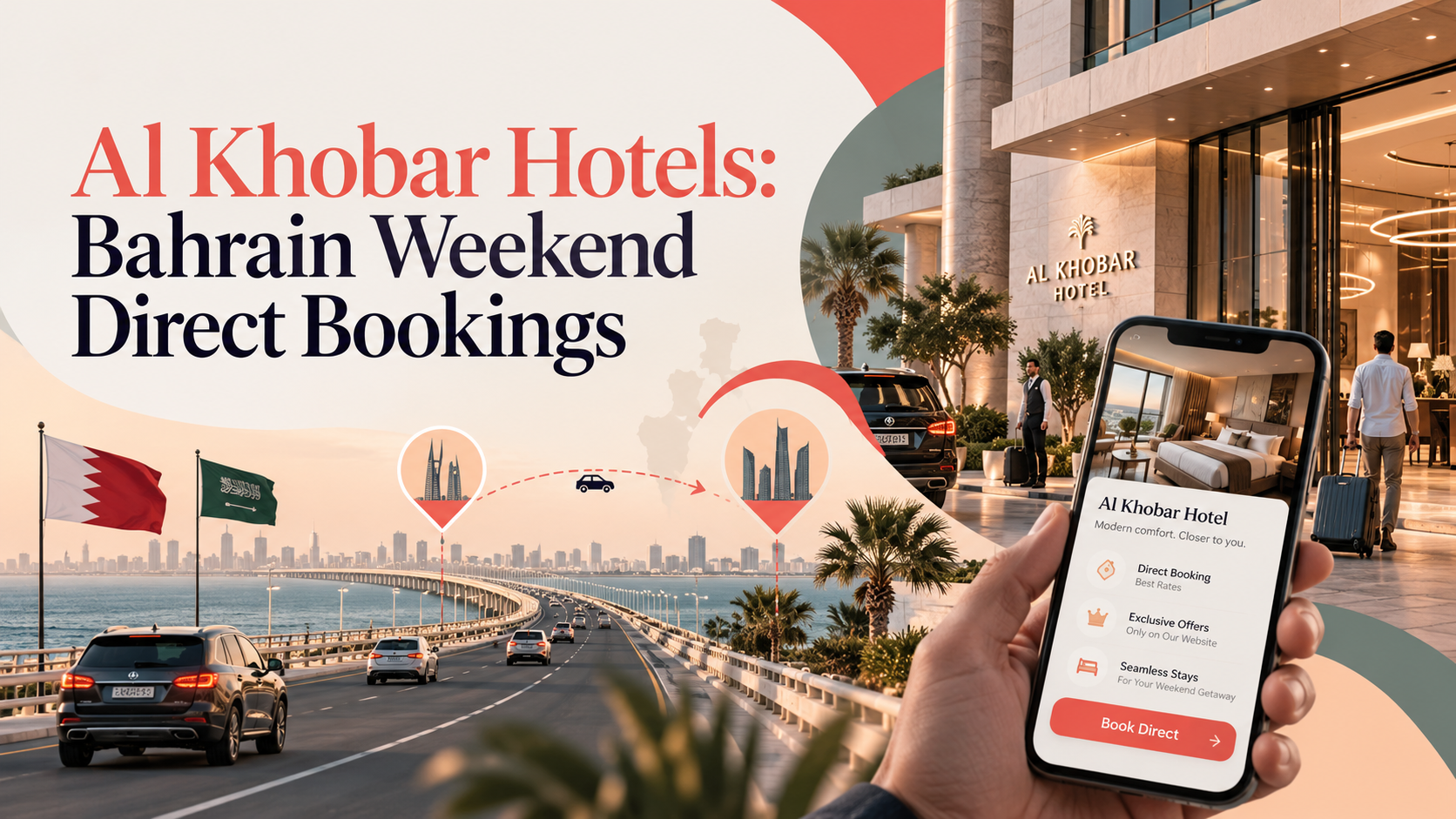
Learn how Al Khobar hotels turn Bahrain weekend visitors into direct bookings using smart pricing, a fast booking engine, WhatsApp and guest loyalty offers....
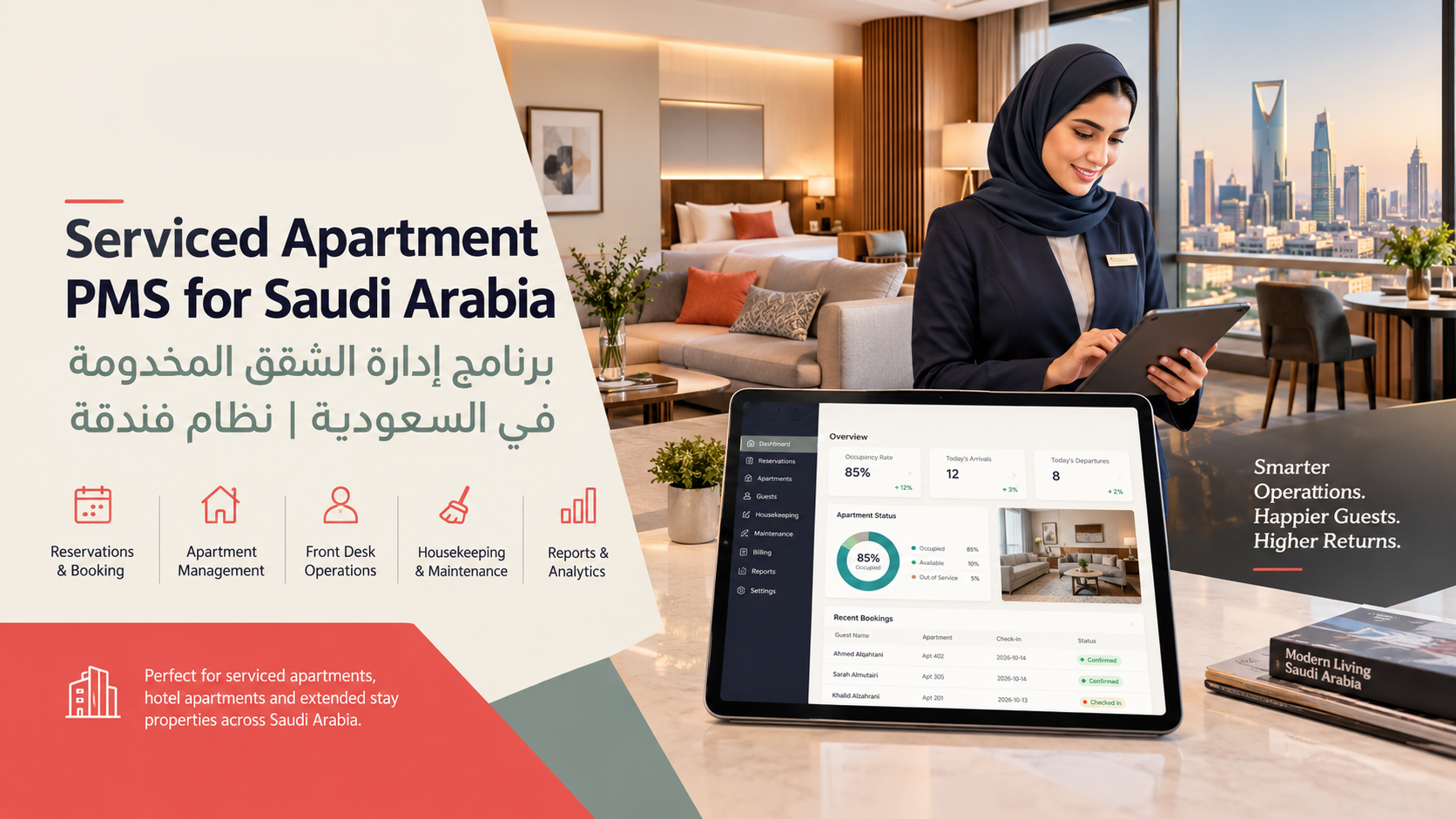
Manage monthly stays, security deposits and company bookings with Fandaqah PMS for Saudi serviced apartments, including ZATCA invoicing and Shomoos....
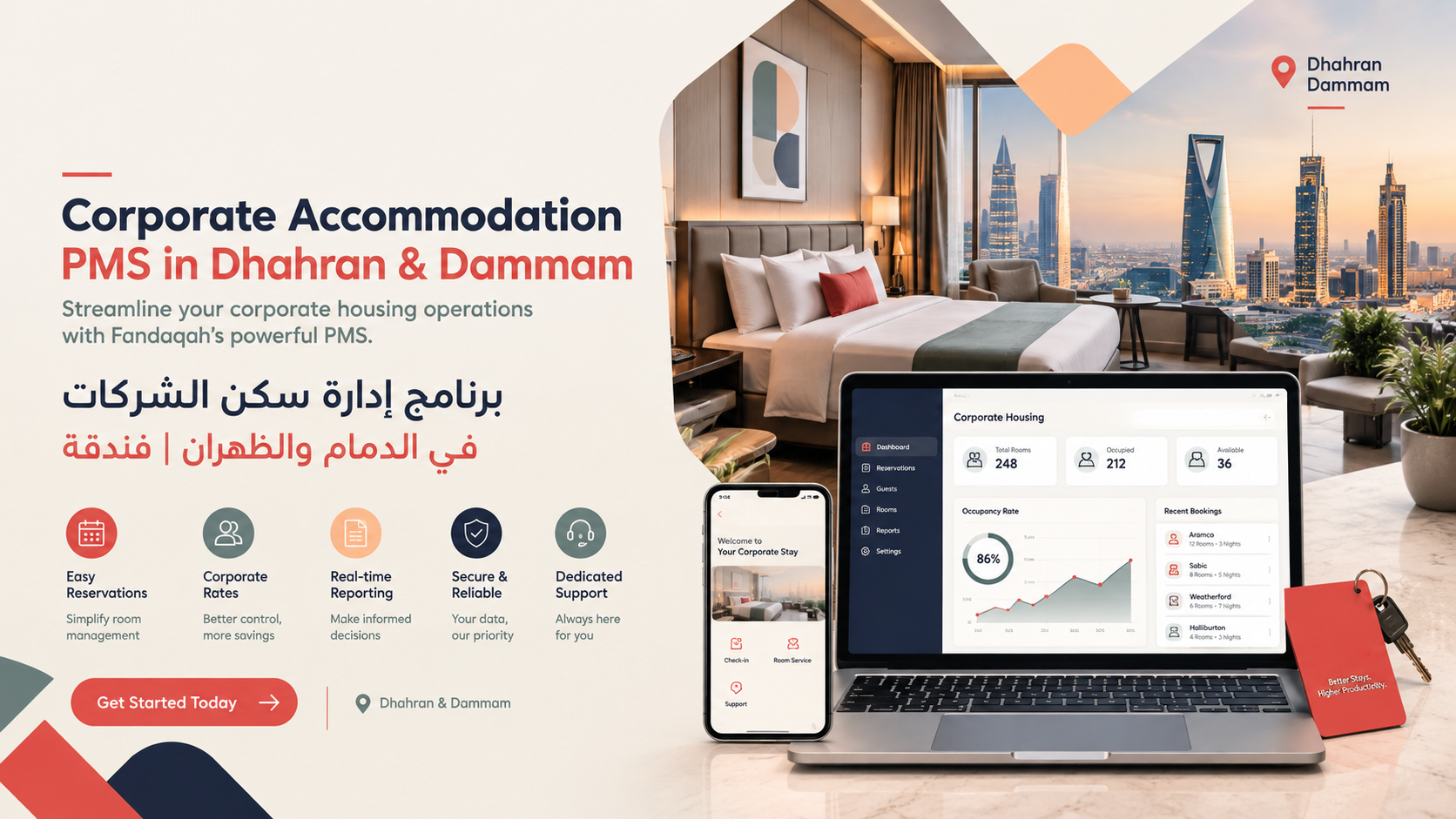
Manage corporate long stays, negotiated company rates, staff rotations and ZATCA-ready billing in Dhahran and Dammam with Fandaqah PMS....

Complete guide to Six Kings Slam Riyadh 2026: format, prize money, past champions, tickets, where to stay, and how Saudi hotels can maximize revenue during the event....
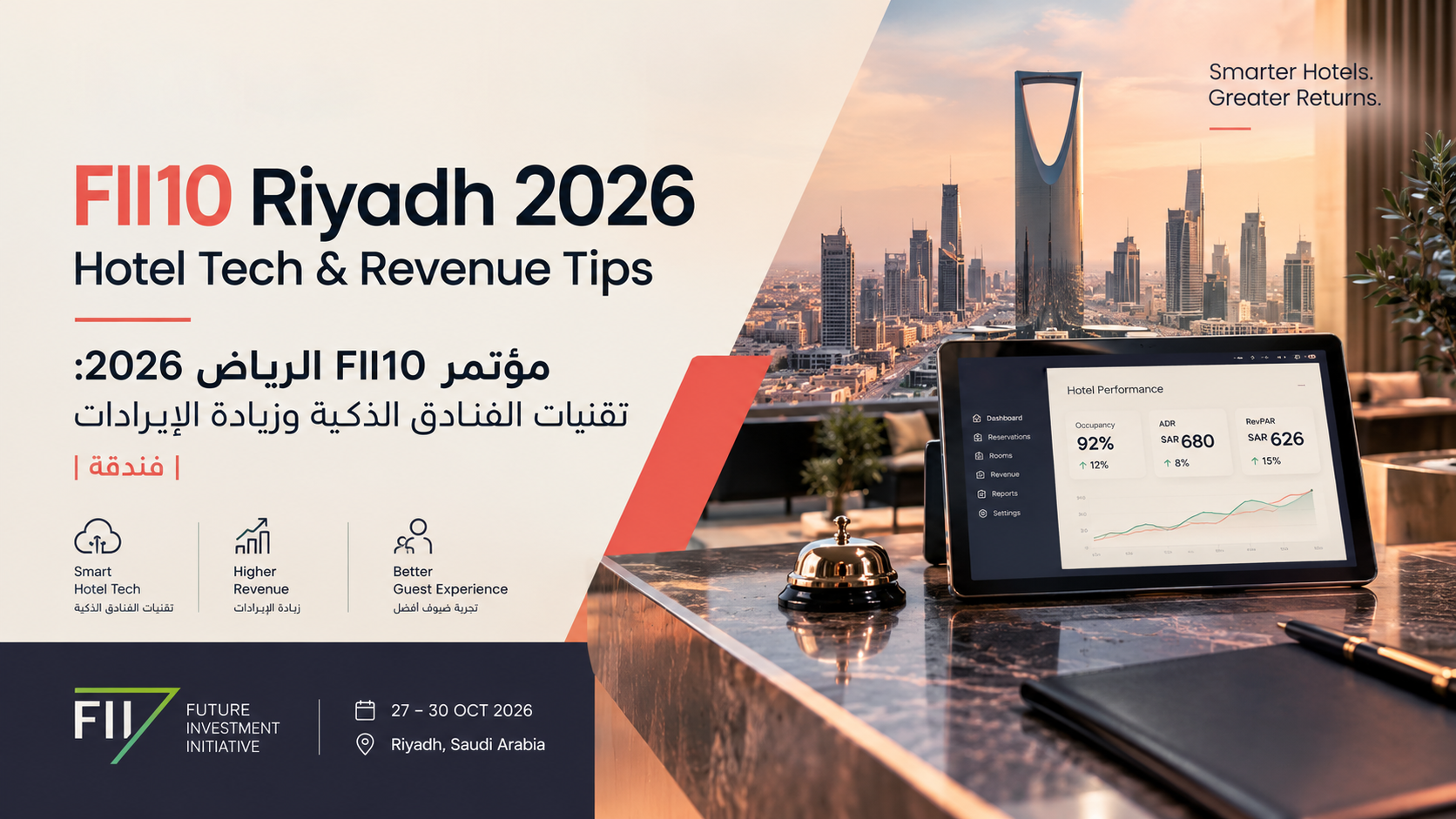
FII10 Riyadh 2026 hotelier guide: dates, attendees, smart hotel tech, booking strategies & pricing tips to maximize RevPAR during the Future Investment Initiative....
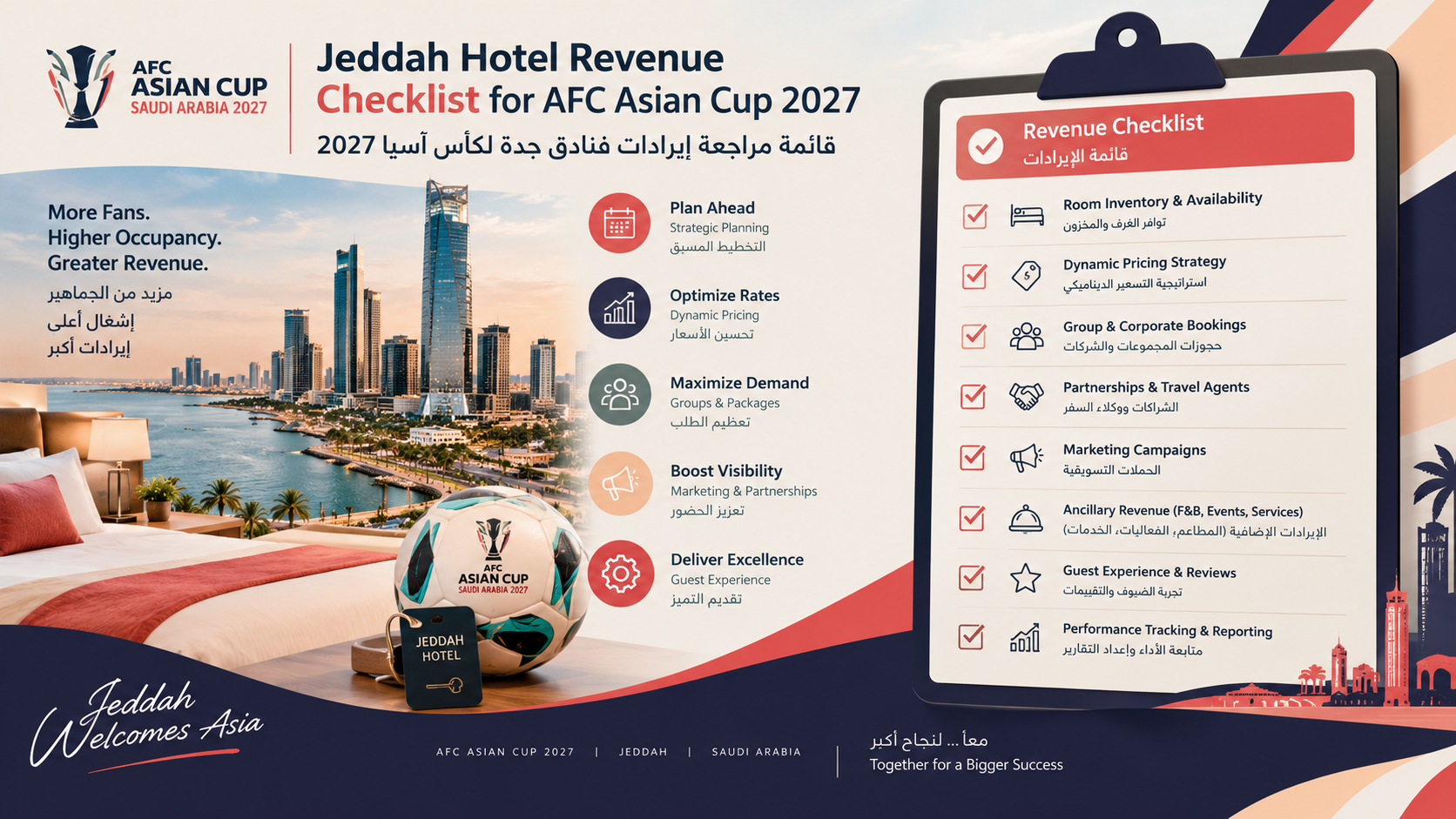
Step-by-step revenue management checklist for Jeddah hotels preparing for AFC Asian Cup 2027: demand forecasting, dynamic pricing, MLOS, channels and RevPAR....
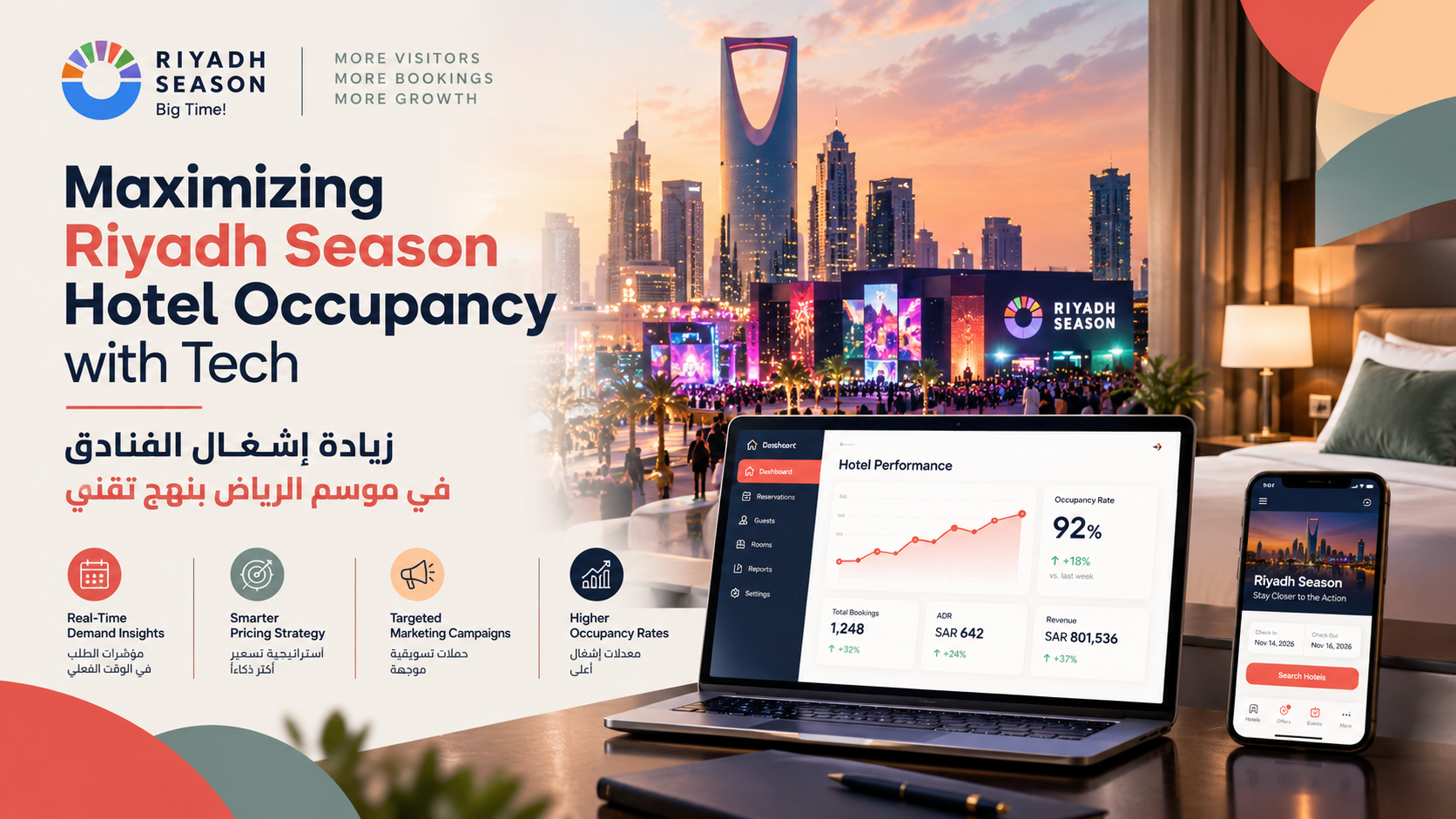
How Riyadh hotels can maximize occupancy and RevPAR during Riyadh Season using dynamic pricing, channel managers, direct bookings and cloud PMS like Fandaqah....

The Gulf Cup in Saudi Arabia draws thousands of football fans. Learn how hotels boost bookings with match-day pricing, fan packages & a smart cloud PMS....

Saudi Arabia winter vacation 2026 is peak domestic travel season. Learn how hotels attract students & families with packages, smart pricing & a cloud PMS....
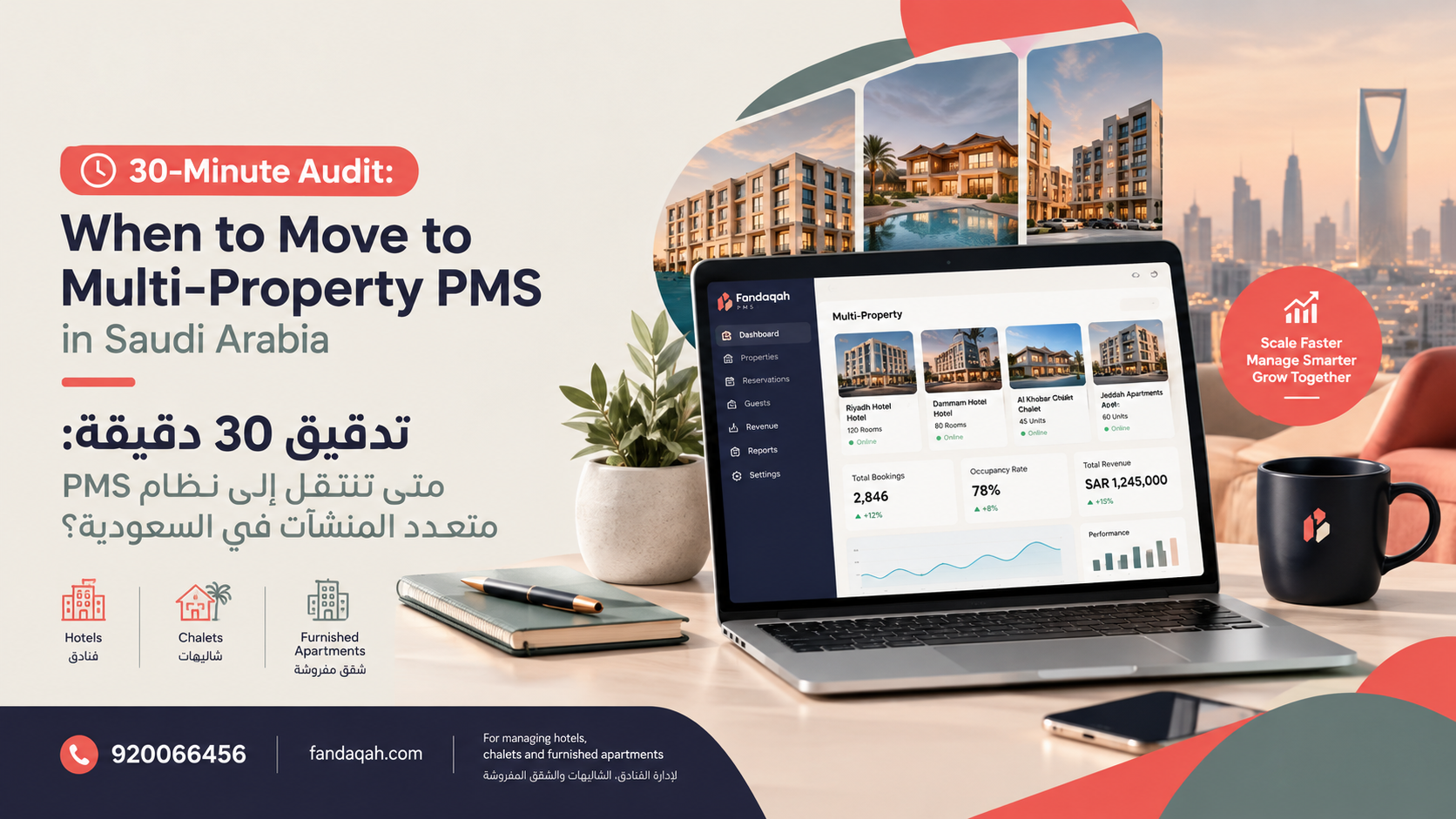
Run this 10-question, 30-minute audit to know if your hotel group needs a multi-property PMS. Compare single vs multi-property systems, Saudi use cases, ZATCA readiness & Vision 2030 tips....
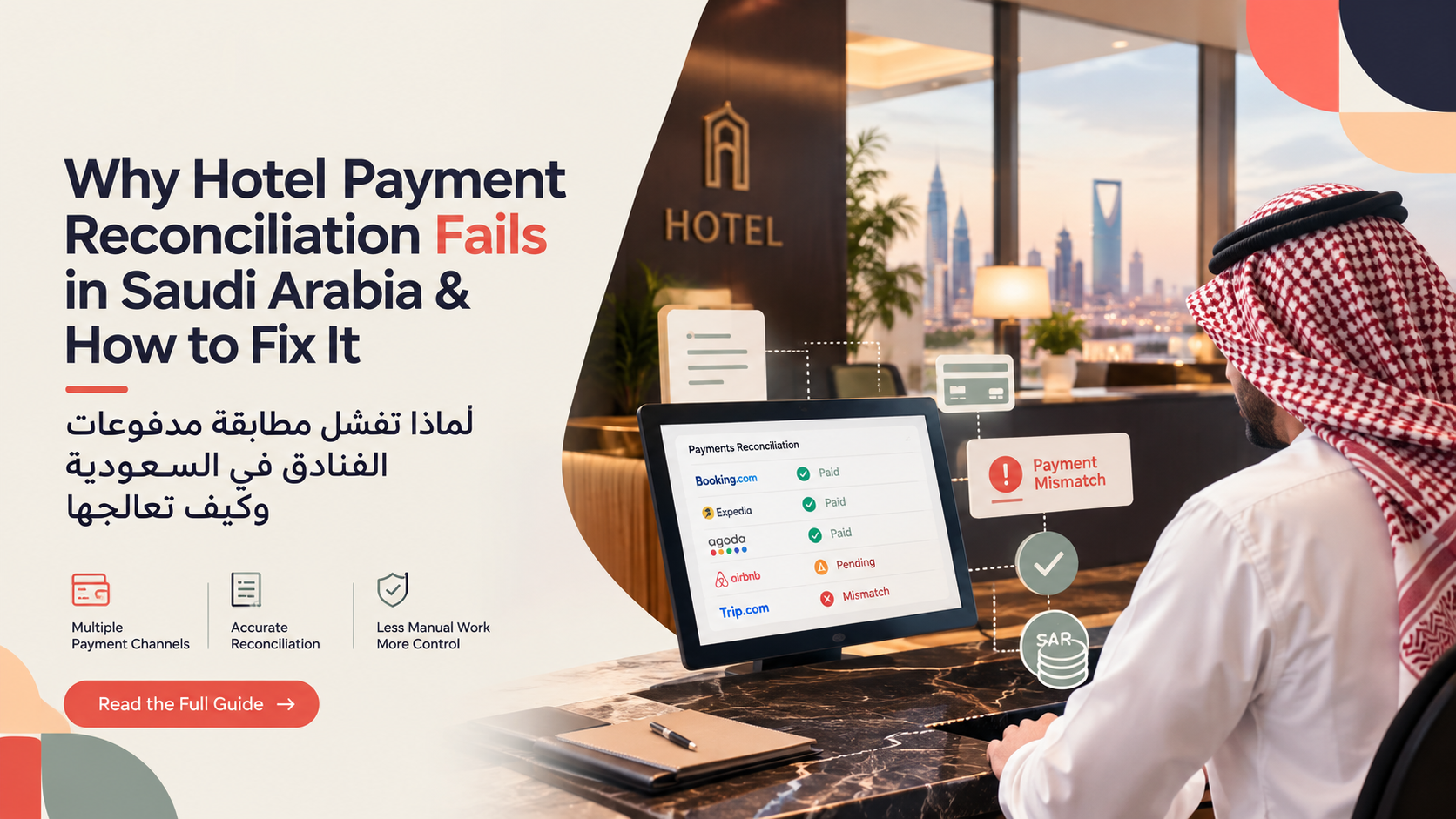
Hotel payment reconciliation fails in Saudi hotels due to mada, OTAs, ZATCA & timing gaps. Learn the 7 root causes, a step-by-step fix, checklist & how automation recovers lost revenue....
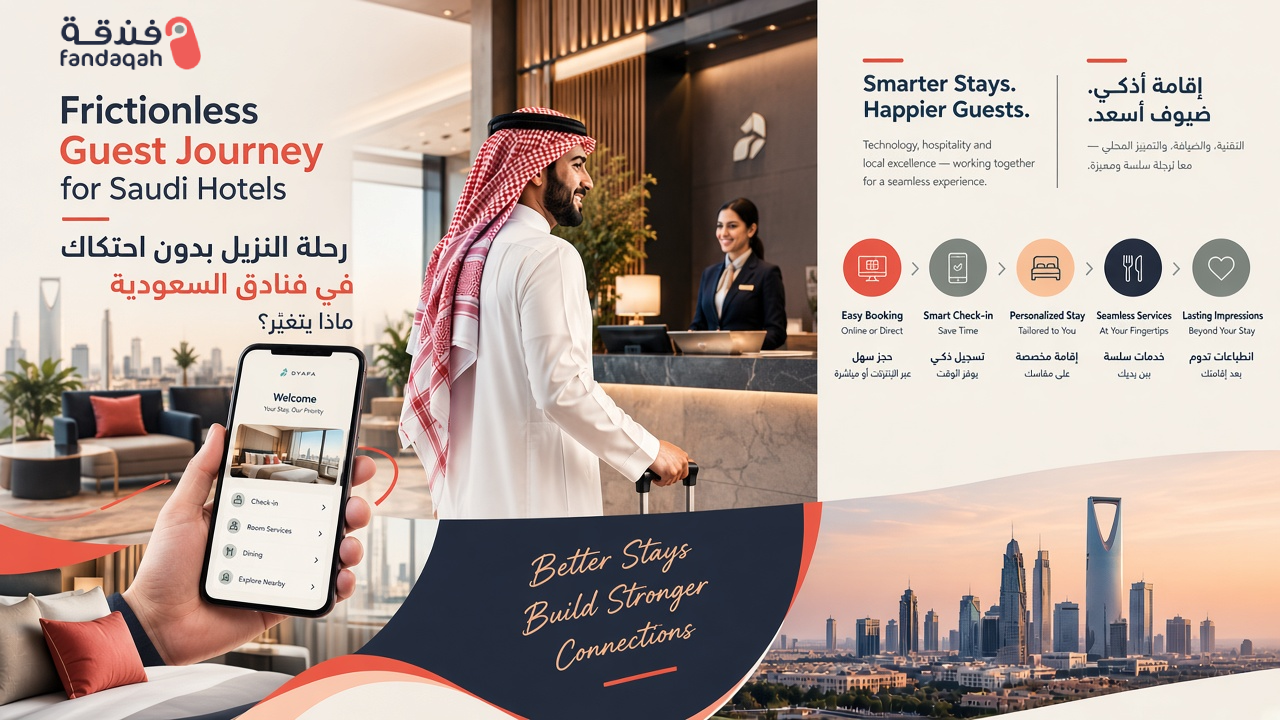
What really changes when Saudi hotel managers fix the frictionless guest journey. Faster check-in, higher direct bookings, better reviews, and full Shomoos & ZATCA compliance....
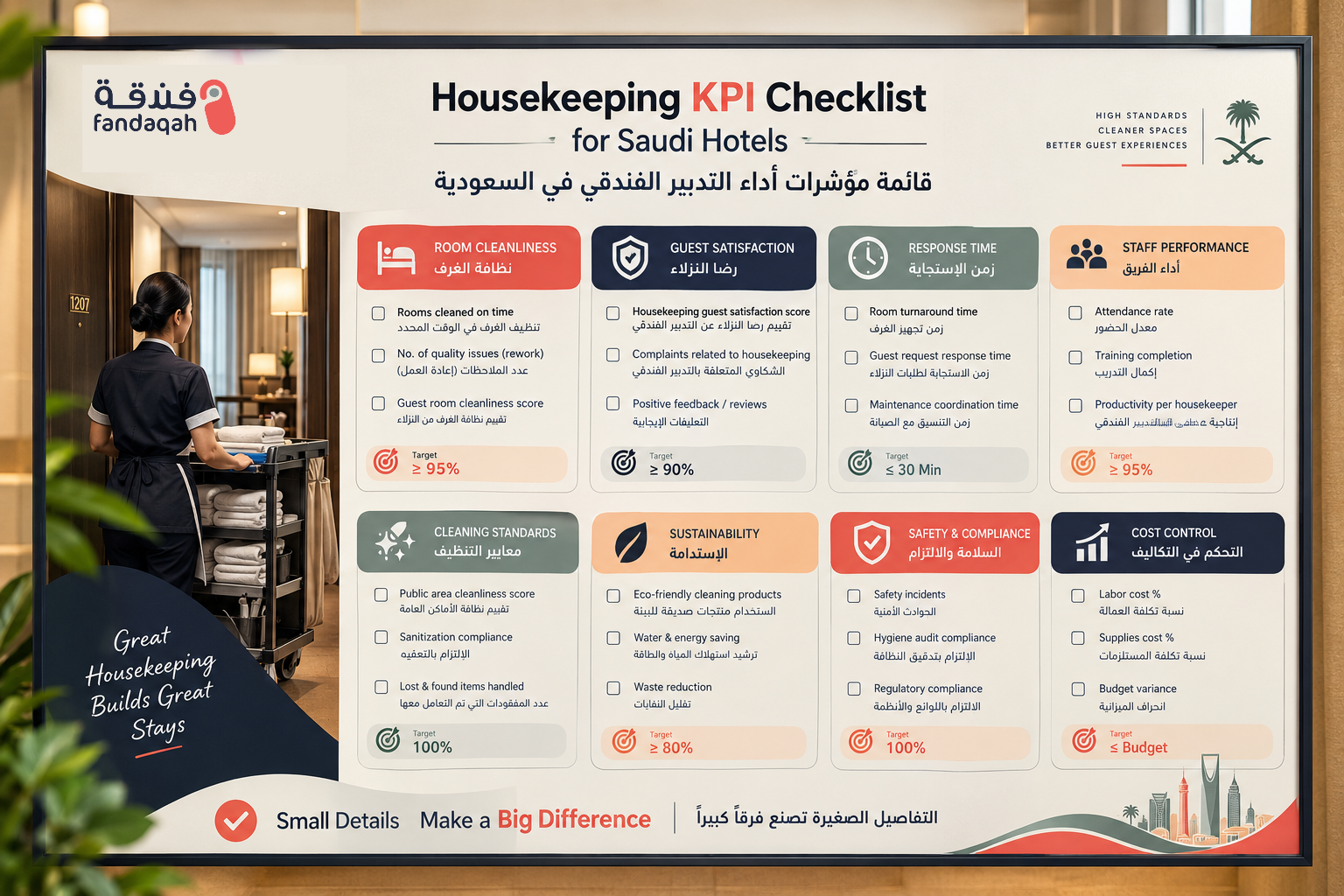
Complete housekeeping KPI checklist for Saudi hotels. Track room status, turnaround time, productivity & more. Design a digital board that drives performance under Vision 2030....
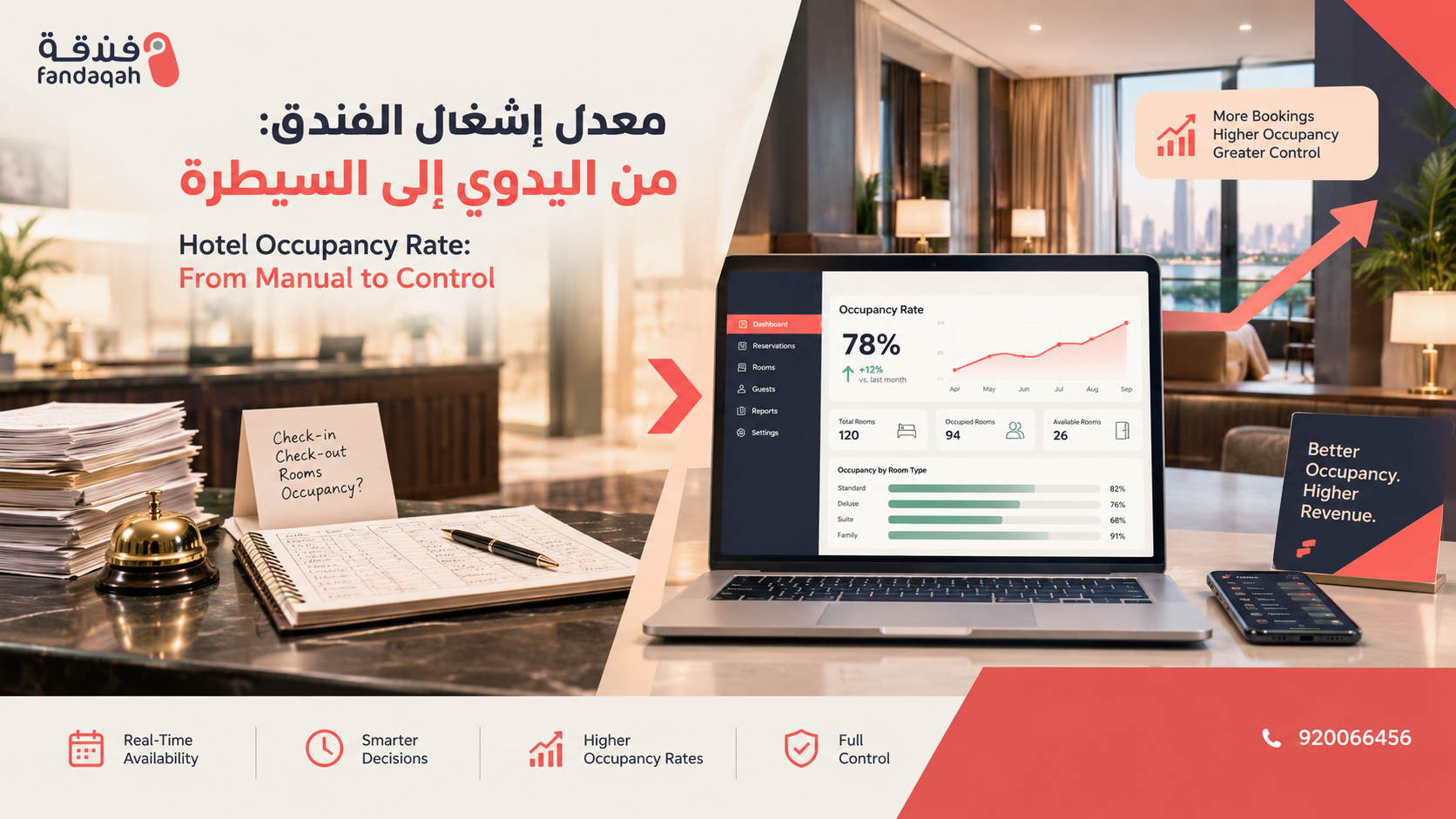
Learn how to calculate hotel occupancy rate, link it to ADR & RevPAR, fix manual errors, and grow revenue in Saudi Arabia with real-time PMS control....
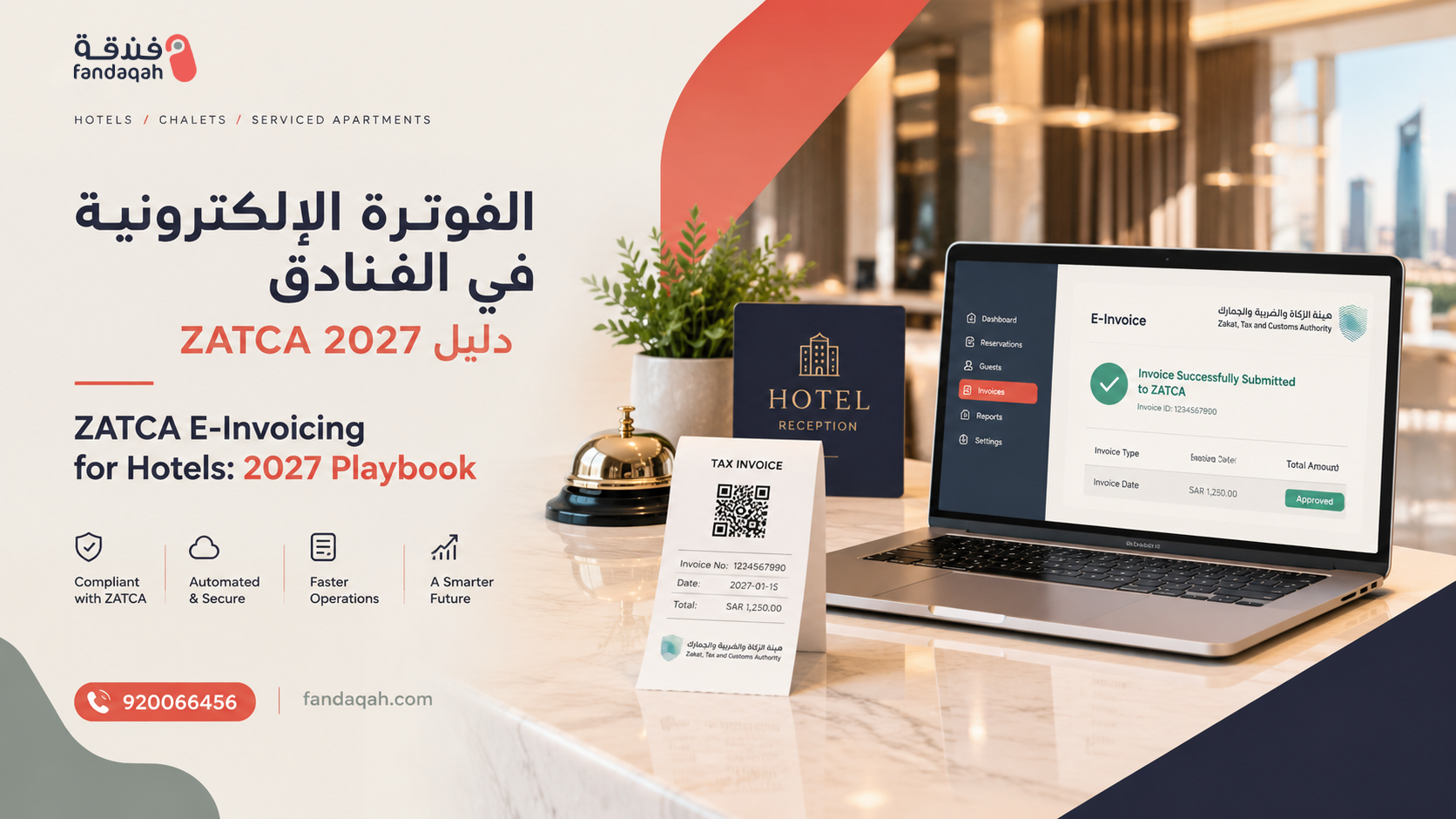
Practical 2027 guide to ZATCA e-invoicing for Saudi hotels: Phase 2, clearance vs reporting, deposits, credit notes, group/corporate billing & compliance steps....
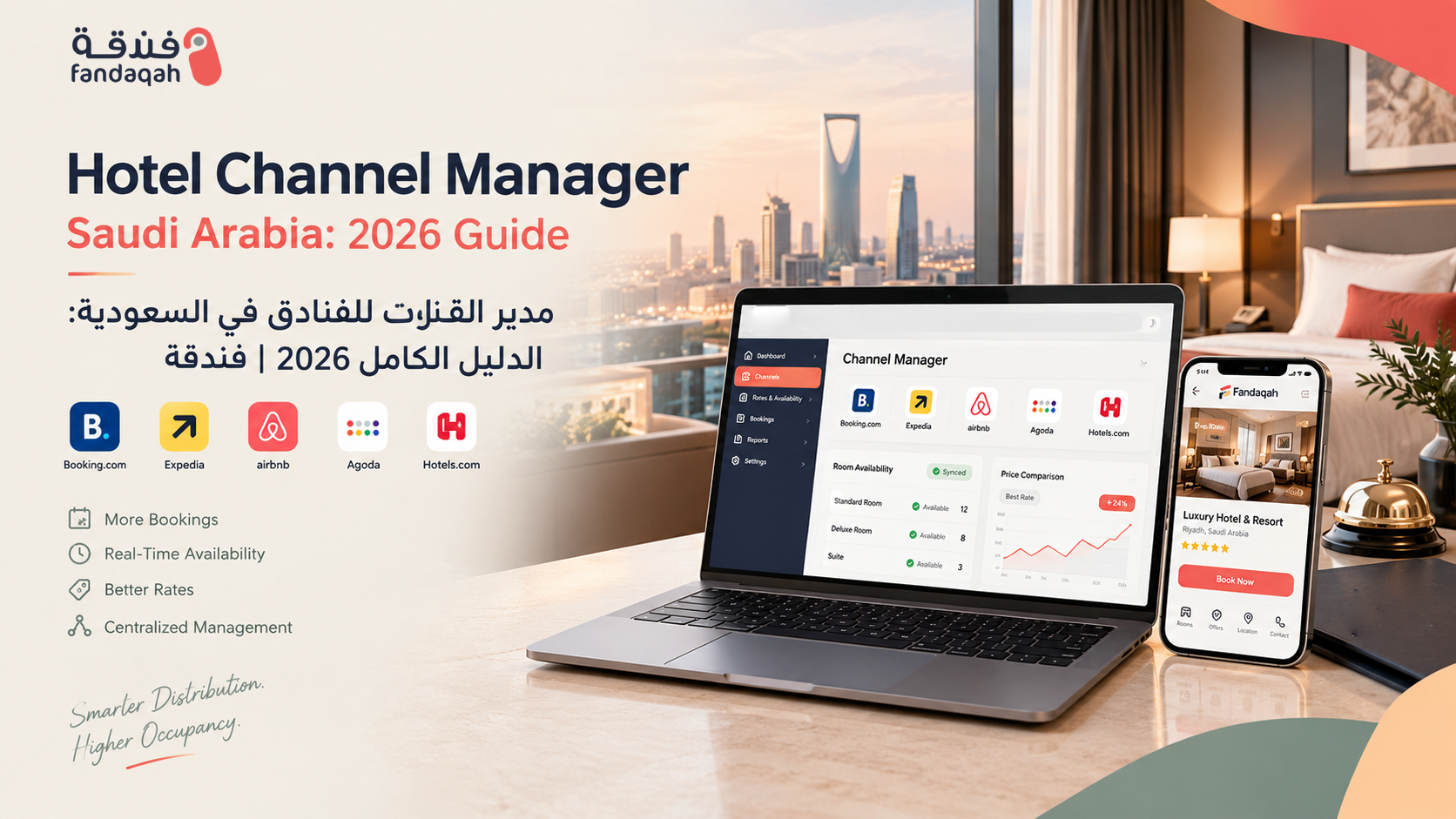
Learn how a hotel channel manager works in Saudi Arabia: prevent overbooking, protect rate parity, sync inventory in real time, and grow bookings for KSA hotels....
Before buying a hotel booking engine in Saudi Arabia, check mada & Apple Pay, Arabic RTL, mobile speed, real-time PMS sync, PDPL & ZATCA readiness....
Improve your hotel PMS selection criteria in Saudi Arabia: ZATCA, Shomoos, PDPL, Arabic support, integrations, scoring model, use cases and vendor proof checklist....
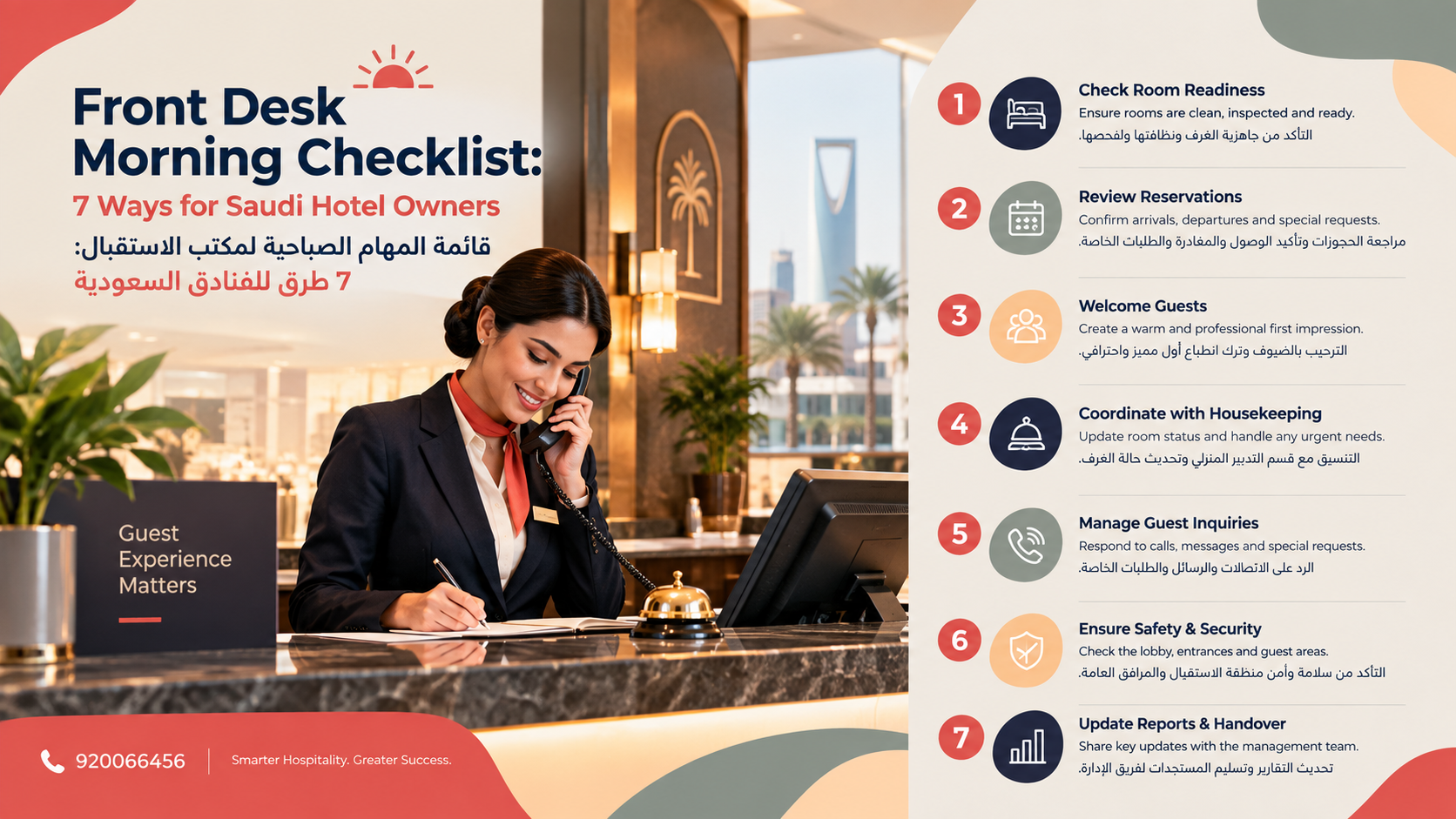
Improve your hotel front desk morning checklist with 7 proven ways for Saudi hotels: shift handover, Shomoos, ZATCA, housekeeping sync, arrivals and Ramadan tips....
Learn how Fandaqah’s hotel channel manager in Saudi Arabia stops overbookings with real-time inventory sync, cuts OTA commissions, and grows direct bookings from 0 to 100 a month....
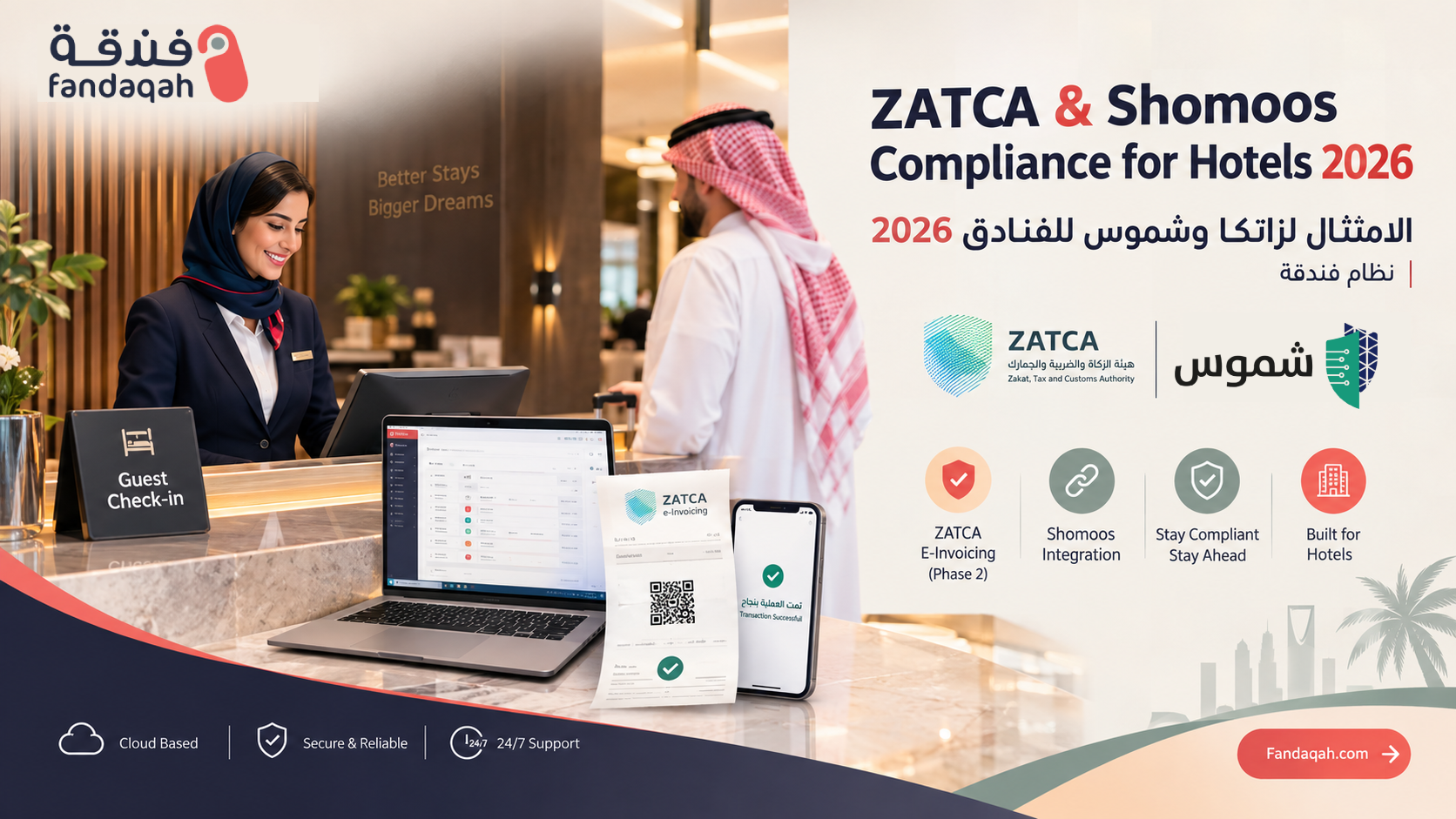
Complete 2026 guide to ZATCA e-invoicing Phase 2 and Shomoos guest registration. See how Fandaqah’s Saudi hotel PMS automates both from a single check-in....
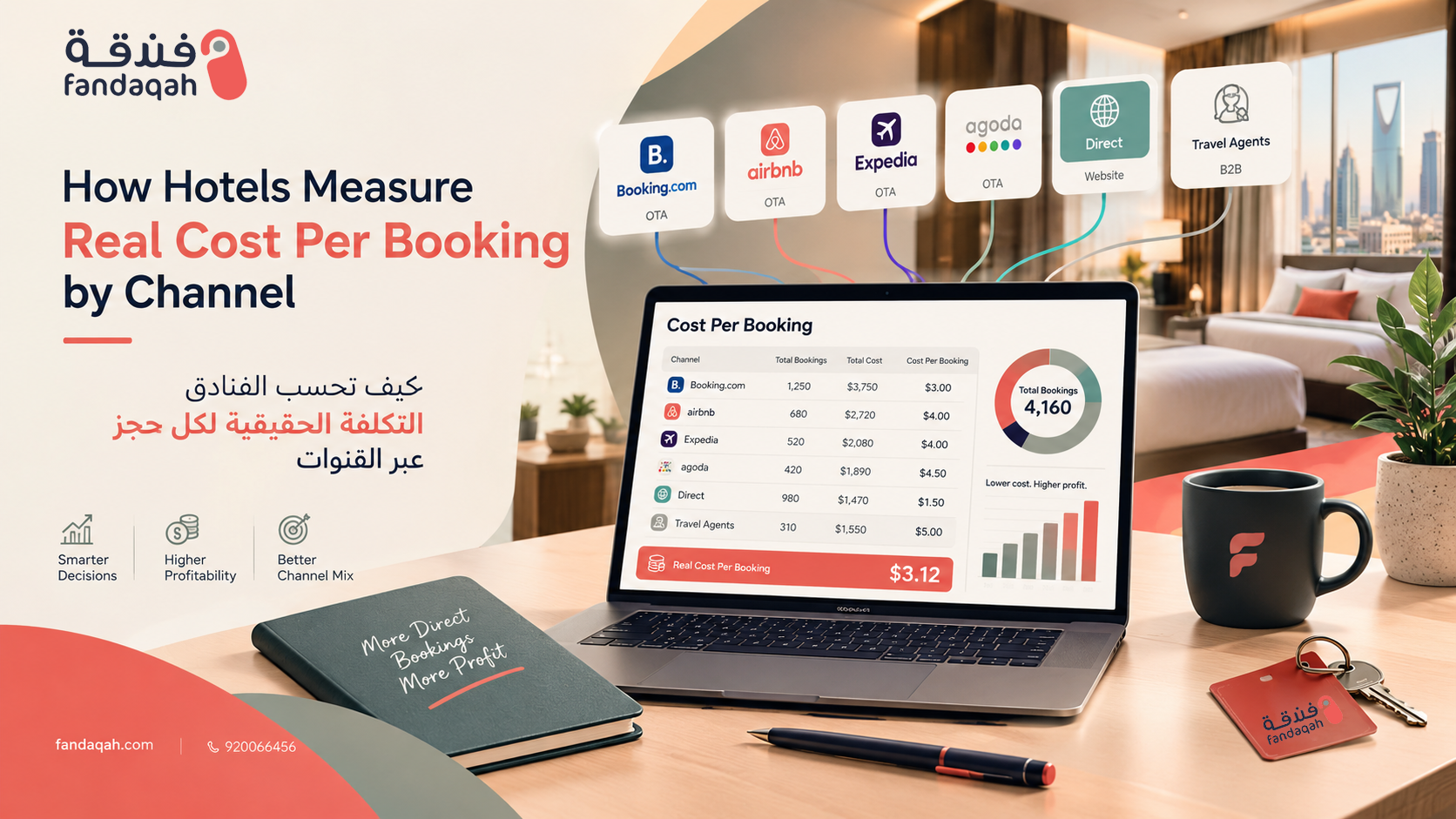
Calculate true hotel cost per booking across OTA, direct, GDS & WhatsApp. Step-by-step formula, Riyadh example & ways to cut distribution costs in Saudi Arabia....
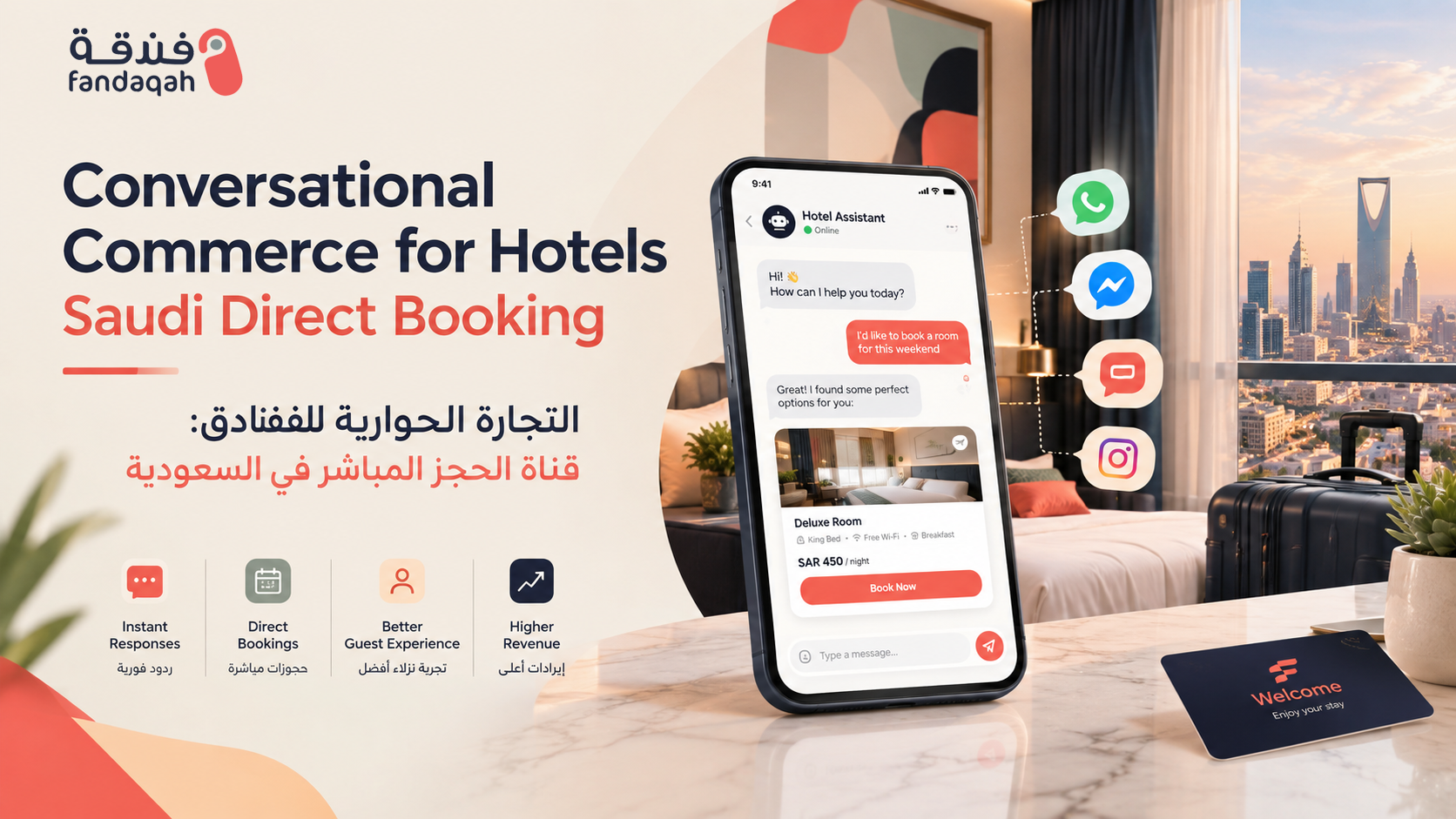
How WhatsApp hotel booking, AI assistants & in-chat payments turn guest chats into direct reservations. Build a commission-free channel for Saudi hotels....

Learn how to calculate the true cost of a hotel stay in Saudi Arabia. Discover when breakfast and parking are worth it, how to get room upgrades, and when flexible rates save you money....
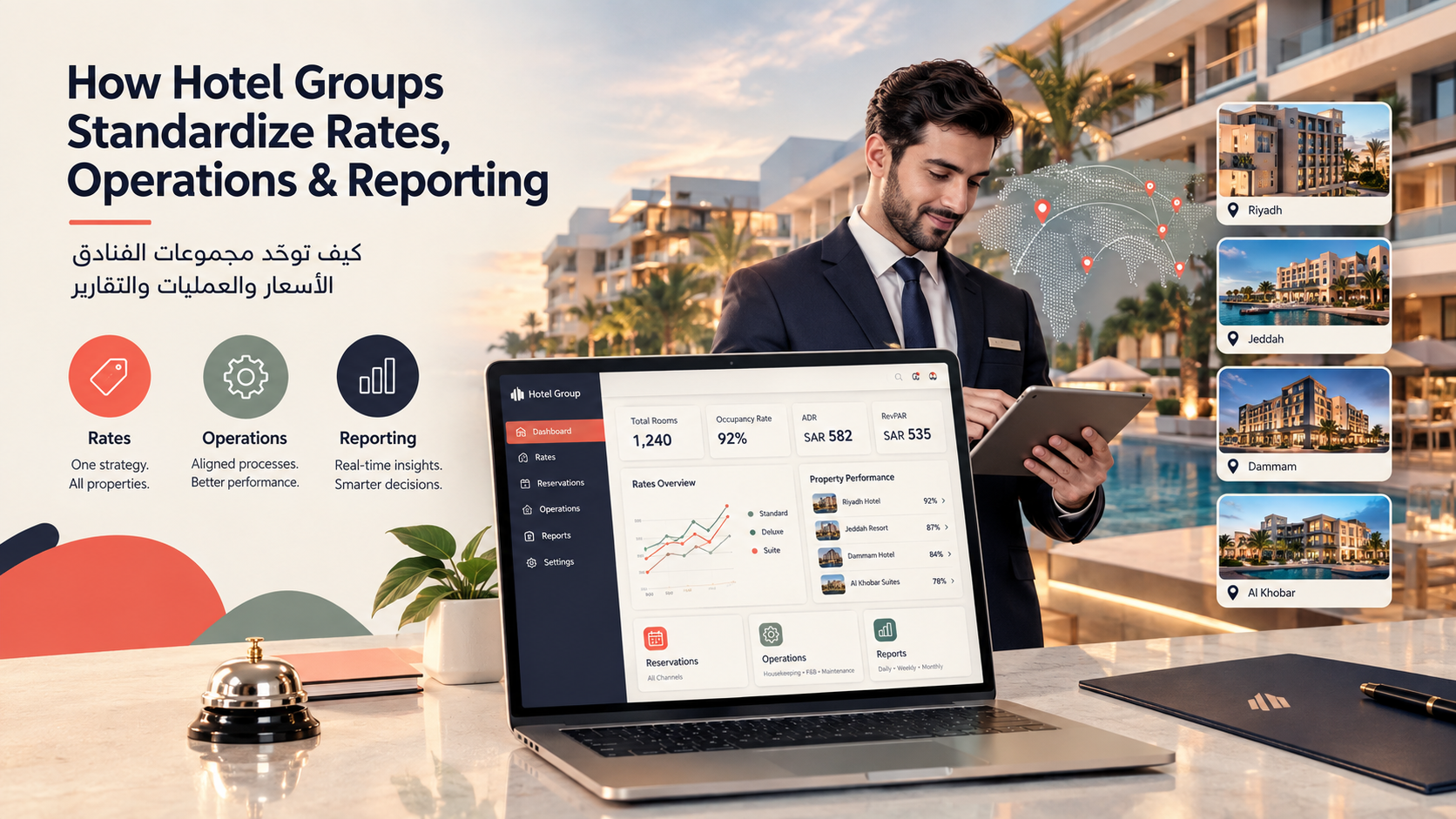
Learn how Saudi hotel groups standardize rates, operations and reporting across properties with a multi-property PMS, shared KPIs and scalable processes....
Discover the practical signs a growing hotel group has outgrown separate systems and should switch to a multi-property PMS for better control, reporting, and scale in Saudi Arabia....
Learn how multi-property hotels in Saudi Arabia stop duplicate guest and reservation records with a centralized PMS, smart matching, channel sync, and data governance....
Complete guide to hotel food & beverage manager duties, food cost control, menu engineering, and how POS–PMS integration cuts waste and boosts profit in Saudi hotels....
Discover how a hotel PMS eliminates double bookings, wrong room assignments, and billing mistakes in Saudi hotels. ZATCA-compliant, real-time, and built for Vision 2030....
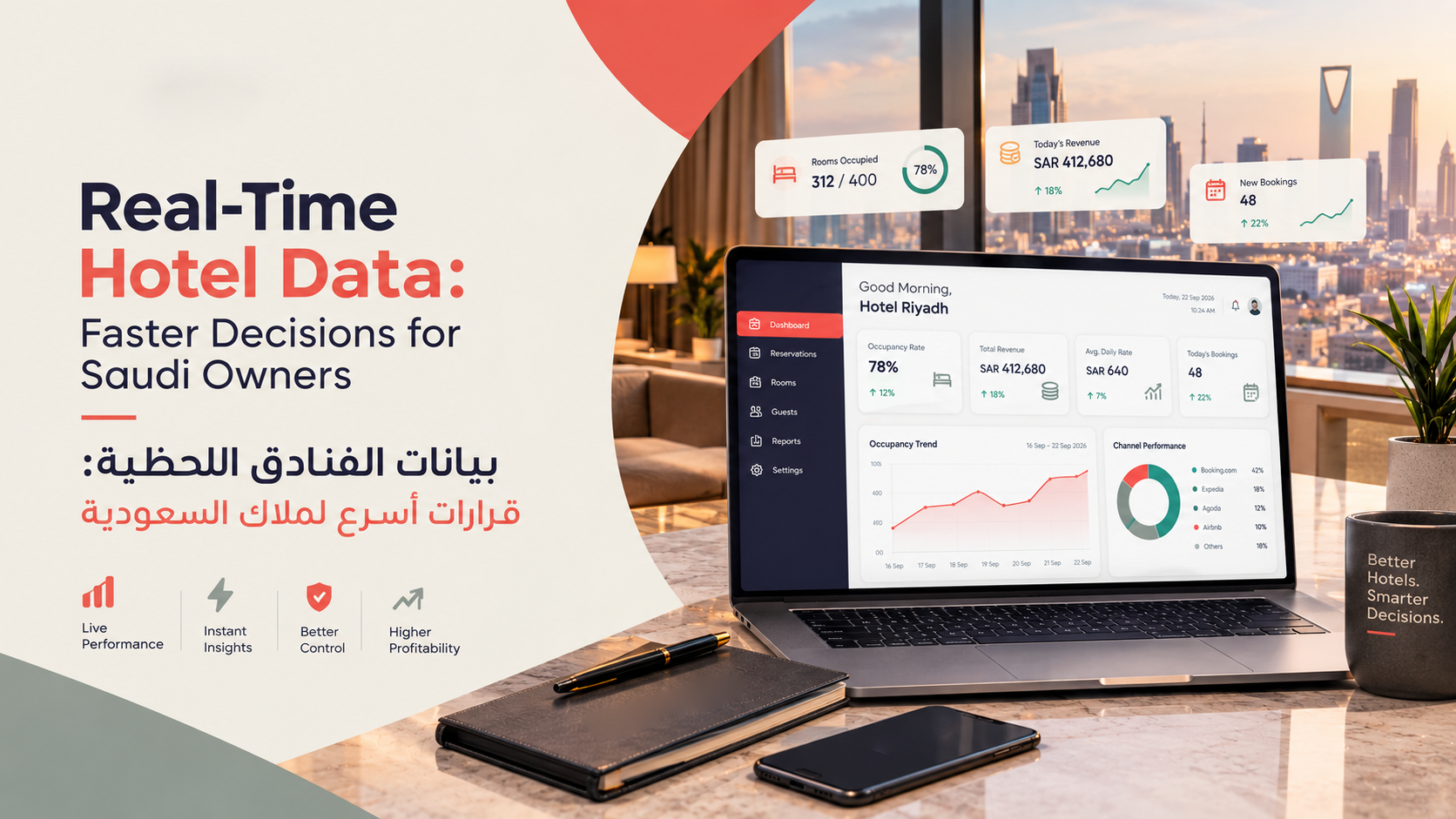
Discover how real-time hotel data helps owners boost RevPAR 5–15%, react to demand in minutes, and stay competitive in Saudi Arabia’s Vision 2030 tourism boom....
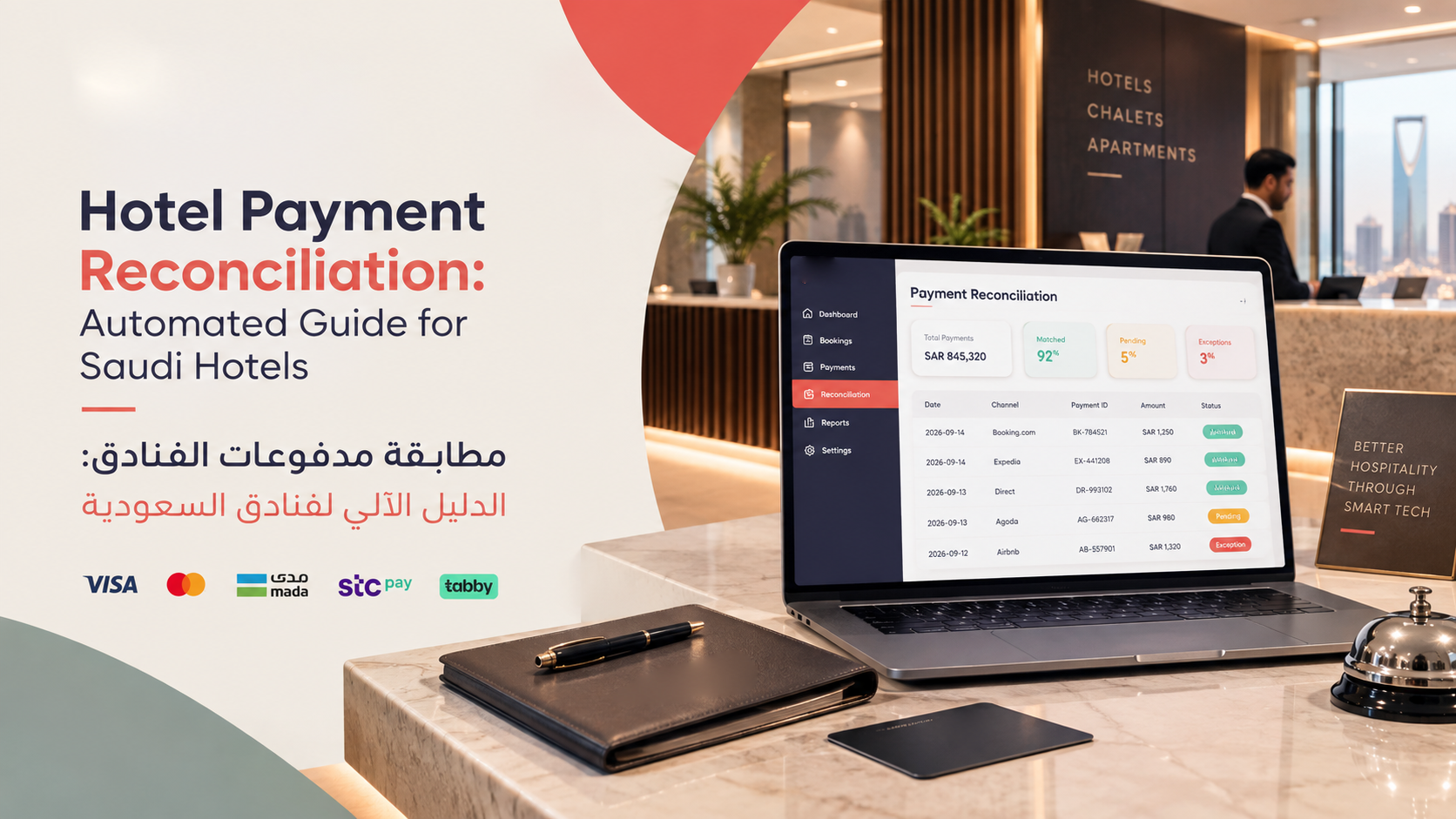
Learn how automated hotel payment reconciliation matches reservations, payments & invoices in real time. Recover revenue, cut time 80–90% & stay ZATCA-ready....
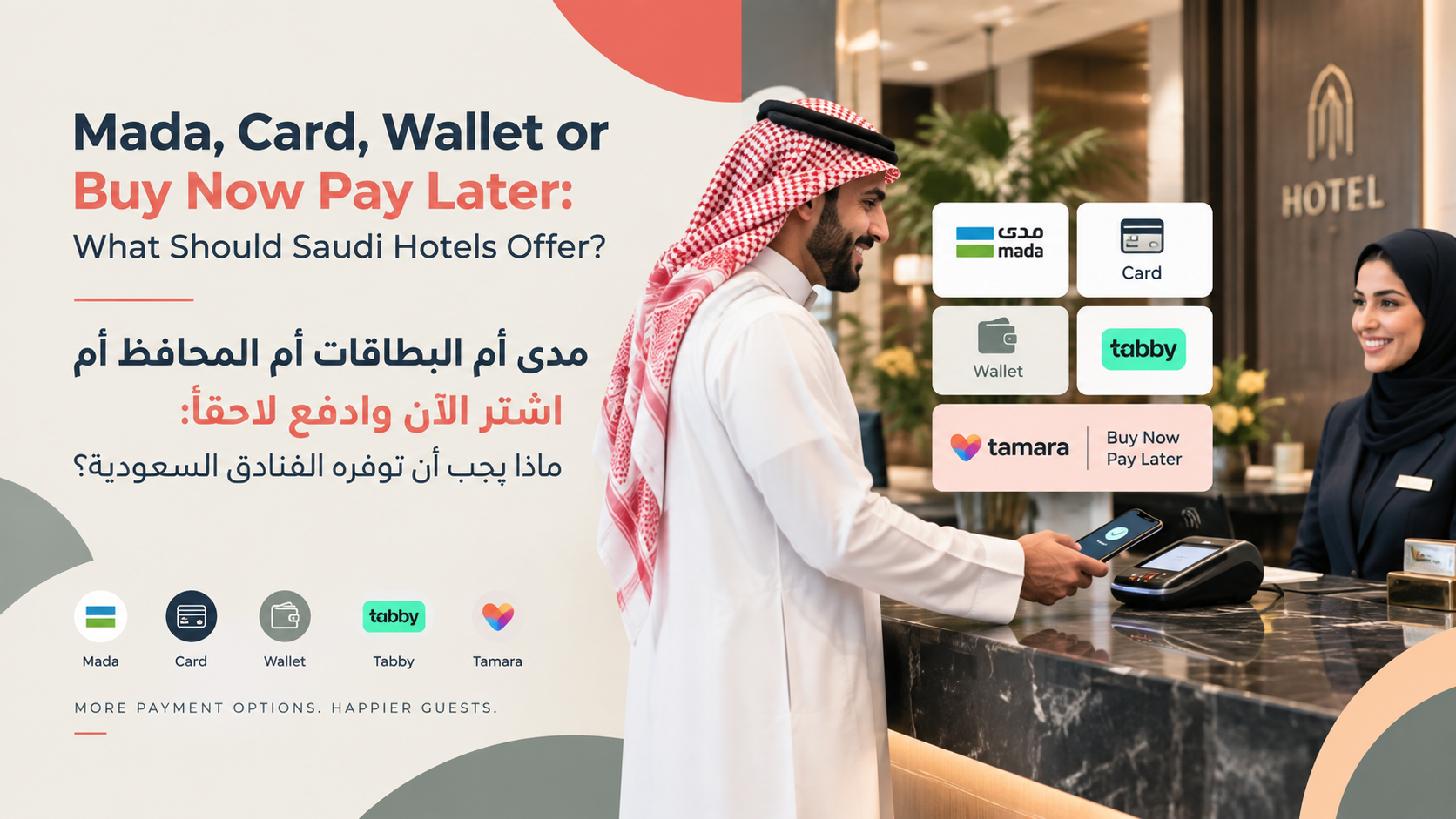
Complete 2026 guide: which payment methods Saudi hotels must offer — Mada, Visa/Mastercard, Apple Pay, Tabby & Tamara — to boost direct bookings and margins....
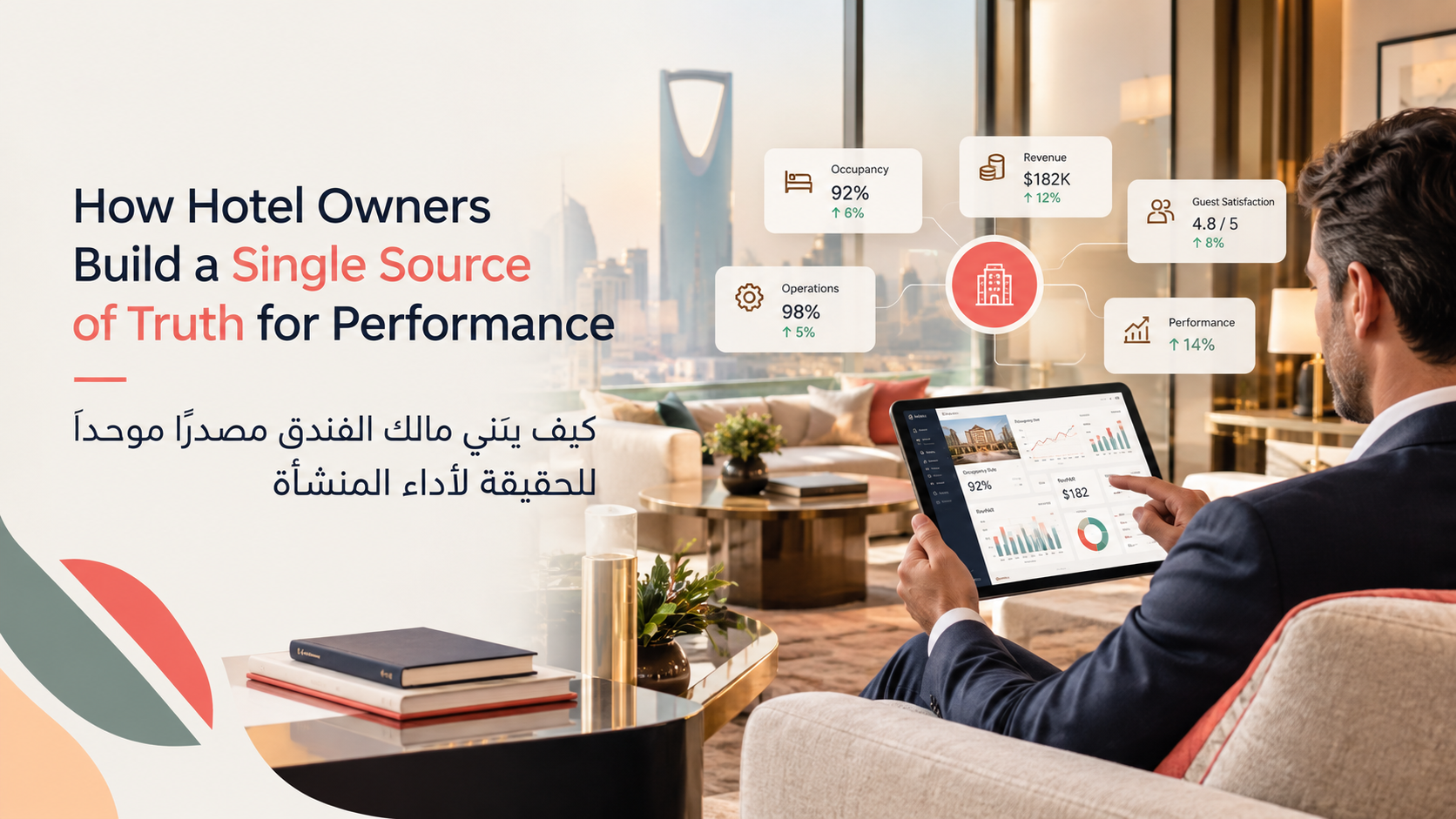
Learn how Saudi hotel owners can build a single source of truth for property performance. Cut reporting time 70–90%, track RevPAR, ADR & occupancy in real time....
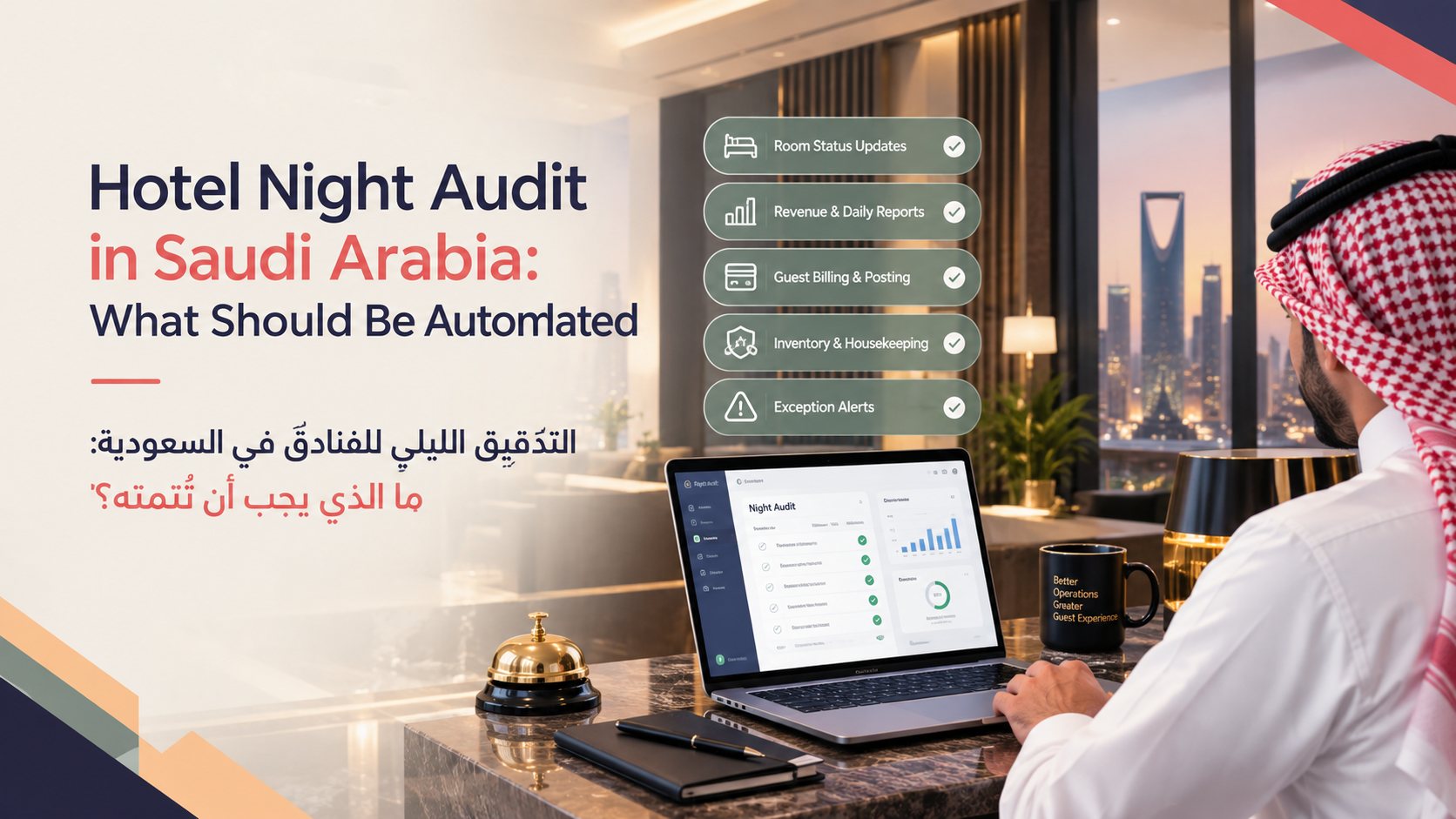
Complete guide to automating hotel night audit in Saudi Arabia: room & tax posting, no-shows, ZATCA Fatoora e-invoicing, payment reconciliation & continuous close....
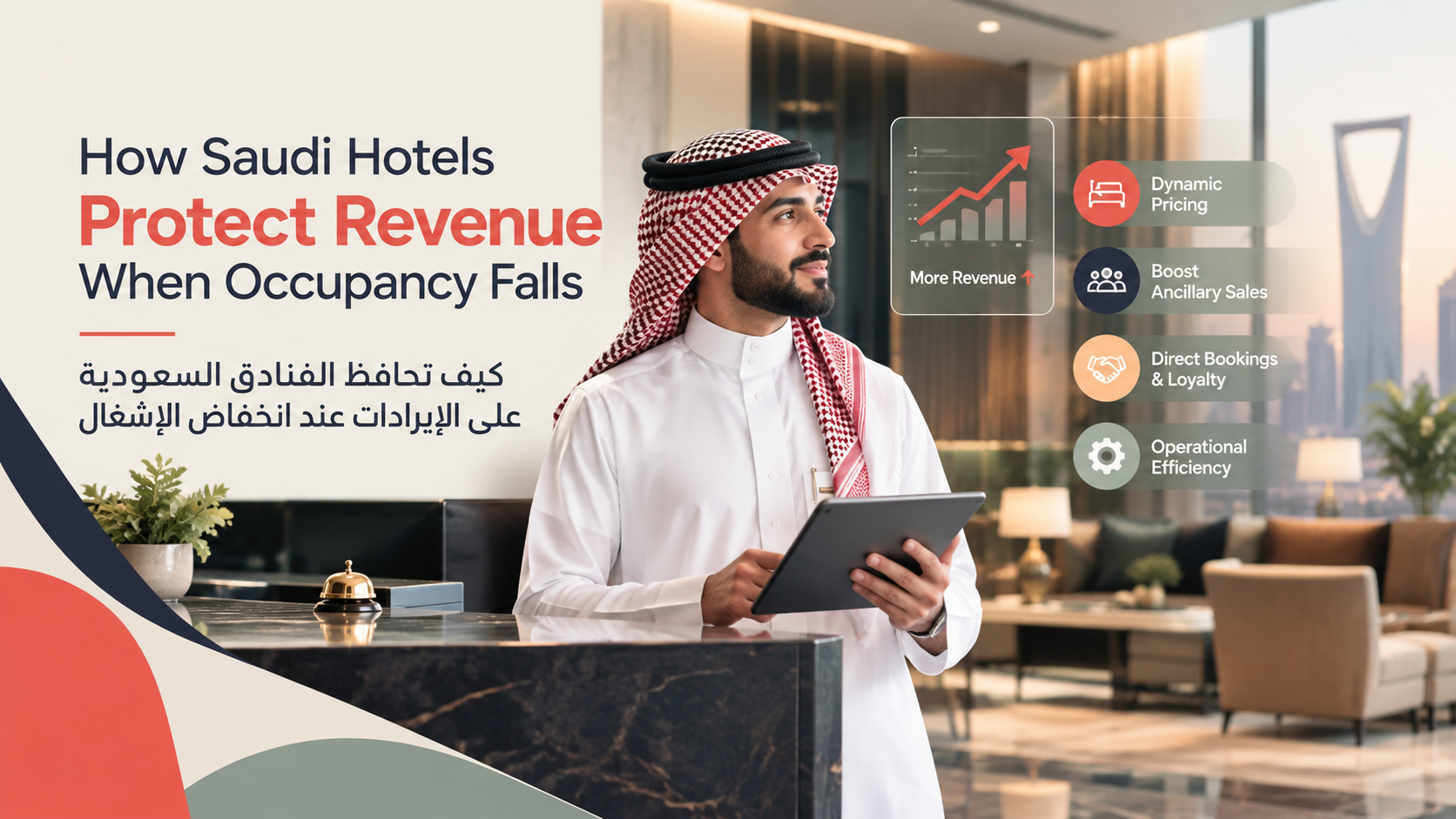
Discover proven strategies for Saudi hotels to protect revenue in low occupancy: dynamic pricing, RevPAR & TRevPAR focus, direct bookings, ancillary income, staycations & Vision 2030 insights....
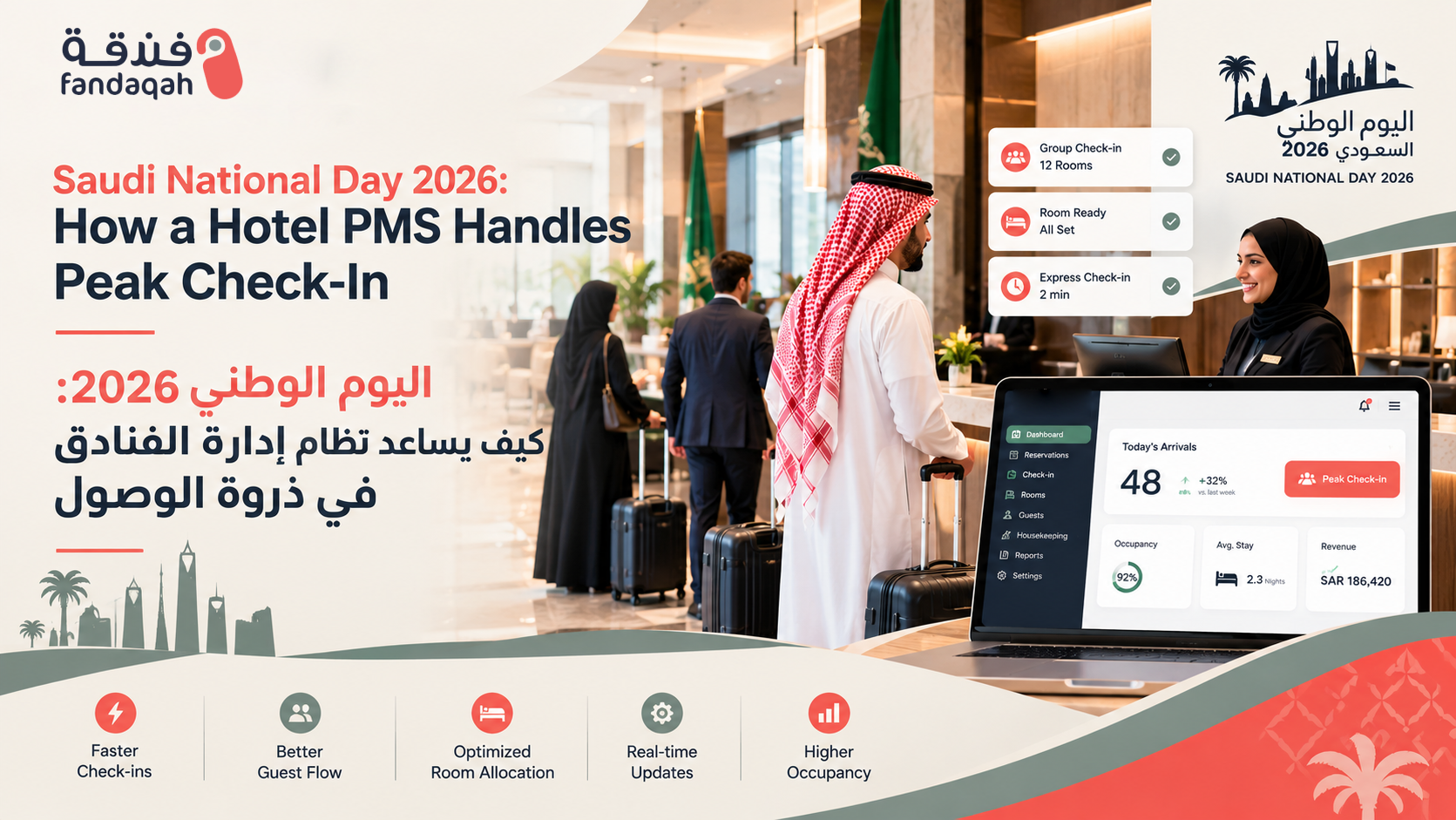
A hotel management system (PMS) cuts queues on Saudi National Day 2026 with pre-check-in, auto room assignment, live housekeeping, channel sync and instant e-invoices. Shorter waits, zero overbookings...
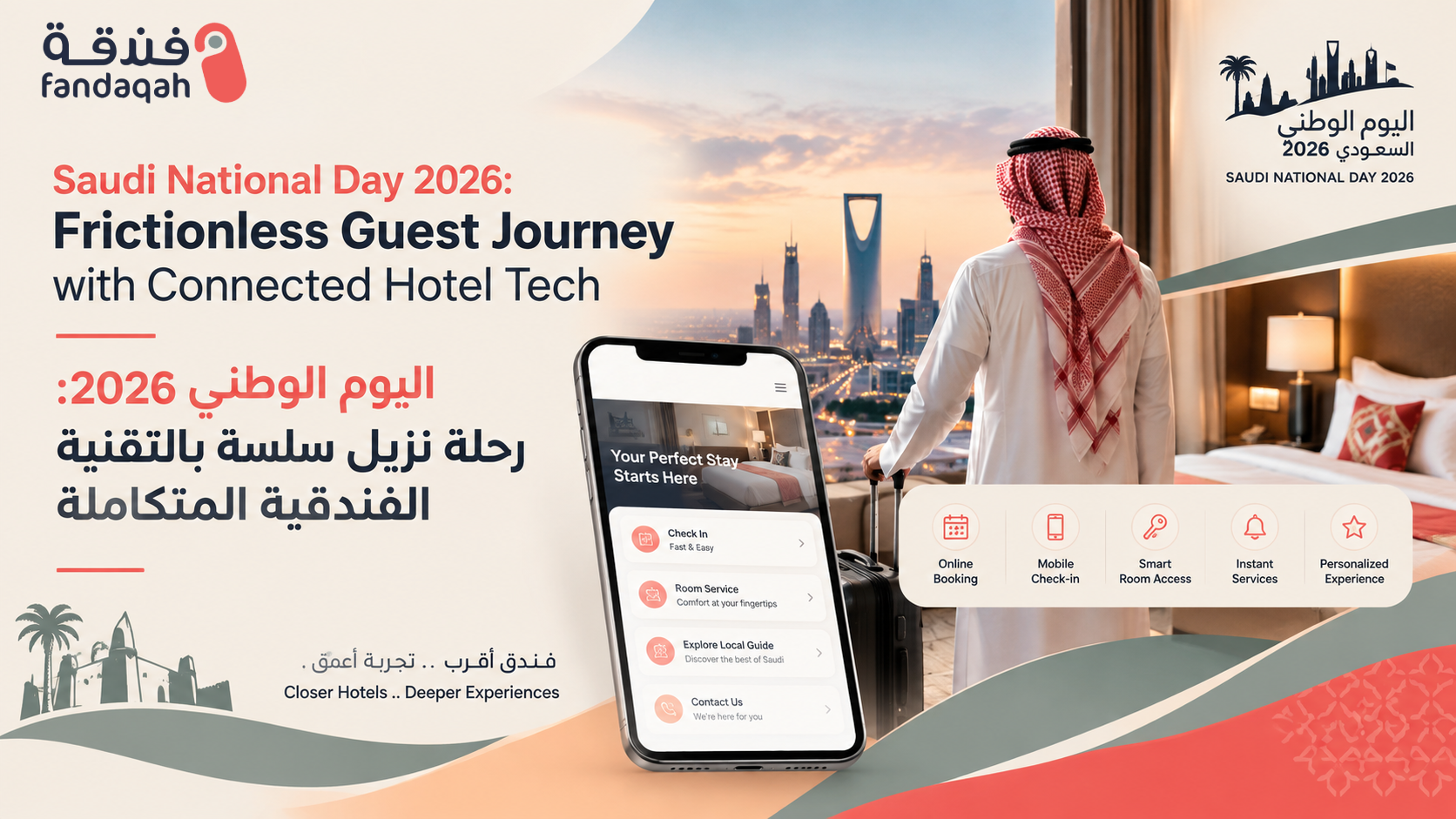
Connected hotel technology creates a seamless guest journey for Saudi National Day 2026. Link PMS, booking engine, POS, mobile keys & more—enter data once, zero friction from search to review....
12 proven strategies to increase direct hotel bookings in Saudi Arabia. Grow commission-free revenue with booking engines, WhatsApp, Google Free Booking Links & more in 2026....
Learn proven strategies to reduce OTA commissions, boost direct bookings, and increase hotel profits in Saudi Arabia. Practical tips for Riyadh, Jeddah, Makkah & more in 2026....
How Fandaqah integrates HyperPay, mada, Visa, Apple Pay, Tamara and Tabby for secure direct hotel payments in Saudi Arabia — with ZATCA invoicing built in....
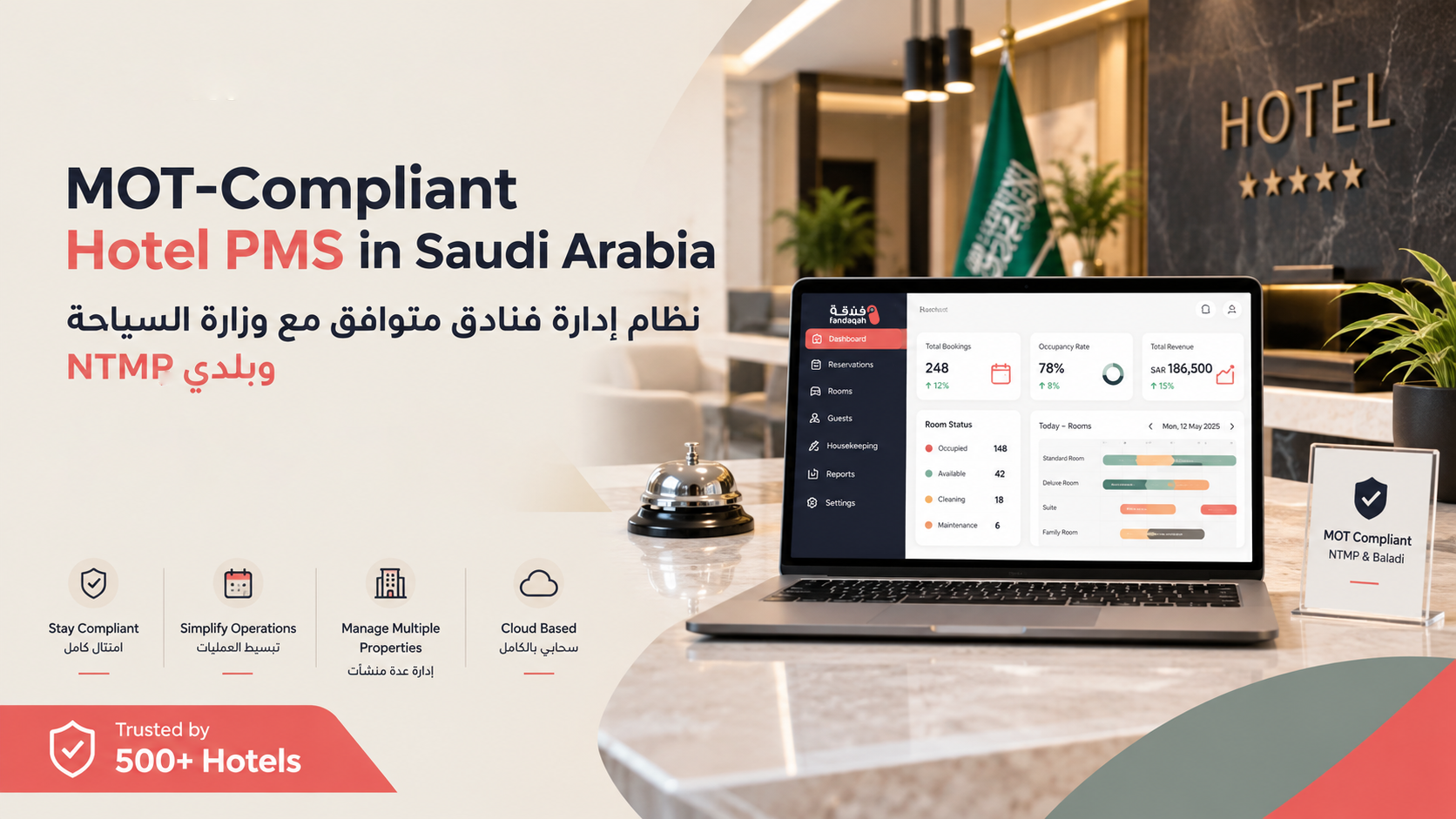
Practical guide to MOT-compliant hotel PMS in Saudi Arabia. Cover NTMP reporting, guest registration, Baladi licences, ZATCA invoicing and how Fandaqah helps....
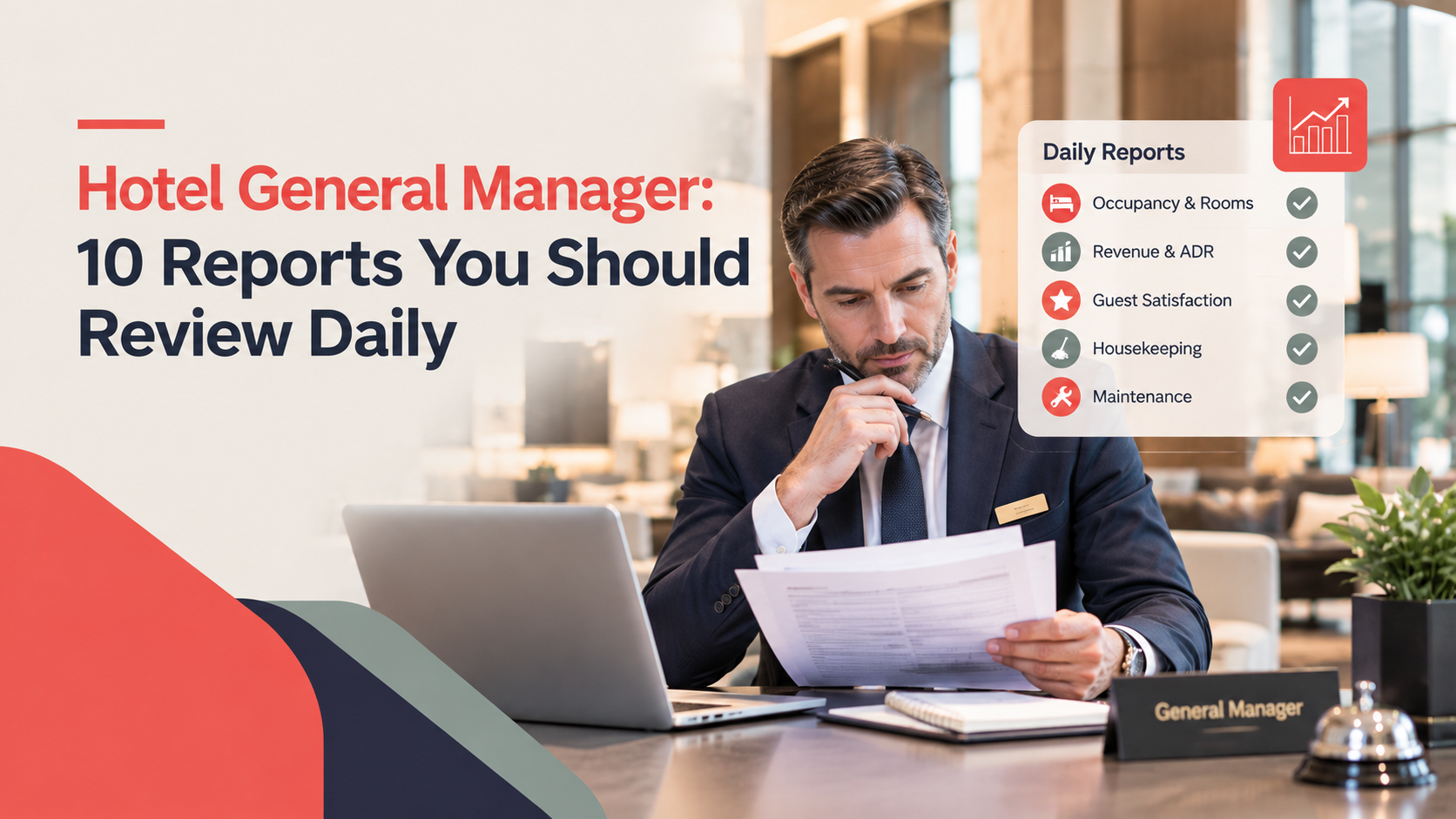
The 10 essential daily hotel reports every general manager should review before 10 a.m.: flash, night audit, ADR & RevPAR, pace, room status, and more — with red flags to watch....
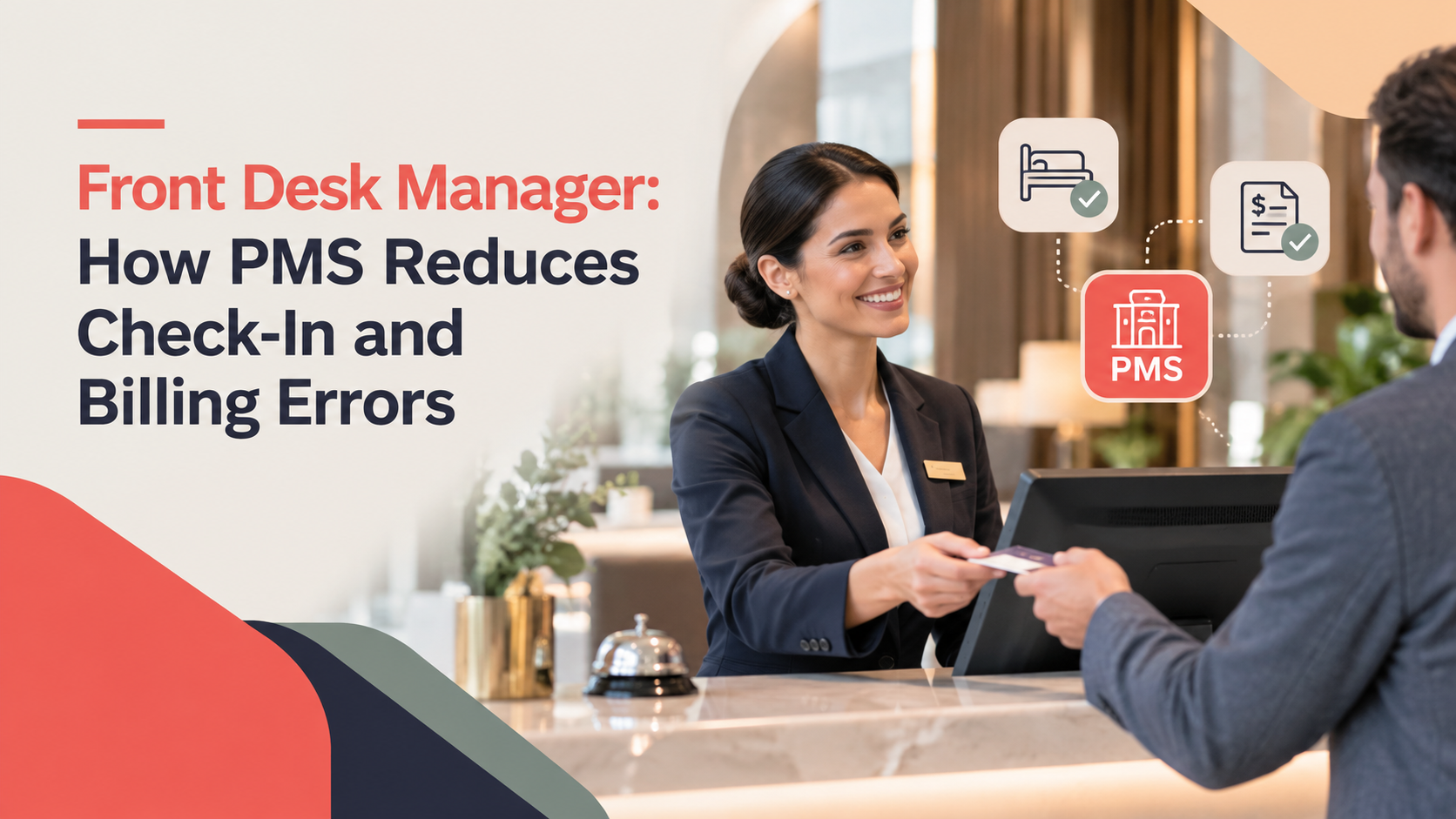
Discover how a hotel PMS cuts front-desk check-in and billing errors with live room status, channel sync, auto POS posting, and ZATCA e-invoicing for Saudi properties....

How hotel sales managers in Saudi Arabia win corporate rate agreements and MICE contracts. Practical RFP tips, smart pricing, account targeting and sales KPIs....
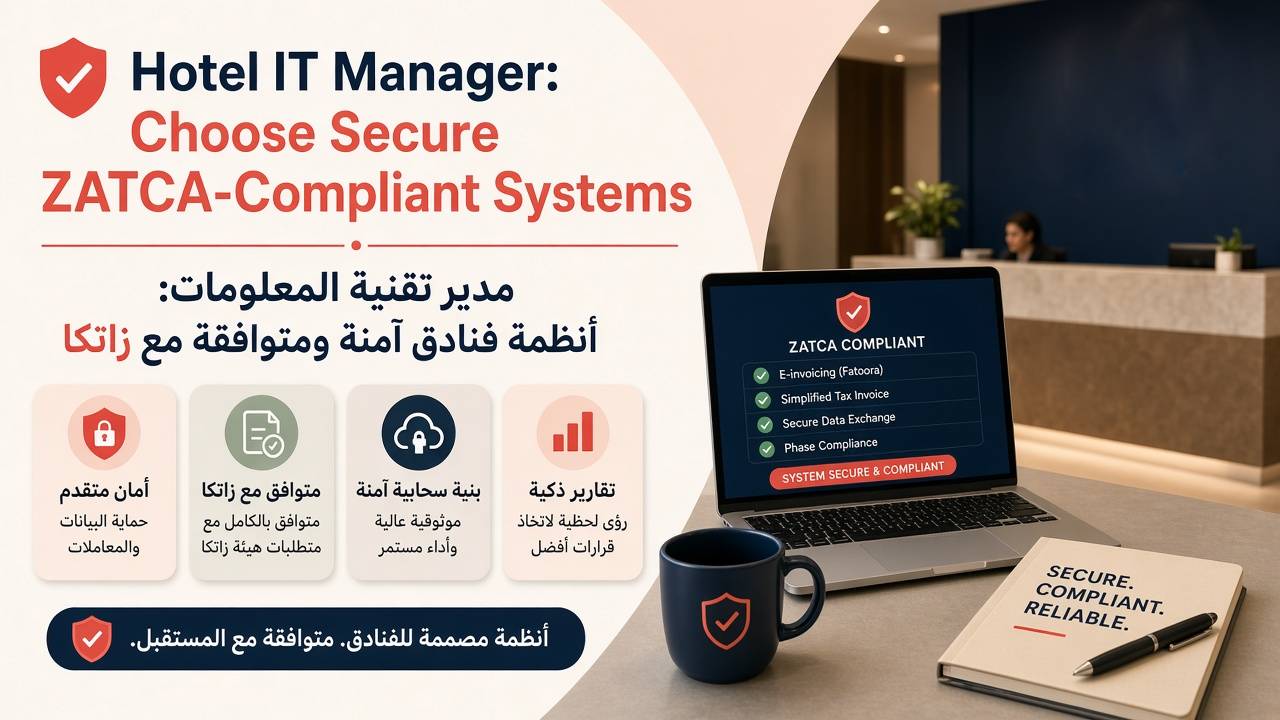
How hotel IT managers in Saudi Arabia select secure, ZATCA Phase 2-compliant PMS systems. Checklist for e-invoicing, Fatoora integration, PDPL & guest data protection....
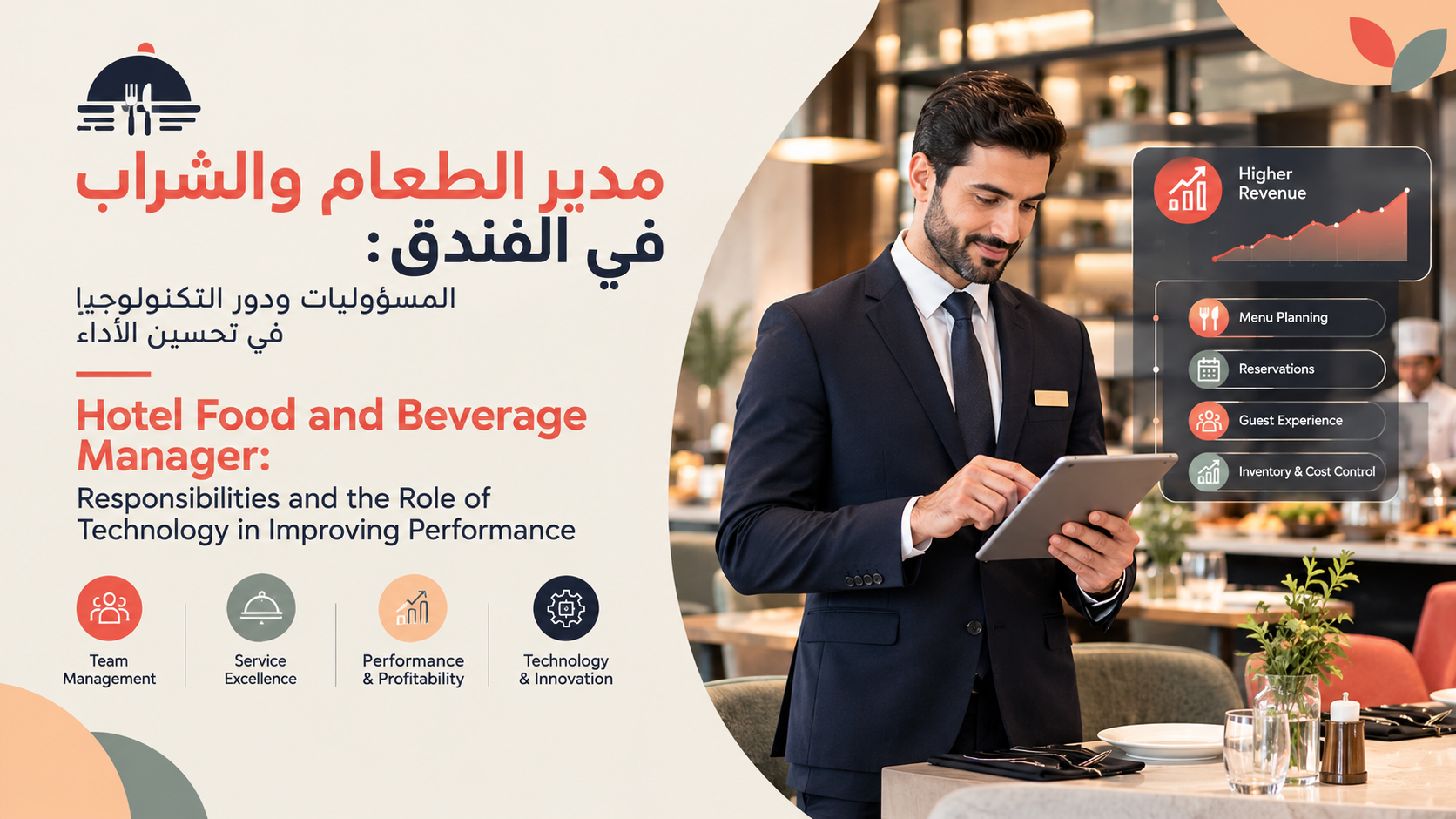
Discover the hotel food and beverage manager’s real duties, key KPIs (food cost %, average check, waste), and how POS-PMS integration cuts costs and raises profit in Saudi hotels....
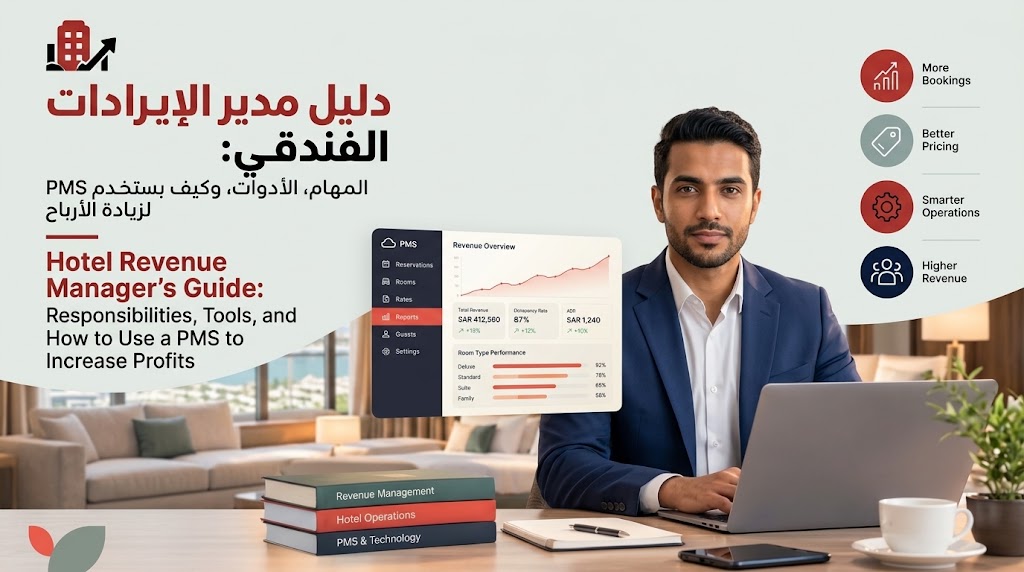
Learn what a hotel revenue manager does daily, the KPIs that matter (RevPAR, ADR, GOPPAR), and 8 practical ways to use a PMS to raise profits in the Saudi market....
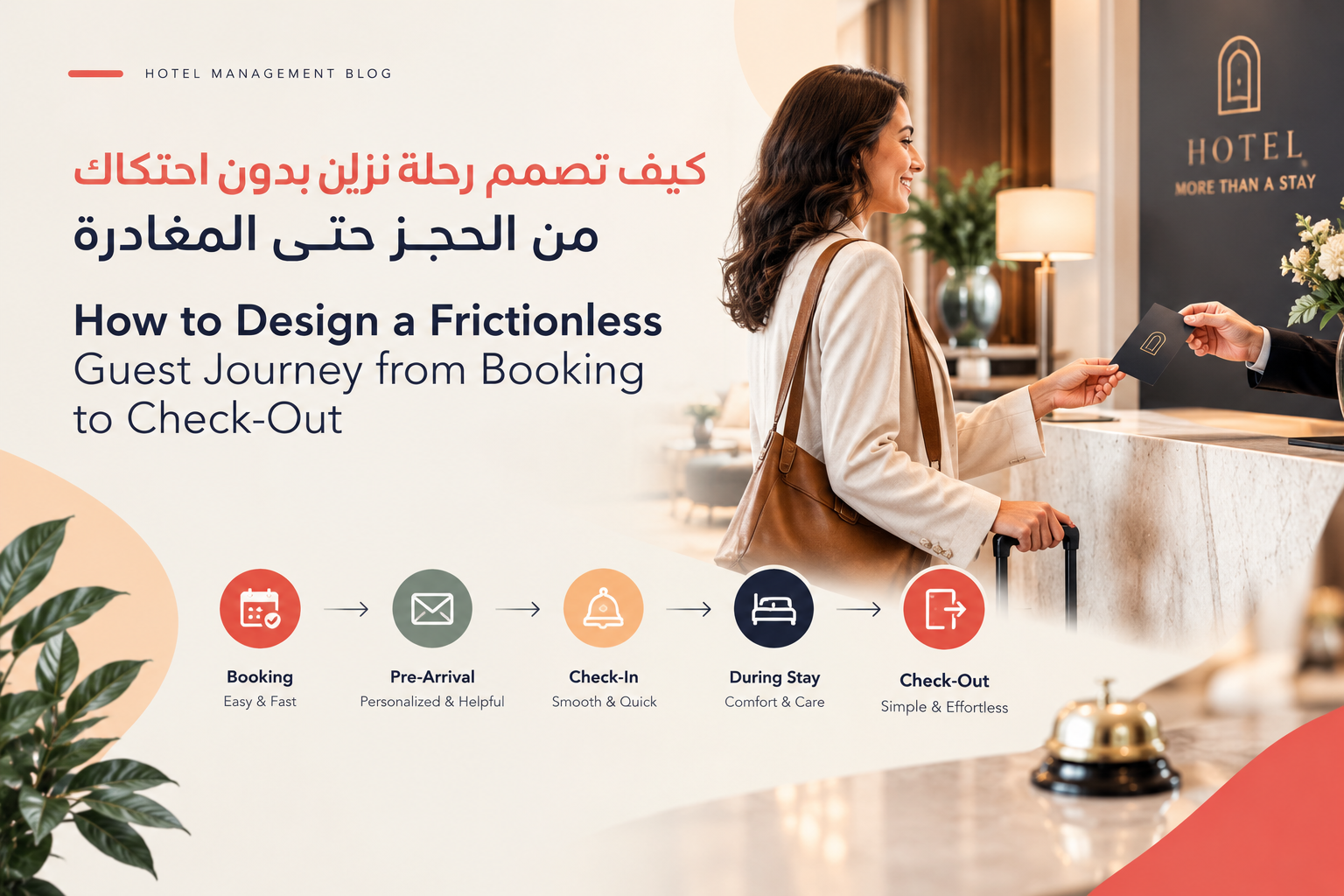
Design a frictionless guest journey in 7 stages. Map friction points, apply 5 principles, cut check-in time, and connect bookings to billing with one PMS. Practical guide for Saudi hotels and serviced...
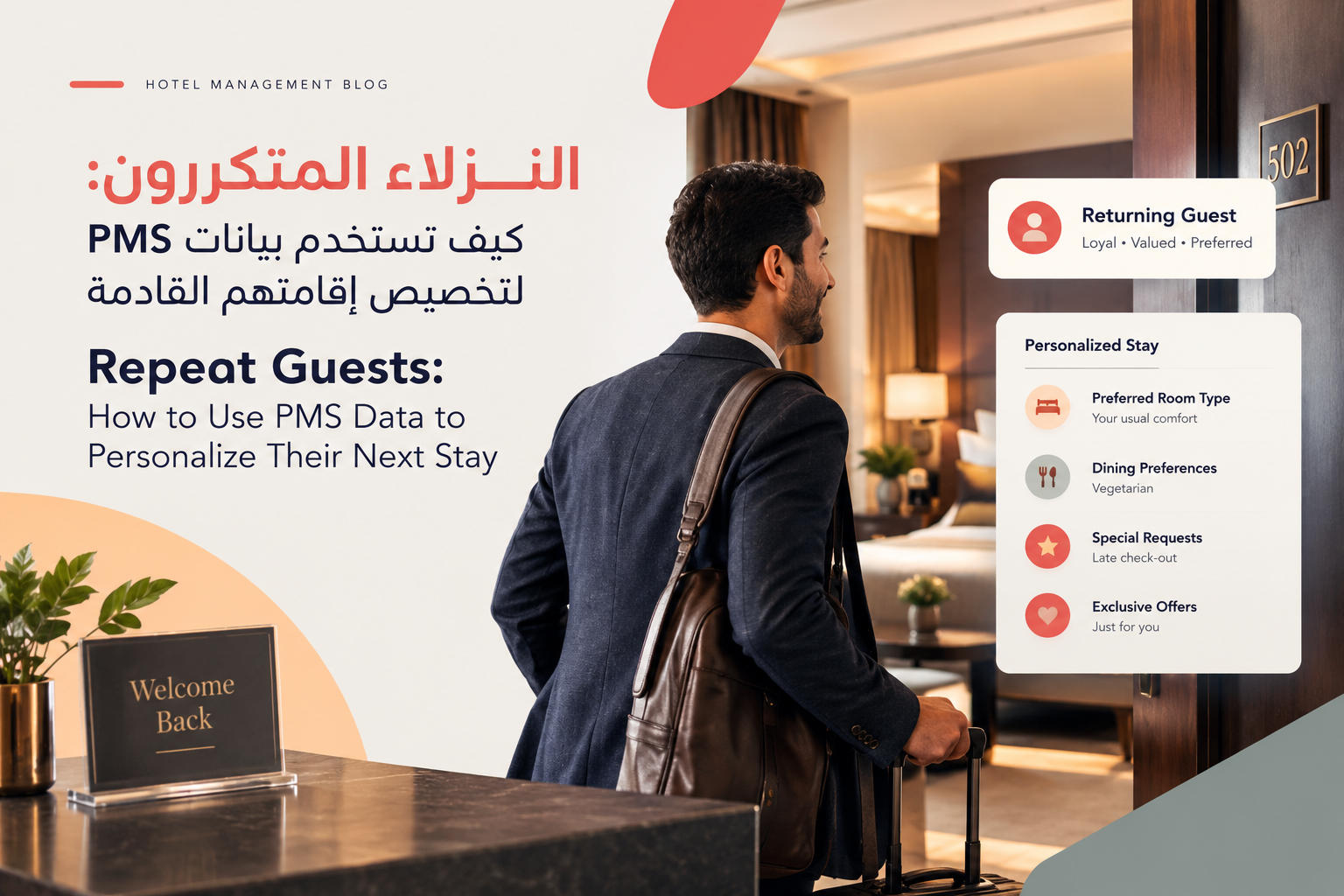
Turn PMS data into personalized stays for repeat guests. 5-step framework: unify profiles, segment, tag preferences, activate at 3 moments, and measure results. Built for Saudi hotels & serviced apart...
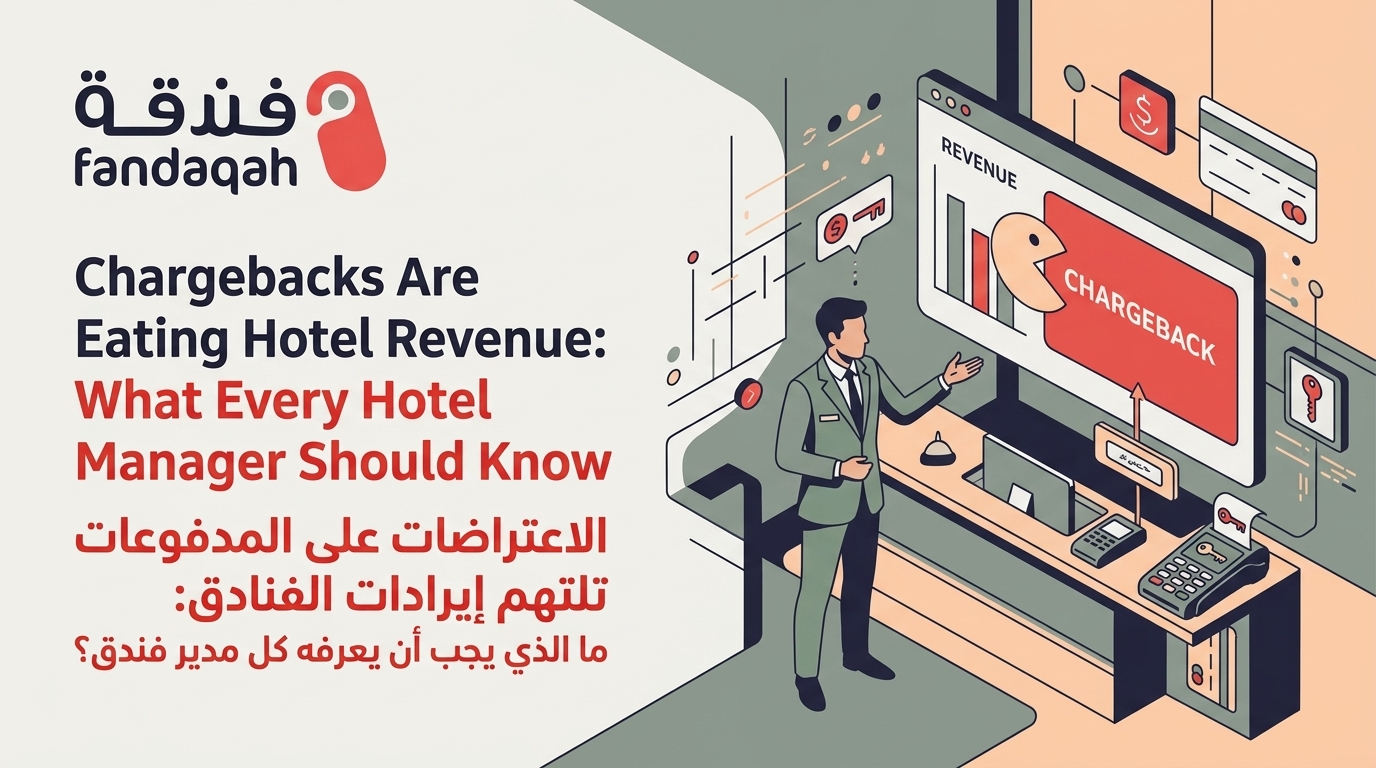
Is your hotel battling rising chargebacks? Discover why chargebacks are eating into hotel revenue and learn essential strategies to prevent, dispute, and protect your bottom line from fraudulent claim...
By 2030, hotel payment landscapes will be unrecognizable. Explore how biometrics, digital wallets, and blockchain are set to redefine the guest experience, moving beyond traditional cards and cash for...
Prevent payment collection errors and streamline your hotel's end-of-day operations. Discover expert strategies, technology solutions, and best practices to ensure accurate financial reconciliation an...
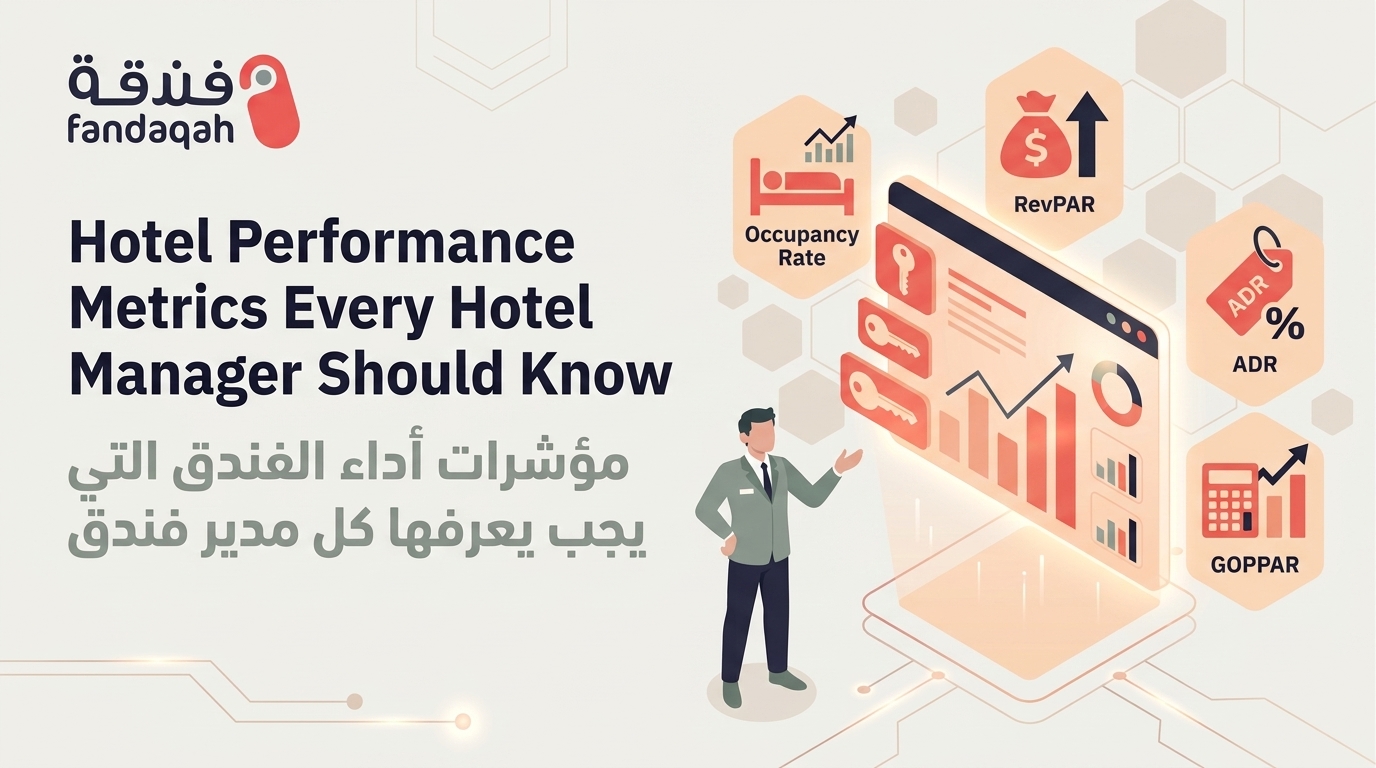
Unlock hotel success with key performance indicators. Learn the essential metrics like RevPAR, ADR, Occupancy, GOPPAR, and more that every hotel manager needs to master for profitability and growth....

Unlock the secrets to boosting your hotel's direct bookings. This expert guide provides actionable strategies, from enhancing your online presence to personalizing guest experiences, all without compr...
Unlock the secrets to transforming first-time hotel guests into lifelong advocates. Discover actionable strategies for exceptional service, personalized experiences, and powerful loyalty programs that...
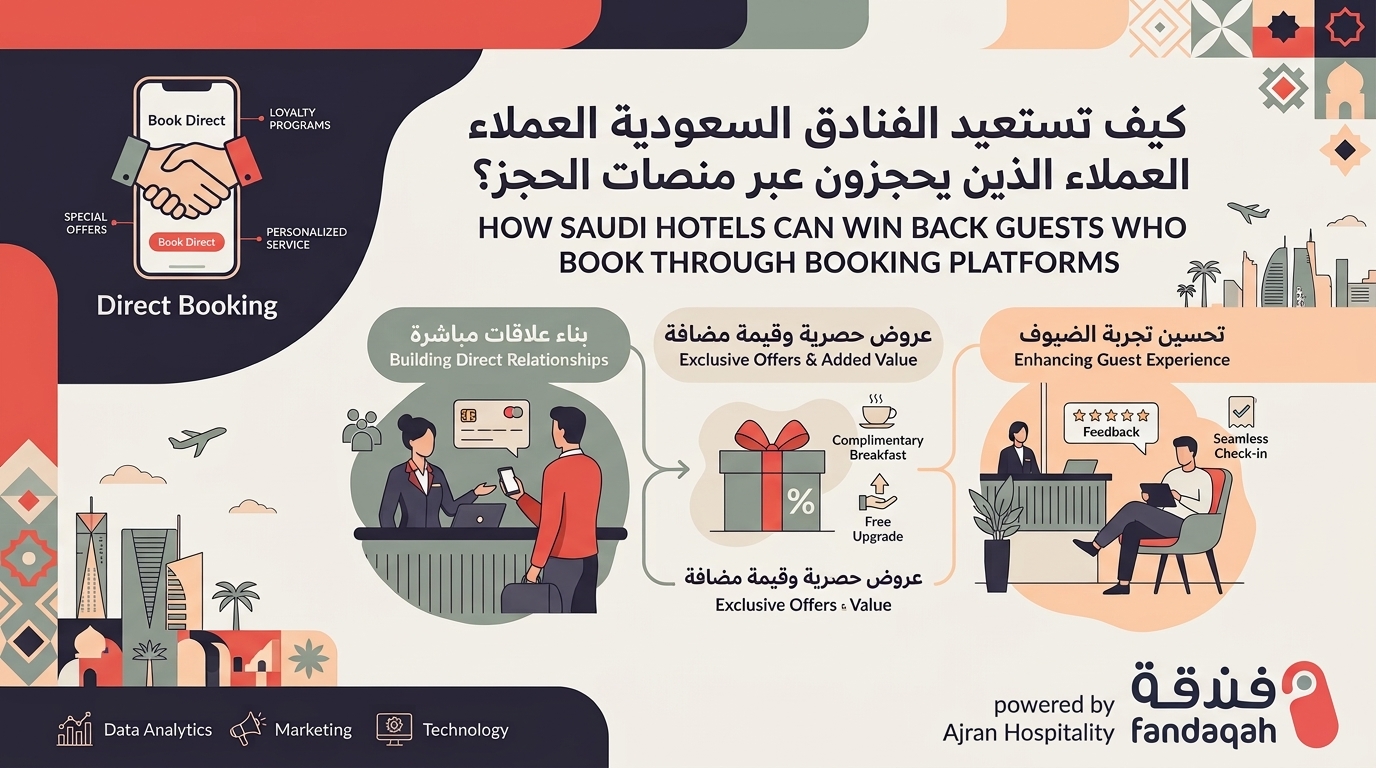
Saudi hotels can reclaim direct bookings from OTAs. Discover expert strategies to enhance guest loyalty, personalize experiences, optimize your online presence, and drive repeat business directly to y...
Discover why hotel guests will increasingly choose WhatsApp over traditional phone calls by 2026. Explore the convenience, efficiency, and personalized communication driving this digital shift in hosp...
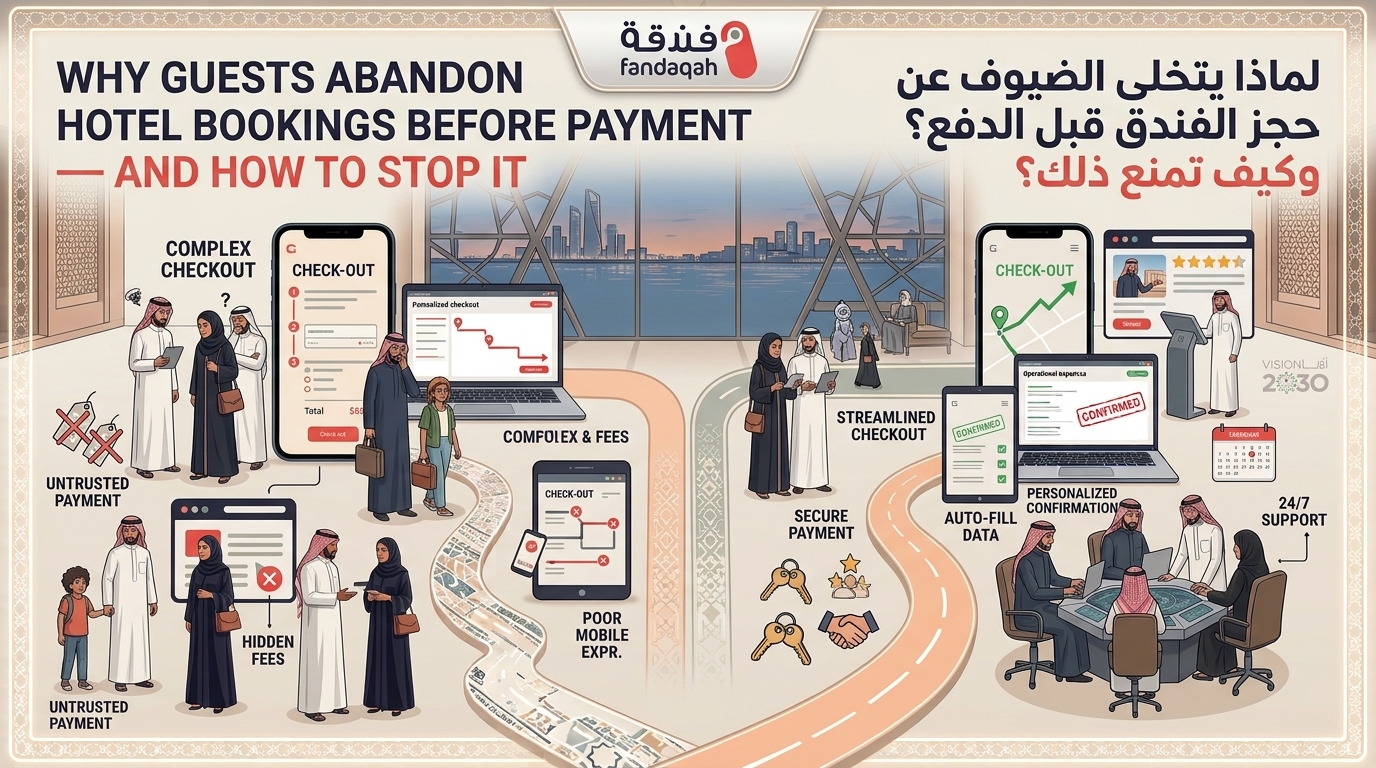
Uncover the top reasons guests abandon hotel bookings before payment and learn expert strategies to reduce cart abandonment, boost conversions, and maximize revenue....
Prepare for the future of hospitality in Saudi Arabia. Discover the top 10 trends poised to shape hotel revenue in 2027, from AI integration to sustainable tourism, and learn how to optimize your stra...
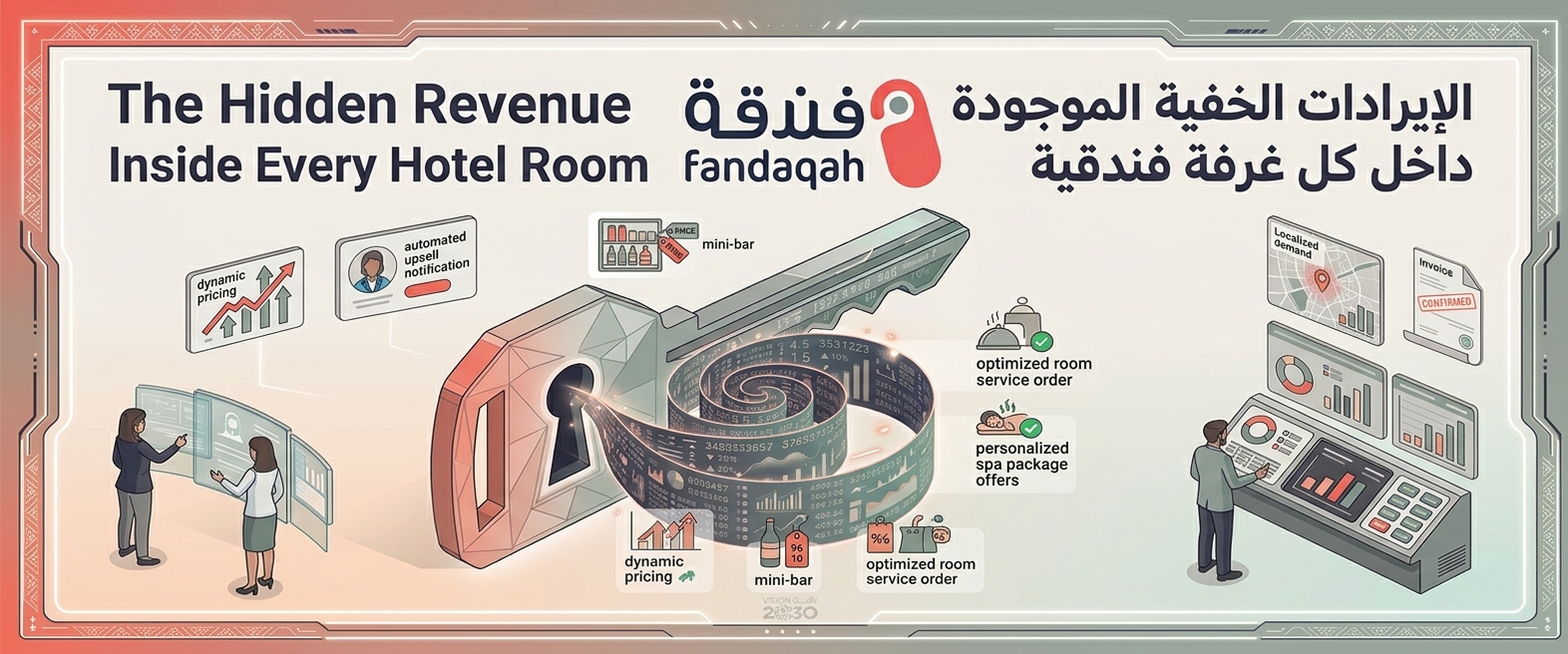
Unlock the untapped revenue potential hidden within your hotel rooms. Discover expert strategies, from personalized upsells to smart technology, to maximize profitability and guest satisfaction withou...
Uncover the unique motivations behind Saudi guests' hotel reviews and the cultural nuances that drive virality. Learn how hospitality businesses can leverage these insights for unparalleled guest enga...
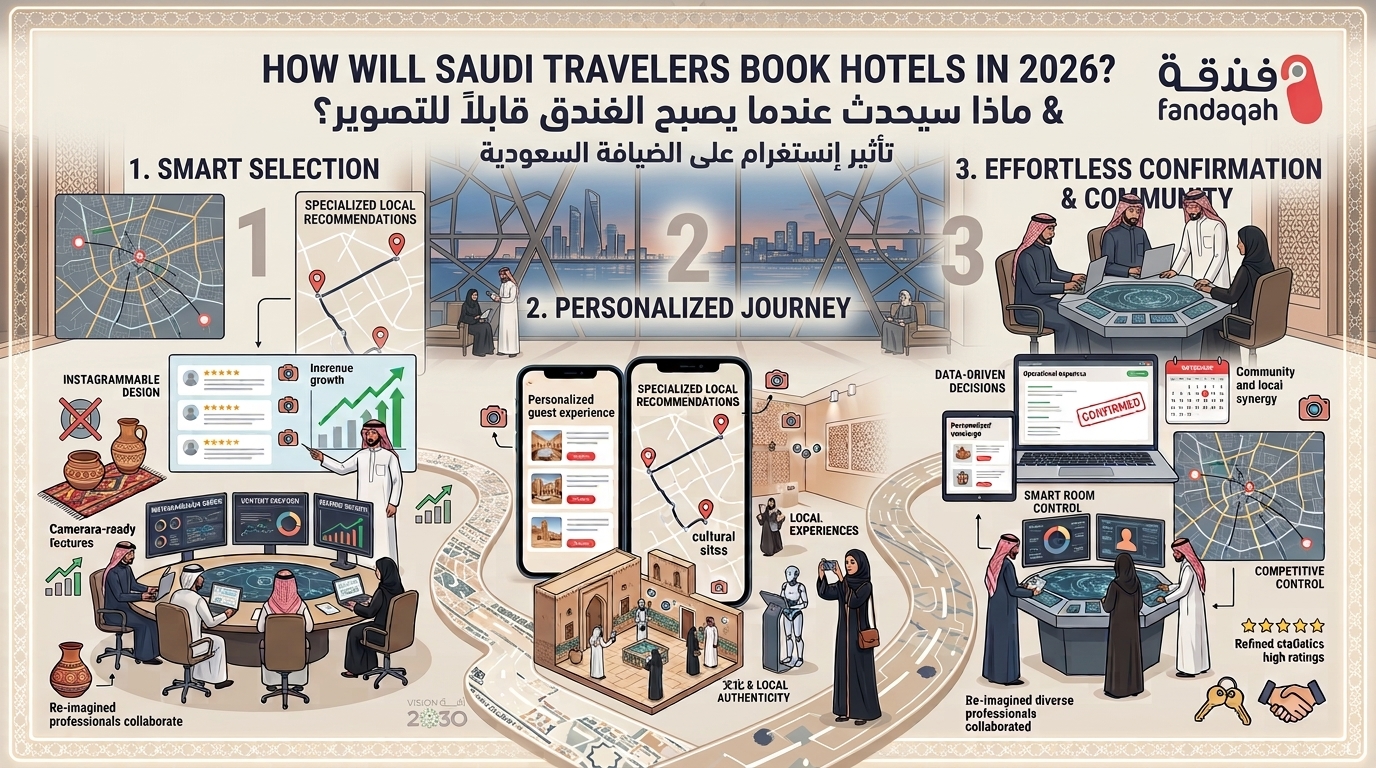
Explore the transformative impact of Instagrammable design on Saudi Arabia's burgeoning hospitality sector. Discover how aesthetics, technology, and cultural narratives are driving unprecedented growt...
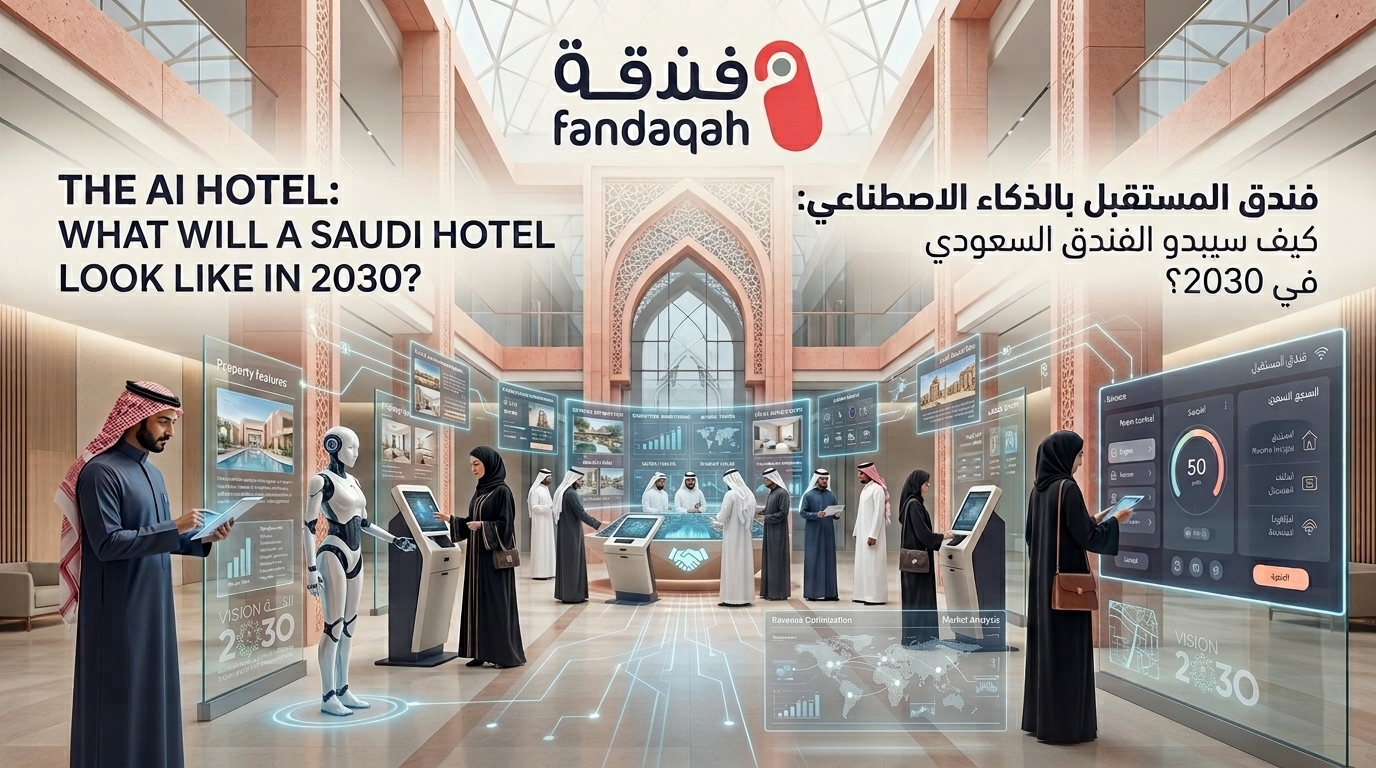
Explore the future of hospitality in Saudi Arabia. Discover how AI, robotics, and hyper-personalization will transform Saudi hotels by 2030, offering unparalleled luxury and efficiency. ...
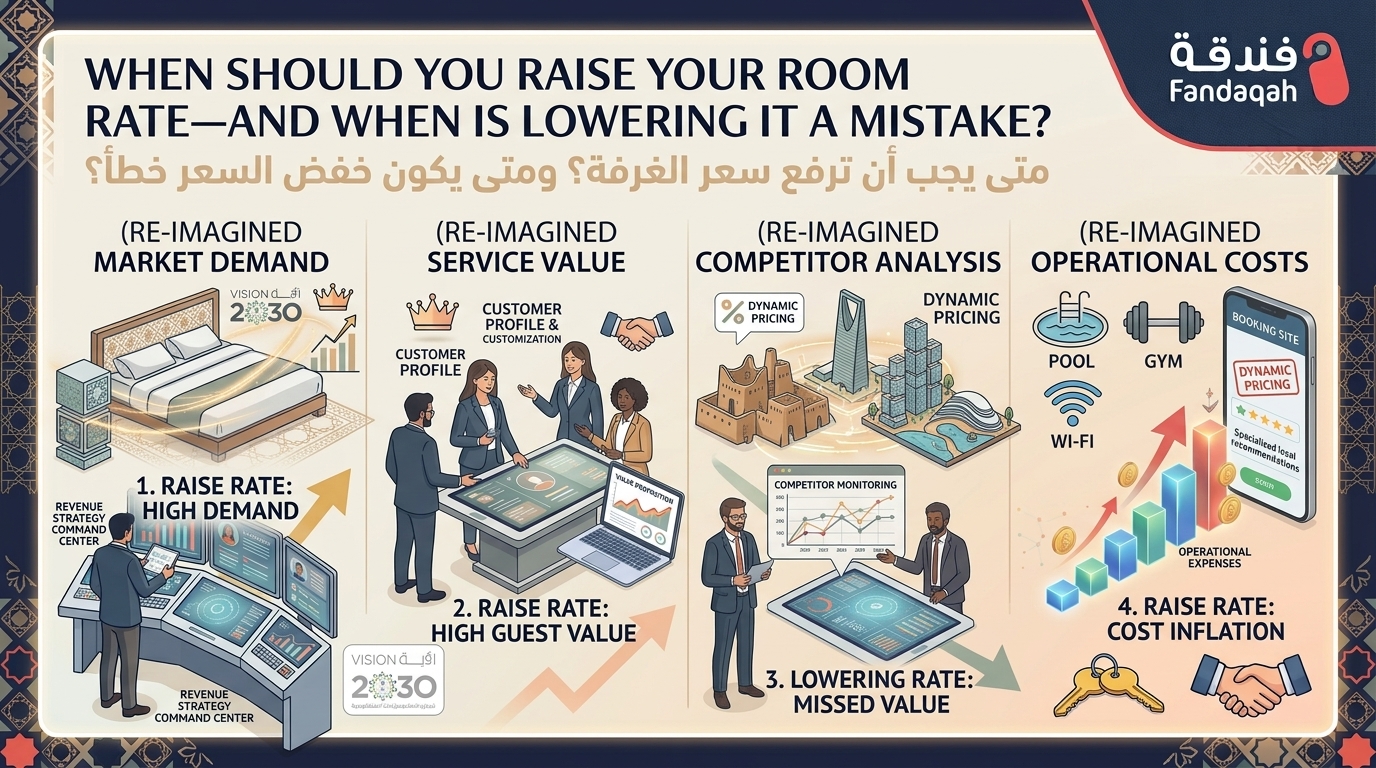
Maximize your hotel's profitability. Discover the strategic moments to raise your room rates and crucial times when lowering prices can be a costly mistake. Learn to optimize your pricing strategy fo...
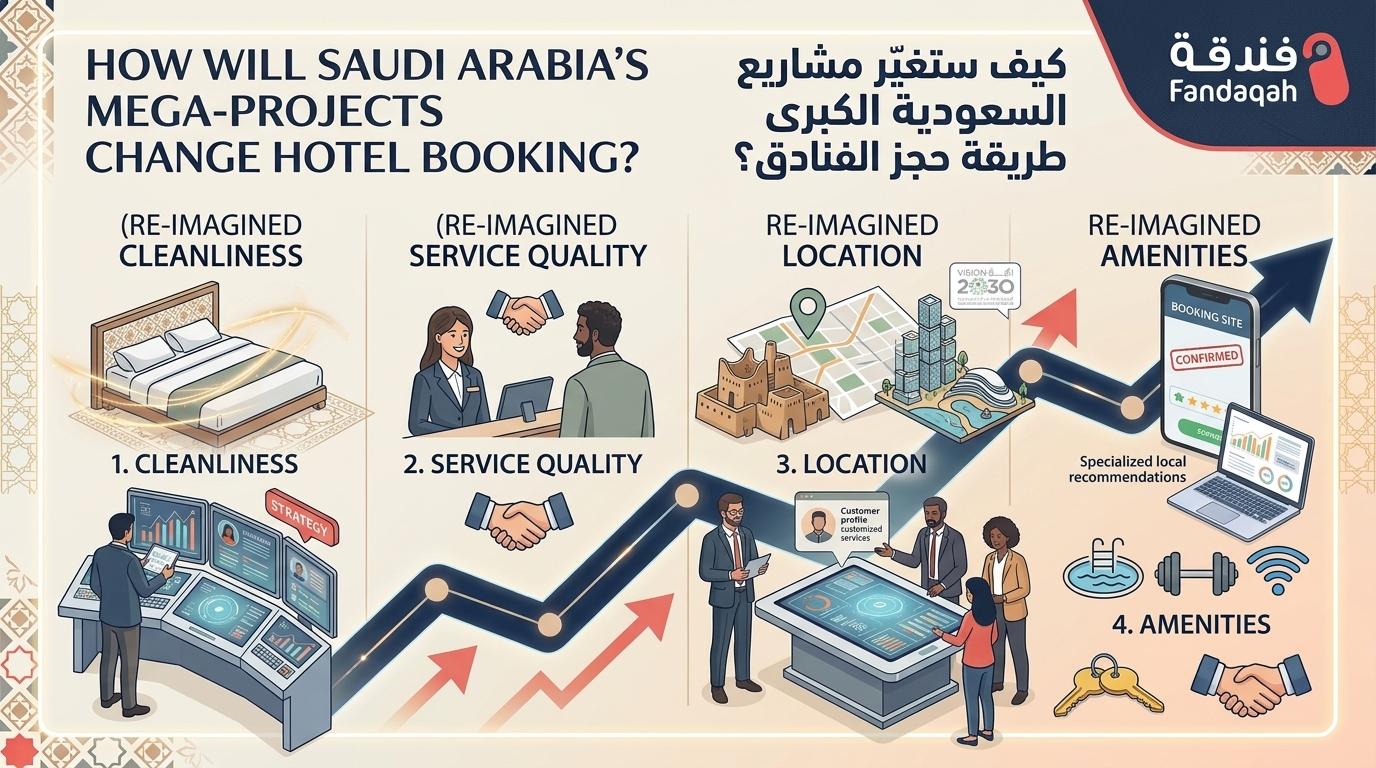
Saudi Arabia's ambitious mega-projects like NEOM, Red Sea Project, and Qiddiya are set to revolutionize global tourism and hotel booking. Discover how these futuristic developments will reshape travel...
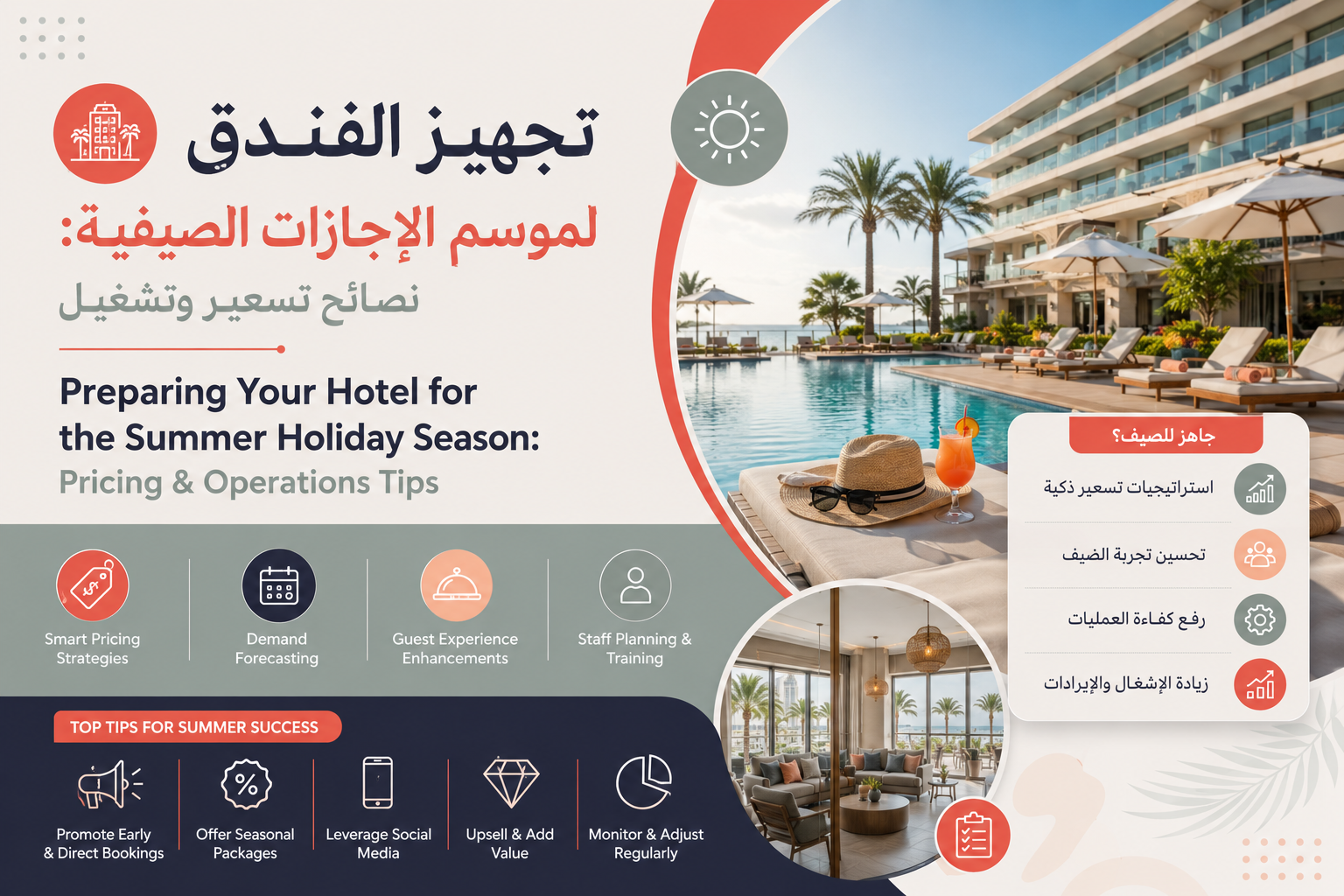
Maximize summer hotel revenue in Saudi Arabia with dynamic pricing, family packages, staffing tips & operations best practices. Align with Vision 2030 for higher RevPAR and guest satisfaction....
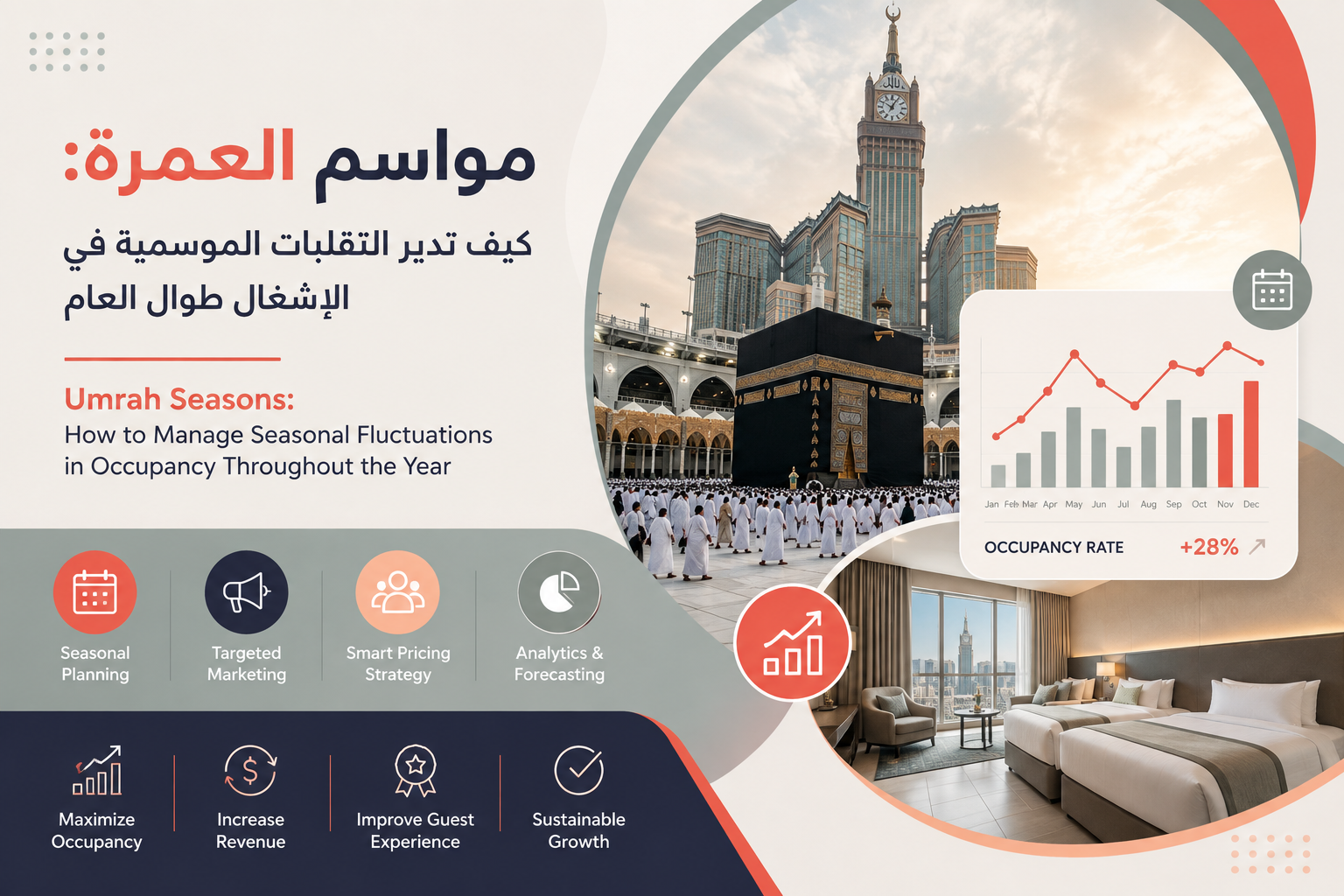
Master Umrah seasonal occupancy with dynamic pricing, packages, loyalty programs & Fandaqah.com. Strategies to boost RevPAR in Ramadan peaks and fill rooms in low seasons....
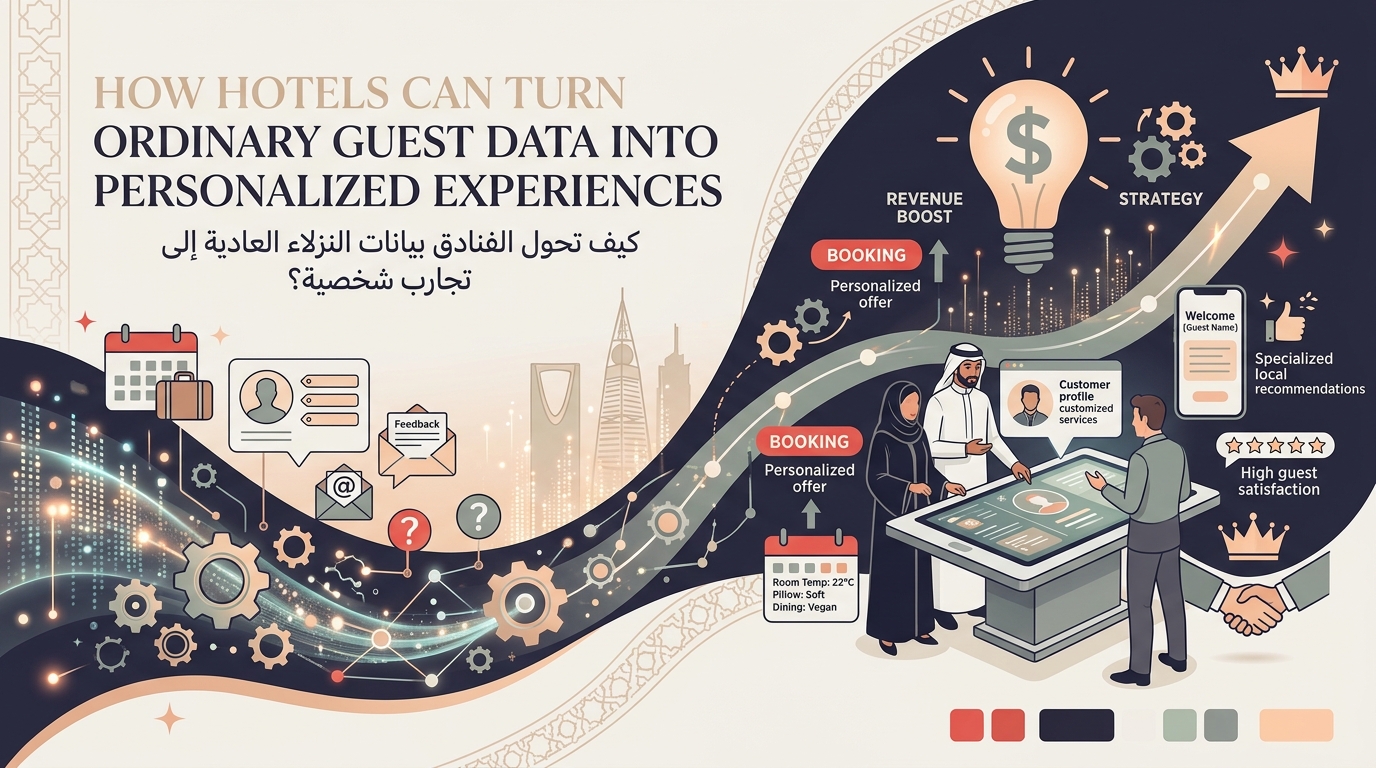
Unlock the power of guest data to craft unforgettable, personalized hotel experiences. Learn strategies to collect, analyze, and apply insights for enhanced loyalty and revenue. ...

Unlock the power of domestic tourism in Saudi Arabia. Discover expert strategies for hotels to transform local guests into loyal, repeat customers, driving sustainable growth in this dynamic market. ...
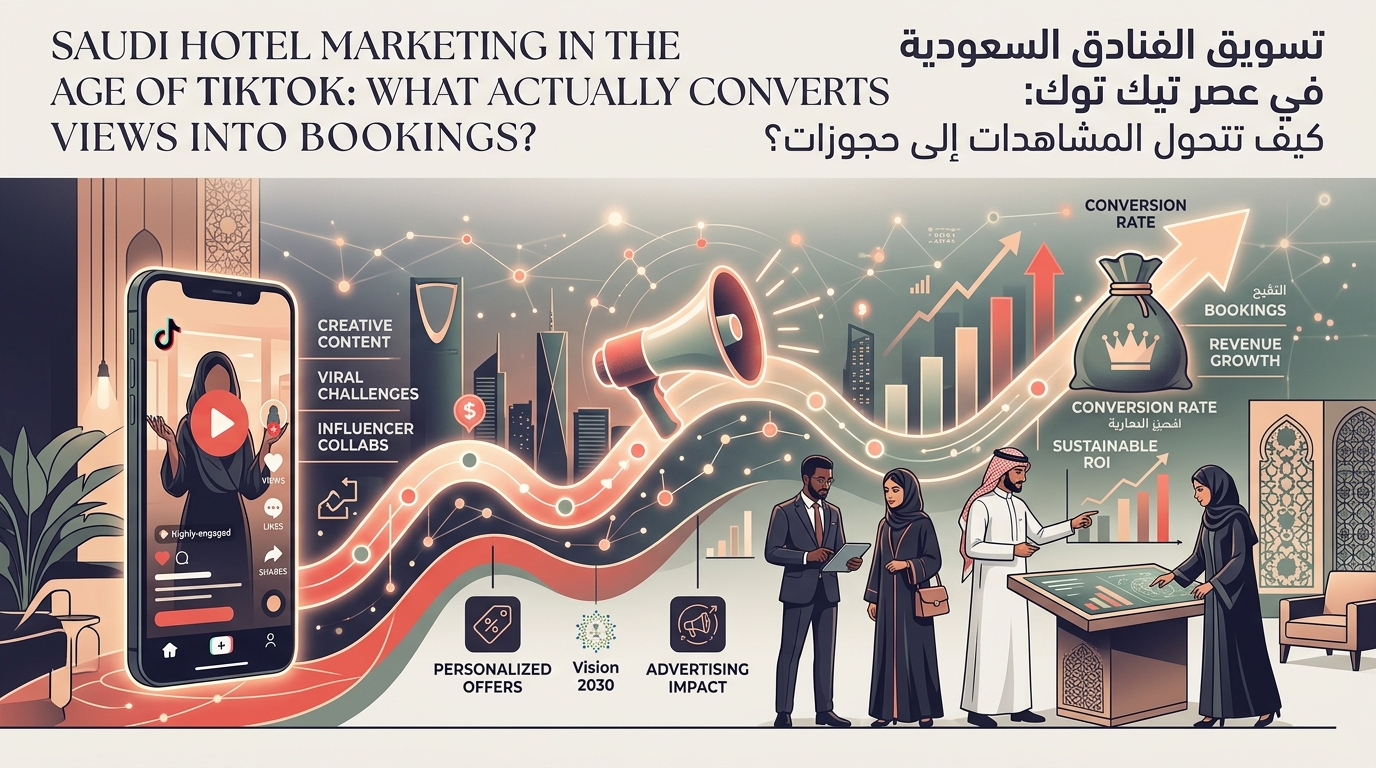
Unlock the secrets to converting TikTok views into bookings for Saudi hotels. Discover expert strategies, content types, and measurement techniques to maximize your social media ROI in the Kingdom's d...
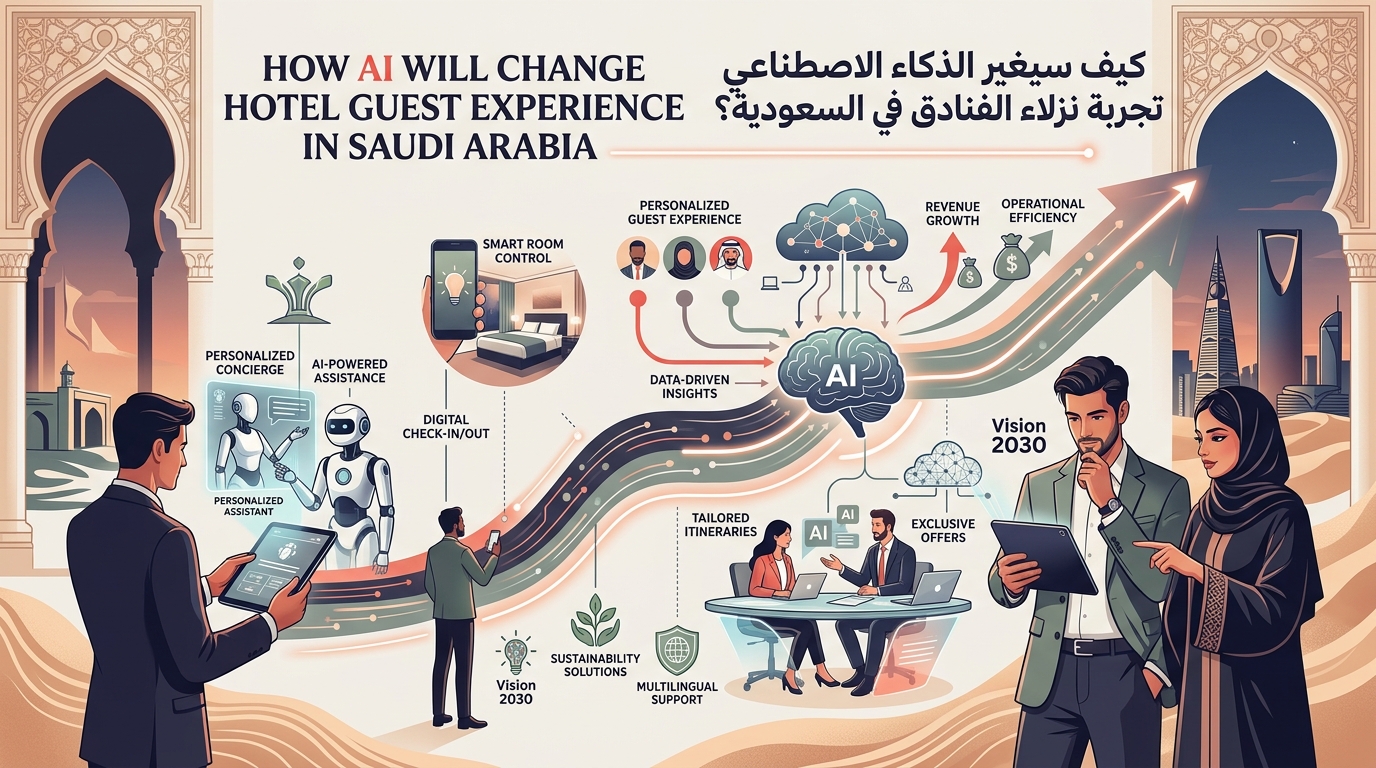
Explore how AI is revolutionizing hotel guest experiences in Saudi Arabia. From personalized service to smart rooms, discover the future of hospitality in the Kingdom. ...
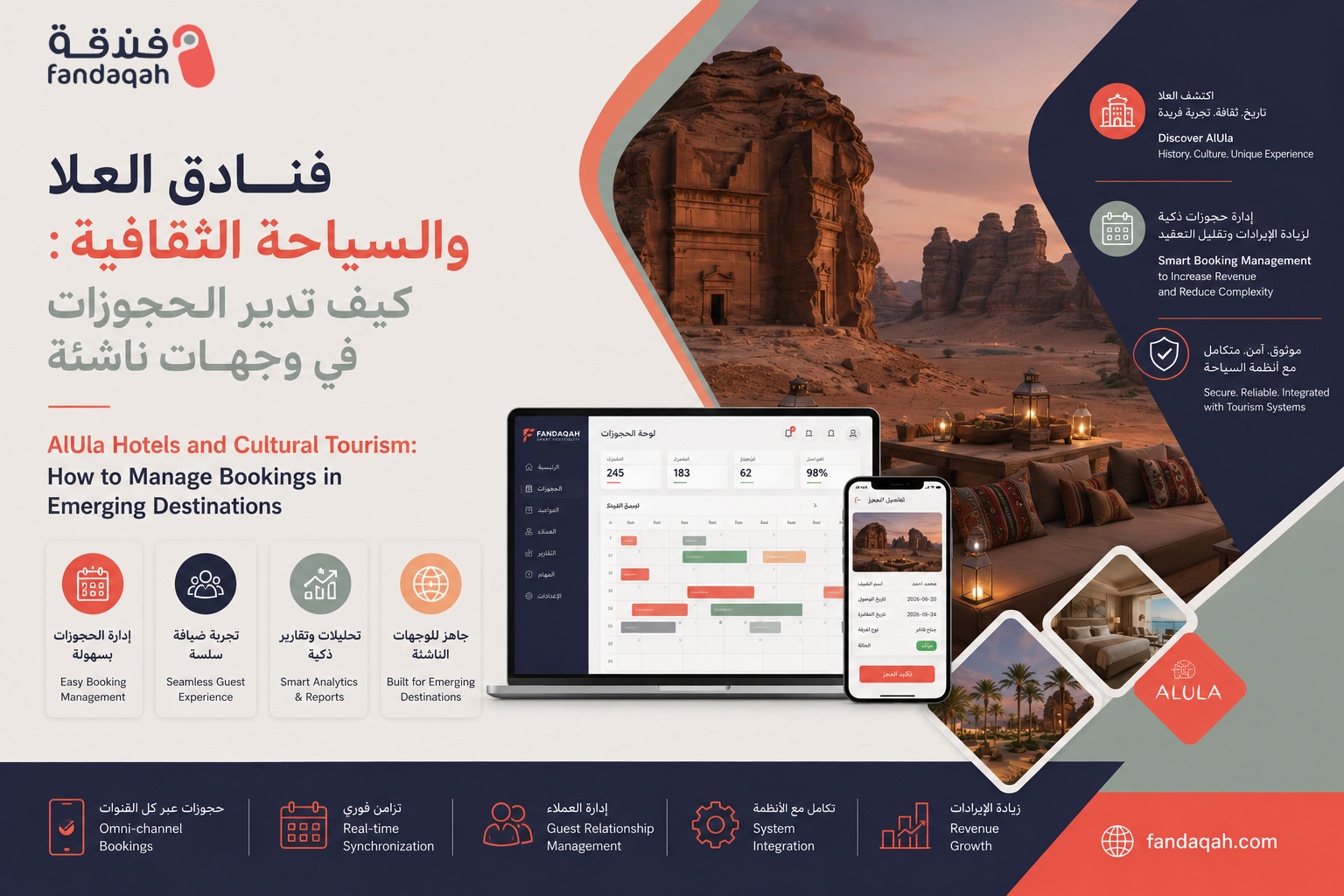
Learn how to manage AlUla hotel bookings in this emerging cultural destination. Best times, prices, accommodation types & tips for Hegra, Winter at Tantora. Compare on Fandaqah.com....
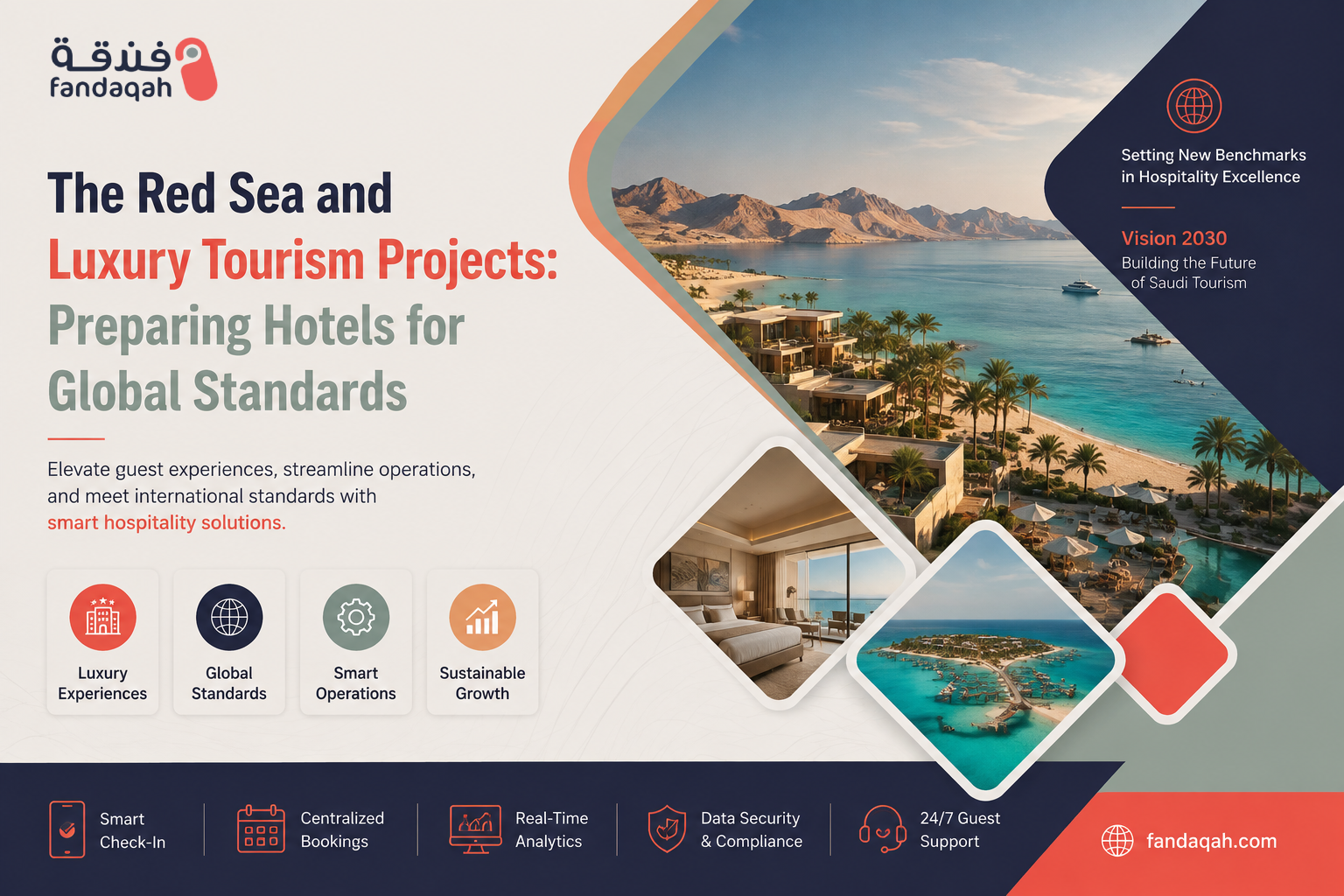
Discover how The Red Sea Project, AMAALA & Sindalah prepare Saudi hotels for global luxury standards. Sustainability, AI tech, Vision 2030 & top resorts reviewed on Fandaqah.com....
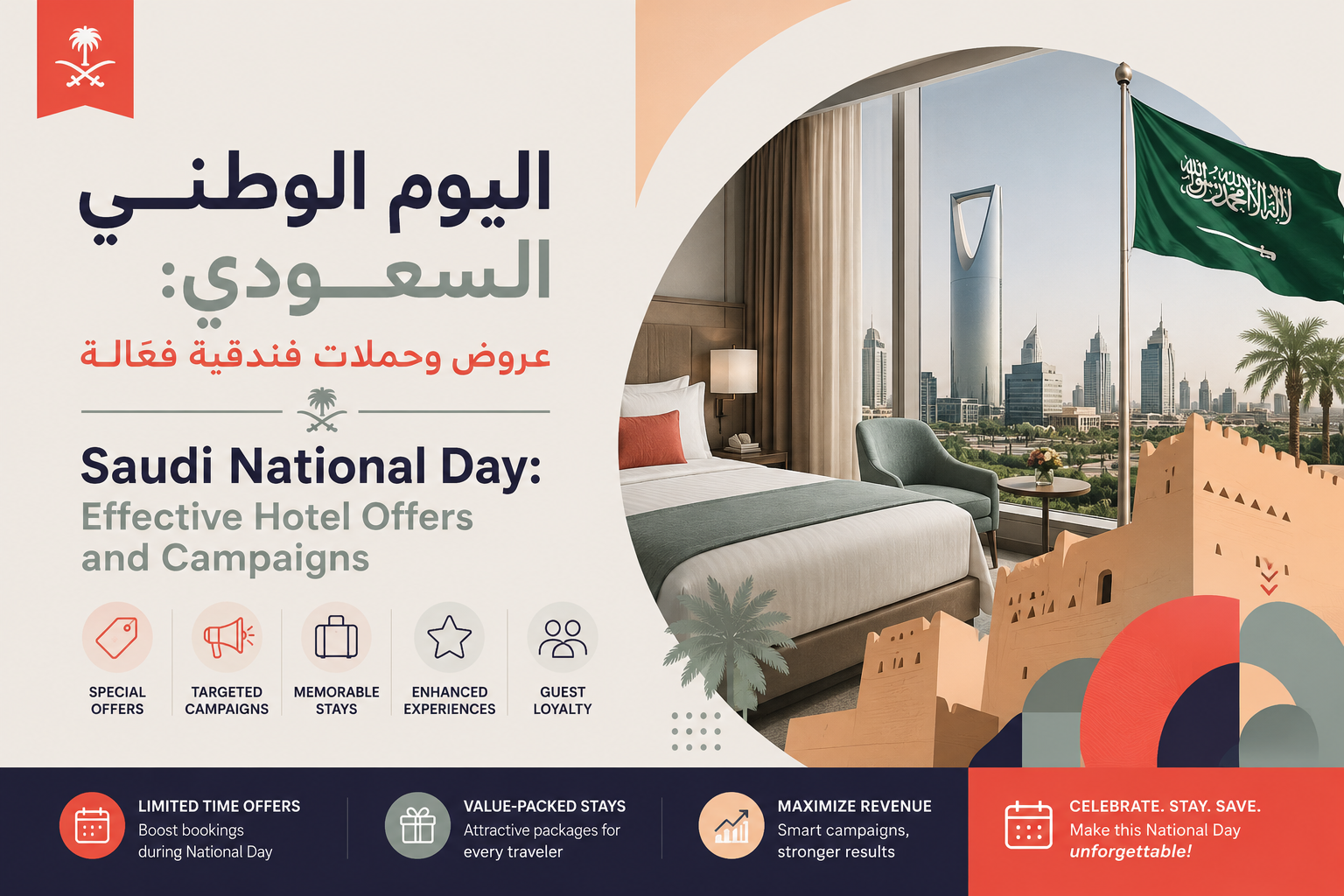
Discover effective Saudi National Day hotel offers, staycation packages, and campaigns. Boost occupancy with family deals, luxury experiences, and Vision 2030-aligned promotions across Riyadh, Jeddah ...
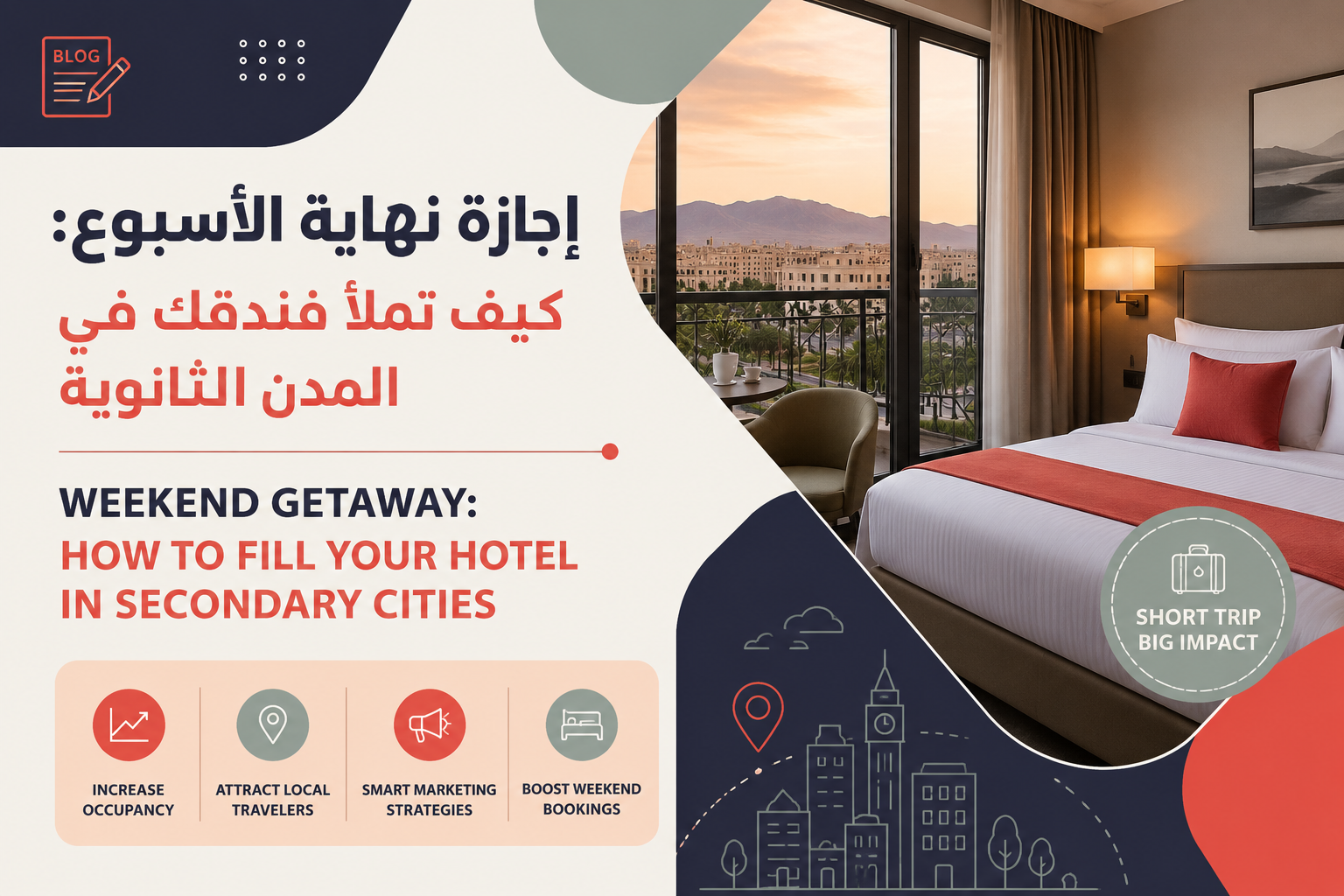
Proven strategies to boost weekend occupancy in Saudi secondary cities. Packages, social media, local partnerships & Vision 2030 tips for hotels in Abha, Taif, AlUla & more....
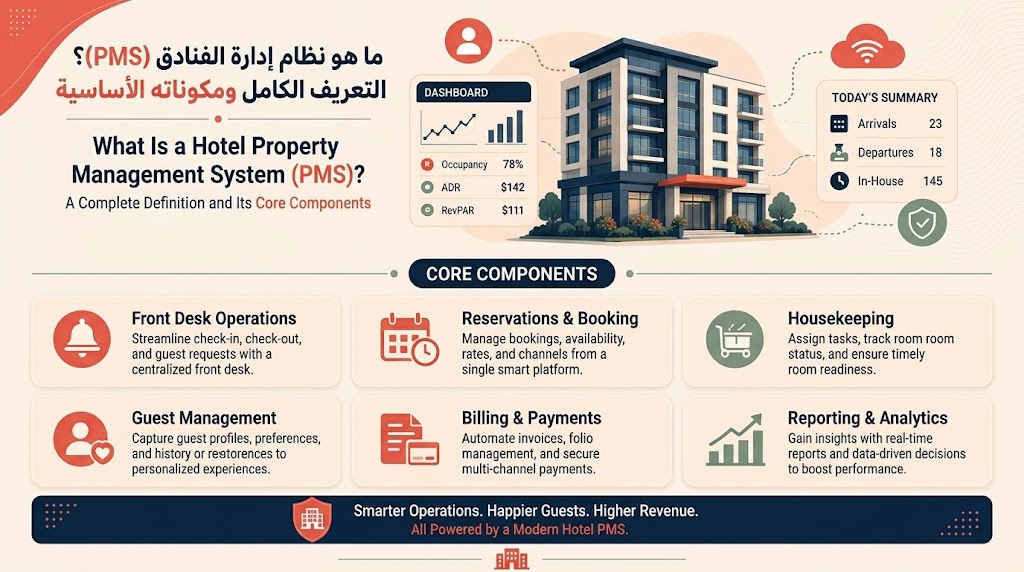
A Hotel PMS is the central software for managing reservations, rooms, guests, check-in/out, billing & reporting. Learn core components, benefits & how Saudi hotels can choose the right system....
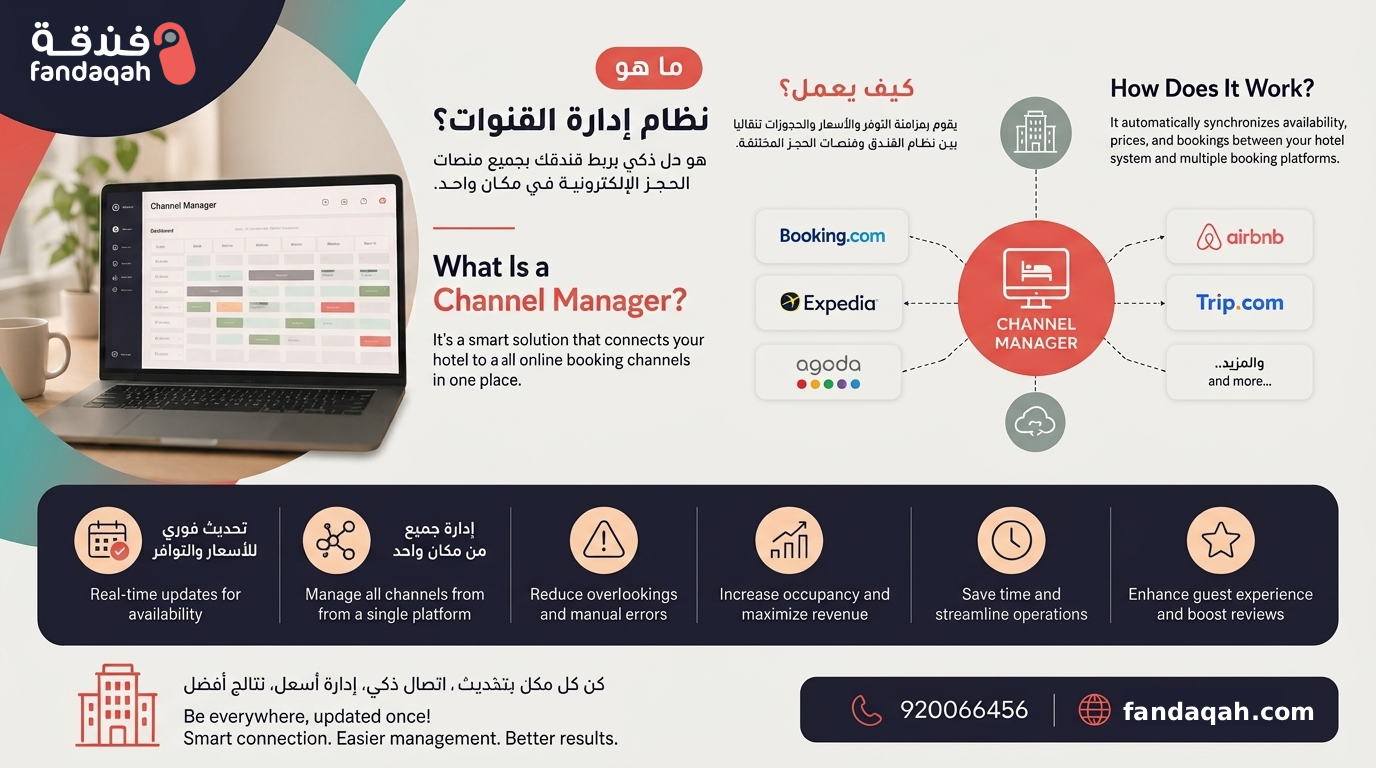
A hotel Channel Manager syncs rates, availability & reservations across OTAs from one place. Learn how it cuts overbooking risk, saves time & boosts distribution for Saudi hotels....
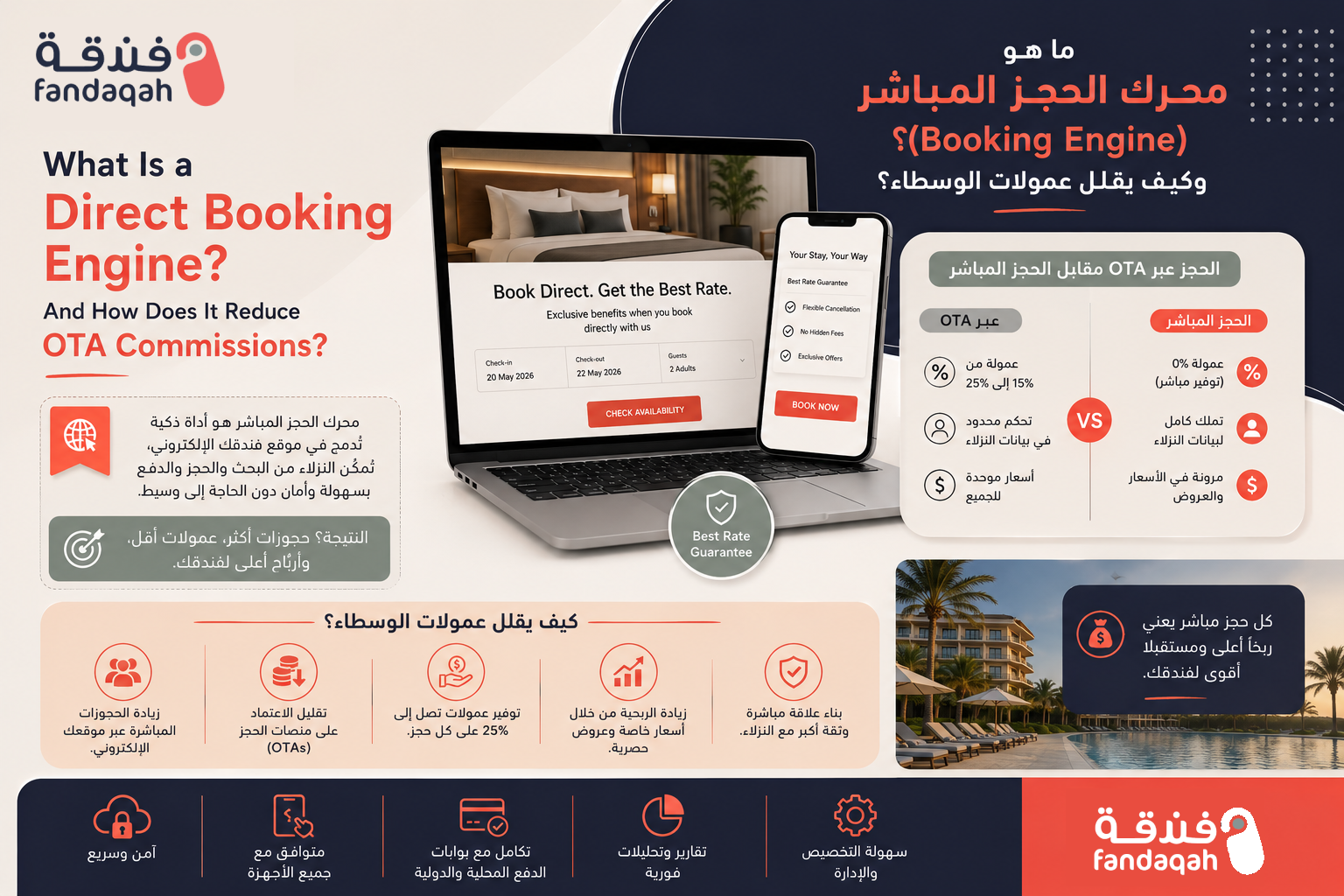
Learn what a direct booking engine is and how Saudi hotels can use it to cut OTA commissions by 15–25%, own guest data, boost direct revenue, and improve profitability under Vision 2030....
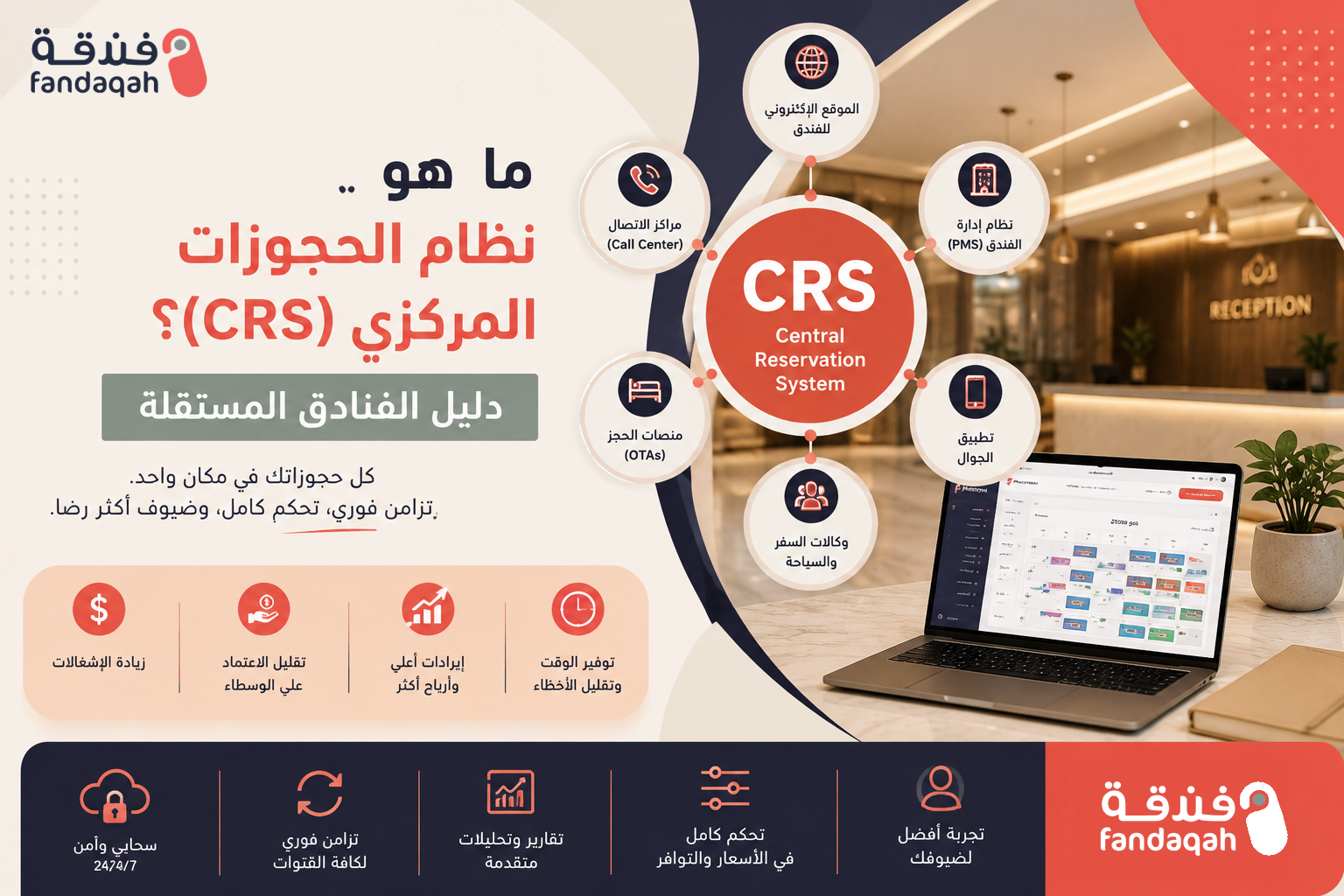
Discover what a Central Reservation System (CRS) is and how independent hotels in Saudi Arabia can use it to prevent overbookings, boost direct bookings, and maximize revenue under Vision 2030....
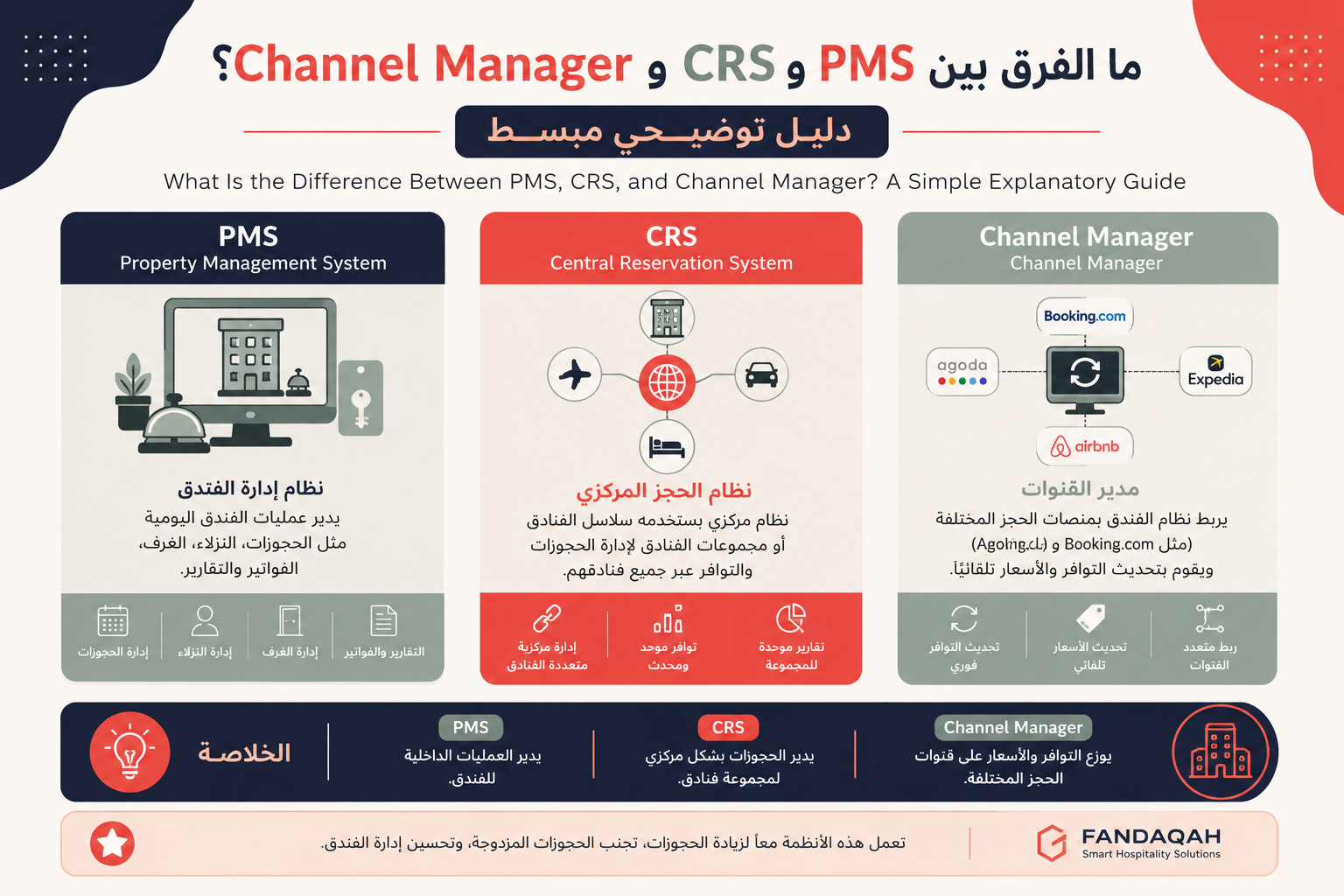
Clear differences between PMS, CRS, and Channel Manager explained. Learn which systems Saudi hotels need for operations, central bookings, and OTA distribution....
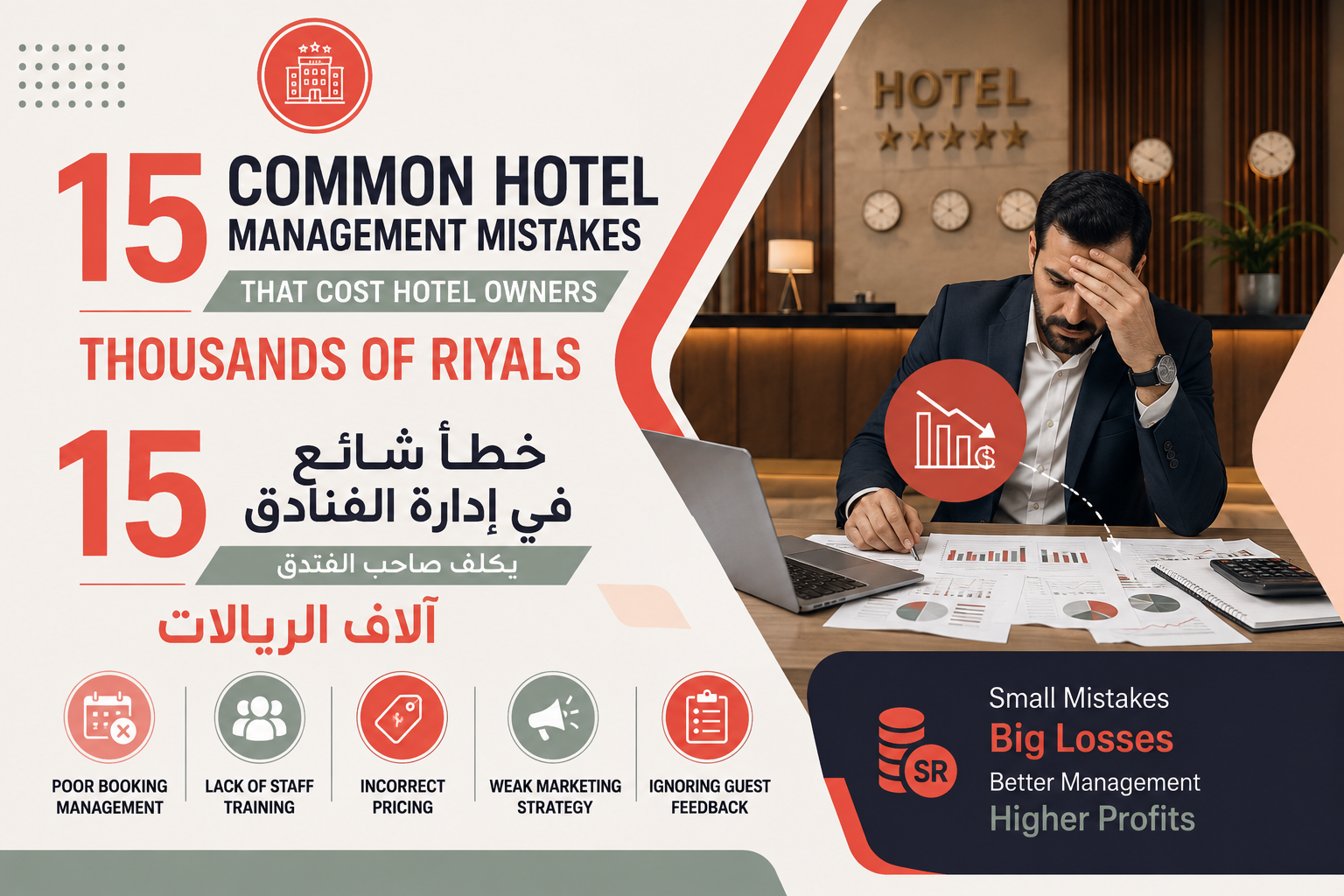
Discover the 15 most common hotel management mistakes draining Saudi hotel revenue. Practical fixes for booking systems, pricing, staff training, reviews & Vision 2030 alignment....
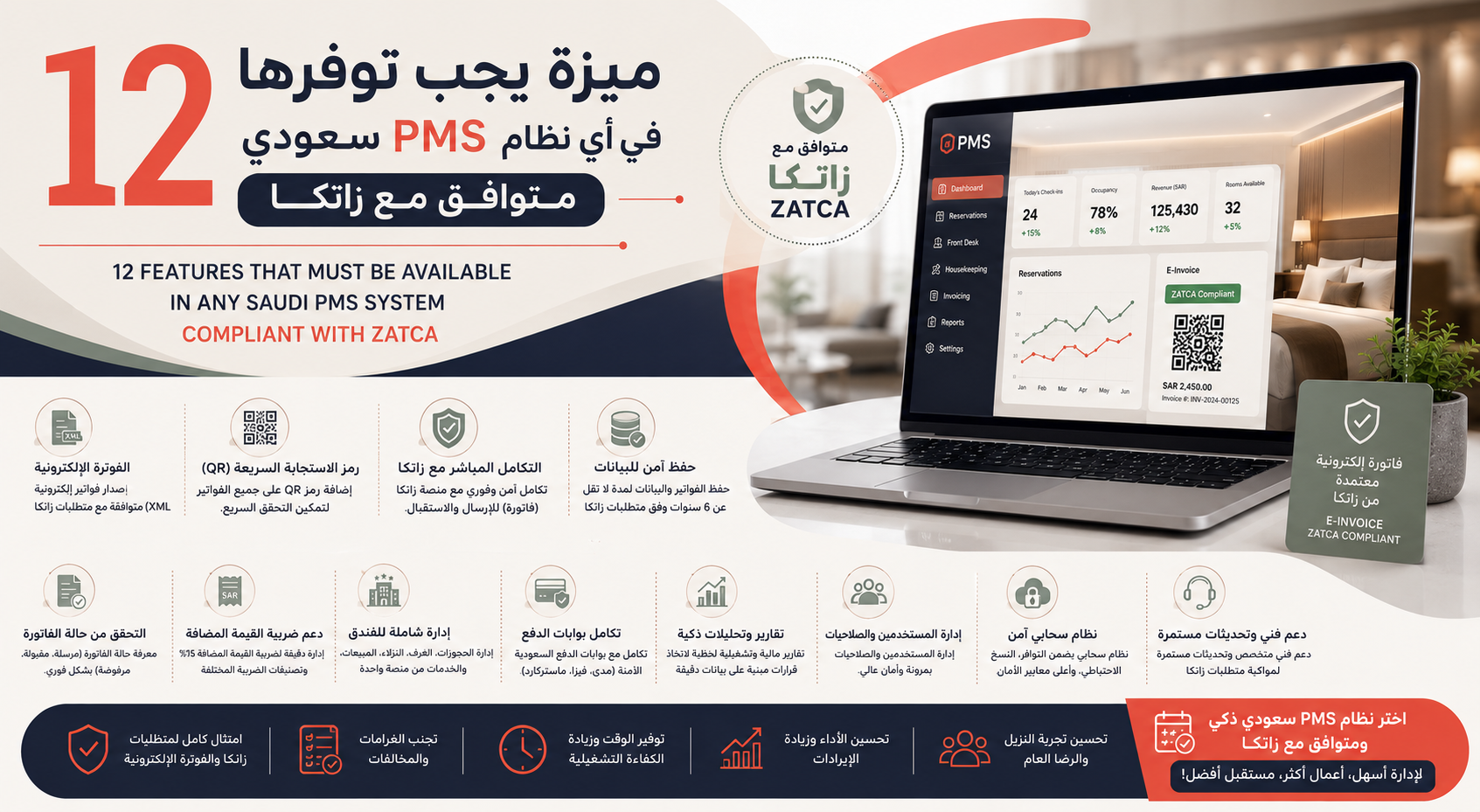
Discover the 12 essential features every Saudi property management system needs for full ZATCA e-invoicing compliance, Fatoora & Ejar integration, and seamless operations....
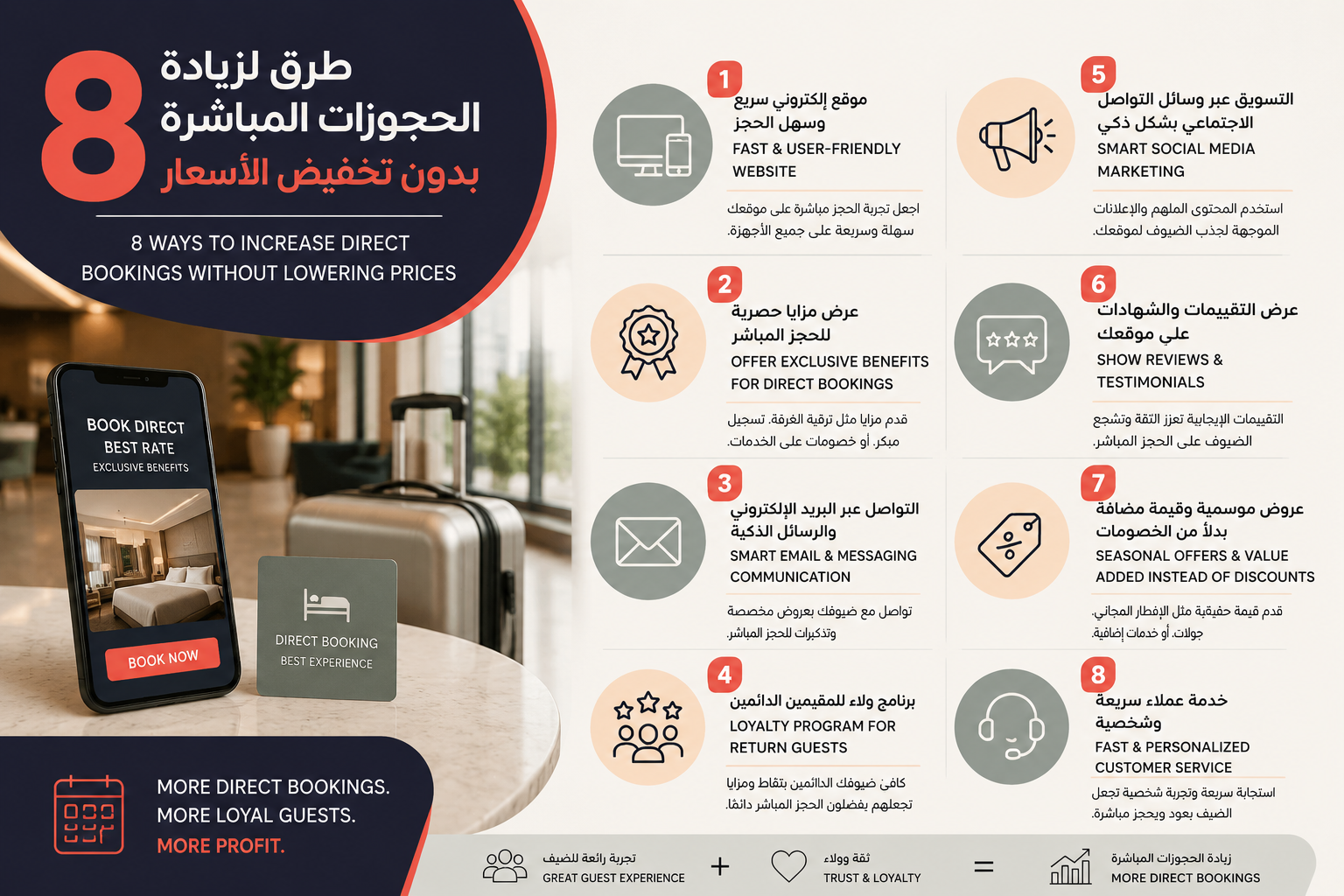
Discover 8 proven strategies for Saudi hotels to increase direct bookings without lowering prices. Optimize your booking engine, loyalty programs & more aligned with Vision 2030....
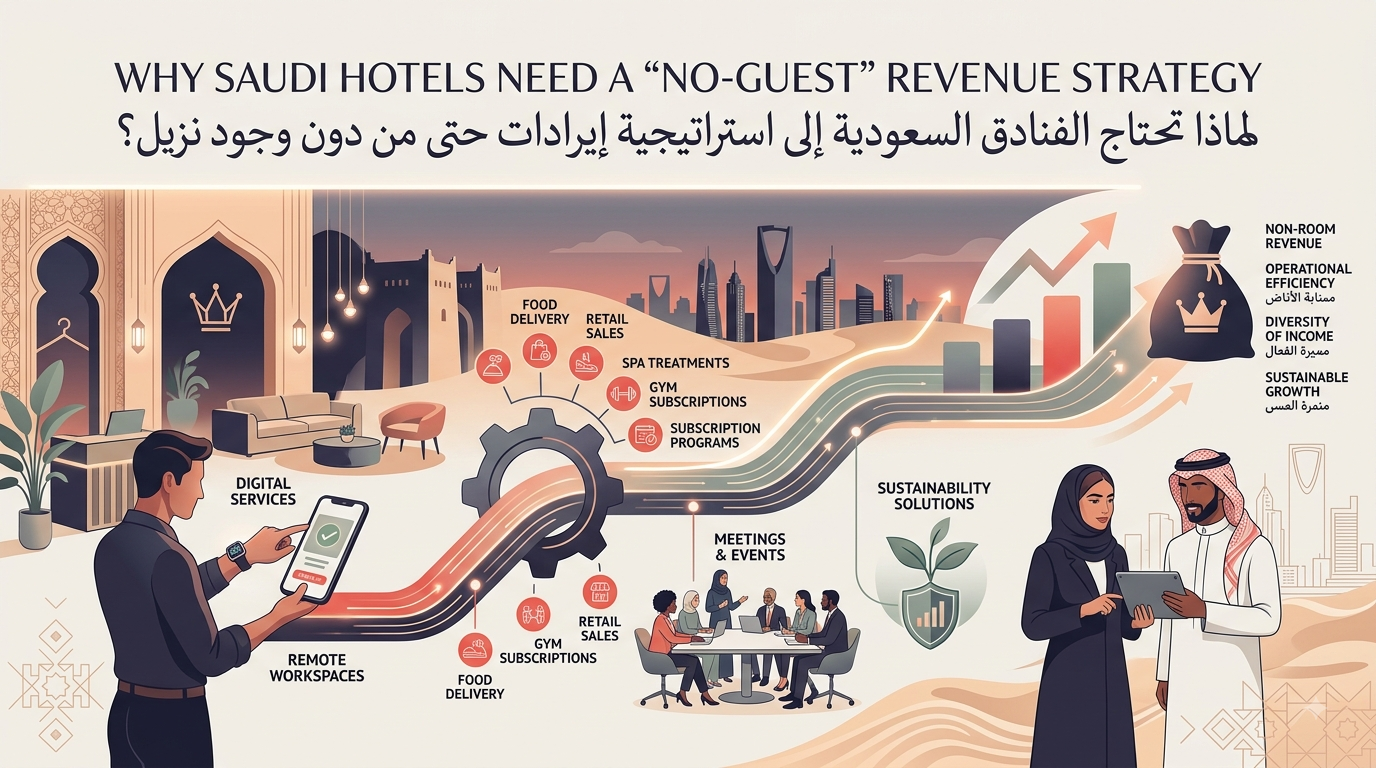
Unlock new profit streams beyond room nights. Discover why Saudi hotels must embrace "no-guest" revenue strategies to enhance profitability, diversify income, and boost guest loyalty in a competitive ...
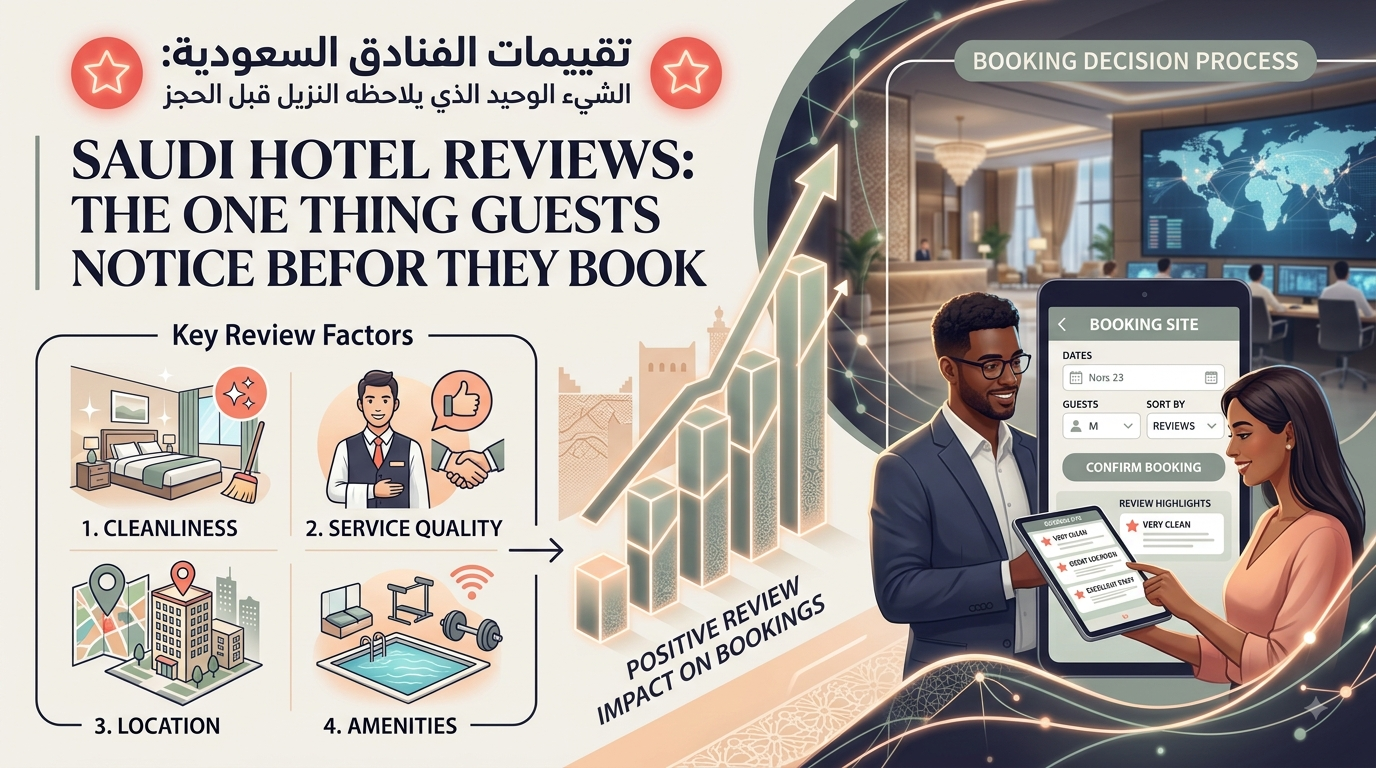
Discover the ultimate factor influencing Saudi hotel bookings. Learn how online reviews, especially around service and culture, shape guest decisions and why they're crucial for your next stay. ...
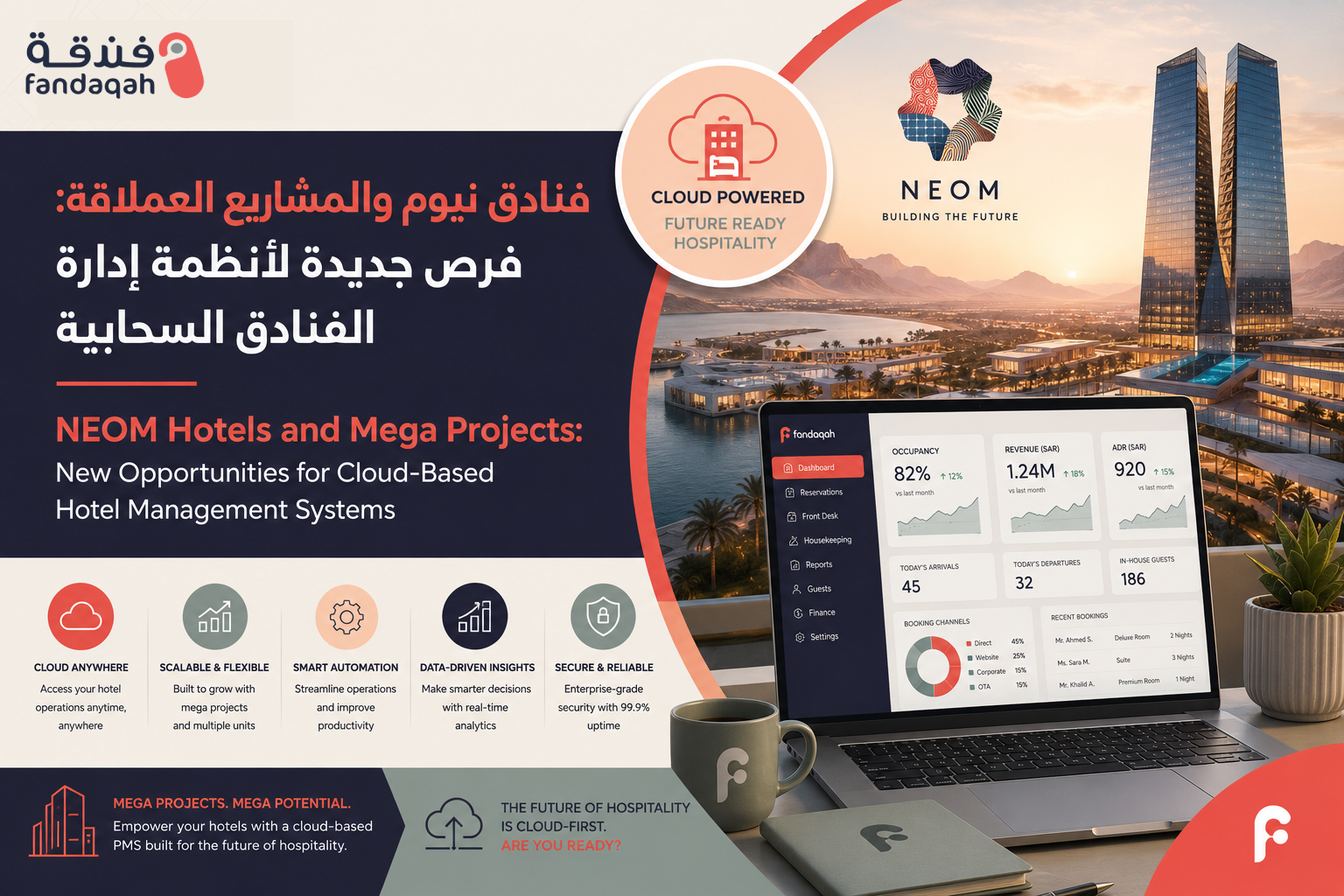
Discover how NEOM hotels and Saudi mega projects create huge opportunities for cloud-based hotel management systems. Boost efficiency, guest experience & Vision 2030 readiness....
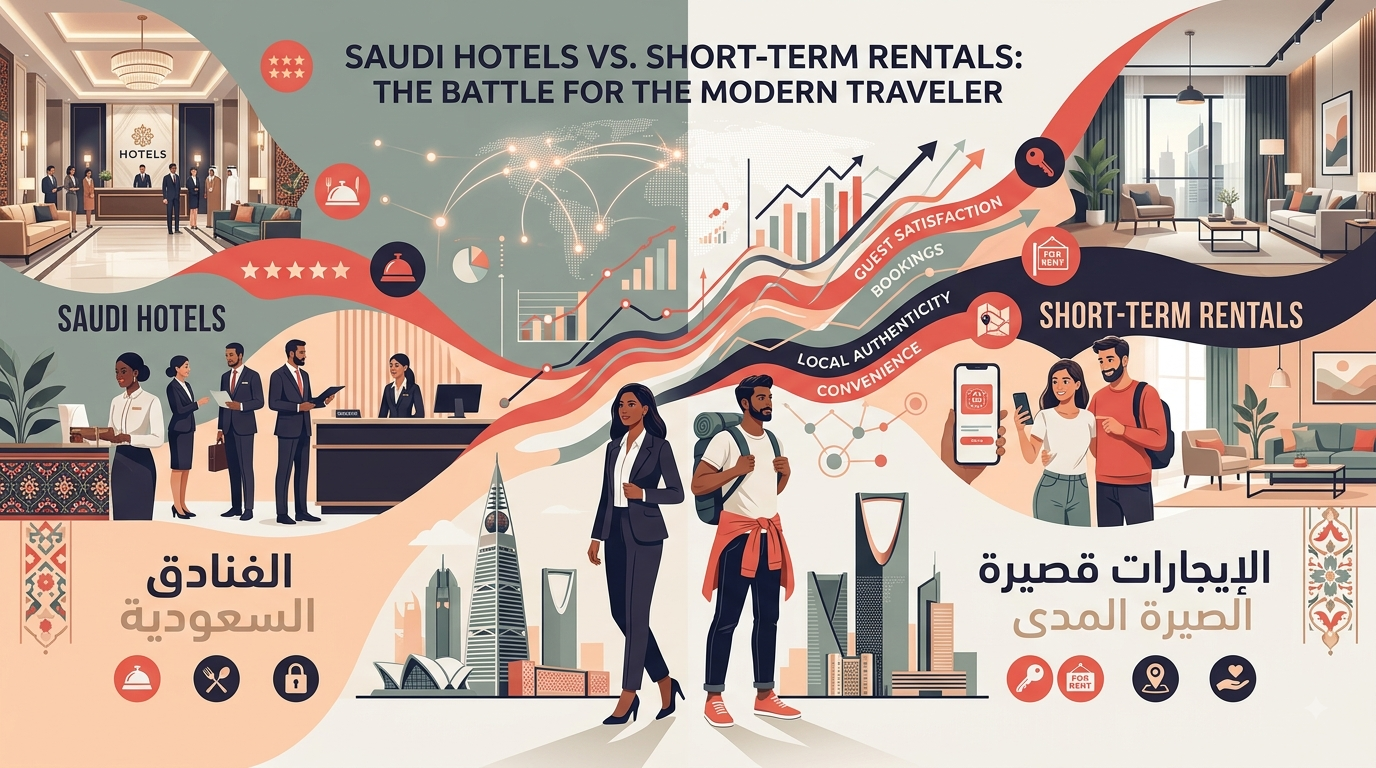
Explore the battle between Saudi hotels and short-term rentals for today's traveler. Discover which accommodation type offers the best experience, value, and authenticity for your next Saudi adventure...
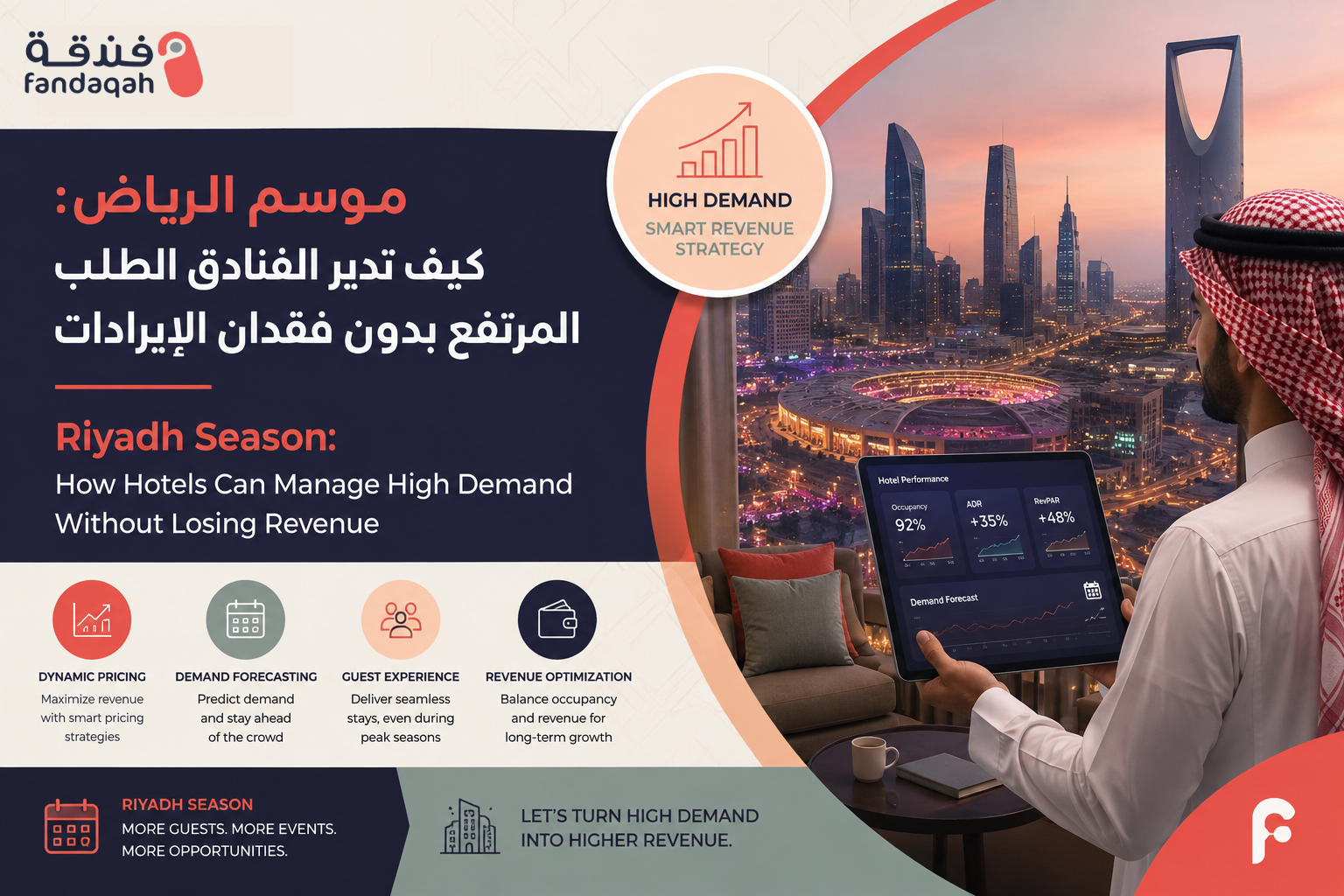
Learn how hotels manage high demand during Riyadh Season with dynamic pricing, demand forecasting & smart strategies to maximize revenue without losses....
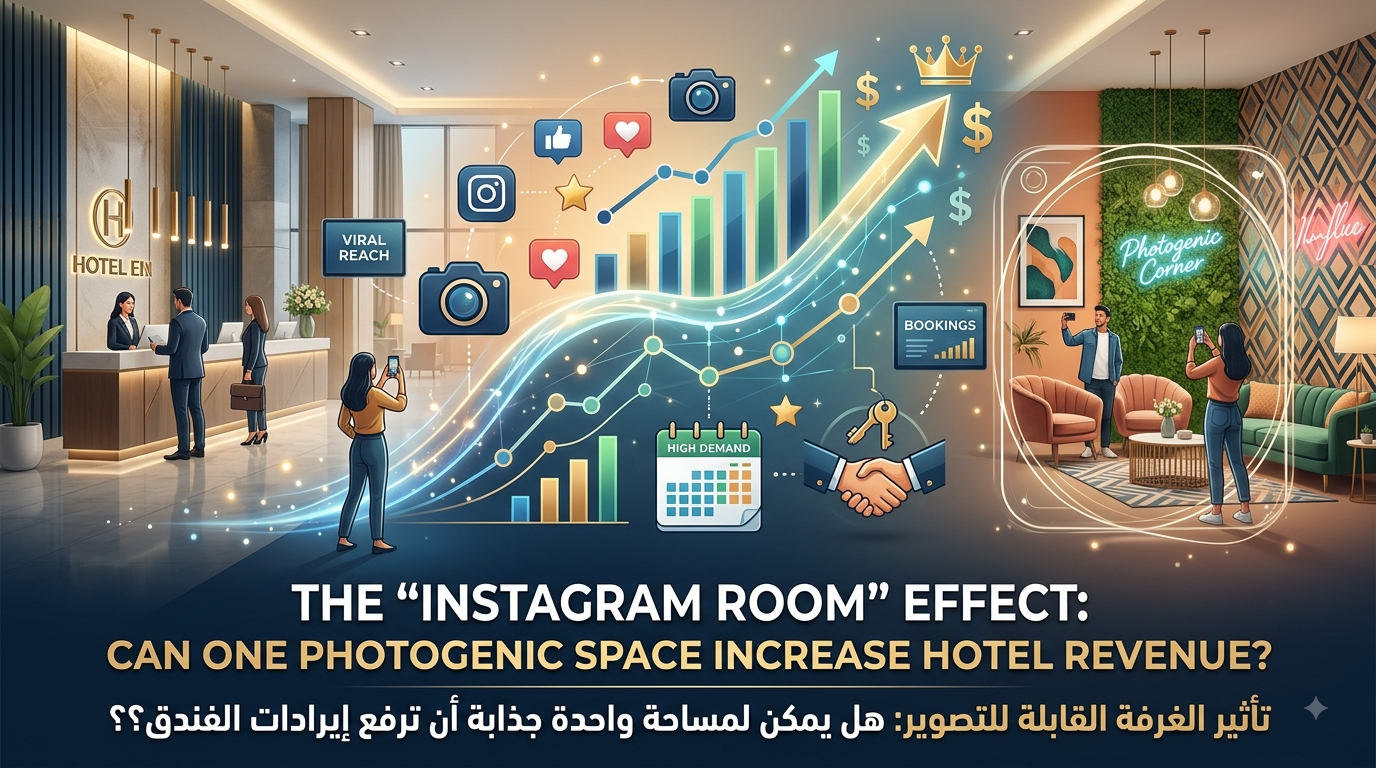
Discover how creating a single, highly photogenic "Instagram Room" can significantly boost hotel revenue through organic social media marketing, enhanced guest experience, and increased bookings. Lear...
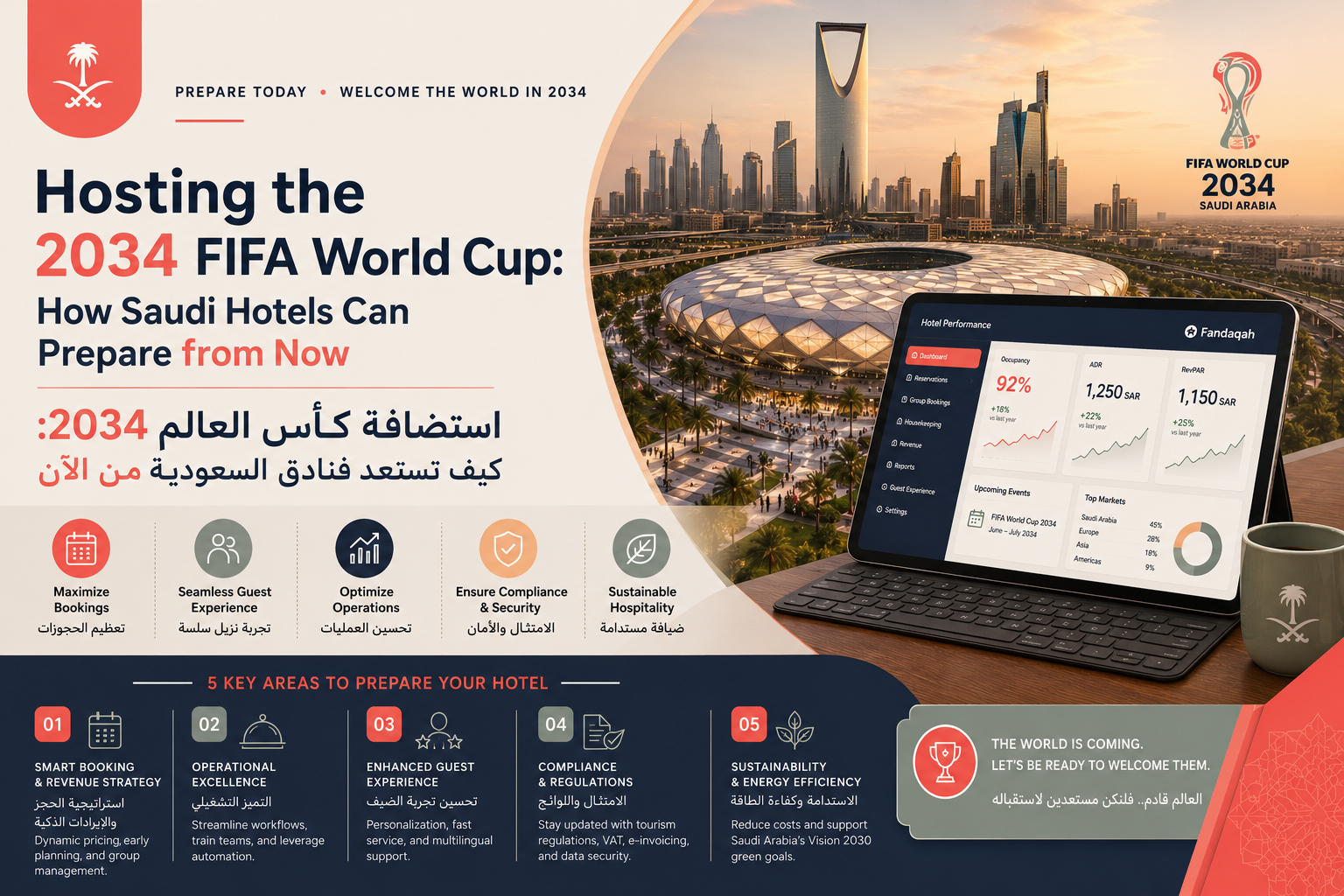
How Saudi hotels are gearing up for the 2034 FIFA World Cup: capacity expansion, smart tech, sustainability, and Vision 2030 strategies to deliver world-class hospitality for millions of fans....
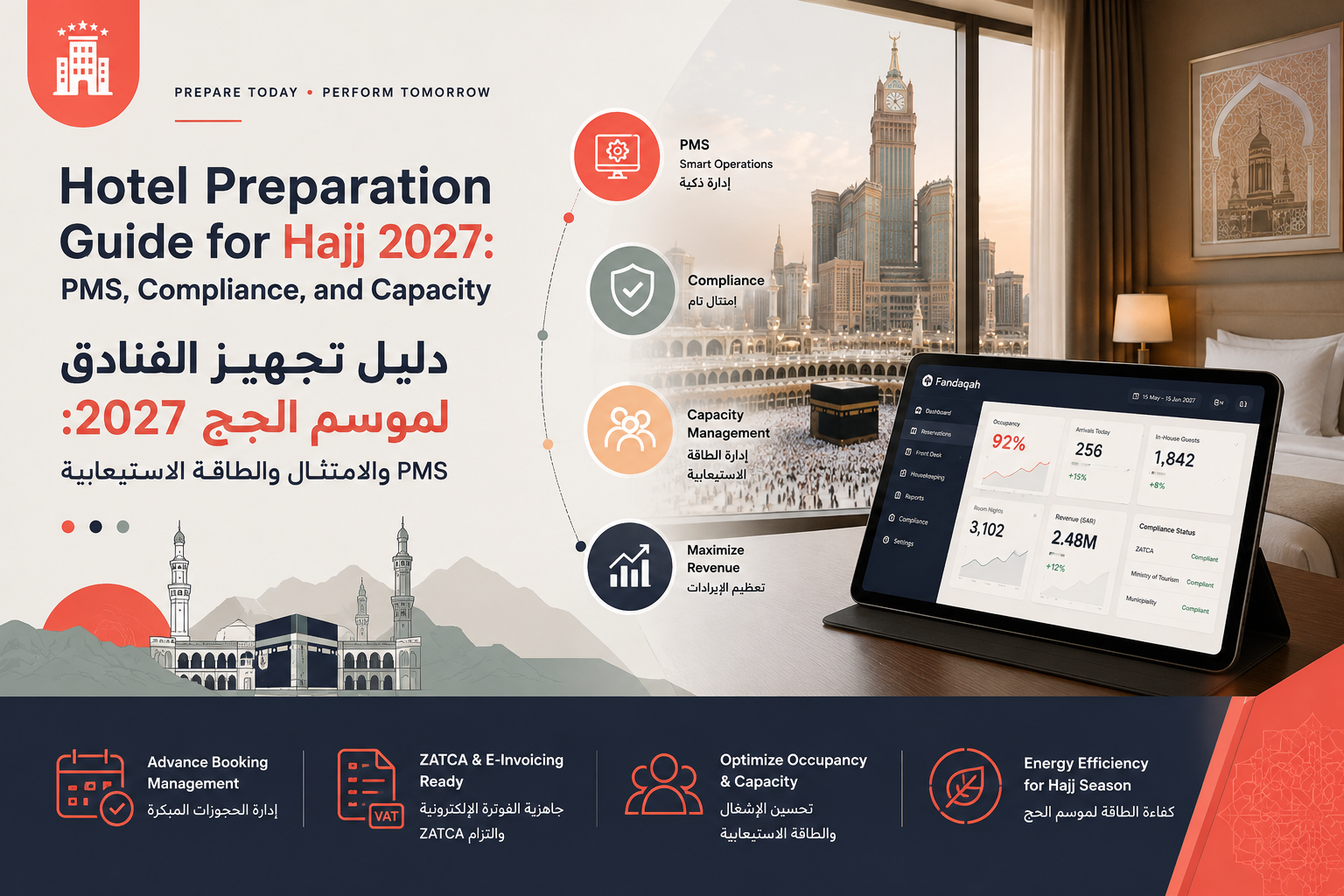
Prepare your hotel for Hajj 2027 with modern PMS systems, full Ministry of Hajj & Umrah compliance, and smart capacity management. Boost efficiency, pilgrim experience, and seasonal revenue....
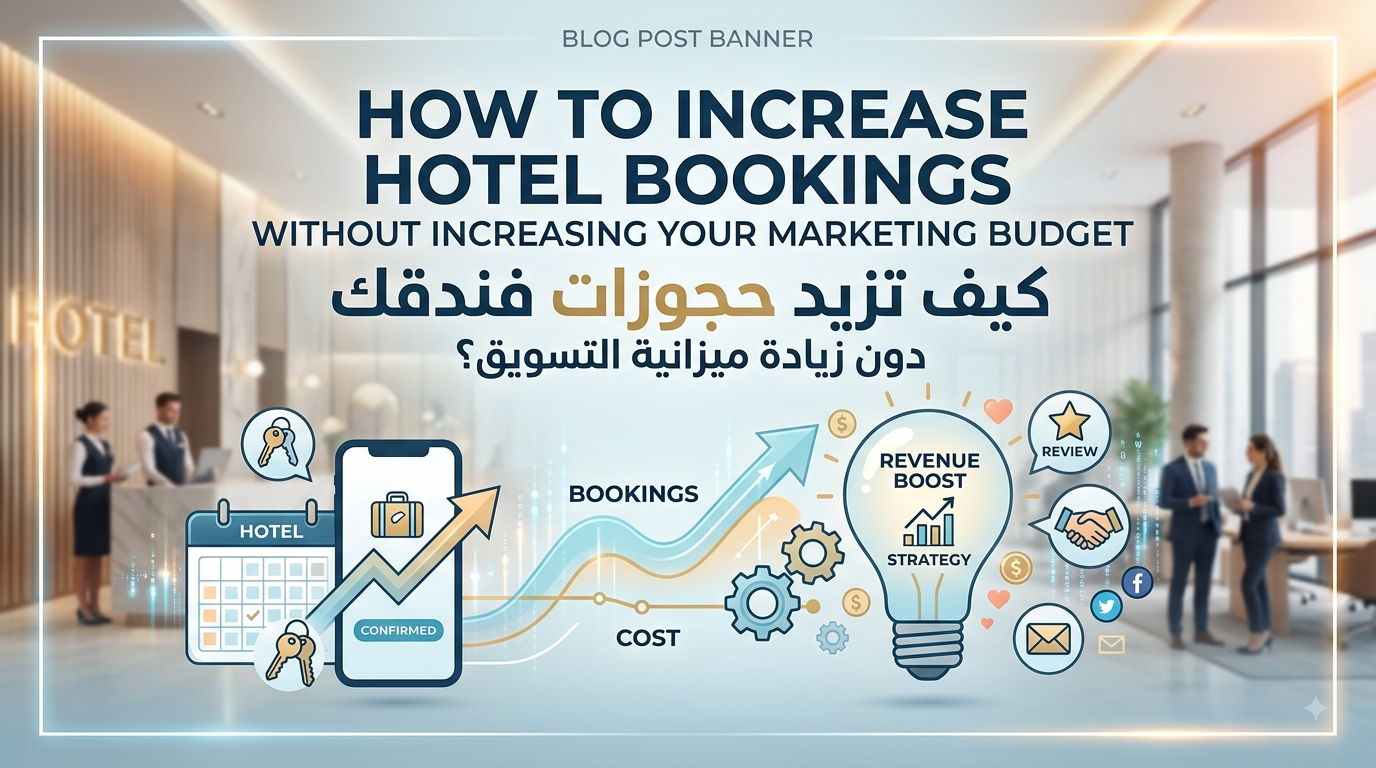
Unlock more bookings without spending more. Discover expert strategies to optimize your hotel's online presence, enhance guest experience, and leverage existing resources for maximum revenue growth. ...
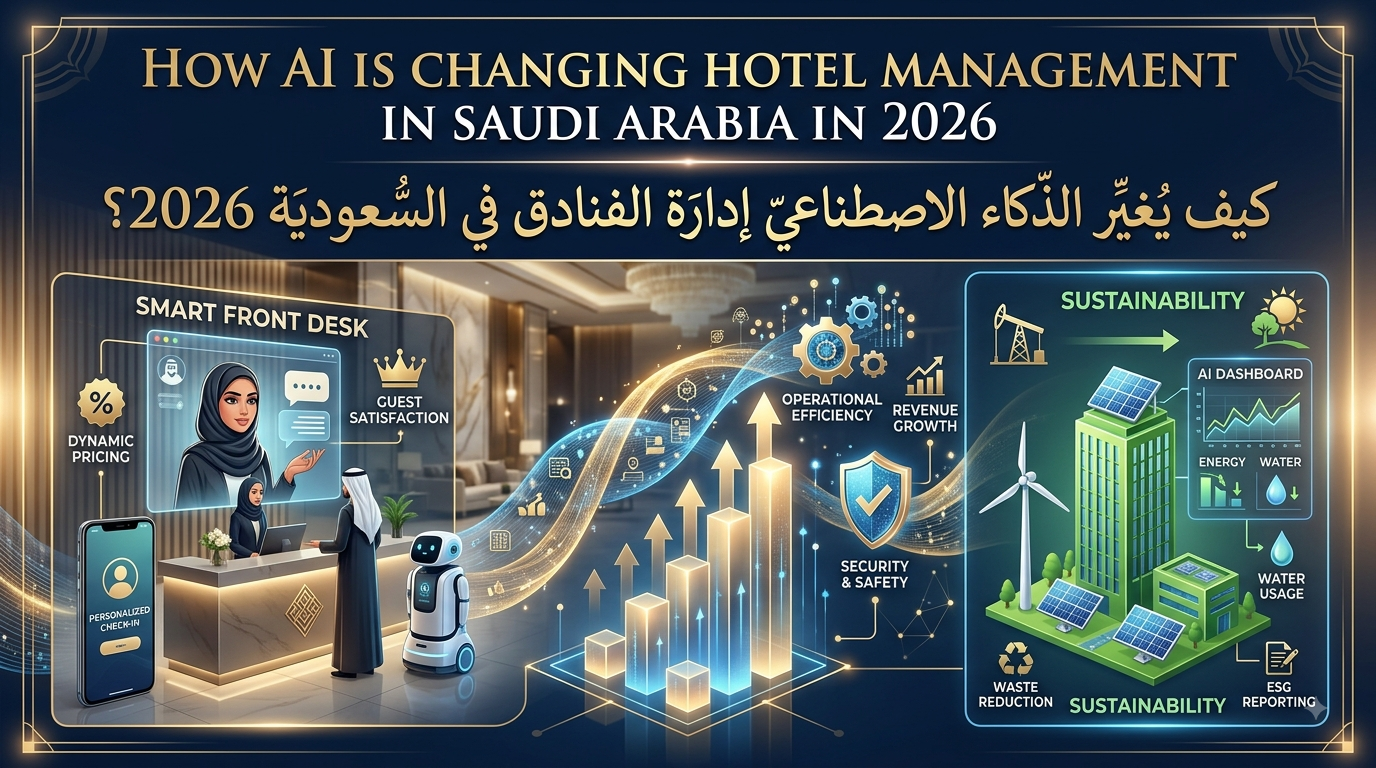
Discover how AI is revolutionizing hotel management in Saudi Arabia by 2026. Explore key trends, applications, and the strategic advantages AI offers in enhancing guest experience, optimizing operatio...
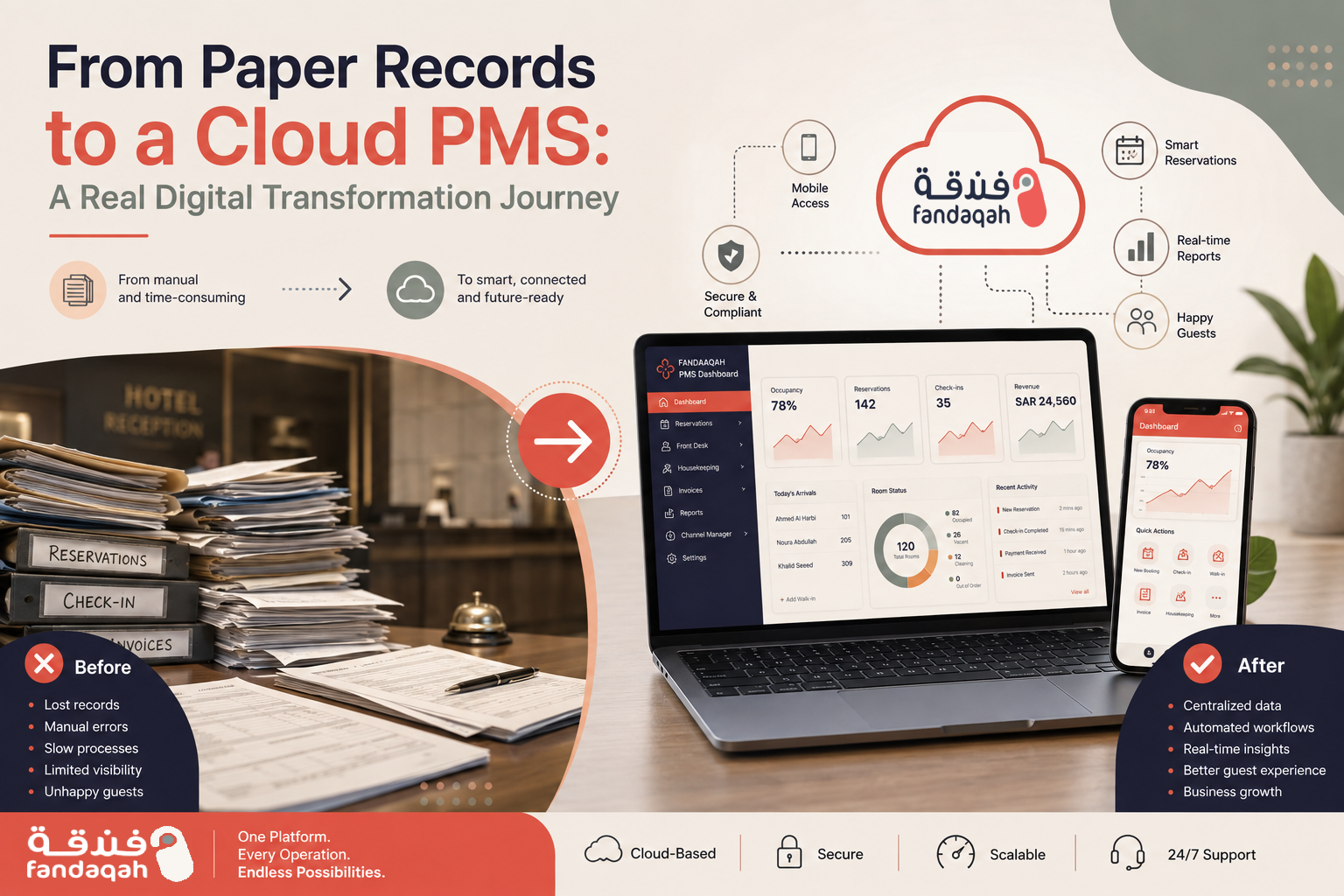
Discover how Saudi hotels move from paper records to a cloud PMS. Boost efficiency, guest experience & align with Vision 2030. Real benefits, comparison & FAQ....
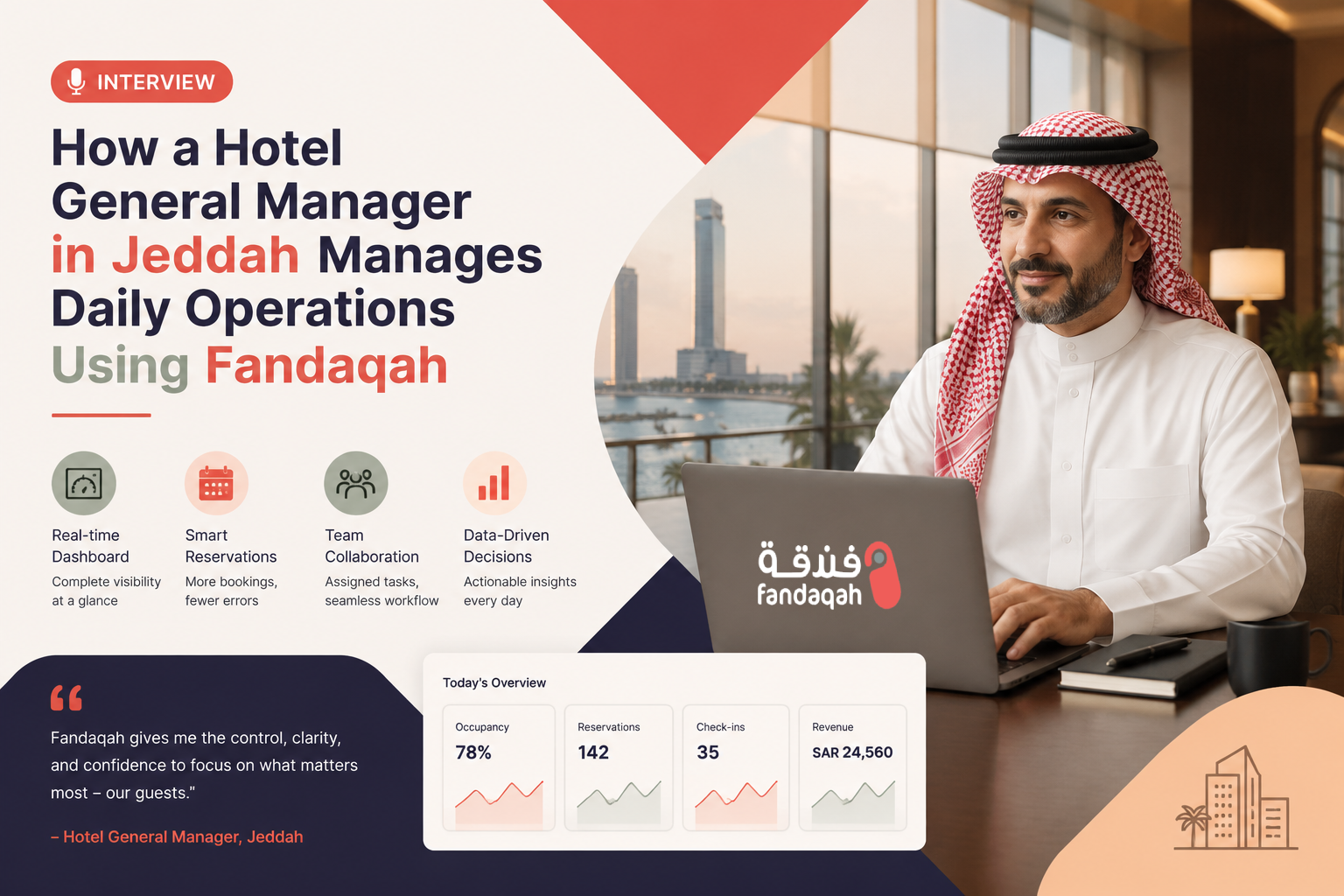
Exclusive interview with Khalid Al-Shahri, Jeddah hotel GM, on how Fandaqah PMS eliminated double bookings, cut check-in to 3 min, and boosted occupancy to 78%....
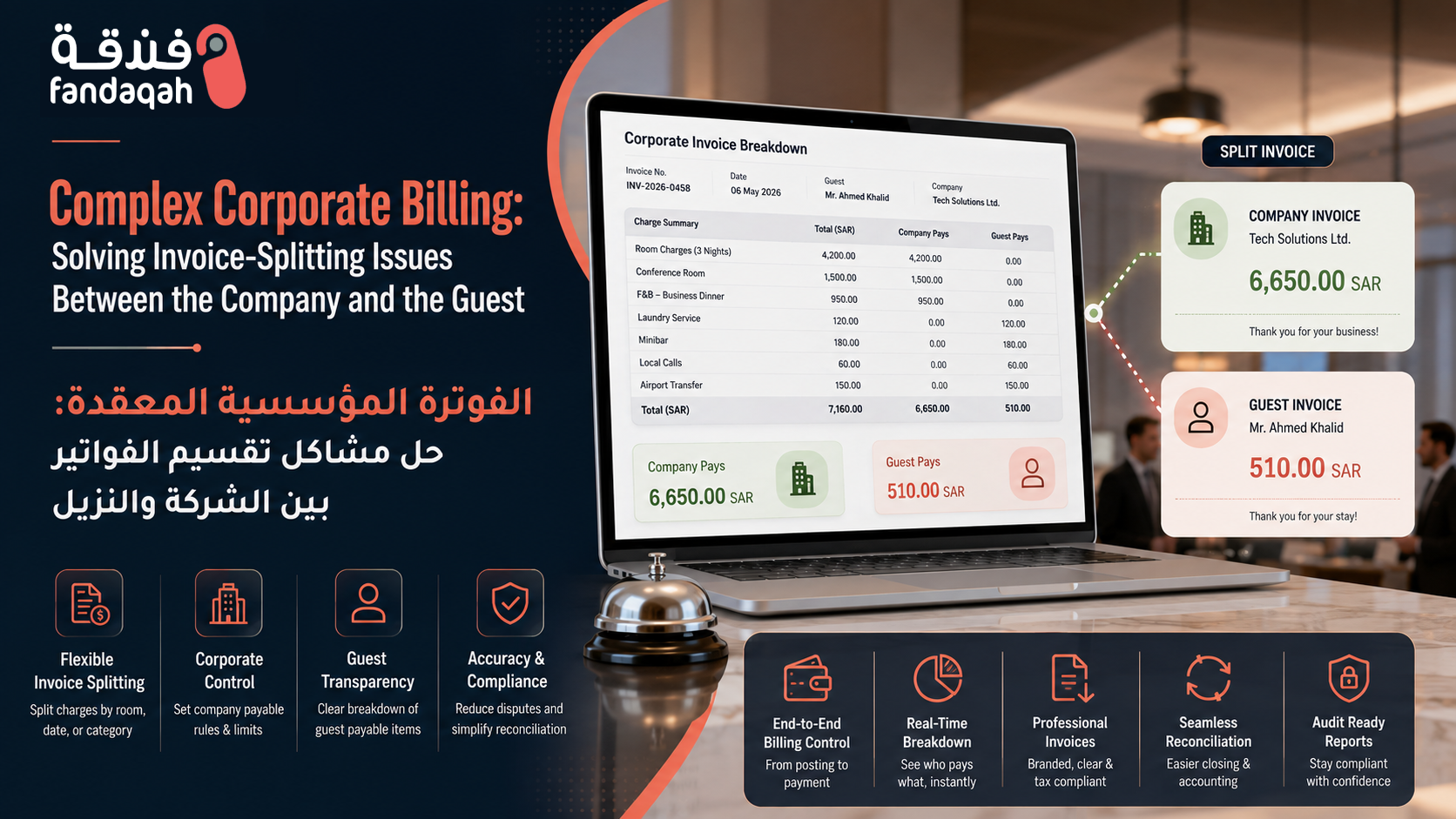
Master complex corporate billing & invoice splitting between company and guest. Automate ZATCA-compliant solutions for Saudi hotels & serviced apartments....
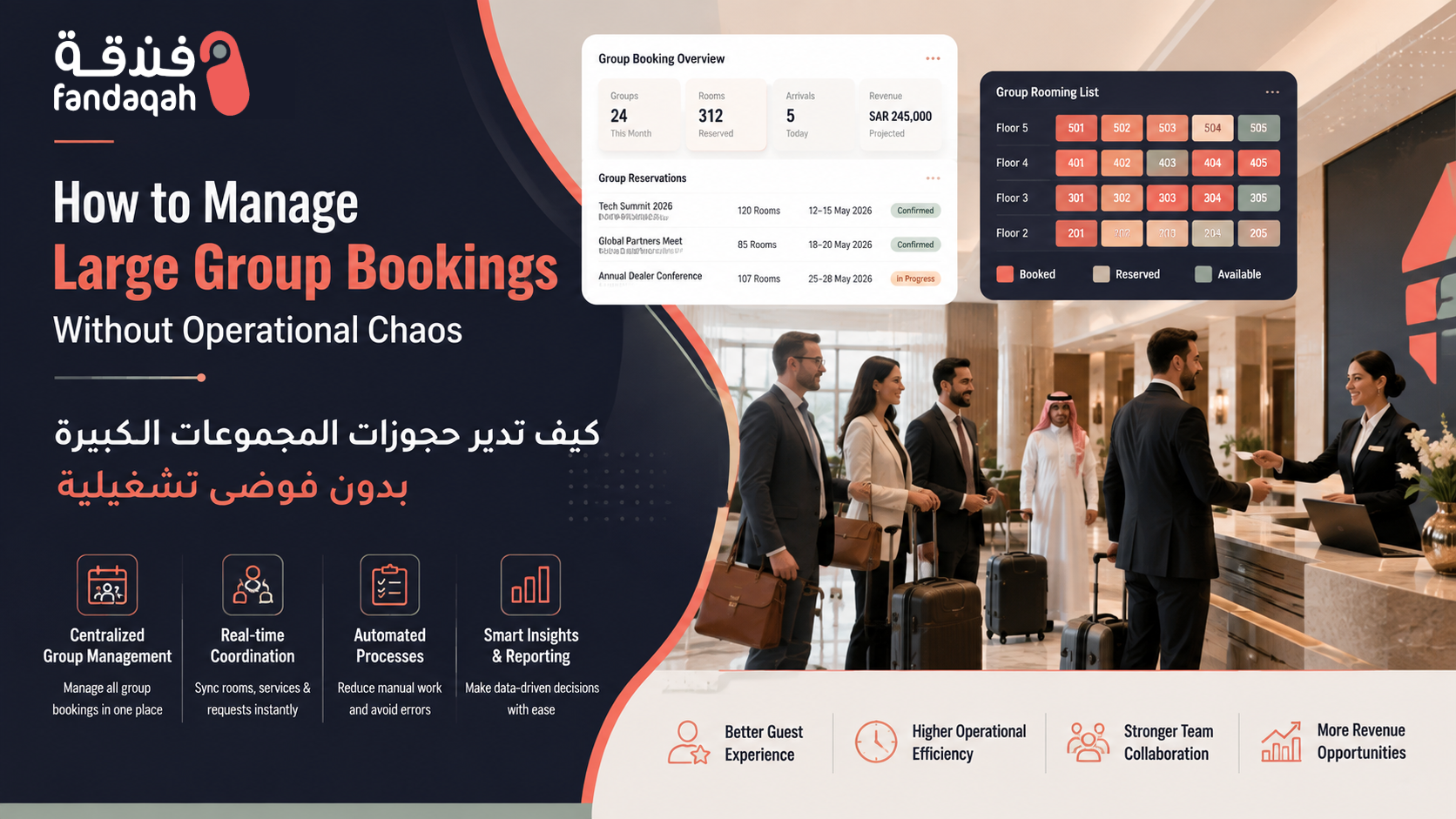
Master large group bookings in Saudi hospitality. Avoid operational chaos with proven strategies for hotels, restaurants & events during Hajj, Riyadh Season & Vision 2030....
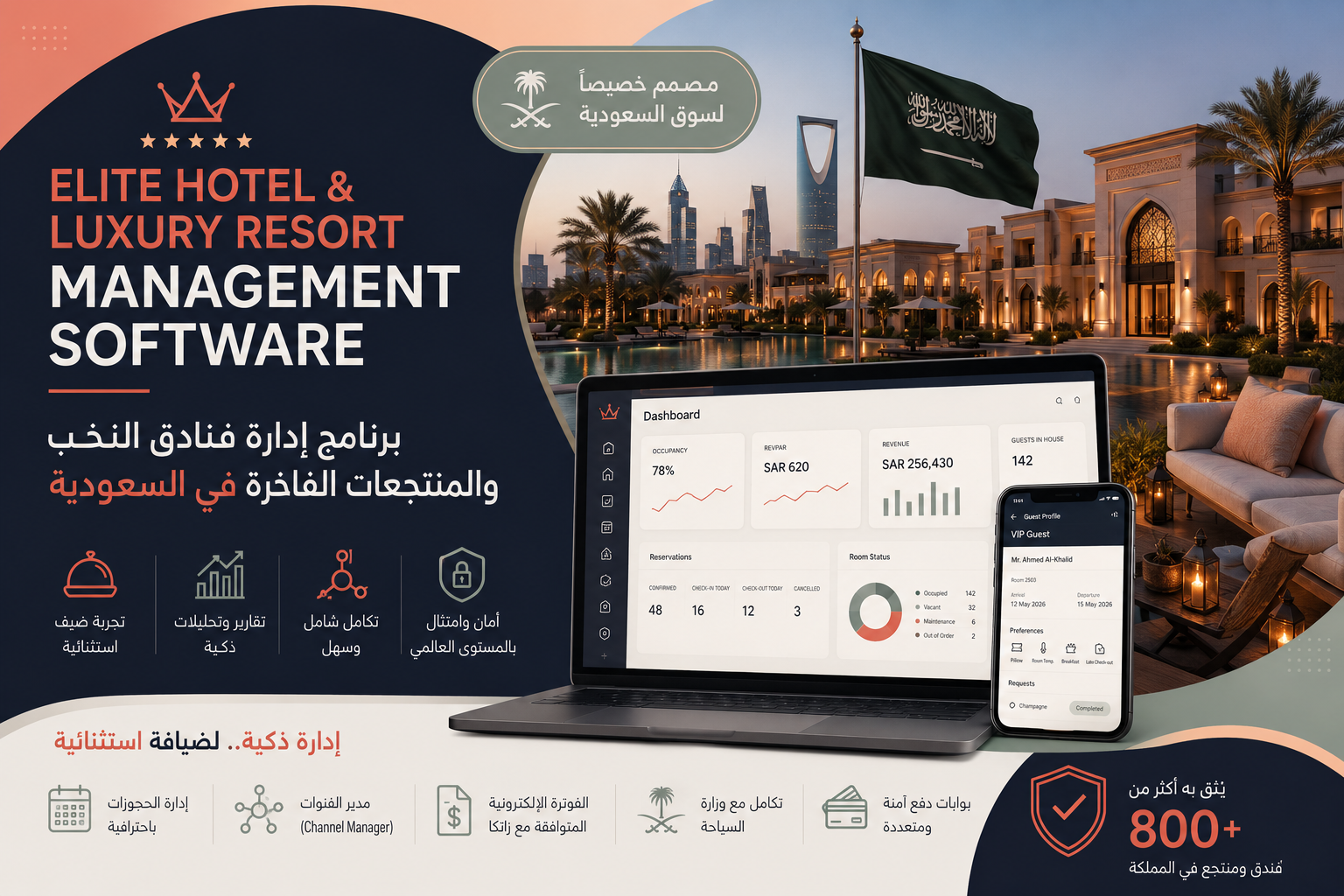
Discover the best cloud-based elite hotel & luxury resort management software (PMS) for Saudi Arabia. Boost guest experience, automate operations & align with Vision 2030....
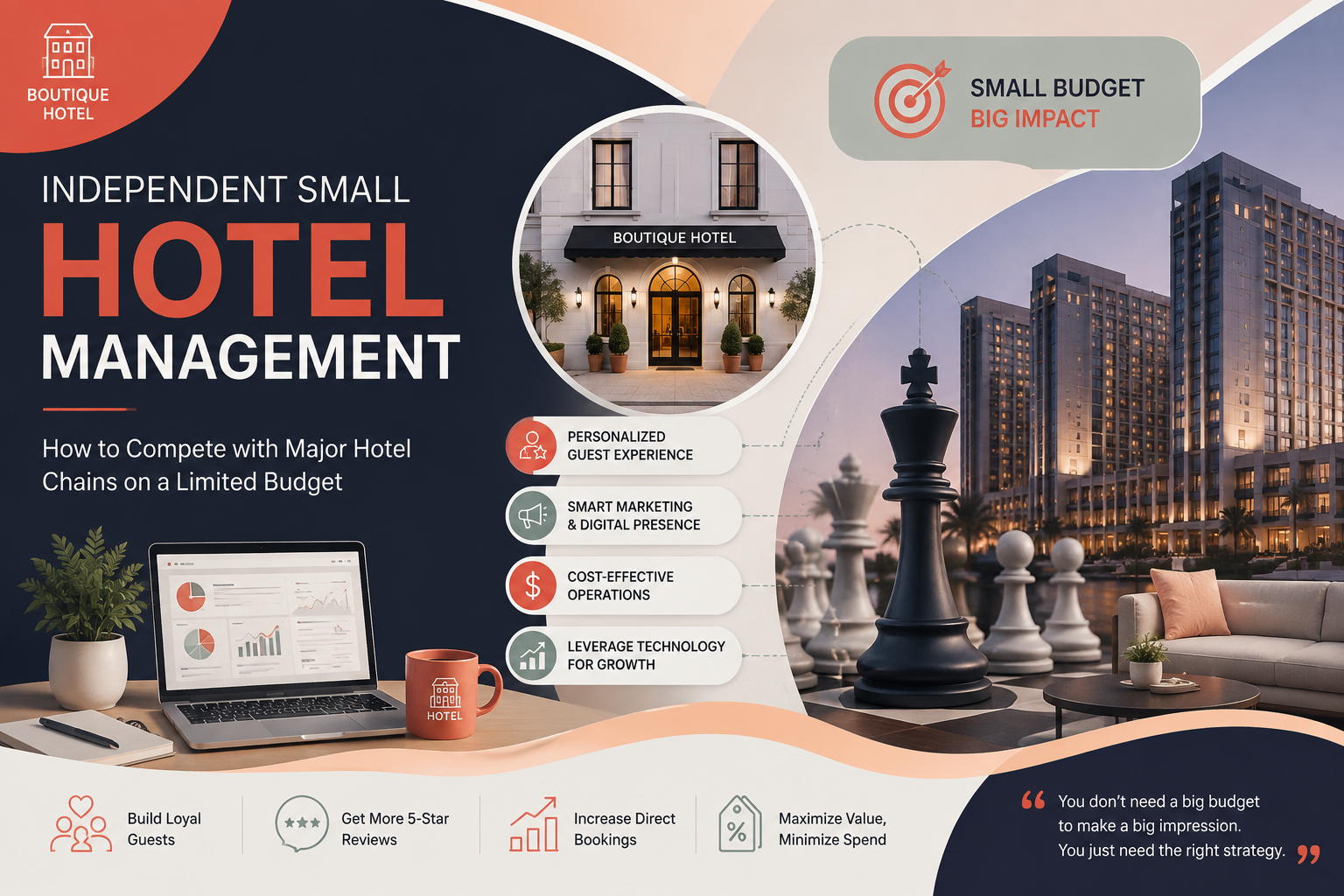
Practical guide for independent boutique hotels in Saudi Arabia to compete with major chains on a limited budget. Leverage local hospitality, organic SEO/GEO, Vision 2030 opportunities, and smart part...
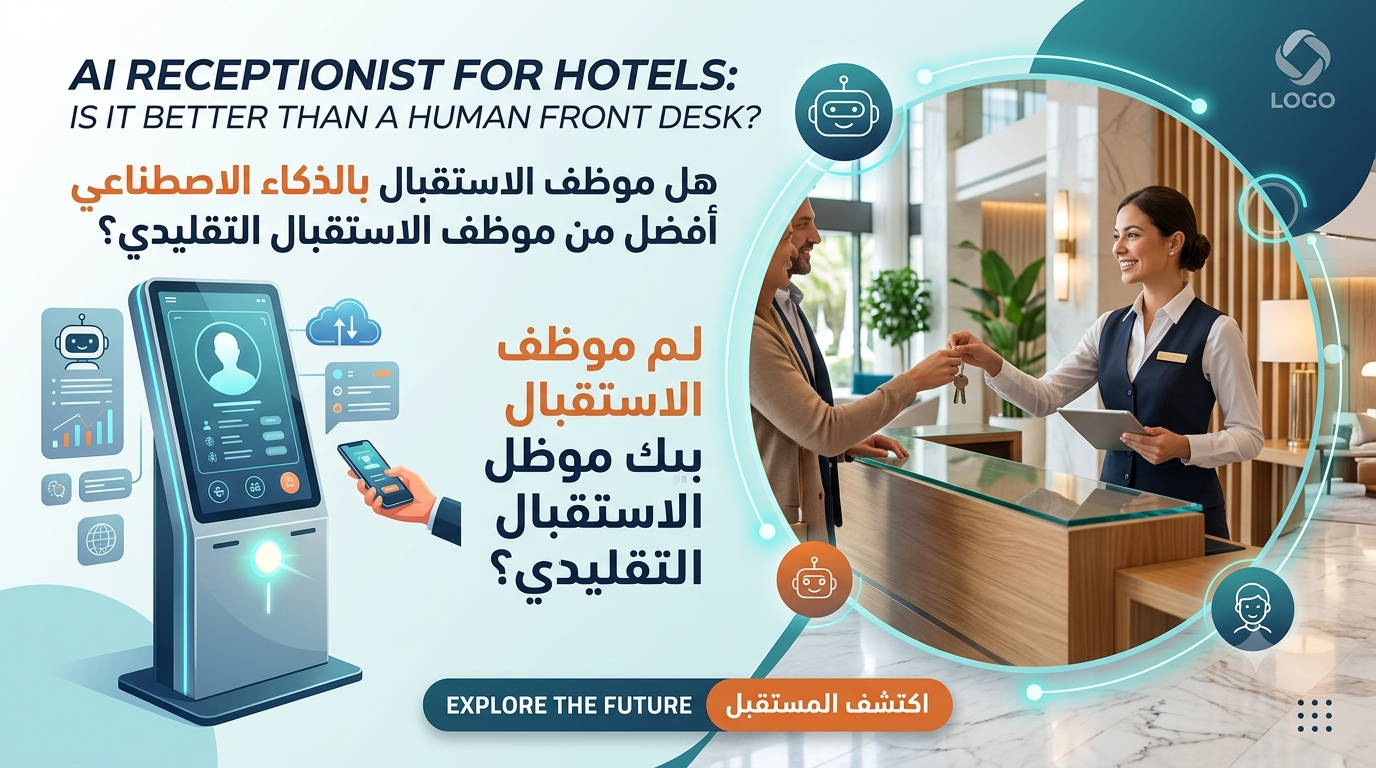
Explore the rise of AI receptionists in hotels. This expert analysis compares AI to human front desks, examining benefits, drawbacks, and the future of hospitality. Discover if AI is truly better for ...

Unlock the secrets to a fully booked hotel. Discover 50 actionable marketing ideas, from local SEO to immersive virtual tours, designed to skyrocket your bookings and boost revenue....
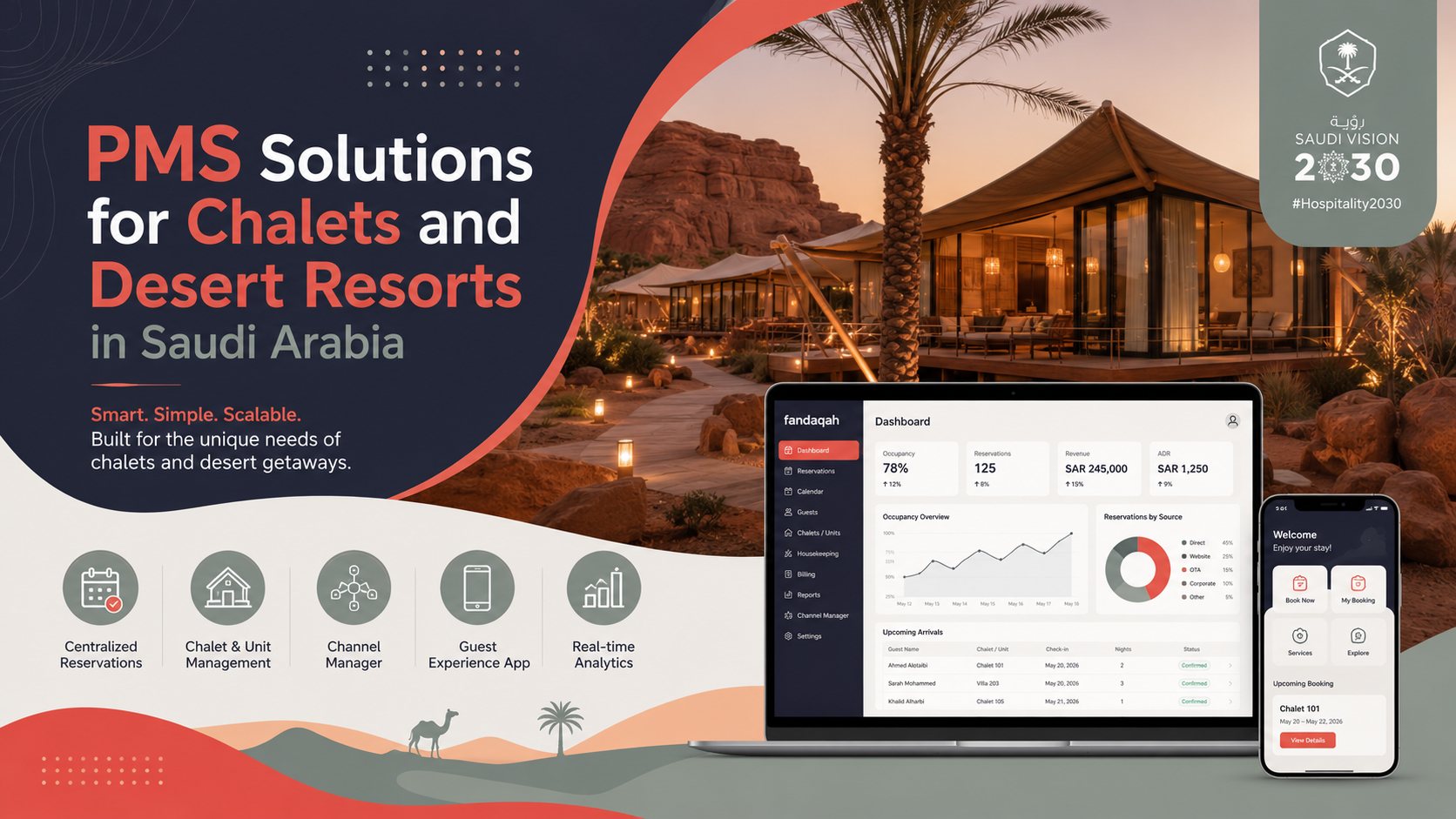
Discover how a modern PMS transforms chalet and desert resort management in Saudi Arabia. Boost bookings, automate operations, and align with Vision 2030 tourism goals....
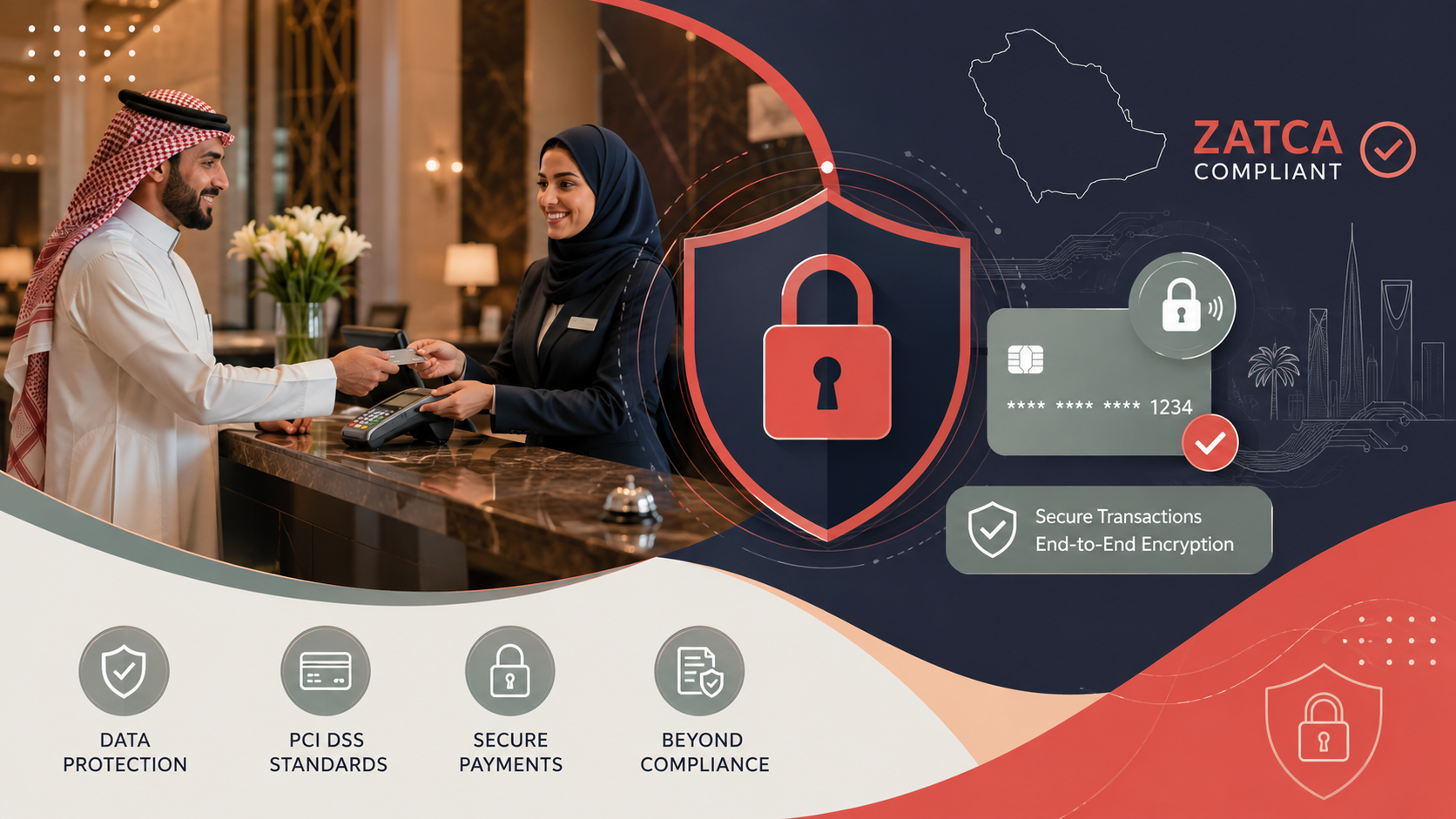
ZATCA e-invoicing alone isn’t enough. Learn how Saudi hotels can secure guest payment data with PCI DSS, NCA controls, and Vision 2030-aligned strategies to prevent breaches and build trust....
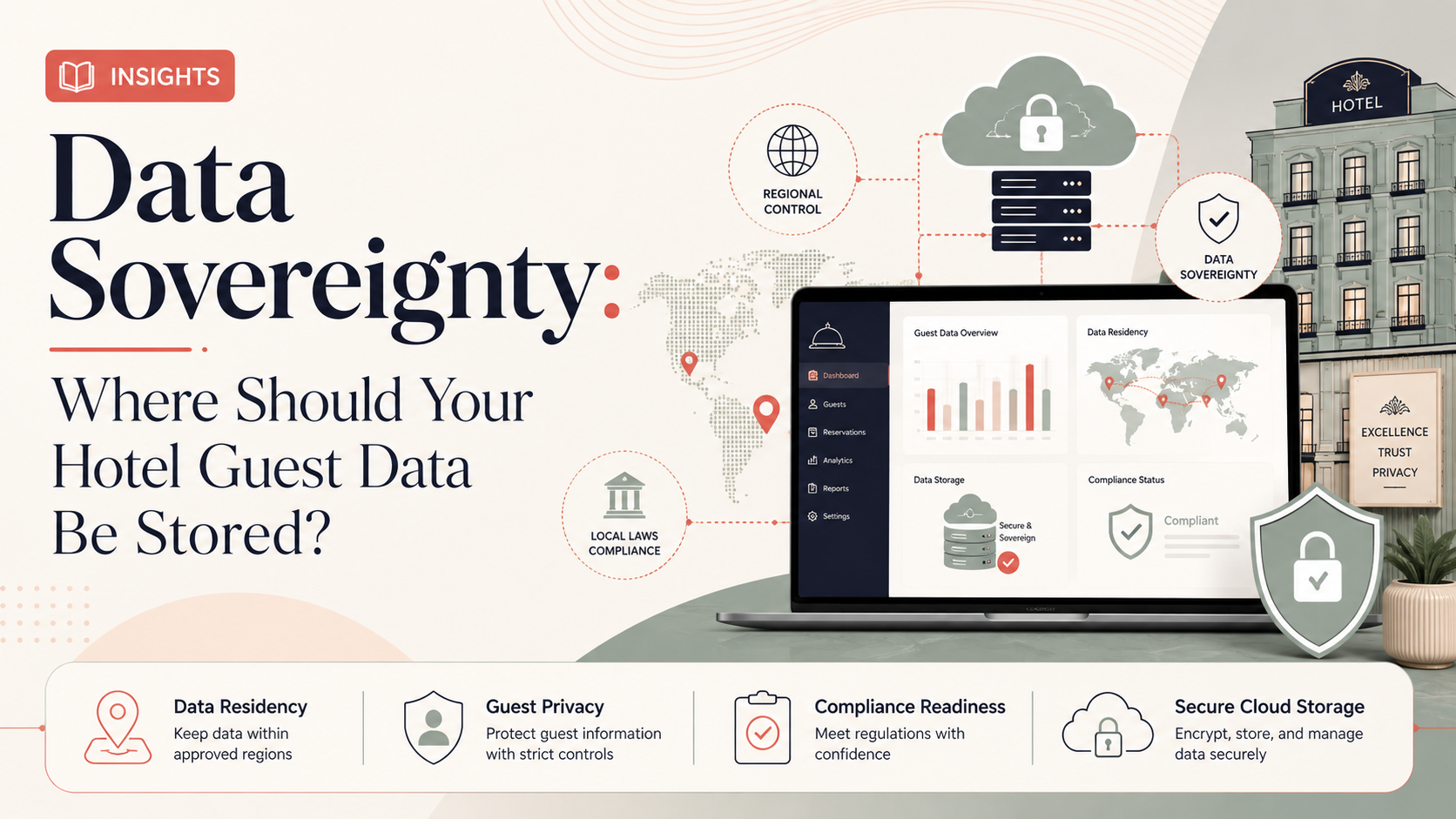
Where should Saudi hotels store guest data? A practical guide to data sovereignty, PDPL compliance, local cloud storage, and protecting privacy under Vision 2030....
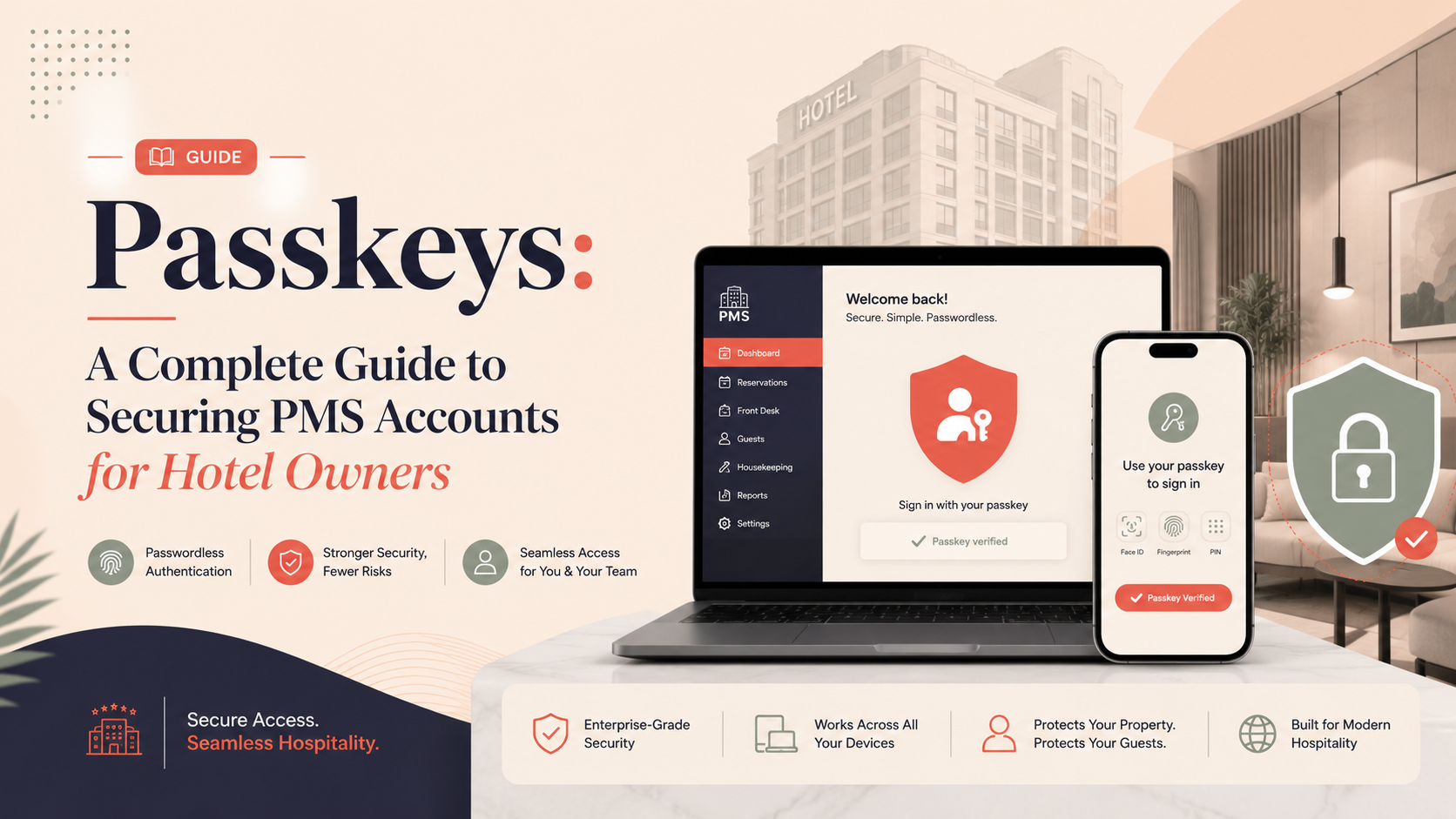
Secure hotel PMS accounts with passkeys. A practical guide for Saudi hotel owners on passwordless, phishing-resistant authentication, implementation, and recovery....

Learn how Saudi hotels can cut energy, water, and food waste costs while aligning with Vision 2030. Practical steps, KPIs, and a clear sustainability plan for better profits and guest experience....
Discover the 10 essential hotel dashboard reports to review every week—occupancy, ADR, RevPAR, booking pace, channels, guest satisfaction & more—to boost revenue and performance in Saudi Arabia....
Discover the Saudi Hotel Performance Report 2026 with projected occupancy, ADR, and RevPAR for Riyadh, Jeddah, Makkah, Madinah, Dammam, and AlUla. Key insights for investors and operators aligned with...
Discover how Saudi hotels use big data analytics, dynamic pricing, and predictive tools to increase occupancy, raise RevPAR, and support Vision 2030 tourism goals....
Compare the best hotel management system alternatives for Saudi hotels. Cloudbeds, Mews, Deyafa & more with full Fatoorah e-invoicing support, Arabic UI & Vision 2030 readiness....
Discover 7 warning signs your current hotel PMS is silently draining profits. Learn how upgrading boosts revenue, cuts costs & ensures Dyafa compliance in Saudi Arabia....
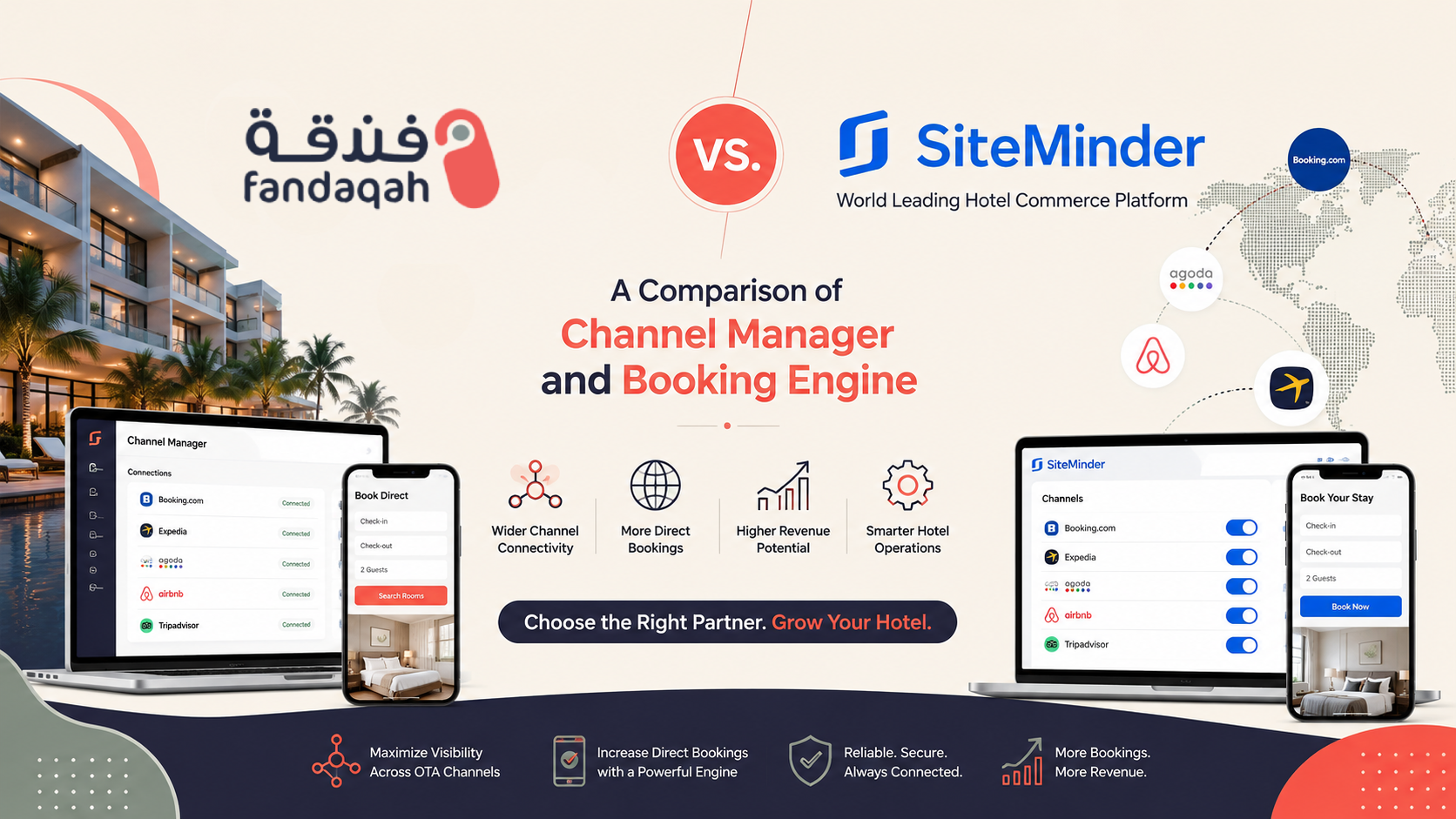
Compare Fandaqah vs SiteMinder for Saudi hotels. Discover which channel manager & booking engine wins on Arabic support, local OTAs, Mada payments, pricing & Vision 2030 fit....
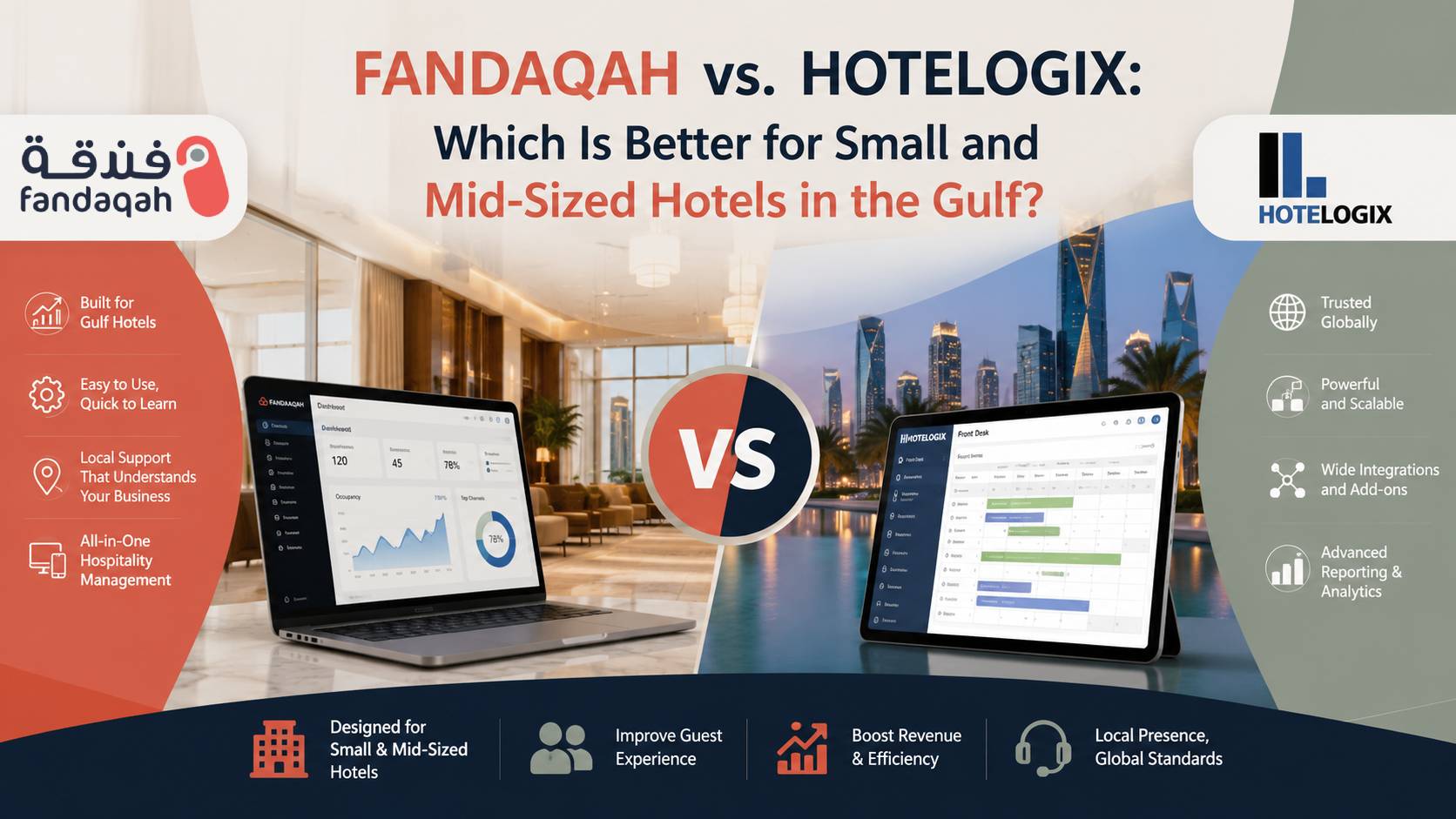
Compare Fandaqah and Hotelogix for small & mid-sized hotels in Saudi Arabia and the Gulf. Arabic-first PMS, ZATCA compliance, local payments & more....
Ready-to-use PMS Request for Proposal (RFP) template for Saudi hotels. Compare vendors, define requirements, integrations, security & implementation for smarter hotel software selection....
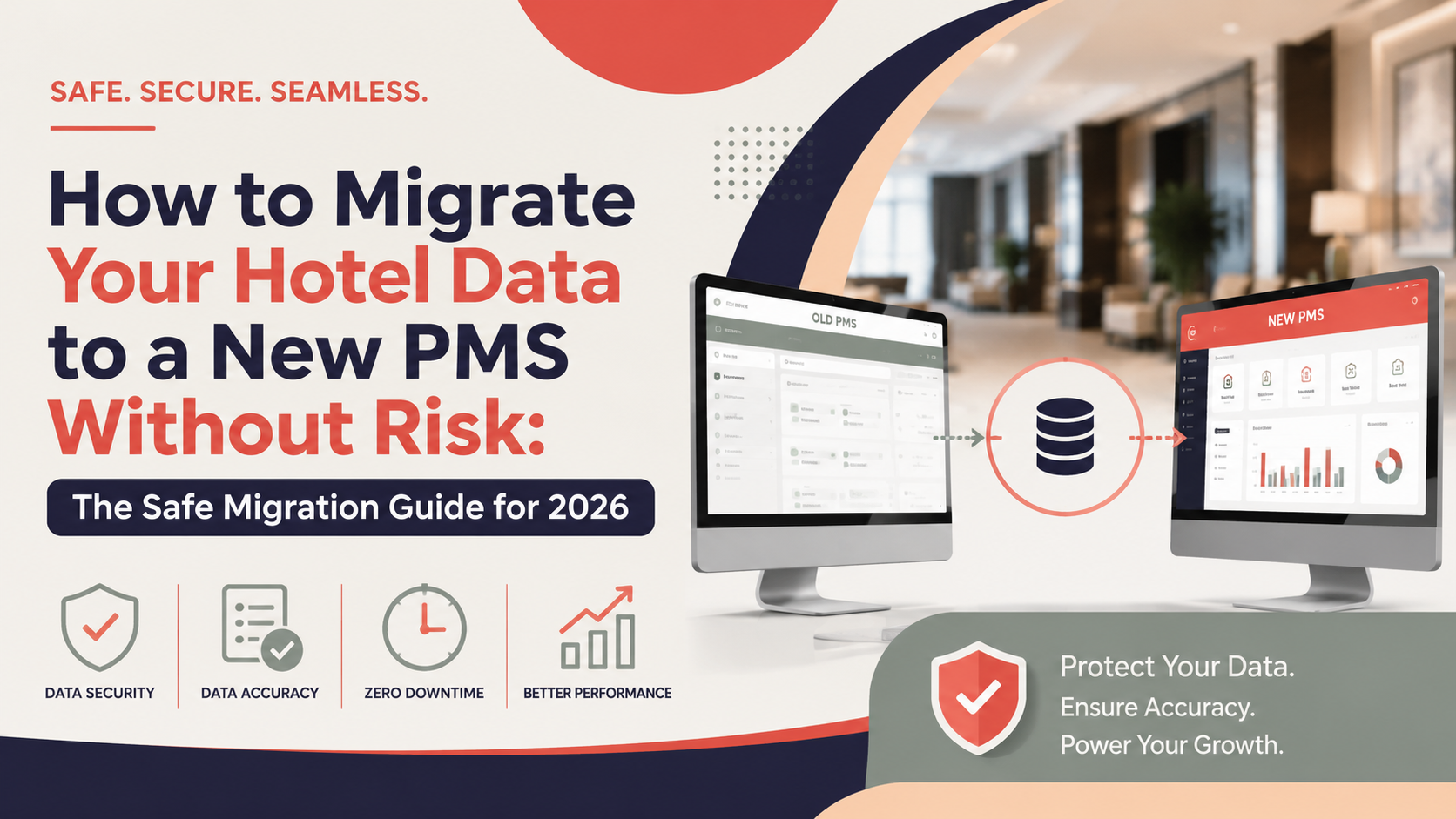
Learn how to migrate your hotel data to a new PMS without risk. Discover the 2026 step-by-step migration checklist for Saudi hotels, including testing, security, and successful go-live planning....
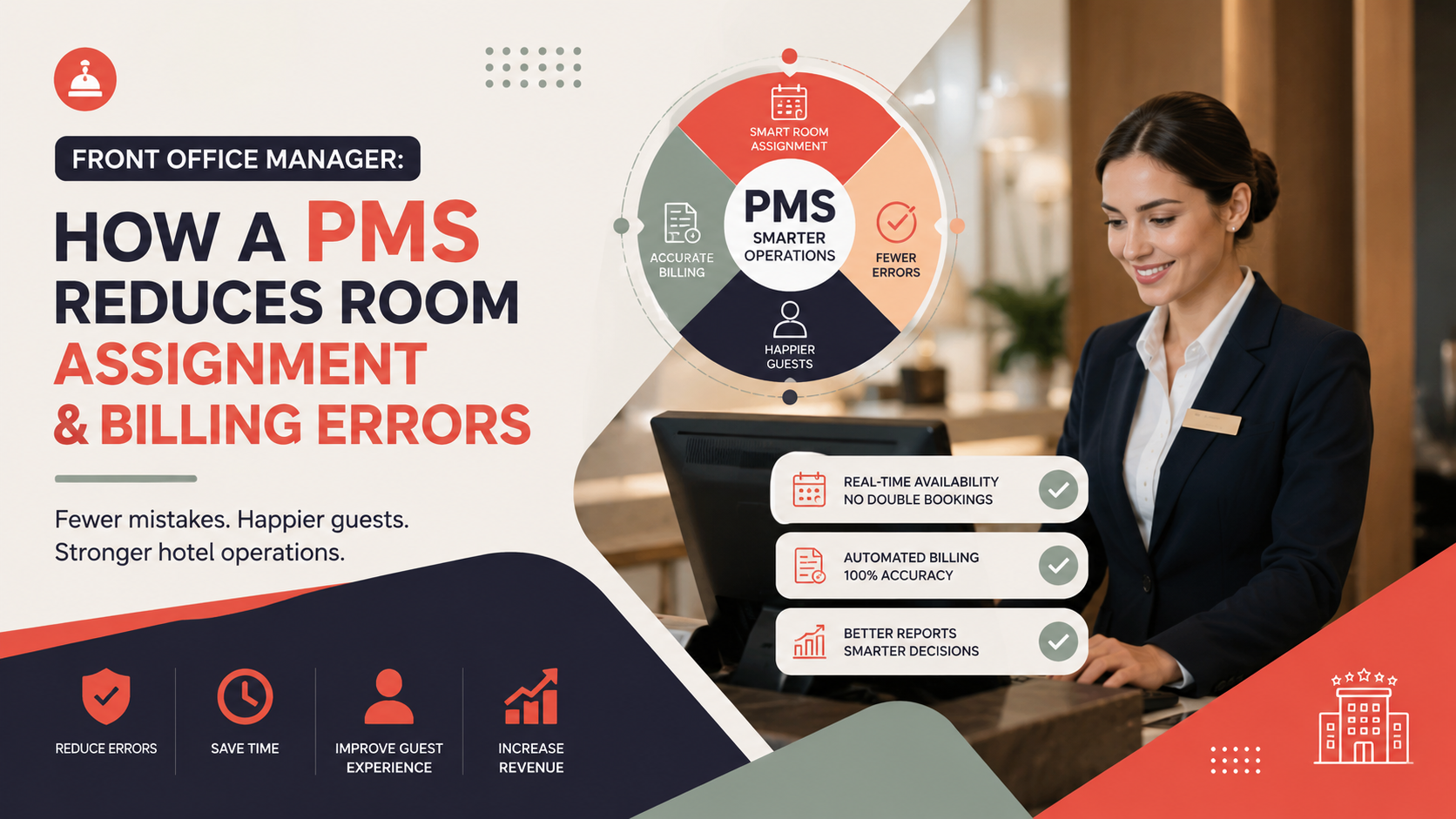
Learn how a hotel PMS helps front office managers prevent room assignment mistakes, reduce billing errors, and improve guest satisfaction in Saudi hotels....

Learn how hotel sales managers in Saudi Arabia win corporate contracts and conference business with smarter outreach, pricing, and partnerships....
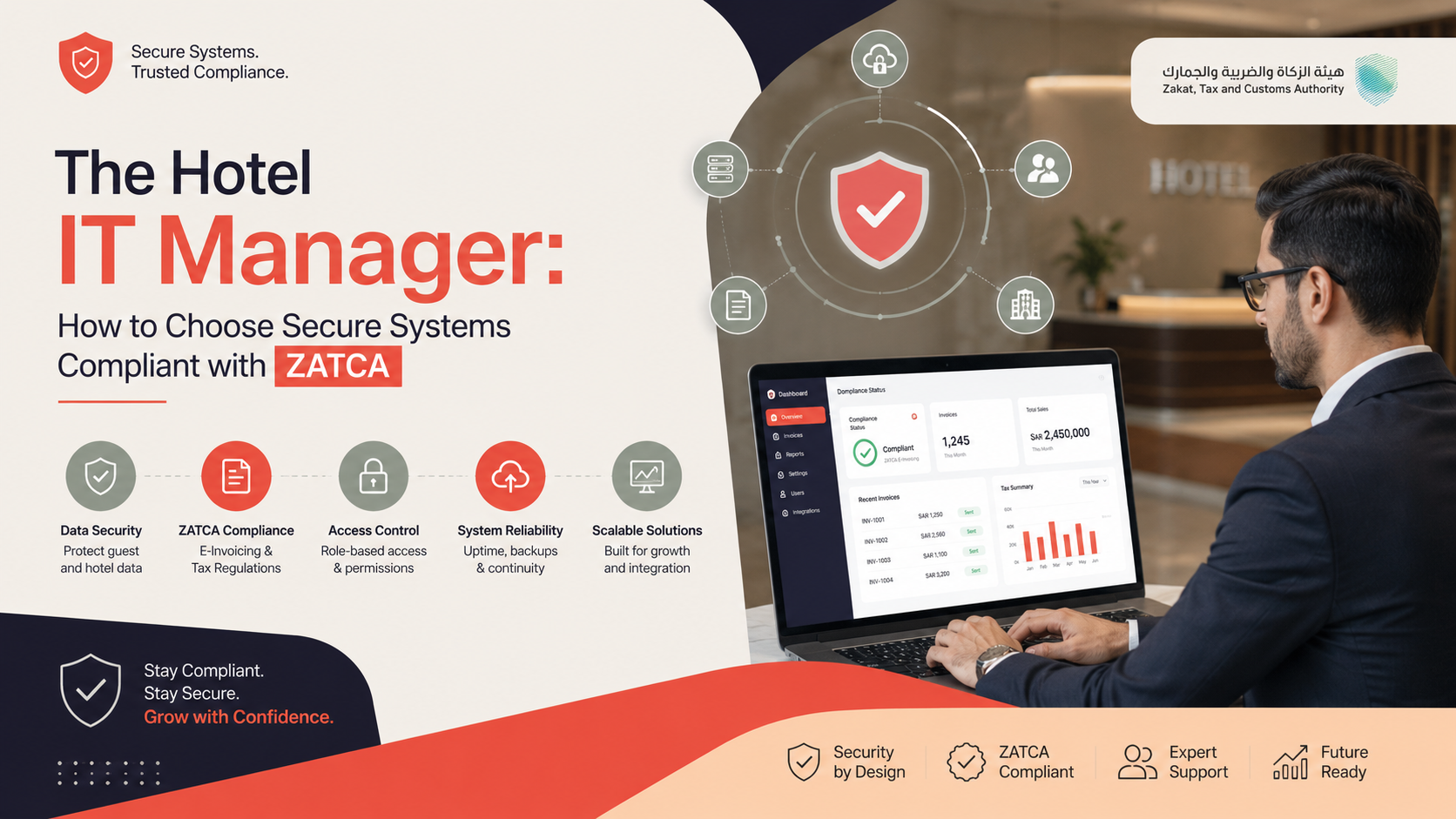
Learn how hotel IT managers choose secure, ZATCA-compliant systems, protect guest data, and ensure seamless PMS, POS, and e-invoicing integration. ...
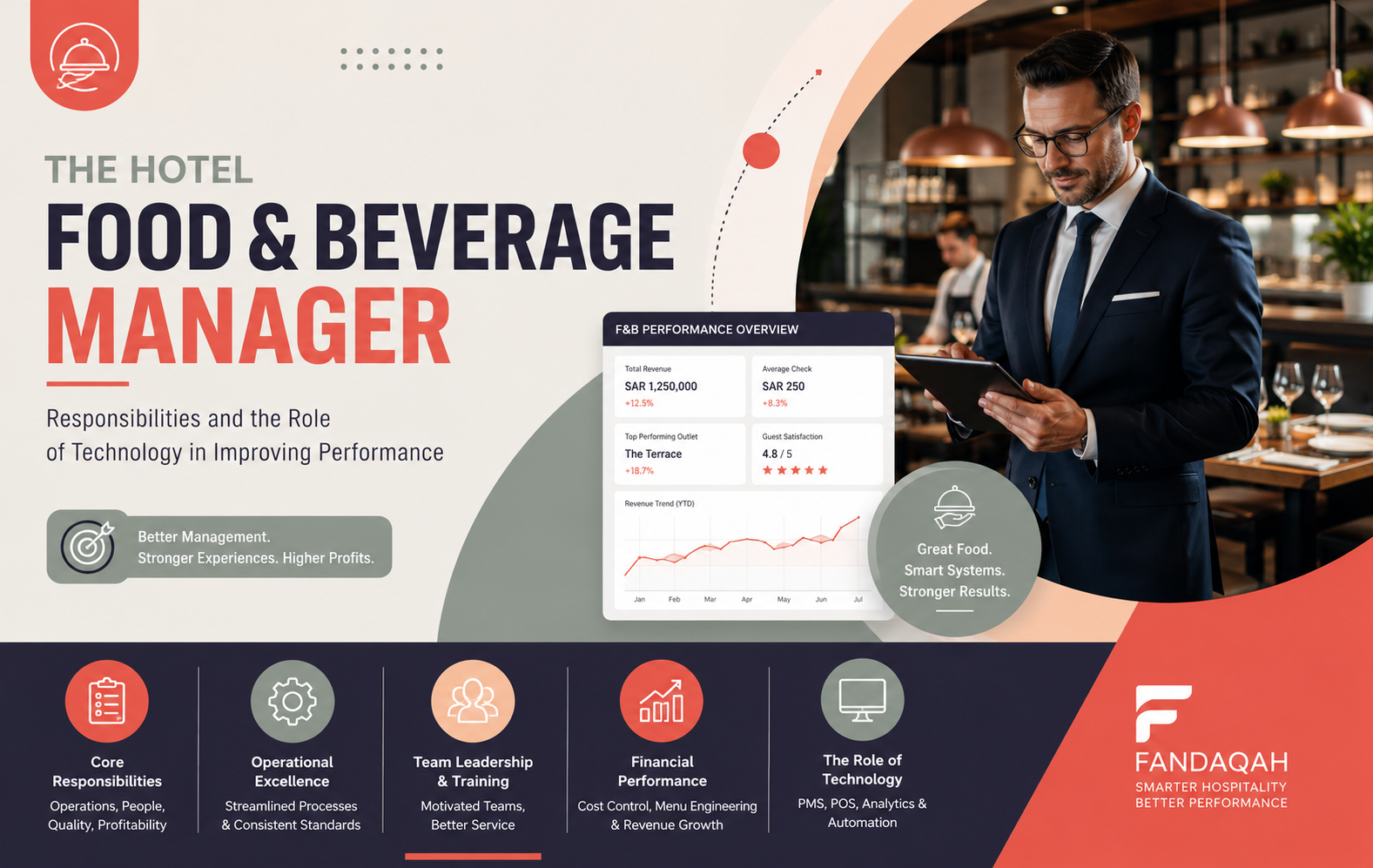
Discover the hotel food and beverage manager’s core responsibilities, technology tools, and how they improve performance in Saudi hospitality....
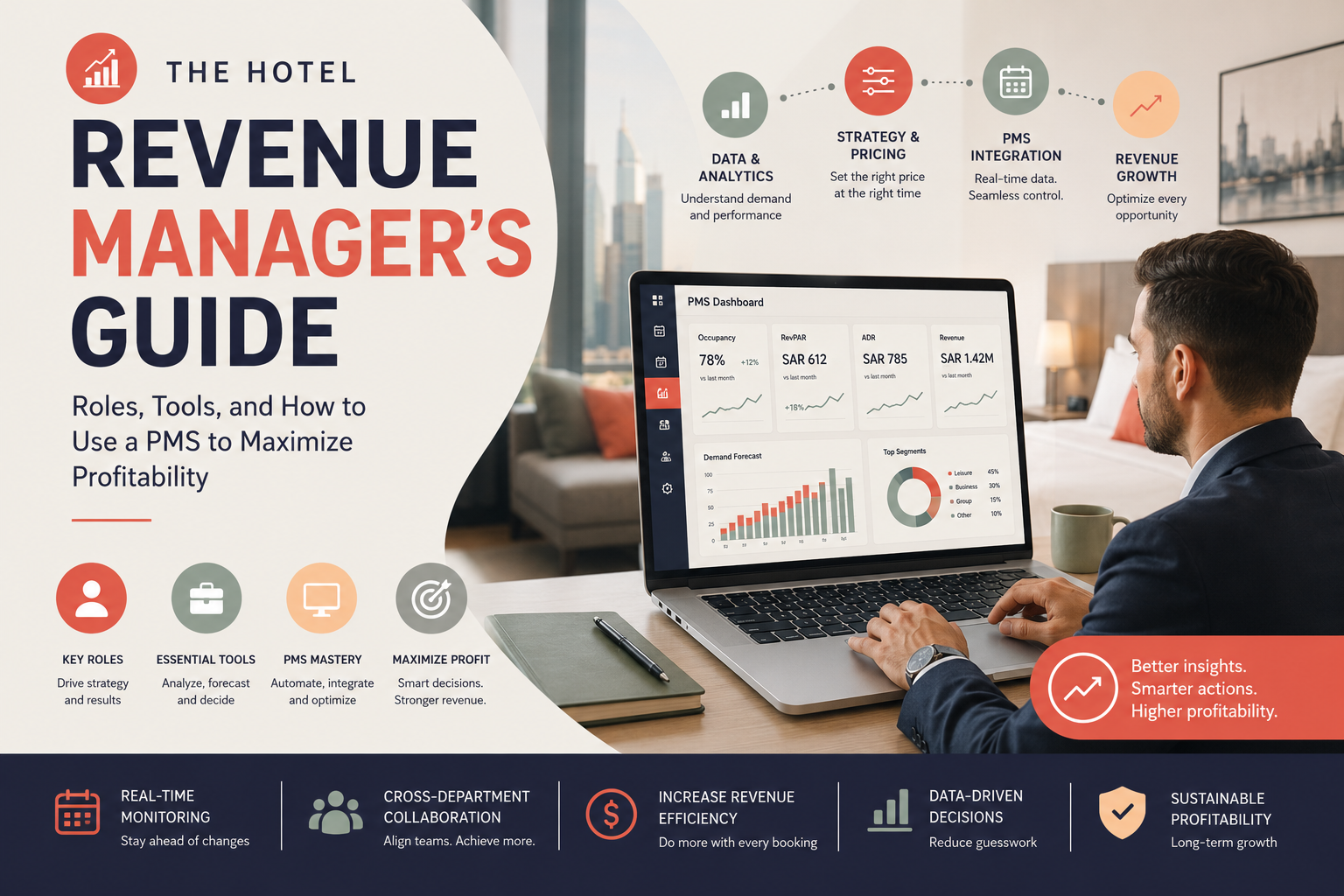
Learn the hotel revenue manager's role, key tools, KPIs, and how a PMS helps maximize hotel profitability with dynamic pricing and revenue management....
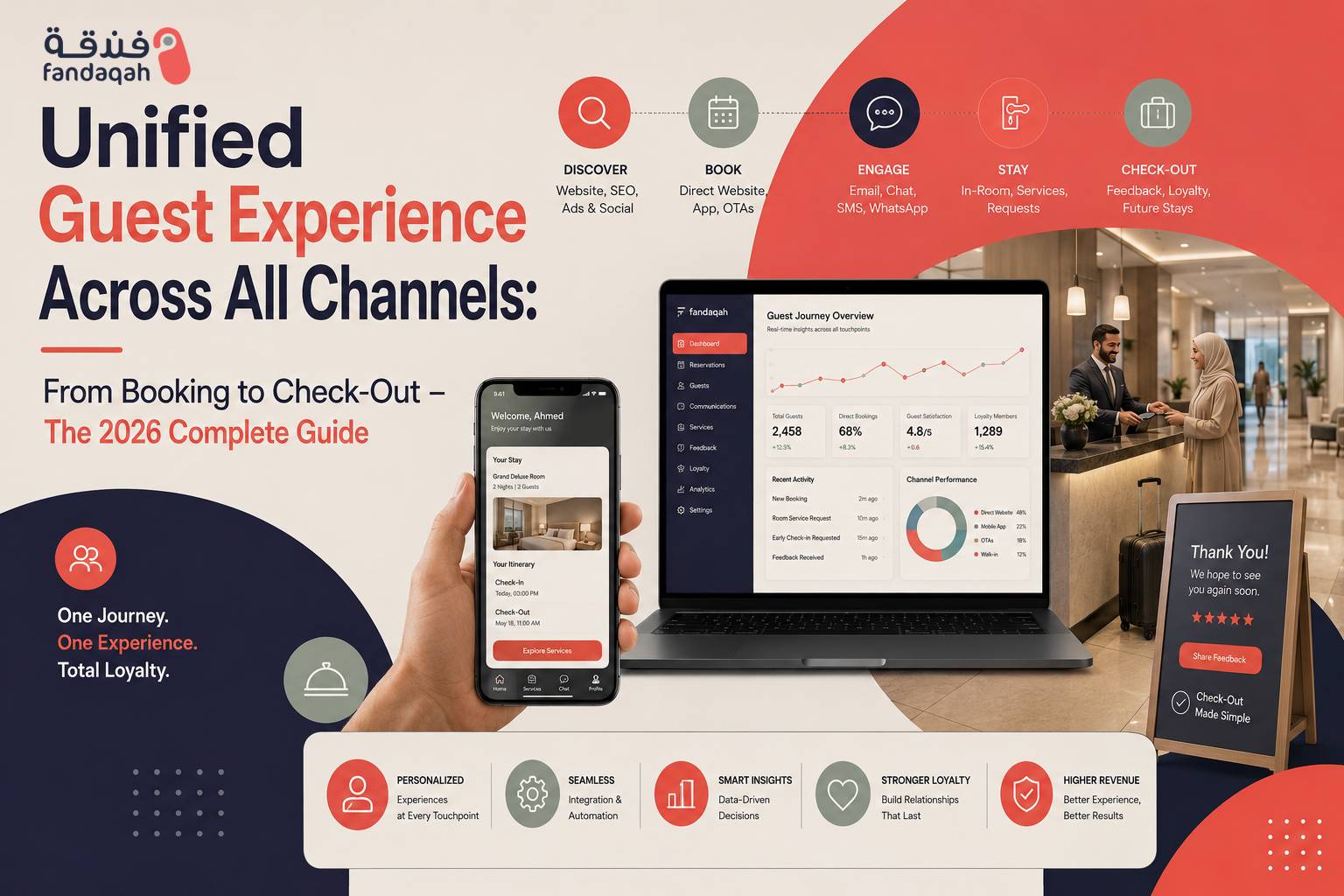
Learn how a unified omnichannel guest experience improves hotel operations, guest satisfaction, loyalty, and direct bookings with modern hospitality technology....

Learn how Saudi hotels can attract bleisure travelers through smart hospitality strategies, better guest experiences, and Vision 2030 tourism opportunities....
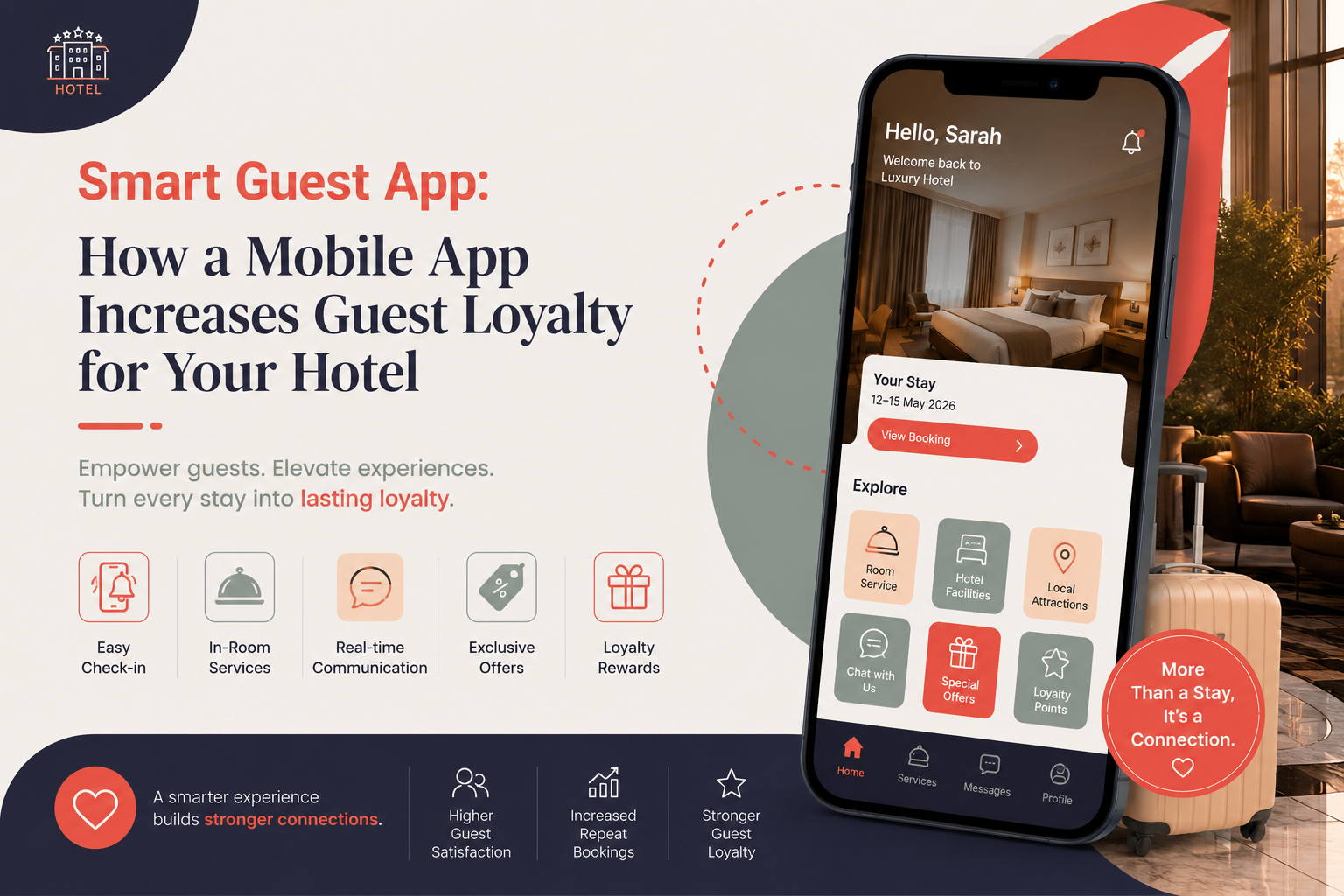
Discover how a smart guest app improves hotel guest loyalty, increases direct bookings, enhances the guest experience, and supports digital hospitality in Saudi Arabia....

Learn how hotel wholesalers work, their benefits and risks, and how Saudi hotels can improve occupancy, revenue, and global distribution....
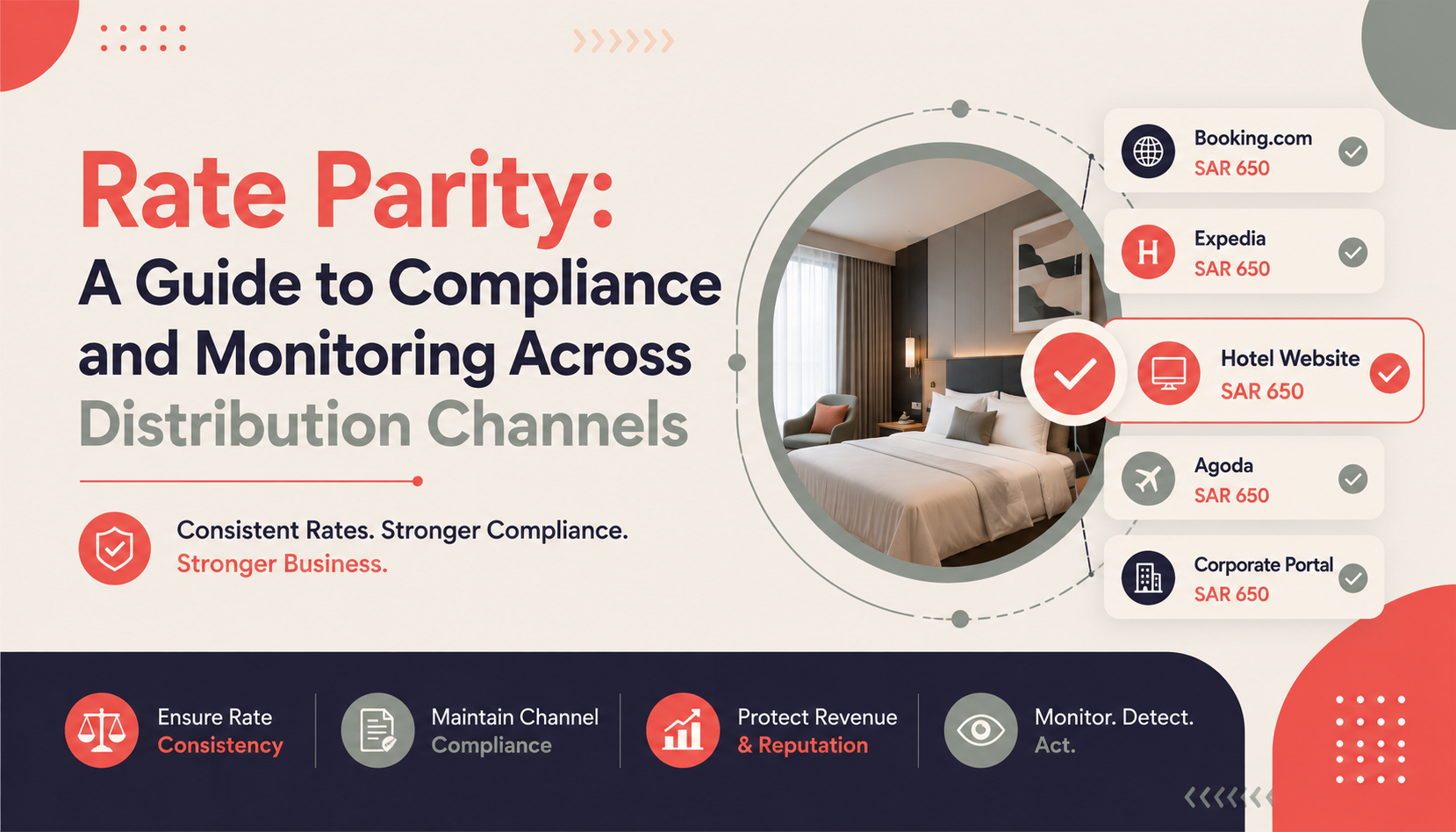
Learn how hotels in Saudi Arabia can maintain rate parity, monitor pricing across OTAs, protect revenue, and improve distribution strategy....

Learn how Saudi hotels can improve Google Hotel Ads visibility, price accuracy, direct bookings, and profitability without increasing ad costs....
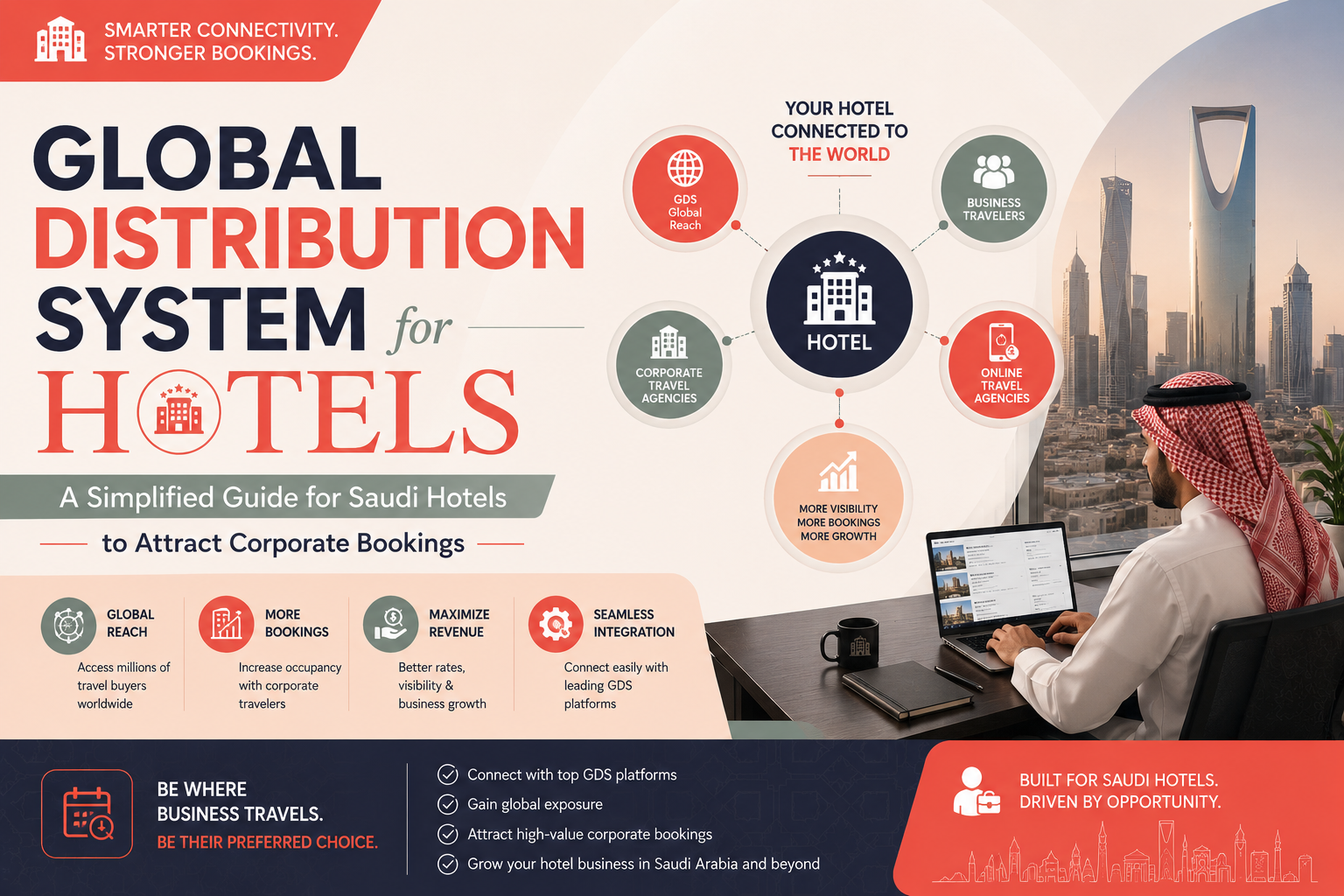
Discover how Saudi hotels in Riyadh, Jeddah, Dammam, and beyond can use a Global Distribution System (GDS) to attract corporate bookings, increase weekday occupancy, and balance distribution channels....
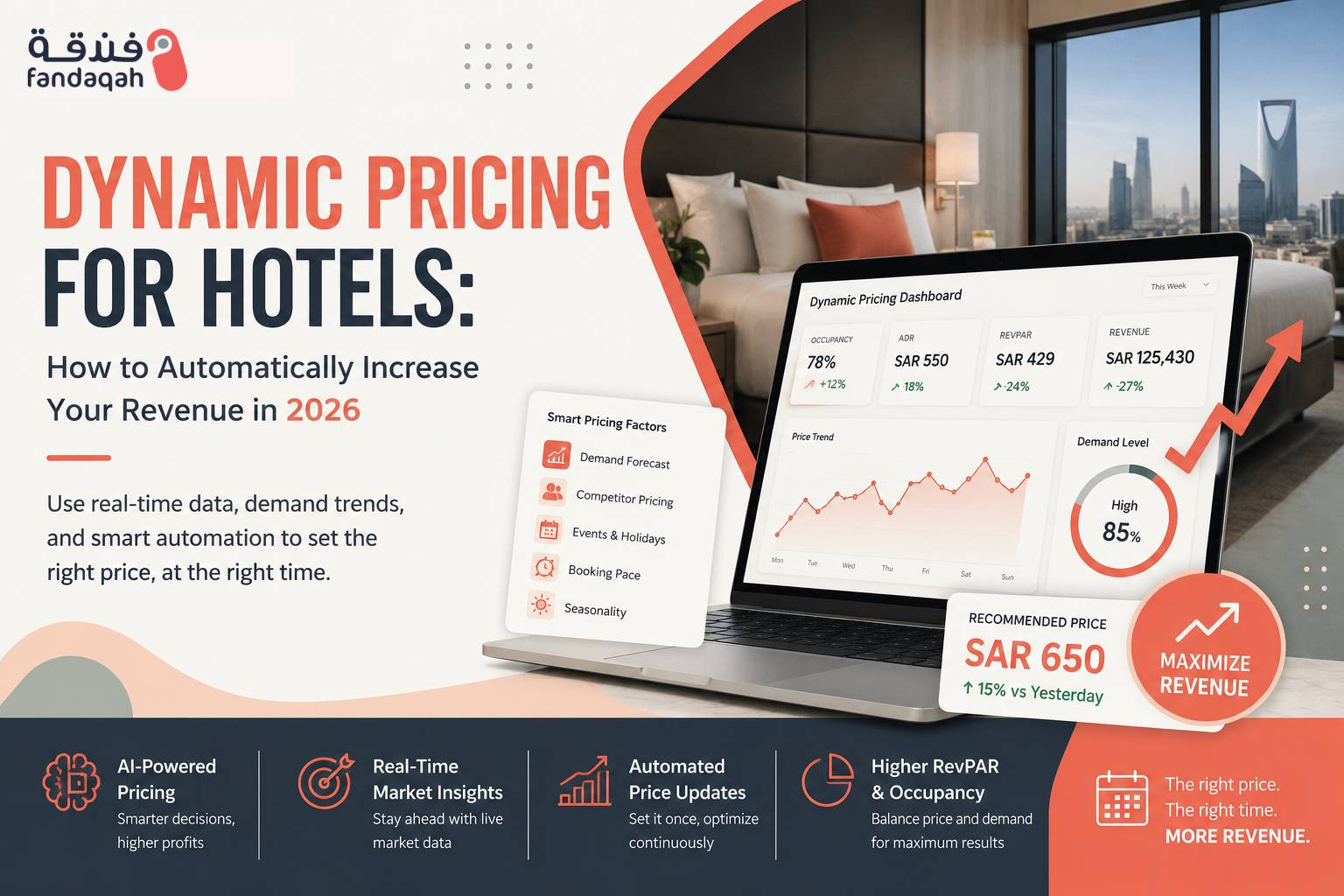
Learn how dynamic pricing uses AI to automatically adjust hotel room rates in real-time. Maximize RevPAR during Hajj, Riyadh Season & Vision 2030 projects with proven strategies for Saudi hotels....
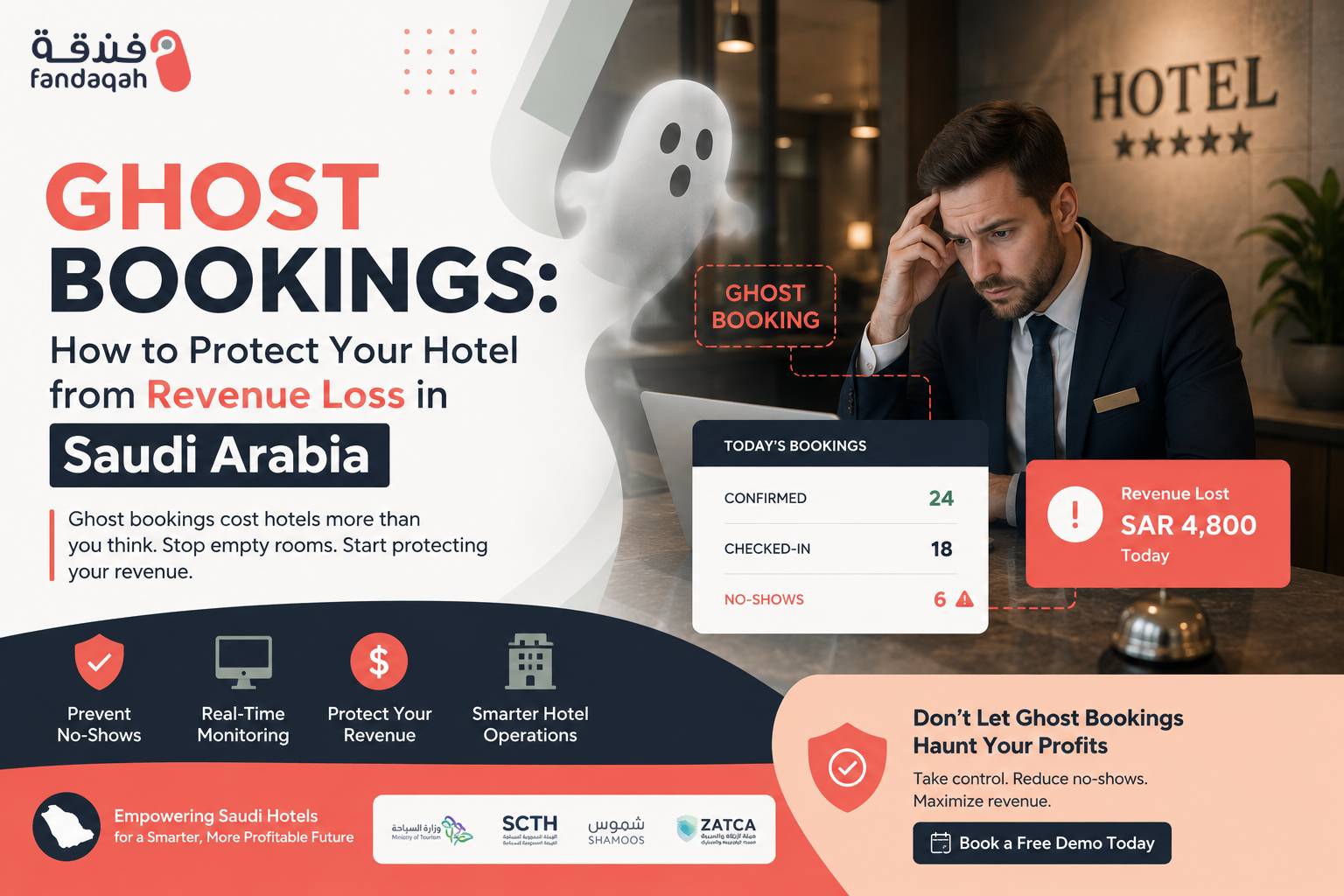
Discover what ghost bookings are, how they silently drain hotel revenue in Saudi Arabia, and practical strategies to prevent them — especially during Hajj, Umrah, and Riyadh Season — in line with ...
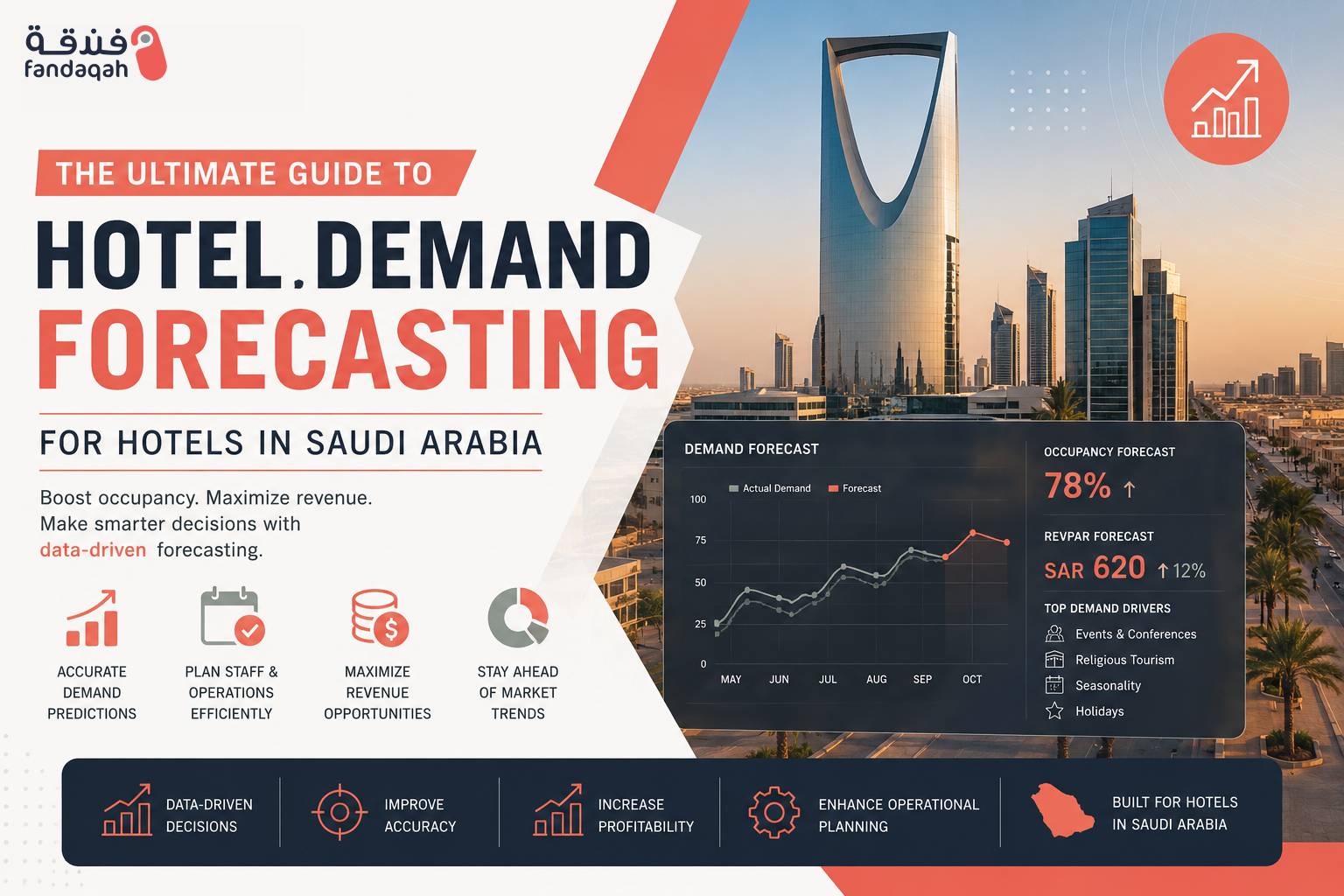
Discover the ultimate guide to hotel demand forecasting in Saudi Arabia. Learn smart strategies for dynamic pricing, revenue management, and maximizing occupancy during Hajj, Vision 2030 events, and p...
Discover how to choose the best Revenue Management System (RMS) for your Saudi hotel. Expert tips on dynamic pricing, forecasting, integrations, and maximizing RevPAR in line with Vision 2030....
Discover how Arab tourists, especially Saudis, are using AI tools like ChatGPT and Gemini to book hotels. Essential strategies for Saudi hoteliers to optimize for AI discovery and thrive under Vision ...
Discover the key difference between hotel automation and true autonomy. Learn how Saudi hotels can embrace AI-driven autonomous operations aligned with Vision 2030 for superior guest experiences and e...
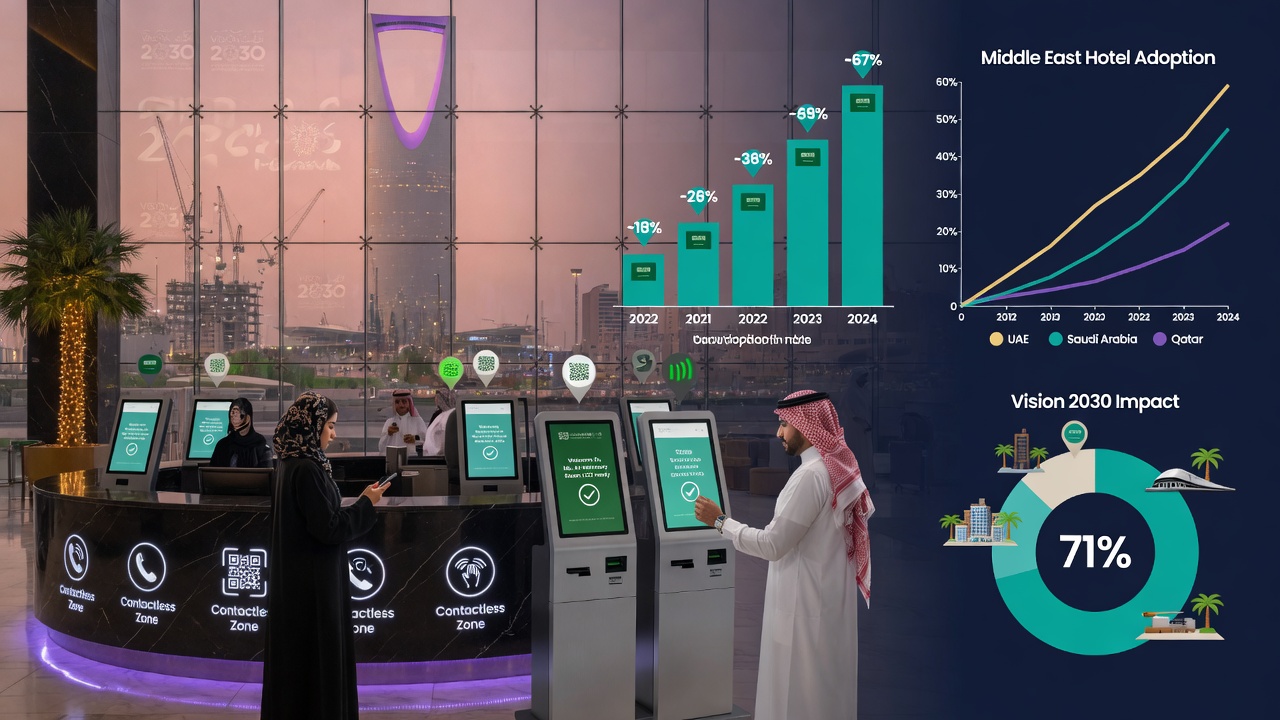
Fast-rising contactless check-in in Middle East hotels 2026. Saudi adoption at 68% thanks to Vision 2030. Benefits, cases & tips for hotel owners....

Discover the best free and affordable hotel PMS tools for 2026 in Saudi Arabia. Features ZATCA e-invoicing, channel manager, and Arabic support for budget hotels....

Complete guide to hotel distribution channels in the Arab world. Optimize OTAs, direct bookings, GDS & metasearch for Saudi hotels to grow revenue with Vision 2030 strategies....

Explore how modern unified payment platforms are simplifying cross-border hotel payments in the GCC. Saudi hotels can now achieve same-day settlements, multi-currency support, reduced fees, automated ...
Master Google Hotel Ads for Saudi hotels in 2026. Optimize your metasearch strategy to drive direct bookings, reduce OTA commissions, and leverage Vision 2030 tourism growth....
Compare Cloudbeds, Mews and Fandaqah PMS platforms for Saudi hotels in 2026. See which system wins on Arabic support, local payments (Mada/STC Pay), Hajj/Umrah peak handling, Vision 2030 readiness and...

Discover how to design a hotel loyalty program with reward points in Saudi Arabia. Boost guest retention, align with Vision 2030, and keep guests returning....
Discover the 12 essential questions Saudi hotels must ask before choosing a Hotel Management System (PMS), including ZATCA compliance, cloud PMS, and Hajj & Umrah operations....
Discover the best hotel management software for 2026 in Saudi Arabia. Compare features, pricing, ZATCA e-invoicing, and Vision 2030 readiness. Free consultation....
Discover how a serviced apartments operations program streamlines hospitality management in Saudi Arabia. Features, benefits & Vision 2030 insights inside....

Discover how hotel apartment software in Saudi Arabia automates accounting, boosts occupancy, ensures ZATCA compliance, and aligns with Vision 2030....
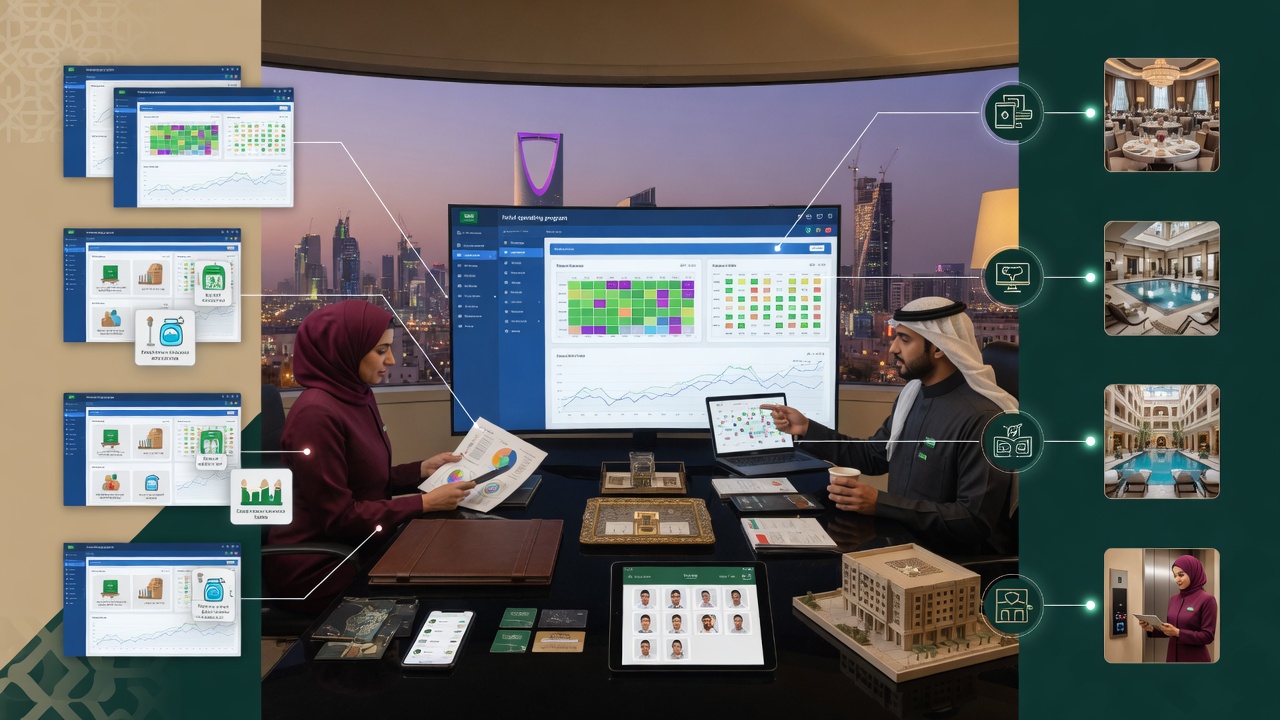
Discover how a hotel operating program (PMS) can streamline operations, boost revenue, and delight guests in Saudi Arabia's tourism sector....
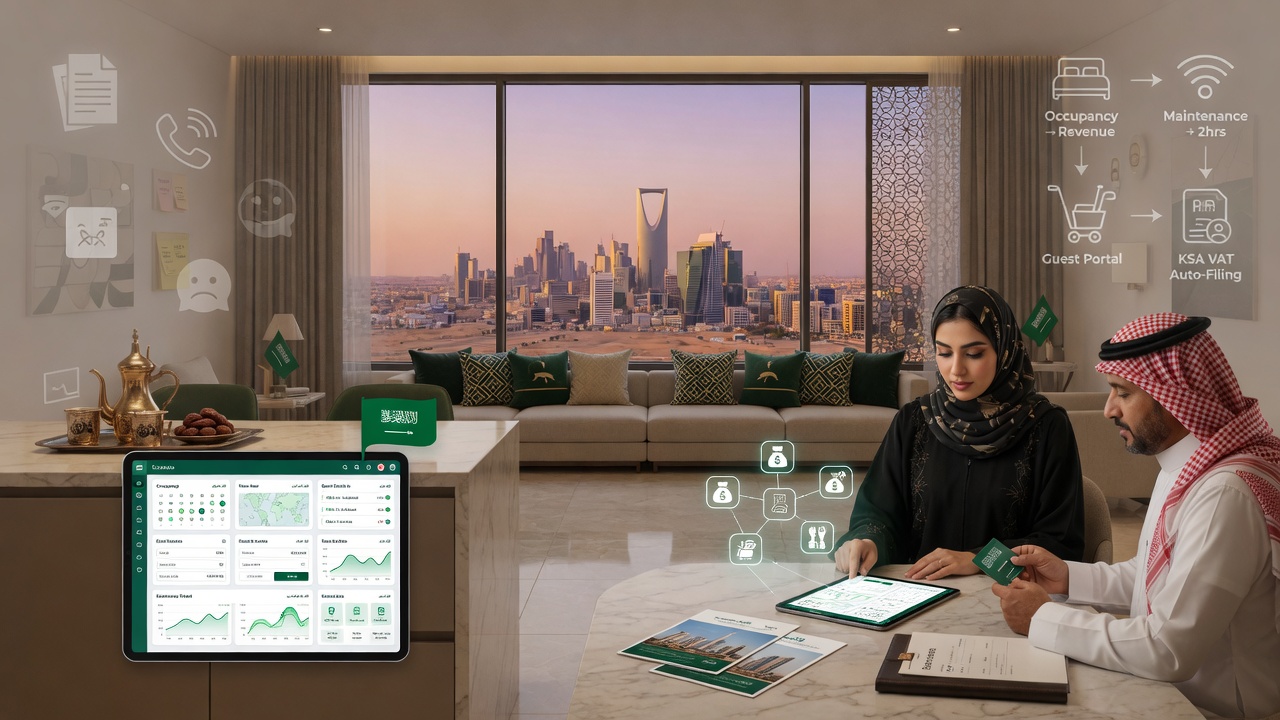
Discover how serviced apartment management software streamlines Saudi hospitality, ensures Taskeen compliance, and boosts revenue. Complete guide....
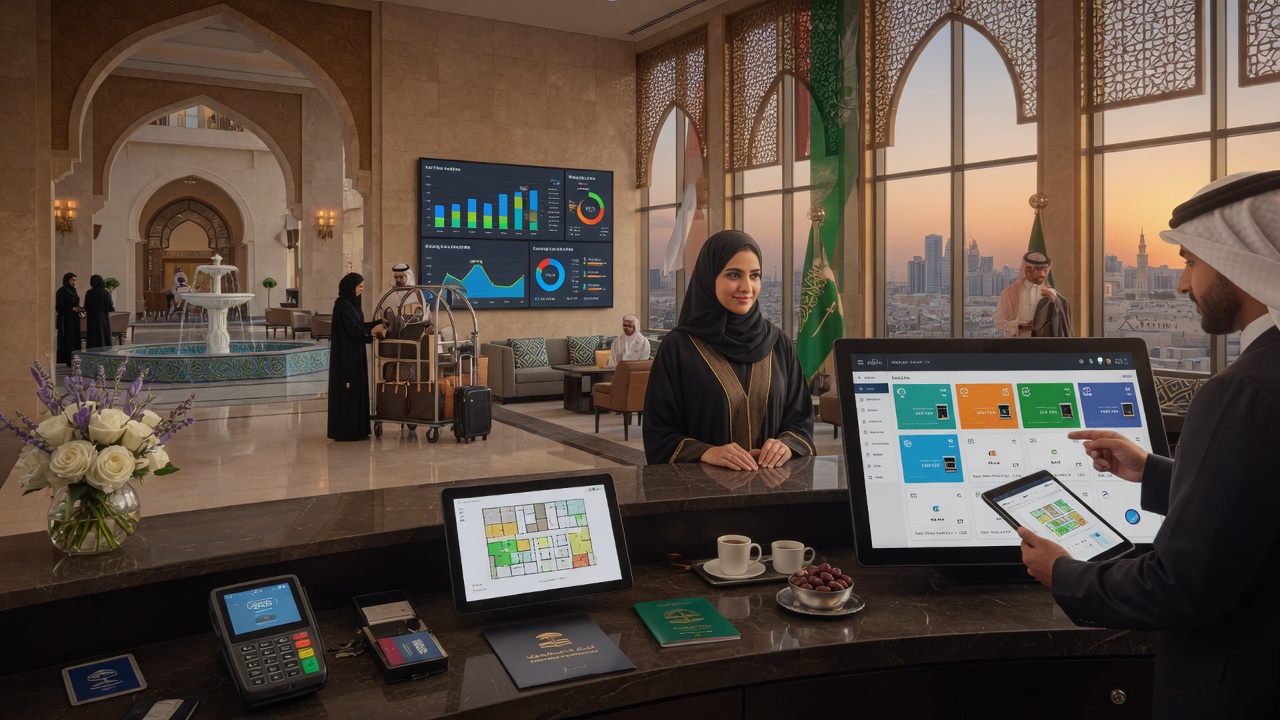
Discover the best hotel software and PMS in Saudi Arabia. Our ultimate guide covers features, ZATCA compliance, Vision 2030 trends, and top picks for hotels of all sizes....
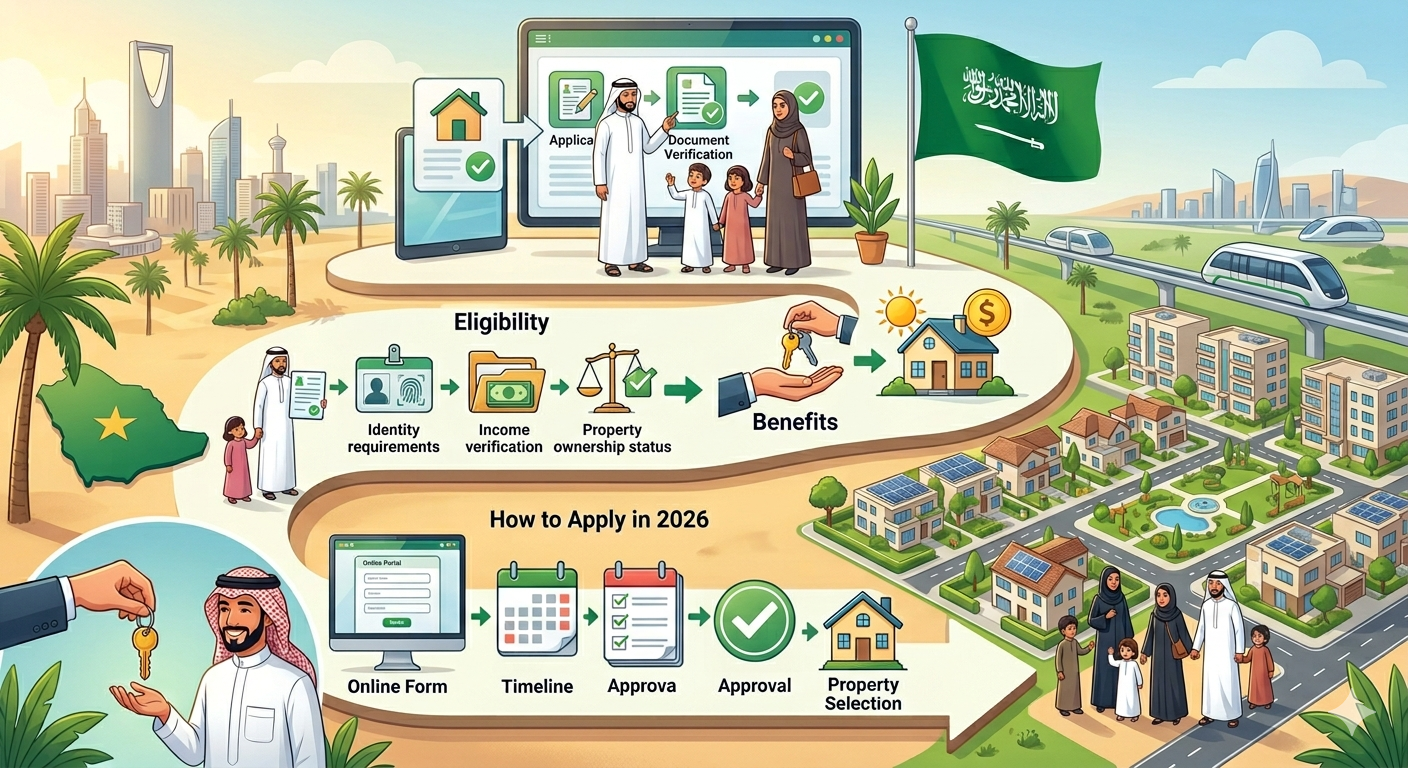
Discover Saudi Arabia’s Housing Allocation Program for government employees: eligibility, Sakani application process, and Vision 2030 homeownership goals in 2026....
Explore the best placement program for strategic talent deployment in KSA. Achieve Vision 2030 goals, enhance Saudization, streamline HR placement. Your guide....
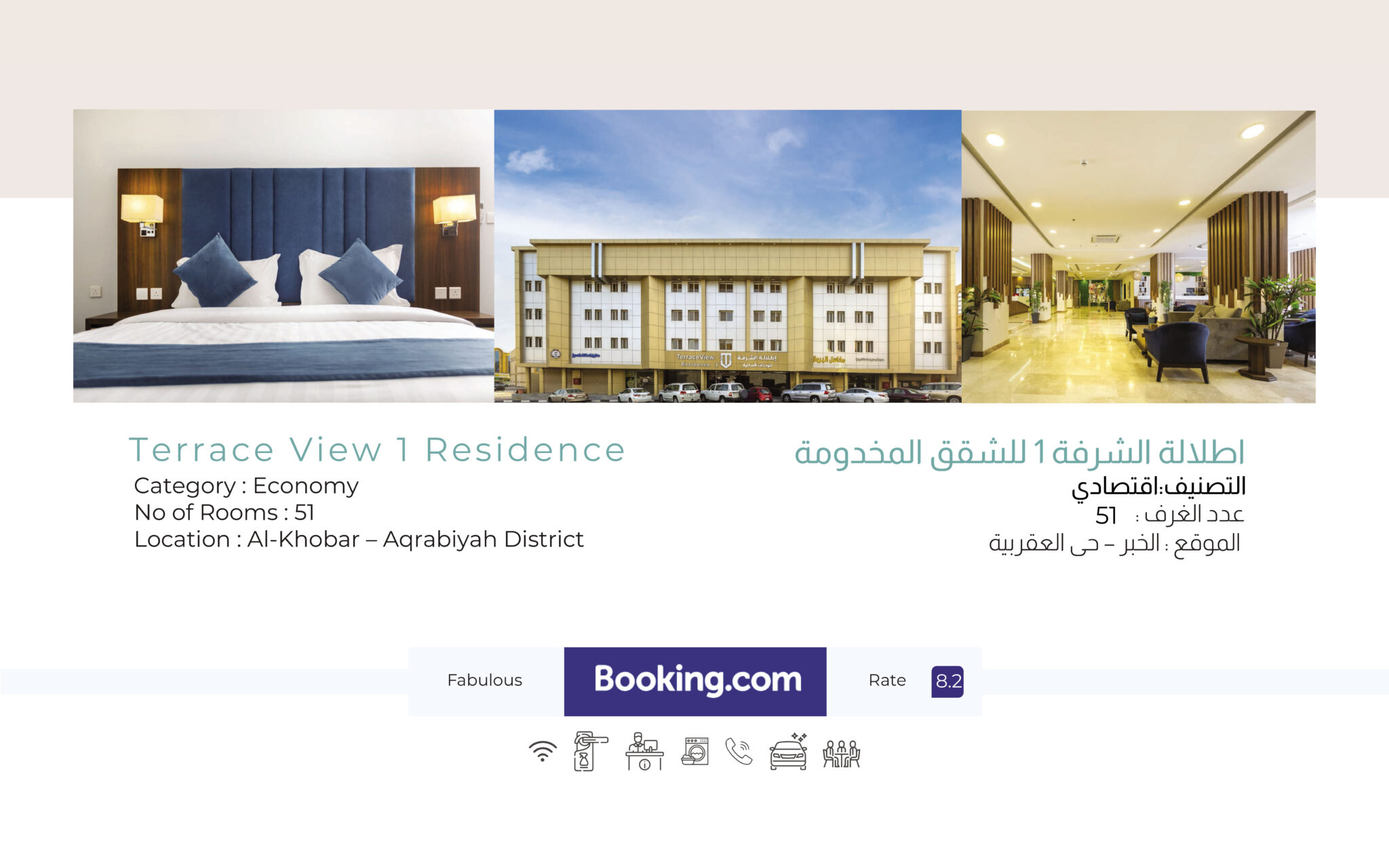
Terrace View 1 Residence, a cozy economy-class serviced apartment in Al-Khobar, faced operational hurdles that many growing hotels and apartments encounter: ...

Eco-Friendly Hotel in Saudi Arabia: Sustainability Guide for Vision 2030. Learn energy, water and waste savings to lower costs and attract eco guests with Fandaqah....

Learn how Saudi hotels can attract MICE tourism with event-ready facilities, smart marketing, group booking tools, and ZATCA-compliant operations....
Discover key principles of scalable hotel digital transformation for Saudi hotels, including cloud PMS, automation, ZATCA compliance, and guest experience....
7 friction points killing hotel Google ratings in Riyadh & Jeddah. Fix check-in, cleanliness, communication, noise, fees & tech to boost ratings & bookings....
Discover how guest personalization turns Saudi hotel visitors into loyal advocates. Learn strategies for tailored experiences and loyalty programs....

Complete guide to Personal Data Protection Law compliance for Saudi hospitality. Practical steps to protect guest data, build trust, and meet SDAIA requirements under Vision 2030...
Discover how to stop revenue leakage in Saudi hotels from tax, VAT, and service charge errors. Cloud PMS ensures ZATCA compliance and protects profitability....

Discover how staycation marketing helps Saudi hotels attract local residents and fill empty weeks. Actionable strategies for year-round occupancy....
Learn how Saudi hotels can win corporate RFPs and secure business travel bookings. Strategies for rates, PMS billing, and contract negotiation....

Increase hotel bookings & iftar sales during Ramadan 2026 in Saudi Arabia with targeted marketing strategies, iftar packages, Ramadan tents, and PMS automation....
Learn how WhatsApp Business enhances guest communication and direct bookings for Saudi hotels. Discover strategies, automation & Vision 2030 alignment....
Discover how to choose the best hotel channel manager for Saudi Arabia's hospitality sector in 2026. Boost occupancy, sync rates, and maximize revenue with our complete guide....

Guide to hotel sales manager skills, tools & strategies for corporate and pilgrimage sales in Saudi Arabia. Win with Vision 2030....
Learn to implement self-service & digital check-in in Saudi hotels seamlessly. Align with Vision 2030, cut wait times by 70%, and enhance guest experience....
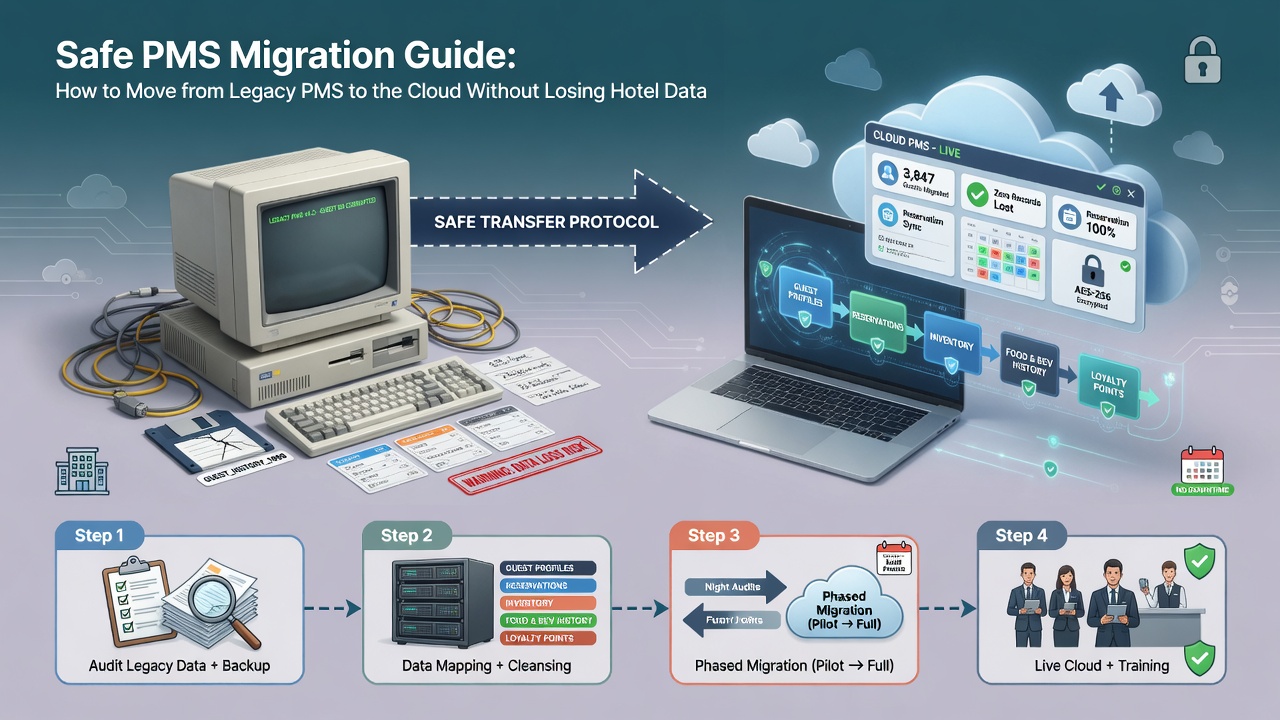
Step-by-step guide for Saudi hotels to safely migrate from legacy PMS to cloud. Protect guest data, reservations & finances. Learn best practices, avoid data loss...
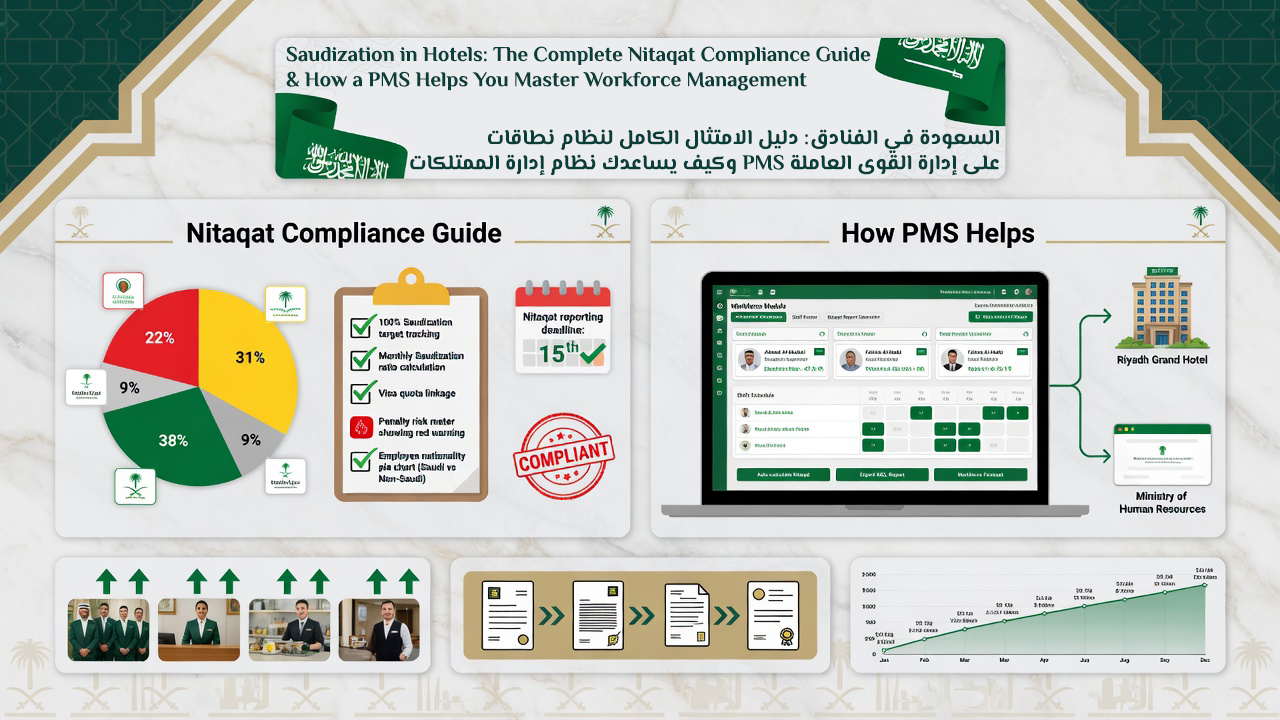
Complete guide to Saudization in hotels & Nitaqat compliance in KSA. Learn how a PMS helps manage workforce, achieve green band status, and avoid penalties. ...
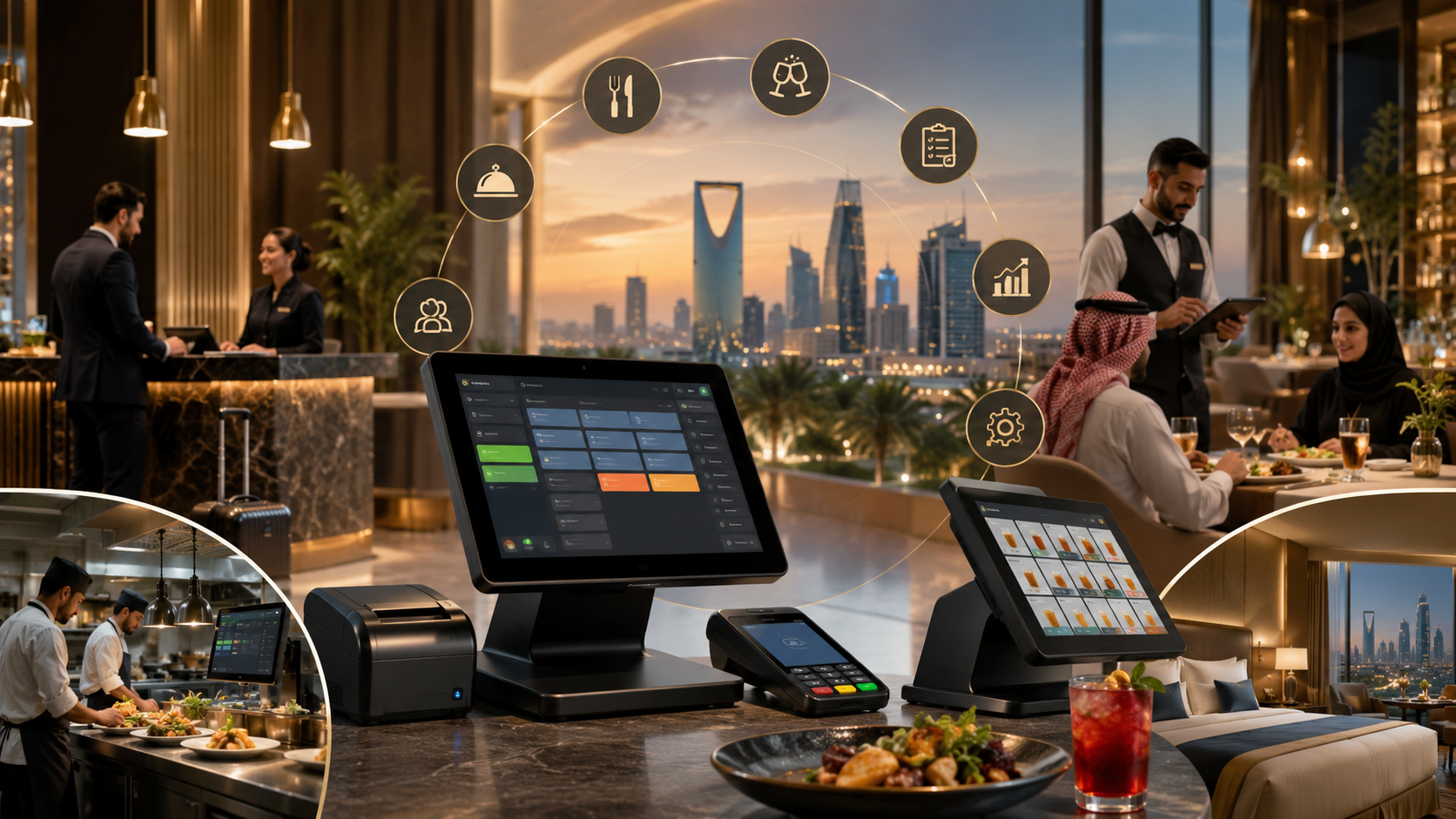
Master connecting hotel restaurant, café, and room service billing with your PMS — ZATCA-compliant, Mada, STC Pay ready. Guide for Saudi hotels Vision 2030....
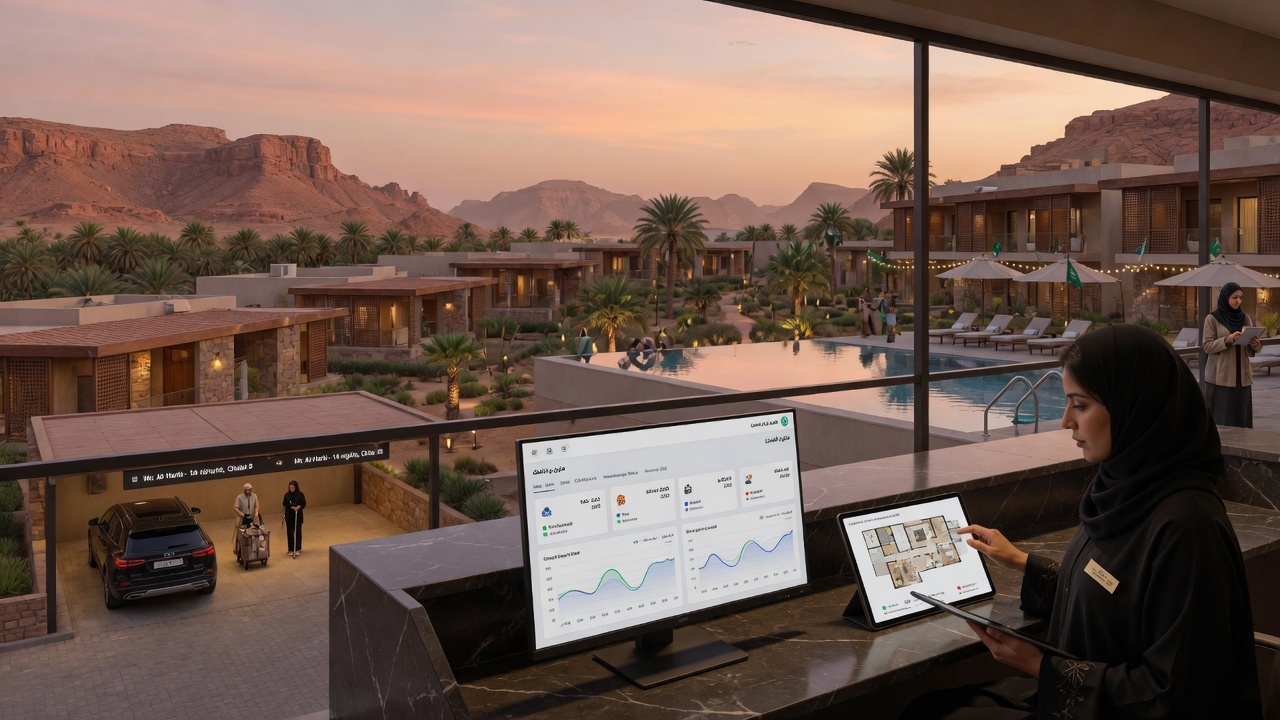
Discover the best hotel PMS for serviced apartments and chalets in Saudi Arabia. Streamline operations, boost direct bookings, and ensure Shomoos compliance in 2026....
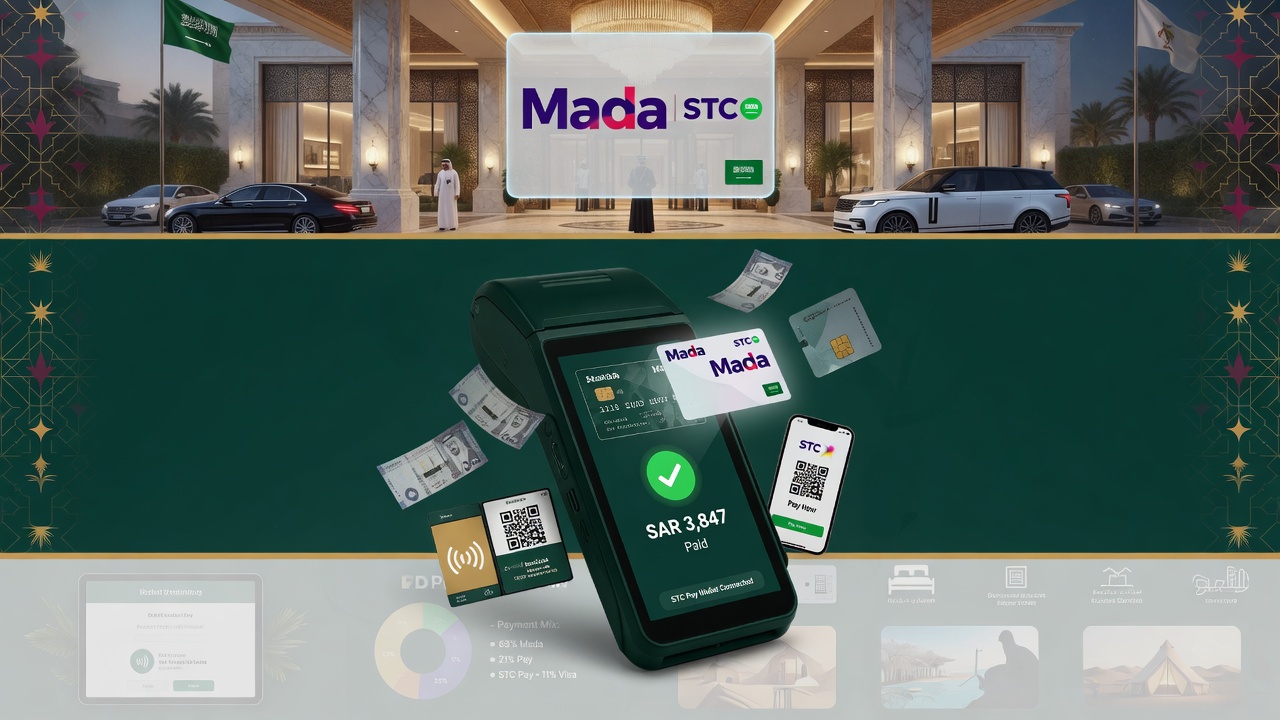
Compare top Saudi hotel payment gateways with Mada & STC Pay. Boost direct bookings with SAMA-compliant, ZATCA-ready solutions like HyperPay, PayTabs....
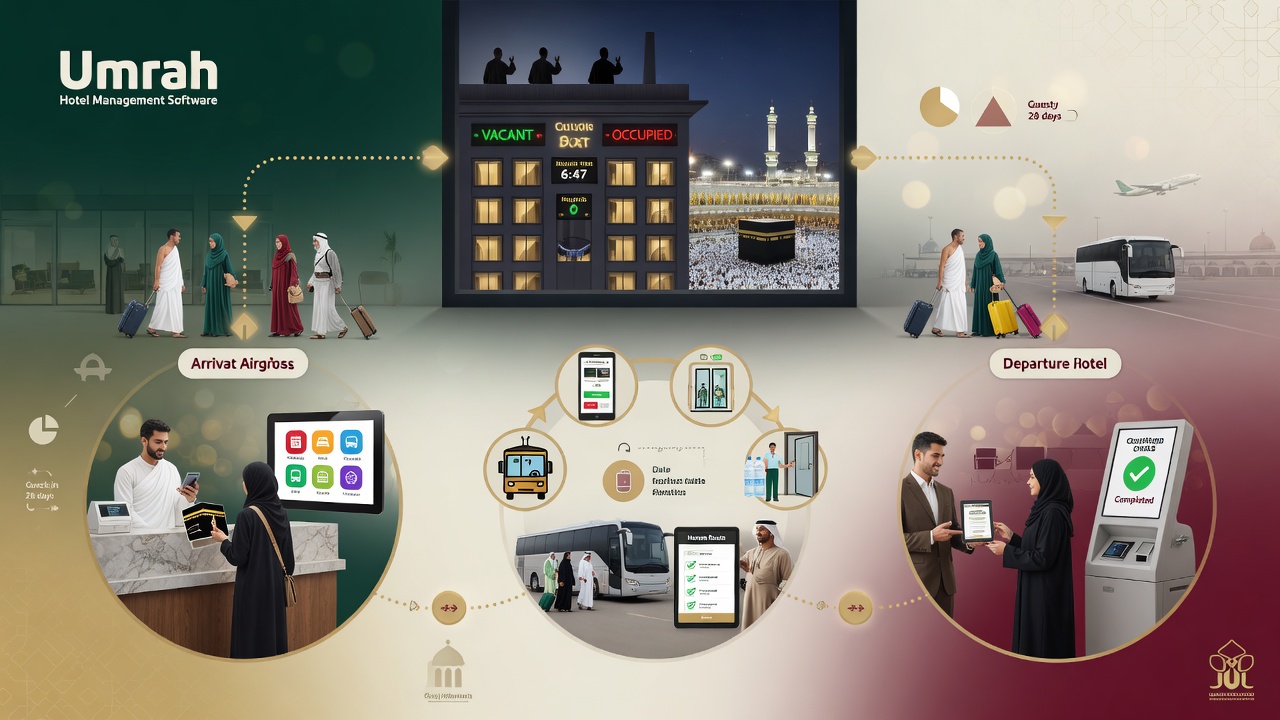
Streamline Umrah & Hajj pilgrim stays with automation. Bulk check‑ins, prayer‑aware services, Nusuk integration & Vision 2030 compliance for Saudi hotels....
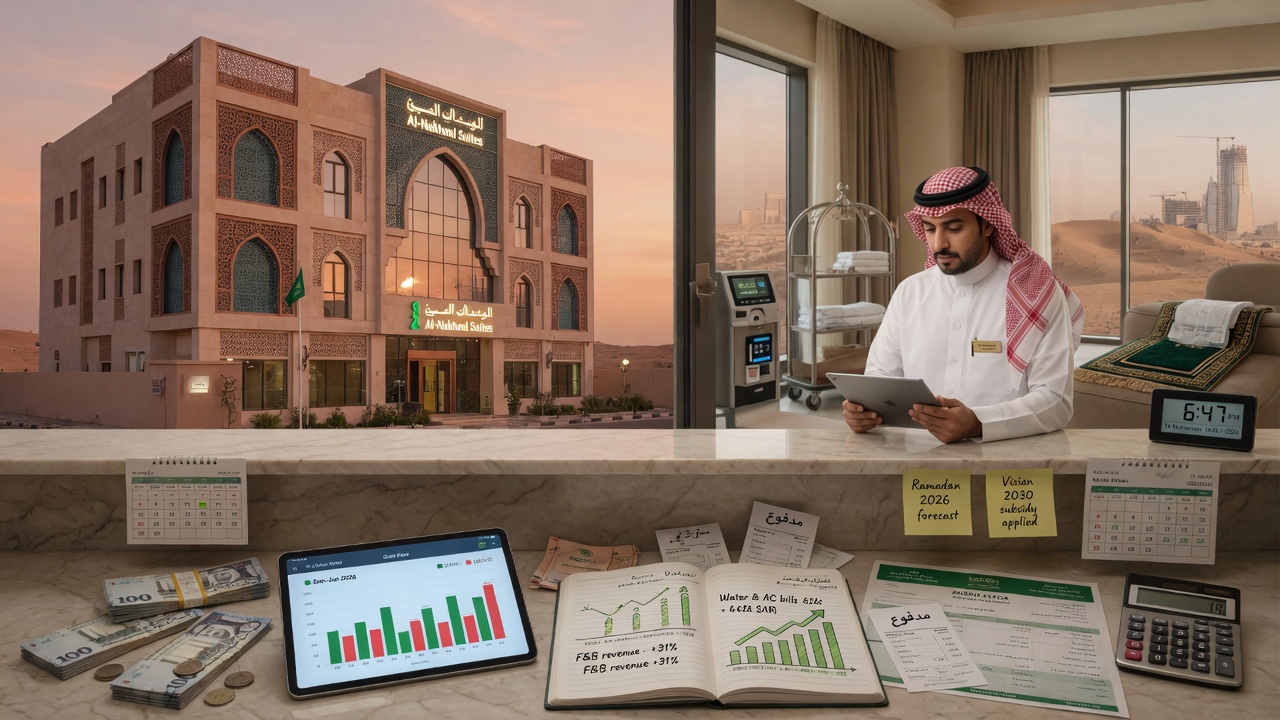
Master cash flow management for small hotels in Saudi Arabia. Our 2026 guide covers seasonal planning, cost control, and profit optimization....
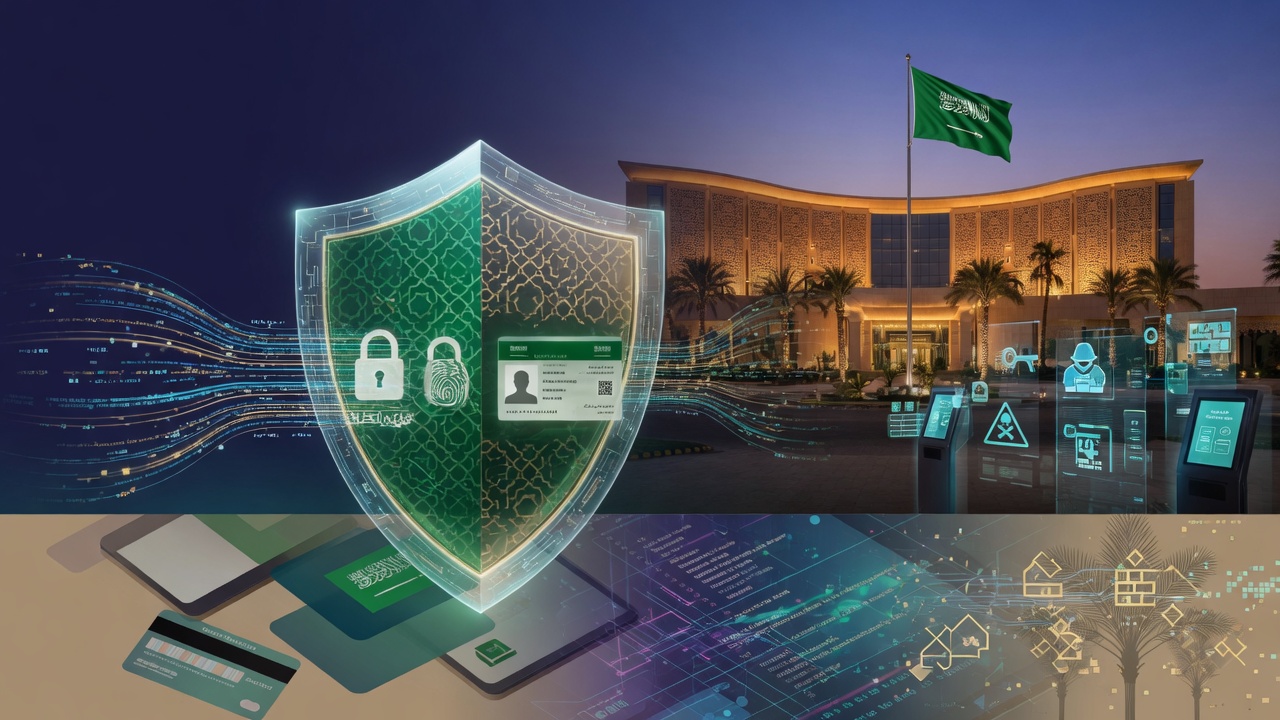
Safeguard guest data in Saudi hotels with our expert guide covering NCA, PDPL, PCI DSS compliance, ransomware prevention, and cybersecurity best practices....

Learn how to increase direct hotel bookings in Saudi Arabia, cut OTA commissions, and boost profit with direct booking engine, loyalty program & best-rate....
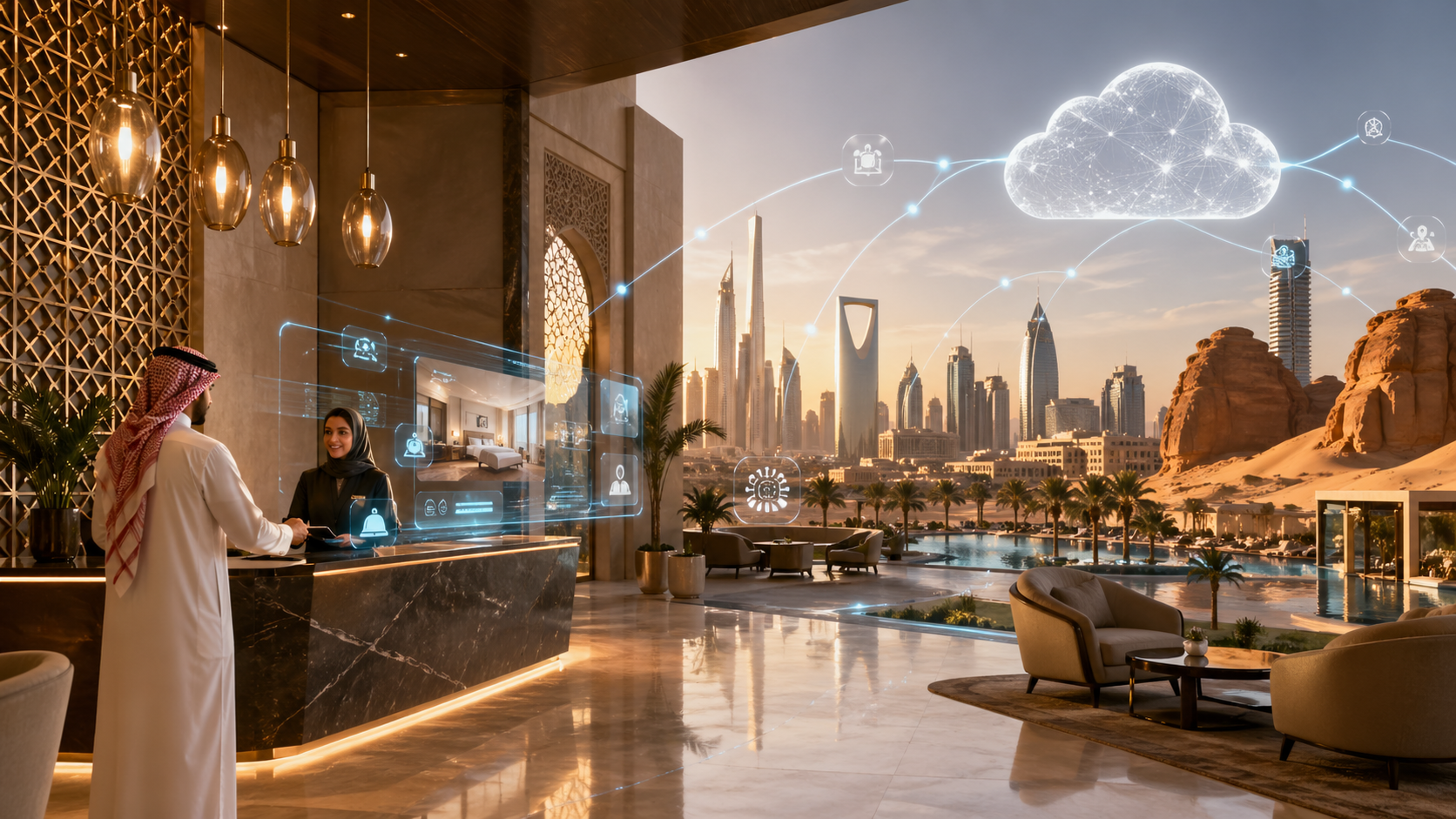
Discover how Cloud PMS technology accelerates Saudi Vision 2030 tourism goals. Improve hotel efficiency and guest experience with digital transformation in KSA....

Learn how AI in Saudi hotels boosts revenue through dynamic pricing, chatbots, and guest personalization. Start your smart hospitality transformation....

Master seasonal demand in Saudi Arabia. Learn how to optimize hotel revenue during Hajj and Umrah using automated PMS, dynamic pricing, and channel managers...
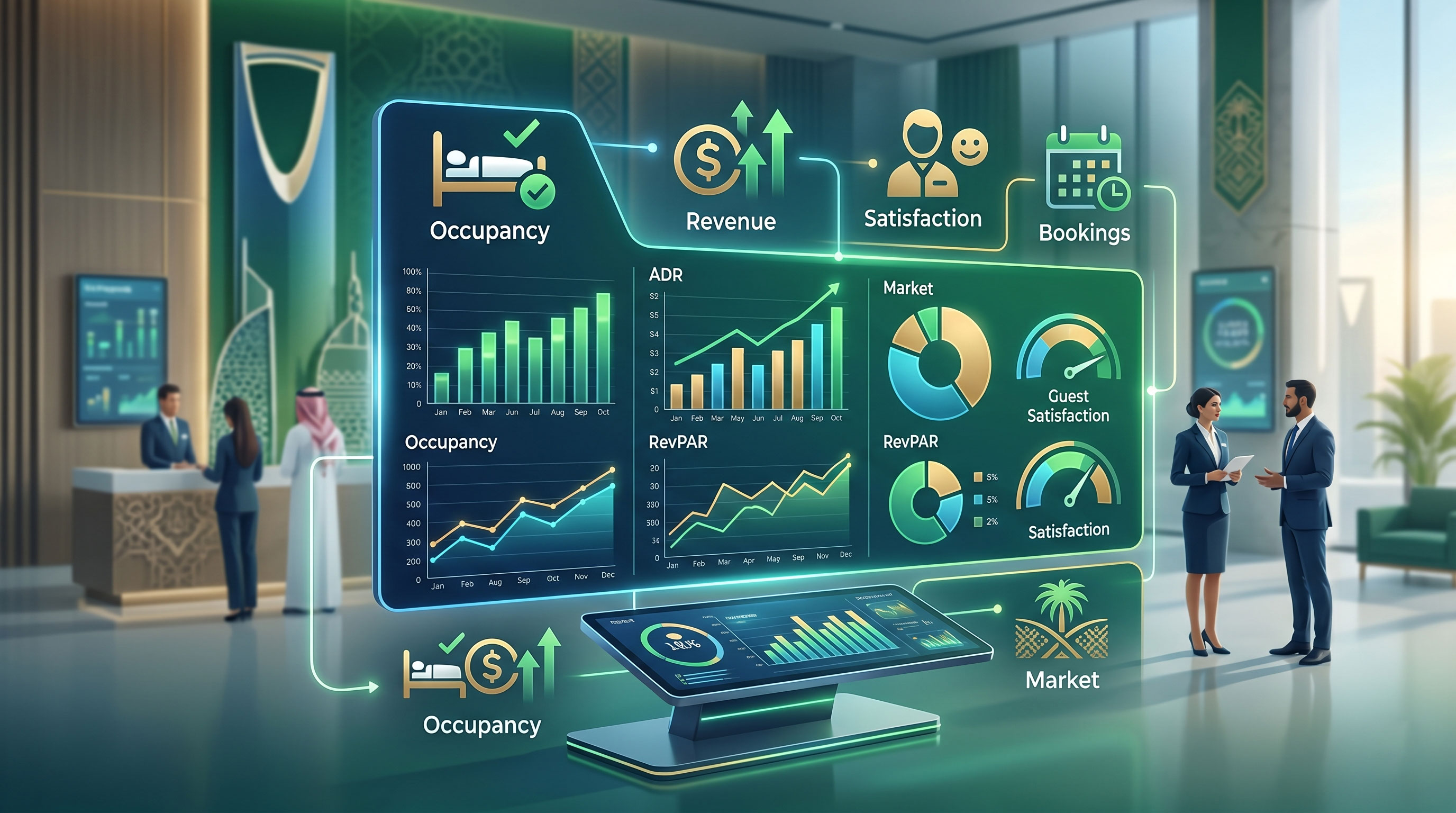
Discover essential daily KPIs every hotel owner in Saudi Arabia should track with a BI dashboard. Boost RevPAR, compliance, and profit with data-driven insights....
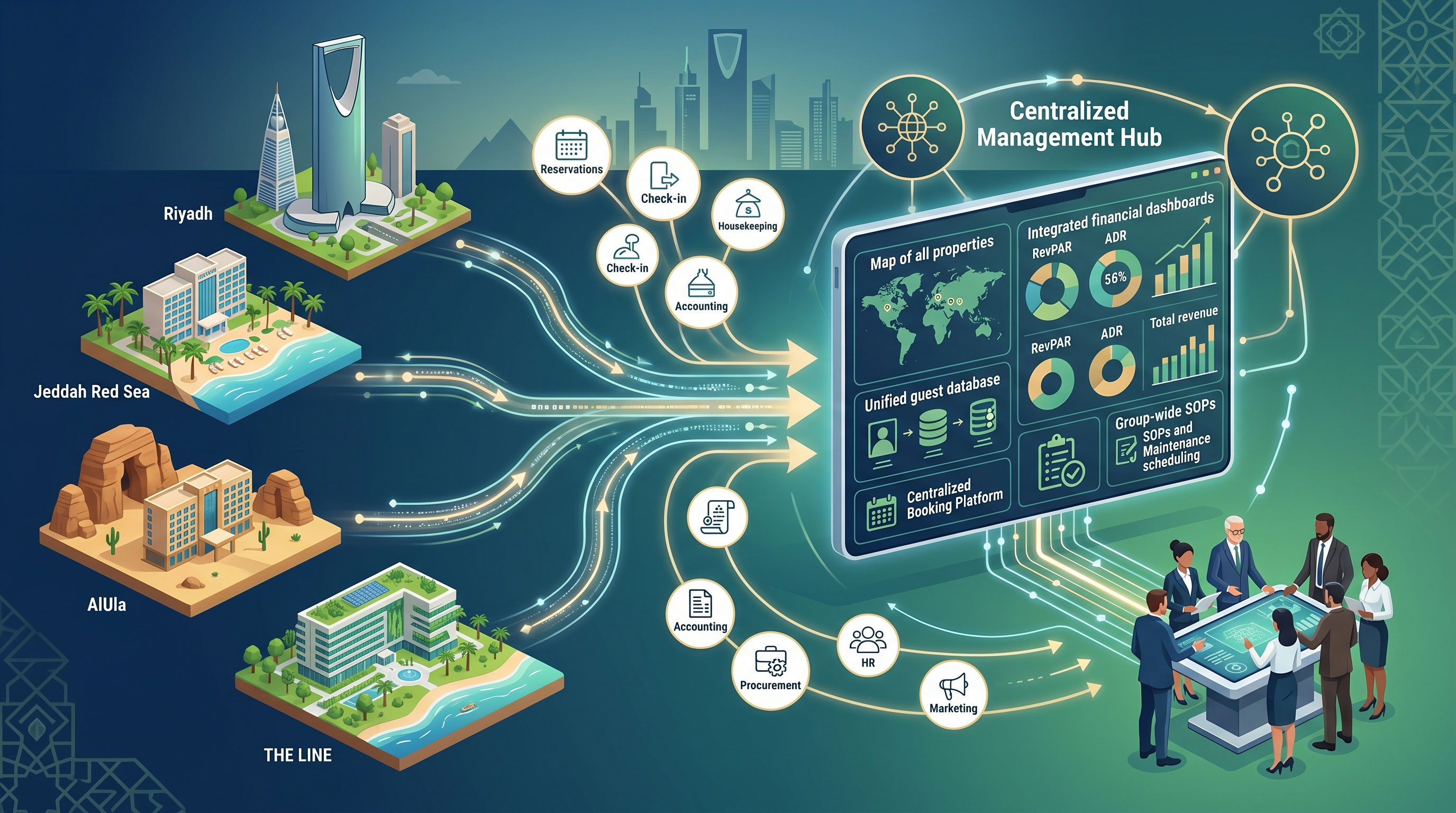
Centralize hotel operations in Saudi Arabia: multi-property management, unified reporting, revenue optimization, procurement, HR, and ZATCA compliance for Vision 2030 growth....
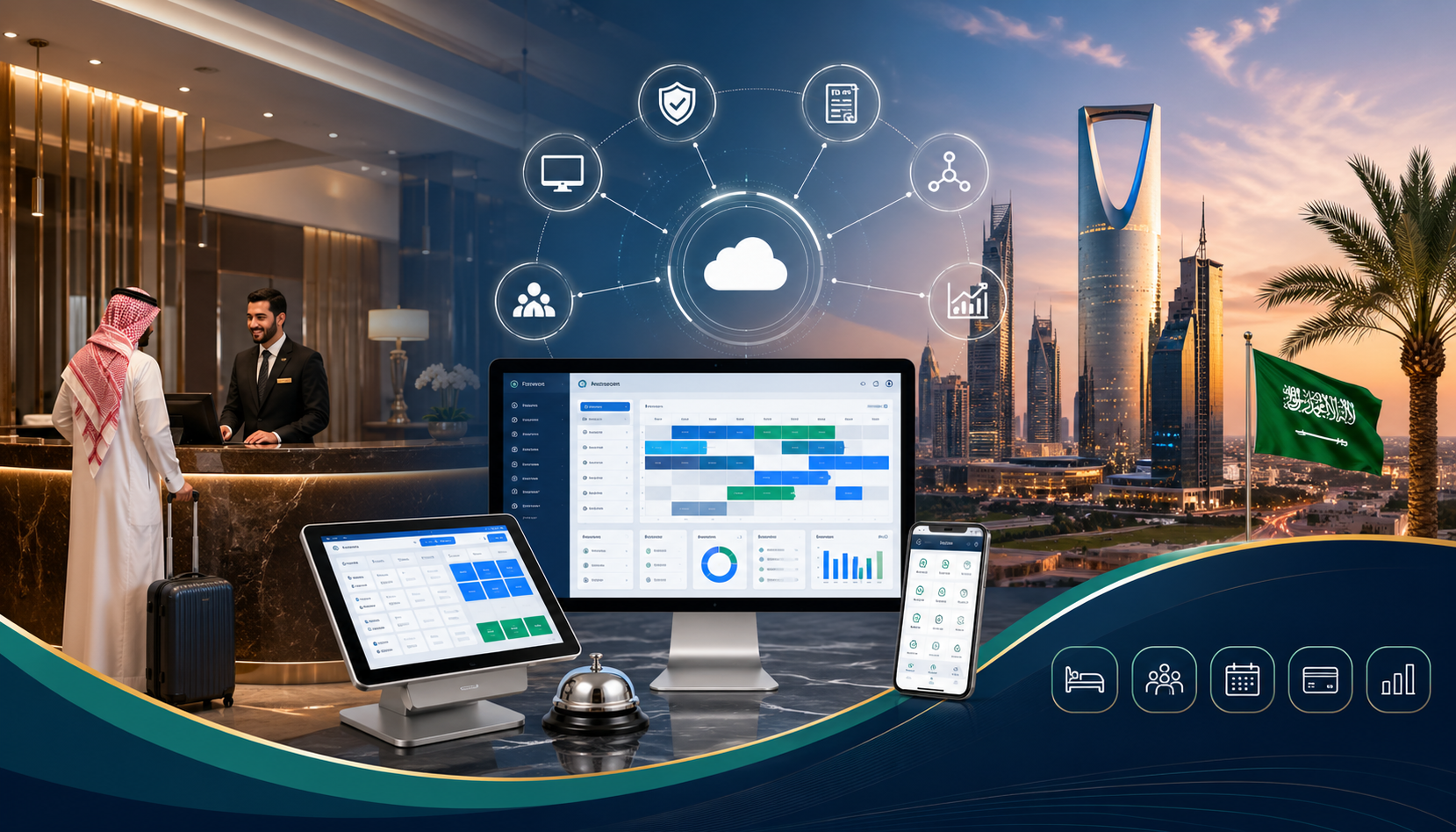
Compare what Saudi hotels need in 2026: cloud PMS, ZATCA e-invoicing, Shomoos, Ministry of Tourism, channel manager, booking engine, automation, and guest management....
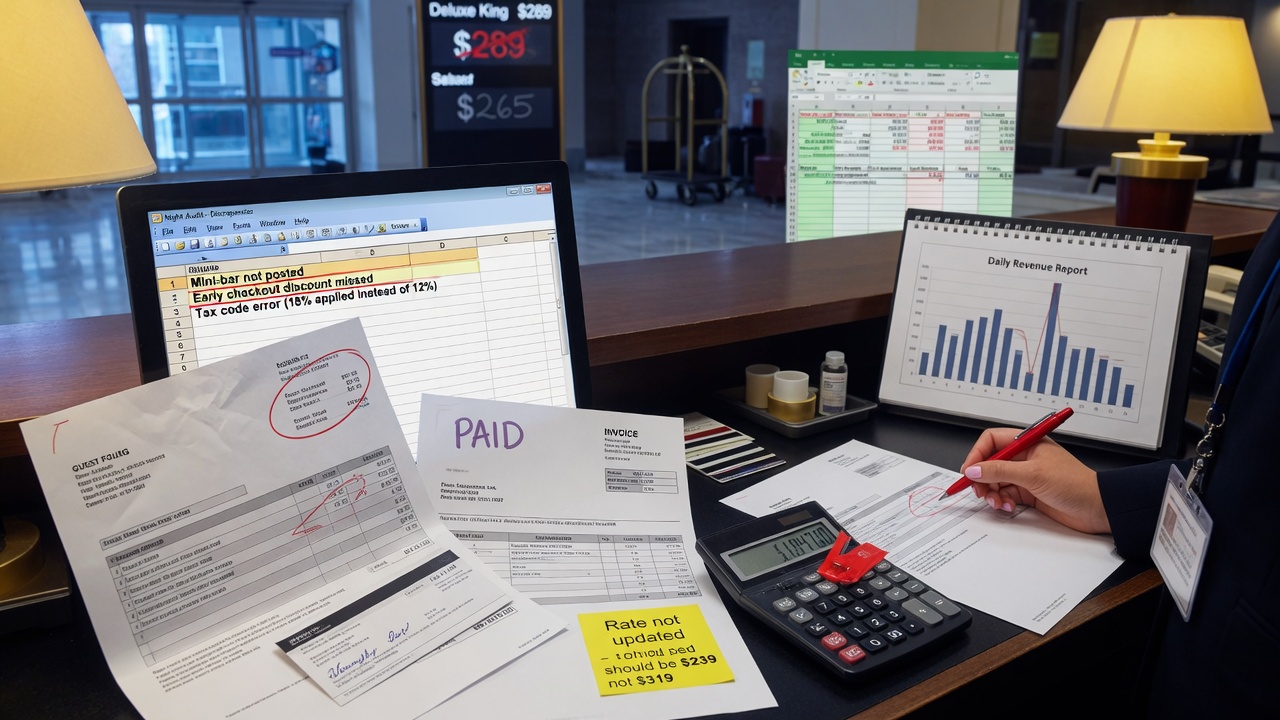
Top common hotel billing errors in Saudi hotels cost SAR 100K+ yearly via VAT & fee mistakes. Stop leakage with ZATCA PMS automation now....
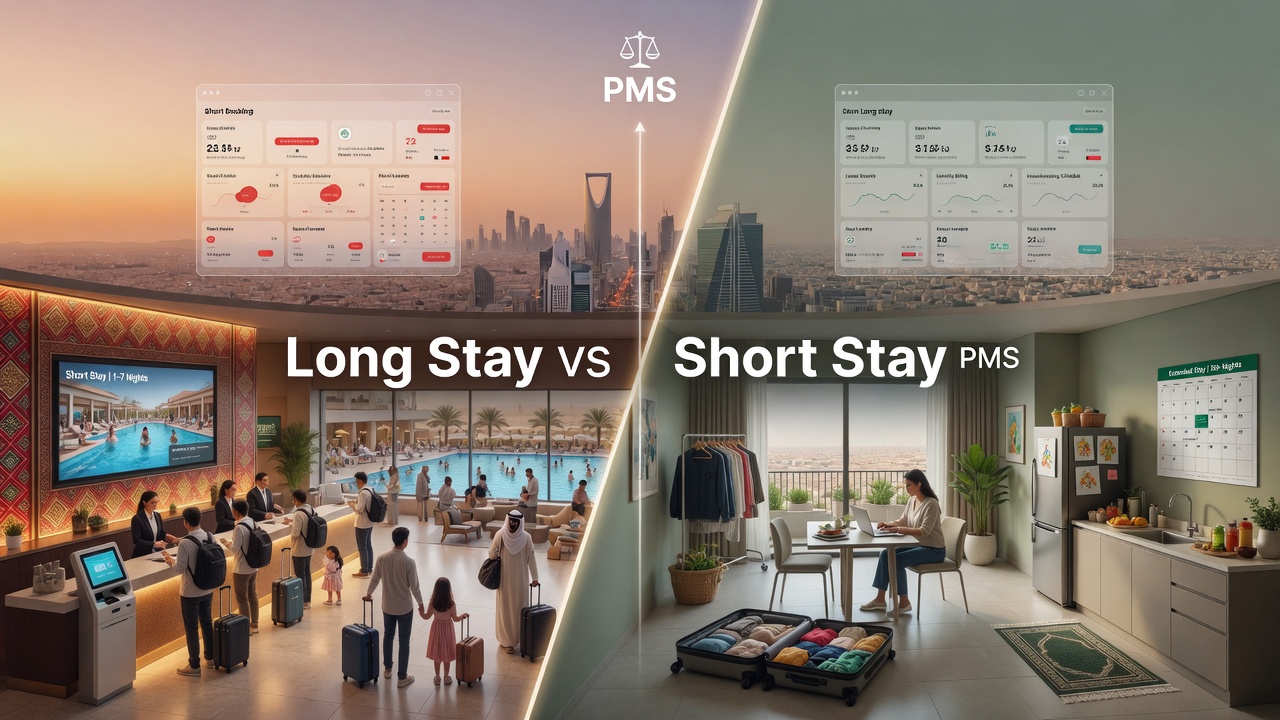
Compare long stay vs short stay PMS for Saudi hospitality. Learn key differences, must‑have features, Ejar compliance, and Vision 2030 insights...
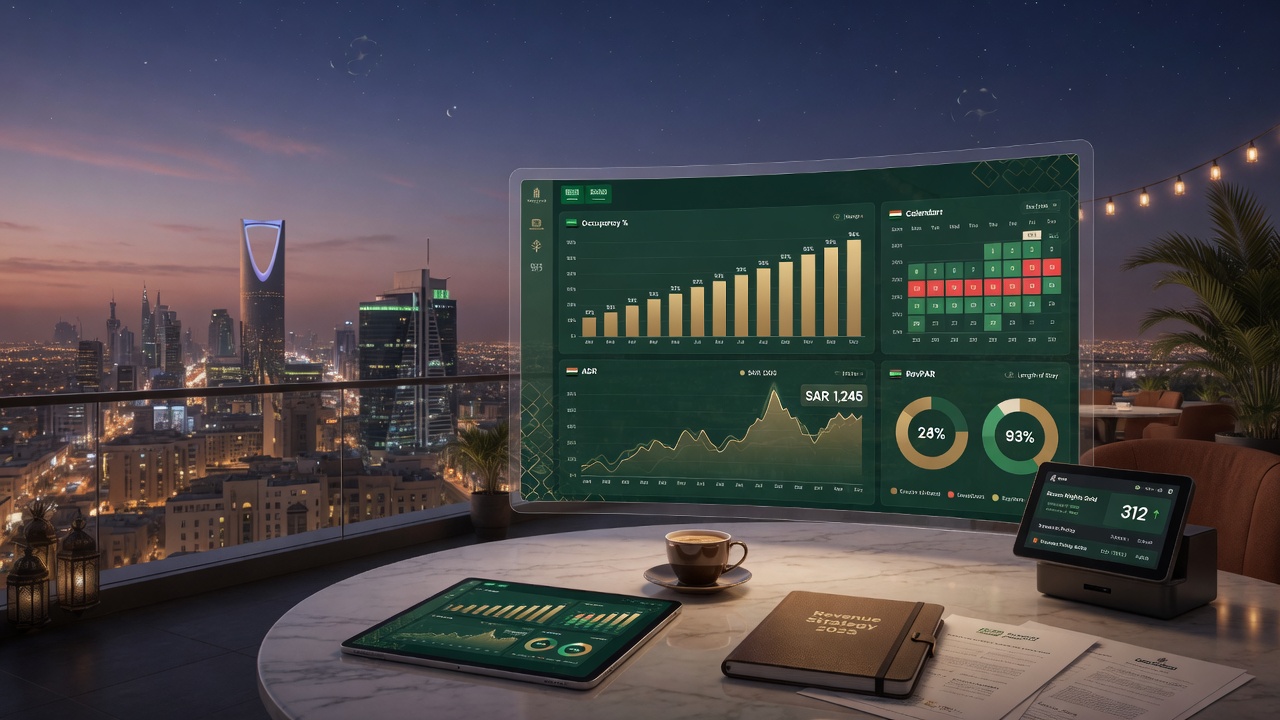
Compare what Saudi hotels need in 2026: cloud PMS, ZATCA e-invoicing, Shomoos, Ministry of Tourism, channel manager, booking engine, automation, and guest management....
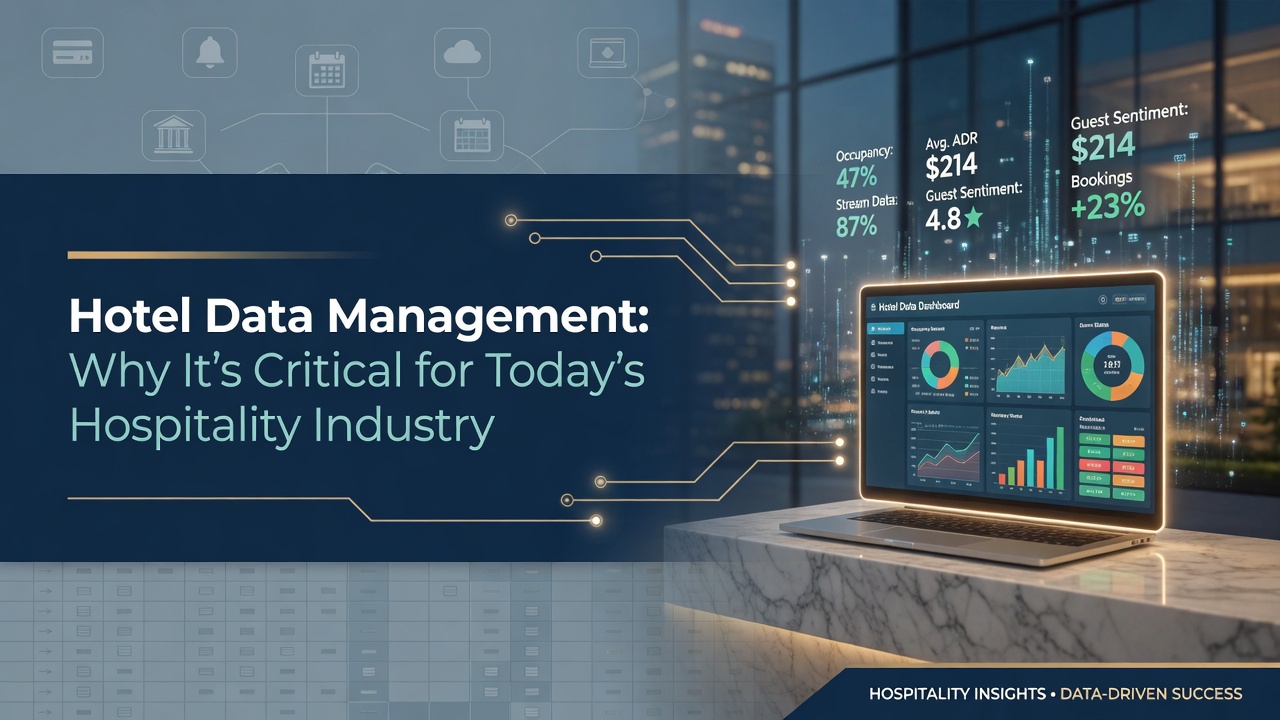
Discover why hotel data management is essential for Saudi hotels. Learn how to leverage guest insights, ensure ZATCA & Shomoos compliance, and boost revenue with a modern PMS. Free demo from Fandaqah...

Vision 2030 is transforming vacation ownership in Saudi Arabia. Explore the hotel meets residential trend at Red Sea Global and NEOM for families and investors....
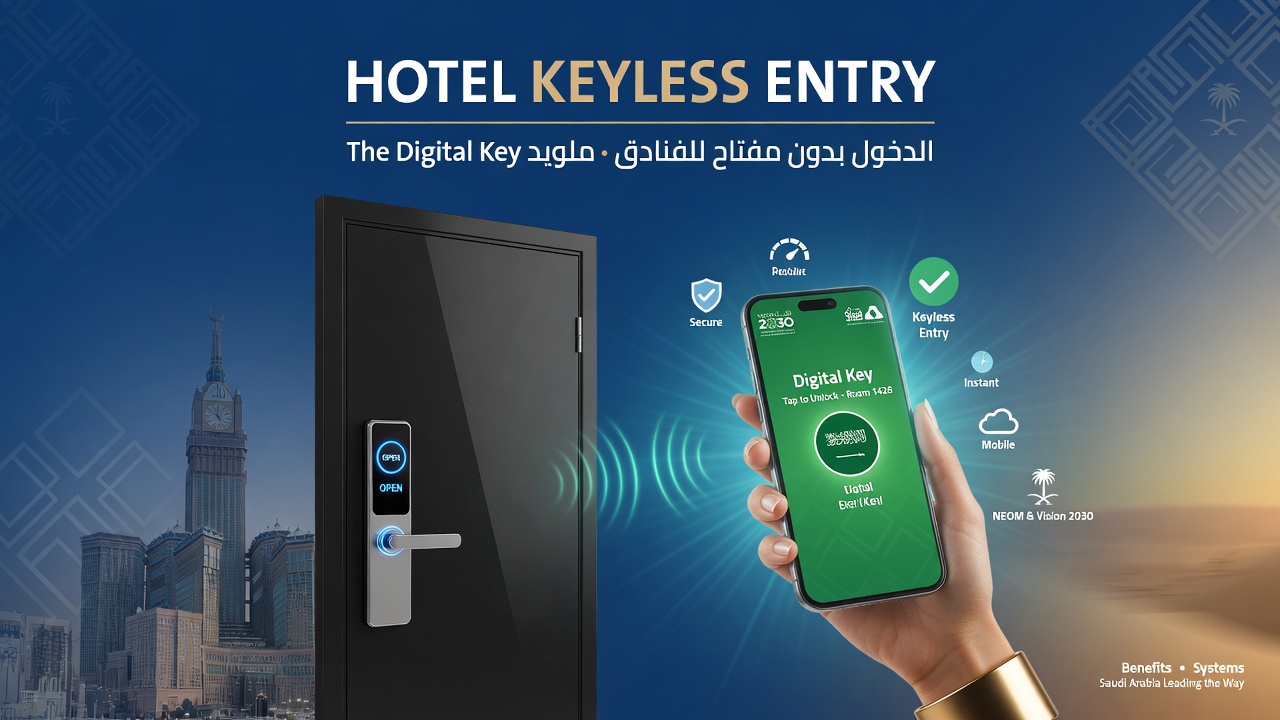
Saudi Arabia hotel keyless entry under Vision 2030: mobile keys, biometrics, guest benefits, hotel savings, Mövenpick Riyadh and Red Sea Global case studies....

Legacy PMS is silently costing Saudi hotels guests, direct bookings, and revenue through slow operations, poor personalization, and lost opportunities. Discover the true hidden costs of outdated hotel...
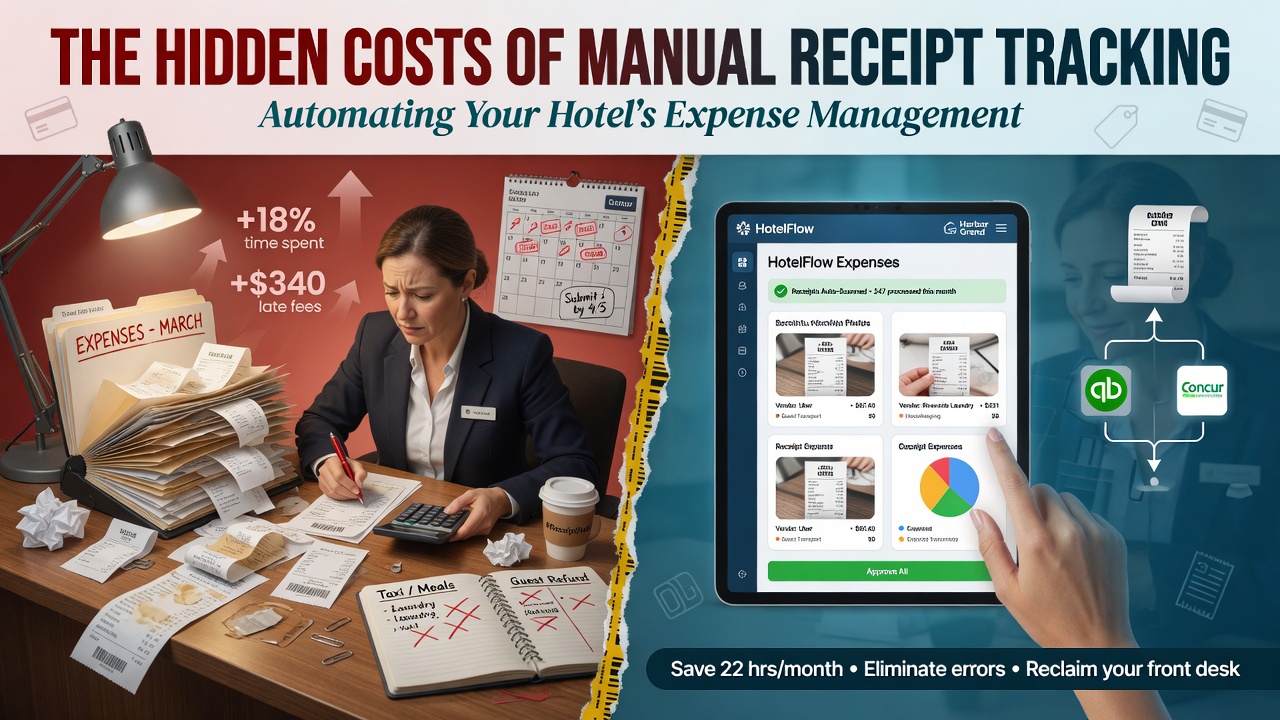
Saudi hotels lose tens of thousands of SAR yearly on manual receipt tracking. Discover hidden costs — wasted labor, VAT leakage, fraud & ZATCA risks — and how automated expense management software...
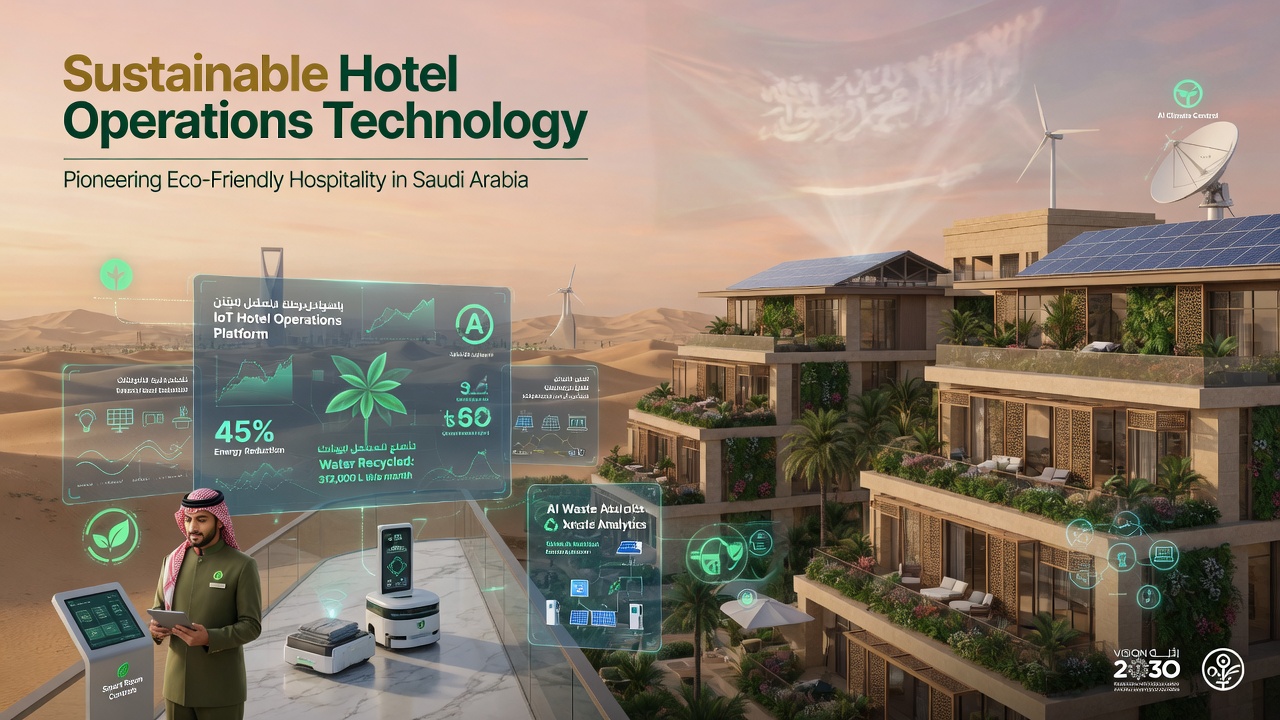
Discover how AI, IoT, and smart building tech are driving sustainable hotel operations in Saudi Arabia. Reduce costs, meet Vision 2030 goals, and enhance guest experience....
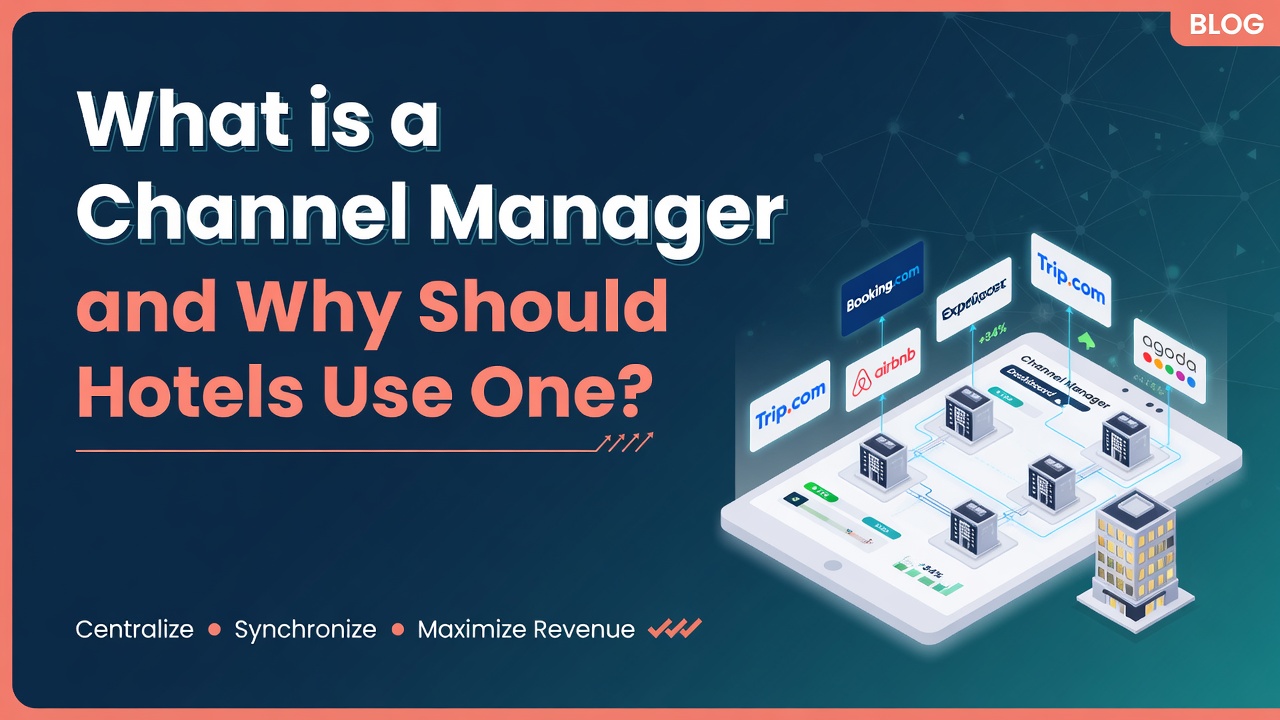
Discover what a channel manager is and why Saudi hotels need it. Automate OTA distribution, prevent overbookings, boost direct bookings, and stay compliant. Free demo from Fandaqah...

Reduce hotel check-in time from 15 minutes to under 3 minutes using automated Shomoos registration and passport scanning. Free demo for Saudi hotels...

Discover how smart room integration with hotel PMS in Saudi Arabia enhances guest experience, energy efficiency, and compliance with ZATCA & Shomoos. The future of Vision 2030 hospitality starts here....
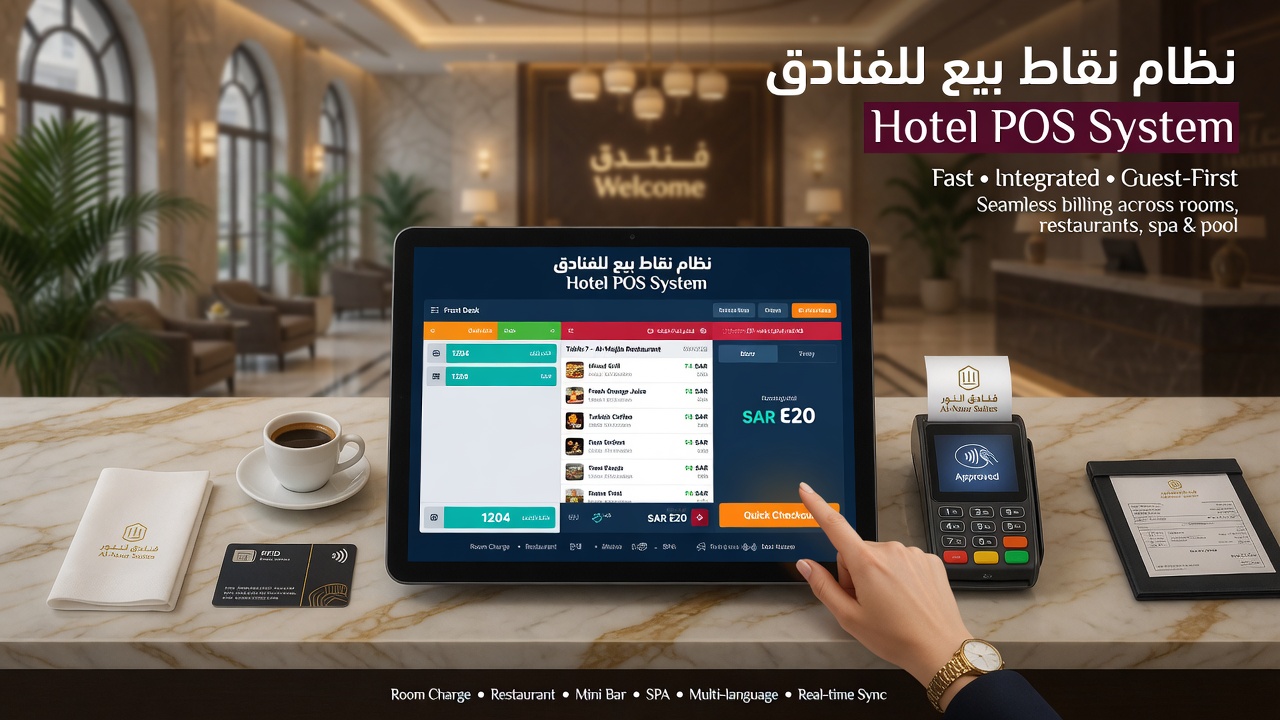
Discover why Arabic interface and POS integration are essential for hotels in Saudi Arabia. Boost staff efficiency, guest satisfaction, and compliance with Fandaqah’s all-in-one PMS...
Try Fandaqah’s 30‑day free demo account for hotel PMS in Saudi Arabia. Experience ZATCA e‑invoicing, Shomoos integration, passport scanning, and check‑in automation – risk‑free. Start your...
Discover proven strategies to avoid empty rooms during low season in Saudi Arabia. Learn dynamic pricing, direct booking tactics, and how a hotel PMS Saudi Arabia can boost occupancy year‑round. Fre...
ZATCA Phase 2 deadline for hotels: March 31, 2026. Learn Wave 23 requirements, e-invoicing integration, penalties, and how a compliant hotel PMS ensures full compliance. Free demo from Fandaqah...
Complete guide to buying a hotel PMS in Saudi Arabia. Learn key features, compliance with ZATCA & Shomoos, ROI, and how to choose the best hotel management system KSA for your property...
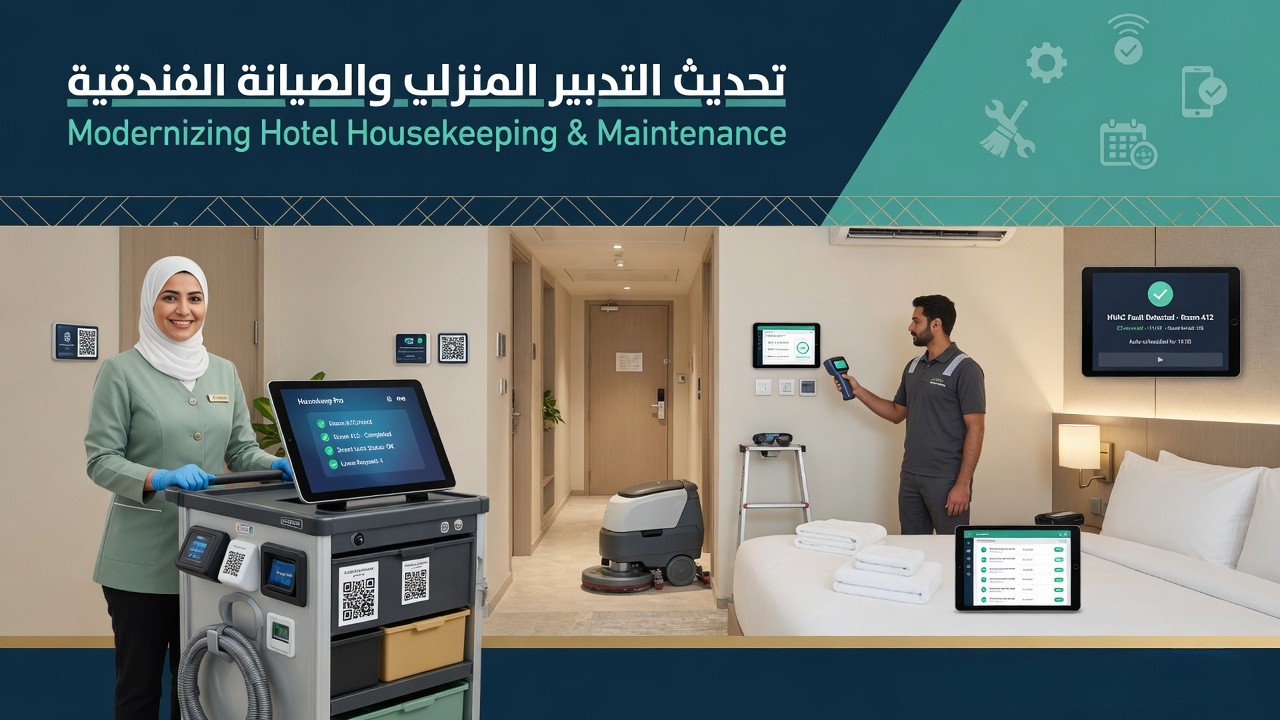
Go paperless with hotel housekeeping and maintenance. Learn how digital checklists, real‑time updates, and integrated PMS boost efficiency, guest satisfaction, and compliance in Saudi Arabia...
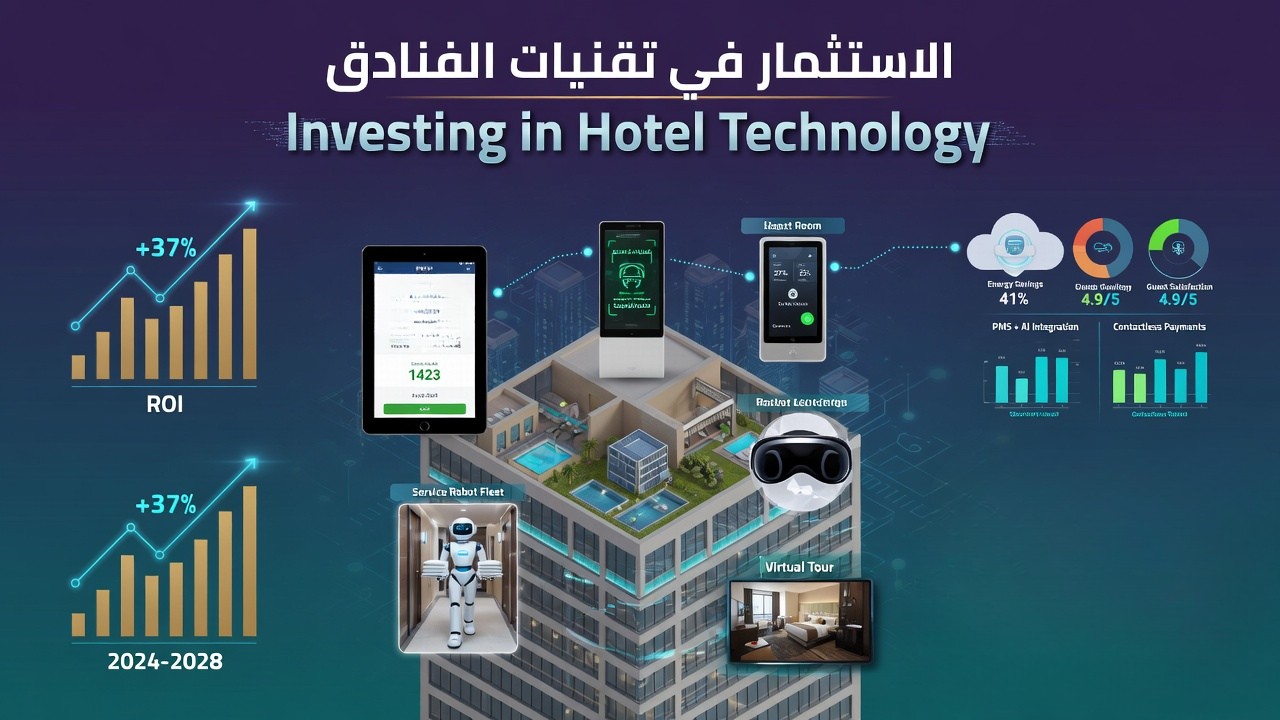
Learn how hoteliers can build a business case for new technology. Show ROI, improve guest satisfaction, and ensure ZATCA & Shomoos compliance. Free demo for Saudi hotels...
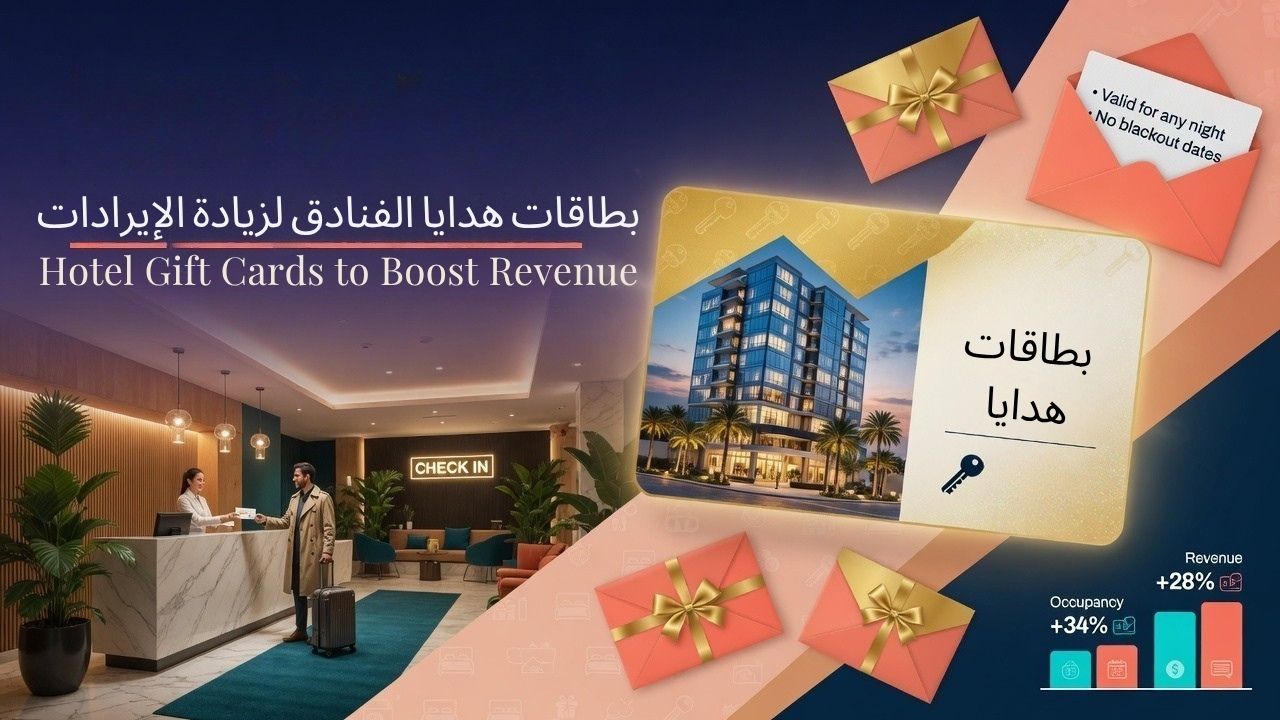
Discover how gift cards for hotels can boost occupancy, increase revenue, and attract new guests. Learn to integrate with your hotel PMS Saudi Arabia for seamless automation....

Discover proven destination marketing ideas for hotels in Saudi Arabia. Attract more guests, leverage Vision 2030, and boost direct bookings. Free consultation inside....
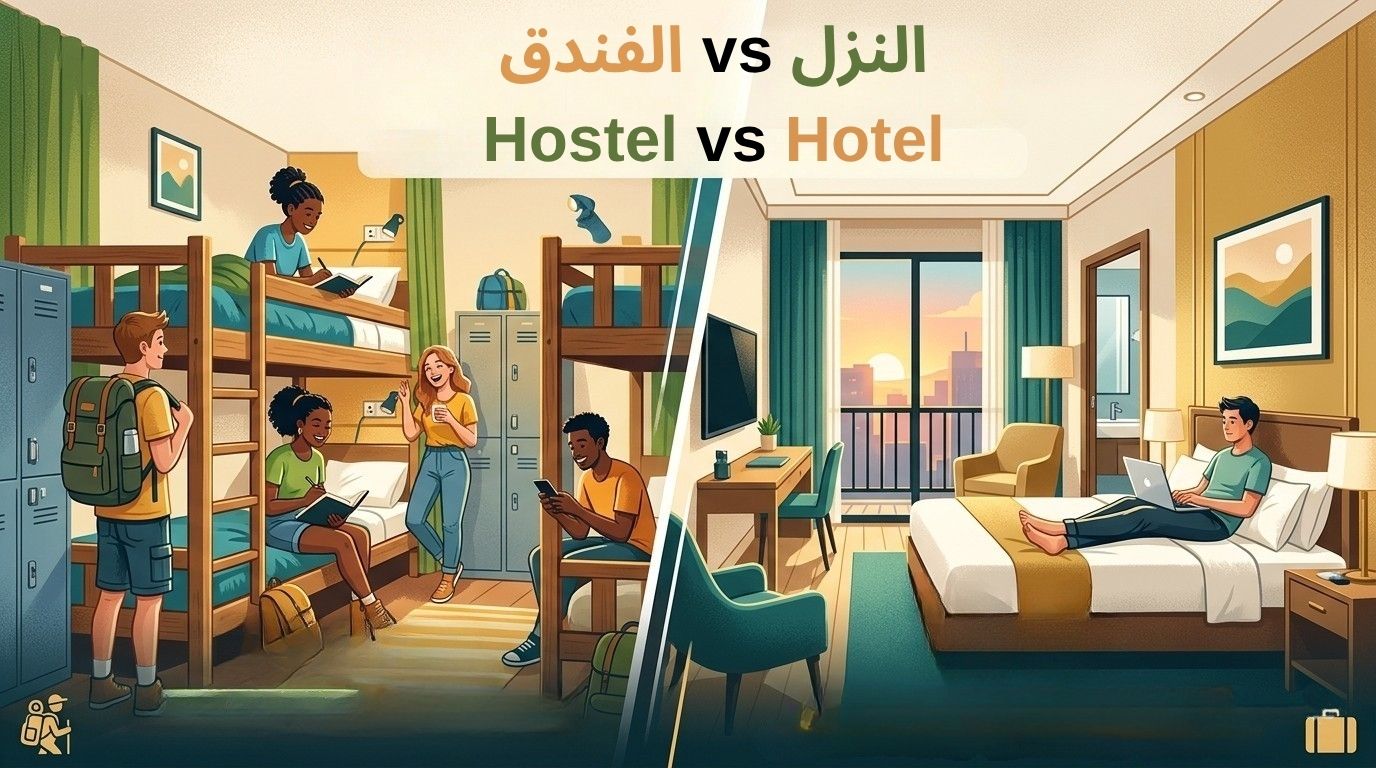
Hostel vs hotel – what's the difference? Compare cost, privacy, amenities, and social experience. Perfect for Saudi travelers and tourists under Vision 2030. Find your ideal stay....
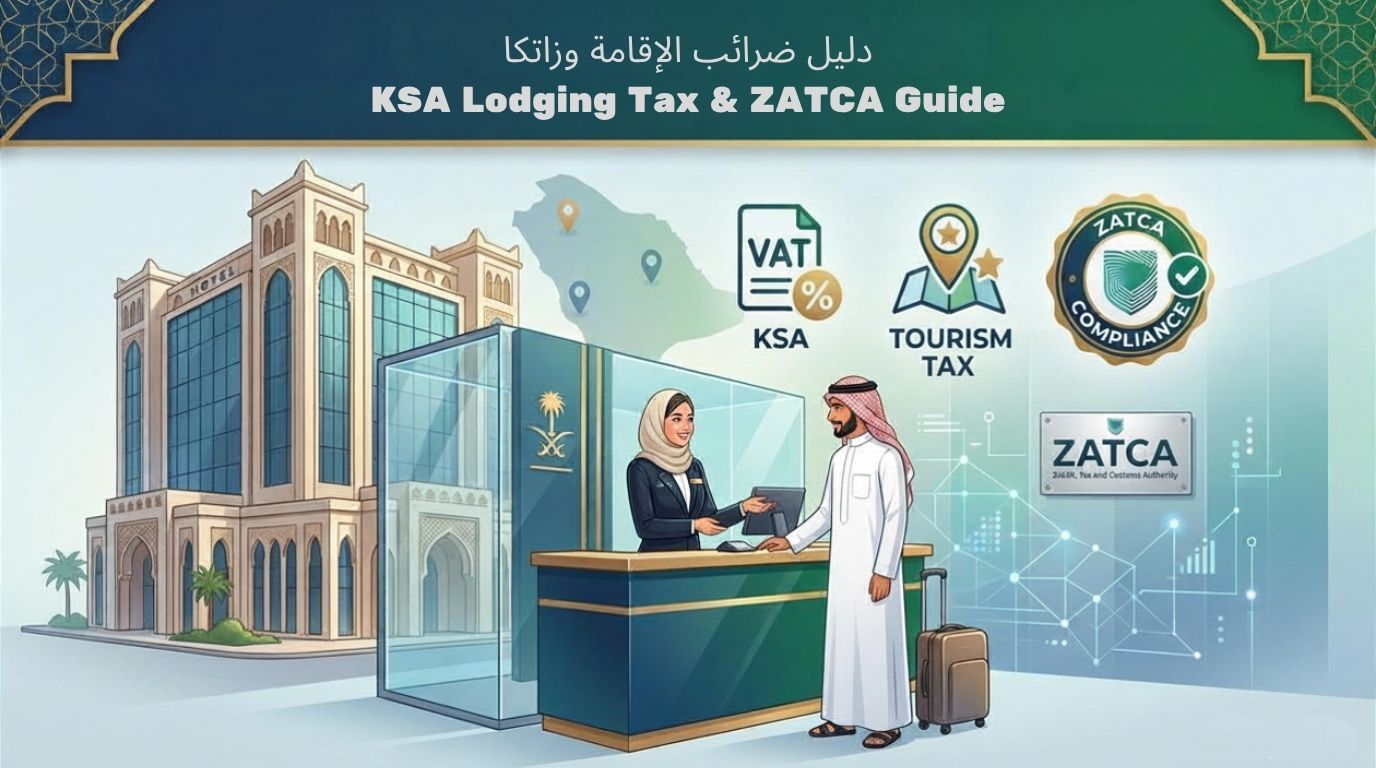
Complete guide to lodging taxes for hotels in Saudi Arabia: VAT (15%), municipality fees, tourism tax, ZATCA e-invoicing compliance, and how to automate tax management. Essential for hoteliers....
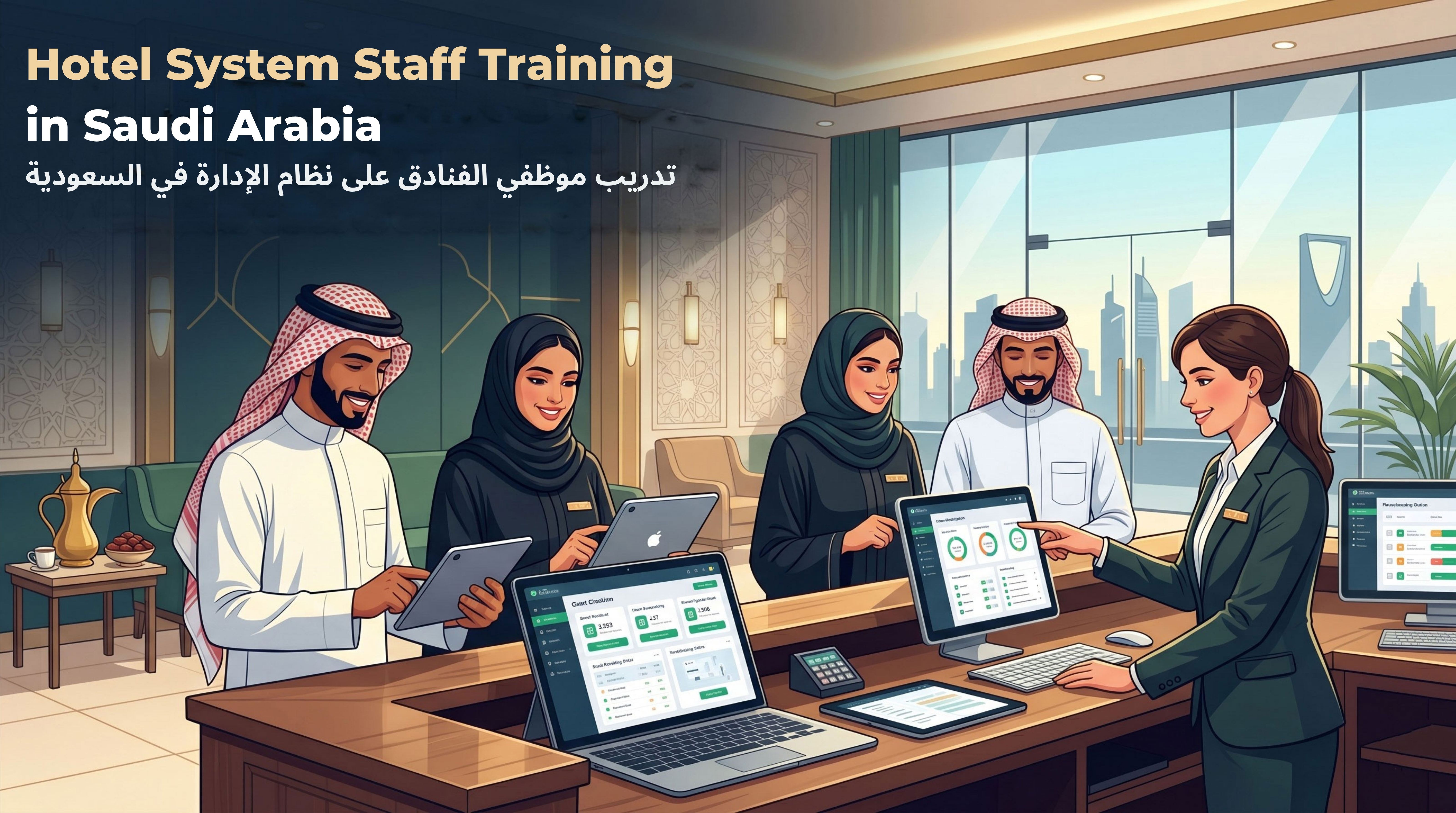
Complete guide to PMS training for hotel staff in Saudi Arabia. Learn how to train your team on ZATCA e‑invoicing, Shomoos integration, passport scanning, and check‑in automation. Free demo from F...
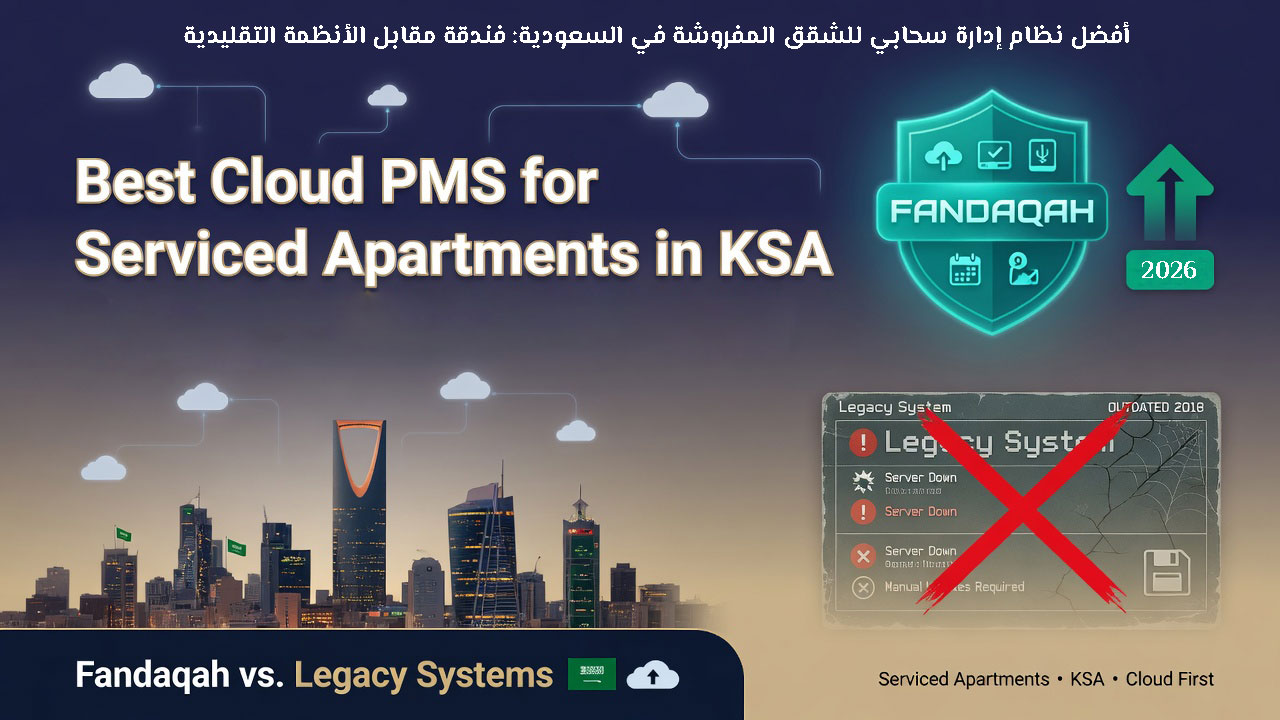
Compare the best cloud PMS for serviced apartments in KSA: Fandaqah vs. legacy systems. Discover automation, ZATCA & Shomoos compliance, and why modern cloud PMS wins. Free demo...
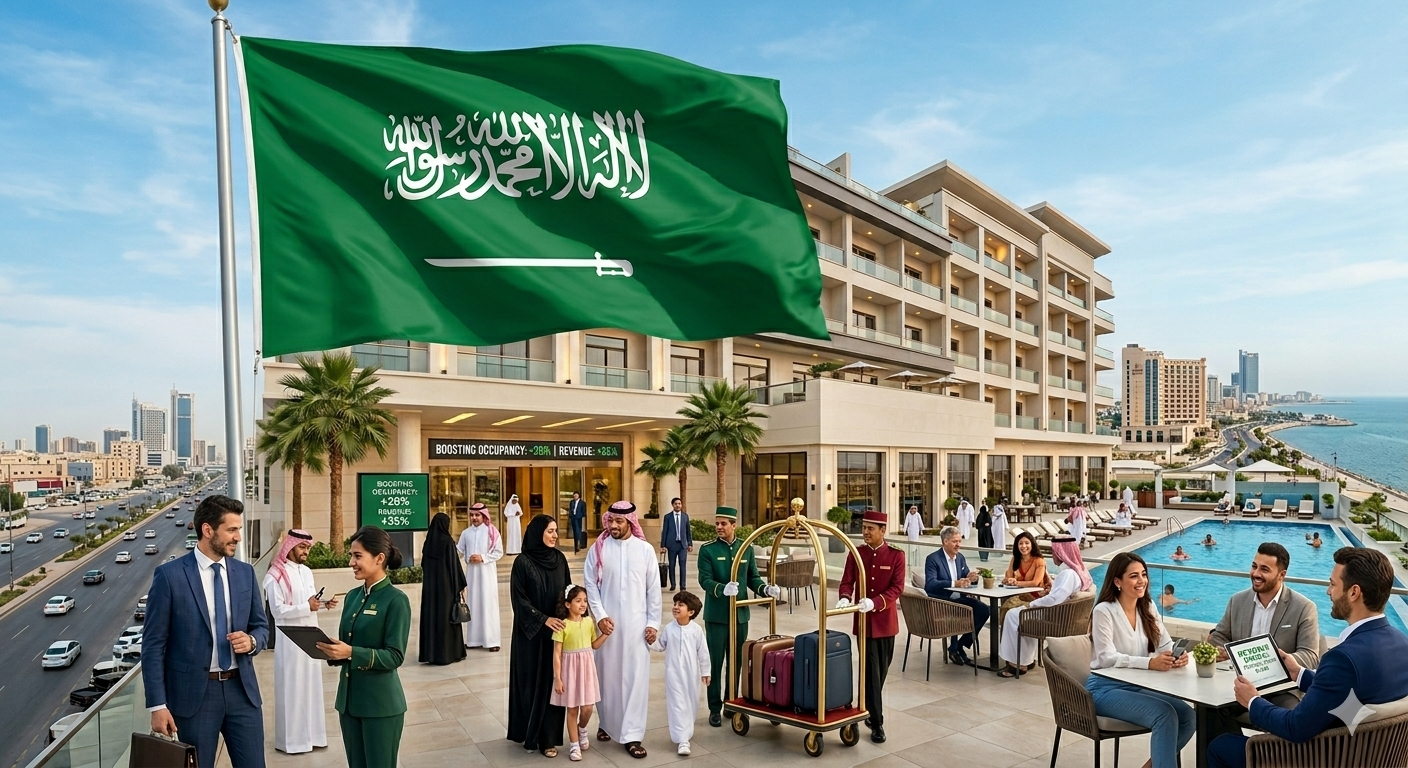
Saudi Arabia’s hospitality sector is experiencing unprecedented growth, driven by Vision 2030. Success now requires more than just a prime location—it demands the smart use of hotel management too...
As part of Saudi Arabia’s digital transformation, e-invoicing has become a cornerstone in regulating the relationship between businesses and the Zakat, Tax and Customs Authority (ZATCA). With the ro...

Discover the Kingdom’s transformation through Vision 2030, where ancient spirituality meets modern adventure tourism. The Future of Hospitality Summit is driving regional change. Explore spiritual j...
Property management software Saudi Arabia by Fandaqah: ZATCA & Shomoos compliant, passport scanner, 85% faster check-in. Trusted by 850+ hotels. Demo now....
Complete guide to Shomoos and Siyaha integration for Saudi hotels. Learn how to automate guest registration, avoid fines, and streamline operations with a modern hotel PMS. Free demo from Fandaqah...
Complete guide to hotel PMS cost in Saudi Arabia. Understand pricing models, hidden fees, ZATCA & Shomoos compliance costs, and how to choose the right hotel management system KSA for your budget...
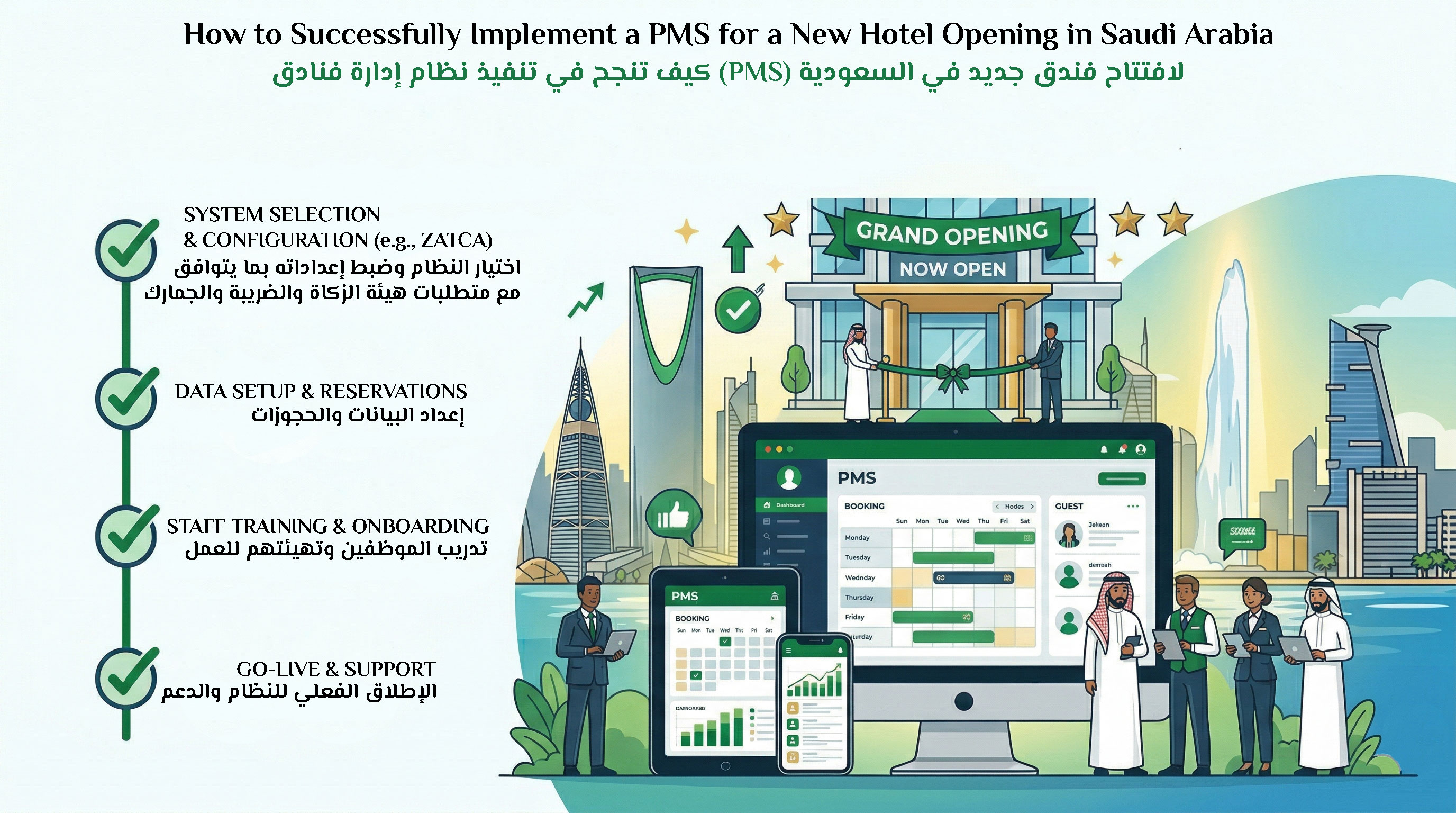
Step‑by‑step guide to implementing a PMS for a new hotel opening in Saudi Arabia. Covering ZATCA, Shomoos, check‑in automation, and best practices for a successful launch. Free demo from Fandaqa...

Discover why a local PMS vendor in Riyadh or Jeddah is the smart choice for your hotel. Faster support, ZATCA & Shomoos compliance, Arabic interface, and data residency. Free demo from Fandaqah...
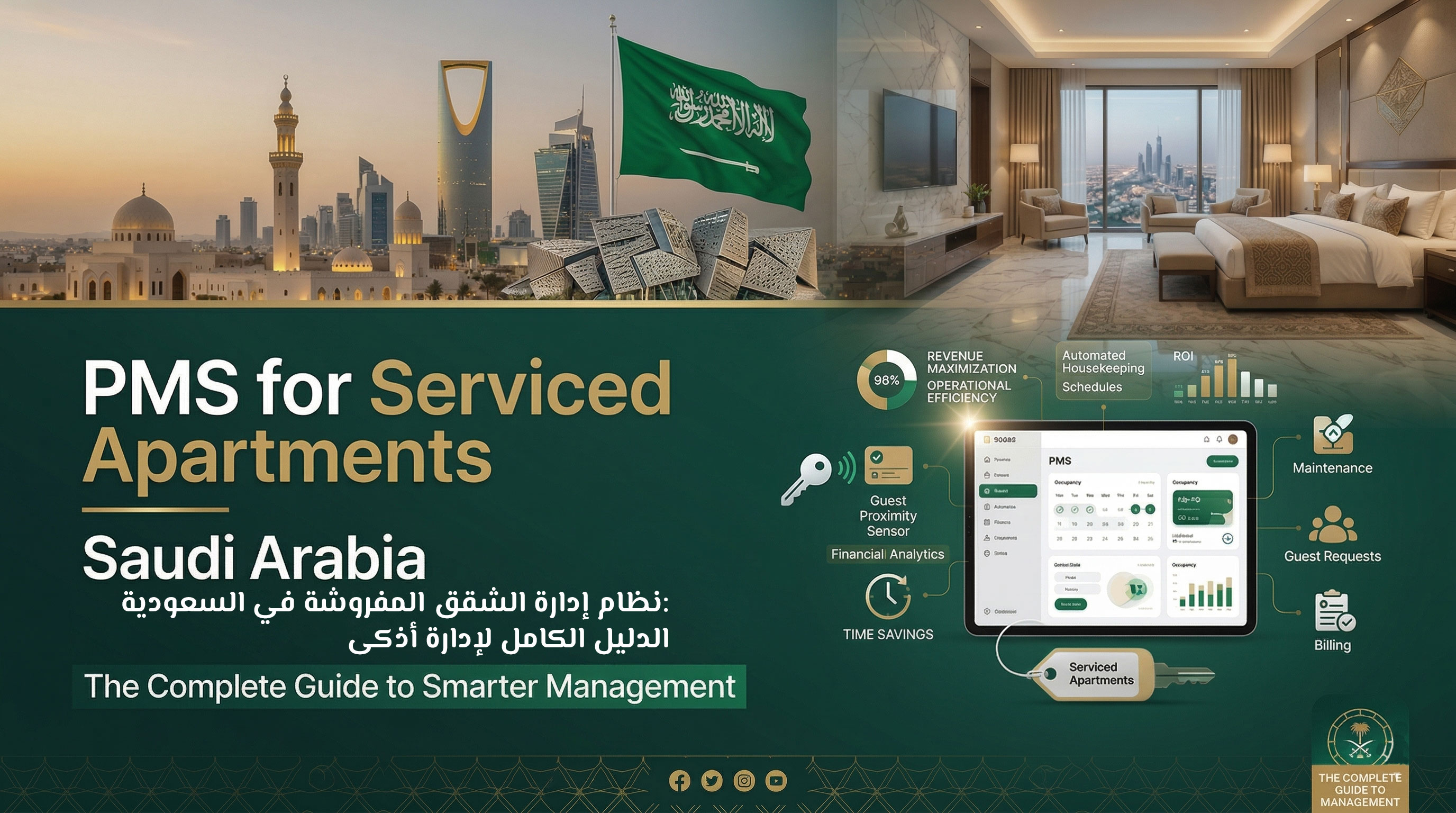
Discover the best PMS for serviced apartments in Saudi Arabia. Automate check-in, manage multiple units, ensure ZATCA & Shomoos compliance, and boost revenue. Free demo for property managers...
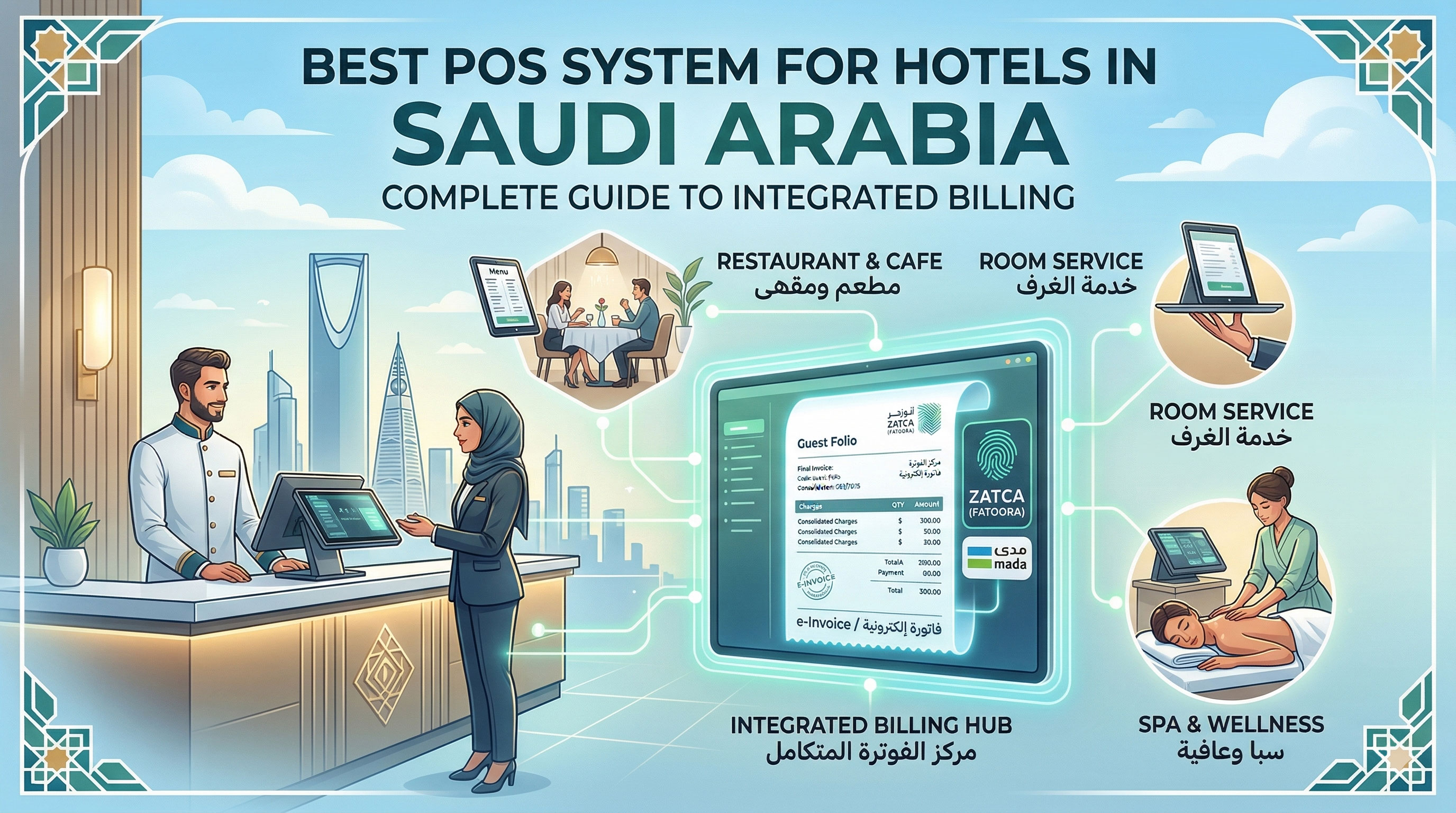
Discover the best POS system for hotels in Saudi Arabia. Integrate F&B, spa, and retail billing with your hotel PMS. ZATCA compliant, Shomoos ready. Free demo for hoteliers...
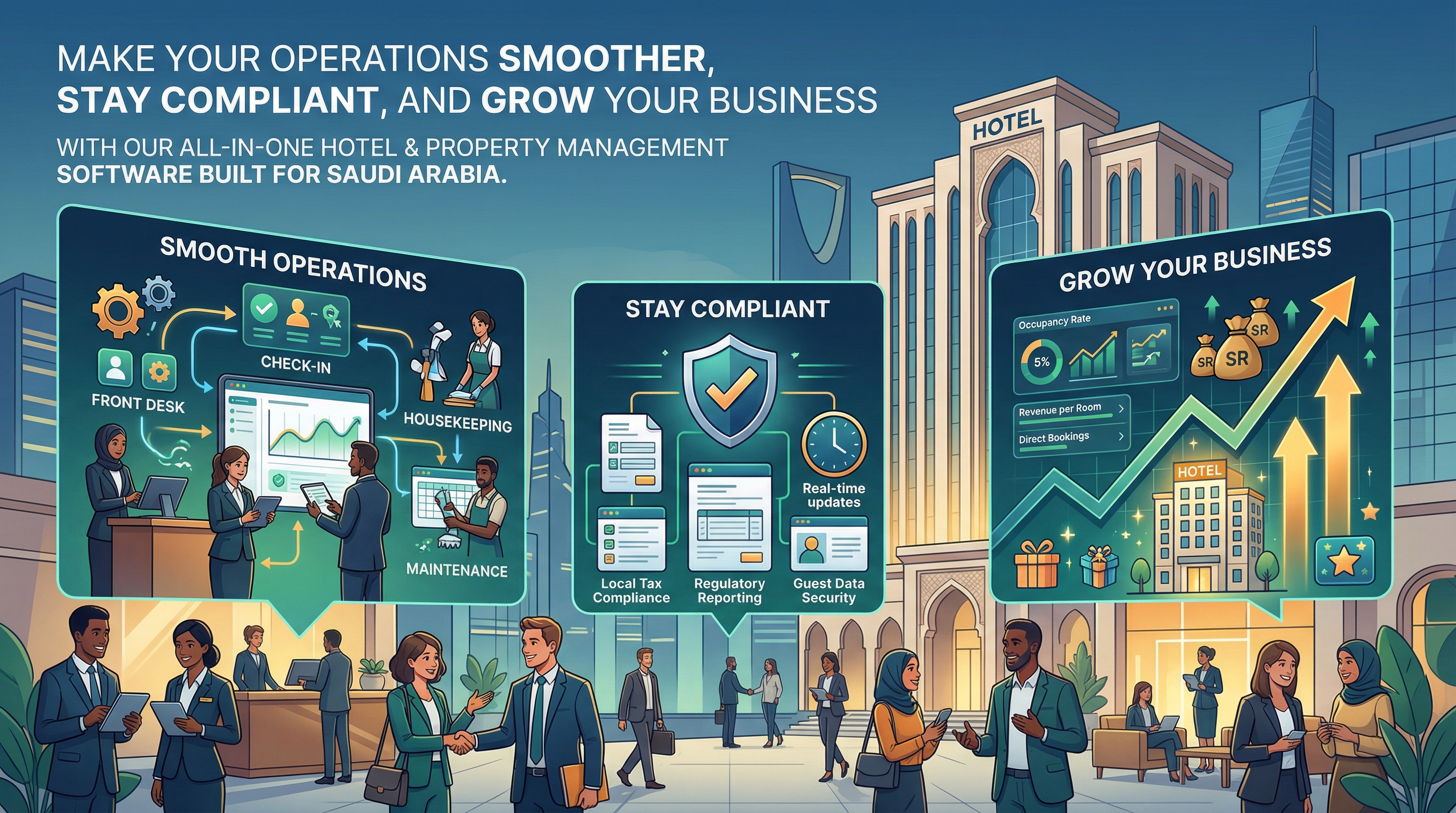
Fandaqah is Saudi Arabia's leading hotel management software. ZATCA, Shomoos & Ministry of Tourism compliant. PMS, booking engine & channel manager in one platform....
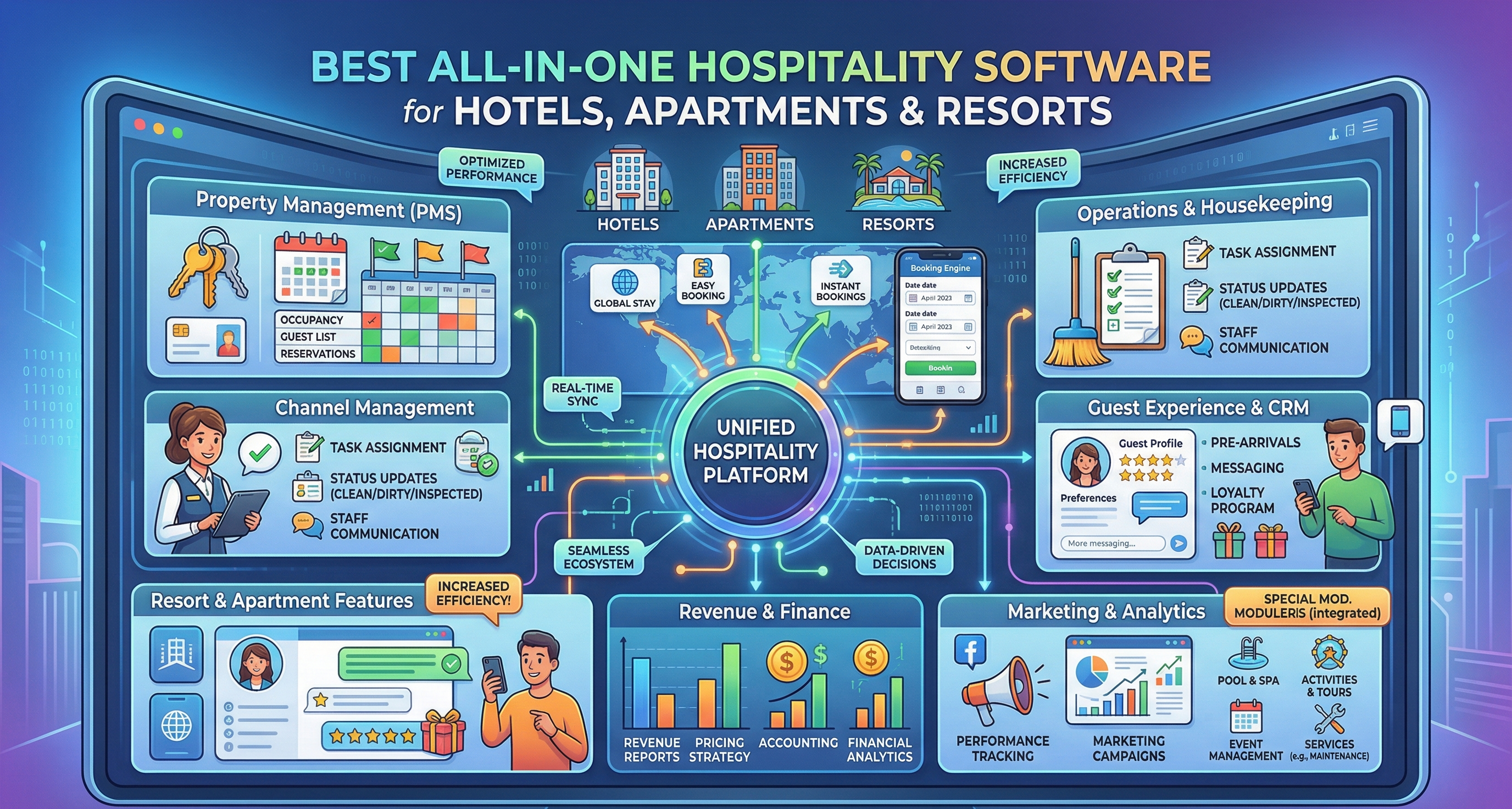
Discover Fandaqah trusted property management software for hotels, apartments & resorts. ZATCA, Shomoos & Tourism compliant. Request your free trial today!...
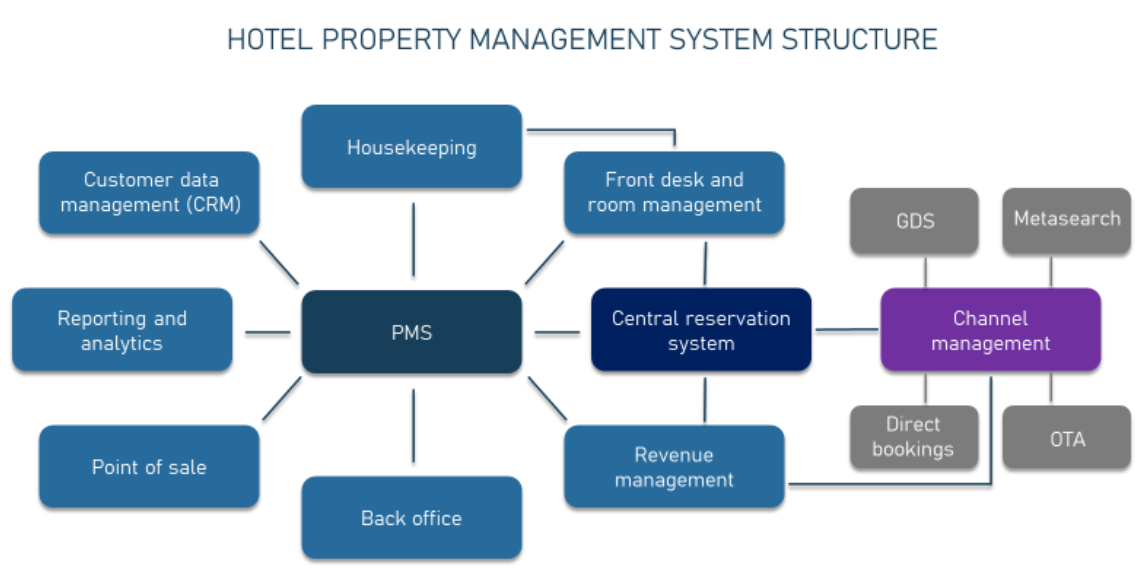
Fandaqah PMS automates hotel check‑in, ensures ZATCA Phase 2 e‑invoicing & Shomoos integration. 85% faster, trusted by 850+ Saudi properties. Start your free trial....
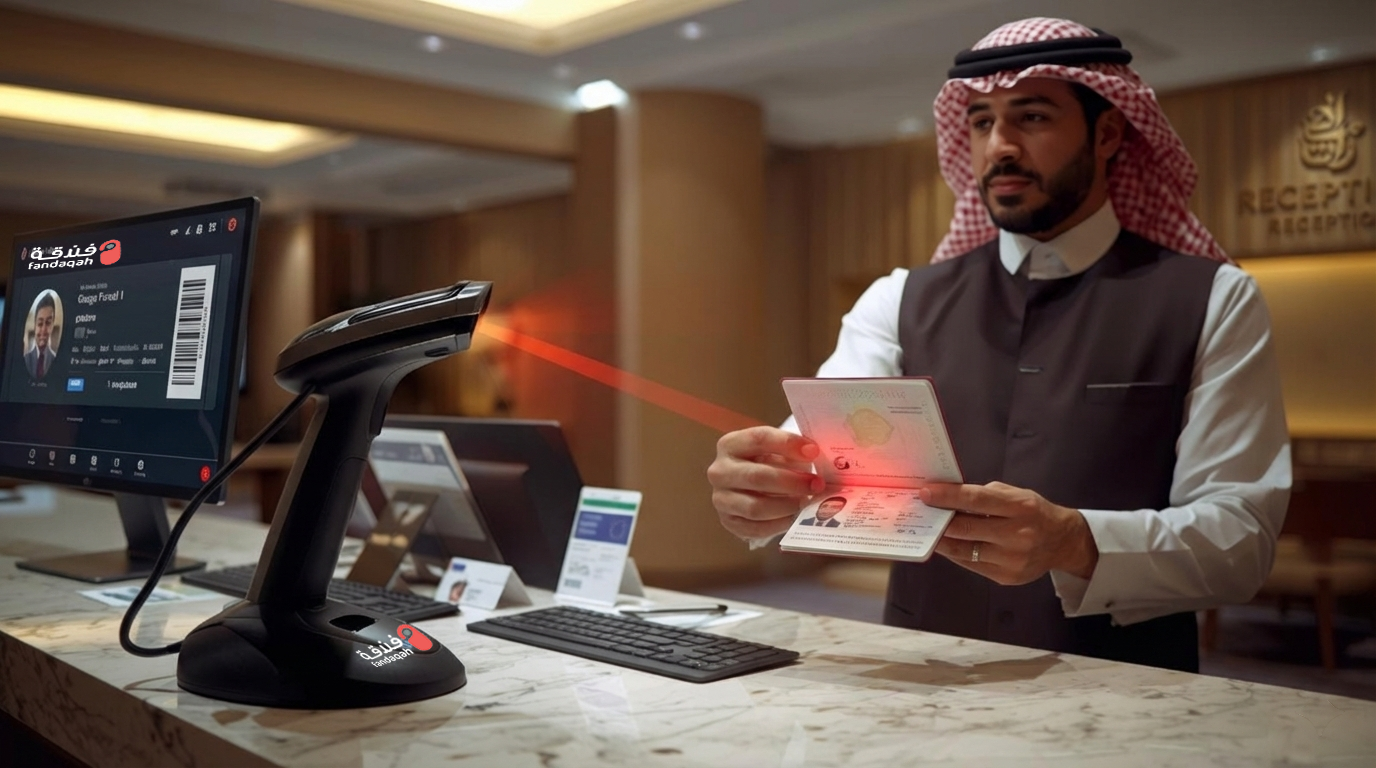
Automate hotel check-in Saudi Arabia with passport scanning. ZATCA compliant, Shomoos integrated. Reduce waiting time 70%. Free demo!...

Join Fandaqah's partner program for hotel management software Saudi Arabia. Earn 200 SAR per referral, ZATCA compliant. 800+ hotels trusted!...
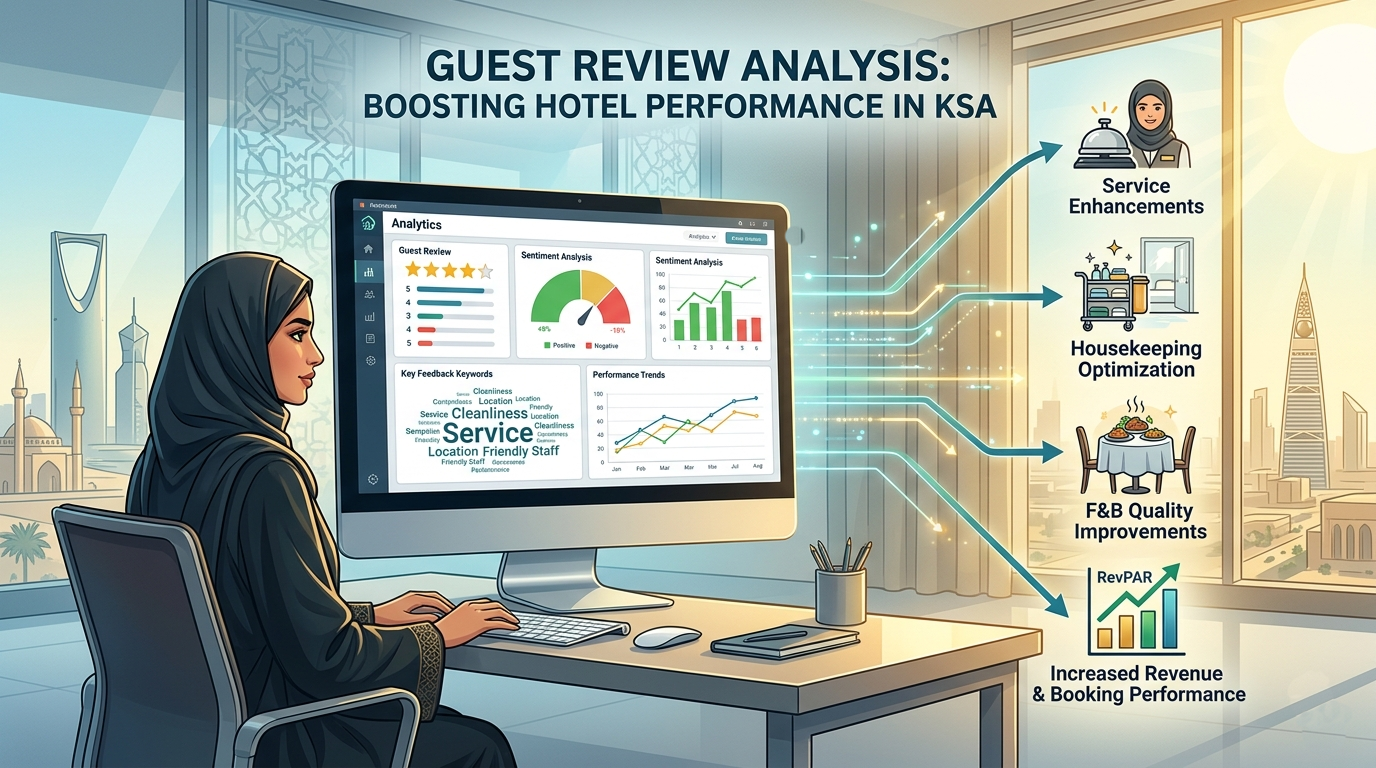
Complete guide to analyzing guest feedback and improving hotel performance in Saudi Arabia. Learn about KPIs, technology, ZATCA & Shomoos compliance, and strategies to increase revenue and guest satis...
Discover how Fandaqah Channel Manager helps Saudi hotels manage and streamline rates across all OTA platforms. Increase direct bookings, automate distribution, ensure ZATCA & Shomoos compliance, and b...
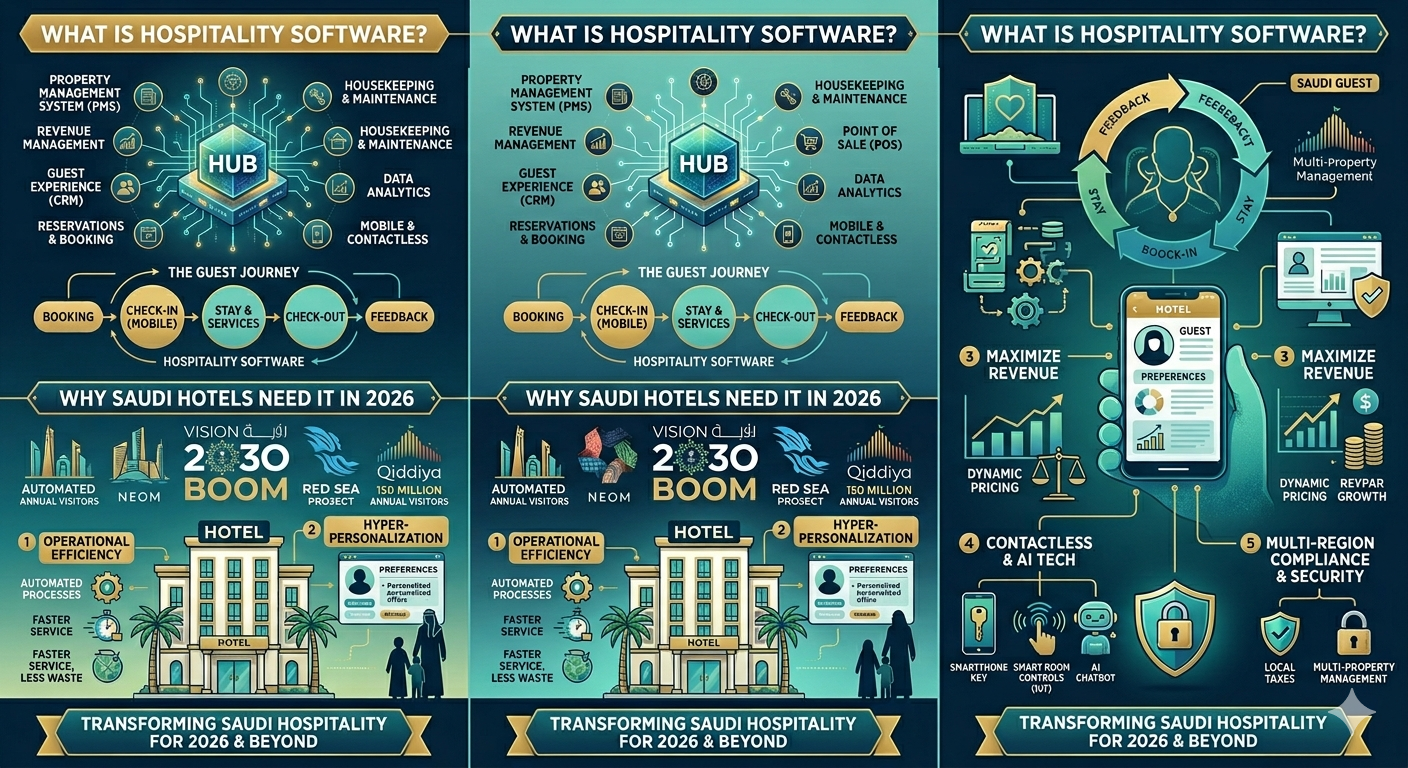
Discover what hospitality software is and why Saudi hotels need it in 2026. Complete guide to hotel management systems, check-in automation, ZATCA & Shomoos compliance, and guaranteed ROI. Fandaqah so...
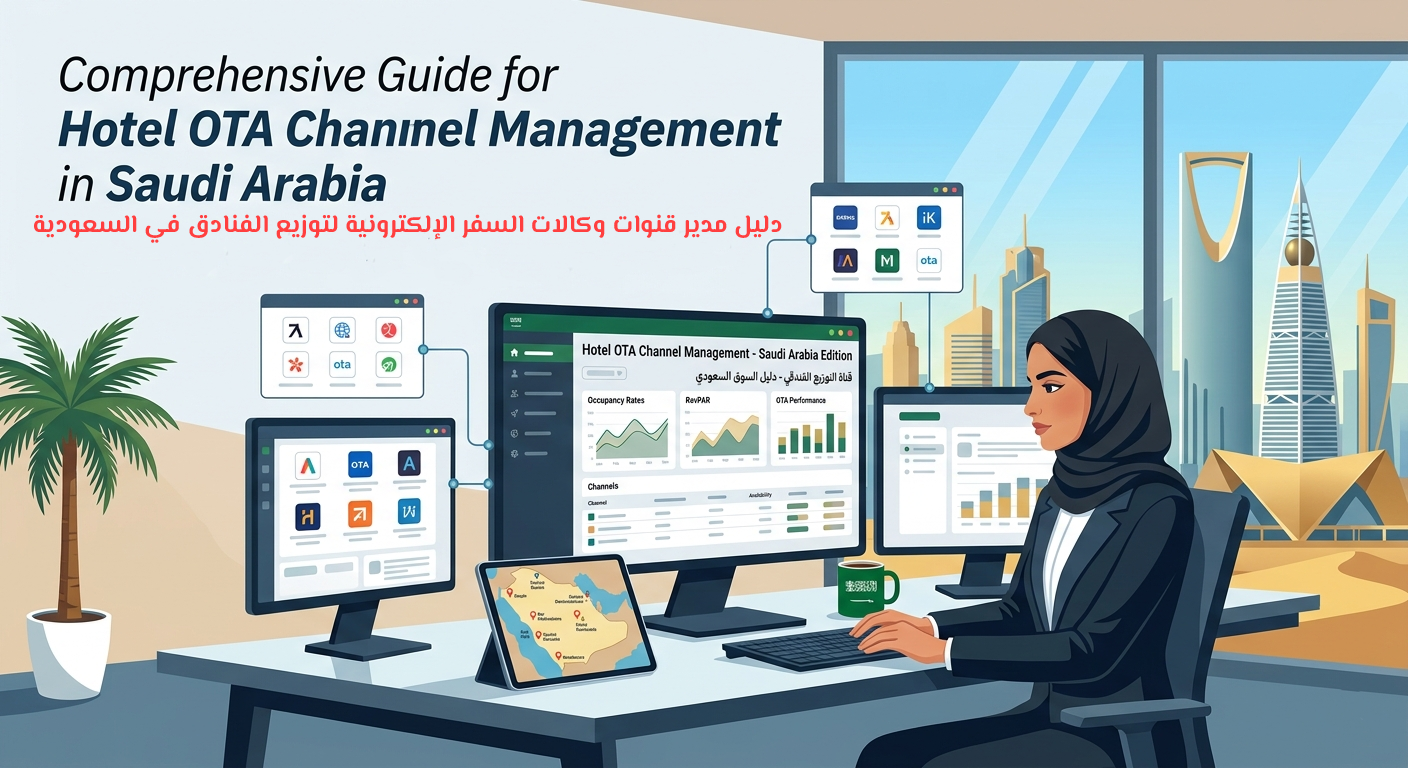
Complete guide to OTA channel manager for hotel distribution in Saudi Arabia. Learn how to increase bookings, automate distribution, comply with ZATCA & Shomoos, and boost revenue. Fandaqah solutions....

Complete hotel audit guide for 2026: learn about night audit procedures, financial reports, compliance with ZATCA & Shomoos, and how automated audits improve accuracy and efficiency for Saudi hotels....
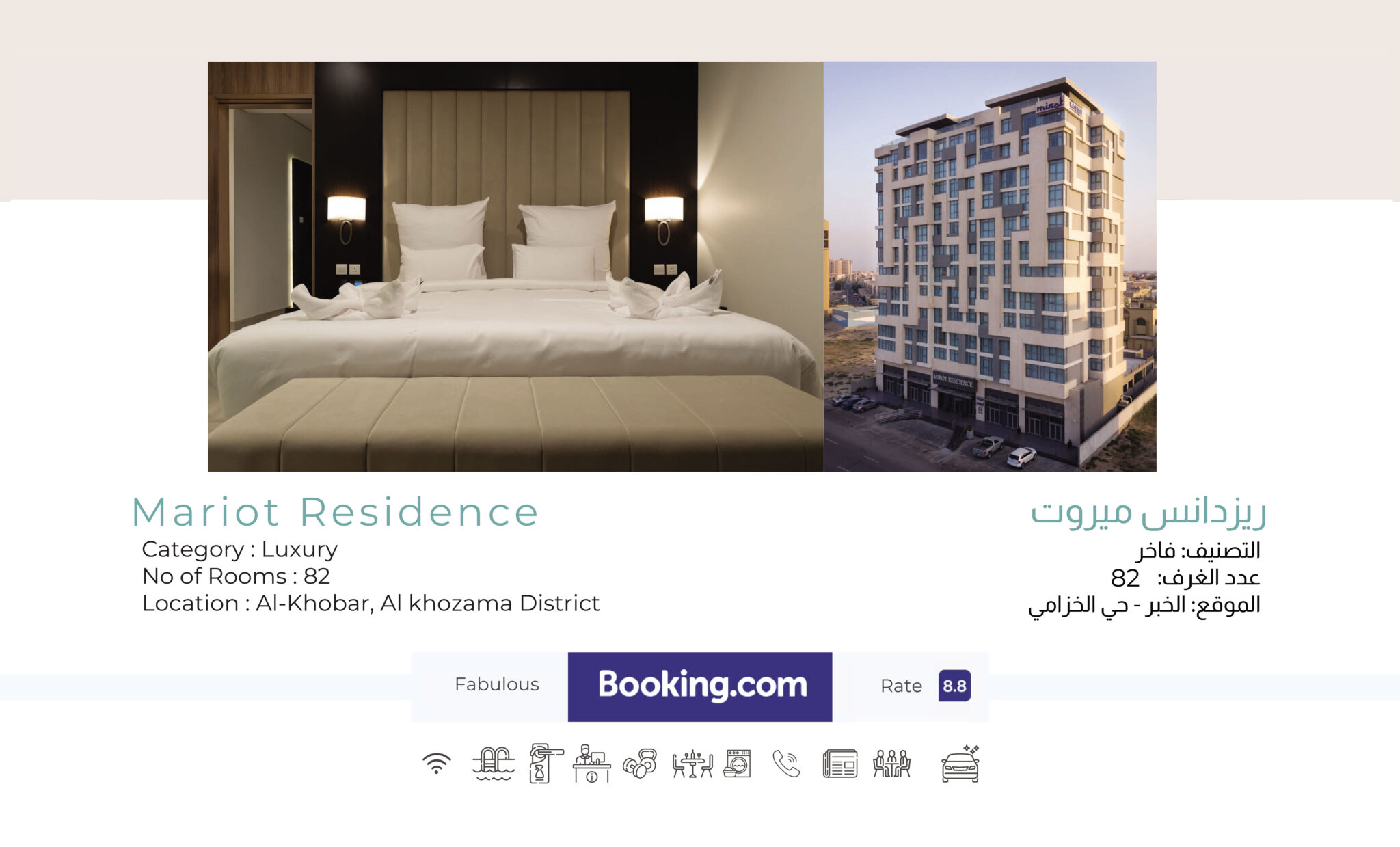
Mariot Residence began as a modest 1-star property with: Limited digital infrastructure Manual operations Basic amenities Difficulty attracting guests and maintaining service quality...

In the hospitality industry, room pricing isn’t just a number on a screen—it’s a strategic decision that directly impacts revenue, occupancy, and guest satisfaction....
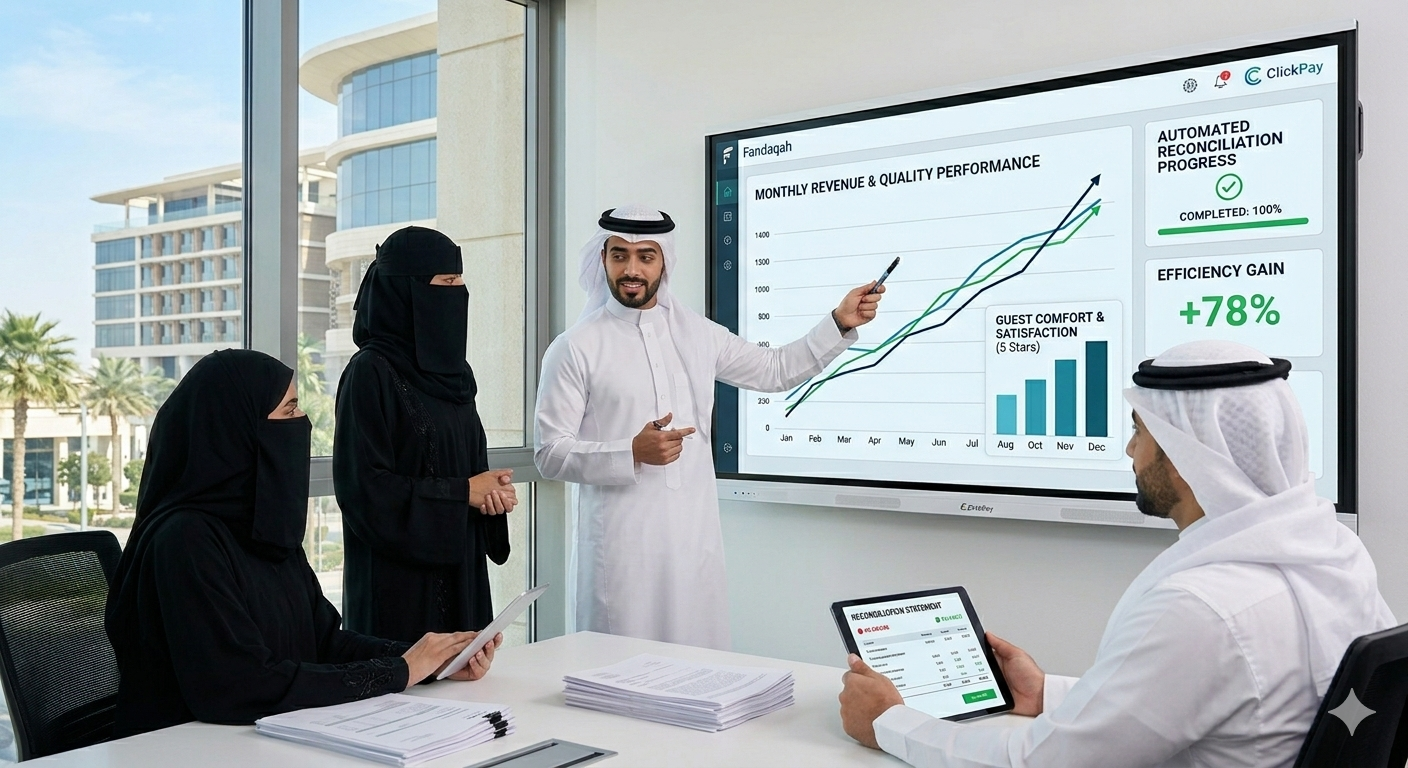
In hospitality, every moment matters. From the first greeting at the front desk to the final checkout, hotels strive to offer a seamless and comfortable experience for every guest. Yet, one aspect oft...
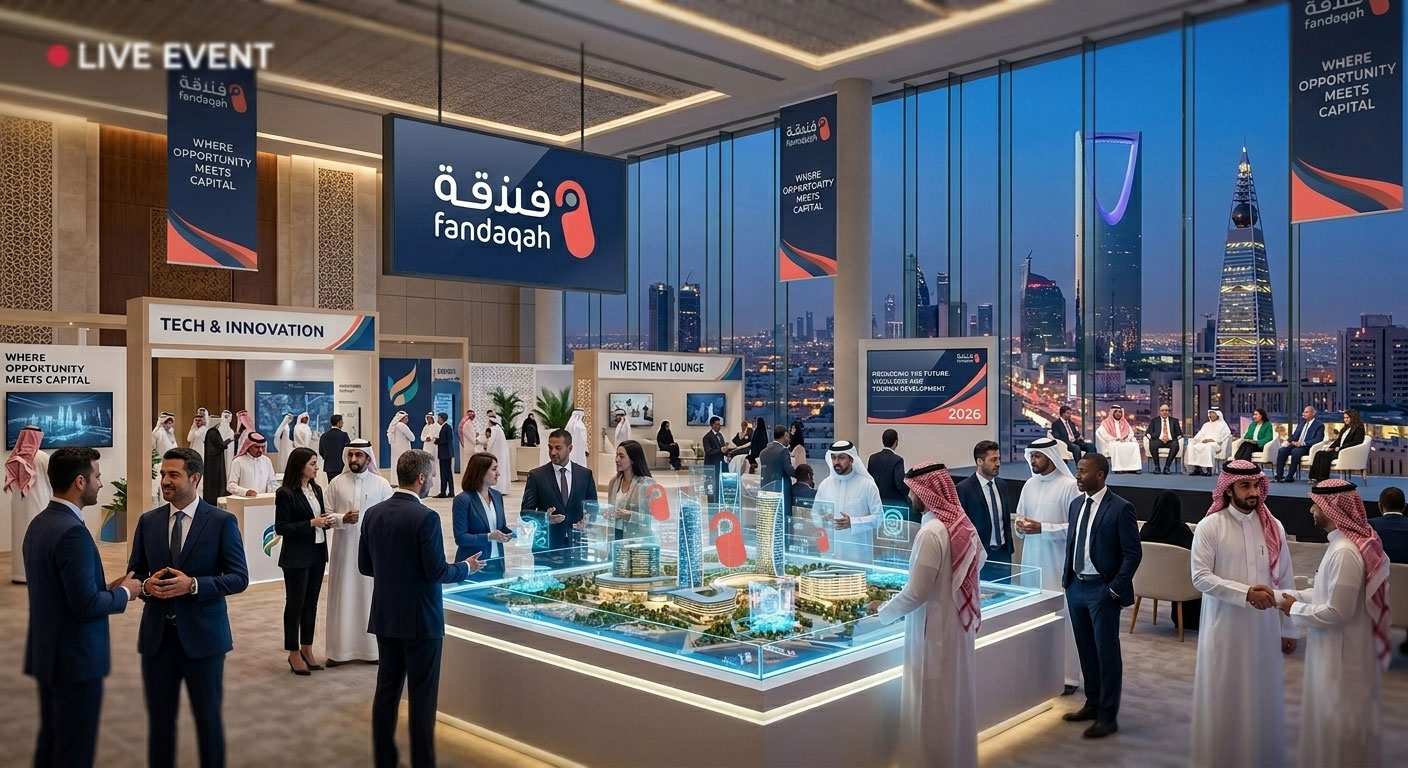
The complete guide to the Saudi Future Hospitality Summit 2026: dates, venue, speakers, investment opportunities, technology, and ZATCA & Shomoos compliance. Join 1,500+ industry leaders in Riyadh....
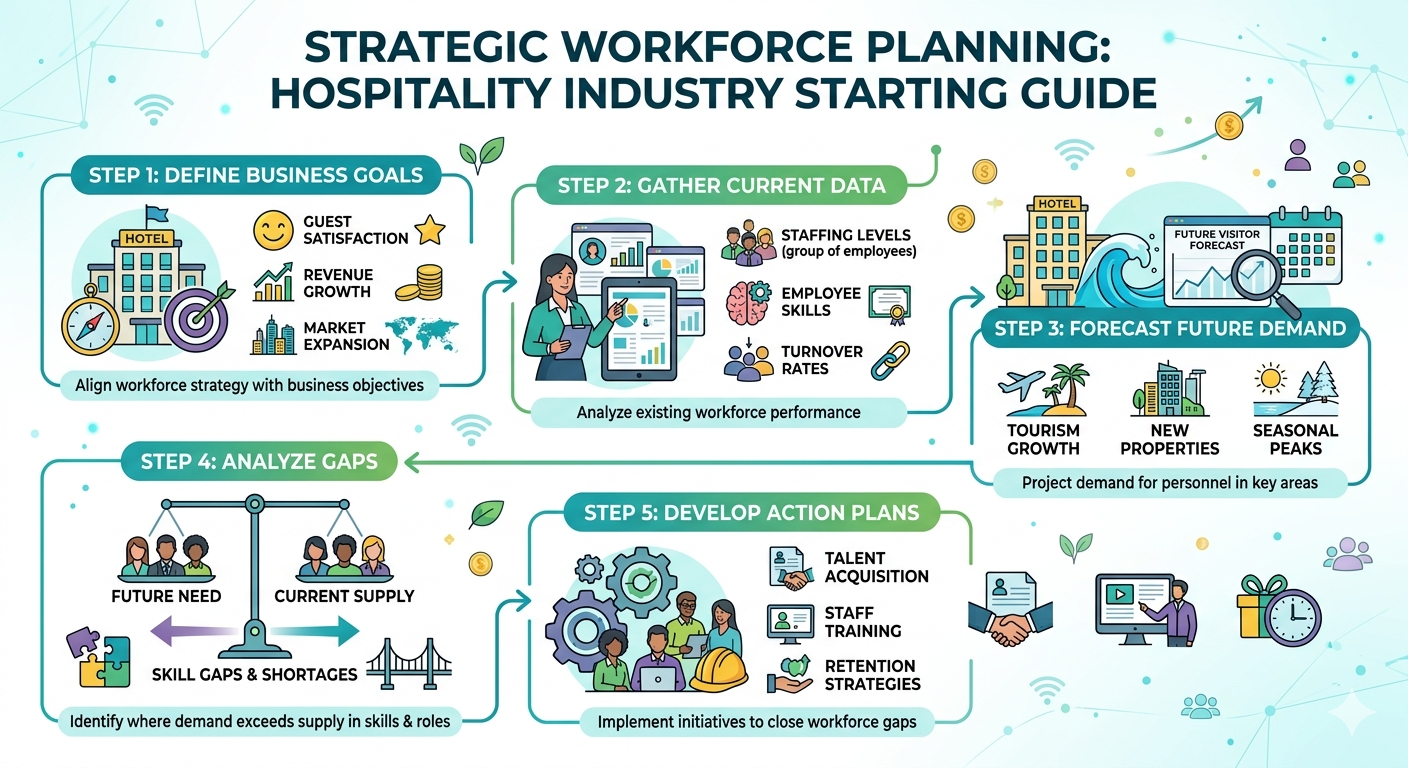
Master strategic workforce planning for Saudi hospitality. Achieve Nitaqat compliance, reduce turnover, and build Vision 2030-ready teams with expert strategies...

In line with Saudi Vision 2030, the tourism sector is undergoing an unprecedented digital transformation. One of the most impactful tools driving this change is the National Tourism Monitoring Platfor...
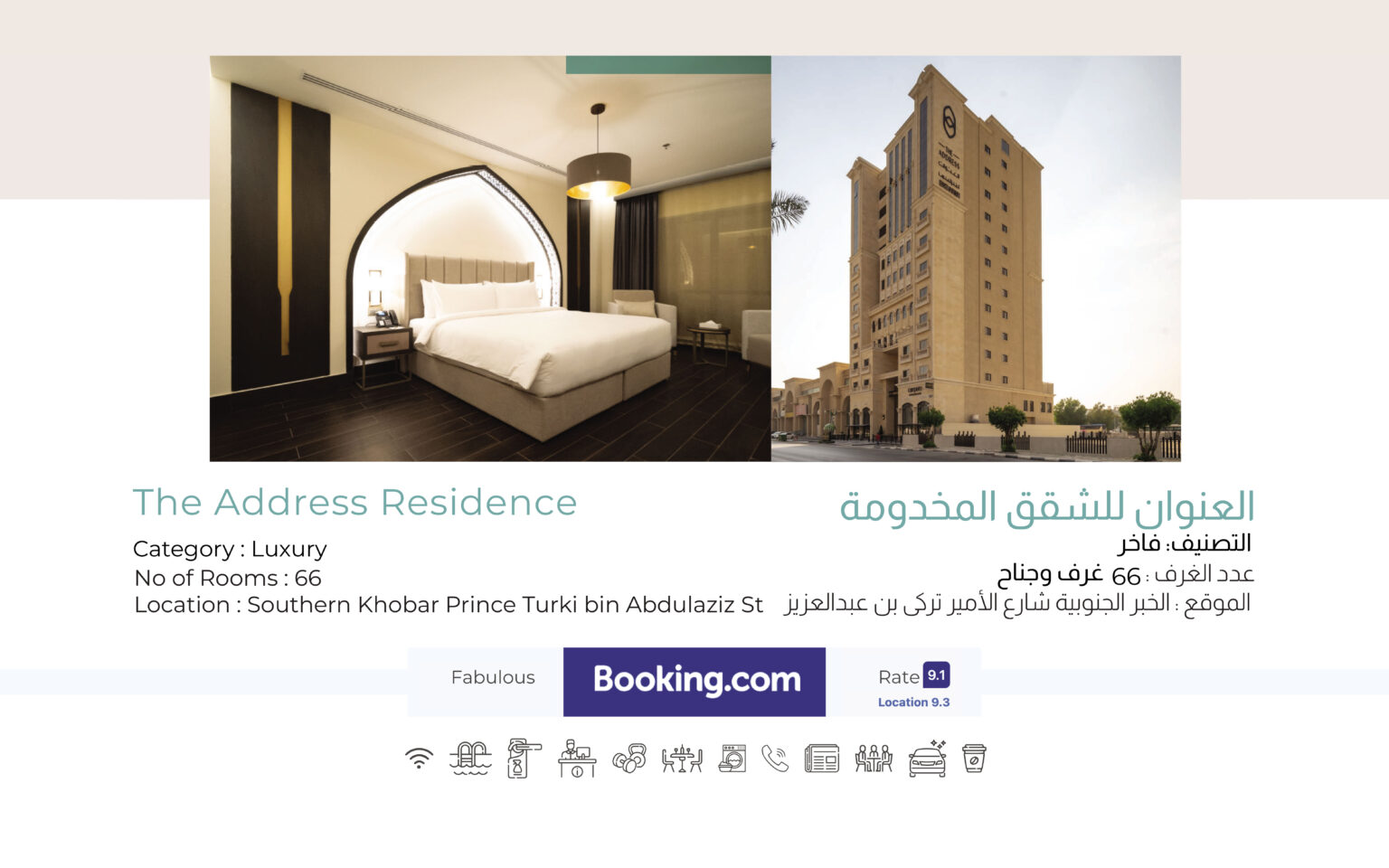
The management adopted Fandaqah PMS, a Saudi-built property management system designed for operational efficiency and government compliance. The result? A complete transformation across operations, gu...

In today’s hospitality landscape, competition is no longer just about location or star ratings. Success now hinges on how effectively a hotel leverages smart technologies to streamline operations an...