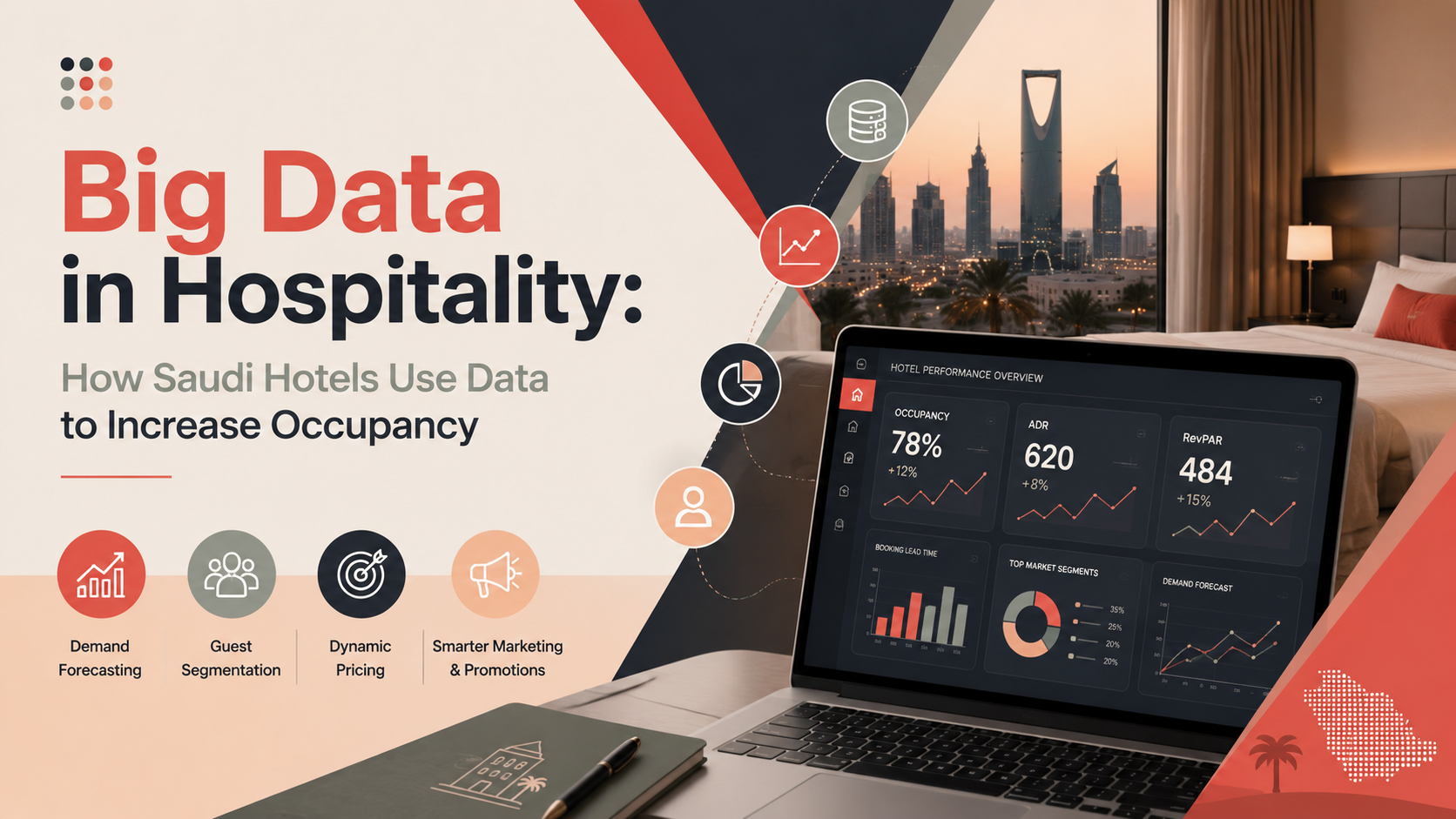
Big Data in Hospitality: How Saudi Hotels Use Data to Increase Occupancy and Drive Revenue
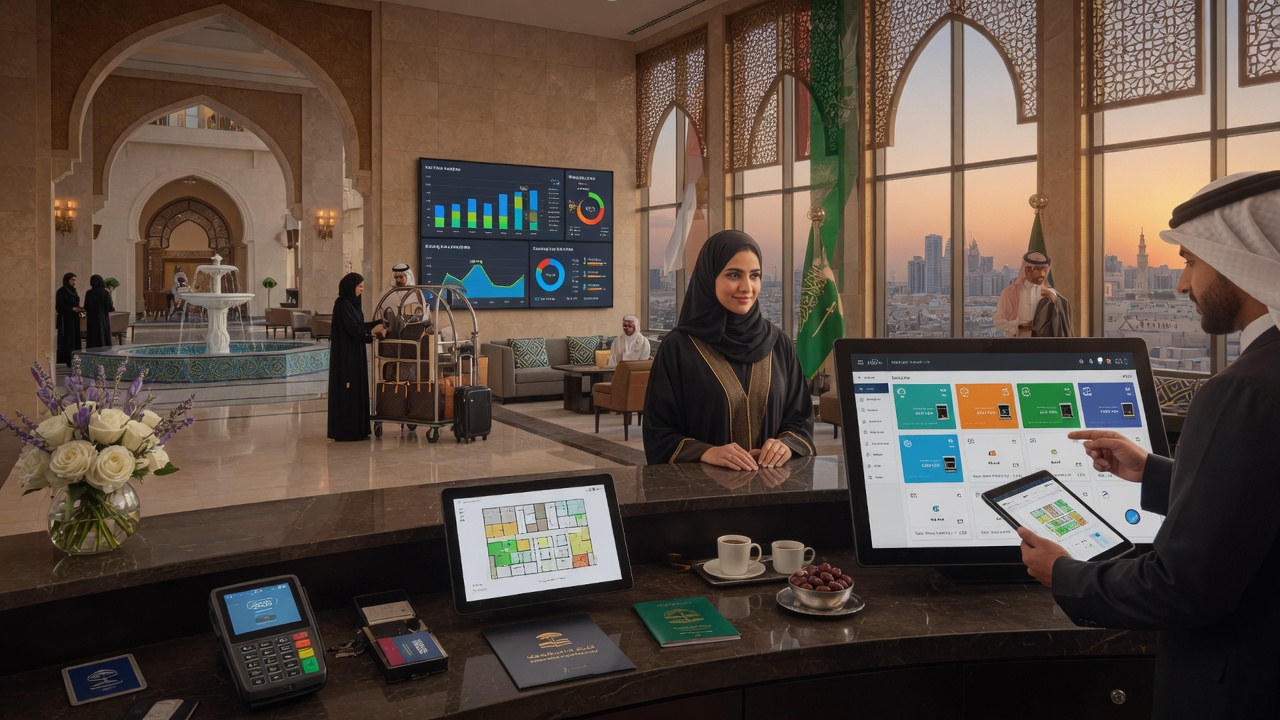
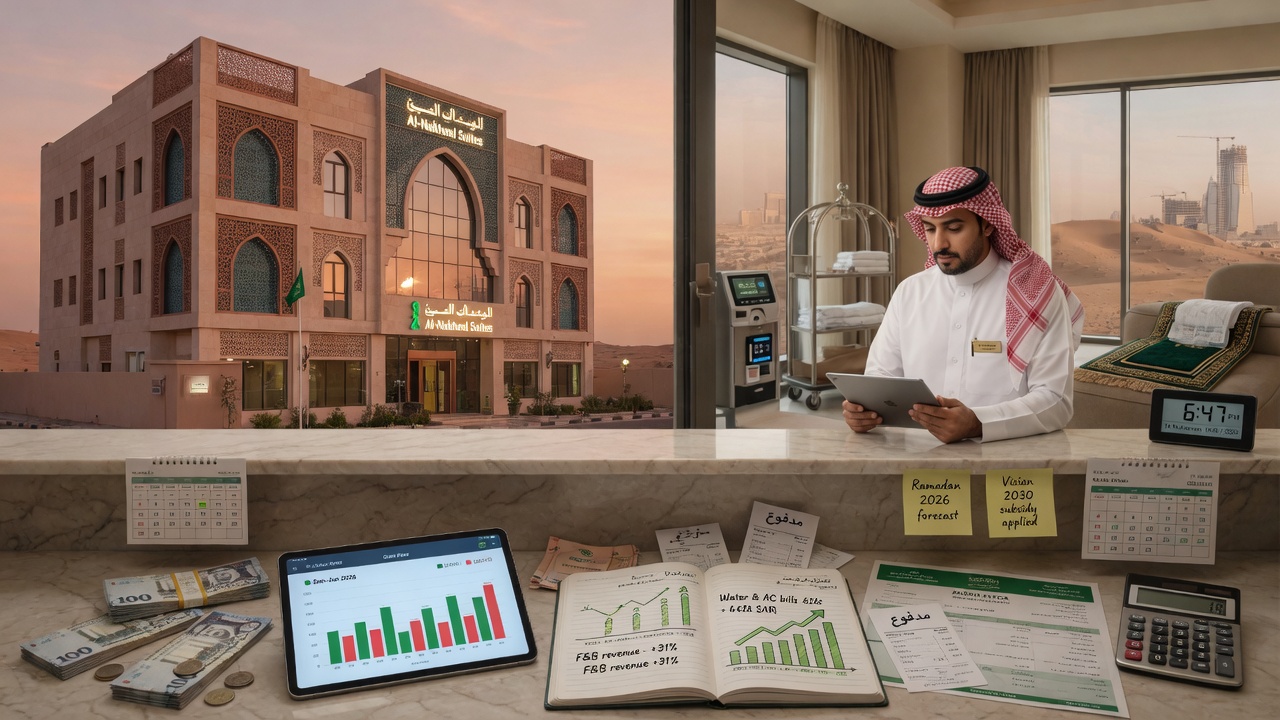
In an era where every click, booking, and guest review generates valuable information, big data in hospitality has become the cornerstone of modern hotel management. Across Saudi Arabia, a nation witnessing an unprecedented tourism boom fueled by Vision 2030, hotels are no longer relying on intuition alone. Instead, they are harnessing the power of big data analytics for hotel occupancy optimization in Saudi Arabia to decode guest preferences, forecast demand with precision, and implement dynamic pricing strategies for Saudi hotels that maximize both occupancy and profitability. This comprehensive guide dives deep into how Saudi hotels are using data to increase occupancy, exploring practical applications, real-world use cases, and the transformative impact on the Kingdom’s hospitality landscape.
Did You Know?
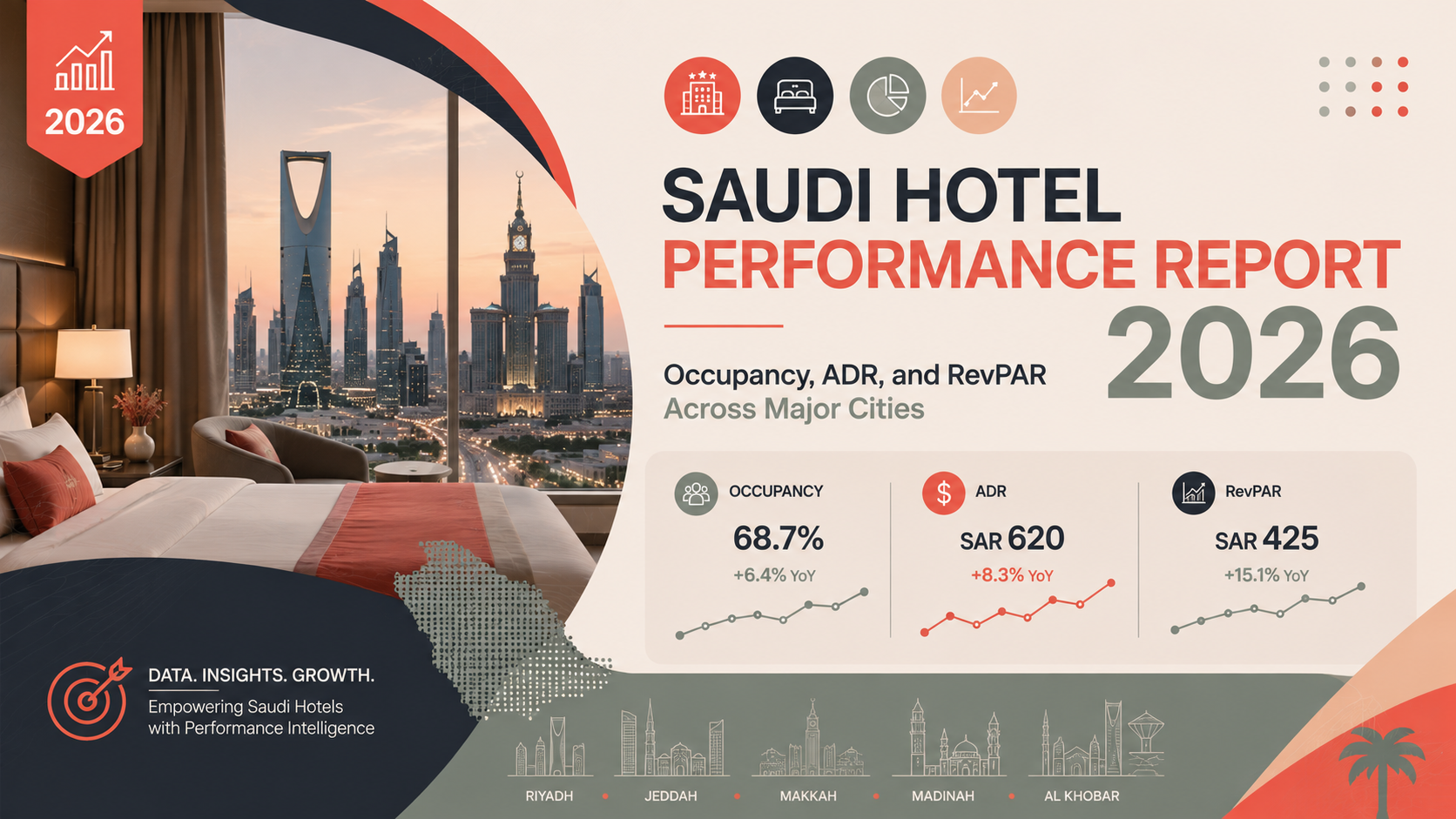
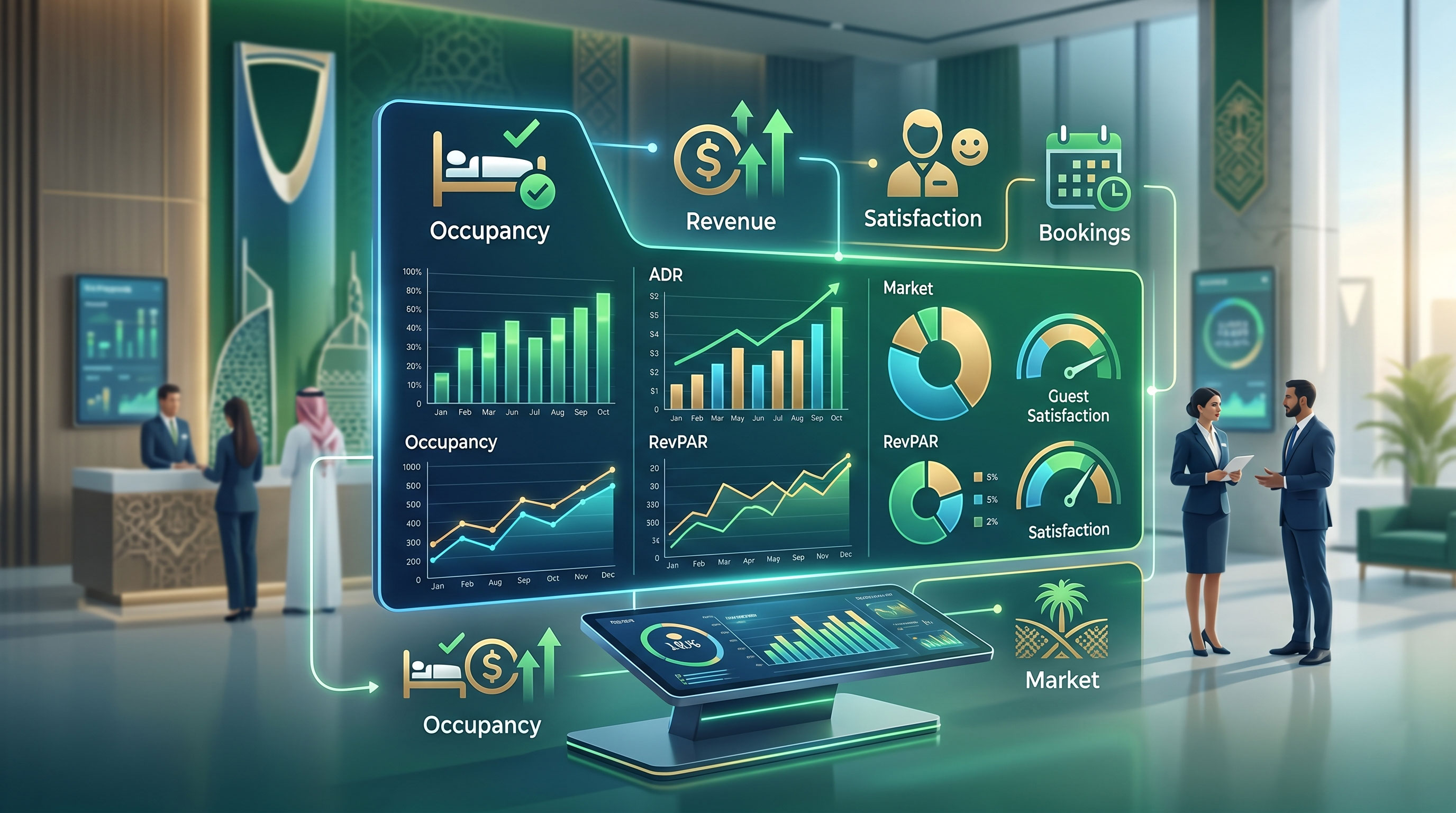
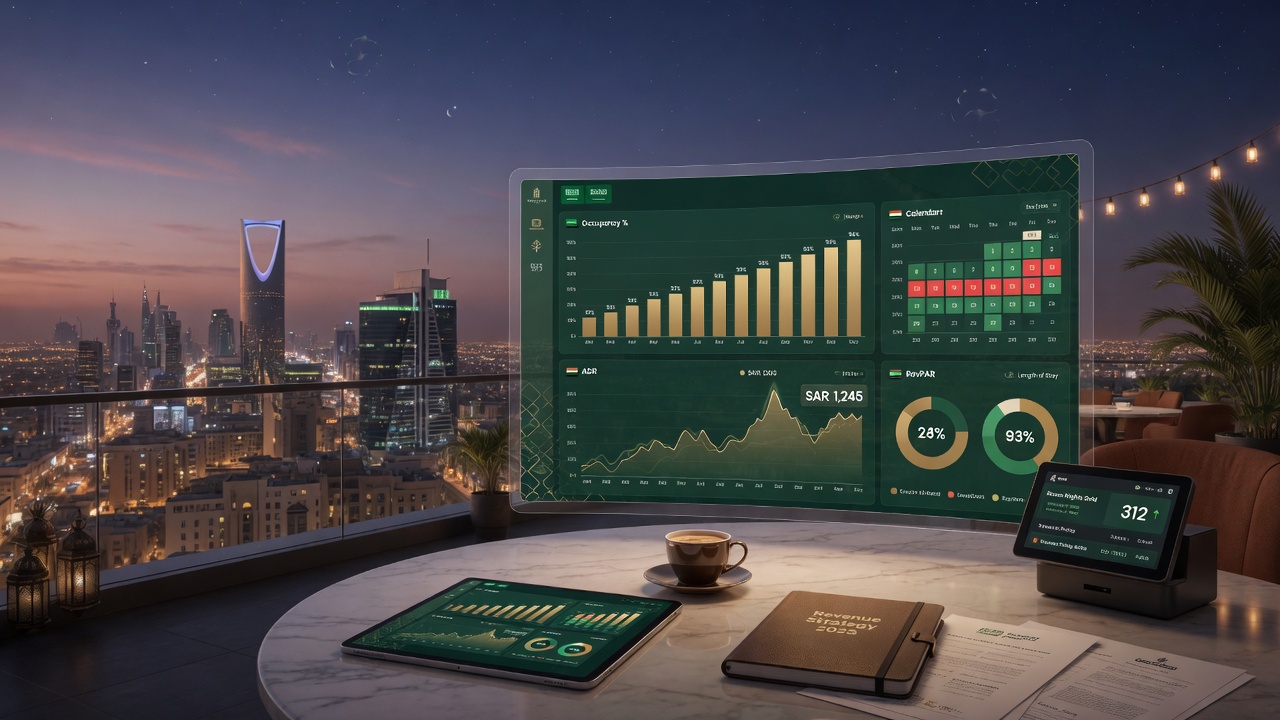
Hotels that adopt advanced data analytics can boost their Revenue per Available Room (RevPAR) by 15% to 25% annually compared to those using traditional methods, according to a leading hospitality research firm. In Saudi Arabia, this translates into millions of riyals in incremental revenue, especially during peak religious and entertainment seasons.
What is Big Data in Hospitality? A Strategic Overview
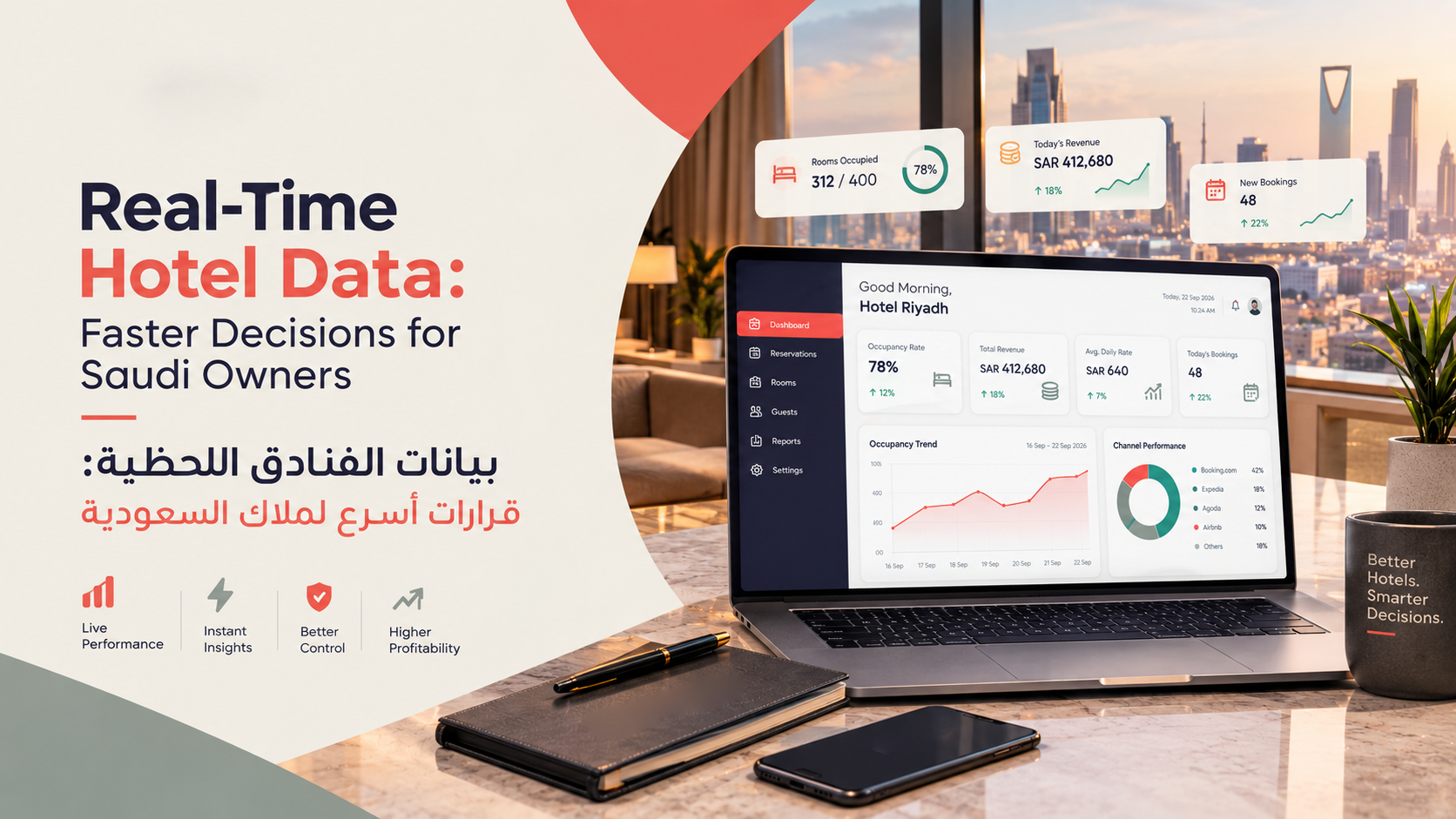
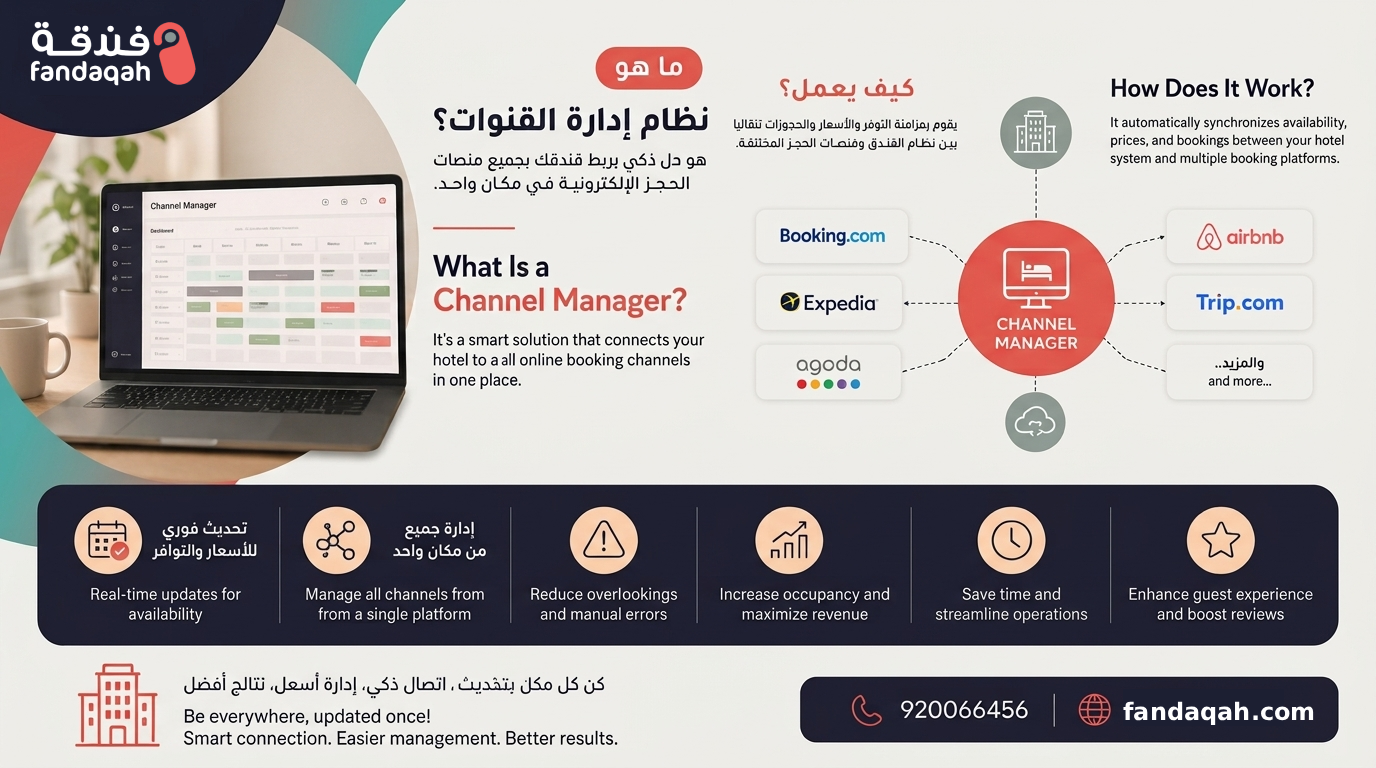
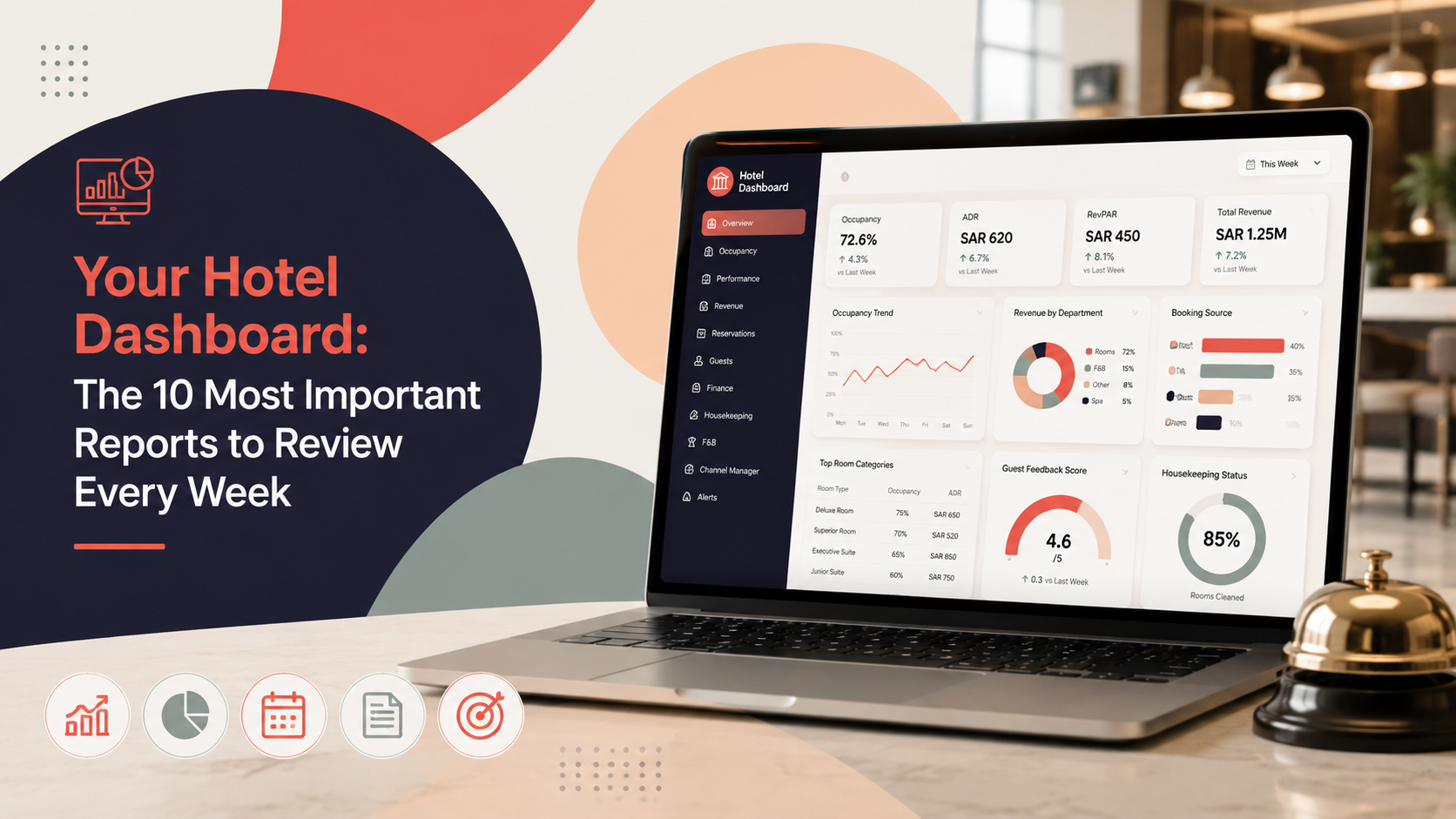
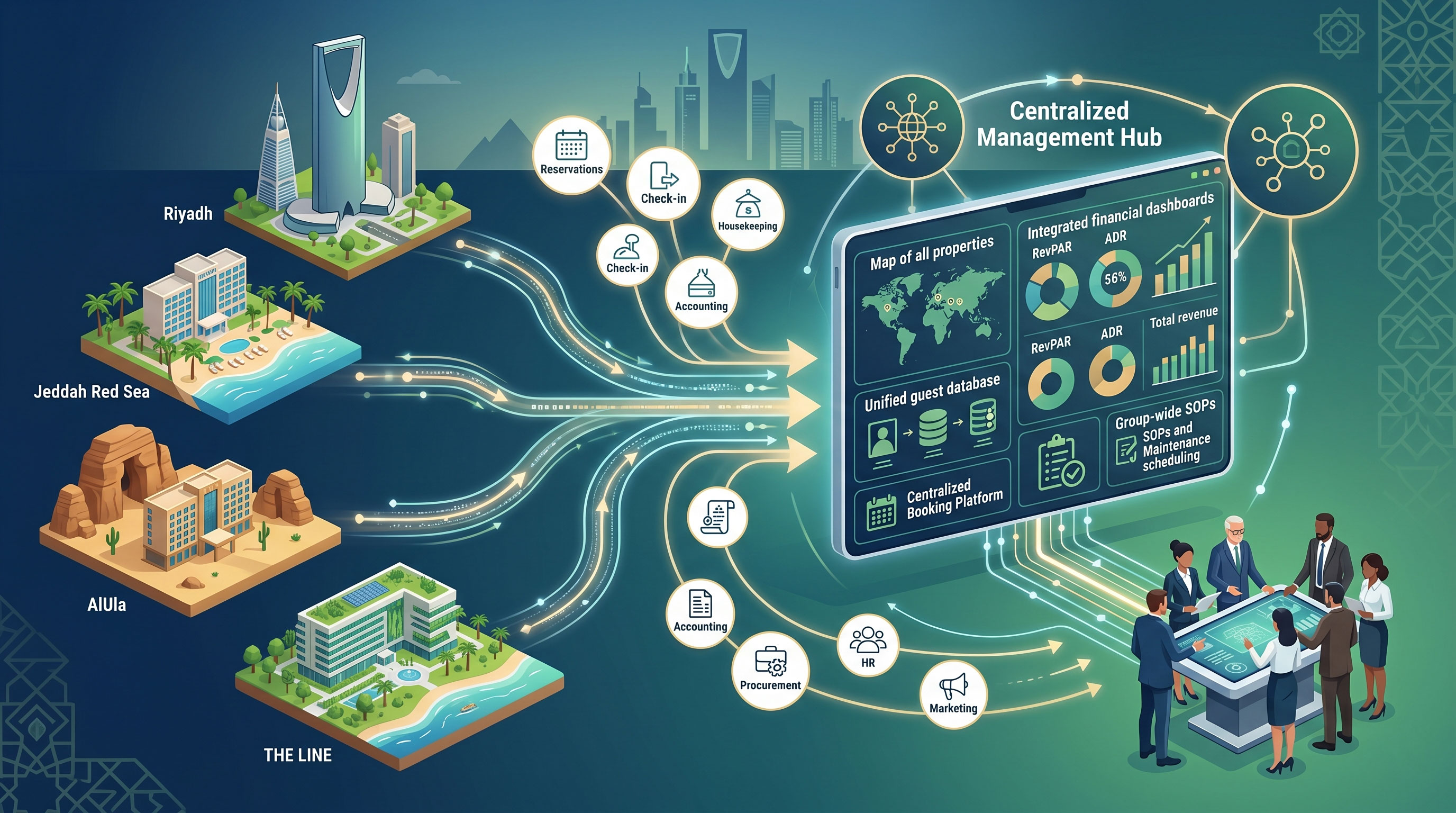
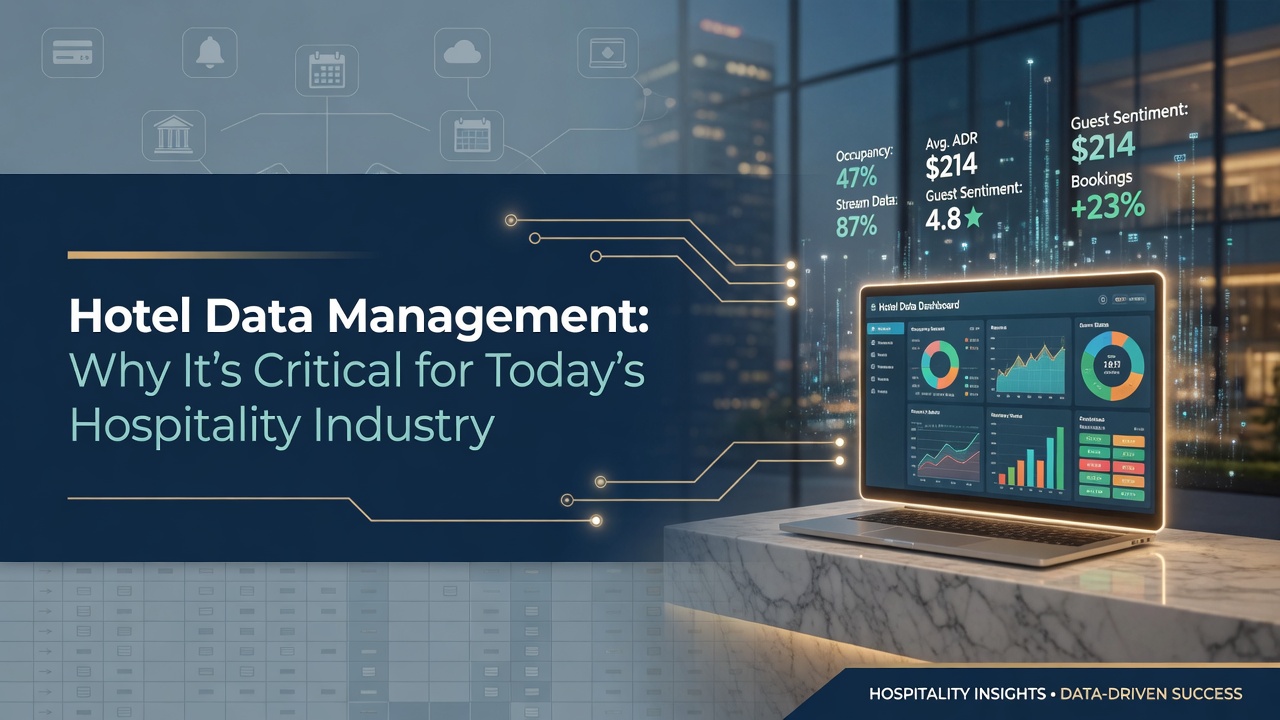
When we talk about big data in the hospitality industry, we refer to the massive volume of structured and unstructured information generated daily from countless touchpoints. This includes booking engine transactions, property management system logs, Wi-Fi usage patterns, social media mentions, online travel agency (OTA) reviews, in-room sensor data, and even local event calendars. The true power lies not in the sheer volume, but in the ability to transform this raw data into actionable insights using predictive analytics for hotel occupancy and machine learning algorithms.
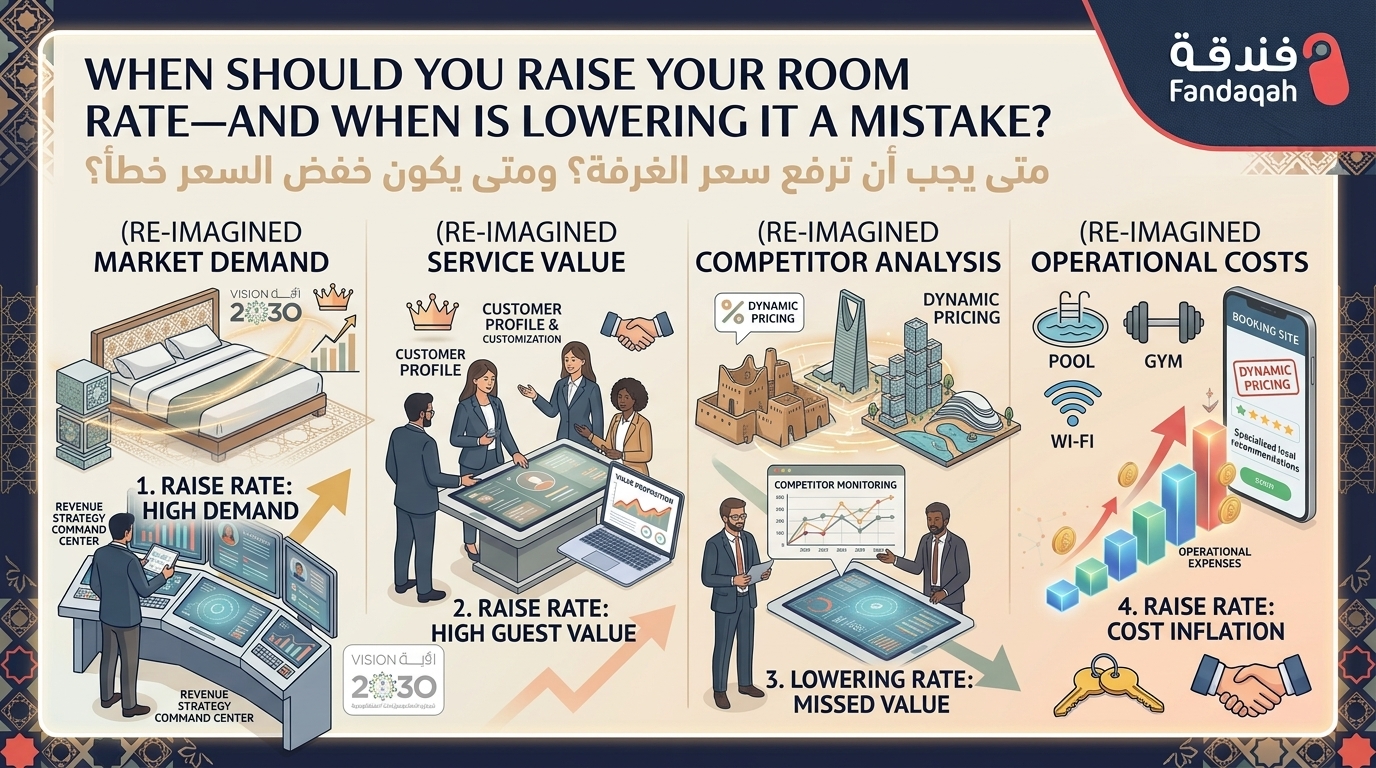
The lifecycle of big data in hospitality typically involves data collection from disparate sources, cleaning and integration into a unified platform, and advanced analysis to uncover patterns that can drive smarter decisions. For Saudi hoteliers, this means understanding exactly when to raise or lower room rates, which guest segment to target with a personalized offer, and how to allocate resources efficiently during the Hajj season or Riyadh Season.
Pro Tip:
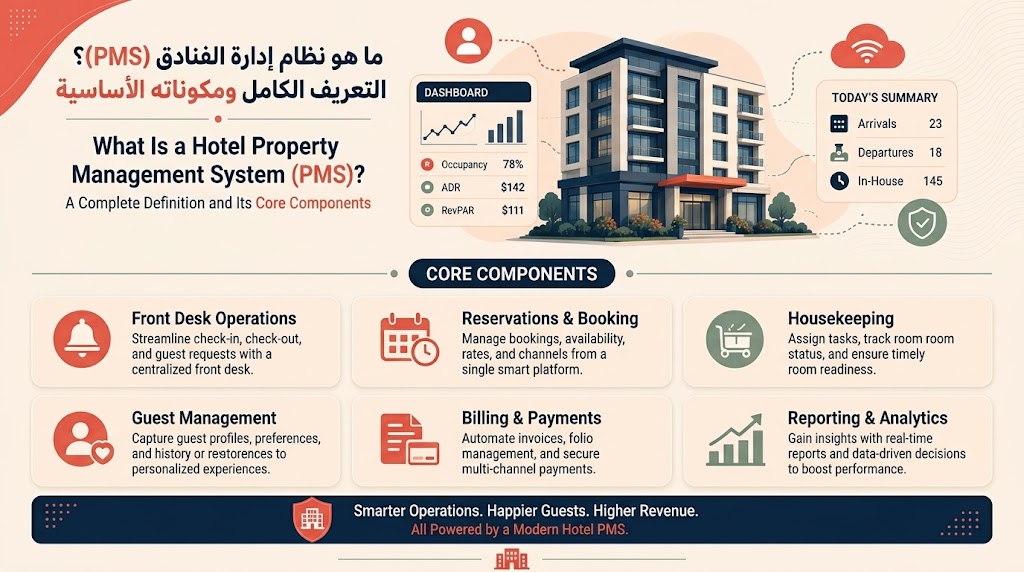
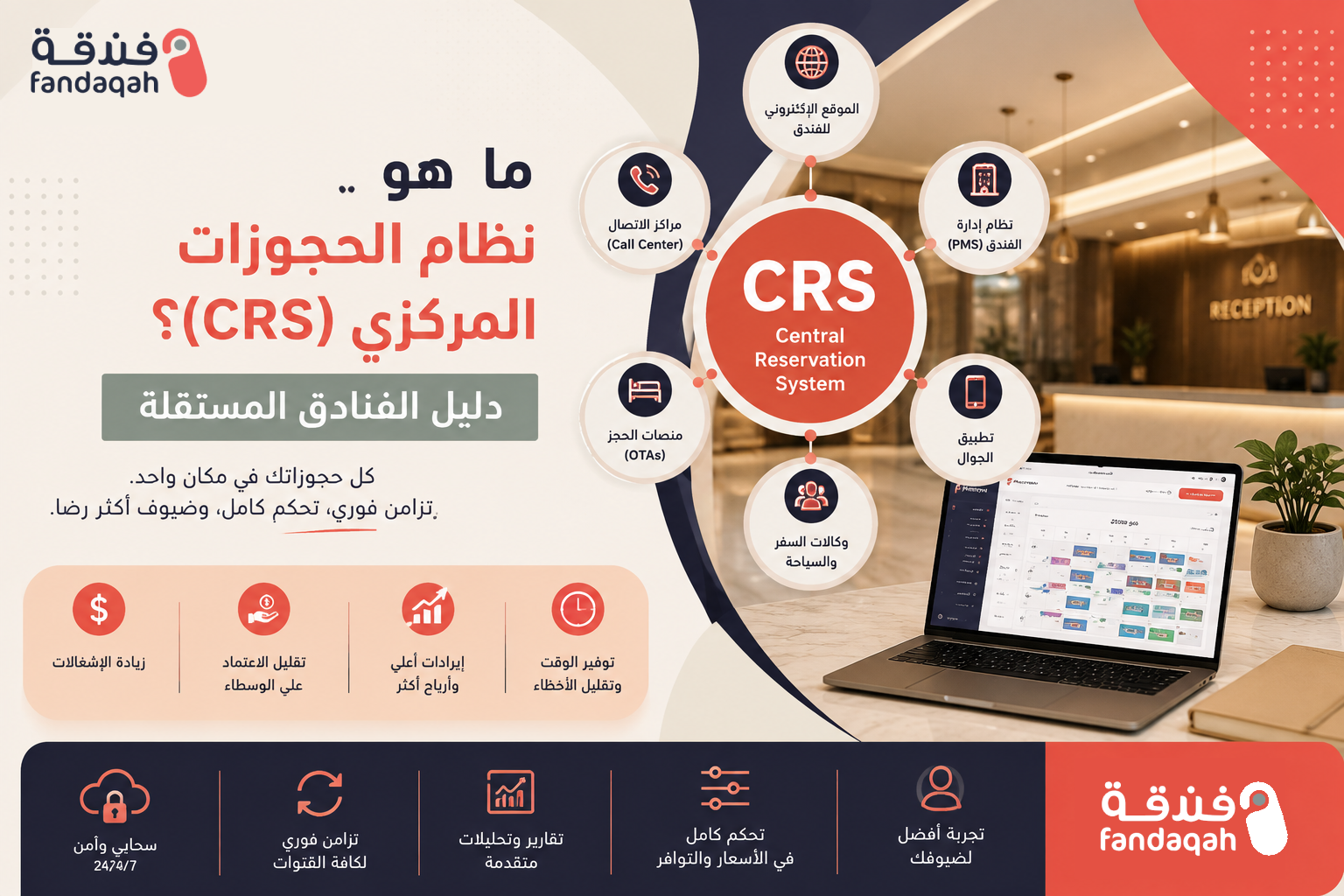
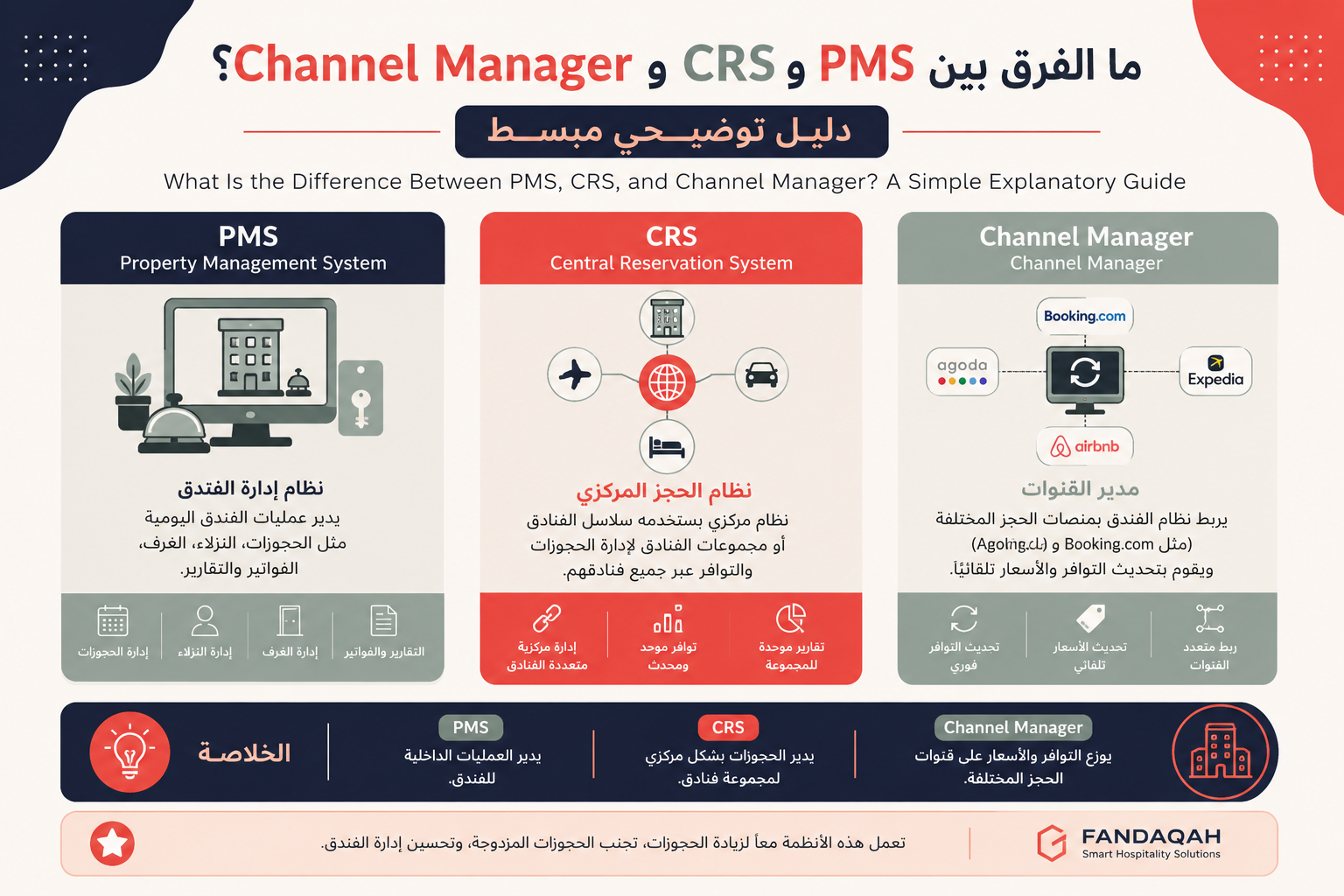
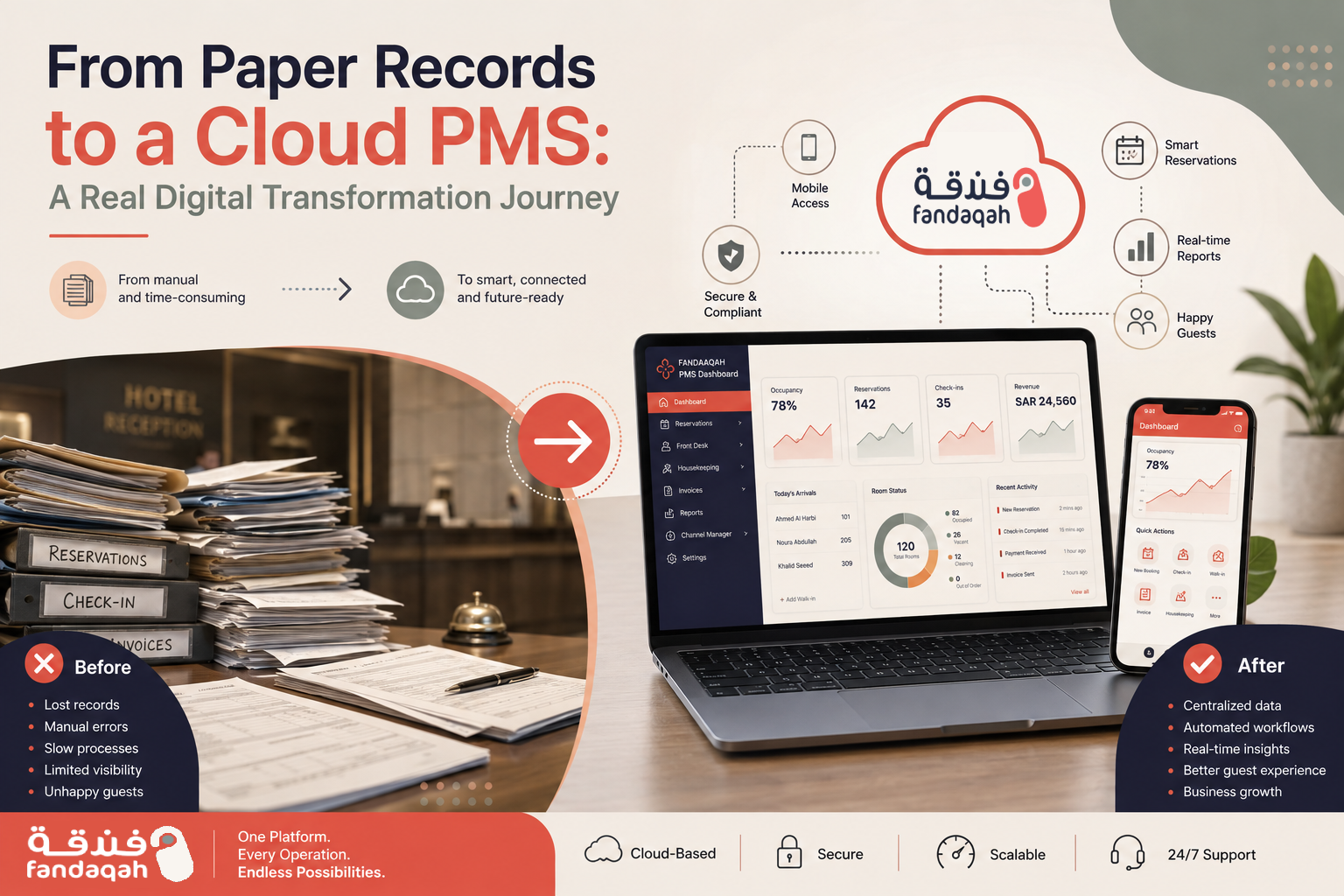
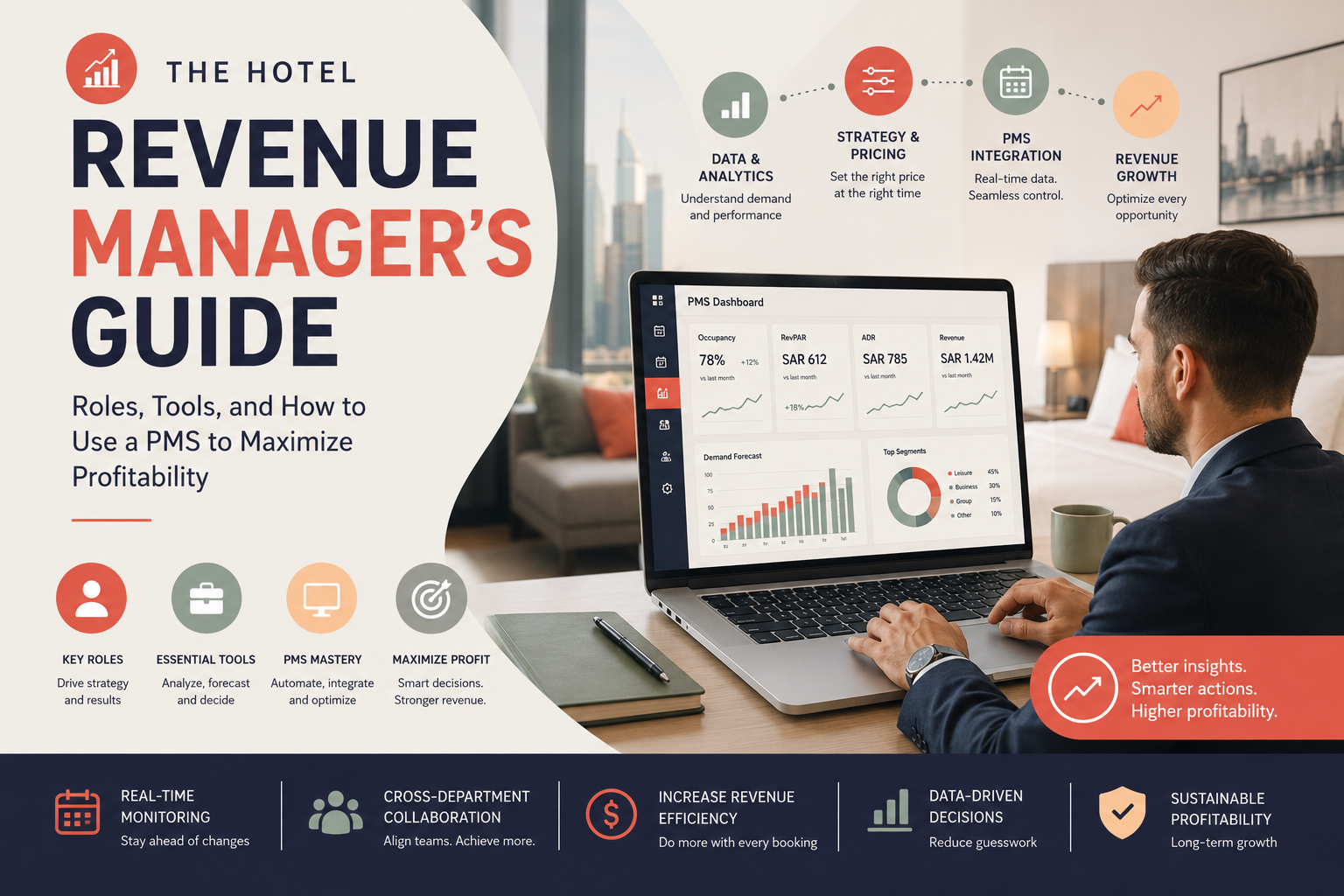
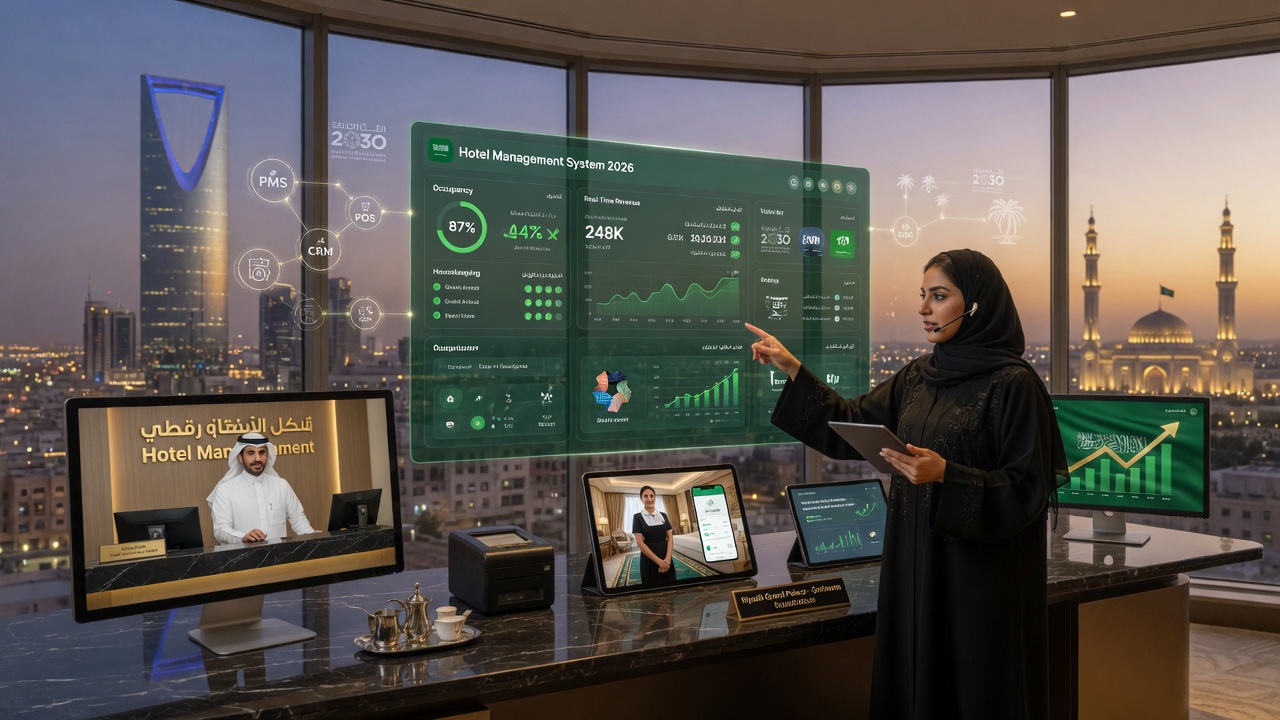
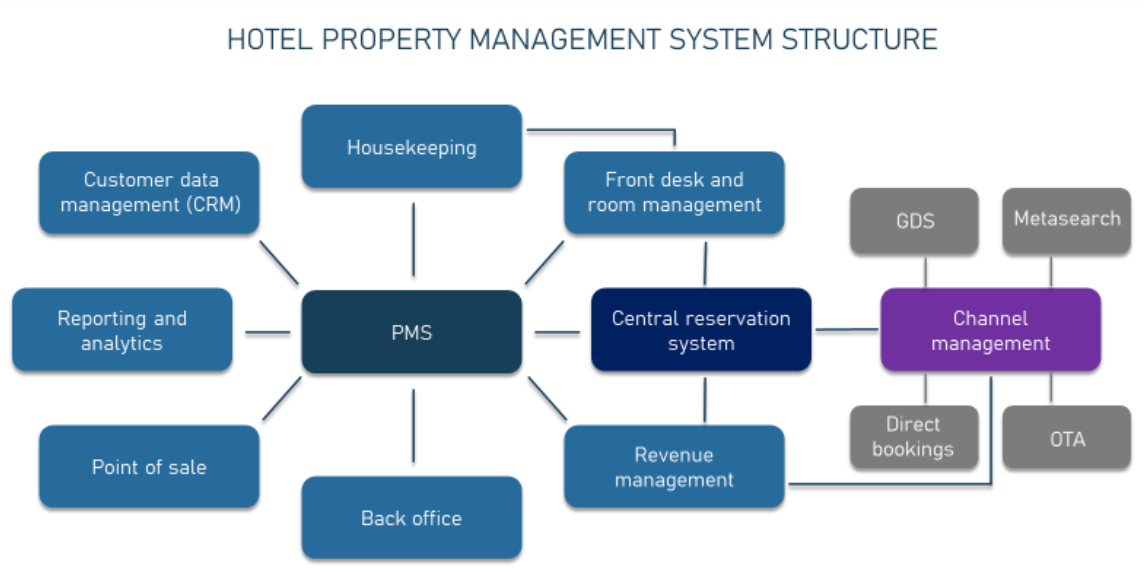
You don’t need a million-dollar system to start. Begin by integrating your property management system (PMS) with a cloud-based revenue management solution and a customer relationship management (CRM) platform. Even this foundational step can reveal booking patterns that will immediately improve your occupancy forecasting.
The Saudi Hospitality Landscape: A Data-Driven Goldmine
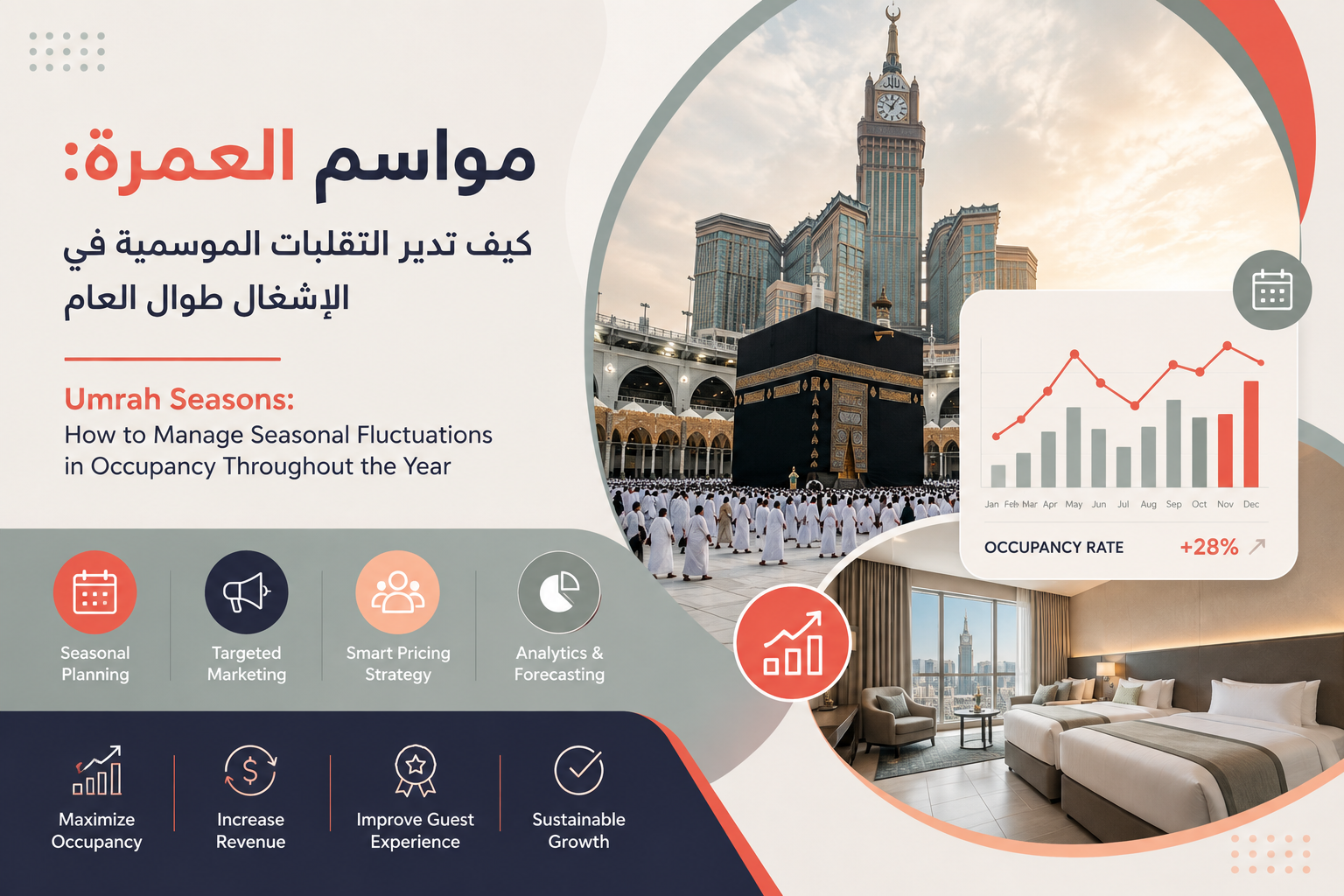
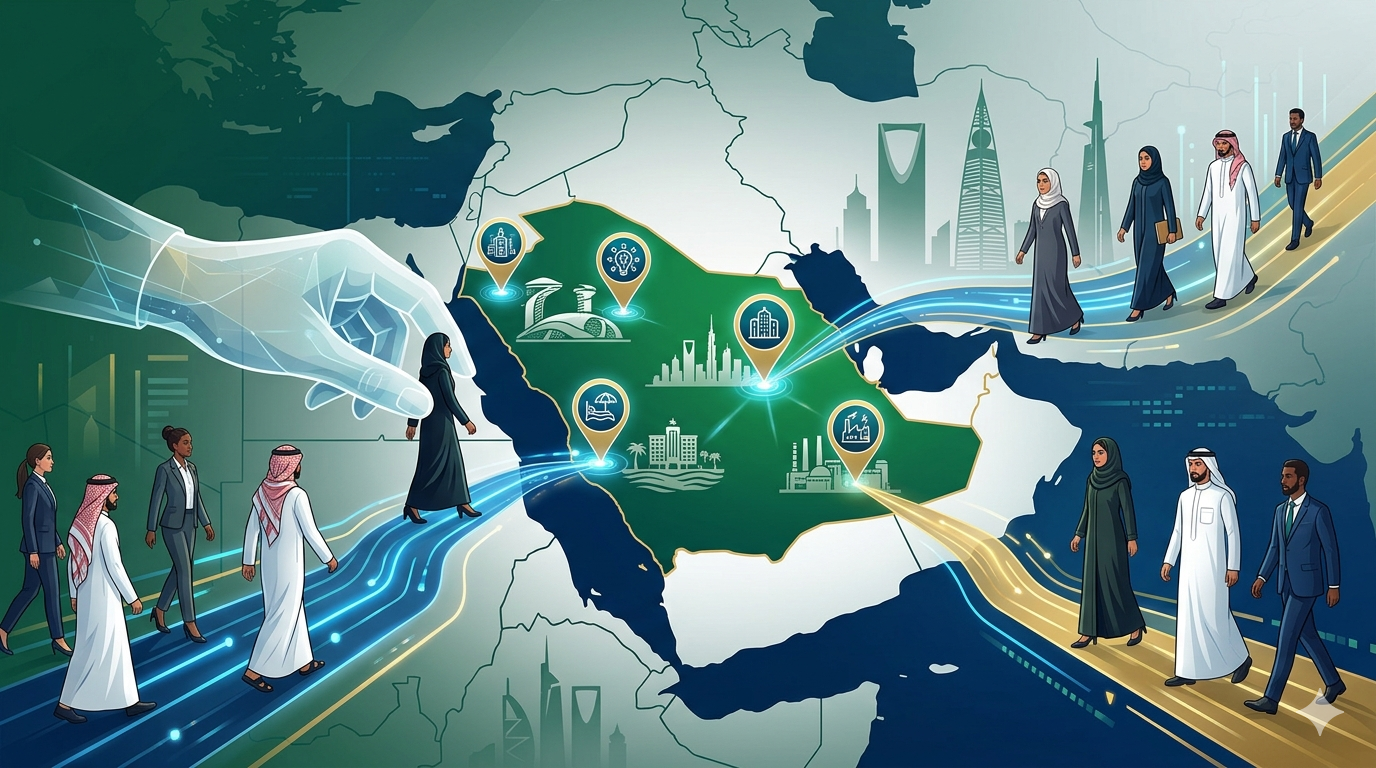
Saudi Arabia’s hotel market is unlike any other. With the ambitious goal of welcoming 150 million annual visits by 2030, the Kingdom is investing heavily in mega-projects, luxury resorts, and cultural destinations. However, the market is characterized by extreme seasonality and complex demand patterns driven by religious tourism (Hajj and Umrah), massive entertainment events like Riyadh Season and Jeddah Season, and business conferences. In such a dynamic environment, how Saudi hotels use big data to increase occupancy becomes a survival imperative.
The traditional approach of setting fixed seasonal rates no longer works. Today, a hotel in Makkah can experience a tenfold surge in demand during Ramadan, while a resort on the Red Sea might see peak occupancy only during specific holiday weeks. Big data enables hoteliers to navigate these fluctuations by providing a granular, real-time view of market conditions, competitor pricing, and emerging travel trends. This deep visibility is what separates profit-making hotels from those struggling to fill rooms.
"Data is the new oil of the hospitality sector. Saudi hotels that refine this resource into actionable insights will shape the future of tourism in the Kingdom."
How Saudi Hotels Use Big Data to Increase Occupancy: The Core Mechanisms
1. Dynamic Pricing and Revenue Management
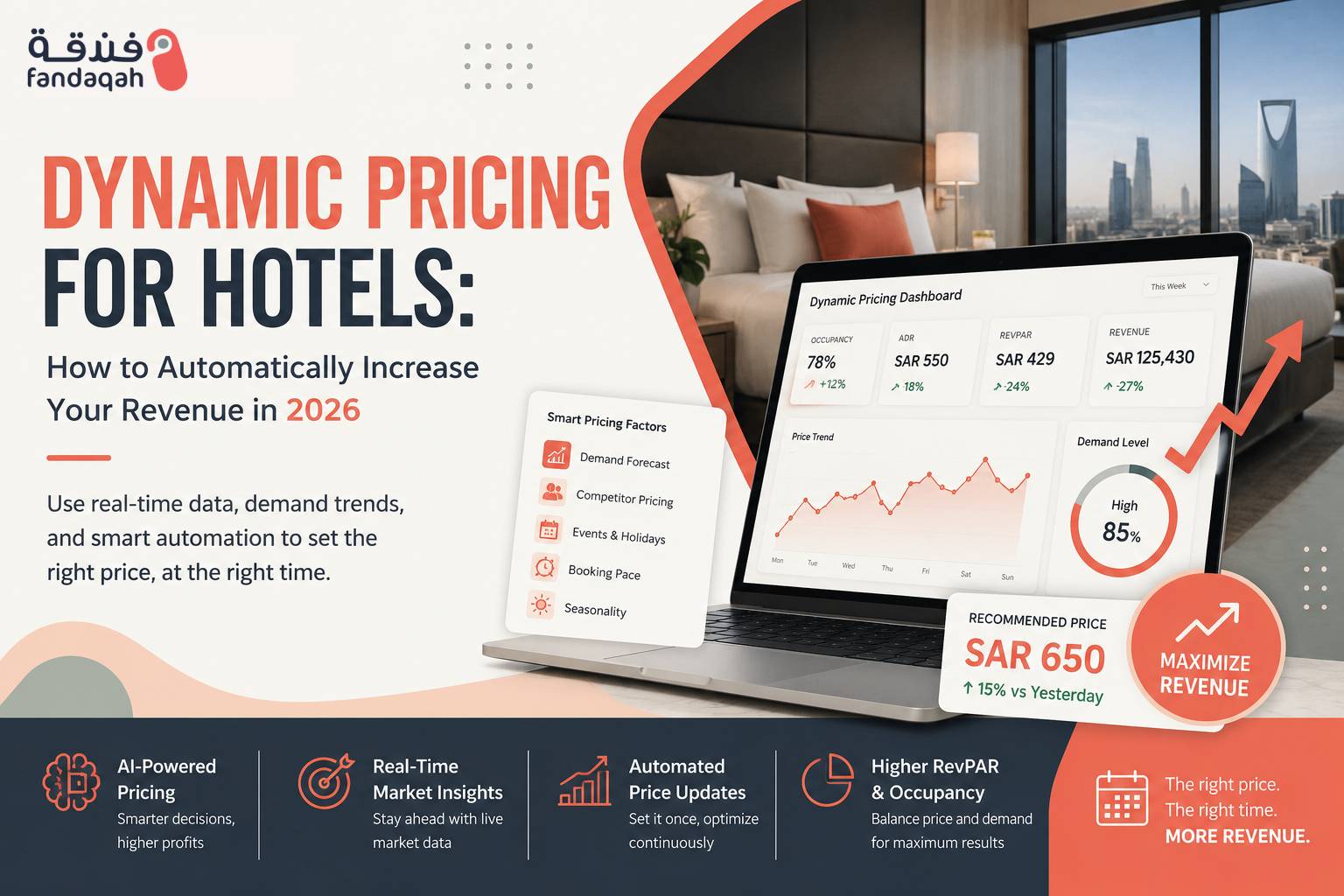
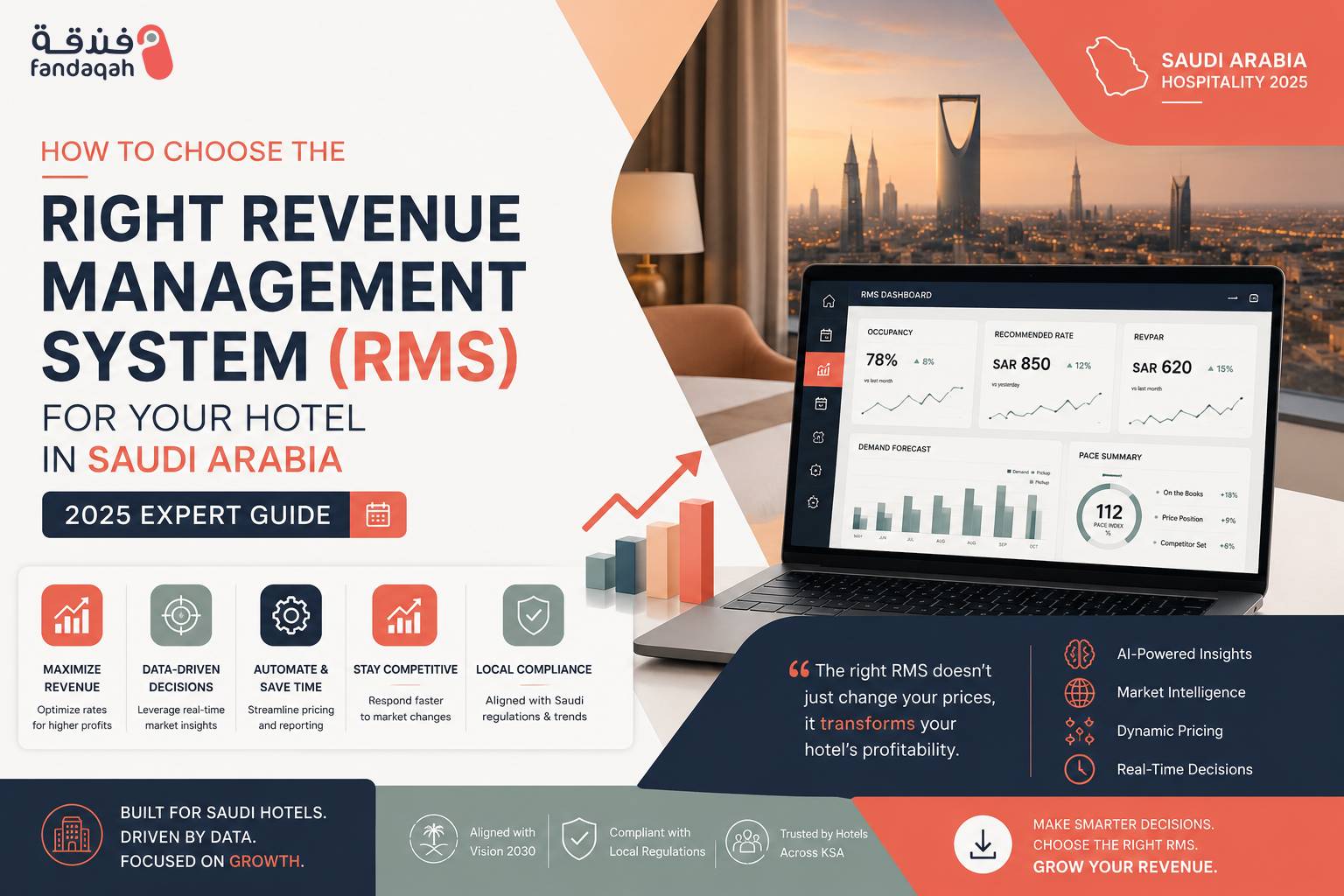
Dynamic pricing strategies for Saudi hotels are perhaps the most impactful application of big data. Instead of a static rate, room prices are adjusted multiple times per day based on hundreds of variables: competitor rates, local event schedules, historical booking curves, flight search data, and even weather forecasts. Sophisticated algorithms predict the price elasticity of demand and recommend the optimal rate that maximizes both occupancy and average daily rate (ADR). In Makkah and Madinah, hotels now integrate their pricing engines with real-time data on Umrah visa issuances, allowing them to anticipate surges weeks in advance and increase occupancy during previously slow build-up periods.
2. Guest Personalization Through Behavioral Analytics
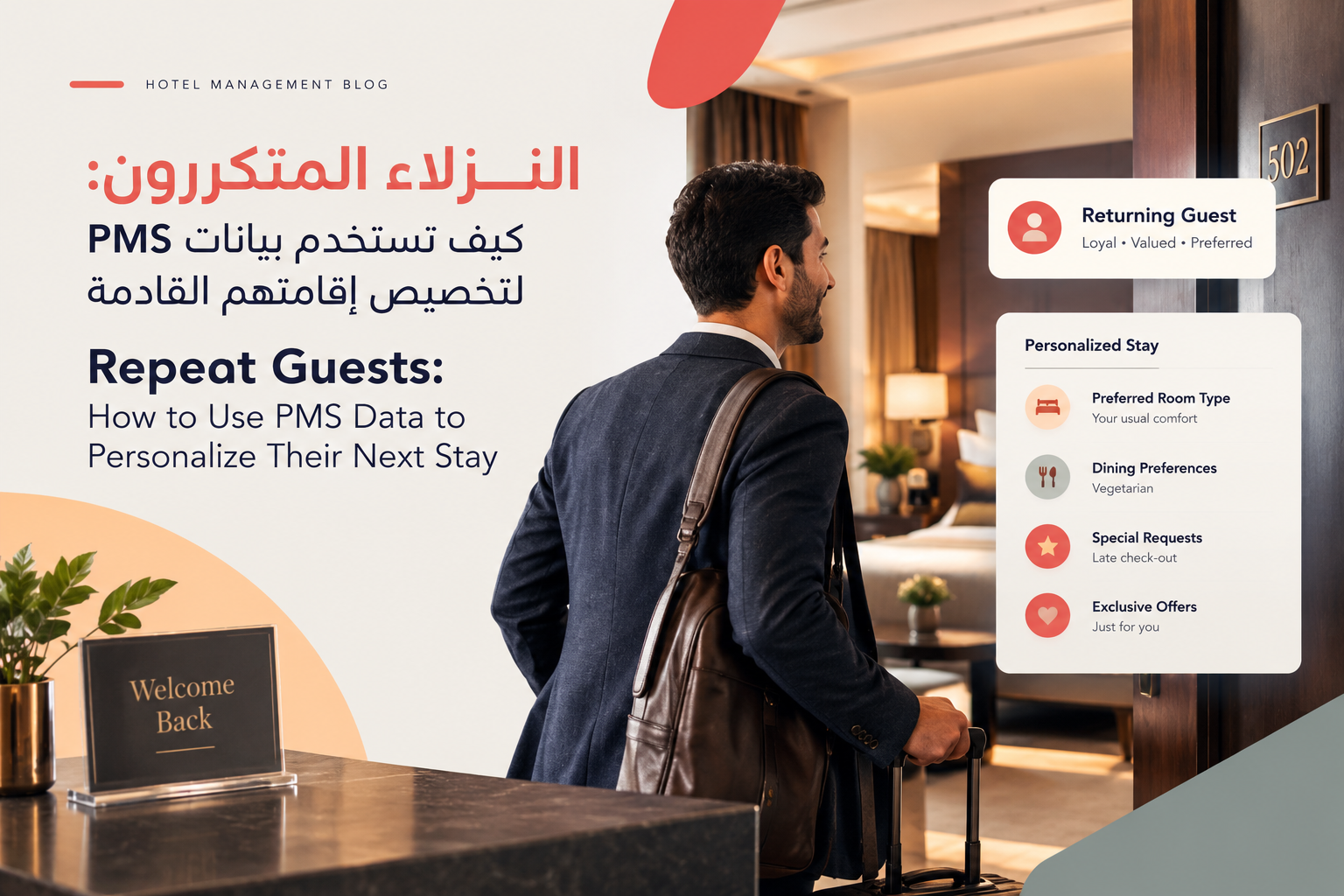
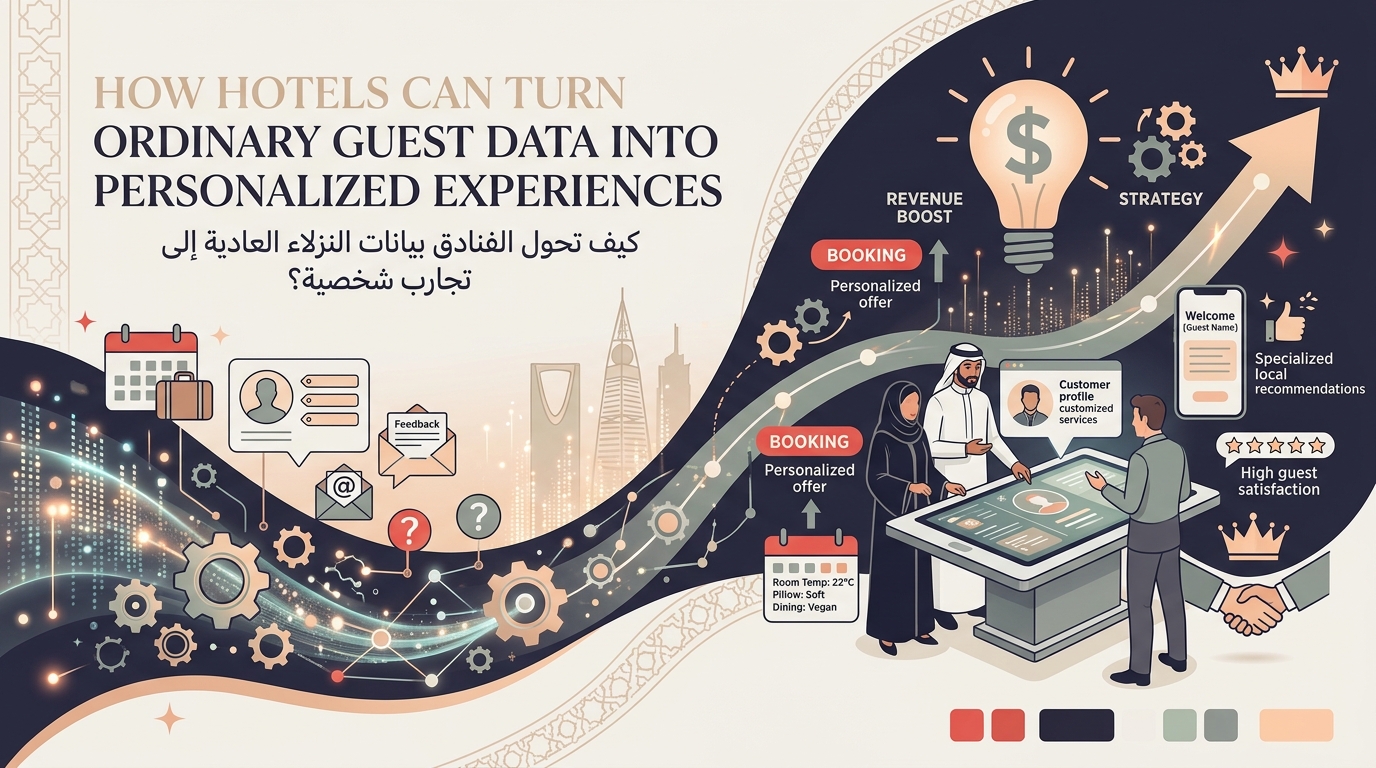
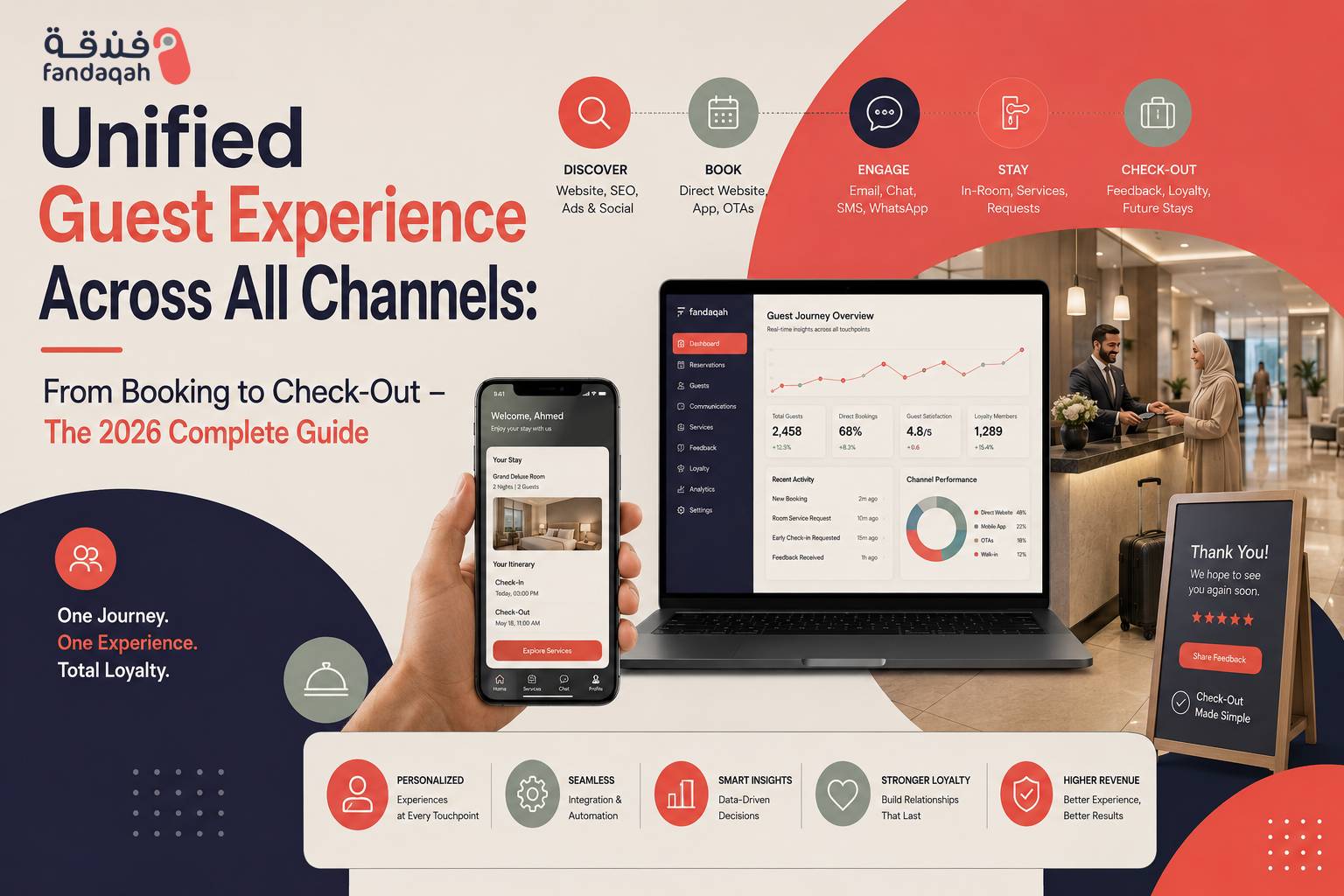
Understanding guest behavior analysis in Saudi hospitality is key to winning loyalty. Every digital footprint—from a guest’s preferred room temperature and pillow type to their dining habits and spa usage—feeds into a comprehensive profile. This allows hotels to deliver hyper-personalized experiences: a returning guest might receive an offer that includes a complimentary dinner at the restaurant they frequented last time, or a family could be proactively assigned interconnected rooms. Such tailored experiences not only increase direct bookings but also significantly boost occupancy rates by turning one-time visitors into loyal repeat guests.
3. Demand Forecasting and Inventory Optimization
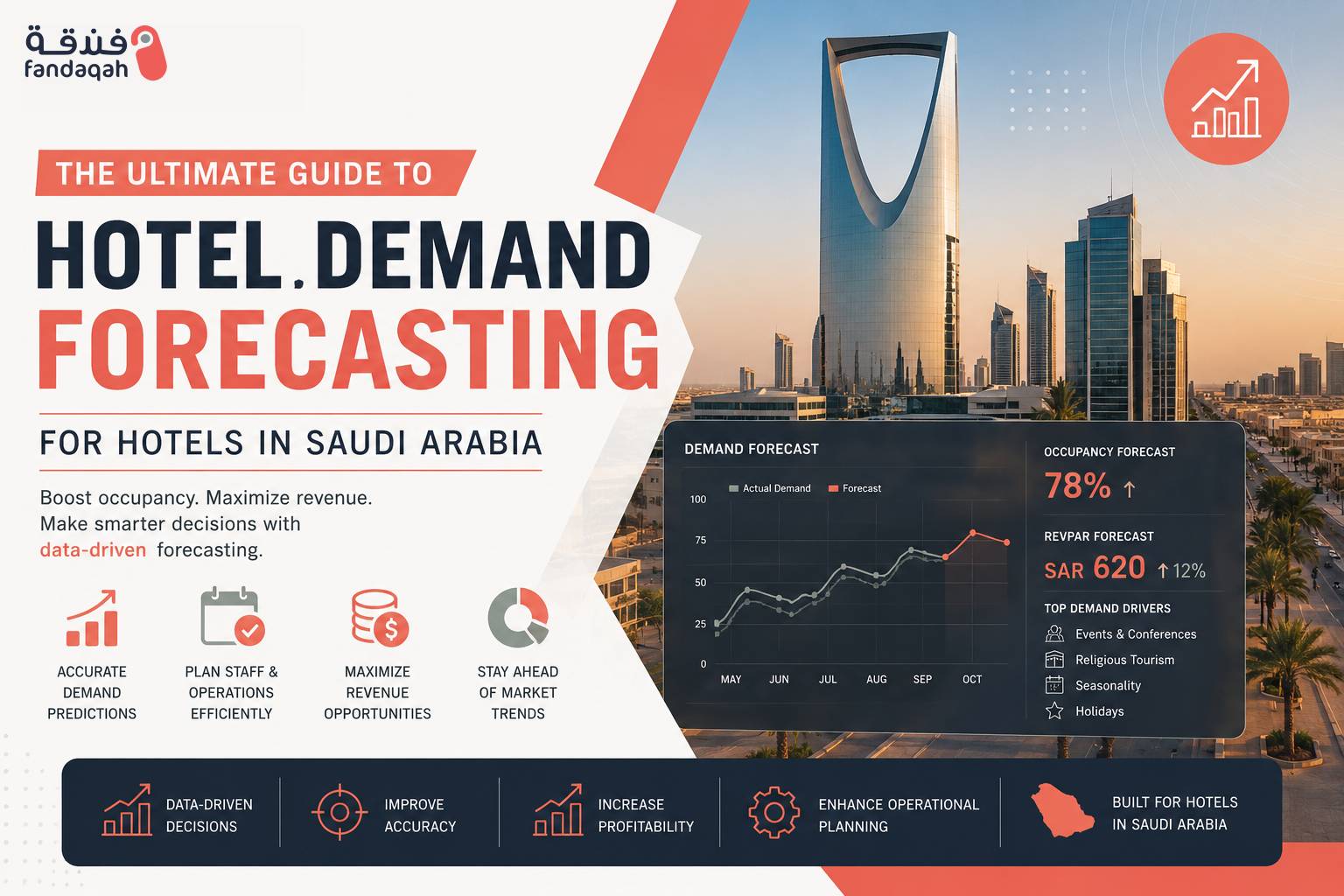
Using predictive analytics for hotel occupancy, Saudi hotels can forecast demand with remarkable accuracy. Machine learning models analyze years of booking history along with external factors like school holidays, public events, and airline capacity. This allows revenue managers to optimize overbooking limits, manage room inventory across different OTAs, and decide when to release discounted packages to fill gap nights. The result is a consistently high occupancy rate without the panic of last-minute deep discounts that erode profitability.
4. Reputation Management and Sentiment Analysis
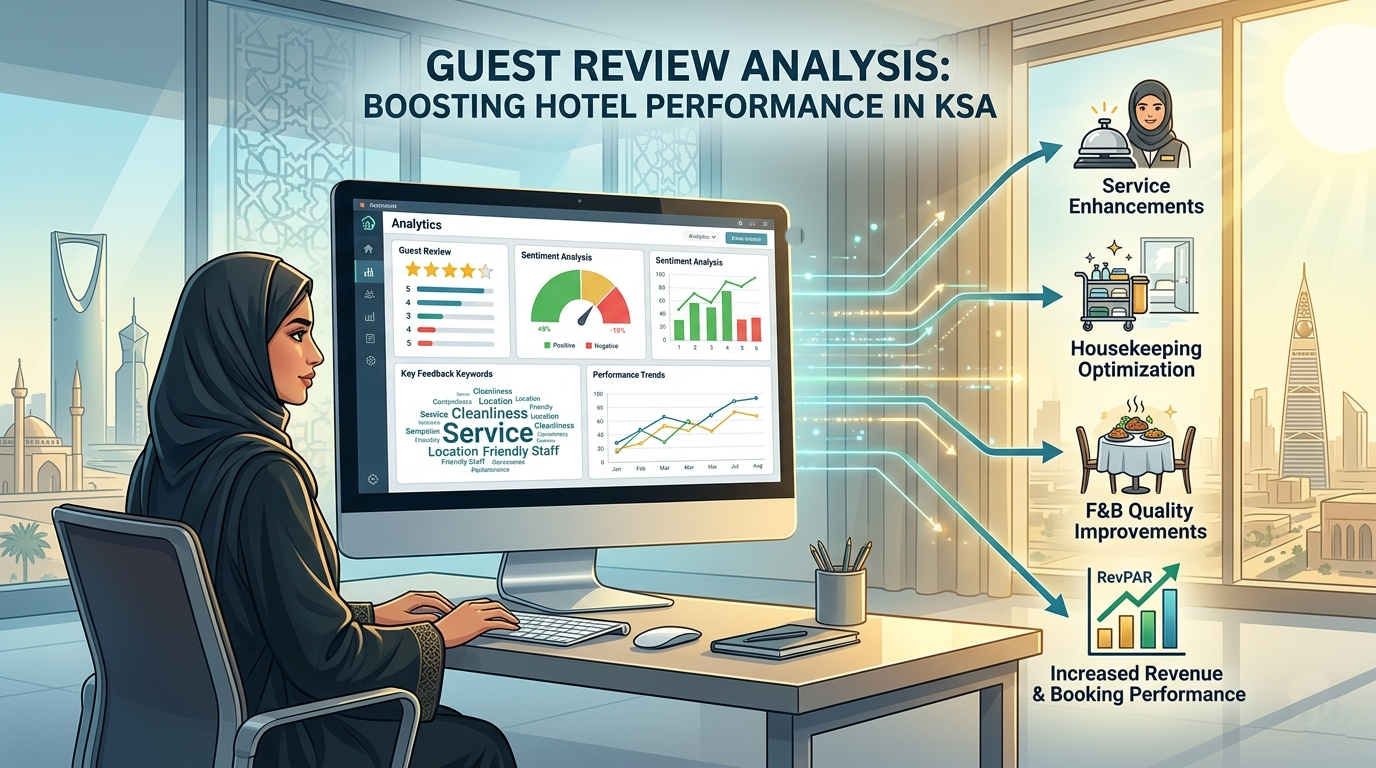
Online reviews on platforms like Booking.com, Google, and TripAdvisor are a goldmine of unstructured data. By applying sentiment analysis, hotels can instantly gauge guest satisfaction, identify recurring complaints (e.g., slow check-in, noise issues), and address them proactively. A hotel in Jeddah, for instance, used such analysis to discover that negative mentions about breakfast variety were impacting its review scores and, consequently, its occupancy. By revamping the breakfast buffet, the hotel saw a 12% improvement in its rating and a noticeable uptick in bookings within two months.
5. Marketing Campaign Optimization
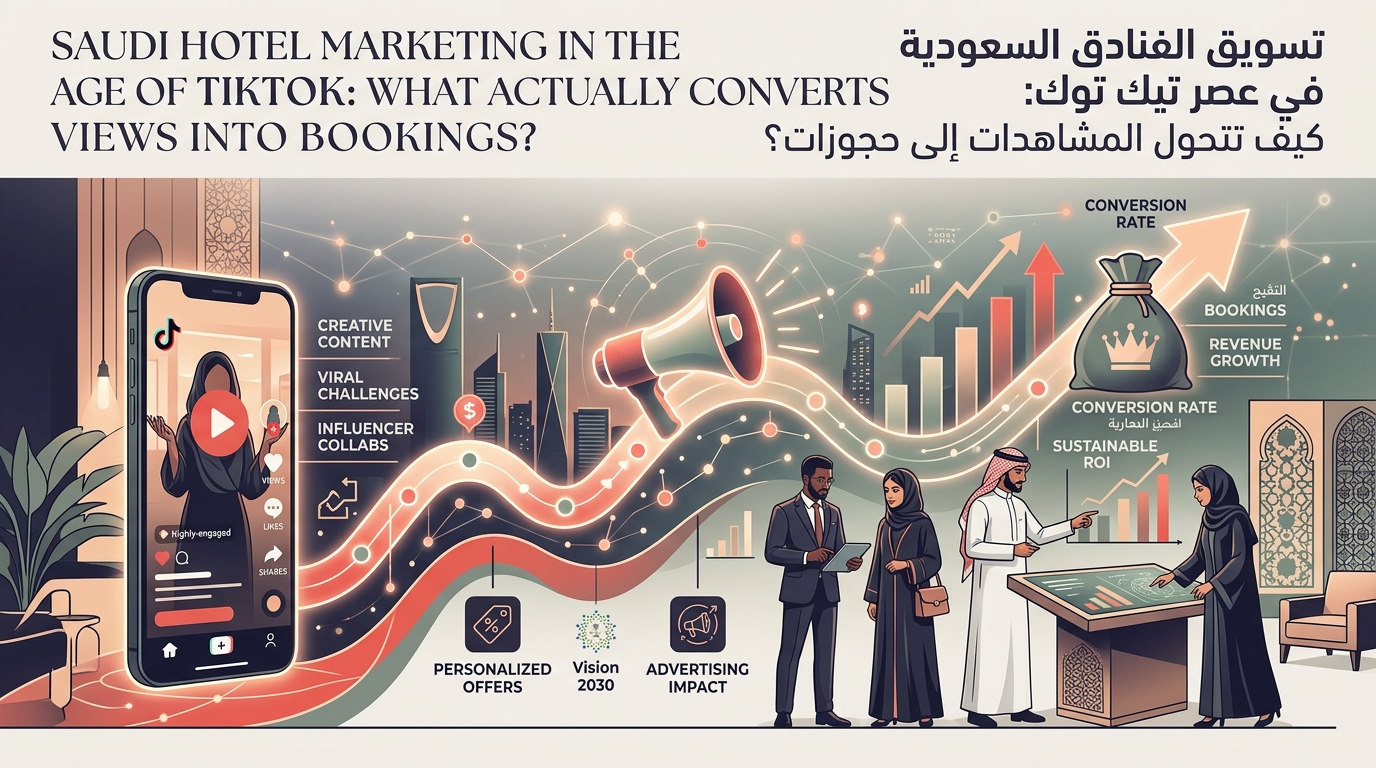
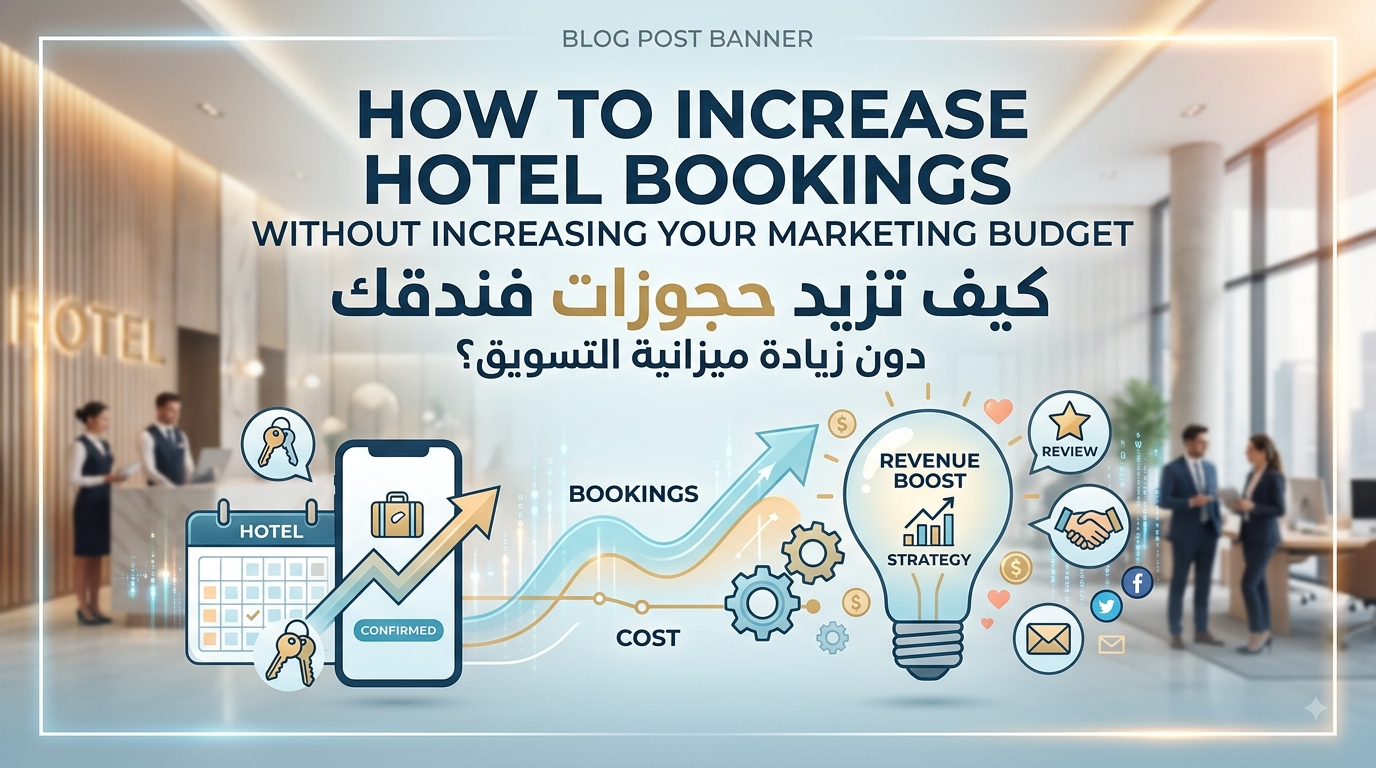
Big data solutions for hotel revenue management in Saudi Arabia also extend to marketing. By segmenting audiences based on past booking patterns, search intent, and demographic data, hotels can run highly targeted digital campaigns. For example, a Riyadh hotel might target corporate travelers from nearby Gulf countries with a last-minute weekend package when occupancy dips, while a beach resort might offer an early-bird family discount to Saudi families during school holidays. This precision marketing dramatically improves conversion rates and fills rooms that would otherwise remain empty.
Important Consideration:
Collecting and analyzing guest data must always comply with Saudi Arabia’s Personal Data Protection Law (PDPL) and ethical standards. Transparency and guest consent are essential to building trust while leveraging data.
Key Benefits of Big Data Adoption for Saudi Hotels
- ✅ Increased RevPAR and ADR: Dynamic pricing and better inventory management directly lift financial performance.
- ✅ Enhanced Guest Loyalty: Personalized experiences lead to higher repeat stays and direct bookings.
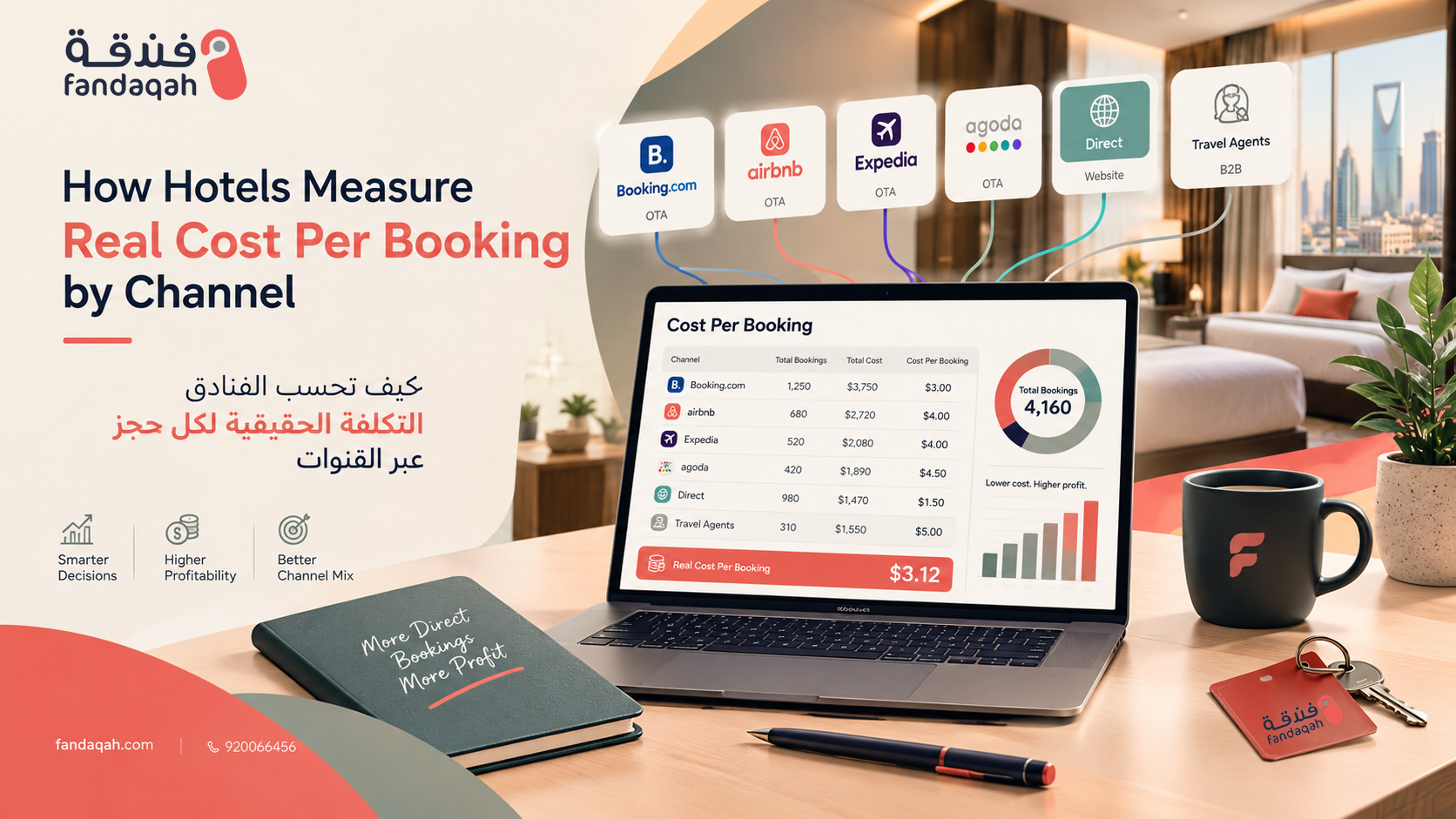
- ✅ Lower Distribution Costs: By understanding which channels yield the highest-value guests, hotels can reduce dependence on expensive OTAs.
- ✅ Operational Efficiency: Accurate demand forecasts allow for optimal staffing, inventory management, and energy consumption.
- ✅ Competitive Advantage: Hotels that act on data insights can quickly adapt to market shifts, leaving less agile competitors behind.
Real-World Use Cases: How Saudi Hotels Are Winning with Data
Makkah and Madinah: Managing Millions of Pilgrims
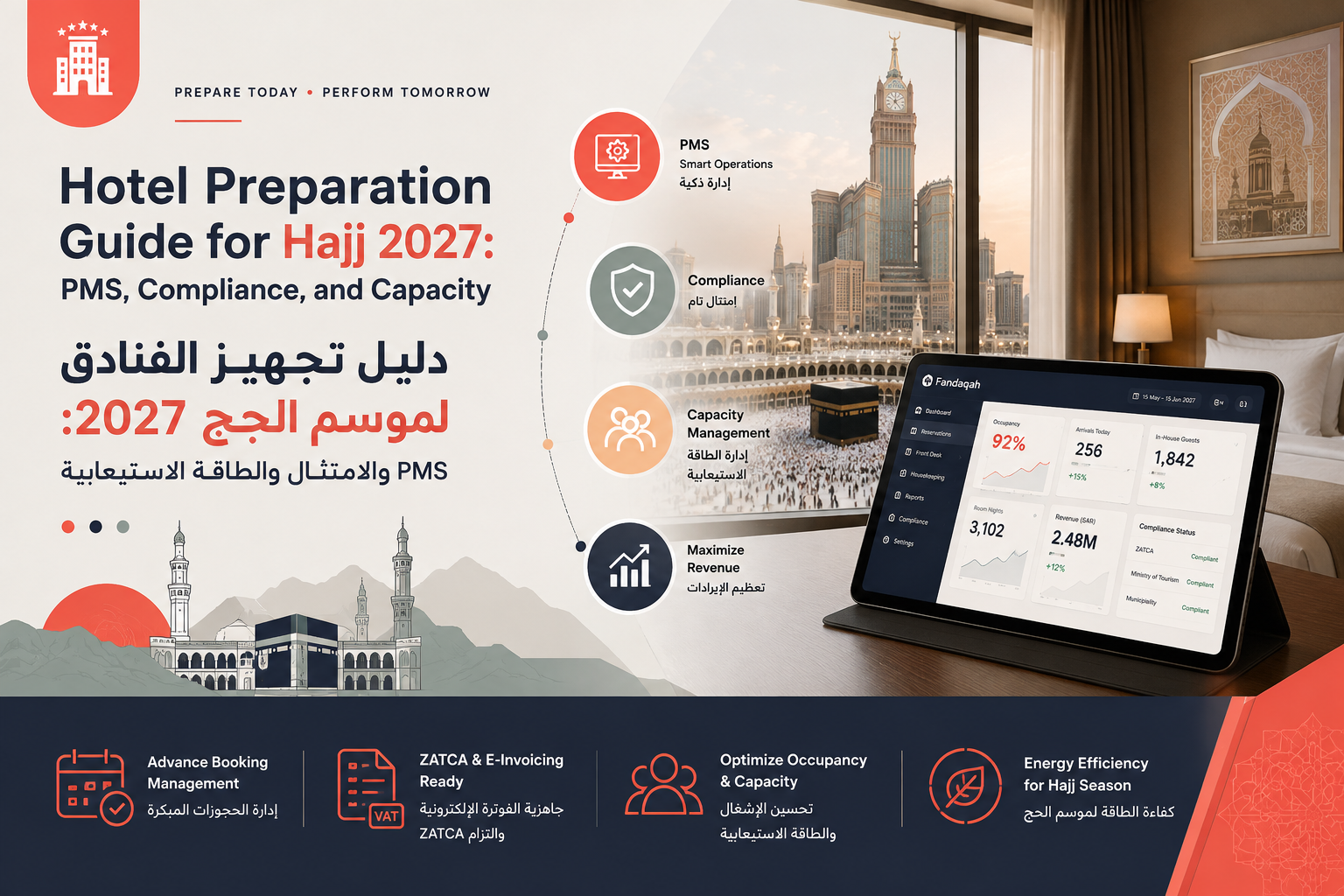
During Ramadan and Hajj, hotels in the holy cities handle an influx of millions. By using big data analytics for hotel occupancy optimization in Saudi Arabia, properties can forecast demand down to the hour, optimize housekeeping schedules, and ensure that every available room is sold at the right price. Data from past seasons, combined with visa processing timelines, gives hotel chains the power to open or close inventory on specific channels dynamically, maximizing occupancy while serving the Guests of the Most Merciful with dignity and efficiency.
Riyadh and Jeddah: Capturing Event-Driven Demand
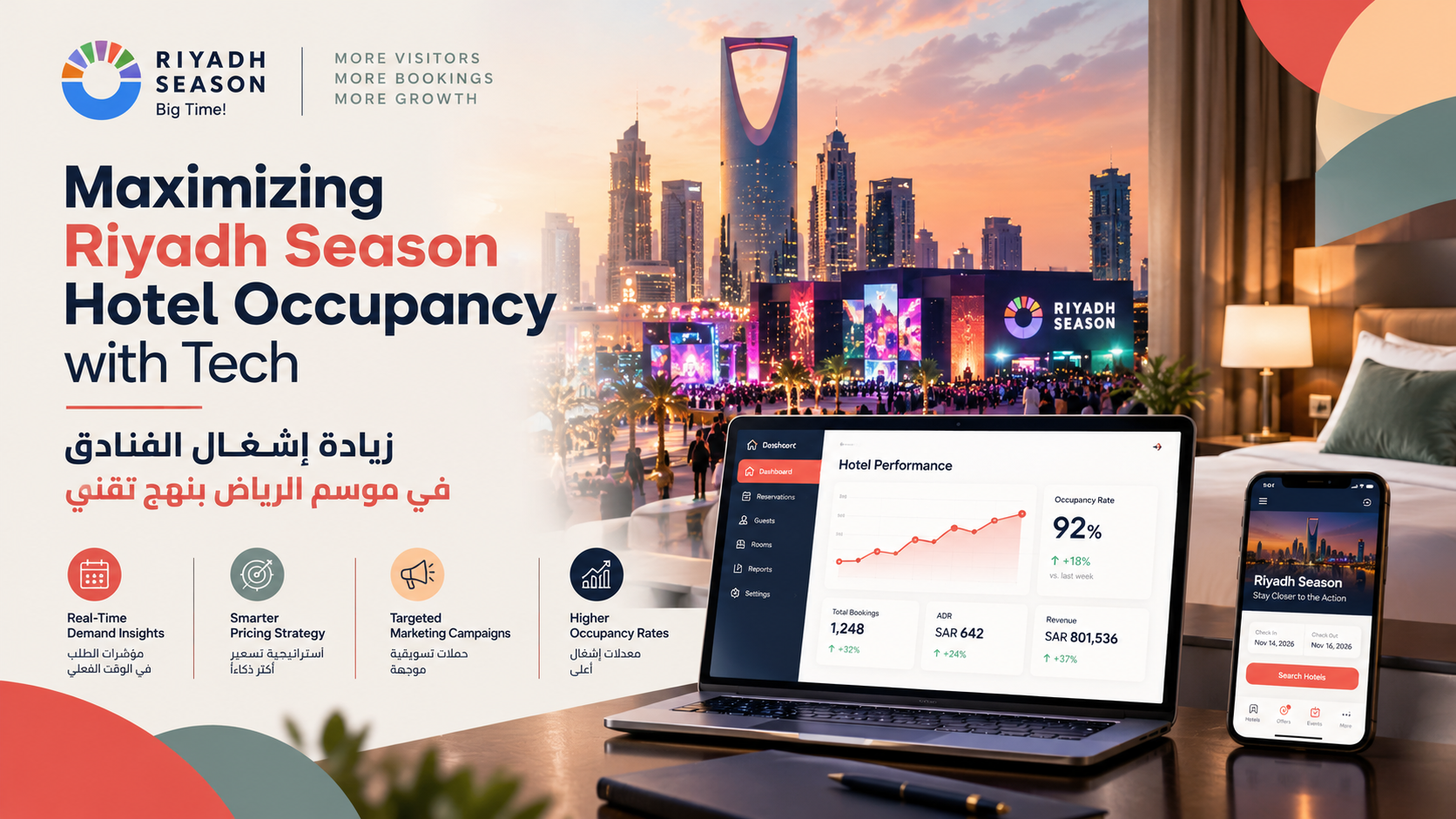
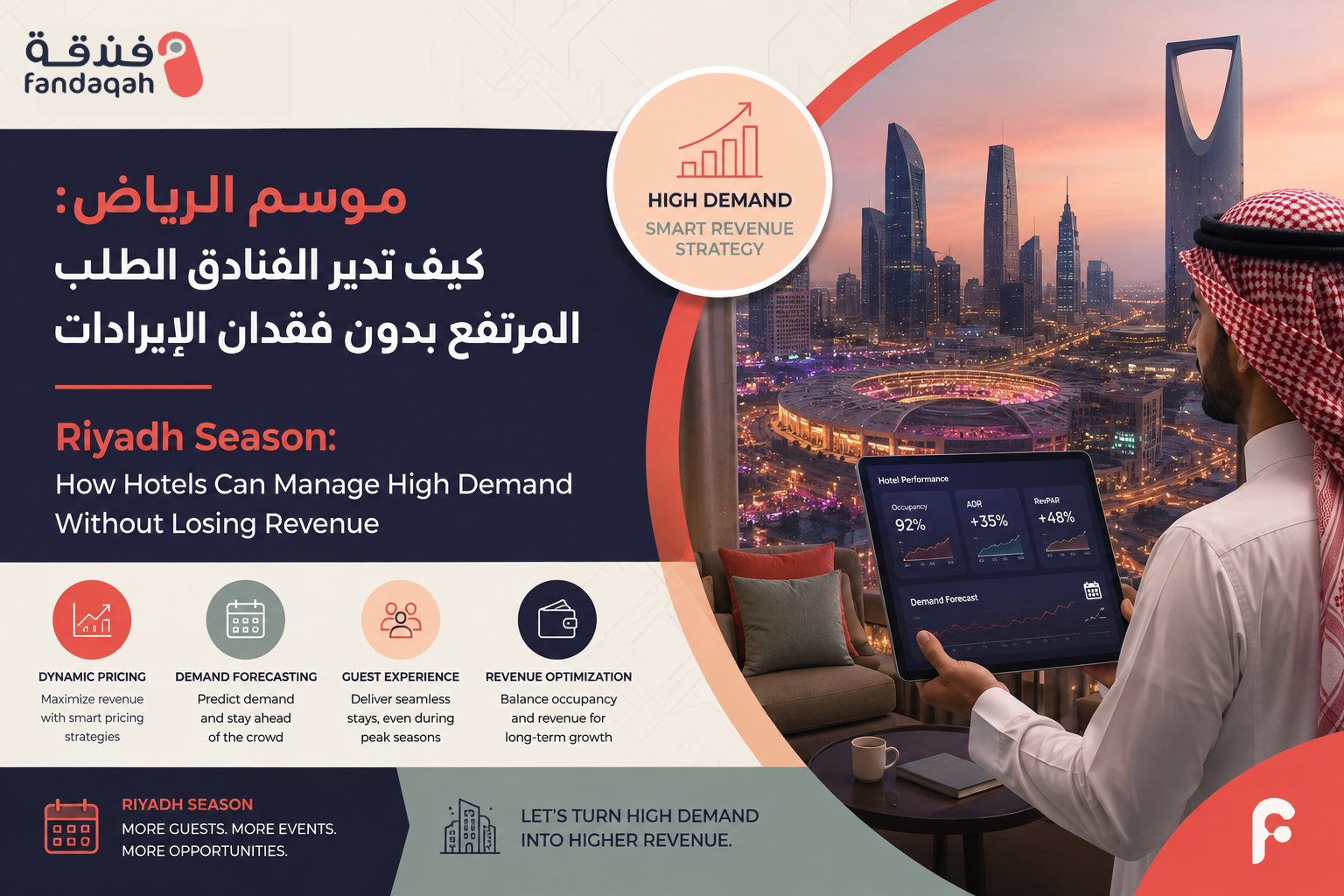
Mega-events like Formula E, MDLBeast, and international conferences create sharp demand spikes. Hotels that employ real-time hotel pricing optimization Saudi Arabia algorithms can automatically raise rates as event ticket sales surge, then quickly adjust back to base pricing to capture extended-stay travelers. This agility ensures that occupancy remains high even during off-peak days surrounding the event.
Red Sea Luxury Resorts: Crafting Exclusive Experiences
Ultra-luxury resorts along the Red Sea use guest data to pre-arrange bespoke experiences—from private yacht excursions to customized in-villa dining. By analyzing spending patterns and preferences, these properties achieve exceptionally high average daily rates and occupancy during the winter season, positioning Saudi Arabia as a top global luxury destination.
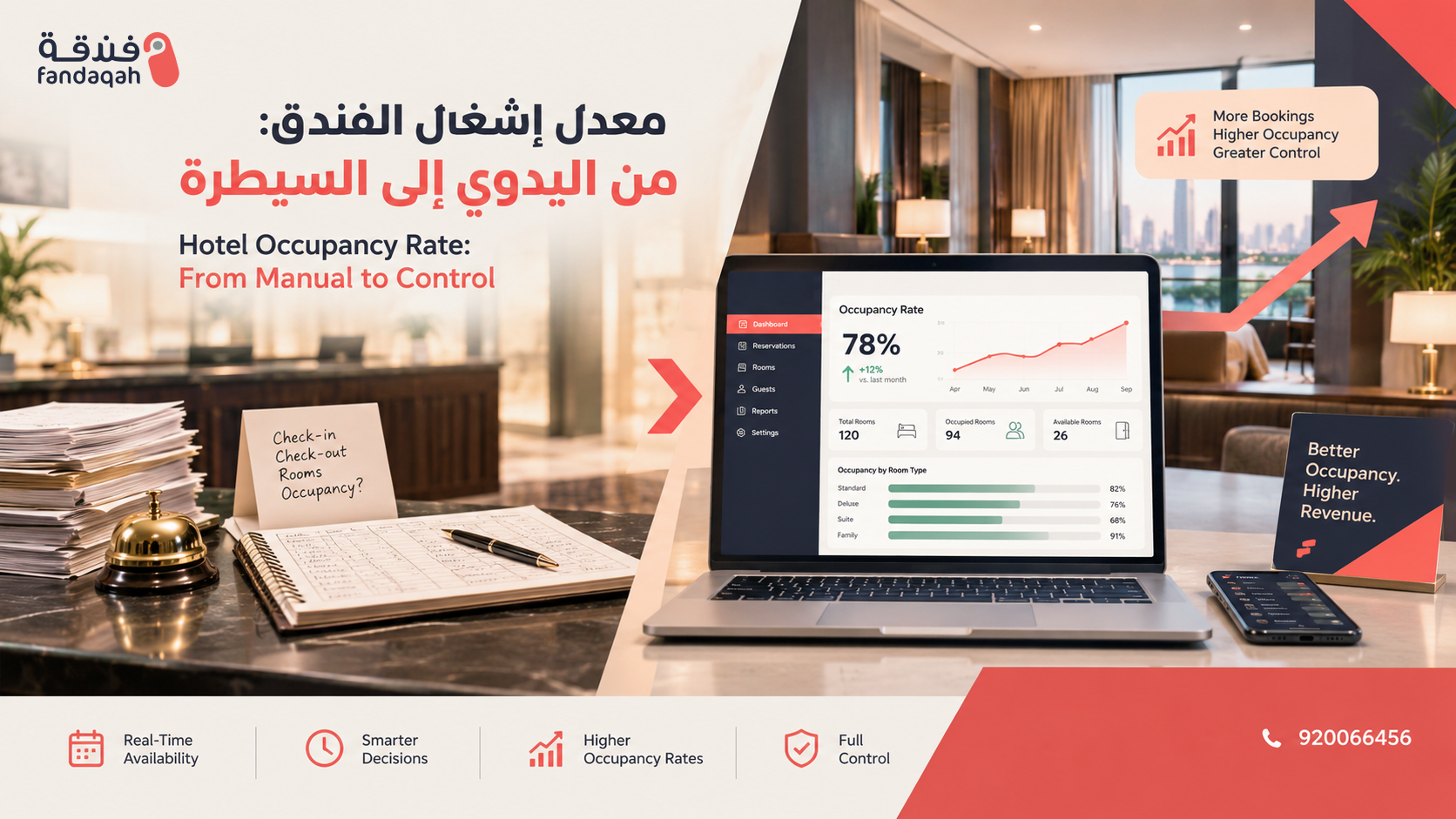
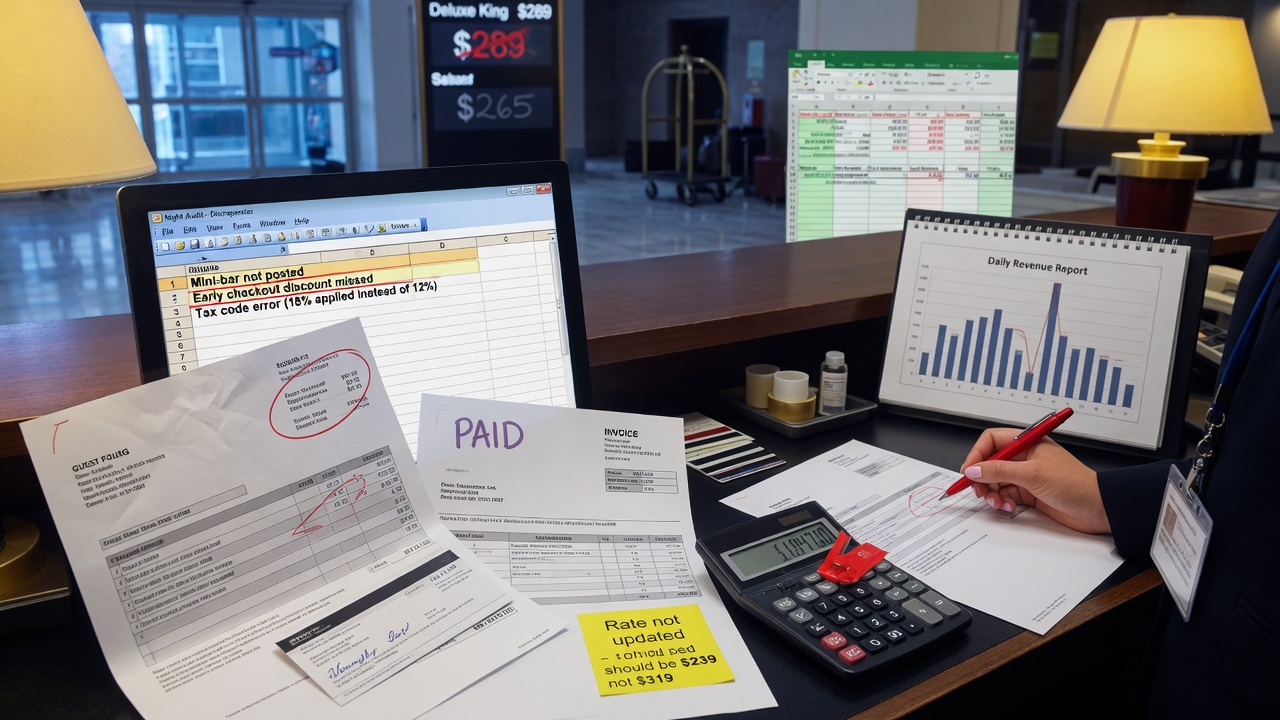
Traditional vs Big Data-Driven Hotel Occupancy Management
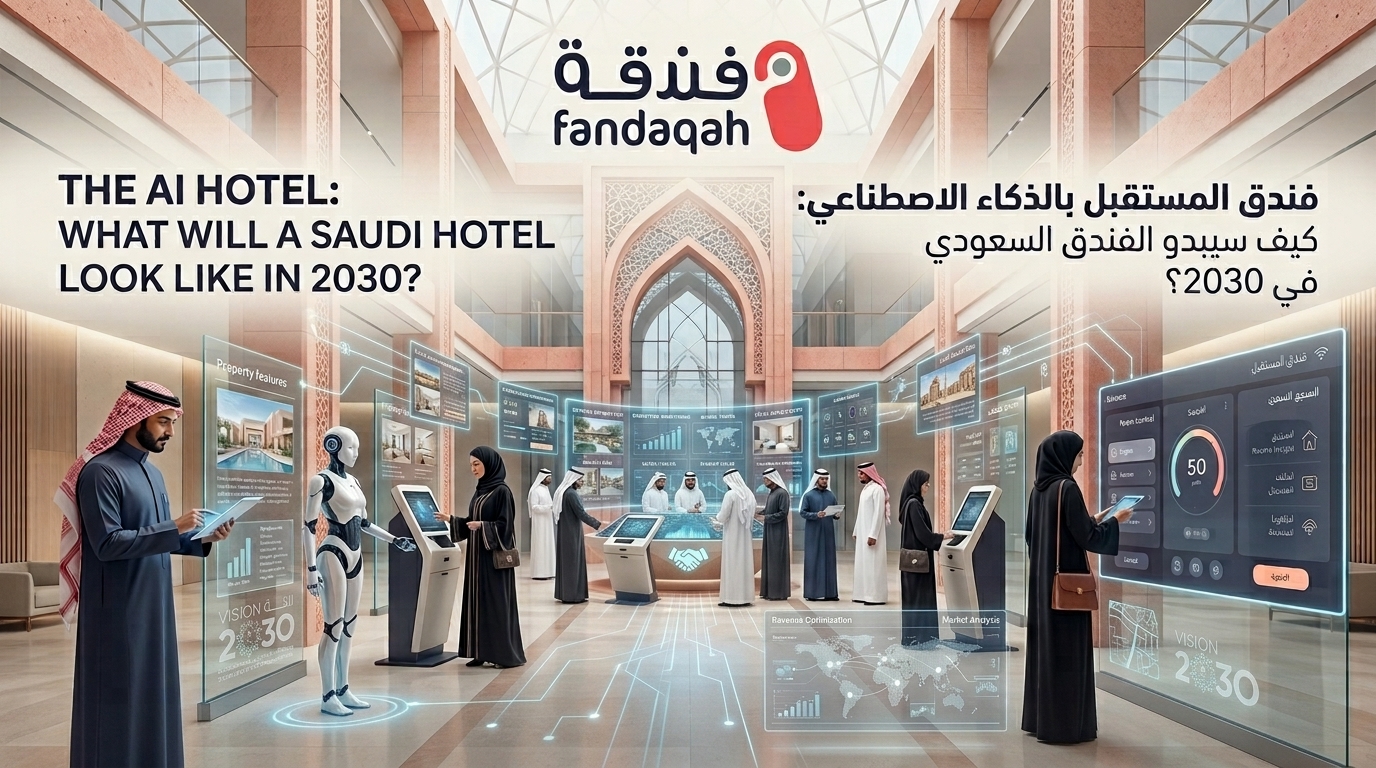
Future Trends: Big Data, AI, and Saudi Vision 2030
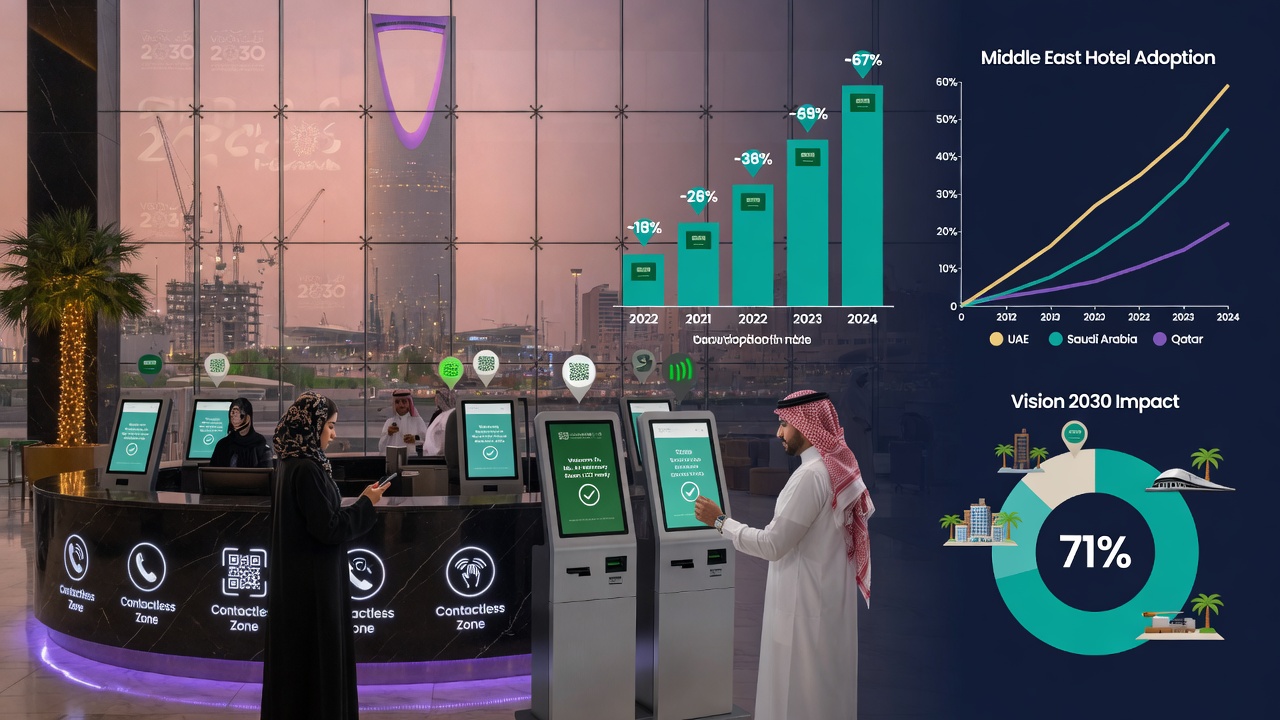
As Saudi Arabia races toward its Vision 2030 goals, the integration of big data in Saudi hotel industry with emerging technologies will redefine hospitality. We are already seeing the rise of:
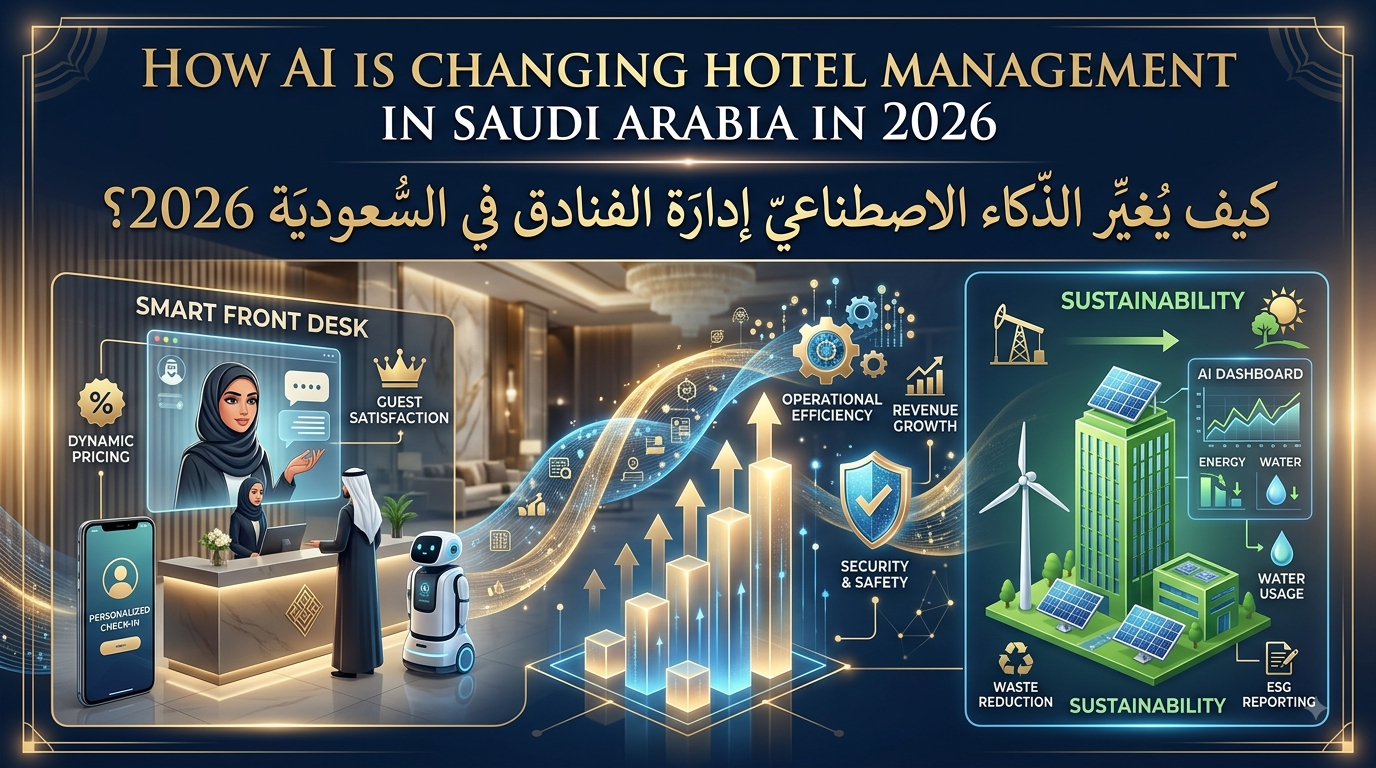
- AI-Powered Concierges: Chatbots that not only answer queries but also analyze guest sentiment in real time to offer personalized recommendations.
- Integrated Smart Hotels: IoT sensors that adjust lighting, temperature, and entertainment based on individual guest preferences stored in a cloud profile.
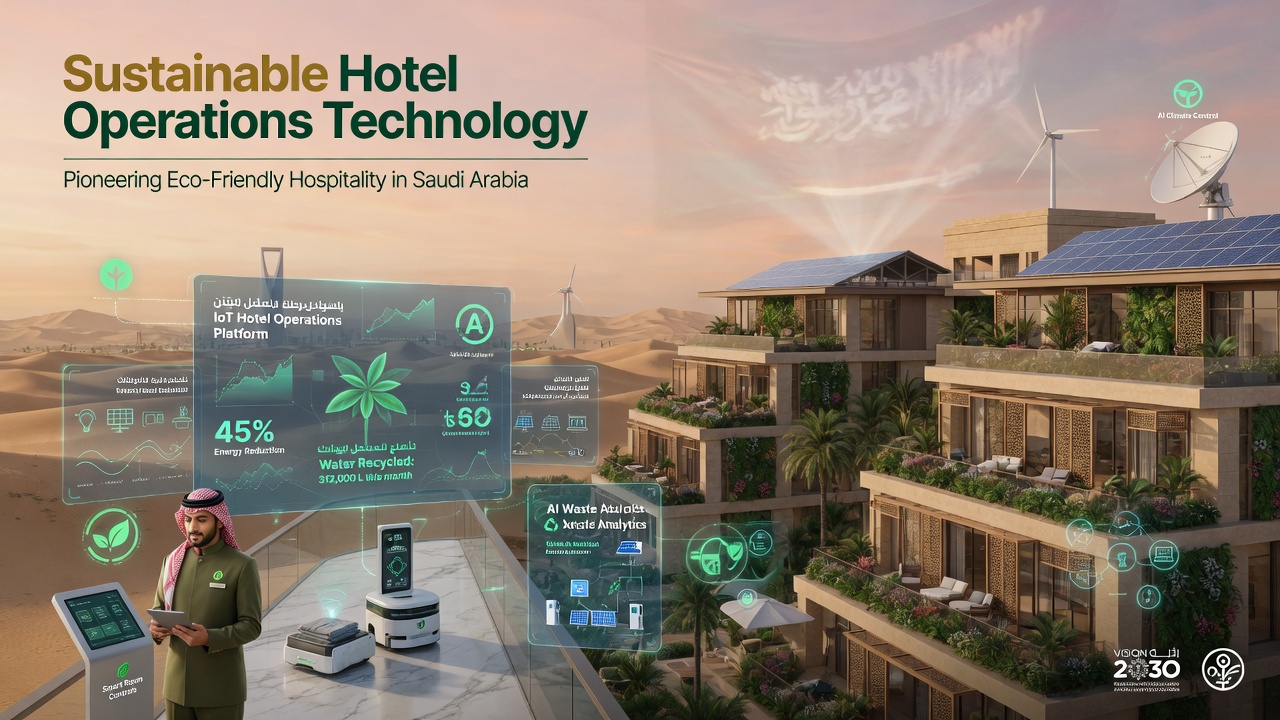
- Sustainable Operations: Data analytics to monitor and reduce water and energy consumption, aligning with the Saudi Green Initiative.
- Seamless Pilgrimage Experiences: Interconnected data ecosystems linking hotels, airlines, and visa systems to create a frictionless journey for Hajj and Umrah visitors.
This technological leap will ensure that Saudi hotels not only increase occupancy but also deliver world-class experiences that support the Kingdom’s ambition to become a top global tourism hub.
Frequently Asked Questions (FAQ) – Big Data in Hospitality
❓ What exactly is big data in the hospitality industry?
Big data in hospitality refers to the enormous and diverse sets of information—booking transactions, guest feedback, social media interactions, sensor data, and market trends—that hotels analyze to uncover patterns, predict demand, and personalize services.
❓ How can small and medium Saudi hotels benefit from big data?
They can start with affordable cloud-based tools like revenue management systems and CRM platforms. These solutions provide valuable insights into booking patterns and guest preferences without requiring a massive upfront investment.
❓ What is dynamic pricing and how does it increase occupancy?
Dynamic pricing adjusts room rates in real time based on supply and demand signals. By lowering prices to attract bookings during slow periods and raising them when demand peaks, hotels can maintain higher overall occupancy while maximizing revenue.
❓ How does big data improve the guest experience in Saudi hotels?
By analyzing past behavior, hotels can anticipate needs—like offering a late checkout to a guest who previously requested it, or preparing a favorite meal. This personal touch dramatically increases satisfaction and return rates.
❓ Is it expensive to implement a big data strategy?
Not necessarily. Many scalable solutions exist, and the return on investment—through higher occupancy, better rates, and reduced marketing waste—often justifies the cost within the first year.
❓ What role does big data play in Vision 2030's tourism goals?
Big data is an enabler for the ambitious target of 150 million visits. It helps optimize the entire visitor journey, from streamlined booking to personalized in-stay experiences, ensuring Saudi Arabia can handle the surge while delivering exceptional hospitality.
❓ Can data analytics help during the Hajj season specifically?
Absolutely. Analytics predict pilgrim flows, optimize room allocation, and manage resources like F&B and housekeeping, resulting in smoother operations and a far better experience for guests during the most demanding season.
Conclusion: Embrace Data to Lead Saudi Hospitality Forward
The transformation of Saudi Arabia’s hotel sector is well underway, and big data in hospitality stands at the heart of this evolution. From dynamic pricing strategies for Saudi hotels to guest behavior analysis and predictive occupancy modeling, data is the fuel powering unprecedented growth and efficiency. As the Kingdom marches toward the Vision 2030 milestones, hotels that invest in data-driven decision-making today will not only increase their occupancy but also define the future of world-class Arabian hospitality. The time to act is now—turn your guest data into your most valuable asset.
Ready to Boost Your Hotel’s Occupancy with Big Data?
Don't let valuable guest data sit idle. Take the first step toward a smarter, more profitable operation. Contact our hospitality data experts today for a free consultation and discover how you can increase occupancy by up to 25% within the next year.
Call us: +966 920066456
Email: [email protected]
Tags
big data in hospitality Saudi hotels occupancy hotel revenue management dynamic pricing for hotels guest personalization predictive analytics hotel Vision 2030 hospitality Hajj hotel management Saudi tourism data hotel occupancy optimization big data analytics hospitality smart hotels Saudi Arabia