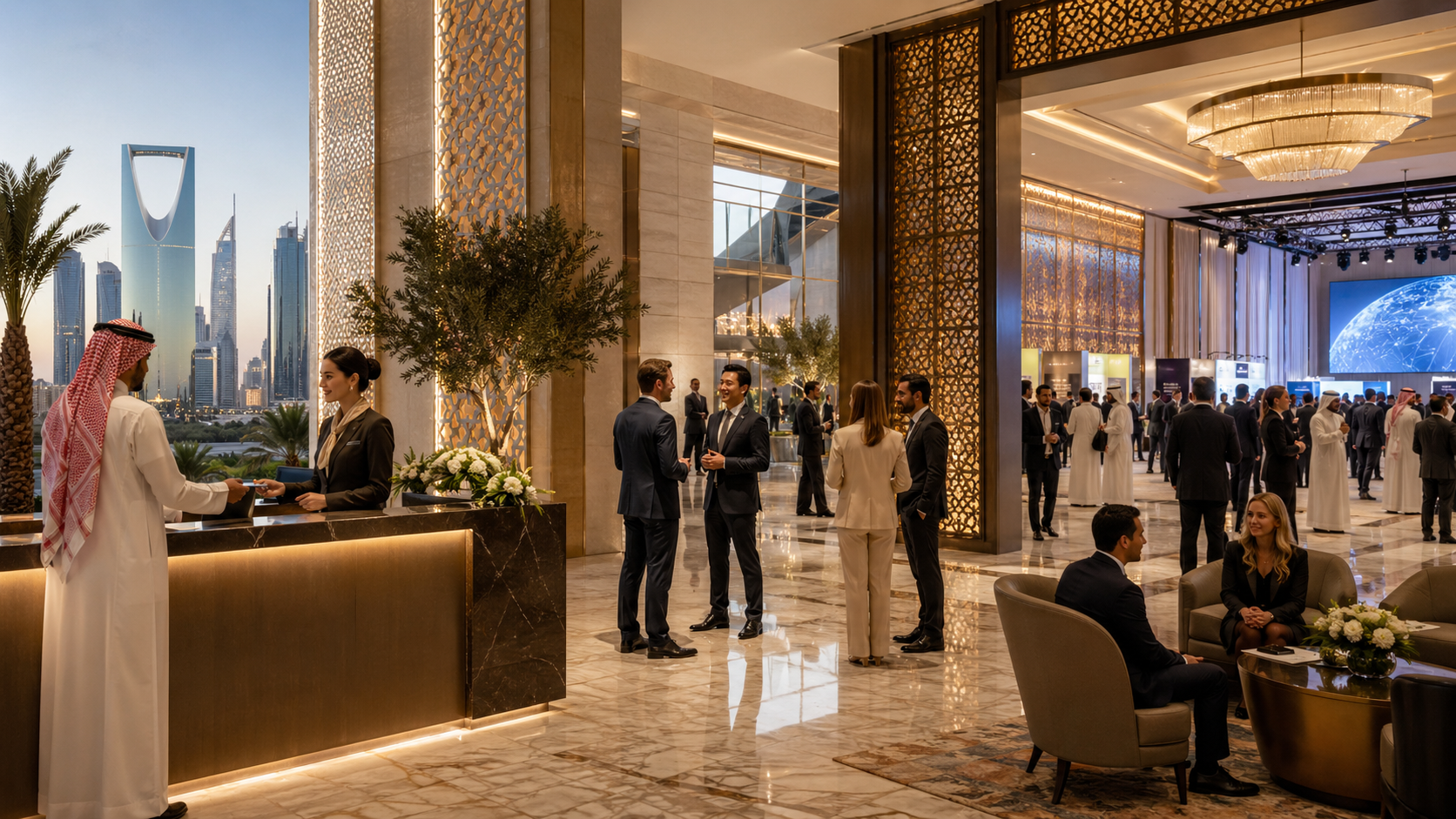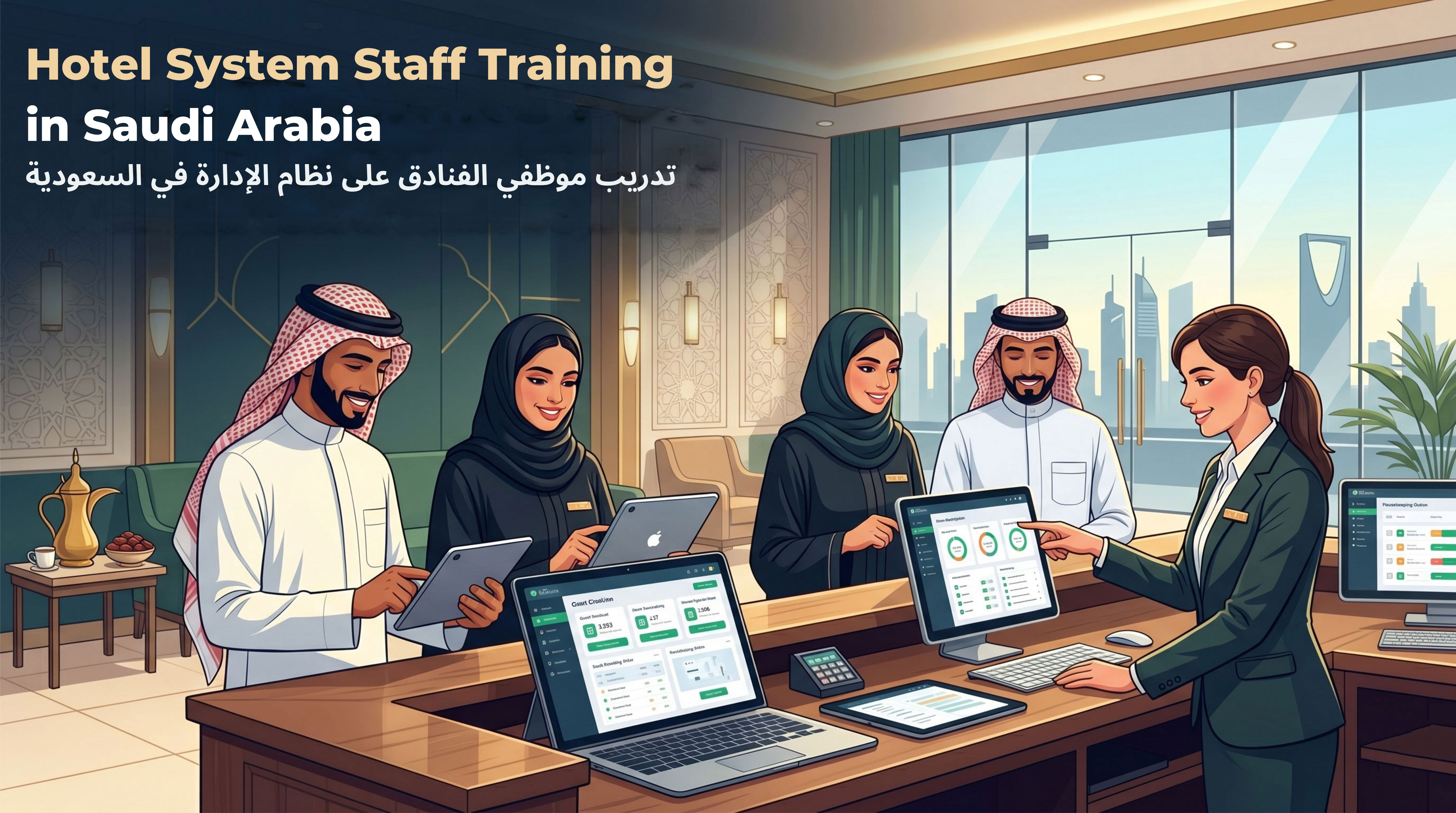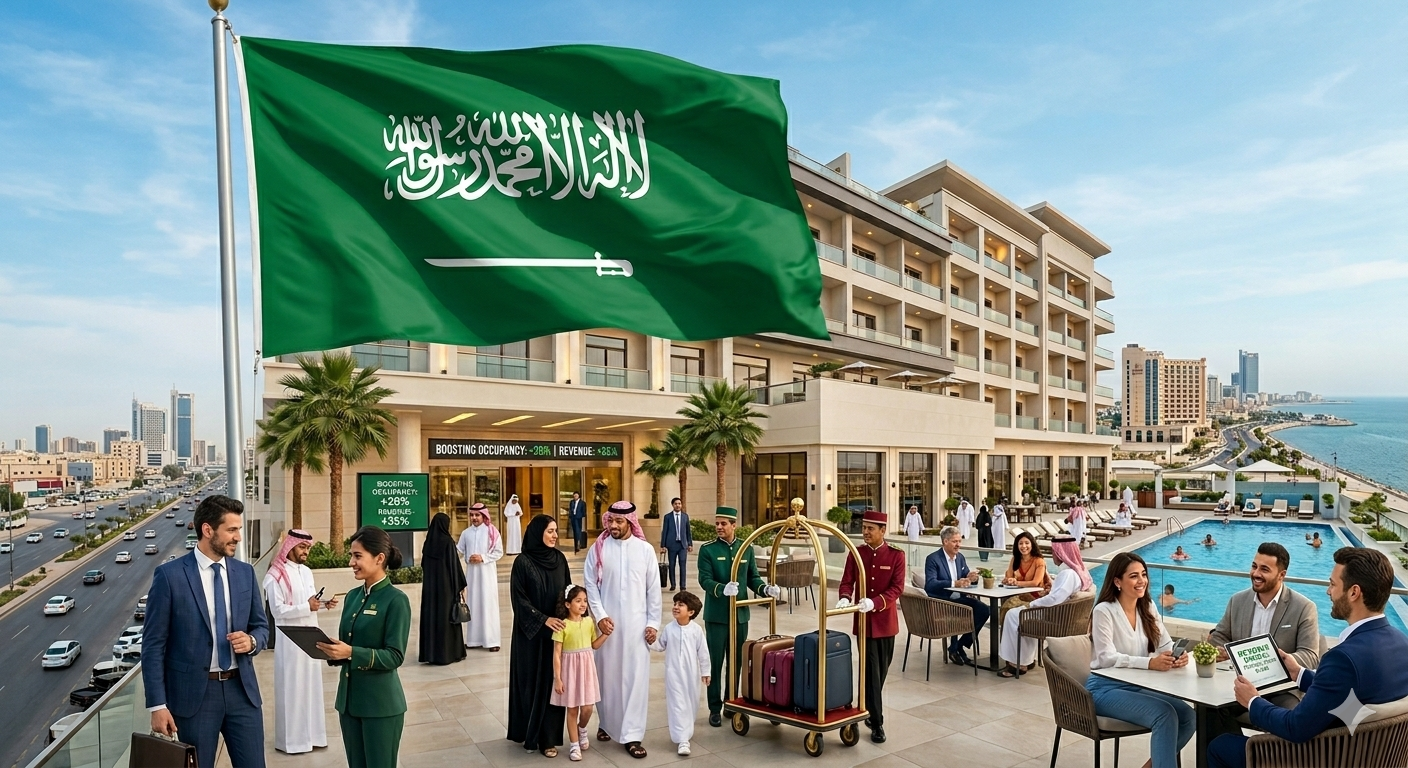
Master the art of building a future-ready, compliant, and high-performing workforce in Saudi Arabia's hospitality sector. From Nitaqat compliance to talent retention, this guide delivers proven strategies for sustainable growth.
Start reading – Free consultation — Strategic workforce planning in Saudi Arabia's hospitality industry requires more than traditional HR practices. As the Kingdom accelerates toward Vision 2030 goals and prepares to welcome massive visitor numbers, hotel operators face unprecedented talent management challenges and opportunities.
This guide provides actionable frameworks, compliance insights, and strategies to build a resilient, Saudization-compliant, guest-centric workforce that thrives in Saudi Arabia's dynamic hospitality landscape.
Understanding Strategic Workforce Planning Fundamentals
Strategic workforce planning in hospitality goes beyond traditional recruiting. It is a proactive, data-driven methodology that aligns human capital strategy with business goals, market dynamics, and regulatory requirements.
For Saudi hotels, this means creating a talent ecosystem that meets guest expectations, achieves Saudization targets, and prepares for massive sector growth. Strategic planning is not about perfect future prediction — it's about building organizational agility to adapt quickly to market shifts, new regulations, or unexpected opportunities.
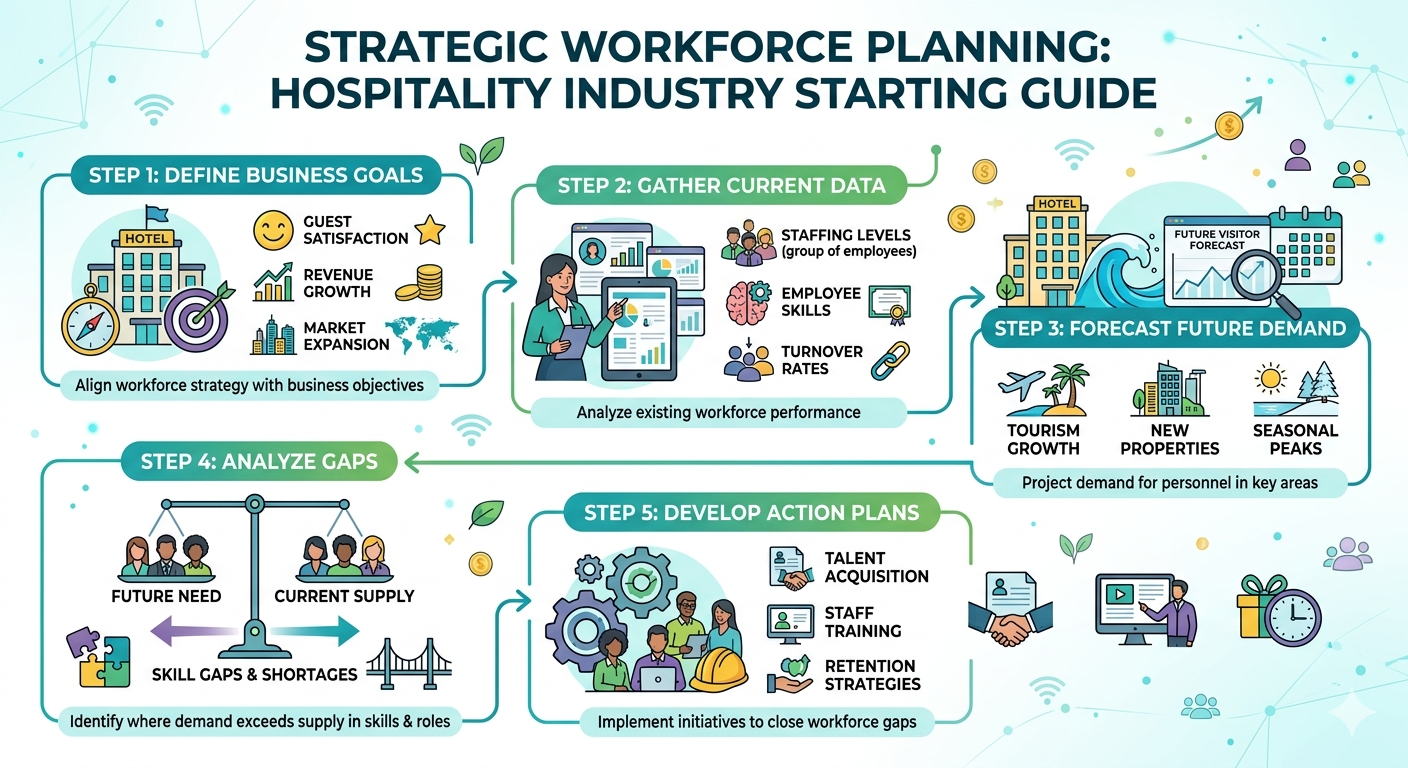
Steps to Start Strategic Workforce Planning
- Comprehensive workforce audit: Document every role and skill set across your property, analyze staffing levels against occupancy and revenue forecasts, and use HR system data for metrics like turnover rate and cost per hire.
- Demand forecasting using scenarios: Build multiple growth and economic fluctuation scenarios, account for seasonal patterns and major events, and ensure staffing aligns with revenue and average rate projections.
- Map future skills and capability gaps: Compare current workforce capabilities against future requirements, identify skills that can be developed internally versus those needing external hiring, and prioritize gaps impacting guest experience and compliance.
- Design targeted talent strategies: Create differentiated approaches for critical and high-volume roles, integrate Saudization requirements and development paths, and calibrate compensation.
- Execute, monitor, and adapt: Assign clear ownership for each initiative, schedule periodic progress reviews, and establish feedback loops to continuously refine the strategy.
Saudization and Nitaqat Compliance
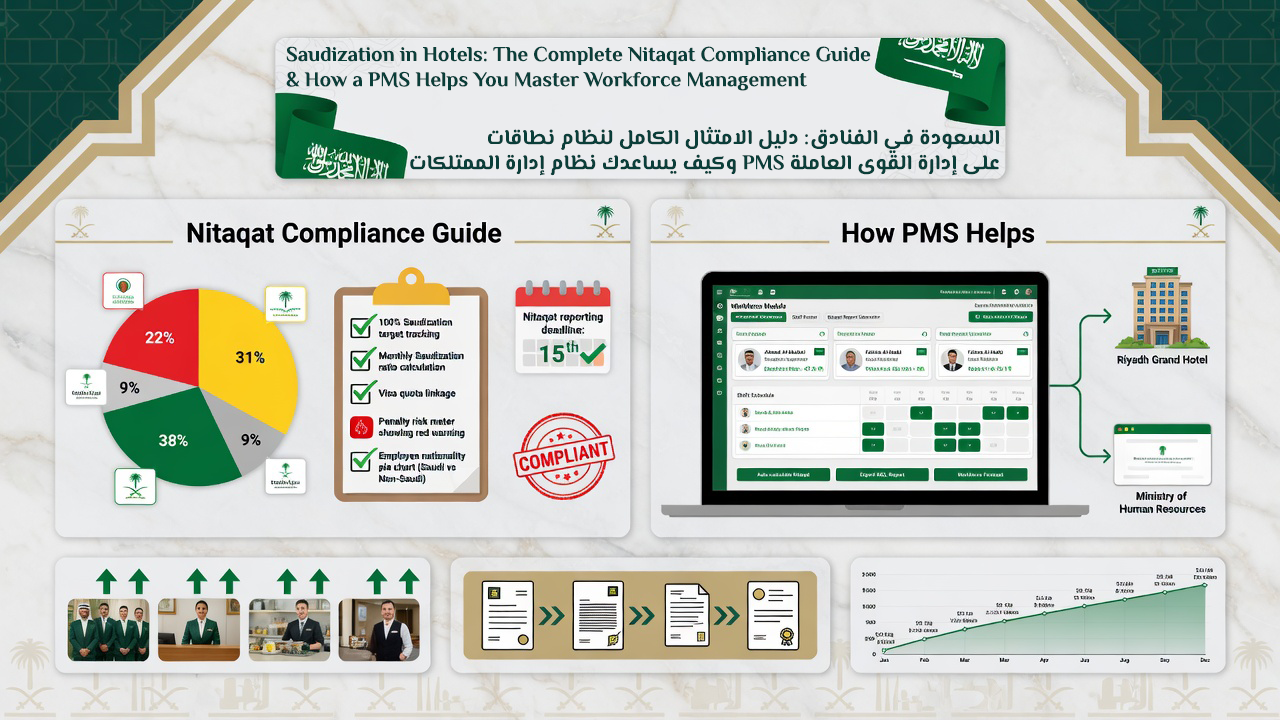
Hospitality in Saudi Arabia operates within a regulatory framework designed to boost national employment while maintaining sector competitiveness. The Nitaqat program classifies companies based on their Saudization performance, impacting work visas, license renewals, and access to government services.
To achieve Nitaqat targets in hospitality, hotels need talent development, competitive hiring practices, and continuous government coordination. Focus on high-impact roles such as front desk supervisors and guest relations managers, plus partnerships with universities and technical colleges, and design competitive total rewards including salary, development opportunities, training, and work-life balance. Also leverage government support programs, with accurate tracking and reporting.
Challenges vary by subsector: Entry-level F&B roles typically face higher turnover and wage sensitivity, while luxury segments require specialized service training, and events operations need multilingual event management expertise. Address these with flexible scheduling, performance bonuses, training partnerships with global brands, and phased Saudization plans.
Building a Future-Ready Workforce Strategy
Vision 2030 demands creating vast employment opportunities in hospitality, requiring hotels to think long-term. Planning starts by aligning workforce strategy with your property's strategy, identifying guest segments, service differentiators, and growth path, then engineering the capabilities needed to deliver that vision.
Planning for Giga-Projects
Major projects like NEOM, the Red Sea Project, and Qiddiya represent both opportunity and complexity. They require specialized talent pools often in remote locations, with unprecedented service standards. It's essential to start recruiting well before project launch, offer strong relocation packages, create talent pipelines through training academies and "earn while you learn" programs, and phase hiring to cover pre-opening teams and stable operations.
Upskilling Local Talent
Achieving luxury hospitality excellence requires investment in technical and soft skills, with structured career paths from entry-level to leadership, a blended learning approach combining digital learning, workshops, on-the-job training, and international exposure. Mentorship and sponsorship are key to guiding high-potential employees, while recognition and reward link career growth to achievements.
Using "Spotlight on Saudi Talent" in internal communications highlights success stories and motivates others to develop their skills, reinforcing the organization's commitment to local talent.
Talent Attraction: Recruiting the Best Hospitality Professionals in the Kingdom
Hospitality recruitment in Saudi Arabia has evolved from transactional hiring to strategic talent marketing. In a competitive market with expanding opportunities, your employer brand and candidate experience directly impact your ability to attract top talent.
Start by reviewing your current recruitment funnel to identify where good candidates drop off, which channels deliver the best retention rates, and which messages resonate best with Saudi professionals versus international talent. Use data to continuously refine your approach.
Building an Attractive Employee Value Proposition (EVP)
- Meaningful impact: Connect roles to Vision 2030's national transformation, helping candidates see how their work contributes to welcoming the world to the Kingdom.
- Growth and development path: Highlight career acceleration opportunities in a rapidly expanding sector, including leadership development, cross-functional exposure, and international mobility.
- Cultural alignment: Demonstrate respect for Saudi values, flexible arrangements for religious practices, and inclusive workplace practices.
- Total rewards: Present compensation holistically, including base salary, performance bonuses, housing allowances, healthcare, professional development budgets, and work-life balance initiatives.
Optimizing Recruitment Channels
- Digital platforms: LinkedIn for professional roles, Bayt.com for regional talent, and specialized hospitality job boards. Ensure your careers site is mobile-optimized and features real employee stories.
- University partnerships: Collaborate with Saudi universities and hospitality programs, participate in career fairs, support graduation projects, and create internship-to-hire pipelines.
- Employee referrals: Incentivize current employees to refer qualified candidates — referrals typically yield higher retention and cultural fit.
- Community engagement: Participate in hospitality associations, attend industry events, and contribute to sector thought leadership to build relationships before actual hiring needs arise.
Retention Strategies: Keeping Your Best Employees
Talent retention in hotels directly impacts financial results — replacing a frontline employee costs about half their annual salary, and replacing a manager can exceed 150% of salary. Turnover also affects team dynamics, service consistency, and employer reputation.
Key Retention Drivers
- Meaningful work and recognition: Employees stay when their work is valued and they see its impact. Implement regular recognition programs tied to guest outcomes and team success.
- Clear career progression: Hold quarterly career development conversations (not just annual reviews) and support internal promotions to boost growth opportunities.
- Work-life integration: Offer flexible schedules and respect for time-off requests, with support during peak periods via additional staffing, allowances, and transportation.
- Competitive and fair compensation: Benchmark salaries against market data, ensure pay equity, and consider non-cash rewards like extra vacation days and professional development budgets.
- Inclusive culture and psychological safety: Train leaders on inclusive management, create feedback channels, and address concerns quickly and transparently.
Managing Seasonal Workforce Fluctuations
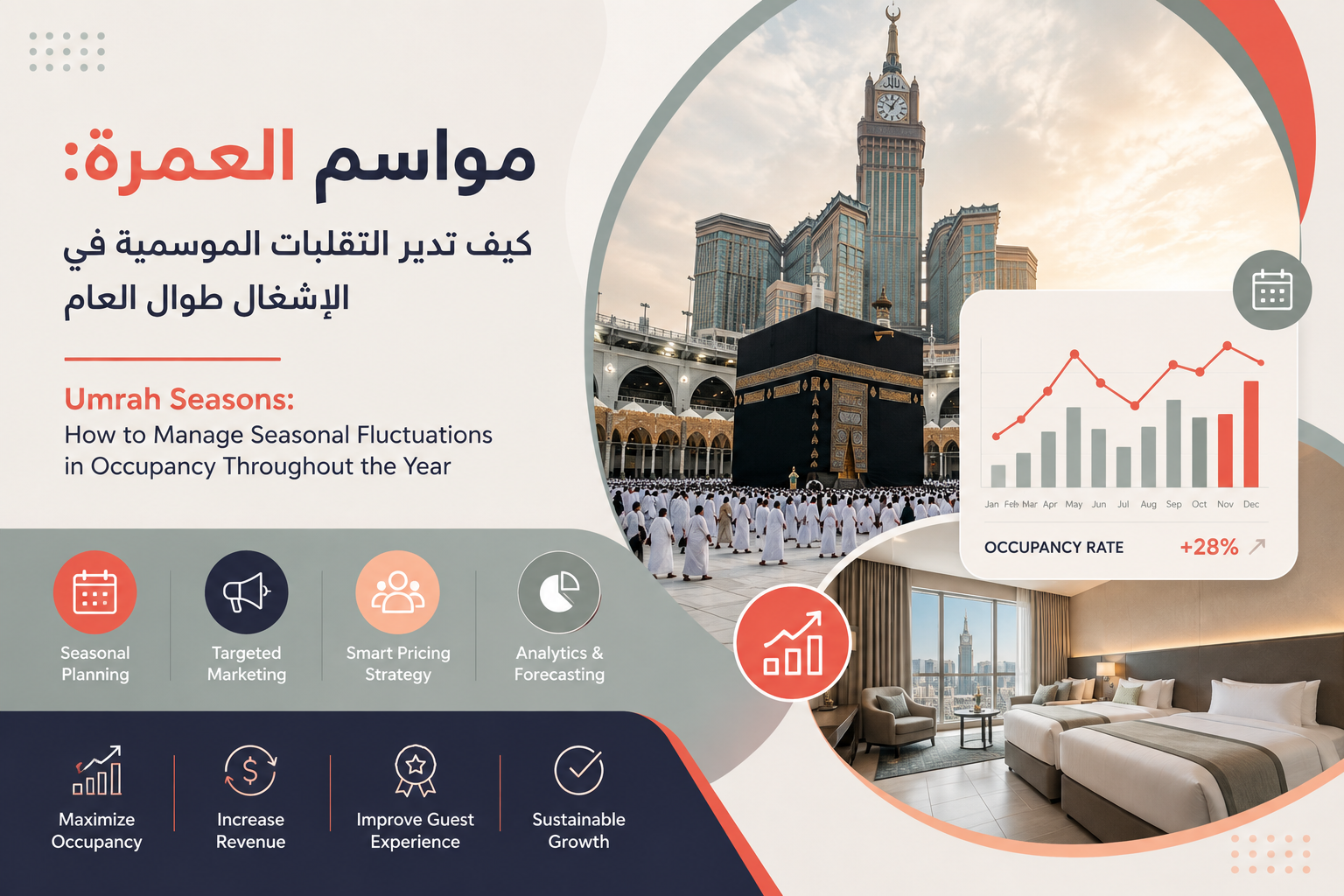
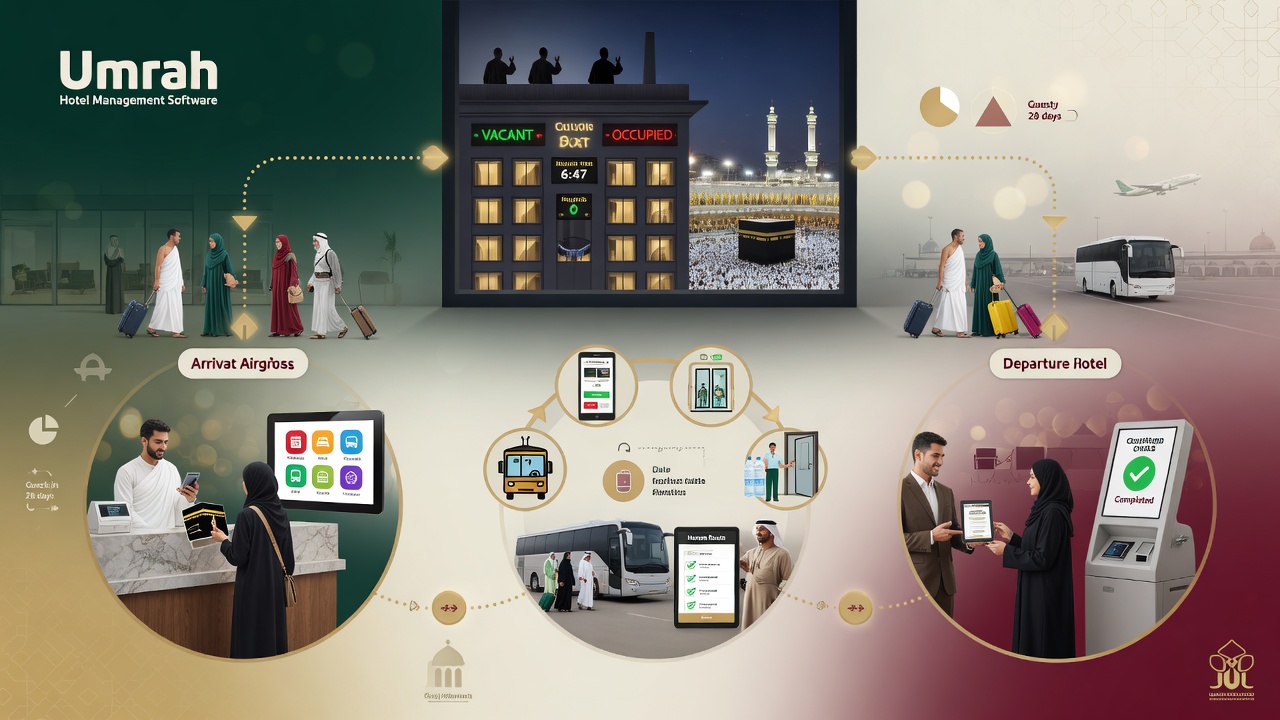
To manage seasonal staff during Hajj and Umrah, use an approved pool of trained temporary workers, cross-train permanent staff to cover multiple roles. Use technology for scheduling and communication, provide comprehensive onboarding, fair compensation with peak period premiums, and pathways for high performers.
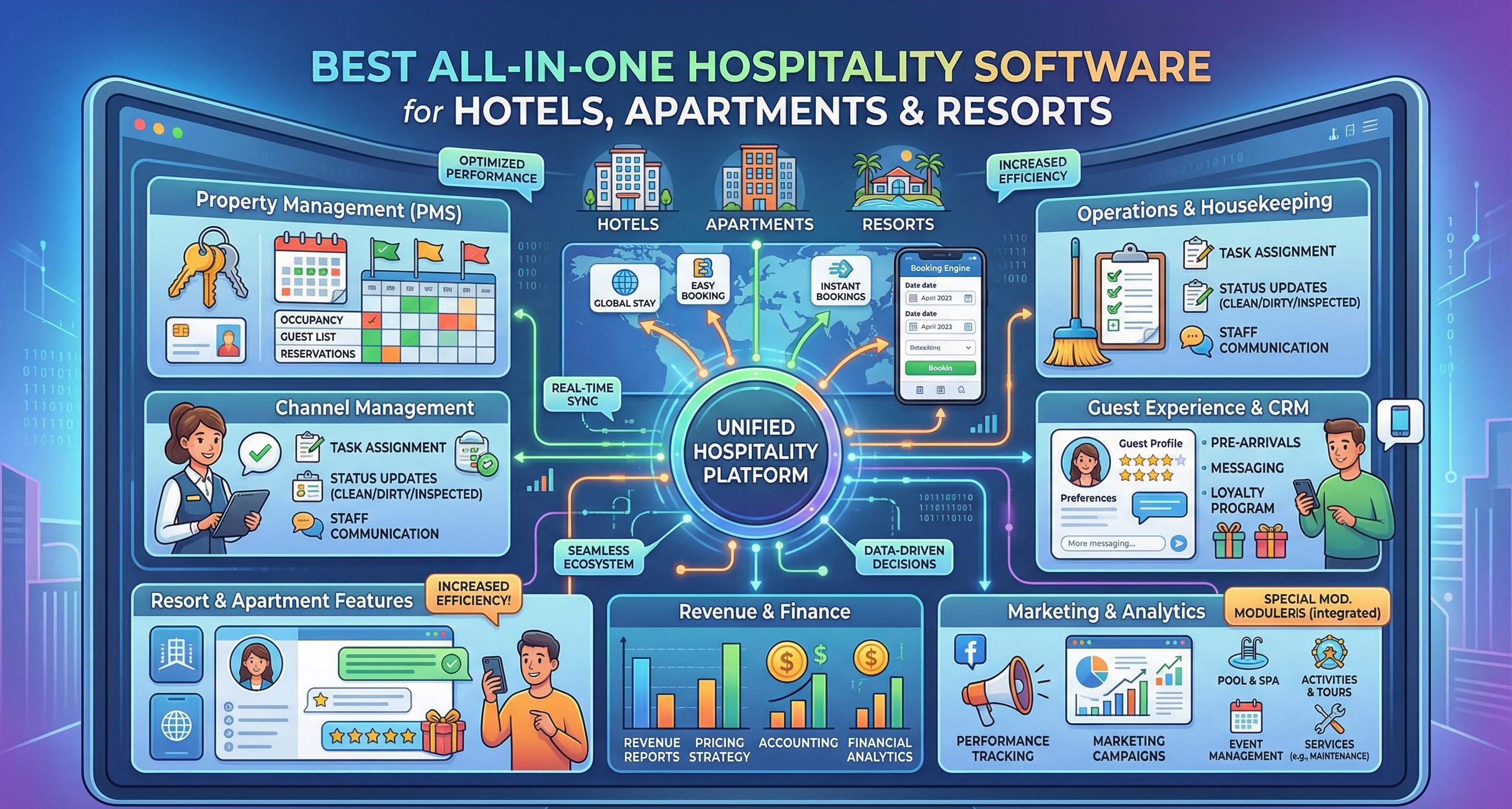
Technology Empowerment and Digital Transformation
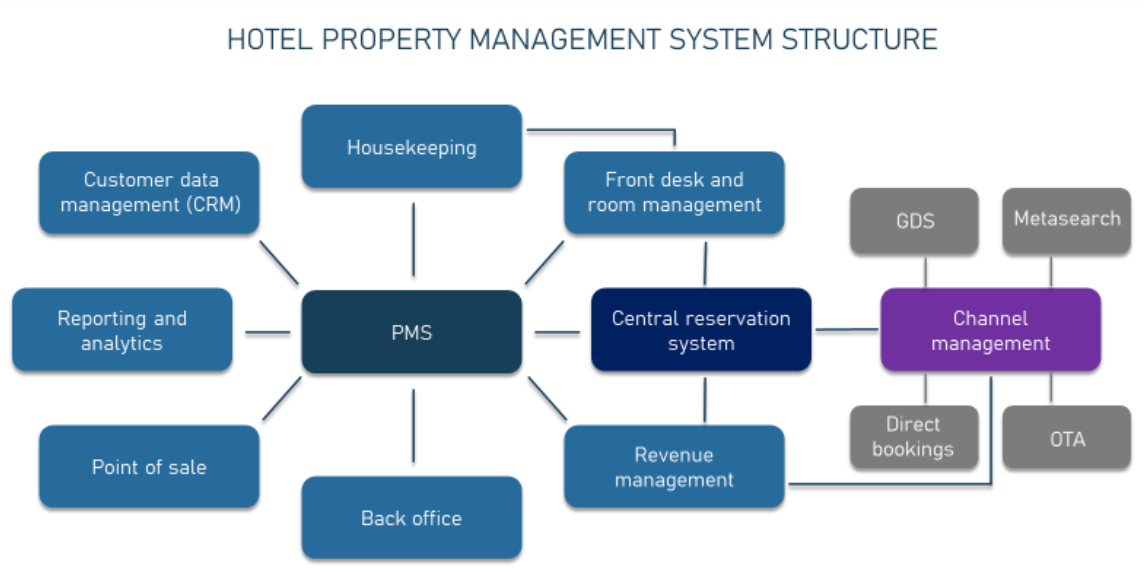
Digital tools are not just efficiency aids — they are strategic enablers for workforce planning excellence. The right technology stack provides data visibility, automates administrative tasks, and enhances employee experience.
| Technology Investment | Impact |
|---|---|
| AI-powered recruitment | Reduce time-to-hire, minimize bias, schedule interviews, and engage candidates via chatbots |
| Predictive analytics | Forecast hiring needs and departure risks, optimize scheduling to balance labor cost and service levels |
| Mobile-first employee experience | Apps for scheduling, leave requests, training, and peer recognition boost engagement and efficiency |
| Compliance automation | Integrate with government portals to automatically update Saudization metrics and submit required reports |
Measuring Success: Key Performance Indicators
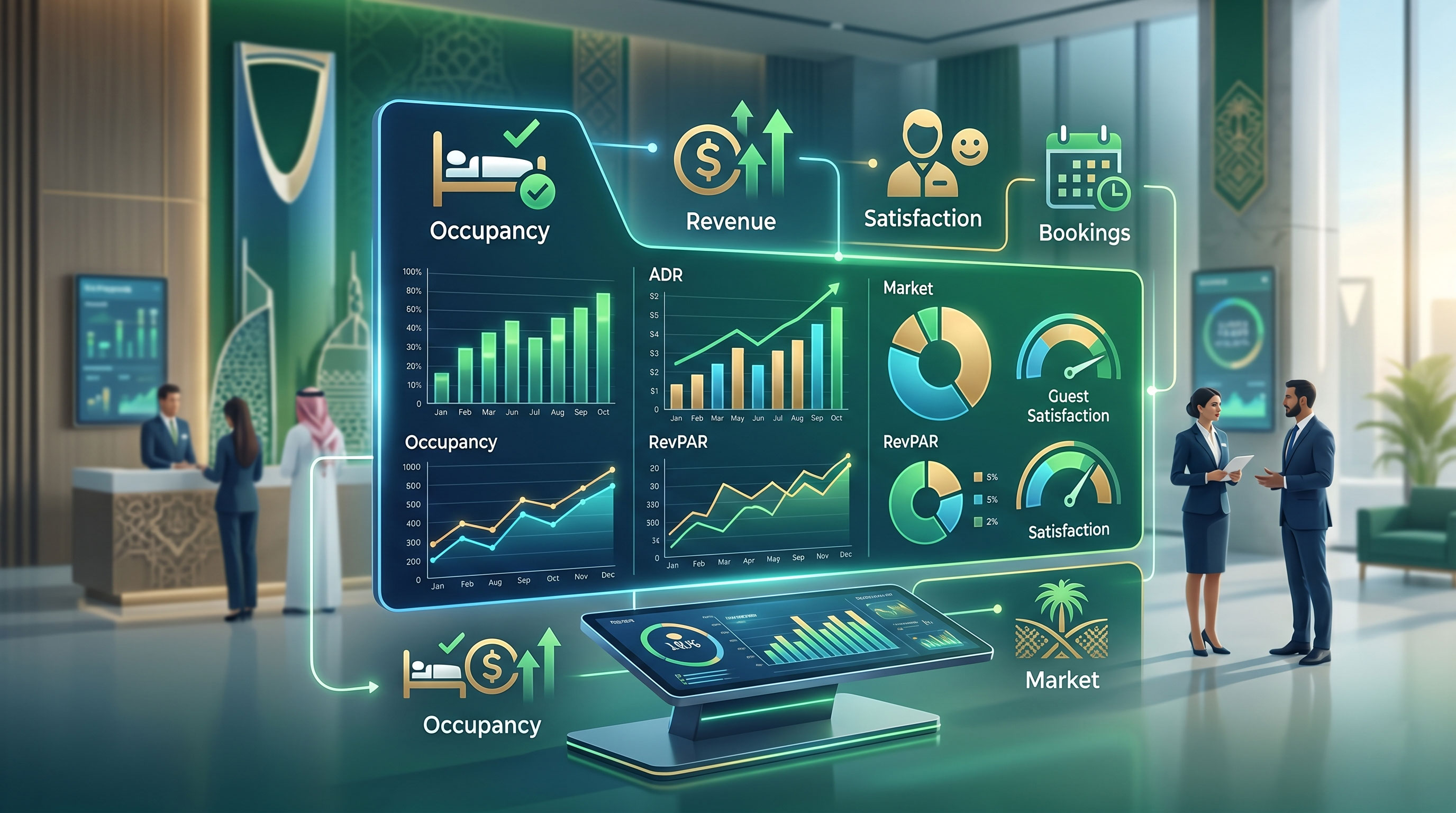
What gets measured gets managed. Focus on indicators that link talent outcomes to business results, avoiding vanity metrics.
- Voluntary turnover rate
- Critical role fill rate
- Time to productivity
- Employee Net Promoter Score (eNPS)
- Internal promotion rate
- Training completion rate
- Cost per hire and quality of hire
- Nitaqat compliance and Saudization percentages
Review these metrics regularly to refine strategies and reallocate resources.
Frequently Asked Questions
- What is the minimum Saudization percentage for hotels? It varies by hotel category, location, and role type. Typically, 4- and 5-star hotels target a Saudi employment rate between 30% and 45%, with higher requirements for guest-facing and leadership roles.
- How can small hotels compete for talent against international chains? Leverage flexibility, personal culture, and rapid growth opportunities. Focus on cross-departmental practical experience, faster promotion schedules, local training partnerships, and highlight unique selling points.
- What government resources support hospitality workforce development? Human Resources Development Fund (HRDF/Hadaf), Taqat platform, Tourism Human Resources Development Program (THRD), and Ministry of Tourism initiatives such as the Hospitality Talent Accelerator.
- How do I balance Saudization goals with service quality? Invest in comprehensive training that blends international service standards with local cultural intelligence, and pair Saudi employees with experienced mentors. Use guest satisfaction scores alongside Saudization metrics to gauge success.
Ready to Transform Your Hospitality Workforce Strategy?
Fandaqah helps hotels design compliant, effective, and future-ready talent strategies. From Nitaqat optimization to leadership development, we provide comprehensive support for Vision 2030 success.
Get Your Free Workforce AssessmentSchedule a strategic call with Fandaqah's experts