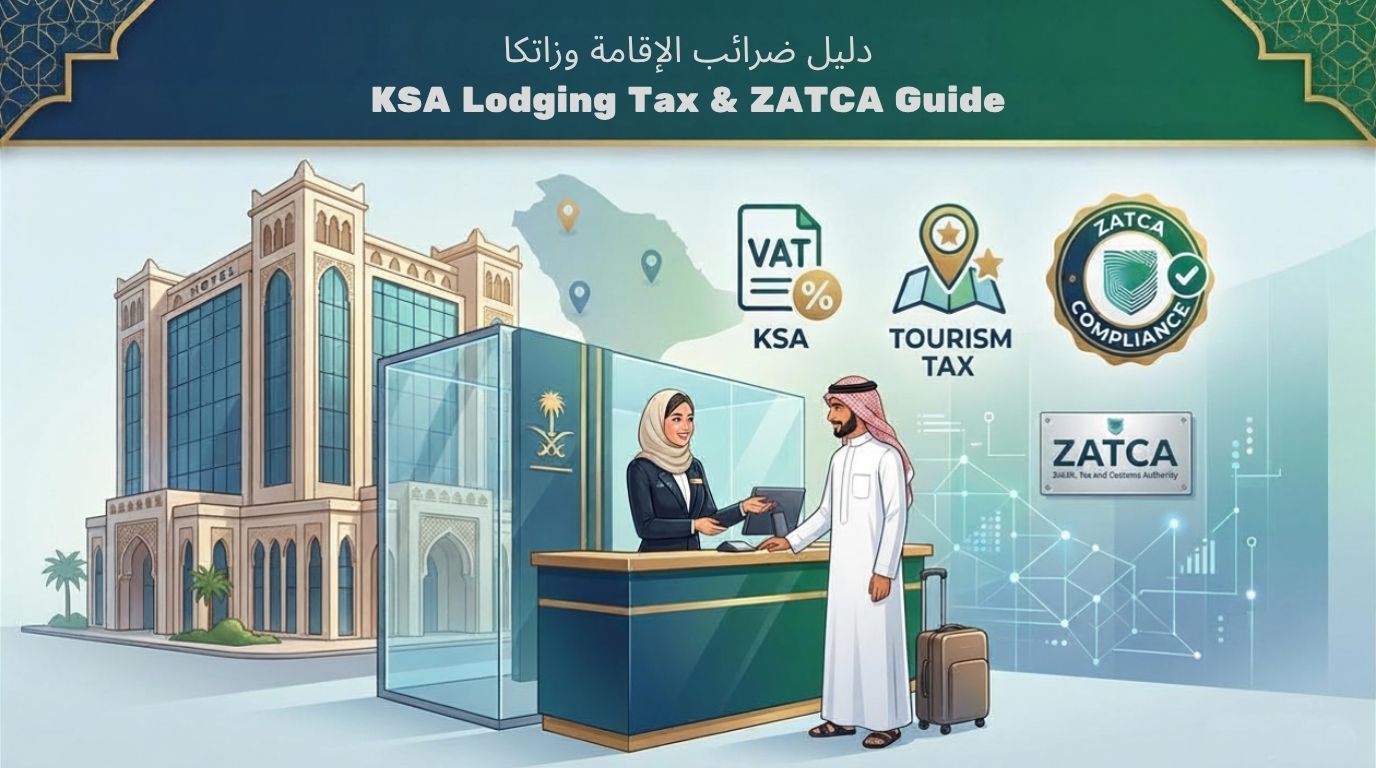
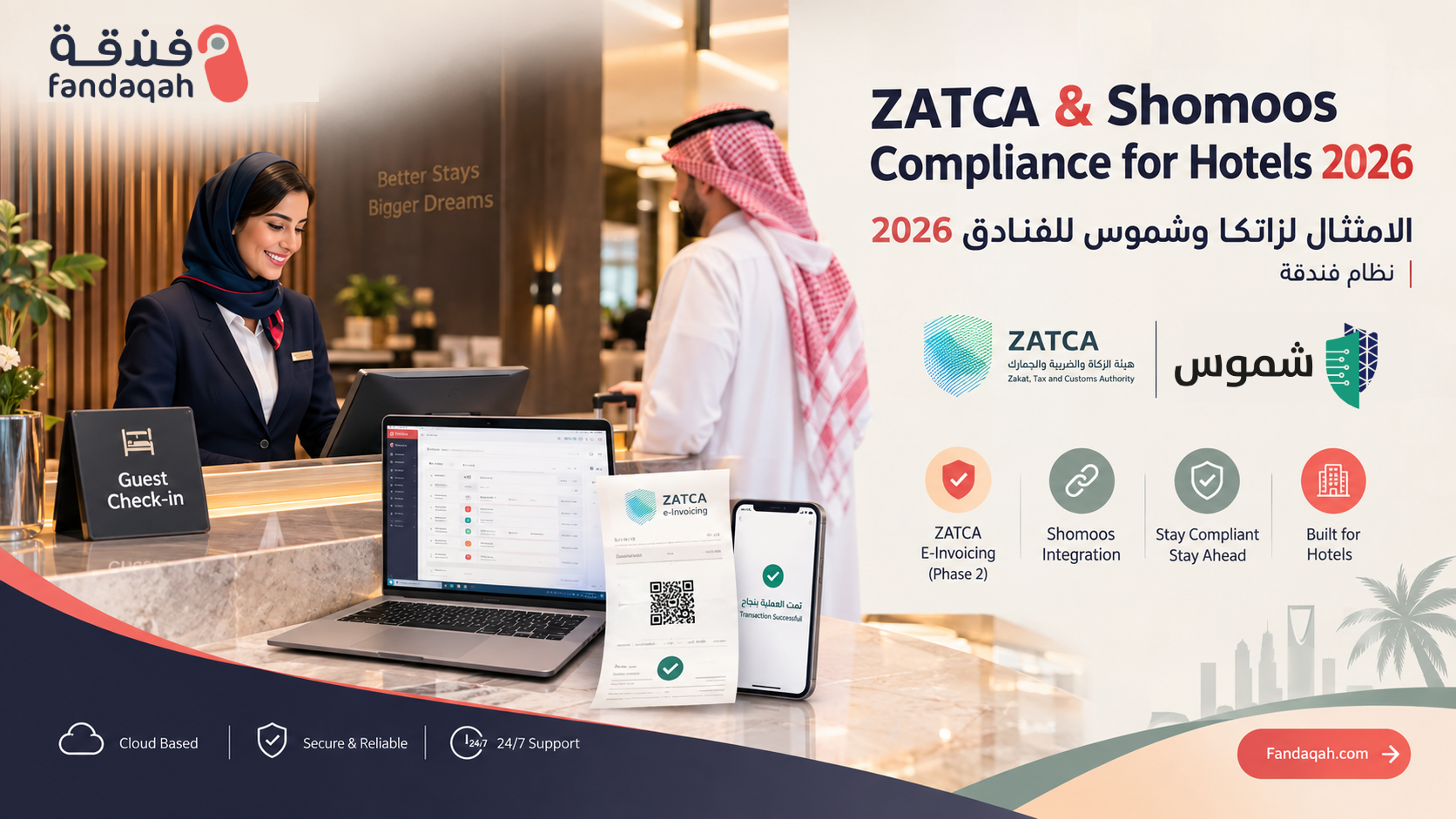
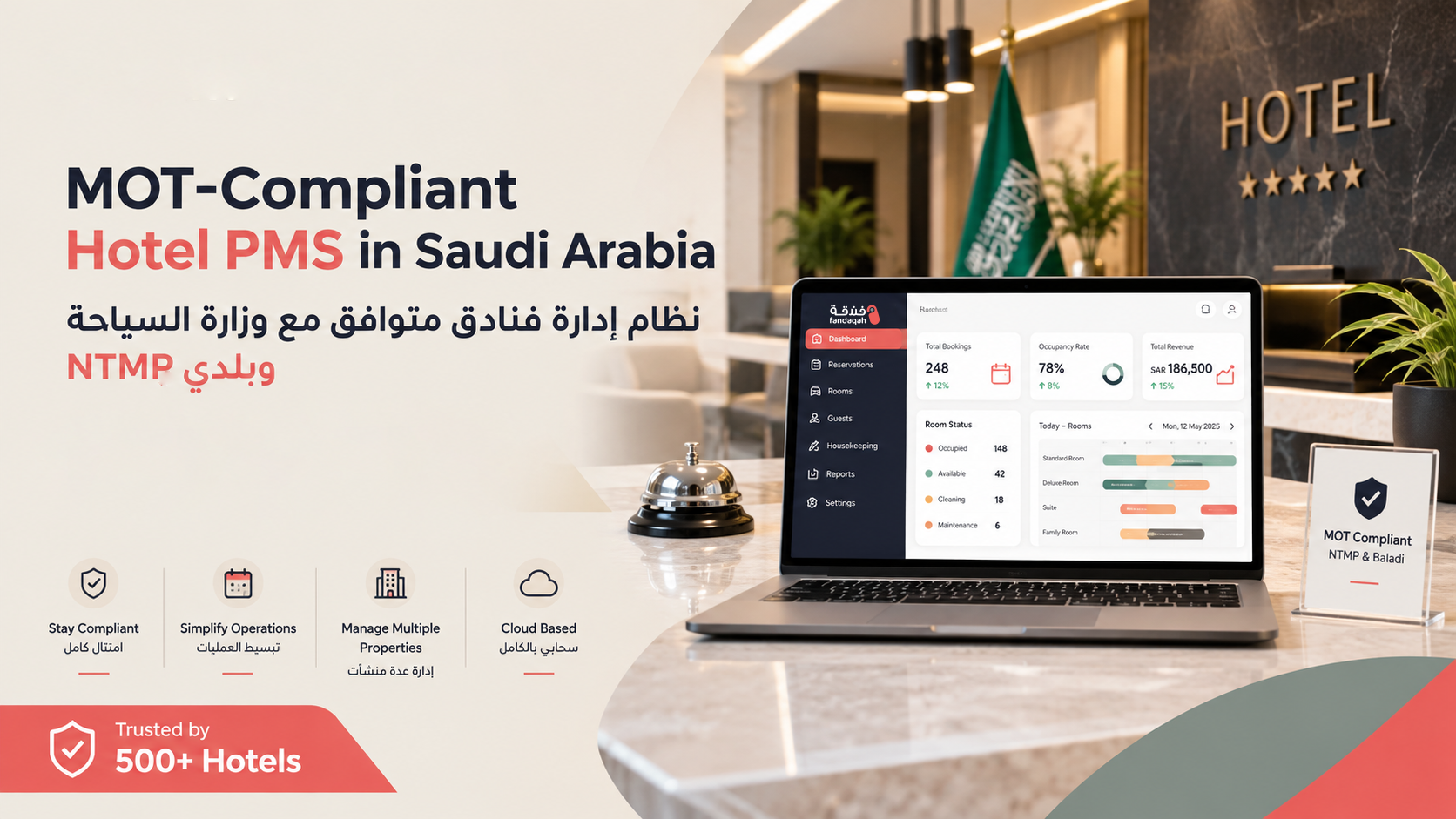
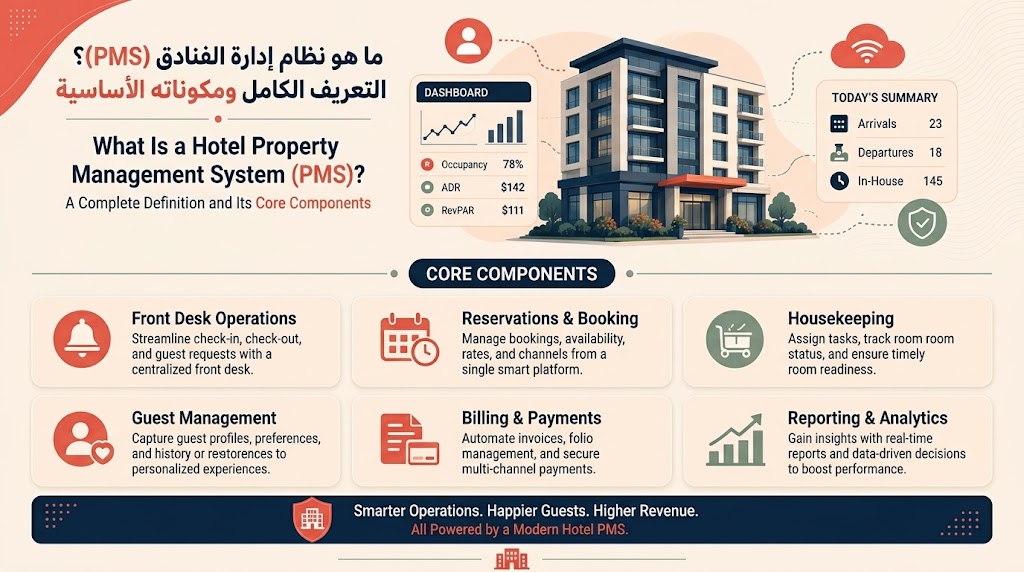
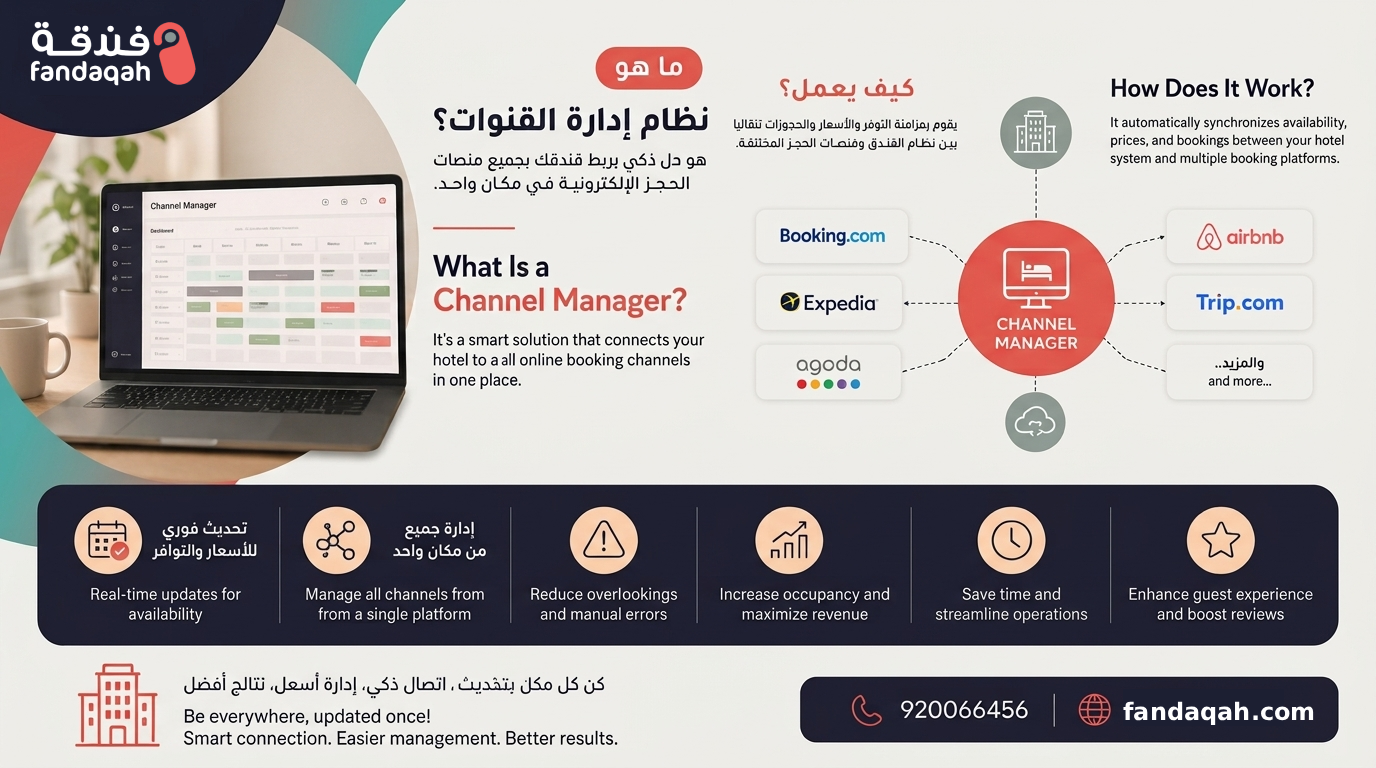
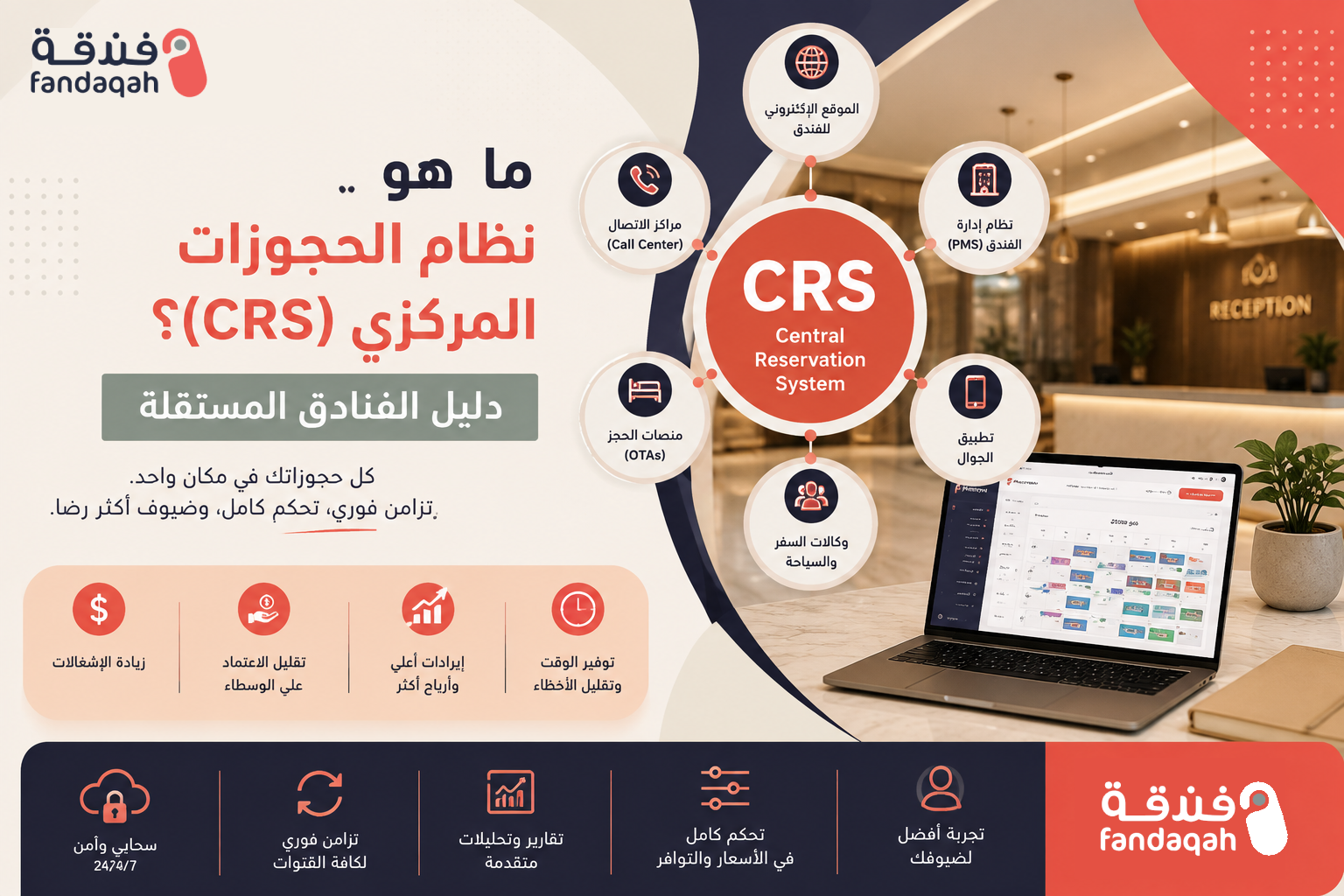
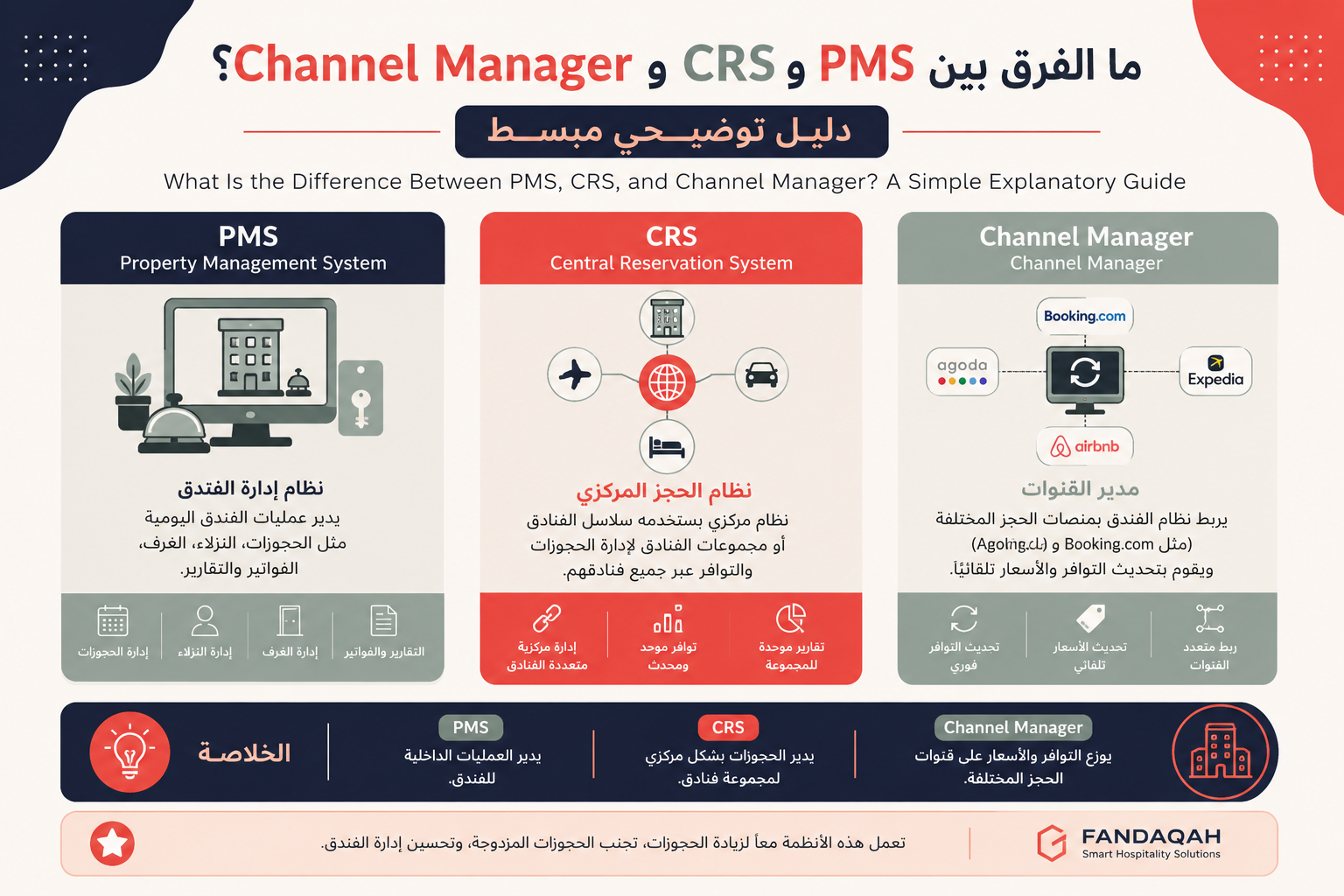
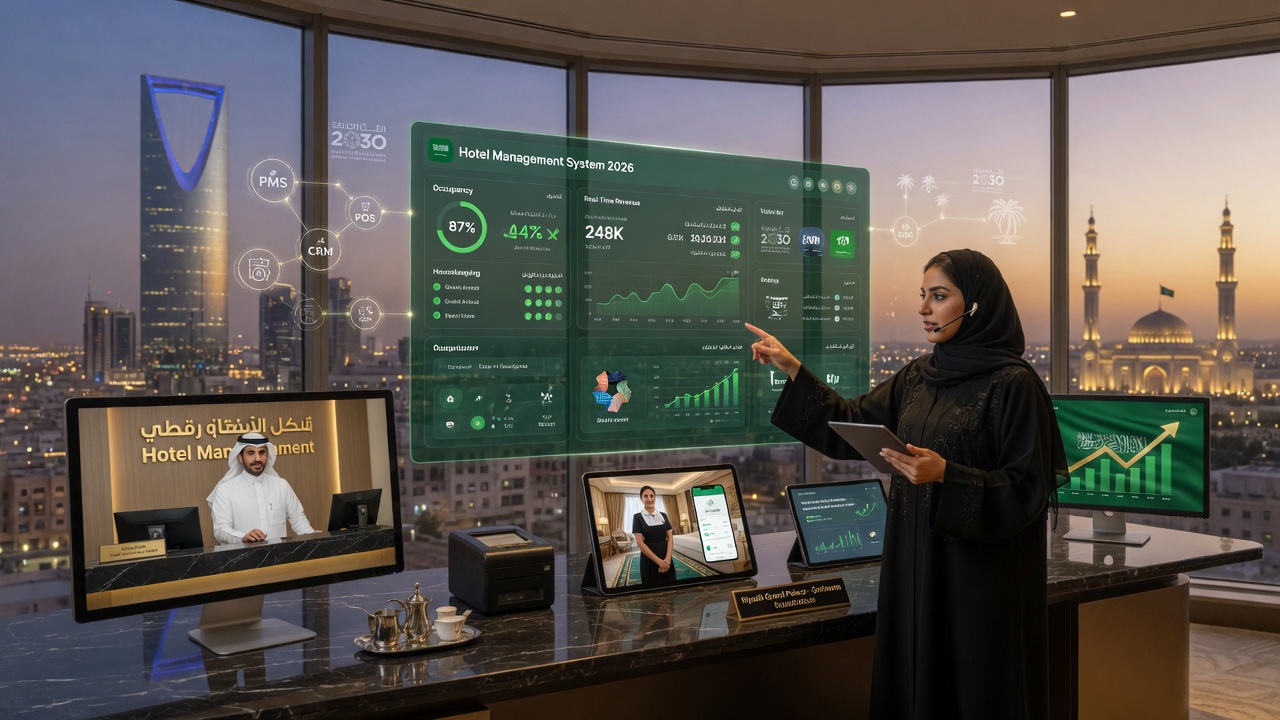
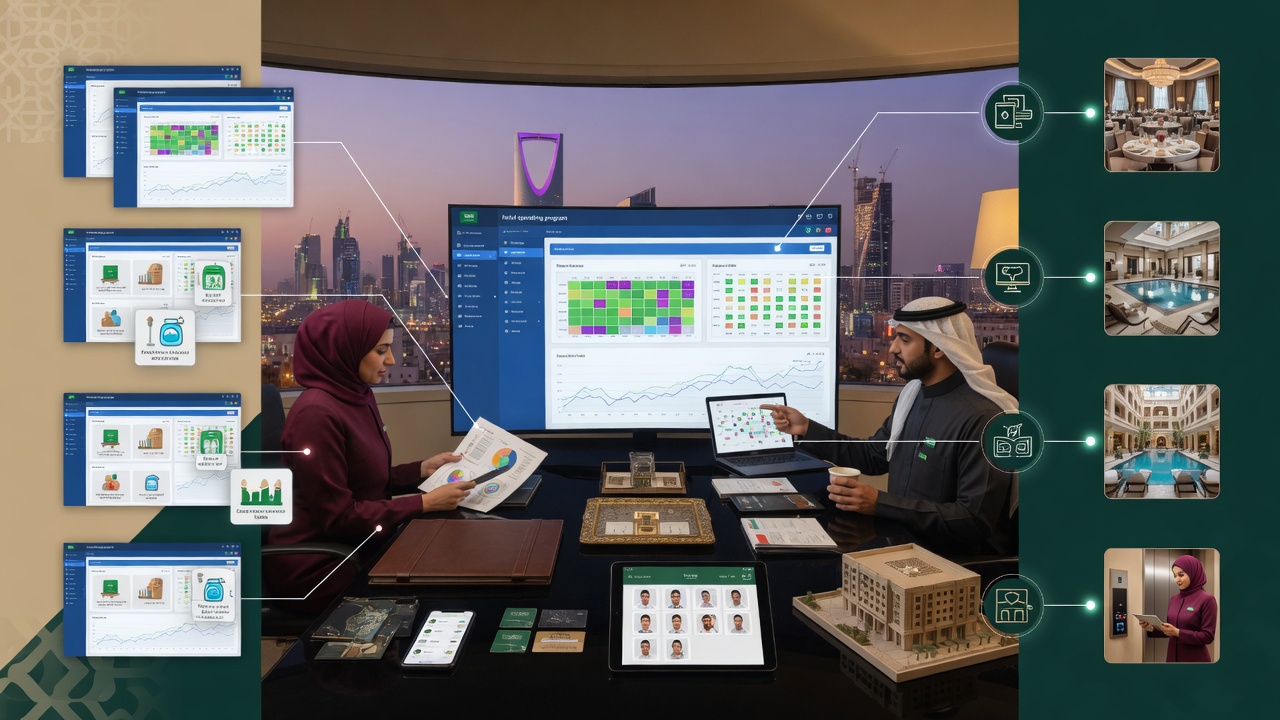
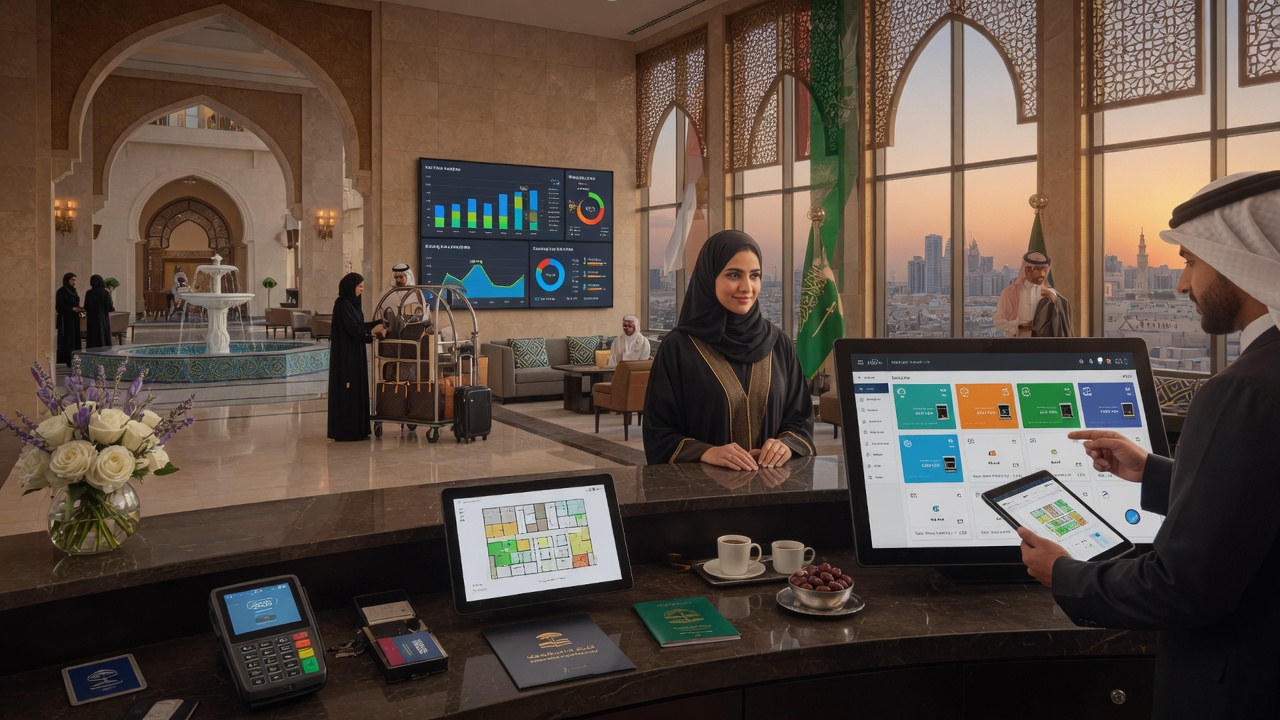
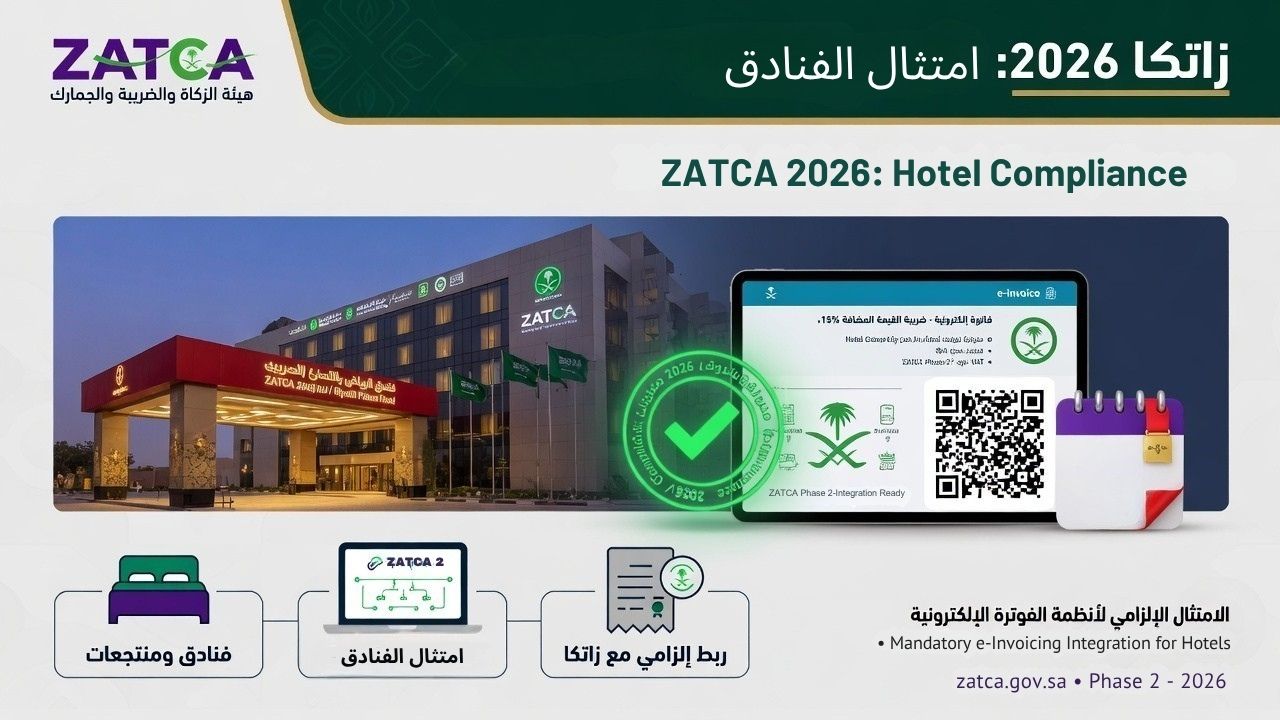
For hoteliers in Saudi Arabia, understanding and correctly applying lodging taxes is not optional — it is a legal and financial necessity. With the implementation of ZATCA e‑invoicing (Phase 2), mandatory VAT at 15%, municipality fees, and tourism taxes, hotel owners must ensure every booking is taxed accurately and reported in real time. This comprehensive guide explains every tax that applies to hotel stays in the Kingdom, how to calculate them, and how to automate compliance using modern property management systems (PMS). Whether you run a small guesthouse in AlUla or a large chain in Riyadh, this guide will help you avoid fines, protect your revenue, and streamline your tax operations under Vision 2030.
As Saudi Arabia welcomes over 100 million annual visitors, the government has tightened tax enforcement. Non‑compliance can result in penalties up to SAR 50,000 per violation. This guide covers the standard 15% Value Added Tax (VAT), municipality fee (often called “tourist tax” or “city tax”), and any additional local levies. We also explain how ZATCA e‑invoicing works for hotels and how automated PMS solutions like Fandaqah can handle tax calculations and reporting seamlessly.
Key Insight: Hotels that automate tax calculation and e‑invoicing reduce tax‑related errors by over 90% and ensure 100% compliance with ZATCA’s Phase 2 deadlines (June 30, 2026).
What is Lodging Tax? Types of Hotel Taxes in Saudi Arabia
Lodging tax refers to any tax or fee imposed on short‑term accommodation rentals. In Saudi Arabia, hotel guests are subject to several taxes and fees, which the hotel collects on behalf of the government. The main taxes are:
- Value Added Tax (VAT): A standard 15% tax on all goods and services, including hotel room rates, food & beverage, spa services, and any other taxable supplies. VAT is applied to the total invoice amount before any discounts (unless the discount is a true price reduction).
- Municipality Fee (Tourism Tax / City Tax): A fee imposed by local municipalities, often calculated as a percentage of the room rate (typically 5–10%, but varies by city). For example, Riyadh and Jeddah may have different rates. This fee is collected by the hotel and remitted to the municipality.
- Tourism Development Fee: Some regions in Saudi Arabia charge an additional tourism levy to fund local tourism infrastructure. The rate is usually low (e.g., 1–2%) but can vary.
- Service Charge (not a tax): Often confused with taxes, service charges are discretionary fees set by the hotel. They are subject to VAT as well.
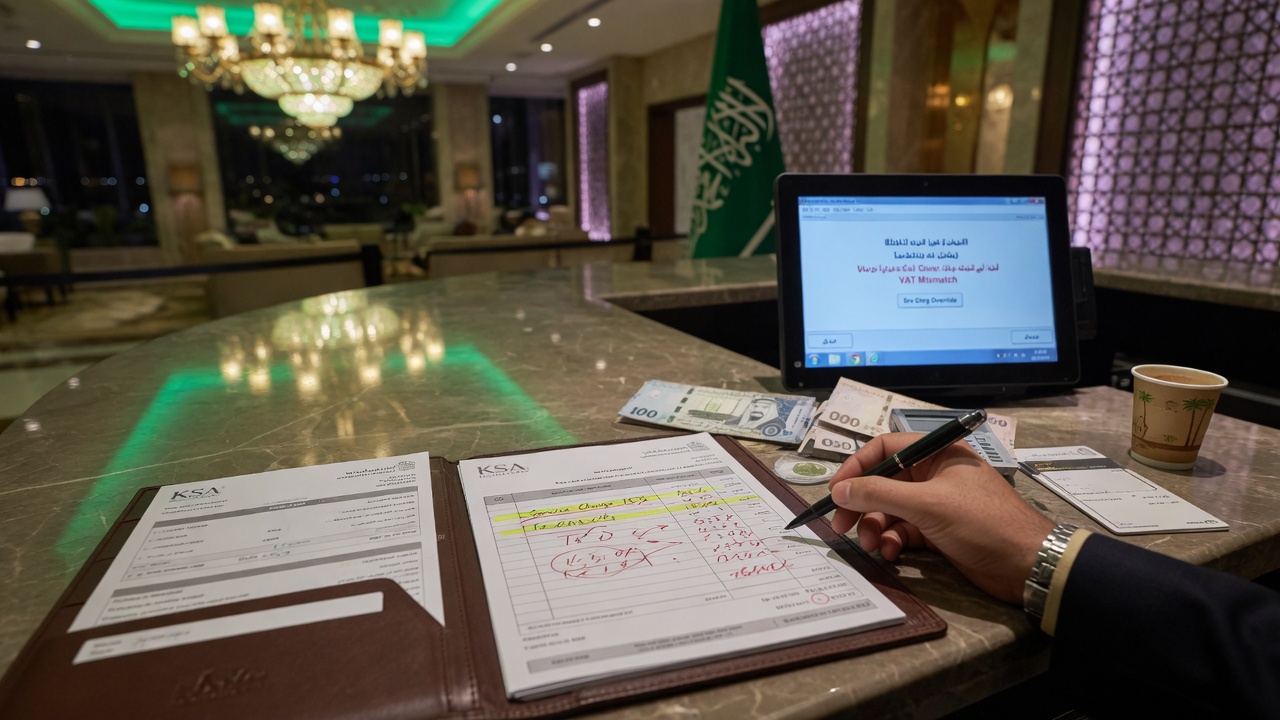
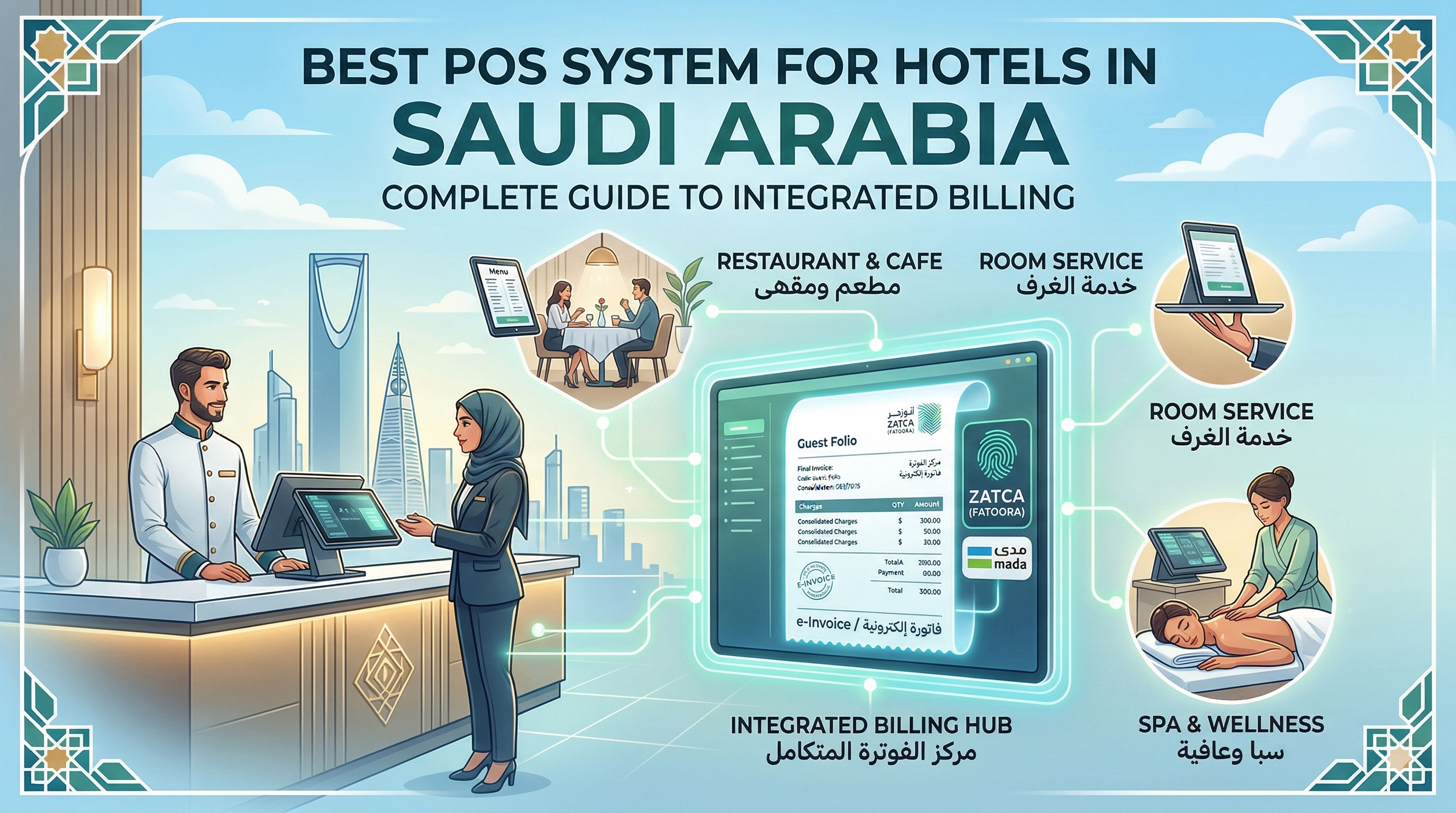
All these taxes must be clearly displayed on guest invoices and included in ZATCA e‑invoicing submissions. Failure to charge the correct tax or to report it accurately can lead to severe penalties.
Value Added Tax (VAT) – The 15% Standard Rate
Since January 1, 2018, Saudi Arabia has applied VAT at a rate of 15% (increased from 5% in July 2020). For hotels, this means:
- All room charges are subject to 15% VAT.
- All additional services (restaurant, minibar, laundry, spa, parking, etc.) are also subject to 15% VAT.
- VAT is calculated on the net amount after any unconditional discounts.
- If a guest books through an OTA (Booking.com, Expedia, etc.), the VAT is still due on the total paid by the guest; the OTA commission is a separate B2B transaction.
- Hotels must issue VAT invoices for every stay (B2C and B2B). For businesses, the hotel must provide a tax invoice with the buyer's VAT registration number if requested.
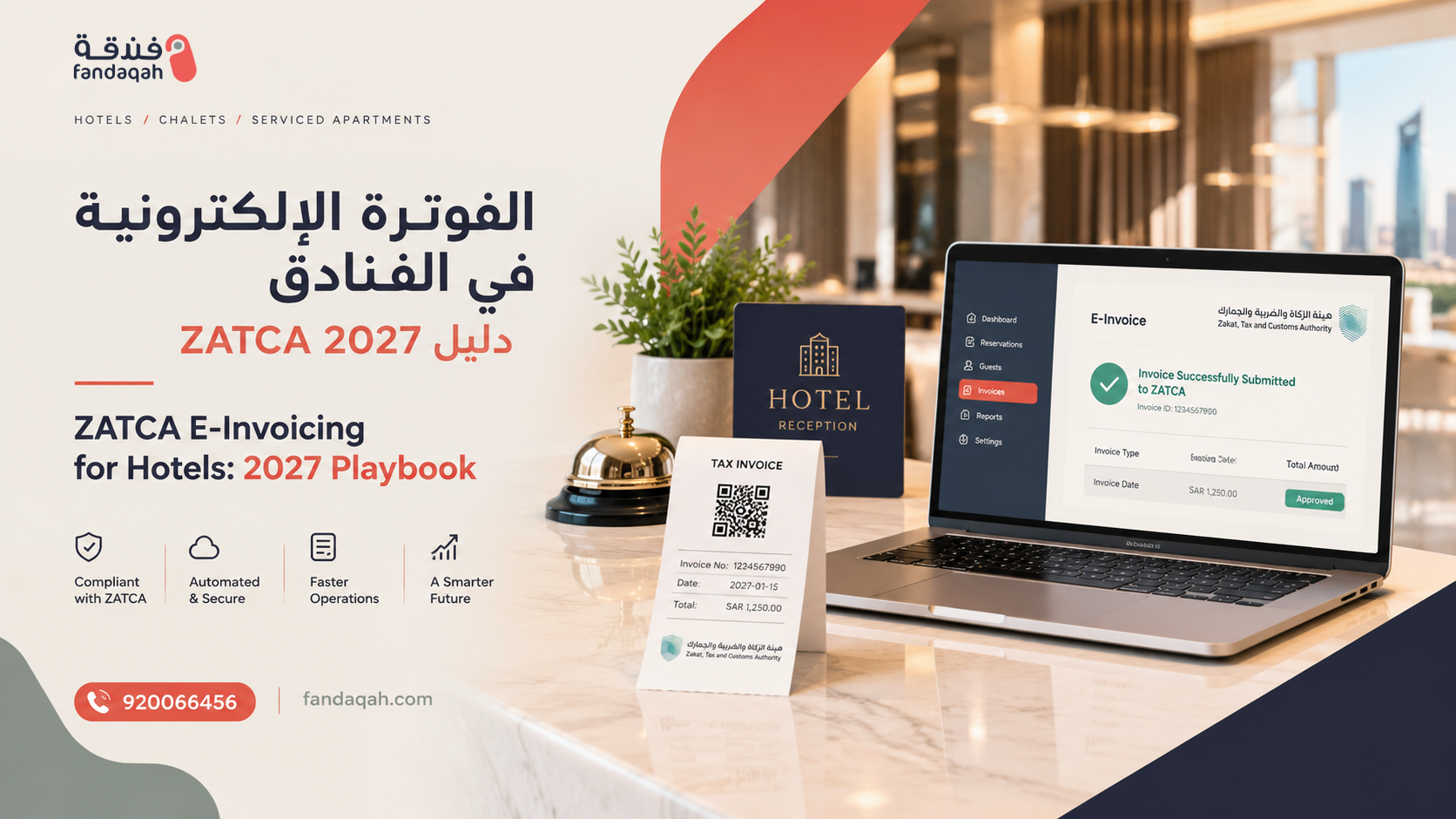
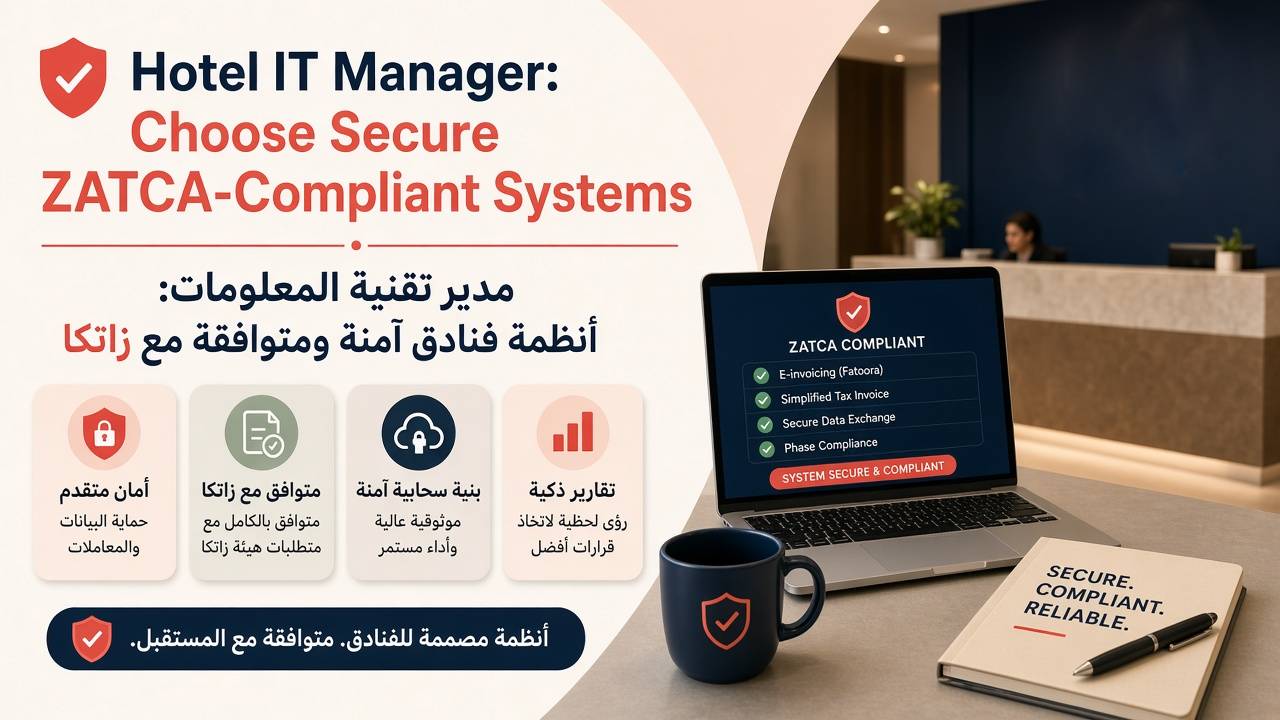
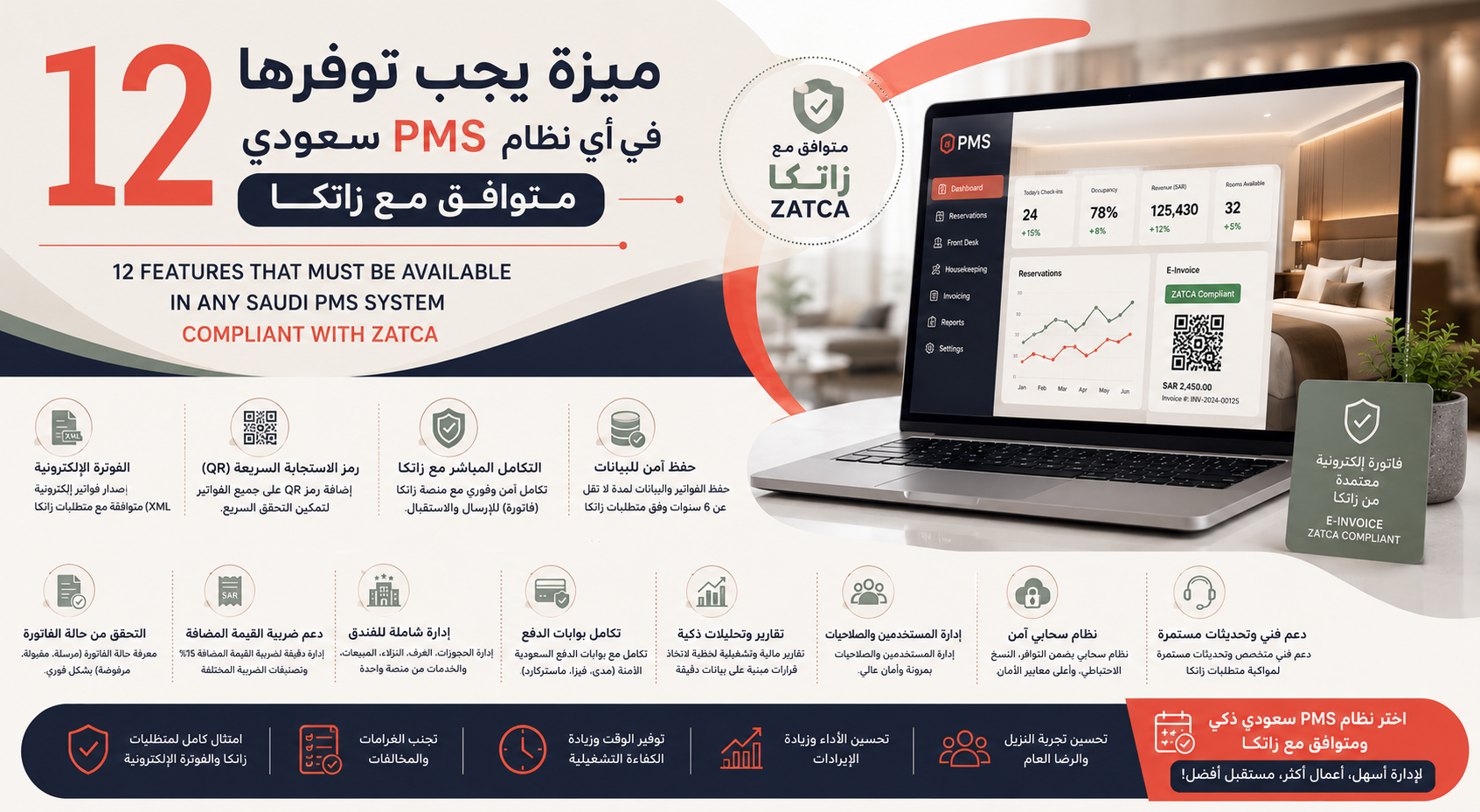
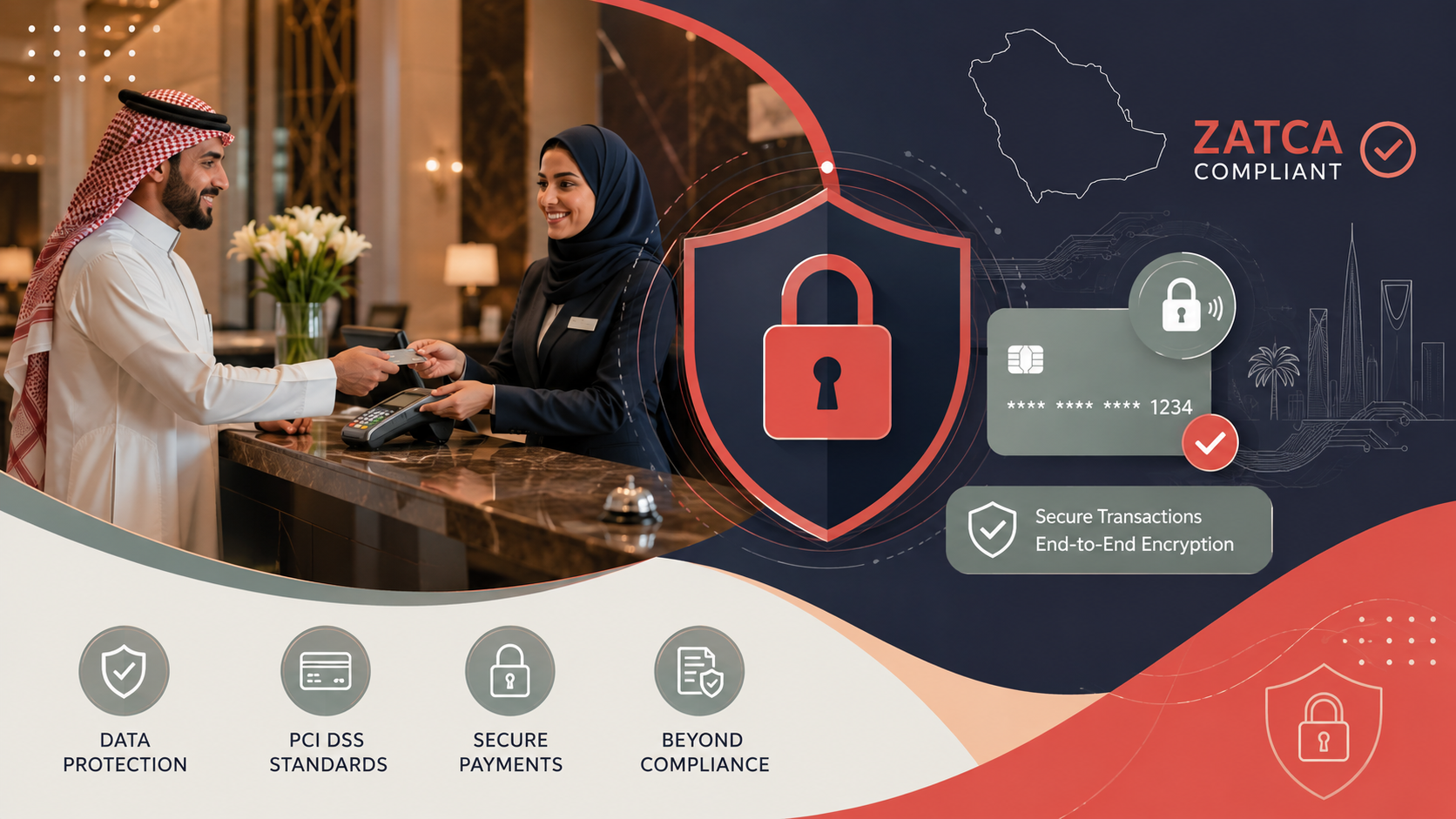
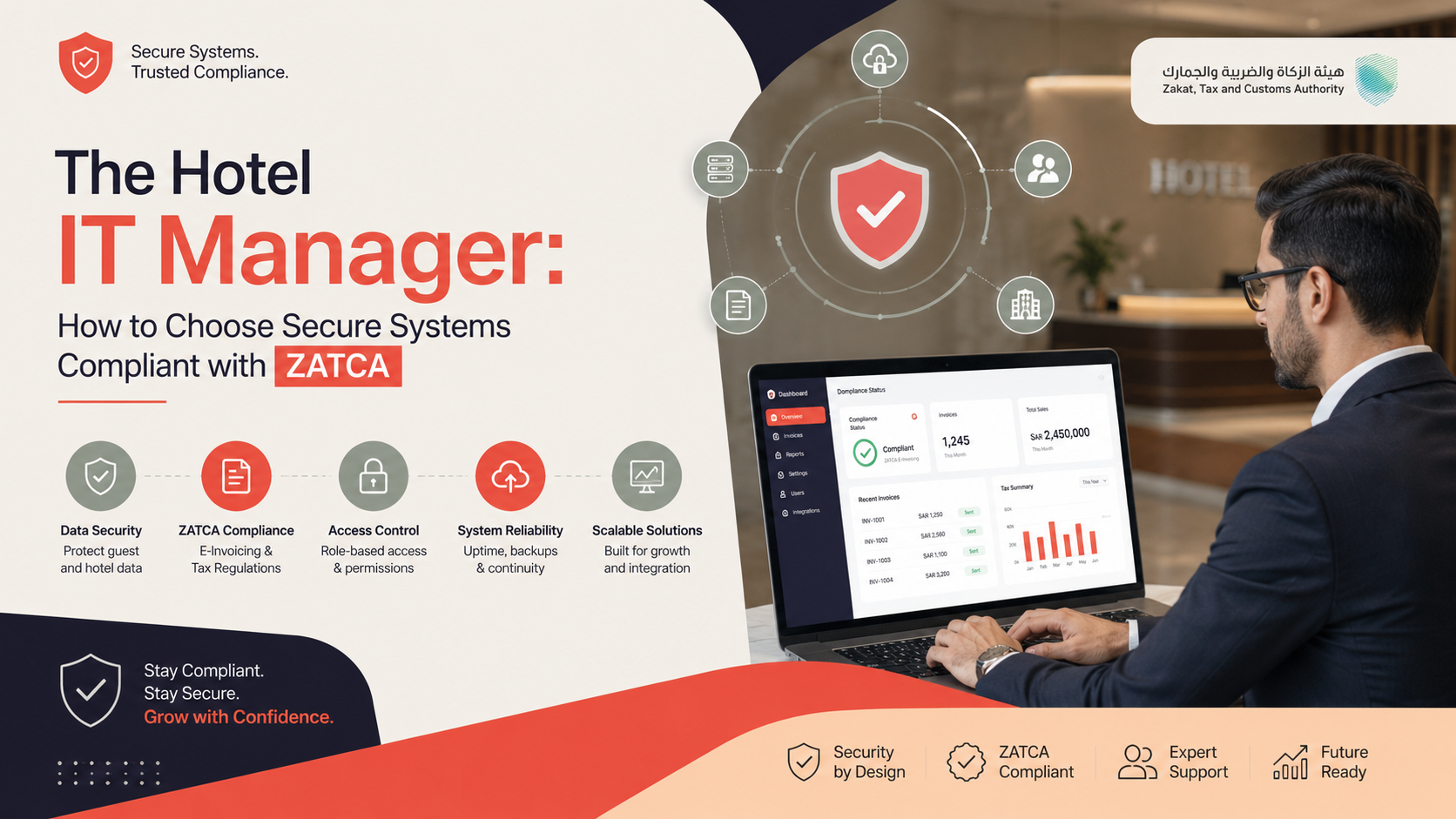
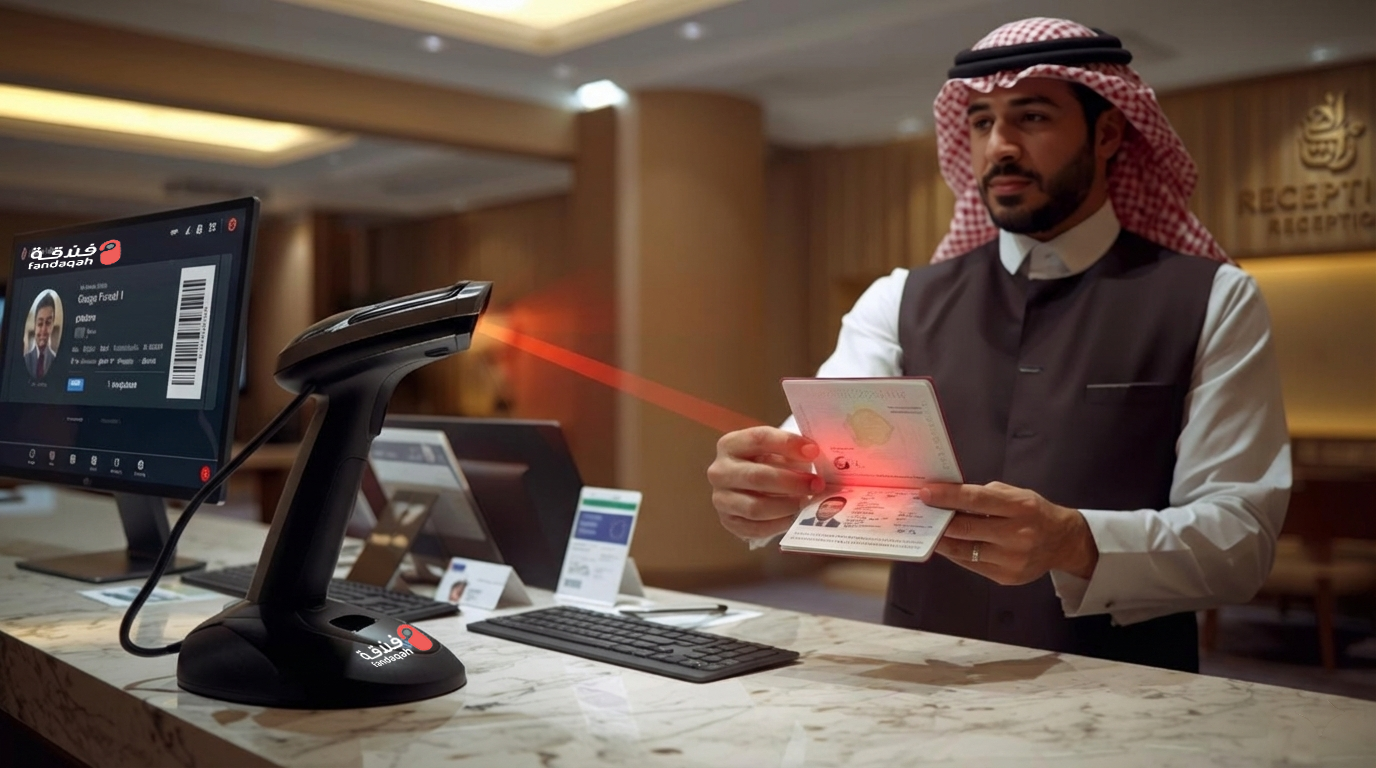
ZATCA’s e‑invoicing regulation requires that every invoice include a QR code, cryptographic stamp, and real‑time transmission to ZATCA for Phase 2 compliant taxpayers. This means manual invoicing is no longer acceptable.
Municipality Fee (Tourist Tax / City Tax)
Municipality fees are local taxes imposed by each city's municipality. They are usually calculated as a percentage of the room rate (excluding VAT). Typical rates:
- Riyadh: 5% of room rate (sometimes up to 10% for luxury hotels).
- Jeddah: 5–10% depending on hotel classification.
- Makkah & Madinah: 5% (some pilgrim‑focused hotels may have different arrangements).
- Dammam / Eastern Province: 5%.
- NEOM & Red Sea projects: New regulations may apply; check local guidelines.
This fee is often called “tourism tax” or “city tax” on booking platforms. Hotels must collect it from guests and remit it to the respective municipality. Failure to do so can result in fines and license issues.
Pro Tip: Always verify the current municipality fee rate with your local municipality or through your hotel association. Rates can change with new regulations.
Key Benefits of Proper Lodging Tax Management
100% ZATCA compliance
90% fewer errors
15% VAT automatically applied
Real‑time reporting
- Avoid penalties: Fines for incorrect e‑invoicing can reach SAR 50,000 per violation. Accurate tax management eliminates this risk.
- Guest trust: Transparent tax breakdowns on invoices build credibility and reduce disputes.
- Operational efficiency: Automated tax calculation saves hours of manual work and eliminates arithmetic mistakes.
- Seamless audits: Digital tax records and e‑invoice logs make ZATCA and internal audits quick and painless.
- Revenue protection: Correct tax application ensures you collect the right amount from guests and avoid under‑charging.
- Integration with accounting: Automated PMS solutions feed tax data directly into your accounting system, simplifying VAT returns.
Use Cases: How Saudi Hotels Handle Lodging Taxes
1. Business Hotel in Riyadh – VAT & Municipality Fee Automation
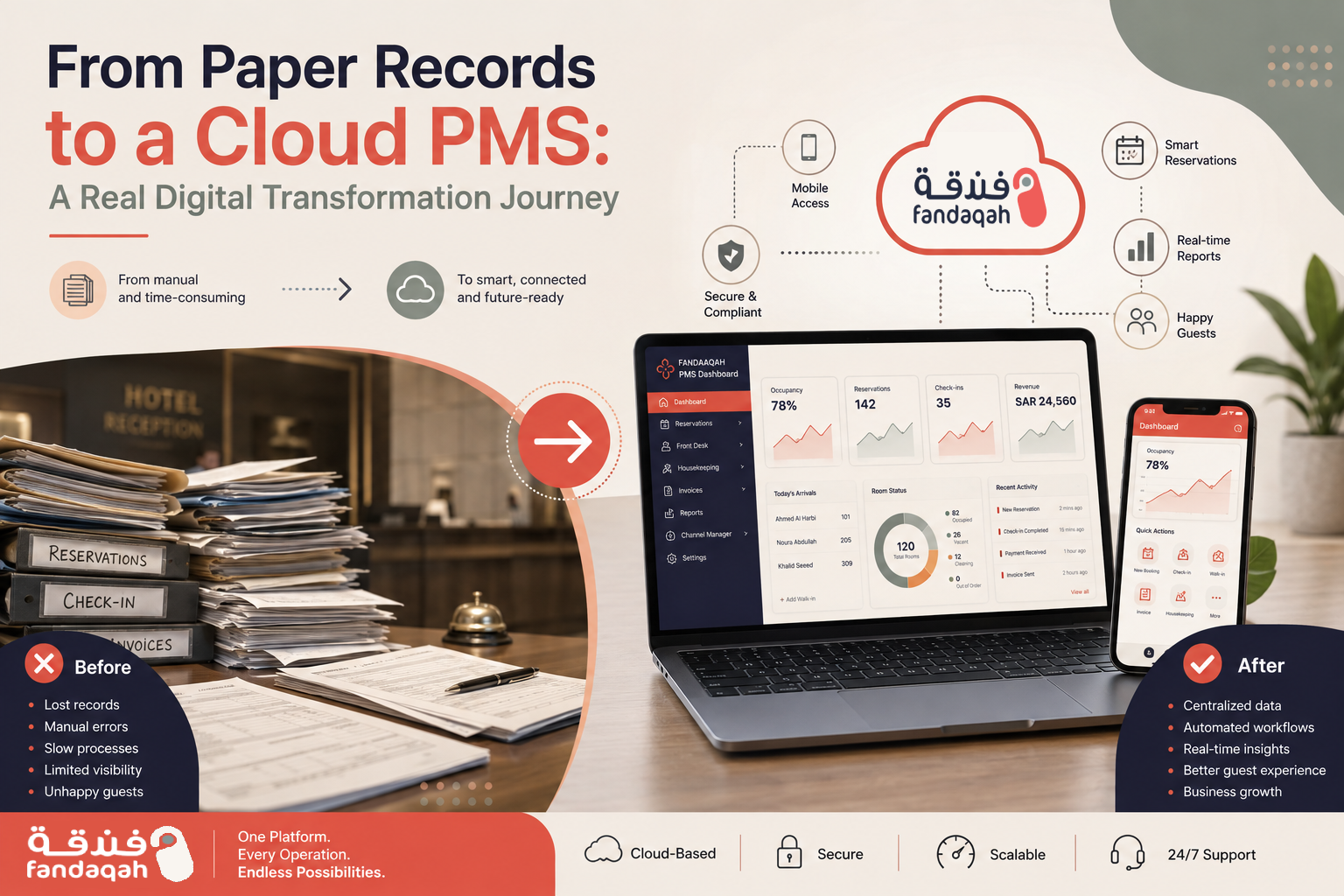
A 150‑room business hotel struggled with manual tax calculations for corporate accounts and OTAs. After implementing Fandaqah PMS, the system automatically applied 15% VAT and 5% municipality fee to every reservation based on room type and booking channel. The hotel also generated ZATCA‑compliant e‑invoices instantly. Result: Zero tax errors, 100% on‑time reporting, and saved 20 staff hours per week.
2. Pilgrim Hotel in Makkah – Handling Multiple Tax Rates
A hotel near the Grand Mosque had to apply different tax rules for domestic vs. international pilgrims (some exemptions for certain groups). Using a PMS with configurable tax rules, they set conditions for tax application. The system automatically calculated the correct taxes per booking. This eliminated manual overrides and prevented fines during ZATCA audits.
3. Resort in the Red Sea – Tourism Development Fee
A luxury resort was required to collect an additional 2% tourism development fee for a new regional initiative. Their PMS was updated within hours to include this fee on all bookings, with clear line‑item display on invoices. Guests appreciated the transparency, and the resort avoided compliance issues.
Comparison: Manual Tax Management vs Automated PMS
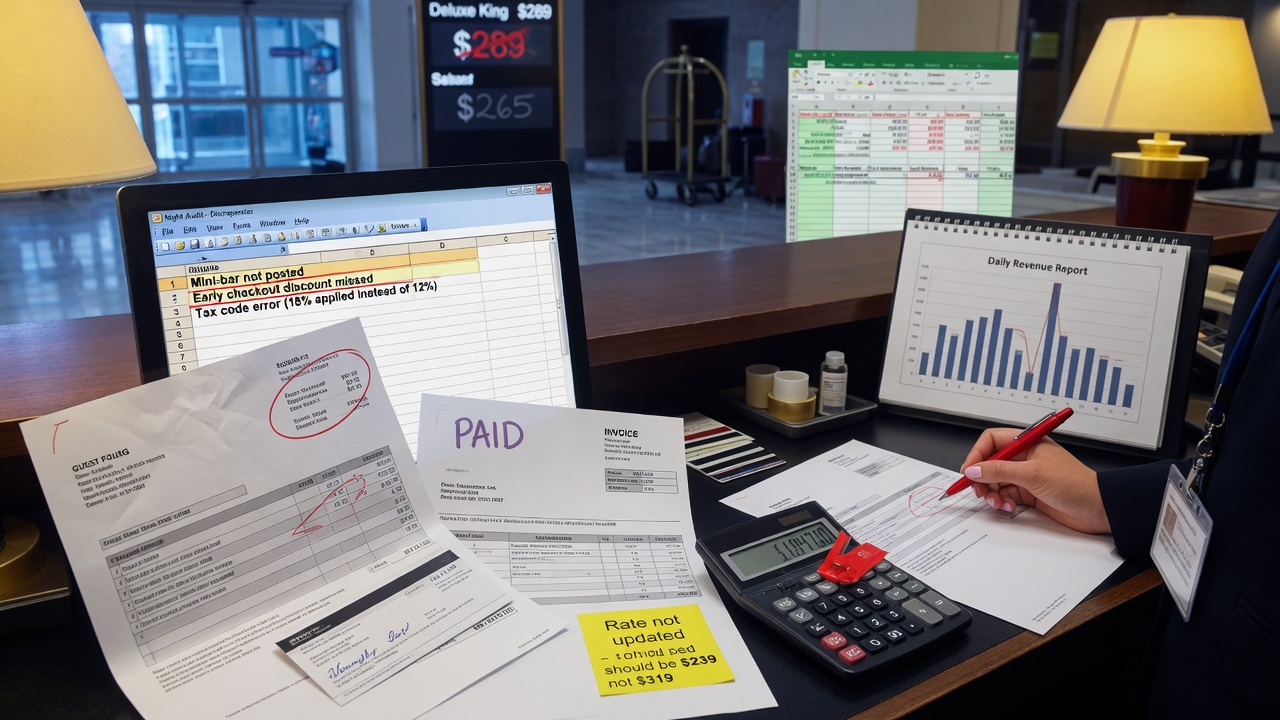
| Aspect | Manual Tax Handling | Automated PMS (e.g., Fandaqah) |
|---|
| Error rate in tax calculation | 5–10% (common) | <0.1% |
| Time spent per booking | 2–5 minutes | Seconds (automatic) |
| ZATCA e‑invoice generation | Separate software, manual entry | One‑click, real‑time, QR code |
| Municipality fee updates | Manual rate changes, error‑prone | Centralized rule update |
| Audit readiness | Paper records, scattered files | Digital log, searchable reports |
| Integration with accounting | Manual export/re‑entry | Automatic sync with accounting software |
ZATCA E‑Invoicing Phase 2: What Hotels Must Do
By June 30, 2026, all taxpayers subject to VAT in Saudi Arabia must comply with Phase 2 of ZATCA’s e‑invoicing regulation. For hotels, this means:
- Every invoice (including for walk‑in guests, OTAs, corporate accounts) must be an electronic invoice.
- Each invoice must contain a unique QR code that encodes invoice data (seller, buyer, VAT amount, total, etc.).
- Invoices must be generated through an integrated system (PMS) that connects to ZATCA’s portal.
- Invoices must be transmitted to ZATCA in real time (or within 24 hours for certain cases).
- Invoices must be encrypted and include a cryptographic stamp.
- All invoices must be stored for 6 years in a compliant format.
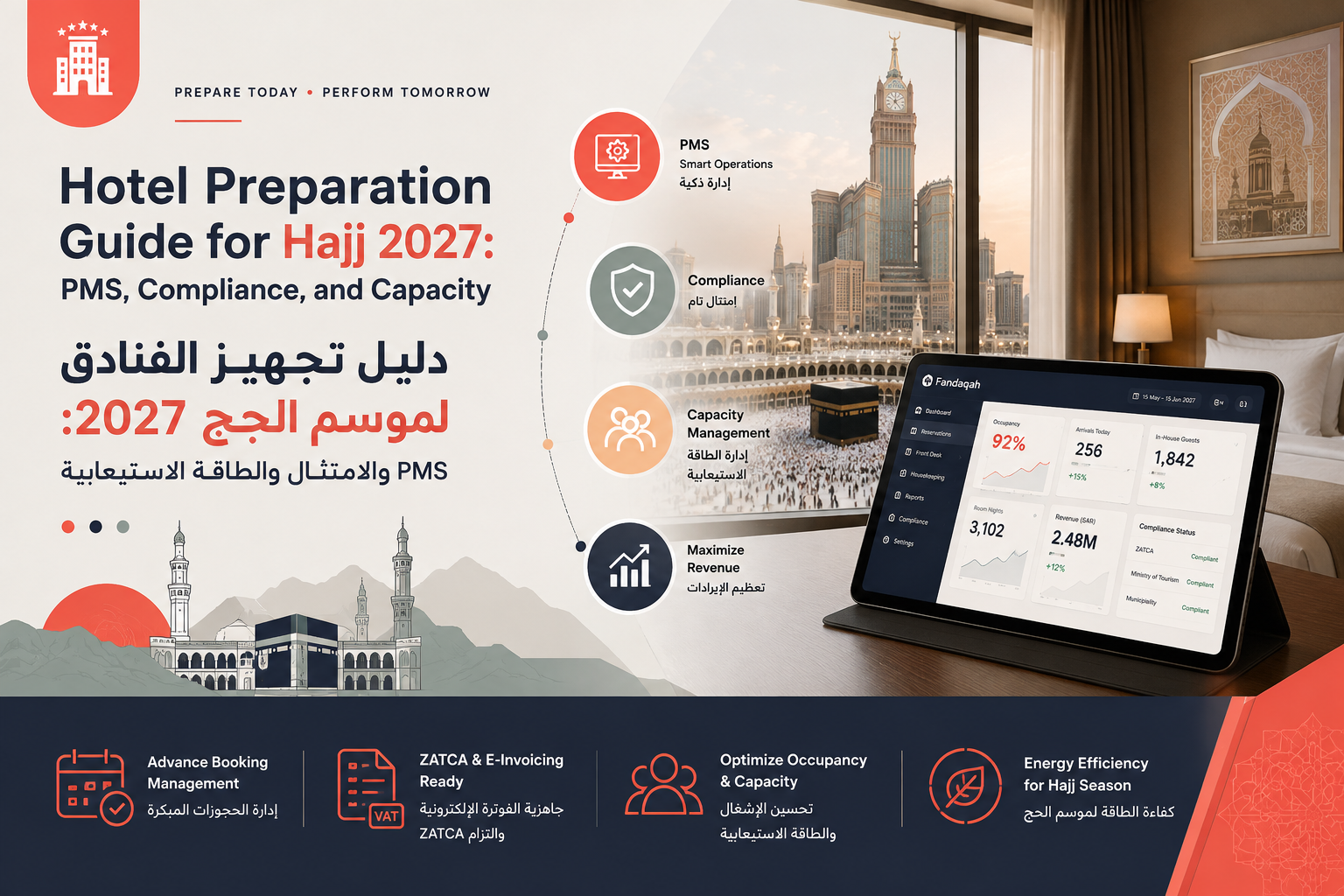
Non‑compliance can lead to fines, suspension of e‑invoice issuance, and even business closure in extreme cases. Using a PMS with native ZATCA integration (like Fandaqah) is the most reliable way to meet these requirements.
Important: Even if your hotel is small, Phase 2 applies to you. There is no exemption based on size. Start preparing now.
Future Trends: Lodging Taxes and Digital Compliance
As Saudi Arabia continues its digital transformation, several trends will shape hotel taxation:
- Real‑time tax reporting: ZATCA is moving toward near‑instantaneous transmission of every transaction. PMS systems will need to support this.
- Dynamic municipality fees: Cities may adjust tourism fees seasonally (e.g., higher during Hajj). Automated systems will handle these changes automatically.
- Unified tax dashboard: The government may provide a single portal for hotels to view all tax liabilities (VAT, municipality, tourism fees).
- AI‑powered tax audits: ZATCA will use AI to flag anomalies in hotel tax filings. Accurate automation is your best defense.
- Integration with OTAs: Direct tax data exchange between PMS and OTA platforms to eliminate manual reconciliation of commissions and taxes.
Hotels that adopt an integrated, automated PMS today will be ready for these changes and will avoid costly last‑minute upgrades.
Conclusion: Master Lodging Taxes with the Right Tools
Understanding and correctly applying lodging taxes in Saudi Arabia is essential for every hotelier. The combination of 15% VAT, municipality fees, and ZATCA e‑invoicing creates complexity that manual processes cannot handle reliably. By adopting a modern property management system with built‑in tax automation and ZATCA compliance, you can:
- Eliminate calculation errors and save staff time.
- Ensure 100% compliance with ZATCA Phase 2 deadlines.
- Automatically apply correct municipality and tourism fees per city.
- Generate QR‑coded e‑invoices instantly for every booking.
- Simplify audits and VAT return filings.
Whether you run a small hostel or a luxury resort, investing in a PMS like Fandaqah is the smartest way to stay compliant and focus on what matters — delivering great guest experiences.
Final thought: Tax compliance is not a burden when it's automated. Let technology handle the numbers while you grow your hospitality business under Vision 2030.
Ready to Simplify Your Hotel Tax Management?
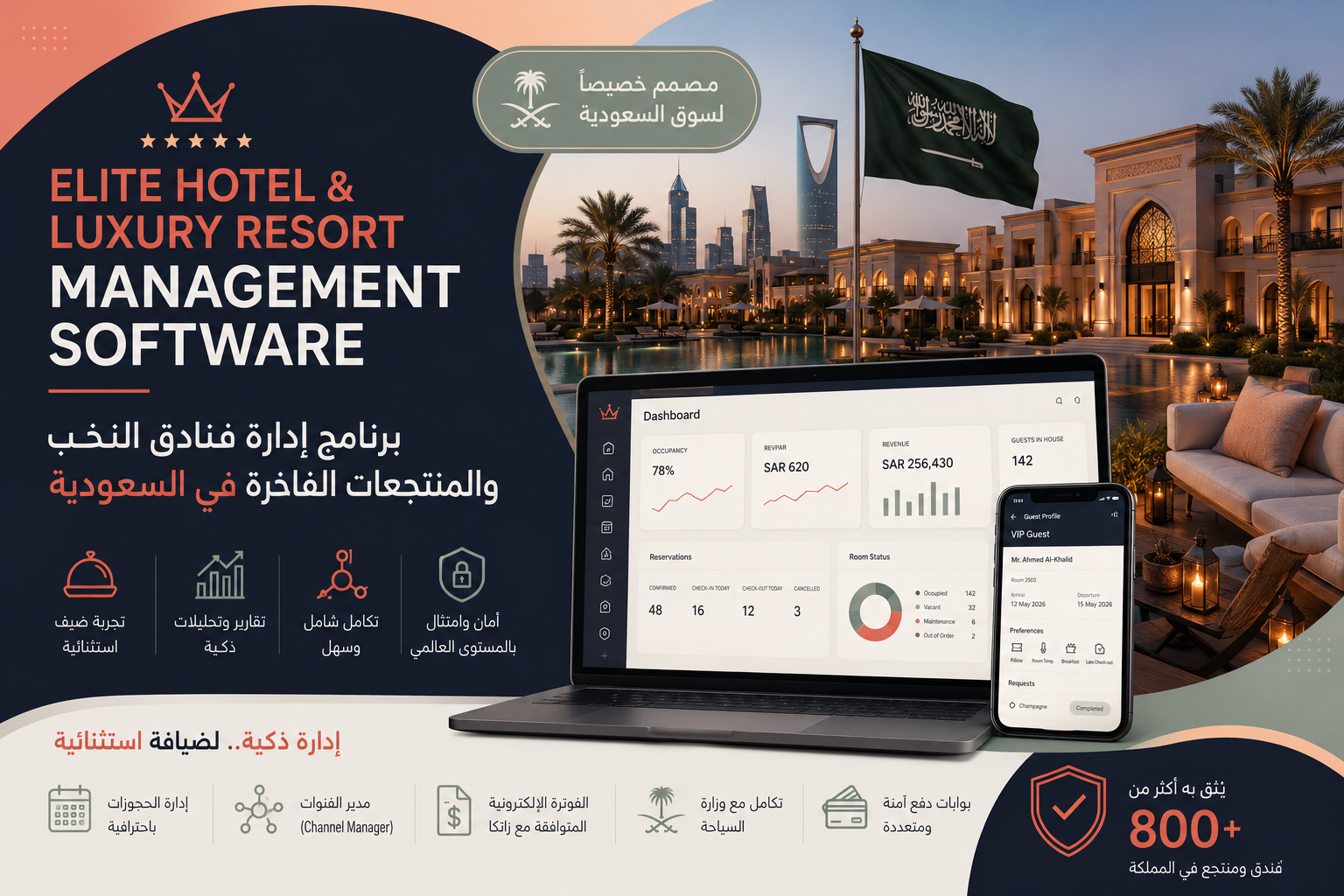
Fandaqah’s all‑in‑one property management system automates VAT calculation, municipality fees, and ZATCA e‑invoicing. Join over 800 Saudi hotels that have streamlined their tax compliance and eliminated manual errors.
Book your free demo today and see how easy tax management can be.
Get Your Free Demo Now
Trusted by 800+ Saudi properties • 15+ years of expertise • Arabic & English support