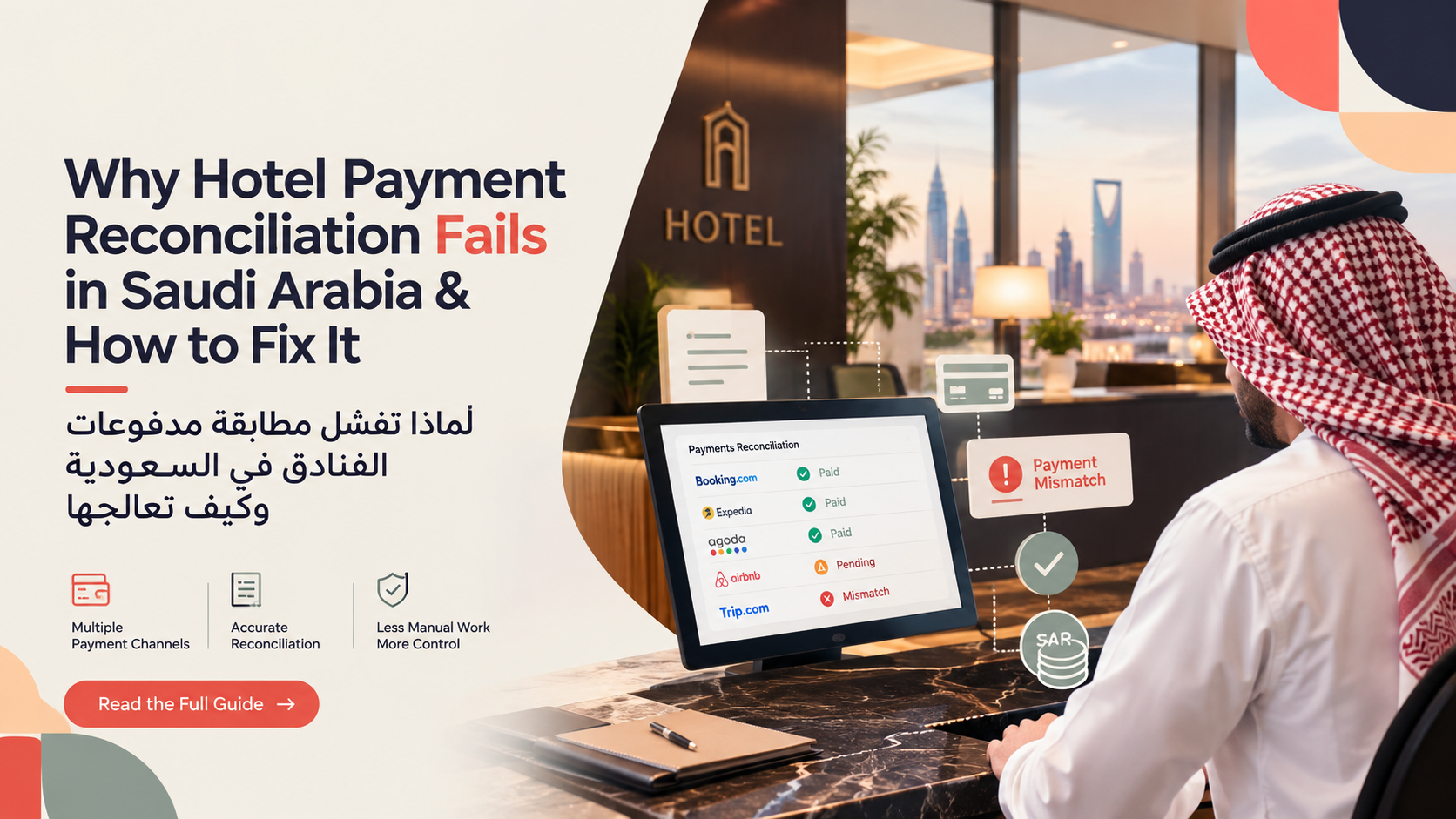
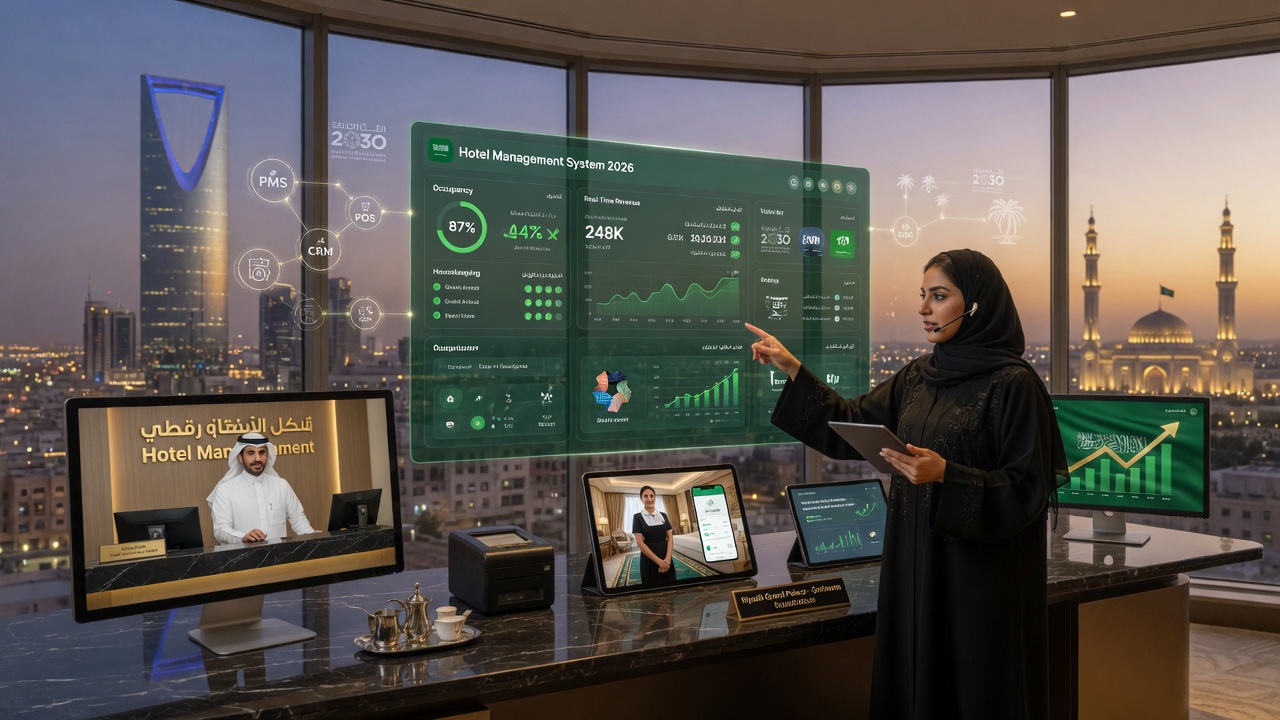
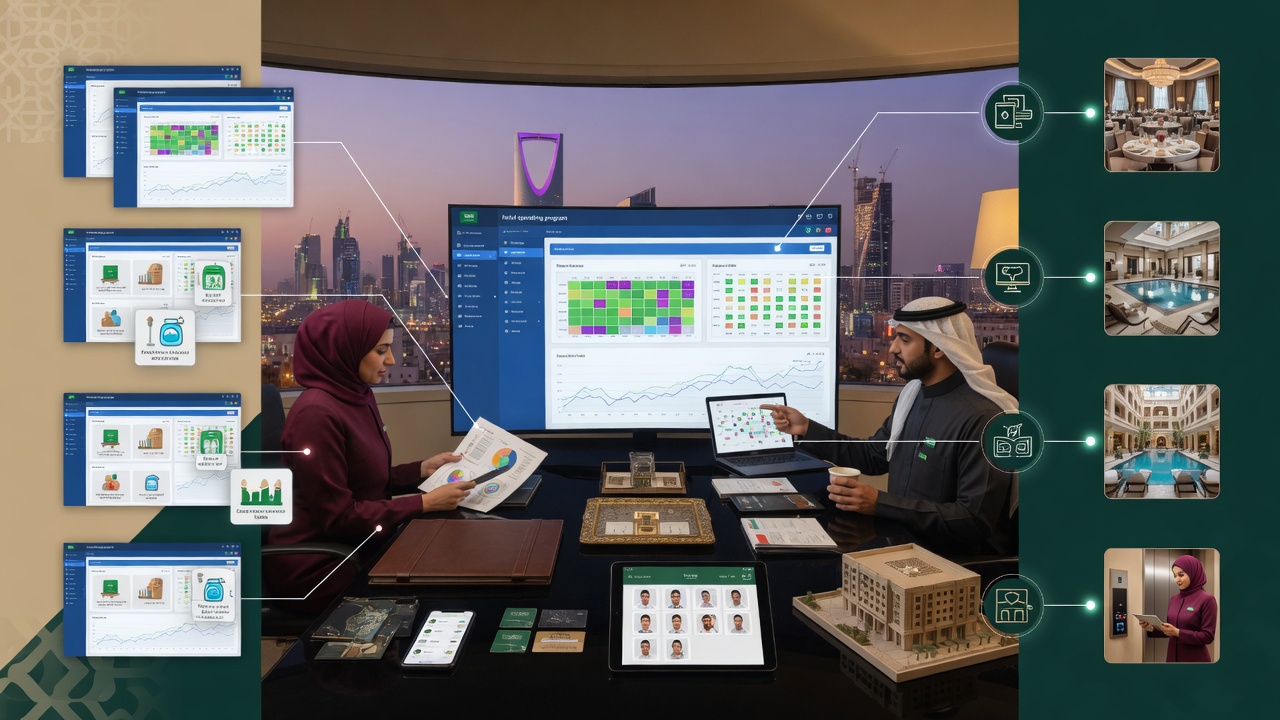
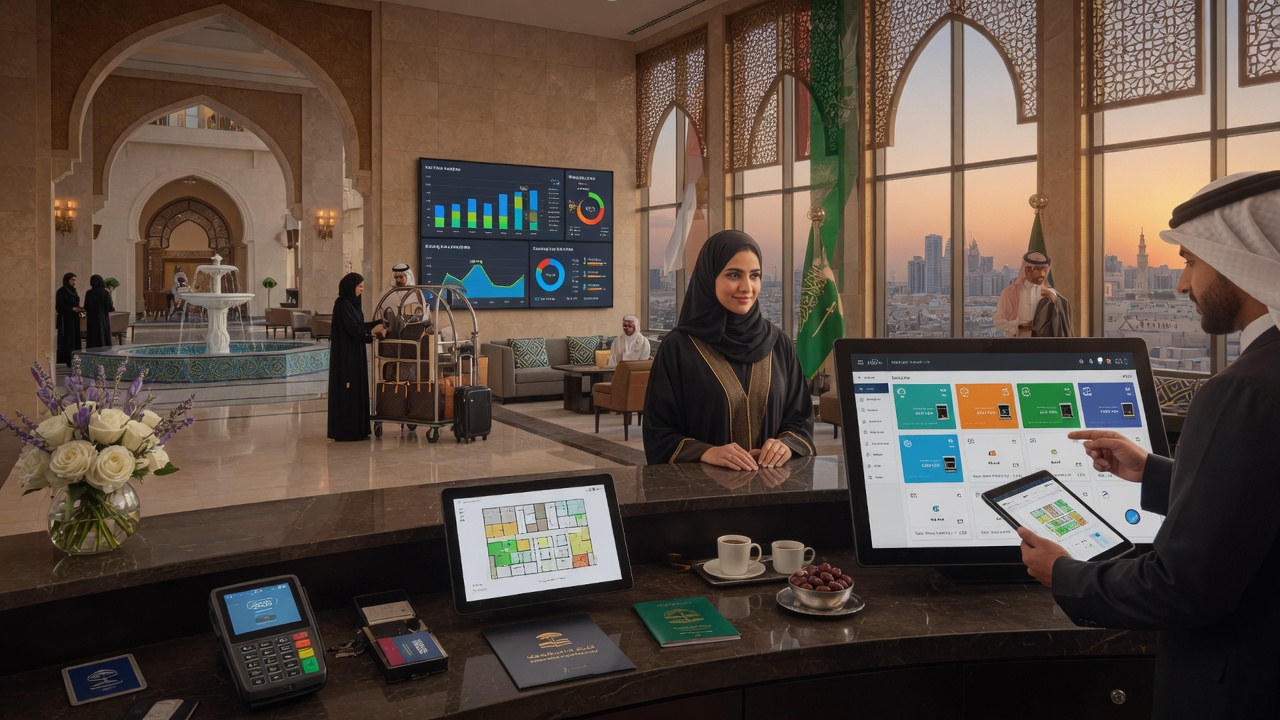
Why Hotel Payment Reconciliation Fails in Saudi Arabia and How to Fix It
Reading time: 13 minutes | Audience: Hotel owners, finance managers, controllers, and GMs operating in the Kingdom | Published by: Fandaqah.com
Every hotel in the Kingdom takes money in a dozen different ways. A guest pays a deposit online with a Visa card. Another settles at checkout with mada. A corporate account is invoiced on 30-day terms. Booking.com collects the payment and transfers it weeks later, minus commission. A tour operator wires a lump sum covering 40 rooms across two properties. By the end of the month, finance teams face a question that sounds simple but rarely is: does the money that arrived in the bank match the revenue the hotel actually earned?
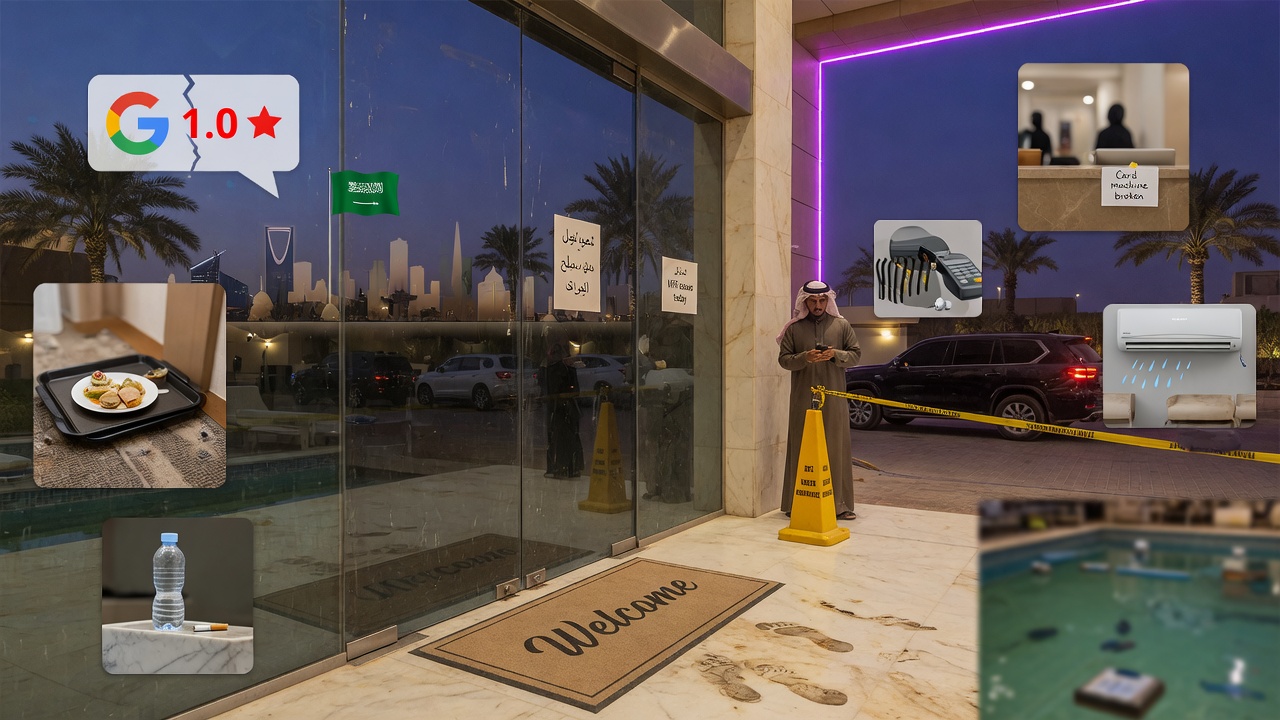
This is hotel payment reconciliation in Saudi Arabia, and in most properties it is broken. Not dramatically broken, with missing millions and police reports, but quietly broken, with unexplained variances, duplicate entries, unclaimed OTA payouts, and a finance clerk who spends the first week of every month fighting spreadsheets. The result is hotel revenue leakage: real money that was earned but never collected, or collected but never correctly recorded.
This guide explains why payment reconciliation fails in hotels, especially in the Saudi context with mada, ZATCA e-invoicing, Hajj and Umrah group billing, and rapid portfolio growth. It then shows you exactly how to fix it, with a practical checklist, a comparison of manual versus automated approaches, and real-world evidence from properties using Fandaqah.com's PMS payment reconciliation tools. If you manage hotel finances in the Kingdom, this is the guide you wish you had read a year ago.
Quick Answer
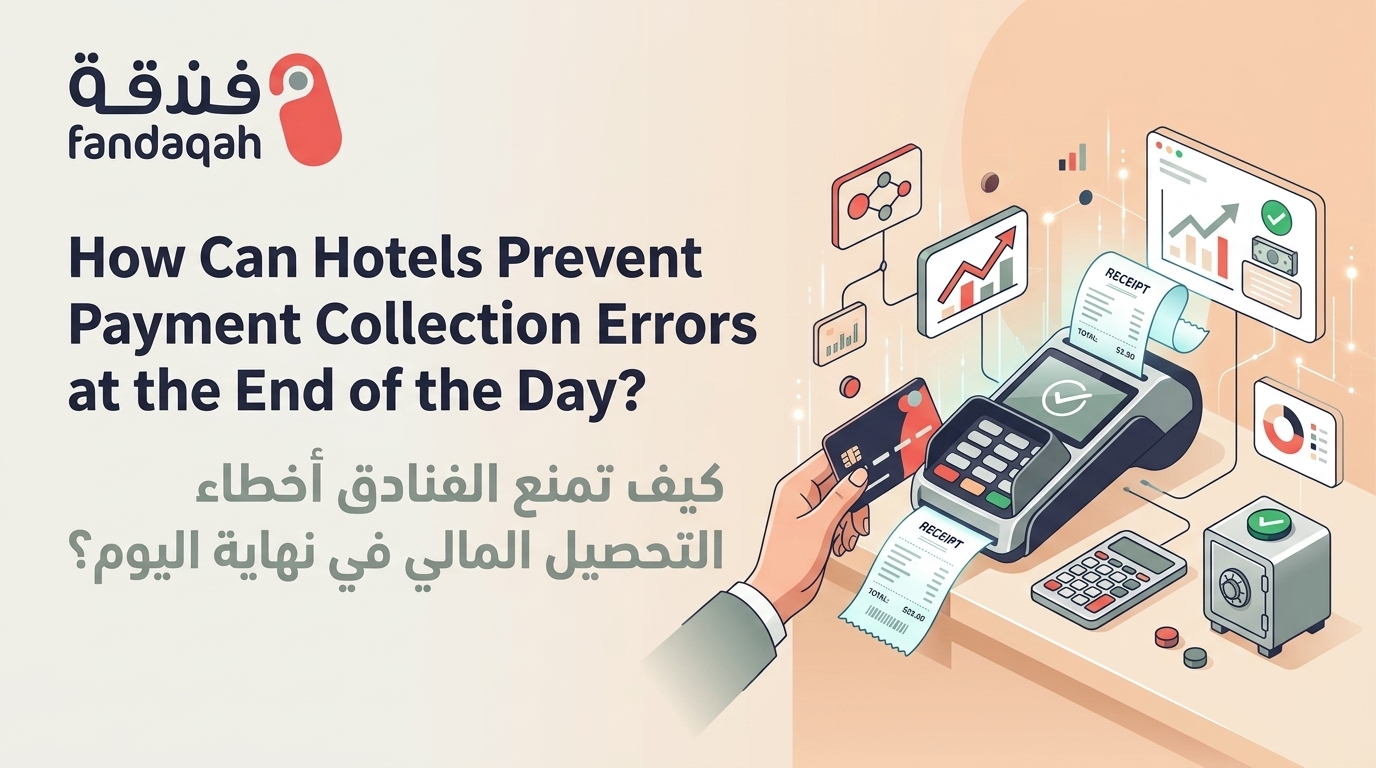
Hotel payment reconciliation fails because payments arrive from many channels (mada, credit cards, OTAs, bank transfers, cash, corporate invoices) at different times, in different amounts, and with different reference numbers than the original booking. The fix is to connect your PMS, payment gateway, and bank data in one system, match transactions automatically by booking reference, and investigate only the exceptions. Hotels that make this shift typically cut reconciliation time from days to hours and recover revenue they did not know they were losing.
What Is Hotel Payment Reconciliation and Why Does It Matter?
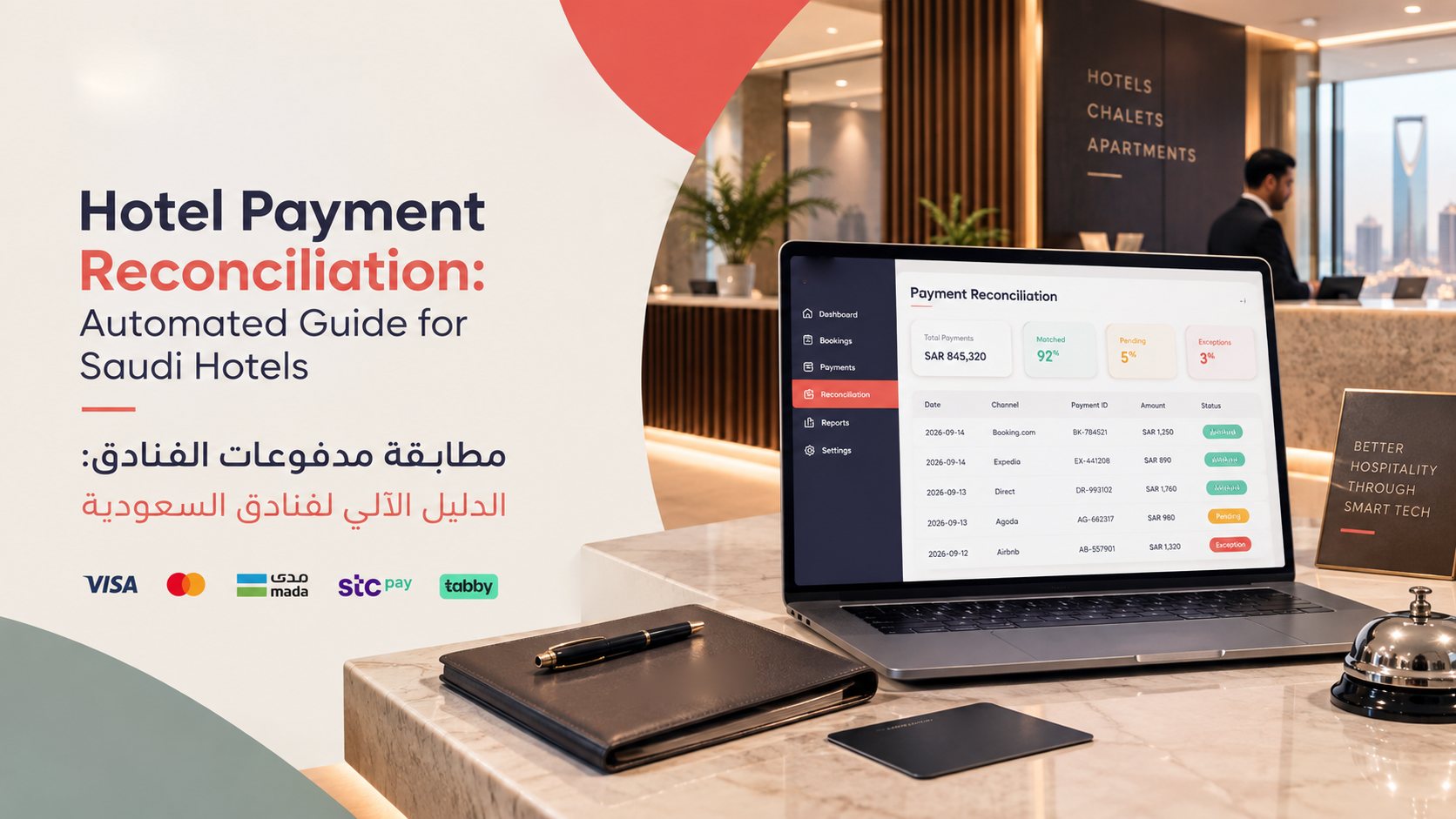
Hotel payment reconciliation is the process of matching every payment a hotel receives against the reservation, folio, or invoice it belongs to, and then matching those totals against what actually lands in the bank account. When reconciliation is done well, three numbers agree: the revenue recorded in the property management system (PMS), the settlements reported by payment processors and OTAs, and the deposits shown in the bank statement.
When these three numbers do not agree, you have a variance. Small variances are normal. Large or recurring variances are a warning sign that money is leaking, being double-counted, or sitting unclaimed with a third party.
The three layers of reconciliation
- Folio-level reconciliation: Does each guest folio balance to zero after all charges and payments? This is the job of the night audit.
- Processor-level reconciliation: Do the daily card batches (mada, Visa, Mastercard, Apple Pay, Amex) and OTA virtual card charges match the payments posted in the PMS?
- Bank-level reconciliation: Do the net settlements from acquirers, OTA payouts, and corporate transfers match the deposits in the bank, after fees and commissions?
Most hotels do the first layer reasonably well. Many struggle with the second. Very few do the third properly without heavy manual effort. That gap is where revenue leakage lives.
Why it matters more in Saudi Arabia
The Saudi hospitality market has characteristics that make reconciliation harder than in many other countries:
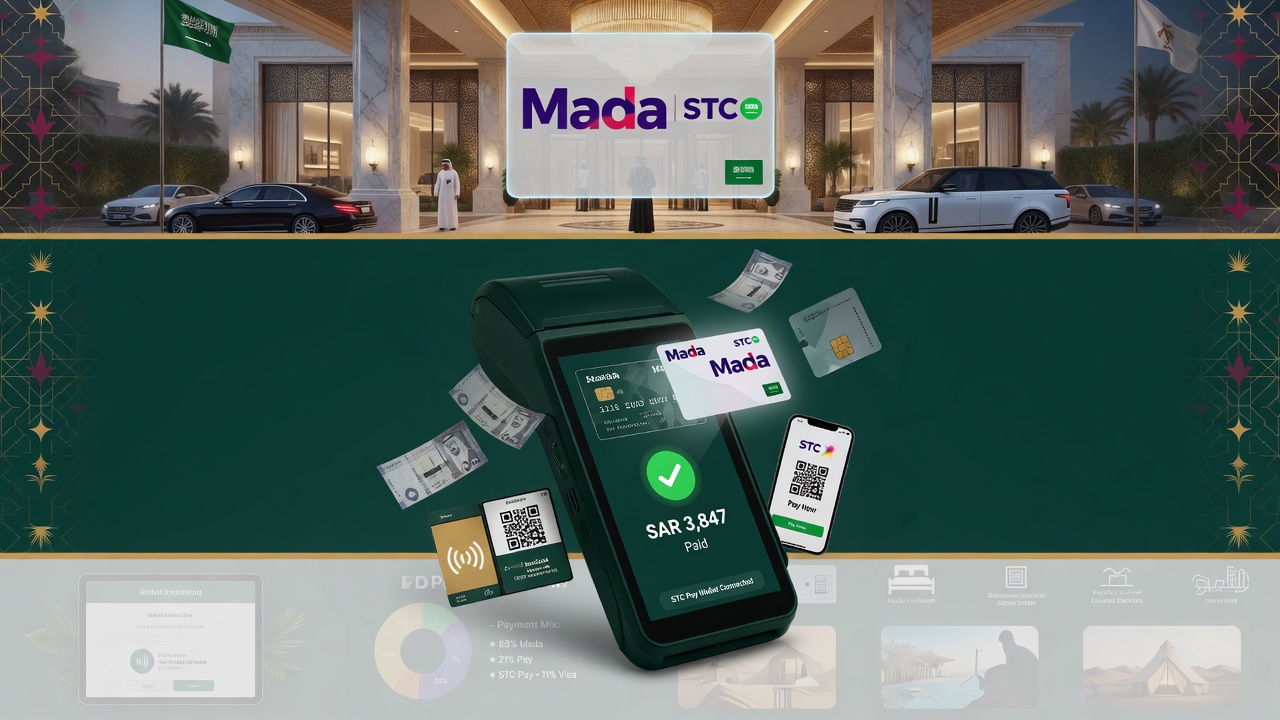
- mada dominance: mada is the Kingdom's national debit network and the most common way domestic guests pay. mada transactions settle through local acquirers with their own fee structures and batch timings, separate from international card schemes.
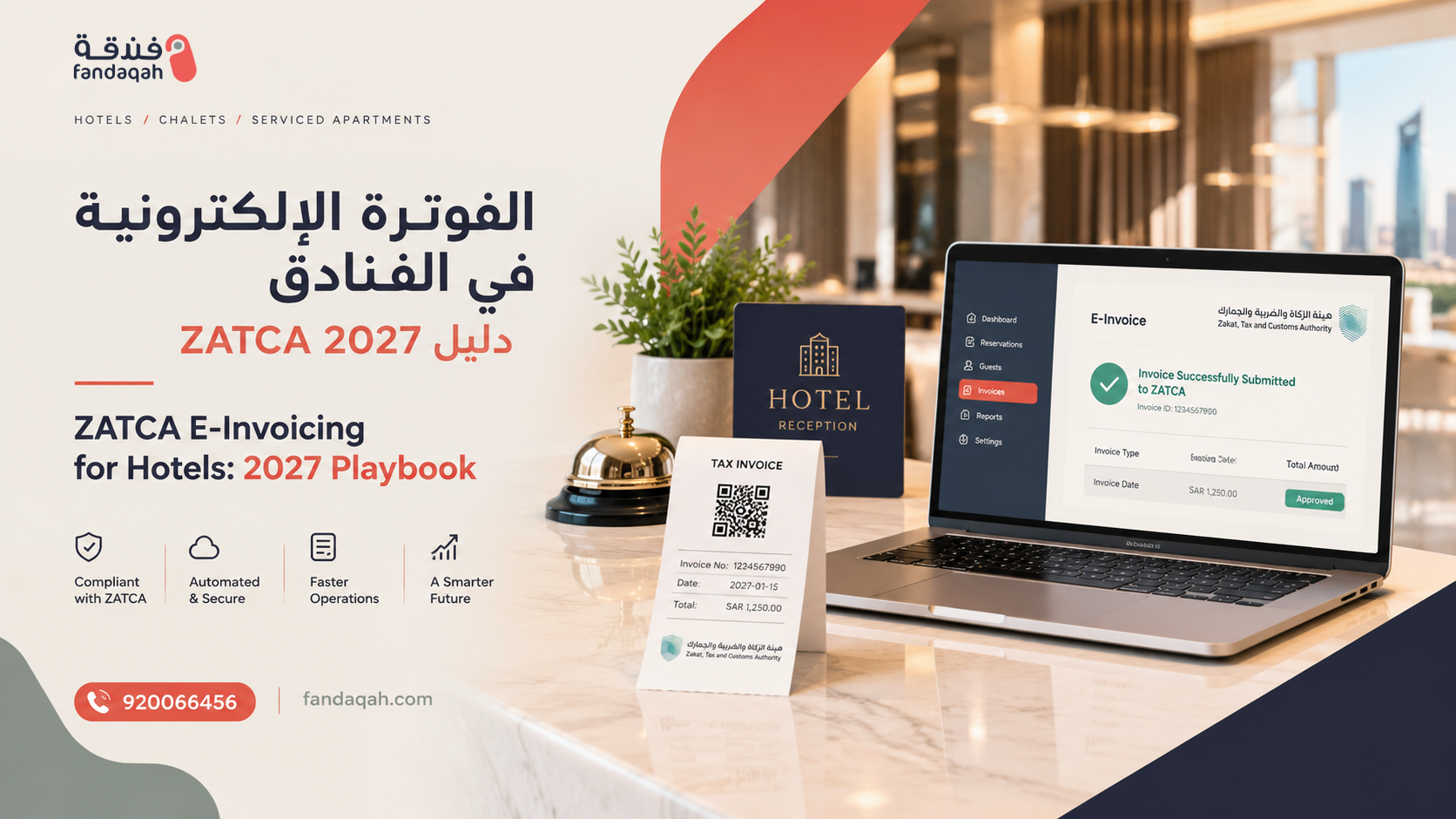
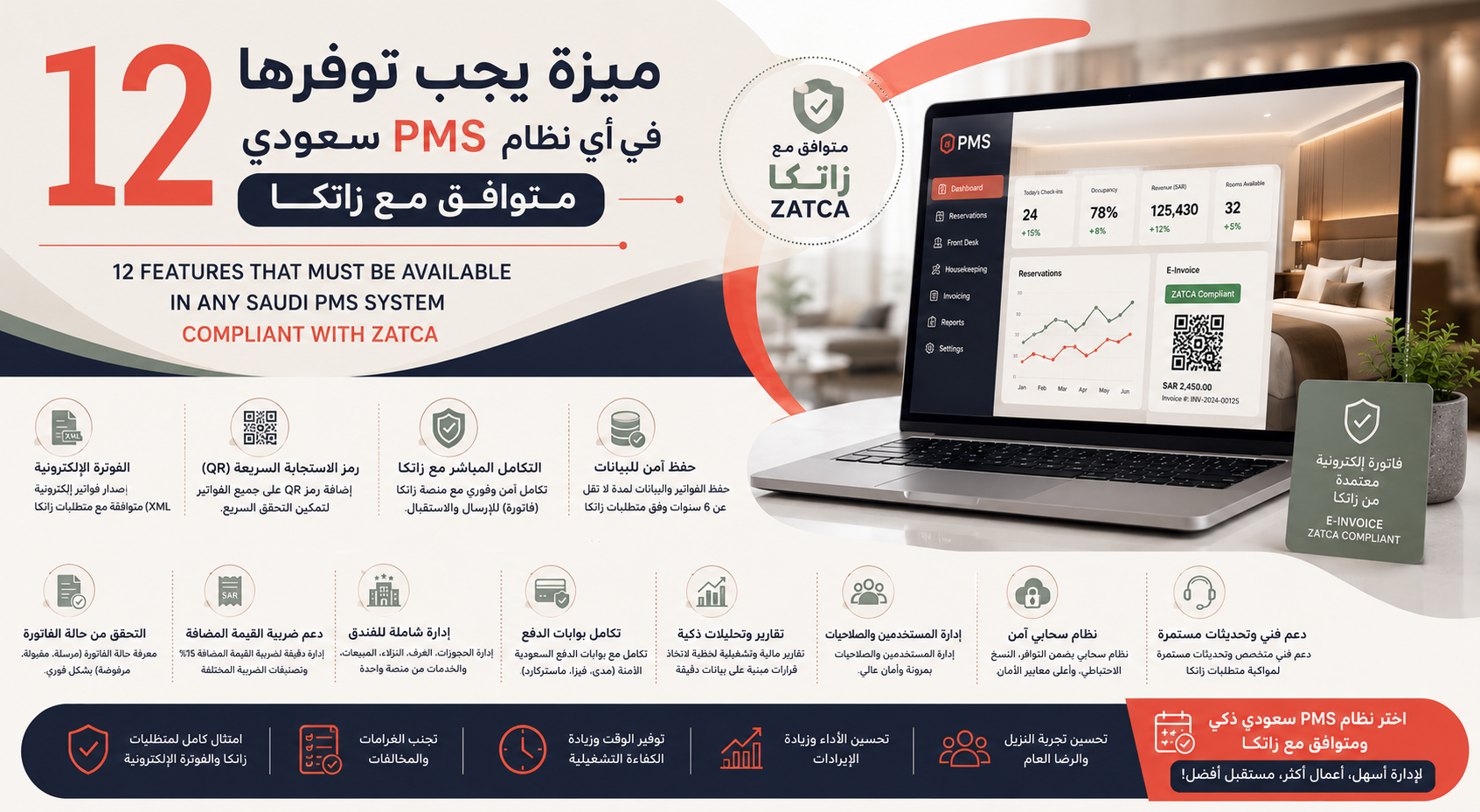
- ZATCA e-invoicing: Every tax invoice must be issued through a compliant system, with a QR code and, in Phase 2, reported or cleared with the Zakat, Tax and Customs Authority. A payment that does not match an invoice is not just an accounting problem; it is a compliance risk.
- Group and pilgrim billing: Hotels in Makkah and Madinah receive large lump-sum transfers from Umrah operators covering dozens of rooms, often across multiple properties and dates. Allocating one payment to many folios is a classic reconciliation headache.
- Rapid growth: Operators are adding properties quickly to meet Vision 2030 demand. Each new hotel adds a new bank account, a new acquirer agreement, and a new set of OTA contracts.
- Municipality fees and VAT: Room revenue carries 15% VAT plus municipality fees. Reconciliation must separate gross receipts from tax liabilities correctly.
Why Hotel Payment Reconciliation Fails: The Seven Root Causes
After working with hotels across Riyadh, Jeddah, Makkah, Madinah, and the Eastern Province, the Fandaqah.com team has seen the same failure patterns again and again. Here are the seven that matter most.
1. Too many payment channels, no single view
A typical Saudi hotel accepts payment through a POS terminal at the front desk, an online payment gateway on its booking engine, OTA virtual credit cards, direct bank transfers, cash, and corporate credit. Each channel reports in its own portal, in its own format, on its own schedule. Finance teams end up logging into six systems and copying numbers into one spreadsheet.
2. Reference numbers do not match
The PMS knows the booking as reservation #45821. The payment gateway knows it as transaction TXN-9F3A. The bank sees a batch deposit with no booking reference at all. The OTA knows it by its own confirmation number. Without a system that links these identifiers, matching becomes guesswork.
3. Timing differences
A mada payment taken on Thursday may settle on Sunday. An OTA payout for a stay in March may arrive in April, netted against commissions and adjustments for several other bookings. Corporate invoices are paid 30 to 60 days later, often in partial amounts. When money and revenue are recorded in different periods, month-end never balances cleanly.
4. OTA commissions and virtual card complexity
OTA commission reconciliation is one of the biggest sources of leakage. Some OTAs collect payment from the guest and pay the hotel later, minus commission. Others issue a virtual credit card that the hotel must charge on the check-in date, and the card may fail if charged too early or too late. Hotels routinely forget to charge virtual cards, charge the wrong amount, or fail to dispute incorrect commission deductions.
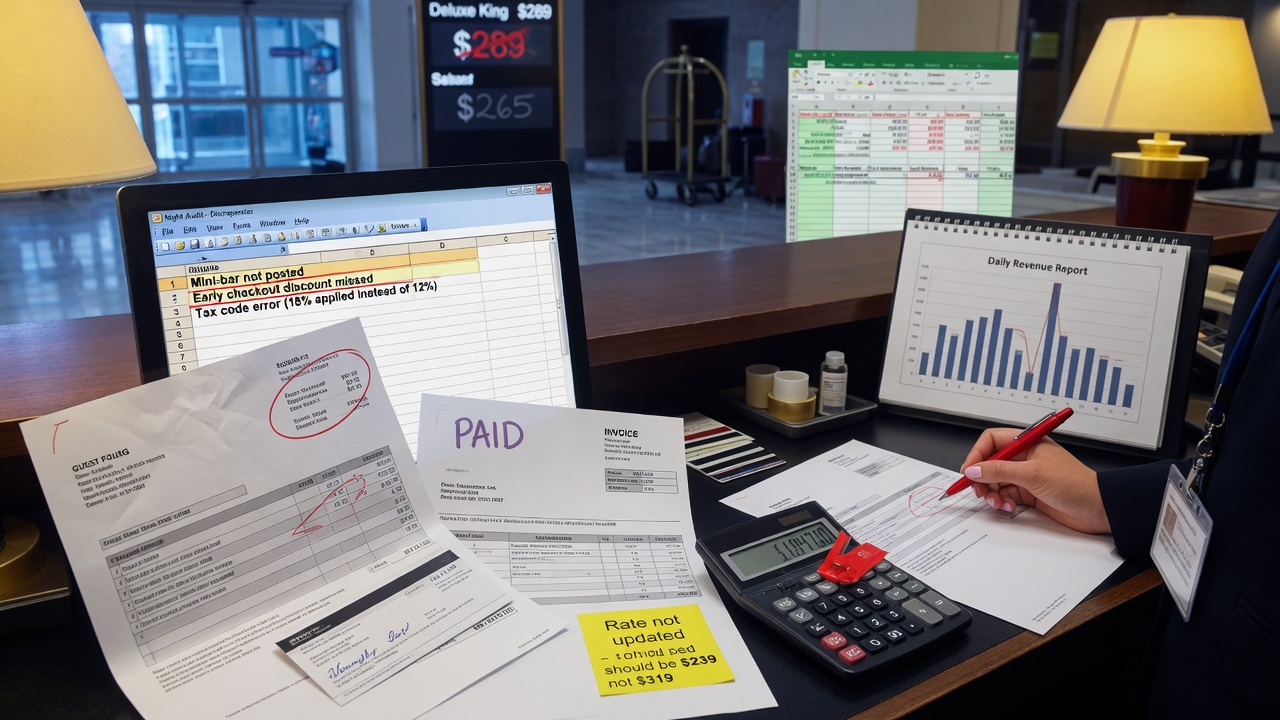
5. Manual night audit errors
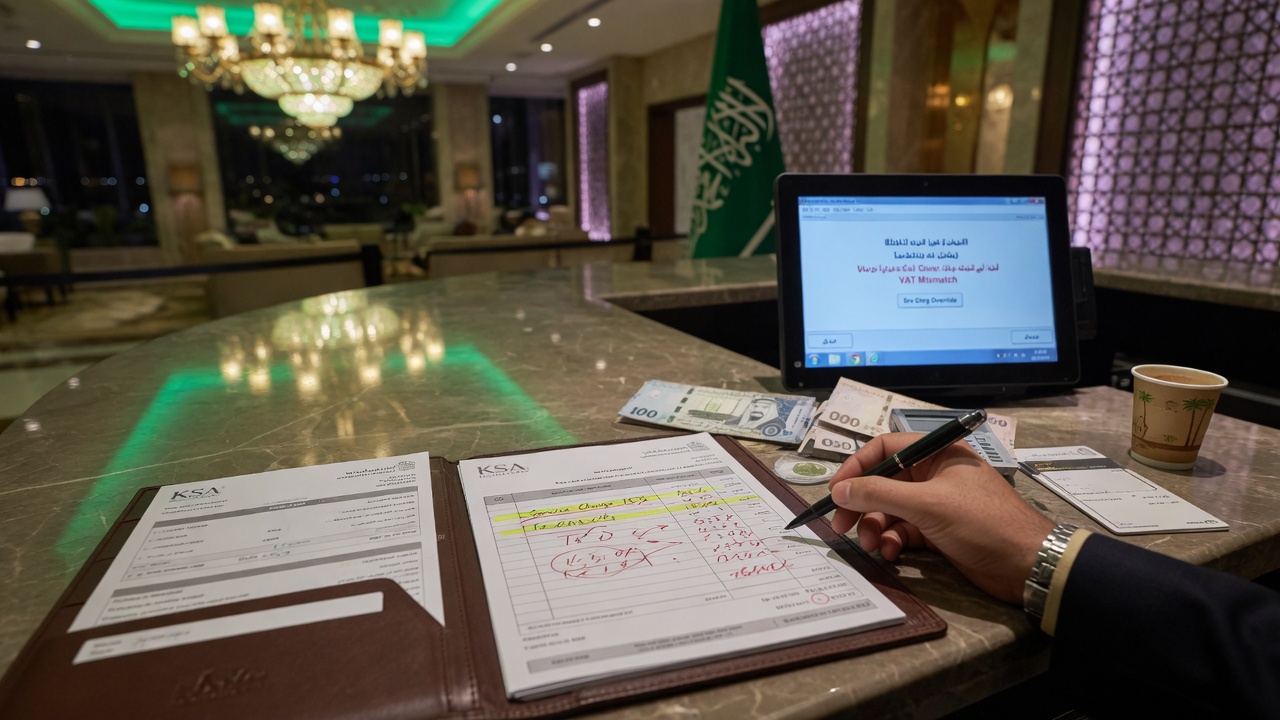
The night auditor is often the most overworked person in the hotel. Posting payments to the wrong folio, entering a mada payment as a credit card, or forgetting to post a late charge all create variances that surface weeks later. In hotels running separate systems per property, these errors multiply.
6. Refunds, chargebacks, and adjustments
Refunds for cancellations, chargebacks from disputed card payments, and manual price adjustments all create negative entries that must be matched back to the original transaction. Many hotels record the refund in the PMS but never confirm it left the bank, or vice versa.
7. Spreadsheets as the system of record
When the final reconciliation lives in an Excel file on one person's laptop, there is no audit trail, no version control, and no way for owners or auditors to verify the work. If that person leaves, the knowledge leaves with them.
"A hotel does not lose money in one big mistake. It loses money in three hundred small ones that nobody had time to find."
— Finance controller, four-property group in Riyadh, after their first automated reconciliation month on Fandaqah.com
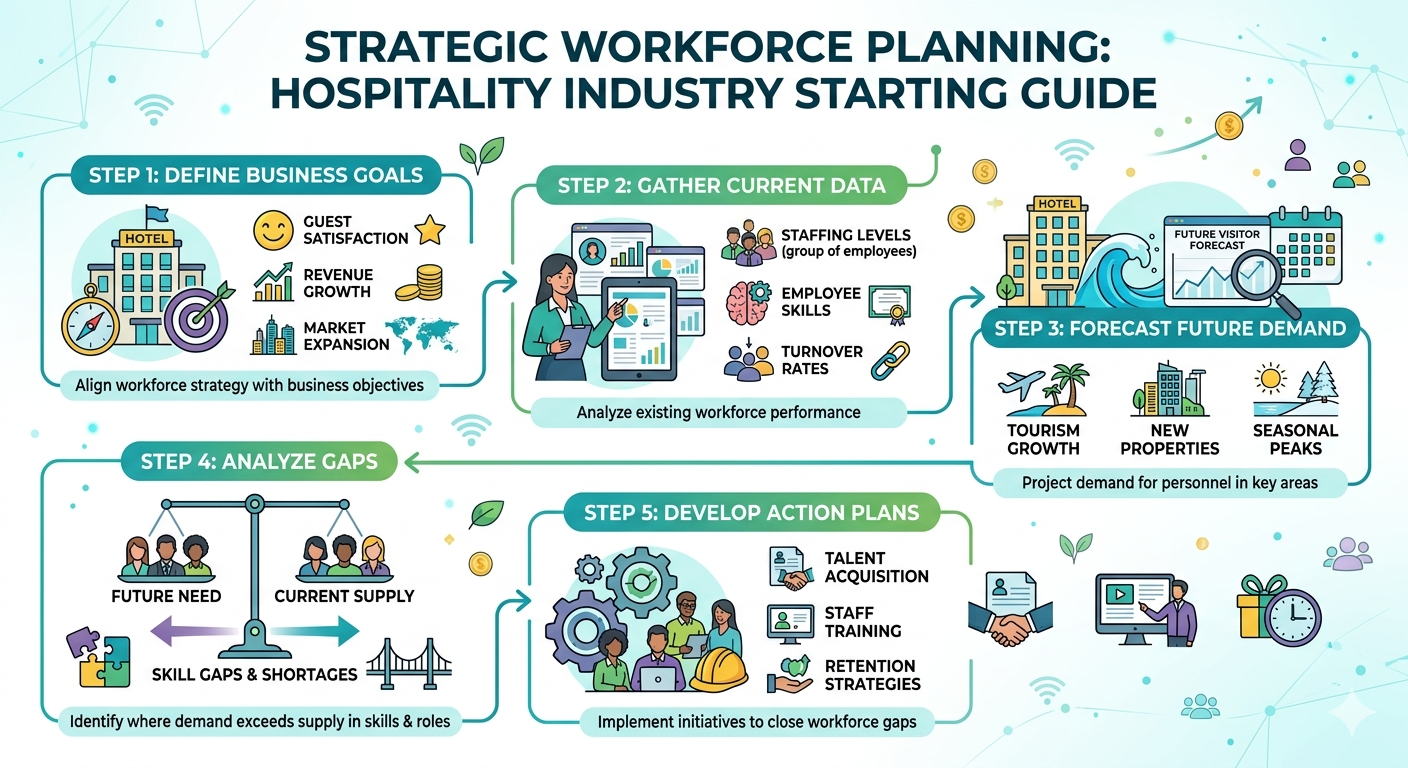
How to Fix Payment Reconciliation in Saudi Hotels: A Step-by-Step Framework
Fixing reconciliation is not about hiring more accountants. It is about changing the architecture of how payment data flows through your hotel. Here is a framework you can start applying this month.
Step 1: Map every payment channel
List every way money enters your hotel: each POS terminal, each online gateway, each OTA (and whether it is hotel-collect or OTA-collect), each bank account, cash drawers, and corporate credit arrangements. For each, note who owns the login, how often it reports, and what reference number it uses. Most hotels discover channels they had forgotten about during this exercise.
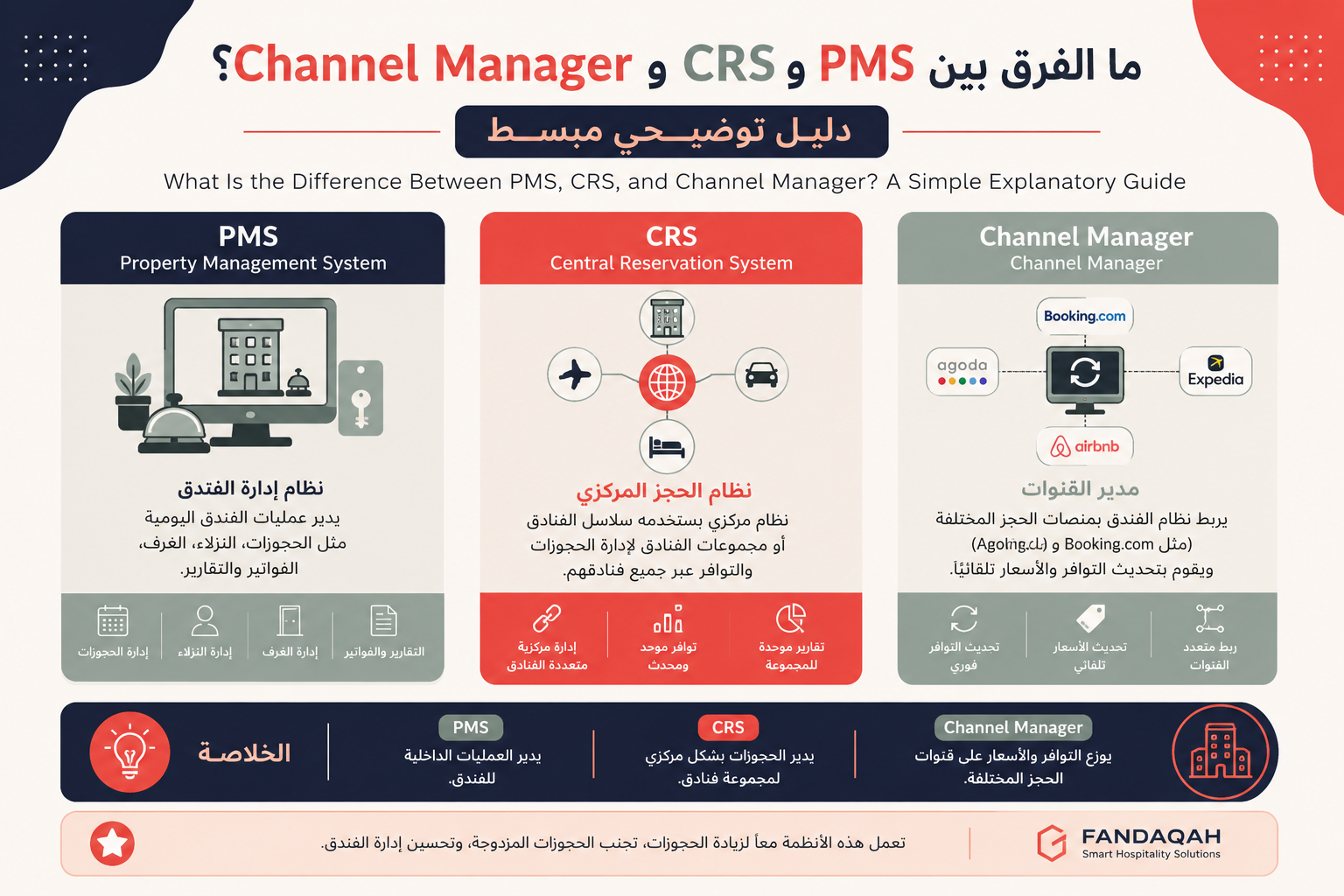
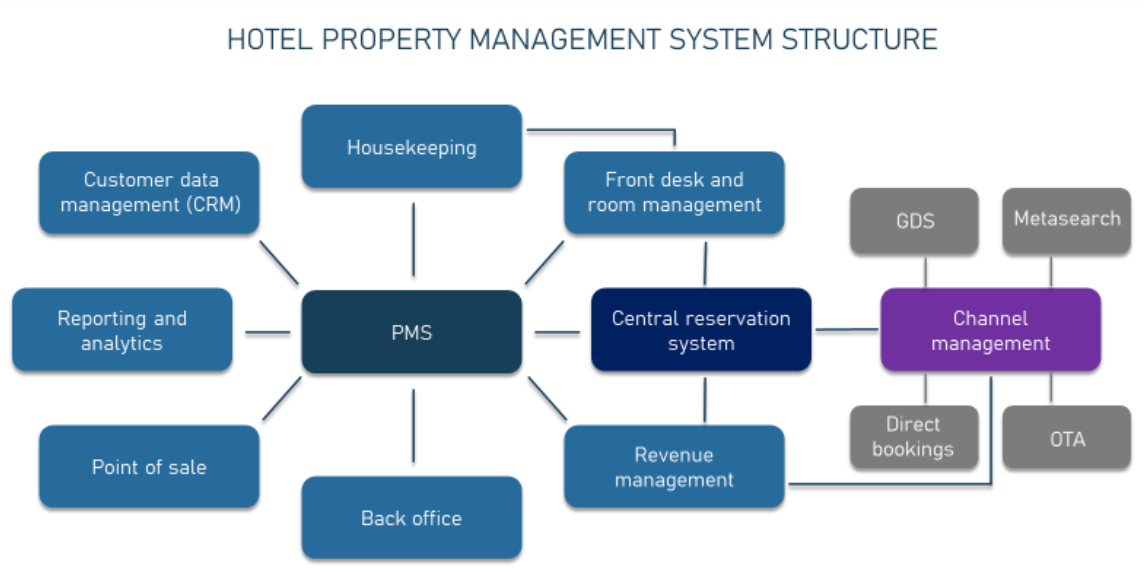
Step 2: Make the PMS the single source of truth
Every payment, regardless of channel, must be posted to a folio in the PMS with the channel, method, and external reference recorded. No payment should exist only in a gateway portal or only in a bank statement. This is the foundation of PMS payment reconciliation.
Step 3: Integrate the payment gateway directly
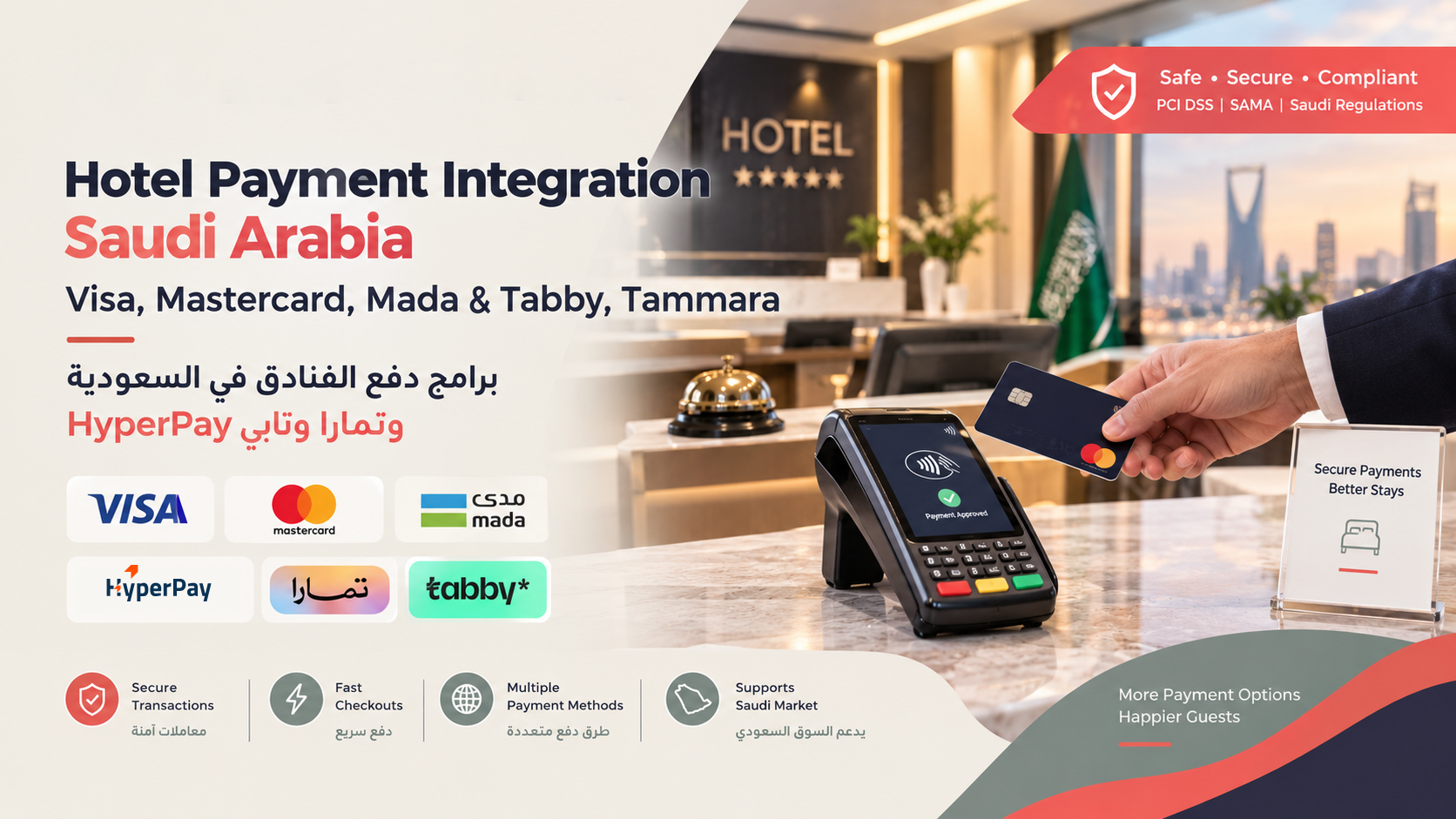
When your booking engine and front-desk payments run through a gateway integrated with the PMS, the transaction ID is stored on the folio automatically. Fandaqah.com's integrated payments module does this for mada, Visa, Mastercard, Apple Pay, and STC Pay, so the match between payment and booking is created at the moment of payment, not reconstructed weeks later.
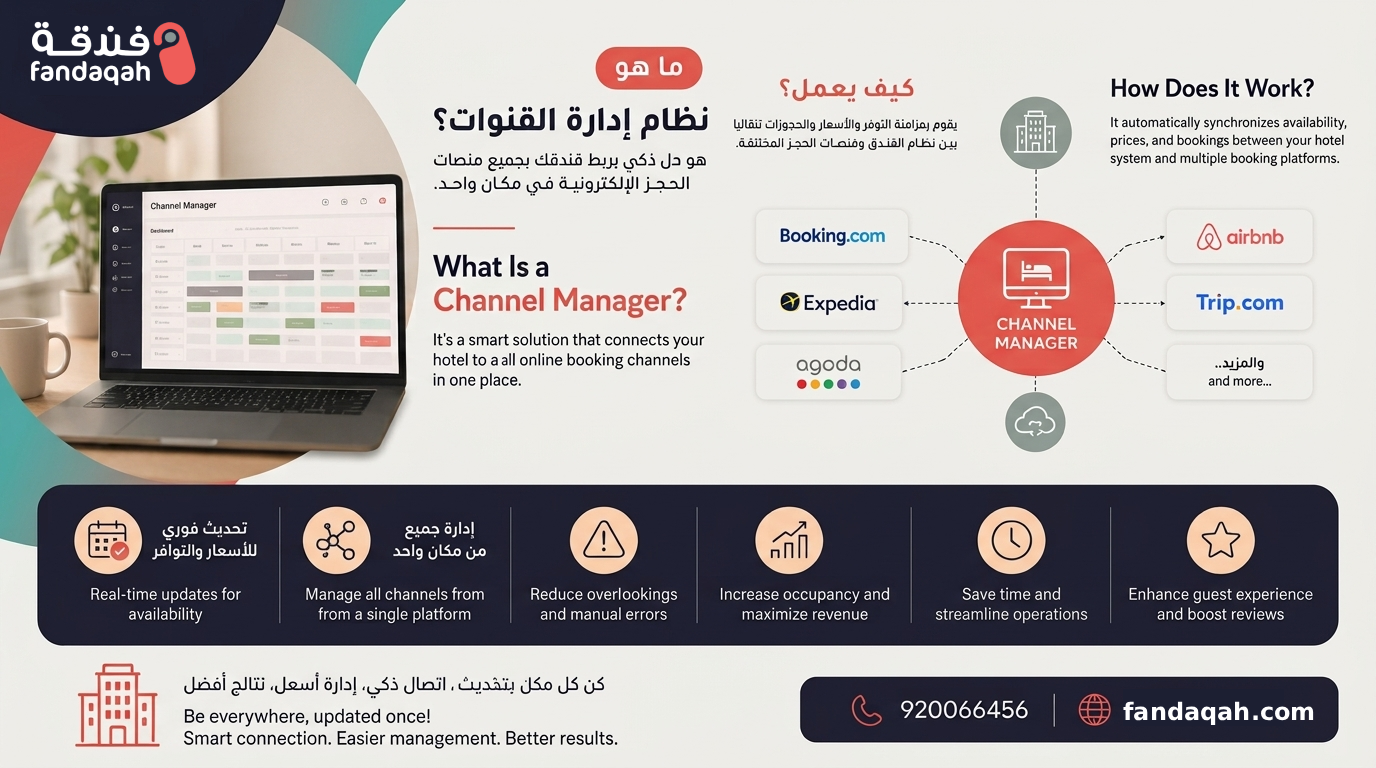
Step 4: Automate OTA payout matching
Import OTA payout statements and match them line by line to reservations. Flag any booking where the payout is lower than expected, any commission that exceeds the contracted rate, and any virtual card that was never charged. These flags are your recovery opportunities.
Step 5: Reconcile to the bank, not just to the processor
Import bank statements and match net deposits to processor settlement reports. The difference should equal fees and chargebacks. If it does not, you have a missing deposit or an unexplained debit to investigate.
Step 6: Investigate exceptions only
With matching automated, the finance team's job changes from "check everything" to "investigate what did not match." This is where human judgment adds value: calling the OTA about a short payout, chasing a corporate account, or correcting a mis-posted folio.
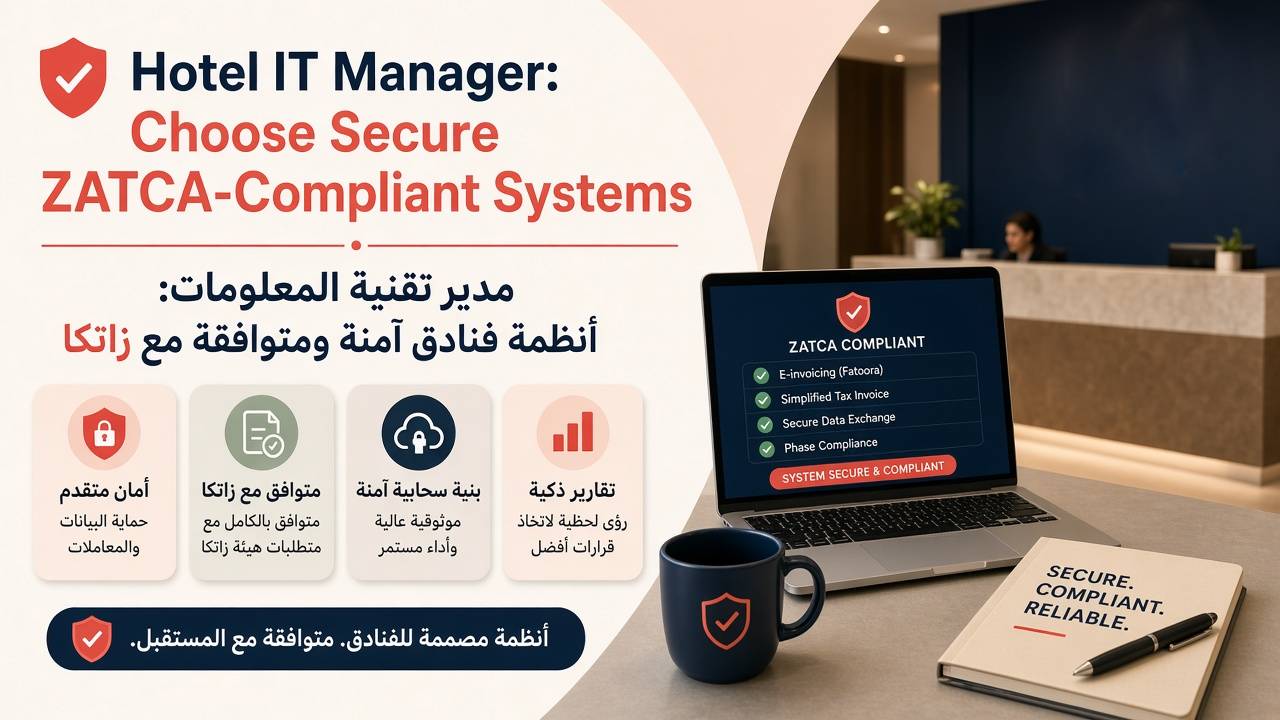
Step 7: Link every payment to a ZATCA-compliant invoice
In the Saudi context, a reconciled payment must correspond to a valid tax invoice or credit note. Your system should flag payments without invoices and invoices without payments, so compliance and cash collection are checked together.
Hotel Payment Reconciliation Checklist for Saudi Hotels
- Every payment channel documented with owner and reference format
- All payments posted to PMS folios with external transaction IDs
- Payment gateway integrated with PMS (mada, cards, wallets)
- OTA payouts imported and matched to reservations monthly
- Virtual credit cards charged on schedule with alerts for failures
- Bank statements imported and matched to settlements
- Refunds and chargebacks traced to original transactions
- Every payment linked to a ZATCA-compliant invoice or credit note
- Exceptions reviewed within 48 hours, not at month-end
- Audit trail available for owners and external auditors
Key Features of Effective Hotel Payment Reconciliation Software
If you decide to move from spreadsheets to hotel payment reconciliation software, these are the capabilities that matter. This is also an honest summary of what Fandaqah.com's finance module was built to do.
- Native PMS integration: Reconciliation that lives inside the PMS, not in a separate tool that needs its own data exports.
- Multi-method support: mada, international cards, Apple Pay, STC Pay, bank transfer, cash, and OTA virtual cards handled as distinct payment types with their own settlement rules.
- Automatic transaction matching: Match by booking reference, amount, date, and card last-four digits, with confidence scoring for partial matches.
- OTA statement import: Upload or connect payout statements from major OTAs and match to reservations with commission variance detection.
- Bank statement import: Support for Saudi bank statement formats to complete the final reconciliation layer.
- Exception dashboard: A single screen showing unmatched payments, unpaid folios, uncharged virtual cards, and short payouts, sorted by value.
- ZATCA linkage: Every payment visibly tied to its e-invoice status, with alerts for gaps.
- Multi-property consolidation: Reconcile each property independently and view group totals, essential for operators with several hotels.
- Full audit trail: Who matched what, when, and why, available for owners and auditors.
- Arabic and English interface: So finance teams and auditors can work in their preferred language.
The business benefits
- Recovered revenue: Uncharged virtual cards and short OTA payouts are found and claimed.
- Faster month-end: Reconciliation that took five to seven days compresses to one or two.
- Lower compliance risk: Payments and invoices checked together, reducing ZATCA exposure.
- Owner confidence: Clean, auditable numbers delivered on time build trust with investors.
- Staff redeployment: Finance time moves from data entry to analysis and collection.
Use Cases: Fixing Payment Reconciliation in Saudi Hotels
The following cases are drawn from Fandaqah.com client experiences. Property names are withheld and figures are rounded, but the patterns are real and repeatable.
Case 1: The Makkah hotel and the unallocated Umrah transfers
A 320-room hotel near the Haram received dozens of bank transfers each week from Umrah operators, each covering a group of rooms with varying check-in dates. Finance manually split each transfer across folios, and at any time roughly SAR 400,000 sat in a suspense account waiting to be allocated. Operators disputed balances, and the hotel could not say with confidence who had paid for what.
The fix: Group bookings were created in Fandaqah.com with a master folio per operator and per arrival. Incoming transfers were matched to master folios by operator name and amount, then automatically distributed to room folios. The suspense balance fell to under SAR 30,000 within two months, and operator disputes dropped sharply because statements could be generated instantly.
Case 2: The Riyadh business hotel and the forgotten virtual cards
A 180-room property in Riyadh's business district received about 40% of bookings through OTAs using virtual credit cards. Front desk staff were supposed to charge each card on the check-in date, but during busy periods some were missed. The cards expired, and the revenue was never collected.
The fix: Fandaqah.com's exception dashboard began flagging every virtual card not charged within 24 hours of check-in. In the first quarter after activation, the hotel identified and recovered payments on bookings it had previously written off, representing roughly 1.8% of OTA revenue, money that had simply been leaking every month.
Case 3: The Jeddah serviced apartments and the mada settlement gap
An operator of two serviced apartment buildings in Jeddah noticed its bank deposits were consistently lower than PMS-recorded mada payments, but could not identify why. The finance team assumed it was acquirer fees.
The fix: Bank-level reconciliation in Fandaqah.com separated genuine acquirer fees from a recurring pattern: refunds processed at the POS terminal were not being posted in the PMS. Guests were receiving refunds, but the folios still showed full payment, overstating revenue. Correcting the process aligned the PMS with the bank and gave ownership an accurate picture of real income.
Case 4: The Eastern Province group and month-end consolidation
A five-property group across Dammam, Khobar, and Al Ahsa produced owner reports from five separate reconciliations merged in a spreadsheet. Month-end took nine working days, and owners frequently questioned the figures.
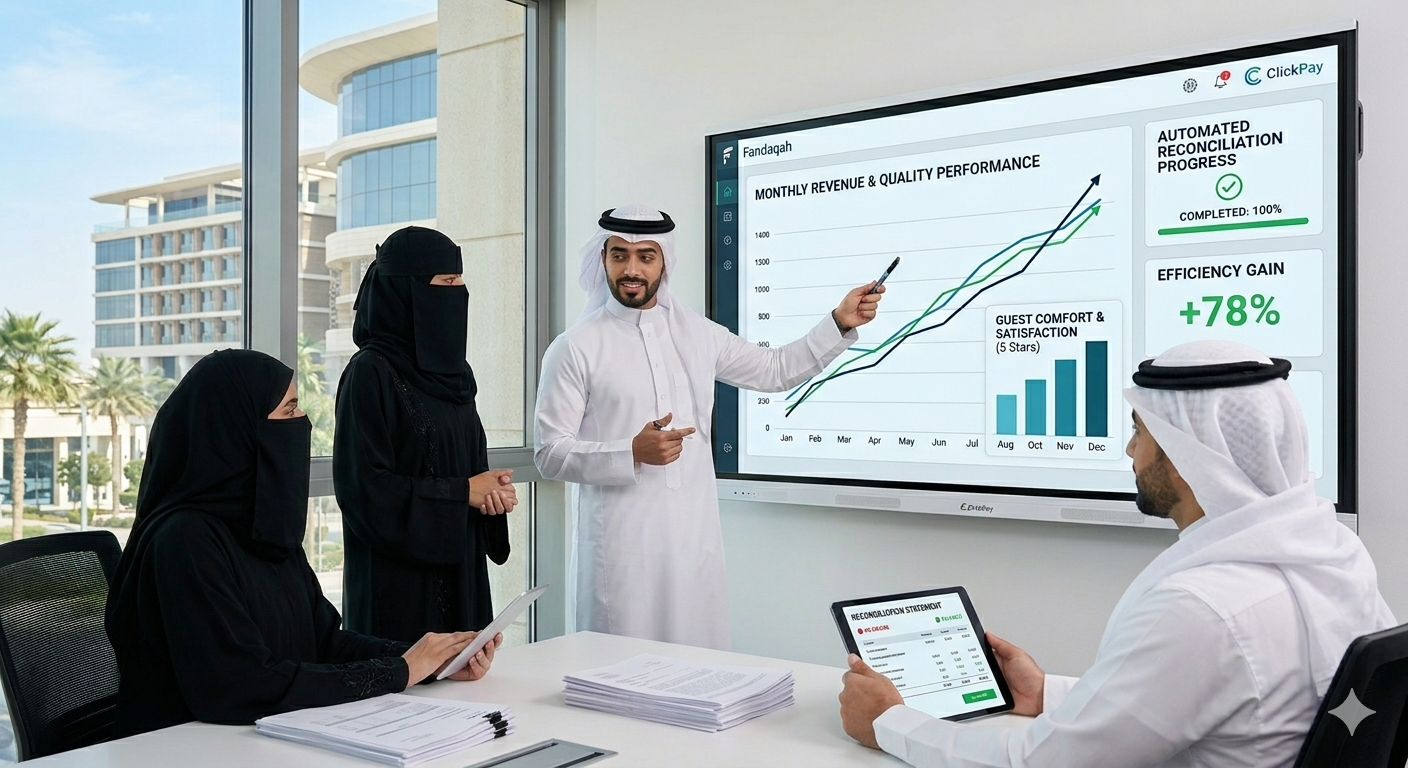
The fix: With all properties on a single multi-property instance of Fandaqah.com, reconciliation ran per property with a consolidated group view. Month-end closed in two days, and owner reports moved from "trust us" to "here is the audit trail."
Note on Evidence
The percentages and amounts above vary significantly by property type, OTA mix, and existing process maturity. A hotel with strong manual controls will recover less than one with none. The consistent finding across Fandaqah.com clients is not a single magic number but a pattern: every hotel that automates reconciliation finds leakage it did not know existed. Ask any vendor, including us, to show you anonymised exception reports from live Saudi properties before you buy.
Comparison: Manual vs Automated Hotel Payment Reconciliation
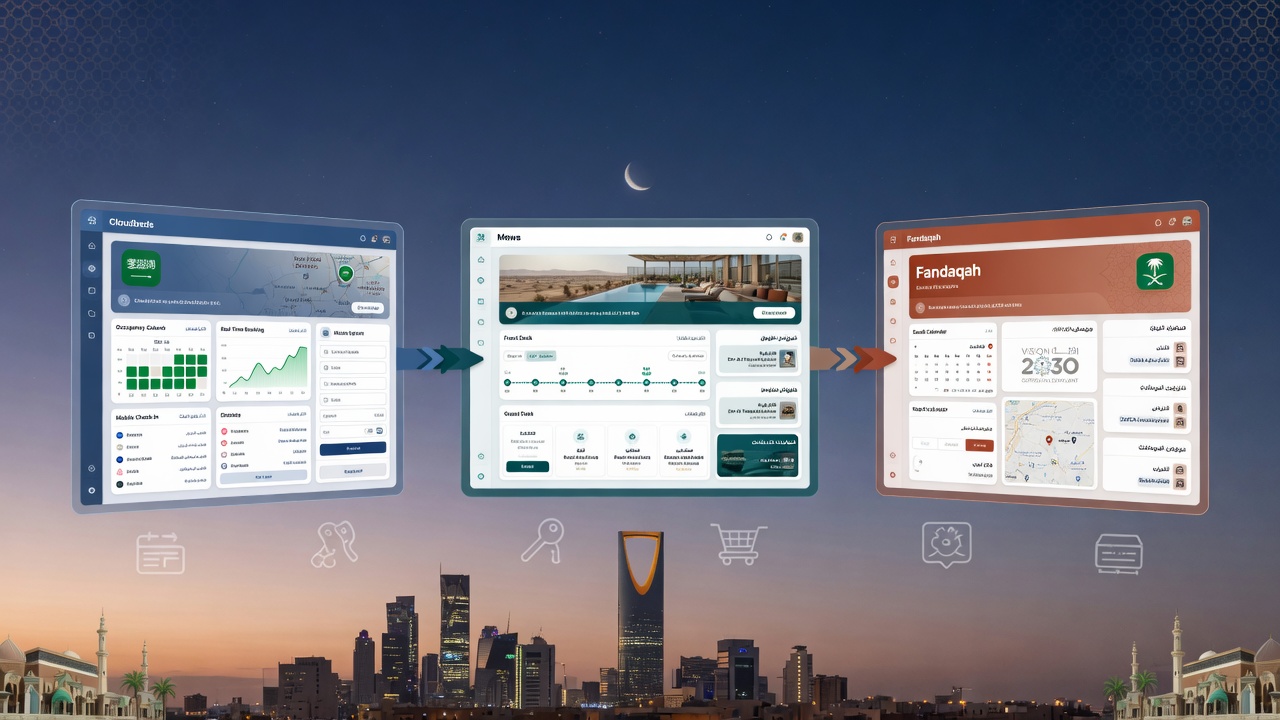
The table below compares the three approaches most Saudi hotels use today. Use it when building the business case for change.
| Dimension |
Spreadsheet Reconciliation |
Standalone Reconciliation Tool |
PMS-Integrated (Fandaqah.com) |
| Data entry |
Manual from 5–8 portals |
Exports from PMS and processors |
Automatic; payments already on folios |
| Matching method |
Eyeballing and VLOOKUP |
Rule-based on exported data |
Reference-based at time of payment |
| mada handling |
Often lumped with cards |
Depends on tool; often not localised |
Separate method with local settlement rules |
| OTA virtual cards |
Tracked manually, often missed |
Matched after the fact |
Flagged before expiry with alerts |
| ZATCA linkage |
Separate process |
Usually none |
Payment and invoice status side by side |
| Month-end time (mid-size hotel) |
5–9 working days |
2–4 working days |
1–2 working days |
| Audit trail |
None |
Within the tool only |
Linked to folios and invoices |
| Multi-property view |
Merged spreadsheets |
Separate instances |
Native consolidation |
| Cost |
"Free" plus hidden labour and leakage |
Additional licence plus integration work |
Included in PMS subscription |
When manual reconciliation is still acceptable
A small independent hotel with under 30 rooms, one bank account, one POS terminal, and limited OTA exposure can run a disciplined manual process successfully. The breaking point usually arrives when a hotel adds a second payment channel, a second property, or crosses roughly 20% OTA share. At that point, the labour cost and leakage of manual reconciliation almost always exceed the cost of automation.
Future Trends: Payment Reconciliation, Vision 2030, and the Cashless Kingdom
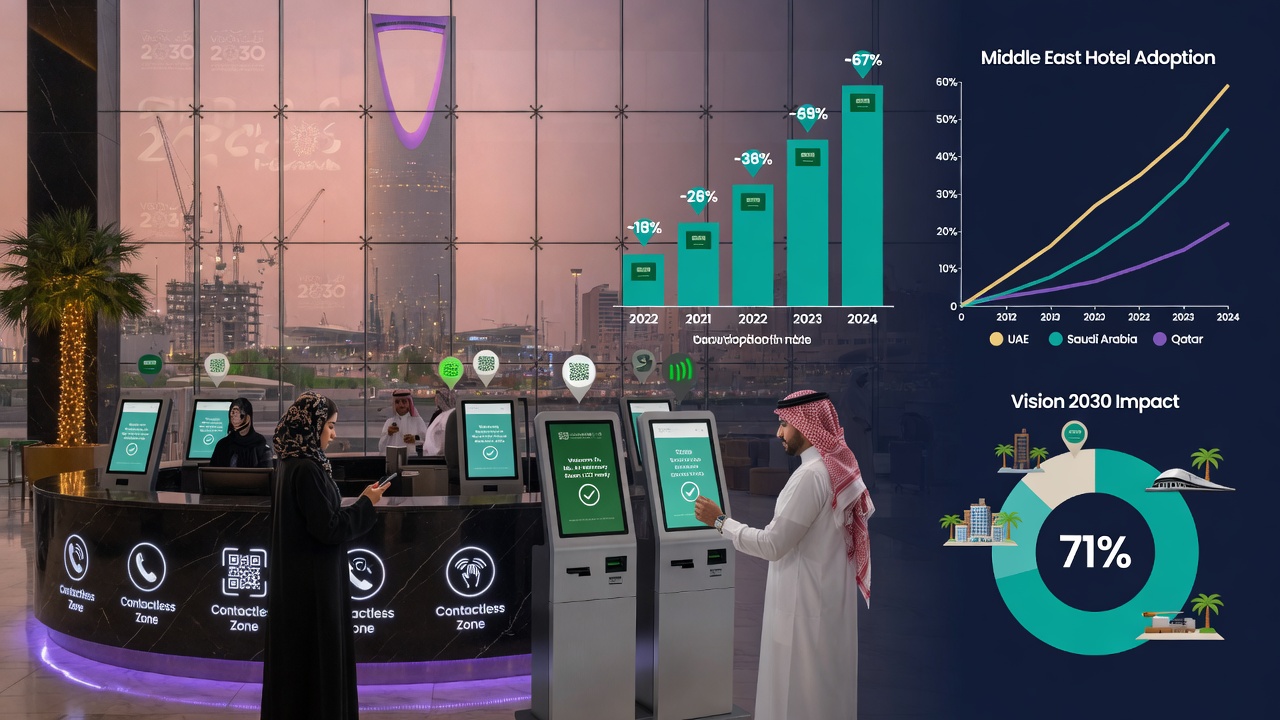
Saudi Arabia's Vision 2030 includes an explicit goal of a cashless society, with a target of 70% non-cash transactions. Combined with the national tourism target of 150 million annual visits, this means hotels will handle more digital payments, through more channels, for more guests than ever before. Here is how that will reshape reconciliation.
1. Open banking will close the bank-reconciliation gap
The Saudi Central Bank's Open Banking framework is enabling licensed platforms to pull bank transaction data directly with customer consent. For hotels, this means bank-level reconciliation can become fully automatic rather than dependent on downloaded statements.
2. Instant payments will change timing assumptions
The sarie instant payment system allows near-real-time bank transfers. As corporate accounts and tour operators adopt it, the lag between invoice and settlement shrinks, making same-day reconciliation realistic.
3. ZATCA integration will deepen
As e-invoicing waves continue, the link between payment and invoice will be scrutinised more closely. Systems that reconcile payments and e-invoices together will move from "nice to have" to "required for a clean audit."
4. Digital wallets will multiply payment methods
Apple Pay, STC Pay, and bank wallets are growing rapidly among Saudi guests. Each is a new payment type with its own settlement rules. Reconciliation systems must treat them as first-class methods, not lump them under "card."
5. AI-assisted exception handling
The next generation of hotel finance automation will not just flag exceptions but suggest resolutions: "This SAR 1,250 deposit likely matches reservations 45821 and 45822 net of a 15% commission." Finance teams will approve suggestions rather than build matches from scratch. Fandaqah.com is already building toward this model.
Pro Tip
Before your next month-end, run one simple test: pick ten OTA bookings from last month at random and trace each one from reservation to payout to bank deposit. If you cannot complete the trace for all ten within an hour, your reconciliation process is costing you money. That single exercise is often enough to secure owner approval for automation.
Frequently Asked Questions About Hotel Payment Reconciliation in Saudi Arabia
What is hotel payment reconciliation?
Hotel payment reconciliation is the process of matching every payment received (card, mada, OTA payout, bank transfer, cash) to the reservation or invoice it belongs to, and then confirming that the totals match the deposits in the hotel's bank account. It ensures that recorded revenue, processor settlements, and bank balances all agree.
Why does payment reconciliation fail in hotels?
It fails because payments arrive from many channels at different times with different reference numbers, OTA payouts are netted against commissions, virtual cards expire if not charged, refunds are not traced, and the final reconciliation often lives in a spreadsheet with no automation or audit trail. In Saudi hotels, mada settlement rules, group transfers, and ZATCA requirements add further complexity.
How do I reconcile OTA payouts with my hotel PMS?
Import the OTA's payout statement, match each line to the corresponding reservation in the PMS by confirmation number and amount, verify the commission deducted against your contracted rate, and flag any booking where the payout is missing or lower than expected. Integrated systems like Fandaqah.com do this matching automatically and surface only the exceptions.
How is mada payment reconciliation different from credit card reconciliation?
mada transactions settle through Saudi acquiring banks with their own batch timings and fee structures, separate from Visa or Mastercard schemes. Treating mada as "just another card" leads to unexplained variances. Reconciliation software should track mada as a distinct payment method with its own settlement rules.
How much revenue do hotels typically lose to poor reconciliation?
It varies widely by property and OTA mix. Among Fandaqah.com clients, leakage from uncharged virtual cards and short OTA payouts alone has ranged from under 1% to over 2% of OTA revenue before automation. Additional losses from unposted refunds and mis-allocated group payments are harder to quantify but are found in almost every property.
Does payment reconciliation affect ZATCA e-invoicing compliance?
Yes. Every payment should correspond to a compliant tax invoice or credit note. Payments without invoices or invoices without payments indicate either a compliance gap or a collection gap. Reconciling payments and e-invoice status together reduces risk during ZATCA audits.
How long does it take to implement automated reconciliation?
For a hotel already using an integrated PMS with built-in payments, activation is typically a matter of days: configuring payment methods, connecting OTA statements, and training finance staff on the exception dashboard. Hotels migrating from a separate PMS should plan for a few weeks to clean historical data first.
Can a multi-property group reconcile all hotels in one system?
Yes, if the PMS supports multi-property operation natively. Each property reconciles independently with its own bank accounts and acquirer agreements, while head office views consolidated totals and exceptions across the group. This is a core design principle of Fandaqah.com.
Conclusion: Stop Reconciling Everything, Start Fixing Exceptions
Hotel payment reconciliation in Saudi Arabia fails for structural reasons, not because finance teams are careless. Too many channels, mismatched references, timing gaps, OTA complexity, and spreadsheet dependence make manual reconciliation slow and leaky by design. The fix is architectural: make the PMS the single source of truth, integrate payments so references are captured at the moment of transaction, automate matching against OTA payouts and bank statements, and link every payment to its ZATCA invoice.
When that architecture is in place, the finance team's job transforms. Instead of spending a week confirming that most things are fine, they spend a day resolving the few things that are not. Revenue that was quietly leaking is recovered. Month-end closes faster. Owners receive numbers they can trust. And as the Kingdom moves toward a cashless, digitally regulated hospitality sector under Vision 2030, hotels with clean reconciliation will simply be better prepared than those still fighting spreadsheets.
The question is not whether your hotel has reconciliation leakage. Almost every hotel does. The question is whether you will find it before your auditor, your owner, or your competitor does.
Find Out Where Your Hotel Is Leaking Revenue
Fandaqah.com offers a free reconciliation health check for hotels in Saudi Arabia. We review one month of your OTA payouts and payment data, show you the exceptions, and estimate your recoverable revenue, with no obligation.
Request Your Free Reconciliation Health Check
Built in Saudi Arabia for Saudi hotels. mada-ready. ZATCA Phase 2 compliant. Arabic and English support.
Tags
hotel payment reconciliation in Saudi Arabia, hotel payment reconciliation software, PMS payment reconciliation, hotel accounting Saudi Arabia, OTA commission reconciliation, mada payment reconciliation hotels, hotel revenue leakage, night audit reconciliation, hotel finance automation, ZATCA e-invoicing hotels, why hotel payment reconciliation fails, how to fix payment reconciliation in hotels, automated payment reconciliation for Saudi hotels, reconciling OTA payouts with hotel PMS, hotel payment reconciliation checklist, OTA virtual card reconciliation, bank reconciliation for hotels, multi-property hotel finance, Vision 2030 cashless hospitality, Makkah hotel group billing, Saudi hotel PMS, Fandaqah.com