Published: June 2026 | Reading Time: 14 minutes | Region Focus: Saudi Arabia & GCC
The hospitality sector across the Gulf Cooperation Council (GCC) is undergoing a dramatic transformation. With Saudi Arabia targeting 150 million annual visits by 2030 under Vision 2030, the volume of cross-border hotel payments flowing into the region is set to multiply exponentially. Yet behind every confirmed booking from London, Dubai, Kuwait, or beyond lies a complex web of currency conversions, intermediary bank fees, settlement delays, and compliance hurdles that can erode margins and frustrate both hoteliers and guests.
For hotel operators in Riyadh, Jeddah, Makkah, Madinah, Dammam, and emerging destinations like NEOM, the ability to process cross-border hotel payments GCC-wide with speed, transparency, and minimal cost is no longer a back-office afterthought — it is a strategic imperative. This article explores how modern GCC hotel payment solutions are reshaping the landscape, what Saudi hoteliers need to know about cross-border payment processing, and why the future of hospitality payment platforms in the GCC is being written right now.
Did You Know?
The GCC hospitality market is projected to surpass $32 billion by 2027, with cross-border bookings accounting for an estimated 55% to 65% of total hotel revenue in major Saudi cities. Every percentage point saved on payment processing translates into millions of riyals retained across the sector annually.
The Landscape of Cross-Border Hotel Payments in the GCC
The GCC is not a single market — it is six distinct economies with different currencies, regulatory frameworks, banking infrastructures, and consumer payment preferences. A hotel in Saudi Arabia may receive reservations from guests in the UAE, Qatar, Kuwait, Bahrain, and Oman, each bringing a different currency (dirhams, riyals, dinars) and a different expectation around payment methods, refund timelines, and transaction transparency.
Historically, cross-border hotel transactions have relied on correspondent banking networks — a chain of intermediary banks that each take a fee and add processing time. A single payment from a Kuwaiti travel agency to a Saudi hotel could pass through three or four banks before settlement, with cumulative fees reaching 3% to 6% of the transaction value. For corporate bookings and B2B hotel payments in the Middle East, where invoices may reach hundreds of thousands of riyals, these costs become substantial.
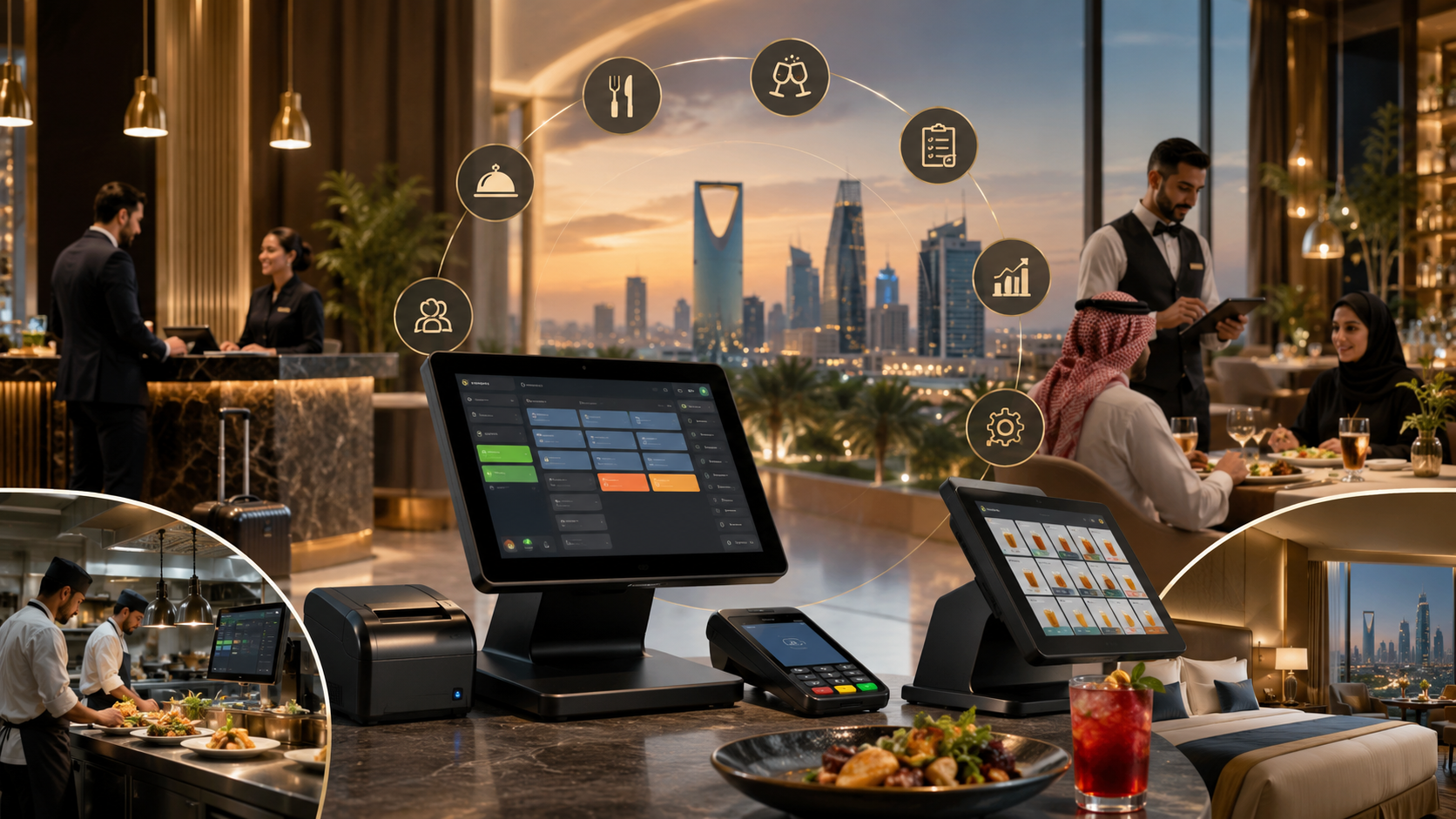
Today, a new generation of hospitality payment platforms is emerging — purpose-built for the GCC's unique cross-border dynamics. These platforms offer unified payment systems for hospitality that consolidate multi-currency processing, automate reconciliation, and dramatically reduce the friction historically associated with cross-currency hotel transactions.
Key Challenges in Cross-Border Hotel Payment Processing
1. Multi-Currency Complexity and FX Exposure
When a hotel in Jeddah quotes rates in Saudi Riyals (SAR) but receives payment in UAE Dirhams (AED), Kuwaiti Dinars (KWD), or US Dollars (USD), currency conversion becomes unavoidable. Exchange rate fluctuations between the time of booking and the time of settlement can quietly eat into profit margins. Without a robust Saudi hotel payment gateway that supports real-time FX locking or multi-currency holding accounts, hotels bear unnecessary currency risk.
2. Fragmented Payment Methods Across the GCC
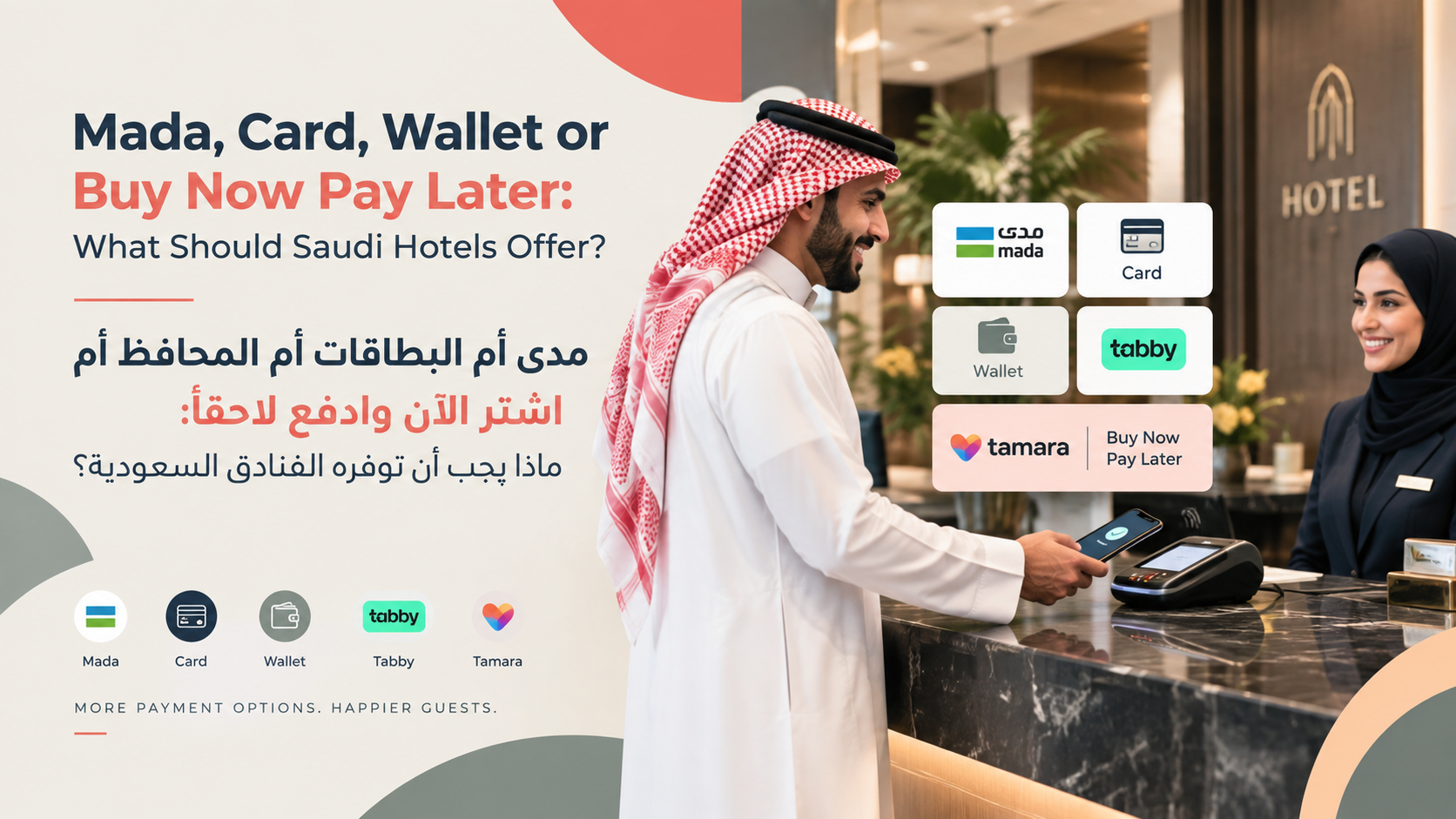
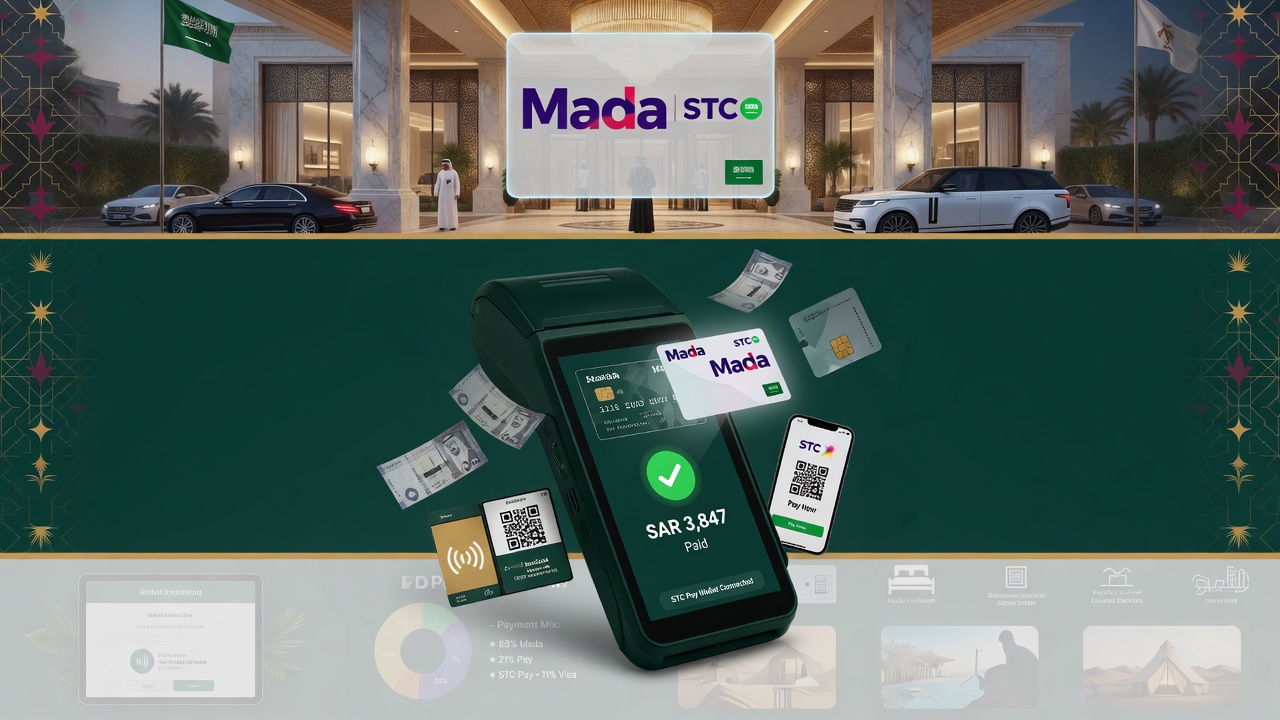
Consumer payment preferences vary significantly across GCC markets. While credit cards dominate in the UAE, digital wallets like STC Pay are surging in Saudi Arabia, and direct bank transfers (SADAD, SARIE) remain popular for B2B settlements. A unified payment system for hospitality must accommodate this fragmentation without forcing hotel finance teams to manually reconcile half a dozen different payment channels.
3. Settlement Delays and Cash Flow Strain
Traditional cross-border wire transfers can take 3 to 7 business days to settle. For hotels operating on tight working capital cycles — particularly seasonal properties in Makkah and Madinah that see massive spikes during Ramadan and Hajj — these delays create genuine cash flow pressure. Hotel payment automation in the GCC aims to compress settlement windows to same-day or next-day timelines.
4. Regulatory Compliance and KYC Burdens
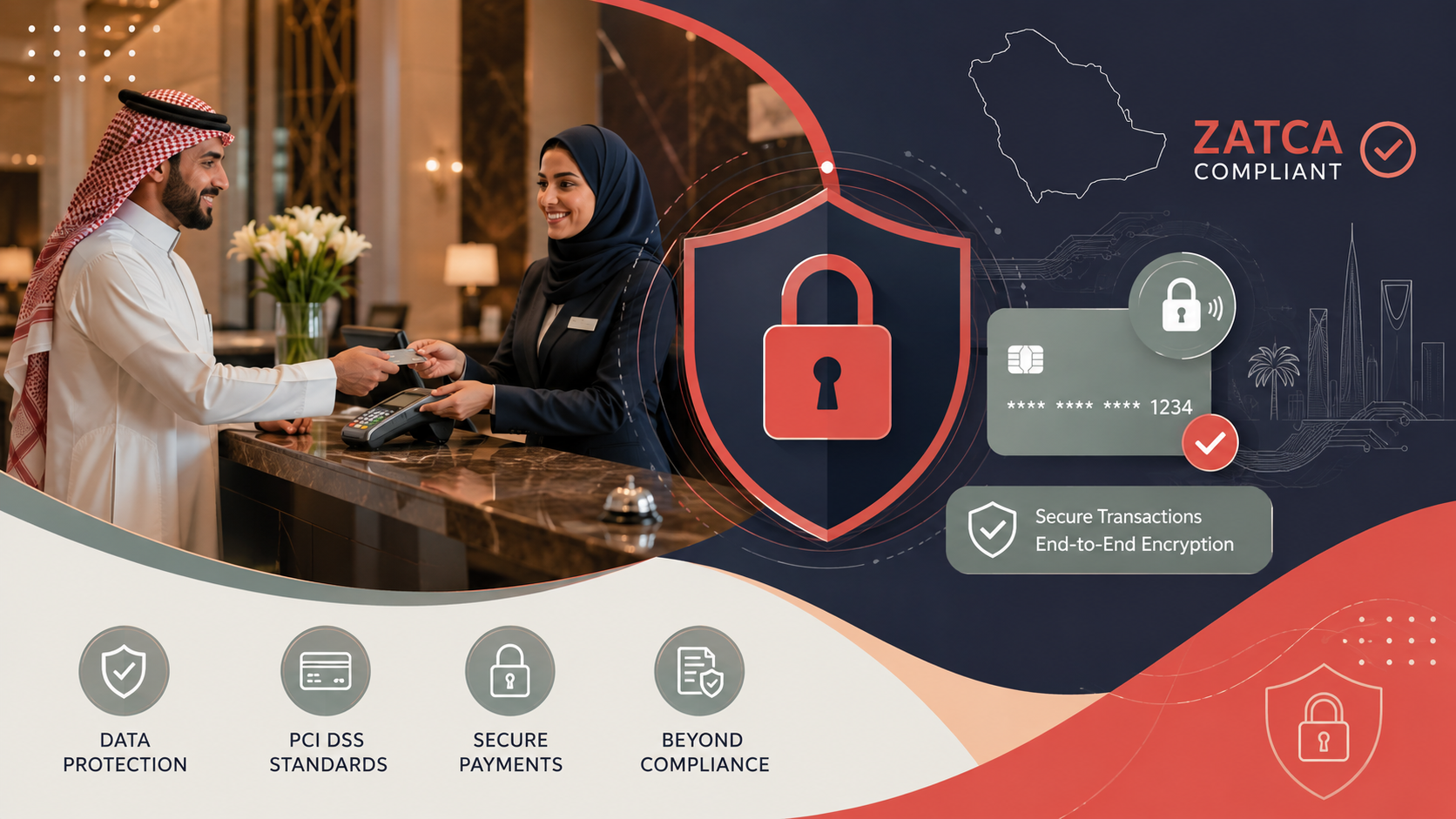
Saudi Arabia's Saudi Central Bank (SAMA) enforces strict anti-money laundering (AML) and know-your-customer (KYC) regulations. Cross-border payments trigger additional compliance checks. Modern GCC hotel payment solutions embed compliance automation, reducing the administrative burden on hotel finance departments while ensuring full regulatory adherence.
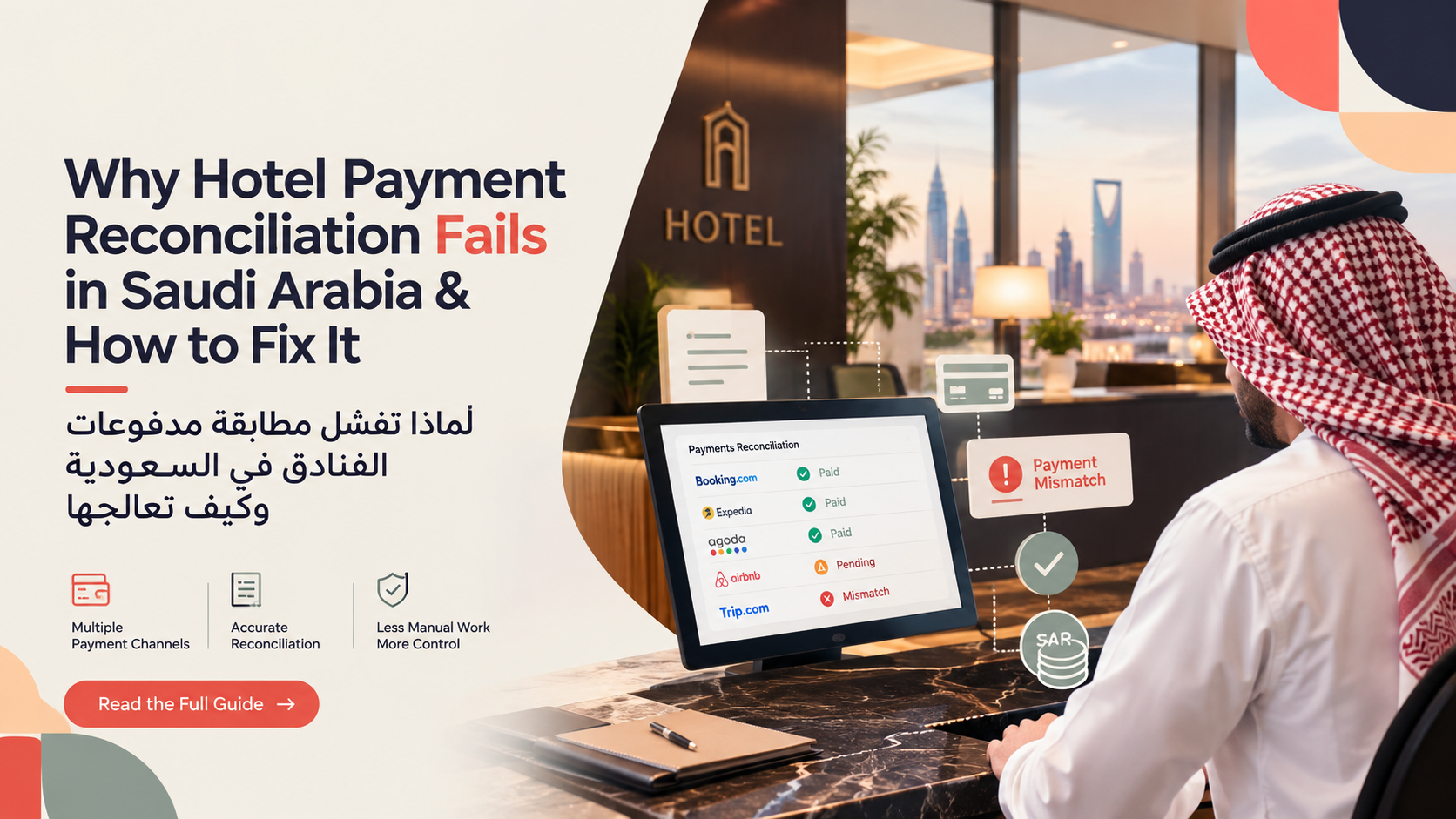
5. Reconciliation Nightmares
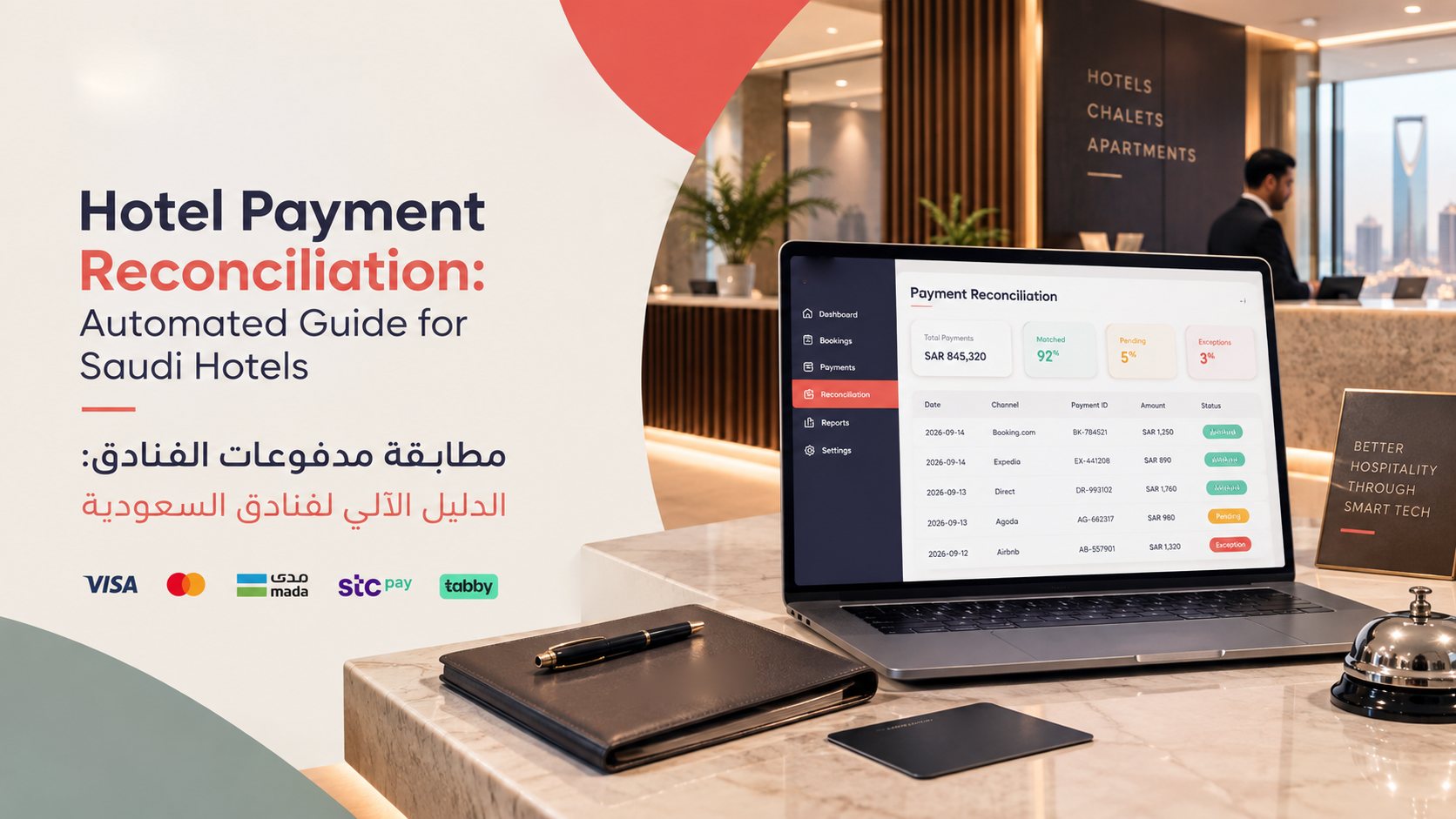
Matching incoming payments to booking records when payments arrive in different currencies, through different channels, with deducted intermediary fees, and with incomplete reference data is a productivity sinkhole. GCC hotel payment reconciliation solutions are increasingly leveraging AI to automate this historically manual process.
Industry Insight:
"Hotels that adopt integrated cross-border payment platforms reduce reconciliation time by up to 70% and cut payment-related guest complaints by nearly half. In a market as competitive as the GCC, the payment experience is part of the guest experience."
How Modern Payment Solutions Are Simplifying GCC Hotel Transactions
The shift from legacy correspondent banking to digital-first hospitality payment platforms represents one of the most consequential operational upgrades available to GCC hoteliers today. Here is how the new model works in practice:
-
Local Acquiring in Multiple GCC Markets: Instead of routing every payment through a single country's banking system, modern platforms establish local acquiring relationships in each GCC state. A guest in Kuwait pays in KWD through a Kuwaiti acquiring bank; the funds are then aggregated and settled to the Saudi hotel in SAR — often within 24 hours.
-
Real-Time FX with Transparent Pricing: Leading Saudi hotel payment gateways now offer live exchange rates with full fee disclosure before the transaction is confirmed. Some platforms allow hotels to lock in exchange rates at the time of booking, eliminating FX uncertainty entirely.
-
Virtual IBANs and Multi-Currency Accounts: Hotels can hold virtual IBAN accounts in multiple GCC currencies, allowing them to receive payments as if they were local entities in each market. This eliminates intermediary bank chains and their associated fees.
-
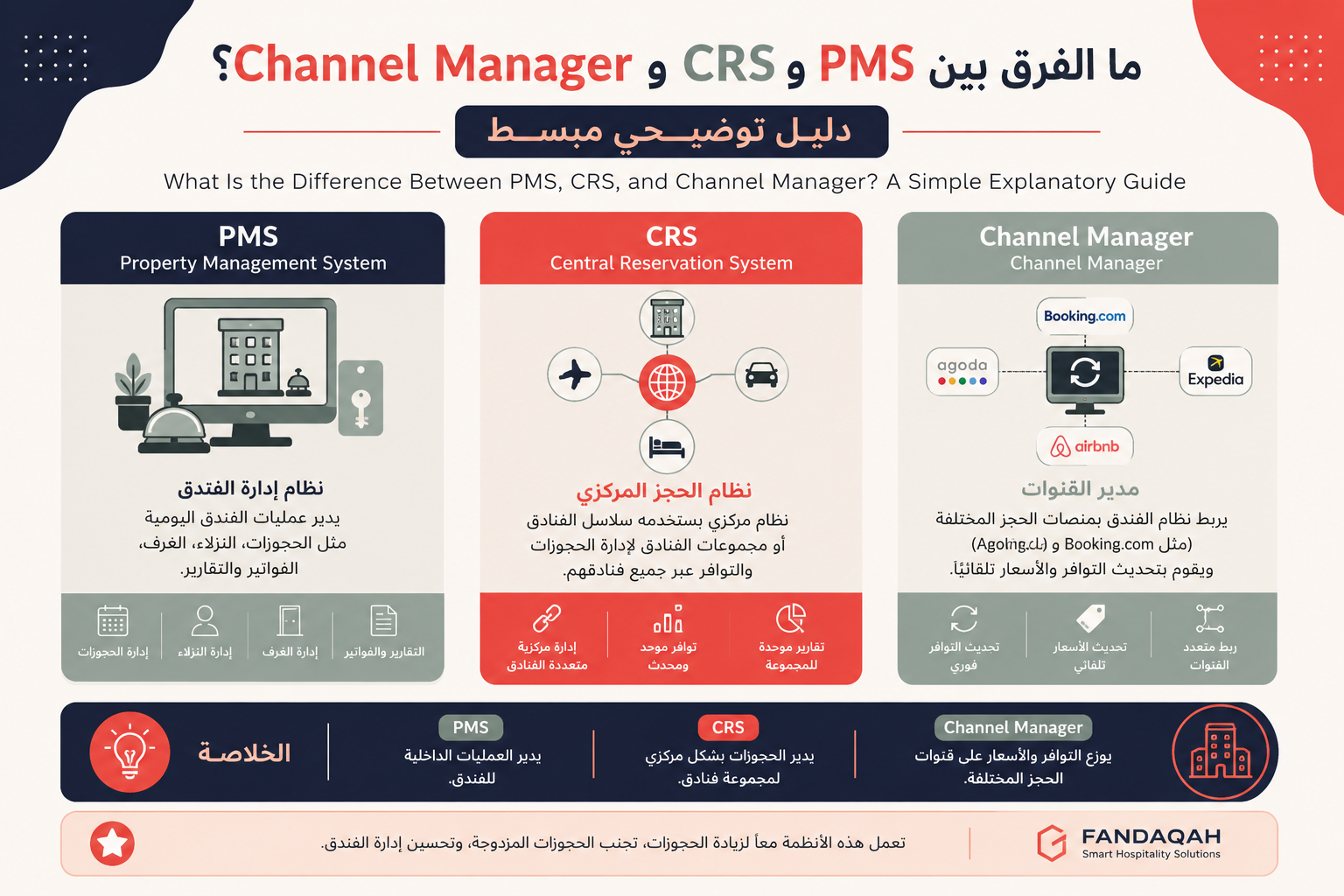
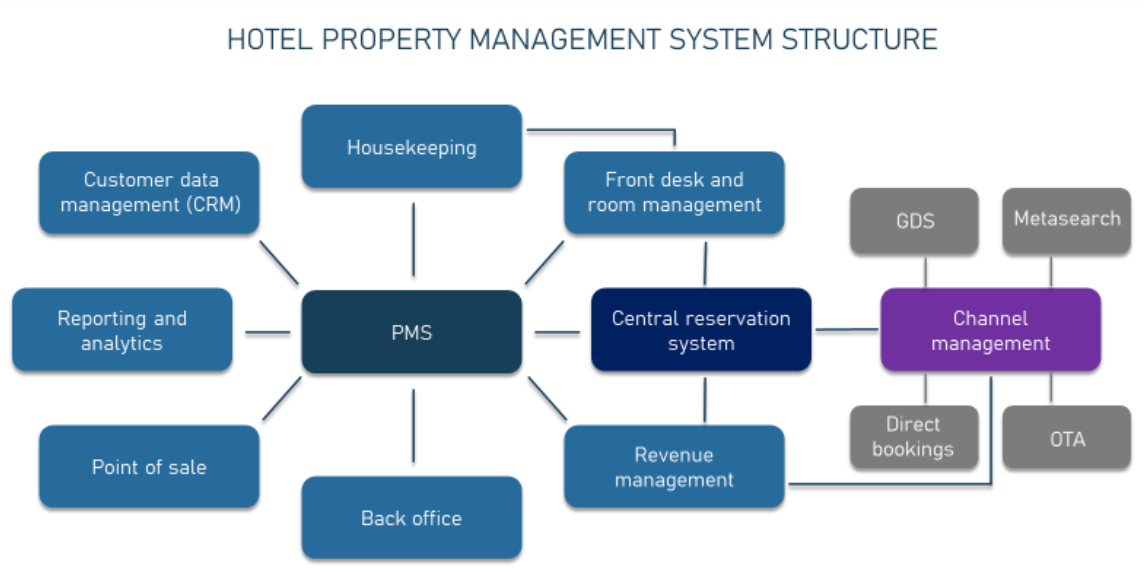
API-First Integration with PMS Platforms: Property Management Systems (PMS) like Opera, Protel, and others now integrate directly with payment platforms via API, enabling hotel payment automation — from invoice generation to payment matching — without manual intervention.
-
Built-In Compliance Engines: SAMA-compliant KYC/AML checks are embedded in the payment flow, ensuring every cross-border hotel transaction meets Saudi regulatory standards without adding friction for legitimate guests.
Pro Tip for Saudi Hoteliers:
When evaluating a cross-border payment processing partner, ask about their SAMA regulatory status, their settlement speed for intra-GCC transfers, and whether they offer SAR-dedicated settlement accounts. A provider licensed in multiple GCC jurisdictions will almost always outperform a single-jurisdiction solution on both cost and speed.
Key Benefits of a Unified Cross-Border Payment System for Hotels
| Benefit |
Traditional Approach |
Modern Unified System |
| Settlement Speed |
3–7 business days |
Same-day to 24 hours |
| FX Transparency |
Hidden markups, unclear rates |
Real-time rates, full disclosure |
| Total Cost per Transaction |
3%–6% (including intermediary fees) |
0.5%–1.5% (all-inclusive) |
| Reconciliation Effort |
Manual, hours per day |
Automated, near-instant |
| Multi-Currency Support |
Limited, often USD-dependent |
All GCC currencies + majors |
| Compliance Automation |
Manual checks, slow |
Embedded, real-time AML/KYC |
Use Cases: Cross-Border Hotel Payments Across Saudi Arabia
Makkah & Madinah: High-Volume Seasonal Pilgrimage Bookings
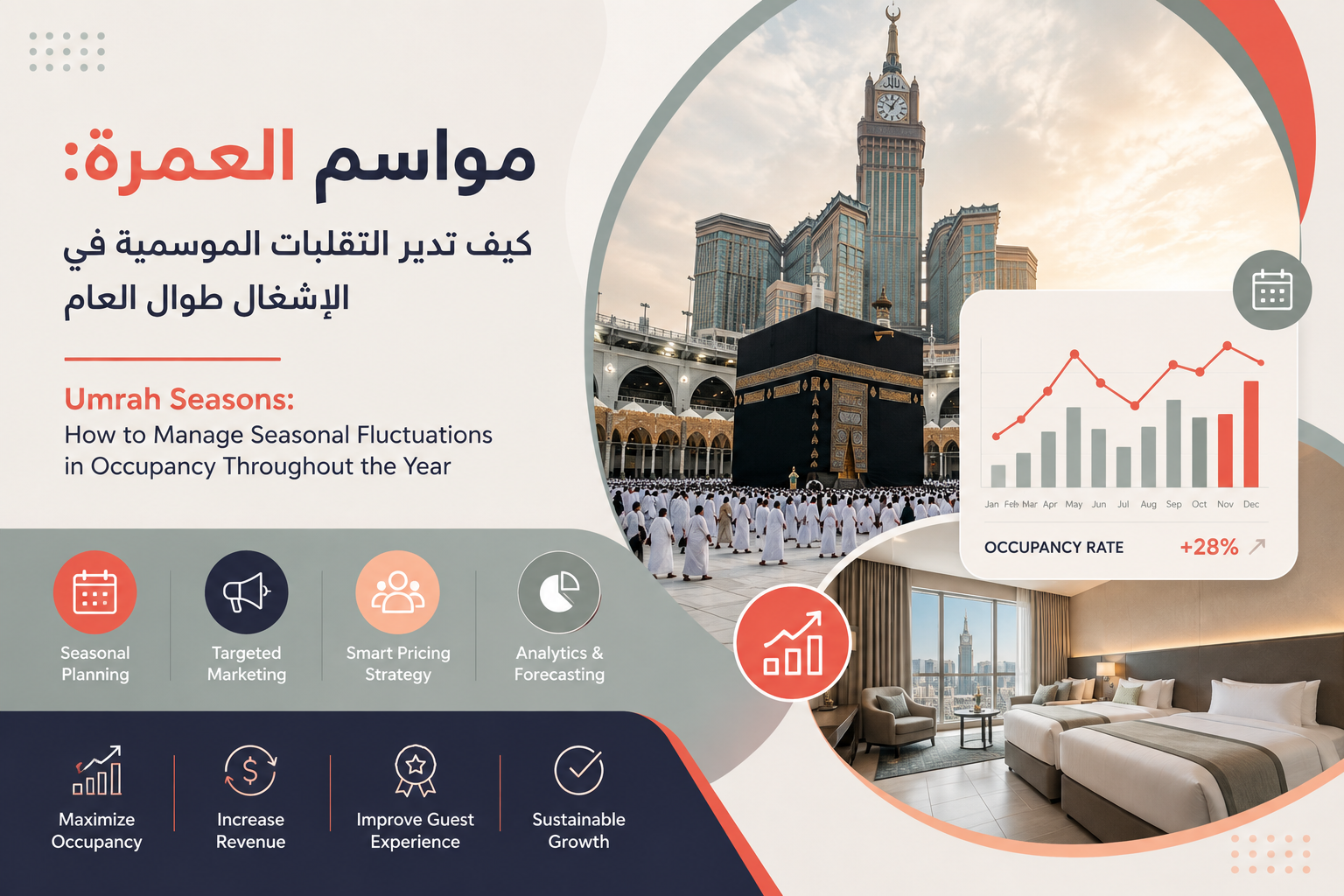
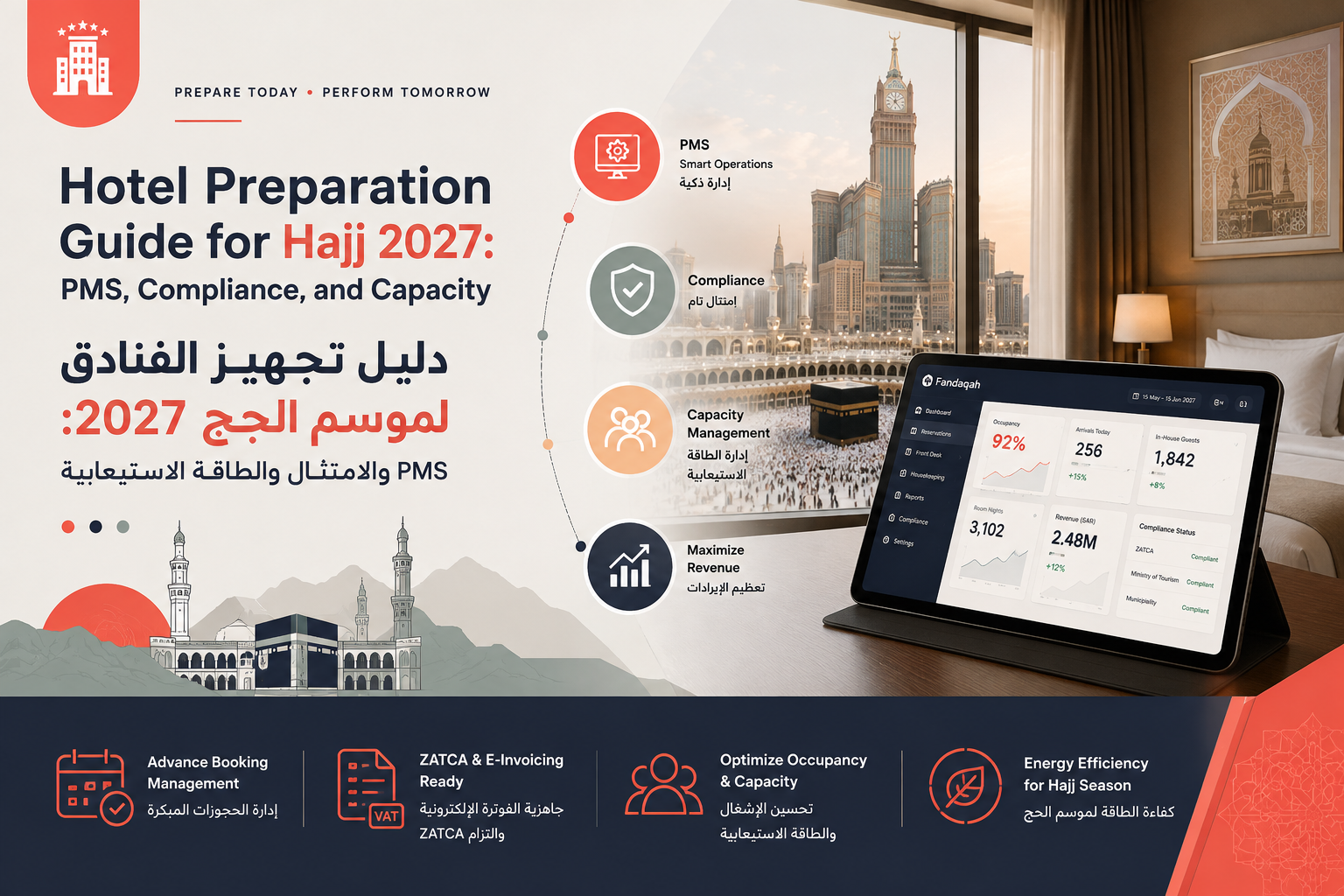
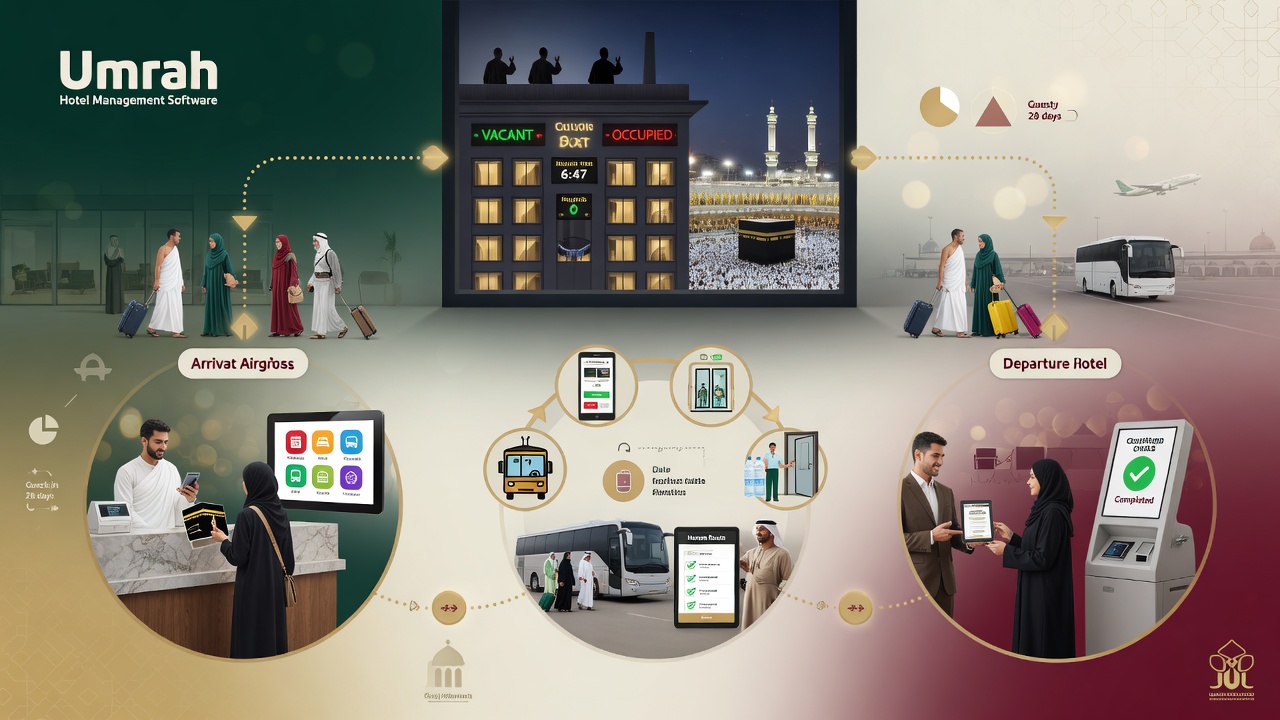
The holy cities of Makkah and Madinah receive millions of international pilgrims annually for Hajj and Umrah. Travel agencies in Kuwait, Bahrain, UAE, Qatar, and Oman routinely make large block bookings — often paying six-figure sums in advance. Cross-border hotel payments for these bookings must be fast, traceable, and compliant with Saudi financial regulations. A unified GCC payment gateway that offers same-day SAR settlement and automated invoice matching is transformative for these properties, where cash flow management during peak seasons is critical.
Riyadh: Corporate and Government Delegation Stays
As the political and financial capital of Saudi Arabia, Riyadh hosts a constant stream of corporate travelers, government delegations, and international conference attendees. Many of these bookings are B2B hotel payments made by overseas entities — corporations in Dubai, ministries in Muscat, or event organizers in Manama. These payers expect hotel payment automation with detailed digital invoicing and fast settlement, reflecting the professional standards they experience in their home markets.
Jeddah & the Red Sea Coast: Luxury Leisure Tourism
Jeddah's Corniche and the emerging Red Sea luxury resorts attract high-net-worth travelers from across the GCC and beyond. These guests often book through international online travel agencies (OTAs) or luxury travel concierges, generating cross-currency hotel transactions in USD, EUR, GBP, and GCC currencies. Hotels in this segment need hospitality payment platforms that can handle diverse currencies while preserving the seamless luxury experience their guests expect — no clunky payment friction at check-in or check-out.
NEOM & Future Giga-Projects: Building Payment Infrastructure from Scratch
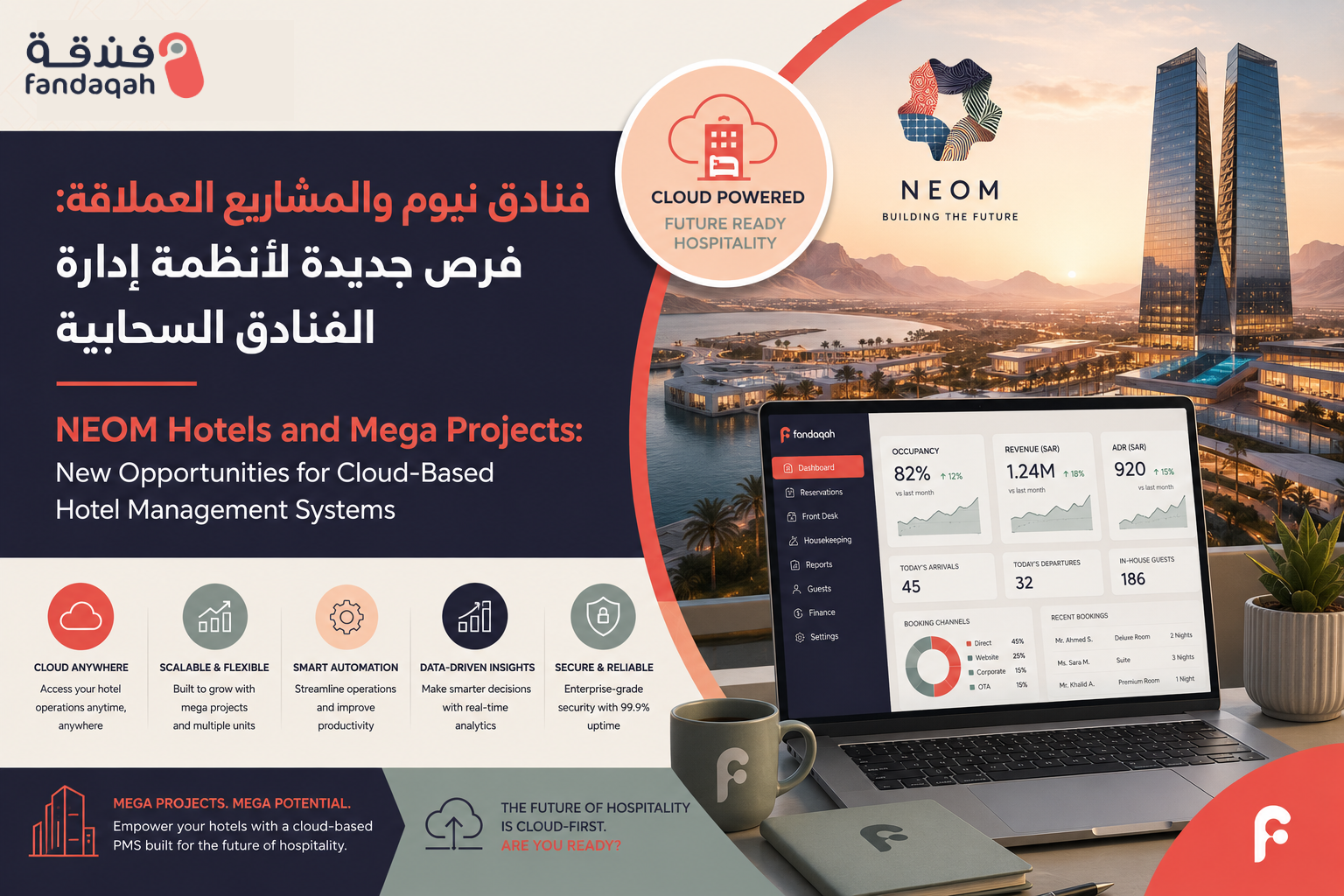
NEOM, the Red Sea Project, and Qiddiya are not just building hotels — they are building entire hospitality ecosystems. These greenfield developments have the unique opportunity to embed cutting-edge cross-border payment infrastructure from day one, leapfrogging legacy systems entirely. The vision includes fully digital, multi-currency payment rails that can settle transactions across the GCC and globally in real time, setting a new benchmark for the entire region.
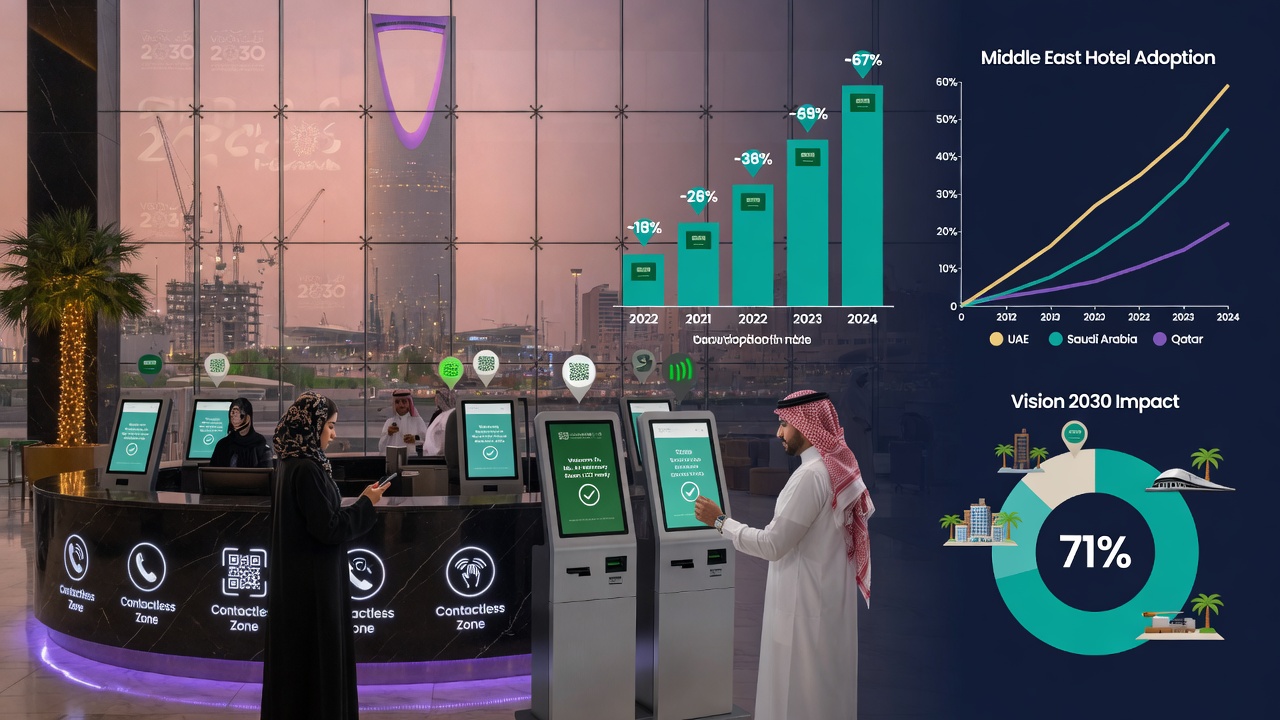
Vision 2030 and the Future of Cross-Border Hotel Payments
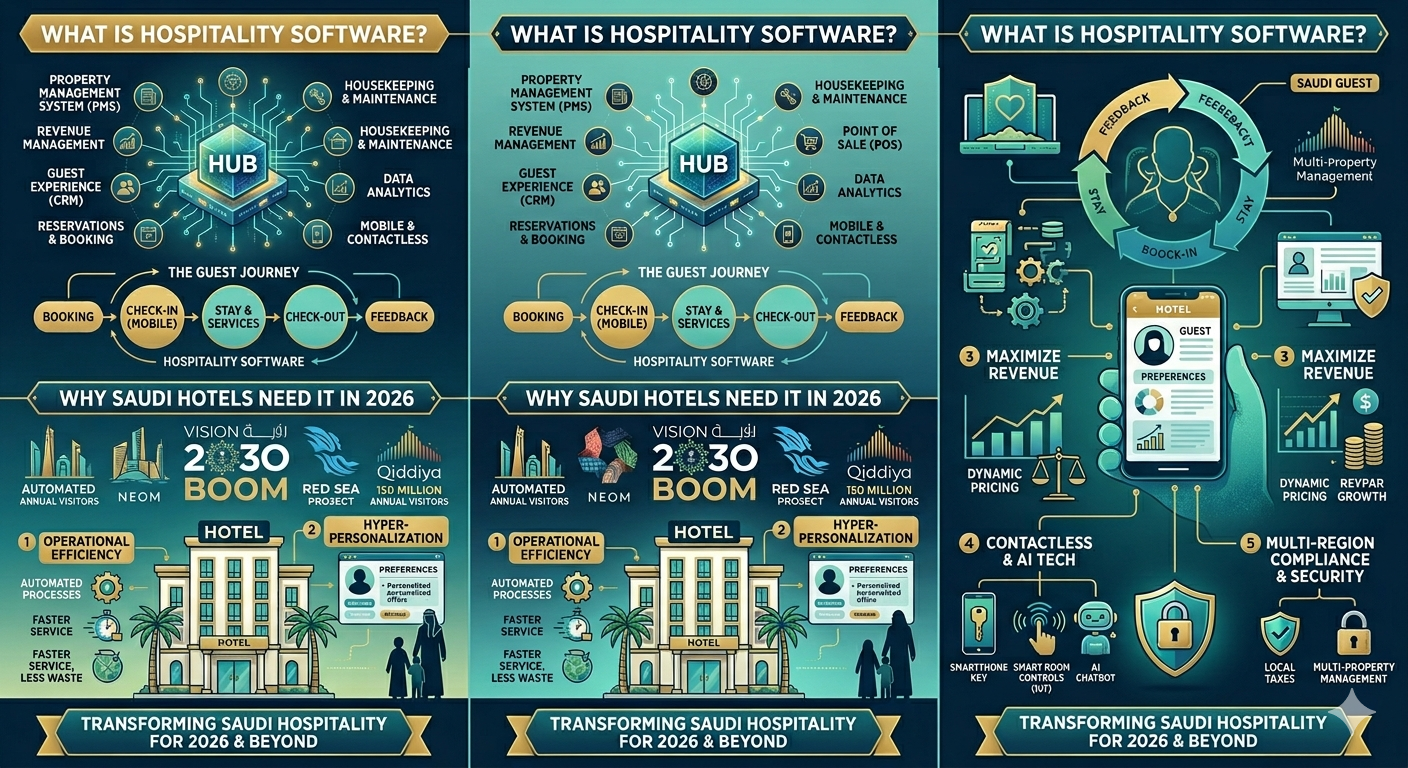
Saudi Arabia's Vision 2030 is not merely a tourism expansion plan — it is a comprehensive economic transformation that places digital infrastructure at its core. The Saudi Central Bank (SAMA) has been actively developing the national payment infrastructure, including the instant payment system SARIE and the expansion of open banking frameworks. These initiatives are creating an environment where cross-border hotel payments in Saudi Arabia can become nearly frictionless.
Several trends are converging to reshape GCC tourism payments over the next five years:
-
Blockchain-Based Settlement Networks: Distributed ledger technology is being explored for cross-border B2B hotel payments, enabling near-instant settlement with full audit trails and reduced counterparty risk. Several GCC central banks are running pilot programs.
-
AI-Powered Reconciliation: Machine learning algorithms are becoming increasingly adept at matching payments to bookings even when reference data is incomplete or formatted inconsistently — a common reality in cross-currency hotel transactions.
-
GCC-Wide Payment Harmonization: Discussions around a unified GCC payment ecosystem — analogous to Europe's SEPA — are gaining momentum. If realized, this would dramatically simplify cross-border hotel payments GCC-wide, treating the six-nation bloc as a single payment area.
-
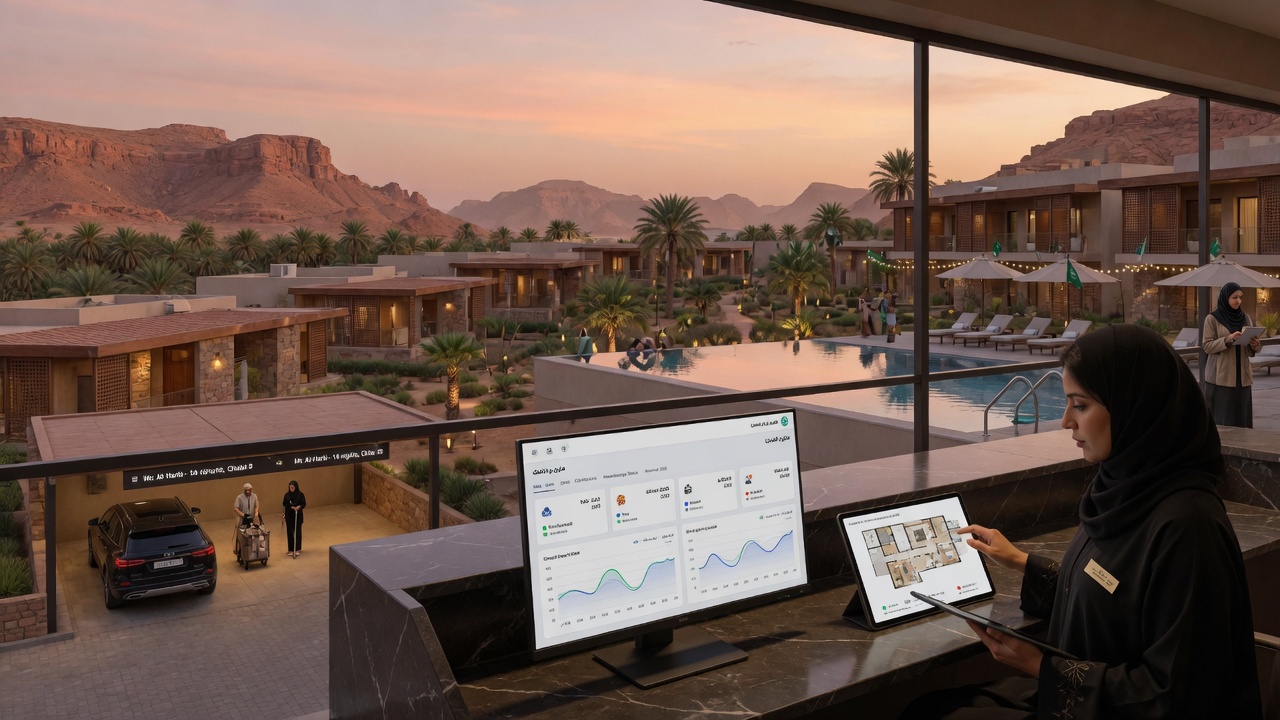
Embedded Finance in Hospitality Platforms: The line between property management systems (PMS) and payment platforms is blurring. Hotels will increasingly manage all financial operations — invoicing, payments, reconciliation, FX — within a single integrated interface.
-
Digital Riyal and CBDC Integration: As Saudi Arabia explores a Central Bank Digital Currency (CBDC), the potential for programmable, instant cross-border settlements could redefine how hospitality payment platforms in the GCC operate.
For hotel operators in Saudi Arabia, staying ahead of these trends is not optional. The simplification of cross-border hotel payments is directly tied to guest satisfaction, operational efficiency, and bottom-line profitability. Those who invest in modern GCC hotel payment solutions today will be best positioned to capture the coming wave of regional tourism growth.
Quick Checklist: Is Your Hotel Ready for the Cross-Border Payment Evolution?
✅ Can you accept payments in all six GCC currencies without intermediary bank chains?
✅ Does your payment gateway settle in SAR within 24 hours?
✅ Is your reconciliation process automated or still manual?
✅ Are your FX rates transparent and competitive?
✅ Is your payment partner SAMA-compliant and licensed across the GCC?
✅ Can your system handle peak-season volume spikes without delays?
✅ Do you offer guests a localized payment experience in their home currency?
Frequently Asked Questions About Cross-Border Hotel Payments in the GCC
Q1: What is the best payment gateway for hotels in Saudi Arabia?
The best payment gateway for hotels in Saudi Arabia depends on your specific needs, but key criteria include: SAMA licensing, support for all GCC currencies, same-day SAR settlement, API integration with your PMS, transparent FX rates, and automated reconciliation capabilities. Look for providers with a proven track record in the GCC hospitality sector specifically, not just generic payment processors.
Q2: How can hotels reduce fees on cross-border GCC transactions?
Hotels can reduce cross-border payment processing fees by: (1) using a payment platform with local acquiring in each GCC market to avoid correspondent banking chains, (2) negotiating volume-based pricing with their payment provider, (3) utilizing virtual multi-currency accounts to receive payments locally, and (4) consolidating all GCC payment flows through a single unified payment system rather than maintaining separate banking relationships in each country.
Q3: What is the typical settlement time for cross-border hotel payments in the GCC?
Traditional wire transfers between GCC countries typically settle in 3 to 7 business days. Modern GCC hotel payment solutions using local acquiring networks can achieve same-day or next-business-day settlement for intra-GCC transactions. The exact timeline depends on the payment method, the currencies involved, and the specific banking relationships of your payment provider.
Q4: How does SAMA regulate cross-border hotel payments in Saudi Arabia?
SAMA (Saudi Central Bank) regulates all payment services within the Kingdom, including cross-border hotel transactions. Key requirements include: licensing of payment service providers, compliance with AML/CTF regulations, customer due diligence (KYC), transaction monitoring, and data localization in certain cases. Hotels should ensure their payment partners hold the appropriate SAMA licenses and adhere to all regulatory guidelines to avoid compliance risks.
Q5: Can GCC hotels accept payments in multiple currencies without opening foreign bank accounts?
Yes. Modern hospitality payment platforms offer virtual IBANs and multi-currency holding accounts that allow hotels to receive payments in AED, KWD, BHD, QAR, OMR, USD, EUR, and other currencies without physically opening bank accounts in each jurisdiction. Funds can be held in these currencies or converted to SAR at competitive rates, all within a single platform. This is one of the most significant innovations in simplifying cross-border hotel payments in Saudi Arabia.
Q6: What role does Vision 2030 play in improving hotel payment infrastructure?
Vision 2030 prioritizes digital transformation across all sectors, including hospitality and financial services. Initiatives like the Fintech Saudi program, SAMA's open banking framework, the expansion of instant payment systems, and investments in digital infrastructure all contribute to an environment where cross-border hotel payments can become faster, cheaper, and more transparent. The government's target of 150 million annual visits by 2030 makes efficient payment infrastructure a national priority.
Q7: How do B2B hotel payments differ from consumer payments in the GCC context?
B2B hotel payments in the Middle East — such as corporate bookings, travel agency settlements, and government delegation stays — typically involve larger transaction amounts, require formal invoicing and purchase order matching, have longer payment terms (net 30 to net 60), and are more likely to use bank transfers rather than card payments. Specialized GCC hotel payment reconciliation solutions are essential for managing the complexity of B2B flows, which often represent a significant portion of a hotel's total revenue.
Conclusion: The Time to Act Is Now
The cross-border hotel payment landscape in the GCC is being reshaped by technology, regulation, and sheer market momentum. For Saudi hoteliers, the convergence of Vision 2030, surging tourism targets, and maturing hospitality payment platforms creates a once-in-a-generation opportunity to modernize financial operations, reduce costs, and deliver a payment experience that matches the world-class hospitality the Kingdom aspires to provide.
Simplifying cross-border hotel payments in Saudi Arabia is not just about technology — it is about competitiveness. Hotels that can accept any GCC currency seamlessly, settle funds in hours rather than days, reconcile transactions automatically, and maintain full regulatory compliance will win more corporate contracts, attract more international guests, and protect their margins in an increasingly competitive market.
Whether you operate a boutique property in Jeddah, a business hotel in Riyadh, or a large-scale pilgrimage property in Makkah, the message is clear: the future of GCC hotel payments is digital, unified, and cross-border by design. The platforms exist. The regulatory environment is supportive. The demand is growing. Now is the time to act.
Ready to Transform Your Hotel's Cross-Border Payments?
Join the growing number of GCC hoteliers who are reducing payment costs, accelerating settlements, and delighting guests with seamless multi-currency transactions. Explore GCC hotel payment solutions tailored for the Saudi market today.
Get a Free Payment Audit →
No commitment • SAMA-compliant solutions • Tailored for Saudi hospitality
Tags:
cross-border hotel payments GCC, GCC hotel payment solutions, Saudi hotel payment gateway, cross-border payment processing, hotel payment automation GCC, unified payment system hospitality, GCC tourism payments, Saudi Arabia hotel industry payments, cross-currency hotel transactions, B2B hotel payments Middle East, hospitality payment platform GCC, simplifying cross-border hotel payments in Saudi Arabia, GCC hotel payment reconciliation solutions, Vision 2030 hotel payment infrastructure, how to process cross-border hotel payments in GCC, best payment gateway for hotels in Saudi Arabia, cross-currency settlement for GCC hotels, digital payment transformation in Saudi hospitality, SAMA-compliant hotel payments, multi-currency hotel payment processing, intra-GCC hotel transaction solutions, Saudi Vision 2030 hospitality payments, hotel cross-border payment optimization, GCC hospitality fintech solutions